
21 Winter Carry-On Packing Lists to Stay Warm With Just One Bag
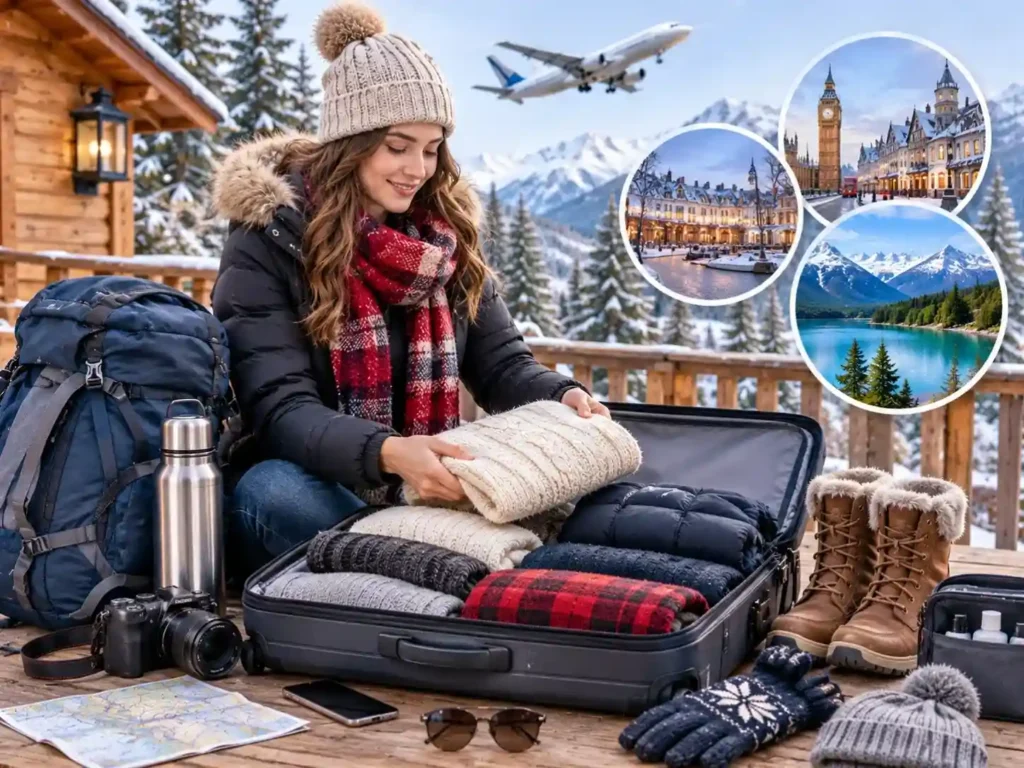
I used to treat baggage fees as a tax on being disorganised. Then I watched $25 disappear at a counter for every one of my checked bags, and the winter carry-on turned into a personal challenge. Most of my cold-weather trips happen in the off-season, so I get autumn drizzle or spring slush rather than postcard snow. Stories from friends who did Iceland, London and New Zealand convinced me that one cabin bag could handle all of it.
A cross-country road trip taught me the real lesson about fabric. A friend who grew up in Ohio and later wintered through Detroit and Chicago swore by wool and down, and mocked acrylic sweaters at every chance. Even a 36L backpack can last two weeks if the technical fabrics do the work instead of the closet. Staying worry-free in the snowy mountains or wandering festive towns comes down to planning, not bag size. Cotton lets you down, the right fabric rescues you, and anything bulky just eats space. Comfort and style can coexist once overpacking is off the table.
1. Layering System (Base, Mid, Outer)
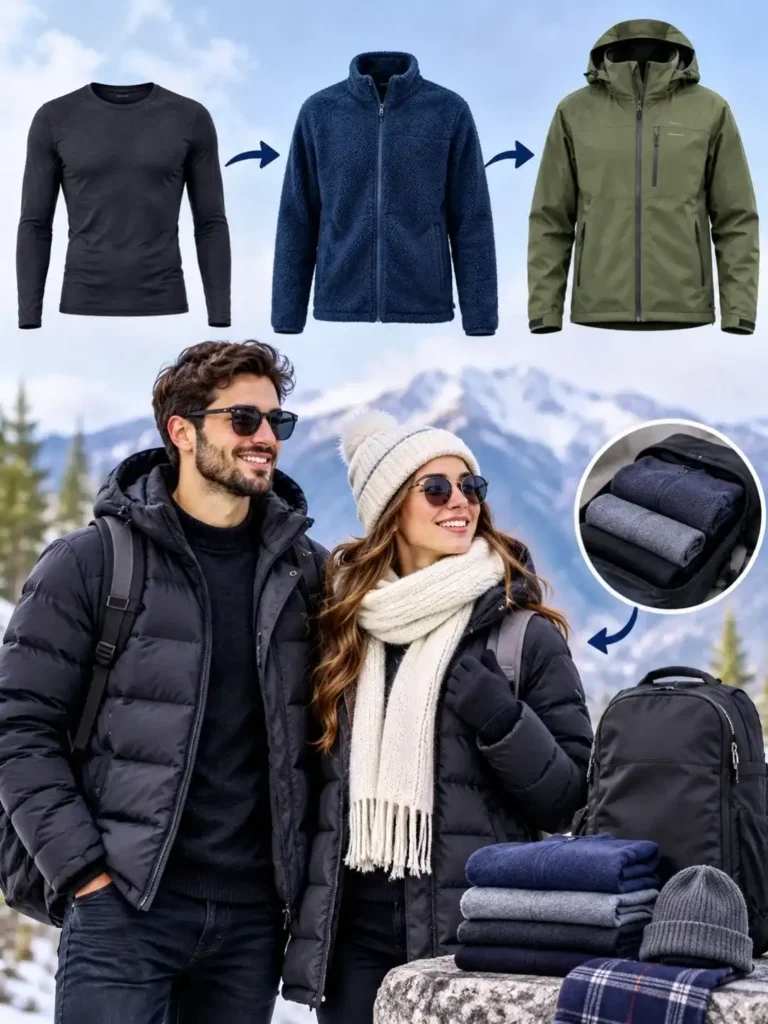
Think of dressing as handing out jobs. The three layers each get one, and the onion-skin principle simply means peeling or adding as the day shifts. A thermal base handles wicking, the mid layer is insulating, and the outer layer shuts the weather out. Whichever base layer you choose matters most, because it sits closest to you.
For the middle and top, my usual kit is a fleece, a pair of lightweight sweaters, a packable puffer, and a windproof jacket that is also waterproof. Over that goes one coat, with a hat in the pocket. I stick to neutral colors so nothing fights anything else. How you wear things counts as much as what you own. Rolling garments saves room, and wearing them loosely traps warm air between pieces. Add versatile layers, a scarf and gloves, and you get form and function plus real weather protection.
Space is the quiet villain here. A single heavy coat swallows more space than three thin pieces, and it can’t adapt to temperature swings. Skipping bulky single items for a packable jacket plus separate waterproofs keeps moisture and chill off your skin without wrecking the bag.
2. Base Layers and Thermals
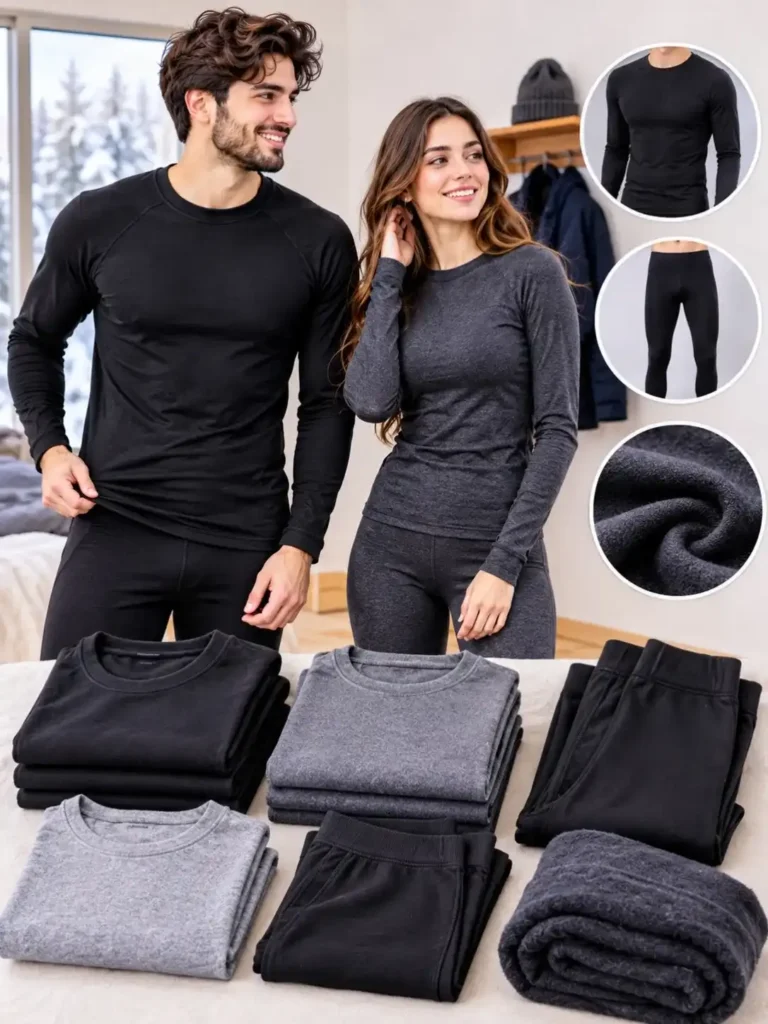
My own base layer rule is boring but it works: 3 sets of merino wool, and nothing made of cotton. If merino wool costs too much, Uniqlo’s HeatTech is a fair stand-in. A thin camisole adds a bit of comfort, thermal tights handle the legs, and the whole point is wicking. Odor-resistant fibres and moisture-wicking underwear let you re-wear things without guilt.
Quantities are where people go wrong. 5 t-shirts or so cover one week, and with repeat wearing they stretch across two weeks. Pair them with a sweat-wicking long sleeve, and keep 3–4 sets of thermals plus 2–3 tops for the windy days that really bite. The plain t-shirts can stay few. Fabric choice beats thickness every time. Jeans and dress shirts offer poor insulation, whereas thermal underwear and tights under normal clothes trap heat well. A base layer in engineered synthetic suits hiking, and even humid climates reward this approach, because dampness makes cold feel sharper.
Many travellers underestimate merino long sleeves. One wash cycle can buy you 4–5 wears, and the rotation keeps things fresh. Add fleece leggings for core warmth, favour quick-drying functional clothing, and the budget actually shrinks over time.
3. Mid Layers: Sweaters and Fleece
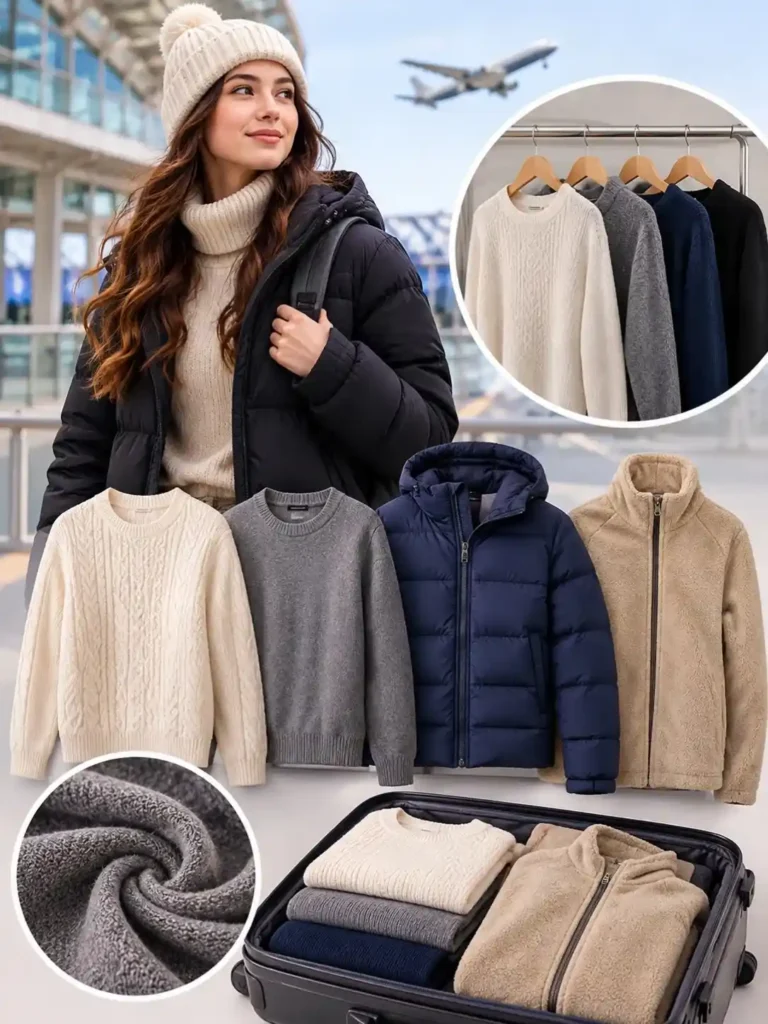
I’ll admit cashmere tempted me once, but bulky knits rarely earn their space. A pair of sweaters in neutral colors, a packable puffer filled with down (or a synthetic puffer if you prefer), plus one fleece can build nine outfits between them. Whatever is thickest rides on the plane. Brands matter less, though Columbia is a decent budget-friendly pick for fleece jackets and vests. I’d cap it at 2–3 sweaters and wear the heaviest sweater while flying. Cardigans, turtlenecks, jumpers and long-sleeve tops all count here, so choose what suits you.
A lightweight sweater that compresses easily is the real prize. Wearing a thick knit through a whole city day felt overstimulating to me, so now I rely on 3 warm layers and 3–4 long-sleeve tops for carry-on trips. Each mid layer adds insulation, and with three mid layers you can mix and match freely.
4. Winter Jackets, Coats and Waterproof Outerwear
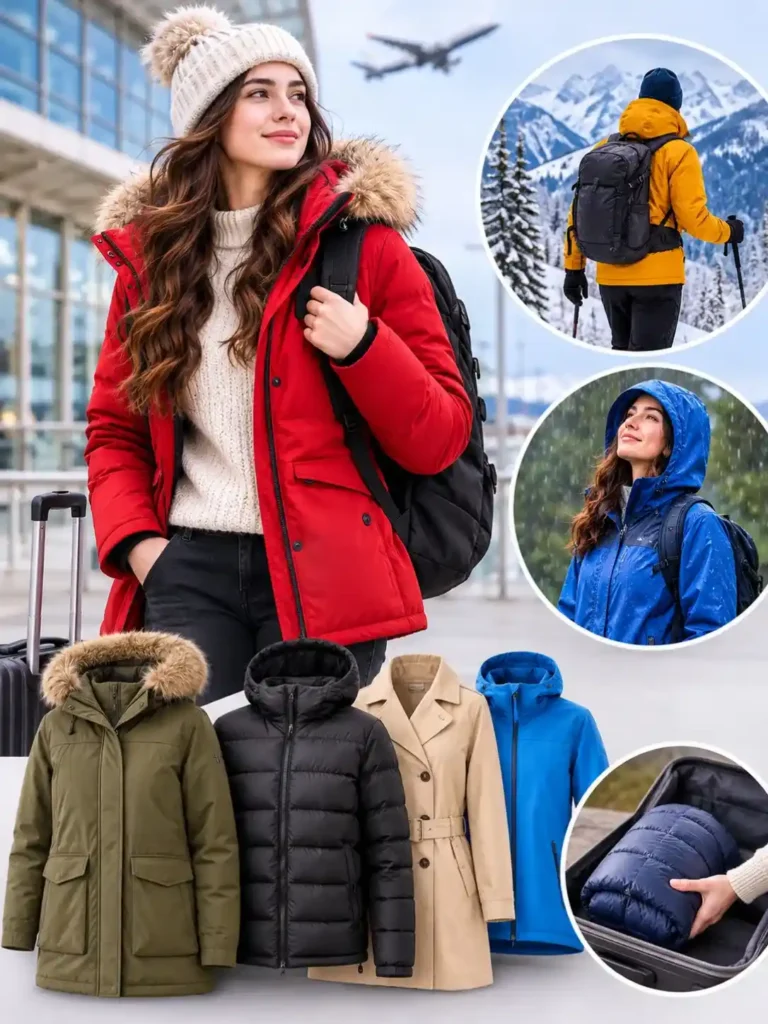
Outerwear is where I’d spend. A parka or insulated jacket with a waterproof shell and mid-thigh length keeps you warm, because a cut that stops at the hip leaves you exposed. Pair it with a light rain jacket or softshell, and rain pants if the forecast is nasty. Look for a water-resistant finish and roomy pockets.
Compactness matters on trips. A foldable puffer vest or a packable insulated jacket such as the Snow Eclipse is easy to stash, and compact down jackets from Columbia work too. I’ve heard Iceland stories of constant rain where a bright jacket saved the day, and I’d never pick faux leather for that. Cheap coats are a false economy. Cheap synthetic coats with pillow stuffing or synthetic wool soak through and dry slowly, which hurts when you have no backup. Better to buy once, choose a windproof coat for function over style, and keep it worn on plane rather than packed.
A weather-resistant layer with deep pockets beats fashion. One Patagonia hand-me-down I know of is still the warmest coat in the family. A merino wool coat, a 2-in-1 parka with reversible lining, or just 1 puffer all work for long-haul trips. Put comfort first, and a bright color helps you spot it in a crowd.
5. Pants and Bottoms
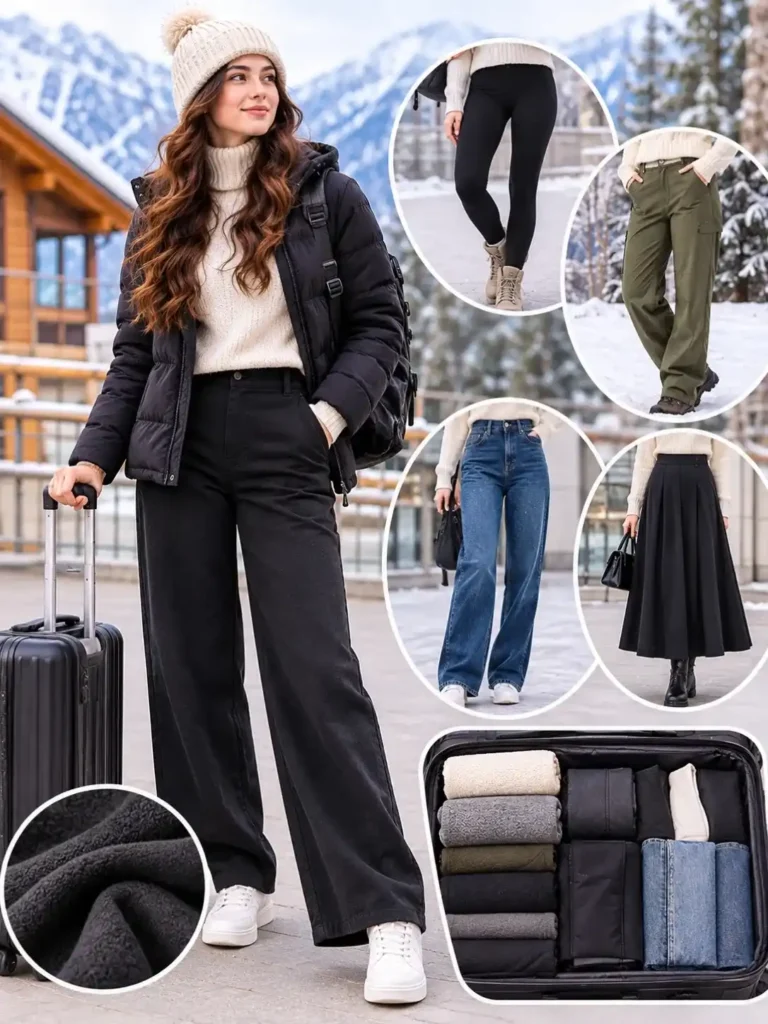
Bottoms are simple: warm trousers and a layer underneath. Tights under fleece-lined leggings do wonders, and thermal leggings or thermally lined pants are alternatives. Long trousers in a wrinkle-resistant weave look tidy, and anything lined, like fleece-lined trousers, beats plain jeans. Denim is poor against wind, so flannel-lined jeans make more sense. Heavy thick fabric helps, and hiking trousers with snow gaiters suit snow. I carry 2 pairs or 1–2 pairs at most, with long skirts, knitted trousers, or a sweater dress for variety.
A skirt is optional. What you need for cold days is thick enough insulation, and for the coldest days an extra layer. Don’t forget the basics: 7 pairs of underwear and 2 bras keep space manageable.
6. Socks
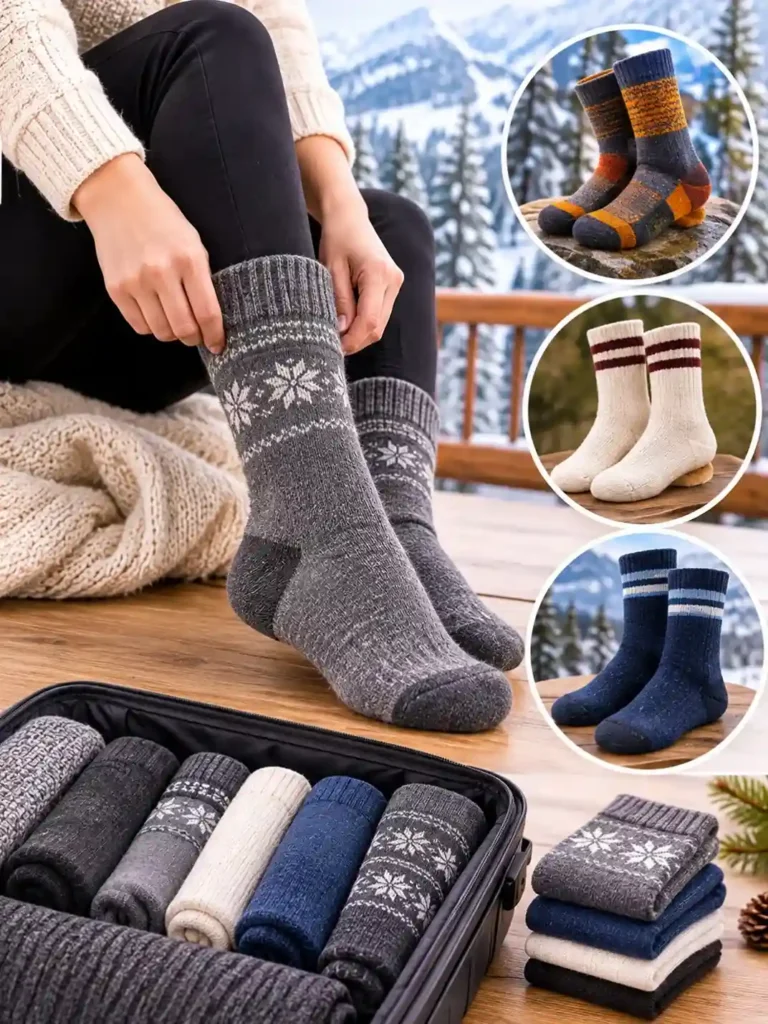
Socks deserve a plan. I pack 4–5 pairs of wool socks, mixing thick pairs for boots and thin merino for sneakers, and never cotton socks. Shops in New Zealand sell merino-possum socks, and bamboo hiking socks are another decent choice. The extremities go cold first, since blood heads to vital organs first. A couple of wooly pairs for evenings, plus ski socks for the slopes, add warmth. Pick moisture-wicking, soft, comfortable ones.
For long-haul trips bring spare pairs. Smartwool cushion crew and stripe crew styles are well known, and thick socks keep dry feet and toasty cold toes, even indoor.
7. Winter Boots and Footwear
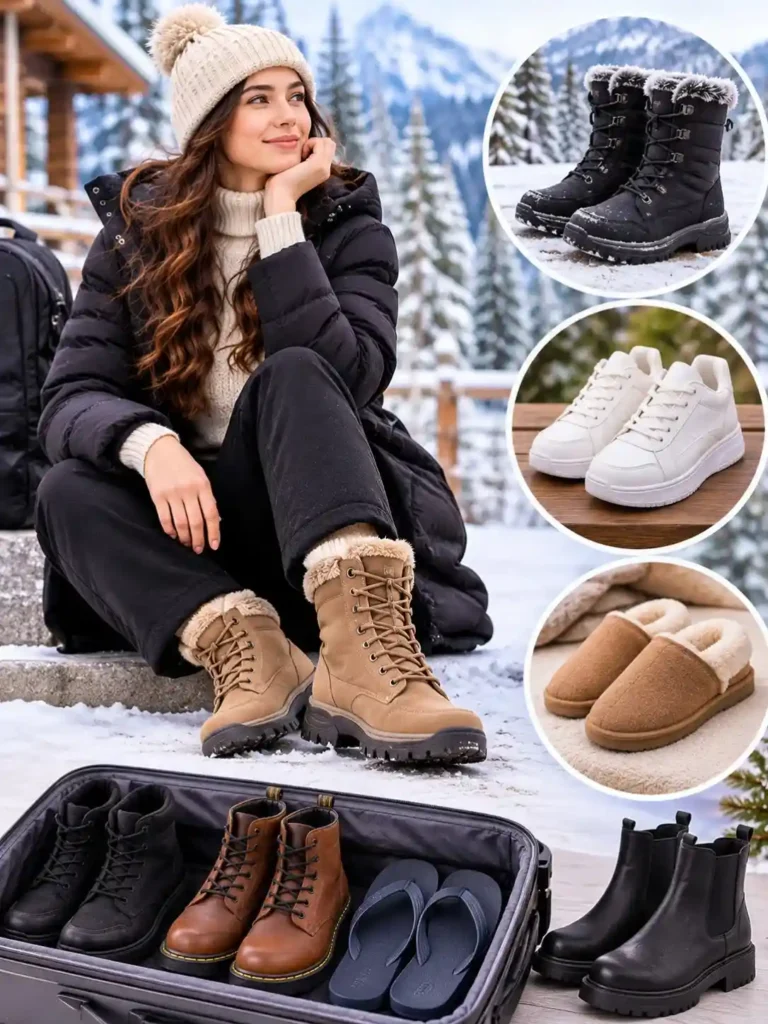
Boots decide the day. Choose waterproof winter boots with proper traction, and have them broken in before leaving, otherwise blisters over 15,000–20,000 steps will ruin the trip. Add a second pair of sneakers, plus slippers or indoor shoes, and you have two pairs, which is the sensible ceiling.
Style varies by trip. Hiking boots or insulated boots like Sorel snow boots or Dr. Martens suit travel days, while flip flops and slip-ons are fine for hostels and campsites. Keep within the carry-on limit. For trail days look for Gore-Tex or a similar membrane in winter hiking boots or waterproof shoes to cope with icy ground and snowy ground. A fur-lined Chelsea boot or UGG Tasman works around town. Wet pair? Slip them into a shower cap or plastic bag.
Around urban streets, stylish boots can go day to night. A Yukon road trip would call for something tougher, and wet outdoor boots with wool socks are miserable indoors. Skip breathable shoes and brand-new boots. If you’re housesitting or heading to a wellness area, a clean pair for inside helps.
8. Cold Weather Accessories (Hat, Scarf, Gloves, Hand Warmers)
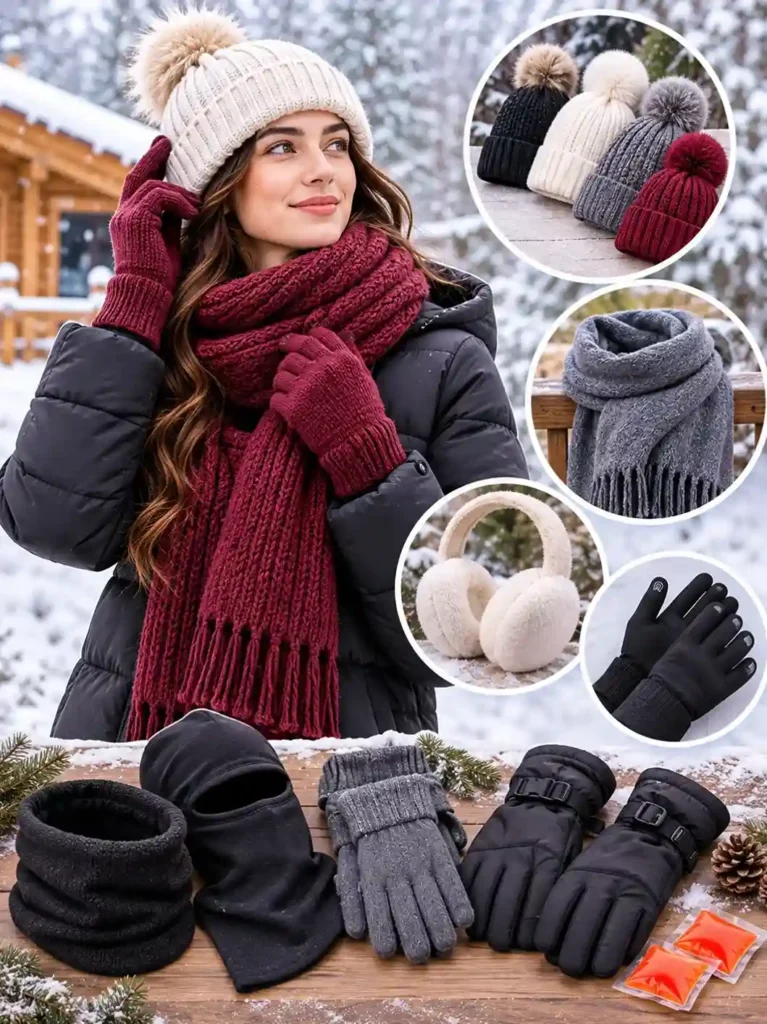
Accessories are small but easy to overdo. Stick to one neutral color, one beanie, a headband that fits under a hood, and touchscreen gloves. A big scarf doubles as a plane blanket, and hand warmers help. A balaclava is optional; warm gloves are not. The vocabulary is long: a tube scarf, neck gaiter or cashmere wrap for the neck, earmuffs when it’s brutal, and a thermal hat or wool hat on top. For hands choose insulated gloves, waterproof gloves, or finger gloves, ideally merino-blend.
Make the fit snug, as the extremities are the most vulnerable on windy days. Rechargeable or single-use warmers both work. Four hats, three scarves, and two pairs of gloves is excessive, and statement pieces can wait.
9. Sunglasses and Ski Goggles
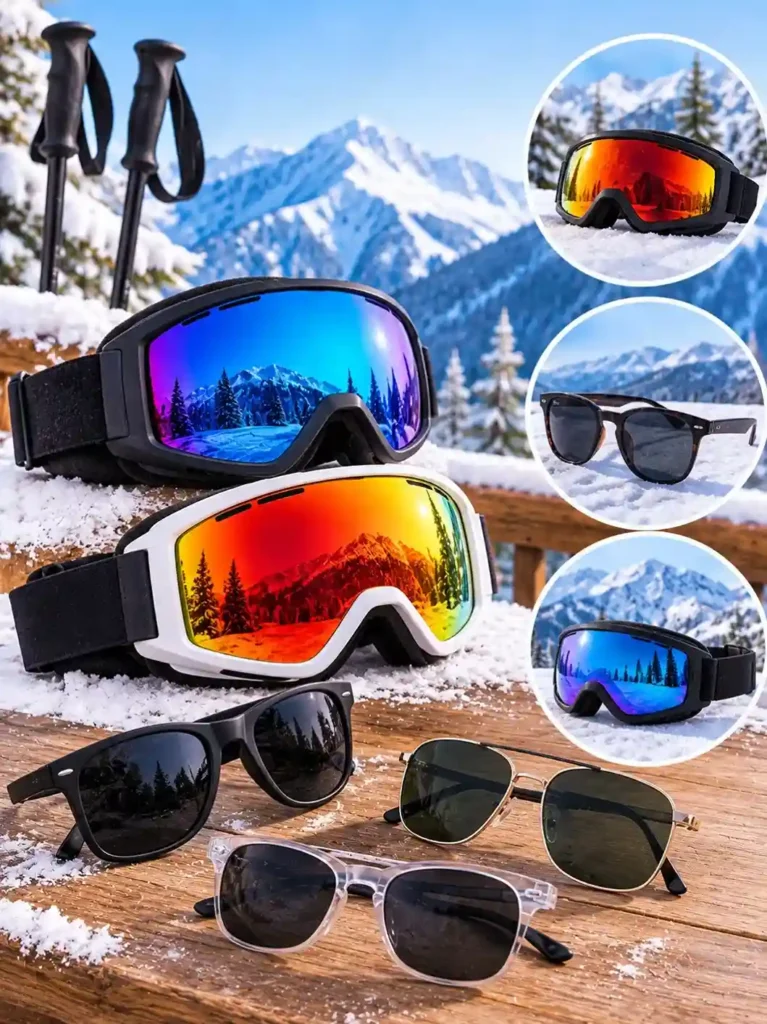
Few people pack eye protection, yet snow glare can be intense. Polarized sunglasses cut it, and UV bounces up from white ground, so reflection is the real culprit.
On slopes bring ski goggles or anti-fog goggles. For walks, ordinary sunglasses will do. Protect your eyes whenever you’re in snowy regions.
10. Sleepwear
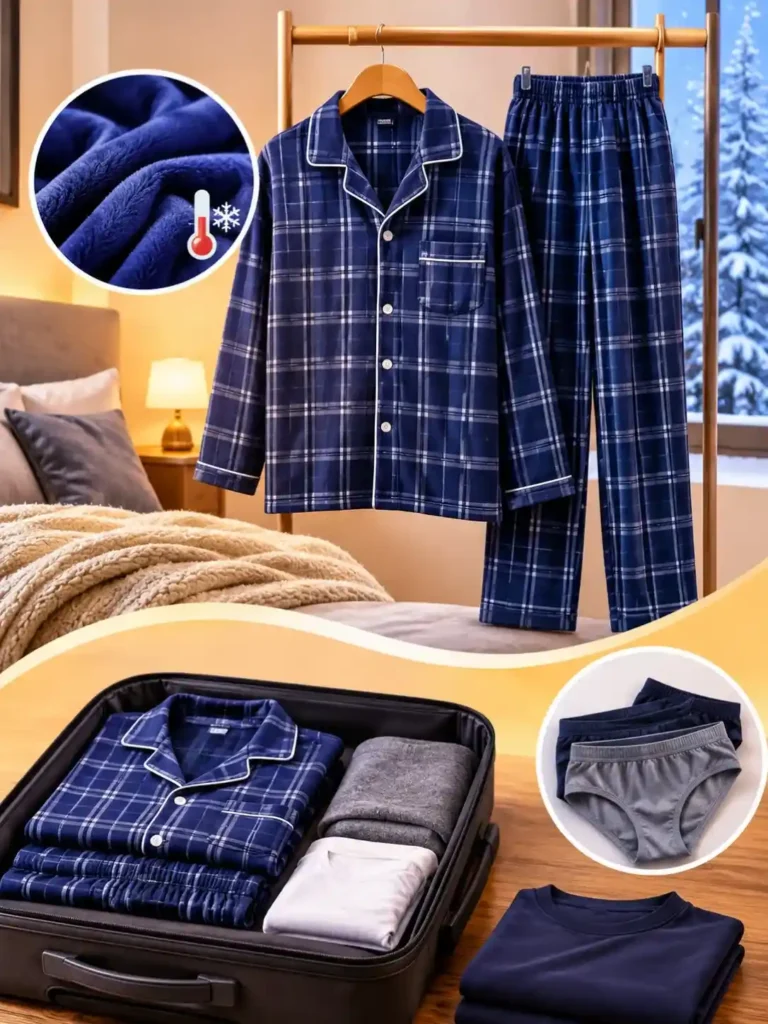
Evenings are when you feel winter most. A pyjama top and pyjama pants that feel comfortable make a bigger difference than you’d expect, so pack warm sleepwear.
For carry-on trips, 1–2 pairs of pajamas are enough, and versatile underwear doubles up.
11. Winter Skincare and Toiletries
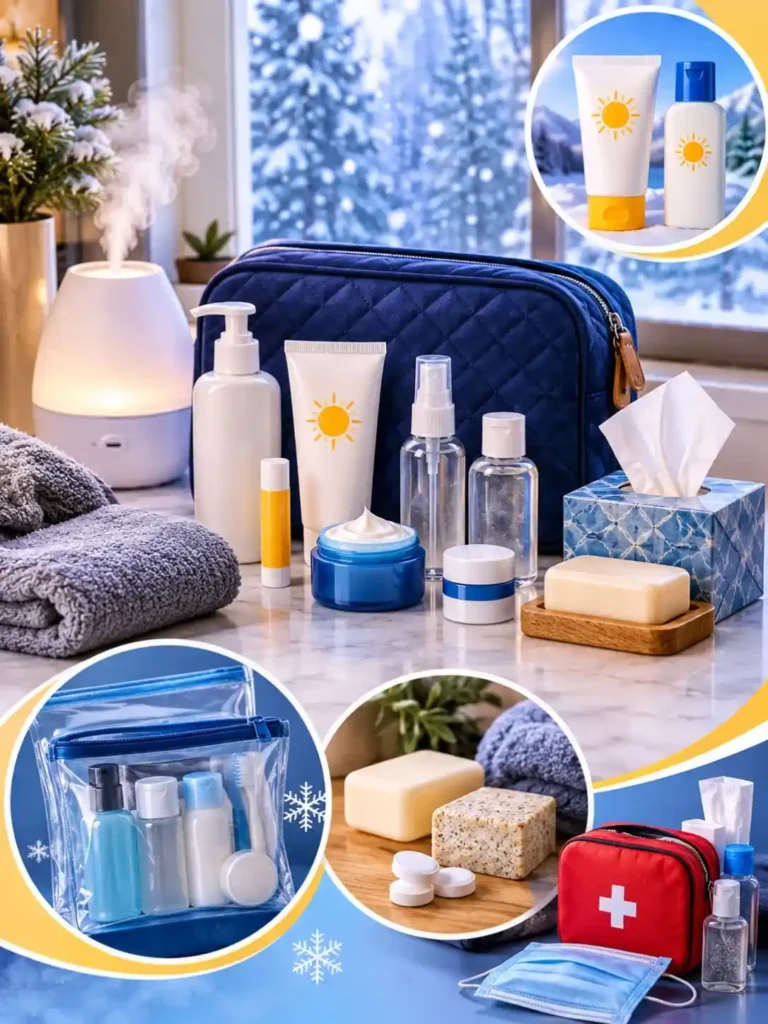
Skin takes a beating in winter. Indoor heating adds dryness, so bring a moisturizer, lip balm with SPF, hand balm or hand cream, and sunscreen. A humidifier or facial mist helps in dry rooms.
Cold air strips moisture, so choose hydrating products and a thicker moisturizer, and skip drying makeup. UV returns through snow reflection, hence the sunscreen. A mini travel pharmacy, tissues, hand sanitizer, and a coat pocket stash round it out. To save room, switch to solid toiletries: soap bars, toothpaste tablets, solid shampoo. Otherwise travel-size body wash, toothpaste and shampoo go in a clear bag. Add wet tissues and a cold protection cream.
Keep liquids under 100 ml for TSA-friendly packing. A heavy-duty high-SPF cream protects face and body against chapping. A hydration mask and cleanser are optional extras, and local stores at the destination can fill the gaps.
12. Health, First Aid and Medicines
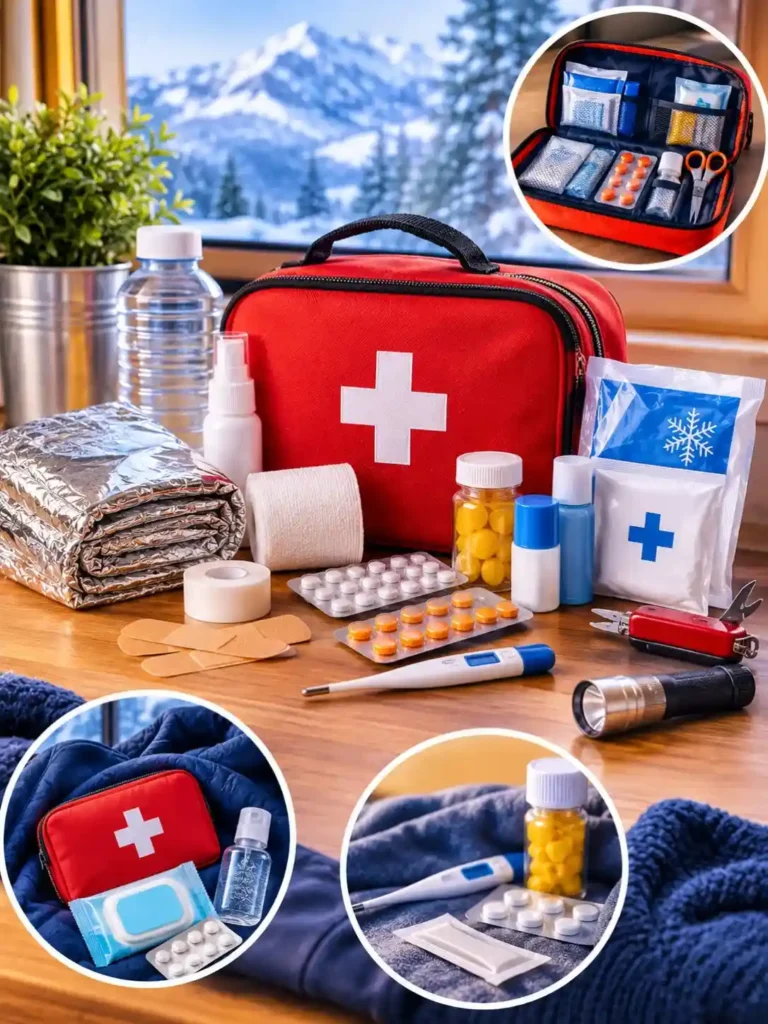
A small first aid kit saves trips. Mine holds bandages, antiseptic wipes, pain relievers, cold remedies and antihistamines, plus a thermal blanket and multi-tool. Keep travel insurance details and emergency contacts with it. Add blister plasters, plasters, painkillers, throat lozenges, flu meds, stomach meds, and heat patches. OTC meds are fine, but prescriptions and personal medication need their own space.
A compact emergency kit, kept stocked, handles most ailments. For remote areas bring an insurance copy, medicines, hand sanitizer and tissues. Tick each item off your checklist.
13. Electronics and Tech
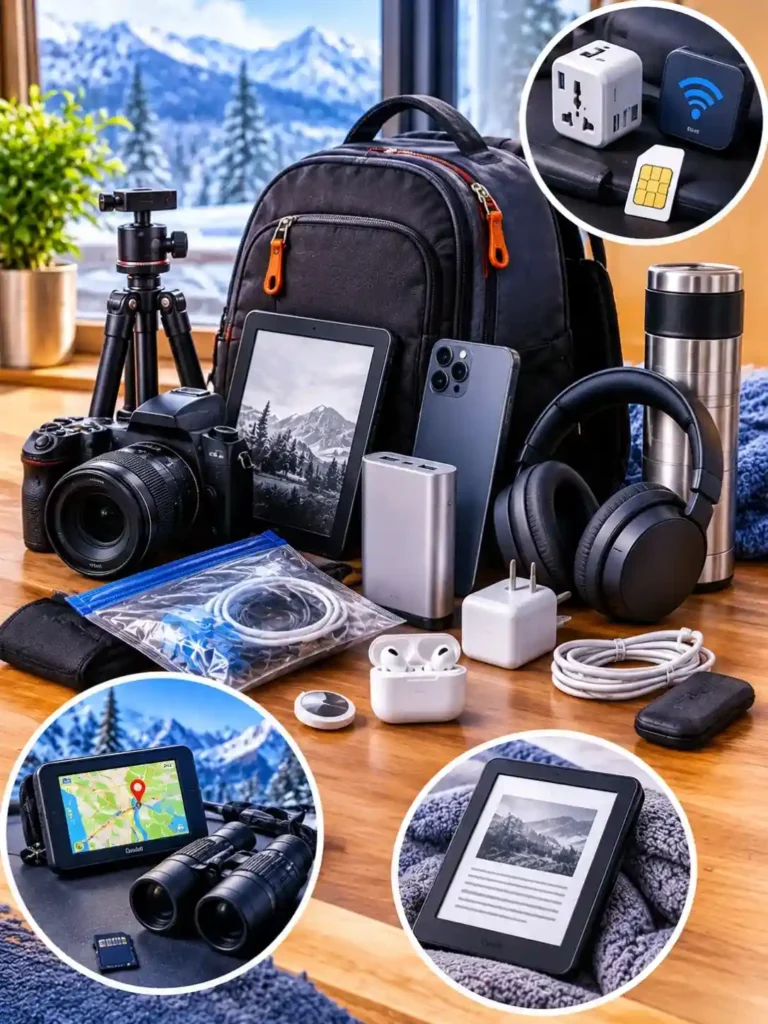
Cold drains batteries, so I pack a power bank and chargers with my phone. An AirTag in the bag, ziplock bags for cables, headphones, and a Kindle all come along. A camera, whether DSLR or mirrorless, joins if photos matter. For long flights a Kindle Paperwhite or any e-reader spares your battery. A lightweight tripod, compact camera, or tablet are optional, and a portable charger and noise-canceling headphones make airports easier.
International trips need a travel adaptor, a SIM card or portable Wi-Fi, and a charging cable. A GPS device or offline maps help outdoors, binoculars add fun, and memory cards matter if your camera phone fills up.
14. Documents and Money
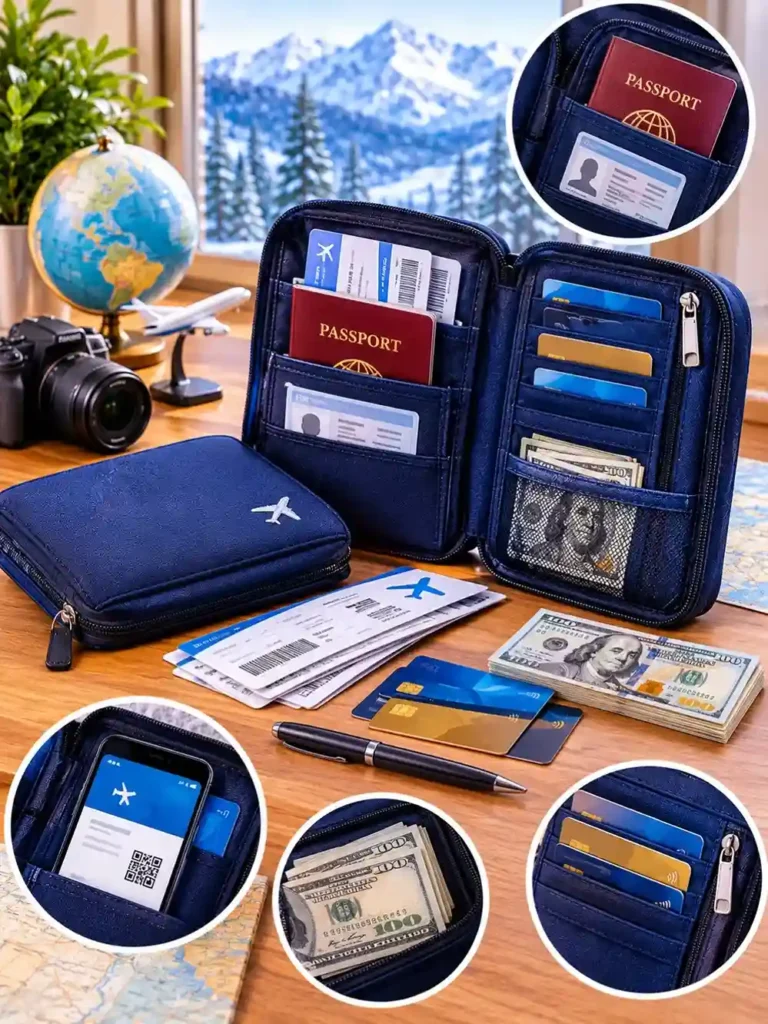
Paperwork travels in one pouch: passport, visas, copies, ID, driving licence, travel insurance, health insurance card, plus cards with no foreign transaction fees and some cash.
Booking confirmations, flight tickets, e-card, emergency numbers and addresses for accommodation and transportation matter too. A pen stays in close reach, and a credit card, debit card and local cash are all worth having.
15. Bags, Backpacks and Packing Cubes
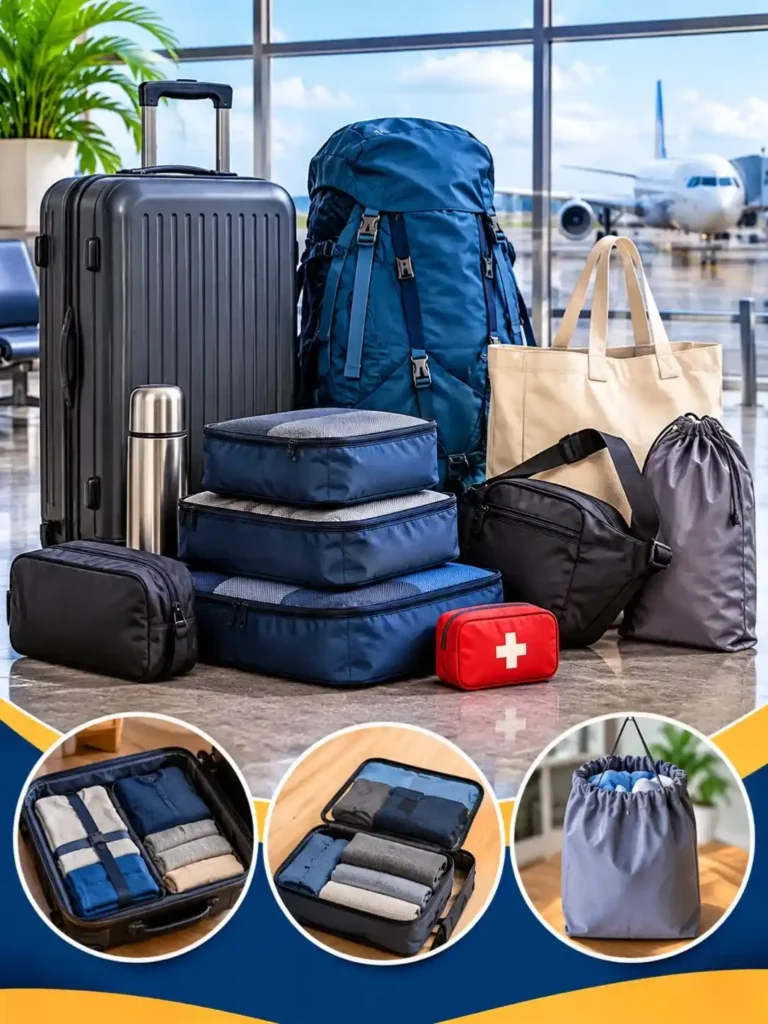
My system starts with a carry-on suitcase or a travel backpack, a personal item holding in-flight essentials, and compression cubes to squash the knits. A crossbody or fanny pack under the coat, a packable tote, and a laundry bag complete it, and one week of clothing is the cap.
A full winter bag can stay near 20 lbs, light for overhead bins. Packing cubes and compression bags shrink bulk, a foldable daypack handles outings, and a travel laundry kit lets you recycle outfits. Size-wise, 30L+ suits weekends, 40L+ long trips, and a cabin-sized backpack is the carry-on pick, ideally with a water-resistant cover. Brands I’ve seen praised include Osprey Sirrus and a 36L pack, Peak Design bags, Béis luggage, and BAGSMART cubes. A water-resistant backpack guards against melting snow, and a dopp kit keeps toiletries tidy next to the first aid kit and thermos.
Everything should be accessible and organized, so your packing system survives the airport. Watch weight and space, stay compact, and treat laundry kit habits as the cure for overpacking. Anything packed just in case usually stays unused.
16. Carry-On Packing Tips and Tricks
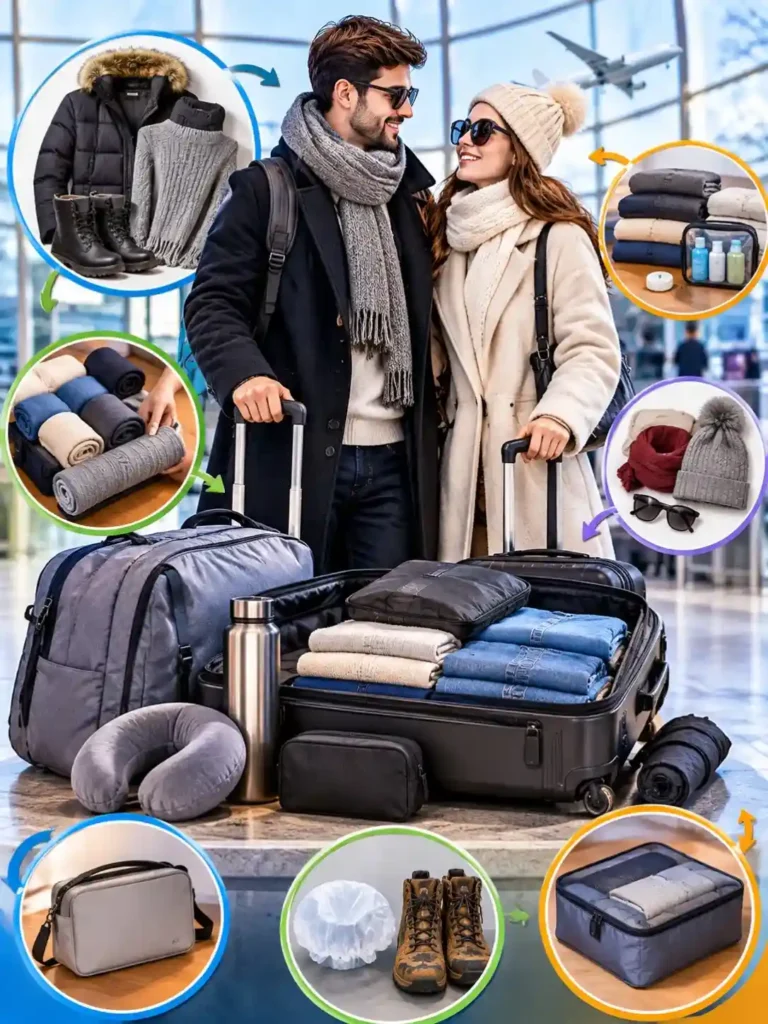
The best trick is to wear bulkiest items to the airport: coat, heaviest sweater, boots, thickest scarf. You may look silly in the security line, but who cares. Tuck small things in coat pockets, treat the scarf as a plane blanket, and repeat outfits for 3–4 days between washes.
Ask what if less often, because winter destinations have stores. Choose neutral colors such as grey, white, or cream, plan outfits ahead, use solid toiletries, and keep a shower cap for muddy shoes.
Try rolling clothes, only pack pieces you’ll wear twice, and buy locally when stuck. Keep everything travel-size, compact, lightweight and wrinkle-resistant, with scarves, accessories and hats doing the styling.
17. Extras: Thermos, Snacks, Flashlight and Indoor Comforts
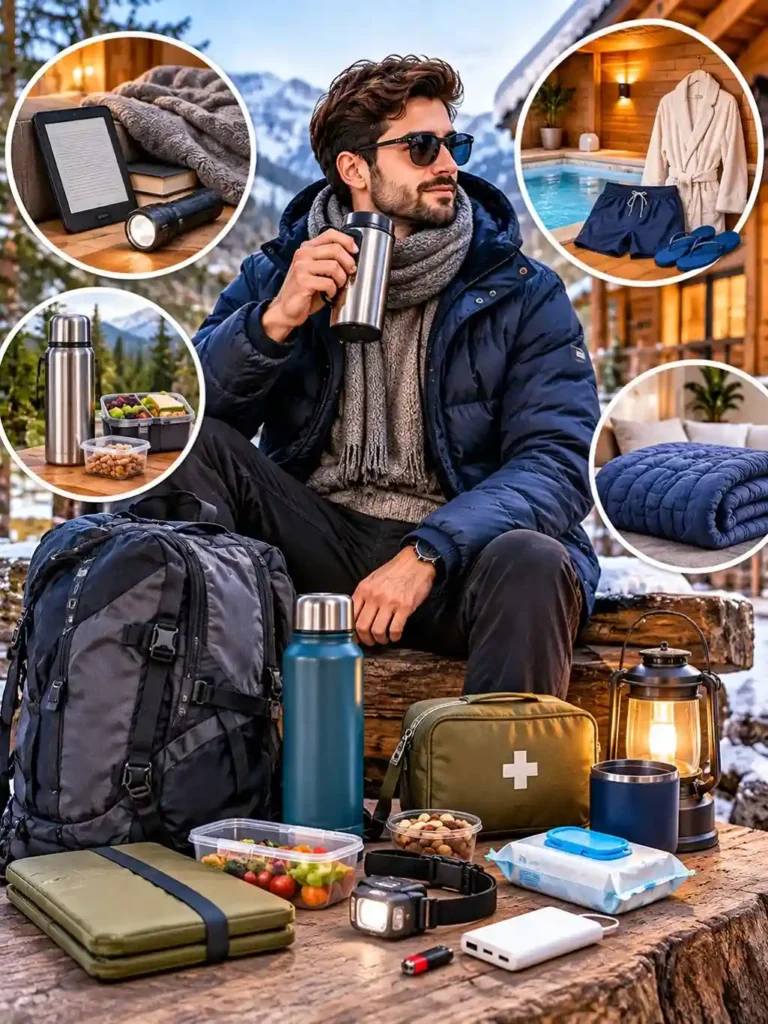
Small extras make winter outings pleasant. A seat mat, thermos, lighter, lunch box, and insulated bottle with snacks all go along. Because it gets early dark, a flashlight or headlamp helps on night hikes.
Evenings indoors need their own kit: an e-reader or a book, a torch, a reusable water bottle, perhaps a weighted blanket. If a sauna or whirlpool is on offer, pack swimwear, a bikini or swimming trunks, along with slippers. A stormy night in a wellness area feels cozy, and a swimsuit suits the pool. A power bank, wet tissues, and eco-friendly thermos flasks round it out.
18. Carry-On Airline Rules for Winter Travel
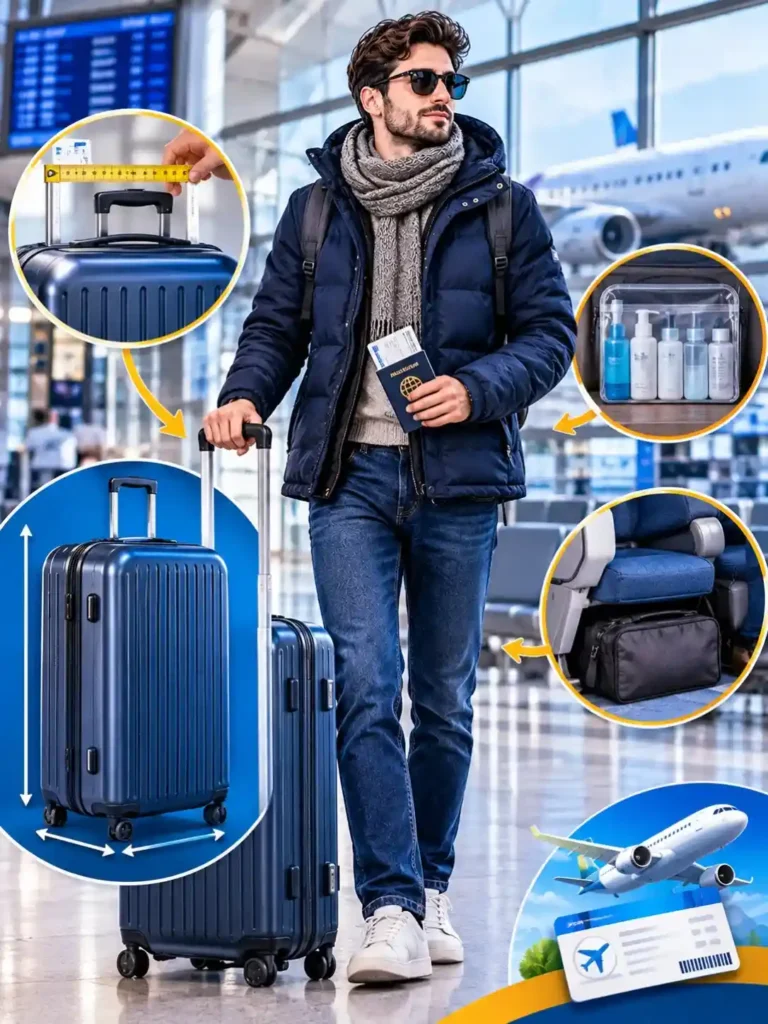
Size rules trip up many people. A typical cabin bag is 56x40x23 cm (22x16x9 in) including handles and wheels, with a weight limit of 7–10 kg (15–22 lbs). Often the main bag and personal item are counted together, and a bag that won’t fit under the seat can cost an extra fee.
Budget airlines are the strictest about carry-on baggage and size limits, so check the airline website. Liquids must stay at 100 ml (3.4 oz) inside a 1-litre bag, a clear bag you can show quickly.
19. Arrival-Day Carry-On Essentials
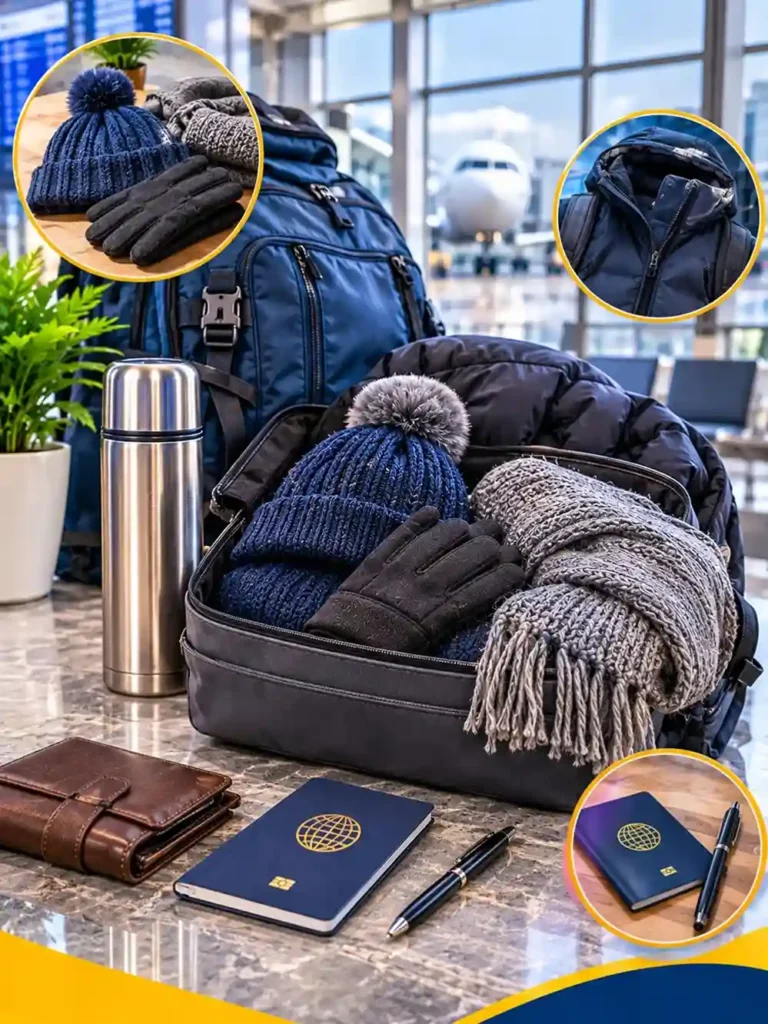
The moment you land, the cold hits. I keep my jacket, beanie, gloves and scarf in a small separate bag, so I’m not digging through the main pack at arrivals.
The passport and a pen stay in close reach too, everything accessible just before landing.
20. What to Pack by Trip Type
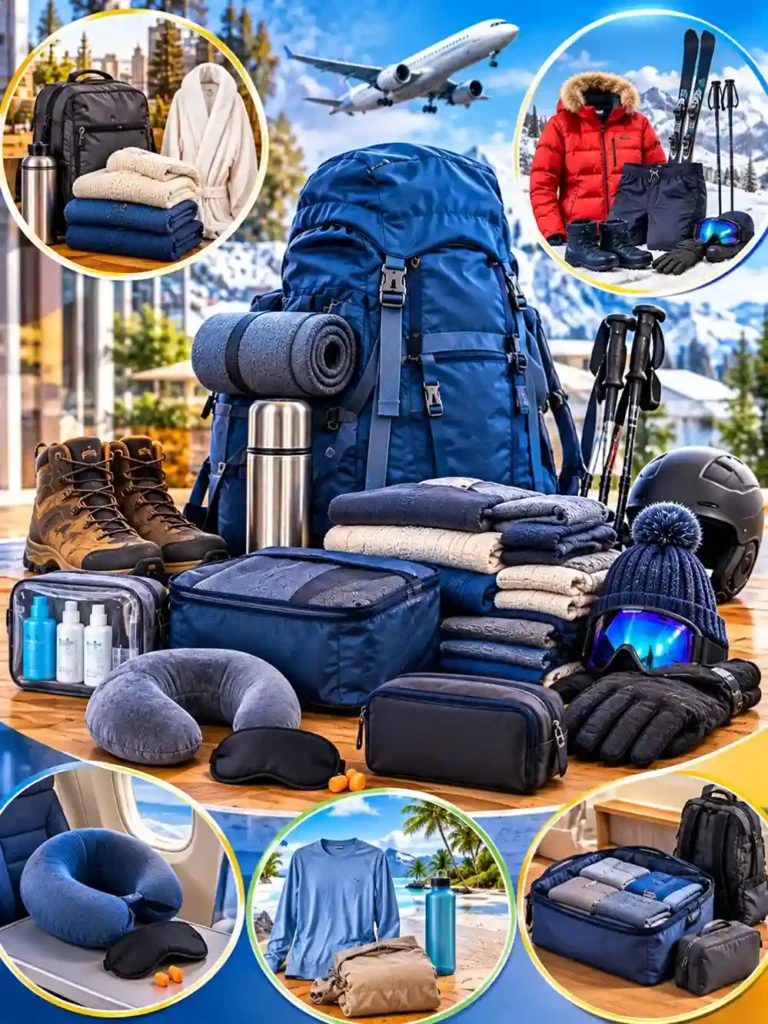
A weekend trip is simple: 2–3 warm outfits and 1–2 smart outfits, a bathrobe and towel for the spa or sauna, all in a lightweight 30L+ backpack.
Long-haul travel changes things. Plan laundry, and take 3–4 thermal sets, a parka or puffer, 3–4 warm layers, hiking trousers with snow gaiters, trekking poles, ski gear, and spare socks.
On the plane a neck pillow, sleep mask and earplugs help, with a 40L+ bag. For humid climates, where humidity makes cold feel nastier, pack merino long-sleeve tops, moisture-wicking underwear, 2 pairs of trousers, and water-resistant essentials.
Carry-on only means 3 thermal sets, 3 warm layers, 3–4 long-sleeve tops, 1–2 jeans, sleepwear, a tech pouch, travel liquids under 100 ml, compression cubes and a cabin-sized backpack. For daily tops use T-shirts or tank tops, and keep layering.
21. Complete Winter Packing Checklist
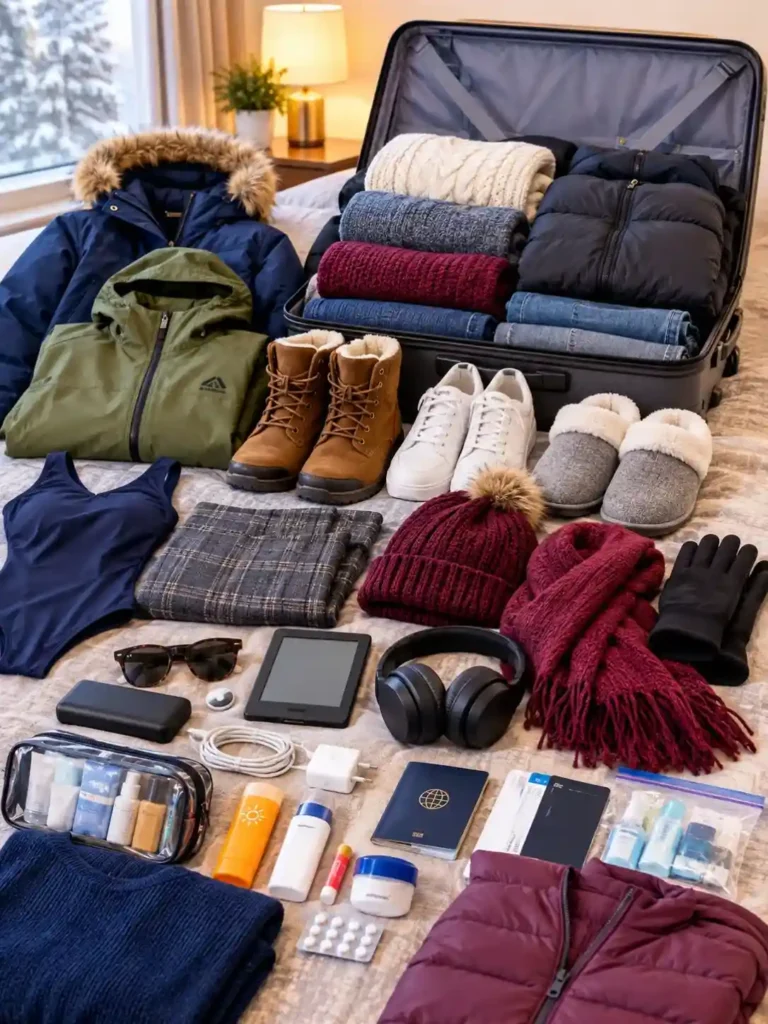
Before zipping up, I run a final list. Clothing: thermal tights, base tops, a mid-thigh coat, jeans and other pants, a packable puffer, sweaters, 7 underwear, 2 bras, and 5 wool socks.
Then the comfort items: pajamas, a swimsuit, a second pair of shoes, waterproof boots, slippers, maybe a skirt or sweater dress, and a wrap, scarf and touchscreen gloves.
Next the small stuff: polarized sunglasses, beanie, hand warmers, heavy moisturizer, hand cream, lip balm, toiletries, sunscreen, first aid kit and OTC meds, with prescriptions beside them.
Tech and papers: chargers, power bank, headphones, AirTag, Kindle, ziplock bags, hand sanitizer, tissues, passport, visas, travel insurance, cash. A rain jacket and winter jacket ride along, thermals and medicines are packed, personal necessities are tucked in, one week of clothing is the limit, and laundry handles the rest.
Optional Extras
Here’s why many lists fail. Cotton and bulky sweaters, or acrylic, can’t handle a heated cafe. The sweat leaves damp fabric, and in freezing air the wind reaches your knees and toes.
For the slopes: a ski suit or ski jacket with ski pants, ski gloves, ski socks, a storm hood, ski helmet, back protector, snowboard gear or a splitboard, and ski rental if you’d rather not carry. Touring adds touring skis, telescopic poles, skins, crampons, an avalanche transceiver, avalanche probe, avalanche backpack, shovel, and checking the avalanche report.
Winter walkers want snowshoes, a seat pad, Gore-Tex, a lunch box, thermos, GPS with offline maps, binoculars, first aid and blister plasters.
With family, think children: sledges and toboggans, snow pants, spare clothes, games, books, non-slip boots and snacks. Add a stroller footmuff, stroller weather shield, hot water bottle, baby leg warmers, diaper bags, favourite toys, and weather protection cream. By car, check winter tires, snow chains, and any vignette.