25 Best Places to Visit in Bangkok: Temples, Markets, Rooftop Bars & Hidden Gems
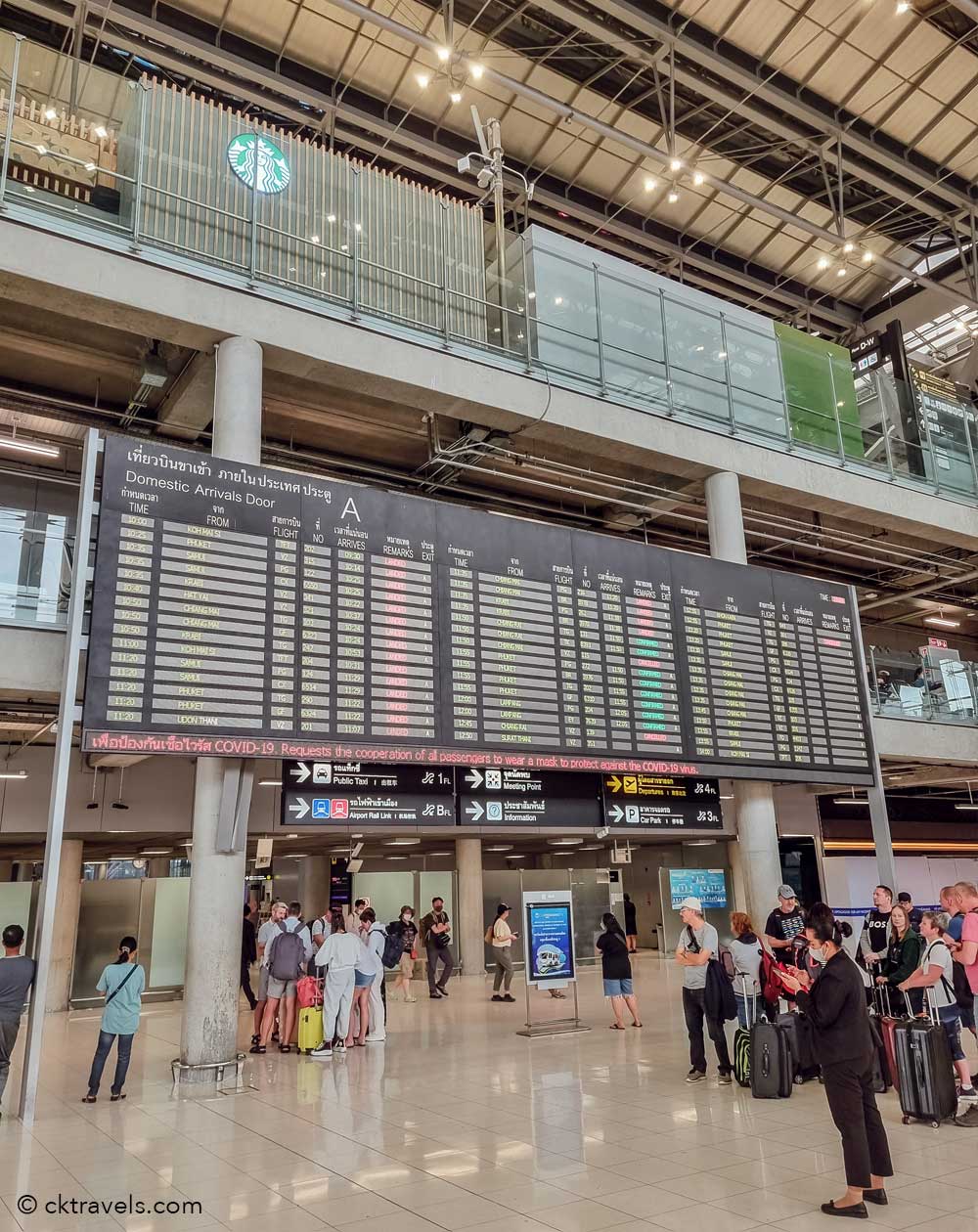
Bangkok. Even the name carries weight. I still remember landing at Don Mueang Airport after a long flight, stepping into the thick evening air, and immediately flagging down a Grab because no sane person negotiates a taxi fare at midnight in a foreign city. The drive into the capital was pure theatre traffic moving with what I can only describe as the surgical precision of organised madness, tuk-tuks weaving between motorbikes, food vendors balancing impossible loads on bustling streets. Someone once told me Bangkok drives like Rome and breathes like Istanbul, and honestly, that landed the moment I saw it. This is a city where glitzy skyscrapers shadow crumbling shacks, where the smell of durian and mango sticky rice drifts past the entrance of a luxurious rooftop bar a chaotic, deeply charming metropolis that refuses to be one thing.
The City of Angels Krung Thep, to give it one of its many names, or the full Krung Thep Maha Nakhon if you’re feeling ambitious with the world’s longest place name pulls in millions of tourists every year, and for good reason. It sits as the largest and most populous city in Southeast Asia, straddling the Chao Phraya River delta roughly 40 kilometers from the Gulf of Thailand. The Big Mango, the Sin City of Asia, whatever you call it this gigantic city rewards the popular travel destinations checklist crowd and the slow wanderer equally, offering stunning temples, buzzing nightlife, huge shopping centres, and arguably the best food in the world, all packed into one vibrant atmosphere. Whether you come for 2 weeks or a long weekend, Bangkok delivers a whirlwind of history, culture, sights, sounds, and sensations that stays with you long after you leave.
The Grand Palace & Wat Phra Kaew
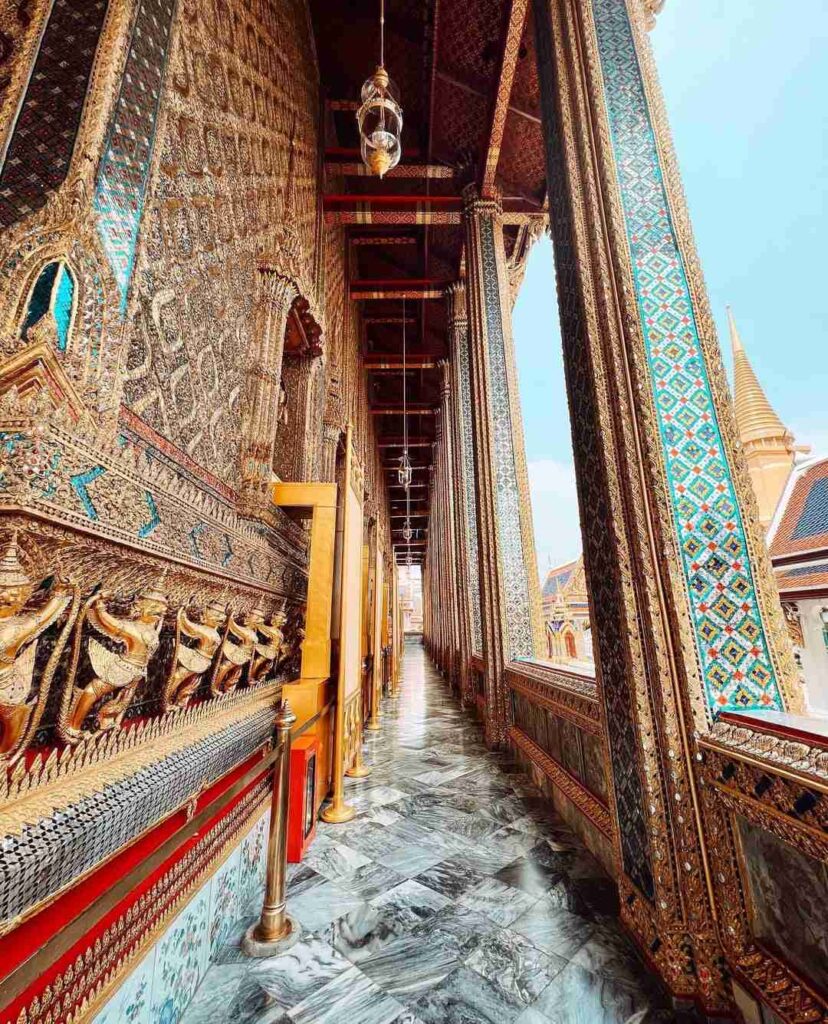
Nothing quite prepares you for standing in front of the Grand Palace for the first time. It’s breathtaking in a way that photos simply cannot replicate a sprawling complex of over 100 royal buildings wrapped in lavish gold spires and intricately decorated facades that have stood since 1782, when the Kings of Siam made this their seat of administrative power and state functions. Built as the former residence of the Thai kings, it remained the official residence until 1925, when the court relocated to Dusit Palace, though royal ceremonies still take place here. My advice and I cannot stress this enough arrive early morning before the eight million annual visitors descend, because the combination of crowds, heat, and awe-inspiring architecture hits differently when you’re not shoulder-to-shoulder with tour groups.
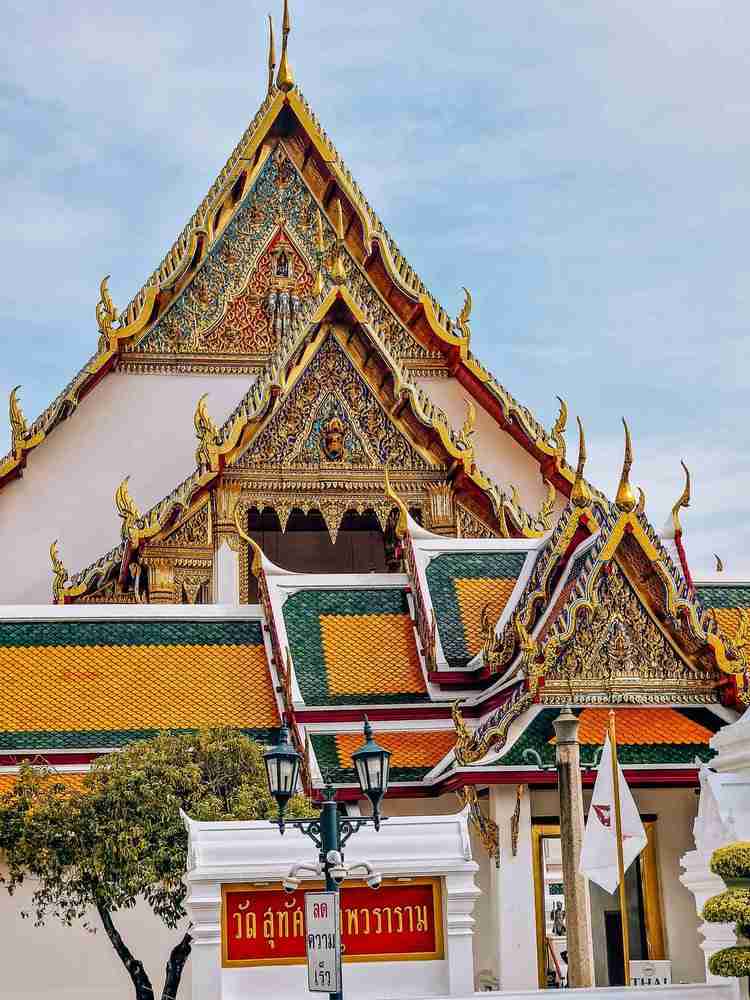
Nested within the palace grounds, Wat Phra Kaew the Temple of the Emerald Buddha ranks among the most sacred Buddhist sites in the entire country. A private guide or a group tour with an English microphone makes an enormous difference here; the historical and cultural significance of what you’re looking at genuinely demands context. The Dress Code is enforced shoulders and legs covered, for both men and women, with sarongs available at the entrance if you forget. Tickets cost 500 baht (roughly 14 EUR or 15 USD as of 2025, which feels pricier than before), and you can buy them online via the official website to skip the physical lines in the heat. Budget 1-2 hours minimum, and don’t miss the Queen Sirikit Museum of Textiles and the Grand Palace Hall, the largest building on the grounds. This is, without question, Bangkok’s biggest tourist attraction.
Wat Pho & the Reclining Buddha
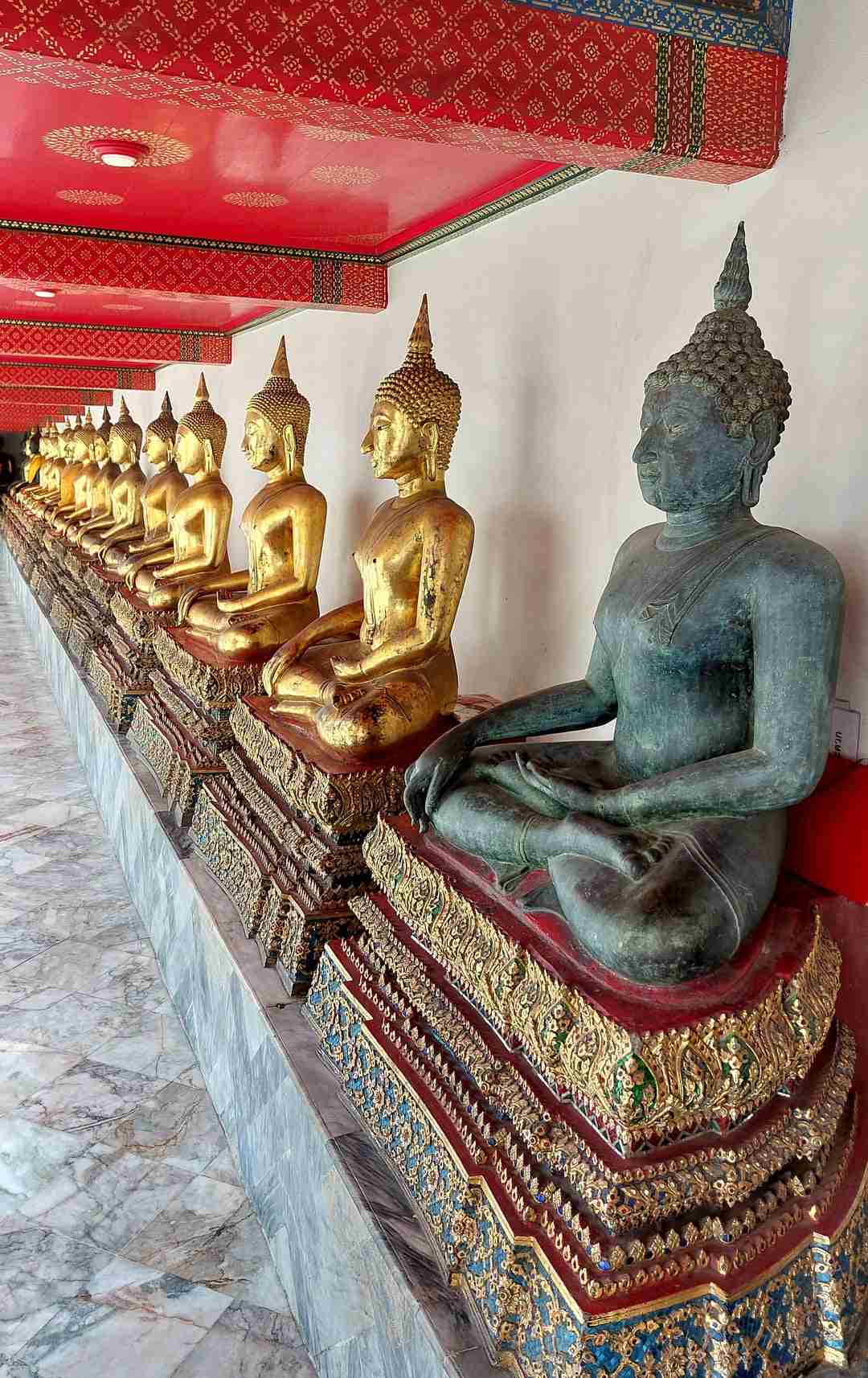
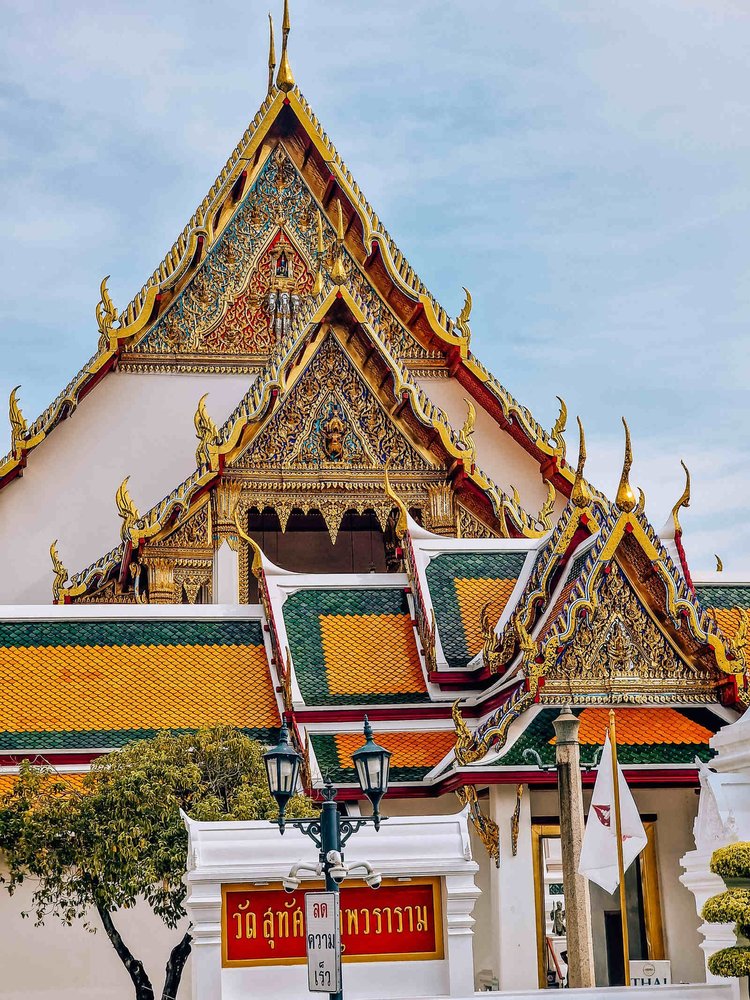
Just south of the palace walls sits Wat Pho officially Wat Phra Chetuphon and this one tends to surprise people. Where the Grand Palace overwhelms with grandeur, Wat Pho is spacious, almost meditative by comparison, despite pulling similarly popular numbers. The star is obviously the 46-metre-long gilded statue of the Reclining Buddha, Thailand’s largest collection of Buddha statues housed within a single complex, the sheer scale of which forces you to walk the full length of the building just to understand it. The gold leaf surface, the mother-of-pearl inlays on the feet it’s a genuine masterpiece of Buddhist artistry, rich in cultural weight and religious significance.
What makes Wat Pho genuinely unique among Bangkok’s temple circuit is that it’s also considered the birthplace of traditional Thai massage, and the Wat Pho Thai Traditional Massage School operates right on the temple grounds. I ended a long day of walking with a foot massage (around 320 THB for 30 mins) and it was, without exaggeration, transformative. A full Thai massage runs closer to 870 THB for an hour bring balm, your feet will thank you. Entrance fee is 300 baht (8 EUR / 9 USD), and as always, shoulders and knees must be covered. You can easily combine this with the Grand Palace and Wat Arun into a single day of stunning architecture, spirituality, and heritage. The captivating and enchanting allure of Wat Pho is its quiet insistence on being both iconic and deeply human.
Wat Arun (The Temple of Dawn)
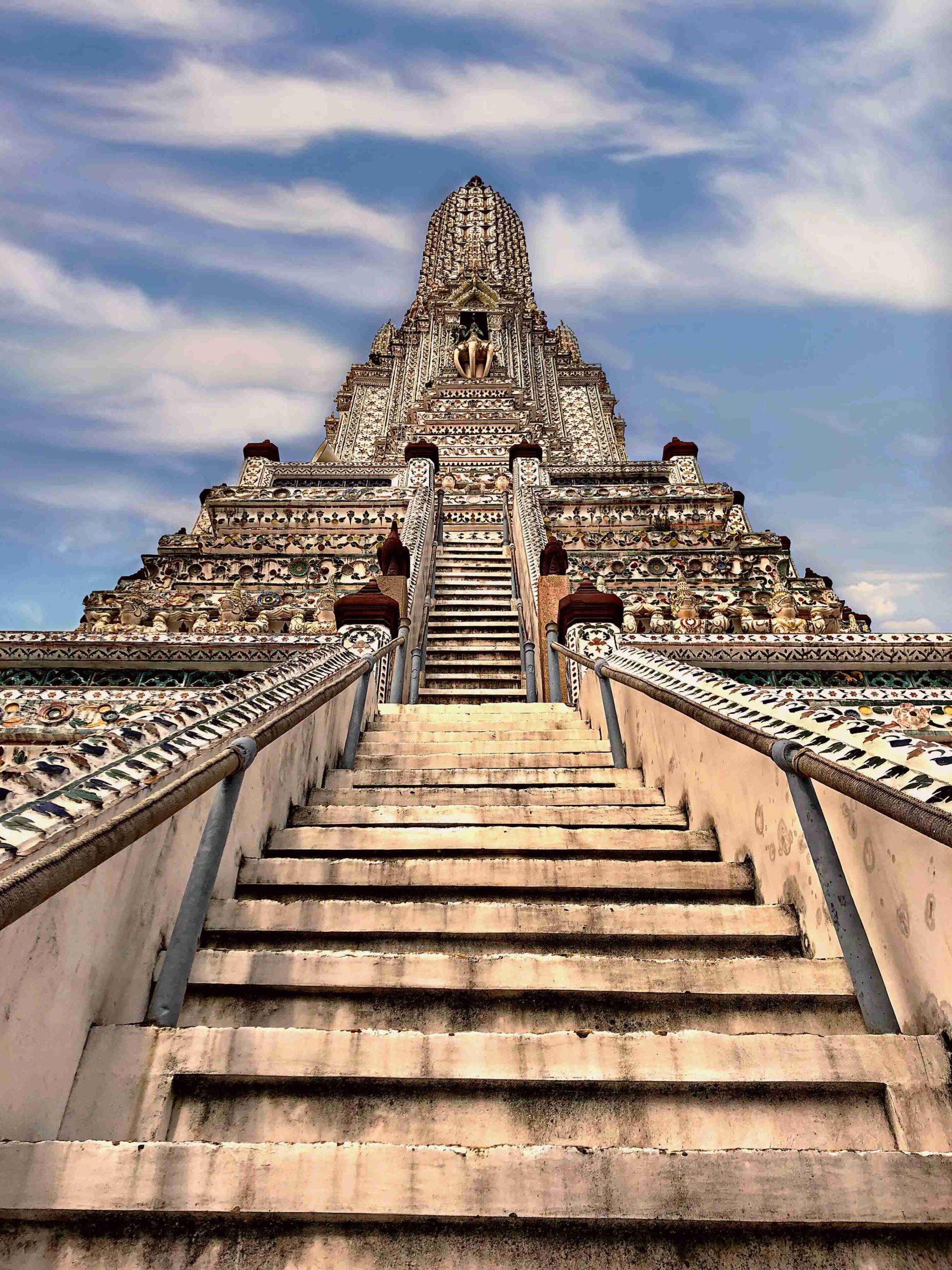
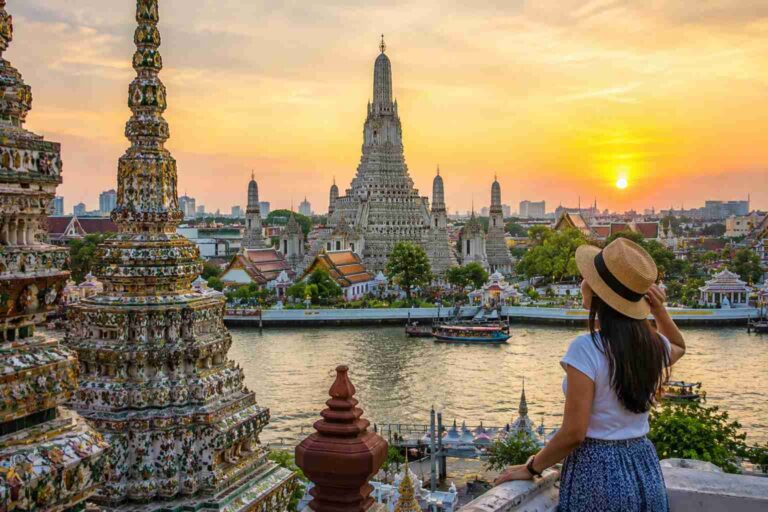
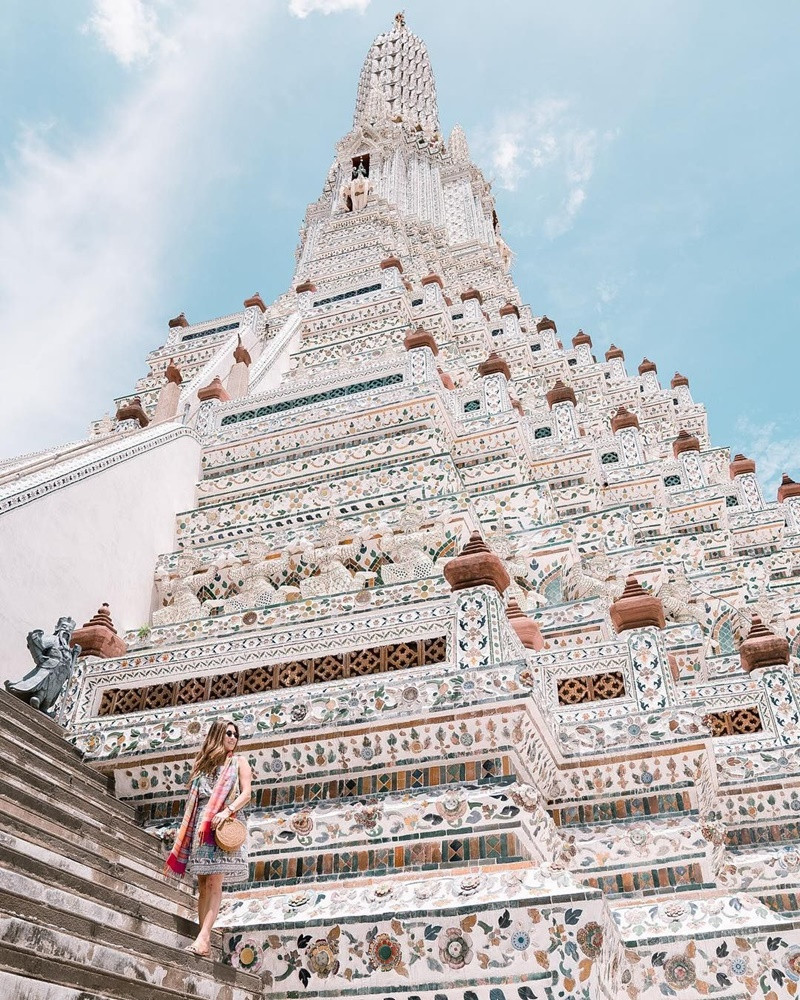
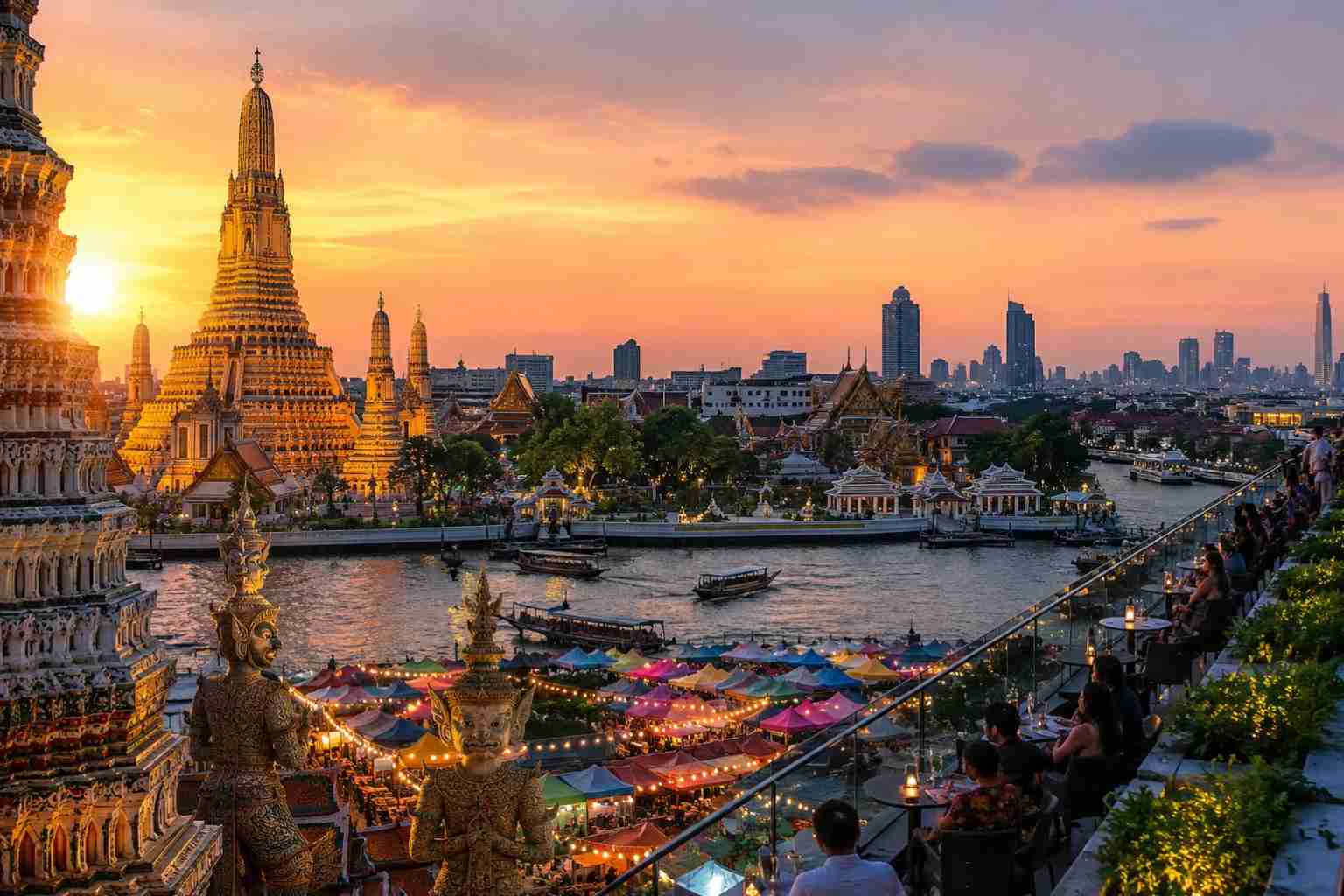
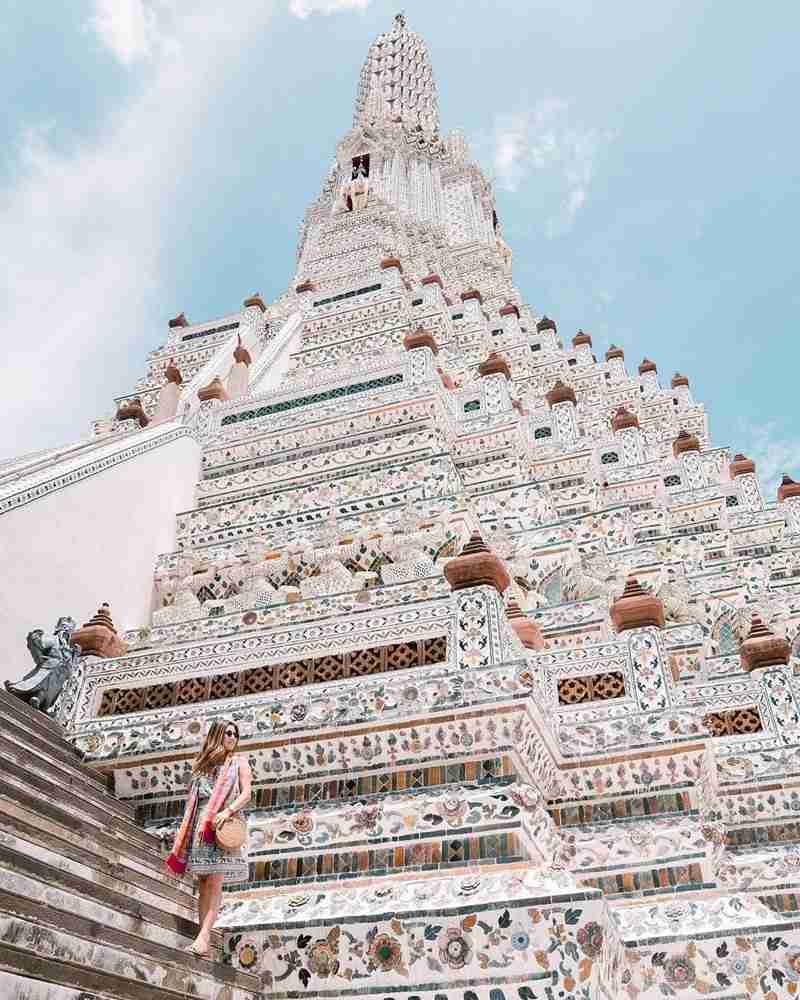
Crossing the Chao Phraya River to the west bank to reach Wat Arun is half the experience you arrive by ferry, and the sight of those towering spires covered in colorful porcelain and seashell mosaics rising from the riverbank is a photographer’s dream at any hour. At sunrise or sunset, the light catches the mosaic surfaces in a way that feels almost theatrical. The Temple of Dawn, named after the Hindu god Aruna, appears on the Thai ten baht coin that’s how deeply this beautiful and distinctive structure is woven into national identity. The intricate carvings and decorations climbing the spire-like tower reward close attention in a way most temples don’t.
The entrance fee is 200 baht (5.5 EUR / 6 USD), though I’ve seen it listed at 150 baht in older guides confirm on arrival. Shoulders and knees covered on temple grounds, naturally. A guide makes a genuine difference here in understanding the rich historical significance, and if you’re travelling in a group, the traditional royal clothing rental for posing photos is genuinely fun, not tacky. Pair it with the Reclining Buddha at Wat Pho and the Grand Palace nearby the central city geography makes this triangle of famous temples one of the most logistically satisfying days in all of Thailand.
Chinatown (Yaowarat Road)
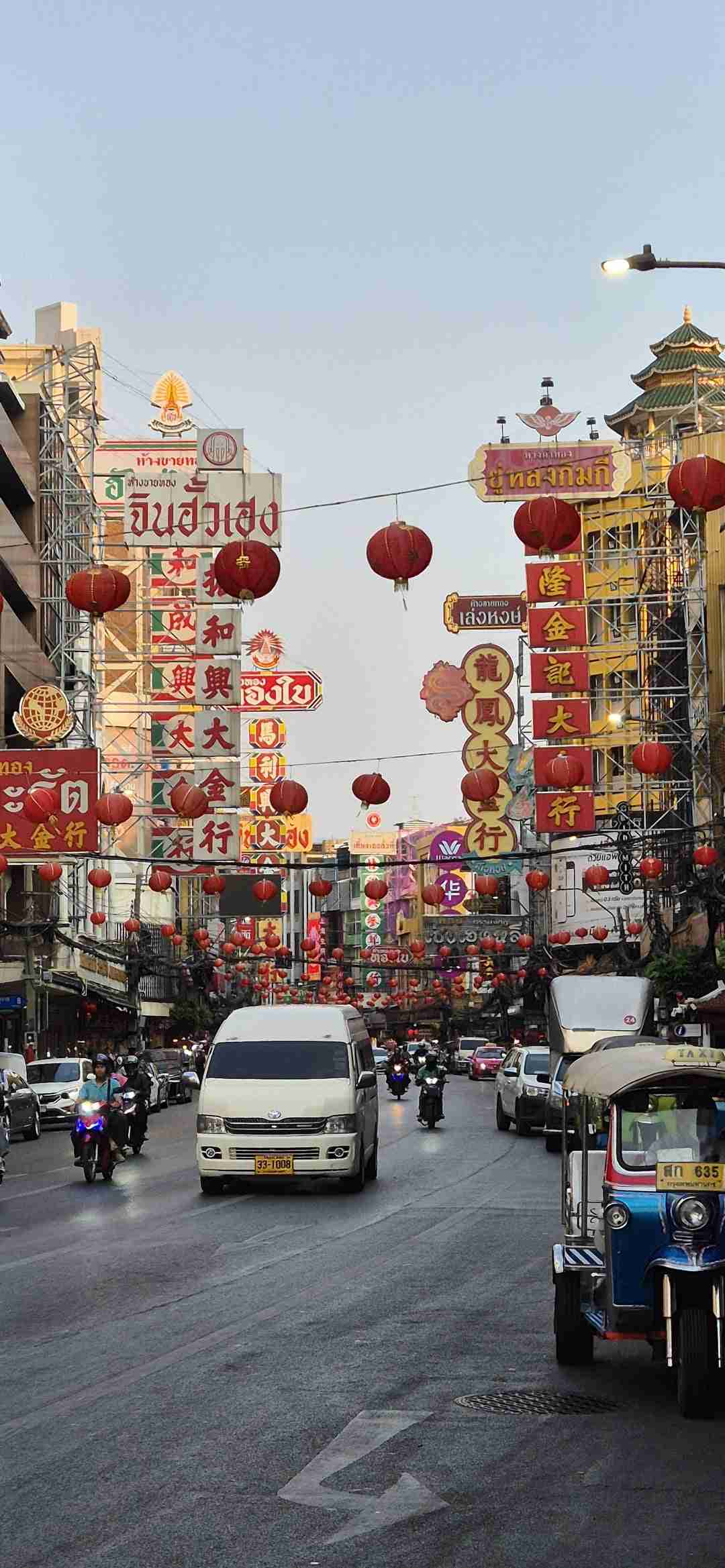
After dark, Bangkok’s Chinatown becomes something else entirely. Yaowarat Road the main artery of the neighbourhood turns into a sensory overload of neon signs illuminating the chaos, vendors working hot woks in the open air, fragrant pad Thai curling through the crowd, mango sticky rice disappearing from stalls faster than it’s made. The electric night atmosphere here is unlike anything in the rest of the city; tourists and locals merge into the same crowded streets, and the energy of simply sampling food at tables pulled onto the pavement is its own kind of culture. This is one of the largest Chinatowns in the world, dressed in red lanterns and noise.
Beyond the food, Chinatown has architecture and history worth slowing down for. Wat Traimit home to the Golden Buddha and Wat Mangkon Kamalawat are both worth adding to your itinerary. The narrow Vanich 1 Road runs parallel to Yaowarat as a quieter shopping street full of specialised shops and trinkets. Kuan Yim Shrine, Chinatown Gate, and Wat Traimit Withayaram each carry serious cultural weight in the neighbourhood. Chinatown is also one of the best areas for affordable accommodation with real character staying here, threading through the stalls and lanes each morning, puts you inside Bangkok rather than just visiting it.
Rooftop Bars
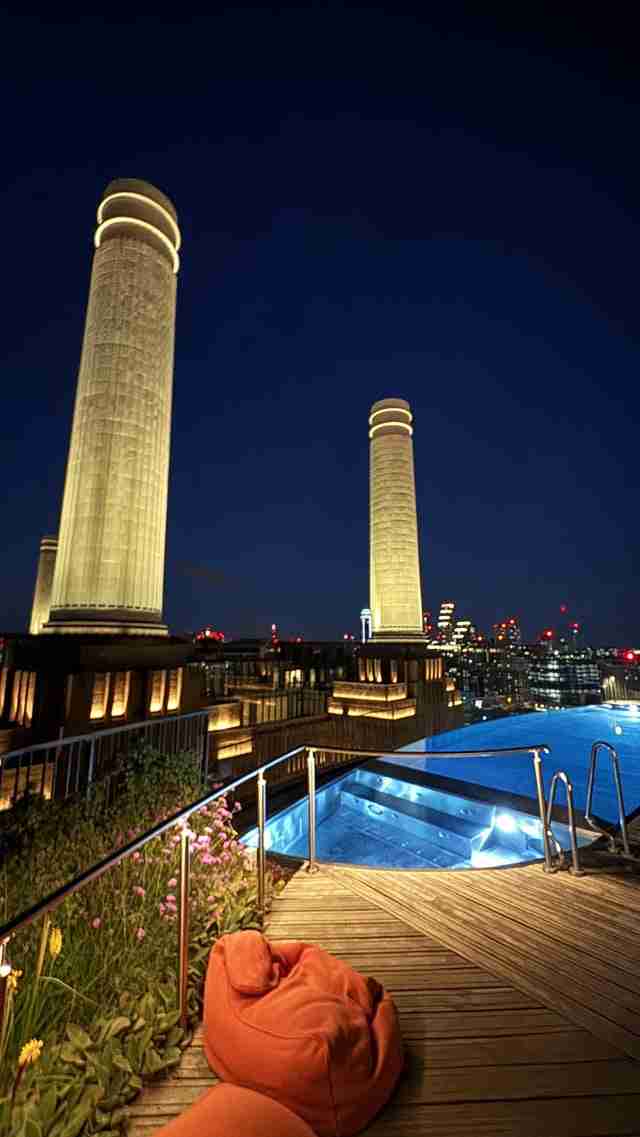
One of Bangkok’s quiet gifts is how it rewards altitude. From ground level the city can feel relentless, but climb 100 skyscrapers worth of elevation and everything the hectic traffic, the noise, the heat dissolves into a glowing panorama. The rooftop bars here are legendary for a reason. Tichuca in Sukhumvit is my personal favourite: jungle-inspired decor, a lively DJ set, solid cocktails, and the kind of memorable night that justifies the 400 THB minimum drink spend. Book a table if you want the full dance party experience rather than hovering near the bar all evening.
For pure views with cinematic credibility, Sky Bar at Lebua famous from The Hangover Part II sits at 250 metres on the 63rd floor and is genuinely stunning, albeit among the more expensive options. Octave offers a more accessible price point. For something completely different, Wallflower Upstairs in Chinatown brings a shophouse enchanting ambiance, while Opium Bar, listed among Asia’s Top 50 Bars, draws serious cocktail enthusiasts. The potion-shop-themed Hex Bar Chinatown leans into its magical aesthetic with genuine commitment. Whatever you choose, the perspective of sitting above the city watching that glowing LED tree light up the skyline shifts how you see Bangkok’s nightlife entirely.
Chatuchak Weekend Market
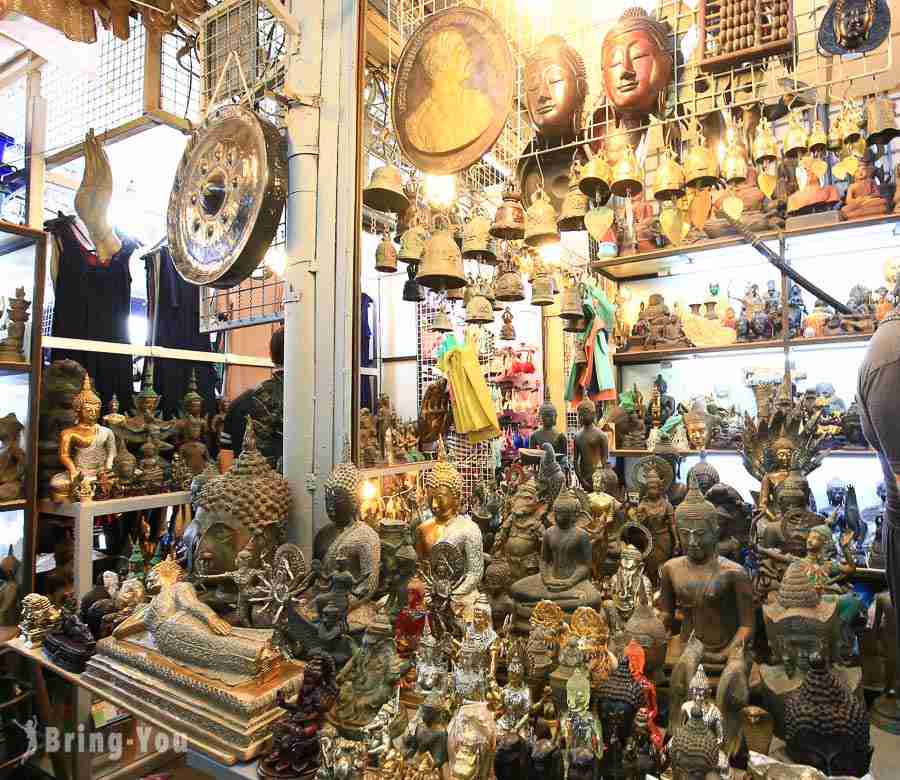
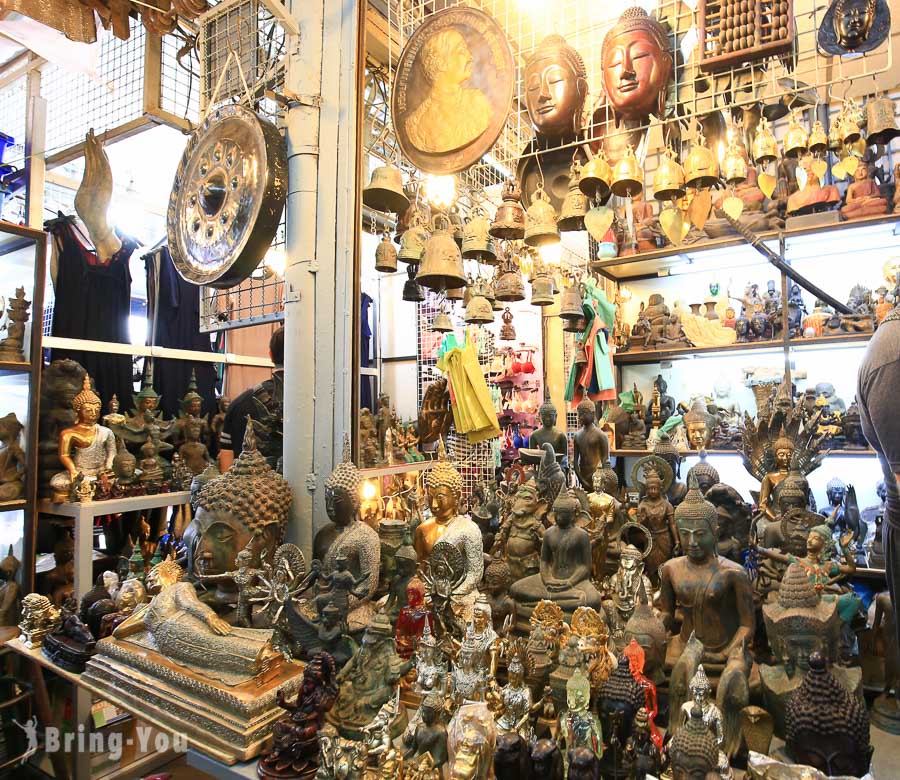
Every seasoned Bangkok visitor will warn you about Chatuchak, and every first-timer ignores them and gets happily lost anyway. The world’s largest weekend market running Friday through Sunday with over 15,000 stalls across 26 sections is equal parts alluring and overwhelming, an experience that operates more like a small city than a market. Locally known as JJ Market or Jatujak Market, it moves between souvenirs, clothing, ceramics, crafts, interior design, food, plants, books, antiques, and used clothing without any coherent logic, which is precisely what makes it so absorbing.
The art and Thai street snacks sections alone justify the trip out to Mo Chit Station or Chatuchak Park Station. Go early the heat by midday turns browsing into endurance sport and keep cold drinks close. The vibrant energy here is distinctly downtown in a way that distinguishes it from the more polished flea market experience you might expect. Be mindful that some areas of the market have historically sold exotic and potentially endangered species something animal lovers should be aware of going in. Still, as a Bangkok weekend adventure, it’s unmatched.
Shopping Malls (IconSiam, Siam Paragon, MBK, etc.)
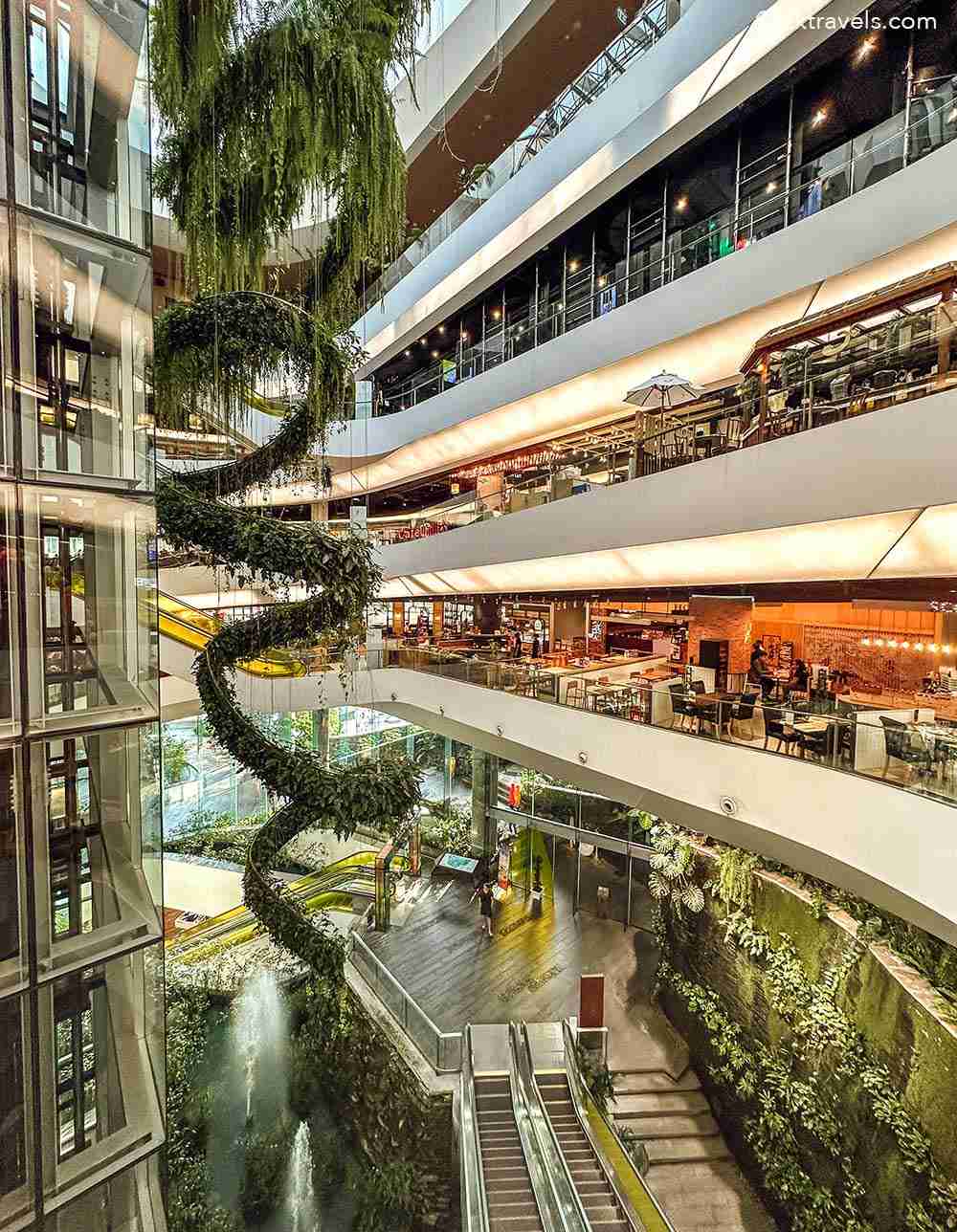
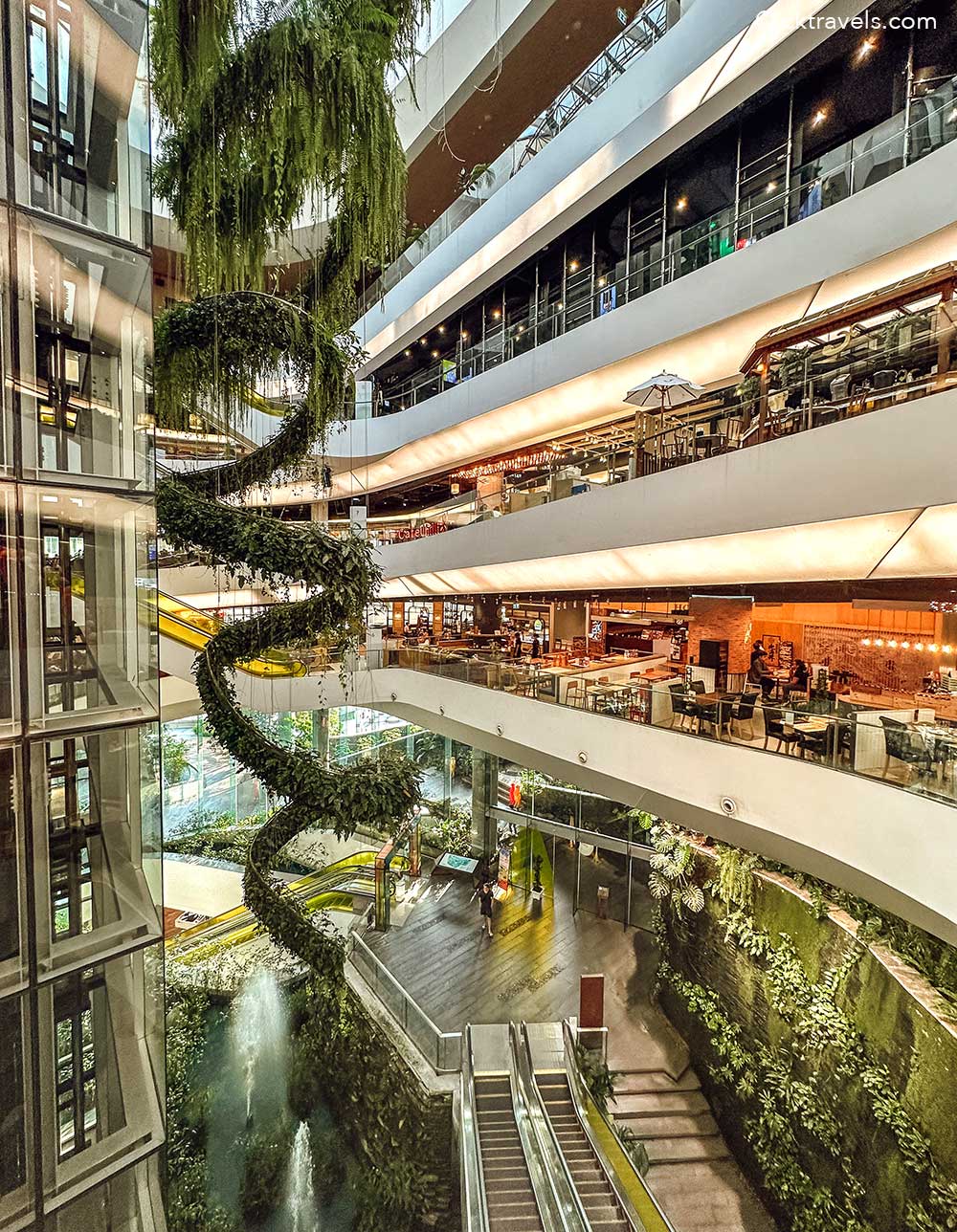
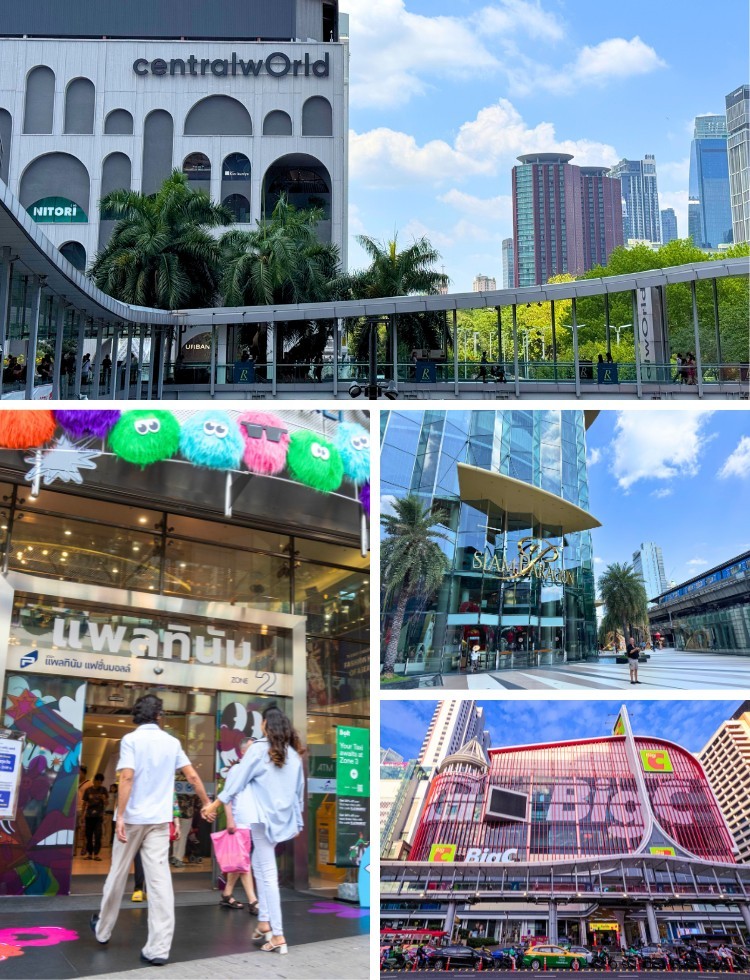
There’s a particular kind of relief that comes with stepping into one of Bangkok’s massive air-conditioned shopping malls after a morning in the heat, and the city has made an art form of the experience. IconSiam is the showpiece a riverside luxury mall with stunning views of the Chao Phraya River, a floating market food court inside (genuinely one of the most theatrical food experiences in the city), and a roster of high-end boutiques, souvenir stalls, gyms, cinemas, and lavish dining spaces. It’s accessed easily by ferry from the Silom Line or Saphan Taksin area.
Siam Paragon in the Pathum Wan District covers 7,000 shops and anchors the most cosmopolitan block in Bangkok alongside Siam Center and the MBK Center on the west side near National Stadium. For something more neighbourhood-themed, Terminal 21 at Phloen Chit and the EmQuartier / Emporium cluster at Phrom Phong offer vibrant shopping with personality. CentralwOrld which recently opened an Apple Central World and hosts world-class entertainment is among the largest retail complexes globally, backed by Central Pattana, complete with a hotel, office tower, aquarium, and art galleries. At night, Asiatique takes the riverside approach with a night market blending traditional and modern flair that somehow channels Thai hospitality into every corner.
Khao San Road
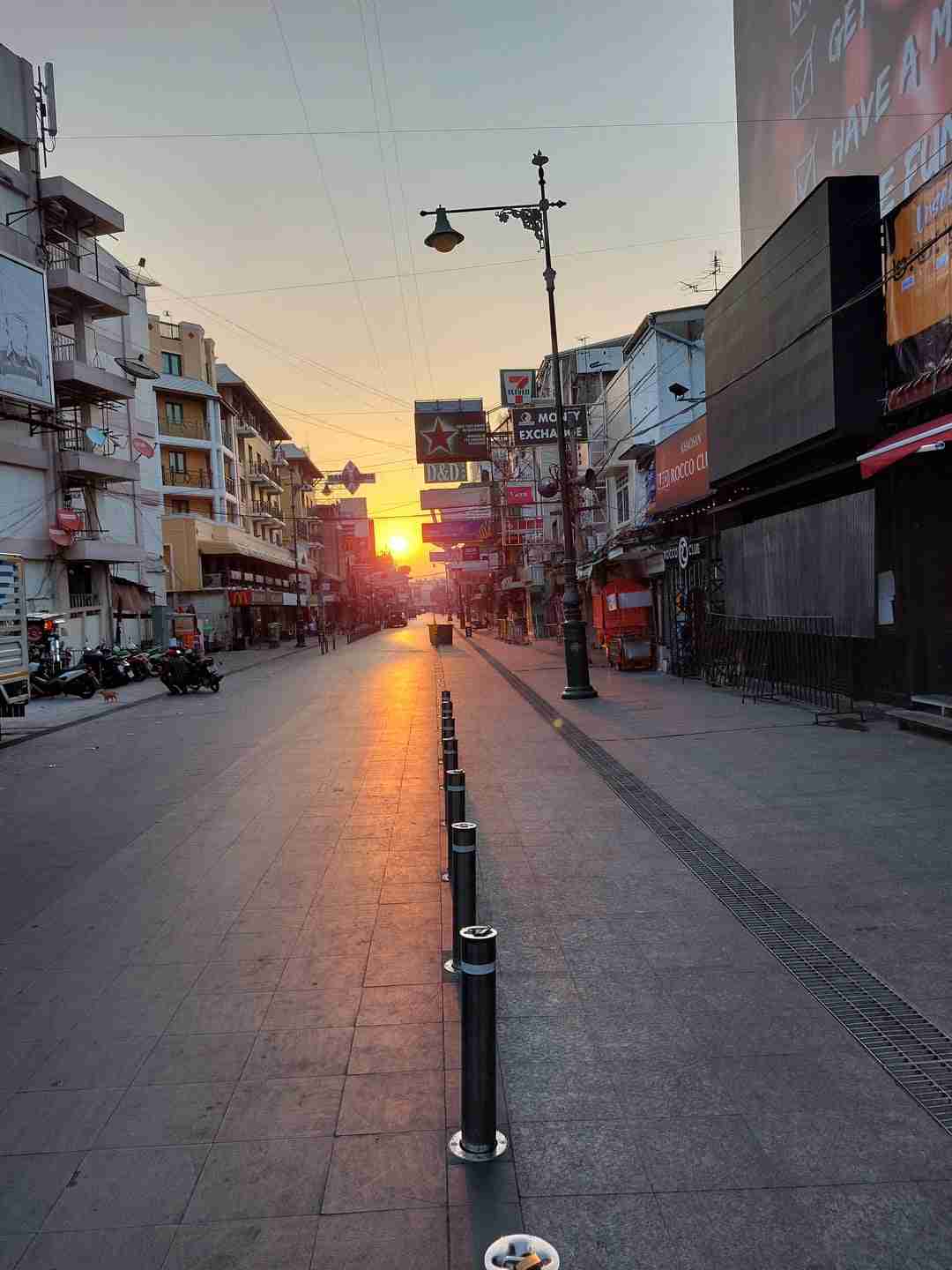
I’ll be upfront: Khao San Road divides opinion sharply. It is, by almost every measure, an aggressively touristy strip 410 metres of budget accommodation, food stalls, bars, and live music in the Banglamphu neighbourhood that has served as a world-famous backpacker ghetto for decades. It’s charming in the way only a place completely comfortable with its own reputation can be. The cheap prices, the lively energy both day and night, the constant parade of travelers passing through it works, and it remains a serious magnet for tourists despite every attempt to call it past its prime.
What redeems Khao San Road for me is its proximity to some of Bangkok’s best historic temples and the genuinely vibrant bustling local culture of Banglamphu beyond the main strip. Stay here if you’re a budget traveller who wants easy entertainment, a backpacker party atmosphere, and walking access to history. It’s not where I’d base myself now, but I understand completely why millions of travelers have started their Bangkok journey right here there’s a particular kind of nightlife, bars, and youthful, energetic freedom to it that no other destination in the city quite replicates.
Where to Eat in Bangkok / Food Scene
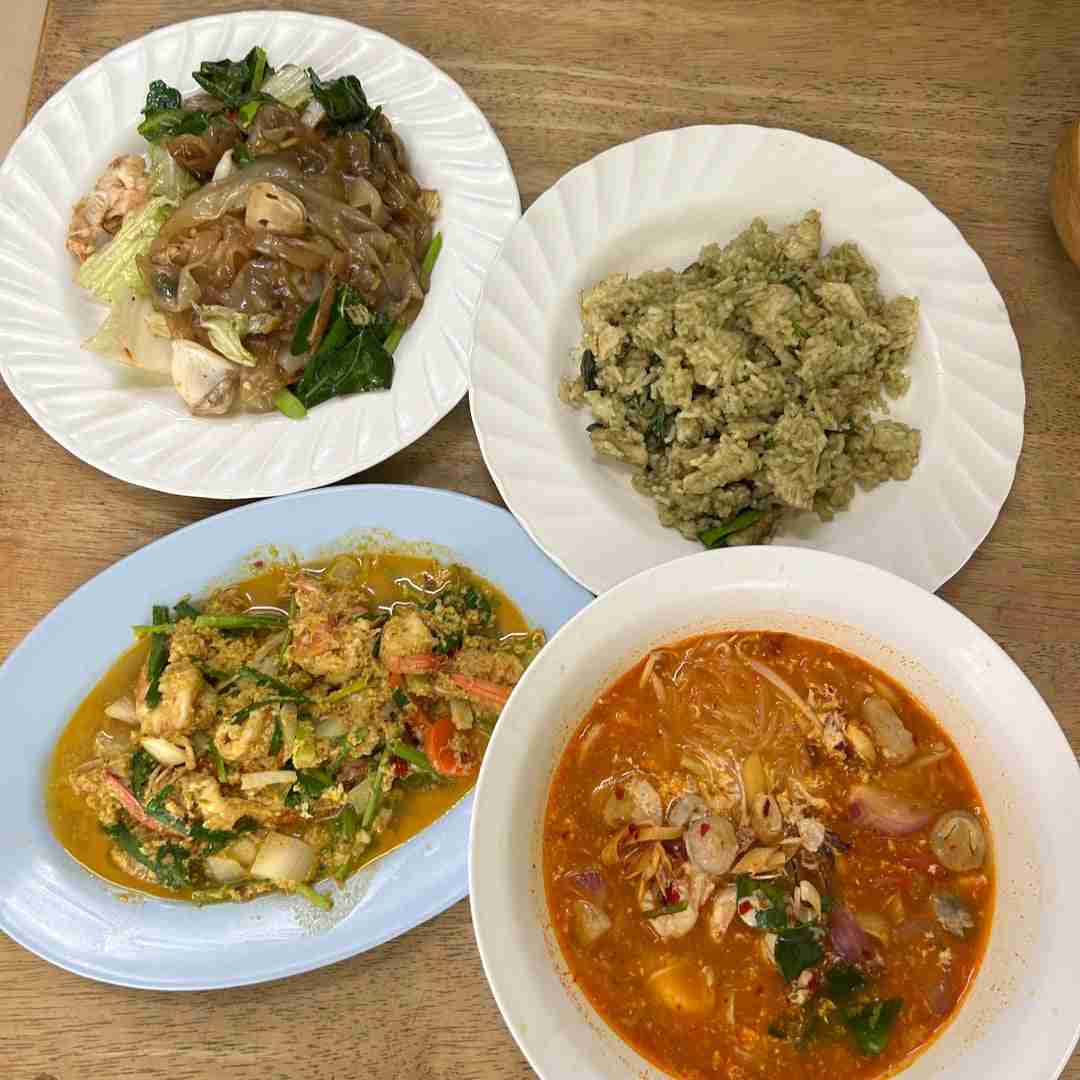
Bangkok is, without exaggeration, a food lover’s paradise, and I say that as someone who has eaten their way through a lot of cities. The gateway dishes are the ones everyone mentions Pad Thai off sizzling woks, Tom Yum Goong with its electric spicy sour broth and shrimp, Papaya Salad with shredded green papaya, lime, chili, and peanuts, Mango Sticky Rice sweet, creamy, comforting and the underrated Spring Rolls and Fried Noodles that are absolute wallet-friendly flavor revelations. The best versions of all of these exist at popular street food stalls that are entirely safe and utterly quintessential to the experience.
For a more curated evening, Rongros along the Chao Phraya River with a Wat Arun sunset backdrop offers authentic Thai dishes and excellent cocktails reserve ahead. In Chinatown, Ba Hao is a genuine date night destination with duck wontons, while My Way does an orange curry with prawns that is quietly unforgettable. If you want something wildly different, Gyukatsu Kyoto Katsugyu at IconSiam does wagyu beef on a personal grill in a Japanese-style format that has nothing to do with Thailand and everything to do with being excellent. Potong a Chinese shophouse fusion experience and Sri Trat for Eastern Thai cuisine are both Michelin-starred spots worth the reservations effort.
The international spread is just as strong. Punjabi Murgh Makhani curry at an honest Indian kitchen, Bartels for sourdough bread and smoothie bowls, Veganerie for plant-based lasagna, Waki Waki for vegan sushi, and Vistro doing a solid khao soi from Northern Thailand that rivals anything in Chiang Mai. Kappra Cafe handles breakfast, sandwiches, tea, and cakes with the kind of care you’d find in a European neighbourhood spot. For spice levels and noodle soups, the Patpong Night Market and Chinatown’s vibrant night markets are the real classrooms the Rangoon Tea House (Burmese), Charmgang Curry Shop, and Burapa / Orient Express / Shirokane Tori Tama for yakitori grilled skewers round out a scene that rewards curiosity at every Yao Restaurant Rooftop Bar and modest Carrots bistro level pizza, pasta, sushi, bowls, burritos, the lot. At coconut ice cream pace, please. Phuket Restaurant handles the southern Thai side with authority. Bistro wandering here never disappoints.
How to Get Around Bangkok
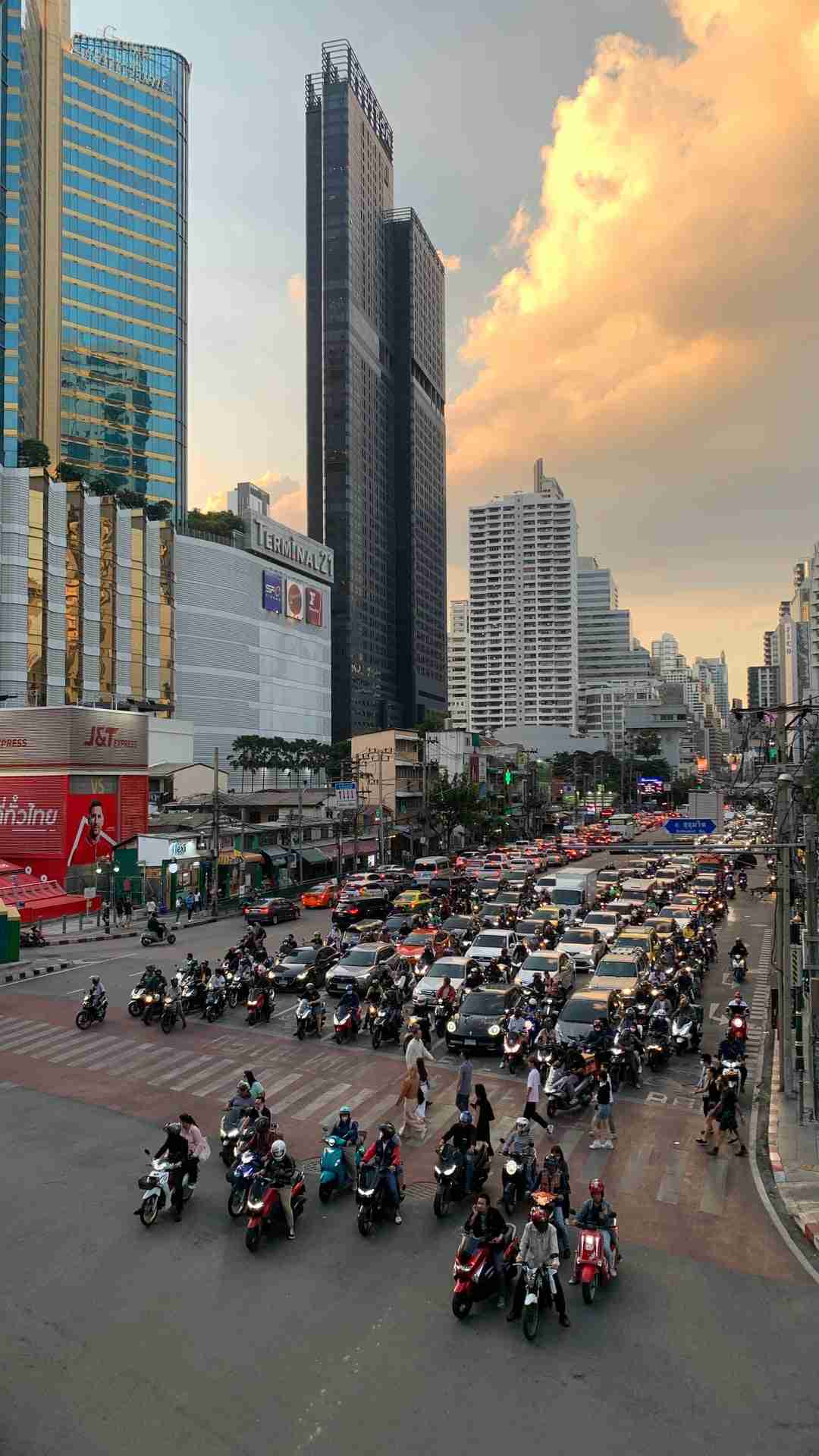
The two lifelines of Bangkok movement are the BTS Skytrain and MRT Subway, and once you understand them, the city opens up completely. Both are reliable, affordable, and critically air-conditioned, which becomes a non-negotiable priority fast. Fares run between 17–62 THB (roughly 0.50–1.70 USD), a one-day pass costs 150 THB, and trains run every 5–10 minutes from around 5:30 AM to midnight (MRT opens at 6:00 AM). Bring a sweater or scarf the carriages are cold enough to need one. A Rabbit Card handles BTS tap payments and saves time at peak hours. The 10 lines spread above ground and underground across a network that covers most places a visitor needs to reach, though navigating rush hour between 7am–9am and 4pm–9pm in congested carriages is its own kind of Bangkok experience.
For door-to-door movement, Grab and Bolt are the answer. Fares range roughly 100–500 baht depending on distance, with airport runs naturally higher they accept linked card or cash and occasionally add a highway fee. I use Grab almost exclusively for anything that involves luggage or late nights. Tuk-tuks are the three-wheeled, open-air vehicles that cost 100–150 THB for short trips if you negotiate firmly, but be alert to scams around tourist sites. River taxis on the Chao Phraya River cost 15–40 THB with an all-day pass option; board at Sathorn Pier near Saphan Taksin Station and you can reach Tha Tien Pier for Wat Pho and Wat Arun, or the IconSiam Pier directly. For airports: Suvarnabhumi Airport (BKK) connects via the Airport Rail Link to Phaya Thai Station; Don Mueang Airport (DMK) uses a Shuttle Bus to Mo Chit BTS Station or a private airport transfer. An eSIM loaded with data, combined with maps and translation apps, makes the entire public transit and walking system navigable from day one. Skip Uber it doesn’t operate here. River ferry buses through the canals are scenic and surprisingly practical for avoiding traffic jams.
Where to Stay in Bangkok
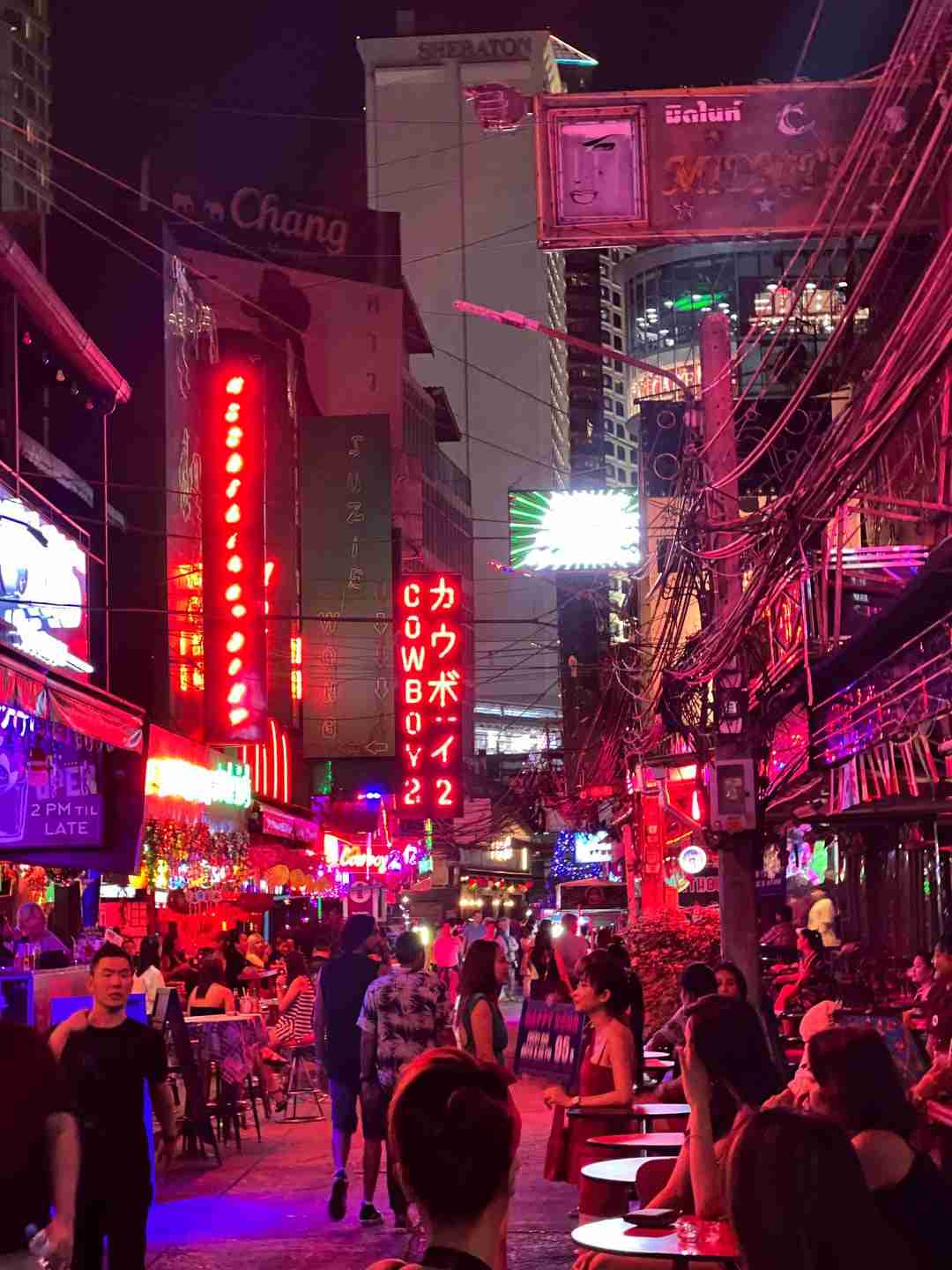
Where you sleep in Bangkok shapes the entire trip, and the neighbourhoods function almost like different cities. Sukhumvit is the default for first-timers wanting modern convenience direct BTS Skytrain and MRT Subway access, a dense grid of restaurants, serious nightlife, and proximity to most attractions, though it can feel more cosmopolitan than authentically Thai. Silom balances business efficiency with access to green spaces like Lumpini Park and the river. Riverside along the Chao Phraya suits couples and families wanting scenic views, boat transport, and a more luxurious pace the Mandarin Oriental Bangkok and Sindhorn Kempinski Hotel Bangkok sit at the peak of this, while Chatrium Grand Bangkok offers a rooftop pool with serious skyline views.
Khao San Road and Banglamphu pull in budget travellers wanting the lively, historic temples walking-distance experience; Casa Nithra Bangkok and the Photohostel represent the better end of that bracket. Siam works brilliantly for first-time visitors who want central access to malls and pure convenience. Chinatown / Yaowarat offers the best combination of street food, local culture, and genuinely affordable accommodation with character Priya Boutique House fits this well. Rattanakosin / Old City keeps you in the heart of history. Mid-range options like Novotel Bangkok Sukhumvit 20 and Grande Centre Point Surawong Bangkok hit the balance between comfort and reasonable pricing. At the boutique end, The Mustang Blu brings a gaming room and sharp design, while Riva Arun offers a heritage building with a riverside pool and that rare combination of Michelin stars, spa, and the bones of a 19th-century bank beneath it. Match your travel style to the neighbourhood first, then find the bed.
How Many Days to Spend in Bangkok
The honest answer depends on how you travel, but here’s what I’ve seen work: one night if you’re truly just passing through the airport and traffic won’t allow more, two nights for a compressed hit of temples and modern districts, three nights for adding a museum and some shopping centres, four nights if you want Chatuchak Weekend Market and a proper Ayutthaya excursion. Most first-time visitors to this vast metropolis land somewhere in the 3–5 day range and leave wishing they had more time. Realistically, 5–7 days lets you fully experience the rich history, vibrant neighborhoods, and stunning temples without feeling like you’re sprinting.
Digital nomads and repeat visitors often stay weeks, especially during high season from November through February or the shoulder months of July, August, and March. There are 4-day public holiday clusters in the calendar around Grand Palace royal ceremonies and national observances where the city either fills with domestic tourists or empties toward the provinces, both of which change the culture and planning calculus significantly. Bangkok is one of those cities that reveals something different with every visit, which is probably why so many people keep coming back to it.
When to Visit Bangkok
Bangkok runs warm year-round temperatures swing between 20°C (68°F) and 40°C (104°F) depending on seasonal variations, so there’s no cold option, only degrees of manageable. The cold season (also the high season) runs November through February, bringing cooler evening and night temperatures, drier skies, and the best conditions for outdoor activities and sightseeing though tourist crowds, higher prices, and the Christmas rush come with it. This is when fewer crowds is relative rather than absolute.
The warm season / low season (March–April) is brutally hot, but it brings the spectacular Songkran Festival in early April the Thai New Year where both tourists and Thais take to the streets with water cannons and water pistols in a city-wide celebration that produces the most genuine collective smile I’ve ever witnessed on a population. The rainy season (May–October) brings heavy rainfall, particularly in September, though July and August often have drier spells between downpours and better prices across the board. For the truly spectacular, Yi Peng Lantern Festival in northern Thailand is worth timing a broader trip around. The best time to visit really depends on what you’re optimising for crowd avoidance, budget, or experience.
Wat Saket and the Golden Mount
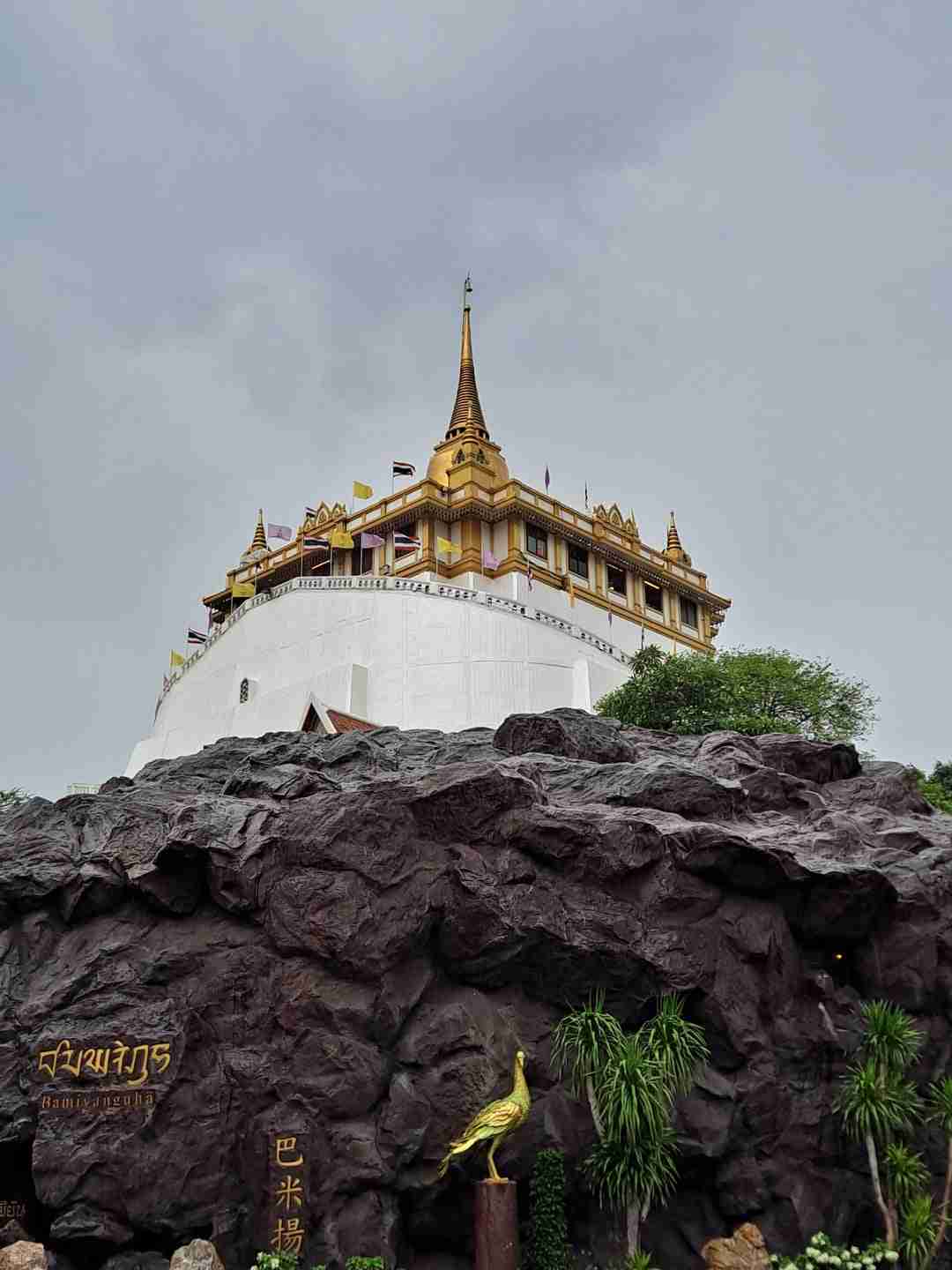
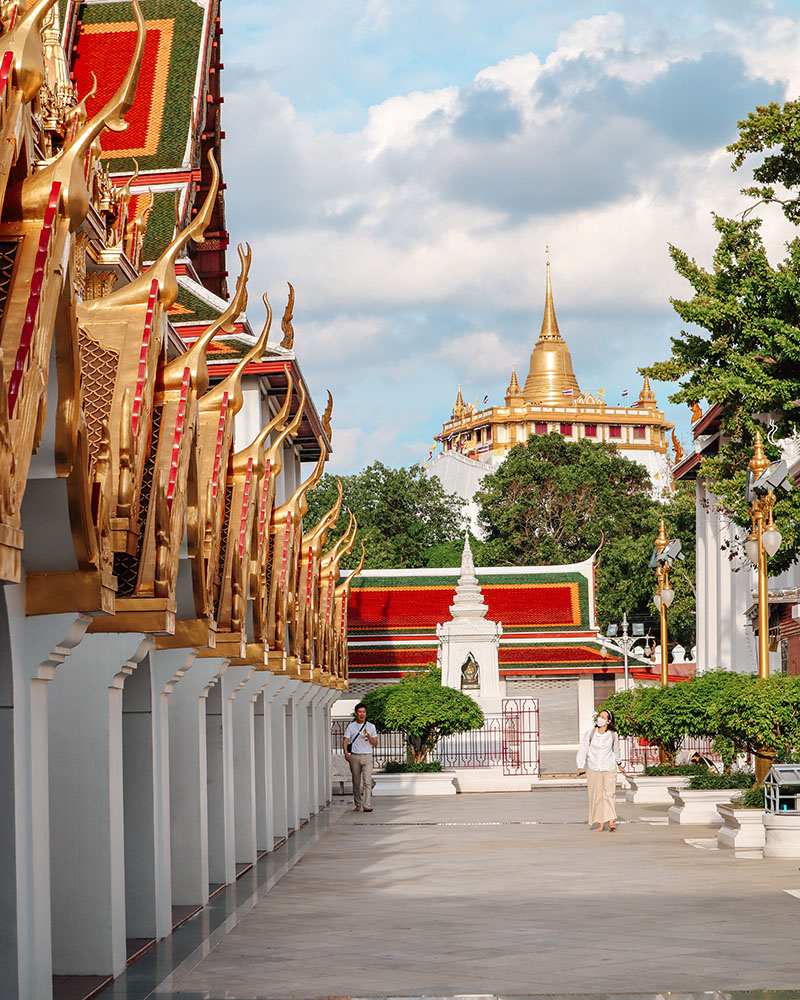
Wat Saket better known as the Golden Mount is a man-made, 80-metre-high structure that shouldn’t work as well as it does. You climb an endless winding path of stairs lined with bells and flags, passing Buddha statues and reaching a golden dome with a 360-degree view of Bangkok’s skyscrapers and skyline that feels genuinely earned. There’s a cave section with additional Buddhas partway up that most people rush past don’t. The entrance fee is just 100 baht (2.5 EUR / 3 USD), shoulders and knees covered as always on temple grounds. Currently undergoing partial renovation in some sections, but still absolutely one of Bangkok’s most remarkable temples for those views alone.
Wat Ratchanatdaram (Bangkok’s Iron Palace)
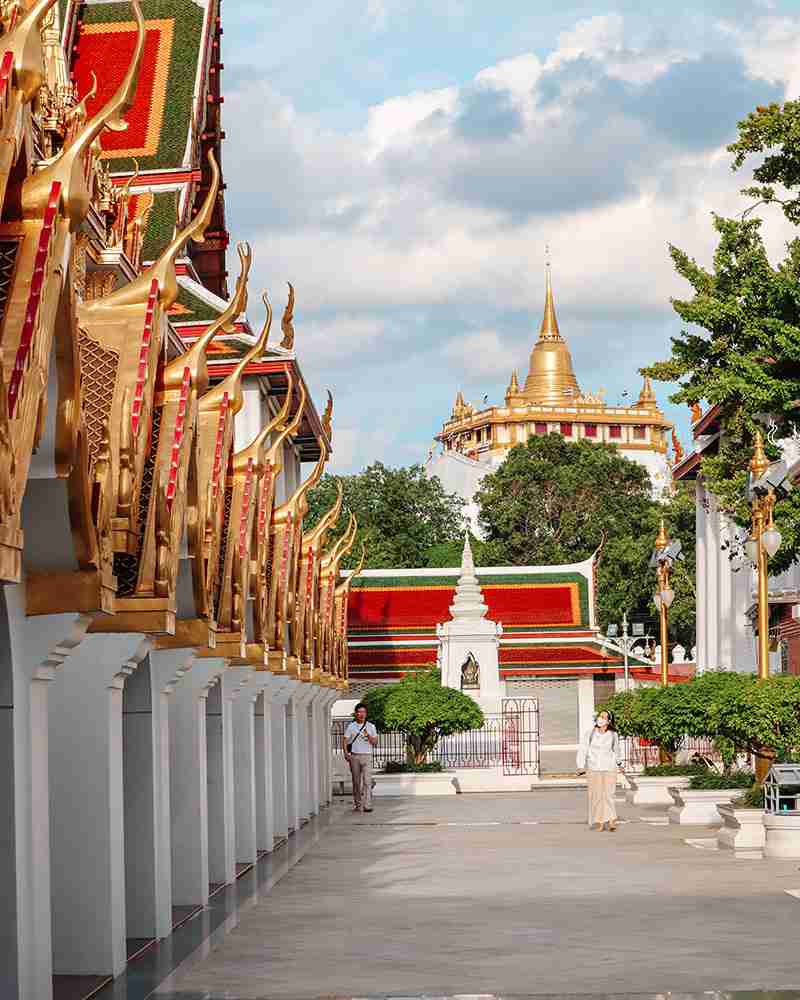
Wat Ratchanatdaram earns its place on any serious temple itinerary through sheer architectural audacity. The Loha Prasat the Iron Palace rises with 37 spires in both golden and black configurations, a beautiful and structurally unique temple that bears no resemblance to anything else in the city. It sits close enough to Wat Saket to make the combination a natural pairing both temples within easy distance of each other. Entrance fee is 100 baht (2.5 EUR / 3 USD), shoulders and knees covered for temple grounds. A short visit but a genuinely distinctive one.
Bangkok National Museum
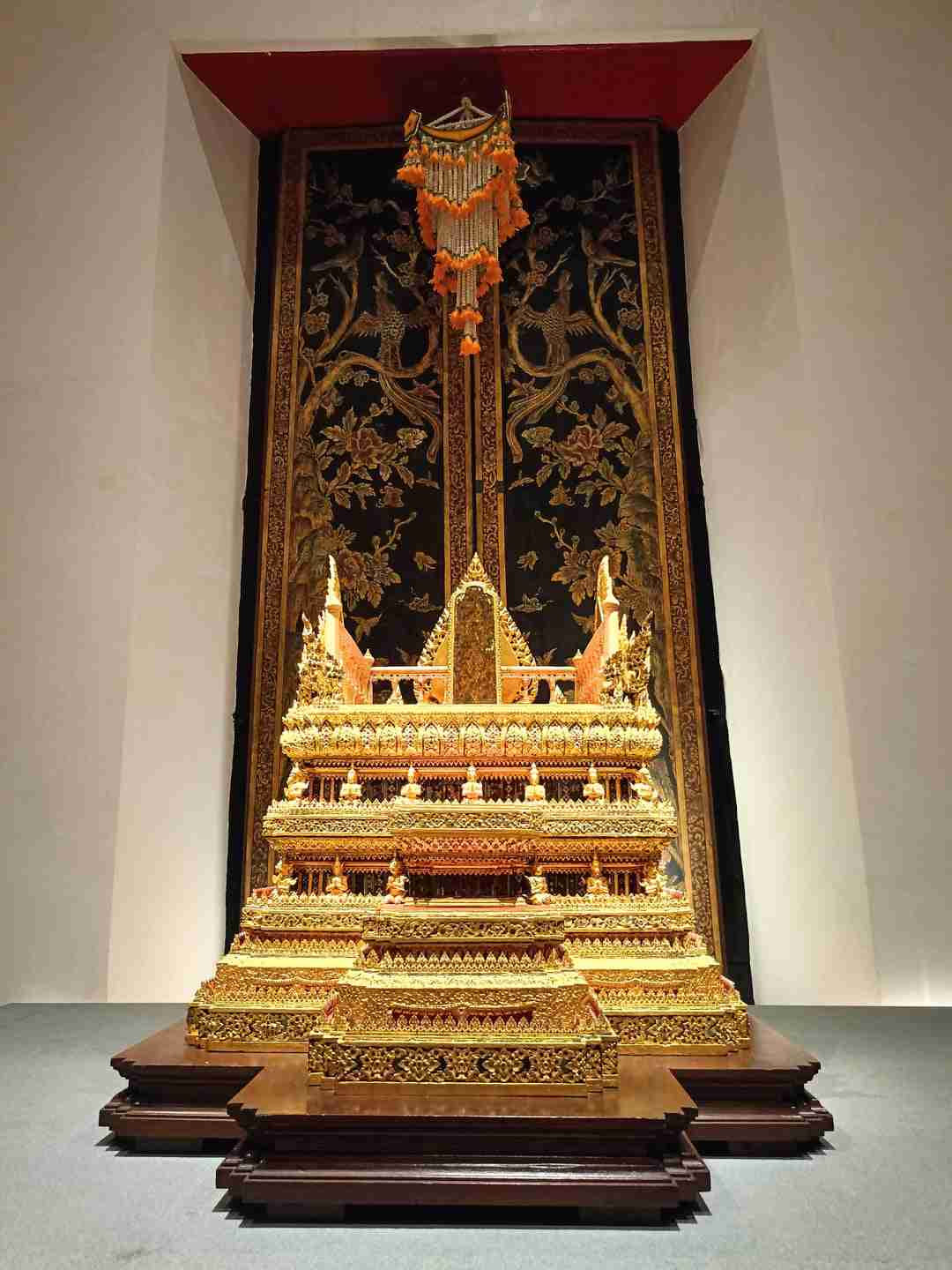
On a rainy day in Bangkok, the Bangkok National Museum is exactly where you want to be the largest museum in Southeast Asia, housing an extraordinary collection of Thai art and historical artifacts with deep connections to India, China, Vietnam, Cambodia, and Indonesia. Located in Phra Nakhon, right between Khao San Road, the Grand Palace, and the Chao Phraya River, it functions as both a serious culture institution and an extremely practical indoor activity. The exhibits and collection reward history buffs and culture enthusiasts equally. Entrance fee is 200 baht (5.5 EUR / 6 USD).
Wat Intharawihan (32-metre Standing Golden Buddha)
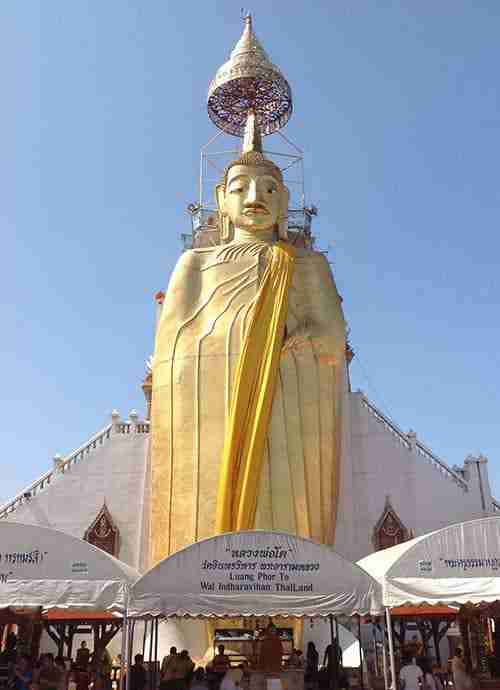
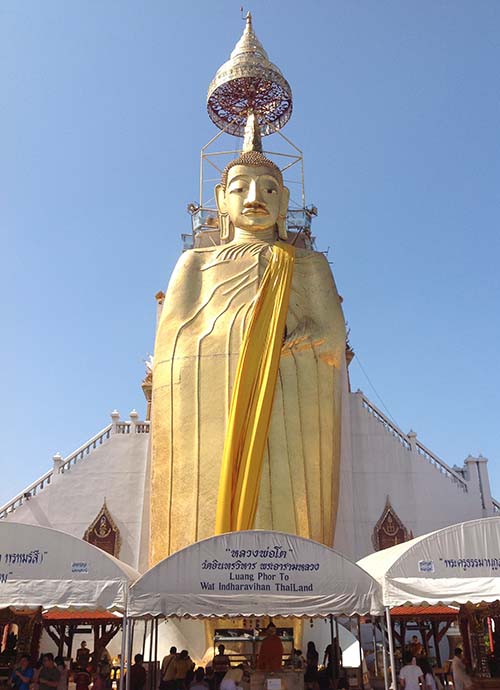
A quick stop that punches above its weight Wat Intharawihan houses a 32-metre-tall standing Buddha covered in gold, a striking contrast to the horizontal scale of the reclining Buddha at Wat Pho. It’s among the cheapest temples in Bangkok at just 40 baht (1 EUR / 1 USD) entrance, and the must-see statue stands in a courtyard that feels surprisingly peaceful given its size. Shoulders and knees covered on temple grounds, naturally.
Benjakitti Forest Park and Lumpini Park
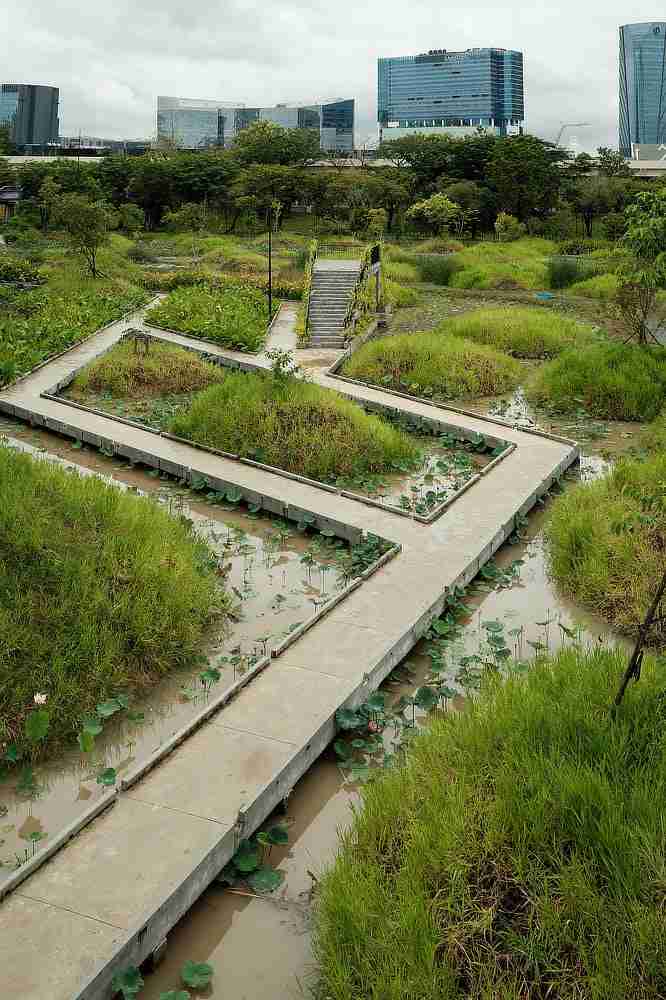
Both Benjakitti Forest Park and Lumpini Park serve as Bangkok’s escape from its own fast pace, though they do it differently. Lumpini Bangkok’s first public park is where locals come for early morning tai chi, walking, jogging, and paddling on the lake, with the famous monitor lizards sunning themselves in the northeast corner like they own the place (they do). The western section takes centre stage as the greenest space in the city’s middle, with skyscraper backdrops making it feel theatrical.
Benjakitti Forest Park is newer and more ambitious essentially a mini-national park carved out of the urban grid, with wetlands, rare plants, biodiversity, and an elevated walkway (the biodiverse skywalk) that lifts you above the busy streets into genuine nature and shade. These two large parks are a welcome counterpoint to Bangkok’s intensity; visit early or late to avoid the heat and catch the softer light filtering through the towering canopy on the Forest Park side.
Wat Benchamabophit (The Marble Temple)
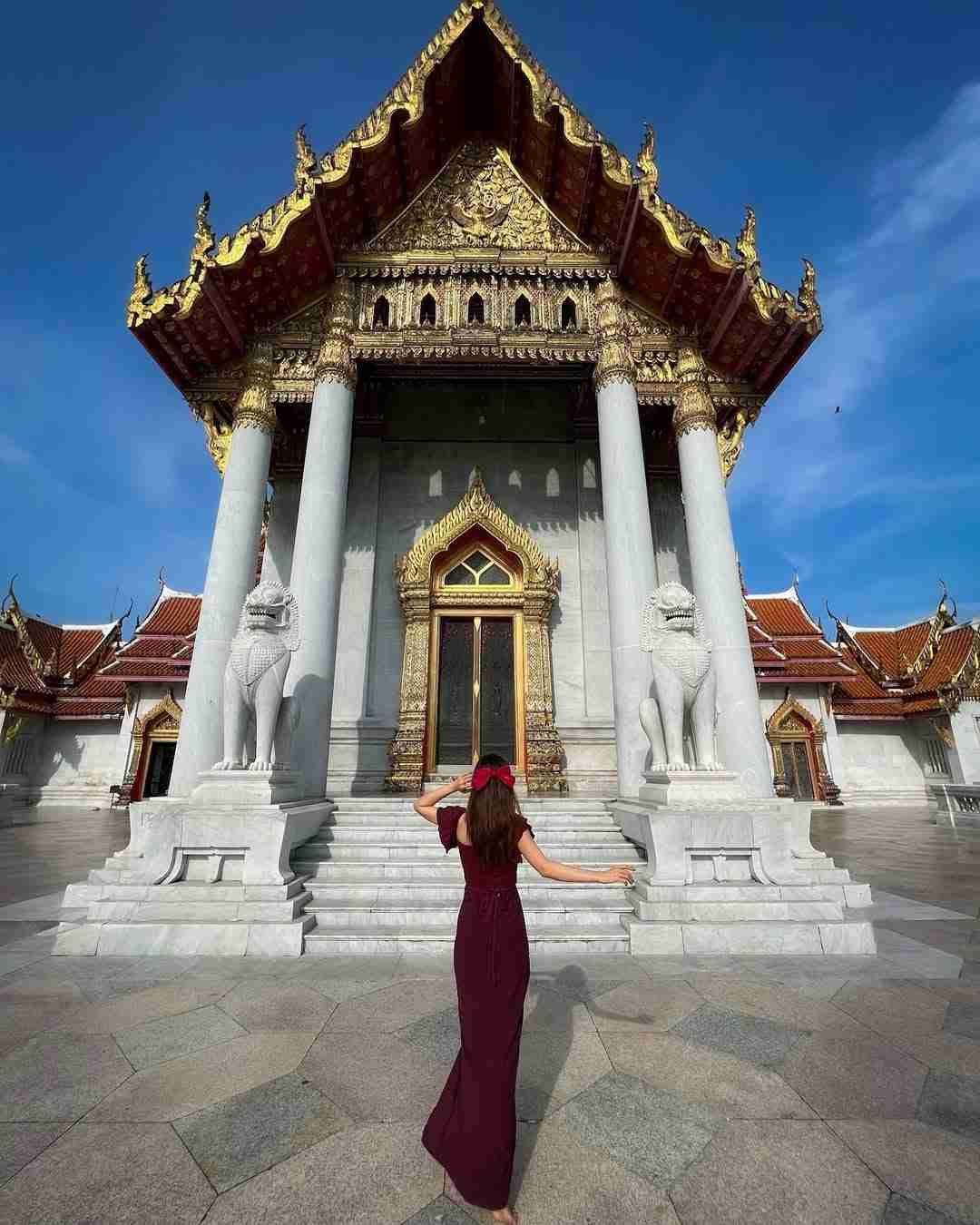
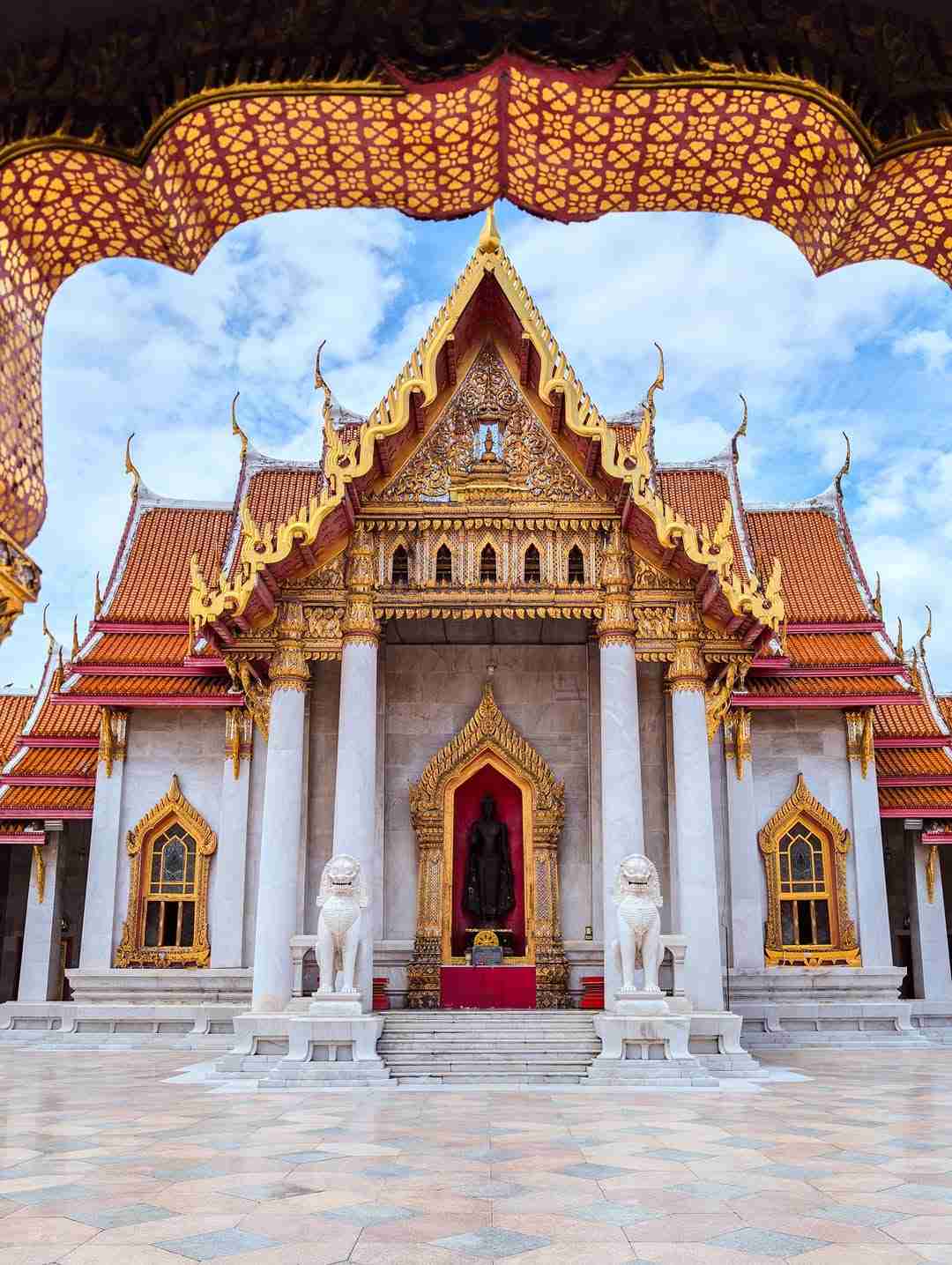
Wat Benchamabophit Dusitvanaram the Marble Temple sits close to Dusit Palace, the king’s residence, and radiates a different kind of energy to Bangkok’s more visited temples. The main temple’s Italian marble facade gleams with an almost European elegance, while the inner courtyard houses a remarkable collection of Buddha figures from across Asia. The overall atmosphere is elegant and royal, quieter than the tourist circuit heavyweights. Entrance fee is 100 baht (2.5 EUR / 3 USD). A beautiful spot near the river and bridge that rewards those who venture beyond the standard itinerary.
Talat Noi (Street Art Neighbourhood)
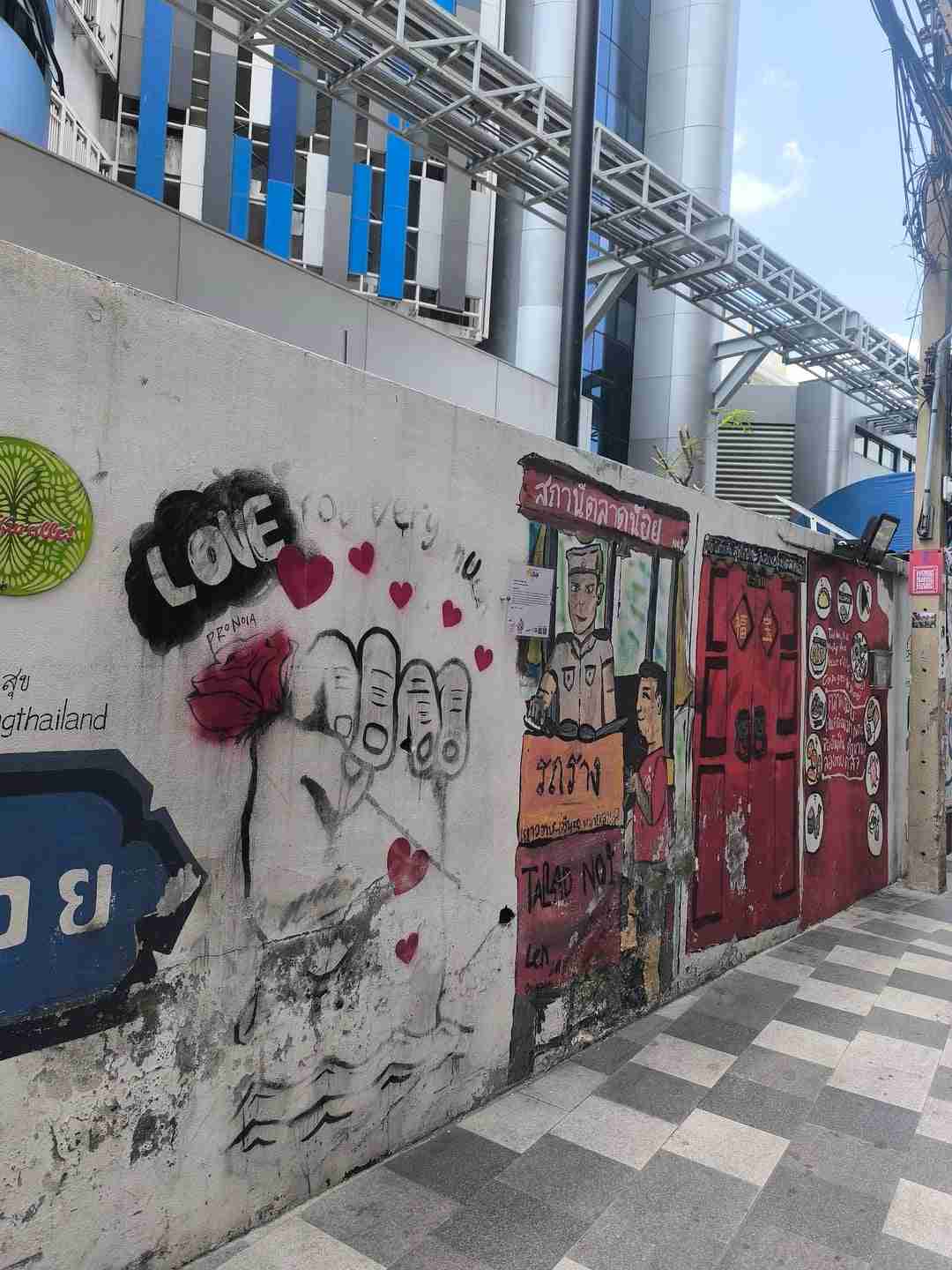
South of Chinatown, tucked between the Chao Phraya River and a maze of lanes, Talat Noi is Bangkok’s most atmospheric historic neighbourhood and genuinely one of the most Instagram-friendly without trying to be. The area grew from communities of Chinese and Portuguese immigrants and retains that layered culture in its old houses, working mechanics, and scooter repair shops alongside famous street art murals. An afternoon stroll here threads past Chow Sue Kong Shrine, Holy Rosary Church, Kalawar Church, and River City each carrying a different piece of the neighbourhood’s narrow streets story. Worth doing on one trip with Chinatown.
Jim Thompson House
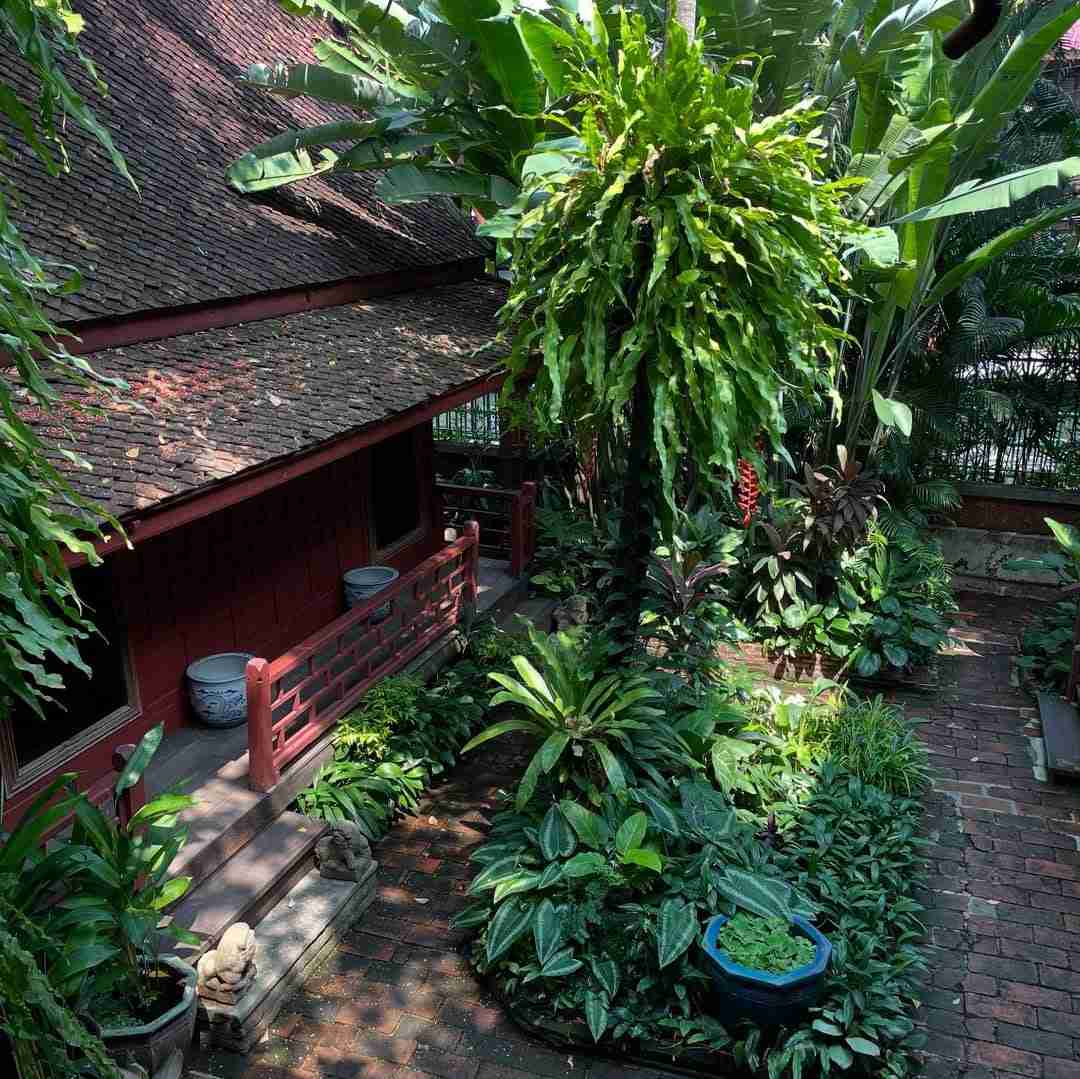
The Jim Thompson House sits in the heart of the city as a genuinely hidden gem a beautifully preserved collection of traditional Thai houses assembled by American silk entrepreneur Jim Thompson, who built a career around Thailand’s cultural heritage before disappearing mysteriously in 1967. A guided tour walks you through antiques, artwork, and a layered portrait of Thai culture that connects the canal-side world of shacks and quiet tranquil oasis Bangkok to the international art market. The gift shop does excellent placemats and textiles. It’s a fascinating glimpse into another side of the city a genuine another world from the heat outside.
Sea Life Bangkok Ocean World
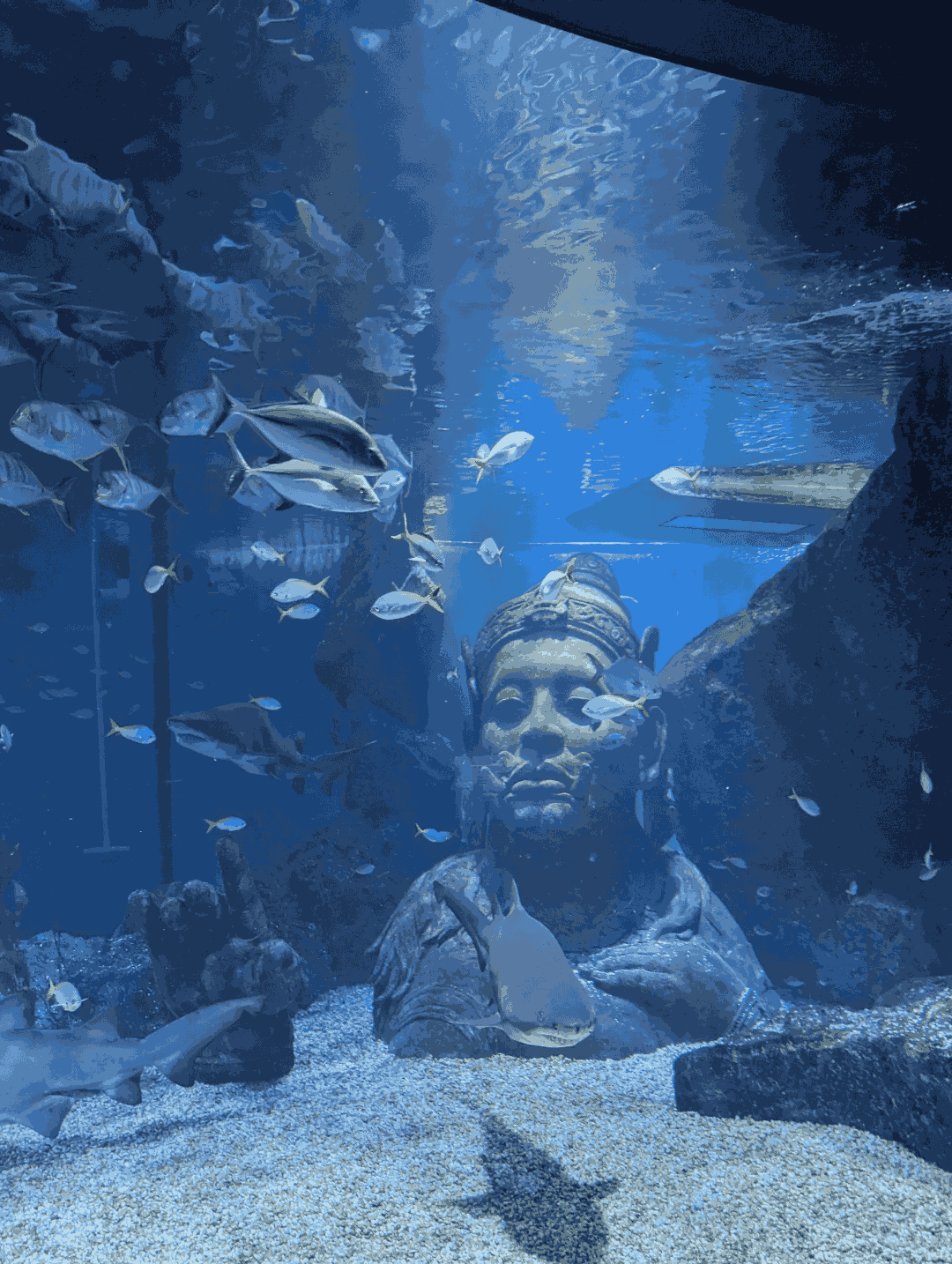
For an immersive rainy-day alternative or a genuinely crowd-pleasing stop for families and curious travelers, Sea Life Bangkok Ocean World delivers. Rated 4.6 from over 18,190 reviews with more than 600K booked, the aquarium sits inside Siam Paragon and brings the ocean experience to the city centre. Bangkok’s selection of zoos and aquariums is solid, and this is the flagship.
Mahanakhon SkyWalk
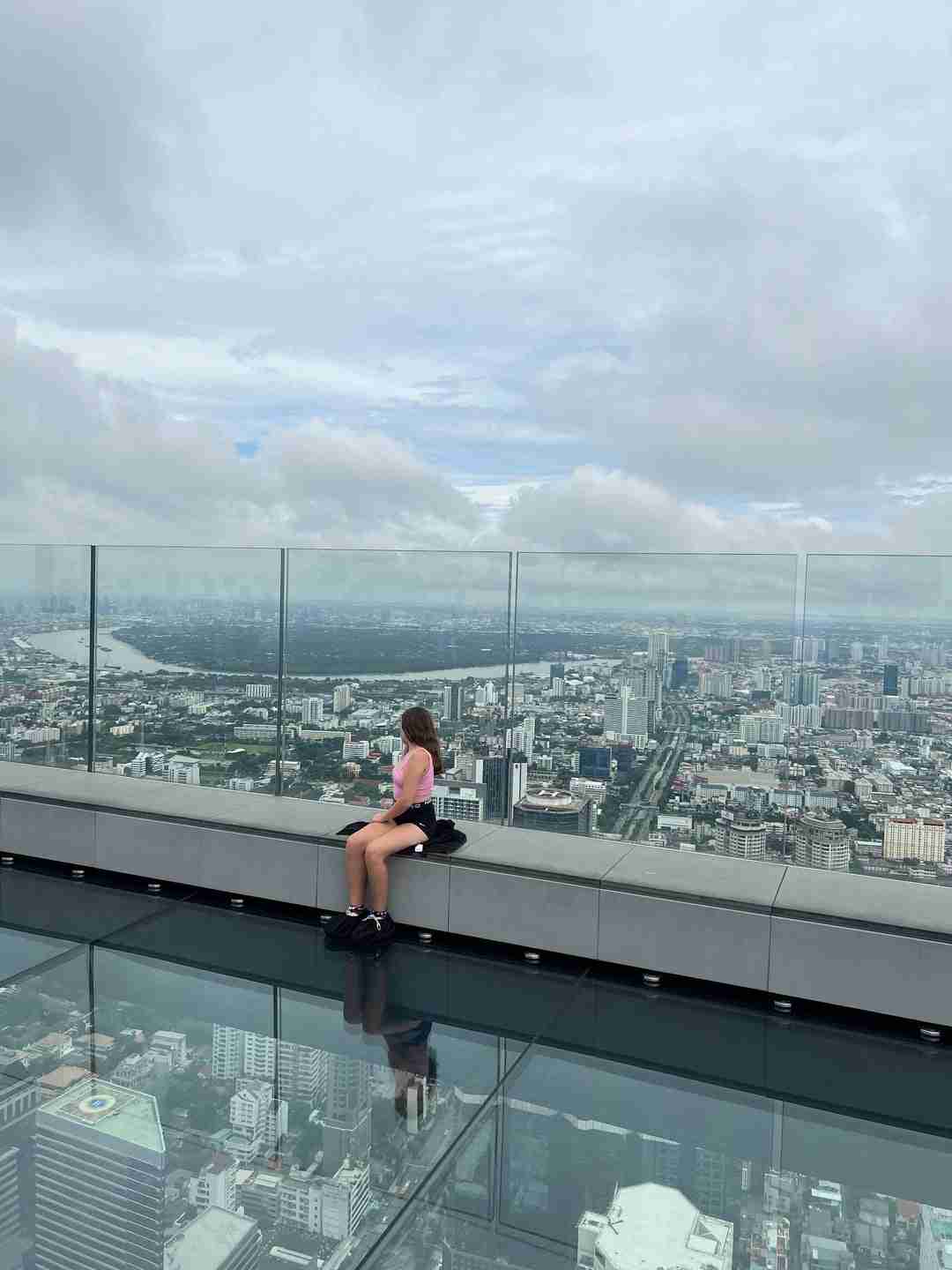
King Power Mahanakhon home to the Mahanakhon SkyWalk observation deck is among the tallest buildings in Thailand, and the panoramic views from the top rank it at 4.7 from 15,404 reviews with over 300K booked. The skywalk portion, with its glass floor panels over the skyscraper drop, produces a visceral reaction in most people. Buy your ticket in advance.
Chao Phraya River Cruises
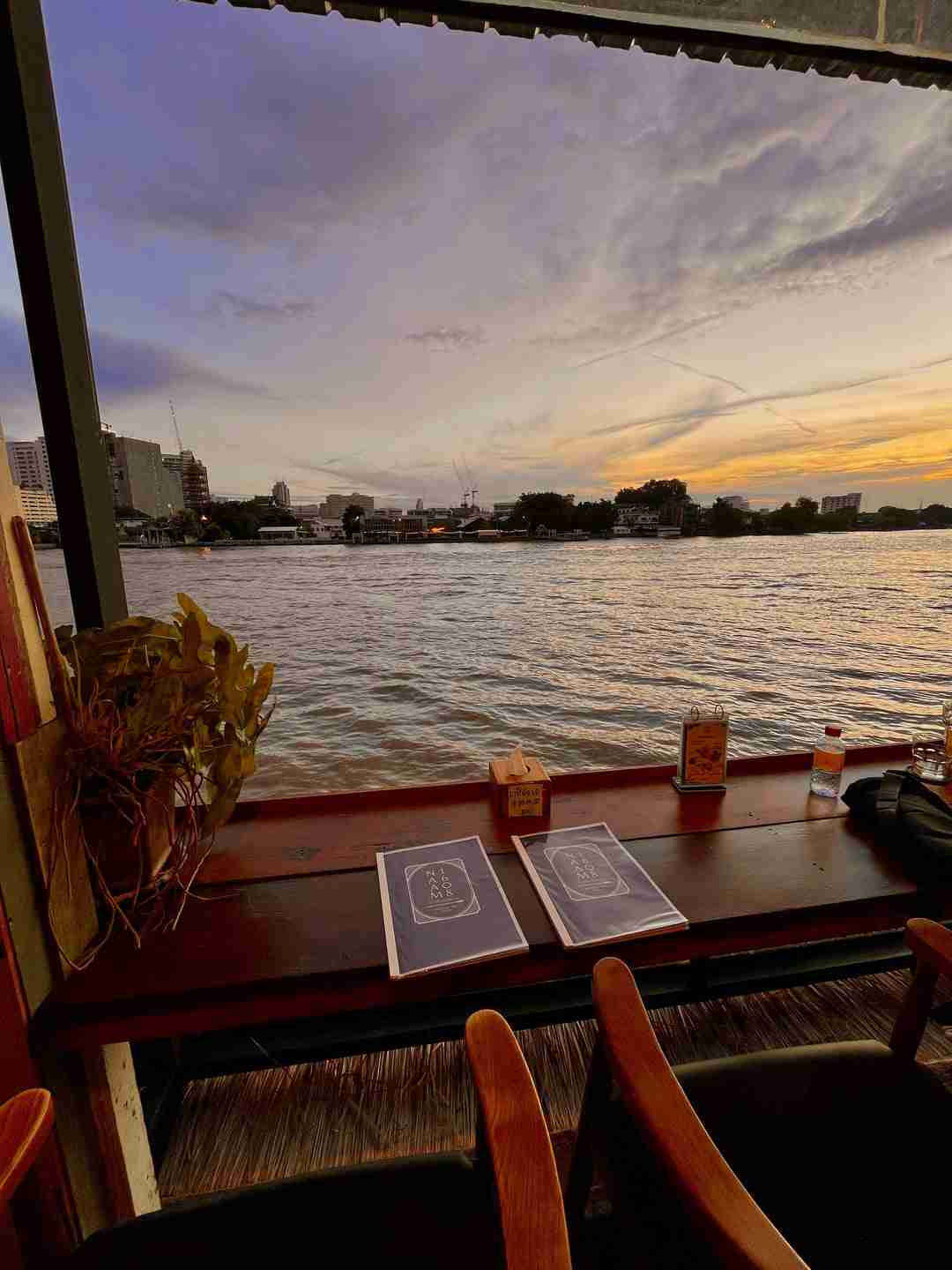
The Chao Phraya River works equally well as transport and spectacle, and the cruise options span every pace. The White Orchid Cruise (an afternoon cruise, 4.4 from 7,817 reviews, 300K booked, around 3 hours) is a gentle introduction. The Princess Dinner Cruise handles the evening dinner cruise slot beautifully (4.5 from 17,295 reviews, 400K booked, running 5–7 hours). For flexibility, the Hop-On Hop-Off Boat (4.7 from 3,284 reviews, 100K booked) is the most practical daytime river exploration option, letting you combine river taxis with scenic stops at your own pace.
Muay Thai (Rajadamnern Stadium)
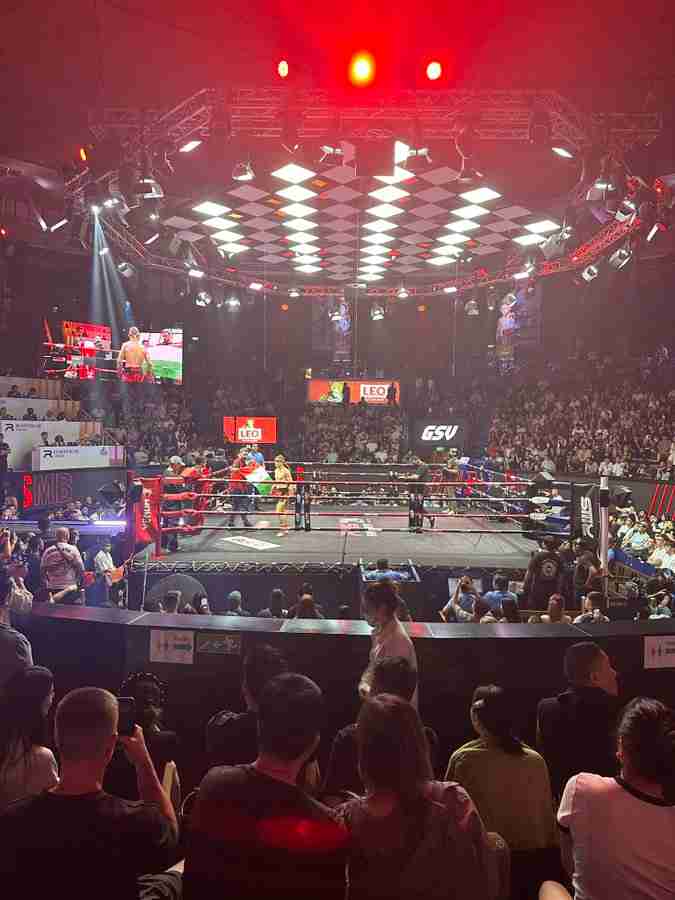
Watching a Muay Thai boxing match at Rajadamnern Stadium is one of those iconic Bangkok experiences that earns every bit of its cultural reputation. Rated 4.7 from 1,916 reviews and 80K booked, this is Thailand’s national martial art in its most official arena events and shows that carry genuine sporting weight, not a tourist performance. A proper Bangkok night out.
Damnoen Saduak Floating Market
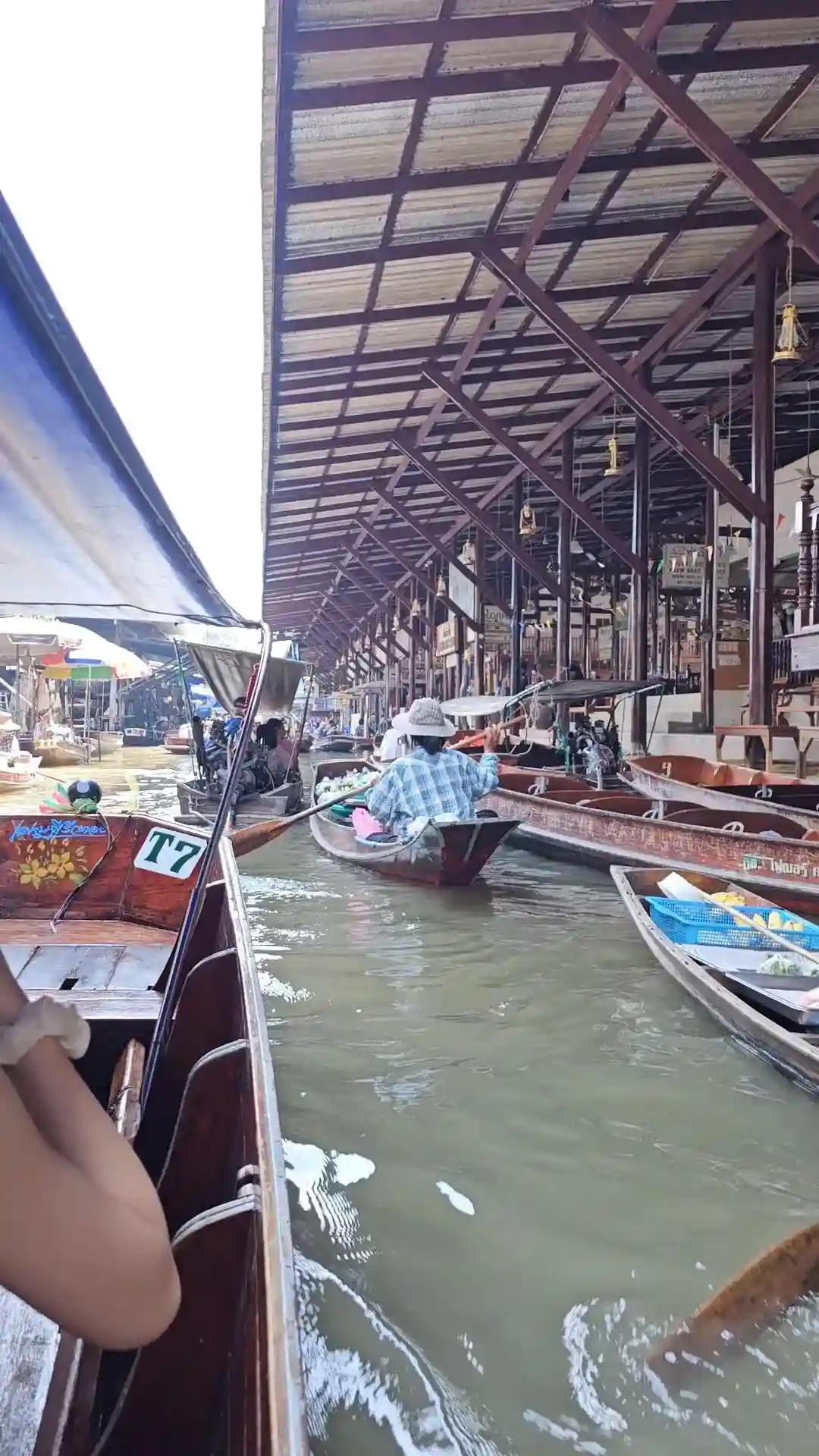
The Damnoen Saduak Floating Market is Bangkok’s most picturesque and popular floating market experience colorful boats threading through waterways and canals, vendors selling traditional produce and crafts from the water. Best visited on weekends. Combining it with the extraordinary Maeklong Railway Market into a single day tour is a well-worn but highly effective itinerary that Klook handles cleanly 4.7 from 2,202 reviews, 50K booked. Several markets in the wider Bangkok area follow similar formats, but Damnoen Saduak remains the one that earns the postcard.
Wat Paknam Phasi Charoen
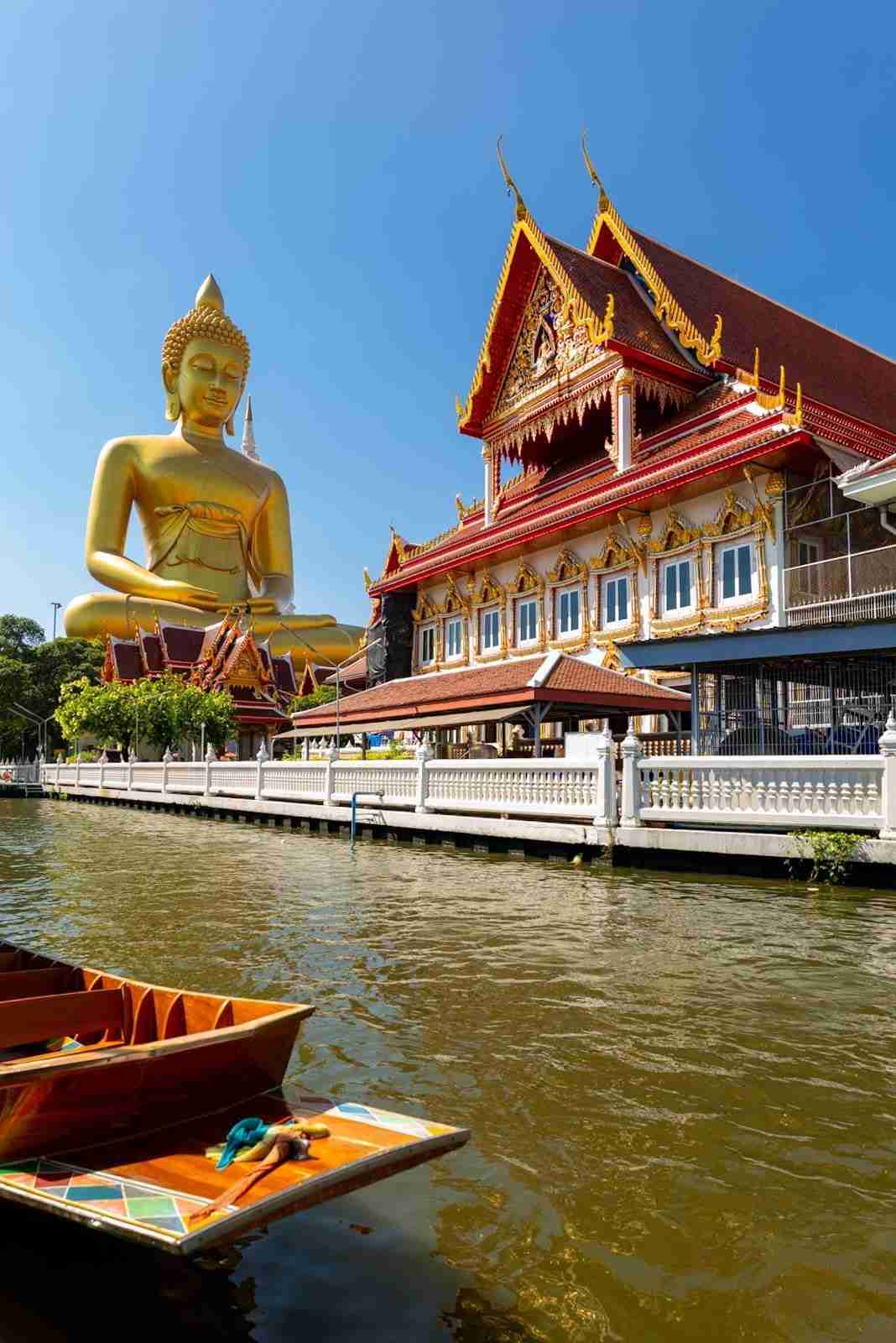
In the Phasi Charoen district, away from the main tourist drag, Wat Paknam Phasi Charoen offers something the central temples rarely can: genuine tranquility. A royal temple spread across 32,000 square meters near the Chao Phraya River, it is historically and culturally rich in a way that rewards history buffs and culture enthusiasts who make the trip. The majestic architecture, the working community life around it, and the serene escape from the city’s pace make it quietly enchanting and genuinely unforgettable for those who find it.
Pratunam District
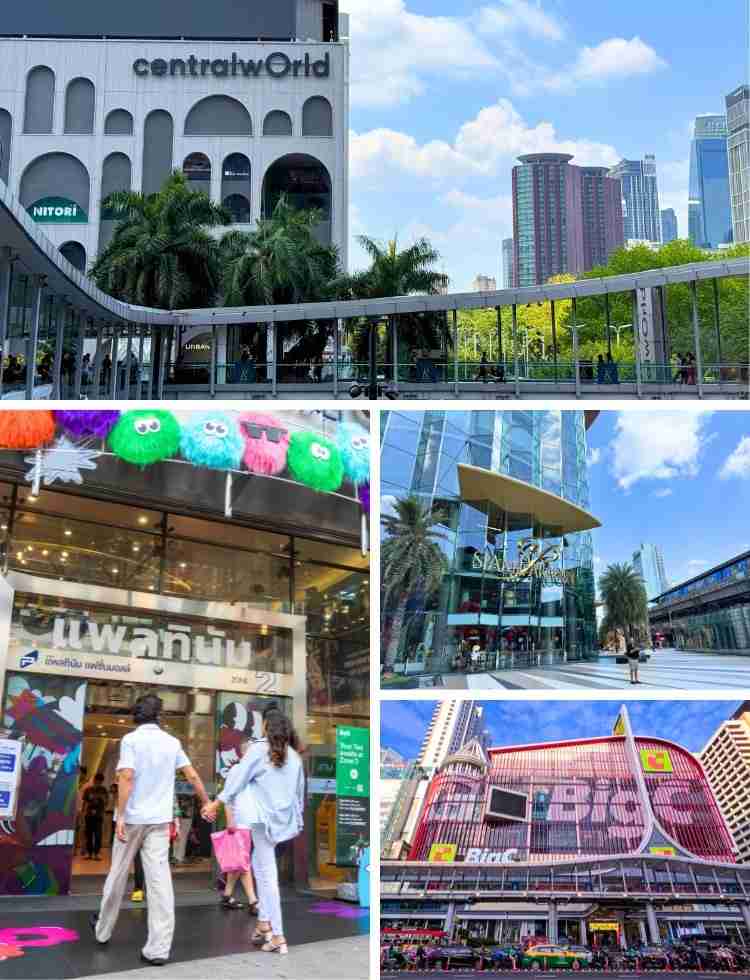
Pratunam sits in the middle of Bangkok as one of its most vibrant and diverse districts an area built around bustling markets, a rich cultural tapestry, and culinary delights that range from street-level to sit-down. It’s a must-visit for authentic Bangkok experience shoppers, and the lively atmosphere it generates across shopping, eating, and exploring local culture makes it one of those neighbourhoods that rewards wandering without agenda. Travelers who skip it in favour of the mall strip nearby tend to miss what makes central Bangkok genuinely memorable.
Asiatique The Riverfront
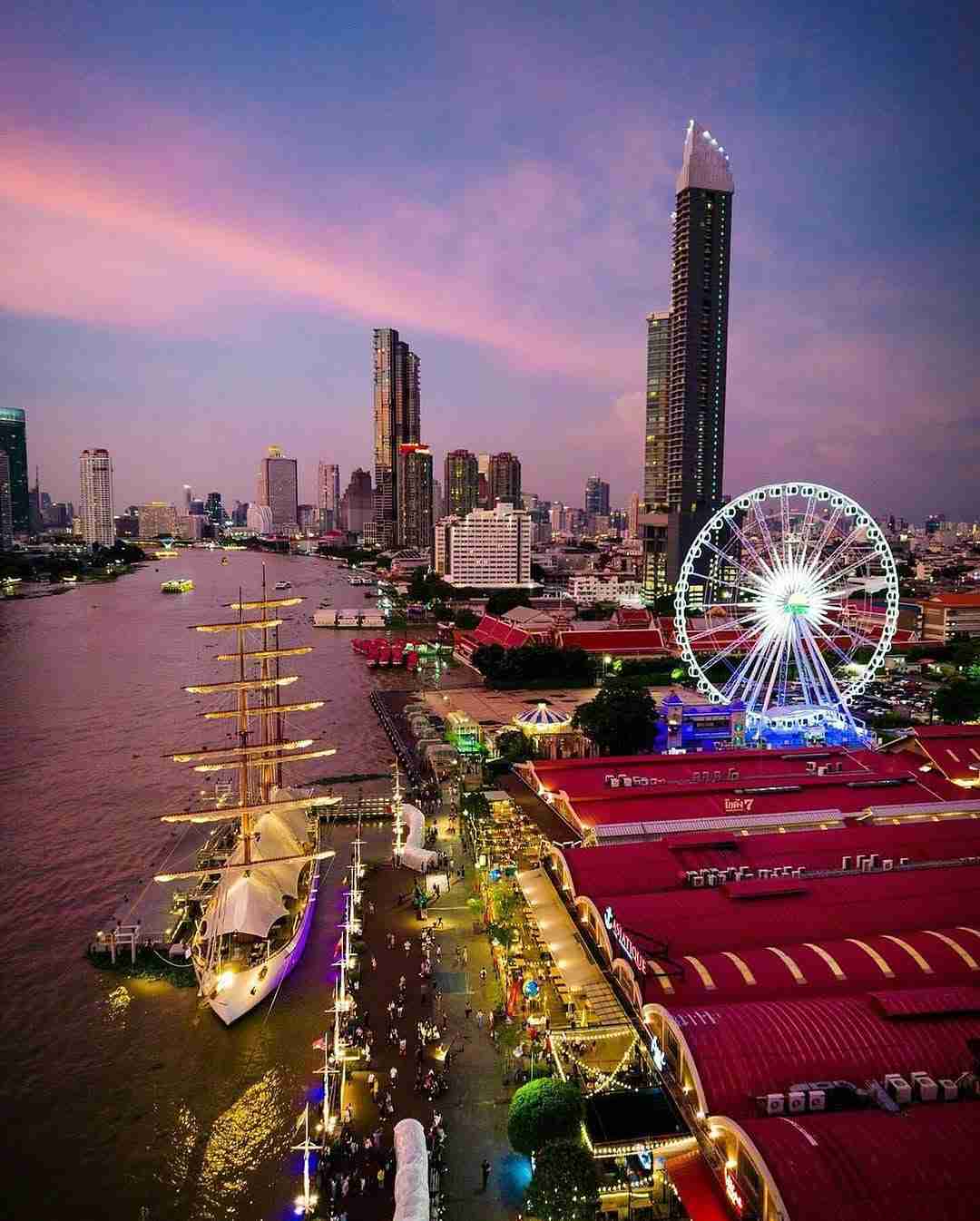
Asiatique The Riverfront combines the function of a night market with the scale of a proper tourist landmark Thailand’s largest riverside lifestyle destination sits on the Chao Phraya River and fuses traditional charm with modern flair in a way that genuinely works. Shopping, dining, entertainment, thrilling rides, and exquisite dining are all here, wrapped in breathtaking views of the river and a festive, enchanting allure that plays particularly well after dark. The vibrant fusion of local culture, culture, and unforgettable adventure draws both Bangkok residents and visitors back repeatedly it earns its place on the riverfront.
Public Holidays to Keep in Mind
Thailand observes a meaningful cluster of public holidays throughout the year, and these affect government offices, banks, and most businesses with reduced hours including some Grand Palace ceremonies and observances. The major dates: New Year’s Day (January 1), Makha Bucha Day (February, per lunar calendar), Chakri Memorial Day (April 6), Songkran Festival / Thai New Year (April 13–15), Labour Day (May 1), Visakha Bucha Day (May), Asahna Bucha Day (July), King Maha Vajiralongkorn’s Birthday (July 28), Queen Mother’s Birthday / Mother’s Day (August 12), King Bhumibol Memorial Day (October 13), Chulalongkorn Day (October 23), King Bhumibol’s Birthday / Father’s Day (December 5), Constitution Day (December 10), and New Year’s Eve (December 31).
For planning your visit or trip to Bangkok, these dates matter practically. The numerous holidays spread across the year mean that attractions may operate on adjusted hours or fill with domestic visitors particularly around Songkran, which turns the city into a city-wide water fight and is spectacular rather than inconvenient if you plan around it rather than against it.
Tips for Visiting Bangkok
A few things I wish someone had told me early: use Grab and Bolt over local taxis as a default they’re cheaper, the price is fixed, and you avoid the theatre of negotiating traffic-adjacent fares. Go to temples in mornings, hit rooftop bars and markets in evenings, and use afternoons for the malls and indoor spaces when the sun is at its most aggressive. Bangkok is gigantic and photogenic in equal measure bring a good camera, but also leave room to just look.
Electrical outlets use two round prongs in the European / Asian format at 220 volts, so check your appliances before plugging in. Dress respectfully at temples shoulders and knees covered, always. Book accommodation in advance during high season (peak months: July, August, December, March). WiFi is fast in most hotels and cafes, but a local SIM card or eSIM gives you reliable data and internet on the move, which is essential for maps and navigation. Sun protection is non-negotiable the sun is strong here and the hottest hours will catch you off guard.
Credit cards work fine in higher-end establishments, but carry cash (local baht) for local restaurants, smaller shops, and market stalls. ATMs add fees use currency exchange counters for better rates and keep maximum cash strategy in mind to reduce fees. Bangkok has excellent hospitals, clinics, and dental practices medical care here is high quality and accessible, though travel insurance is still essential. Carry a water bottle you can refill, use locally owned and eco-friendly businesses where possible, choose handmade souvenirs over mass-produced items, and avoid disposable plastics small choices that reduce your footprints and support the nature and communities that make this city worth visiting. For long-stay digital nomads, Bangkok’s culture, infrastructure, and sheer livability make weeks here feel completely natural. Go with sustainable intentions and the city gives back generously.