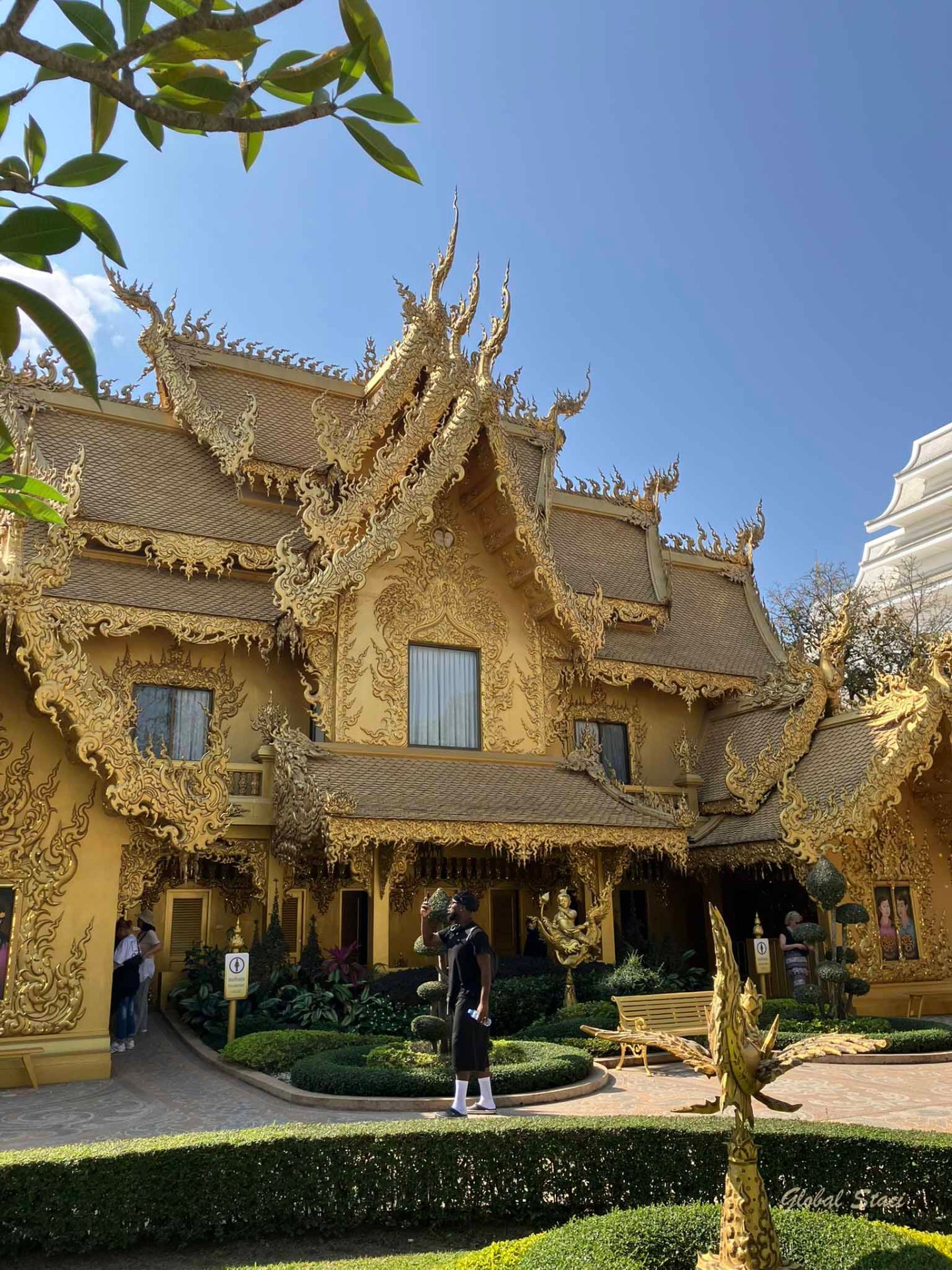
The Best 10 Days in Thailand Itinerary: Bangkok, Islands & Beaches Guide
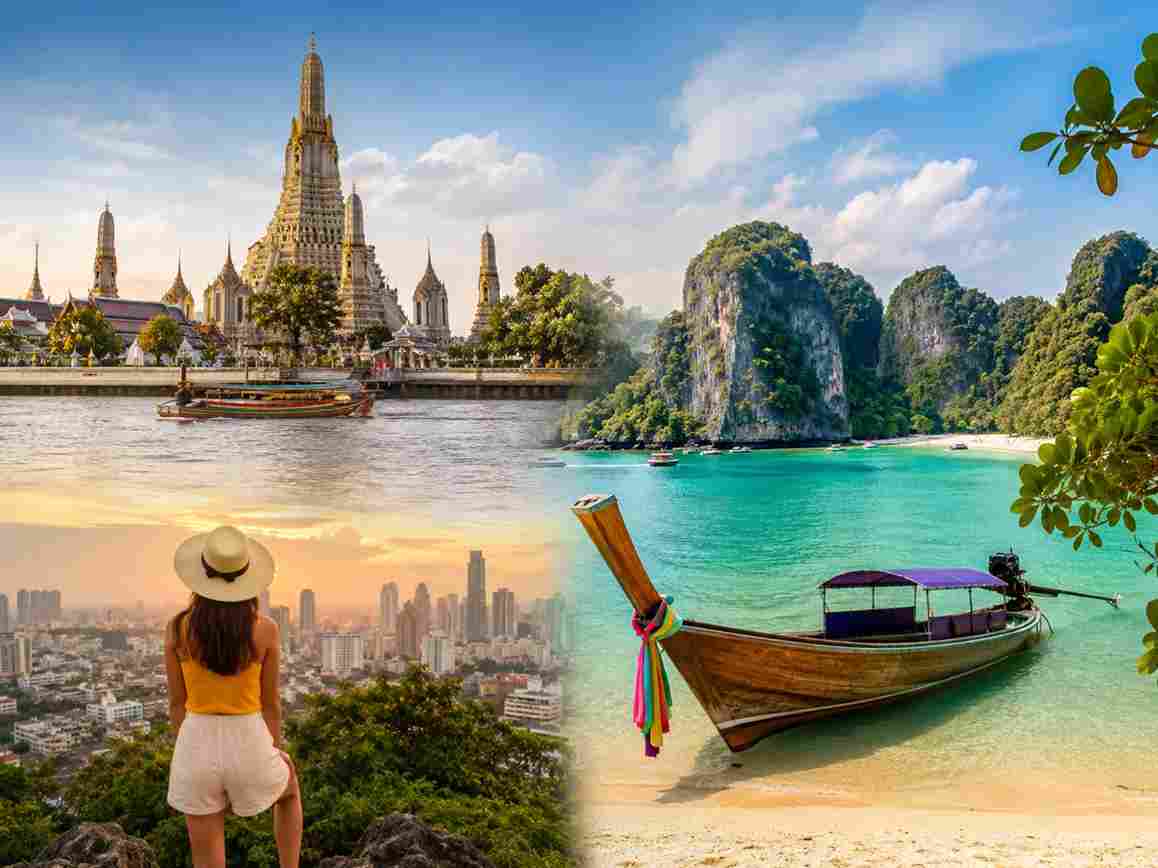
Planning a trip to Thailand feels like standing at the edge of something enormous the kind of travel that rewrites how you see the world. Whether it’s your first journey to the Kingdom or a long-overdue return, carving out 10 days feels both thrilling and slightly terrifying when you realize just how many destinations beg for your attention. The honest truth? A rigid, overthought itinerary will drain you faster than the humidity will. The smarter move is to plan with intention stay motivated, move efficiently, and resist the trap of trying to visit everywhere at once. Think less checklist, more amount of genuine experience packed into every waking hour.
Here’s what most travel content won’t tell you upfront: 10 days in Thailand isn’t a compromise it’s actually a sweet spot if you play it right. The contentious debate around trip length misses the point entirely. Value doesn’t come from ticking boxes; it comes from being committed to executing a well-thought-out set plan. Go shorter on locations, go deeper on experiences. Whether you want to lounge on a beautiful island, interact with elephants, or simply party your way through legendary nightlife this itinerary has you covered. Book a one way ticket into Bangkok, and if budget allows, fly home through Phuket rather than backtracking it saves both time and the mental gymnastics of retracing steps. If that proves too expensive, a round trip from Bangkok remains the cheapest option, and cheap flights between domestic airports rarely exceed pocket change.
I first visited Thailand in 2023, and the hype every single bit of it turned out to be real. The pristine beaches, the ornate temples, the rich culture woven into daily street life this destination has a rare quality where no matter how many times you return, it still hits differently time and time again. After weeks of researching and nearly abandoning the route three times over, I realized the overwhelming nature of planning comes from trying to do too much. If you’re genuinely short on time, lean into Southern Thailand skip the stress of adding an overnight bus or internal flight north for this particular trip. The long-haul travel alone especially flying in from Canada or any Western country demands you protect your energy and avoid building in a marathon travel day the moment you land. Northern Thailand, including Chiang Mai and Chiang Rai, deserves its own dedicated trip; don’t dilute it by squeezing it in when you’re already running on fumes.
The Southern Thailand route this guide follows is built around gorgeous beaches, raw coastal charm, and a deliberate balance of sightseeing and downtime. For those craving a tropical getaway that delivers both culture and scenery without sacrificing the chance to actually breathe it all in, this is the blueprint. And if the goal is something more elevated think immersive, luxury travel blending vibrant cities with sacred traditions, ethical wildlife encounters, and breathtaking tropical escapes this same framework scales up beautifully. From street food crawls and temples in bustling Bangkok to private monk chats and hands-on cooking experiences, from elephant sanctuaries in the hills to island-hopping through Krabi and the dramatic waters of Phang Nga Bay every layer of this trip offers a seamless mix of relaxation and natural beauty. It’s a thoughtfully curated, elevated experience for anyone genuinely chasing a soul-enriching escape to the Land of Smiles.
Why So Many Travelers Spend Just 10 Days in Thailand
The Kingdom doesn’t shrink to fit a 10-day itinerary and anyone who’s spent real time here knows that. You simply cannot explore it comprehensively in just over a week, even if you fly between destinations and move with military precision. But here’s the thing that motivates most people booking this exact length of trip: the reality of modern working life. Travelers from Western countries often max out at 10 days off per year and that’s if they’re lucky. Even those who technically have access to more time find that pulling kids out of school for longer just isn’t realistic. Asian travelers, meanwhile, often operate under the opposite logic a 10-day Thailand trip can actually feel long by comparison, and a comprehensive trip was never the goal to begin with.
Then there’s the geographical nuance that changes everything. A citizen or resident of Singapore or Vietnam doesn’t need two weeks to feel the full weight of this country proximity makes a focused 10-day run feel considered rather than rushed. Relatively speaking, the length of the trip matters far less than the architecture of how you spend it. Don’t fall into the trap of everywhere thinking Thailand rewards depth, not distance covered.
Preparing for a Trip to Thailand
Most first-timers heading into Southeast Asia instinctively reach for a rolling suitcase, and most of them quietly regret it. Travelling from place to place ferries, tuk-tuks, overnight connections makes a backpack the single best consideration you can make before you leave home. A 70-litre pack handles everything with room to spare, though if you’re honest with yourself about packing light, the carry-on size version works just as well. As a former chronic over-packer turned reluctant minimalist, Thailand has a way of teaching you very quickly that you really don’t need much the essentials are fewer than you think.
Beyond luggage, a handful of smaller but mission-critical items make the entire trip run smoother: microfibre towels pull double duty across beach days and budget guesthouses, a universal adaptor saves you from hunting one down at 11pm in a foreign convenience store, and a portable charger becomes non-negotiable the moment you’re navigating via phone on a remote island. Don’t underestimate the essential medicine kit either ibuprofen, pepto bismol, and gravol are worth every gram in your pack. Heat, new foods, and long travel days have a way of ganging up on you at the worst possible moments.
10 Days Thailand Itinerary: Quick Look
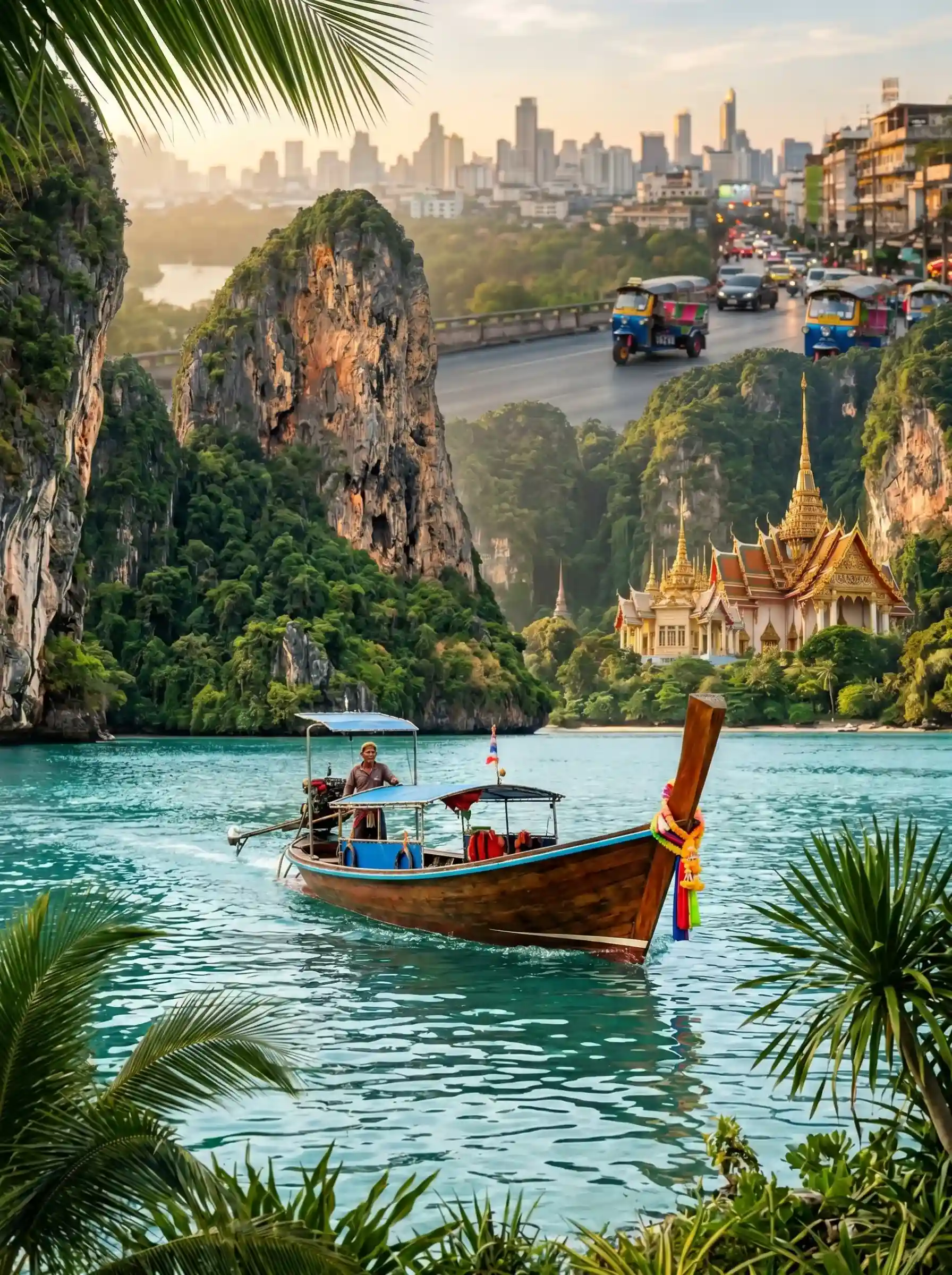
Before diving into the detail, here’s a bird’s-eye view of this itinerary designed for travelers flying into Bangkok and departing from Phuket. Run it forward or in reverse, depending on flight availability and personal preference. Either direction works vice versa is genuinely seamless on this route.
- Day One: Bangkok
- Day Two: Koh Samui
- Day Three: Koh Samui
- Day Four: Koh Phangan
- Day Five: Koh Tao
- Day Six: Koh Tao
- Day Seven: Krabi
- Day Eight: Krabi
- Day Nine: Phi Phi Islands
- Day Ten: Phuket
A quick look and a note worth flagging upfront: this is a southern-focused route. It doesn’t try to do everything it tries to do this particular slice of Thailand exceptionally well.
How to Divide Up Your 10 Days in Thailand
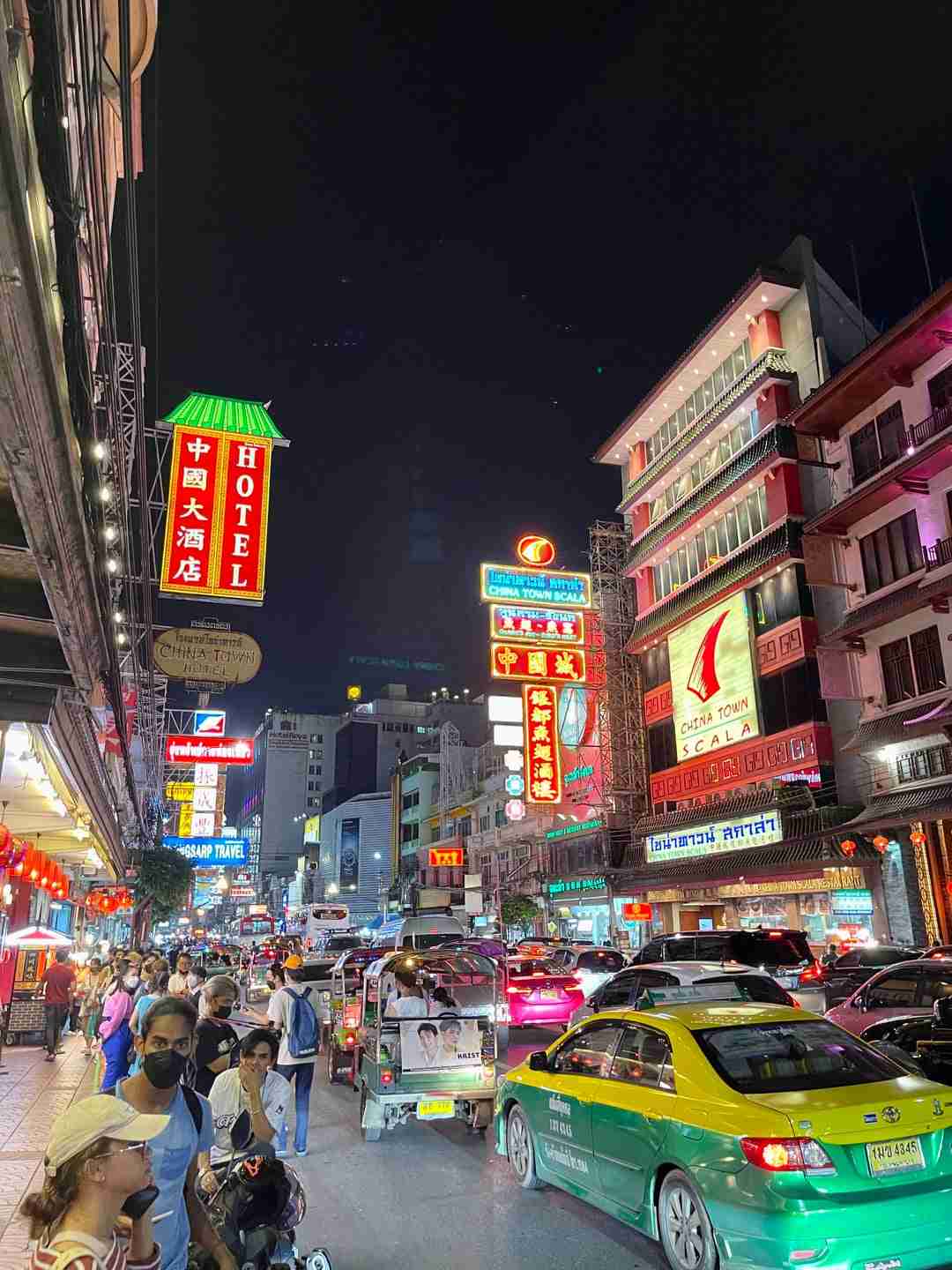
The most common mistake travelers make is spending too long in one place without a strategy for the split. With 10 days in Thailand, the approach that consistently delivers the best experience is this: anchor 2-3 nights in Bangkok at the start, then redirect your remaining time evenly between the North and the Islands or, on this southern-focused route, commit that time fully to the island chain and Andaman coast. If you lean north, 3-4 nights across Chiang Mai or Chiang Rai pairs naturally with 4-5 nights in the south. The split doesn’t need to be perfect it needs to be recommended for your travel style and roughly speaking, proportional to where your real interests lie.
For those who already know the north isn’t calling them this trip, divide the remaining days between beach destinations with intention rather than impulse. Phuket, Krabi, Koh Samui, and Koh Chang each offer a completely different texture of experience choosing between them is less about quality and more about what kind of energy you want to follow up your Bangkok arrival with. Anchor your thinking here and the rest of the itinerary falls into place naturally.
Day 1 – Arrive in Bangkok, Thailand
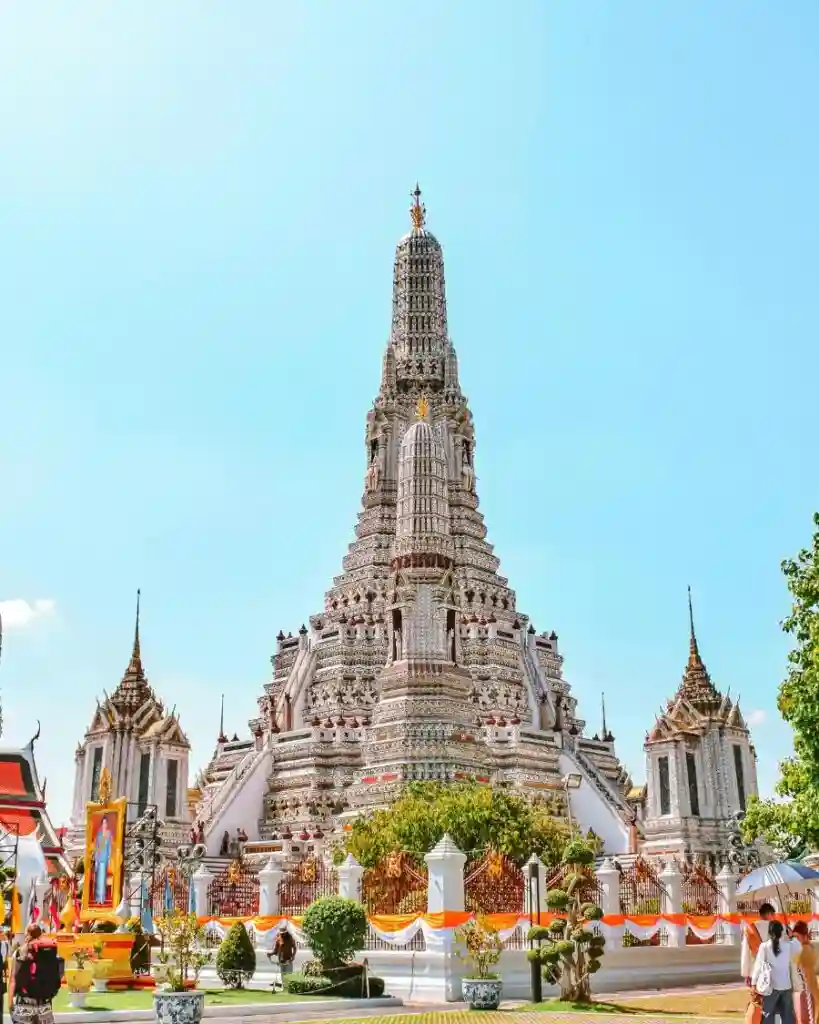
Landing in Bangkok for the first day of any Thailand trip carries a specific kind of electric disorientation the heat, the noise, the sheer velocity of the city hitting you all at once. Before you do anything else, let yourself acclimatize to the time change rather than fight it. Jet lagged travelers who push through the first afternoon almost always report that forcing some early exploration even just a walk and a meal helps reset the body faster than lying horizontal in a hotel room. If you arrive late afternoon or into the night, drop your bags, orient yourself, and head somewhere with energy. Khaosan Road remains the classic backpacker street option a concentrated strip of bars, night clubs, street side food vendors, and chaotic shopping stalls that somehow perfectly mirrors the sensory overload of landing in this country for the first time. Rowdy nightlife isn’t for everyone, and if that’s the case, Bangkok’s night markets offer a far more low-key alternative that still keeps you awake and moving. The goal is simple: stay awake until at least 11pm, recalibrate your sleep schedule, and start the process of learning to fight jet lag on your own terms.
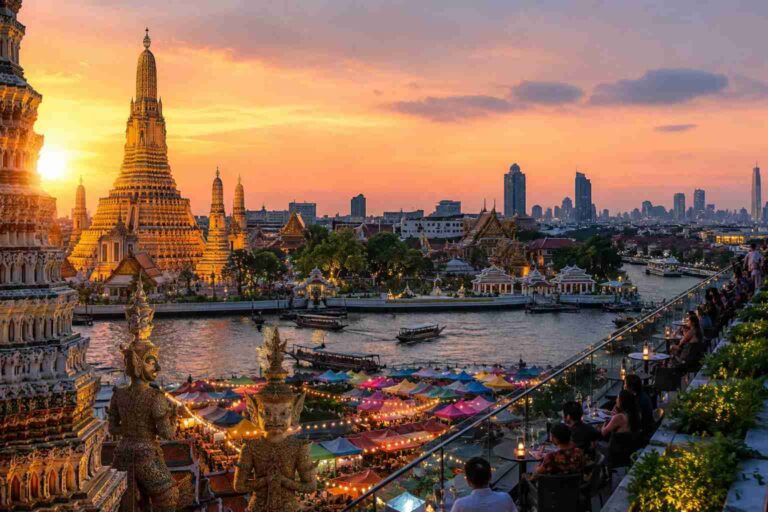
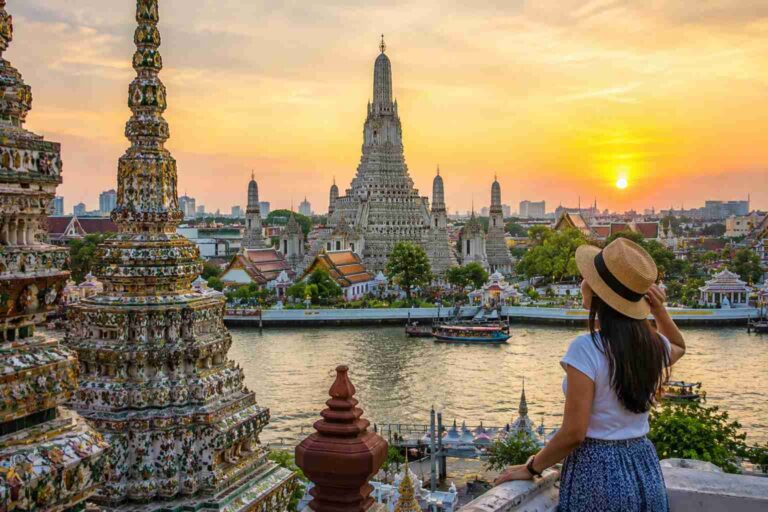
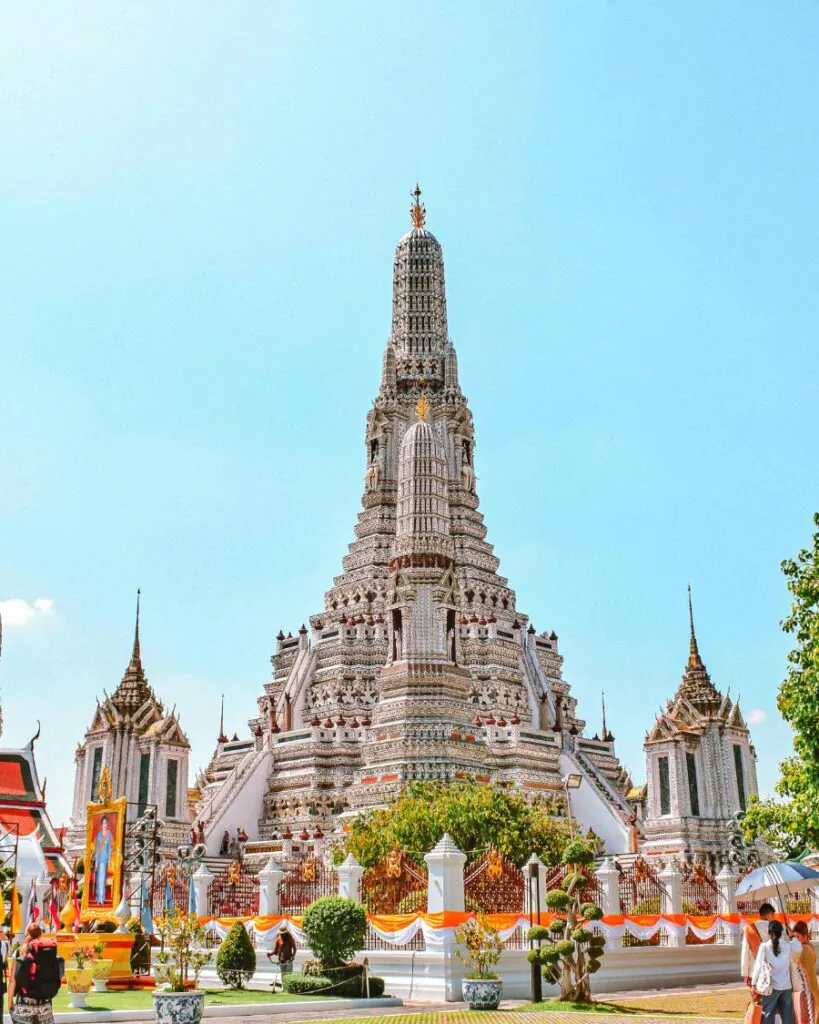
By the second morning, you’re recovering and ready. Bangkok rewards those who slow down enough to actually absorb it temples, restaurants, a longboat tour along the river, the kind of sightsee-ing that feels less like tourism and more like genuine discovery. Remember temple appropriate clothing before stepping into any of the big sites it’s a non-negotiable sign of respect and guards will turn you away otherwise. The Riverside area earns its reputation as one of the best places to base yourself: it’s scenic, genuinely peaceful relative to the chaos elsewhere, and sits within easy reach of major attractions like the Grand Palace, Wat Arun, and Wat Pho. For getting around, staying near the BTS or MRT lines is one of those small logistical decisions that saves hours and sanity when navigating Bangkok’s legendary traffic.
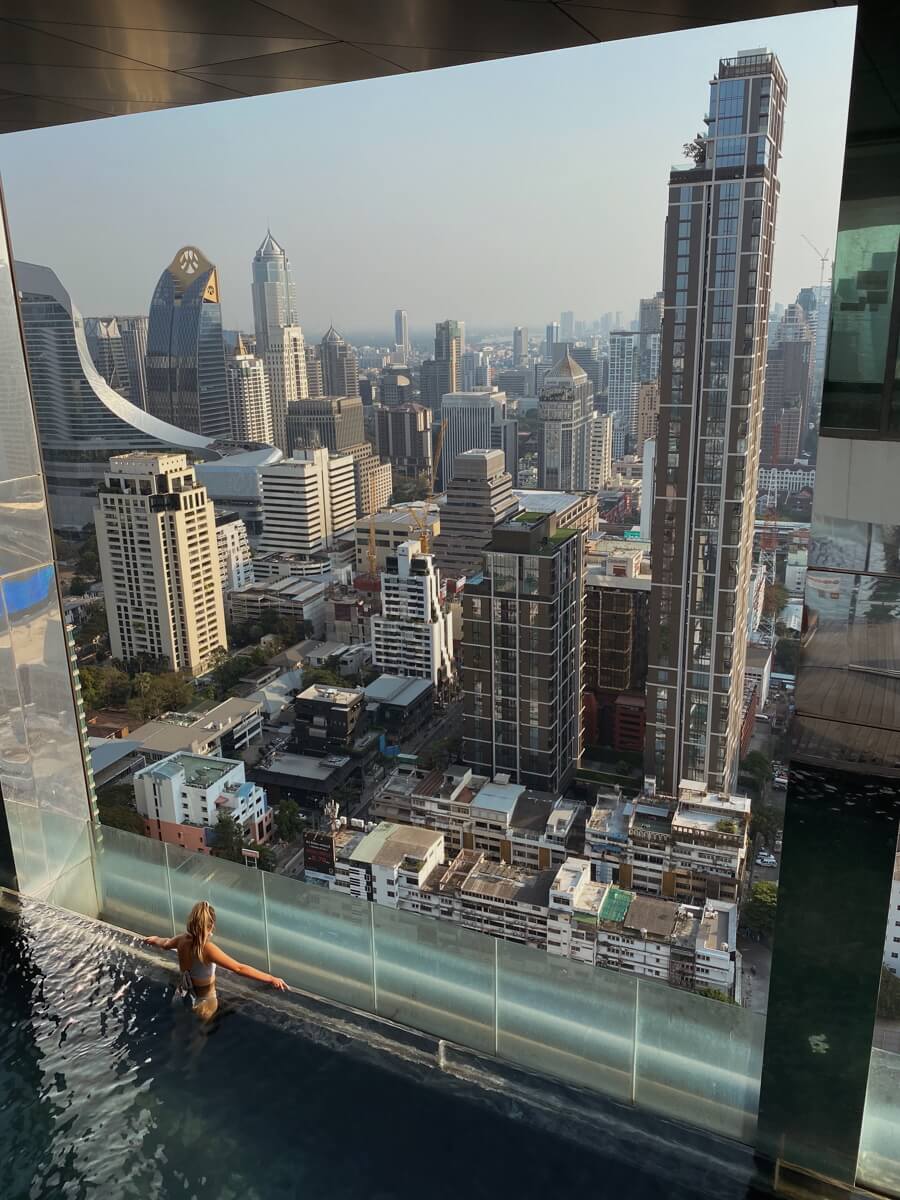
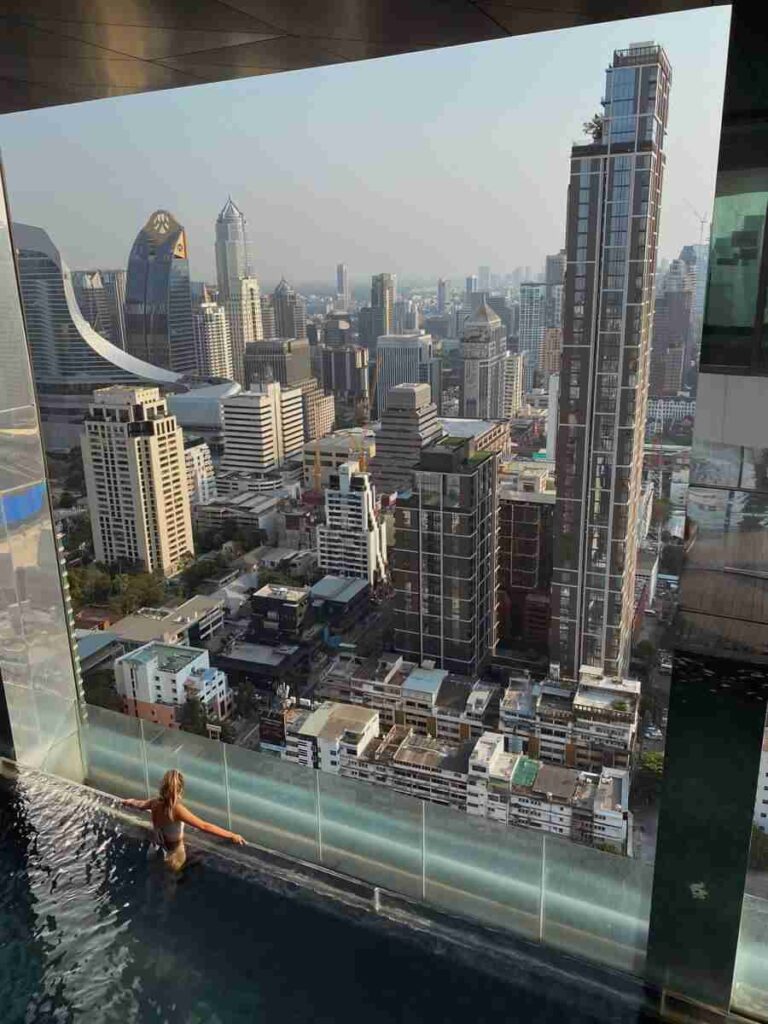
Come nightfall, the city shifts again. A Tuk Tuk night ride through illuminated temples and historic neighborhoods is one of those experiences that sounds touristy until you’re actually doing it and the buzzing markets, the rhythm of the streets, the entire layout of Bangkok after dark starts to make an odd kind of sense. For a private street food tasting tour led by someone who actually knows where the locals eat, the hidden gems reveal themselves fast: sizzling satay from a cart that’s been in the same spot for decades, mango sticky rice that makes everything you’ve eaten before seem like a rough draft. As for where to sleep the Nouvo City Hotel sits conveniently near Khao San Road and keeps things affordable without sacrificing comfort. Mid-range travelers gravitating toward the Eastin Grand Hotel Sathorn get the bonus of a stunning infinity pool and direct BTS Skytrain access, making it genuinely convenient as a home base. For those with a budget that stretches to something extraordinary, The Siam Hotel on the Chao Phraya River earns every descriptor thrown at it splurge-worthy, beautifully designed, peaceful in a way that makes it hard to leave, and close enough to all the historic sites to reach them easily by boat. Whatever your travel style, the luxury accommodations, backpacker bars, and everything in between are all within reach Bangkok levels the playing field that way.
Day 2 – Explore Bangkok
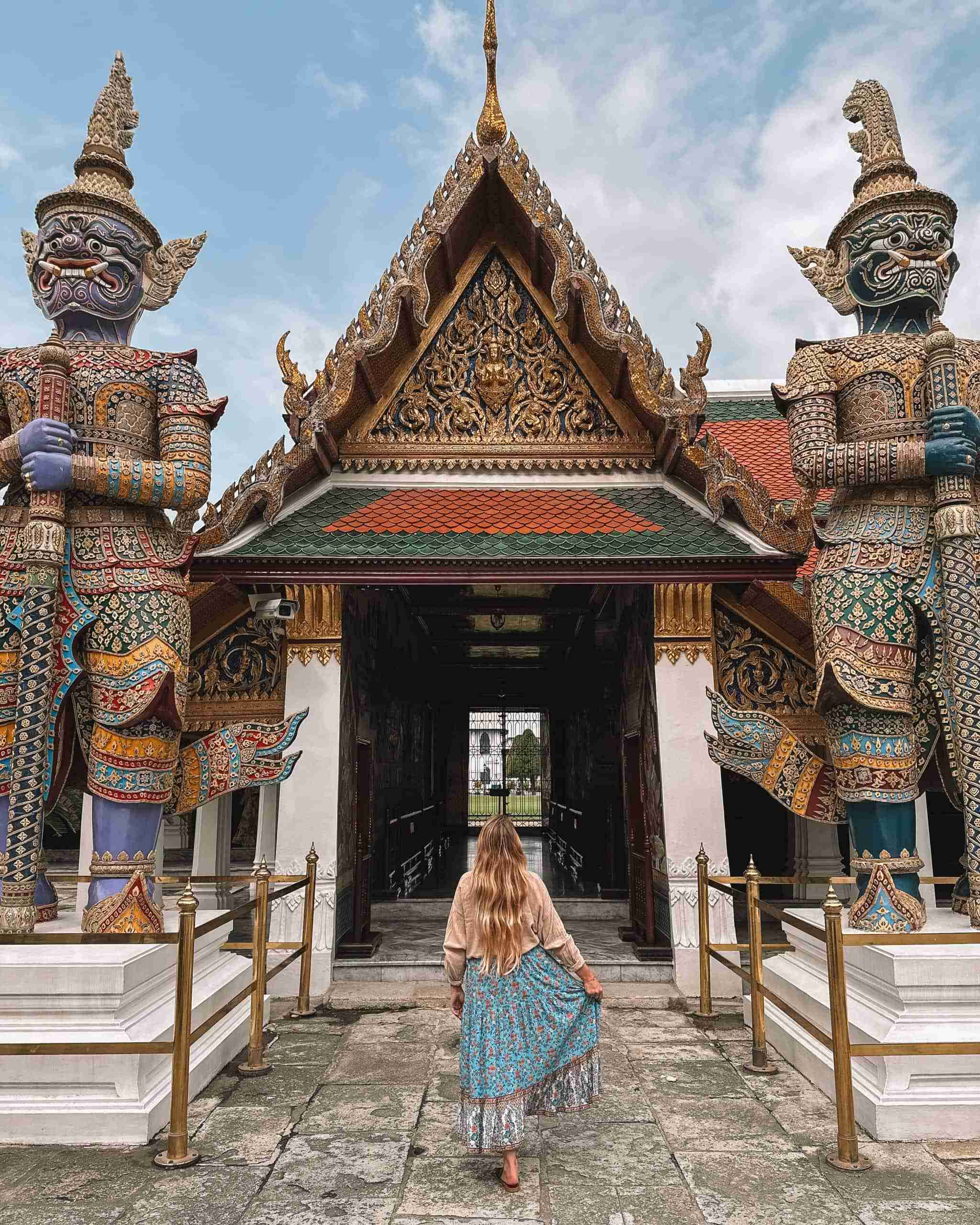
There’s a version of Bangkok built for skyscrapers and shopping malls and then there’s the one that existed long before any of that. The old city district of Rattanakosin captures the latter beautifully, its modern edges softened by centuries of layered history. Spending the day moving between these two versions of the same booming city reveals something genuinely interesting about how Thailand holds contradiction without tension. The temples here Grand Palace, Wat Pho, Wat Arun are stunning in ways that photos consistently fail to capture, and treating them as the centerpiece of the day rather than a checkbox to clear makes the difference between a forgettable stop and something that stays with you.
If the afternoon calls for something more commercial, Bangkok delivers on that front without apology. Local markets like Chatuchak Weekend Market, Soi Rambuttri, Khlong Lat Mayom Floating Market, and the Train Night Market each carry their own distinct personality chaotic, tactile, and deeply absorbing. The massive malls that have become something of a Bangkok institution genuinely labyrinthine spaces that inspired the mall inception joke among long-term travelers can easily consume hours if you let them. For something more refined, the Jim Thompson flagship store opens up the world of Thai silks with an elegance that feels earned rather than performed. Having fabrics turned into bespoke pieces by skilled local tailors within 24 hours is one of those experiences that sounds like a luxury but lands somewhere closer to a rite of passage. A curated shopping journey tailored to your own tastes whether that means street markets or silk houses is Bangkok at its most personally rewarding.
Head North to Chiang Mai, Chiang Rai or Lampang
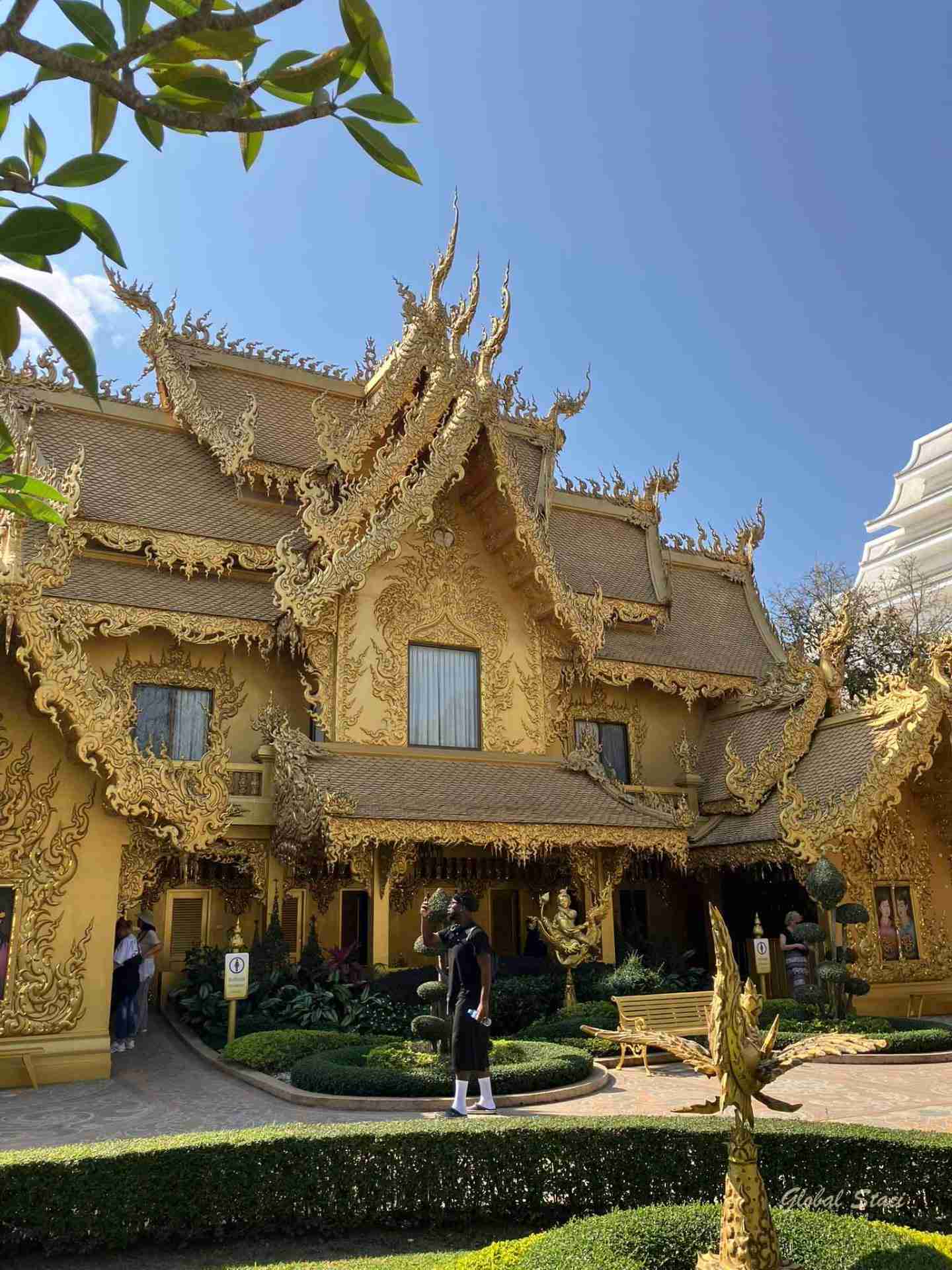
Not every traveler doing 10 days wants to go full south and for those with a pull toward the north, this section of the itinerary opens up a genuinely compelling set of choices. The obvious option is Chiang Mai, but the more interesting conversation happens when you acknowledge that Chiang Rai slightly more off the beaten path and Lampang which is way more off it exist as real alternatives, each with their own character and pace that longer trips rarely allow you to appreciate properly.
Flights from Bangkok to Chiang Mai typically run between $20-$25 and take just over an hour one of the great logistical wins of travelling Thailand. The Elephant Nature Park near Chiang Mai consistently stands as the most meaningful thing many visitors do on their entire trip but book in advance, because it does sell out. Keep an eye on bookings to find the session with the fewest people maintaining a low human to elephant ratio isn’t just polite, it actively changes the quality of the experience and gives you genuine one-on-one time with these animals. After securing that, the day opens up for old town wandering, markets, and the kind of unhurried shopping that the north does far better than the south. Don’t arrive expecting pace Chiang Mai runs at a different frequency entirely, and surrendering to it is half the point.
The elephant experience itself is the kind of thing that defies reasonable description. A guide picks you up from your accommodation at an early hour, the drive into the hills building anticipation in a way that feels earned. Arriving at the excursion location and walking straight into the park being immediately surrounded by these animals living on their own terms recalibrates something fundamental. You feed them, bathe them, interact in ways that feel reciprocal rather than performative. A hike through the mountains alongside the elephants, these gentle giants moving with a quiet authority that makes every human concern feel slightly trivial, is followed by a shared lunch while they graze freely nearby. The afternoon at base camp ends at the river, where you get to bathe the elephants in water they clearly enjoy every description you read beforehand turns out to be accurate. Check each booking option carefully some are specifically designed to be family and kid friendly, including the well-regarded Care For Elephants single day excursion format.
For those either visiting during rainy season or simply uninterested in spending time at the beach, dedicating a full week in the north removes the need to pick and choose entirely. The Golden Triangle that mythologized meeting point of borders becomes accessible from Chiang Rai, while Chiang Mai paired with Lampang opens naturally onto the Mae Hong Son Loop, one of Southeast Asia’s great road journeys. The rainy season north, contrary to expectation, carries its own moody beauty that the dry season crowds never get to experience.
Choose Between Andaman or Gulf of Thailand Beaches
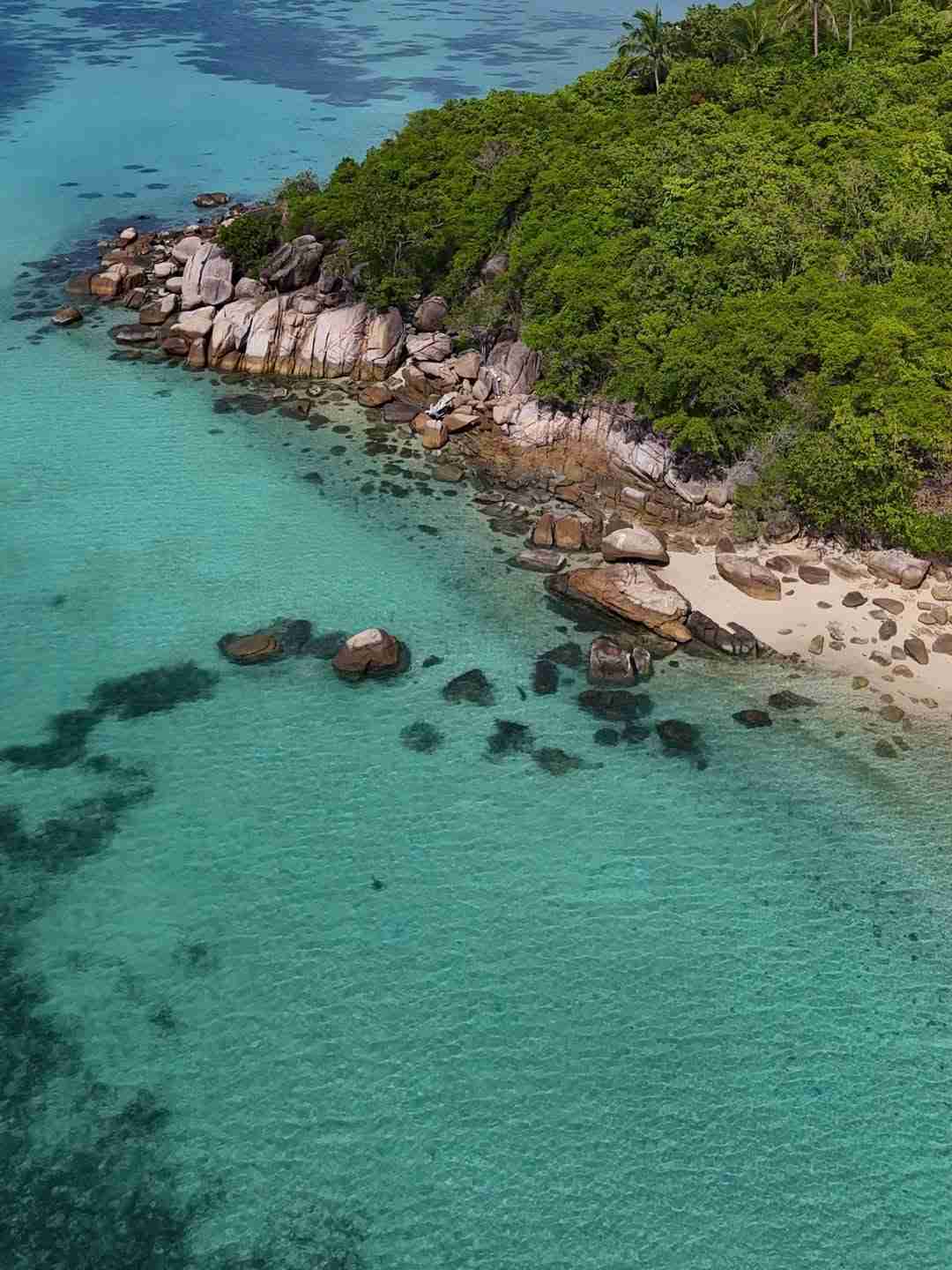
The beach time debate in Thailand eventually comes down to a single, honest question: east or west? The Andaman Sea to the west home to Phuket, Krabi, and the remote southern reaches of Koh Lipe and the Trang archipelago trades in dramatic limestone geography, world-class diving, and a tourist infrastructure that ranges from polished to positively overwhelming. The Gulf of Thailand to the east Koh Samui and its nearby islands, or the quieter, genuinely less-visited shores of Trat offers a different emotional register entirely: warmer water, softer crowds, and the kind of pace where a choice between hammock and snorkel feels like the hardest decision of the day. Your priority between these two coasts shapes everything that follows.
If northern Thailand doesn’t factor into this particular trip, the math becomes more interesting. All that reclaimed time previously allocated to flights and acclimatization becomes pure island currency. 3-4 days of genuine island hopping become possible: moving from Koh Phi Phi or Koh Lanta southward, flying across to Samui or Trat, and spending the tail end of the trip on Koh Tao, Koh Pha Ngan, Koh Mak, Koh Wai, or Koh Kood islands that most visitors flying directly into Bangkok simply neglect because they don’t know they exist. Devote the time to these quieter corners, and you’ll return home with stories that less-visited places tend to generate far more reliably than the famous ones. The rest of your time in Thailand, spent here, tends to feel the most authentically earned.
Days 2 & 3 – Koh Samui
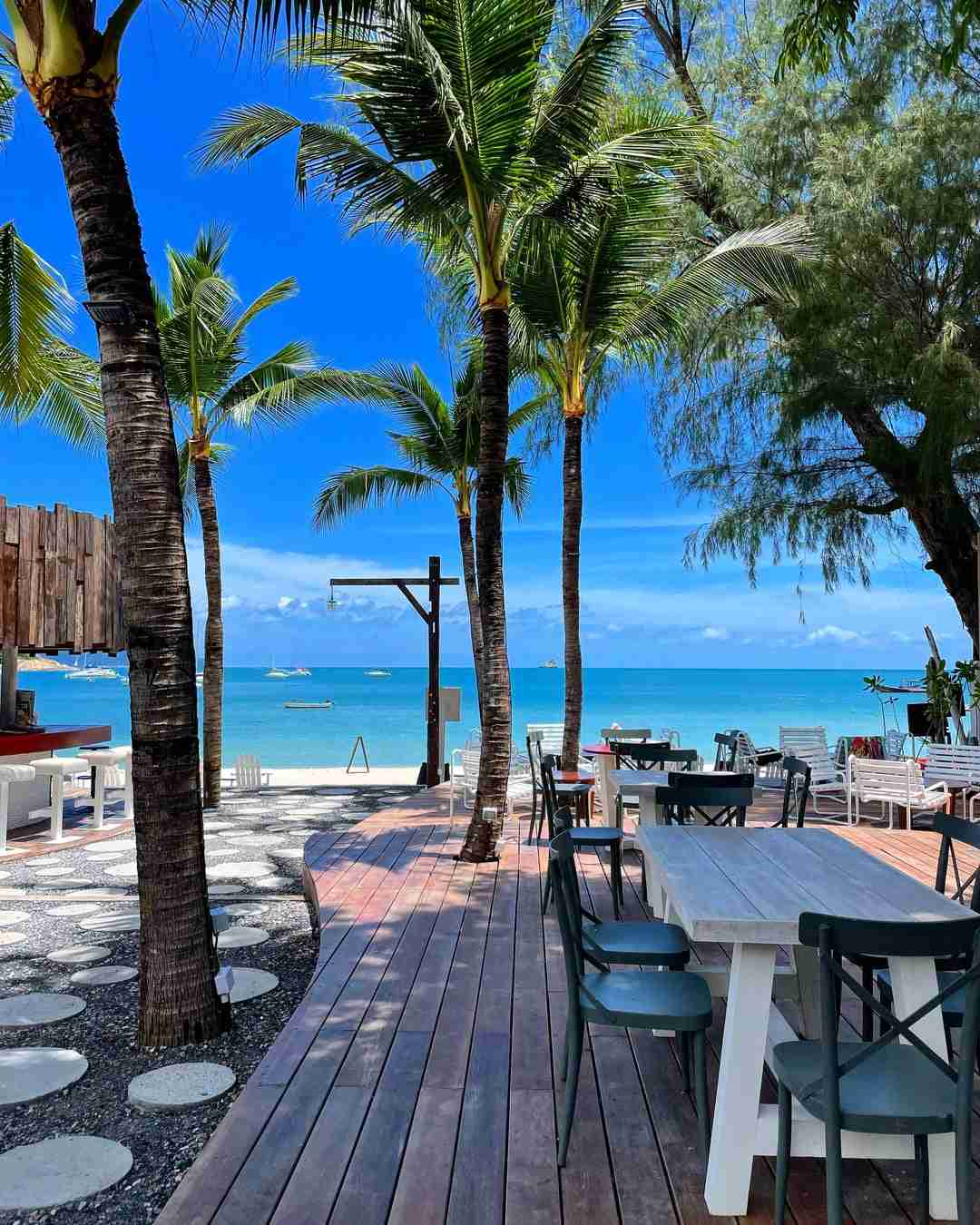
Getting from Bangkok to Koh Samui rewards a bit of strategic thinking. Flying is the fastest and most straightforward option direct flights run regularly and keep the transfer painless. On a tighter budget, the combination of overnight bus or train followed by a ferry stretches significantly further, and the overnight option has the added benefit of turning transit time into sleeping time. However you arrive, the move on landing is the same: drop bags at the hotel, swap into beach attire, and let the ocean do what it does. The beaches here genuinely live up to the reputation not in a manufactured resort way, but in the kind of natural clarity of water and softness of sand that reminds you why Thailand became synonymous with the idea of a perfect tropical escape. Allow yourself to simply relax and enjoy it without immediately reaching for the next activity.
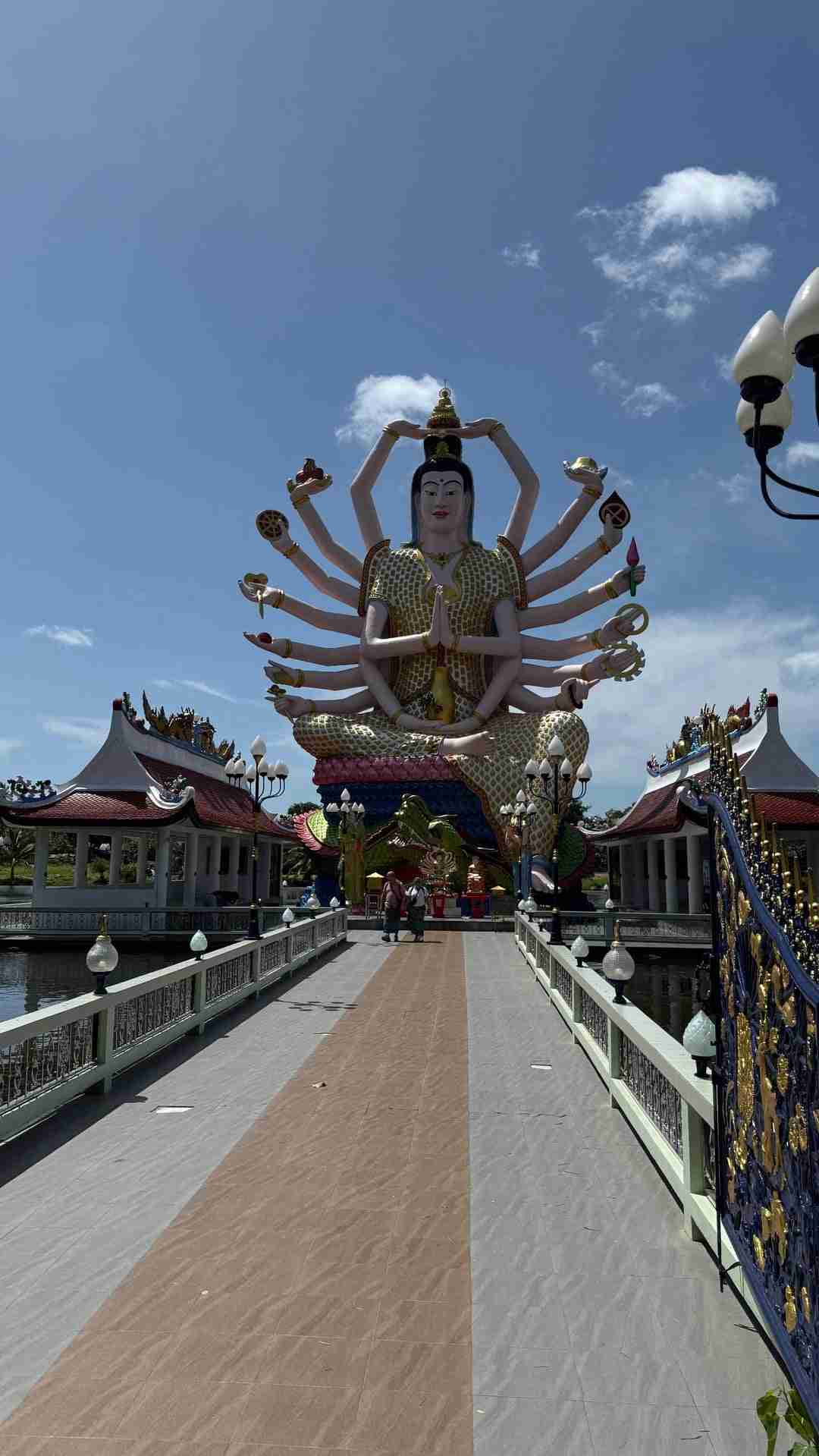
The attractions beyond the coastline earn their place in the itinerary too. Big Buddha, the twin shrines of Wat Plai Laem temples, and the oddly compelling Grandmother Rocks and Grandfather Rocks simultaneously sacred and bewildering offer enough cultural texture to balance the beach days. The real standout, though, is a day trip to Ang Thong National Marine Park: kayaking through water so clear it feels surreal, a hike to a viewpoint that makes the effort entirely worth it, and the rare logistical pleasure of a tour where meals are genuinely included without fine print. For accommodation, COSI Samui Chaweng Beach punches well above its budget hotel category clean, comfortable, and surprisingly considered in its design. Step up to Zazen Boutique Resort in Fishermans Village or The Library on Chaweng Beach for something more atmospheric, or go all in on luxury with The Ritz-Carlton Koh Samui worth absolutely every baht for the right kind of traveler.
Day 4 – Koh Phangan
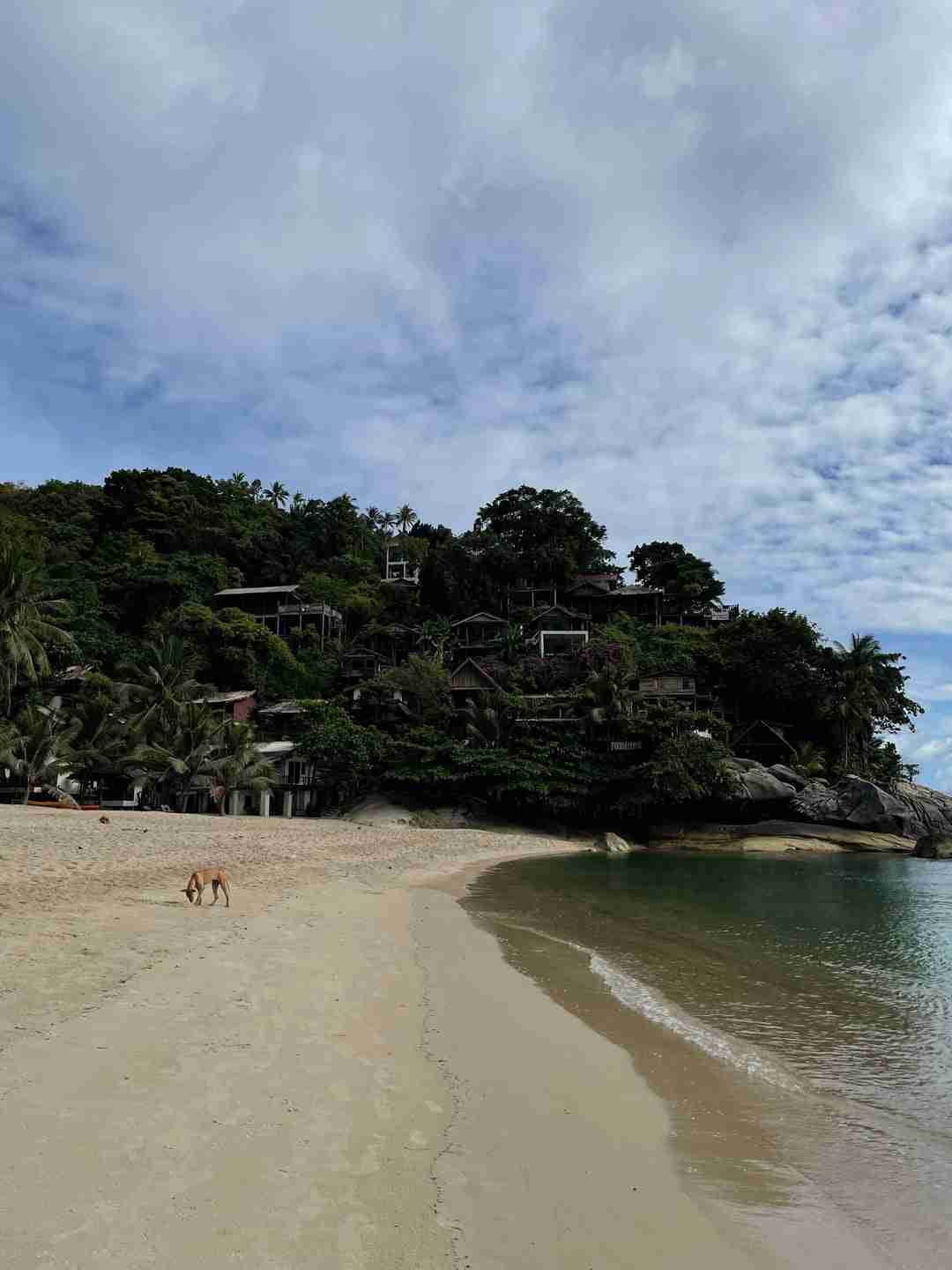
The 30-minute ferry ride from Koh Samui to Koh Phangan is one of the most logistically painless transitions in all of island Southeast Asia. Ferries depart every half hour through the majority of the day, making rigid advance booking unnecessary you simply show up, buy a ticket, and go. That said, if your dates happen to align with the half moon parties or full moon parties that put this island on the global nightlife map, planning around those specific arrange travels windows is worth the extra coordination. The full moon party in particular draws a very specific crowd a young, high-energy scene where the bus journey to the other side of the island becomes part of the experience in its own journey-like way. The 2017 versions of these events had a reputation for being manageable recent iterations have grown considerably, so going in with realistic expectations is wise. The laid back, less dangerous framing of Koh Phangan’s party culture relative to Phuket’s is generally accurate, but it’s still worth staying alert.
What most people miss about Koh Phangan is everything that exists when the parties aren’t happening: beautiful beaches, genuine snorkelling, and a range of outdoor adventures that reward the traveler who didn’t come specifically to dance on a beach at 3am. On accommodation, location matters enormously here. The Thong Sala area with walkable access to the ferry, local markets, and the broader action of the island’s commercial center suits practical travelers well. Le Divine Comedie and SeaEsta Beach in Thong Sala sit comfortably in this sweet spot. For a beach-adjacent experience with a calmer energy, La Plage Resort and Chantaramas in Baan Tai deliver on scenery without the noise. Haad Rin purists those specifically here for the full moon gravitate toward Tommy Resort or Skymoon, which sit in the thick of it all. Utopia Resort, perched on a mountain with a breathtaking view from every shuttle service pickup point, trades convenience for atmosphere spectacular if you don’t mind being somewhat removed from the shops, restaurants, and beachfront central activity.
Days 5 & 6 – Koh Tao
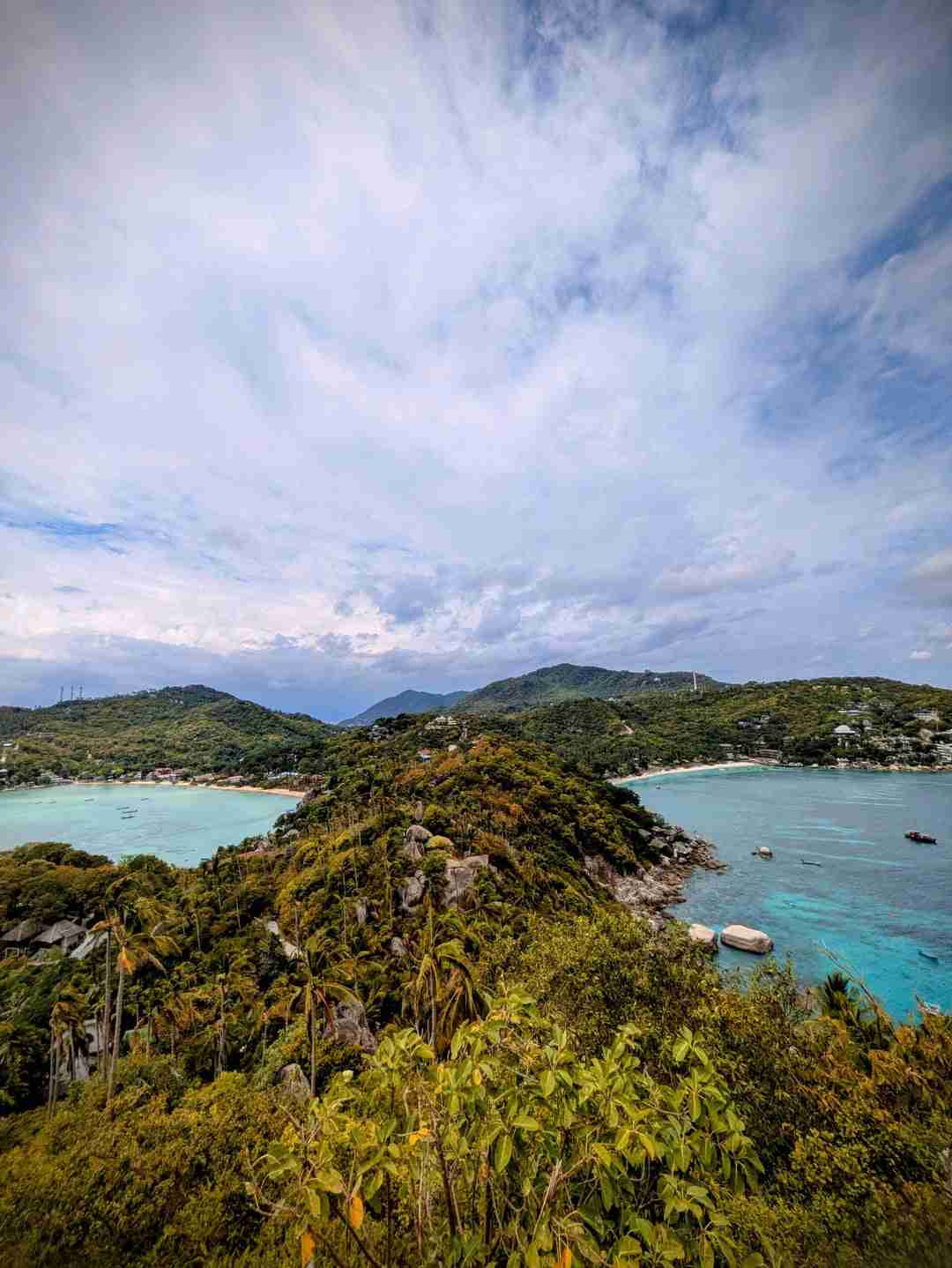
Of all the islands on this route, Koh Tao tends to be the one people talk about differently not with the superlatives reserved for the more famous stops, but with the particular affection reserved for places that quietly exceed every expectation. The one-hour ferry ride from Koh Phangan deposits you somewhere genuinely charming, and the island’s reputation as home to some of the best scuba diving in the world isn’t marketing hyperbole it’s underwater topography that attracts serious divers from across the globe while remaining accessible enough for complete beginners to dive for the first time without anxiety. A bout of food poisoning nearly derailed my own Koh Tao plans on a previous trip the kind of relaxing, enforced slowdown that somehow made me appreciate the island’s unhurried rhythm even more. Going back with the explicit intention of exploring the underwater world remains firmly on the list.
Sairee Beach operates as the social and commercial spine of the island restaurants, shops, and dive schools within easy walking distance make it the most practical base for first-timers. Wind Beach Resort sits right in this zone at a mid-range price point that delivers solid value. Quieter travelers gravitating toward something with more breathing room should look at Chalok Baan Kao on the south end of the island a genuinely quieter area with a more local vibe where Taatoh Seaview Resort offers a peaceful atmosphere and genuinely beautiful views without the premium price. For those willing to splurge, The Place Luxury Boutique Villas delivers private pools and epic views that justify every extra baht, while Jamahkiri Resort pairs a prime water-front position with an excellent on-site dive center the ideal base for anyone whose primary agenda here is diving.
Day 5 (or Day 10) – Fly to Phuket / Phuket Beach Day
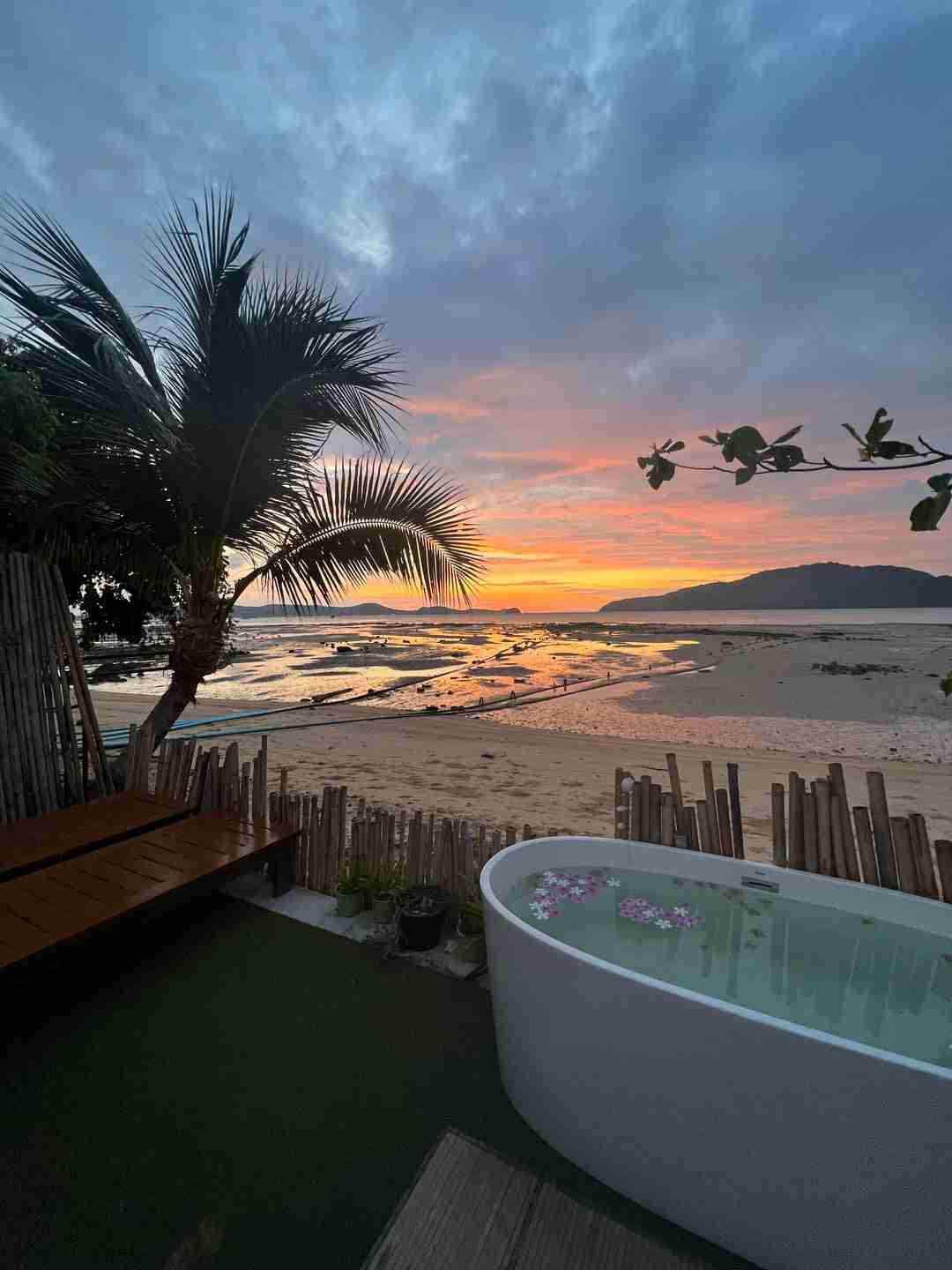
Phuket is the kind of place that inspires strong opinions and nearly all of them are correct simultaneously. Flights from Chiang Mai typically run around $40, making the connection fast and affordable. The Patong Beach and city center area that most first-timers default to is genuinely crowded, and the party scene there carries an intensity that can feel like too much depending on your energy levels. The beaches immediately adjacent to the city center aren’t the most clean by Thai standards but drive further south and the quality shifts considerably. Treat Patong as the island hop headquarters it genuinely excels at being: tour booths and shops lining every street mean day trips to Phi Phi Island, James Bond Island, and Coral Island are bookable within minutes of leaving your hotel.
The 45-minute ferry ride that closes out the southern island loop and deposits you in Phuket for the final stretch rewards you with access to the island’s best assets: genuinely lively nightlife, busy markets, and cheap massages available on nearly every corner. Before you hit the airport and start the process of flying home, squeeze the most out of the remaining hours a beach dinner at sunset, one last massage, the specific pleasure of a trip well used. For a deliberately lazy day recovery between adventures, the Tuktuk and Go-Jek (Thailand’s UBER equivalent) network makes reaching the better beaches effortless. Kata Beach and Kata Noi Beach offer calmer waters and a more relaxed crowd. Freedom Beach rewards the slight effort required to reach it. Surin Beach carries an upscale, low-key energy. Nai Harn Beach in the south is consistently beautiful. Karon Beach sits as a solid middle-ground option between convenience and quality. The fun is in the choosing and whatever combination of relaxation and activity you build into this wrap up trip day, it’s hard to get it wrong.
If the timing falls between October and May, the Similan Islands move from bucket list aspiration to genuine day-trip option they’re only open during this window, and the photographs don’t lie. They are absolutely STUNNING. For the final evening, Bangla Street earns its reputation as the night out benchmark of southern Thailand a sensory experience that references a Bourbon Street in New Orleans energy but filtered through something distinctly, unmistakably Thai. Bigger in scale than most expect, occasionally sketchy at the edges, and genuinely insane at peak hours, it spans from budget friendly bars with cheap drinks to night clubs running full bottle service operations. Pick your entry point and commit. On the accommodation side, Panwaburi Beachfront Resort delivers an extraordinary pool experience in a setting further from the Bangla Walking Street noise worth it as a pure resort stay. The Days Inn by Wyndham Patong Beach Phuket, sitting directly adjacent to Bangla Walking Street, combines an outdoor rooftop pool with unbeatable access. The Crib Patong adds city views from a rooftop perch and keeps you seconds from the action. Deevana Patong Resort & Spa rounds out the strong options with multiple pools, a genuine spa program, and a free shuttle to the beach for those mornings when walking feels like too much.
Days 7 & 8 – Krabi
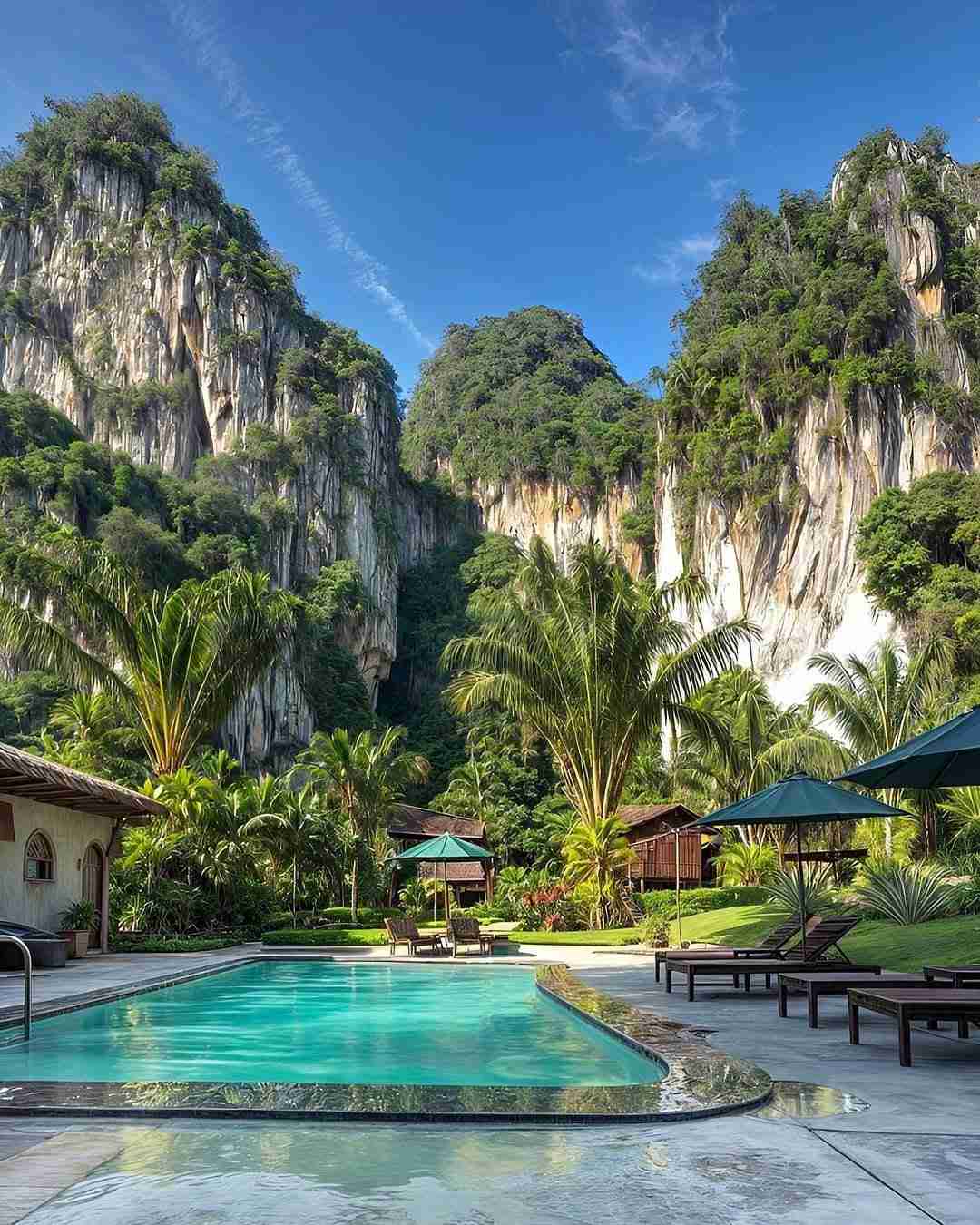
Getting to Krabi from Koh Tao requires a combination of bus and ferry that totals roughly six hours not the most glamorous transfer, but the arrival makes it instantly forgivable. Ao Nang works brilliantly as a base: walkable access to restaurants, easy booking of island tours, and a front-row position for the longtail boat network that services the surrounding islands with a frequency that makes spontaneous day trips genuinely possible. Railay Beach reachable only by boat due to the limestone cliffs that cut it off from the mainland offers a more relaxed, scenic alternative for those willing to trade convenience for scenery. The Phra Nang Cave Beach ranks among the most dramatic stretches of coastline in all of Southeast Asia, and the Four Islands tour packs more visual adventure into a single day than most people get from an entire holiday.
Krabi also happens to be one of the best places on earth to try outdoor rock climbing for the first time the limestone cliffs that define the landscape create a natural vertical playground that even a beginner can access through a guided lesson. The chill energy of the town itself absorbs you between activities without demanding anything, which is exactly the right pace after the island-hopping intensity that precedes it. Venturing out toward Phang Nga Bay opens a genuinely different register hidden caves, emerald lagoons, and dramatic backdrops that have made this bay one of the most photographed places in the region. A guided canoe excursion through Hong Island with expert paddlers navigating you through sea caves and narrow passages into a hidden lagoon rich with biodiversity and natural serenity is the kind of experience that quietly resets your baseline for what travel can deliver. A gourmet BBQ lunch served onboard, surrounded by the bay’s iconic scenery, closes the day in a way that feels almost unfairly perfect.
For accommodation in Ao Nang, COSI Krabi Ao Nang Beach offers reliable value at a reasonable price point. Ban Sainai Resort tucks itself into the surrounding greenery while keeping Ao Nang’s main strip within reach. The L Resort sits right on the promenade with a clean pool and direct beach access. Those willing to make the short boat transfer to Railay Beach should look seriously at Railay Bay Resort or Bhu Nga Thani both position you directly between the limestone cliffs and the waterline in a setting that doesn’t really have a bad angle.
Day 9 – Phi Phi Islands
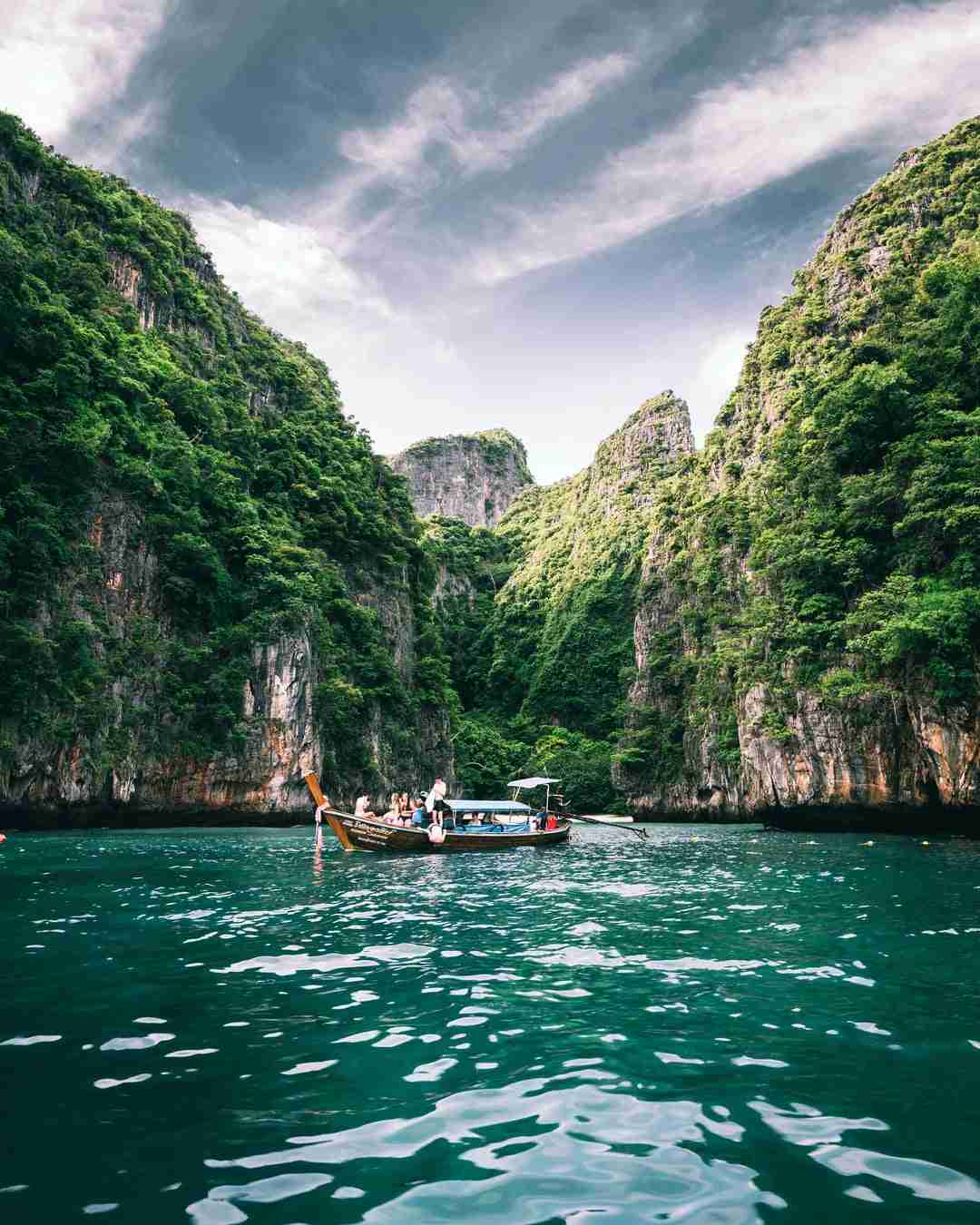
Phi Phi Islands present a choice worth making deliberately: take them as a pure day tour out of Krabi, or commit to a ferry crossing, spend the night, and book a private longtail boat tour for a deeper exploration. The overnight version wins not just because it extends your time in one of the most visually spectacular places in Thailand, but because the downtown area of Koh Phi Phi Don at night, with its compact cluster of restaurants and bars built improbably between two beaches, is an experience that no day-tripper ever gets. The aqua blue water and towering cliffs are the headline, and they are genuinely unforgettable the reason famous movies and tv shows have used this backdrop isn’t creative license, it’s just honest geography. Splurging on the private boat is worth it; the freedom to explore at your own pace, to soak in the sun on a beach that the group tours haven’t reached yet, to sail between formations in a serene, almost spectacular silence this is southern Thailand’s best offering in concentrated form. A picnic lunch on the boat, with nothing between you and the hidden caves and emerald lagoons and limestone cliffs of Phang Nga Bay’s southern reaches, is the kind of meal that has nothing to do with food.
Tonsai Village functions as the island’s social center walkable, energetic, close to the pier and everything that radiates outward from it. Phi Phi Hotel handles the mid-range mid-range need competently in this zone. For something with more breathing room, Long Beach sits a short 10-minute boat ride away and operates at an entirely different frequency genuinely peaceful in ways that Tonsai, despite its charms, rarely achieves. Viking Nature Resort and Phi Phi The Beach Resort both deliver strong views and a relaxed, tucked-away atmosphere in this quieter corner. At the premium end, OUTRIGGER Phi Phi Island Resort on the island’s northern tip is gorgeous in the most complete sense secluded, beautifully positioned, and the kind of stay that makes the whole trip feel like it was always building toward exactly this.
Longer Trips to Thailand
For anyone with the flexibility to stay longer in Thailand, the case for doing so is straightforward and compelling the possible depth of experience scales directly with time. Two weeks allows for a genuinely unhurried Bangkok arrival, a more thorough north exploration, and the kind of island sequence that doesn’t require hard choices between places you actually want to see. Three weeks removes the picking and choosing entirely a full week or more in the north, serious time on both the Andaman Sea and the Gulf of Thailand, and the ability to follow curiosity rather than a schedule. One month in Thailand the sweet spot between tourist and temporary resident opens up Isaan, the country’s vast northeastern region, alongside comprehensive time in both the northern highlands and the southern island chains. This is the long-term version of a comprehensive trip that covers every meaningful region of the country. Southeast Asia as a broader journey becomes logical from here: with Thailand as a base, neighboring countries pull at you in ways that a 10-day trip only hints at. For the traveler who’s done this once, a longer return a month, a season, or something open-ended tends to feel less like an aspiration and more like an inevitability.