Bangkok Travel Guide 2026: Best Things to Do, Budget Tips & DIY Thailand Itinerary
I’ll be honest — the first time I backpacked through Southeast Asia, Bangkok was the city that completely rewired my understanding of DIY travels. Most people arrive expecting chaos and leave completely converted. This Bangkok Travel Guide exists because travel agency packages rob you of the real experience — the kind you get from solo wandering through streets that smell of lemongrass and exhaust. Whether you’re after culture, food, shopping, or just figuring out how to survive pushy touts and tuktuk scams, this guide covers it all without the fluff.
I spent two solid months doing my homework — researching, setting up a rough plan, then completely abandoning it the moment something better appeared. That’s the beauty of backpacking Bangkok on your own terms. This city rewards the curious and punishes the passive. You don’t need to be rich to have an extraordinary time — you just need to understand the concept of moving smart, spending intentionally, and knowing when to walk away from a bad deal. Everything from hotels and trips to border crossings and abroad adventures — I’ve booked it all, made mistakes so you don’t have to, and come back special every single time.
When to Visit Bangkok
The dry season running from November through February is widely considered peak season, and for good reason — cool, manageable temperatures, low humidity, and relatively clear skies make it ideal for exploring Bangkok and hopping down to Thailand beaches. January and February sit right in the sweet spot, while December draws serious crowds and inflated airfares thanks to holiday demand. If you’re flying in from near the equator, even Bangkok’s “cool” season will feel warm.
April is a fascinating contradiction — it’s the hottest month yet also home to Songkran Festival, one of the most festive and chaotic celebrations in all of Southeast Asia. Come March or April for the culture, but pack light and accept the heat. The wet season stretches roughly from June through October, bringing torrential afternoon heavy downpours and drizzles that clear as quickly as they arrive. The upside? Hotels slash rates by up to 50% off, and the low season crowds thin dramatically — making it a genuinely underrated window for travel plans that prioritize value over perfect seasonal climate and temperature. July through October leans humid and rainy season-heavy, but the beach towns nearby still deliver a decent tan if you time your days right.
Bangkok Currency and Money Exchange
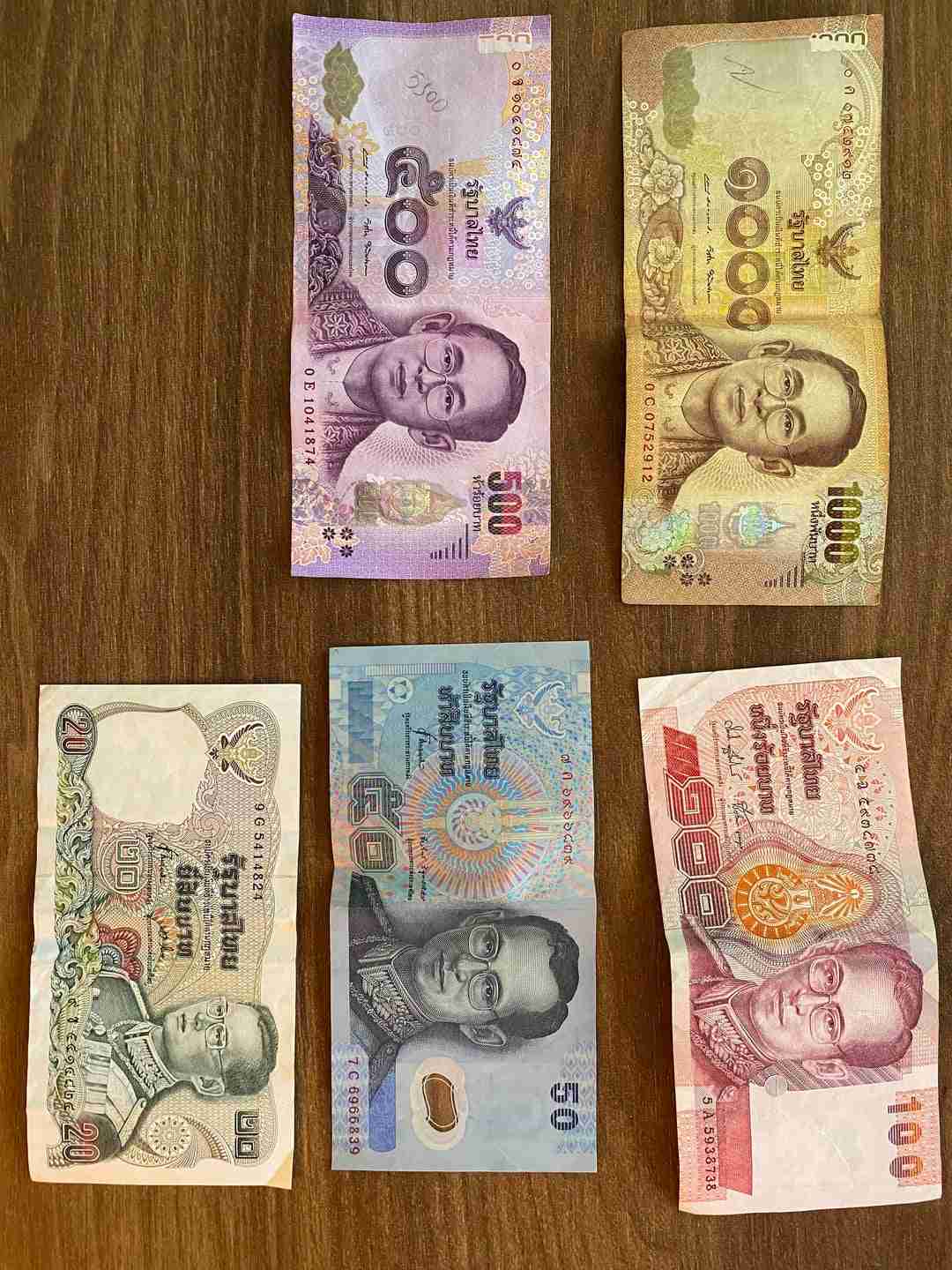
The official currency is the Thai Baht (THB / ฿), and navigating where to exchange is something every traveler gets wrong at least once. Airport kiosks are convenient but punishing — their rates lag far behind what you’ll find at money exchange shops scattered throughout the city. From personal experience, SuperRich and similar money changer counters consistently beat bank rates, sometimes offering THB 250 per US dollar compared to airport counters giving closer to THB 200 or less.
ATMs are widely available, and Aeon Bank machines are the go-to for foreign card users since they charge the lowest fee — typically around THB 150 per withdrawal — compared to most other ATMs that hit you with closer to THB 200–THB 250 per transaction. If you’re arriving with Philippine peso or other regional cash, exchange before or immediately upon arrival at a reputable counter rather than relying entirely on ATM withdrawals throughout your stay. Some smaller money exchange shops have reportedly begun to shut down in tourist-heavy zones in 2024, so always carry a backup amount in THB.
Bangkok Travel Essentials
Holders of a Philippine Passport currently enjoy 30-day visa-free entry into Thailand whether arriving by air or land, though border rules for land crossings — particularly into Cambodia, Laos, and Malaysia — sometimes differ, so confirm the latest conditions before you go. Carry proof of onward travel and sufficient funds; immigration officers at the border occasionally ask. If you’re connecting through multiple countries, note that a 15-day extension is sometimes available but not guaranteed.
For electricity, Bangkok runs on 220V with flat sockets and two-prong outlets — a universal adapter plug handles most needs without issue. Thailand sits just 1 hour behind Philippines time, so manually toggle Automatic Date and Time on your phone once you land to avoid calendar confusion. For staying connected, a local Thailand SIM Card beats pocket Wi-Fi rentals in both cost and convenience — available at both Suvarnabhumi and Don Mueang airports immediately after clearing accommodations check or immigration. Most tourist-area hotels offer decent Wi-Fi, but having mobile data as backup has saved me more than once when navigating without signal.
How to Get to Bangkok / Bangkok Airport to City
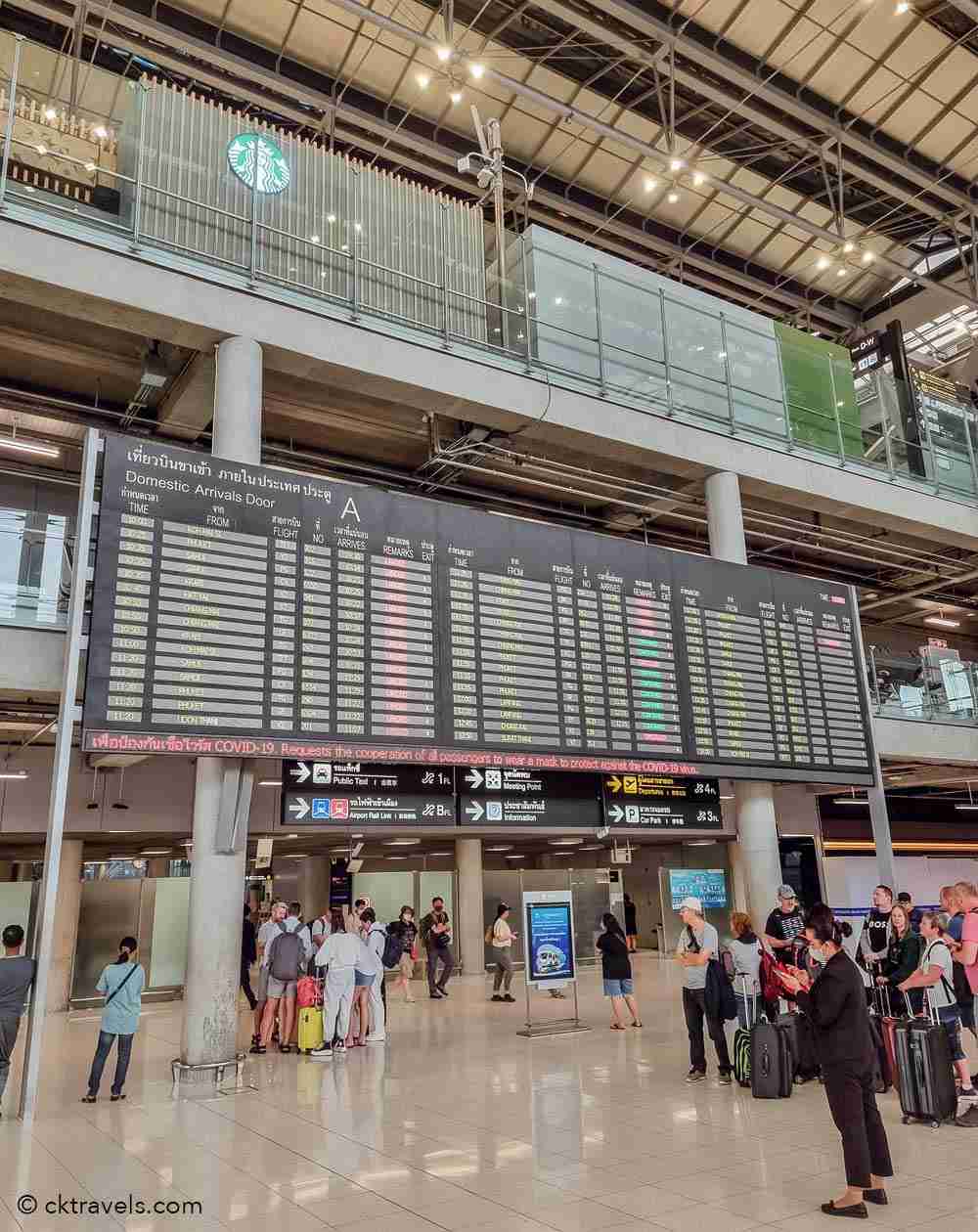
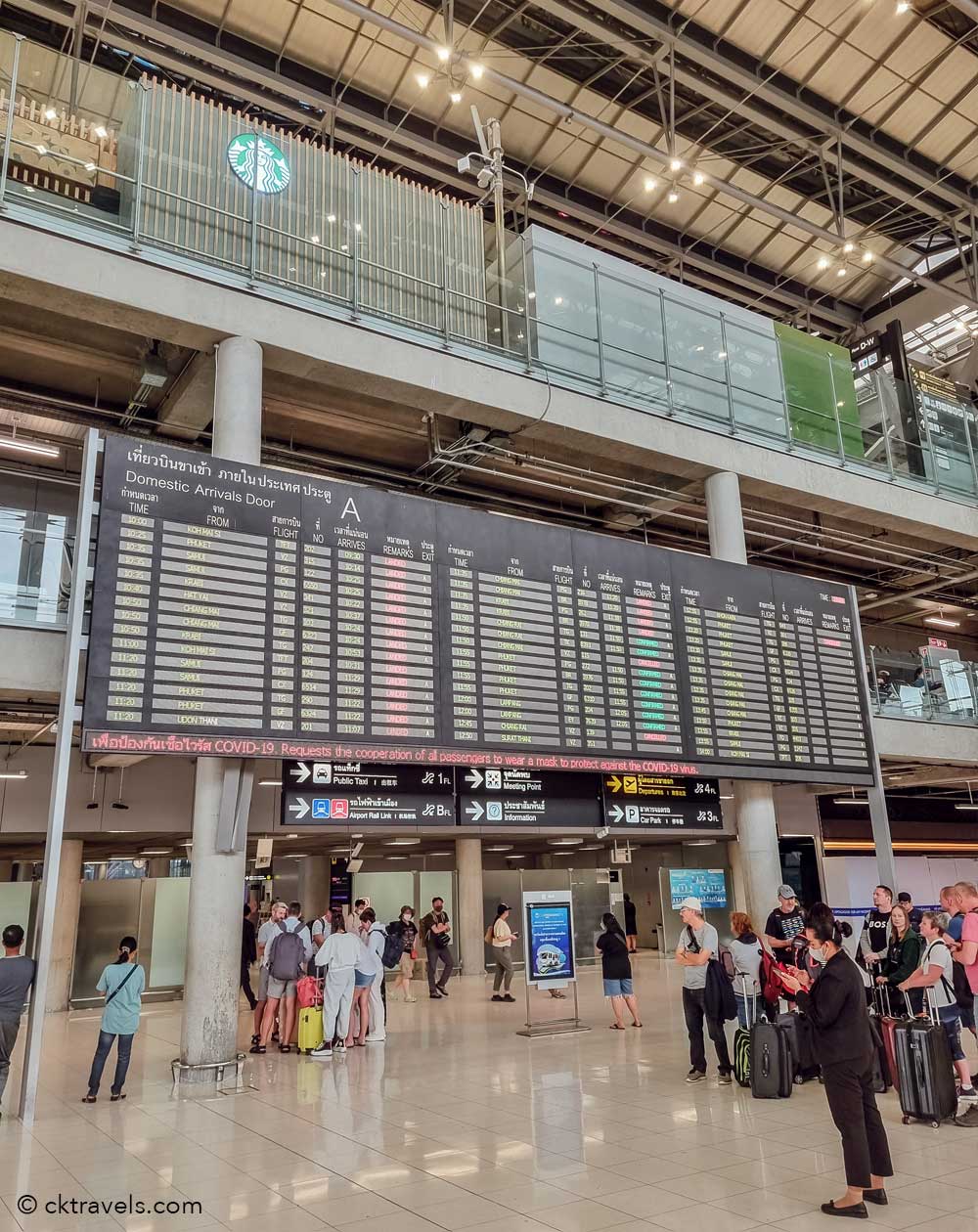
Most flights from Manila route into Suvarnabhumi Airport, with Cebu Pacific, Philippine Airlines, and Thai Airways covering the corridor regularly. Budget carriers often use Don Mueang Airport (DMK) instead — always double-check which terminal you’re landing at before arranging transfers. From Suvarnabhumi, the Airport Rail Link (Bangkok Airport Train) departs from the Basement Level and runs from 5:30 AM until midnight, with fares as low as THB 45 depending on destination — an absolute steal compared to taxis during peak traffic hours.
The Airport Rail Link connects at Makkasan Station (BL22) to the MRT Blue Line and at Phaya Thai Station (BL21) to the BTS Sukhumvit Line, giving you access to most of the city’s transit network. Tokens and pass options are available at ticket machines near the concourse. From DMK, public buses (A1 through A8) serve major destinations — A1 heads to BTS Sukhumvit Line, A2 covers the BTS Silom Line, while A3 and A4 serve MRT interchange points. Buses to Khao San Road (A7) and Victory Moment Station (A8) are popular backpacker routes. For Grab or Cab, head to clearly marked Taxi Meter Only counters to avoid fare games — Exit No. 3 at Arrival Hall, Level 1 of the International Terminal Building 1 at Suvarnabhumi handles transfer and ride-hail pickups smoothly. Stations like Phetchaburi, Saladaeng, Sukhumvit, Ratchaprarop, Lad Krabang, Hua Mak, Ban Thap Chang, and Ramkhamhaeng all fall along accessible baggage-friendly interchange routes when connecting to the Dark Green Line, Light Green, National Stadium, or Ratchatewi stops.
Getting Around Bangkok
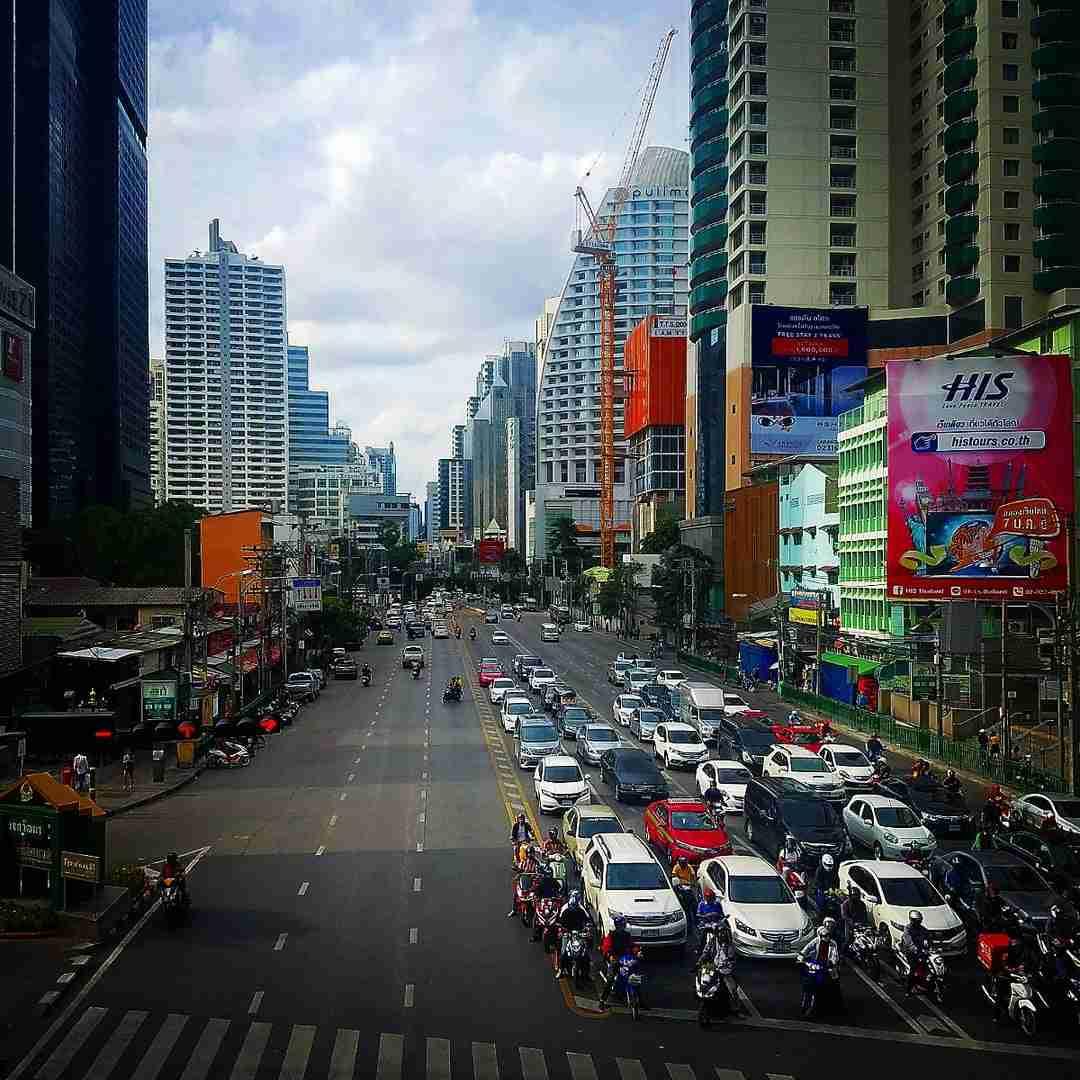
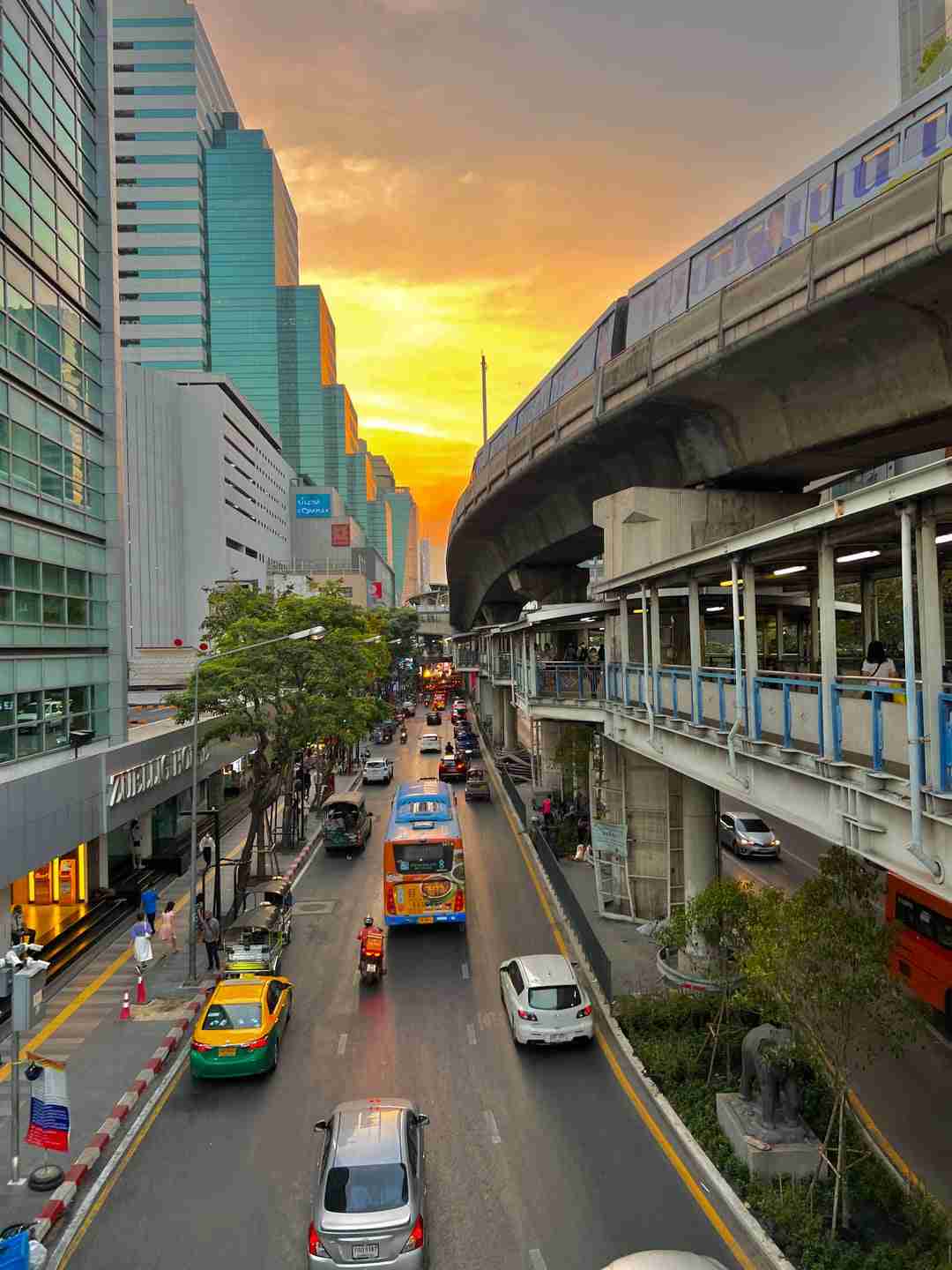
Bangkok offers 6 modes of public transportation worth knowing: the BTS Skytrain, MRT, Chao Phraya express boat, long-tail boat, bus, and motor taxi. The BTS Skytrain is the fastest way to cover short-distances across the city, with fares ranging from THB 15 to THB 52 depending on zones. A day pass runs THB 130 and makes sense if you’re hitting multiple stops. The MRT operates on a similar fare structure — roughly THB 17 to THB 40 — with ticket machines at every station accepting both cash and card. Buy a smart pass if you’re staying a week or longer; the per-trip savings stack fast.
The Chao Phraya express boat is both practical and scenic — THB 15–THB 20 per leg, connecting riverside piers near the Grand Palace, Wat Pho, and beyond. For the canals of Thonburi and Khlong Bangkok Noi, long-tail boats offer private charter options for groups of up to 10 people or shared rides at lower rates. A half day canal tour is one of Bangkok’s most rewarding experiences — I’ve done it multiple times and it never gets old. Motor taxi drivers in colored uniforms wait at BTS/MRT Stations and bus stops, charging a flag down rate with short negotiation — wear a helmet always. Tuktuk rides in tourist zones near Khao San Road carry a flat fare that rarely reflects actual distance; negotiate firmly or skip them entirely. Standard bus routes (like bus 12, bus 16, bus 70, bus 508, bus 515) serve areas like Km 2-10, Km 11-20, and Km 21-40 corridors at just THB 6.5/km to THB 8/km. Avoid travel agencies near major stops pushing overpriced van packages — drivers earn commissions steering you toward gem stores and souvenir shops.
Bangkok Top Attractions
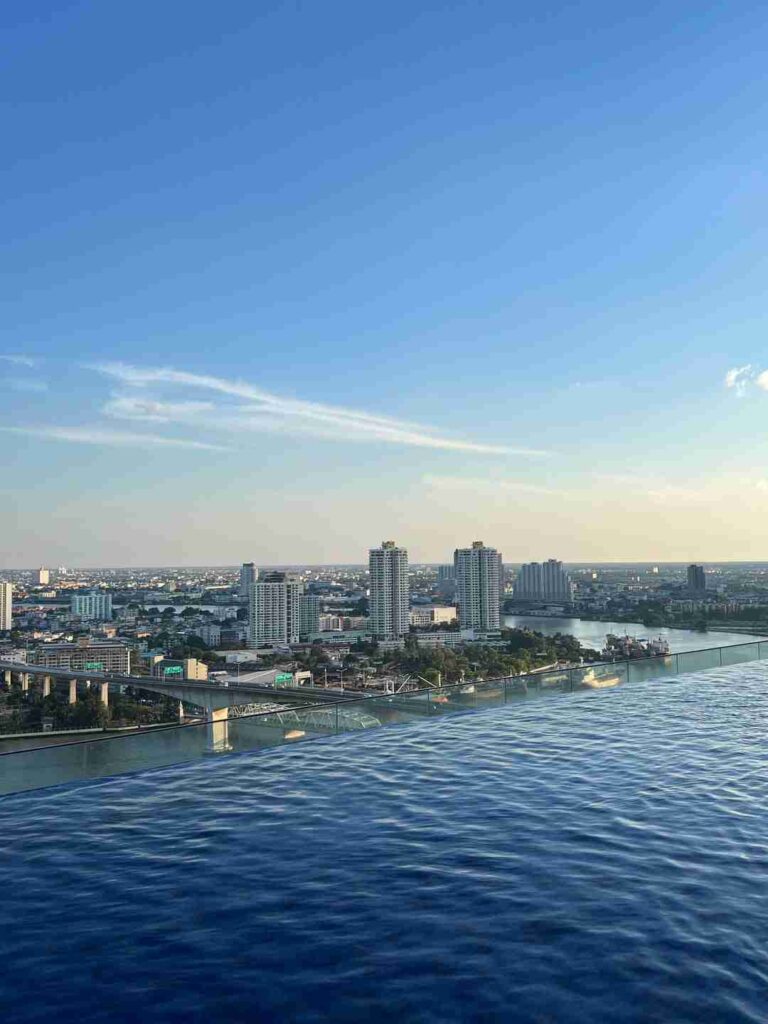
The historic heart of Bangkok — Ko Rattanakosin and the broader Pranakorn District — is where first-timers should begin. The Grand Palace, established in 1782 as the seat of the Rattanakosin Kingdom, houses the revered Wat Phra Kaew and its Emerald Buddha, one of the most sacred objects in the Thai Kingdom. Entry costs THB 500, dress code is strict — no tank tops, covered shoulders and legs required — and sarongs are available at the gate. Hours run 9:00 AM to 3:30 PM (last entry 03:30 PM), and I’d recommend arriving by 8:30 AM — 08:30 AM, technically — to beat tour groups. Head to Na Phra Lan Rd or approach via Sanamchai Road from the Grand Palace Sub-district side for the smoothest entry.
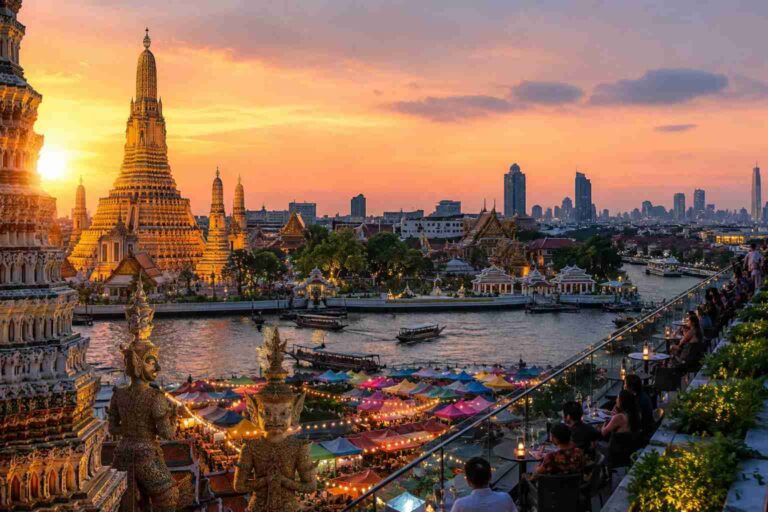
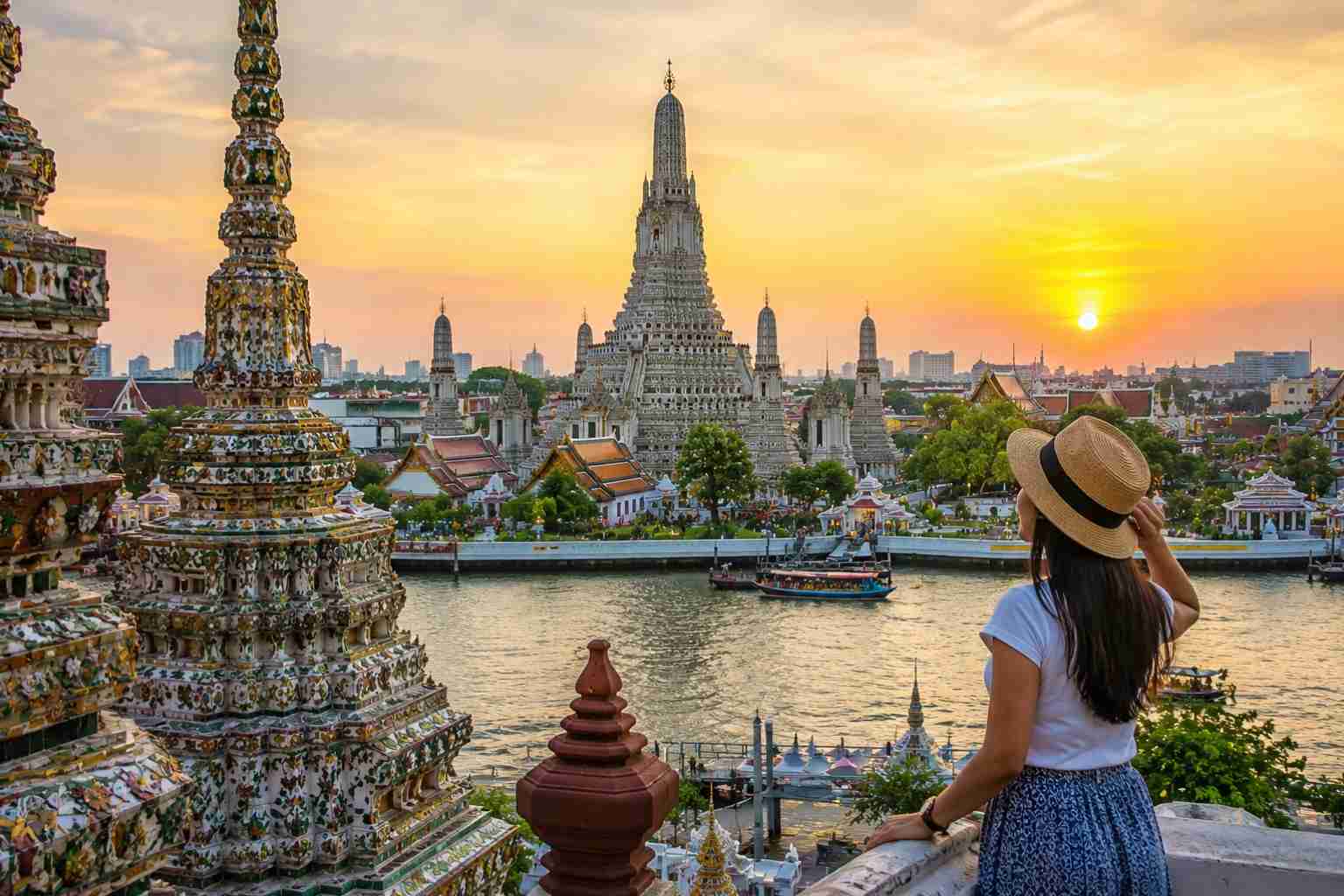
Adjacent to the palace complex, Wat Pho shelters the famous reclining Buddha — a gilded Ayutthaya period masterpiece stretching 46 meters — along with intricate seashell mosaics and the country’s original public education center, earning it a spot in UNESCO’s Memory of the World Program. Admission is THB 200. Just across the river sits Wat Arun (Temple of Dawn), its Khmer-style prang encrusted with porcelain fragments that catch morning light spectacularly — open 9:00 AM to 4:00 PM, entry THB 100, accessible via short ferry from Tha Tien Pier (Ta Chang Pier nearby) or Thanon Wang Doem landing. The Khwaeng Wat Arun area on the Khet Bangkok Yai side of the river feels worlds away from the tourist rush — genuinely beautiful at dawn or around the 4:00 PM golden hour.
North of the palace zone, the Dusit Palace complex showcases Vimanmek Teakwood Mansion — the world’s largest golden teak structure — alongside the grand Ananta Samakhom Throne Hall with its ceiling paintings and the Arts of the Kingdom museum exhibiting Epigraphic Archives from the Kings of Thailand. The nearby Rajvithi Rd and U-Thong Nai Road frame the Khwaeng Dusit neighborhood nicely. A short ride to Wat Saket — the Golden Mount Temple — rewards climbers with panoramic views and bird’s-eye views of the Bangkok skyline and the Ratchadamnoen Klang Road boulevard below; THB 100 entry, best visited around 5:00 PM for sunset photography before the Phan Fha Pier boat crowds thin. The nearby Wat Suthat and its towering Giant Swing (free to view from outside, THB 20 inside) sit close enough to combine into a single historic center walk.
For evenings, Asiatique (full name: Asiatique River Front) at Saphan Taksin Station (BTS Silom Line, Exit 2, then free ferry from Sathorn Pier) is a riverfront entertainment and shopping destination open from 5:00 PM to 11:00 PM. The Asiatique Sky Ferris Wheel offers 3 full rotations of illuminated Bangkok views for THB 250, and the Dinner Cruise and Sightseeing Cruise operators depart from nearby N1 and Saphan Taksin piers between 7:00 PM and 9:30 PM, ranging from THB 300 buffet options to THB 1,800 premium air-conditioned cabins with live music and romantic atmosphere. ICONSIAM near Khlong Saen Seab and Khlong Bangkok Noi channels offers a more modern shopping and dining experience with jaw-dropping Chao Phraya River views. Don’t miss Muay Thai Live — a theatrical Thai boxing and Thai cultural show running at 7:30 PM with tickets from THB 1,000, or the Marble Temple (Marble Palace) up near Rajchathevi Station — its white Ubosot Ordination Hall is one of Bangkok’s most underrated photo ops, best visited in early morning when the pavilions and gardens are nearly empty.
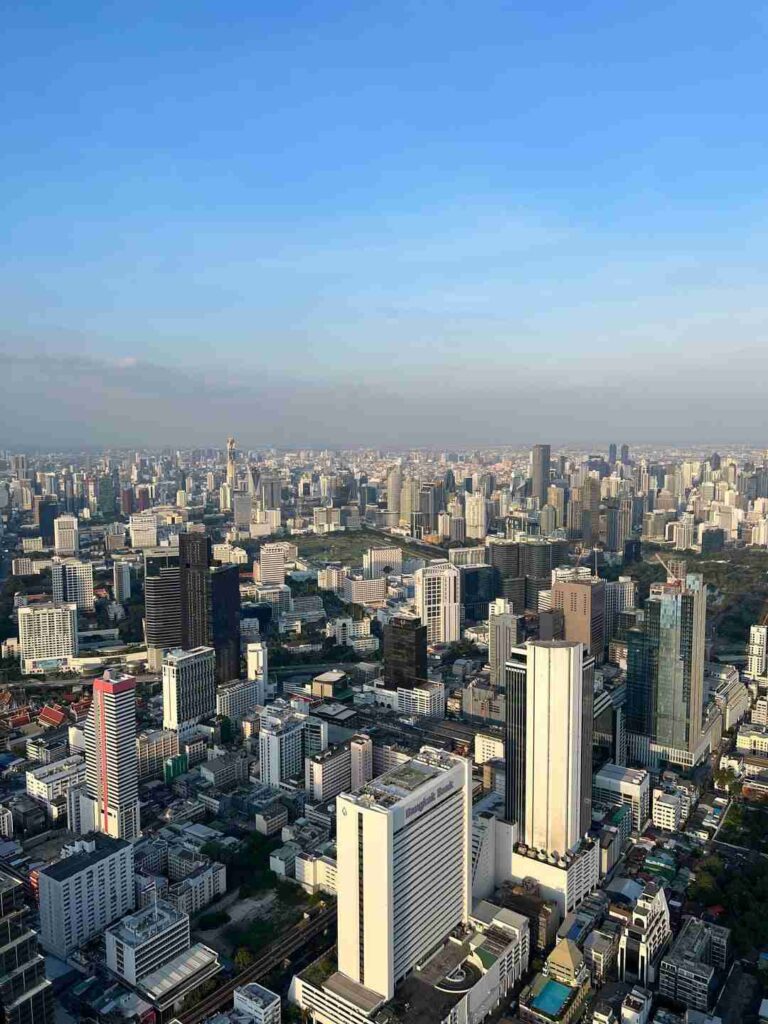
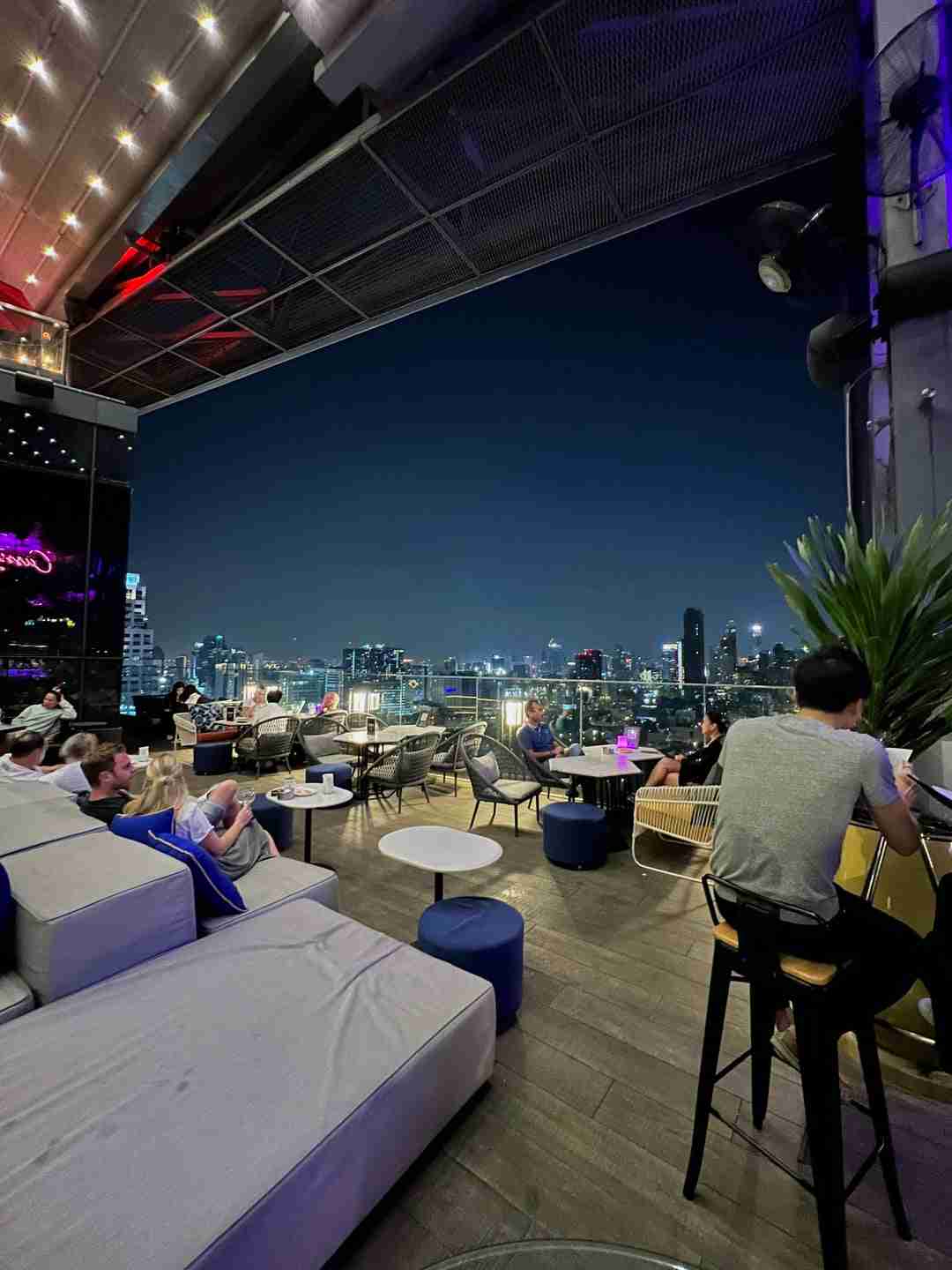
For Lumphini area and Silom evenings, the Sanam Luang grounds near Khet Phra Nakhon host local life scenes worth wandering into. The Victory Moment Station and Ratchadamnoen boulevard area come alive at night, especially around 8:00 PM to 10:00 PM. Khao San Road remains the backpacker nerve center — loud, chaotic, and weirdly charming after 10:00 PM. For a quieter, elevated perspective, Hua Lamphong, Phaya Thai, and National Stadium connect to skyscrapers with rooftop bars offering Bangkok skyline shots from 6:00 AM through late night. Note that as of October 1 2017, certain temple sites tightened renovation and dress code rules — cameras and phones are permitted but respectful shoulders-covered attire remains mandatory at all temple sites. Getting to Wat Pho and nearby sites by bus #47, bus 12, or bus 515 costs just THB 15-20 and takes 10-15 min from central zones — far cheaper than Grab or Uber during peak traffic.
Bangkok Day Tours and Side Trips
Bangkok’s position in central Thailand makes it a natural launchpad for day trip adventures. The ancient capital of Ayutthaya is the most popular side trip — roughly 1.5 hours north by train — where Wat Mahathat, Wat Phra Si Sanphet, Wat Lokayasutharam (home to a massive reclining Buddha), and the sprawling Ayutthaya Floating Market preserve some of Thailand’s oldest traditions. You can book through agencies but I strongly recommend DIY-ing this one to avoid forced shopping stops, slow guide pacing, and obligatory cultural show add-ons. Combine it with the Bang Pa-In Summer Palace for a fuller day.
Kanchanaburi pulls history lovers with the Bridge over River Kwai, the haunting Burma Death Railway, Hellfire Pass, and WW2 memorials honoring Aussie POWs and other Allied prisoners. The Erawan National Park nearby features stunning Erawan Falls in 7-tier cascades and some of Thailand’s most beautiful jungle pools — perfectly pairable as a single Kanchanaburi itinerary. Further south, Pattaya delivers pure contrast: Pattaya Beach Road, nightlife, jet ski, parasailing, sea walking, white beaches, and relentless shopping — a seaside city that makes no apology for what it is. Coral Island off Pattaya offers snorkeling, motor boat rides, and crystal-clear waters for a calmer alternative.
The Maeklong Railway Market and Damnoen Saduak Floating Market make a classic combo day tour from Bangkok, hitting canals, temples, and some of the most photographed ancient ruins-adjacent markets in the country. For something gentler, the Amphawa weekend market along its quiet canal strips is where I’d send anyone wanting authentic charm over tourist spectacle. Hua Hin — a relaxed royal beach resort town — offers beaches and a Thai cultural show scene without Pattaya’s intensity, and pairs well with an overnight if your schedule allows more than a standard day trip with boat ride and lunch package.
Where to Stay in Bangkok (Budget Hotels)
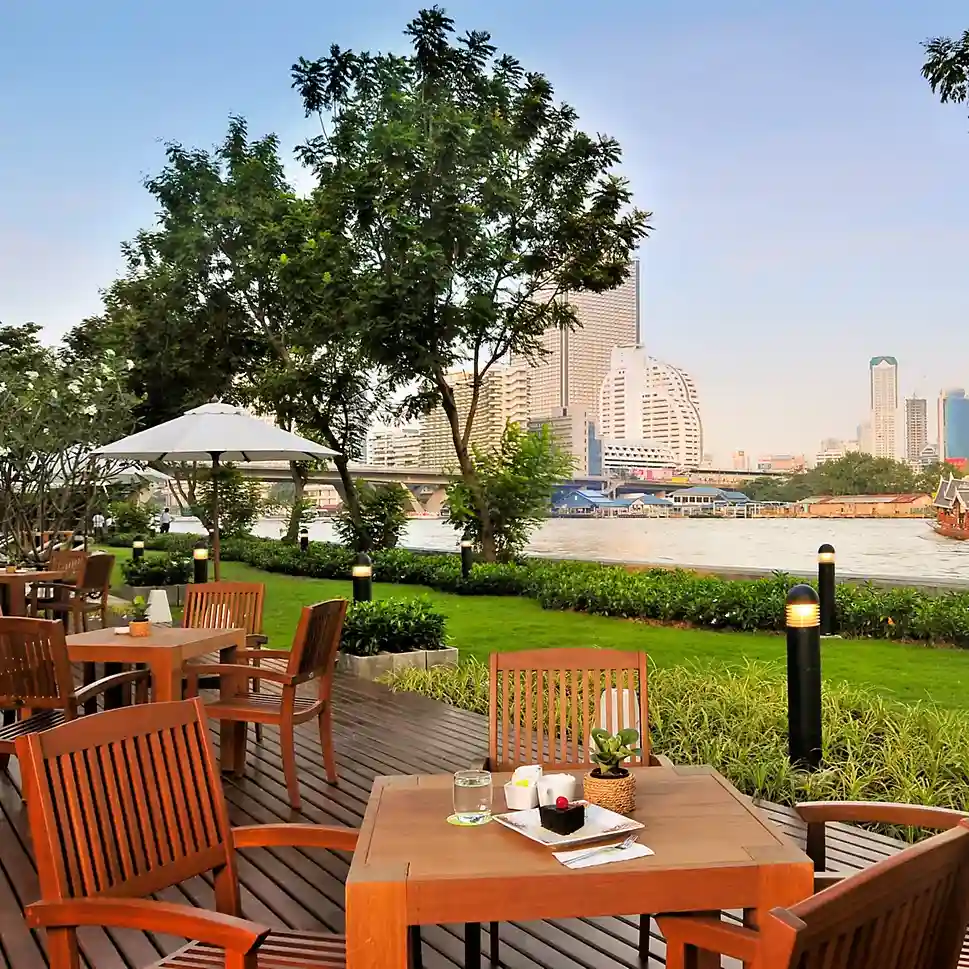
Bangkok’s neighborhoods each have a completely distinct personality, and where you stay shapes your entire trip. Khao San Road and the surrounding Rattanakosin and Phra Nakon areas put you steps from the Grand Palace, Wat Pho, Wat Arun, and the Old Town historic center — ideal for first-time visitors and budget guesthouse seekers who want maximum culture with minimal commute. The area skews backpacker but has matured considerably, with boutique guesthouses filling gaps between the rowdy hostels.
Sukhumvit is Bangkok’s most cosmopolitan corridor — stretching from Nana through Asok, Phrom Phong (near Emporium and EmQuartier), and upscale Thong Lo / Thonglor into residential Ekkamai and trendy Ari / Aree zones. BTS and MRT access is excellent throughout, making it the preferred base for those prioritizing transport hub convenience and mid-range to luxury 5-star comfort. Silom and Sathorn lean business district with rooftop bars, stylish hotels, and easy Chao Phraya River and Riverside access — romantic for couples, practical for everyone. Chinatown (Yaowarat) has exploded in popularity among foodies and aesthetic seekers, with street food, café culture, and aesthetic restaurants filling the gaps between golden shophouse fronts. If river views, river boats, and proximity to Asiatique matter most, Riverside hotels along the Chao Phraya River provide the most scenic and romantic experience in the city — at a cost. Match your accommodation to your travel style and vibe, and Bangkok’s hotel tiers offer something from bare-bones budget to full luxury without compromise.
Bangkok Itinerary
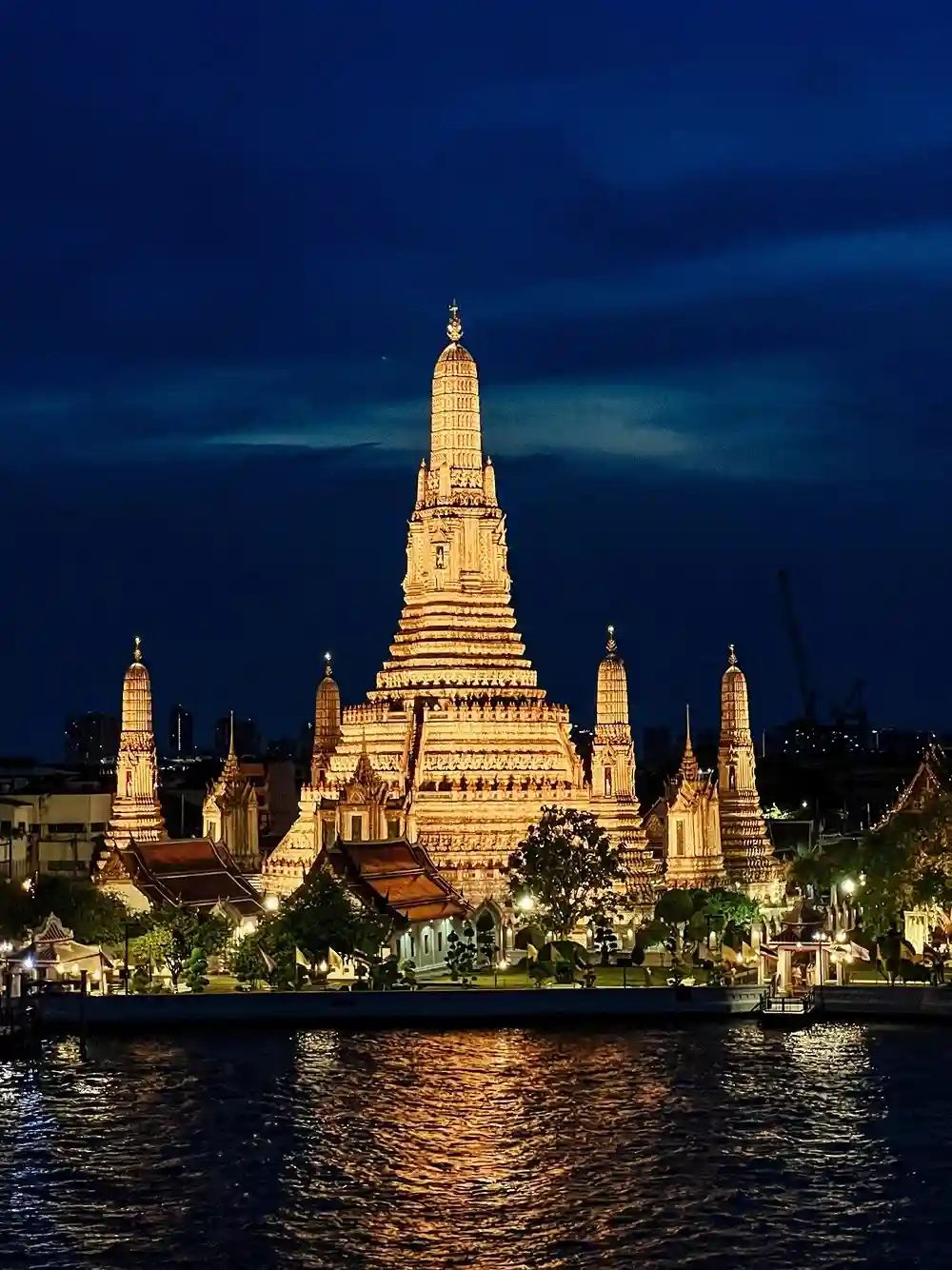
A 4 Days, 3 Nights Bangkok visit — the most common framework — breaks down cleanly if you cluster attractions by geography. Day one in the Dusit Area and Ko Rattanakosin hits the Grand Palace, Wat Pho, and Wat Arun without backtracking. Day two is ideal for an Ayutthaya day trip — leaving early keeps the schedule efficient and returns you to Bangkok with time for Khao San Road at night. Day three can be devoted to Chatuchak Weekend Market (Saturdays and Sundays only — plan around this), Asiatique in the evening, and whatever shopping the itinerary still needs. Day four handles departure logistics. This sample itinerary is endlessly tweaked-able based on budget, side trip preferences, and hour-by-hour energy levels — the framework holds even if the details shift.
Bangkok Budget / Cost
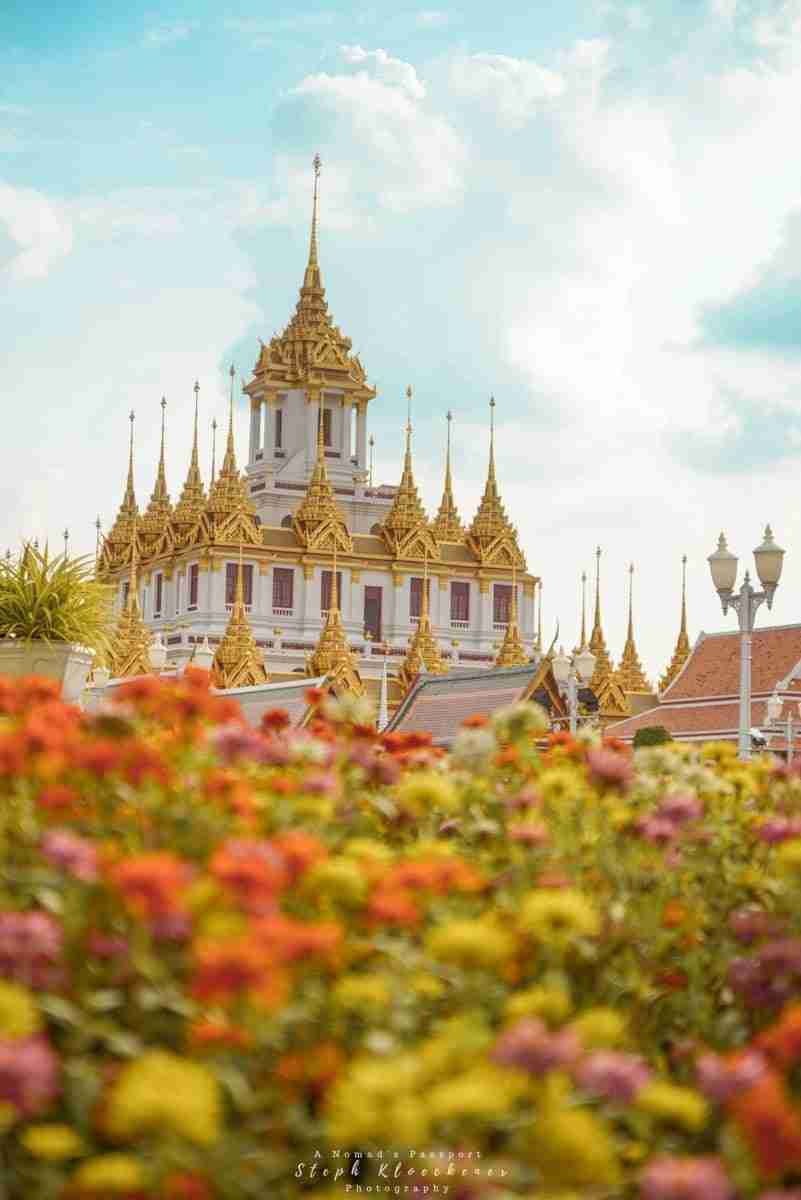
A realistic 4 Days, 3 Nights Bangkok Budget breakdown typically spans five categories: airfare, accommodation, transportation, food, and entrance fees plus tours. Airfare from Manila on budget carriers averages between ₱3,000–₱7,000 return depending on season and lead time. Hotels in the backpacker belt run ₱600–₱1,500/night for clean, well-located rooms; mid-range properties hit ₱2,500–₱5,000. Daily transportation using BTS/MRT and boats rarely exceeds THB 150–200. Food is where Bangkok actively rewards budget travelers — street meals run THB 40–80, sit-down local spots THB 100–200. Entrance fees to major attractions like the Grand Palace (THB 500) and Ayutthaya day tours are the biggest single-day expenses in any cost breakdown — budget accordingly and the overall Bangkok Budget stays very manageable.
Where to Shop in Bangkok
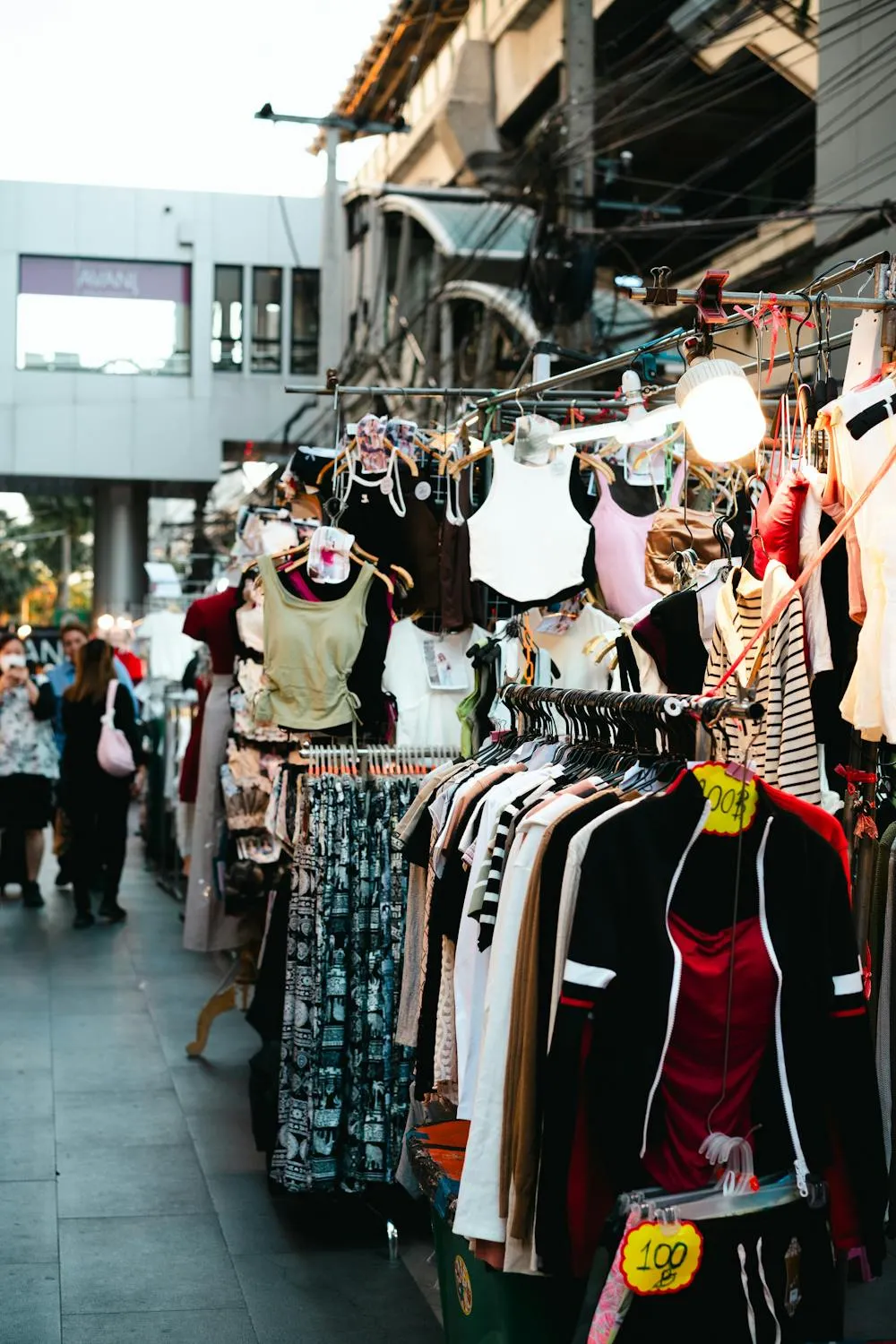
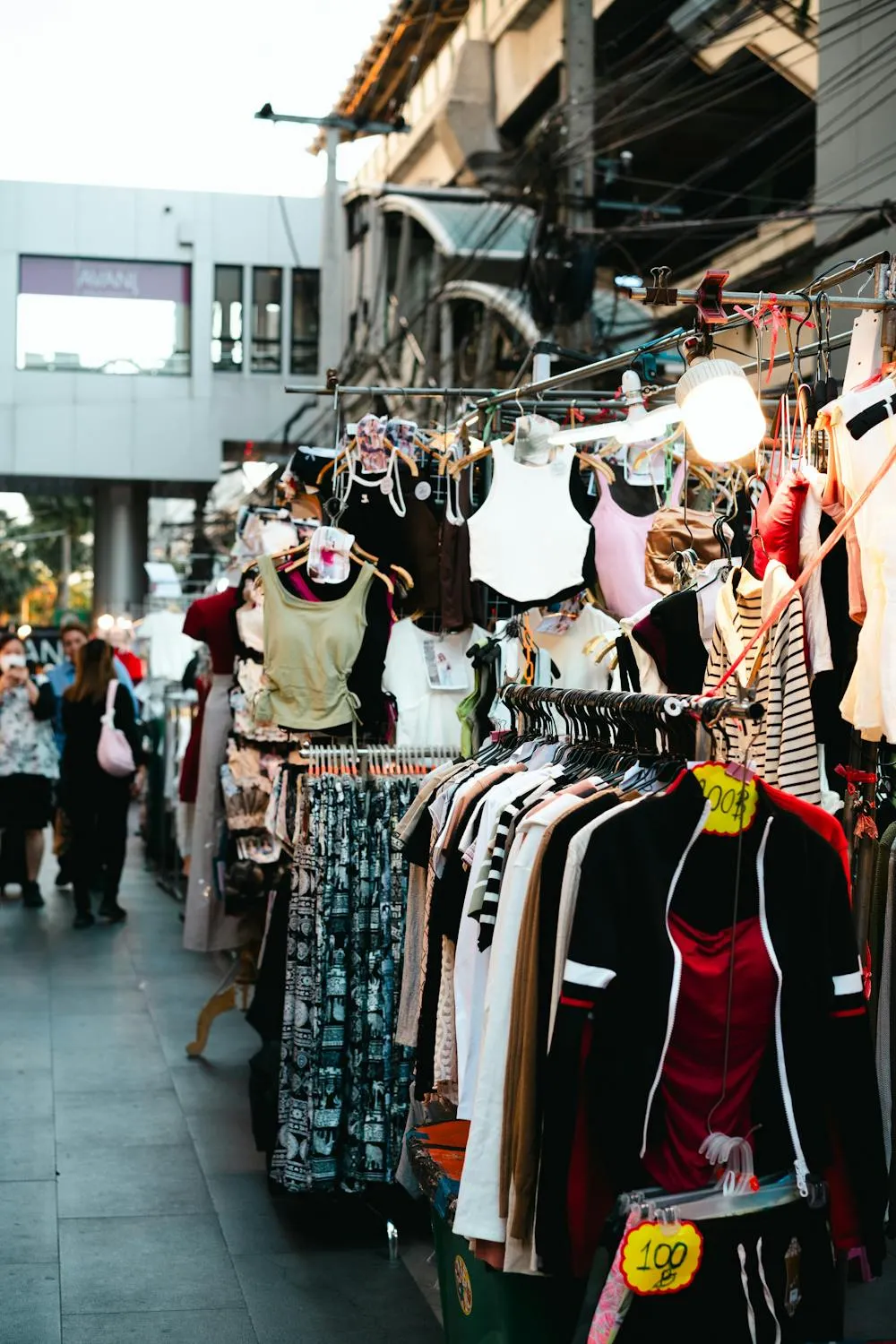
Bangkok is a genuine shopping paradise with a staggering range of options across markets and malls that suit every taste and budget. From the sprawling weekend energy of Chatuchak to the luxury corridors of EmQuartier and ICONSIAM, the city rewards both bargain hunters and brand loyalists equally — Bangkok does shopping at a scale very few cities in the world can match.
Bangkok Scams
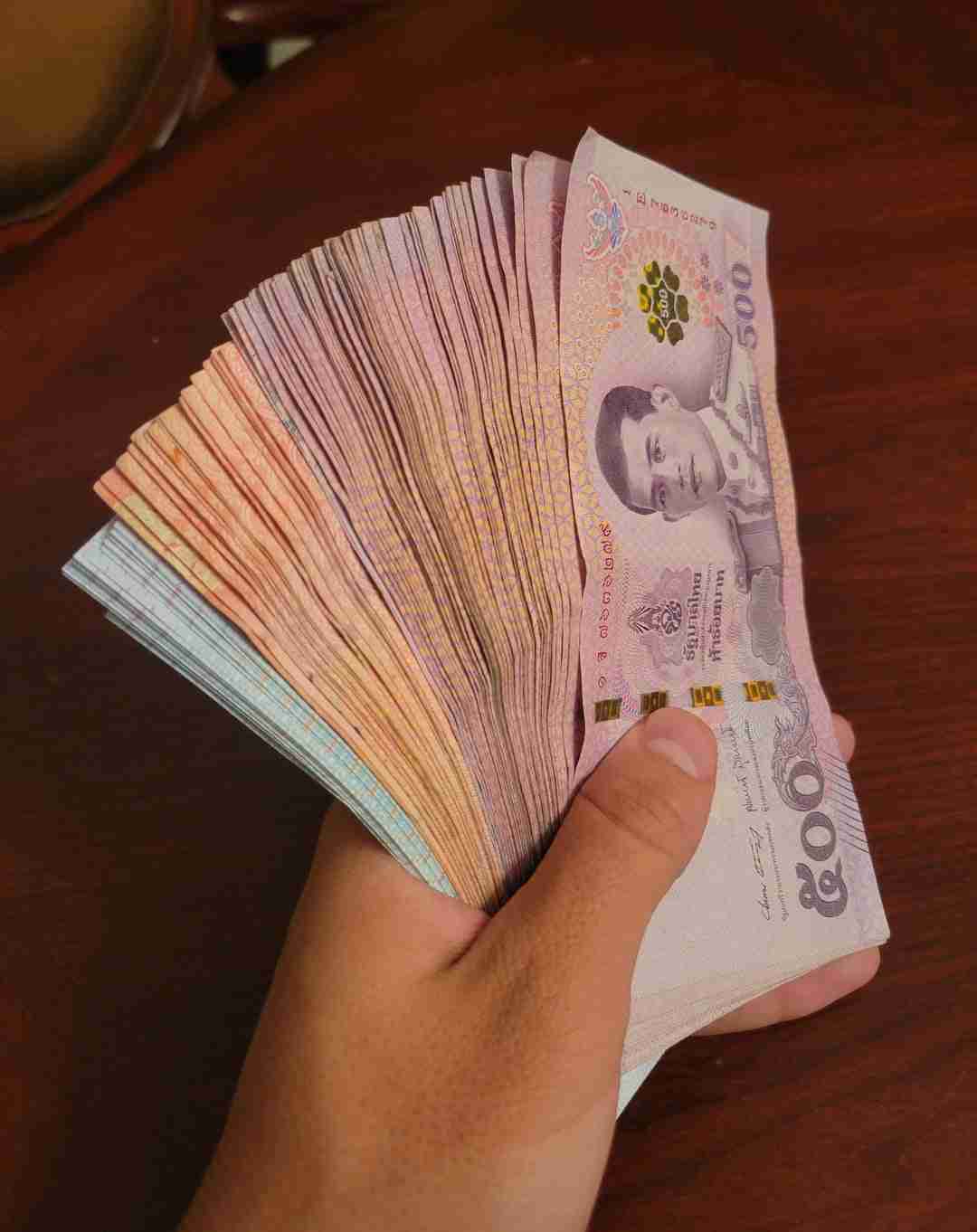
The Closed for Today Scam is Bangkok’s most persistent con — a friendly stranger (often a tuktuk accomplice) approaches near the Grand Palace claiming it’s closed for a Buddhist holiday or special event, then redirects you toward overpriced travel agencies, gem stores, or souvenir shops where the driver earns commission. It is never closed for those reasons. The Grand Palace operates on a predictable public schedule — ignore anyone on the street claiming otherwise.
Tuktuk drivers near Khao San Road and major attractions quote a Flat Fare Taxi Scam rate — sometimes as low as THB 10 or THB 20 for a long ride — that sounds like a bargain until you realize the route includes mandatory stops at shops paying them gas coupons and commission. Always insist on a meter for standard taxi rides; the normal rate is far cheaper than any flat fare a tuktuk quotes. The Tuktuk Ride Scam and ferry overcharging (strangers selling unofficial ferry tickets at 3x the THB 20 price) are infrequent but real — buy tickets only at official ticket booths and confirm fares before boarding. Staying alert to scam alert patterns makes them easy to sidestep once you know the playbook.
Border Crossing in Thailand
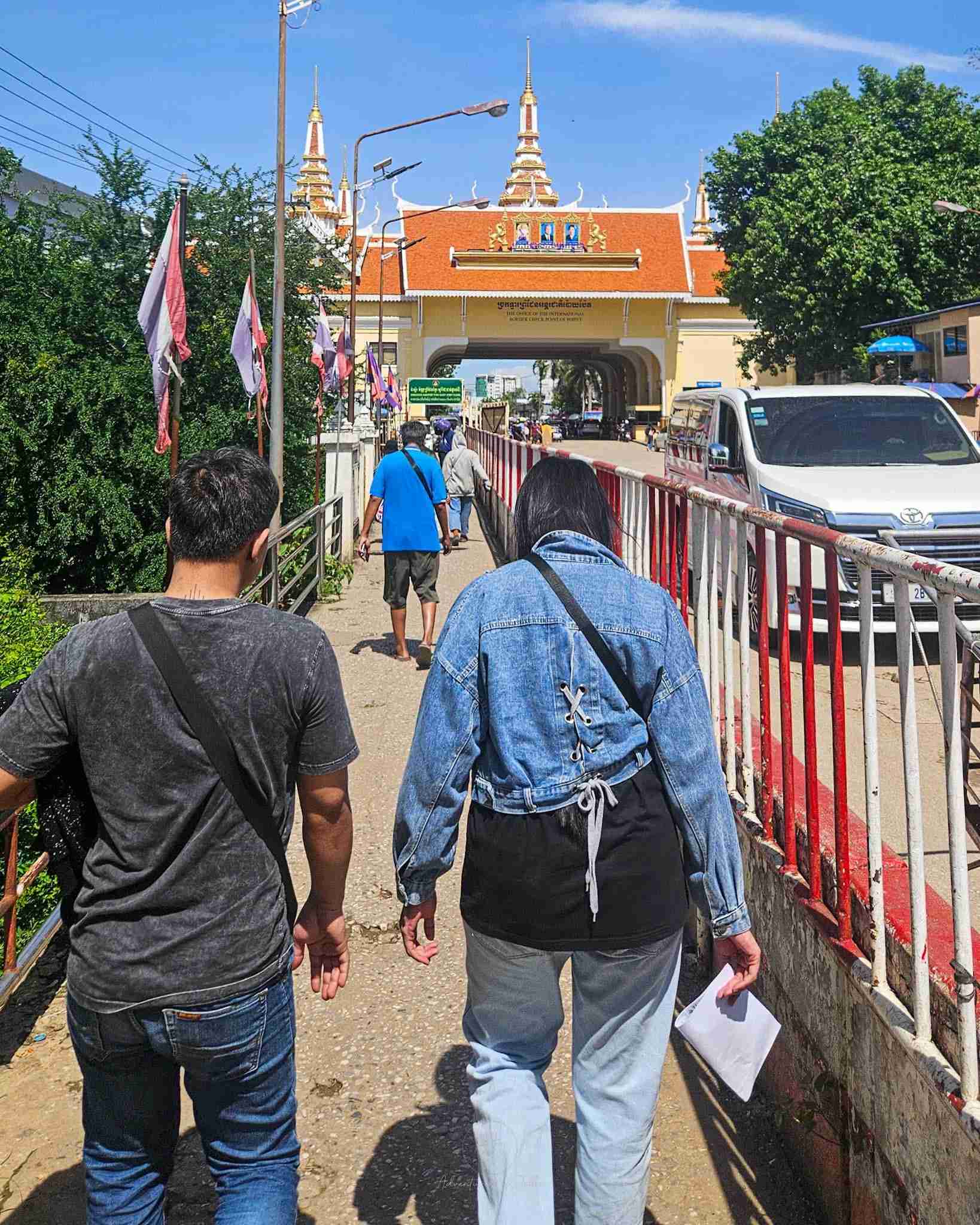
Thailand shares accessible land crossing points with Cambodia, Laos, and Malaysia, making it a natural hub for multi-country Southeast Asia itineraries. The most-used borders for backpackers include Poipet (Thailand–Cambodia), Nong Khai (Thailand–Laos), and Padang Besar or Sadao (Thailand–Malaysia). Each crossing has its own rhythm — some are smooth and fast, others involve long queues and unofficial “processing fees” that aren’t actually required. Research your specific borders before travel, carry printed copies of relevant documents, and budget extra time. Border-crossing overland between neighboring countries is one of Southeast Asia’s great budget travel traditions — chaotic, occasionally frustrating, and absolutely worth doing.