Amalfi Coast 3 Day Itinerary: Positano, Capri, Ravello & Hidden Gems
Let me be honest with you — nobody warned me that showing up to Italy’s Amalfi Coast in June essentially means signing up for Europe’s most gloriously chaotic high tourist season experience, complete with what I’d call an involuntary splurge on arguably the world’s finest pasta and completely unplanned boat tours. I was travelling with my sister and boyfriend to celebrate my 29th birthday, blissfully ignorant of how deeply this destination would rearrange my understanding of beauty — and my bank account. Whether your gateway to this place was ancient Roman history or something as casual as Under the Tuscan Sun, trust me, the Amalfi Coast rewards every kind of traveller who arrives with even a sliver of curiosity.
What separates a genuinely memorable visit here from a forgettable checklist itinerary is something surprisingly simple: permission to wander. The Dolce Vita isn’t bottled inside packaged tours or classes — it lives in the unplanned moments, the pretty towns, the sea air catching your flowery dresses, a glass of limoncello with its sharp zest on a sun-drenched terrace. Travellers who arrive believing the authentic experience requires constant structure often fall into a trap — because the real magic here is just being immersed in views, people, and a rhythm that’s entirely its own. Back in 2019, I learned this the hard way.
What I also didn’t anticipate was the sheer physical reality of this coastline — narrow roads, what I’d kindly call crazy drivers, and the kind of terrain that makes public transportation feel like a genuine adventure. Having a car gave us a freedom that Tuscany driving had prepared us for, letting us chase amazing views at our own easy pace while the rest of the tourists were stuck waiting for buses. From the crystal-clear waters and vibrant colours of cliffside towns to locally-grown produce and fresh seafood rooted in traditional recipes, this south Italian coastline operates like a living, breathing postcard — and the perfect travel itinerary for three days here is less about cramming in sights and more about genuinely slowing down under the European sunshine.
What to Book in Advance on the Amalfi Coast
Every seasoned traveller I’ve spoken to agrees — the single biggest mistake people make on the Amalfi Coast is assuming they can wing it. The post-Covid surge of visitors has fundamentally changed how busy season operates here, and if Summer travel is on your radar, booking a Small Group Boat Tour from Sorrento should be your very first move. This experience genuinely sells out weeks ahead, and there’s simply no substitute for seeing these towns from a unique angle that land can never offer — so don’t procrastinate when reserving your spot, especially if you’re moving as a group.
Beyond the water, your rental car deserves attention a full 8–12 weeks in advance — factor in insurance without negotiation. If Pompeii is on your radar (and it absolutely should be), a Small Group Tour with an actual archaeologist transforms the volcanic eruption site from rubble into revelation, and skip-the-line tickets alone make it worth every euro. For accommodation, early booking is non-negotiable during late spring through early autumn, and savvy travellers headed to Capri should secure their ferry or hydrofoil tickets well before arrival — the ticket office lines can genuinely consume your morning. Leave most other ticket purchases and spontaneous activities as last minute decisions, but these specific services are simply too important to gamble with.
Where to Base Yourself for Three Days on the Amalfi Coast
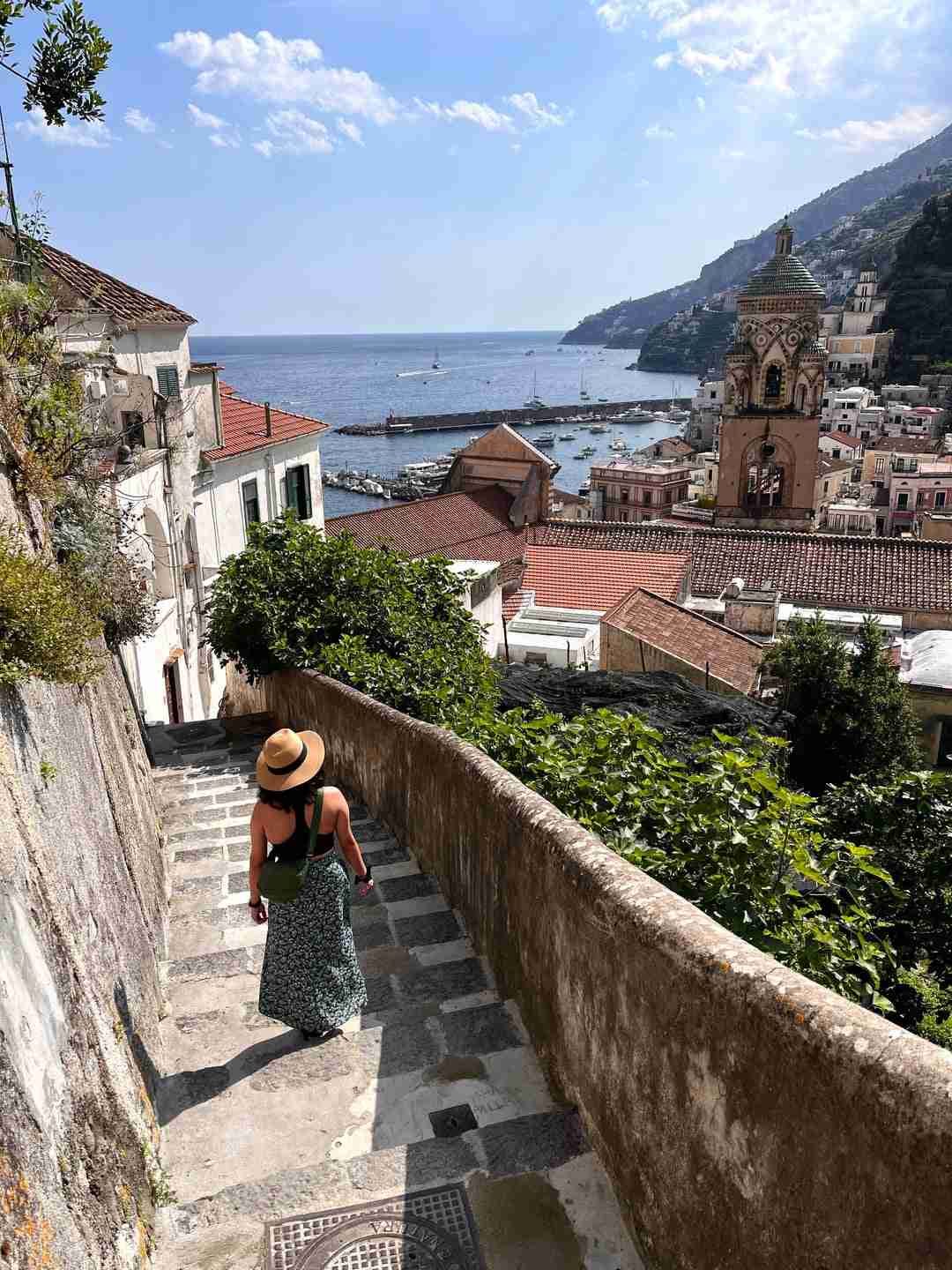
Choosing where to sleep on the Amalfi Coast is genuinely one of the most consequential decisions of your trip, and it’s almost entirely dependent on your budget and travel style. If you’re craving coastal charm without the Positano price tag, I’d push you hard toward Atrani — sitting just beside Amalfi with convenient access to everything while maintaining a quieter soul, even if mass tourism has recently begun to discover it. Families travelling with kids will find Maiori a near-perfect match — a genuine flat promenade (genuinely rare in this area), a beach, and a playground make it exceptionally livable. Minori sits in that sweet spot of small and adorable, still connected enough to follow any serious itinerary without sacrificing calm.
For those prioritising budget over atmosphere, Salerno is the Amalfi Coast’s quiet underdog — a real, functioning, working city with an authentic character, budget friendly pricing, and crucially, a train connection that makes navigating crowds far less painful. On the opposite end, Positano delivers pure coastal charm with all day trips and transport radiating outward from its iconic centre, though you’ll pay generously for that privilege. Sorrento lands as the balanced middle ground — genuinely affordable, welcoming for family travel, and practical as a launchpad for excursions across the entire region. There’s no single right base here — just the one that fits how you actually travel.
How to Get Around the Amalfi Coast
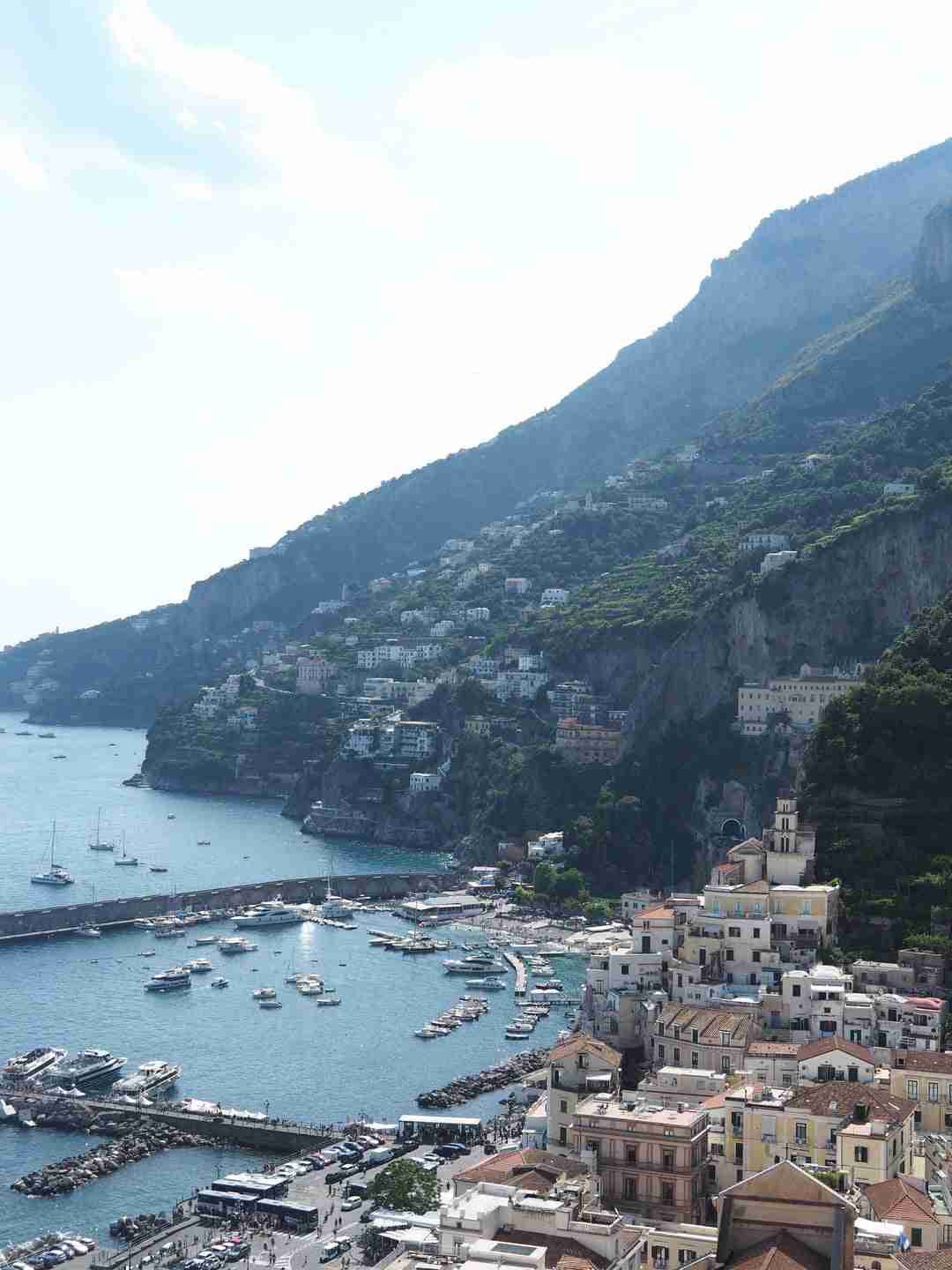
Getting around the Amalfi Coast is one of those logistical puzzles that rewards people who think ahead. My honest preference, having tried multiple options, is the network of local ferries — they are simultaneously budget friendly, deeply scenic, and far less stressful than battling narrow roads from behind a steering wheel. The outer dock of these ferries delivers some of the most fantastic views of the high coastline you’ll ever encounter, turning what is technically a commute into something genuinely memorable. Connections between Positano, Amalfi, Capri, Sorrento, Salerno, and surrounding destinations run reliably through the season, though they don’t operate year round — always have a backup plan and double-check availability for your travel window, especially around bad weather periods.
If ferries aren’t running or you need flexibility, the SITA bus network is the most efficient ground option — just check the timetable at ravello.com and be strategic about peak times when securing a spot on public buses becomes genuinely competitive. Renting a car or a Vespa is a thrilling option for confident drivers who don’t mind sharing rough mountain roads with large buses around blind bends — it’s exhilarating and occasionally terrifying in equal measure. A private driver is the stress-free premium alternative, though it comes at a noticeably expensive price point. Whatever combination you choose, build flexibility into every day.
Day 1: Amalfi and Ravello
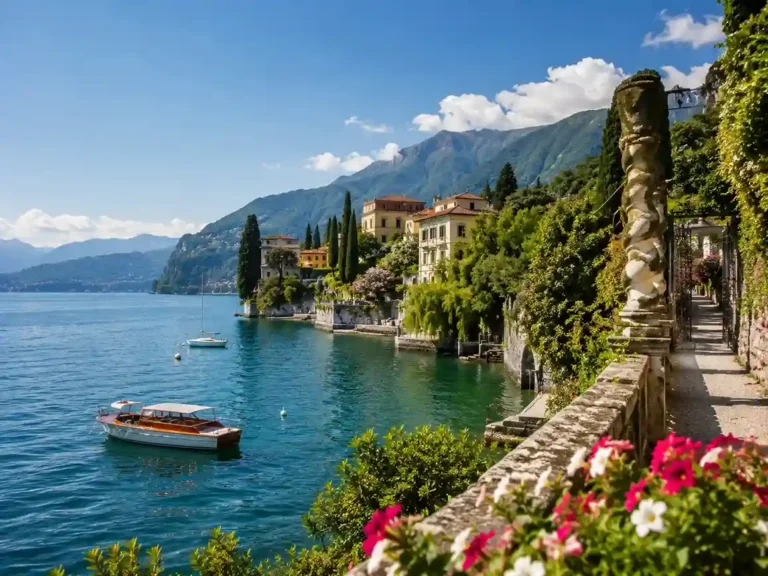
There’s a specific kind of quiet that exists in Ravello that you simply won’t find anywhere else on this coastline, and that’s precisely why I’d anchor your first full day here. Perched high in the hills rather than pressed against the beach, Ravello offers terraces draped in lemon and olive trees, views over the Mediterranean framed by deep green pine trees, and streets fragrant with honeysuckle that you can follow at a genuinely leisurely walk. The town draws fewer tourists than Amalfi or Positano largely because public transportation up here is limited — tourist buses do make it, but the crowd density stays manageable, making it ideal for anyone who despises the elbow-to-elbow experience of the coast’s more famous neighbours.
Begin at Villa Rufolo — the lush, immaculately manicured gardens here carry the kind of breathtaking quality that photographs genuinely fail to capture. The history embedded in these grounds runs deep: the Rufolo family, immortalised by Boccaccio in the Decameron, once called this home, and when Wagner arrived in 1880 and declared he’d found the setting for his opera Parsifal, he wasn’t exaggerating. Each summer, the Ravello Festival performs on a stage jutting dramatically over the sea. The standout architectural relic is an 11th-century cloister built in the Moorish tradition, layered with Arabic, Sicilian, and Norman influences — now reimagined in its Romantic 19th-century form, with ruins, heavy porticoes, and surprise panoramas at every corner. Entry is ticketed and tickets are available on the spot.
From Villa Rufolo, make your way to Villa Cimbrone — the other pillar of Ravello’s reputation, dating back to at least 11th century AD and home to the legendary Terrazzo dell’Infinito, or Infinity Terrace. Step onto that balcony lined with 18th-century busts and the Terrace of Infinity earns its name — the panoramic sweep down the Amalfi Coast is simply staggering. The gardens themselves reflect the influence of an English traveler during the Grand Tour, shaped around a Renaissance avenue and later evolved into the sensibility of English gardens, with planting choices guided by Vita Sackville-West, poet, gardener, and close friend of the Becketts who owned the estate. Depending on your visit timing, the gardens may be in full bloom. Opening hours run 9AM to sunset year-round; entry is 7€ with discounts for groups and children under 12.
By afternoon, work your way down toward Amalfi itself — a town that once ruled the Mediterranean as a powerful maritime trade centre during the Middle Ages and still carries that history in its maze-like street layout, deliberately confusing to invaders centuries ago. The Duomo di Sant’Andrea commands the main piazza with its striking Romanesque facade and largely baroque interior — inside, you’ll find the Cloister of Paradise, an inner courtyard garden of extraordinary calm, alongside reliquaries, statues, busts, and the crypt housing the relics of St. Andrew. Allow roughly 45 minutes for the cathedral depending on your pace. Operating hours shift seasonally: March to June runs 9AM–6:45PM, June to September extends to 7:45PM, and Winter contracts to 10:00–1:00 and 2:30–4:30PM. After the Duomo, the shopping streets are lined with lemon-derived products, swimsuits, hats, olive oil, and ceramics — the promenade leads to private beaches and shade ideal for a late drink before sunset. End the day at Spiaggia Grande watching the light shift over the water and the markets slow to a close.
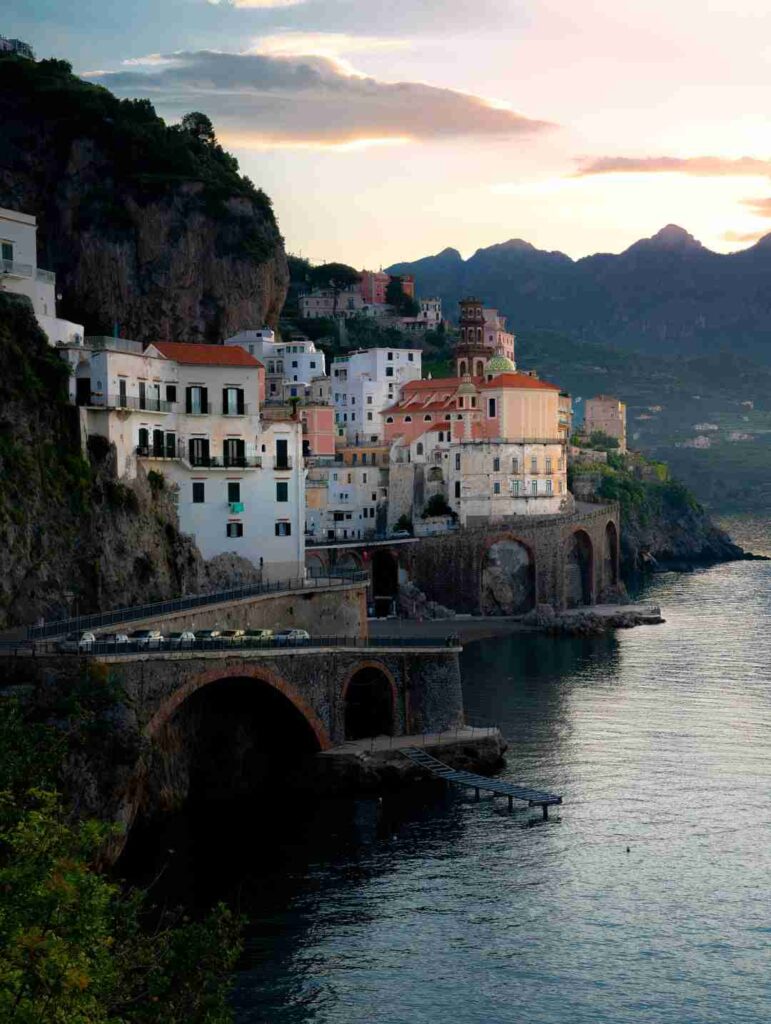
Before leaving the area, spend at least an hour in Atrani — technically the smallest municipality in Italy and just steps from Amalfi. Its C-shaped layout, framed by arches on all sides, was reportedly chosen as a backdrop for a popular TV series, which brought a wave of tourism — yet the town retains a genuinely relaxed, laid-back character. Grab an Aperol Spritz at one of the beach bars, visit the Byzantine-style Church of San Salvatore de Birecto dating back to 940 AD, and sit with a plate of fresh pasta — Atrani is quietly famous for its production of it — before catching the ferry back to your base.
Day 2: Day Trip to Capri
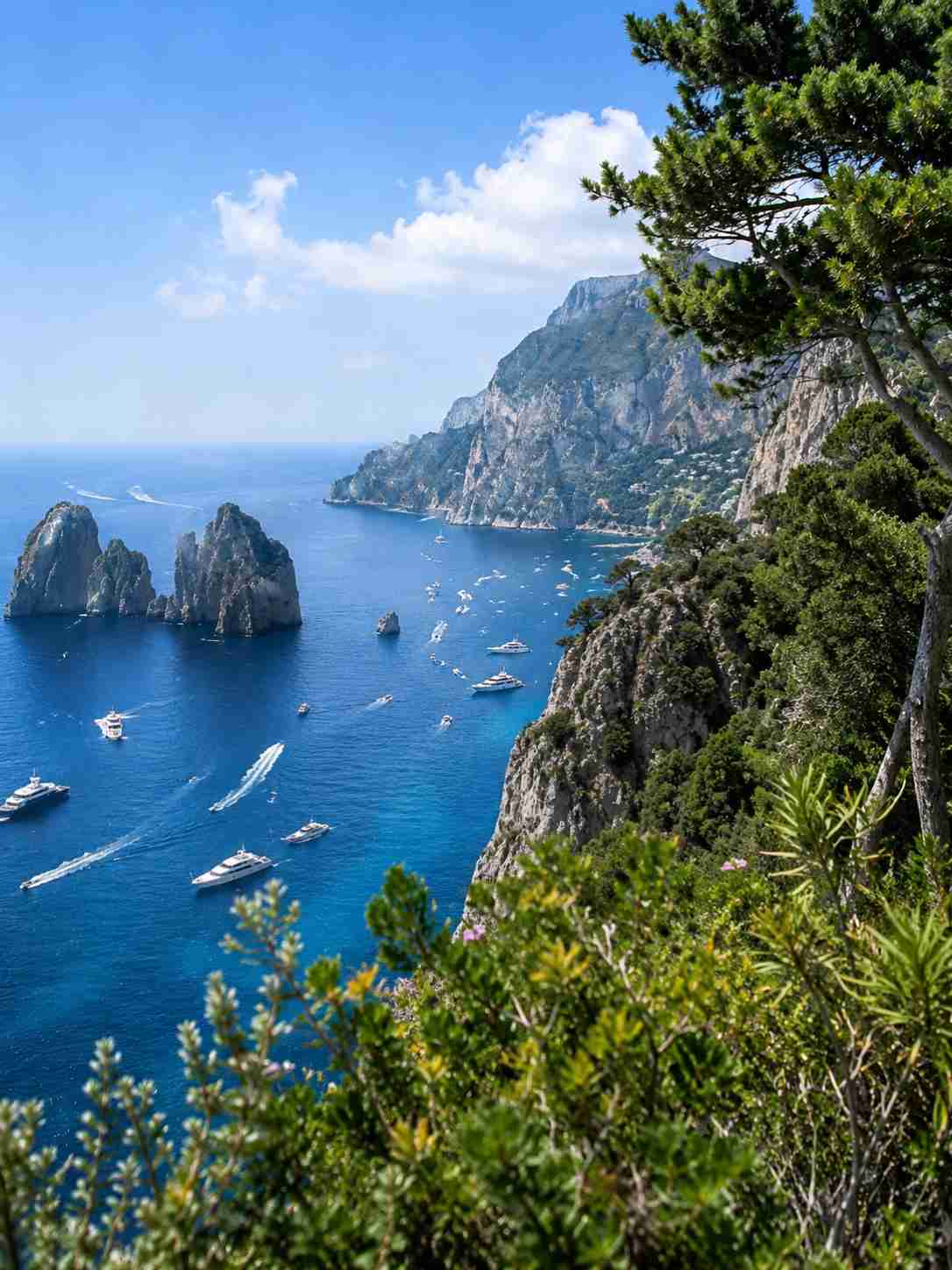
Capri is, without question, one of the most strikingly beautiful places I have ever stood still in — and despite the very real problem of mass tourism, I’d argue it remains entirely worth the effort. The smartest approach is catching the hydrofoil early and immediately putting distance between yourself and the main center — the piazzetta and its surrounding shopping street collect the bulk of the crowds, while the island’s genuine character lives in its backstreets, which are perfectly safe to explore at will. Follow your curiosity rather than a map: wander toward Anacapri by bus, drop down to Marina Piccola, or make the commitment to walk up to Villa Jovis, Emperor Tiberius’s extraordinary ancient villa that most day trip visitors never reach — both the climb and the site itself tend to be beautifully quiet.
Getting from the mainland varies: from Vietri sul Mare, a 2-hour ferry ride is possible, though we chose to drive and pick up a faster boat from Sorrento — a genuinely brisk 25-minute crossing that had us on the island before the main crowds. We left in the morning and didn’t return until 7pm, and I’d push back firmly against anyone framing this as a half-day trip — you simply cannot rush absorbing this kind of beauty. The Blue Grotto, or Grotta Azzurra, is the island’s undisputed number one tourist attraction, and visiting requires both patience and a degree of luck — rough seas close access roughly 70% of the time. When conditions cooperate, a motor boat carries you to the entrance, where you transfer to designated rowing boats serving the grotto in groups of four tourists at a time. We waited about an hour, then lay back as the rowing man literally reclined on top of the group to clear the low entrance — and inside, the blue is genuinely, impossibly blue. The Neapolitan songs echoing off the walls to demonstrate the acoustics is a moment I still think about. Cost runs 18 euros per person across the two boats; patience, as I said, is key.
For altitude and perspective, head to Anacapri and board the chairlift up to Montesolaro — Mount Solaro’s summit. The ride is single-seats only, takes 12 minutes, costs 10 euros for a round-trip, and delivers you to 589 meters of elevation with views that sweep across the Bay of Naples, the Amalfi Coast, and Mount Vesuvius simultaneously. The nearby Hotel Caesar Augustus offers terrace views that rival the summit itself — worth a stop even just for a drink.
Day 2 Alternative (or Day 3): Positano and Boat Tour
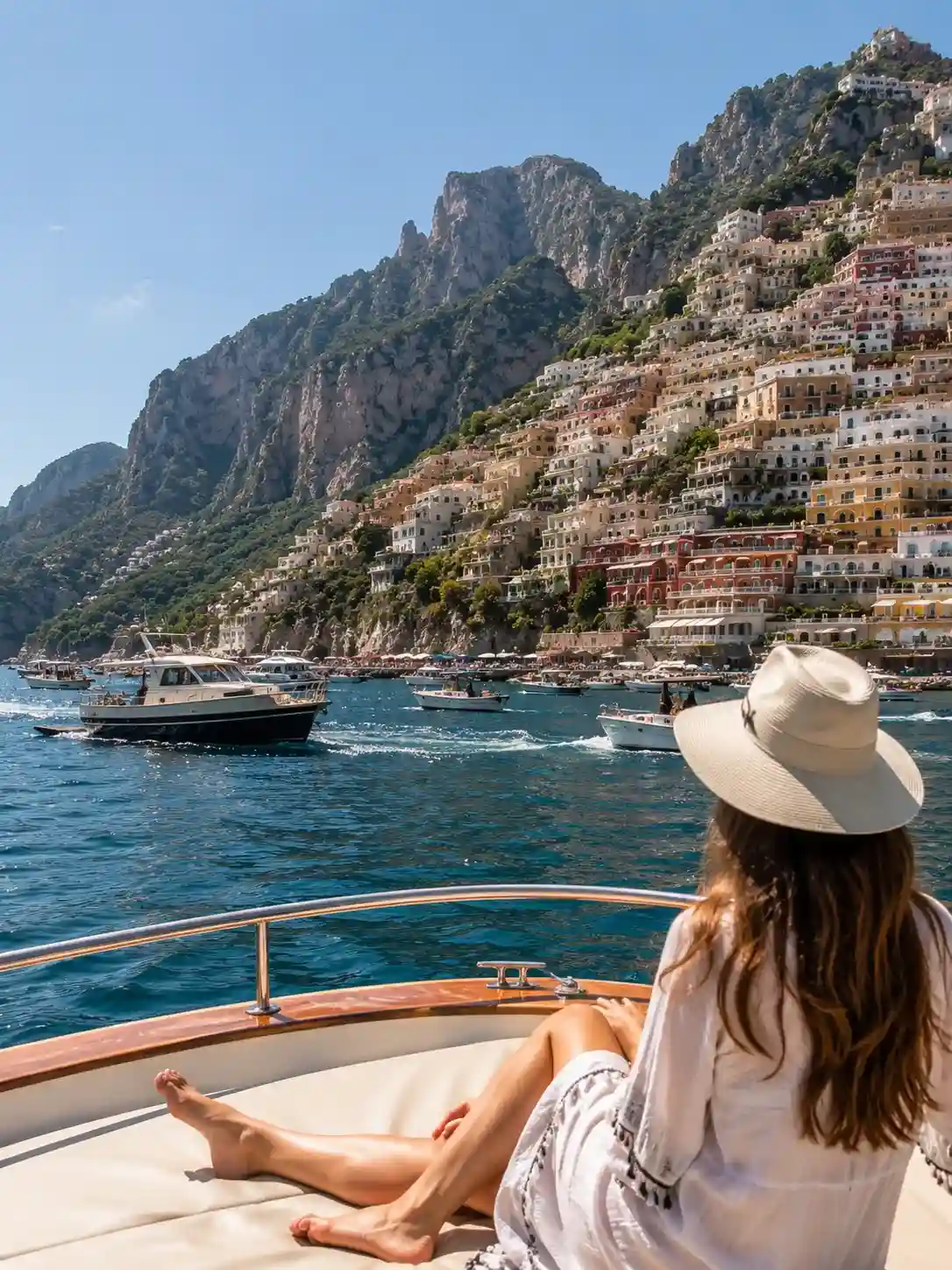
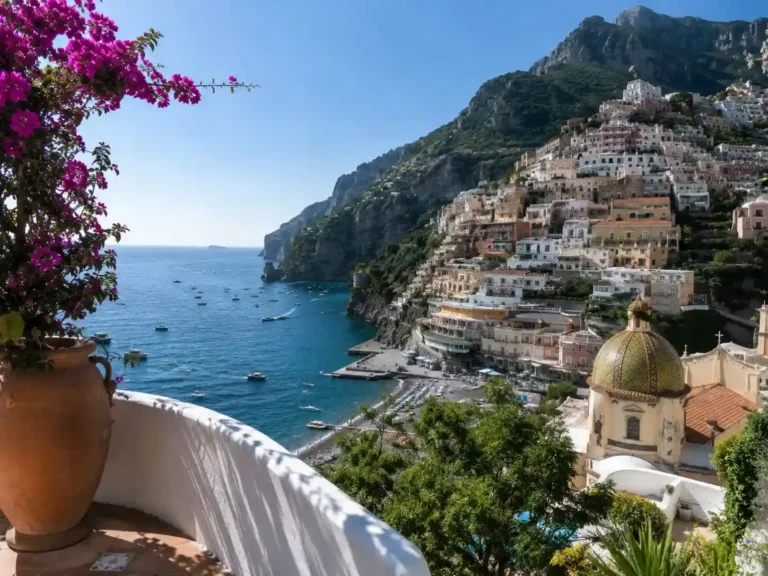
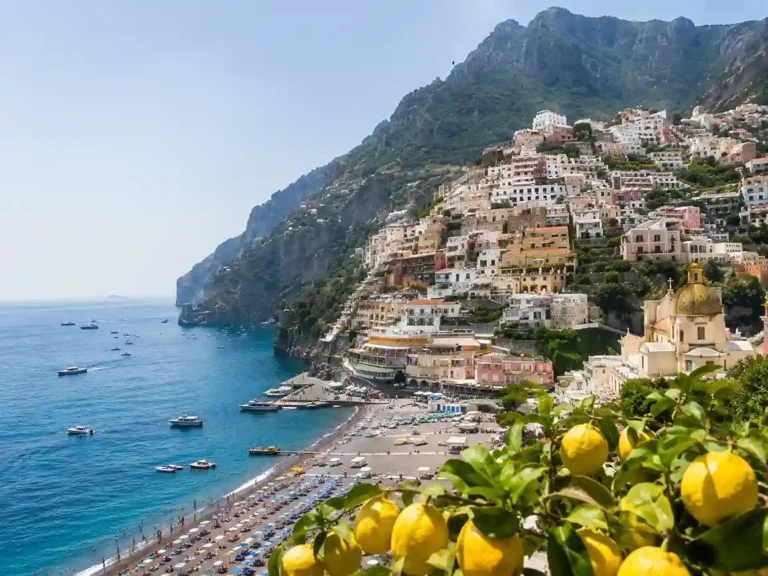
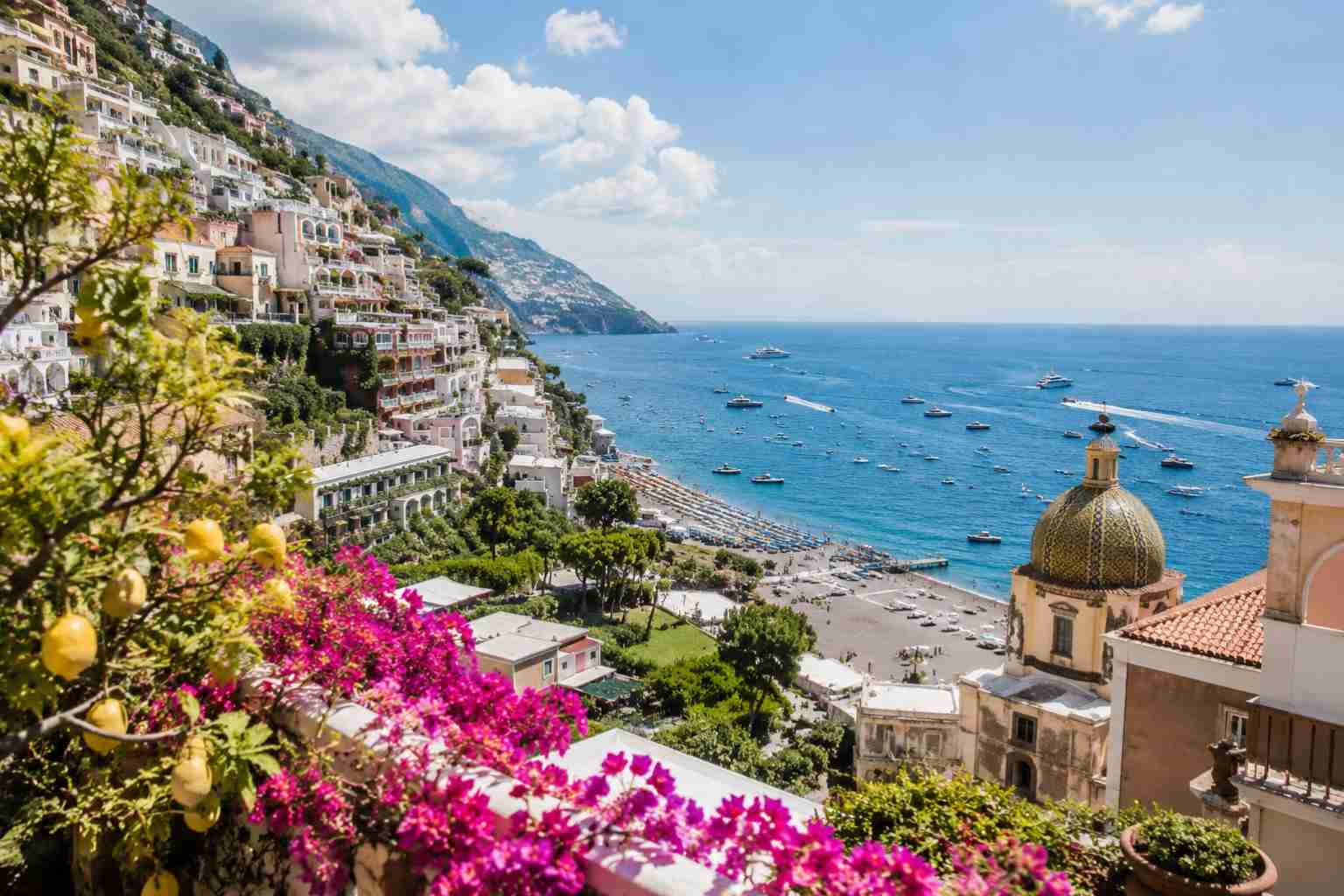
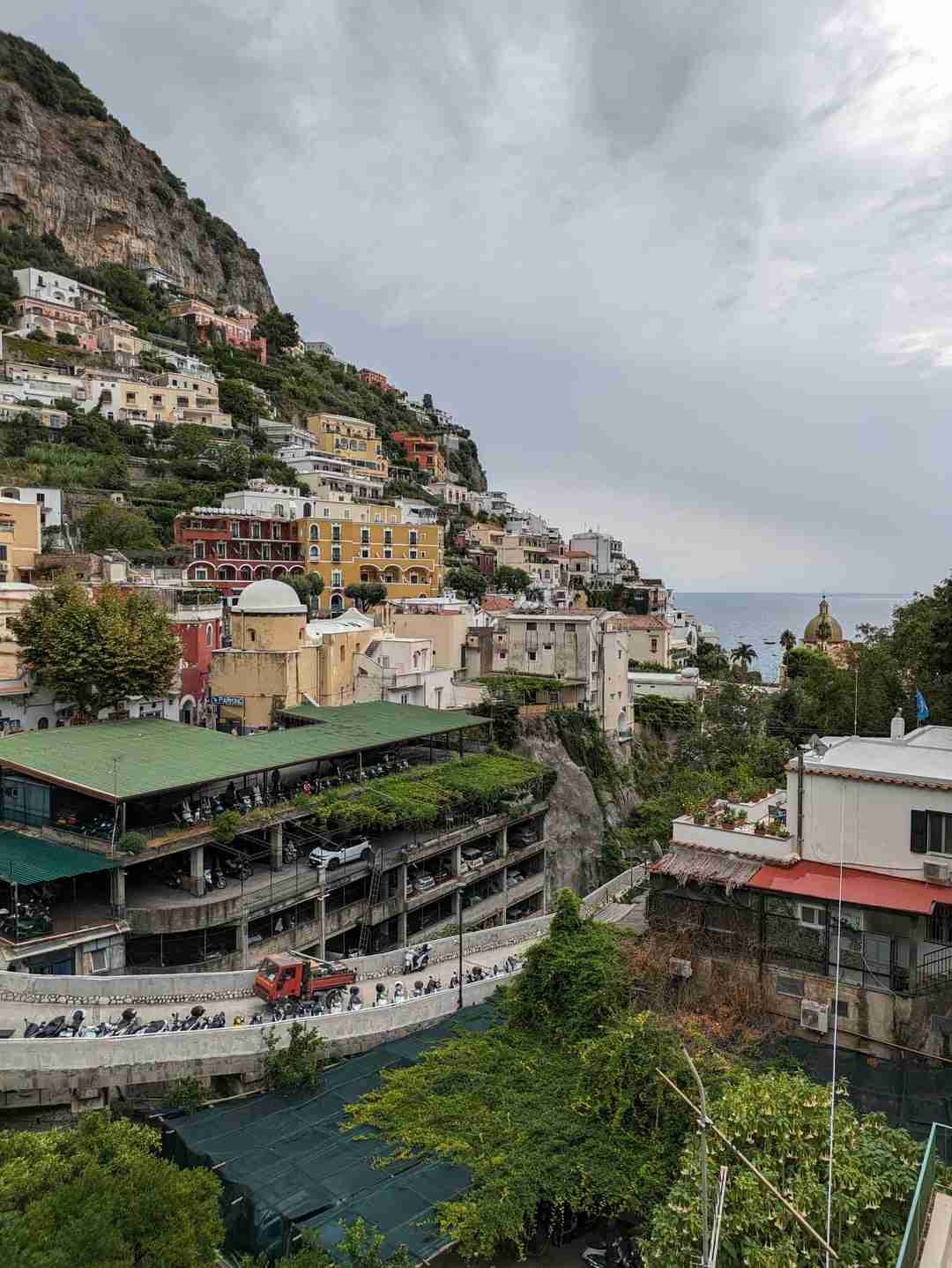
I’ll say this plainly: Positano is beautiful, occasionally overrun, and genuinely worth seeing at least once — though my personal experience is that the town rewards early arrivals and quick departures more than lingering. If you’re driving, a parking spot demands arrival before the crowds, with outside town options requiring a comfortable acceptance of 20–30 minutes of walking down stairs into the centre. The most cinematic approach, however, is arriving by ferry — watching that skyline of pastel-colored homes stacked against vertical cliffs approach from the water is the single most photographed moment in all of Italy for good reason. The pebbled beach framed by orange and blue beach umbrellas, the turquoise waters, the upscale overseas tourism energy — Positano leans fully into its reputation, and the one road running through it means you genuinely cannot get lost. Split your time between swimming, browsing galleries, shops, and delicatessens, getting handmade sandals made to measure, and nursing a drink at the bars of Hotel Poseidon, Hotel Sirenuse, or San Pietro — all three deliver objectively stunning elevated views over the sea.
Beaches here split between the Spiaggia Grande (also called Marina Grande) and the quieter Fornillo Beach — the former delivers the classic Positano pictures, though the sand gets extremely hot by midday, so keep those sandals on. The genuine highlight of any day spent on this stretch of coast, though, is taking to the water on a boat tour — seeing the Amalfi Coast from the sea is what I’d call the luxury experience that no hotel view can replicate. A private half-day tour opens access to places like Fiordo Di Furore and the emerald-lit Grotta dello Smeraldo, locations only reachable properly by boat, which also means they stay genuinely less crowded than the rest of the coast. A boat tour is equally efficient for reaching the Blue Grotto and the striking Arco Naturale — booking in advance is non-negotiable here.
For those with energy and appetite for more, the Sentiero degli Dei — the Path of the Gods — offers what I consider the most underrated perspective on this entire peninsula. Most people depart from Sorrento, the trail runs roughly 4 hours, and it is straightforward enough that you don’t need a guide — just good shoes and the willingness to see the Amalfi Coast from a jaw-dropping elevation that the vast majority of tourists passing through below will never experience. The hiking trail is easy to follow, remarkably quiet by coastal standards, and genuinely adventurous without being technical.
Day 1 Alternative: Sorrento
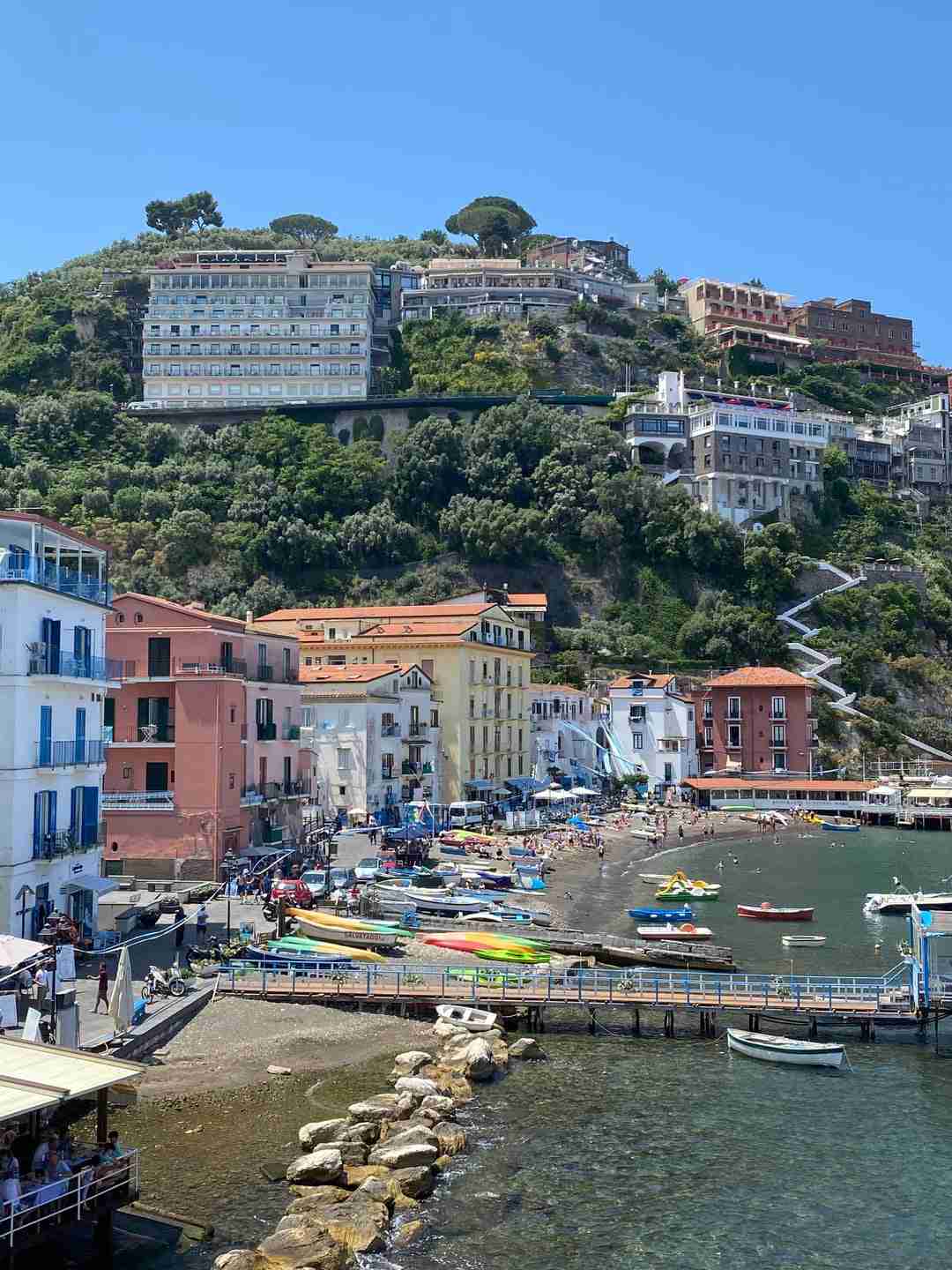
Sorrento tends to function as the sensible entry point into the Amalfi Coast experience — the first town you pass through arriving from Naples, the largest town in the area, and an entirely legitimate base for radiating outward on day trips along the coast. It isn’t the most picturesque destination on this stretch, but it earns its place through practicality and genuine character. On what became our second day, we lingered over a particularly good hotel breakfast before making the hour and a half drive from Vietri — unhurried, deliberate, exactly right.
One practical gem that most itineraries overlook: Sorrento has a proper supermarket — the Conad — which is an almost rare find along this coast. For anyone managing a budget, stocking up on snacks here before pushing further along saves meaningful money. The shopping options extend beyond groceries — this is an excellent place to pick up limoncello, the iconic lemon-based liquor that defines Italian aperitif culture in this region. Architecturally, the town’s most curious feature is its Sedile — a partially open-air historic civic building where nobles once gathered to handle administrative and government affairs, now repurposed as the Sorrentine Club. Its maiolica roof and interior trompe-l’oeil frescoes are genuinely worth examining. The Church of St. Francesco deserves a look, lunch at Piazza Tasso sets you up well, and Corso Italia keeps things moderately priced if you’re watching spend. We also used the afternoon to sort logistics for Capri the following day — practically speaking, Sorrento is the best launch point for that crossing. By the end of the visit, we’d stretched our legs well, had a proper bite to eat, and felt genuinely ready for what came next.
Day 2 Alternative: Vietri sul Mare and Ravello
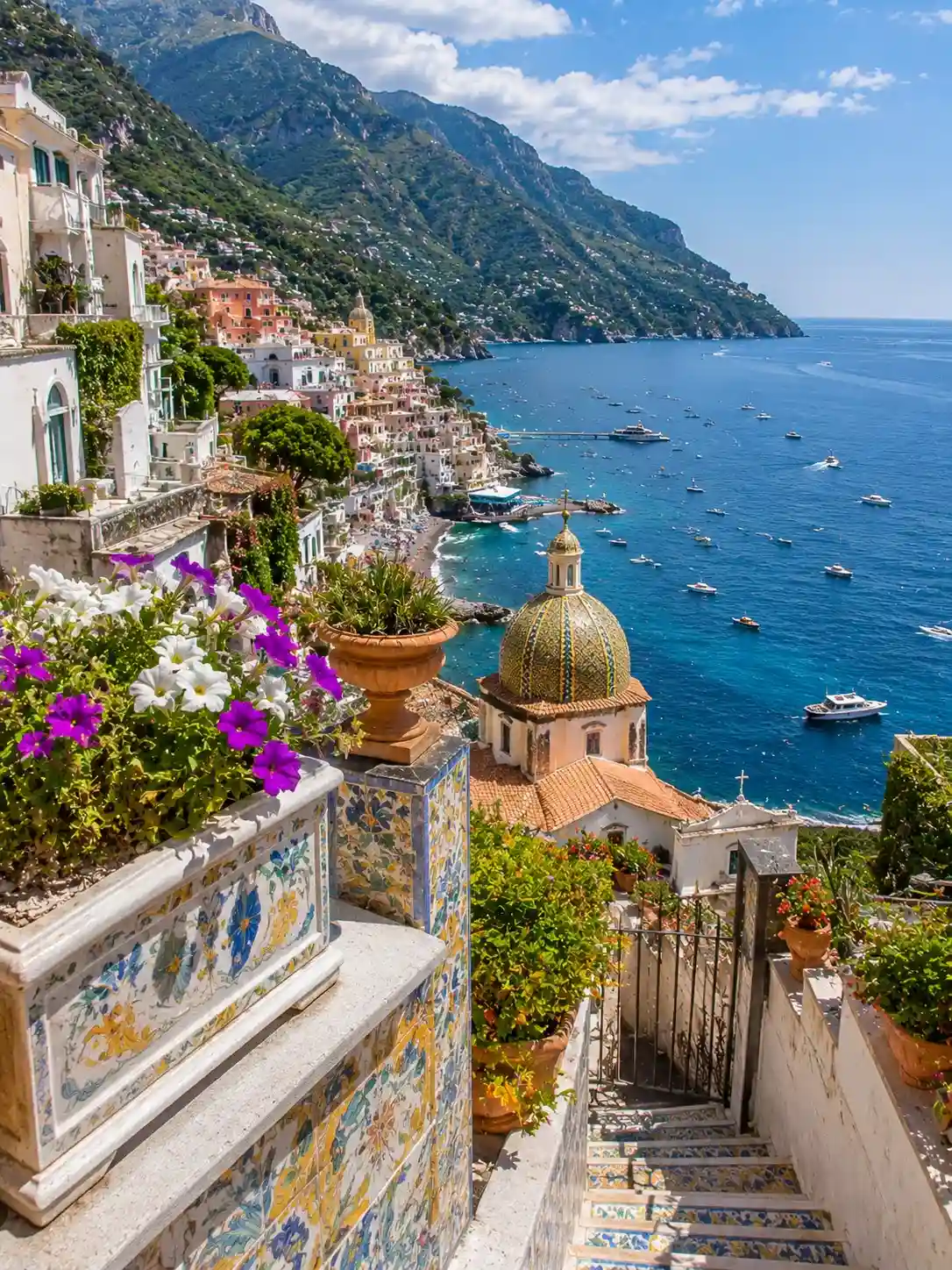
Vietri sul Mare and Ravello make for a pairing that offers genuine variety within a single day — different enough in character to feel like two separate experiences, close enough geographically to manage without stress. Vietri is the Amalfi Coast’s most visually distinctive town: its typical layout of little alleys and sudden unexpected views is shared with its neighbours, but the pottery craft here transforms everything — walls, staircases, doorways — into an explosion of colour that makes it stand apart as more vibrant and alive than anywhere else on the coast. The colorful ceramics produced here have made Vietri sul Mare genuinely famous, and the town remains one of the prettiest towns along this stretch precisely because it is less overrun than most — making spontaneous exploration both easy and rewarding. You can reach Vietri conveniently by ferry or train from Salerno, making access straightforward regardless of your base.
Where to Eat on the Amalfi Coast
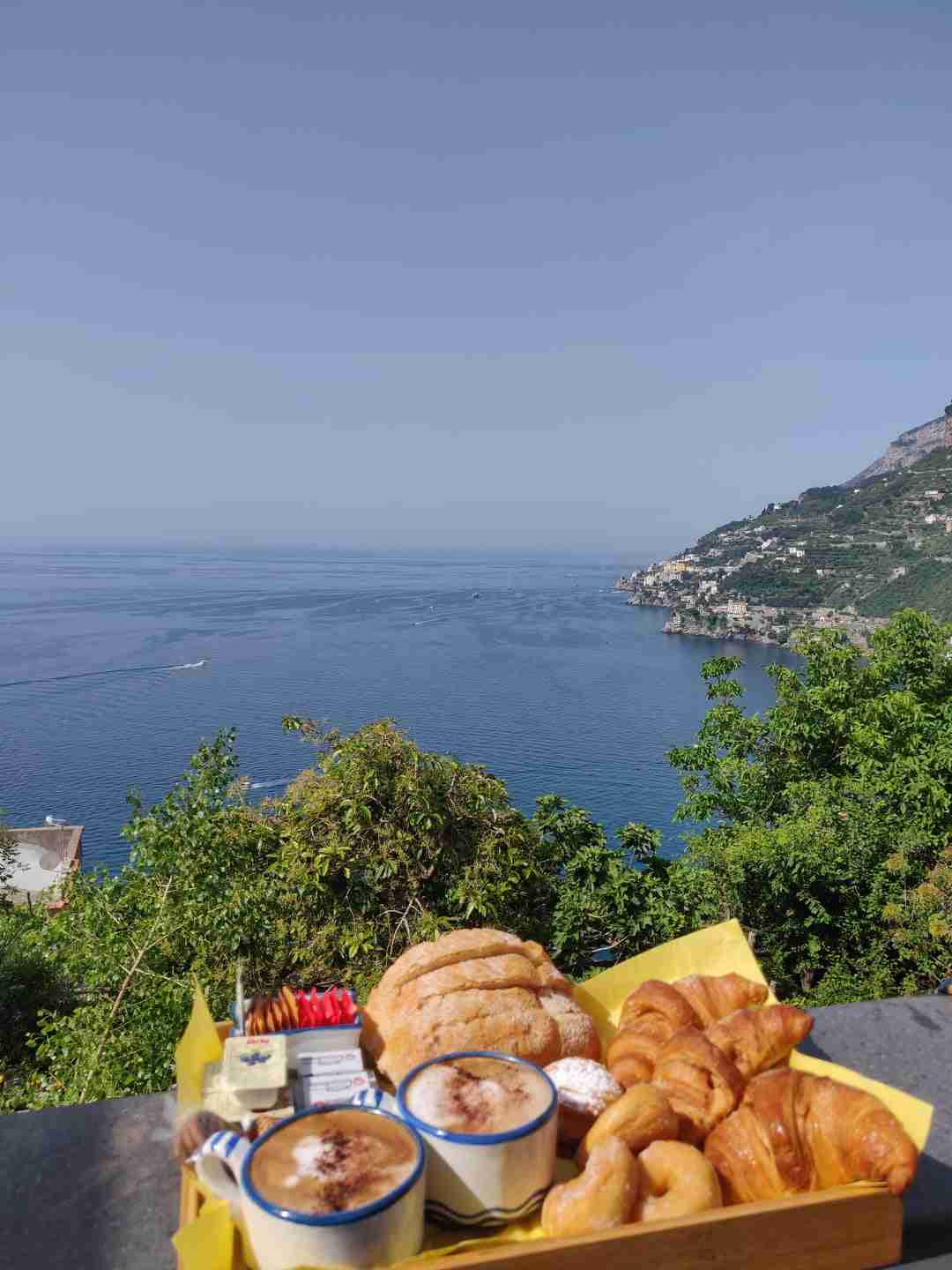
Eating on the Amalfi Coast is one of those experiences that tends to become a story — and La Tagliata in Positano became one of ours almost immediately. A colleague’s recommendation led us there, and we arrived to find neither prices nor a menu — a genuinely disorienting moment for first-timers. The restaurant is entirely family-owned, everything is home-made, and the meal arrives as a rolling procession of fresh vegetables, bread, meat, potatoes, and a medley of desserts that appeared long after we thought we were done. The total? 45€ per person, covering multiple courses and what I can only describe as unlimited drinks — including unlimited wine. We had braced for far worse and left feeling like we’d discovered something. Secure a window seat well in advance if you want the full experience — they go fast and they are absolutely worth the effort to reserve.
In Ravello, which served as our home base, we worked through several options before landing on Ristorante Salvatore as the clear standout — a traditional menu with a confident emphasis on seafood and exactly the kind of cooking this region does best. Next door, Pizzeria Salvatore offers a house special that puts potato on pizza, which sounds like the kind of thing you’d decline, and then you order it anyway because Rome, and all that.
Museum of Paper (Museo Della Carta)
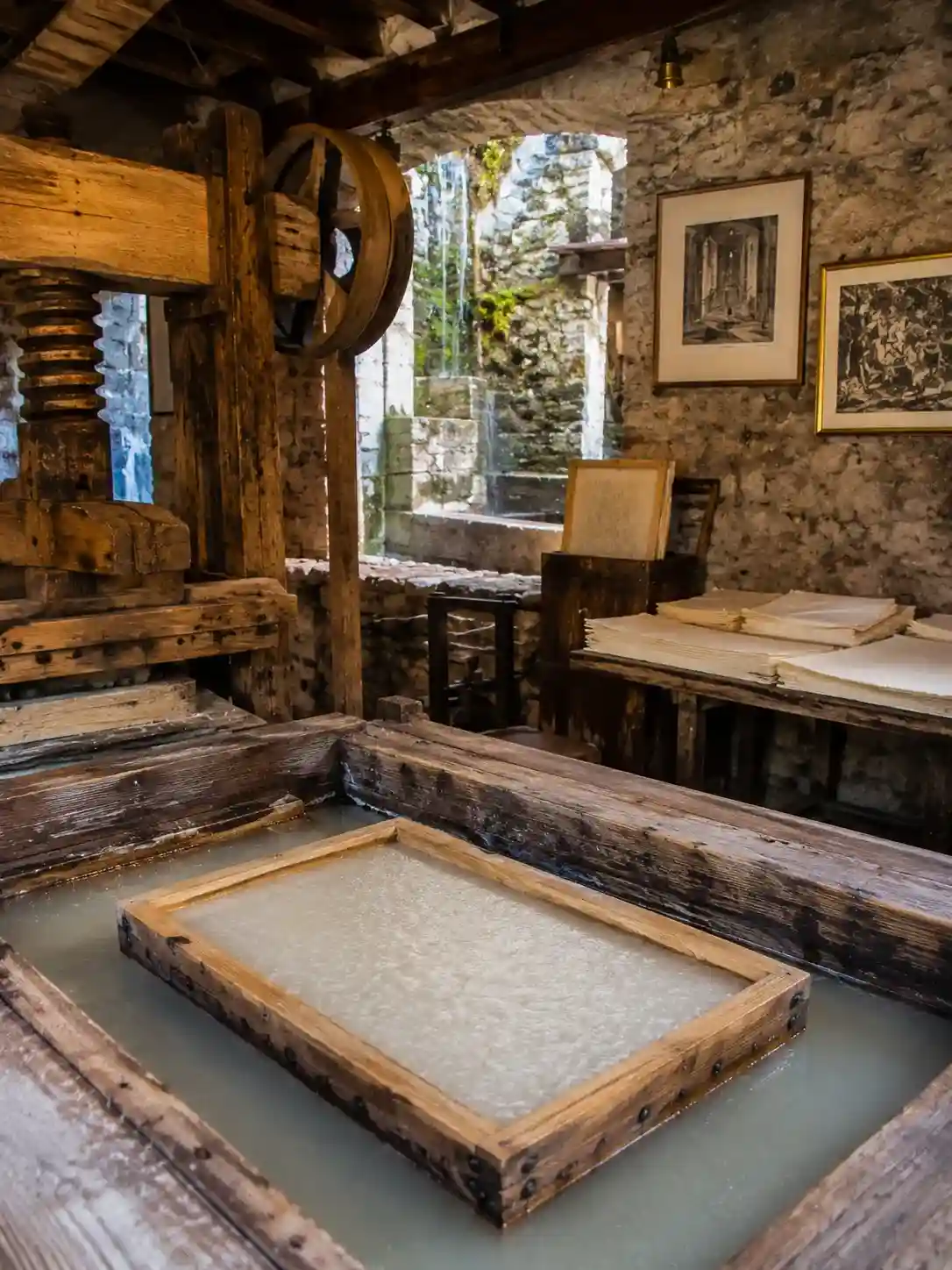
After the intensity of the Duomo, the Museo della Carta — the Museum of Paper — offers a genuinely different register, and it’s become one of the more popular secondary stops in Amalfi for good reason. Entry is just 7€, no reservation needed, and the experience sits comfortably alongside the Duomo, maritime museum, and other accessible Amalfi cultural stops as something interesting that rewards curiosity without demanding significant time. The tickets are available directly on arrival — keep it simple, keep it spontaneous.
More Than 3 Days? / Day Trips from Amalfi
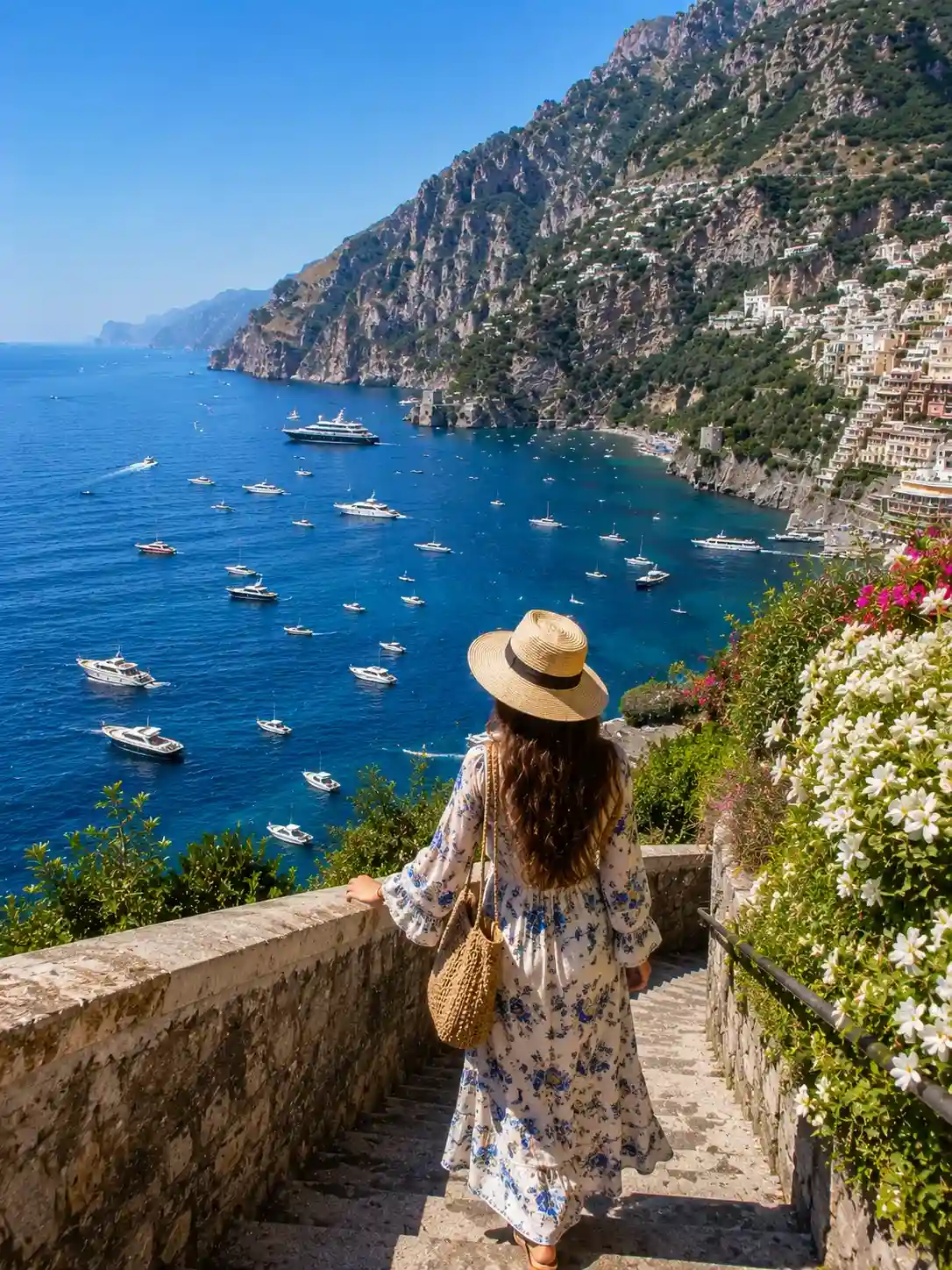
If your schedule opens beyond three days, using Amalfi as a base for reaching nearby attractions unlocks a genuinely different tier of experience. Pompeii is the non-negotiable anchor of any extended stay — standing inside a village so completely preserved by the volcanic eruption of Mount Vesuvius in 79 AD that thousands of villagers and their artifacts remain in place is the kind of thing that recalibrates your sense of history entirely. For the genuinely ambitious, hiking up to the crater of the still-active volcano adds a physical dimension to understanding what happened. Sorrento and Salerno both offer additional picturesque cliffside towns worth exploring with extra time, and spending a couple of days in Naples — birthplace of Neapolitan-style pizza — makes for a deeply satisfying bookend to the coastal experience.
Best Time to Visit the Amalfi Coast
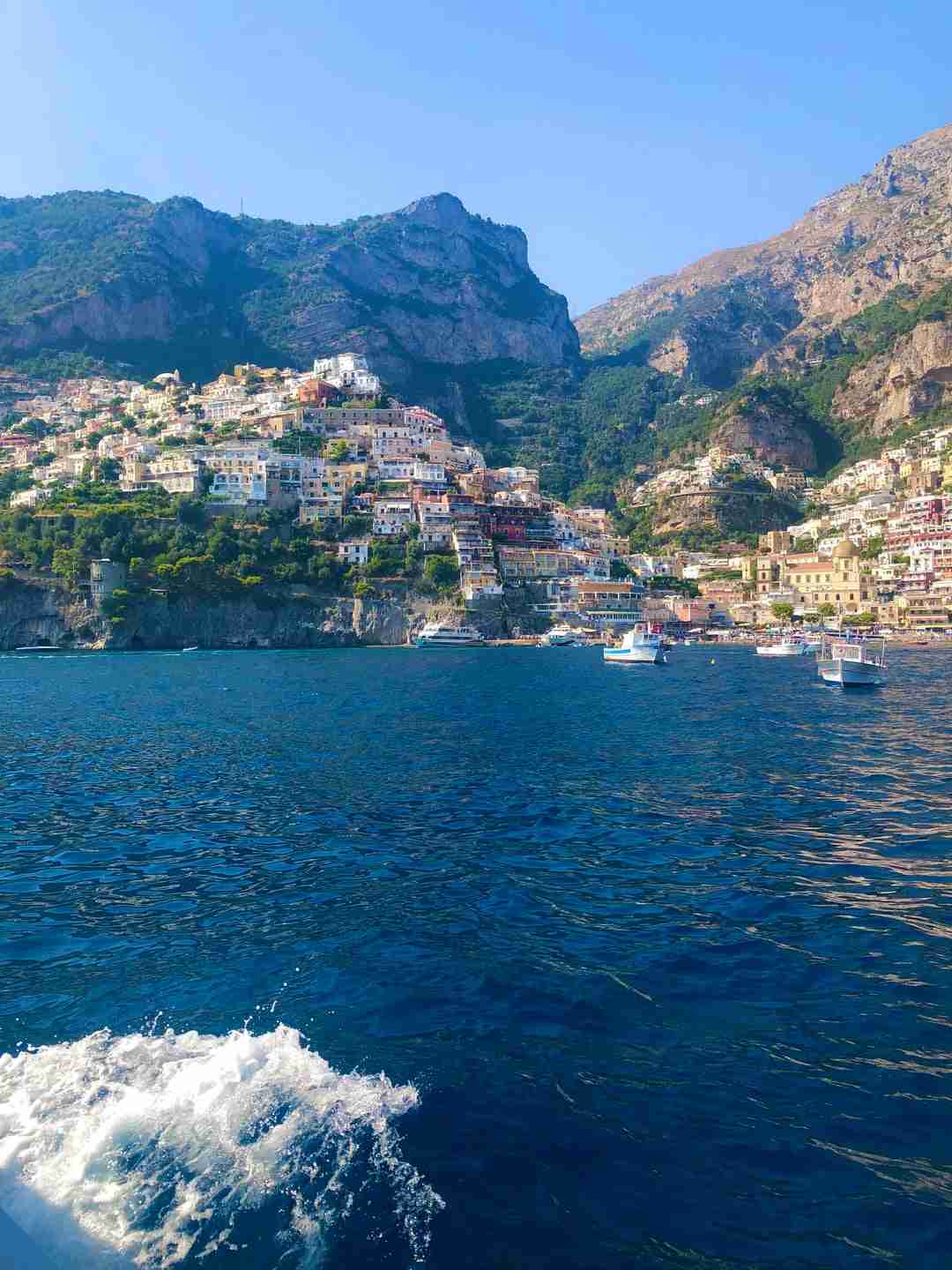
Fabio, our boat tour guide and one of the most knowledgeable people I encountered on this trip, told us plainly: the Amalfi Coast essentially shuts down after September, with shops closing for an extended Winter break and the general infrastructure going dormant. The sweet spots are the shoulder season — specifically May — and the tail end of the season around mid-October, when warm temperatures persist and lighter crowds make the towns actually breathable. Boat tours wind down around mid-October as the sea grows rough and conditions make tours untenable. We visited in June, technically ahead of the peak season crush of July and August, and Positano was already generating bumper-to-bumper traffic and genuine stress — so calibrate your expectations accordingly even in the so-called shoulder months. Moderate crowds are still crowds; plan your days with that reality in mind.
What to Pack for the Amalfi Coast
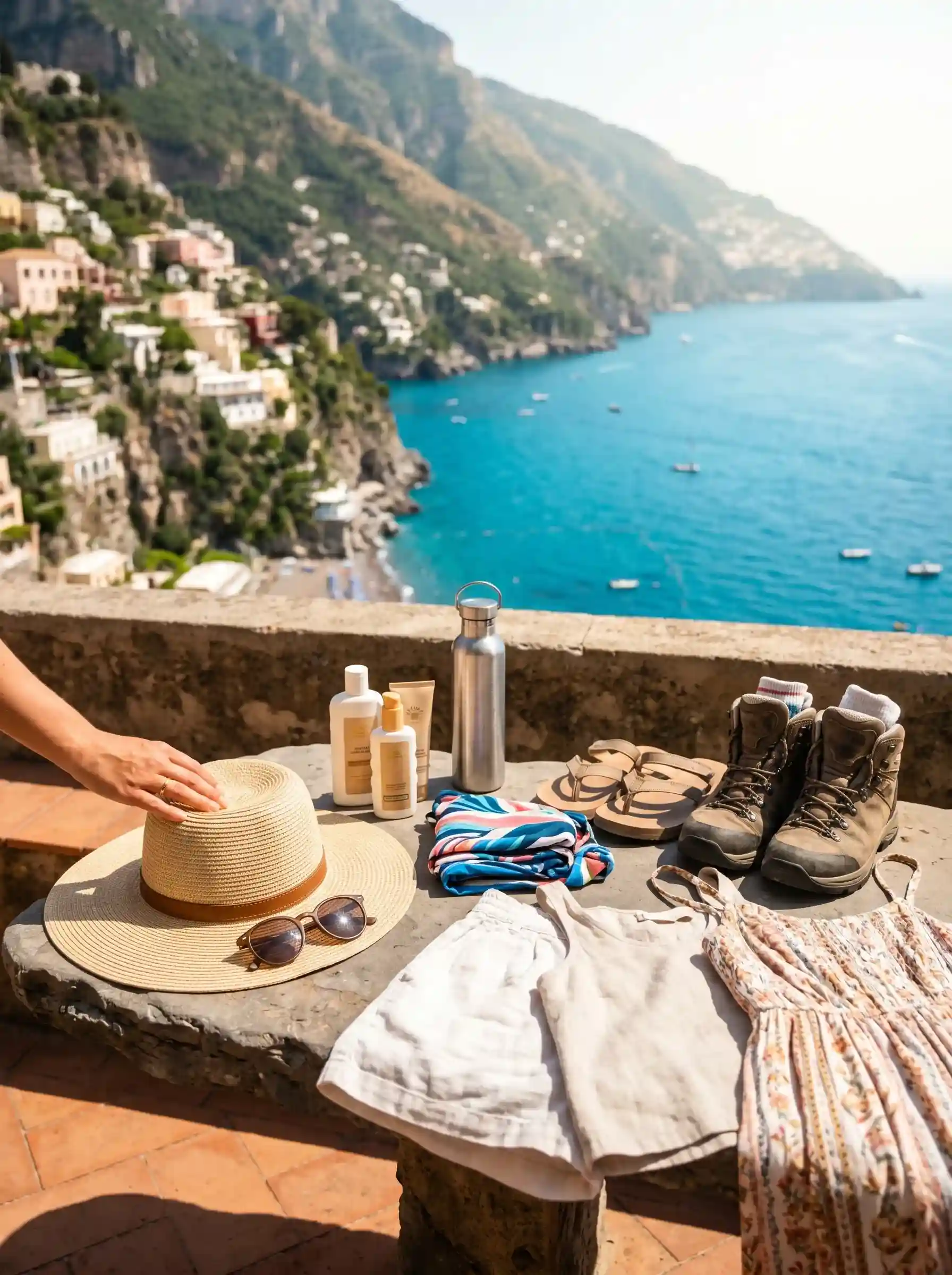
The Southern Italian sun is legitimately intense in a way that catches people off guard, and adequate sun protection isn’t optional — it’s the foundation of every day. Pack sunscreen generously, a wide-brimmed sun hat, sunglasses that actually block UV, and accept that you will sweat. A swimsuit is essential; beach sandals protect feet from that scorching sand; hiking boots and summer hiking socks become critical if the Sentiero degli Dei or any serious hike is on your agenda. A reusable water bottle keeps costs and plastic waste down across long days of walking. In terms of clothing, shorts, tank tops, and breezy dresses cover the majority of situations — and genuinely good walking shoes are non-negotiable given the relentless stairs this coastline demands of every visitor.
Budgeting for the Amalfi Coast
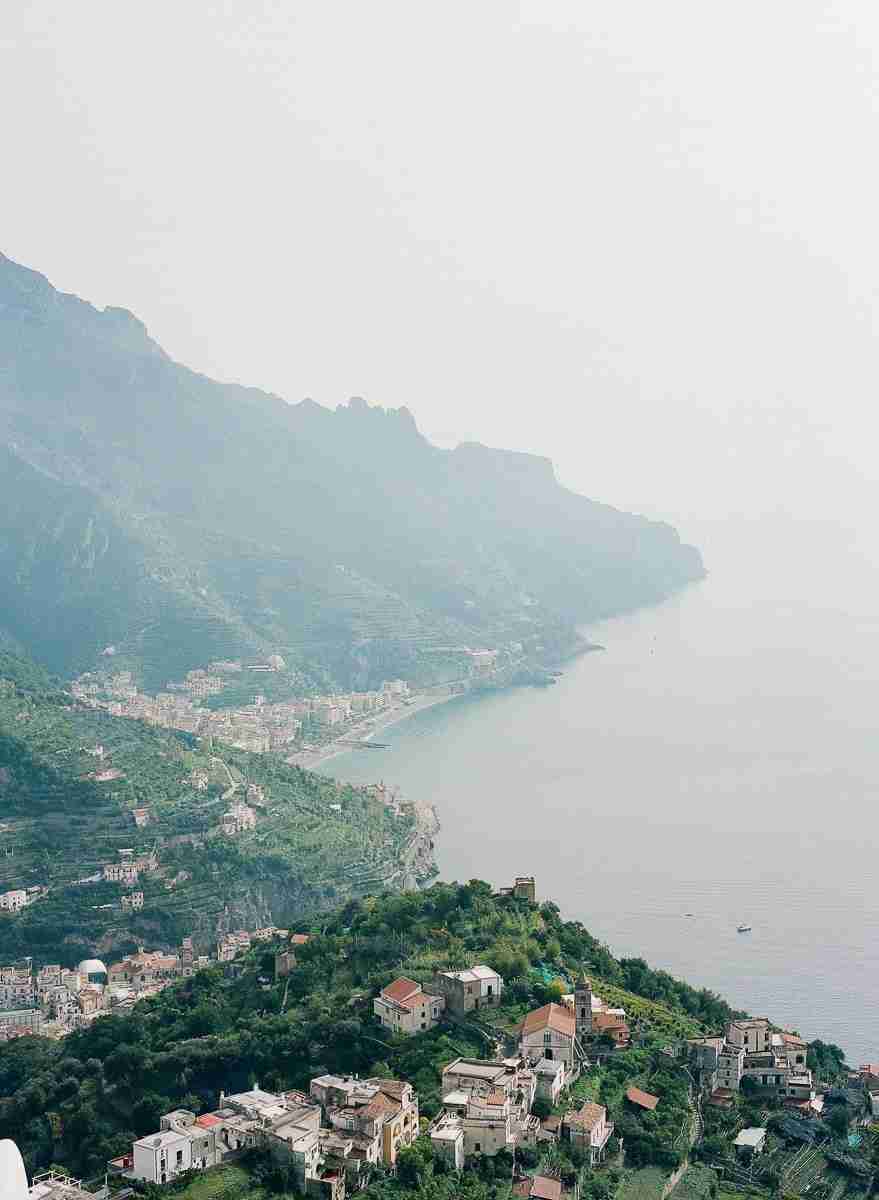
The Amalfi Coast sits firmly among Europe’s pricier destinations, and building an honest daily budget before you arrive saves considerable anxiety once you’re there. Your core spend covers accommodation, food, drinks, and transport — but factor in meaningful headroom for private tours, entry fees for museums, and access to historical sites like Pompeii. A working rough guide — endorsed by multiple experienced travellers — puts the figure at 200 euros per person per day as a reasonable baseline. It’s achievable; it requires intentionality.
3 Days Amalfi Coast Itinerary with Kids
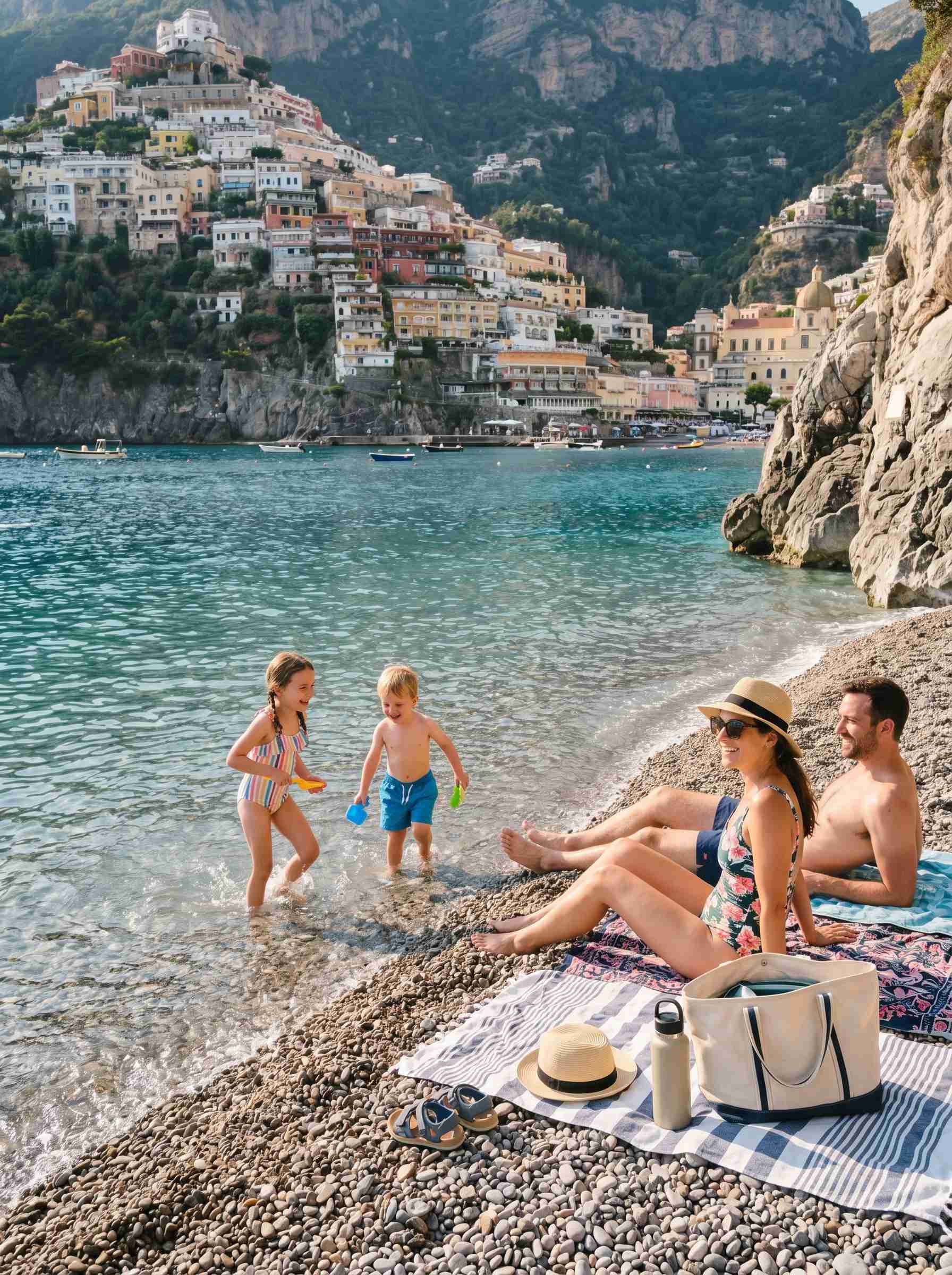
One concern I hear constantly from parents considering the Amalfi Coast is whether kids can actually swim without accessing the water by boat — and the answer is a clear and reassuring yes. The beaches here are small, rarely sandy in the traditional sense, but they are genuinely perfect for playing in the shallows and swimming at an easy depth. Water access is available across most towns, with particularly good options at Vietri, Cetara, Maiori, Minori, Amalfi, and Positano. Over on Capri, children are well served by Marina Grande, Marina Piccola, and the quieter Bagni di Tiberio — all manageable without organised tours and far more relaxed than the island’s main tourist circuits.
Quick Tips Before You Travel to the Amalfi Coast
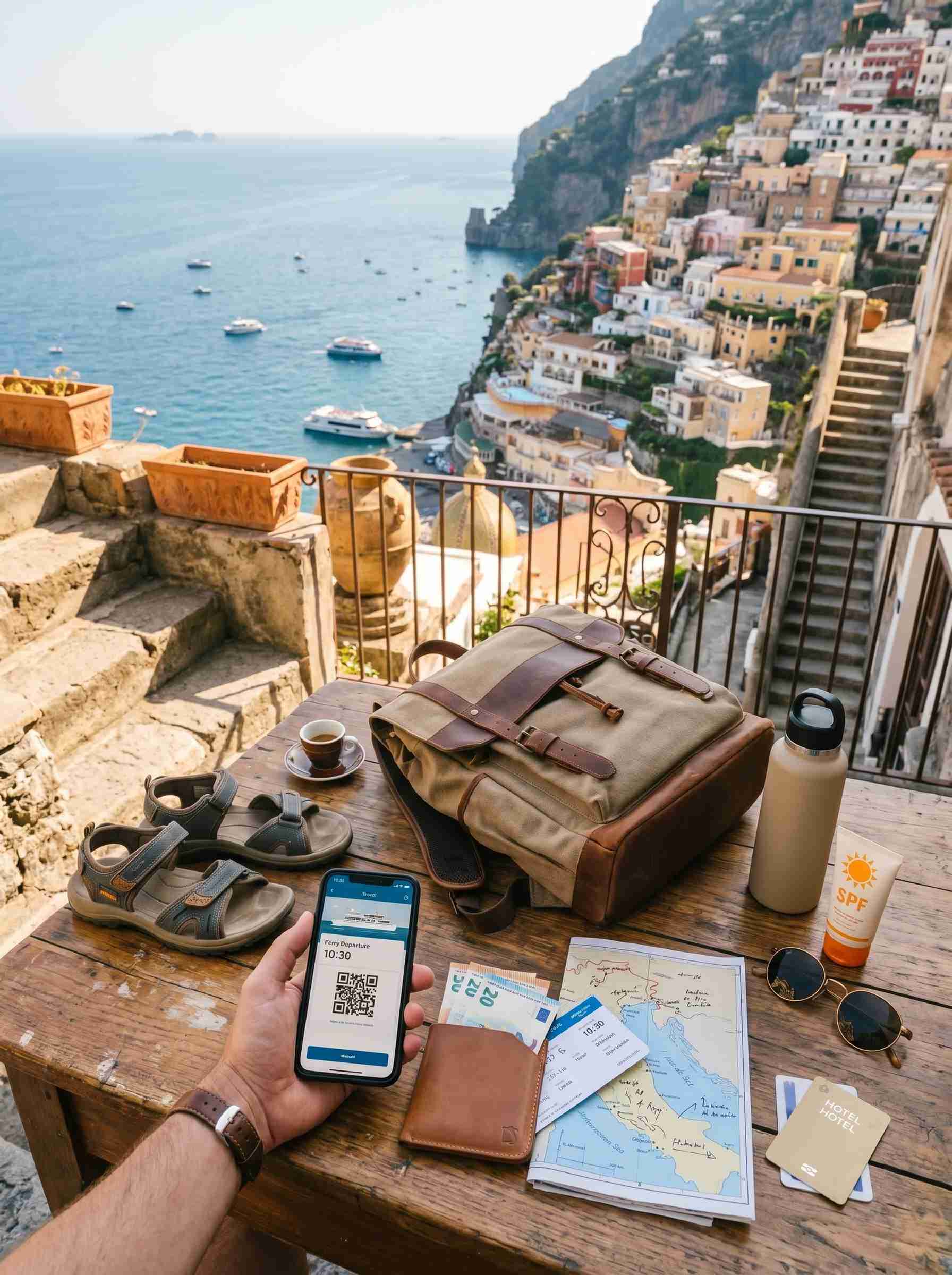
Book your excursions and key transport — ferries, boat tours — well in advance; the gap between a confirmed spot and a sold-out disappointment is smaller than most people expect. Wear comfortable shoes without negotiation — the cliffside villages are an almost unbroken sequence of stairs and steep descents that punish anything less than sensible footwear. In the more touristy areas of the Amalfi Coast, you’ll encounter enough English to navigate confidently, since most Italians working in hospitality here adapt readily. To drive in Italy legally, secure an International Driving Permit before departure. Around Naples particularly, petty theft is a real consideration — leave valuables in the hotel safe and travel light. ATMs are available in most tourist areas, but carrying cash becomes genuinely useful in lesser-known towns and local markets, where some taxi drivers operate cash-only, and certain shops extend discounts for cash payment. On tipping: it is not expected, always appreciated, and service charges at restaurants are almost universally already folded into the bill.