Amalfi Coast Things to Do Locals Actually Enjoy: Hidden Gems, Food, Boat Tours & Villages
Most people arrive at the Amalfi Coast chasing a postcard — the kind that shows steep, sun-kissed cliffs tumbling into a mesmerizing Mediterranean Sea. But ask anyone who’s spent real time here, and they’ll tell you the real magic lives somewhere deeper: in a cooking experience tucked behind a family kitchen in Sorrento, in the salt on your lips after a morning out on boat tours, or in the quiet pride of a local guide sharing coast secrets most travelers never find. This isn’t just another stop on an Italy vacation — it’s a place with traditions, flavors, and a rhythm that rewards patience and curiosity.
What sets this stretch of Southern Italy apart isn’t just colorful seaside villages or enchanting grottoes — it’s the layered, living culture that sits between the tourist paths. Whether you arrive wide-eyed with a bucket list or return for the third time chasing local charm, the coastline never gives you the same experience twice. Having worked alongside experienced, knowledgeable crews and tasted my way through everything from regional recipes to hidden harbour kitchens, I can tell you honestly: the Amalfi Coast vacation you plan on paper will be completely overtaken by the one that unfolds in front of you.
Behind every memorable moment here is a network of people who’ve built their lives around this place — fully licensed, insured private drivers, guides fluent in both language and landscape, chefs who learned their craft not from culinary schools but from watching their grandmothers move through a kitchen. This is a region where first-class Italian hospitality isn’t a marketing phrase — it’s simply how things are done. Tap into that, and you stop being a traveler passing through and start feeling like someone who genuinely belongs here, even if only for a trip.
Boat Tours & Exploring the Amalfi Coast by Sea
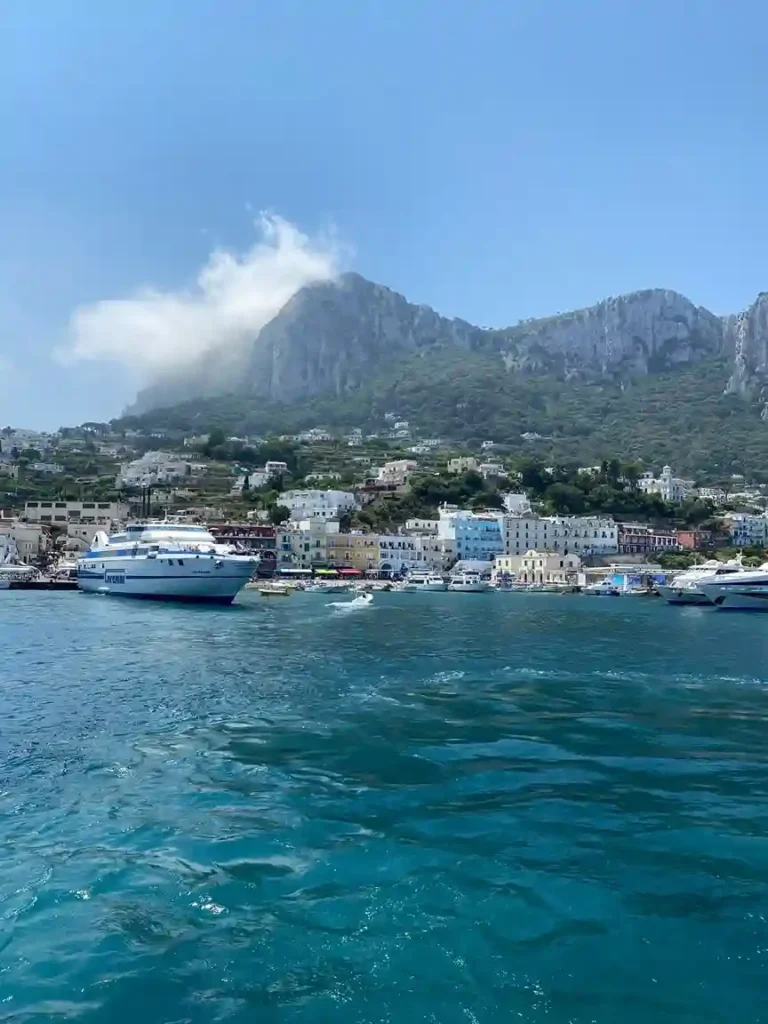
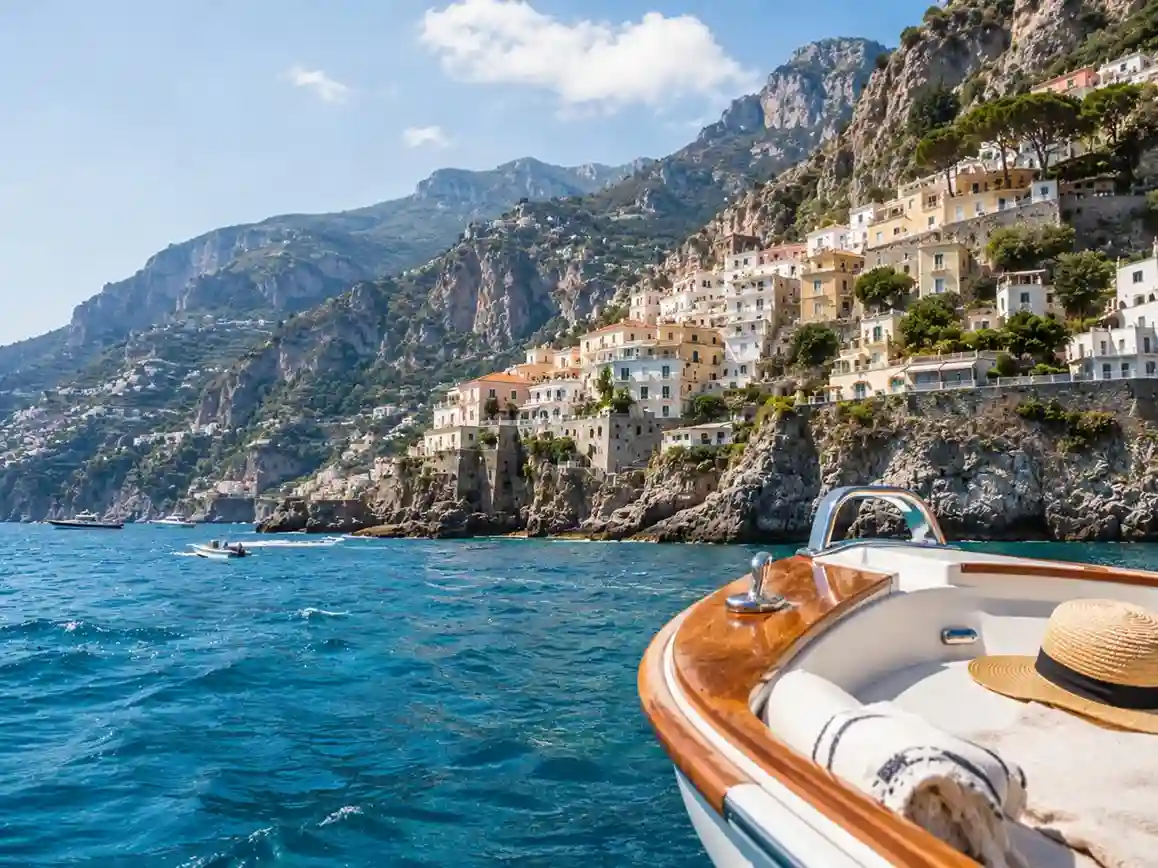
There’s a version of the Amalfi Coast that only exists from the water — one where hidden beaches appear between natural rock arches, where stunning grottoes glow in colours that don’t seem real, and where the full scale of those sheer cliffs becomes almost overwhelming. The moment you leave the Amalfi pier behind on a private yacht, the entire coastline reorganises itself around you. Scenic coves that look unremarkable from the road open up into perfect swimming spots, and quiet fishing villages tucked into folds of rock feel entirely undiscovered. A daily yacht rental isn’t just sightseeing — it’s a full sensory experience that rewires how you understand this place.
A good captain does far more than navigate — they become your guide to coast secrets that rarely make it into guidebooks. I once spent an afternoon aboard a classic gozzo vessel with a crew who had fished these waters their whole lives, and the anecdotes they shared about Saracen pirate attacks, repurposed stone lookouts, and the Li Galli islands made every breathtaking view feel earned rather than stumbled upon. The fleet here ranges from sleek modern yachts to traditional wooden boats, all fully equipped and maintained to the highest standards, meaning the experience suits everyone from honeymooners to adventure-seekers. Whether you’re after a romantic getaway, a day of swimming and snorkeling, or simply drifting past pastel-colored houses on the steep hillside of Positano with a glass of fresh local wine, the water is where the Amalfi Coast truly reveals itself.
Cooking Classes & Culinary Experiences
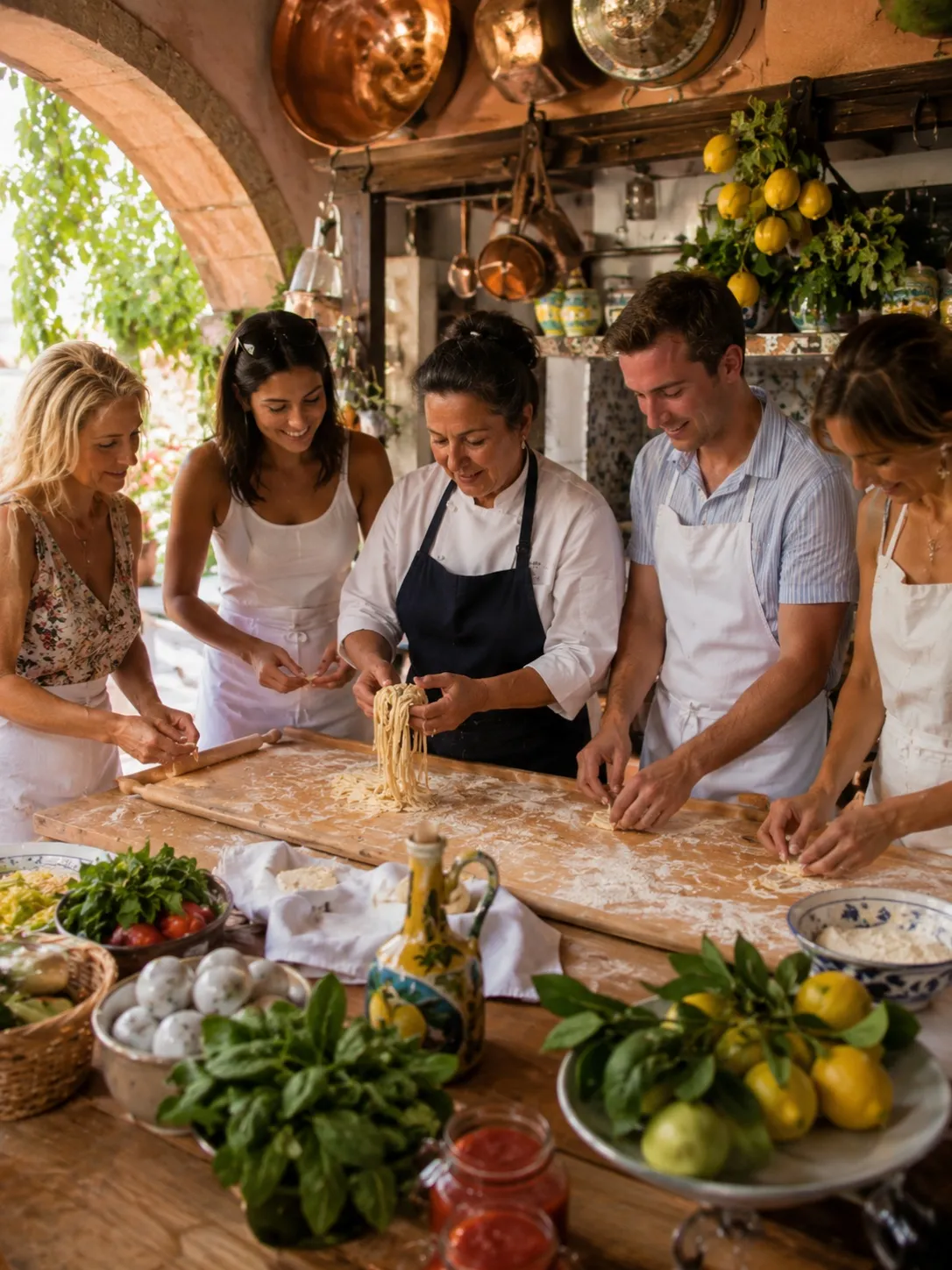
If there’s one thing that cuts straight to the heart of life along this coast, it’s food — not the restaurant-menu version, but the kind taught in real kitchens with generations of muscle memory behind every technique. Chef Carmen, born and raised in Sorrento, runs what many consider the gold standard of this kind of immersive cooking experience. Her school, La Cucina del Gusto, earned recognition on the American Food Network’s Recipe for Success back in 2004, and decades later it still draws foodies, families, and curious travelers who want something far more meaningful than a restaurant meal. The hands-on, relaxed, fun format means you leave not just fed, but genuinely changed — rolling fresh pasta, layering authentic Neapolitan specialties, and understanding for the first time why Italian cuisine tastes the way it does.
A typical deeper experience might start at a local farm producing fresh cheeses and mozzarella the same way they have for generations, before an early 7:00 am departure to catch the Amalfi Coast before the crowds, returning by 3:00 pm for another cooking lesson and a delicious dinner built entirely from the day’s discoveries. For those wanting the full arc, a 6-night culinary vacation weaves in visits to Capri and its blue grottos, a Michelin-starred dinner, and a gourmet experience that connects landscape to plate in a way that feels almost philosophical. Beyond Chef Carmen’s kitchen, agriturismos scattered across the hills offer their own cooking demonstrations using ingredients pulled straight from their grounds — pair that with a glass of local limoncello and a bowl of gelato made with Amalfi Coast citrus, and you begin to understand why food here isn’t just sustenance. It’s a cultural experience, a way of life.
Visiting Positano
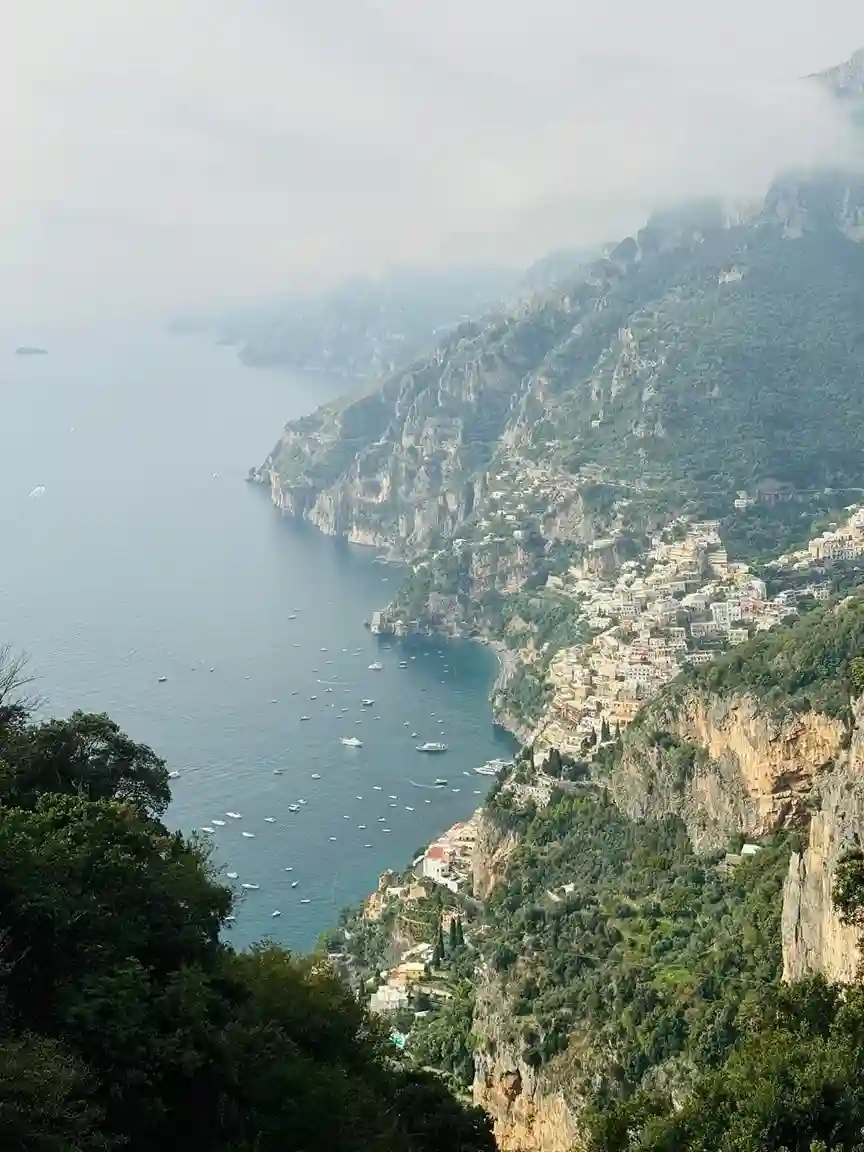
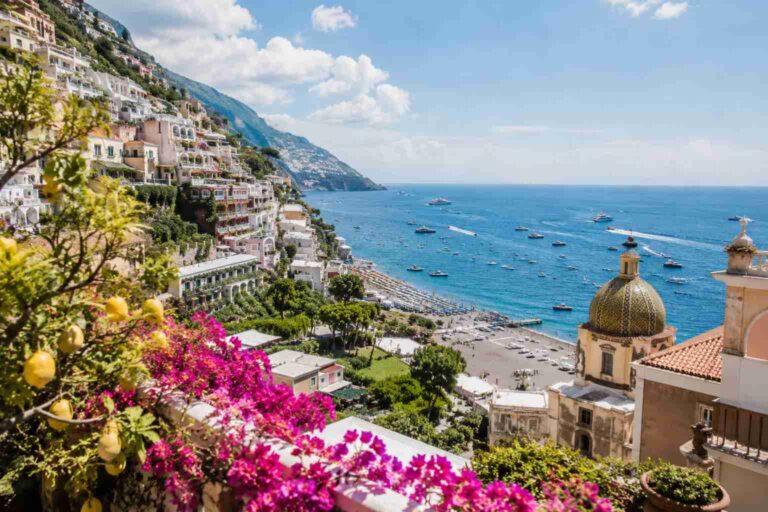
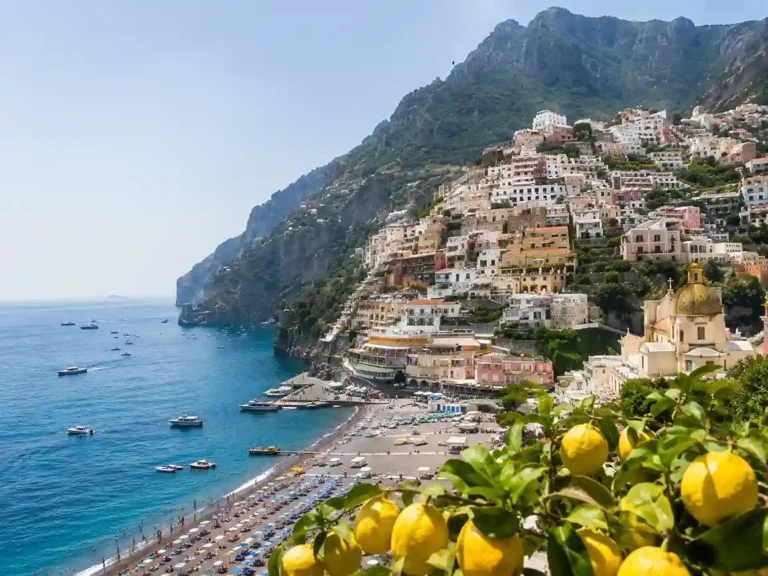
Positano earns its reputation — but only if you visit it the right way. The instinct for most travelers is to arrive by road, shuffle through the narrow, steep streets, snap a photo of the peach, pink, and terracotta houses cascading down those sheer cliffs, and move on. But locals here have a different relationship with their town. They arrive by sea, they spend evenings on an aft deck watching the illuminated village shimmer, and they know that the Spiaggia Grande before 8am belongs to fishermen, not tourists. Stay long enough to earn an evening — cocktails at Le Sirenuse hotel, a sunset dinner overlooking the bay, or even a late night at Music on the Rocks, Positano’s only nightclub, where the sound competes beautifully with the crashing waves.
Beyond the famous views, Positano rewards slow exploration on foot. The picturesque, pastel-colored lanes are lined with boutiques selling everything from custom-made leather sandals to linen resort wear and local ceramics. These aren’t mass-produced souvenirs — many are crafted by artisans who’ve been working the same material for decades. Use Positano as your base and the entire coast opens up around you, with ferries, chic boutiques, cozy cafes, and connections to every major town just minutes away. The contrast of those colorful buildings pressed against verdant cliffs and blue waters never gets old, no matter how many times you’ve seen it.
Visiting Amalfi Town
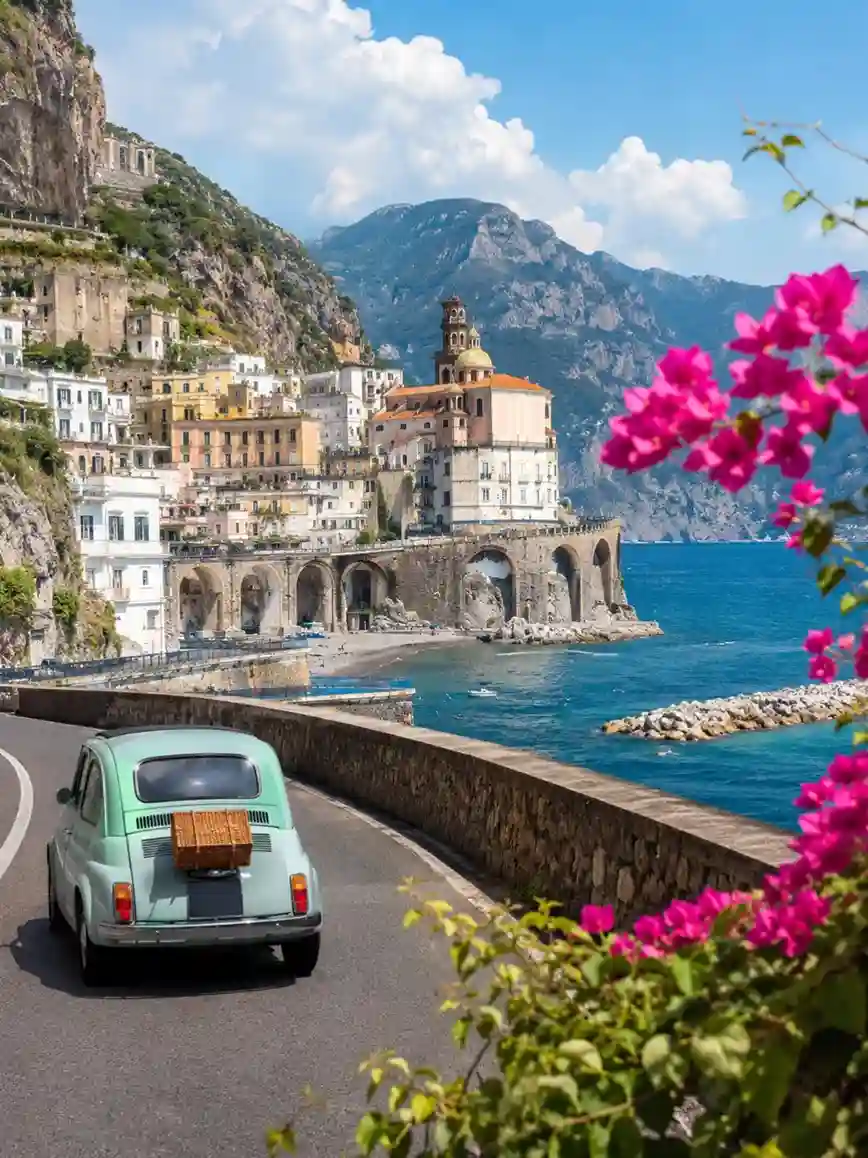
Amalfi tends to get bypassed by people rushing to Positano or Ravello, and that’s a genuine shame — because this town, once a powerful maritime republic in the 9th century, carries a kind of compressed history that few places along the coast can match. The Amalfi Duomo dominates the main square like a statement, its neo-Gothic façade and huge bronze doors opening into a space that holds the remains of St. Andrew, the town’s patron saint, in a crypt below. Climbing that imposing staircase at dawn — before the tour buses line the parking lots by the harbor at noon — is one of the most quietly powerful things you can do here. The architecture, especially that striped façade, stops you mid-step every time.
Once you’ve stood at the top of Piazza del Duomo and watched the square fill with life below, the rest of the town unfolds naturally. Side streets offer retailers selling leather bags and stationery made on locally milled paper — a craft that goes back centuries and connects directly to the Museo della Carta nearby. Pull up a stool at Andrea Pansa, a beloved patisserie that’s been serving coffee and pastries since 1830, order something sweet, and watch early morning day trippers begin to arrive. That gap between their experience and yours — arriving fresh before the busier hours — is exactly the kind of local knowledge that turns a good visit into an unforgettable one.
Ravello — Gardens, Views & Villas
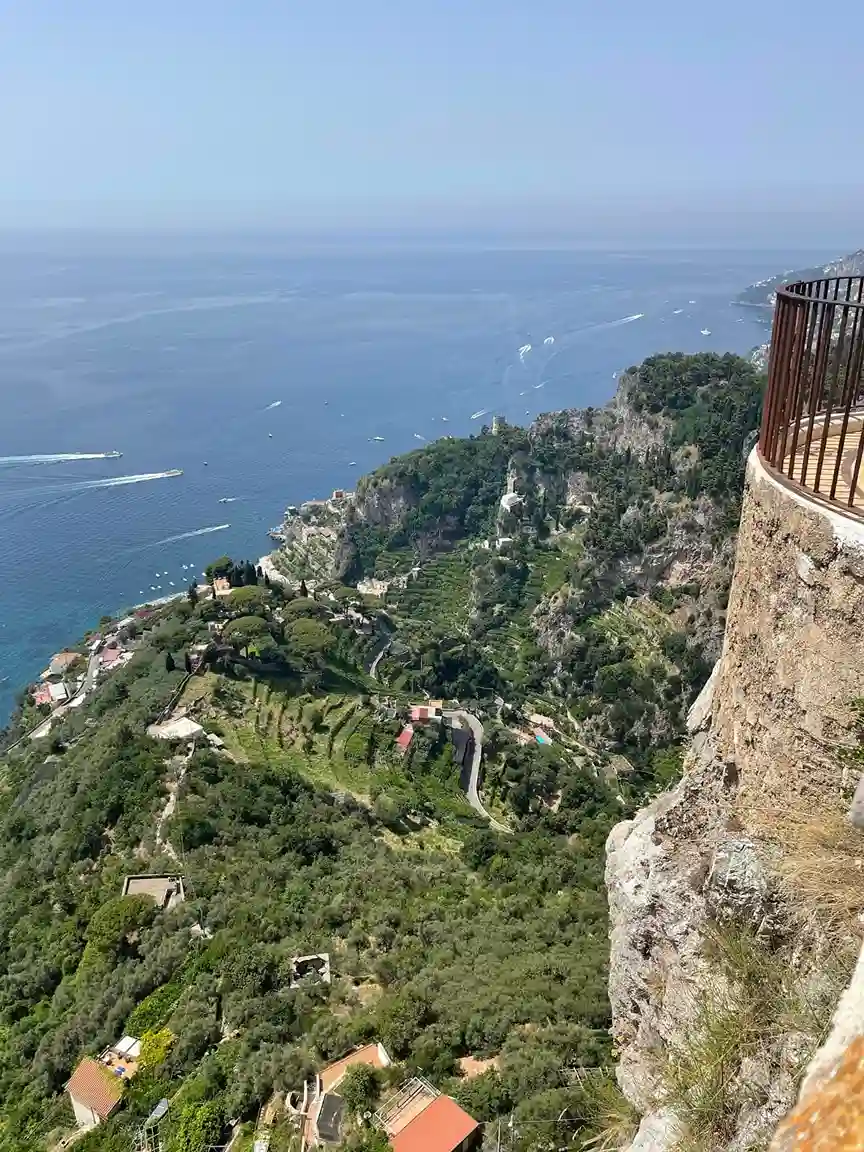
Ravello operates at a different frequency from the rest of the Amalfi Coast — slower, quieter, and somehow more refined. It drew Richard Wagner and D.H. Lawrence not because of its beaches but because of its mystic energy, its capacity for stillness, and the way its panoramic vistas stretch over the Bay of Salerno in a way that feels almost cinematic. The main piazza, ringed with open-air cafés, leads quickly to Villa Rufolo — a sprawling complex dating back centuries that still manages to surprise you around every corner. This is the kind of town that suits an older crowd seeking tranquil spaces and lush greenery, though anyone with a sensitivity to beauty will find something to hold them here.
Villa Cimbrone and Villa Rufolo are the twin anchors of any visit — their gorgeous villas, sumptuous rooms, and beautiful gardens filled with vibrant flowers justify the journey up from the coast alone. Beyond the architecture, Ravello is known for its cultural events, most notably the Ravello Festival which takes over the town each summer with world-class performances set against sparkling blue sea views and surrounding cliffs. The grand villas here are not museums frozen in time — they are living, breathing places where great views are simply the backdrop to an afternoon well spent. Come for the panoramic vistas, stay for the charm that neither Positano nor Amalfi quite replicates.
Hiking the Path of the Gods (Sentiero degli Dei)
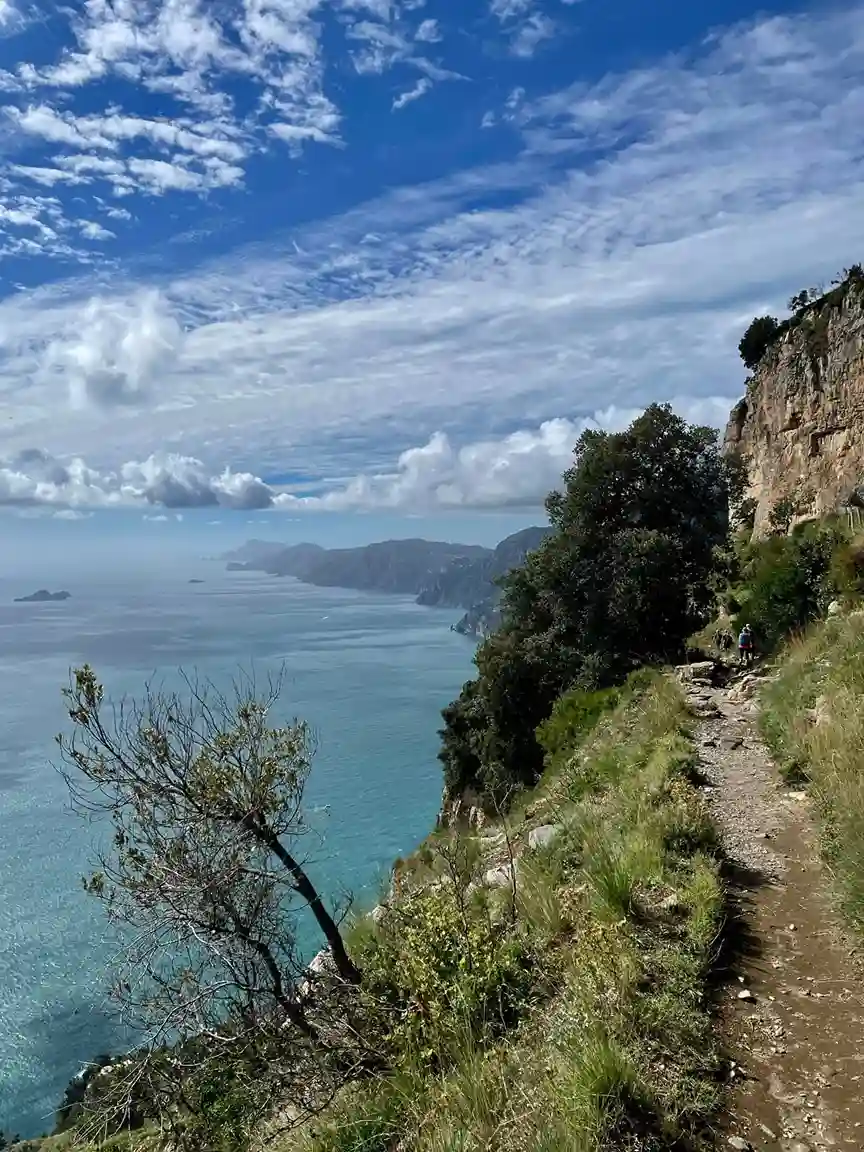
The Sentiero degli Dei — the Path of the Gods — is not named dramatically. Running along the Monti Lattari from Agerola to Positano, it climbs to over 600 metres above a sea that holds Capri, Punta Penna, and the Li Galli archipelago in its frame. This cliff-top trek is dizzyingly beautiful in the most literal sense — there are moments where the ground drops away so sharply that your brain takes a second to catch up. The locals still use these narrow mule tracks daily; you’ll pass actual farmers leading mules loaded with baskets of fruit and vegetables toward vegetable gardens perched at impossible angles. That collision of ancient agricultural life and jaw-dropping scenery is what makes this one of the incredible trails of the Amalfi Coast rather than simply a pretty walk.
The moderately challenging, 3-hour hike begins in Bomerano — a village famous for its fior di latte mozzarella, which you absolutely should buy as a snack before setting off. The route passes through mysterious rock villages, past springs and rock pinnacles you can actually climb, through air thick with the scent of wild herbs, and eventually delivers you above busy Positano where Montepertuso — a literal hole in the mountain — frames the horizon like something carved by intention. Legend credits the Virgin Mary; the geology says otherwise. Either way, reaching the summit with the glistening sea below and the breathtaking views behind you is the kind of pure happiness that no itinerary can fully prepare you for. If your four full days on the coast allow for only one physical adventure, make it this one — the Path of the Gods earns every superlative it gets.
Local Food, Lemons & Limoncello
The cuisine of this coast is built on restraint and precision — simple, fresh, local, seasonal, and entirely dependent on what the land and sea provide that morning. Seafood is the backbone: branzino, sea bream, calamari, anchovies, clams, mussels, and shrimp appear in preparations so clean they border on minimalist. Homemade pasta carries its own chapter here — cannelloni is said to have been invented in Amalfi town itself, and a bowl of linguine al limone made with real Amalfi lemons is one of those dishes that resets your understanding of what food can taste like. Alongside it, the winemaking tradition runs deep, with steep terraced vineyards producing falanghina, fiano, Aglianico, Piedirosso, Greco, and rosé — rare grape varieties absorbing volcanic soil, sea breeze, and solar radiation to create a unique flavor profile you genuinely cannot replicate anywhere else.
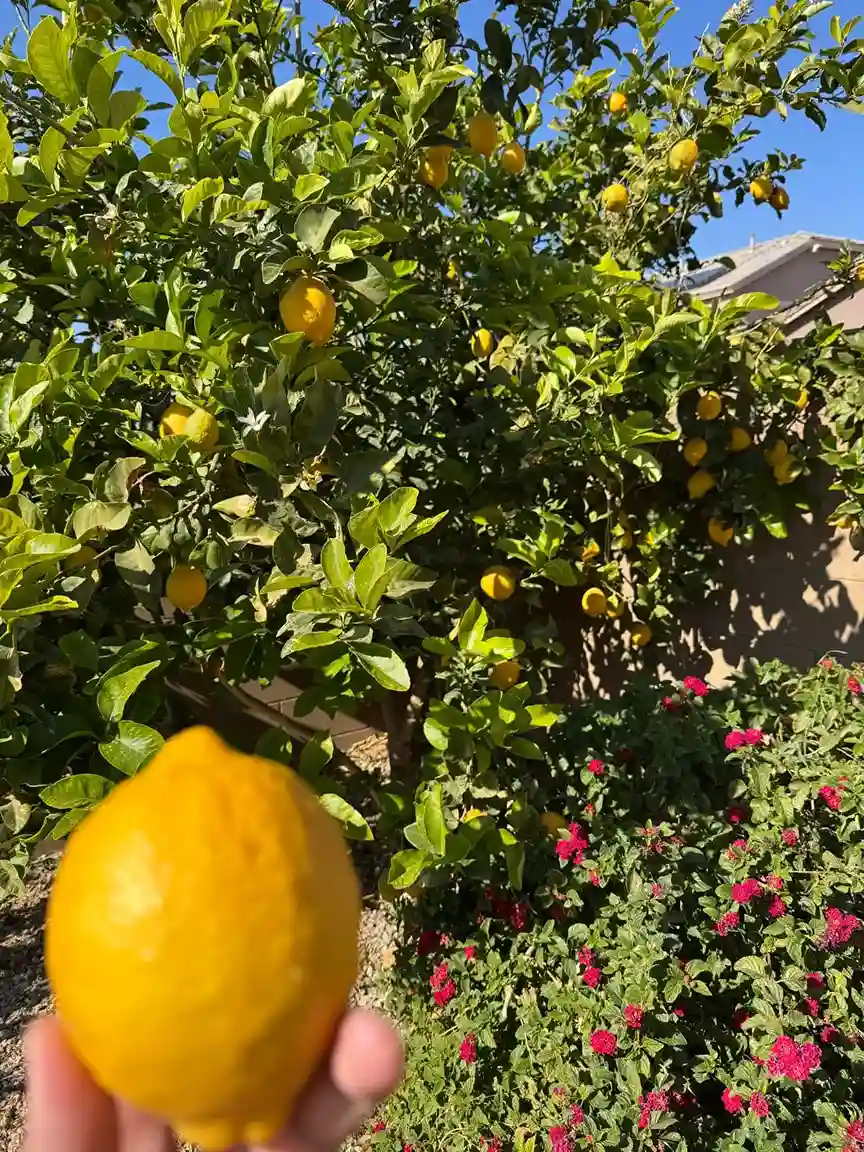
Then there are the lemons — and no, that’s not an exaggeration. The Sfusato Amalfitano lemon is a symbol of this entire coastline, appearing in ceramics, clothing, local cuisine, and the lemon grove tours that let you trace the full journey from tree to table. The iconic lemon sorbet served inside a hollowed-out Amalfi lemon is not a gimmick — it is a genuinely perfect thing, and the gelato shops of Positano and Amalfi Coast towns do it better than anywhere. Limoncello itself has a fascinating origin: created by monks for medicinal purposes, it migrated into home kitchens where families have been perfecting their recipes for generations, and eventually into restaurants where it arrives chilled in a small shot glass as an unrequested but deeply welcome gift after dinner. The Antichi Sapori d’Amalfi factory near the main square in Amalfi town remains the best single destination for understanding the full world of this lemon-flavored liqueur — the small limoncello factory and shop there is run by a family whose cultivation process and dedication are impossible not to admire.
Sorrento
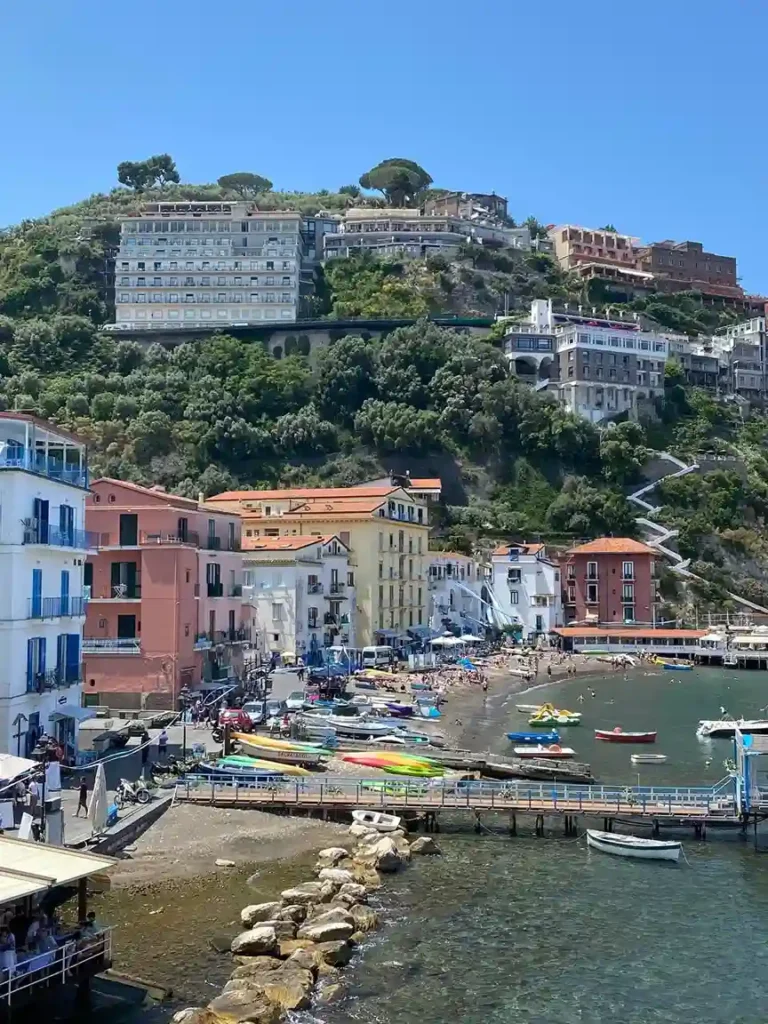
Sorrento is technically not part of the Amalfi Coast — but anyone who skips it misses something essential. It sits at the western edge of the Sorrentine peninsula with stunning views over the Bay of Naples, a lively atmosphere, and a rich history that doesn’t announce itself loudly but reveals itself steadily as you move through the town. The Villa Comunale, a free seaside park and garden, is where locals genuinely go — not for any particular attraction but for the relaxing green spaces and the kind of effortless bay view that tourists pay a premium for elsewhere. The backstreets that run behind the main limoncello shops and touristy strip hold the best restaurants, where traditional dishes sit alongside modern cuisine in a way that feels natural rather than forced.
What most visitors miss entirely is intarsio — the extraordinary local woodworking tradition that Sorrento artisans have practiced for hundreds of years. These aren’t trinkets; they’re inlaid wooden boxes, tables, dressers, and pieces of furniture that take genuine skill to produce, and the shops around town that sell them are worth an hour of your time even if you leave empty-handed. One word of warning: Sorrento is hilly in ways that catch you off guard, and getting down to the beach involves considerably more steps than you’d expect. But for a seafood lunch with sweeping views, a wander down pedestrian lanes past little boutiques, and a genuinely manageable day at leisure that doesn’t require military planning, Sorrento earns its place on any itinerary. It’s doable in a single day from almost anywhere on the coast, which makes it a reliable anchor for a great base.
Day Trip to Capri & the Blue Grotto
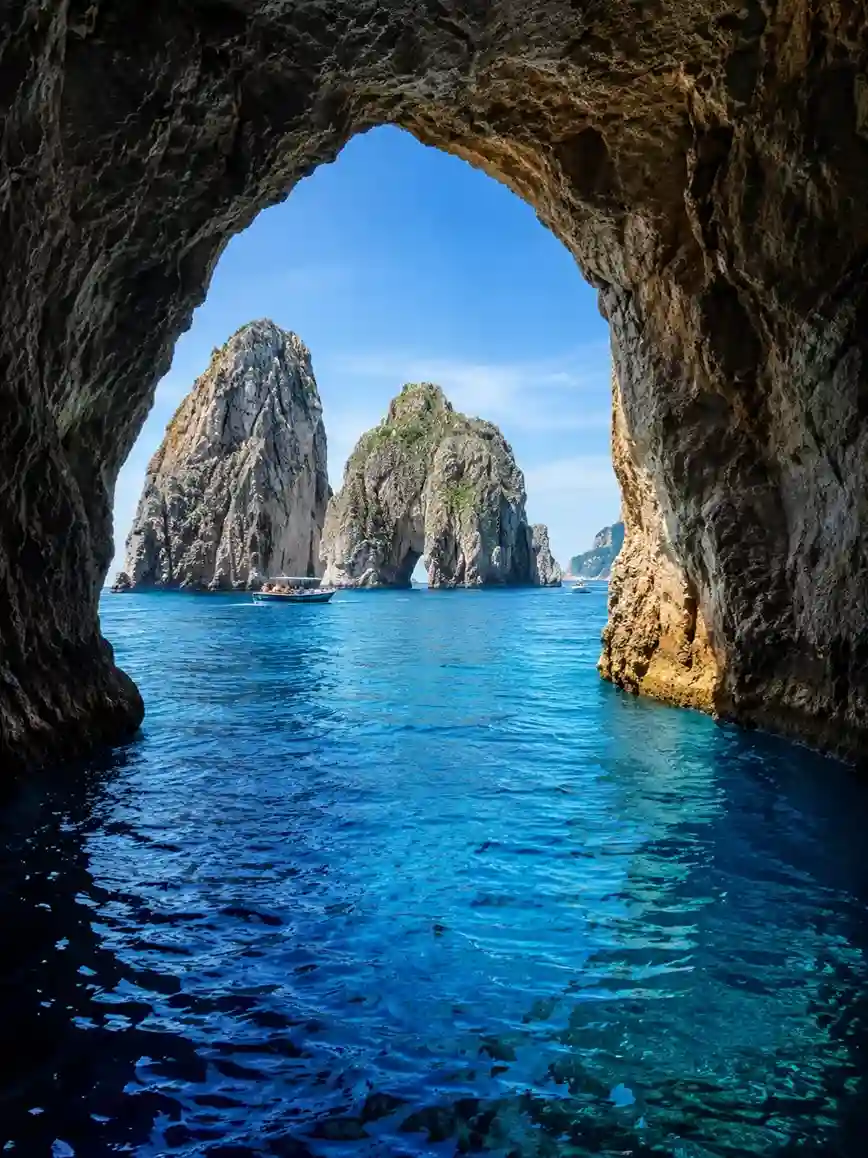
Capri is one of those places that risks disappointment simply because the build-up is so enormous — and yet it consistently delivers. Set sail from your nearest port on a luxurious journey and the island announces itself through natural masterpieces: the Faraglioni rising from the water like monuments, the natural arch cut clean through rock above the sea, the Green Grotto, White Grotto, and Marvelous Grotto each offering something the last didn’t. The Blue Grotto is the headline act — a cave where the water inside genuinely glows an impossible electric blue thanks to a submerged opening that redirects light. A relaxing day built around the island allows time to dip into those clear waters of the Gulf, toast at sunset, and snack on whatever the charming village of Nerano is offering when you pass through on the sail back.
For those combining Capri with the broader coast, the rhythm works well: sail out early, spend time among the island’s two towns and their layered beauty, enjoy lunch on your own at a spot that catches your eye, and end with something genuinely special — a Michelin-starred dinner or an unforgettable gourmet experience that closes the day on a note worthy of the stunning landscapes you’ve moved through. The blue grottos and the Amalfi Coast seaside villages together form one of those rare travel combinations where neither diminishes the other — instead, they make you feel like the day held twice as much as it should have.
Sunset Aperitivo & Evening Experiences
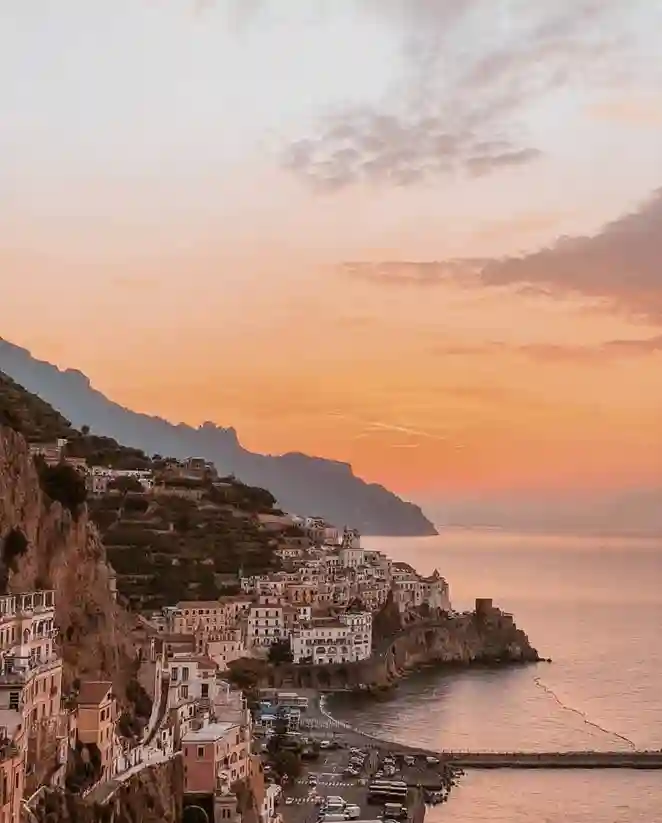
The Amalfi Coast at dusk operates by a different set of rules — the light goes golden, the crowds thin, and suddenly the whole place feels like it was designed specifically for this moment. A sunset aperitivo on deck, with a chilled bottle of prosecco, tangy limoncello, and platters of olives, cheeses, and local finger foods served as the cliffs catch the last of the orange sky — this is not an experience you manufacture. It arrives, and when it does, it lands somewhere between romance, indulgence, and pure Italian elegance that no photograph quite captures honestly.
On land, the options are equally rich. A unique tour of around 4 hours through the colorful towns of the Sorrento coast at sunset — starting from Sorrento, Positano, or anywhere along the Amalfi Coast — gives you a brief drive through the most beautiful part of the coastline during the hour it looks best. Conca dei Marini at evening is particularly romantic, a tiny place that most day trippers never reach, where the light sits on the water in a way that makes time feel genuinely negotiable. Whether you’re sipping a sunset aperitif on a terrace or watching the coast darken from the water, the Amalfi Coast experience at this hour is one of the strongest arguments for building your itinerary around evenings as much as days.
Exploring Coastal Towns & Hidden Villages
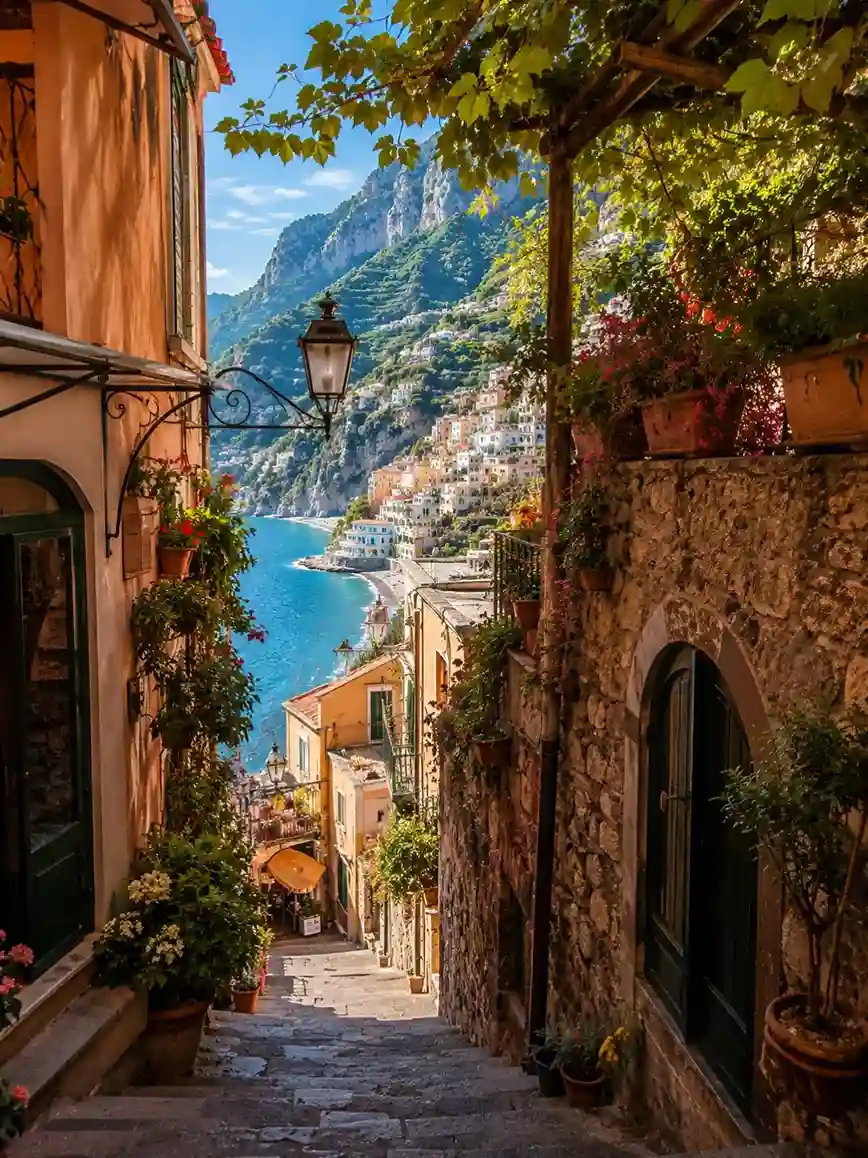
The pleasure of the Amalfi Coast isn’t found by covering maximum ground — it’s found by savoring the kind of experience that unfolds when you stop treating the place like a checklist. Good views, good food, a day on the water, a nice hike, a leisurely stroll at dusk, sunset cocktails somewhere nobody else found — these are the things that stay with you. Of the 13 coastal towns dotting this region, each carries its own charm: Positano and Amalfi need no introduction, Ravello rewards the romantic, and writers, musicians, and painters across generations have confirmed that the town’s mystic energy is real. But the fishing villages — Atrani, Praiano — offer something the famous names can’t: a genuinely sleepy pace and local life that hasn’t been entirely reshaped by tourism.
Atrani deserves particular mention. It’s the kind of tiny town that most travelers walk straight past, but sitting at a bar table in the piazzetta under the clock of the Chiesa di San Salvatore de’ Birecto — where Amalfi dukes were once crowned — with a granita or limoncello as the Tyrrhenian Sea turns azure blue at sunset, is one of the quietly perfect things this coast offers. Cetara, meanwhile, is essential for anyone who takes food seriously: this cute seaside town is the home of colatura di alici, a 2,000-year-old Roman-era fish sauce descended directly from the ancient Garum, still made by pressing anchovies and salt in a wooden barrel. It’s a Slow Food product and a genuinely affordable discovery — the kind of thing you stir through seafood pasta and suddenly understand why some flavours last generations. And for those watching their budget, Scala — the oldest town on the Amalfi Coast — remains almost entirely off the tourists’ radar, which means prices stay honest and the atmosphere stays real.
Getting Around the Amalfi Coast Like a Local
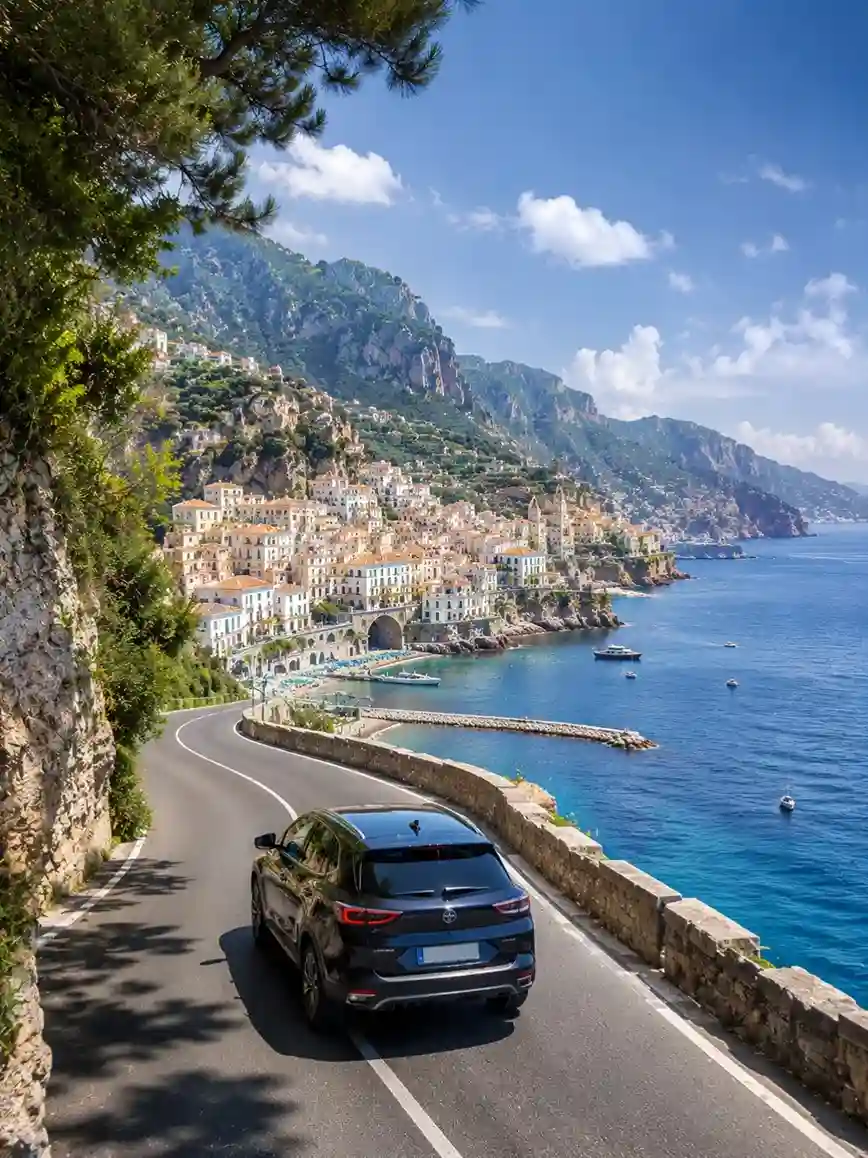
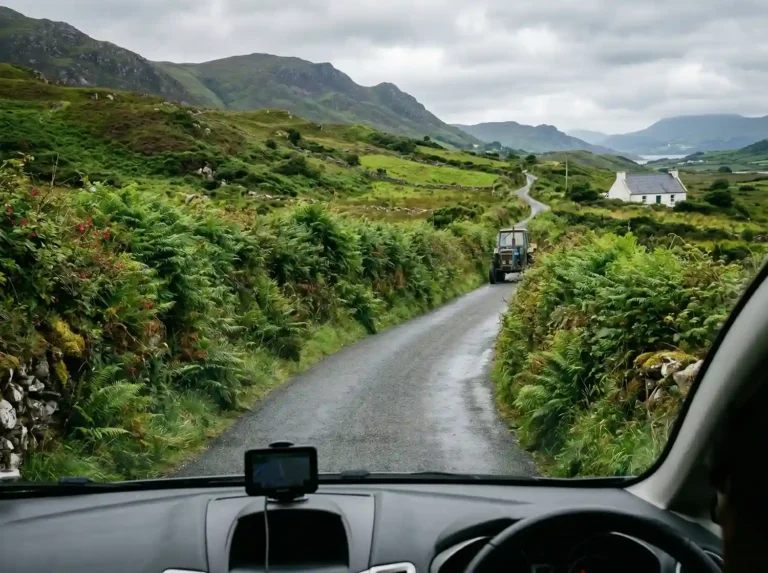
The single best piece of advice anyone can give you about moving through this coast is simple: leave the car at home. The road’s dizzying curves, hairpin bends, and narrow cliff roads are genuinely challenging even for experienced drivers, and the stress of navigating them steals attention from the scenery that brought you here in the first place. SITA buses and Travelmar fast ferries are the benchmarks for getting around with both convenience and dignity — the ferries in particular offer a privileged perspective that no road can match. For the more independently minded, a scooter or romantic Vespa taps into a very specific 1960s film energy that feels entirely appropriate here. And if ultra-comfortable travelling is the priority, a private driver with local knowledge turns a journey into a guided experience.
Getting to the coast in the first place is straightforward from Naples, Salerno, or Sorrento — all connected to the closest international airport in Naples by train or road. From Salerno, you reach Amalfi, Ravello, Minori, and Maiori with ease; from Sorrento, Positano and Praiano are your natural starting points. A ferry to Positano or Amalfi runs at around €12 — genuinely good value for what is also a scenic experience in its own right. A taxi or private transfer will cost somewhere between €120 and €150 one-way but removes every logistical question from your day. The lesson experienced visitors have learned — often the hard way — is that public transportation, bus, and ferry combinations, planned in advance, give you far more freedom than driving ever does, and let you arrive at your final destination still in good spirits.
Wine Tasting & Vineyard Visits

The wine story of the Amalfi Coast doesn’t get nearly the attention it deserves. Between Positano, Amalfi, and Ravello, the hillsides are terraced with lemon groves and vineyards working with volcanic stone soil that gives the region’s bottles a distinctive flavor unlike anything produced in more celebrated Italian regions. A visit to one of the top olive oil producers here — walking the olive groves, understanding the journey from cultivation and harvesting to the 19th century mill and through to modern age high-tech, cold extraction techniques — reframes what the words olive oils and quality actually mean. The Amalfi Coast has a deep rich history of artisanal products, from the world-renowned ceramics near Praiano to the spectacular limoncello that sits at the top of every gift list, and the customizable tour format means you can build an itinerary entirely around what interests you most.
The off-the-beaten-path vineyard experiences here are genuinely special. I once spent an afternoon walking through vines where the owner pulled grapes straight off the vine for us to taste before we toured the wine cellar and eventually sat down to a leisurely lunch of panzanella, pasta, and dessert while working through the vineyard’s wines — a memory that sits somewhere at the top of everything I’ve experienced on this coast. The regional grape varieties — Fiano, Falanghina, Greco, Aglianico, Piedirosso — tell the story of this landscape in every glass. Combining that with an optional guided tour of Pompeii, then a stop at a local winery for a proper wine tasting and lunch, makes for a day that connects ancient history and living culture in a way that feels genuinely earned. The beautiful villages, the beautiful spots, the sights along the road — they’re all context for a region that rewards curiosity with the kind of Amalfi Coast discovery most visitors never find.
Ceramics & Local Crafts (Vietri sul Mare)
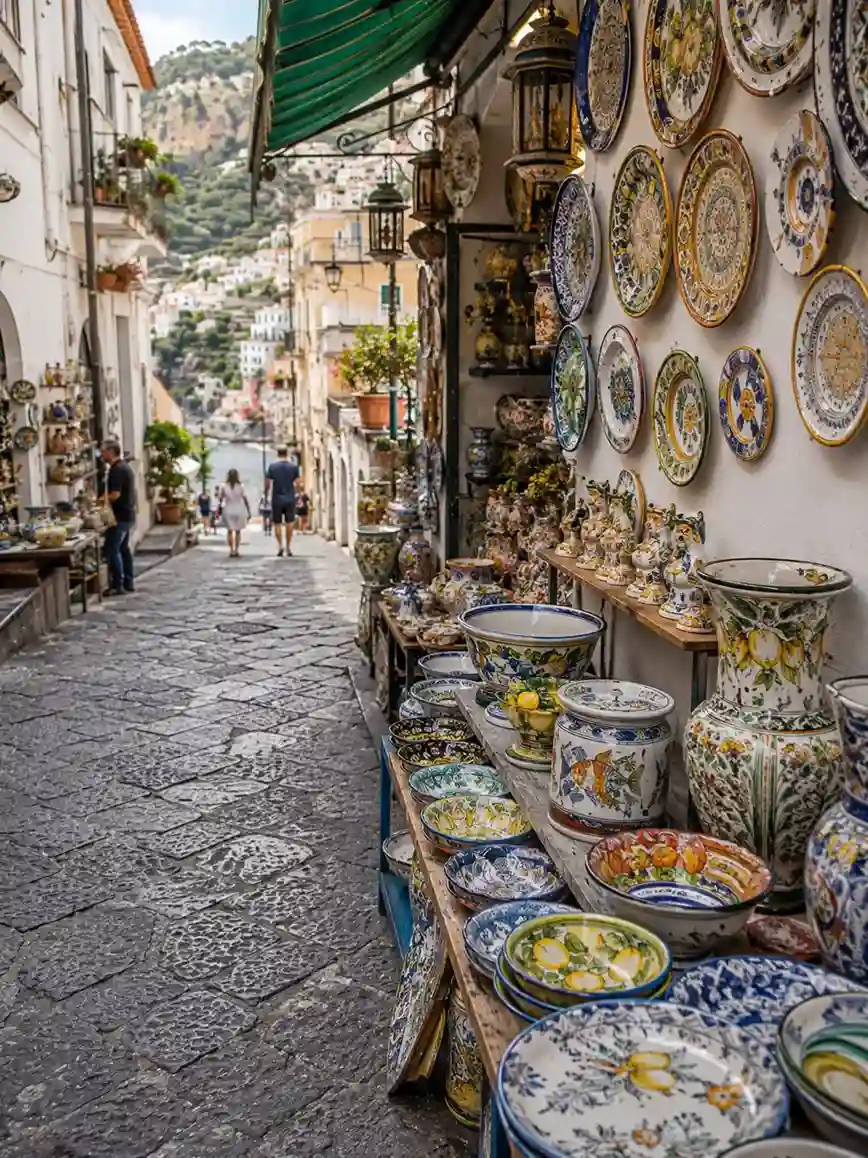
Vietri sul Mare sits at the eastern end of the Amalfi Coast and is, without question, the capital of ceramics production in this region — and has been since at least the 5th century, when local inhabitants were already selling their pottery to the Etruscans. The tradition that emerged, ceramica vietrese, is defined by geometric patterns, natural designs, and bright colors — blue, yellow, red — arranged in combinations that somehow feel both ancient and contemporary at once. Walking through Vietri, you see the craft everywhere: in walls, on steps, along railings, on every surface the town considers worth decorating. By the medieval period, around 1200 CE, ceramica vietrese had become a valuable, popular commodity traded across the Mediterranean. That history is tangible in every village shop.
For any serious traveler putting local handmade ceramics on their bucket list, Vietri sul Mare is the only destination that makes sense. Yes, you can buy ceramics throughout the Amalfi Coast — every town has its ceramics shopping — but the depth, the local economy built around it, and the quality of craft on offer here is categorically different. The town itself is a working piece of art, its walls and railings a living advertisement for centuries of accumulated skill. The ceramic experts here aren’t producing for tourists — they’re continuing a tradition that predates tourism entirely, and that distinction shows in every piece. Buy something here, and you’re taking home a fragment of one of the most enduring craft traditions in Italy.
Pompeii & Historical Day Trips
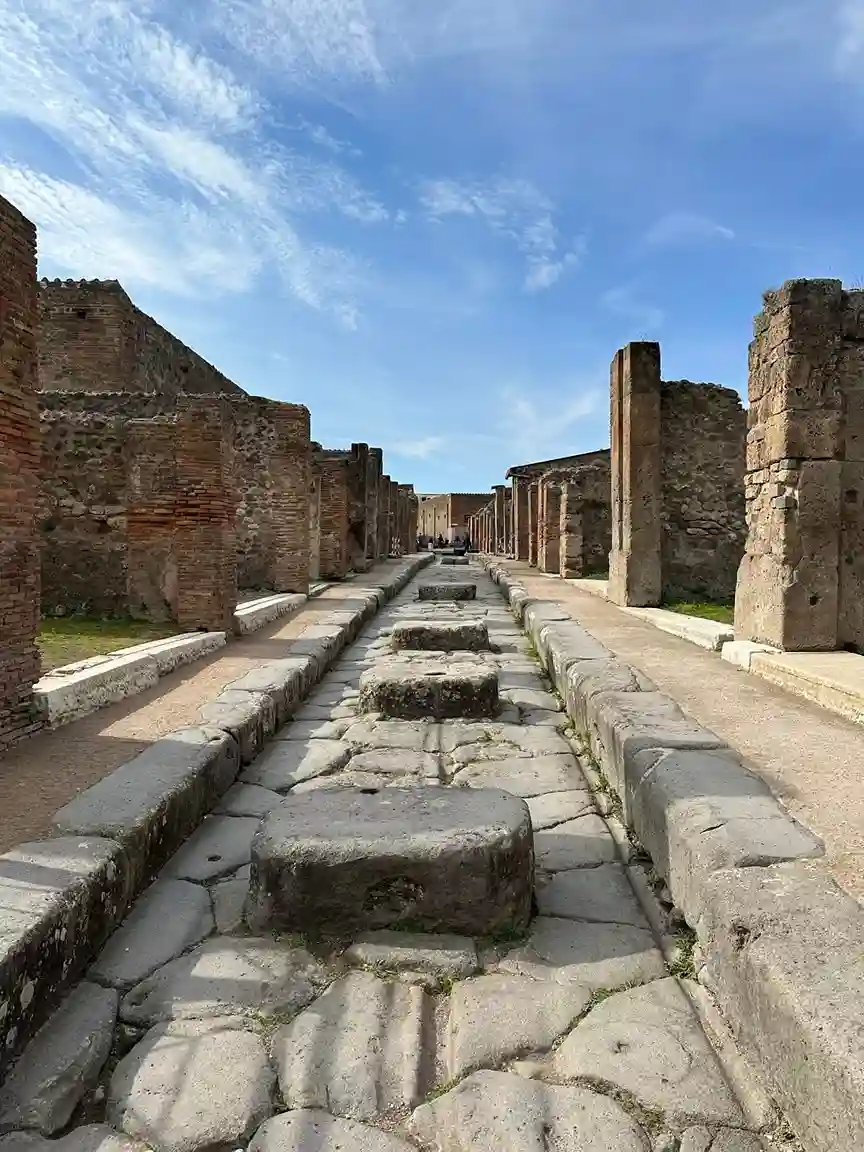
No visit to the Amalfi Coast sits comfortably in isolation from the broader historical world around it — and nothing makes that clearer than a day at Pompeii. This incredibly well-preserved Roman town, buried under 20 feet of ashes during the main eruption of Mount Vesuvius in 79 A.D., receives around 3,000,000 tourists annually, and the scale of that interest is fully justified. Walking the preserved streets and buildings — the Roman shops, the theater, the forum, the baths — you’re not imagining ancient Rome so much as standing inside a physical argument for its reality. The archaeological site of Pompeii is one of those places that makes every other historical experience feel slightly less vivid by comparison.
The most satisfying way to structure a day excursion here is to combine Pompeii with a guided visit to a vineyard in the national park of Mount Vesuvius, where the famous Lacryma Christi DOC — Tears of Christ — is produced. The picturesque village of Positano or the full arc of the Sorrento Coast can anchor either end of the same day, giving you a journey that moves from ancient catastrophe through living agriculture and ends in the kind of beauty that makes you understand why people chose to build their lives in the shadow of a volcano in the first place. These historical day trips don’t detract from the coast — they give it depth.
Staying at an Agriturismo
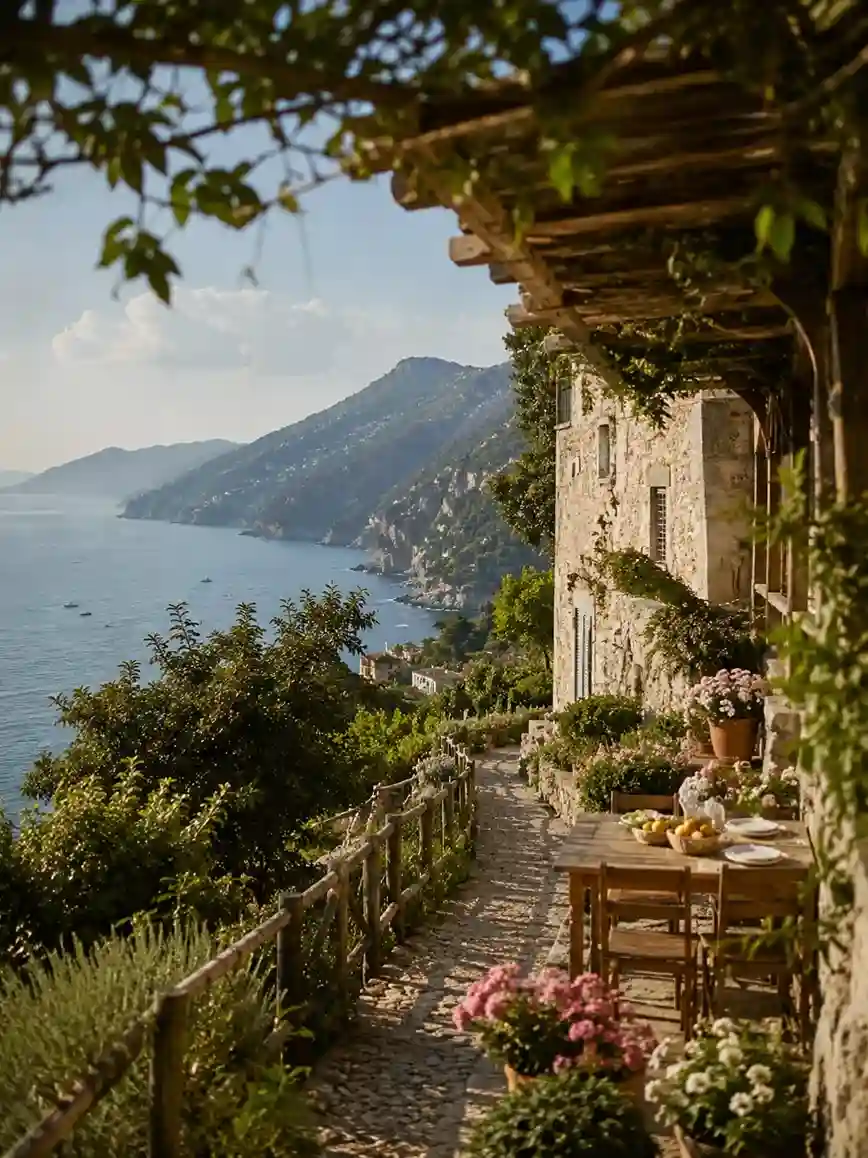
The most honest way to experience local life on the Amalfi Coast isn’t a luxury hotel — it’s an independently-owned agriturismo, a formally regulated category under Italian law that covers any farming activity that opens its doors to visitors. Part farm, part ranch, part home, these places offer cheaper accommodations without any sacrifice of authenticity. The one I stayed at had a farmhouse that the current owner and her father restored in 1996, and the love they’d put into that property was immediately obvious — in the quality of breakfast and dinner made entirely from ingredients sourced from the agriturismo’s grounds, in the way the place felt genuinely inhabited rather than staged for guests. That authentic glimpse into local life on the Amalfi Coast is exactly what cheaper accommodations in more conventional settings consistently fail to provide.