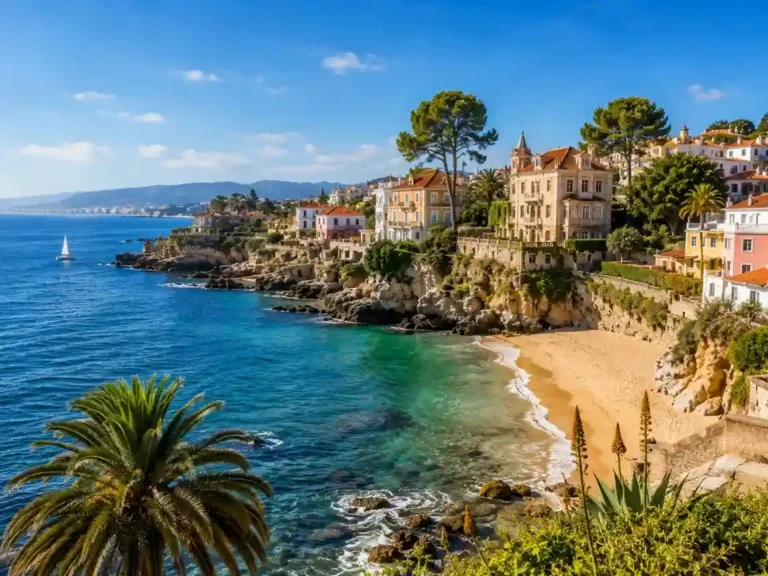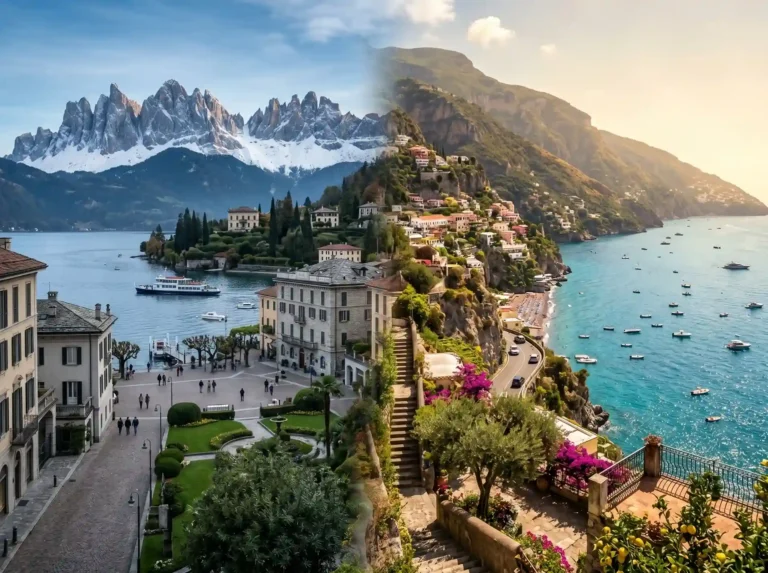
Sorrento vs Positano vs Amalfi: Which Town Is Best to Stay on the Amalfi Coast?
Picture this — you’ve finally decided to visit the Amalfi Coast, and suddenly the excitement of planning crashes into one stubborn, practical question: where exactly do you stay? Whether you’re torn between Sorrento, Positano, or Amalfi town itself, that decision shapes everything — your food, your logistics, your daily vibe, and honestly, how much you’ll actually enjoy the place versus spending your hours commuting. I’ve spoken to dozens of travelers — couples, honeymooners, adults traveling in groups of four, husband and wife duos chasing a dream — and every single one wrestled with this same choice.
The Amalfi coast adventure isn’t just about stunning scenery and sparkling Mediterranean waters. It’s about proximity to the places you want to see — Atrani, Ravello, Capri, Pompeii, the famous coastal villages — and making sure your base doesn’t eat half your trip in transit. People often second-guess their reservations, book and cancel apartments repeatedly, and still feel undecided days before departure. There’s a technicality worth knowing upfront: Sorrento sits on the Sorrento coast, not technically on the Amalfi Coast itself, while Positano and Amalfi town sit right on it. That geographic reality changes your day trips, your transportation, and your entire travel style more than most guides admit.
Having explored and resided across all three towns, here’s the honest breakdown. Some travelers want cheaper, quieter, more local experience — the kind of slow, immersive travel that feels real. Others want something iconic, romantic, and photogenic enough to justify the trip from the Naples airport. The quick answer is: there’s no universal winner. The better choice depends entirely on what you’re actually there for — and that’s precisely what this guide unpacks, from pros and cons to practical tips for every travel style.
Sorrento or Positano or Amalfi: At a Glance
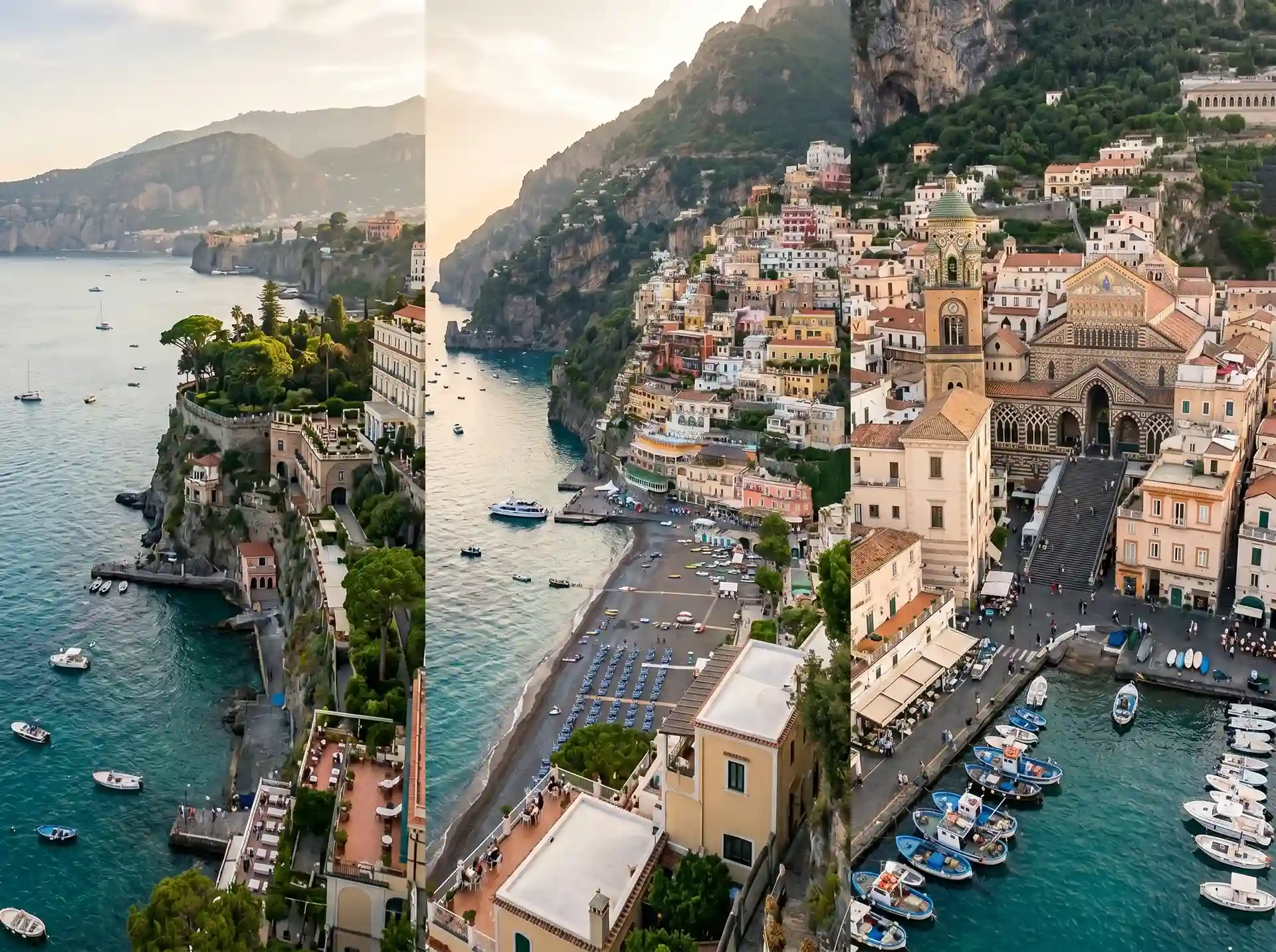
If you want a snapshot before diving deeper, here’s how these three stack up without the fluff. Sorrento is an elegant, lively yet relaxed seaside town perched above the Bay of Naples — charming, comfortable, and the kind of place that genuinely grows on you. It’s your transportation hub for the wider region, with SITA buses, direct train to Naples and Pompeii, and ferries to Capri, Herculaneum, Ischia, and Procida. Positano, on the other hand, hits you like a postcard the second you arrive — breathtaking, photogenic, dramatic cliffs tumbling into romantic scenery with narrow streets and steep stairs that’ll work your calves going uphill.
Amalfi town occupies a middle ground that often gets overlooked. It’s the true Amalfi Coast logistics nerve center — very accessible, moderate on budget, and sitting at 20 minutes from Positano, 10 minutes from Atrani, 25 minutes from Ravello, and 50 minutes by ferry to Capri. Positano trends expensive with cliffside luxury hotels and higher prices averaging into the $400–$500 range in summer, while Amalfi offers better value and a wider range of options. Meanwhile, Sorrento wins on accessibility but sits furthest from the slow coastal enjoyment crowd. For families and first-time visitors planning many excursions, Sorrento leads. For couples and honeymooners chasing that postcard experience, Positano wins the vibes category — though crowds in July and August are genuinely brutal.
The at-a-glance reality also covers beaches: Sorrento offers small coves, beach clubs, swimming platforms, and marinas, while Positano has the famous Spiaggia Grande and quieter Fornillo. Walking terrain differs dramatically too — Sorrento is easier to move around, whereas Positano is all stairs and steep inclines. Factor in sunset views — Sorrento delivers spectacular west-facing panoramas over Mount Vesuvius and Capri, while Positano offers romantic evening light as the village glows — and you already have a strong picture of which town matches your travel style before you even pack.
Transportation / Logistics
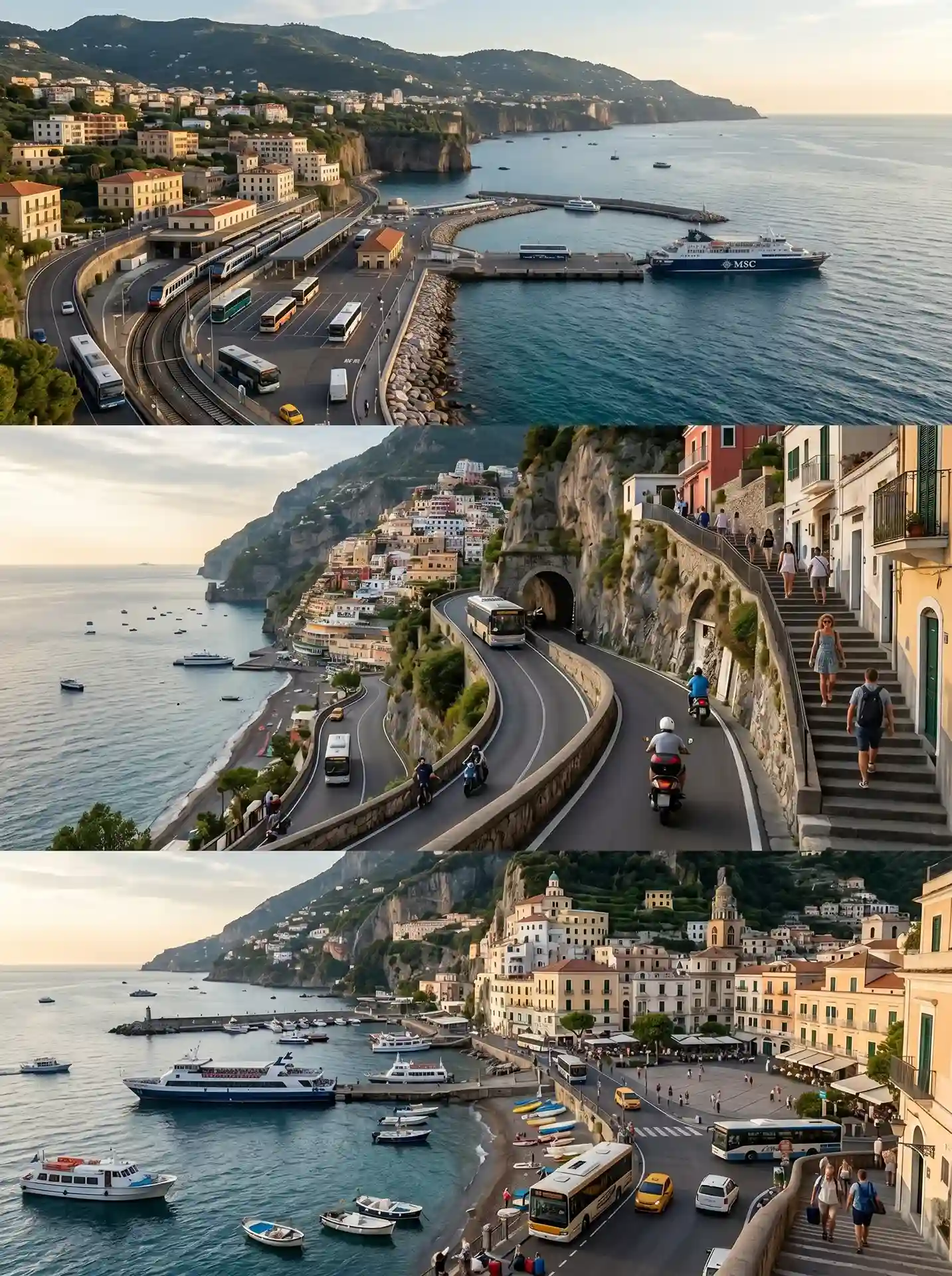
Here’s what most travel blogs won’t tell you bluntly: where you sleep on the Amalfi Coast will either give you your trip or quietly steal it. Amalfi Town functions as the transport hub of the entire coast — a genuine transfer station where SITA buses fan out toward Naples, Sorrento, Salerno, Ravello, Atrani, and Maiori. It’s convenient, relatively flatter than its neighbors, and even manageable if you’re traveling with a wheelchair or large luggage — something the vertically built, winding stairs of Positano absolutely cannot claim. Buses are frequent, ferries connect to major destinations, and the main port puts the entire Amalfi Coast within reach without the hour-plus bus ride that Sorrento travelers endure just to reach the coast.
Sorrento does have genuine strengths — it’s exceptionally well connected as a strategic gateway with a train connection to Pompeii and Naples, frequent ferries to Capri, and solid road access for private drivers and transfers. If your itinerary includes Herculaneum, Mount Vesuvius, or coastal villages beyond the Amalfi stretch, Sorrento works as a natural hub where logistics run smoother. But the moment your focus shifts purely to Amalfi Coast towns, the math flips hard — Sorrento is effectively off the table as a convenient base for anyone wanting to deeply explore the coast, since Ravello alone sits 2.5 to 3 hours away, making a proper visit to Villa Rufolo and Villa Cimbrone with lunch practically impossible as a day trip.
Positano has its own logistical headaches that first-timers consistently underestimate. There’s no train station, the Amalfi Coast road narrows dangerously during summer traffic peaks, and the public bus from Naples is painfully slow. The one saving grace: Positano sits along the main coastal route, meaning ferry connections and private transfers to nearby towns are genuine options. You can reach Amalfi by boat or car, access Capri by ferry, and even loop through coastal villages on the same day — but every move requires deliberate planning. From Amalfi, by contrast, you’re simply 10 minutes from Atrani, 20 minutes from Positano, 25 minutes to Ravello, and 50 minutes to Capri — a logistical edge that underestimated travelers only appreciate after arrival.
Budget / Accommodation Costs
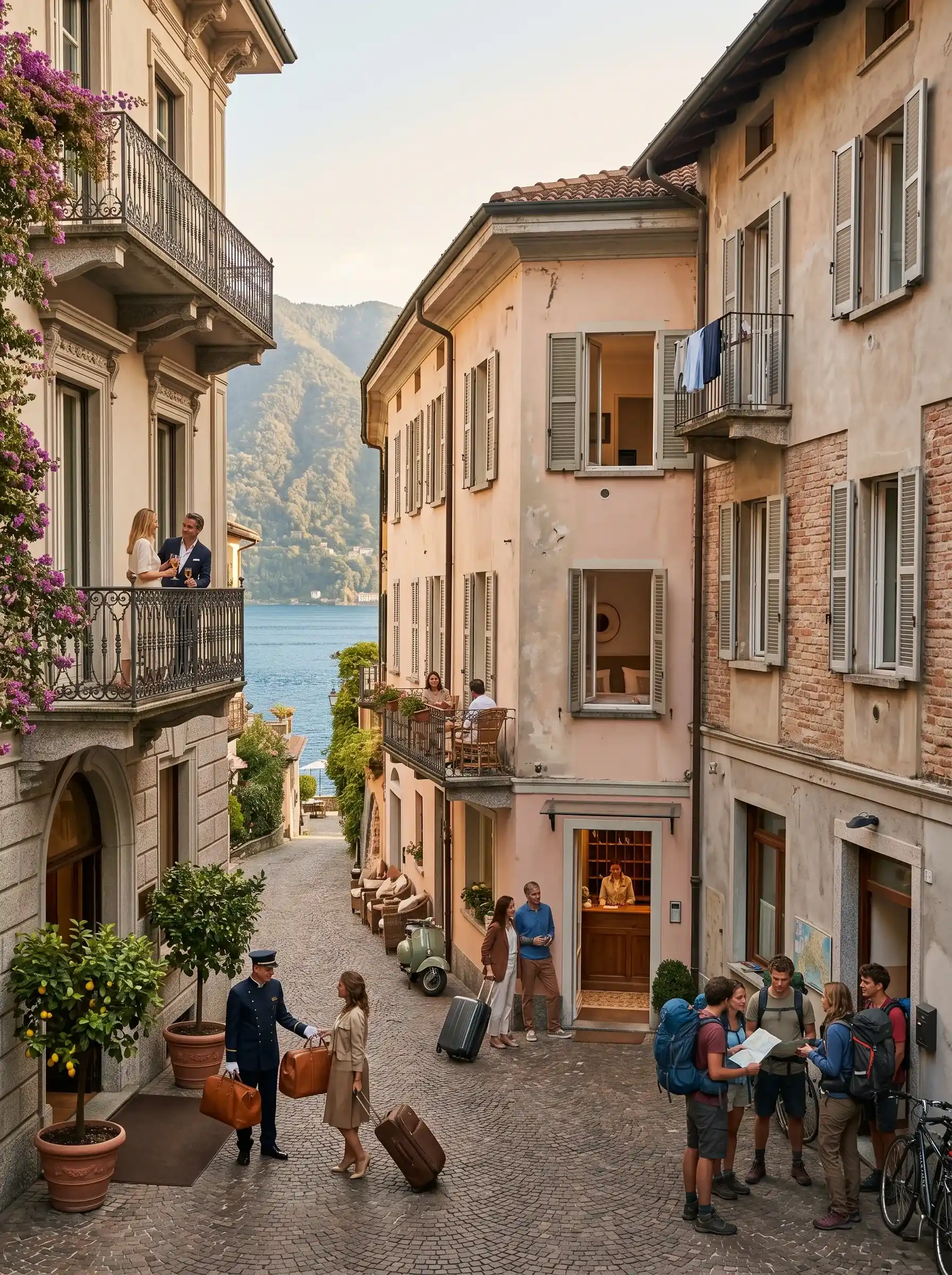
Let’s talk money honestly, because the Amalfi coast experience has a way of quietly draining accounts. Positano leans fully into its glamorous identity — luxury hotels and villas averaging $400–$500 per night during summer season — and that price isn’t a glitch, it’s the personality. The town positions itself as Instagram-worthy, luxurious, and unapologetically pricey. If that’s the Amalfi Coast story you came to live, Positano delivers without apology. Amalfi town, by contrast, reads as more down-to-earth — accommodations typically run $200–$350 in high season, with a genuinely wide range of options from guesthouses to mid-tier hotels that don’t require selling a kidney.
The smartest move for budget-conscious travelers is timing. Amalfi Town during shoulder season or off season dramatically cuts costs — a solid one-night stay in November runs a very reasonable $80–$130, which also happens to sidestep the overtourism problem entirely, doing your wallet and local guesthouse owners a simultaneous favor by contributing to their steady income year-round rather than just peak months.
Hotels: What to Expect in Sorrento vs Positano
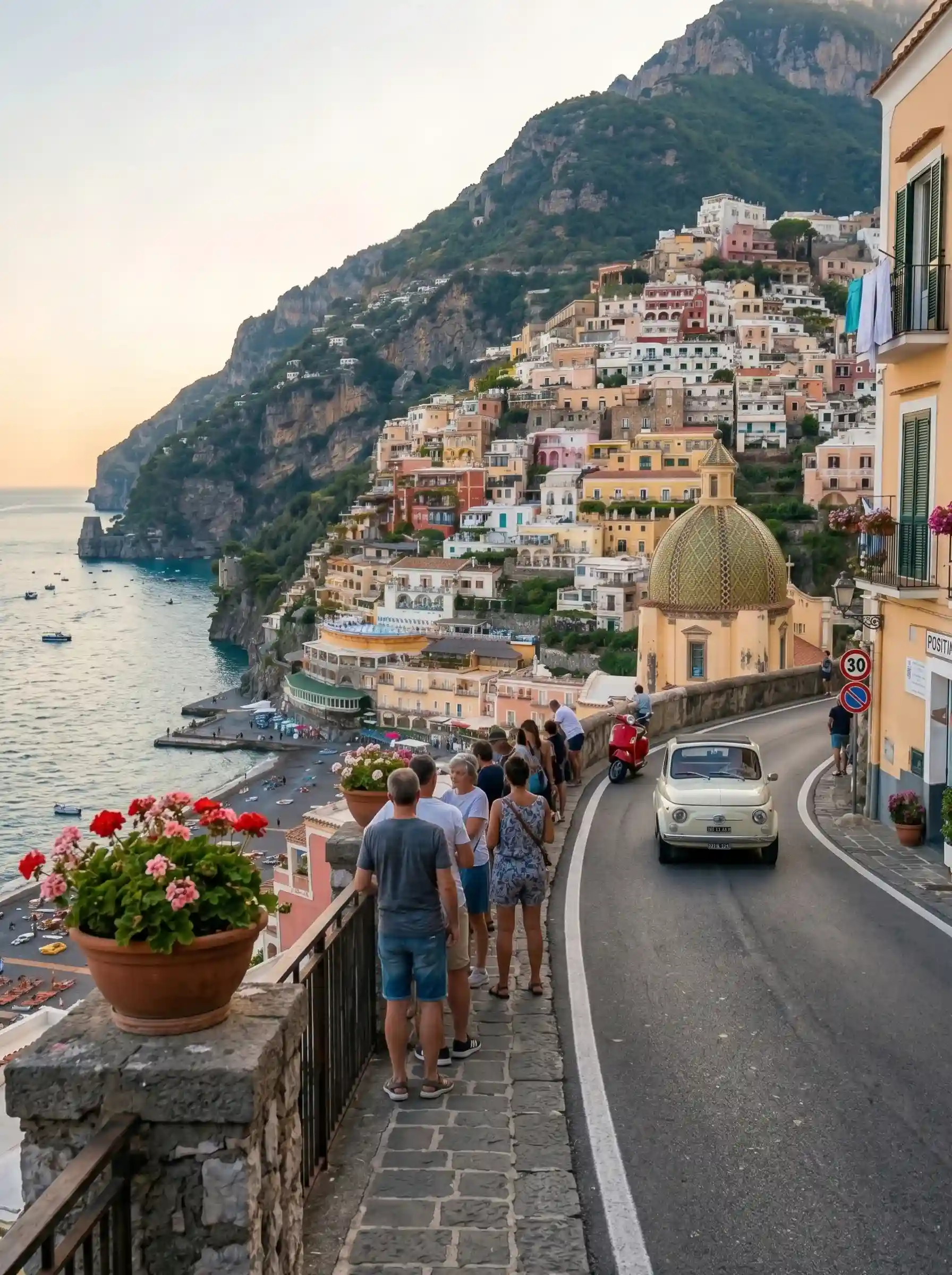
Positano’s hotel scene is essentially built into the cliffs themselves — terraces jutting over the colorful village, rooms framing the open sea, iconic properties like Le Sirenuse, Il San Pietro di Positano, and Hotel Poseidon delivering the kind of view where the village cascading toward the Mediterranean becomes your morning wallpaper. The trade-off is real though: these are among the most expensive stays on the coast, many requiring navigation of stairs and steep streets just to reach your room. For romance and dramatic scenery, nothing on this coastline quite competes.
Sorrento plays a different game entirely — wider variety, genuinely better value for the same budget, and names like Grand Hotel Excelsior Vittoria, Grand Hotel Ambasciatori, and the quietly stunning Grand Hotel Royal with its beautiful gardens and refined atmosphere. Because Sorrento is larger, boutique hotels and charming guesthouses are scattered throughout the historic center within easy walking distance of everything. The hillside drama is absent, but comfort, space, convenience, and cliffside views over the Bay of Naples more than compensate for travelers focused on exploring the wider region rather than simply gazing from a terrace.
Things To Do
Honest traveler assessment: Positano can feel boring if you’re not someone who considers shopping for overpriced clothes and browsing art galleries a full itinerary. There’s a church, an underground ruins tour that leans heavily on history but barely gets advertised, a few niche art galleries you can exhaust in 20 minutes, and picturesque alleys that are genuinely lovely but limited in number. The nightlife is underwhelming — a handful of tourist traps near the beach that stay open late and mostly cater to visitors looking for overpriced drinks. If constant stimulation is your travel currency, Positano will frustrate you fast.
Sorrento covers more ground — more churches, more bars with genuinely late hours, shopping that’s more interesting and noticeably cheaper, a better square for evening wandering, and enough nooks and crannies to keep exploration feeling fresh. Critically, Sorrento’s train access makes Pompeii (an absolute must when in the area) and Naples easy half-day day trips, while both towns offer ferries to Capri — though the crossing is slightly quicker from Positano. Amalfi, meanwhile, lets you pull off the genuinely impressive same-day loop: bus to Ravello at 9am, back to Amalfi by 2pm, ferry to Positano at 3:30pm, bus back by 7pm — all without a single taxi negotiation or private driver fee. For active travelers who find hills and café culture more appealing than lugging up steep inclines to find cheap wine bars that don’t exist, the Amalfi base makes the coast feel genuinely active and populous rather than small and exhausted by noon.
Food

Food is where Sorrento quietly separates itself from Positano in a way that only becomes obvious after you’ve eaten in both. Positano dining is largely a study in tourist traps — most meals land somewhere between forgettable and feeling like you’ve been quietly robbed. The one genuine exception worth mentioning is La Tagliata, a standout restaurant that requires a bus ride of nearly half an hour from most hotels — excellent Italian food, but the distance makes repeat visits impractical. The idea of simply strolling to grab a small bite and a drink at a neighborhood spot is essentially foreign here.
Sorrento rewards foodies far more generously. Walk a little further from the center and the tourist traps thin out, more Italian voices fill the air, and genuinely good meals at inexpensive restaurants become the norm rather than the exception. The clear standout is Porta Marina Seafood — tricky to find even with GPS, but absolutely worth the effort with an outstanding meal and a beautiful view that makes it worth visiting daily if you’re staying nearby. When you’re returning from a full day touring Capri or exploring Pompeii, having actual options for a satisfying dinner matters — and Sorrento consistently delivers bright spots that Positano simply cannot match with any consistently excellent depth.
Views
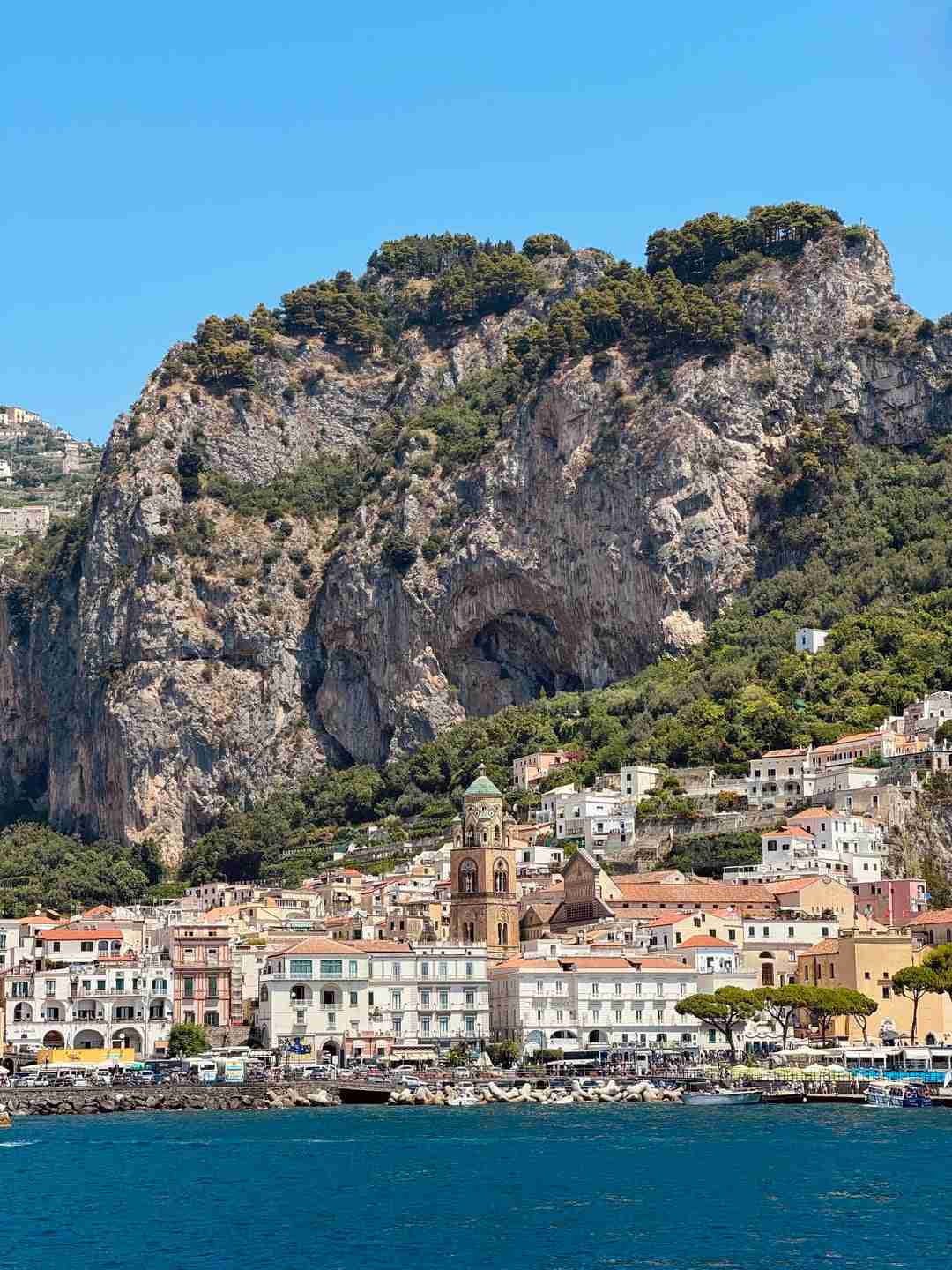
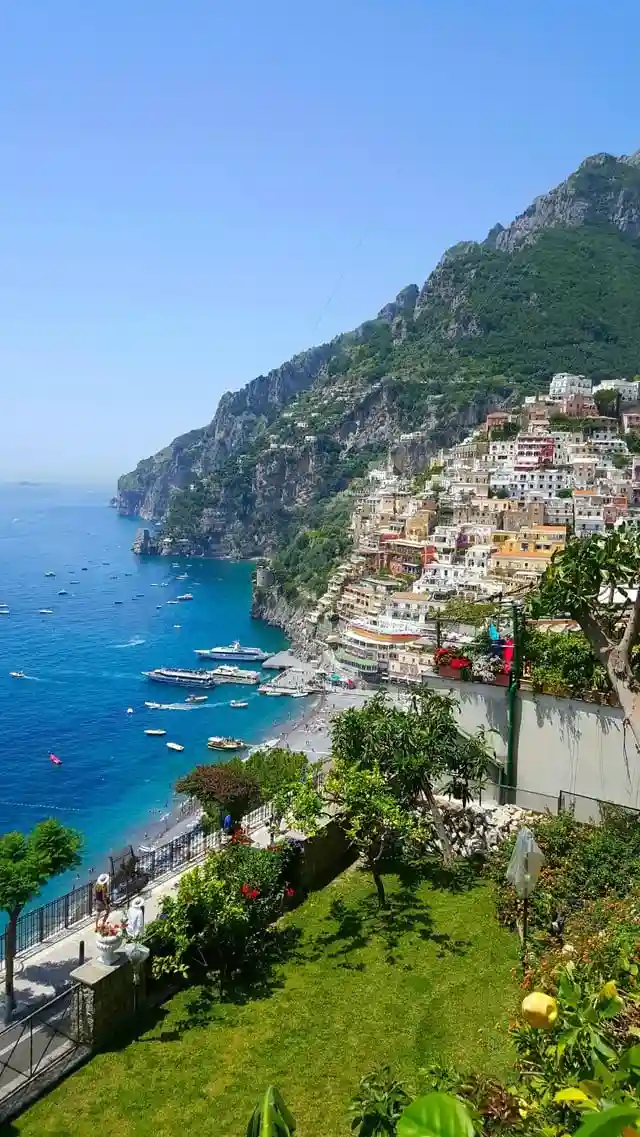
Let’s give credit where it’s genuinely due: Positano is one of the most visually arresting places in Italy, arguably second only to Santorini on pure coastline spectacle. Those stacked hills create a natural backdrop that no architect could engineer — old homes, beautiful churches, the whole Mediterranean sea laid out beneath them. A nightly drink at Hotel Poseidon watching that scene shift from afternoon gold to evening shadow is the kind of moment that gets burned into memory permanently. In terms of pure beauty and raw scenic impact, Positano wins that conversation without debate.
Sorrento requires a short walk to reach its coast, and if your hotel faces the square rather than the water, the immediate view feels ordinary by comparison. But book the right hotel and the panorama that opens up — sweeping across the Bay of Naples, taking in Mount Vesuvius, dramatic in a completely different register — is arguably among the most powerful seaview experiences in Italy. It’s a picturesque, historically layered vista that Positano simply cannot replicate. The takeaway: Positano wins on immediate, cinematic beauty; Sorrento wins on geographically epic grandeur — and both reward the traveler willing to position themselves correctly.
Sunset Views
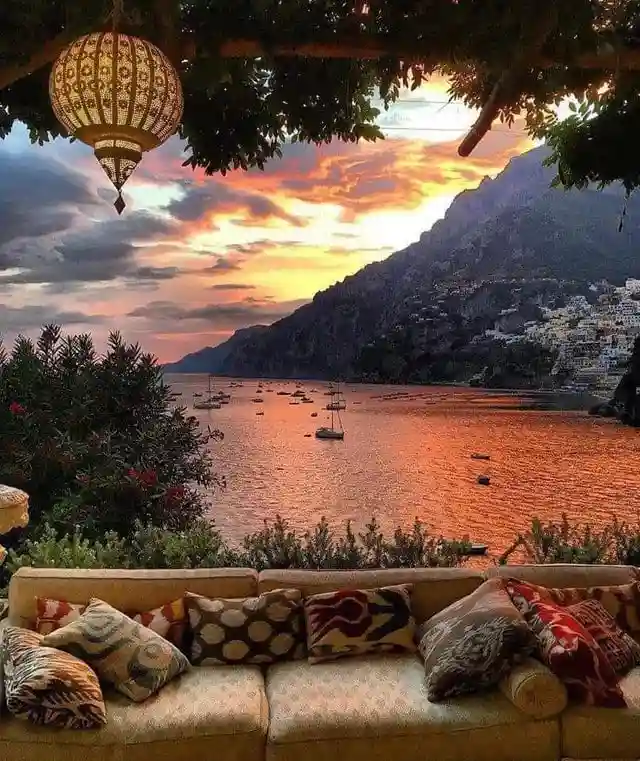
Sunset watching on this coastline is a ritual, and the town you’re in shapes the entire experience. Sorrento faces west across the Bay of Naples, which means the sun drops directly into the sea on a clear evening — orange and pink bleeding across the sky, the silhouette of Capri rising from the water like a natural frame. Panoramic terraces and hotel rooftops become the setting for aperitivo culture at its finest, and both locals and visitors treat this as a near-sacred daily ritual. It’s genuinely among the most memorable sunset scenes in southern Italy.
Positano faces southeast, which means the sun sets behind the mountains rather than over open water — a fundamentally different kind of magic. As evening arrives, the hillside begins to glow, the Spiaggia Grande catches the last atmospheric light, and terraces above town offer something more intimate than dramatic — a warm, water-reflected softness that’s undeniably beautiful in its own right. If choosing purely on the strength of watching the sun plunging into the sea with the most beautiful sunsets, Sorrento holds the clearer advantage. But if the evening light painting a village into something almost surreal is your preference, Positano’s version is its own reward.
Vibes / Atmosphere
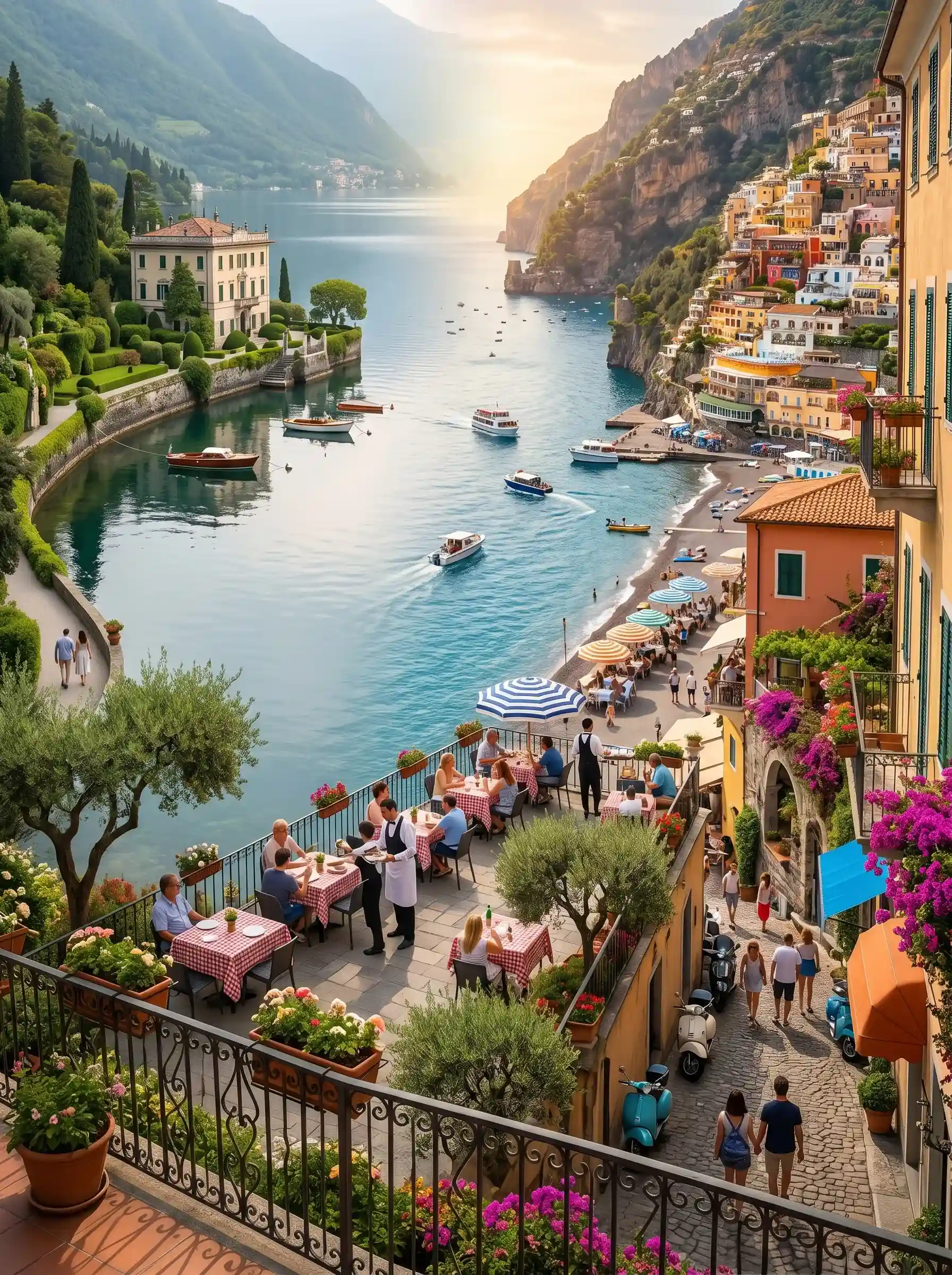
Positano has a very specific social energy — glamorous, heavily curated, and populated by travelers who arrived partly to be seen. Think linen sets, Aperol spritzes, and vacation photos staged with architectural precision. It’s genuinely picturesque and the charm is real, but it can tip into feeling overcrowded and performative — like the town is one giant set where everyone’s competing for the same angle. The romance and drama of the coastline are absolutely present, but so is the awareness that you’re sharing them with enormous crowds during peak months.
Amalfi reads differently — more lived-in, less performed. Real life happens here in ways Positano has largely traded away: kids playing in the piazza, daily rhythms that belong to the town rather than its visitors, a cozy, authentic vibe that curated destinations rarely preserve at this scale. Sorrento sits in its own category — elegance married to a genuinely relaxed local rhythm, lively streets threading between artisan shops and cafés that spill into sunny piazzas. By evening, Piazza Tasso fills with both locals and visitors as the sky turns orange behind Mount Vesuvius — a timeless quality that has drawn writers and travelers for centuries and continues to make Sorrento one of the most quietly pleasant places in southern Italy simply to wander, dine, and take in the scenery.
Beaches
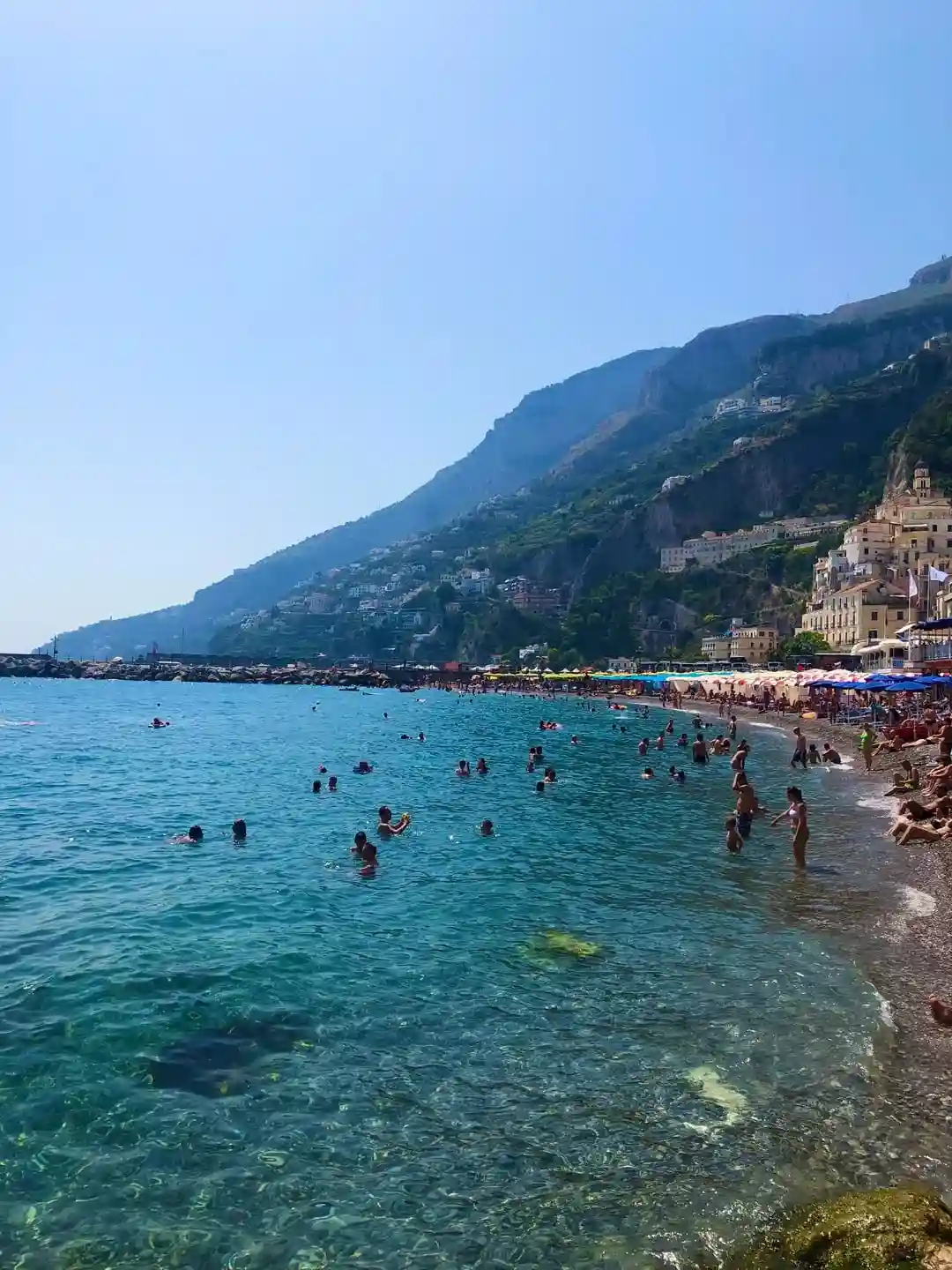
One expectation worth resetting before arrival: the Amalfi Coast is not a sandy beaches destination. The steep, dramatic geography produces mostly small coves framed by cliffs, with pebbles dominating over sand — and that applies across all three towns regardless of what the photos suggest. Positano makes the strongest beach case with Spiaggia Grande right at the base of the village — colorful umbrellas, busy beach clubs, boats anchored offshore, the whole tableau backed by those iconic stacked houses. Walk slightly further and Fornillo Beach offers a noticeably more relaxed, stylish atmosphere with fewer crowds and a genuinely lovely setting for an afternoon.
Sorrento sits on high cliffs above the Bay of Naples, meaning swimming happens primarily through seaside clubs with swimming platforms, sunbeds, and managed access to the sea rather than natural sandy shores. Marina Grande, the old fishing village below town, gives you a more authentic entry point — small beach areas, excellent seafood restaurants right on the water, and a character that feels genuinely local despite tourist traffic. The beach clubs along Sorrento’s coast handle congestion reasonably well compared to Positano, where one road in and out creates real traffic noise and busloads of tourists flooding the shops and restaurants by midday.
Safety
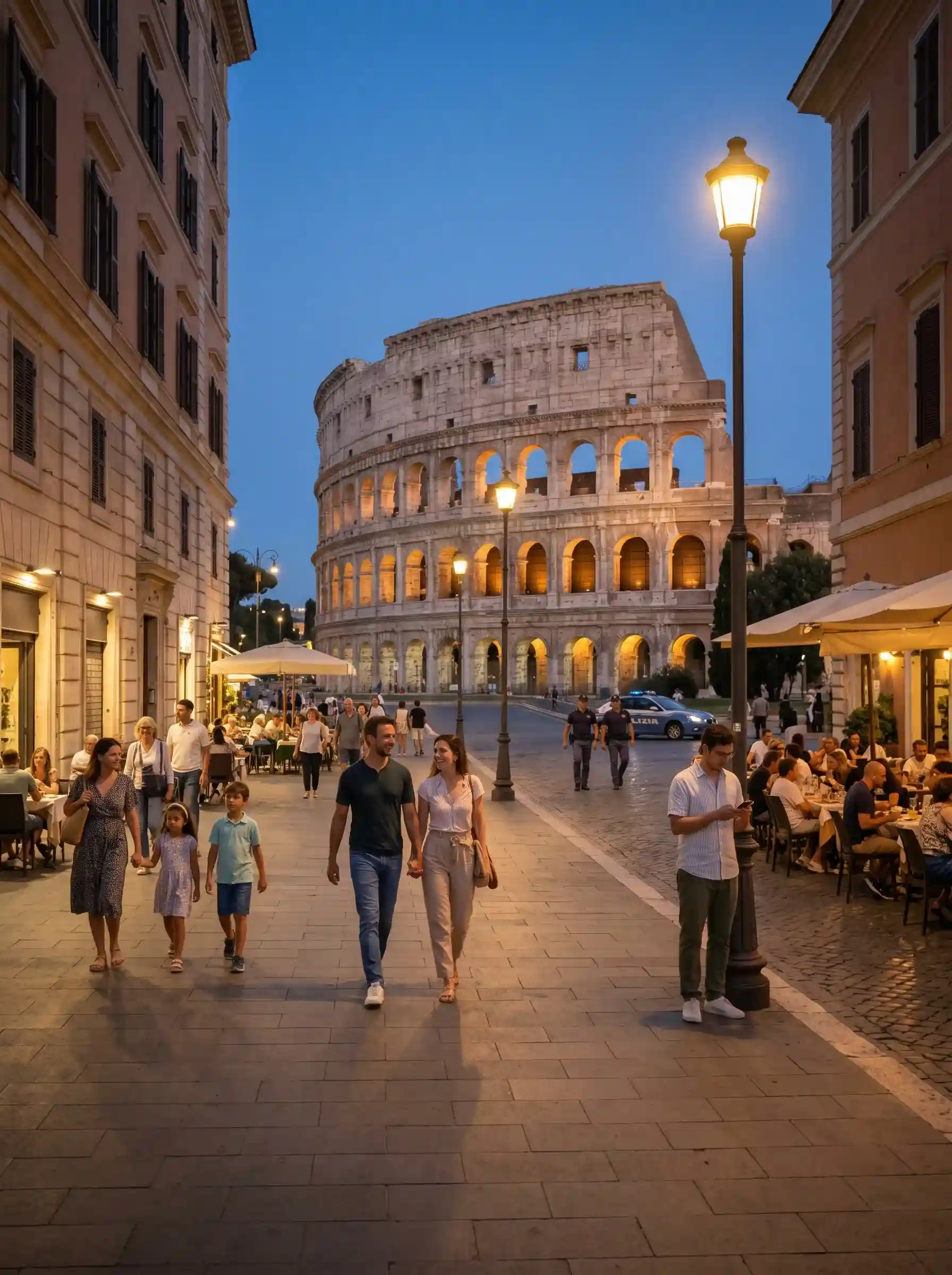
Traveling as a solo female traveler anywhere new comes with an honest safety calculation, and both Positano and Amalfi deserve straightforward assessment rather than vague reassurance. Positano, being heavily touristed, draws pickpockets the way any high-traffic, distracted-visitor environment does — stay vigilant about belongings, particularly on crowded paths. Beyond that, it’s relatively safe, though the town does carry a hook-up culture energy that some travelers find uncomfortable; being hit on repeatedly is a common report among women visiting alone, and a pattern noted consistently enough among friends to be worth flagging.
Amalfi town, as a major transport hub, carries the mild dodgy energy that large bus stations in any country tend to attract — shady characters who tend to pass through rather than settle, similar to what you’d notice around transit hubs in Naples, Rome, or Florence. The reality is fairly mild by most standards, but standard stuff: keep your bag close, stay aware in crowded transit areas, and the experience remains genuinely manageable and safe for independent travelers.
Similarities Between Sorrento and Positano
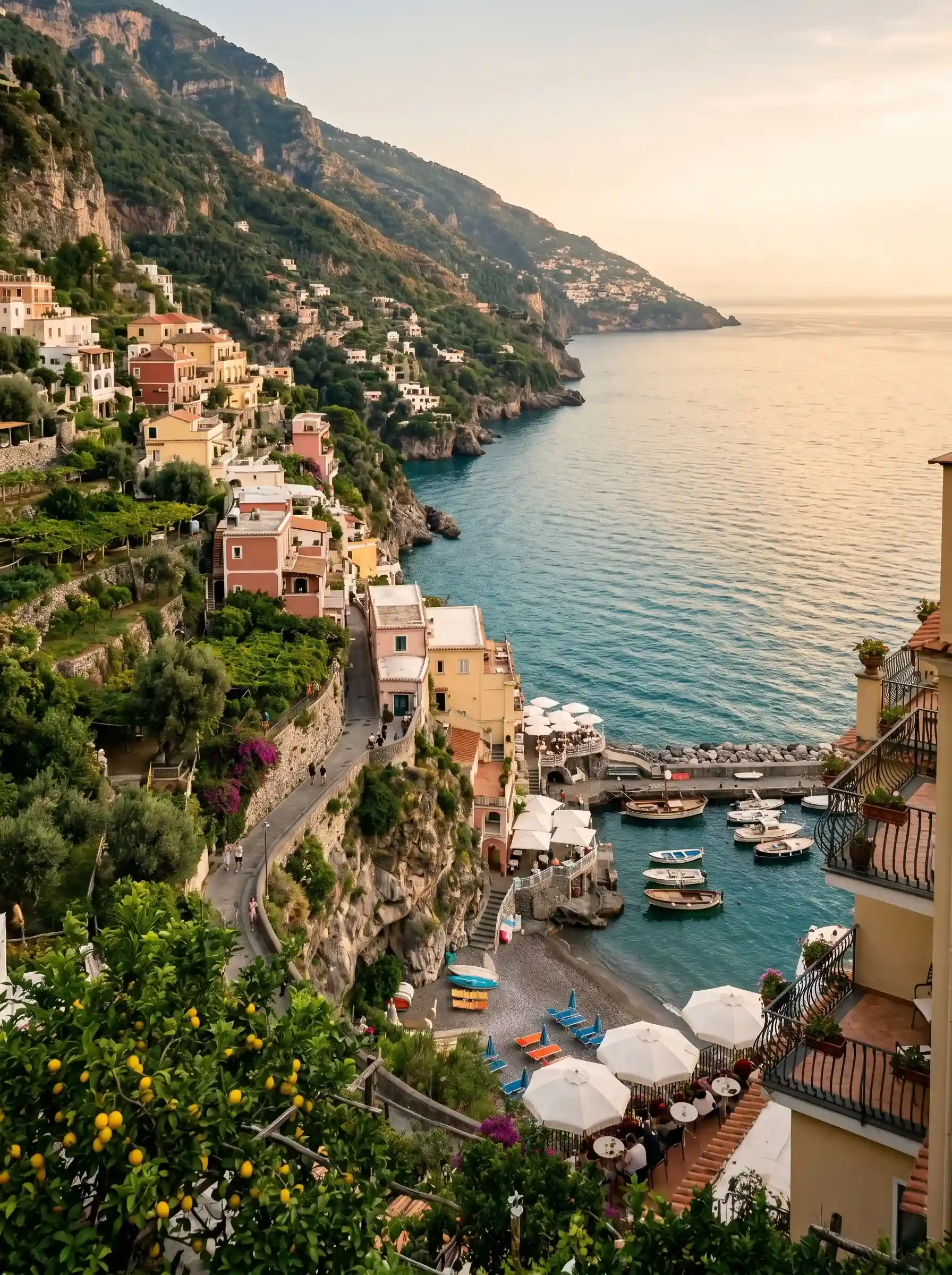
Strip away the differences and what emerges is a pair of towns with more similarities than their respective fan bases tend to acknowledge. Both Sorrento and Positano are fundamentally tourist hubs — neither gives a fully honest representation of Italy, and both are populated overwhelmingly by Americans and Brits rather than locals. Sit down at most restaurants in Positano specifically and you’ll notice the absence of Italian diners entirely — staff excluded. Sorrento is marginally better, but the tourist-to-local ratio remains heavily skewed in both.
For exploring the broader region, both areas are essentially equal — Sorrento edges slightly closer to Pompeii and Naples by land, while Positano provides marginally easier access to the smaller towns along the Amalfi coast. Neither puts the other destinations unreachably far away, and in practice the gap is rarely decisive. The more honest framing is that both towns are comfortable, well-serviced staging points for the Italian south — just with very different personalities layered over that shared infrastructure.
Which Destination Fits Your Travel Style?
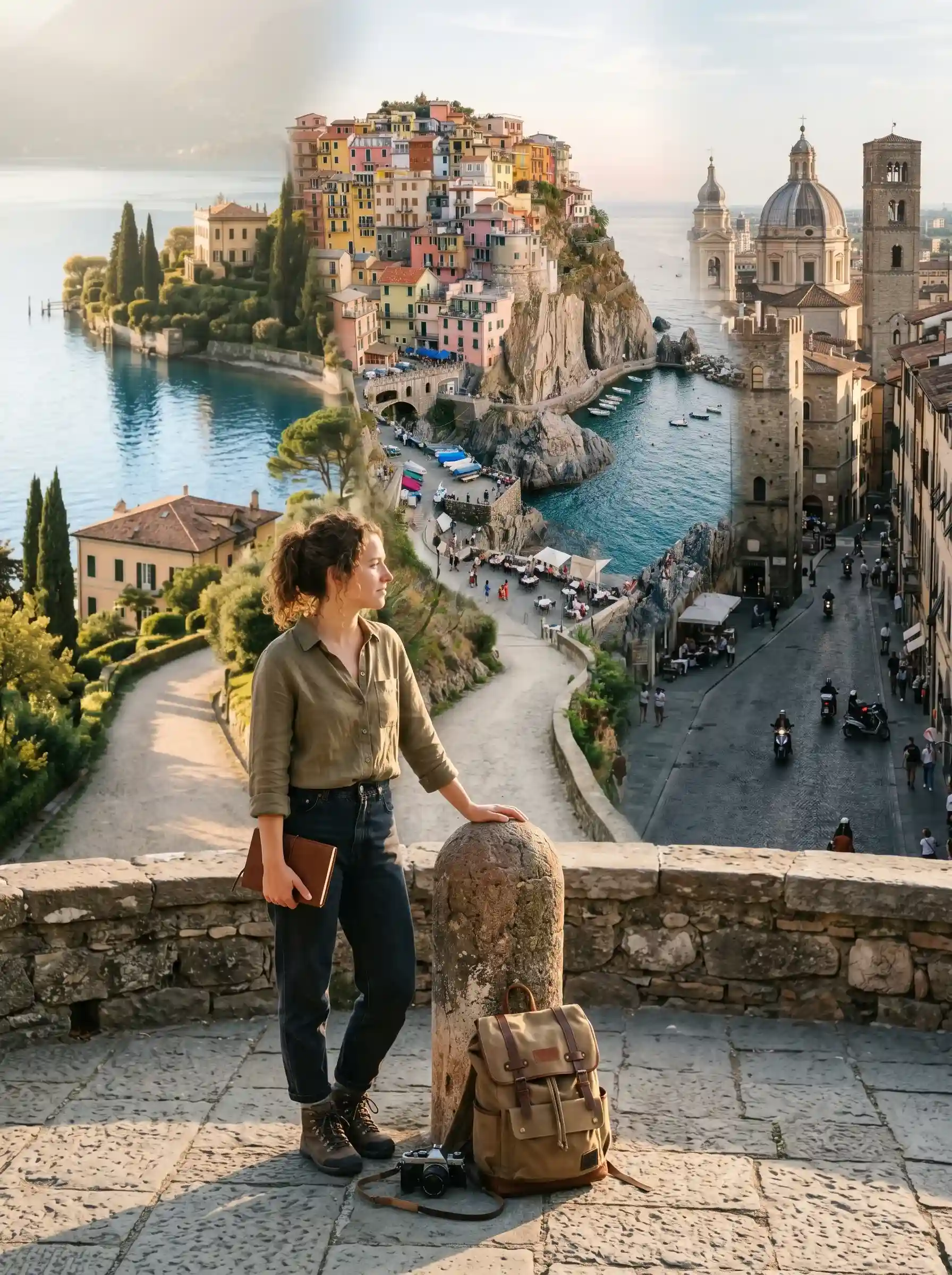
The clearest signal that you belong in Positano is this: you want something deeply romantic, memorable, and immersive — a coastal escape where honeymooners, couples celebrating anniversaries, and anyone with a luxurious Amalfi Coast dream find exactly what they imagined. Waking up to a sea view terrace with breakfast overlooking the Mediterranean is genuinely as good as advertised. If you’re short on time and don’t want to spend it on commute and travel logistics, Positano’s resort-like, self-contained world makes absolute sense for a focused 2–3 night stay.
Sorrento and Amalfi appeal to broader traveler profiles. Families value Sorrento’s ease, navigability, and space; first-time visitors find its central location ideal for maximizing destinations without logistical stress; those on longer stays settle into its relaxed pace, rotating through restaurants and exploring with convenience that compounds over days. Amalfi suits the slow traveler who wants genuinely cheaper accommodations, a central hub for day-trips to every coastal town, and a local vibe that hasn’t been entirely absorbed into the tourist economy — the kind of traveler who values accessibility over aesthetics and finds meaning in the rhythm of a town where real life still visibly coexists with popular tourism.
The Allure of Positano, The Charm of Sorrento, A Practical Perspective, Weather & Rough Seas Risk, Why Amalfi or Positano vs. Other Towns?
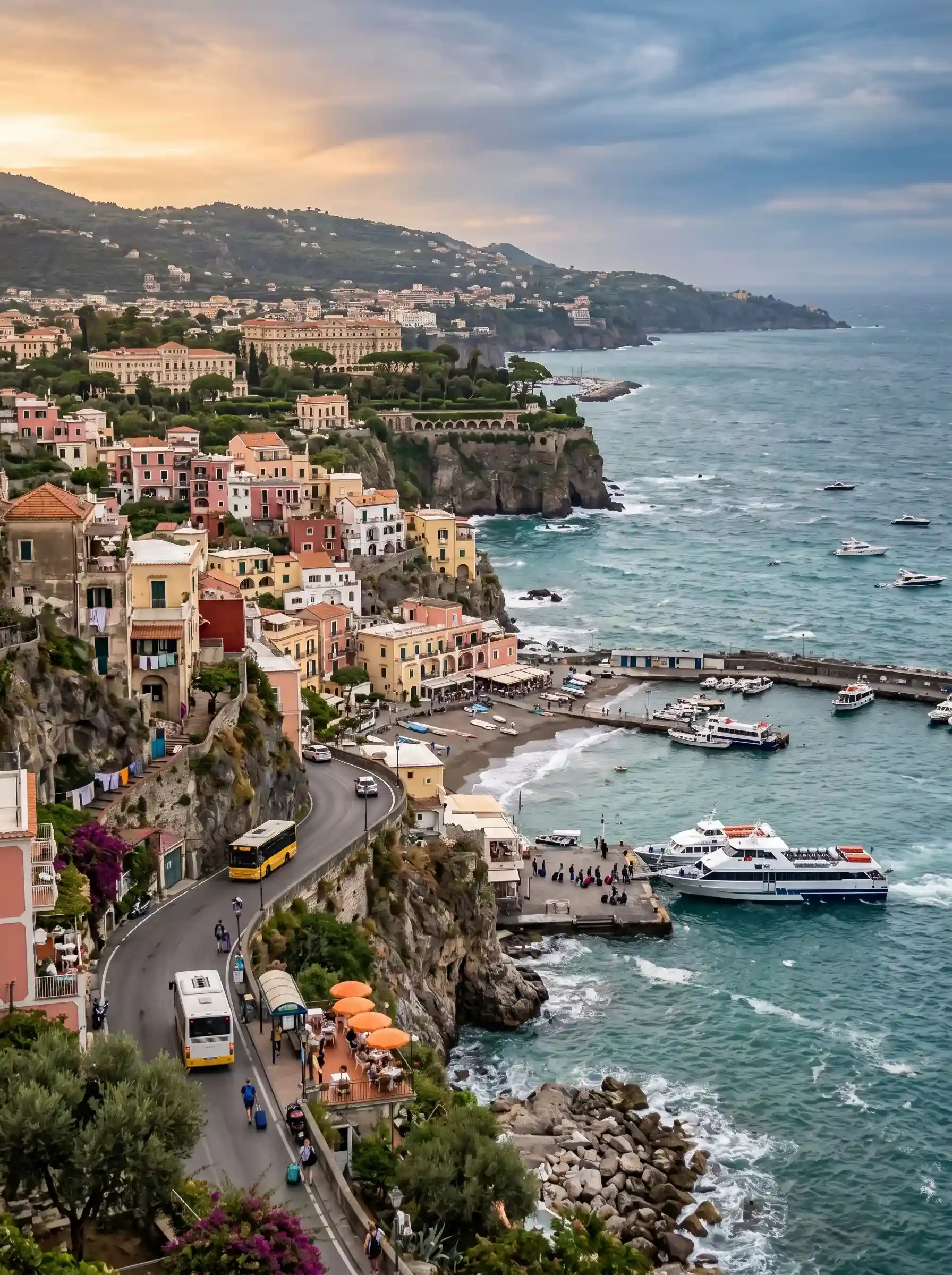
Positano is the dream image most people carry before they’ve ever visited the Amalfi Coast — pastel houses stacked against cliffs, Bougainvillea spilling from balconies, stairways threading between boutiques and cafés, terraces opening onto the Mediterranean with a cinematic, glamorous quality that makes even a coffee feel like a scene. Beach clubs pulse with summer energy, evenings unfold under soft lights, and the vertical drama of the town is both its greatest charm and its most honest challenge — steep, narrow streets, limited traffic, and hotel prices that climb as reliably as the stairs. Peak summer crowds in July and August are genuinely intense; the travelers who experience Positano at its best tend to visit in May, June, September, or October, when the weather remains beautiful and manageable crowd levels restore some of the magic.
Sorrento’s beauty operates differently — less immediately captivating but deeply rewarding over time. Its historic center offers lively streets, artisan shops, cafés spilling into piazzas, and that famous Piazza Tasso energy at dusk with Mount Vesuvius silhouetted beyond. Writers and travelers have found Sorrento compelling for centuries — its timeless quality, spacious feel, and range of dining options make extended stays genuinely pleasant in ways that Positano’s compressed geography can’t match. From a practical planning perspective, after coordinating hundreds of itineraries for travelers from the United States and beyond, the pattern is consistent: guests who prioritize Positano often discover, mid-planning, that Sorrento actually serves their day trips to Capri, Pompeii, and the coast far more efficiently — arriving by boat to Positano during the day while enjoying a rooftop aperitivo in Sorrento at sunset frequently becomes the combination that delivers the best of both worlds.
The Amalfi Coast also carries a logistical wildcard that itineraries rarely account for: rough seas. Ferries don’t run when conditions turn stormy, and when that happens simultaneously with Amalfi or Positano as your base, the cascading effect is genuinely a nightmare — buses become packed beyond capacity, taxis disappear, and travelers have found themselves effectively stranded for hours. This scenario, particularly during the less predictable September and October window, is where Sorrento’s train infrastructure becomes a quiet but significant insurance policy. The broader context: this is a UNESCO-protected 40-kilometer (25-mile) coastline where mountain roads are genuinely narrow, vehicle restrictions apply during summer and holidays, SITA buses run on inconsistent schedules, tickets are hard to source, and waits of 2–3 hours for coastal buses are not unusual during peak periods. Commuting up to 4 hours daily to get between towns isn’t just inconvenient — it’s a genuine trade of swimming, hiking, and a third gelato for sitting in transit. Staying in Amalfi or Positano directly, or using Sorrento with strategic private transfers for day-tripping deeper into the coast via Salerno and Naples connections, remains the most reliable framework for anyone who wants to actually experience this coastline rather than just survive it.
Final Thoughts
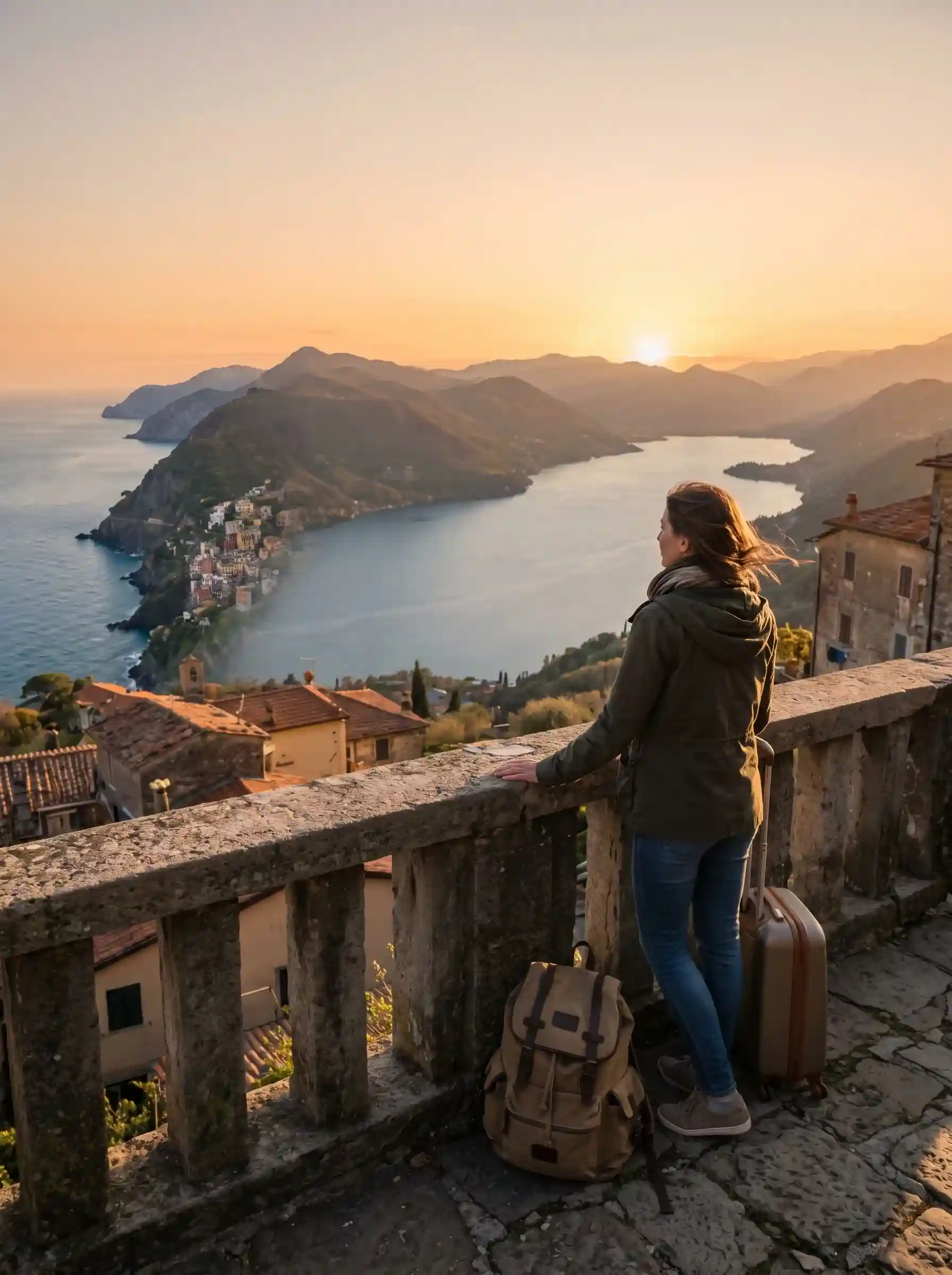
If there’s one thing seasoned Amalfi Coast travelers consistently circle back to, it’s this: the charm of the region isn’t owned by any single town. Positano carries the romance and drama that made this coastline world-famous, and a ferry arrival at 10 AM with a few hours to wander its hills, duck into overpriced shops with deliberate irony, and make the bus to La Tagliata for an early dinner is a genuinely great way to experience it — without the nightlife disappointment or the week-long nothing to do problem that longer stays eventually surface. Sorrento wins on food, environment, and pure walkability. Amalfi wins on logistics and accessibility for anyone whose itinerary is coast-first.
The most extraordinary experiences here happen when you stop treating any single town as the whole Amalfi Coast experience and start using them as the journey they’re designed to be — a boat tracing the cliffs at golden hour, a restaurant terrace where the sunset arrives like punctuation, a hidden beach where the sea runs every shade of blue before the crowds find it. That combination — not any single base — is the real answer to where you should stay.