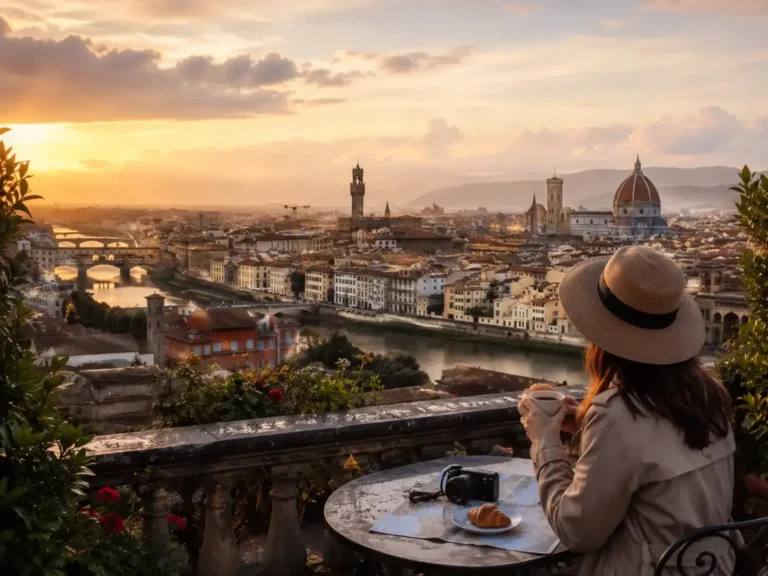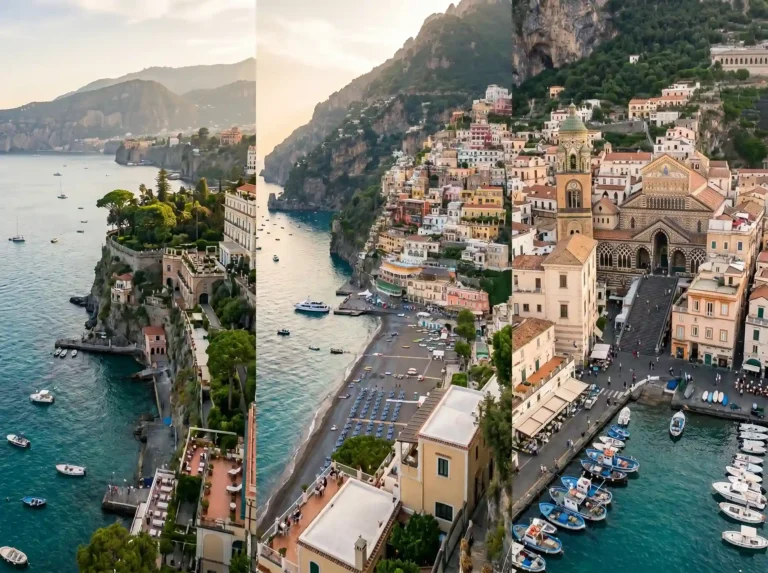
Retro Beach Painting Amalfi Coast Italy – Positano Wall Art Print & Mediterranean Coastal Decor
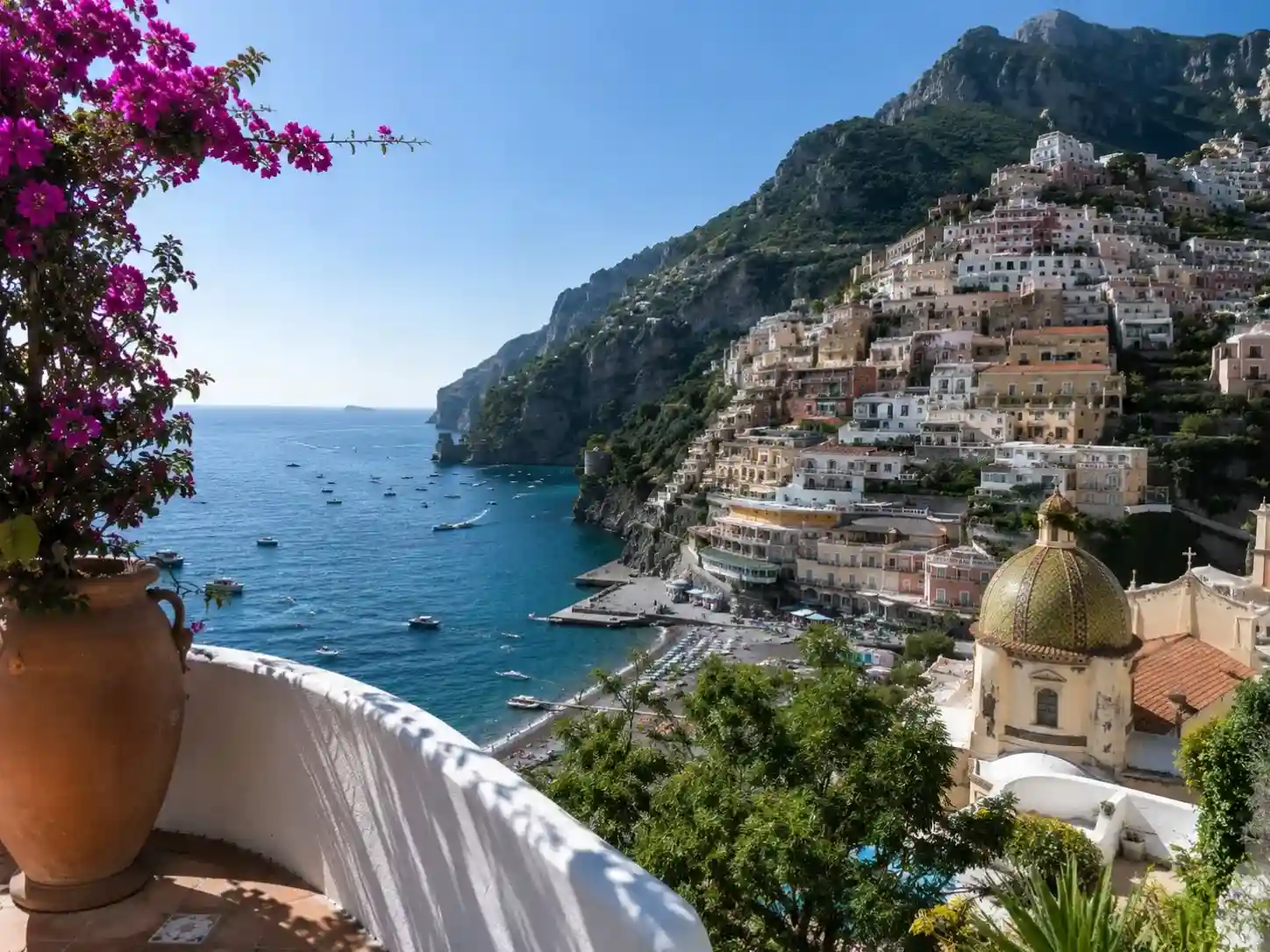
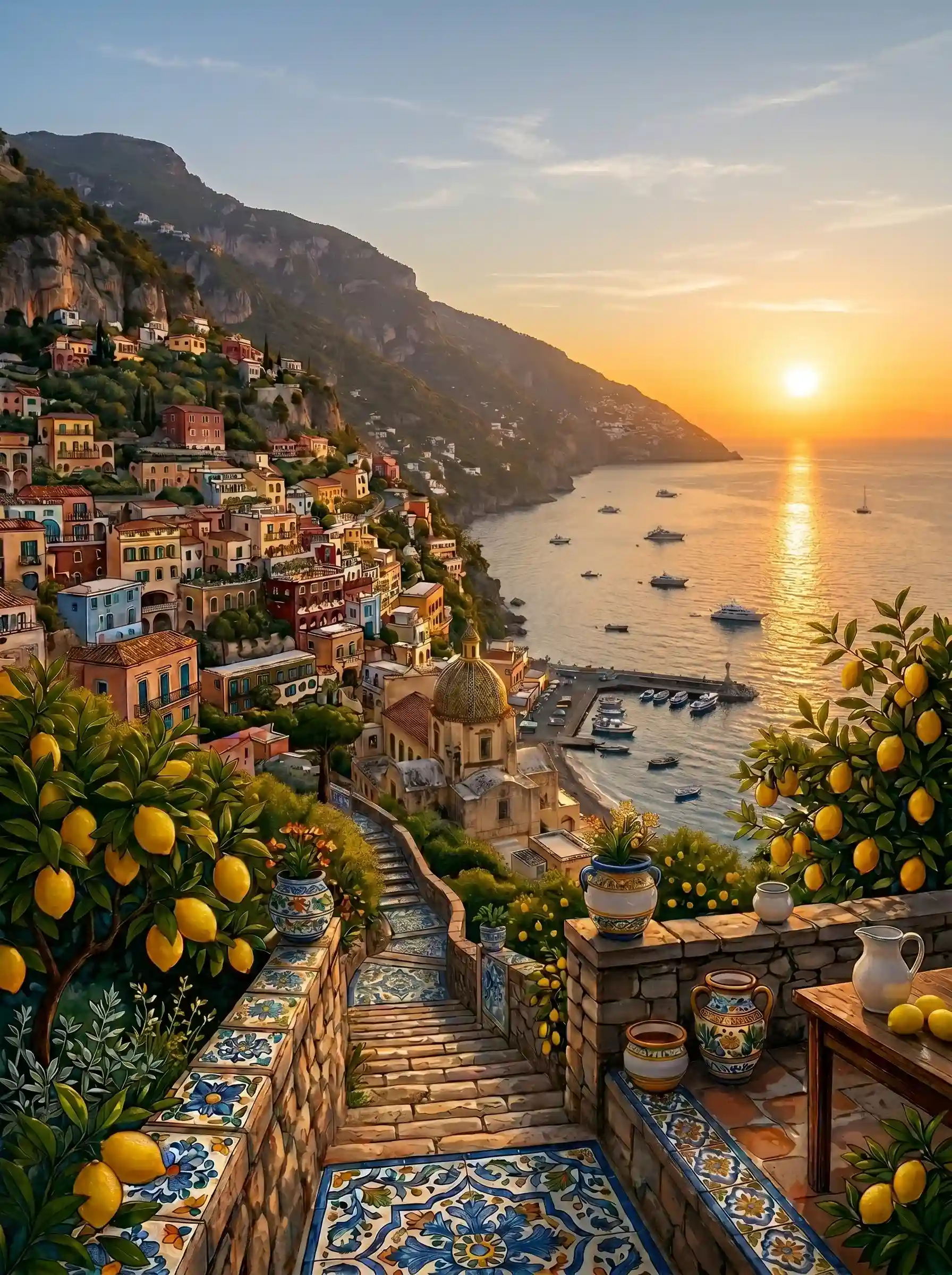
There are places in this world that do not simply sit in the memory — they brand themselves there. The Amalfi Coast of southern Italy is one of them. I still remember the exact moment I turned a corner on a winding cliffside road and the whole Mediterranean opened up beneath me — a sweeping panorama of pastel-hued villages cascading toward the sea, the kind of picturesque scenery that makes every camera you ever owned feel inadequate. That feeling — raw, electric, utterly enchanting — is precisely what a well-crafted Retro Beach Painting of this iconic stretch of coastline captures in ways a photograph sometimes cannot. These aren’t just wall hangings. They carry the timeless beauty of Positano, the vibrant colors of historic towns clinging to dramatic cliffs, and the cultural significance of a UNESCO World Heritage Site designated in 1997 — all pressed into a single, breathtaking art piece for your home.
What makes this region so persistently irresistible across centuries is not merely the aesthetic — it’s the rich history layered beneath those colorful houses and narrow streets. Roman emperor Tiberius sought refuge here; Richard Wagner composed with this glistening sea in view; Sophia Loren and Gore Vidal surrendered to its la dolce vita entirely. The 50-kilometer stretch of this UNESCO coastline, with harbor-hugging towns and sandy coves tucked beneath soaring cliffs, has drawn tourists, royals, and art enthusiasts by the millions. Fishermen still push out wooden boats at dawn; vendors pile towers of fruit and vegetables in historic squares; craftspeople spend their mornings carving and painting inside sun-warmed shops. This is the indelible mark the Amalfi Coast leaves — not just on travelers, but on anyone who cherishes romantic memories of European travel.
A Retro Beach Painting rooted in this world carries all of that Mediterranean magic into a living room, bedroom, or office space. Whether you are decorating for yourself or searching for the perfect gift for weddings, honeymoons, or anyone who holds a dreamy summer abroad as a defining chapter — this artwork delivers Italian elegance, maximalist charm, and a vibrant cultural scene compressed into a single, stunning digital art piece. The enchanting allure of Positano and the breathtaking natural beauty of the full Amalfi Coast — its crystal-clear waters, sun-scorched terrain, cantilevered villas, and thousand-year-old fishing villages — all come alive in a format built for maximalist decor lovers who want their walls to tell a story. From Sorrento to Salerno, the bus rides along these vertical cliffs offer what many call the world’s greatest road journey — and the best of this striking coast now lives on your wall.
About the Artwork / Product Description
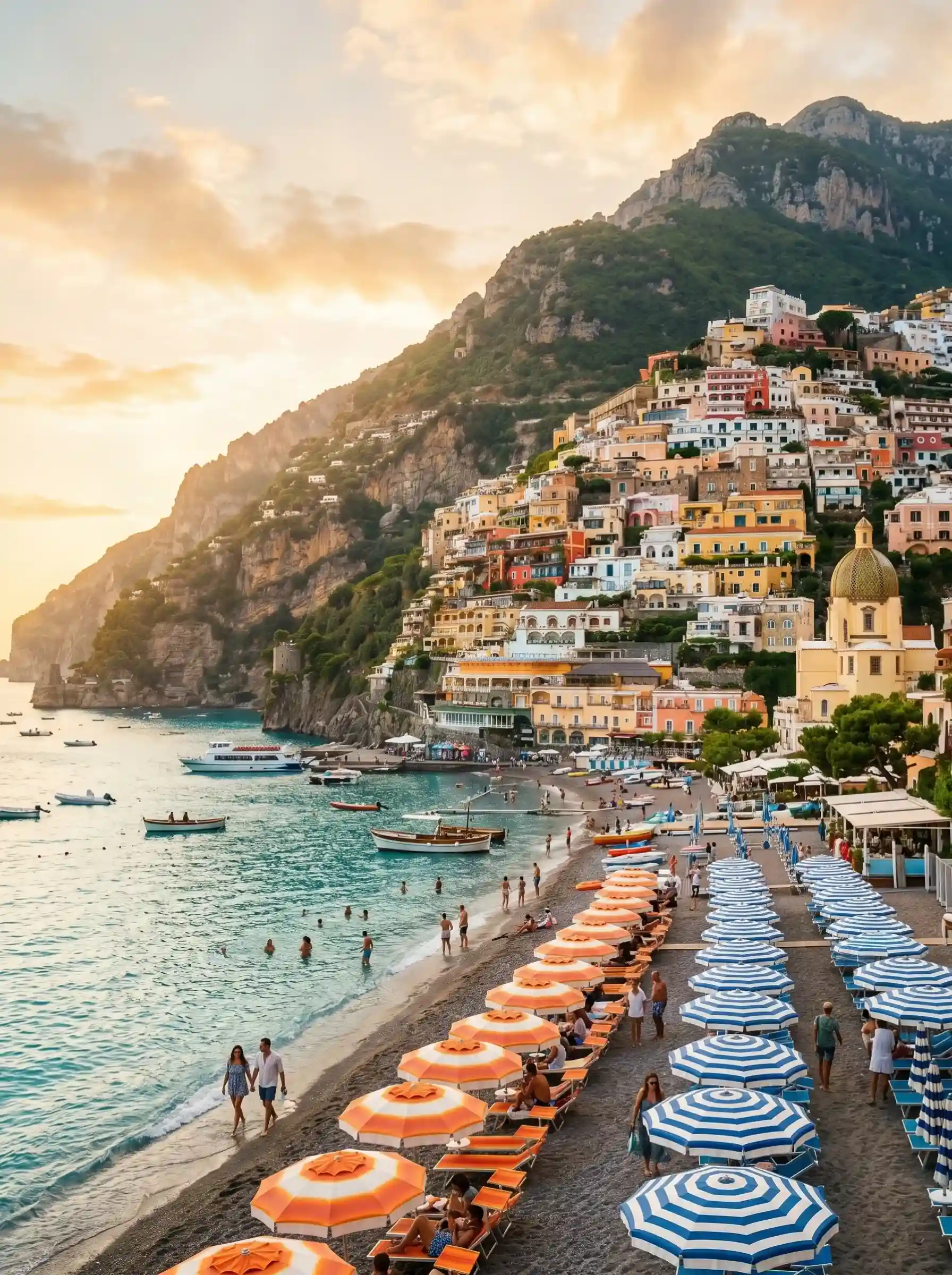
When Ozber Cin set out to create this piece, the goal was never to simply replicate a beach scene. The Retro Amalfi Coast Beach Painting — sold as a Positano Italy Art Print — was inspired by a specific feeling: that warm, slightly hazy nostalgia of beach paintings from the 90s, filtered through the very real, very golden lens of Italy’s most theatrical coastline. The artwork was built using acrylic and gouache as the primary medium, with intricate digital touches layered over the top to sharpen contrast, saturate color, and give the whole composition a finish that feels both handmade and modern. The result is a piece that draws you in close to appreciate the craft, then rewards you from across the room with its sheer presence. Incorporating elements that reference classic travel art — retro illustration, Mediterranean sunlight, architectural silhouette — this is a print that functions equally as personal keepsake and statement decor, depending entirely on how you choose to frame it.
Key Features
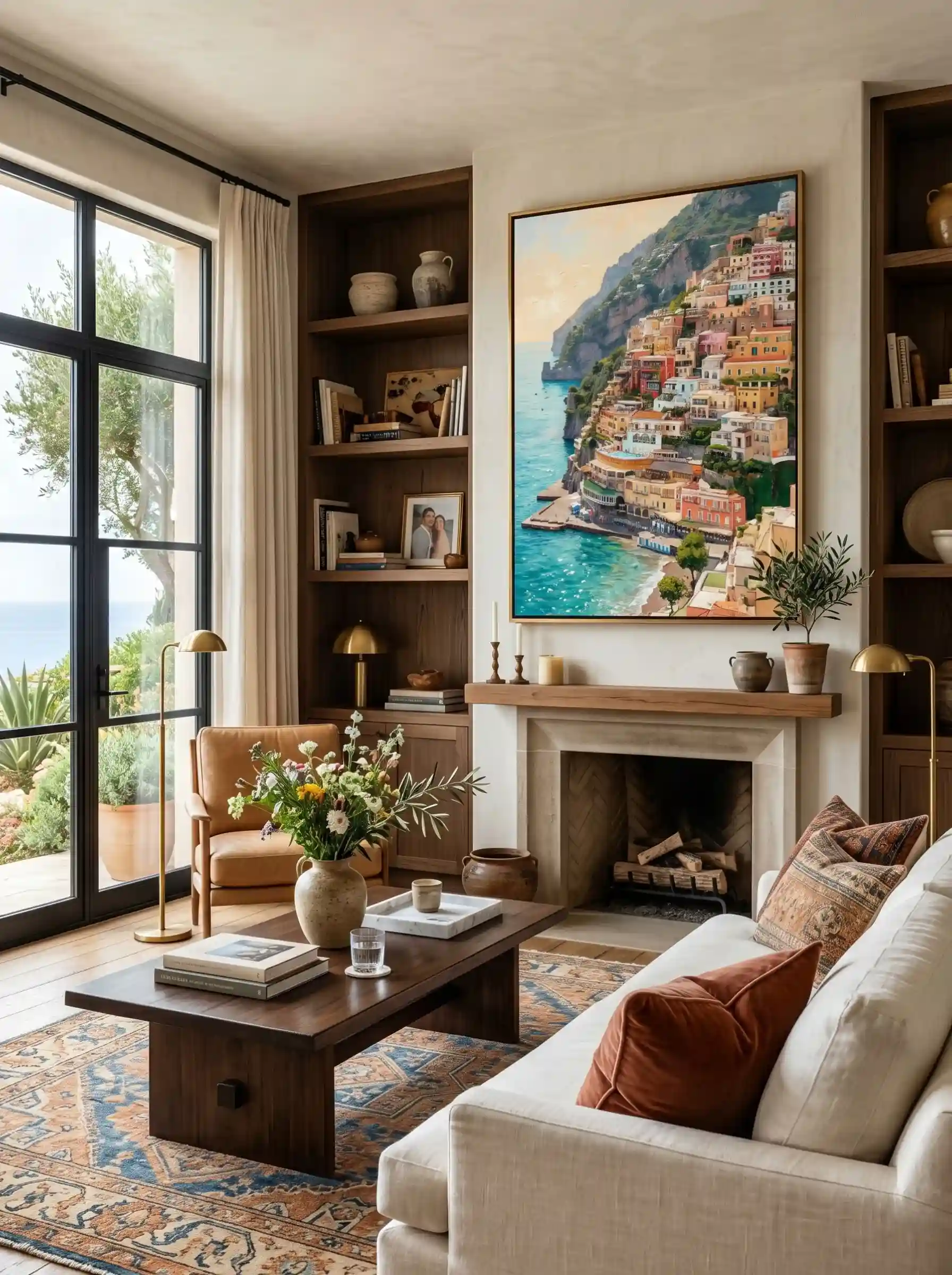
Few prints pull off the balance this one does — a beautiful depiction of Italy’s Amalfi Coast and Positano that is simultaneously precise enough to satisfy the art collector and bold enough to anchor a room with personality. The palette runs through vibrant pink and beige tones that shift with natural light throughout the day — morning softness giving way to an afternoon warmth that makes the whole piece glow. For maximalist decor enthusiasts, this hits every note: layered color, confident composition, unmistakable subject matter. It arrives as a unique and thoughtful gift designed for wedding and honeymoon moments, for the person who already has everything but doesn’t yet have a piece of the Mediterranean on their wall. Available across multiple sizes to suit varied decor needs, it translates equally well in compact gallery walls or as a solo statement. The preppy and trendy decor styles it suits are broad — and the combination of acrylic-inspired depth and refined digital touches means this print photographs beautifully and lives even better in person.
Who Can Use This Product
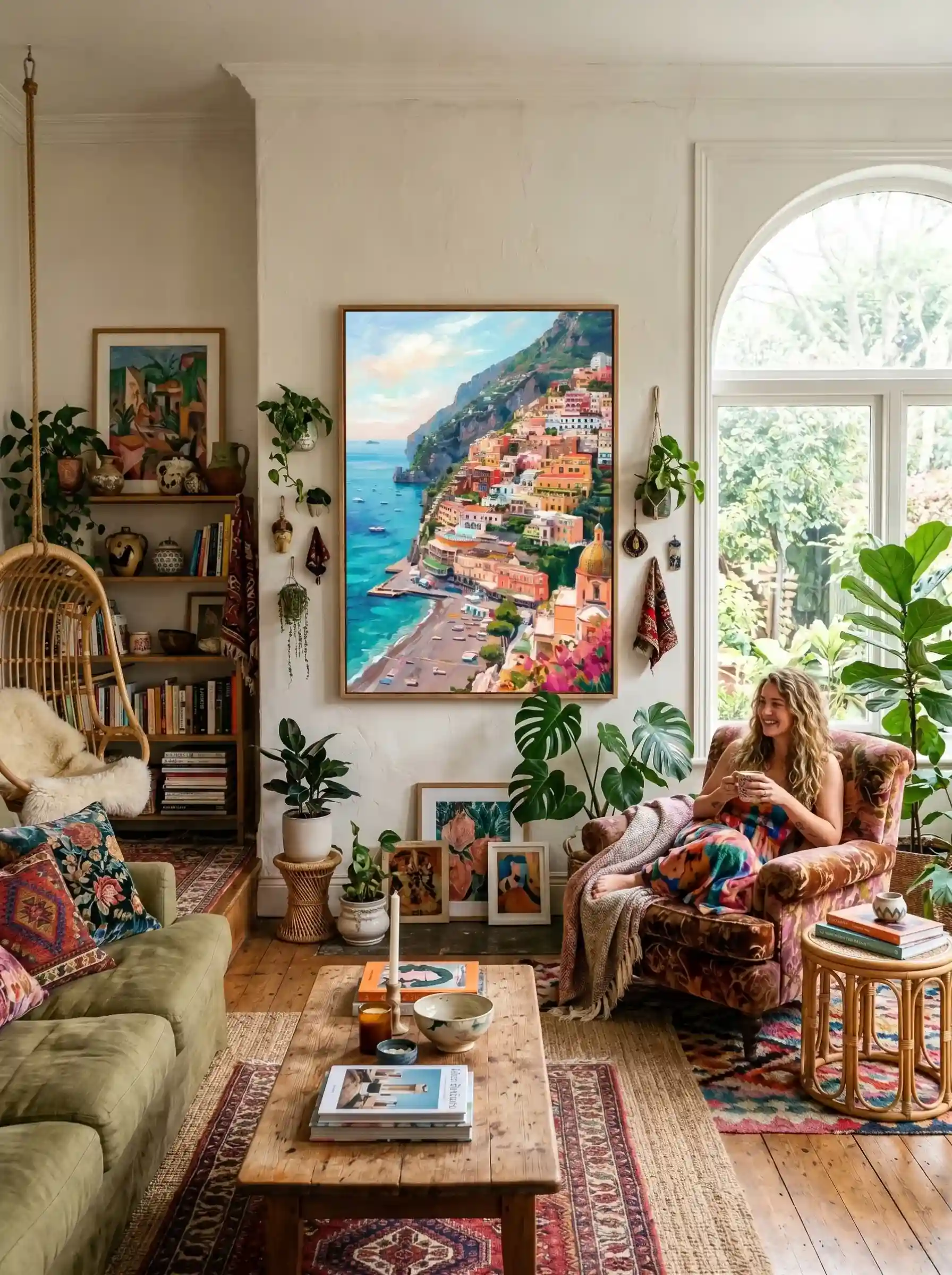
This print has found its way onto walls I wouldn’t have predicted — and that, honestly, speaks to how versatile good maximalist art really is. Maximalist art enthusiasts drawn to unique and bold designs will find in it a piece that commits fully to its aesthetic without tipping into chaos. Boho home decor aficionados looking to introduce a pop of color without repainting a room will lean on the vibrant Mediterranean palette to do the heavy lifting. For those chasing that dopamine decor effect — the phenomenon of surrounding yourself with objects that make you feel genuinely good — this print delivers it reliably. It works in the living room as a soothing sanctuary anchor, pulling the eye and settling the space at the same time. And for anyone who appreciates fine art prints with a whimsical twist rather than the clinical sterility of mass-market wall art, there’s something in the hand-crafted origin and the trendy color story that feels genuinely personal in their homes.
How to Use This Product / Display Ideas
The Living Room is where this print tends to earn its greatest impact — hung at eye level, it operates as the kind of focal piece that sparks conversation without demanding it. Guests notice it before they mention it, and then they ask. In a Bedroom, the effect shifts toward something quieter: a serene and romantic ambiance that frames the room in a kind of perpetual Mediterranean wanderlust. Your workspace or Office benefits too — there is genuine psychological value in surrounding yourself with inspiration that points toward beauty and movement rather than productivity metrics. As a Wedding Gift, this is the kind of unique and thoughtful present that newlyweds display for decades rather than fold into a drawer within months. As a Honeymoon Keepsake, it becomes a beautiful and lasting reminder of a special trip — more honest than a postcard, more durable than a photograph. For birthdays, housewarmings, or any special occasion where friends and family who love nature and art need a gift that won’t feel generic, this is the answer that arrives already feeling considered.
Print Quality & Materials
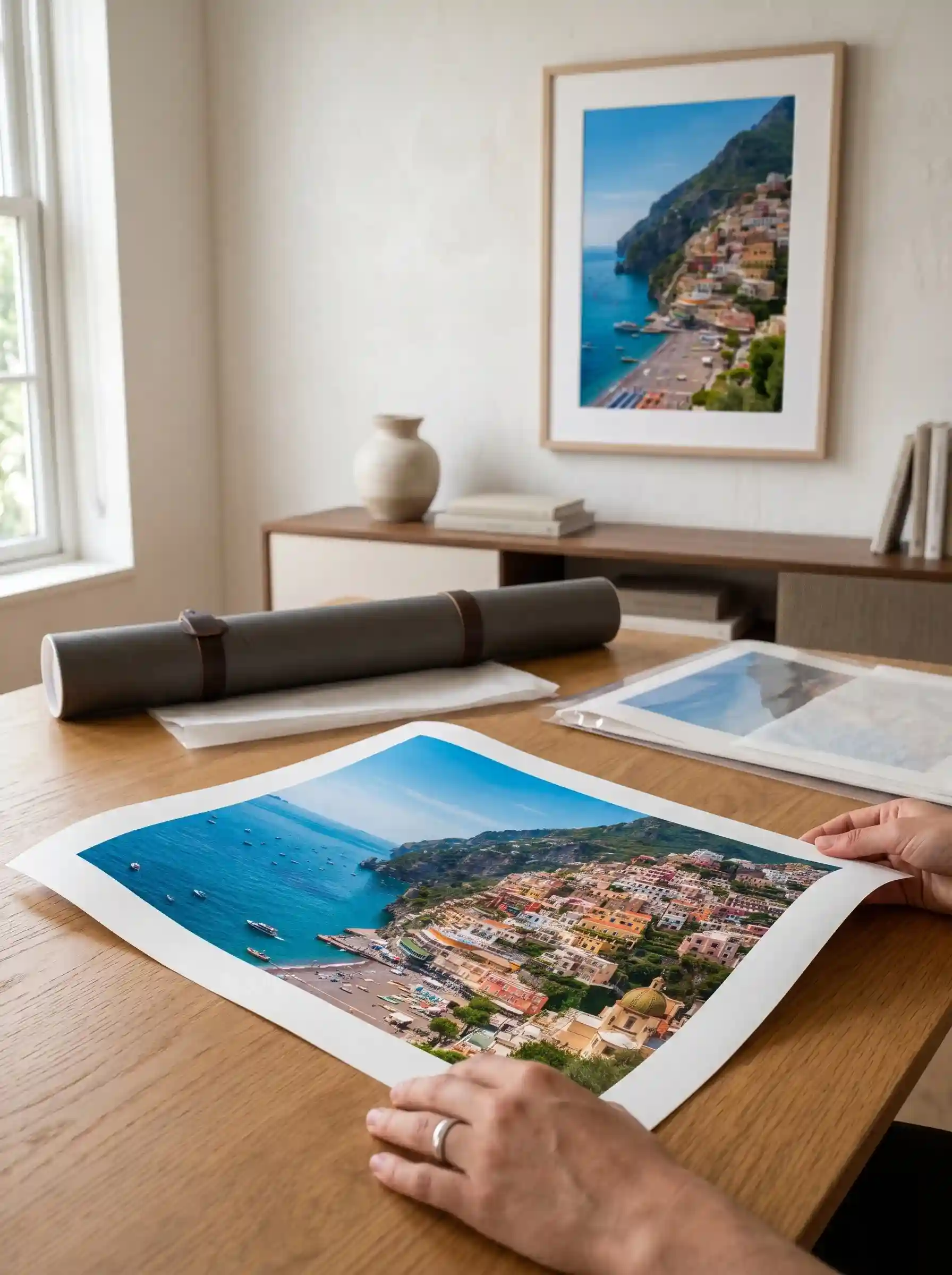
There is a version of buying a print online that results in something thin, watery, and faintly embarrassing on your wall — this is not that. Each piece is produced on premium matte paper with a rich, vibrant finish that renders the Mediterranean palette with real conviction. Every order is rolled and shipped ready for you to frame and display — and sizes span the full range from 6″ x 8″ through to 28″ x 40″ (Vertical), covering 11″ x 14″, 16″ x 20″, 18″ x 24″, and 24″ x 36″ along the way. Prices adjust per size and are selectable via the drop-down menu. The paper specification is Extra Quality Matte at 200 g/m² (5.57 oz/yd²), optimized for artwork reproduction. A Rolled Premium Poster at 200gsm is the physical standard — no cheap stock, no compromise.
The print process itself is a 12-color Giclée inkjet system running on pre-cut sheets of acid and lignin-free, age-resistant paper — which matters because Giclée printing at this level produces Bright, intense colors that genuinely do not fade under regular sunlight exposure. The in-depth reproduction of colors and fine details this process enables elevates the result to a Museum-quality rendition rather than a standard poster. Every piece goes through a Quality Control check station at each stage of the print process — the goal being to minimize errors and deliver only the highest quality final product. Under Packaging Control, each UNFRAMED print is sealed in an archival plastic bag before dispatch in either an envelope or protective tube. The frame is not included, but with paper and print at this quality level, your framer will thank you.
Processing Times
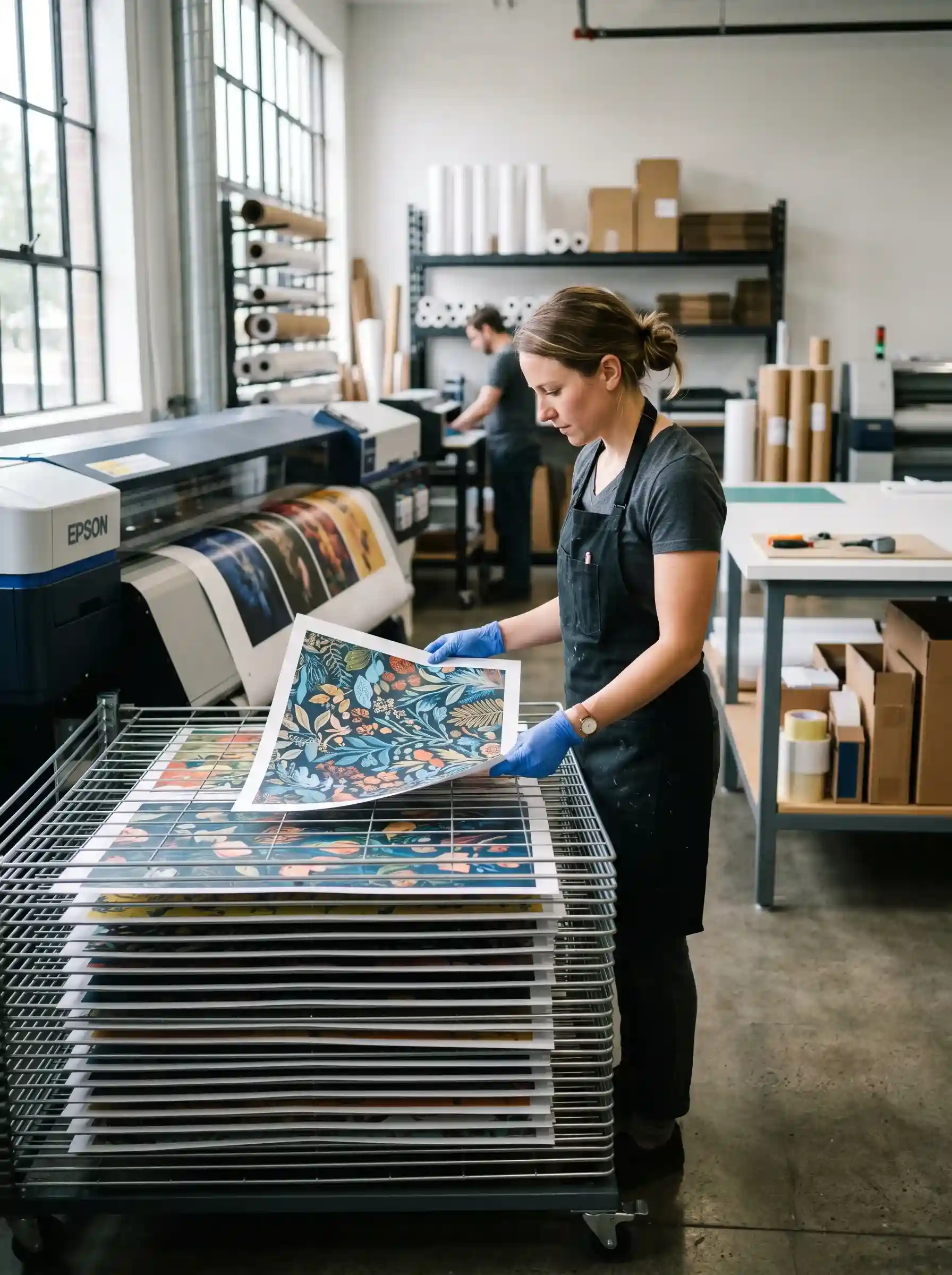
Once your order is placed, the printing process begins — and the duration is governed by ink drying time more than anything else. That typically means 2 to 3 days from order to dispatch, covering the full production cycle from print to packaging. It is a deliberate pace, not a slow one.
Print Quality and Color Variations
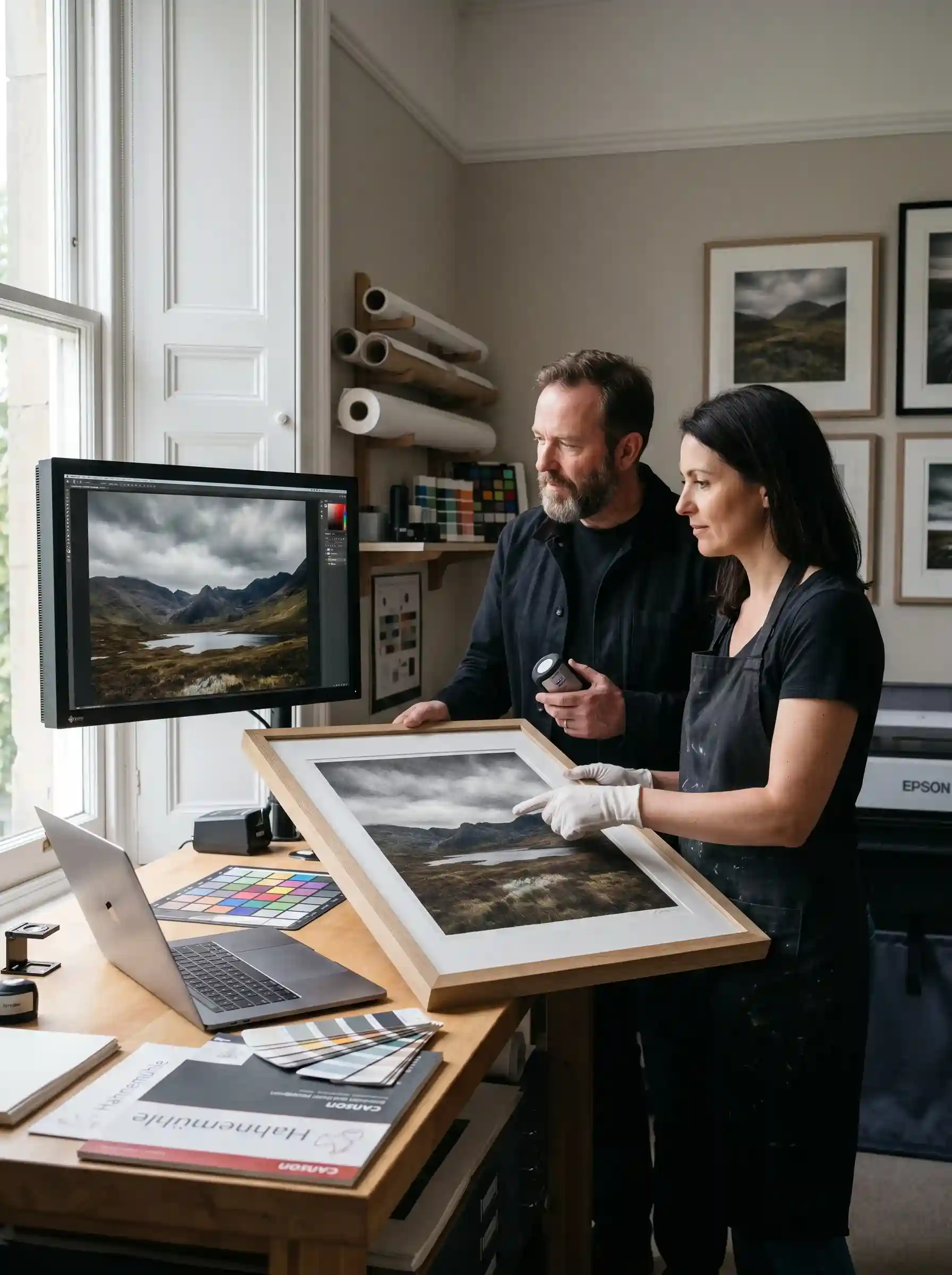
One honest note worth addressing upfront: colors behave differently depending on where you view them. What appears on your screen is shaped by your monitor calibration and printer settings, meaning the physical print may carry subtle variations from what you saw digitally. This is entirely normal in fine art reproduction and speaks to the nature of color management across devices rather than any fault in the print itself. When the piece arrives, judge it in natural light — that is when it truly performs.
Copyright Notice
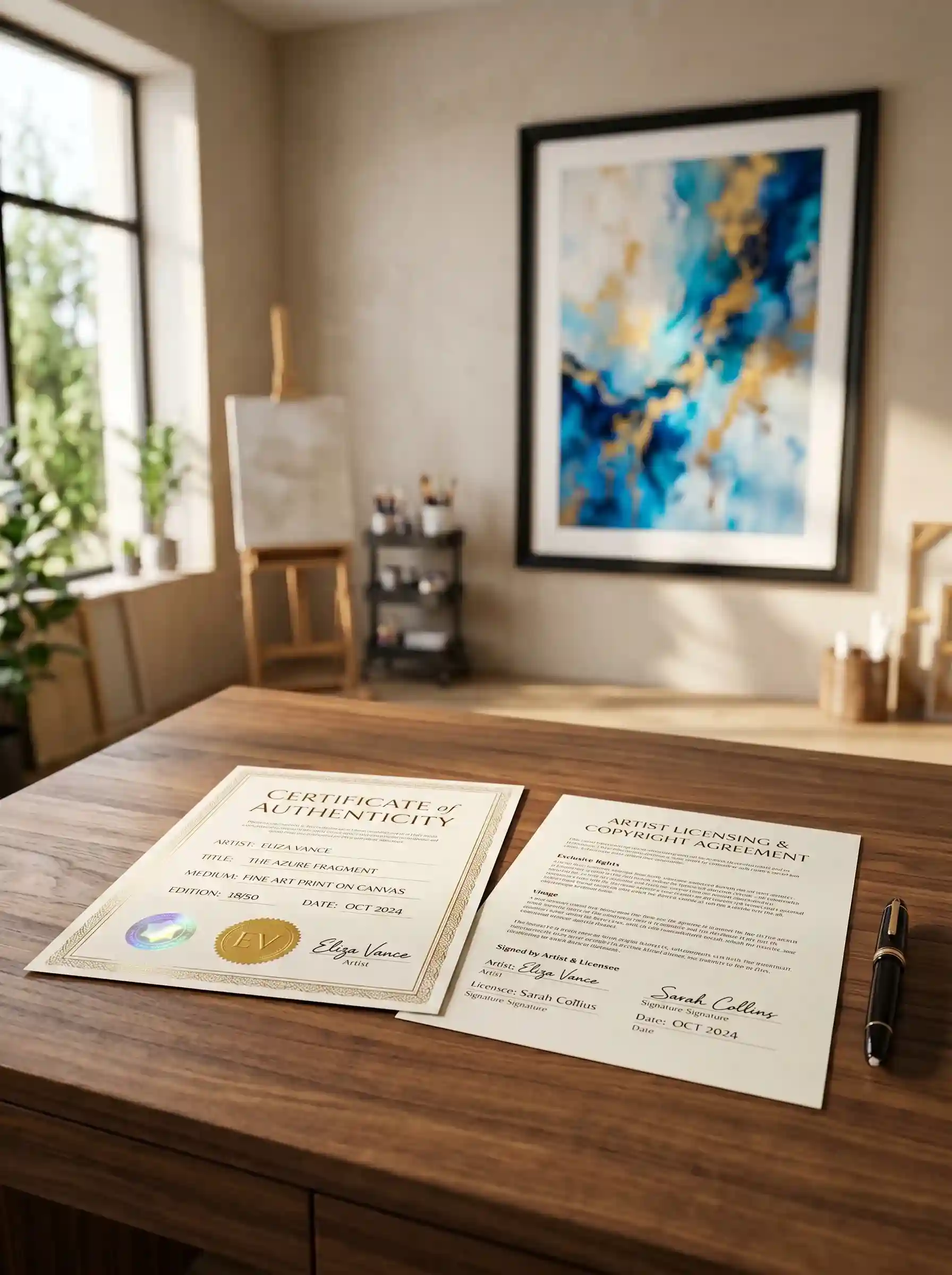
This artwork is the exclusive property of Lotus Aura Art Prints — Ozber Cin — and is protected under COPYRIGHT 2024. Purchasing this listing grants you the right to display and enjoy the print for personal use only. Commercial use is strictly prohibited, as is sharing, re-selling, or uploading the image to public websites. By completing your purchase, you enter into the copyright agreement and acknowledge these terms. Lotus Aura Prints takes the intellectual protection of its work seriously — and the people who collect it tend to appreciate that seriousness too.
Amalfi Coast Retro Vector Art & Illustrations
The demand for retro Amalfi Coast art has quietly become one of the most consistent trends in travel-inspired design — and the numbers reflect it. Shutterstock alone hosts over 2,528 Amalfi Coast stock vectors and illustrations available on a royalty-free basis, a figure that signals just how sought-after this aesthetic has become across vintage-style vector art circles. The range spans Vintage Italian summer vacation poster sets featuring hand-drawn retro frame and border elements, complete with elegant Amalfi scenes, lemons, and classic travel postcard stamp designs. At the more contemporary end, Retro abstract Amalfi Coast Italy hand-drawn posters pair handwriting slogan text with graphic tees and t-shirts sensibility, designed as vintage canvas postcard posters for modern walls. Modern abstract summer posters in sketch doodle style capture Amalfi Italian sea coast hand-drawn icons with a looser, more playful energy.
Pattern-based work has also surged — Amalfi summer patterns built around yellow lemons and Mediterranean sea tiles translate beautifully into retro coastal vintage blue prints that carry the same aesthetics as traditional Mediterranean porcelain tile pattern work. Blue Italian mosaic designs and Amalfi ceramic ornaments bring the artisan culture of the coast directly into the visual language of the prints. Popular search themes within this genre — Amalfi coast beach, Amalfi coast lemon, Amalfi coast sunset, Amalfi coast Positano, Amalfi coast watercolor, Amalfi coast illustration, and Amalfi coast panoramic — each point to a different facet of the same obsession: a place that simply refuses to stop being beautiful, no matter how many times it is drawn.
The Amalfi Coast: Destination Overview
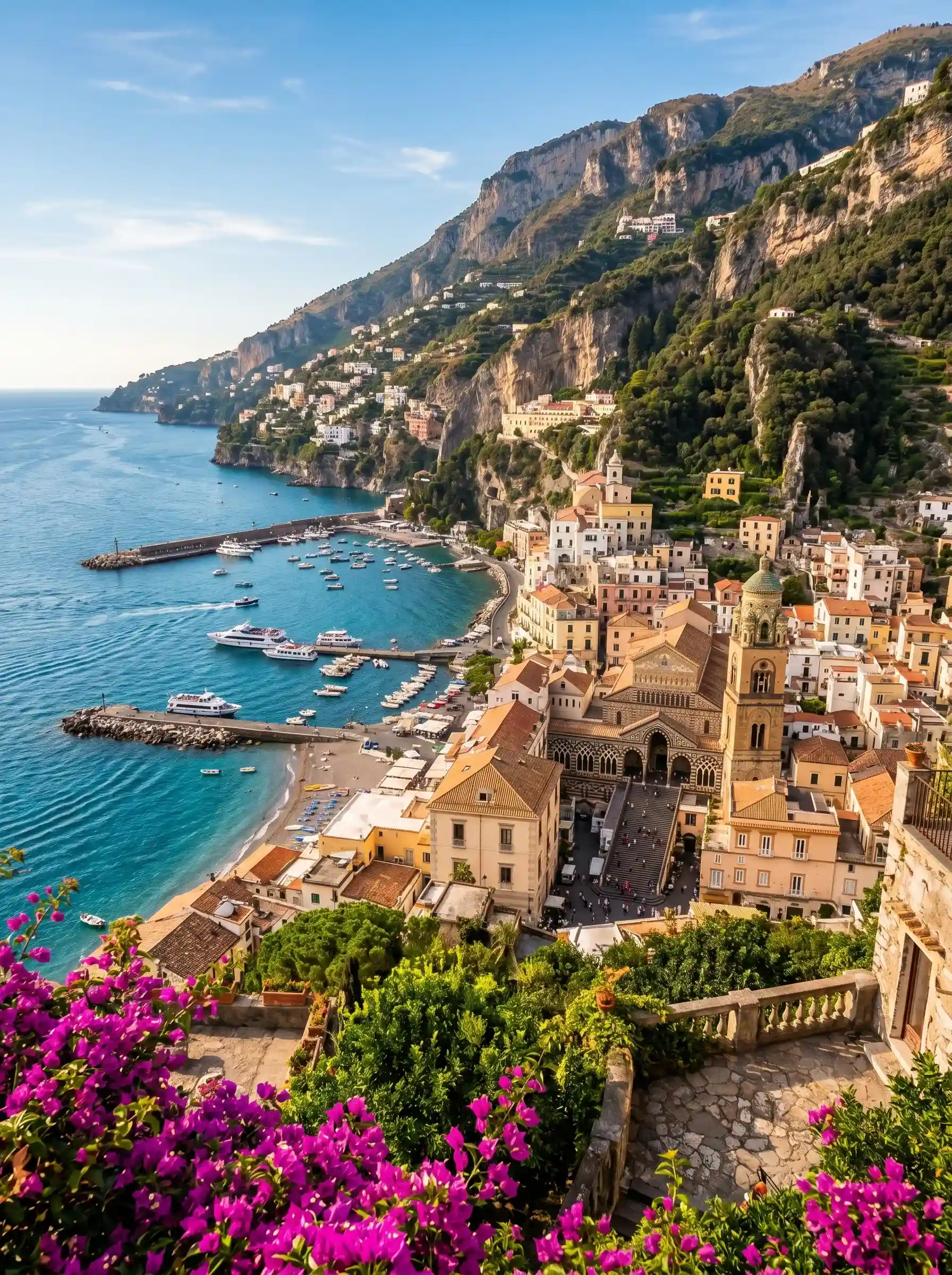
Ask most people to name Italy in a single image and they will describe something that looks unmistakably like this coastline — and they would be describing the Costiera Amalfitana, the 50-kilometer stretch of the Campania region that folds 13 coastal towns and villages into the terrain between Naples and Salerno. What makes Amalfi remarkable beyond the view is its pedigree — this historic town was once a powerful maritime republic, among the main hubs of Mediterranean commerce in the early medieval period, long before it became one of the most photographed places on earth. Each of its 13 villages carries a distinct charm, though the whole stunning blend of colorful towns and crystal-clear waters reads as a single, coherent visual language from the water.
Positioned at the foot of Monte Cerreto on the Sorrentine Peninsula, the town of Amalfi sits in a natural cove with near-vertical landscapes rising sharply on three sides — colored splashes of buildings pressed against the cliff face, anchored at their base by the 9th-century Amalfi Cathedral that has presided over the piazza for over a millennium. The breathtaking views from 60 km inland carry all the way out past the harbor to open water — and it is this relationship between stone, sea, and sky that has made the Amalfi Coast one of just a handful of places where the UNESCO World Heritage Site designation feels not just merited but almost understated.
Key Towns & Villages
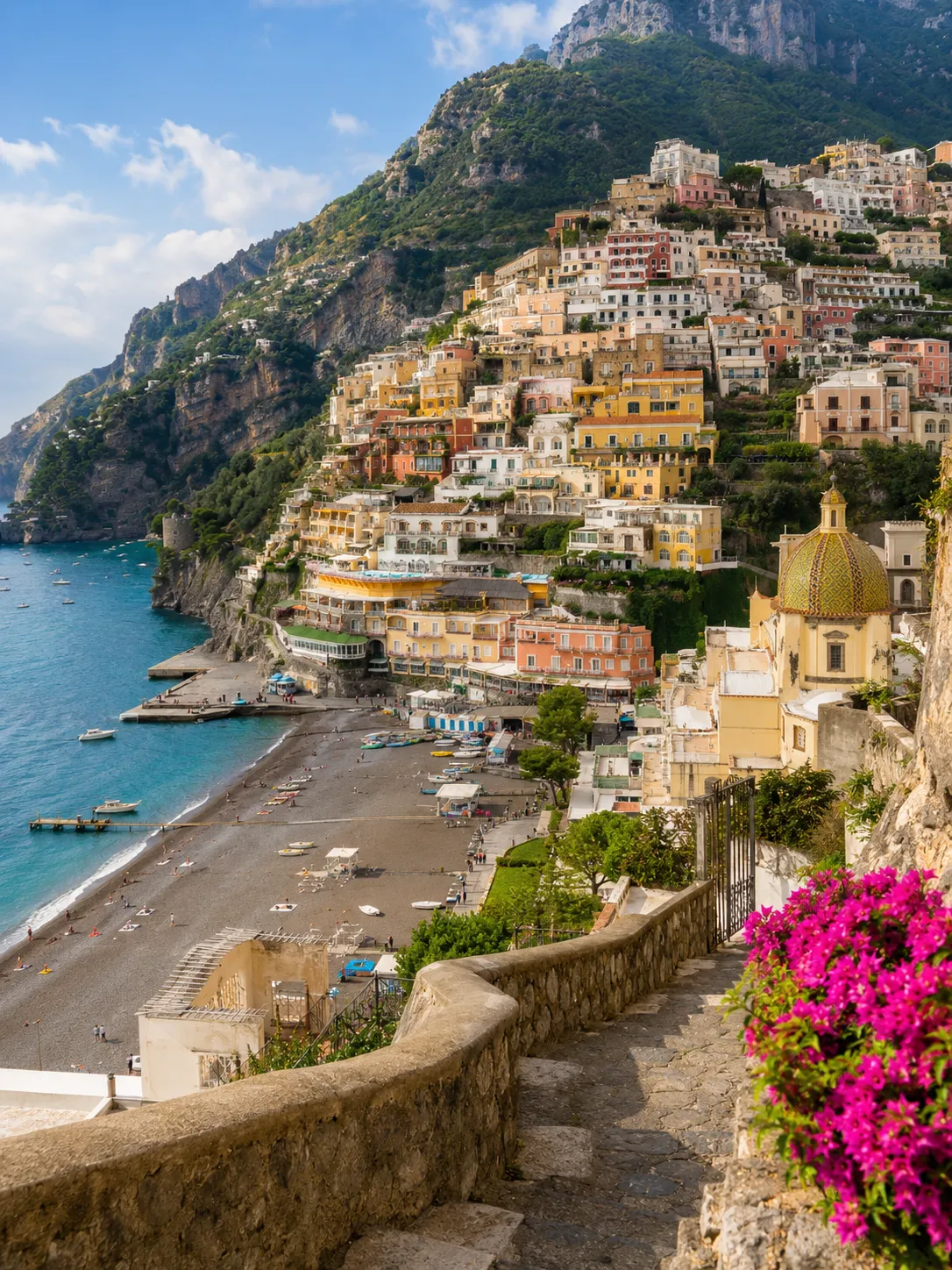
Positano commands the most attention — and earns it. Brightly colored houses stacked up a steep cliff face, an expansive private beach at their feet, and a concentration of good hotels, luxury house rentals, restaurants, cafes, bars, and shops that somehow manages to feel curated rather than chaotic. It is the most expensive destination on the coast and the most scenic — a magnet for wealthy travelers, celebrities, and Instagram influencers who come for the sun, sand, and shopping, and stay because the steep stairways somehow only add to the character. Any first-time vacationer here will spend at least one morning just standing on a balcony trying to commit the bay view to memory rather than a phone screen.
Ravello, perched high on a hilltop well above the waterline, offers something different — a tranquil retreat where historic villas and gardens outperform the beaches entirely. Villa Cimbrone’s Terrace of Infinity is not a hyperbolic name. Villa Rufolo’s beautiful gardens and formal architecture sit at the center of town with a quiet authority, and the romantic town’s capacity to inspire writers, musicians, and painters across generations is not incidental — it is built into the place. Atrani, by contrast, operates almost entirely off the tourist radar despite sitting just around the headland from Amalfi town. Its narrow cobblestone streets, pastel-hued buildings, Tyrrhenian Sea views, intimate piazzas, and the Church of San Salvatore de’ Birecto give it the authentic Italian atmosphere of a town that has not yet decided to perform for visitors — a filming location for seaside scenes in The Talented Mr. Ripley, and still as photogenic today. Amalfi Town itself functions as the history-soaked, easier-pace alternative for families and those less interested in the social spectacle of Positano — its culture runs deep, its sand and sea are accessible, and the sense of living alongside something genuinely ancient never leaves you.
Things to Do on the Amalfi Coast
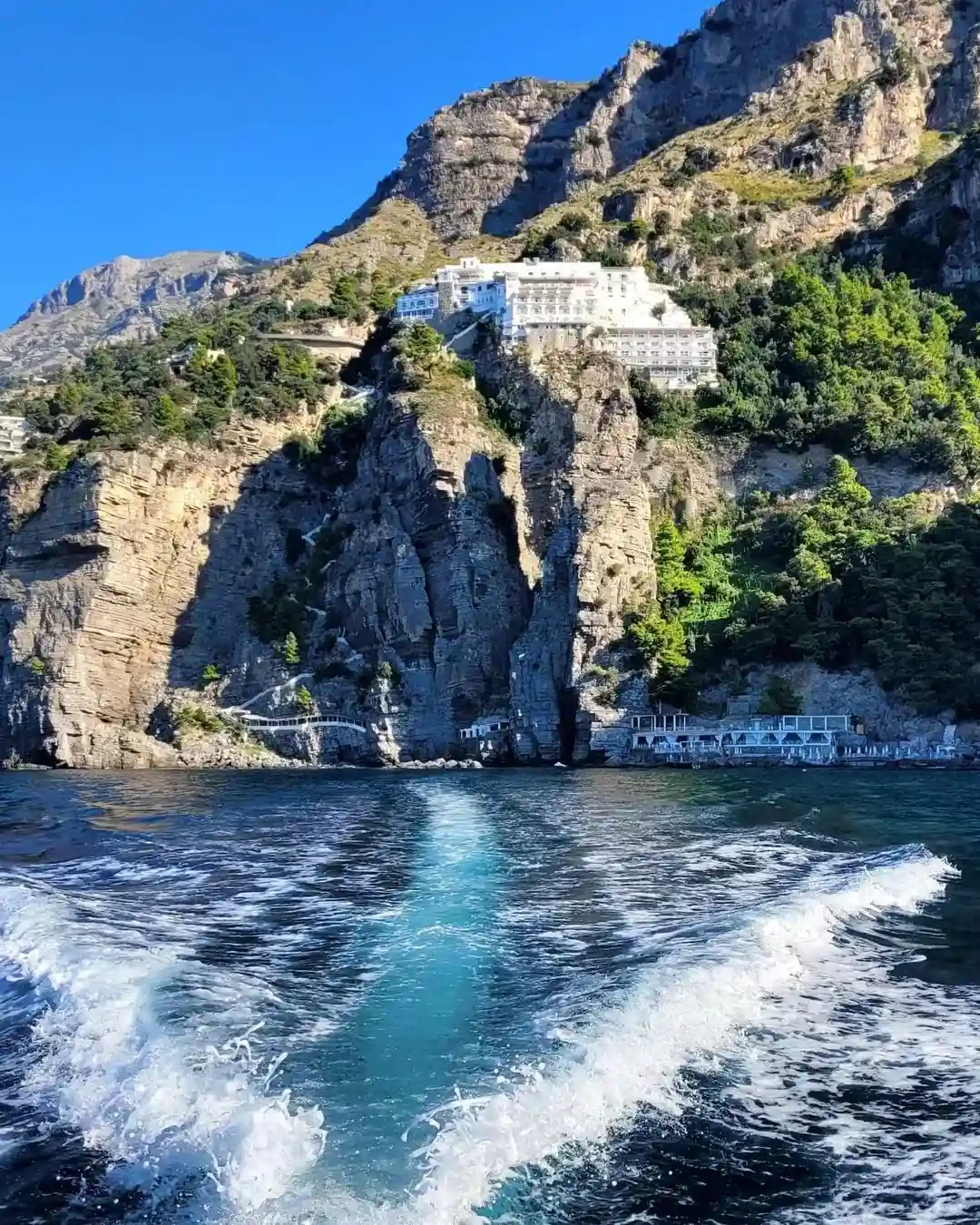
The Amalfi Cathedral — that 9th-century landmark rising over the main piazza — is not optional. It provokes a kind of quiet reverence regardless of your relationship to history or faith, and the layers of architectural history pressed into its facade alone justify the visit. The Path of the Lemons between Minori and Maiori — only 2 kilometers (1.2 miles) long, making it one of the easiest hikes on the coast, genuinely kids-friendly — cuts through lemon groves with panoramic views of the coastline that feel disproportionate to the effort. The Path of Gods, the Sentiero degli Dei, is the legendary alternative for those who want dramatic views and a proper hiking trail to justify them — one of the most consistently memorable walks I have taken anywhere in Europe.
Out on the water, a guided Boat Tour around the Isle of Capri layers Greek mythology, Roman history, and genuine celebrity gossip about who owns which villas on the island into a single afternoon. The Blue Grotto — Grotta Azzurra — where Emperor Tiberius reportedly used the chamber as a personal indoor pool, adds a layer of ancient theater to what is already a visually spectacular boat tour. The Emerald Grotto offers a quieter version of the same natural landscape theater without the queue. Back on land, Villa Rufolo and Villa Cimbrone in Ravello carry the terraced gardens above the sea that once drew the German composer Richard Wagner to this 13th-century villa — the connection between place and creative output is impossible to ignore. Museo della Carta documents the paper-making tradition that gave Amalfi Coast its medieval commercial edge — a rich history compressed into a single, surprisingly absorbing museum. Amalfi Harbour remains the rendezvous point for locals and tourists alike, with waterfront boating activities cycling through all day.
For the genuinely adventurous, Mount Vesuvius — accessible during opening hours — rewards the hike to its crater with a bucket-list experience that puts the whole region’s volcanic geology into immediate, slightly humbling perspective. Pompeii and Herculaneum function as essential day trip material for anyone drawn to ancient Roman history and the ruins left by Vesuvius’s most infamous eruption. Paestum, more obscure than either, is an archaeological site that houses three ancient Greek temples in a near-perfect state of preservation — some of the finest ancient Greek architecture in all of Italy, and a UNESCO World Heritage Site in its own right, deserving far more attention than it gets.
Getting There & Getting Around
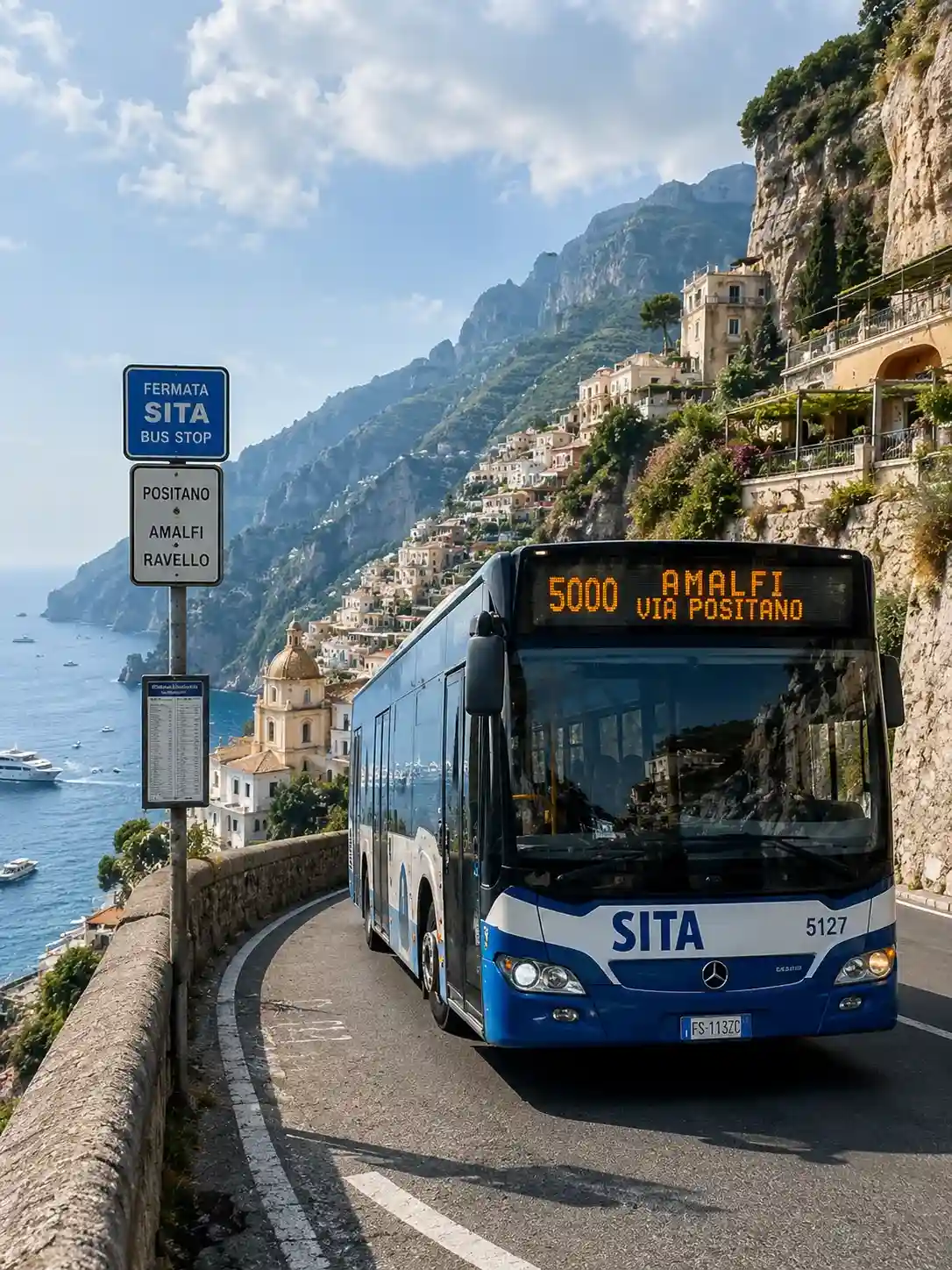
Every journey to the Amalfi Coast effectively begins at Naples International Airport (NAP) — the most logical entry point whether you are connecting from within Europe or arriving from further afield. From there, a modern, air-conditioned bus runs directly to Sorrento for around €13, while train connections via the main Naples station and shared transfer services reach Positano and other coastal towns directly. The honest truth, though, is that the Amalfi Coast is notoriously challenging to move around — there is no train service on the peninsula, which means you are choosing between buses, limited ferries, taxis, and renting your own car.
SITA Buses are the backbone of public movement here — Regional buses connecting Salerno and Sorrento to all major points along the Amalfi Coast, with Tickets priced between €1.30 and €3.40 depending on distance, running roughly every 15-20 minutes. The caveat is that they run late regularly and don’t always follow posted timetables — factor that into any schedule that matters. Ferries offer a genuinely pleasant alternative: Ferry service connects Naples, Sorrento, Salerno, Positano, and Amalfi through their respective ferry terminals, and boat travel along this coastline is, frankly, the way you should experience at least one leg of any journey here. For a more exclusive experience — particularly during crowded peak season — Private Tours with a private guide eliminate the logistical friction entirely.
Where to Stay
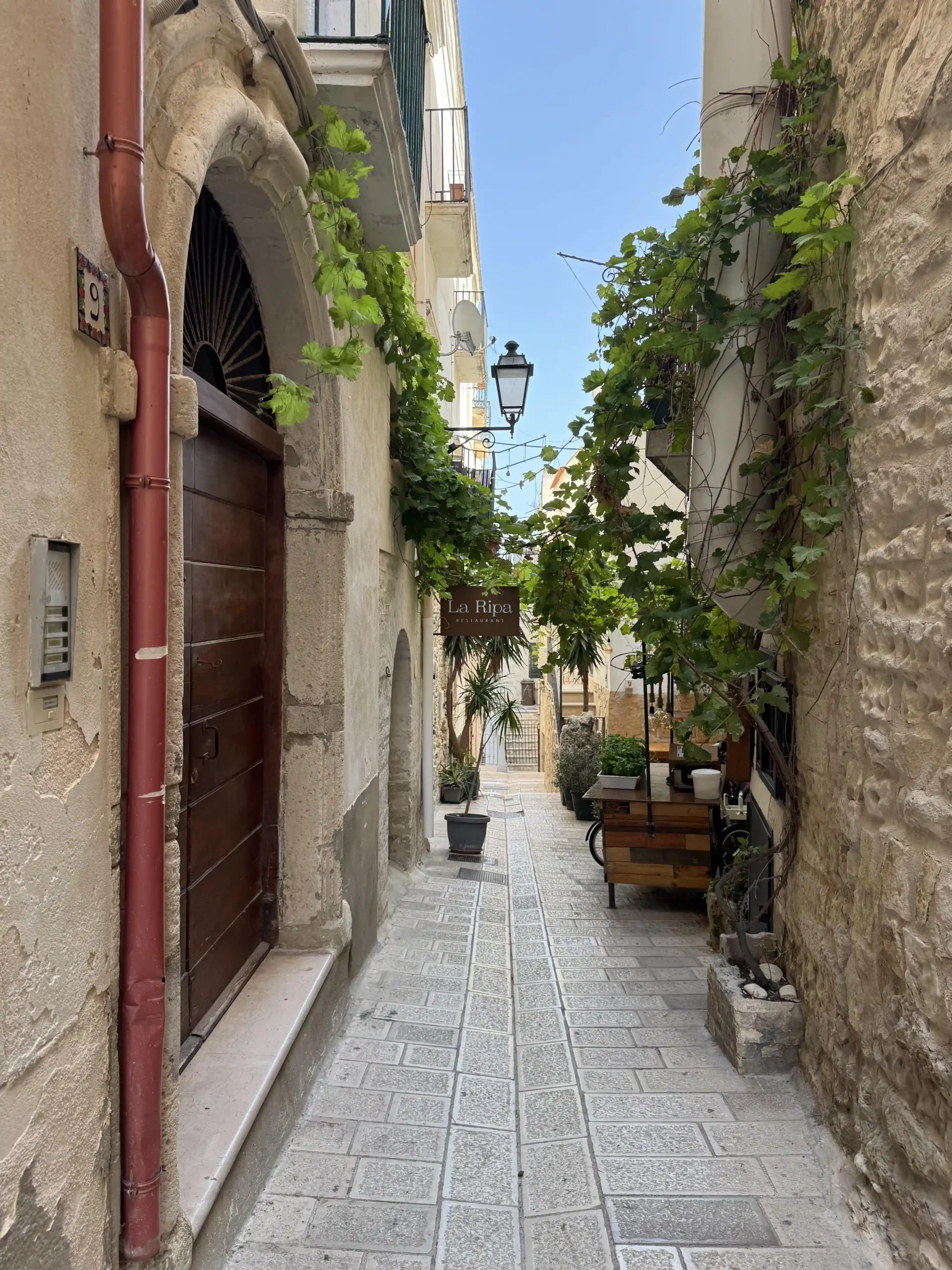
Choosing where to sleep on the Amalfi Coast is genuinely a decision that shapes the whole trip. Positano delivers luxury hotels and stunning views in abundance — if budget is not the primary concern and a dramatic first impression every morning matters, this is the obvious answer. Amalfi itself offers a central location with restaurants and shops within easy reach on foot, making it the most practical base for those who want to move around the coast without fighting traffic constantly. Sorrento, technically outside the Amalfi Coast proper, connects well via public transportation and runs consistently more budget-friendly than its coastal counterparts — it is one of the most logistically convenient bases for covering a wide range of sites. My own top recommendations lean toward Sorrento and Salerno for anyone planning to see the whole coast rather than settle into one scene.
Best Time to Visit
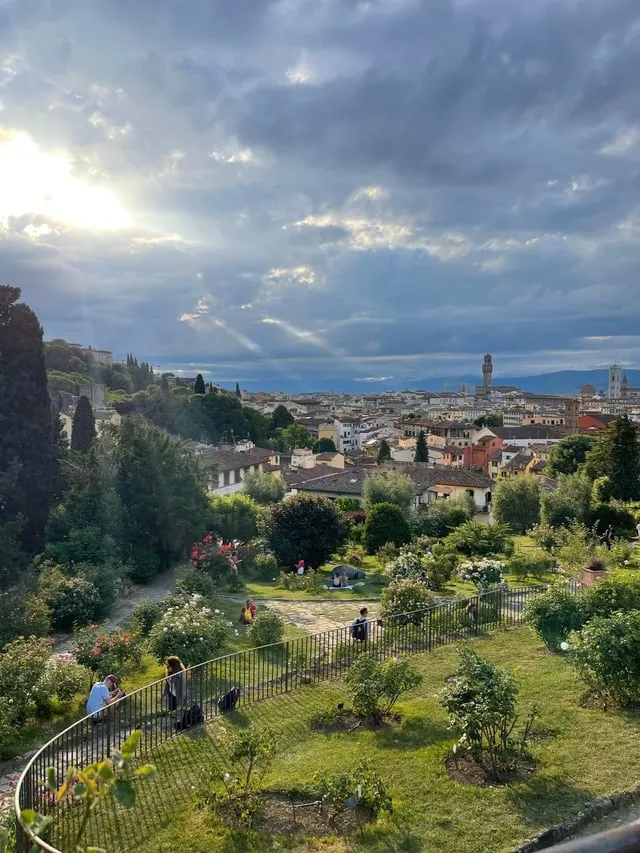
The coastal region rewards those who think slightly against the crowd. July and August bring the most crowded conditions and the sharpest spike in prices — particularly in Positano, where peak summer months turn every narrow lane into a slow-moving queue. Spring — particularly May — and early autumn — September and October — are the windows where the Amalfi Coast gives the most back: warm weather without the overcrowding, reasonable prices, and a quality of light in the warm-weather shoulder months that photographers have quietly known about for years. Winter visits are possible but genuinely limiting — much of the coast closes or reduces services, and the coastal region’s appeal is fundamentally tied to its sun and sea.
Amalfi Coast Food & Local Produce
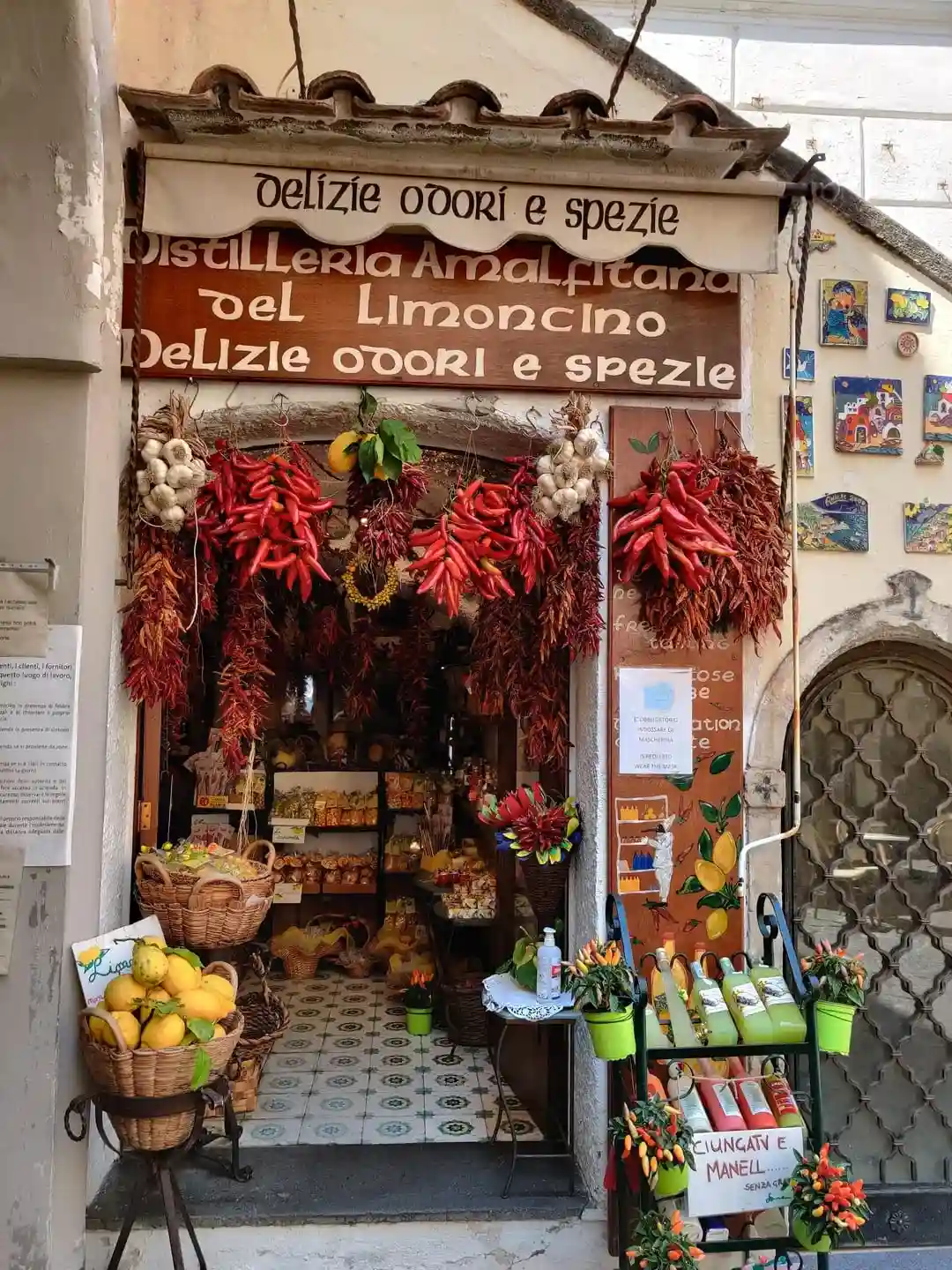
The food culture here runs as deep as the architectural one — and is arguably more accessible. The Amalfi Coast produces some of the freshest seafood in Italy, pulled from the same waters that frame every photograph, arriving on plates the same day. The terrific produce grown on the fertile slopes above the towns — tomatoes, capers, herbs — carries a flavor concentration that flat-land farming rarely matches. The beaches may be modest by Caribbean standards, but the coves and bays that cut into the coastline make boat trips and swimming an absolute delight — the water is genuinely that clear. Above everything else, the Amalfi lemons — sfusato amalfitano, the region’s protected variety — are the region’s defining pride and joy. You find them everywhere: in lemon groves above the town, in lemon-themed shops selling everything from ceramics to soaps, and most memorably in the limoncello that closes every meal on this coast with exactly the right note.
Amalfi as Art Inspiration
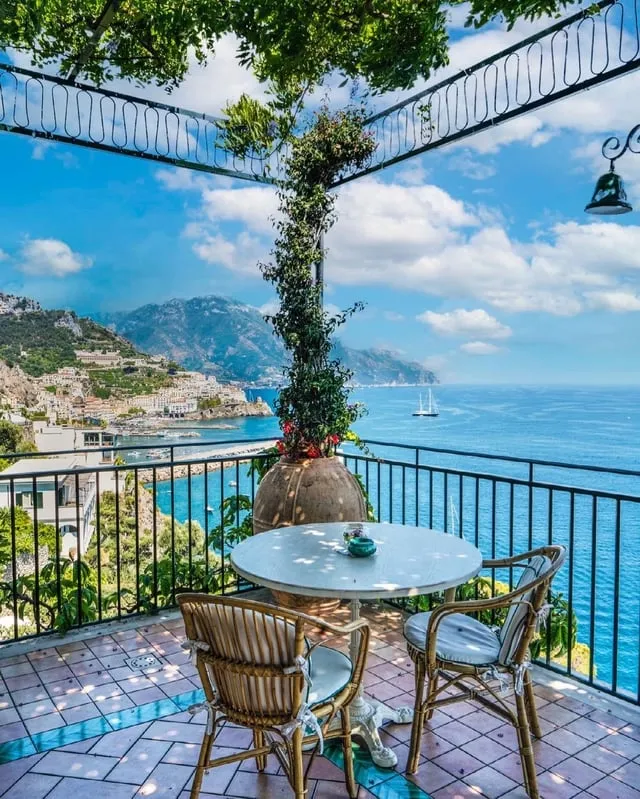
There is a reason the Amalfi Coast has functioned as a muse for artists across generations — and it goes beyond the obvious visual drama. The vibrant pastel buildings, the shimmering sea, the sun-drenched terraces draped in bougainvillea, the way the light falls differently at every hour — these are conditions that seem almost purpose-built to make painters, illustrators, writers, and musicians produce their best work. Richard Wagner found the timeless beauty of this coastline transformative. And across centuries, the place has maintained that pull.
What has changed in recent years is the lens through which the Amalfi Coast is being rediscovered as an art subject. The retro and maximalist art movement has leaned into this landscape with particular enthusiasm — producing a wave of vintage-style posters, giclée prints, watercolor illustrations, and vector art that translates classic Mediterranean imagery through 90s-inspired color palettes rather than photographic realism. Retro beach paintings of the Amalfi Coast sit comfortably in modern maximalist interiors, boho-chic spaces, and preppy coastal decor schemes alike — because they carry both the weight of a real place and the aesthetic freedom of a style that never quite went out of fashion. The result is art that feels simultaneously nostalgic and completely current.