Hong Kong Travel Guide: Best Things to Do, Victoria Peak, Kowloon & Hidden Gems
The City That Refuses to Be Ignored
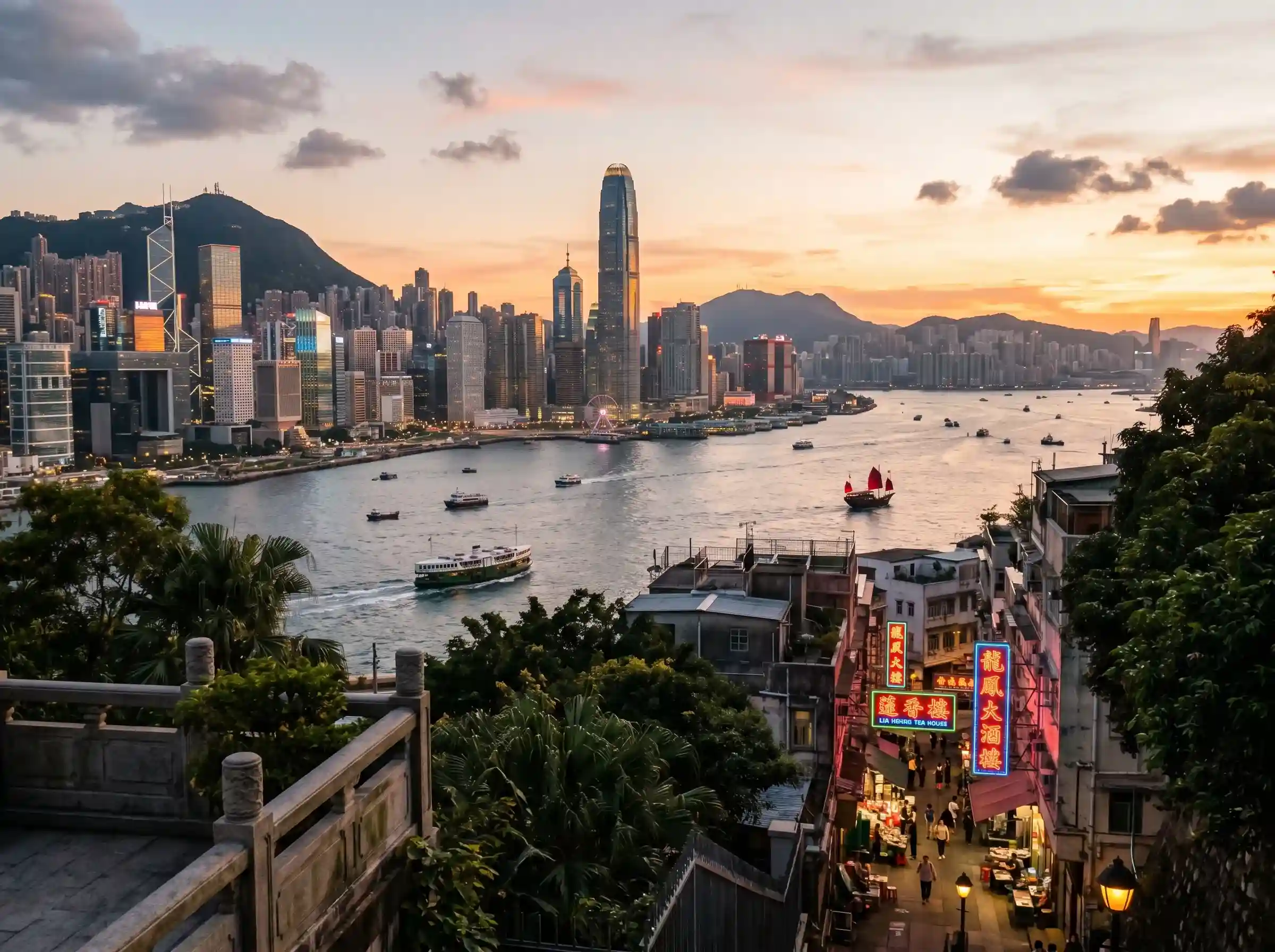
There’s a particular kind of madness that grips you the moment you land at Chek Lap Kok and I mean that entirely as a compliment. Hong Kong doesn’t ease you in. It hits like a fever dream of neon, steel, and harbour fog, a city that somehow managed to compress centuries of Chinese tradition alongside the financial velocity of a West-facing metropolis all balanced on a peninsula surrounded by islands and the South China Sea. Writers like Wong Kar-Wai spent entire careers trying to bottle that cinematic pull that rain-slicked, cyberpunk romance of it all. Even Janice YK Lee in The Piano Teacher and Richard Mason in The World of Suzy Wong couldn’t resist using this city as a character in its own right. For good reason. Whether you’ve got eight hours on a layover through London to Cathay Pacific connections, or you’re a seasoned world traveller mapping out Asia, arriving here feels like discovering something your imagination always suspected existed a city that is equal parts paradise, oasis, and concrete jungle.
I remember my first approach by plane, the mountains crowding against tall buildings and the harbour below glittering like scattered glass. Even before the train pulled out of the airport, the energy was already there urgent, electric, utterly unique. This isn’t just a gateway to mainland China. It’s a destination that demands to be taken seriously on its own terms, 236 islands included.
The Skyline: A Living, Breathing Photograph
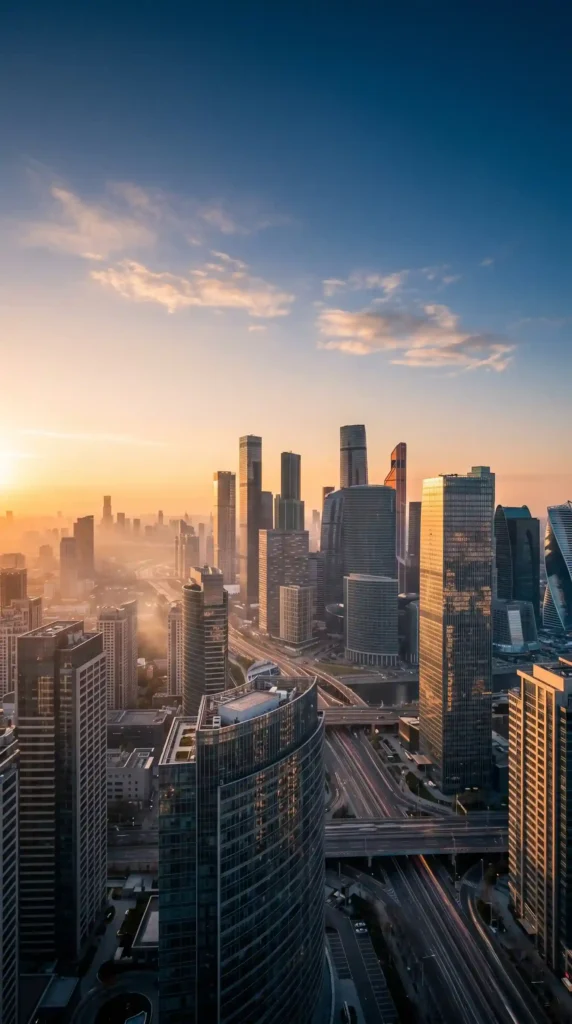
Ask any discerning photographer what they came to Hong Kong for and the answer is almost always the same: the density. You simply cannot replicate the experience of standing at any angle from Hong Kong Park, from a 23rd floor apartment, from the water and watching the skyline rearrange itself into something that looks impossible. The Bank of China Tower catches light differently than anything Norman Foster designed for HSBC, and the deliberate feng shui relationship between water and mountains running through Central’s financial district gives the whole composition an eerie intentional coherence that no Manhattan-style grid could manufacture. Head up to the 43rd floor observation deck for sweeping aerial views it’s completely free with ID at security or invest in Sky100 at ICC in Kowloon for a more polished urban view experience.
At street level, the real texture lives in the LED lights, neon signs, and the fading grandeur of older quarters the kind of photography that makes a city feel like a spy movie set rather than a place people actually live. The layering of skyscrapers stretching back through the fog toward the South China Sea is unlike anything in the world. Every surface is a composition waiting to happen.
Victoria Peak: Crowds and All, Worth Every Step
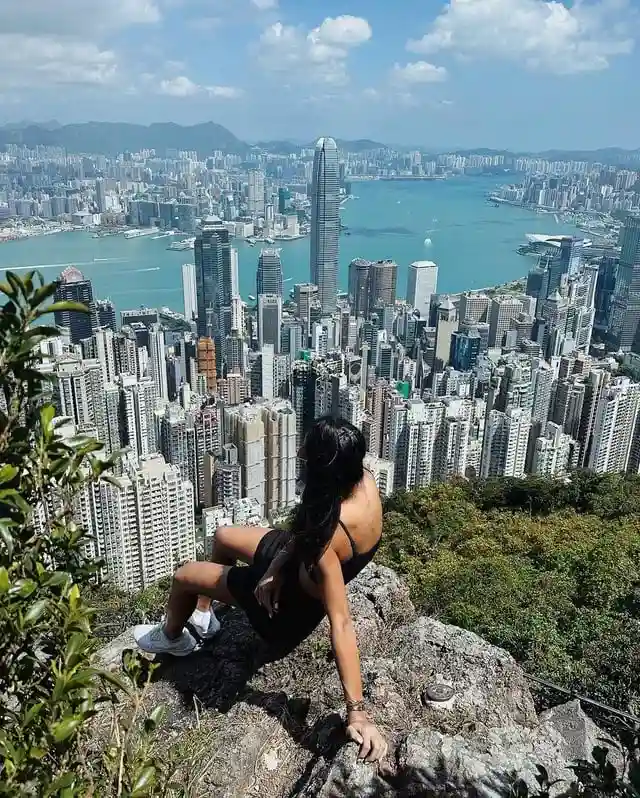
I’ll be honest with you: the Peak Tram queue during high season can feel like queuing for something more religious than recreational. Tourist crowds armed with selfie sticks and a notable lack of spatial awareness are a real feature of Sky Terrace 428. But nothing, not even the people, genuinely diminishes what you see from up there. The panoramic view sweeps across Victoria Harbour, Hong Kong Island, the Kowloon peninsula, and on a clear morning, the forests stretch all the way toward Lamma Island and the open South China Sea beyond. This iconic, jaw-dropping perspective 360 degrees of vertical city, skyscrapers rising from water, foreground and background collapsing together is why Victoria Peak has been an Asia landmark since 1888 when the funicular railway first crawled up at 27 degrees.
Skip the audio guide and the lanyards that come with the ticket price if you’re pressed for time, and walk the Peak Circle Walk the full hiking path known as the Peak Circle Trail ideally early morning before the coaches arrive. The views actually improve as you move around it: trees, clearings, unexpected sightlines that the observation deck above can never quite replicate. Bring your camera. Come prepared to share it with half the tourists in the territory. Do it anyway.
Victoria Harbour: The Light Show Debate
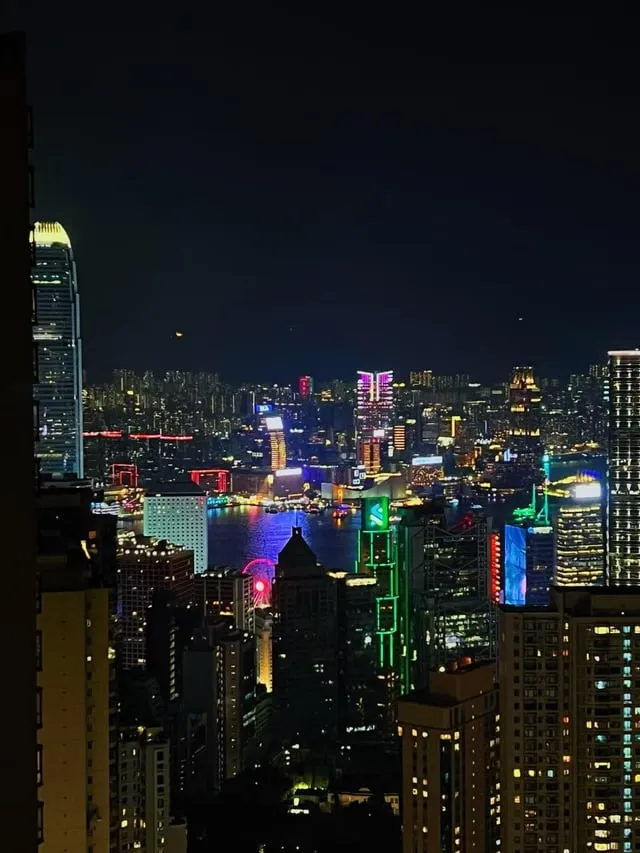
Stand on the Avenue of Stars at sunset, and Hong Kong will make you feel like you’ve walked into the opening scene of something important. The harbour does things to the light that feel cinematic even without filters. When the Symphony of Lights begins at 8pm 40 buildings across both Hong Kong Island and Kowloon engaging in a 15-minute multimedia show of music, green lasers, and coordinated flashing the scale is undeniably impressive. It’s a free, nightly bucket-list experience that brings in serious crowds to the Kowloon Public Pier and beyond.
That said, the English commentary can feel dated and the overall technology lags behind what modern projection mapping has made possible elsewhere. The tourist board has faced survey pressure to evolve the format, and honestly, the spectacular framing oversells what is ultimately a bit repetitive and overly long once you’ve been watching for a while. My honest recommendation: take the ferry crossing across the harbour the show looks better mid-water, and the crossing is an experience in its own right.
Lantau Island and the Big Buddha
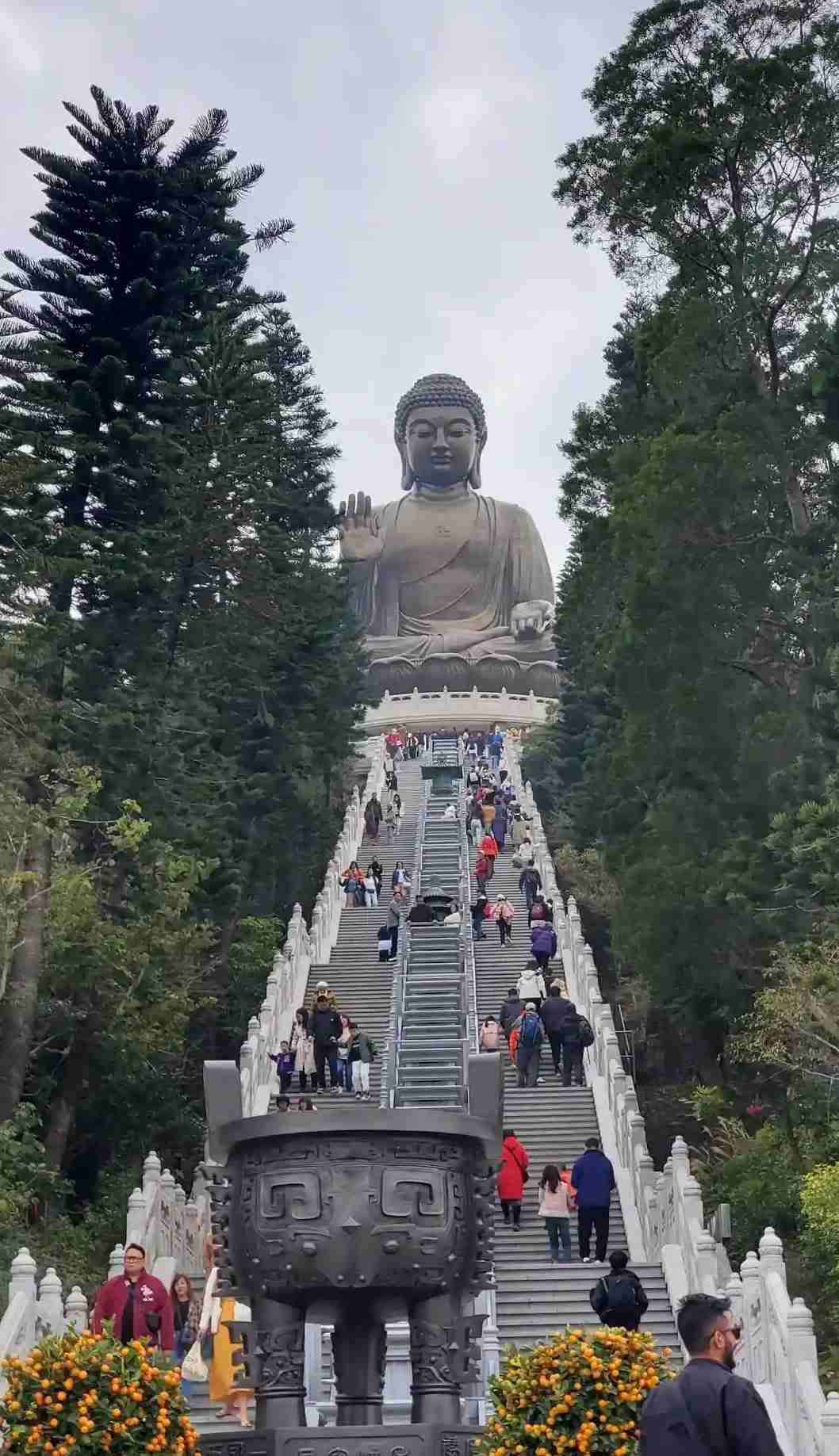
Lantau, the largest and greenest island in the territory, operates at a completely different pace to the urban intensity of the city. Take the MTR to Tung Chung and board the Ngong Ping 360 cable car for a 20-minute ride over mountain and forest that feels mildly absurd in the best possible way. The Tian Tan Buddha bronze, 34 metres tall, the world’s largest sitting outdoor Buddha commands the summit with a clarity that rain and clouds can either diminish entirely or make hauntingly atmospheric depending on your luck. Climb the 268 steps to stand at its feet and the whole of the South China Sea territory seems to fall away below. The Po Lin Monastery nearby fills the air with incense sticks, sand pots, and the particular calm of a place genuinely removed from the commercial circuit.
Beyond the main Ngong Ping complex the restaurants, the souvenir stalls real Lantau begins. There are waterfalls, fishing towns like Tai O and Mui Wo, beaches at Silver Mine Bay, rock climbing, and local beers with a view that justifies every minute of the bus ride. This island rewards the photogenic sensibility and the local experience in equal measure.
Food and Dining: A City That Takes Eating Seriously
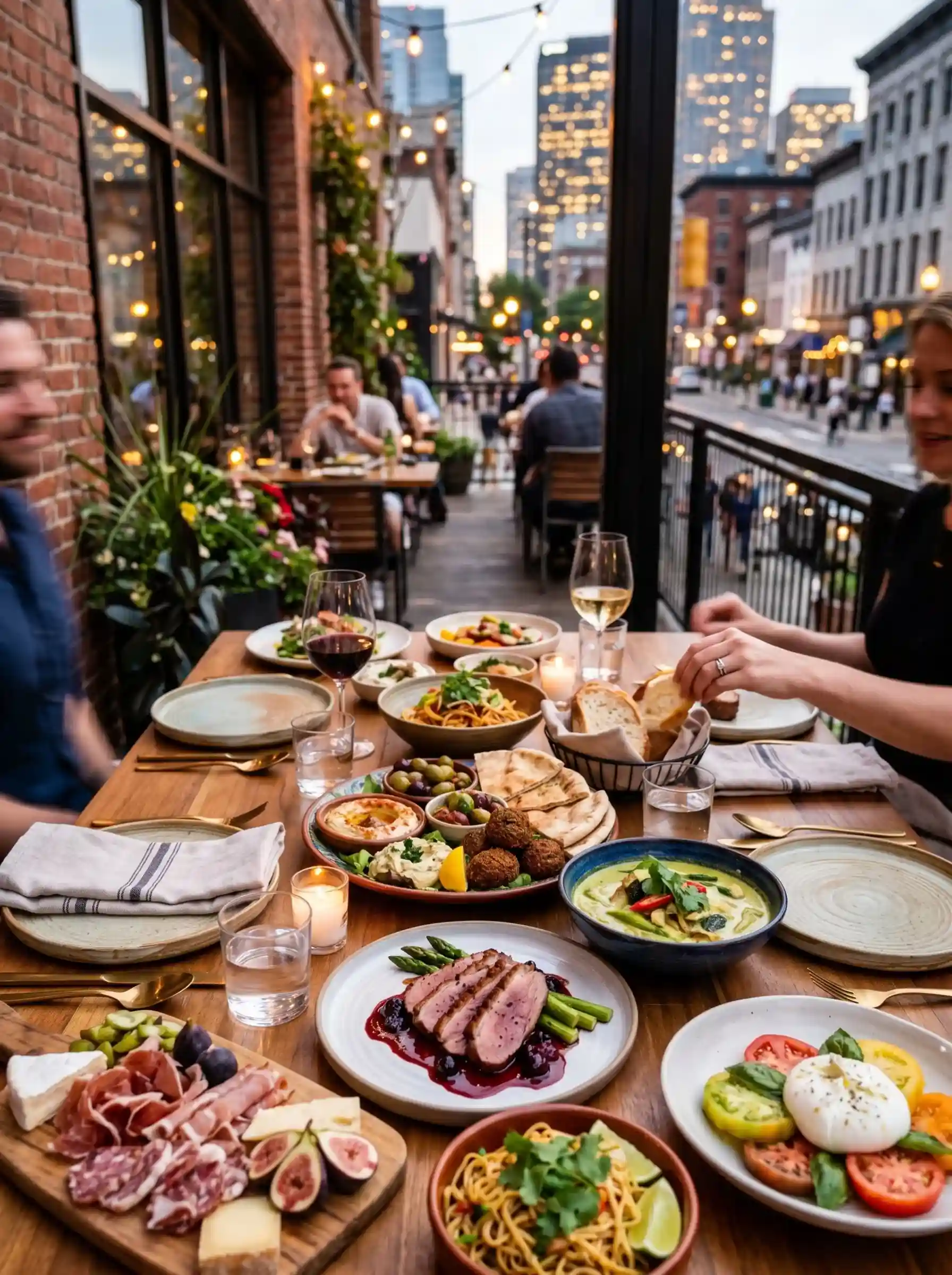
Hong Kong operates at a level of culinary ambition that makes 77 Michelin-starred restaurants feel like a reasonable count rather than an extraordinary one 57 One-Star, 13 Two-Star, and seven Three-Star establishments across a city that also gave the world Tim Ho Wan, the world’s cheapest Michelin star, where queuing for dim sum at breakfast is a deeply worthwhile ritual. The restaurants per square foot ratio here is genuinely staggering, and the density of food culture means that spectacular Cantonese dishes exist at every price point. Wonton noodles, roast duck, snake soup though the latter is becoming rarer all have their masters here, and finding the right local spots is as much a part of the Hong Kong experience as anything on a sightseeing list.
At the opposite end of the dining spectrum, Rosewood Hong Kong’s The Legacy House serves refined Cantonese cuisine with a precision that makes every dish feel like an argument for why this cuisine deserves its international reputation, while CHAAT offers an exceptional take on Indian street food a reminder that this city’s flavours extend well beyond dim sum restaurants and Hong Kong classics. Whether you’re navigating markets for street food or working through Michelin menus in Central, this city rewards food lovers with the kind of obsessive depth that most cities can only dream about.
Hong Kong at Night: Bladerunner Was a Documentary
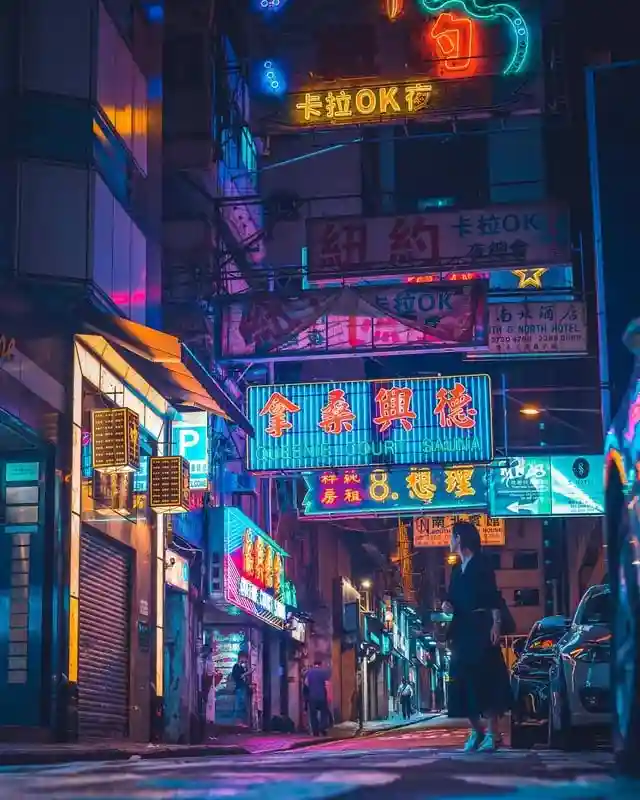
Something shifts when the sun drops. The Victoria Peak view becomes spectacular in a completely different register the skyscrapers lit up against total darkness, the whole urban sprawl burning with LED screens and neon like a Bladerunner sci-fi sequence made physical. The ferry crossing between Kowloon and Hong Kong Island at night is arguably more affecting than it is during the day the harbour turns into a mirror and Symphony of Lights standards aside, the nightly ambient glow of the city is genuinely extraordinary.
After coming down from the Peak I spent a quietly memorable evening eating very decent pizza at Wildfire Pizzabar with that absurd skyline as a backdrop board one of the double decker trams that have been running for 110 years and pay your HK$2.30. The Knight Bus comparisons are unavoidable something very Harry Potter about boarding and exiting these things as they lurch through neon-lit streets past gigantic LED buildings. End up in Lan Kwai Fong if you want bars, clubs, and the particular nightlife energy of a British colony that still drives on the left-hand side of the road a UK inheritance from 1841 that survived the 1997 handover to China along with the road signs and traffic lights.
Kowloon: Gritty, Gorgeous, Completely Itself
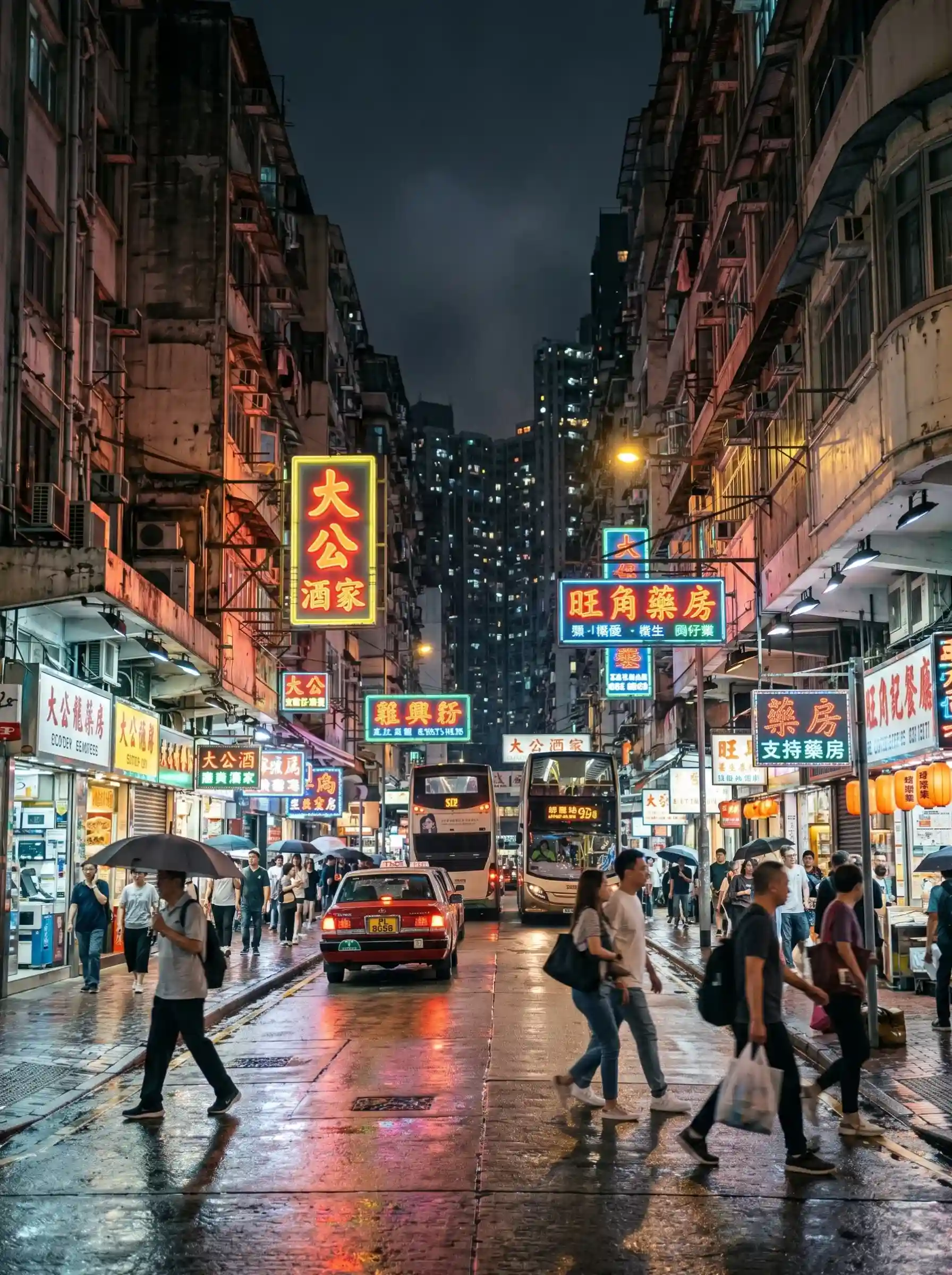
Cross back from Central and Kowloon feels like a different city negotiated with itself. Nathan Road moves at a pace that’s fast and slightly bonkers, flanked by luxury stores, famous brands, and shopping malls that give way without warning to narrow streets of remarkable photography potential neon signs, LED lights, exotic textures, and the fading grandeur of historic buildings pressed up against modern towers. At night, the coloured neons and fluorescent light from street food shacks turn every alleyway into something out of a car chase sequence. I spent hours here simply walking and shooting, the kind of unstructured wandering that cities either punish or reward. Kowloon rewards it completely.
The pedestrian walkways and hidden alleyways connecting cafés and local restaurants give the area a pace of life that the strictly commercial reading of the neighbourhood consistently undersells. The Hong Kong Tramways running through here remain arguably the most authentic, cheapest, and genuinely historic way to absorb the city at street level.
Rosewood Hong Kong: Where to Stay
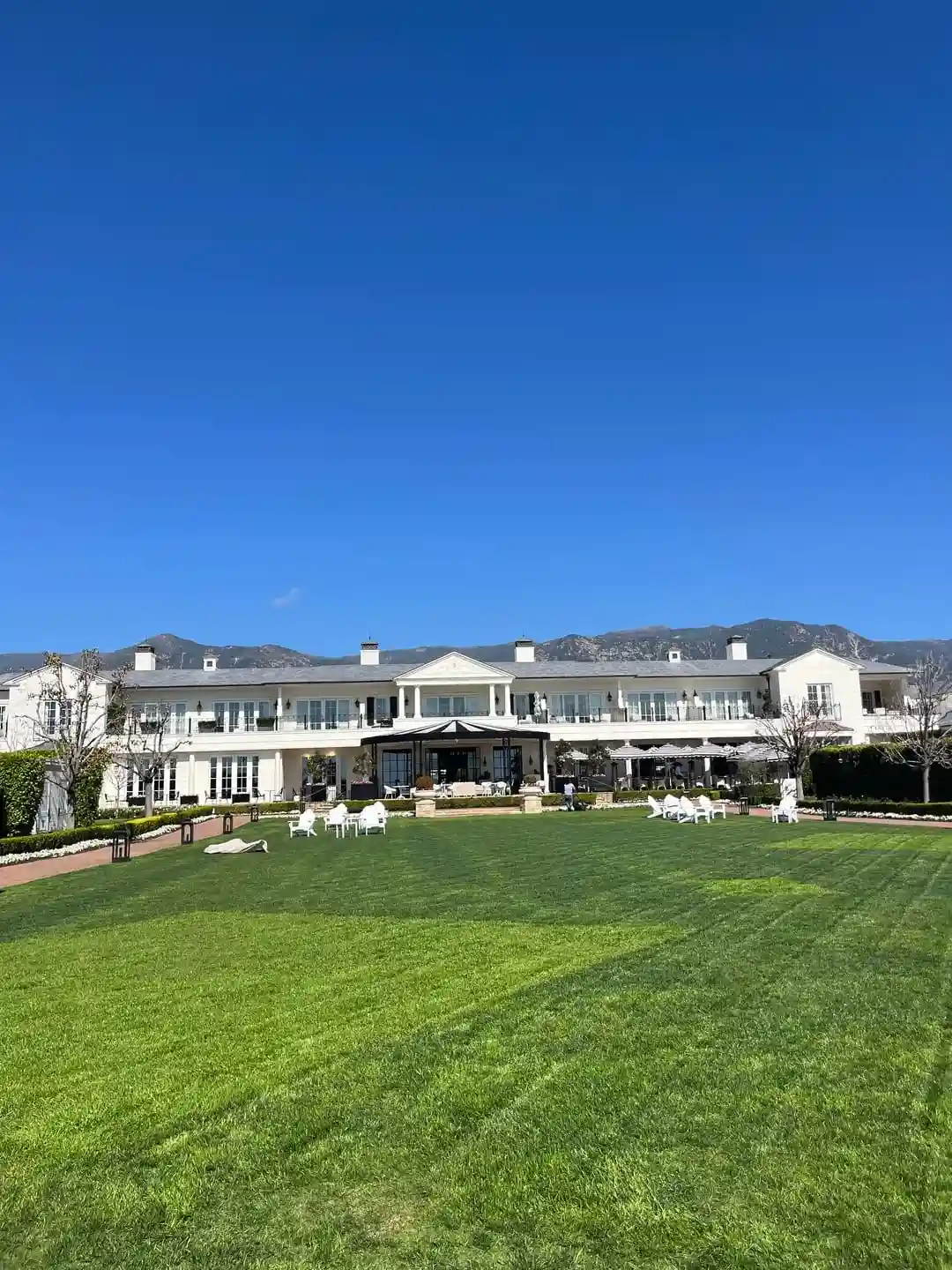
Rosewood Hong Kong on Victoria Docks in West Kowloon manages something genuinely rare: it functions simultaneously as an opulent, world-class hotel and as a deeply liveable oasis within a fast-moving city. The facade that distinctive brown-black-beige aesthetic announces itself on the waterfront with the kind of architectural confidence that doesn’t need to shout. The hospitality inside tilts toward members-club rather than formal luxury, which makes staying here feel less like a transaction and more like being temporarily given access to someone else’s very well-appointed life. Proximity to striking distance of all the major experiences in West Kowloon the M+ Museum, the Cultural District makes the location as considered as the accommodation itself. The ASAYA pool with its infinity edge is the kind of discerning design choice that earns its place in every travel magazine that’s ever mentioned this property.
M+ Museum: The Case for Contemporary Art in Hong Kong
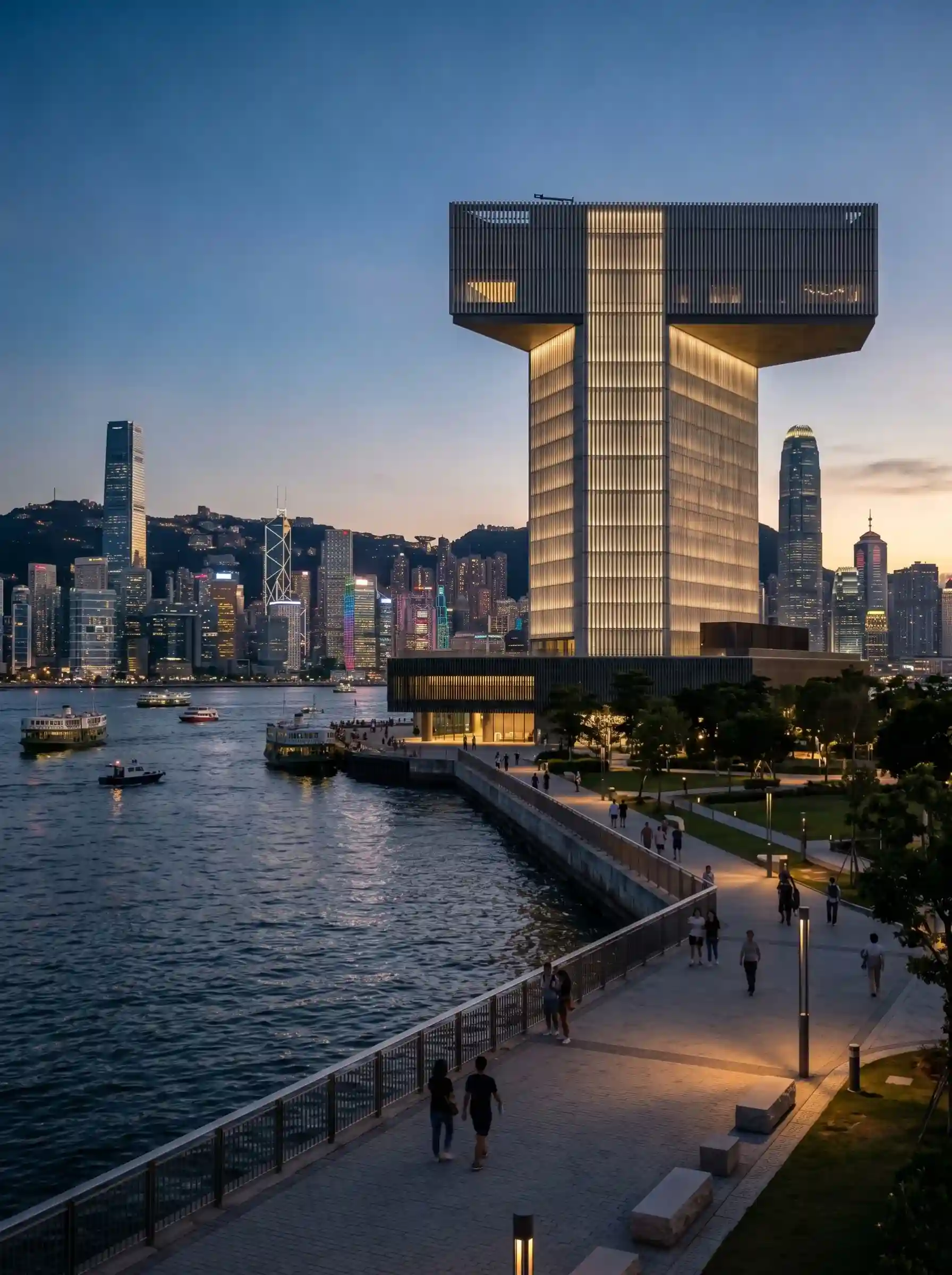
The M+ Museum in the West Kowloon Cultural District is a significant building doing significant work. The 18-floor Herzog & de Meuron design covers 65,000 square metres of exhibitions, permanent collections, and some of the finest views of Victoria Harbour available from any cultural institution in the territory. The M+ Sigg Collection 1,500 holdings of Chinese contemporary art spanning 1972 to 2012 anchors the permanent floor, and works like Liu Wei’s ambitious oil-on-canvas triptych in pale-pink tones sit at the intersection of idealism and materialism in ways that feel quietly urgent. The building’s architecture, its relationship to heritage, its commitment to design as a discipline all of it makes this one of the genuinely unmissable cultural stops in Hong Kong.
Aqua Luna: Red Sails on the Harbour
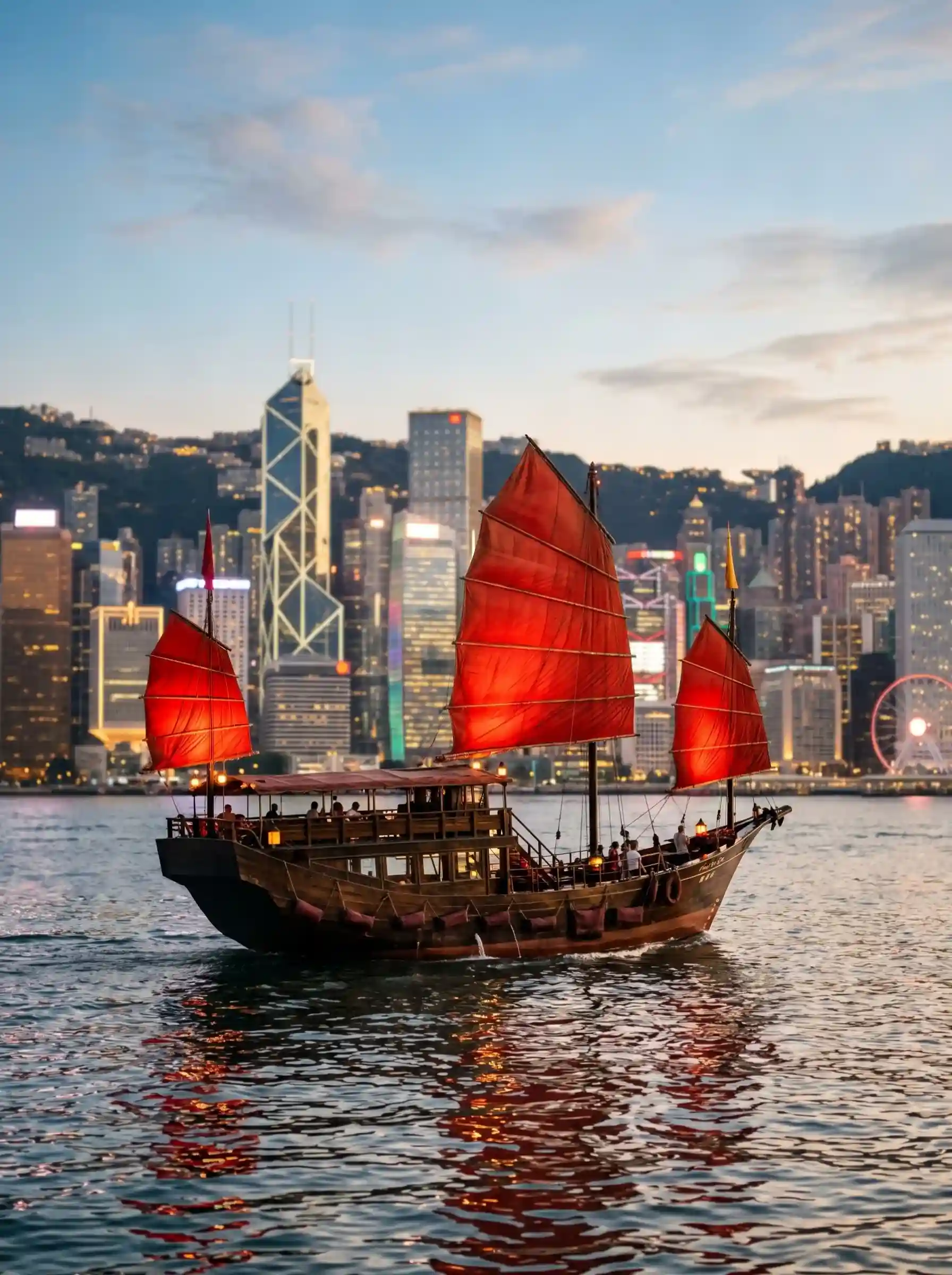
There’s a version of Hong Kong that tourists almost never get the South China Sea as it looked before the reclamation, the harbour experienced from the water rather than its edges. The Aqua Luna, a traditional Chinese-style junk boat with its red sails, offers something close to that quintessential, romantic scenic experience. As one of the last restored traditional vessels still sailing Victoria Harbour, it provides a genuinely dramatic counterpoint to the ferry routes and the nightly light show spectacle a slower, more iconic engagement with the waterfront that every boat ride up the harbour delivers differently.
The Bar Scene: Penicillin, Montana, and the Rest
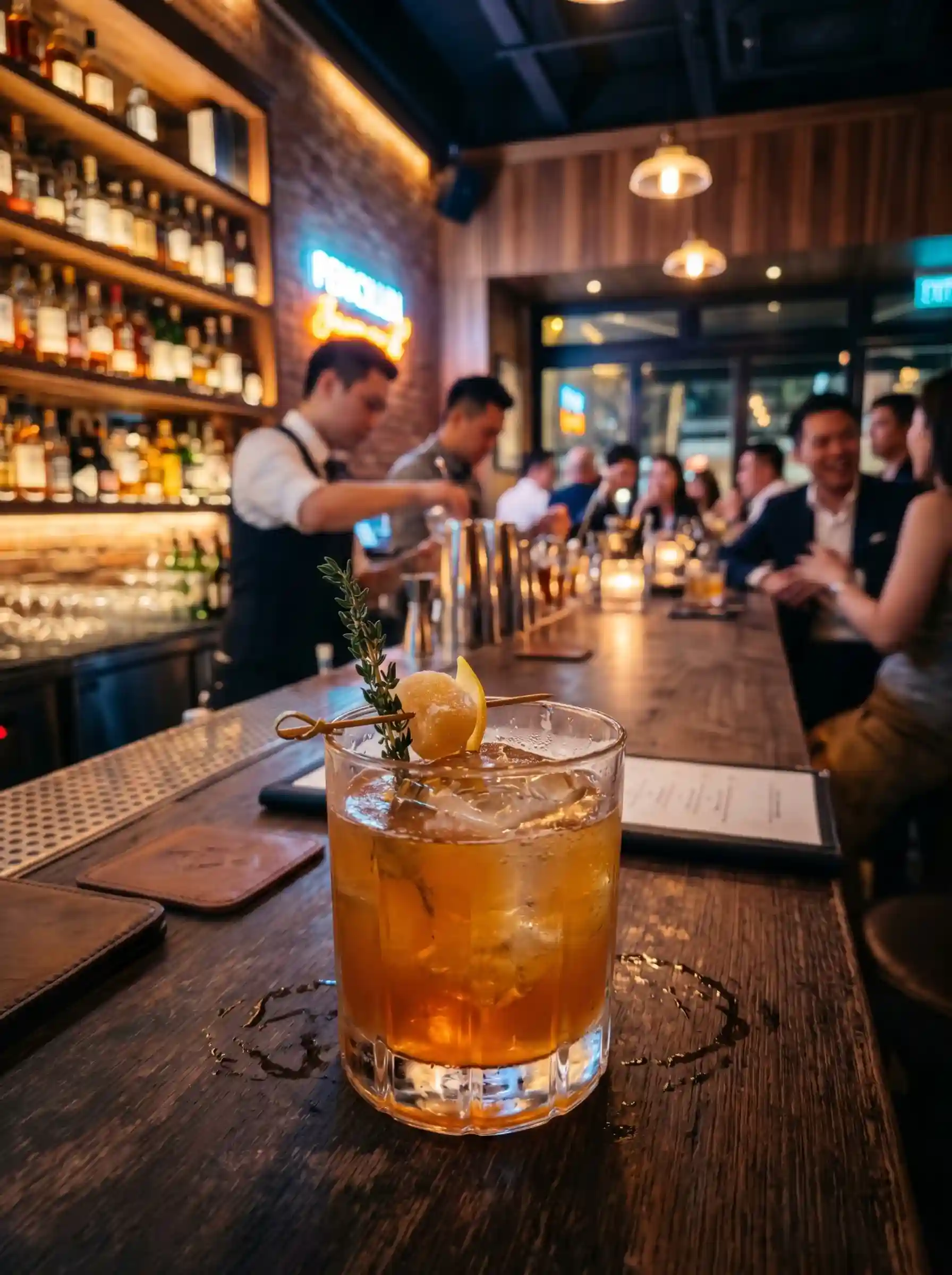
Hong Kong has developed something close to a genuine cocktail obsession in recent years, and it shows. Bar Leone, under Lorenzo Antinori, and its sophomore effort Penicillin alongside Montana Agung Prabowo and Roman Ghale’s ode to Cuban cocktail heritage, channelling 1930s Havana and 1970s Miami without taking reservations represent a bar scene operating at genuine international level. Lan Kwai Fong on Hong Kong Island provides the traditional nightlife geography of bars, clubs, and restaurants running noisy and busy well into the night, while the Ozone bar at the Ritz Carlton on the 118th floor the highest bar in the world remains reliably swanky for anyone whose obsession with vertical living extends to their drinking.
Tai Kwun: Heritage Done Right
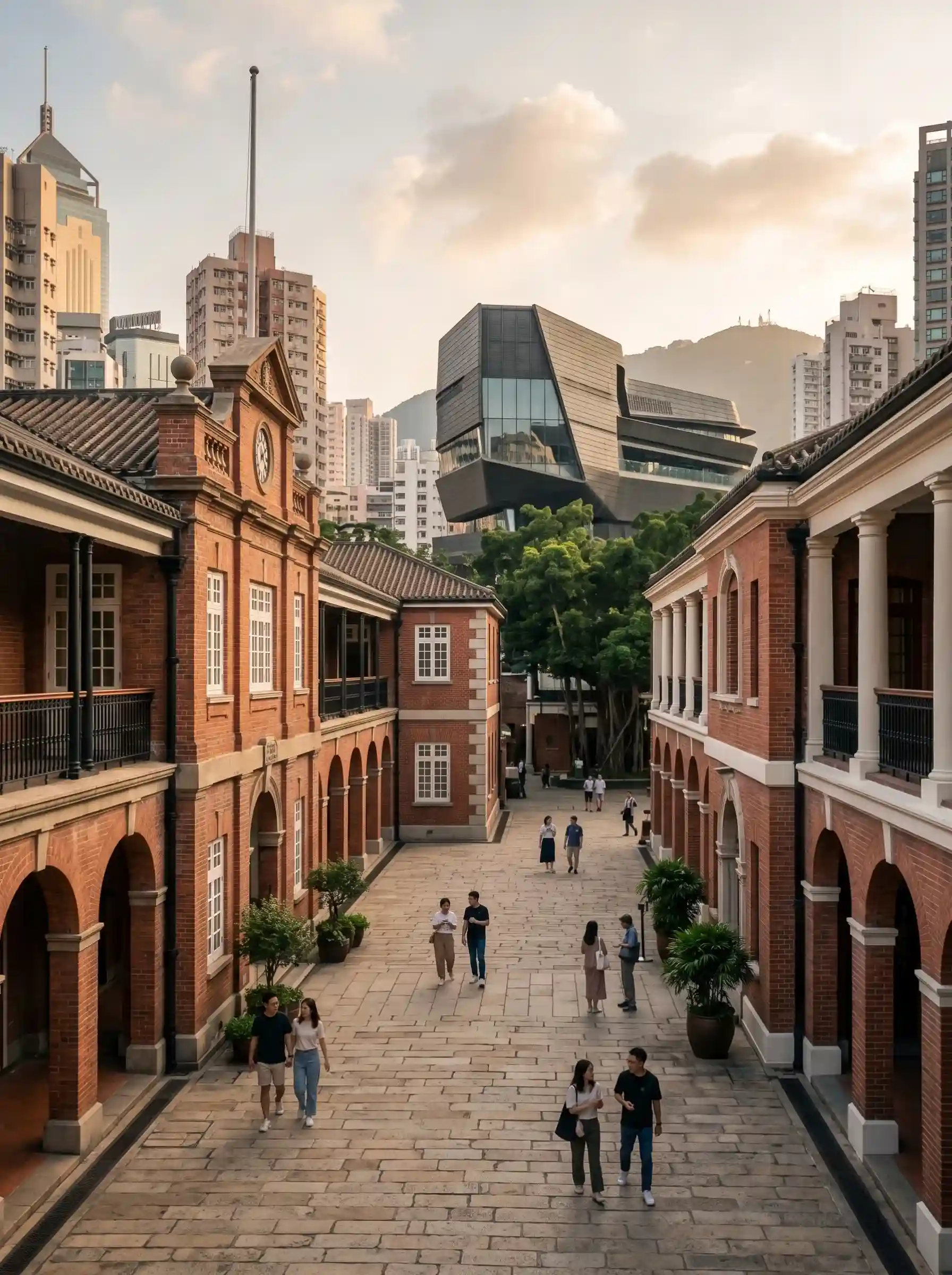
Tai Kwun the former police headquarters on Hollywood Road is one of Hong Kong’s most celebrated exercises in conservation and cultural continuity. The heritage project transforms what was a historic compound into a thriving heritage site that wears its history without being buried by it. The city’s commitment to preserving spaces like this, alongside West Kowloon’s broader cultural infrastructure, says something important about how Hong Kong understands its own architecture and identity.
Man Mo Temple and the World’s Longest Escalator
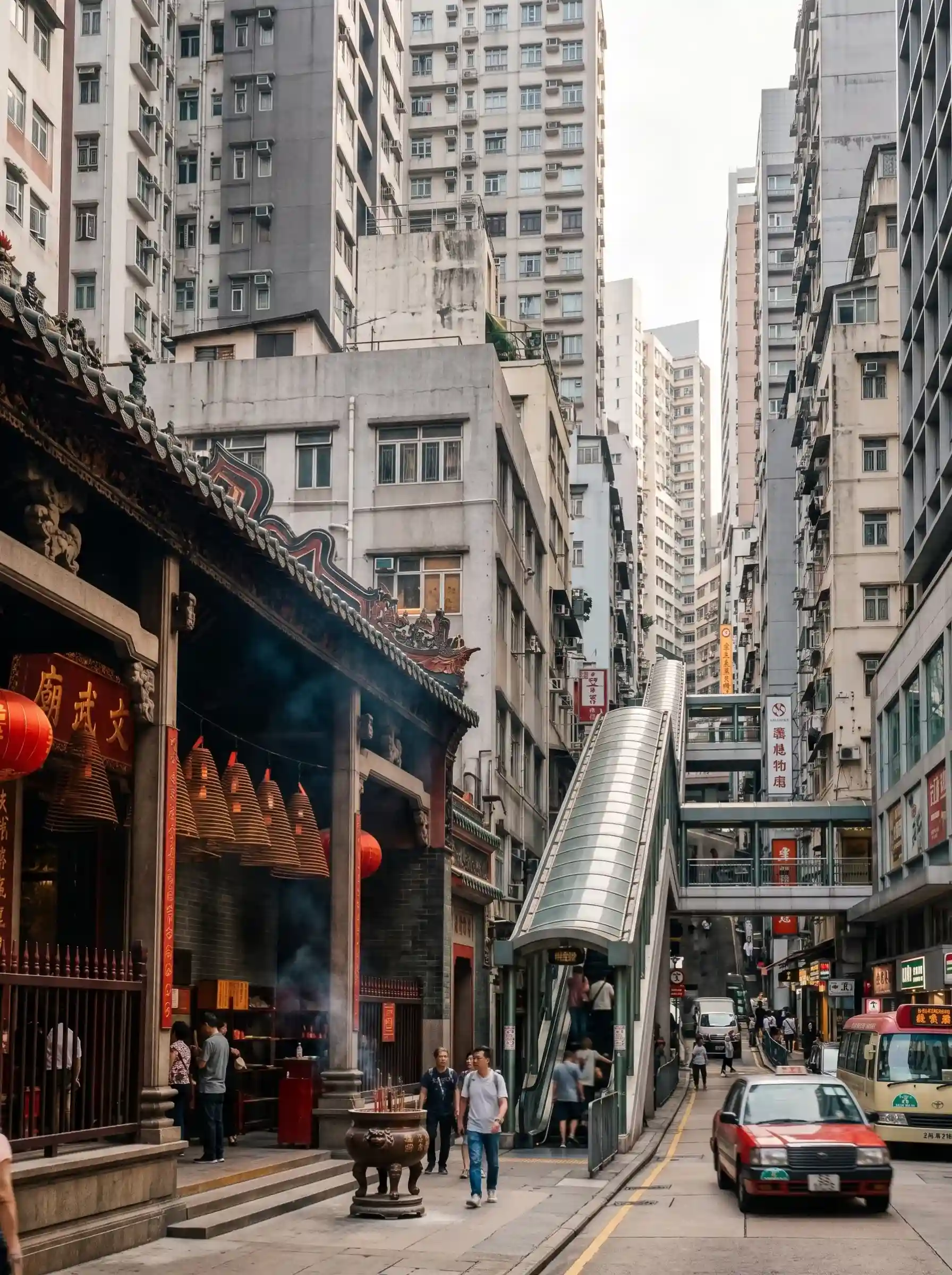
Man Mo Temple in Mid Level is one of the oldest in Hong Kong dedicated to the God of Literature and the God of War and the interior atmosphere of incense smoke hanging in bell-shaped coils above the hall is genuinely overpowering in the most lovely, atmospheric way. Entry is free with a donation box, and you can take photos inside freely. Getting there via the covered escalator the world’s longest, running from Central to Mid Level is itself an experience, used daily by residents and tourists alike, a piece of functional infrastructure that became a Hong Kong landmark by accident.
Star Ferry: Ten Minutes That Feel Like History
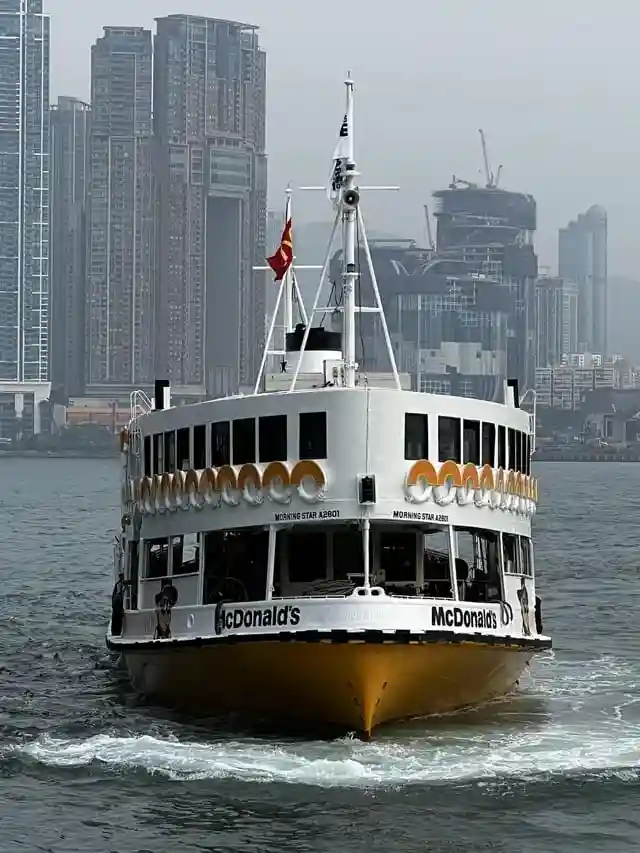
The Star Ferry connecting Hong Kong Island Central and Tsim Sha Tsui across the harbour costs $2.50 HKD roughly 30p and has been running for over 100 years across its 3 routes. Sitting upstairs on the classic wooden-slatted bench as the vessel crosses the water in 10 minutes flat is one of those travel experiences that’s simultaneously entirely cheap, mildly inefficient by modern transport standards, and completely unforgettable. The scenic crossing manages to deliver views of both shorelines with the kind of historic dignity that no MTR tunnel journey can replicate.
Temple Street, Mong Kok, and the Markets
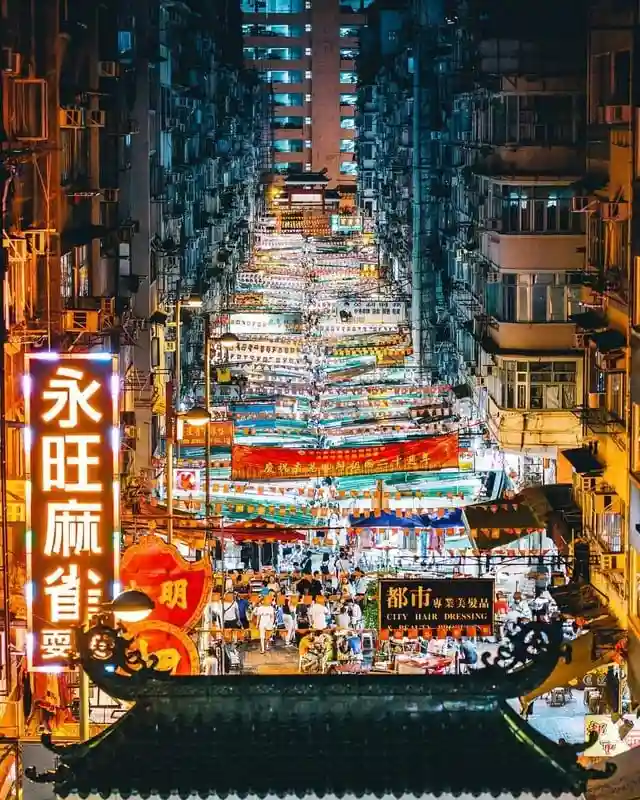
Temple Street at night transforms into a proper night market stalls of electronics, fakes, T-shirts, and herbalists arranged around Tin Hau Temple and the whole experience of haggling while navigating crowds carries a very specific Hong Kong energy. Deeper into Kowloon, Mong Kok is the gritty, urban soul of the city: Flower Market Road, the Jade Market (jewellery, jade, good luck charms), the Goldfish Market on Tung Choi Street where aquariums and tropical fish in plastic bags represent wealth and prosperity in Chinese culture, koi carp and birds at Yuen Po Street behind bamboo scaffolding all of it stacked against the backdrop of high-rise apartments and the ambient surrealism of a waving cat on every counter. Don’t leave without finding the Leather goods stalls, visiting the Ladies Market, and accepting that Nathan Road connects all of it in the most wonderfully chaotic way. The turtles, the puppies, the cats, the song birds Mong Kok is the compressed, unfiltered version of a city that never learned to edit itself, and that is entirely a compliment.
Stanley Market and the Road That Gets You There
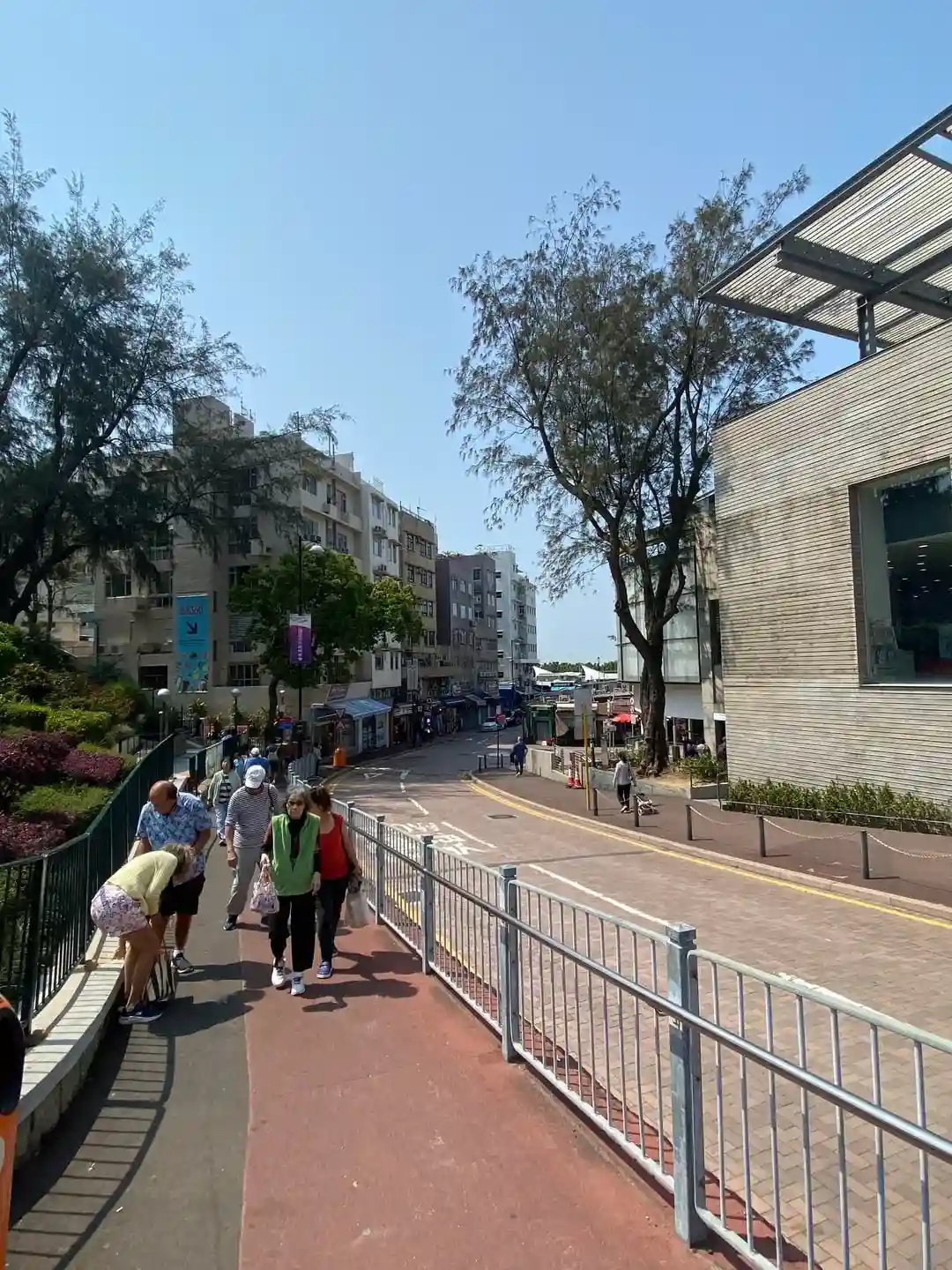
Stanley itself its market offering decent quality clothes, arts & crafts, gifts, and presents at genuinely cheap prices is worth the journey from the city centre, but what I remember most is the Big Bus Tours route that takes you there: enormous fly over roads threading between tower blocks and residential developments clinging to impossible gradients, a living demonstration of why Hong Kong is both the world’s most densely populated territory and its most expensive city. The bay at Stanley has a beach, a pleasant promenade, a reminder that British settlers used this coastline as a summer escape from the pirates and heat of the main city, and very good lunch spots overlooking Stanley Bay and Repulse Bay. Even on a rainy day and I ended up there on one the urban charm and sheer colour of the place holds.
Macau Day Trip
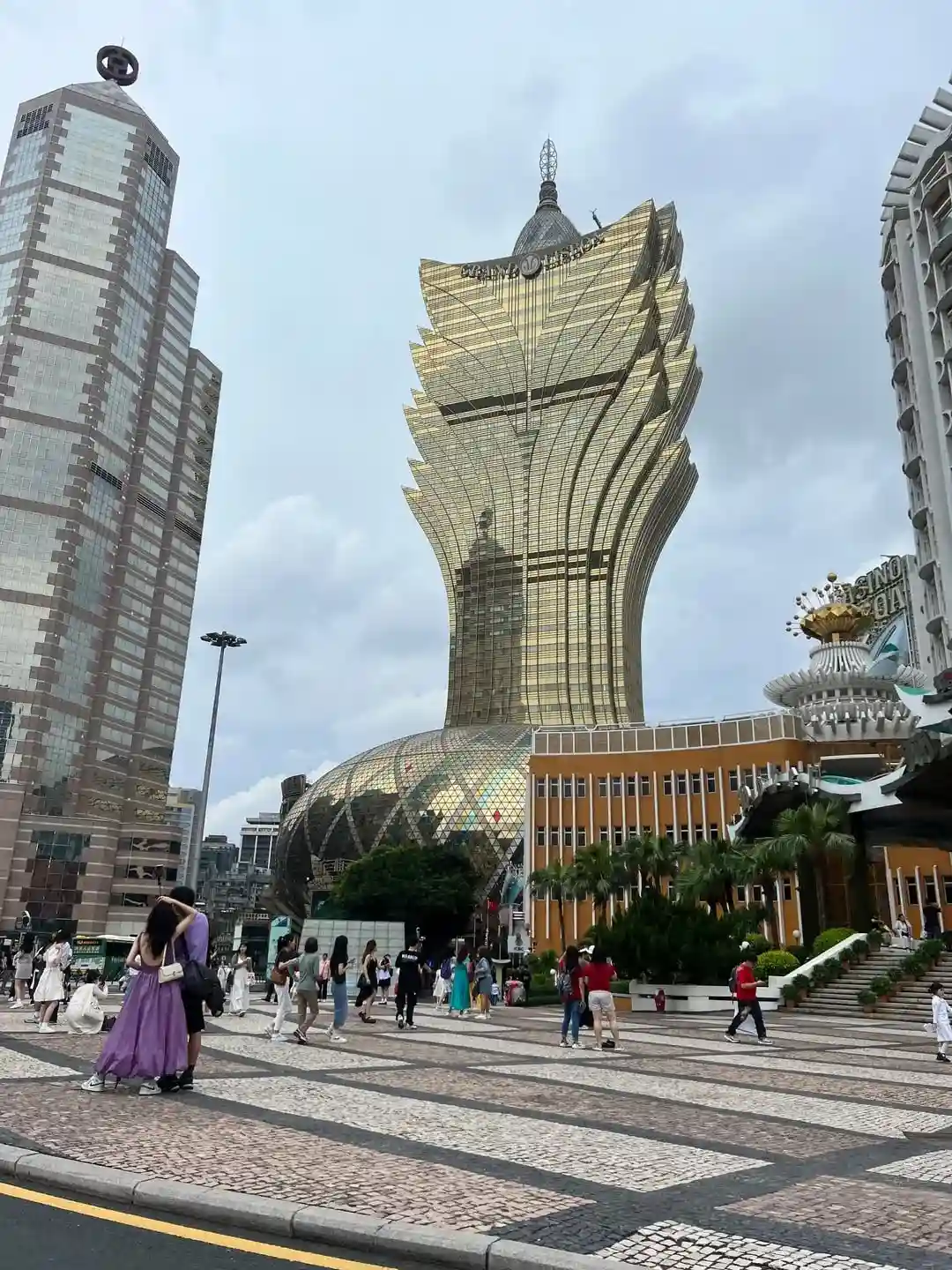
If you have the time and a valid passport, the one hour boat ride to Macau makes for a genuinely rewarding day trip from Hong Kong one that entirely deserves its own blog post, dedicated content, and a full video and photos treatment rather than a paragraph here. Consider it flagged.
Chi-Lin Nunnery and Nan Lian Garden
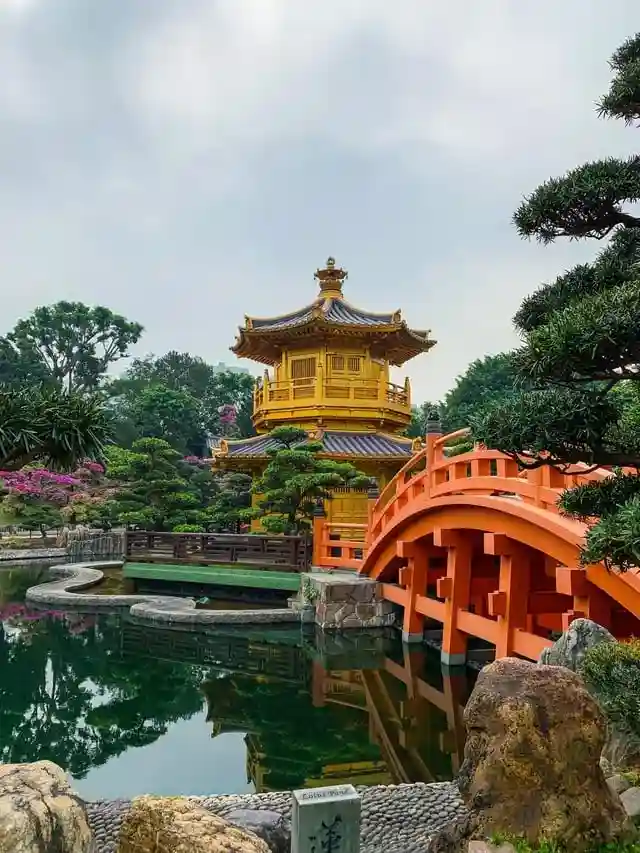
Spend 2-3 hours walking the Chi-Lin Nunnery and Nan Lian Garden in North Kowloon and Hong Kong will remind you it knows how to be serene and tranquil as well as relentlessly vertical. The temples and peaceful gardens here are among the genuine highlights of the city every step and every turn offers something photogenic and quietly extraordinary in contrast to the urban intensity surrounding them. The walking circuit through both sites is one of the most rewarding afternoon itineraries in the territory.
Getting Around: The Practical Part
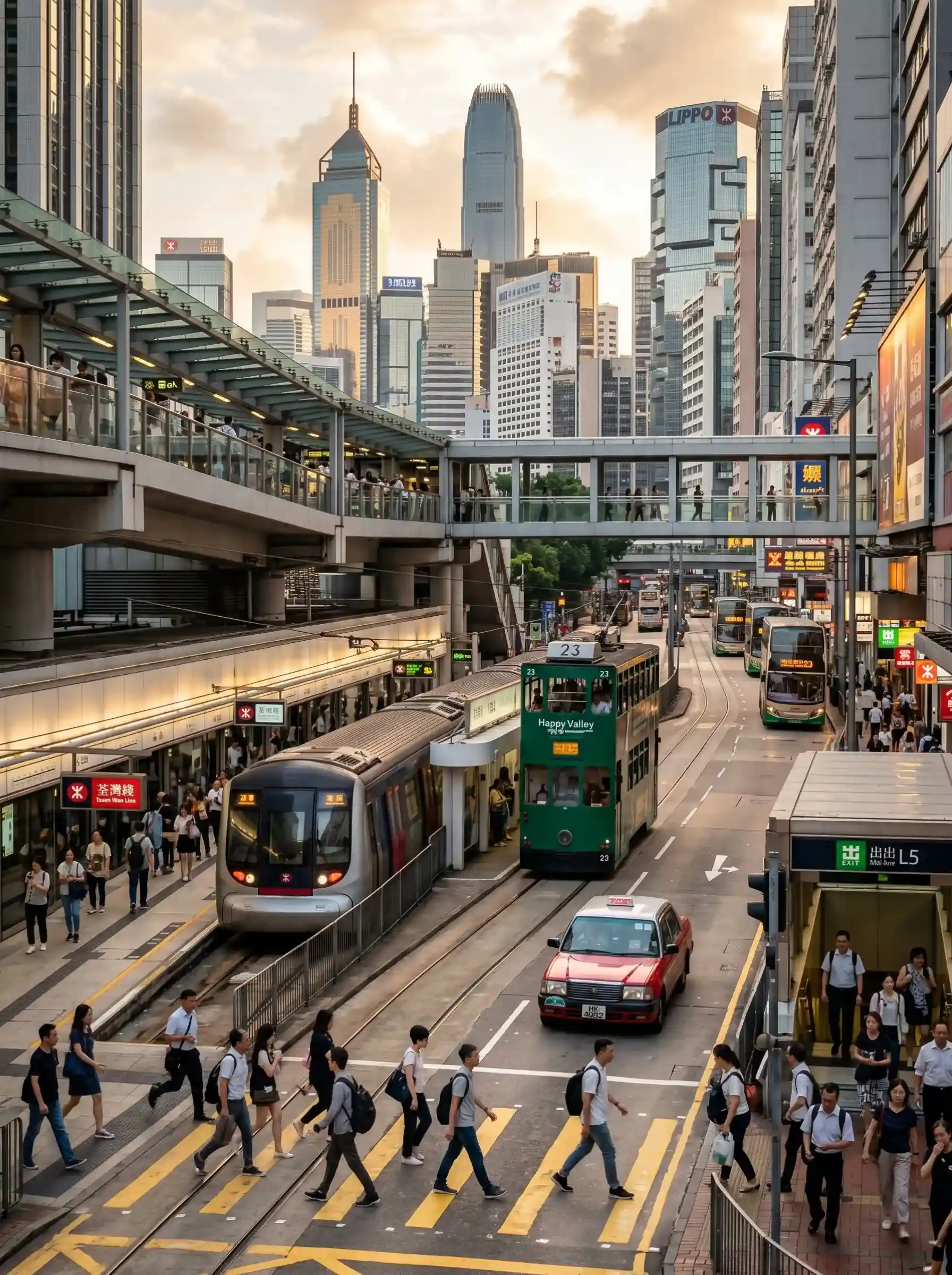
The Octopus Card available at any 7-Eleven handles the MTR, trams, and ferries with a simple tap in, tap out system that makes navigating Hong Kong’s public transport network genuinely comfortable and spectacularly affordable. The underground Metro is fast, clean, and on time with a reliability that puts most systems to shame. The Mid Level covered escalator to Central carries residents and tourists alike and doubles as one of the most useful pieces of public infrastructure in the territory. Wifi and smartphones do most of the navigational work from there. Tourist hotels cluster in Causeway Bay and across Kowloon ranging from expensive western style hotels that accept tipping to more affordable options where the Hong Kong Dollar goes further. The currency is pegged and transactions in the broader region near China shift accordingly. For anyone on connecting flights and working through Asia’s airport hubs, even a compressed layover here is non-negotiable this city earns every hour you give it. Wear comfortable shoes and be ready to walk.