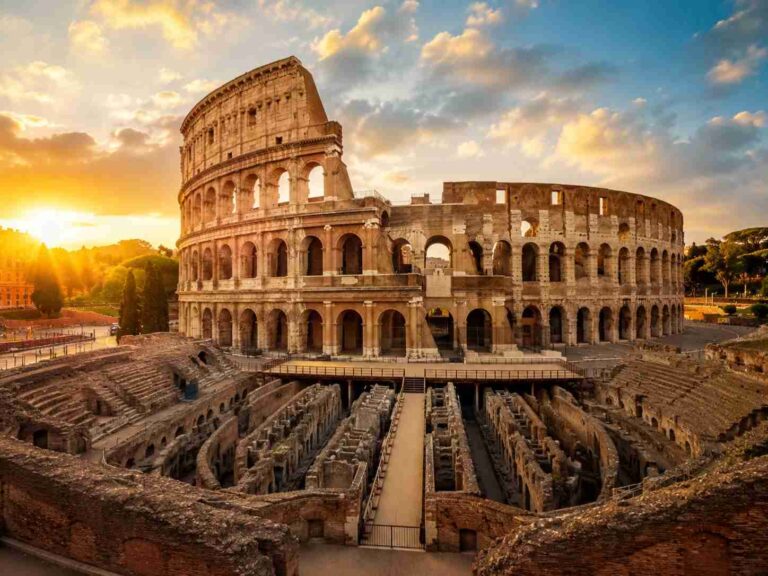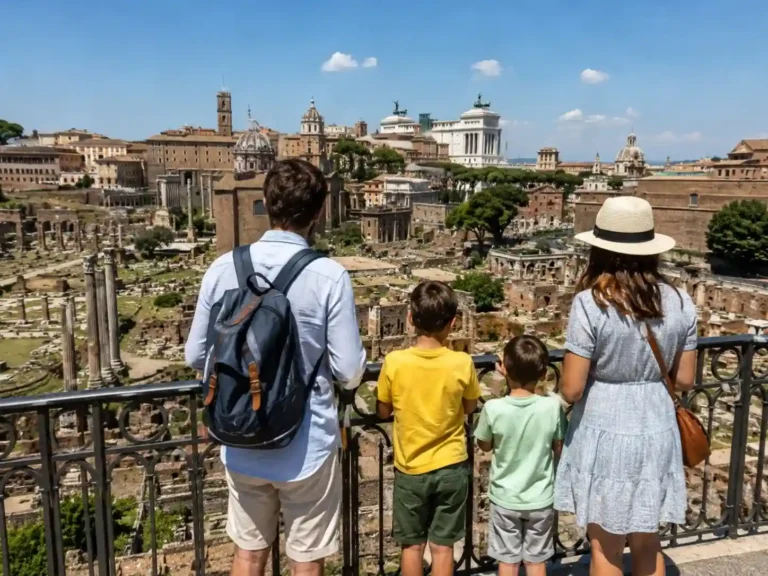
22 europe travel itinerary template Fearless ideas
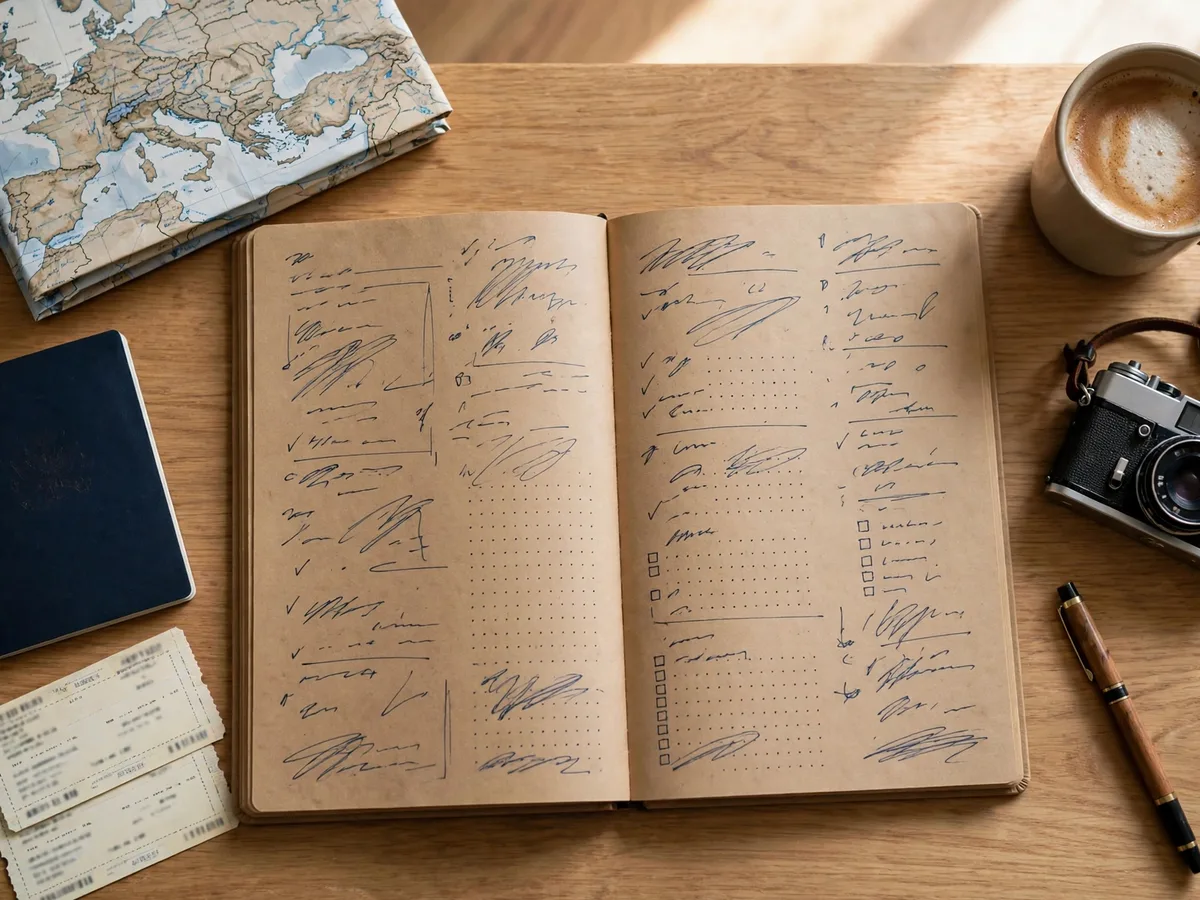
Booking confirmations in your email, screenshots on your phone, ideas saved in three different apps: most Europe trips start as scattered pieces. A good europe travel itinerary template pulls all of it into one document you build once and reuse on every trip. This guide walks through 22 pages and blocks that make up a complete planner, from the trip overview on page one to the blank notes pages at the back. Each part includes a small filled in example, so you can see exactly what to write.
Build it on paper, in a notebook, or in a free notes or spreadsheet app, whichever you will actually open on the road. Work through the parts in order and the daily grids, booking blocks, budget pages and checklists all agree with each other. If you want a ready made route to pour into your pages, our 10 Days in Europe Itinerary guide gives you one fixed plan to copy across. Then start with page one below and fill in your own trip as you go.
Trip Overview Page
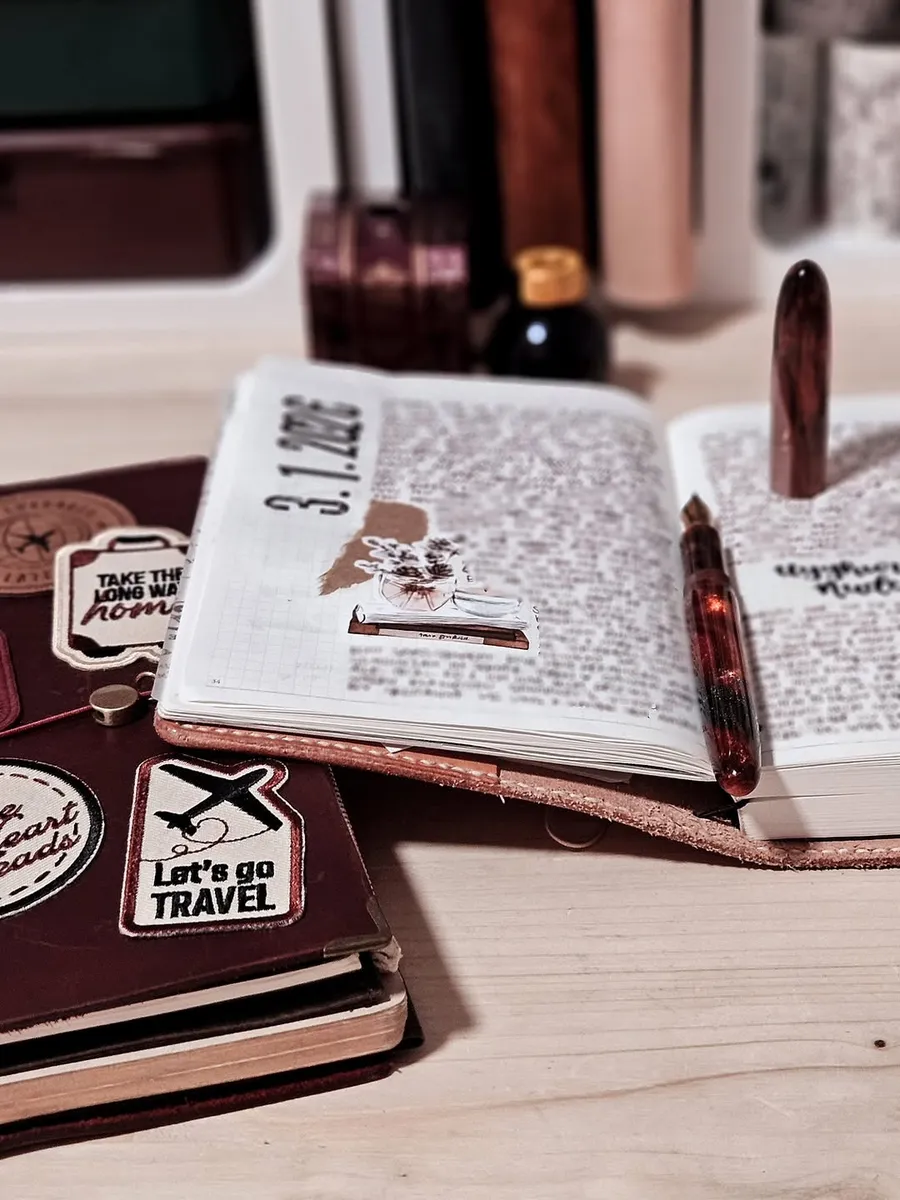
Page one holds the whole trip on a single sheet: the destination list, travel dates, who is going, and the rough budget you agreed on before booking anything. Every later page points back to these facts, so a change made here reminds you to update the rest of the document.
A filled in example reads like this. Trip: Italy and France by train. Dates: 12 to 23 April. Travellers: two adults. Bases: Rome four nights, Florence three, Venice two, Paris two. Budget guide: mid range. Main goal: the famous sights, plus slow mornings. That is the whole page, done in about five minutes.
Route Map Page
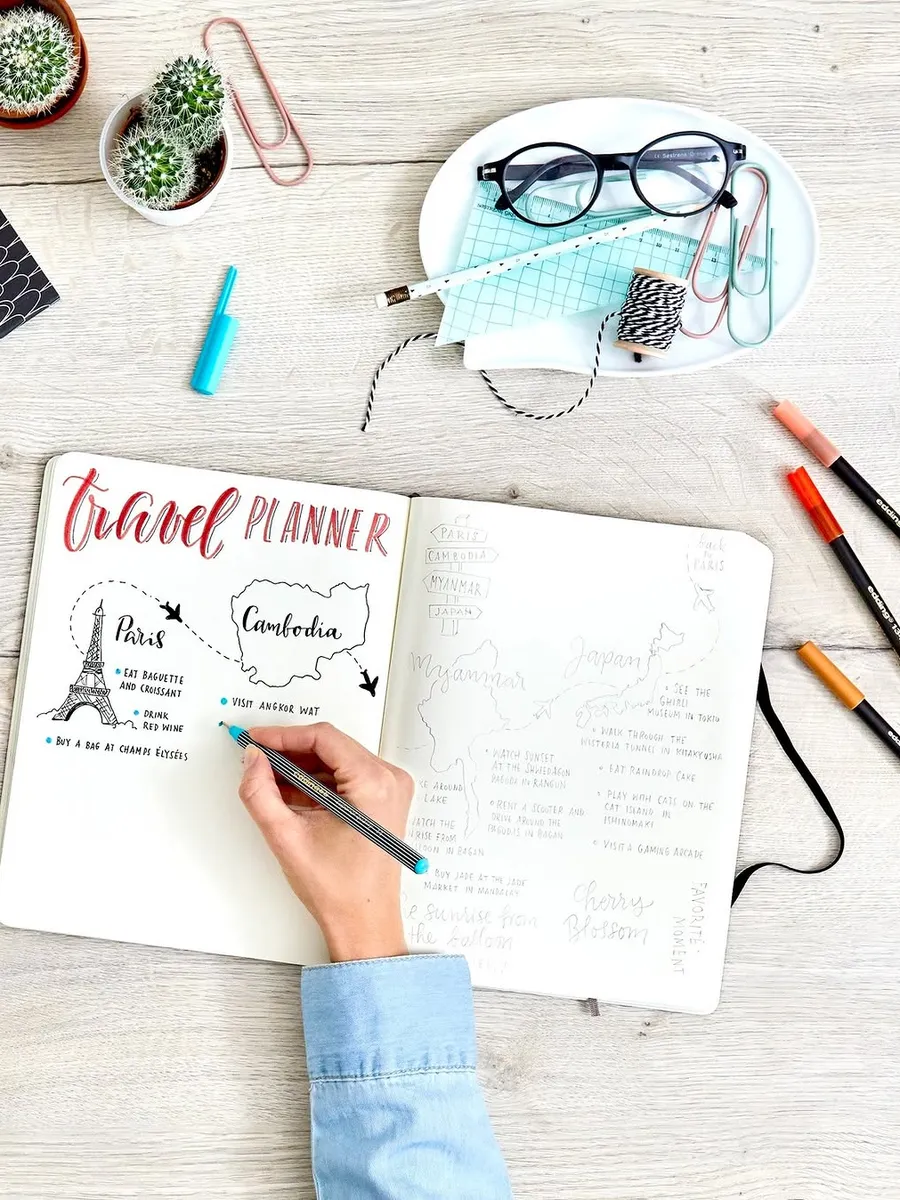
- One simple map, printed or drawn, with every base marked in travel order
- Arrows showing the direction of travel between stops
- The nights per stop written beside each place name
- Train and flight legs labelled with their travel day
- A small note beside any leg you still need to book
Seeing the route on one page prevents the classic planning error: zigzagging across the map and losing whole days to backtracking. A worked example for a first trip runs Paris, Bruges and Amsterdam in one smooth line northwards, with three, two and four nights marked under the cities.
Daily Schedule Grid
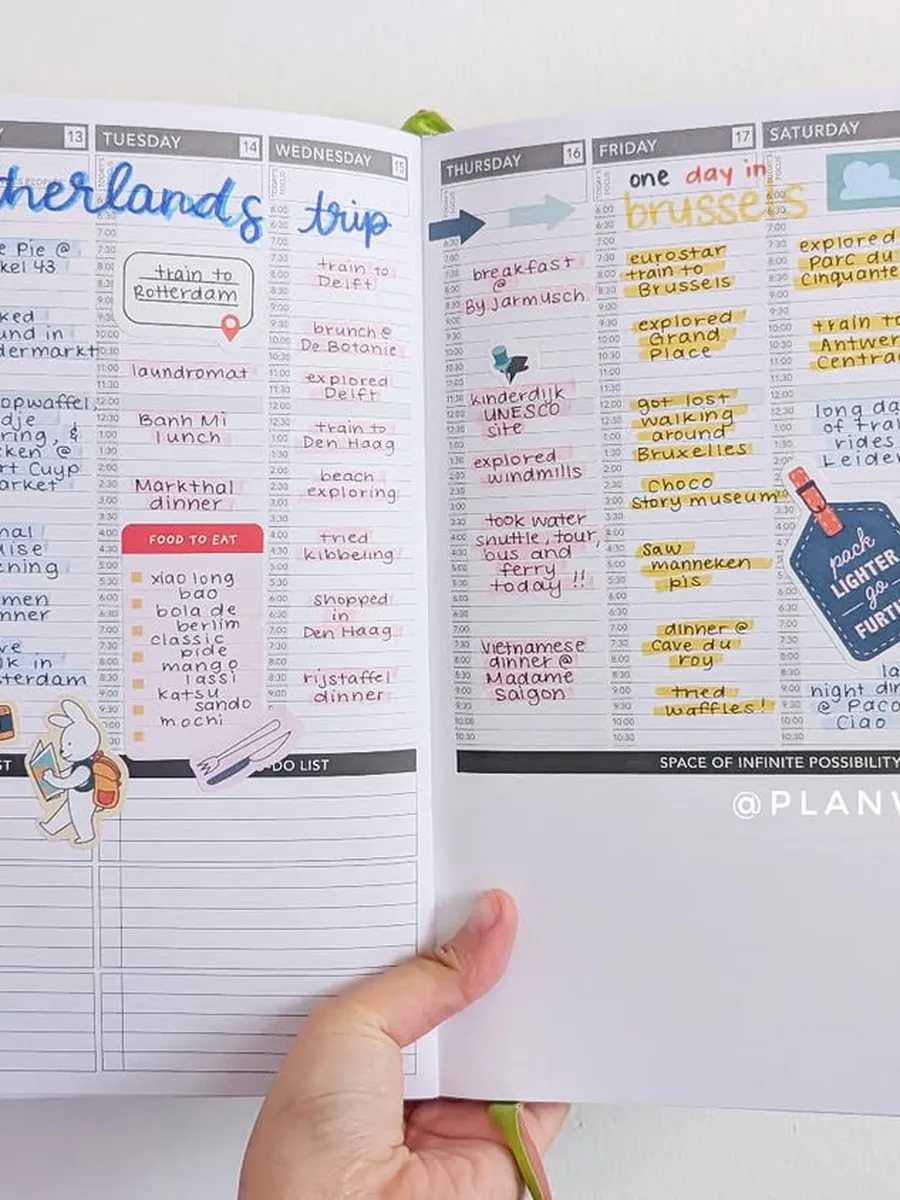
Quick Tip: Fill the fixed points first: timed museum entries, train departures and booked tours. Everything flexible, meals, walks and free time, arranges itself around those anchors, and a blank slot is useful information rather than a gap in the plan.
One grid row per day keeps the whole trip visible at a glance. Columns for the date, your base, and morning, afternoon and evening plans are enough for most trips. The table below shows one filled in day from a Rome stay, at the level of detail that works in practice: short entries, booked items marked, and one slot left open on purpose.
| Time | Plan | Booked? |
|---|---|---|
| 07:30 | Breakfast near the hotel, slow start | No |
| 09:00 | Colosseum timed entry, then the Roman Forum | Yes |
| 13:00 | Lunch and a rest back at the hotel | No |
| 16:30 | Pantheon and Piazza Navona walk | No |
| 20:00 | Dinner in Trastevere | Table booked |
Hourly Day Planner
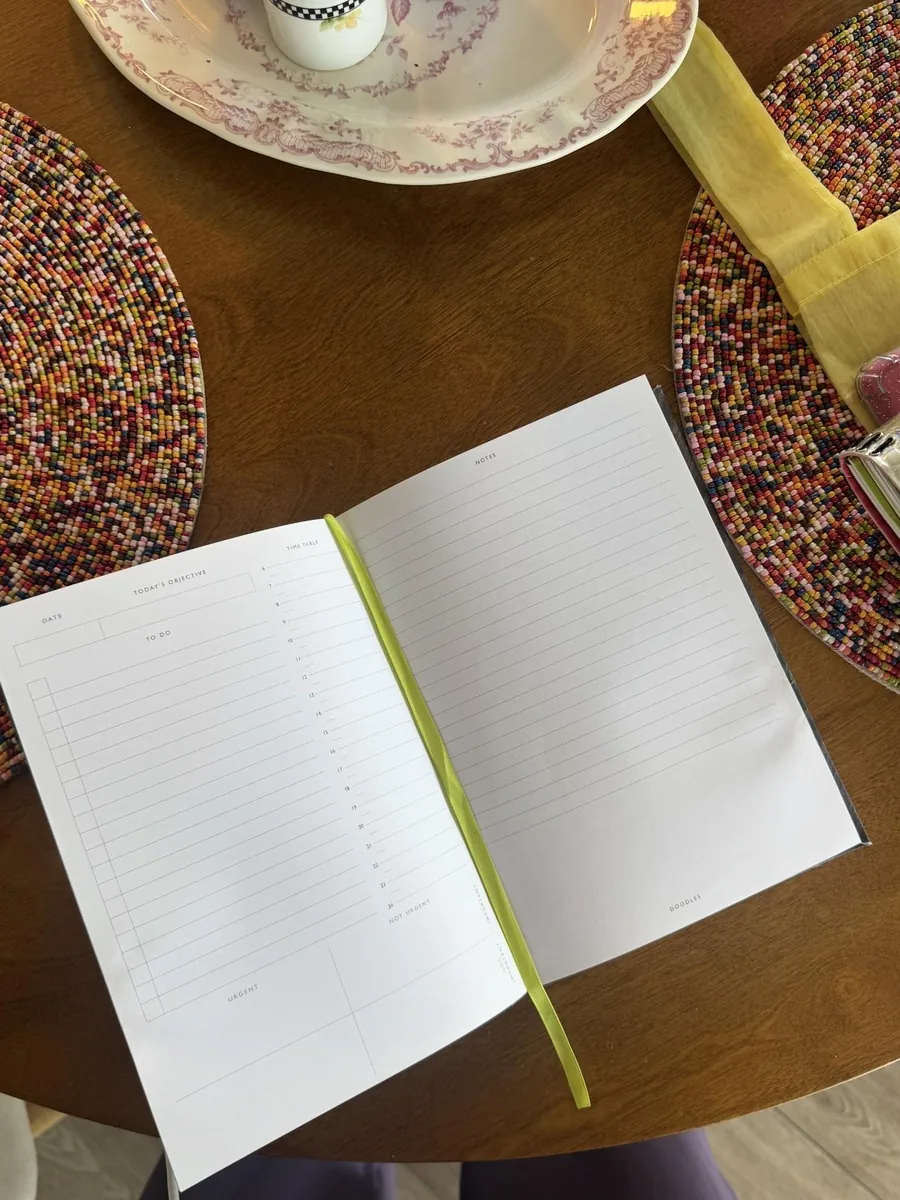
BEFORE: A busy sightseeing day held only in your head feels fine at breakfast. By midday the timed entry, the lunch booking and the last train back have blurred together, and small delays turn into missed slots and rushed walks across town.
AFTER: The same day written on an hourly page reads calmly: entry at nine, travel buffer at eleven, lunch at one, rest at four. Each hour has one job, the gaps are visible, and a late start shows you exactly what to drop instead of what to worry about.
Reserve hourly pages for your fullest days: arrival day, a day trip day, or a museum heavy day in a big city. Slow days can stay on the simple grid. One sample line shows the style: 09:00 to 10:30, Vatican Museums entry, ticket saved offline, arrive twenty minutes early.
Flight Details Block
- Write the airline, flight number and date for every flight, including short hops inside Europe
- Add departure and arrival times in local time, with the airport codes at both ends
- Note the booking reference and where the confirmation email or app entry lives
- Record the baggage allowance and the time check in opens
- Add the airport transfer plan for both ends of the flight
Keep one block per flight and keep the blocks in date order. A filled in line looks like this: Paris Orly to Rome Fiumicino, departs 10:15, arrives 12:20, one cabin bag included, reference in email. At the airport, this one block answers every question the check in desk asks.
Train Journey Log
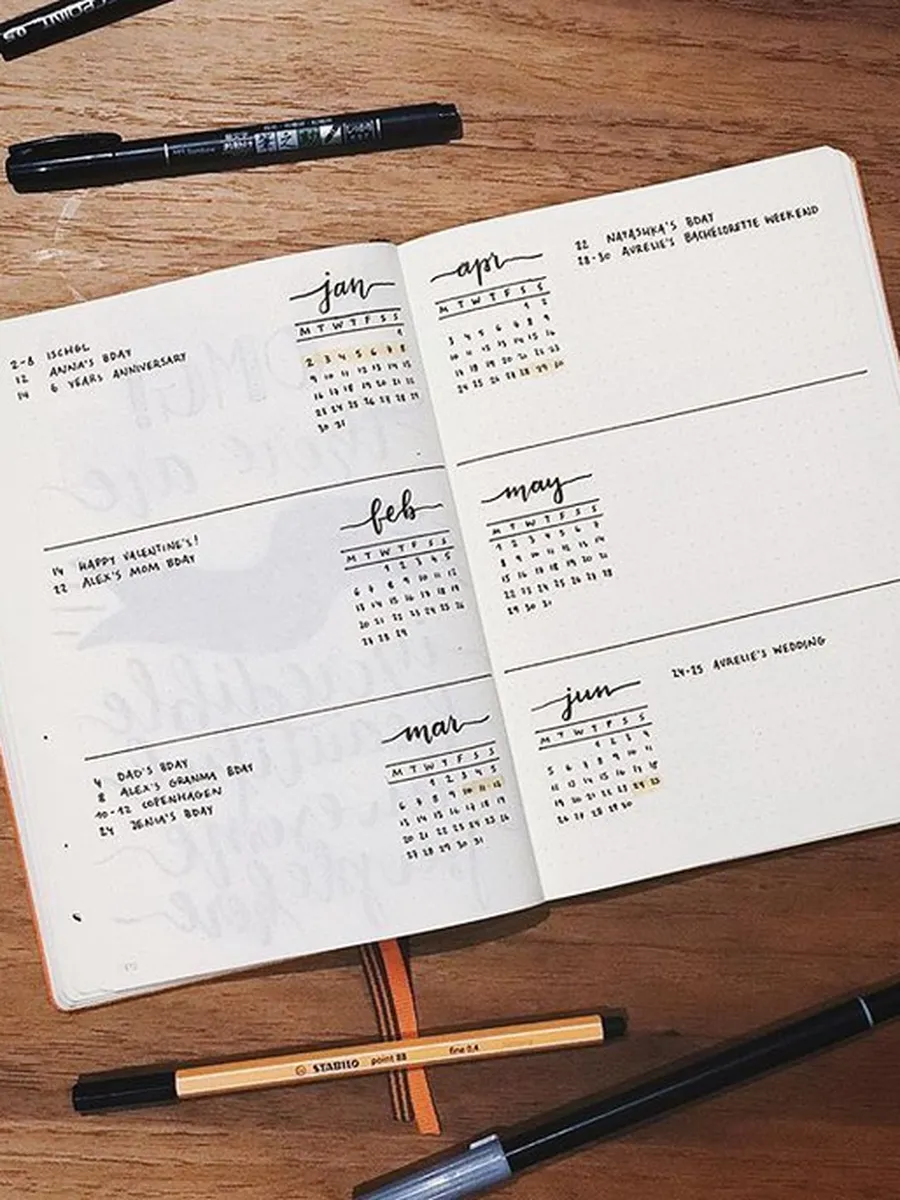
| Intercity Day Train | Night Train | |
|---|---|---|
| Best for | Legs of two to five hours between city centres | Sleep on board and wake in the next city |
| Sleep | Travel by day and sleep at your hotel | Book a couchette or cabin for space and quiet |
| Luggage | Keep bags with you on the rack | Book a couchette or cabin for space and quiet |
| Booking note | Seat reservations are often included or low cost | Berths sell out earlier, so book further ahead |
The log itself sits under the table: one line per journey with departure station, arrival station, train time and seat details. A sample line reads: Rome Termini to Florence Santa Maria Novella, departs 09:15, arrives 10:50, coach 4, seats 12 and 13, booked and paid.
Hotel Booking Cards
DO:
- Give every stay its own card with the hotel name, address and check in date
- Add check in and check out times, plus the latest arrival hour the desk allows
- Write the cancellation deadline clearly at the top of the card
- Save the phone number you would call from the street if plans change
DON’T:
- Do not rely on the booking app alone, connections fail at bad moments
- Do not squeeze two hotels onto one card during a split stay
- Do not leave off breakfast and city tax notes, they change the real price
Cards work on paper, or as one note per stay in your phone. A sample card: Florence, hotel near the main station, check in 14 April from 15:00, check out 17 April by 11:00, free cancellation until 12 April, breakfast included, city tax paid at the desk.
Address Contact List
- Hotels: Full street address and postcode for every stay, copied from the booking
- People: One contact at home who holds a copy of the whole plan
- Help: The local emergency number and your insurer assistance line
- Extras: Embassy or consulate address in each country on longer trips
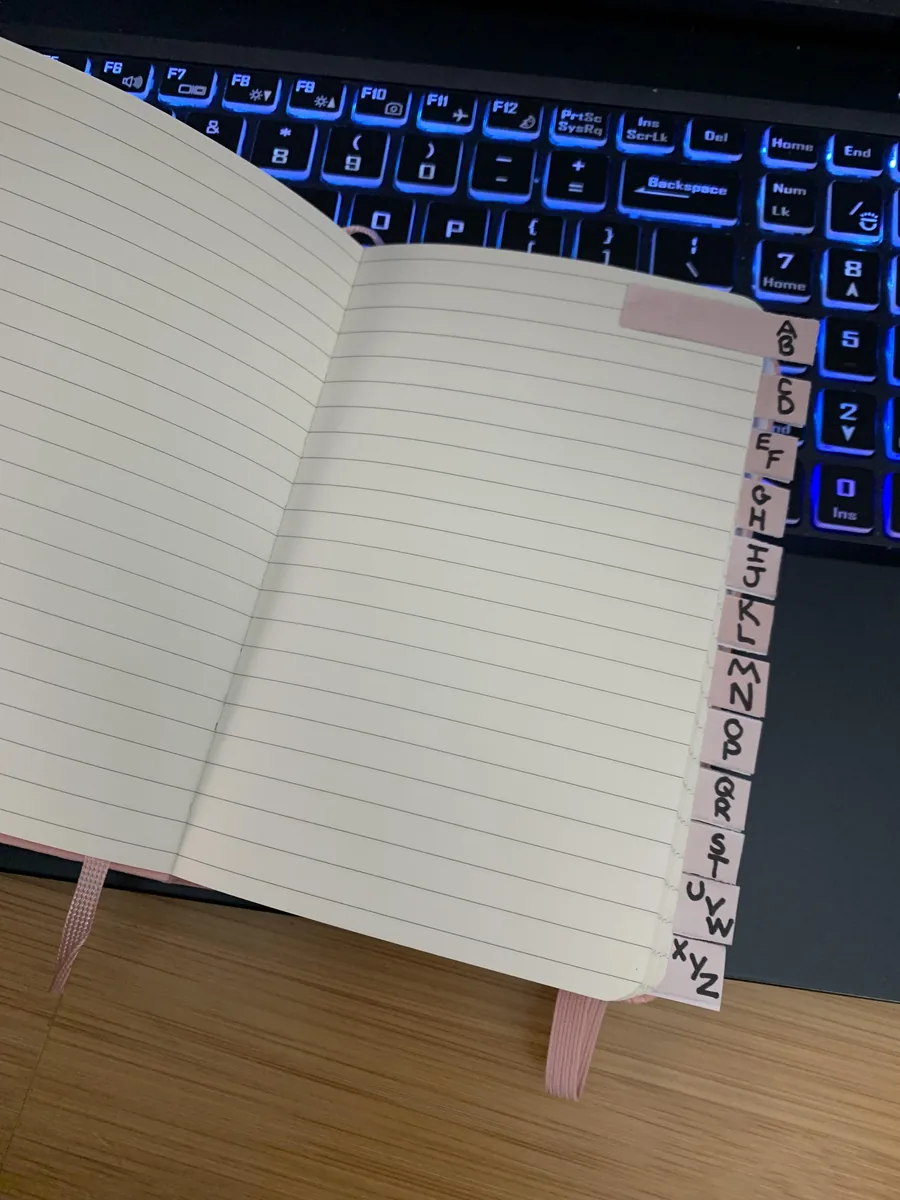
Full written addresses, not map pins alone, save real time with taxi drivers, station staff and delivery desks. Copy each address in the local format exactly as the booking shows it: hotel name, street and number, postcode, city. Keep this page near the front of the folder.
Packing List Page
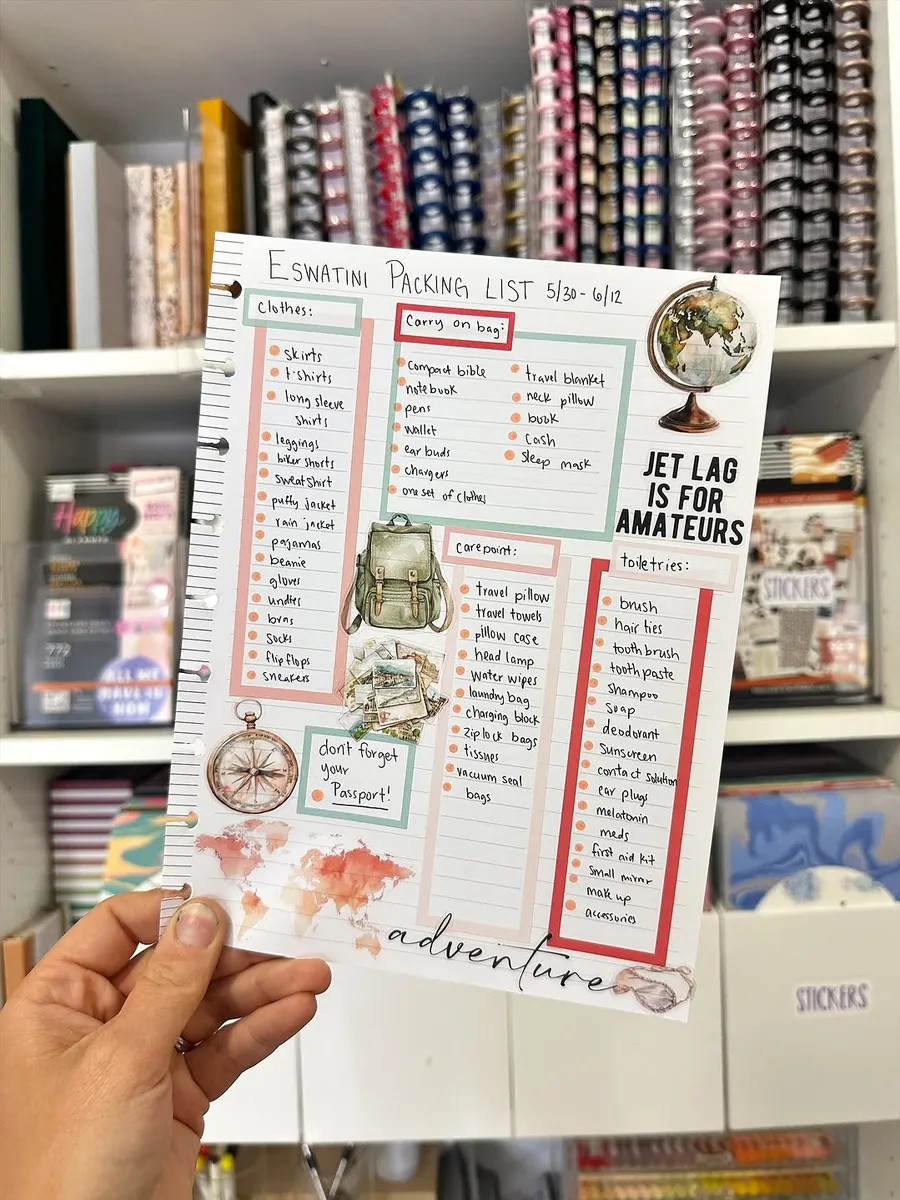
A packing page inside the same document beats a loose list on your phone, because it sits beside the plan it serves. Group the items by bag and by person: clothes, documents, tech, toiletries, and a small comfort group for the long journey days.
Tick items off as they go into the case, and mark anything still to buy before departure. Sample entries from a spring trip read: one warm layer for evening trains, a plug adapter covering the plug types on the route, the printed address of the first hotel, a refillable water bottle. Packing from the plan flags gaps early, while shops are still an easy option.
Budget Tracker Table
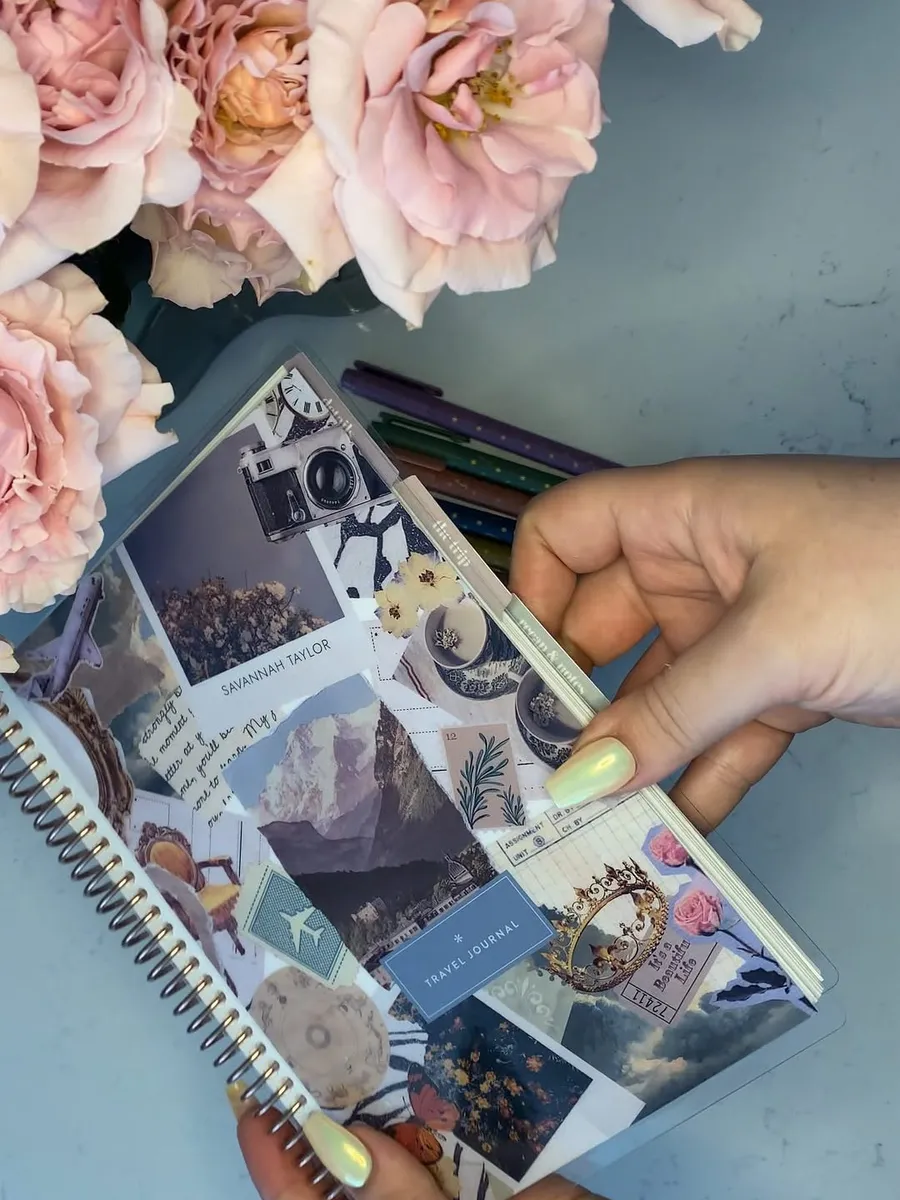
- One row per category: transport, stays, food, sights, local travel and a buffer row
- A planned column, filled in before you book anything
- An actual column, updated from the daily spending log as the trip unfolds
- A difference column that shows overspending early, not after you get home
- One currency for the whole table, written at the top of the page
Planned against actual is the whole point of this page, and a spreadsheet app will even keep the sums for you. A sample first row reads: Flights, planned 420, actual 398, difference 22 saved. Keep amounts in euros for a Europe trip, or in your home currency, but never mix the two in one table.
Daily Spending Log
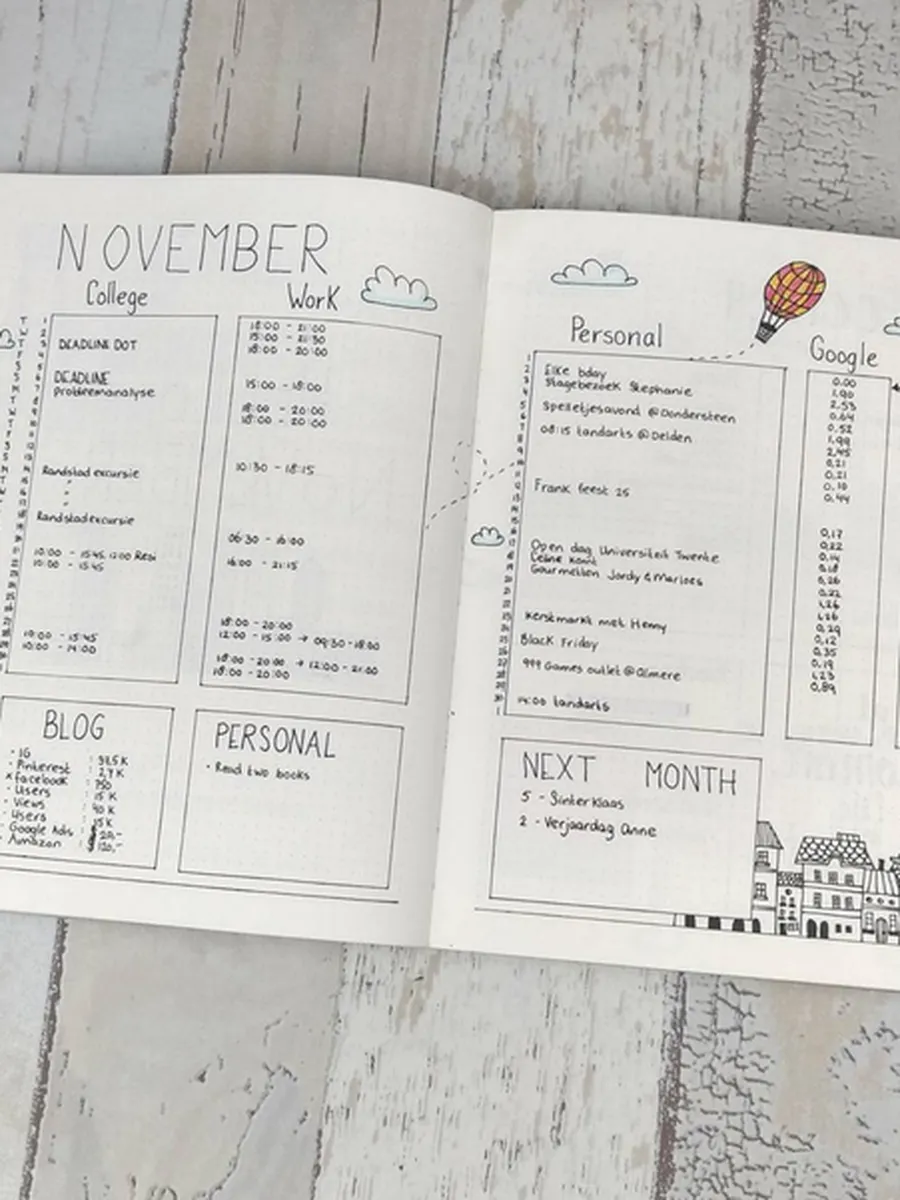
Quick Tip: Log each day's spending at the same moment, during the evening sit down or on the train back to the hotel. Two minutes daily keeps the log honest; a week of memory does not, and the small cash items are always the first to vanish.
One line per purchase is plenty: the date, what it was, its category, the amount, and who paid when you travel as a pair. Sample lines from one Rome day, in euros: museum tickets, sights, 34. Gelato and coffee, food, 11. Metro day pass, local travel, 7. Across the week, these lines roll up into the budget tracker.
Ticket Booking Tracker
BEFORE: Timed tickets for famous sights hide inside separate confirmation emails, each with its own date, entry slot and rules. Travellers who rely on searching their inbox meet the queue first and the information second, usually with a line of people forming behind them.
AFTER: One tracker page lists every timed booking in date order: the sight, the date, the entry time, the reference, and where the ticket file lives. A glance the night before tells you tomorrow's first move, and a glance at the door settles every question on the spot.
A sample row reads: Uffizi Gallery, 16 April, entry 08:15, reference saved as a phone screenshot and in email, arrive twenty minutes early. Add a simple booked or waiting column and the same page doubles as your list of tickets still to buy.
Restaurant Wish List
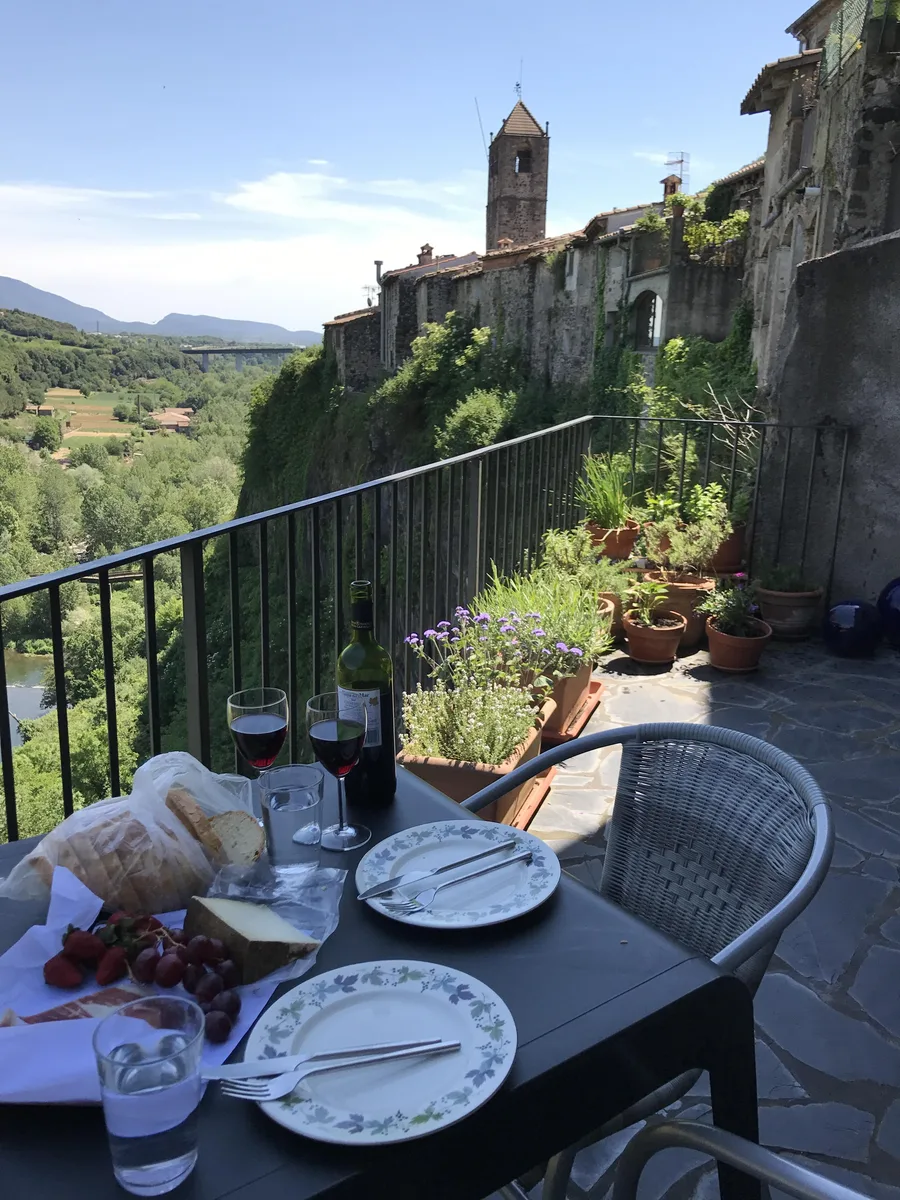
- Save places as you find them, with the neighbourhood written beside each name
- Mark the one or two places per city that you care about most
- Note what each place needs: a reservation, walk in only, or a likely queue
- Group the list by city, then by area, so choices sit close to each day plan
- Cross off each visit and add one line about what you ordered
A wish list is permission, not homework: three saved places per city is plenty for most trips. A sample entry: Trastevere, Rome, small family run trattoria, book a table for Friday evening, order the cacio e pepe. When dinner time arrives tired and late, this page makes the decision in seconds.
Sightseeing Priority List
| Top Priority Sights | Nice If Time Allows | |
|---|---|---|
| How many | Three to five per city, no more | A longer backup list for each city |
| Booking | Timed tickets booked from home | Walk up sights and free entry places |
| Day plan | Placed first in the daily schedule grid | Used to fill gaps around the fixed plans |
| If time runs out | Protected, other plans move instead | Dropped without regret |
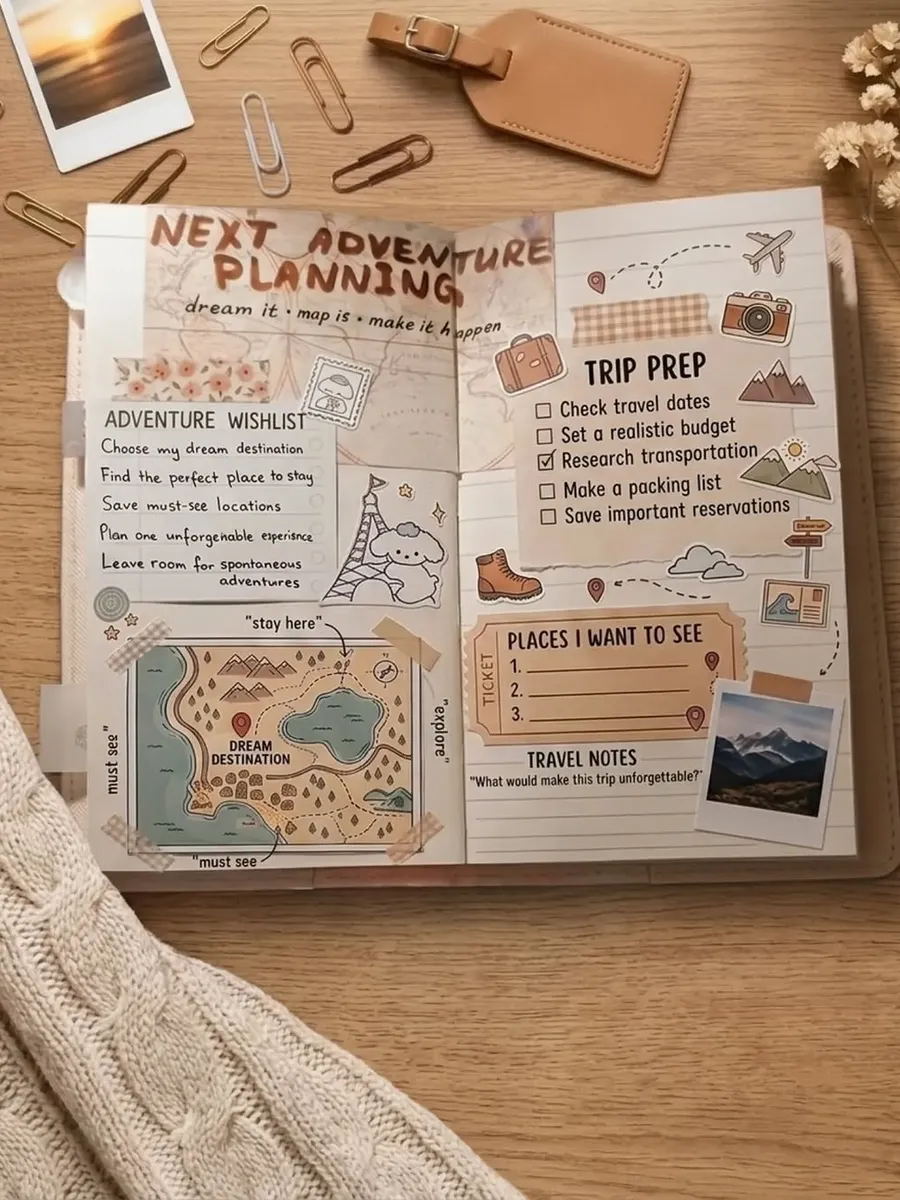
Ranking sights before you go protects the trip from wishful thinking, because not every famous name fits one holiday. A sample top line for Paris reads: Eiffel Tower, timed entry, morning slot, booked. When a day shrinks, this page shows what stays and what moves to a future trip, calmly and in advance.
Day Trip Planner
DO:
- Pick one base city and one day trip at a time
- Write the outward and return train times on the planner page
- Note the last sensible return train before you leave the base
- Keep the evening after a day trip free of fixed plans
DON’T:
- Do not stack two day trips on back to back days
- Do not leave the return journey unplanned and hopeful
- Do not place a day trip on your arrival or departure day
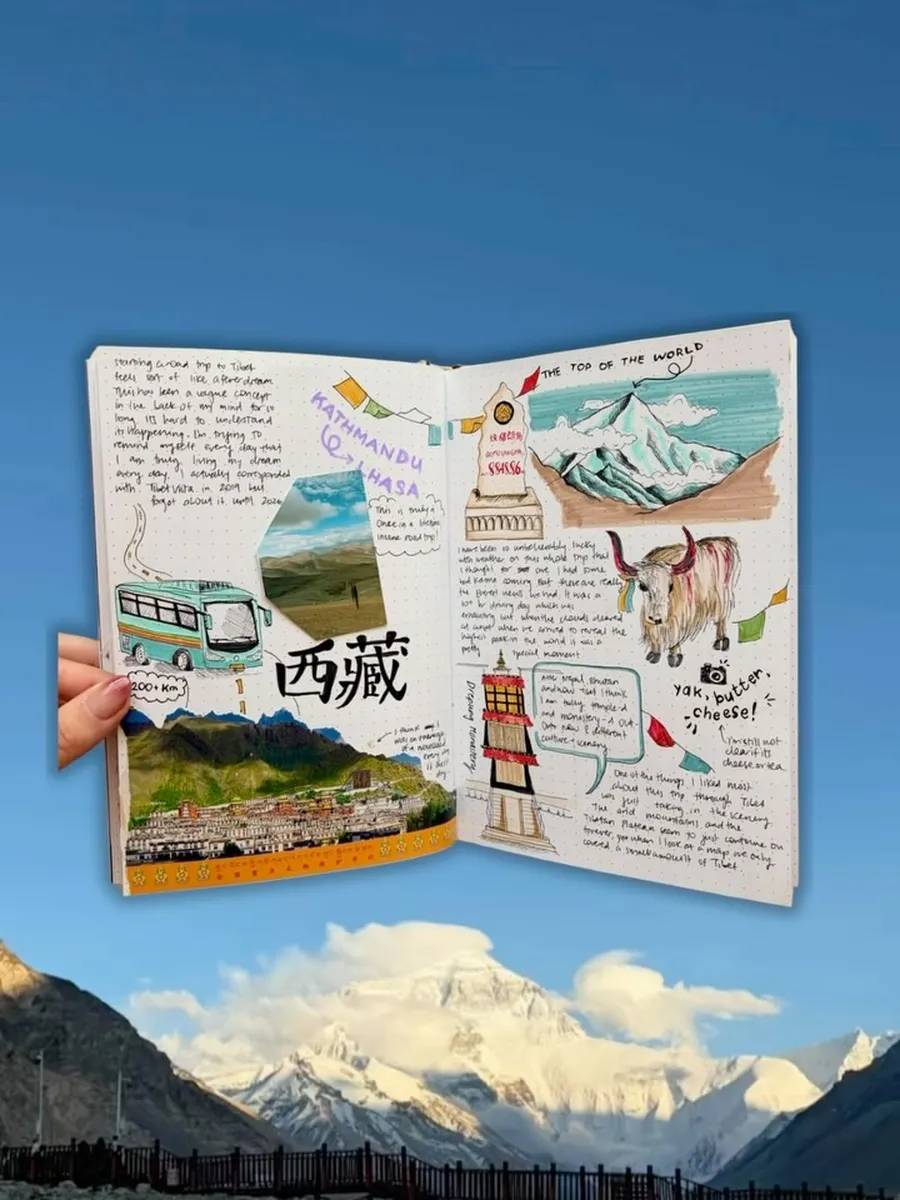
One small page per day trip keeps its details together: destination, station, the sights in walking order, and a food plan. A sample header reads: Bruges from Brussels, out 09:05, back 17:40, canal walk first, the Belfry before lunch, chocolate shops last.
Travel Journal Page
- Time needed: Five quiet minutes each evening, no more
- Prompt one: The best moment of the day, written in two lines
- Prompt two: One practical note for the future version of you
- Extras: Ticket stubs, receipts and small maps taped or tucked in
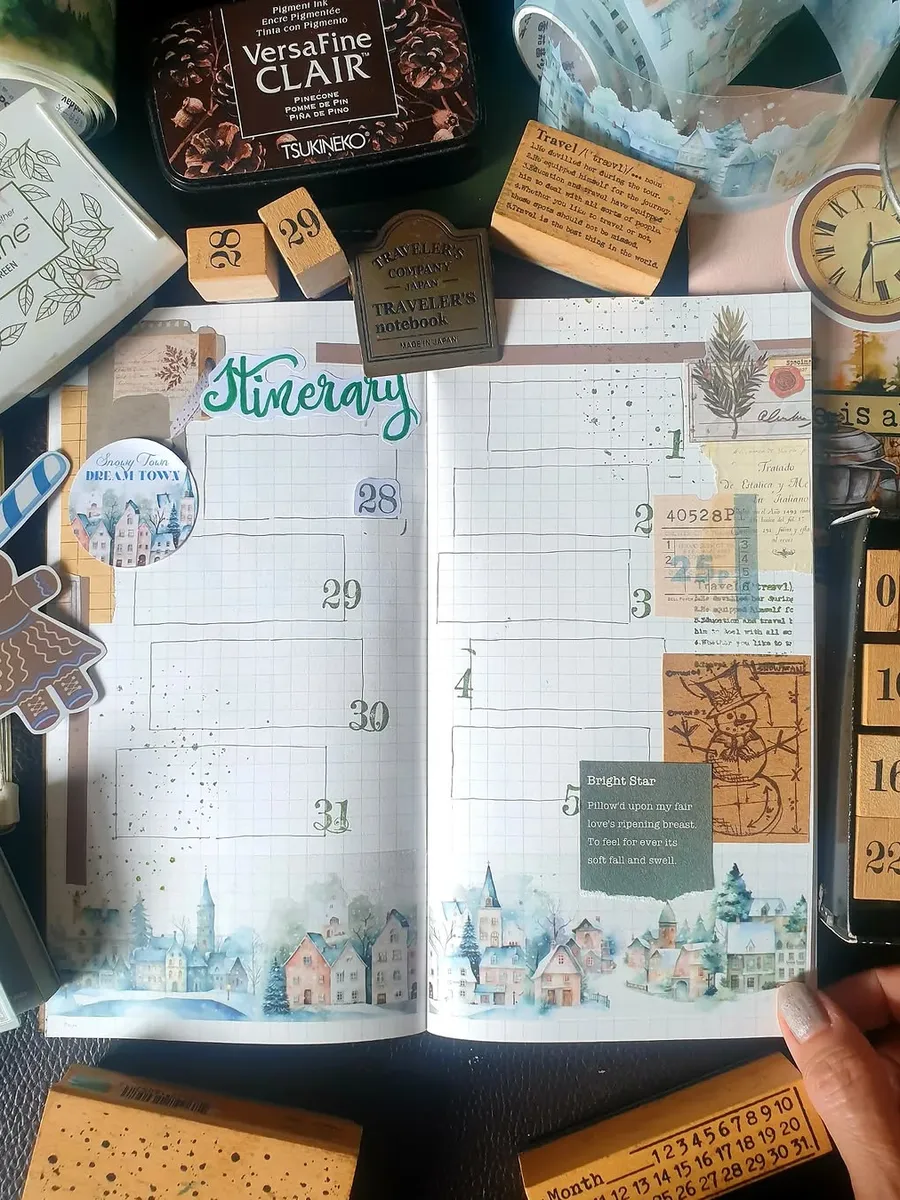
Journal pages are what turn the planner into a keepsake once the trip ends. Short prompts beat blank page pressure, and two honest lines a day add up to a full record by the flight home. A sample entry: Rain in Florence, the dome climb still worth it, dinner near Santa Croce, book that place again.
Photo Shot List

A short shot list stops the photos you meant to take from being crowded out by the day itself. List the frames per city in advance: the classic postcard view, one detail shot, one food photograph, and one picture of your travel partner actually in the scene, not only behind the camera.
Tick shots off as you take them and note the best light for the ones still missing. Sample lines for Venice read: gondolas on the Grand Canal near golden hour, a mask shop window in detail, morning mist on a quiet side canal. Your future photo book, and anyone you travelled with, will thank this page.
Souvenir Shopping List
- One line per person, with a gift idea and a rough budget beside it
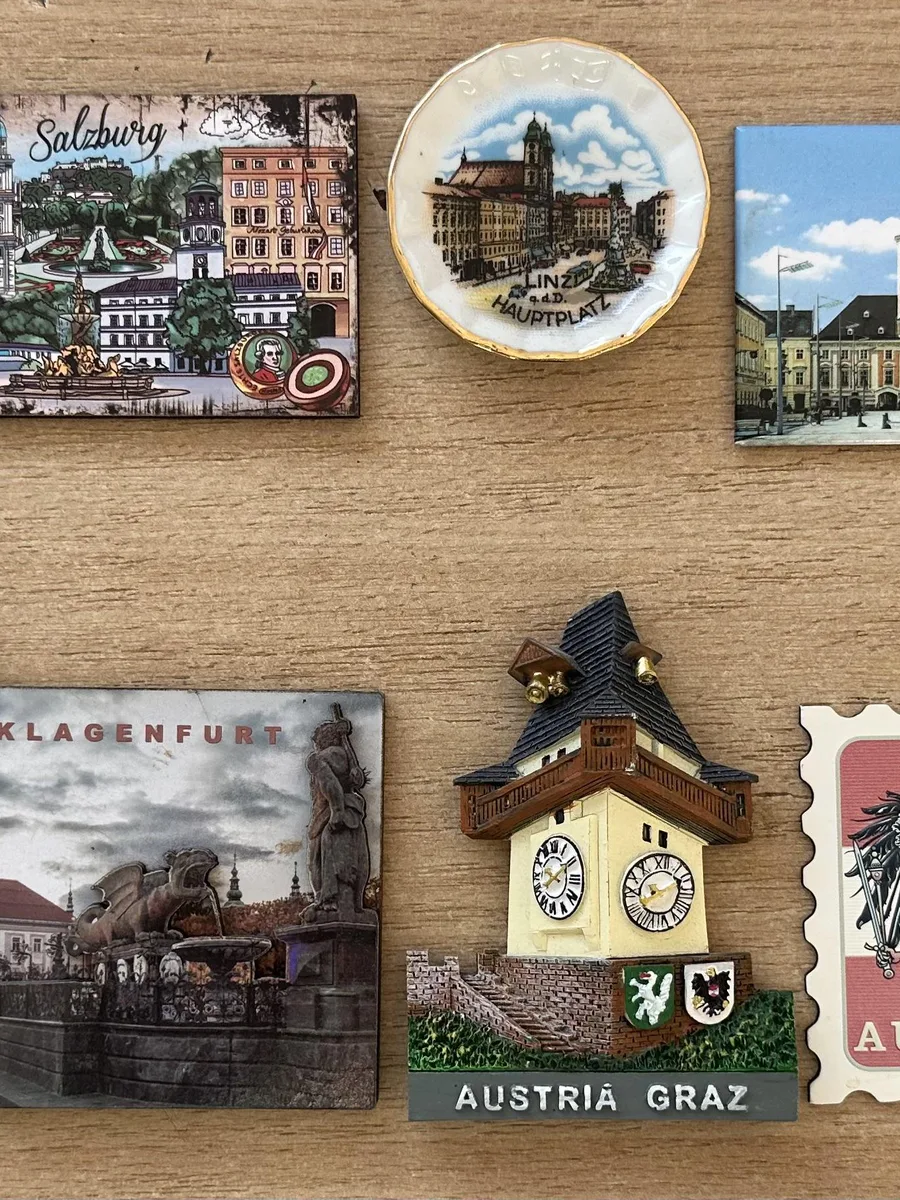
- A short list of the things you collect, such as postcards or fridge magnets
- Shops and markets worth visiting, noted when you pass them during the day
- A bought column, ticked at the till rather than from memory later
- Fragile or bulky flags beside items that will affect packing
Shopping from a list ends the airport panic buy, and it keeps gift weight in view before the return flight rather than after the case refuses to close. A sample entry: Sister, small leather notebook, Florence market, bought Tuesday, packed in hand luggage, budget kept.
Emergency Info Page
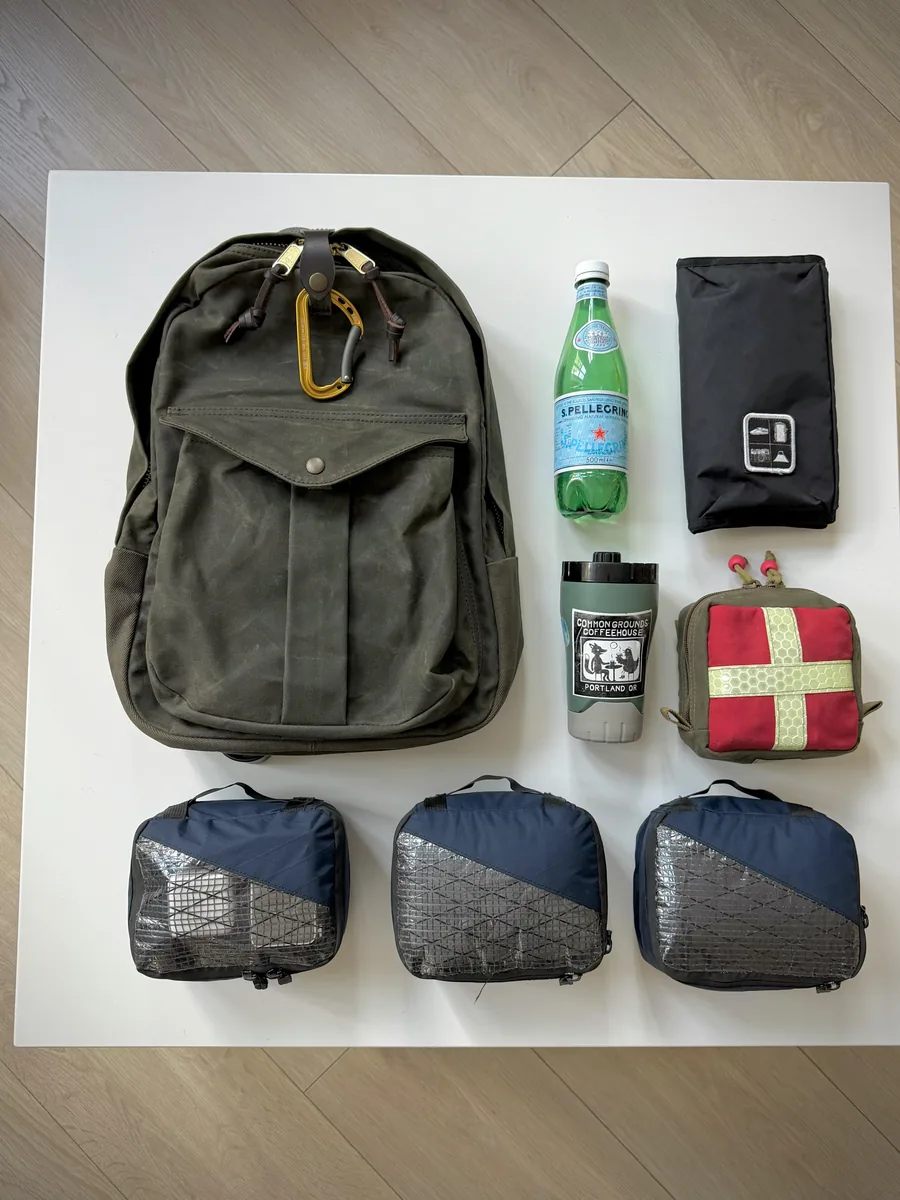
Quick Tip: Keep this page in three places: inside the planner, as a photograph on your phone, and with the person at home who holds a copy of your plan. An emergency page you cannot reach in a bad moment is decoration, not preparation.
Fill in your insurer name and policy number, the local emergency number for each country, your contact at home, and every hotel address. Across most of Europe the emergency number is 112, and it works alongside national numbers. A sample top line: insurer, policy number, 24 hour assistance line, all copied word for word from the policy document.
Offline Access Kit
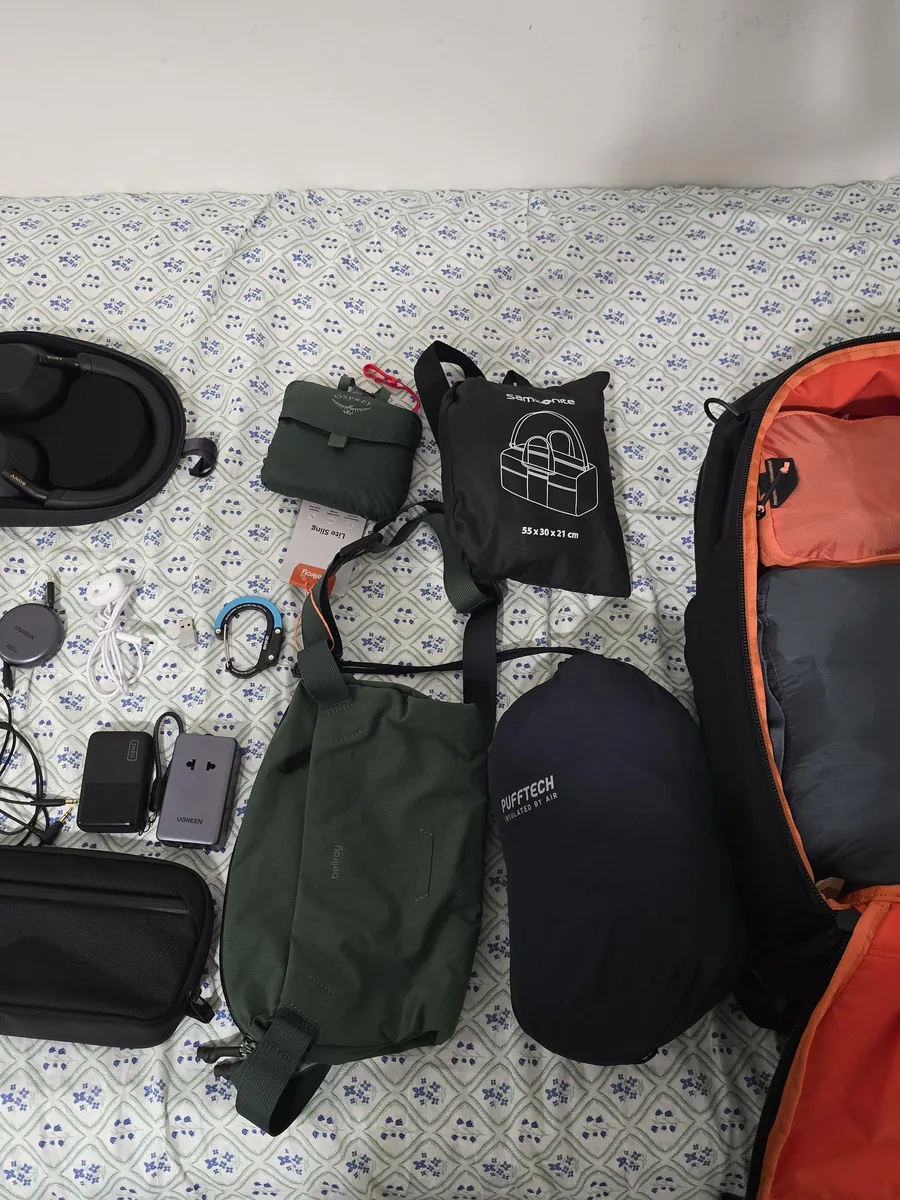
BEFORE: Roaming drops inside a tunnel, hotel wifi hides behind a password hunt, and the one email holding your train reference refuses to load. A trip planned only in the cloud tends to fail at the exact gates and platforms where it is needed most.
AFTER: An offline kit fixes that weakness: maps downloaded for each city, tickets and confirmations saved as files on the phone, the full plan exported as one document, and hotel addresses written on paper. Every key fact then opens in seconds, with no signal at all.
Build the kit the night before departure and test it in airplane mode before you leave the house. A sample checklist line: Rome map downloaded, train tickets saved to files, hotel address card in wallet, charger and power bank packed in the day bag.
Return Home Checklist
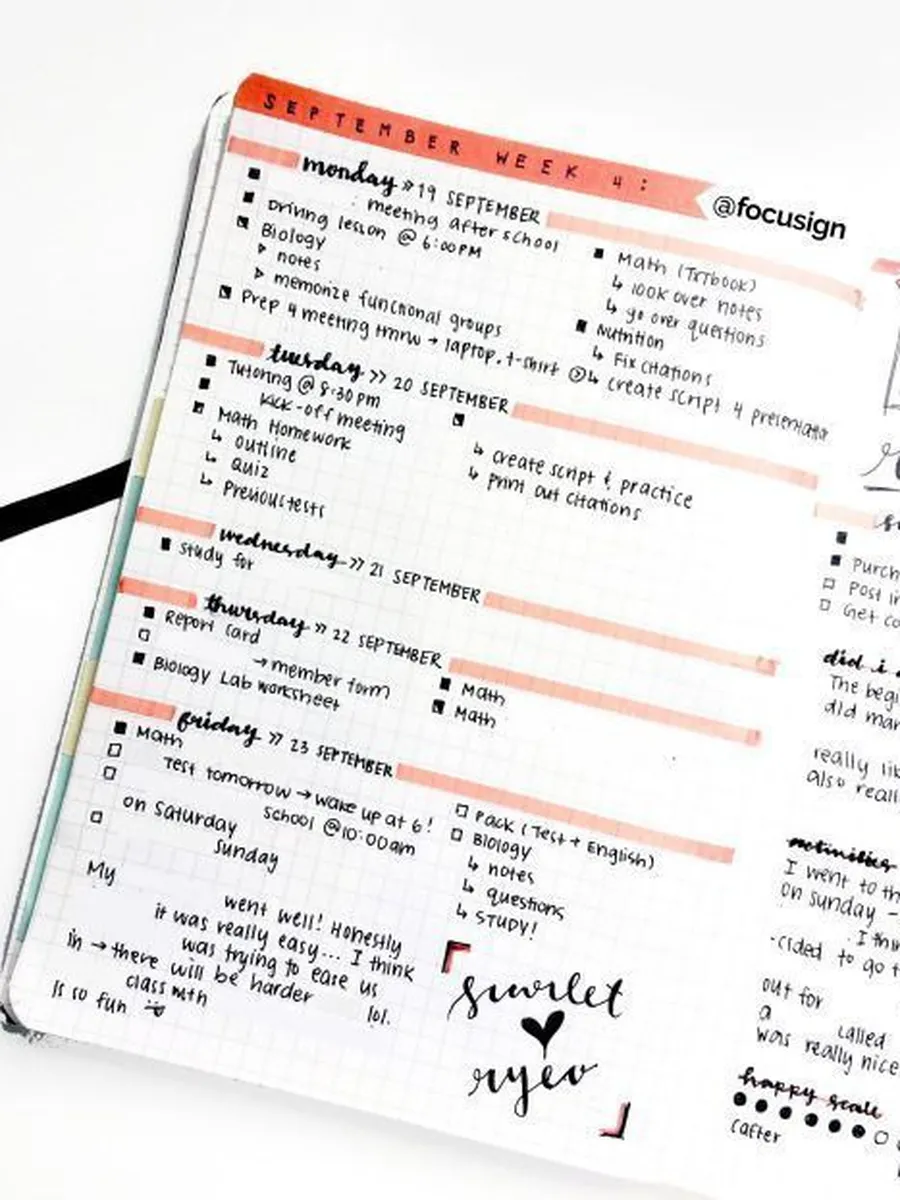
- Check that passport, cards and keys are back in their usual home spots
- Note any deposit, refund or expense claim still owed to you
- Back up the trip photos and photograph the journal pages you filled in
- Wash or set aside the travel clothes and empty every pocket of every bag
- Write three lines on what the planner should do differently next time
Closing the trip on paper takes about twenty minutes and stops the slow leak of small forgettings. A sample line: rail refund checked, photos backed up twice, gift for the neighbours delivered. File the whole planner away and it becomes the starting point for the next trip.
Blank Notes Pages
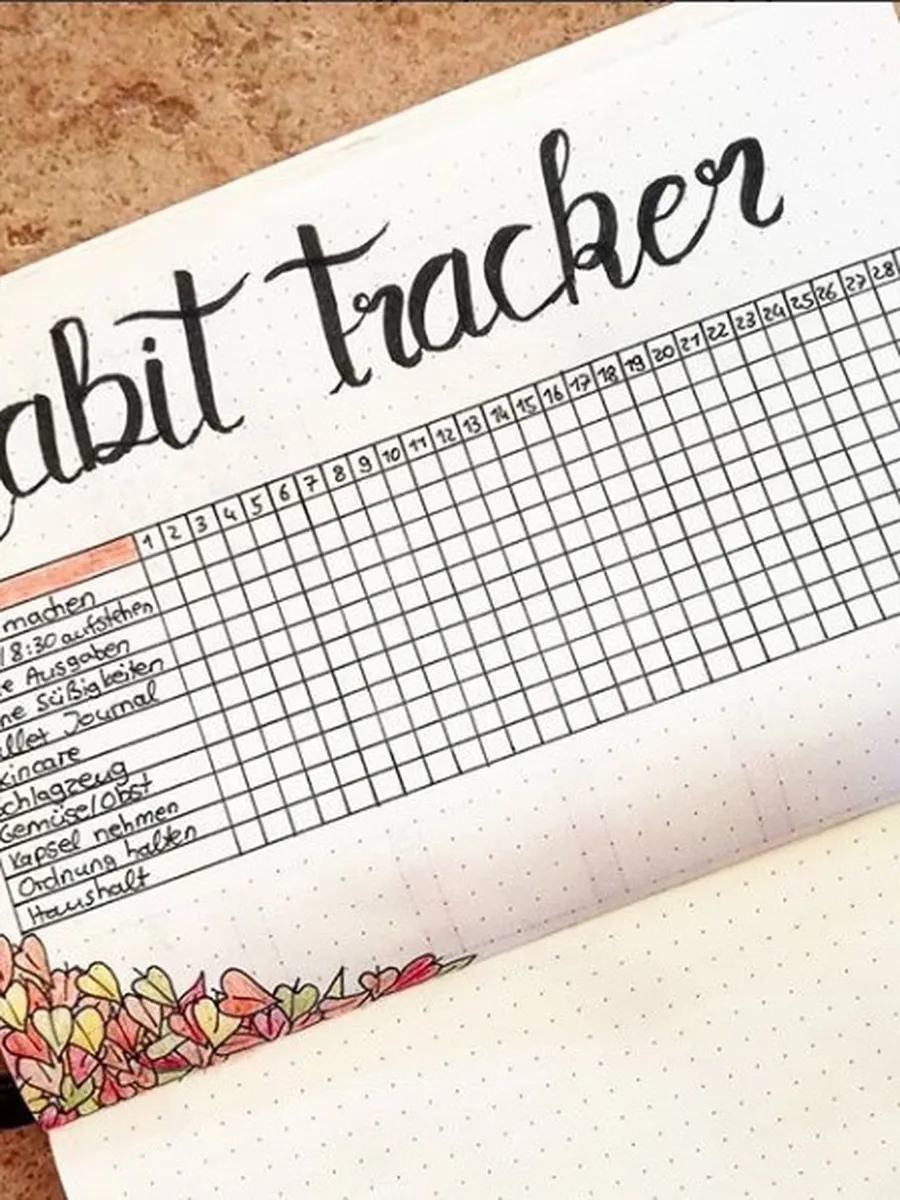
| Lined Pages | Grid Pages | |
|---|---|---|
| Best for | Journal style notes and running lists | Sketch maps and rough timetables |
| During planning | Parking ideas while you research | Laying out days before the grid is final |
| On the trip | Names and addresses picked up locally | Working out splits, times and plan changes |
| Worth keeping | The record of what really happened | The drafts behind the finished plan |
Leave the last pages of the planner empty on purpose. Trips generate paper: changed times, a recommendation from a guide, a station name spelled out by a helpful stranger. A sample first entry: restaurant tip from the Florence hotel desk, book two days ahead. Blank pages catch all of it.
A complete planner is not about filling every box. It is about giving each fact one home, so flights, trains, hotels, money and memories stop competing for space in your head and your inbox. Build your europe travel itinerary template once, on paper or in an app, and the same 22 pages will serve every trip after this one. Start with the overview page tonight, add the grids this week, and keep the blank pages ready for the road. Save this guide on Pinterest for your planning board, and share it with the person travelling with you.