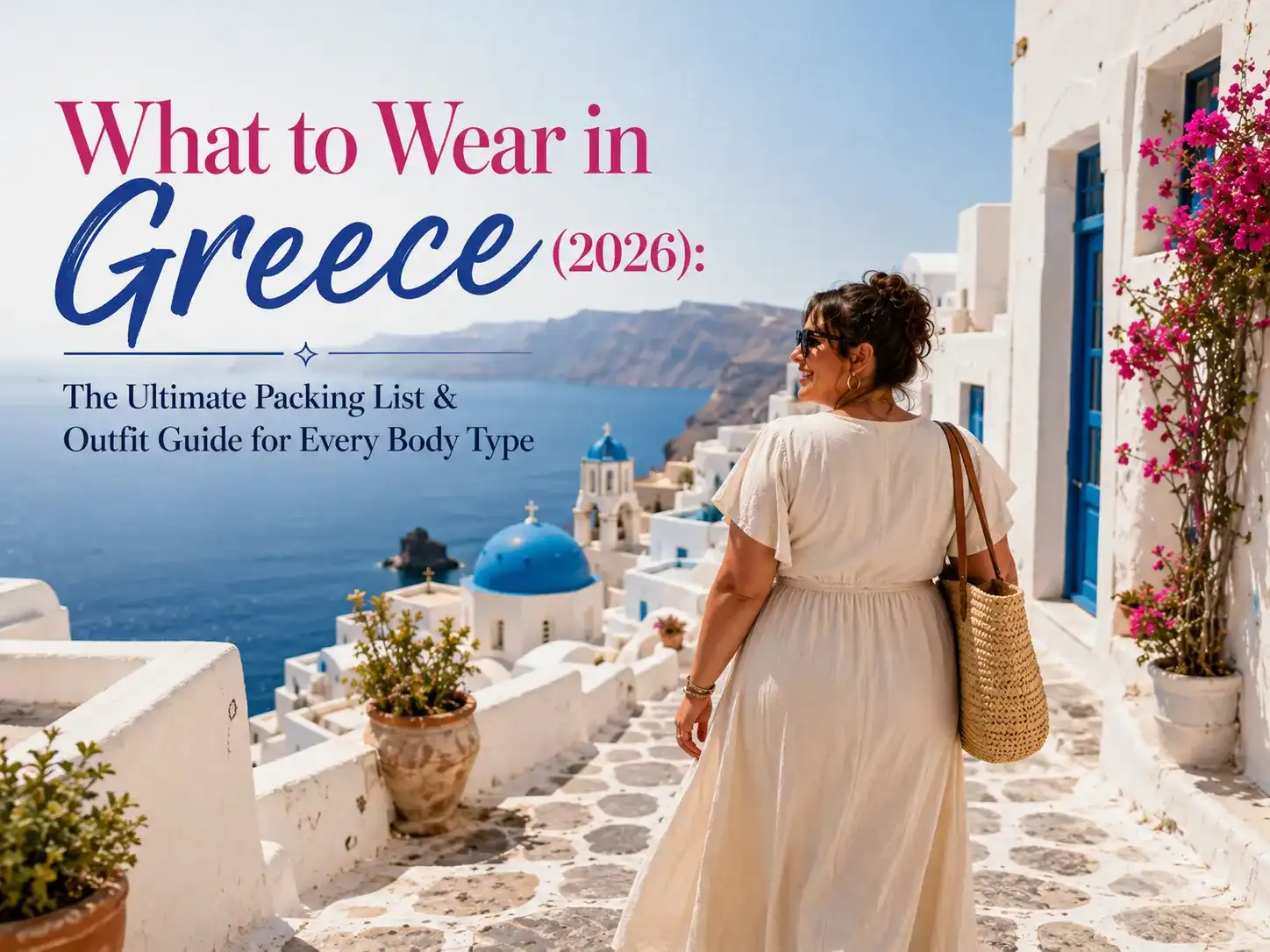
What to Wear in Greece (2026): The Ultimate Packing List & Outfit Guide for Every Body Type
Travel fashion for Greece isn’t one-size-fits-all, and after 15 years of chasing sun across the Cyclades, I’ve learned that the real skill isn’t owning the right clothes — it’s knowing how to pack strategically so you land feeling prepared, not sweaty and frazzled before you’ve even left the airport. This season-by-season guide was born out of my own trial and error: the trip where I packed wrong, hauled a suitcase stuffed with new-season swimwear I never wore, and spent day 3 in Athens wishing I’d left half of it at hotel check-in. Every plus-size woman I’ve spoken with on ferries between islands has a version of that same story — the compromise between looking photo-ready and staying comfortable while exploring ancient ruins in heat that doesn’t care about your Instagram feed.
What follows is my honest round-up of must-haves, built from watching plus size women actually travel — not from a studio shoot. I fly Jet2 most years, and their 10kg limit for cabin luggage has forced me to get ruthless about multipurpose items: pieces that go from beach bar to quaint villages without checking luggage every time. My go-to bag is an Arcido Faroe Backpack, which handles the chaos of island-hopping far better than a wheeled personal item ever could. This isn’t about shrink-ing yourself into regular sizes or apologizing for your figure — it’s about plus size travel clothing that actually flatter your curves, made from fabrics that breathe in the Aegean energy and washes easily after a week of partying on Mykonos or drifting past white sands on a sailing trip.
I’ve built this Greece outfits edit around real long travel trips, not a single trip to one island. You’ll find outfits for the local culture of Santorini, the streets of Athens, and the locals-only tavernas of Skiathos, alongside tips on how to blend in rather than scream tourist. Expect strappy dresses, floaty cover ups, an openwork crochet maxi, string bikinis, classic denim shorts, and tight tops that still let you movement through crowded ferries without feeling sore by evening. I’ve tested size restrictions across dozens of brands so you don’t have to guess which ones stock limited sizes only up to a UK 16.
The goal of every packing list below is confidence — the kind that comes from dress for weather rather than fighting it, from choosing travel wear that photographs beautifully by the pool but survives a museum map in one hand and a gyro in the other. This is a practical packing approach — how to dress in Greece the way locals actually do — for the curvy girl who wants pretty clothes, a tan, and joy on her Greek getaway — proof that a travel capsule wardrobe and packing light aren’t the enemy of style, they’re what makes a confident, cute, well-fit trip actually possible. Consider this your one-bag approach starting point before we go outfit by outfit, trainers to shoes, jeans to bum bags — no over-packer guilt required. I’ve travelled to Greece enough times now to know that perfect travel clothes don’t exist, only smart compromises: a few sexy holiday dresses for plus sizes everywhere, a couple of convertible tops, and the discipline of travelling light so you’re never wrestling to zips suitcase shut at the gate.
Greece Weather / Climate to Pack For
Before you decide what goes in that suitcase, you need to understand the Mediterranean climate you’re packing for, because it shifts dramatically depending on when you land. I always check the Hellenic National Meteorological Service before finalising my travel capsule, since Greek islands like Santorini, Mykonos, and Crete run hotter and drier than mainland Athens. The longest summer seasons stretch from June through August, with July and August marking peak hot summers where temperatures regularly hit 30˚C to 40 C (that’s roughly 100 F), pushed further by the heat wave conditions the Mediterranean Sea region has seen more of in recent years. During this stretch, humid air can settle over islands with no trees for shade, so breathable layers, cotton, and linen aren’t optional extras — they’re survival gear.
Shoulder season, roughly beginning of May through mid June, and again from mid September into late October, is genuinely my favourite time to go. May brings long days of sun without the crushing summer crowds, and by September the Cycladic winds start rolling in, cooling island breezes that make walking for miles through cobblestone sightseeing routes far more bearable. The 21st of June marks the summer solstice celebrations, while the 21st of September signals the shift toward the pleasant season — cooler days, mild winters on the horizon, and noticeably crowded ferry schedules as everyone tries to squeeze in one last island hopping trip before the shoulder season window closes.
Winter mode — December, January, and February — is a different Greece entirely: coastal breezes turn into strong winds, wetter days and a lack of rain in some pockets create unpredictable monthly weather averages, and evenings cool fast even if daytime stays mild. I’ve had ferry rides cancelled outright by wind in mid October, so always build slack into your ferry schedules. Whatever month you land, loose layers that mix easily, a light layer you can shed by 8pm sunsets, and fabrics that dry overnight after a siesta-time swim will keep your style, comfort, and laundry routine all in sync — because nothing ruins a shade-seeking afternoon like packing for the wrong summers in Greece. Skin needs to be protected from sunrays that feel deceptively gentle until sunsets at 8pm finally arrive, so choose breathable fabrics that wash easily after a sweaty day; breezy nights during peak season and the wait at the baggage carousel on arrival are the last things you want to face in anything heavy or restrictive.
Footwear for Greece
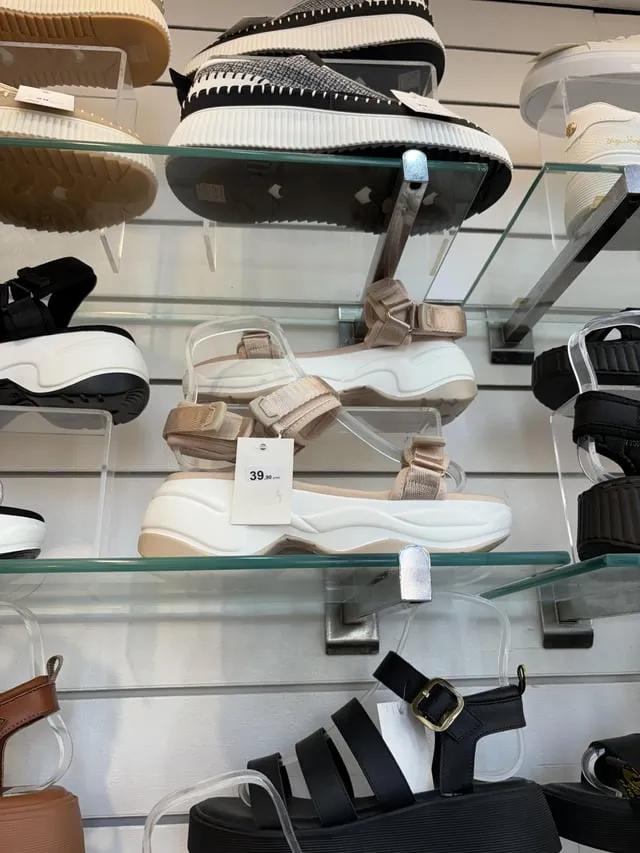
If there’s one category I obsess over before any Greece trip, it’s shoes — because cobblestoned streets, stone streets, and the notorious stairs of Oia will expose bad footwear choices within the first 5 km. The American Academy of Podiatric Sports Medicine consistently recommends supportive sneakers with real grip and firm heel support for uneven terrain, and after one trip where I twisted my ankle badly enough to worry about a sprained ankle, I take that advice seriously. Lightweight sneakers like Superga, Converse, Tiger, or Gola work well for hiking through archeological sites, while brands like Teva and Reef shoes double as proper water shoes for pebbley beaches and rocky streets.
For evening, Birkenstock sandals, flat embellished sandals, and ivory flat espadrilles strike the right support-meets-sunset shots balance — just make sure any strap on sandals or ankle-strap sandals have adjustable straps and enough toe room, since feet swell after a day of foot traffic. I’ve learned to break in shoes well before I fly rather than risk a blister; pack blister patches, moisture-wicking socks, and insoles just in case. Wedges, platform sandals, and crystal sandals look gorgeous for Mykonos beach clubs, but they’re genuinely impractical on steep streets — save them for flat terrace dinners, not a tourist trap climb over marble ruins.
If you’re headed anywhere with real elevation or winter months weather, pack water-resistant ankle boots — the Aegean wind and occasional rain make flip flops and closed off shoes equally frustrating otherwise. Handmade custom sandals with a rubber sole and flexible soles are worth the splurge; I still wear a pair of real leather cute sandals I bought years ago that have survived centuries-old stone streets without a single twist an ankle moment. Bottom line: prioritise flip flops for sandy beach days, closed waterproof sandals for boat transfers, and one genuinely supportive pair for every sightseeing day in between — your feet on Athens cobblestone streets will thank you. Good walking shoes with real craftsmanship beat cheap flat flats every time on uneven surfaces, and while going barefoot feels tempting on soft sand, pebbles and hot ferry decks make it a bad idea in practice. Cushioned sandals, a pair of Lacoste trainers, or even wedge espadrilles for one dressier night can round things out without leaving your feet tiring by 6pm.
Dresses / Beach Coverups / Ancient-Greece-Inspired Dresses
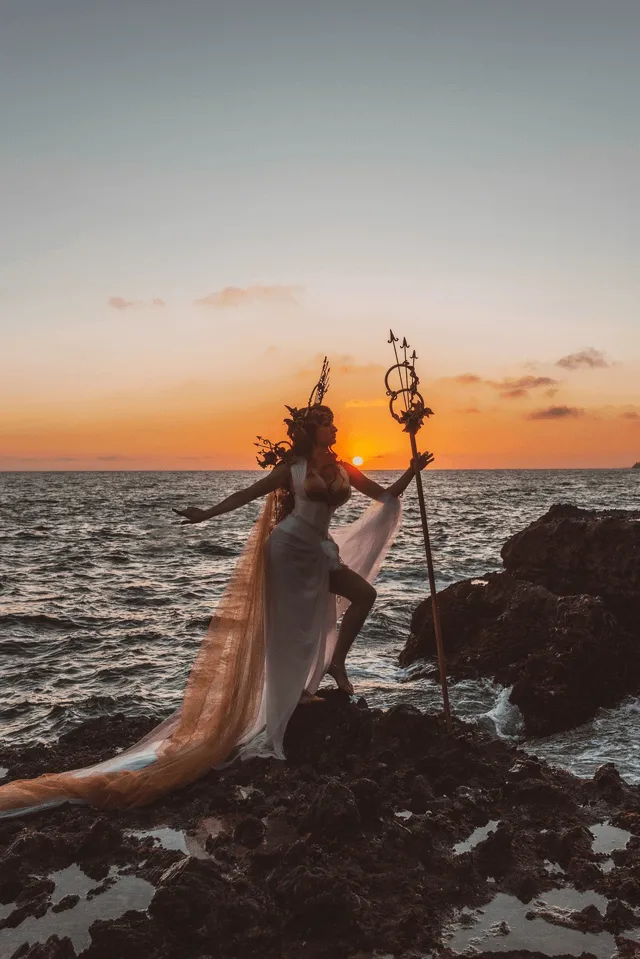
There’s something almost ceremonial about wearing a maxi dress in Greece — the whitewashed walls, pink bougainvillea, and purple bougainvillea practically demand it. My personal favourites lean toward Ancient Greece inspired outfits: a bandeau twist dress or embroidered maxi dress with Greek motifs, worn with a golden belt to nod at that Marilyn Monroe moment without trying too hard. Brands like City Chic and JessaKae now stock genuinely flowy, oversized maxi dresses in sizes XXS-6X, which matters — I spent years hunting for a dress girl silhouette that didn’t stop at size 12 and quietly ignore anyone past size 24.
For beach to club transitions, a sheer chiffon dress or chiffon kimono thrown over a bikini does double duty; pair it with a lightweight silky pashmina for religious sites or churches where you’ll need to cover shoulders and cover knees. A wrap-around dress, shirtdress, or flower printed halter dress in bold colors or a geometric pattern works for restaurant dinners, while a tulle midi skirt under an unbuttoned shirt gives you a classy dress shirt look for evenings that call for something dressier. I always pack a kaftan and sarong together — one for the beach club, one to blend in walking back through town.
Practically speaking, plus size women should look for loose fit pieces with suitcase space in mind: embroidered dresses and embroidered short-sleeved dresses that pack light to carry and ships internationally or ships to Canada if you’re ordering online (check whether the brand is US-based before you order — return shorts underneath windows shrink fast). A mini dress or short dress works for summer outfit days when strong winds make a long dress impractical, while a skirt, romper, or princess-style dress with a solid color and statement earrings or necklace rounds out a glamourise-worthy beach outfit. Whatever you choose, look for patterns that hug curves rather than tight, unforgiving cuts, and don’t let social media convince you that only certain models get to feel like a Greek Goddess. Beyond the beach, I’ve come to rely on a rotating handful of dress brands that actually list mid size women on their website, stocking everything from florals and spaghetti strap dresses to princess-style dresses with an embellished neckline for every occasion. A light cardigan thrown over any of these dressier dresses — or a proper classy long dress for a smarter dinner — solves the temperature swing between beach time and evening; even simple unbuttoned shirts worn as wrap-around dresses or wrap dresses, or one of the flower printed halter dresses with a summery clutch, gives you the Greek Goddess look without the cover up expected awkwardness of a swimsuit alone. For anyone worried about vibrant colors reading as too loud in the posher villages, a cute short dress, a set of ruffled spaghetti strap dresses, or the maxi flowing dresses and day-to-day dresses categories all give you room to dial it up or down.
Outerwear / Layers / Cardigans / Jackets
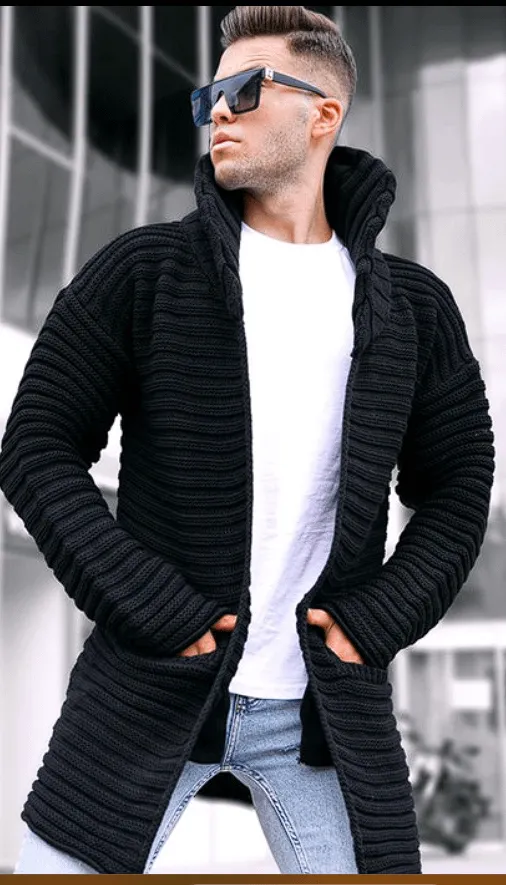
People always underestimate how quickly evenings get chilly on the islands, especially with a five-degree drop once the sea breeze picks up. My non-negotiable travel layers piece is a lightweight cardigan or knitted cardigan — an open cardigan you can tie at the waist during the day and throw over bare shoulders once the evening breeze rolls in. A denim jacket (I own three, at this point) pairs with everything from cotton wide-leg pants to a flowy maxi dress, and a faux leather jacket adds a bit of bohemian energy for cooler spring in Greece or early June nights.
If you’re travelling in the rainiest months — think December, late September, or February — a packable rain shell or lightweight waterproof rain coat that folds into pocket size is worth its weight. A compact umbrella covers you for light showers, though I’ve found a belted trench or wool-blend coat more useful for the north of Greece, near mountain towns where blooming wildflowers and a genuine thermal base layer become relevant closer to winter in Greece. Pack a soft silky pashmina or longline poncho for monasteries that require covered arms, and a scarf doubles as both light insulation and a styling piece.
For everyday air circulating comfort, a soft tee, mid-weight sweater, or merino base layer under a neutral shell layer handles humid travel days and damp air equally well. I favour Columbia for waterproof, moisture wicking basics, since coastal winds and gusts off the Hellenic National Meteorological Service-tracked storm fronts can be sharper than expected. Round things out with linen trousers, ponte pants, or dark jeans, a wide-leg pant in coral or aqua, an open wrap coat for mild afternoons, and ankle boots for brisk walking on slick streets — all structured pieces that pack down without adding bulk or temperature dips anxiety to your suitcase. That said, keep expectations realistic: this is nowhere near Antarctica-level cold, and you won’t need heavy coats or an actual winter jacket, even with the laid-back energy of an off-season trip through olive groves and pastel buildings. A folded chiffon kimono top does more work than waterproof pants ever would, sporting stores rarely stock anything Greece-specific worth buying, and a couple of lightweight layers — think blazers, light coats, or a scarf against soft winds — beat anything rated for -40C conditions you’ll simply never encounter on these sea-inspired tones islands.
Fabrics & Fit That Flatter Curves
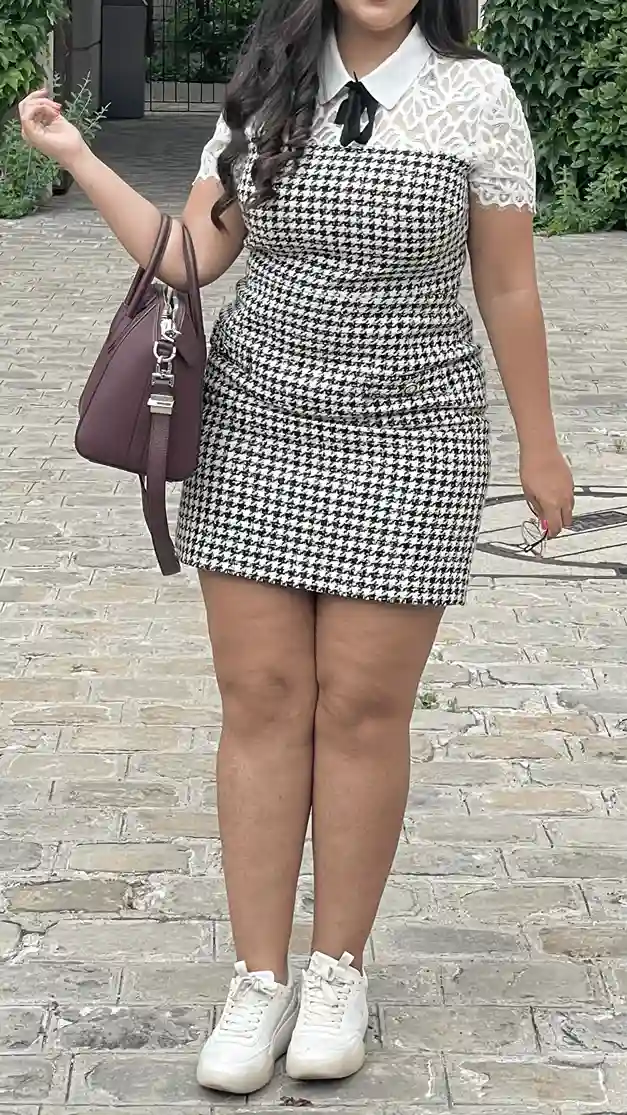
The single biggest packing mistake I made early on was choosing fabric for how it looked on a hanger rather than how it felt after two hours of walking in hot summer weather. Linen is still my top recommendation — it lets air move freely, resists cling, and photographs beautifully even with a few wrinkles (consider that part of the local women aesthetic, not a flaw). Rayon and viscose blends offer that same breathable materials airflow with a bit more structure and less creasing, which matters if you’re trying to dry quickly between destinations without a portable travel steamer.
Fit-wise, look for elastic waistbands, V-necks, and empire cuts that elongate frame rather than fight your shape — a good mirror test is whether you can raise arms and sit comfortably without any squeeze at the seams. I like a wrap dress for exactly this reason: side slits and vertical prints create a natural streamline silhouette, while boho long trousers or wide-leg pants give the same mobility as leggings without the cotton clinginess. Strapless tops and spaghetti strap silk tops work best layered under something with more comfort, since bare details at the bust can dig in after a long day.
For daily wear, I rotate comfy t-shirts, cute t-shirts, crop tops, tank tops, and sleeveless tops — all easy to roll clothes into a packing cube without creasing. Do the comfort test at home first: REI and similar outdoor retailers stock loose fitting shirts and blouses specifically cut for younger women and every other plus-size traveler alike, with floral design options that still show skin tastefully. Prioritise fresh, breathable fabric over anything that requires dress up-level ironing, and you’ll stay comfortable through both sightseeing marathons and quiet dinners. A soft linen summer wrap dress that lets fabric hang loosely rather than cling is worth the small extra cost, and choosing pieces designed around real proportion rather than generic oversized clothes makes a bigger visual difference than people expect.
Accessories (Jewellery, Hats, Scarves, Bags)
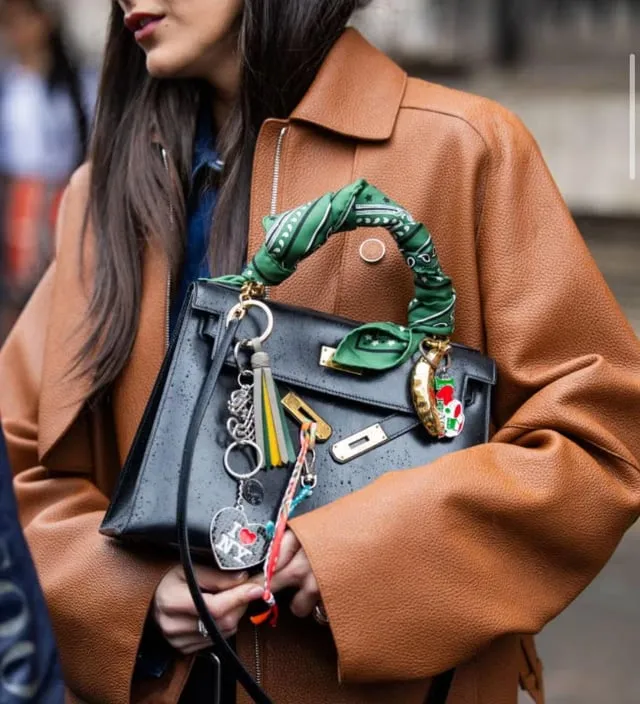
Accessories are where I actually let myself have fun, because they carry all the style with none of the suitcase bulk. A jewellery capsule list of just 2-3 pieces — a coral scarf, a set of drop earrings, and one statement pieces necklace — covers every outfit without tangles or a hard travel case. I keep jewelry to simple pieces for daytime and swap in statement accessories for dinner, which feels far more personalized than packing ten different sets.
Sunglasses are non-negotiable under the Greek light — go oversized sunglasses with polarized lenses for real protection against sun exposure and damaging sun rays, especially on Santorini’s sea-blue domes where the glare off white walls is brutal by midday. A wide-brim hat or sun hat (get one with a strap, learned that the hard way in windy monasteries) shields your face while a beach tote bag carries everything from a flat-lay photo prop to actual beach gear. Pair a lightweight wrap with a belt for waist definition, and keep a pouches or small clutch on hand for tour days.
Modesty matters more than people expect: sacred sites and churches across Greece require covered knees and covered shoulders, so a wrinkled linen shirt or scarf thrown over the shoulders solves this in seconds — Greeks appreciate the effort, even in sunset light. Stick to neutral basics and neutral outfits as your base, then let color and one maximum impact piece — straw hats, bold earrings, a great handbag — do the talking. Locals notice the balance far more than the price tag. Being intentional about this jewellery shortcut — a maxi skirt, a light wrap, and one accessory rather than five — reads as modest attire even under bright sunshine, and honestly looks more put-together in every photo.
Packing Strategy / Capsule Wardrobe
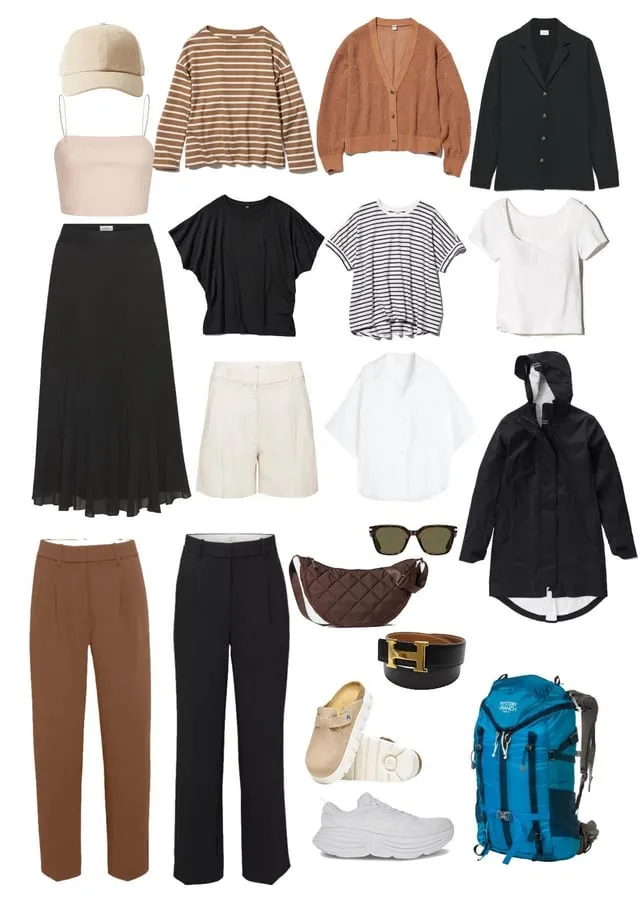
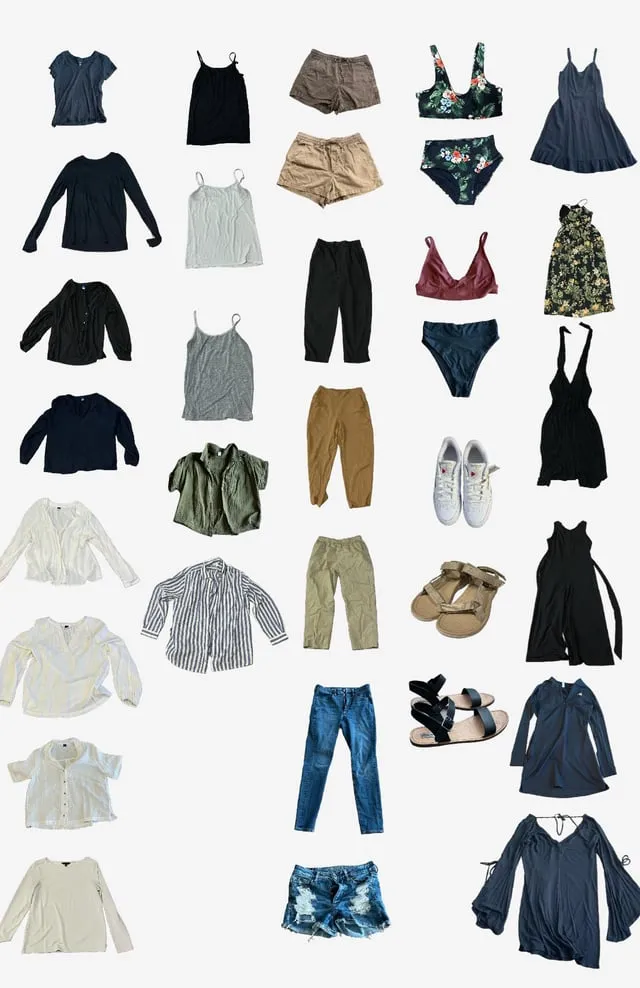
My actual capsule wardrobe for an 11 days Greece trip usually comes down to 8-10 items, occasionally stretching to 15 items if I’m doing both island hopping and mainland train travel. I build a proper travel capsule around neutrals and beige, then add exactly 9 outfits’ worth of pop pieces: a Green Maxi Dress, a Sleeveless Maxi Dress, a Patterned Shirt, a Cropped Tie-Front Blouse, an Oversized Shirt, a Sleeveless Tie-Front Dress, a Midaxi Skirt, Gingham Trousers, and black linen trousers. Every piece has to coordinate and mix-and-match with at least three others, or it doesn’t make the cut.
For a first time in Greece trip, resist the urge to bring your fantasy version of a summer trip wardrobe — that’s how you end up overpacking, hauling heavier items you never wear and running out of space for beachwear. I use packing cubes religiously: one for tops, one for dresses, one for Sandals, Trainers, and a second pair of shoes so I can switch between trainers and sandals depending on the day’s terrain. A mini steamer handles wrinkles better than rolling clothes, though I do both.
Quality over quantity is the real middle ground here: pick pieces that survive rooftop pools, sea swims, and evening looks without needing a week before flying shopping spree. Weight-conscious packers should test-drive their weather and itinerary combo at home first — trialling whether that Cardigan, Hat, Jewellery, and Handbag actually work together saves effort later. Bring travel laundry soap and an anti-chafe balm for UK heatwaves-style days, keep cool and comfortable as your only real rule, and remember that traveling light isn’t about compromise — it’s just comfort non-negotiable, built with plus-size clothing that actually fits your fashion sense. A medium suitcase genuinely holds more daytime outfits than you’d think once everything is rolled properly for 30°C heat, and a bit of test-driving at home — lay out outfits on the bed the night before — beats discovering a travel wardrobe mismatch on cobbled streets far from a shop. Skip the dramatic dresses you’ll feel underdressed without a proper occasion for; a splash of pop color in your bottoms does the same visual job with none of the suitcase cost.
Swimwear

Swimwear is where I splurge, because a good swim suit has to survive solo beach visits, a friend’s boat day, and at least one dip in a lake if your itinerary includes the mainland. I’ve become something of a water lover over the years — genuine pet peeve: swimsuit brands that stop sizing at a 14 and call it inclusive. Look for real coverage options: a one piece rash guard works beautifully for scuba diver friends or anyone self-conscious about sun protection, since it doubles as built-in SPF for long summer months in the water.
Pack a sarong or Turkish beach towel alongside your bikini — the towel doubles as a cover-up, a picnic blanket, or emergency sun shade. If you’re near any actual beaches rather than just pool decks, a proper quick dry towel beats a regular one that never dries between swims. I mentioned this in an earlier blog post and still stand by it: pack one reliable swim suit you trust completely, and one backup for wetsuit-adjacent days if you’re trying wetsuits for the first time off a Canada-bound boat charter before your Greece leg. Packing swimwear well simply means rolling swimsuits inside towels so nothing gets crushed in transit.
Anti-Theft / Bag Safety
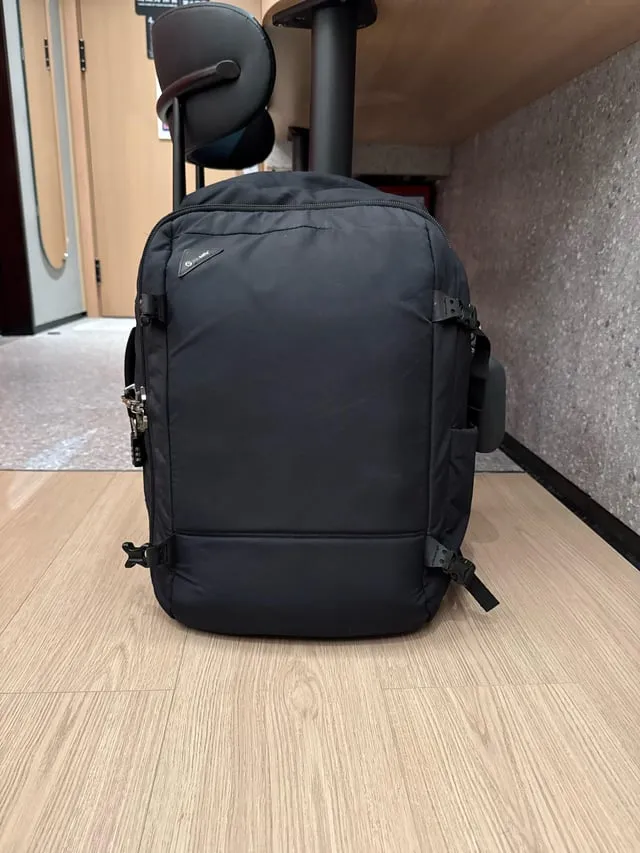
Pickpockets are a real, if overstated, concern in tourist destinations across Europe, and Greece is genuinely one of the safe continent’s calmer spots — still, crowded places like Milan, Paris, or London train stations (often a layover point) call for real precautions. I never travel without an anti-theft bag: a cross-body bag with 2 secret pockets and secret pockets for my passport and banking cards, ordered from Clever Travel Companion, a staple in luggage for any solo female traveller. Order online well ahead of your trip, since plain designs in XS-XXXL sell out fast.
The trick to a slash-proof bag or zipped handbag is that it looks like nothing special — plain sight works better than hidden intentions, because a thief wants easy targets, not a barrier. Keep a spare travel tank or hoodies layer over your bag strap on streets of Greece and other touristy towns, avoid leaving belongings unattended on a café table, and never leave a handbag on chair backs. This clothing line approach — pickpocket proof by design, not by distraction — has served me from Florence to Milan without a single alert-worthy moment, and every solo female travelers I’ve met on the road swears by the same pants with concealed, zipped pockets for extra safety. Keep cash, cards, and underwear split across bags rather than one, since even travel professionals get caught out occasionally; a bag that ships worldwide with a lifetime warranty is worth the upfront cost over cheaper knockoffs.
Bras
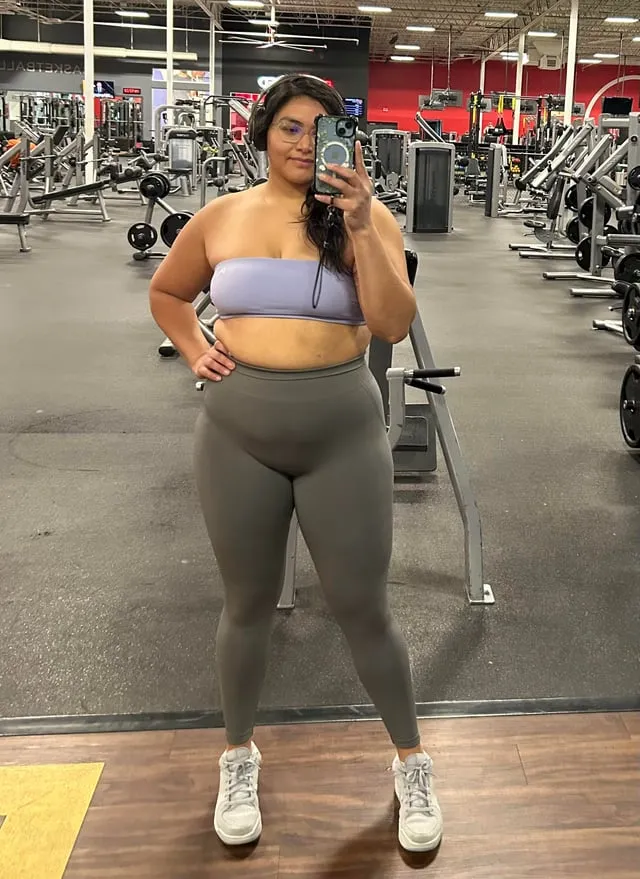
Finding the right bra for Greece’s humid destinations took me years to get right, and I wish someone had told me sooner that a wire free strapless bra changes everything under a bandeau twist dress or strapless top. I now check the size chart carefully for every UK brand before ordering, since UK sizes run differently to the ones I’d used for long flights in the past. A good stick-on strapless bra from somewhere like an Amazon storefront works, but I’ve had more luck with Elomi, who actually design for a larger chest without sacrificing support.
For activities — hiking, energize sports bra days, even a gorilla trekking side trip some travellers tack onto longer itineraries — I want aerocool fabric that stays cool and dry the whole day. Nipple covers are worth packing for dresses with an open back, and honestly, at 35 years old, I’ve stopped apologising for wanting both comfy and genuinely supportive; bra fit and fit should never be an afterthought when you’ve already spent this much on travel. A soft bralette works better than underwire for long travel days, and if you’re unsure of sizing, look for brands offering a virtual fitting before you order.
Jeans / Denim
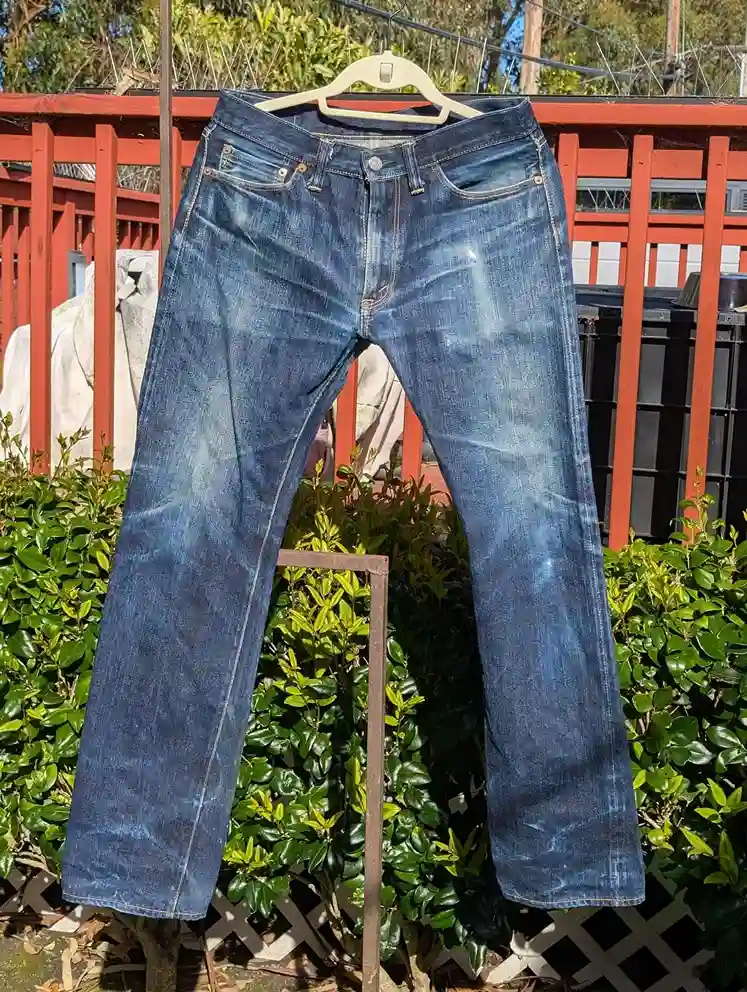
Denim in Greece heat is a gamble, but a good pair of plus size jeans earns its suitcase space on cooler evenings or evening meal dinners in Athens. I look for stretch, always — Levis and American Eagle both make curvy-fit jeans that account for thick thighs, hips, and a big butt without the dreaded waist gaping or that smaller waist assumption baked into so many chino style cuts. Light colors, especially white or pastels, look gorgeous with a tan but show every mark, so I usually pack one blue pair and one light summer denim trouser instead.
Buying jeans while styled cute for Instagram is one thing; fit problems show up the second you sit down for an evening meal, so I always try mine on seated before I fly. Cotton jeans or thick jeans work for cooler fall in Greece evenings, but they can stretch out or feel constricting once humid afternoon heat hits — a dreamy drape fabric blend solves both problems. My rule after years of buying jeans wrong: check the Levis stores return policy or the Amazon storefront reviews before committing to any pair for a summertime trip, and if a light summer denim trousers style isn’t clearly labelled as such, assume it will run too heavy for July.
Leggings

Leggings get a bad reputation for Greece, but I still pack one Wunder Train tights pair for early flights and hiking days. The real test is leggings fit through the waistband sliding down problem — nothing ruins a walk faster than constantly hiking up fall down fabric, especially at a bigger bottom or smaller waist combination that most brands don’t design for. Lululemon remains reliable for this, with a jean size equivalent chart that actually maps to real bodies rather than styles built around a single fit difference.
For religious building visits, leggings need to cover legs and ideally cover knees entirely — pair with tops that also offer sun protection, since a see through legging in bright sun is its own embarrassing lesson learned. I keep mine for working out, walking, and long hiking stretches only, since they eat suitcase space without earning it elsewhere; light, breathable pairs beat heavier ones every time, and they should pull up pants-style with zero fit problems at the waistband. A genuinely comfortable outfit built around leggings should still feel put-together, not just gym-adjacent, and sizing up to a size 20 equivalent where needed is nothing to think twice about.
Stores / Local & Recommended Brands
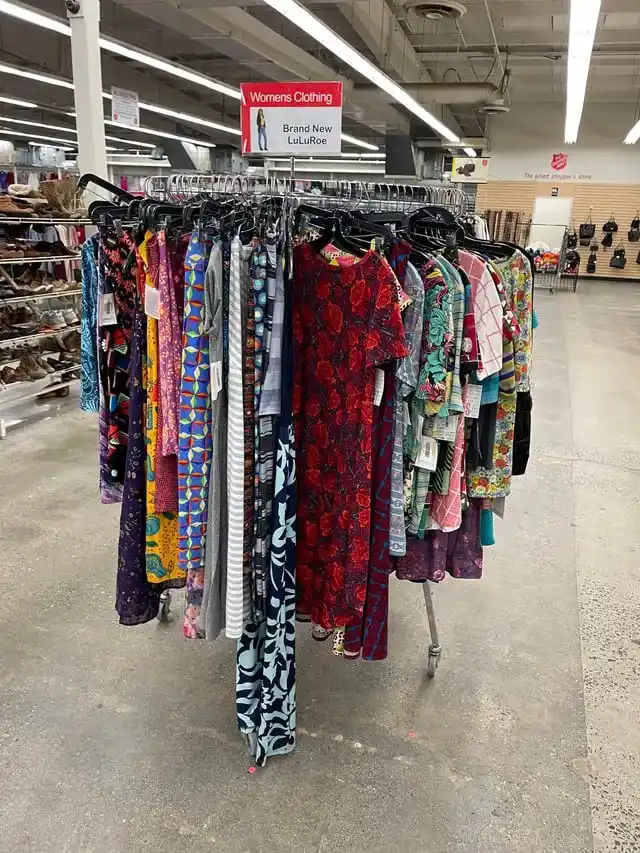
Shopping local fashion designers is one of my favourite parts of any Greece trip. Zeus + Dione remains the haute couturier of the moment, showing elegant pieces at Paris Fashion Week with genuine symbolism drawn from Greek mythology — think nods to the Greek God Hermes. Celia Kritharioti and Mary Katrantzou both bring bold prints and unique designs worn by celebrities; Michelle Obama famously wore Greek design pieces during her 2013 World Tour, and Beyonce has done the same.
For everyday basics, Sante and Korres (technically an Ancient Greece-inspired skincare brand, but their comfortable clothing line crosses over) sit alongside Ancient Greek Sandals and Sneakaces, the high street Greek shoe brand worth seeking out for genuinely non-GMO Greek cotton. Evi Grintela and Angelos Bratis are favourites among fashion insiders for summer style that doesn’t feel like a souvenir t-shirt, while Vrettos Vrettakos brings minimalist designer cut and fabric quality that rivals Paris houses. If you want sizing that stretches to 3XL, look toward Canadian store options like Old Navy or Reitmans, both of which now carry linen-blend, linen pants, men’s shirts, and trekking outfits or safari outfits for Africa trips extensions — all at genuinely affordable prices, in multiple sizes, for every shape and size and everyday wear, from Greece’s oldest fashion house archives to modern athletic pieces — and any Greek fashion designer worth following will usually have both threads running side by side.
Summer Outfits: Stay Cool Without Compromise
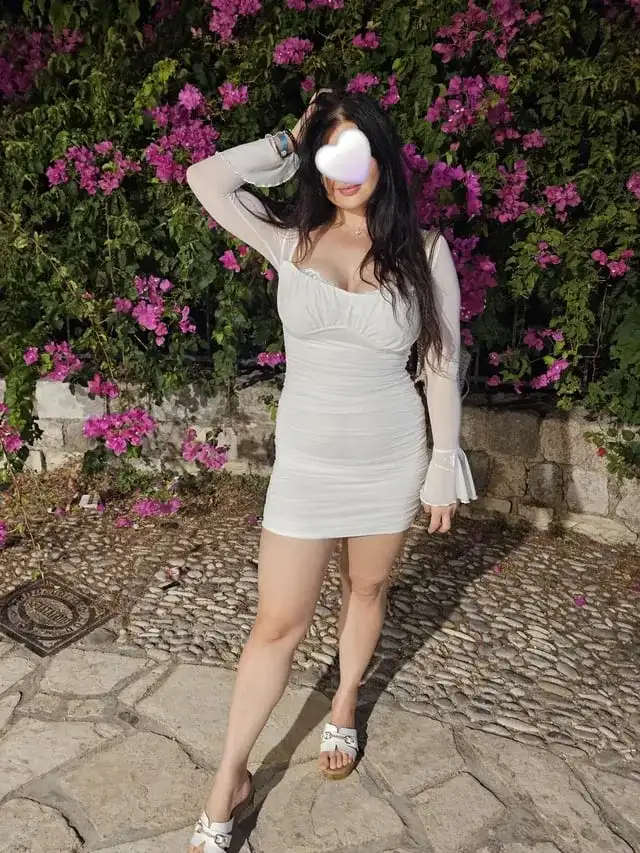
Staying cool in Greece during peak summer in Greece — think mid-30s °C, or roughly 90s °F — means choosing loose fabrics that skim not cling. A printed kaftan or linen jumpsuit in natural fibers handles local afternoon heat far better than synthetics, which trap sticky heat exposure against skin. I favour UPF-rated clothing for genuine sun exposure protection, since the CDC Travelers’ Health guide and the Georgia Tech Textile Research Center both flag dehydration risk during the strongest daytime highs, particularly during Meltemi winds season when the heat feels deceptively manageable.
Cut matters as much as fabric: wide-leg pants, flowy cuts, and side slits allow movement and heat release, while a tank top worth tucked in under a bamboo cotton shirt keeps cool skin through long museum stops and hikes. Adjustable straps on any piece help when sightseeing stretches into the hottest hours, and a misting spray or cooling wipes tucked in your bag makes the difference on islands without much shade. I always finish the look with wide-brim hats and other sun-protective accessories, giving the whole outfit a graceful silhouette without ever feeling trapped in heavy layers. On the driest days, when hot dry air rolls in off the sea, light fabrics are the only thing standing between you and a genuinely miserable afternoon.
Fall Outfits: Transition Smart, Stay Stylish
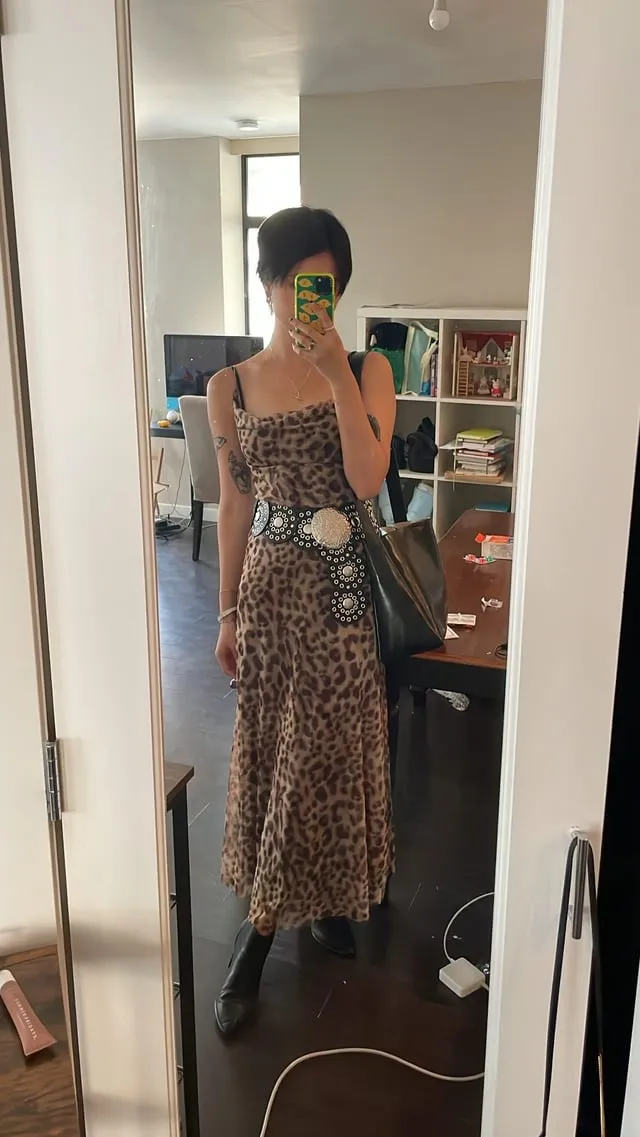
Fall in Greece brings a genuine mood shift — crowds thin, the light turns terracotta and olive, and evenings carry a proper chill that rewards light layers over anything heavier. I lean into rich hues: cream, gold, and terracotta tones that photograph beautifully against ancient stone walls and near the vineyards further inland. A stretchy knit skirt or midi dress works for both day-to-night shift dressing, especially paired with a light blazer or cropped jacket once the island winds pick up.
Warmth without bulk is the goal here — a light jacket with real breathability beats a heavy coat every time, since you’ll still want coverage at sunset light without overheating earlier in the day. I always keep a scarf on hand for the five-degree drop that hits fast once the sun dips, and testing outfits at home before you travel saves real frustration; that summer piece you loved in August might need a dress rethink entirely by October, when flair and layering start to matter more than coverage alone.
Confidence Is the Best Outfit
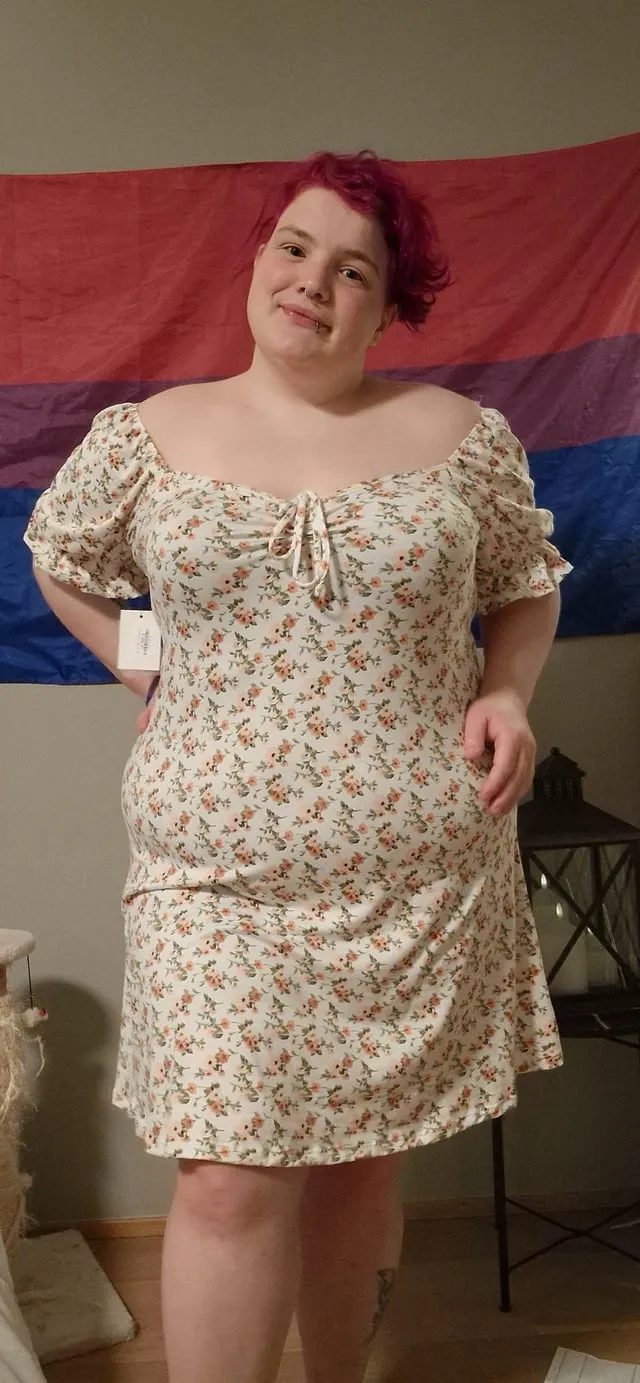
If there’s one thing I want every reader to take from this guide, it’s that confidence genuinely is the best outfit you’ll pack. I remember standing below the Parthenon on my first full day in Greece, wearing an incredible outfit I’d agonised over for weeks, and realising the tone for trip had nothing to do with the fabric at all — it was about deciding I belong there, exactly as I am, with no shrinking and no edits required.
Clothes are just outfits as tools for how you want to feel, not disguises to hide behind. Choosing a color palette that makes you feel freer, standing a little taller under a Santorini sunset, letting every accessory say something true — that’s the real style takeaway. Every set of photos you take on your own terms will show it: stand taller, and simply enjoying Greece becomes the whole point.
My Favourite Basics & Capsule Wardrobes for Curvy Women
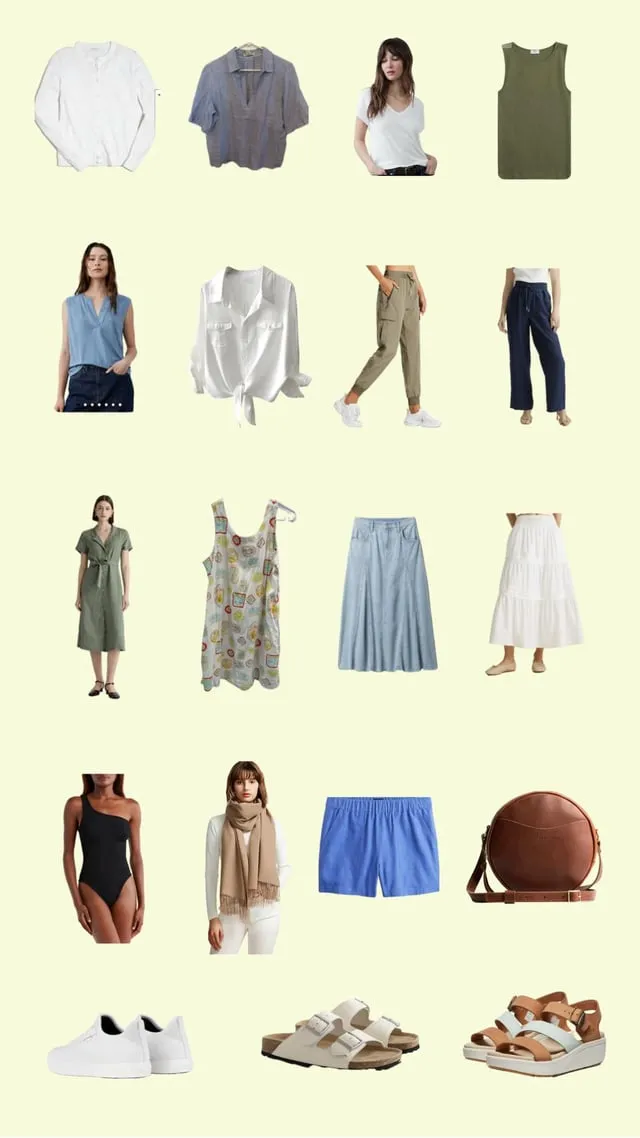
My most-worn pieces are almost boring in how reliable they are. Encircled, a Toronto-based, ethically made brand out of Canada, makes an Evolve Top and Dressy Sweatpant pants that are comfortable as PJs yet somehow dressier than they sound — genuinely cuter than leggings for travel days. Everything comes in XS-XXL, with pockets I actually use and fabric that washes well trip after trip.
I call my go-to trousers the ultimate airplane pants for a reason: they have adjustable sleeves on the matching top, wears well across a dozen wears between laundry days, and never once needed ironing on a capsule wardrobe trip.
Greek are not big fans of AC
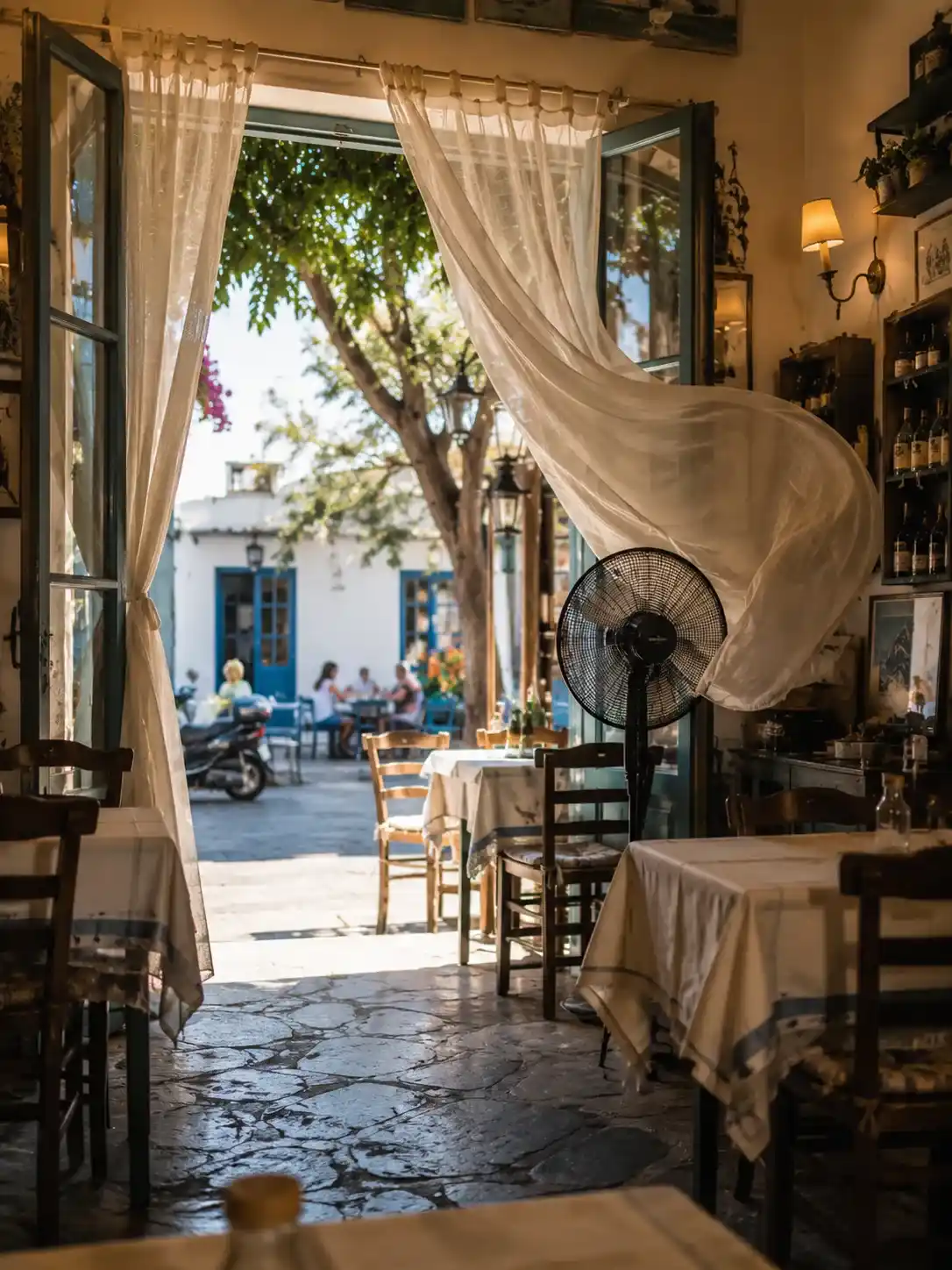
One thing that surprises first-time visitors: AC is far less common in Greece than travellers expect, and it’s not readily available even in some hotels and restaurants. Locals genuinely prefer open windows and open doors to let a natural breeze move through public indoor spaces, rather than running a portable air conditioner non-stop against the hot weather outside.
There are exceptions — some indoor restaurants do run AC, and even where it exists it’s often AC not strong compared to what North American or UK travellers are used to, so plan your neck-cooling scarf and layers accordingly rather than counting on air conditioning to overheat your room into an icebox.
Everything goes
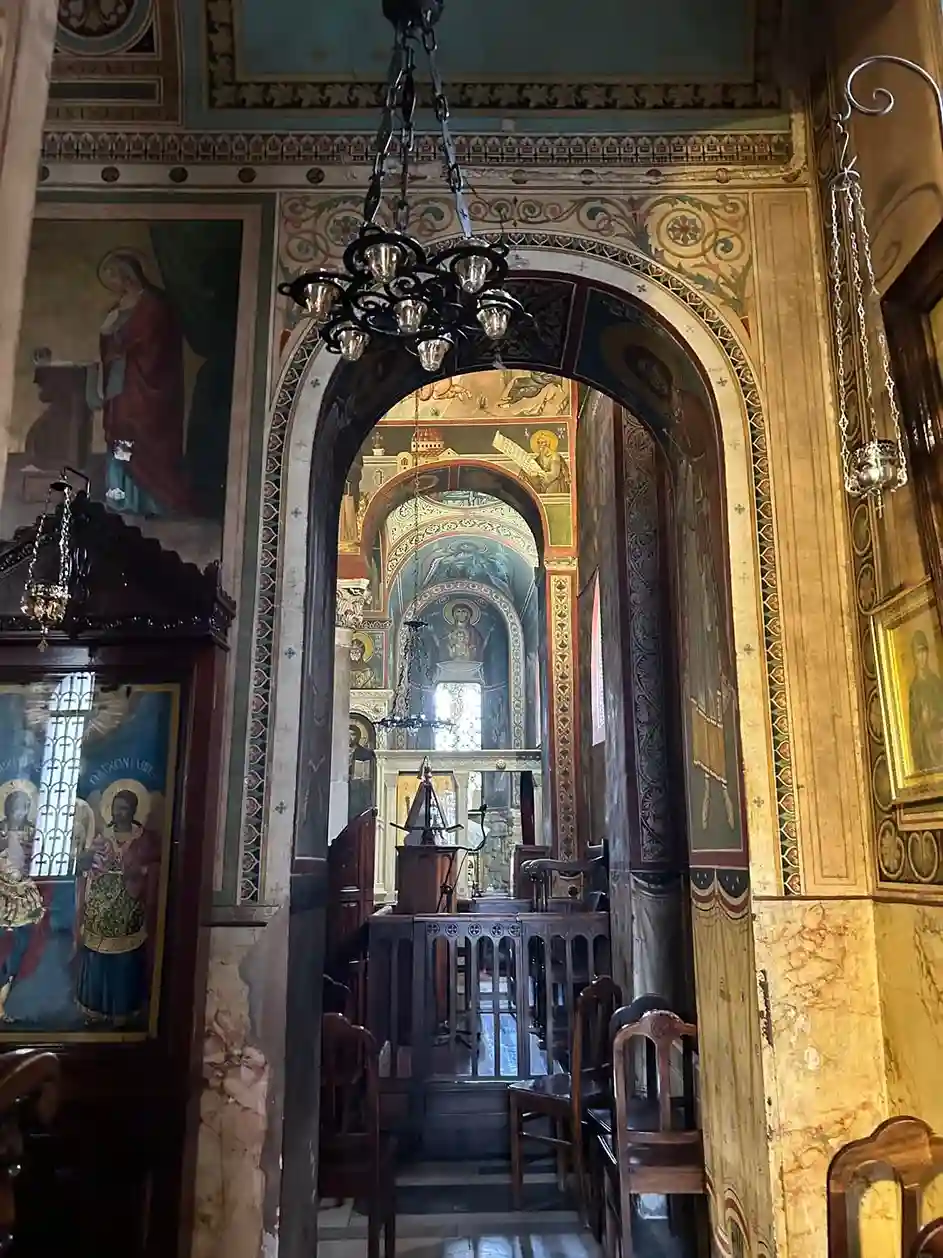
Outside of religious buildings, Greece is refreshingly relaxed about modesty and cultural norms — freedom is really the operative word. There’s no restrictions on how you dress however you like: long trousers or shorts, closed toe shoes or sandals, a jacket for men or none at all. The only consistent rule is to cover shoulders and cover knees the moment you step into a monastery or church, and beyond that, your clothes are entirely your own choice — even high-end fine dining restaurants rarely enforce anything stricter than smart-casual.
Shorts

Shorts are a Greece staple for good reason — a pair of cute cotton shorts paired with a simple t-shirt is easy to pair with nearly anything, from sandals to jewelry. I go for classic denim shorts on hiking days and something in chinos for a slightly classier option come evening; they’re widely considered safer than short skirts for no shade midday sun shining walks, and pair easily with a top and a bit of wind-proof layering when the breeze picks up, without needing to fully dress up — this combination works just as well on Cycladic islands as it does on the mainland.
Cropped pants
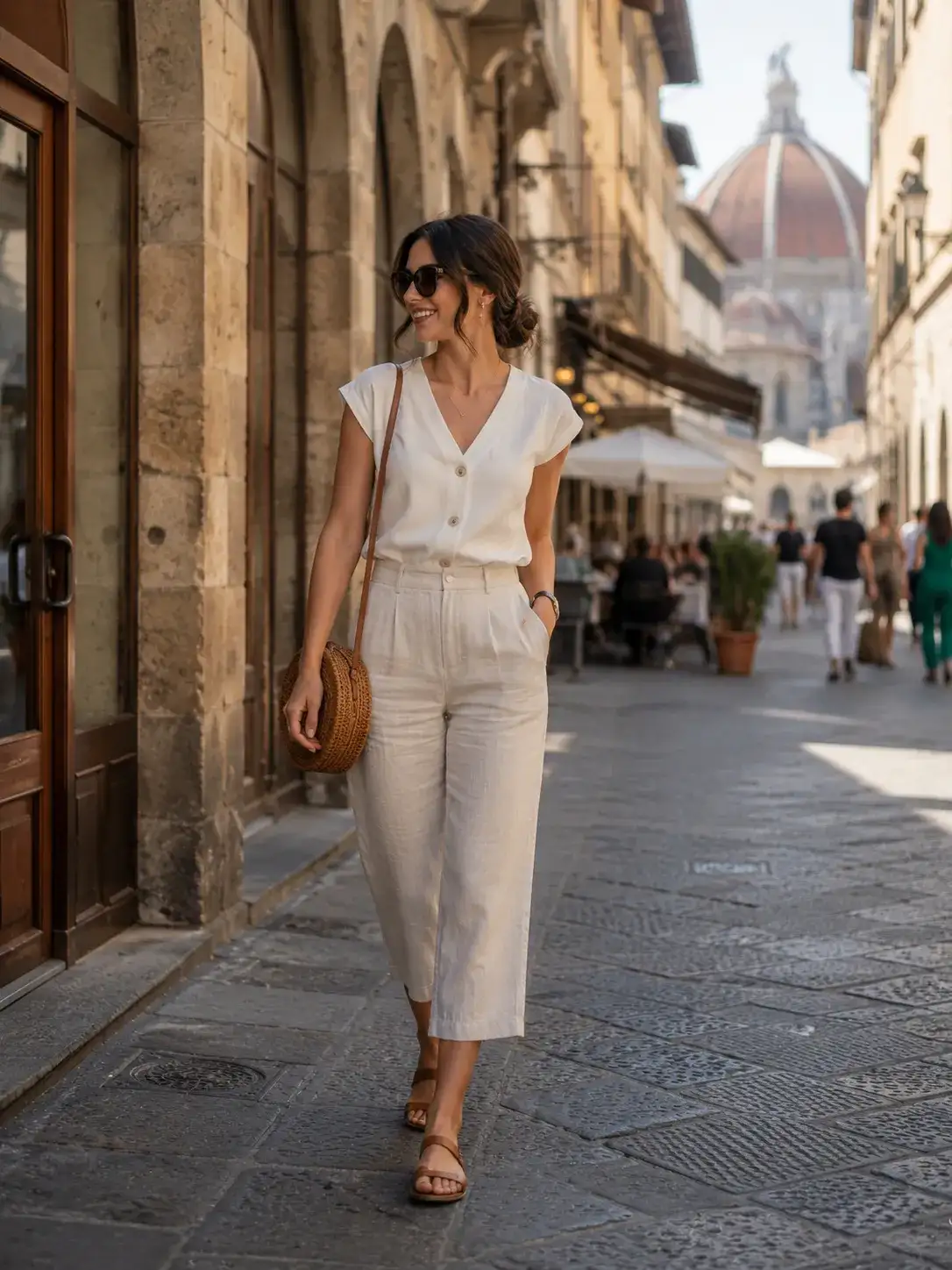
Cropped pants, especially light crop denims or a pair in linen pants, are a genuinely fun, flattering option that works as one item full outfit — throw on a top and you’re done. Wide-legged jumpsuits, ruffle rompers, and floral jumpsuits in a variety of materials all offer a bit more cover from sun than shorts, while staying appropriately conservative and effortlessly cute for churches or dressier dinners alike, without sacrificing a flatter silhouette the way a boxier cut might.
Skirts
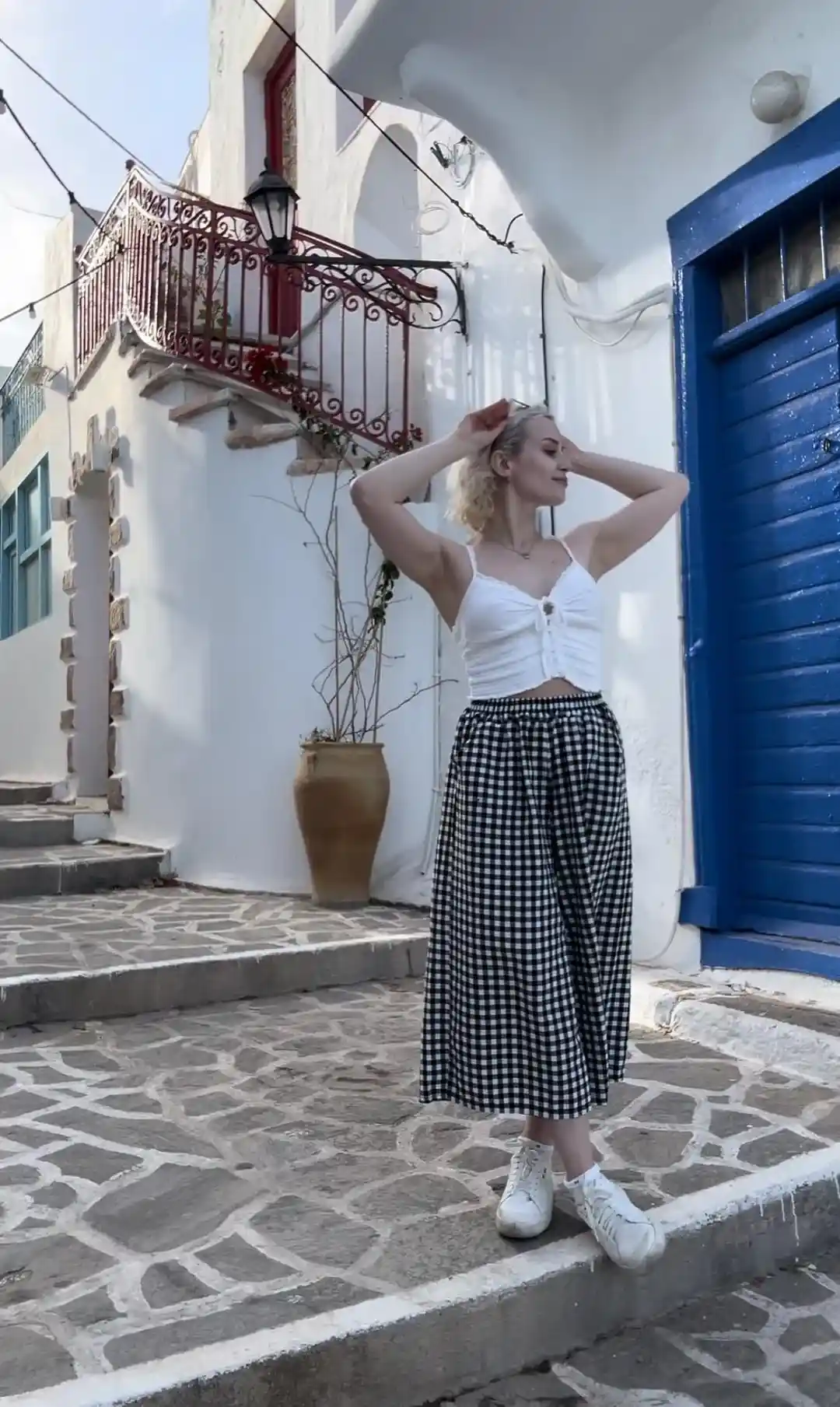
A good long skirt or flowing skirt works day or night — I have one lavender midi mesh skirt that’s gone from beach boardwalk to evening outfit without a single change. Tulle floral skirts and a pleated skirt both rolls up when walking, so treat that as a styling feature rather than a flaw, and pack an anti-chafing stick to manage any chafing risk on windy islands. Short skirts with shorts underneath is the practical compromise for three-quarter length boho skirts days when the wind won’t quit; either way, a skirt works as an alternative to dress while still pairing with white and navy blue basics on top. Ballet skirts flatter almost every shape, though a genuinely tight skirt is one of the few cuts I’d actively steer you away from in this climate.
A stylish evening outfit

For a proper night out, Mykonos and Santorini both have a real dress code at their nicer spots — think 5-star hotels with designer chic written into the vibe. I lean toward an embroidered corset top or satin top paired with a v-neck paisley shirt layered over, finished with high heels and cute tops on more casual nights, or one of the bandage dresses for upscale islands dinners where evening dress really matters.
What not to pack for summer in Greece
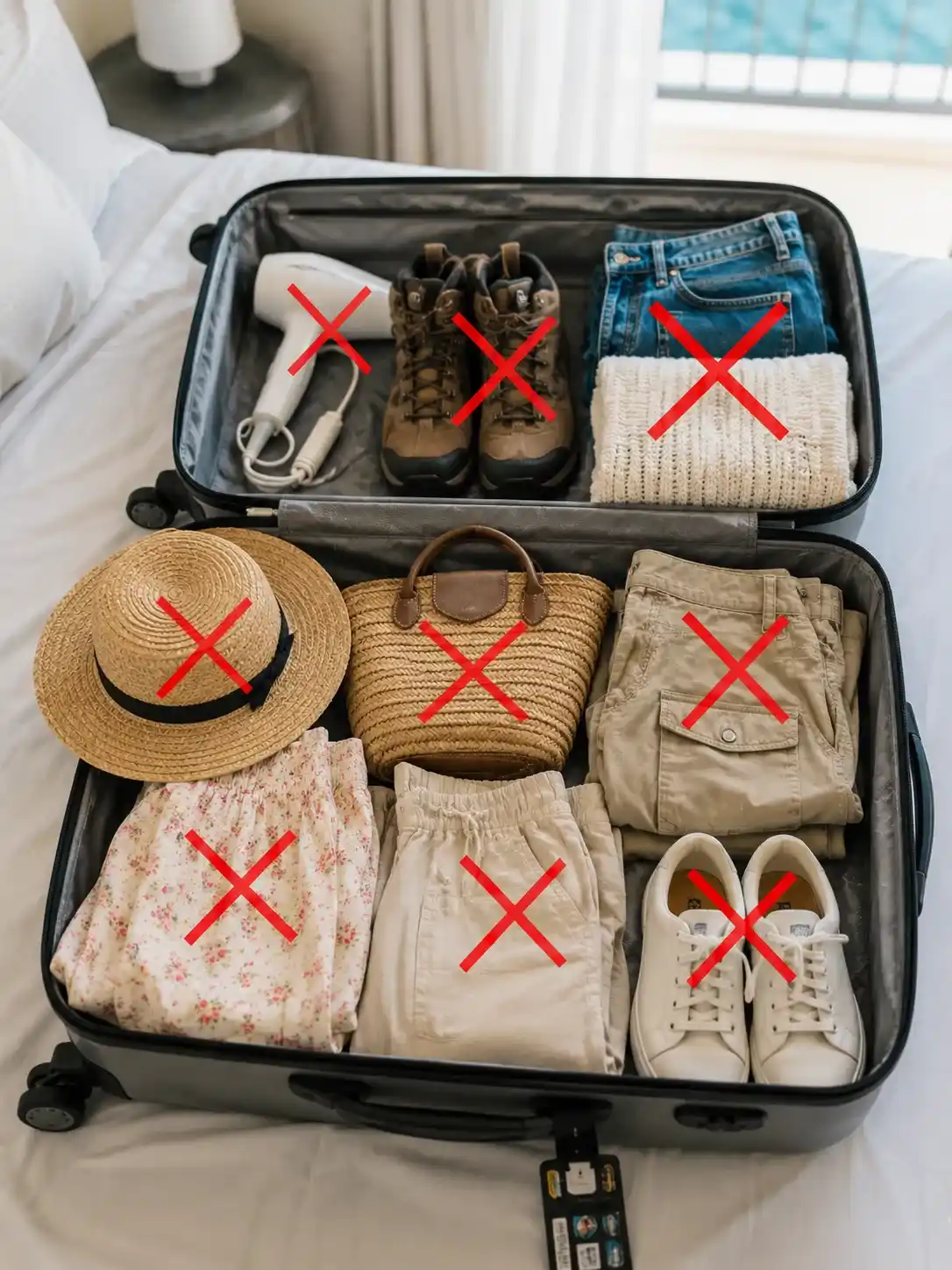
Skip the hair dryer — most hotels provide one, and it’s dead weight in a big suitcase. Leave behind trekking boots, bulky boots, and anything in thick jeans or light summer denim; between 220V outlets (bring a voltage converter, not just any zippers-and-plug combo) and too hot conditions, they’re simply impractical. Avoid hats without straps — an unsecured hat on windy islands becomes a pickpocket safety hazard chasing it down a crowded street, and skip basket-style bags that mark you as a tourist target the moment you step off a ferry.
Short skirts, khaki safari style pieces, and three-quarter length anything cotton just add humid discomfort and stairs-climbing bulk without real payoff. Steer clear of wheeled luggage without proper ramps compatibility for island-to-island travel, and remember: pack light, skip lots of luggage, and let the wind — not your overstuffed bag — set the pace for your evenings. Also leave behind cotton chino-style jeans, any hand bags that don’t close securely, overly fussy short dresses, and zip-off trousers, which look exactly as awkward in photos as they sound.
Other things to pack for Greece (misc. items list)
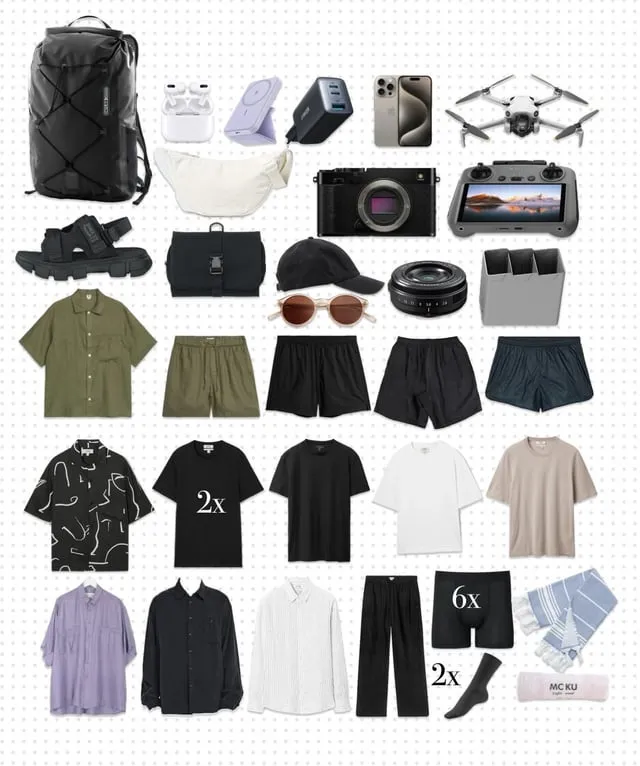
Beyond clothing, a handful of small items make or break a Greece trip. Pack high-SPF sunscreen and lip balm with SPF, a sleep mask and ear plugs for early ferry departures, a reusable water bottle since tap water safe varies by island, and a compact first aid kit alongside any personal medication you need. A universal plug adaptor or European plug adaptor with USB ports keeps devices charged, a power bank covers long churches and religious sites day trips near places like Meteora, and a waterproof mobile phone case protects against ferry spray or beach mishaps.
For styling, toss in hair ties, hair bands, scrunchies, clips, a shawl or sarong to cover shoulders and knees on demand, a strapless bra, nipple covers, polarized sunglasses, a sun hat with strap, and a foldable toiletries bag to keep everything contained. A set of pajamas and a rollable travel neck pillow round out the essentials for anyone with a long overnight flight before the trip even starts.
Mykonos & Santorini Outfits
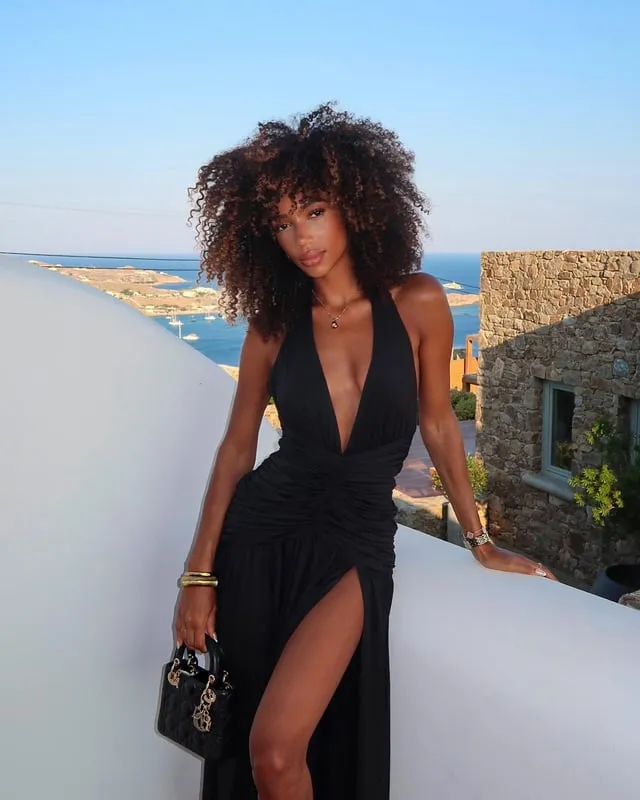
This section of the guide is really a category description: dedicated Santorini and Mykonos outfits, built specifically around real Greece outfits rather than generic warm-weather looks — every piece chosen with these two islands’ particular light, wind, and evening scene in mind — sources ranging from established boohoo style edits to independent island boutiques all point the same direction.
Outfit Planning
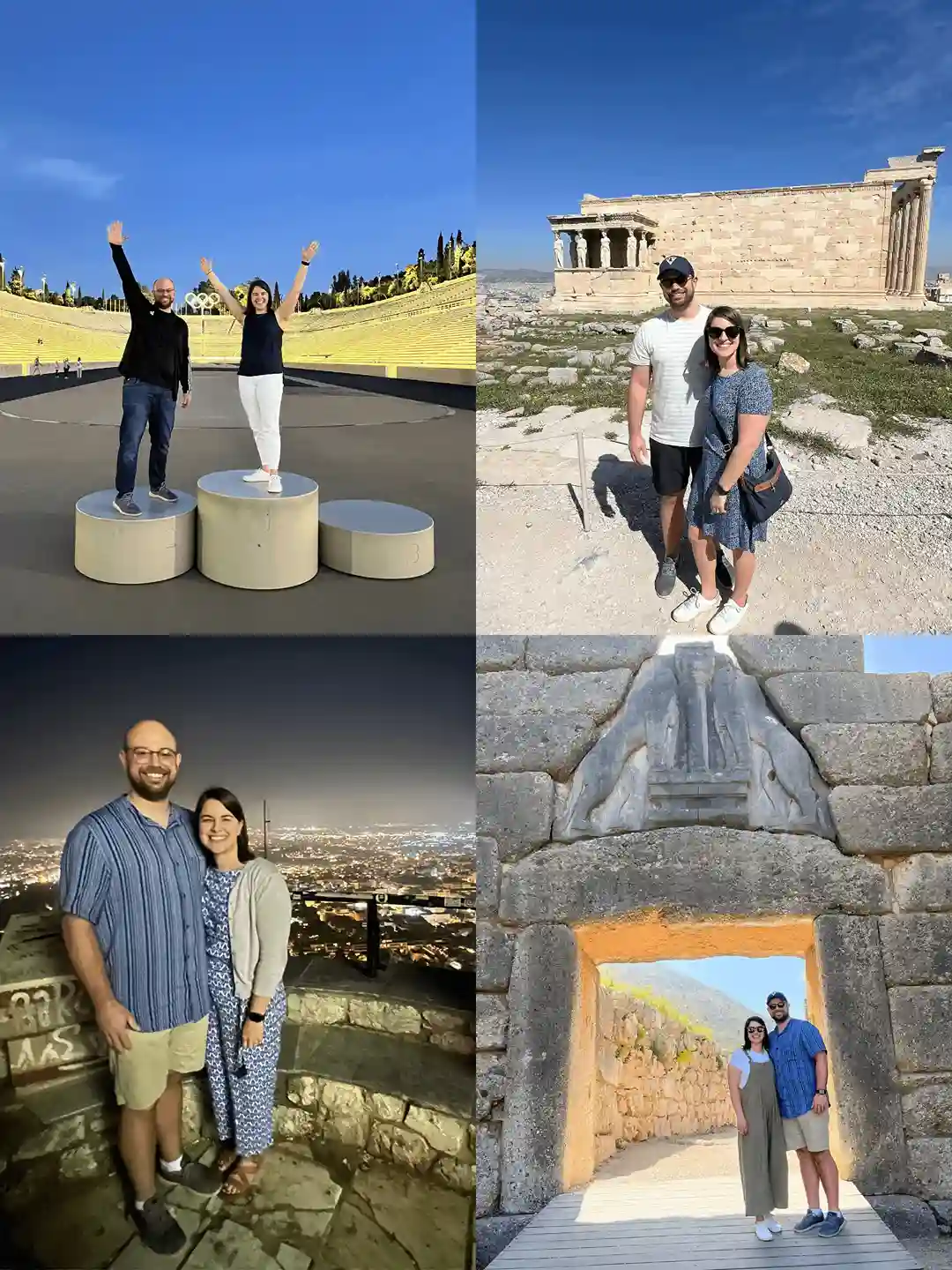
Planning full outfits for an 11 days trip comes down to a simple mix and match system: I sketch out 9 distinct outfits on paper (or a visual outfit-grid graphic if you’re more visual) before I ever touch my capsule, cross-referencing weather and activity so nothing in the suitcase goes unworn.
The Itinerary
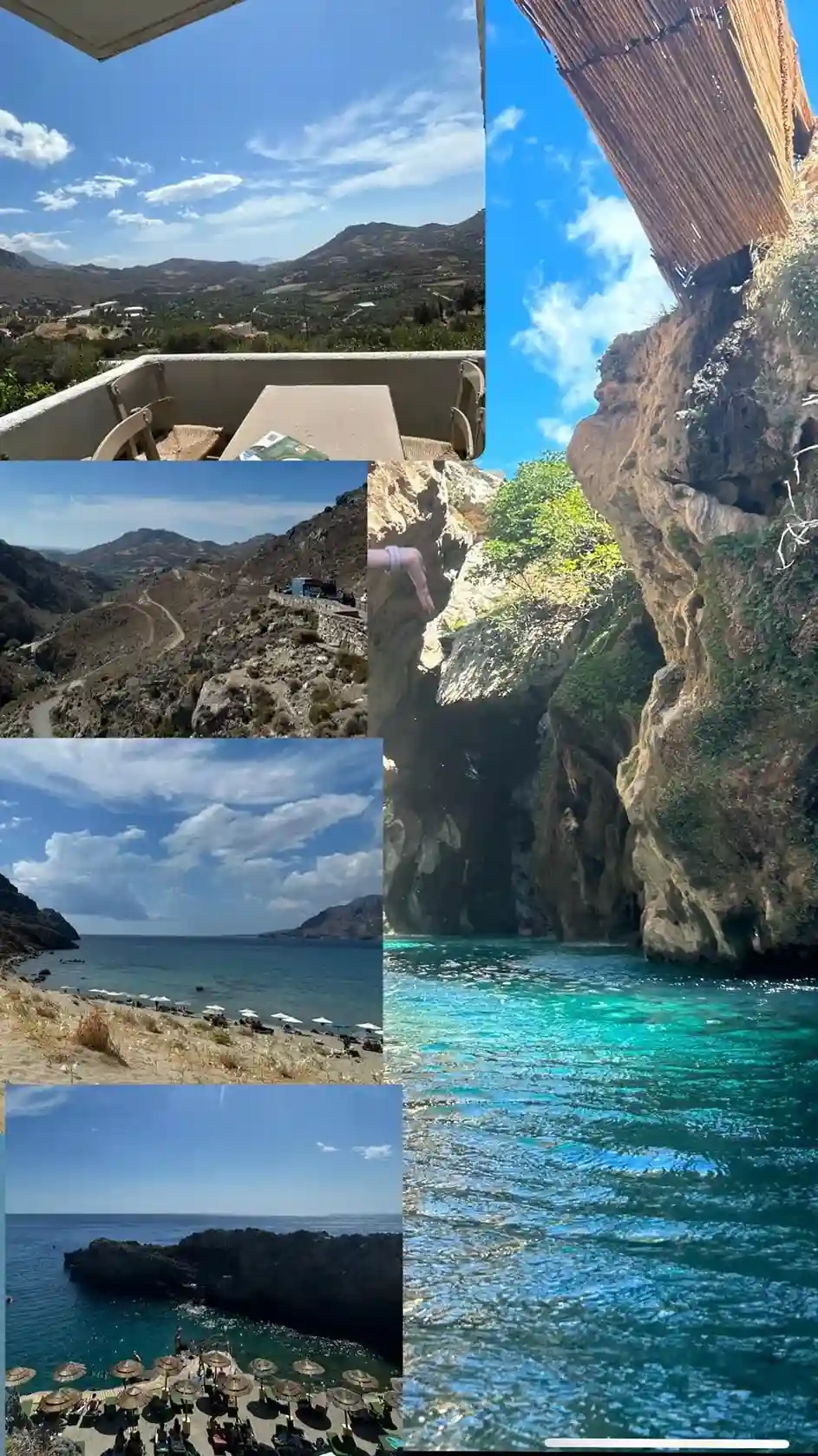
A sample week might open in Athens with the National Archaeological Museum and the Acropolis Museum, before climbing up to the Acropolis and Parthenon themselves — expect serious heat and dress accordingly, since there’s genuinely no outfit change needed between museums and a shaded café after. From there, hiring a car, renting scooters, or catching a ferry toward Milos opens up the cliffs of Kleftiko by boat, the moonlike landscape of Sarakiniko, and quiet seaside towns perfect for coastal drives and beach hopping.
Weave in side streets shopping for saffron and perfume from Greek perfumers, ducking into small shops along the way, a stop at the Wax Museum of Andreas Syggros, the districts around the Ancient Agora, and the Magic Sphere of Helios for something different — then close each day with dinner spots, a little poolside lounging, and one more walking loop through markets before the next tourist-quiet stone town, all while the Antikythera Mechanism at the museum earns a genuinely fascinating detour on any rainy afternoon.