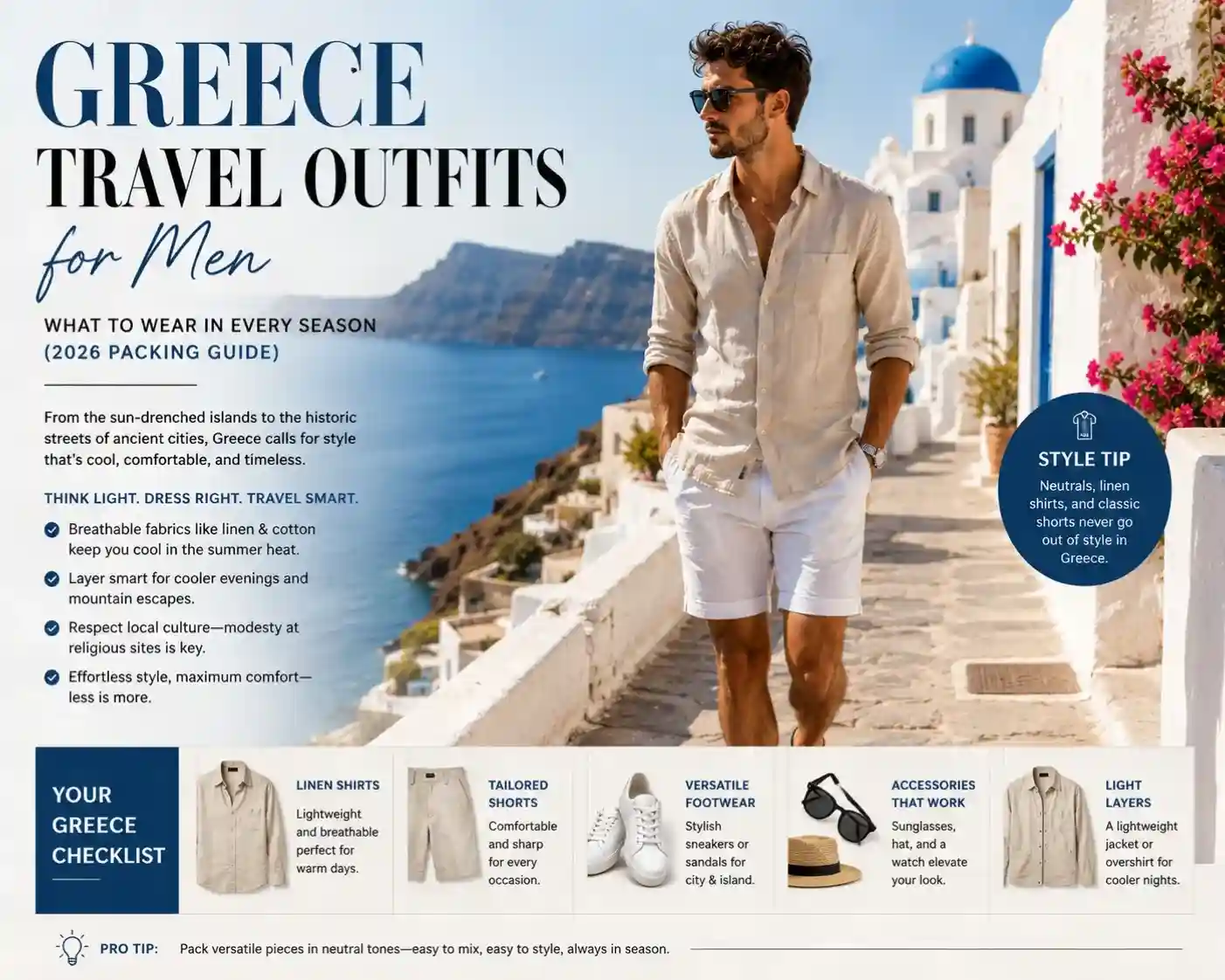
Greece Travel Outfits for Men: What to Wear in Every Season (2026 Packing Guide)
My first real lesson in dressing for Greece came on a sticky afternoon in Athens, sweating through a shirt that had no business surviving hot summers like that. I’d packed like every region felt the same, which is the single biggest mistake travelers make with Greece’s Mediterranean climate — dry summers along the coasts and islands sit nothing like the cold, occasionally snowy stretches near Meteora or up around Thessaloniki, where mountain areas and northern areas flirt with wetter winters and mild winters depending on the season, and proper winter stretches up north feel almost nothing like a Cycladic afternoon. People who treat every month the same end up either overpacking a parka for May or sweating through October in something built for a beach day.
What actually works is thinking in terms of a Greek wardrobe built around breathable, natural-fiber pieces — lightweight cotton and linen that handle moments when things heat up in inland cities just as well as a breezy evening on the water. Greeks themselves have a quiet style: fitted, neutral-toned, uncomplicated clothing that never tries too hard. That’s the real secret to looking pulled-together without dragging extra clothing through ferry terminals. A little polish goes a long way, and so does a sense of etiquette — at religious sites like monasteries and churches, covering shoulders and knees isn’t optional, it’s basic modesty and respect.
This guide walks through what to wear, dress, and pack for every warm season swing Greece throws at you — the footwear, the accessories, the beachwear for beaches and island-hopping, and the layering tricks that keep you cooler in comfort without packing your whole closet.
Spring in Greece (March–May)
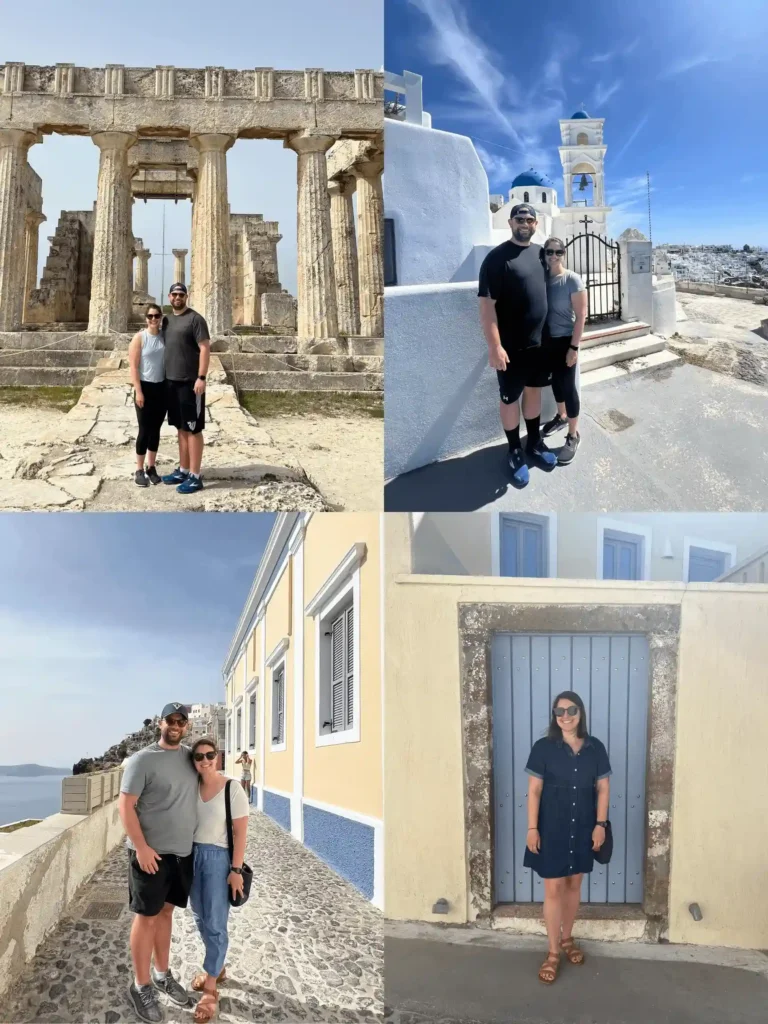
Spring in Greece — March through May — is the trickiest season to pack for because the temperature swings hard within a single day. Mornings hover closer to 50°F/10°C, then climb toward 68°F/20°C by early afternoon, which is exactly the kind of transitional weather that fools first-timers into either freezing at breakfast or sweating by lunch. I’ve stood at a bus stop shivering through cooler mornings only to be peeling off layers two hours later under lingering sun. Sites like He Travels Solo, Arca, and Atlys all flag the same temperature swing, but none of them mention how much dust kicks up on the trail walks between ruins — bring something that can hide trail dust without looking like you gave up on style.
The fix is layering done right: a pair of jeans or chinos in navy, beige, or olive — those neutral tones mix easily with everything else you’ve packed — under a cardigan, overshirt, or light jacket you can shed once warm afternoons roll in. Pack a couple of cotton tees and linen button-downs for the base layer, and don’t skip a proper lightweight waterproof jacket; occasional rain and a stray shower are common enough that I now travel with a compact umbrella stuffed in my bag rather than gambling on dry evenings. Keep a couple of fitted long-sleeve shirts on rotation too, paired with lightweight pants instead of jeans on the mild stretches between storms — more comfortable than denim, and you’ll be glad of the choice when actual rain rolls through and you’re sticking to neutrals instead of anything that shows water spots. On feet, stick to comfortable walking shoes or closed-toe shoes — waterproof soles handle puddles better than anything open. Round it out with sunglasses and a wide-brimmed hat, and you’ve basically nailed Spring without overthinking it.
Summer in Greece (June–August/September)
Summer in Greece doesn’t ease in — by June it’s already hot, and Athens regularly tips past 86°F/30°C under air so dry it practically crackles. August is the peak of it, though September finally lets a little breathing room back in. Every guide I’ve cross-checked — He Travels Solo, Arca, Atlys, Greece Travel Secrets — quotes roughly the same low rainfall figures, something like 3mm of August rainfall total, which tells you almost everything about how to dress: skip anything that doesn’t breathe. I spent a string of sun-heavy days on Santorini in a polyester shirt I now refer to only as “the mistake,” and I haven’t repeated it since.
The daytime uniform barely changes once you settle into it: breathable shirts or a crisp button-down worn loose over a tee, tailored shorts standing in for anything from the gym bag — leave the baggy athletic styles at home, they trap heat instead of shedding it. I keep dark chinos and a pair of lightweight pants in rotation as a dressier pair for days that call for a touch more polish, plus walking trousers for longer days away from the beach. A polo fills the gaps, linen and lightweight cotton do the actual work of keeping you cool, and a light overshirt or linen jacket earns its spot for shaded courtyards where the breeze cuts through. Stick to neutral tones throughout and everything mixes without effort.
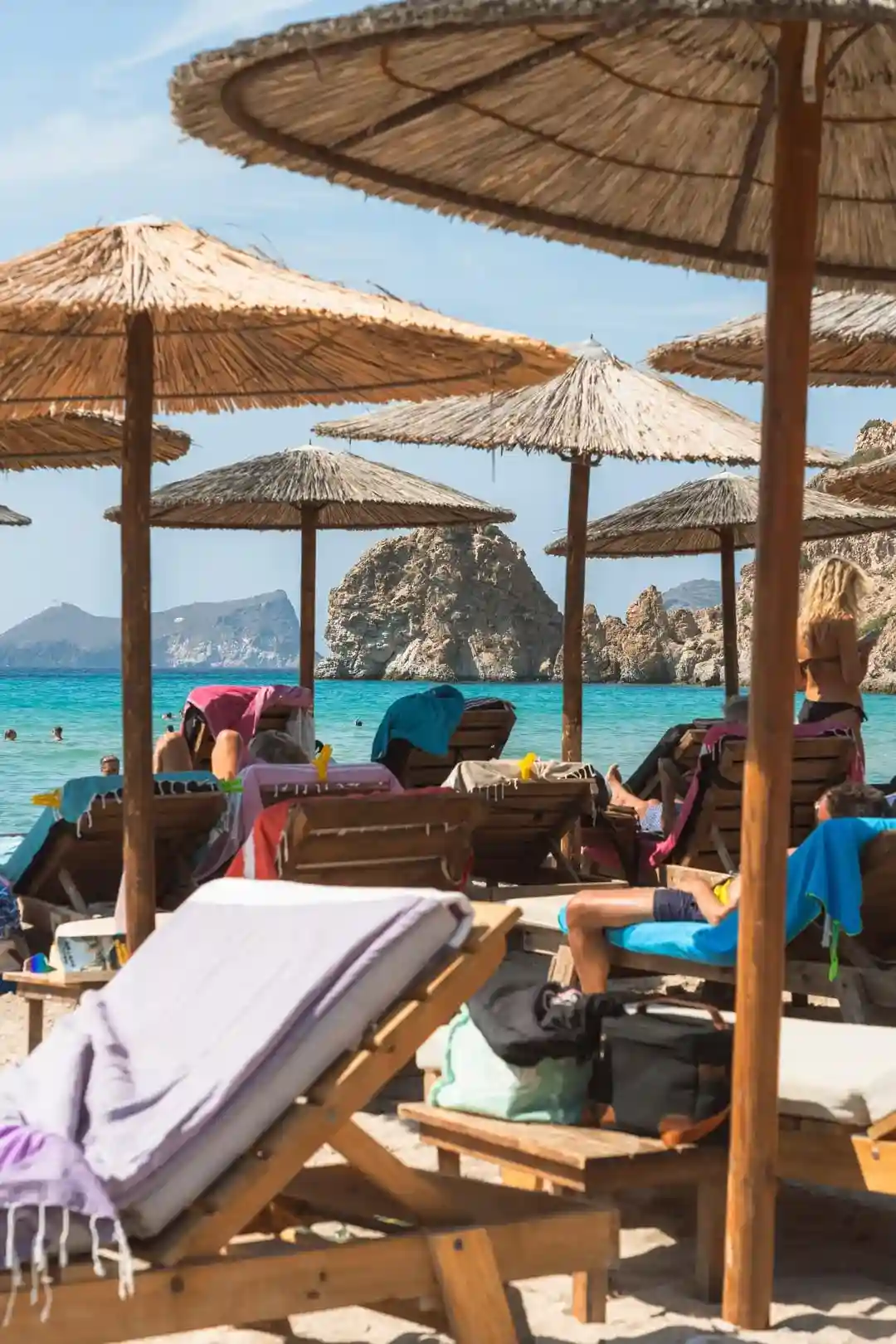
For swimwear, pack swim trunks or boardshorts — briefs work too, nobody on a Greek beach is judging — and bring a sun cover or UV shirt with UPF-rated fabric, along with proper UV sunglasses for the glare bouncing off whitewashed walls, plus a sun-protective rash guard and a cap. Footwear stays simple across the islands: minimalist sandals for town, beach shoes or water shoes for rocky shores, and flip-flops kept strictly for sand. Two pairs covers most trips, though 2-3 pairs gives you backup if one set gets wrecked by a hike.
Evenings call for a small evening swap: trade shorts for linen trousers, add loafers or breathable sneakers, and if you’re heading to any upscale spots, a light blazer earns its place in the suitcase. Accessories stay minimal — a simple watch, minimal jewelry, maybe a pocket square for dinner — and a bandana or wide-brim hat handles whatever the sun throws at you earlier in the day. On breezy nights and through those cool evening breezes that roll in off the water, that’s really all you need to look like you packed on purpose instead of by accident.
Fall/Autumn in Greece (September–November)
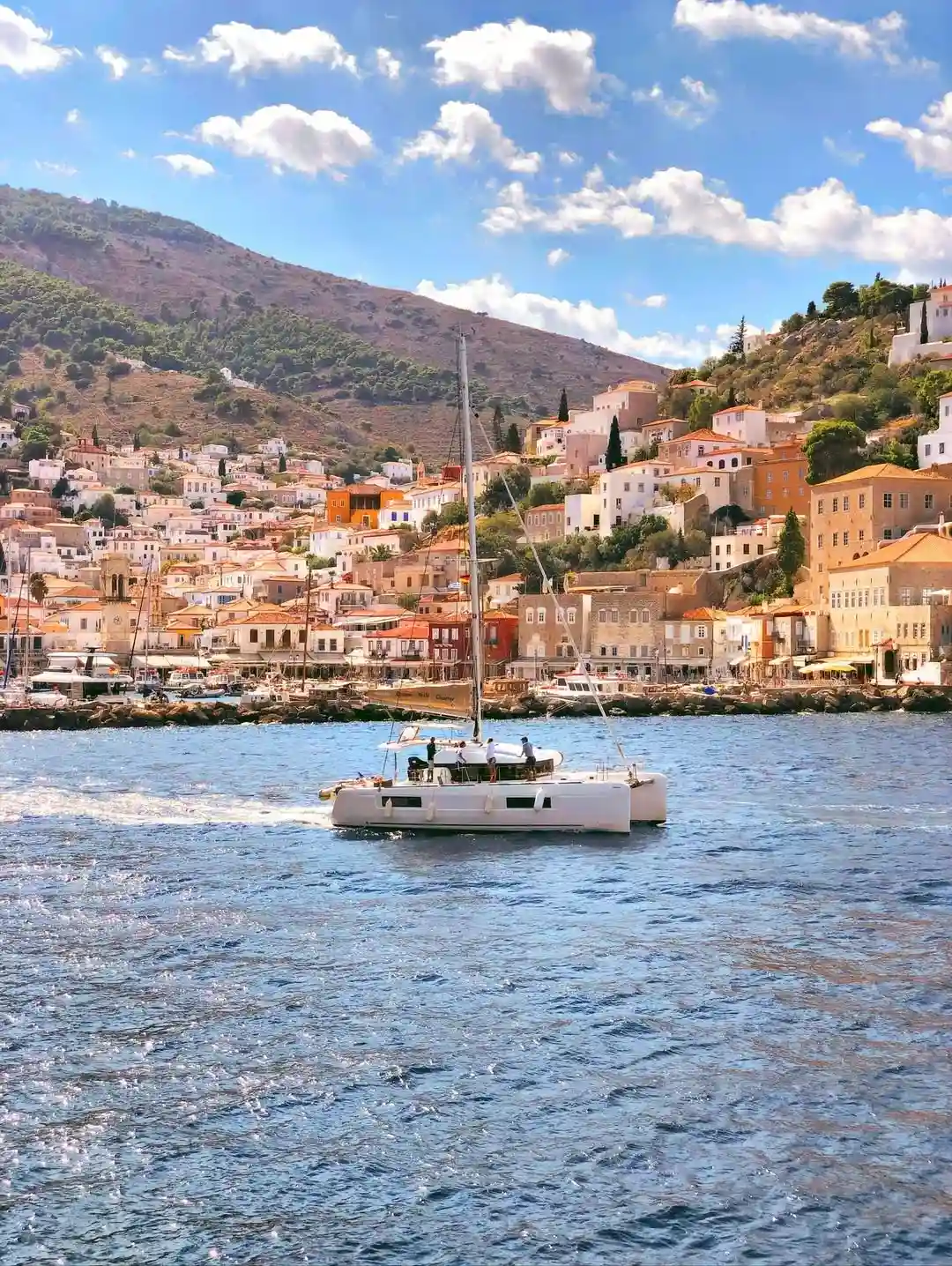
Fall — or Autumn, whichever you grew up calling it — might be my favorite stretch to dress for in Greece. September still carries real warmth, Athens highs holding around 28°C–29°C, then cooling steadily toward November as things settle into the 59°F–77°F / 15°C–25°C range. He Travels Solo and Arca both flag the same pattern: warm days, cool nights, and fewer crowds than the summer rush, which honestly makes the whole season feel more relaxed to pack for and to actually enjoy.
Layering is the whole style here. I lean on travel chinos, slim jeans, or stretch denim in dark tones and neutral tones, then build up with fitted long-sleeve tops, Henleys, or plain long-sleeved shirts in subtle patterns. A few light sweaters, a couple of cardigans — don’t just pack one — a casual blazer, or a light layer jacket handles the swing between morning and evening without effort. Add a scarf for the genuinely cool nights, and warm socks under closed shoes or loafers once the sunset brings the chill in early.
The one thing worth taking seriously: rain. Sudden showers roll through without much warning, and windy ferry rides make a flimsy umbrella useless fast — pack an actual waterproof jacket or waterproof versions of whatever you’re already bringing, plus a compact umbrella for backup. Get that part right and Fall in Greece feels less like a transition season and more like the best-kept secret of the whole year.
Winter in Greece (December–February/March)
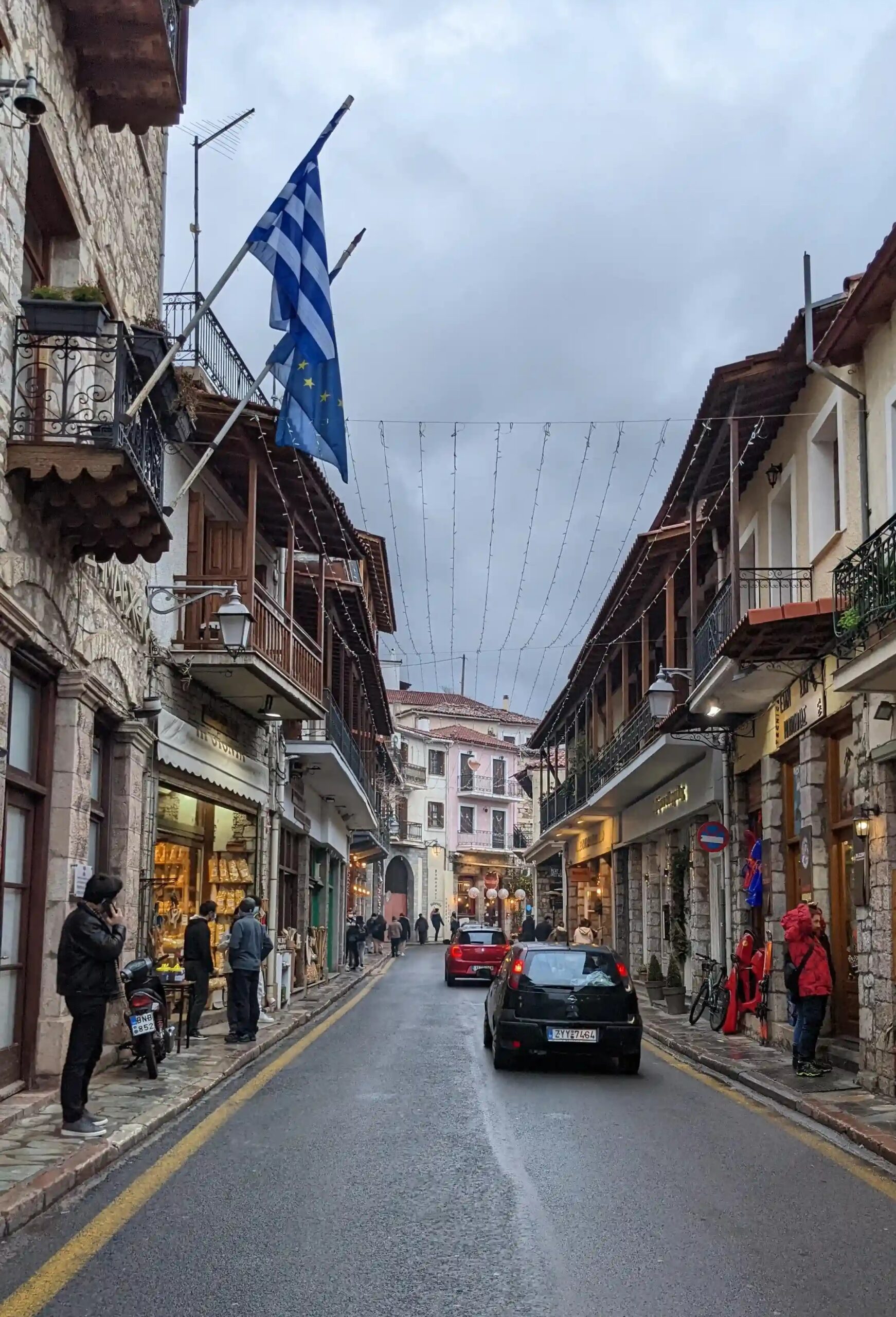
Winter in Greece gets undersold constantly. People hear “Mediterranean” and assume it stays mild straight through December, February, and into March, but anyone who’s actually spent a week in Thessaloniki or up near the mountains of the northern regions knows better — it gets genuinely colder than the brochures suggest, with snow showing up more often than tourists expect. Athens highs sit around 14°C–15°C / 41°F–59°F, which sounds tame until the rain and damp air make it feel worse than the number implies. He Travels Solo, Arca, Atlys, and Greece Travel Secrets all land on the same conclusion: this isn’t a season to underdress for.
My biggest packing tip: skip the bulky coats entirely. One reliable casual jacket — something medium-weight, ideally insulated or genuinely water-resistant — beats three half-measures every time, and it solves the overpacking problem before it starts. Underneath, build out layered tops: T-shirts or thermal base layers first, then sweaters or jumpers in mid-weight wool or fleece. For bottoms, smart jeans, wool-blend trousers, or fleece-lined jeans beat plain trousers on the genuinely wet days. A hoodie works fine for casual mornings, and a lightweight jacket covers everything between the heavy coat and a bare shirt.
Feet and extras matter more than people expect here too. Closed-toe shoes with good grip are non-negotiable on cobblestoned streets that turn slick fast — waterproof boots or leather boots handle it best, paired with thermal socks or merino wool socks to keep the cold from creeping in. Round things out with a beanie, gloves, a scarf, and either an umbrella or a proper raincoat, plus one neutral coat or piece of neutral outerwear that works at airports and on milder days alike.
Clothing Essentials / What to Pack (Capsule Wardrobe)
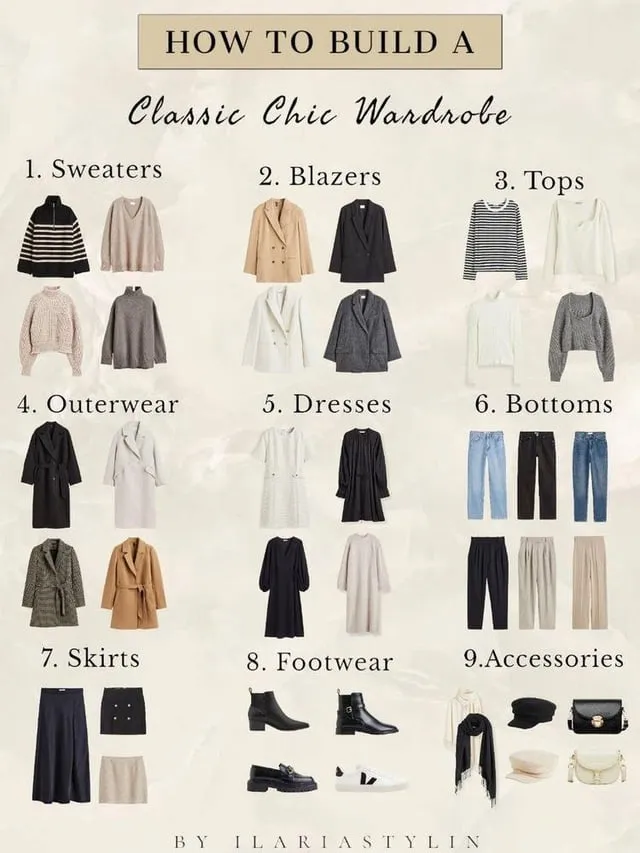
Building a proper capsule for Greece comes down to Tops and Bottoms in roughly equal measure. On top: 4-5 quality T-shirts and polos, plus 2-3 breathable cotton shirts in both long sleeve and short sleeve versions — don’t stress about wrinkles, the slightly rumpled, relaxed look is basically the local uniform. For Bottoms, two pairs of shorts cover everyday wear, with one dressier pair held back for nicer nights, alongside 1-2 pairs of chinos or lightweight trousers. Toss in a pair of jeans or fleece-lined trousers if you’re hitting cooler months or mountain evenings where the temperature actually drops after dark.
Layers stay simple: one lightweight jacket or hoodie for cool nights, and a sportscoat or blazer — linen if you can manage it — held in reserve for one special dinner you didn’t plan but somehow always happens. Swimwear means two pairs minimum — trunks or briefs, plus quick-dry athletic shorts that double as both gym wear and a backup swim option. Underwear rounds things out at 5-6 pairs in breathable fabric, since you’ll be sweating more than you think and laundry isn’t always around the corner.
The trick that ties it all together is sticking to a small set of color palettes — navy, beige, olive, gray, and sand — so everything mixes without a second thought; keep it mostly neutral with maybe one or two patterns thrown in for personality. Hold one smart-casual outfit in reserve for religious-site visits or nicer dinners, lean on laundry services wherever you’re staying instead of overpacking, and use packing cubes with compression to pack light for the flights in between islands.
Footwear
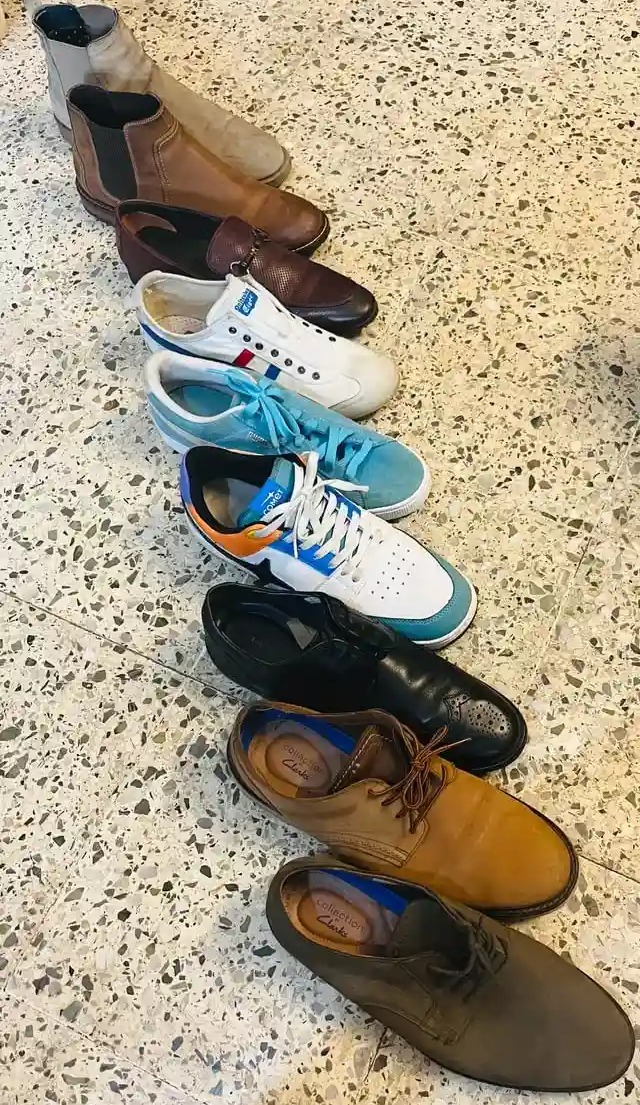
Feet take more punishment in Greece than people plan for, mostly thanks to cobblestones that are genuinely unforgiving on walking tours through ancient sites. A low-rise, versatile pair of Sneakers covers most of the daytime grind, sturdy enough for serious walking, whether that’s a city block or a stretch of beach, not just casual errands. For warmer stretches, leather sandals with real straps beat flip-flops for anything beyond beach use — speaking of which, keep actual flip-flops strictly for the pool or sand, since they fall apart fast on rough terrain. Sandals in general earn their spot, but only the kind built to last.
For the water itself, water shoes or beach shoes protect against rocky beaches during snorkeling or other watersports, and they’re worth the small bag space. Come evening, swap into loafers or lightweight dress shoes for dinner at upscale restaurants, or anywhere with a hint of nightlife attached. In winter, the whole picture shifts: waterproof boots become essential, paired with thermal socks or merino wool socks to handle the genuinely rainy months. A quick set of sock notes for anyone packing light — crew socks suit sneakers, no-show socks pair better with loafers — makes the transition between seasons painless.
Accessories
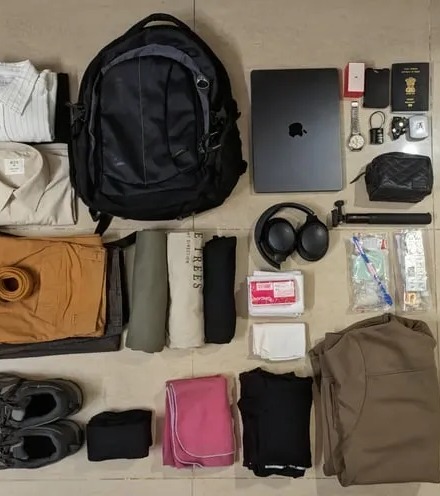
Accessories in Greece earn their place by doing double duty, not by looking flashy. Sunglasses with proper UV protection — polarized lenses if you can swing it — are non-negotiable against the glare off whitewashed walls and open water, and either a Wide-brimmed hat or foldable travel hat with UPF protection handles the rest. A cap works fine for lower-key day trips, but I’ve come to prefer the brim for actual beach days.
A cross-body bag, sling, or small daypack carries the daily essentials whether you’re out hiking, on scooter rental runs, or just wandering between sites. Keep jewelry down to a statement piece — a classic watch or waterproof watch does the job — since Minimal jewelry photographs better and survives saltwater. For cooler stretches, layer in a Scarf, gloves, and a beanie; Headbands earn their keep too, especially if scooter days turn into a regular thing during summer. Look for water-resistant builds across the board, since between cooler months rain and beach days splashing, nothing stays dry by accident.
Cultural Etiquette & Dress Code
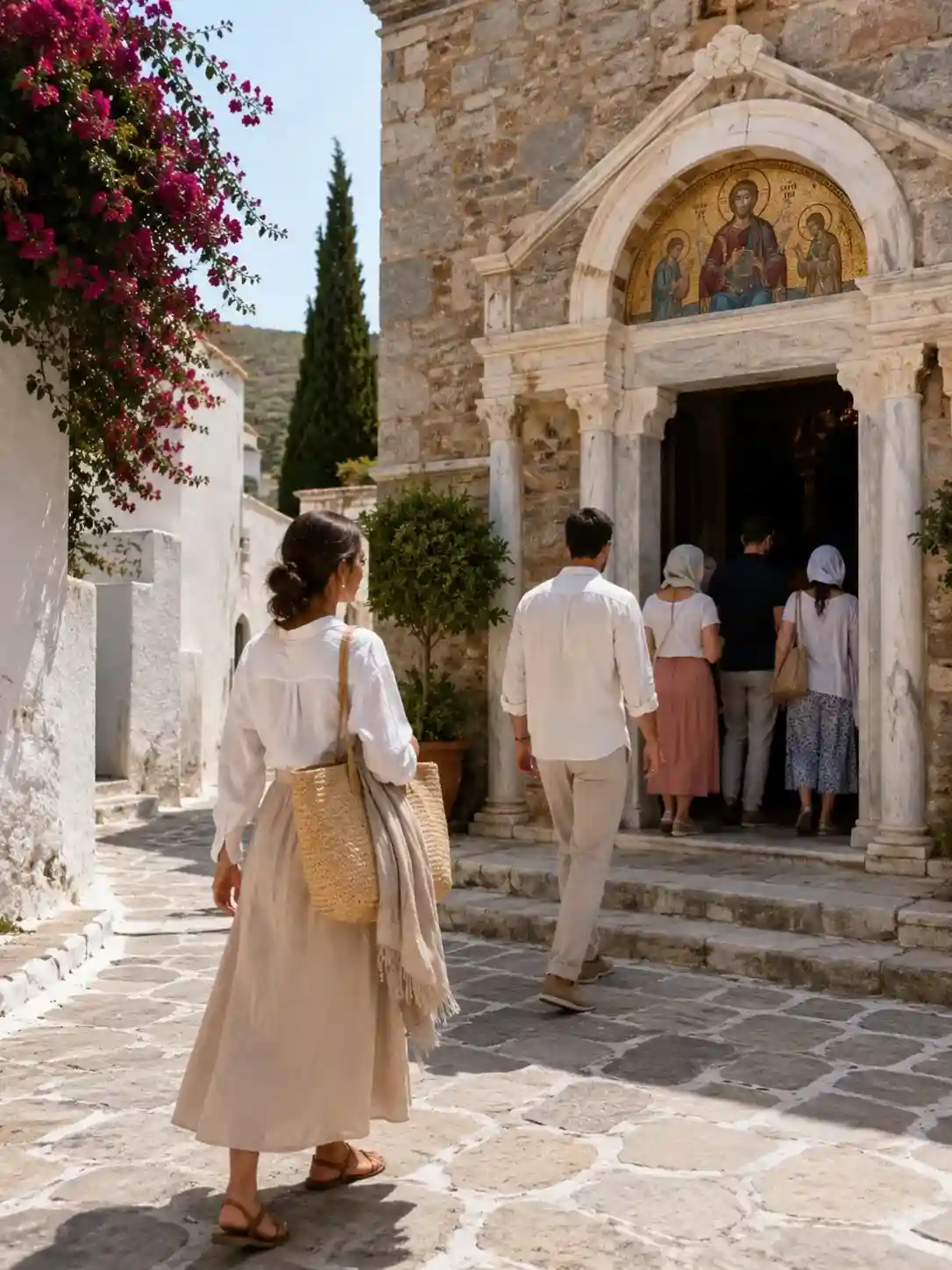
Modesty isn’t a suggestion at churches and monasteries — cover shoulders and legs before you walk in, full stop, and that’s true at religious sites across the whole country regardless of how relaxed the beach scene felt an hour earlier. Beyond that, Greek style runs casual but genuinely clean: think breathable fabrics, fitted cuts that aren’t skintight or baggy, and neutral tones that mix without effort. A few dos worth repeating: keep light layers on hand, favor minimal accessories, and have one collared shirt with clean trousers or chinos ready for dinner at tavernas or upscale restaurants — that’s the difference between blending in and looking like you just got off the beach.
The don’ts matter just as much. Skip athleisure and gym wear outside the actual gym, leave graphic tees, cargo shorts, and fanny packs at home — they read as tourist clothing the second you step into the city — and avoid flashy prints or muscle tees for anything beyond the sand. Keep beachwear off the streets once you’re past city walking territory, and don’t bring flip-flops anywhere that isn’t sand or pool. Overpacking heavy winter items outside of actual winter rounds out the list of habits worth dropping; a smart-casual outfit packed once will outperform five outfits packed out of anxiety.