What to Wear in Italy 2026: Chic Italian Outfit Ideas for Every Season
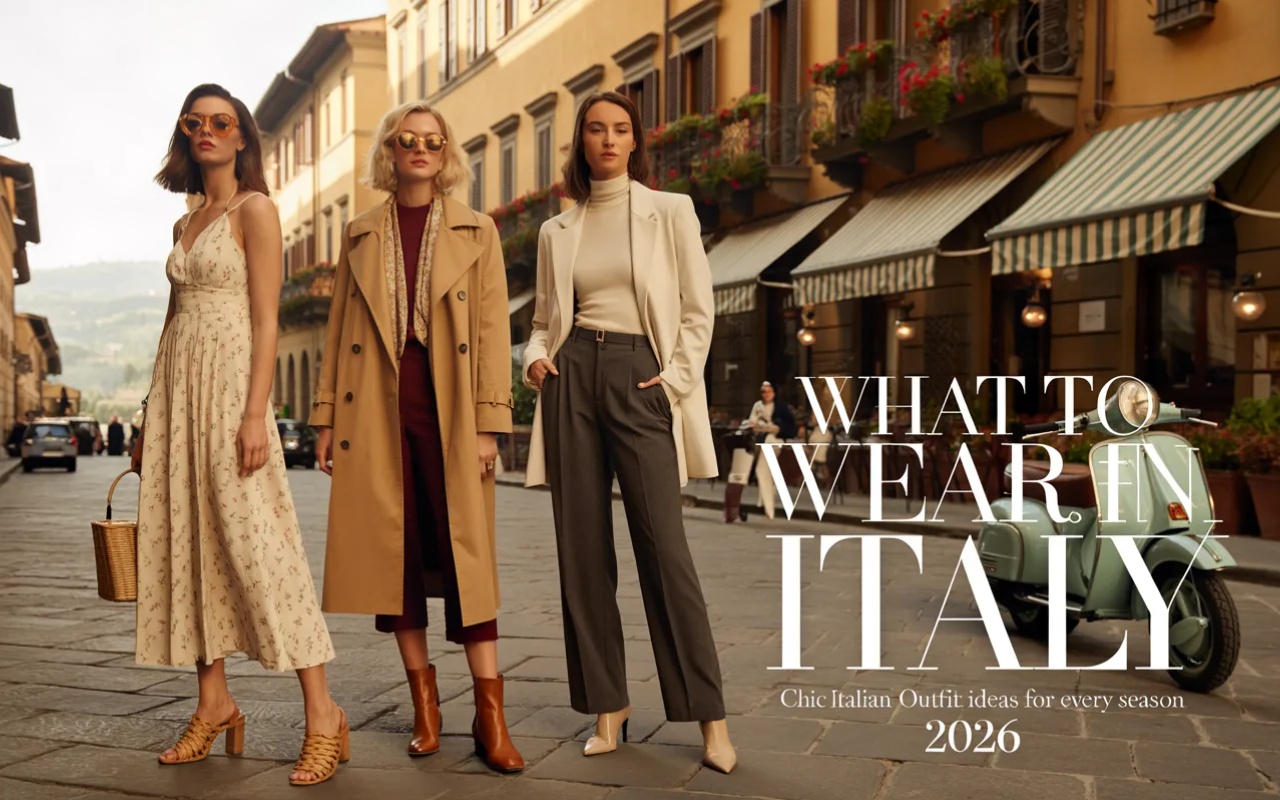
Having traveled through Italy multiple times across almost every season, I can tell you that cracking the code of Italian fashion completely transforms your trip. The moment you swap your tourist uniform for something more chic and polished, the whole country opens up differently — waiters treat you better, locals nod in quiet approval, and you simply feel the place more deeply. Planning your wardrobe before departure is not vanity; it is strategy. Whether you are weaving through cobblestone streets in Rome, drifting on a gondola through Venice, sipping pinot grigio near the Duomo in Florence, or breathing in Mediterranean coastal air along the Amalfi Coast, what you wear shapes every single experience.
The style culture here is about looking deliberately assembled without appearing to try — that soigné, relaxed, low-key elegance that Italians have quietly mastered over centuries. Think refined, comfortable clothing with enough personality to suggest you belong. Tourists who land in Milan hunting Via Monte Napoleone boutiques quickly realize that blending in requires neutral tones, considered layers, and zero athletic energy in your outfit. A cardigan thrown over a dress, gelato in hand, a light hoodie for the cooler evening air — that is the Mediterranean rhythm. Come spring and early summer, days are sunny, flowers are everywhere, outdoor dining is irresistible, and mild temperatures make sightseeing genuinely joyful. That said, April can be temperamental, so always keep a waterproof layer accessible. Check your forecast before departure and pack with both warmth and breathability in mind — the month you visit matters enormously, and even a chilly evening in May can catch you off guard without a proper outer layer.
What Is the Weather Like in Italy?

Italy’s climate is far more diverse than most travelers expect, and understanding regional weather varies dramatically from north to south. In the northern reaches — Milan, Venice, Turin — summers are warm but not brutal, hovering around 77°F–84°F (25°C–29°C), while winters turn genuinely chilly, sometimes dipping to 32°F–41°F (0°C–5°C) with snow blanketing the Alps and surrounding mountain regions. Head further south toward Sicily and Calabria and the Mediterranean heat intensifies, easily reaching 85°F (29°C) through peak season — ideal for beach and outdoor activities but brutal for cobblestone sightseeing without proper preparation.
Central Italy — Rome and Florence specifically — sits in a moderate sweet spot. April typically delivers 67°F/46°F–48°F highs and lows with around eight days of rain, while May sees the thermometer climb comfortably between 16°C–25°C (61°F–77°F). Spring and autumn remain among the smartest seasons to visit, offering 50°F–70°F (10°C–21°C) across most regions — warm enough to explore freely without wilting. Rain in May is possible but rarely persistent; unless the forecast signals otherwise, you can leave heavy waterproofs behind and instead rely on a trusty light jacket. The South, the cities, and the mountains each behave like entirely separate climate zones — pack accordingly for wherever your itinerary takes you across this beautifully long, skinny country.
Italy Is the Perfect Place to Get Fashionable

Few places on earth carry fashion in their very DNA the way Italy does. From the opulent city-states of Renaissance Florence and Venice — where luxury textiles, intricate embroidery, and tailored garments signaled wealth and power — to the 20th century explosion of designers like Valentino, Gucci, Prada, and Versace reshaping global runways, the country’s relationship with style and elegance runs bone-deep. The craftsmanship born in those early centuries — between the 14th and 17th — remains iconic today, visible in Florentine leather workshops and Milanese tailoring ateliers alike.
What makes Italy genuinely special for the fashion-conscious traveler is how aesthetics permeate ordinary life. Stopping for espresso at a trattoria, browsing historic sites, or window shopping through sunlit landscapes — Italians treat every moment as an opportunity to express identity and pride through attire. Your trip here is therefore so much more than sightseeing; it is an invitation to participate in a living artistic heritage. The colorful settings — terracotta rooftops, ancient marble, vineyard hillsides — practically demand that your wardrobe rise to meet them. Stylish destinations worldwide exist, but none carry quite this weight of beauty and culture woven so naturally into transforming the way people present themselves to the world.
Things to Consider When Packing for Italy
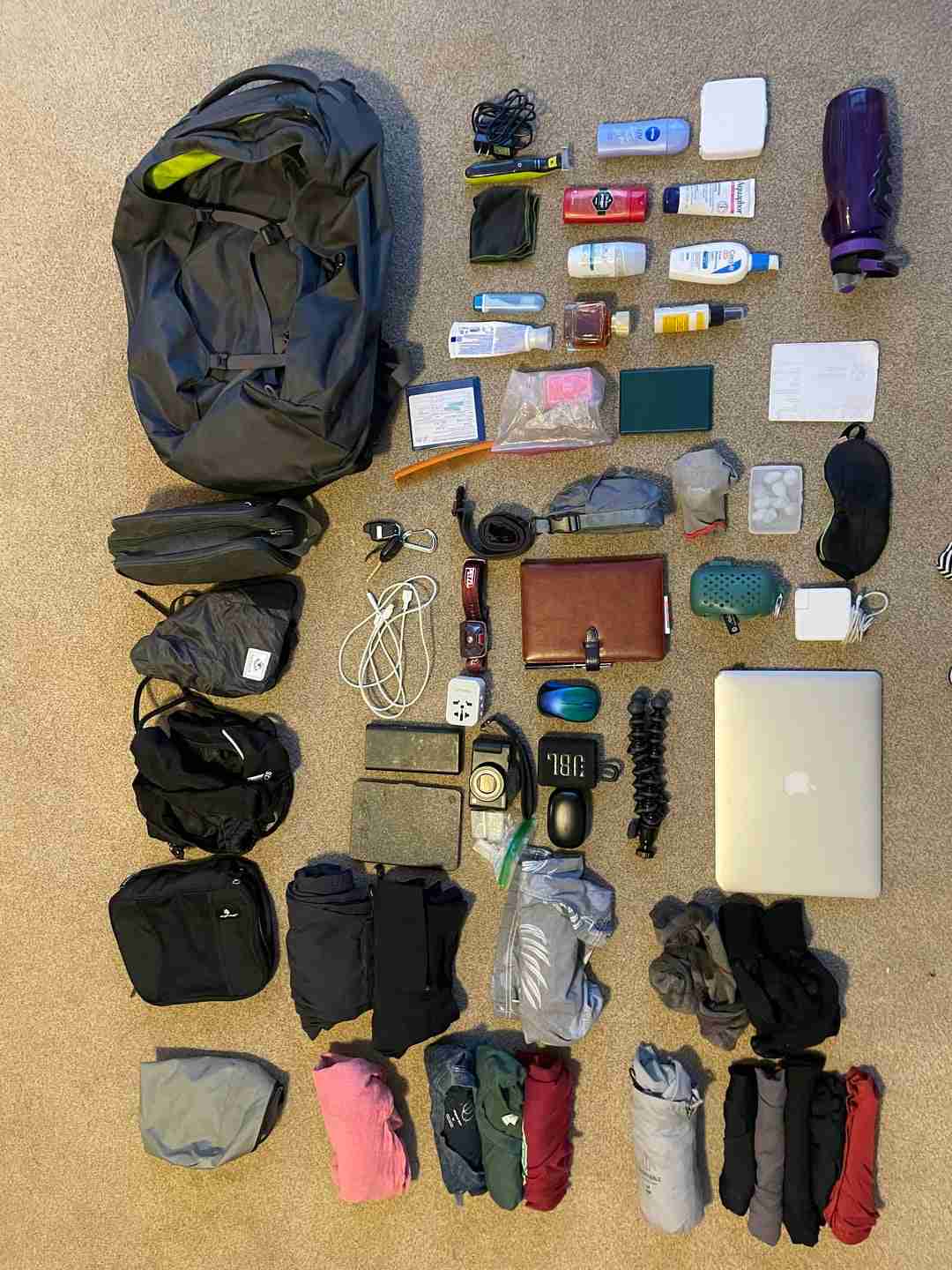
Before throwing a single item into your suitcase, pause and think strategically. The golden rule of packing for Italy is versatility — every piece should work across multiple outfits, handle both city streets and unexpected wilderness detours, and ideally be wrinkle-resistant to survive transit looking presentable. Fabrics with built-in sun protection, items featuring zip pockets, and comfortable sturdy shoes that have already been broken in at home are non-negotiables. Factor in colder weather for evening dips in temperature, pack layers, bring coverings for insects in rural areas, and always include a light waterproof regardless of season.
Practical logistics shape the wardrobe too. Confirm whether your hotel offers a laundry service — this single factor determines whether you pack for three days or ten. Check your luggage allowance carefully; weight and size limits vary by flight and excess fees add up fast. For a weekend getaway, a handful of interchangeable basics — two dresses, a pair of jeans, versatile tops, a coat or jacket — is genuinely sufficient. A one-week trip allows room for a couple of statement pieces and an extra pair of shoes for romantic dinners. For two weeks or more, build around a mix-and-match core wardrobe with a few dressier upgrades for special evenings out. Whatever the duration, packing cubes will keep everything organized and eliminate that end-of-trip chaos completely.
Essential Rules About Dressing in Italy
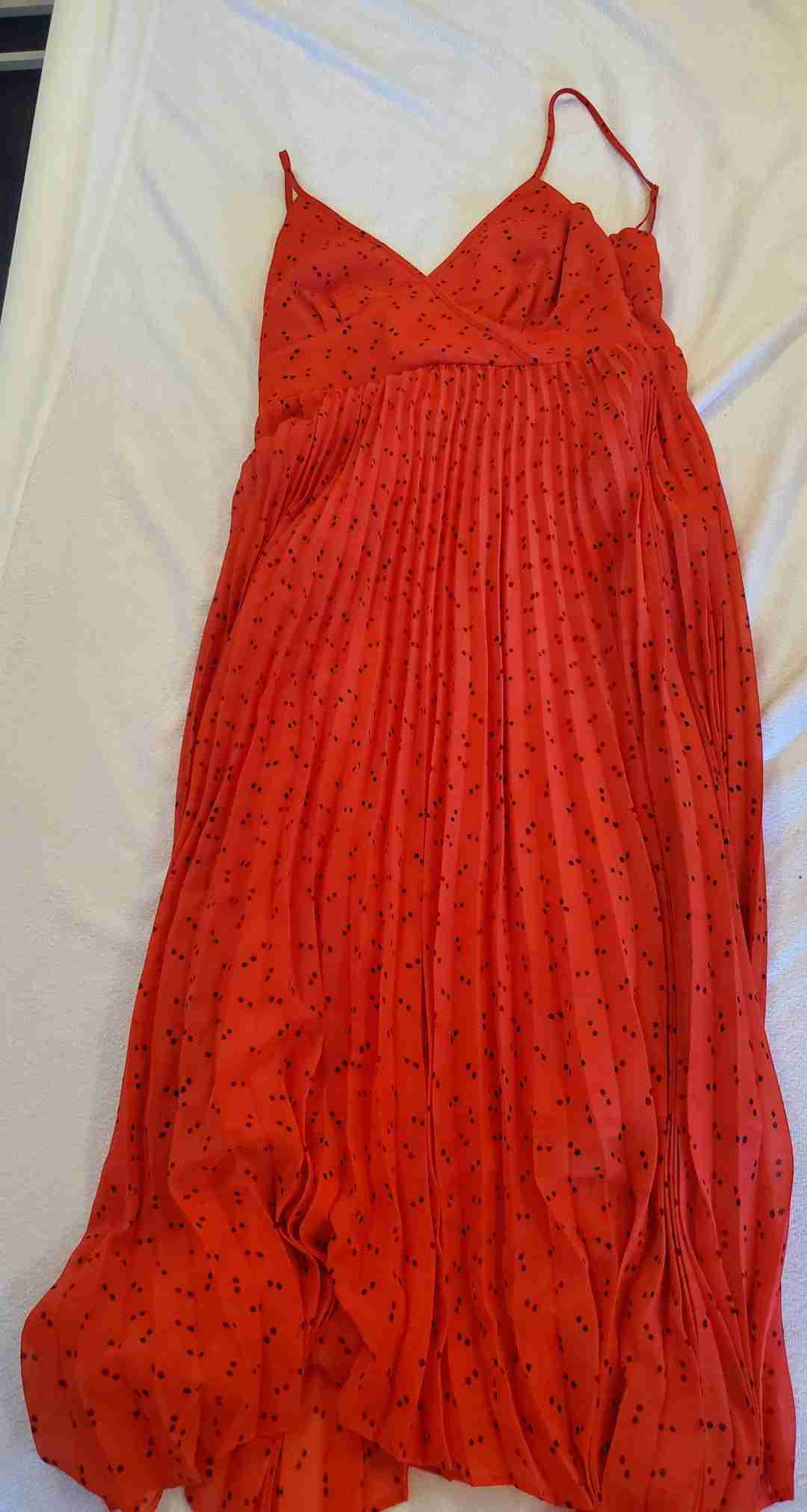
The fastest way to elevate any tourist outfit is to simply finish it. A shirt and trousers alone read as unfinished; add a belt, a colorful scarf, a layered jacket, or a statement piece of jewelry and suddenly the look has effort and intention behind it. Italian women instinctively understand this — a simple dress becomes something else entirely with the right necklaces adding color and texture. These accessories pack light, cost little, and do more for your style than expensive clothing ever could. A stylish traveler learns this fast.
Modesty matters more here than in many other European destinations. Keep tank tops, sleeveless cuts, booty shorts, and deep v-cut shirts for beach days only — dress codes at Vatican City and countless Catholic church sites are enforced without exception. Respect those religious sites by always having a shawl or wrap accessible. Beyond modesty, keep your layers light and your palette neutral — this makes mix-and-match dressing effortless and handles unexpected pasta stain emergencies with dignity. Reuse and recycle outfits creatively; avoid packing special single-use pieces unless attending a wedding or formal event. For men, leave athletic wear and sports gear entirely at home — chinos are acceptable in virtually every setting, including moderately high-end restaurants where a specific dress code may otherwise apply.
What NOT to Wear in Italy
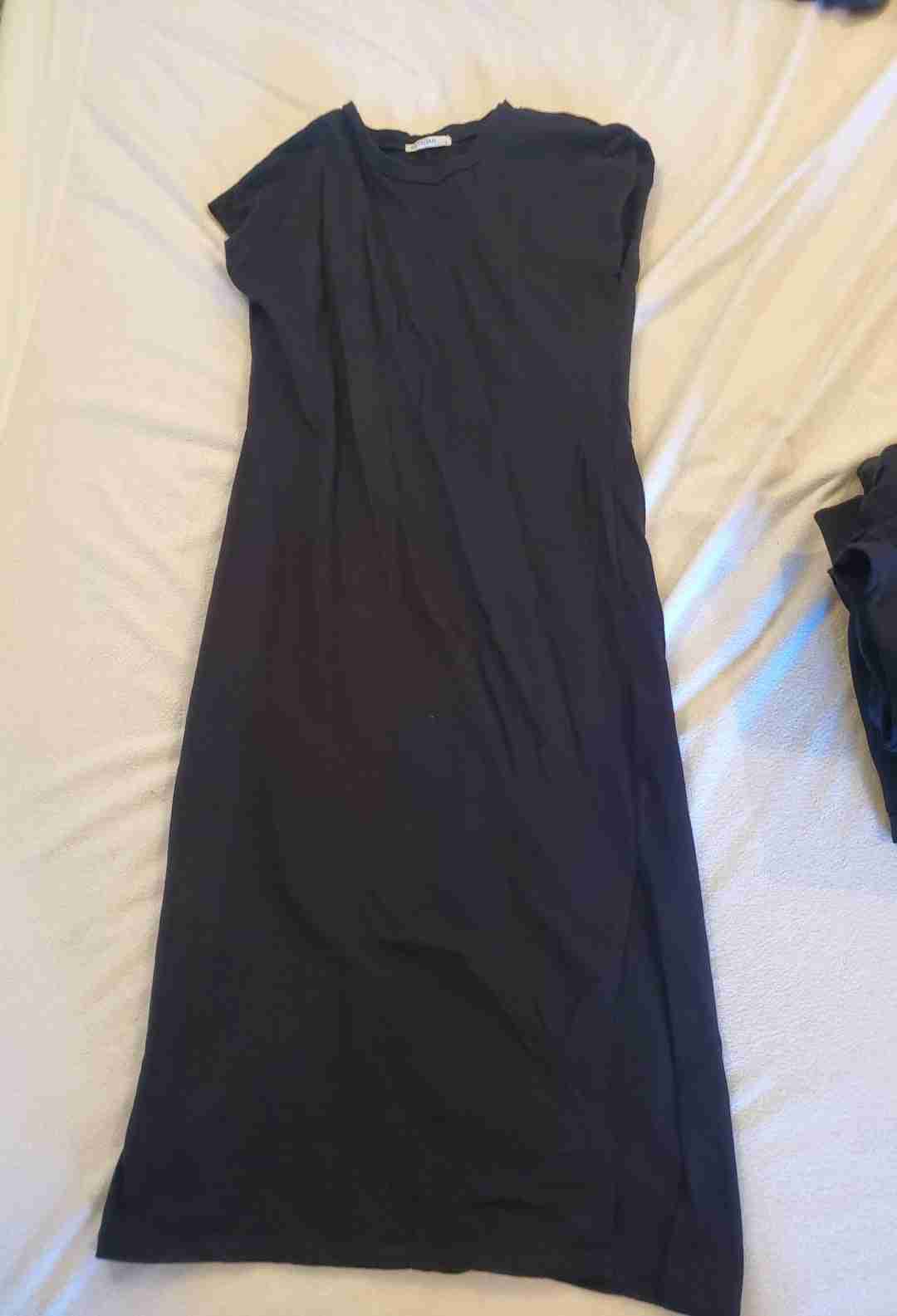
Modesty is not just a cultural preference in Italy — at many religious sites and churches, it is a hard rule. Cathedrals across the country enforce dress codes requiring shoulders and knees covered, so crop tops, plunging necklines, and short shorts will get you turned away at the door of the very places you traveled thousands of miles to see. Always carry a light fabric scarf or shawl — it weighs nothing and solves the problem instantly. The Vatican and its sacred sites are particularly strict, and no amount of charm will bypass the entrance requirements.
Beyond religious sites, athleisure and lycra simply do not translate to Italian street style — the gym aesthetic reads as sloppy and casual in a culture that prizes quiet elegance. Swap leggings for well-cut jeans, tailored pants, or flowing dresses. Basketball shorts and jean cut-off styles are considered too informal for Italian tastes even at the height of summer — reach for tailored skirts or lightweight alternatives instead. In urban settings, casual t-shirts paired with flip-flops signal beach mode, not city mode; Italian sensibility calls for a fitted blouse or smart shirt for everyday outings, with sandals, loafers, or ballet flats replacing beachwear footwear. And please — leave political t-shirts at home entirely. Italians dress conservatively and smart casual is the baseline; revealing attire and pool flip flops belong nowhere outside an actual pool.
What to Wear in Italy by Season
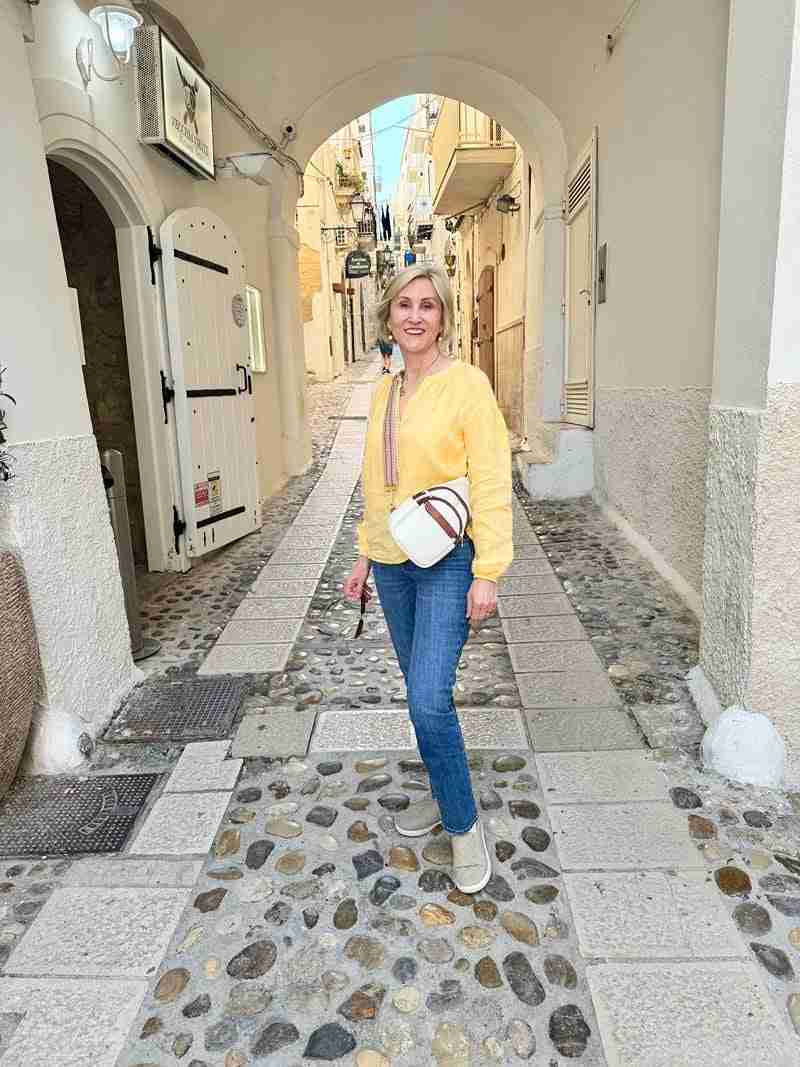
Spring across March, April, and May is genuinely the finest time to visit Italy’s grand cities. In northern Italy — Milan, Venice, Florence — temperatures range 50°F–65°F (10°C–18°C), making layering essential. A waterproof trench coat over a long-sleeved shirt or sweater, a shawl doubling as a scarf, and solid footwear for serious sightseeing covers every situation. Central Italy around Rome and Tuscany runs slightly warmer — breathable tops with jeans or chinos and a light cardigan strike the right balance. Further south in Naples, Sicily, and along the Amalfi Coast, spring temperatures reach 65°F–75°F (18°C–24°C), calling for short-sleeved shirts, dresses, sunglasses, and a hat and sunscreen for longer outdoor days. Pastel colors and knits feel naturally right in spring — soft pinks, blues, and greens echo the blooming landscapes and sit well against both Roman ruins and Florentine piazzas. Pack a practical May clothing list including mixed skirts, shorts, summer dresses, t-shirts, a cardigan or light sweater, linen or cotton trousers, polo shirts for men, light summer pajamas, and a swimsuit — even if the sea remains on the cooler side.
Summer from June through August demands a complete rethink toward heat management. Temperatures hit 75°F–90°F (24°C–32°C) or beyond, making linen, cotton, and chambray your essential fabrics. Sleeveless cuts, loose silhouettes, sundresses, tailored shorts, breathable tops, and swimwear with cover-ups or a sarong form the core summer wardrobe. The Amalfi Coast and other coastal destinations call for flip flops at the beach specifically, but for city days keep it smarter. A light layer for evenings and an umbrella for occasional storms round things out. Autumn from September through November brings relief — Capri, Positano, Ravello, and the wider Amalfi Coast become glorious post-summer retreats as crowds thin. Northern temperatures settle 50°F–68°F (10°C–20°C), central Italy sits 57°F–73°F (14°C–23°C), and the south stays warm at 64°F–75°F (18°C–24°C) — the Alps and Apennines bring their own unpredictability. Layer a base layer blouse under a sweater and trench coat, add a blazer for city evenings, wear loafers or sneakers by day and tights with dresses at night, and keep an umbrella handy. A leather jacket becomes your best autumn companion. Winter from December through February rewards adventurous travelers — skiing in the Dolomites, festive Rome with minimal crowds, and even Mount Etna in the south offering a surreal winter backdrop. Northern Italy hits 32°F–45°F (0°C–7°C), demanding thermal, insulated base layers, fleece mid-layers, a waterproof windproof winter coat, gloves, hat, and solid boots. Rome and Florence sit milder at 41°F–54°F (5°C–12°C) with rain as the bigger concern than snow — a puffer coat, wool jumpers, and smart layers handle it well. Skip the heavy ski gear unless you are actually skiing; a light down coat is usually sufficient for city-based winter sports watching.
Types of Shoes to Wear in Italy
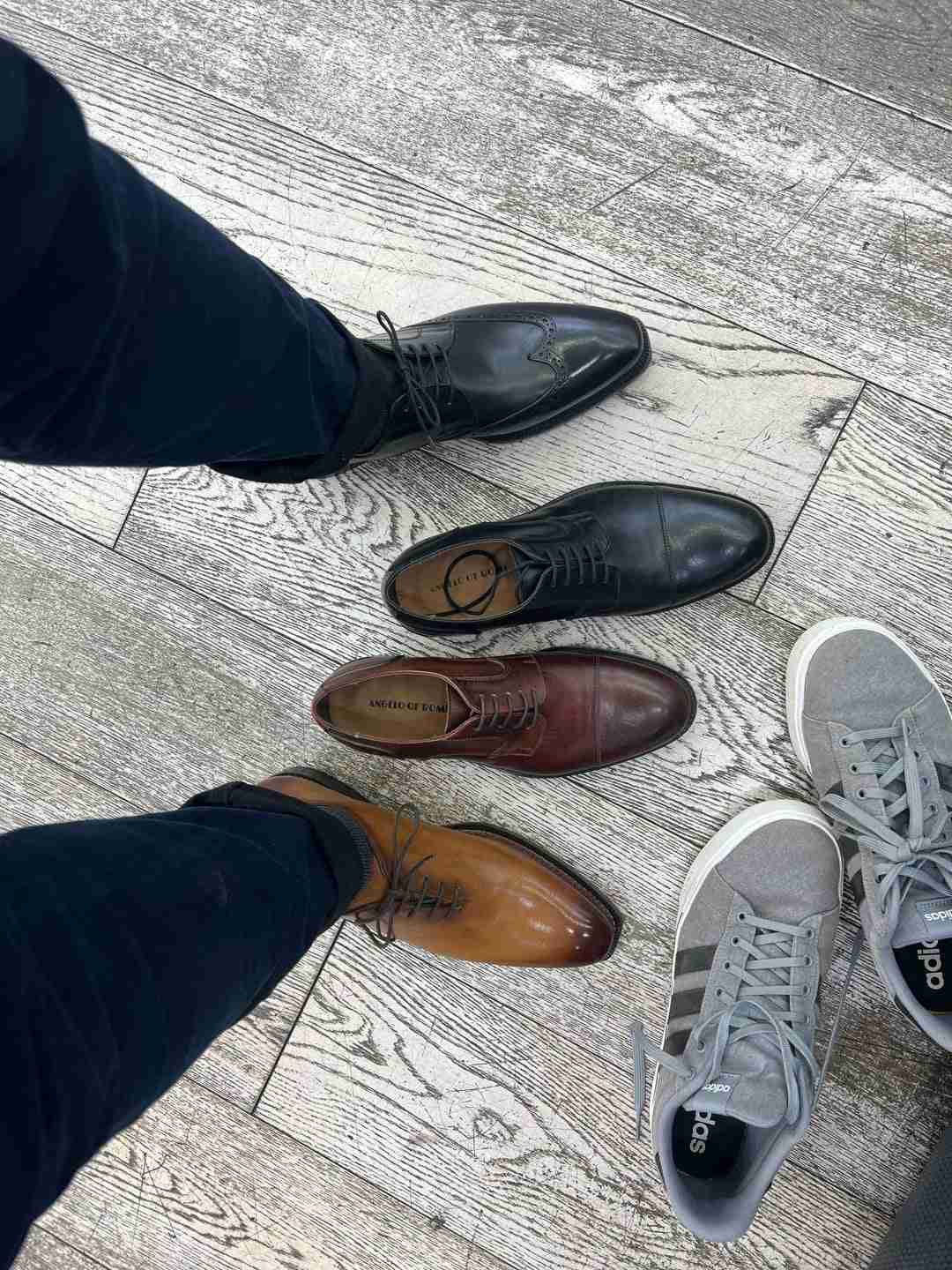
Footwear can make or break an Italian trip, full stop. I have watched fellow travelers hobble through the Roman ruin circuit in brand-new sandals and it is genuinely painful to witness. Comfortable sneakers — leather trainers or clean slip-on styles — are the workhorse of daily sightseeing across cobblestone streets, and current European fashion actually embraces the low-profile trendy sneaker look wholeheartedly. The one caveat: some restaurants ban them outright, so always pack an alternative. For summer days, flat leather sandals with breathable straps and a proper cushioned sole — think Teva quality — are ideal for dashing between Roman ruins and Riviera coastlines. They need to offer genuine arch support for the volume of walking involved; anything that reads as pure beachwear stays at the beach.
Birkenstocks deserve their reputation as the ultimate travel essential — they handle everything from Amalfi Coast poolside lounging to hill towns without missing a beat. Choose a neutral tone that pairs with your whole wardrobe. Loafers are the classic, comfortable, genuinely trendy touring shoe that transitions effortlessly across contexts — paired with espadrilles for warmer evenings or more formal settings, they cover almost every occasion. For dressy moments — fancy restaurants, evening aperitivo — flats or low heels in a neutral color work across most of your dresses and outfits. In fall and winter, ankle boots become essential: stylish in leather or suede, warm enough for jeans and dresses alike, and waterproof options like Blondo handle rain without sacrificing aesthetics.
What Kind of Purse / Bag to Wear in Italy
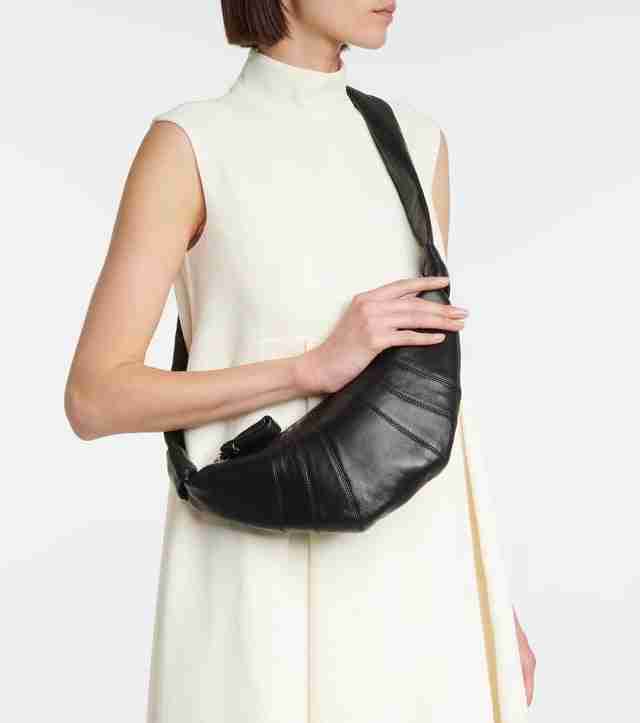
A crossbody bag is not a suggestion — it is a survival tool. Worn across the body with the zipper facing inward, it keeps your keys, cash, ID, camera, and phone secure against pickpockets while leaving your hands free for gelato, photographs, and navigating market crowds and the busy piazza circuit. Choose leather if possible — Florence is famous for its workshops, and upgrading once you arrive is a genuine pleasure. Keep it small enough to avoid museum check requirements on large bags; the discipline of a compact bag forces smarter packing of daily essentials.
For families or longer excursions, camelback backpacks or compact travel backpacks handle heavier loads across countryside walks and sprawling art museum visits, keeping hands free throughout. In summer coastal towns — along the Amalfi strip or the Ligurian shore — a spacious beach tote carries your towel, sunscreen, and any souvenirs picked up along the way, transitioning naturally into a seaside restaurant carryall for a post-beach lunch.
Accessories & Other Things to Pack
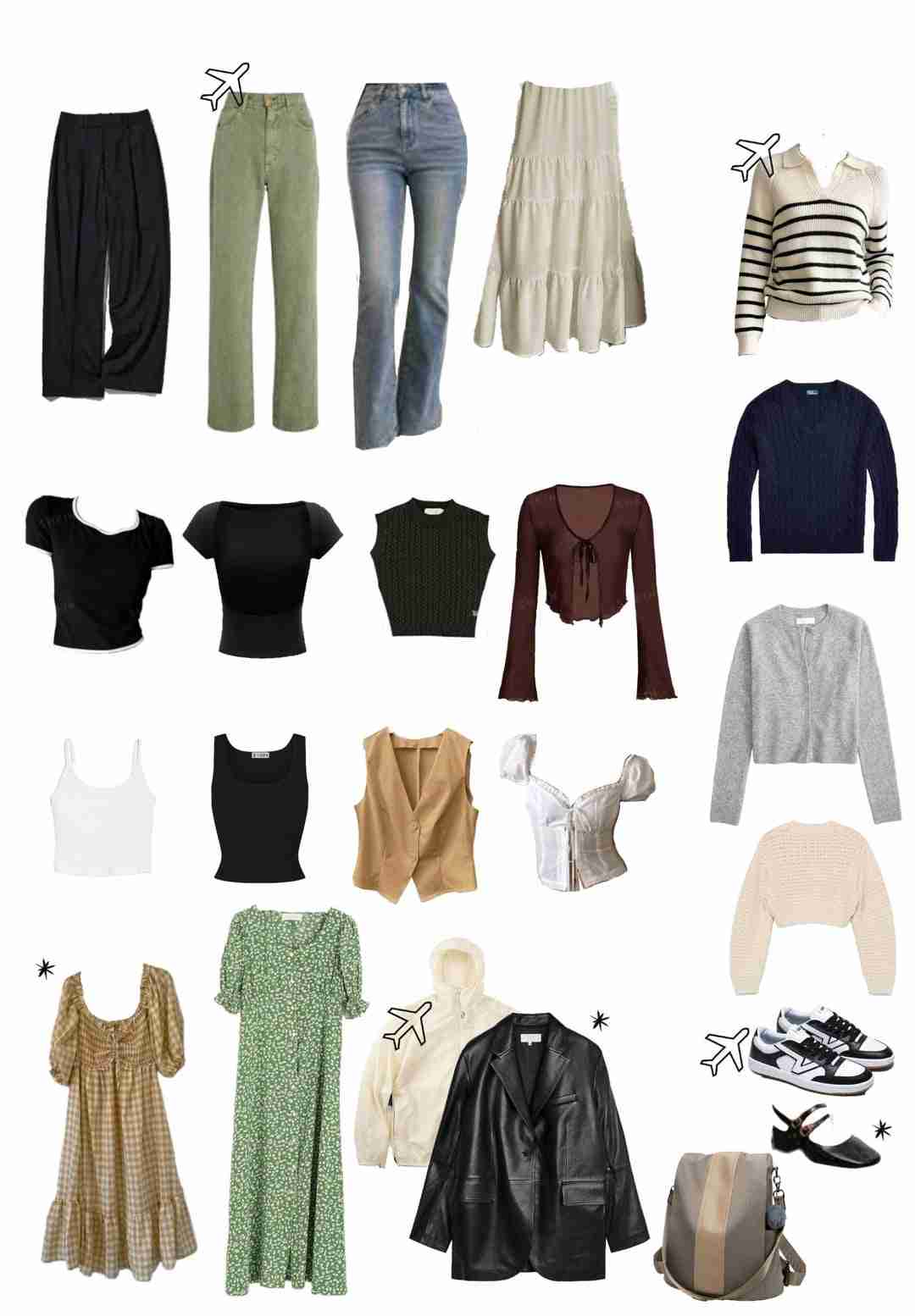
The Italian sun is genuinely aggressive — I learned this the hard way at Pompeii without a hat, and I have not made that mistake since. A wide-brimmed sunhat, quality sunglasses (ideally prescription eyewear if you need it for eye strain across long sightseeing days), and serious sunscreen are non-negotiable from summer through early autumn. Outdoor cafés, long boat trips, and exposed historic sites like the Roman Forum all amplify UV exposure well beyond what feels intuitive.
A good scarf or wrap earns its place across every season and context — on the plane, as a modesty layer entering basilicas and churches for warmth, and as a pure style upgrade to any outfit. A compact foldable umbrella handles Italy’s occasional rain bursts far more gracefully than a tourist poncho ever could — pair it with your light trench coat and you are set. Always pack a universal plug adapter for European outlets, a refillable insulated water bottle for hot sightseeing days, a travel-sized jewelry organizer to protect your favorite necklaces from getting tangled, and mosquito repellent — Italian mosquitoes are voracious and rarely make it onto packing toiletries lists until it is far too late.
What to Wear Dining Out in Rome or Milan
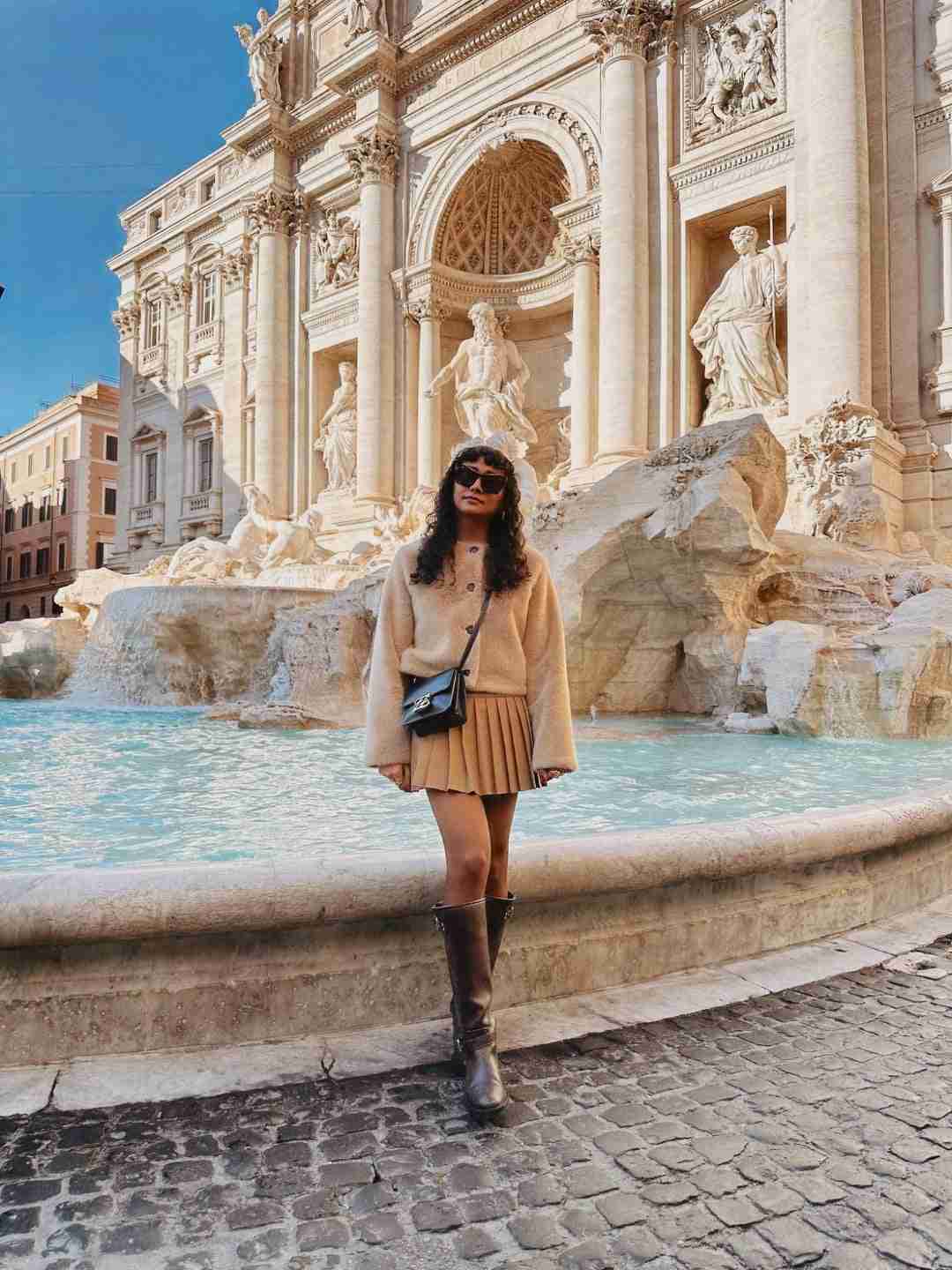
Dining out in Rome or Milan operates on a quiet but real dress expectation, and Italians genuinely make the effort every single evening — it is woven into the culture. For women, a smart casual to elegant look works across most settings: a dress, a blouse with tailored pants or a skirt, or a well-cut jumpsuit, each paired with heels, dressy flats, or stylish loafers. Accessories — jewelry, a scarf, a quality bag — elevate the atmosphere of any restaurant experience considerably. For men, a dress shirt with chinos or tailored trousers, a blazer or sport coat, and smart loafers or dress shoes is the reliable formula; for genuinely upscale venues, a full suit or sharp jacket is appropriate.
The key mental shift is simply this: after a day of sightseeing, change. Even slightly. Leave the gym wear, shorts, denim, and flip-flops behind for the evening — step out in something polished instead. Many theaters and better restaurants enforce this more actively than equivalents back home. The reward is immediate: better tables, warmer service, a more immersive aperitivo hour experience. Italians are not judgmental about this — they simply notice, and they respect it.
What to Wear in Specific Destinations
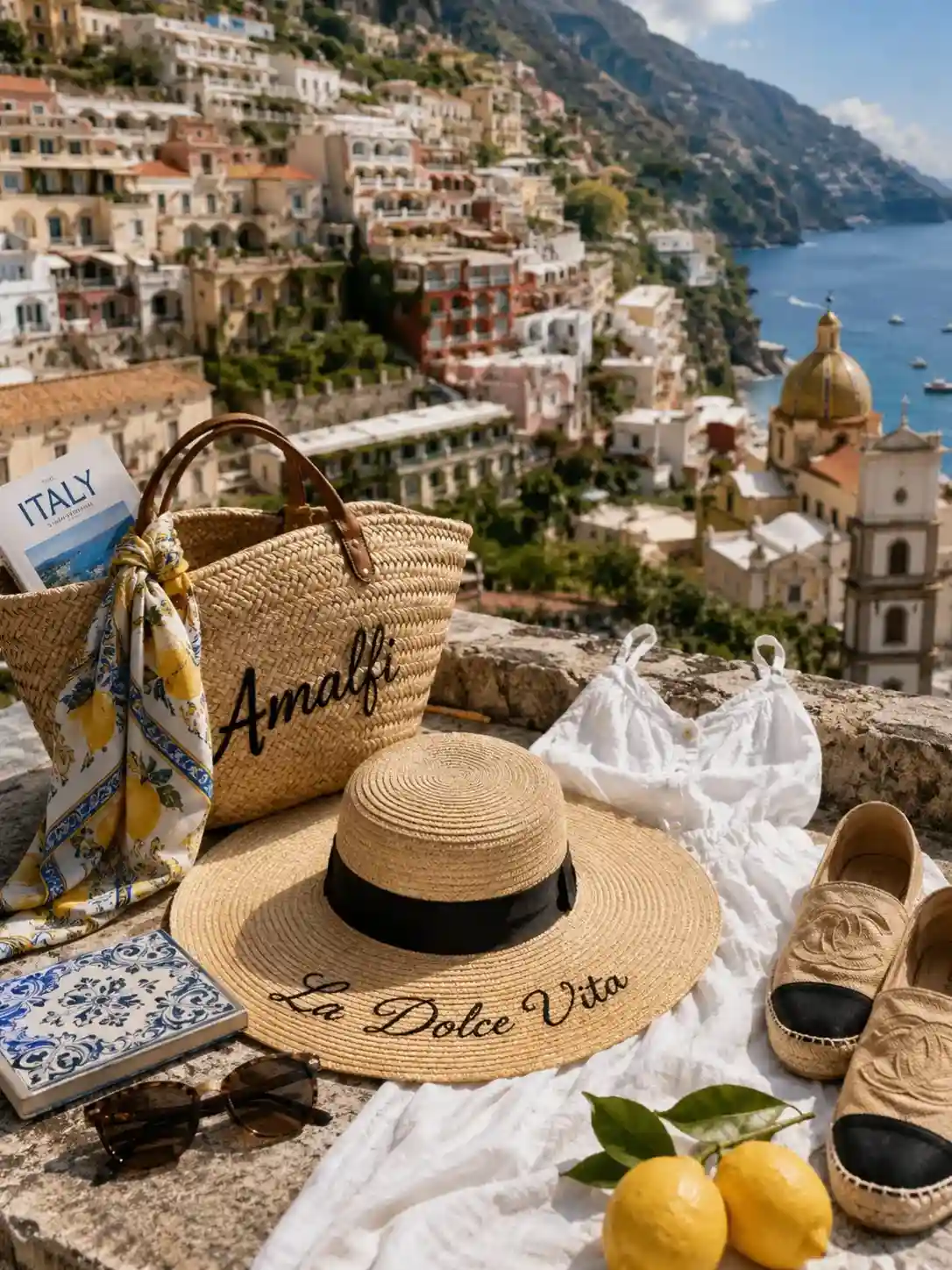
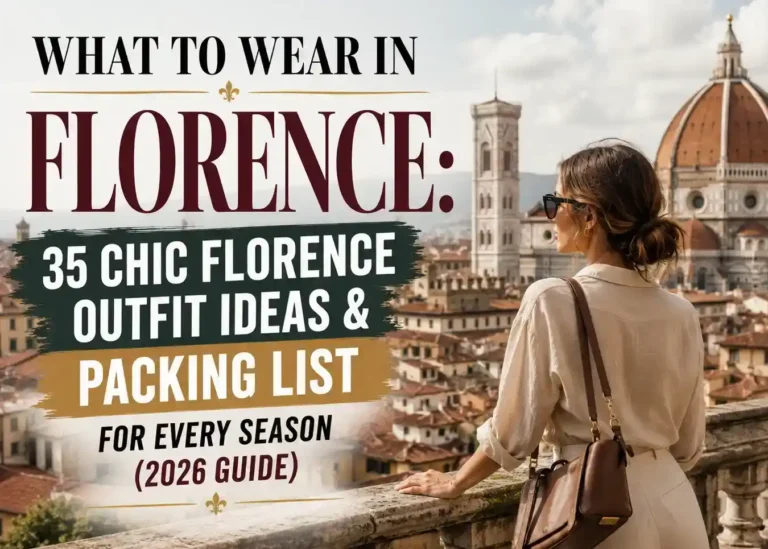
Every Italian destination has its own visual personality, and dressing to match it is half the fun. Milan, the undisputed fashion capital, rewards sharp blazers, carefully chosen statement accessories, and sleek shoes — the streets here are essentially a living runway and refined presentation is the baseline expectation. Rome calls for something more flowing and romantic — dresses that move through ruins gracefully, wide-leg pants with a dramatic scarf or shawl, footwear practical enough for uneven stone but sophisticated enough for a candlelit ristorante. In Tuscany, lean into earthy tones and natural textures — relaxed linen and cotton dresses layered with a wide-brimmed hat for vineyard afternoons, sandals or espadrilles completing the effortless boho aesthetic.
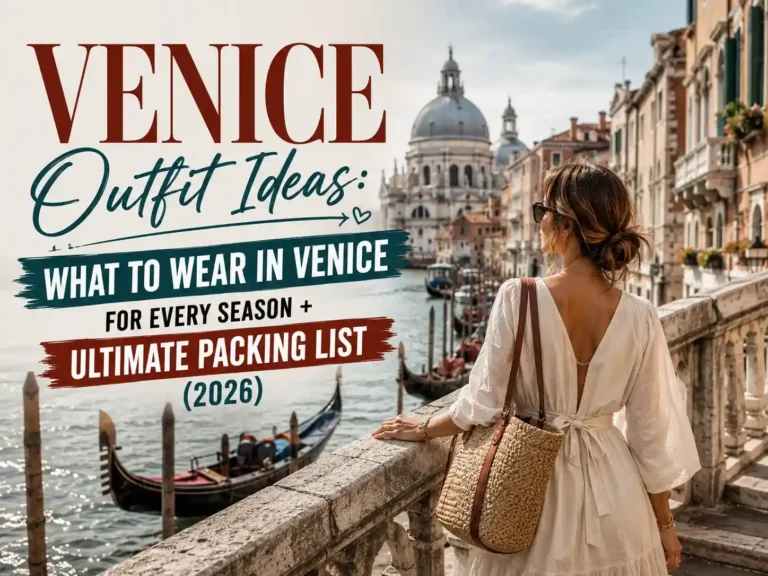
Lake Como is pure laid-back elegance — a black-and-white dress for evening lakeside dinners, a vest top with tailored trousers or a flowing skirt for daytime glamour done effortlessly. The Amalfi Coast practically writes its own dress code: white linen, sundresses, enormous straw hats, espadrilles, a large beach tote loaded with sunscreen, sunglasses, and theoretically a bottle of limoncello. Venice favors lightweight breathable linen blouses and t-shirts for its humid warmth, with roomy cuts comfortable enough for stepping in and out of gondolas — always carry a jacket or scarf for the water breeze, and keep a shawl ready for churches. Sneakers or loafers with a small crossbody bag is the perfect Venice formula. The Cinque Terre demands function: breathable tops, tank tops, lightweight pants or shorts, serious sneakers for the hiking trails along those dramatic Ligurian coast cliffs, a hat, sunglasses, and a compact backpack with sunscreen and water. Layer up with a light jacket for spring and fall mornings. The Dolomites require proper outdoor preparation — moisture-wicking base layers, fleece sweaters, waterproof windproof jacket and pants, hiking boots with solid traction, hat, gloves, and sunglasses even in snow — UV intensity at altitude surprises people. For skiing or snowboarding, add thermal layers and full snow gear. A coastal cruise along Italy’s shores follows a similar arc to the broader wardrobe strategy: shorts, capris, and sundresses by day with sunscreen and a wide-brimmed hat; polo shirts, blouses, and cocktail dresses or elegant skirts for evening; and dress shirts with slacks for formal nights — always with a jacket or sweater for air-conditioned interiors.
What to Wear in Italy to Visit Churches
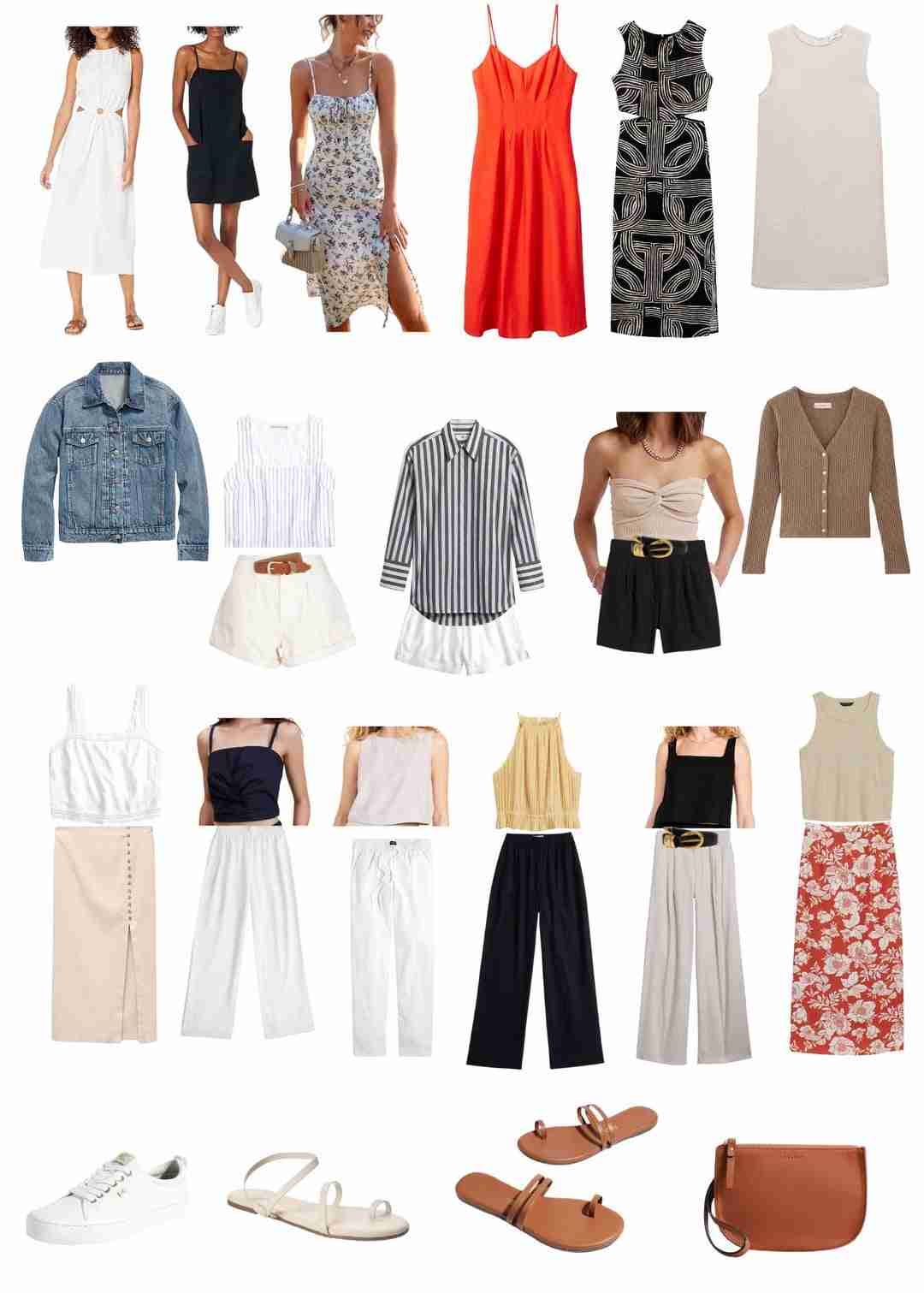
Italy’s churches are among the most breathtaking spaces on earth, and being turned away at the entrance because of your clothing is a genuinely frustrating experience that is entirely avoidable. The Vatican is explicit: the Museums, Sistine Chapel, St. Peter’s Basilica, and Vatican Gardens all prohibit low cut or sleeveless clothing, shorts, miniskirts, and hats inside. Most smaller churches across the country follow similar expectations.
The practical challenge in May and peak summer is balancing the hot weather against these modest requirements — but there are smart solutions. Choose t-shirts over spaghetti strap tops where possible since shoulders covered is the core requirement. Carry a shawl to throw on over bare arms at the entrance. Breathable maxi dresses and skirts keep you cool while protecting your legs from both dress code scrutiny and direct sun exposure. Linen pants are a lightweight, stylish alternative to shorts that satisfies every church requirement without overheating you. A maxi skirt with an elastic band at the waist that slips over shorts in seconds is a genuinely brilliant travel hack. For boys, pants with zip-off legs convert easily between long and short as the day demands. For kids generally, the dress code is less strict, but anything that could be considered immodest for older children should be thoughtfully covered to avoid complications at the entrance.
Best Suitcases & Packing Cubes for Italy
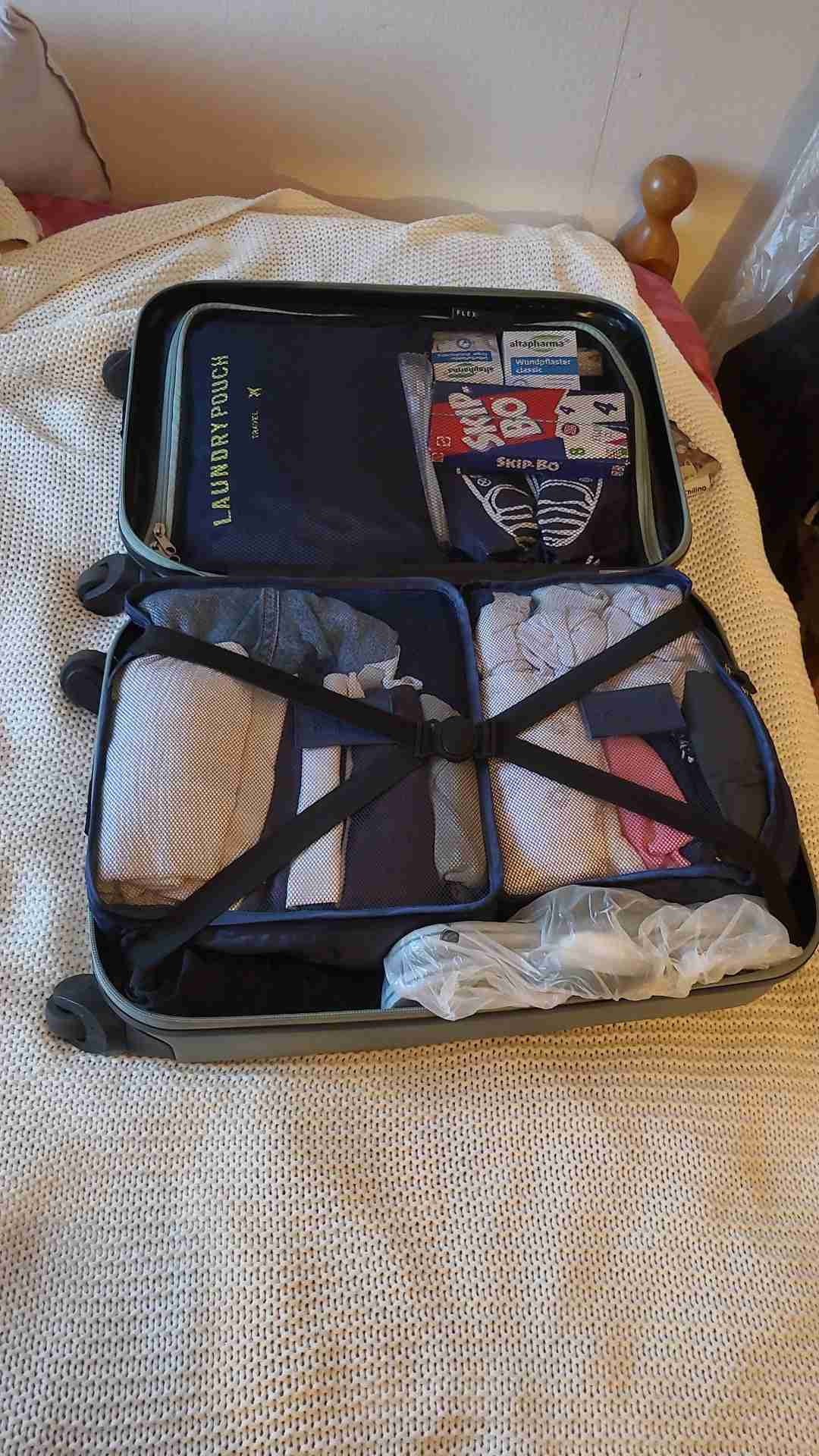
The right suitcase can genuinely determine how smoothly your trip unfolds. Italy’s cobblestone streets and busy train stations demand a wheeled, lightweight design built from durable material — anything heavy or unwieldy becomes a liability fast. Look for a reliable zipper mechanism and sturdy construction that will not pop open unexpectedly; a hard-shell or expandable waterproof option is ideal for protecting your outfits across multiple destinations and unpredictable weather.
Inside the case, packing cubes transform the chaos of multi-city travel into something genuinely manageable. Grouping your wardrobe by type or destination means you can access exactly what you need without dismantling everything else. Coloured cubes for different categories add another layer of instant visual access — one color for shoes, another for tops, another for evening wear. The organisation this creates before, during, and after your trip is one of those small travel investments that pays dividends every single day.
Where to Shop for Italy Outfits

Shopping in Italy is an experience entirely unto itself, and knowing where to look saves both time and money. Local boutiques in Milan, Florence, and Rome offer the most authentically Italian style — Via Montenapoleone in Milan and Via Condotti in Rome concentrate cutting-edge designers in walkable stretches that are genuinely thrilling even as pure theater. For something more grounded and personal, outdoor markets like Florence’s San Lorenzo Market and Rome’s Campo de’ Fiori yield traditional artisan clothing and one-of-a-kind finds that no chain can replicate.
For accessible everyday pieces, European fashion chains — Zara, Bershka, Massimo Dutti, Mango — carry affordable collections frequently unavailable in other markets. For serious luxury investment, Gucci, Valentino, and Dolce & Gabbana flagship stores bring the full energy of the Italian fashion runways to life. Department stores like Rinascente offer a curated range of international brands alongside Italian labels, while the magnificent Galleria Vittorio Emanuele II in central Milan combines high-end retail theater with one of the city’s most spectacular architectural experiences. If you prefer preparation over discovery, online retailers including Farfetch, Yoox, and Matches Fashion provide strong Italian design inspiration and genuine European brands before you even board the plane.
What to Pack for Italy with Babies and Toddlers
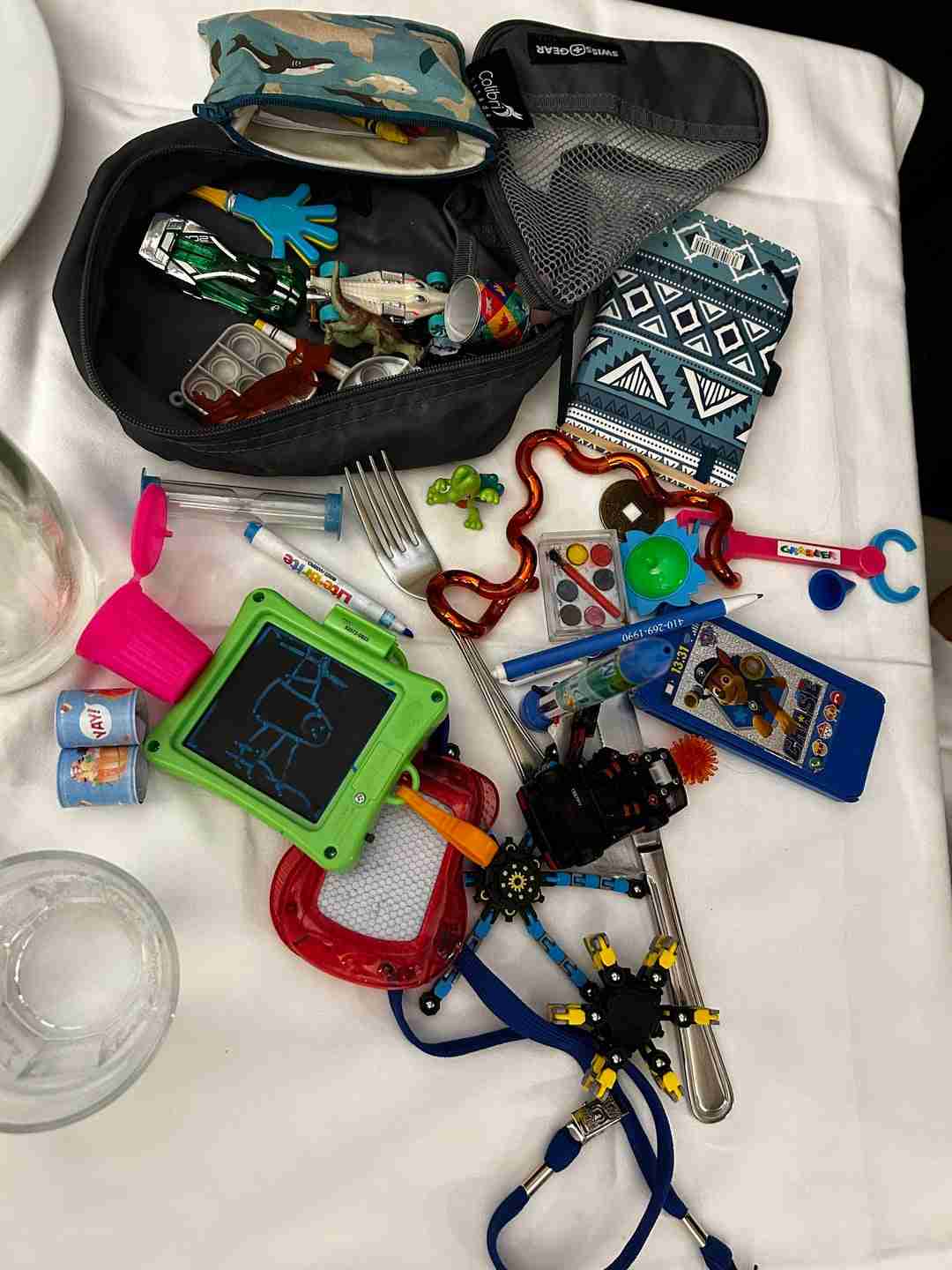
Traveling Italy with very young children requires a supplementary packing mindset beyond standard clothing. The essentials — babygrows, onesies, baby socks, a reliable stroller that handles cobbles without drama, a baby carrier for tighter spaces, and a portable high chair (a compact fabric version that folds small is surprisingly useful) — form the foundation. A baby summer sleeping bag suits Italian accommodation temperatures well, and while diaper changing essentials should cover the journey, virtually all supermarkets and pharmacies in Italy stock everything you need once you arrive, so there is no need to over-pack consumables.
Heat management for very young children matters enormously — a small battery-operated fan for the stroller is an absolute lifesaver, particularly early in the summer month. A baby mosquito net fitting over the stroller, pram, or baby bed provides protection during warmer coastal stays and rural evenings. For beach destinations, Italian beaches are frequently pebbly rather than sandy, so water shoes protect kids’ feet far better than bare feet or standard footwear. A rash guard for children less accustomed to strong sun, plus snorkeling gear for longer coastal stays, rounds out the beach essentials without adding significant weight to your luggage.