10 Best Places to Visit in Tokyo, Japan: Ultimate Tokyo Travel Guide for First-Time Visitors
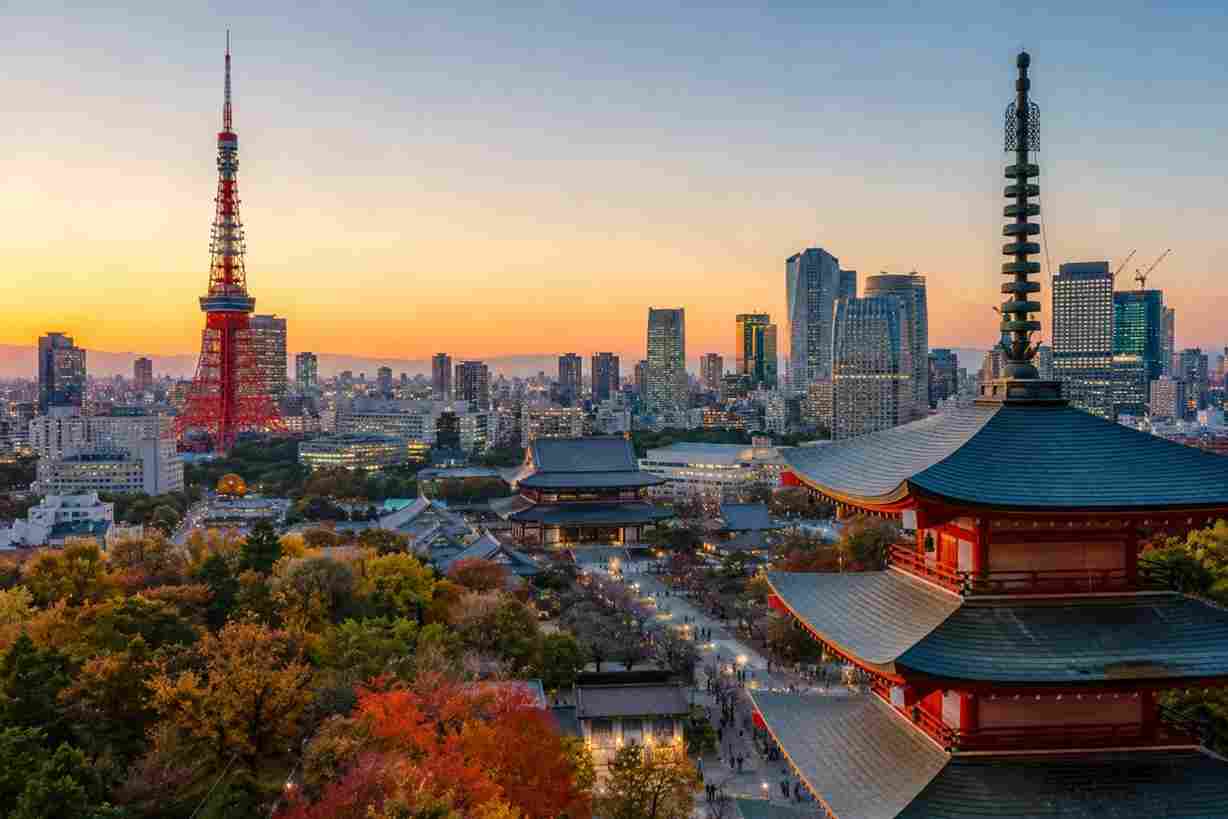
Tokyo had me completely off-guard the first time I landed here what started as an intimidating maze of neon and noise slowly became a city I genuinely couldn’t stop returning to. Whether it was dragging my kids along for spring break 2025, doing solo deep-dives through underground culture via an AFAR Experience, or simply exploring neighbourhoods nobody puts in their guidebooks, Tokyo, Japan has a way of rewarding the curious. The list of things worth doing here is genuinely debated among travellers dozens, possibly hundreds of amazing sites compete for your time but this guide cuts through the noise to focus on the must-see places that actually deliver, whether you’re here for a weekend, a week, or longer.
What makes Tokyo genuinely layered is the contradiction it lives in every single day. Japan’s capital is a spellbinding blend of ancient tradition and nonstop modernity a perpetually buzzing metropolis lit by dazzling neon on one hand, and a quiet world of tranquil gardens, traditional temples, and ancient shrines on the other. Travel guides devote endless pages to its glory, yet first-timers often arrive expecting one thing and find something far more peculiar a city with its own quirky niche identity that sits somewhere between Pokémon costumes on Takeshita Street and deeply meditative Shinto rituals at dawn. Strip away the hype and what remains is a deeply fascinating and unforgettable destination, one that rewards honest, fair eyes over bafflingly underwhelming expectations shaped by travel clichés.
For anyone serious about planning their trip, this is your honest and practical Tokyo travel guide built around must-see attractions, iconic landmarks, vibrant districts, and unique local experiences that push you beyond the obvious. We’ll cover 11 essential stops, flag what to skip (3 overhyped spots included), and fold in the best day trips so your time never feels like it’s being filled without purpose. Think of the 10 sights ahead not as a checklist, but as a curated entry point into a family travel destination that keeps pulling people back annual visits included.
Senso-ji Temple (Asakusa)
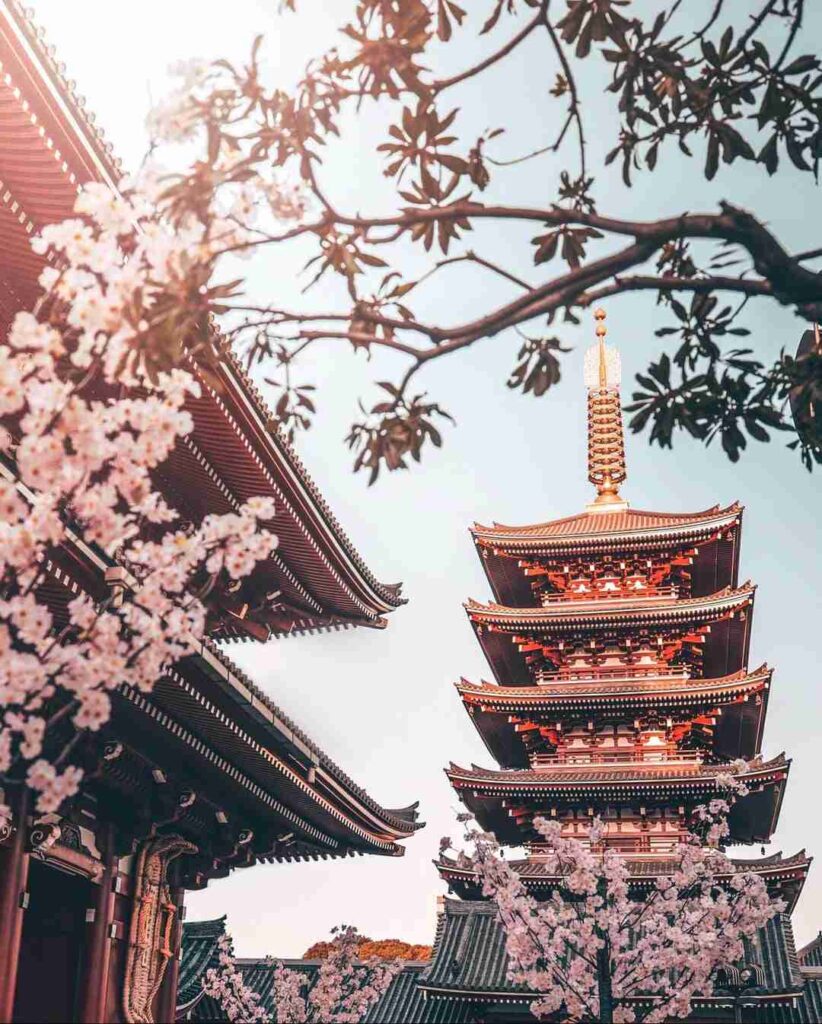
Few places in Tokyo carry the cultural weight of Sensō-ji temple the oldest temple site in the capital and its spiritual epicenter since 628 AD. Enter through the main gate and you step into Asakusa, a district that works beautifully at meal times when the street food stalls are firing and the small cafes spill onto narrow lanes. The Nakamisedori walkway a main avenue lined with over 150 stalls and booths selling traditional Japanese souvenirs, folding fans, and the occasional tourist knickknacks leads you toward the cavernous main hall with its opulent golden altar and priceless collection of 18th-century and 19th-century votive paintings. The current temple is technically a fireproof replica built after 1692, though it has been rebuilt countless times in a cycle that feels very Japanese build, burn, repeat since 645 AD.
What most visitors miss in the rush to photograph the pagoda (said to contain Buddha’s shoes, enshrined as a mark of the Buddhist pilgrim) is the slower rhythm of the place. Try the omikuji fortune-telling paper slips for just JPY 100 a nail-biting 3 seconds of choosing the right stick that turns even a non-believer into someone mildly superstitious. Before entering the inner hall, cleanse yourself with smoke and water at the purification station the smoke is said to make you smarter, the water purifies the spirit. The two large straw sandals hanging on the Hozomon Treasury Gate, made for deities of mythic size, are easy to walk past but genuinely worth a stop. The temple grounds draw throngs of visitors year-round, yet a food tour with Arigato Japan Food Tours or a morning bike tour through Asakusa lets you experience the neighbourhood’s liveliest spots before the crowds build.
Practically speaking, get here via Asakusa Station exit 1 a 15-minute ride from Tokyo Station with 1 transfer at Kanda Station. The grounds are always open and free entry, while the main temple runs 6 am–5 pm daily with shops opening around 9. Whether you’re after a souvenir, a spiritual detox, or the kind of wander that makes a JR Stop feel like a portal to old Japan, Asakusa consistently delivers.
Shibuya Crossing
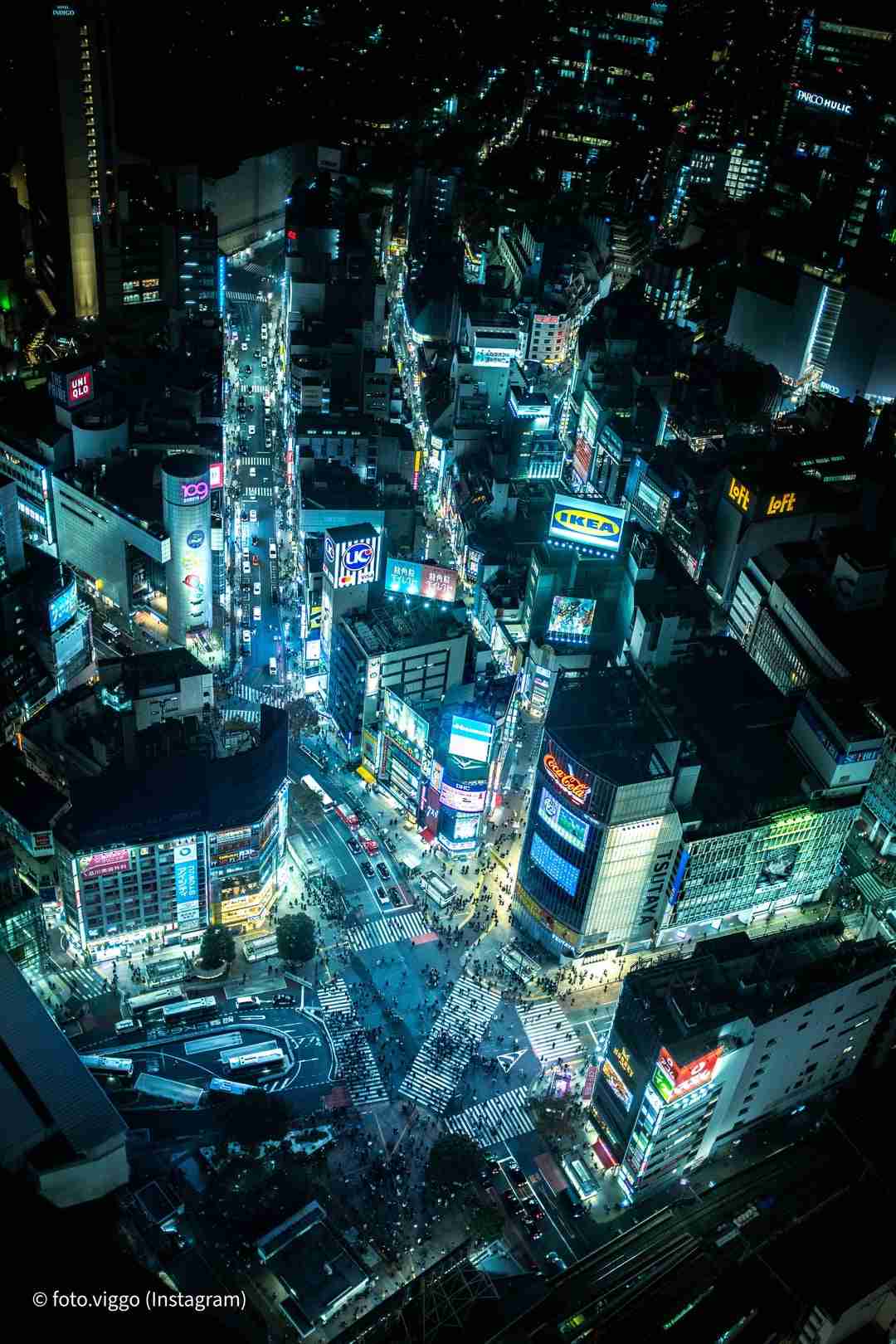
Let’s be honest Shibuya Crossing is, at its core, a very famous and very crazy pedestrian intersection. It’s a colossal crosswalk that connects not just 4 street corners but adds a massive diagonal path down the middle, creating near-infinite crossing possibilities. The spectacle of human flow here hundreds of people moving simultaneously in every direction is genuinely something, even if calling it one of Tokyo’s top unmissable experiences is a stretch once the novelty fades. What the crossing actually does brilliantly is set the tone for Shibuya itself: the energy of the evening here, the packed restaurants, and department stores like Tokyu Hands and Don Quijote (both with outlets across Tokyo, but especially good here) make the neighbourhood worth dedicating real time to beyond just the Metro and JR Stop at Shibuya Station.
For the best elevated perspective, skip the Starbucks at street level it’s low to the ground and always packed with people doing the same thing. Instead, head to Mag’s Park on the rooftop of the Magnet 109 building, where JPY 1500 gets you sweeping views from the observation deck alongside a drink. The L’Occitane Café building also has window seats that frame the intersection perfectly, and the Shibuya Mark City passageway offers a free, if imperfect, elevated look. From exit no. 8 (Hachiko Square) at Shibuya Station, it’s all within easy reach. While you’re there, pay respects to the Hachiko statue the legendary loyal pooch who became the city’s unofficial mascot of fidelity, waiting for his owner at this very station for years after the man had died. That story, somehow, hits harder than the overcrowded crossing ever will a genuine epic experience hidden in plain sight among the tourists and the pure chaos.
Meiji Shrine
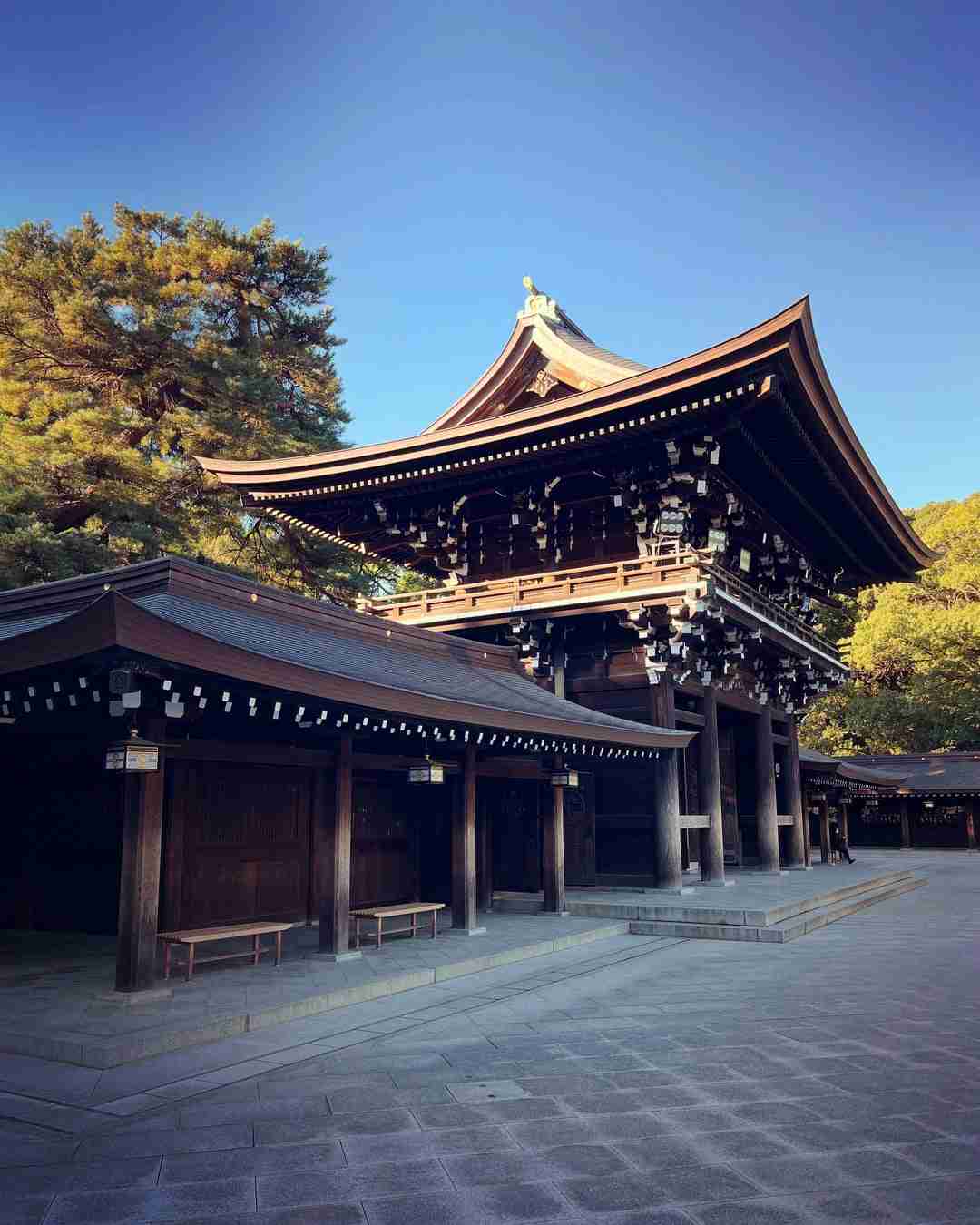
If I had to pick one place in Tokyo to return to every single visit, Meiji Shrine would win without hesitation and not just because it sits as a perfect cut-through between the Park Hyatt and Harajuku. The Shinto shrine complex dedicated to Emperor Meiji (1852–1912) and his wife Empress Shoken is the kind of serene spot that makes the surrounding city feel miles away the moment you step under Japan’s largest torii a gate crafted from 1,500-year-old Japanese hinoki cypress trees standing 39-ft (12-m) tall. The surrounding forest holds peaceful paths lined with torii gates, ema votive tablets hung on prayer boards sending prayers to the gods, and an iris garden that embodies the shrine’s entire philosophy of nature over spectacle. An hour of walking these paths on a weekend morning, watching people arrive in traditional dress for people watching, resets something in you that Tokyo’s pace tends to erode.
What elevates Meiji Shrine beyond a photogenic JR Stop in Harajuku is its role as a living cultural venue. The grounds host an impressive spread of cultural events throughout the year Noh, Kyogen drama, court dances, music performances, horseback archery, ice sculpture displays, and calligraphy shows all find their place here. Show up on a Saturday afternoon and you stand a genuine chance of witnessing a Shinto wedding formal in attire, strikingly beautiful in execution, and visually dazzling in a way that no amount of lush green forest photography can fully prepare you for. The exquisite Shinto architecture, the impressive main gate, and the sheer dedication this place carries make it a destination worth building the day around rather than treating as a footnote between train stops.
Imperial Palace
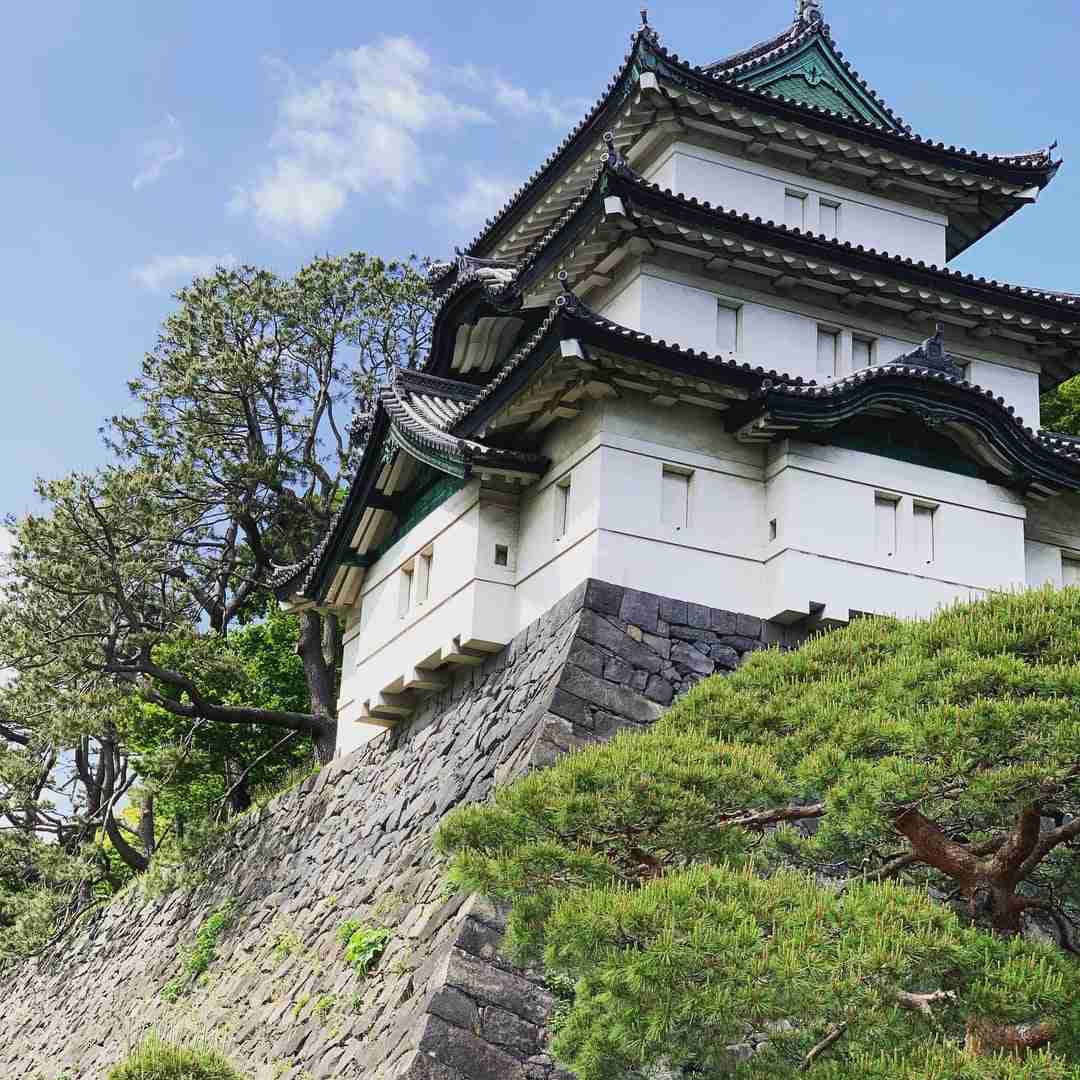
Standing in the heart of Tokyo, the Imperial Palace operates as a kind of contradictory landmark part Forbidden City, part public park, entirely impossible to fully access, and somehow more compelling for it. The expansive complex is home to the magnificent residence of the emperor, ringed by impassable moats, impenetrable stone walls, and fairy-tale bridges that suggest a world operating on entirely different rules from the city surrounding it. The Outer Gardens are freely open, and the walk out to Nijubashi Bridge the connecting point between the Outer and Inner Gardens gives you the full picture of this green oasis without needing a pass or a guide. The surrounding busy urban areas make the contrast especially striking: this is a massive garden dropped into one of the densest cities on earth, with towering zelkova trees, stone lanterns, elegant bridges, and swathes of flowers doing exactly what a green oasis should.
For deeper access, free guided tours of the Inner Grounds run at 10 am and 1:30 pm daily (closed Mondays and Sundays), taking 75 minutes through a portion of the otherwise off-limits interior. Tickets are free but limited reserve through the Imperial Household Agency’s website or try a walk-in at Kikyo-mon Gate, a roughly 10-minute walk from Tokyo Station. The East Garden operates 9 am–4 pm, also closed Mondays and Fridays. History runs deep here: the palace sits on the original Edo-jō site the Tokugawa shogunate’s castle and seat of power during the Edo period later transformed under Emperor Meiji into Japan’s modern capital. The National Museum of Modern Art inside the grounds holds over 12,000 works by both Japanese and Western artists, while the Imperial Palace East Gardens deliver the kind of composed beauty the public areas are quietly famous for. And on January 2nd and February 23rd (the emperor’s birthday), the imperial family appears on the balcony of the palace to wave to the public one of those rare moments that makes the grounds always open policy feel genuinely rewarding.
Tokyo Skytree
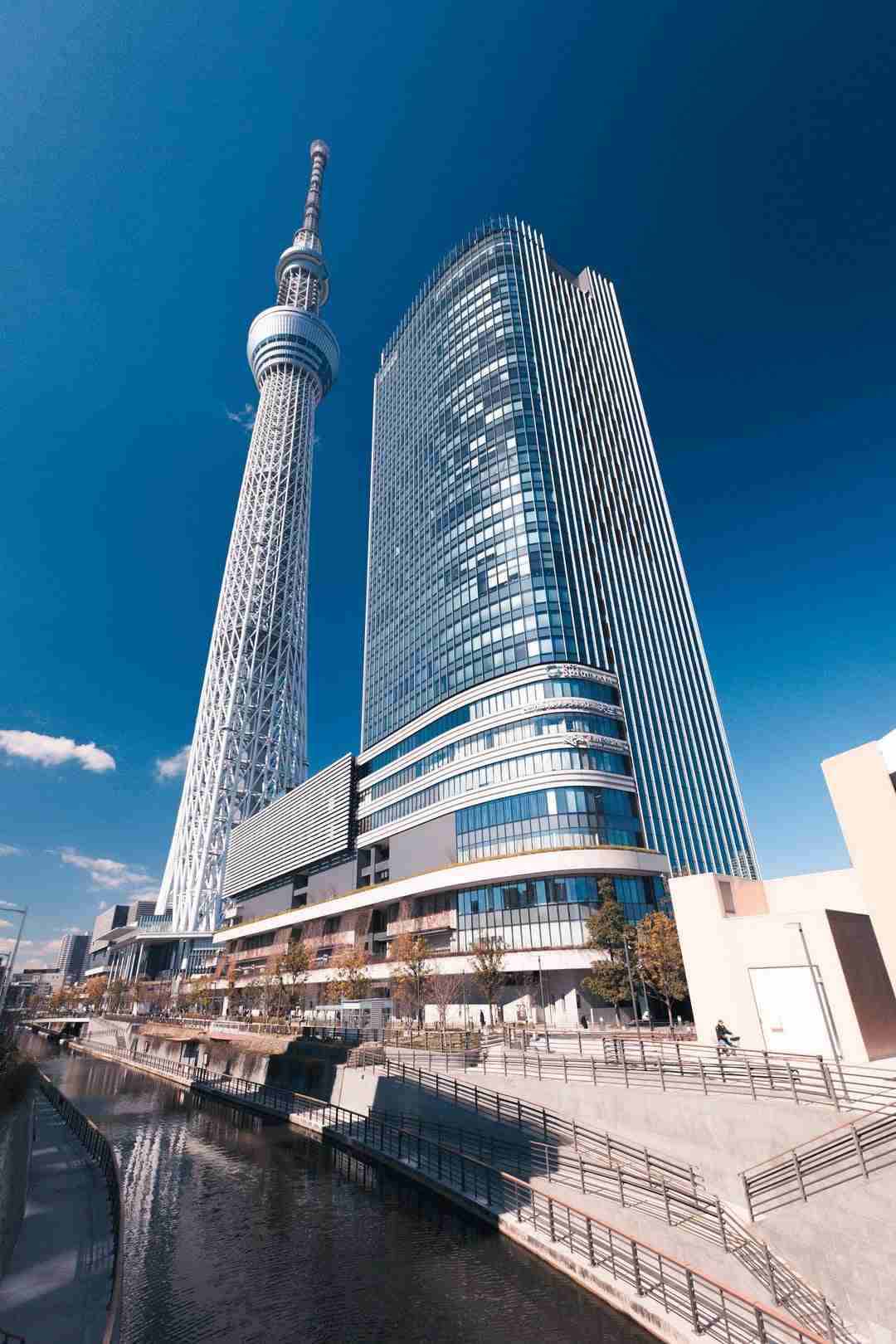
At 634 m (2,080 ft), the Tokyo Skytree isn’t just the tallest tower in the world it’s the kind of structure that genuinely makes you reconsider what panoramic means. The two observation decks come equipped with spiral staircases and a glass floor that will have certain visitors white-knuckling the edges while pretending otherwise (I was firmly in that group). From the upper platform, on a clear day, you can trace the Earth’s curves all the way to Mt. Fuji in the distance a surreal experience that makes the price of admission feel entirely reasonable. A restaurant and café sit within the structure, there are souvenirs on every level, and you can even send a postcard home stamped from the Skytree itself a detail that somehow feels more memorable than most things you’ll buy.
Getting here is straightforward train to Tokyo Skytree Station or the nearby Oshiage Station. Buy tickets at least a few days in advance via the official website (up to 30 days ahead) to avoid queues: JPY 2700 covers both decks, JPY 2100 handles the lower deck only, and same-day tickets run JPY 3100. The tower is open daily 10 am–9 pm, with last admission at 8 pm. At night, the Skytree cycles through three illumination colors blue, purple, and reddish-orange with occasional special lighting that makes the structure impossible to miss from across the city. For alternative high points, Tokyo Tower painted bright orange and white for international aviation safety remains an iconic structure in Tokyo’s skyline, while Mori Tower in Roppongi Hills offers its own brand of panoramic views. A boat trip down the Sumida River gives yet another angle on the Skytree as the world’s tallest freestanding tower, framed alongside the deliberately strange Asahi Beer Hall and the quirky architecture that lines the riverbanks.
Harajuku
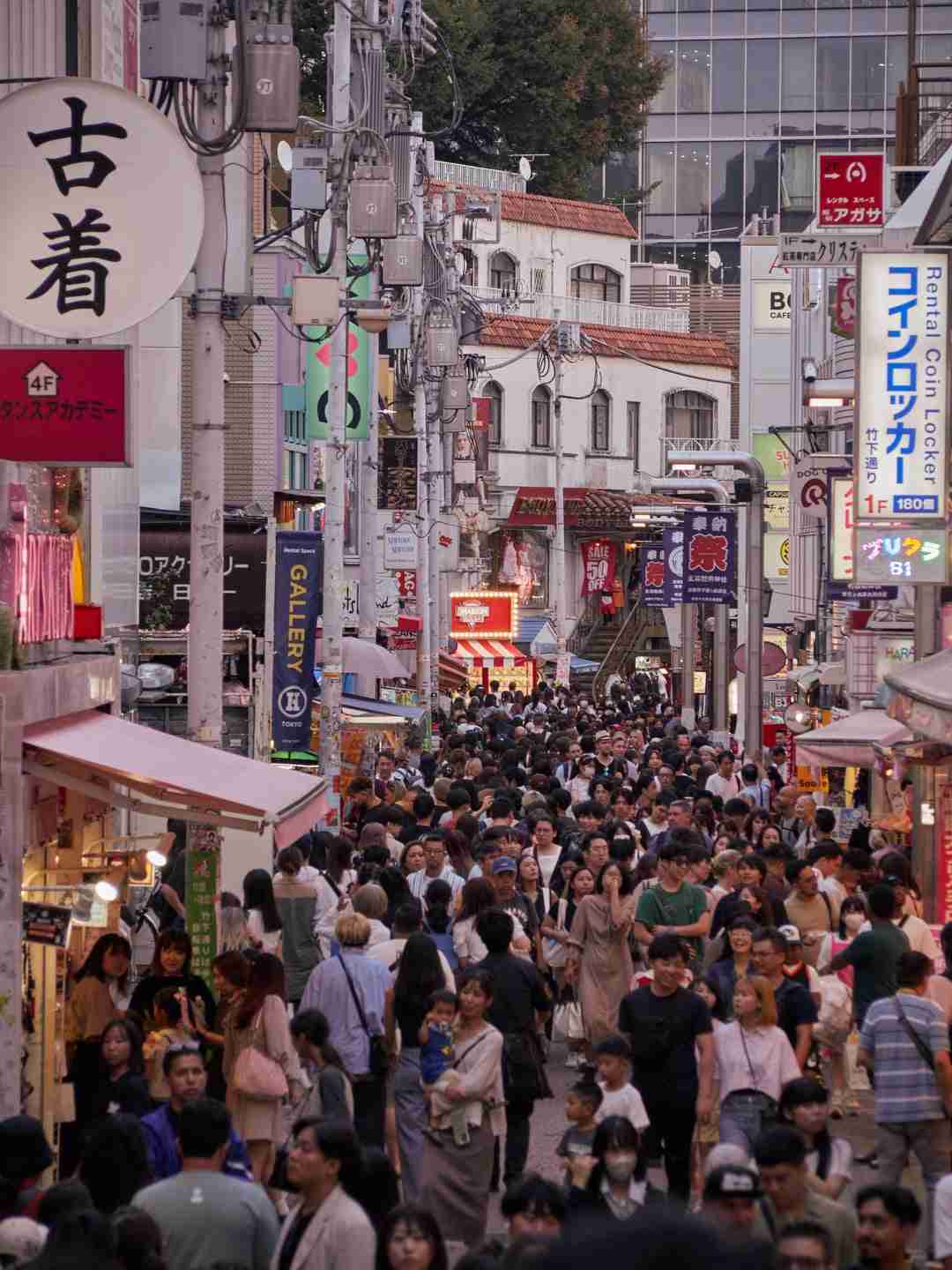
Harajuku earns its place on every serious Tokyo itinerary not for the obvious reasons but for what happens the moment you step off the main street past Kiddy Land and into the side streets. The real energy lives on Takeshita Street a compressed corridor of stores dedicated to Japanese cartoon characters, anime characters, animal cafes, and street food options that range from cotton candy towers to crepes piled with impossible toppings. The occasional Harajuku girl still makes an appearance, though the neighbourhood’s fashion identity has broadened well beyond what the term once described. Plan your visit around nights or weekends when the busy atmosphere peaks, and build in time for lunch at the Kawaii Monster Cafe colorful, fun, and exactly as chaotic as the neighbourhood deserves. JR Stop: Harajuku. Even an hour of wandering here leaves you with a clearer picture of what contemporary Tokyo youth culture actually looks like unfiltered, unselfconscious, and genuinely unlike anywhere else.
Mori Digital Art Museum: Teamlab Borderless
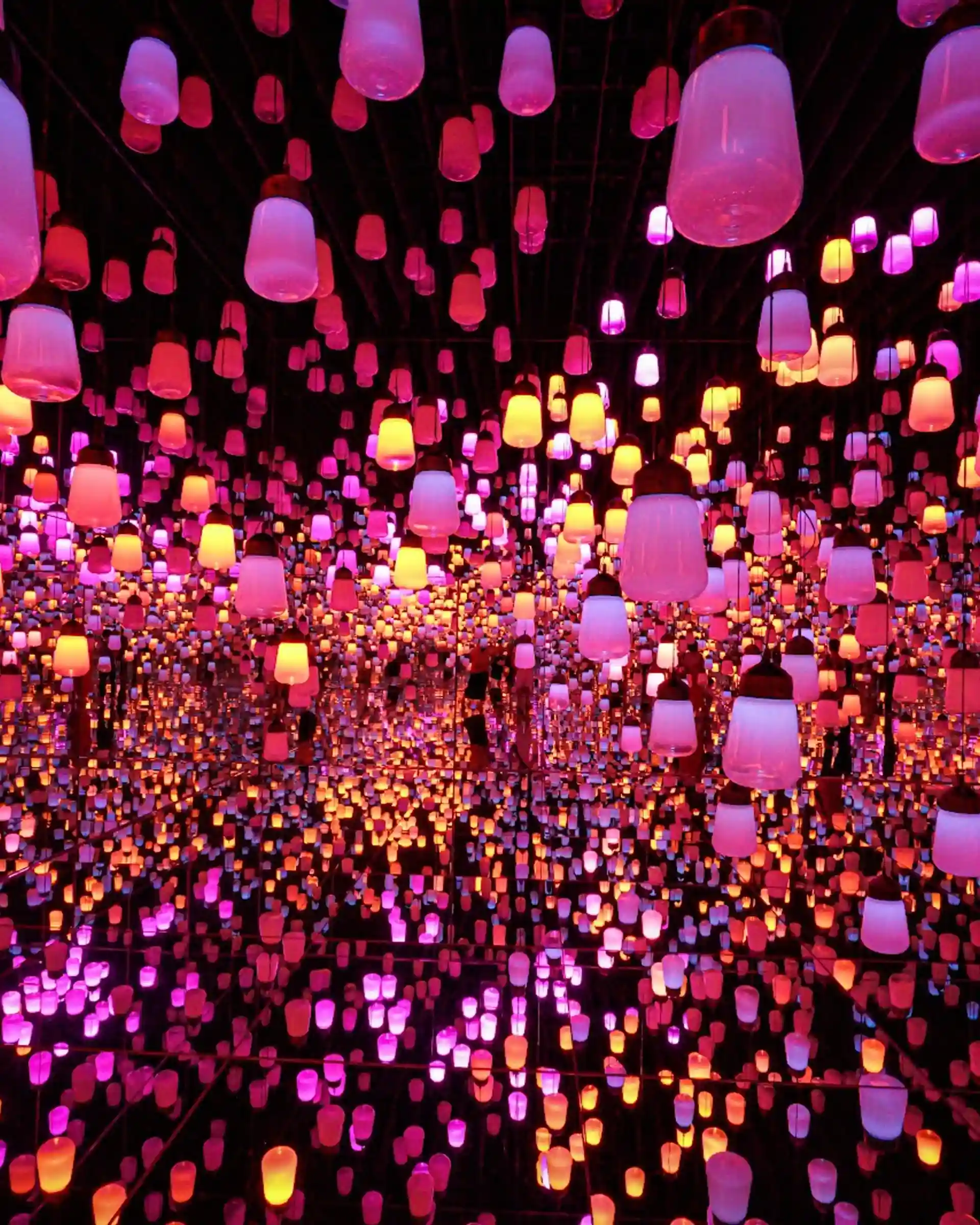
Teamlab Borderless is the most consistently impressive digital museum I’ve encountered anywhere and I say that as someone who approaches immersive art experiences with a healthy degree of scepticism. Reached via Aomi Station (Yurikamome Line) or Tokyo Teleport Station (Rinkai Line), this installation in Odaiba earns the commute. Buy tickets well in advance and bring a proper camera your phone will work but will not do justice to what’s happening. The interactive digital art here responds to your presence: touch a Japanese character on a wall and the graphics cascading down it shift entirely. Sit still and watch digital water move around you. The light rooms and crystal rooms create the kind of disorientation that makes you lose track of time entirely. Wait in line for the more popular installations it’s worth it without exception.
Shinjuku Gyoen National Garden
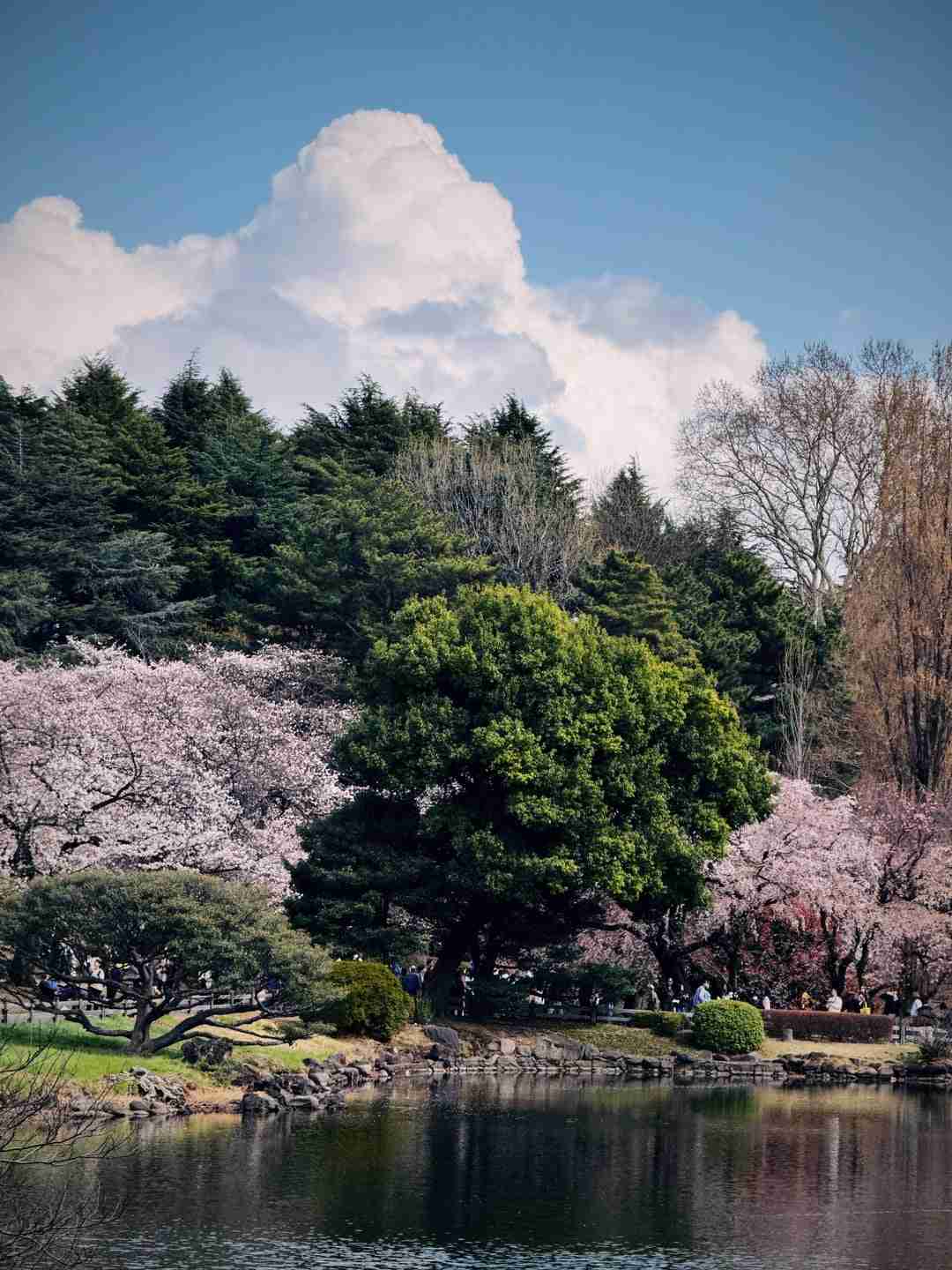
The Shinjuku Gyoen National Garden is consistently underrated relative to how good it actually is sitting comfortably as a second favourite nature spot in Tokyo for anyone who’s already ticked off Meiji Shrine. Access it from Metro Stop Shinjuku-gyoemmae and give yourself a full afternoon to genuinely explore rather than just pass through. The river, the tree-lined paths, and the sequence of bridges (each one a legitimate photo stop) give the garden a rhythm that rewards slow movement. When the cherry blossoms hit, the place transforms into something genuinely beautiful in a way that earns all the seasonal hype. Don’t leave without seeing the Tea House and the quietly elegant Taiwan Pavilion both easy to miss if you’re not looking for them.
Tsukiji Market
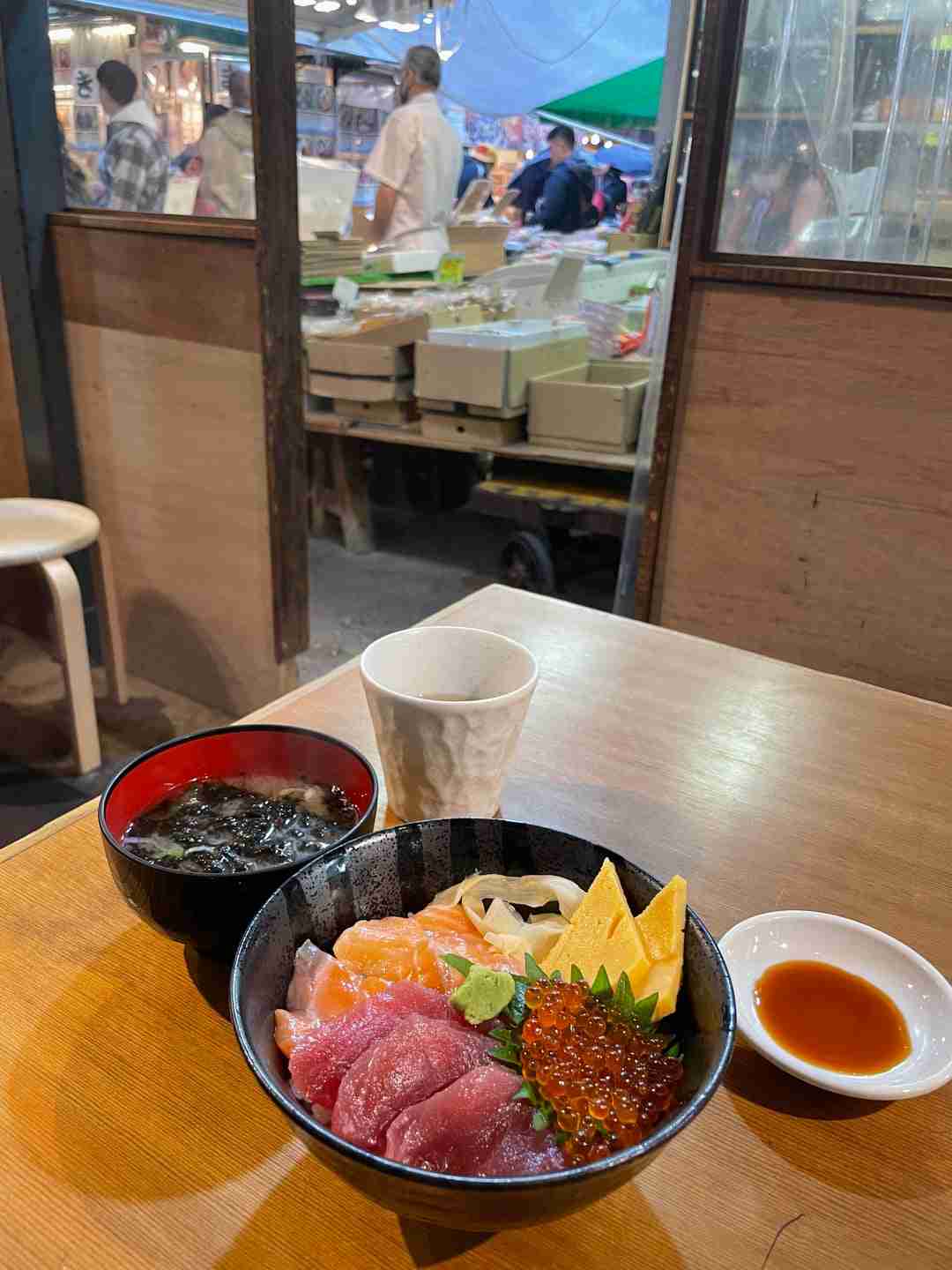
Tsukiji Market specifically the outer market remains one of the most honest lunch spots not just in Tokyo but arguably anywhere. The inner market relocated 2km away to Toyosu back in 2018, taking the world-famous daily tuna auction with it after more than 80 years on this site. But the outer market stayed, and with it the markets, sushi stands, and vendors who’ve been running the same stalls for generations. Getting here is a short trip from Metro Stop Tsukiji, and the best strategy is to arrive hungry with no particular agenda. The sushi eaten standing on the street in Tokyo’s central fish market neighbourhood hits differently than anything you’ll order sitting down fresher, more direct, and about as close to the source as you can reasonably get without joining an auction.
The Arcades of Ikebukuro
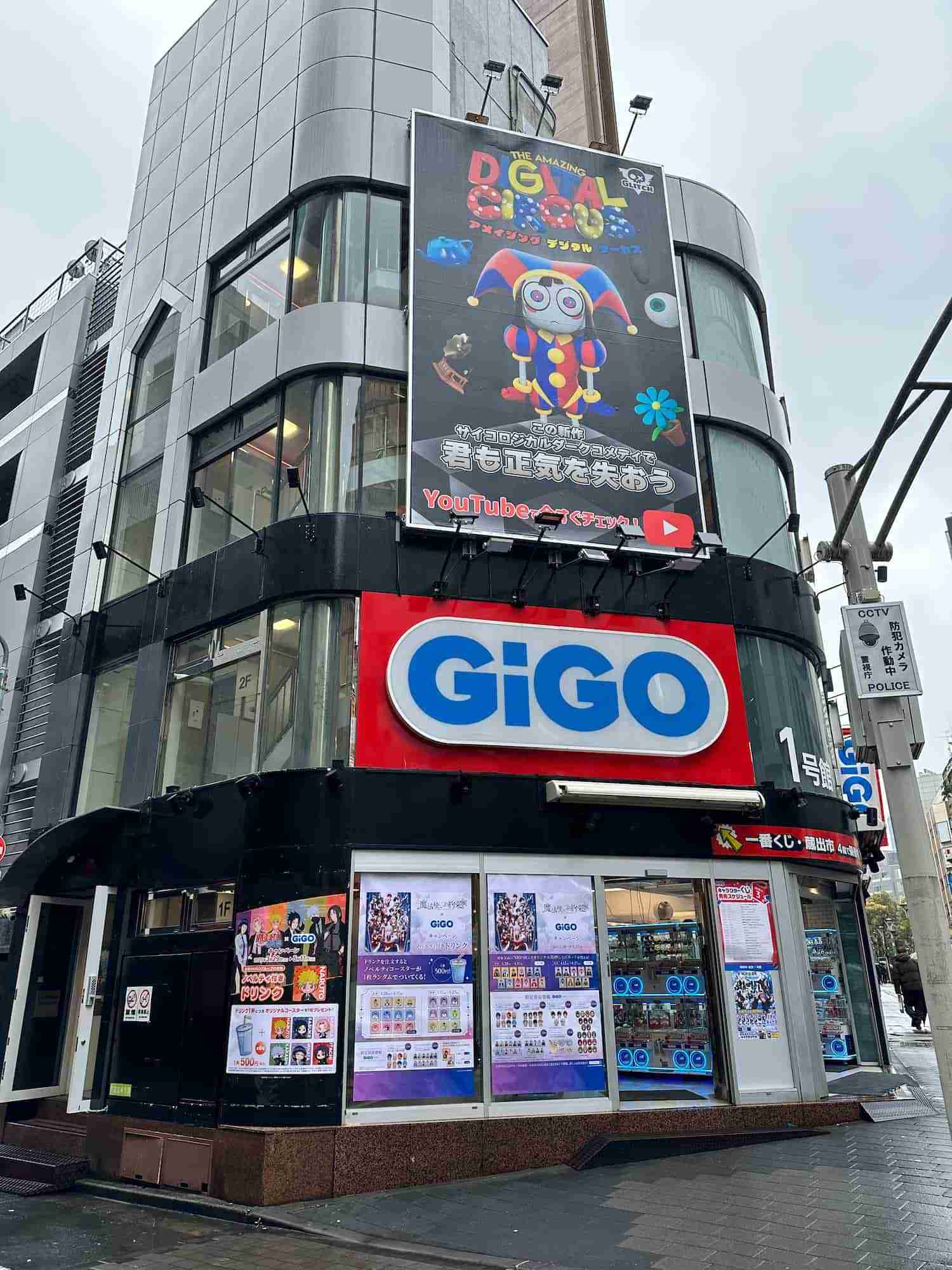
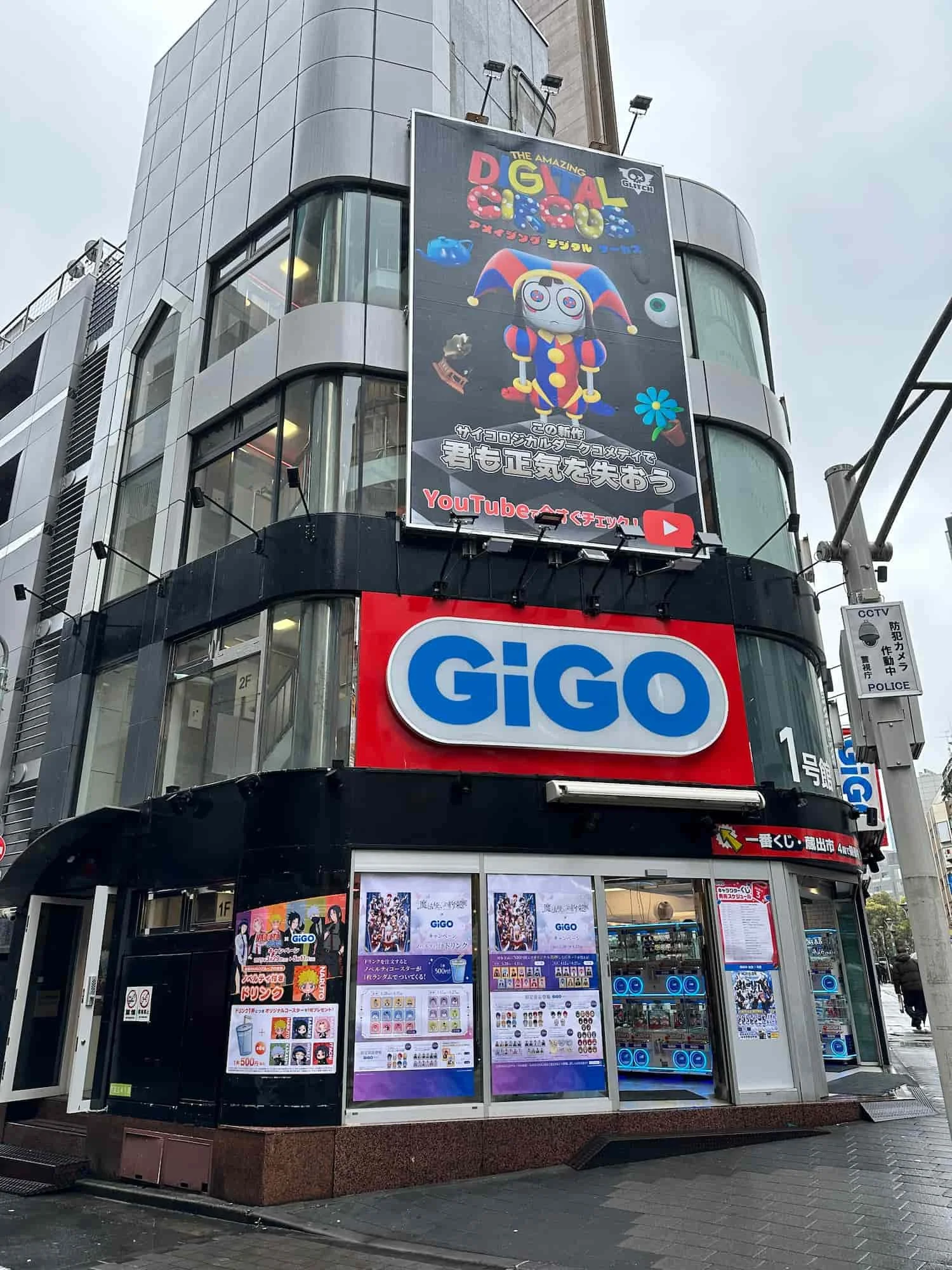
Ikebukuro is where Tokyo’s gaming side shows itself most completely a Metro and JR Stop that delivers you into a neighbourhood of multi-level arcades, animal cafes, restaurants, and department stores packed with things you didn’t know you needed until you were holding them. The arcades are the undisputed highlight: claw machines loaded with prizes nobody can quite explain, image-changing dress-up photo booths that have been a Tokyo staple for decades, and video games so physically active they constitute a workout. The real entertainment, though, is free stand and watch the players. There’s a specific intensity to the way people engage with these machines that tells you more about Tokyo’s approach to leisure than any guidebook paragraph can. Fun, no entry fee, and genuinely memorable: Ikebukuro works.
Nezu Museum
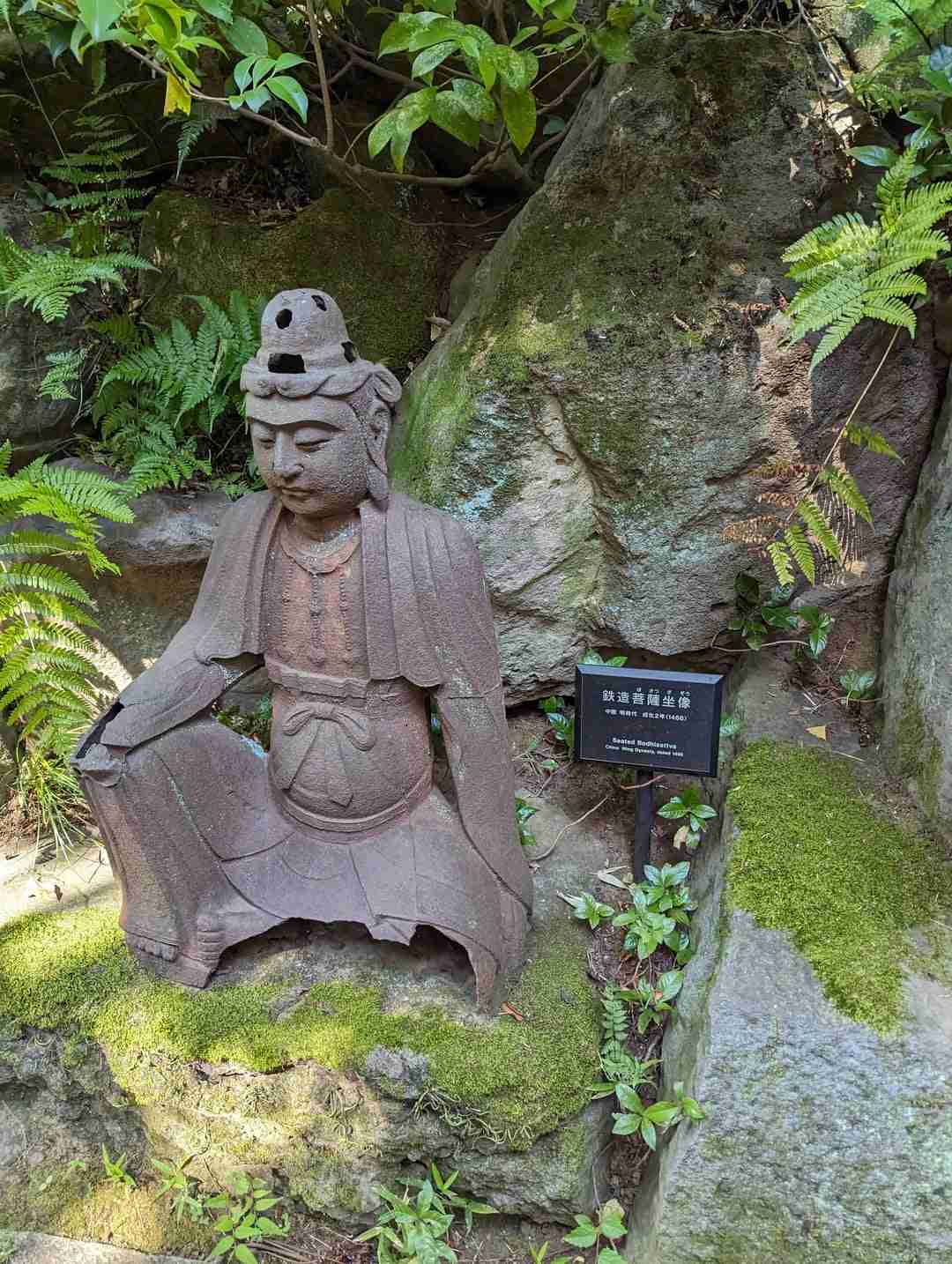
The Nezu Museum operates in deliberate contrast to everything loud about Tokyo a combination of refined Japanese architecture, a serious collection of Japanese antiquities and art, and gorgeous gardens that reward the kind of slow afternoon that big-ticket attractions rarely allow. Located a short walk from Metro Stop Omotesandō, it offers a few hours of genuine quiet in a city that rarely provides it. The gardens are the personal highlight for most visitors: a central pond, four tea houses positioned at intervals around the grounds, and a bamboo grove that filters light in the particular way bamboo always seems to in Japan theatrical without trying to be. If the craziness of Harajuku is already on your itinerary (Omotesandō sits between the two), folding in the Nezu makes the day feel balanced in exactly the right way.
Park Hyatt Tokyo
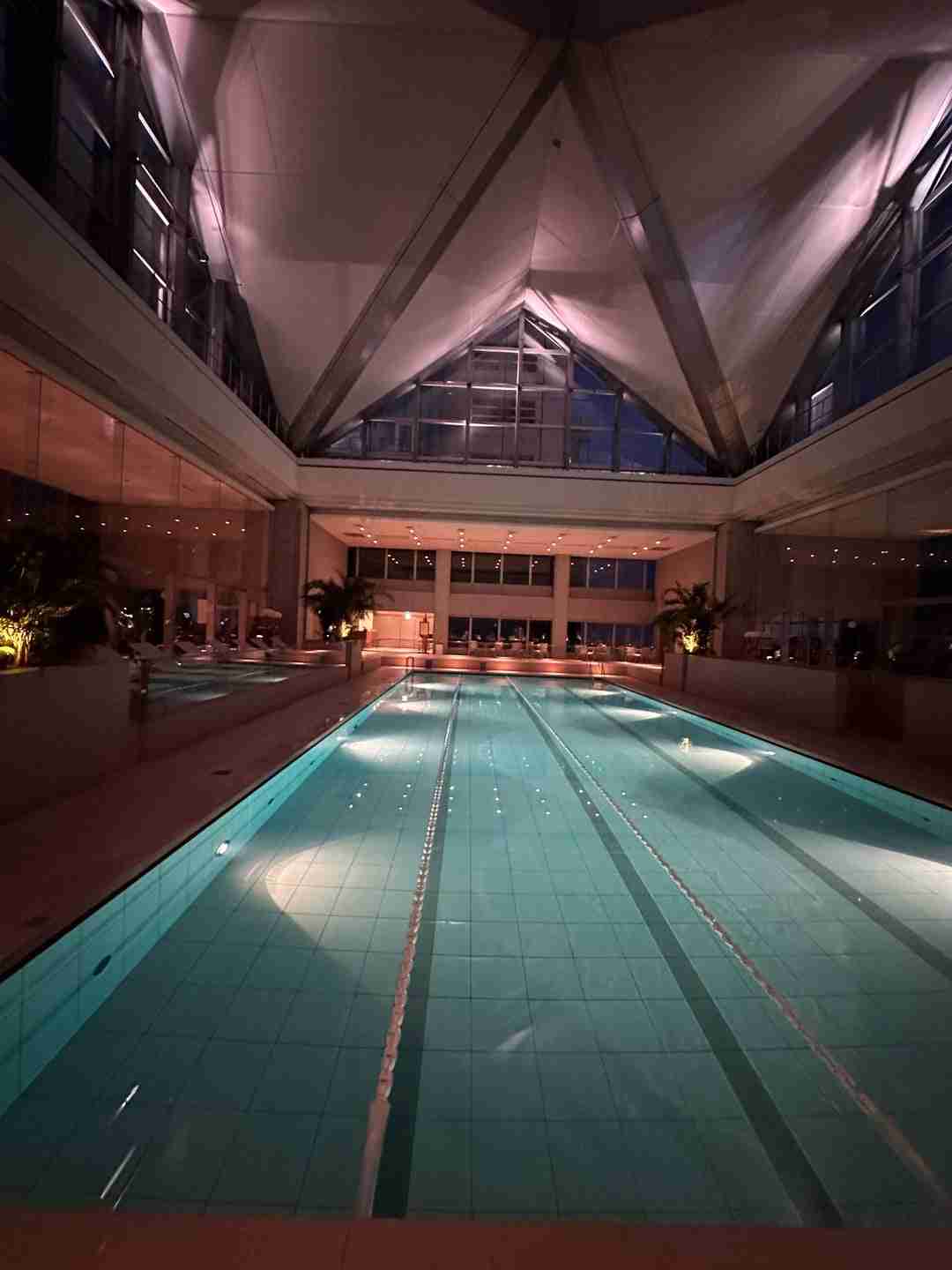
The Park Hyatt Tokyo needs almost no introduction for a certain type of traveller it’s the hotel that Lost in Translation made permanent in the cultural imagination, and the New York Bar where the film’s bar scenes were shot remains exactly as atmospheric as the movie suggests. Located at the Metro and JR Stop of Shinjuku, the property sits on the 39th–52nd floors of a Shinjuku skyscraper, with the lobby on the 41st floor offering a view that justifies a visit whether you’re a paying guest or not. The service, breakfasts, and pool are genuinely exceptional the kind of budget conversation that ends with “worth it” for the right occasion. After a major renovation, it’s reopening in late 2025, which for anyone planning ahead makes this a particularly good moment to consider it seriously for the first time or revisit it with fresh eyes.
Ghibli Museum
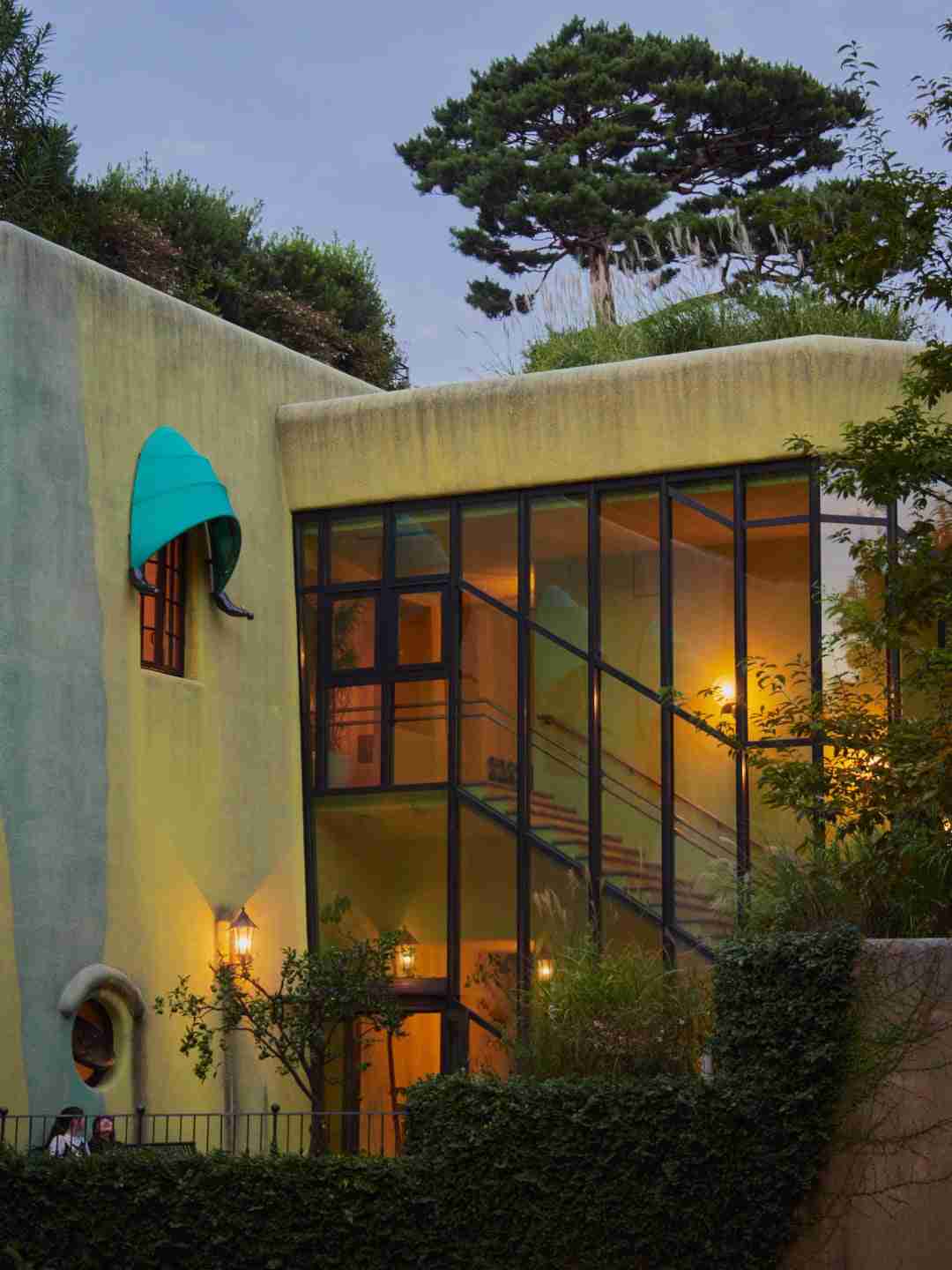
The Ghibli Museum in Mitaka west of Tokyo city center is the kind of place that makes even the most committed non-anime fan reconsider their position entirely. Built as an extension of Studio Ghibli’s visual philosophy, the museum is colorful, cutesy, and structured to feel like stepping into a Miyazaki film: whimsical, genuinely unexpected, and quietly captivating at every turn. The building itself sets the mood from the outside stained-glass windows, a rooftop featuring Laputa, and a human-sized Totoro standing at the ticket counter with a slightly creepy straight face while everyone else nearby is smiling. Inside, 3 floors of exhibits show how iconic Ghibli films are made, and the museum-exclusive short film not available anywhere else is reason enough alone to make the trip. No photos are allowed inside, which somehow makes the experience feel more real. Plan on 1.5 hours and leave time for the café, which is better than it needs to be.
Tickets require real planning: they sell online for a specific date and time, released on the 10th of each month for the following month, and sell out within hours. You can buy up to 6 tickets at once have your credit card ready and your reservation email saved before you travel. Getting there by train means taking the JR Chuo Line to JR Mitaka Station (20 minutes from JR Shinjuku Station), then a 15-minute walk from the south exit. The museum is open daily 10 am–6 pm, with adult tickets at JPY 1000 one of the better value-to-experience ratios in Tokyo. The universal language of wonder sounds like a cliché until you’re standing in the middle of it, genuinely unsure which floor to explore next.
Karaoke Bar
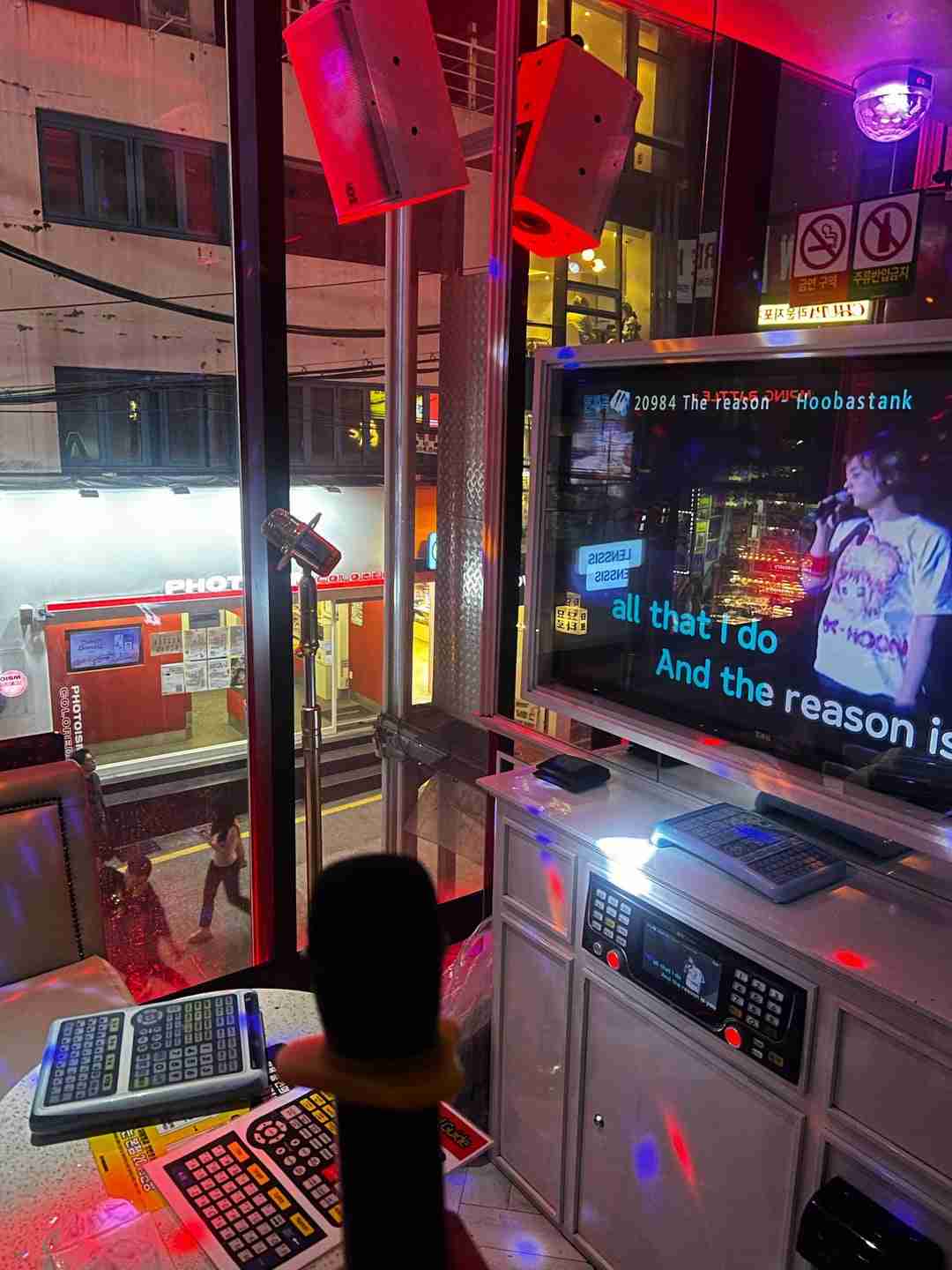
Karaoke in Tokyo is not background entertainment it is the experience. Picture a 7-floor building where every floor is a corridor of tiny karaoke rooms, every one of them PACKED with people absolutely convinced they’re belting better than they actually are (they are not and neither was I, despite what the rap section briefly led me to believe). This is Japan at its most joyfully unself-conscious, and skipping it means leaving Tokyo having missed something genuinely irreplaceable. The mechanics are simple: arrive at reception, request a karaoke booth for however many people you have, pay by the half-hour or hour roughly JPY 1000 per person on weekdays, up to JPY 2000 on weekends and evenings. Ordering drinks and food is standard practice (sometimes mandatory), paid separately on checkout. Some venues even offer costumes to borrow for an extra confidence boost that, honestly, most people don’t need after the first song. The most reliable chains across the city are KaraokeKan, Big Echo, Shidax, and Uta Hiroba all offer a crazy experience worth every yen of the must-try price of admission.
Tokyo DisneySea
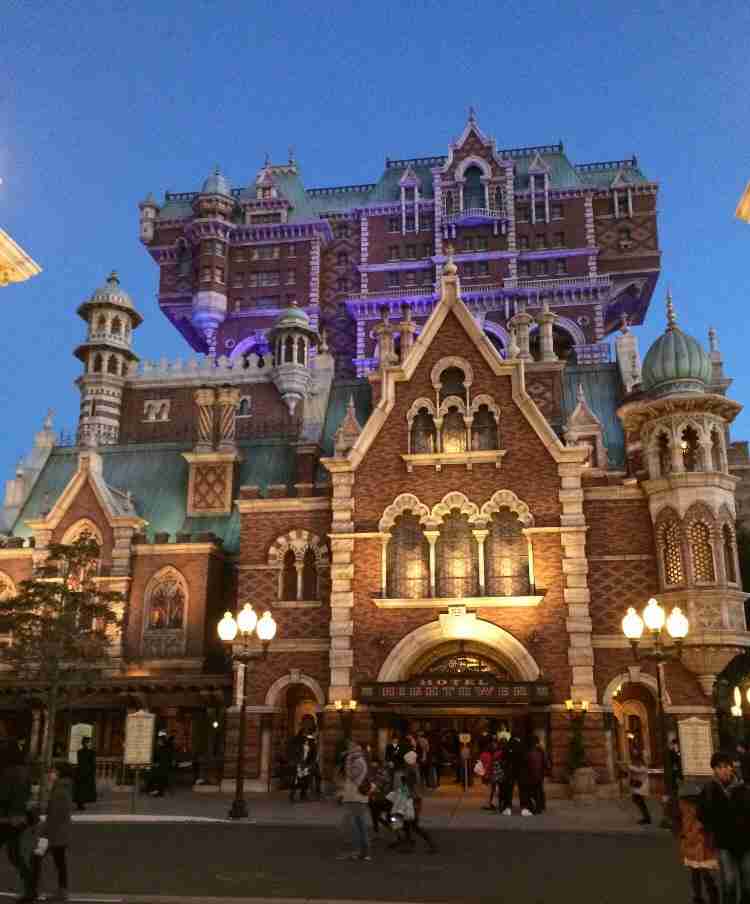
Tokyo DisneySea holds a legitimate claim to being the best theme park on the planet and the fact that it’s the only one of its kind globally makes the argument hard to challenge. Unlike Disneyland Tokyo, which delivers the classic Disney experience complete with castles, princesses, and all the Mickey Mouse a person could handle, DisneySea pitches itself as the older cousin a little more mature, significantly more obsessed with water, and genuinely surprising in its design ambition. At USD 4 billion, it remains the most expensive theme park ever built, and the harbor with its working steamboat, the Arabian Coast, the genuinely terrifying Tower of Terror, and the atmospheric Journey to the Center of the Earth (complete with dark tunnels and monster exhibits that make you forget you’re in a sci-fi adventure ride) all justify that number. Even stranger corners like Fortress Exploration and the inexplicably placed Venetian Village add to the sense that this park was designed by people with unusually broad reference points part Renaissance fair, part world’s fair, part Disney magic.
DisneySea can absolutely be done in a day arrive early, invest in priority passes once you see the queues, or splash on a timed entry to sidestep the crowds entirely. A 1-Day Passport runs on dynamic pricing between JPY 8900–JPY 10900 (USD 60–75), with the park open daily 9 am–9 pm (minor seasonal variation). The thrilling rides, stunning scenery, and the way Disney’s characteristic ability to turn staff into perpetually smiling, endlessly waving enthusiasts translates here make the whole day feel like genuine value. It’s Disney, but not and that distinction is exactly what makes it worth the trip from central Tokyo.
Akihabara
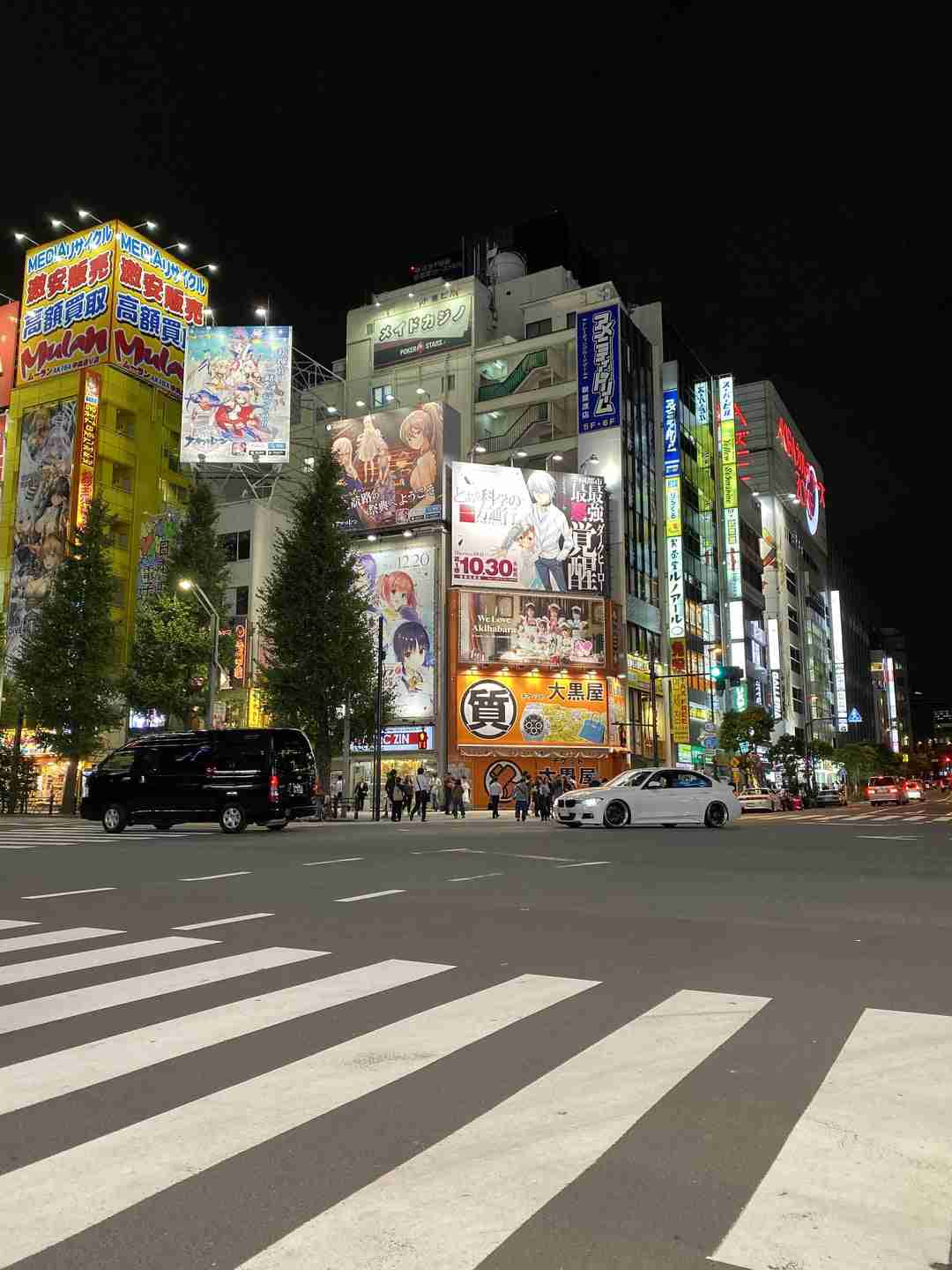
Akihabara is Tokyo’s geek heaven a district where neon lights and billboards replace conventional architecture, where the sensory overload starts before you’ve left the station, and where your wallet will either be tested or vindicated depending on how you feel about tech gadgets and rare collectibles. This is the neighbourhood where you might genuinely see a grown man in a Pikachu outfit at 11am on a Tuesday, and nobody around him will think twice. The Maid Cafes are the most discussed and arguably most polarising element waitresses dressed like maids who greet customers in deliberately annoying voices, provide overly friendly, servant-like service, draw cute pictures on your food, and occasionally break into song and dance. Open around 11 am–10 pm, most charge a table fee of JPY 500–800 with food and drinks extra. They are exactly what they sound like and not for everyone.
The Pachinko bars or pachinko houses are a different kind of Tokyo institution entirely. Technically, gambling is prohibited in Japan, but pachinko navigates this through an elaborate loophole: you play for metal balls (the name comes from the pachi pachi sound they make), then leave the premises and exchange those balls for cash at a separate building nearby. The result is the loudest experience in a city that doesn’t lack for volume walls of machines generating overlapping music, sounds, and flashing lights that produce a headache within minutes for the uninitiated. Open 10 am–11 pm, and worth at least five minutes of observation even if you never intend to play. Akihabara as a whole sits firmly in the “been there, done that” category but the category it occupies is uniquely, irreplaceably Tokyo.
Day Trip: Nikko
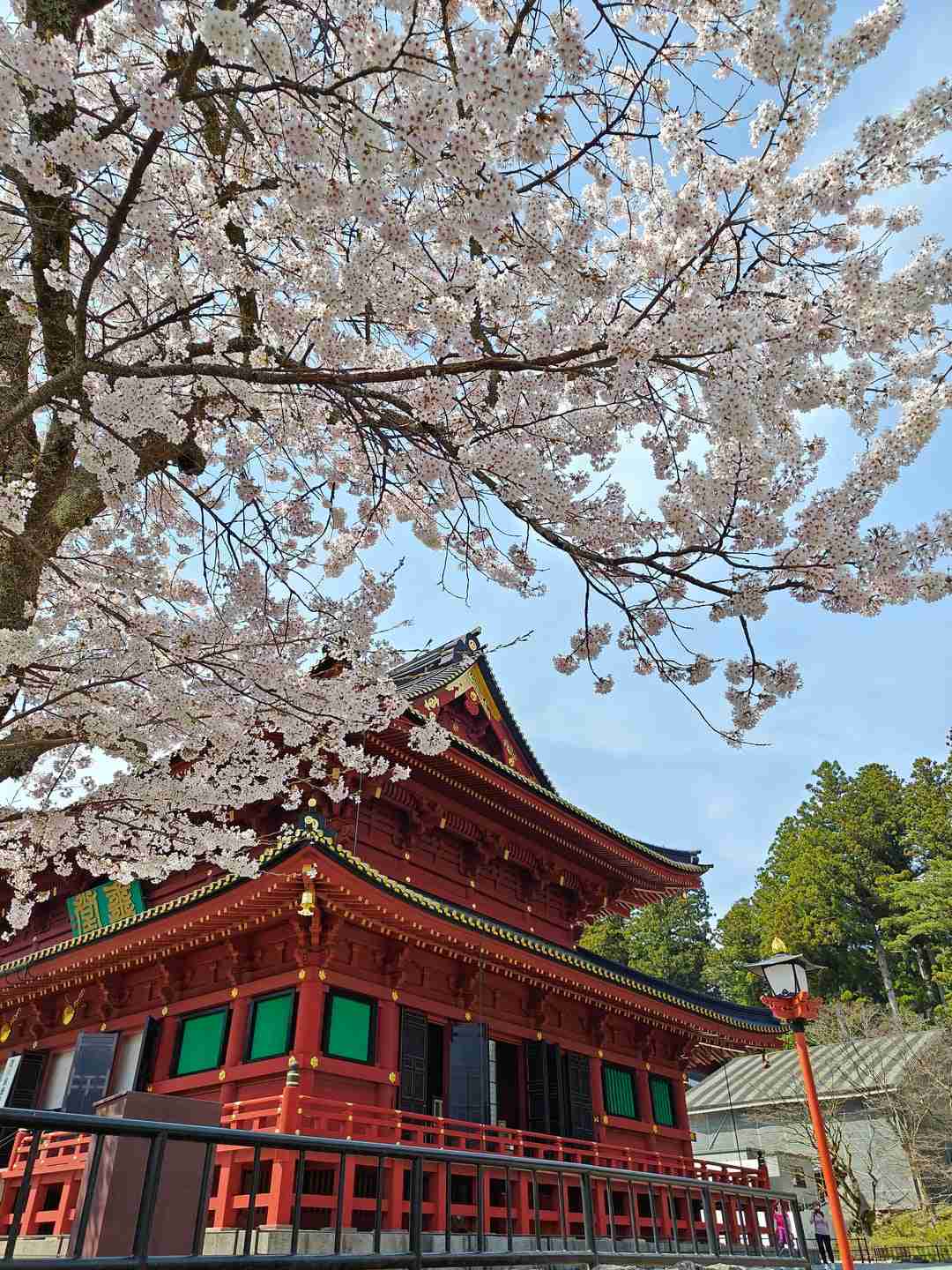
Nikko ended up being the single best place I visited on my entire Japan trip and the fact that it works as a day trip from Tokyo (just a 2-hour drive or train trip from Tokyo city center) makes it something of a secret weapon for anyone building a wider itinerary. The town is a postcard come to life: the majestic Toshogu Shrine sits surrounded by forest that turns extraordinary in autumn, Lake Chuzenji holds the kind of stillness that makes you slow down instinctively, Kegon Falls drops with the kind of drama that earns its reputation, and quieter spots like Yudaki Falls and the Imperial Villa deliver the serenity that views from a platform never quite capture. The traffic on the approach can be a genuine nightmare build in time but no amount of delays managed to diminish the place.
Practically, Toshogu Shrine runs 8 am–5 pm at JPY 1300, the Kegon Falls Observation Deck elevator costs JPY 570 for the same hours, and Lake Chuzenji boat cruises operate Spring through Autumn at JPY 1500. I’d give Nikko 2 full days if the itinerary allows but if a single day trip is all you have, take it without hesitation.
Day Trip: Kamakura
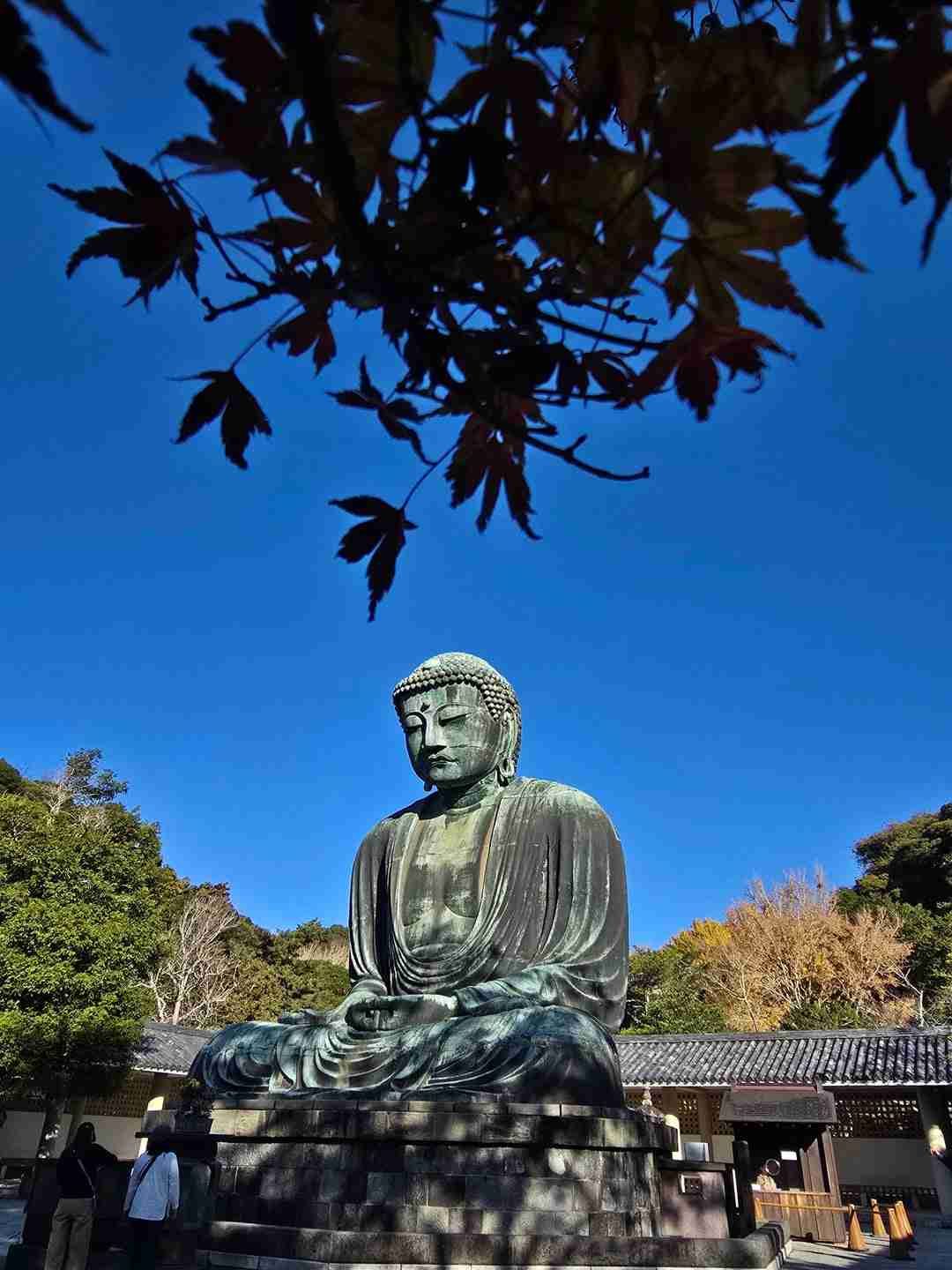
Kamakura operates at a frequency entirely different from Tokyo a coastal town where ancient temples and beach energy coexist in a way that feels almost accidental. The Great Buddha at Kotoku-in Temple is the obvious headliner, a massive outdoor statue that survived a tsunami and radiates the kind of spiritual tranquility that makes the journey from central Tokyo (about 1.5 hours by train or car) feel well spent. But the laid-back atmosphere of the town itself is the real draw Hasedera Temple set against lush greenery and beaches, the bamboo groves of Hokokuji offering a quieter, less-photographed alternative to Arashiyama Bamboo Forest, and a general chill vibe that sits closer to surfer dude than to anything approaching obnoxious hippie town territory. This is the places to visit near Tokyo answer for anyone who needs to decompose after a few days of historical depth and urban intensity.
Costs are reasonable: Kotoku-in (Great Buddha) 8 am–5:30 pm at JPY 300, Hasedera Temple 8 am–5 pm at JPY 400, and Hokokuji Bamboo Grove 9 am–4 pm at JPY 300. The seaside relaxation here is genuinely restorative stepping back in time sounds like a travel cliché until Kamakura makes it feel like a precise description.
Day Trip: Hakone and Mt. Fuji
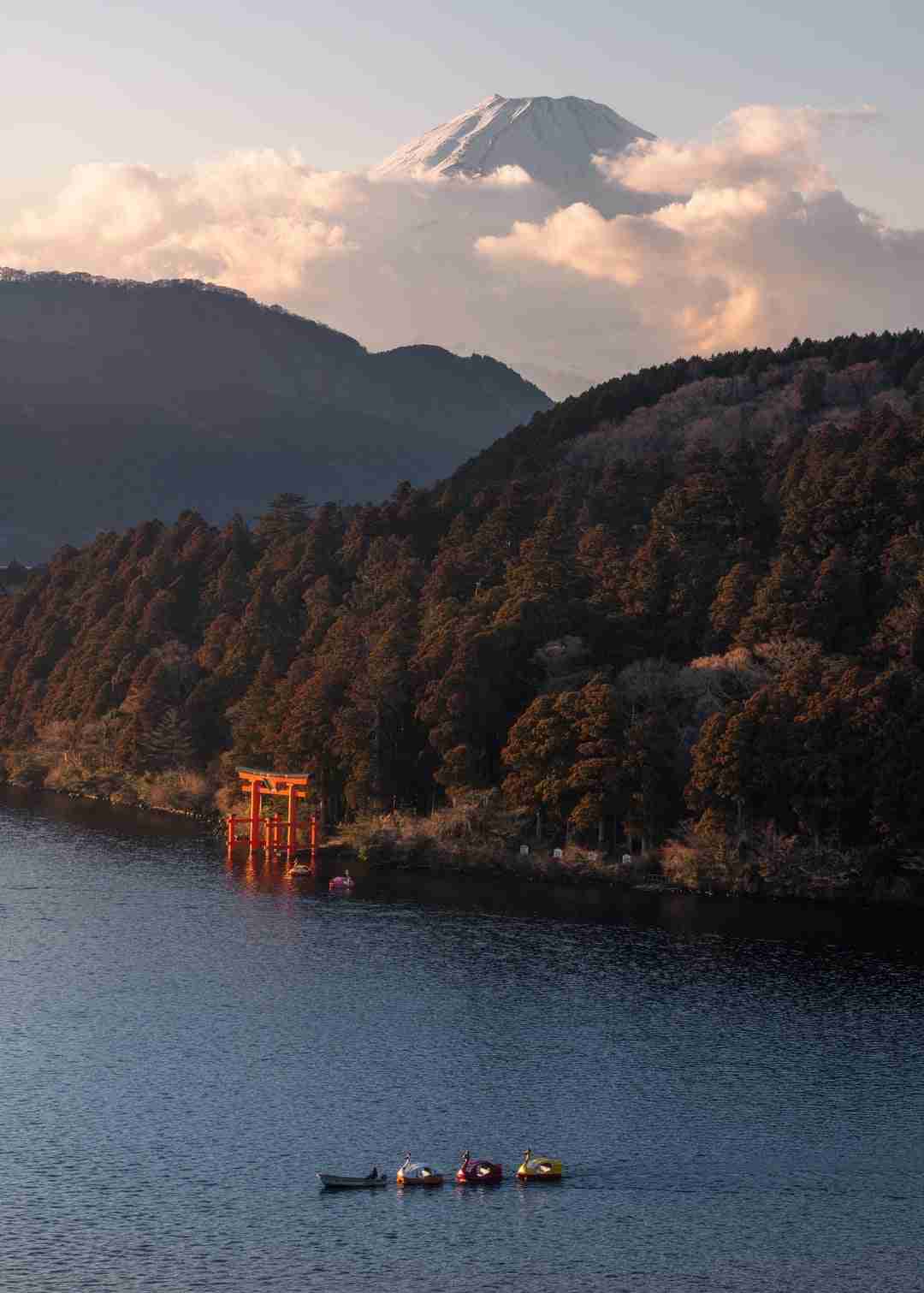
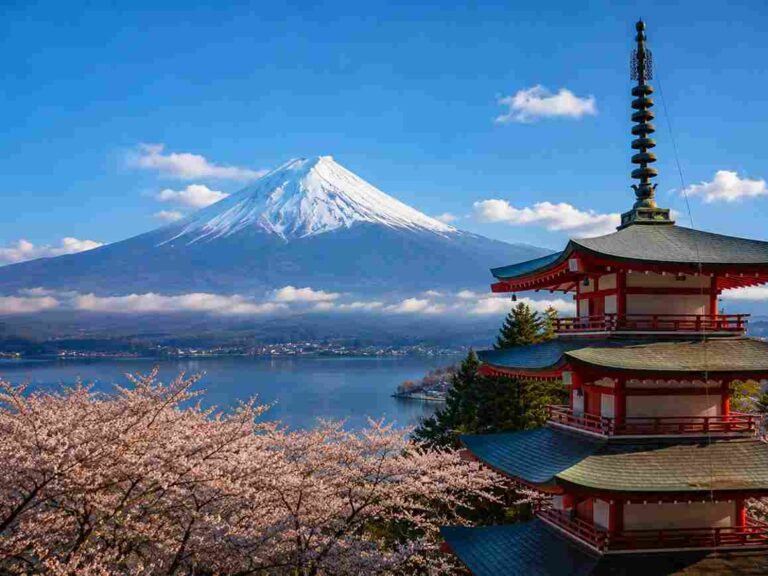
Mt. Fuji as a day trip from Tokyo is absolutely doable leave early, drive the 1.5 hours to Hakone from central Tokyo (or take 2 hours by train with at least one transfer), and you have enough time to do it properly. The Hakone area itself offers natural beauty at a level that makes the detour worthwhile independent of Fuji: the Owakudani valley with its steaming volcanic conditions and super volcano atmosphere, Lake Ashi with its pirate ship cruises at JPY 1,800 round-trip, and the Chureito Pagoda viewpoint at Arakurayama Sengen Park (always open, free entry) that iconic red pagoda with Fuji in the backdrop that appears in what feels like every Japan travel photo ever taken. For the best actual views of Mt. Fuji, the 1-hour hike along the purple trail at Mt. Mitsutoge consistently outperforms the more famous spots when conditions are right.
For hikes and natural exploration, Owakudani Valley runs 9 am–4 pm with free entry (subject to volcanic conditions), while Hakone Shrine is always open and free. The combination of mountains, volcanic landscapes, hot springs culture in the town itself, and on a clear day the kind of unforgettable Fuji view that makes every early alarm worthwhile Hakone justifies either a hard day trip or, ideally, an overnight that the itinerary probably deserves.
Sumida River
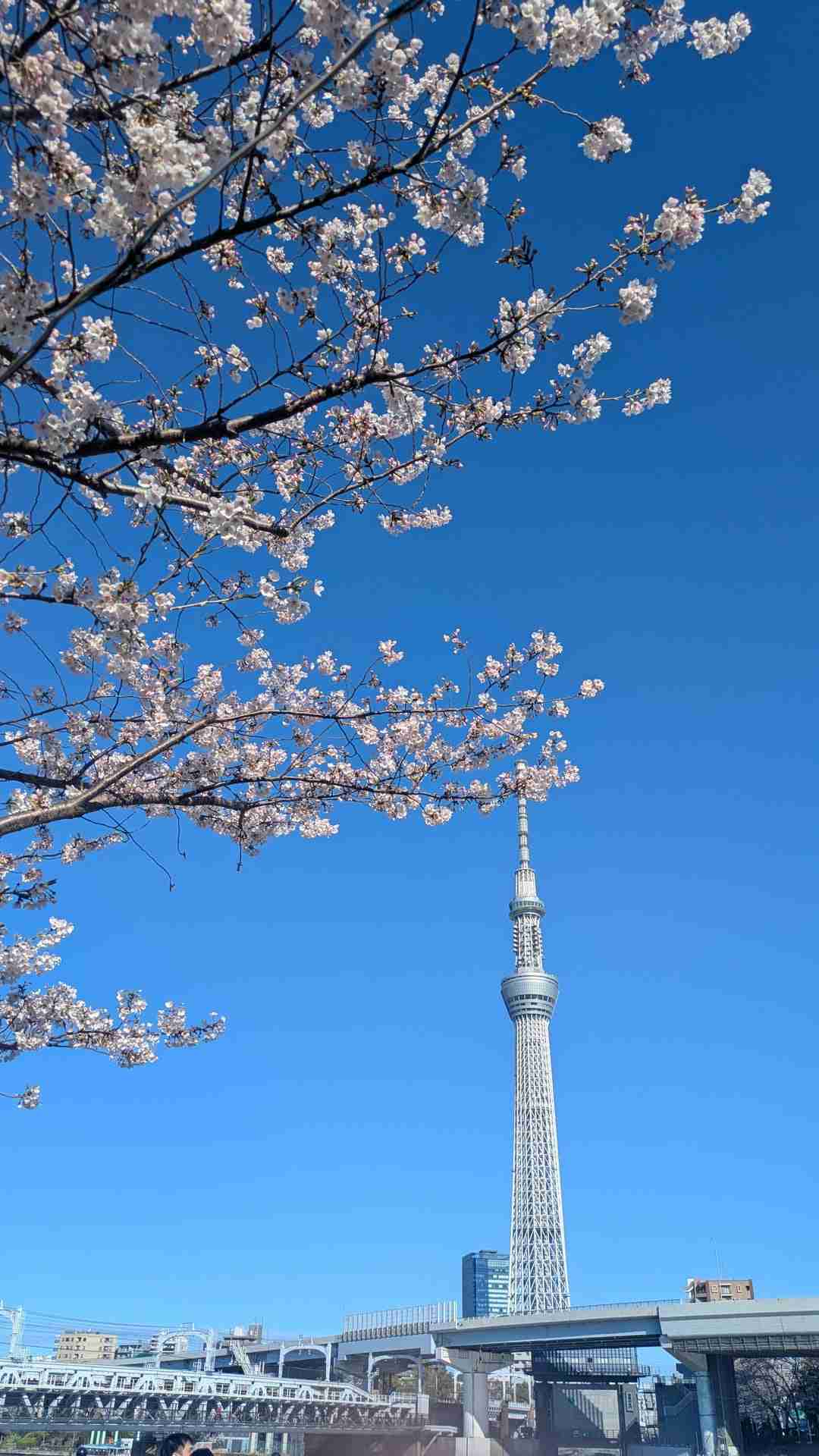
The Sumida River functions as Tokyo’s main waterway and one of the city’s quieter pleasures a symbol of the place that predates almost every landmark people come to photograph. A boat trip along the river gives you a moving frame for Tokyo’s more quirky architecture: the Tokyo Skytree appearing as the world’s tallest freestanding tower from the water has a different quality than any ground-level view, and the Asahi Beer Hall above Azuma Bridge a striking black building designed as an inverted pyramid with a golden rooftop installation called the Flamme d’Or is the kind of thing that makes futuristic Tokyo feel genuinely playful rather than just ambitious. The river is also lined with pretty gardens and ancient temples, crossed by iconic bridges including the lantern-lit Komagata and the bright-blue Kiyosu, with older structures whose stone stanchions and wrought-iron lanterns provide continuity in a city that doesn’t always prioritise it. For the perfect panorama without a ticket or a queue, Eitai Bridge delivers sweeping scenic river views that hold up against far more celebrated Tokyo vantage points. The ferries, water-buses, and pleasure boats that operate here daily make the river feel genuinely alive rather than decorative an aspect of Tokyo that rewards slow afternoons more than rushed itineraries.
Edo-Tokyo Museum
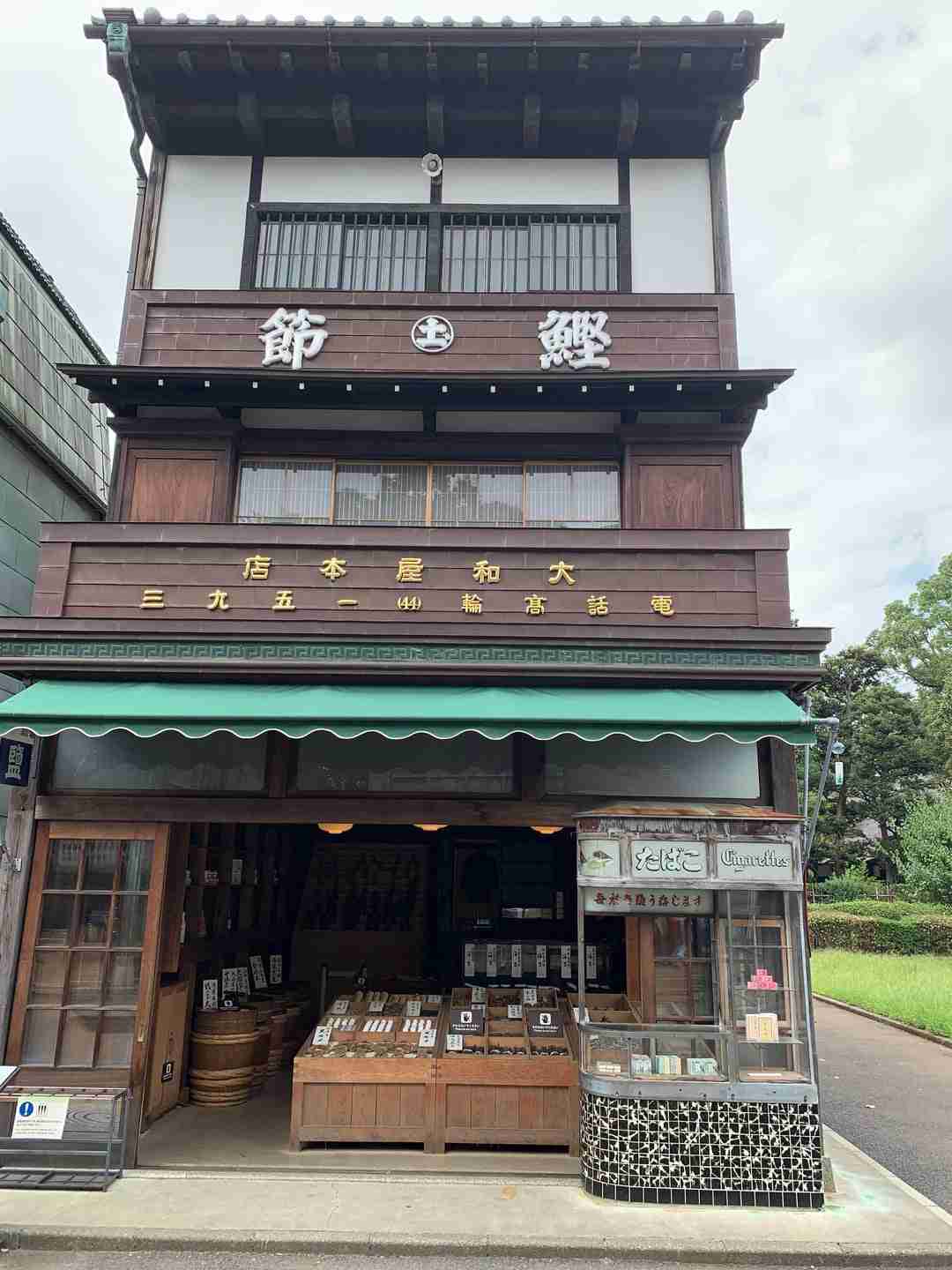
The Edo-Tokyo Museum does something genuinely difficult it makes history feel immediate. Tracing Tokyo’s evolution from a modest fishing village called Edo through to the present day, the museum uses small-scale models of Tokyo’s neighbourhoods to show the city at particular moments of transformation: one of the most arresting is the Ginza district during the Meiji era (1868–1912), when Western-style architecture first began reshaping the city’s face. The omikoshi portable floats used at traditional festivals, gold-plated and set with precious stones sit in the galleries with an intensity that photographs rarely convey. The museum building itself is worth the visit on architectural grounds alone: modelled after a traditional Japanese rice storehouse, the structure reads from a distance like an intergalactic space station floating on stilts a piece of deliberate architecture that sits within the larger story of art and urban reinvention the museum tells. The combination of stunning museum design, city’s history laid out with care, and the kind of blended approach to history, art, and architecture that earns multiple hours rather than a quick pass-through makes this one of the more undervisited serious institutions in Tokyo.
Ueno Park
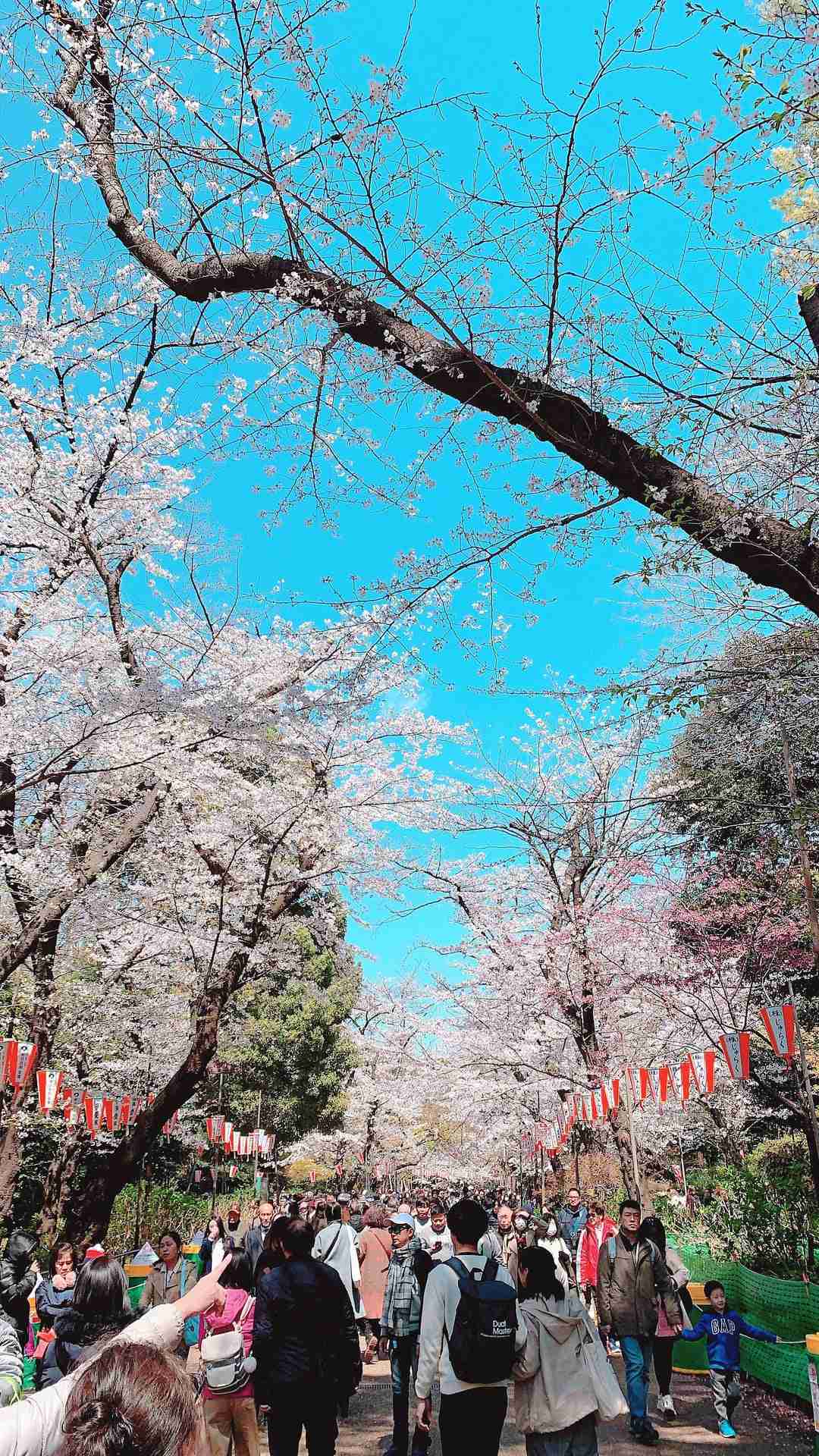
Ueno Park holds one of the most impressive concentrations of art in Tokyo while somehow maintaining the feel of a down-to-earth, working-class neighbourhood park. The temples, shrines, cherry trees, magnificent lotus pond, statues, and tombs scattered across the grounds make it feel like a miniature model of Japan compressed into a single public space accessible without being curated into sterility. Come in spring and the cherry-blossom festival here is the biggest in Tokyo, transforming the residential and entertainment district around it into something extraordinary. The museums and galleries that share the park’s footprint include the National Museum of Western Art, designed by Le Corbusier, with a collection spanning from 15th-century religious pieces through to works by Joan Miró and Jackson Pollock the kind of range that earns an unhurried morning rather than a thirty-minute walk-through.
Tokyo National Museum
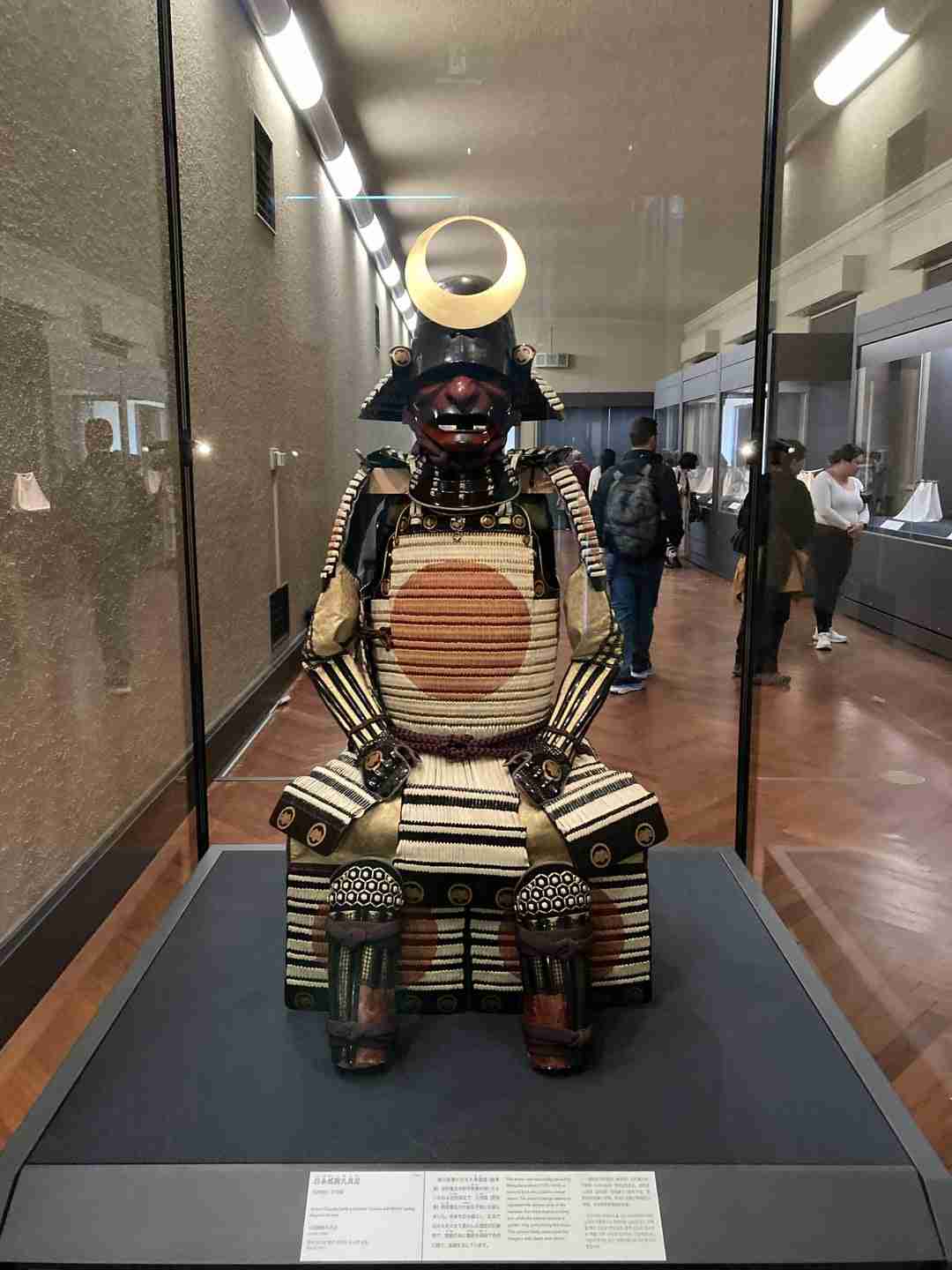
The Tokyo National Museum occupies the northern reaches of Ueno Park in a setting of courtyards, fountains, and trees that prepares you well for what’s inside. Its four main galleries Honkan, Heiseikan, Toyokan, and Horyuji Treasures together represent the most important single collection of Japanese art and archaeology in the world, alongside a substantial treasure trove of Asian antiquities that most visitors don’t allocate enough time for. The Honkan gallery is the obvious starting point: traditional Japanese prints, lacquerware, and calligraphy displayed with the kind of contextual care that transforms objects from impressive to genuinely moving. The elegant garden to the side of the main building home to ponds and teahouses opens seasonally for both cherry blossom and fall foliage, making the grounds worth returning to at different points in the year.
Koishikawa Korakuen
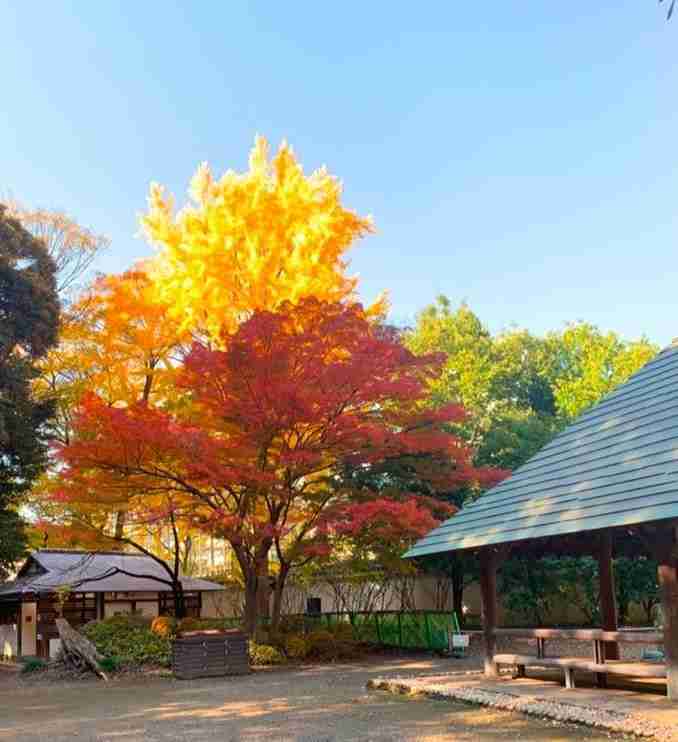
Koishikawa Korakuen has been providing Tokyo’s residents with a functioning antidote to the hustle and bustle since 1629, when the Tokugawa clan established what remains the city’s oldest surviving garden. The design rewards slow movement: winding tree-shaded paths lead to a sequence of remarkable bridges, most notably the elegant red-painted Tsutenkyo and the Chinese-style Engetsukyo, both considered among the most beautiful sights in the park. The central heart-shaped pond, the quaint bridges, and the miniature hills that shift your sightlines at regular intervals make the garden feel larger than its footprint suggests. After exploring the grounds, the Kantoku-tei teahouse facing the Oigawa River offers omatcha (powdered green tea) alongside a traditional Japanese sweet a moment of genuine stillness that Tokyo rarely volunteers without this kind of deliberate architecture. The park as a whole feels like what a garden should be: not a showcase, but a place where hustle and bustle genuinely loses its grip.
Yanaka
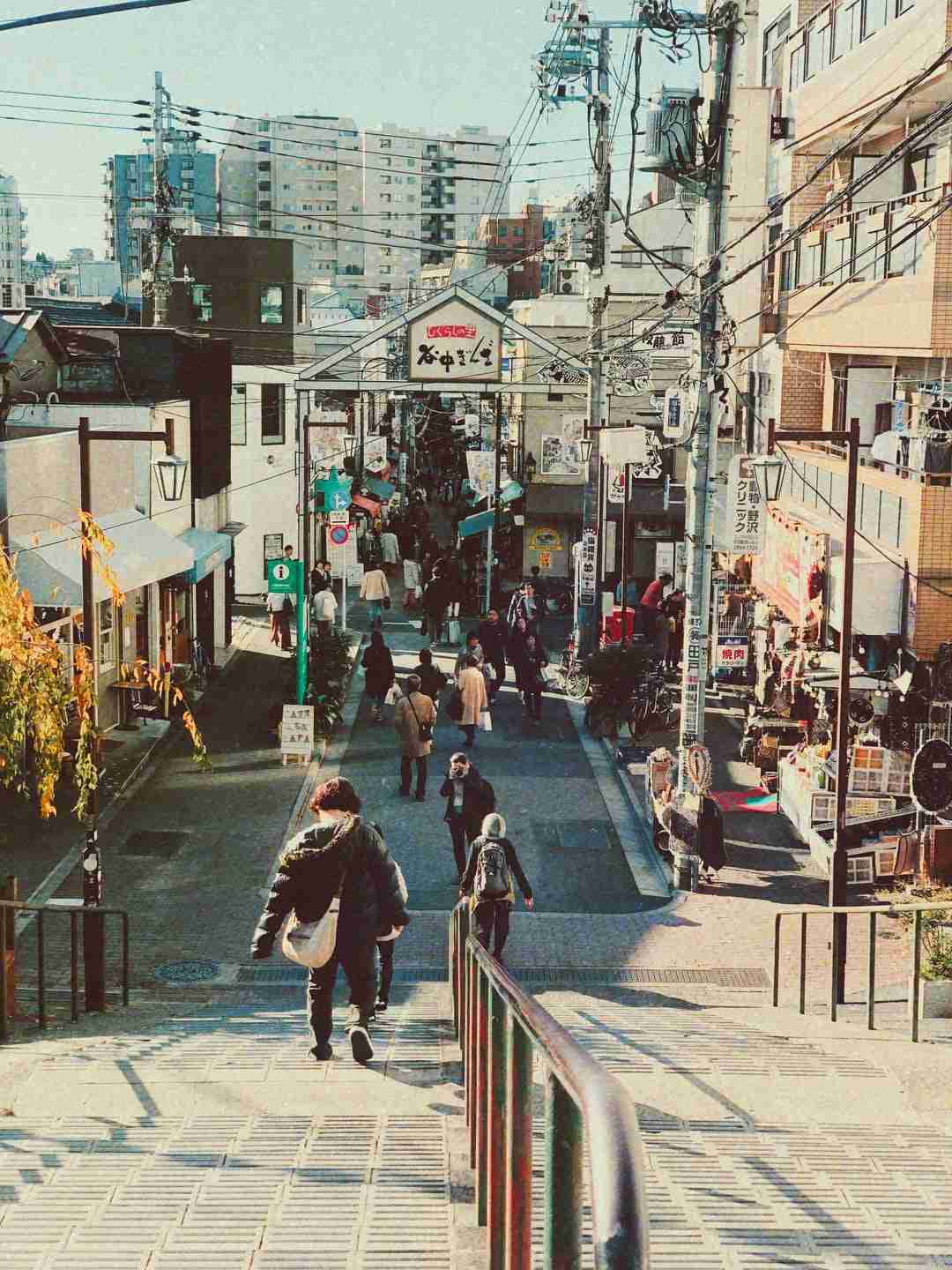
Yanaka sits just a short stroll north of Ueno Park and feels, almost immediately, like a different city entirely an oasis of calm that the march toward Tokyo’s identity as a metropolis of the future somehow never reached. The neighbourhood’s character was shaped in 1657 when a downtown fire pushed some 60 temples and shrines to relocate here; they remain alongside the Yanaka Cemetery, which holds the final resting places of many of Tokyo’s most famous residents, in a layout that gives the area its distinctly unhurried energy. Yanaka Ginza a traditional shopping street where global chains have no foothold runs instead to butchers, greengrocers, cafés, soba restaurants, and traditional crafts shops like the 150-year-old Isetatsu, which produces and sells chiyogami (patterned washi Japanese handmade paper once popular with the samurai class). This is the version of Tokyo that doesn’t appear on most itineraries and is, for exactly that reason, one of the more honest experiences the city offers frozen in time in the best possible sense.
Odaiba Island
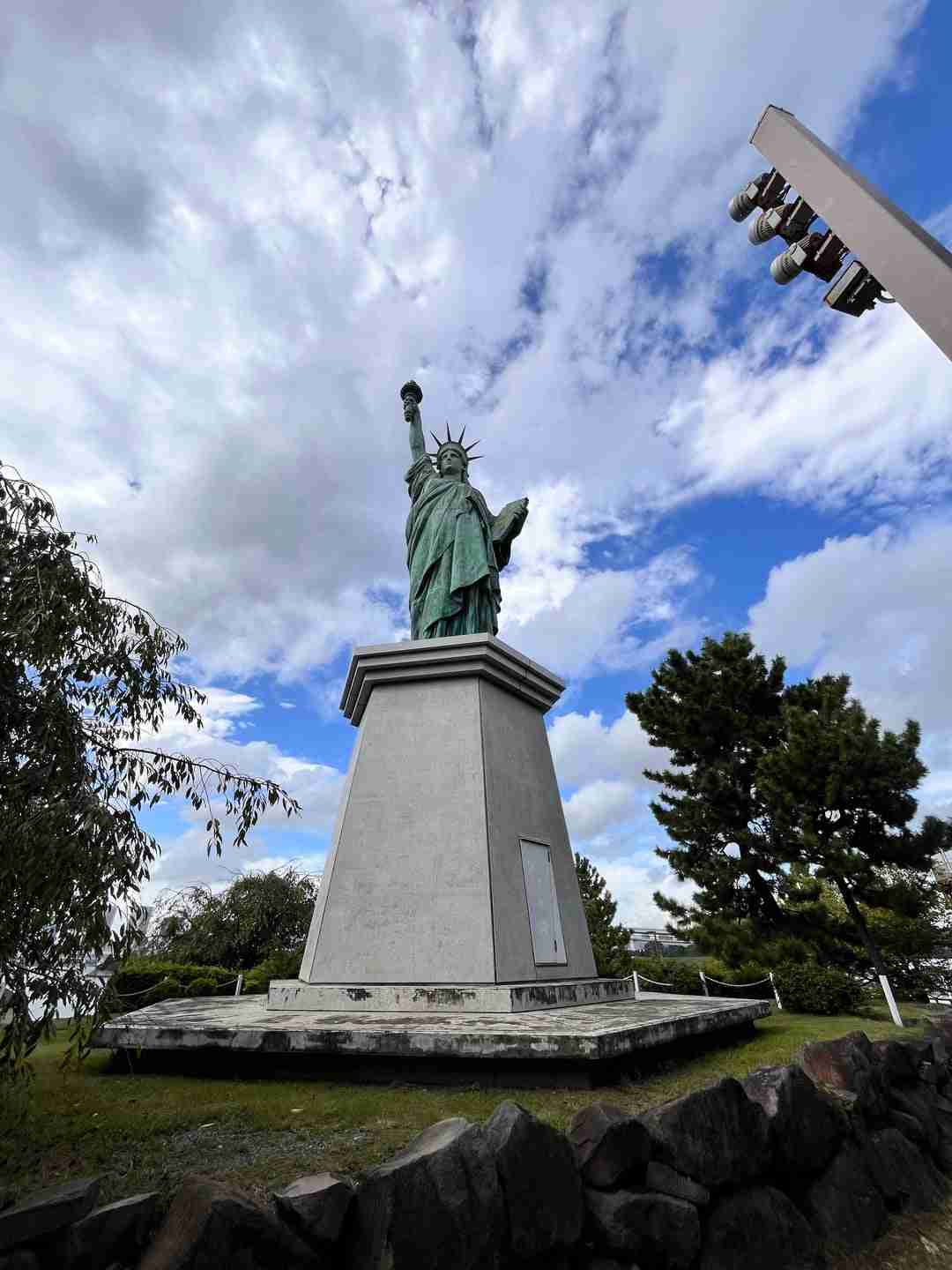
Odaiba should not exist an artificial island built on an old landfill in Tokyo Bay that somehow became one of the most surreal and futuristic places in the city. The entertainment and experiment ethos here is total: high-tech buildings sit alongside fashion malls, an illuminated Ferris wheel rotates above a man-made beach, and the sheer ambition of the island’s construction feels like a proof of concept for what Tokyo is willing to attempt. The National Museum of Emerging Science and Innovation covers space, life sciences, and cutting-edge technology with the kind of hands-on engagement that makes science museums worth more than an afternoon. For views, the Tokyo Big Sight a colossal exhibition center with an eighth-floor Observation Lounge delivers from gravity-defying architecture what most observation towers deliver from height. The Fuji TV Building, designed by Kenzō Tange, connects two structural blocks via sky corridors and a titanium-paneled sphere that makes the whole thing read like a hi-definition wide-screen TV set which was, apparently, precisely the point. Odaiba rewards the visitor willing to engage with Tokyo as a place that treats futurism not as aesthetic but as genuine operating principle.