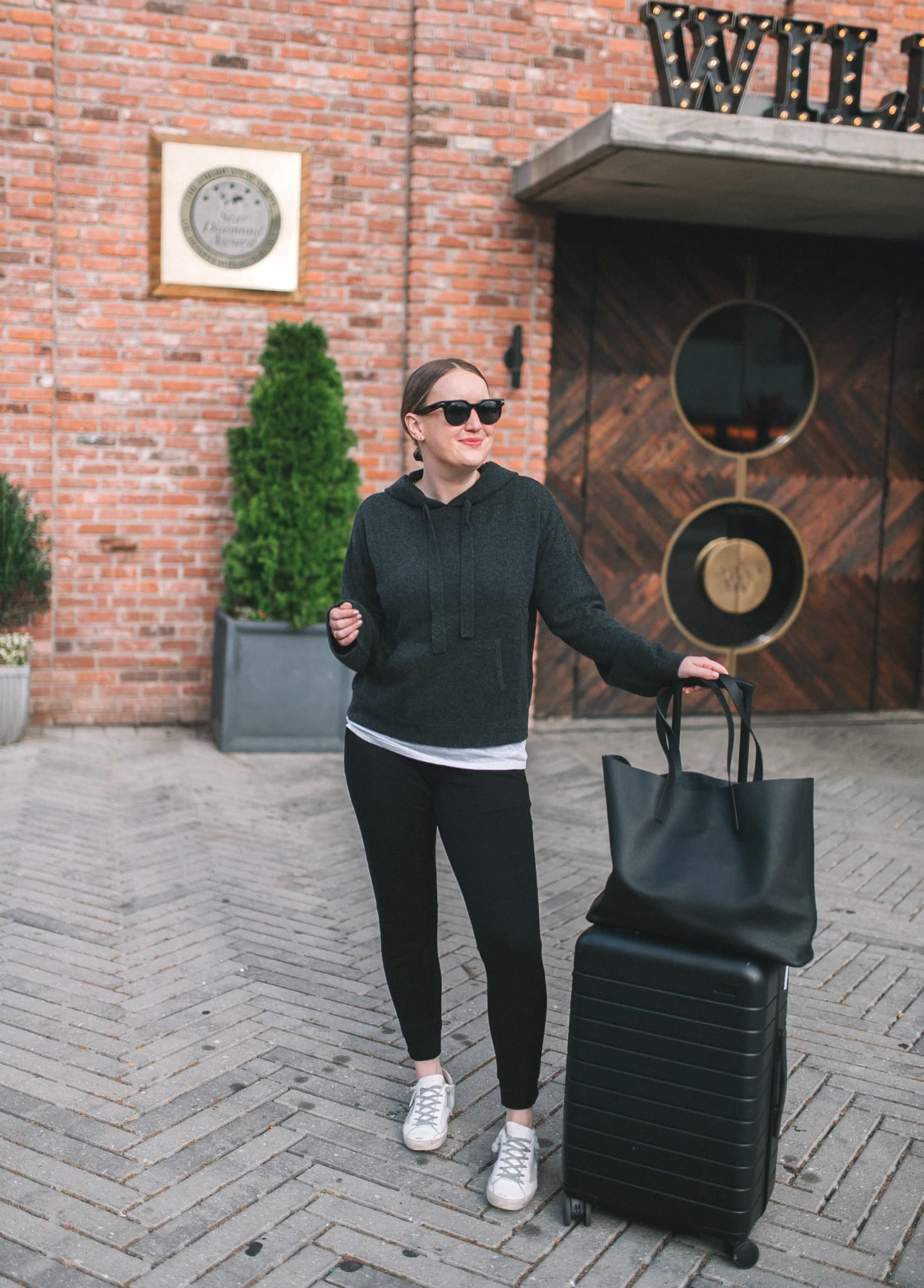
25 Carry-On Bag Essentials for Long Flights: Must-Have Airplane Travel Essentials
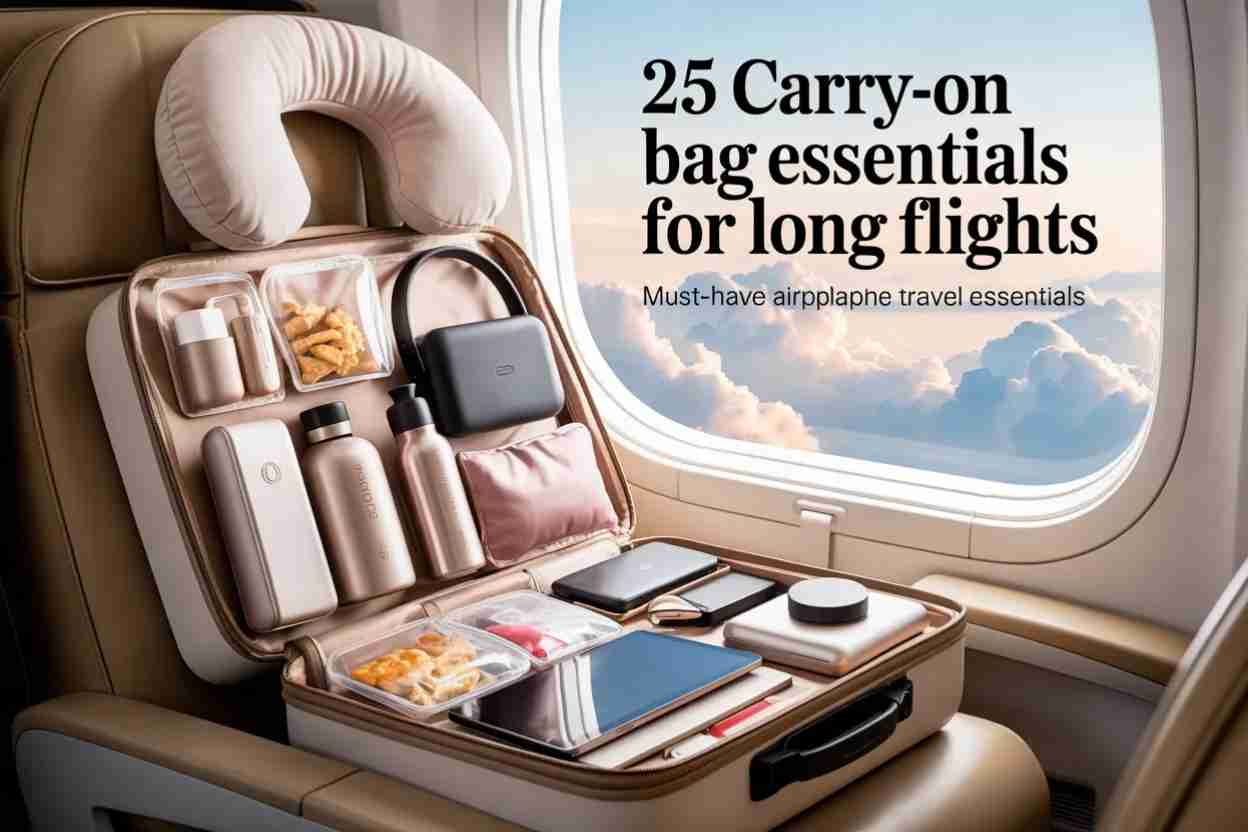
Long-distance air travel has a way of humbling even the most seasoned flyers. Whether you’re staring down a 24-hour trip to Bali, grinding through a 17-hour journey to Prague, or surviving a brutal 46-hour haul to Italy, the difference between a miserable seat and a manageable one almost always comes down to what’s inside your bag. Over years of being stuck in economy without a corporate card or priority perks — just raw wisdom, a lot of trial and error, and an embarrassing number of forgotten essentials — I’ve built a system that genuinely works. This is that system.
Before your first flight, designate a drawer or closet shelf as your permanent travel zone. Stock it with chargers, adapters, and every carry-on essential so that packing before a long-haul flight feels less like a scramble and more like grabbing a pre-loaded kit. The goal is easy access — because the last thing you need at 4 AM is hunting through a linen closet for your travel accessories. Think of planning your international carryon not as a chore, but as building your own personal survival kit for the skies.
1. Carry-On Bag / Luggage
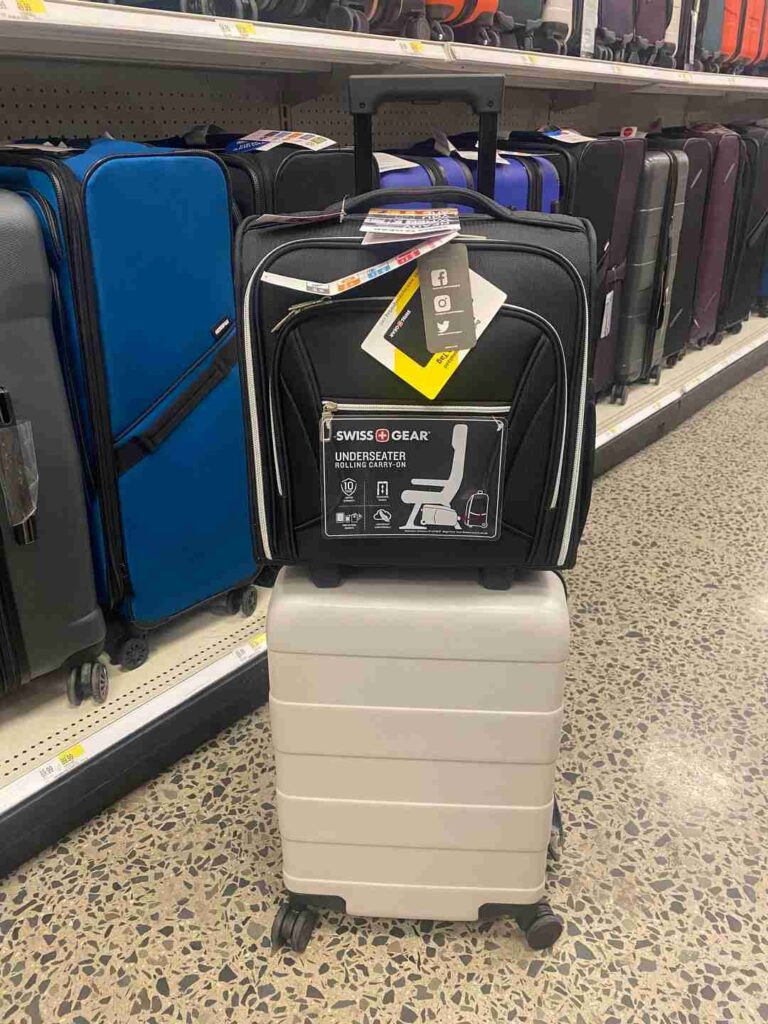
Your bag is the foundation of everything. Whether you lean toward backpacks for mobility or a structured shoulder bag with a luggage strap for a more polished look, the key is function over vanity. A purse-style carry-on works beautifully when it doubles as your everyday travel companion — just make sure it has pockets and enough structure to survive overhead compartment chaos. Don’t overlook water bottle holders either; it’s a small detail that saves major frustration mid-flight. For eco-conscious travelers, a recycled product bag is a genuinely smart choice that holds up to heavy use.
If you’re a frequent flyer who means serious business, the PacSafe Carry-On Backpack is practically built for heavy duty travel — theft resistant, supremely organized, and comfortable enough to wear across cobblestones without wrecking your shoulders and back. For those who want something that transitions cleanly between backpacker and city traveler, the Tortuga Carry-On Backpack opens like a suitcase while carrying like a pack — perfect for a weekend trip when you need flexibility. The Away Carry-On Suitcase is in a class of its own: dual compartments, a built-in portable charger, an integrated laundry bag with a compressor, and a damage resistant shell that protects your belongings through the roughest baggage handling. Think of your bag not as an expense but as a long-term investment in your mental state while traveling — trust me, the upgrade pays for itself the first time you don’t lose your gear.
2. Packing Cubes
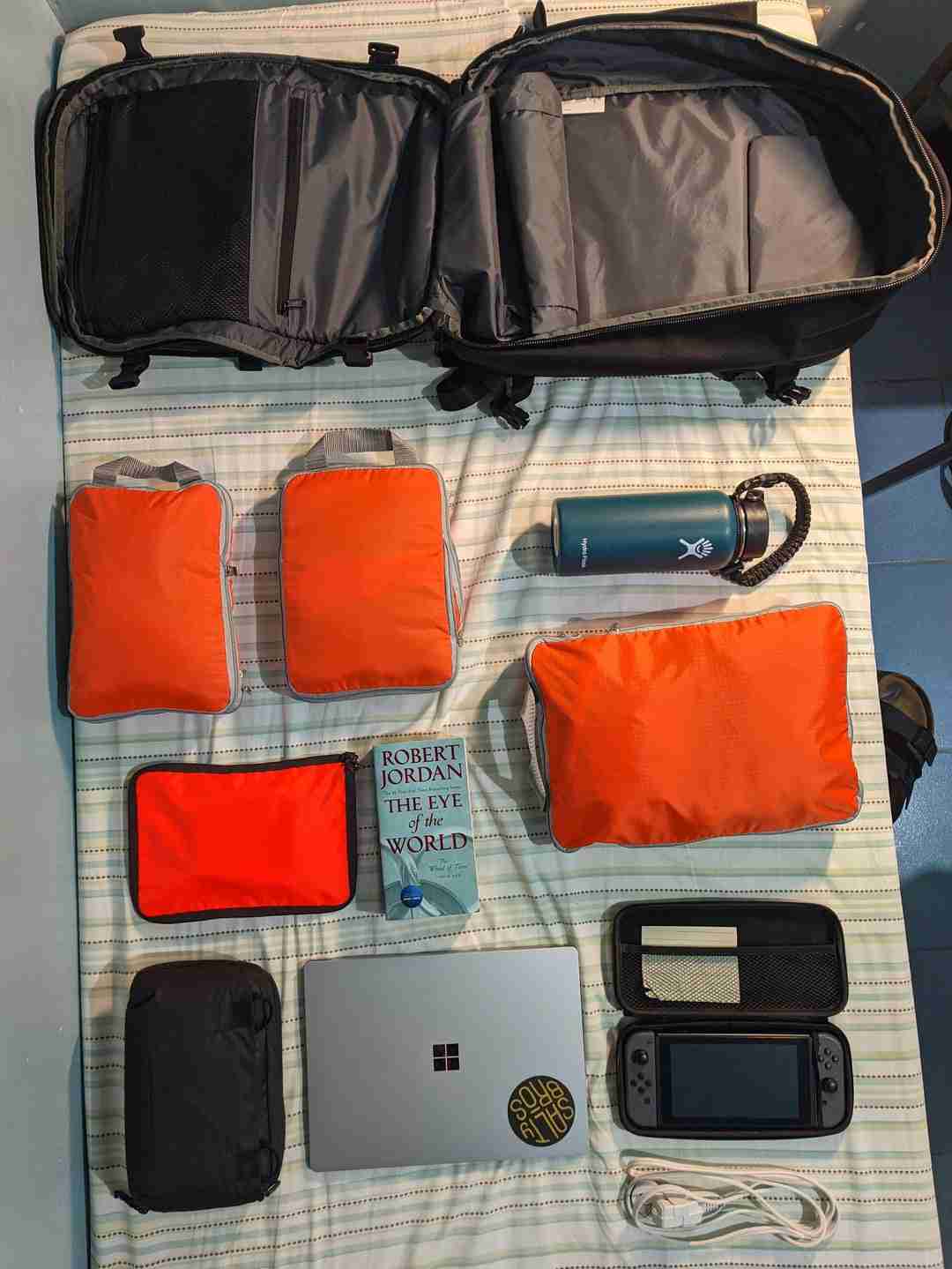
If you’re still rolling clothes into a tangled heap inside your carry-on, packing cubes are about to change your life. The concept is straightforward: each cube holds one category — shirts, pants, sweaters in the larger sizes, and underwear, socks, bras in the smaller ones — so when you unpack at your destination, everything goes exactly where it belongs without a second thought. They compress your items smartly, letting you fit more into your carry-ons than you’d ever manage otherwise, making the whole debate between carry-on and checking bag much easier to win.
What most people don’t realize is that packing cubes aren’t just about space — they’re about staying organized throughout the entire trip, not just at departure. Pulling out one cube to find a clean outfit at 6 AM in a dim hotel room, without dismantling your entire bag, is a small luxury that quietly improves every travel day. Get assorted sizes, dedicate them consistently to the same category of clothing every trip, and you’ll never rummage blindly through a suitcase again.
3. Eye Mask
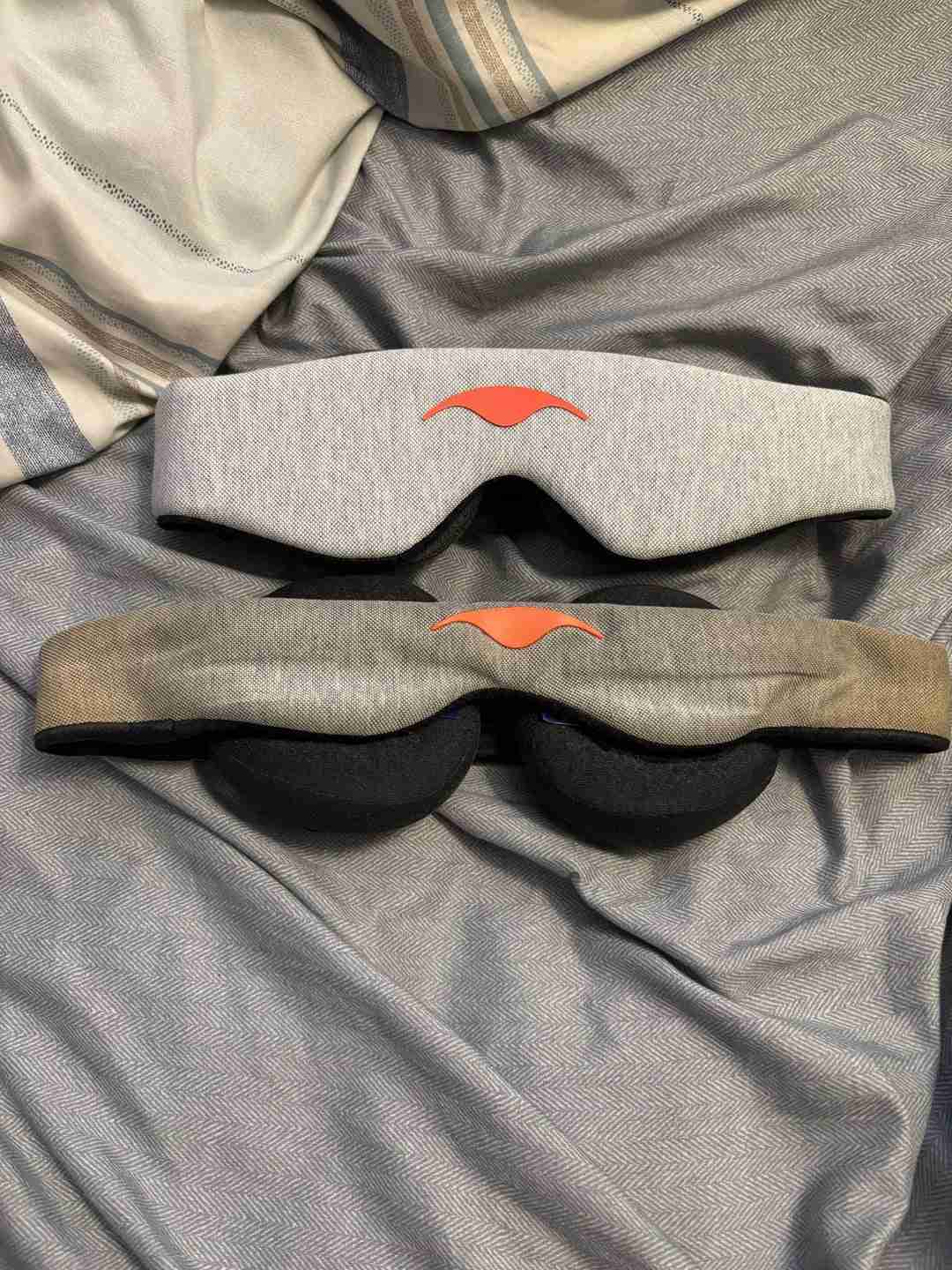
Blocking out light mid-flight is genuinely one of the most underrated sleep strategies in the air. A simple eye mask that’s been sitting in your bag since junior high or high school can outlast a dozen other gadgets — because it works. The challenge with most masks is the straps that dig in and the scratchy polyester fabric that irritates your sleeping situation, which is why making the switch to a silk eye mask is such a revelation. It’s cozy, feather-light, and feels more like a luxury than a travel tool. Pair it with a cashmere shawl or blanket and you’ve essentially built a first-class comfortable sleeping situation in a middle seat.
For overnight flights where the time change hits hardest, getting sleep as early as possible is critical. Keep your sleep mask in an outer pocket alongside your melatonin gummies — not buried at the bottom of your bag where you’ll never find them before shoving everything into the overhead compartment. Whether you go with an affordable Quince option or invest in something silkier, the goal is the same: trick your brain into thinking it’s dark, pull your hood down over the mask for double coverage if needed, and drift off before the long-haul flights feel unbearable. The mask is your lifesaver — don’t board without it.
4. Travel Blanket / Scarf

Planes are inexplicably cold. It doesn’t matter if it’s August — the moment that cabin door closes, the A/C cranks up like everyone’s being prepped for cryogenic sleep, and suddenly that thin airline-issued throw feels like a paper napkin. A personal travel scarf that doubles as a light blanket is one of the smartest dual-purpose items you can carry — it serves fashion and function simultaneously, without eating up precious bag space. The best travel scarf practically becomes a security blanket for frequent flyers.
Upgrade that to a cashmere shawl and you’re in a different category entirely. Soft, warm, and versatile enough to drape, wrap, or scrunch into a makeshift pillow, a cashmere shawl handily beats whatever plane blankets the airline provides — assuming they provide any at all on overnight flights. If you run cold even in the warmer months, pack it in your carry-on bag without question. For those who prefer a structured layer, a hoodie from something like the First Class Lounge Set — with its zippered front pouch, thumbholes to keep your hands warm, and a hood generous enough to double as a sleep shield — delivers serious warmth on any flight. Between a quality scarf and a warm layer, getting a good night’s sleep in business class or coach becomes far more achievable. Add earplugs into the mix and your comfortable flight setup is nearly complete — no travel pillows required if budget is tight, though they certainly don’t hurt for a more enjoyable long-haul flight adventure.
5. Travel Pillow
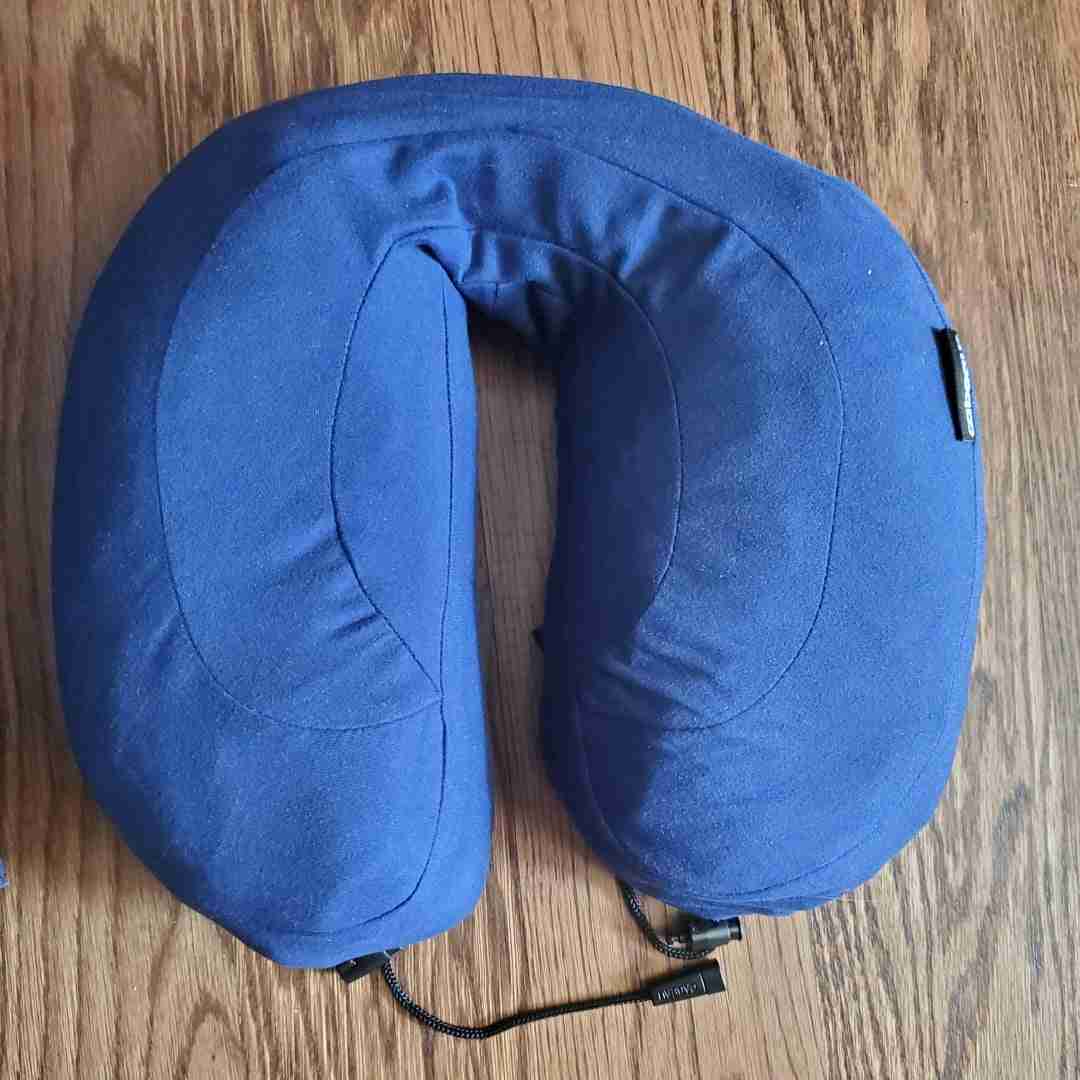
For years, I stubbornly refused to pack a neck pillow — it took up bag space, looked ridiculous, and seemed like the kind of thing only amateur travelers carried. The result was predictable: chronic neck pain on every long flying stint and zero quality sleep. Turns out I was the amateur. A good travel pillow is hands-down one of the most impactful travel accessories you can add to your long-flights kit, and the right one won’t make you look like you’re wearing a pool toy around your neck.
The TRTL travel pillow specifically solved every complaint I had. It’s compact enough to tuck into a carry-on without the usual bulk, wraps around your neck with simple velcro, and props your cheek and shoulder perfectly for side sleeper comfort. It delivers serious head-propping support without the stiffness of traditional U-shaped pillows, and it wears like a fleece scarf — soft, warmth-retaining, and far less embarrassing than most alternatives. If neck pain has been your silent travel companion, this is the fix.
6. Noise-Canceling Headphones / AirPods
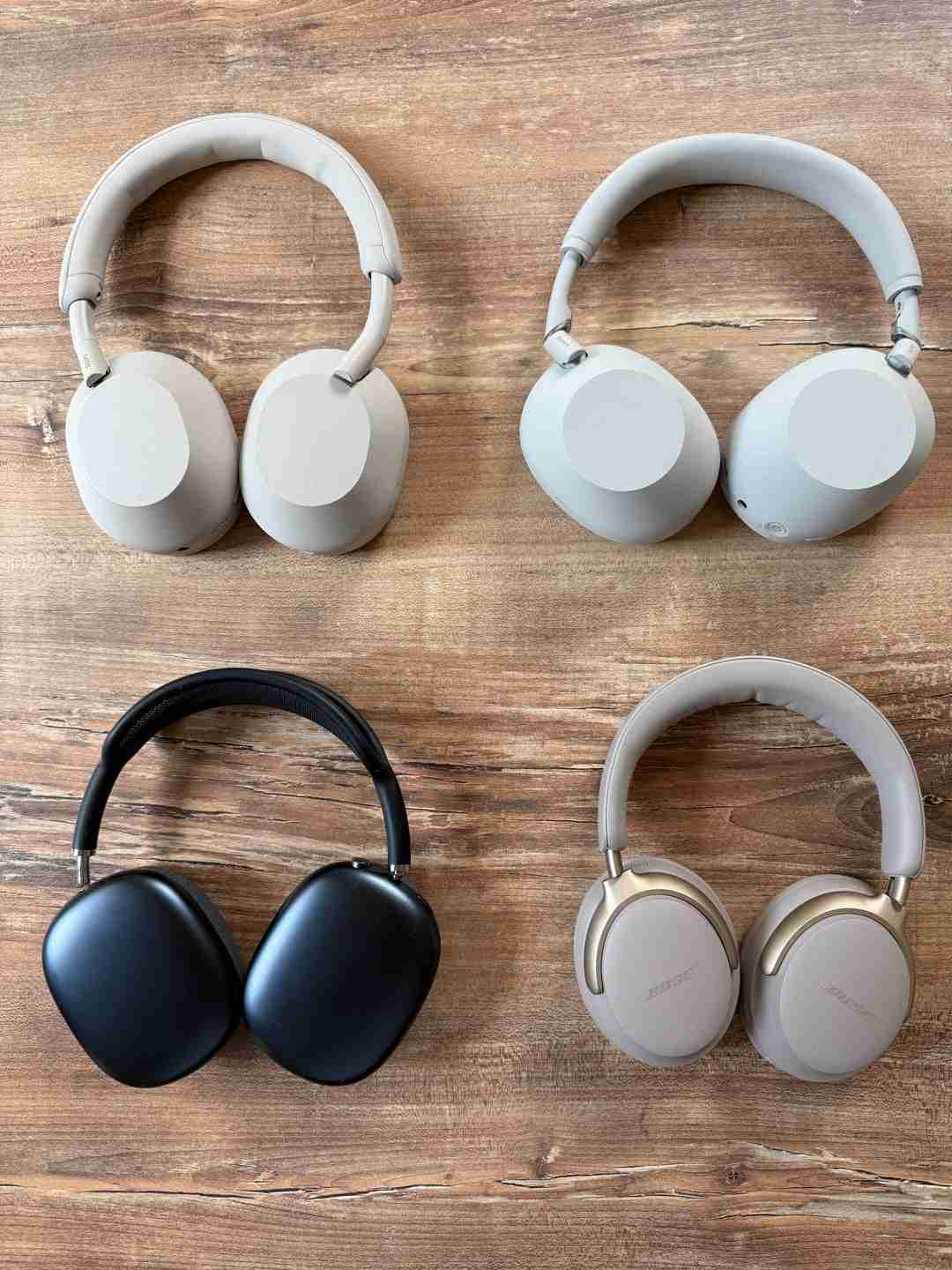
Plane noise is relentless — babies, chattering, flight announcements, engine hum — and if you’re trying to sleep or focus, it chips away at your sanity one decibel at a time. Quality noise-canceling headphones or AirPods aren’t a luxury at this point; they’re a fundamental tool for surviving long-haul flights with your patience intact. Apple’s noise-canceling AirPods are a genuine game changer — charge them fully before your trip, grab a distinct colorful case so you’re not swapping them with a travel companion, and load them up with podcasts, audiobooks, or downloaded movies before boarding.
For those with sensitive ears who can’t tolerate anything in the ear canal for hours, Bluetooth SleepPhones are a revelation — they’re built into a soft headband, so there are no earphones jamming your ears and no headphone wires to strangle you in your sleep. If sound isolation is the priority rather than entertainment, foam earplugs get the job done at a fraction of the cost. EarPlanes are especially smart for anyone prone to ear discomfort — they regulate ear pressure during ascent and descent, which is a lifesaver if you’re even slightly stuffy or fighting off a cold before boarding. Whatever you choose, protect your ears and protect your flight experience.
7. Portable Charger & Tech Organization Pack
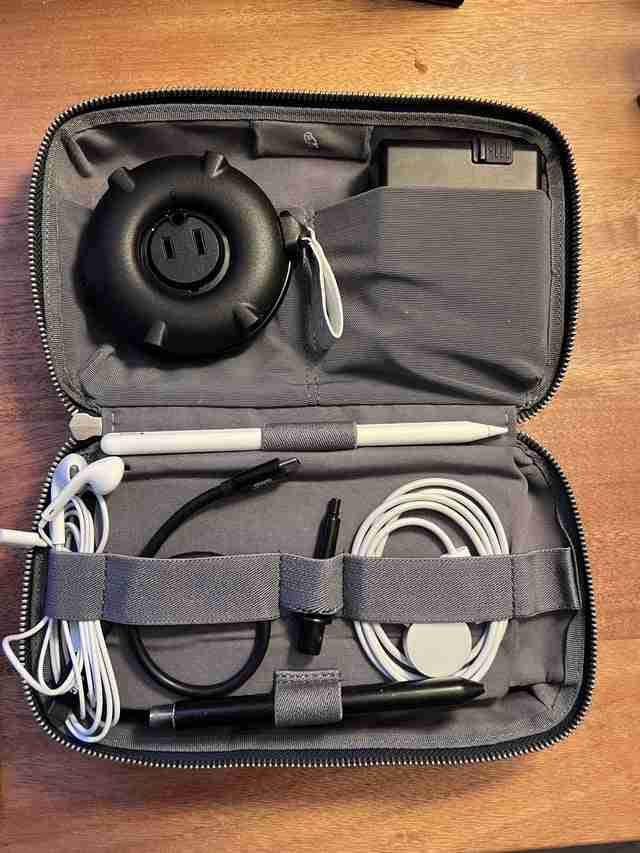
Dead phones don’t get you Ubers, load Google Maps, or send that “I landed safely” message — which makes a reliable portable charger one of the most non-negotiable items in your travel bag. Between gate delays, in-flight use, and navigating a new city the moment you land, your battery life will take a hit faster than you expect. A solid power bank that charges your phone at least five times over is the standard to aim for — slip it into your pocket and charging on the go becomes effortless. The airplane does offer USB ports in most seats, but banking on them exclusively is a gamble no smart traveler takes — especially a solo female traveler arriving in an unfamiliar country after midnight.
Beyond the charger itself, a dedicated tech pack is the organizational upgrade that makes every trip smoother. Bundle your cords, chargers, adapters, SD cards, and small electronic devices like a watch charger into one compact pouch — and keep it exclusively for European travel or international trips so nothing goes missing at home. Add an outlet splitter to the kit and you’ve pulled off the best travel hack in any airport: turning a single functioning outlet into three, complete with USB ports, sharing the wealth with other desperate travelers around you. It’s the kind of small gadget that turns a miserable airport wait into a fully charged, ready-to-go departure.
8. Entertainment (Books, Kindle, Podcasts, Movies)

The in-flight entertainment system will either save you or disappoint you — plan for the latter. Loading up your iPad or phone with downloaded TV shows, movies, and podcasts before you lose Wi-Fi access is non-negotiable, and doing it at the airport while you still have a solid connection makes it painless. I tend to download three or four podcasts and at least one full season of something before any long-flight home or international departure — because nothing is worse than staring at a blank screen at hour nine with no in-flight WiFi in sight.
For reading, a Kindle is the single best investment a traveling bookworm can make. It’s compact, lightweight, holds a charge well, and carries an entire library without adding meaningful weight to your carry-on. I preload ebooks from my local library using the Libby App — completely free, and it keeps the sustainable travel ethic intact. A physical book still has its charm, and I’ll often grab one at the airport as backup — ideally two, because finishing mid-flight with nothing left to read is its own kind of misery. Keep a notebook and pens close too; there’s something about altitude that turns even the most scattered mind productive. Jot down to do lists, trip ideas, or just use solitaire on your phone to decompress. The goal is back-up entertainment that doesn’t rely on Wi-Fi, a cooperative laptop, or edited photos to keep you occupied from takeoff to landing.
9. Snacks
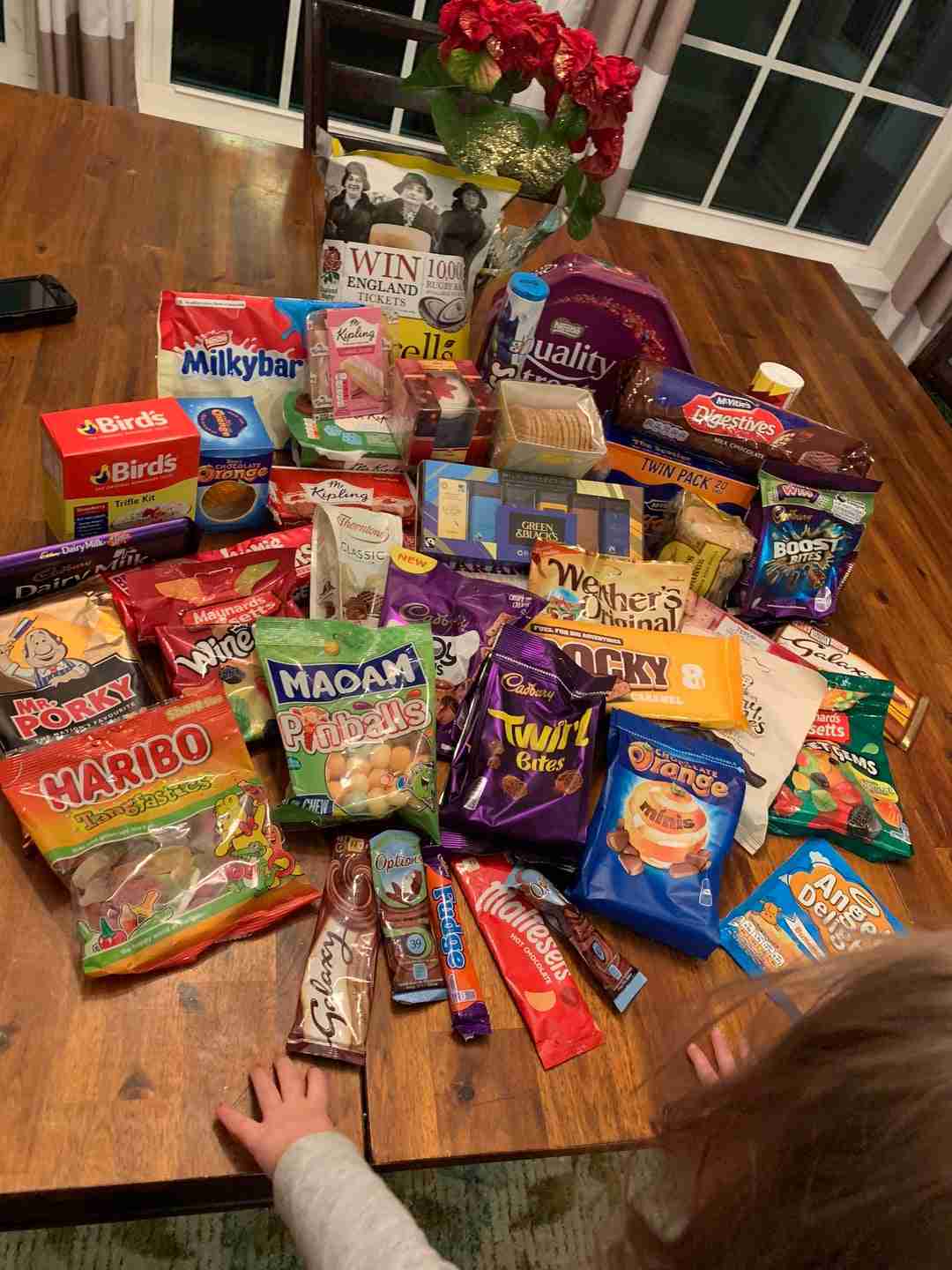
Airline food operates on its own mysterious schedule, and hanger at 35,000 feet is a special kind of suffering. Packing your own snacks — a mix of genuinely healthy options and a few indulgent ones — gives you control over your energy levels throughout a long flight. A small bag of almonds and a protein bar (the Clif Builders bars are genuinely among the best for sustained energy) cover the nutritional bases without taking up meaningful space in your bag. Throw in a few peppermints or other hard candy for a quick pick-me-up between meals, and you’ve got a snack situation that actually works.
10. Reusable Water Bottle
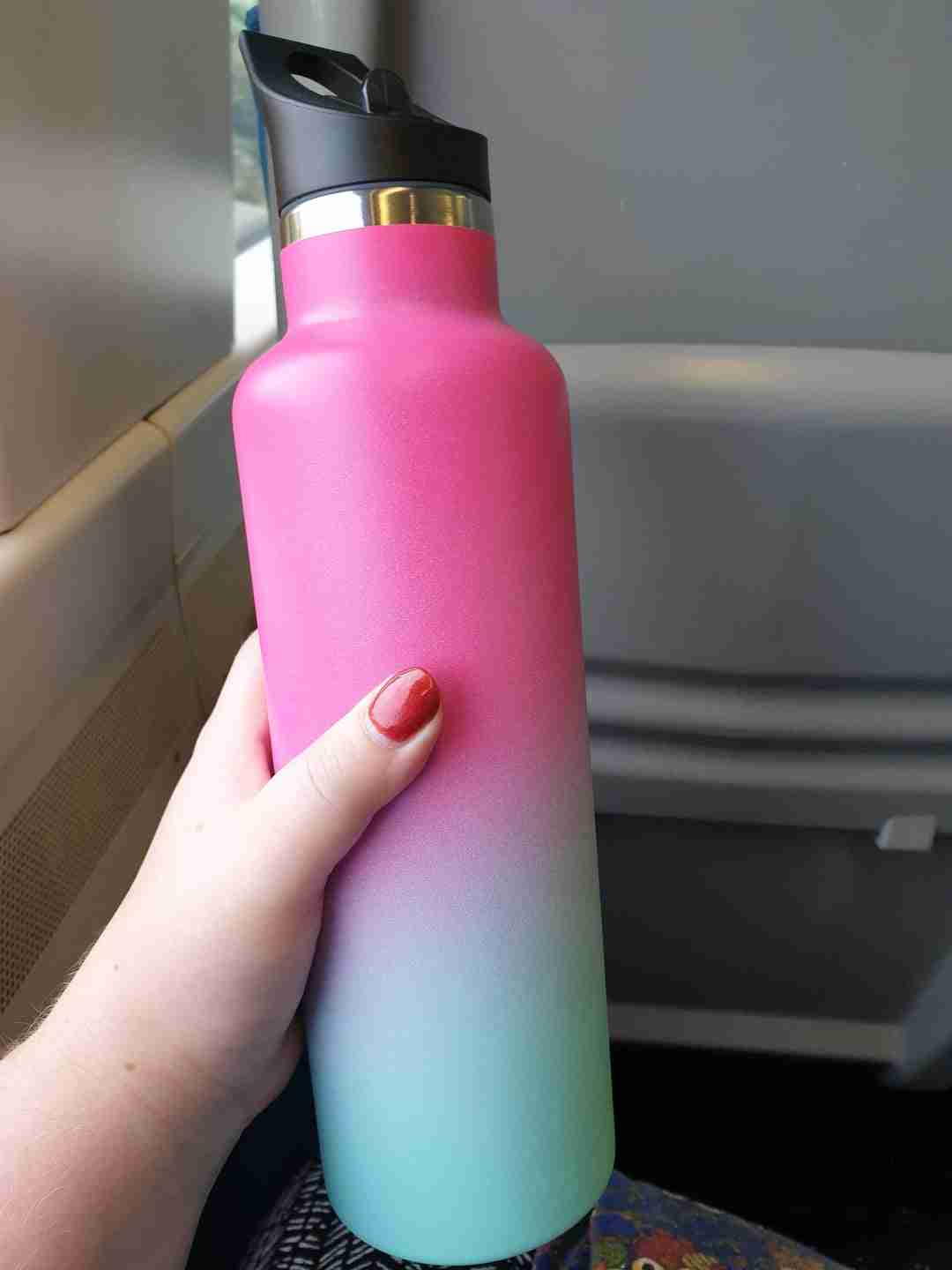
Airplane cabin air is aggressively dehydrating — it’s one of the biggest contributors to jet lag, sluggishness, and that groggy, disoriented feeling when you land. Flight attendants do make rounds through the cabin offering water, but tiny cups on a schedule won’t keep you genuinely hydrated across a ten-hour stretch. A reusable water bottle — filled up right after security, before you board — is the simplest and most effective solution to this problem. The Hydroflask water bottle specifically is a longtime favorite: fill it with ice from an airport Starbucks pre-flight and that ice will last through the entire flight, keeping every sip cold and satisfying. Beyond comfort, ditching the single-use cups eliminates plastic waste every time you fly — a small but meaningful habit worth keeping.
11. Lip Balm, Moisturizer & Skincare
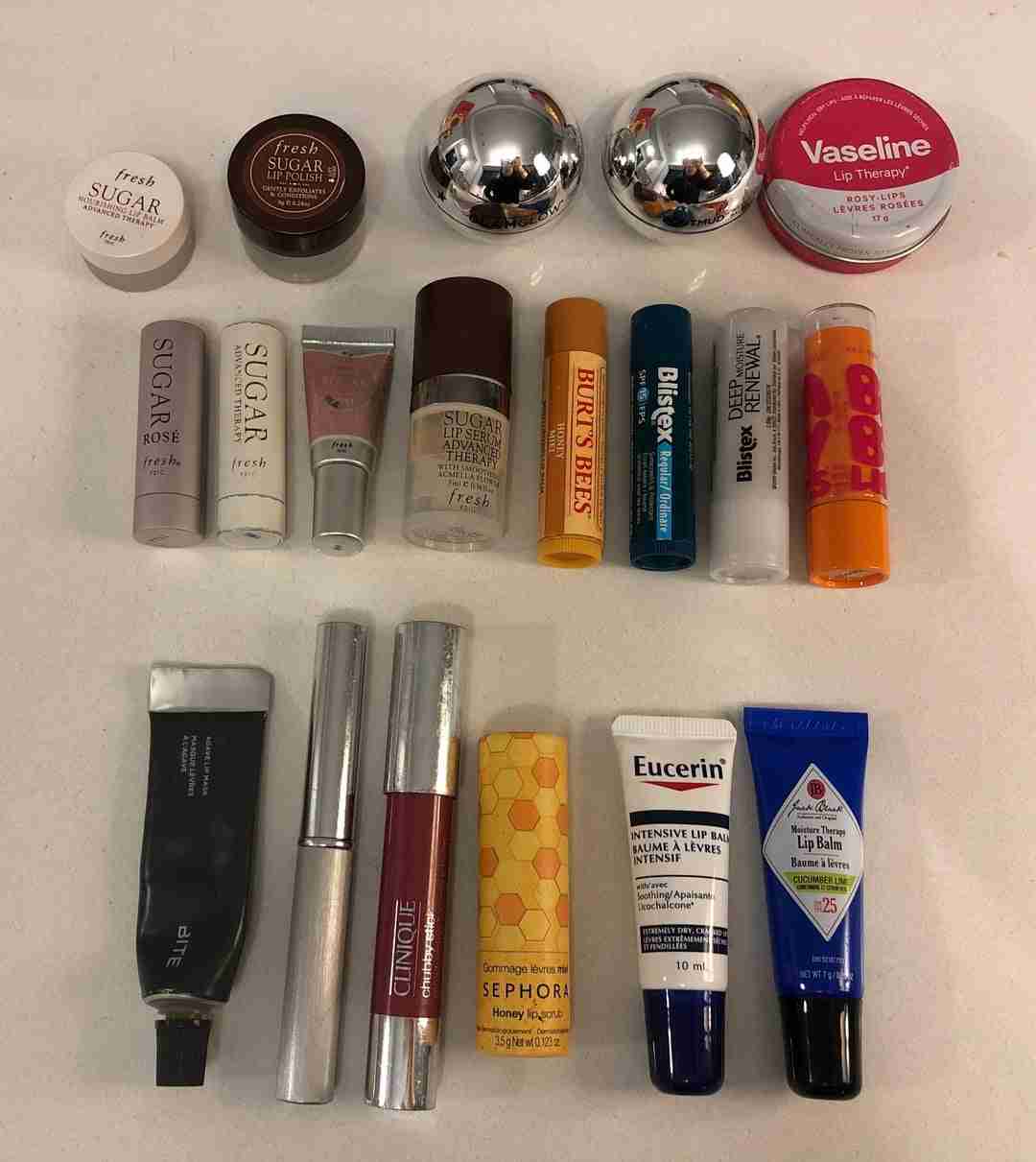
Recycled cabin air does brutal things to your skin — it strips moisture, tightens your complexion, and turns lips into sandpaper somewhere over the Atlantic. A focused skincare approach before and during a long-haul flight makes a measurable difference in how you look and feel when you land. Start with a moisturizing face mask applied before you leave for the airport — the Sisley Black Rose Cream Mask is genuinely worth the splurge, working through oils and creams to deeply hydrate while you’re in transit, leaving skin glowing and refreshed rather than parched and tight. The jet lag face mask approach — layering nourishing treatments during the flight itself — turns what’s usually a skin-punishing experience into something closer to a mobile skincare routine.
Keep a Caudalie Lip Conditioner in every carry-on you own — it’s compact, genuinely effective, and worth every penny as a defense against plane air that rivals the Sahara desert in dry skin-inducing intensity. A travel hand cream (Caudalie makes a great mini version) rounds out the essentials, since hands take a beating between recycled air and frequent washing. Add a face wash for pre-bedtime cleansing on overnight flights — washing your face mid-flight isn’t high glamour, but it makes the sleeping situation dramatically more comfortable. Lightweight toiletries like these earn their spot in your carryon every single time.
12. Toothbrush & Toothpaste

Freshening up mid-flight — especially on a red-eye — is one of those small acts that has an outsized effect on how human you feel when you finally land. A travel-sized toothbrush and a small tube of toothpaste (your dentist almost always hands these out in travel sizes at checkups) take up almost no space in your carryon or international carry on kit. Brush before your impromptu bedtime at 30,000 feet and you’ll ease into the sleeping situation feeling genuinely refreshed rather than grimly resigned. Add a small hand towel for drying off after a quick sink wash, and dental floss for the post-snack moments that always seem to happen mid-flight. It’s the kind of hotel-level hygiene routine that makes a long travel day feel less like an endurance test.
13. Antibacterial Wipes & Hand Sanitizer
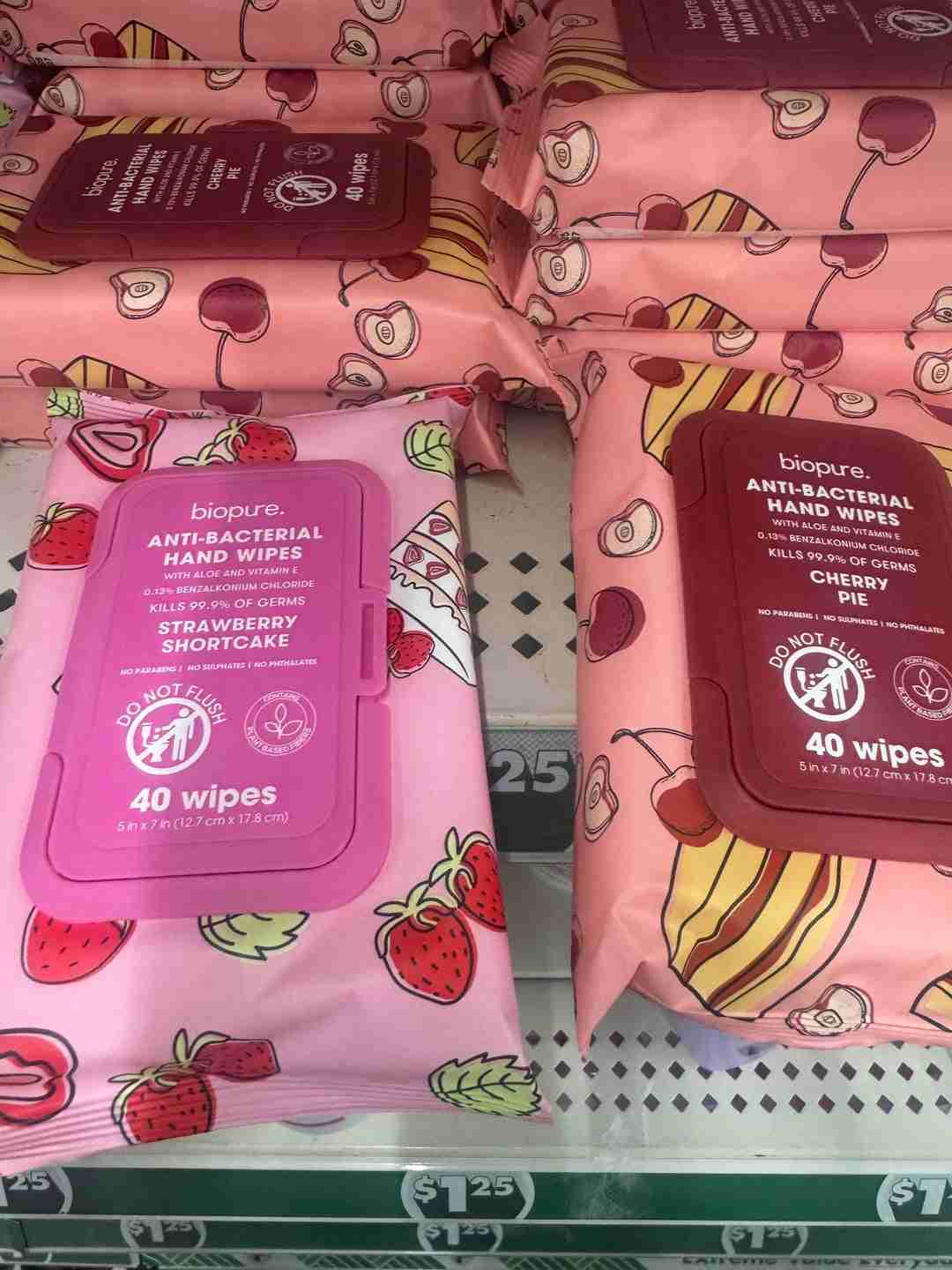
The tray table in front of you is statistically one of the germiest surfaces you’ll touch all year — and you’re about to eat off it, rest your computer on it, and probably lean on it for hours. The first thing I do when I reach my airplane seat is pull out lavender wipes and run them across the tray table, seat belt, and headrest before touching anything else. The plane crew does their best between flights, but there’s no guarantee of how thorough that process really is — and wiping down your immediate environment takes thirty seconds and delivers genuine peace of mind.
Keep a small bottle of lavender hand sanitizer in an inside pocket where you can reach it without opening your main bag — this is one of those items you want reflexively accessible, not buried. For a deeper refresh mid-flight, baby wipes are an underrated essential: a quick once-over on your face clears away the grimy plane grease film that builds up after hours in recycled air and makes everything feel distinctly less sponge bath-worthy. Small habits, big difference in how you feel at landing.
14. Passport Holder & Travel Wallet
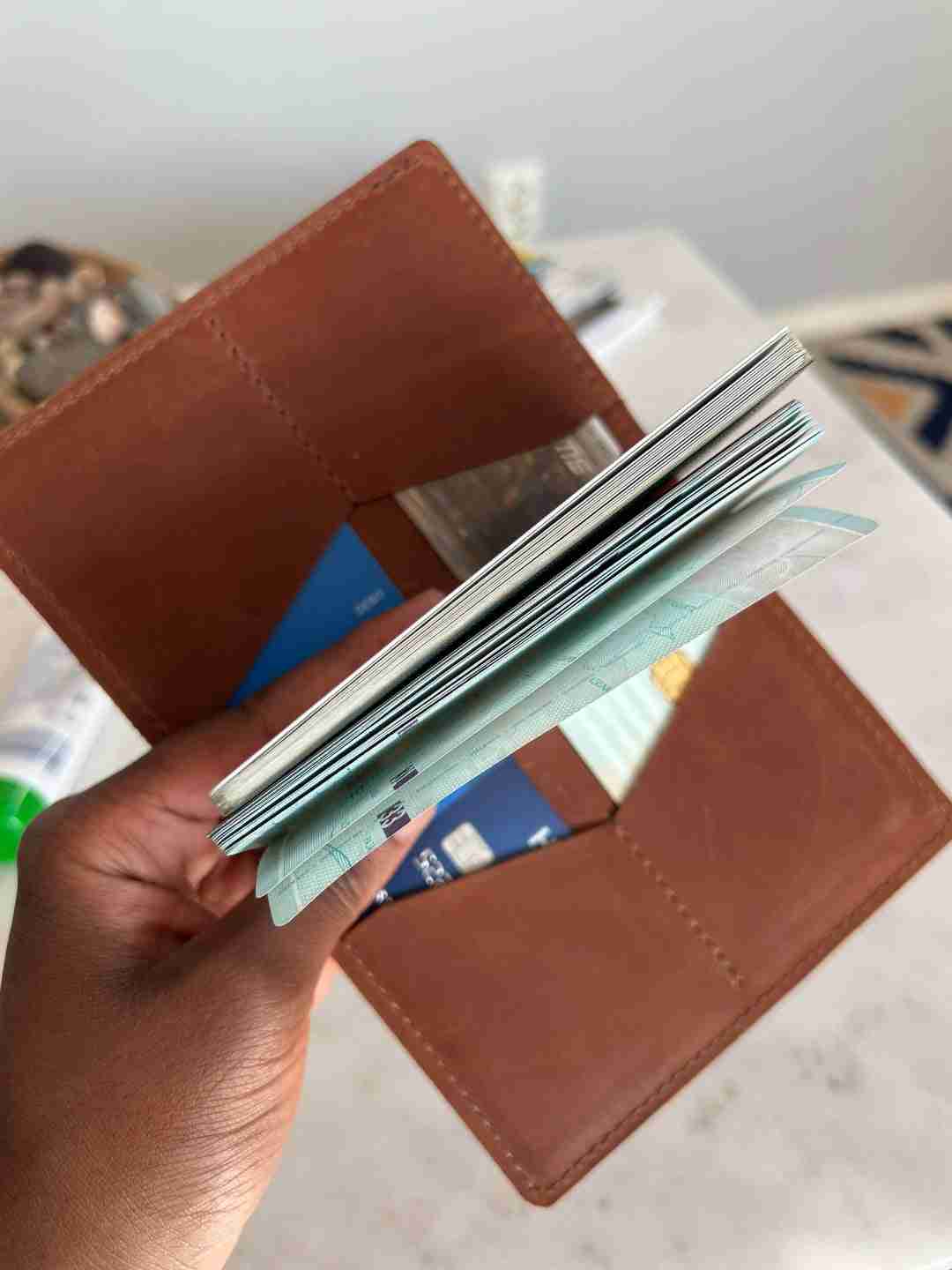
Losing track of your passport in a busy airport is the kind of stress that ruins trips before they start. A dedicated passport holder — whether it’s a slim leather envelope style that holds your boarding pass and a few euros, or a structured flap passport holder with a zippered pocket for extra security — keeps your most critical document exactly where you expect it, every time. The Panama Travel Wallet is a particularly smart choice for international trips: it holds tickets, luggage tracking numbers, multiple currencies, and your travel essentials in one slim, organized package that sits cleanly inside your bag.
For daily airport movement, a compact wallet with your credit card, ID, and driver’s license accessible without digging is essential — you don’t want to be the person holding up the security line searching for identification. When traveling internationally, carry enough local currency — euros or whatever the destination requires — to cover tipping, an espresso, and early snacks before you’ve had a chance to find an ATM. A valid passport kept in a consistent, memorable spot means one less thing occupying your mental bandwidth during an already logistically demanding travel day.
15. Compression Socks
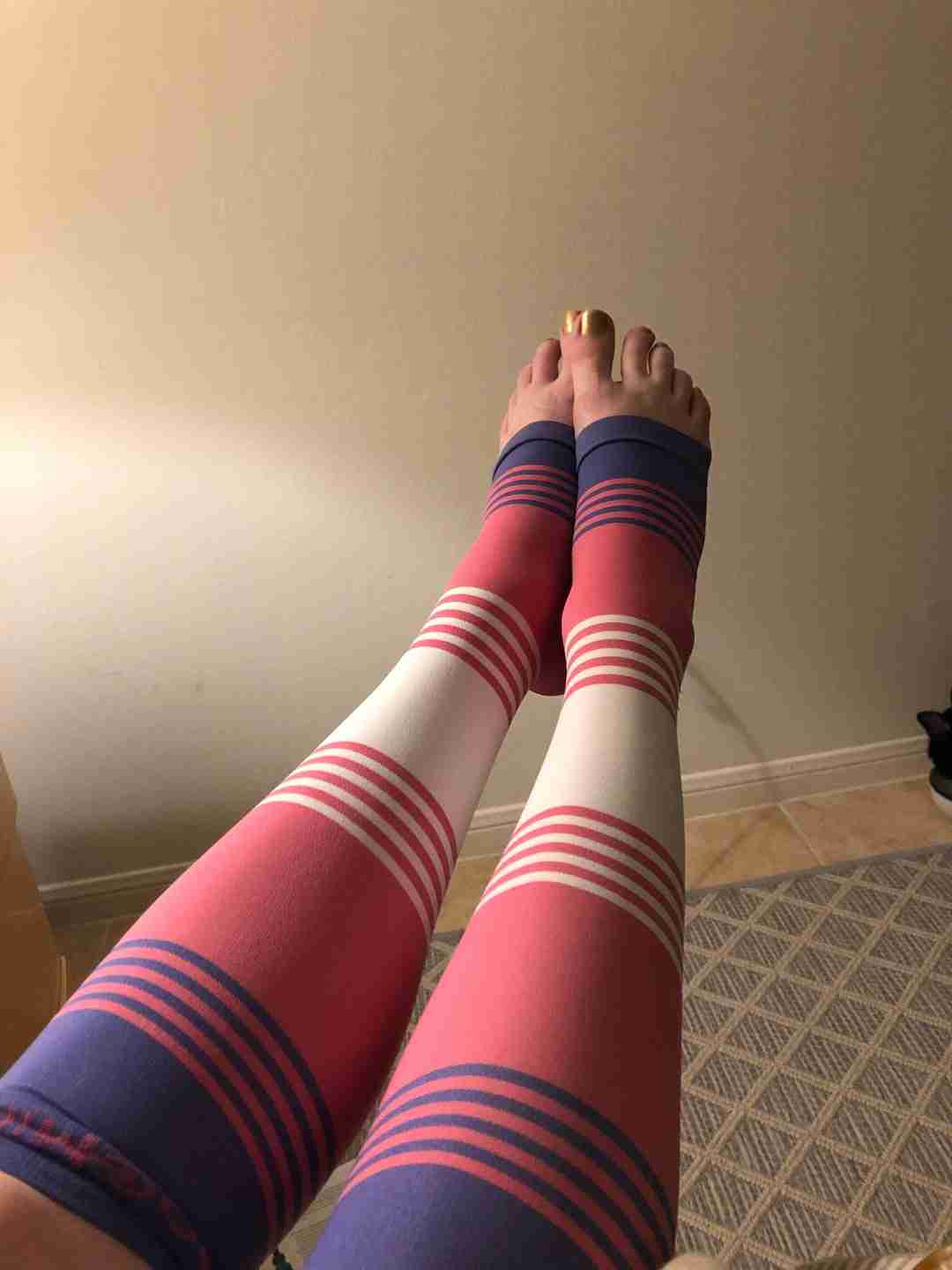
Compression socks have a reputation problem — they’re not exactly a fashion accessory most people rush to pack. But after enough hours in a cramped seat watching your ankles swell like you’ve aged thirty years, the aesthetic argument loses fast. The science is straightforward: graduated compression improves blood flow through the lower legs, reduces swelling and discomfort from prolonged sitting, and meaningfully lowers the risk of blood clots on long flights — which is a real concern, not just a medical footnote. Bombas makes some of the best options available, and their commitment to quality matches their brand mission.
Socks alone aren’t enough — pair them with intentional movement throughout the flight. Get up, walk the aisle, do a few ankle rotations in your seat, and prioritize staying hydrated with consistent water intake. Cutting back on alcoholic beverages in the air also supports better circulation and reduces that heavy, bloated feeling upon arrival. Think of compression socks as part of a broader strategy for moving around smartly during long flights — not a standalone fix, but a genuinely effective piece of the puzzle.
16. Comfortable Clothes (What to Wear on a Long Flight)
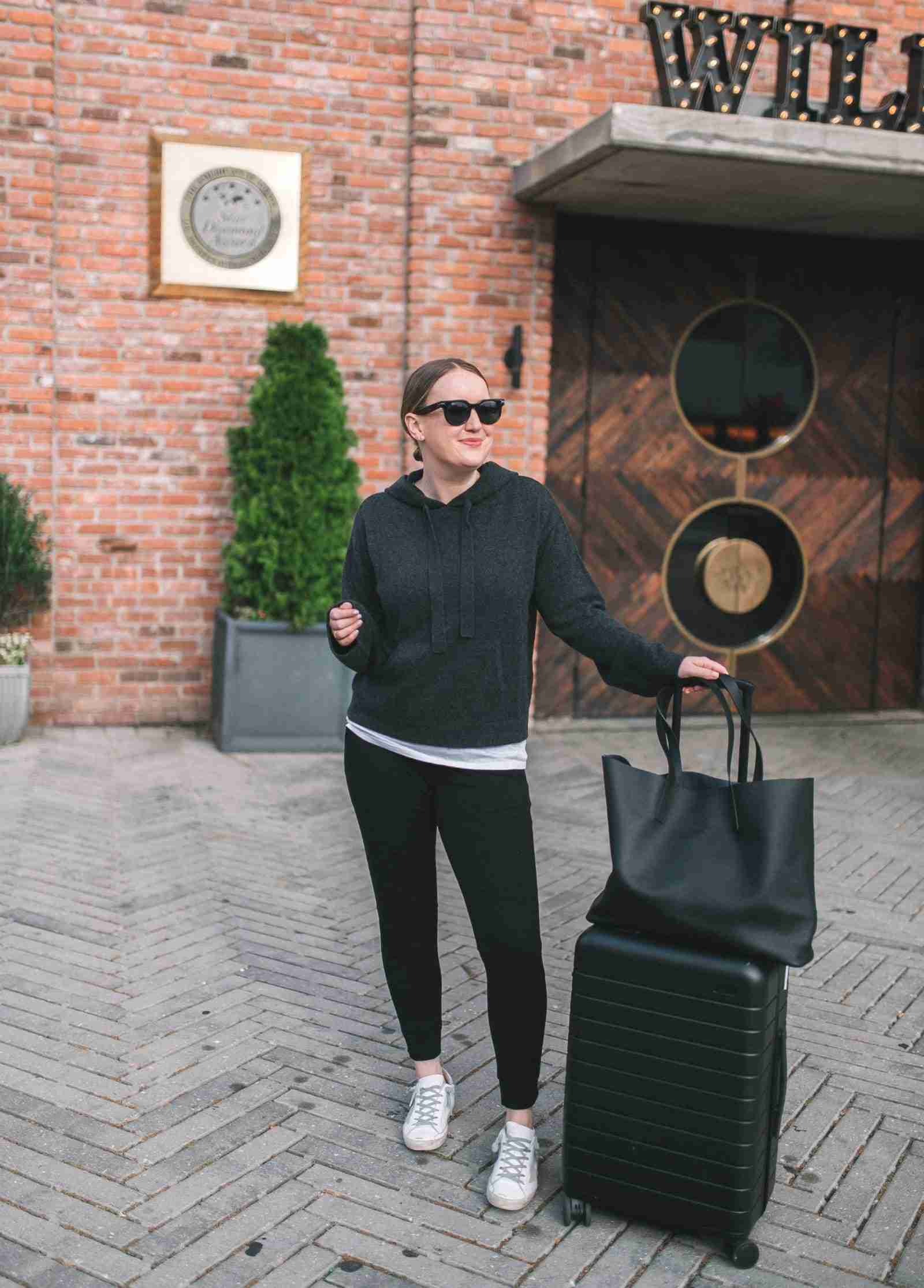
Your flight outfit should be engineered entirely around comfort, not aesthetics — though with the right pieces, you don’t have to sacrifice one for the other. The most practical move is wearing your bulkiest shoes — sneakers or boots during winter months — onto the plane to free up luggage space, since there’s plenty of walking through the security line, baggage claim, and gate connections before you ever sit down. Once seated, anything that restricts movement or digs into your skin — tight jeans, snaps, buttons — becomes quietly maddening over a ten-hour stretch. Leggings or yoga pants are the obvious solution, but there’s more nuance to a genuinely great flight wardrobe than just going stretchy.
The fabric you choose matters more than most people realize. Bacteria-resistant fibers like merino wool, hemp, silk, and linen are far superior to synthetic blends for long-haul travel — they manage odor naturally, stay cozy and warm when cabin temperatures drop, and remain resilient after hours of wear. Merino wool specifically is the gold standard travel textile: soft against skin, odor-resistant, and breathable enough to handle the strange thermal swings of recycled cabin air. Build your outfit from wool blended socks up through a wool shirt or hemp shirt, and wool-silk underwear for full coverage — your future self, arriving fresh after fourteen hours in the air, will thank you. When you reach your final destination, you want to step off that plane ready to move — not wrinkled, stiff, and smelling like a comfortable seat that’s seen better days.
17. Vitamins & Medications

After a particularly brutal experience with lost luggage that left me stranded without basics for days, I started treating my carry-on like a backup pharmacy. A few days’ worth of vitamins and medications tucked into a small pouch — alongside an extra pair of undies — has saved me more than once. It’s the kind of preparation that feels excessive until the moment it isn’t, which in travel terms means it’ll matter exactly when you least expect it.
For the flight itself, having a targeted medications lineup makes a significant difference in how you arrive. Dramamine taken before takeoff is magic for anyone prone to nausea — it works for hours and handles even the most turbulent passage through every cloud on the route. For overnight flights and red-eyes, a mild sleeping aid is the difference between arriving functional and arriving destroyed: Benadryl (or its cheaper off-brand equivalent) knocks most people out cleanly, while Melatonin offers a gentler, more natural solution that aligns better with resetting your clock. Stomach enzymes round out the kit — airplane food tends to be heavier and more processed than what most people normally eat, and having digestive support on hand prevents that bloated, irritated post-meal sluggishness that makes the second half of long flights miserable. Pack smart, digest comfortably, land ready.
18. Gum
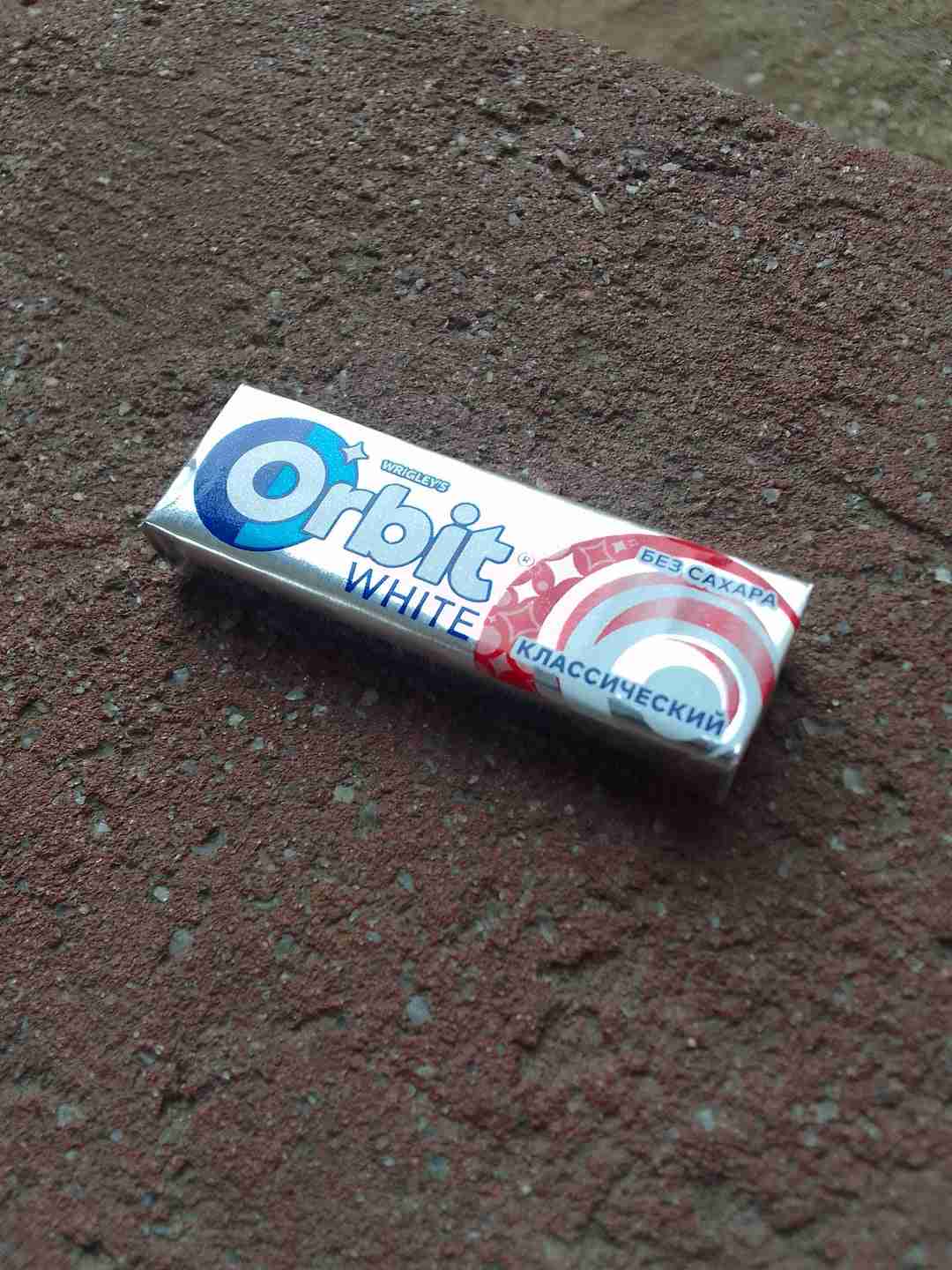
A small pack of gum earns its place in every carry-on for two completely different reasons. The first is physiological: chewing during takeoff and landing helps regulate pressure in your ears as you ascend and descend, which is a genuinely useful trick for anyone prone to ear discomfort on long flights. The second is purely social — after hours of recycled air, stank breath is an unavoidable reality of flying, and fresh breath is a small courtesy to everyone around you, including yourself when you’re finally having that post-flight conversation.
19. Facial Cleansing Wipes
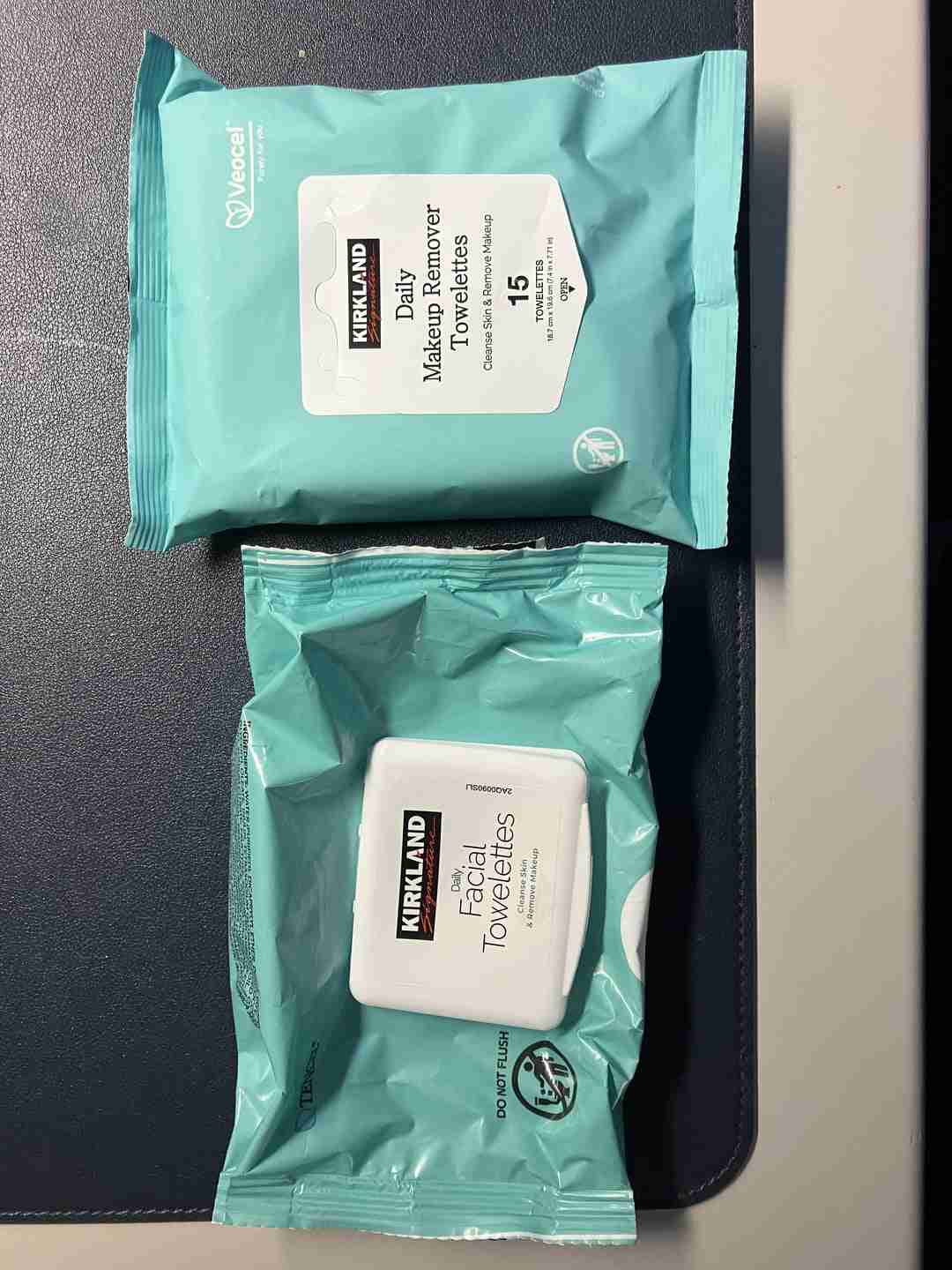
Bioderma has built a loyal following among travelers for good reason — their micellar cleansing water formula in wipe form is one of the gentlest and most effective ways to do a quick mid-flight refresh without needing a full sink setup. Use them to remove your face mask when you land, or simply to reset your skin after a few hours in the air. The result is a cleaner, calmer complexion that makes the transition from plane to destination feel significantly less jarring.
Travel Insurance
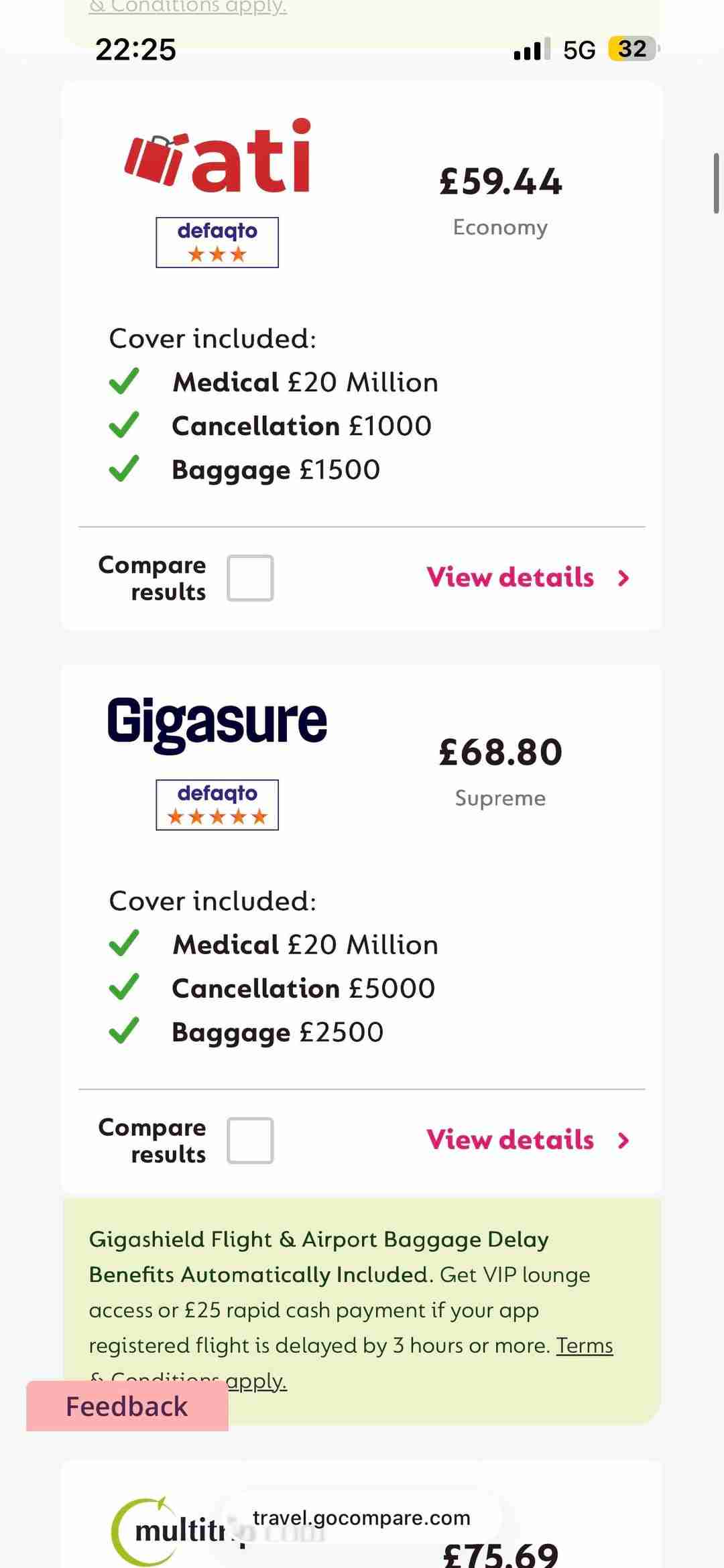
Nobody books travel insurance thinking they’ll use it — and that’s exactly the mindset that makes a single snowstorm or missed connection a thousand-dollar problem. Airlines cover remarkably little when things go sideways: a weather delay is your problem, a missed flight connection cascades into missed hotel reservations and taxi costs that add up fast, and lost baggage or stolen baggage is rarely compensated at full value. Real travel insurance — not the checkbox you skip during booking — covers the gaps airlines won’t: hotel costs during delays, emergency doctor visits, trip cancellations, and personal belongings that disappear in transit.
World Nomads has been my go-to for international coverage for years, and across multiple claims — including an unexpected hospital visit and a trip I had to cancel mid-journey — the reimbursement process was straightforward and fair. For those who travel frequently, pairing a dedicated policy with a strong travel credit card like the Chase Sapphire Preferred Card adds another layer: it covers trip delays, additional cancellations, and lost baggage automatically on purchases made with the card, effectively turning regular spending into travel protection. The points don’t hurt either. Think of the combined cost less as an added expense and more as the airline safety net you’re currently flying without.
Airport Lounge
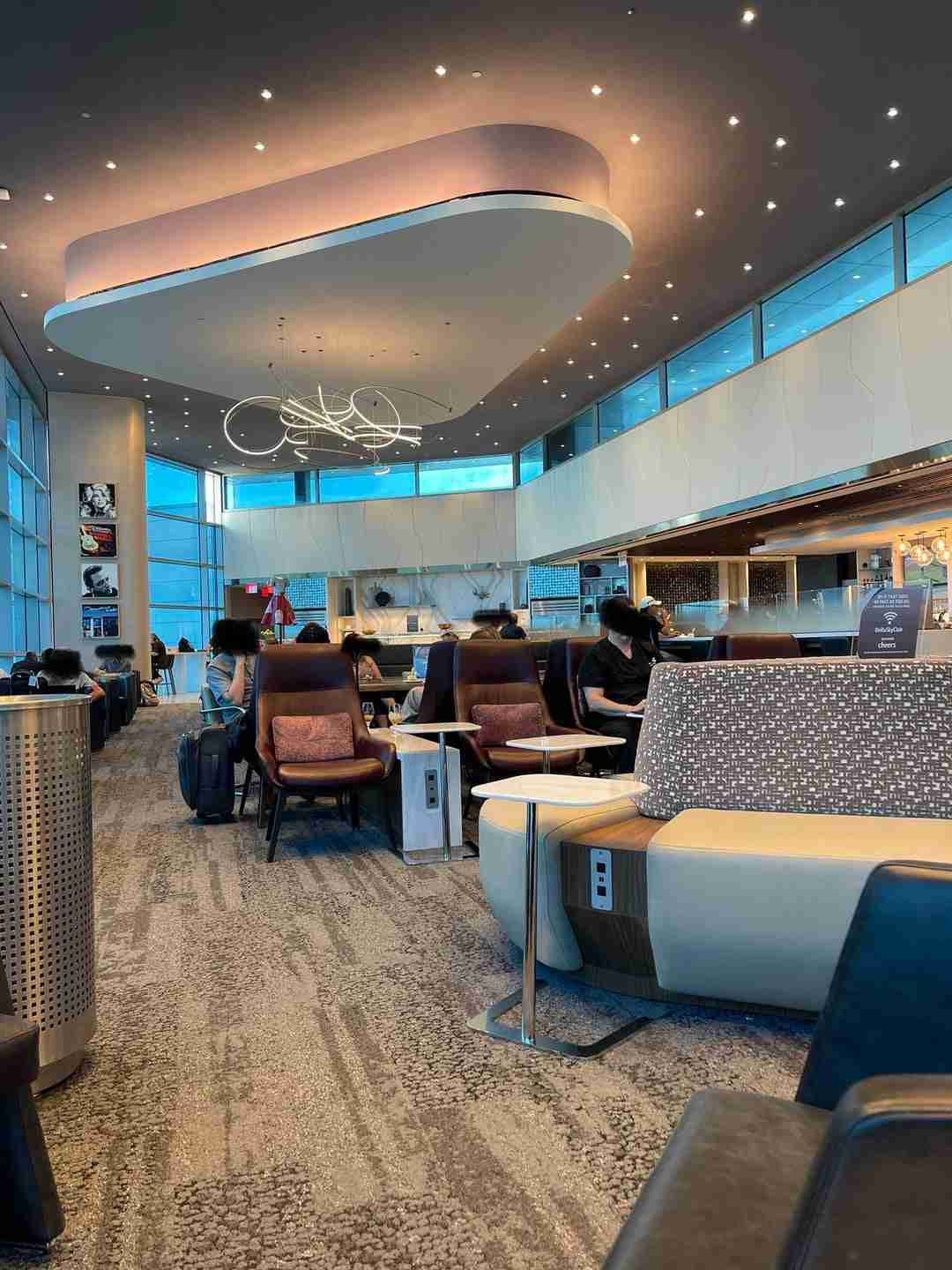
The assumption that airport lounges are exclusively for ballers with unlimited expense accounts is one of the most persistently wrong ideas in travel. Access is far more democratic than it looks — travel credit cards like the Chase Sapphire Reserve and Capital One Venture X both include complimentary Priority Pass membership, which unlocks a global network of lounges covering most major hubs around the world. For everyone else, Priority Pass is available independently, and the per-visit cost is a fraction of what most people imagine.
What you actually get inside changes the entire airport experience: a proper shower, unlimited food, drinks (yes, including booze), comfy chairs, and reliable Wi-Fi — all for something in the range of €35 at many locations. For anyone grinding through a long layover in economy class, spending that on a lounge is less an luxury and more a survival decision. Once you’ve spent a long connection restored, clean, and well-fed rather than camped on a terminal floor next to a broken outlet, the concept of paying for lounge access becomes completely obvious.
TripIt App
Managing a multi-leg international itinerary across multiple email threads, airline apps, and forwarded confirmation screens is the kind of organizational chaos that travel doesn’t need more of. TripIt solves it elegantly — connect it to your email and it automatically pulls every flight itinerary, hotel booking, and travel plan into a single, clean app interface. Your terminal, gate, confirmation number, and flight duration are all surfaced without any manual input, which means less frantic screen-scrolling at 5 AM and more confident navigation through the airport.
Beyond the basics, TripIt layers in genuinely useful intelligence: airport maps, concourse lounge locations, and the ability to securely store travel documents behind a PIN — or back them up in DropBox for an extra safety layer. It works seamlessly on Android phones and iOS alike, and the free version covers everything most travelers actually need. Think of it as having a well-organized travel assistant living in your pocket, quietly making sure nothing falls through the cracks between gates.
Small Insert / Carryall Bag
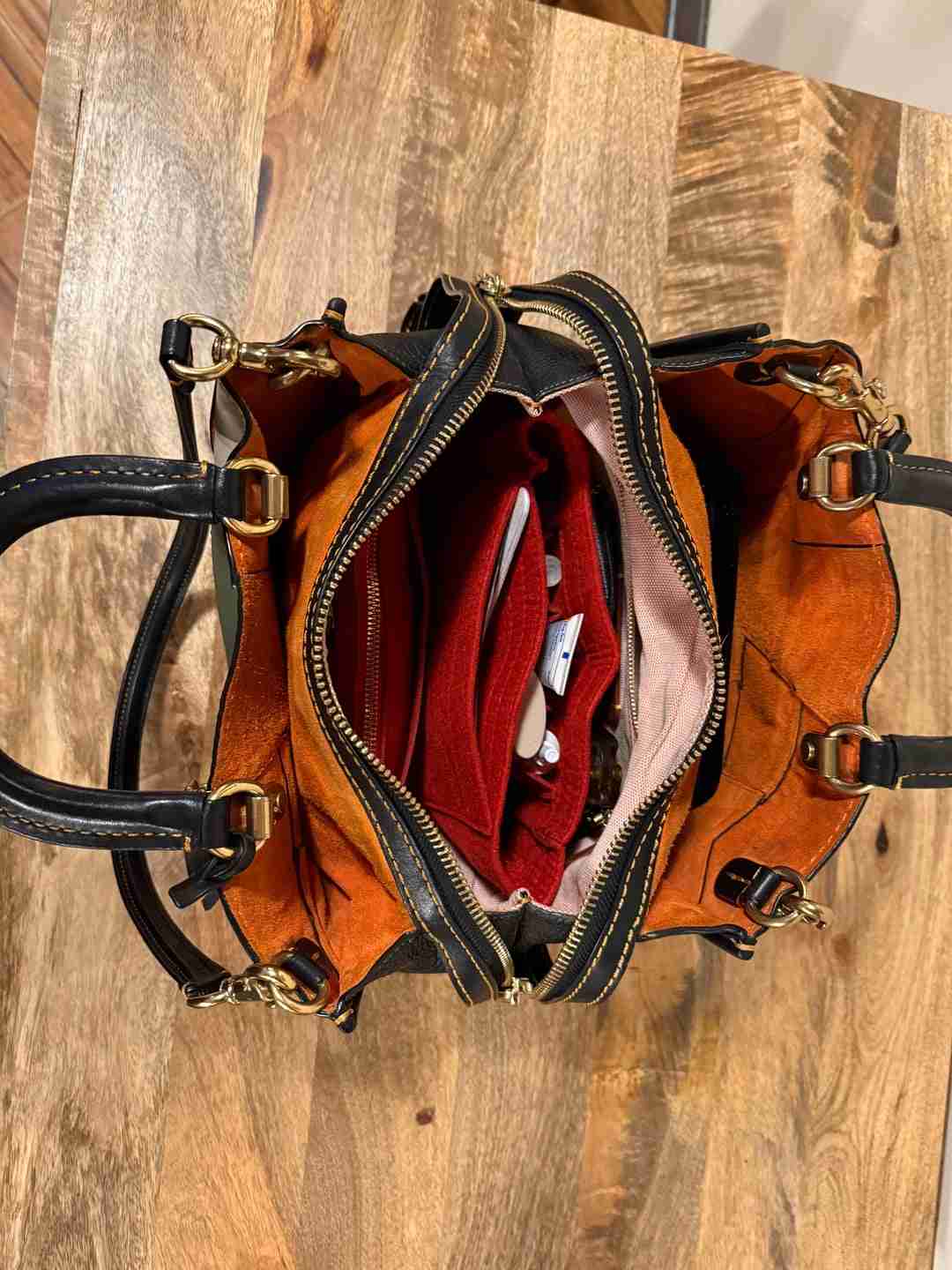
Inside a larger carry-on, a mini insert bag or carryall functions as your command center — the place where everything you need within the first sixty seconds of reaching your seat actually lives. Chapstick, hand lotion, a pen, a small journal for notes and trip ideas: these are the items that define whether your in-flight experience feels prepared or chaotic. Pulling the whole pouch out at once, rather than excavating your main bag mid-turbulence, is the kind of small organizational win that compounds across an entire trip.
For travel photography work or any trip where you’re moving fast between locations, a mini carryall that transfers directly from carry-on to travel purse without repacking keeps your essential items continuously organized and accessible. It’s the closest thing to having pockets in everything — a problem every traveler understands deeply.
Hair Accessories

Ten hours after boarding a plane looking put-together, your hair has its own agenda. A silk scrunchie is the underrated essential that solves this elegantly — pull everything into a high ponytail, and somehow the result is curls that look deliberately styled rather than travel-beaten. The silk material prevents the frizz and creasing that standard elastics cause, meaning your post-flight appearance is genuinely better than expected. It’s one of those items that weighs nothing, takes up no space, and quietly improves a small but real part of the travel experience.
Cuticle Scissors & Nail File
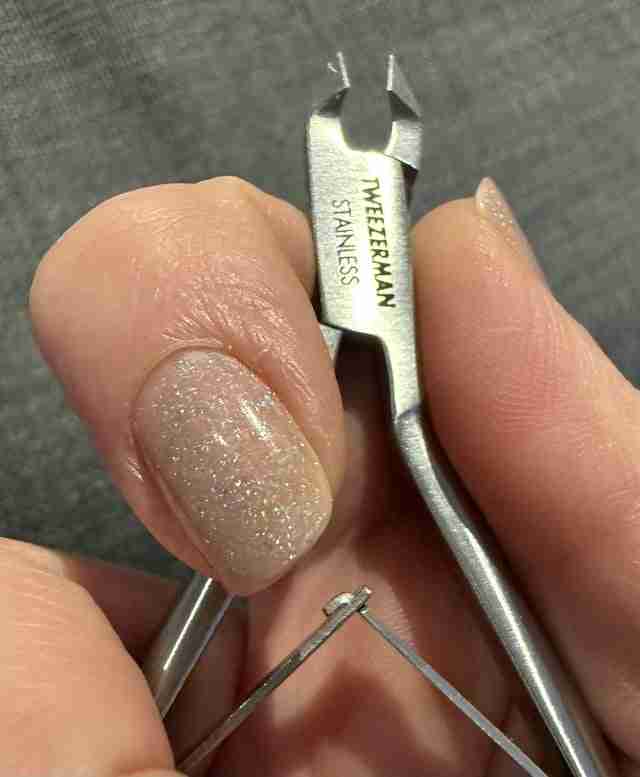
Flying makes some people anxious — and nervous habits like picking at nails become almost automatic at altitude. A compact nail file and cuticle scissors tuck into any toiletry pouch without a second thought and prevent the kind of mid-flight damage that turns a nervous habit into a genuinely uncomfortable situation for the rest of the trip. Small, practical, easy to forget — which is exactly why they belong on this list. Keep them in your checked or carry-on depending on your airline’s rules for sharp objects on planes.
Deodorant
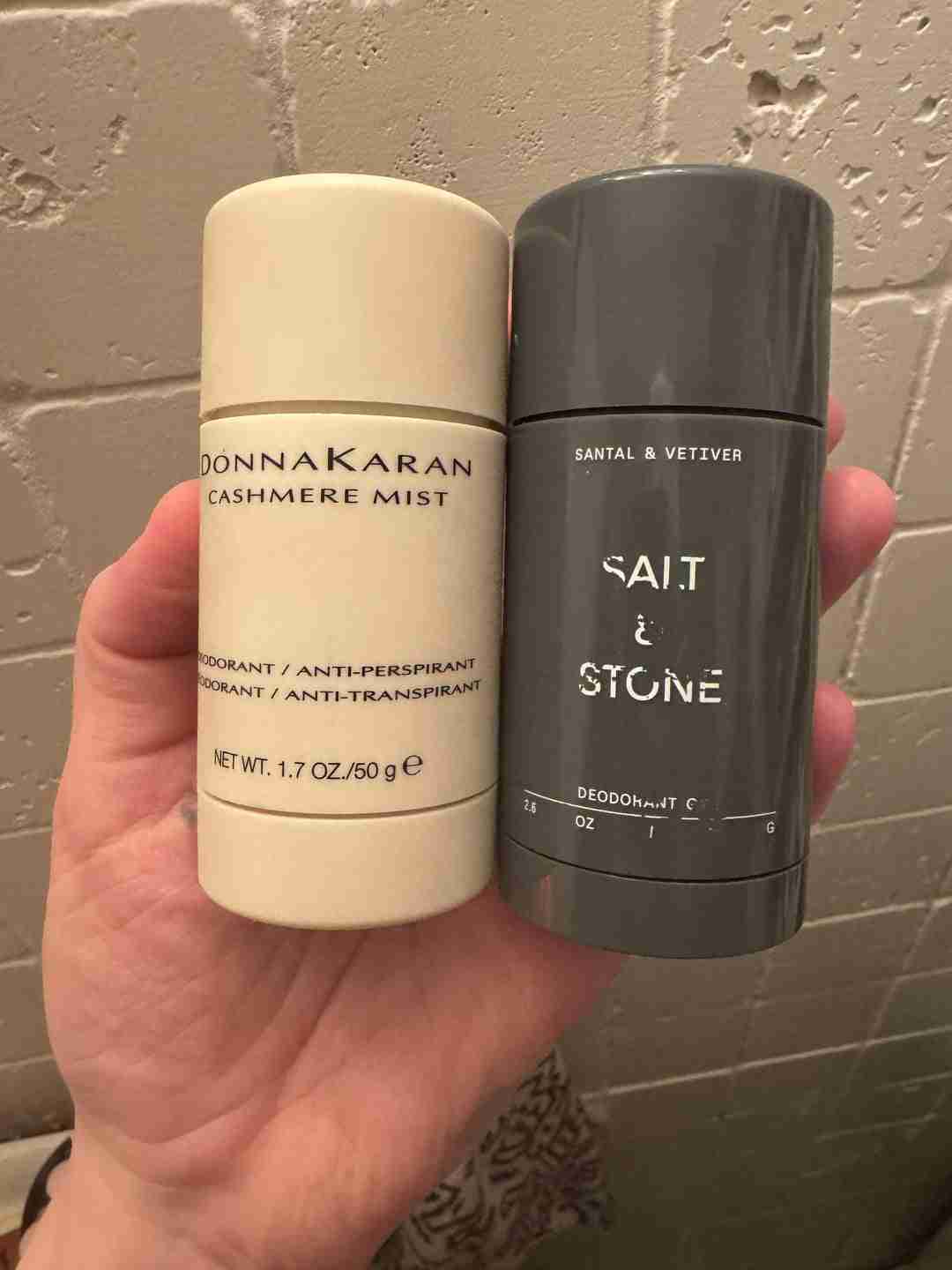
This one is, candidly, more for the people sitting next to you than for yourself. Recycled cabin air is merciless, and even people who don’t normally need mid-day refreshing will benefit from a swipe of deodorant after a few hours aloft. An all-natural formula — free of unnecessary chemicals, with a subtle scent like honey — is the ideal choice: effective, long-lasting, and inoffensive in a confined space where everyone is breathing the same air. Pack it in your accessible mini carryall rather than your checked bag.
Jewelry Box
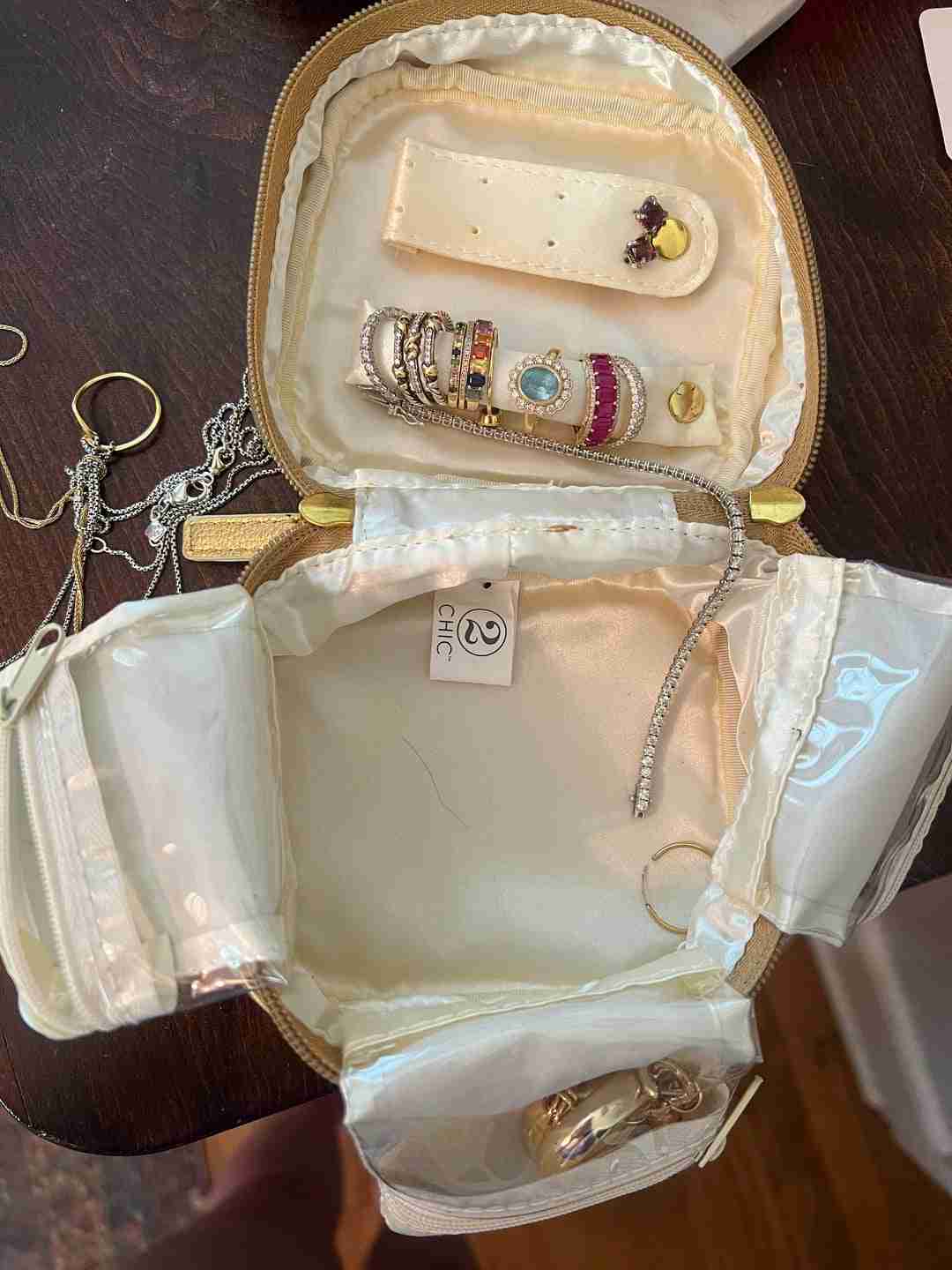
The first time I lost my luggage for seven full days — and nearly lost pieces that genuinely couldn’t be replaced — I made a rule: jewelry travels with me, always. A slim jewelry box that fits inside your personal item keeps irreplaceable pieces safe regardless of what happens to your checked bags, and after enough lost luggage experiences, you’ll understand exactly why 7 days without your things reframes what travel preparation actually means. Sentimental value aside, it’s also just smart risk management.
Long Flight Essentials for Kids
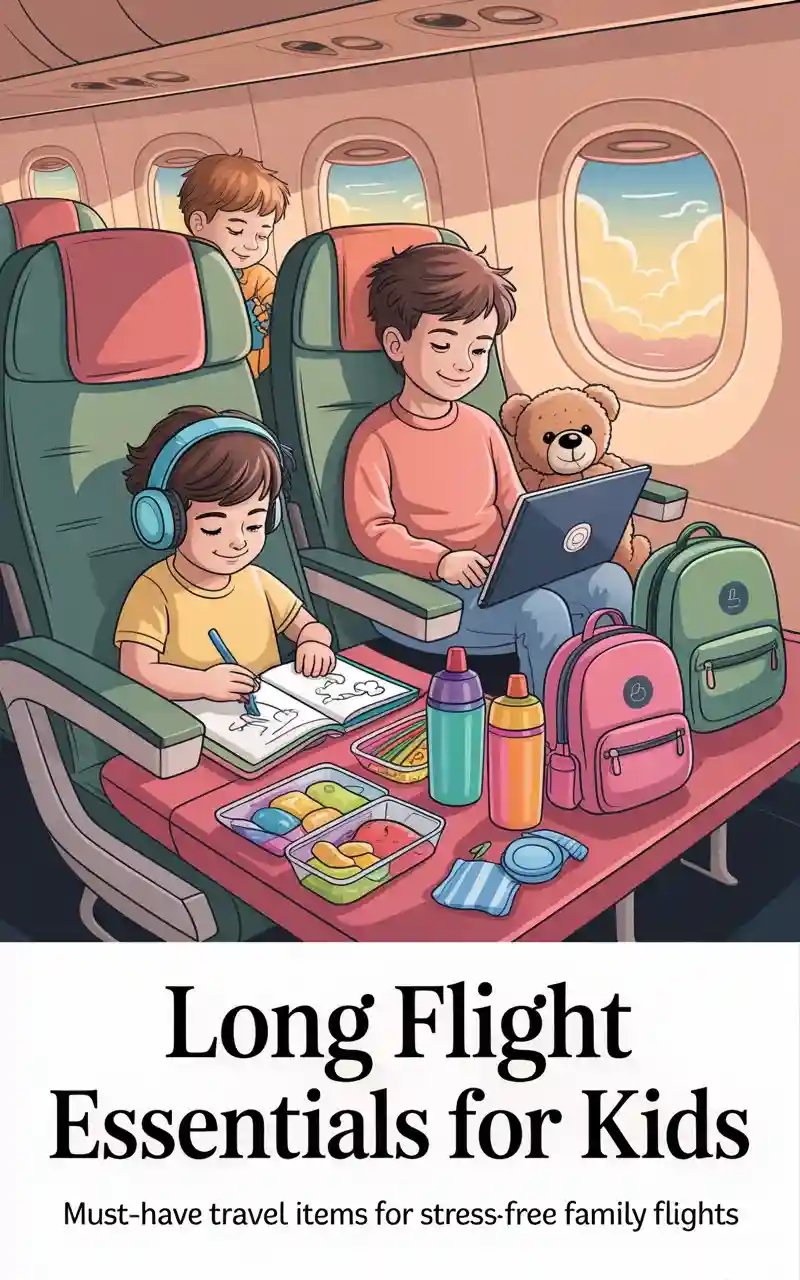
Traveling internationally with kids — whether you’re wrangling babies, pre-teens, or a five-year-old somewhere in between — requires its own dedicated packing logic. For our kiddo, who first flew internationally at 3 years old and is now a seasoned 5 years old traveler, the kit centers on an iPad preloaded with free apps like Khan Academy Kids (which works in both WiFi and offline modes), books borrowed through the Libby App from the local library, and enough downloaded content to survive a connection delay. Bluetooth headphones with a standard jack are essential — some plane entertainment systems still use older ports, and getting locked out of the in-flight movie selection mid-flight is a problem you don’t want to solve on the fly with a five-year-old.
Snacks are non-negotiable and should be packed in quantities that feel excessive — they won’t be. Activity books (the Peter Pauper Press range is genuinely excellent when you can’t source locally) give kids something tactile to engage with when screens need a break. Sleeping necessities — lovies, comfort objects, and a sleep sack for younger children — make the transition to in-flight sleep far smoother than hoping exhaustion alone does the job. The goal with kids is the same as it is for adults: arrive at your destination with enough left in the tank to actually enjoy being there.