Planning Your First Trip to Greece: The Ultimate Greece Travel Guide for First-Time Visitors (2026)
Best Time to Visit Greece
If you ask me when to book that flight to Greece, my honest answer always circles back to timing being everything. The summer months — basically June through August — mark peak season, and there’s a reason: warm weather, sunny weather, and lively beaches draw both beach enthusiasts and nightlife enthusiasts in droves. But that popularity comes at a cost. Tourist-trodden islands like Santorini, Mykonos, and Crete turn into a logistical headache during July — what I’d call peak insanity. Airports get packed, hotel prices skyrocket, and the heat turns relentless. Throw in August 15, a major Greek holiday, when locals head out on vacation themselves, and you’ve got every corner of the islands filled. Hotels, ferries, and flights all get more expensive and busy, so book in advance is not just advice, it’s survival.
Here’s where my actual experience kicks in: I’ve found the shoulder seasons — April, May, September, October — to be the real sweet spot, and not just because everyone says so. In spring, wildflowers bloom across the countryside, and popular sites like the Acropolis and Delphi feel less crowded, almost peaceful. By fall, the seas are still warm from summer, perfect for beach trips without the summer rush. I remember chatting with a restaurant owner who splits her year between tourist season and the winter months in Athens, learning new skills when sparse tourism sets in — that’s how seasonal this country really is. During these shoulder seasons, you get a full experience with significantly fewer crowds: rows of lounge chairs along the beach sitting unused, even in places like Oia. Pricing tells the same story — I’ve seen a beachfront hotel go for $110 in early October versus $350 a night during high season. That’s real money saved, not a marketing line.
Now, about weather quality during these months — if you want a HOT beach Summer vacation, the shoulder season might feel a touch cool for you, and fair enough, that’s subjective. But the dreamy weather of cooler mornings and cooler evenings, with days that are less hot, actually makes exploring island towns far more enjoyable than baking in less crowded but brutal heat. I’ll admit, walking around when it’s sweaty and everything feels overpriced isn’t my idea of a vacation, so finding that sweet spot matters. Late September and early October in particular: crowds thin out, prices keep dropping, and the water stays warm enough for swimming. This is honestly my favorite stretch for island hopping — sunny days, swimmable seas, that perfect energy without the chaos. Call it Greece’s glow up season, because once you experience it, peak summer loses its appeal entirely.
Then there’s the off season — November through March — which gets overlooked constantly, and I think unfairly. Yes, it’s brisk weather and fewer tourists, but mainland Greece has its own charm here. Thessaloniki becomes less crowded, flight prices and hotel prices fall noticeably, and visiting historical sites in the absence of heat and absence of tourists is genuinely special. Just know that limited services are common; many islands and coastal areas see businesses shut down for winter. What surprises most first-timers is that Greece has four seasons — real seasons. It can snow, the islands turn freezing cold and windy and empty, and mainland workers head home once the season wraps up. There are even mountains with ski resorts and a legitimate winter sports scene — not the postcard image most people carry in their heads before they go.
Athens
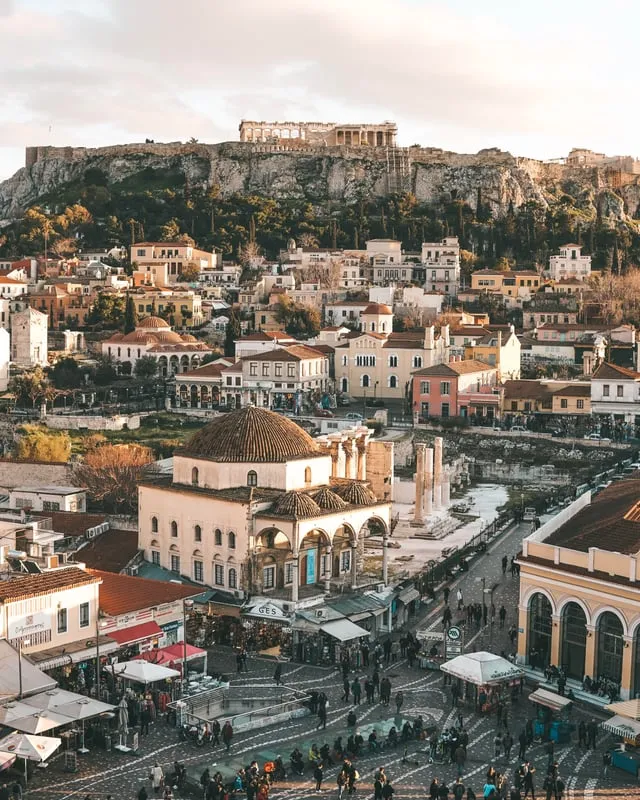
I’ll be honest, I didn’t walk into Athens with high expectations, and that’s probably the best way to do it. As a city, it ends up feeling genuinely refreshing, especially if you arrive there without being jetlagged off a long-haul flight — that timing changes everything about how much you enjoy the trip. The Acropolis is non-negotiable; standing among those ruins after years of history, philosophy, and art classes about Greek civilization is surreal in a way photos never prepare you for. Yes, it’s touristy, but go in late morning if you want to avoid the worst of June heat, or better yet, aim for late afternoon — the temperature drops and so does the crowd.
Food-wise, I still think about a tiny spot called Kostas as the perfect meal of an entire trip — a hole-in-the-wall serving souvlaki and gyro so good that my friend David went back for a second helping. Right around the corner sits Ergon House, a fancy grocery store perfect for souvenirs, followed by a stroll through the National Garden, a sprawling green space, then drinks at The Clumsies, a genuinely hip space for a cocktail. For where to stay, Fresh Hotel offers a convenient location — about a 20-minute walk to the Acropolis, right by Psyri, a lively neighborhood. Streets like Ag. Anargiron are lined with tree-lined streets and bars offering al fresco seating, ideal for people watching with a drink in hand.
Beyond the obvious, Athens carries weight as the cradle of Western civilization — home to the Parthenon and Temple of Olympian Zeus. Plan on two days minimum to properly take in the ancient ruins and world-class museums, plus neighborhoods like Plaka and Monastiraki that showcase real food culture, with traditional Greek dishes at local tavernas. A walking tour with a history expert is genuinely worth it on a first trip — I only spent a day and a half there once and still found it enough time to hit the historical spots, though I noticed graffiti everywhere, even outside areas with an artsy vibe, which took away from the city’s gravity a bit. Still, compared to the islands, Athens holds its own. The Acropolis is iconic, sure, but it’s a rookie mistake to think that’s all there is. The neighborhoods alone could fill days — the Ancient Agora, where Socrates once shared philosophical truths, the Pnyx (the actual birthplace of Western democracy, criminally overlooked), and the Panathenaic Stadium, host to both ancient Olympics and the modern Olympics. Round it out with Little Kook, the view from Mount Lycabettus, drinks in the Gazi district, or a relaxed beach day along the Apollo Coast. Athens has layers, and it’s quietly become one of my favorite cities.
Santorini
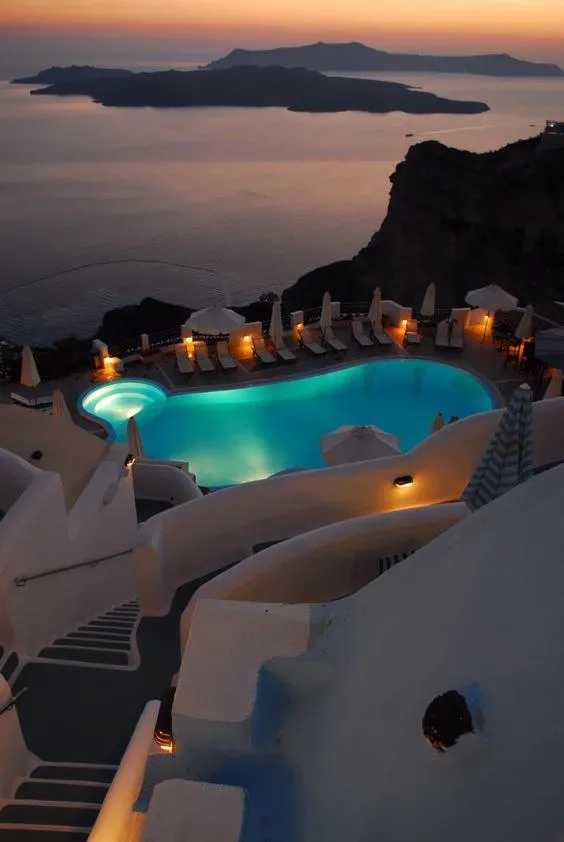
Santorini almost got skipped on my own 2020 travel plans, which sounds ridiculous now. I’d heard so much about over-touristed islands ruined by Instagram influencers chasing the same shot of white houses against the blue Aegean Sea that I nearly avoided it. But traveling during a quiet time changed my mind completely, and the gorgeous views did live up to the photos — though it never became my favorite island. With over 200 Greek islands scattered across the Aegean Sea, I’d still nudge first-timers to look beyond Santorini if deals or a laid-back experience matter to you, because accommodation options here come with a vibe that’s undeniably expensive.
What makes it iconic, though, is real: white-washed buildings, dramatic caldera views, and a reputation as the ultimate romantic getaway, especially around sunsets in Oia. There are volcanic beaches and cliffside hotels that genuinely earn the hype, even with how touristy it’s become. For peace and quiet, skip the main strip and head to villages like Pyrgos or Megalochori instead. Walking from Fira along the caldera, or booking a sunset cruise for a different vantage point, are both worth your time. It’s easy to see why it’s a favorite for honeymooners and first-time travelers chasing that quintessential Greek island experience — a true bucket list destination. I spent four days there once at a chill pace, staying in the southern part of island, though if you want those romantic vibes, Oia (pronounced eee-uh) is where you want to be.
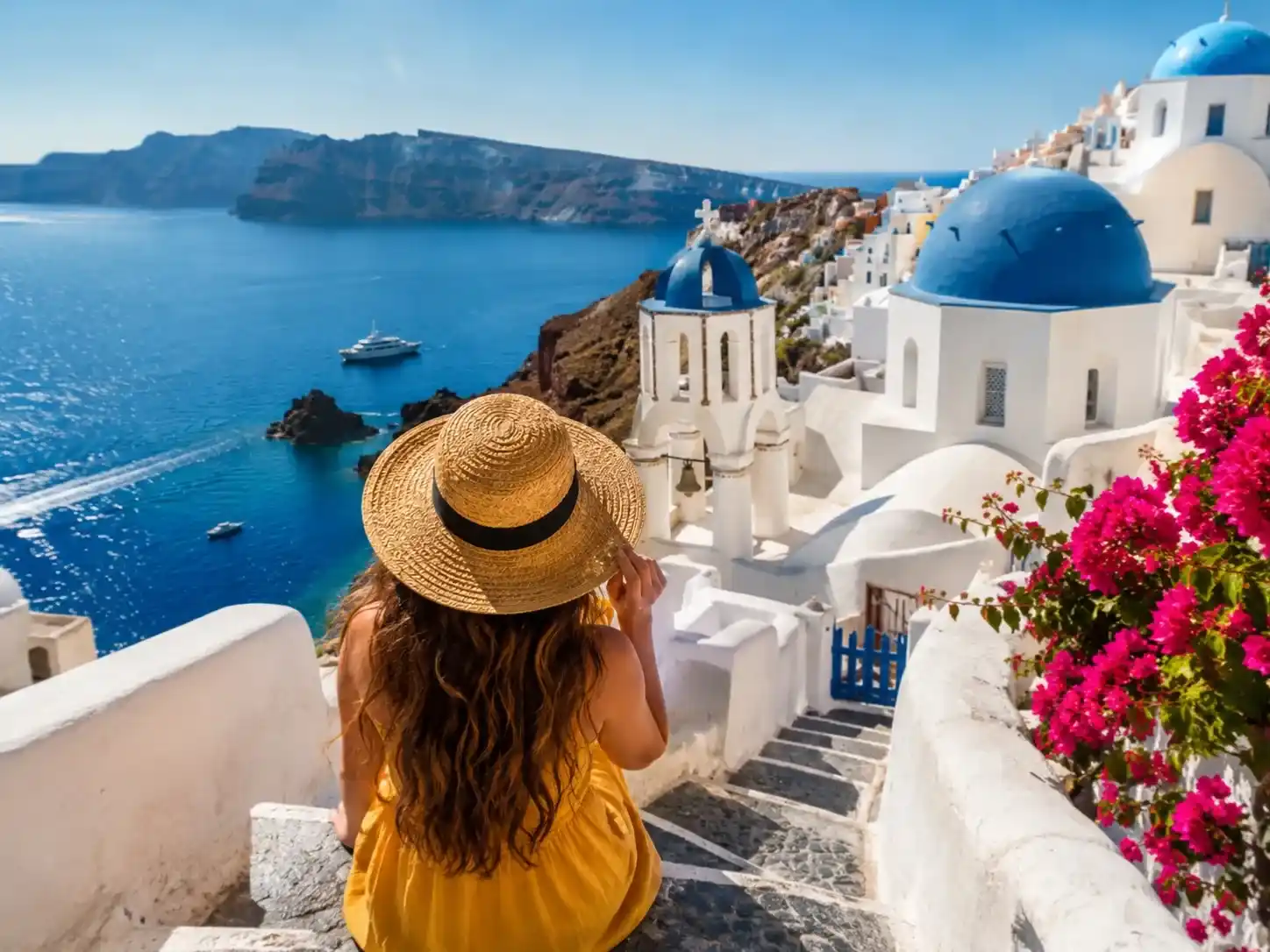
Here’s my honest take, though: Santorini is everything the white domes, godly cliffs, and pink bougainvillea images on Pinterest promise visually — it really does deliver. But it’s a genuinely hard island to love on a first visit; it’s intense. The crowds are relentless, creating actual human traffic jams by afternoon once cruise ships unload thousands of people at once. Golden hour becomes a competitive sport, and you will end up in strangers’ photos more than once. Everything costs more — hotels, meals, taxis, even coffee or lunch feel inflated, and you start doing mental math instead of relaxing into that carefree energy everyone promises. The logistics wear you down too: this island wasn’t built for this large volume of visitors, so roads stay tight, parking is limited, and getting anywhere demands real patience and planning. It’s doable, just not effortless. My take: Santorini makes far more sense once you already understand Greece, not necessarily on your first time.
Getting Around Greece / Island Hopping & Ferries
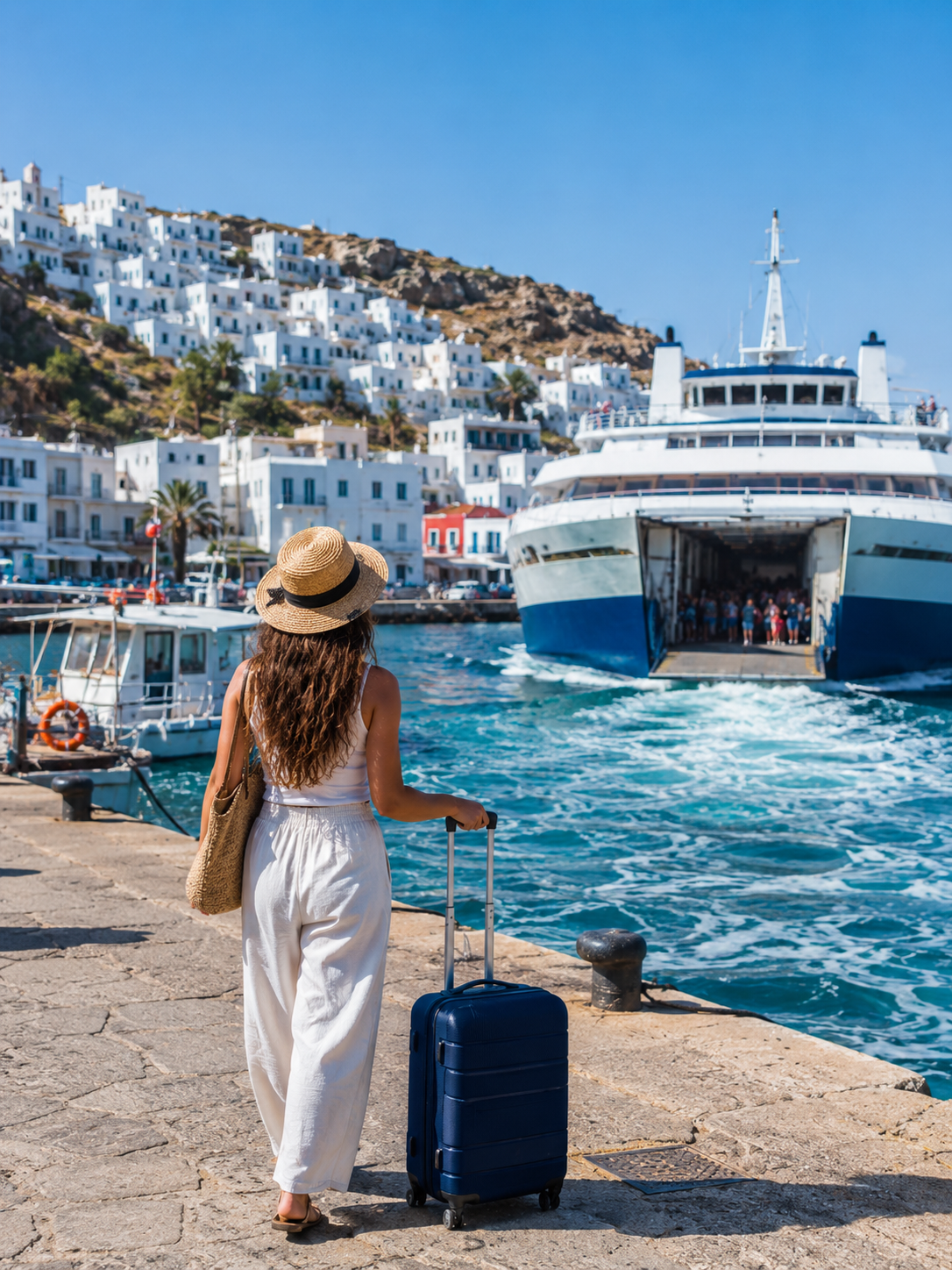
Getting between islands sounds intimidating on paper, but it’s genuinely easy and affordable once you’re in motion. I booked everything through Ferryhopper and had mobile tickets the whole trip — ferries ran late occasionally, but it remained the most effective way to reach popular destinations like Mykonos, Santorini, Crete, and even smaller places most tourists skip. Greece runs an extensive ferry system, with both fast ferries and budget options depending on your timeline, though you’ll want to book tickets in advance, especially in summer, since they book up fast. If you’re short on time, flights between larger islands — Crete, Santorini, Rhodes — are far more time-efficient.
On mainland Greece, renting a car opens up lesser-known sites you’d otherwise miss entirely. The roads stay well-kept, giving access to mountain villages, archaeological sites, and coastal areas that public transport simply can’t reach. In cities like Athens, though, car not required is the better mindset — public transport works fine, and parking tricky situations aren’t worth the hassle. It’s really road trips through the Peloponnese or northern Greece where having own wheels becomes a genuine game changer.
I’ll always remember reaching Tinos by ferry and having a genuinely great experience, even though I leaned on flights for most of my trip due to time. Whether you fly or take a ferry, island hopping stays an easy hop, particularly with Santorini and Mykonos both connected to airports and major European cities from April through October. One route I’d suggest: fly from London to Mykonos, ferry between islands for a night or two each, finishing in that dreamy island of Santorini, then fly home from there. During high season, advance booking matters more, though it’s a touch more relaxed during shoulder months — you can wait until closer to date. Just don’t wait too long on a high-speed ferry option, since those tend to fill faster than the rest.
Sifnos
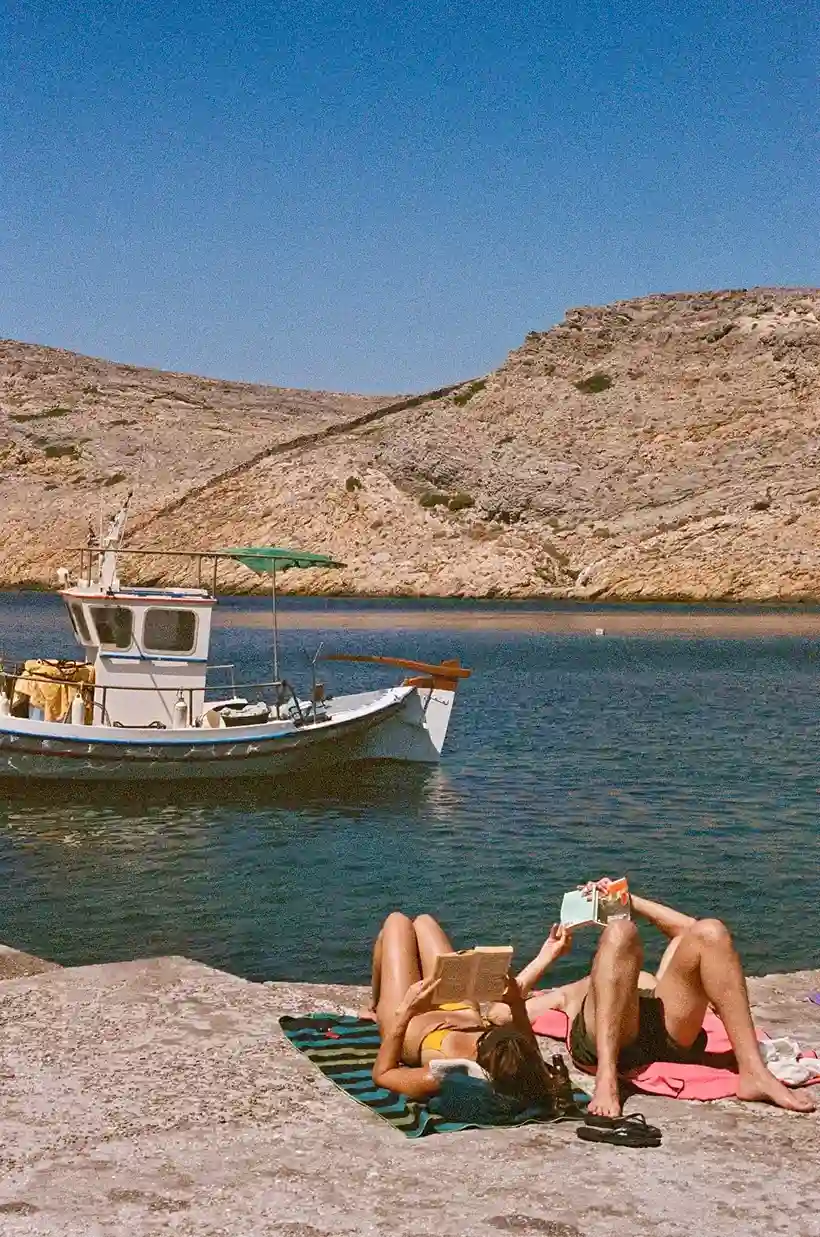
Sifnos earns its reputation as a quieter alternative to Santorini, and I mean that as genuine praise rather than a consolation prize. Its white houses and picturesque cobblestone street carry the same charm, minus the chaos, and it’s become something of a foodie destination, especially loved by French tourists chasing exactly this kind of laid-back culinary scene. My own visit got dampened by rain — a rainy day that I’ll admit threw off my whole mood for the day.
That weather mattered more than I expected here, since Sifnos leans heavily on its restaurants and al fresco courtyards. With indoor dining closed under Covid regulations during my stay and the outdoor tables washed out, I didn’t get to enjoy as many delicious meals as I’d hoped. The exception, though, was my actual hotel — Gerofinikas Boutique Hotel delivered genuinely incredible meals, especially breakfast: think freshly baked bread, Greek scrambled eggs, thick Greek yogurt topped with fresh fruit, dried fruit, nuts, and a rotation of homemade baked goods.
We’d planned on a cooking class at Narlis Farm, but participation limits from Covid pushed us toward a pottery class instead — genuinely great for beginners like me, and a fun way into learning the island’s signature pottery. We left with a few gorgeous bowls. Even with the rain, wandering through Apollonia and Artemonas felt special, and the picturesque streets there pulled us in. My favorite corner, though, was the seaside stretch at Kavos, home to the genuinely beautiful Chapel of the Seven Martyrs.
Milos
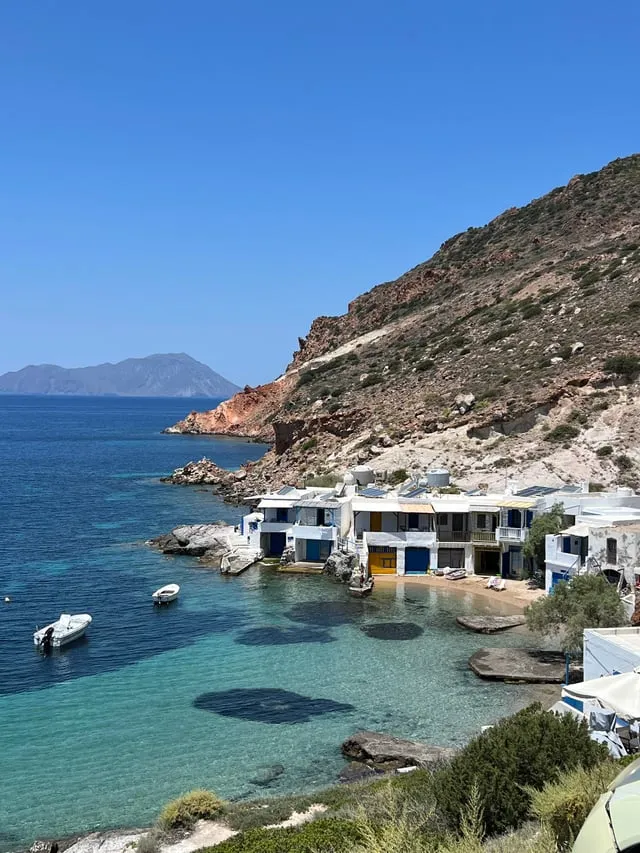
Milos stood out as my actual favorite island, no hesitation. The beaches are STUNNING, and the whole place carries a laid-back vibe that’s hard to manufacture. Cliff jumping off the white rock formations at Sarakiniko Beach became a genuine highlight — jump straight into crystal clear water, then swim through a cenote and climb back onto the rocks like it’s nothing.
Tsigrado Beach is gorgeous but genuinely tricky to reach; you’ll need to climb down through a slim canyon to get there, and back up again after. From that view, it’s a quick five-minute drive to Fyriplaka Beach, an organized beach with sandy, shallow water that made for a perfectly relaxing final stop before our late afternoon ferry. We did have to cut time short here, which meant missing a proper boat tour — some of the most beautiful beaches and caves on Milos are only accessible by boat, which still bothers me.
The unique stay itself deserves a mention: our Airbnb was a tiny fisherman’s cottage right on the water, complete with a private swimming cove. The remoteness was also the downside — we upgraded our rental car just to handle the bumpy dirt roads, having already dealt with flat tires elsewhere, and felt genuine anxiety every time we drove the single-lane dirt road with its steep drop. The tiny “town” of Skinopi made it worthwhile, and driving through Trypiti for lunch at OKTO — their shakshuka with sea views — was a standout. Klima, a colorful, picturesque fisherman’s village, rounded things out perfectly.
A Multifaceted Island of Beaches, History, and Mountains
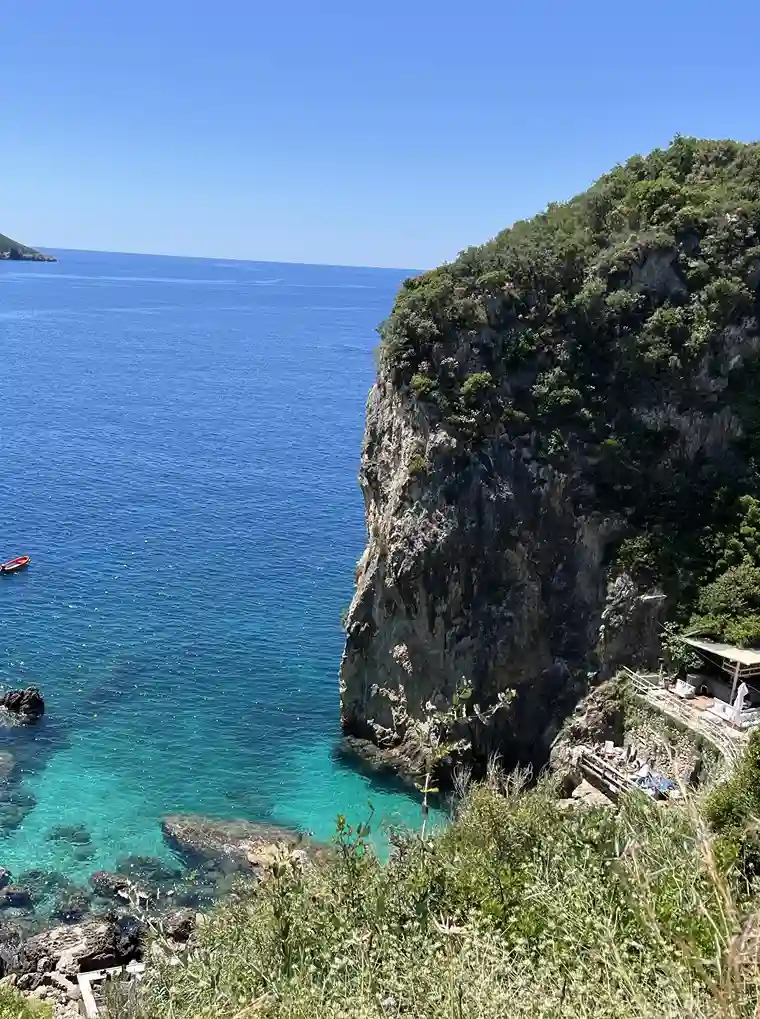
Crete earns its title as the largest island in Greece because it genuinely offers something for everyone. Its roots trace back to the ancient Minoan civilization, with archaeological sites like Knossos standing at over 4,000 years old — that storied past alone justifies a visit. Beyond the ruins, you’ll find lovely beaches including Elafonissi and Balos, plus serious hiking areas like the Samaria Gorge. The island splits into four regions, each holding its own distinct charm: Chania, Rethymno, Heraklion, and Lasithi all bring unique things to the table, whether that’s the writing town feel of Chania or the mountain villages scattered through Rethymno. For genuine balance between history, nature, and beach chill time, I’d budget at least four to five days here.
Crete is a Great First Time Island
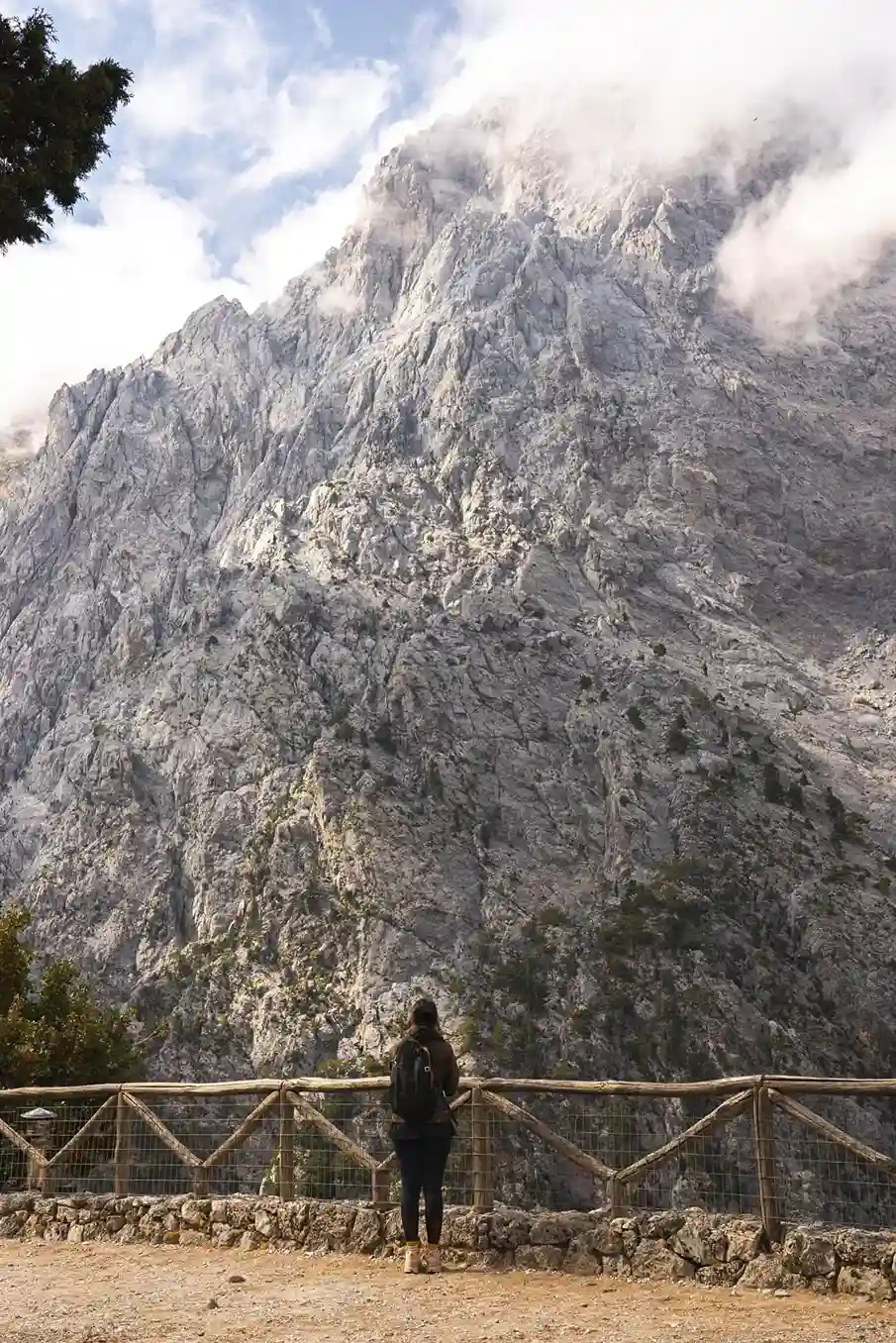
If you’re trying to land on the perfect Greek island for a first trip, Crete deserves the top spot, hands down. As the biggest island in Greece, it really does offer something for everyone — stunning beaches, epic mountains, hiking trails, ancient ruins, and proper museums all in one place. The portion sizes at meals are generous, prices stay reasonable, and the local culture feels both vibrant and welcoming, which matters more than people realize on a first visit.
Chania makes a genuinely great base, anchored by its Venetian harbor and Old Town, with easy access out to Balos Beach, Elafonisi, and the Samaria Gorge. The one thing missing is the whitewashed blue domed villages associated with the Cyclades, but Crete more than compensates elsewhere. If you still want that postcard look, there’s a fast ferry from Heraklion straight to Santorini for easy day trips.
The Peloponnese: Mainland Marvels

For anyone drawn to mainland Greece, the Peloponnese delivers historical sites and spectacular landscapes in equal measure. Here you’ll find the ancient city of Mycenae, the theater at Epidaurus, and Olympia, the actual birthplace of the ancient Olympic Games. The coastal town of Nafplio stands out particularly, with its Venetian architecture and winding passages worth getting lost in. It’s reachable by car from Athens, making it perfect for a road trip, with plenty of archaeological sites to stop at along the way for a genuinely scenic drive — a strong alternative to islands-only itineraries.
Packing Essentials for Greece
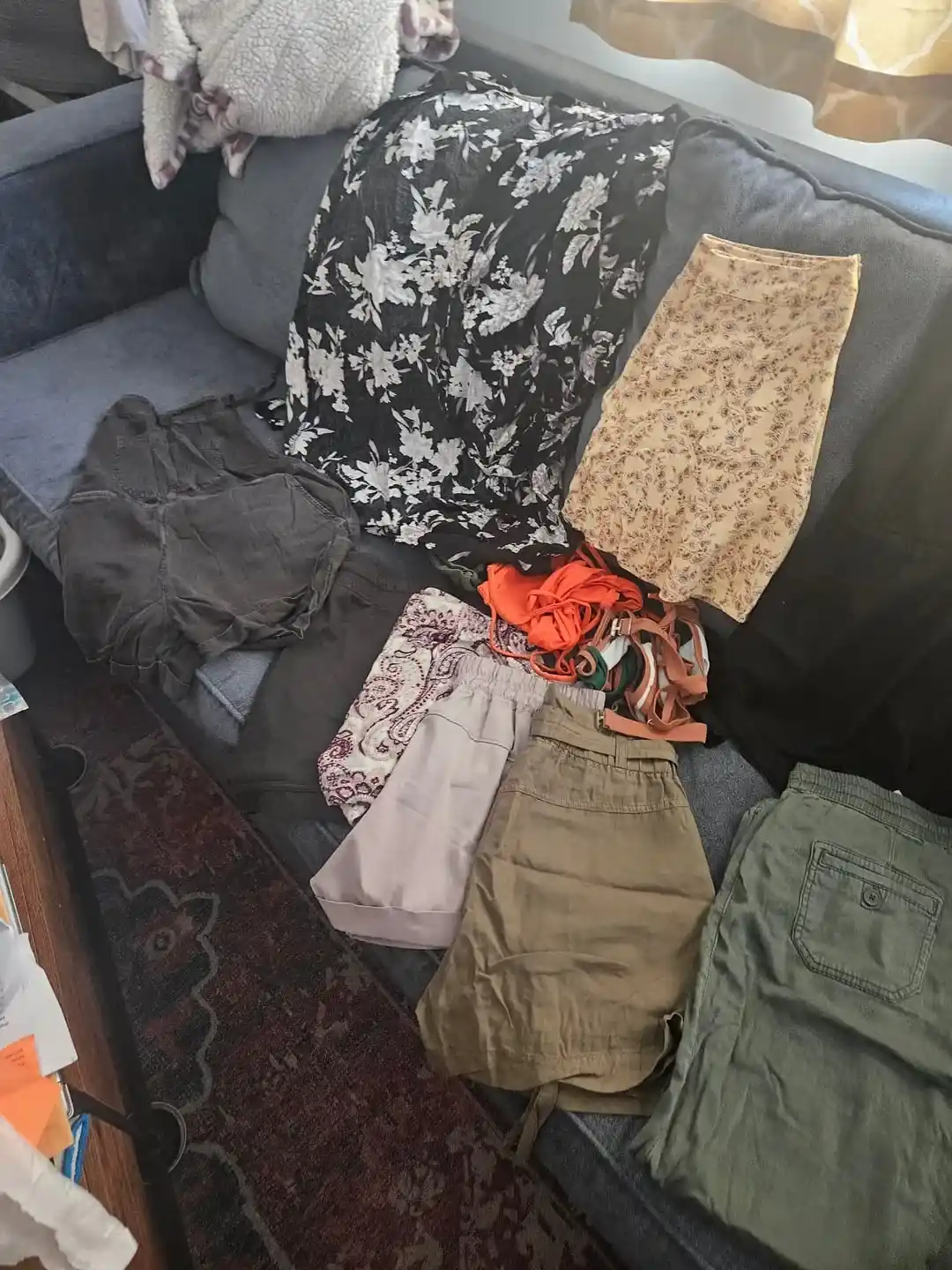
Comfortable shoes for walking aren’t optional here — between historical sites and islands covered in cobblestone streets, uneven paths, and endless stairs, this becomes a central requisite fast. I’d genuinely recommend the best travel shoes you own, whether you’re climbing village streets or tackling the Acropolis. In summer, breathable sandals or sneakers work fine; once it turns cold, switch to closed-toe shoes that can handle a bit of rain.
Sunscreen, a hat, and sunglasses round out the essentials — the Greek sun gets genuinely strong in summer, so pack high-SPF sunscreen along with a wide-brimmed hat and glasses to stay protected. Touristy areas mark sunscreen up, so it’s genuinely expensive there, pack enough before you land. Even in spring and fall, sun protection stays vital, especially on islands and beach areas, even on cooler days.
A light jacket earns its place for chilly nights, especially evenings — true across Europe, but particularly during shoulder seasons when sea breezes turn things cool. A cardigan works well for al fresco dining in Athens or watching sunset in Santorini. If you’re traveling in winter, bring a proper warmer jacket; temperatures on the mainland and northern regions can get genuinely cold.
How to Get There / Flight Costs
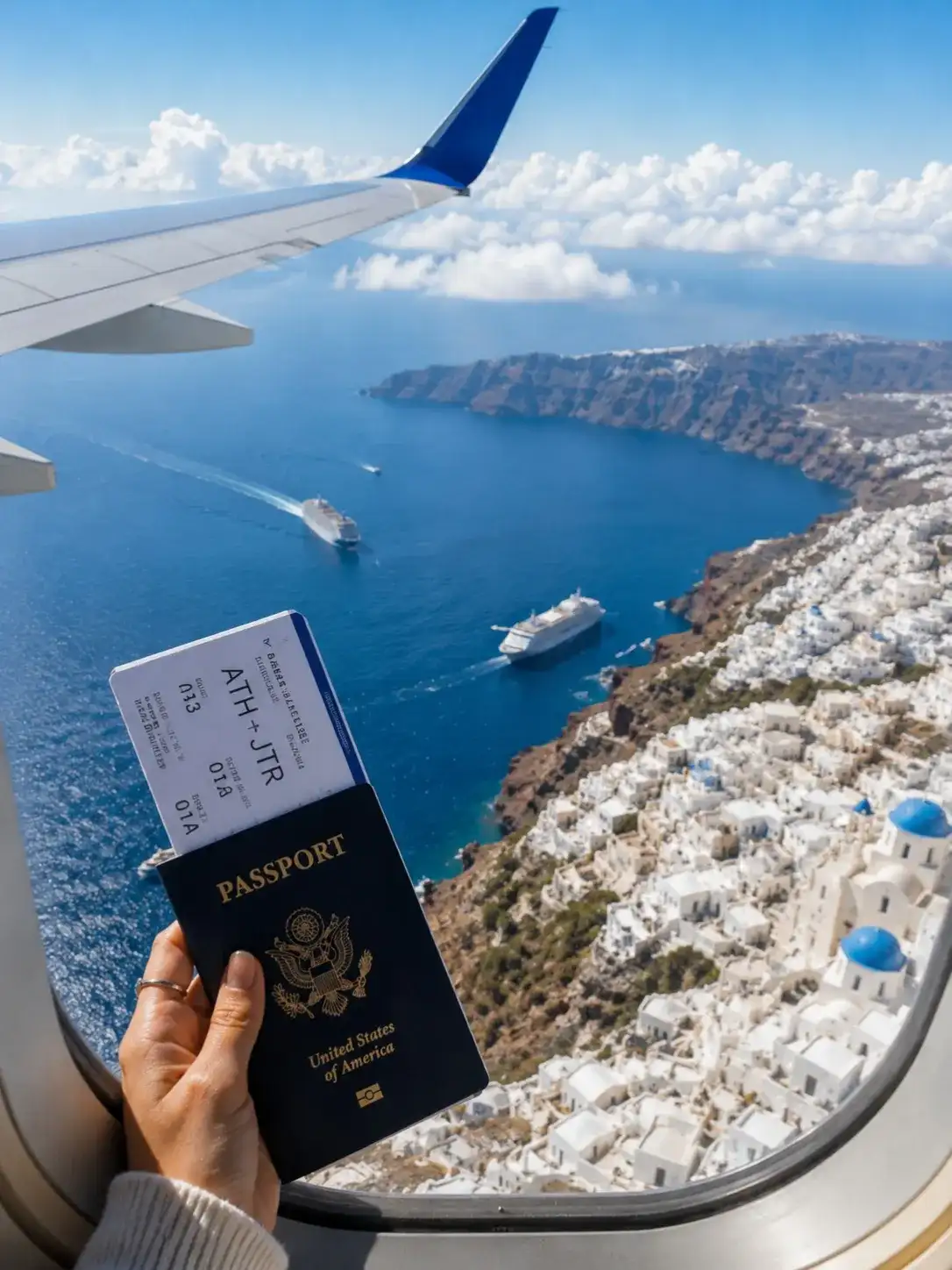
With limited time on both my trips, the math kept pointing toward flying rather than taking the ferry. Santorini and Mykonos both benefit from their own airports, and thanks to their popularity, flights there are easy to find. My general rule across Europe: book the cheapest flight in, then sort out the next destination once you’ve landed — it’s genuinely budget-friendly this way. London consistently came out as my cheapest option into Europe; from there I booked a round trip flight to Athens, then one way onward, sometimes through Tinos or Cyprus.
One trip ran under $700 for total airfare across 6 flights; the other landed over $700 once you count 5 flights and 2 ferry rides combined, including luggage fees for my carry-on on budget airlines. The real bulk of cost sits in crossing the Atlantic — flights within Europe stay genuinely affordable depending on destination and time of year. Keeping flexible dates and checking a Google flights calendar consistently turns up the cheapest tickets.
Sailing Greek Islands
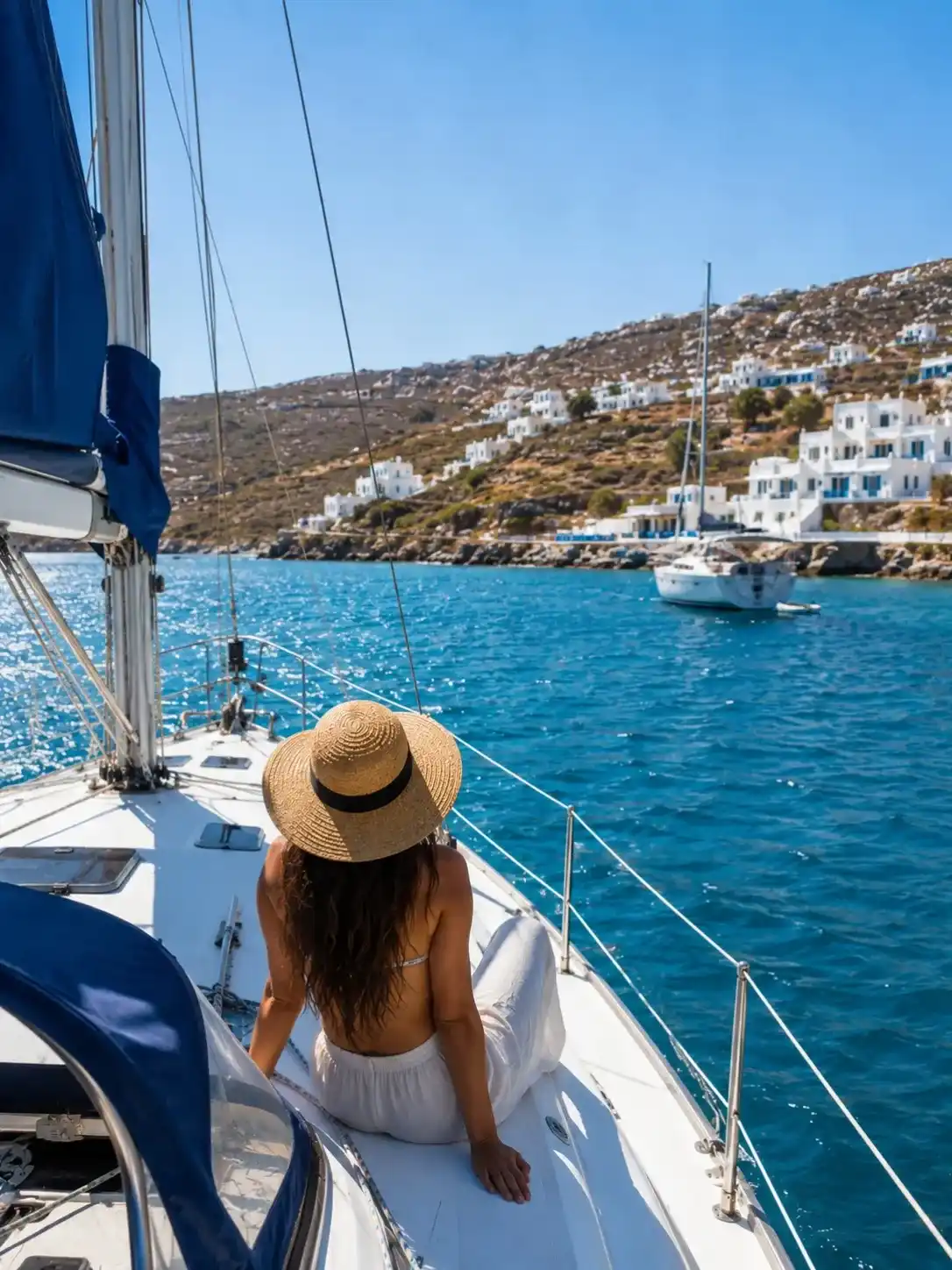
I haven’t actually crossed this off my own bucket list yet, but sailing the Greek Islands is genuinely more affordable than people assume. Services like SEARADAR let you book a boat complete with a captain and crew if you’re not experienced sailing yourself, with options across different group sizes. Most boats get rented by the week, which matters for planning your vacation, and it’s about as much freedom as island hopping gets.
Credit Cards versus Cash
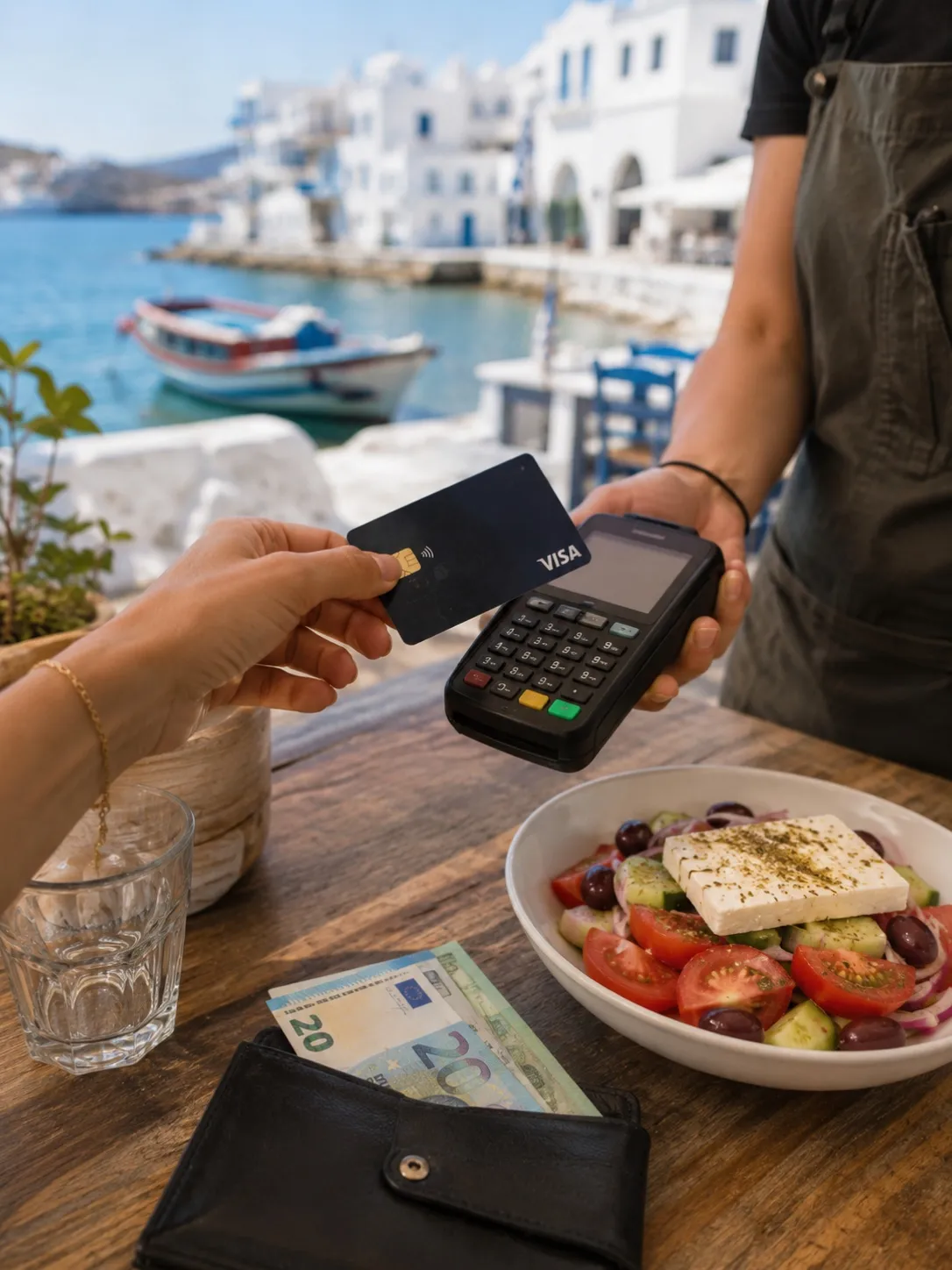
Credit cards worked fine for me throughout Greece — genuinely easy, no real issues to speak of. Having some cash on hand is still helpful in certain spots, but I leaned on cards for everything from booking ATVs to paying for Greek cuisine.
Driving or ATVing
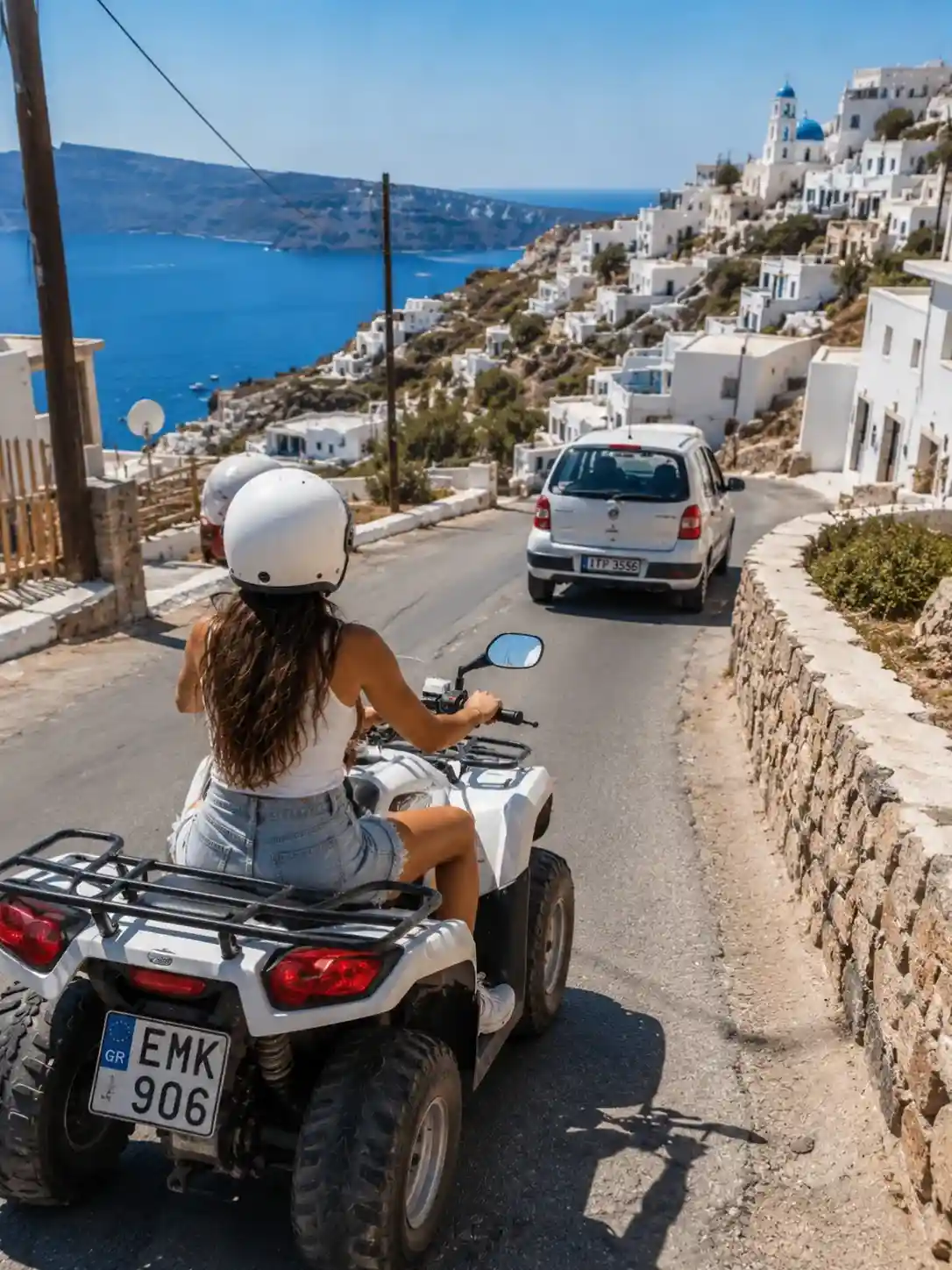
Santorini and Mykonos both worked well for rented ATVs to explore the islands, though Santorini’s intimidating landscape made the actual rentals a touch more nerve-wracking. On Tinos, I switched to a rented car, which required an International Driver’s License I didn’t actually have going in — some spots across Europe do enforce this for certain destinations, so it’s worth checking. Also worth flagging: most are manual cars, and I’m no expert stopped on a hill, so navigating felt trickier than the ATV ever did. If you specifically want automatic, reserve ahead.
Language
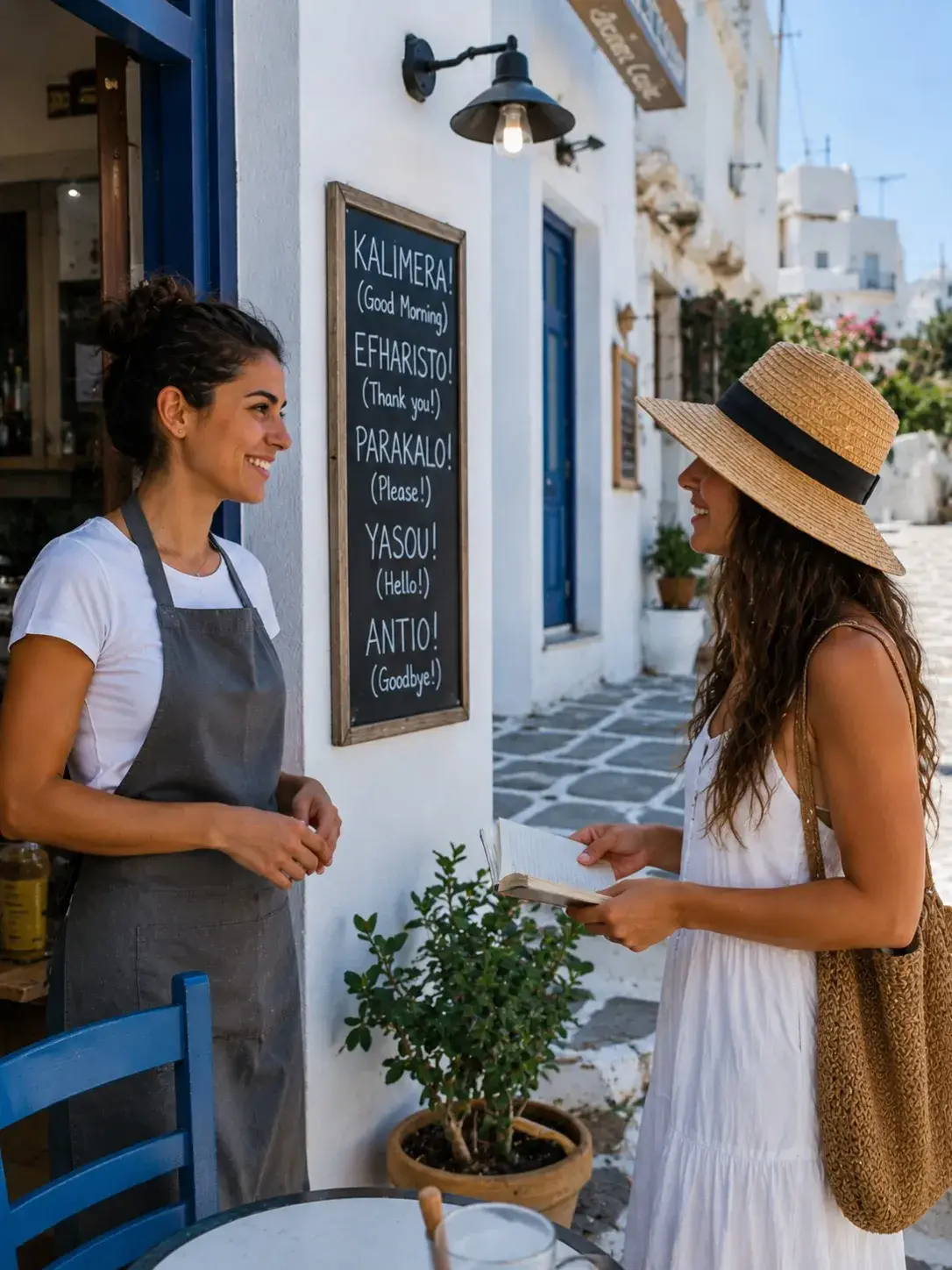
Learning a few basic greetings in the country’s language is always appreciated, though I never felt genuinely understood struggling in Greece. In the main areas you’ll find as a tourist, English stays widely spoken regardless.
Mykonos
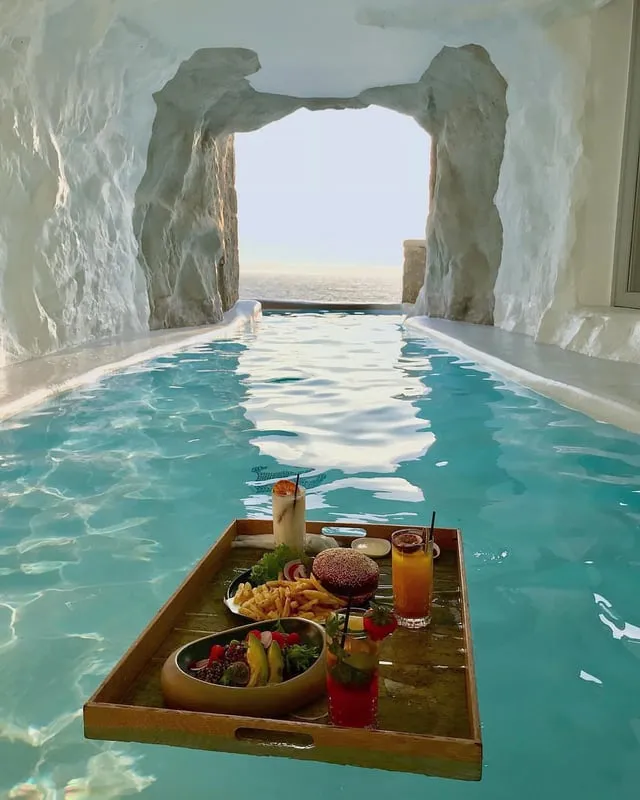
Mykonos carries the reputation of being Greece’s party island, though I’m no party girl myself. Compared to Santorini’s unmissable status, Mykonos doesn’t carry quite the same sentiment — it lacks that magical scenery, though for white sand beaches, it’s genuinely beautiful. It can be cheap to fly here, and I spent my time on a four-wheeler, just exploring island roads at my own pace.
Tinos
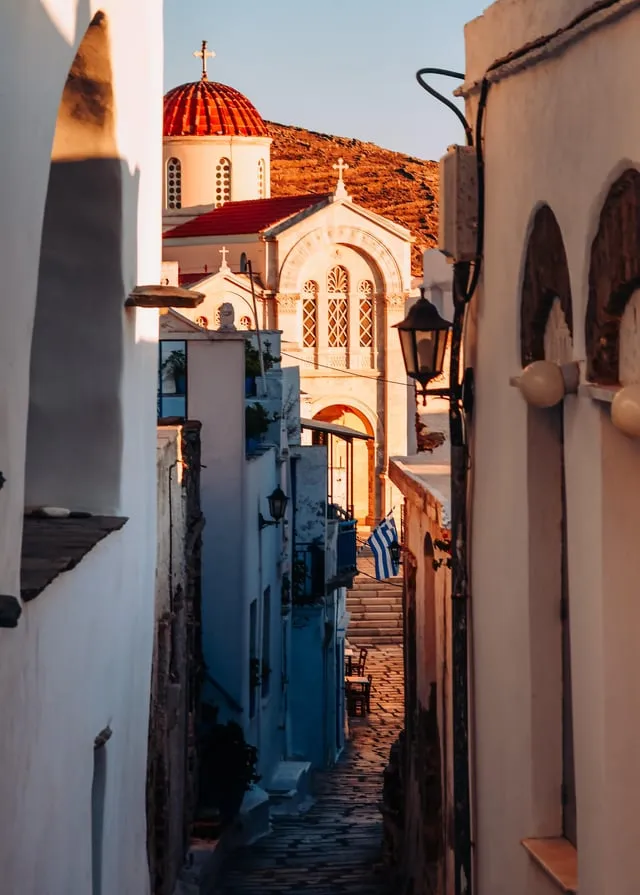
Tinos became the first genuinely less touristy Greek Island I visited, and it delivered completely. A quick thirty minute ferry from Mykonos gets you there. I spent 2 days chasing sunsets through sleepy villages, soaking in what felt like real, authentic Greek island life.
Cyprus
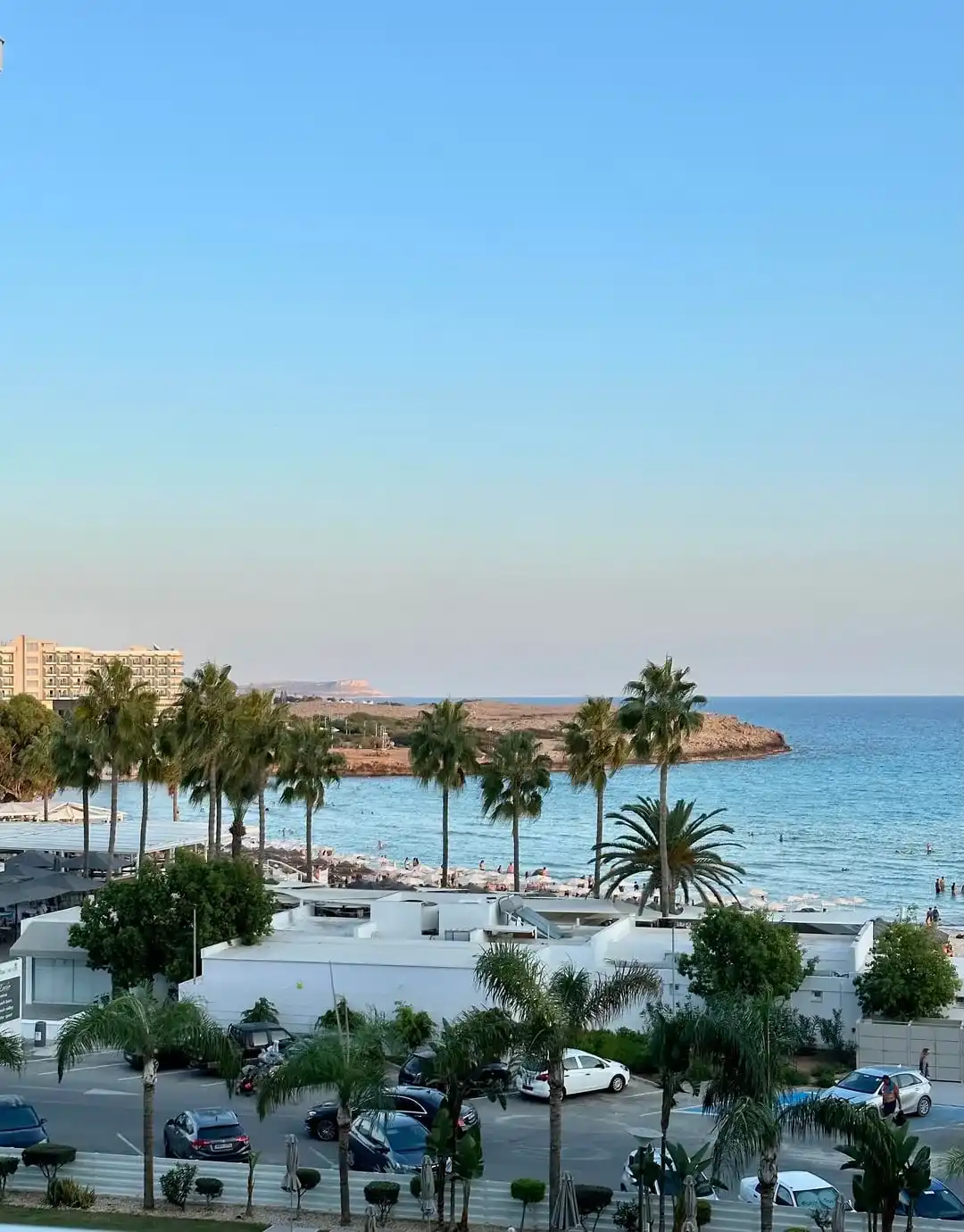
Sometimes airline prices and flight schedules end up doing the work of narrowing down a trip for you, which is how I landed in Cyprus. I walked away with mixed feelings — it’s full of Greeks, yet partly occupied by Turkey, and the history and beautiful places are real, even if parts of it genuinely smelled like a cat litter box. I’d still recommend it, just not necessarily over other islands.
Mykonos is Fun… But is it Worth the Price?
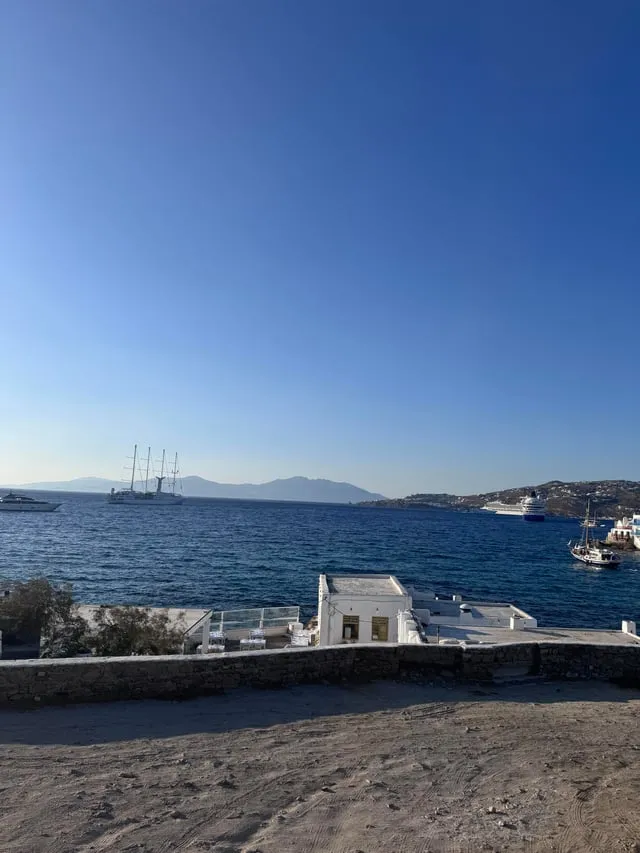
Mykonos holds a global rep as the party island, and the nightlife really is wild. I had a genuinely good time, especially hopping over to Delos. But it’s also expensive — absurdly expensive for Greece. If you’re visiting for your first time and chasing nightlife specifically, other islands offer just as much fun for less money: Ios works well for beach parties and budget travelers, while Crete and Corfu both run solid nightlife scenes with a far more local vibe and reasonable prices attached.
Greece is Actually Really Affordable
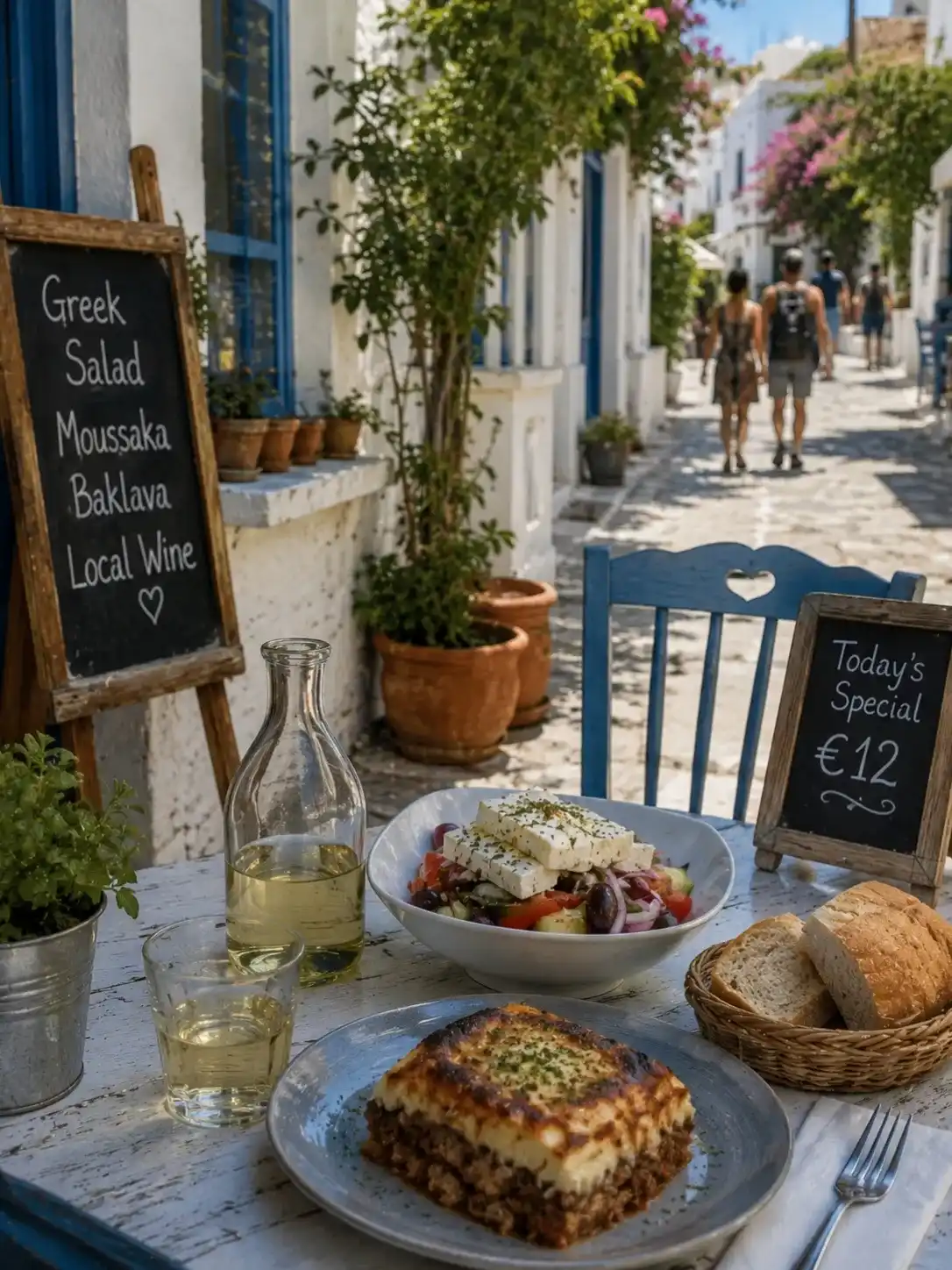
Skip the influencer hotspots and head toward lesser known islands or mainland regions, and Greece turns into one of the genuinely most affordable destinations in Europe. Back in 2022, I spent two full months traveling the country, island hopping the entire way, eating out regularly and staying in locally owned hotels, for roughly €1500 total — for two months. The real trick: avoid peak season, skip the hype spots, and put your money toward local businesses instead.
A Lot of Locals Can’t Afford to Travel in Their Own Country
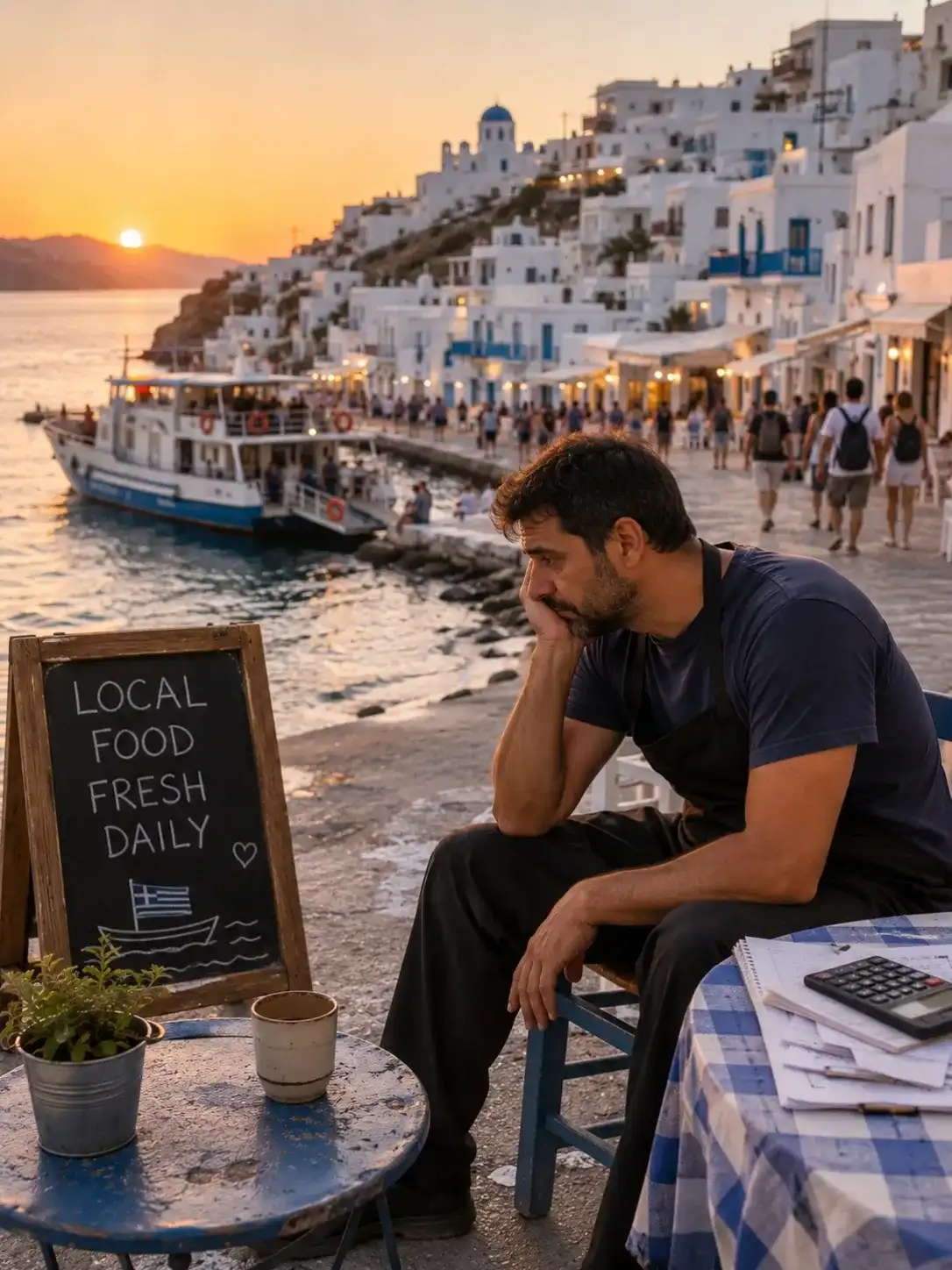
Here’s something that doesn’t get said enough: while Greece feels like a dreamy, affordable escape for Americans and Northern Europeans, plenty of Greeks genuinely can’t afford to travel own country. The average monthly wage sits under €1000, and that’s for full time work. Most people across the islands work in hospitality or tourism, and those jobs pay poorly — add in fuel costs, rising rent, supporting families, and seasonal job insecurity, and it’s no surprise so many locals get priced out of their own home.
Tipping Isn’t Mandatory, But It’s Always Appreciated
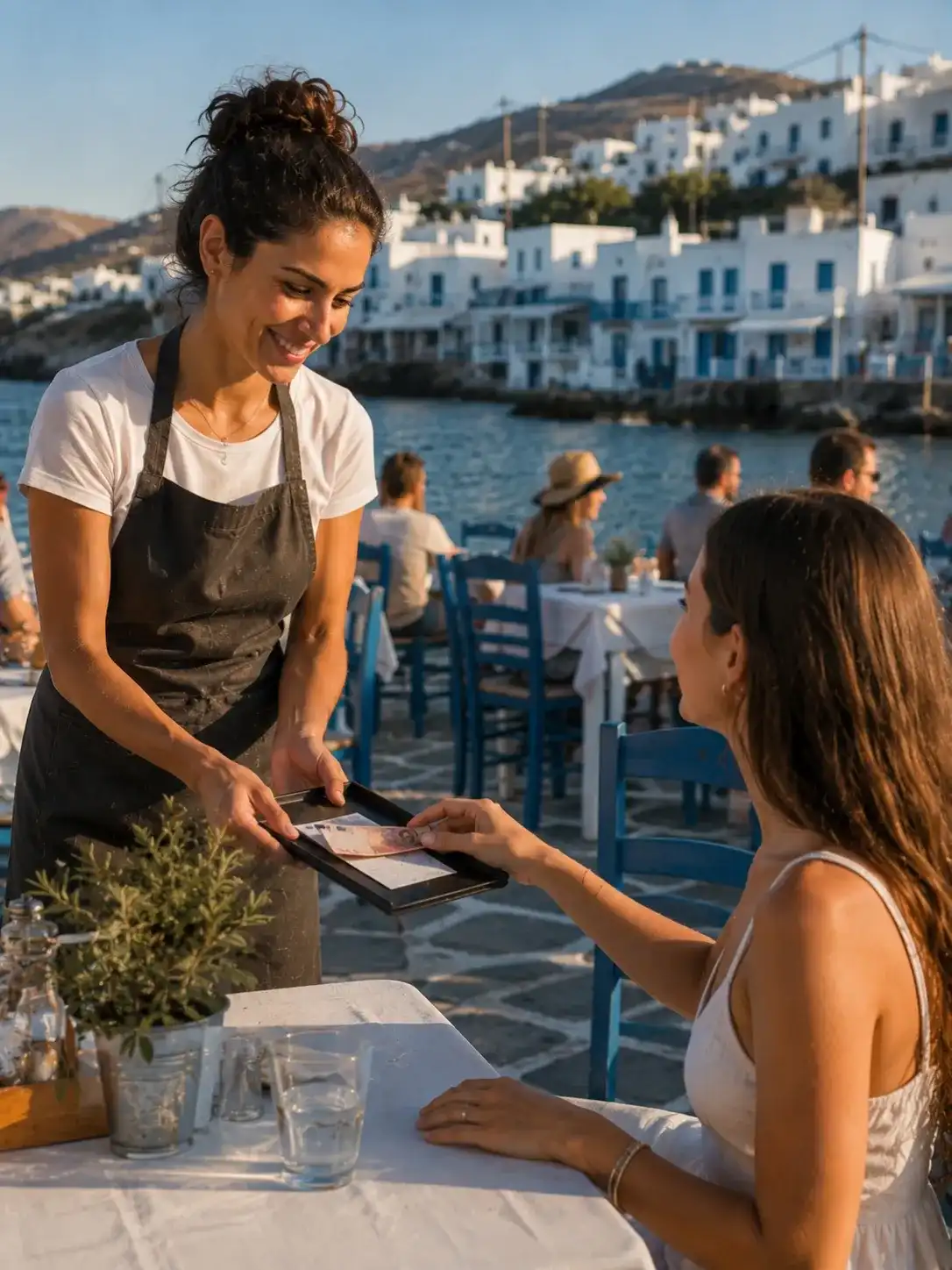
Tipping across Europe isn’t technically required, but in Greece, I’d still leave something every time. The servers, bartenders, hotel staff, and tour guides making your trip memorable are frequently underpaid and overworked. A couple euros left on the table is a genuinely small gesture that can make someone’s day.
Avoid Euronet ATMs Like the Plague
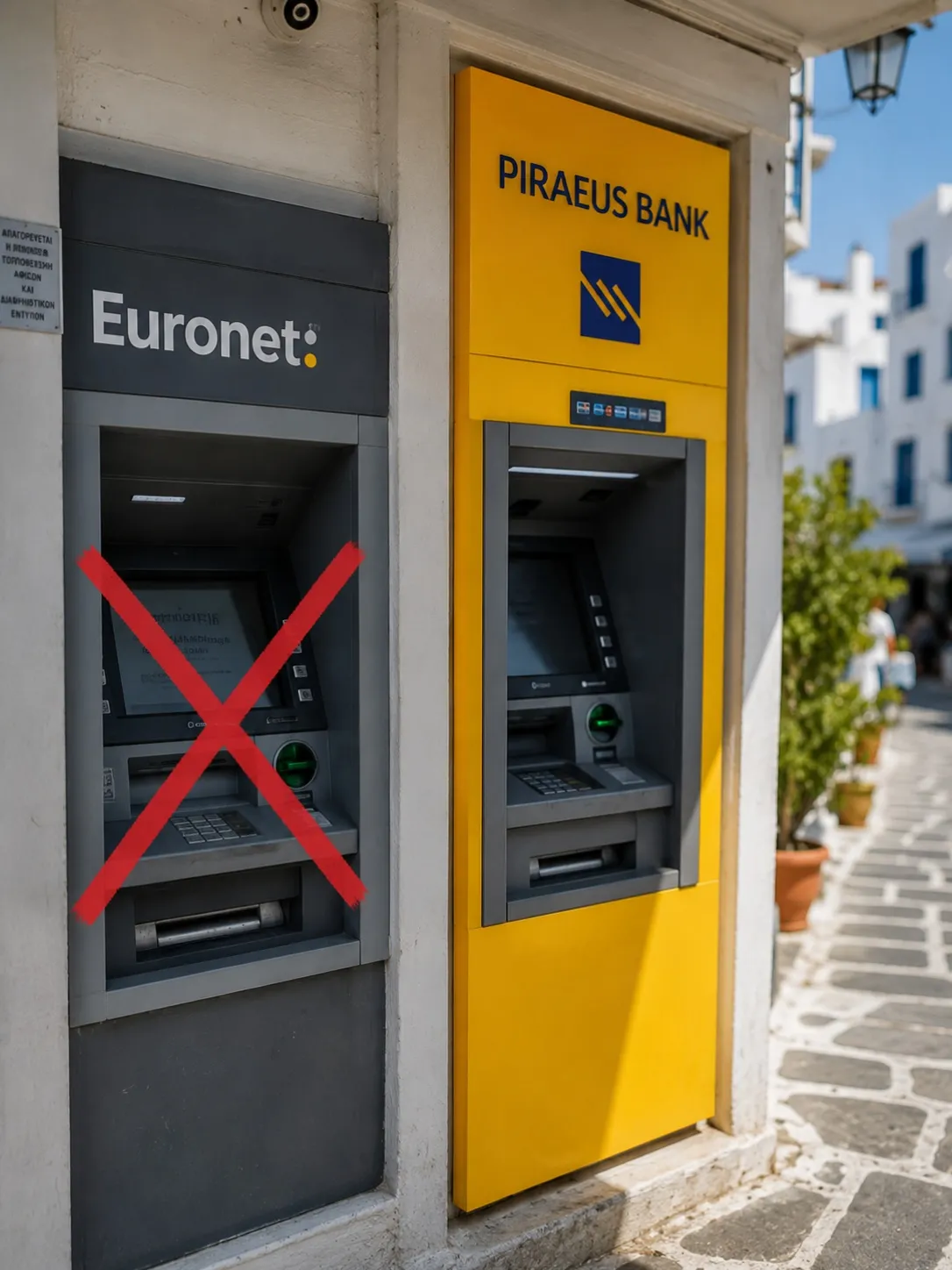
Euronet ATMs are everywhere in Greece, and they come loaded with insane fees and garbage exchange rates that can quietly eat 10-20% off your withdrawal. Stick to cash from real Greek banks instead — think Alpha Bank, Piraeus Bank, Eurobank, and the National Bank of Greece.
Locals Eat Late
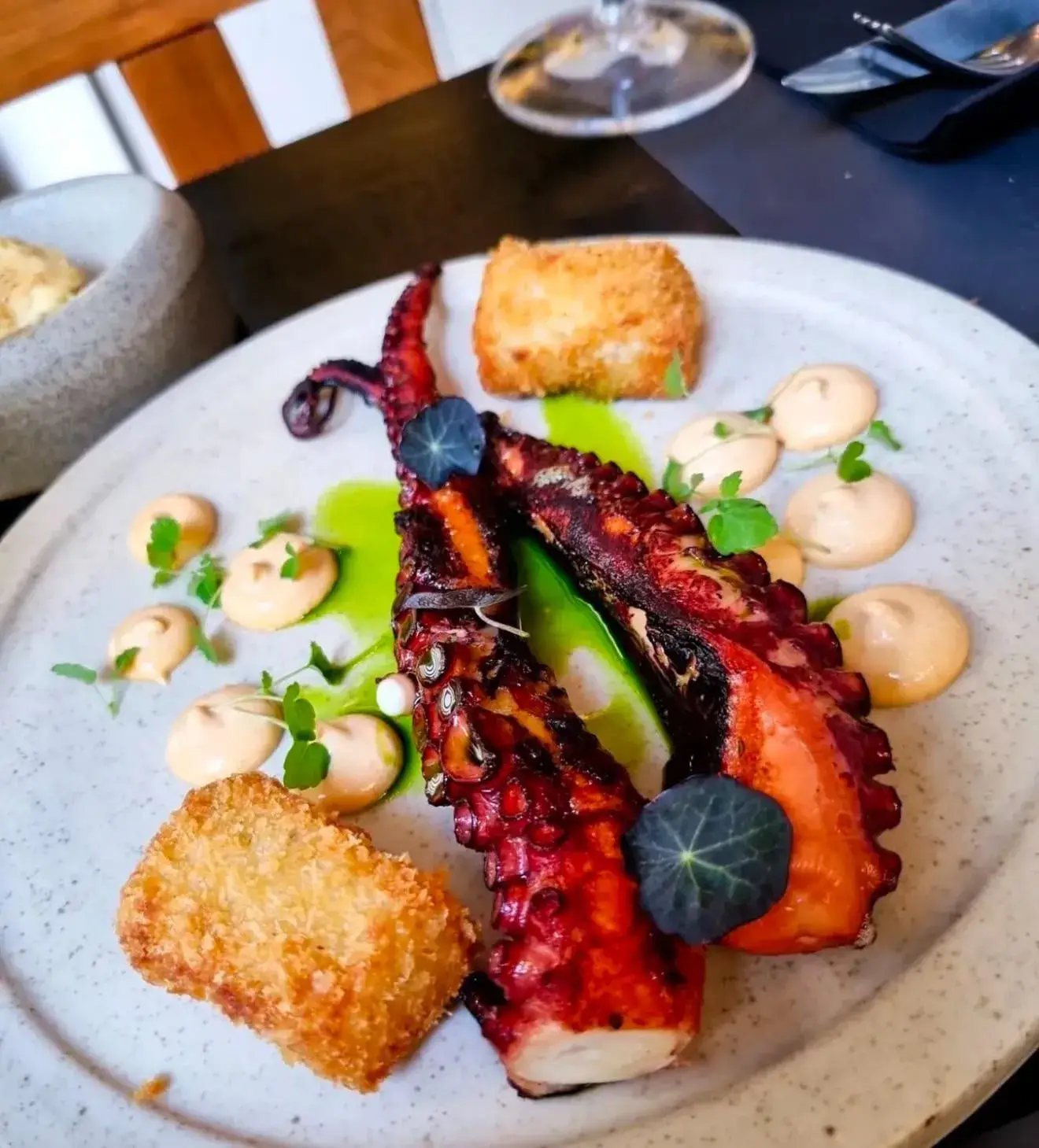
Locals sit down for dinner closer to 10pm, with restaurants really filling up around 9pm. If you’re not a night owl, eat earlier and enjoy having the place to yourself; if you want to genuinely blend in, eat like a true Greek — well after sun set.
Try These Foods or Regret It Forever
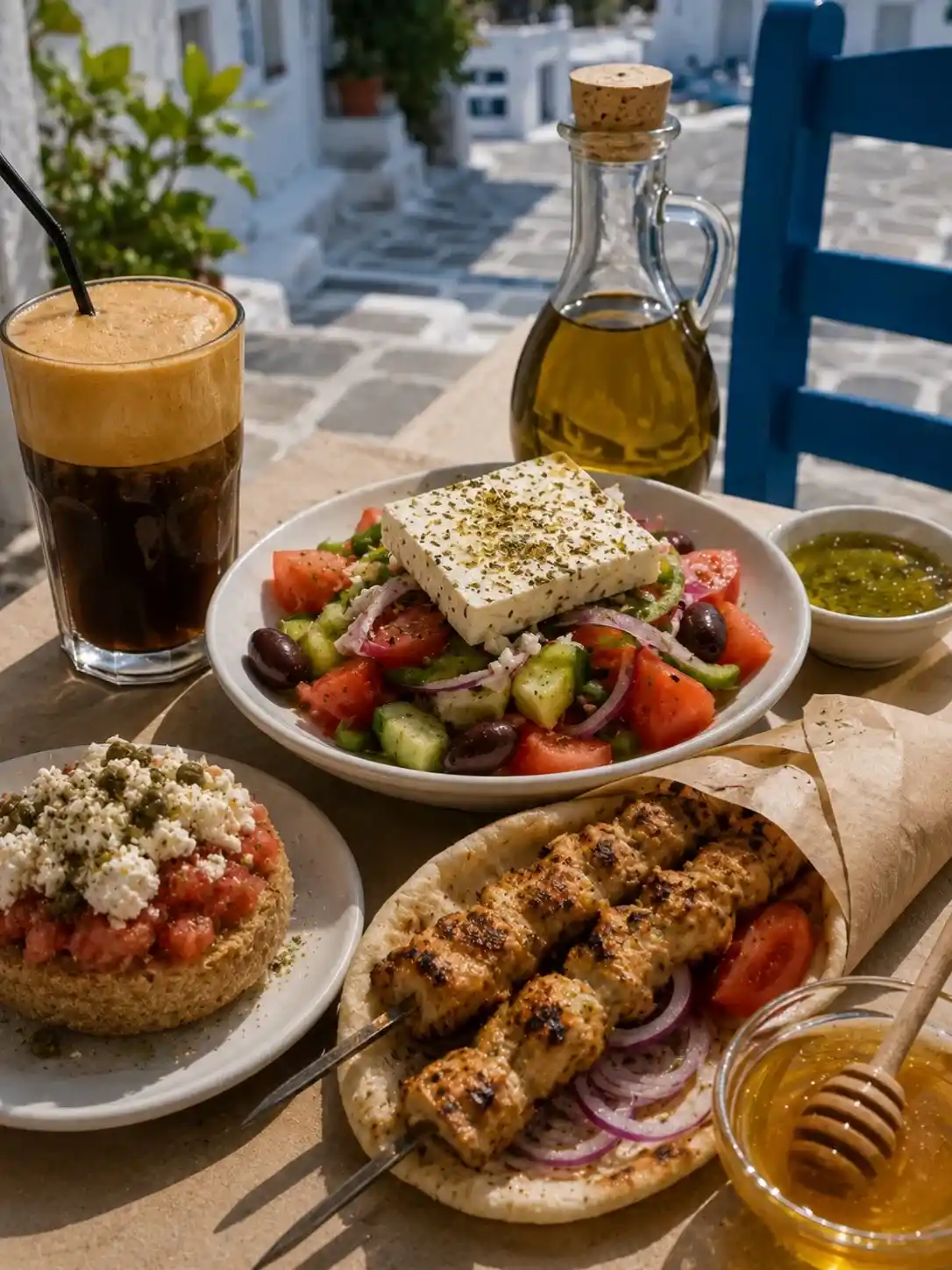
Dakos, a proper Greek Salad, Souvlaki (specifically at Tylixto Greek Wrap in Athens), a Freddo Cappuccino, anything finished with local olive oil, and local honey — skip any of these and you’ll genuinely regret it later.
No One Warns You About the Toilet Paper Thing
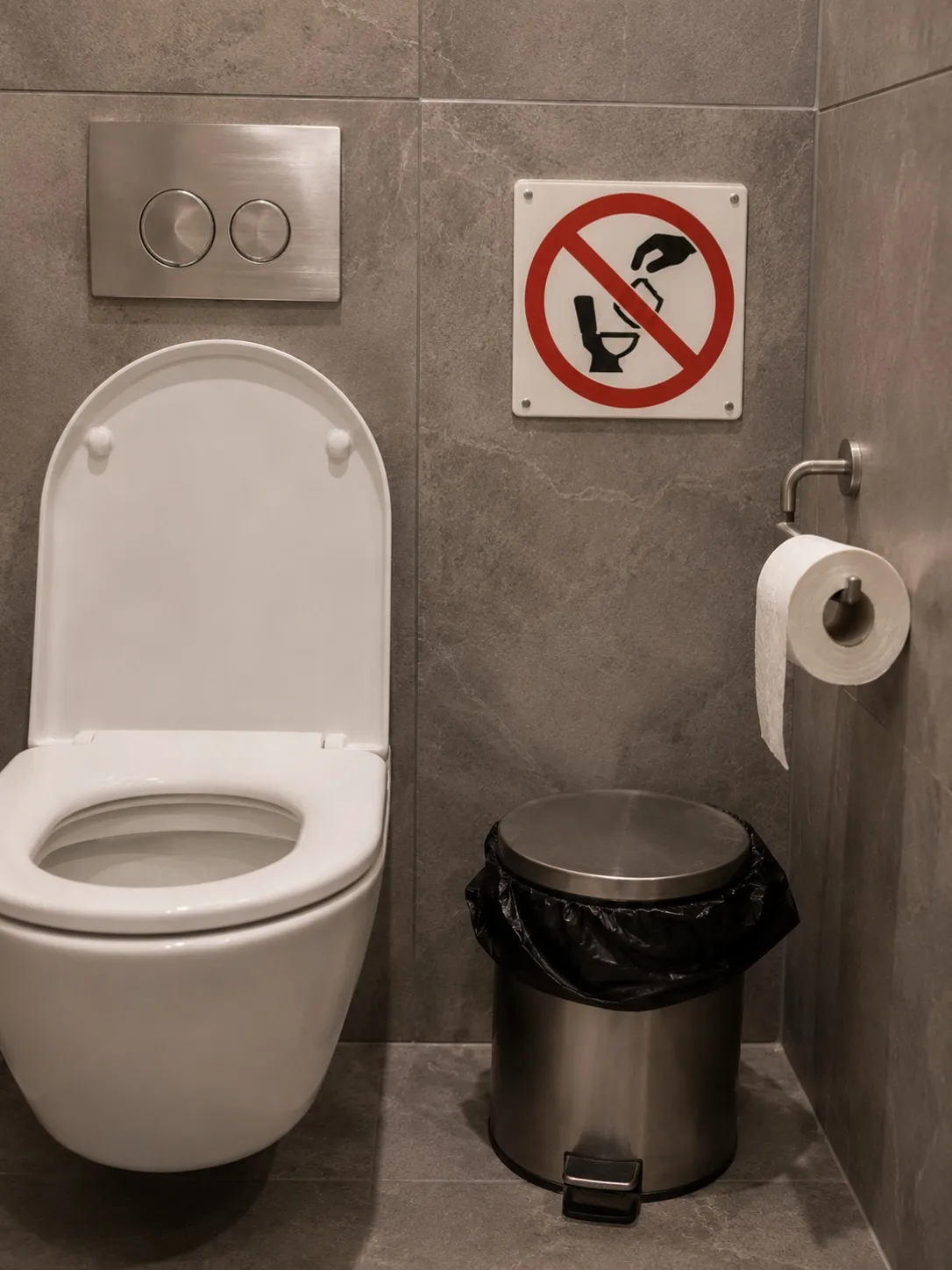
In plenty of places across Greece, you simply can’t flush toilet paper — the sewage pipes run too narrow, and it’ll clog the whole system fast. Instead, you’ll find a small bin beside the toilet; always check for signs when you walk in.
Don’t. Be. That. Tourist.
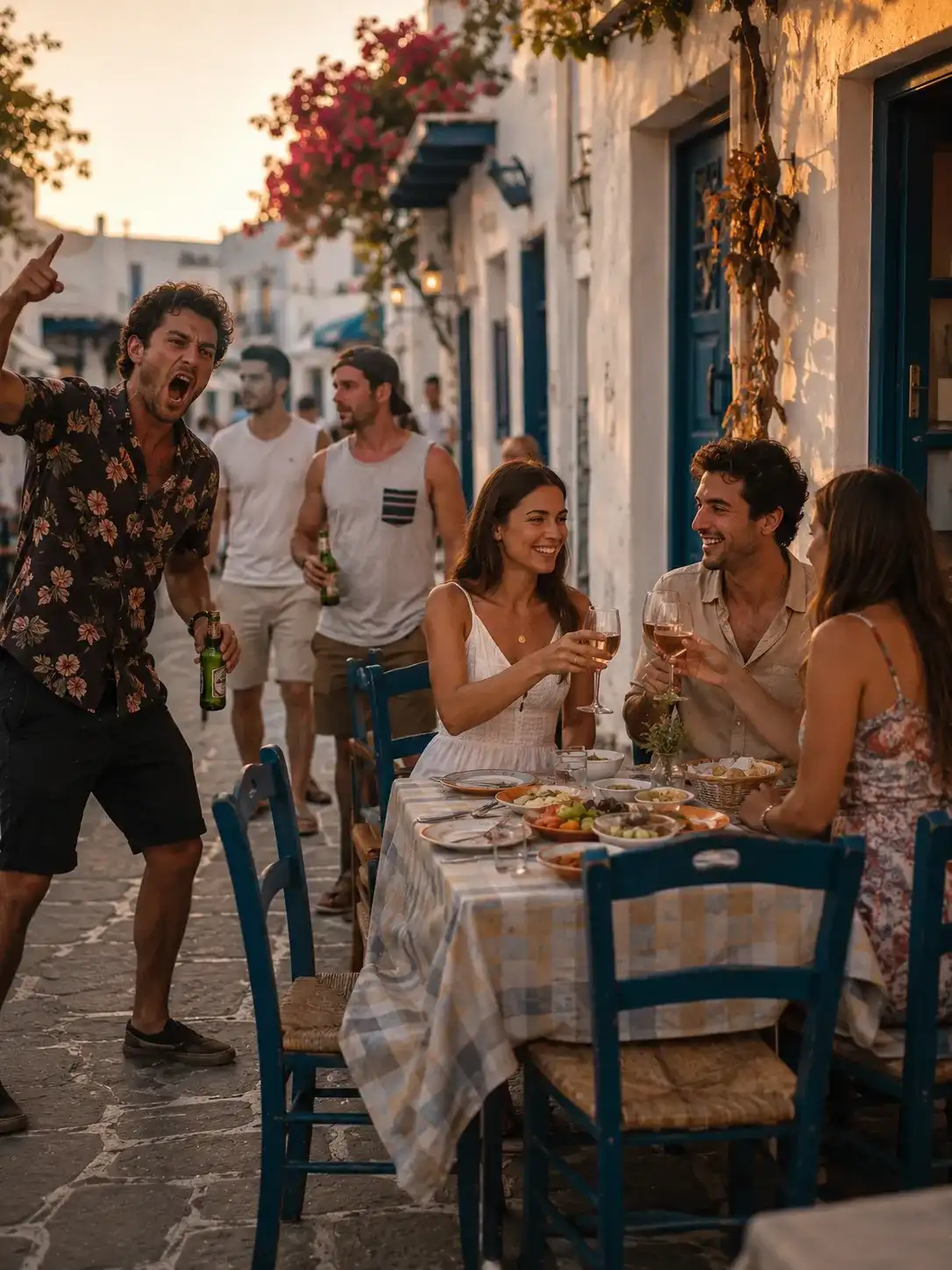
Greeks take real pride in hospitality and etiquette, especially in public. Loud, obnoxious drunkenness counts as a genuine faux pas here. Drinking in Greece centers on community — sip slowly at the table rather than wandering around with an open container.
You Cannot Use USD, Only Euros
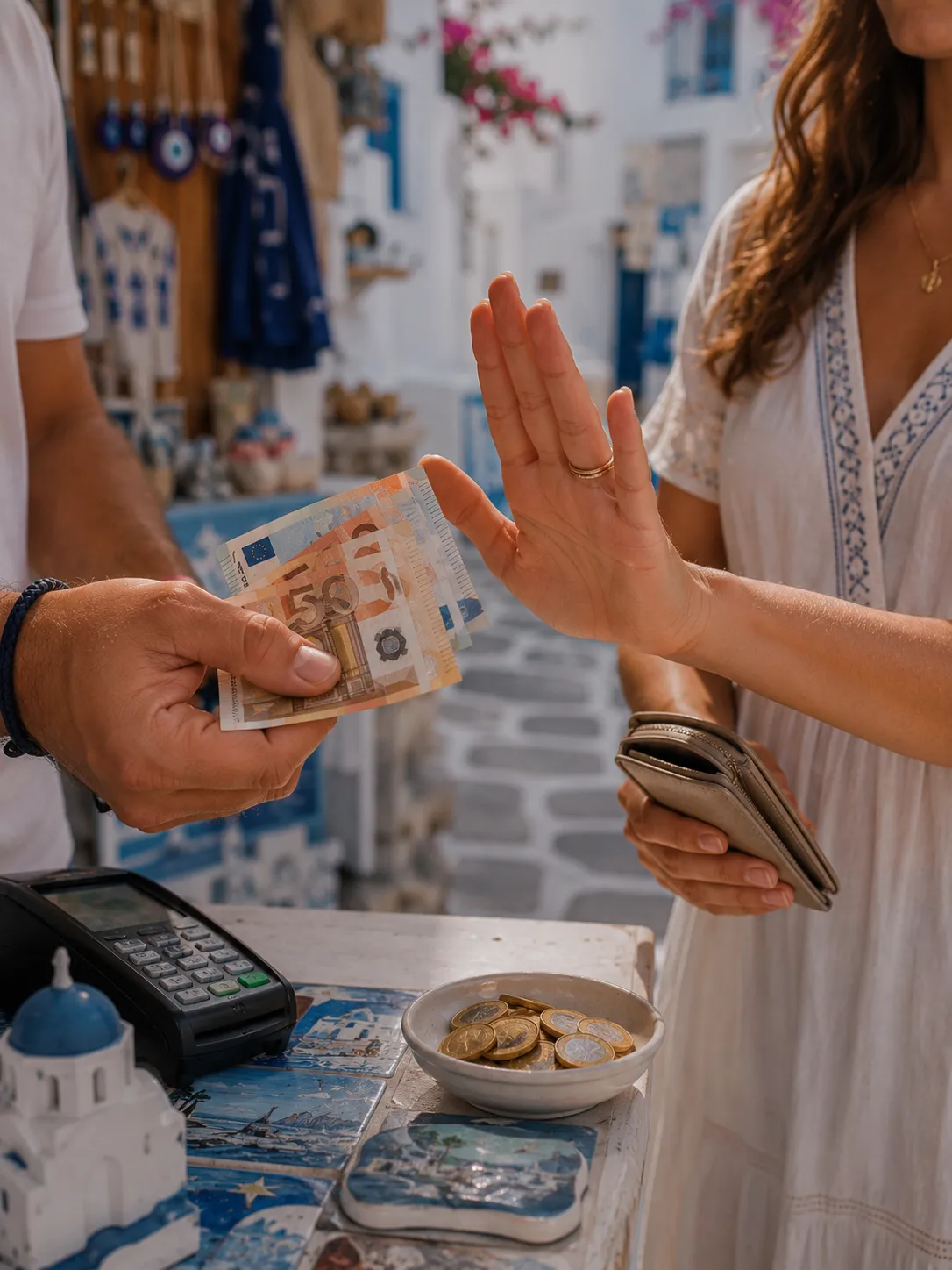
You genuinely cannot pay with US dollars in Greece — only euros work. Pull cash from a proper bank ATM, since Greece sits within the EU and euros remain the only currency accepted.
More People Speak English Than You Think

More people speak English here than most expect, even outside touristy spots and well-known islands. Almost anyone under 40 carries at least basic English.