3 Days in Madrid Itinerary: Best Things to Do, Where to Stay & Day Trips (2026 Guide)
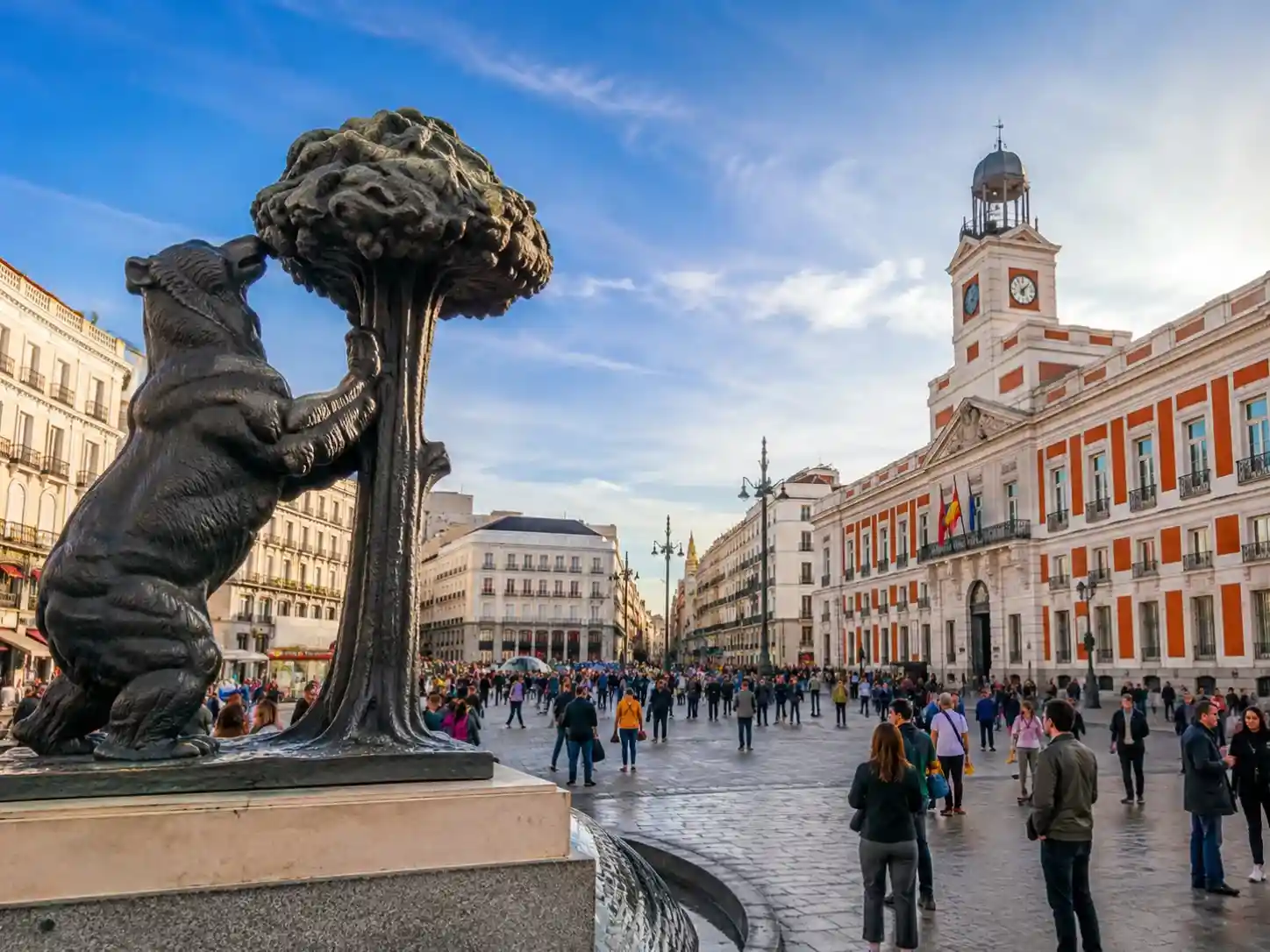
Every visit to Madrid anchors itself, consciously or not, around Puerta del Sol — the beating center of Spain from which all Spanish roads radiate like veins from a heart. It carries the official title of Kilometre Zero, marked by a modest plaque embedded into the ground outside Casa de Correos, and yet nothing about this square feels modest. From early morning until well past midnight, street performers, locals, and tourists orbit each other across the plaza in an almost choreographed chaos.
What most visitors photograph without understanding is the 20-ton bronze statue of a bear reaching into a fruits-laden tree — the El Oso y El Madroño, rooted in legend that ties Madrid to the Latin name Ursaria, or “land of bears,” once blanketed by forests. Come New Year’s, the clock tower draws thousands who follow the tradition of swallowing Twelve Grapes at the stroke of midnight. By day, the historic buildings, cafés, and shops feel timeless, while streets branching off the plaza pull you naturally into the rest of the city center — a genuinely cultural, historical, and transportation hub that has remained one of Madrid’s oldest and most bustling areas for centuries.
Plaza Mayor
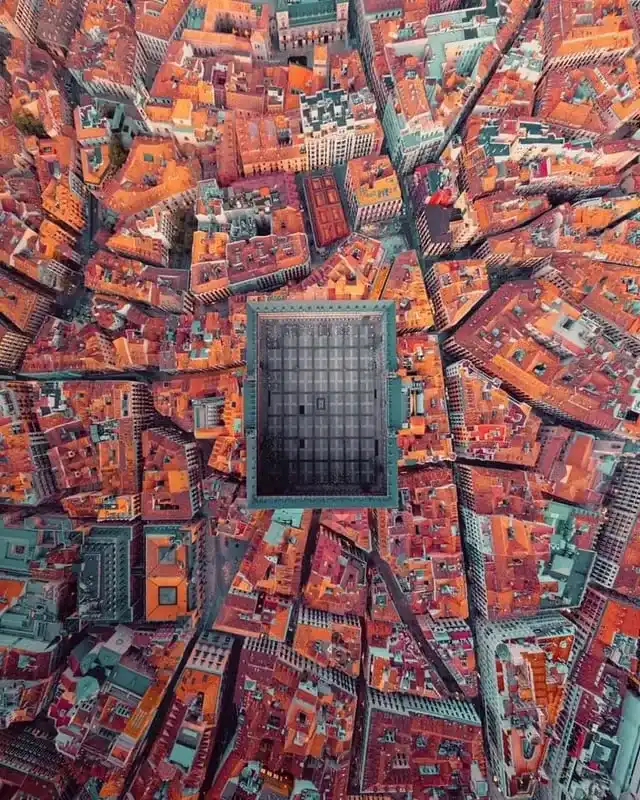
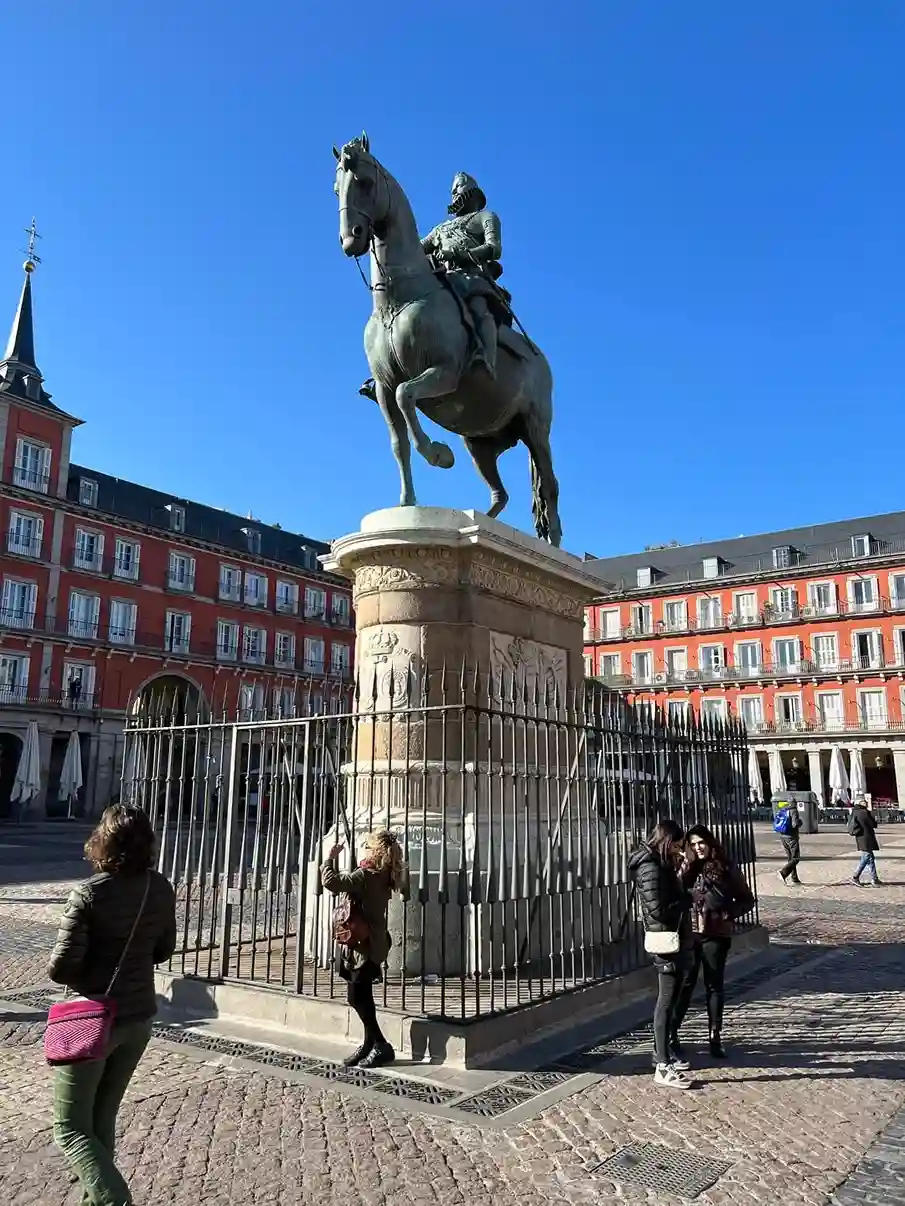
A few minutes’ walk from Sol, Plaza Mayor announces itself through arches rather than signs — you slip through one of the nine archways and suddenly you’re standing inside a grand, self-contained central square where the ochre, apartment buildings rise six floors above you, their 237 balconies watching everything below. The Casa de la Panadería — or Bakery House — dominates the northern end with its extraordinary painted facades, a building that first went up between 1617 and 1619 and has hosted everything from bullfights to public executions to today’s festival crowds. The bronze statue of Philip III, cast around 1616, stands composed in the center as though none of this surprises him.
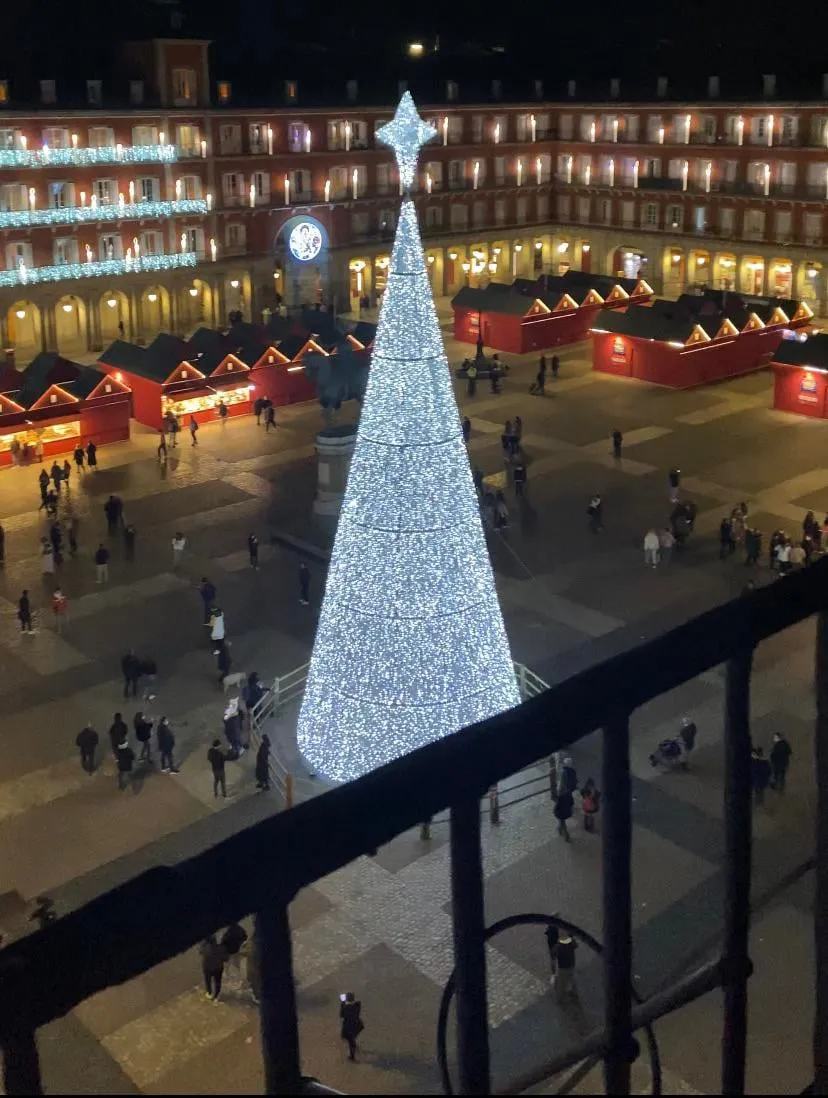
My honest advice: arrive with an appetite rather than a plan. Tinto de verano at a table under the porticoes, a cold beer, and a bocadillo de calamares — that iconic fried calamari sandwich — consumed while doing absolutely nothing is a legitimate way to spend two hours here. The surrounding winding streets off Calle Mayor will lead you toward Mercado de San Miguel, the Chocolatería San Ginés for churros and hot chocolate, and Sobrino de Botín, which holds the record as the world’s oldest working restaurant. During December, Christmas lights transform the square entirely, and the seasonal market becomes one of the city’s most atmospheric events. Keep an eye on your belongings in the crowds and don’t let the touristy souvenir shops distract you from the genuine architectural richness of the space — this is one afternoon in Madrid where the architecture, the food tour calories, and the people watching all justify themselves simultaneously.
Mercado de San Miguel
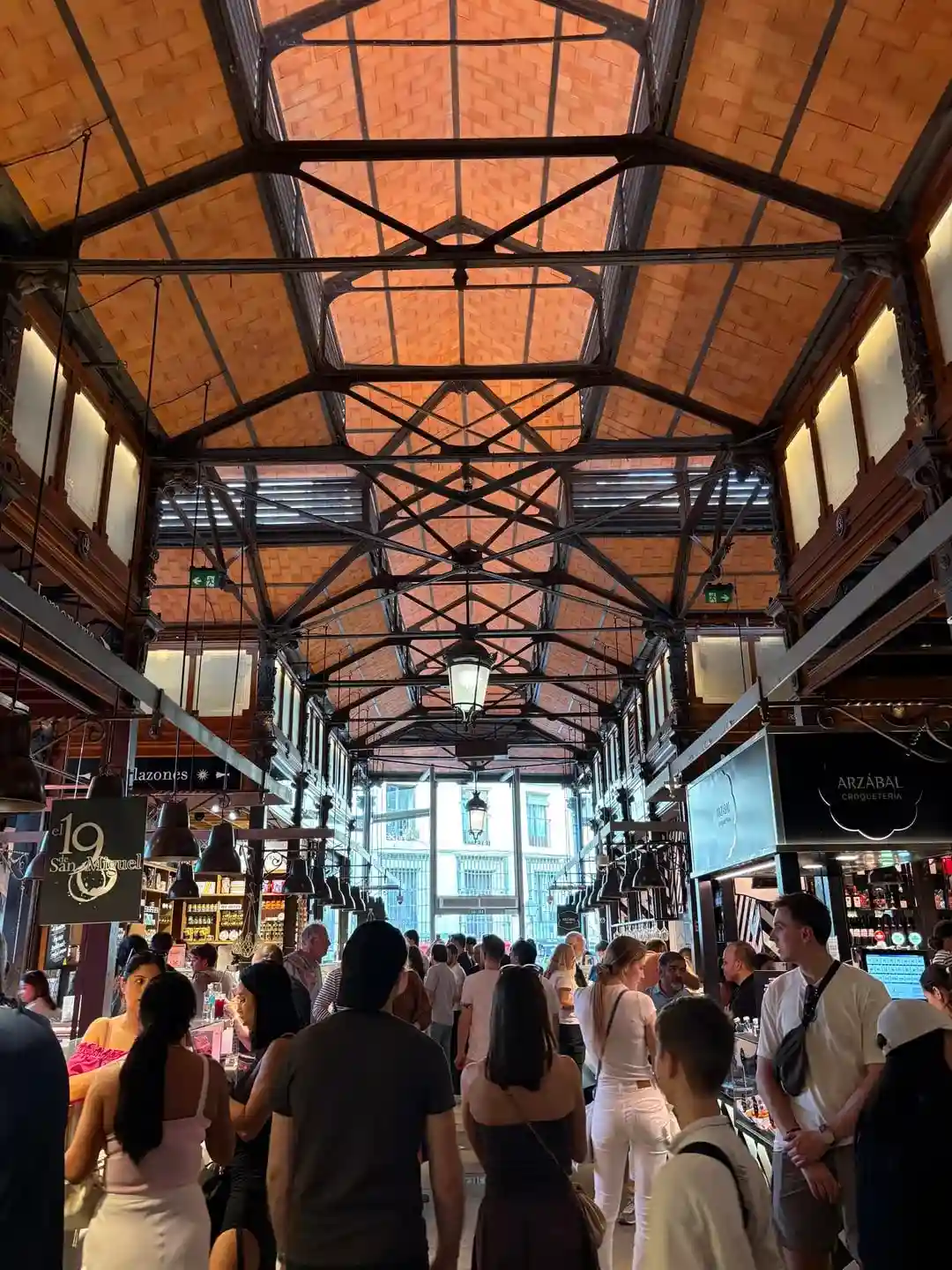
If Plaza Mayor is Madrid’s theatrical set piece, the Mercado de San Miguel is where the city actually tastes itself. Tucked just off the square, this covered market wraps a high-ceilinged, glass walls interior around what are essentially a series of over-the-counter bars — stalls selling tapas, treats, and wines to people who drift between them unhurried. The experience is as much social as it is culinary: you claim a corner, pick up a wine glass, and work through sections dedicated to jamón, sherry, cider, sweet delights, and more Spanish pantry staples than you’d expect in a space this compact.
Prices are reasonable if you arrive at lunchtime — come closer to 11am for actual breathing room before the afternoon rush fills every table. Hours run Monday through Thursday, 10am to midnight, stretching to 1am on Friday and Saturday, with Sunday following the standard midnight close. Whether you’re wandering through for a light lunch before an afternoon at the palace or arriving genuinely hungry for dinner, the market holds up at any hour — a trendy but not cynical interpretation of what a fresh food market can be.
Royal Palace (Palacio Real)
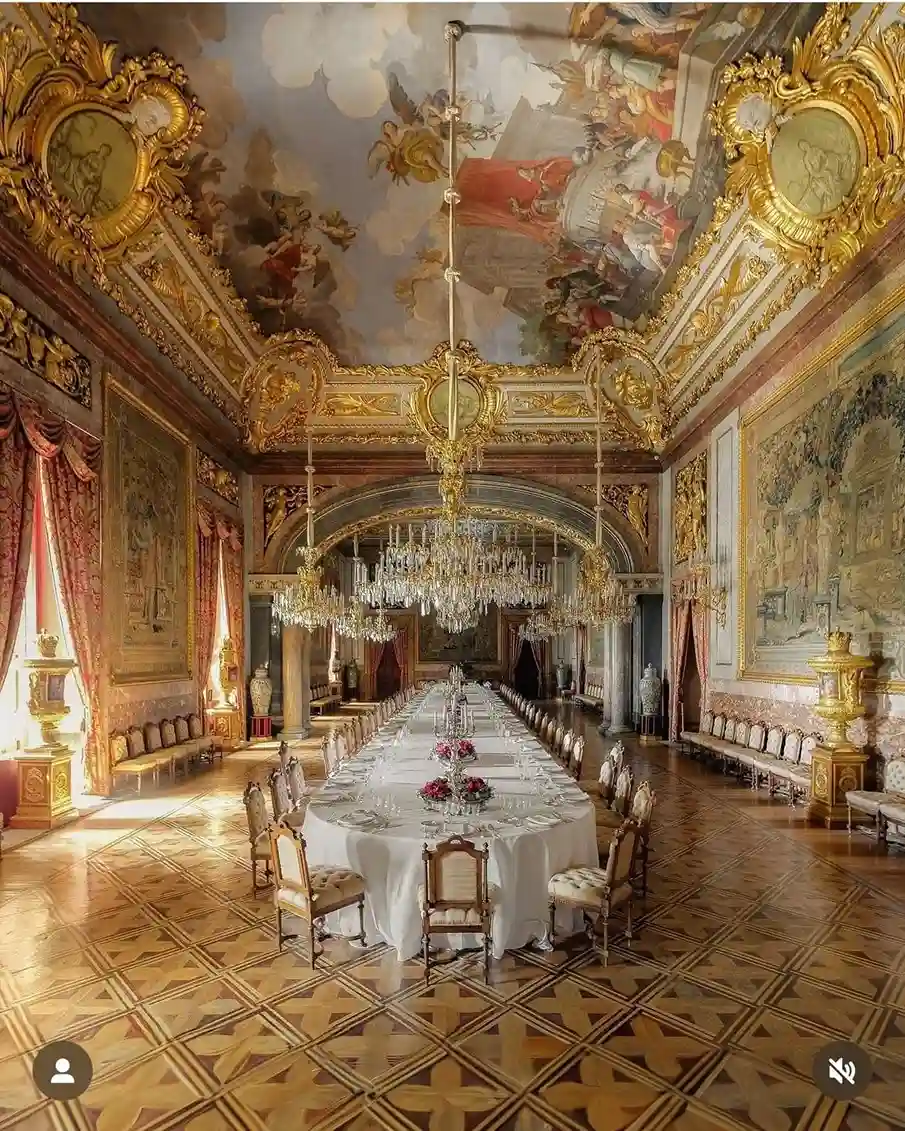
No building in Madrid prepares you for the scale of the Palacio Real until you’re standing in front of it. The largest of all royal palaces in Western Europe by floor area, commissioned by King Felipe V after a fire destroyed the medieval Alcázar in the early 1700s, it contains a staggering 2,800 rooms — though the official tour takes you through roughly 50 of them, which is more than enough to understand the ambition involved. The Spanish Royal Family no longer lives here; they occupy the far more restrained Palacio de la Zarzuela outside the city, leaving this palace for state ceremonies and events.
The approach from Plaza de Oriente frames the neoclassic façade at its most impressive, and the flanking Sabatini Gardens and Campo del Moro gardens below offer genuine green spaces for recovery after the interiors. Inside, the Throne Room with its Tiepolo ceiling fresco and the Banquet Hall — capable of seating 145 guests — are the standout spaces, while the Royal Armoury (currently under renovation) houses one of Europe’s finest collections of arms. From April through September hours run 10am to 7pm; October through March closes at 6pm, with exceptions in January, May, and December. General admission is €13, but on Monday and Thursday, EU citizens and residents with valid ID enter free. The Changing of the Guard runs on Wednesdays and Saturdays, with the more elaborate Solemn ceremony on the first Wednesday of each month. Budget at least 1.5 hours for a guided or self-guided visit; an audio guide adds meaningful depth to spaces that represent over 1,000 years of layered history on a single remarkable day.
Almudena Cathedral
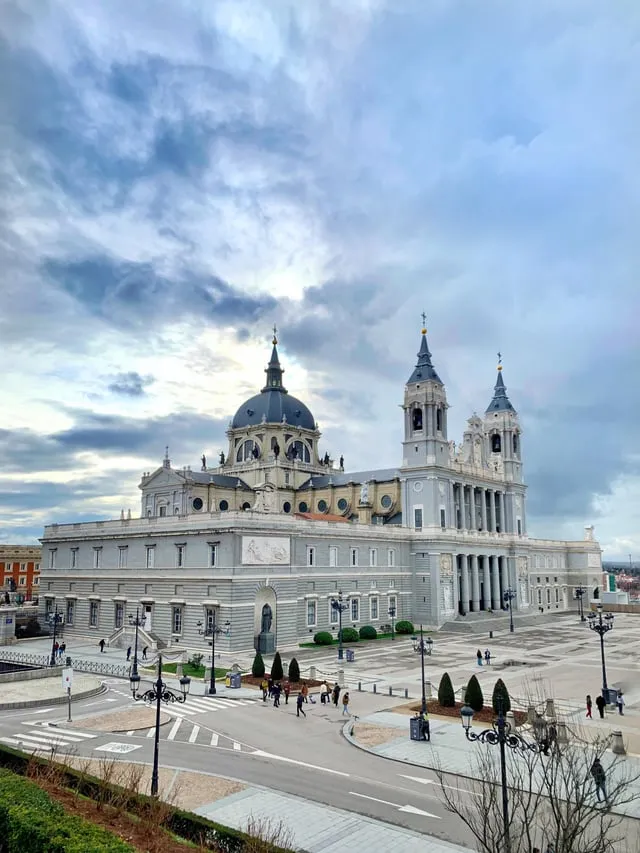
Directly across Plaza de la Armería from the palace, the Catedral de Santa María la Real de la Almudena — better known simply as Almudena Cathedral — occupies a peculiar and fascinating position in Madrid’s architectural story. Construction spanned nearly 100 years, from 1883 to 1993, which explains the building’s eclectic personality: the exterior reads as broadly classical, while the Neo-Gothic interior gives way to deliberately modern decoration — a combination that divides opinion but rewards genuine looking. It was consecrated by Pope John Paul II from Rome, making that ceremony one of the more significant in the cathedral’s history.
Entrance is free into the main body of the church, though the museum and crypts carry a fee. The real draw — beyond the impressive scale and the rotating artworks in various styles — is climbing to the Mirador de la Catedral for views across the city that most visitors standing on the street directly outside never realize exist. Standing at the cross on top and looking back at the spectacular royal façade is one of those moments that makes Madrid feel genuinely cinematic.
Temple of Debod (Templo de Debod)
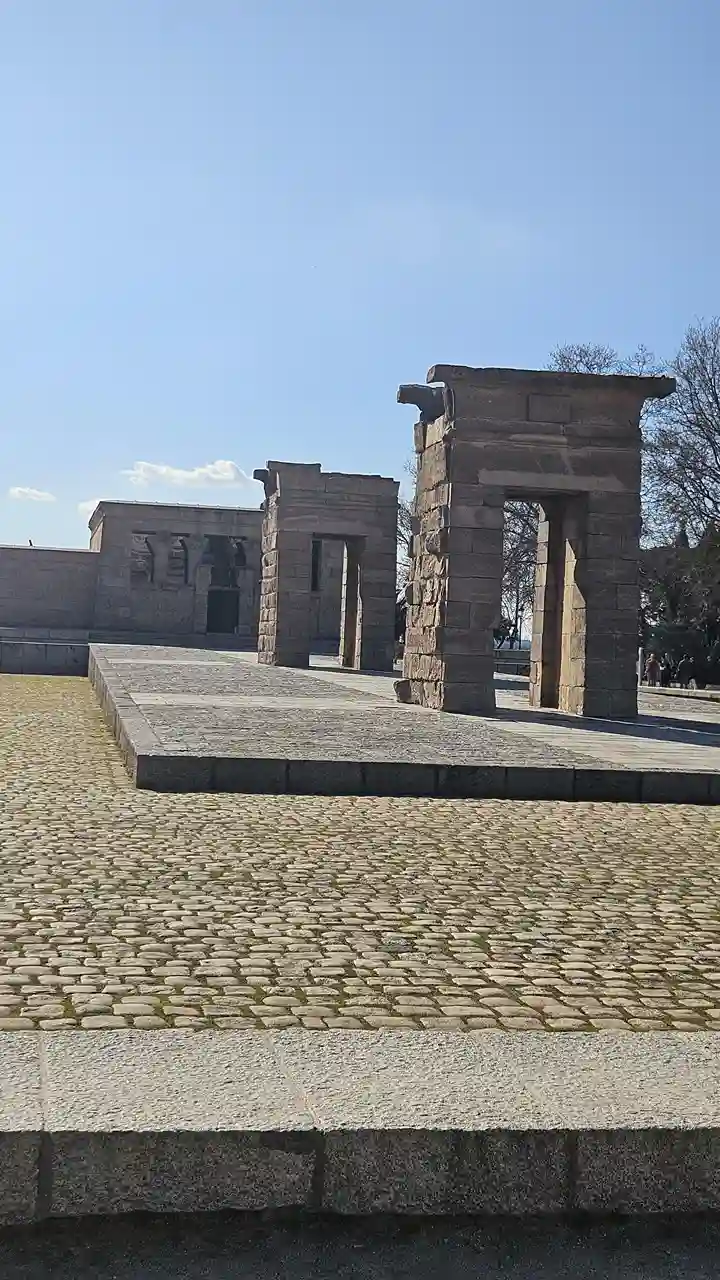
About 15 minutes’ walk from Plaza de Oriente and the Teatro Real opera house — past Plaza de España with its towering column and statues — you reach Parque de la Montaña and the genuinely surreal sight of the Templo de Debod: an ancient Egyptian temple, built in the 2nd century in honor of the Egyptian god Amun and goddess Isis, now sitting on a hill overlooking the Royal Palace of Madrid. The reason it’s here involves international gratitude: Egypt offered Spain the structure as a gift in the 1970s following Spanish monetary aid during the construction of the High Dam at Aswan. The temple was dismantled, moved, and carefully reassembled here, making it one of the few Egyptian monuments standing fully outside Egypt.
Step inside to see ancient reliefs carved into walls that have survived millennia, then circle the architecture slowly — the setting, with viewpoints and miradouros facing west toward the sunset, makes this one of Madrid’s great early-evening spots. Entry is free but you should reserve a time online well ahead, because the long lines at the door are a reliable feature of peak season.
Museo del Prado (Prado Museum)
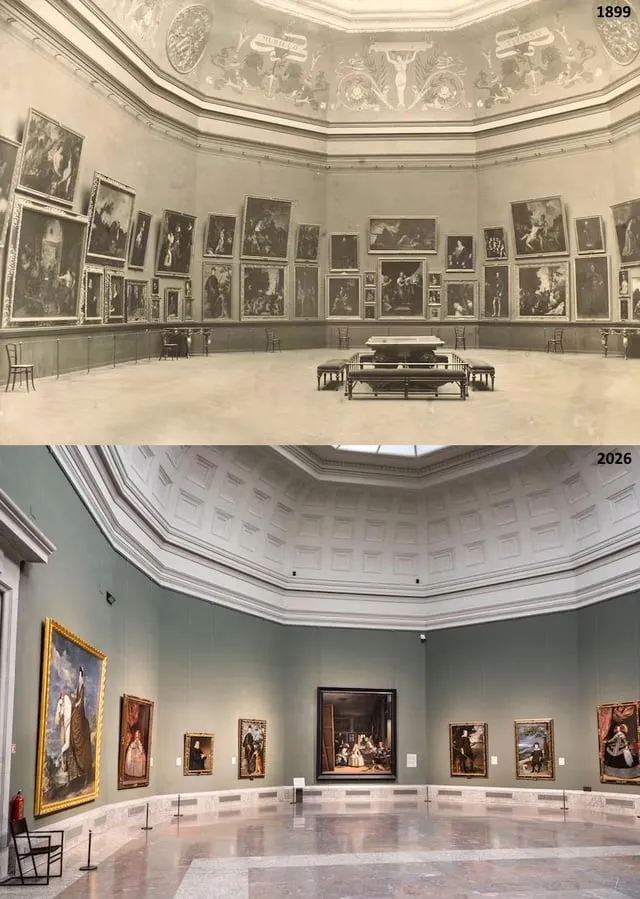
Ask anyone who works seriously with European art where the world’s greatest art museums conversation really gets complicated, and the Prado Museum will come up within the first three names. The collection runs to over 8,000 paintings, with an emphasis on Spanish masters, Flemish, and Italian schools that rivals anything in Europe. Velázquez, Goya, El Greco, Rubens, Titian, Rembrandt, Raphael, and Bosch are all here not in token form but in depth — tens of thousands of pieces with the most iconic works demanding specific rooms and specific attention.
Where to begin: Las Meninas in Room 12 is the obvious anchor — Velázquez’s compositional intelligence still unsettles people who’ve studied it for years. Follow that with Goya’s Black Paintings in Room 67, including Saturn Devouring His Son, then cross to Room 56A for Bosch’s hallucinatory Garden of Earthly Delights. In Room 9B, the Knight with His Hand on His Chest by El Greco stops most visitors cold. Rubens’ Three Graces in Room 29 and Titian’s Emperor Charles V on Horseback in Room 27 round out a comprehensive core visit. For essential works, budget 1 hour to 15 key pieces; 2 hours for the major collection; 3 hours if you’re going comprehensive. The neoclassical façade with the bronze Diego Velázquez statue marks the entrance on Paseo del Arte — part of the so-called Golden Triangle of Art completing with the Thyssen and Reina Sofía. Hours run Monday through Saturday, 10am to 8pm, Sunday and holidays until 7pm. General admission is €15; students between 18 and 25 with ID get reduced rates. Free entry runs 6pm to 8pm weekdays and 5pm to 7pm Sundays — arrive 15 to 20 minutes before the free entry window to manage the expected line. Buy tickets online to avoid queues forming by mid-morning, especially if you’re arriving around 10am on a weekday. A guided tour unlocks context that wall labels rarely provide for a Cardinal portrait by Raphael or a late Goya — tour groups fill up fast in afternoons, so book ahead.
Reina Sofía Museum
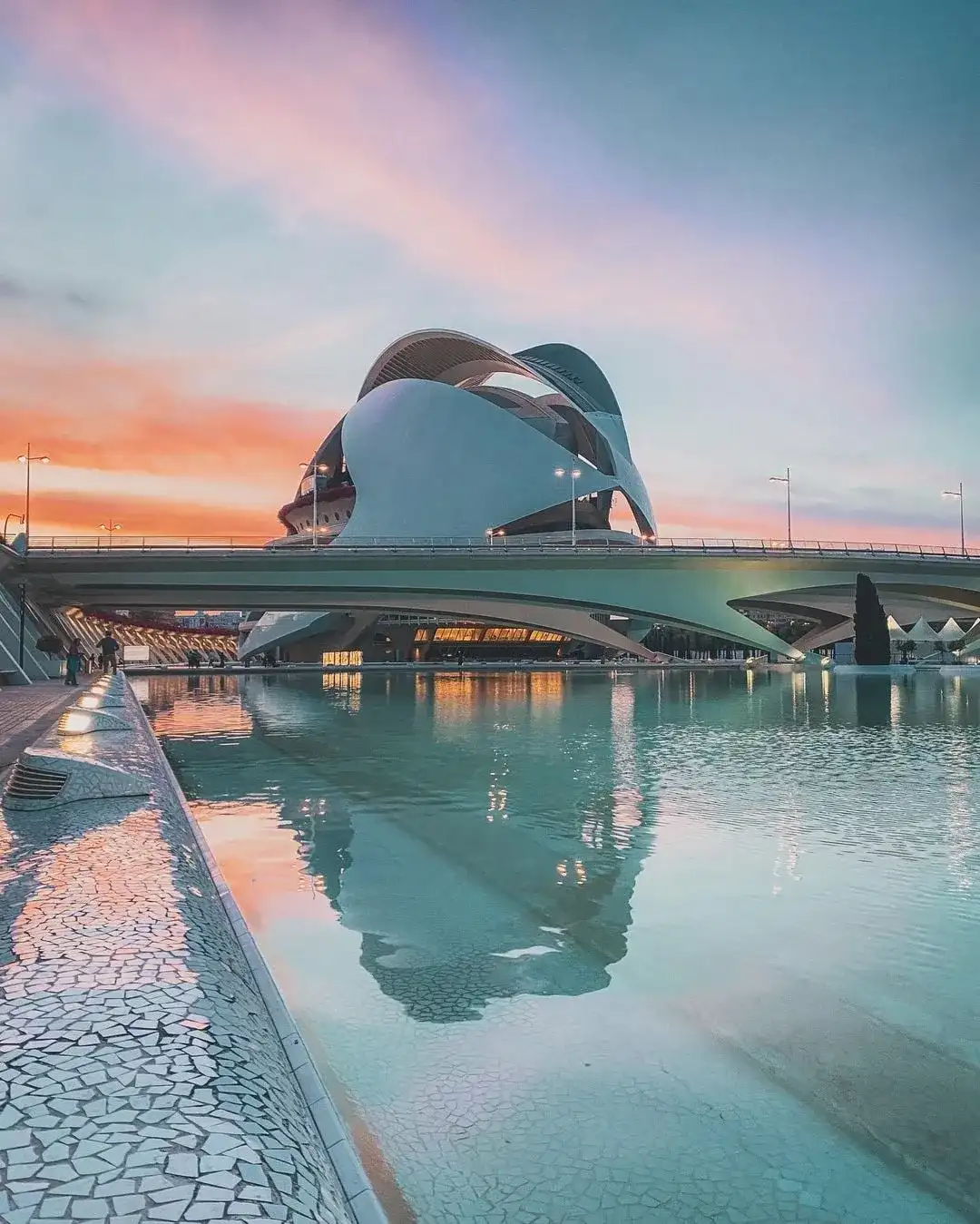
The Reina Sofía Museum houses Spain’s finest collection of modern and contemporary art, anchored by Picasso’s Guernica — the enormous anti-war painting commissioned in 1937 that remains as viscerally powerful today as any 20th century artwork in existence. Dalí, Miró, Gris, and other Spanish artists of the avant-garde generation are represented with the depth the Prado offers for the classical period: this is not a greatest-hits survey but a serious, layered account of how Spain produced so much extraordinary art during one of its most turbulent centuries.
Spread across a remarkable building on the eastern edge of Lavapiés, the museum opens Monday, Wednesday, and Saturday from 10am to 9pm, Sunday until 2:30pm, and is closed Tuesdays. General admission is €12, with free entry from 7pm to 9pm and on Sunday mornings until 12:30pm. For anyone planning to visit all three museums in the Golden Triangle of Art along the Paseo del Arte, the Paseo del Arte Card at €32 offers a 20% discount across the Thyssen-Bornemisza Museum as well — spanning seven centuries from medieval to contemporary, that combined pass represents serious value. For a casual visitor, budget 1 to 2 hours; anyone interested in 20th century European avant-garde should plan for a guided visit to properly absorb what’s here. The classic and must-see anchor is Guernica, but the surrounding context makes the painting make sense in ways a solo viewing never quite does.
Retiro Park (Parque del Buen Retiro)
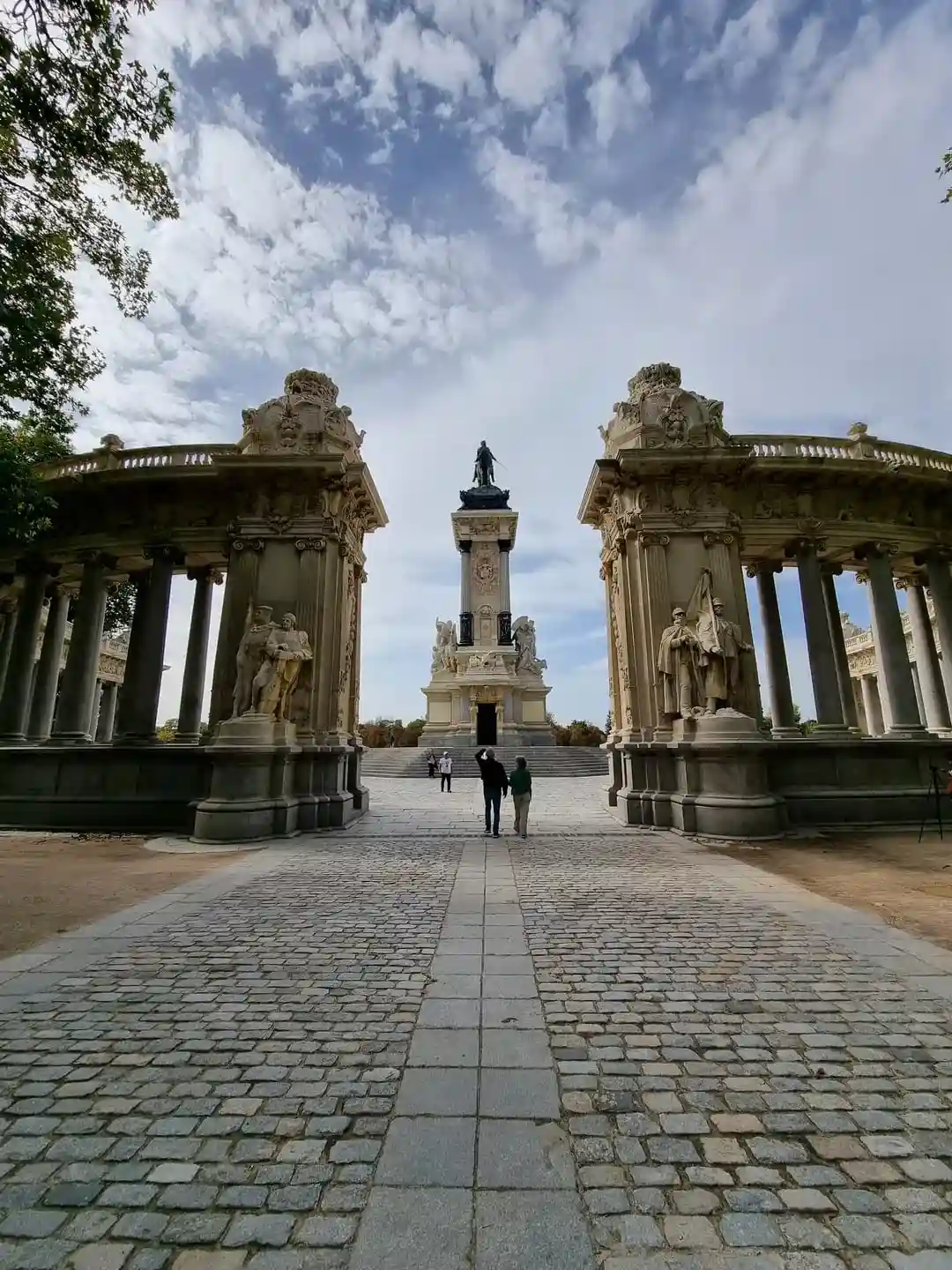
El Retiro Park — formally the Parque del Buen Retiro — earns its UNESCO World Heritage Site designation not through spectacle but through accumulated grace: 125 hectares of tree-lined pathways, a large lake, sculpted gardens, and the kind of calm atmosphere that somehow survives the urban density pressing in from every side. Madrid’s famous green space works differently depending on the season — in April and again through September, it runs 10am to 9pm; October to March closes at 7pm; and in the depths of November through February, hours shorten further to 6pm. Free entry daily, opening from 6am year-round, with winter evenings closing between 10pm and midnight depending on the month.
The Crystal Palace — Palacio de Cristal, a glass pavilion now used for contemporary art installations — sits beside a pond that mirrors it perfectly on still mornings. Nearby, the Estanque Grande (the main lake) rents rowing boats under the colonnaded Monument to Alfonso XII on horseback — one of Madrid’s essential slow-afternoon experiences. In May and June, La Rosaleda Gardens reaches peak bloom, while the Paseo de las Estatuas lines a walkway with statues of Spanish kings and the Paseo de la Argentina cuts through the park’s quieter eastern reaches. The Cecilio Rodríguez Garden on the eastern side hides peacocks among classical-style plantings that most visitors walk straight past. At the park’s northern edge, the Puerta del Ángel Caído — the Gate of the Fallen Angel — marks what might be the world’s only public statue glorifying Lucifer’s fall, sitting on a hill at a specific elevation of 666 meters according to local lore. Budget 2 to 3 hours easily, or build an entire unhurried day here with a detour into the adjacent Real Jardín Botánico botanical garden, home to over 5,000 plants across remarkable walking trails. The Florida Park café inside the grounds or the Gruta del Parque del Buen Retiro provide a drink and a bite when the 350 acres start to feel like they demand more fuel. This was 19th century royal family property before it became a public park — and the bones of that original Rose Garden and boating lake design still give it a dignity that newer city parks rarely match.
Plaza de Santa Ana / Barrio de Las Letras (Literary Quarter)
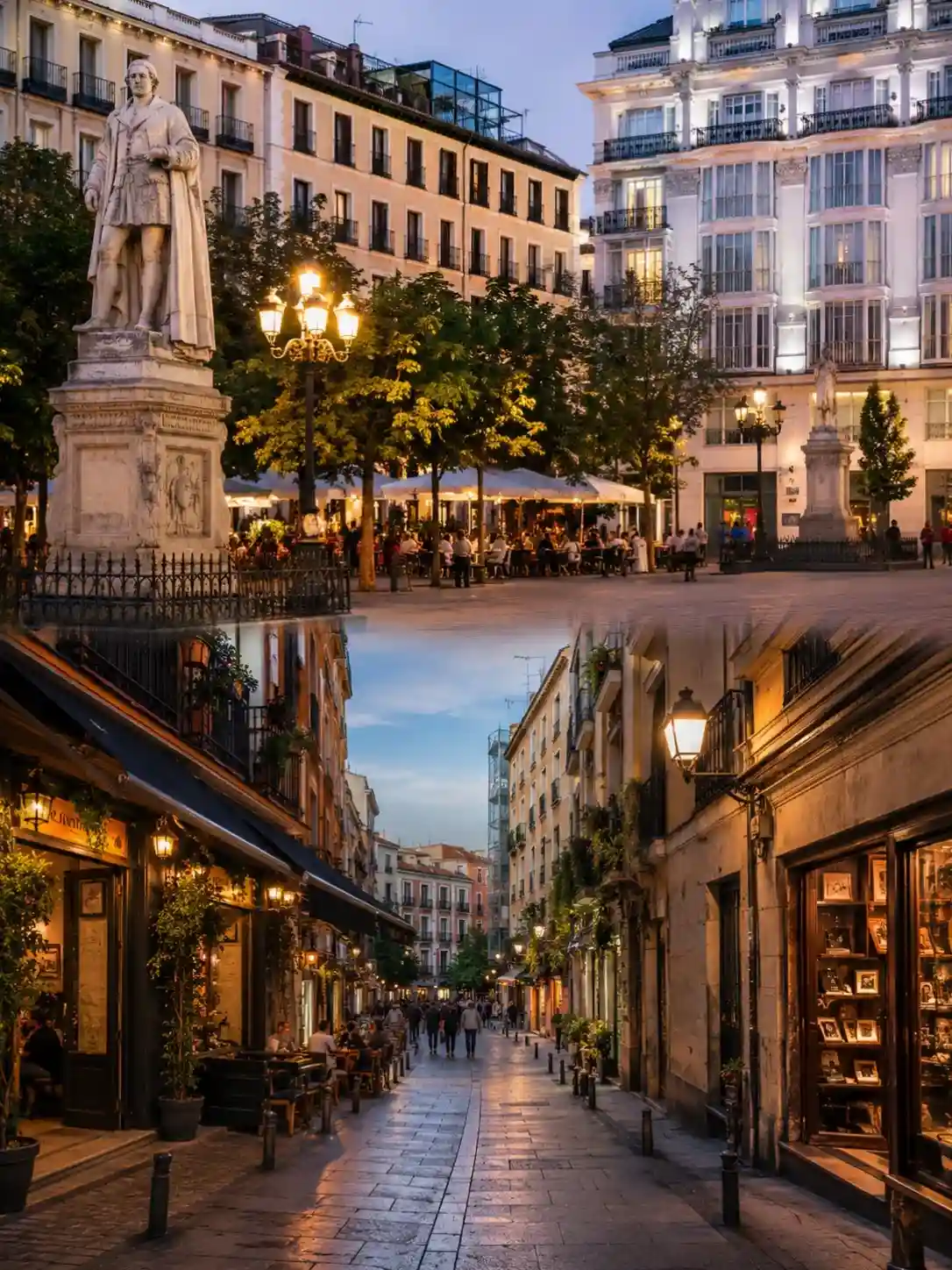
Plaza de Santa Ana operates on two speeds: the relaxed afternoon café tempo and the considerably louder nightlife gear that kicks in after dark. The square’s statues — Calderón de la Barca on one end, Federico García Lorca on the other — frame a space where families, children, and bars coexist with a ease that feels distinctly Madrid. The ME Madrid hotel and the historic Reina Victoria Hotel flank the square, and the rooftop bar of the former offers cocktail hours with views that justify the price. The Cervecería Alemana, operating since 1904 as an institution partly associated with Ernest Hemingway, pours beer and coffee at tables that have hosted serious literary argument for over a century.
Step out of the square into the Barrio de las Letras — the literary quarter — and the atmosphere changes texture: cobbled lanes narrow, pedestrian-friendly streets fill with bookstores, independent boutiques, restaurants, cafés, and tapas bars, and literary quotes from Miguel de Cervantes, Lope de Vega, and their contemporaries are embedded into the paving stones underfoot. The 16th century buildings of this historic neighborhood give Huertas and Calle de Las Huertas a bohemian quality that resists the kind of tourist smoothing that flattens other central districts. For bar hopping or simply people-watching over a long evening, Calle Huertas — now pedestrian-only — is one of the most genuinely lively squares and narrow streets the 17th century writers who lived here would still recognize.
Gran Vía
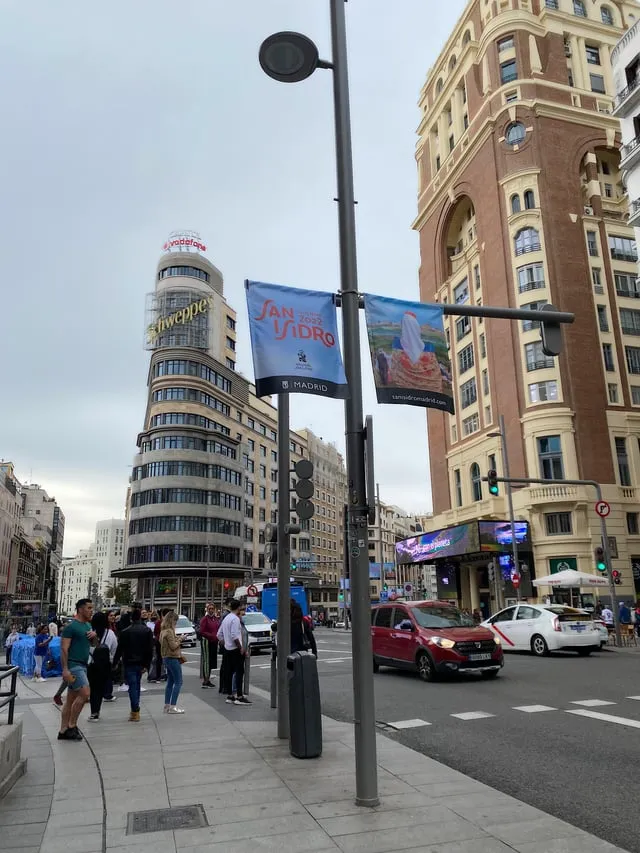
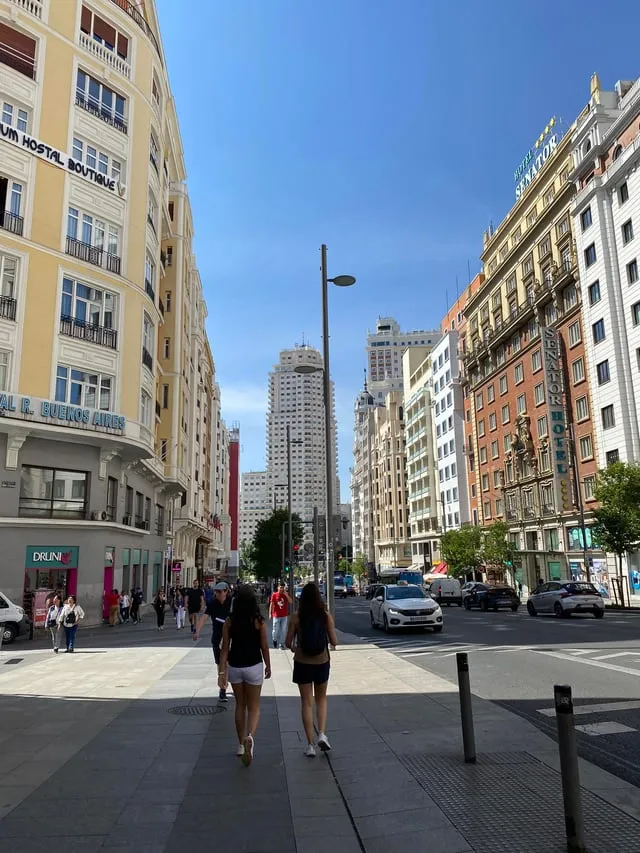
Gran Vía rewards two visits: once during daylight to take in the Belle Époque facades properly, and again at evening when the lights convert it into something closer to Broadway or the West End in energy and spectacle. The grand boulevard cuts through the city center as Madrid’s principal artery — a broad avenue built for 13,000 people to work along its buildings and 55,000 vehicles to move through it daily. The Edificio Metrópolis at the southern entrance, French-designed and completed around 1905, anchors the streetscape with a dome that catches light at every hour differently.
Further north, the Telefónica building — one of the 1920s’ tallest structures in Spain at the time — gives the street its midpoint landmark, while Plaza del Callao at the northern end channels the Times Square comparison most directly: neon lights, street performers, crowds, and the full density of a big city commercial center. The theater scene along Gran Vía rivals anything in Europe, with theaters running Broadway shows and performances year-round, supplemented by cinemas, restaurants, bars, and what amounts to a shopper’s paradise of international brands, luxury boutiques, Zara, and Primark. Walking its full length with no agenda at all — just absorbing the energy and the stunning buildings — is an entirely valid way to spend a Madrid evening, and one of those rare strolls where the street itself is the attraction.
La Latina neighborhood / tapas crawl
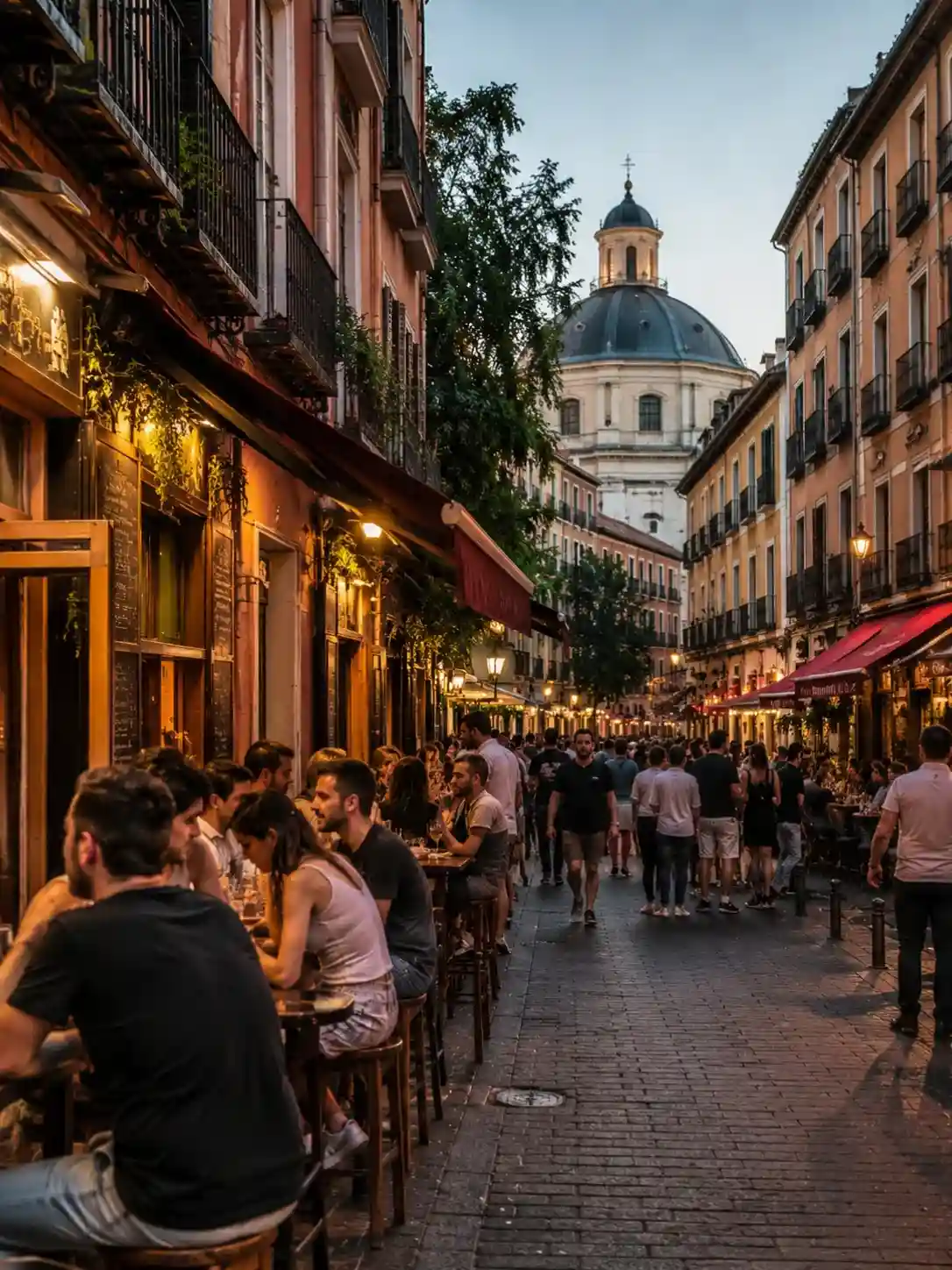
La Latina sits south of Plaza Mayor and operates on its own clock — specifically one that doesn’t really start until noon, when the bars open and the Calle de la Cava Baja fills with a noise level that hovers reliably between loud and genuinely fun. This is one of Madrid’s oldest neighbourhoods, rooted in a Moorish conquest-era layout that survives in the cramped, characterful streets, and it remains the place locals actually choose to eat, drink, and socialise rather than the place they send visitors to. The difference is detectable. On Sundays, the neighborhood absorbs the overflow from the adjacent El Rastro flea market (9am to 3pm) and becomes something close to a city-within-the-city, the Plaza de la Cebada and Plaza de la Paja filling with people at all stages of the morning.
The tapas logic here follows a Cava Baja rhythm: order a caña (small beer) or tinto de verano (summer wine), claim a tapa for €3 to €5, then move. Patatas bravas, gambas al ajillo, and croquetas show up on nearly every menu along the fifty or so bars and restaurants concentrated in this stretch. The standouts tend toward personality: Juana La Loca for creative tortillas, La Chata for traditional Madrid cuisine, El Viajero for a rooftop terrace that makes the south of the city feel like the right place to be in the afternoon. The religious architecture — Basílica de San Francisco el Grande, Iglesia de San Andrés, Iglesia de San Pedro — anchors the historic and charming neighbourhood between its medieval origins and its present life. The Mercado de la Cebada and Puerta de Toledo mark the southern edges of a district that can absorb an entire breakfast, lunch, or afternoon without any sense of repetition.
Malasaña neighborhood
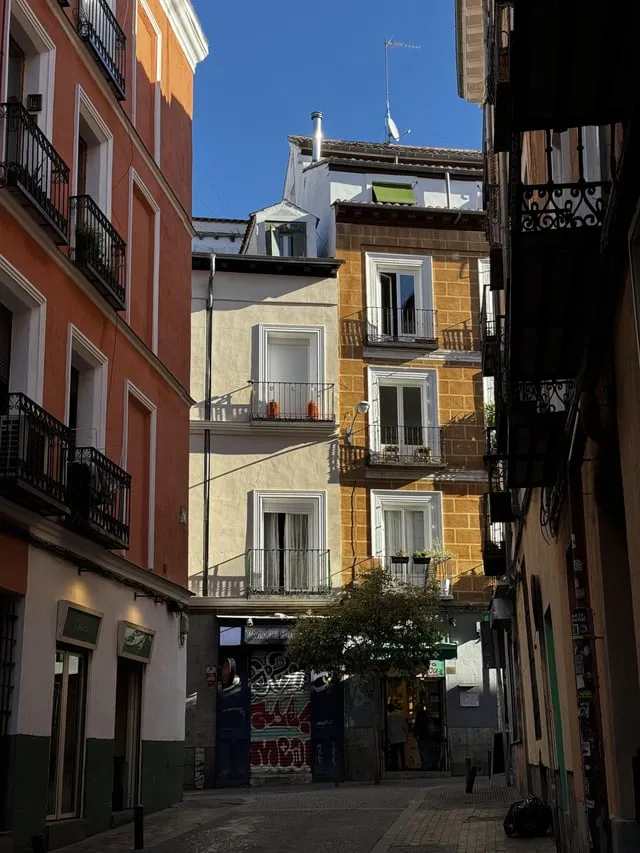
Malasaña resists easy summary, which is part of why it attracts the people it does. The hip district — historically the center of Madrid’s counterculture 1970s Movida cultural movement — has evolved into something bohemian and welcoming without losing the edge that made it interesting. Vintage shops, record stores, independent boutiques, and brunch spots line cobbled streets whose building facades carry street art that changes seasonally. The Metro Tribunal stop (serviced by Line 1 and Line 10) drops you directly into the middle of it.
Plaza del Dos de Mayo is the neighborhood’s living room — named after the May 2, 1808 uprising against the French that the square still commemorates — and its cafes, bars, and surrounding lively squares fill with locals doing the kind of people-watching that doesn’t feel performative. The Calle del Espíritu Santo and Calle del Pez carry the densest concentration of antique stores, bookshops, plant shops, and cafés that make an afternoon here feel genuinely unhurried. Toma Café and Ojala are the brunch names that keep appearing in local recommendations, with good reason. After dark, nightlife runs properly late — well past 10pm and into territory that only makes sense if you’ve already adjusted to Madrid’s dinner-at-10 rhythm. The line between Malasaña and neighboring Chueca blurs as evenings deepen, and bars on both sides of that invisible border reward wandering without a map.
Toledo
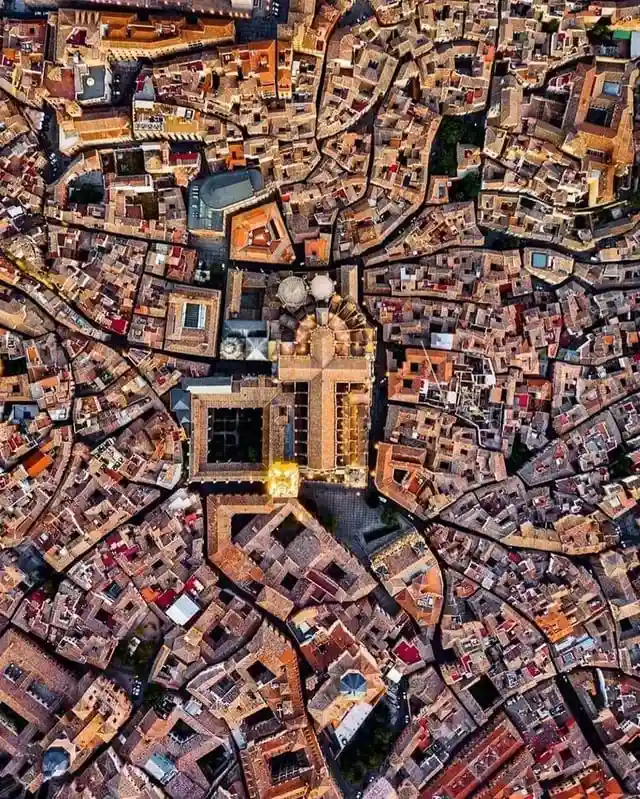
Toledo earns its UNESCO World Heritage Site status and its title of City of Three Cultures simultaneously — this is the former capital of Spain where Christians, Muslims, and Jews genuinely coexisted for centuries, and the physical evidence of that history is layered into every medieval street of its hilltop city. Getting there takes just 30 minutes by train from Madrid, making it the most compelling single full day trip the region offers.
The itinerary writes itself but deserves sequencing: Toledo Cathedral (budget €12.50 for entry to the treasury and sacristy) anchors the Christian history, while the Synagogue of Santa María la Blanca and the Jewish Quarter preserve a quieter, more intimate layer of the city’s past. The Alcázar of Toledo dominates the skyline and doubles as a military history museum; the Monastery of San Juan de los Reyes (around €3) and the El Greco Museum (also around €3) fill out the morning. The Toledo Tourist Bracelet at €10 covers 7 monuments and makes financial sense if you’re moving through the city seriously. The Mirador del Valle — reached by a short bus ride — delivers the full panorama. Wear comfortable shoes; this is an uncompromisingly hilly city. Lunch at Adolfo Restaurante or La Orza introduces the local culinary tradition: partridge stew is the dish the city is quietly famous for, while mazapán (marzipan) appears in every bakery window and sword shops share space alongside local jewelry vendors in the lanes near the Church of Santo Tomé, where El Greco’s The Burial of the Count of Orgaz rewards the entry fee entirely. Budget 5 to 6 hours to do Toledo properly.
Segovia
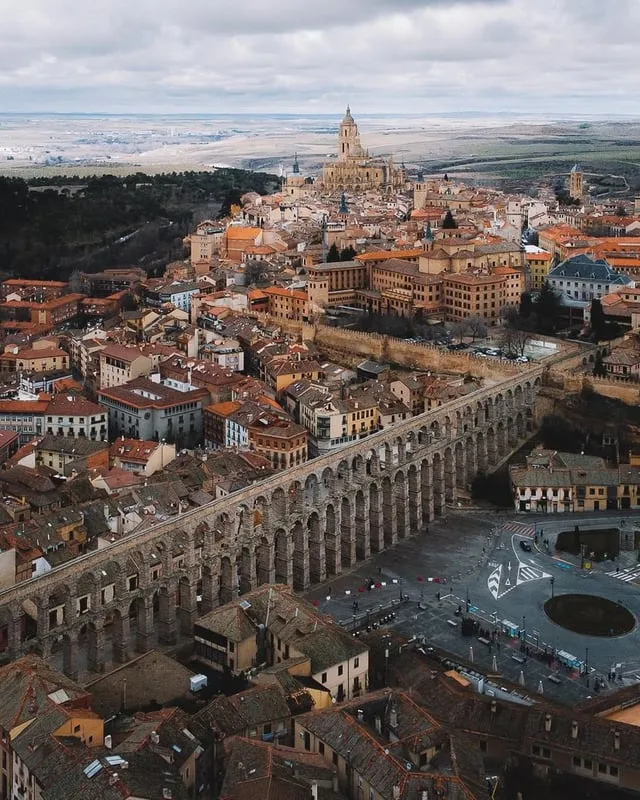
Segovia works as a day trip precisely because its three headline attractions — the Roman aqueduct, the Alcázar of Segovia, and the Segovia Cathedral — are genuinely world-class and sit within comfortable walking distance of each other. The high-speed train covers the journey in just 30 minutes, and the contrast between Madrid’s density and Segovia’s scale makes the shift feel more dramatic than the distance suggests.
The aqueduct dates to around 100 AD, runs on 167 arches, and remains one of the best-preserved monumental structures of the ancient world — a 2,000-year-old piece of engineering still standing without a drop of mortar. The Alcázar — often cited as a partial inspiration for the Disney Cinderella Castle — is the kind of fairy-tale castle that earns the cliché completely, particularly from the Mirador de la Pradera de San Marcos viewpoint below. The Gothic cathedral overlooking Plaza Mayor is the third of the set pieces, and the historic plaza itself warrants time. Lunch at Mesón de Cándido or José María is not optional — these are legendary restaurants in the truest sense, and cochinillo asado (roast suckling pig) in Segovia is a dish that requires over an hour of your time and complete attention. The Jewish Quarter nearby makes for an enchanting post-lunch wander before the train back. Like Toledo, Segovia rewards the visit with a feeling that Snow White and the medieval world were not entirely separate things.
Ávila
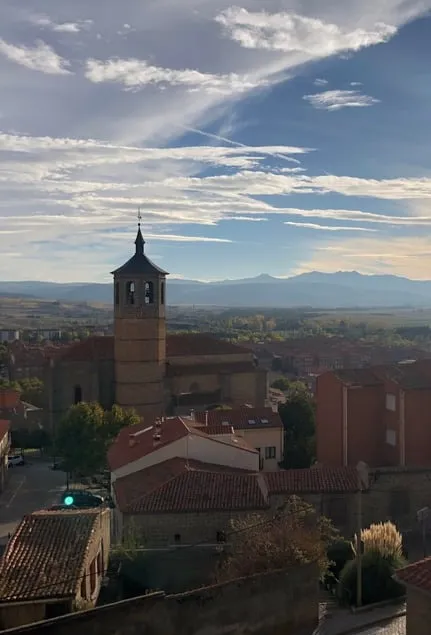
Ávila sits about 1 hour 30 minutes by train from Madrid, which puts it at the outer edge of comfortable day-trip range — but the medieval walls that encircle the entire city make the journey immediately worth it. At roughly €5 to walk sections of the wall system, the elevated views back over the city and the surrounding plateau are unlike anything available closer to the capital. The walls are the reason to come, but they’re supported by a meaningful UNESCO World Heritage context that includes the entire historic center.
Ávila Cathedral is partially integrated into the wall itself — a military-ecclesiastical hybrid that tells you something about how this city understood defense. The Convent of Santa Teresa and the Basílica de San Vicente add layers for anyone drawn to the birthplace of Saint Teresa of Ávila and the mystical tradition she founded. Eat before you leave if possible; Yemas de Santa Teresa (candied egg yolks) are the essential edible souvenir, and chuletón de Ávila — a thick-cut T-bone steak from local cattle — is the lunch order if you’re staying long enough.
Flamenco Show
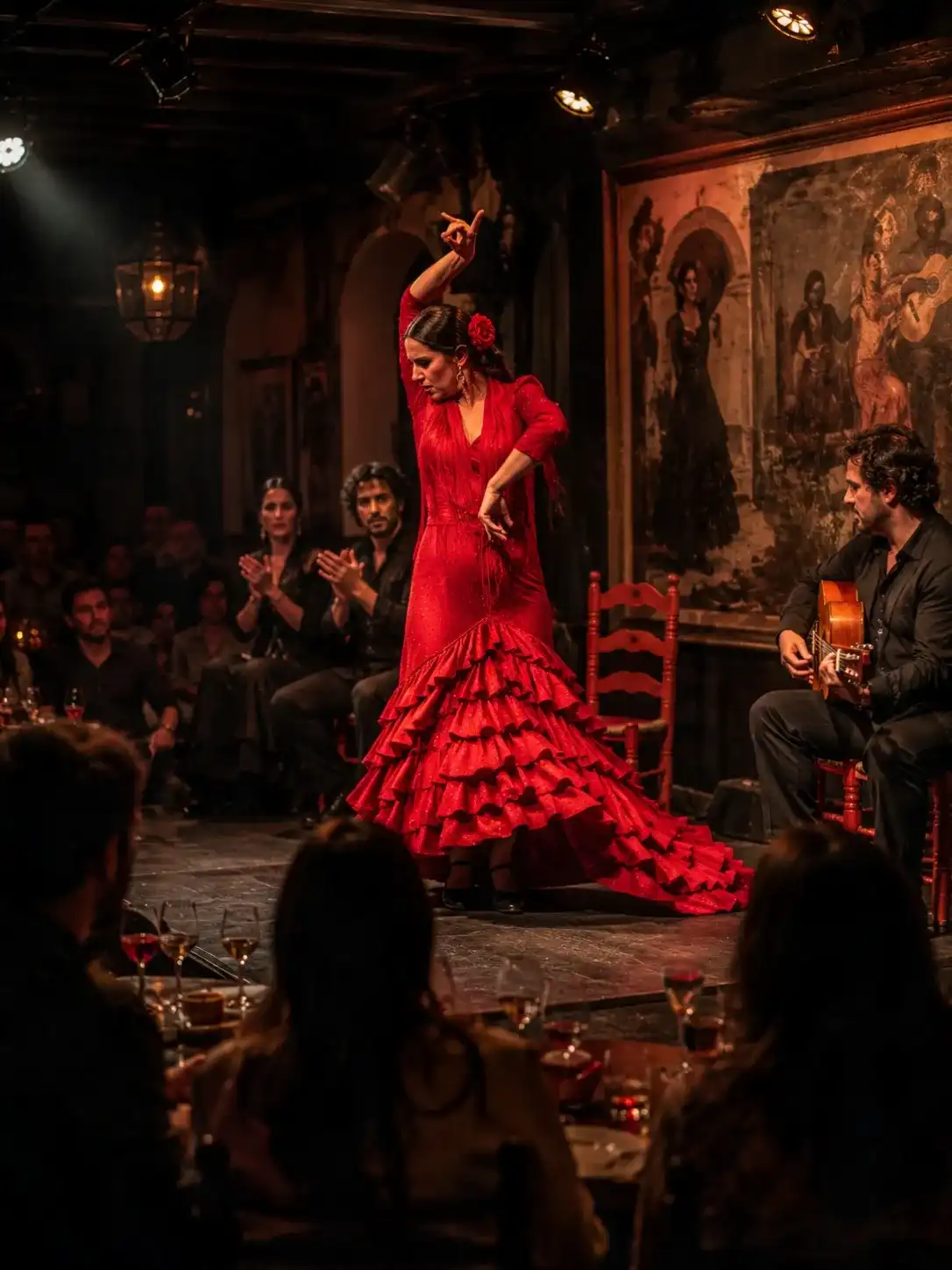
Save the flamenco show for your final evening — it functions as the right ending for Madrid, not an item to tick off mid-trip. Flamenco is not from Madrid; it belongs to Andalusia and the southern Spain tradition, but Madrid’s tablaos — its dedicated flamenco venues — have operated long enough (some for over 100 years) to have developed their own standards of authentic performances. The difference between a tablao that respects the form and one that sells flamingo-branded drinks to tourists is real and detectable within the first five minutes.
Corral de la Morería and Casa Patas are the most respected names, both known for pairing serious music and dancing with good dinner options in the same space. Tablao las Carboneras, Cardomomo, Teatro Flamenco Madrid, and Tablao Flamenco 1911 each carry their own devoted following and offer variations in atmosphere and scale. What remains consistent across all of them is the essential vocabulary of the form: guitar, stomping, clapping, whirling skirts, and passionate, sometimes sad songs that are breathtaking in a way that resists description. Book the evening in advance; the better rooms sell out reliably.
Where to stay in Madrid
Madrid’s neighbourhoods each carry distinct personalities, and where you sleep genuinely shapes what the city feels like. For first-timers, Malasaña offers the sharpest mix of local vibe, metro access, trendy nightlife, bars, restaurants, and vintage shopping — the kind of neighborhood where a well-positioned Airbnb or penthouse apartment near the main square puts you in the city rather than just adjacent to it, at a roughly 25-minute walk from city centre landmarks. For foodies and anyone drawn to traditional Madrid, La Latina is the neighborhood that rewards deepest: tapas bars, Sunday market (the El Rastro flea market), and historic atmosphere that doesn’t feel performed. Sol and Gran Vía maximize convenience and access with the densest hotel options, though the trade-off is a more commercial environment — perfectly positioned for a budget visit where the central location earns its keep.
Salamanca operates at a different register entirely: luxury, designer boutiques, Michelin-starred restaurants, beautiful architecture, and quieter streets that feel genuinely high-end and sophisticated. Barrio de Las Letras — the literary quarter — sits between the art museums and the tapas district, occupying some of Madrid’s prettiest squares and most cultural streets; Hotel Urban (around €300), Hotel Catalonia Las Cortes (approximately €175 to €225), and Room Mate Alicia (€160) are the names to know here. Near Sol: Posada del León de Oro runs €150 to €300, while Hotel Gavinet comes in closer to €125. In La Latina, One Shot La Latina occupies the €150 to €200 bracket comfortably. On Gran Vía, NH Collection Madrid Gran Vía (up to €300), Hotel Vincci Capitol (€240), Hotel Europa (€220), and the Gran Hotel Inglés boutique hotel represent the range. Near Atocha and the art museums, SLEEP’N Atocha balances sustainability with a mid-range price point, while Pestana Plaza Mayor Madrid, Only YOU Boutique Hotel Madrid, and Petit Palace Arenal each sit on pedestrian streets that combine neoclassical surroundings with gothic and vibrant neighborhood energy. TripAdvisor rankings shift seasonally, but the castizo, authentic Madrid feel of La Latina and the historic charm of Las Letras hold up across years of visits. For the lively and comfortable experience closest to the city’s local rhythms, either of those two — at no more than a 15-minute walk from Puerta del Sol — is the choice I’d return to myself.
Getting around Madrid
The Metro is the backbone of movement in Madrid — efficient, affordable, and genuinely extensive, covering the central attractions with a directness that makes it the sensible default over taxis for most trips. A 10-journey ticket costs €12.20 and loads easily through the Metro de Madrid app or any standard metro machine. For stays over two days, the Tourist Travel Pass offers unlimited access to the metro, bus, and train network across Zone A: €8.40 for 1 day, €14.20 for 2 days, with additional tiers at 3, 5, and 7 days.
The city center itself is remarkably walkable — the flat, compact layout means that most central attractions sit within 20 minutes on foot of each other, and the best way to understand Madrid’s geography is simply to walk it. Taxis and Uber (look for official white taxis with red diagonal stripes) serve the gaps where public transit feels like an overcomplication, particularly late at night. For the purposes of most 3-day visits, the combination of metro and walking handles everything; rideshare and public transit fill in the edges. The Metro’s public transit efficiency genuinely makes car rental feel redundant inside the city.
When to visit Madrid
April, May, June, September, and October are the months when Madrid shows its best version — comfortable temperatures, reliable sunshine, and a city that hasn’t yet shifted into the defensive crouch of deep summer or winter. Spring in particular, from March through May, runs between roughly 20 and 22°C, and the effect on the terraces and parks is immediate: Madrid blooms in every sense, with café seating expanding into every available sidewalk and Real Madrid’s European football season providing a secondary social calendar. Visitor numbers in high season soar — July and August see hot temperatures nudging 35°C, which pushes locals out of the city and fills the gap with tourists and museums.
Winter — December through February — brings cold and occasionally freezing conditions, fewer crowds, and the compensation of Christmas markets that transform the city center in December. November is cold and rainy with little to recommend it as a timing choice. The genuine sweet spots remain the shoulder seasons: mild and sunny March through May and again September through October, when the heat has relented, the visitor numbers have thinned from their peak, and the city rewards the time you give it without the July-August effort involved. Mid-August occasionally marks the cheapest flight and accommodation window if the heat is manageable for you.
Quick essentials for your 3 day Madrid itinerary
April through October covers the best of Madrid’s spring and shoulder season windows — target March to May specifically for comfortable temperatures around 22°C and terraces that actually make sense. From the airport, the metro Line 8 runs to Nuevos Ministerios in roughly 25 minutes at a fraction of the taxi fare; both options drop you within reach of central Madrid efficiently. The Metro remains the efficient and affordable backbone of movement once you’re here, though the central attractions are walkable enough that you’ll frequently ignore it entirely.
For neighborhoods: Malasaña handles the nightlife and trendy bars brief, La Latina covers traditional tapas at every budget, and Gran Vía provides the easy access geographic anchor that connects them both. None of these require a taxi to reach from each other; Madrid’s compact center is the real logistical advantage of visiting, and three days here genuinely rewards unhurried movement over a packed schedule.
Itinerary Overview
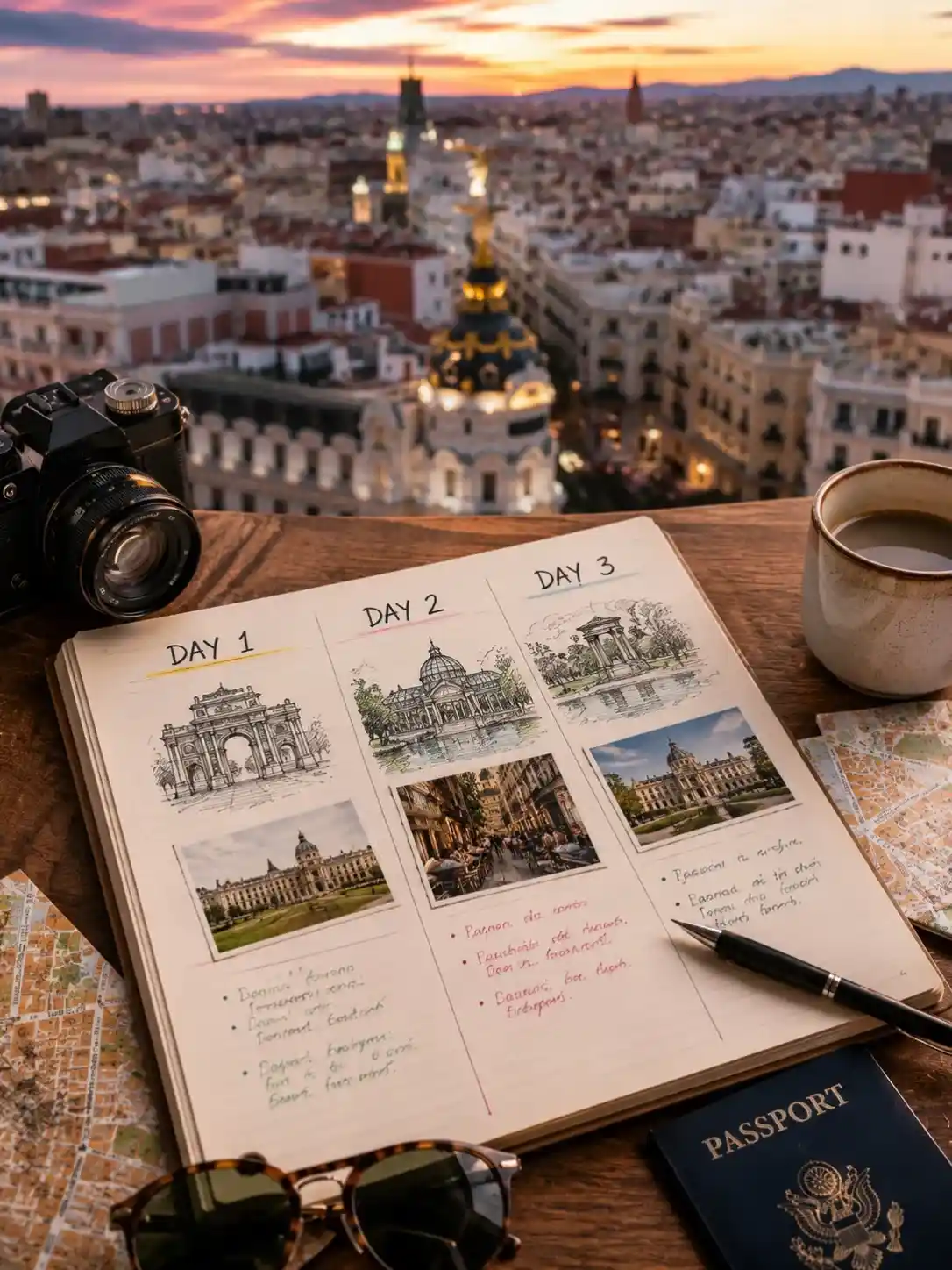
Three days in Madrid structured around the natural rhythm of the city — morning for the major landmarks and monuments before crowds build, afternoon for neighborhoods and exploring, evening for city center dining and the longer social hours Madrid runs on. The Day 1, Day 2, Day 3 summary below operates as a plan rather than a fixed script: the overview treats each day as a loose busy but breathable arc rather than a minute-by-minute grid.
La Mallorquina Pastry shop
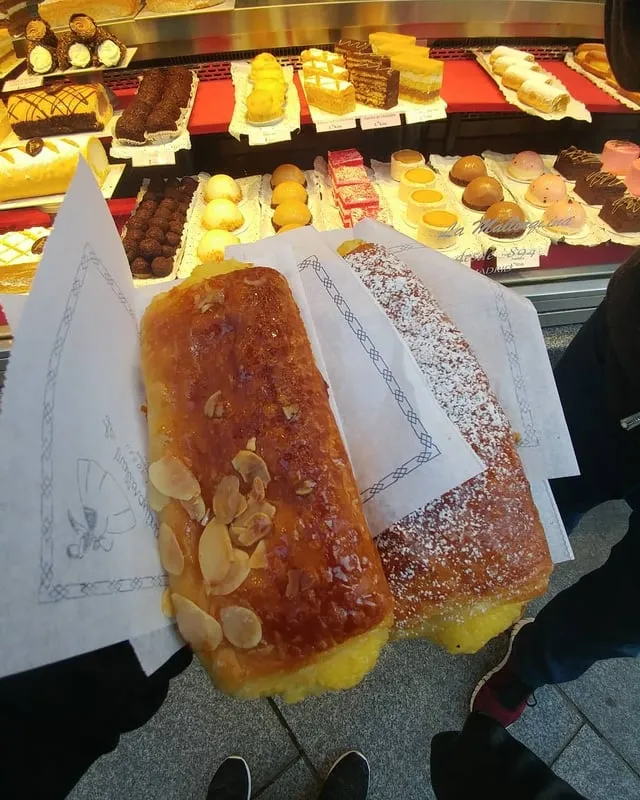
La Mallorquina has been operating since the 1800s, which puts it in the category of Madrid institutions that survived several governments and at least one architectural overhaul of Puerta del Sol square. The pastries — particularly the napolitana — are the reason to stop, and they work efficiently as a way to fuel up before a long breakfast-hour walk.
Plaza de Ópera and the Teatro Real
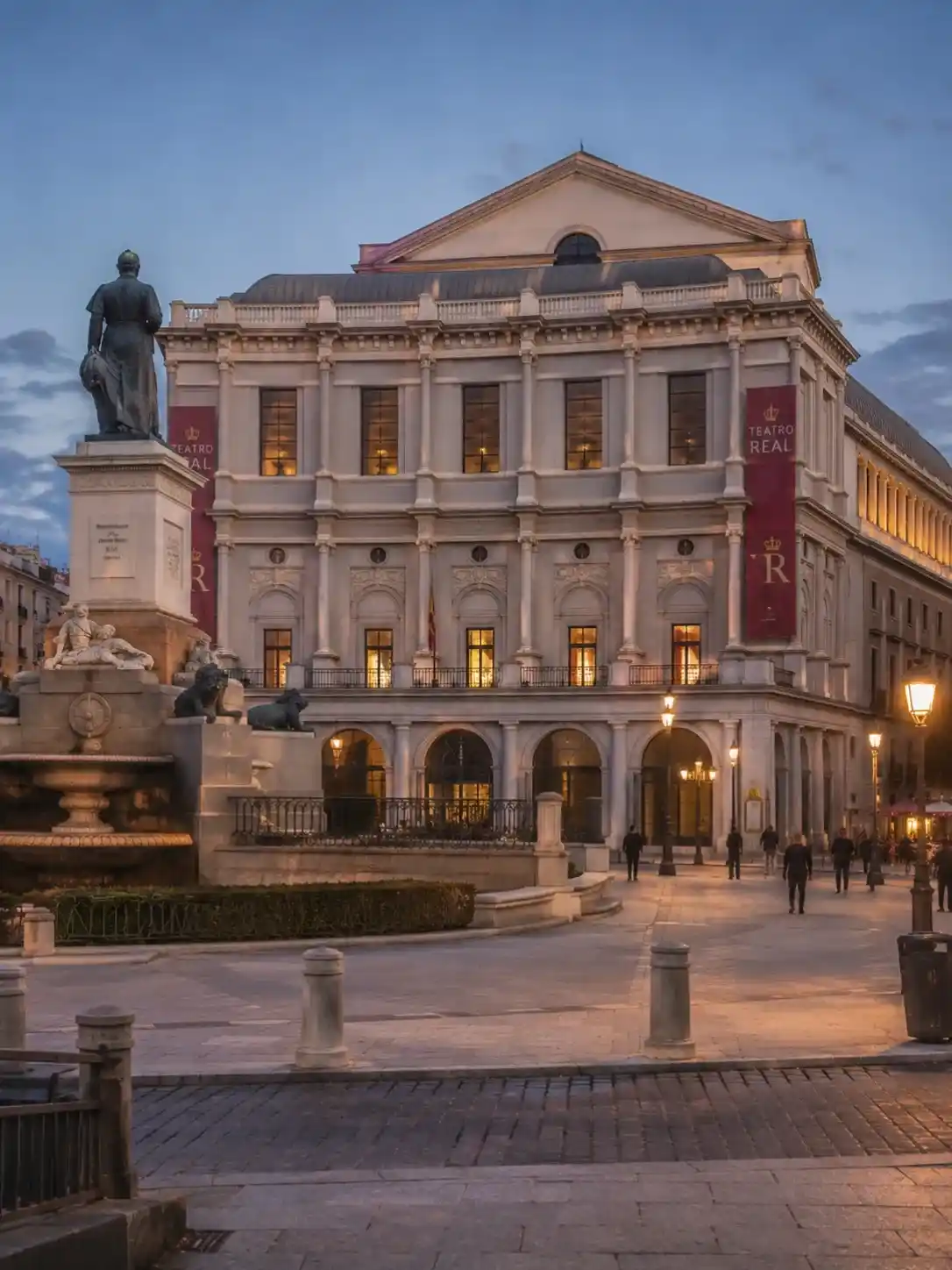
The 19th century urban logic of Madrid’s historic center concentrated its grandest cultural infrastructure within a compact radius, and the Plaza de Ópera outside the Teatro Real Royal Theater captures that intention precisely. This is one of the great opera houses of the world — technically and acoustically — and the plaza in front of it frames the approach with enough space to appreciate a building that earns its seriousness.
Plaza de España
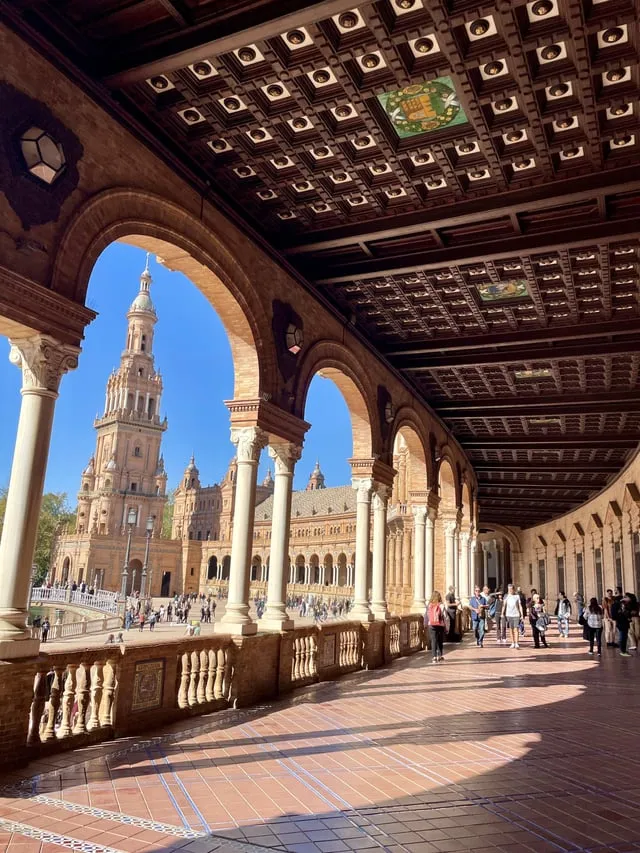
Plaza de España ranks among the largest and most significant squares of Madrid, anchored by the Monument to Miguel de Cervantes — a towering column surrounded by statues — positioned on the north end of Gran Vía as a literary counterpoint to the commercial boulevard below. An afternoon stroll here, particularly at the hour when the light hits the surrounding buildings well, is one of the city’s quieter pleasures.
Cibeles Fountain
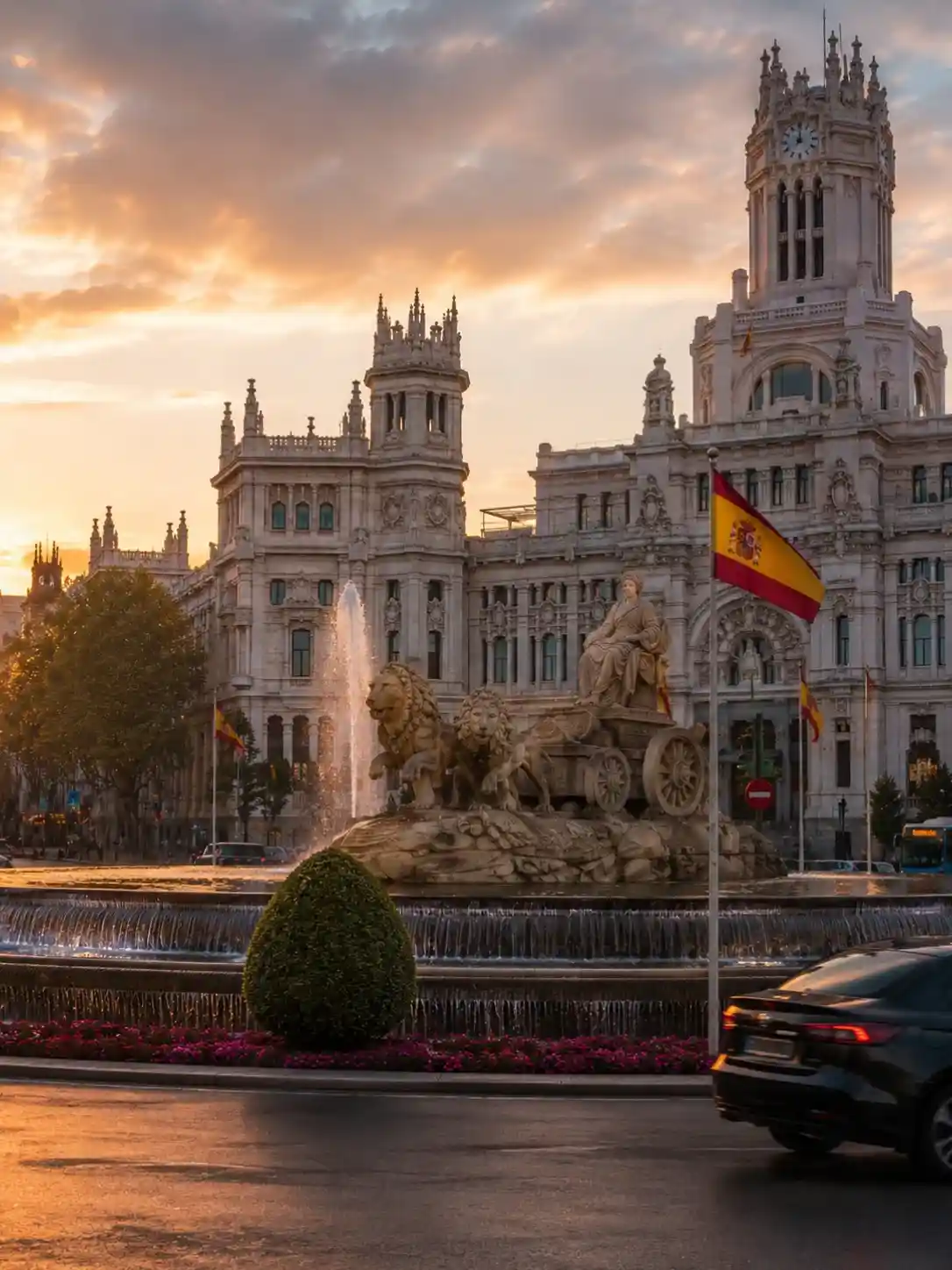
Walking east from Gran Vía through Callao toward the broad Plaza de Cibeles introduces one of Madrid’s most iconic and historically significant squares — a fountain that functions simultaneously as a roundabout, a celebration venue, and a genuine piece of neoclassical civic art. The square earns its place on any Madrid walk not as a detour but as a natural waypoint.
Lavapiés neighborhood
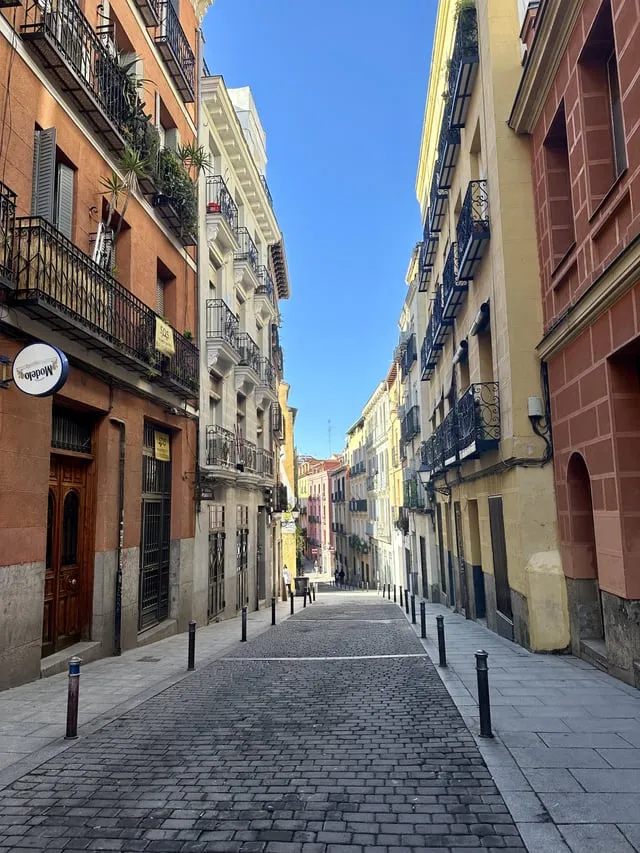
Lavapiés is Madrid’s most genuinely multicultural neighborhood — diverse, shifting, and not yet fully absorbed by the gentrification that’s reshaped adjacent districts. Begin the day here with breakfast at Pum Pum Cafe, then work through the cultural infrastructure: La Casa Encendida, La Tabacalera, Mercado Antón Martín, and Mercado de San Fernando each represent a different layer of a neighborhood that resists easy characterization.
Cuesta de Moyano Hill and old-school booksellers
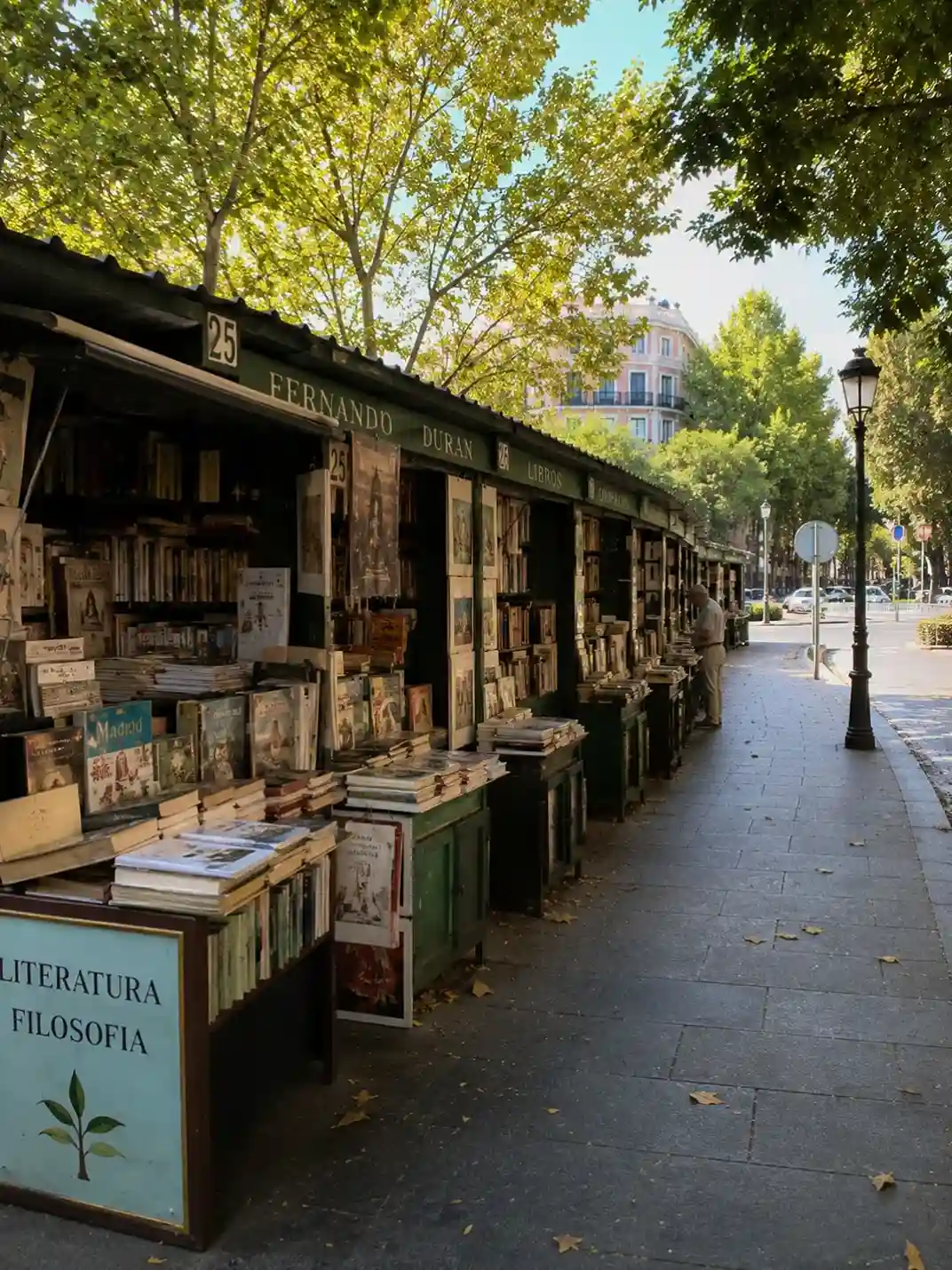
The Cuesta de Moyano hill, curving around a roundabout near Atocha Train Station, hosts a row of kiosks run by old-school, second-hand booksellers whose presence feels genuinely unlikely in a central city in 2026. It’s a ten-minute walk from the park edge and offers a quiet counterpoint to the museum circuit nearby.
Puerta de Alcalá
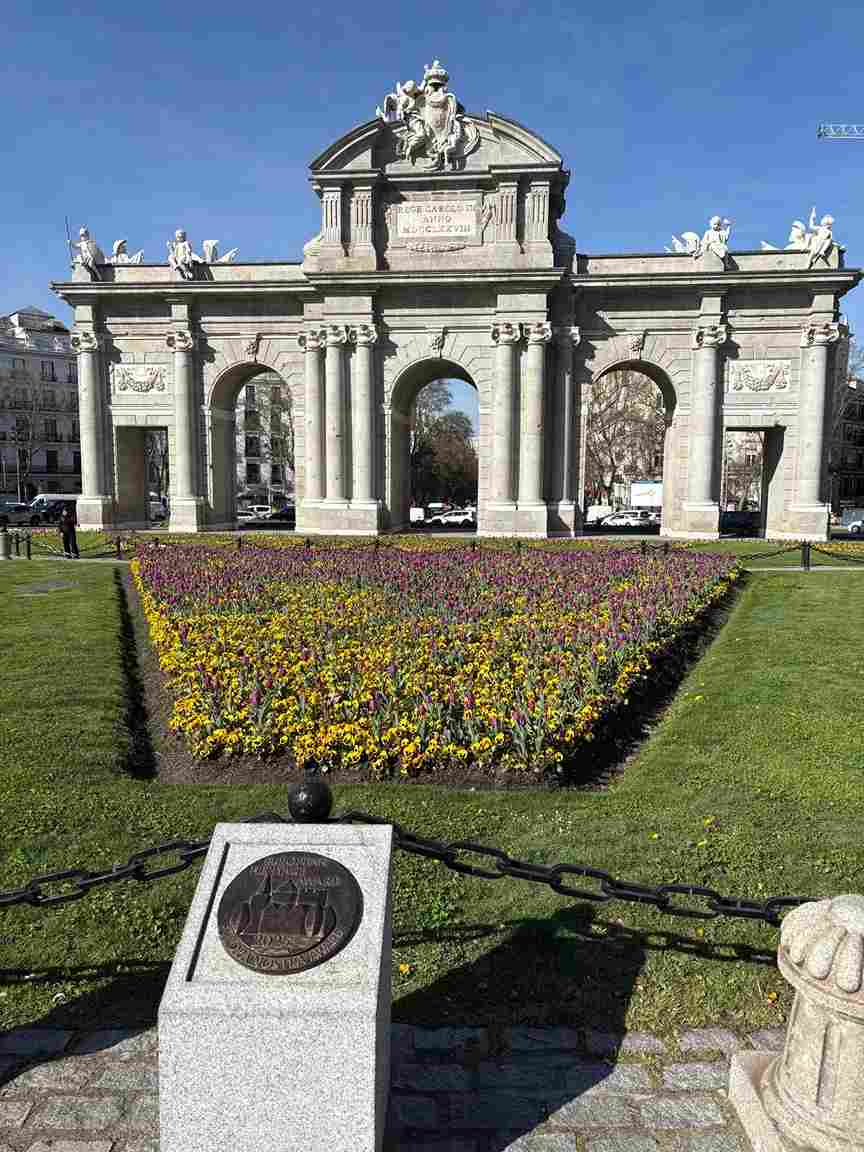
The Puerta de Alcalá stands at the northern edge of Retiro park as one of Madrid’s most photographed structures — a famous gate that has functioned as a symbol of the city long enough to appear on signage, ceramics, and the collective mental image of what Madrid looks like before you’ve visited.
Live Jazz at Café Central
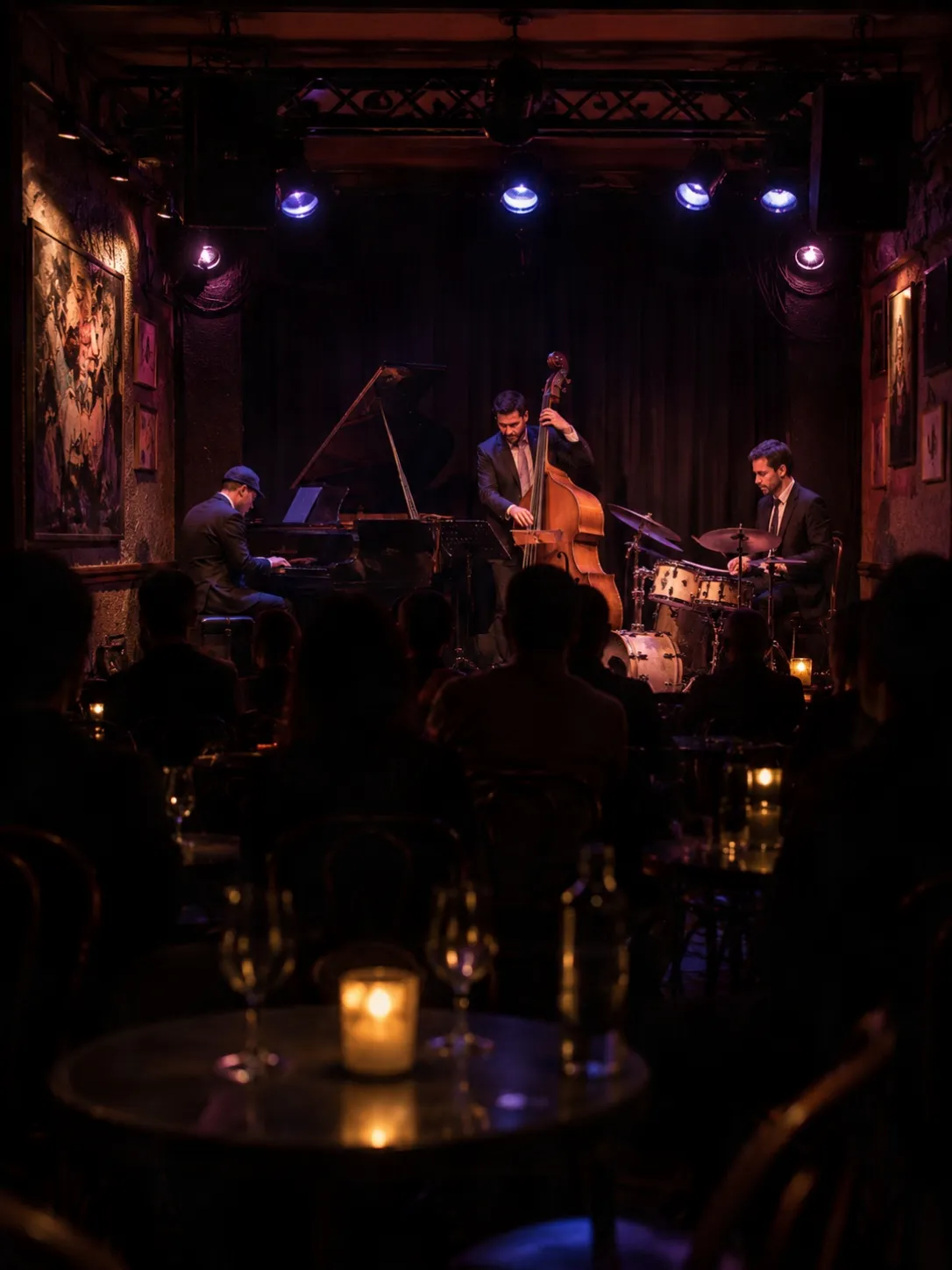
Café Central has been a cornerstone of Madrid’s live music scene since the 1980s, operating as one of Europe’s most consistently respected small jazz clubs. End the night here — it’s the kind of room where the music earns the attention you give it, and the evening closes better than it would almost anywhere else.
Museo de Historia de Madrid
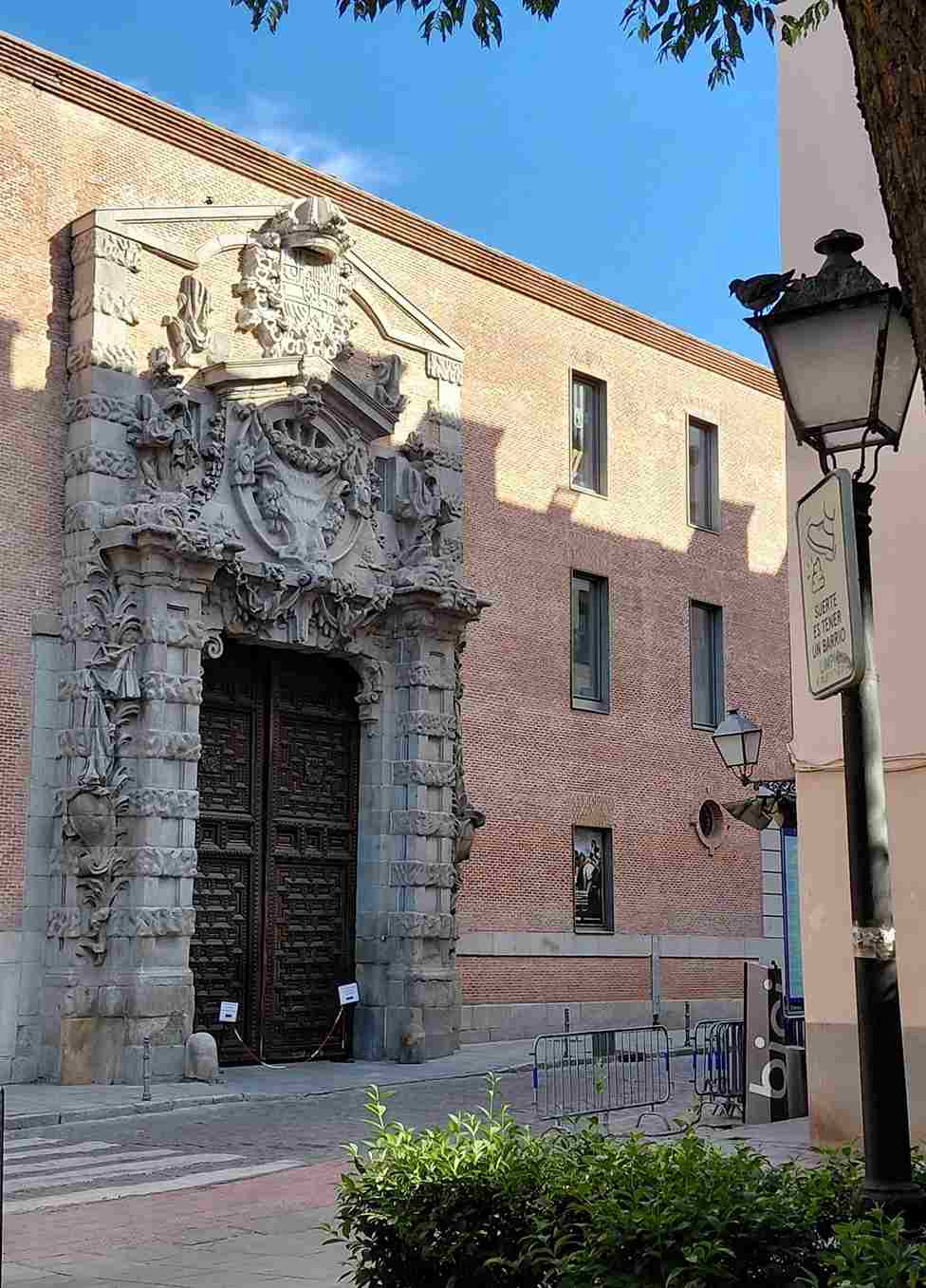
The Museo de Historia de Madrid traces the history and development of the city with the specificity that general Spanish history museums rarely achieve. Located near 2 de Mayo Plaza on the east side of Malasaña, it provides a useful frame for understanding what you’ve been walking through — particularly if Madrid’s layered past has started to accumulate questions the street level can’t answer.
Chocolatería San Ginés
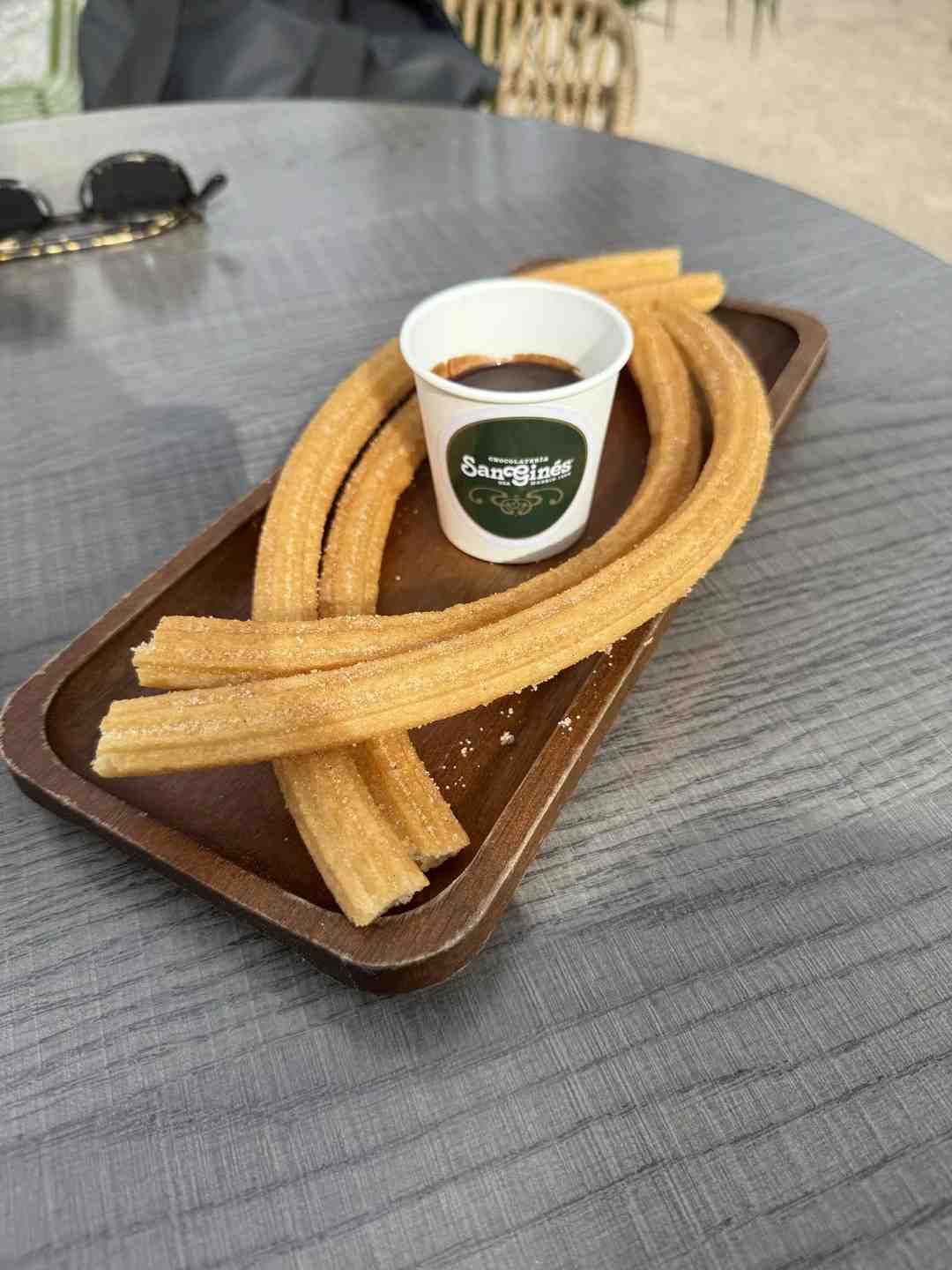
Chocolatería San Ginés operates at the intersection of Malasaña energy and Calle Mayor geography, maintaining its position as the best and most famous destination in Madrid for hot chocolate and churros — a combination that works at midnight as reliably as it does at 8am.
Dinner and a wander in Argüelles
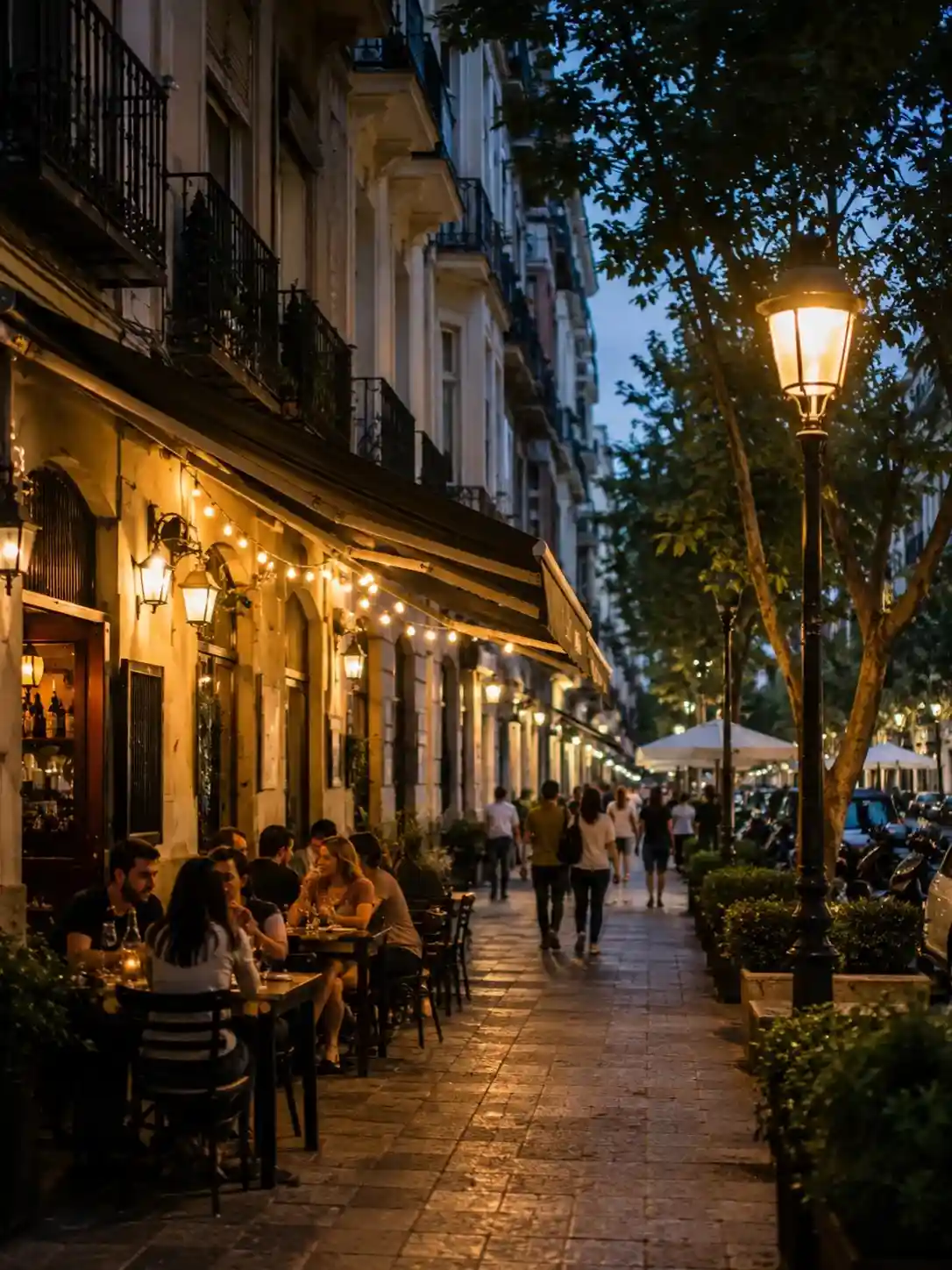
After the Templo de Debod, the natural drift is east into Argüelles — a pleasant residential neighborhood where a slow pre-dinner wander through quieter streets makes the transition from sightseeing to evening feel genuinely unhurried. Dinner here follows the local rather than tourist tempo.
Rooftop views from RIU Hotel (Sky Bar 360)
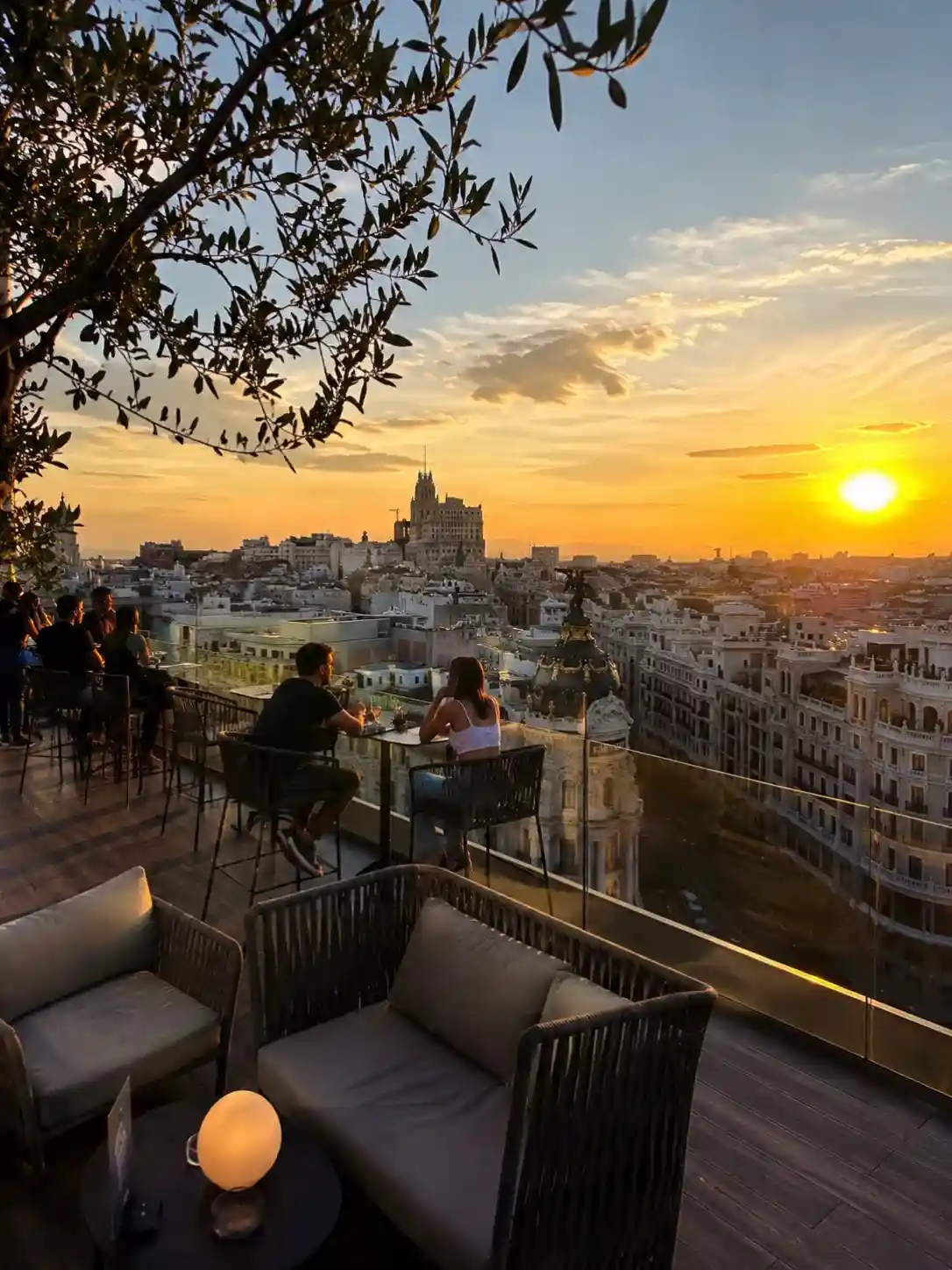
The RIU Hotel’s rooftop terrace — the Sky Bar 360 — delivers city views across Madrid that function as a fitting goodbye to a city that rewards height. Incredible in the classic hour before sunset; the kind of rooftop that makes you reconsider the itinerary order for a future visit.