55 Amazing Places to Visit in London: Hidden Gems, Iconic Landmarks & Local Favorites
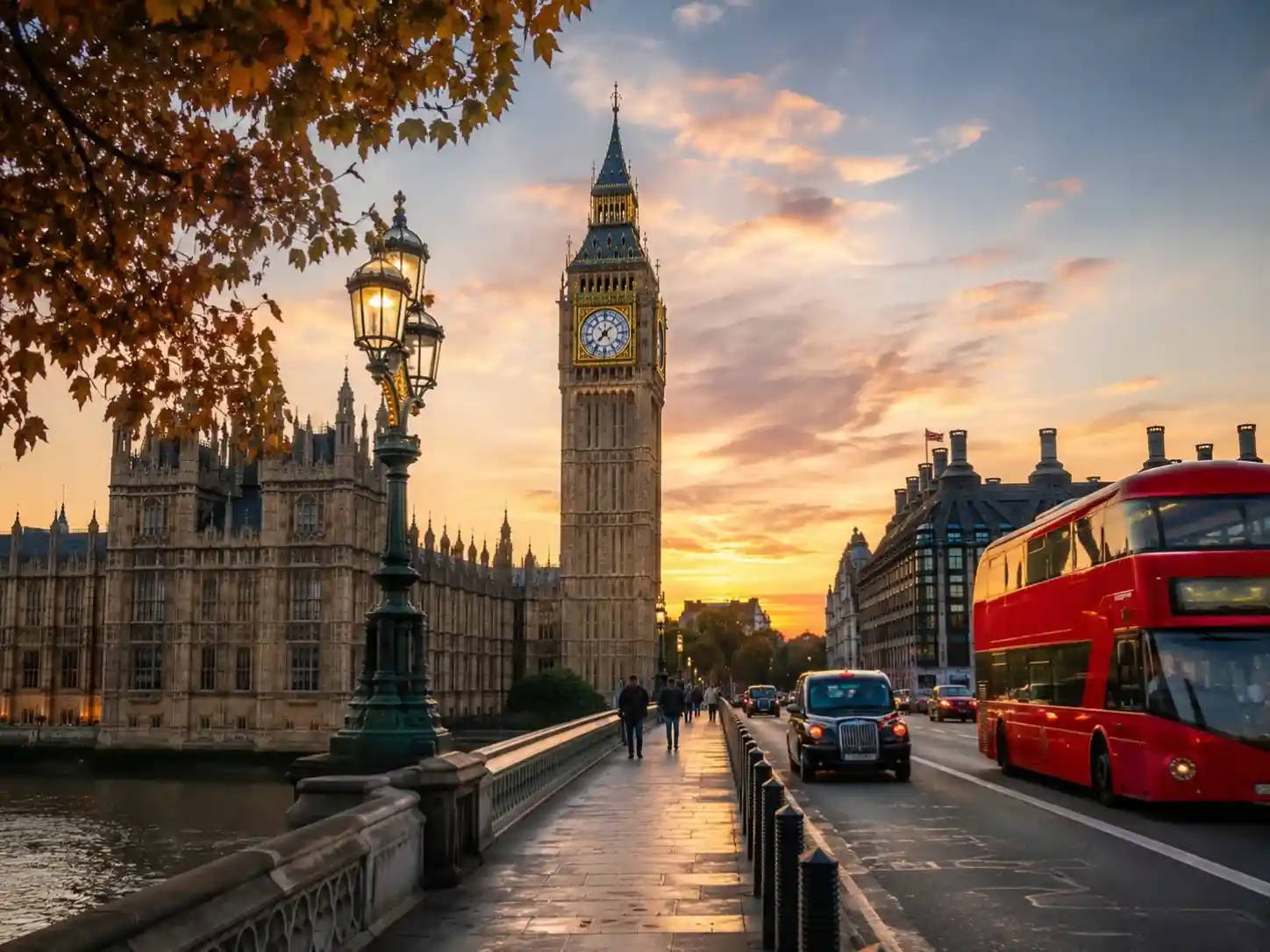
London is one of those cities that doesn’t reveal itself all at once — it layers itself, neighbourhood by neighbourhood, until you’ve spent three weeks here and still feel like a first-timer. I’ve done the 2-week trip, the 3rd trip, the kind where you’ve already ticked the standard bucket list and start hunting for something unusual and off-the-beaten-path. Whether you’re a solo wanderer, a couple, or navigating the city with family, London rewards the person willing to move beyond the Buckingham Palace selfie. I’ve done hands-on research, walked until my feet gave up, and cross-referenced everything from Pinterest to Bon Traveler, Bright Nomad, Jasmine Alley, and What Kirsty Did Next to bring you a curated, credible list — one built around real personal visits, not recycled write-ups. I used CityMapper and Google Maps for day-planning, leaned on the Tube and Overground for getting around, and picked up a travel eSIM so navigation never dropped mid-scouting session.
What makes London genuinely exciting for repeat visitors is how the curated experience keeps shifting depending on your traveler type. Design-led stays and design-lovers will find their footing in entirely different London neighborhoods than budget travel seekers or those chasing Instagram spots. This isn’t a rigid category-by-category breakdown — think of it more as throughlines connecting the highlights with the unique, the free with the paid attractions, and the mainstream landmarks with hidden gem angles. The organization here follows the natural rhythm of how I’d actually move through the city — what to look at, linger in, eat near, and photograph. There are endless things to see, but time is always the real constraint, so every pick here earned its place.
Leadenhall Market
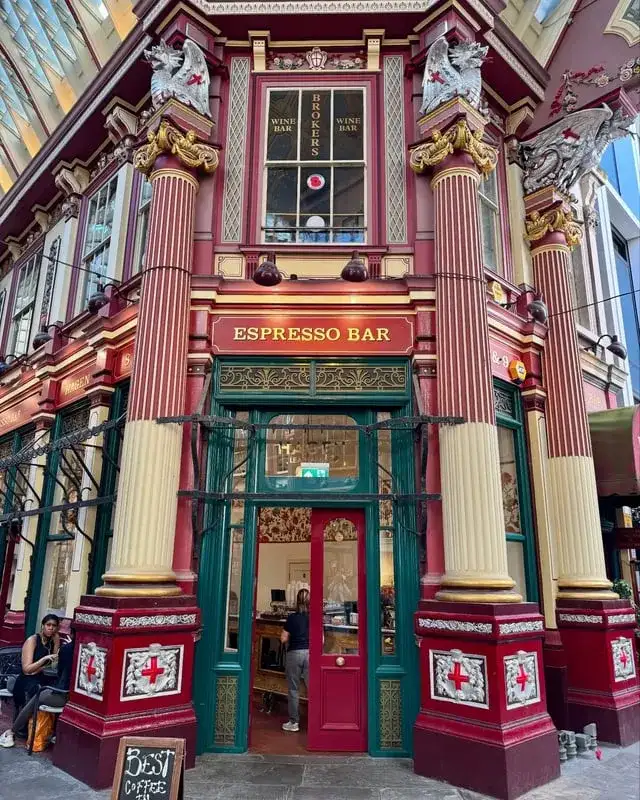
Leadenhall Market is one of those places that stops you mid-step. The ornate architecture of this Victorian-era covered market — with its painted arches, soaring roof, and ironwork detailing — has drawn centuries of Londoners and more recently earned its reputation as a filming location, most famously doubling as Diagon Alley in the Harry Potter franchise. It’s a design-lovers paradise and an absolute gift for photos, but beyond the aesthetics, it functions as a genuinely alive space filled with restaurants, pubs, shops, and spots to stop for a beer mid-afternoon. The rich history embedded in these walls makes it far more than a pretty backdrop — it’s a slice of London that somehow remained intact while everything around it modernized.
Sky Garden
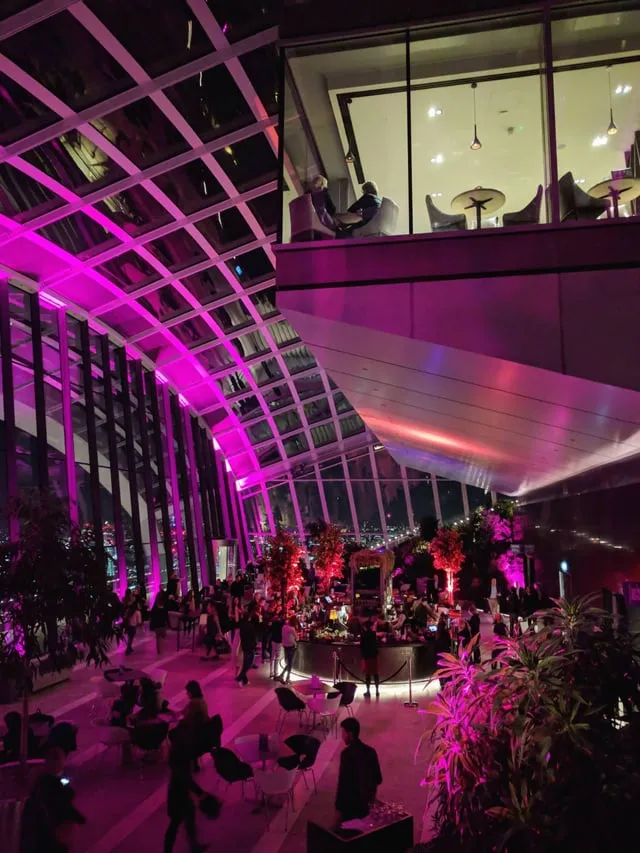
The Sky Garden sits at the top of the Walkie Talkie building, and while I’ll be honest — the café food is mediocre — the 360-degree skyline views are genuinely hard to argue with. The trick is knowing the system: free entry is available but requires advance booking, ideally grabbed weekdays to avoid weekend crowds. Walk-ins do happen, but they’re inconsistent enough that I wouldn’t bank on it. The opening hours extend until around 5pm for the garden itself, and the bar experience in the evening shifts the atmosphere entirely — it’s worth comparing both versions of the visit. Bon Traveler puts it well as a solid stop, and I’d agree, as long as you temper expectations for the garden versus the view itself.
Barbican Conservatory
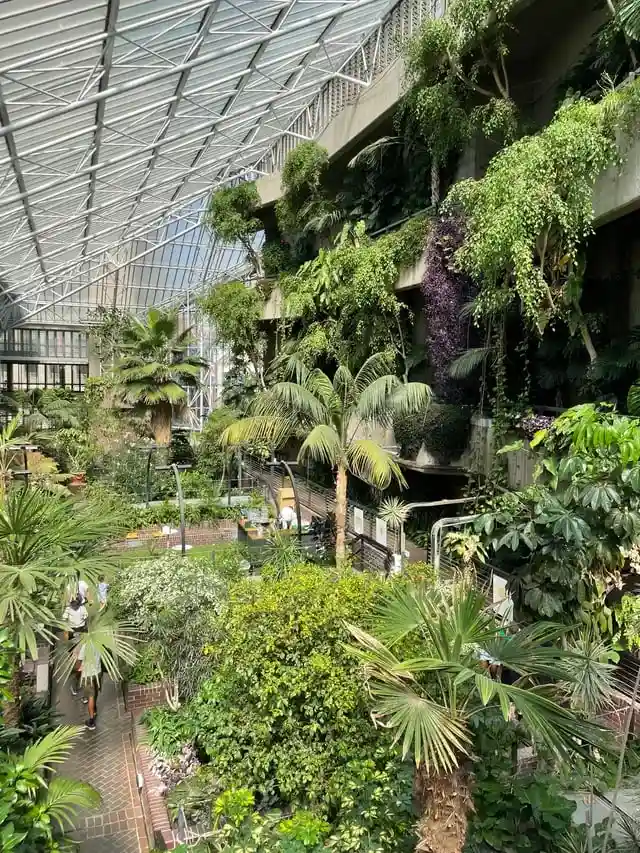
The Barbican Conservatory is criminally under-known, and I say that as someone who has sent at least a dozen friends here after they claimed to have “seen everything” in London. As the second-largest conservatory in London, it houses over 1,500 plant species and hundreds of tree species alongside fish ponds that give it a genuinely otherworldly quality — closer to Kew Gardens in atmosphere than anything you’d expect inside a brutalist architecture complex. Free entry makes it even more remarkable, though you’ll need a timed ticket booked roughly a month ahead since availability disappears fast. Bright Nomad, Jasmine Alley, and What Kirsty Did Next all flag this one, and the booked ticket system, while mildly inconvenient, is the only reason the tropical garden inside still feels like a discovery rather than a tourist queue.
St Dunstan
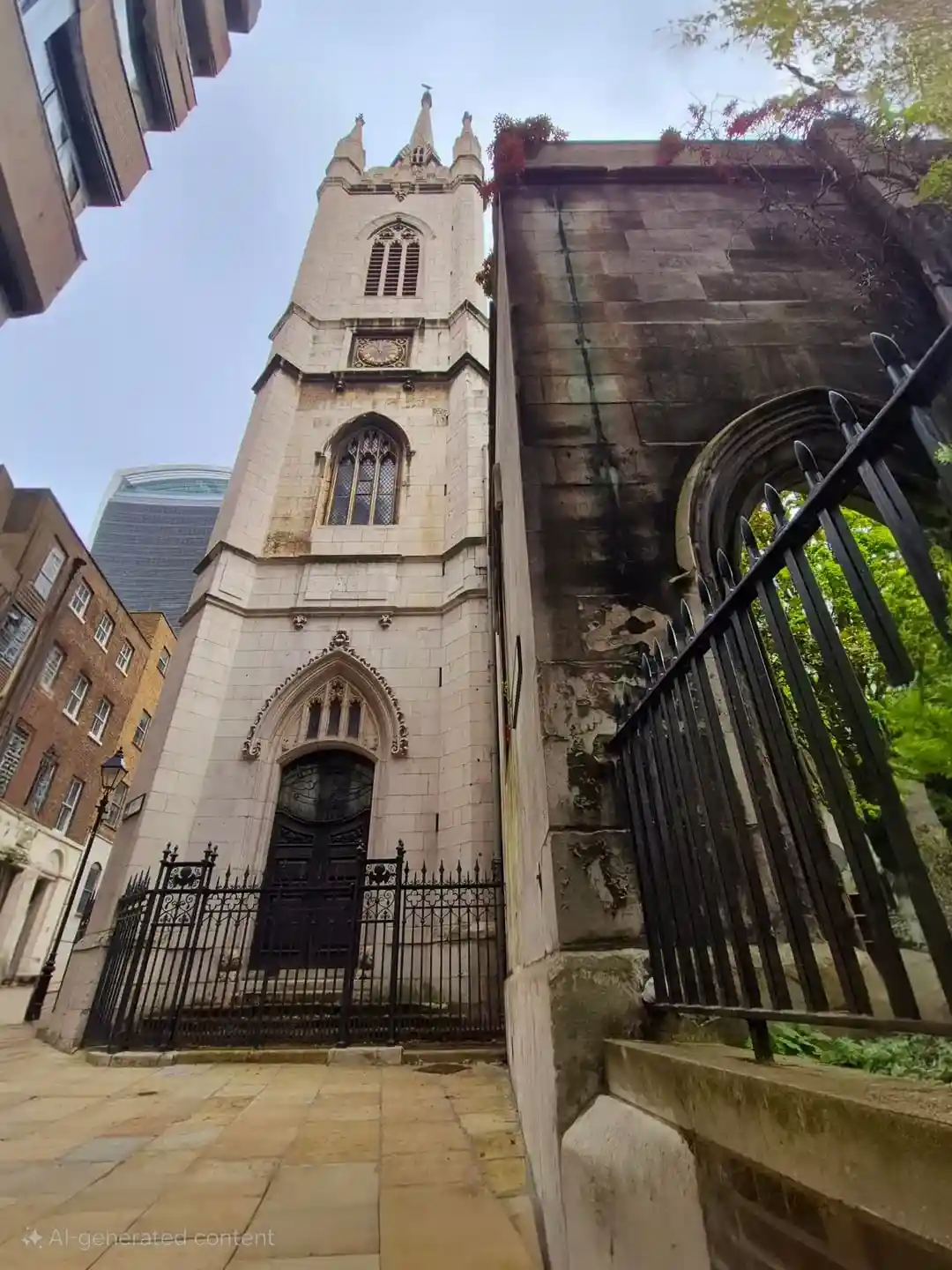
St Dunstan in the East is the kind of place that makes you pause and recalibrate what a public garden can be. These gothic ruins — damaged first by the Great Fire of London and finished off by WWII bombing — were redesigned by Christopher Wren before being transformed into the serene ruin garden that stands today. Greenery has consumed the old church ruins, climbing up what remains of the tower and draping across the stone in a way that feels more sculpted than wild. The garden opens at 8am and the light at dusk — around 7pm in summer — is particularly striking, though the lunch break hours around 12pm to 2pm bring office workers pouring in, which does shift the energy. It closes on Christmas, Boxing Day, and New Year’s Day, so timing matters if you’re visiting around the holidays.
Hampstead
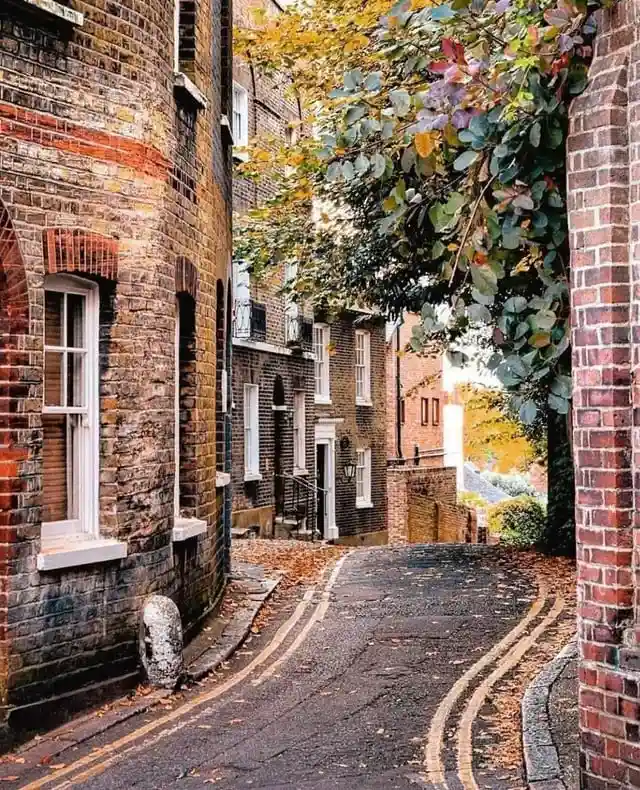
Up in Hampstead, the Hill Garden & Pergola is a proper hidden gem — the kind that even long-time locals walk past without knowing what’s behind the gate. Commissioned by William H. Lever of Unilever and designed by landscape architect Thomas Mawson, it was originally part of a private manor estate and has since been opened to the public at no cost. Wisteria and overgrown vines cascade across the elevated walkway in spring, giving it a fairytale quality that makes it one of the best photo backdrop locations in the city without any of the crowds. Jasmine Alley and What Kirsty Did Next both flag this one, and I’d add that going early on a weekday morning turns it from a lovely spot into something that feels entirely yours.
Westminster Abbey
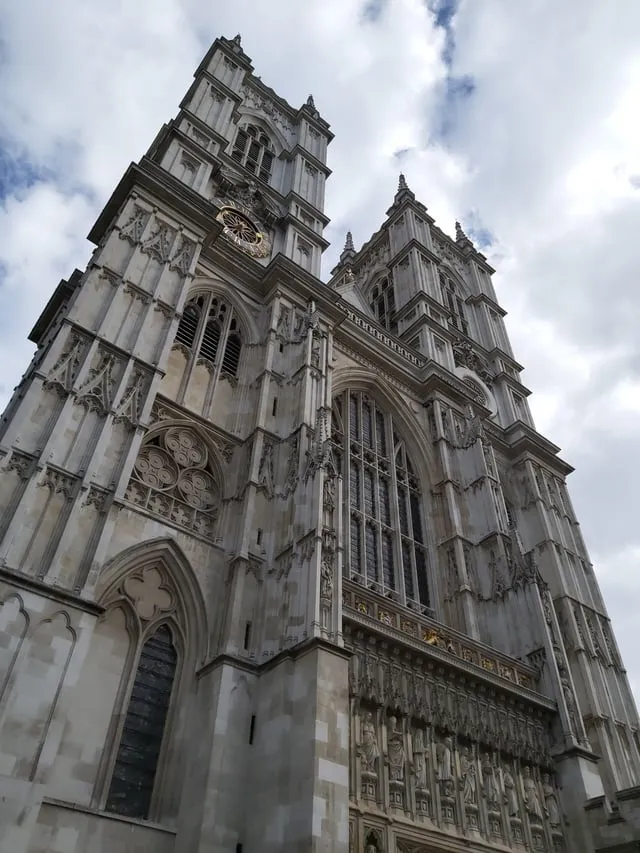
Westminster Abbey earns its place even for the traveler who is completely museumed-out — because this isn’t really a museum visit, it’s a compression of English history into a single building. The highest Gothic vault in England, the site of every coronation, countless royal wedding ceremonies, and the notable burials of figures who shaped British culture — it is an inherently cinematic space. A self-guided tour is the most flexible way through it, though pairing the visit with the classic combined photo-op of the iconic red phone boxes outside gives you the full London visual moment. Bon Traveler and Jasmine Alley both include it, and honestly, the history alone justifies the time spent regardless of which trip number you’re on.
Tower of London
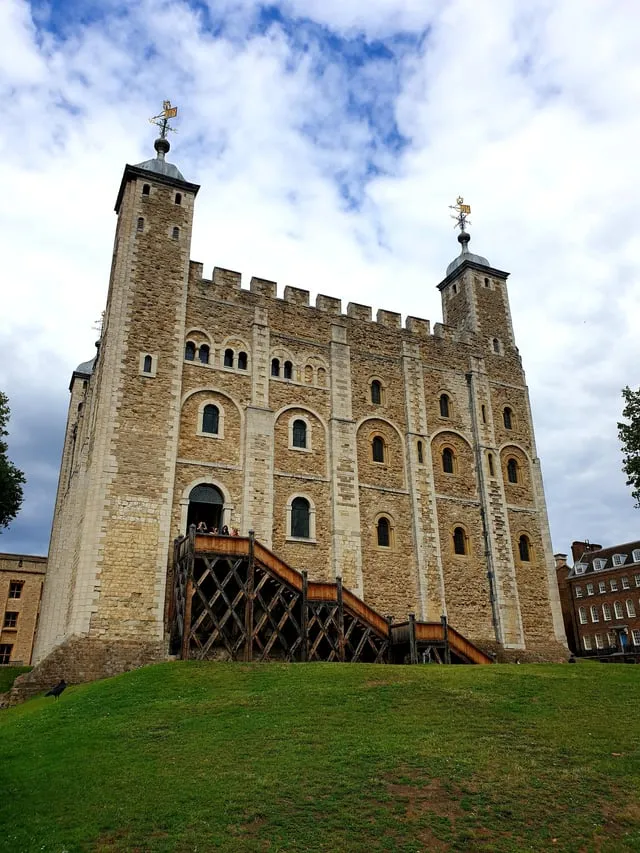
The Tower of London and Tower Bridge are best treated as a single half-day rather than separate items on a list. The Tower of London dates back to 1066 and houses the Crown Jewels, which alone justify booking ahead to avoid the worst of the crowds. The exterior Roman Wall and a surviving stretch of London’s Roman Wall at Cooper’s Row nearby add archaeological depth to what could otherwise feel like a purely medieval experience. For photography, More London Place and The Queen’s Walk give you full-bridge shots in the Victorian Gothic style without the noise of the main entrance. 9am is when it opens, and Tower Gateway Station puts you within easy walking distance — Bon Traveler and Jasmine Alley both recommend starting early, and after visiting multiple times, I’d say that advice ages well.
London’s Afternoon Tea
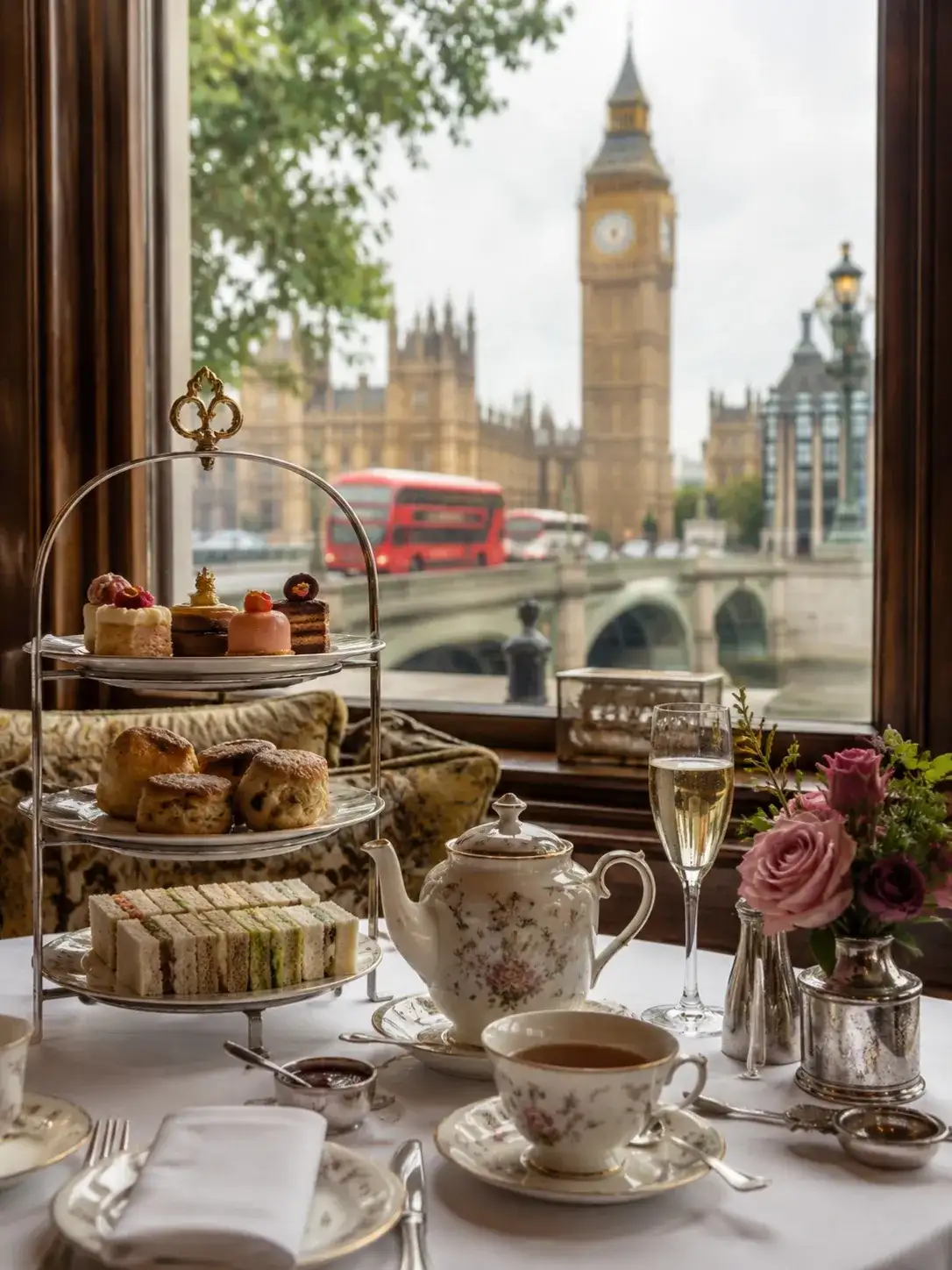
London’s Afternoon Tea scene is one of those things that sounds touristy until you’re actually sitting inside somewhere exceptional and realize it’s one of the more civilized things the city does. The spectrum runs from the traditional tea formality of Fortnum & Mason, The Ritz, and Claridge’s to the theatrical — Sketch with its egg-pod restrooms and surrealist interiors, or the Alice-in-Wonderland styling at Sanderson London. The Brigit’s Bakery Afternoon Tea Bus takes the entire experience mobile on a vintage Routemaster bus, rolling past Big Ben, Marble Arch, Downing Street, and Westminster Abbey while you work through unlimited food and tea. Prices hover around $75pp at mid-tier venues like Caffe Concerto and Café Royal, while the Corinthia London and Royal Albert Hall lean more formal and upscale. What Kirsty Did Next and Bon Traveler both cover the themed tea options well, and the modern twist venues are worth the slight premium if it’s your first time doing this properly.
Hyde Park
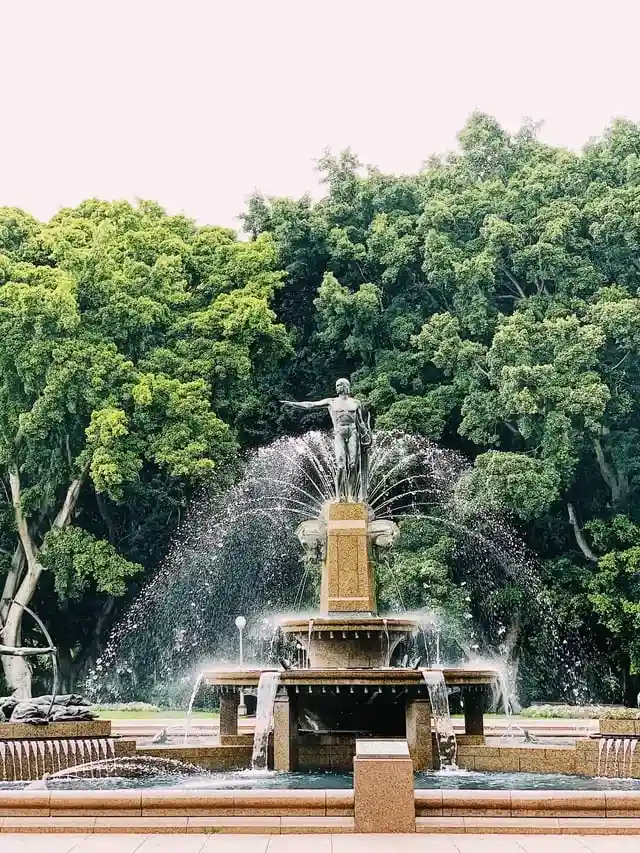
Hyde Park is London’s answer to Central Park, and like its New York counterpart, it earns its reputation by being genuinely usable rather than just decorative. It opens at 5am and stays accessible until midnight, meaning it accommodates early runners, afternoon cyclists, and anyone who just wants to stroll through a rose garden without a schedule. The Kensington Palace entrance on the western edge creates a natural route from the park through to Kew or toward Harrods depending on the day’s momentum. Lakes, biking paths, and pedestrian gates scattered around the perimeter make it approachable from almost any direction, and Bon Traveler and Jasmine Alley both note the green space as essential rather than optional — which, after a dense day of indoor sightseeing, it absolutely is.
London Eye
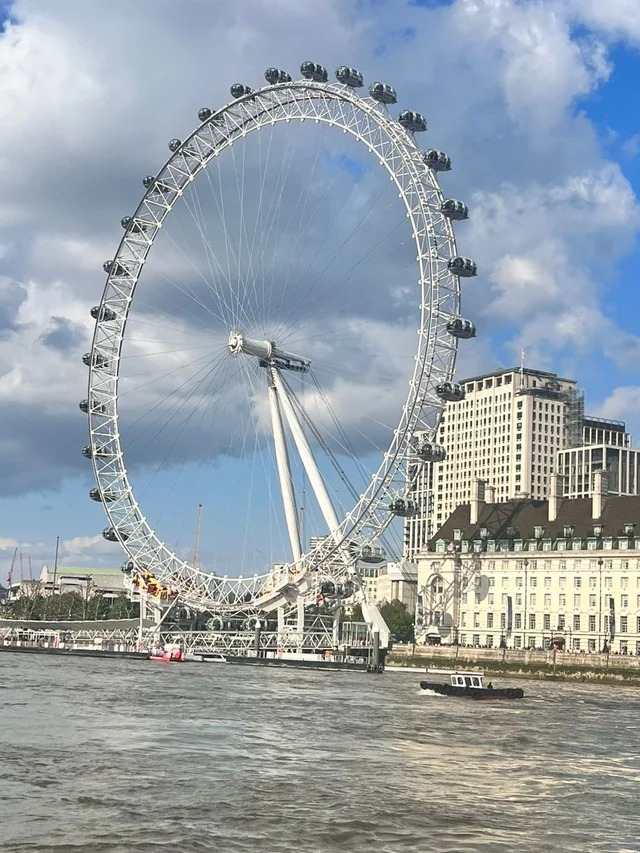
The London Eye is one of those mainstream landmarks where the experience depends almost entirely on how you approach it. The most honest advice I can give is to skip the walk-on queue and skip lines through pre-booking, ideally aiming for the champagne experience if you’re treating it as an occasion rather than an obligation. The views toward Westminster Bridge, Hungerford Bridge, and across the full arc of the city are legitimately impressive and give a guided overview of London’s geography that reorients you for everything else. For photo angles, Victoria Embankment in the early morning offers cleaner shots without the midday crowds, and Bon Traveler and Jasmine Alley both point to positioning along the South Bank as the smarter vantage. It’s a city essential, not a cliché — there’s a difference.
Borough Market
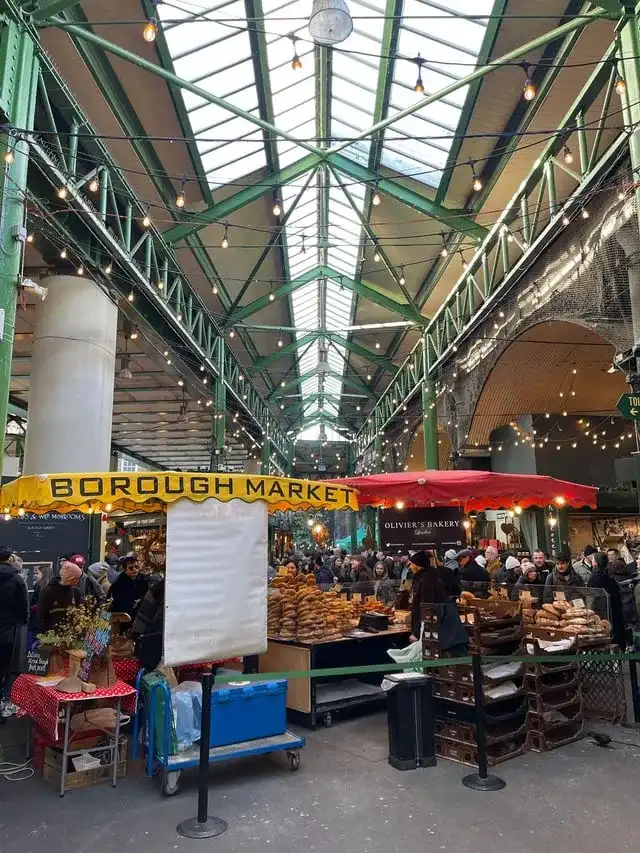
Borough Market is the kind of major food market that justifies an entire morning. The fish stalls, cheese stalls, curry stalls, and vendors selling a classic English breakfast or a modern British lunch create a sensory overlap that rewards slow movement rather than a quick pass-through. Bon Traveler highlights it alongside Market Halls Victoria and BOXPARK as part of London’s broader food market ecosystem, and I’d add Rochelle Canteen nearby for a more composed sit-down option after the market noise. Shoreditch gets its own food identity through vintage shopping, rooftop views, and the shipping-container energy of BOXPARK, while The Wolseley handles reservations-required dining with the kind of old-world room that makes any meal feel more considered. Kensington Palace’s garden setting and Duke’s Bar for a James Bond-approved martini round out the dining range — fall and spring hit the mild weather sweet spot for all of it, though summer crowds peak around the market especially. For coffee, WatchHouse has become the specialty coffee chain that locals actually trust, and it earns that reputation at every location. Changing of the Guard at Buckingham Palace and a proper royal high tea can absorb a full morning, and winter lights between November and January reframe the city’s energy entirely around seasonal magic.
Highgate Cemetery
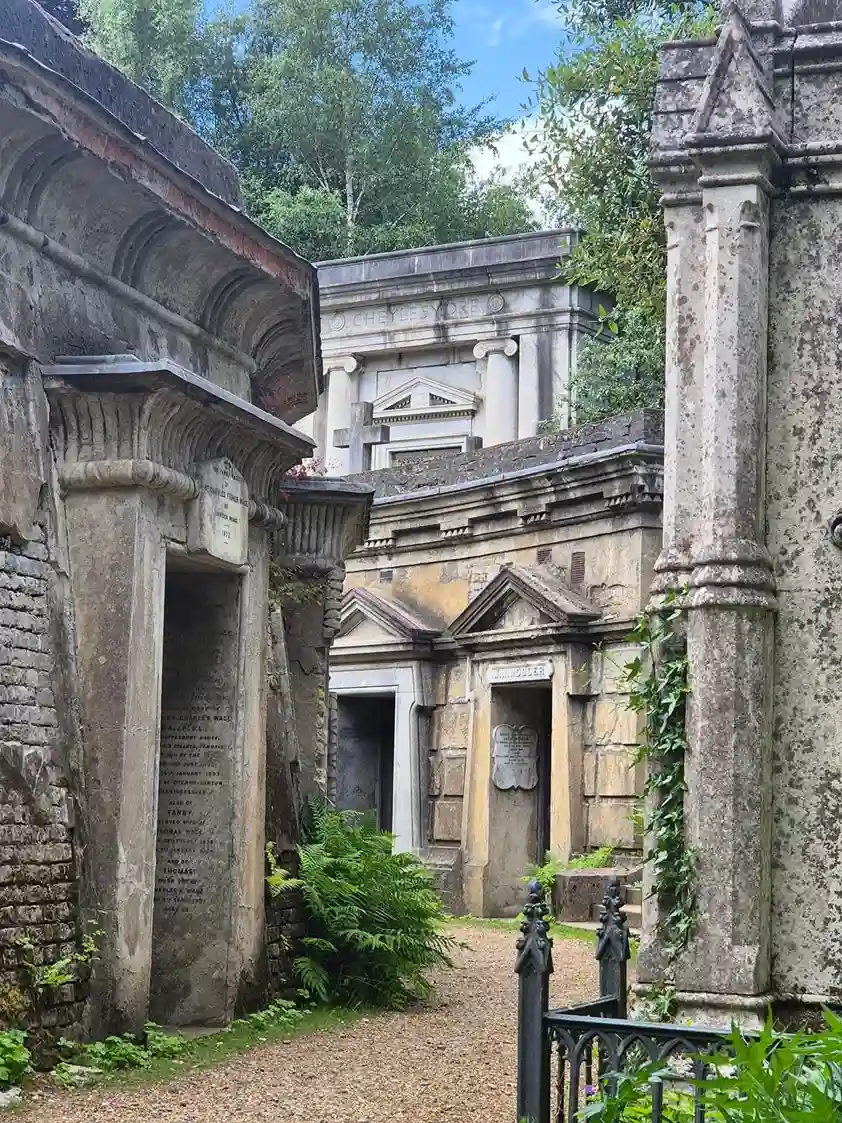
Some of London’s most rewarding experiences come from the places most visitors completely skip. Highgate Cemetery contains the grave of Karl Marx alongside the Egyptian Avenue, Circle of Lebanon, and Terrace Catacombs — a Victorian necropolis that’s genuinely beautiful and unsettling in equal measure. Leake Street Arches offers a legal graffiti tunnel where graffiti workshops run regularly and the walls change constantly, while The Outernet near Tottenham Court Road delivers immersive LED art installations across massive screens that function as interactive illusion art in the middle of a pedestrian space. The Wellcome Collection in Fitzrovia explores the human experience through an anthropology and health lens with free museum access, while the Twist Museum functions as a full perception museum and interactive illusion museum that works particularly well for groups. Word on the Water — a floating bookbarge moored along the canal near King’s Cross — is one of those bookshop experiences that makes London feel genuinely romantic. What Kirsty Did Next covers many of these extensively, including the Crypt Gallery beneath St Pancras Church and Lucky Voice for private karaoke booths in Soho, both of which belong on any second or third trip itinerary.
Wellcome Collection
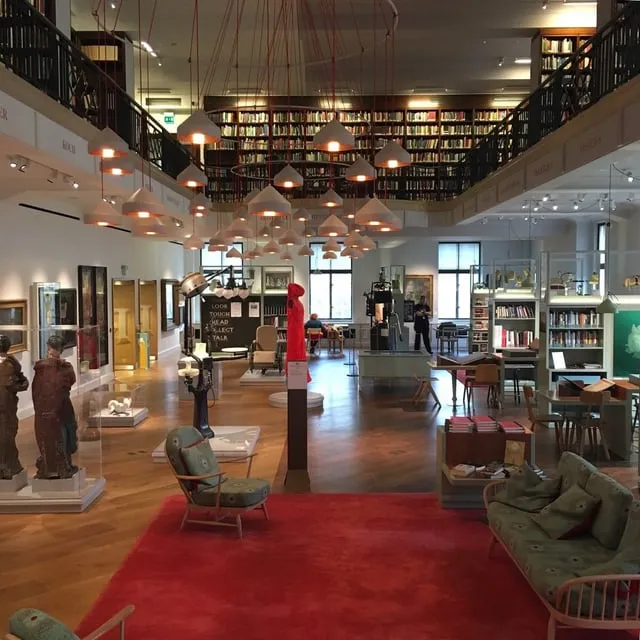
The Wellcome Collection sits near Fitzrovia but deserves its own mention alongside the British Library at King’s Cross, which holds the Treasures Gallery displaying a Gutenberg Bible and the Magna Carta — accessible without charge through the main library entrance. The Paddington Real Time Clock — a kinetic art clock — on the West side of Paddington station is one of those pieces of public art that most commuters walk past daily without registering, and finding it feels genuinely satisfying. Attendant Coffee in a converted Victorian public toilet in Fitzrovia is exactly as interesting as it sounds, and the coffee is genuinely good. The Greenwich Foot Tunnel beneath the Thames connects Island Gardens to Greenwich in a way that feels far more atmospheric than taking the bus, and the Painted Hall and Queen’s House in Greenwich both deliver serious architectural weight. Rooftop Saunas with private sauna cabins and cold-plunge baths have become part of Hackney and Brixton’s leisure identity, and while they require advance booking, they represent a genuinely local experience rather than a tourist circuit stop.
Sir John Soane’s Museum
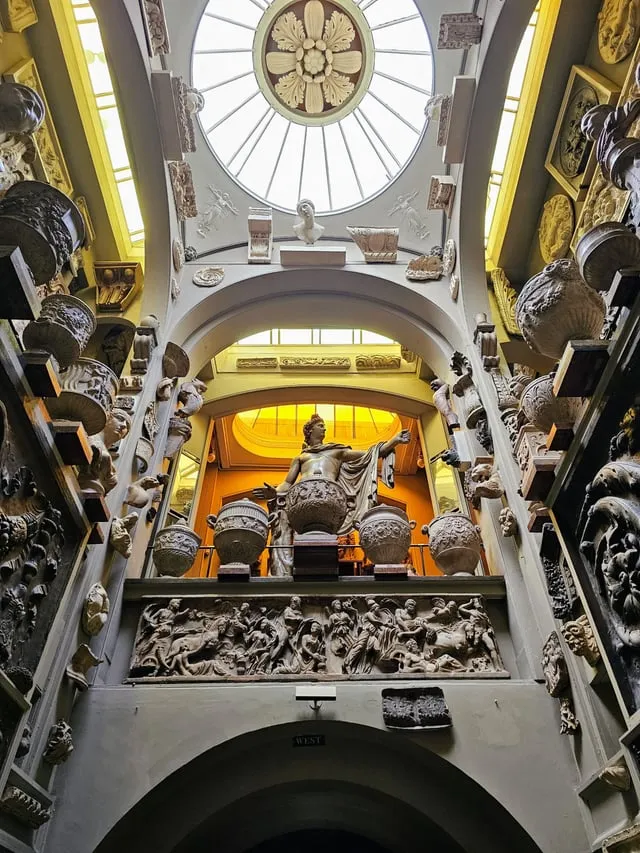
London’s hidden museum layer rewards the curious traveler who moves past the headline institutions. Sir John Soane’s Museum in Lincoln’s Inn Fields is a Georgian townhouse turned eccentric personal collection — no photography allowed inside, which preserves a kind of intimacy that most free entry museums have long since lost. Leighton House Museum in Kensington centres on the Arab Hall, a music room, and a home built by the artist Frederic Leighton that functions as a fictionalized period townhouse — Bright Nomad and Jasmine Alley both flag it. Dennis Severs’ House in Brick Lane runs silent film nights and immersive experiences through a 17th-century home styled as though the residents just stepped out, while The Horniman Museum and Gardens in Forest Hill covers natural history and anthropology with instrument collections and free entry. Ham House in Twickenham is a National Trust house and 17th-century riverside property with one of the better-preserved 17th-century interiors in London — managed without the crowds that hit the more central properties. Sands Films in Rotherhithe is an independent film studio with a picture research library and memorabilia museum built around cinema history, and it runs guided tour sessions that are genuinely fascinating for anyone interested in film production.
Bright Nomad makes a strong case for The Horniman Museum and Gardens, The Musical Museum in Brentford — which houses self-playing instruments, a Wurlitzer organ, and instrument collections in an 18th-century villa setting — and Orleans House in Twickenham, a National Trust-adjacent 18th-century villa with rotating exhibition content. The Guildhall Gallery near Fenchurch Street sits above Roman amphitheatre ruins that are viewable beneath the building and represent some of the most significant Roman Wall archaeology visible in the city. Open House London in annual September event format opens normally-closed buildings across the capital including Georgian townhouse interiors, music room spaces, and architectural oddities not accessible any other time of year — the dedicated guides who volunteer for these tours are consistently excellent. The Kyoto Garden in Holland Park is a traditional Japanese garden with a Fukushima Memorial Garden section that gives the space additional historical resonance; it’s small but remarkably transportive and public access is free entry. BAPS Shri Swaminarayan Mandir in Neasden — the London Neasden Temple — is one of the most architecturally significant traditional Hindu temple buildings in Europe, built without steel and decorated with hand-carved limestone and marble by craftspeople, many of them women, from a community that has faced centuries of being persecuted. Regent’s Park Open Air Theatre runs Shakespeare productions and comedy club events through summer in an amphitheater-style setting that, on a warm evening, is one of London’s genuinely irreplaceable experiences. Hex and the City Witch Tour takes a guided walking tour approach through London’s history of witches and the occult, covering areas from Soho to the City, and pairs surprisingly well with a follow-up visit to the House of MinaLima in Soho — the prop museum and design shop-museum dedicated to the graphic props of the Harry Potter and James Bond film universes.
Primrose Hill
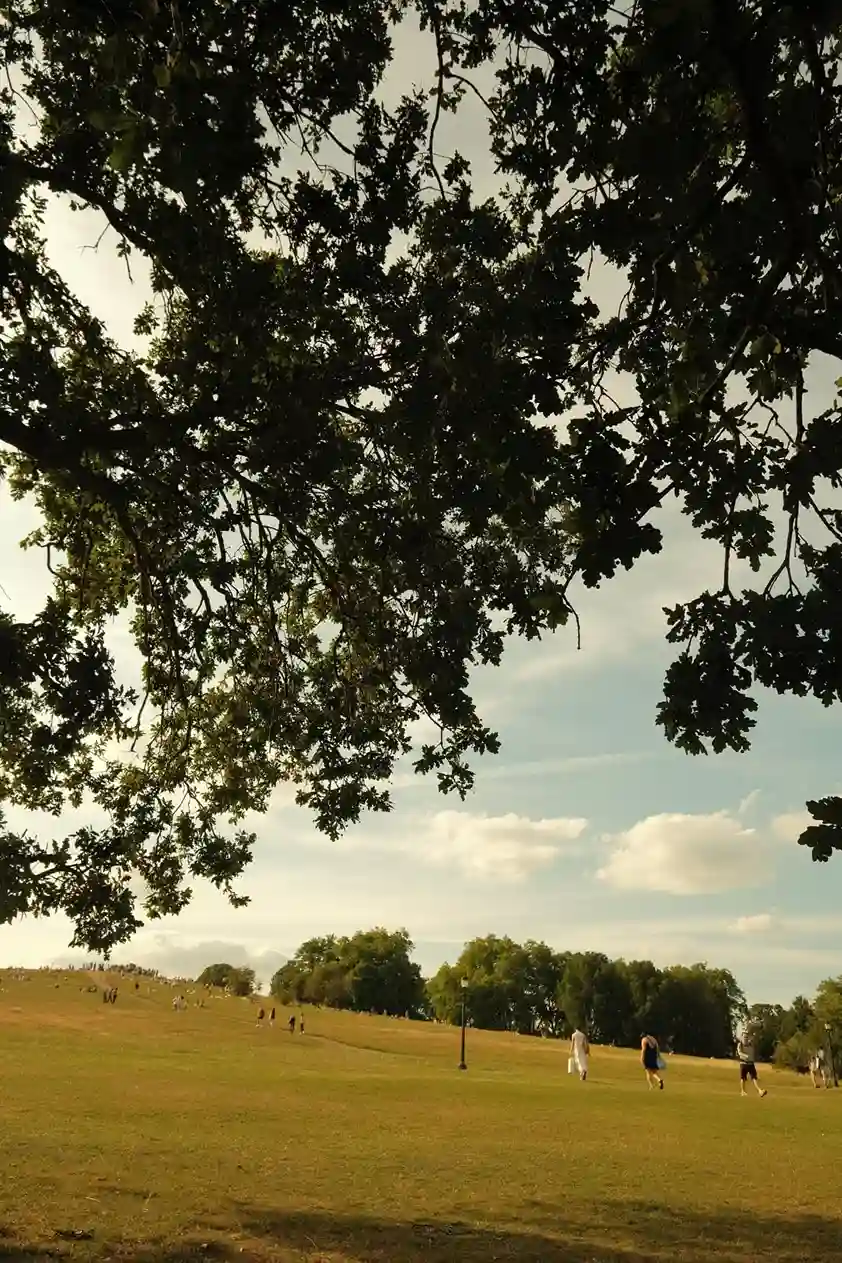
Primrose Hill, Hampstead Heath, and Richmond Park represent three completely different versions of London’s outdoor offer. Primrose Hill gives you the skyline views postcard shot that appears on roughly half the London travel content on Instagram, and it earns the reputation — the panorama from the top is clean and unobstructed. Hampstead Heath is bigger, wilder, and far more suited to a full half-day than a quick stop — the Holly Bush pub nearby is exactly the kind of locals institution that makes the detour feel complete. Richmond Park runs to nearly 2,500 acres and is one of those green space experiences that genuinely disorients you — deer move through it freely, the scale is enormous, and the Italian Gardens and surrounding Kew area extend the afternoon naturally. Greenwich Park offers a different kind of elevated view — looking back across the Thames toward the city — and connects naturally to Island Gardens and the Queen’s House for a full Greenwich day.
Portobello Road Market
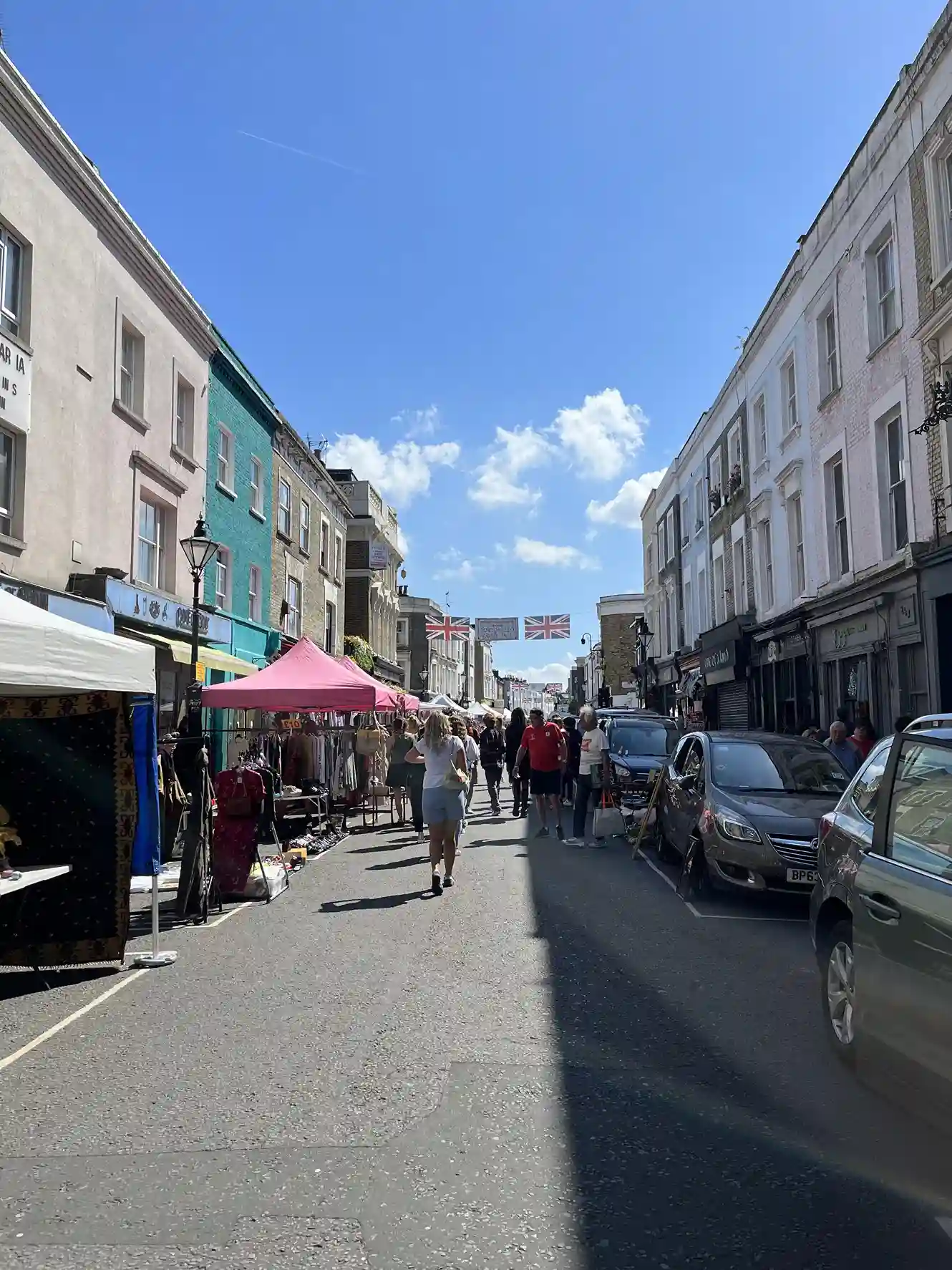
London’s retail and market scene spans an enormous range. Portobello Road Market in Notting Hill is the definitive vintage shopping market — chaotic on Saturdays, manageable on Fridays, and most interesting in the antique section near Notting Hill Gate. Camden Passage in Islington covers similar ground with a different atmosphere — narrower, less trafficked, and with bookshop energy running through it. Liberty London on Regent Street is a department store that operates more like a design museum, and Selfridges on Oxford Street is the volume alternative with the food court in the basement earning genuine respect. Hamleys on Regent Street handles the family-friendly picks angle for anyone travelling with children, while Harrods in Knightsbridge functions as a destination in itself regardless of whether you spend anything. Mercato Mayfair inside a deconsecrated church in Mayfair is one of the better food court experiences in the city — multiple vendors, a remarkable interior, and a quieter crowd than the central market alternatives.
Regent’s Canal Walk
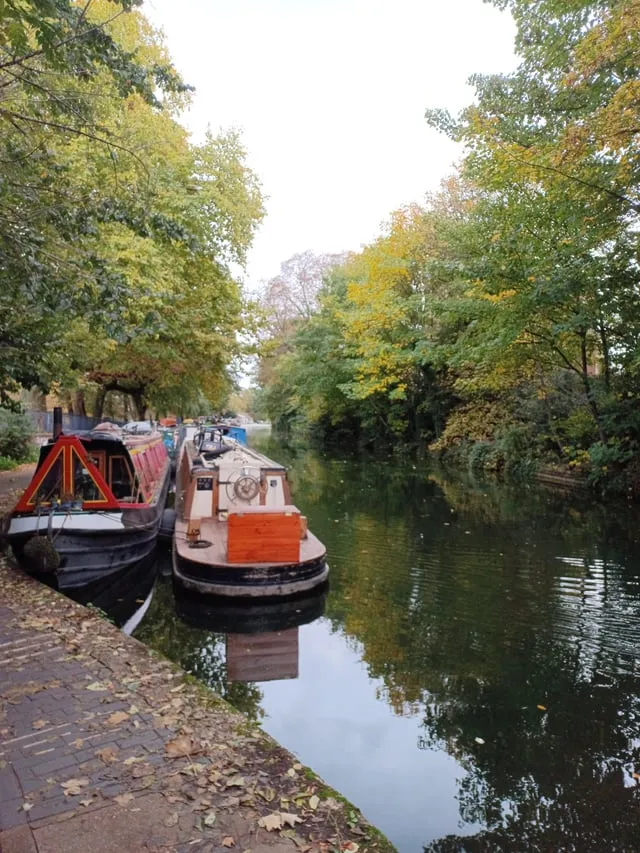
The Regent’s Canal Walk between Little Venice and Hackney traces one of London’s most underused but genuinely beautiful transit corridors. Little Venice itself — where the canal widens into a basin near Paddington — sits alongside the Word on the Water floating bookbarge and a string of moored narrowboats that give the area a character entirely unlike the rest of central London. Walking east takes you through King’s Cross, past the British Library, and eventually into Hoxton and Hackney territory where Mare Street Market and independent venues cluster. The Mosaic House and Shepherdess Walk mosaics — Roman-style mosaics and political mosaic art created by artist Clet Abraham — appear along Vine Street and surrounding streets as unexpected interventions in ordinary east London streetscapes. Attendant Coffee and WatchHouse mark decent rest points along the way, and the canal path itself is flat enough that it works for cycling as well as walking.
Somerset House
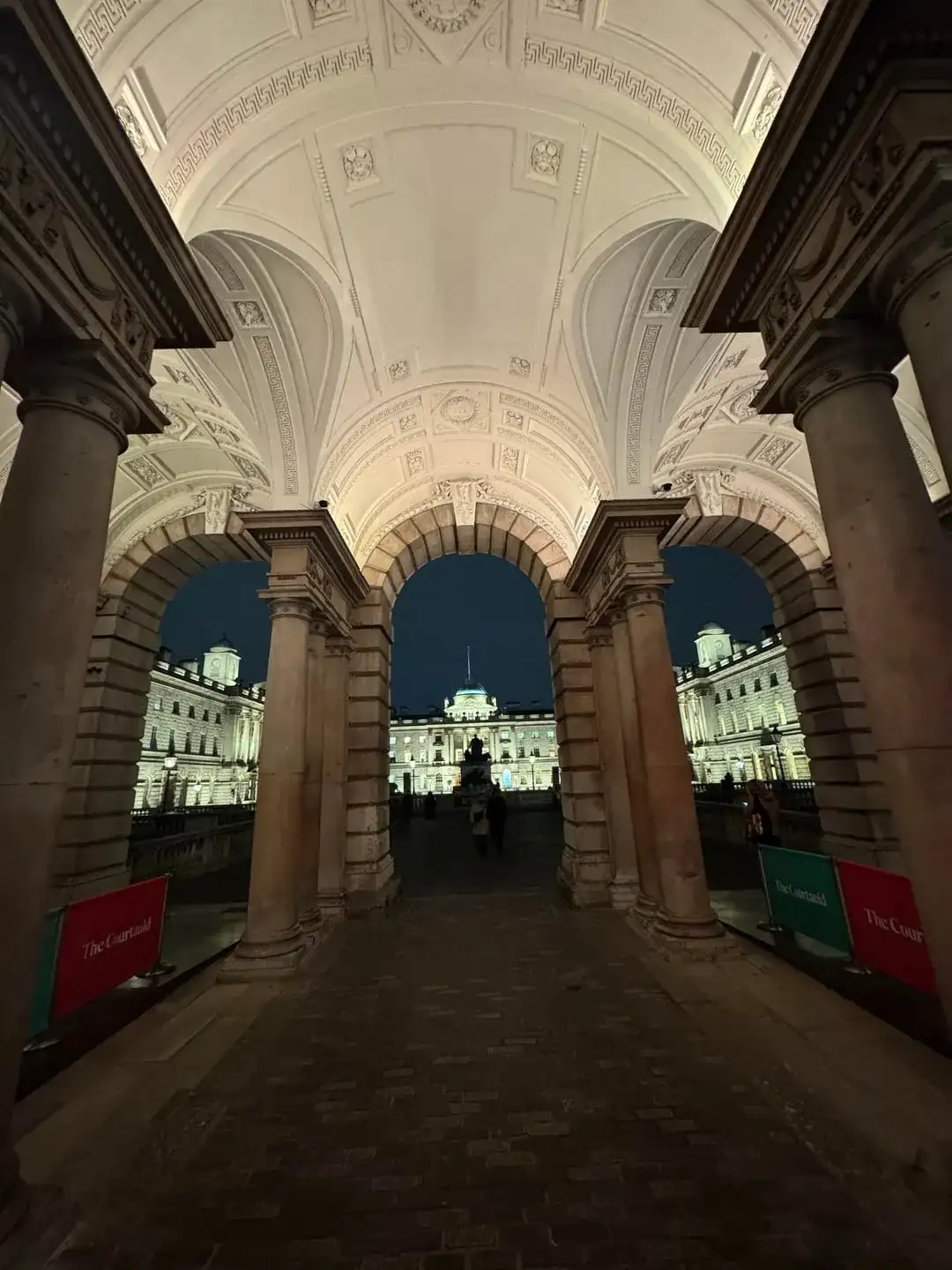
The Somerset House courtyard, Trafalgar Square, Covent Garden, and the Millennium Bridge form a loose south-central cluster that most visitors pass through without fully engaging with what sits adjacent. Somerset House runs rotating exhibitions and, in winter, an ice rink that’s become genuinely iconic. The Millennium Bridge connects St. Paul’s to the Tate Modern directly and the pedestrian crossing itself — with St. Paul’s framed behind you — is one of those photo backdrop moments that costs nothing and delivers considerably. The Royal Courts of Justice on The Strand and The Old Curiosity Shop tucked nearby on Portsmouth Street represent the kind of 900-year-old church and heritage detail that London layers into otherwise ordinary walking routes. One New Change beside St. Paul’s has a free rooftop garden with direct sightlines to the dome — most visitors don’t know it’s there, which keeps it reliably uncrowded.
Leighton House Museum’s Arab Hall
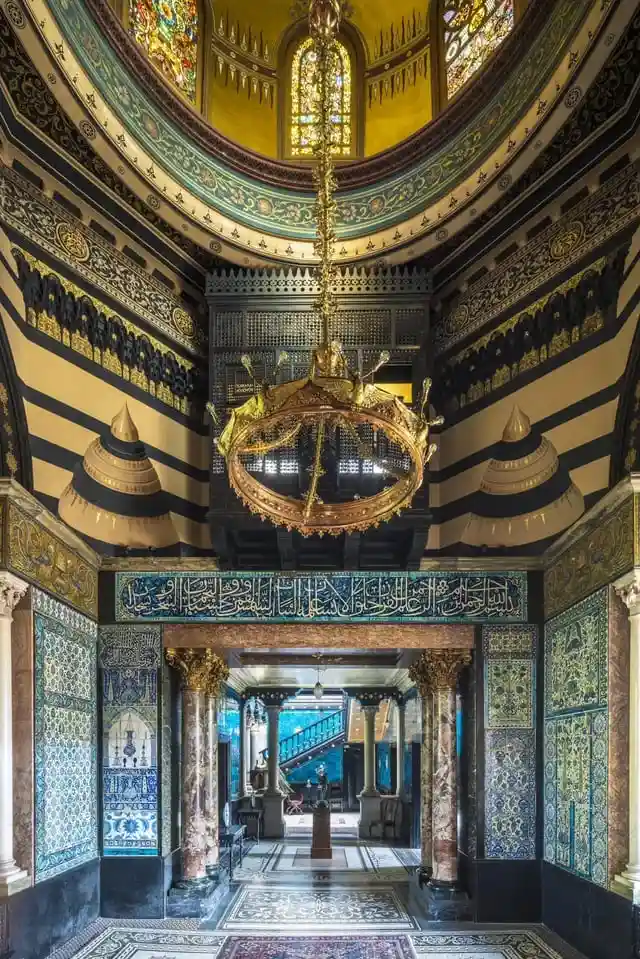
Leighton House Museum’s Arab Hall uses Islamic tilework sourced from Syria, Turkey, and Persia to create an interior that has no direct equivalent in London — the music room and central hall are among the most photographed interiors in the city’s smaller museum circuit. The Tulip Stairs at the Queen’s House in Greenwich are similarly singular — a self-supporting spiral staircase built in the early 17th century that remains structurally and visually remarkable. The Painted Hall at the Old Royal Naval College in Greenwich is sometimes called the British Sistine Chapel, and while that comparison sets unreasonable expectations, the ceiling painting by Sir James Thornhill genuinely warrants the description. Birchin Lane in the City — a narrow passage near Bank — is one of those streets that compress centuries of history into a few hundred metres, and Watling Street nearby is one of London’s oldest roads, running roughly along the line of the original Roman route. Hurlingham Books in Fulham and Host Cafe in Covent Garden represent two ends of the independent space spectrum — the former a proper neighbourhood bookshop, the latter a community-run café and workspace that doubles as an event venue.
Kensington Gardens
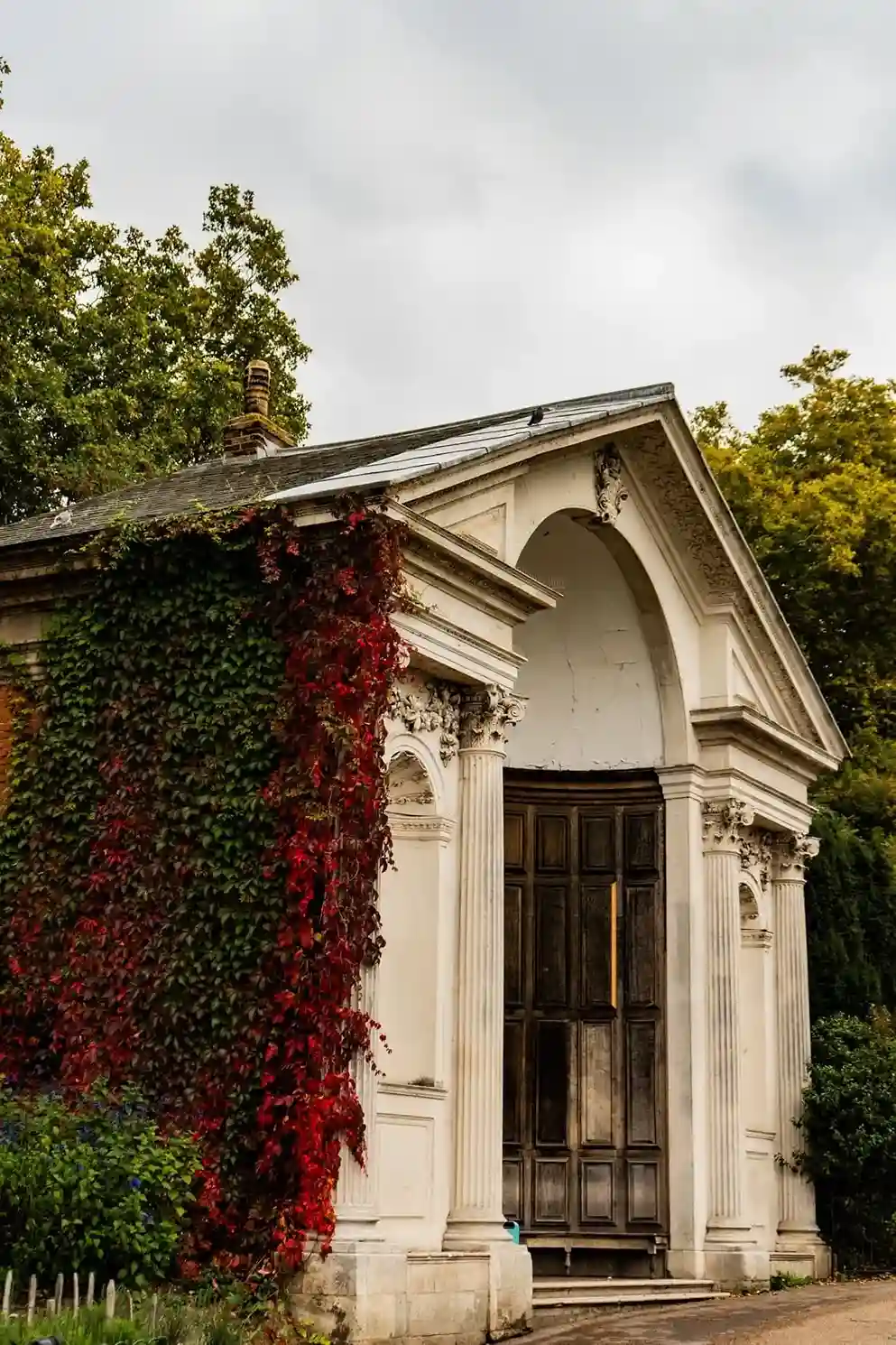
Kensington Gardens contains more than most visitors extract from a single visit. Queen Mary’s Rose Garden in Regent’s Park — not Kensington — is the more florally dramatic destination, but the Italian Gardens within Kensington Gardens and the Whitestone Garden nearby add to the broader Royal Botanic Gardens and Kew network of curated green space that runs through west London. Regent Street and Carnaby Street are often treated as shopping destinations but function better as architectural and seasonal set pieces — the Christmas lights on Regent Street in particular represent a winter lights moment that the city does genuinely well. BAPS Shri Swaminarayan Mandir in Neasden requires a trip out of the centre but pays back immediately — the traditional Hindu temple is open to public visitors, operates with no photography restrictions in the main hall, and the scale of the carved stone exterior is something that photographs simply don’t communicate accurately. The National Justice Museum — not London-based but worth flagging for extended trips — and the Twist Museum interactive experience in central London serve the family and curiosity-led traveler well on days when outdoor options aren’t viable.
Petals at Bibendum on Fulham Road, The Flower Stand Chelsea, and Yeomans Flower Shop in Belgravia mark the triangle of London’s most serious flower retail — and each doubles as a location in its own right. The Rose House and Crown & Anchor in south London are locals institutions that haven’t been swallowed by the tourism circuit. Fait Maison in Soho handles the neighbourhood café slot with serious coffee and a small but precise food offer. Bageriet — a Swedish bakery operating quietly in Covent Garden — has the kind of devoted regulars that only appear when somewhere is genuinely good rather than merely photogenic. The Prince’s Head in Richmond and the Holly Bush pub in Hampstead both occupy the locals pub category with enough character to justify a detour. Circolo Popolare, Prada Caffè, and Alto by San Carlo cluster the premium-dining end while Host Cafe, Fait Maison, and Attendant Coffee keep the everyday register grounded.