Ireland Travel Guide 2026: Ultimate First-Time Itinerary, Tips & Road Trip Planner
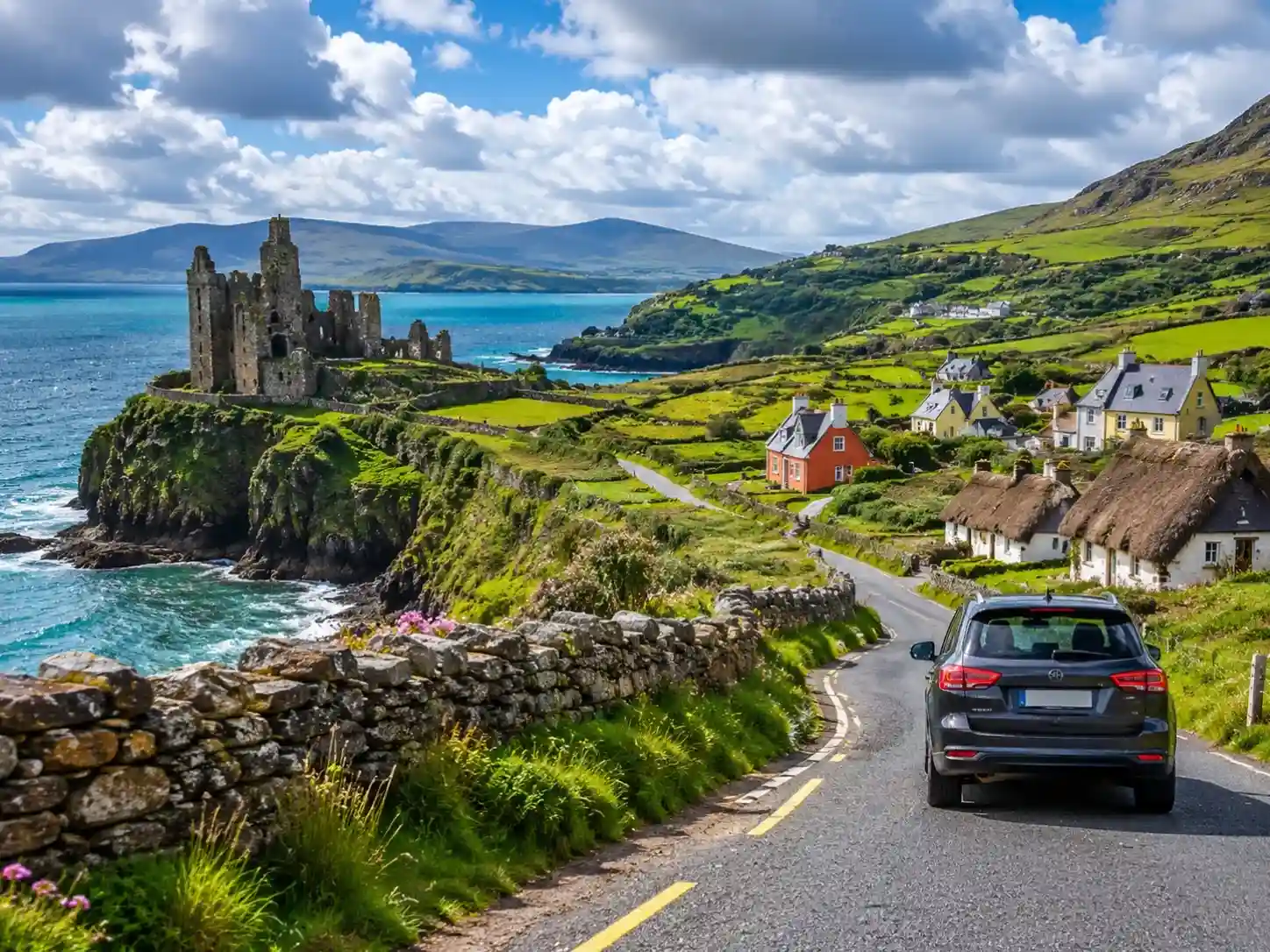
Ireland’s island nation charm shows up everywhere in this kind of guide, the sort of planning companion built for first-timers who’ve got limited time and want to feel like they belong from the very first pint. I’ve leaned on guides exactly like this before a trip myself, and what strikes me is how the warmth and friendly, easy-going local culture gets baked right into the framing — five million people scattered across a place that somehow still manages hospitality on a scale that surprises every visitor. The practical bones matter too: a Quick Facts box flags currency (Euro on one side, GBP once you cross into Northern Ireland), reminds you that you’ll drive on the left, and notes the best window running from Mar through Sept — handy when you’re juggling pace and UK logistics in the same trip.
Once you start sketching a Regional breakdown, the map basically draws itself: Dublin and Dublin City anchor the east, Cork and Cork City hold down the south, Galway and Galway City the west, with Kerry and Killarney pulling you toward the National Park. Spread further out and you hit Wicklow and Kilkenny in the South East, Donegal, Sligo, and Leitrim up north-west, and Derry City with its old Walls and the basalt drama of the Giant’s Causeway once you’re properly into Northern Ireland territory. My own shortlist always circles back to the same heavy-hitters — Clonmacnoise, Kylemore Abbey and its Gardens, the Rock of Cashel, and the inevitable Cliffs of Moher — basically why every Top 10 Day Trips list and every set of top attractions ends up repeating itself, city bases and all.
Where this kind of guide earns its keep is the unglamorous travel logistics — transport options, flights in, accommodation and lodging sorted by region, plus a menu of guided tours ranging from genealogy-focused trips built for older travelers to proper Guided tours for seniors. If you’d rather go it alone, Walking city tours give you a self-paced option, and Solo travel gets its own nod too, since plenty of solo travelers want reassurance before they book a single person fare for their first time abroad. Day by day, the maths on guided sightseeing breaks down into something concrete: private tours and shared tour packages get priced out in a Cost of touring rundown, where a party of four might land closer to €300, climbing to €350 in peak season, against a baseline of around €210 — and somehow it still reads as a well-rounded combination once accessibility gets factored into the planning.
Ask anyone organizing their own trip to Ireland and the same trivia comes up: the Guinness Storehouse holds the title of Ireland’s #1 attraction, pulling in something like 1.4 million visitors annually, which is a wild number once you’ve stood in that queue yourself over a pint of Guinness and a plate of pub meals. Dublin keeps its crown as the Most visited city, and if you’re narrowing things down to a Top 3 cities, you’ll hear Dublin, Cork, and Galway named in practically every conversation.
Wayward Blog

Sketching out a packed Ireland travel guide on paper is one thing, but a blog like this feels more like swapping notes with a friend who just got back. Picture an author and partner road-tripping together on a spring trip, stretching one week — call it seven days, or simply a week if you’re rounding down — into a thoughtful route with enough energy left over to chase iconic stops and local gems along the coast and countryside without losing the thread of culture. It’s exactly the sort of route first-timers gravitate toward, because Ireland never feels like it’s asking you to do everything at once.
How to Get There usually comes down to one practical question: are you Flying into Shannon or routing through busier airports closer to Dublin? If you’re already in mainland Europe, ferry options are worth a look, and U.S. Preclearance is the detail that saves a headache on the way home. Once you’ve sorted a car rental, transit around the country gets easier — especially once you discover Eir Codes, that precise postal-code system locals swear by for pinning exact addresses straight into Google Maps.
The heart of any day-by-day itinerary is where you lay your head, and the hotels in this one don’t disappoint — Mespil Hotel, The Stop, Ennismore House, and Childwall Cottage all get a mention as each stop unfolds, alongside the restaurants and pubs that turn into the trip’s real highlights. By the time you reach Dingle Garden Townhouse, you’re deep into the itinerary’s rhythm. The Final reflections section doesn’t shy away from the trade-offs of trying to fit Ireland into so little time, wrapping up with discussion-style questions for readers, plus comments and a reader question or two about itemized trip costs. One Reader cost breakdown even lays out exact flights pricing for anyone budgeting their own version of the trip.
The Blonde Abroad
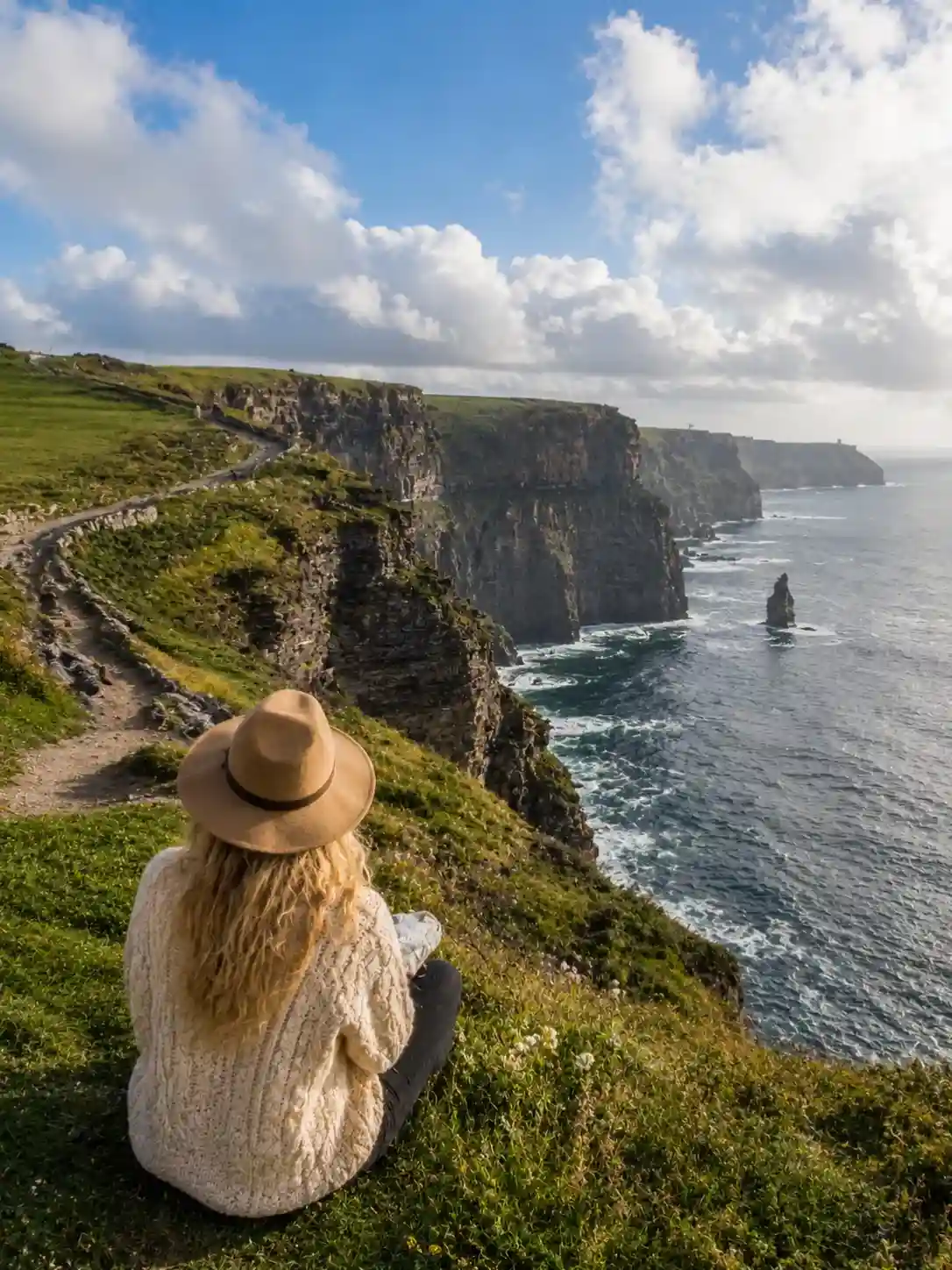
Long before any of this turned into a road trip across the rest of the country, the author’s earlier visit to Dublin was just a quick taste of things — nothing compared to the full, dramatic landscape seen later with her own eyes. Mizen Head and the Cliffs of Moher are the kind of green, postcard-worthy stops that make you understand why people talk about Ireland the way they do, and catching warm weather felt like winning a small lottery against a country that only banks on something like 1,100–1,500 sunshine hours in an average year. Out of that whole trip came a tight set of ten practical tips, written with first-timers in mind, that read less like a checklist and more like real experience talking.
Lay of the Land is really the right place to start, because the divide between the Republic of Ireland — a fully independent nation — and the six counties that make up Northern Ireland, still tied to the UK, trips up more visitors than you’d think. None of that stops the place from feeling like one big, laid-back country, though; locals are famously unbothered about being punctual, and the whole Take Your Time philosophy means a late bus or a slow morning gets treated as a feature, not a flaw.
Food gets its own moment too — Irish Food isn’t fussy, and the dishes worth chasing down are coddle, boxty, bacon & cabbage, and a proper beef & Guinness pie, ideally eaten at a local pub with a beer in hand. Getting around has its own learning curve: Flag Down Your Bus is basically the golden rule, since Dublin buses won’t stop at marked stops unless you wave them down like a taxi — a rule that apparently applies to buses elsewhere too — which earns its own little shout-out as one of those details nobody warns you about until you’re standing there confused.
Best Time to Visit
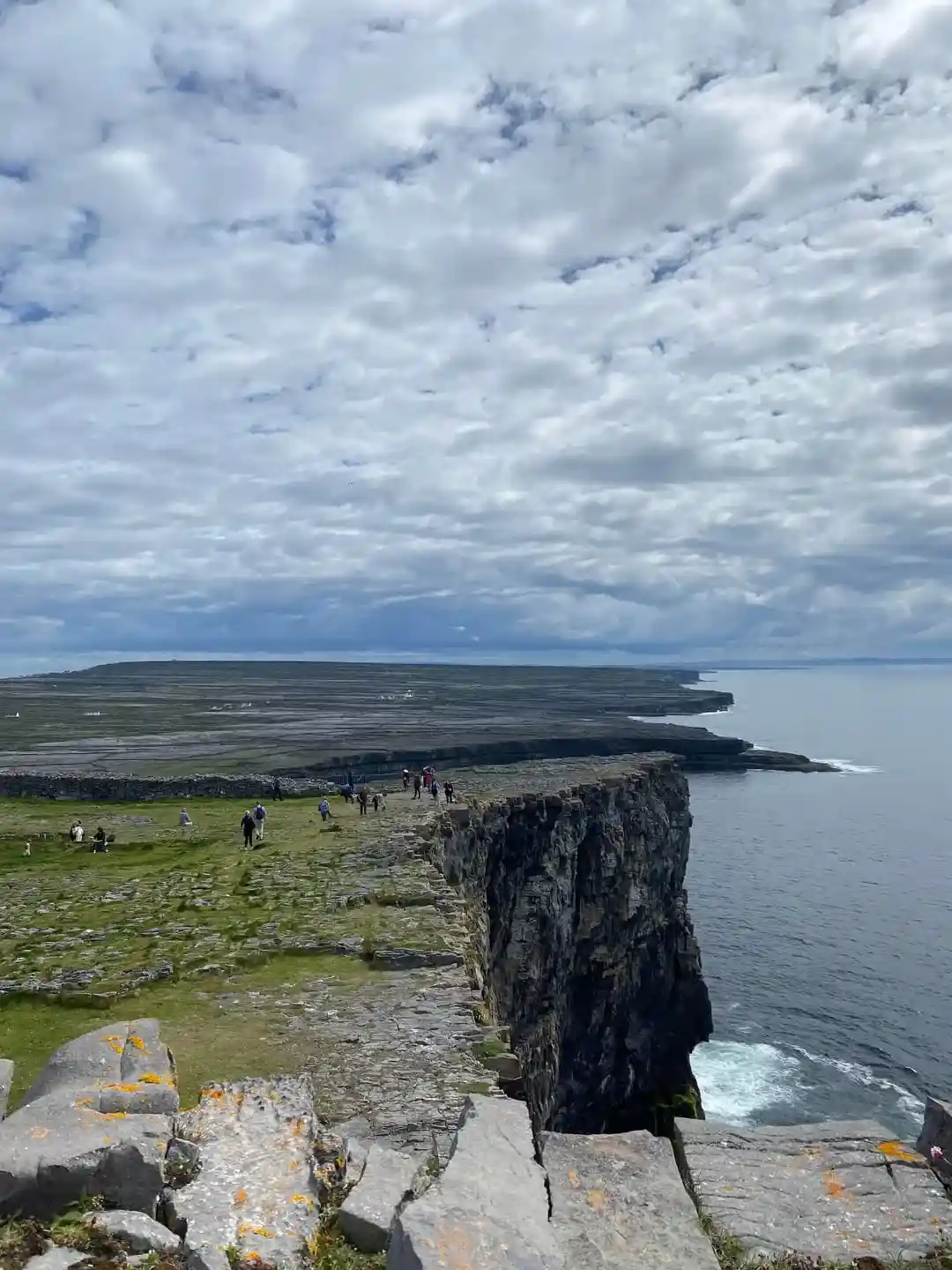
The Best window for an Ireland trip runs roughly April through October, with May through September delivering the most settled weather of the year and the best shot at actually seeing the attractions without dodging seasonal closure on half of them — the shoulder months still rewarding you with smaller crowds along the way. Those same shoulder months tend to bring better deals too, which is exactly the trade-off worth making if budget matters more than guaranteed sun.
Summer brings the most reliable sun but also the highest prices of the year, while Spring and fall sit in that in-between zone — some wet weather, some cold weather, a fair bit of weather-unpredictable behavior depending on the week. Winter is where you’ll find the cheapest rates and the lowest demand, but it comes paired with real weather unpredictability and lower prices that reflect just how unpredictable the season gets.
Weather & Packing
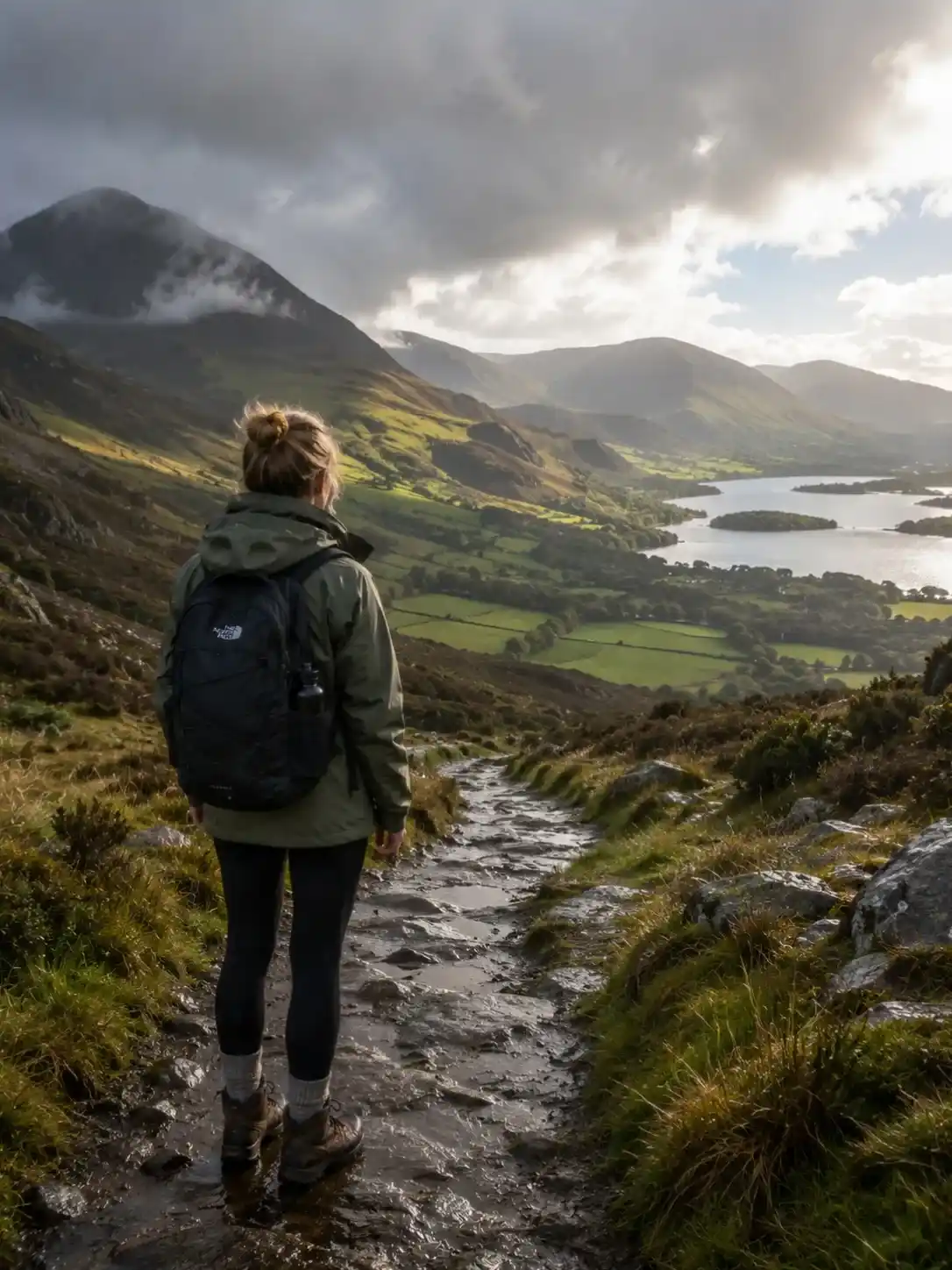
Irish weather has earned the nickname Emerald Isle for a reason, and the old line about four seasons in one day isn’t an exaggeration — I’ve stood in actual rain one minute and watched it clear into sun the next, all within the same single season. Most days lean toward mist rather than a full downpour, but unpredictable weather is still the rule, not the exception.
My own packing strategy is built entirely around Layering — light layers you can add or strip off fast, a decent raincoat that actually breathes, and waterproof shoes that won’t leave you squelching for the rest of the day.
Getting Around / Transportation
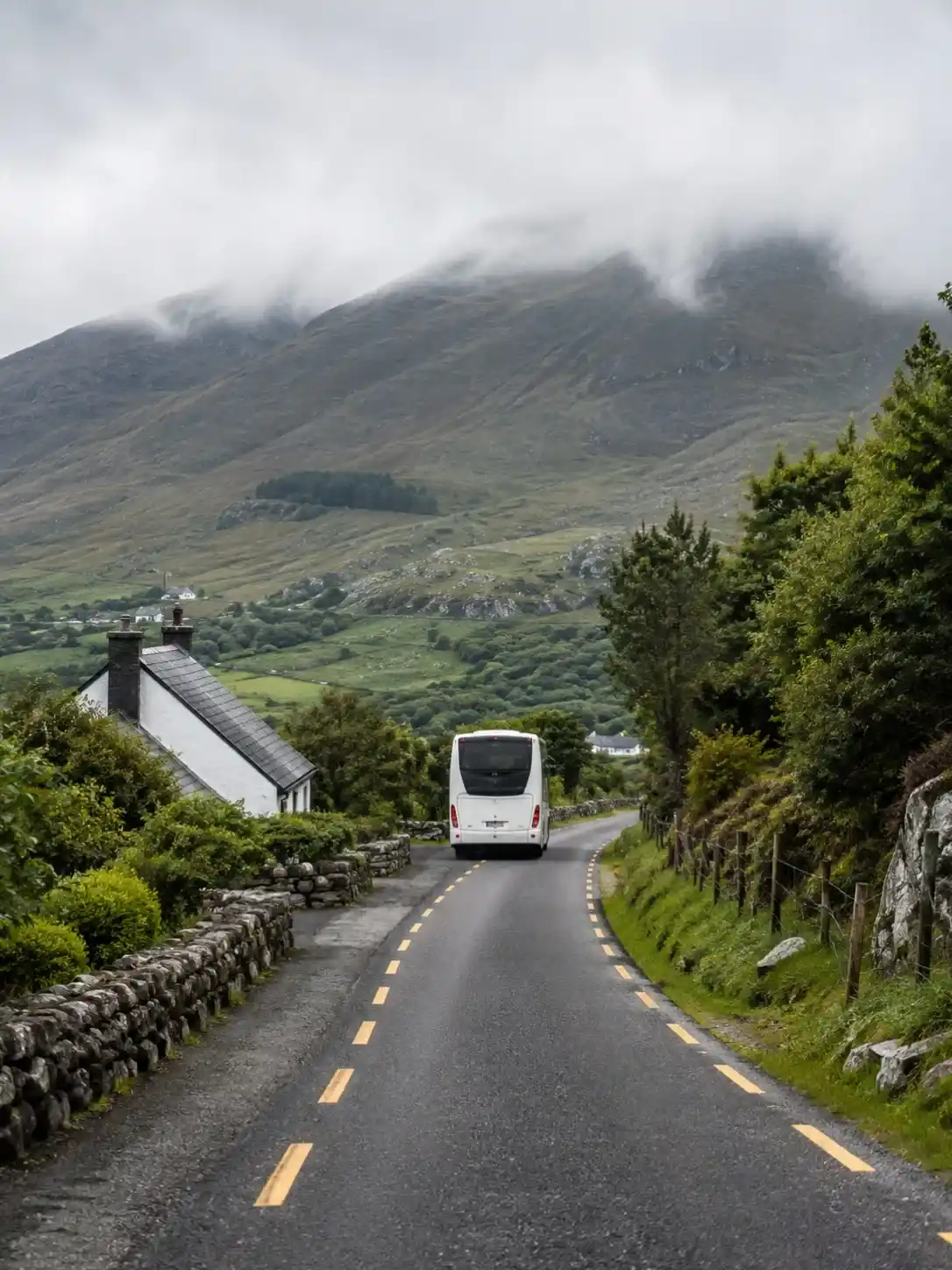
Most major sites and major stops across Ireland are reachable by public transport or public transit — hop a train or a bus between Dublin, Cork, and Galway and you’ll cover plenty of ground without ever touching a wheel. All three of those cities are genuinely walkable once you’ve arrived, so a car isn’t required just to enjoy them.
Step off the beaten path, though, and renting a car starts to make a lot more sense. First-time drivers from outside the UK need a minute to adjust to driving on the left and the general business of driving on the opposite side of the road, plus kilometer-based speed and distance signage that doesn’t match what you’re used to back home. If you do rent, keep an eye out for potholes and narrow roads, especially once you’re off the motorway.
Inside the cities, a Leap Card takes care of public transit fares without the fuss of fumbling for change, and when you need to hail cabs in a hurry, the Freenow app does the job better than standing on a corner hoping.
Money & Currency
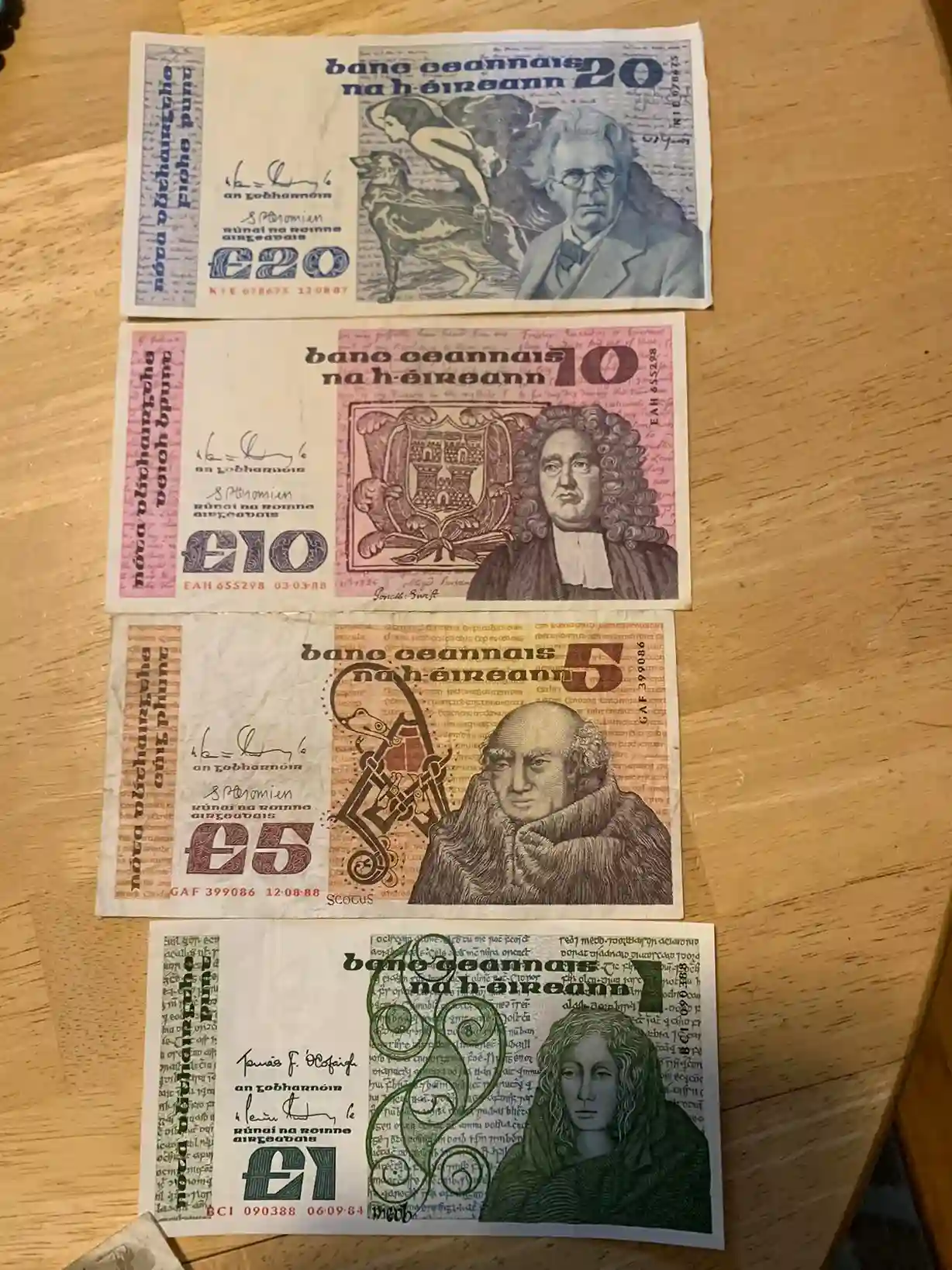
Currency-wise, it’s simple: euro in the Republic, pounds sterling once you cross into Northern Ireland — and yes, pounds and pounds sterling get used almost interchangeably up there. ATMs are everywhere in the bigger cities, but thin out fast once you’re deep in the countryside, so don’t assume you’ll stumble on a bank-attached machine whenever you need cash.
I always travel with a no-foreign-transaction-fee credit card for the bulk of spending, but I still spend a little cash each trip — usually around €100 — to cover cash-only spots and small tips along the way. The trick with leftover coins is using them before you fly home, since you can’t really exchange them once you’re back; the costs of trying are rarely worth it.
Stuck with a pocket full of change on your last night? Buying a round at the local pub for the week’s new friends is the classic, satisfying way to burn through it.
Tipping
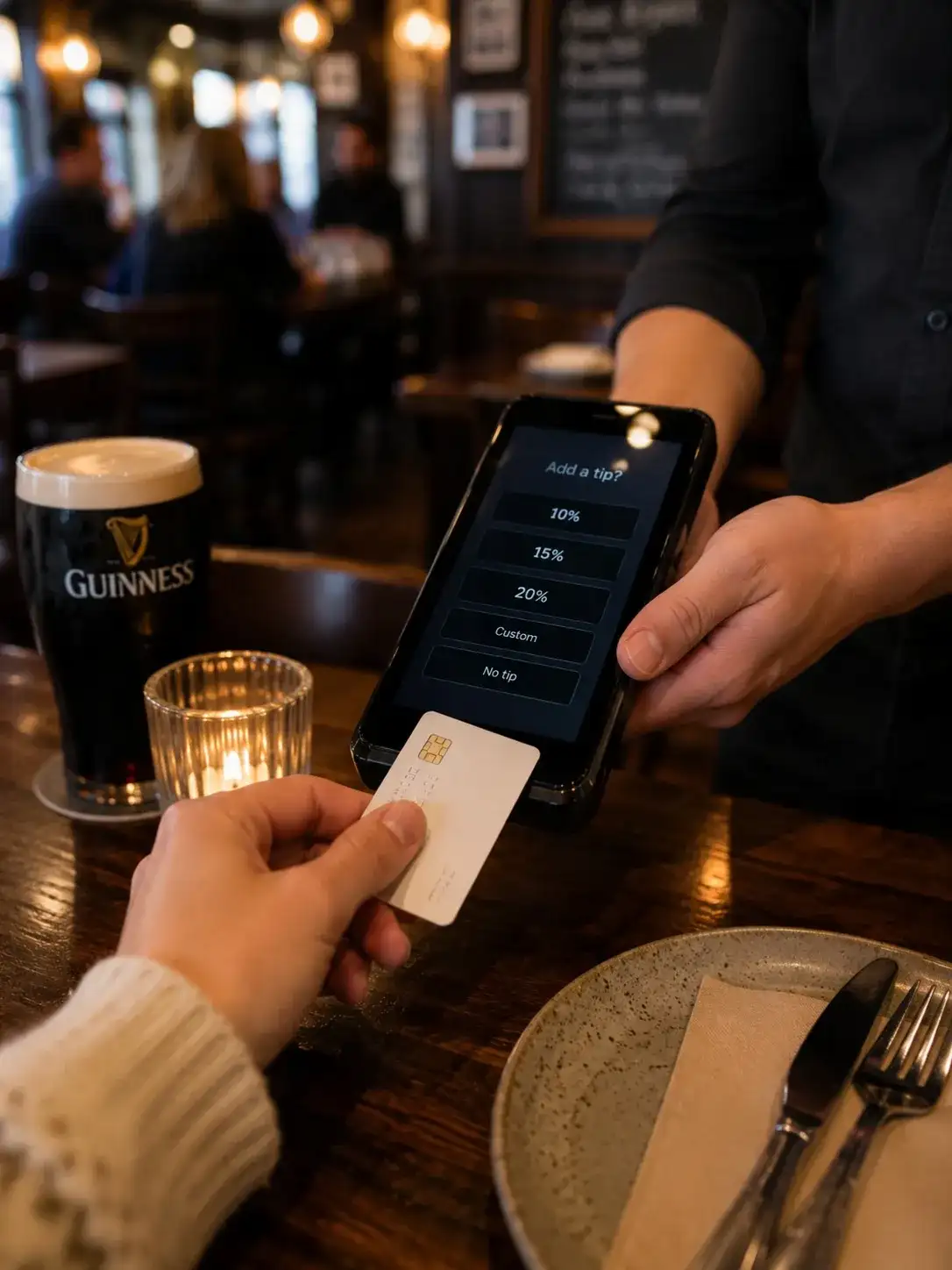
Tipping in Ireland doesn’t carry the same weight it does in the U.S. — a 10% tip is the norm at sit-down restaurants, and you’ll see 10–15% used as the general range at cafés and table-service pubs too. Outside of that, restaurants generally expect less ceremony around the whole thing than Americans are used to.
Bartenders and taxi drivers don’t expect anything extra unless the service was genuinely exceptional, and when you are tipping, card payments sometimes require you to specify the tip amount before paying — worth knowing so you’re not fumbling with the machine while everyone waits.
Language
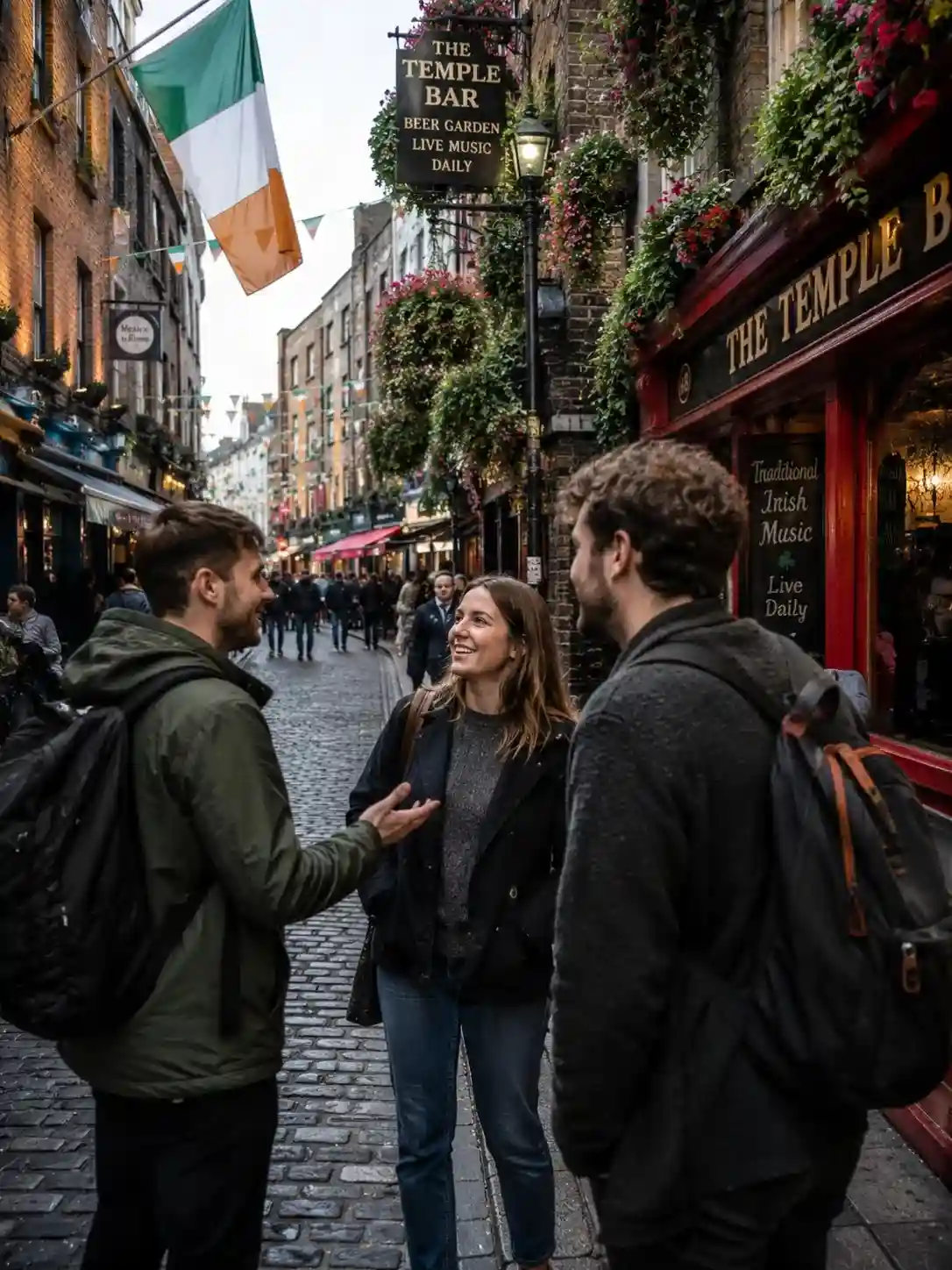
English is the language spoken pretty much everywhere across Ireland, technically the whole island — both the Republic and Northern Ireland — though accents can throw you for a loop the first few days of any trip.
A quick heads-up worth carrying with you: politics, religion, and especially The Troubles fall firmly into sensitive topics territory, and it’s smarter to just let those conversations pass you by.
Safety
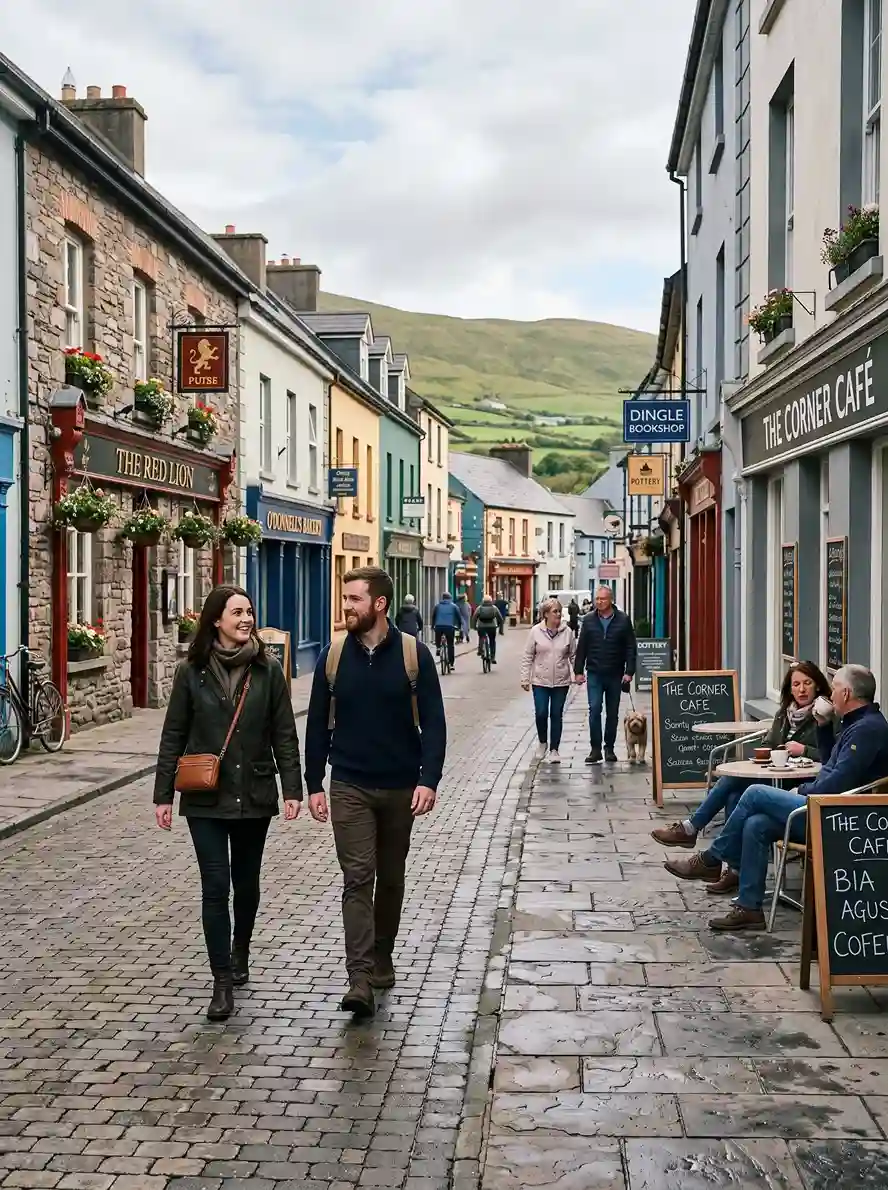
Ireland consistently lands among the safer countries in Europe, and it genuinely felt that way as a welcoming destination during my own trip there. Whether you’re Traveling with a partner or going solo, the overall sense of safe footing rarely wavers.
That said, a safe trip still comes down to basics — staying aware of your surroundings, watching your belongings in busy spots, and drinking responsibly, the same way the author of any good guide would tell you to behave anywhere else in the world.
Pub Culture & Ordering a Drink
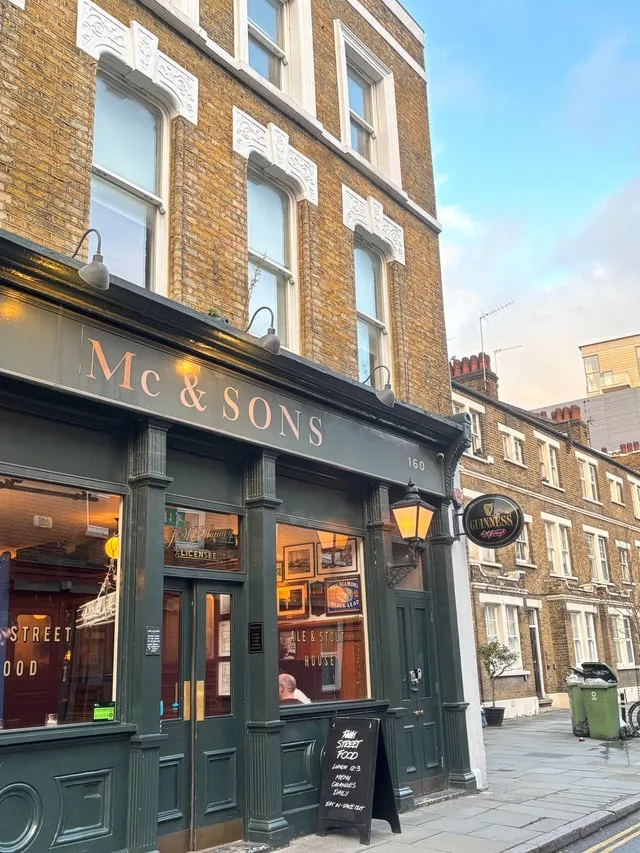
Here’s an Etiquette tip that saves embarrassment fast: Irish pubs often run on a round system, where one person in the group buys a drink for everyone, and then it’s the next person’s turn to do the same.
Order a pint without specifying and Guinness becomes the default — it’s that closely tied to the country’s identity. Ask for Stout and bartenders will usually assume you mean the same thing, sometimes nodding to it by its nickname, the black stuff.
Ideal Trip Length / Itinerary
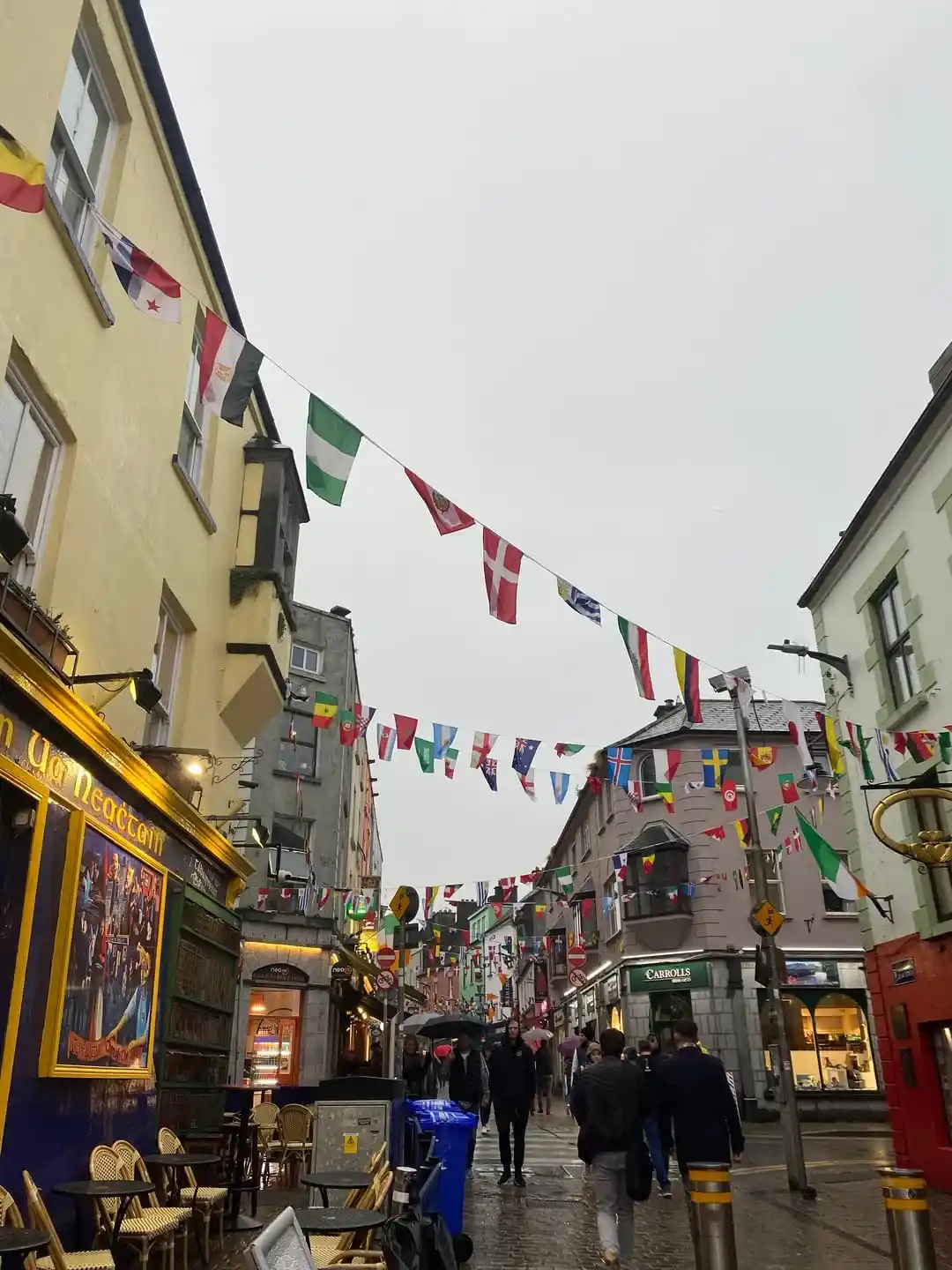
A popular itinerary for Ireland usually lands somewhere around 7–10 days — long enough for a proper deep dive without rushing every stop into a blur. On the shorter end, a 7-night/8-day itinerary is the structure I keep coming back to myself: Dublin arrival on day one, a countryside drive out toward the coast, then three days settling into the rhythm before deciding whether you’ve got three to four days left to push further west, or just two days to wrap things up before departure.
Most versions of that route end up tracing the same loop: a Cork culture day built around the city itself, a ferry crossing that saves hours of driving, then exploring Galway on foot before Connemara and the Cliffs of Moher pull you further along the Dingle Peninsula. Killarney, the Ring of Kerry, and Blarney Castle round out the southern leg, with Clonmacnoise thrown in as a quieter stop on the way back.
Pulling back into Dublin, or arranging a return to Dublin from wherever you ended up, usually means one final full day before you fly out — a last restaurant, a last round of pub recommendations from whoever you’ve been chatting with at the hotel, and then Cork and Galway fade into being the two cities you’ll already be planning to revisit.