35 Fairytale Villages in England You Must Visit for a Storybook Escape
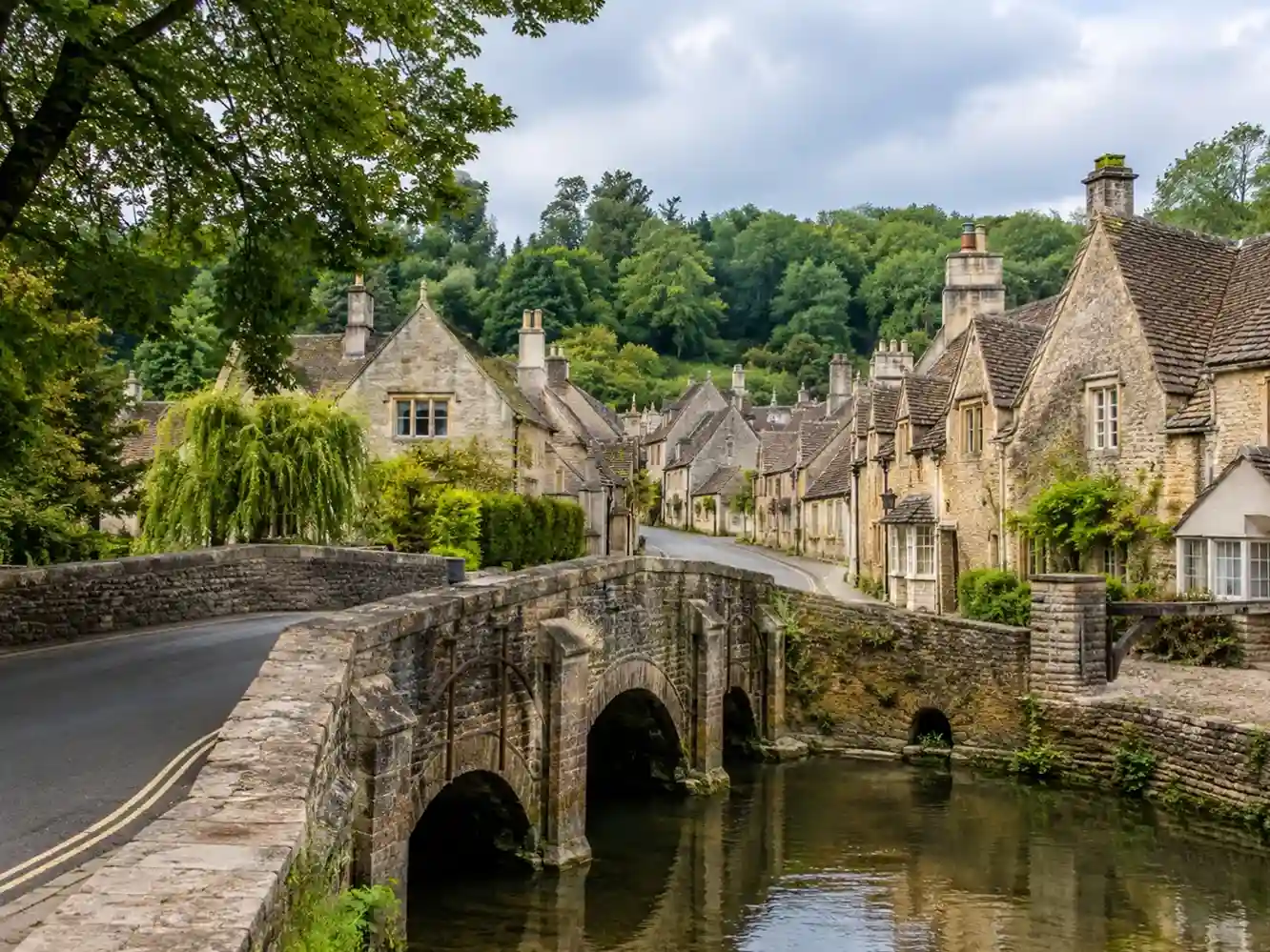
I’ll never forget my first afternoon wandering Castle Combe — it genuinely felt like the whole place had decided time has stood still. Tucked into Wiltshire within the rolling Cotswolds, this is the kind of medieval village people picture when they imagine the prettiest village in England, and honestly, the title’s earned. The 11th century origins are still visible in the medieval market square, where an ancient Catholic church and a faceless clock preside over rows of honey-coloured Cotswold stone cottages dripping in old-world charm. Nothing here, not even the houses, has changed in 400 years — locals will proudly tell you that, and you believe them the second you see the photographed bridge.
That bridge, by the way, is the real showstopper. Bybrook River Bridge crosses a calm river lined with weeping willows, and it’s gone properly viral on social media — I’ve lost count of how many times I’ve seen it pop up unannounced on my feed. The Market Square itself barely moves, and because this remains a working residential village, I always make a point of being respectful toward the locals who actually call it home rather than treating it purely as a backdrop for photography.
If you’re planning more than a flying visit, stay ivy-clad at the Manor House Hotel, set among beautiful gardens and blooming gardens, or tuck yourself into Battens Farm Cottages Bed and Breakfast, where you’ll spot cows grazing right outside your window. For dinner, the Michelin-starred restaurant The Bybrook is worth booking ahead, and afterward you can stroll the pubs, including the Castle Inn and White Hart, for a proper pint among picture-perfect streets. It’s roughly 10 miles from Bath and 100 miles from London, making it an easy day trip whichever direction you’re coming from — though I’d argue it deserves an overnight stay.
Rye, East Sussex
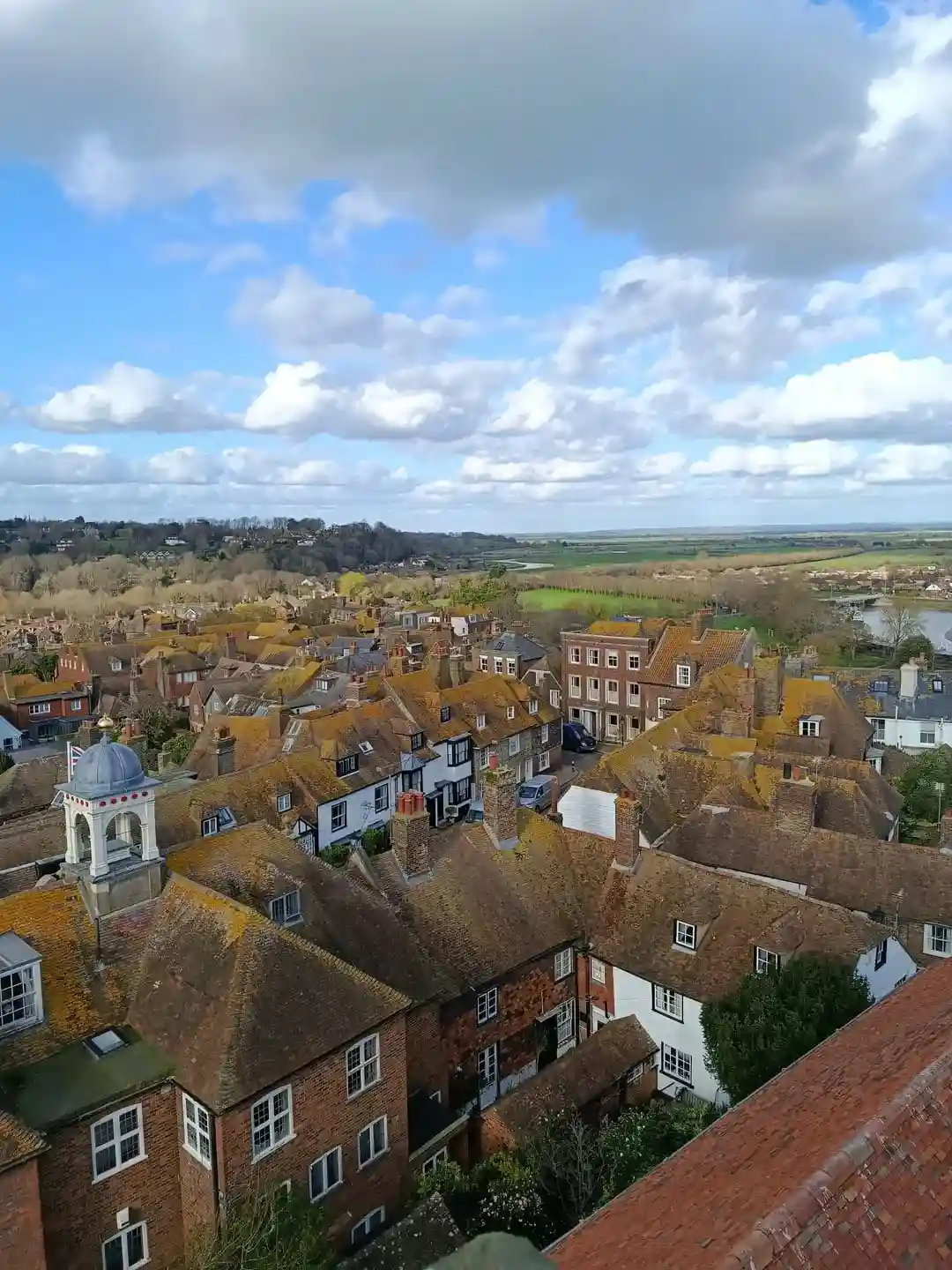
There’s something about Rye that catches you off guard — you turn a corner onto labyrinthian cobbled streets and suddenly the whole seaside village feels lifted straight out of a fairytale. East Sussex does medieval better than almost anywhere else in England, and this medieval village proves it with half-timbered lodgings, Georgian homes, and Tudor-style homes all crammed together along lanes lit by old oil lamps.
Mermaid Street is the headline act, and rightly so — it’s been called one of the prettiest streets in Britain, and I’ve spent an embarrassing amount of time photographing houses with names as odd as House with Two Front Doors and The House Opposite. Walk it to the end and you’ll reach St Mary’s Church, standing at roughly 900 years old; climb the tower for panoramic views stretching well beyond the rooftops. The town’s defensive past lingers too, in remnants like Landgate, Strandgate, Baddings Gate, and Postern Gate — collectively, those medieval gates tell you everything about Rye’s turbulent history. Literary fans should seek out Lamb House, once home to Henry James and now a National Trust Property, and if you’re visiting in October, you might stumble into the town’s beloved classic car meet.
Rye sits under two hours from London, ideal for a weekend break or quick day trip, and just a short hop from Camber Sands with its sweeping golden dunes. For a place to sleep, I’d recommend the historic building that houses Whitehouse Rye, or the equally charming Mermaid Inn — both lean into those cottages with hanging flower baskets that make this town so photogenic.
Clovelly, Devon
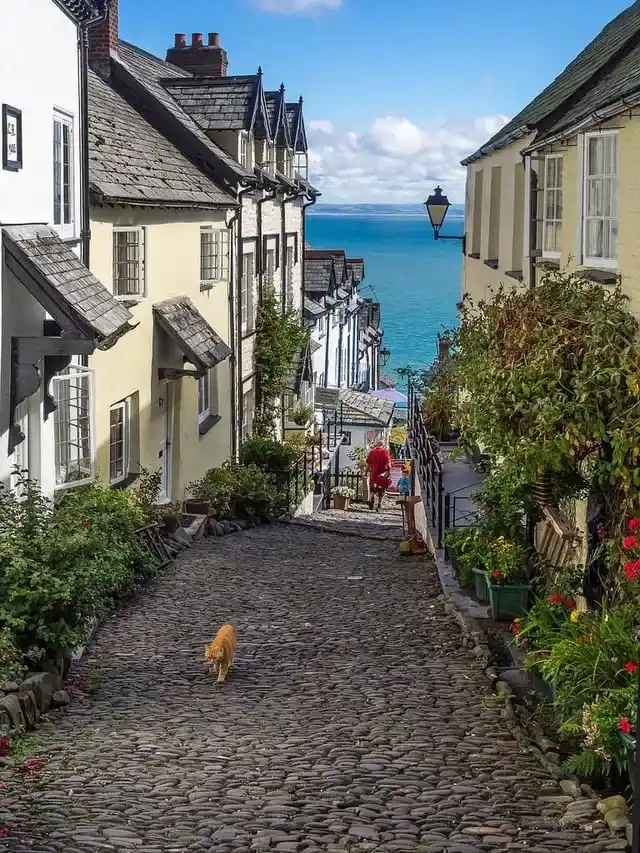
Clovelly might be the single most idyllic stop on this whole list, and I don’t say that lightly. Perched on a 400ft wooded cliff in the Torridge district of Devon, this old fishing village has belonged to the same estate — and the same family — for 400 years, which explains why it feels so untouched. Its royal connections run deep too, tied historically to the Queen of England and even William the Conqueror, lending it a weight of history you don’t expect from such a tiny fishing town.
What makes Clovelly genuinely unique, though, is the absence of cars. The whole place is car-free, so the only traffic you’ll meet on the steep, cobbled streets are donkeys, traditionally used for shopping deliveries up the hill — and possibly the most charming thing I’ve ever watched happen in a village. The whitewashed cottages tumble down toward a stone quay, where bobbing boats rest against views of the Bristol Channel. Stay the night at the Old Smithy Bed and Breakfast, where you can tuck into a proper full English breakfast or, if you prefer, an Irish breakfast before tackling the climb back up the hill.
Lacock, Wiltshire
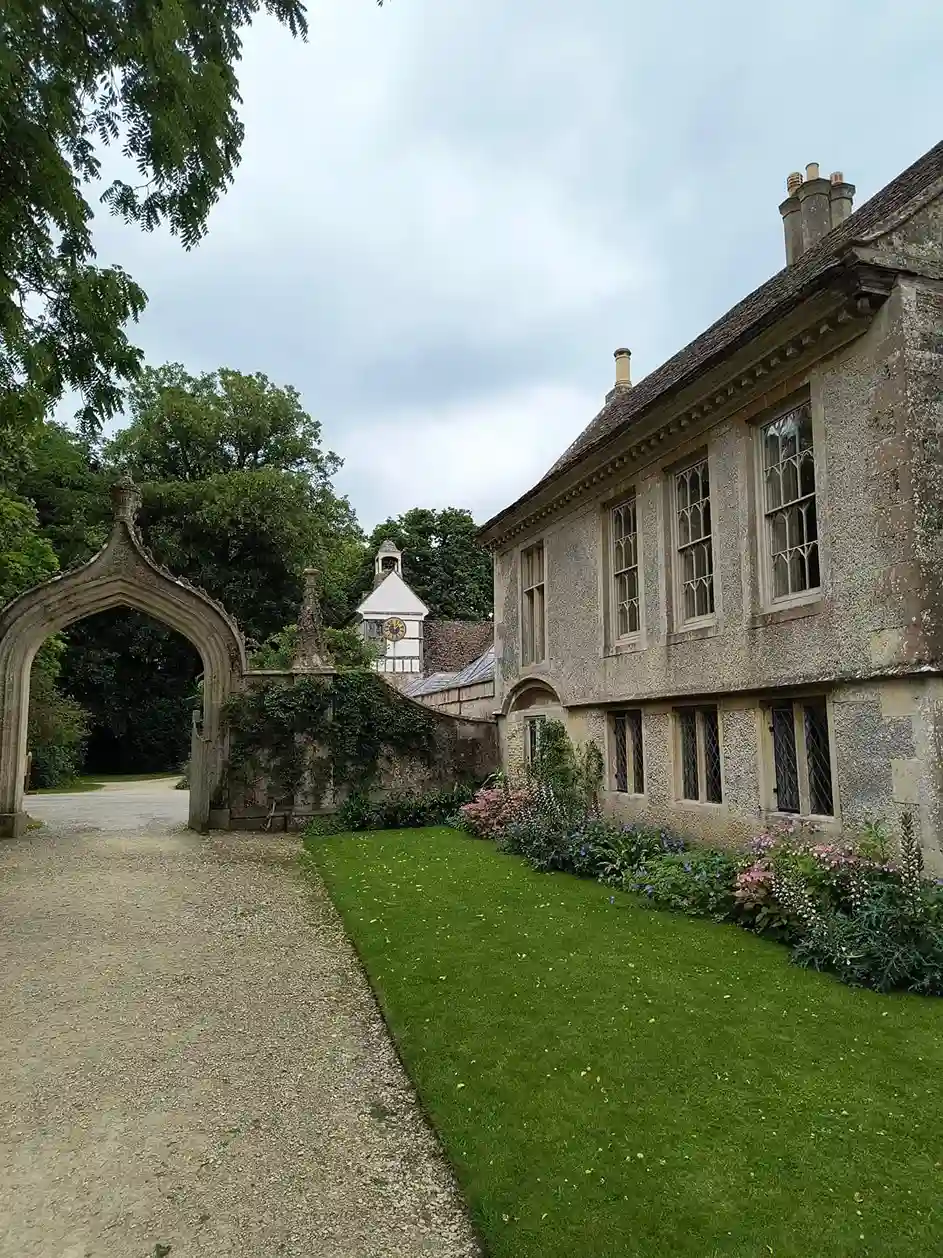
Lacock is one of those villages where I keep finding new film trivia every time I return. Just a half hour drive — more precisely a 30-minute drive — from Bath, this medieval village in Wiltshire takes its name from Old Saxon, meaning “little stream,” a nod to the Bride Brook river that cuts gently through town. Owned and cared for by the National Trust, Lacock feels genuinely frozen in time, its Georgian architecture sitting comfortably alongside older medieval buildings without a hint of modern intrusion.
Film buffs will recognise it instantly — Lacock has appeared in Pride and Prejudice, Downton Abbey, and multiple films and TV shows, but it’s Harry Potter that draws the biggest crowds, particularly fans of Half-Blood Prince. Wander through the cloisters of Lacock Abbey and you’ll understand why people whisper about the Wizarding World here; it’s not hard to imagine yourself stepping straight into it. Day-trippers often combine Lacock with Stonehenge, just 50 minutes away, and for an overnight stay, the 15th-century inn Sign of the Angel is hard to beat.
Robin Hood’s Bay, North Yorkshire
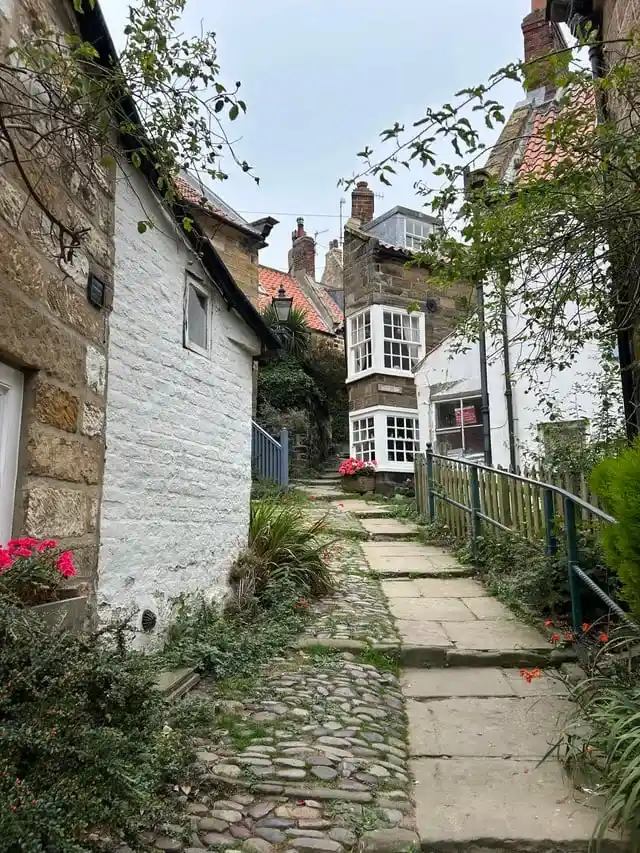
Sandwiched between Scarborough and Whitby along the North Yorkshire coast sits Robin Hood’s Bay, a fishing village so picturesque it almost feels staged. The red tile-roofed sandstone cottages climb up from the sea along narrow cobbled streets and steep streets, while stone dwellings lean into one another like they’re holding each other up. Despite the name, historians note that Robin Hood the outlaw likely never set foot this far north — a fact I love sharing with first-time visitors who assume otherwise.
The village sits within the North York Moors National Park, and that ragged coastline is the real draw for me — it’s where dramatic and quaint collide. Don’t skip the Old Coastguard Station, now run as a National Trust site showcasing marine animals, or the spine-tingling Ghost Walk, packed with spooky stories that are genuinely unsettling after dark. When the tide drops, head to the beach for fossil hunting and exploring rock pools, or follow the coastal path, part of the wider Cleveland Way National Trail. It’s roughly 10 minutes by car from Whitby, and you’ll find good traditional pubs scattered throughout — I’d suggest the Grosvenor Hotel if you want to be steps from the beach.
Polperro, Cornwall
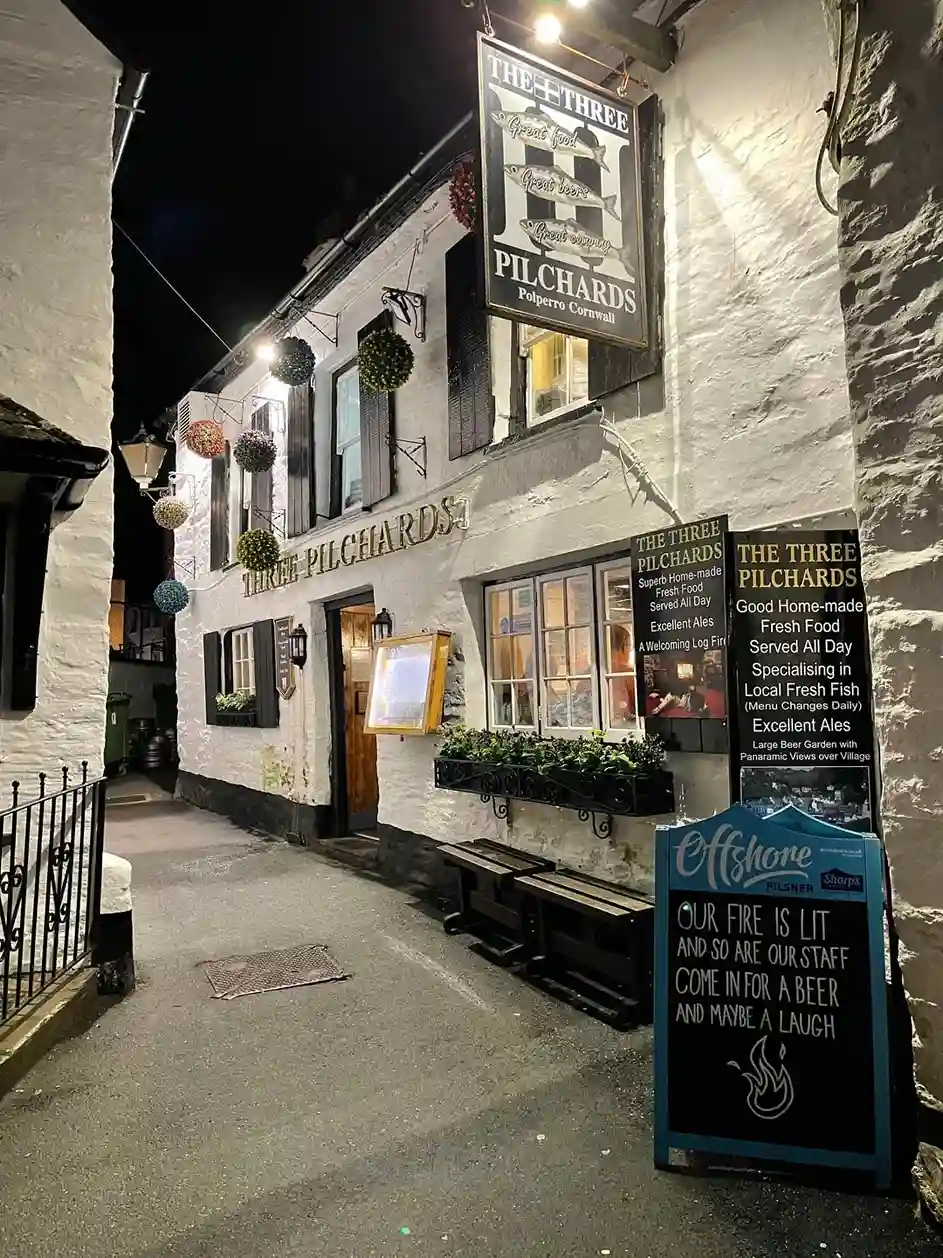
Down on the South Cornwall shore, Polperro is one of those villages that rewards getting properly lost in. Whitewashed lodges cling to steep hillsides around a tiny harbour, and because the entire traffic-free town is car-free, you can wander the labyrinth of lanes without once worrying about traffic. The maze of worn stone cottages and olden bridges dates back to the Old Saxons, and the whole atmosphere has long attracted artists drawn by the cliffs, winding paths, hidden coves, and cerulean beaches.
It wasn’t always quite so postcard-perfect, though — Polperro has a genuinely chequered past rooted in smuggling and marooning, and the Museum of Fishing and Smuggling does a brilliant job of unpacking those stories if you’re curious. Fair warning: there are some properly steep climbs here, so wear decent shoes. For somewhere to rest afterward, The House on the Props sits right by the water, with a view over the scenic harbour and the fishermen’s cottages scattered around it.
Hawkshead, Lake District
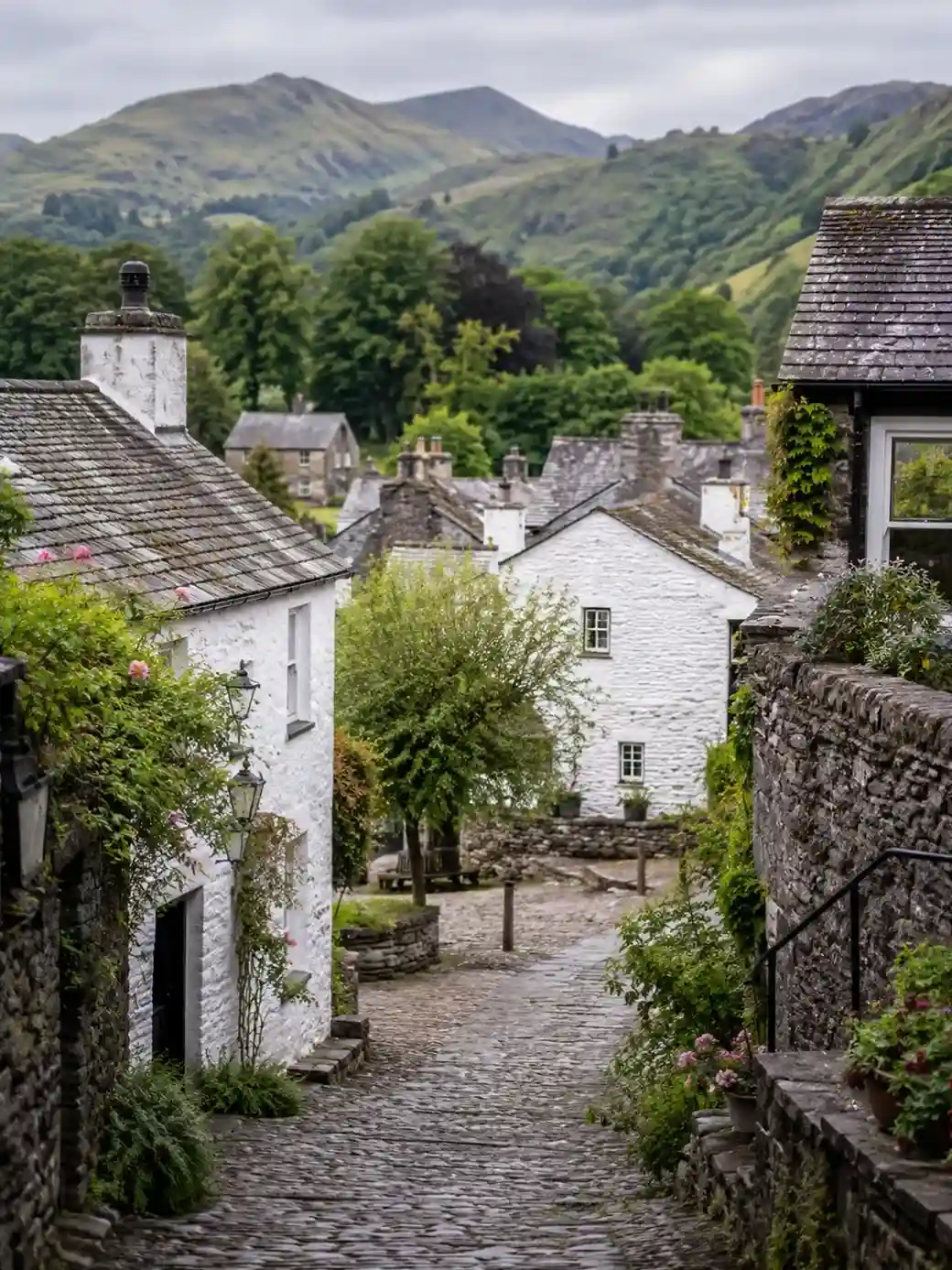
Tucked inside the Lake District, Hawkshead is a medieval market town I always recommend to anyone chasing untainted, forgotten past charm. Wander its cobbled squares and courtyards, past stone abodes framed by verdant hills, and you’ll start to understand why two of England’s most celebrated writers fell for this place. William Wordsworth studied at the Hawkshead Grammar School, while Beatrix Potter roamed these same streets — her former husband’s office is now the much-loved Beatrix Potter Gallery.
There’s a lovely car-free center here, lined with whitewashed buildings that have barely changed in character. History buffs should pop into Wray Castle and the 17th Century Courthouse, and if you’ve got time, Hill Top, Potter’s actual home, is just a 6-minute drive away. For a place to stay with proper mountains and lake views, I always point people toward The Hive at Poppi-Red.
Bibury, Cotswolds
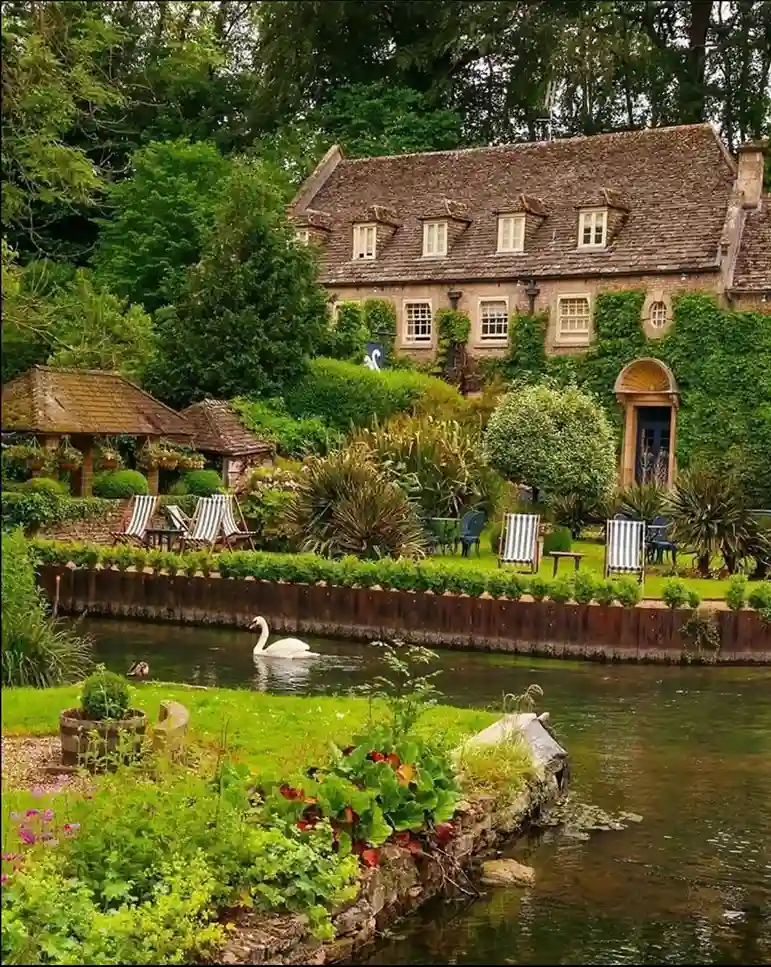
I’ve returned to Bibury more times than I can count, and it never stops feeling like the most beautiful village in England — a title famously given by William Morris, and one nobody really argues with. Set among lush countryside in the Cotswolds, it’s built around honey-colored stone cottages and the gently flowing River Coln, with Arlington Row standing as one of the most photographed spots in the entire country — those 1500s cottages form a genuinely picturesque row.
Here’s my honest tip: it gets seriously crowded, especially during peak seasons and weekends, so aim for early morning or evening, ideally around sunset, when the light is soft and the crowds thin out. While you’re there, take a wander past the trout farm, and keep an eye out for film history — both Bridget Jones’s Diary and Stardust used Bibury as a backdrop, alongside countless other films. Stay at the Swan Hotel, right on the river, for the full experience.
Shaftesbury, Dorset
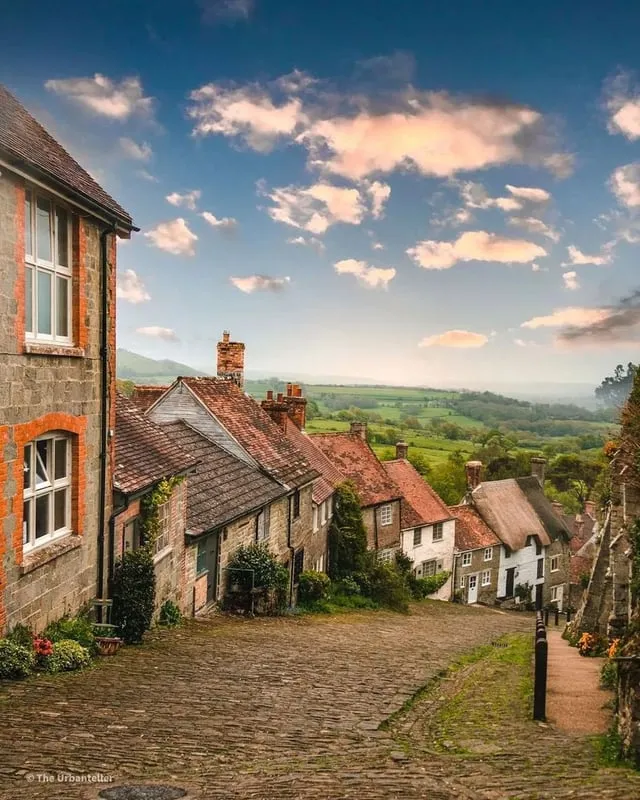
Shaftesbury sits high above Blackmore Vale in North Dorset, and the views alone make the trip worthwhile — I usually stop here mid road trip just to stretch my legs and take in the countryside views. Its most famous feature, Gold Hill, is a steep cobbled street that became internationally recognisable thanks to the 1970s Hovis Bread advert; the scene’s been described as one of the most romantic sights in England, and standing there, you’ll understand why.
Beyond Gold Hill, the High Street is lined with handsome Georgian buildings, and there’s a cluster of museums and galleries worth an hour or two. Don’t miss the Abbey ruins, dating to 888AD — a genuinely tranquil spot with serious history behind it. Stay at the Best Western The Royal Chase Hotel, a converted Georgian ex-monastery with picturesque private grounds, or for something more boutique, Grosvenor Arms offers stylish rooms close to the action.
Corfe Castle, Dorset
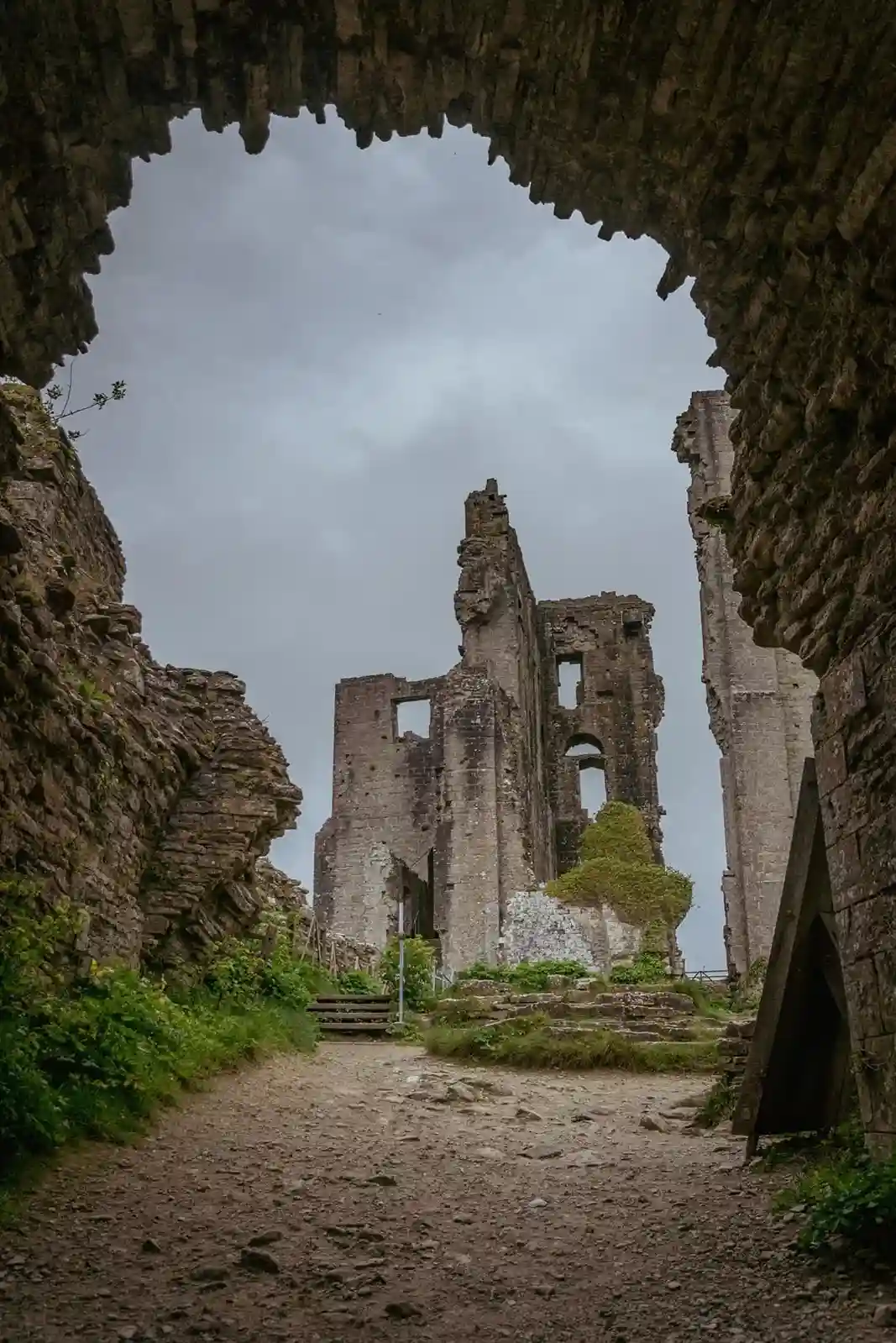
Few ruins hit quite like Corfe Castle, sitting in pure storybook fashion atop a hill in Dorset. This thousand-year-old fortress — closer to 1,000 years old, technically — carries tales of sieges, royalty, and intrigue in every crumbling stone, and walking among those ancient stones at dusk is genuinely atmospheric. It’s counted among the most well-preserved ruins in the country, and the charming village sitting below deserves just as much attention as the castle itself.
Down in the village you’ll find quaint shops, cosy pubs, and decent local restaurants, plus access to brilliant hiking trails and cycling trails weaving through the surrounding rolling hills. I first visited as part of a wider Jurassic Coast day tour, which I’d genuinely recommend if you want context for the whole region. For accommodation, Mortons Manor is a short, easy walk from the castle gates.
Portmeirion, Wales
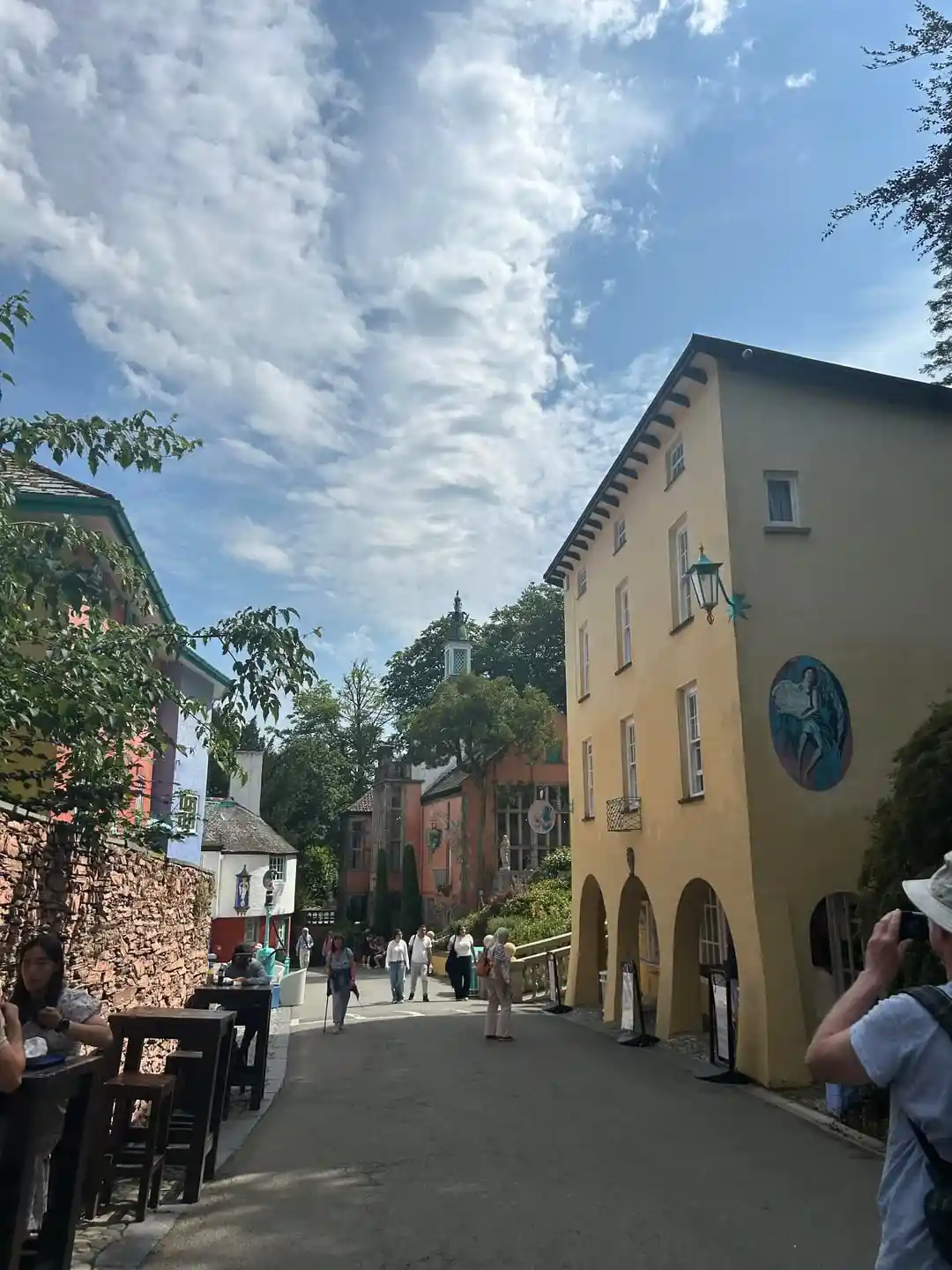
Portmeirion doesn’t quite belong on a list of English villages geographically — it sits in Gwynedd, Wales, overlooking the Afon Dwyryd river near Ceredigion — but it earns its fairytale credentials regardless. This Italian-style village brings genuine Mediterranean vibe energy to the Welsh countryside, with colour-washed edifices and romantic Baroque-style architecture that feel utterly out of place in the best possible way.
Film and TV fans will recognise it from The Prisoner, that beloved ’60s classic, alongside a string of other films shot here over the decades. Wandering the alleyways, I always find myself stopping at the Riviera-inspired houses with their abundant gardens, before browsing the souvenirs and book shops dotted around the village. Stay in proper storybook style at Castell Deudraeth, a converted 19th-century Gothic castle turned cosy hotel — it’s a complete cultural immersion from the moment you arrive.
Portree, Isle of Skye
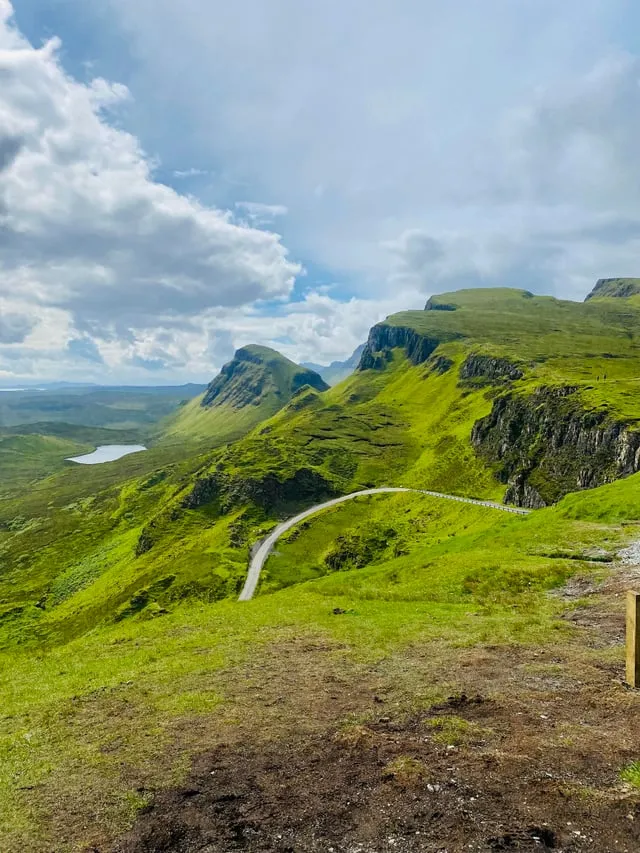
Up on the Isle of Skye, between Ben Tianavaig and Suidh Fhinn, sits Portree, the island’s capital town and a brilliant base for exploring further north. Founded in the 1860s by Lord MacDonald, this 200-year-old community carries serious cultural heritage, framed by dramatic landscapes and an incredible harbour that’s worth the visit alone.
Despite its rugged appearance, there are decent restaurants and cafes here, though honestly, I mostly come for the views. Drive north and the landscape turns properly wild — windswept terrains, heart-dropping plunges, and strange sea formations appear one after another. Push on past Loch Leathan to find the Old Man of Storr, a genuinely staggering 160 ft rock formation that’s become one of Skye’s most photographed sights.
Staithes, North Yorkshire
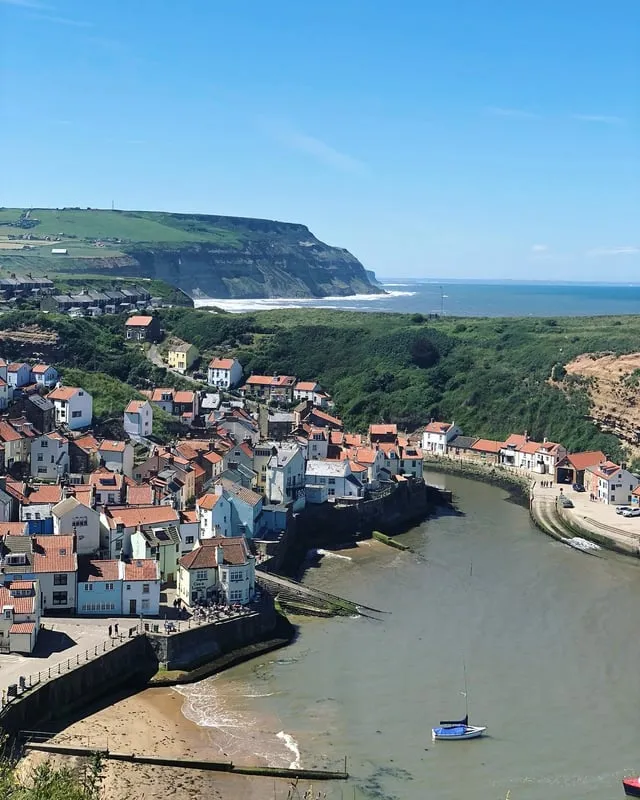
Once a properly busy fishing port, Staithes sits squeezed between two massive headlands in North Yorkshire, and its maritime history runs deep — think fishing, boat-building, smuggling, and even piracy dating back to the 15th century. These days it operates almost as a living museum, preserving that port heritage while still functioning as a genuinely serene rural English village where time paused somewhere along the way.
Start at the Staithes Heritage Centre, where you can learn about the notorious Captain Hook, before wandering the colourfully cobbled High Street and hunting down the famous eight painted optical illusions hidden throughout town. The Yorkshire stone cottages and narrow lanes make for excellent wandering, and if you climb above river, you’ll catch lovely views over the River Wharfe. Stay at Endeavour Staithes, which offers proper sea views worth waking up early for.
Lavenham, Suffolk
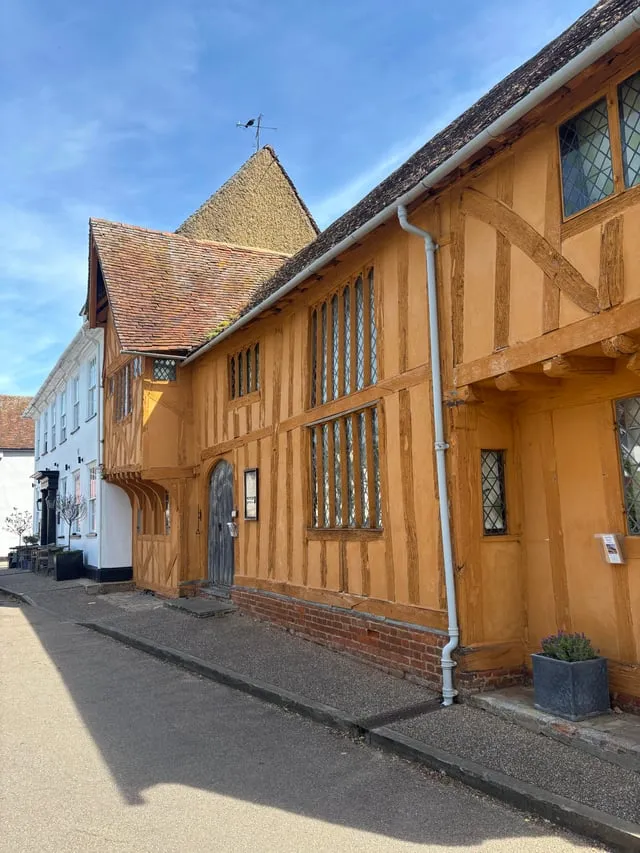
If you want a true taste of medieval wealth, head to Lavenham, the jewel of Suffolk countryside. It’s properly drop-dead gorgeous — stepping in feels like falling through a wrinkle in time — and it’s considered one of the best-preserved medieval villages in England, with an astonishing 350 listed buildings contributing to its fairytale charm. The colorful buildings practically beg to be photographed; it genuinely feels like wandering onto a movie set.
Lavenham owes its fairytale charm to the wool trade, which made it one of the wealthiest towns in Tudor England. The photographs you’ll come away with are honestly unlike anywhere else I’ve visited in the UK. Stay at Rectory Manor, complete with a garden, swimming pool, and tennis courts for a proper relaxed overnight stop.
Haworth, West Yorkshire
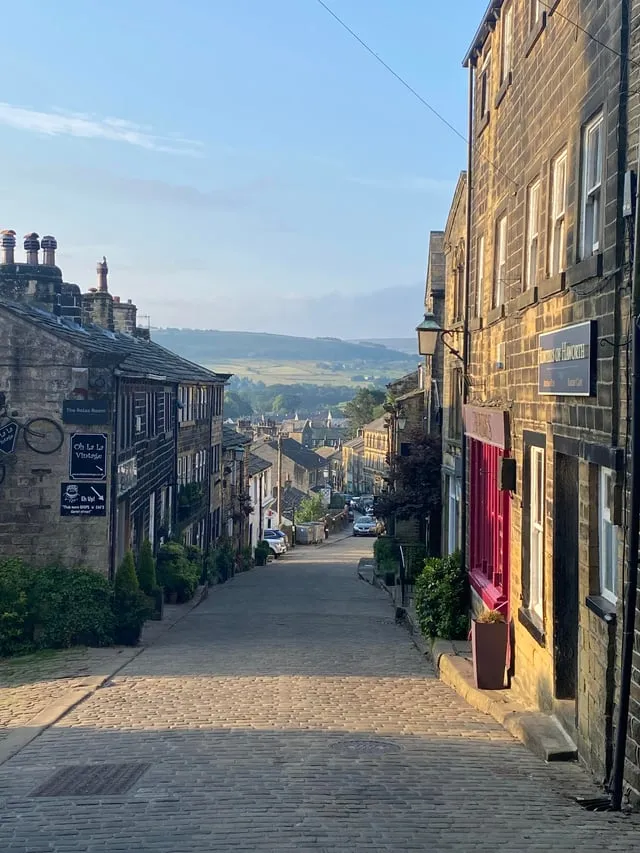
Haworth draws crowds for good reason — as the hometown of the Bronte sisters, it ranks among the most visited places in West Yorkshire, and it’s easy to see why once you’re standing on its cobbled streets. The surrounding countryside is genuinely some of the best in the region, and the village itself stays picture-perfect no matter the season.
The Bronte Parsonage Museum is essential if you want real insight into the sisters’ lives, and a short walk out to Bronte waterfall makes for a lovely break from sightseeing. Rail enthusiasts shouldn’t miss the Keighley And Worth Valley Railway either. With its 18th-century stone cottages, Haworth remains a genuine crowd-pleaser, and staying at the Old White Lion Hotel, right in the center of town, puts you within easy reach of everything.
Bourton-on-the-Water, Cotswolds
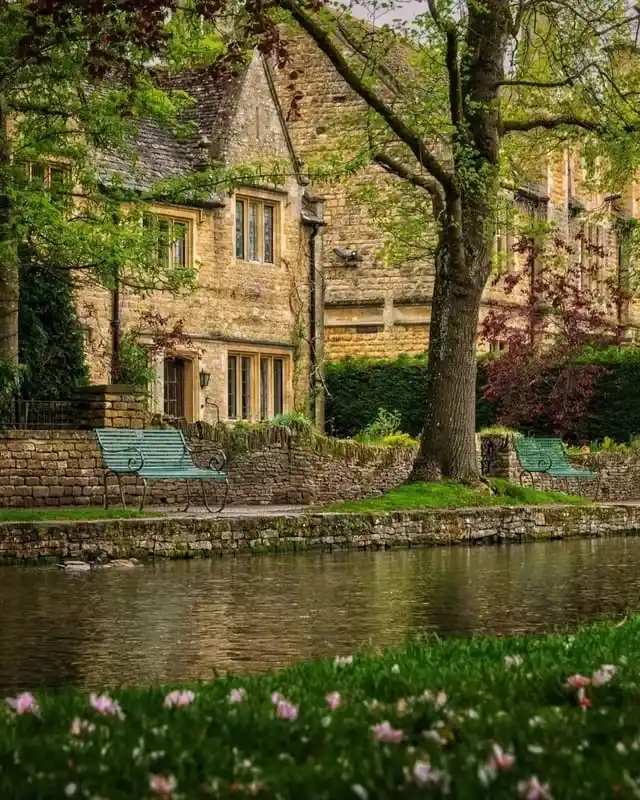
Nicknamed the “Venice of the Cotswolds,” Bourton-on-the-Water is exactly the kind of storybook location that explains why this region tops so many bucket lists. Five bridges arch over the gentle River Windrush, and frankly, people come for that view alone — I certainly did the first time.
If you like to keep busy while sightseeing, this village won’t disappoint: visit the Bakery on the Water en route to the Dragonfly Maze, then grab lunch at the Riverside Café. For an overnight stay, The Mousetrap Inn is properly cozy, complete with a garden, bar, and free Wi-Fi.
Thornbury Castle, Bristol
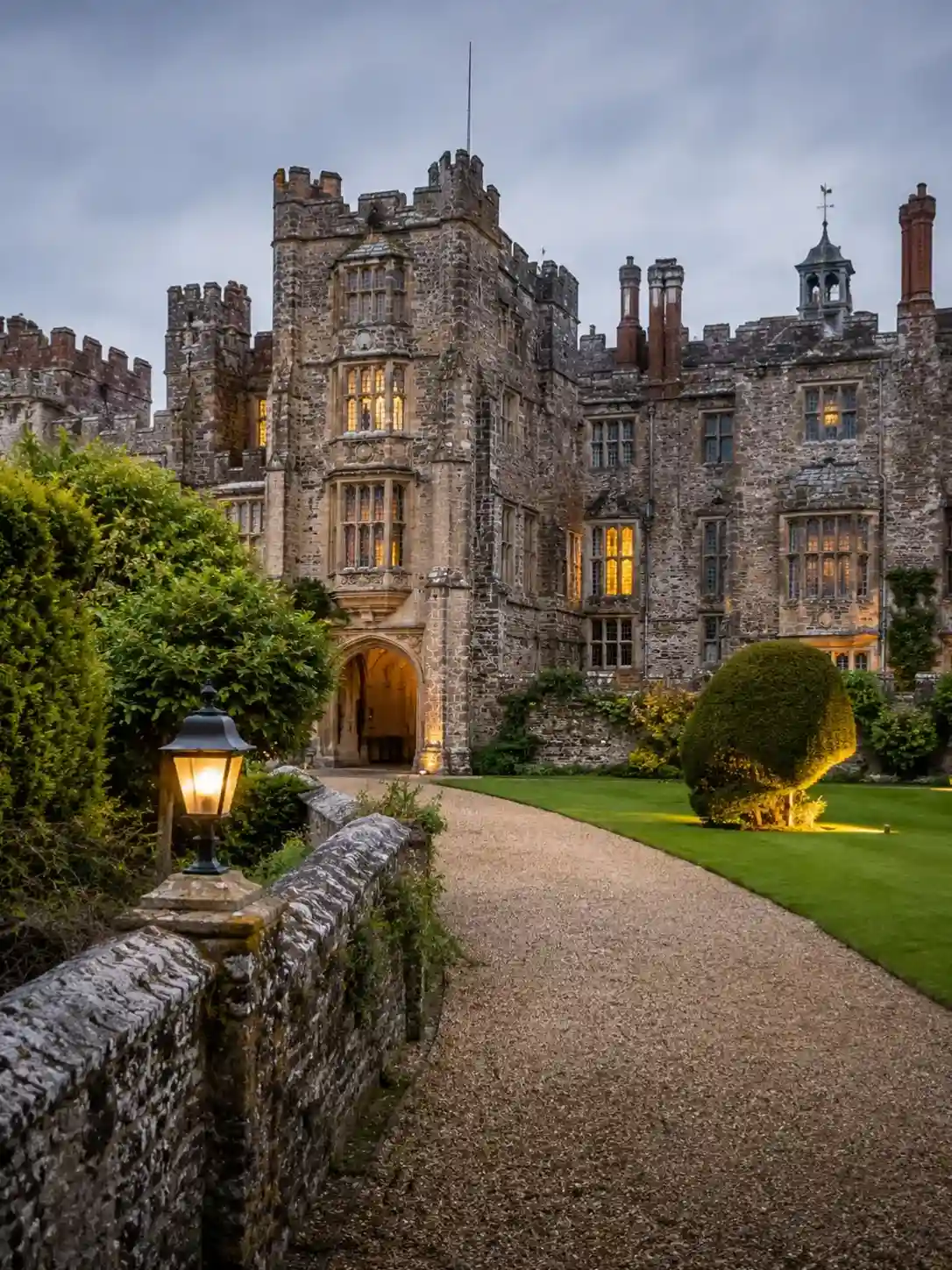
For anyone chasing a fairytale come true, Thornbury Castle near Bristol delivers in spades. This historic Tudor castle once hosted King Henry VIII and Anne Boleyn, and you can actually stay in their old suite today — I did, and it remains one of the most surreal nights of royalty-adjacent luxury I’ve experienced, tucked deep into the English countryside.
Chatsworth House, Peak District
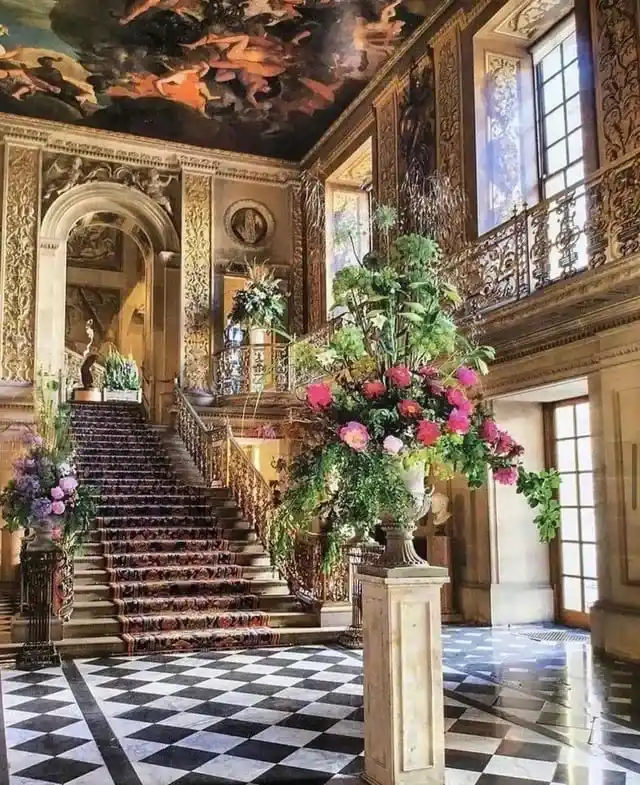
Set among the rolling hills of Derbyshire in the Peak District, Chatsworth House is essential viewing for Pride and Prejudice fans. This genuinely elegant stately home delivers full Jane Austen novel energy — it’s that dreamy, honestly, and I still think about the grounds months after visiting.
John Rylands Library, Manchester
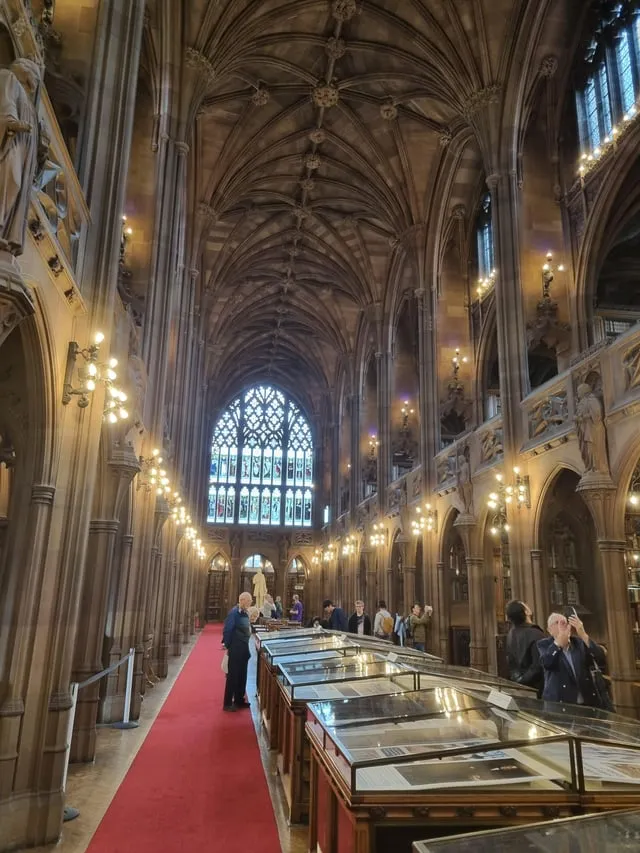
Walking into the John Rylands Library in Manchester feels uncannily like stepping into Hogwarts Castle. The grand staircase, Gothic architecture, and towering stained-glass windows create real atmosphere, and the best part is it’s free entry for visitors, open Wednesday to Saturday each week.
Christ Church College, Oxford
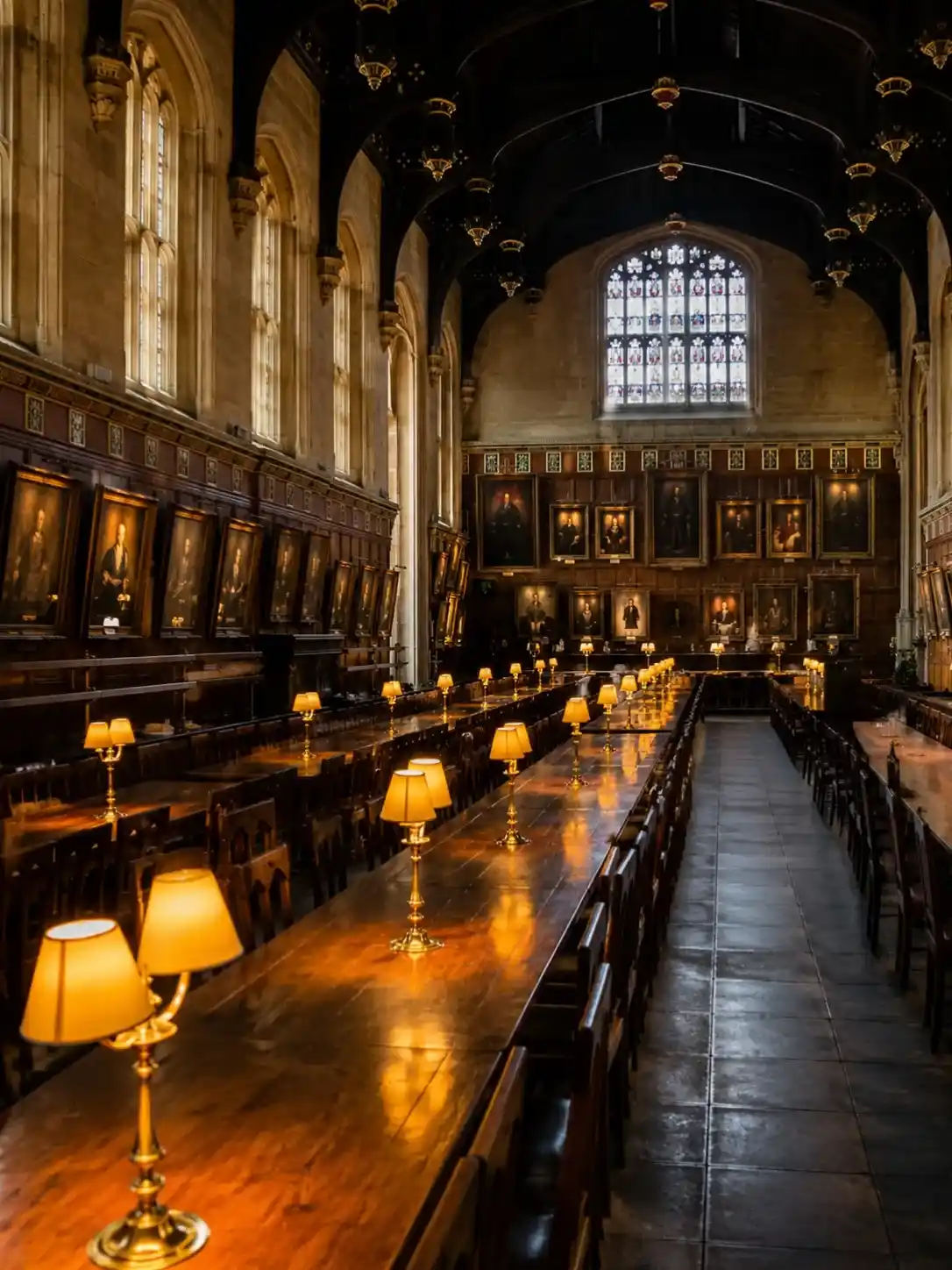
Christ Church College in Oxford earns its reputation as a genuine Harry Potter filming location, and wandering its halls feels like stepping straight into the films. It blends academic prestige with serious architectural splendour, and the dining hall, lined with historic portraits, is easily the most dreamiest corner of the entire college.
Rydal Hall, Lake District
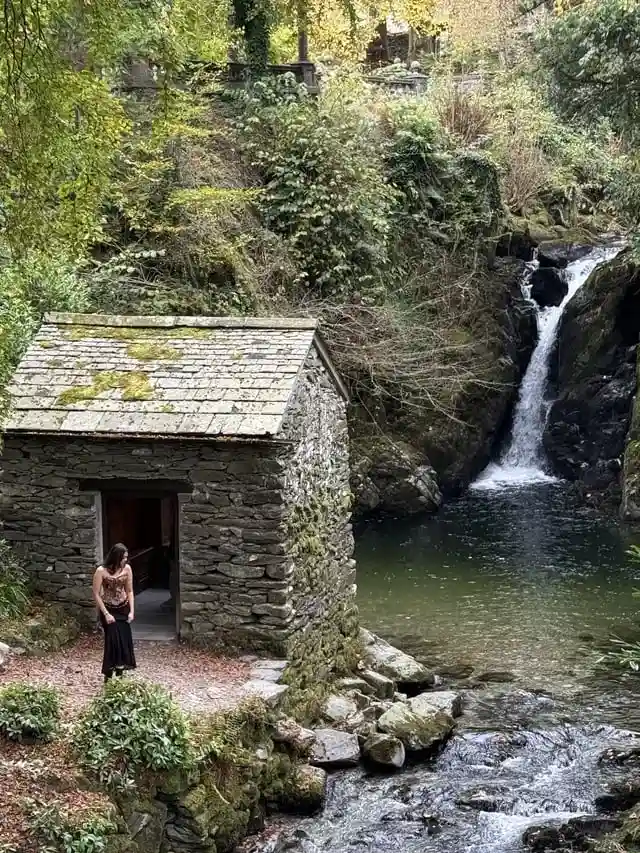
Tucked away in the Lake District, Rydal Hall Gardens are a genuine hidden gem I rarely hear other visitors mention. There’s a quiet charm here, like stumbling on a secret sanctuary where time slows down and every corner offers a picture-perfect moment of pure poetry.
The Shambles, York
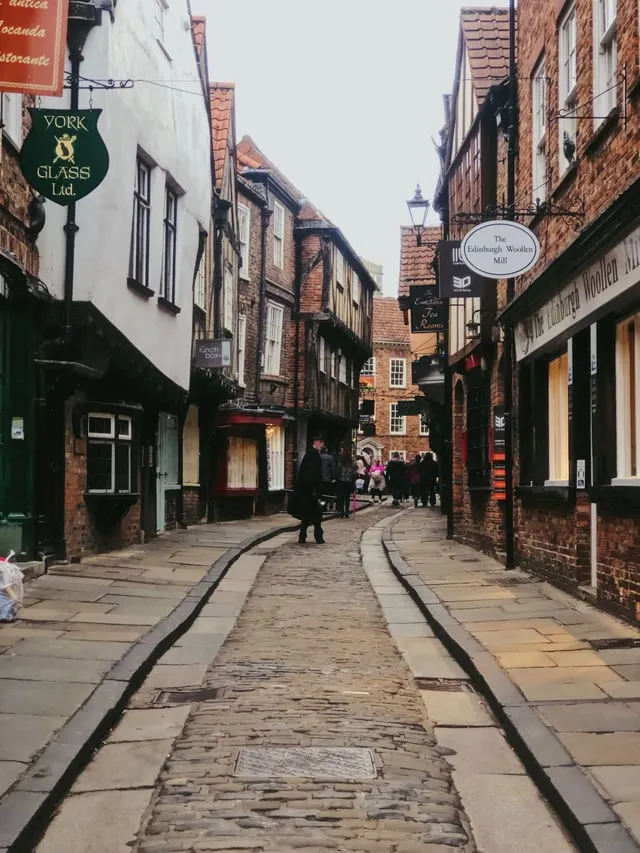
The Shambles in York is a genuinely atmospheric medieval street, lined with crooked timber-framed buildings leaning so far over they nearly touch. Once a bustling marketplace for butchers, the cobbled lanes today host boutique shops and cafes, including the wonderfully eerie Ghost Merchants.
St. Edward’s Church, Stow-on-the-Wold
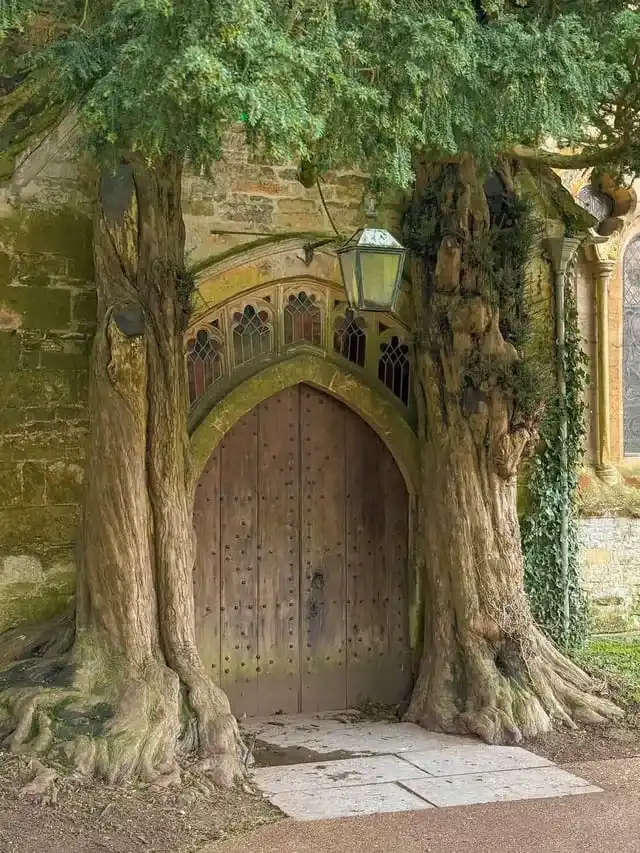
In Stow-on-the-Wold, Gloucestershire, the north door of St. Edward’s Church is framed by ancient yew trees said to have inspired Tolkien’s Doors of Durin — and once you see it, you’ll understand exactly why. It’s a quiet pilgrimage spot for history lovers and Tolkien fans alike, offering a genuine moment of quiet magic.
Mousehole, Cornwall
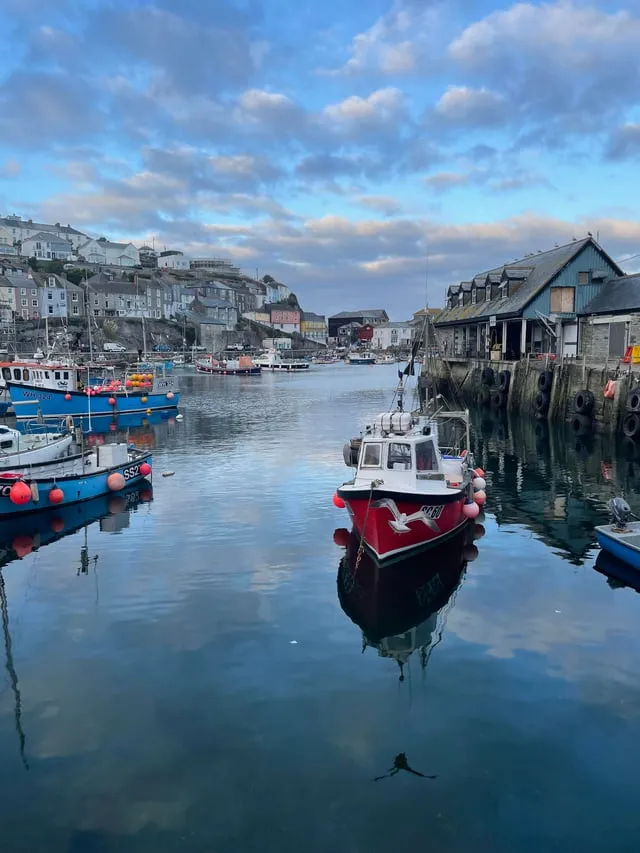
Mousehole, on the south coast of Cornwall, was once the region’s main port until the 16th century, when Spaniards burned much of the village. Remarkably, one surviving building still stands, and it even featured in the Poldark TV series — a detail I always point out to visitors wandering the narrow streets.
Despite its size, there’s genuinely plenty to do — galleries, independent shops, and cosy restaurants line the lanes. The heart of it all is Mousehole Harbour, where a walk along the harbour wall rewards you with views across Mount’s Bay, watching fishing boats drift by. Stay at The Ship Inn, right by the water, with proper sea views included.
Whitby, North Yorkshire
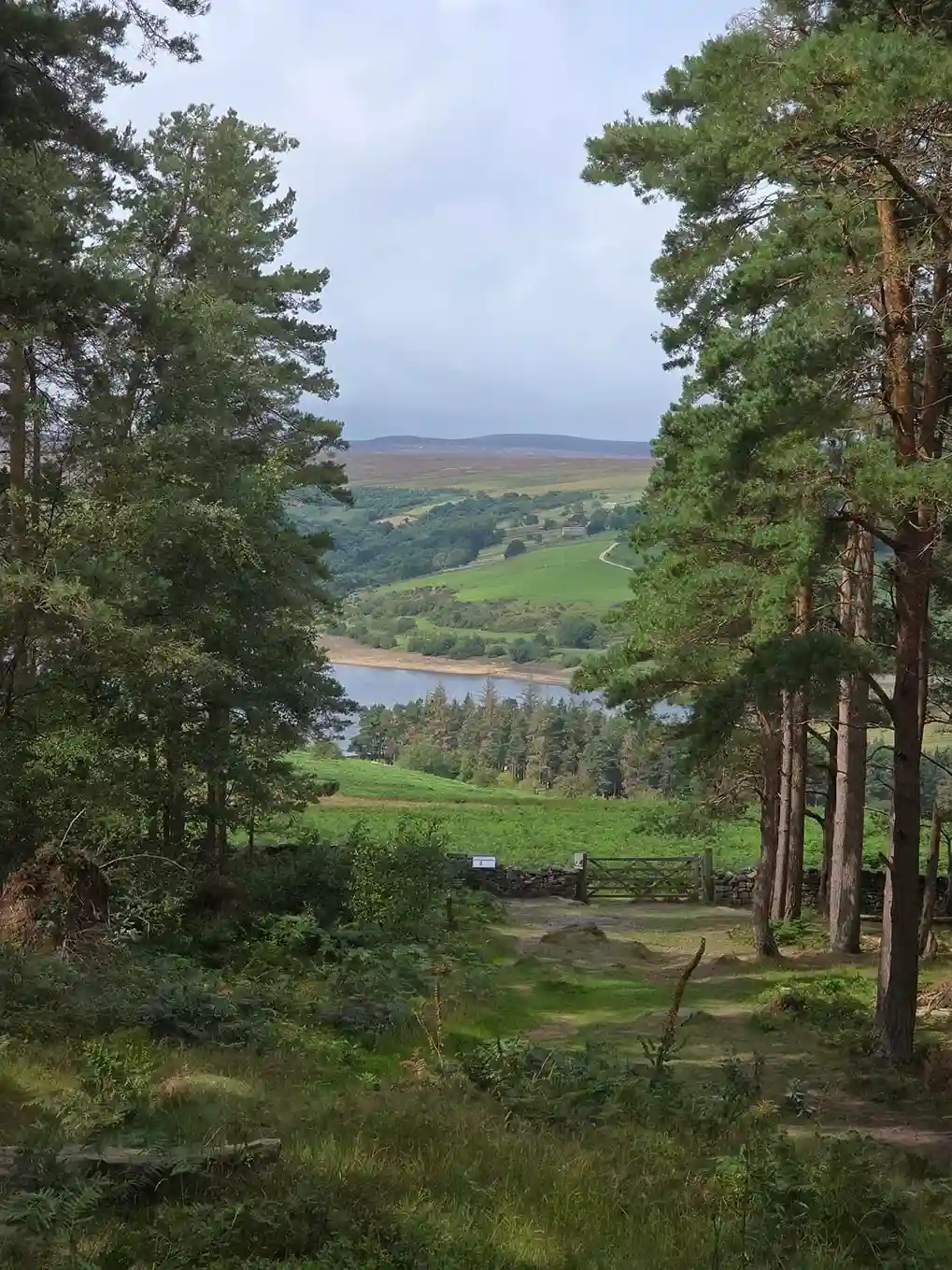
Whitby, on the North Yorkshire coast, is a properly historic coastal town, famous for its dramatic abbey ruins that inspired Bram Stoker’s Dracula. Despite living in Surrey, I finally made it here via a quick trip from York, and it makes a brilliant day trip if you’re already exploring the region.
Climb the legendary 199 steps up to Whitby Abbey for sweeping panoramic views over the harbour and out toward the North Sea. The narrow streets are full of independent shops selling traditional sweets and local crafts, and you absolutely cannot leave without fresh fish and chips by the water. For more adventure, a boat trip along the Yorkshire coastline is well worth it. Stay at Saltmoore, with modern rooms and excellent sea views.
Aylesford, Kent
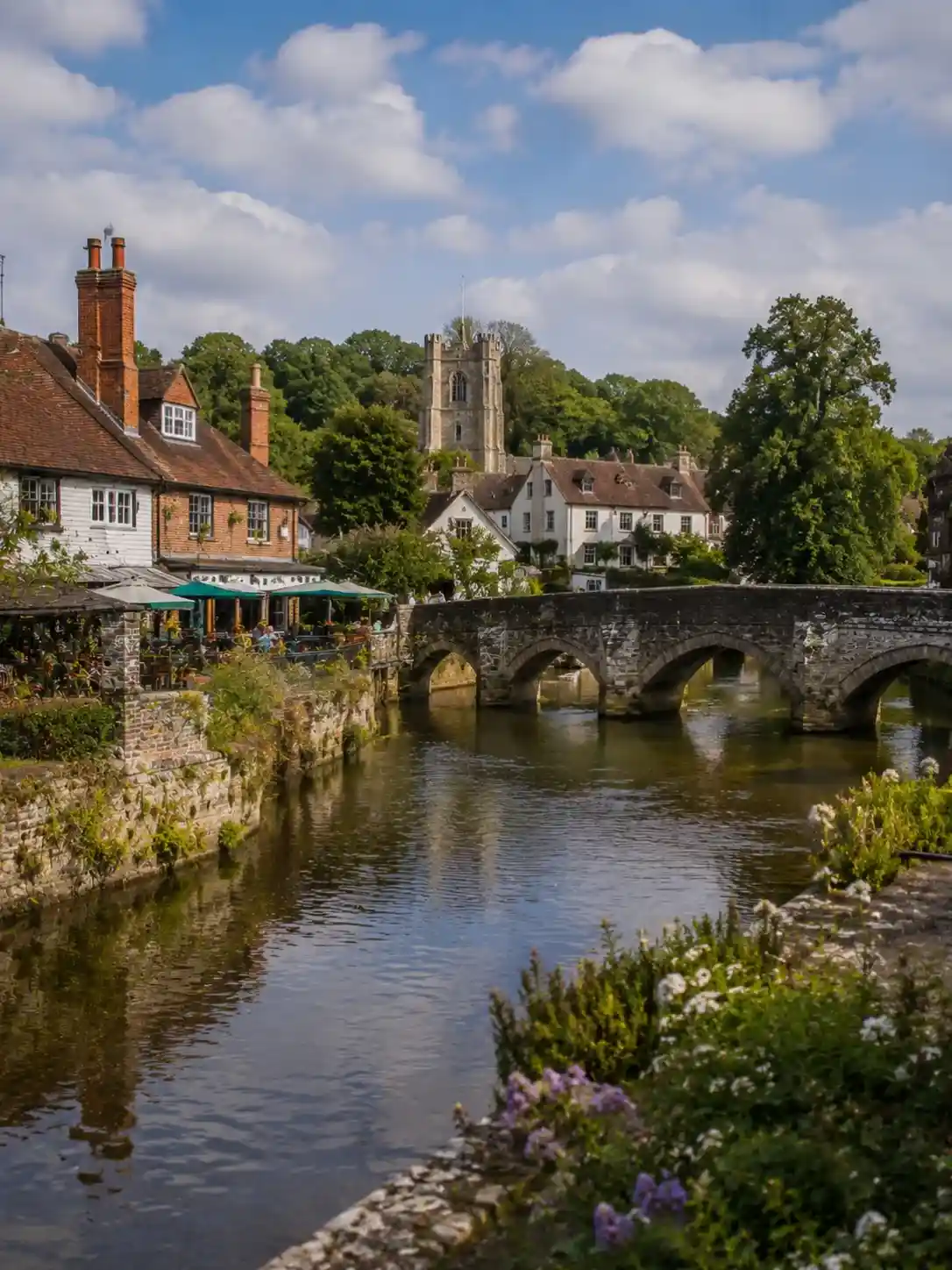
Aylesford in Kent is the kind of small picturesque village perfect for a slower-paced day out — just 10 minutes from Maidstone or roughly an hour drive from London. There are convenient free short-stay car parks on both sides of the river, and you can genuinely park for up to 23 hours, which says a lot about how relaxed this place is.
From the car park, a short walking path leads onto the main street, where you can cross the medieval five-arched bridge and settle in at the 16th-century riverside restaurant for food and drinks. It’s an ideal stop for weekend trips when you just want something relaxing.
Grassington, North Yorkshire
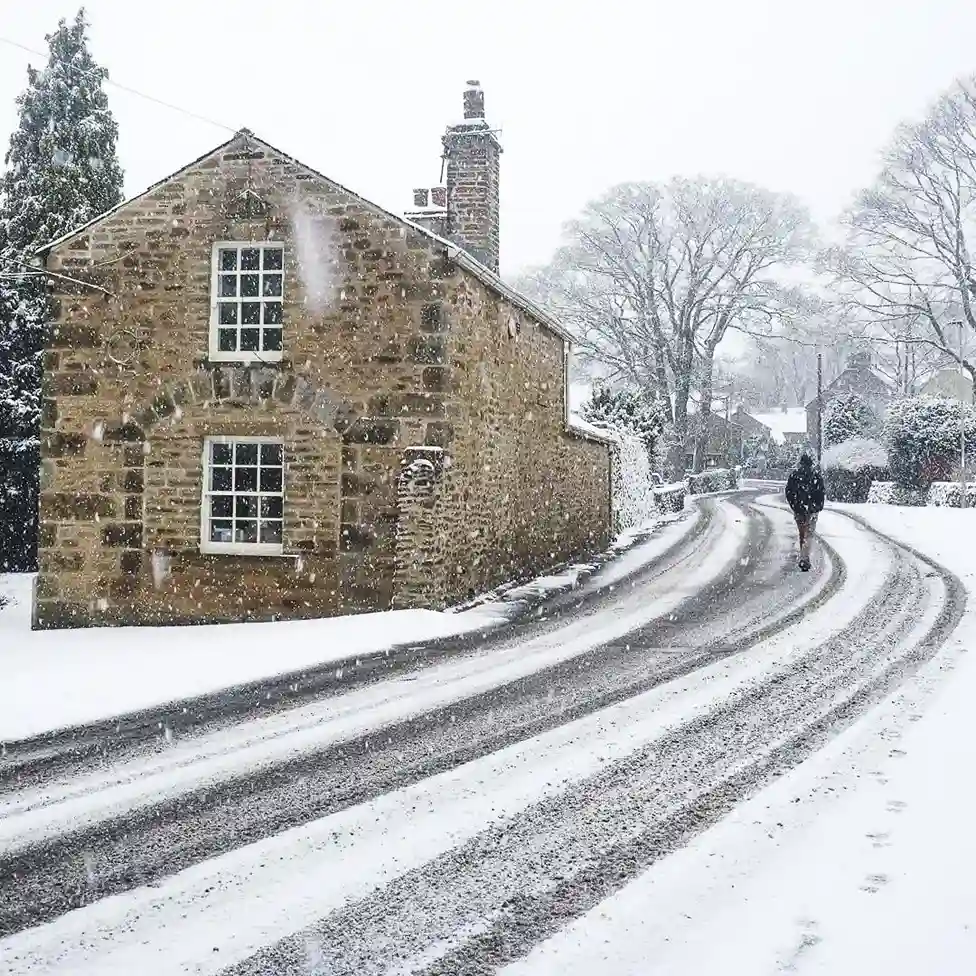
Grassington, set within the Yorkshire Dales, delivers proper rural England charm through its cobbled streets and stone cottages, framed by genuinely stunning countryside views. The village centre is full of shops selling local food, gifts, and arts and crafts, plus plenty of souvenirs to bring home.
Time your visit around the seasonal markets and festivals if you can — they bring real energy to the place. Beyond the centre, there are miles of walking routes and cycling routes through the surrounding North Yorkshire landscape. Stay at The Devonshire Grassington, which offers genuinely cosy rooms well positioned for exploring further.
Amberley, West Sussex
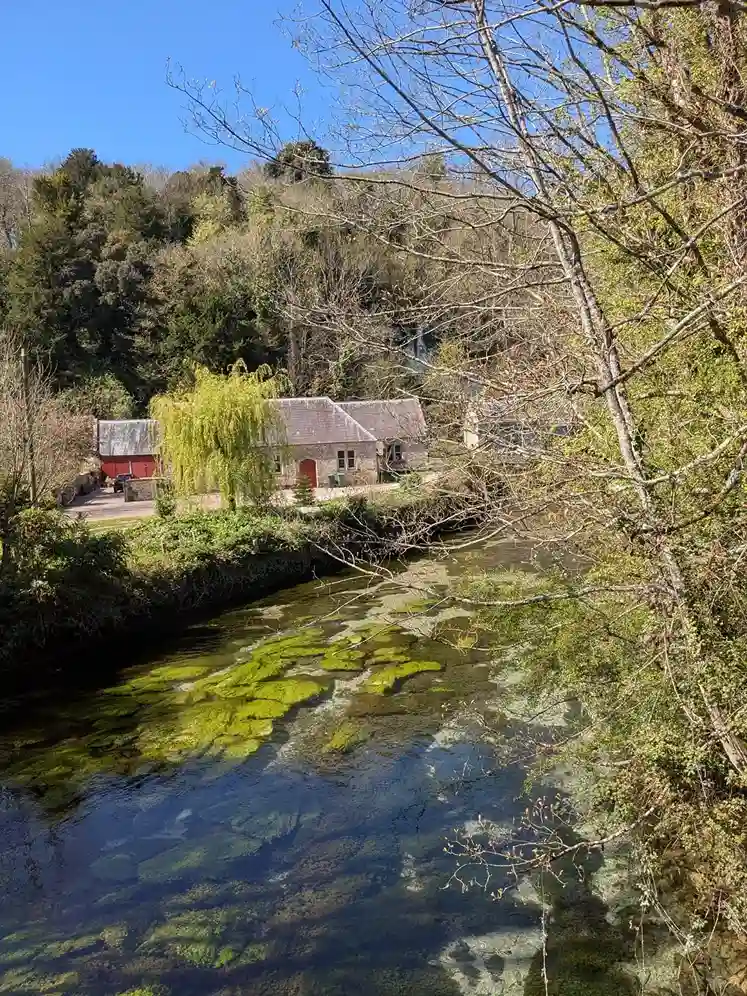
At the foot of the South Downs in West Sussex, Amberley is, without question, one of the prettiest little villages in England — and still very much a hidden gem. It sits within the South Downs National Park, making it a brilliant day trip for anyone craving something genuinely peaceful.
Walkers will love the hiking trails leading out from the village, including a stretch of the Monarch’s Way running alongside the River Arun. The South Downs Way, a recognised National Trail, also passes close by, drawing both walkers and cyclists. For something memorable, stay at Amberley Castle, a genuine historic castle offering luxurious rooms.
Marazion, Cornwall
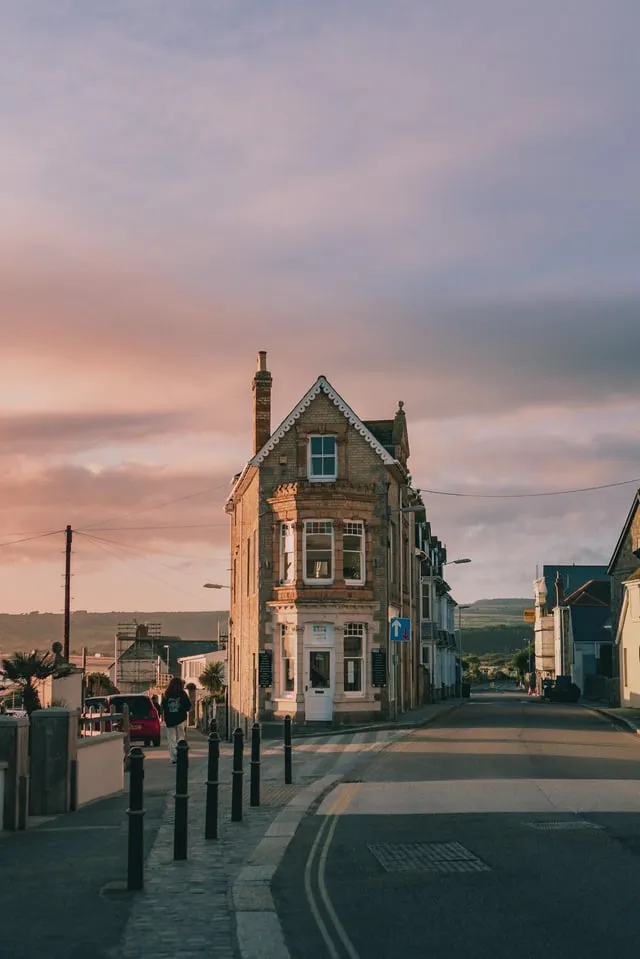
Marazion holds the title of Cornwall’s oldest town, and it’s genuinely one of the most unique places I’ve visited in England. The obvious highlight is St Michael’s Mount, a striking hilltop castle reachable on foot at low tide or by boat at high tide — plan your timing carefully.
Away from the castle, the quaint streets are lined with old cottages and former merchants’ houses, genuinely stepping back in time the moment you wander in. On a sunny day, Marazion Beach is perfect for searching out crabs and starfish among the rock pools, and if you’re lucky, you might spot seals, or even head out dolphin watching. Stay at the Marazion Hotel, which offers modern rooms with views toward the Mount.
Stanton, Cotswolds
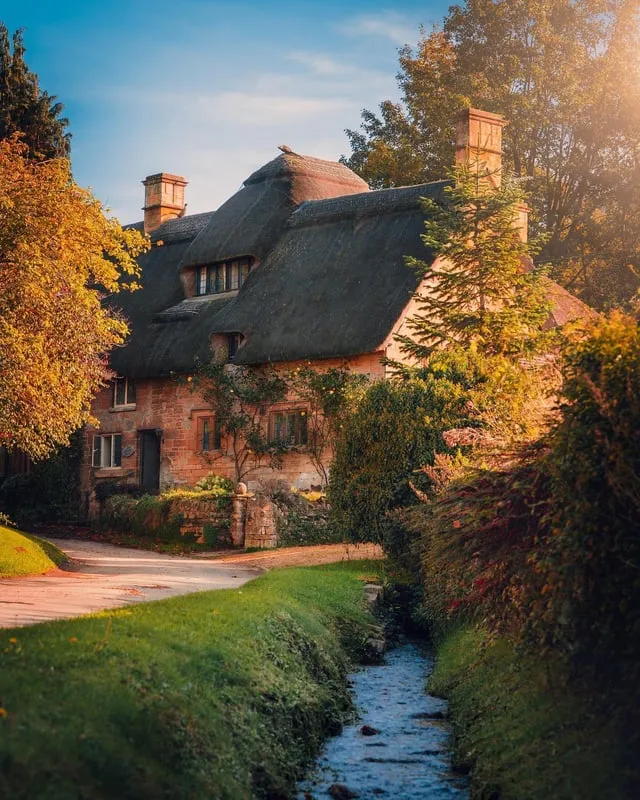
Stanton, set against the Cotswold Hills, is one of the quieter, more genuine stops on this list. Its honey-coloured limestone cottages and historic church haven’t changed in roughly 300 years, and that lack of change is exactly the point — it’s deliberately peaceful.
There are no shops and no restaurants here beyond a single pub at the end of the village, but honestly, that’s part of the charm. It’s perfect for a quiet stroll past the traditional cottages, taking in the amazing views across the surrounding countryside without a single tour group in sight.