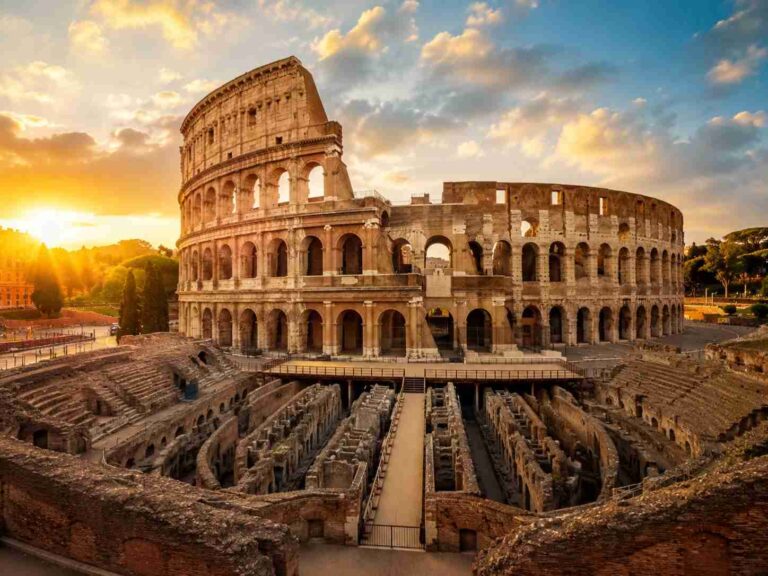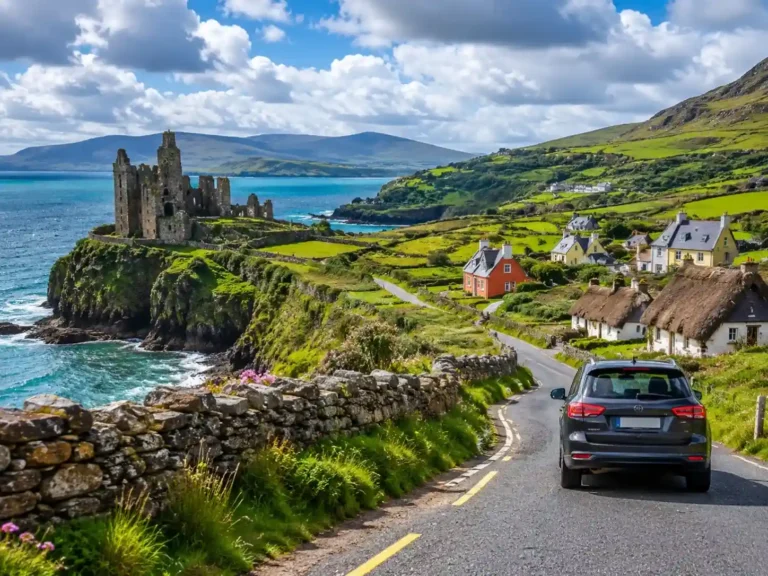
Coast of Italy Lifestyle: Dream Vacations, Amalfi Coast, Lake Como & Beautiful Places in Italy
Few places on earth stir the soul quite like the Italian coast — a land of incredible diversity where little villages balance on Mediterranean shore cliffs, and cobbled backstreets lead you into traditional trattorias that smell of slow-cooked Sunday sauce. Whether you’re chasing dazzling beaches, stumbling across hidden treasures, or simply surrendering to the Mediterranean lifestyle, Italy has a way of making every traveler feel like they’ve discovered their own private dream destination. My first encounter with this magical country convinced me — this isn’t just Italy travel, it’s a full emotional reckoning.
From the coastal cities of the south to the quiet seaside villages of the north, the coastal charm here is genuinely layered. You’ll find well-known gems shoulder-to-shoulder with historic towns that most European destinations guides completely overlook. Planning a family trip through southern Italy or sketching out a vacation planning checklist for the whole of Europe — either way, the scenic coastline rewards every type of beach lovers and cultural heritage seeker equally. This is coastal beauty with real depth, and travel inspiration here never runs dry.
The Amalfi Coast
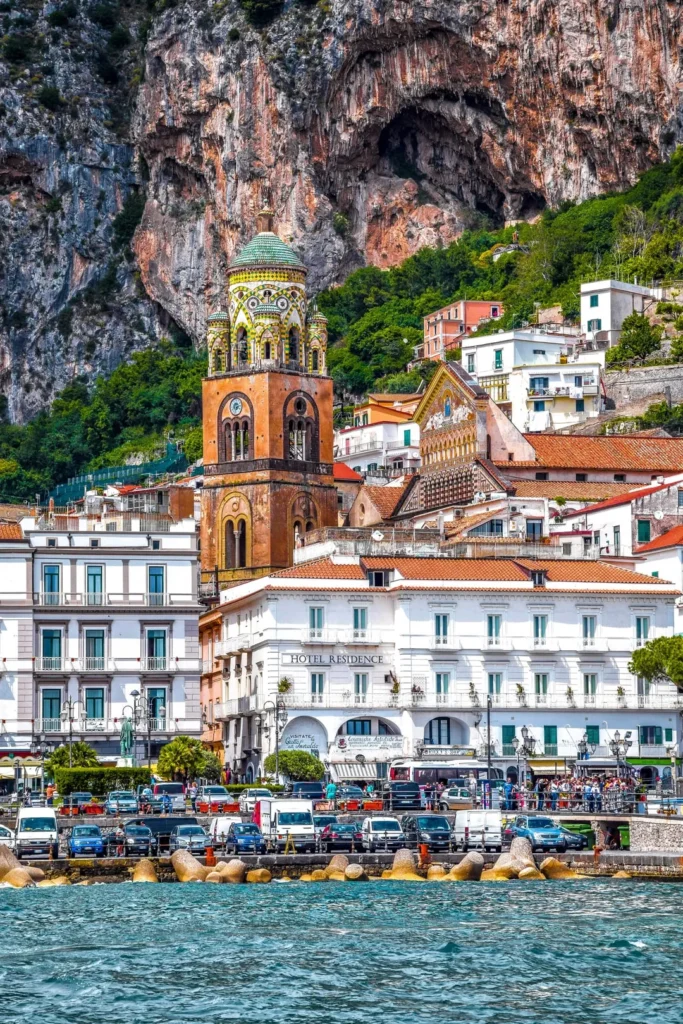
There’s a reason the Amalfi Coast hijacks every conversation about dream vacations — this 50 km coastline of Campania, Southern Italy, operates on a different frequency entirely. Staying in Praiano, midway between Amalfi and Positano, I rented a compact car in Salerno and immediately understood why these curvy roads with vertical rock faces on one side and sheer drop-offs on the other demand your full respect. The trick? Park at Hotel Le Fioriere, grab the city buses, and let the private buses do the terrifying work while you soak in the coastal views. From Maiori’s charming boardwalk lined with eateries and shops — including a mandatory stop for gelato beside a cliffside castle — to the long-exposure magic of Amalfi at night, every bend in this scenic drive reveals something new.
The next morning, Ravello and its Villa Cimbrone pulled us uphill, where the Infinity Terrace made even the most heights-averse traveler pause in wonder. The Oscar Niemeyer Auditorium nearby is a striking reminder that modern architecture and historic villas coexist comfortably here. Then came Furore — a pebble beach tucked invisibly beneath a bridge, the kind of waterfront dining and beach exploration secret that only rewards the truly curious. The rugged coastline between Minori and Furore seen from a rented boat — 80 euros, one hour — reframes everything; the cliffs look even more otherworldly from the water, and the Bay of Naples shimmers in a way no photograph fully captures.
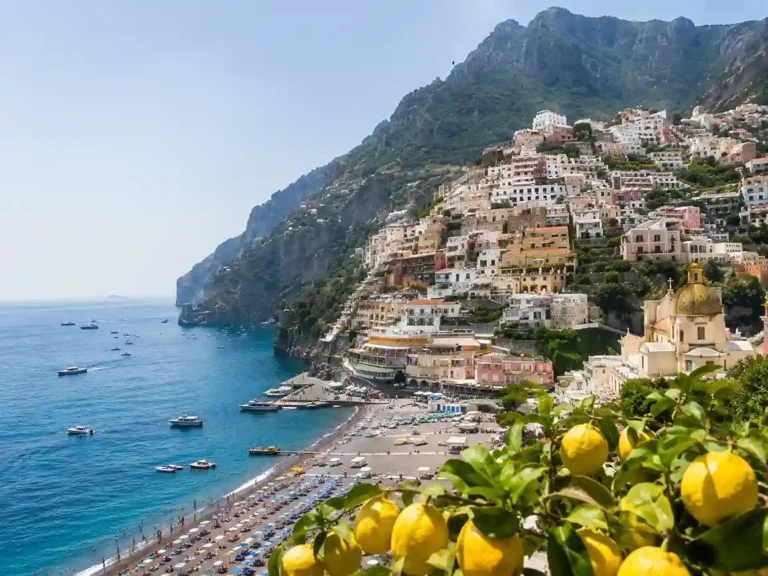
Positano is where the Amalfi Coast delivers its knockout punch. The cliffside lanes, labyrinthine streets, Italian food perfected in a cliffside restaurant over carbonara and a risotto that apparently rewrote someone’s food memories — all of this unfolds against an Insta-worthy sunset that shifts from gold to deep amber over the turquoise-hued Mediterranean. For the truly indulgent, the Hotel Club Due Torri offers a private hot tub balcony with Fiano di Avellino wine in hand — old-world charm meeting coastal glamour in the most unapologetic way. Pair your stay with a Fiat 500 road trip from Naples and a limoncello stop in Sorrento, and what you get is two weeks of southern Italy travel that feels nothing short of irresistibly glamorous.
Cinque Terre
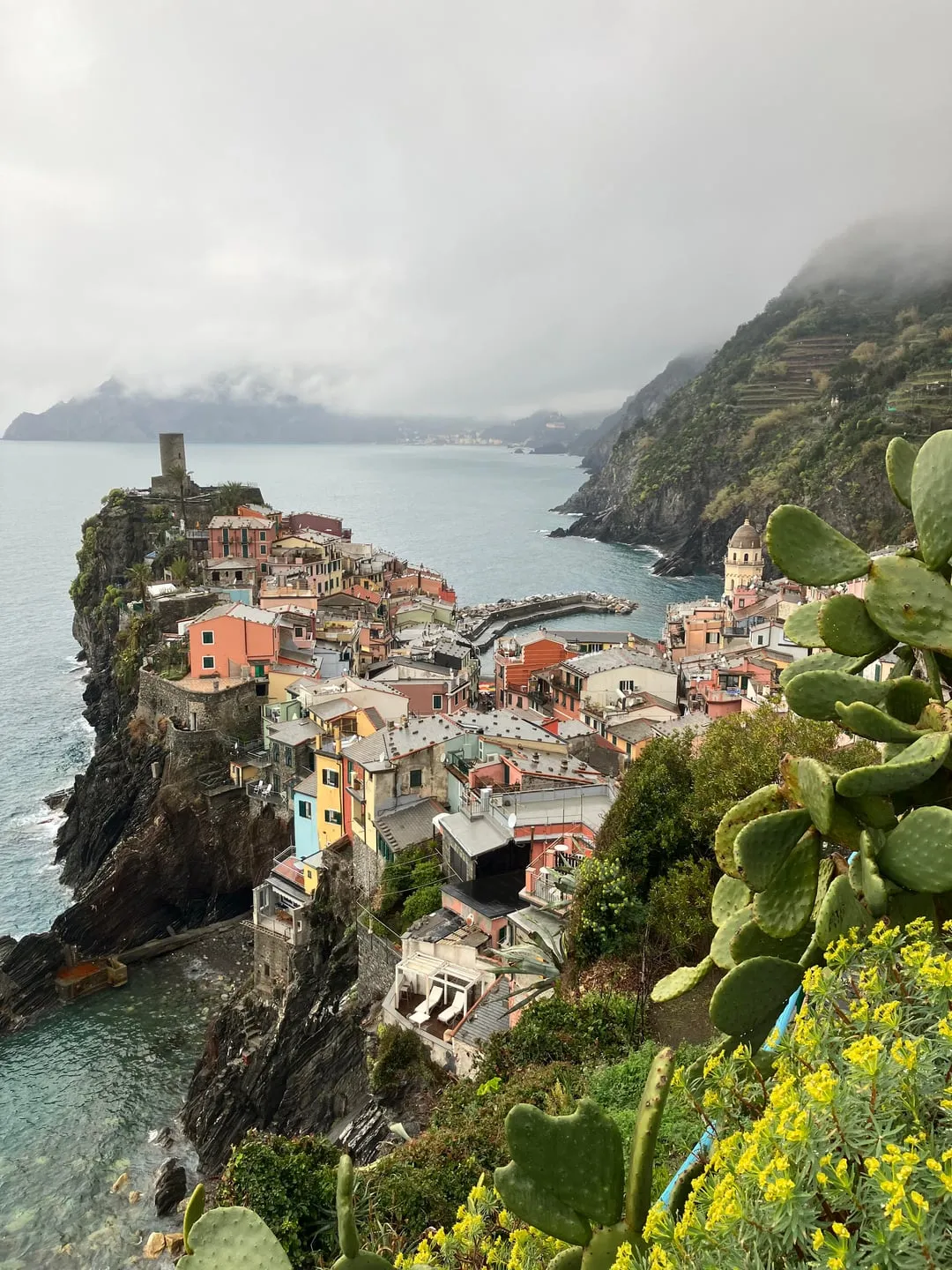
Hopping the train from Genoa toward La Spezia is one of those travel decisions you congratulate yourself for immediately — within an hour, the Ligurian coast unfolds into the Cinque Terre National Park, a 40 km² stretch of Northwest Italy where medieval villages cling to dramatic cliffs like they’re daring gravity. I started in Corniglia, perched theatrically on a rocky promontory above the sea, before weaving through terraced vineyards and along interconnected footpaths to reach the sandy beach at Monterosso al Mare. By the time a glass of Ligurian white wine appeared in postcard-perfect Vernazza at dusk, the cliff-hugging romance of this Italian Riviera stretch had completely won me over.
What makes Cinque Terre worth the peak season crowds — and worth avoiding cruise ships at La Spezia port by visiting early morning — is the texture of slow travel it naturally enforces. The colorful houses of Manarola glowing at sunset, the rooftop terrace espresso at Park Hotel Argento, the village hopping rhythm between cliffside villages that feel simultaneously frozen in time and vibrantly alive — this is seaside charm with a UNESCO heritage backbone. A solid travel tip: book accommodation early, travel light, and let the hiking trails dictate your pace rather than a fixed itinerary.
Lake Como
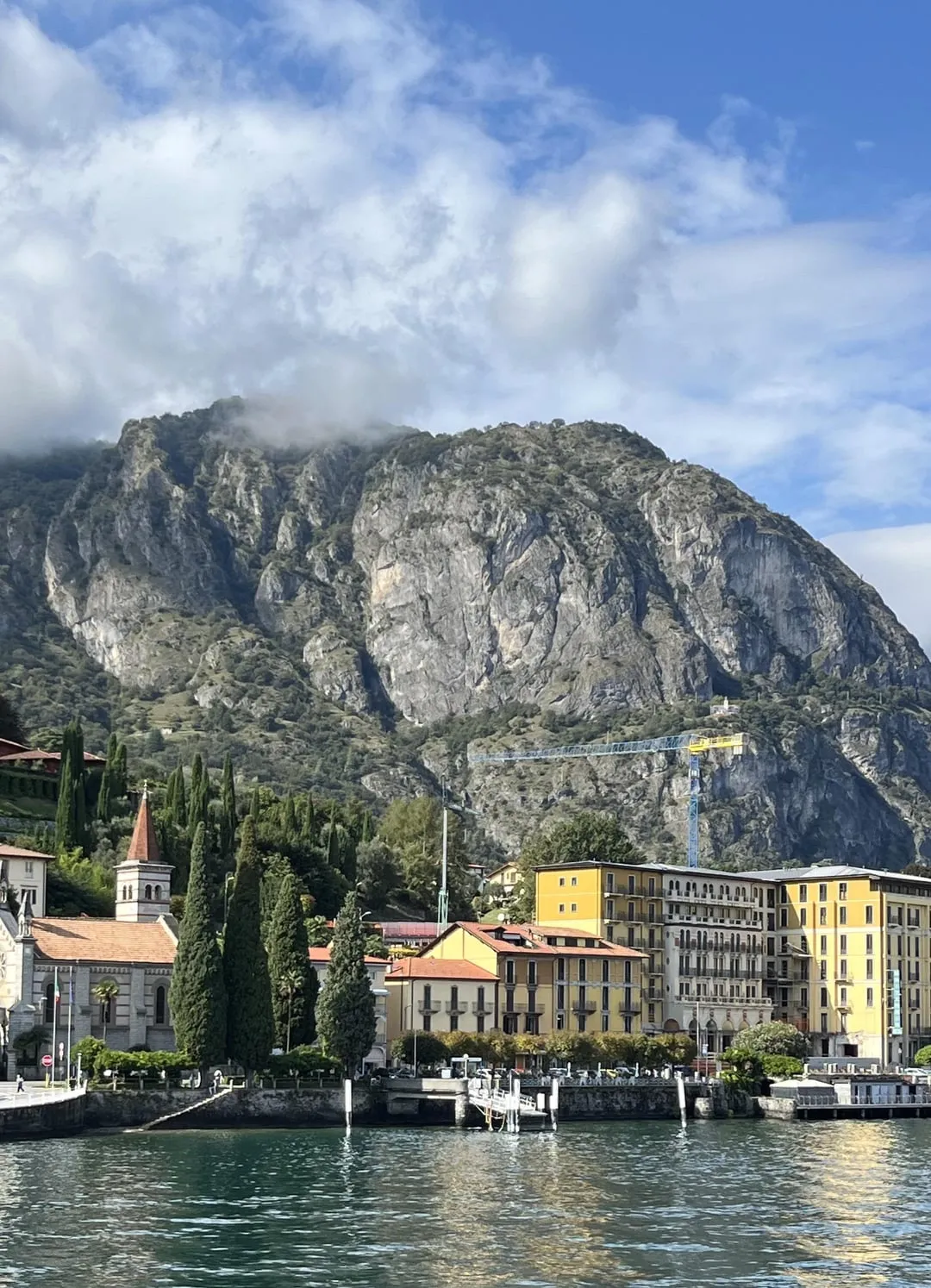
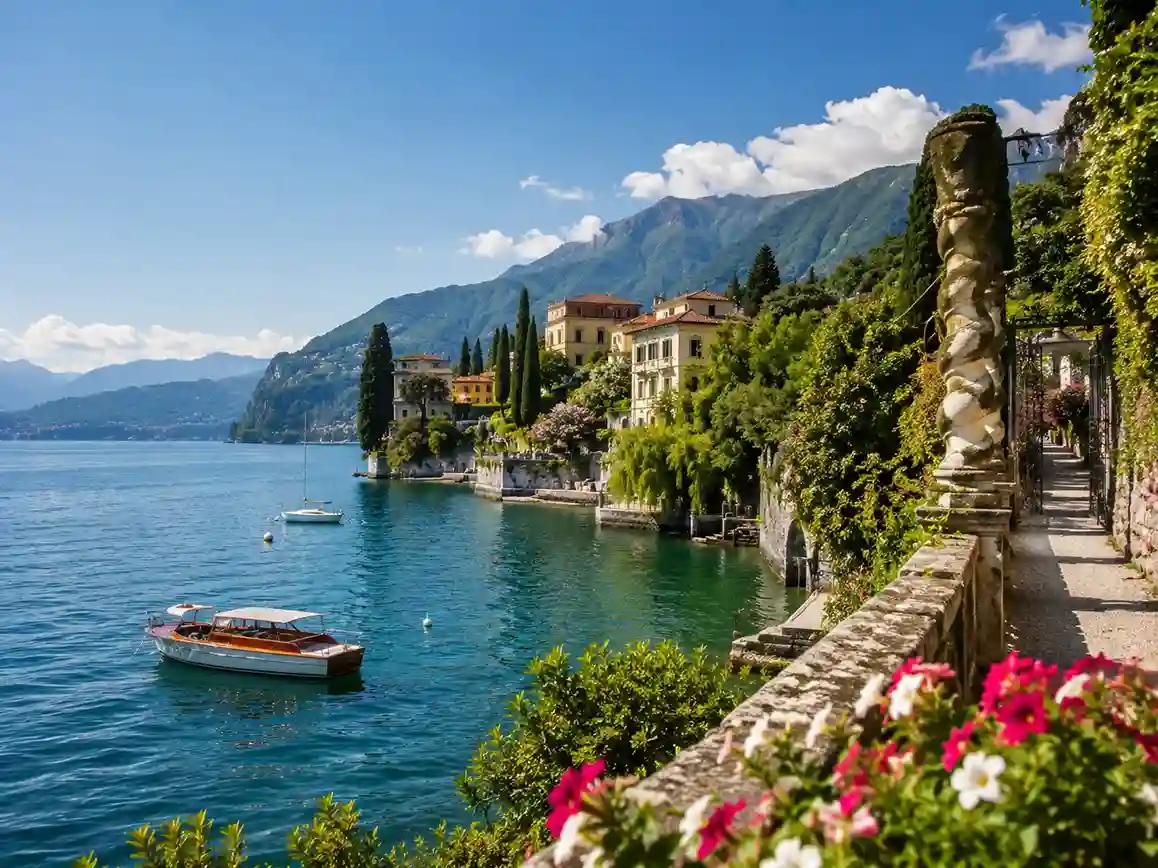
Lake Como doesn’t ease you in gently — from the moment you arrive, just a one-hour drive from Milan, the glacial lake and its emerald-green mountains make an immediate and slightly overwhelming case for staying five days longer than planned. The azure waters, the manicured gardens of the elegant villas, the storybook villages of Bellagio and Varenna reflected perfectly in the water at dusk — this is Lombardy, Northern Italy at its most dramatically glamorous. Spending afternoons on speedboat rides across 146 km² of shimmering water while the Alps loom behind is, frankly, unfair to every other travel experience.
The lakefront energy here is distinctly upscale and refined, yet there’s nothing cold about it — the boutique-lined streets of Bellagio pull you into ceramics shops, the Osteria il Governo serves tortelloni in a broth that demands silence at the table, and the Hotel Griso Collection’s rooftop perch with a Bellagio Spritz in hand delivers mountain views that make the Italian lakes feel like the world’s best kept open secret. For luxury travel with nature beauty and genuine Italian lifestyle woven in, Lake Como is the rare destination that meets every expectation and still manages to surprise.
The Tuscan Countryside
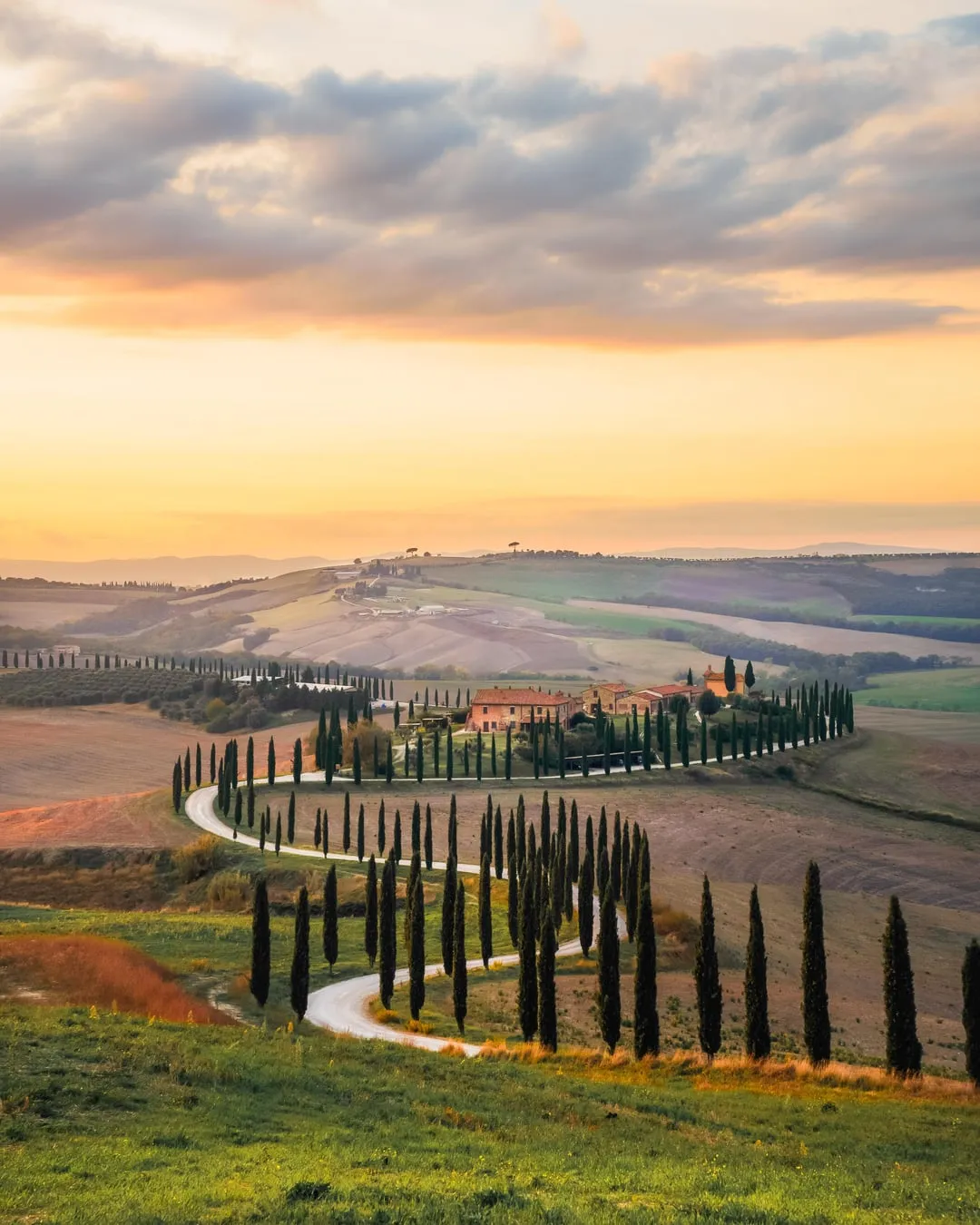
There’s an almost unreasonable beauty to the Tuscan countryside — rolling green hills threaded with cypress-lined lanes, sunflower fields catching the afternoon light, the occasional wild boar materializing in that peculiar honey-soft light that painters have been chasing for centuries. Driving an hour from Florence into Central Italy’s rural heart, past Montepulciano and into the Val d’Orcia, felt less like a road trip and more like stepping inside a Renaissance painting. A week at a countryside villa with chestnut-wood shutters and an infinity pool overlooking Tuscany’s 23,000 km² of rolling landscape completely dismantled my sense of urgency.
The slow travel rhythm here is non-negotiable in the best way — mornings soaking in the Saturnia thermal baths, afternoons with pici pasta and Chianti at rustic agriturismos, evenings wandering hilltop town San Gimignano as the light turns the stone walls amber. A car is genuinely essential; the scenic roads between hilltop villages reward spontaneous detours, and the food culture, Italian wine, and outdoor exploration opportunities hiding down unmarked lanes are the real cultural heritage of Tuscan vibes. This is timelessly romantic Italy travel — rural charm without performance, idyllic scenery without effort.
Camogli, Liguria
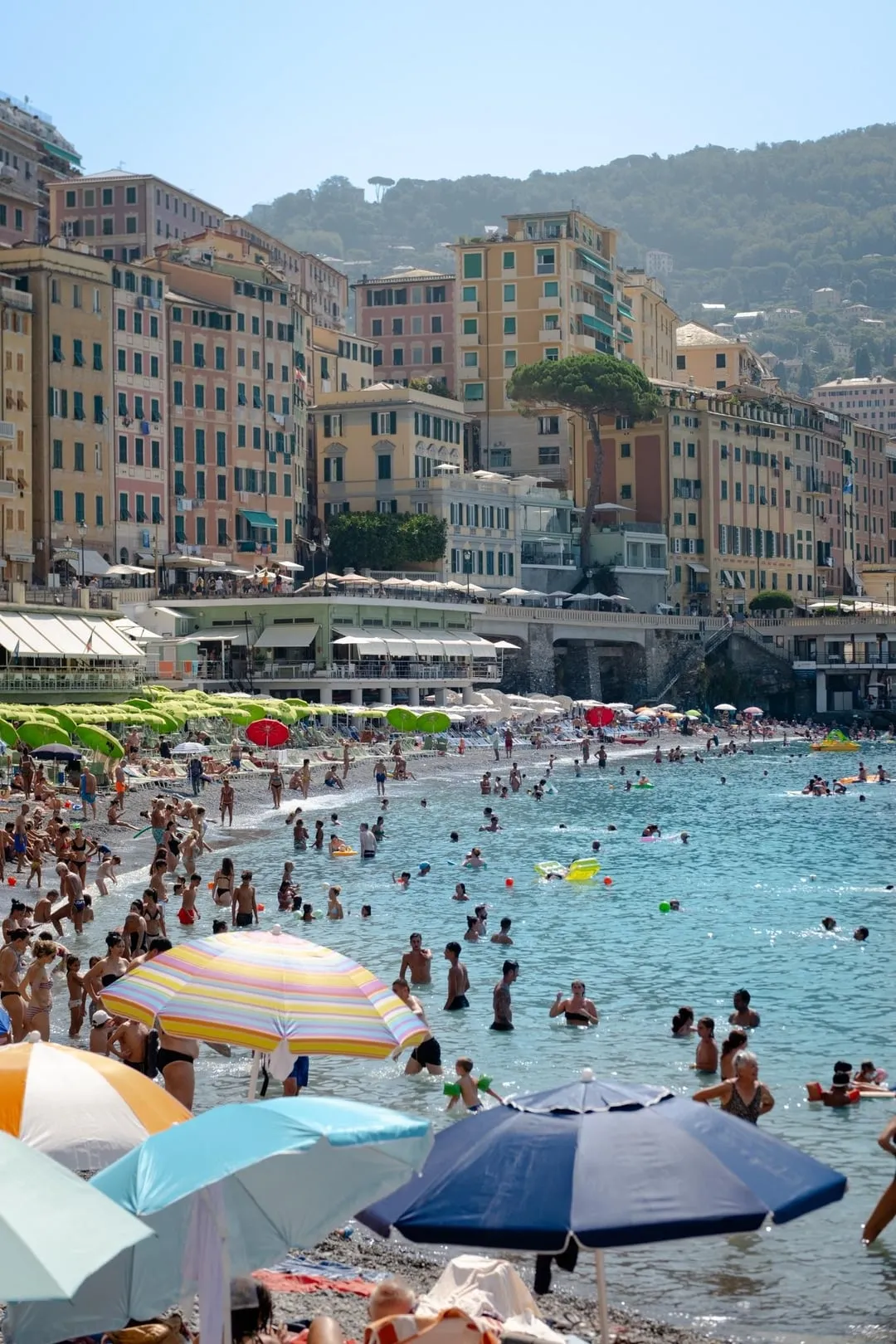
Most Italy itineraries completely miss Camogli, and that is precisely what makes it so worth seeking out. A 30-minute train from Genoa delivers you into a Northwest Italy fishing village of just 5,000 people, where candy-coloured houses tumble toward the sea, the seafront promenade catches the full force of the afternoon light, and the Basilica of Santa Maria Assunta rises above it all with the quiet authority of a town that has never needed to impress anyone. Three days at Sublimis Boutique Hotel confirmed that Italian Riviera charm doesn’t require a famous name to be completely genuine.
Camogli Beach, the sea breeze, and a table at Ostaia da ö Sigu for flaky Torta di Verdura and silky Pansotti con Salsa di Noci — this is waterfront dining stripped of pretension and filled with local cuisine confidence. The dramatic cliffs framing the bay, the sparkling blue waters, the fishing-village soul that hasn’t been smoothed away by tourism — for travelers exhausted by off-the-beaten-path Italy becoming a cliché, Camogli is the real thing. This is a peaceful escape and a hidden gem that earns the description without trying.
Lake Garda
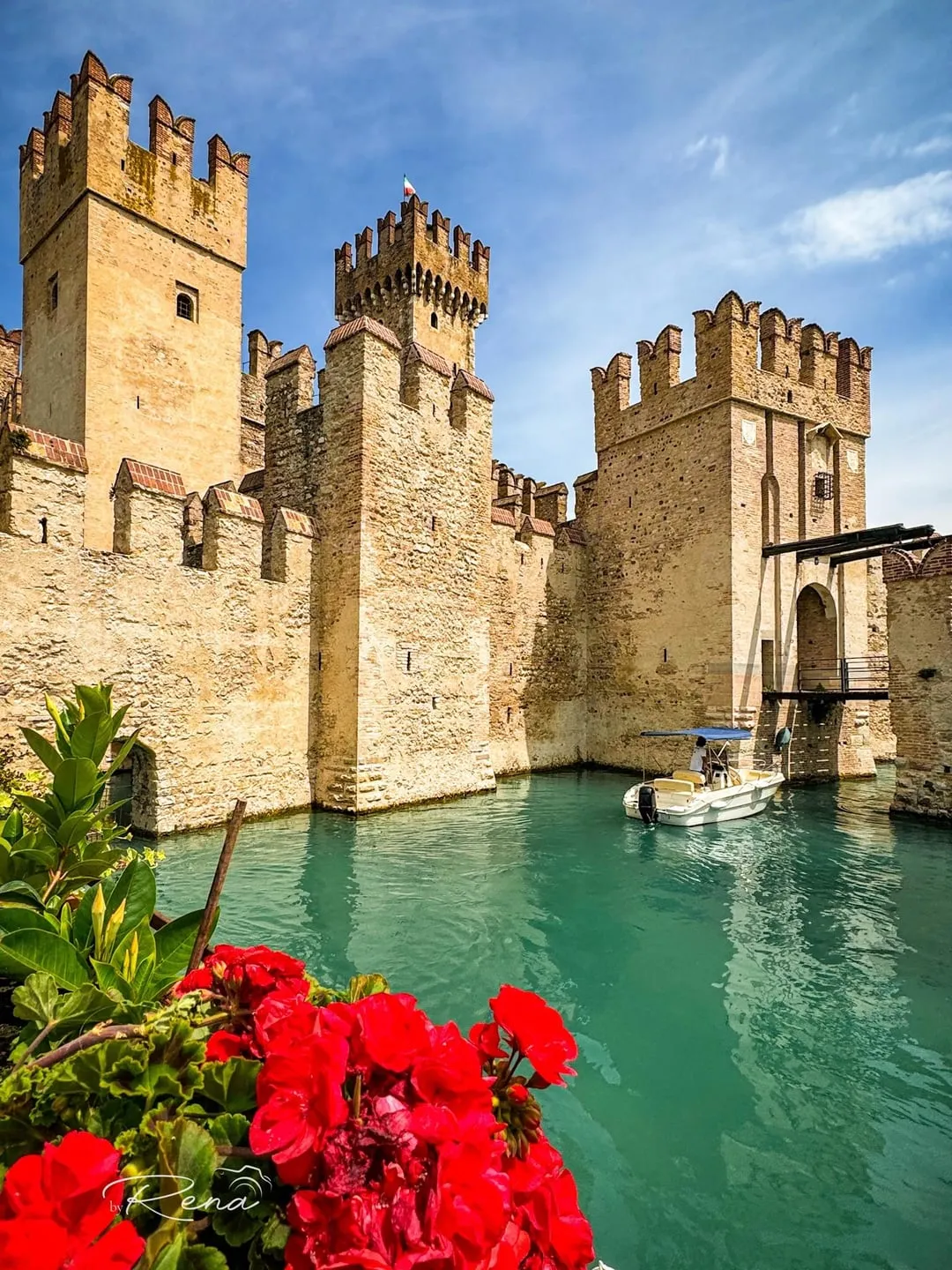
Lake Garda operates at a scale that takes a beat to fully absorb — 370 km² of shimmering water spanning Lombardy, Veneto, and Trentino-Alto Adige, rimmed by the Alps, olive groves, vineyards, ancient castles, and pastel lakeside towns with cobblestone streets and flower-filled balconies that look engineered for photography. The 45-minute drive from Verona airport brings you into a world of fairytale light — particularly at Sirmione, where the Scaliger Castle (or Castello Scaligero) rises from the water with a theatrical confidence that somehow never tips into kitsch. The thermal baths here, the early evening light bouncing off the water, the freshly baked cornetti on the decking of Hotel Monte Baldo e Villa Acquarone — this is Northern Italy at its most quietly magnificent.
The real pleasure of Lake Garda is the boat cruises that link Riva del Garda, Garda, and Malcesine — each waterfront town distinctly different in character, all sharing that serene, wave-lapped quality that makes this such a natural family travel and romantic escape destination simultaneously. It’s dreamy, tranquil, mesmerising, and genuinely photogenic in a way that rewards both the Instagram-focused traveler and the one who just wants to sit quietly with the Alpine scenery and think about nothing in particular.
Calabria
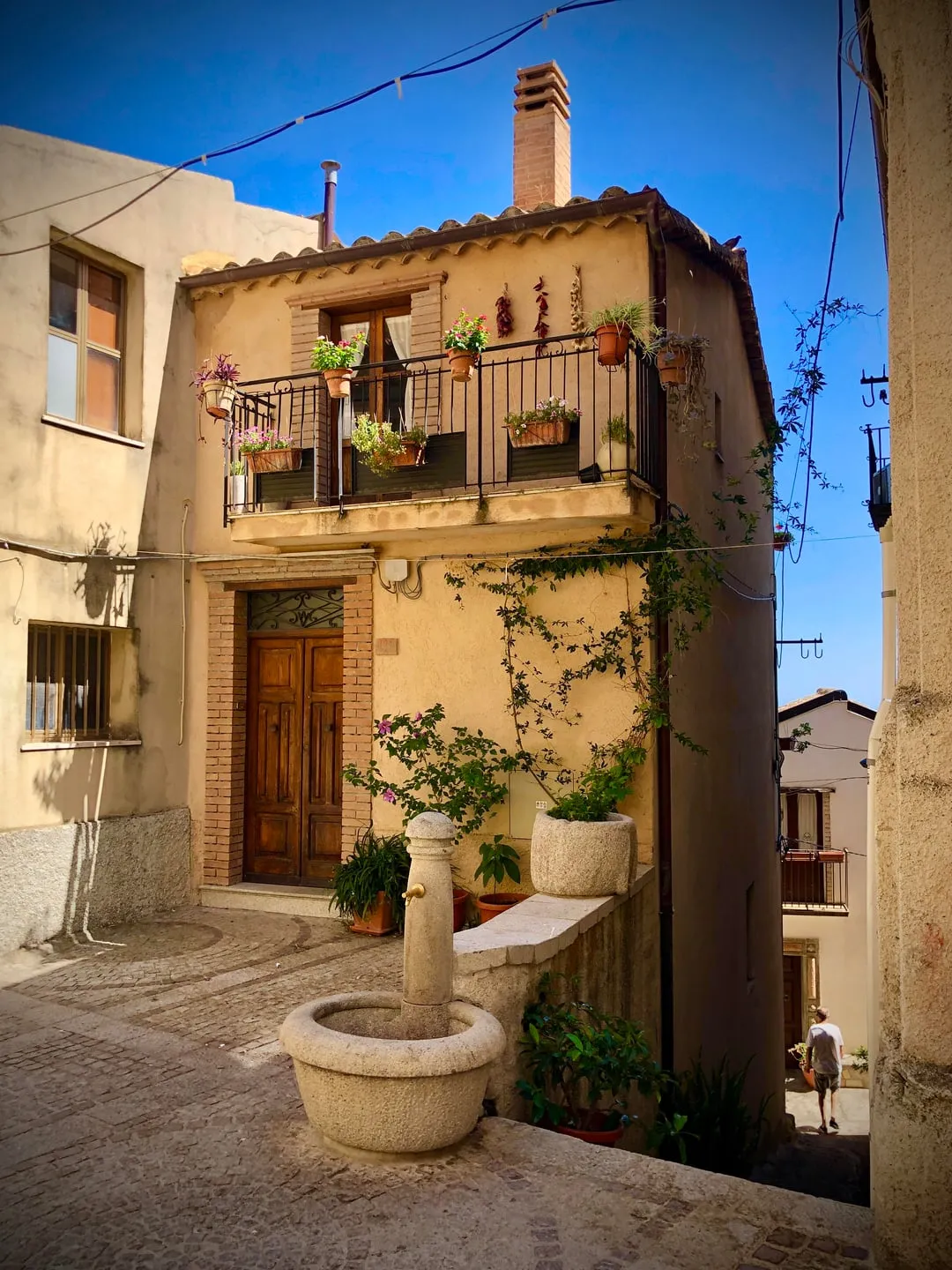
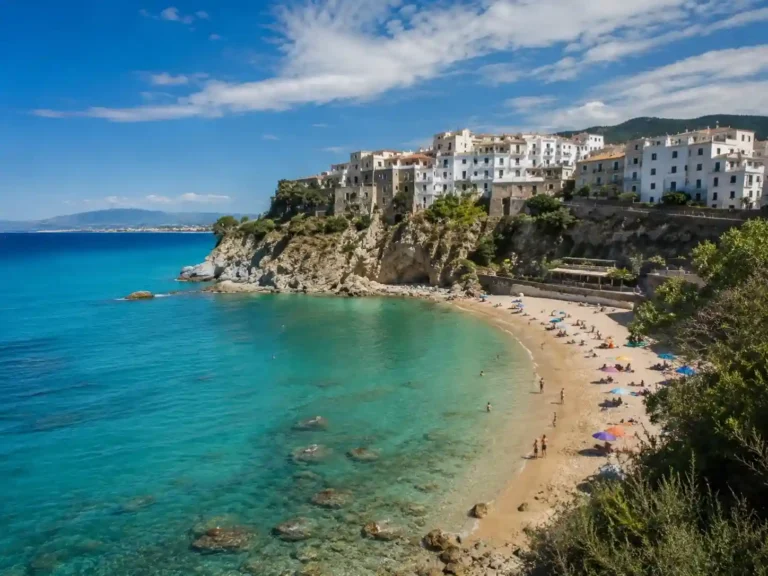
Calabria — the toe of the boot of Southern Italy — is the kind of place that makes experienced travelers feel slightly embarrassed they waited so long. At 15,080 km², this wild, sun-soaked region delivers turquoise seas, white-sand beaches, jagged cliffs, Byzantine churches, stone houses, and ancient castles in an atmosphere so peaceful and untouched that the word untouristed barely covers it. Flying into Lamezia Terme International Airport and heading straight to Tropea — where the beaches are genuinely among Southern Italy’s finest — before the Bronzi di Riace statues in Reggio Calabria and the island fortress of Le Castella, maps out a week that contradicts every assumption about what Italian coast travel looks like.
The old-Italy vibe here is not curated for visitors — it’s simply what remains when mass tourism hasn’t arrived yet. The Capovaticano Resort Thalasso Spa makes an excellent base for genuine coastal beauty immersion, while the local cuisine — Melanzane Ripiene, sweet Cipolla Rossa di Tropea, fragrant Peperonata — reflects a cultural heritage and Italian food tradition entirely its own. For travel inspiration that leans toward nature beauty, historic sites, and Mediterranean lifestyle without the crowds, Calabria is wildly beautiful and long overdue its moment.
Puglia
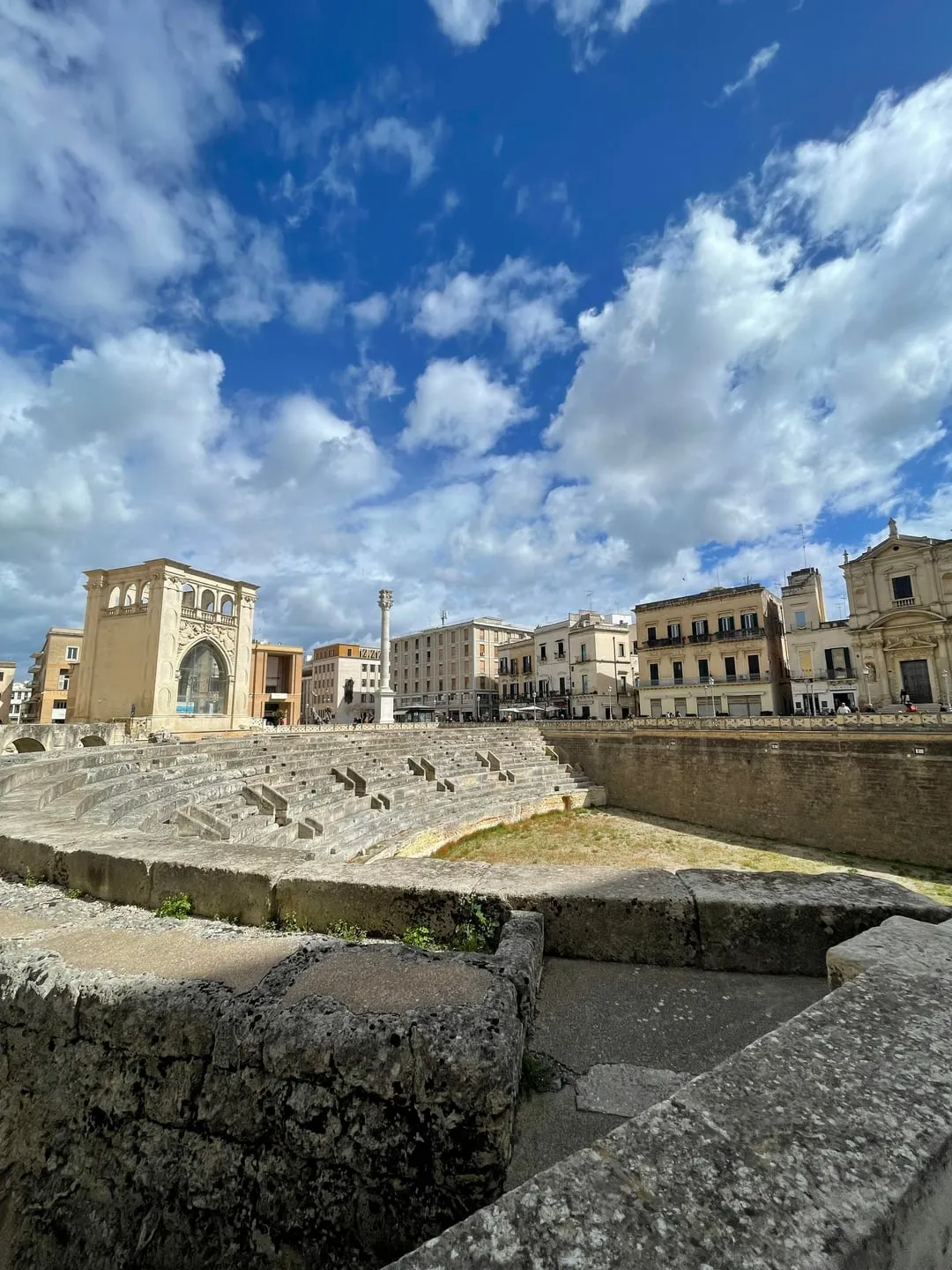
Puglia — the heel of the boot, Southern Italy at its most slow-burning — rewards the traveler who resists rushing. The 19,540 km² region unfolds across white hill towns, ancient olive groves, and a turquoise-lapped coastline that manages to feel simultaneously remote, untouched, and quietly elegant in a way few Italian regions achieve. Flying into Brindisi and spending ten days between the dreamy beaches of Pescoluse and Torre Lapillo, the trulli of Alberobello (a genuine UNESCO treasure), and the Baroque architecture of Lecce — rightfully called the Florence of the South — is a masterclass in beautifully slow-paced Italy travel.
The Salento Coast and Gargano Peninsula deliver beautiful beaches that rival anything further north, while a stay at Masseria Torrepietra — where rosemary, citrus, and olive trees scent the air around a private hot tub — reframes what Italian lifestyle can mean when stripped of its postcard version. Rustic charm, food culture, outdoor exploration, and scenic drives through olive-grove-lined back roads fill every gap between beach days. As a hidden gem Italy destination that’s starting to surface on more radars, Puglia is best experienced with the authentic Italy mindset: unhurried, curious, and always hungry.
Portofino
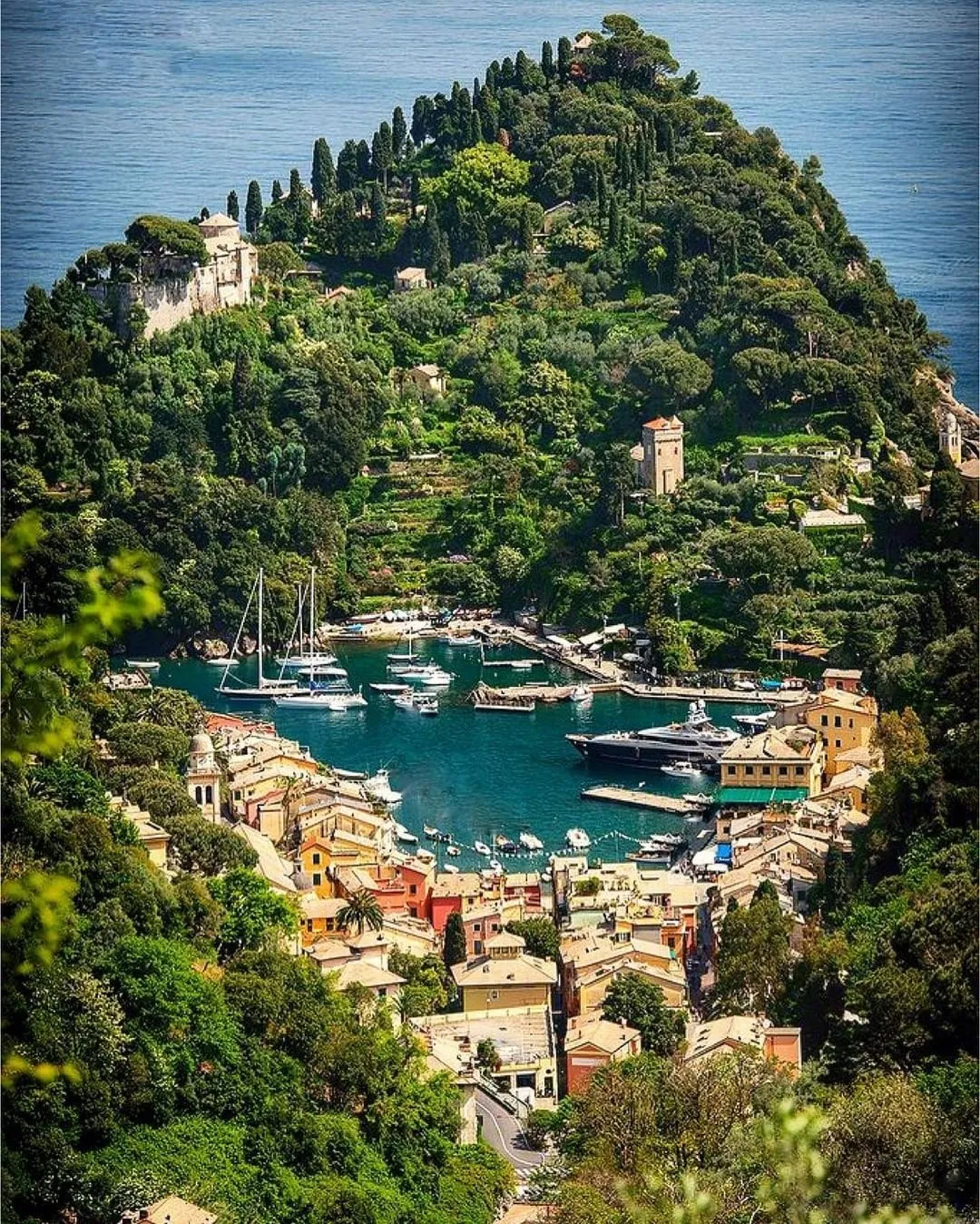
Portofino is almost absurdly good-looking — a Northwest Italy harbor village of barely 400 people where pastel façades frame a jewel-like harbour, verdant hills rise sharply behind, and the ghost of its 1950s celebrity heyday still very much shapes the atmosphere. The journey itself is worth it: train to Santa Margherita Ligure, then a short ferry hop to arrive by sea, which is the only truly appropriate introduction. A long weekend at Hotel Piccolo Portofino, afternoons on Paraggi Beach, evenings over Trofie al Pesto Genovese with candlelit dinners as yachts drift across the harbour views — this is coastal luxury and Italian Riviera glamour operating at full intensity.
What prevents Portofino from feeling sterile is the texture underneath the polish — the chic boutiques give way to hidden alleys where artisans still hand-craft espadrilles, where hand-painted ceramics and sea-scented perfumes fill tiny storefronts. The pine-scented trails of Portofino Regional Park offer a scenic harbor perspective from above that recalibrates the whole picture. This is upscale travel with genuine seaside charm, a luxury destination that remains, against all odds, a hidden gem worth protecting.
Capri
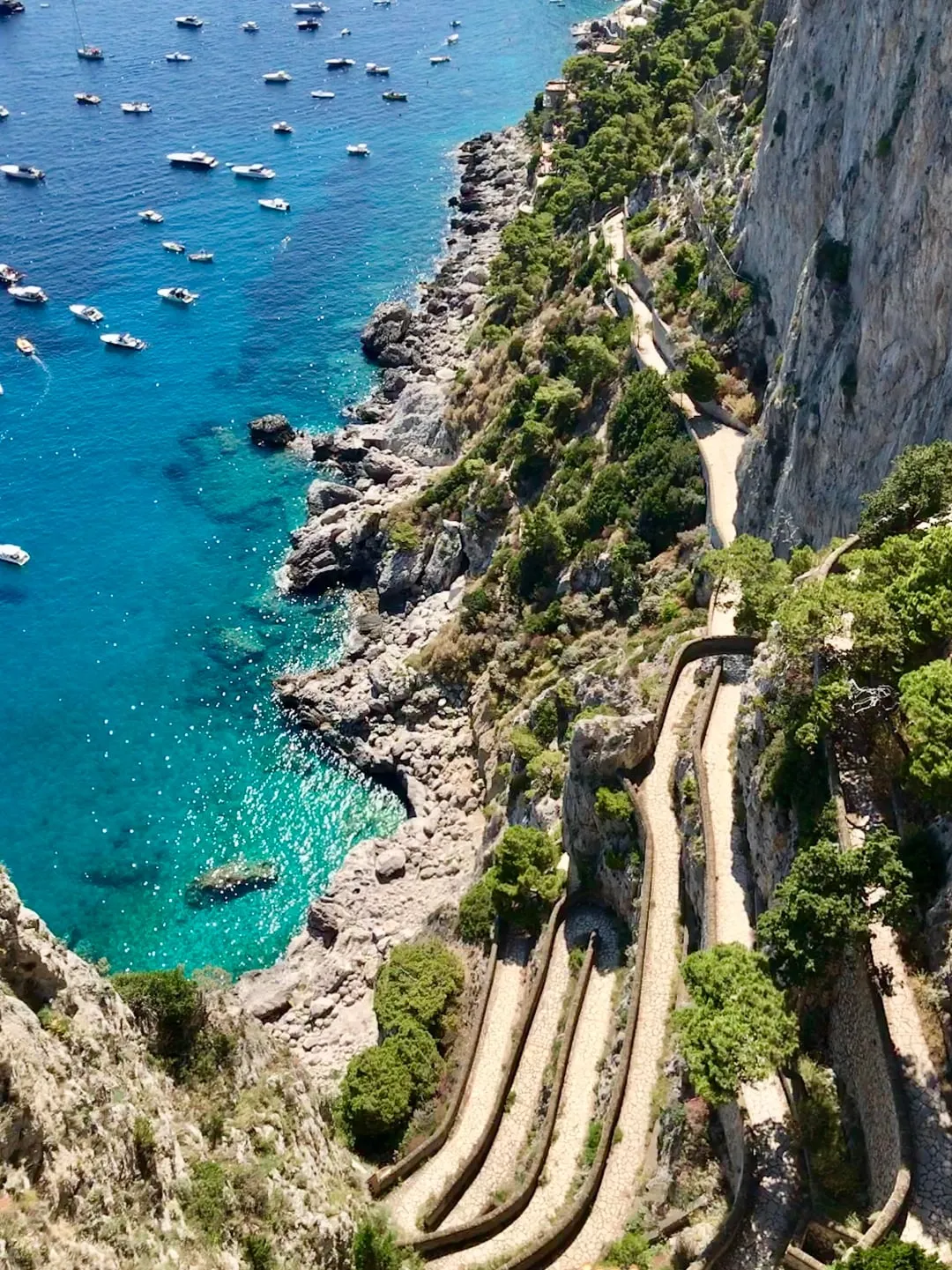
Capri — a 10.4 km² island in the Bay of Naples, Southern Italy — has been glamorous so long it’s stopped trying to prove it. The rugged cliffs, leafy landscapes, secret coves, and yacht-lined coves create a backdrop that pairs naturally with polished boutiques, classic Italian charm, and a laid-back sophistication that other Italian island destinations sometimes attempt but rarely match. Taking the Sorrento ferry over and heading straight for the open-air chairlift to Monte Solaro — drifting above lemon groves and pastel villas with citrus air filling the lungs and views stretching toward the Calabria mountains — is one of those travel moments that requires no filter and no caption.
The Blue Grotto, the Gardens of Augustus, the trails of Monte Solaro — the scenic trails and historic sites of Capri fill two days without effort. Staying at Sina Flora and experiencing the island escape from a romantic atmosphere base makes the whole thing feel like a luxury travel editorial shoot that you’re somehow living. The coastal charm, scenic beauty, and Mediterranean lifestyle here are delivered without apology — sun-drenched, effortlessly chic, and completely worthy of the reputation.
Bologna
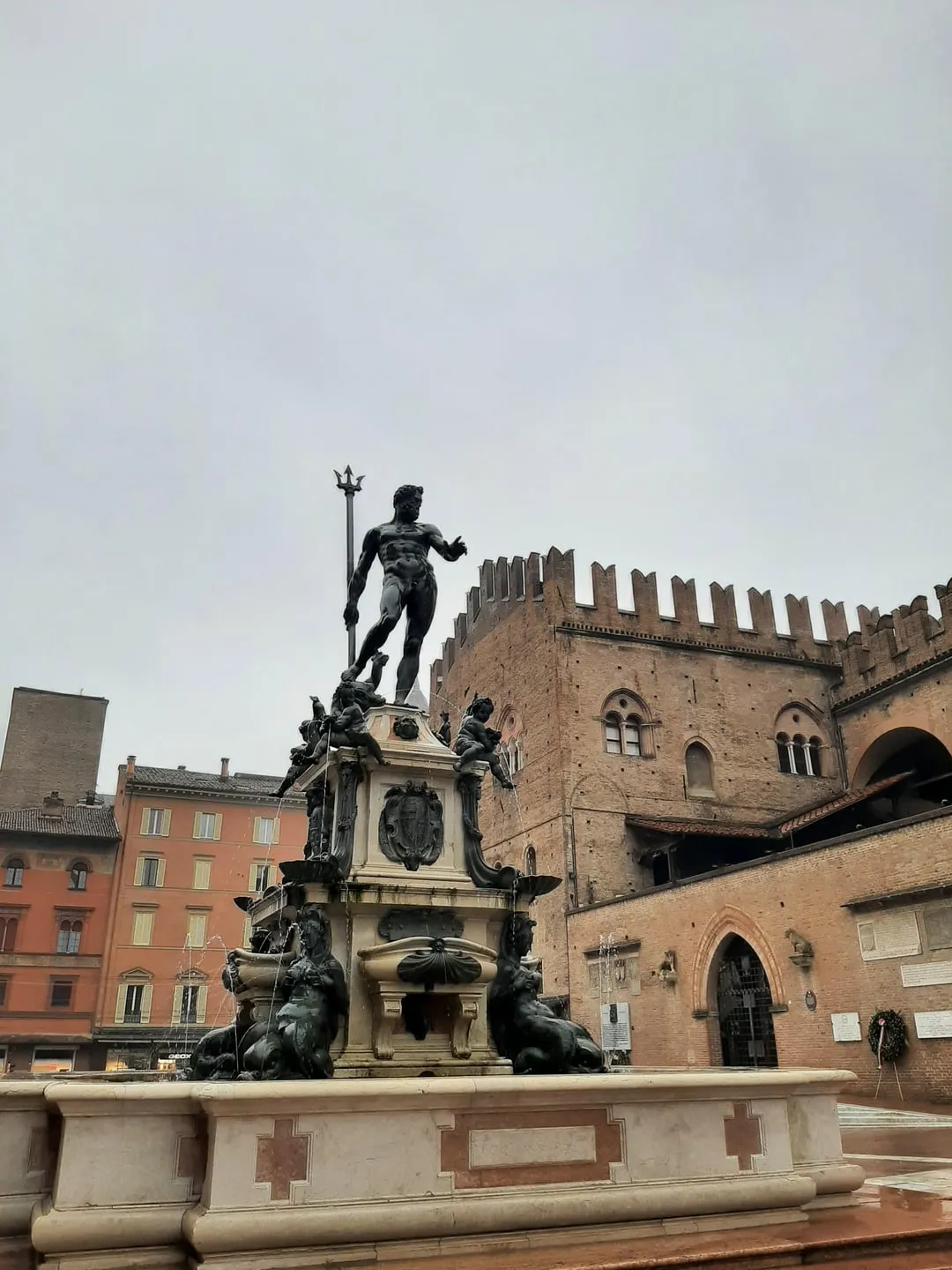
Bologna catches most visitors off guard — they arrive expecting a stopover and leave rearranging their entire Italy travel priorities. The city of 390,000 in Emilia-Romagna, Northern Italy, operates as a gastronomic heavyweight wrapped in terracotta beauty, its historic towers, elegant squares, and medieval porticoes sheltering one of Europe’s oldest university city cultures beneath. Arriving at Bologna Centrale and heading immediately into the atmospheric backstreets toward Piazza Maggiore — that buzzy historic architecture main square — sets the tone for a food-obsessed, effortlessly lived-in city break that rewards wandering above everything else.
The I Portici Hotel Bologna, set inside a grand 19th-century palace, makes an extraordinary base for culinary tourism — tagliatelle al ragù, gnocco fritto, and ricotta pastries from Forno Brisa are non-negotiable early stops. The Ghetto Ebraico neighborhood, with its Senza Nome bar and the retro finds at Frida Vintage, adds genuine urban exploration depth to what might otherwise be a purely food lovers’ itinerary. Climbing the Asinelli Tower for scenic squares views at dusk seals it — Bologna is cultural heritage and Italian cuisine in their most lived-in, unselfconscious form.
The Dolomites
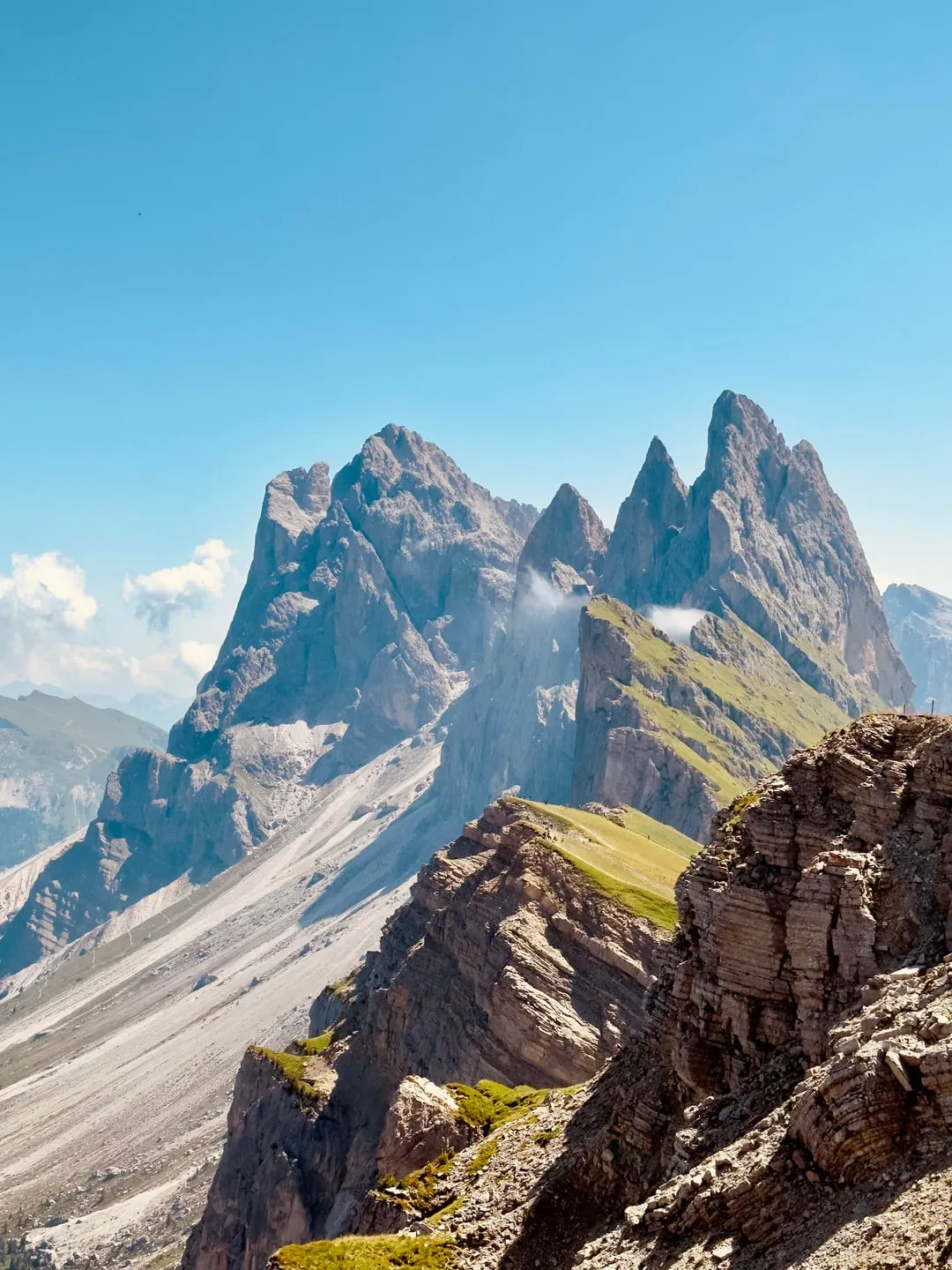
The Dolomites look like somewhere a fantasy novelist invented and a geologist reluctantly confirmed as real — 15,900 km² of Northern Italy spanning South Tyrol, Trentino, and Belluno, where jagged peaks break above sweeping valleys, colorful meadows, and quaint villages that balance alpine tradition with genuinely jaw-droppingly dramatic contemporary mountain glamour. The 2.5-hour drive from Verona is itself a scenic escalation, and arriving at Hotel Ideal Park in the heart of it all makes the fantasy landscape feel approachable rather than overwhelming.
The week unfolds in layers — the Tre Cime di Lavaredo loop at dawn, cycling the Sella Ronda circuit through morning mist, sitting at the turquoise shores of Lago di Braies as birdsong replaces all other sound, and catching the mirror-like reflection at Lago di Carezza with the Latemar mountains behind — each a perfect photography spot. Ladin cuisine anchors the evenings: Cajinci t’ega at a mountain hut surrounded by pine trees is the kind of experience that earns the UNESCO heritage designation emotional weight. For summer hiking, outdoor adventure, winter destination appeal, and nature exploration across scenic landscapes that feel genuinely untouched, the Dolomites deliver on every level.
Florence
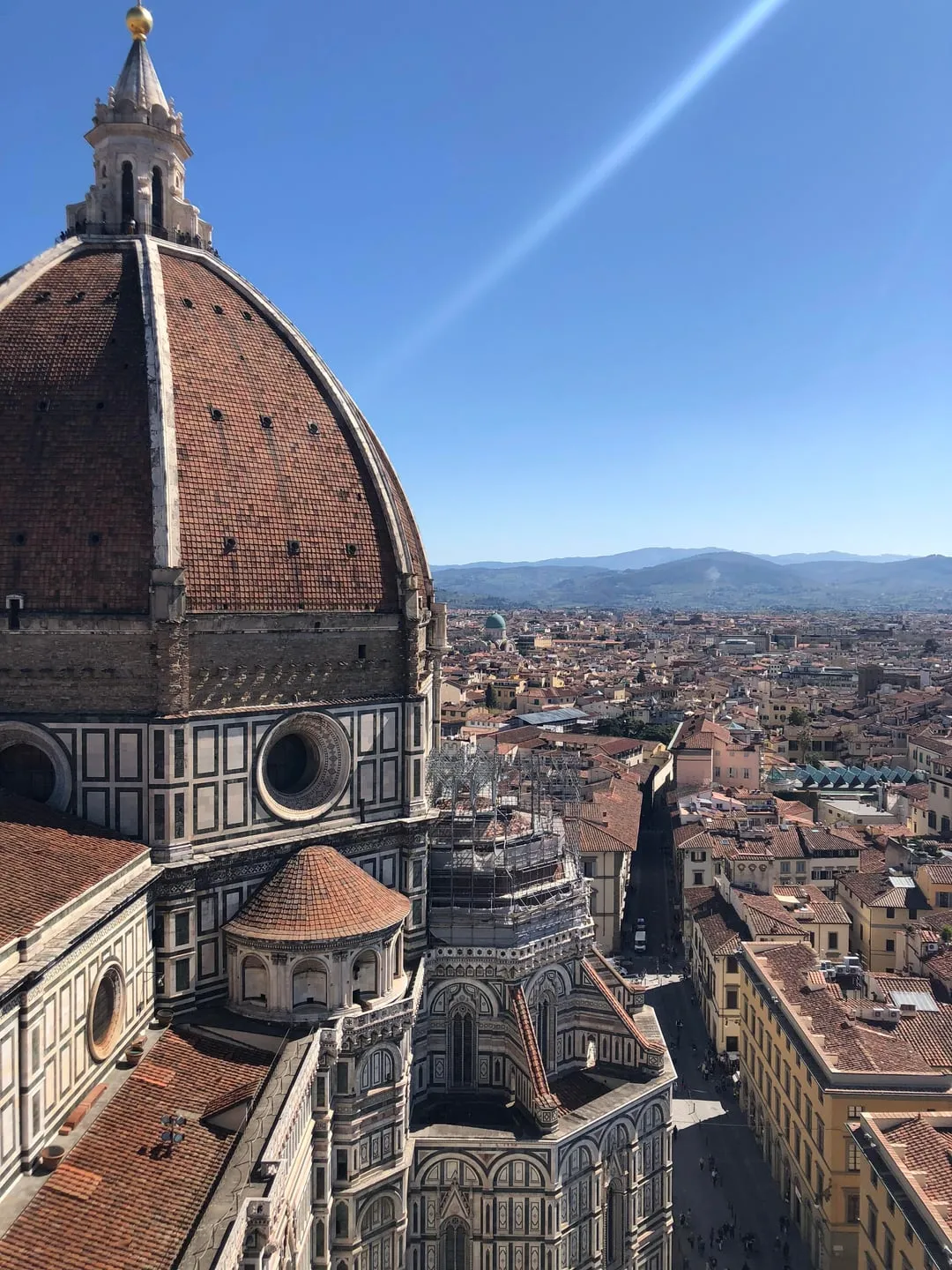
Florence earns its reputation the hard way — by being genuinely, almost aggressively extraordinary. The Tuscany capital, a Central Italy city of 380,000, packs Michelangelo, Leonardo da Vinci, and Dante into a walkable, Arno-bisected space where grand domes, elegant piazzas, and world-class art compete for attention at every turn. Arriving at Firenze Santa Maria Novella and walking straight into the orbit of Brunelleschi’s Dome for the first time is a specific kind of shock — the Renaissance legend is simply better in person than any photograph or art history lecture prepares you for.
Three days spent between the Uffizi Gallery, David, Pitti Palace, and Boboli Gardens barely scratches the surface of this art-soaked, Renaissance-rich city, but the 25hours Hotel Florence with its Inferno-themed room and La Dolce Vita cinema reminds you that Florence is also bracingly alive. A Negroni at Piazza della Signoria as the evening crowds gather — iconic landmarks softening in the dusk light — is the effortlessly beautiful, romantic city moment that makes cultural heritage, museum tours, Italian art, and genuine culinary experience feel like a single continuous joy.
Sicily
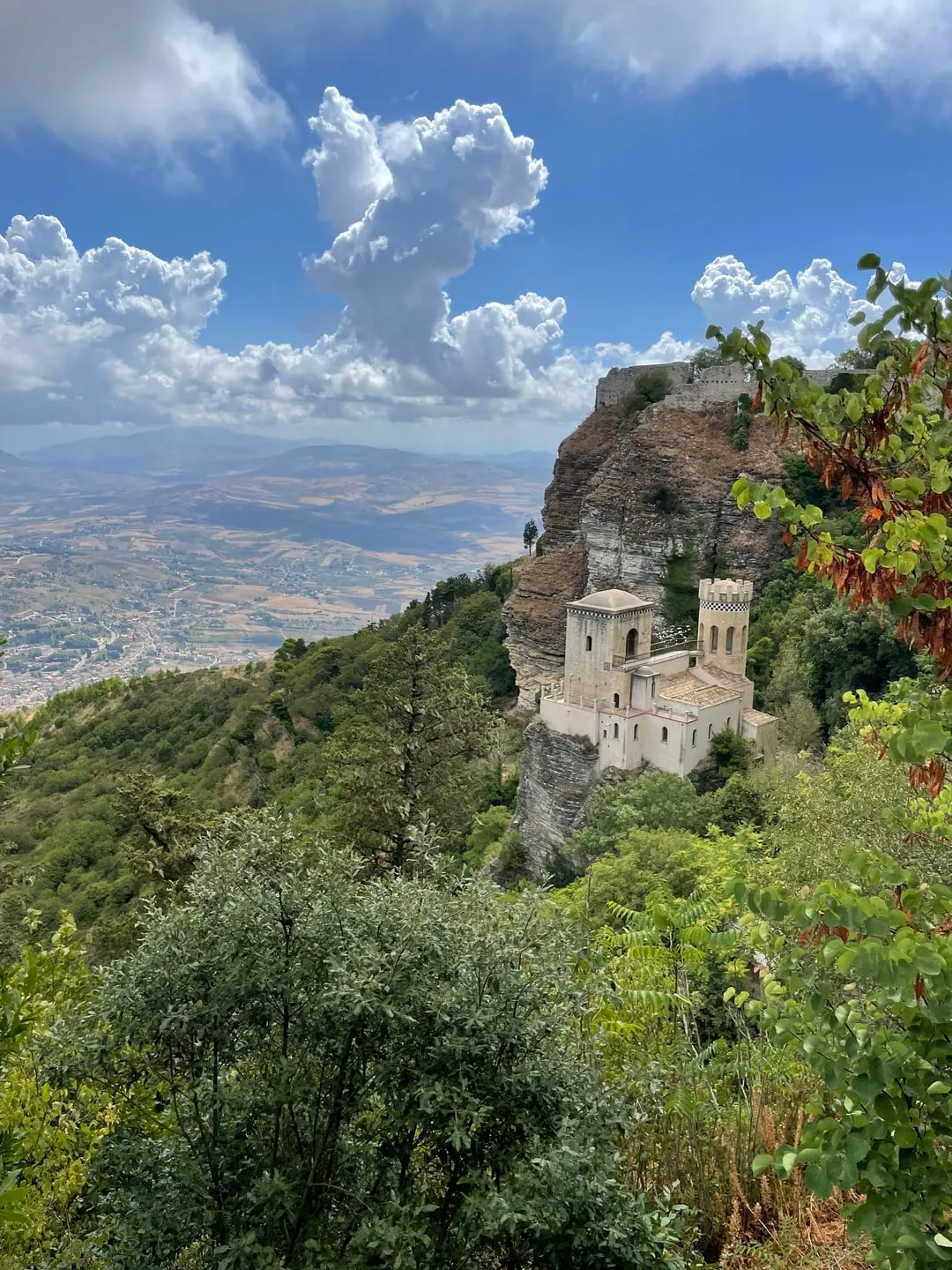
Sicily operates by its own rules — a 25,700 km² island south of mainland Italy where Mount Etna’s presence shapes everything from the volcanic landscape to the fertile vineyards to the character of the people who live alongside it. The sun-baked, history-soaked island absorbs Baroque cities like Palermo, Greek ruins at Selinunte and the Valley of the Temples, and sun-washed beaches at San Vito Lo Capo into a single identity that feels completely distinct from anything on the mainland. Two weeks based at Pietra d’Acqua Resort in the western hills provided enough time to feel the island’s rustic soul rather than just sample it.
Cefalù — a small fishing town where colorful boats bob in clear water and cannoli and arancini arrive fresh from the morning market — distills Sicilian lifestyle into a single afternoon. The turquoise waters, the historic traditions, the soulful music drifting from trattorias, the unforgettable food that draws on Arab, Norman, and Greek influences simultaneously — this authentic Italy is irresistibly dramatic, a cultural heritage and beach destination and island travel experience in one. The Mediterranean lifestyle here has a rougher, more deeply rooted quality that makes it all the more compelling.
Venice
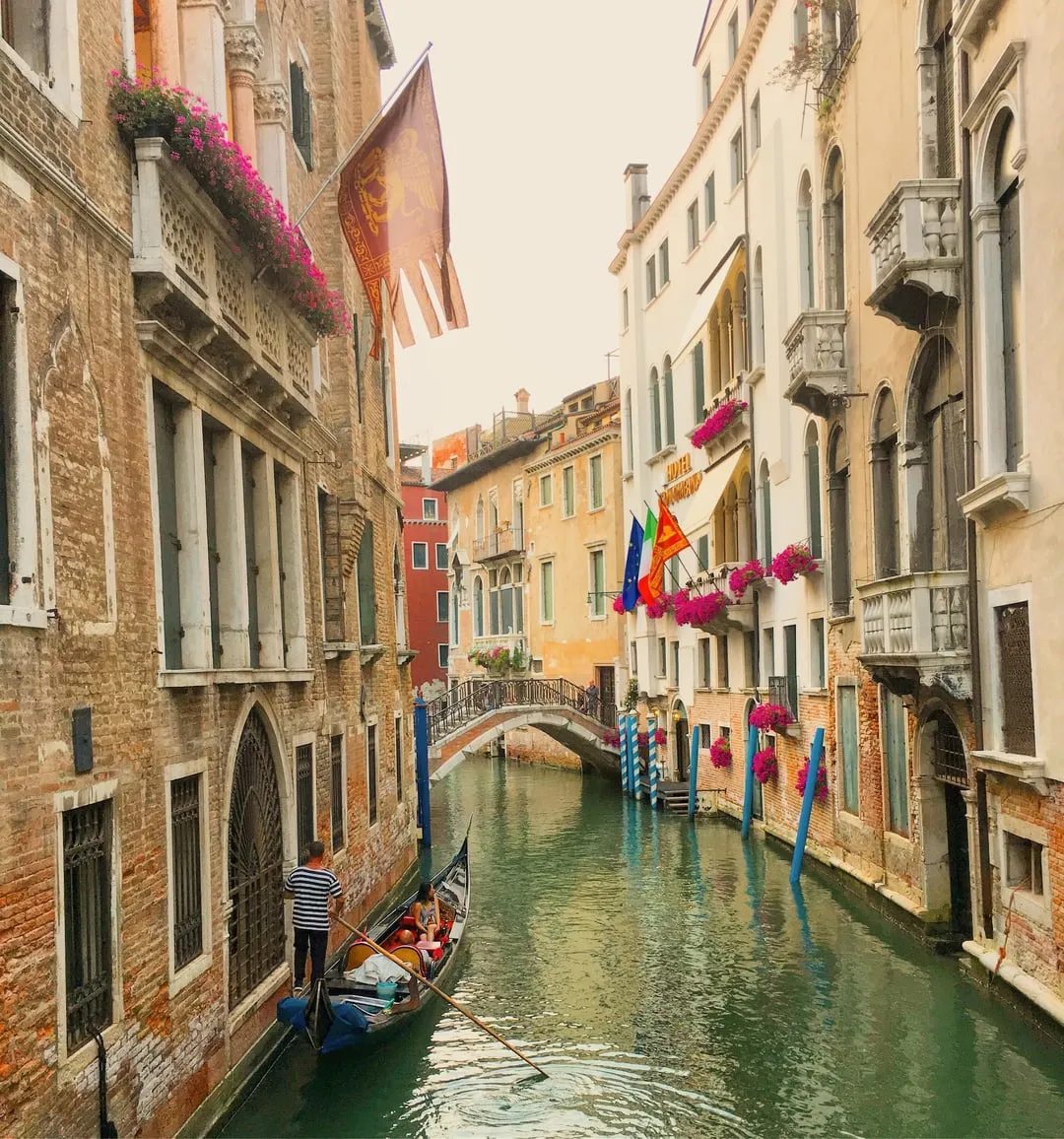
Venice requires a specific kind of surrender — the willingness to be completely disoriented in a labyrinthine, lantern-lit water city of 260,000 in Northeast Italy, where ornate bridges, elegant palazzos, cobbled lanes, and Grand Canal gondola traffic conspire to make you lose your map and your sense of time simultaneously. Arriving by train at Venezia Santa Lucia and immediately boarding a gondola rather than consulting directions is the correct instinct — the Doge’s Palace, the Mercati di Rialto with its walnut ciabatta, and the view from the Palazzo Keller near Piazza San Marco wrapped in Rubelli fabrics reveal themselves at their own pace.
The secret most Venice guides bury is the off-season travel transformation — what feels overwhelming when cruise ships flood the canals becomes genuinely romantic and mysterious in November, when the hauntingly beautiful atmosphere of this UNESCO heritage canal city fully emerges. The film-set beauty, the lagoon views, the scenic waterways threading through historic architecture — this is cultural travel and romantic escape and luxury travel and authentic Italy operating in concert, a beautiful places experience unlike anything else in Europe.
Verona
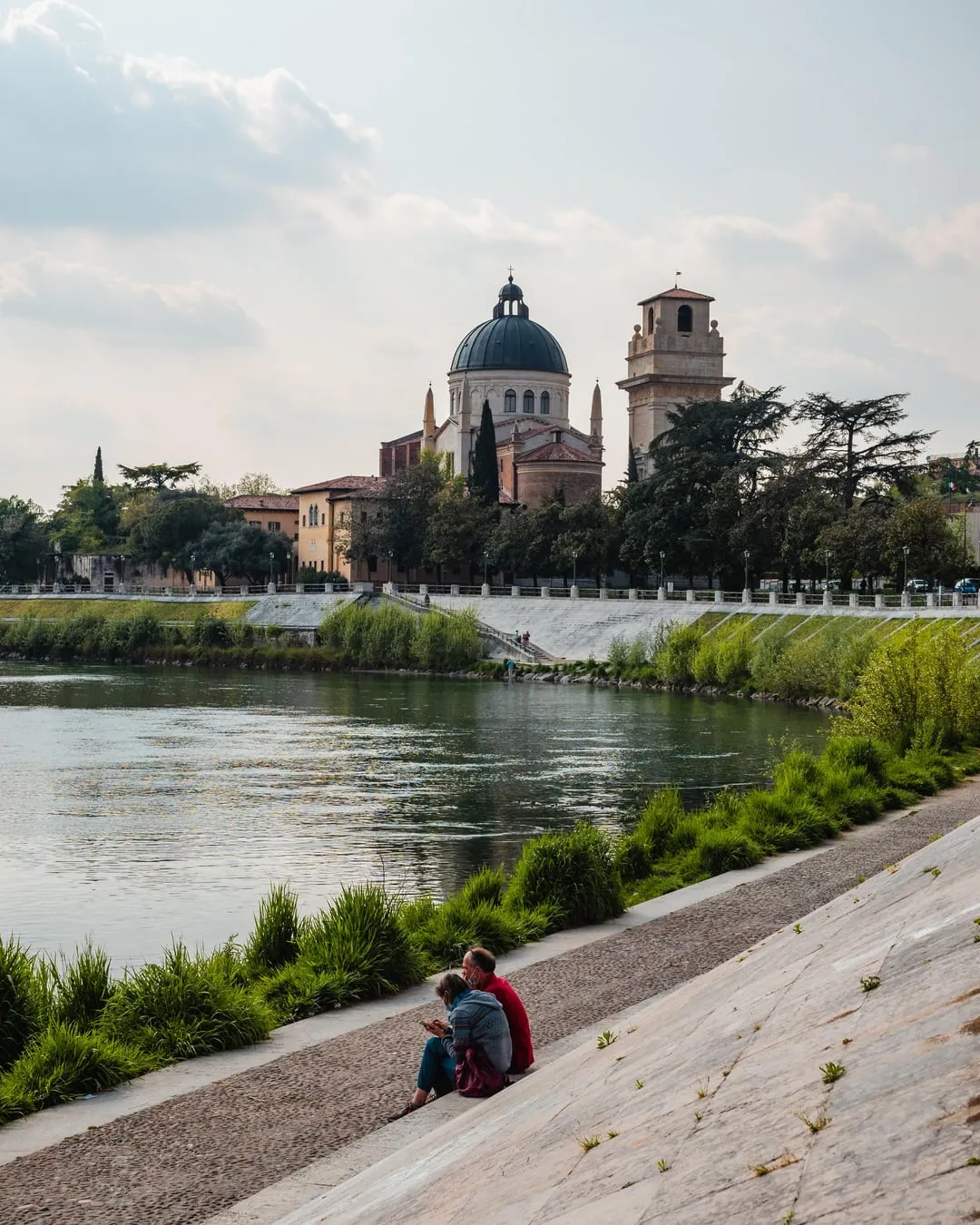
Verona is the underestimated giant of Northern Italy — a UNESCO-listed city of 260,000 in Veneto where Roman ruins, medieval streets, and Renaissance elegance coexist with a lively piazzas culture that makes the city feel inhabited rather than preserved. The Verona Arena, the Castelvecchio Museum, and yes, Juliet’s Balcony — the Shakespeare association that gives the city its literary romance identity — all sit within walking distance of each other in a historic architecture density that most cities three times the size couldn’t manage. Flying into Verona Villafranca Airport and basing yourself at the Grand Hotel Des Arts puts you within the quietly elegant rhythm of the city immediately.
A spritz and fried sage leaves at a candlelit table in Piazza delle Erbe — that long, beautiful market square framed by frescoed buildings — is one of those Italian food and atmosphere combinations that makes city travel feel effortless. Climbing Torre dei Lamberti for scenic views over the scenic squares below, wandering the candlelit trattorias of the old town at dusk — Verona rewards the walking city approach completely. For northern Italy travel that combines cultural heritage, ancient history, romantic city energy, and European travel without the volume of larger destinations, Verona is the answer.
Sardinia
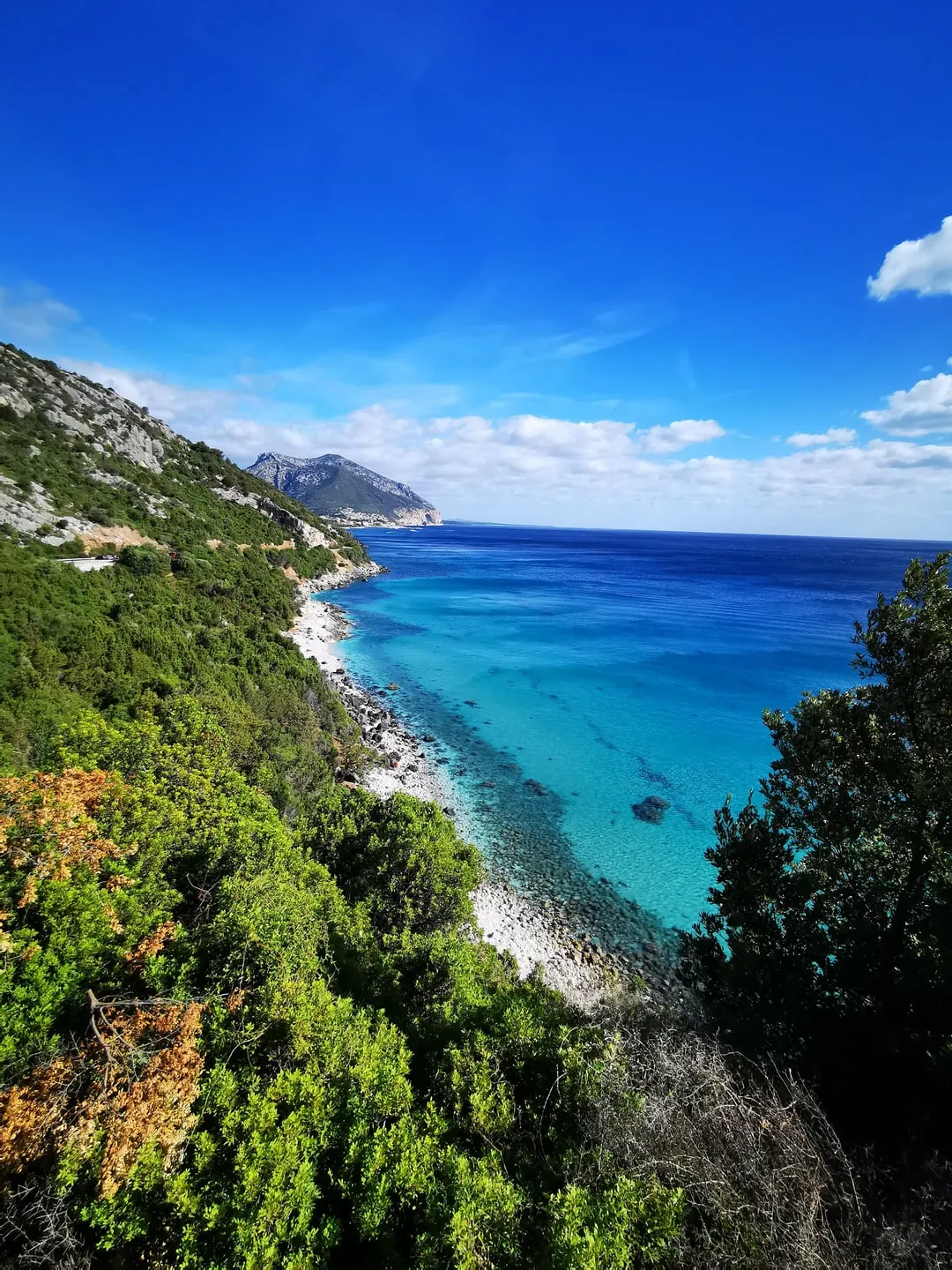
Sardinia sits in the Mediterranean Sea west of the mainland, a 24,100 km² island that combines rustic stone-built villages, Spanish-Italian architecture, chic marinas, and a coastline so varied — from long white sand beaches to rugged cliff-backed coves — that it genuinely rivals the Caribbean for raw coastal beauty. Flying into Olbia and heading straight for the Costa Smeralda glamour, then south to La Pelosa Beach, then out to the electric-blue coves of the Maddalena Archipelago for snorkeling — the turquoise waters alone justify the journey, but Sardinia is far more than a beach destination. Based at Hotel Club Saraceno, the island’s wild, beautifully untamed character asserts itself at every turn.
The town of Bosa, filled with colorful houses along the Temo River, pairs perfectly with a glass of bold Cannonau wine at a tiny family-run enoteca that no algorithm will ever surface — this is the hidden gem Italy quality that makes Sardinia genuinely special for island travel and outdoor adventure. The world-class beaches here are Mediterranean beaches in name but best beaches in the world in reality — unspoiled, remote, and refreshingly indifferent to their own fame. For luxury travel with nature beauty and authentic Italy soul, this turquoise-fringed island is the destination that travel inspiration lists consistently undersell.
Coastal Cities & Beach Guidance
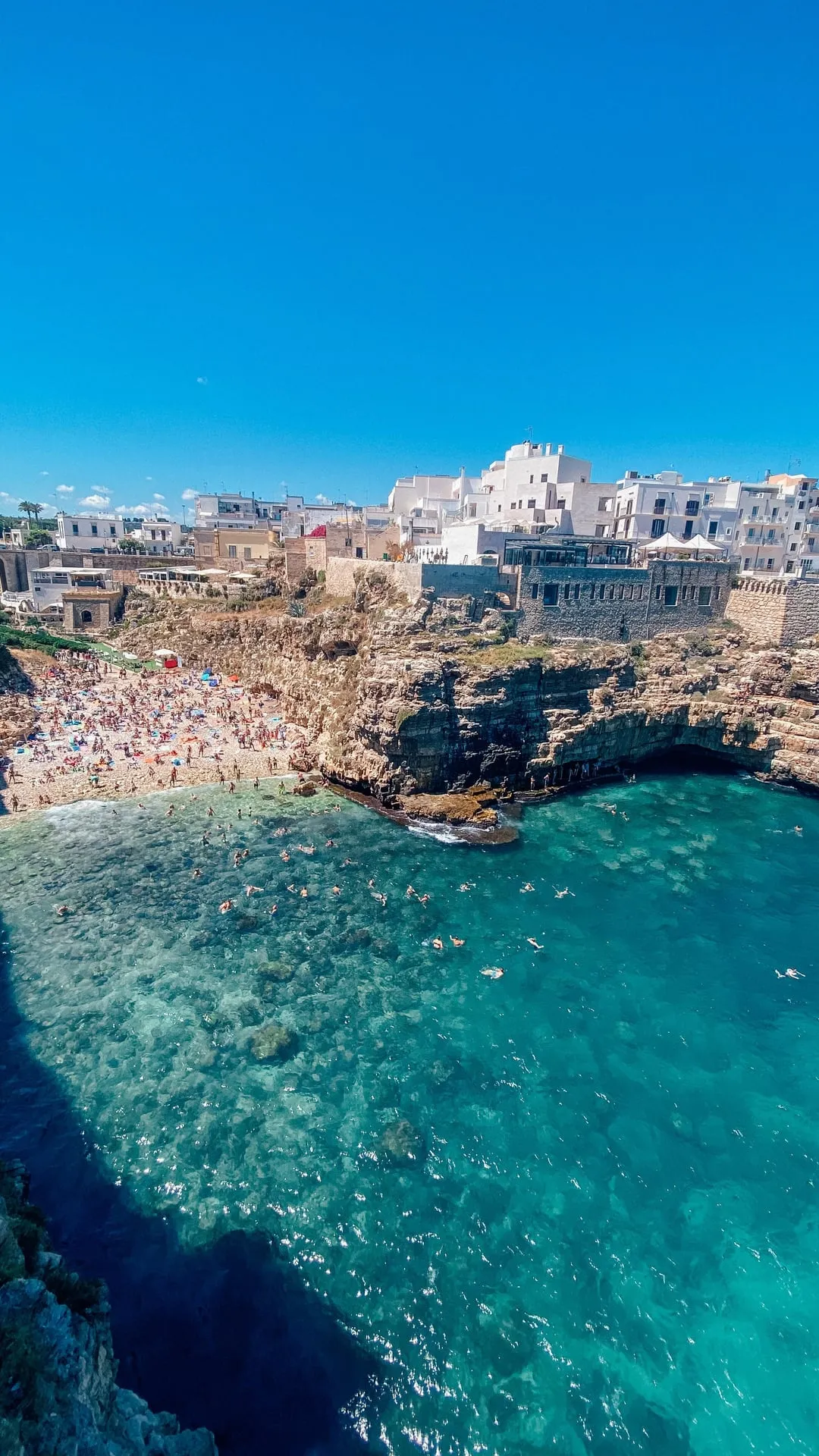
Italy’s coastal cities resist easy categorization — the country stretches so dramatically, from the Ligurian coast cliffs of Cinque Terre down through the Campania coast drama of the Amalfi Coast and Capri, around to the Adriatic coast of Trieste and the heel-of-the-boot Puglia that those hoping for Florida-like beaches and those seeking scenic coastal areas are genuinely chasing different destinations on the same map. The Portofino Peninsula — with Santa Margherita Ligure and Camogli — offers rocky beaches and Italian Riviera atmosphere; Portovenere, Forte dei Marmi, and Ventimiglia further north deliver actual sandy beaches with a more upscale travel edge, while Monterosso al Mare remains Cinque Terre’s best answer to a true sandy beach within the park.
For family travel prioritizing genuine beach lovers experiences, the geography is honest: the Amalfi Coast, Capri, and Cinque Terre are cliffs and pebbly beaches rather than sand, while Sardinia, Puglia’s Salento Coast and Gargano Peninsula, and Sicily’s San Vito Lo Capo are where world-class beaches and white sand beaches genuinely live. Ischia, an hour by ferry from Napoli, offers a laid-back, hiking-friendly island beaches alternative without the Amalfi Coast accommodation scramble, particularly important in peak season when cruise ships descend on La Spezia and Amalfi simultaneously, making accommodation tips and advance travel planning non-negotiable.
The less-traveled options reward the curious: the Cilento coast just south of Salerno has picturesque pebbly coves reminiscent of Croatia without the competition; the Maremma coast of southern Tuscany offers wild natural sandy beaches at the Tuscan Archipelago edge; Monte Argentario’s rocky beaches carry an Amalfi Coast drama without the crowds; and the Monte Conero area near Ancona in Marche — Sirolo, Numana — delivers Adriatic coast clarity that feels more off-the-beaten-path beaches than anything the standard Italy beach guide covers. Bari pairs logistically well with Croatia trips for those splitting itineraries, while Trieste on the Adriatic coast offers a coastal lifestyle that’s distinctly central European in character — beloved by Germans, quietly extraordinary, and almost entirely overlooked by beach travel guides that stop at Naples. Rent sun beds, skip the peak season if possible, and treat every coastal exploration as its own unhurried discovery.