57 Hidden Gems in Italy: Secret Towns, Fairytale Villages & Off-the-Beaten-Path Places
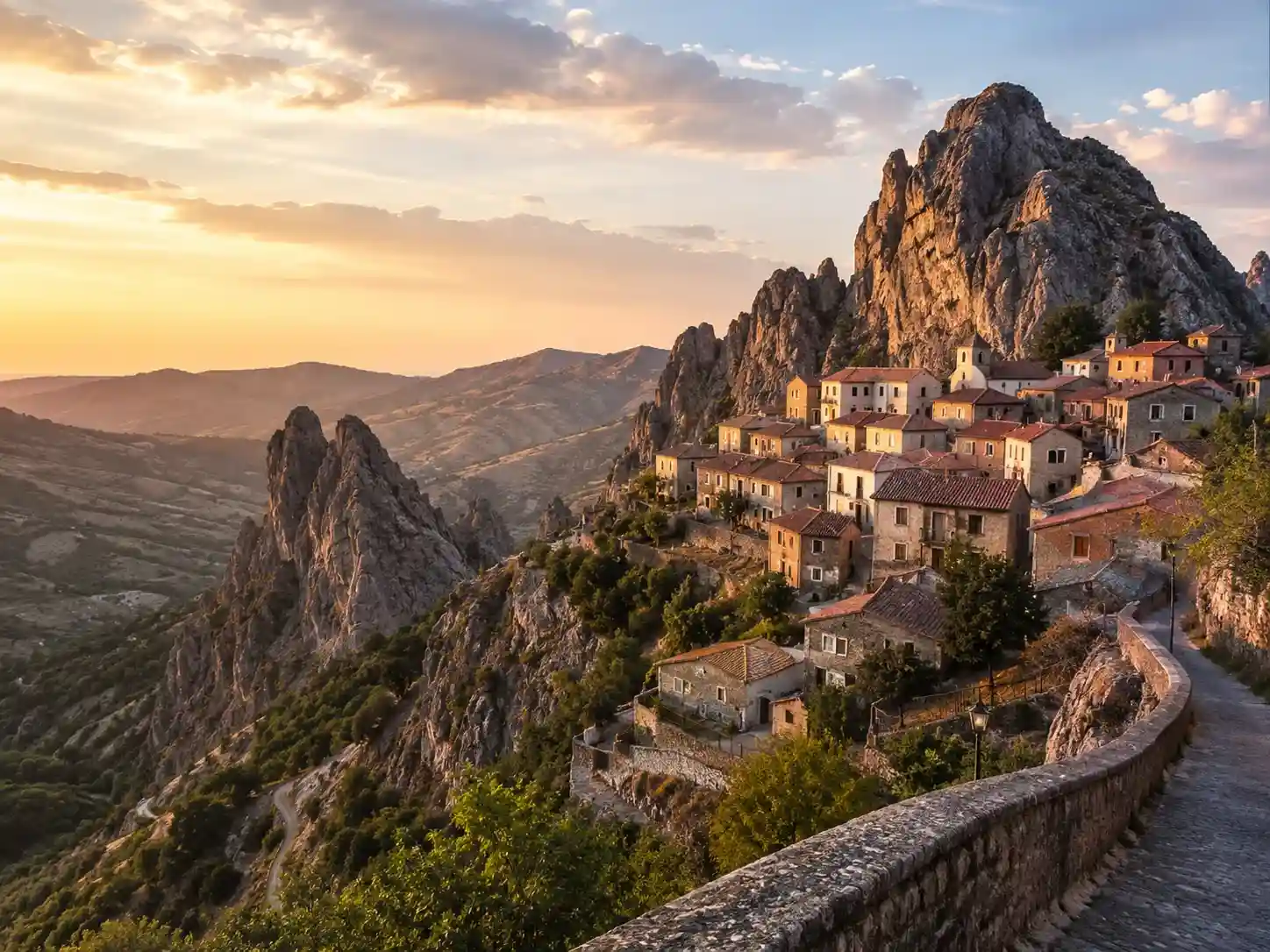
You don’t stumble onto Castelmezzano without a bit of a detour, and honestly, that’s the whole point. Tucked into Dolomiti Lucane and dating back to the 10th century, this hidden gem clings to a mountain peak in deep south Southern Italy, the kind of place that turns a road trip into an adventure by accident. The carved rock paths and age-old charm make it feel untouched, while across the valley sits its twin, Pietrapertosa — opposite mountain, same mesmerising energy.
What pulls people in isn’t just the gorgeous views, it’s the zip wire known locally as the Flight of the Angel (or Angel’s Flight), a zipline crossing for roughly 23 Euros that connects the two towns like nothing else in Basilicata does. Norman settlers carved a staircase into the cliffside called the Gradinata Normanna, which leads to a viewpoint worth every step of the epic hikes through surrounding forests and national parks.
Stick around until the village lit up at dusk — that’s when the jagged peaks turn the whole scene into pure magic. For sleeping, B&B La Panoramica offers a balcony with sweeping outlooks at a reasonable price, and if you’re traveling as a group, the Petra Holiday Home (a two bedroom apartment in Pietrapertosa) is a smart pick at fair accommodations.
When it’s time to eat, skip the polished menus. Trattoria da Spadino is the no-frills, family-run kitchen serving up genuinely hearty Basilicata mountain food, and over in Pietrapertosa, La Locanda di Pietra holds its own. This is exactly the kind of unique location and off the beaten path overnight stay that rewards anyone willing to go looking for it.
Matera, Basilicata
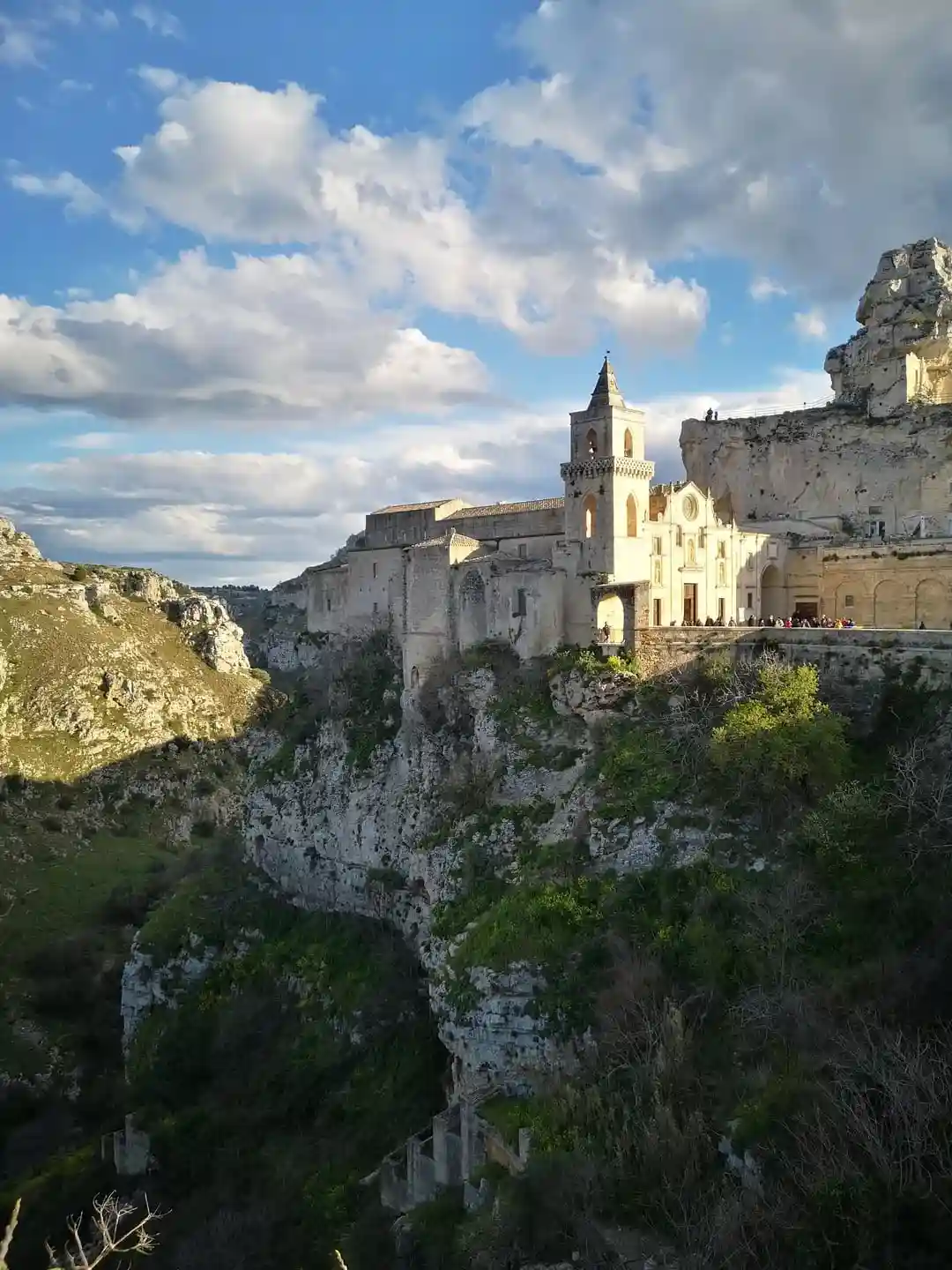
Few places carry the weight of 9,000 years quite like Matera does. Once celebrated as Capital of Culture 2019, it’s now recognized as the oldest city in Europe and the third oldest in the world, anchored by archeological evidence that traces back to the Paleolithic Age. The Sassi — Italian for “stones” — form the ancient part of the city, a maze of cave dwellings representing some of the longest inhabited human settlements anywhere on earth.
What’s wild is how these caves became homes through spontaneous architecture: no blueprint, just generations building wherever space allowed. That history wasn’t always glamorous — diseases and poverty once left residents genuinely impoverished, which is a sobering layer beneath all those breathtaking views. Today, arches frame the modern part of town looking back at the UNESCO World Heritage Site, and it’s a must-visit if you actually want to understand the place rather than treat it like a maze to photograph and leave.
Thanks to Hollywood blockbusters and a flood of travel influencers filling Instagram accounts, that atmosphere frozen in time is harder to find alone than it used to be — though nearby Castellaneta and Massafra stay genuinely off the beaten path. Don’t skip the rupestri, the rock churches including the one dedicated to Saint Mary of Idris. And food-wise, hunt down peperoni cruschi — sold, like the local bread, by the etto (100 grams at a time).
Mantua, Lombardy
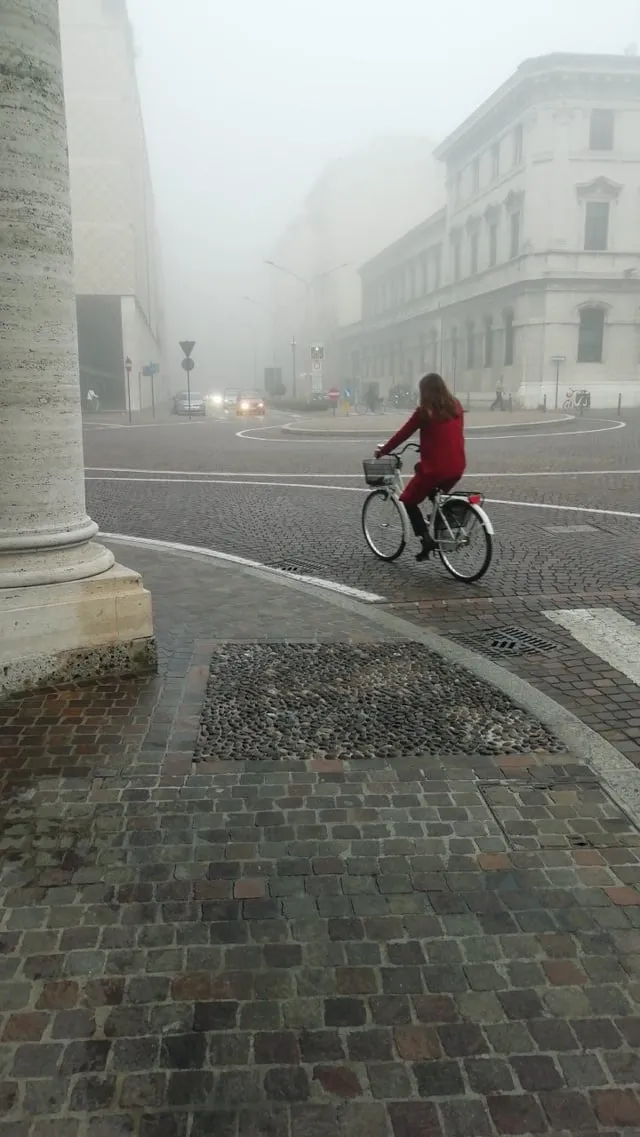
Overshadowed by Lake Garda and Verona, Mantua quietly holds the largest residential building in Europe after the Vatican. Credit goes to the Gonzaga rulers, whose Ducal Palace sprawls across 600 rooms worth of art and architectural gems — most still closed to the public, which only adds to the mystery. The Te Palace and especially the Teatro Bibiena are standouts hiding behind unremarkable doors in the city center.
Surrounding it all are three artificial lakes, one blanketed in lilypads that practically beg for a sunset boat cruise along the Mincio River. Cross the bridge into town and the skyline announces itself before you’ve even arrived. Inside the Basilica di Sant’Andrea, you’ll find one of the most striking church interiors in northern Italy — a detail most visitors heading straight to Lake Garda or Verona completely miss.
Then there’s the food. Locals swear by Scaravelli for the Tortelli di Zucca (a pumpkin-filled ravioli), the Torta delle Rose, and the sbrisolona, while a glass of Lambrusco — also produced in Emilia Romagna — rounds out the culinary creations that make Mantua worth the detour on its own.
Tropea, Calabria
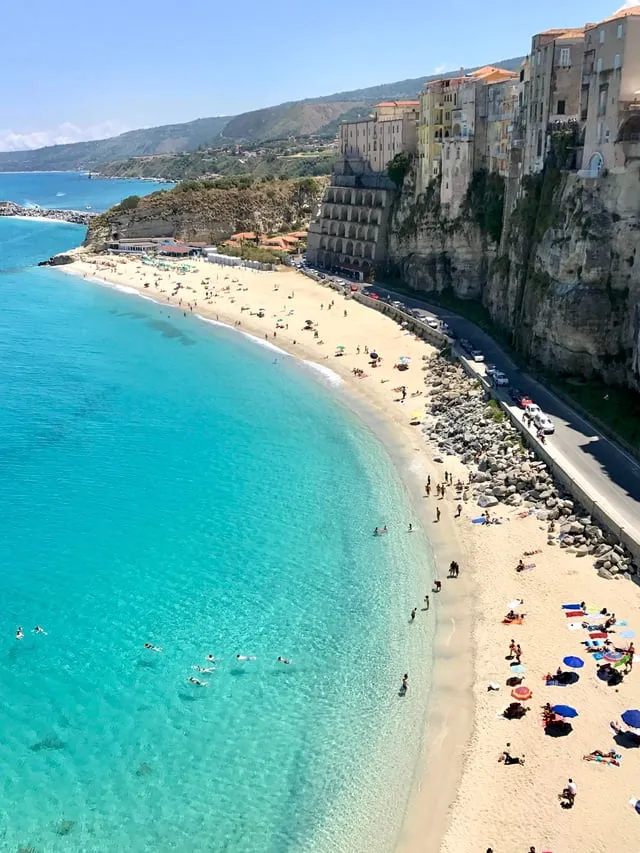
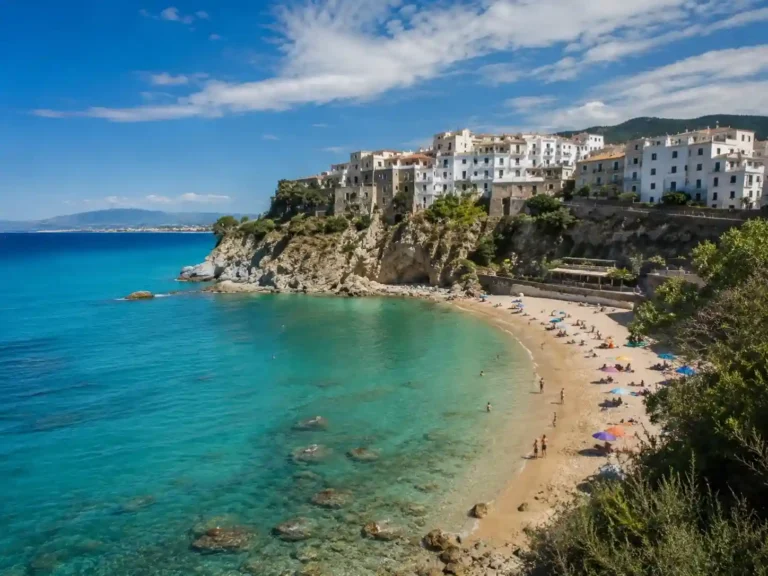
Tropea sits in Calabria, that cliff-top beach town vibe paired with azure waters and a sandy beach that draws both Italians and Germans in heavy numbers come summer. Much like its counterpart Puglia across the boot, this is great value territory and genuinely off-the-beaten-path by international standards, even if locals know it well.
The Santa dell’Islo church — known fully as the Santuario di Santa Maria dell’Isola di Tropea — perches dramatically on a rock above the water, paired with a 12th-century cathedral and fortified old town that anchor the whole scene. Walk to the viewpoint at the end of Corso Vittorio Emmanuale, and on a clear day you’ll spot Stromboli, the smoking volcanic island, especially stunning at sunset.
Go in fall season if you can — the crowds thin, the water stays warm. B&B Vanity and the budget-friendly Villa Saturno both make solid bases, and for dinner, Lido Tropical serves seafood pasta right on the sand.
Orta San Giulio, Piedmont
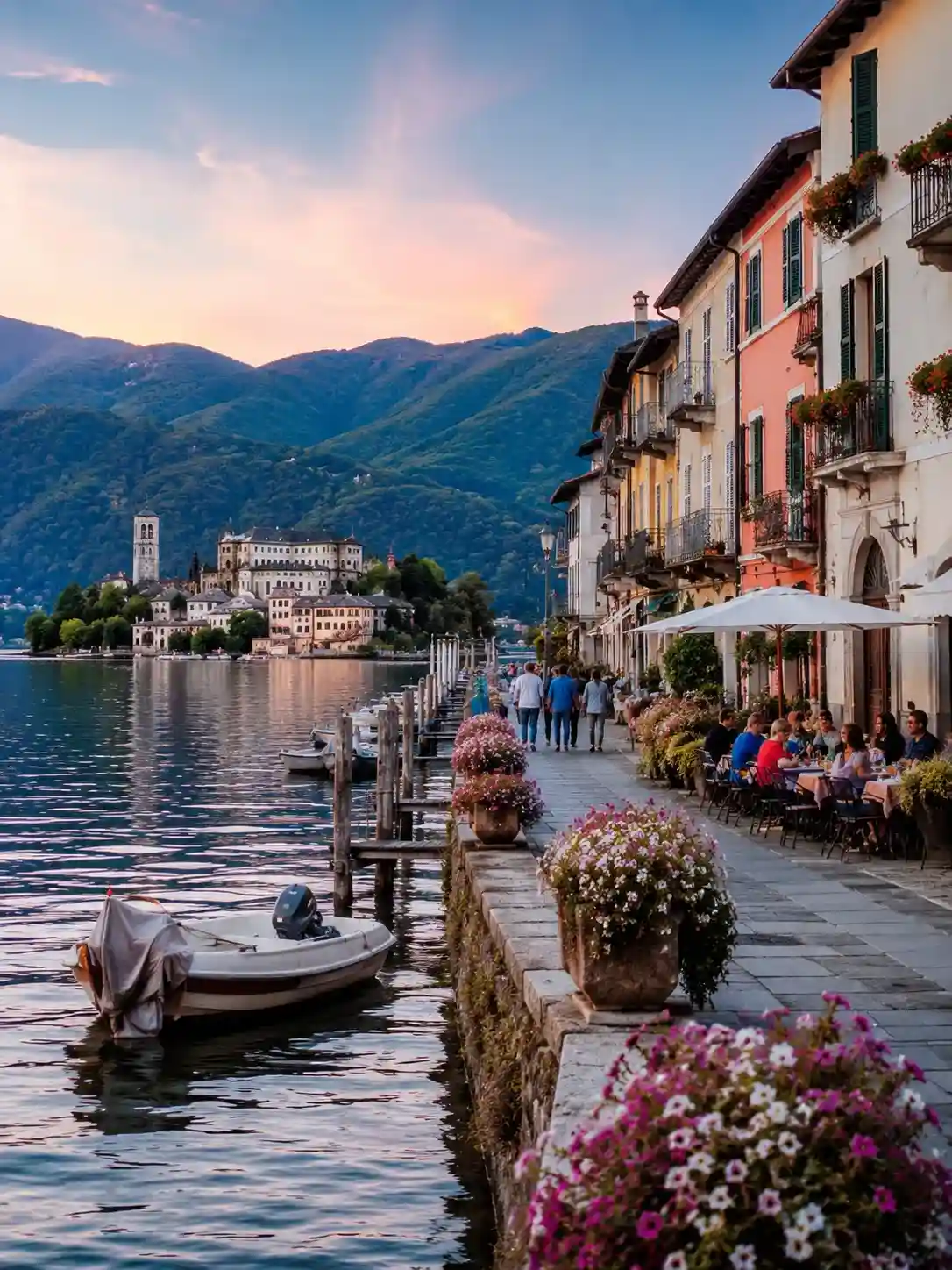
Sitting beside Lake Orta, this pastel-coloured town in Piedmont is often called the secret cousin of Lake Como — a traffic-free dream centered on the tiny San Giulio island floating just offshore. Piazzas and gardens buzz with coffee culture, slow mornings stretching into long afternoons.
Walk up to the Sacro Monte di Orta, a UNESCO site, then take the boat trip across to the island and circle the monastery along the Way of Silence and Meditation — yes, that’s its real name, and it earns it. Lakeside views flicker at night as the island’s lights reflect across the water.
For a splurge, Relais & Chateaux Villa Crespi delivers a Michelin starred restaurant along with the stay, while Agriturismo Il Cucchiaio di Legno offers a gentler price point with the same lake outlook. Eat at Osteria al Boeuc for proper Piedmontese food in a room the size of a closet.
Locorotondo, Puglia
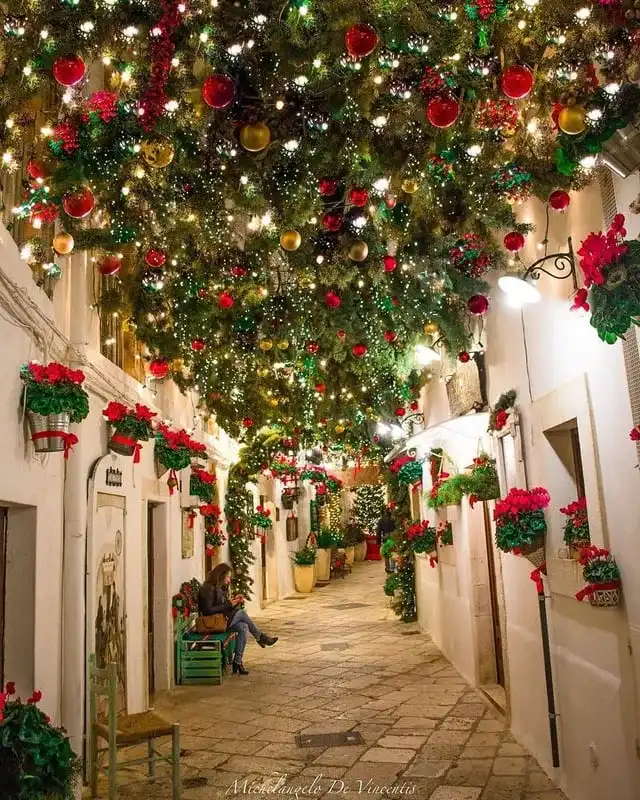
The name Locorotondo comes from its circular shape, which you’d never guess walking its streets in Puglia. White-washed walls burst with purple flowers and pink flowers spilling from window boxes, while alfresco dining spots tuck into every corner of these quaint streets. The coffee here hits different, the gelato tastes sweeter, and the whole town earns its reputation as a genuinely dreamy town.
Trento, Trentino
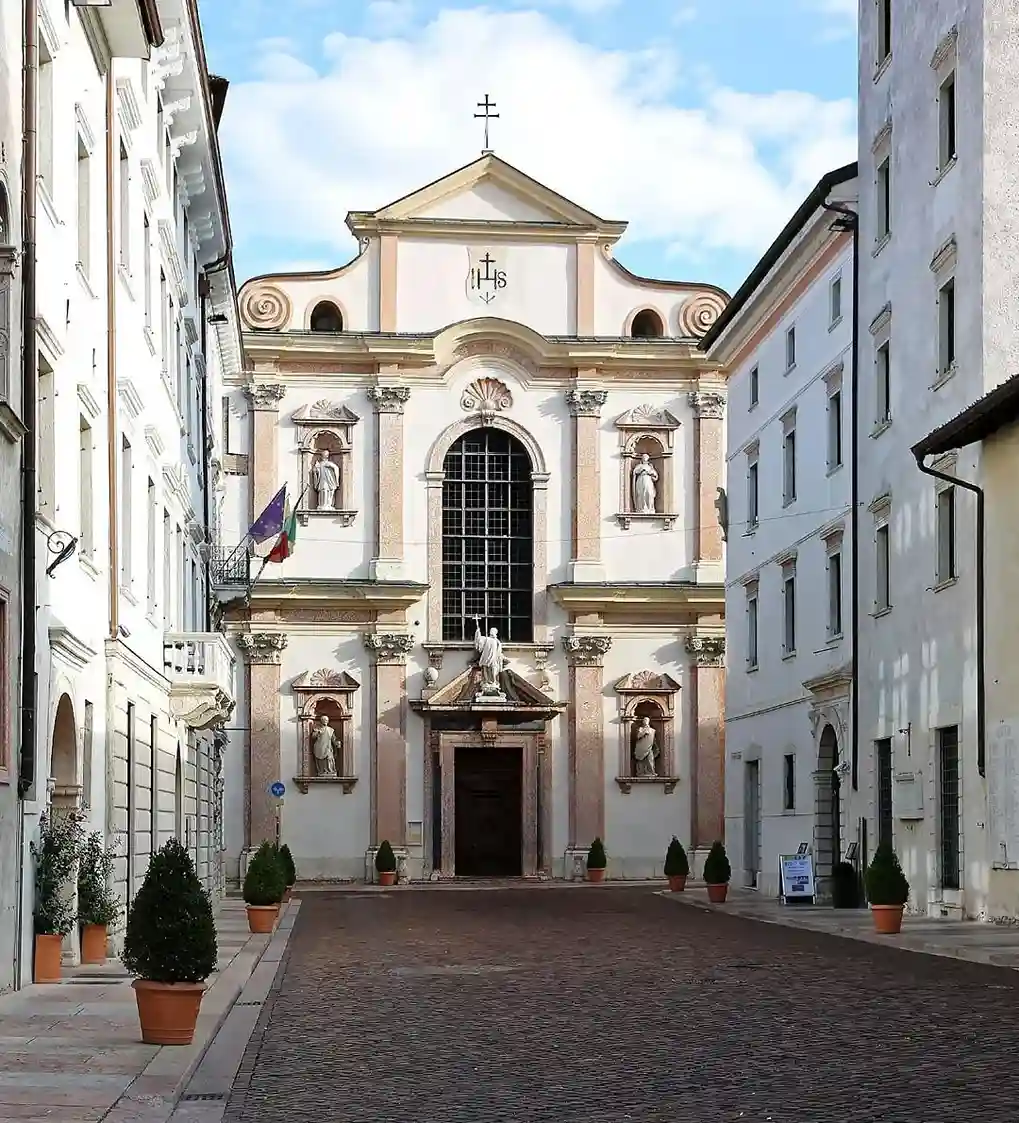
As the capital of the Trentino region, Trento is the right size for a weekend city break — enough culture without the exhaustion of a bigger capital city. Cobbled streets stay impressively clean, framed by the Buonconsiglio Castle, scattered galleries, and outside frescos that don’t overwhelm. The main square sits beneath an impressive cathedral, perfect for a slow drink with no agenda.
Alberobello, Puglia
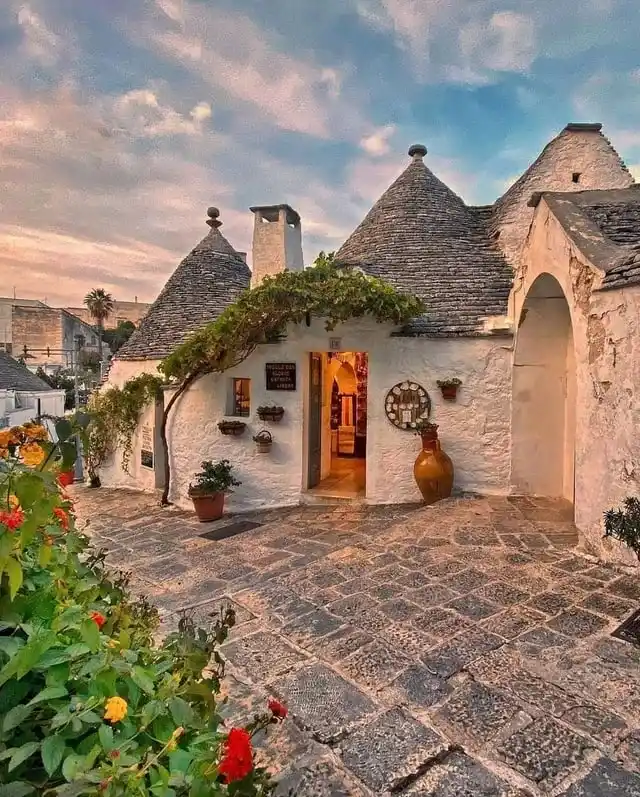
In Puglia, Alberobello is ground zero for the Trulli houses — whitewashed stone buildings topped with cone-like roofs that make for the ultimate postcard photo. On a public holiday, the touristy side gets crowded fast, but wander the quieter streets and you’ll find homes still open for a peek into both traditional and modern Puglian life side by side.
Camogli, Liguria
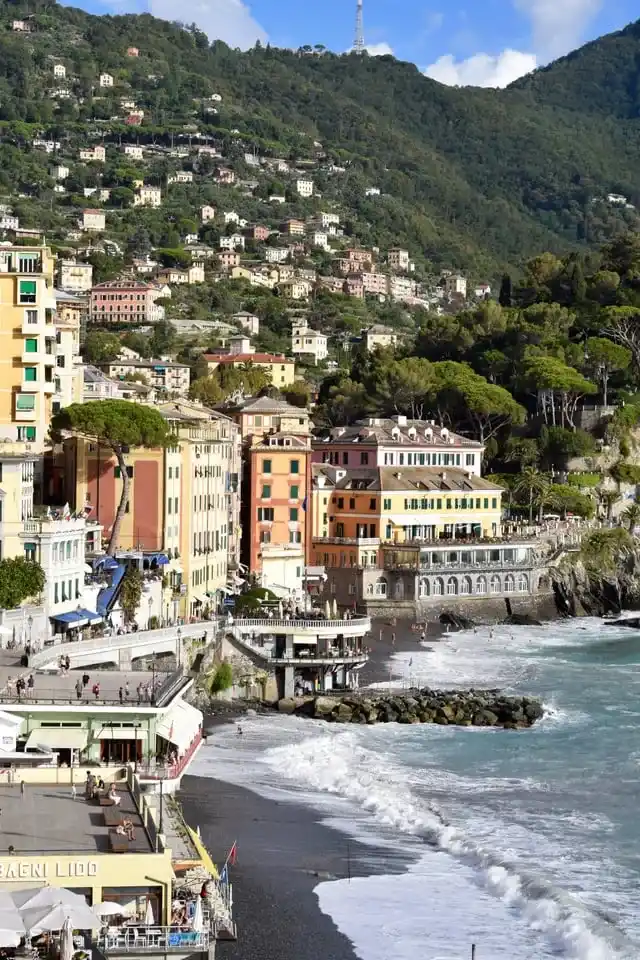
Forget the crowds of Cinque Terre and Portofino — Camogli in Liguria holds onto its real fishing village soul. Colourful houses line a proper fisherman’s town, all laid-back vibe and unhurried mornings. The Cenobio Dei Dogi hotel, a beautifully restored hotel, comes with a pool terrace view that alone justifies the trip.
Martina Franca, Puglia
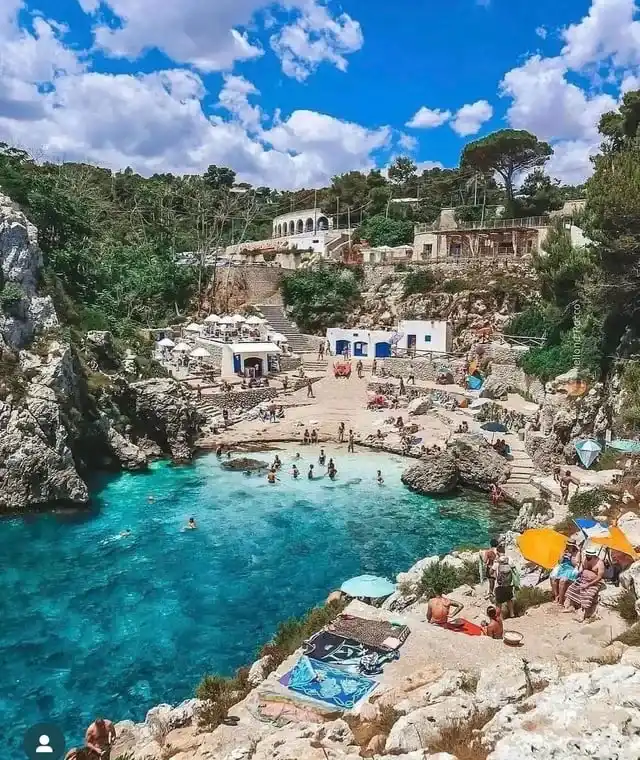
A short hop from Alberobello, Martina Franca trades crowds for a labyrinth of white streets and an unplanned lunch stop in the church square. The town used to be a fully walled town, and its large squares still feel grand today. Come summer, an opera festival in this corner of Puglia pulls in a brief wave of visitors before quiet returns.
Valsugana, Trentino
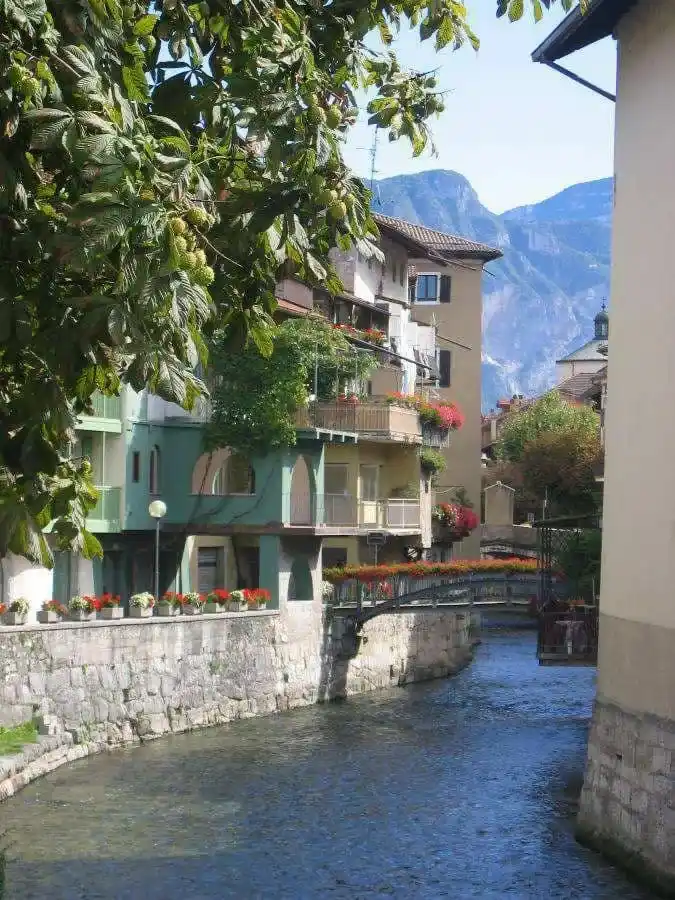
Valsugana, in the Trentino region, is built for epic hikes and watersports against an alpine backdrop of snow-capped mountains. While Lake Garda gets the fame, Lake Levico here quietly holds a blue flag award for both beach quality and water quality — proof that the lesser-known lakes can outshine the famous ones.
Acquafredda and Maratea, Basilicata
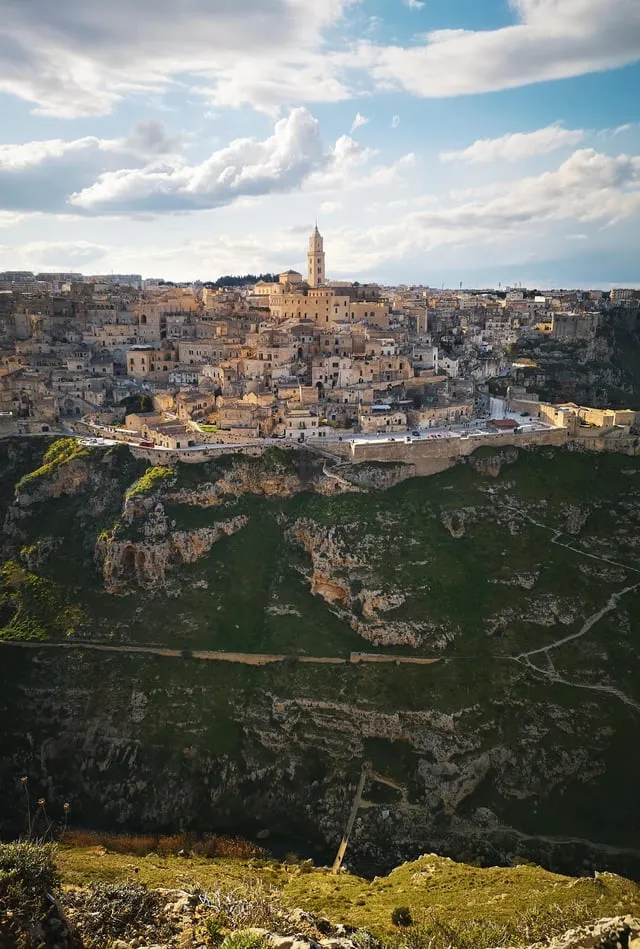
A wrong turn during a road trip can lead somewhere magic, and that’s exactly how Acquafredda and Maratea happen. Maratea, watched over by a statue of Christ, is dotted with churches and built for marina-side dining, with limestone caves nearby for shade. Down the road, Acquafredda is the kind of unplanned visit that turns into the highlight of an entire Italian road trip — a 4-bedroom house, a host named Gianni, a bottle of Prosecco, and an ocean bath framed by colourful houses and green mountains along the Basilicata coast.
Lugana and Manerba del Garda, Lombardy
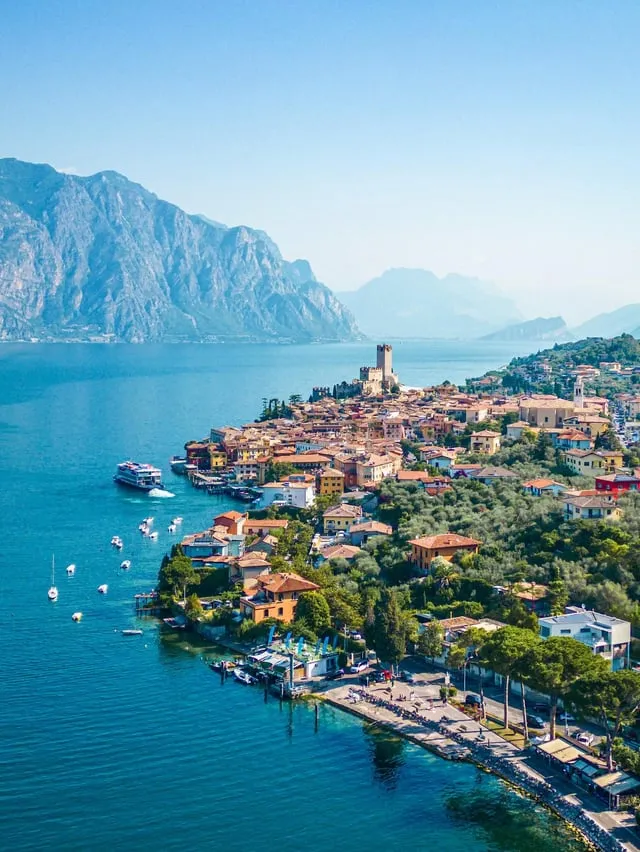
Beyond Sirimione’s famous castle, the Lombardy side of Lake Garda (which also touches Trentino and Veneto) hides two genuinely off the beaten path spots. Manerba del Garda delivers rocky beaches, sandy beaches, and private islands worth the short hike to reach. Lugana, meanwhile, is a serious wine-producing region — visit a winery, join a cooking class, and end the day with a family-style dinner.
Comacchio and the Po Delta, Emilia Romagna
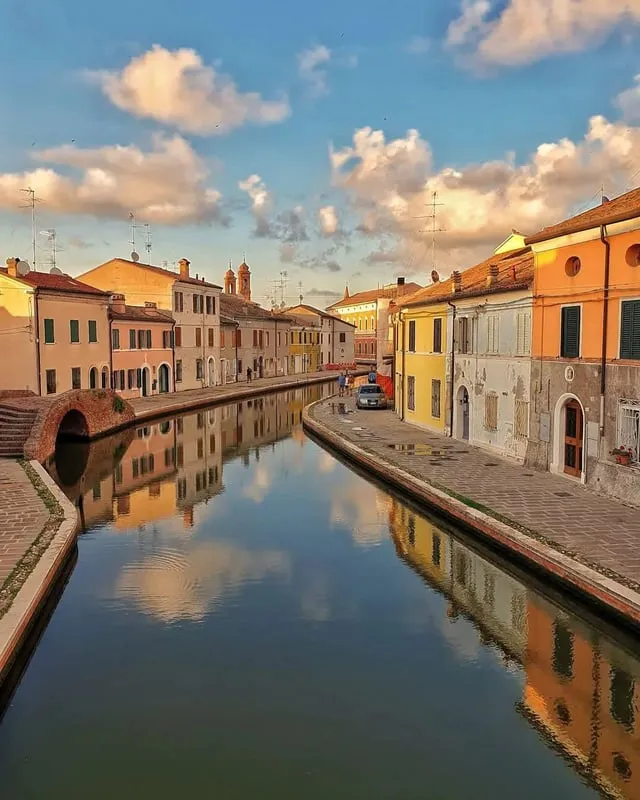
Nicknamed Little Venice for its canals and proximity to the Veneto border, Comacchio stays surprisingly free of crowds, lacking even a train station to make arrival easy. Rent a bike to explore the Po Delta Nature Park, home to wild Flamingos, then come back for the local fish speciality — Eel and Clams. The quaint canals and colourful buildings of this small commune are worth every detour.
Lampedusa, Pelagie Islands
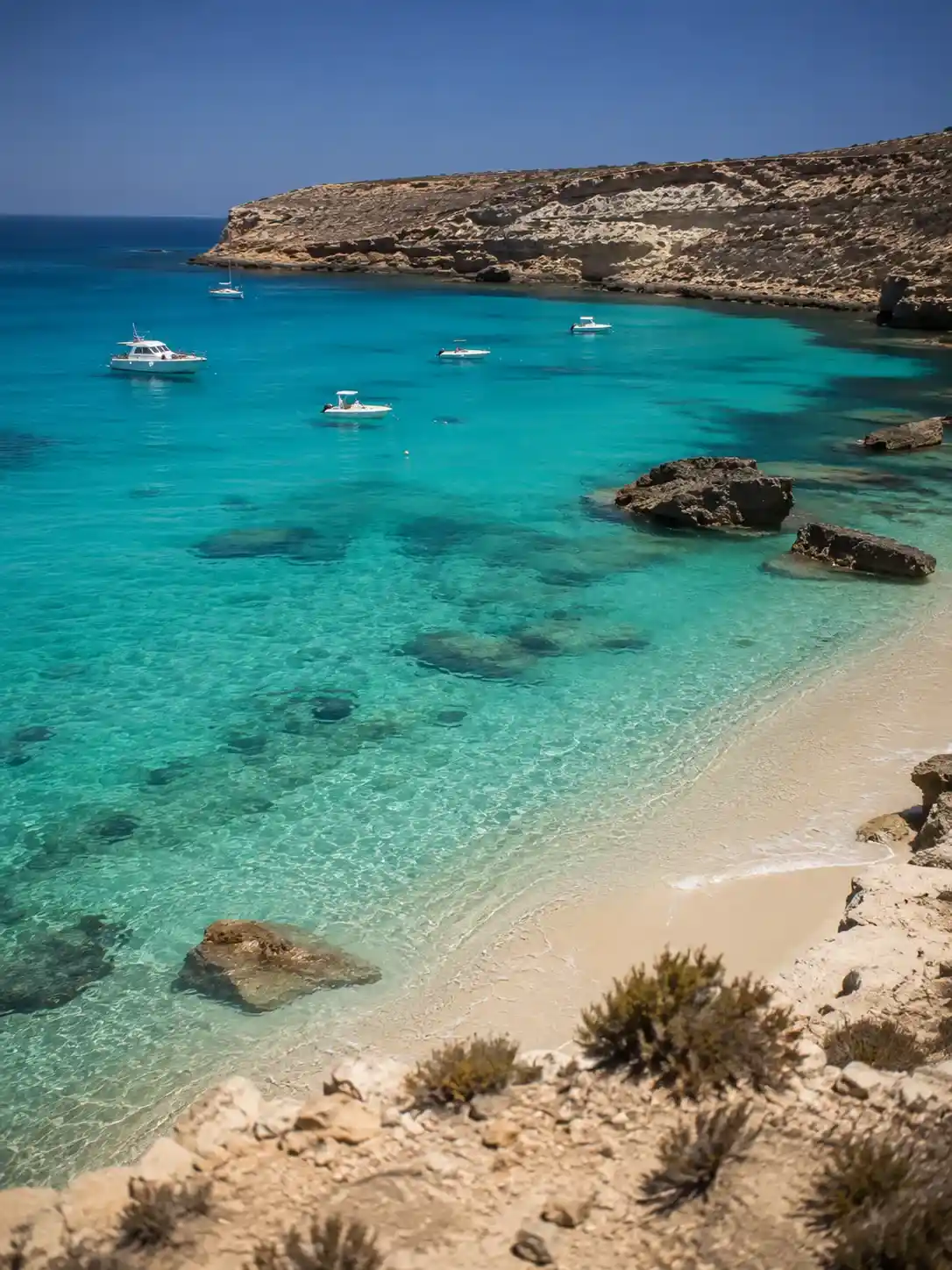
Out in the Mediterranean, roughly between Tunisia and Malta, Lampedusa is better known internationally through news reports about refugees than as a destination — which is a shame given the marine wildlife waiting in its waters. Swim with turtles and dolphins, soak up incredible sunsets and lazy beach days, and notice how the food influences and culture shift completely from mainland Italy across the three Palagie Islands.
Val di Non, Trentino
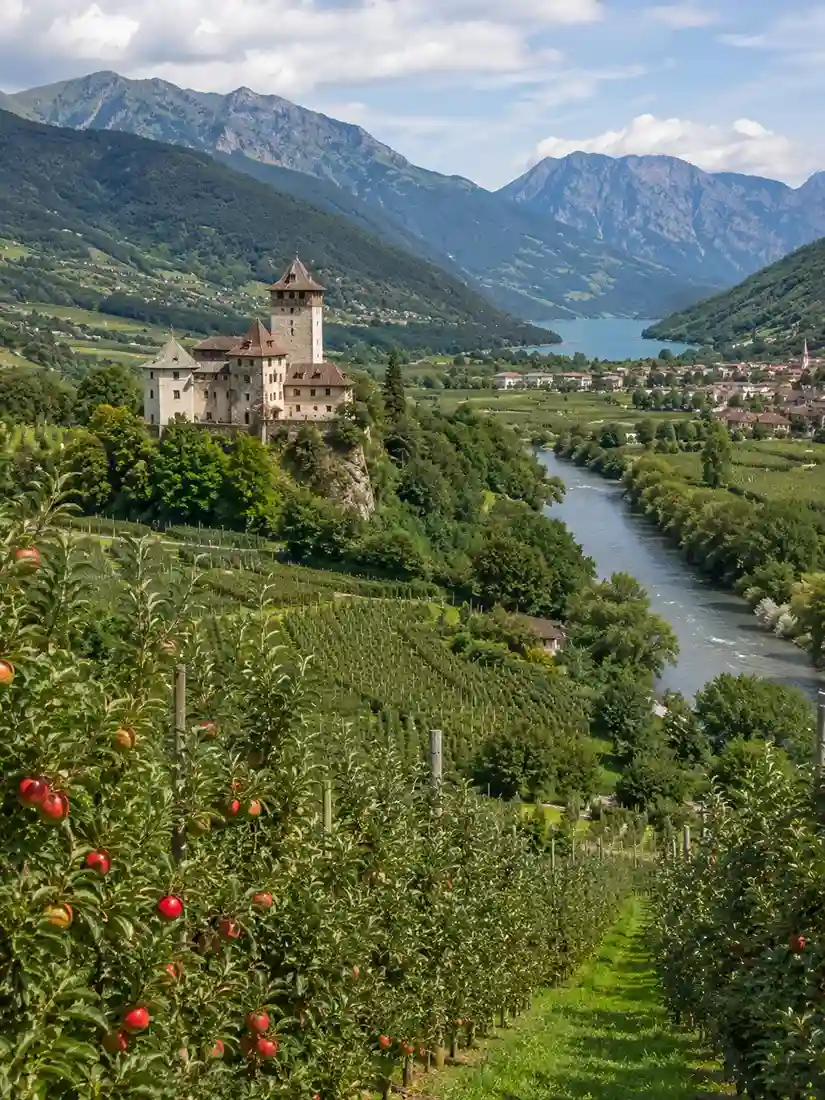
Despite translating to “Valley of Nothing,” Val di Non in Trentino is anything but empty. Castles rise above thousands of apple trees planted like a vineyard, while winding rivers cut through an alpine landscape that locals compare to Canada-like lakes. Lake Tovel sits high in these mountains, and below ground, underground apple storage centres reveal one of the valley’s lesser-known natural wonders.
Brisighella, Emilia Romagna
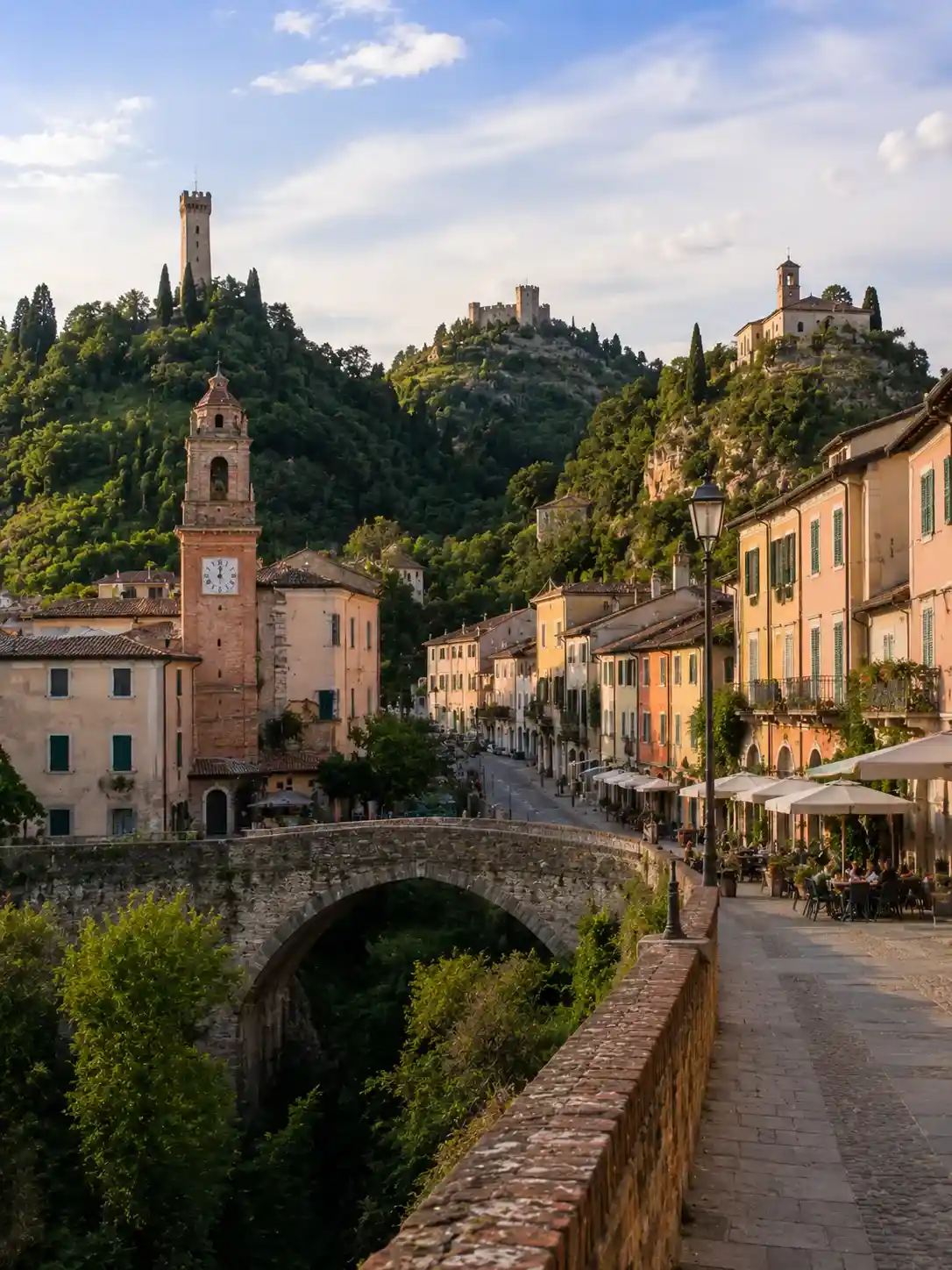
Brisighella is built around three hills — one topped by a clocktower, one by a castle, one by a church — each connected by streets lined with cafes and gelato shops. As a day trip, it’s hard to beat: explore the old quarry caves, which now host live music performances, check out the excavation site of the old fortress, and take in the panoramic views from the Parco Carnè visitor centre.
Sant Agata’di Puglia, Puglia
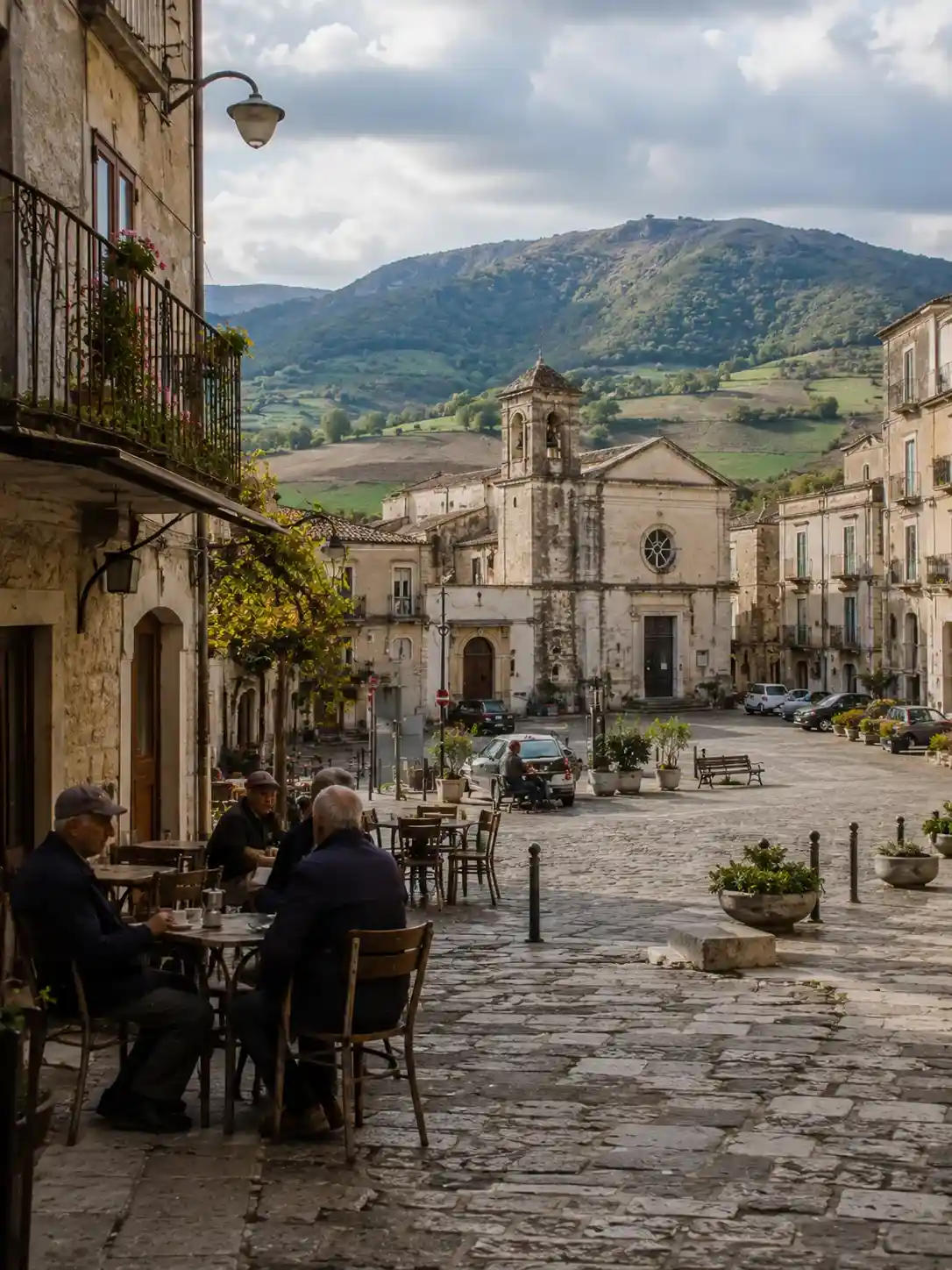
A few hours from Bari, Sant Agata’di Puglia feels like stepping into another decade. On the square, locals nurse espressos at the cafes while small kitchens serve Cucina Povera — humble peasant food that defines Southern Italy’s rural table. Behind closed doors, archaeological staff guard old watermills and underground wine cellars, with the surrounding countryside and mountains doing the rest of the work.
Cremona, Lombardy
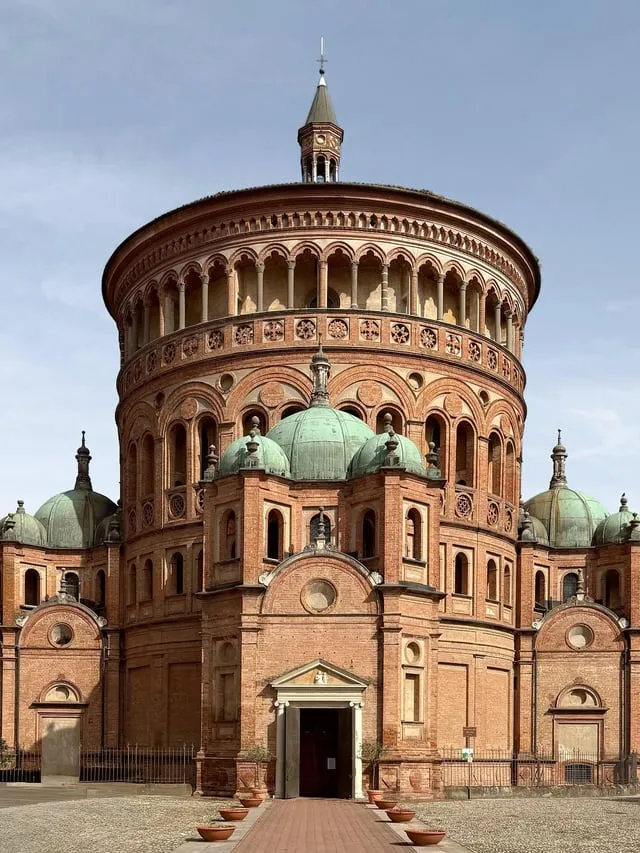
Cremona in Lombardy built its name on Violins — visit the Violin museum or peek into the workshops where craftsmen still build them by hand. The Cathedral is a study in Romanesque art, though an earthquake in the 1100s delayed construction for decades. Notice the Porticos echoing the nearby Emilia Romagna border, and treat the whole trip as an easy day trip from Milan or Venice.
Sperlonga, Lazio
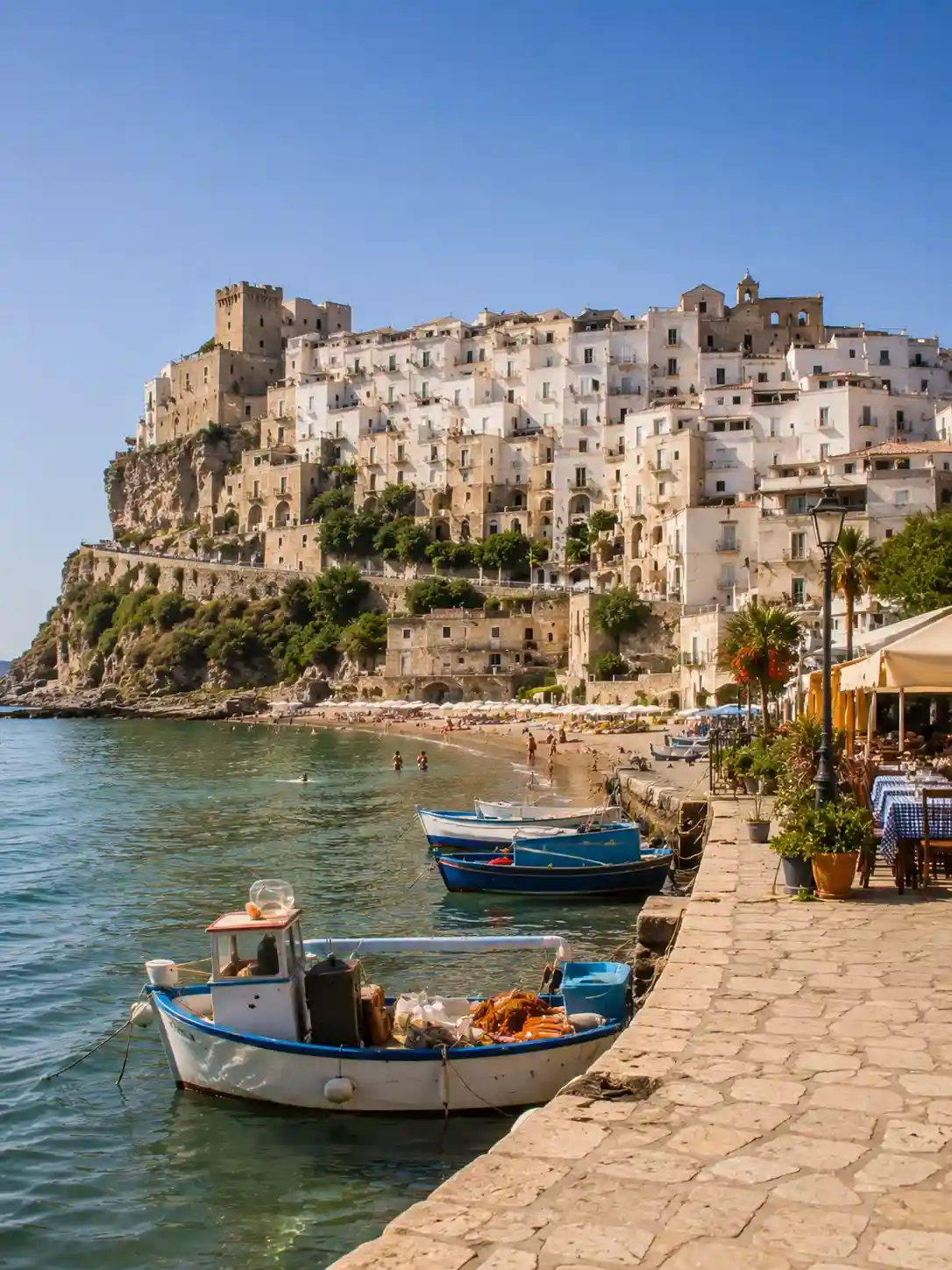
Halfway between Rome and Naples, Sperlonga is a coastal town built around a sea grotto dating to Roman times. The Villa of Tiberius houses ancient sculptures in a small museum, while the beach and port sit beneath the watchful Torre Truglia. Refuel with proper pizza and pasta before heading back to the road.
San Marino
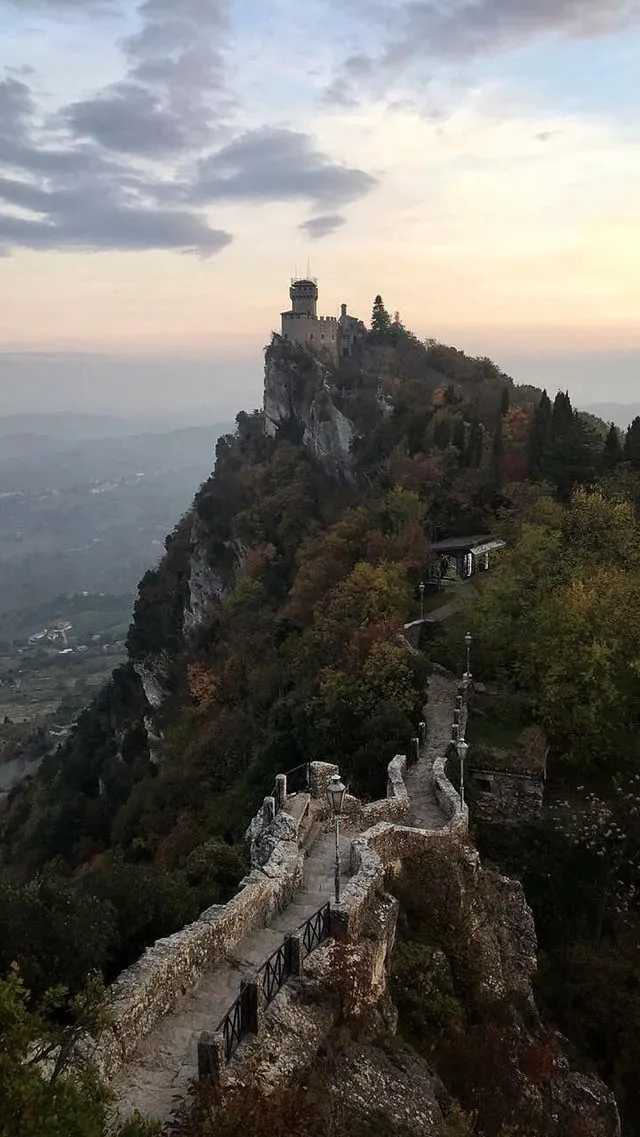
Technically a separate country entirely surrounded by Italy, San Marino holds the title of 5th smallest country on earth and ranks among the oldest republics. Cross the land border at sunset and the ancient city empties out into something genuinely magical. It uses the Euro but mints its own individual coins, runs two presidents at once who each serve six months, and even keeps its own calendar — a properly undiscovered gem hiding in plain sight, outside the EU despite being landlocked within it.
Padula, Campania
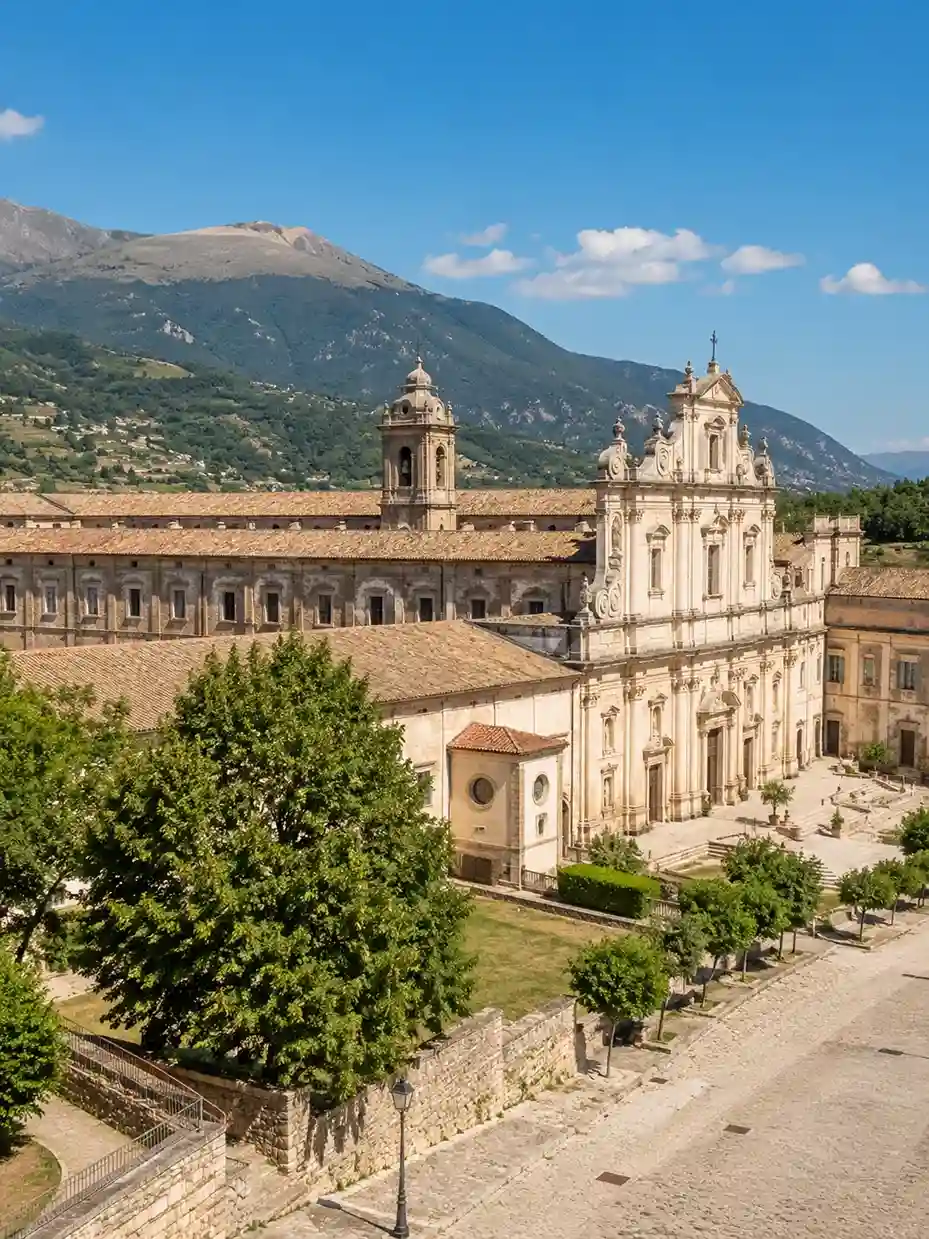
Padula in Campania is easy to miss from the motorway, but the Certosa di Padula, a sprawling monastery dating to the 1300s, rewards anyone who pulls off. The mountain town’s churches and squares round out this small commune, best explored slowly rather than rushed through.
Otranto, Puglia
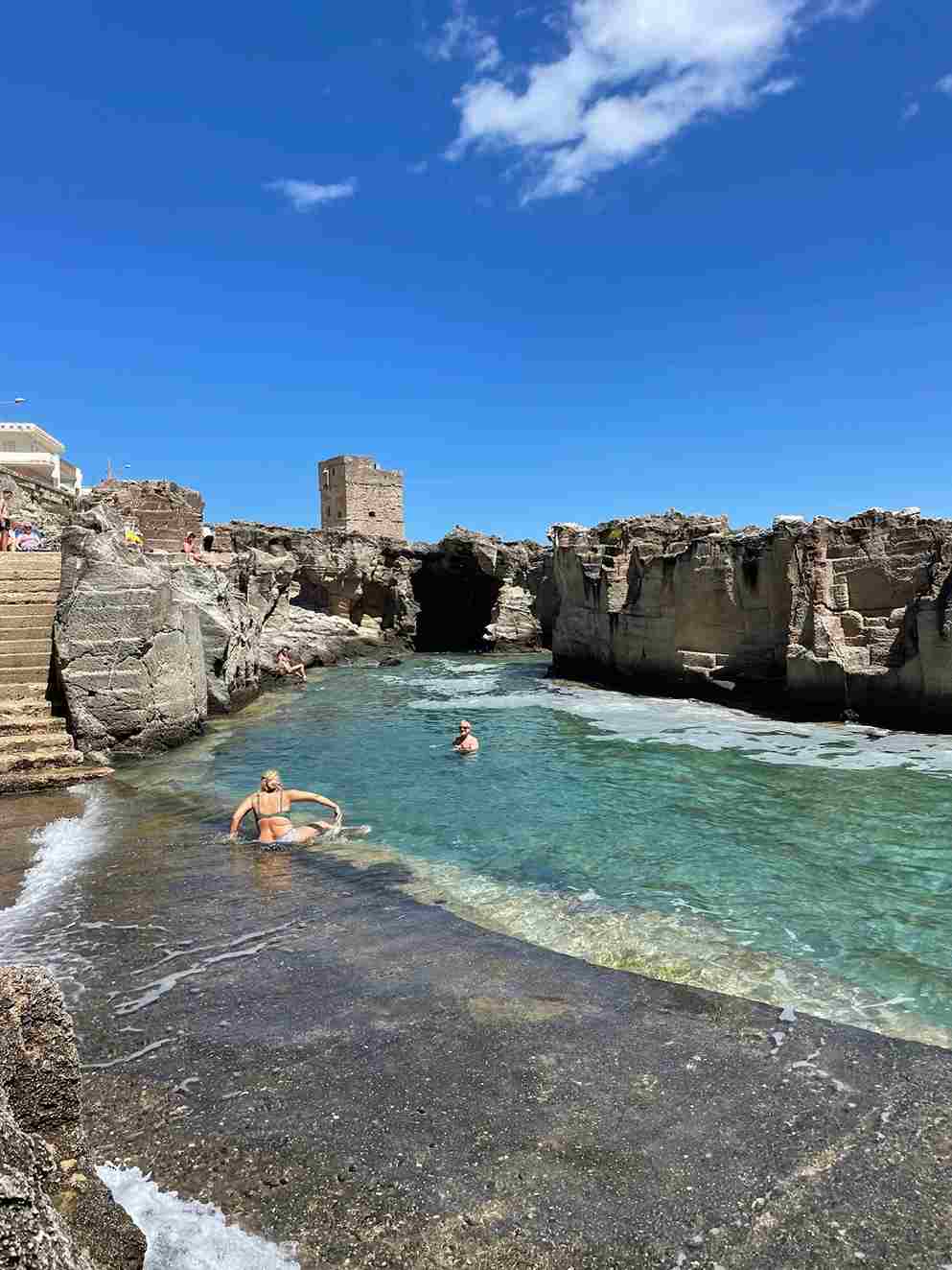
Otranto marks the most easterly point of mainland Italy, with the Punta Palascia Lighthouse standing watch over a coastline of rock formations and caves. Nearby, wild herbs grow wild through the national park, and the Laghetto Cave di Bauxite — a former bauxite quarry now home to turtles and birds — adds an unexpected stop. Inside the castle complex, the Otranto Cathedral holds mosaics depicting heaven and hell, with the bones of Christian martyrs resting in a back chapel, all just steps from the city-beach.
Cinque Terre, Liguria (in winter)
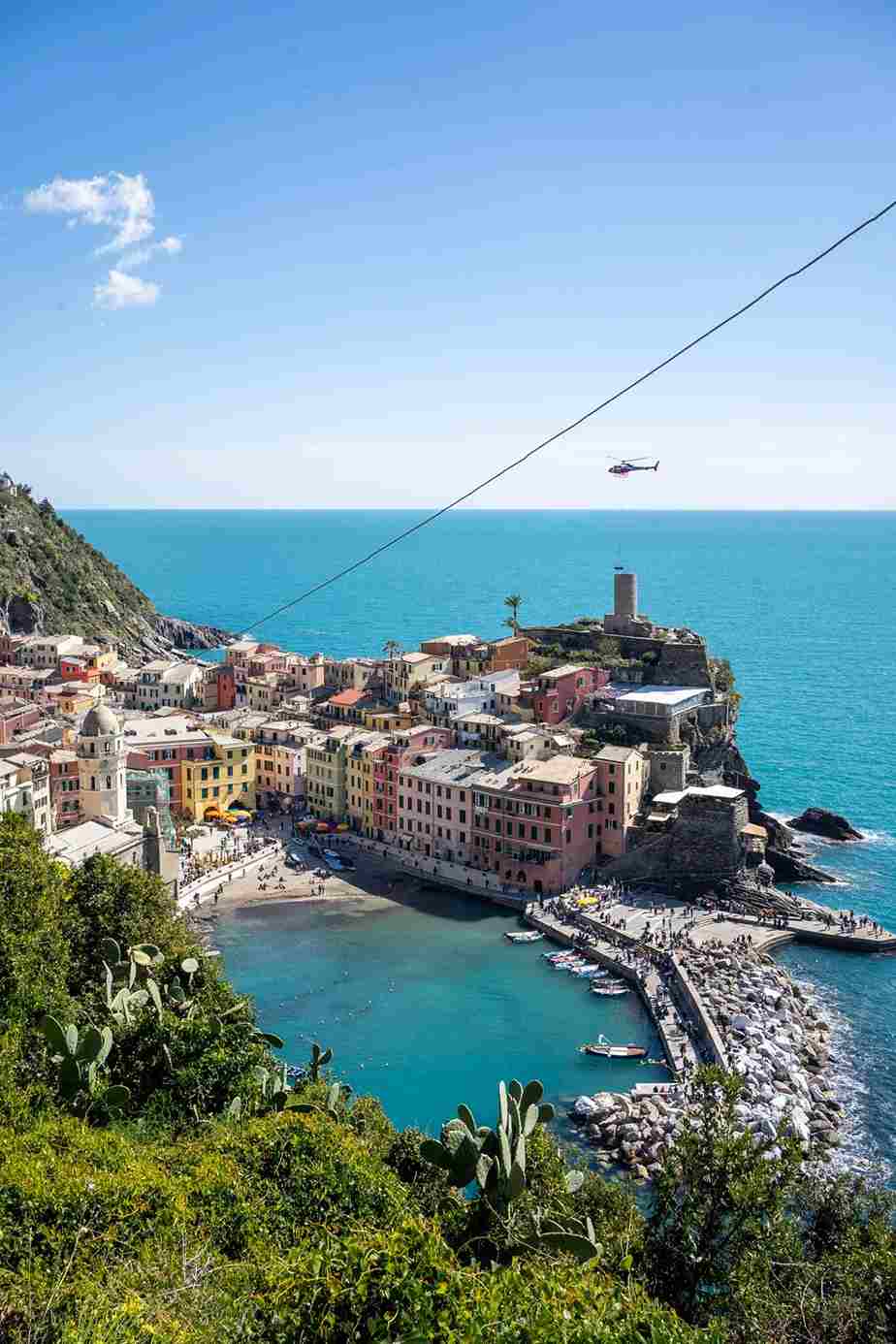
Cinque Terre earns its name from the five lands — or five villages — strung along the cliffs, each offering hiking, vineyards, and sandy beaches depending where you stop. Visit during off-season, ideally November, and the blue skies stretch over near-empty trails. Skip summer entirely if you can, when cruise terminal group tours flood the paths and the ocean rocks lose their quiet charm.
Glorenza (or Glurns), South Tyrol
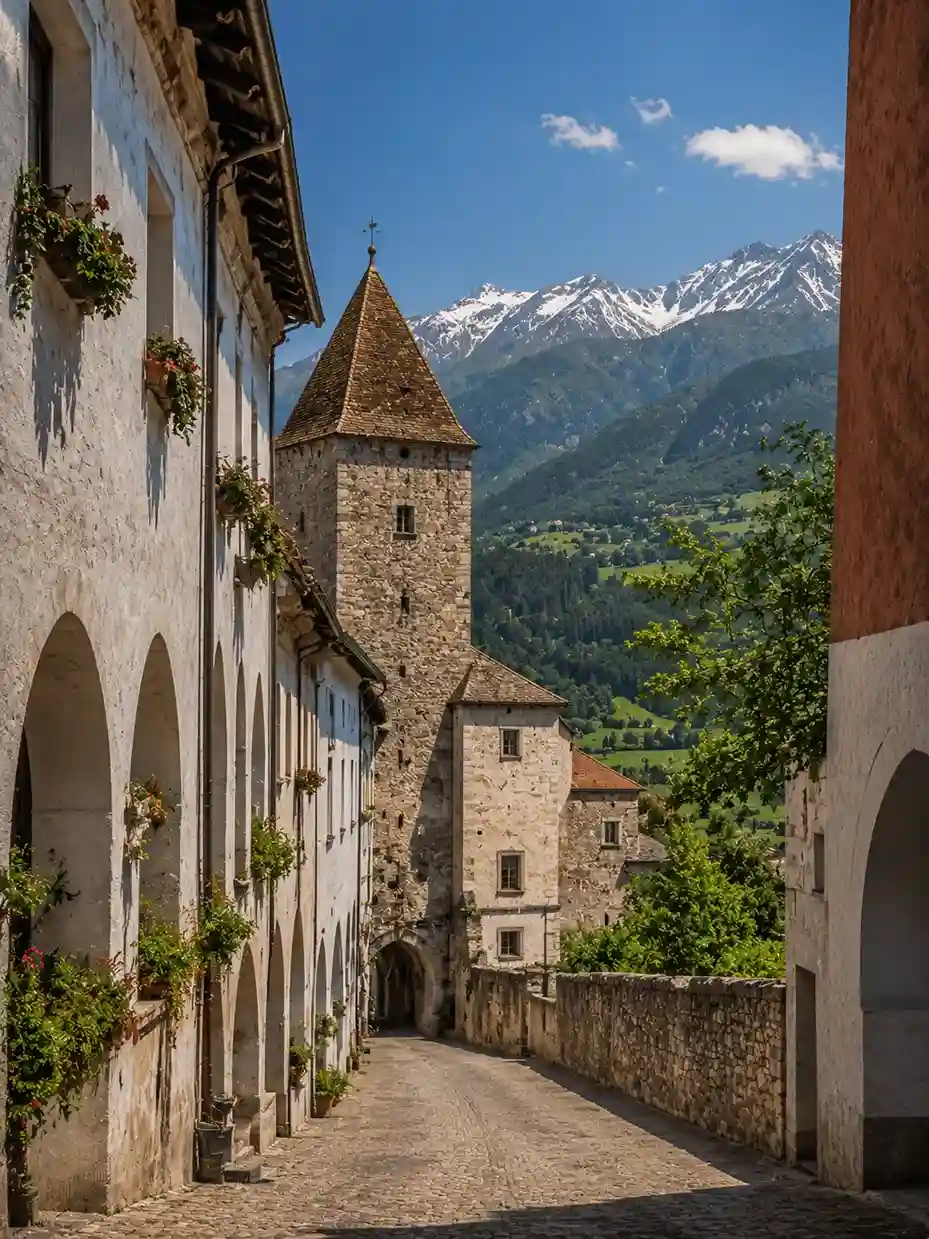
Up near the Swiss border, Glorenza is a walled medieval town with a thick Austrian accent, home to barely 1,000 person town worth of residents and small enough to circle on foot in minutes. Walk the Laubengasse, its historic arcaded walkways, and stop into PUNI whisky distillery — yes, Italy’s first. Nearby, the Church of St. Benedict preserves rare 8th century frescoes in the village of Mals, while Marienberg Abbey, sitting at 1,340 meters, claims the title of highest Abbey in Europe, its Baroque style exterior hiding a crypt filled with 12th-century Romanesque art.
Sleep at the Belvenu Boutique Hotel for value and location, then eat at Gasthof Grüner Baum or the Michelin recommended medieval tower restaurant Flurin, both leaning into honest farm to table cooking.
Chiavenna, Lombardy
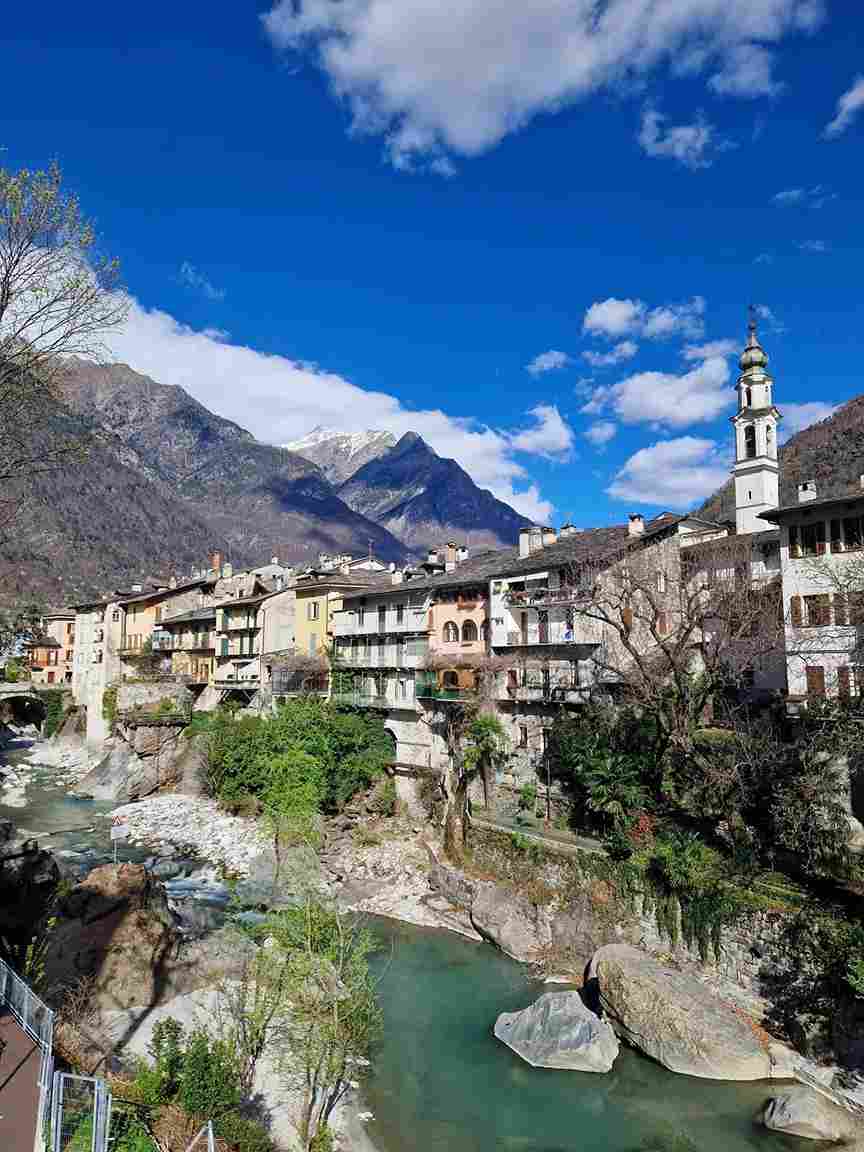
Near the Swiss border and not far from Milan, Chiavenna built its reputation on crotti — natural caves once used to age cheese and wine, now converted into atmospheric rustic restaurants. Outside town, the Palazzo Vertemate Franchi is a half-forgotten Renaissance villa, and the Parco Paradiso botanical garden offers the best valley view around.
Stay at Hotel San Lorenzo for central comfort, then dine at Crotto Ombra for pizzoccheri (buckwheat pasta) and cured meats, or try Villa Giade for food that’s as photogenic as it is good.
Cividale del Friuli, Udine
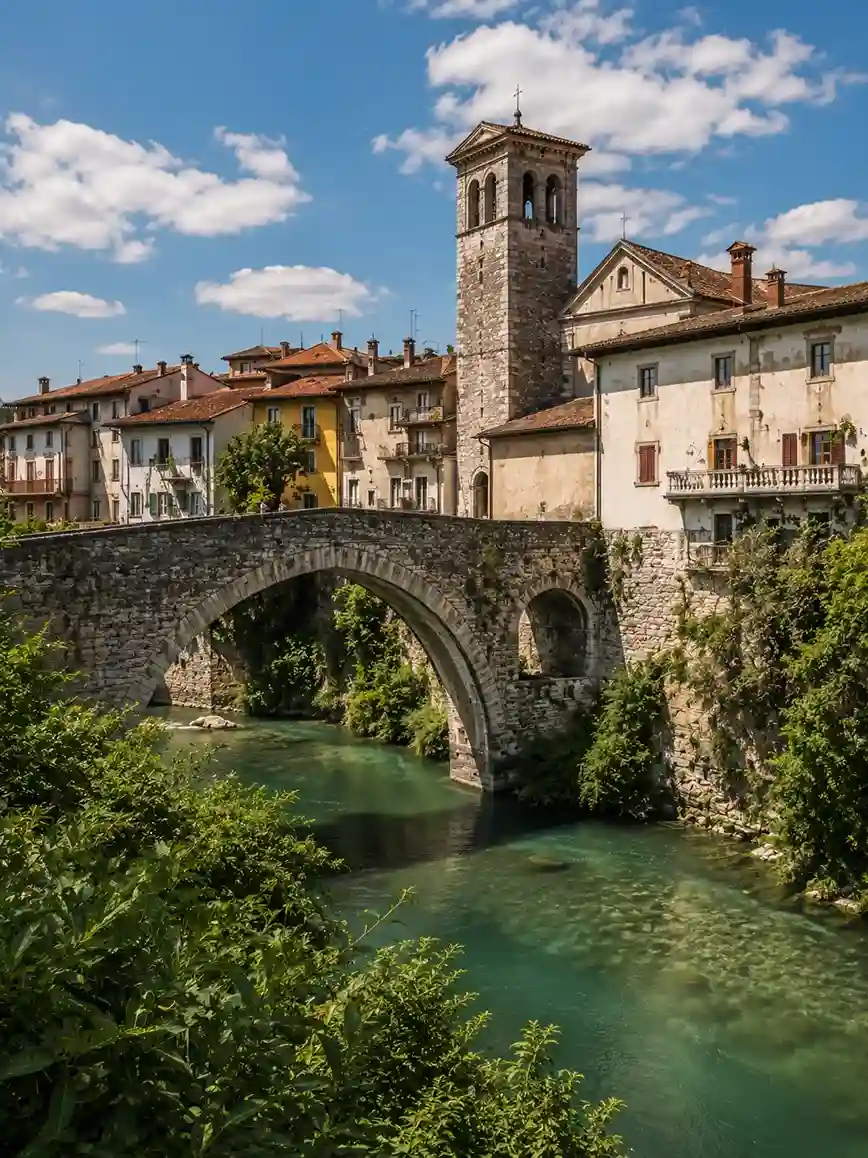
Once the seat of Lombard kings, Cividale del Friuli near Udine is a UNESCO site anchored by the legendary Ponte del Diavolo (Devil’s Bridge) and the 8th-century Lombard Temple of Santa Maria in Valle. Wander the medieval streets before stopping at Zorzettig Vini, a winery dating to 1874.
Stay at B&B Dai Toscans for warm hospitality, then eat at Al Monastero for cjarsons or Antica Trattoria Dominissini for surprisingly excellent Sicilian food.
Viterbo, Lazio
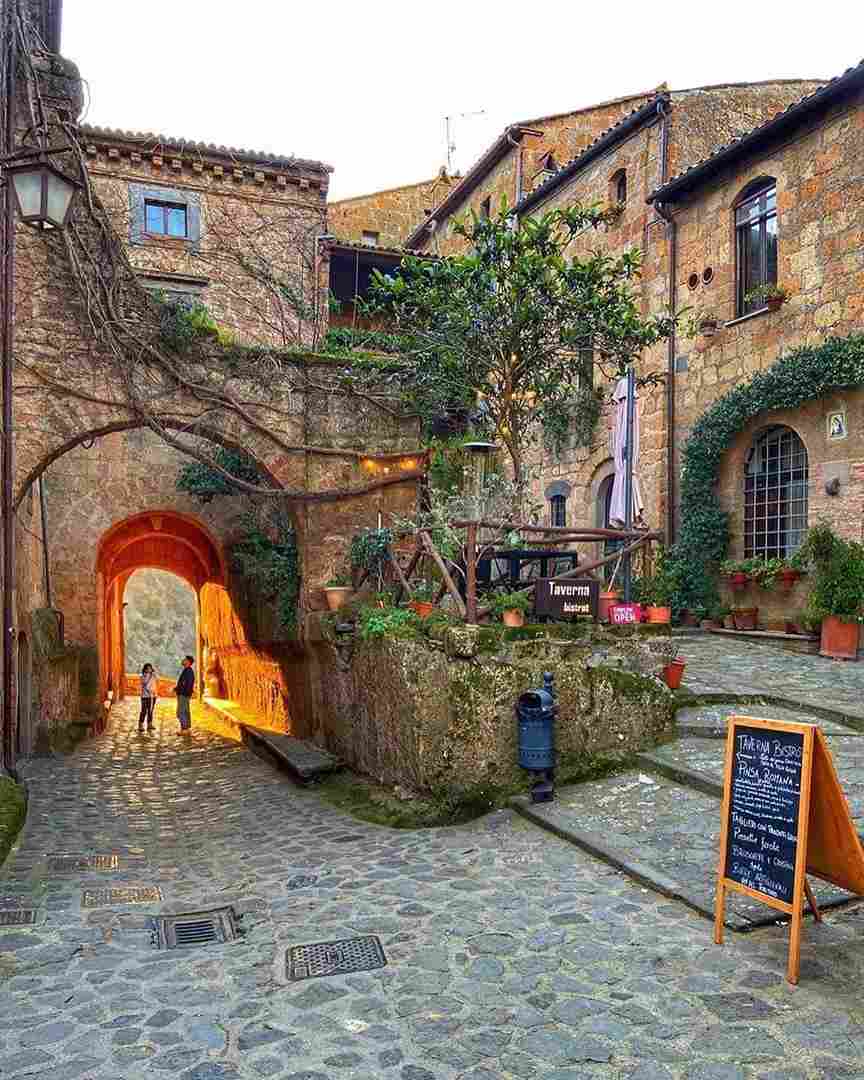
A papal seat back in the 13th century, Viterbo in Lazio hides its best feature in the medieval quarter of San Pellegrino. After touring the Palazzo dei Papi, soak in the thermal baths at Terme dei Papi, or for a rougher, free version, try the hot springs at Piscine Carletti. Most travelers driving between Rome and Florence never even notice the exit.
Stay at B&B a Piazza del Gesù or La Suite Del Borgo, and eat Tuscia cuisine at Osteria del Vecchio Orologio or Il Cantuccio di Maria.
Ascoli Piceno, Le Marche
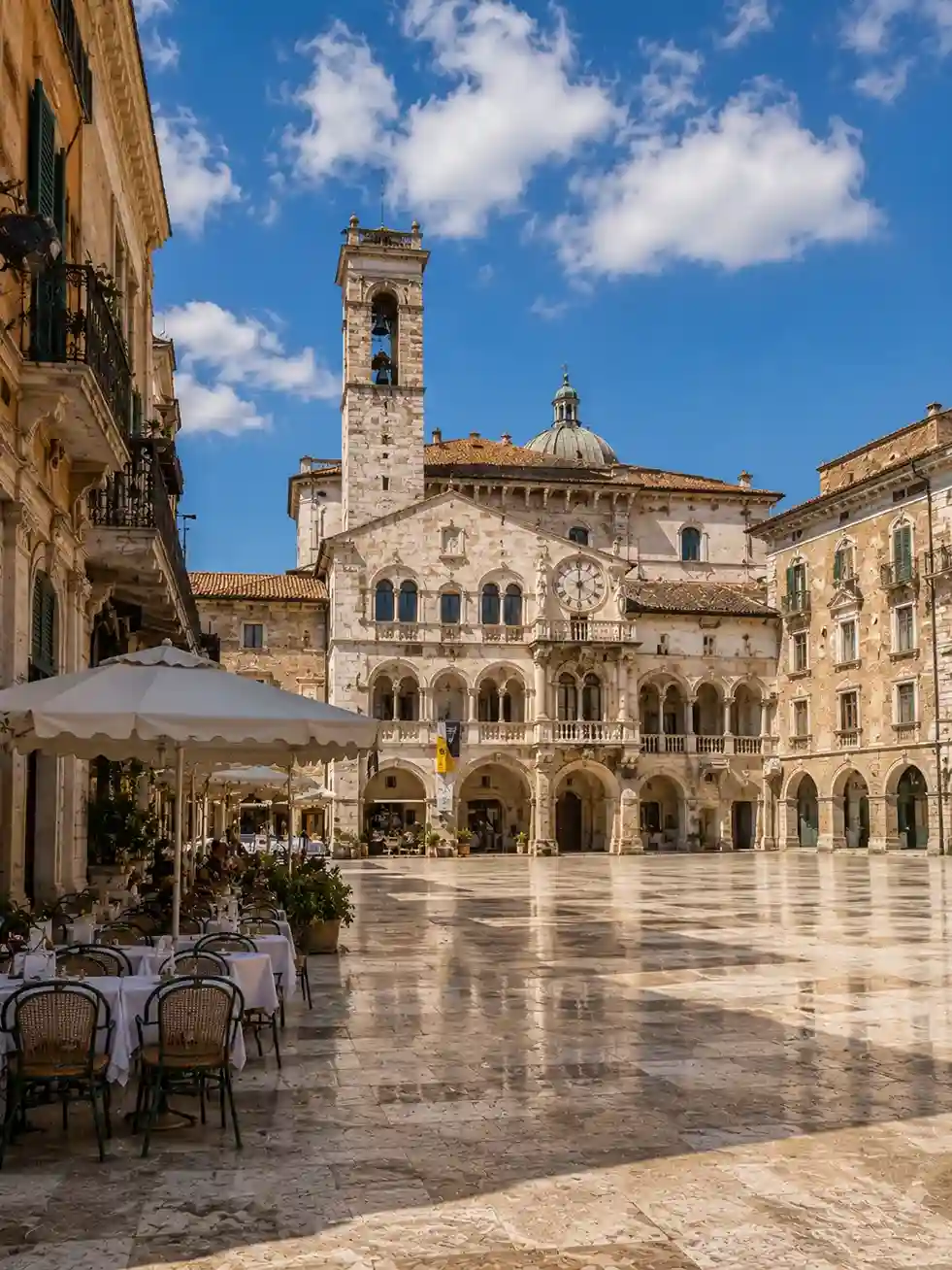
The Piazza del Popolo here is paved entirely in shimmering travertine marble, arguably the most beautiful square in the country. Have a drink at the historic Caffè Meletti, then walk to the Roman bridge Ponte di Solestà, built under Emperor Augustus.
Stay at Albergo Sant’Emidio or the river-facing Antico Borgo Piceno, which even has a rooftop hot tub. Eat at Osteria Nonna Nina for the best Olive all’Ascolana (fried stuffed olives) around, or splurge at Figli di for truffle ravioli and tomato focaccia.
Santo Stefano di Sessanio, Abruzzo
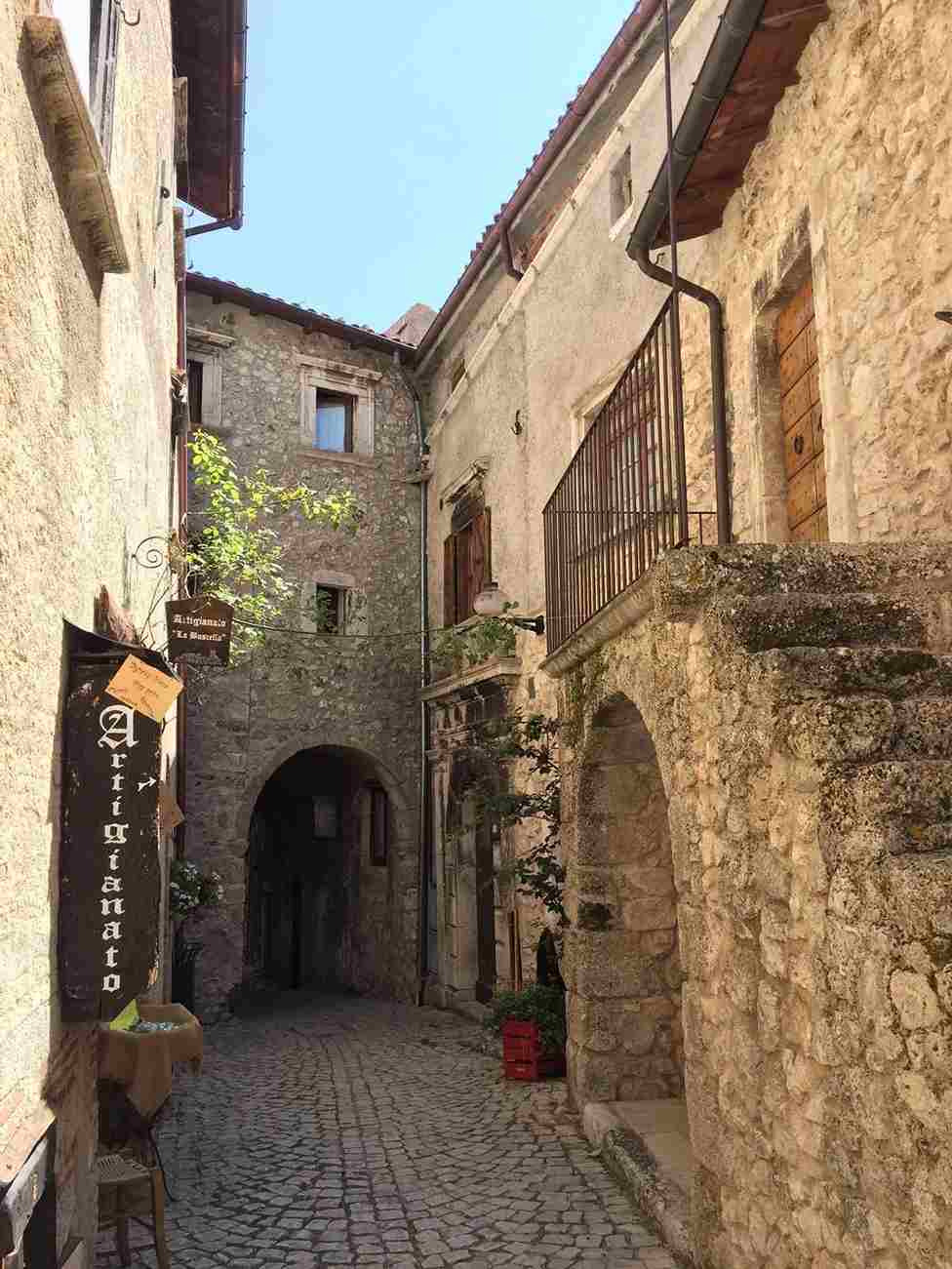
High in the Gran Sasso mountains, Santo Stefano di Sessanio was nearly a ghost town before reviving as an albergo diffuso, a scattered hotel model that brought it back from silence. It sits 147 km (about a 2 hour drive) from Rome, close enough for a weekend escape.
Use it as a base for Rocca Calascio, a ruined mountaintop castle, and the Campo Imperatore Plateau, nicknamed Little Tibet. Stay at Sextantio Albergo Diffuso for the full splurge experience, or Ristorante La Bifora e Le Lune for something more affordable with rooms attached.
Gerace, Calabria
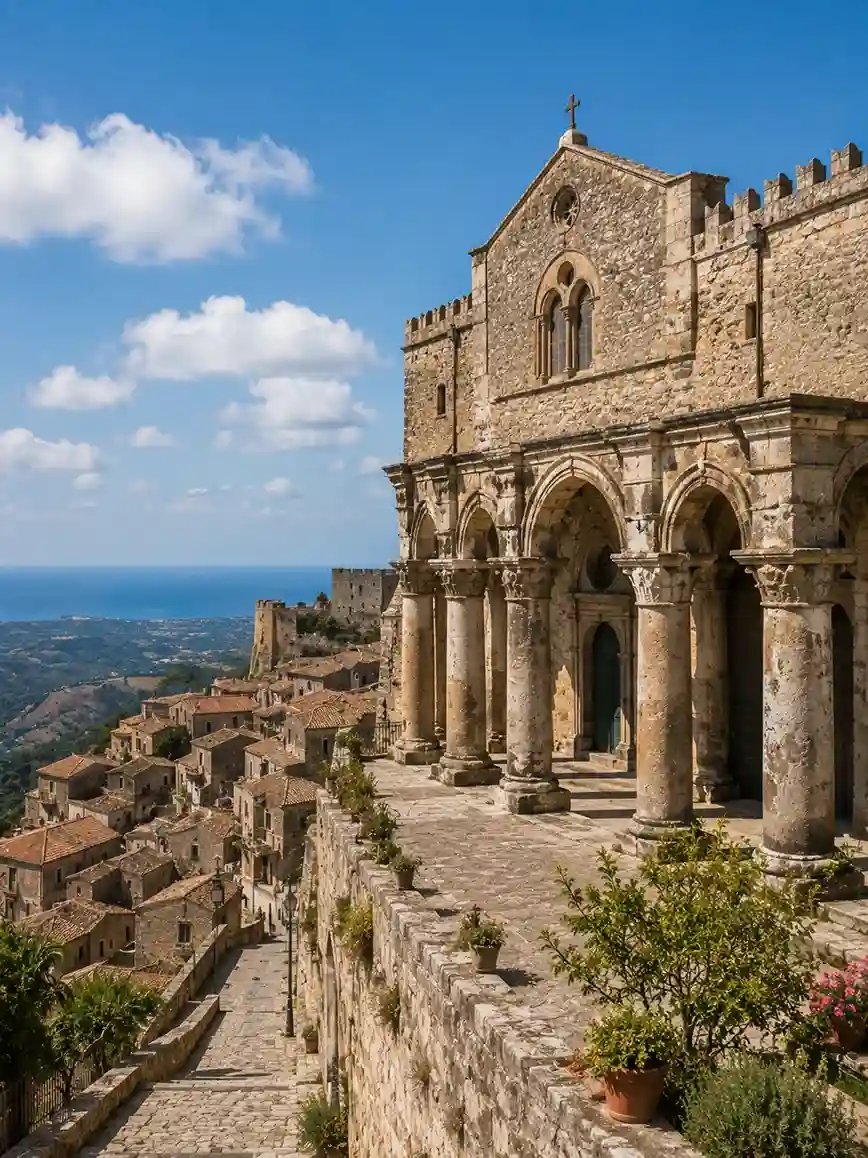
This hilltop town in Calabria is crowned by a striking Norman cathedral, the Cattedrale di Santa Maria Assunta, holding 26 ancient columns scavenged from the Greek ruins of Locri — some 2,500 years old. Inside, a Byzantine crypt adds another layer of history, and the Castello di Gerace delivers panoramic views over the whole region.
Stay at La Rosa Blu or Palazzo Candida B&B, and eat a proper Greco Calabrian meal at Trattoria Broccia.
Agnone, Molise
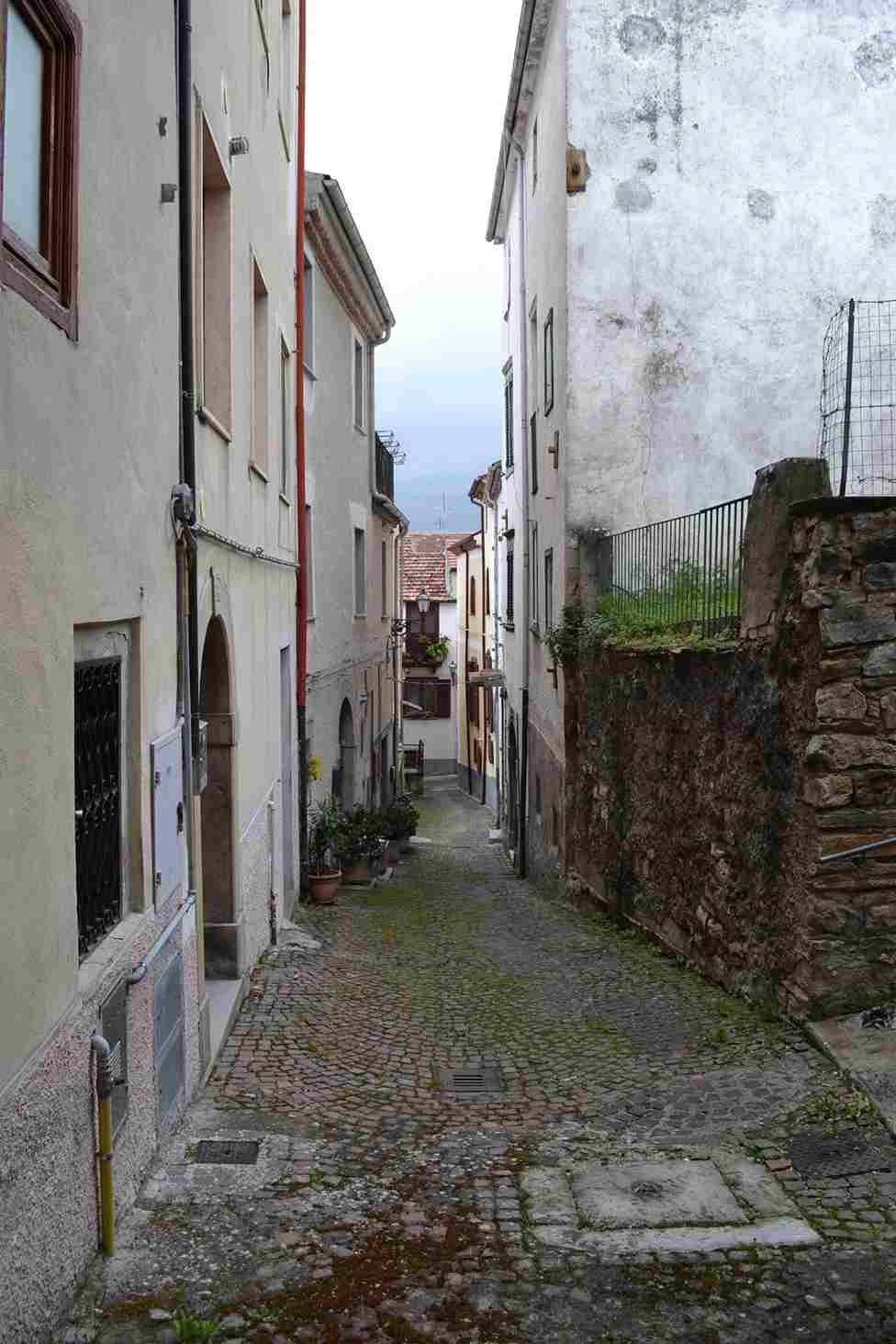
Hardly anyone’s heard of Molise, which is exactly why Agnone deserves attention. The town’s bell foundry, Pontificia Fonderia Marinelli, has been casting bells for the Vatican for 1,000 years, and its Venetian artisan quarter still echoes its old ties to the Republic of Venice. It sits 150 km (2 hours drive) from Naples.
Stay at Borgo San Pietro or the more affordable Palazzo della Città, then eat Molisan dishes at Locanda Mammi or Osteria Mia.
Ventotene, Lazio
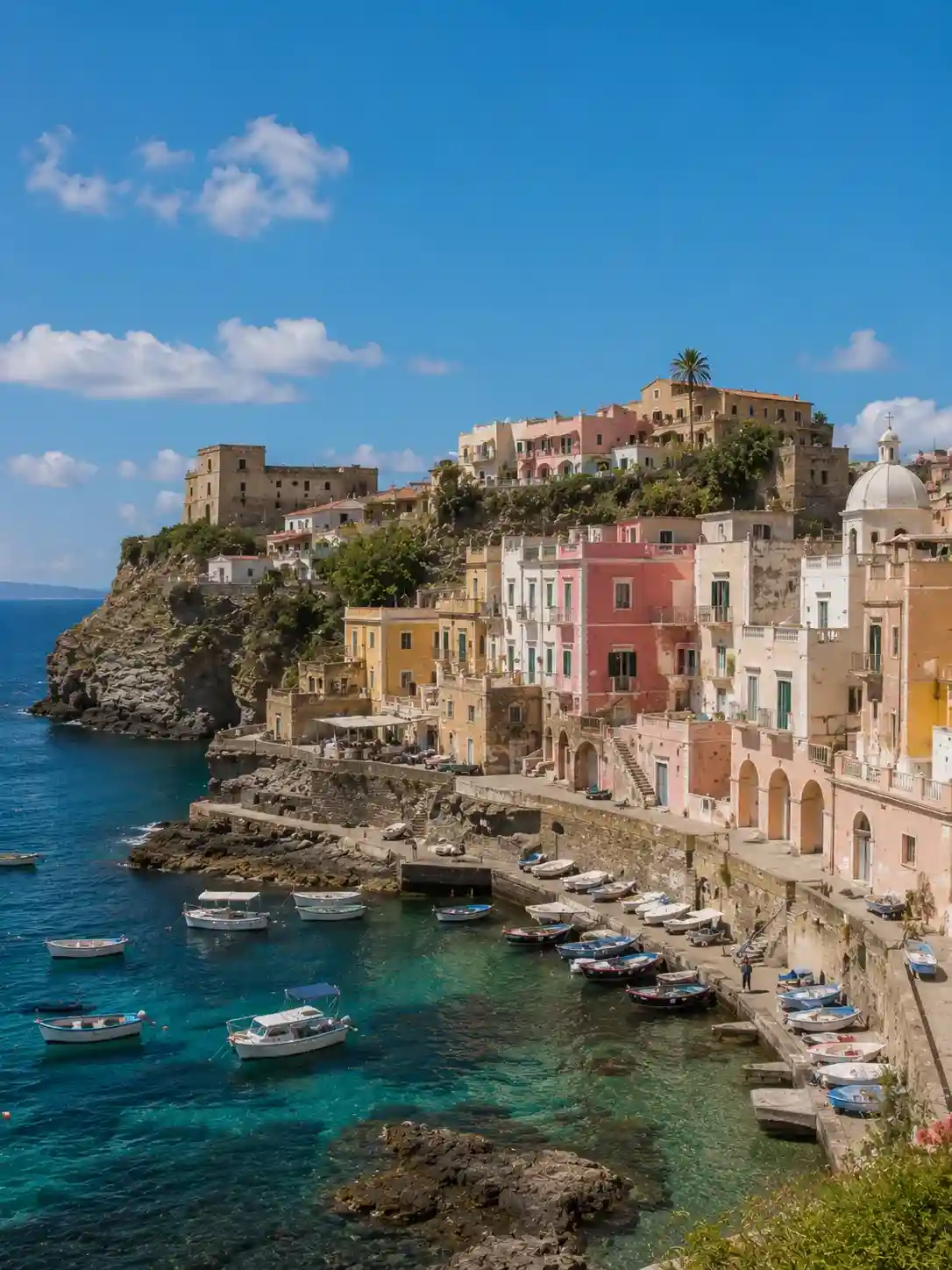
A genuinely windswept island, Ventotene was once used for Roman exile and still carries that isolated atmosphere. Explore the Roman Port, take a boat past the grottoes, and pass by Santo Stefano, home to an abandoned prison from the 18th century. Swim at Cala Nave or the quieter Cala Rossano, both reachable by ferry from Forma or Naples.
Stay at Hotel Borgo Cacciatori or budget-friendly Hotel Lo Smeraldo, then eat seafood at Il Giardino di Ventotene.
The Tremiti Islands, Puglia
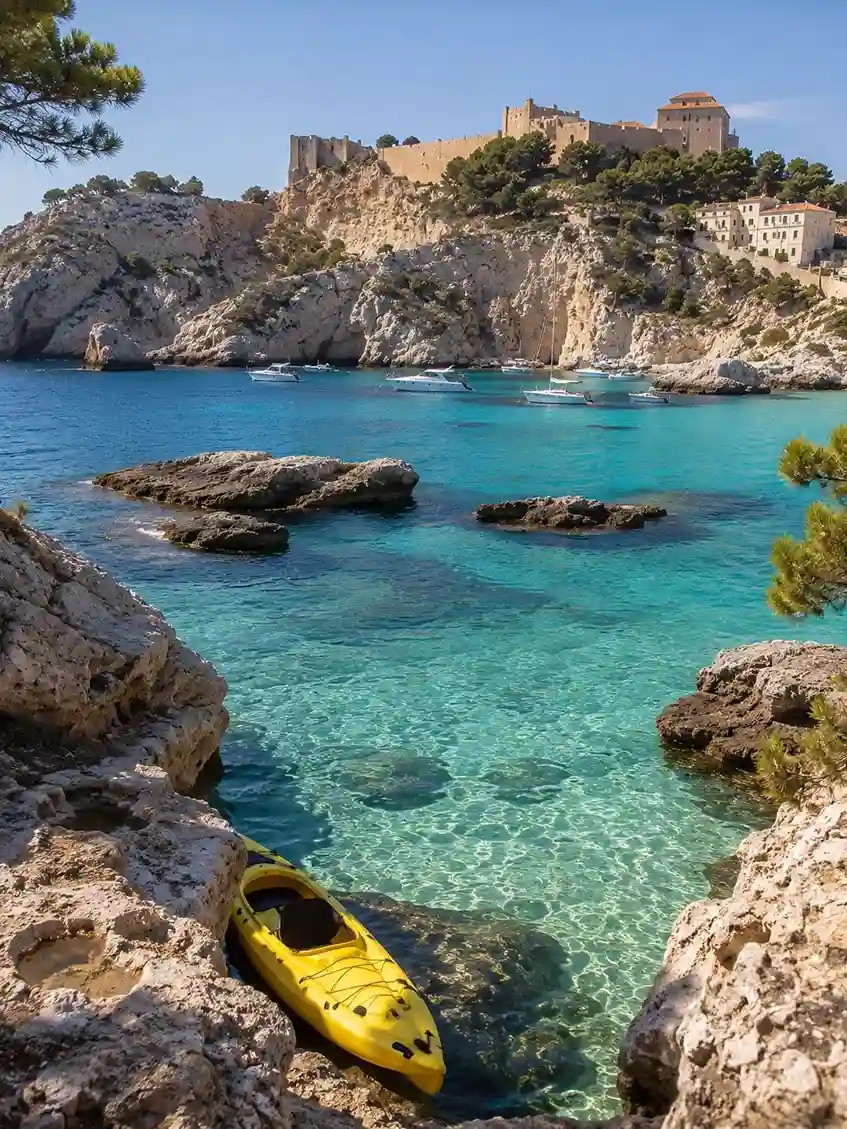
This small archipelago in the Adriatic functions as a protected marine reserve known for the clearest water in Italy. San Domino is for kayaking through caves like the Grotte delle Viole (Cave of Violets), while San Nicola holds the 9th century Abbey of Santa Maria a Mare with its original mosaic floors.
Reach the islands by ferry or hydrofoil from Vieste, Termoli, Rodi Garganico, Peschici, or Manfredonia. Stay at La Fenice Rooms or Villaggio Touring Tremiti, and eat at Da Elio Fish Bar.
Bosa, Sardinia
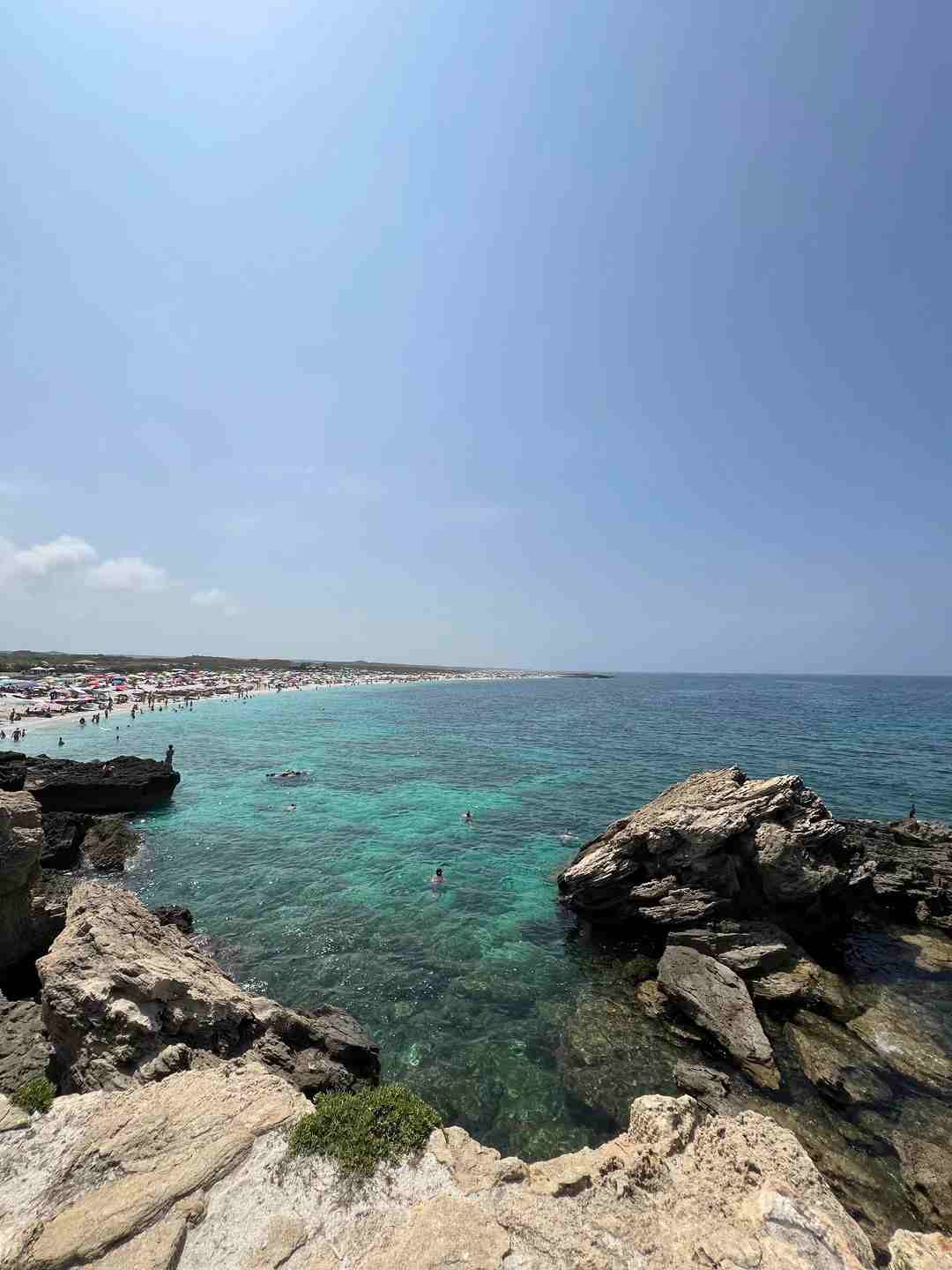
Along the river in Sardinia, Bosa’s colorful houses make for one of the country’s prettiest walks. Climb to Castle Serravalle, then taste Malvasia di Bosa, the local aromatic wine, before checking out the old tanneries known as sas concas and the small Conce Museum.
Drink at Sorsi e Sorrisi – Zio Elio, stay at Casa Pagiò or the more affordable Da Ida, and eat at Locanda di Corte or Ristorante S’Iscugia for a grilled tuna steak along the cobblestone streets.
Spello, Umbria
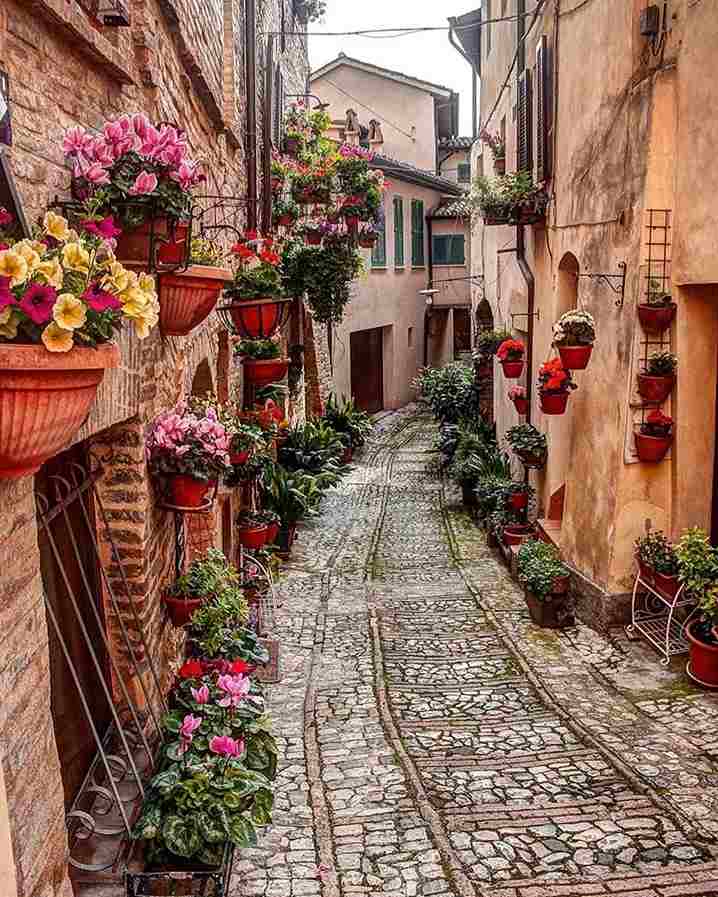
Known as the flower town, Spello in Umbria transforms every June during the Infiorata Festival, when millions of flower petals blanket the streets. It’s calmer than neighboring Assisi but offers the same hilltop town charm. Visit the Baglioni Chapel for its Pinturicchio frescoes, then seek out the Roman gates including Porta Venere, and the Villa dei Mosaici with its ancient mosaic floors.
Stay at Belvedere Spello or Domus Antiqua Bed & Breakfast, and eat Umbrian classics at La Cantina di Spello.
Moena
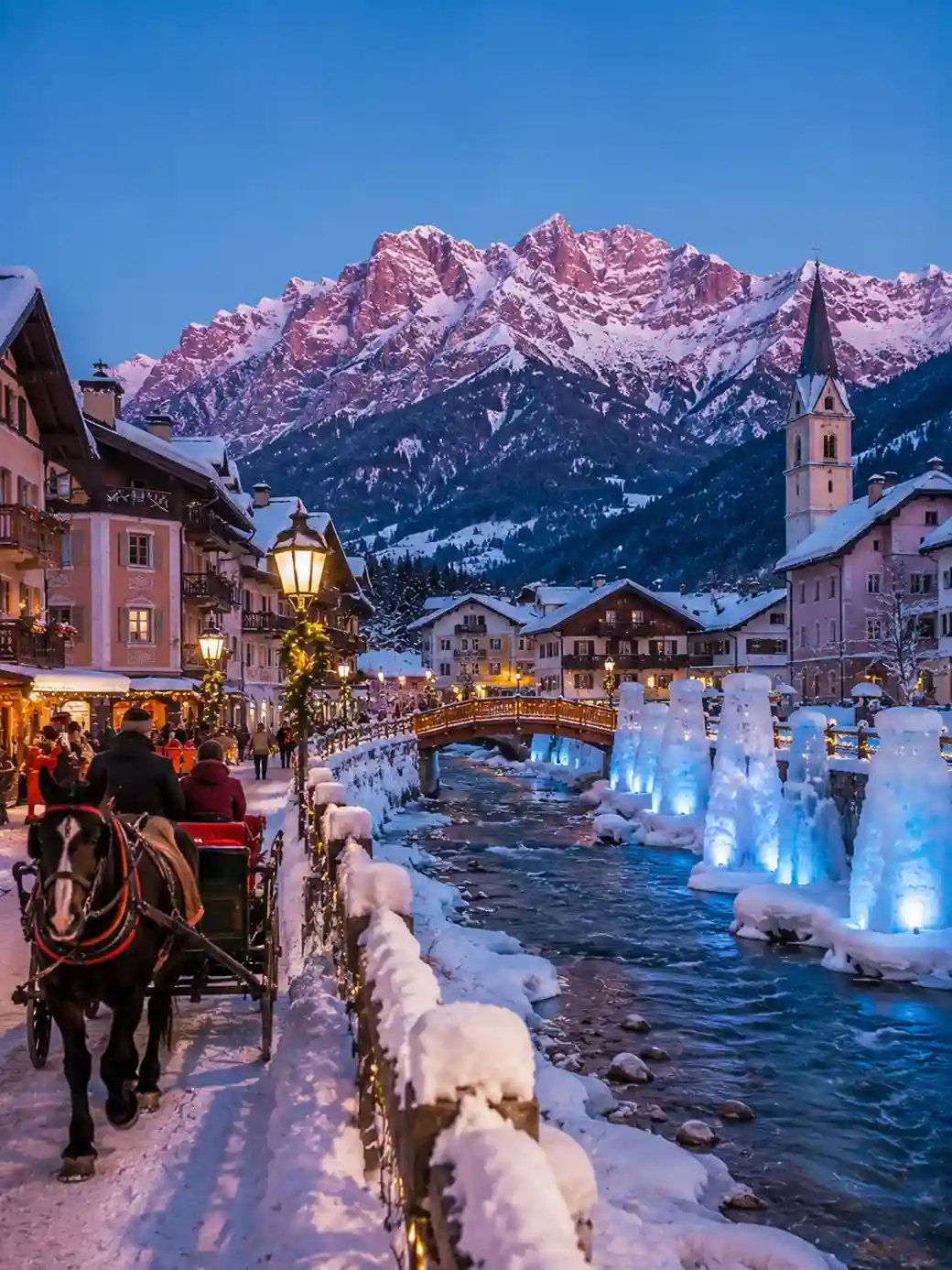
Tucked into the pink-hued Dolomite mountains, this town of roughly 2,000 population leans hard into winter sports. Shuttles run constantly to nearby ski resorts, including the famous Sellaronda, a 40 km run circling an entire mountain — snowshoeing works too if skiing’s not your thing, even on the gentlest baby slope. A horse-drawn sleigh might pass while you ski.
Off the slopes, Moena feels like a Dickens Village Christmas scene, with ice towers built deliberately into the river. Austrian flourishes show up everywhere, down to the German street signs. Eat anything made with apples, game, or speck, and if you’re brave, try Puzzone di Moena cheese. Stay at an agriturismo for the full countryside experience.
Bologna
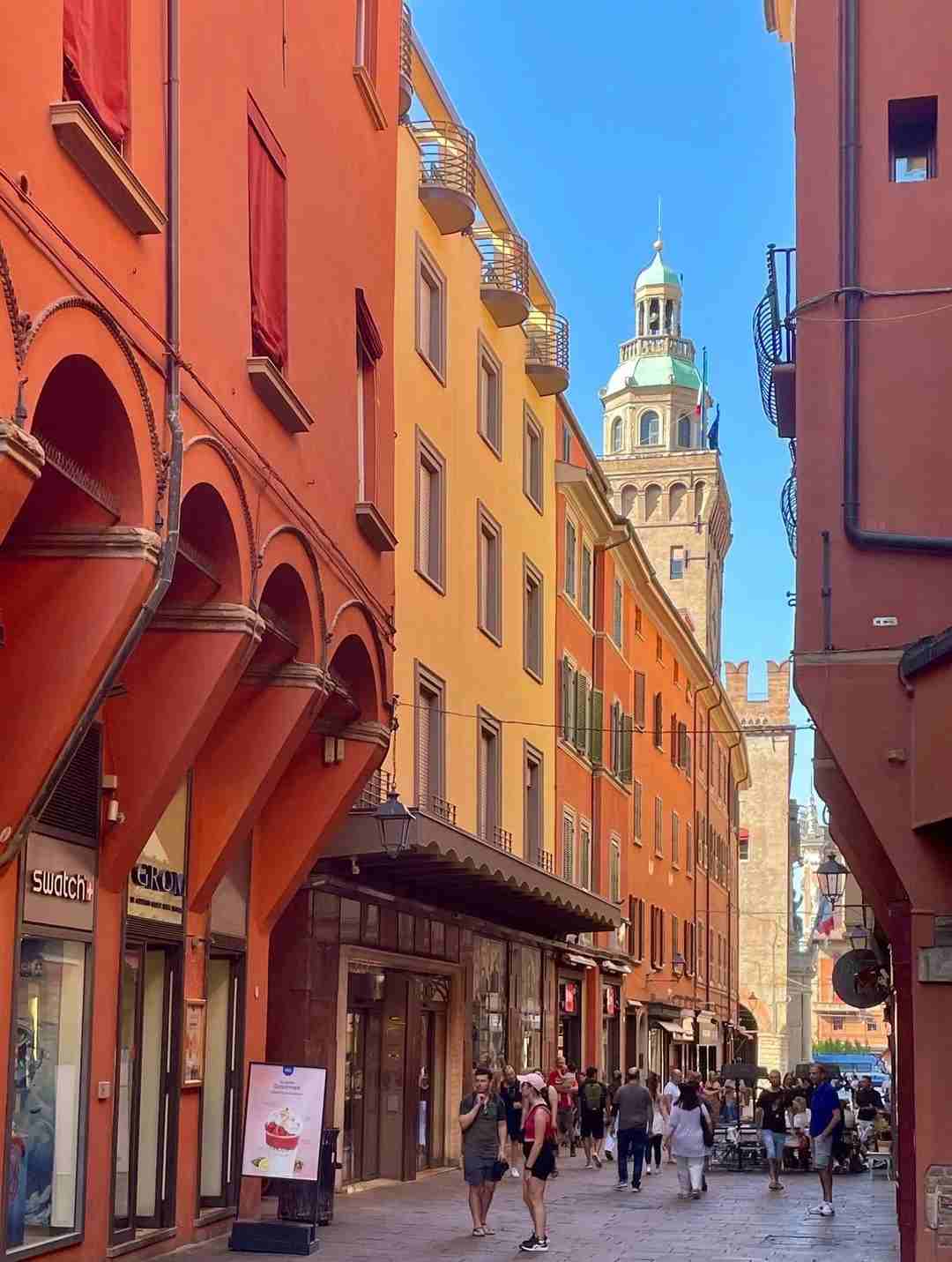
Nicknamed the learned, the fat, the red, Bologna earns each title. “The red” nods to its communist leadings and brick buildings softened by shaded porticos. “The fat” is about food: mortadella (yes, that’s where Oscar Mayer bologna comes from), the area’s prized salumi, Lambrusco wine, and of course tagliatelle with ragù — never call it bolognese here.
“The learned” refers to Italy’s oldest university, still active today, with an operating theater that Michelangelo himself reportedly frequented, and statues scattered across the city celebrating science and philosophy. Even the unfinished cathedral tells a story — funds went to the school instead. Spend evenings in the university quarter at aperitivo hour with a spritz or negroni, but make reservations ahead of time.
Bevagna, Umbria
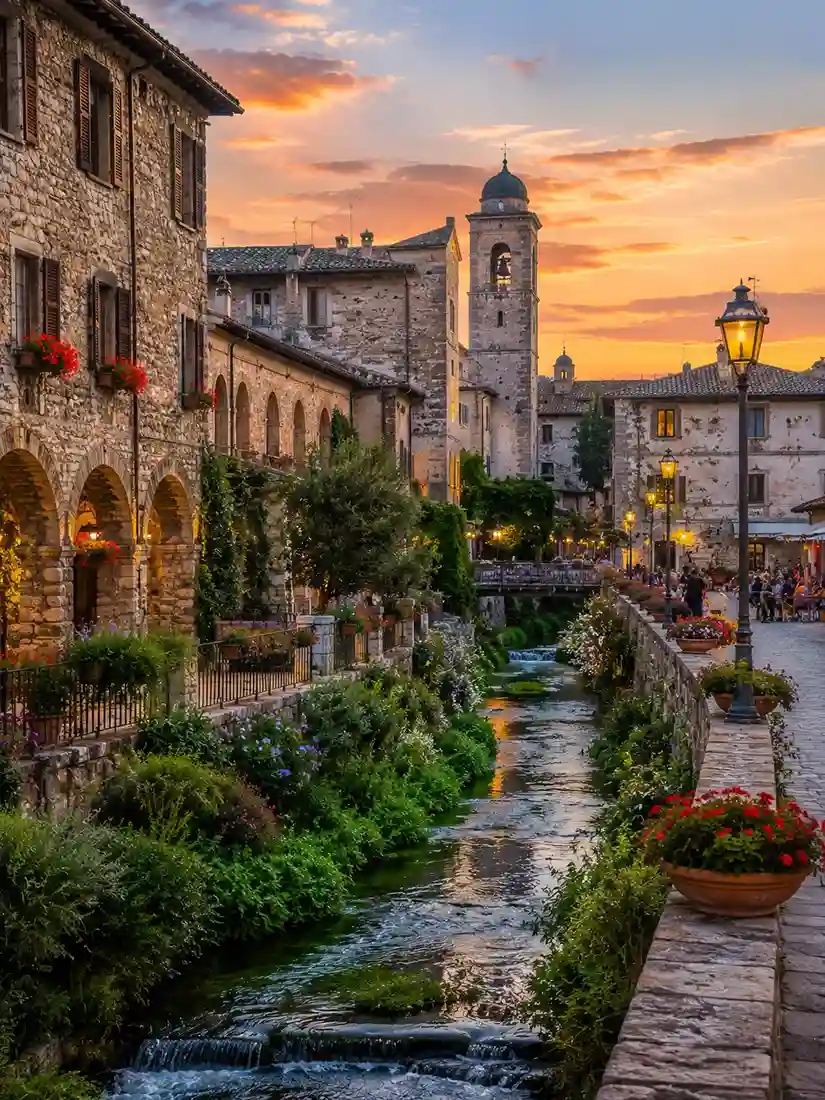
Unusually for Umbria, Bevagna is a medieval town built not on a hill, hugged instead by a small river that creates charming gardens throughout. Its biggest claim to fame, the Mercato delle Gaite di Bevagna festival, recreates medieval life through manuscript illumination, wood dying, and candle making — yet somehow hasn’t drawn the crowds you’d expect.
At sunset, locals pull out folding chairs for proper local color on the street. Eat at Trattoria di Oscar for upscale dining, or Scottadito for grilled Umbrian meats.
Sulmona, Abruzzo
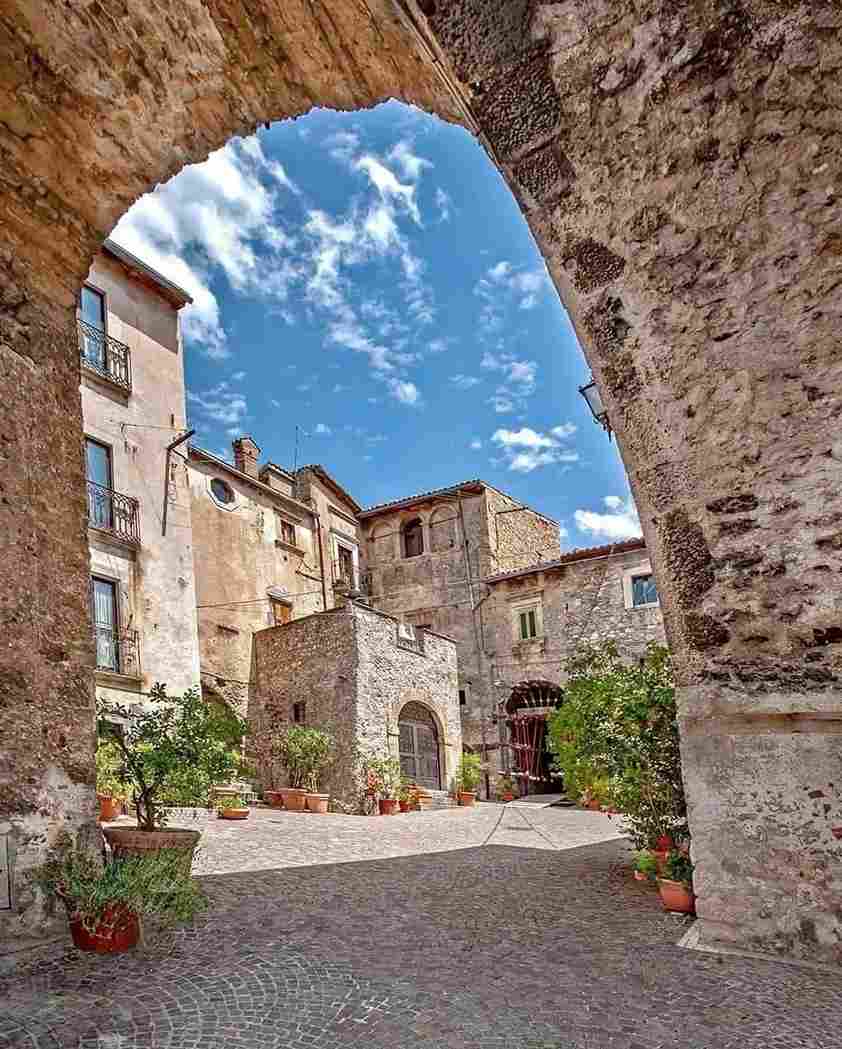
After an earthquake generations ago, Sulmona’s restoration turned out delicate rather than utilitarian — think wrought-iron Juliet balconies draped in green, whimsically painted buildings, and streets framed by dramatic mountain peaks. The drive in through Lazio into Abruzzo, past sweeping alpine meadows, is reason enough to visit a region still considered the least touristed region in the country.
Life here moves at its own pace — bakers, fruit sellers, and cheesemongers clearly aren’t used to outsiders, but they warm up fast once you try a little Italian. Buy confetti (candy coated nuts) and orange peels as edible souvenirs, and don’t skip a meal at a fishing hut facing the Adriatic — the whole town feels like a genuine time-warp and the apricots sold streetside are unreal.
Procida
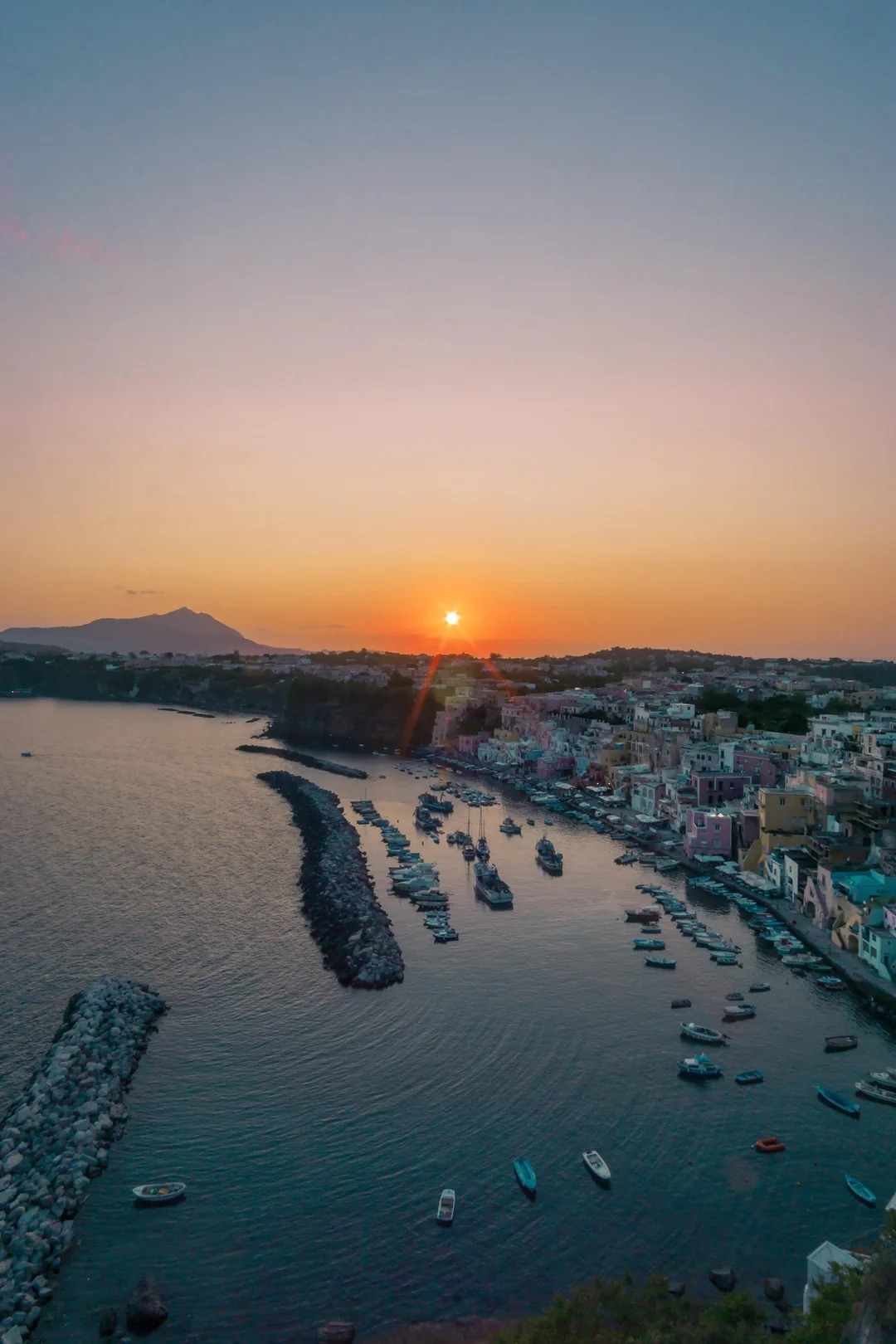
A short ferry ride from Naples lands you in Procida, the island where Anthony Minghella filmed The Talented Mr. Ripley. Picture a port built from giant stone blocks, fishermen unloading the day’s catch, pasta shops and bakeries tucked into every corner, and yards overflowing with citrus trees.
This was once a center of shipbuilding excellence, and that working-class energy hasn’t faded. If you want more island time, Ischia and Capri are both close, but for food, just grab some fried fish — proper anchovies, not the salty stuff you’re used to — straight from a mozzarella man’s street stall.
Favignana
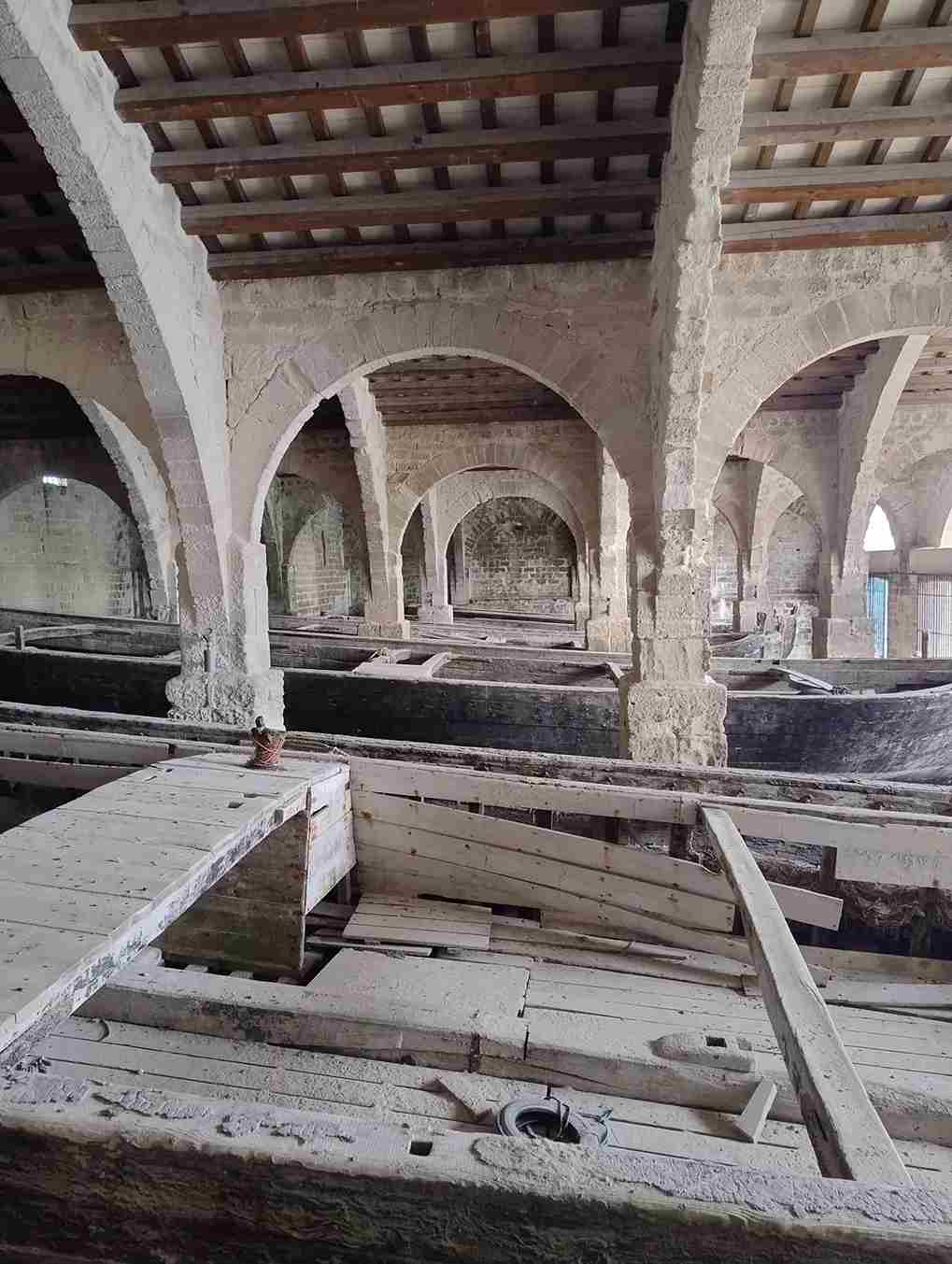
This butterfly-shaped island off Trapani, Sicily is reachable via cheap direct flights from Perugia, which makes it more accessible than it has any right to be. Rent a jeep and chase beaches all day — sand beaches, stone beaches, even lava beaches — with zero schedule.
Beyond the water, look for cliff faces marking old quarrying sites and faded cave drawings of unclear origin, plus tide pools crawling with sea creatures. End the day in the piazza, where locals sell fresh tuna, you’ll find a stall serving proper Arancini, and somewhere a kid will hand you a dandelion the size of your head.
Lecce
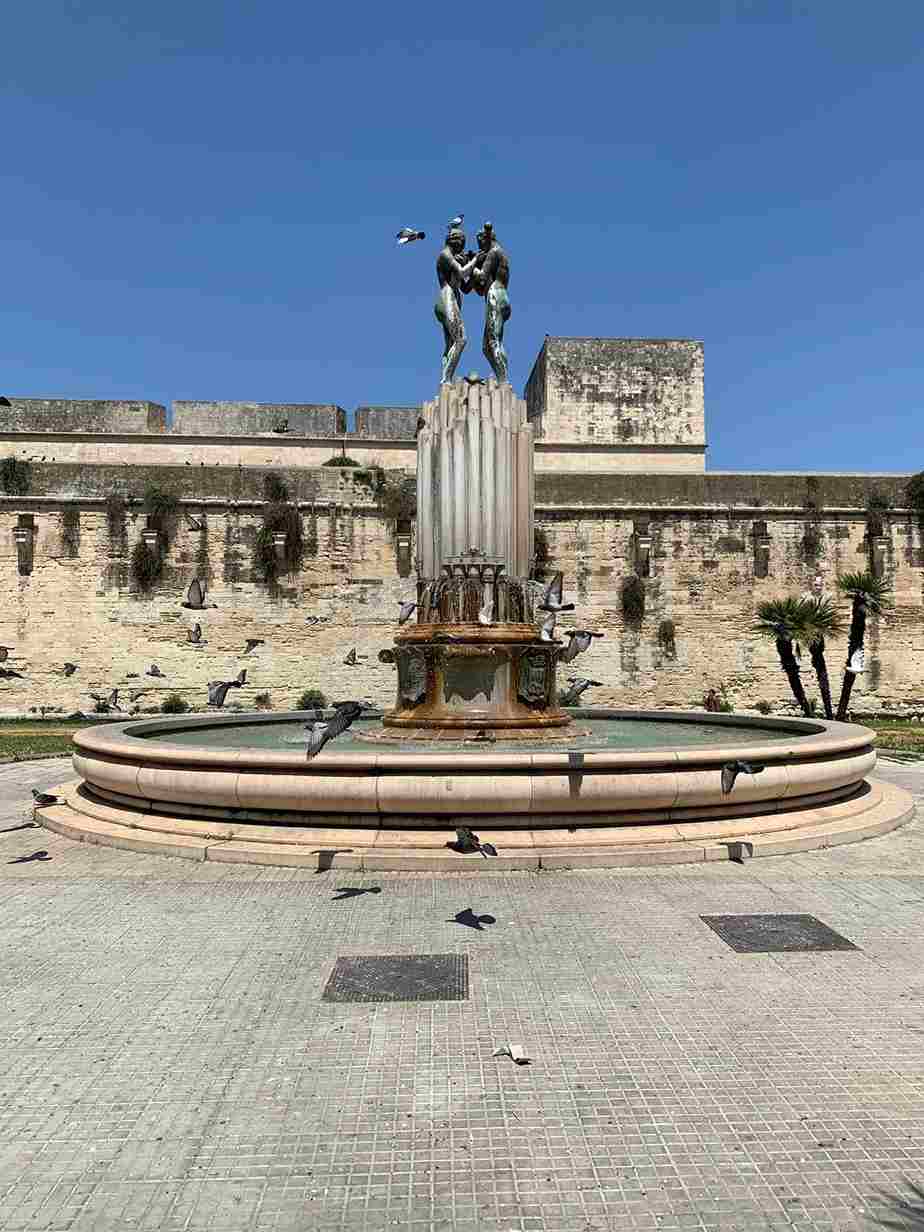
Called the Florence of the south, Lecce actually deserves its own title given how thoroughly it leans into Baroque architecture. Built from golden Lecce stone — a workable limestone with a warm golden hue — the city sits just Adriatic beaches away on one side and the Ionian sea on the other.
The Roman amphitheater, still being excavated, sits among countless charming piazzas. Food-wise, look for pasta spirals, a savory bake called pizzo (think savory tomato scone), and the lunchtime pastry rustico — puff pastry layered with bechemel, sausage, or mushroom. Use it as a base for Alberobello’s Trulli architecture, and don’t skip Gallipoli, a workaday fishing village with one of the best city beaches around.
Borghetto sul Mincio
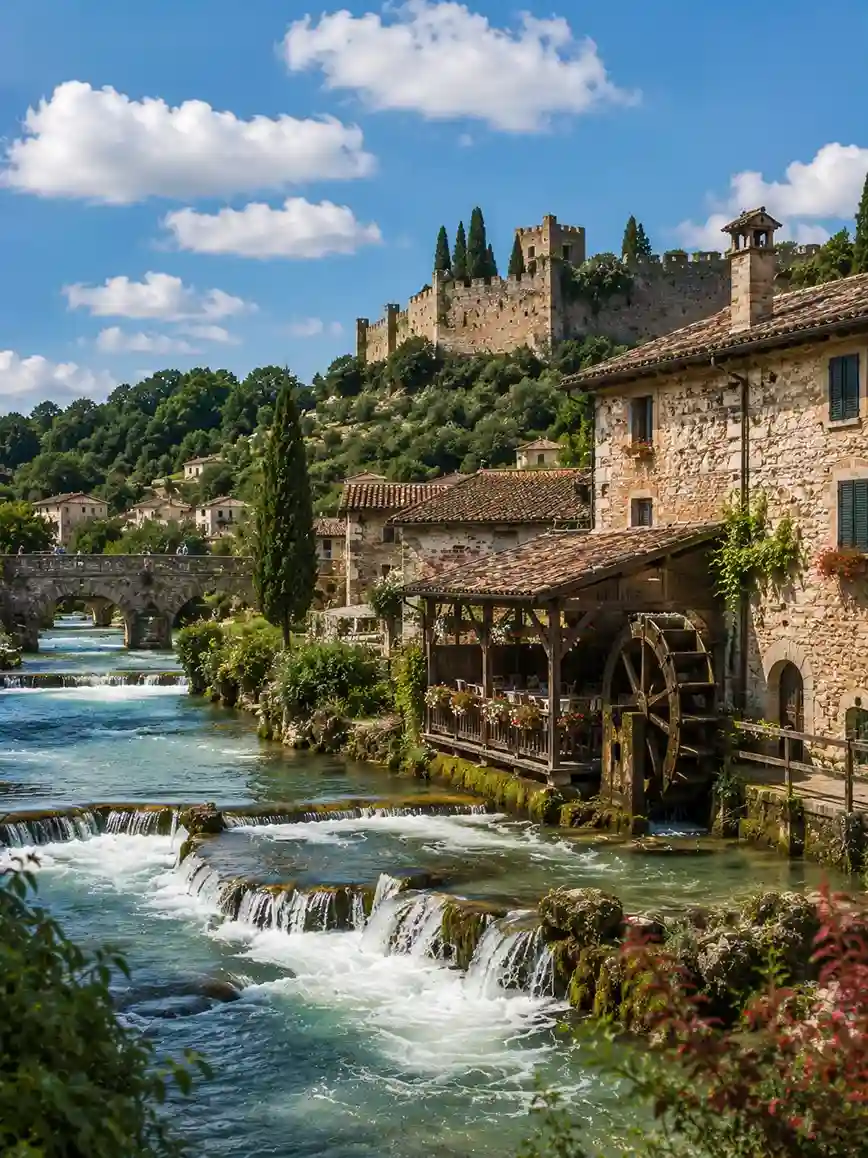
This fairytale village looks almost too perfect to be real: wooden mills, the historic Visconti Bridge, a distant castle, and cottage houses gathered along river falls. It’s a proper medieval village, easily folded into a half-day near Lake Garda and Verona.
Portovenere
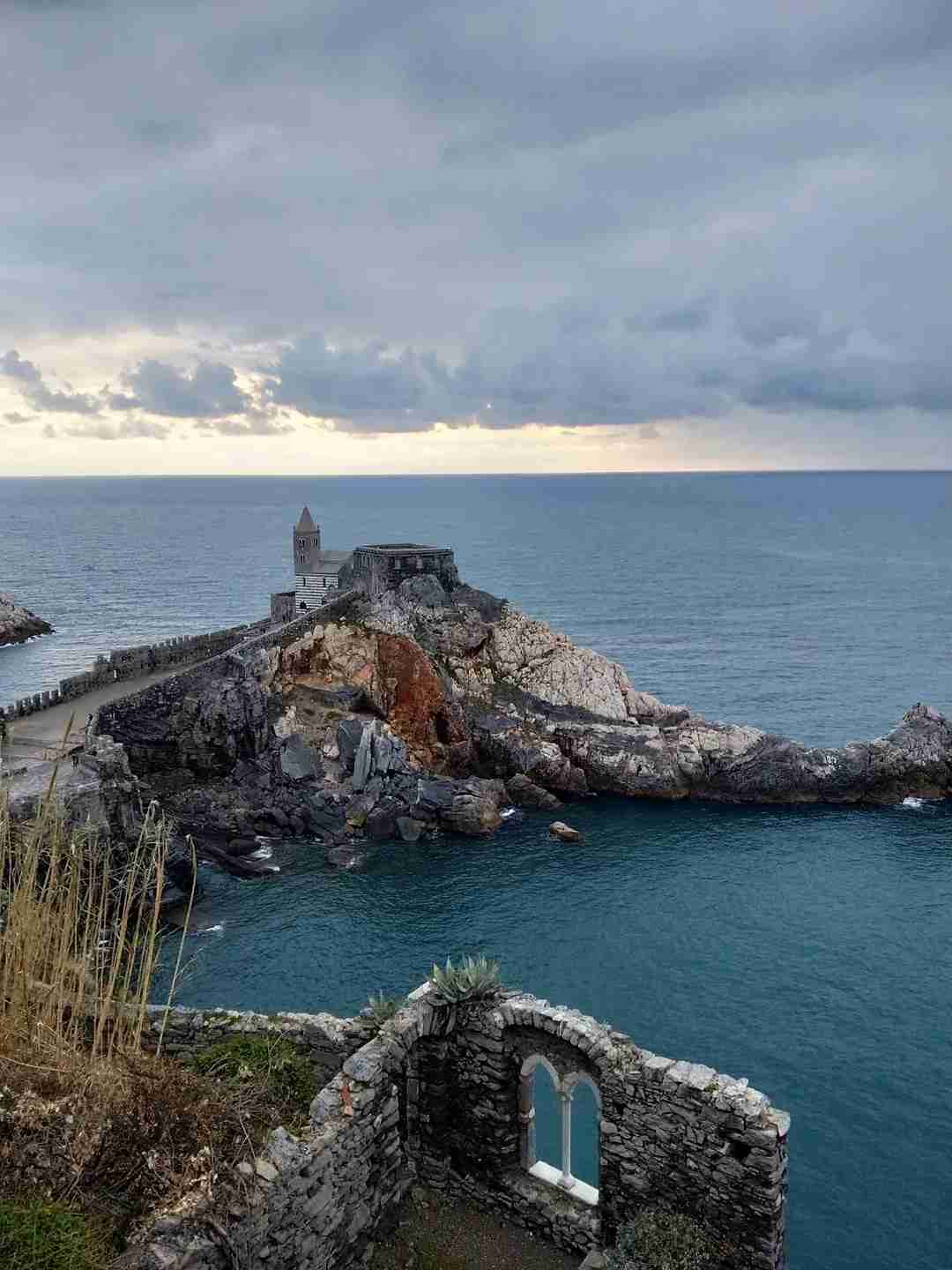
Among the most romantic places in Italy, Portovenere sits along the Ligurian coastline, overshadowed by its famous neighbor Cinque Terre — which works in its favor. A single windy road above the Gulf of Poets (Golfo dei Poeti) is the only way in, by private car or public bus.
Once there, a castle on a cliff, a church at the tip of a peninsula, and a bay so striking it inspired Lord Byron’s poetry make the awkward journey worthwhile.
Lake Iseo
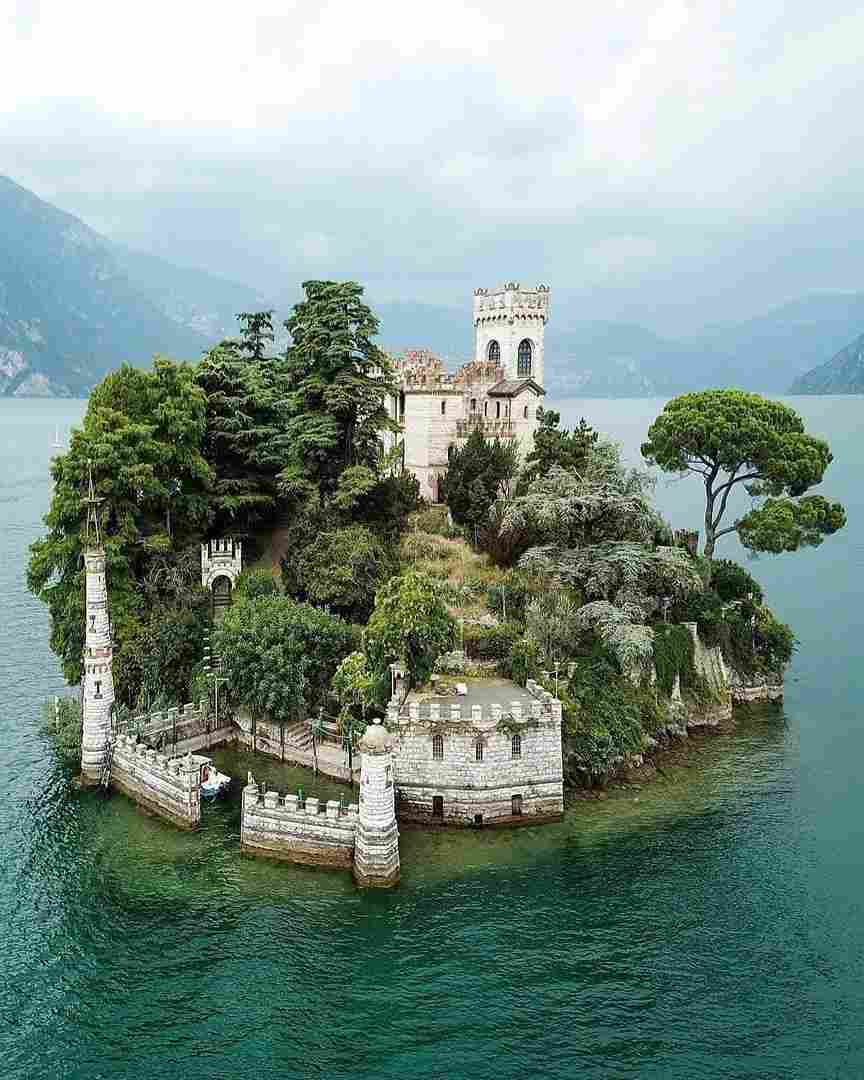
Caught between the fame of Lake Como and Lake Garda, Lake Iseo stays the quiet local favorite. It’s home to Monte Isola, the largest lake island in Europe, plus relaxed lakeside aperitifs at spots like Darsena21 — all at a price that’s both less expensive and less crowded than its rivals.