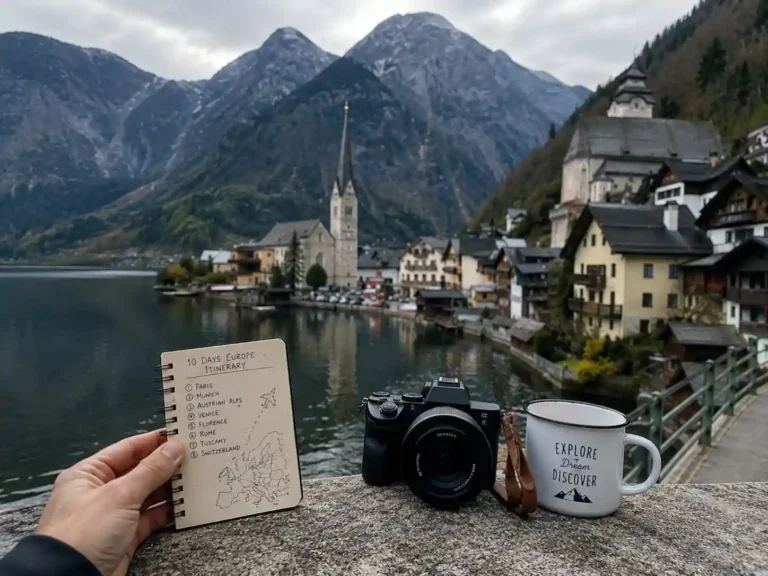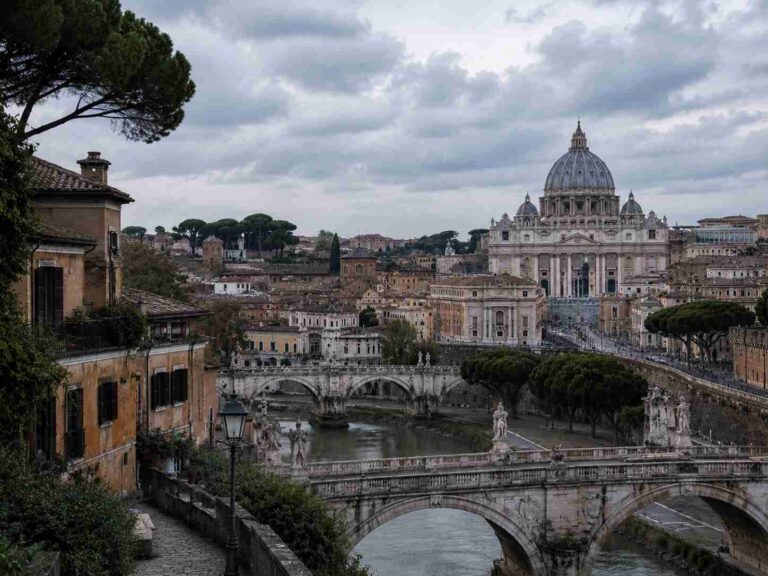
22 europe travel itinerary 2 weeks Fantastic ideas
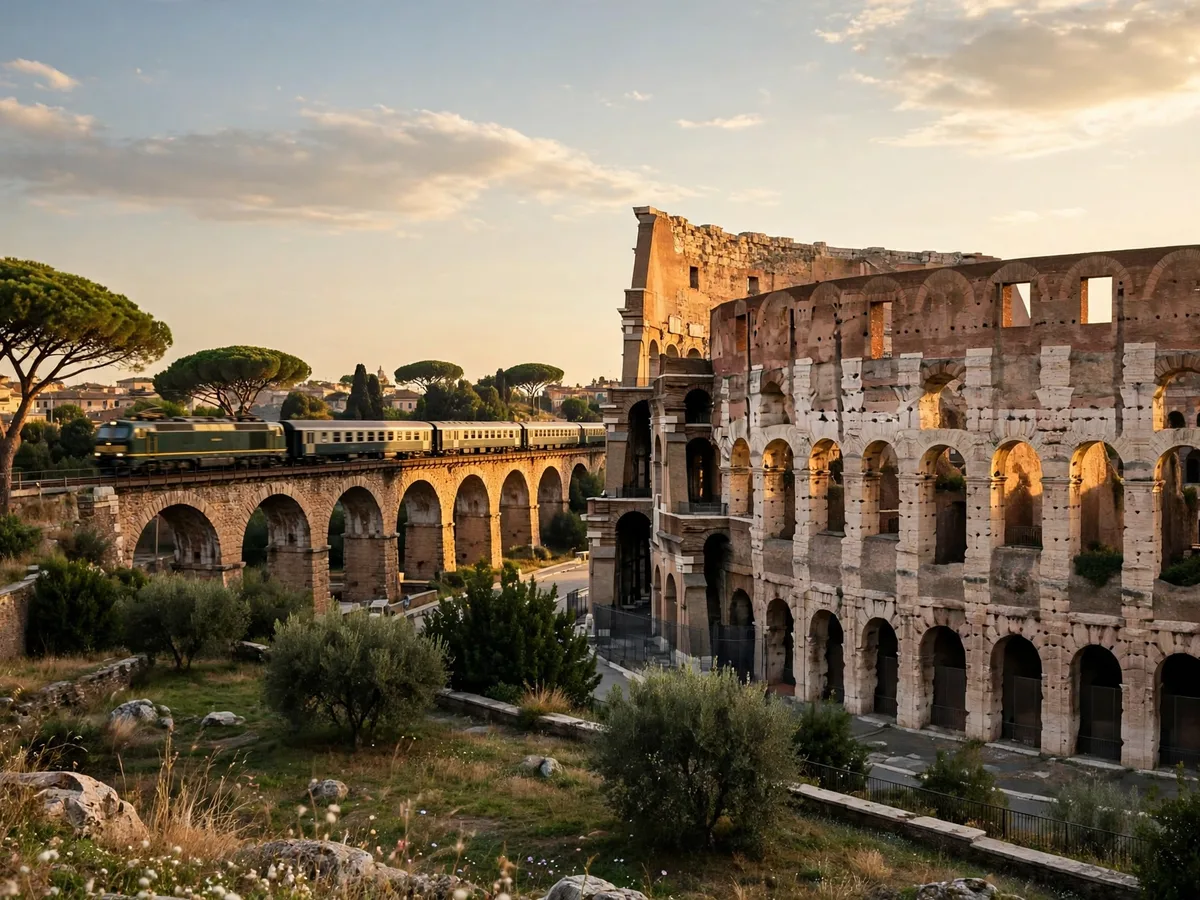
Four countries, six cities and fourteen days sounds like a lot, until the route does the organising for you. This europe travel itinerary 2 weeks plan runs in one clean line from Rome to London, by train, with 22 named experiences spread across the days so no single day feels overloaded.
Rome gets three days for ancient sights and slow evenings, Florence and Venice two days each, and Lucerne adds lakes and mountains between Italy and Paris. Paris gets three days of its own, then the Eurostar carries you to London for the final two. Book the big timed entries early, keep one light pocket in every day, and the whole trip feels generous rather than rushed.
Colosseum Morning Tour
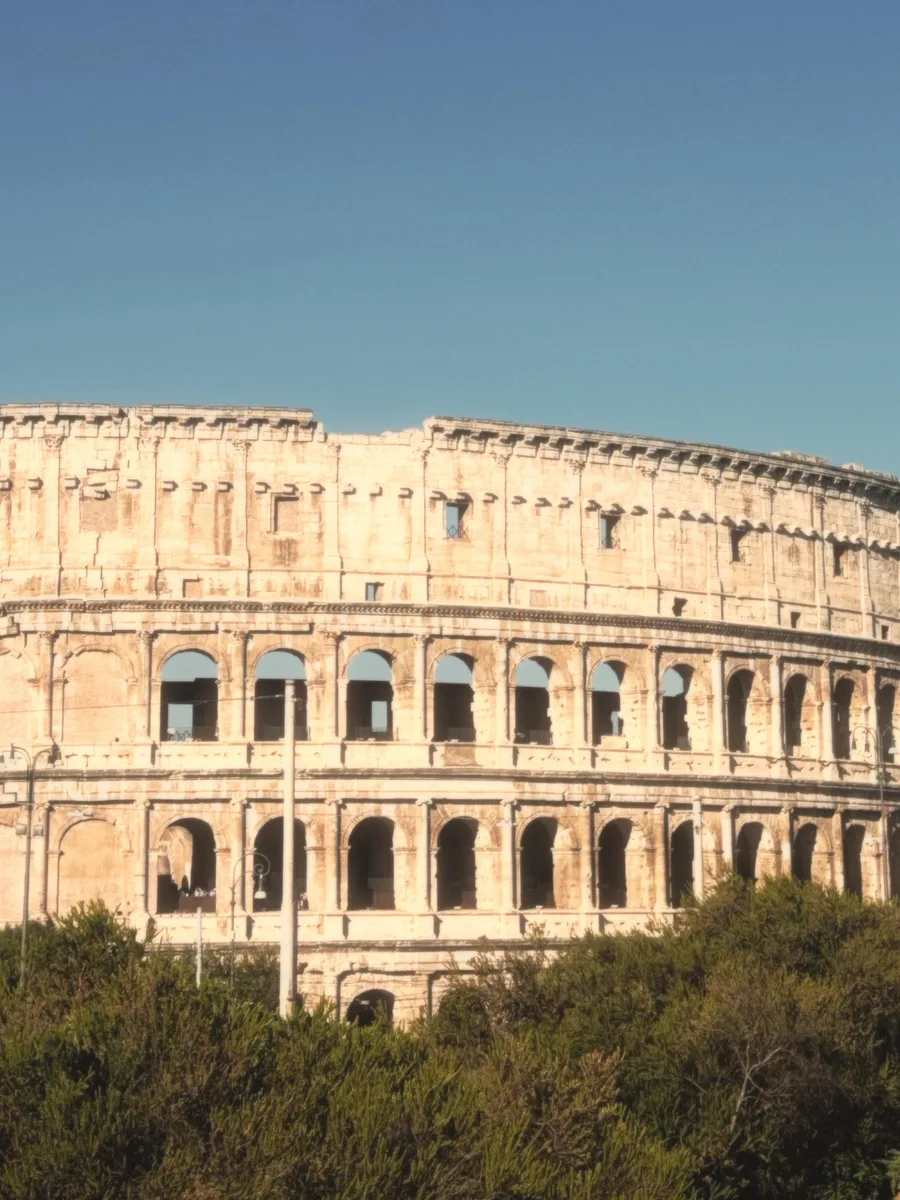
Day 1 begins at the Colosseum, the largest ancient amphitheatre ever built and the symbol of Rome. Book a named, timed ticket on the official Colosseum site as soon as sales open, 30 days before your visit, and choose the earliest entry you can. Morning light warms the stone, and the arena feels calmer before the big tour groups arrive.
Inside, walk the two main levels slowly and look down at the arena floor and the tunnels below, where gladiators and animals once waited. Read a few of the information panels as you go, because the building makes far more sense with its stories attached. Allow around two hours, then step out for coffee before the Forum next door.
Roman Forum Walk
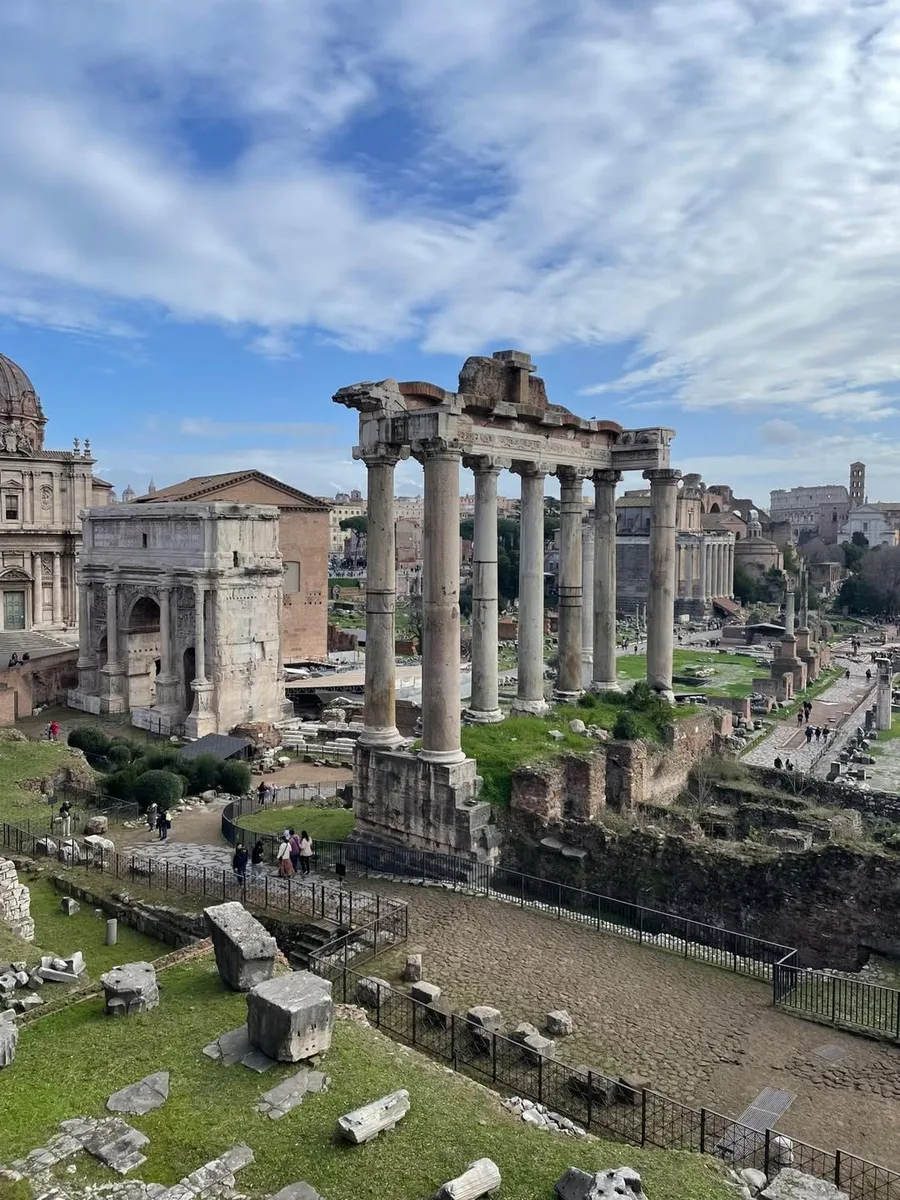
- The same ticket covers the Forum and Palatine Hill, so keep it handy at the gate
- Enter from the Via dei Fori Imperiali side and walk gently downhill through the ruins
- Stand on the Via Sacra, the triumphal route Roman generals once paraded along
- Find the Arch of Titus and the remains of the Temple of Julius Caesar
- Climb a little way up the Palatine for the classic view back over the ruins
Day 1 continues in the Forum, the political heart of ancient Rome for centuries. Give it a slow hour or two rather than a quick march across. Temples, arches and basilica shells line the valley floor, and every few steps another layer of the city shows itself.
Vatican Museums Morning
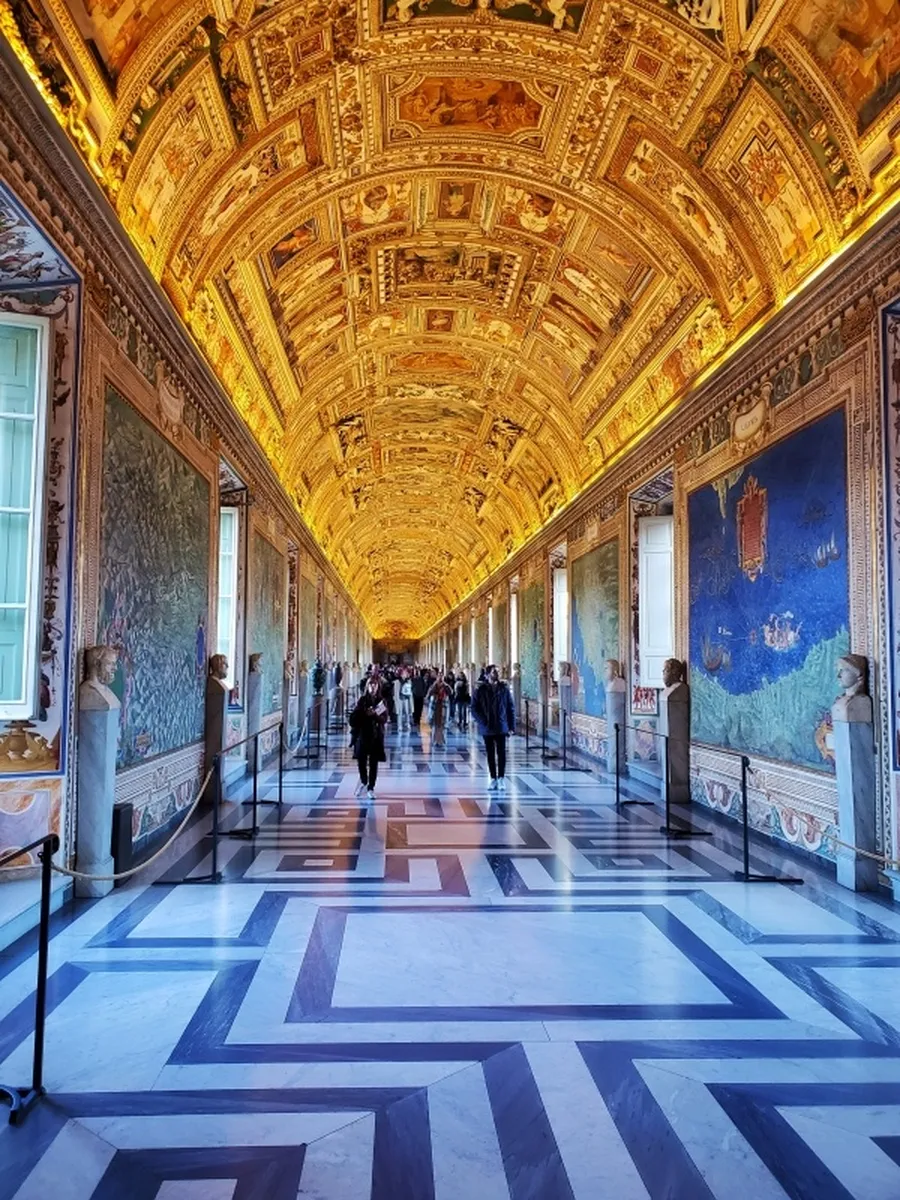
Quick Tip: Book a timed entry on the official Vatican Museums site, tickets.museivaticani.va, well before your trip, and pick the earliest slot of the day. Morning entry means quieter galleries and a calmer Sistine Chapel. The Museums close on Sundays, except the last Sunday of the month, so keep this visit on Day 2 as planned.
The collection is enormous, so walk with a short list: the Gallery of Maps, the Raphael Rooms and the Sistine Chapel as the finale. Long corridors of sculpture and tapestries fill the gaps between them. Arrive at the entrance on Viale Vaticano with your booking ready and a little time spare for security checks.
Trastevere Evening Stroll
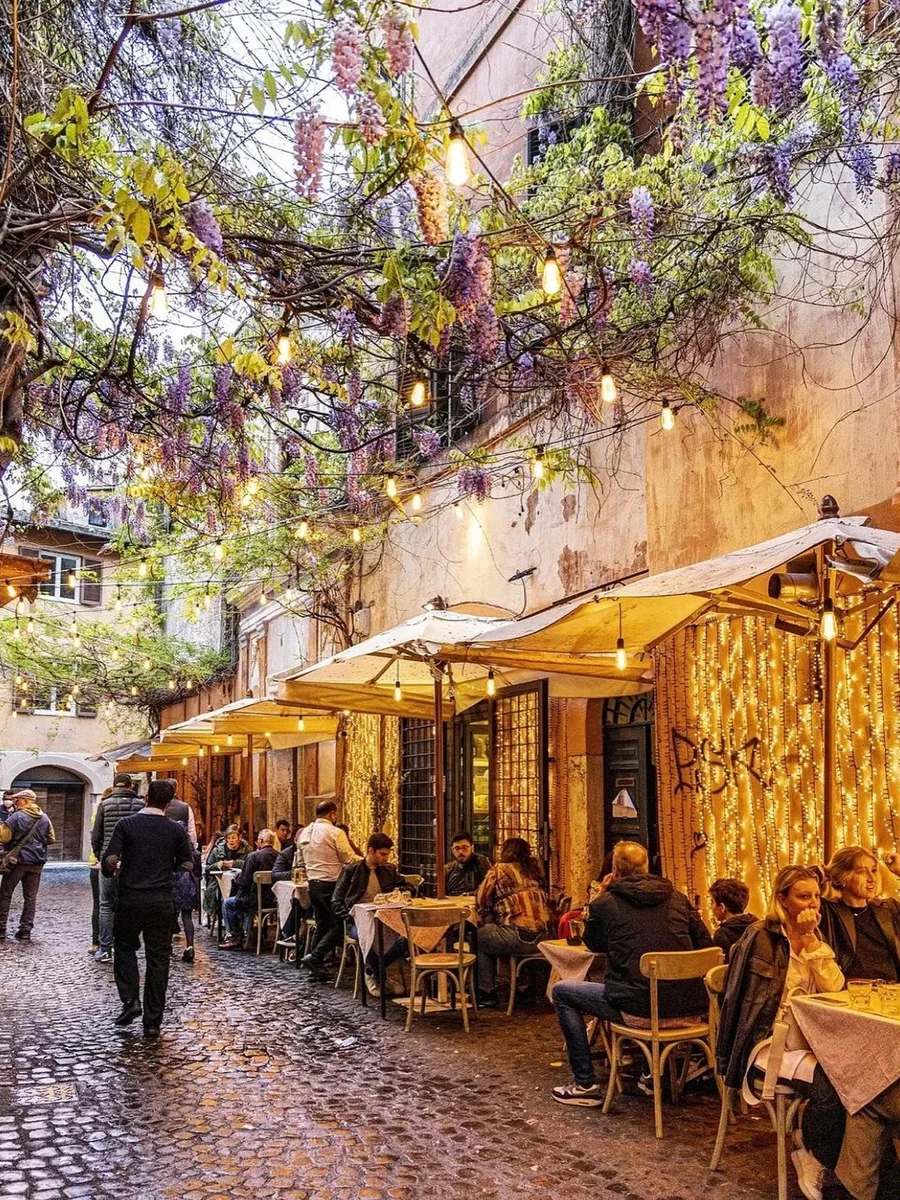
BEFORE: After two days of ruins and galleries, Rome can start to feel like a museum with traffic. Queues, tickets and famous names fill the hours, and the living, everyday city slips quietly into the background.
AFTER: Across the Tiber, Trastevere runs on a different clock. Laundry hangs over cobbled lanes, neighbours chat on doorsteps, and the evening passeggiata fills Piazza di Santa Maria in Trastevere with families, musicians and gelato queues.
Day 3 ends here on purpose, with no ticket and no schedule. Cross the river in the early evening, wander the lanes in any order, and let dinner choose you rather than the other way round. If Italy deserves a longer trip one day, our 14 days in Italy itinerary gives these same cities a slower pass.
Uffizi Gallery Morning
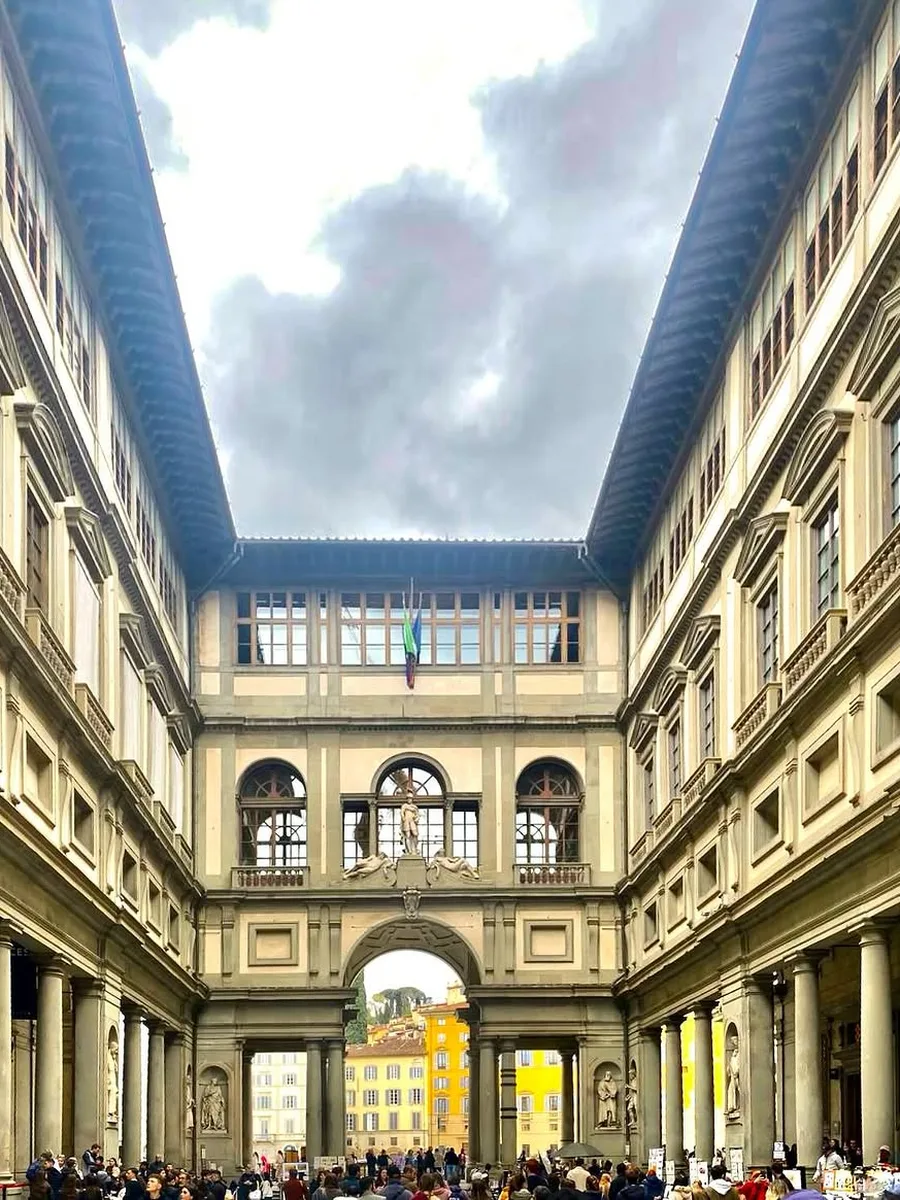
- Ride an early high speed train from Rome to Florence, about an hour and a half
- Drop your bags at your stay, then walk to the Uffizi courtyard by the River Arno
- Show your named, timed booking, reserved ahead on the official Uffizi site
- Start with the earliest rooms, Botticelli first while the gallery is at its quietest
- Work on through Leonardo, Michelangelo and Raphael, then pause on the terrace
Day 4 gives the Uffizi a late morning rather than a full day, which suits its size. The collection tells the story of the Renaissance in order, so a steady walk beats doubling back. Morning slots fill first in busy months, which is another reason the reservation matters.
Duomo Climb Views
| Dome Climb | Bell Tower Climb | |
|---|---|---|
| Best for | Standing on top of Brunelleschi’s dome itself | Photographing the dome from right beside it |
| The climb | Narrow stairs winding between the two shells of the dome | An open stairwell up a slimmer, taller tower |
| At the top | A lantern terrace with the whole city spread below | Rooftop views with the dome in every frame |
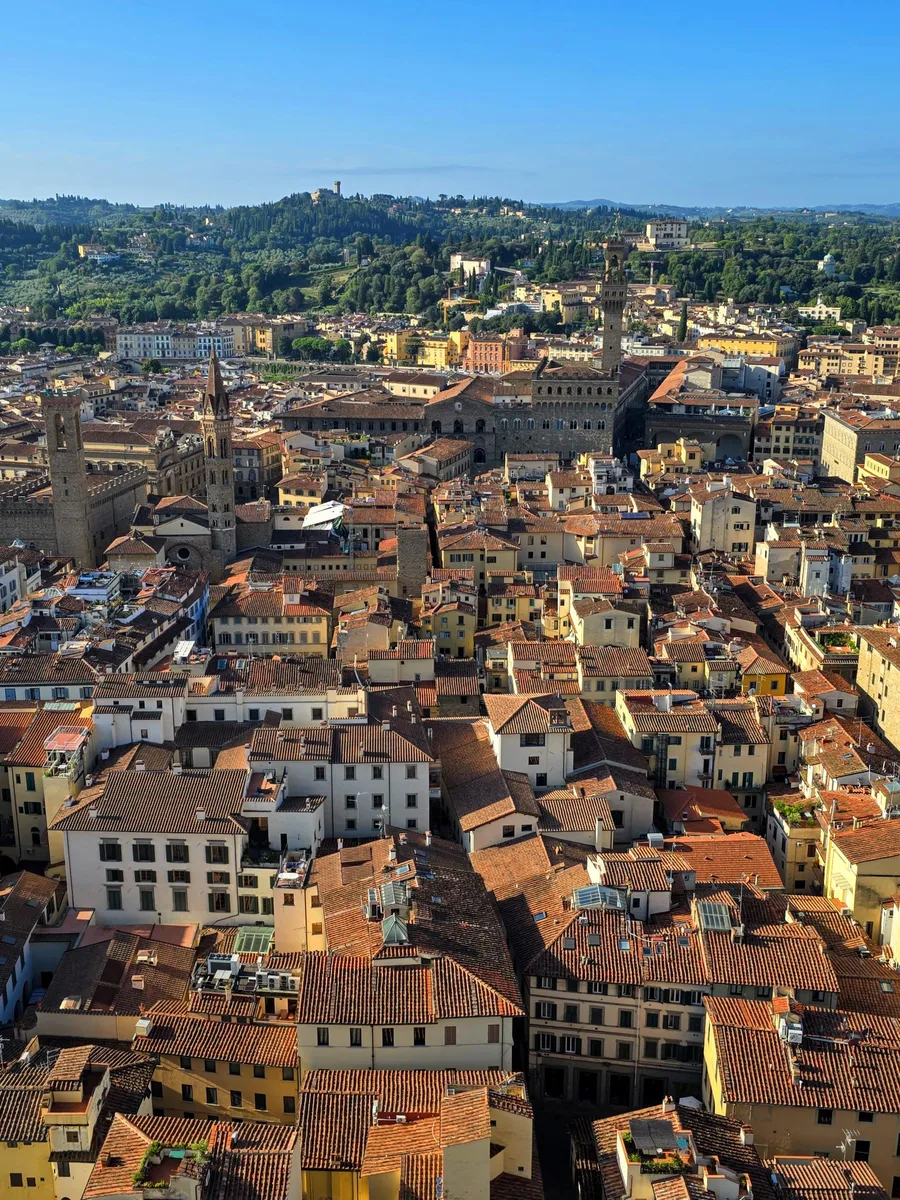
Day 5 starts above the rooftops. The cathedral dome, built by Filippo Brunelleschi, is climbed on foot on a time slot booked in advance through the official Duomo channels, so reserve it when you book the Uffizi. The stairs are steep and narrow in places, and the reward is Florence arranged around you in every direction.
Oltrarno Artisan Walk
DO:
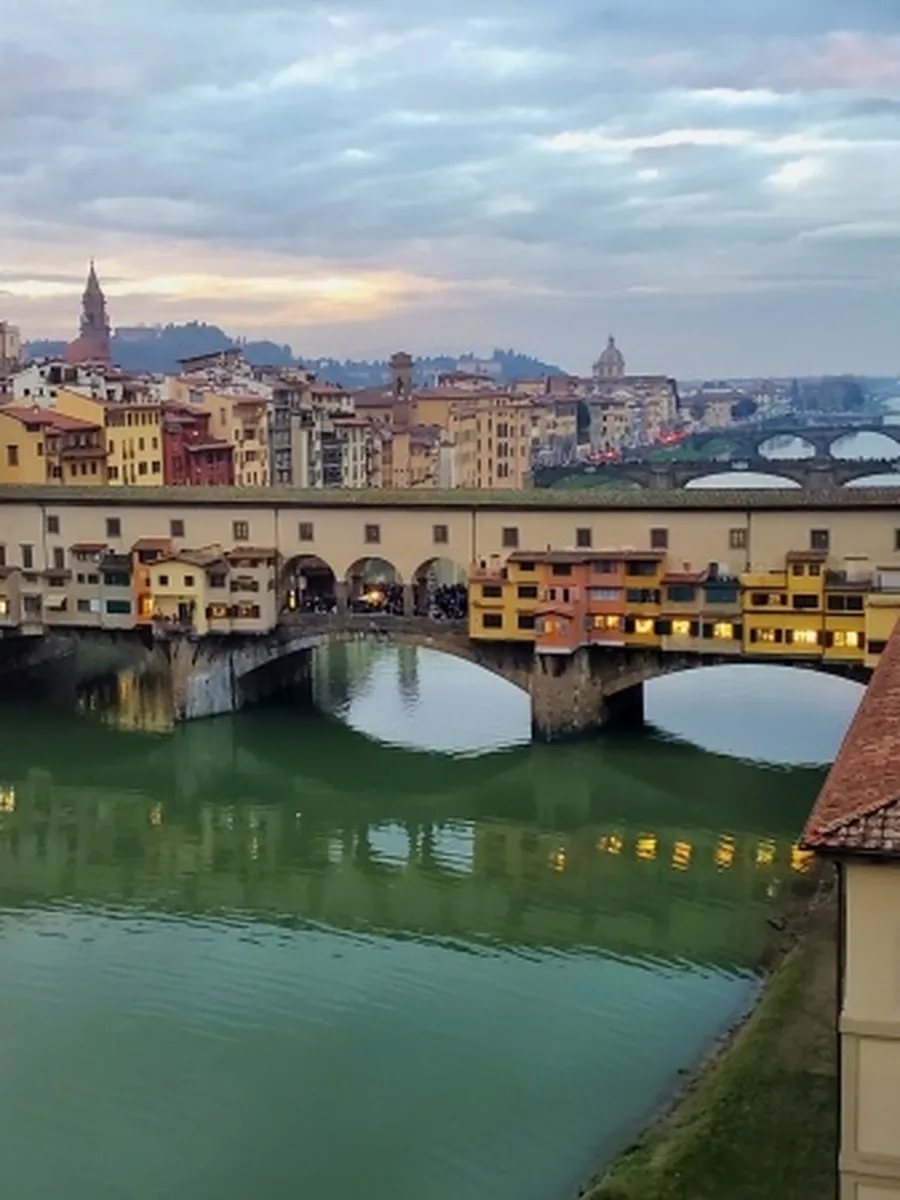
- Cross the Ponte Vecchio slowly and look at the workshops built into the bridge
- Browse the goldsmiths, bookbinders and leather workshops around Santo Spirito
- Stop for coffee in Piazza Santo Spirito and watch the neighbourhood go by
- Ask before photographing inside small workshops, most owners are happy to chat
DON’T:
- Do not rush this side of the river, its charm lives in the side streets
- Do not skip the church of Santo Spirito, plain outside and calm inside
- Do not save all your souvenir budget for the tourist rows near the Duomo
Day 5 continues across the Arno in the Oltrarno, the Florence of workshops rather than queues. Artisans still make, repair and restore things by hand here, from picture frames to shoes. An unhurried hour or two in these streets balances the morning’s big views with small, human scale detail.
Grand Canal Vaporetto Ride
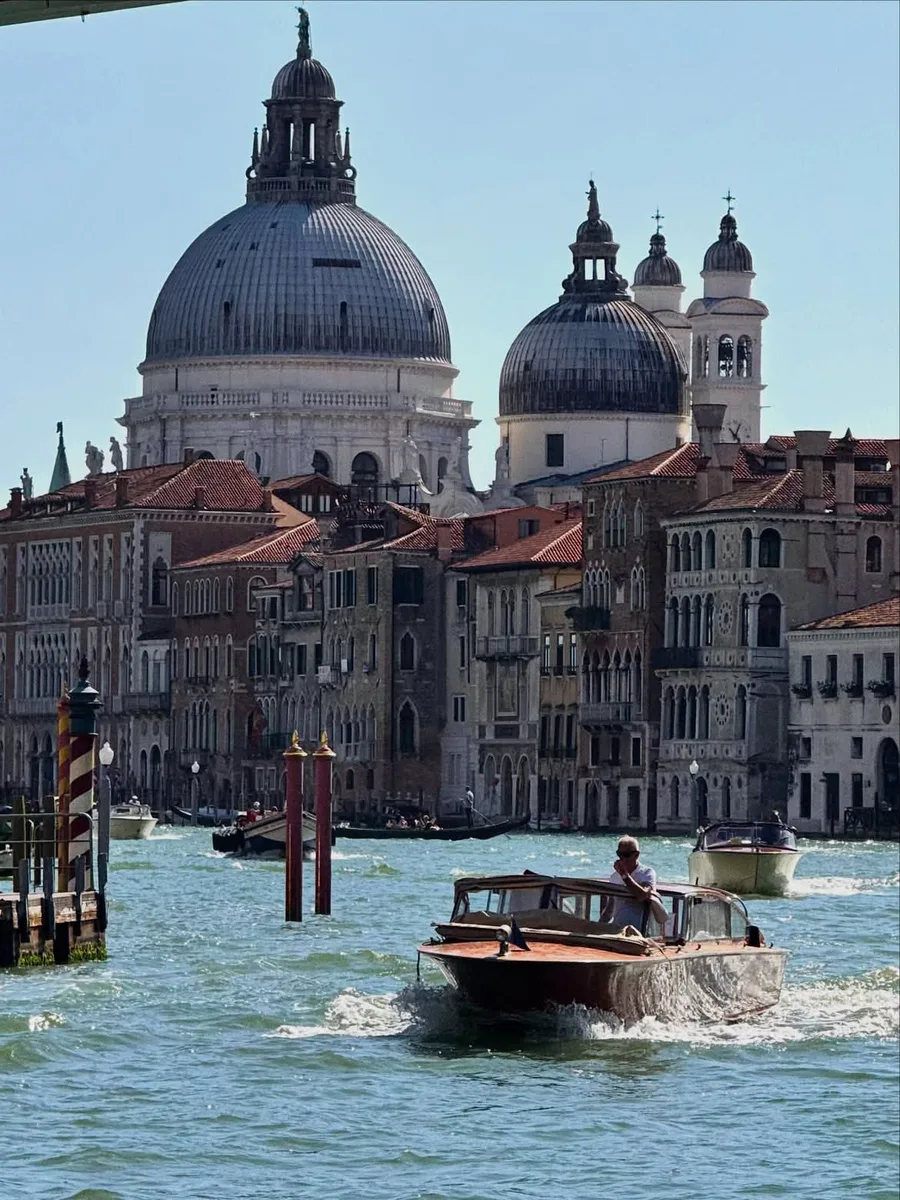
Route: Line 1, the slow boat that travels the full length of the Grand Canal
Boarding: The Santa Lucia station stop, right outside the train platforms
Time needed: Around 45 minutes to St Mark’s, palace after palace on both banks
Best seat: The open seats at the back, or standing space near the front
Day 6 follows your train ride from Florence, about two hours, with the finest arrival in Europe. A vaporetto is simply Venice’s public water bus, run by ACTV, and a travel pass from Venezia Unica suits a two day stay. Palaces slide past on both banks, and the city introduces itself at walking pace.
St Marks Basilica Visit
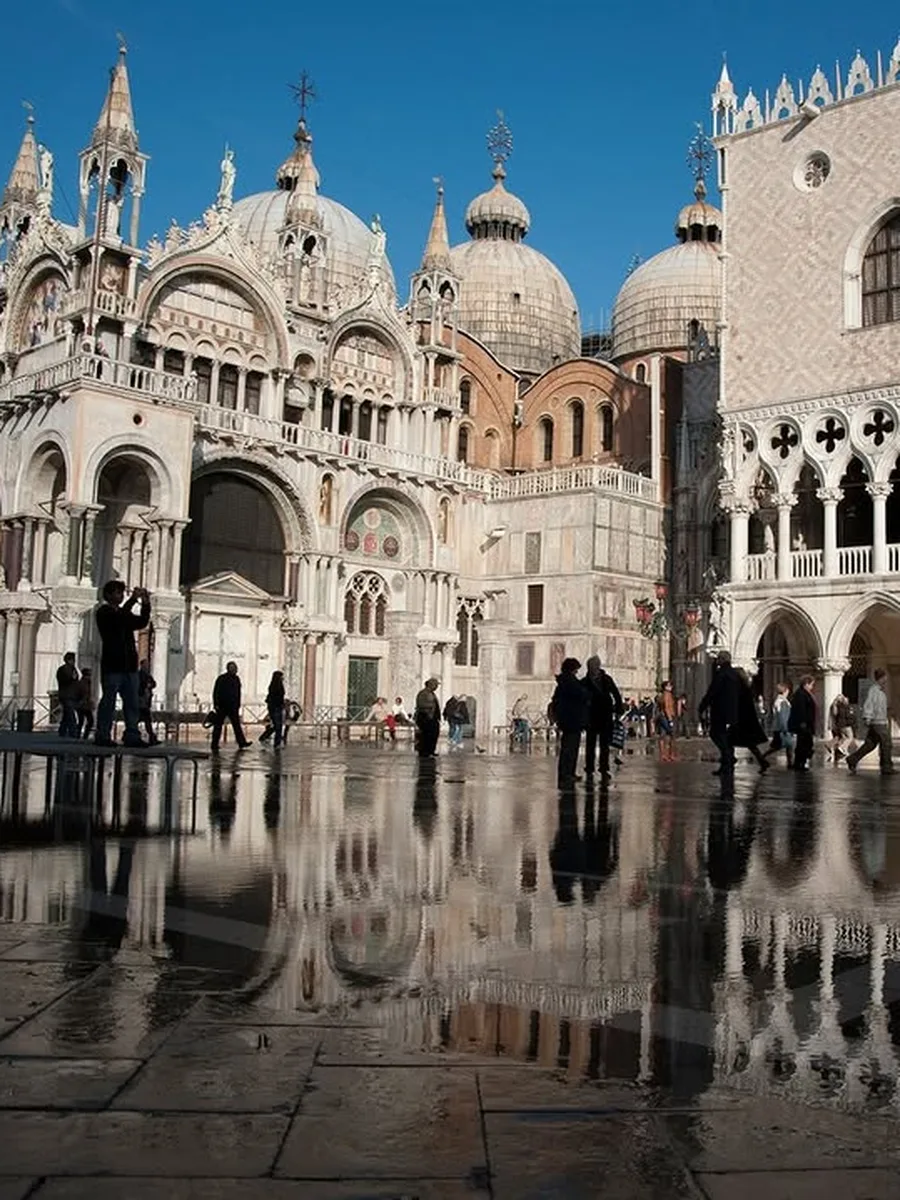
Day 7 starts at St Mark’s Basilica, the golden church on the edge of the lagoon. Tourist visits are booked online only, with a named, timed ticket on the official basilica site, so reserve your slot before you travel and arrive a few minutes early. Cover shoulders and knees, as the basilica asks of every visitor.
Inside, gold mosaics cover the domes and arches, glowing softly even on a grey morning. Walk slowly, look up often, and give the marble floor its share of attention too, worn wavy by centuries of feet and floods. Forty five minutes is enough for a first visit without rushing the quiet corners.
Dorsoduro Gallery Walk
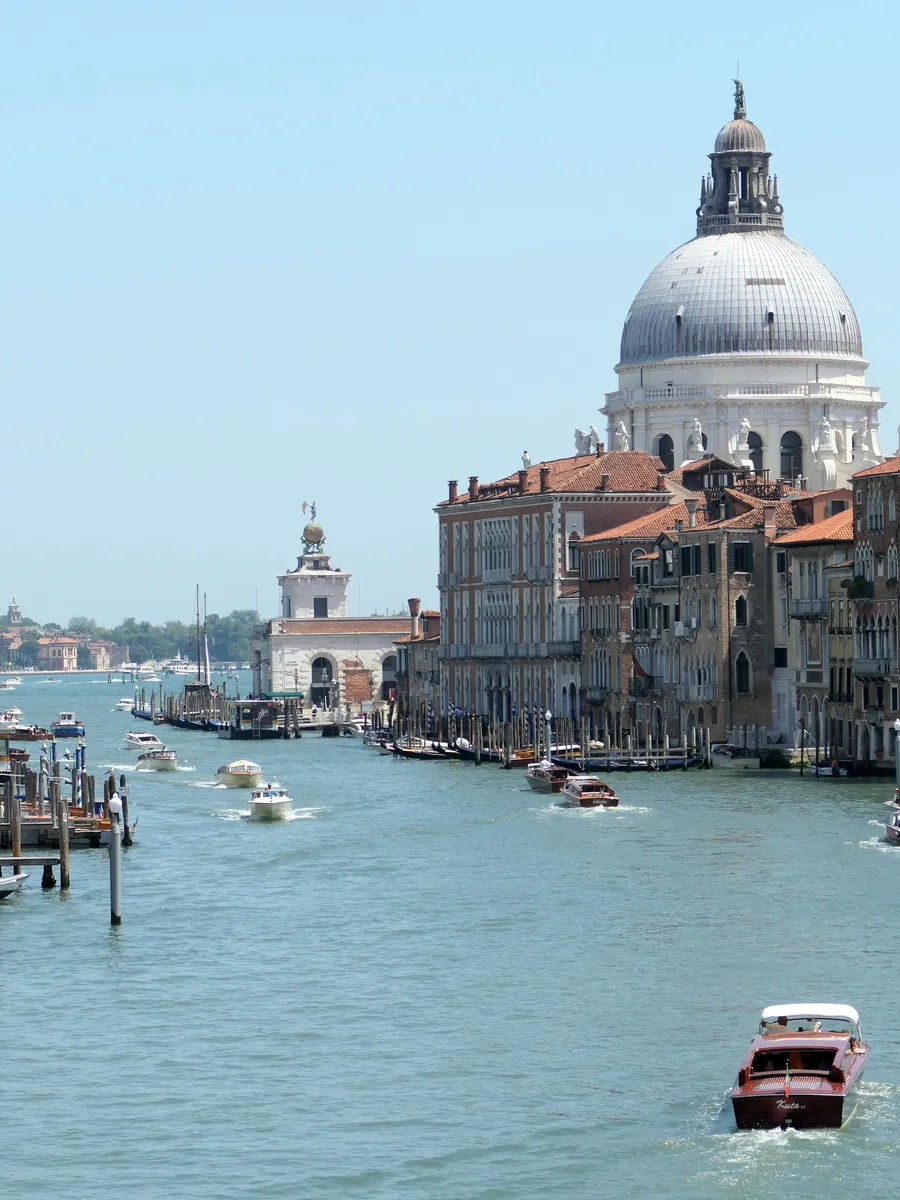
- Start at the Peggy Guggenheim Collection, modern art in a palazzo on the Grand Canal
- Walk the sunny Zattere promenade along the Giudecca Canal
- Step into small galleries and print studios on the side streets
- Look across the water to the Redentore church on Giudecca island
- Finish at Punta della Dogana, where the two canals meet
Day 7 continues in Dorsoduro, Venice’s art quarter and its calmest central district. Students, galleries and workshops keep it lively without the crush of the main tourist route. Cross the wooden Accademia Bridge back toward St Mark’s whenever you are ready, the views from its top are a bonus.
Burano Island Trip
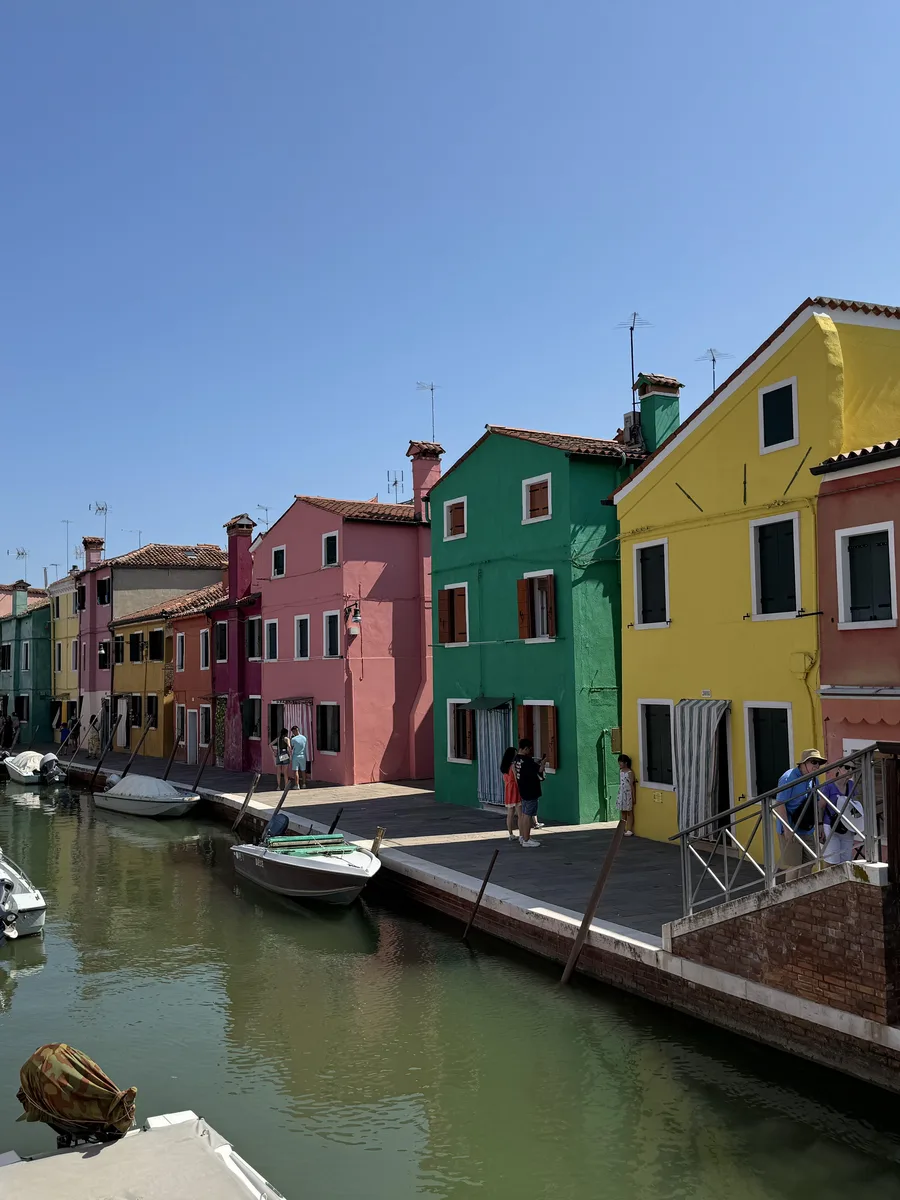
Quick Tip: Take vaporetto Line 12 from Fondamente Nove, on the northern edge of Venice. The ride takes about 40 minutes and crosses the open lagoon, passing Murano and quiet marsh islands. Sit on the right side going out for the best approach views as Burano’s colours appear on the horizon.
Day 7 ends on Burano, a small fishing island where every house is painted a different bright colour. Wander the little canals, look for lace in the shop windows, the island’s traditional craft, and enjoy how the pace drops after busy St Mark’s. Boats back run into the evening, so there is no need to hurry lunch or photographs.
Chapel Bridge Walk
BEFORE: The train day from Venice runs long, crossing Italy and climbing through the Gotthard route into Switzerland. Stations, tunnels and a change of trains fill most of the day, and you arrive in Lucerne ready for fresh air rather than another timetable.
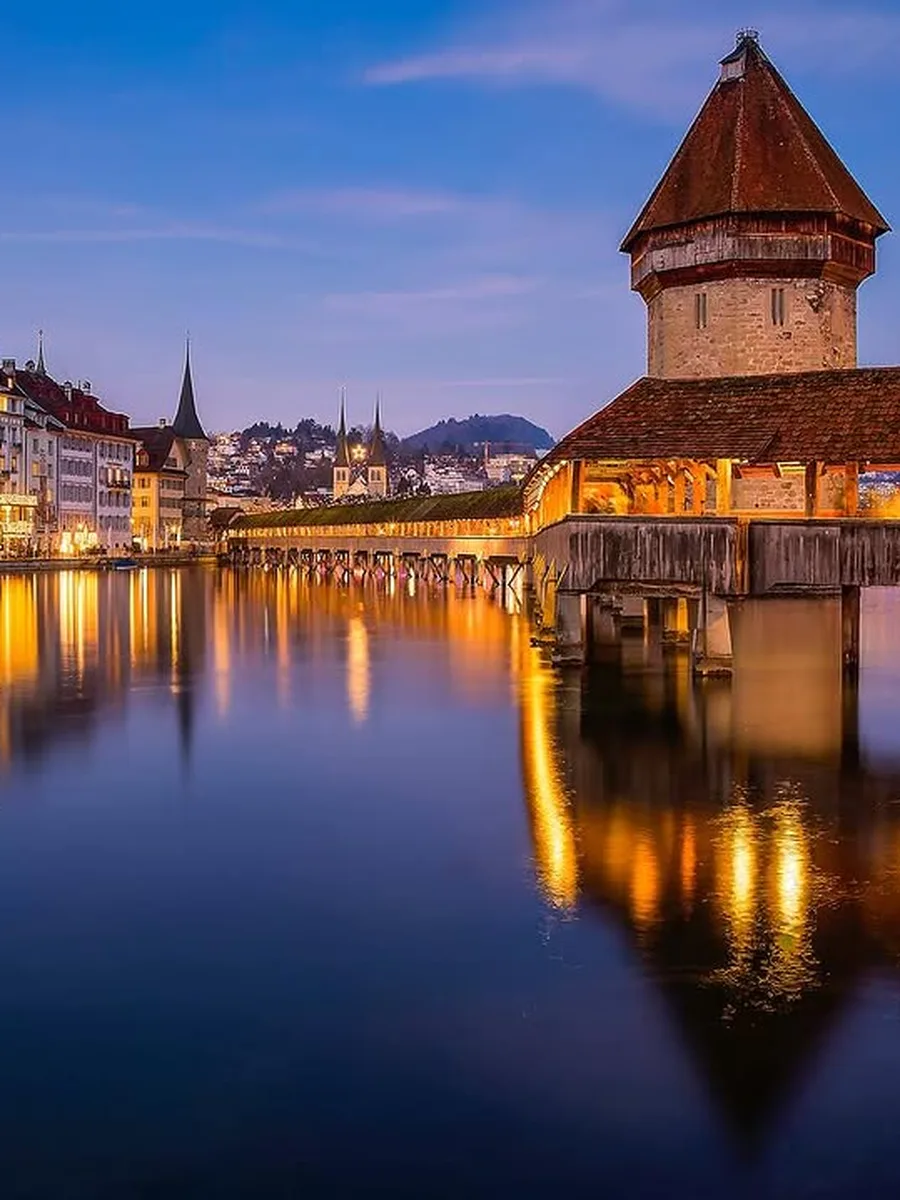
AFTER: Ten minutes from Lucerne station, the Chapel Bridge crosses the River Reuss on foot, as it has for centuries. Its covered wooden walkway, lined with flower boxes in season and old paintings under the roof, turns a simple river crossing into the gentlest possible arrival.
Day 8 asks very little of you: cross the bridge slowly, look back at the old town towers, and find the stone Water Tower standing in the river beside it. Dinner in the old town lanes afterwards completes a soft landing in Switzerland.
Lake Lucerne Cruise
- Walk to the boat piers in front of Lucerne station in the morning
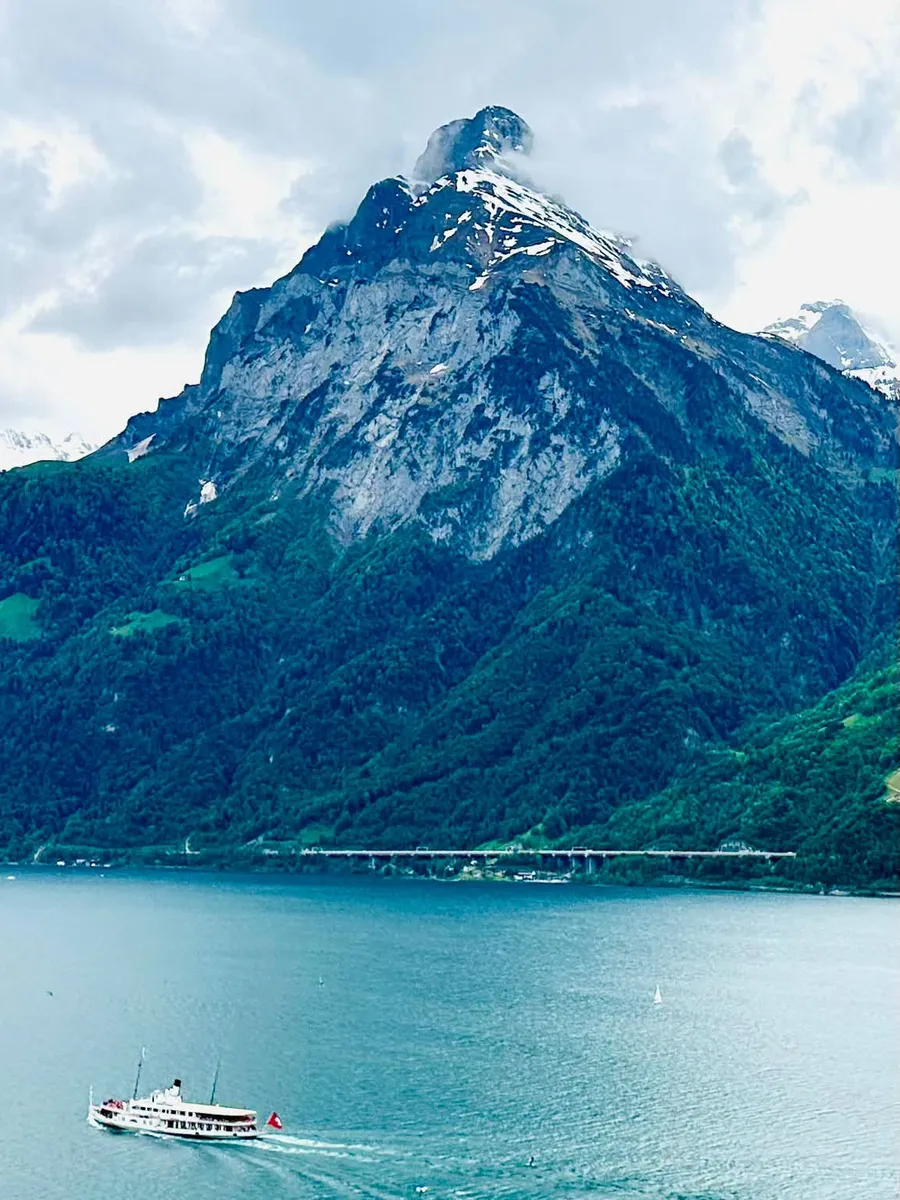
- Board a lake steamer, ideally one of the historic paddle steamers sailing that day
- Ride out past villages and meadows toward the far arms of the lake
- Hop off at a lakeside stop such as Weggis or Vitznau if a stroll appeals
- Sail back to Lucerne, or return by train from your stop for a change of view
Day 9 begins on the water. Lake Lucerne twists between mountains, so every bend of the cruise opens a new view of peaks, forests and small harbours. A round trip of a couple of hours is plenty for a first taste, and the boats set you up neatly for the Pilatus trip that follows.
Mount Pilatus Summit Trip
| Cogwheel Railway from Alpnachstad | Gondola and Cable Car from Kriens | |
|---|---|---|
| Best for | Riding the steepest cogwheel railway in the world | Floating up over the forests in a panoramic gondola |
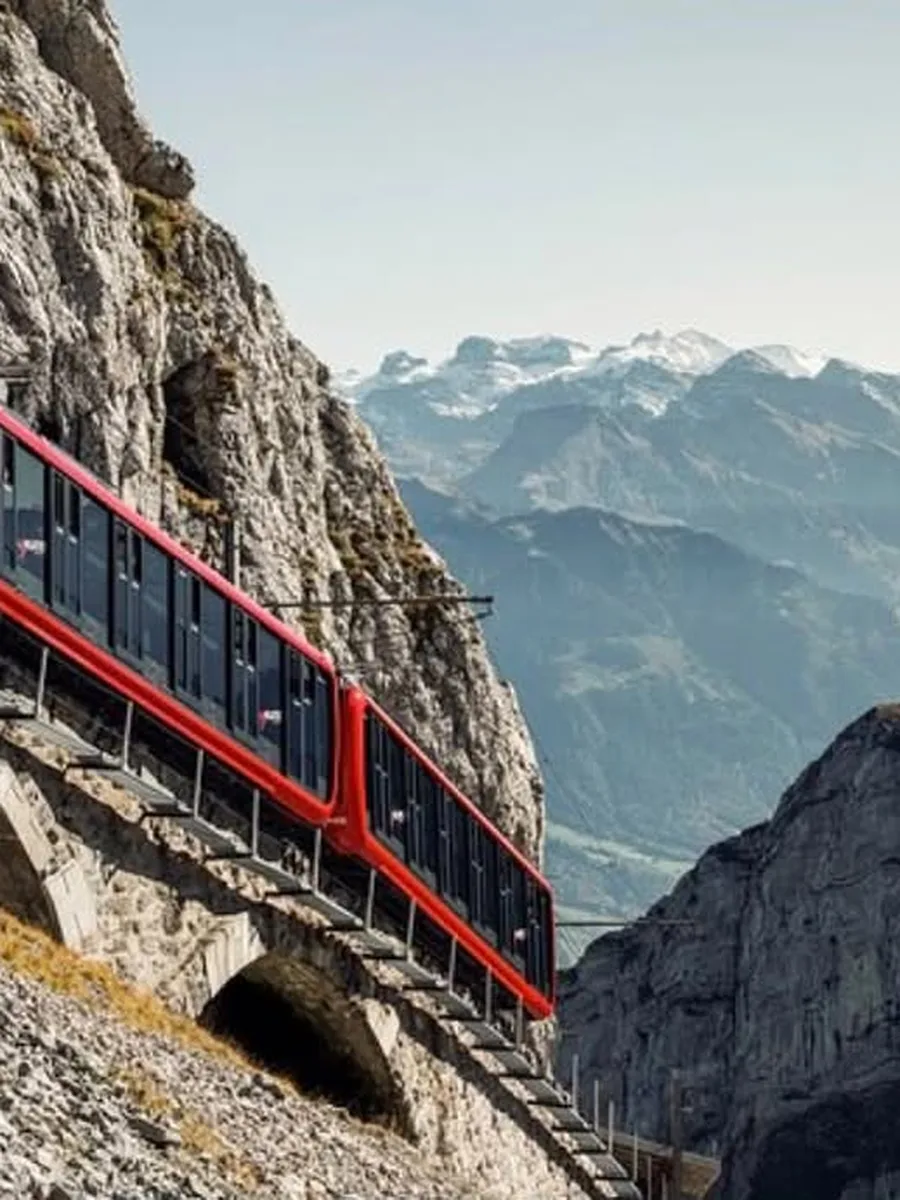
| The ride | A red train climbs the rock face at a startling angle | Two smooth stages, gondola first, then the Dragon Ride cable car |
| Pairs with | A lake boat from Lucerne to Alpnachstad | A short bus ride from Lucerne station to Kriens |
Day 9 continues up Mount Pilatus, the dragon mountain above Lucerne. Both routes end at the same summit terrace, with four lakes on one side and the high Alps on the other. Services run on seasonal timetables, and one side sometimes closes for maintenance, so check the official Pilatus site before you go and pick the route that is running.
Eiffel Tower Summit Visit
DO:
- Book a summit ticket on the official Eiffel Tower site, lift tickets are released up to 60 days ahead
- Choose a morning slot for clearer views and shorter security lines
- Stop at the second floor on the way down, the views are closer and calmer
- Look for Gustave Eiffel’s small restored office near the top
DON’T:
- Do not buy tower tickets from unofficial reseller sites at marked up prices
- Do not leave the summit to your last Paris day, bad weather can close it
- Do not skip the first floor glass floor if heights do not bother you
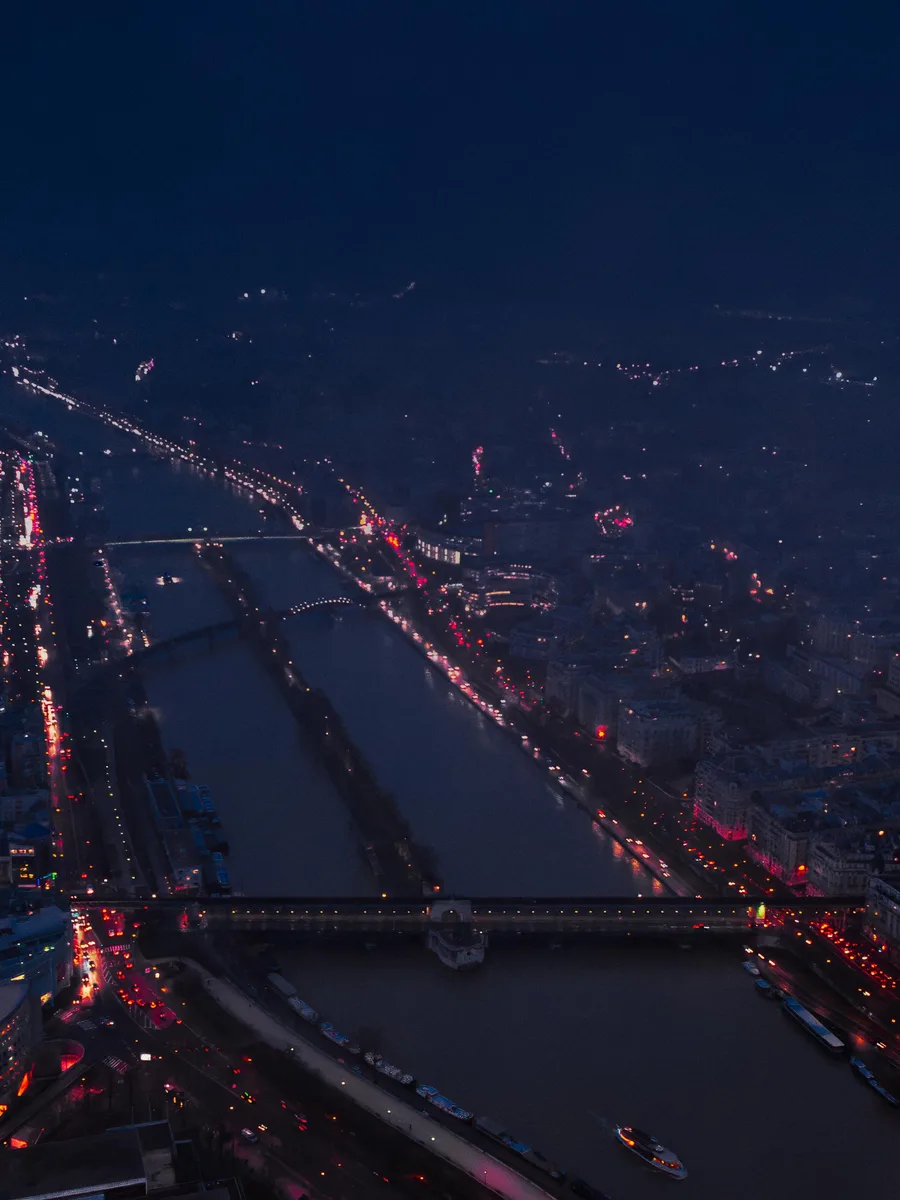
Day 10 starts with the train from Lucerne, about four and a half hours with one easy change in Basel, and ends at the top of Paris. The summit is the highest public viewpoint in the city, with the Champ de Mars below and Sacre-Coeur on its hill in the distance. Booked ahead, it makes a fine first stop in Paris.
Louvre Pyramid Evening
Best evenings: Wednesday and Friday, when the museum stays open until 9 pm
Closed day: Tuesday, so never plan the Louvre for a Tuesday
Booking: A timed entry slot, reserved in advance on the official Louvre site
Outside first: The Pyramid and courtyard are free to enjoy at any hour
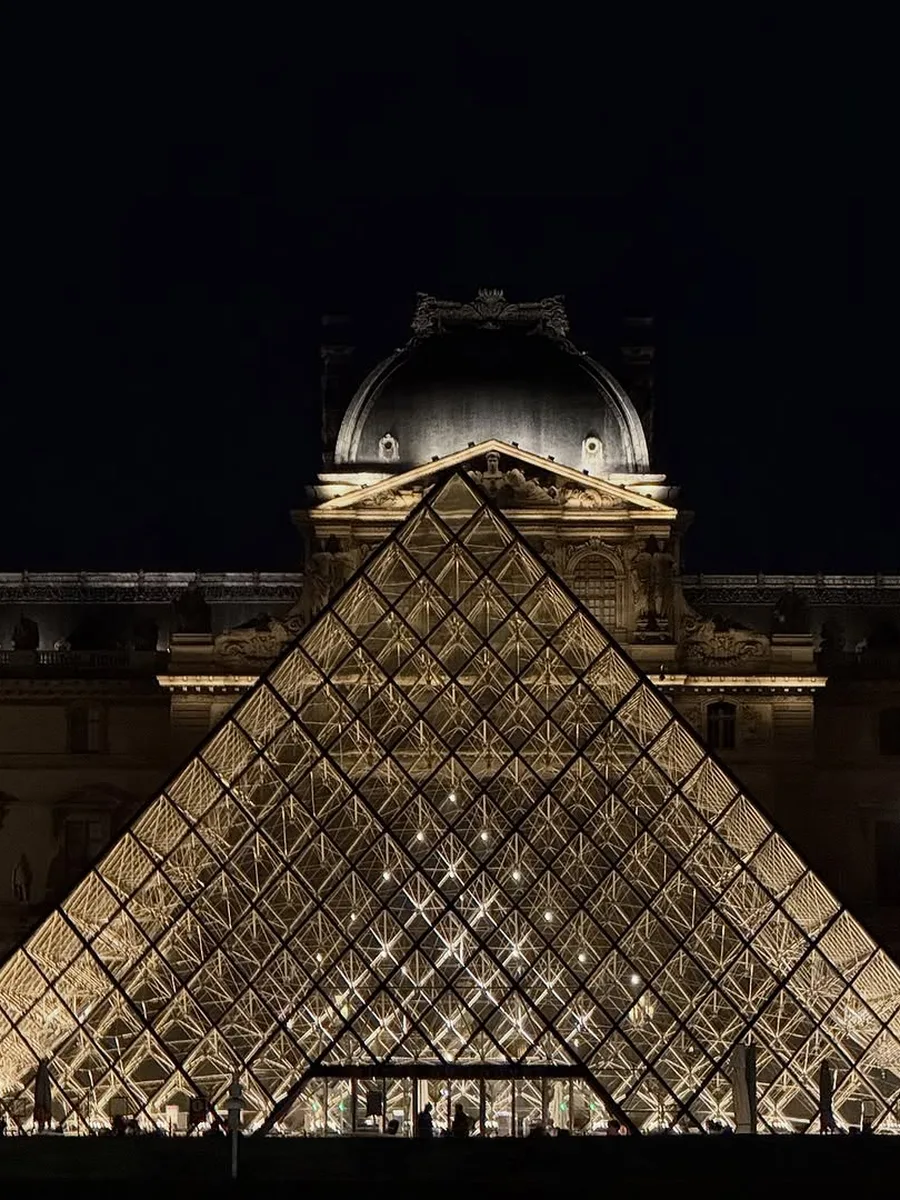
Day 11 is built around the Louvre after dark. Book a late timed slot, see a few favourite rooms while the crowds thin, then step out into the Cour Napoléon as the Pyramid lights up. The glass panels glow against the old palace stone, and the courtyard turns calm and reflective, made for slow photographs.
Montmartre Village Walk
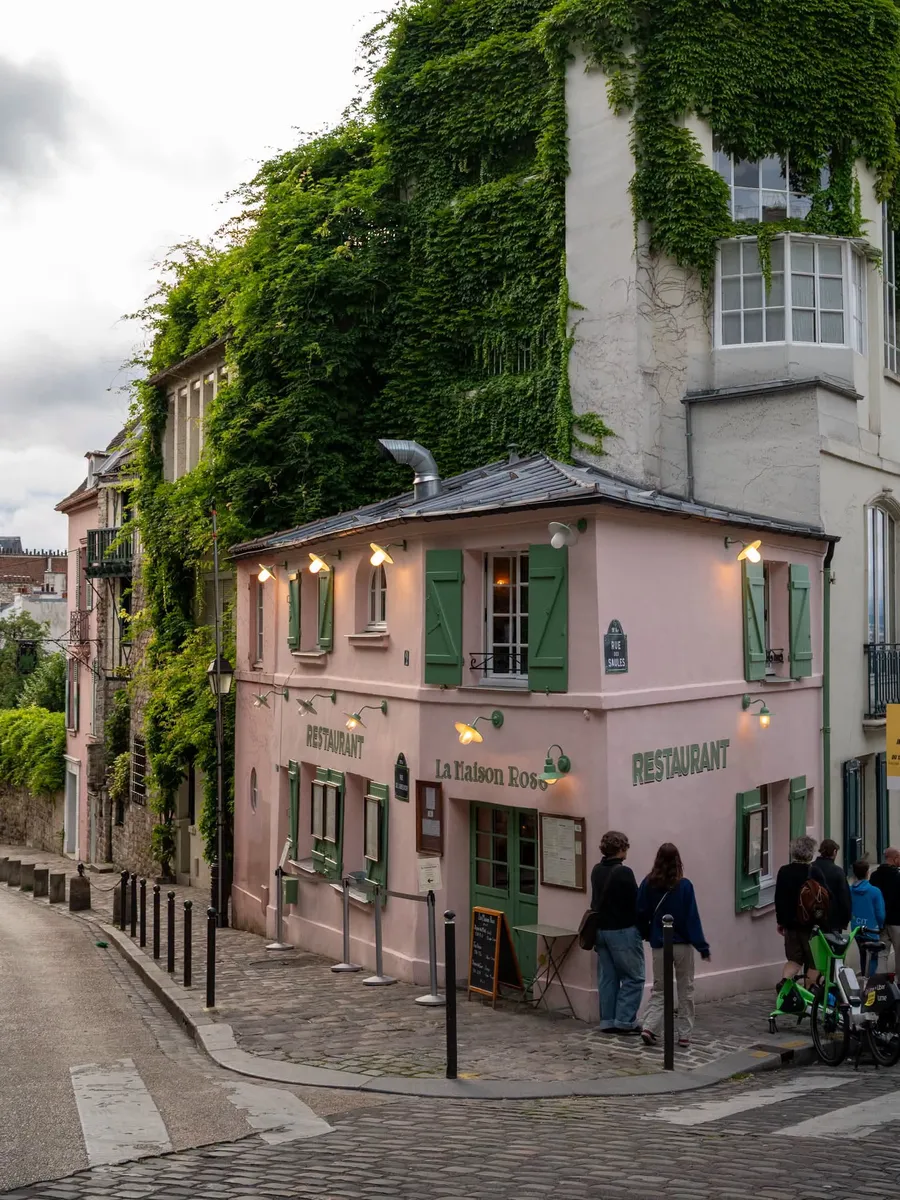
Day 12 climbs to Montmartre, the hilltop quarter that still feels like a village inside Paris. Start by the small vineyard on Rue des Saules, then find La Maison Rose, the pink corner restaurant every photographer loves. Cobbled lanes, low houses and garden walls do the rest, with none of the grand boulevard scale of the city below.
Wander toward Place du Tertre, where artists set up their easels in the open air, then finish at Sacre-Coeur for the wide view over the rooftops. Go in the morning if you can, before the day trip groups arrive, and let coffee stops set the pace. Montmartre rewards anyone who walks it slowly.
Latin Quarter Bookshops
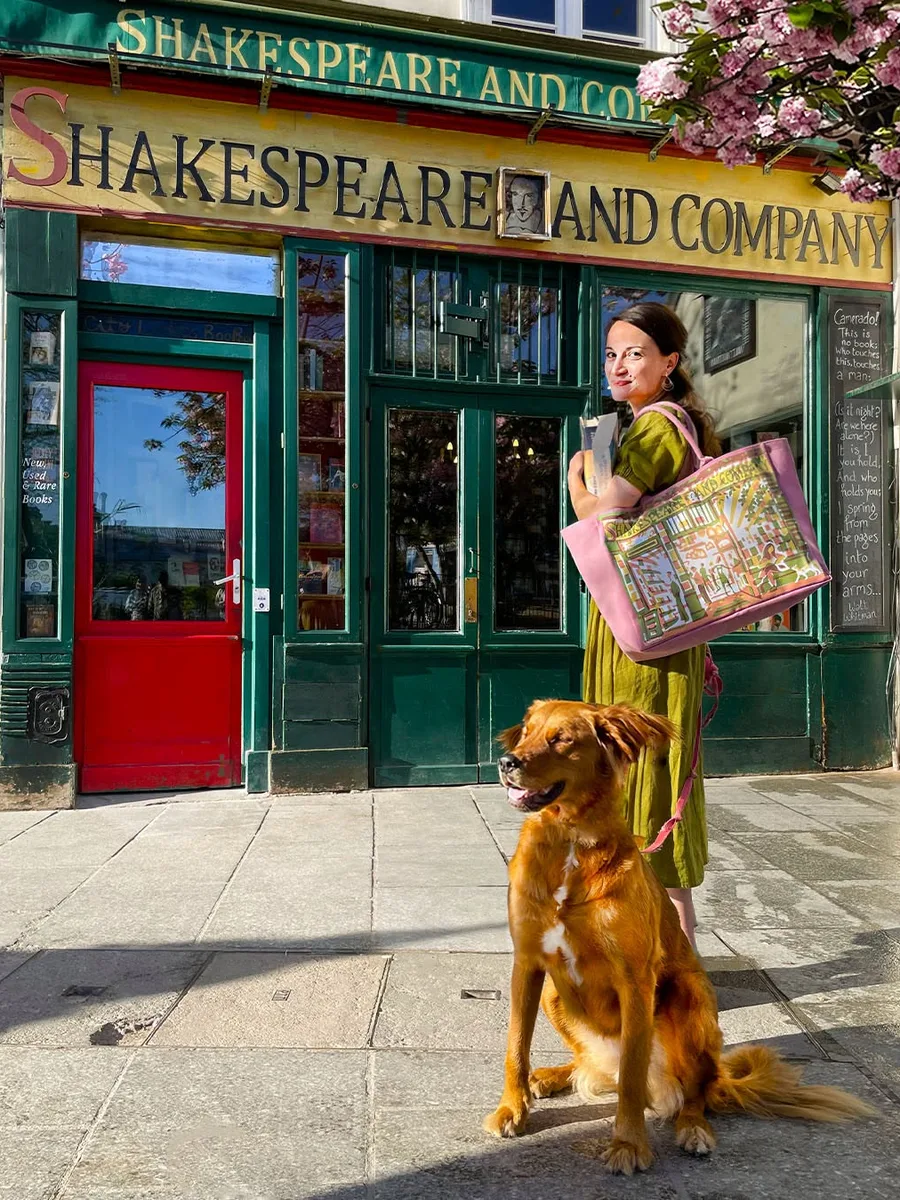
- Begin at Shakespeare and Company, the famous English language bookshop by the Seine
- Browse the green boxes of the bouquinistes along the river walls
- Wander Rue de la Huchette and the lanes around Saint Severin church
- Call into a second hand bookshop and hunt the shelves for a travel souvenir
- End with coffee on Place Saint Michel as the evening comes on
Day 12 continues in the Latin Quarter, the student district on the Left Bank named for the Latin once heard in its lecture halls. Bookshops are its heartbeat, from the famous green front on the riverbank to tiny rooms stacked floor to ceiling. It is the gentlest shopping in Paris, and everything fits in a tote bag.
Tower Bridge Walk
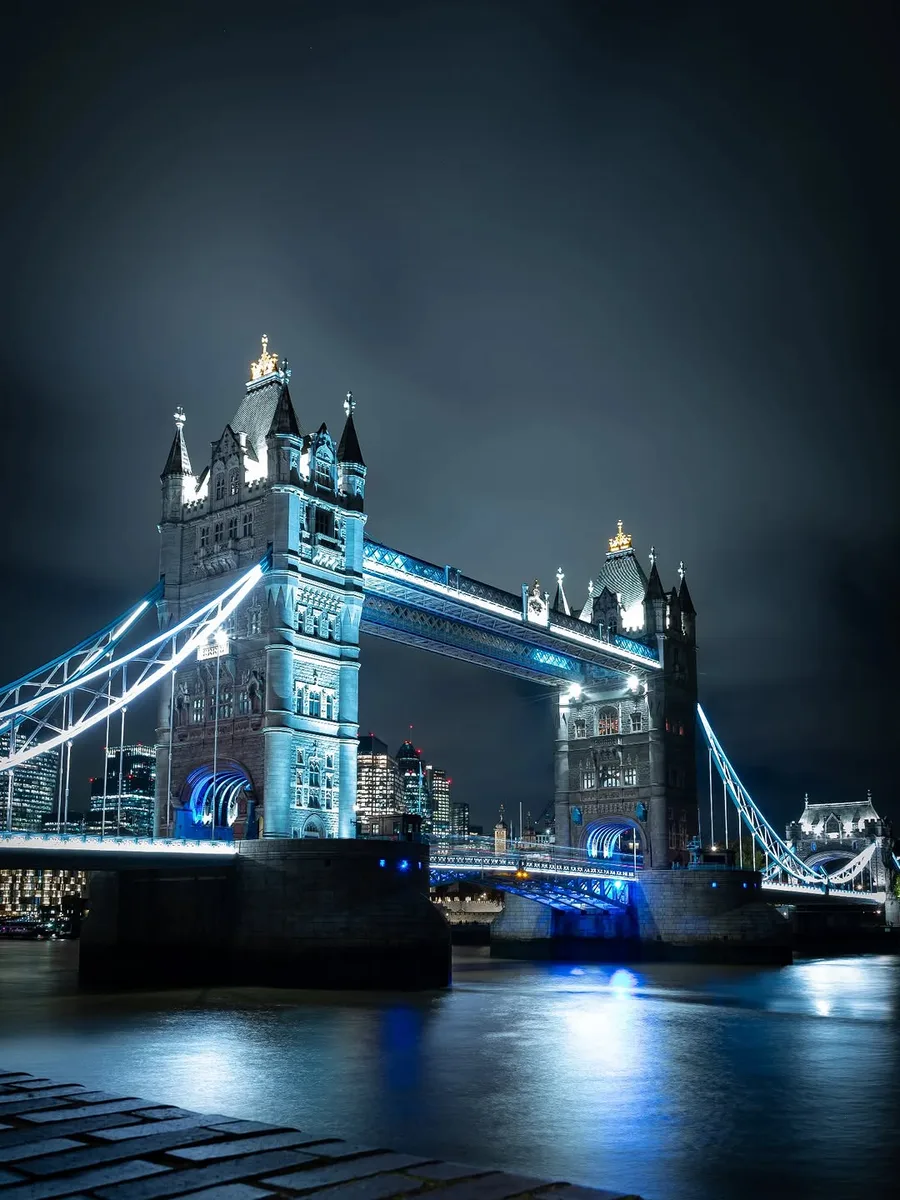
Quick Tip: Cross Tower Bridge on foot at pavement level, it costs nothing and takes about fifteen unhurried minutes. Pause halfway for the classic view up and down the Thames, and watch for the bascules lifting if a tall ship passes, the bridge still opens for river traffic.
Day 13 brings the Eurostar from Paris, about two hours and twenty minutes to St Pancras, with passport and security checks at Gare du Nord before departure, so arrive in good time. By afternoon you are in London, and the bridge makes a perfect first walk: blue steel, twin towers, and the Tower of London waiting on the north bank.
Westminster Abbey Visit
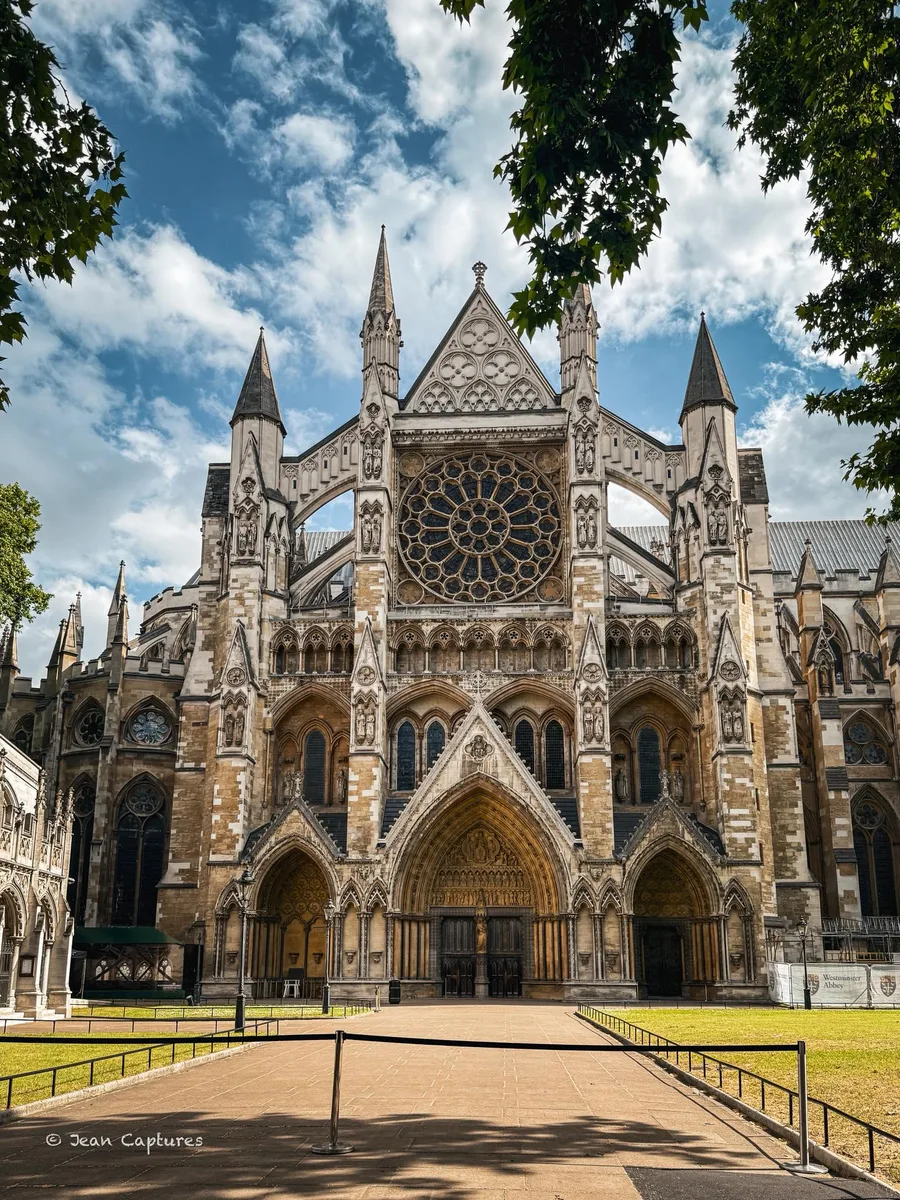
BEFORE: A travel morning can leave a city feeling like a list of stations and platforms. London deserves a stronger first impression than a platform coffee and a tube map unfolded on a bench.
AFTER: Westminster Abbey supplies it. Coronations have been held here for nearly a thousand years, and monarchs, poets and scientists rest under its stones. The nave soars, the vaulted ceilings glow, and the whole building feels like the nation’s memory kept in stone.
Day 13 ends at the Abbey, a short walk from the river. The official site recommends booking ahead to guarantee entry at busy times, and sightseeing runs on weekdays and Saturdays, while Sundays are kept for worship. Book your entry in advance and take the visit slowly, Poets’ Corner last.
Borough Market Lunch
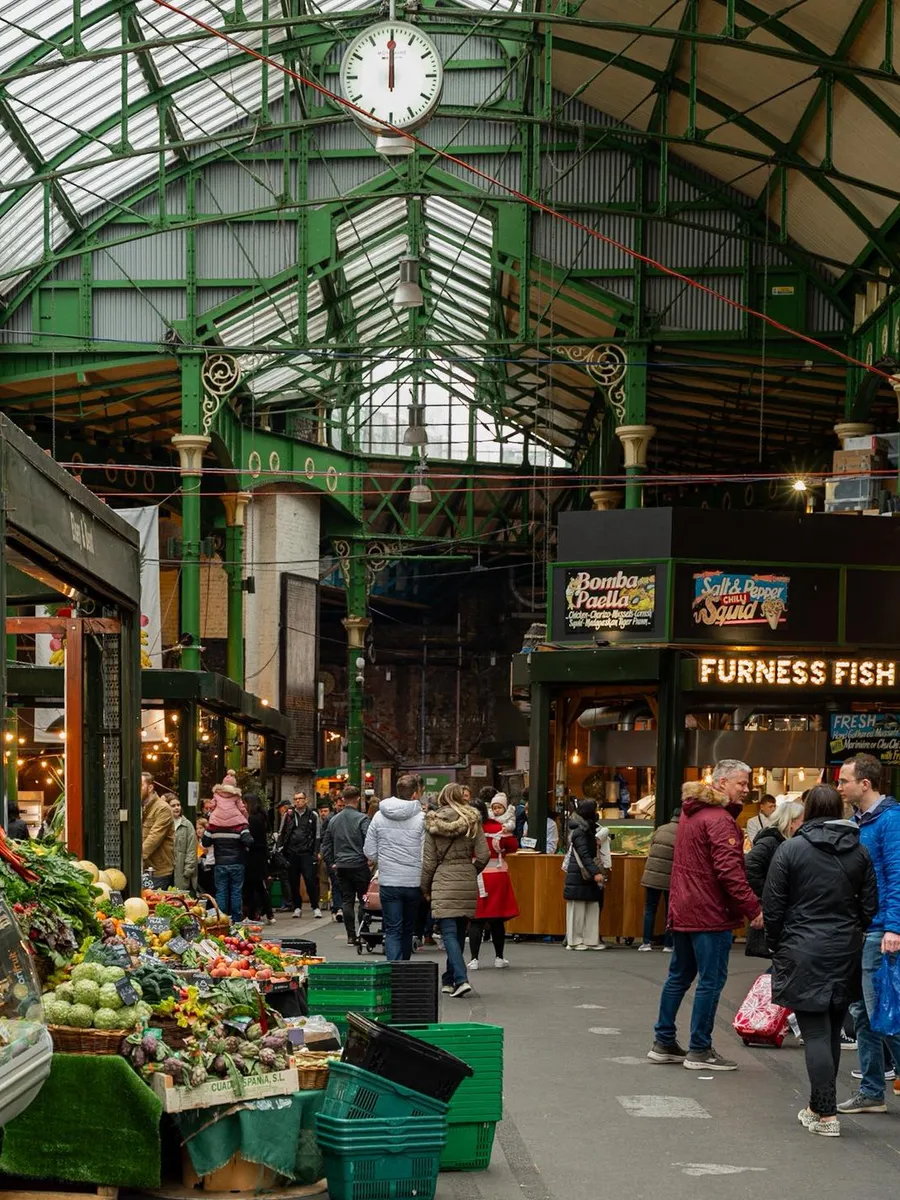
- Arrive hungry, and a little before the midday rush if you can
- Walk one full lap of the market first, noting the stalls that call to you
- Start with something small and shareable from a bakery or cheese stall
- Move on to a hot lunch from one of the street food kitchens
- Finish with coffee or something sweet under the railway arches
Day 14 is built around lunch at Borough Market, the food market beside London Bridge where traders have sold food for centuries in one form or another. Produce stalls, bakeries, cheesemongers and street food kitchens fill the halls and arches. Graze rather than commit to one big plate, and the market becomes the meal and the entertainment together.
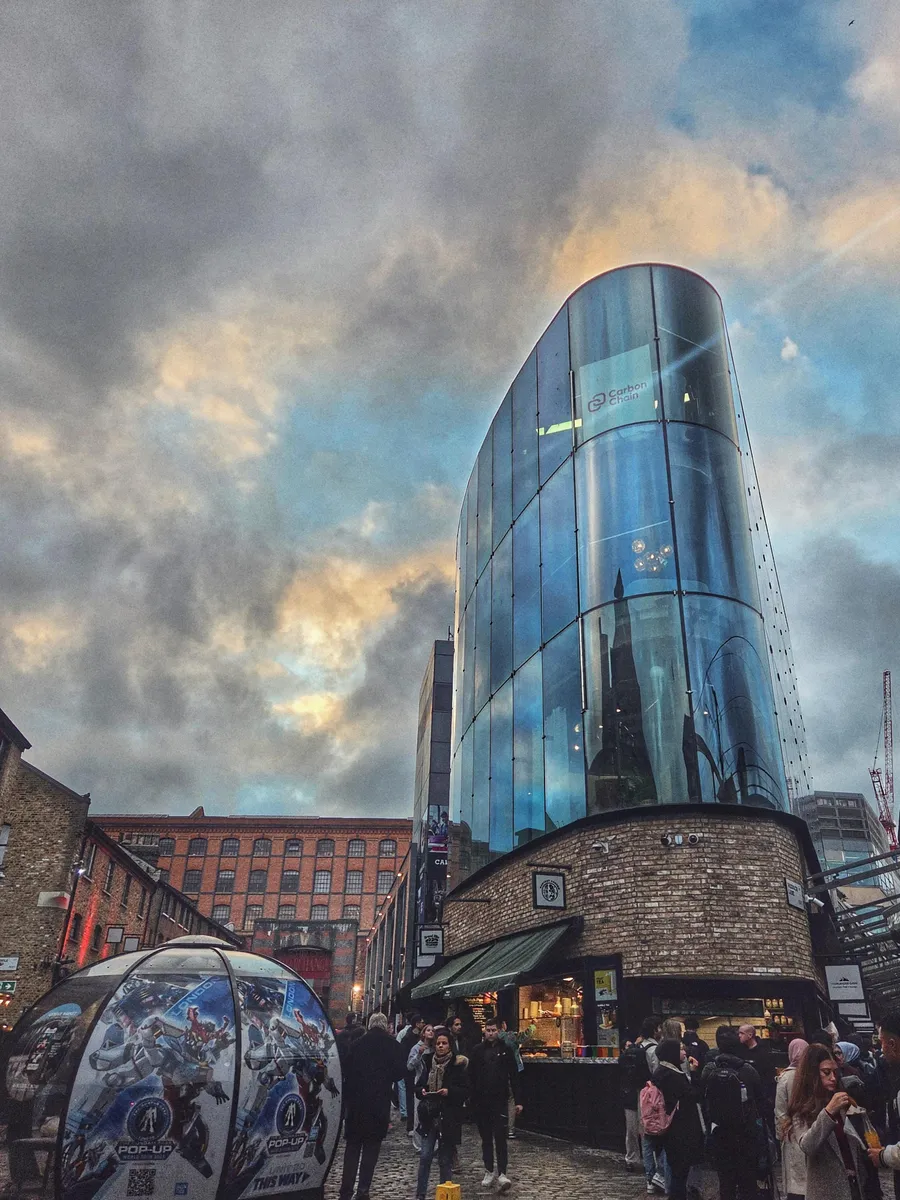
Camden Market Wander
| By the Lock | In the Stables | |
|---|---|---|
| Best for | Canal views, street food and people watching | Vintage clothes, antiques and covered browsing |
| Setting | Open air yards around the old canal lock | Brick vaults and courtyards of a former horse hospital |
| Good to know | Busiest by the water at weekends | Easy to explore even in the rain |
Day 14 ends in Camden, where the market sprawls around the Regent’s Canal lock and through the old stables beyond. It is part food hall, part vintage hunt, part street theatre, and a cheerful contrast to the week’s museums and cathedrals. Wander without a list, follow the music and the smells, and let the trip finish on a playful note.
Two weeks fly past, so a route that flows in one direction is worth a great deal. This europe travel itinerary 2 weeks plan gives every city a clear job: Rome for ancient history, Florence for art, Venice for water, Lucerne for mountains, Paris for the classics and London for a lively finish. Travelling on a shorter break instead? Our 10 days in Europe itinerary compares eight other routes worth a look. Save this plan to your Europe travel board, share it with your travel partner, and book the timed entries in order, Rome first. The trains, lakes and late museum evenings will handle the rest.