24 carry on packing list europe Dreamy to save time
Europe rewards travellers who pack light. The trip usually means more than one city, more than one climate, and a lot of moving: trains with overhead racks, stations with stairs, old town streets paved in cobblestones, and hotels where the lift is small or missing entirely. A heavy bag turns every transfer into hard work; a carry-on packed as a system makes it the easiest part of the day. This carry on packing list for Europe gives you exactly 24 items, each one chosen to survive that kind of trip.
The list is built for a multi-city trip of about one to two weeks, planned around a simple rhythm: pack for roughly a week, wash once, and wear everything again. Every item below is explained on its own, with the reason it earns its place in Europe and the packing tip that makes it work harder. Quantities stay consistent from the first box to the final checklist, so you can pack by counting to 24.
The 24 Items at a Glance
- Clothes: 5 versatile tops, 3 bottoms, 1 smart outfit, 1 packable mid-layer, 1 compact rain jacket, 1 set of sleepwear, quick-dry underwear for about a week, 3 to 4 pairs of socks.
- Shoes: walking shoes, worn on travel days, plus 1 light second pair (sandals or flats).
- Europe extras: swimwear, and a scarf or shawl that works as a layer, a blanket and a cover for sacred sites.
- Bags and safety: an anti-theft crossbody day bag, a documents set in a hidden pouch, packing cubes, and a foldable daypack.
- Washroom: a clear liquids bag of 100 ml containers, solid toiletries, a small first aid pouch, and a laundry kit.
- Power and travel days: a plug adapter (Type C and F, plus G for the UK and Ireland), a tech kit, a personal item packed as your flight and train kit, a compact umbrella, and earplugs with a sleep mask.
Three principles run the whole system: everything mixes with everything, you pack for a week and wash once, and if an item cannot survive stairs and cobblestones, it does not go.
Know the Rules Before You Zip the Bag
First, unlearn the idea of a standard European carry-on. There is no single European size or weight for cabin bags. The European Commission’s own traveller guidance states that limits on cabin baggage size and the number of items are set by the airlines, not by one EU rule. A generous bag on one airline can be a paid extra, or a gate-check risk, on the next. The working approach is unglamorous and reliable: find the strictest airline on your itinerary, measure and weigh your packed bag at home, and pack to that limit.
As one named example, Ryanair’s official bag policy includes one free small personal bag of 40 x 30 x 20 cm that must fit under the seat, and its Priority fare adds a cabin bag of 55 x 40 x 20 cm up to 10 kg for the overhead locker. Bags that fail the gate sizers are refused or placed in the hold for a fee. Those figures belong to Ryanair alone; other airlines publish different ones.
Liquids, by contrast, are close to harmonised, and the summary below is drawn from official sources: the TSA liquids rule for US departures, the European Commission luggage guidance for EU airports, and the GOV.UK hand luggage restrictions for UK airports.
| Topic | United States (TSA) | European Union (Your Europe) | United Kingdom (GOV.UK) | Named airline example: Ryanair |
|---|---|---|---|---|
| Liquids per container | 100 ml (3.4 oz) | 100 ml | 100 ml at most airports; some airports allow up to 2 litres | Airlines do not set security liquids rules; the airport does |
| Liquids bag | One quart-size bag per passenger | One transparent bag, maximum 1 litre | Where required, one transparent resealable bag of about 20 x 20 cm holding no more than 1 litre, one per person | Not applicable |
| Cabin bag size | Set by the airline | Set by the airline | Set by the airline | Free personal bag 40 x 30 x 20 cm; Priority cabin bag 55 x 40 x 20 cm, up to 10 kg |
Two details catch people out. A container that is only part full still counts at its full labelled size, so a half-empty 150 ml bottle fails the check. And while medicines and baby food sit outside the normal volume restriction in both the EU and UK guidance, everything else in your wash bag should be planned at 100 ml or under.
The 24 Carry-On Essentials for Europe
Here is the whole system, item by item. Read it in order, because the items support each other: the tops match the bottoms, the layers stack over both, and the small kits keep the bag working from the first train to the last. Clothing items 1 to 8 form one capsule, items 9 and 10 are the footwear plan, and items 13 and 18 together form the safety system. For outfit-level inspiration across seasons, our guide to Europe travel outfits and capsule wardrobe ideas shows the same palette thinking applied to whole wardrobes.
1. Versatile tops (5)
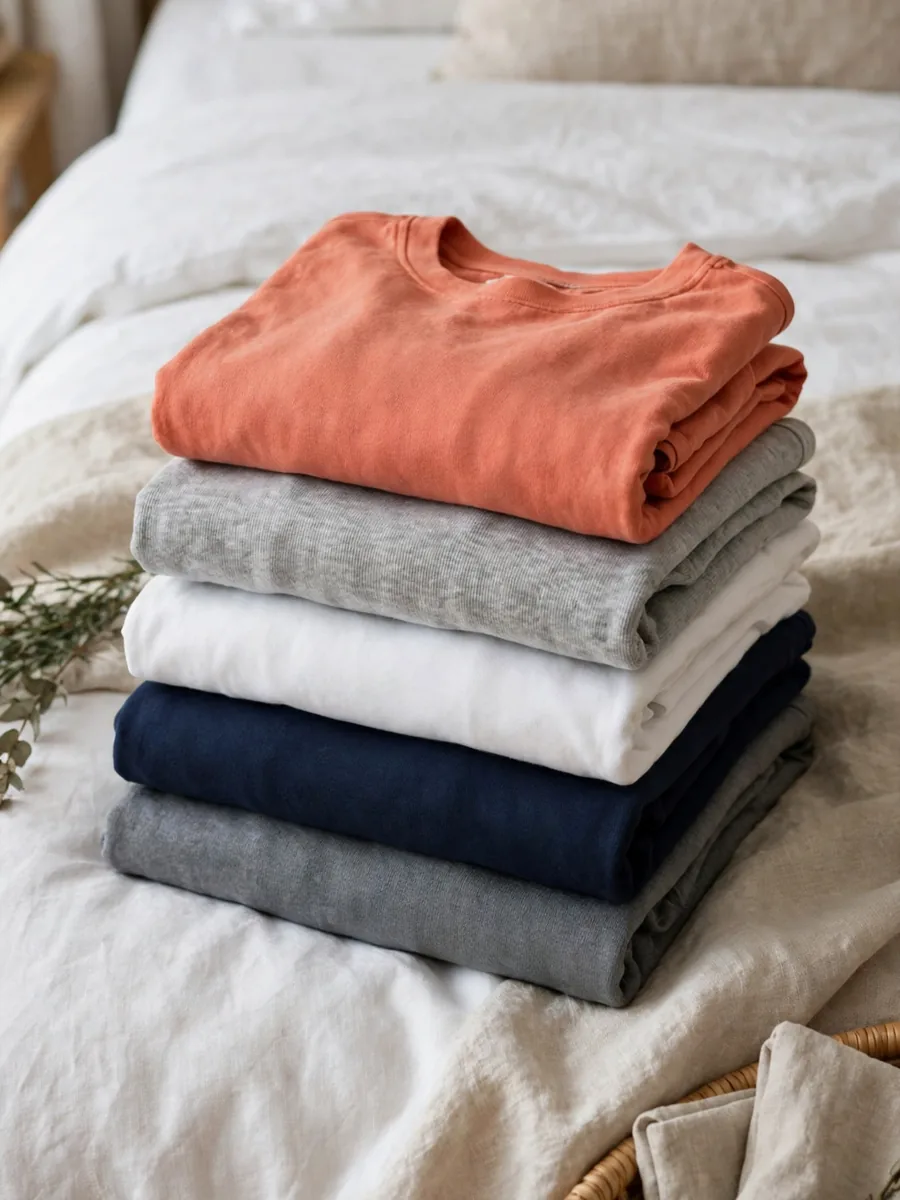
Start the capsule here, because tops decide how many outfits a small bag can produce. Five is the count that covers a week of European city days: enough for a clean top most days, few enough that each one has to earn its place. Versatile is the operative word. Every top should work with every bottom in item 2, in one shared palette of two or three neutrals plus one accent colour. Mix the shapes: a couple of short-sleeved tops, one or two long-sleeved options for cool mornings and northern cities, and one slightly smarter top that can carry an evening on its own.
Choose fabrics that forgive travel. Lightweight merino regulates temperature across a mixed-climate route and resists odour between washes; quick-dry synthetics rinse clean in a sink and dry overnight; linen blends breathe in the south but crease, so keep them to one top at most. Packing tip: wear one top on travel day and roll the remaining four into one cube, sleeves smoothed flat so they come out close to wearable.
2. Bottoms (3)
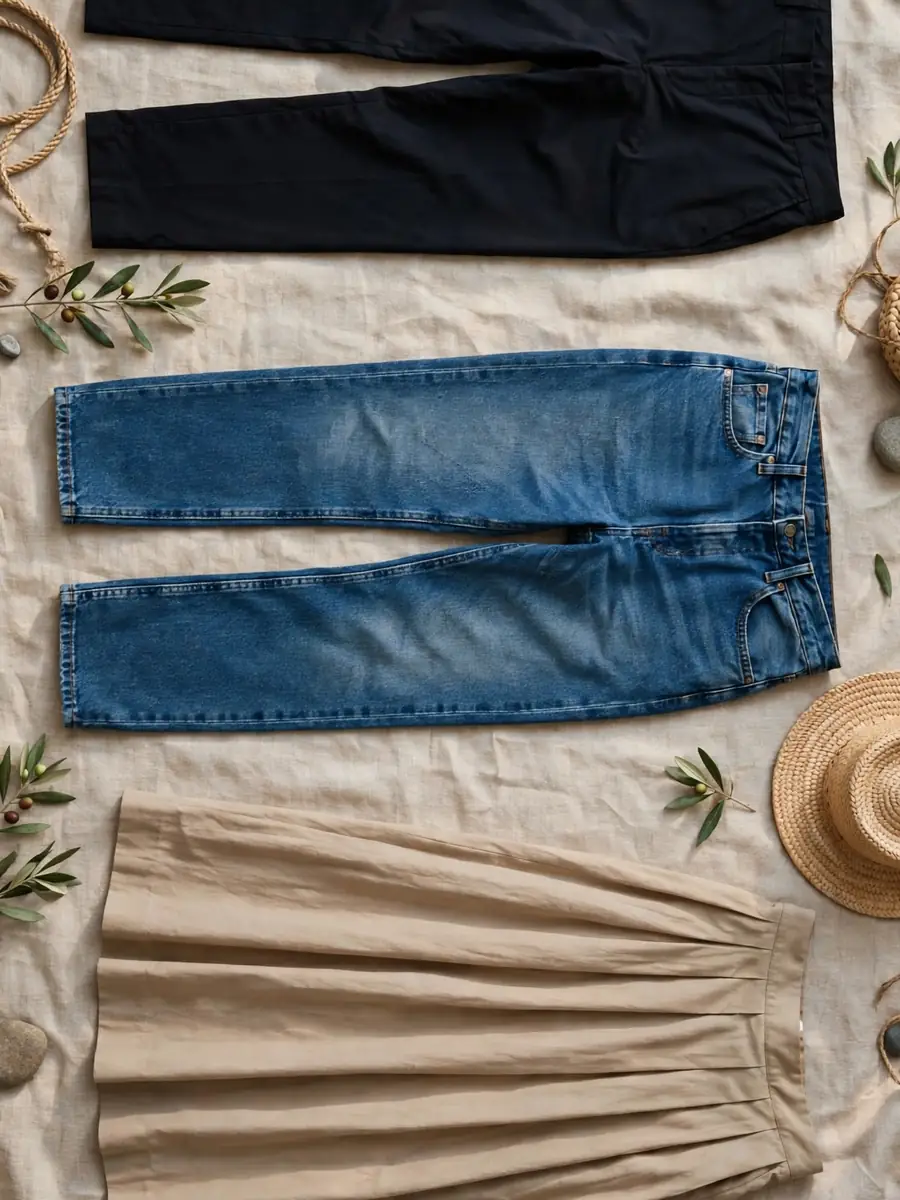
Bottoms are the heavy half of most suitcases, which is why this system allows only three. Build the three around contrast: one dark pair of trousers that can look smart, one casual pair such as jeans or chinos, and one lighter option, which could be a skirt, lighter trousers or shorts depending on the season and route.
Weight is the hidden cost here, especially with denim, so the heaviest bottom is the one you wear on travel day, never the one you pack. Prioritise a little stretch for hours on trains, a waistband that stays comfortable after long lunches, and hems that keep clear of wet streets. Packing tip: fold the two packed bottoms lengthwise and roll them together into the bottom of the bag, where their weight stops the case tipping forward at stations.
3. One smart outfit
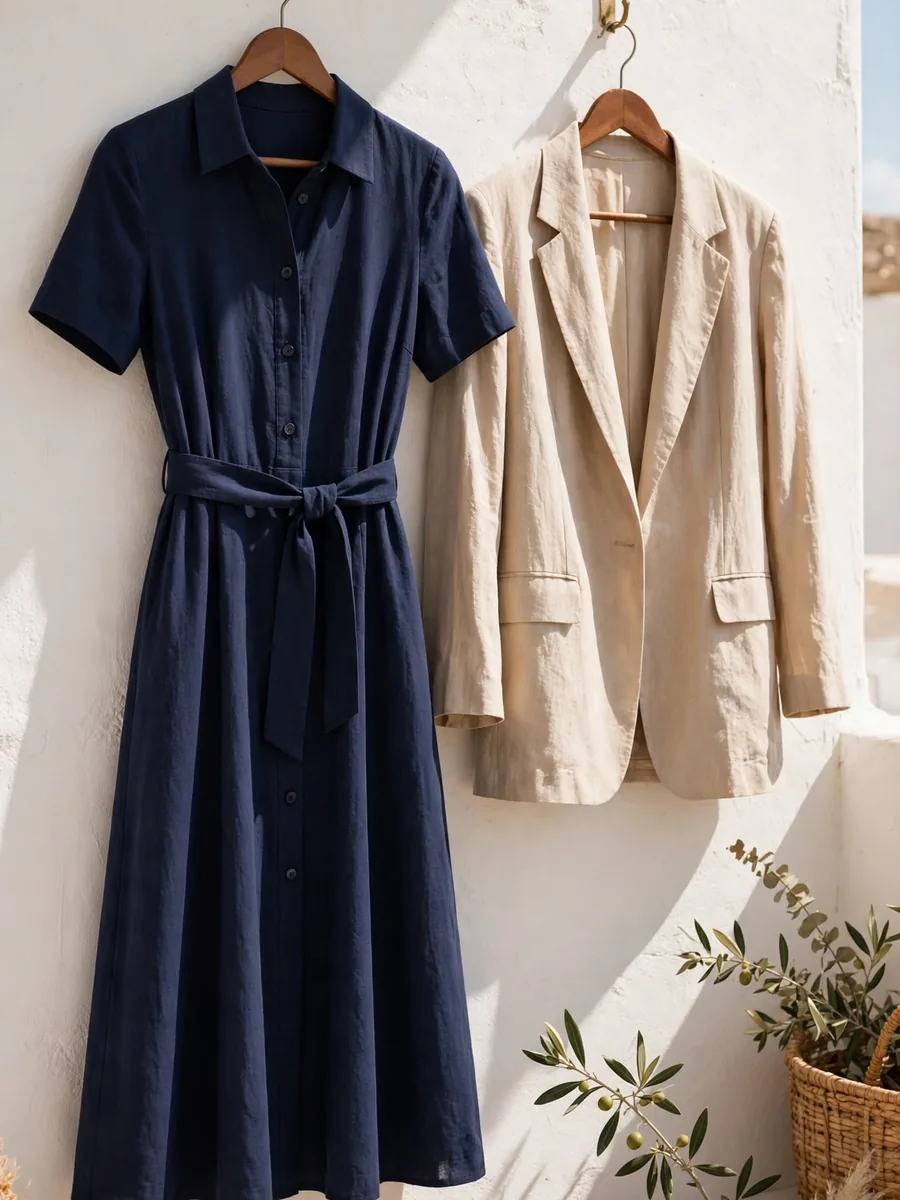
Every Europe itinerary contains at least one moment that punishes a purely casual wardrobe: a booked restaurant, a concert hall, a nicer museum, or simply an evening in a city that dresses for dinner. One smart outfit answers all of them. The efficient version is built from pieces that also work separately: a midi dress that dresses down with the walking shoes, or a shirt and trousers combination where the shirt already lives in item 1 and only the trousers or a light blazer are extra. Built that way, the smart outfit adds polish for the weight of roughly one item.
Choose crease-resistant fabrics, because this outfit spends days folded and must still look deliberate when it comes out. Dark, plain colours photograph well, repeat without being noticed, and meet most informal dress expectations at religious and cultural sites when shoulders and knees are covered, with item 12 as backup. Packing tip: hang the smart outfit up the moment you arrive, ideally in a steamy bathroom while you shower, and most travel creases fall out without an iron.
4. Packable mid-layer
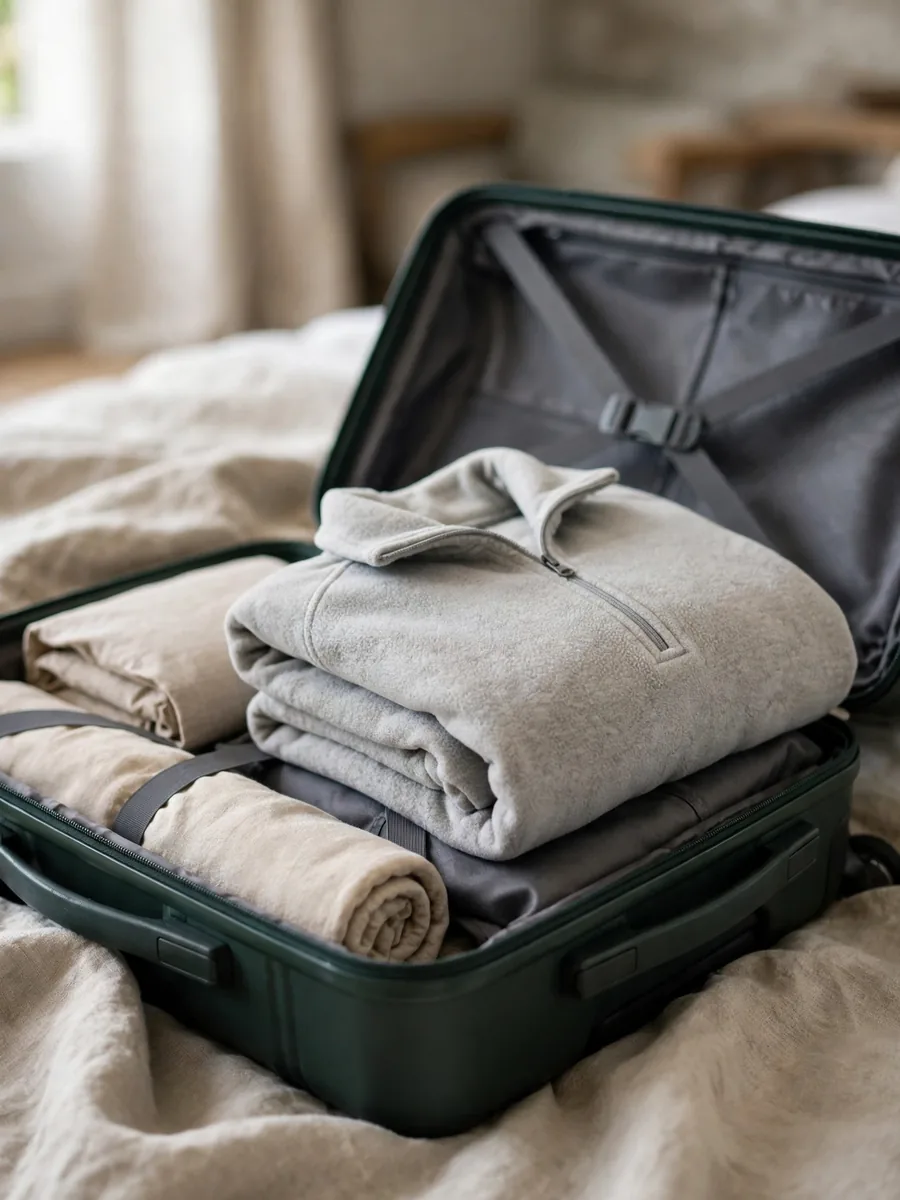
Temperature, not distance, is what changes most inside a European trip. A morning train can leave a cool northern city and arrive somewhere ten degrees warmer by lunch, and air conditioning on trains and flights runs cold in every country. The mid-layer is the adjustment dial for all of it: a light fleece, a fine knit, or a packable insulated layer that works over a top, under the rain jacket in item 5, and on its own in the shoulder hours of the day.
Judge candidates by warmth per gram and by how small they compress. A layer that packs to water-bottle size earns its place; a chunky knit that fills a cube does not. Neutral colour, no logos, and a zip or buttons that let you vent heat on station stairs all help. Packing tip: never bury the mid-layer in the main cube. Keep it at the top of the bag or in the personal item, because the moment you need it is mid-journey.
5. Compact rain jacket
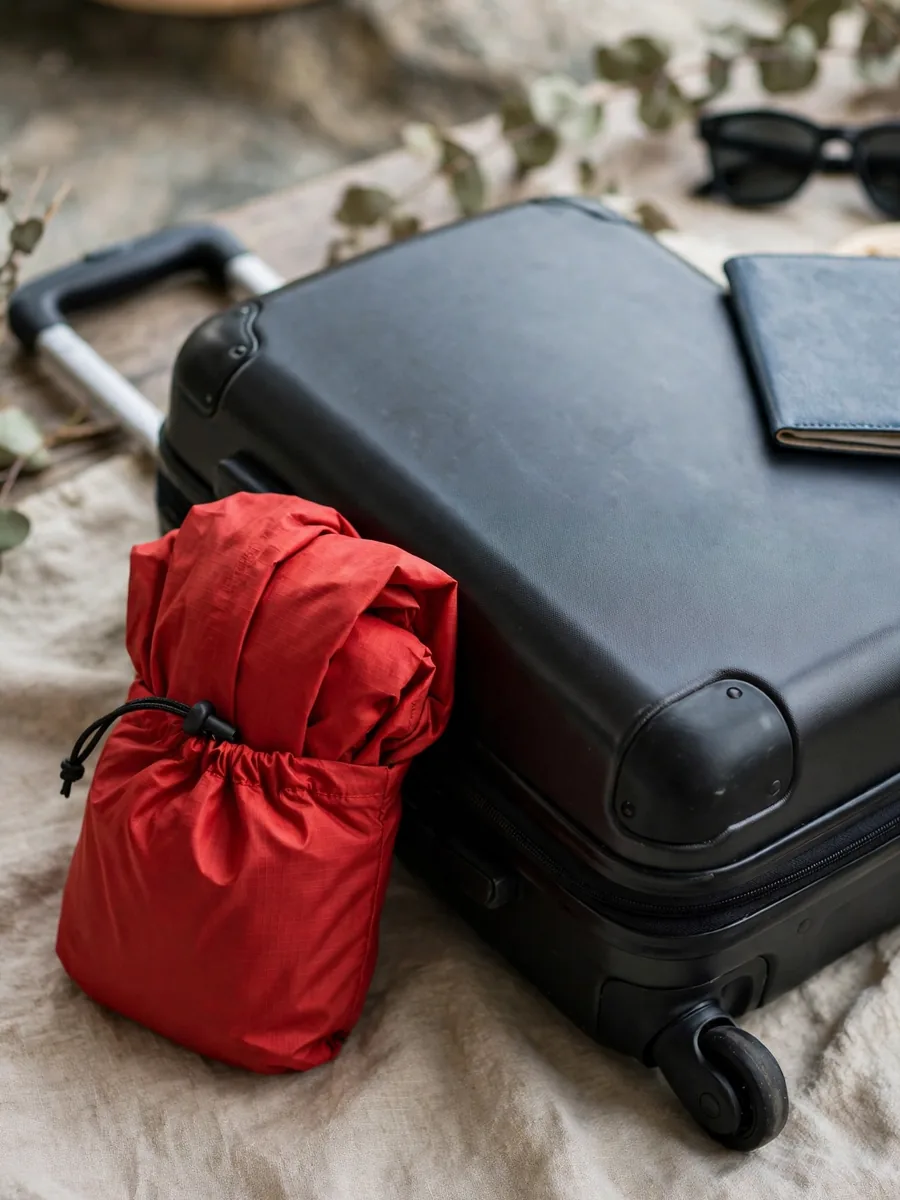
Rain in northern and western Europe is not a season, it is a standing possibility, and even southern itineraries collect the odd storm day. A compact waterproof jacket with a hood solves it without surrendering the space a coat would demand. Look for a jacket that packs into its own pocket, with a hood and a cut long enough to cover the tops of your thighs. Worn over item 4 it completes the layering system; worn alone, it is a wind layer for coastal walks.
This item pairs with the umbrella in item 23 rather than competing with it: the jacket handles wind-driven rain and long wet walks, the umbrella handles city drizzle between cafe and museum. Packing tip: pack the jacket last, in the lid or an outside pocket. It is the item you are most likely to reach for in the first hour after landing, and digging for it in the rain defeats its purpose.
6. Sleepwear (1 set)
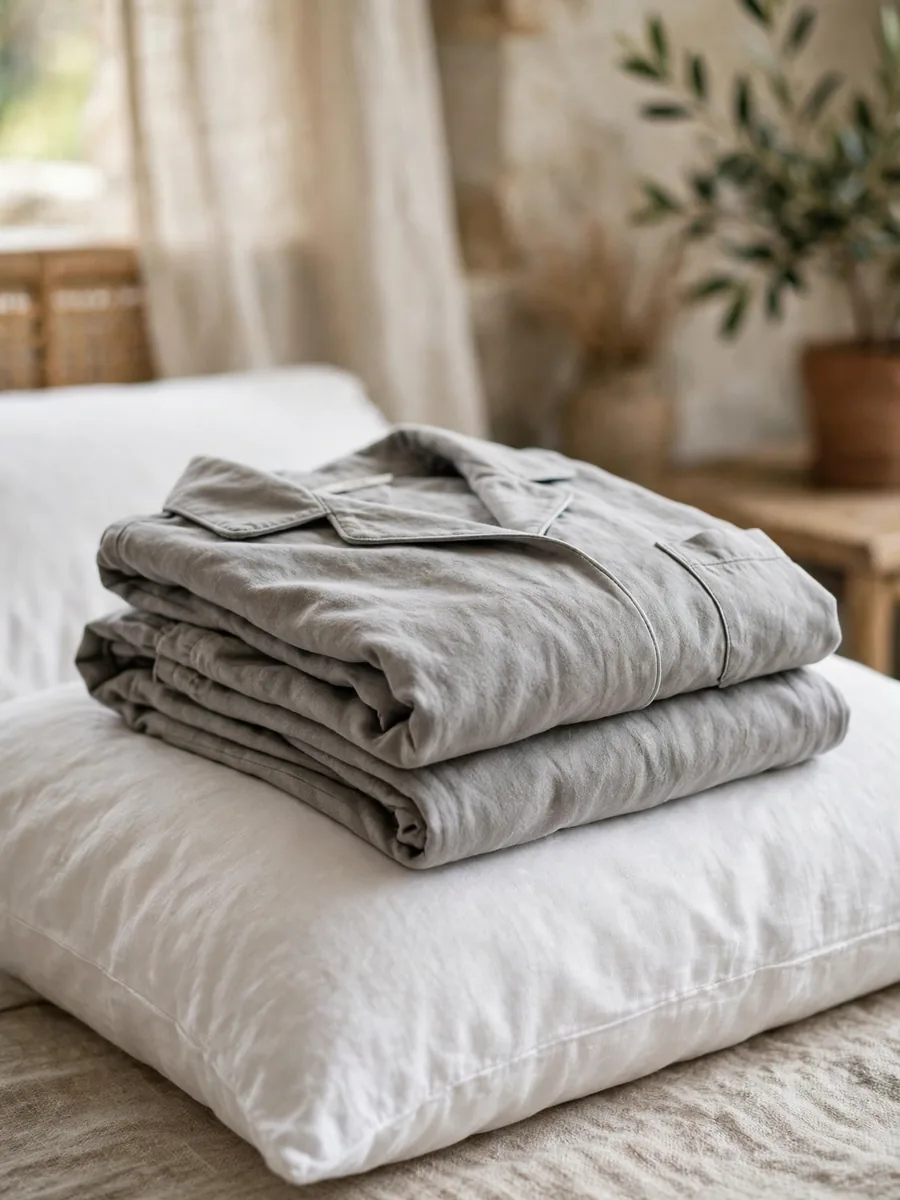
One set, and only one, is the whole rule for sleepwear. It is the easiest category to overpack because pyjamas feel weightless at home, but two or three sets quietly become another top and bottom you never wear outside a hotel room. A single light set in a quick-drying fabric covers every night: wash it mid-trip or rinse it in the sink, and it is dry by the following evening. Soft jersey and thin cotton blends both work; bulk is the enemy, not the fibre.
Think one step beyond the bedroom when choosing. In shared accommodation or on overnight trains, sleepwear doubles as lounging clothes, so a plain set that looks like casual separates beats a novelty print. Packing tip: roll the sleepwear into the smallest cube with the underwear, rather than in the clothing cube, so unpacking at night never means disturbing the next day’s outfit.
7. Underwear (quick-dry sets)
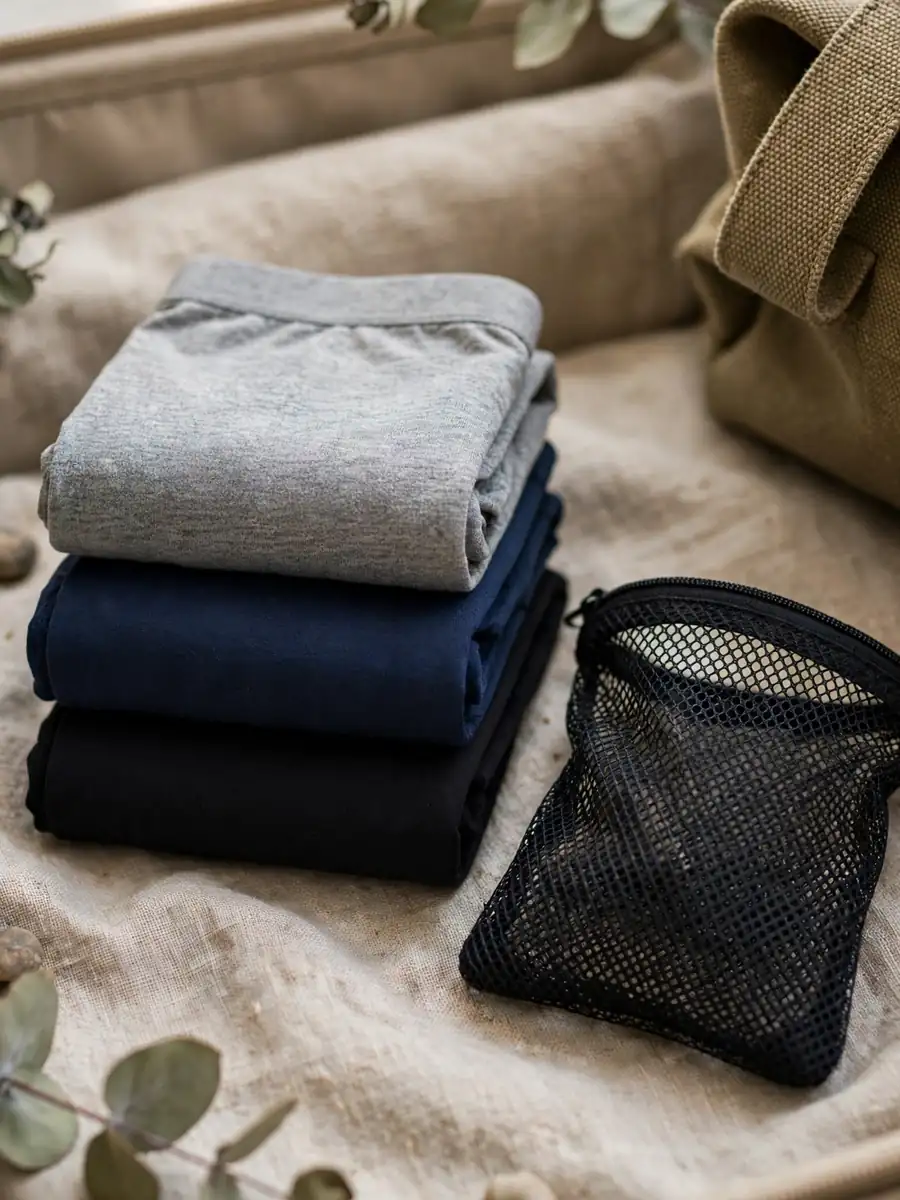
If one item quietly sets the size of this whole list, it is underwear. Carrying quick-dry sets for about a week, rather than a fresh set per day, is what keeps the bag at carry-on size. A week of sets covers the rhythm the whole article is built on: wear through the first leg, wash once mid-trip at a laundromat or in the sink, and the same sets carry the second leg. Synthetics and merino blends dry overnight on a towel rail; thick cotton does not.
Count honestly: five sets with a wash every few days, seven with one mid-trip wash, and no trip justifies more than seven. Choose flat-stitched styles for long walking days, in dark colours that can share a wash load with the socks in item 8. Packing tip: split the sets into two small pouches, most in the main bag and one full change inside the personal item kit (item 19). If the main bag is ever delayed or gate-checked, you still own a clean start to the next day.
8. Socks (3 to 4 pairs)
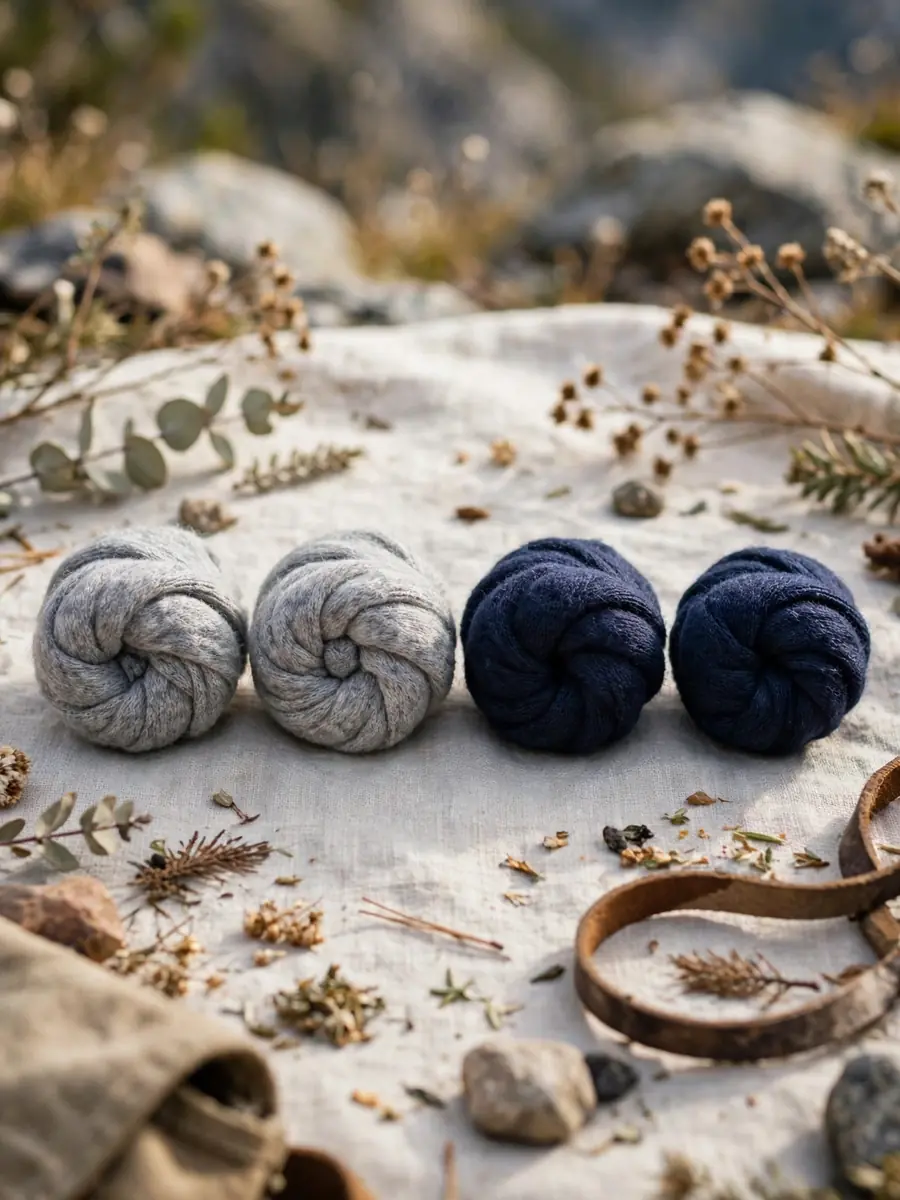
Europe is walked, not driven, and socks are where walking days are won or lost. Three to four pairs is enough because socks rinse and rotate better than any other clothing item: wear one pair, wash it in the evening, and it rejoins the rotation within a day. What matters is the specification. Cushioned soles soften cobblestones and museum floors, moisture-managing fibres (merino is the benchmark) keep feet dry through fifteen-thousand-step days, and a little height at the ankle protects against the rubbing that new-city walking always finds.
Build the small set with intent: two everyday pairs, one warmer pair for the cool leg of a mixed-climate route or a mountain stop, and optionally one very light pair for warm evenings with the second shoes. Packing tip: stuff rolled socks inside the packed second shoes and into the bag’s corners. They hold the shoes’ shape, fill dead space, and keep the smallest items from migrating to the bottom of the case.
9. Walking shoes (worn)
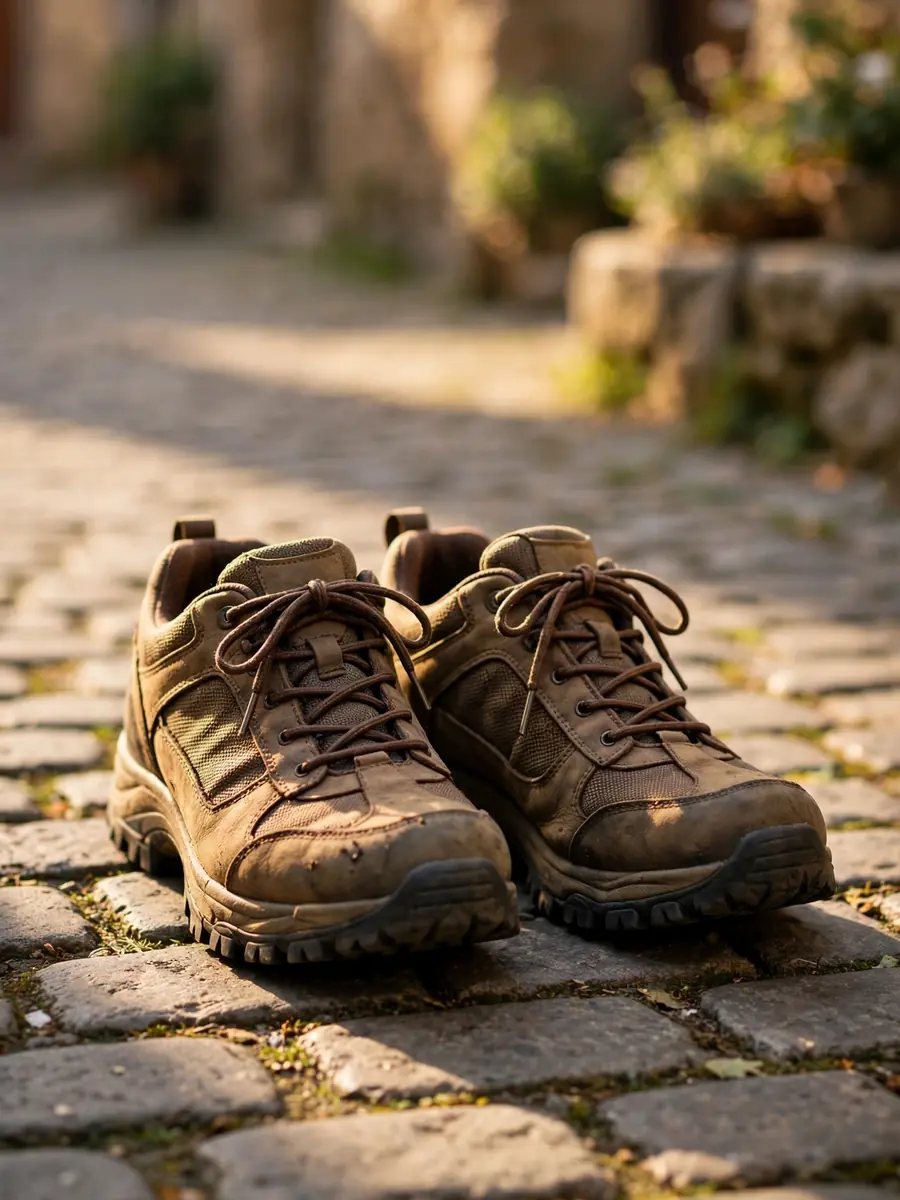
Cobblestones find every weak sole, old town streets tilt and shine when wet, and a normal sightseeing day can double your usual step count. Your walking shoes are therefore the most important single item on this list. They need a supportive, cushioned sole with real grip, a fit that tolerates feet swelling over a long day, and uppers that survive both a long museum morning and an unexpected shower.
Two rules protect the whole trip. First, break the shoes in before you travel: several full days of walking at home, not one afternoon, because a shoe that hurts on day two hurts for two weeks. Second, wear them on every travel day. They are the bulkiest footwear you own on the trip, and wearing them keeps their weight and volume out of the bag entirely. Packing tip: if rain is forecast for arrival day, these are also your waterproof-first shoes, so choose a pair that shrugs off a soaking and dries overnight.
10. Second pair: sandals or flats
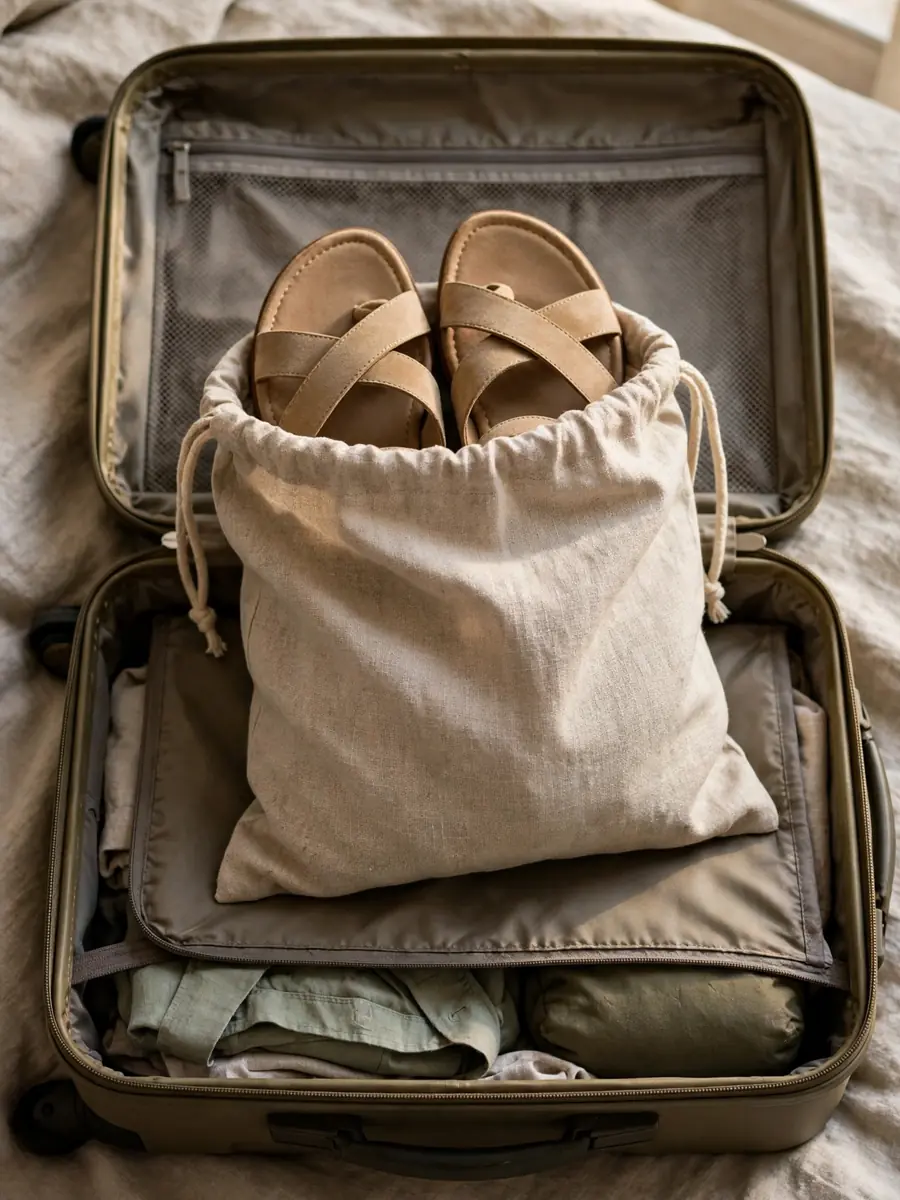
One pair of shoes, however good, benefits from a partner: feet tire of the same pressure points, walking shoes need drying time after a wet day, and evenings feel better in something lighter. The second pair is deliberately the smallest useful shoe you own. Walkable sandals earn the space on warm and coastal itineraries, where they cover beaches, showers and dinners in one item. Simple flats suit city-heavy routes and pair with the smart outfit in item 3.
Apply the same honesty test as the rest of the bag: if the second pair only works with one outfit, it is a luxury the 24-item ceiling does not allow. Flat, flexible soles pack best, ideally sliding into a cloth shoe bag that keeps soles off clean clothes. Two pairs total is the system; a third pair is the single most common reason a Europe carry-on stops being a carry-on. Packing tip: pack the second pair soles-out against the walls of the case, heels and toes nested together, with the socks from item 8 rolled inside them.
11. Swimwear (1 to 2)
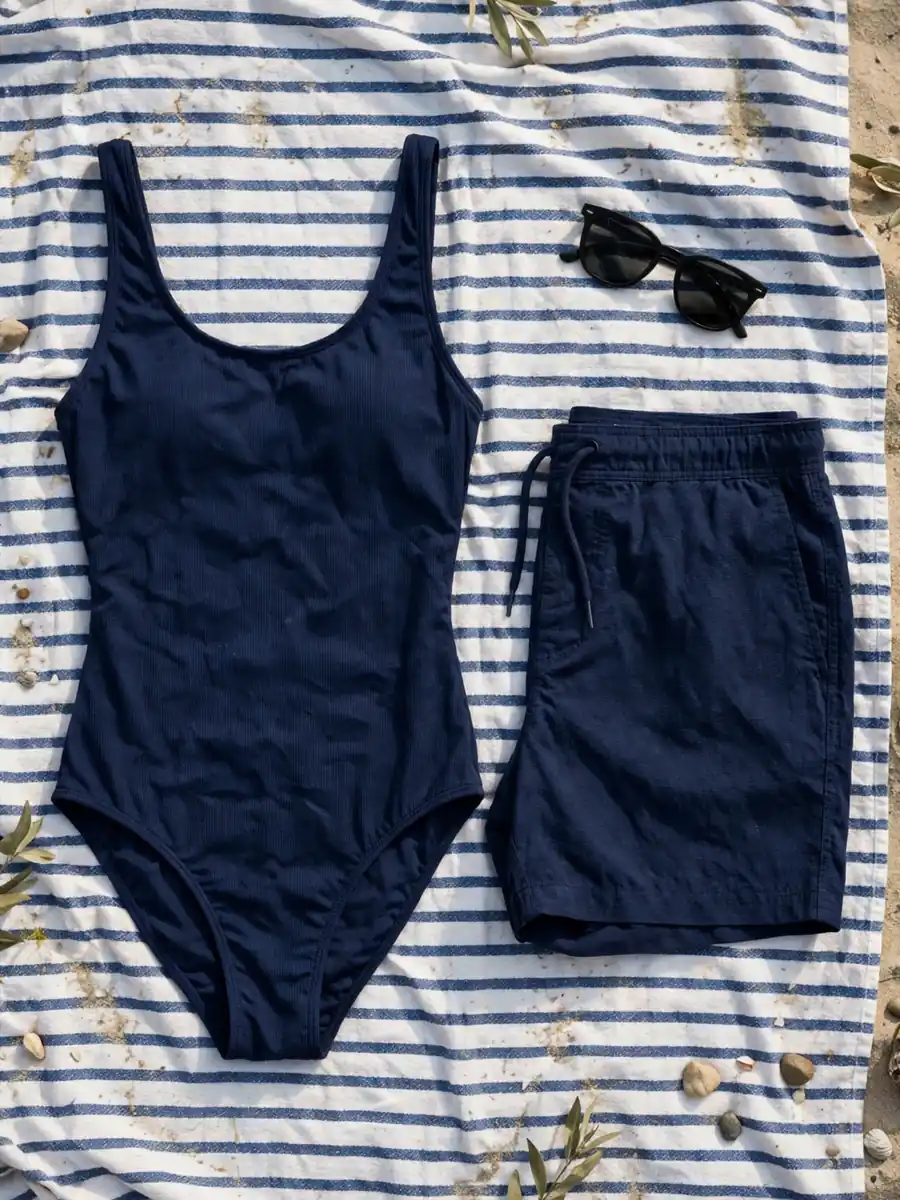
Swimwear looks like a beach-only item until you map a real European route: Mediterranean coastlines, Greek islands, Croatian and Italian lakes, hotel pools, thermal baths in Budapest, and sauna culture further north. Opportunities to swim appear on itineraries that never planned a beach day, and a swimsuit rolls to the size of a pair of socks. One suit is the minimum system; two earn their place on coastal routes so that one can dry while the other is in use, since a damp swimsuit packed into a closed bag is a smell that spreads.
Choose quick-drying fabric and a cut you can also walk in under shorts. Readers building a Mediterranean leg will find the outfit detail in our what to wear in Greece packing guide. Packing tip: keep swimwear in the same small pouch as the dry side of the laundry system, and after the last swim, rinse it, roll it in the towel to press out water, and give it the outside pocket for the journey home.
12. Scarf or shawl
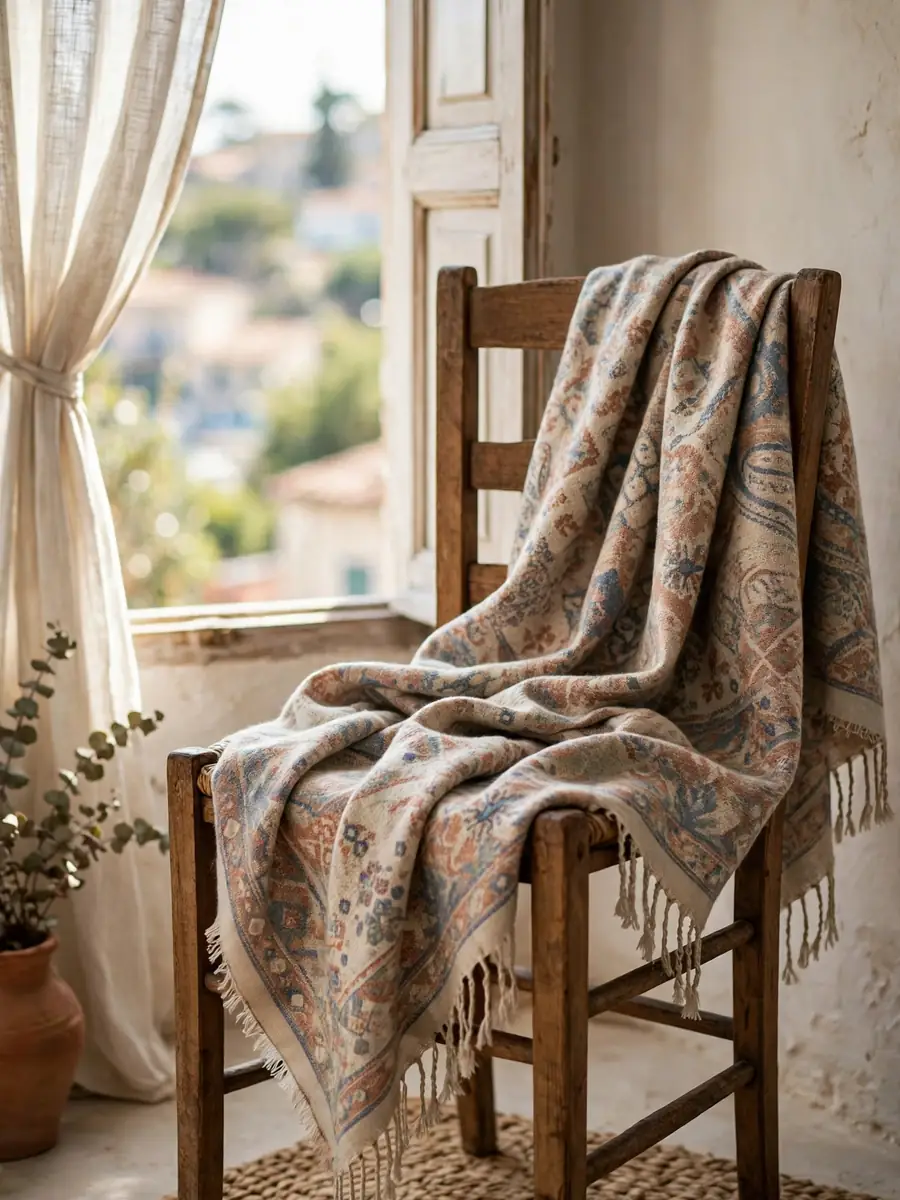
No item on this list works more jobs per gram. A large scarf or shawl is a warmth layer on cold trains and flights, a blanket on night services, an evening wrap that turns a daytime top into the smart outfit’s partner, a head or shoulder cover where a sight requires one, and, at major religious sites across Europe, the practical way to meet the common expectation that shoulders and knees are covered.
Size is the whole specification. It should be large enough to wrap shoulders fully or tie as a sarong in a pinch, in a fabric that folds to almost nothing, such as fine wool or a wool blend. Choose a pattern or colour that sits happily with every top in item 1, because an item carried daily cannot afford to clash. Packing tip: do not pack the scarf at all on travel days. Wear it or loop it through the strap of your personal item, where it serves as blanket, pillow cover and spare layer without touching your bag allowance.
13. Anti-theft crossbody day bag
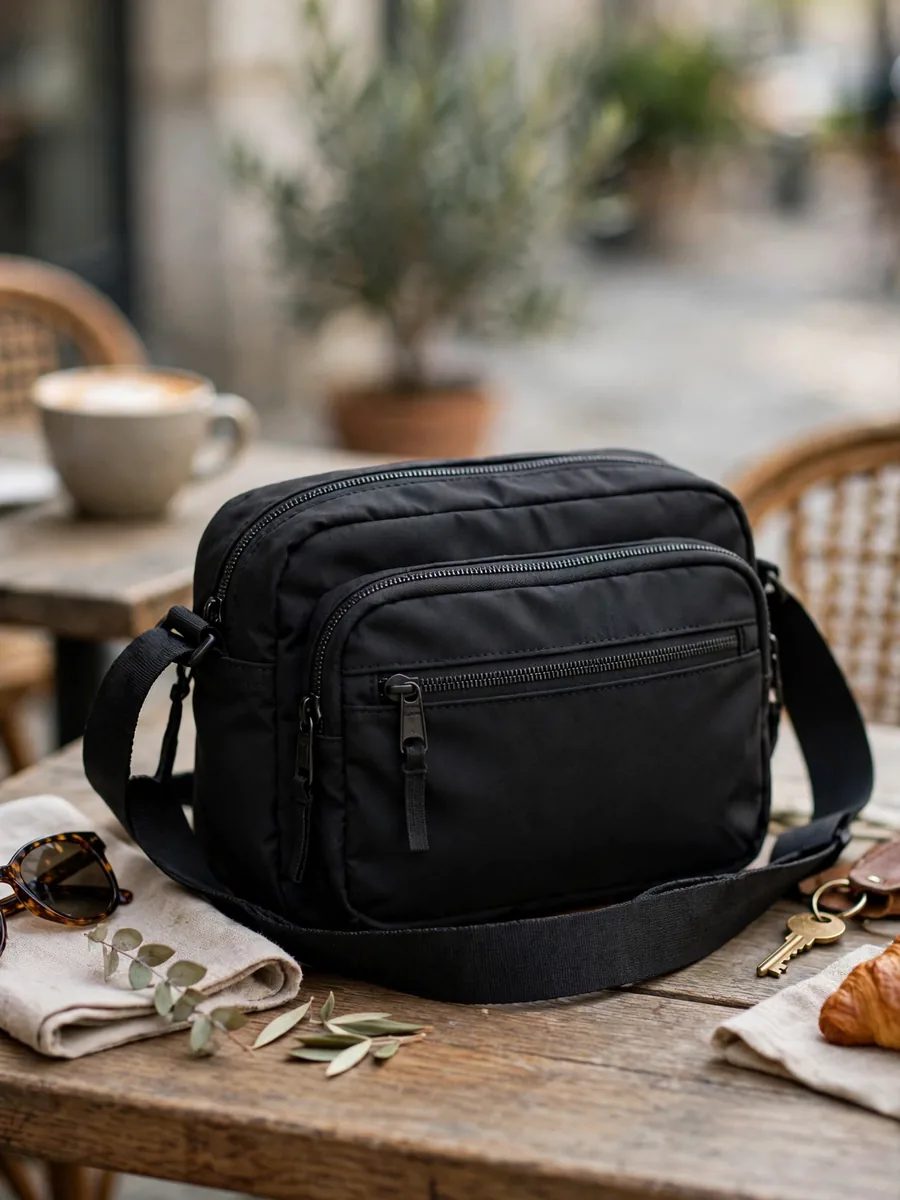
Crowded stations, famous squares and busy metro lines are where Europe’s pickpockets work, and the defence is mostly design rather than vigilance. A crossbody bag worn in front of the body, with zips that close fully, keeps your phone, payment card, daily cash and a copy of your passport inside your field of vision and under your hand. Choose one with two zipped compartments, so phone and money live separately, and a strap that cannot be slipped off a shoulder.
Treat the crossbody as the visible half of a two-part system: it carries what you spend today, while item 18’s hidden pouch carries the passport and the backup card you hope not to touch. That split is what turns a theft from a trip-ending event into an inconvenience. Packing tip: on travel days the crossbody goes inside the personal item for boarding, then comes straight back out and onto your body before you leave the station.
14. Toiletries in a clear liquids bag
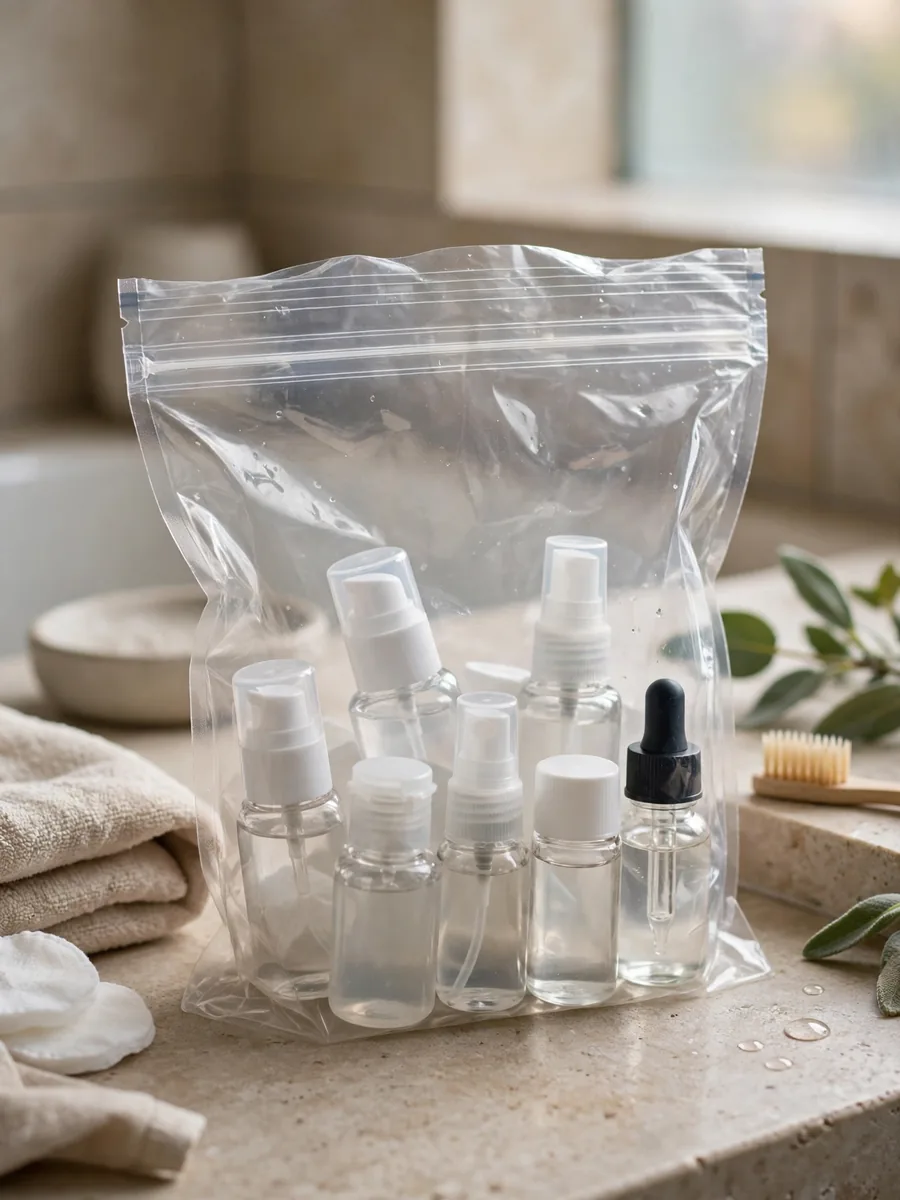
Every liquid, gel, cream and paste you fly with lives or dies by one container rule: 100 ml or under, all of it inside a single transparent bag of about one litre. That is the shared baseline across the official guidance in the rules section, and packing to it once means never repacking for a stricter airport later in the trip. Fill the bag with true essentials only: toothpaste, cleanser, moisturiser, sunscreen, and any liquid medication, which follows its own exemptions.
A sturdy resealable bag survives two weeks of opening better than the free airport version. Remember that part-full larger bottles still count at their labelled size, so decant into small containers instead of bringing the half-used 150 ml bottle from home. Packing tip: the liquids bag rides at the very top of your carry-on or in an outside pocket, so security trays take ten seconds and the rest of the system never gets unpacked in public.
15. Solid toiletries and small first aid pouch
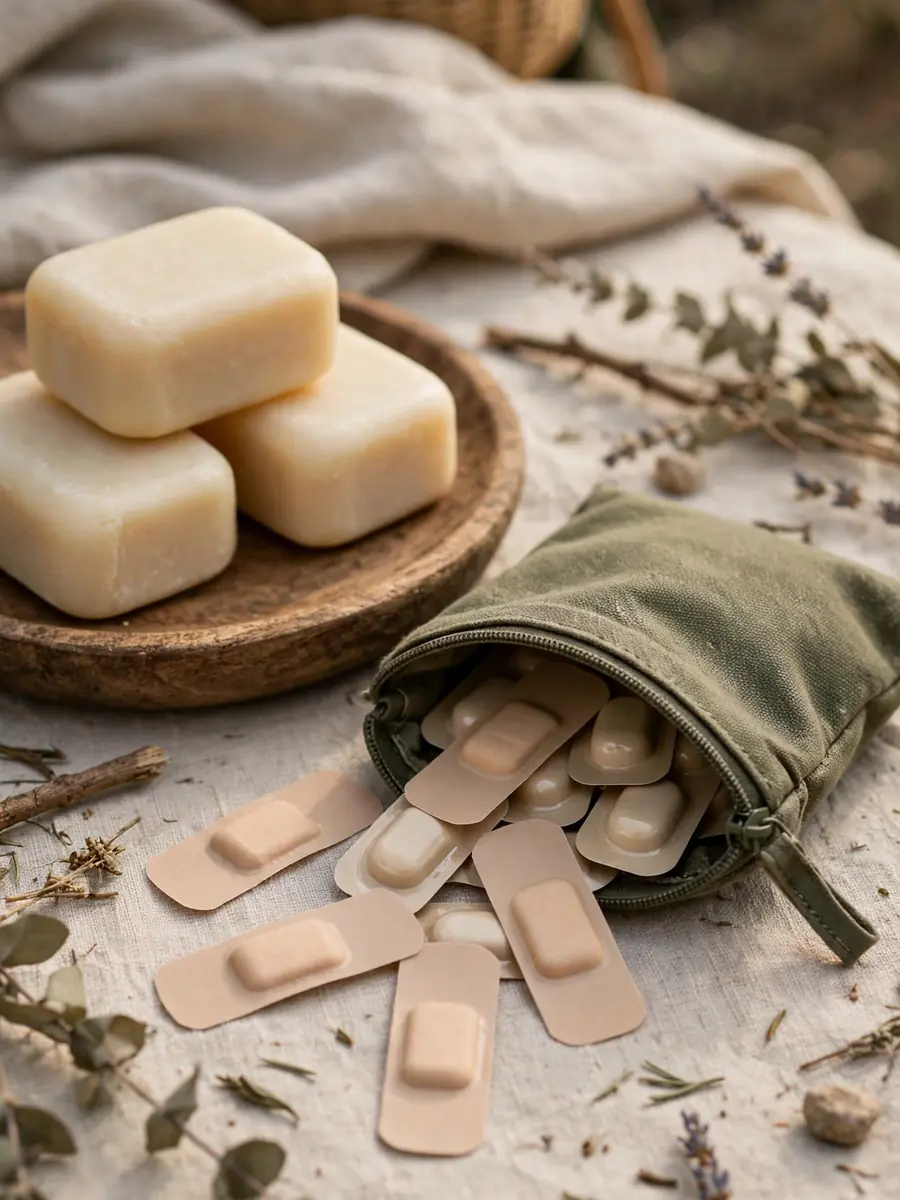
Solids are the loophole that is not a loophole: a shampoo bar, a conditioner bar and solid deodorant are not liquids, so they never compete for space in the one-litre bag, never leak into a cube of clean clothes, and last far longer than their travel-size liquid equivalents. Swapping shampoo and conditioner to solid form frees much of the clear bag for what must be liquid, like sunscreen.
The first aid half of this item is built for the way Europe is actually travelled: on foot. Blister plasters are the headline item, bought before you need them, followed by regular plasters, any personal medication (kept in the cabin bag, never checked), pain relievers, and a small antiseptic. It all fits in a pouch the size of a phone. Packing tip: put one blister plaster and a strip of pain relievers in the crossbody bag as well as the pouch in the main bag, because blisters announce themselves at the far end of a walking day, not back at the hotel.
16. Plug adapter (Type C and F, plus G for UK and Ireland)
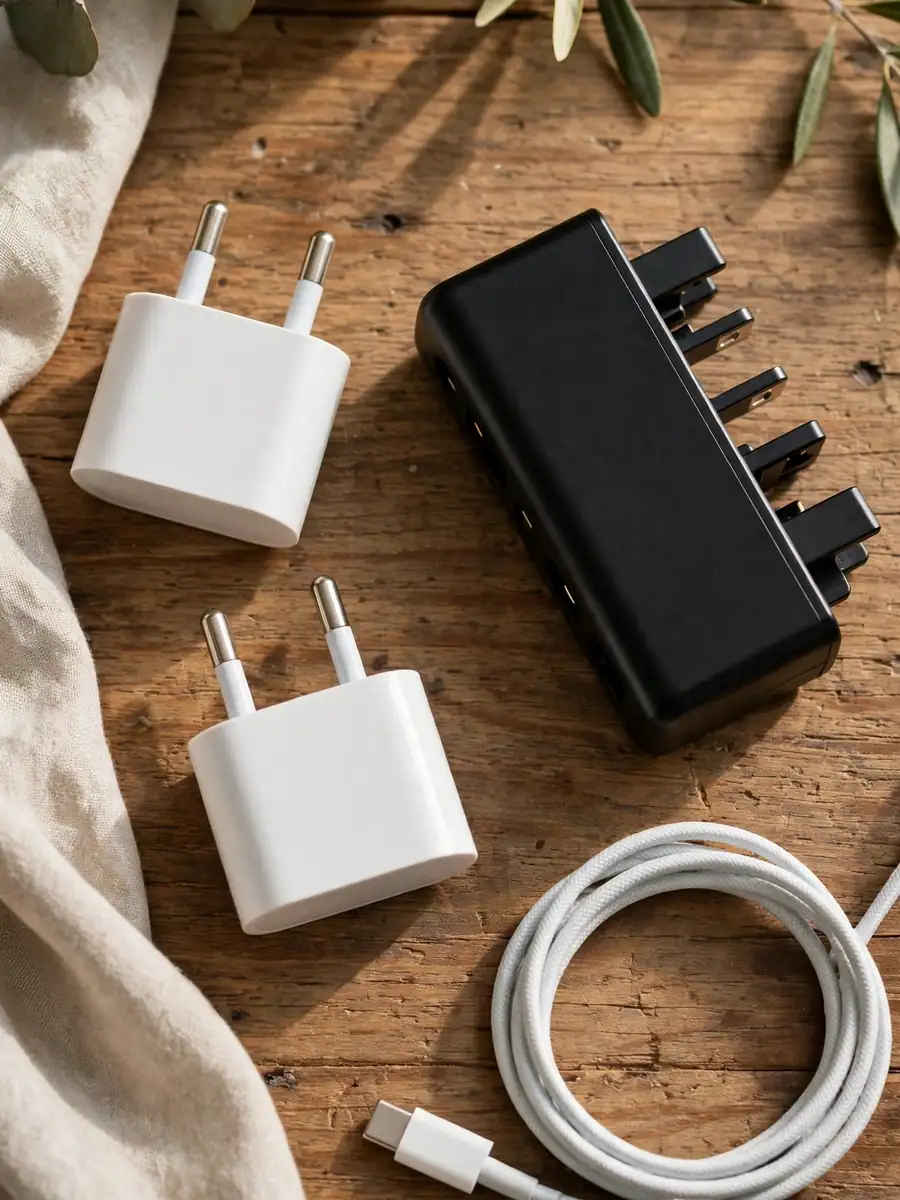
Europe’s sockets are the small detail that can strand every device you packed. Most of continental Europe uses round-pin Type C and Type F sockets, and a Type C plug also fits the Type E sockets used in countries such as France. The UK and Ireland are the exception, using three-pin Type G, so a route through London or Dublin needs both shapes. One small universal adapter covers all of it.
One clarification matters: an adapter changes the plug’s shape, not the voltage, so check labels. Phone and laptop chargers are almost always dual voltage, while single-voltage hair tools are the classic item that fails abroad. Italy, Switzerland and Denmark have their own variants on the full charts; a universal adapter absorbs those too. Packing tip: keep the adapter in the tech pouch (item 17), and charge everything in one evening routine, because older hotel rooms often offer one reachable socket. For a London leg, our what to wear in London guide covers the city side of the same trip.
17. Tech kit
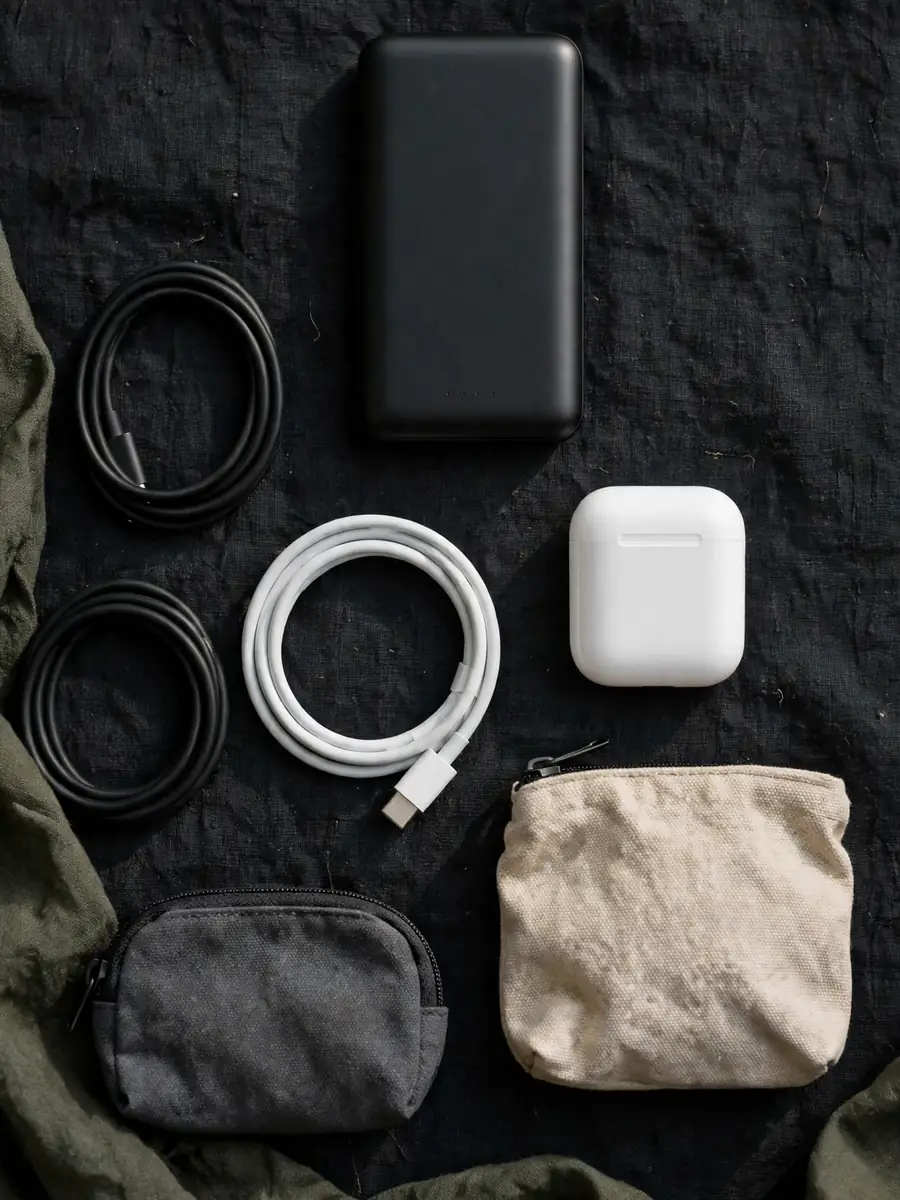
Modern European travel runs on a phone: tickets, reservations, maps, translations and payments all live there, which makes the tech kit a utility item rather than a gadget habit. The core is deliberately short: chargers and cables for the devices you actually carry, a power bank for long train days, and earbuds or headphones. Everything travels in one small pouch.
The power bank has one non-negotiable rule: it travels in the cabin with you, never in a checked bag, and keeping it in the personal item (item 19) means it is also within reach when a delayed train drains your phone. Prepare the digital side before each travel day: download offline maps for the next city, save tickets and confirmations where they open without a connection, and keep a screenshot of the hotel address. Packing tip: give every cable a fixed pocket in the pouch, charger at the back, daily cable at the front, so a dark train carriage never turns charging into a search exercise.
18. Documents set and hidden pouch
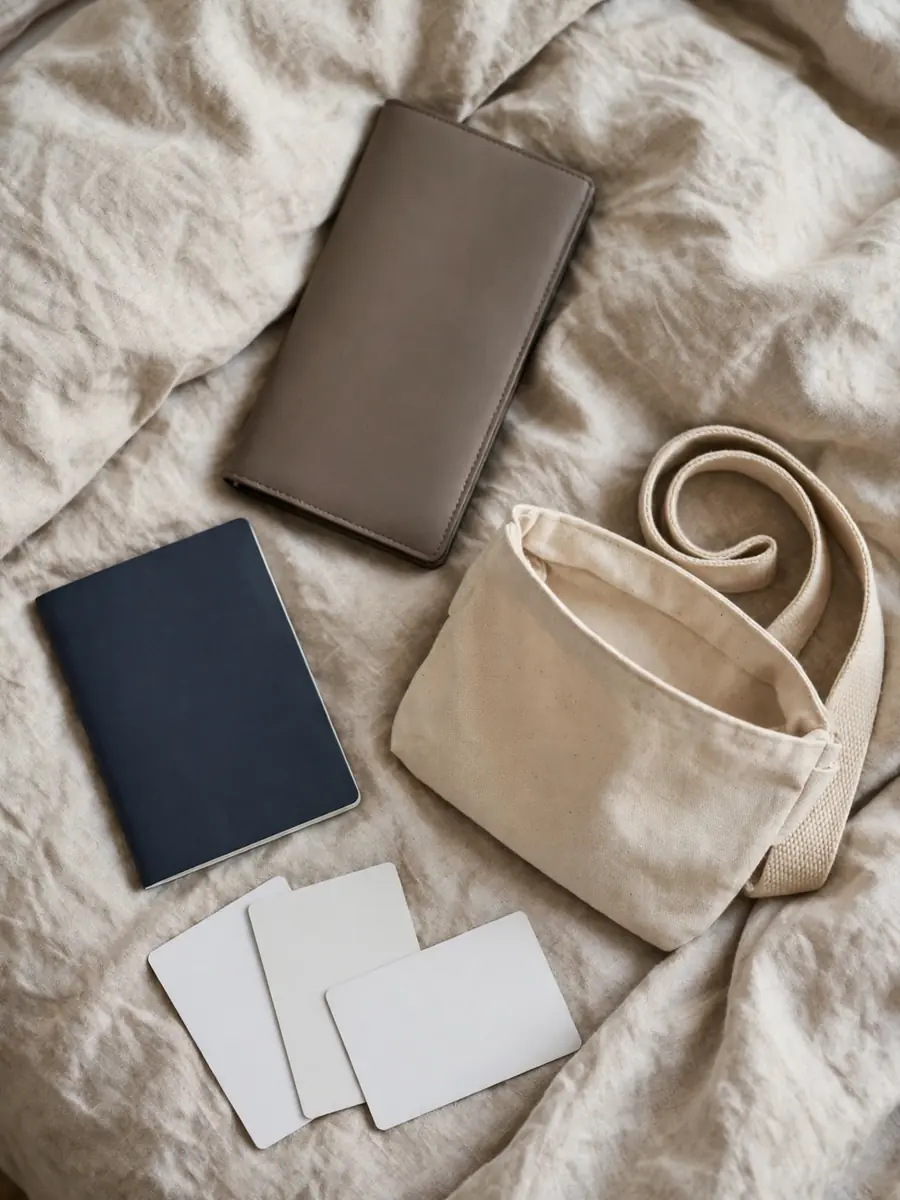
Paperwork is the one category where losing an item can end a trip, so Europe travellers split it deliberately. The daily layer lives in the crossbody (item 13): today’s card, daily cash, and a printed copy of the passport photo page. The reserve layer lives in a slim hidden pouch worn under clothing on transit days: the passport itself, a backup payment card, and a small cash reserve in a second currency where the route needs one. Insurance details and confirmations sit in both worlds, printed once and saved on the phone.
The system works because no single event can take everything. A stolen crossbody costs a day card and some cash, not your passport or your way home; a lost pouch is why the copies exist. Packing tip: photograph every document and card (front and back of ID pages only where secure storage is available to you) and keep the images in a folder you can open offline. Then set a nightly two-minute routine: pouch checked, copies checked, tomorrow’s tickets saved.
19. Personal item flight and train kit
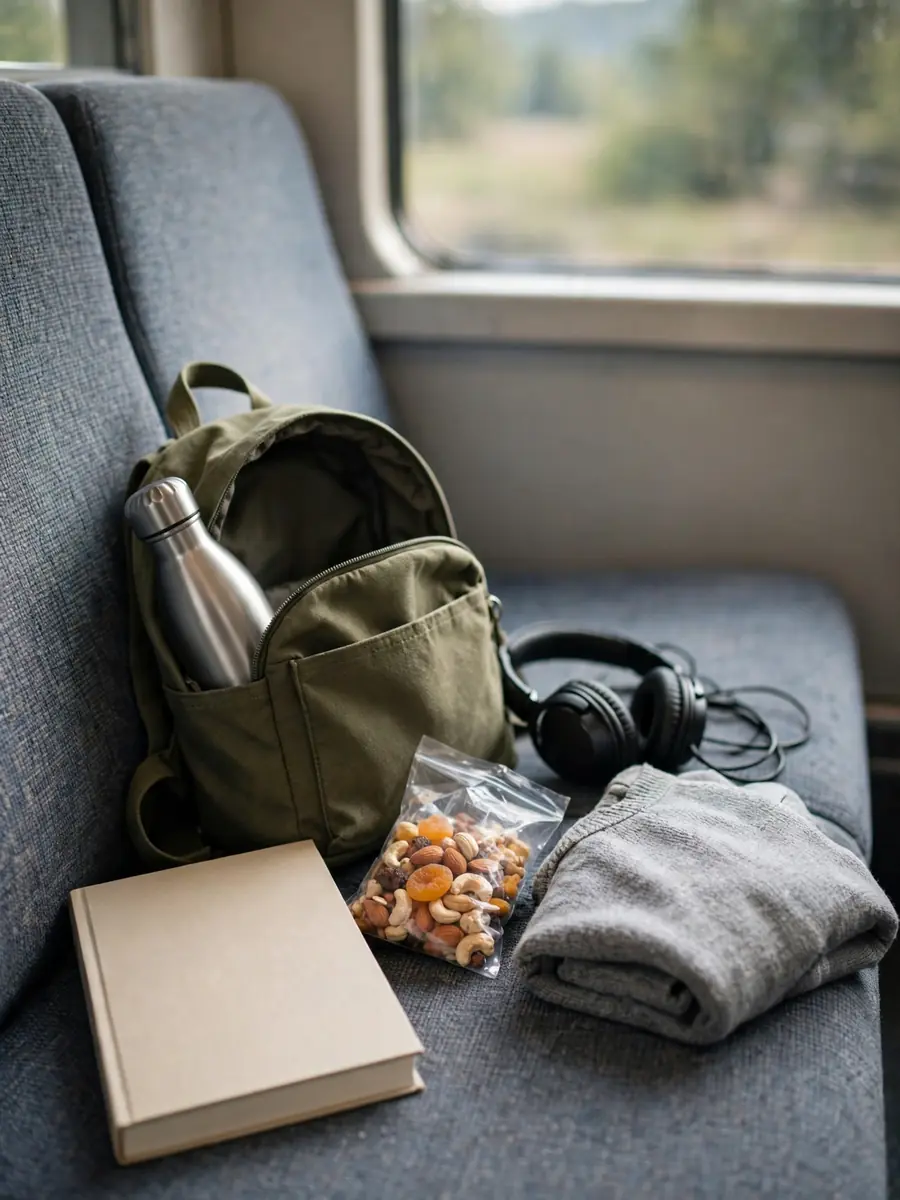
Your second bag, the one that fits under the seat, is packed as a self-sufficient survival kit for the longest day of the trip. Into it go the documents reserve (item 18), medication, the power bank and charger, headphones, a water bottle emptied before security, a snack, and one spare top with the spare underwear set from item 7. Packed this way, the main carry-on can go into the overhead locker or the train rack at the start of the journey and stay untouched until you arrive, which is the entire point on crowded services.
Think of the personal item as the bag you would choose if the other bag vanished for 24 hours. It must genuinely fit under a seat, which rules out treating it as a second suitcase. Our deeper guide to carry-on bag essentials for long flights expands this kit for the flight legs specifically. Packing tip: pack the personal item last, and give it a fixed routine: under the seat, pouch pocket to the aisle, bottle upright.
20. Packing cubes (organisation kit)
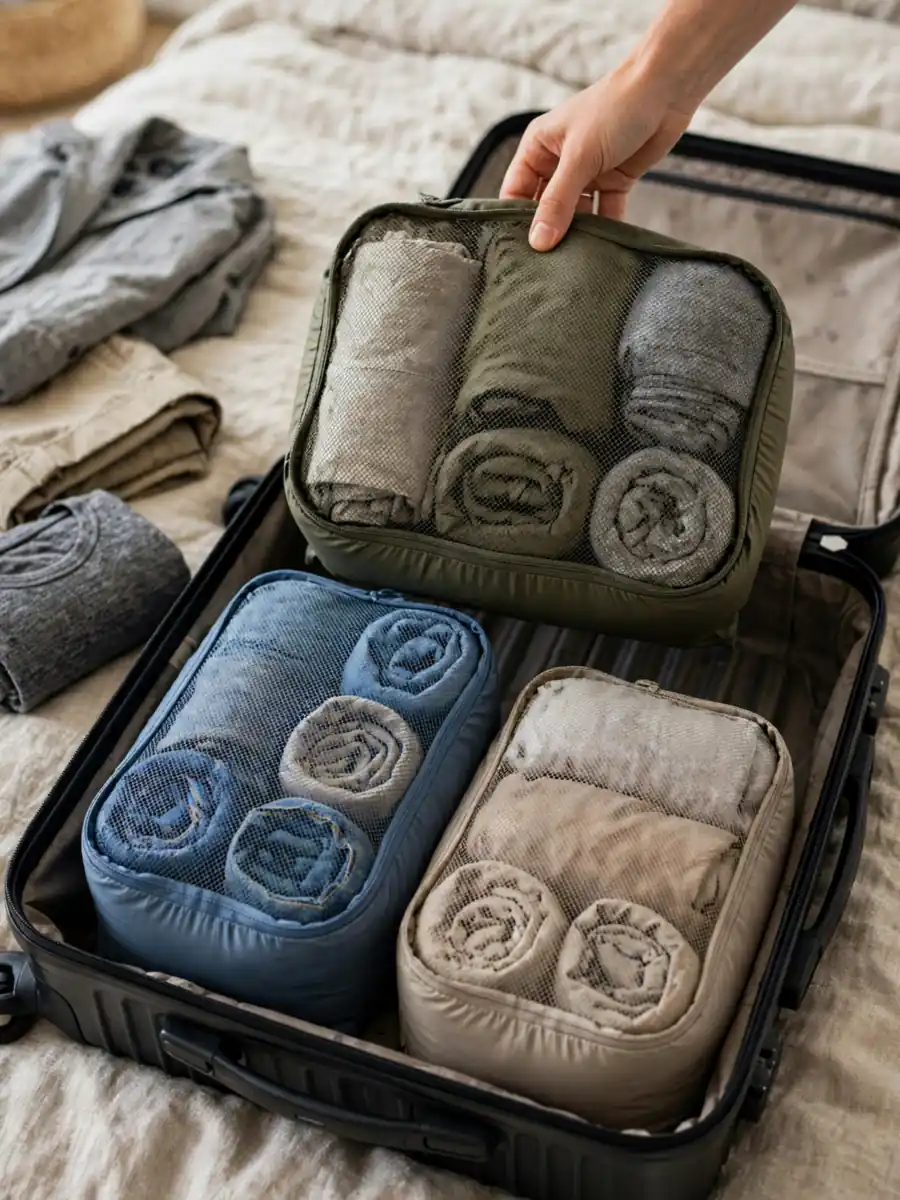
Multi-city travel means repacking the same bag five, eight, twelve times, often early, sometimes in a small room with a train to catch. Packing cubes turn that chore into a two-minute routine: one cube for tops, one for bottoms and the smart outfit, one small cube for underwear and socks, and the system comes out and goes back in the same shape every single time. Compression cubes add a second benefit on the strictest legs of the trip, squeezing the air out of the mid-layer and tops so the bag that passed at home also closes at the hotel.
Cubes also police the 24-item ceiling: when the cubes are full, the bag is full. Keep one pouch inside the system for dirty laundry, shared with item 21. Packing tip: pack by cube, not by outfit, and put tomorrow’s cube on top. On a one-night stop you can live out of the top cube and the personal item without opening the rest of the case at all.
21. Laundry kit
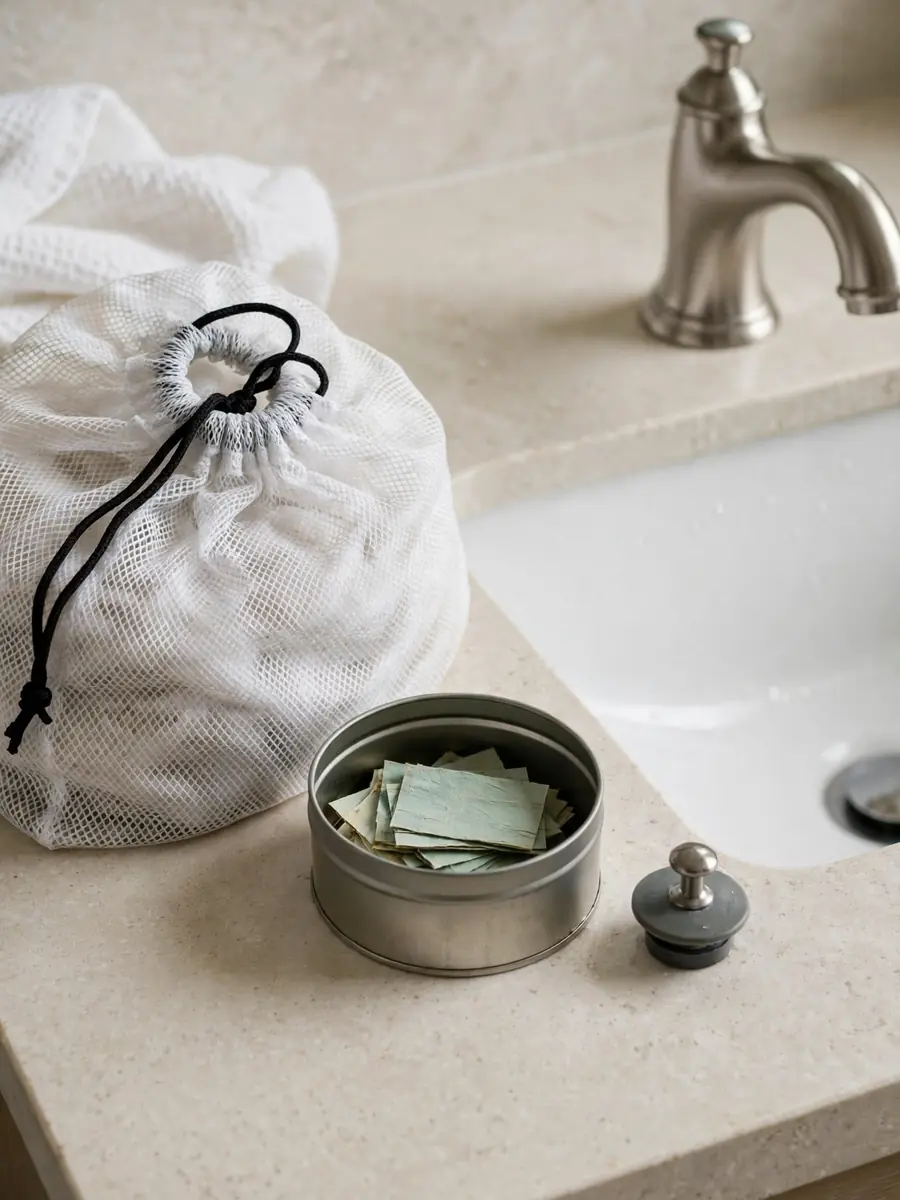
This small kit is the engine under the whole list. Because it exists, five tops and a week of underwear can serve a trip of any length; without it, the same trip demands a checked bag. The kit itself is tiny: detergent sheets or leaves (solid, so they ignore the liquids rule), a universal sink stopper or a small dry-bag style wash bag for sink laundry, and the mesh laundry pouch that quarantines worn clothes inside the packing cubes.
Two rhythms work. The hotel method is a ten-minute sink wash every few evenings: underwear, socks and one top, rolled in a towel to press out water, hung overnight. The city method is one laundromat visit mid-trip, which returns every quick-dry item to service at once. Packing tip: schedule the wash for a two-night stop rather than a one-night dash, so nothing ever has to be packed damp for a morning train.
22. Foldable daypack
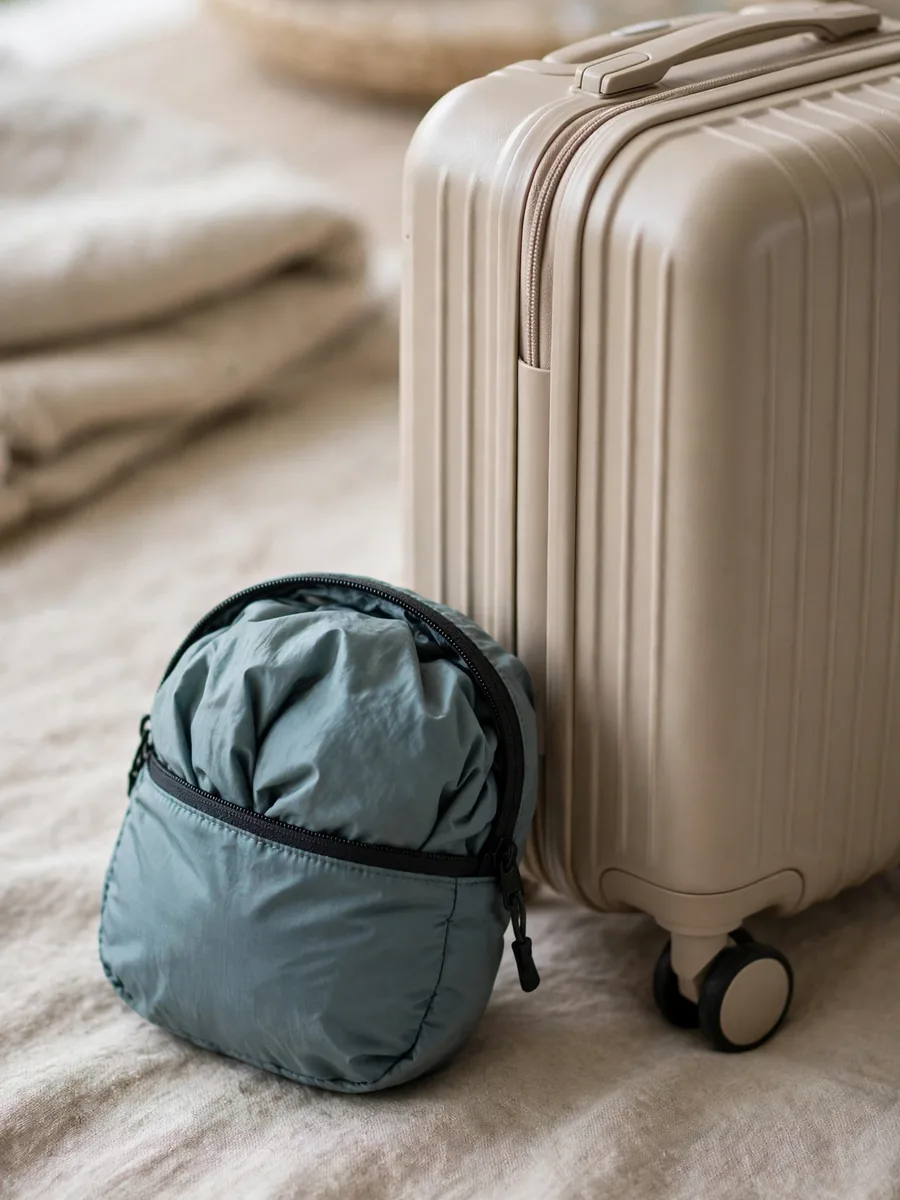
Days in Europe split into two modes: sightseeing light, with the crossbody, and expedition days, when you need water, the mid-layer, swimwear, market shopping or a picnic. A foldable daypack covers the second mode while taking up less room than a paperback in the main bag, packing into its own pocket pouch. It carries layers when the weather turns, hauls groceries back to an apartment, and becomes souvenir overflow on the journey home.
One safety rule: valuables never move into the daypack in crowds. The pack is for bulk, not for money. Choose thin but honest fabric, real zips, and straps wide enough for a loaded walk across a city. Packing tip: keep the folded daypack in the lid of the case so it can be liberated at the first station stop without opening the cubes, and use it as your under-seat bag’s partner on market days from the start of the trip.
23. Compact travel umbrella
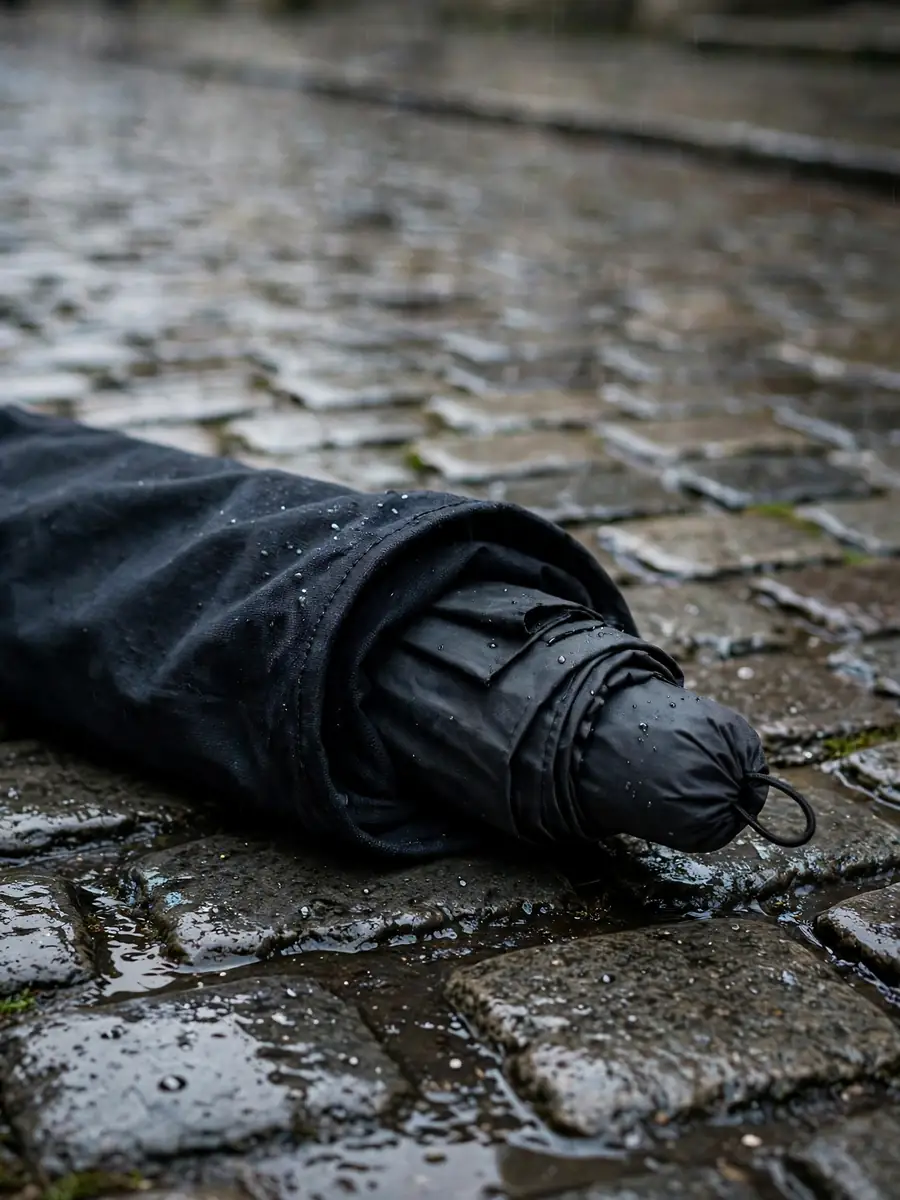
The rain jacket in item 5 handles storms and long wet walks. What it does not handle gracefully is a day of on-off city drizzle: sightseeing in a waterproof shell for nine hours is clammy work, and hoods are miserable in museums queues and crowded streets. A compact umbrella, the kind that folds to the length of a water bottle, is the city answer. It lives in the daypack side pocket and comes out for the walk between sights.
This is the most skippable item on the list: a reliably dry southern summer route can drop it and give the space to an extra top, while northern, western and shoulder-season routes should treat it as fixed. Packing tip: after each use, shake the umbrella outside and let it dry open in the hotel bathroom before it goes back in its sleeve, so it never perfumes the rest of the bag with damp.
24. Earplugs and sleep mask
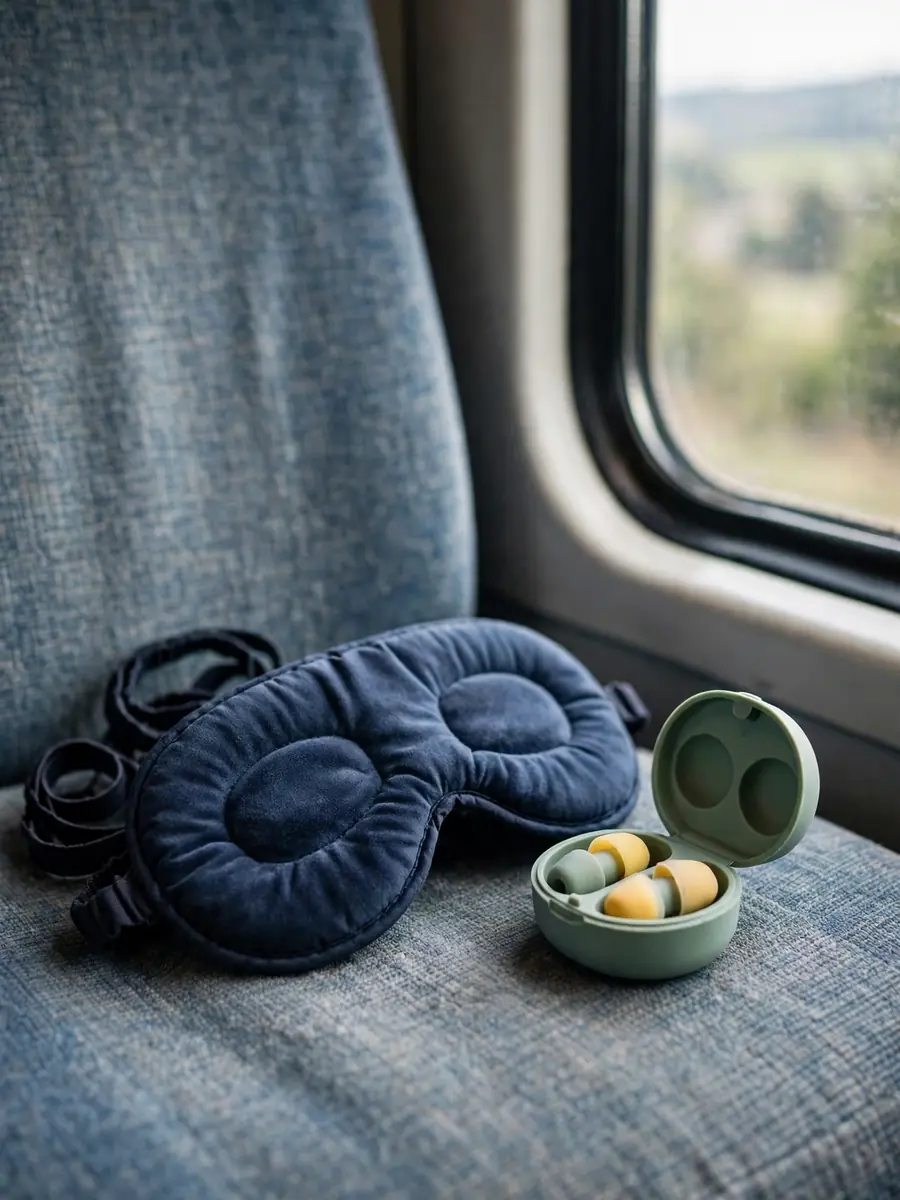
The last item is the smallest and, hour for hour, possibly the most valuable. European travel sleep is fragile: overnight and dawn trains, charming old buildings with thin walls and lively squares below the window, early summer sunrises that flood a room hours before you planned to wake. A contoured sleep mask that keeps light off your eyes without pressing on them, plus proper earplugs in a small case, defend your rest through all of it, and decide whether tomorrow is enjoyed or merely survived.
Choose a mask with a shaped profile and an adjustable strap, and earplugs you have actually tested at home, because an uncomfortable pair gets abandoned on night one. Together they weigh almost nothing and fit in the personal item, where they also serve on flights and daytime train naps. Packing tip: keep mask and earplugs in the same personal item pocket every night of the trip and return them there each morning, because the night you cannot find them is always the loud one.
Liquids, Gels and Solids: Packing the Wash Bag That Passes Everywhere
The liquids rule deserves one calm restatement, because it drives how items 14 and 15 are packed. For flights from EU airports, the European Commission guidance sets liquids in the cabin at containers of no more than 100 ml, carried in one transparent plastic bag of maximum one litre capacity, with anything larger going in checked baggage. The UK guidance is close in spirit: containers over 100 ml are not allowed through security at most UK airports, even if part full, in one transparent resealable bag of about 20 x 20 cm holding no more than a litre, one bag per person. The US rule in the TSA guidance rhymes with both: 100 ml (3.4 oz) containers in one quart-size bag.
One modern wrinkle deserves honesty rather than hype. Some airports with newer scanners now allow larger liquid containers, and UK guidance acknowledges that a small number of airports allow up to 2 litres. Rules differ by airport, by country, and sometimes between your outbound and return legs, and they continue to change. A multi-city traveller gains nothing from that patchwork except risk, so the strategy in this article never changes: pack every liquid at 100 ml or under, and every checkpoint on the trip becomes identical. Medicines and baby food sit outside the normal volume restriction in the EU and UK guidance, and travellers relying on medical liquids should check the official pages linked here before flying.
The second half of the strategy is subtraction. Every product that can go solid should: shampoo and conditioner bars, solid deodorant, toothpaste tablets if you like them. Solids shrink the clear bag, remove leak risk, and last longer per gram. What remains genuinely liquid travels in one travel-size container for the first days; bulky basics are easy to replace after arrival. Pack the finished clear bag at the top of the case, sealed, and security becomes the calmest part of the airport.
Fabrics and Layering for Mixed Climates in One Trip
A single European itinerary can legitimately contain a cool, wet northern city, a warm Mediterranean coast and a breezy mountain stop in the same week. The answer is not more clothes; it is a stack. Pack for the coldest and wettest leg, then shed layers as the trip warms. The stack is already in your 24: a base top from item 1, the mid-layer from item 4 over it, the rain jacket from item 5 as the shell, and the scarf from item 12 as the adjustable extra that costs almost nothing.
| Leg of the trip | Base | Add | Footwear note |
|---|---|---|---|
| Mediterranean south, warm days | Light top and the lighter bottom | Scarf for evenings and sacred sites | Second pair sandals earn their place |
| Northern and western cities, changeable | Top with the mid-layer within reach | Rain jacket as the outer layer most days | Walking shoes with grip for wet stone |
| Mountain or high-altitude stop | Top plus mid-layer worn all day | Rain jacket as a wind shell; the warmer sock pair | Closed walking shoes only |
| Cool mornings, warm afternoons anywhere | Layered top combination | Mid-layer moves into the daypack by midday | No change needed |
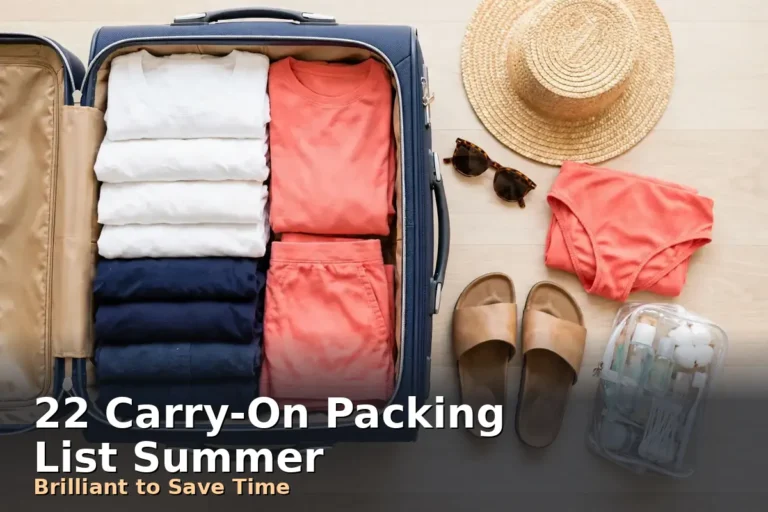
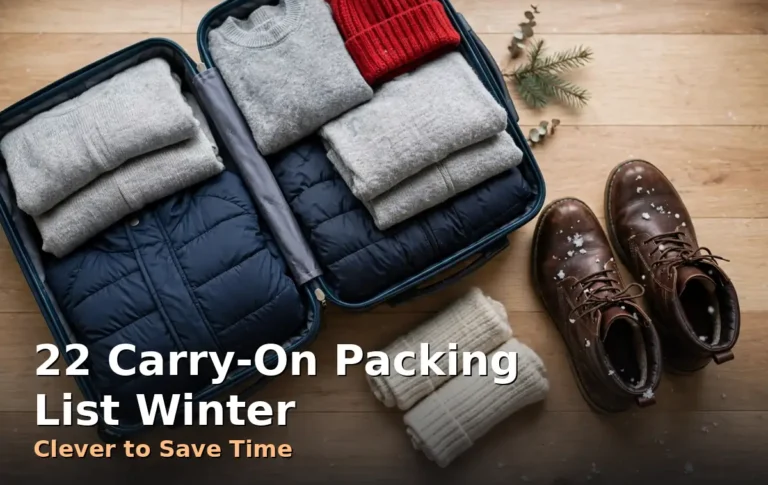
Fabric choices make the stack work harder. Merino and quick-dry synthetics rewear gracefully and dry overnight after a sink wash; linen blends earn one place for real heat if you accept creasing; heavy cotton is the fabric to limit, because it dries slowly and punishes the laundry rhythm the whole list depends on. Cold-weather specialists should go further with our winter carry-on packing list, while shoulder-season travellers can borrow combinations from the Europe spring outfits and packing ideas guide.
How to Fit All 24 in One Bag (and Survive the Train)
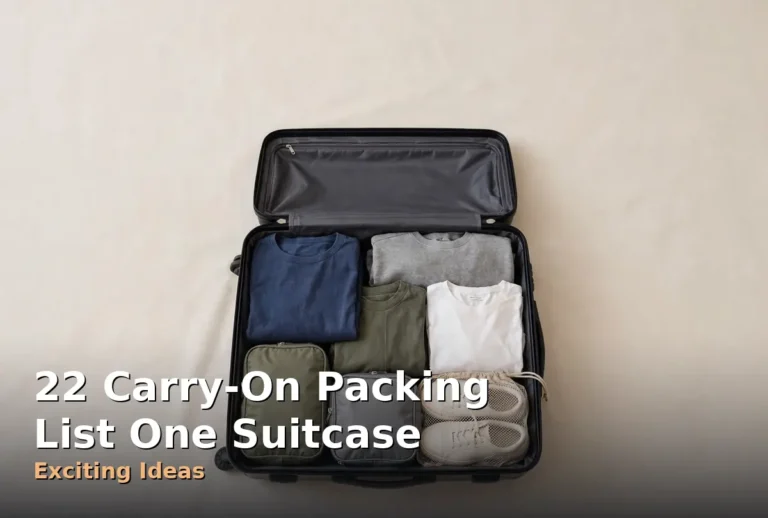
Fitting the system is a sequence, not a struggle. Lay out all 24 items and remove anything that is not on the list. Wear the bulkiest combination on travel day: walking shoes, one bottom, a top, and the mid-layer or rain jacket as conditions demand. Fill the packing cubes by group and compress them, shoes along the edges of the case, socks and small items in the gaps. Set the clear liquids bag and the tech pouch at the top for security and stations. Pack the personal item as the self-contained kit from item 19, so the main bag can stay closed in racks and lockers. Finally, weigh and measure the finished bag at home against the strictest airline on the itinerary.
Trains set the real test, and it is a handling test rather than a size chart. On European services you lift your own bag into racks, carry it through stations, and manage stairs and short stops yourself, and no porter is coming. The practical standard is simple: a bag you can carry one-handed up a flight of station stairs, and lift into an overhead rack without drama, is the right size, whatever its label claims. Keep valuables on your body during the journey, in the crossbody and hidden pouch, never in the bag in the rack, and keep the mid-layer reachable for cold carriages.
Bag shape follows itinerary. Multi-city routes with stairs, cobblestones and metro interchanges favour a carryable bag, whether that is a backpack-style case or a light roller you can pick up without thinking. Single-city stays with one hotel and smooth pavements suit a wheeled bag perfectly well. Cobblestones and old buildings make the closing argument: stairs without lifts and long station walks are why the ceiling is 24 items and not 34.
Quiz: Which Europe Packing Style Are You?
Answer three quick questions honestly: How many bases does your trip have? How are you moving between them? How much does the weather change along the route? Then open the result that sounds most like you. Every result adjusts the emphasis inside the same 24 items.
Mostly A: “Three or more cities, mostly by train, and I love a plan.”
You are a Multi-City Train Traveller. Your risk is handling, not wardrobe. Emphasise items 19, 20 and 22 (personal item kit, packing cubes, foldable daypack), lean toward a carryable bag, and keep documents on your body on every station day. Your laundry wash belongs in a two-night stop, never before a dawn departure.
Mostly B: “One city, slowly, with long lunches and longer walks.”
You are a Single-City Stroller. A wheeled bag is fine for you, and your 24 can lean elegant: emphasise items 3, 10 and 12 (smart outfit, second pair, scarf), because evenings and sacred sites are your trip’s highlights. Your main risk is overpacking for a base that never moves; the cubes will tell you when to stop.
Mostly C: “Budget flights between cities, and the fare rules are strict.”
You are a Budget-Airline Minimalist. The strictest airline on your route is your real packing list. Emphasise items 14, 15 and 16 (liquids discipline, solids, the right adapter), weigh the finished bag at home, and treat the personal item as prime real estate. If a fare only includes the small bag, this same system shrinks: fewer tops, same structure.
Mostly D: “North to south in one trip, and the forecast cannot decide.”
You are a Mixed-Climate Hopper. The layering table above is written for you. Emphasise items 4, 5, 8 and 11 (mid-layer, rain jacket, the warmer socks, swimwear), and time your laundry for the stop between climate legs, so the wardrobe resets exactly when the weather does.
What to Leave Out of a Europe Carry-On
The ceiling only works if some familiar items stay home. Leave the third pair of shoes, always. Leave the hairdryer: accommodation provides one almost everywhere, and single-voltage heat tools are the classic adapter failure anyway. Leave full-size toiletries, a just-in-case formal outfit beyond item 3, heavy printed guidebooks (offline phone copies weigh nothing), valuable jewellery, a full-size towel, and a fresh outfit reserved for every single day, which is simply the laundry maths refused. One exception principle keeps this honest: a specific booked event or activity can justify a swap, but a swap replaces an item inside the 24. It never becomes item 25.
Printable Checklist: Pack the 24
Print this section or copy it into your notes, and tick each line as items go in.
Clothes
- ☐ 1. Versatile tops (5)
- ☐ 2. Bottoms (3)
- ☐ 3. One smart outfit
- ☐ 4. Packable mid-layer
- ☐ 5. Compact rain jacket
- ☐ 6. Sleepwear (1 set)
- ☐ 7. Underwear (quick-dry sets, about a week)
- ☐ 8. Socks (3 to 4 pairs)
Shoes and Extras
- ☐ 9. Walking shoes (wear on travel days)
- ☐ 10. Second pair: sandals or flats
- ☐ 11. Swimwear (1 to 2)
- ☐ 12. Scarf or shawl
Bags and Safety
- ☐ 13. Anti-theft crossbody day bag
- ☐ 18. Documents set and hidden pouch
- ☐ 20. Packing cubes
- ☐ 22. Foldable daypack
Washroom and Health
- ☐ 14. Toiletries in a clear liquids bag (100 ml only)
- ☐ 15. Solid toiletries and small first aid pouch
- ☐ 21. Laundry kit
Power, Travel Day and Rest
- ☐ 16. Plug adapter (Type C and F, plus G for UK and Ireland)
- ☐ 17. Tech kit (power bank in the cabin)
- ☐ 19. Personal item flight and train kit
- ☐ 23. Compact travel umbrella
- ☐ 24. Earplugs and sleep mask
Final three checks before departure: the bag is weighed and measured against your strictest airline; the liquids bag is sealed and sitting at the top of the case; and your passport, backup card and document copies are resting in three separate places.
Frequently Asked Questions
Can I really travel Europe for two weeks with only a carry-on?
Yes, because trip length changes laundry frequency, not wardrobe size. This system packs for about a week: five tops, three bottoms and a week of quick-dry underwear, with one mid-trip wash resetting everything for the second week. The laundry kit in item 21 is what makes the maths honest.
What size carry-on is allowed on European flights?
There is no single European size. The European Commission’s traveller guidance states that cabin bag size and item limits are set by the airlines themselves. As one named example, Ryanair’s free personal bag is 40 x 30 x 20 cm, with a Priority cabin bag of 55 x 40 x 20 cm up to 10 kg. Find the strictest airline on your itinerary and pack to that.
What is the liquids rule in Europe, and is the UK different?
In the EU, liquids in the cabin go in containers of 100 ml or less inside one transparent bag of up to one litre. The UK is close: 100 ml at most airports, with some airports now allowing larger containers under newer scanners. Because rules vary by airport and by leg, pack everything to 100 ml and every checkpoint on a mixed itinerary behaves the same way.
Which adapter do I need for Europe?
Most of continental Europe uses round-pin Type C and Type F sockets, and Type C plugs also fit Type E sockets found in countries such as France. The UK and Ireland use Type G, so add a G adapter or carry one universal adapter if your route includes them. Remember that an adapter changes the plug’s shape, not the voltage, so check labels on heat tools.
Backpack or suitcase for Europe trains?
Let the itinerary decide. Multi-city routes with stairs, metro interchanges and cobblestones favour a bag you can carry comfortably, while a single-city stay with one hotel suits a wheeled case. Apply the lift test either way: if you cannot carry it one-handed up a flight of station stairs and lift it into a rack, it is overpacked, whatever the label says.
How do I pack for hot and cold places in one trip?
Pack for the coldest, wettest leg and shed layers for the warm one. The stack is a base top, the mid-layer and the rain jacket, adjusted by the scarf. The fabrics and layering table above maps the combinations leg by leg, and timing your laundry for the stop between climates resets the same clothes for the new weather.
How do I keep my passport and money safe in Europe?
Split them. Daily spending and a passport copy ride in the zipped crossbody worn in front of you (item 13), while the passport itself, a backup card and a cash reserve ride in the hidden pouch on transit days (item 18), with digital copies on your phone. No single loss can then take your documents, your money and your way home at the same time.
Pack Light, Move Easy
That is the whole system: 24 items, one bag you can lift into a rack without thinking, and the rules checked once at home instead of at every checkpoint. Europe is built for travellers who move easily between cities, climates and centuries-old streets, and a carry-on packed this way lets the trip feel the way it should. If you are still shaping the route itself, start with our 10 days in Europe itinerary, refine the wardrobe with the Europe travel outfits and capsule wardrobe guide, and if your trip leans fully to one season, travel with the matching sibling system: the summer carry-on packing list or the winter carry-on packing list. Pack the 24, zip the bag, and go.