10 Day Southern Italy Itinerary: Amalfi Coast, Matera & Puglia Road Trip
My husband and I spent ten days across southern Italy back in September, and honestly, nothing quite prepares you for how deeply this place gets under your skin. We’re talking about a region so coveted and beloved that even Italians themselves escape here — drawn by mouthwatering food, sun-soaked coastlines, and landscapes that shift from dramatic cliffs to cobblestoned cities within a single afternoon drive. This wasn’t a rushed highlights reel — it was slow paced life absorbed through every bite of focaccia, every sip of organic wine beneath the shadow of Mt. Vesuvius, and every wrong turn down a sparkling, glistening alleyway that somehow led somewhere breathtaking.
What makes a 10 days loop through this region so satisfying is the sheer range it covers without ever feeling scattered. You begin swallowed by the electric chaos of the Bay of Naples, drift south along the Amalfi Coast past charming hilltop towns and turquoise coves, cut inland through the ancient silence of Matera, zip-line through the southern Dolomites (yes, really), then finish sun-drunk on the Adriatic beaches of Puglia — the famous heel of the boot. We deliberately excluded Sicily to keep the itinerary tight, focusing instead on iconic gems that reward culture-loving travelers who want archaeological sites, wine tastings, and quaint seaside villages all in one swing.
From the Pompeii ruins frozen mid-breath to white-washed towns perched above the sea, from stunning beaches hiding ancient ruins to sleepy whitewashed towns where Sunday still means something — this is southern Italy without the filter. Whether you’re after archaeological wonders, best cuisine, a Euro summer escape, or tracing family roots like I was visiting the small town my great-great grandfather called home, this journey through the center and coast of the south delivers wonderful, rich history wrapped in warm light and even warmer people.
Getting Around Southern Italy
The smartest logistical move you can make for this trip is flying into Naples (NAP) and out of Bari (BRI) — this single decision eliminates any need to backtrack and keeps your efficient route moving east with the natural flow of the itinerary. Skip the 3-hour drive back from Puglia entirely and use that energy on the road ahead. If flights align better from Naples on the return, a combination of regional trains, buses, or even a scenic FlixBus run makes the reverse totally workable without stress.
Renting a car isn’t mandatory, but it genuinely transforms the experience — especially for remote areas like Matera and Puglia, where calmer roads, easy highways, and affordable parking put secluded beaches and countryside towns within reach that public transport simply can’t touch. Driving into Naples itself, though, is a different story — the city traffic is chaotic and the drivers are, to put it diplomatically, assertive. Our personal call was to skip the rental through Naples and the early Amalfi Coast leg entirely, picking one up later through a local business near Salerno. If you do rent earlier, Hertz in downtown Sorrento is solid, or compare options through DiscoverCars. Non-EU visitors — lock in your international drivers permit before departure, not after.
Getting around without a car is still very doable. The Circumvesuviana train running Naples to Sorrento is a traveler’s best friend — Vico Equense sits just a few stops before Sorrento, and one-way tickets stay well under €5 on most routes. Buy at the train station, validate tickets before boarding (the machines occasionally have opinions of their own), and keep an eye on your bag on crowded local trains. The SITA bus threads along the Amalfi Coast connecting every major town affordably, while ferries offer a scenic, stress-free alternative between coastal towns — no narrow winding roads, no tight switchbacks, no hunting for limited parking in peak summer months. For anything requiring free parking or windy coastal roads on a motor scooter, only attempt it if you genuinely have experience — the Amalfi Coast roads are not the place to learn.
Best Time to Visit Southern Italy
If you want southern Italy without the punishment of summer crowds and inflated rates, shoulder season is the answer — full stop. Traveling in late September through October means the sea heat is still locked into the water from months of intense sun, temperatures hover comfortably in the 70s, and you can actually move through Positano without feeling like a sardine. Prices drop noticeably, the beach crowds thin, and the version of this place that Italians actually love — relaxed, affordable, and genuinely laid-back — becomes accessible again.
April and May offer another strong window, especially for sightseeing-heavy days when you’d rather not melt. The water runs a little chilly for serious swimming in early spring, and you’ll still see tourists moving through the major sites, but the light is extraordinary and the landscapes are lush. For anyone prioritizing beach time alongside culture, September edges out the competition — warm enough to swim daily, cool enough to hike the Path of the Gods without suffering, and quiet enough to actually hear yourself think in Ravello.
Days 1–2: Naples
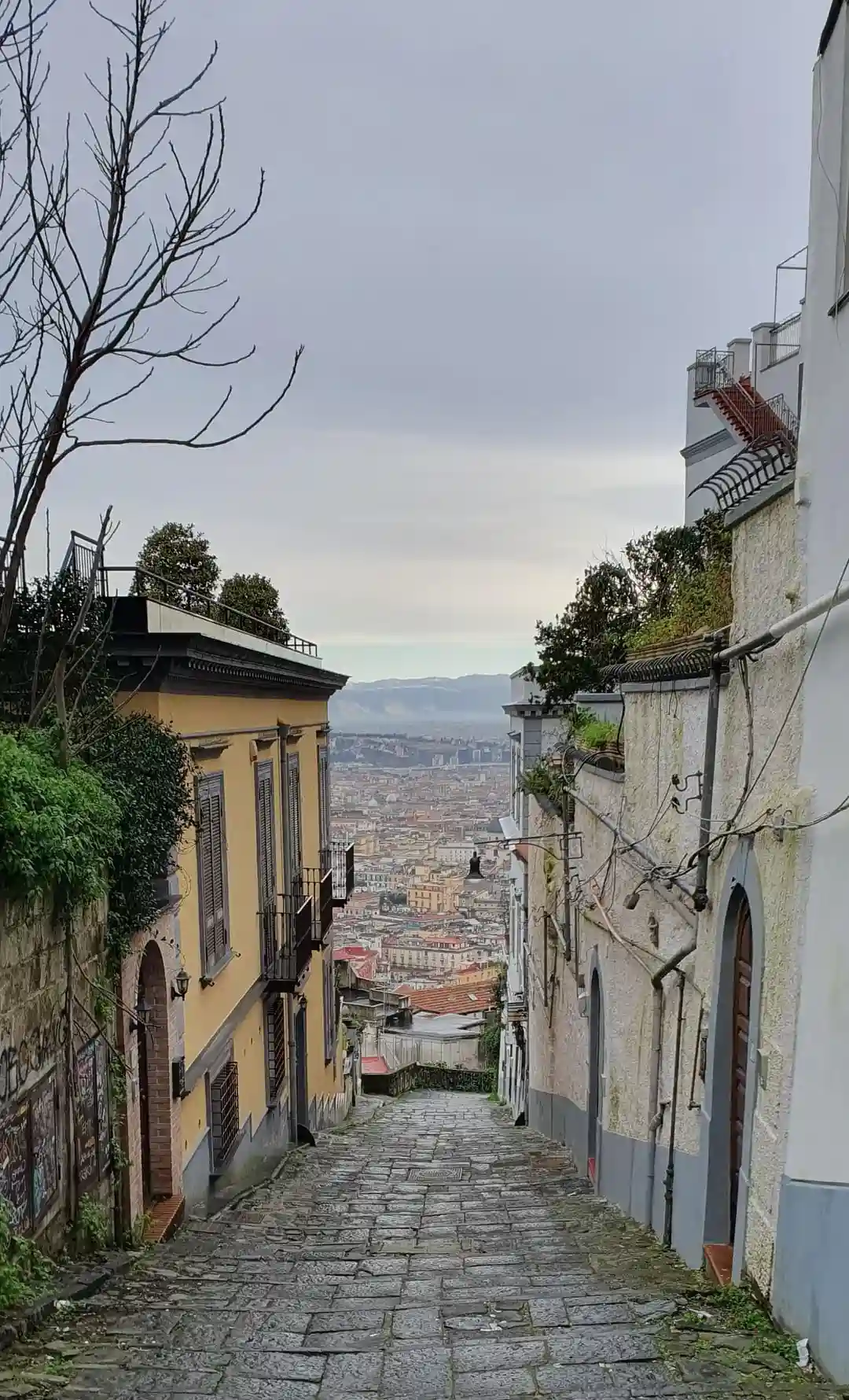
Naples earns its reputation as Italy’s most contradictory city — it’s chaotic, authentic, occasionally overwhelming, and completely unforgettable all at once. As an international hub with strong flight connections, it’s the natural entry point, and two days here barely scratches the surface. Start with a free walking tour — having a local guide decode the Old Town (a UNESCO World Heritage Site) transforms what looks like beautiful disorder into layered wild history. Tip in euros, because these guides earn it. Afternoons belong to Via dei Tribunali, the beating heart of the Centro Storico, where scooters weave past baroque churches and bakeries push the scent of fresh sfogliatelle into the street. End your first night with Neapolitan pizza or a cheesy bowl of pasta — this is the birthplace of pizza and it lives up to every word of that claim.
On your second day, build a loose loop through Naples’ more unexpected corners. The Complesso Monumentale di Santa Chiara is a genuine exhale in the middle of the noise — peaceful cloisters, colorful majolica-tiled columns, a monastery complex that feels like a hidden oasis. Contrast that with the deeply strange Chiesa Museo di Santa Luciella ai Librai, an underground church best known for a skull with ears that is exactly as unsettling as it sounds. The Museo Archeologico Nazionale di Napoli holds ancient Roman statues, mosaics, and relics pulled directly from Pompeii and Herculaneum — consider it a preview of tomorrow. Spaccanapoli cuts the city in half and rewards wandering, while Via San Gregorio Armeno — the Christmas street lined with artisan shops selling handmade nativity figurines — is one of those only-in-Naples quirks you don’t see coming. Finish the evening at Castel dell’Ovo for sunset over the Bay of Naples with Mt. Vesuvius framing the horizon. The oldest standing fortification in the city has earned that view.
If the city’s intensity is getting to you, a 1-hour ferry ride to Procida offers instant decompression. This island runs at a completely different pace — pastel-painted, quiet, with black sand beaches and locals going about their lives largely unbothered by tourists. It’s not Capri-famous, which is precisely the point. Back in Naples for food: L’Antica Pizzeria da Michele made Eat Pray Love famous (or the other way around), Trattoria da Nennella serves pasta from a cheese wheel with a theatrical singing staff, and Sfogliatelle Attanasio handles dessert. For a more guided eating approach, the Naples food tour rated 5/5 by over 566 travelers — described as a secret spots food tour through hole-in-the-wall gems — is well worth the booking. Also worth mentioning: the underground Spanish quarters, Veiled Christ at the Sansevero Chapel, and the option to join a group walking tour if solo navigation feels like too much on day one. Alternatives like Pizza e Passione, La Figlia del Presidente, Antica Pizzeria Di Matteo, A Puteca d’a Pizza, and Pizzeria 400 Gradi keep the famous pizzerias accessible without the liveliest streets wait-time gamble. character and vibrant atmosphere aside, Naples rewards those who come with low expectations and high appetite.
Day 3: Pompeii
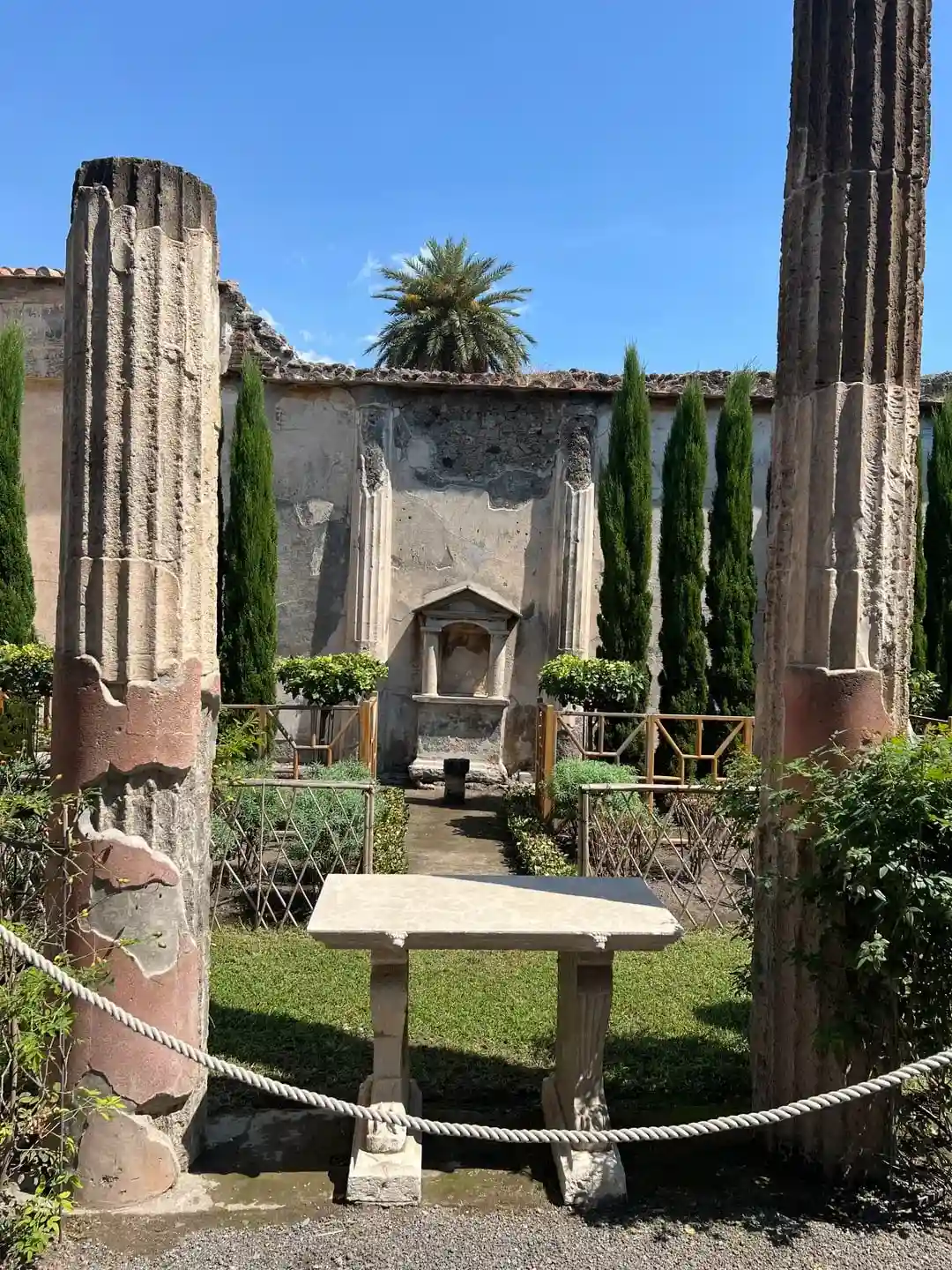
Just 30-40 minutes from Naples, Pompeii is one of those archaeological sites that somehow exceeds every expectation you arrive with — and I studied Roman archaeology in college, so mine were already high. The eruption of Mount Vesuvius in 79 AD buried this city under volcanic ash and, in doing so, accidentally preserved it in extraordinary detail — preserved homes, shops, mosaics, bathhouses, brothels, and even fast-food stalls all still standing after two millennia. Walking the same cobblestone streets that ancient Rome’s residents walked, stepping into fresco-adorned residences of the wealthiest merchants and political leaders, and encountering the eerie casts of victims frozen in their final moments — it’s haunting in the best, most humbling sense of the word. The site is huge and genuinely worth a guided tour if it’s your first visit; going solo is fine, but a good guide makes the 2000-year-old layers legible in ways wandering alone simply can’t.
Getting there is straightforward — the Circumvesuviana train from Naples Garibaldi Station toward Sorrento drops you at Pompei Scavi – Villa dei Misteri station right at the entrance. Driving takes about 30 minutes with paid parking nearby if you’ve already picked up a rental. From there, consider pushing up to the Mount Vesuvius crater — a shuttle runs from the ruins to the trailhead, and the hike to the top runs 30-40 minutes on a trail that’s steep and gravelly, so bring comfortable shoes. The views over the Bay of Naples on a clear day are worth every step. For a different kind of afternoon, the fertile slopes surrounding the volcano host genuinely excellent family-owned vineyards. We did an organic wine tasting and lunch at Cantina del Vesuvio — complimentary roundtrip transportation from Pompeii included — and it turned into one of the best meals across our entire three weeks in Italy. If time allows, Herculaneum sits nearby as a smaller, less crowded, arguably better preserved alternative with exceptional ancient Roman architecture and frescoes for those who want more depth from this wine tasting region without the full-scale crowds of Pompeii.
Days 4–6: The Amalfi Coast
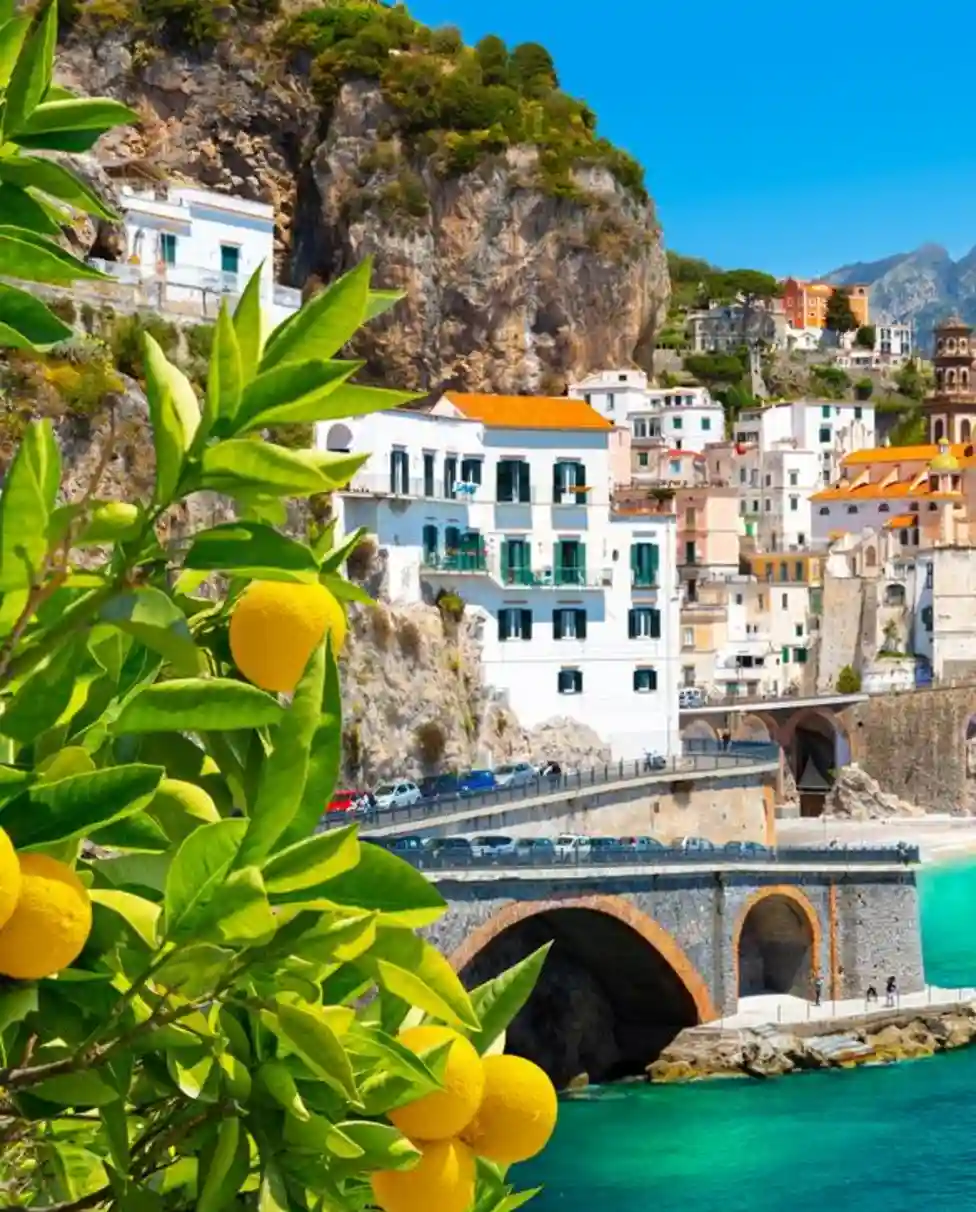
The Amalfi Coast operates on its own rules — narrow, dramatic, lemon-scented, and drawing over 5 million visitors across its thirteen towns every year for good reason. Getting here from Naples breaks down into three options: a private transfer straight to your accommodation (easiest), a ferry to Positano or Amalfi (most scenic), or the Circumvesuviana train to Sorrento followed by a SITA bus along the coast (most affordable, though hectic in summer). Once here, movement between towns happens by public bus, on foot, by rental car if you’re confident on narrow winding roads with limited parking, or by Vespas or motor scooter for those with actual experience on windy coastal roads. The SITA bus is genuinely reliable but pack patience for the crowds.
Positano is where most people anchor, and for good reason — it’s the most iconic village on the coast and central enough to reach everything else easily. Spiaggia Grande handles the classic views while Spiaggia Fornillo runs quieter and more peaceful. Wander Via Cristoforo Colombo for handmade sandals, ceramics, and every lemon souvenir imaginable. For dinner, Ristorante La Sponda at Le Sirenuse — draped in ivy and lit entirely by candles — is a Michelin-starred splurge that earns its reputation; Li Galli Bistrot handles the same terrace view at a fraction of the price. In the afternoon, the neighboring village of Praiano — about 20 minutes away — trades Positano’s crowds for a genuinely local feel. Marina di Praia sits tucked into a natural cove framed by dramatic cliffs, and La Gavitella Beach catches the last light of the day beautifully for a golden hour swim. The Path of the Gods (Sentiero degli Dei) starting from Bomerano and finishing above Nocelle takes 2 to 2.5 hours and delivers the kind of views that make the climb entirely worth it — grab a lemonade at the top before deciding whether to walk the 1,500 steps down or catch the bus. A sunset cruise or charter cruise in the evening rounds the day out properly. Non-hikers should seriously consider the ferry across to Capri — the Blue Grotto, boutiques, and viewpoints of this glamorous island justify the 40-minute crossing from Sorrento at €21.00. Anacapri and the chairlift up Monte Solaro are worth the extra hour.
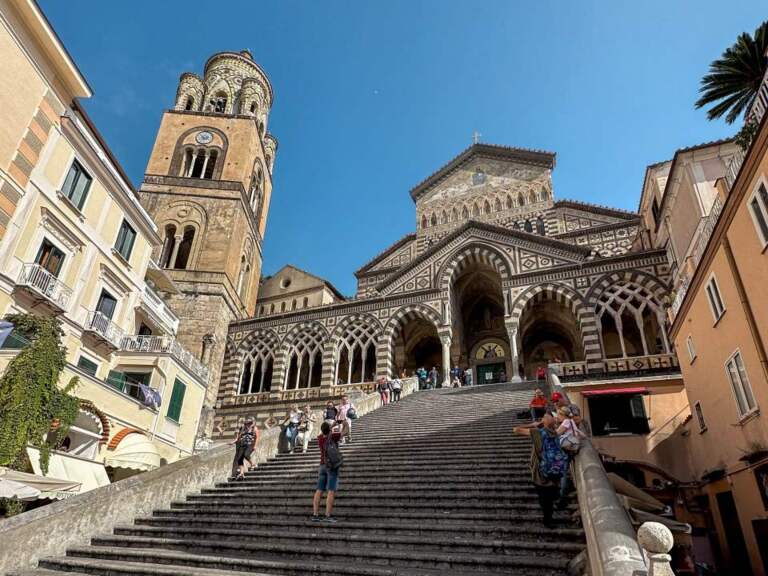
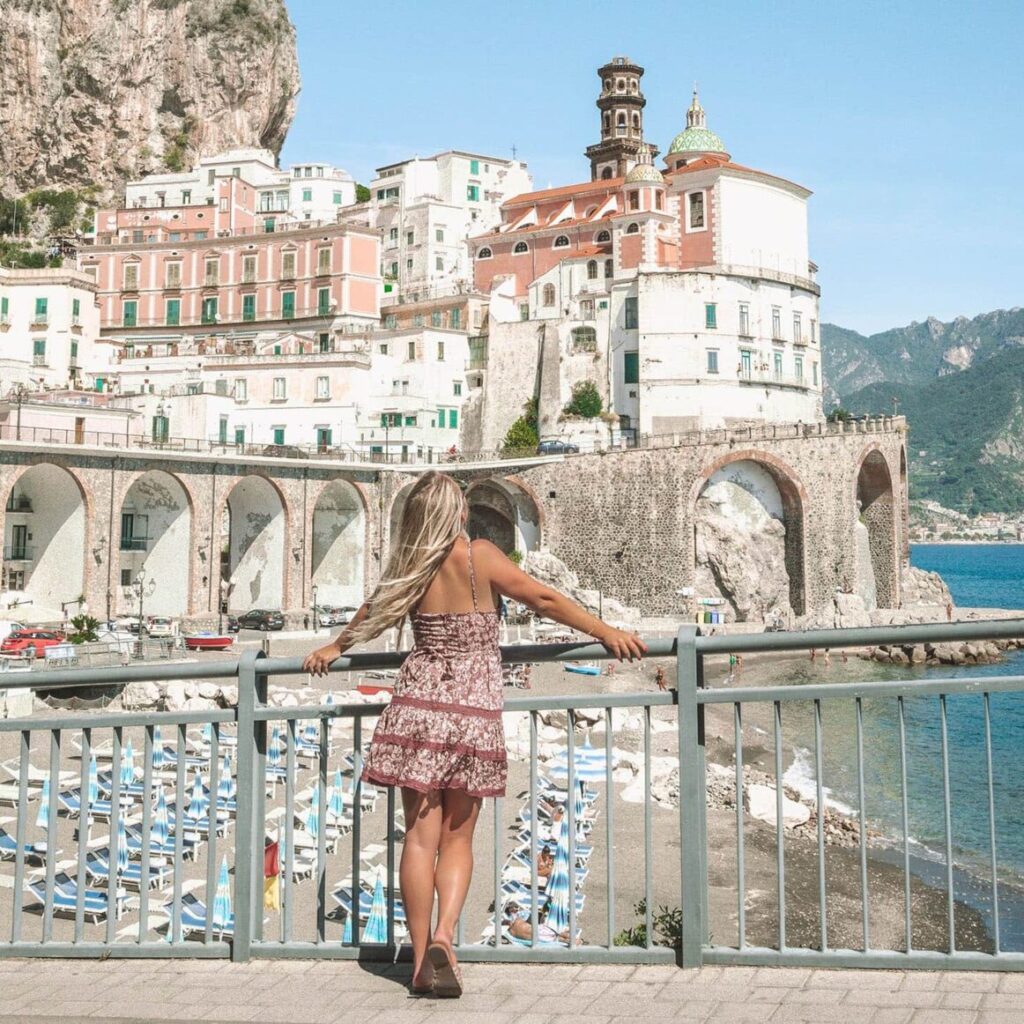
Ravello, Amalfi, and Atrani fill the third day beautifully. Start in Ravello — this hilltop town operates at a hushed, elegant frequency, and both Villa Rufolo and Villa Cimbrone deliver clifftop views and garden walks that justify the early start. Then descend to Atrani — the smallest town in Italy by some counts, genuinely underrated, with a lovely small beach if you want a quick dip. Amalfi closes the day: visit the Duomo di Amalfi overlooking its piazza, eat lemon sorbet served inside a massive lemon peel, and duck into the Museo della Carta (the Paper Museum) to learn about the town’s centuries-old paper-making tradition before a final stroll along the waterfront promenade. We also visited the Cathedral of Saint Andrew — ancient apostle relics and all — and climbed steep cobblestones to an overlook for one of those postcard-worthy views that absolutely justifies the burn in your legs. For the Sorrentine leg: limoncello tastings at lemon farms among the lemon groves, complete with aperitif and family stories. The Bagni Regina Giovanna (Queen’s Bath) — a swimming hole nested in the ruins of a 2000-year-old villa where Queen of Naples Regina Giovanna bathed in the 1300s — is reachable by both hike and paddle board and worth every bit of effort. We stayed outside Positano in Vico Equense, at a bed and breakfast set among terraced olive groves with views of the Bay of Naples and Mt. Vesuvius — cobblestoned downtown, completely uncrowded beaches within walking distance, and not a tour bus in sight. Le Sirenuse remains the benchmark luxury stay for celebrities and dreamers; Hotel Pupetto on Fornillo Beach sits in the solid midrange bracket; Casa Teresa handles budget with charm; and Brikette Hostel offers genuinely panoramic views for backpackers.
Day 7: Matera
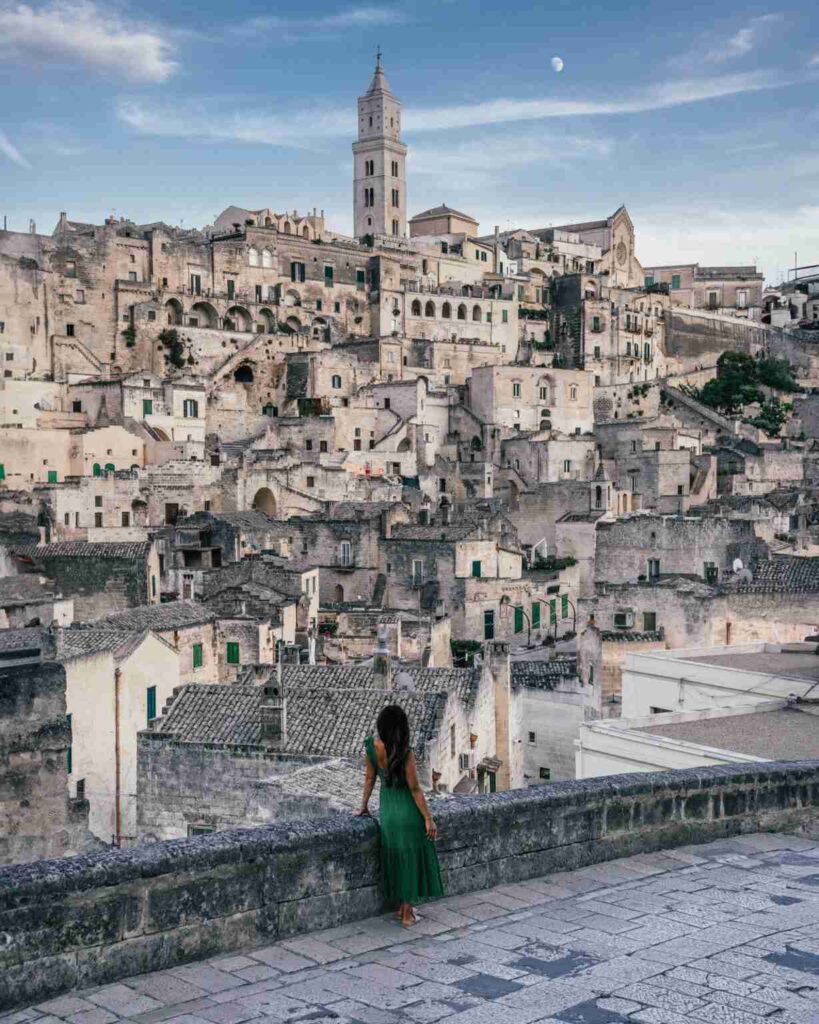
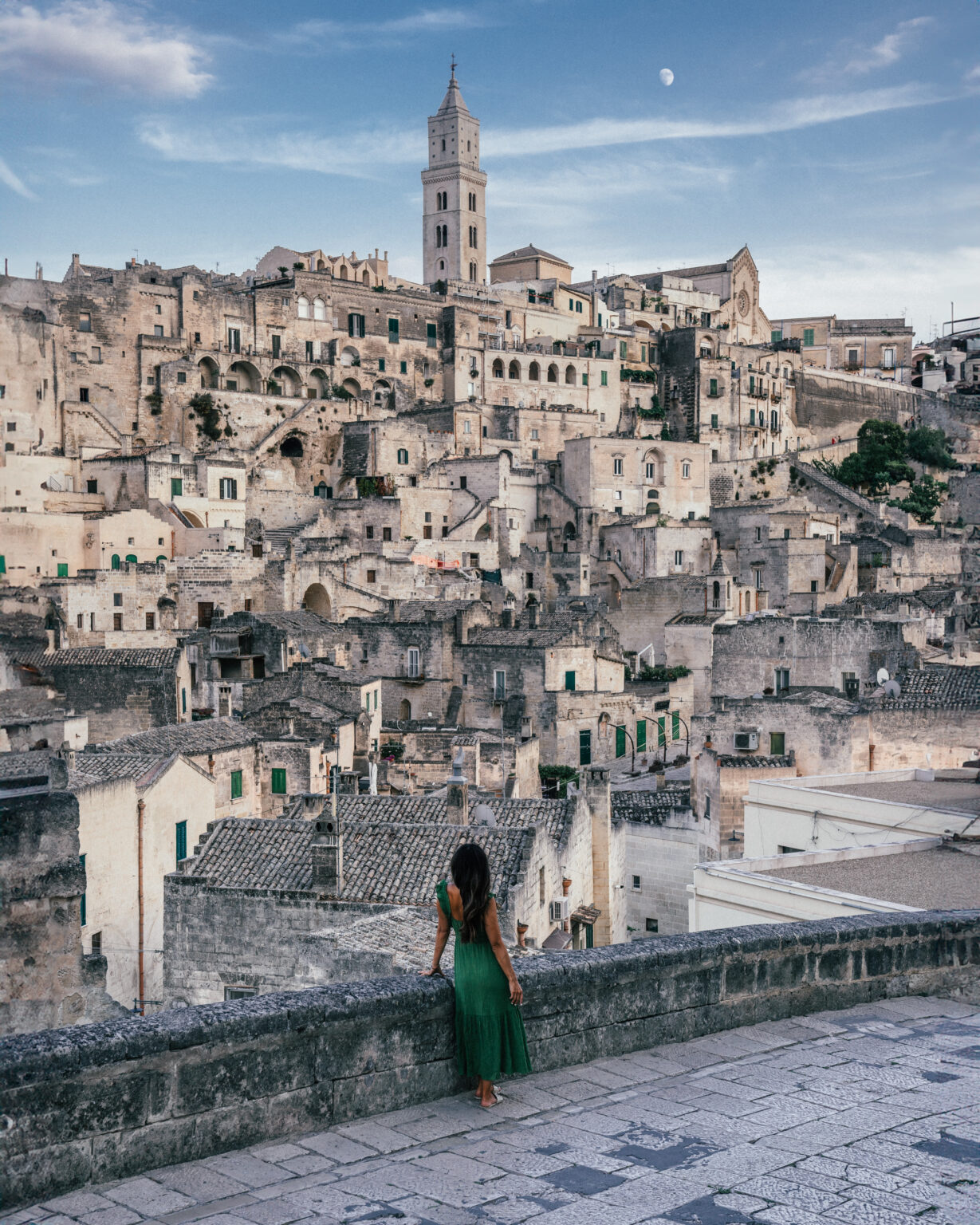
Matera doesn’t ease you in — it drops you straight into one of the world’s oldest continuously inhabited cities, a place carved directly from limestone in the Lucanian Apennines above the Gravina Gorge. The Medieval Sassi district spirals up the hillside above that gorge, housing over 1,000 ancient cave dwellings hollowed into cliffs that once earned this place the grim title of the “Shame of Italy” for its profound poverty. Today it carries a UNESCO World Heritage Site designation, the title of European Capital of Culture 2019, and a filmography including The Passion of the Christ, the 25th James Bond film No Time to Die, and several biblical films — the stone-carved homes and winding staircases are as cinematically dramatic in person as they appear on screen. Getting here from the Amalfi Coast takes roughly 4 hours by rental car on mostly easy scenic roads once you clear the coast; alternatively, the SITA bus runs from Amalfi to Salerno in about 1 hour, where you connect to a FlixBus for a 2.5-hour ride into Matera, or take a ferry to Salerno first and bus from the Salerno bus station.
A walking tour of the Sassi is genuinely the best investment you can make here — guides bring the Rupestrian Churches to life in a way that wandering solo doesn’t, particularly the rock-carved Santa Maria de Idris perched dramatically above everything. The two main districts — Sasso Caveoso and Sasso Barisano — reward slow exploration through cave homes, boutique shops, and cozy cafes. Casa Grotta di Vico Solitario functions as a small museum recreating how families actually lived in these spaces until the 1950s — which is both fascinating and quietly sobering. For those wanting more active engagement, Murgia Materana Park runs beside the ancient cave dwellings with a suspension bridge crossing the dramatic ravine, and the Church of Saint Mary of Idris sits inside an actual cave at the district’s peak. Tre Archi and the Convent of Saint Agostino both offer picture-perfect vantage points across the Sassi. The Belvedere Piazzetta Pascoli is the spot for sunset views — golden hour in Matera is the kind of light that makes you forget you were ever anywhere else. For food, Da Nonna Rosa does deli-style Basilicata cuisine including Fave e Cicoria — a fava bean soup with chicory — that is deeply regional and genuinely delicious. Ristorante Francesca is built directly into the rock with romantic lighting and excellent pasta; Trattoria del Caveoso runs cozy with strong Lucanian specialties including peperoni cruschi (those crunchy peppers that appear on everything); Panificio Paoluccio covers a fast, authentic lunch with baked goods and sandwiches. For accommodation, Sextantio Le Grotte della Civita is the cave hotel experience done at a minimalist, candlelit, antique-furnished level that’s genuinely unlike anything else. Le Dodici Lune sits as a strong boutique hotel option in the heart of the Sassi; Hotel Cave del Sole keeps things accessible with free parking and included breakfast; L’Ostello dei Sassi and The Rock Hostel cover dorms and private rooms for the budget end. We personally only stopped in Matera for a few hours during our road trip between Castelmezzano and Puglia, but a full overnight here is absolutely worth building in.
Days 4–5 (Road Trip Alternative): Castelmezzano — Dolomite Zip-Lining
The drive from the coast toward Puglia’s southeastern coast cuts through the heart of the Southern Dolomites — and if you’re making that crossing by rental car, Castelmezzano is the stop that justifies the entire detour. The route runs just over 2.5 hours drive through white-washed towns and open countryside, with Salerno making a natural lunch break along the way. A slightly longer swing through Paestum rewards the curious with ruins of an ancient Greek city that many argue outpaces even Pompeii for atmosphere — fewer crowds, equally dramatic.
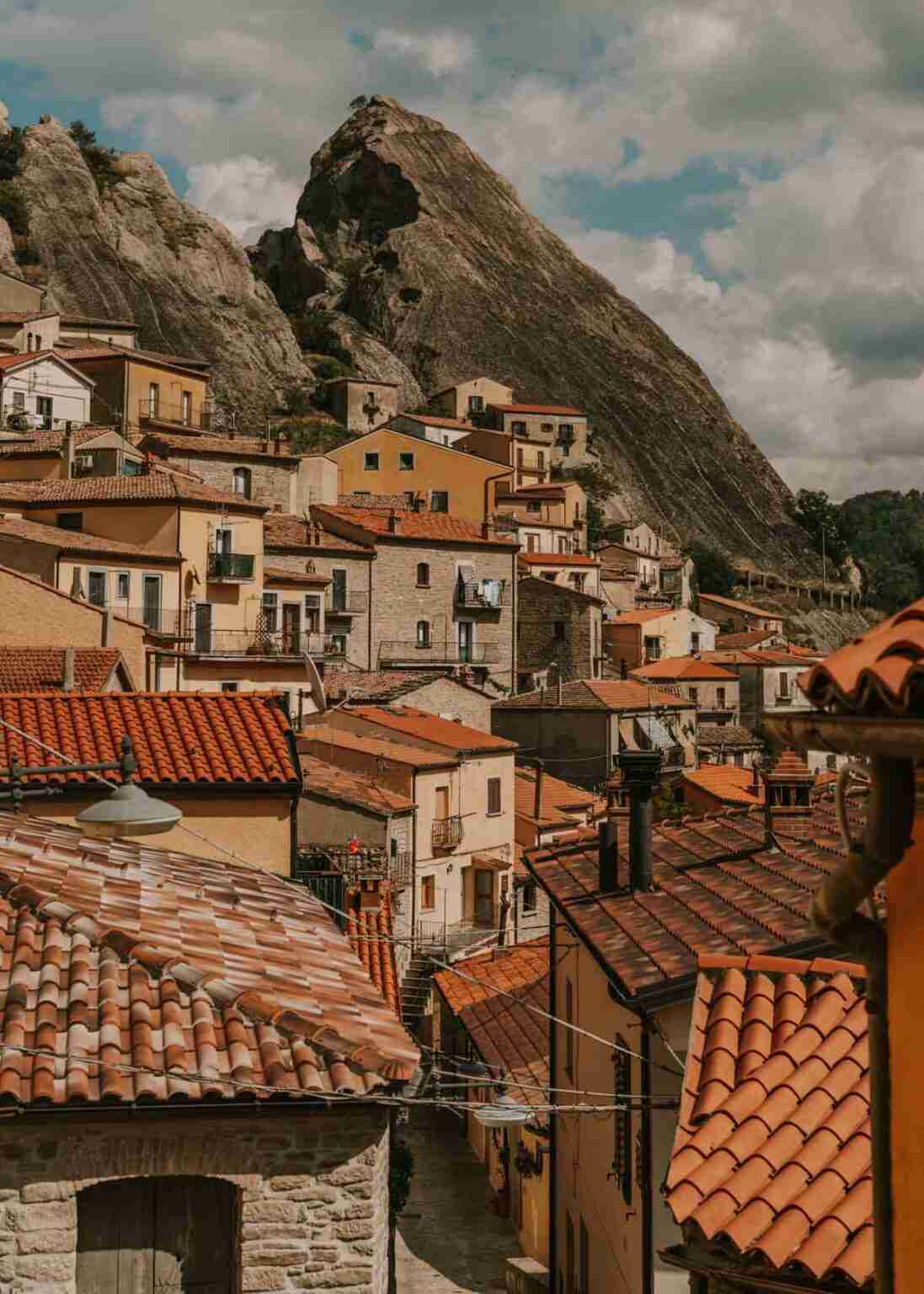
Castelmezzano itself is almost impossible to explain without sounding like you’re exaggerating — a medieval village literally forged into the jagged peaks of the Lucanian Dolomites, facing its twin settlement Pietrapertosa across a gorge that drops away into silence. Both towns are built into the mountaintops with an almost defiant improbability. The activity that connects them is the Angel’s Flight zip-line — close to a mile of steel cable crossing over 400 feet above the valley below at speeds reaching 75 mph, delivering birds-eye views that no photograph adequately captures. Beyond the zip-line, the Norman Stairway (Gradinata Normanna) climbs 54 steps carved into a steep peak where the Castrum Medianum castle once stood watch. The Seven Stone Path — a two kilometer trail — links Castelmezzano to Pietrapertosa at ground level for those who prefer their adventure on foot. The Via Ferrata adds a rock climbing dimension with fixed cables and iron rungs bolted into the rugged Dolomites for those chasing elevation the old way. And if none of that appeals? Simply embrace the slow life of wandering streets that feel genuinely untouched — that’s equally valid and equally memorable.
Days 6–10 / Days 8–10: Puglia
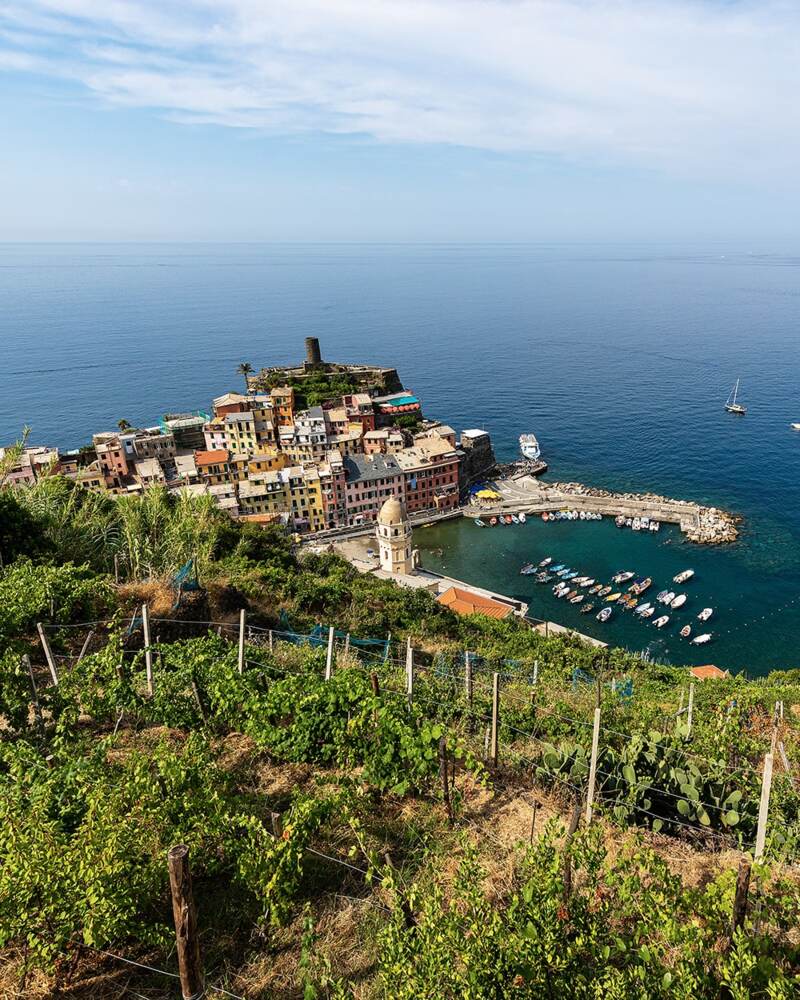
Puglia closes this itinerary the way a good meal ends — slowly, satisfyingly, with no desire to rush toward the exit. This sun-soaked stretch of Italy’s southeastern coast runs on crystal-clear beaches, endless olive groves, and an authentic pace that even the most popular corners of the region somehow still preserve. Getting here from Matera by rental car is a straightforward drive; by public transportation, the direct Miccolis or Flixbus service from Matera to Bari runs €5-€10 and lands in 1 to 1.5 hours, from where local trains and regional buses fan out to Polignano a Mare, Alberobello, Locorotondo, and beyond.
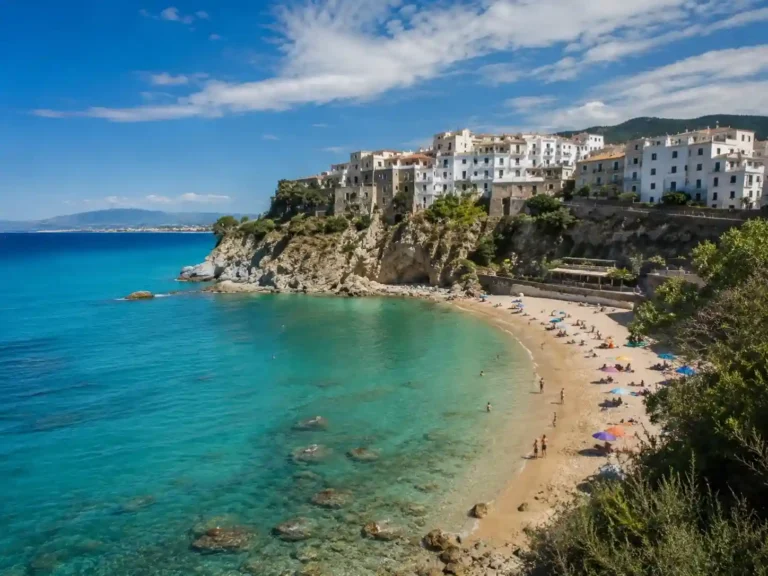
We based ourselves in Polignano a Mare — a walled old town draped over dramatic cliffs above the turquoise Adriatic Sea, originally settled by the Greeks in the 4th century BC and still carrying that slightly whitewashed hill towns energy. The town is pedestrian-only inside the walls, completely walkable, and rewards aimless wandering more than any map can. Lama Monachile is the iconic beach you’ve seen everywhere — pack water shoes because it’s pebbled — but the sea cave on the right side of the bay makes the swim genuinely special. The Belvedere su Lama Monachile and Pietra Piatta viewpoints deliver the panoramic views that make the whole old town layout suddenly make sense. Ristorante Grotta Palazzese is the cave restaurant everyone photographs — dramatically Instagram-worthy, perched above sea caves, worth one splurge dinner. For everyday eating: MINT Cucina Fresca rewards anyone who calls ahead for a reservation; La Focacceria Delle Noci Marco does focaccia with toppings in grab-and-go form that embarrasses most sit-down restaurants; Cactus handles natural wine, cocktails, and food in a hole-in-the-wall format; Habitat Cafe serves excellent Italian coffee and pastries in the more local part of town. Fifteen minutes south, Monopoli adds baroque churches, whitewashed buildings, cozy alleyways, and that fishing village energy to the afternoon — explore the historic center, walk past the 1500s stone castle, and settle into either Porto Bianco or Porto Rosso for a swim in clear water with gentle waves. The porto antico and the town’s cathedrals deserve an hour each. Don’t miss the Volare banners along Via Roma — Polignano a Mare is the birthplace of Domenico Modugno who gave that song to the world.
Alberobello and Locorotondo share a day comfortably, sitting just 15 minutes apart in the Valle d’Itria. Alberobello is the UNESCO World Heritage town of the trulli — those cylindrical white houses with cone-shaped roofs built entirely using dry-stone techniques without a trace of mortar, reportedly so that locals in the 1600s could quickly disassemble them when tax inspectors arrived from the Kingdom of Naples. Arrive early — tour buses fill the Rione Monti District by 10am. The Trulli Panoramic View shows the full scale of those cone-shaped rooftops rolling across the hillside; Aia Piccola offers the same trulli houses in a quieter, more local atmosphere; the Trullo Sovrano Museum — the only two-story trullo in town — walks you through what traditional life looked like here in the 18th century through a well-preserved interior. Locorotondo’s circular old town — the name literally translates to round place — wraps around its hilltop in a layout unlike anywhere else, with the Belvedere viewpoint looking out over rolling hills, vineyards, and more olive groves dotted with trulli in every direction. Grab a glass of Locorotondo DOC — the town’s crisp white wine — at any cozy osteria in the center. Ostuni, the famous White City, earns its own half-day: a hilltop city rising above olive groves with maze-like streets that are car-free, entirely walkable, and best explored without any agenda. Taverna della Gelosia serves genuinely excellent Puglian restaurant food with countryside views stretching toward the Mediterranean Sea.
For beaches, Calette di Torre Cintola — about 40 minutes south of Polignano a Mare — delivers a golden sand beach with gentle waves and crystal clear water that justifies the drive. Spiaggia di Punta Prosciutto down in southern Puglia runs wilder and less discovered for those willing to push further during beach hopping days. Bari as a food destination deserves mention even if the city itself is skipped for scenery — the Spaghetti all’assassina (literally Assassin’s Spaghetti) intentionally charred spaghetti to crispy perfection is a dish that breaks every pasta rule correctly. Alla Barese carries the original version; l’assassineria Urbana is arguably sharper. On the final day, Bari Vecchia rewards a morning walk — women hand-rolling fresh orecchiette pasta in the streets outside their doors is the kind of scene that doesn’t feel real until you’re standing in it. Visit Basilica di San Nicola, take a final seaside meal along the waterfront promenade, and if you’ve built in a vineyard afternoon, Azienda Agricola L’Essenza di Puglia Carovigno outside Carovigno near the Adriatic Sea does a private tour of the land with owner and winemaker Giancarlo, tasting through their full range of organic wines and olive oils — Puglia’s wine is far better than its global reputation suggests, and much of Italy’s most famous output is quietly blended with Puglian grapes anyway. For accommodation: Grande Albergo delle Nazioni is Bari’s only true five-star hotel facing the sea; Vis Urban Suite Spa covers the stylish boutique hotel bracket in the historic center; BARI ROOMS Piccinni 160 handles the budget end near Bari Centrale Station; Habari We Dorm is the top-rated hostel. In Polignano, Borgobianco Resort Spa MGallery sits as the area’s flagship 5-star hotel above olive groves; White Coast is an adults-only guesthouse steps from Lama Monachile beach; Angolo di Paradiso keeps the old town accessible at a genuine budget price. We booked a B&B with a rooftop overlooking Lama Monachile beach directly — Calumàre, A Casa di Dany, Mareluna, and Malù Bed Breakfast are all strong alternatives in the same area, or push further into the countryside for one of Puglia’s legendary masserias — historic farmhouses that offer a completely different register of the region. Trullo rentals in Alberobello are widely available through Booking.com and sleeping inside one is as memorable as it sounds. We wrapped the trip by dropping the rental car at Bari airport, catching a 1 hour flight back to Rome Fiumicino Airport, and immediately starting to plan the return.