Lisbon Coastline Portugal Travel Inspiration: Beaches, Cascais, Sintra & Hidden Gems
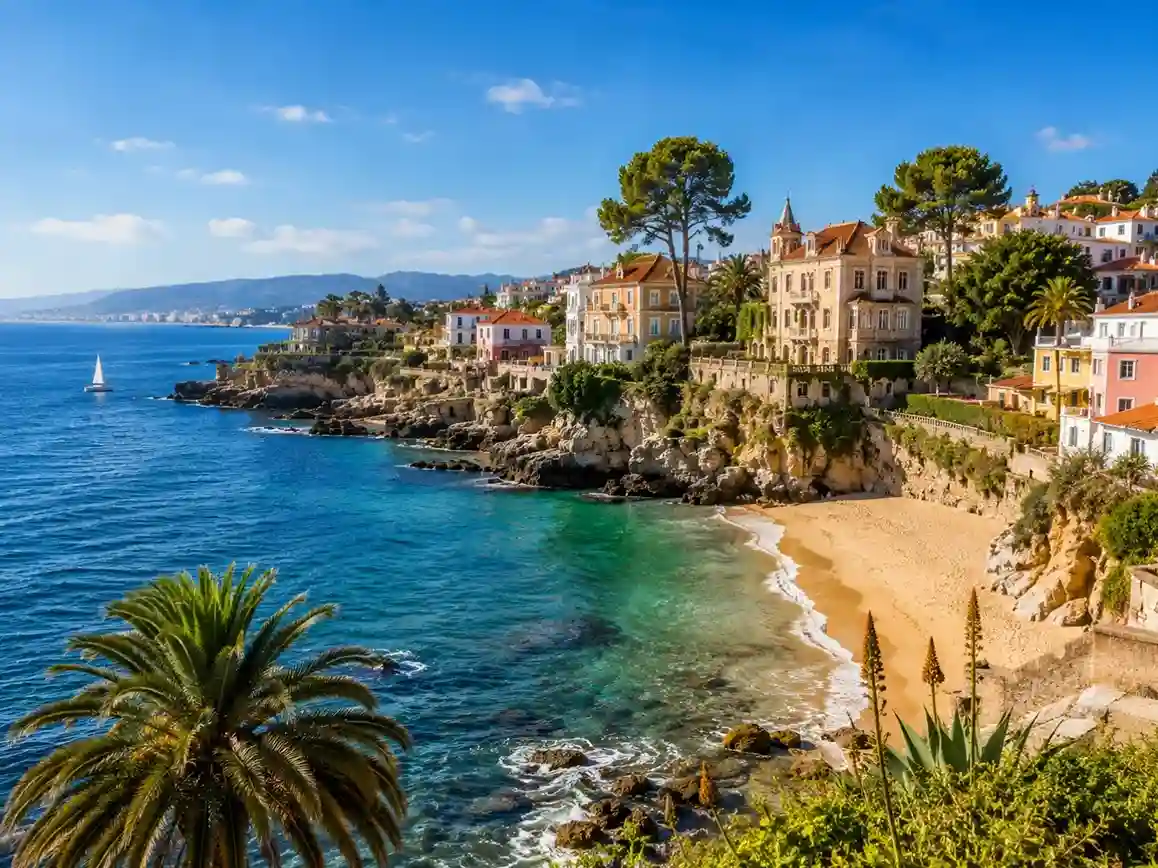
Few destinations in Europe manage to balance golden beaches, ancient history, and vibrant seaside towns quite like the Lisbon Coast. Stretching along Portugal’s Atlantic coastline, this sensational stretch rewards those willing to look beyond the obvious — tucking away hidden coves behind wave-lashed cliffs, sheltering family-owned seafood restaurants in pristine natural parks, and offering an off-the-grid alternative that even locals from Costa da Caparica still whisper about. Whether you’re drawn by luxurious villas, glorious Guincho sunsets, or the quiet magic of Parque Natural da Arrábida, the Atlantic rewards every kind of traveller who arrives curious.
What makes this coastline genuinely special is how effortlessly it blends the affordable with the extraordinary. Portugal has entered a bold new era of cool — pairing great-value food and wine with striking architecture and sun-drenched, dreamy shores — yet it never loses its soul. From sandy coves flanked by sun-soaked shores to coastal gems tucked between Cascais, Estoril, and the vine-covered countryside of the Setúbal Peninsula, the variety here is simply staggering. I still remember arriving for the first time and thinking: this is a destination that offers breathtaking ocean views, adventure, and genuine relaxation — all within a 50-km (31-mile) stretch running north to south of the Tagus River.
The real magic, though, lies in what’s right on the capital’s backyard — enticing side trips that pack in everything from impressive palaces and upscale entertainment to delicious fresh catches at waterfront spots in Sesimbra. Whether you opt for a quick beach getaway or commit to long road trips through favourite spots, the scenery shifts constantly, keeping every summer months visit feeling brand new. This isn’t simply a holiday destination — it’s a coastal experience that pulls you back every single time, serving up optimal weather, enjoyment, and a genuine sense of culture that no amount of sun-bathing alone can replicate.
When to Go
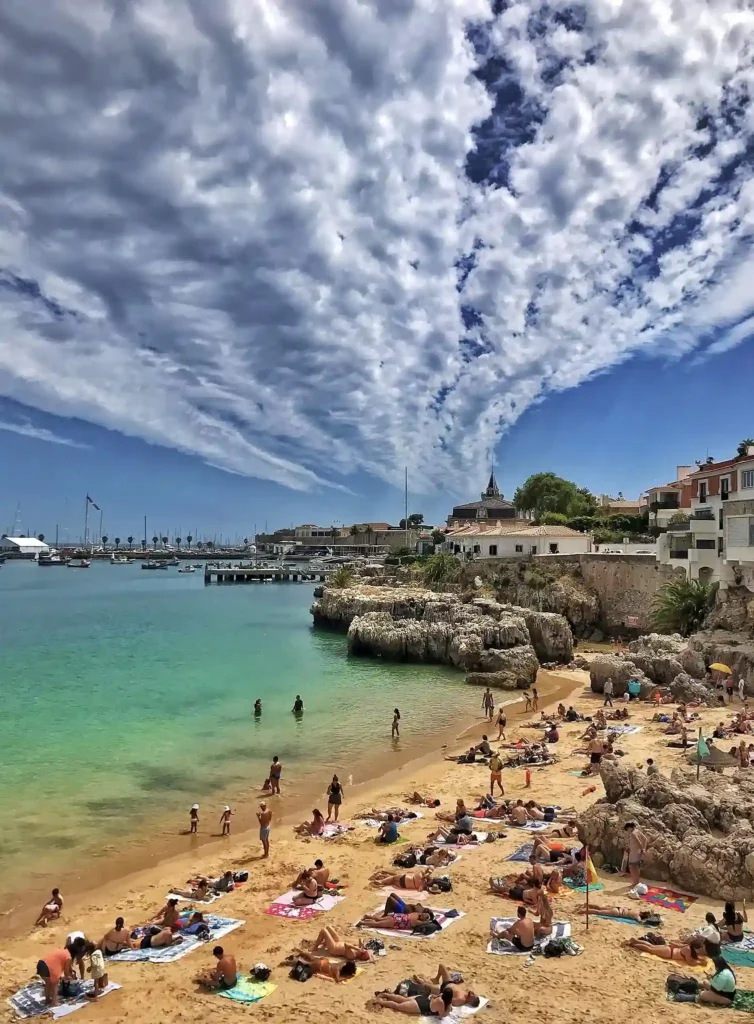
Portugal earns its reputation as a year-round destination largely thanks to over 3000 hours of annual sunlight — a figure that genuinely surprises most first-time visitors. July and August bring the most heat and the hottest, busiest atmosphere, which suits those who love a buzzing beach scene but can feel congested for anyone seeking quieter corners. Having visited across different seasons, I’d personally argue that May, June, and early mid-September offer the best time to visit Lisbon — warm enough for full beach days, relaxed enough to actually breathe it all in without fighting the crowds.
How to Get There
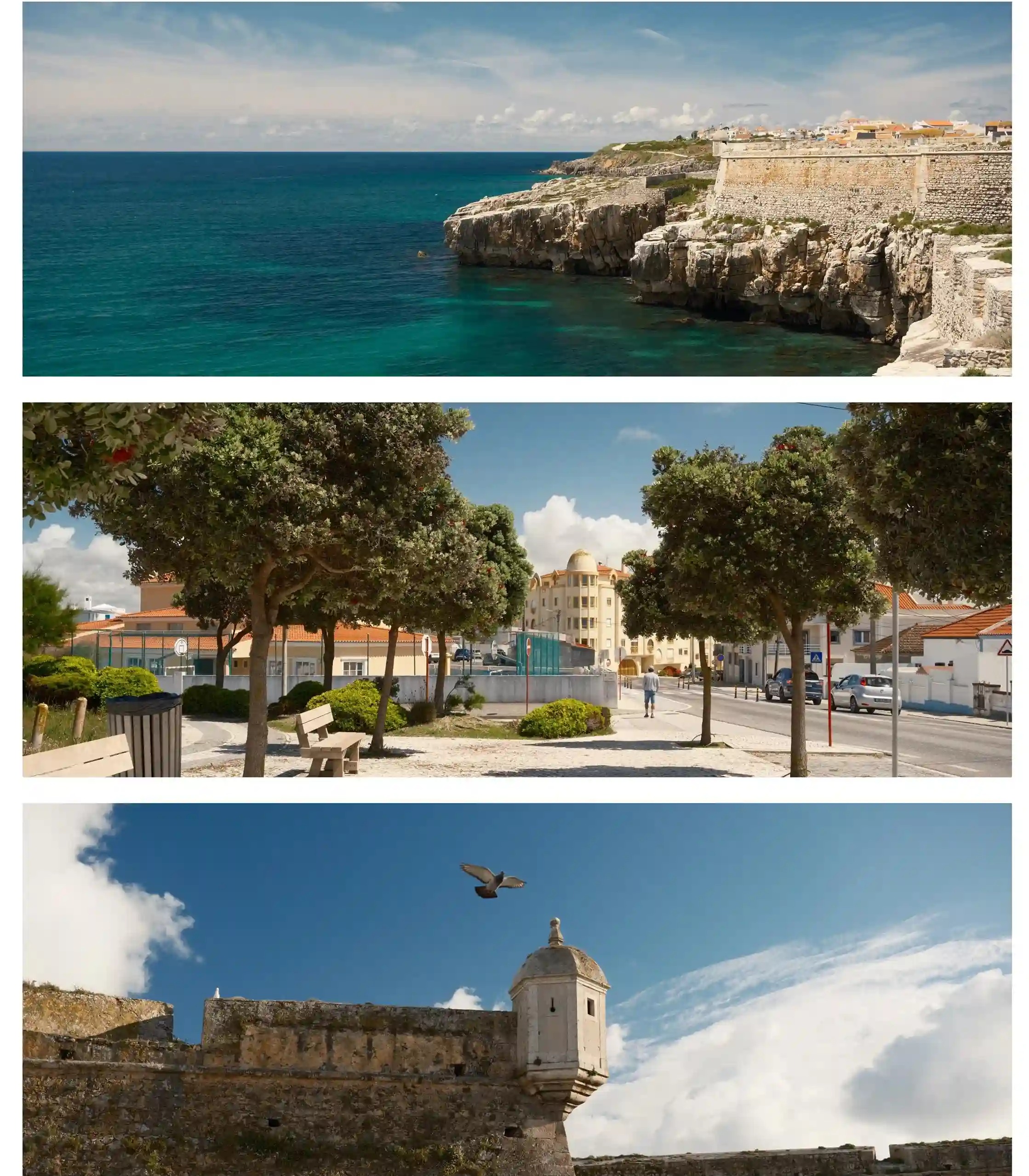
Getting to the Lisbon coastline is refreshingly straightforward, with British Airways, easyJet, and TAP Portugal all running direct flights from the UK into Lisbon Airport — from there, a 20-minute taxi or 30-minute bus ride drops you right into the city centre. For those keen to explore further along the coast, Cascais and Estoril sit just a comfortable train journey from Cais do Sodré station, while Sintra is roughly 40 minutes from Rossio station. If the wilder stretches call — particularly the remote magnificence of Serra da Arrábida — hiring a car is absolutely the right move, giving you the freedom to stop wherever the landscape demands it.
Why Go to the Lisbon Coast?
Food
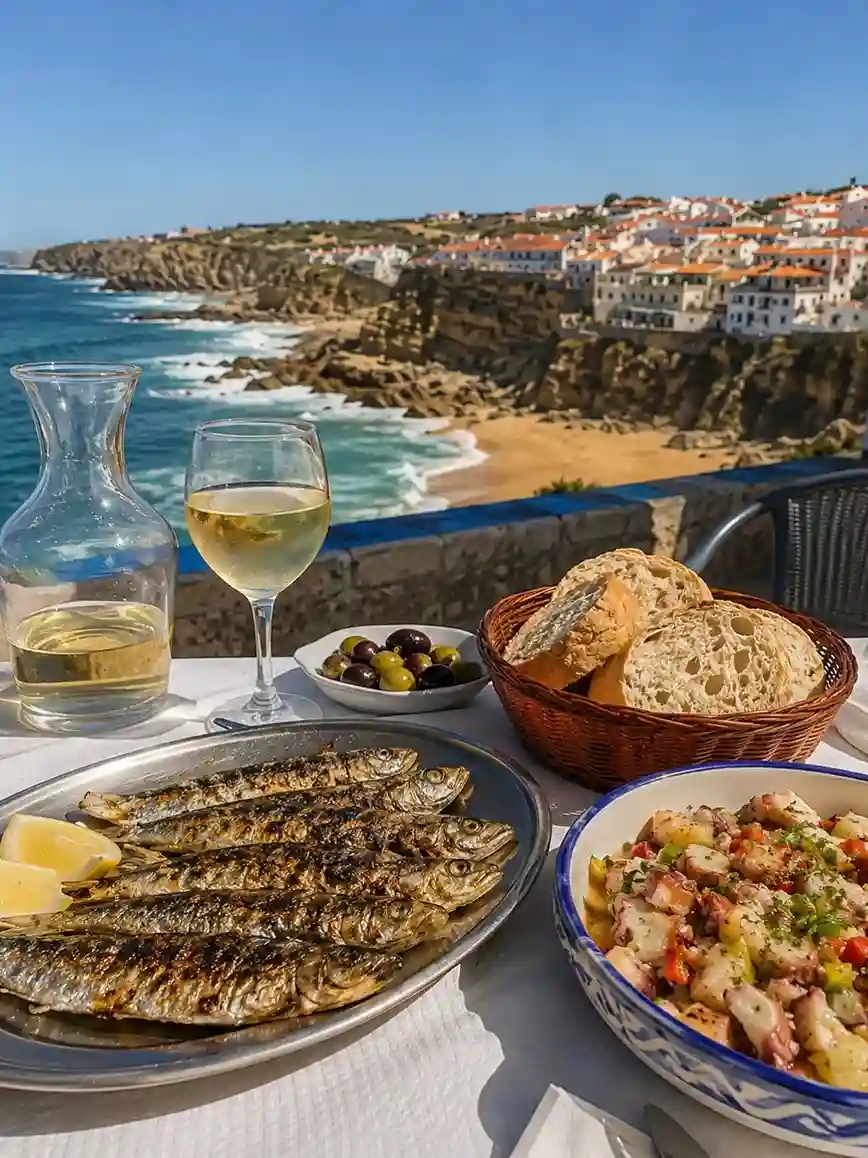
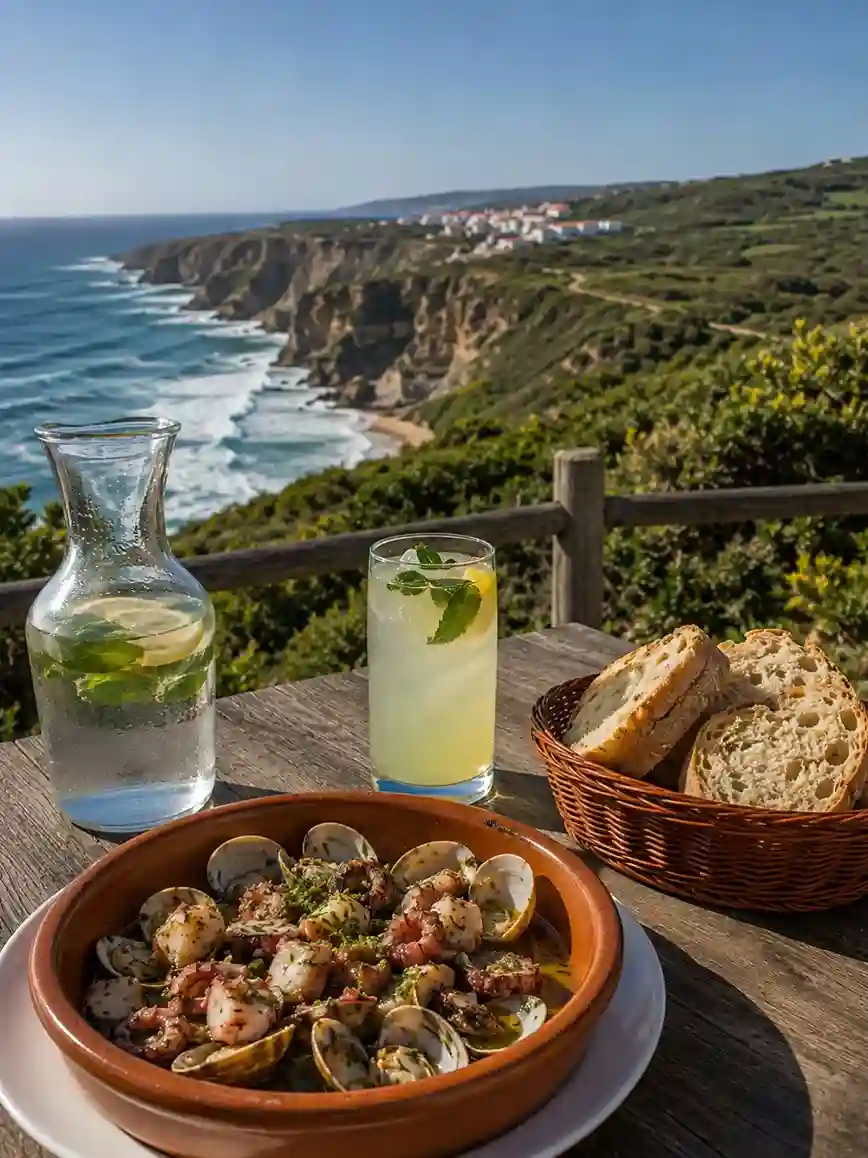
The Lisbon food scene reaches its most theatrical right on the coast, where the fresh seafood practically introduces itself. In Sintra, tucking into clams in white wine at the cliff-framed Restaurante da Adraga feels less like dining and more like a defining travel moment — the kind you replay on rainy days back home. Further along, cliff-side Azenhas do Mar serves the famously acquired-taste percebes (goose barnacles), while the legendary Mar do Inferno sends out platter after generous platter of sea bass, bream, mussels, and fat prawns — ocean-view dining at its most unapologetically indulgent.
Natural Parks
Walkers who arrive expecting beaches alone quickly discover that the real drama of this coastline lives inland too. Parque Natural de Sintra-Cascais laces hiking trails through the craggy mountain range of Serra de Sintra, pushing all the way west toward the wind-battered edge of Cabo da Roca. Further south, the forest-cloaked slopes of Parque Natural da Arrábida shelter communities of polecats, badgers, buzzards, and eagles — and for those who want to push further, the park opens up opportunities for mountain climbing and diving in waters of almost Caribbean clarity.
Beaches
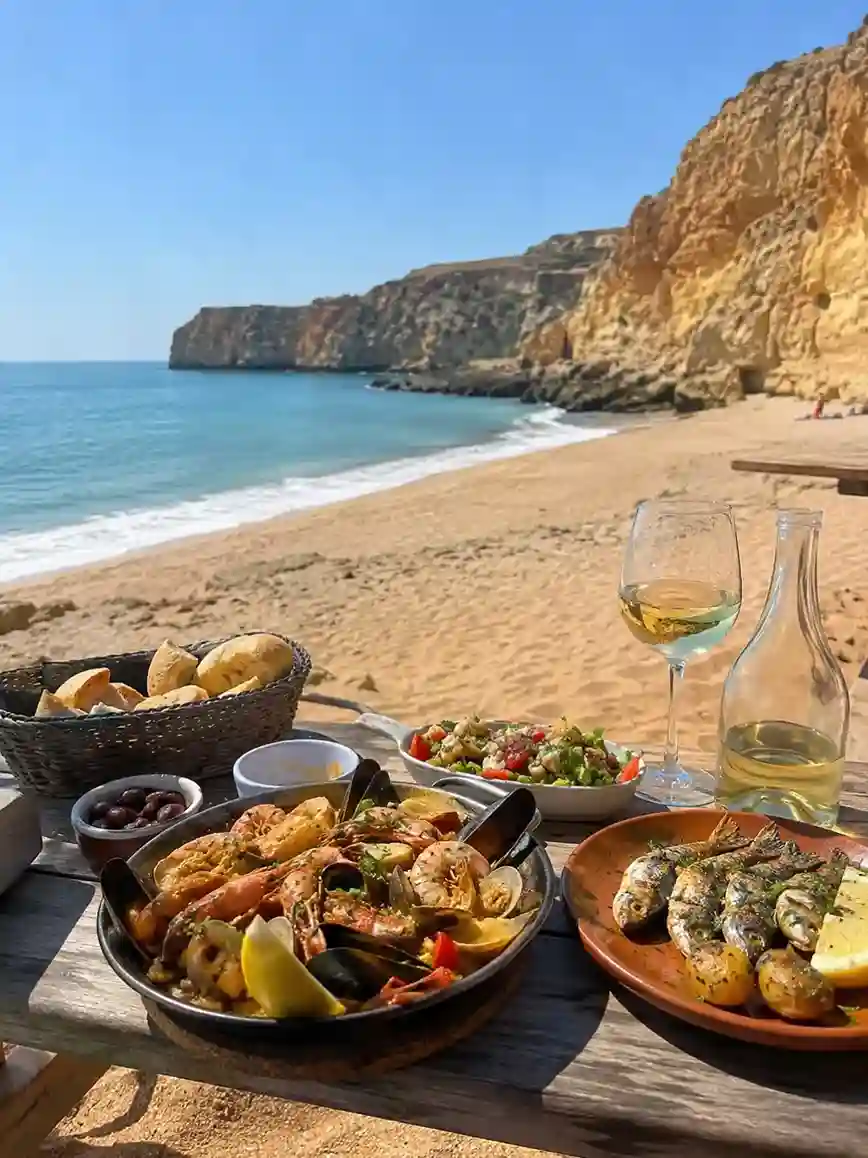
The Lisbon Coast beaches rank among the finest in Portugal, spanning everything from completely remote bays to sun-trap stretches that reward lazy afternoons without apology. Praia dos Galapinhos, tucked deep within Parque Natural Arrábida, offers the kind of crystalline waters and powdery sand that people assume only exist further south — while closer to town, the sun-kissed Praia da Conceição in Sintra delivers glorious swathes of shoreline with a slightly wilder Atlantic energy. In my experience, the beaches here genuinely outperform expectations regardless of which direction you head.
Boat Trips
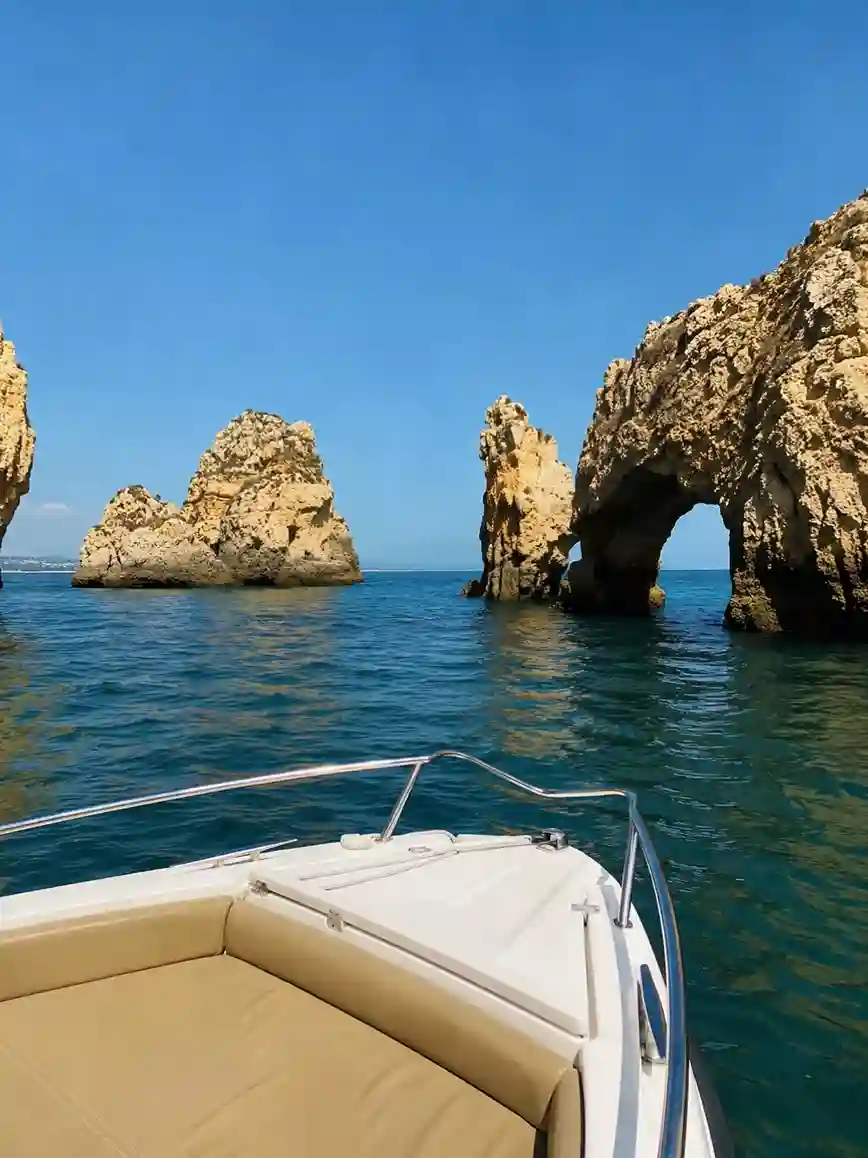
Some of the most unexpectedly moving moments along this coastline happen out on the water — specifically on dolphin watching expeditions that depart from the charming seaside towns of Setúbal and Sesimbra. Out on the open Atlantic, bottlenose and common dolphins appear with a regularity that never stops feeling miraculous, turning what could be a casual day trip into a masterclass in marine biodiversity. The Arrábida mountains framing the horizon, the impossibly blue waters below — it’s the kind of coastal magic that creates lifelong wildlife lovers and converts even the most reluctant families into repeat visitors.
History
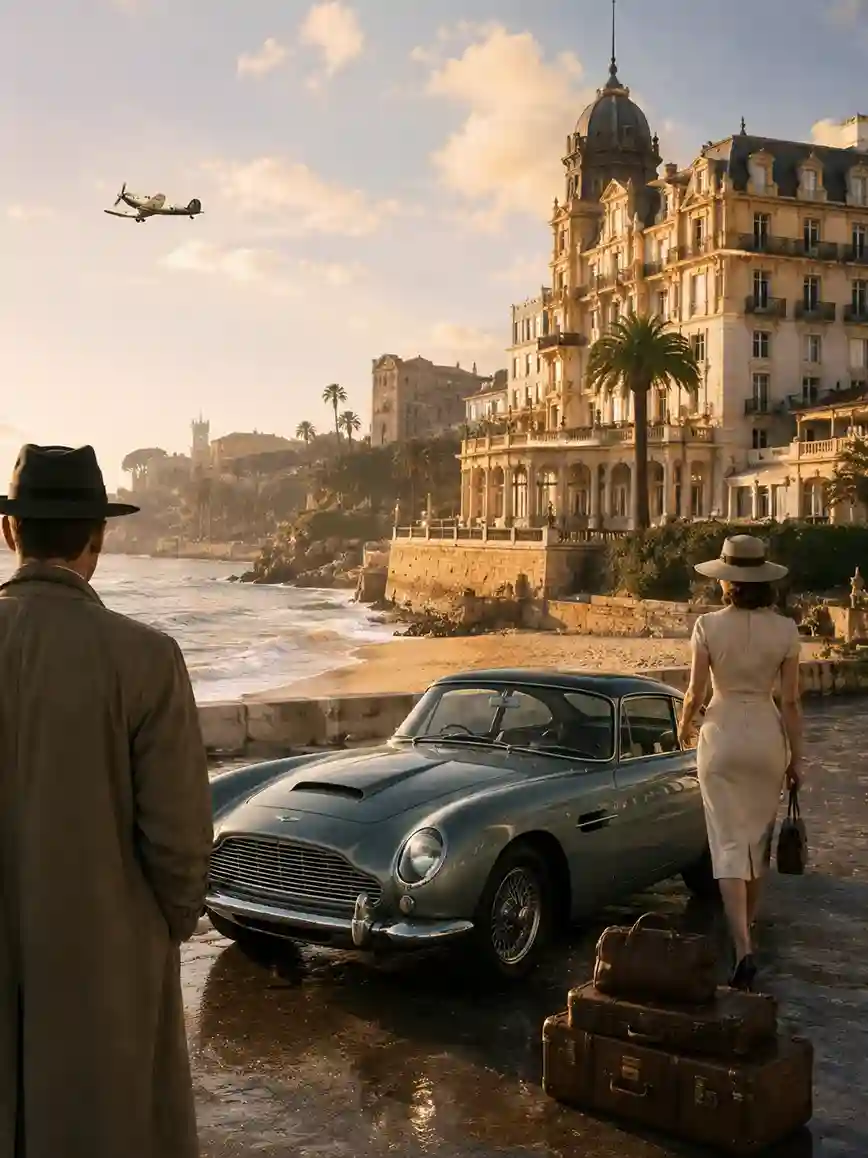
Estoril’s wartime past reads like something lifted straight from a thriller — and in many ways, it was. During World War Two, the town became an unlikely sanctuary for refugees including Salvador Dalí and Antoine de Saint-Exupéry, who sheltered in the grand Hotel Palácio alongside exiled royalty and shadowy spies. It was precisely this charged atmosphere — glamour brushing up against danger in the gilded halls of Casino Estoril — that gave Ian Fleming the inspiration for Casino Royale, lending the entire stretch of coastline a backstory as compelling as its scenery.
Surfing and Windsurfing
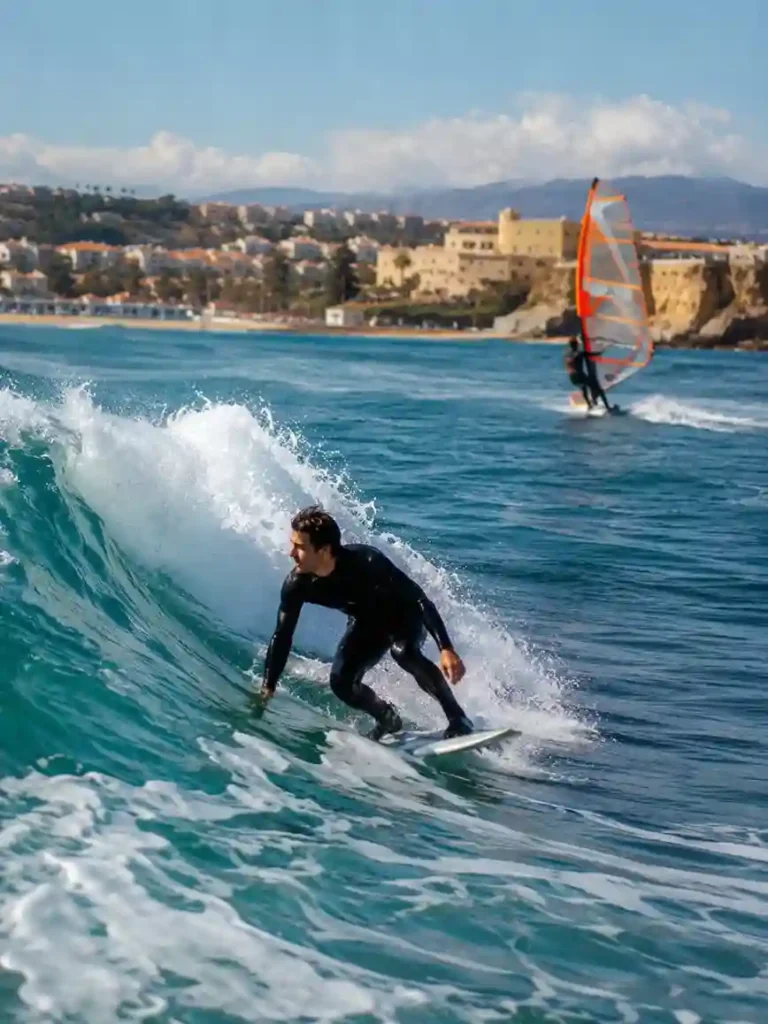
The consistent southerly swell that rolls in off the Atlantic makes the Lisbon coastline a genuinely world-class surfing and windsurfing destination — a fact that draws dedicated wave-hunters back season after season. Praia da Carcavelos offers the most accessible break for those still finding their footing, while Praia da Guincho — exposed, wind-whipped, and spectacular — is where experienced riders earn their afternoons. Costa da Caparica, meanwhile, runs its long Atlantic-facing flank like a conveyor belt of swells, giving surfers of every level somewhere to call their own.
Where to Visit on the Lisbon Coast
Estoril
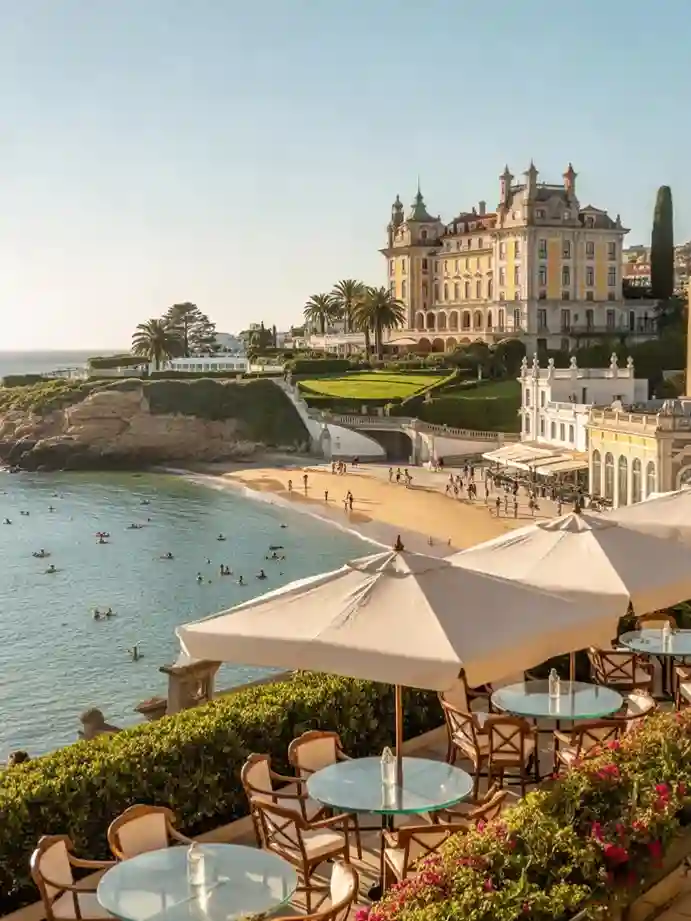
There’s a theatrical quality to Estoril that even time hasn’t fully dimmed — the turreted villas, the grand hotels, the palm-fringed parks arranged with the kind of confidence that only serious old money produces. Once the glamorous playground of the rich and famous, today it operates as a well-heeled resort where bars and restaurants cluster around beautifully maintained gardens, and Praia do Tamariz draws a steady crowd of serious swimming enthusiasts. The coastal promenade connecting Estoril to neighbouring Cascais is tailor-made for unhurried sunset strolls, and the Casino de Estoril — worth visiting even without any gambling ambitions — fills its weekends with live entertainment, making it far more than a side note.
Arriving from Lisbon, the drive to Estoril through the seafront gardens sets the tone immediately — there’s something about the south-facing light here, the way it catches the alfresco lunch terraces and turns even a simple meal into an occasion. The Casino sits just two minutes by taxi from Cascais, which means combining both towns in a single day is not only possible but genuinely recommended for anyone wanting to understand the full personality of this stretch of coast.
Cascais
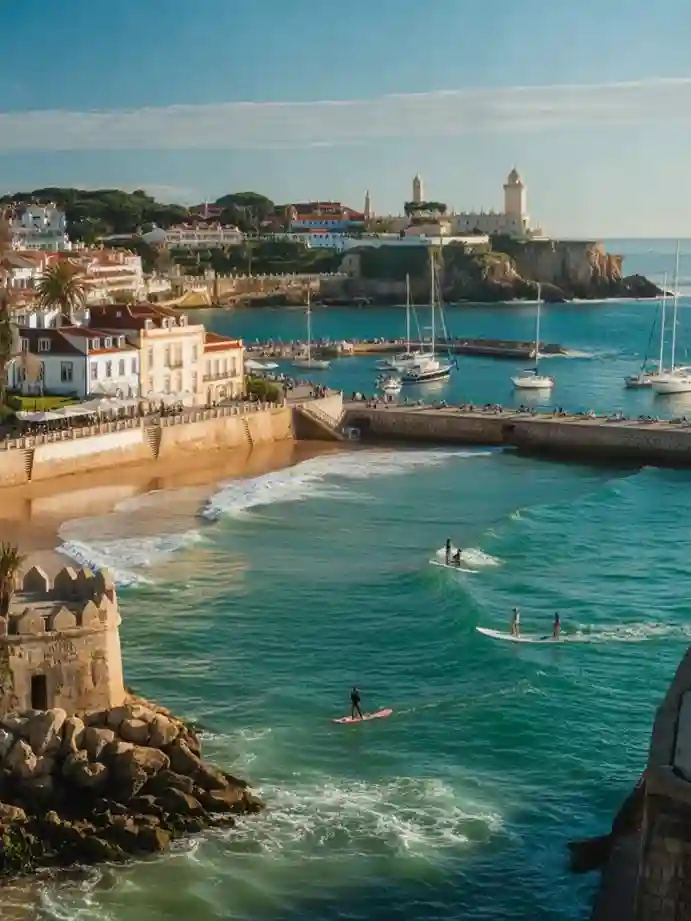
Long before it became the upscale, cosmopolitan resort it is today, Cascais was earning its reputation as a coveted summer retreat — King Luís chose it in 1870, and the town has been quietly proud of that endorsement ever since. The culture-rich appeal runs deep: fine mansions, independent galleries, museums, and a historic old town of cobbled streets lined with cafés that genuinely serve their community rather than performing for tourists. I spent a week here and found the Bay of Cascais endlessly photogenic, the wild drama of Boca do Inferno genuinely startling, the Santa Marta Lighthouse oddly moving, and the Castro Guimarães Museum far more absorbing than I’d expected — all before settling into long, slow lunches at the marina where everything seemed to shimmer in the afternoon heat.
What draws active visitors specifically is the range on offer: paddleboards for rent at Praia da Conceição, serious wave action at Guincho — one of the finest surfing spots in all of Portugal — and a rugged coastline between the two that rewards exploration on foot. The mix of elegant villas, crumbling old forts, arty artisans, and relaxed intimate café culture gives Cascais a personality that is simultaneously fishing village and polished resort — a balance very few places manage without one side overwhelming the other. For demographics ranging from solo travellers to full families, Cascais is one of those rare destinations that somehow works for everyone.
Costa da Caparica
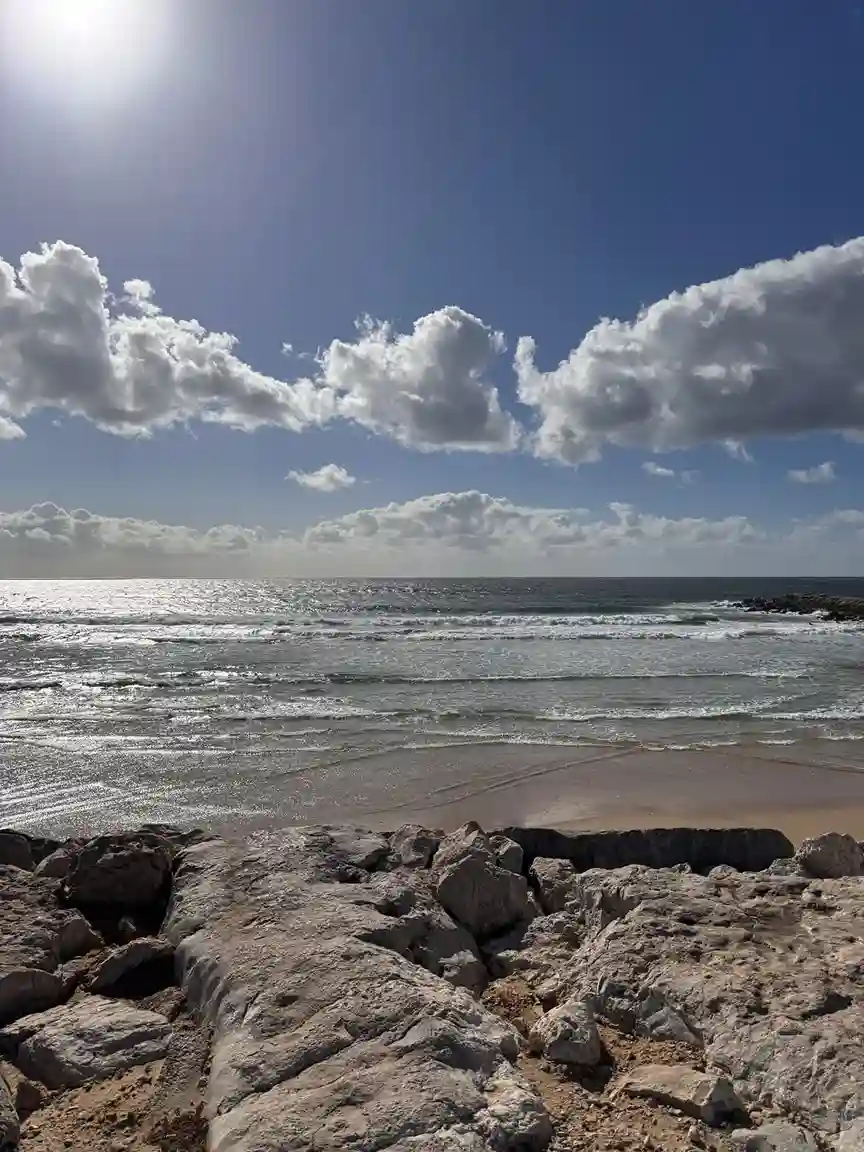
Cross to the southern side of the river and the mood shifts entirely — Costa da Caparica operates on its own relaxed frequency, beloved by Lisbonites as a proper beach getaway rather than a destination performing for outsiders. The former fishing village identity still surfaces in the colourful boats bobbing near the waterfront and in the fishermen who sell their daily catch directly to the seafood restaurants that line the river-facing stretch. A compact little train runs the full 10km of coastline, dropping passengers at whichever beach suits their mood — and the further south you ride, the more the crowds dissolve, until you’re sharing sand with only the Atlantic and whatever late-night bars haven’t yet opened for the evening.
Sintra
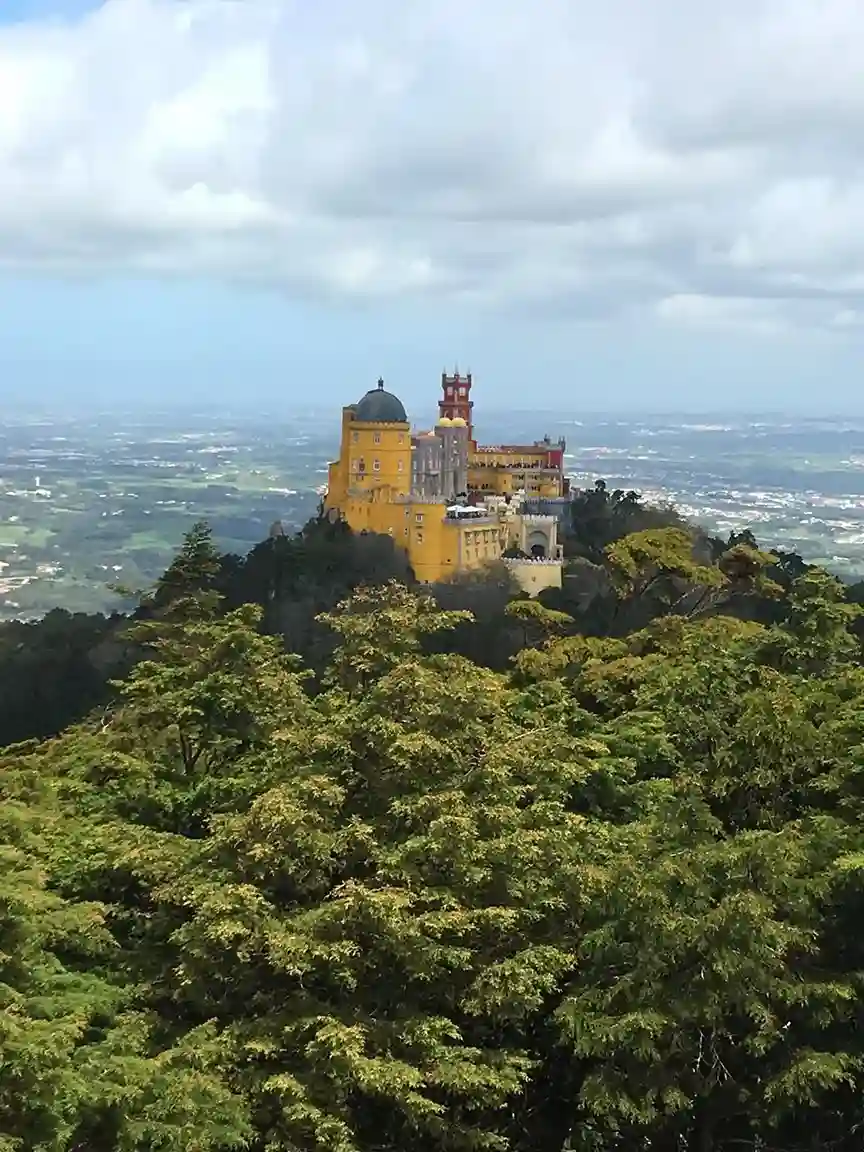
Some places earn their reputation honestly, and Sintra is one of them — an exclusive retreat that Portuguese royalty understood long before the rest of the world caught on. The soaring cliffs dropping to sandy coves, the forest-cloaked hills hiding ancient castles, the UNESCO-listed town centre layered in pastel-hued mansions and ornate palaces — all of it coheres into something that genuinely resists easy description. The Pena Park and Palace — once occupied by the Portuguese Royal Family until the Republic arrived in 1910 — sprawls across 85 hectares of extraordinary landscape, and its UNESCO World Heritage status and billing as one of the Seven Wonders of Portugal only scratches the surface of what makes it so arresting in person.
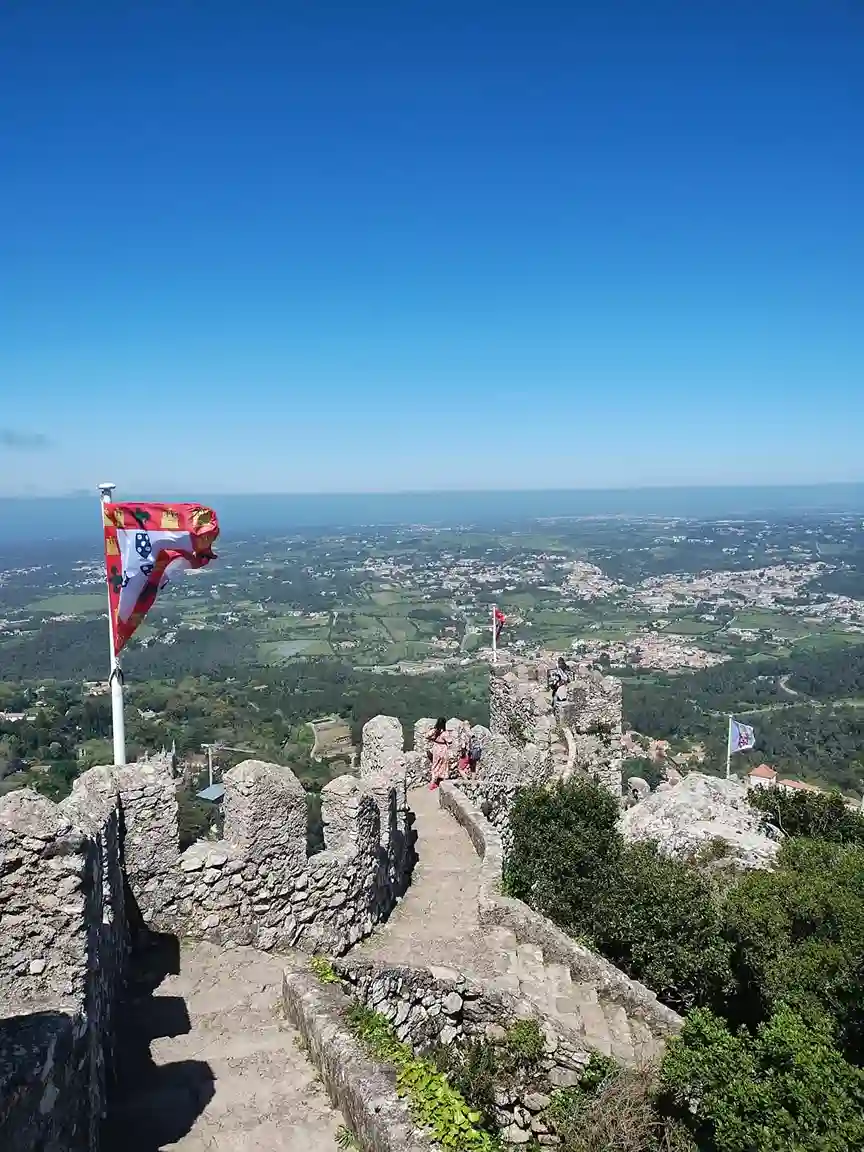
Standing at Cabo da Roca — the westernmost point of mainland Europe, where a craggy headland and lighthouse loom above wave-lashed cliffs — produces the particular sensation of being at the edge of something enormous. The sunset views from here are the kind that make you reach for your phone and then put it away again, realising no image will do it justice. I visited after exploring the romantic, picture-perfect Pena Palace emerging from misty forests, wandered the deeply atmospheric Quinta da Regaleira, and climbed the Moorish Castle — whose panoramic views across the continental landscape landed with a quiet drama that stayed with me for days. The lush winding trails of Sintra-Cascais Natural Park and the wild shores of Praia da Adraga completed a visit that felt, genuinely, like stepping inside a fairy tale — all exotic flora, hidden grottos, and that peculiar gothic drama that Sintra’s unique microclimate produces with no effort at all. The kaleidoscope of colors across the captivating towers of Pena Park gardens is worth the journey from Cascais alone — accessible by local bus or train in just 45 minutes.
Serra da Arrábida Coastline
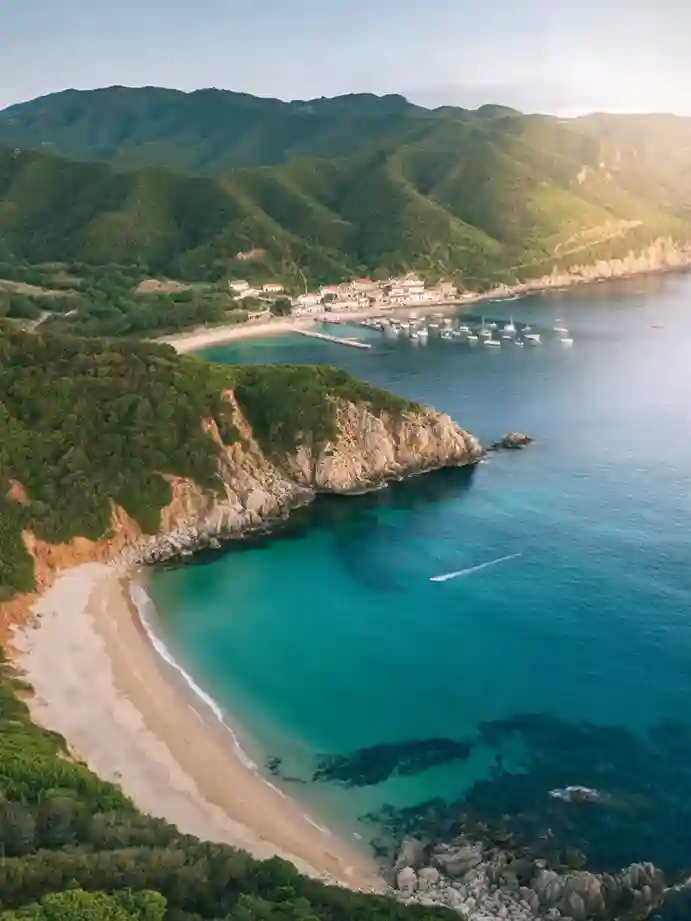
The Serra da Arrábida coastline has a particular quality of light that photographers chase for years before finding it — the forested slopes tumbling into sugar-white beaches and jewel-toned waters create a palette that seems almost implausible for a European coastline. The UNESCO-protected Parque Natural da Arrábida draws surprisingly few visitors despite harbouring beaches like Praia dos Galapinhos — a flour-soft sand cove with waters so calm and clear they belong in a different travel category entirely. Near the tiny harbour village of Portinho da Arrábida, the pace of life drops to something deeply restorative, and driving in from Sétubal through jaw-dropping mountain scenery before landing at an esplanade restaurant in Sesimbra for lunch ranks as one of the great understated experiences this coastline offers.
Lisbon City
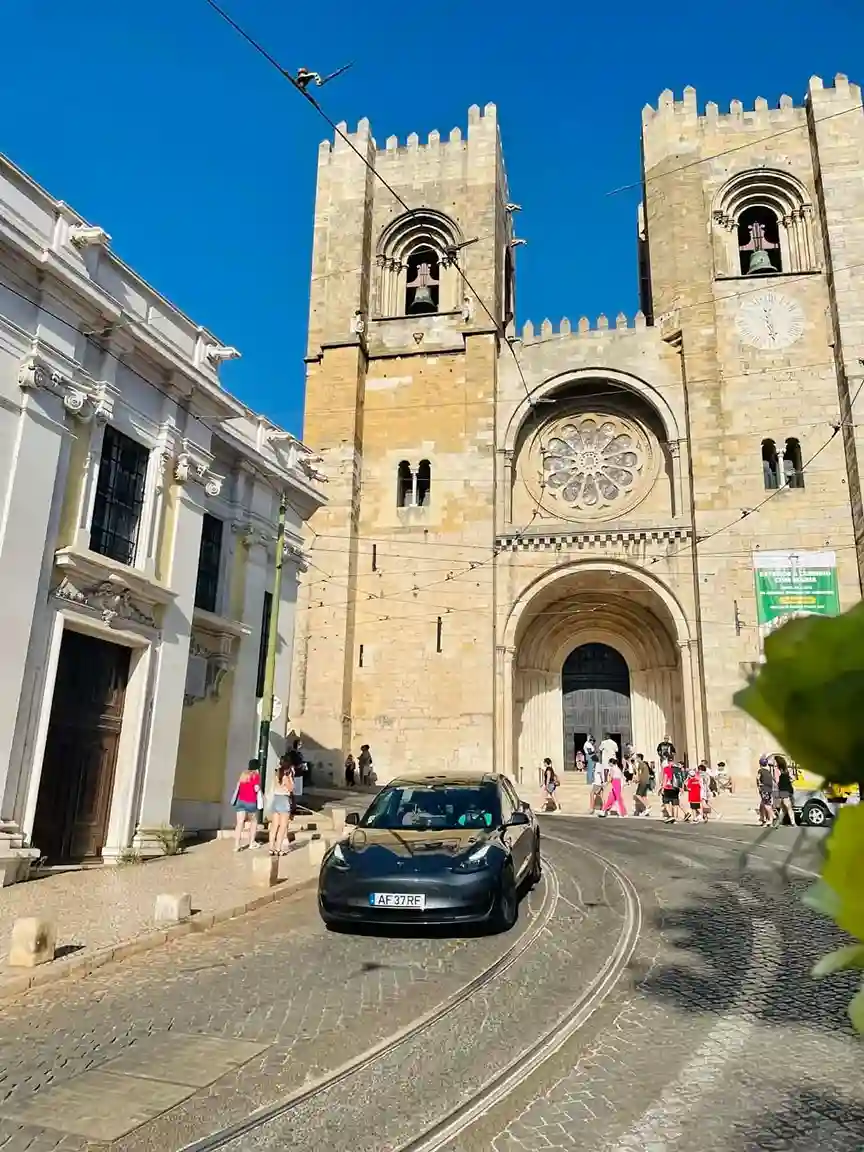
Lisbon earns its place as one of Europe’s most genuinely cosmopolitan capitals not through scale — though a population of 2 million across its wide avenues is nothing to dismiss — but through the layered, picturesque architecture that carries centuries of rich history in every tile and cobblestone. The city runs on a hilly geography that rewards effort: metro, tram, and bus networks weave efficiently between districts, taxis keep things affordable, and the classic hop-on hop-off tour buses offer a surprisingly useful first-pass for anyone trying to build a cultural attractions map in their head. Avenue Liberdade — the grand designer shops and hotels boulevard that functions as the city’s main spine — is genuinely beautiful for afternoon people watching, lined with cafes and flanked by shaded parks and squares.
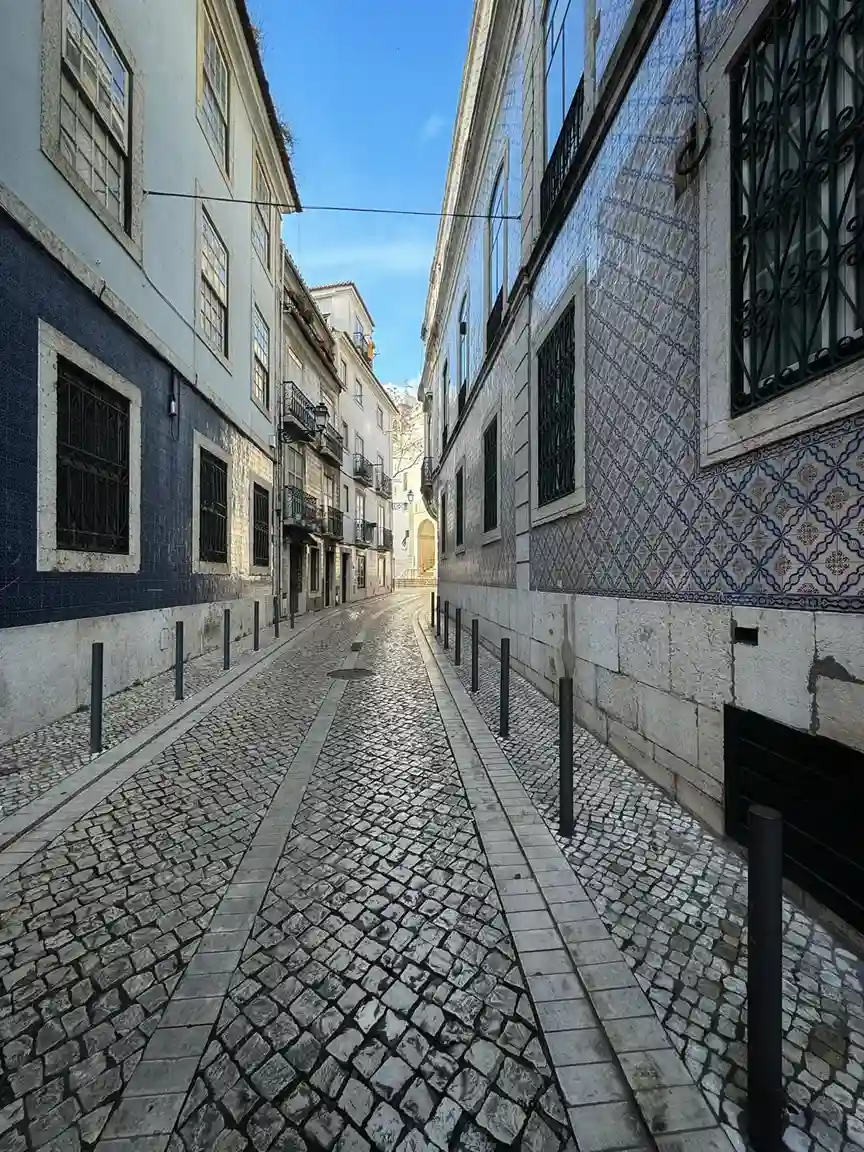
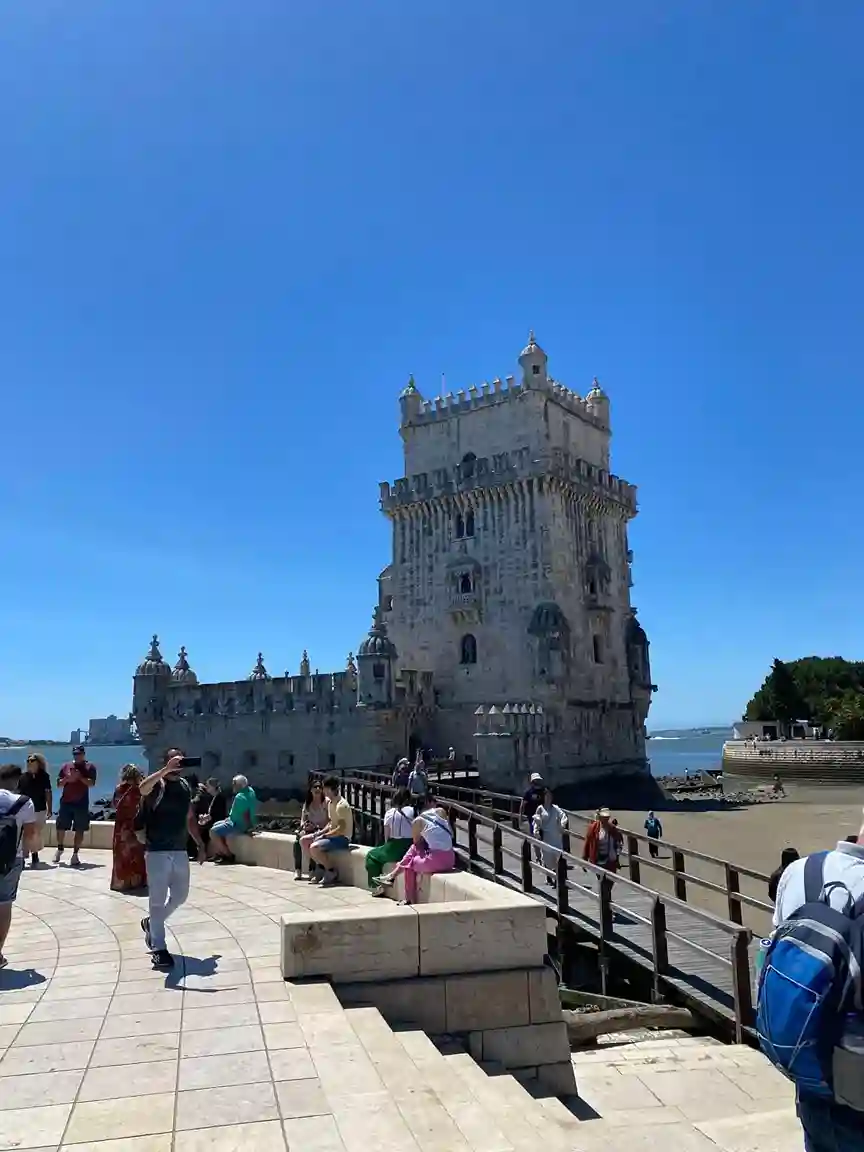
Beneath the polished surface, Lisbon runs on a shabby-chic, sun-bleached energy that no city planner could manufacture intentionally. Narrow winding cobbled streets open unexpectedly onto swoon-worthy viewpoints; colourful tile-clad buildings lean companionably against one another in Bairro Alto; the bohemian vibe of the backstreets sits comfortably alongside Gothic cathedrals and the traditional charm of neighbourhood cafés. The Belem district delivers the full weight of Portugal’s seafaring legacy — the castle, the Maritime Museum, and the vast Jerónimos Monastery — while the transformed EXPO 98 site now houses the Oceanarium, still one of Europe’s largest aquariums and arguably the business district’s most surprising cultural draw.
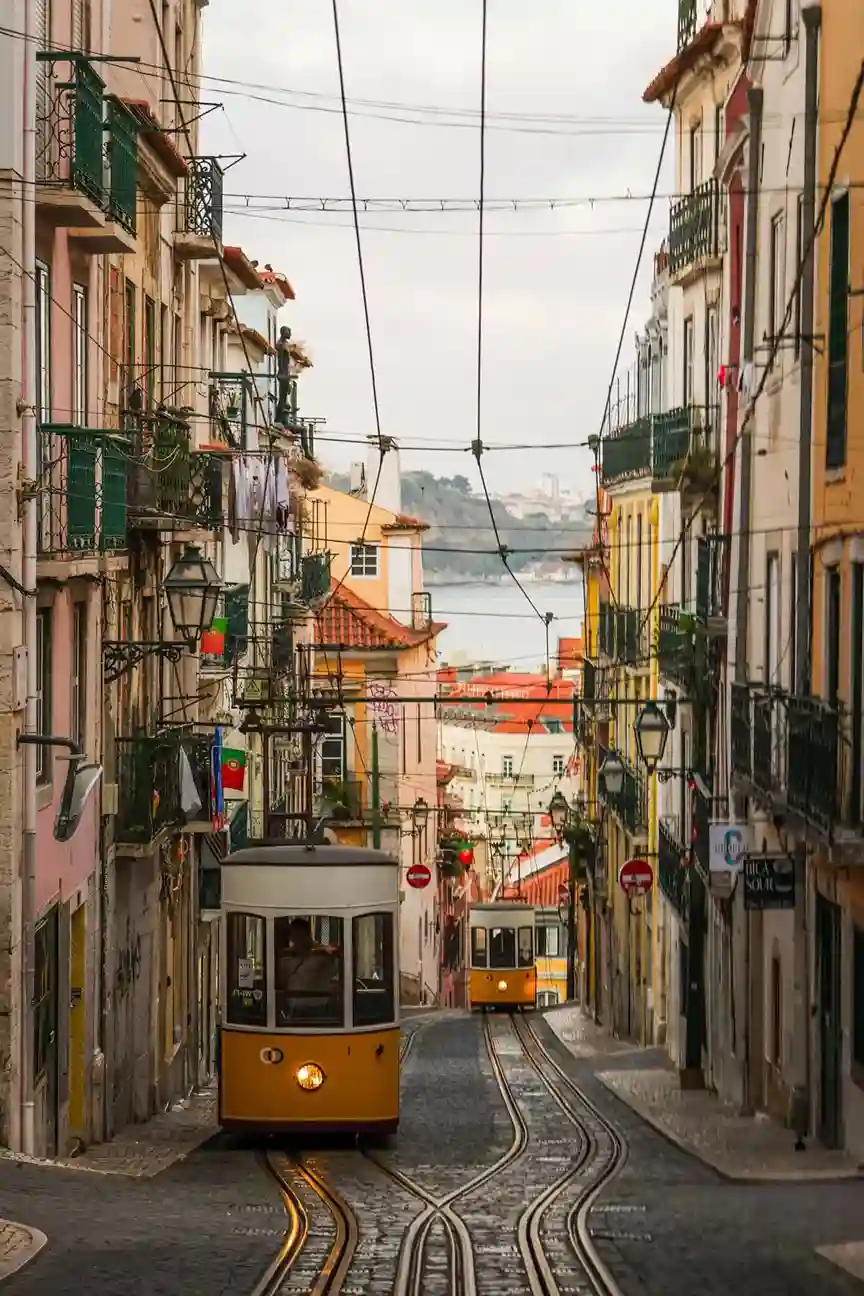
The lively, youthful energy that pulses through Lisbon today is inseparable from its food and drink scene — and no visit feels complete without riding Tram 28 to earn your first pastéis de nata at Manteigaria, gorging on street art in the backstreets, and finding your preferred café terrace at Miradouro da Senhora do Monte as the light turns golden. The Belém Tower standing sentinel on the Tagus waterfront, the cozy neighbourhood cafés of districts that have barely changed in decades, the colourful tile-clad architecture of every turning — Lisbon moves at a frequency that’s entirely its own, and the city’s cozy interior spaces and swoon-worthy public viewpoints make it equally rewarding whether you have two days or ten.
Lisbon Food Tour

Lisbon has been sitting at number 12 on TasteAtlas’s global food rankings, and anyone who has eaten their way through the neoclassical Baixa neighbourhood will understand why — this is a city that takes its Portuguese cuisine seriously at every price point. The award-winning Lisbon Food Tour experience through Baixa is built around a smart premise: a knowledgeable local guide leads a small group of genuine foodies on a gastronomic tour of the city’s only flat neighbourhood, threading through Praça do Comércio and on toward the heart of the district, uncovering the layered Portuguese Empire and Inquisition history alongside sights like Igreja do Santo Domingo and the extraordinary Elevador de Santa Justa — all before anyone’s taken a single bite. The result is context that transforms eating from tourism into genuine understanding.
The food stops themselves reflect how thoughtfully the route has been designed — beginning at family-owned eateries specialising in petiscos (Portugal’s answer to tapas) where chouriço arrives grilled to order and codfish comes prepared as bacalhau à bras paired with a glass of local wine. Street food follows, led by the iconic bifana — a sandwich of simmering meat slow-cooked in garlic and wine that manages to be both deeply humble and completely unforgettable — alongside a salgado, battered and fried to golden perfection. The authentic flavours build throughout: green wine, Ginjinha, cold beer, and finally the dessert that has arguably become Portugal’s single most famous export — the pastel de nata, flaky, crumbly, and filled with custard that no reproduction outside this city quite manages to replicate.
Hidden Gems
The Lisbon coastline rewards those who push slightly past the obvious, and nowhere demonstrates this better than Praia da Adraga — a secluded bay near Sintra, undeveloped and genuinely wild, where dramatic rock formations frame a beautiful beach that draws fewer crowds than neighbouring Praia das Maçãs and Praia Grande. Arriving at sunset — when the cliffs burn amber and the sand seems to glow from within — transforms the place into something bordering on surreal. Nearby, the Neolithic ruins of Adrenunes, hidden down an overgrown track, offer extraordinary panoramic views across untouched countryside and coastline all the way to Cascais and Lisbon — a genuinely moving discovery for anyone who makes the effort to find them.
Further south, Serra da Arrábida sits along the tourist trail in name only — in practice, its stunning natural park interior delivers hikes through landscapes where solitude is virtually guaranteed. Parque Natural da Arrábida shelters its finest secret in Praia dos Galapinhos — an under-the-radar cove of pristine sands and calm waters that regularly ranks among the best beaches in Portugal without ever feeling overrun. And for those willing to make the one-hour drive north from Lisbon, the medieval town of Óbidos delivers a chocolate festival every March that transforms its ancient cobbled lanes into something irresistibly, joyfully excessive.
Beach Clubs and Pool Lounges
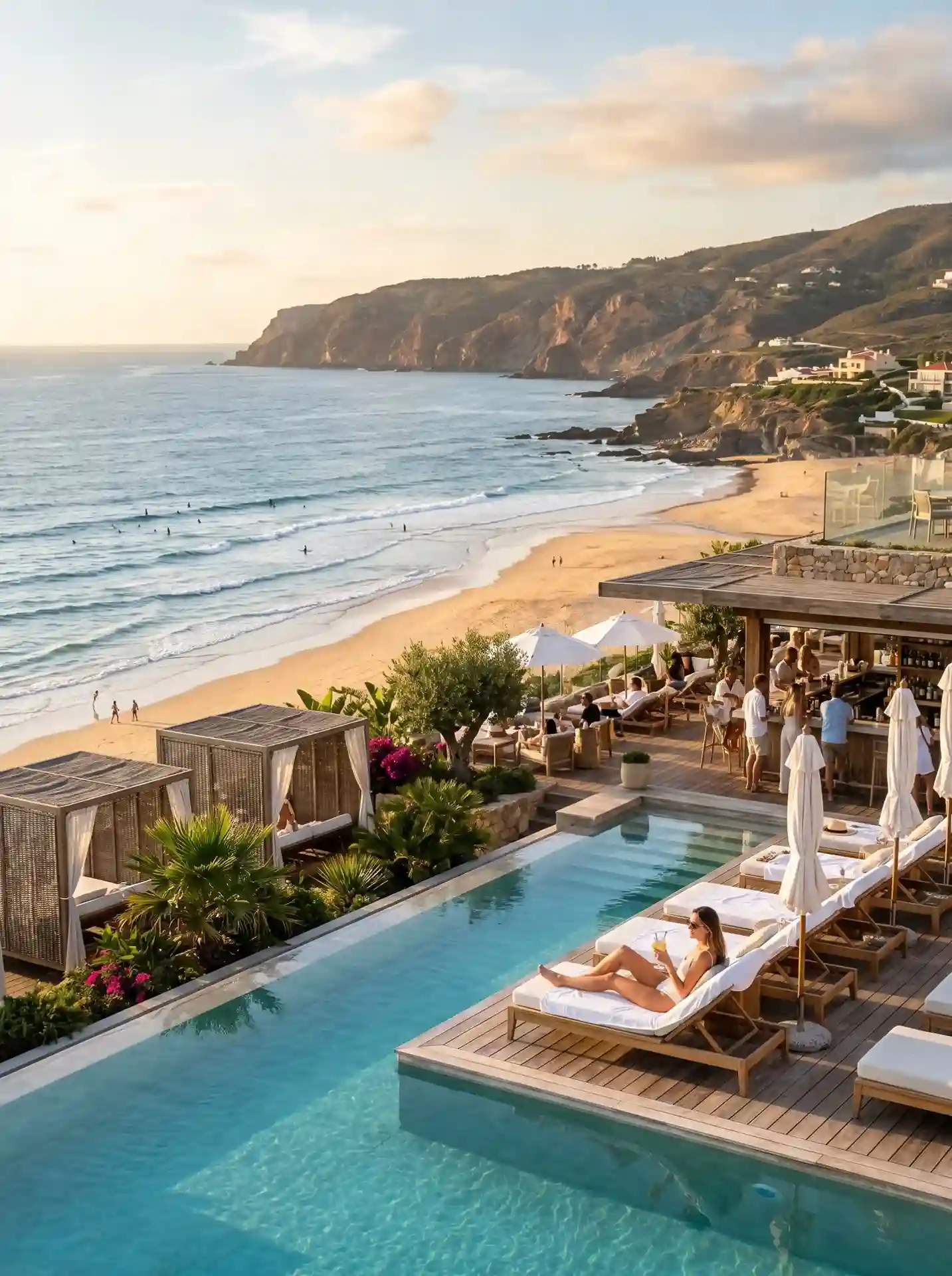
The Lisbon coastline offers a surprisingly sophisticated beach bar and rooftop pool culture for those who prefer their sun with a side of style. In the heart of the city, SUD Pool Lounge delivers a luxurious elevated experience that blends city energy with genuine coastal sensibility — the kind of spot where Lisbon’s creative crowd comes to decompress without leaving the postcode. Further out along the Costa da Caparica corridor, Casa Reîa offers chic beachside relaxation that feels effortlessly local, while Praia Irmão brings a more fantastic party energy to the same stretch of beaches — both worth building a full afternoon around.
The serene atmosphere at Comporta Café in Comporta — roughly 1.30 hours from the city — rewards the extra travel with a level of tranquility that the closer beaches simply cannot match, while Sublime Comporta Beach Club in the same area pushes the experience further into genuine luxury. Back closer to Sintra, Bar do Guincho sits right on the Guincho shoreline where the Atlantic wind is half the experience — the ideal spot to nurse a cold drink while watching the surf roll in. Bar do Fundo in Colares, meanwhile, brings a genuinely lively energy to its beach-side setting — the kind of place that Lisbon locals quietly claim as their own.
Short Trip Itineraries from Lisbon (2 to 7 Days)
For a focused 2-day experience, begin in Lisbon before driving out to Estoril where the seafront promenade and beautifully maintained gardens set the tone immediately — from there, the short hop to Cascais is essential, with alfresco lunch at the marina followed by exploration of the wild cove beaches and the always-dramatic Boca do Inferno. Day two belongs to Sintra — arriving early to find Sintra National Palace before the crowds, then climbing to Castelo dos Mouros for views that reframe everything you thought you knew about this landscape. Returning via Queluz to absorb the Palácio Nacional, then crossing the Rio Tejo to Cacilhas for a seafood dinner as the lights of Lisbon reflect on the water — this is a 2-day arc that punches well above its weight.
Extending to a 3-day or 4-day trip unlocks the full south — crossing the Ponte 25 de Abril and detouring through Costa da Caparica before pushing on to the hilltop fortress at Palmela, whose views over the entire region are genuinely staggering. Setúbal’s sunny plazas and colourful street art make for an energetic afternoon stop, and waking up to drive through Serra da Arrábida on the fourth morning — pausing at every jaw-dropping curve before landing at an esplanade restaurant in Sesimbra for lunch — represents the kind of 40-minute return journey to Lisbon that nobody actually wants to make. For those who can stretch to a full 7-day itinerary, spending two full nights in Sintra finally allows the surrounding sights the time they genuinely deserve.
Beautiful Places to Visit in Portugal Near Lisbon
Óbidos
Walking into Óbidos for the first time produces a specific kind of disorientation — the 12th-century castle walls enclose a perfectly preserved medieval town of stone buildings, whitewashed houses tumbling with bougainvillea, and winding cobbled streets that have resisted the homogenising pressures of mass tourism with admirable stubbornness. The hidden gem quality here is genuine: Rua Direita winds through a sequence of artisan boutiques and independent bookshops where every doorway seems to frame something worth photographing, and the local ritual of ginja served in chocolate cups is one of those captivating small experiences that ends up anchoring the memory of an entire trip.
Sado Estuary
The Sado Estuary operates on a register entirely different from the Lisbon coastline’s more celebrated stretches — a protected natural reserve of unspoilt golden beaches, wide, breathing marshes, and postcard-pretty villages of whitewashed houses and old fishing docks where the pace of life moves according to tide rather than timetable. Wildlife here is exceptional and unhurried — dolphins offshore, migratory birds overhead, the whole ecosystem holding together with the calm waters and natural rhythms of a place that development simply hasn’t reached yet. The pristine beaches of Comporta and Tróia, the ancient Roman ruins of Tróia peninsula, the Arrábida Natural Park trails above Setúbal — together they make the Sado Estuary one of the most quietly rewarding day trips available from the Portuguese capital.