What to Wear in France: The Ultimate Packing List for Paris, Provence & Beyond (2026 Guide)
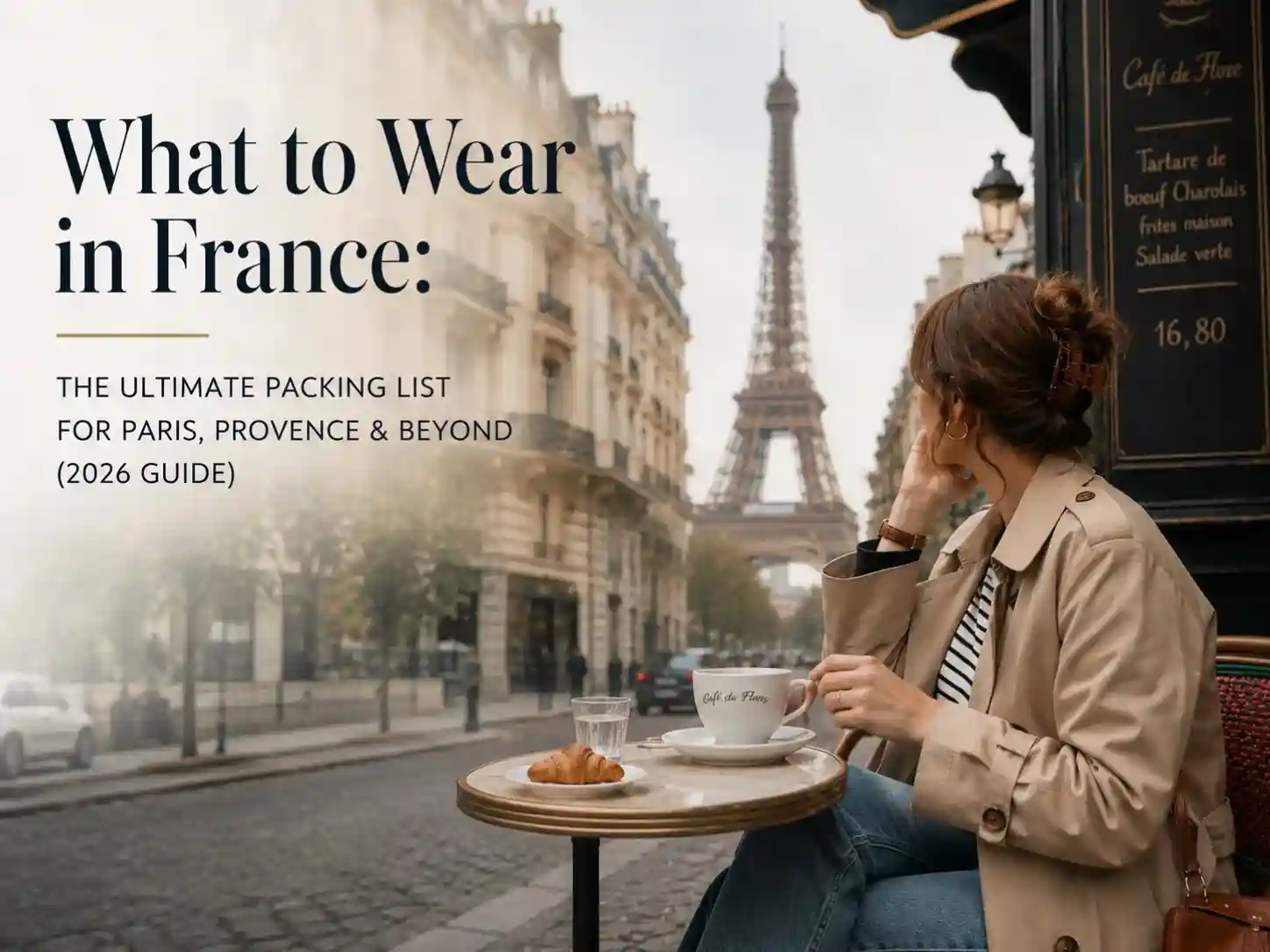
After nearly a decade of travel to France—including one unforgettable two-week trip through Provence, the Loire Valley, Champagne, and Paris—I’ve learned that French weather rarely behaves itself. Mornings start sunny, by noon it’s drizzly, and by evening it’s gone cold again, which is exactly why my packing list leans on comfort over anything trend-driven. Between rentals in quiet countryside towns and busier stretches in the cities, eating and staying plans shape what actually goes in the suitcase just as much as the climate does. I keep things simple and minimal, building a small set of elevated basics I can mix and match, because unpredictable weather punishes anyone who packs a one-outfit-per-day plan.
The part nobody warns you about is how much generic advice floating around about how to dress in France carries a discouraging, judgmental edge before anyone’s even landed. Plenty of it reads like a stereotype factory, insisting every interaction with French women or French people is a silent judging session waiting to happen, which only makes fashion-focused travelers more anxious before they’ve even started trip-planning. Having actually read through accounts from Cindy Hattersley, Wit & Whimsy, and OUI in France, I’d argue the opposite: Americans and other tourists get far more grace than the rumors suggest. Real French style is less about looking effortlessly chic every single hour and more about staying put-together without trying too hard, and that’s just as true for dress in Paris evenings as it is for quieter dress in France mornings elsewhere in the country. In the end, personal preference beats any rulebook, and the only packing philosophy worth following is the one that fits how you actually like to travel.
What to Wear / Pack for France
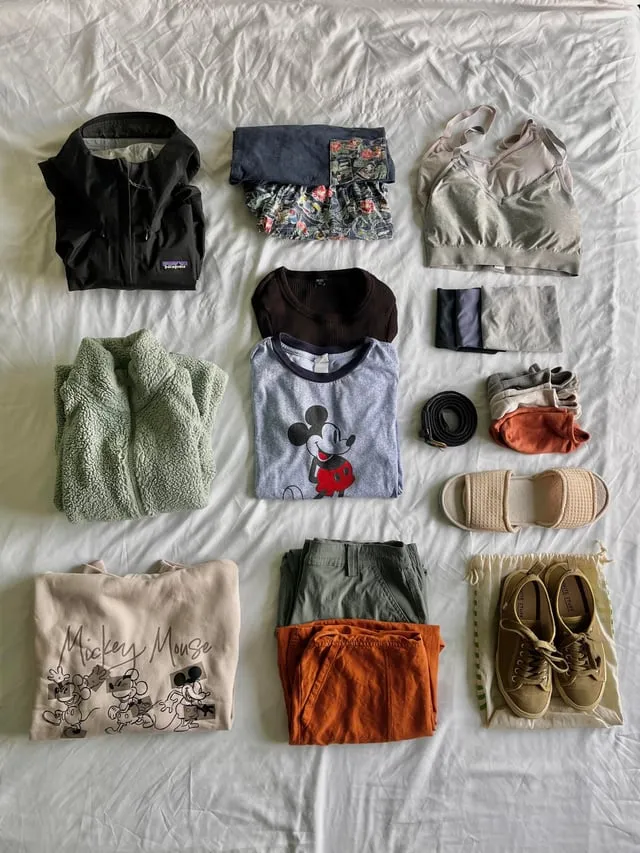
Forget the Paris influencer looks for a second, because the single biggest packing lesson I can offer is about comfort, not outfits, especially when it comes to shoes. I default to sneakers I’ve already broken in—usually Veja or Adidas Stan Smith, sometimes a pair of Converse-style kicks—paired with one elevated option like Chelsea boots for evenings. Comfortable sneakers in white work for almost everything, and if budget is tight, plenty of affordable dupes copy the look of pricier White sneakers with the same cushioned soles you’d get from something like Common Projects. I’ll throw in loafers, Flat sandals, or even a low pair of heels for a quick shoe change between sightseeing and dinner, with Ballet flats filling the gap in between, but I leave flip-flops in the suitcase unless I’m actually near water—wearing them around a city is a dead giveaway, the kind of tourist tell locals spot instantly. A pair of sandals with an elevated look is fine for short walking outings, and my comfort booties—Gentle Souls is the brand I keep going back to—always get sized up half a size since feet swell on travel days, plus a folded pair of flats tucked away as a blister backup.
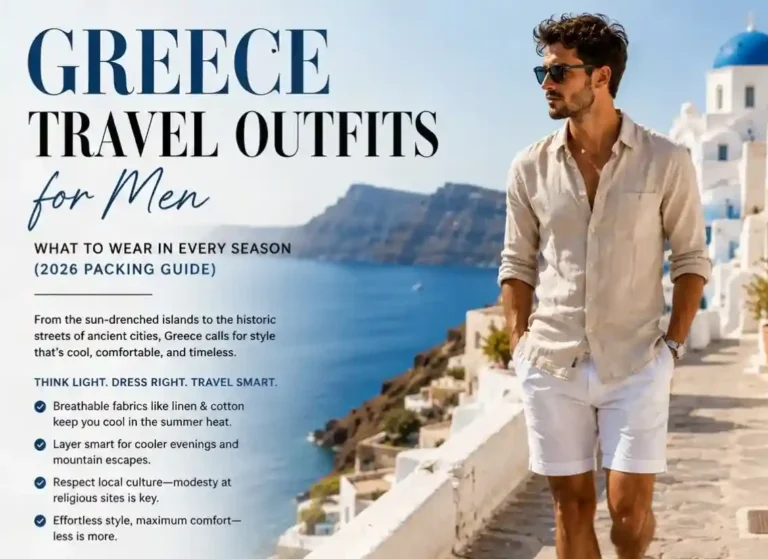
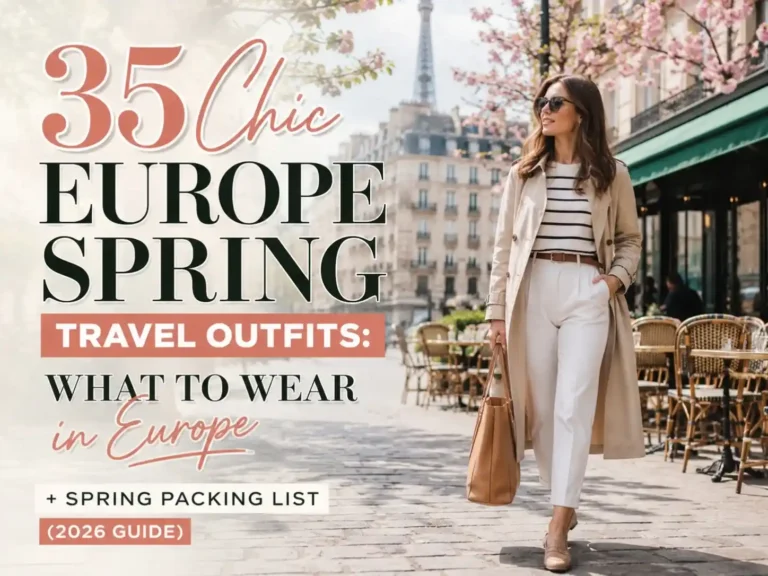
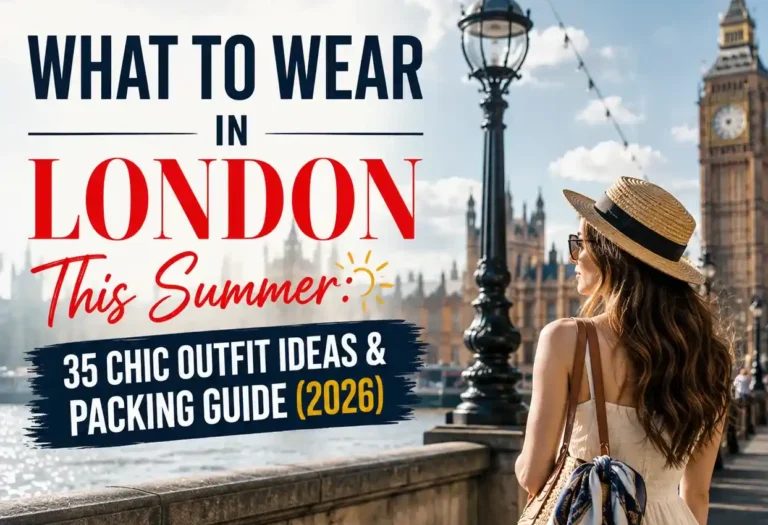
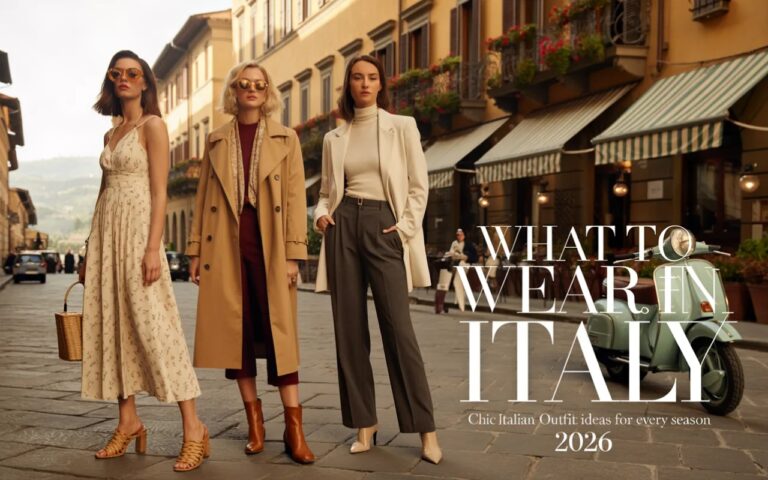
Clothing-wise, I build around neutral tones with a handful of versatile, unfussy pieces rather than a different outfit for every single day. Bottoms rotate between black jeans (never skinny jeans—they don’t breathe and they show every bit of travel temp swings), a stretchy pair of athletic-style travel pants with real stretch, plus Light pants or Linen pants for hotter stretches, and linen Shorts for the height of summer. Up top, Basic tees and other tees in white and black mix with a Tank top as a base layer, a few Striped tees in lightweight cotton with 3/4 sleeve or longer sleeves, and one sweater or lightweight knit I can throw over my shoulders the second it turns cool. A cardigan and a slouchy sweatshirt both work as that one layering piece I never travel without. For dresses, I lean on Linen dresses, breezy White breezy dresses, maxi dresses, and anything in midi florals—usually knee-length—choosing dark-colored pieces whenever I want something that goes day-to-night without a change of clothes. On top of all of it, a jacket earns its spot: a Light coat, a classic Trench coat (ideally hooded), or a moto jacket, with a packable windbreaker as backup, because layers are non-negotiable against unpredictable weather.
Accessories do more work than people expect. A Scarf is the one thing I never skip—cashmere for cooler months, something in cotton or silk for warmer months—because it’s basically a near-essential accessory that doubles as a blanket, a wrap, or proof you tried. A Hat or visor for sun protection, plus Sunglasses, round out anything sun-related, and a Straw sun hat in boater style is worth the suitcase space if it’s packable. For every Bag decision, I split duties between a Straw tote bag for market days, a classic structured bag like Longchamp’s Le Pliage for an elevated everyday look, and something from Pacsafe with anti-theft details for actual sightseeing, swapping between crossbody and backpack depending on the day. A Travel umbrella—really, any Umbrella—earns its place the second rain or wind shows up, which happens more than guidebooks admit; I learned that the hard way near Mont St. Michel. Seasonally, espadrilles and Swimsuits come out for the Riviera or Normandy coast, a light layer covers cool evenings, and if you’re traveling in May or planning hikes, pack like the forecast will lie to you, because it usually does.
How French Fashion Is Actually Diverse
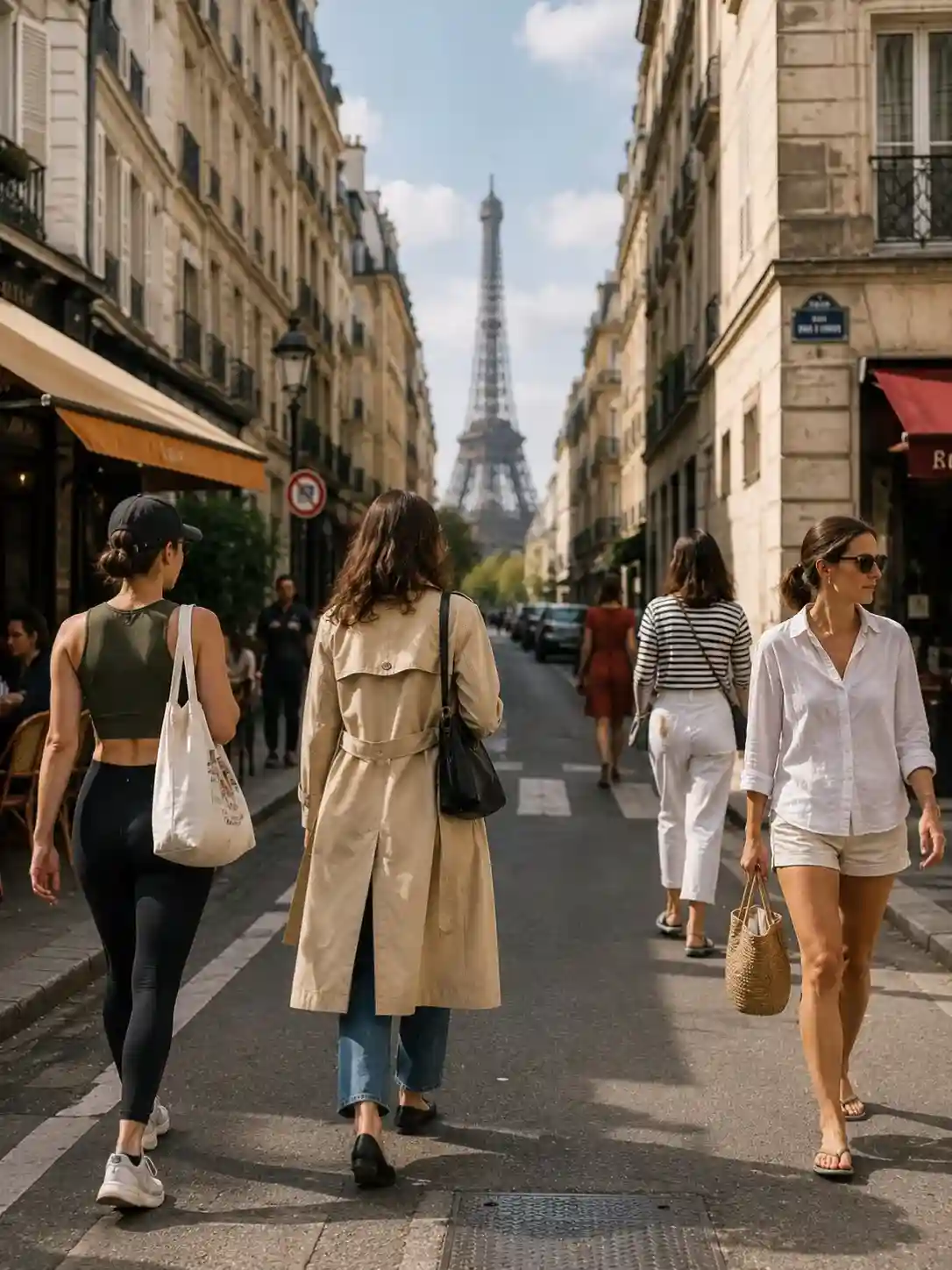
Every time I tell someone I’m headed back to France, they brace for a stereotype: effortless chic minimalist fashionistas gliding past cafés in head-to-toe neutrals. The truth, after years of actually walking those streets, is messier and far more interesting. There’s no single mold for how French women or French people dress — it shifts by region, climate, budget, personal style, and even the specific occasion on the calendar. Paris earns its fashion-conscious reputation honestly, in a way that genuinely reminds me of NYC, but step into smaller towns and the energy turns relaxed fast. I’ve watched locals run errands in tracksuits, baseball caps, gym wear, and beat-up sneakers without a second thought — running errands doesn’t require a runway look anywhere outside the capital. Head toward the South of France and the whole vibe shifts again into something laid-back and unmistakably beach-influenced style, with beachwear, shorts, and flip-flops practically the uniform along the coast, a look that would raise eyebrows on a Parisian boulevard.
How to Dress Like a French Woman — Core Style Principles
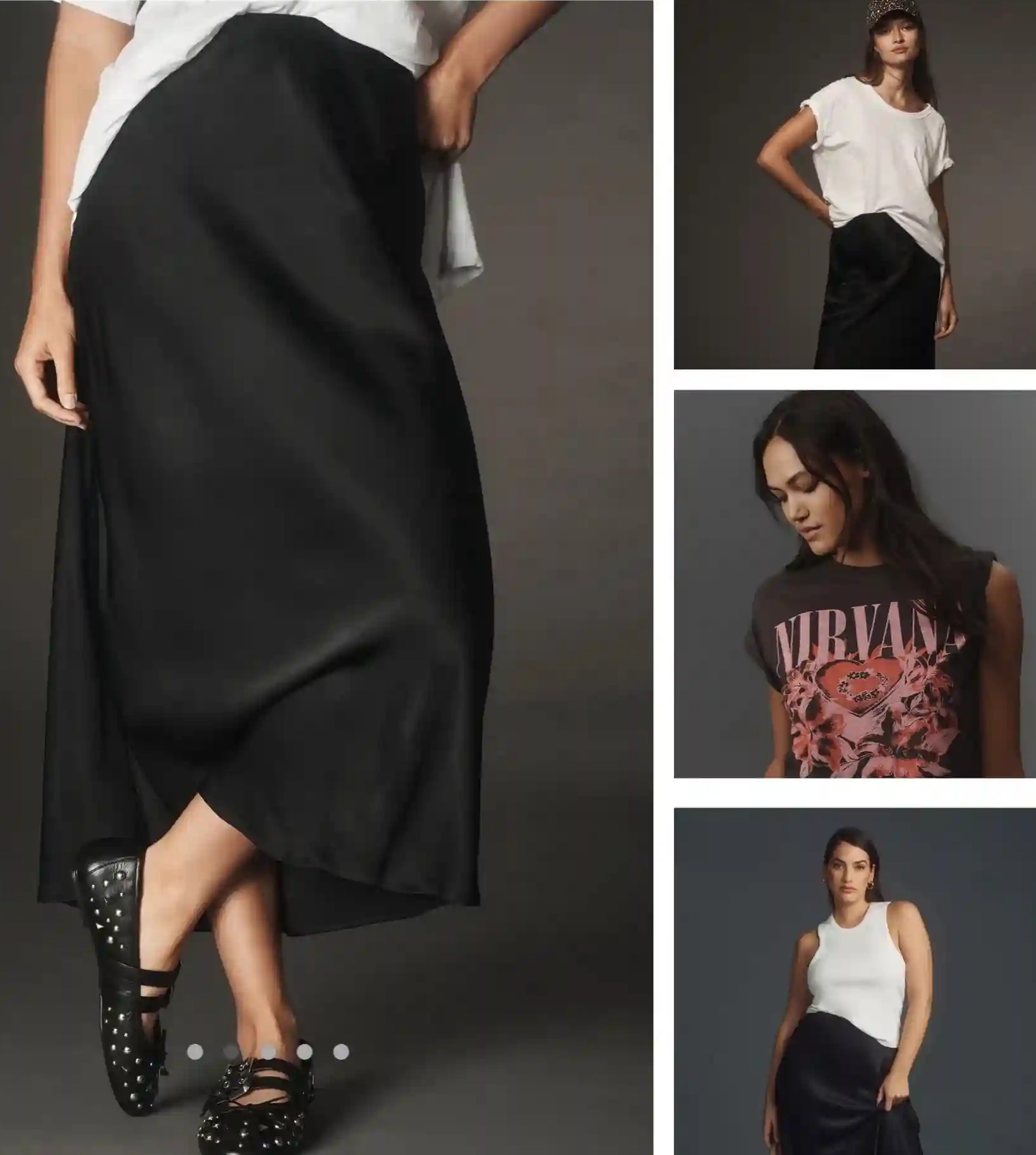
If I had to compress everything I’ve learned about dressing like a French woman into one habit, it’s this: Less is more. Build around a handful of quality pieces and versatile pieces rather than a suitcase of statement items, and let the outfit look effortless instead of engineered. That philosophy leans hard into Wear neutrals — black, white, brown, gray, beige — occasionally broken up by simple patterns or stripes, never anything in the territory of busy patterns. Staying away from being too flashy matters just as much: skip the statement jewelry, the heavy makeup, the loud colors and bright colors, and definitely the low-cut clothing, tight clothing, or short clothing that reads as trying too hard rather than dressing well. It isn’t about being boring; it’s about letting one good piece do the talking instead of five competing ones.
Keep it neat is rule two, and it’s less about money and more about effort: well-fitted, non-wrinkled clothes and clean shoes beat anything expensive that looks like a sloppy look. Nobody’s chasing flashy here, just tidy. Then there’s Elevate casual style, which is probably the biggest gap between French errand-wear and what most of us wear back in the U.S. — French daily life skews a touch dressier regardless of season or gender, so a blazer over jeans beats a hoodie, and ankle boots beat old sneakers for anything outside the gym. Save real athletic wear and sweatshirts for actual workouts rather than sightseeing, swap blazers in for the same reason, and finish with the easiest styling tool in the book: Add a scarf. Toss one over any outfit and it instantly looks intentional, no matter the temperature outside.
What Not to Wear in Paris
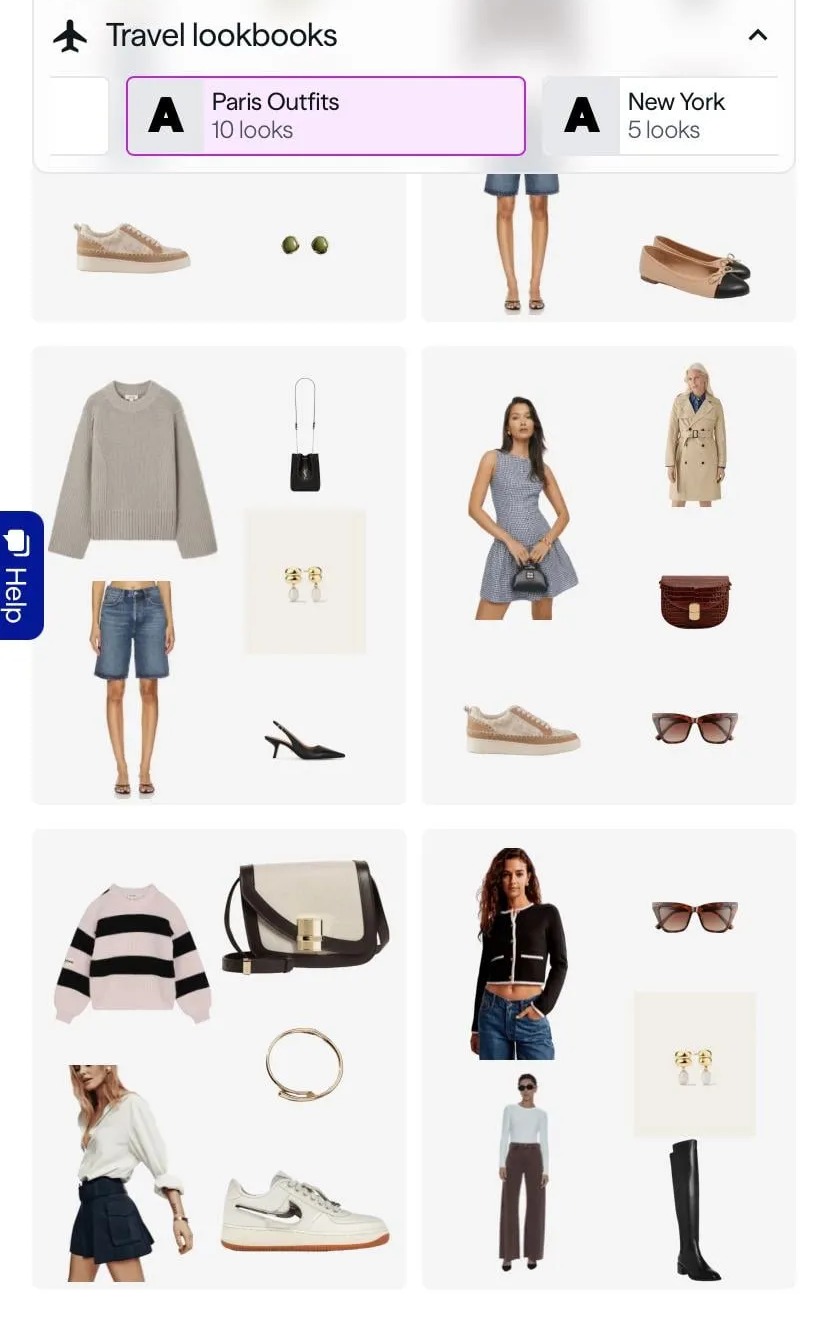
If you want a short list of what actually flags someone as a tourist in Paris, here it is: flashy jewelry piled on for a regular afternoon, plastic flip-flops or beach flip-flops worn anywhere off-beach, brightly colored outfits loud enough to spot from two blocks away, revealing clothing dialed up past what the setting calls for, and athletic shoes or athletic wear clearly meant for the gym rather than the street. Skip those five things and you’ve already dodged most of the obvious-tourist giveaways.