North vs South Italy Travel Guide: Which Italy Vacation Is Right for You?
Every seasoned traveler knows that picking an Italy itinerary is never just about booking flights — it’s about choosing a soul. Having personally wandered through both halves of this extraordinary boot, I can tell you that the north and south don’t just feel different; they breathe differently. The Northern pulse runs on espresso shots and boardroom precision, while the Southern heartbeat stretches lazily into long golden afternoons. Whether you’re drawn to the Michelin-starred tables of Emilia Romagna or the sun-soaked back alleys of Puglia, your Italian compass will point somewhere deeply personal. What makes this decision thrilling — not overwhelming — is that both worlds carry their own distinct flavor, their own rhythm, their own unrepeatable kind of beauty.
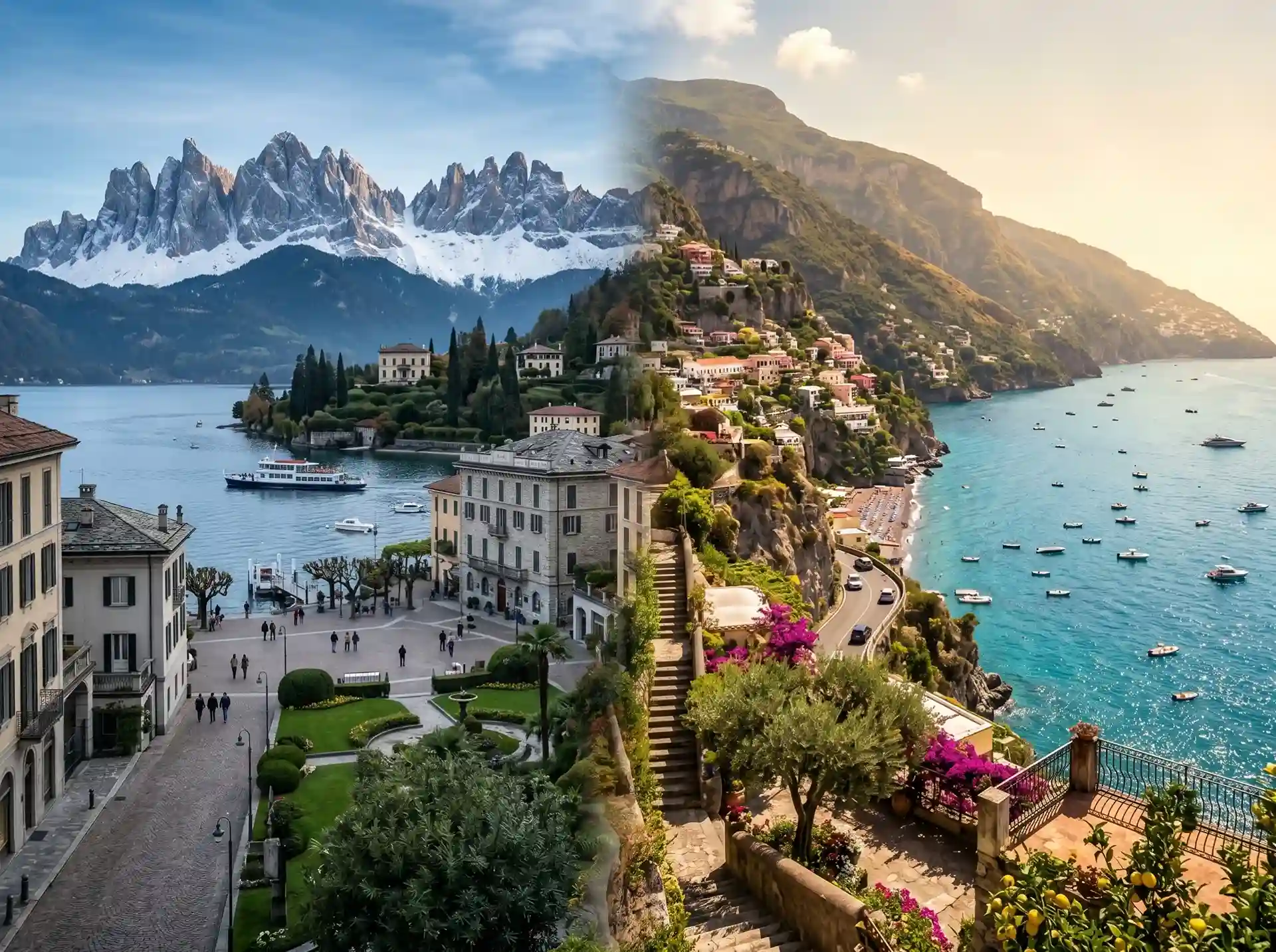
What most first-time visitors miss is that Italy’s divide runs far deeper than geography. It’s cultural DNA. The Alps frame the north like a crown, gifting it snow-capped drama and cosmopolitan energy. Meanwhile, Sicily, Naples, and the Amalfi coastline exist in a universe where ancient Greek ruins share hilltops with olive groves and the sea glitters endlessly beyond every curve in the road. Choosing between them isn’t about picking the better half — it’s about figuring out which version of Italy matches your pace, your season, and what you’re hungry for: quiet museum mornings, mountain retreats, a sunset from a coastal cliff, or markets bursting with local flavors you’ve never tasted before.
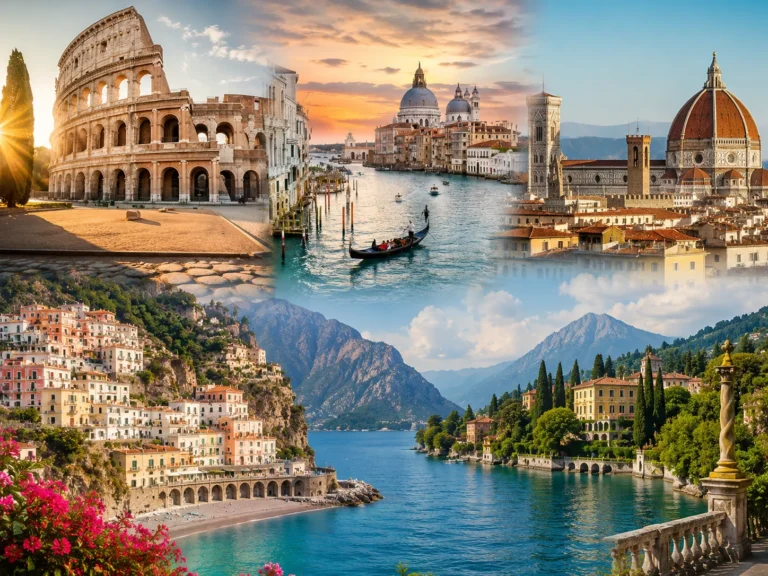
The smartest travelers I’ve met don’t agonize over this trip decision — they treat it as the first chapter of an ongoing Italian love story. You could tick off Milan, Venice, and Florence in one sweeping arc, then pair that with Cinque Terre’s cliffside magic and Dolomites hiking. Or you could anchor yourself in the south, chasing the archaeological sites of Pompeii, the foodie hubs of Naples, and the baroque grandeur of Agrigento — with sailing trips threading the islands in between. Either path leads somewhere remarkable. The trick is knowing which world is calling you louder this time.
Geography & Atmosphere / North vs South Italy: Two Worlds Compared Through Climate, Landscapes and Culture
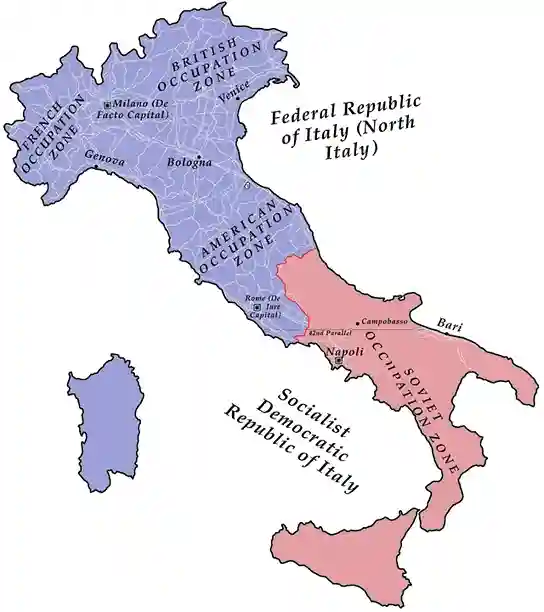
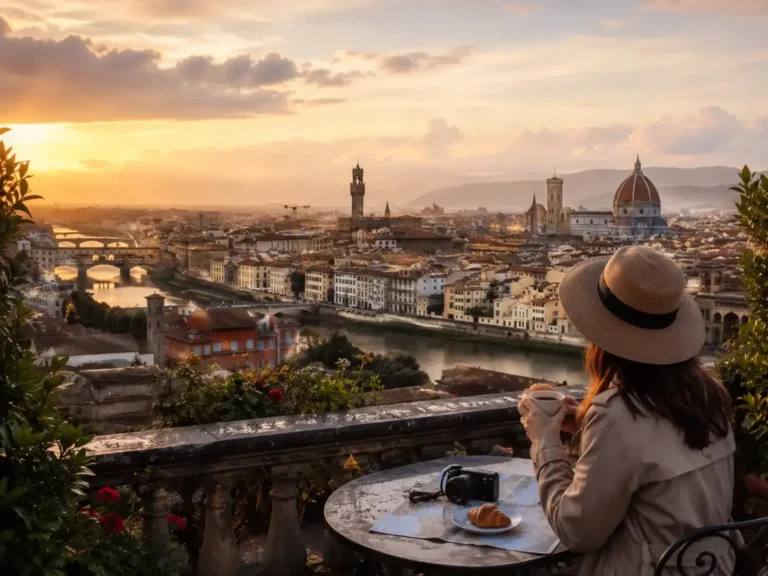
Geographically, Northern Italy stretches from the foothills of the Alps through verdant valleys and into some of Europe’s most serene lakes — Lake Garda, Lake Como, the classy chic of Milan — before spilling into the food-rich plains of Emilia Romagna, where parmesan, prosciutto di Parma, and balsamic vinegar were practically invented. The grandest archaeological sites — Verona’s Roman Arena, Padua’s Scrovegni Chapel — sit here almost casually, as if history forgot to make a fuss. The climate turns cold and foggy in winters, with cool summers up in the mountains, giving the whole region a refreshing variance from the Mediterranean heat below. Think Milan, Turin, Bologna, Venice — each city a world of art, culture, and elegance, wrapped in historic museums and buzzing cafés.
Head south and the Bel Paese transforms completely. The sun owns the days here. Cliffs plunge into aquamarine water, timeless villages cling to countryside hillsides, and the slower, deeper rhythms of the land shape everything from meal times to conversations. Puglia, Calabria, and Sicily greet you with the raw light of the sea and the aroma of centuries-old recipes — long, hot summers giving way to soft, mild winters. Traveling across Italy is genuinely like discovering many worlds in one; each region carries its own rhythm, its own unique story, and as the kilometers pass, the Bel Paese keeps revealing new souls. Where the north offers elegance and mountain silence, the south answers with Mediterranean intensity and proverbial warmth — two deeply authentic sides of the same extraordinary country.
Culture, Cuisine & Lifestyle / Culture and Lifestyles: The Different Rhythms of North and South
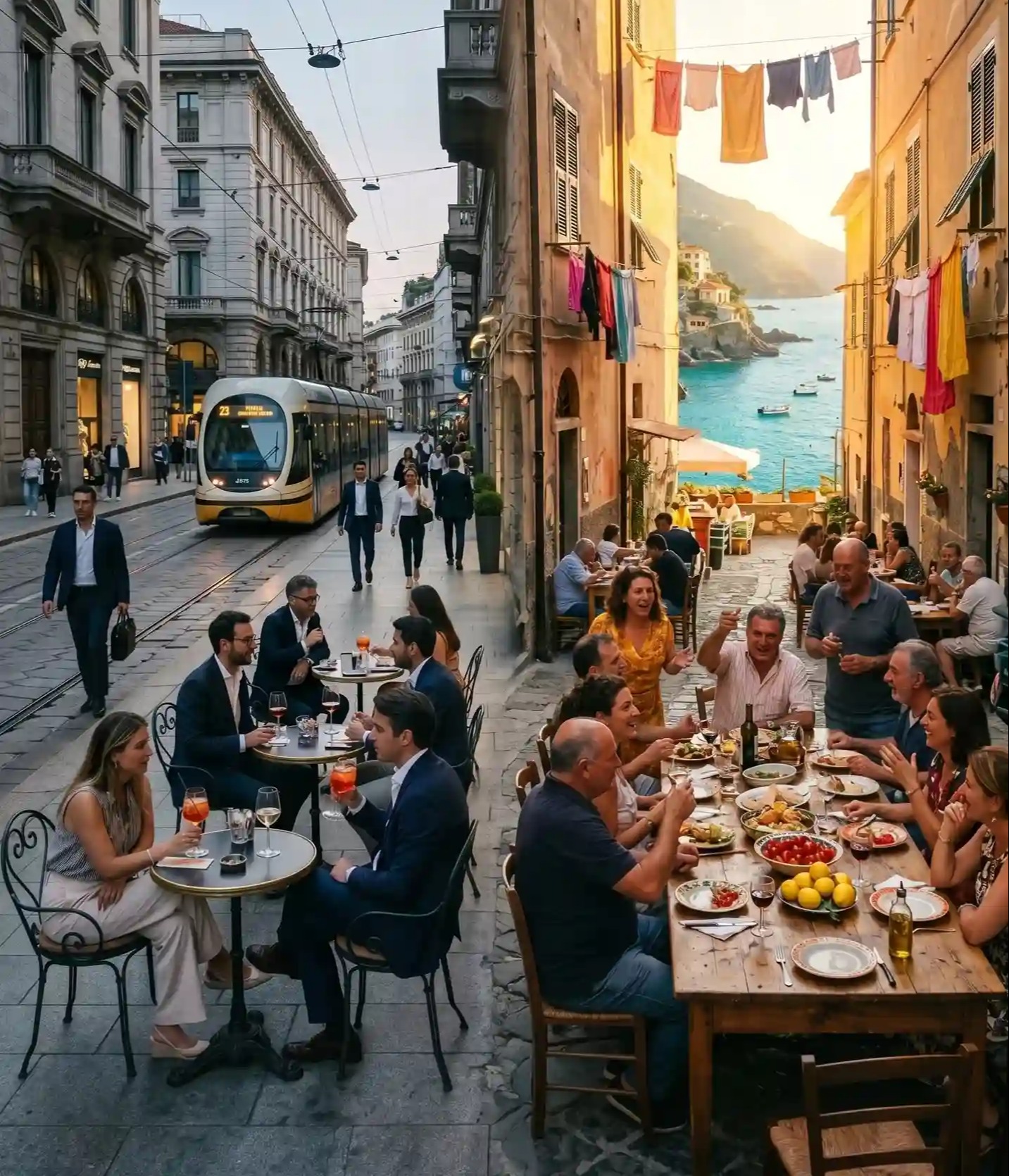
Northern Italian Living operates on something close to precision engineering. Packed trains run on time. Sleek trams cut through city centers. Dinners are sophisticated, often booked weeks ahead at restaurants where the sommelier knows your name before you sit down. Fashion houses rule Milan. Opera fills Verona’s summer nights. Fine dining defines the Emilia Romagna belt. The Lake Como villas hide behind manicured gardens, the glitzy ski resorts attract the bourgeois crowd, and Aperitivo culture transforms 6 PM into a daily ceremony worth dressing up for. Influenced by neighboring France, Switzerland, and Austria, the north runs organized, dynamic, work-oriented — cities feel reserved yet efficient, the lifestyle structured and fast-paced in ways that would feel familiar to any northern European traveler.
Cross into the south and everything — the tempo, the color, the emotional register — shifts. Rooms open late. Meals extend into the night. Locals live by fare piano — play softly, go gently, rush nothing. Markets brim with produce so vivid and swollen from the rich southern sun that photographs barely do them justice. Olive oil isn’t merely for cooking here — it’s drizzled on everything with the reverence of a ritual. On the Island of Sicily, Greek temples in Agrigento share hilltops with orange groves and centuries-old monasteries in a layering of history that genuinely stops you mid-step. The South moves at a slower pace, exuding a palpable warmth where relationships and traditions play a central role — every gesture, every spontaneous smile, every invitation to share time together is an expression of how deeply community runs here. For urban orderly travel, the North is your ideal choice — modern centers, life always on the move. For lively squares, vibrant colors, and authentic traditions, the South will captivate at first glance. This diversity is precisely the true richness of Italy.
Northern Italy: Regions, Cities & Things To Do
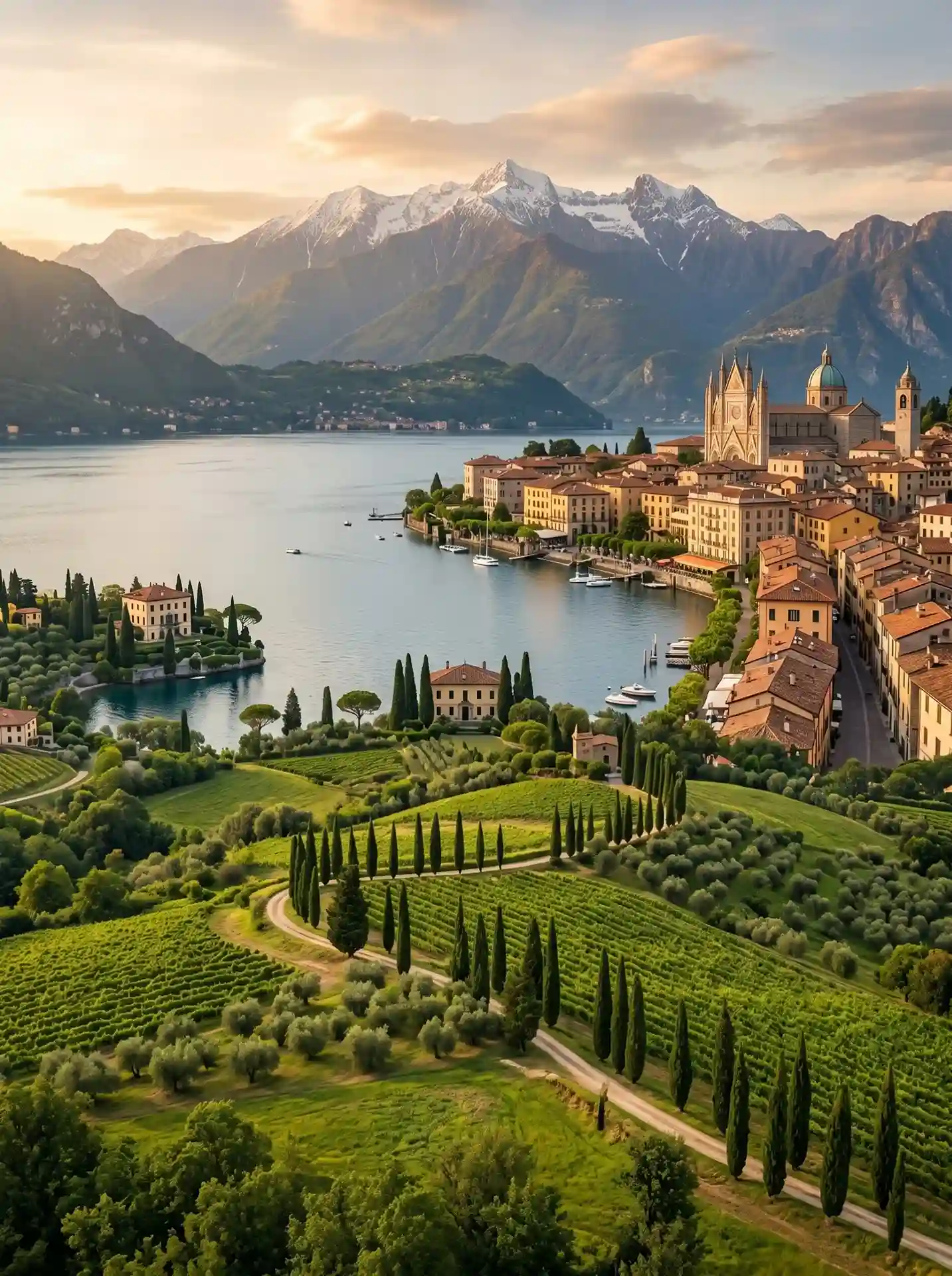
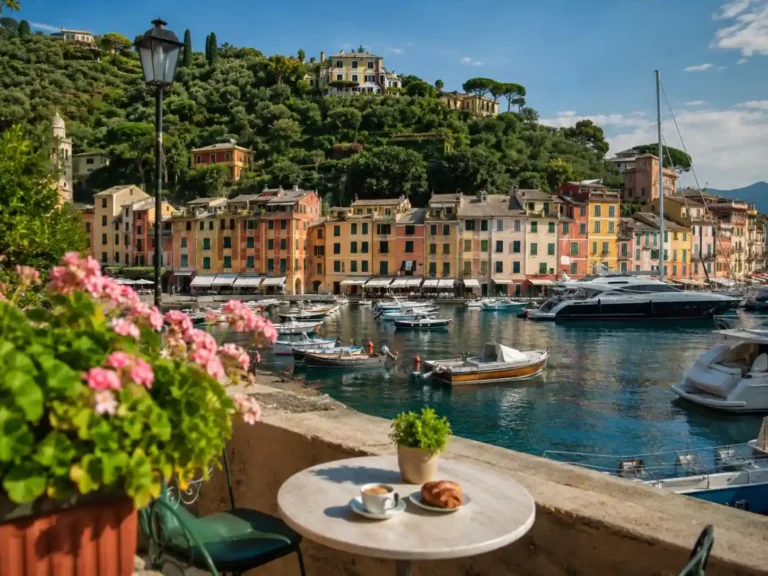
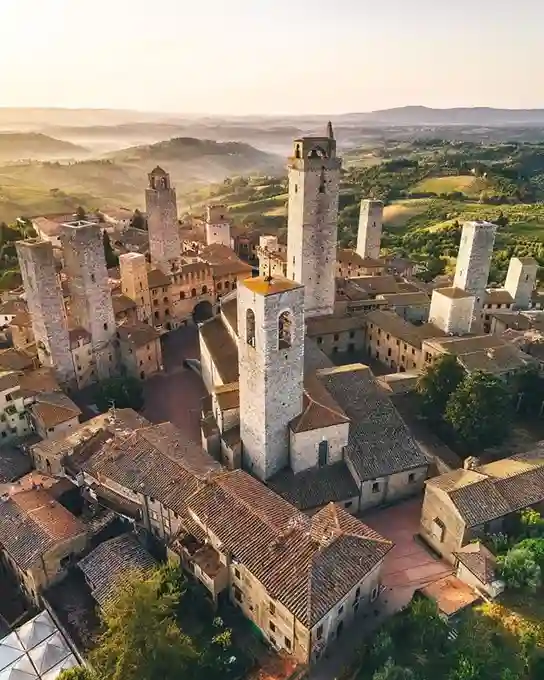
There are ten or so regions that make up northern Italy, each functioning almost like its own country. Tuscany gives you Florence, Pisa, and San Gimignano — art, leaning buildings, and the Chianti Wine Region packed into one magnificent pocket. Veneto delivers Venice and Verona, the most romantic cities on the continent. Lombardy anchors the Italian Lakes and the global fashion capital of Milan. Liguria runs the Italian Riviera with Cinque Terre and Portofino strung like jewels along the coast, while Emilia-Romagna — Bologna and Parma — remains the undisputed capital of classic Italian food. The north enchants through sheer range: the canals and art of Venice, the history, elegance, and romance of Turin and Verona, the snow-capped peaks of the Dolomites, the majestic nature of Lake Como and Garda — all within reasonable train distance of each other.
What makes northern Italy special isn’t just the checklist of sights — it’s the diverse range of scenery and regionality that no single guidebook ever fully captures. You could spend a morning photographing the Pisa tower, swim at Cinque Terre by afternoon, shop the Milan boutiques the next day, then eat your way through Bologna for a week and still feel you’ve only scratched the surface. I’d particularly recommend a guided walk through Florence with a knowledgeable local leader — hearing about the city’s famous residents, cuisine, and regional traditions through someone who grew up here transforms the iconic sights entirely. Spend a lazy afternoon ferrying across the Lake District, drifting past upscale resorts and mansions on Lake Como and Lake Garda, finishing with a meal with a view you’ll be describing for years. End a Venice evening like a true Venetian — traversing the walkways, crossing canals, snacking on cicchetti at a local bacari as the light fades over the water.
Southern Italy: Regions, Cities & Things To Do
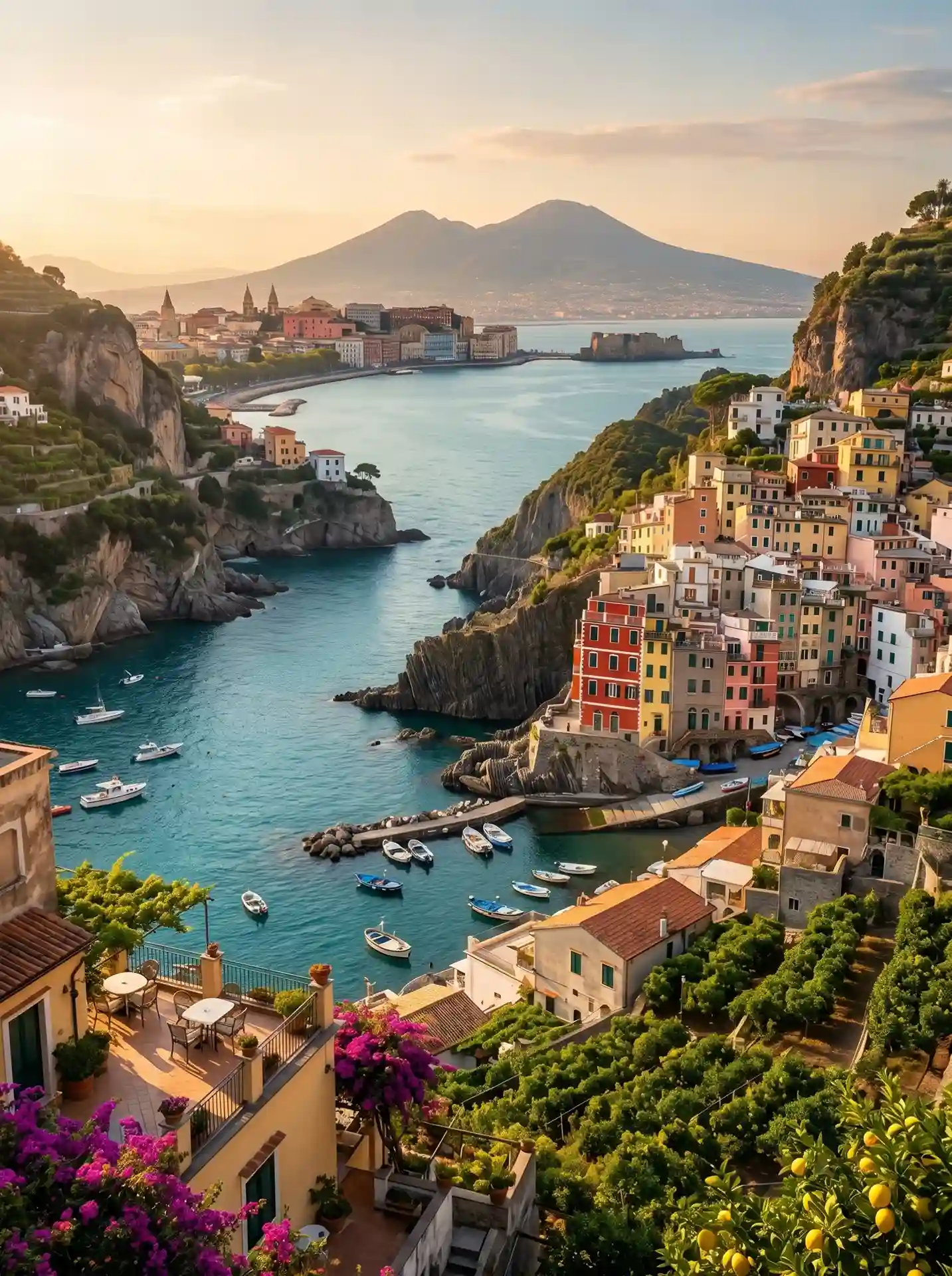
Southern Italy covers everything from the Toe and Heel of the boot down through Sicily and Sardinia, and its regional variety is staggering. Lazio holds Rome and Vatican City — your gateway to the capital and its cardinals. Campania bundles Naples, Pompeii, and the Amalfi Coast into one breathless itinerary of pizza, ancient ports, and crystalline pools. Puglia — Bari, Alberobello, Lecce — earns its nickname as the garden of Italy. Calabria delivers Reggio Calabria, Tropea, and Civita for those who want purely coastal living. Sicily — Palermo, Syracuse, Catania, the Aeolian Islands — layers big volcanic mountains with impossibly old ruins. Sardinia anchors Olbia and Portisco for those who came purely to go sailing. The south reads like an ancient, evocative story — trulli dotting Puglia, the alleys of Matera, baroque squares in Sicily, all set within landscapes scented with olive trees and the sea.
This is a choose-your-own-adventure destination in the truest sense — and having explored it at length, I’d say nowhere in Europe rewards slow travel more generously. If Amalfi beaches are your priority, hop between cliffside villages or join a cruise along the Italian coast. Seek out the lesser-known regions — Calabria, deeper Puglia — for Italian island life that tourism hasn’t smoothed into uniformity. Then there’s olive oil tasting in Puglia, where ancient masseria farmhouses sit among trees that are reputedly 3000 years old. In Agrigento, the archaeological area known as the Valley of Temples — built by the ancient Greeks — once ranked among the most prominent Mediterranean cities on earth, and standing inside it still feels that way. For the single most dramatic walk in all of southern Italy, the Sentiero Degli Dei — the Path of Gods — traces the Amalfi Coast high above sea level, winding past olive groves, fields of wildflowers, and ancient stone dwellings that have no business being as beautiful as they are.
Food & Cuisine: North vs South
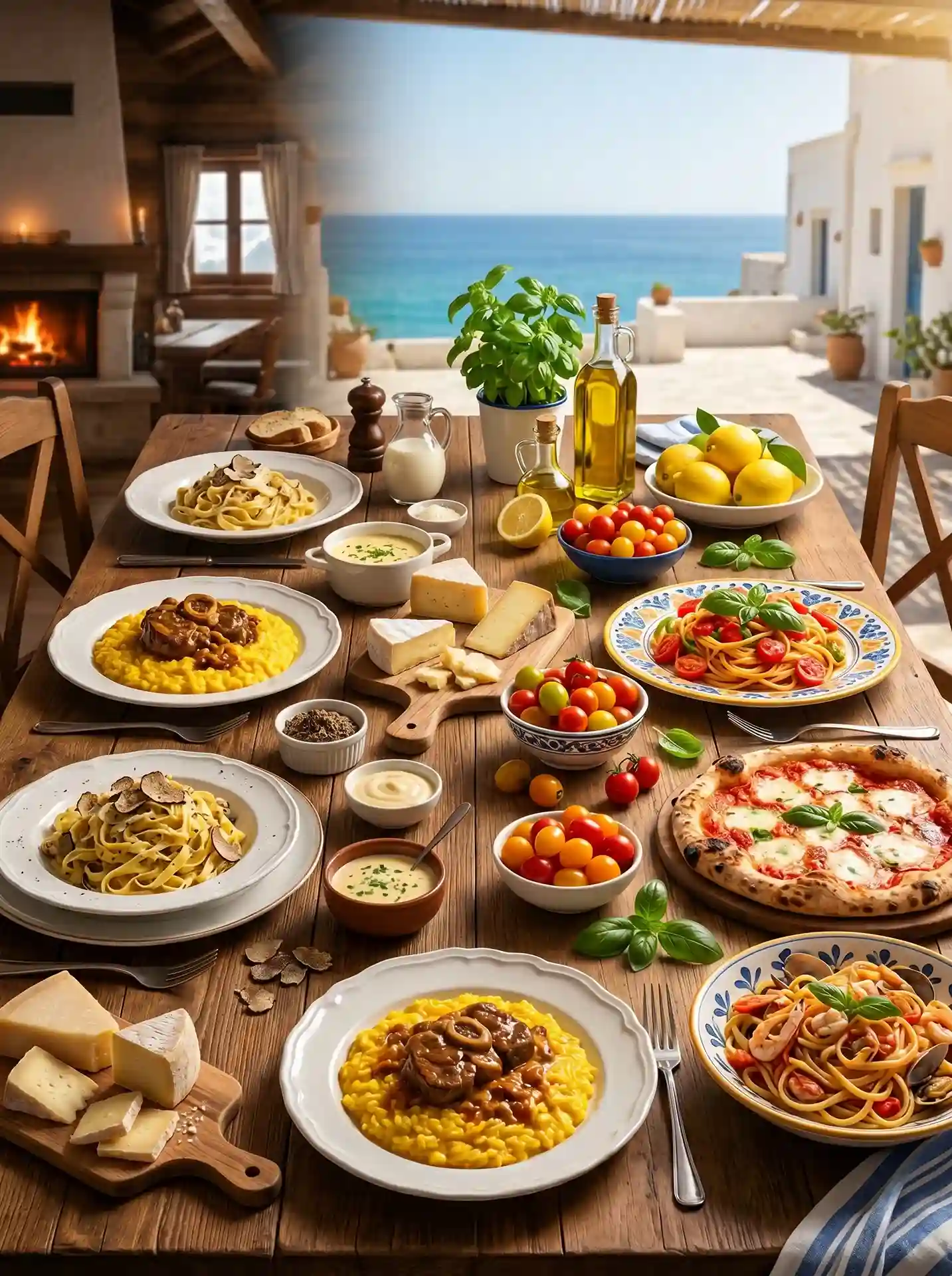
Food is never just food in Italy — it’s the single most direct chapter in understanding the country’s cultural richness, one dish at a time. The peninsula splits cleanly in culinary character, and no first time visitor to Italy should arrive without knowing which extraordinary cuisine they’re walking into. Northern Italian Food leans hearty and rich — the further north you travel, the more French, German, and Austrian influences emerge, giving you apple strudel, bready dumplings, and a general embrace of butter and cream over olive oil. Diversity defines the landscape of northern flavors: Alpine recipes heavy on speck, polenta, cured meats, and aged cheeses; creamy risottos from the plains; pasta made with eggs; mushrooms and truffles elevating even simple plates into something refined. Dairy, rice, and corn are the backbone ingredients here, with richer meats and starchier vegetables like potatoes completing the picture.
The hall-of-fame northern dishes deserve their own mention: Ragù alla Bolognese — meat-based sauce over thick tagliatelle, invented in Bologna and still best eaten there — then Risotto alla Milanese, that golden creamy risotto perfumed with saffron, sharpened with parmesan, enriched with butter and wine. And Tiramisu — the mascarpone cake dusted with cacao, layered with coffee-soaked ladyfingers — which frankly needs no defense. Cross south and everything lightens. Southern Italian Food trades butter for olive oil, heavy meats for fresh seafood, and cream for ripe tomatoes and fresh citrus. Mozzarella di bufala and burrata were born here — and tasting either within miles of their source is a revelation. Durum wheat pasta, bold Mediterranean aroma, Neapolitan pizza, Sicilian arancini, and homemade sauces built on simple flavorful tradition and conviviality — the south feeds you with its whole heart. Scialatielli ai frutti di mare mixes seafood — lobster, mussels, shrimp, clams — into a red or white sauce that tastes purely of the ocean. Pizza margherita connects back to Romans and Greeks long before its Neapolitan-style form was codified in Naples. And Cannoli — Sicily’s famous pastry of frying tube-shaped dough filled with ricotta cheese and dipped in pistachio, orange peel, or cherries — remains one of the great edible souvenirs in the world.
Best Time to Visit Northern Italy
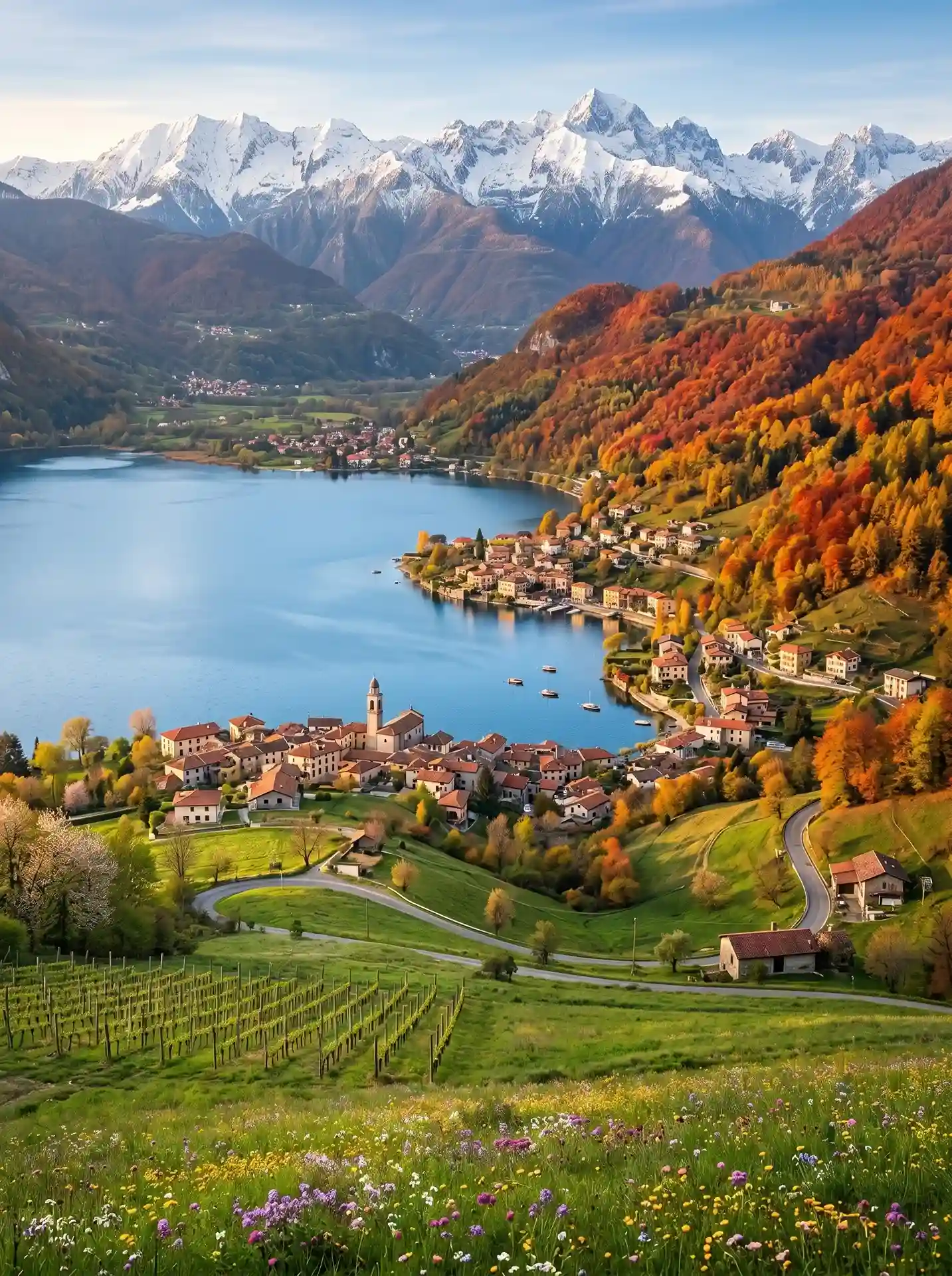
Timing a northern Italy visit correctly can be the difference between a transcendent trip and an overcrowded scramble. The shoulder seasons consistently deliver the best balance — mid-April through the end of May, and again from September to mid-October — with fewer crowds, relatively good weather, and the kind of access to sights that peak summer simply doesn’t allow. For those chasing beach weather, July and August deliver the hottest conditions, but they arrive with the busiest visitor numbers Italy sees all year. Traveling between October and March — full winter across the northern regions — brings cold temperatures and fewer people, creating a more authentic atmosphere in cities that genuinely transform when the tourist tide recedes.
Best Time to Visit Southern Italy
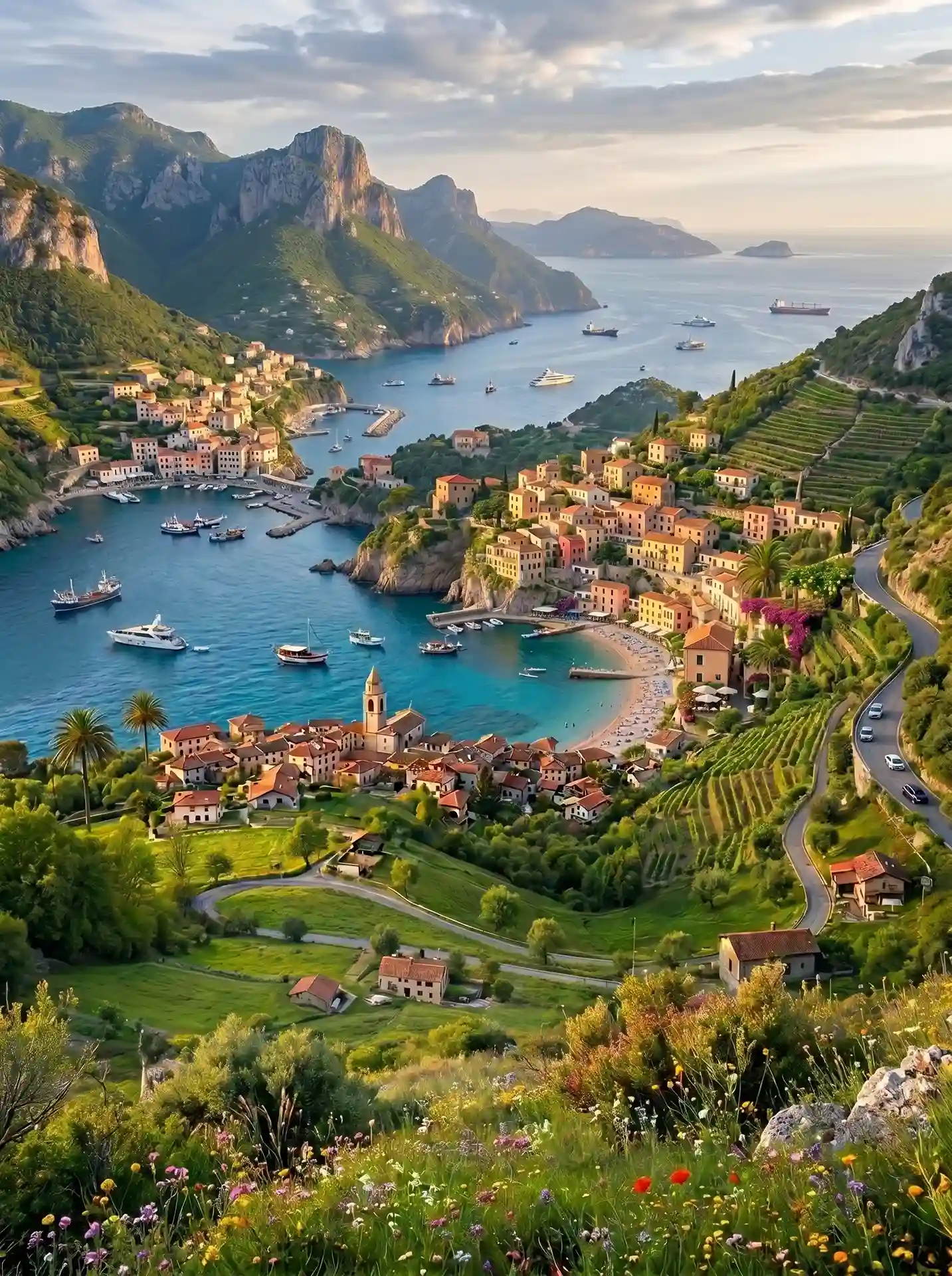
Southern Italy’s beach holiday season peaks hard in July and August, when the warmest months attract school holiday crowds and local Italians taking their annual summer vacations — glorious weather, but expect popular spots to feel like it. The smarter play is May to June or September for a dramatically quieter stay with equally gorgeous sun and sea. For low crowds with good conditions, April through May and September into early October hit the shoulder seasons sweet spot — fewer visitors, more breathing room, and the whole landscape looking its vivid best. If your priority is an all-round trip rather than pure beach time, spring or early autumn gives the south at its most welcoming.
Travel Seasons & Conditions
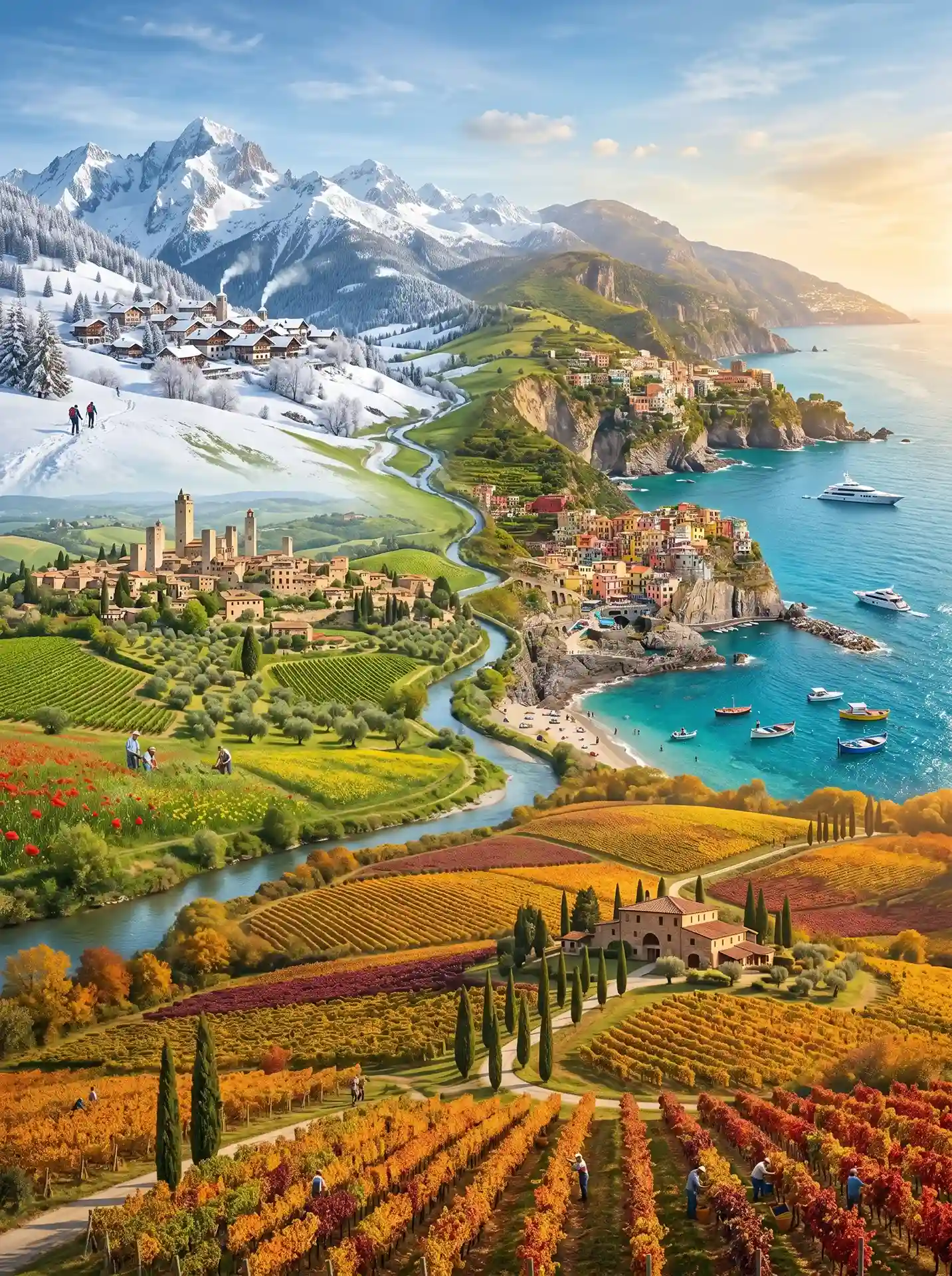
There’s a reliable seasonal logic to planning an Italy trip across regions. Up north, summers stay warm and manageable — especially in the mountains — while winters drop into snow territory ideal for those chasing skiing and alpine drama. The south flips this: summers run genuinely hot, and the shoulder seasons of spring and fall deliver cooler weather with fewer crowds — arguably the finest conditions the region offers. Central Italy — Tuscany, Umbria — sits beautifully between both extremes: rolling hills, olive groves, Renaissance towns like Florence and Perugia, and ideal mid-year temperatures that make it a worthy destination in its own right, not just a pass-through.
Cost & Comfort Levels / Traveling in Italy: Costs, Transportation, and Infrastructure
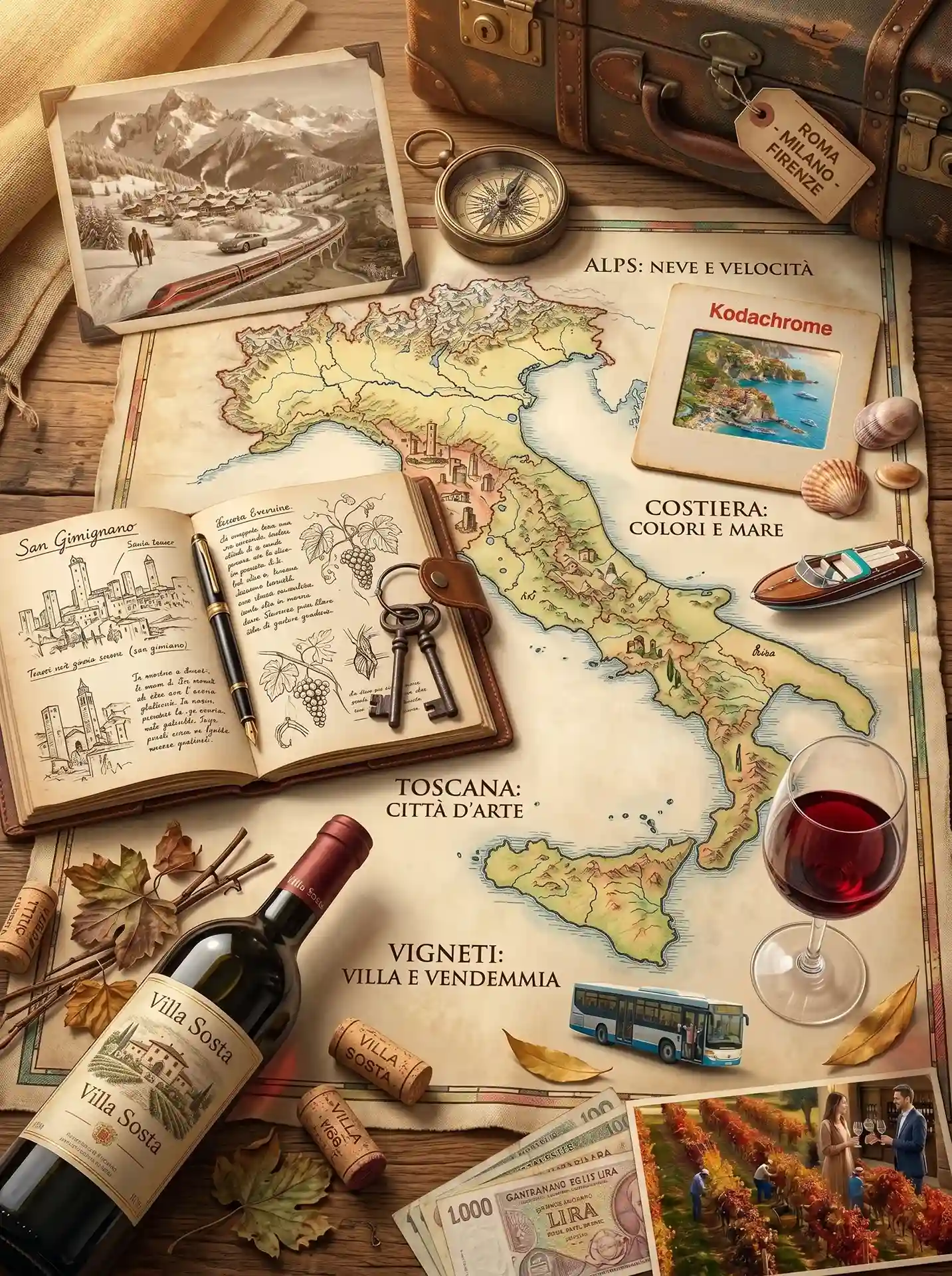
The honest answer to whether Northern Italy is more expensive than the South: yes, generally. The north is wealthier, more developed, and built around an efficient, widespread public transportation system that makes moving between large cities and major railway hubs genuinely comfortable. Traveling by train is not just practical — it’s one of the great pleasures of a northern trip, with frequent connections making journeys between cities easier and faster than almost anywhere else in Europe. You pay for this privilege through luxury hotels, upscale restaurants, and top-tier shopping that keeps the budget climbing.
The south rewards those willing to rent a car and wander. It’s far more accessible for travelers on a limited budget — lower costs for food, accommodation, and local transportation make rustic farm stays, seafood dinners with locals, and long afternoons by the sea genuinely affordable. The catch: rural and coastal areas often have inconvenient public transport, making your own wheels not just helpful but sometimes essential for reaching the less touristy, authentic hidden gems that define the south’s appeal. Off-the-beaten-path experiences thrive here — the south is an adventure rich in surprises and culture for those who travel comfortably on their own terms. Whatever region you choose, set aside budget for authentic experiences — sustainable travel in Italy always earns its investment back tenfold.
Key Highlights: North vs South
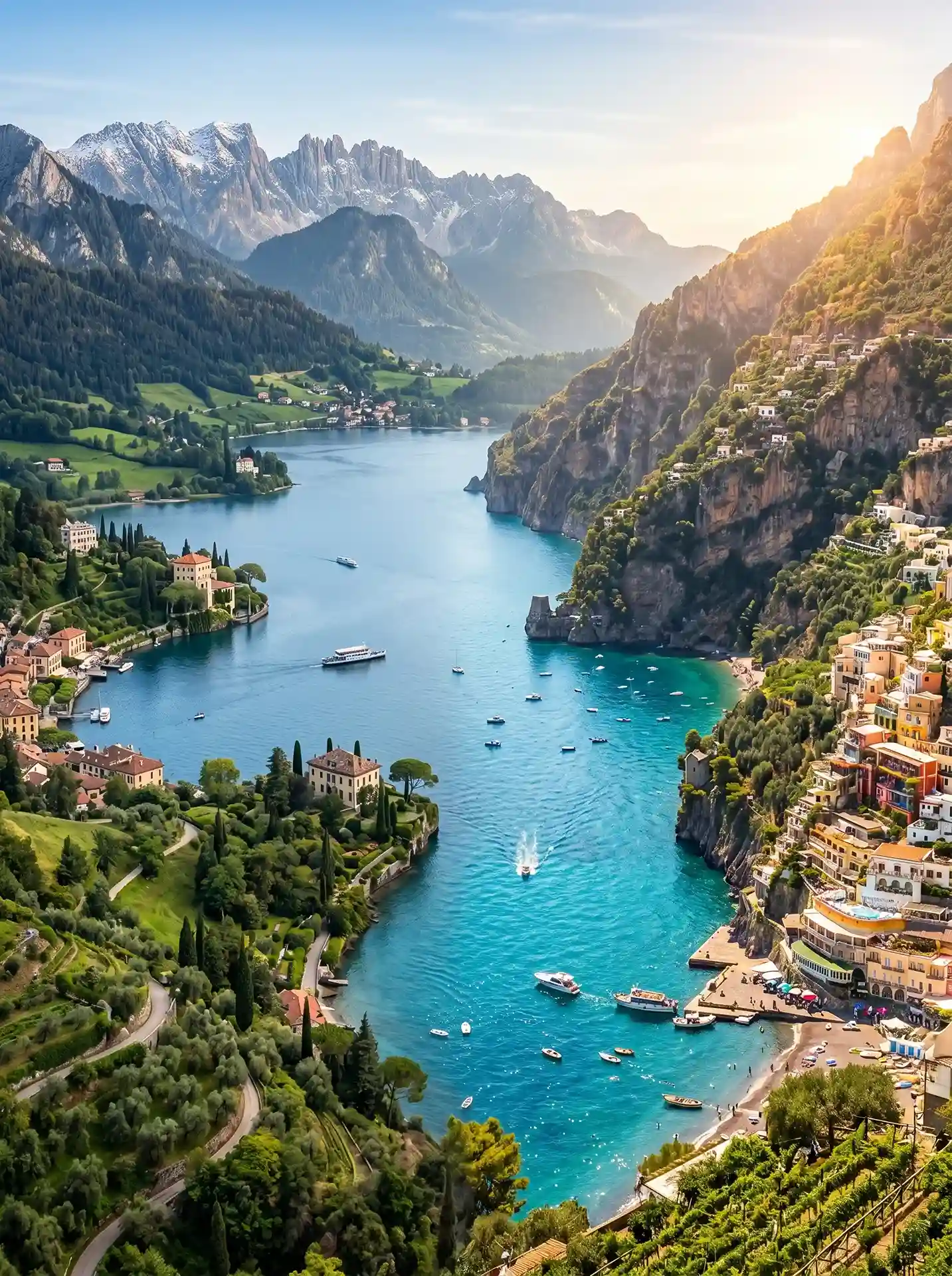
The northern highlights stack up impressively: Sail across Lake Garda, wander through lakeside villages, or ride the funicular high above Lake Como for views that would embarrass a painting. Sit down to Parmigiano-Reggiano and Parma ham — plate after plate of rich, refined cuisine that earns every calorie. Walk the galleries of Renaissance art in Florence, hear opera drift across Verona’s Roman amphitheater on a summer evening, lose an afternoon to gala shopping in Milan. Then visit Roman relics, medieval hill towns, and the cutting-edge architecture of Turin — a city chronically underrated on the international travel circuit and one of my personal favorites in the entire country.
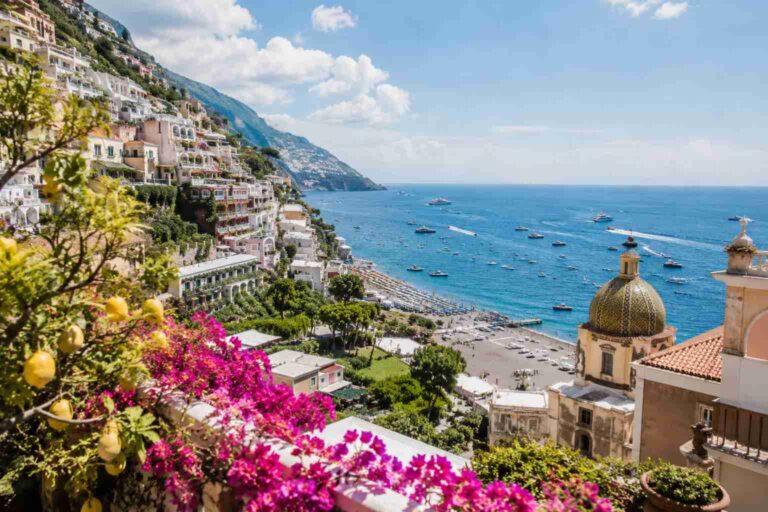
The southern highlights hit differently — rawer, wilder, more emotionally resonant. Drive the breathtaking Amalfi Coast at dawn before the tour buses arrive, linger in Positano long enough to understand why people never leave, then board ferries out to the Island of Sicily and feel the continent fall away behind you. Seek out ancient sites — Colossi in Agrigento, mosaics in Syracuse, the Greek theatres at Selinunte — and feel the full improbable weight of Mediterranean history. Take an olive food culture tasting tour through ancient groves, pairing golden oil with freshly baked bread in the kind of setting that makes you question every previous meal. Then lose yourself in the pastel villages — Ostuni, Matera — where local traditions don’t just survive but actively thrive.
What is the Difference Between Northern Italians and Southern Italians?
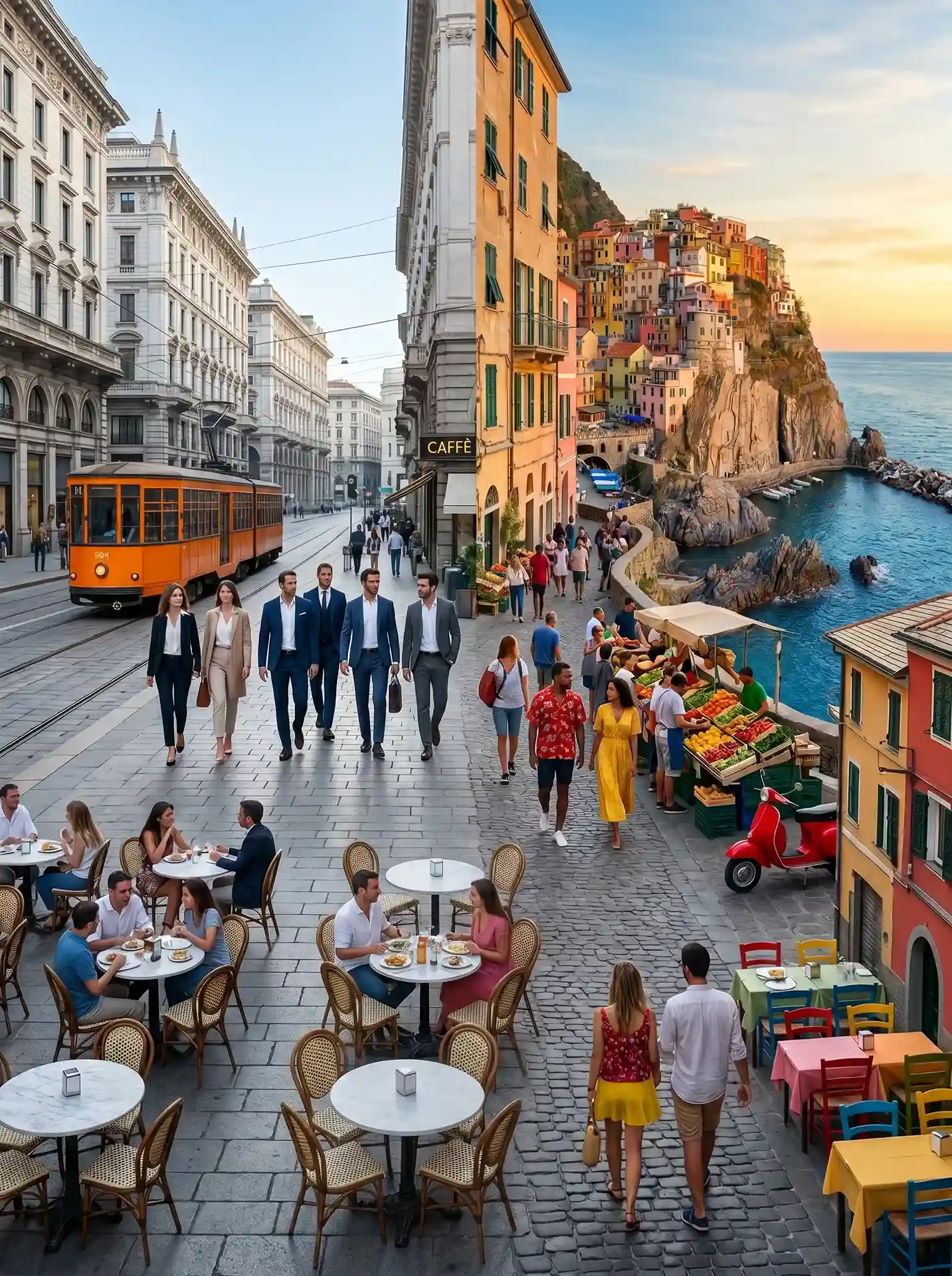
The differences between Northern and Southern Italians aren’t stereotypes — they’re centuries of history, geography, and cultural evolution compressed into daily behavior. The north runs at a faster, more structured pace, shaped by proximity to other European nations, the legacy of industrialisation, and global centres like Milan and Turin that rewarded efficiency, innovation, and internationalism. The values here are rooted in work and progress — a mindset that mirrors the broader northern European lifestyle more than it does the sun-warmed Mediterranean south.
Southern Italians, by contrast, place greater emphasis on family, community, and tradition — shaped by a warmer climate, a deeply agricultural heritage, and a past marked by repeated waves of conquest and migration that taught resilience through togetherness rather than ambition. Meals run longer. Connections run deep. Everyday life moves slower and more tactile — you feel it in handshakes, in the way strangers make eye contact, in how Italy’s southern towns treat a shared table as the highest form of community. Both sides are proudly Italian, yet their ways of living reveal a country rich in contrast — north and south reflecting two distinct, deeply complementary sides of Italy’s enduring soul.
Which is More Beautiful: South or North Italy?
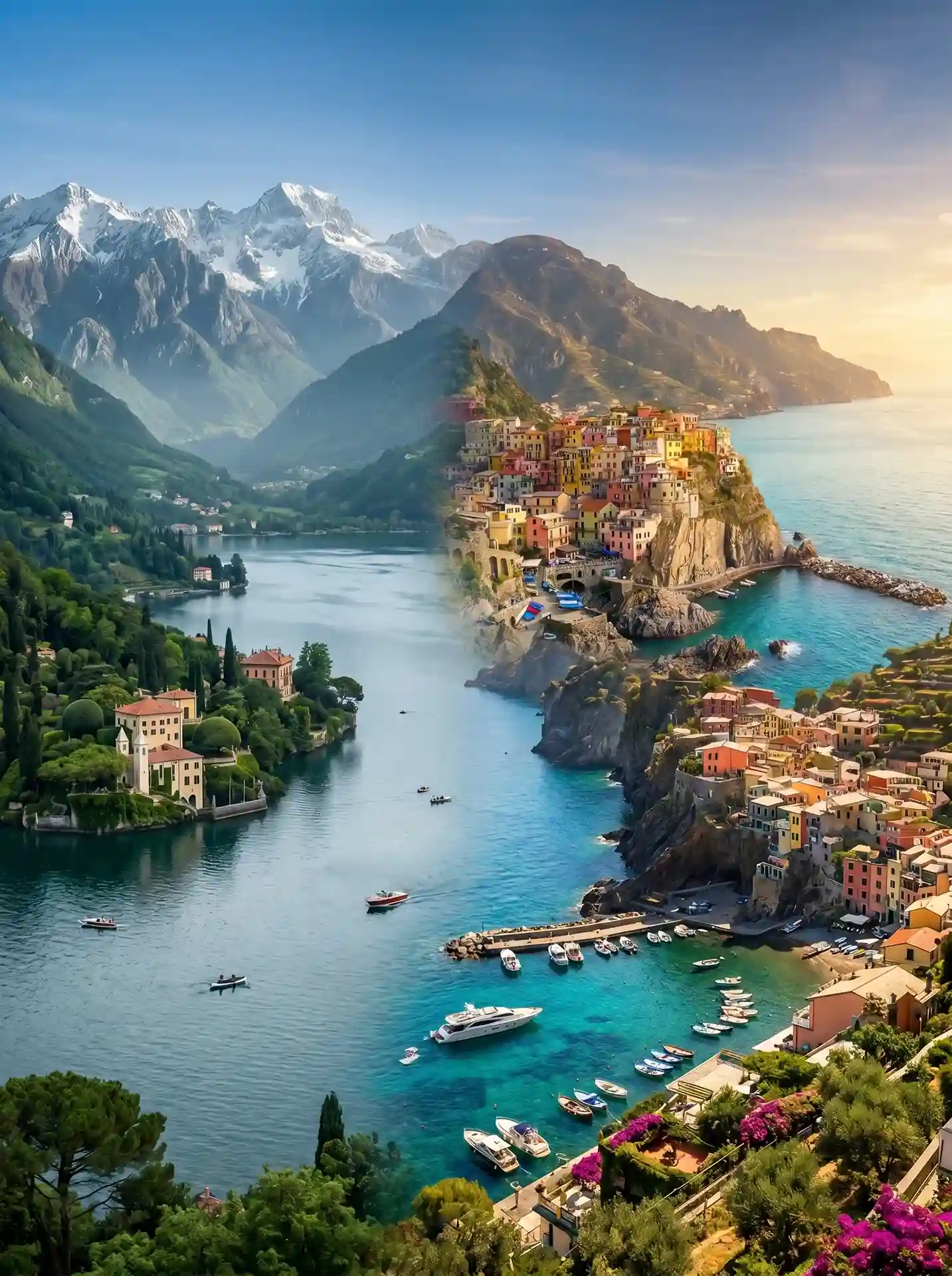
Honestly, no one should decide this for you — and anyone who tries is missing the point. The north impresses through alpine peaks, elegant towns, and a rich vein of Renaissance and Baroque art — Florence and Venice carrying architectural grandeur so dense it takes multiple visits to properly absorb. Emilia-Romagna adds some of Italy’s best food scenes to that cultural weight, making the north simultaneously beautiful and delicious in ways that reinforce each other. The south, on the other hand, hits you somewhere more visceral — wilder, more rustic, and often more emotionally charged. The dramatic cliffs of the Amalfi Coast, the sunbaked landscapes of Puglia, the volcanic intensity of Sicily where Ancient Greek ruins rise alongside Arab-Norman cathedrals — this is where time slows, traditions run deep, and beauty arrives wrapped in simplicity and soul. Both are breathtaking. Choose what feeds your soul this trip, then start planning the Italian loop that includes both.
Tempo & Pacing
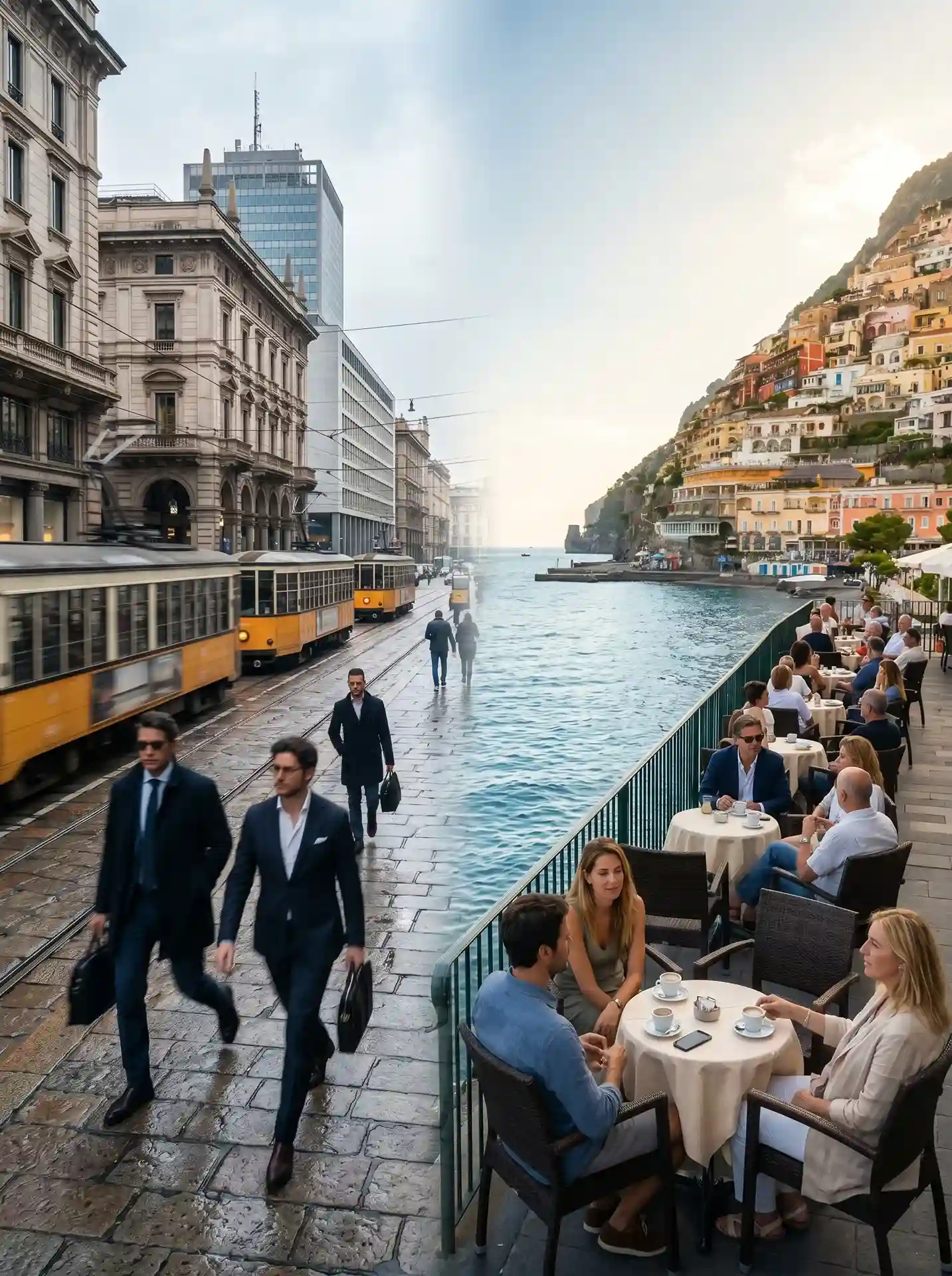
Your ideal tempo matters more than most travelers admit when planning Italy. Do you want each day planned, or do you prefer moments that unfold naturally without an agenda? Northern regions are built for the former — formal travel experiences with structured city stays, pre-booked dinners, and scheduled museum visits that reward the organized traveler handsomely. Southern regions are built for the latter — laid-back days of slow coastal drives, agriturismo meals eaten with whoever showed up, and long stretches of time simply to soak in the atmosphere without checking a clock.
Travel Trends & Popularity
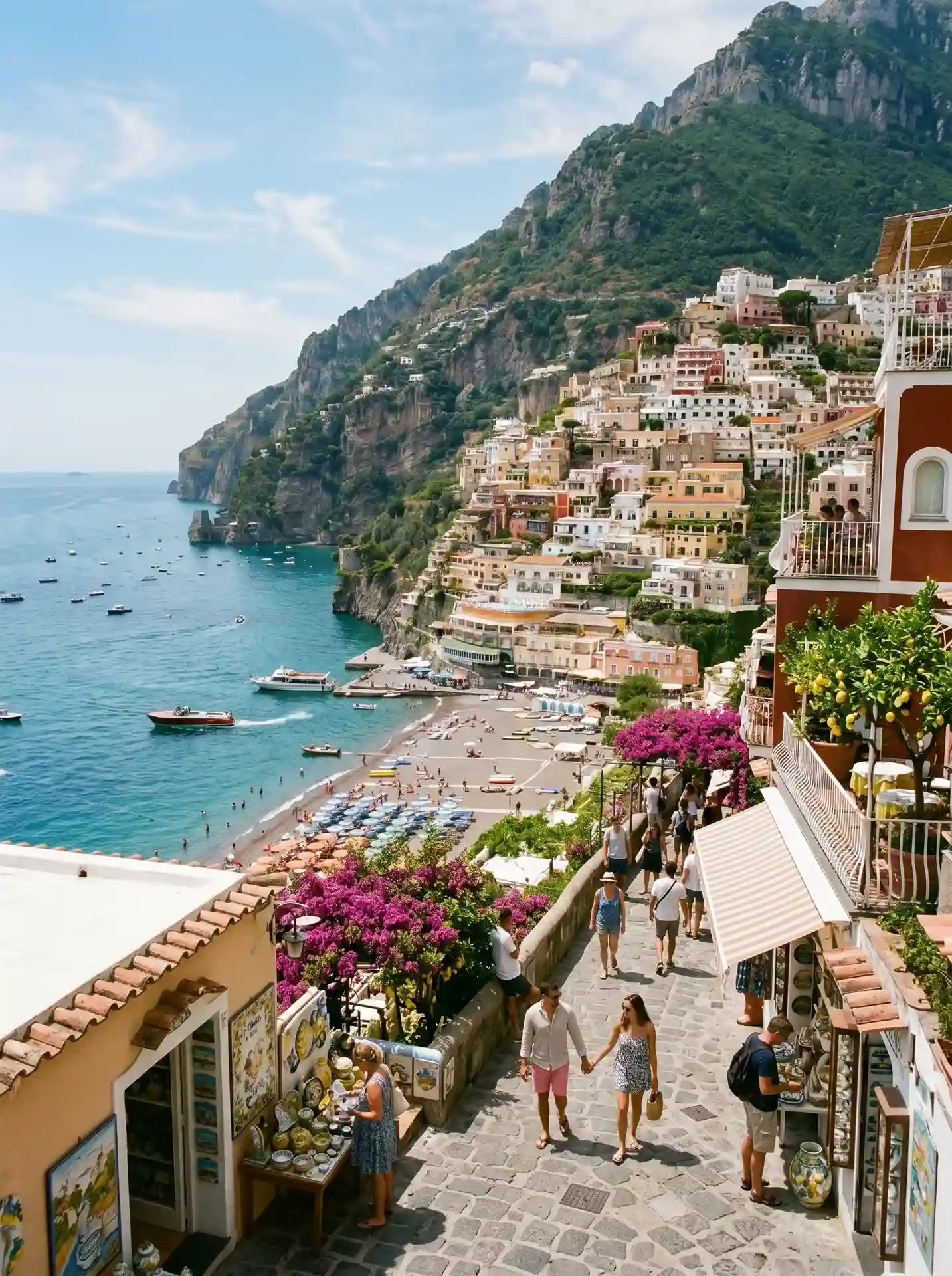
In recent years, both Cinque Terre and the Amalfi Coast have hit a kind of viral popularity that has genuinely changed the experience of visiting them in peak season. Cinque Terre in particular can feel easily overrun on hot summer days — the northern and southern coasts both suffering from the same Instagram-driven overcrowding. The smarter move for travelers who want beauty without the crush: seek out Tuscany and Central Italy — a region of Italy that remains comparatively less traveled, where Siena and San Gimignano deliver the full aesthetic reward with dramatically fewer tourists competing for the same view.
Making the Call: Where to Begin
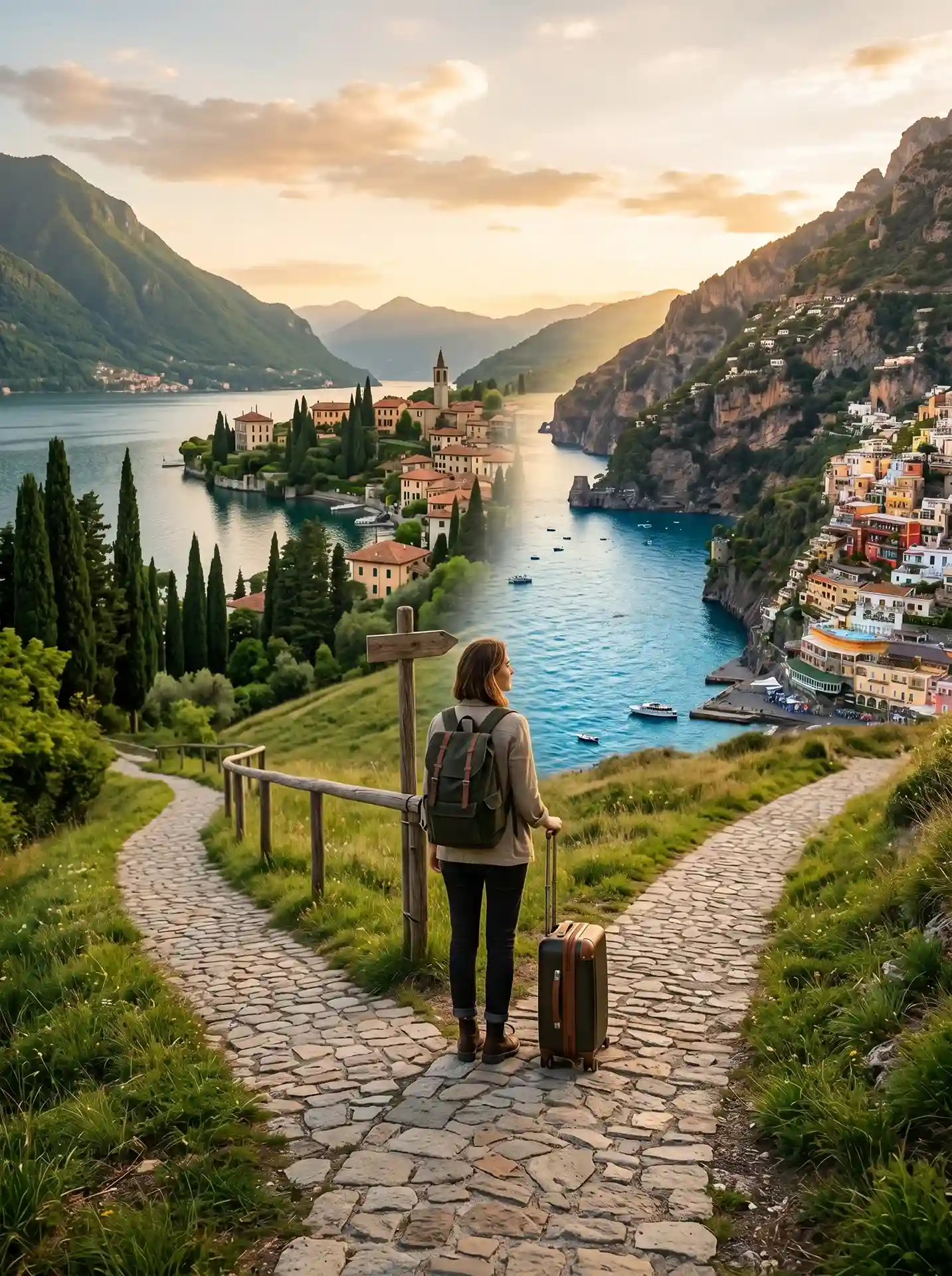
If you’re a first-time visitor who loves art, style, and structured itineraries, start in the north — it rewards precision planning and offers a density of world-class experiences per square mile that’s hard to beat anywhere in Europe. If you’re chasing warmth, rugged beauty, and genuinely untethered experiences where the day shapes itself, go south first and don’t look back. The third path — the one I personally find most satisfying — is the spiral through Central Italy: Tuscan vineyards, hilltop villages, and the smooth bridge between two worlds that eases you so naturally from one Italy into the other, you’ll want to keep looping indefinitely.
How to Plan Your Ideal Itinerary in Northern Italy (7-Day Sample)
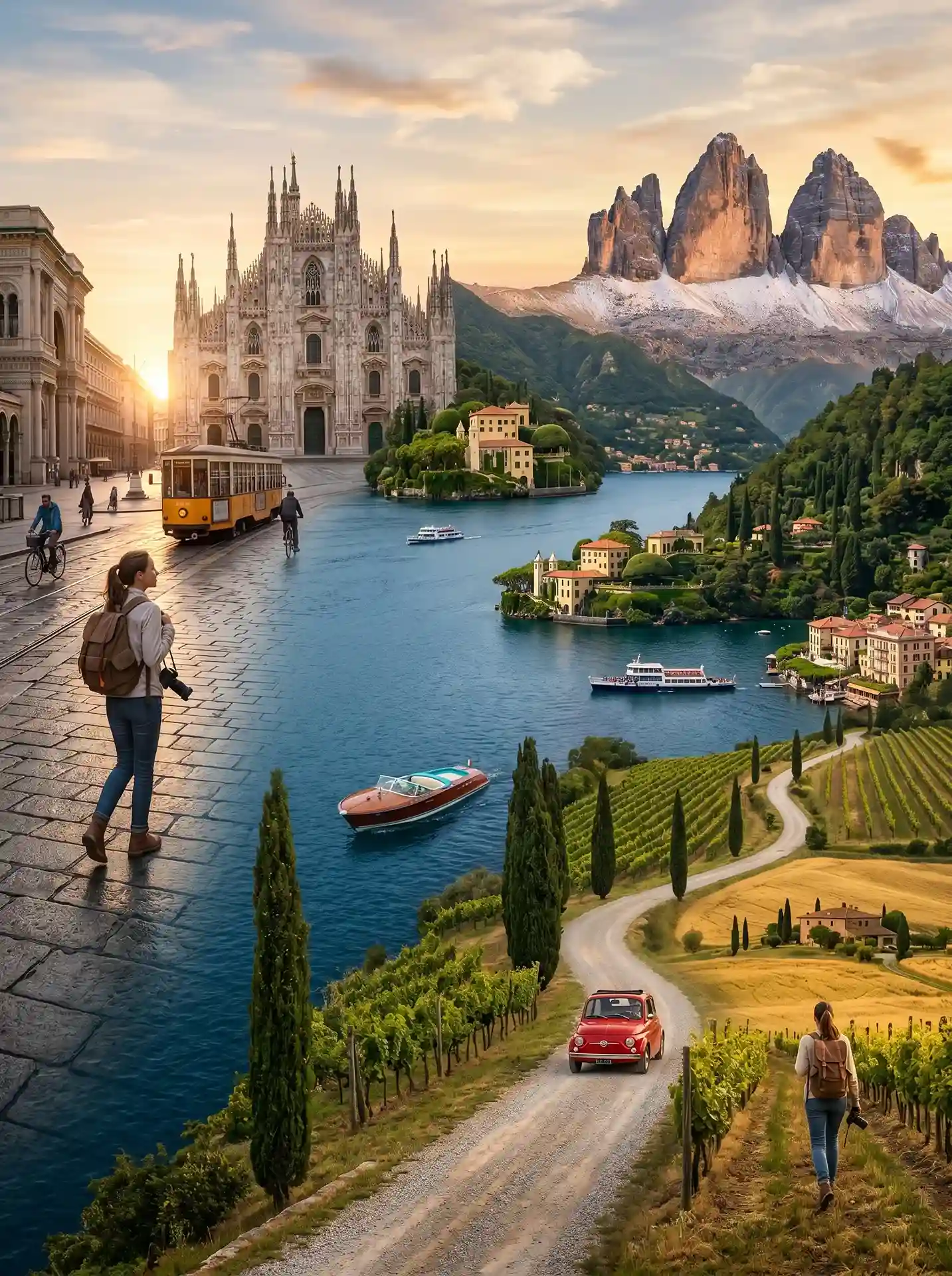
For anyone visiting Italy for the first time, anchoring a memorable 7-day itinerary in the north starts with one practical truth: Milan is your smartest entry point. Its three airports and outstanding train connections make the rest of the north immediately accessible the moment you land. Day 1 sets the tone — arrival in Milan, a walk to the Duomo, the city center, and an evening stroll through the elegant shopping streets. Day 2 deepens the cultural immersion: the Pinacoteca di Brera, the Last Supper, and nightlife along the Navigli canals. By Day 3, the Lake Como day trip has arrived — historic villas, timeless villages, breathtaking views across water that seems almost artificially perfect.
Day 4 takes you into the alpine landscapes of Valtellina — a genuinely majestic mountain experience that most visitors skip entirely and every serious traveler should not. Day 5 brings the train to Verona — the city of the ancient Arena and Juliet’s balcony — a single day barely scratches it but leaves a permanent impression. Day 6 moves you onward to Venice: magical, entirely unique, a city built from pure art and impossible engineering. Day 7 earns the deepest reward — Venice beyond the iconic sights, wandering quiet calli and canals off the beaten path, where the city feels authentic and genuinely enchanting rather than simply spectacular.
How to Plan Your Ideal Itinerary in Southern Italy (7-Day Sample)
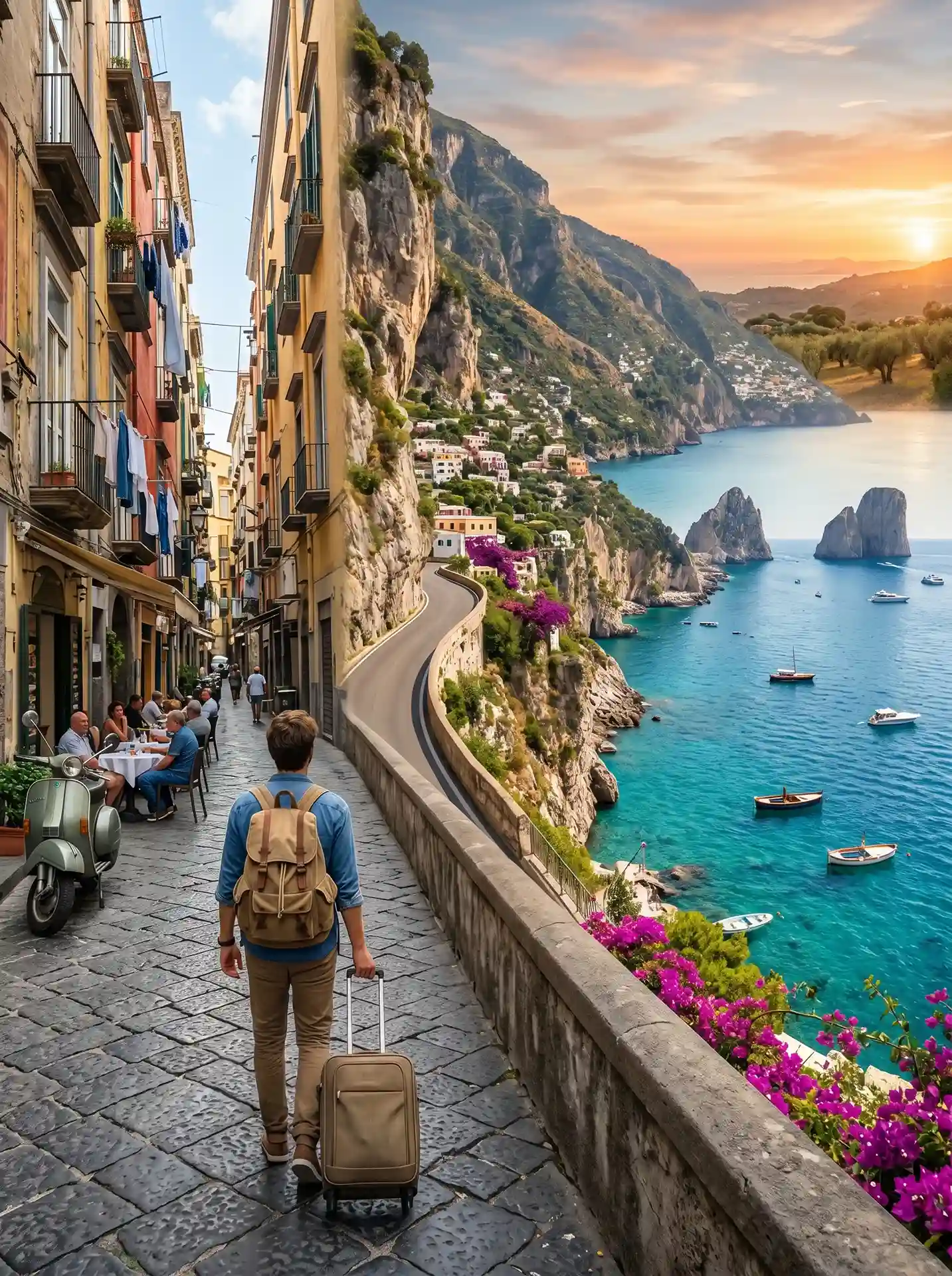
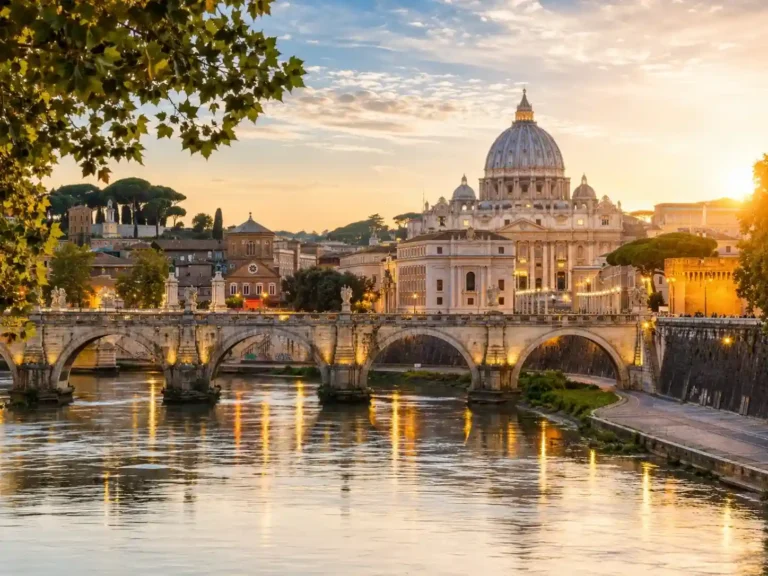
Starting a southern Italy trip from Rome is simply strategic — the city is well connected by international flights and high-speed trains, making it the natural gateway to explore Campania and the Amalfi Coast beyond. Day 1 drops you straight into Rome’s ancient core — the Colosseum, the Fori Imperiali, millennia of history compressed into a single breathtaking afternoon. Day 2 fills in the sacred geography: St Peter’s Basilica, the Vatican Museums, Castel Sant’ Angelo, and the neighborhood warmth of Trastevere. Day 3 sends you south by train to Naples — fast enough to leave the afternoon free for the enchanting historic center, where the city hits you with full force immediately.
Day 4 devotes itself to history and raw nature: the timeless ruins of Pompeii followed by the mystical slopes of Mount Vesuvius — a combination that makes you understand Italy’s relationship with impermanence on a visceral level. Day 5 is when you rent a car and begin the legendary drive along the Amalfi Coast, stopping first in charming Sorrento among its fragrant lemon groves. Day 6 takes you through Positano and Amalfi themselves — narrow alleys, beaches, churches, and postcard-perfect views that live up to every expectation. Day 7 presents the final, glorious adventure: the stunning island of Capri if you want pure beauty, or continuing south into the Cilento — and for the ambitious, all the way to Calabria or Sicily.