25+ Best Natural Wonders in Oregon: Waterfalls, Trails & Hidden Gems (2026 Guide)
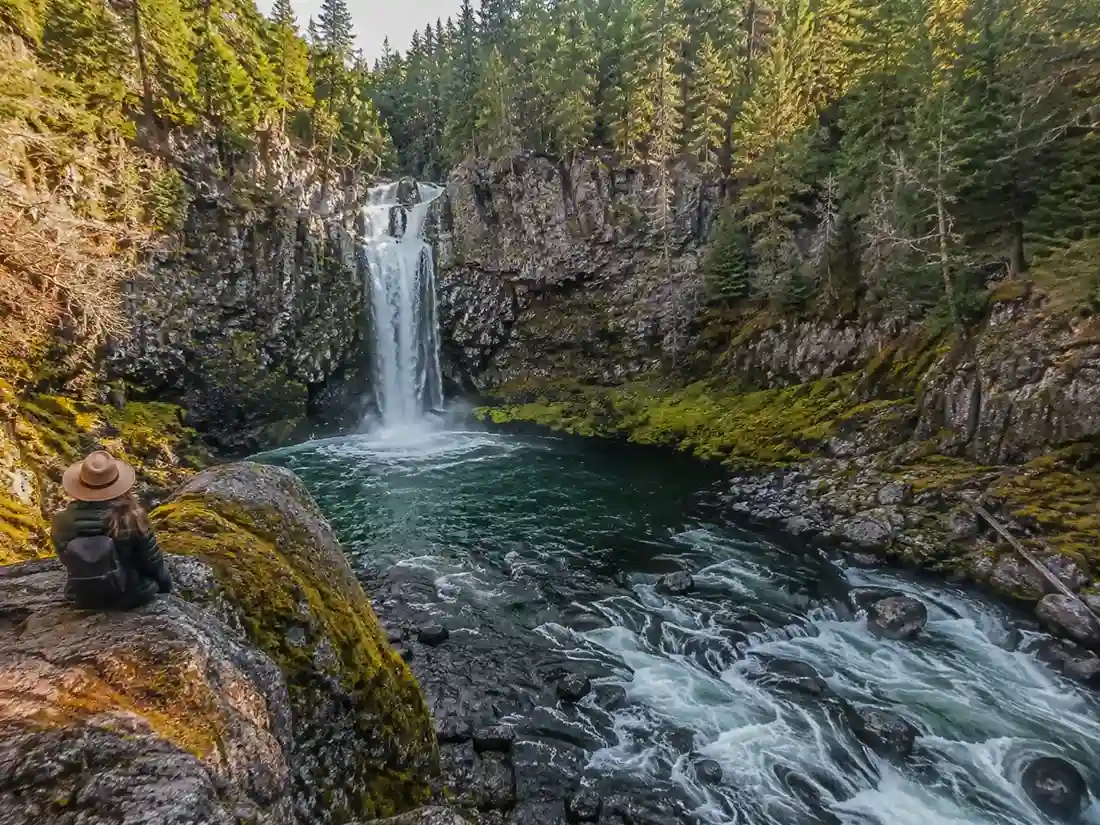
I’ve spent years chasing waterfalls, hot springs, and coastline around this state, and I still haven’t run out of new corners to explore. Here’s everything worth knowing, from the obvious icons to the spots most visitors never hear about.
Crater Lake National Park
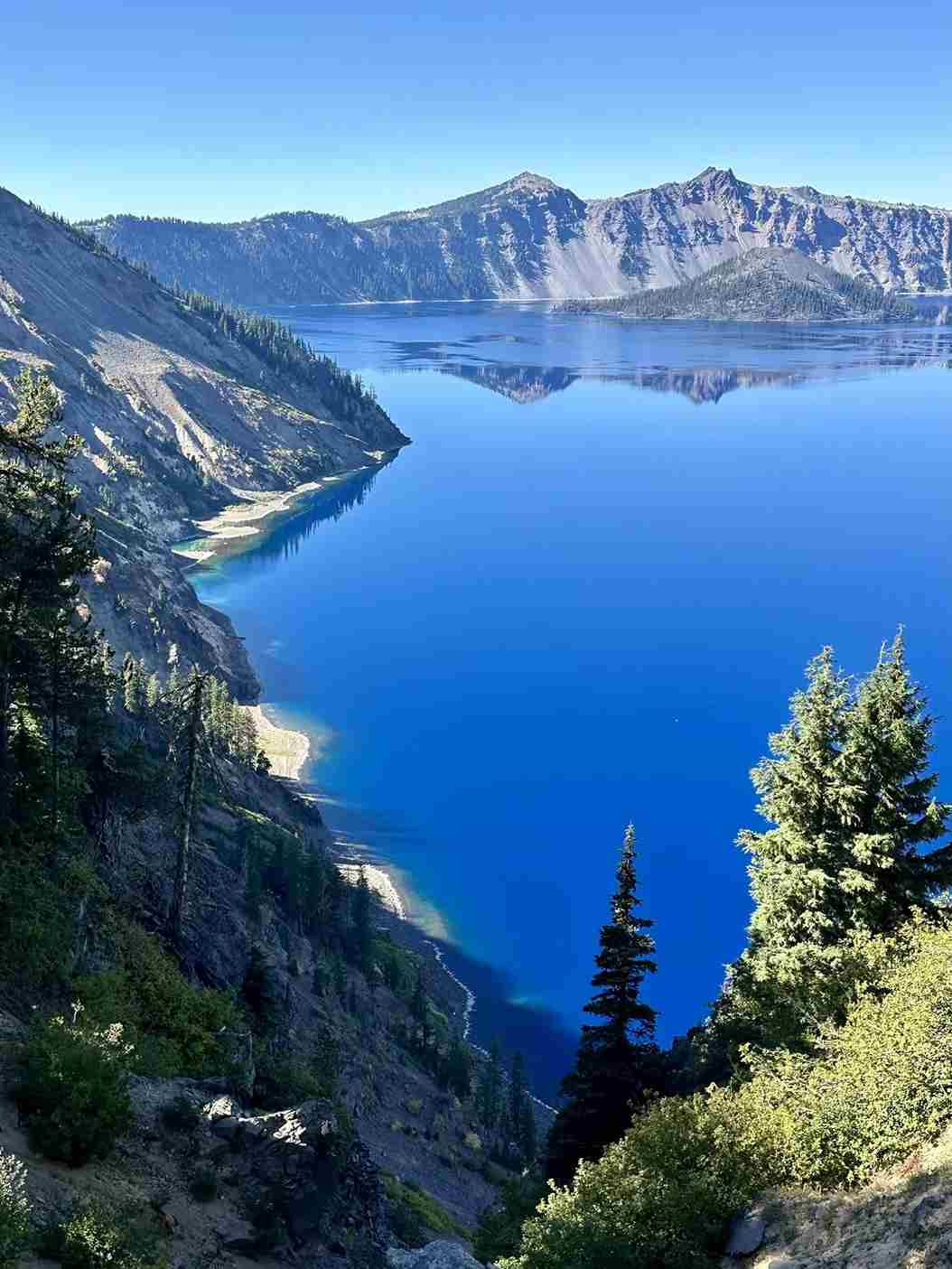
I’ll never forget the first time I stood at the rim of Crater Lake National Park — Oregon’s only National Park and honestly one of the most humbling natural attractions on the West Coast. The lake sits inside the collapsed shell of Mount Mazama, formed roughly 7,000 years ago, and because it’s fed almost entirely by rainfall and melting snow rather than rivers, the water stays an impossibly clear blue water color all season.
If you’re planning a visit, aim for mid-June through September, since hiking trails are usually snow-free by then. Loop the 33-mile scenic drive around the caldera, pulling off at the various pullouts and overlooks for postcard-worthy viewpoints — it’s one of the finest stretches of scenic drive anywhere in the state — and if you have time, book a boat tour out to Wizard Island. It’s the kind of thing you only do once, but never forget.
Smith Rock State Park
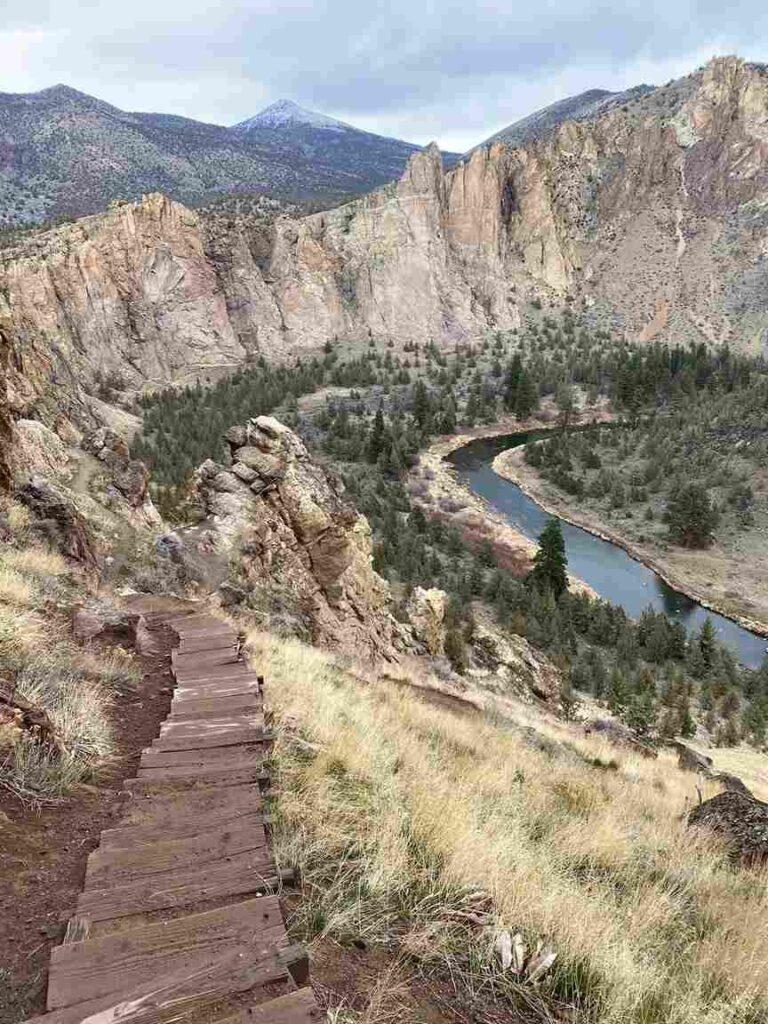
Tucked between Redmond and Terrebonne in Central Oregon, Smith Rock State Park carves through the Crooked River Canyon with dramatic rock formations that draw climbers from across the United States — it’s genuinely considered a top climbing destination, and I’ve watched millions of visitors pass through the lot on a single busy weekend. Beyond climbing, there’s plenty to keep you moving: hiking the canyon rim, mountain biking the rugged terrain, or trail riding with Smith Rock Trail Rides if you’d rather explore on horseback.
Spring tends to be the park’s busiest season, so if you want to avoid crowds, aim for a weekday visit or an early morning before summer heat sets in.
Silver Falls State Park / Trail of Ten Falls
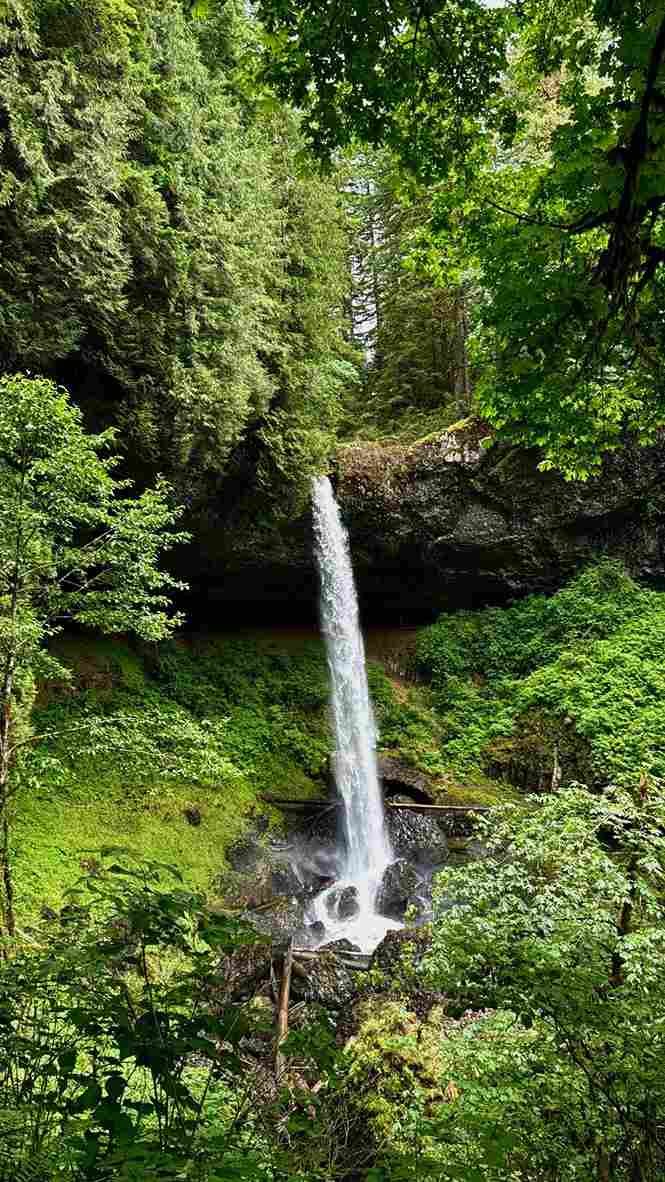
Silver Falls State Park sprawls across 9,000 acres, and it’s honestly my go-to answer whenever someone asks for a favorite waterfall hike in Oregon. The centerpiece is the Trail of Ten Falls, a 7.2 miles loop that strings together 10 waterfalls in one stretch, part of a larger 24 miles trail network open year-round.
Every season brings something different — spring wildflowers, rich Oregon foliage in fall, roaring water in summer, and if you time it right in winter, you might catch the semi-frozen waterfalls glistening with ice.
Painted Hills / John Day Fossil Beds National Monument
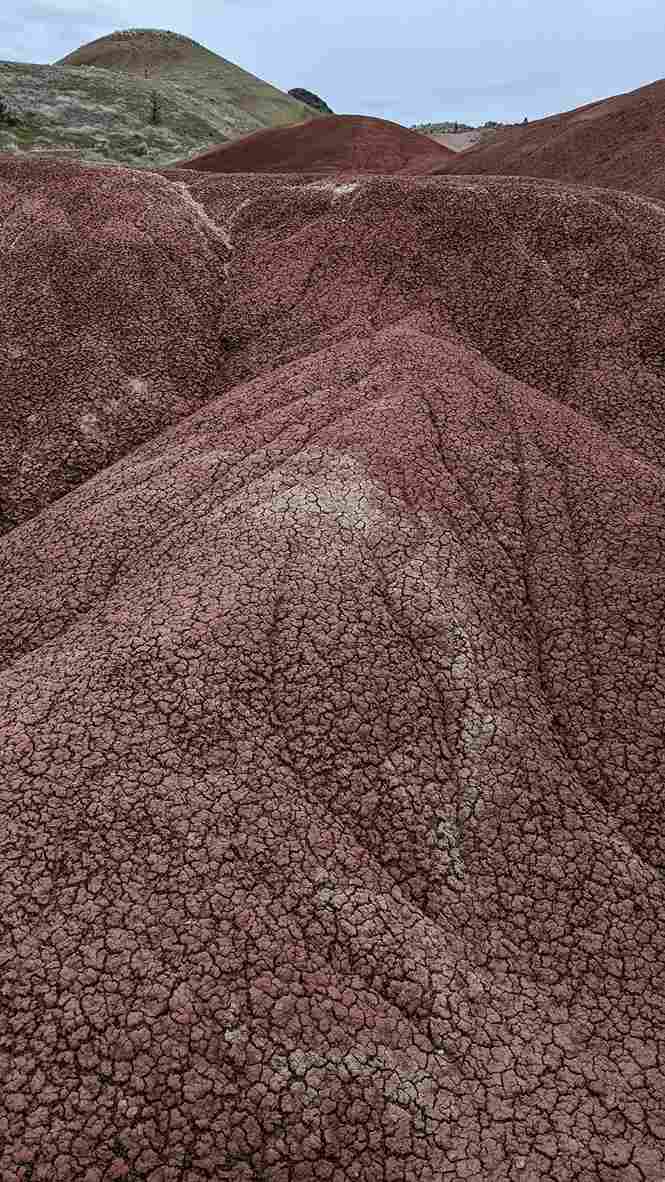
The Painted Hills unit of the John Day Fossil Beds National Monument looks like nowhere else in the state — honestly, the striped, eroded sedimentary rock makes you feel like you’ve landed on Mars. A dozen trails wind through the area, but the Painted Cove trail is the one I always recommend for getting close to the colorful hills and their reddish landscape.
If you’re bringing a camera, plan your visit for late afternoon, when the best light hits the ridges — it’s a photography lover’s dream.
Multnomah Falls
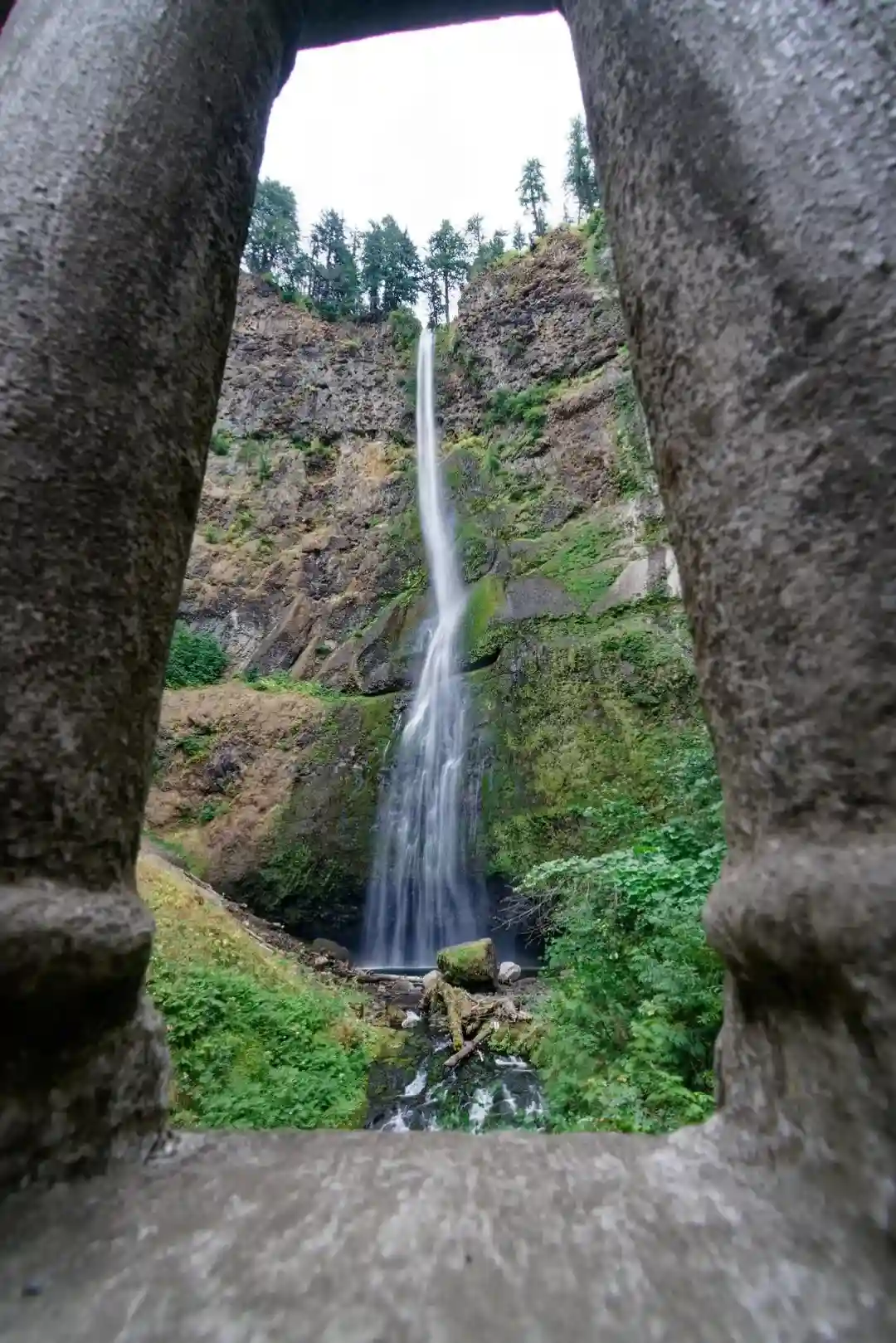
Multnomah Falls is probably the most photogenic stop in the entire Columbia River Gorge, plunging 620-foot past the Benson Bridge in a way photos never quite capture. It’s become something of a rite of passage for visitors and locals alike, which also means it gets seriously crowded with tourists, especially on weekends — parking fills up fast, so go early.
Pack a rain jacket, since the mist off the falls will soak you within minutes, and if you want a guided experience, several companies run a guided tour through the gorge that includes a stop here — a totally different vibe from Haystack Rock out on the coast, but both belong on the same bucket list.
Columbia River Gorge / Historic Columbia River Highway
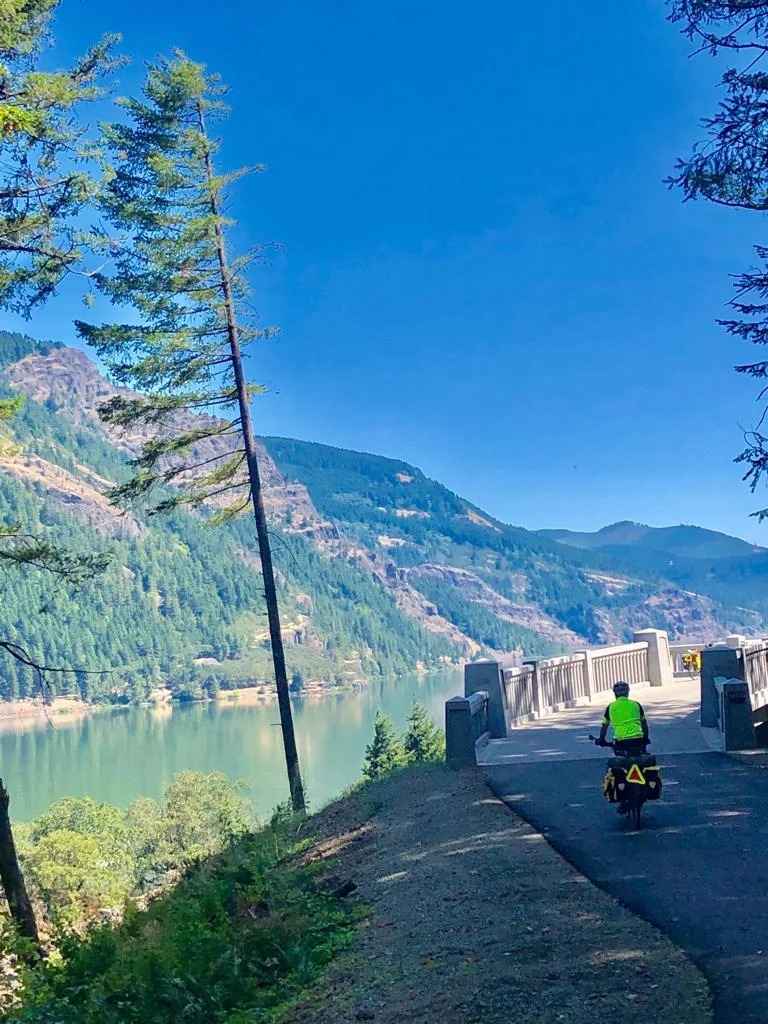
The Historic Columbia River Highway is, in my opinion, one of the most underrated road trips in the country — a 22 miles stretch of scenic drive through the Columbia River Gorge National Scenic Area, connecting waterfall after waterfall through lush forests. Stop at Vista House for a sweeping panoramic view, hike a short spur to Wahclella Falls, or tackle one of the many hiking trails leading up to Angel’s Rest and Rowena Crest, where the waterfalls below look almost too perfect to be real.
Angel’s Rest Hike
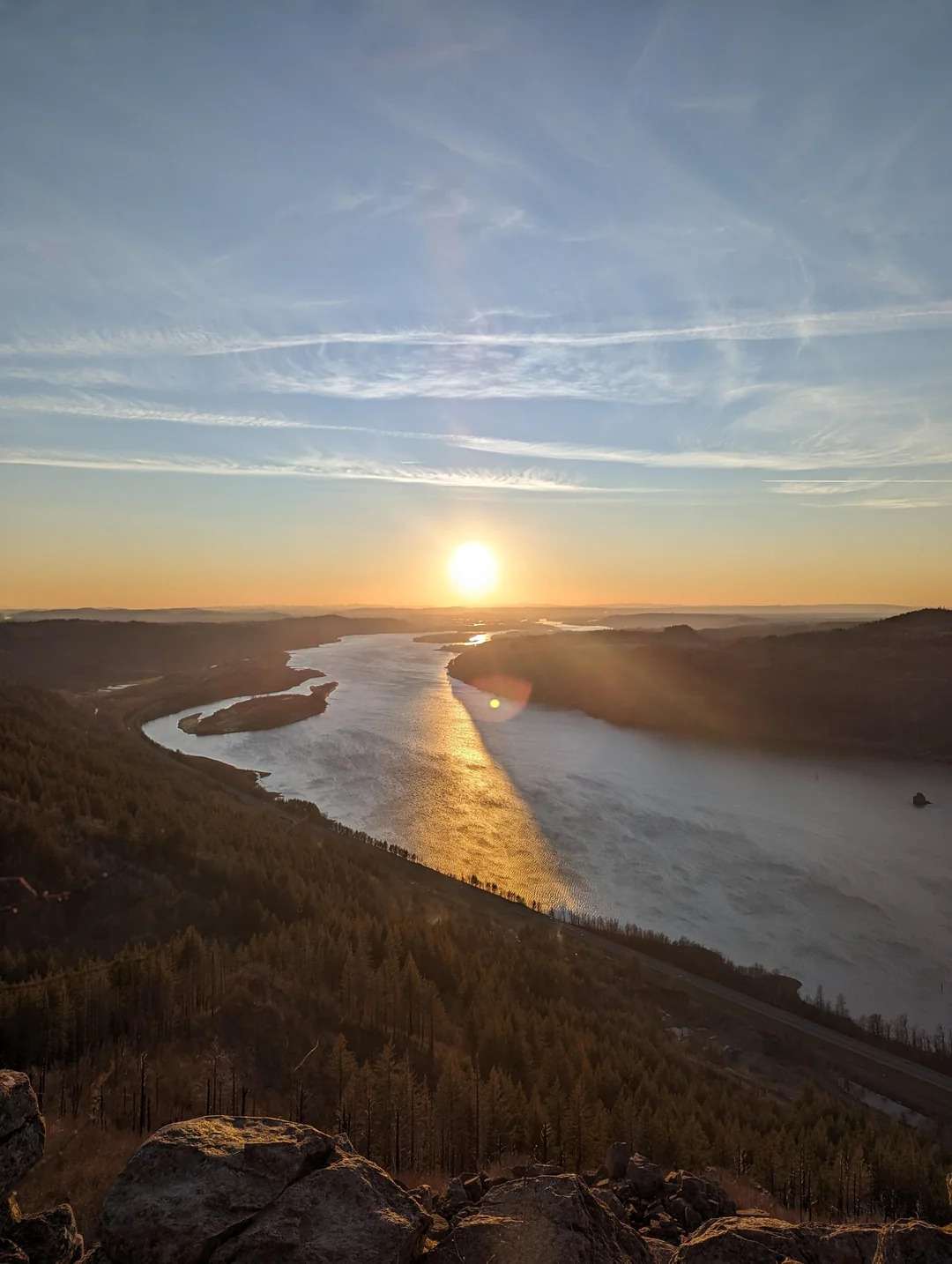
The Angel’s Rest hike itself is a 5 miles round trip climb with a gradual incline that never feels punishing, which is exactly why it’s one of my go-to recommendations for first-timers — you get an amazing viewpoint over the gorge without needing to be an expert.
Oneonta Gorge
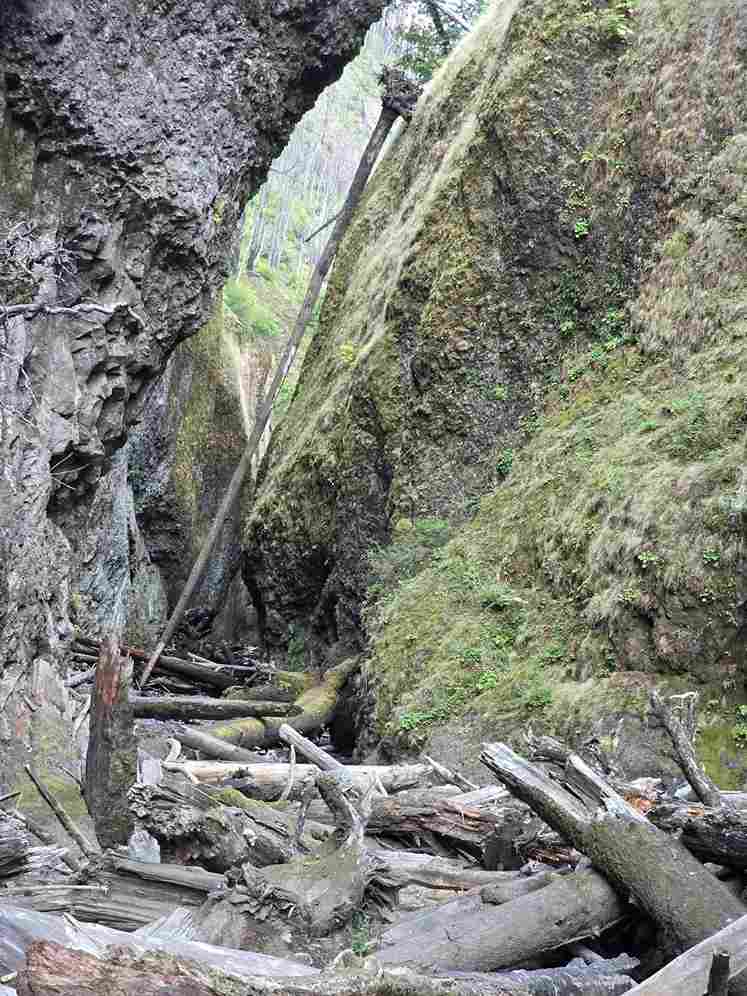
Oneonta Gorge used to be one of my favorite swimming holes, but after the Eagle Creek fire, sections became genuinely dangerous — think slick trail surfaces, loose gravel, and exposed rock that shifted after the burn. The nearby Triple Falls Hike reopened in April 2020, but parts of the canyon have been closed on and off since, so always check conditions before you go.
Oregon Caves National Monument
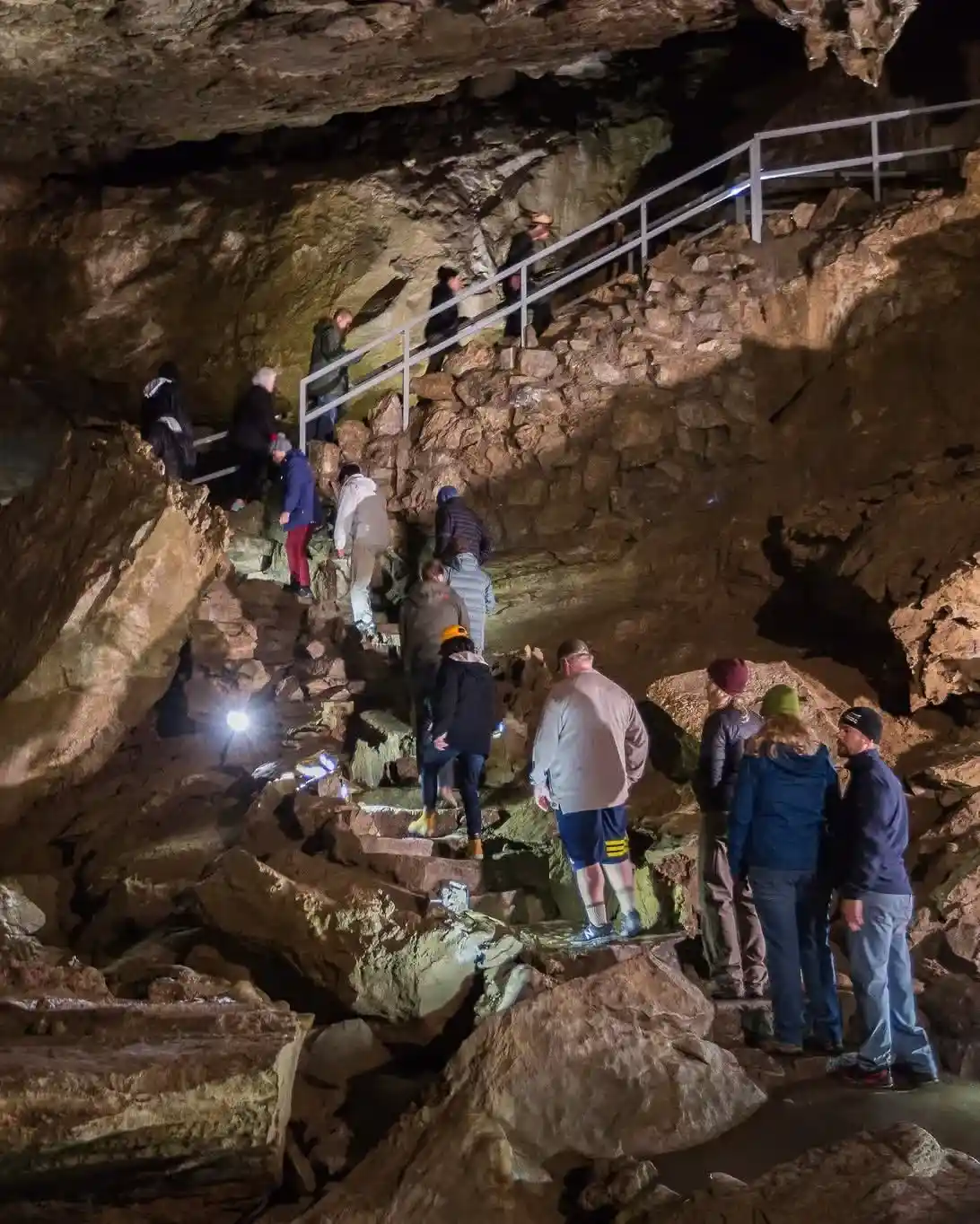
Down in Southern Oregon, close to the California border, the Oregon Caves National Monument hides a network of marble caves carved over millennia, including a chamber called the Ghost Room with its eerie rock formations. Every visit requires a guided tour, though if you want something more atmospheric, ask about the candlelight tour — it’s family-friendly enough for kids but still feels like real spelunking.
Tamolitch Blue Pool
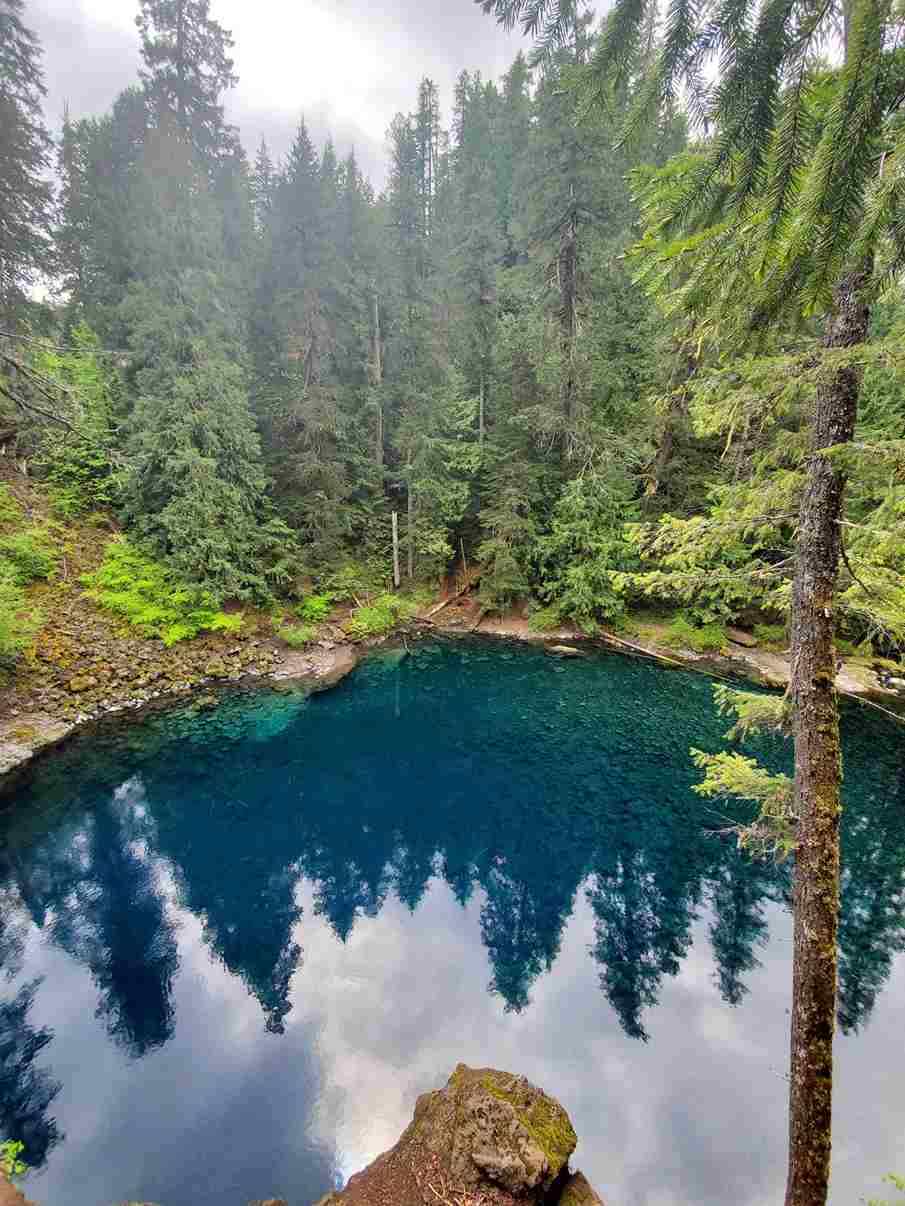
Deep in the Willamette National Forest, the Tamolitch Blue Pool looks so tropical with its bright blue water that first-timers assume it’s been edited — it hasn’t. Reach it via a 2.5 mile hike along the McKenzie River, and yes, people do go cliff jumping here, but be warned: swimming conditions come with cold water hovering around 40°F even in August, fed by underground springs near Tamolitch Falls. If you want warmth afterward, Bigelow Hot Springs isn’t far down the road.
Umpqua Hot Springs
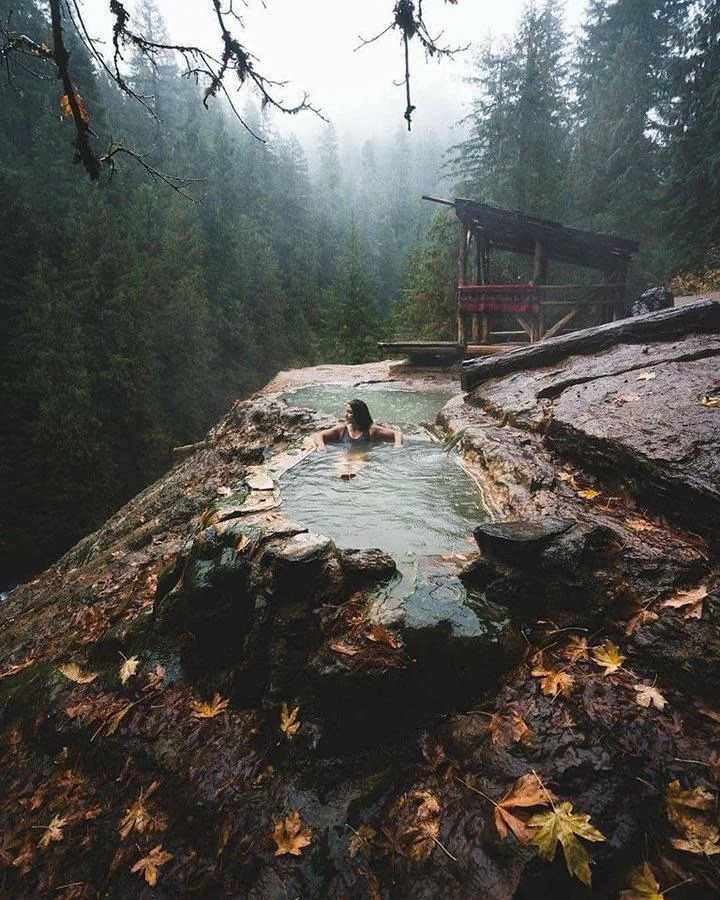
Umpqua Hot Springs sits in Central Oregon, not far from Crater Lake National Park, tucked into a hillside above the river with a series of 8 pools cascading down the slope. Managed by the forestry service, it’s free to soak in but gets packed on weekends, so plan an early morning visit if you want to skip the crowds — or better yet, pair it with a night of camping nearby.
Cannon Beach / Haystack Rock
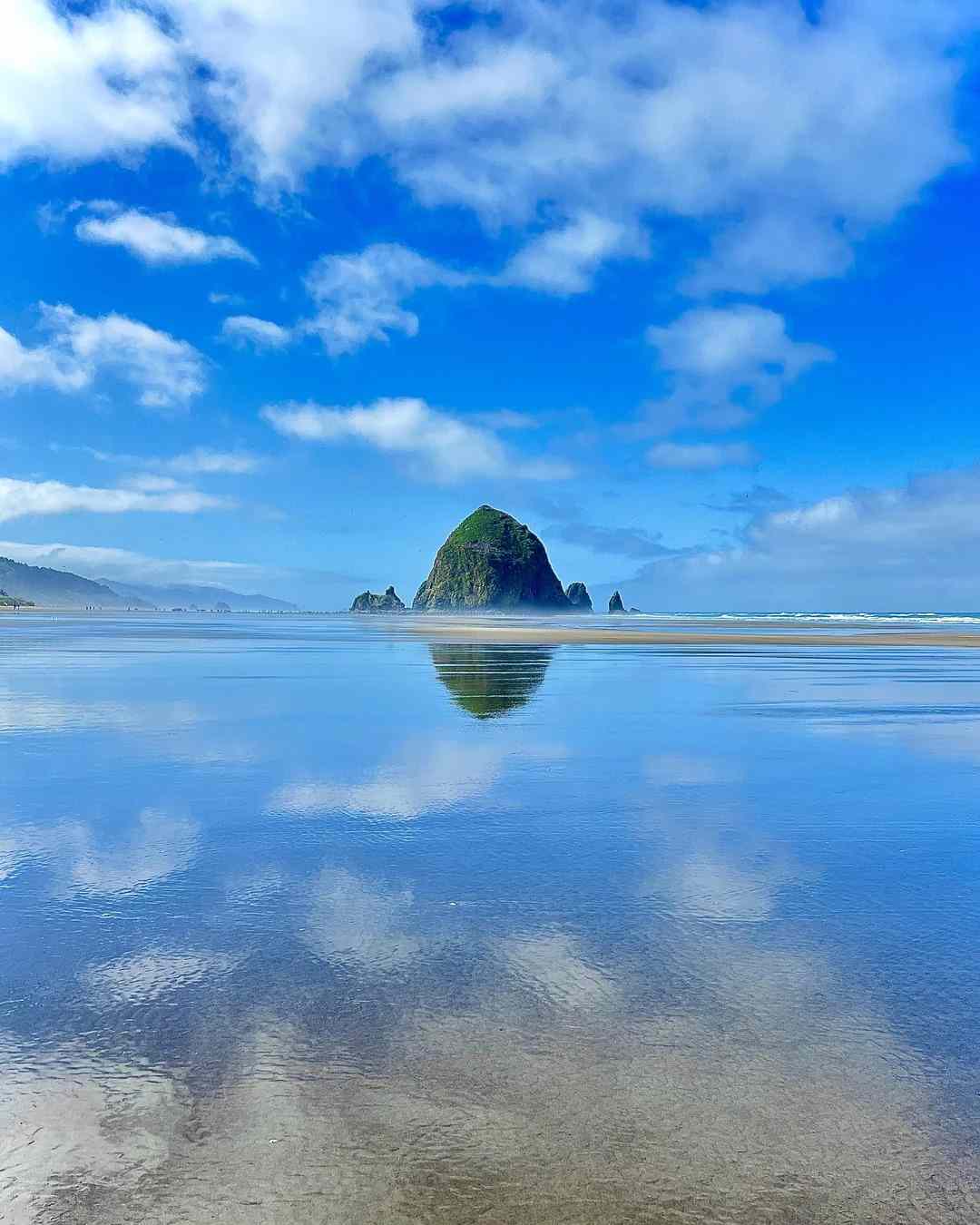
Cannon Beach is one of those Oregon Coast towns that lives up to the hype, anchored by Haystack Rock, a towering monolith rock technically protected for its ecological habitats. Locals still call the stretch of sand nearby Goonies Beach, a nod to the film, and history buffs will appreciate that the Lewis and Clark National Historic Trail passed through here back in 1806. Just north, Ecola State Park rounds out the area with some of the best coastal overlooks around.
Stay at an oceanfront hotel like The Waves hotel, pick up saltwater taffy from Bruce’s Candy Kitchen (open since 1963), and end the day with a bonfire on the beach as the sunset paints the rock gold.
Tillamook Cheese Factory
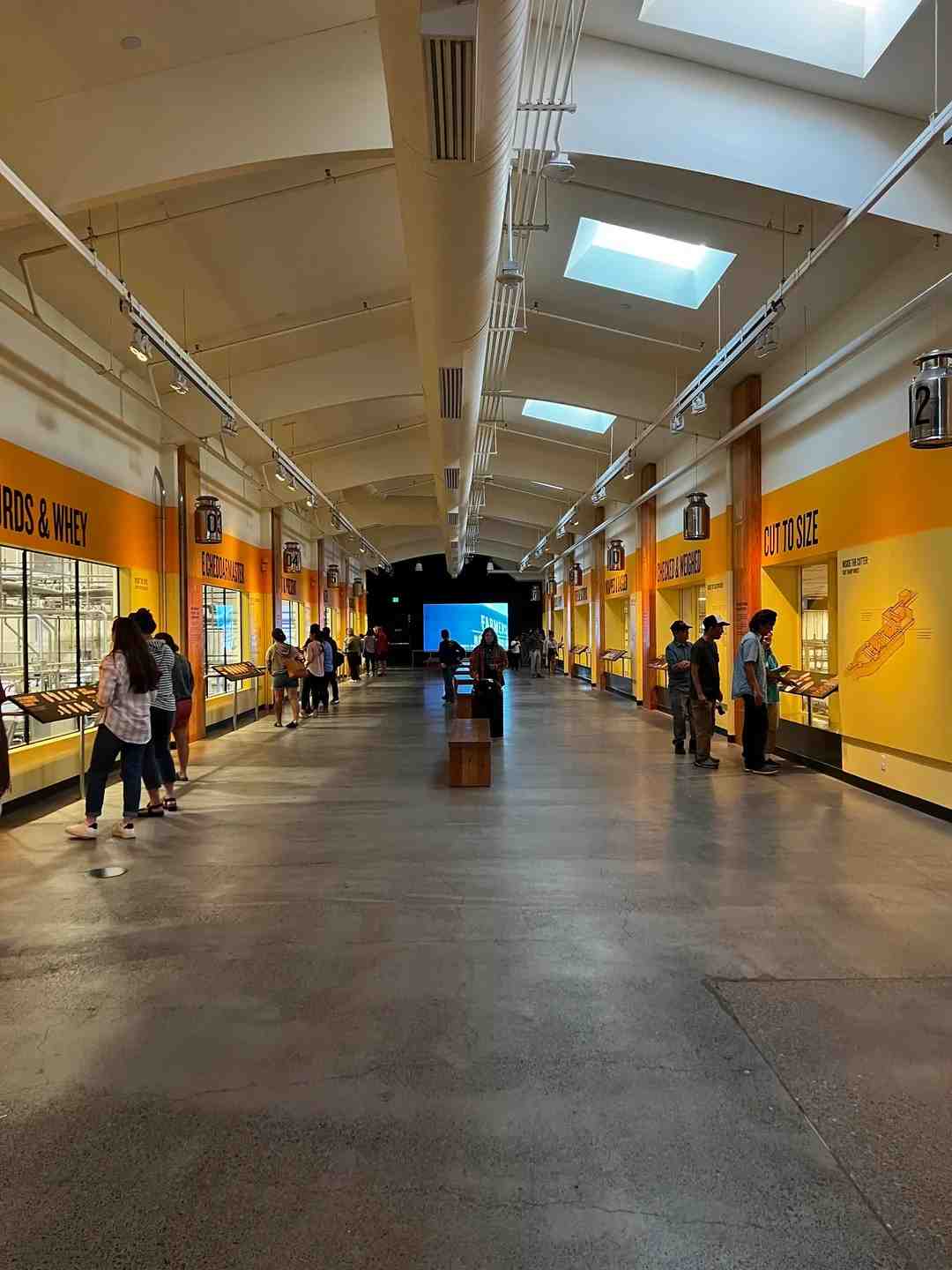
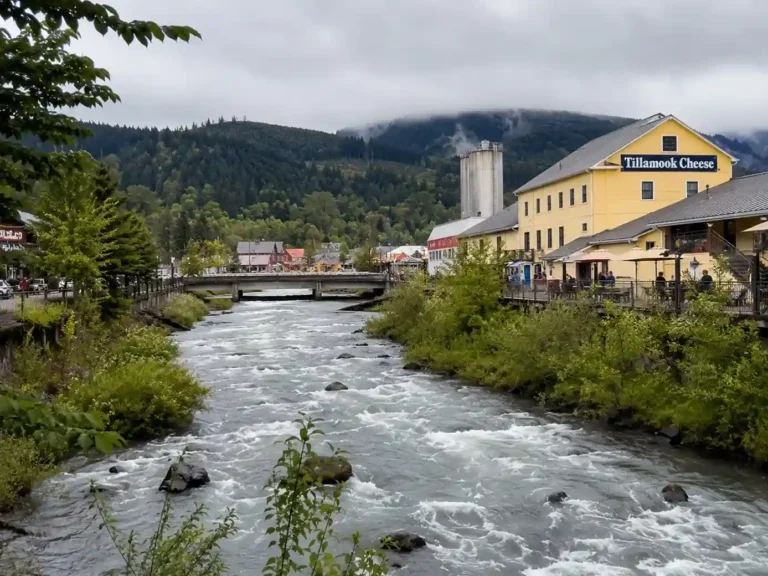
No trip along the Oregon Coast feels complete without a stop at the Tillamook Cheese Factory, where a free self-guided tour walks you through the entire cheese-making process from a raised viewing gallery. Downstairs, the dining hall serves up a surprisingly good cheeseburger and fresh cheese curds, and no one leaves without hitting the ice cream counter, sampling the yogurt, and grabbing a few cheese samples on the way out.
Hood River Fruit Loop
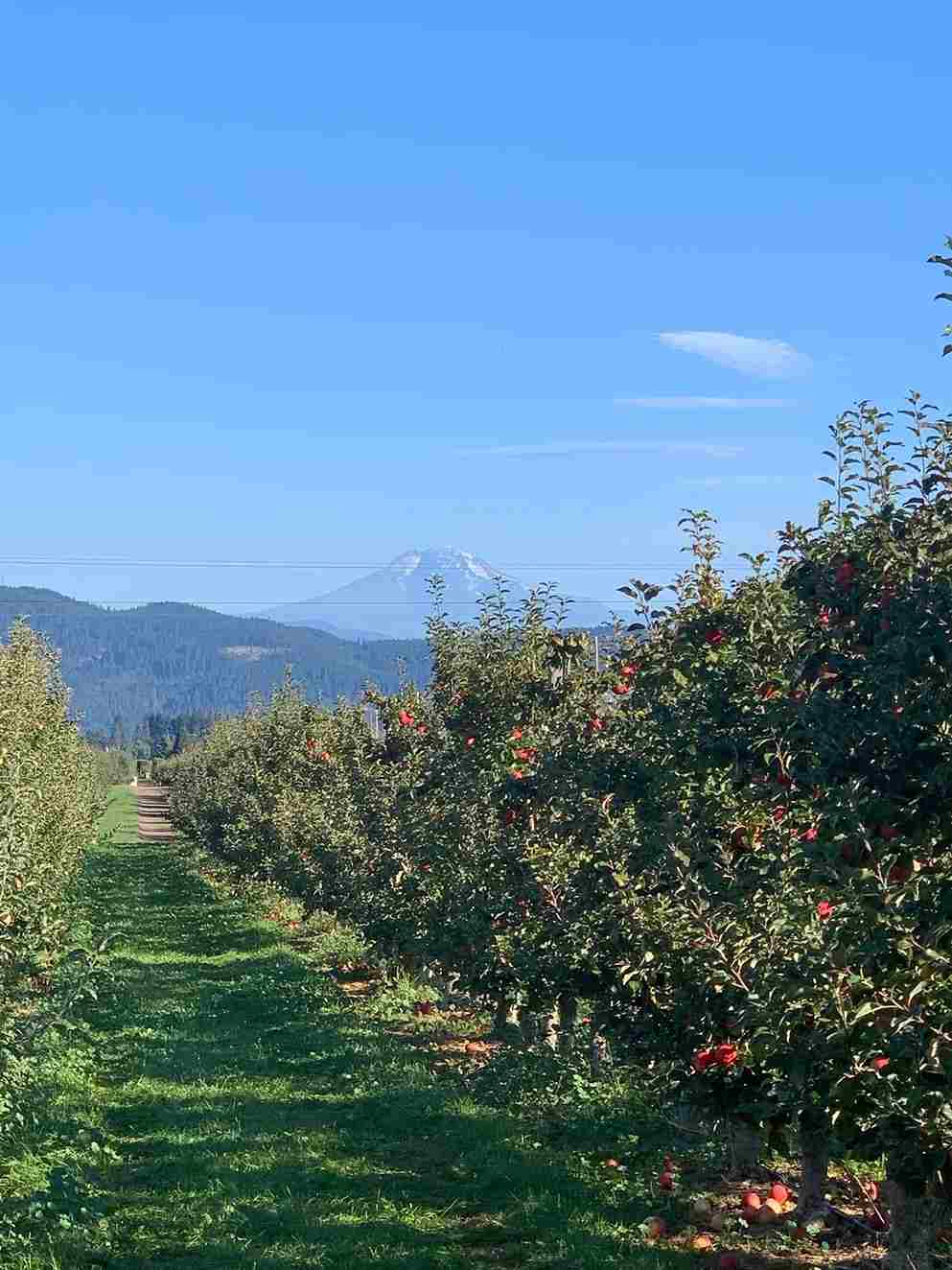
The Hood River Fruit Loop winds through the Hood River Valley on a 35-mile loop, connecting twenty-nine stands of family-run fruit orchards and vineyards with Mt. Hood looming in the background the whole drive. Depending on the season you’ll find peaches, cherries, apples, and berries fresh off the trees, plus plenty of stops for wine tasting, cider tasting, and genuine farm-to-table meals.
Oregon Coast Aquarium
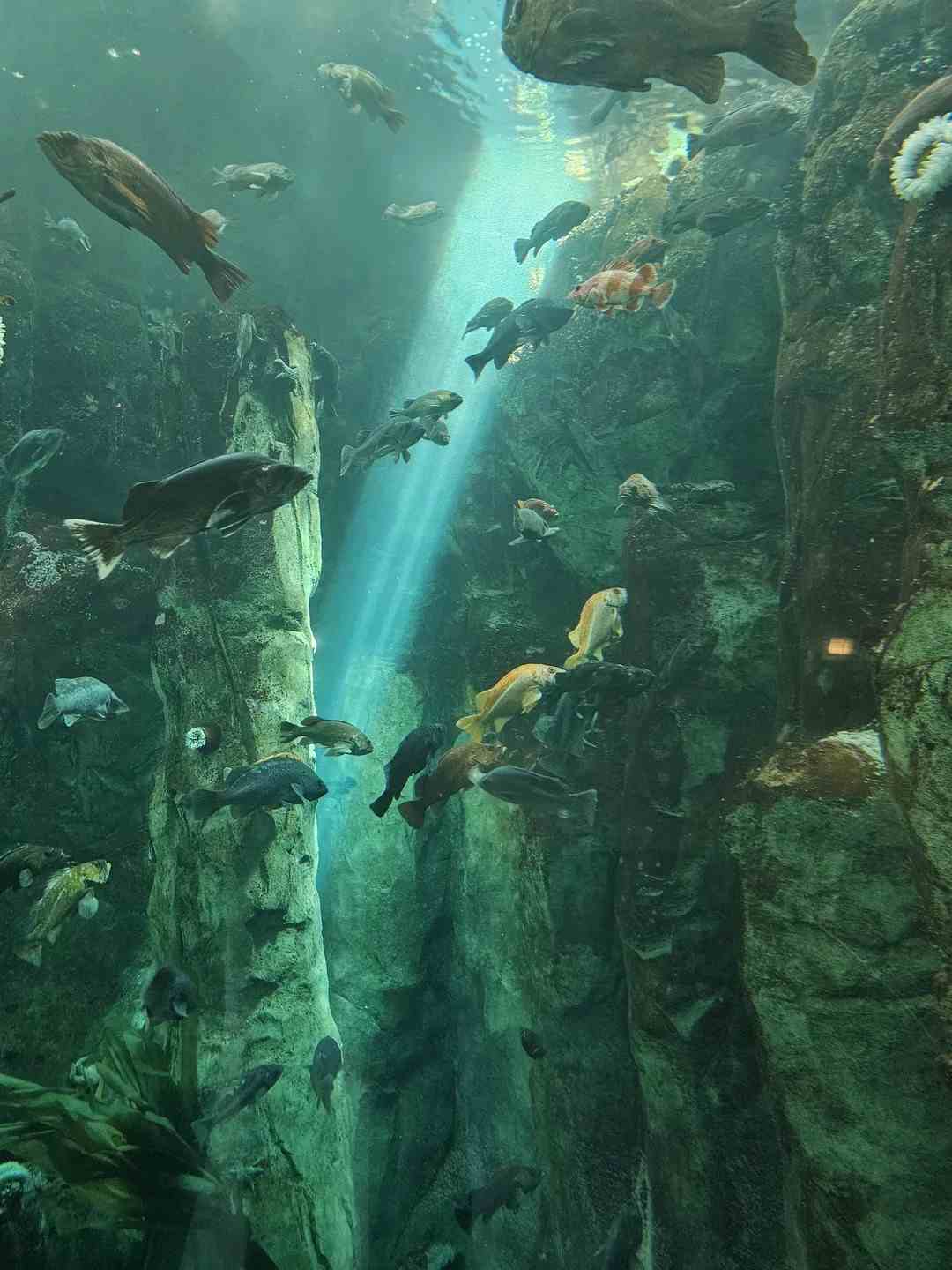
In Newport, the Oregon Coast Aquarium is one of the best rainy-day options on the coast, letting you walk through an underwater tunnel surrounded by sharks and stingrays. Kids especially love the touch pool, where starfish and anemones are within reach, and the rotating interactive shows do a great job introducing local wildlife.
Rogue River (Hiking/Rafting)
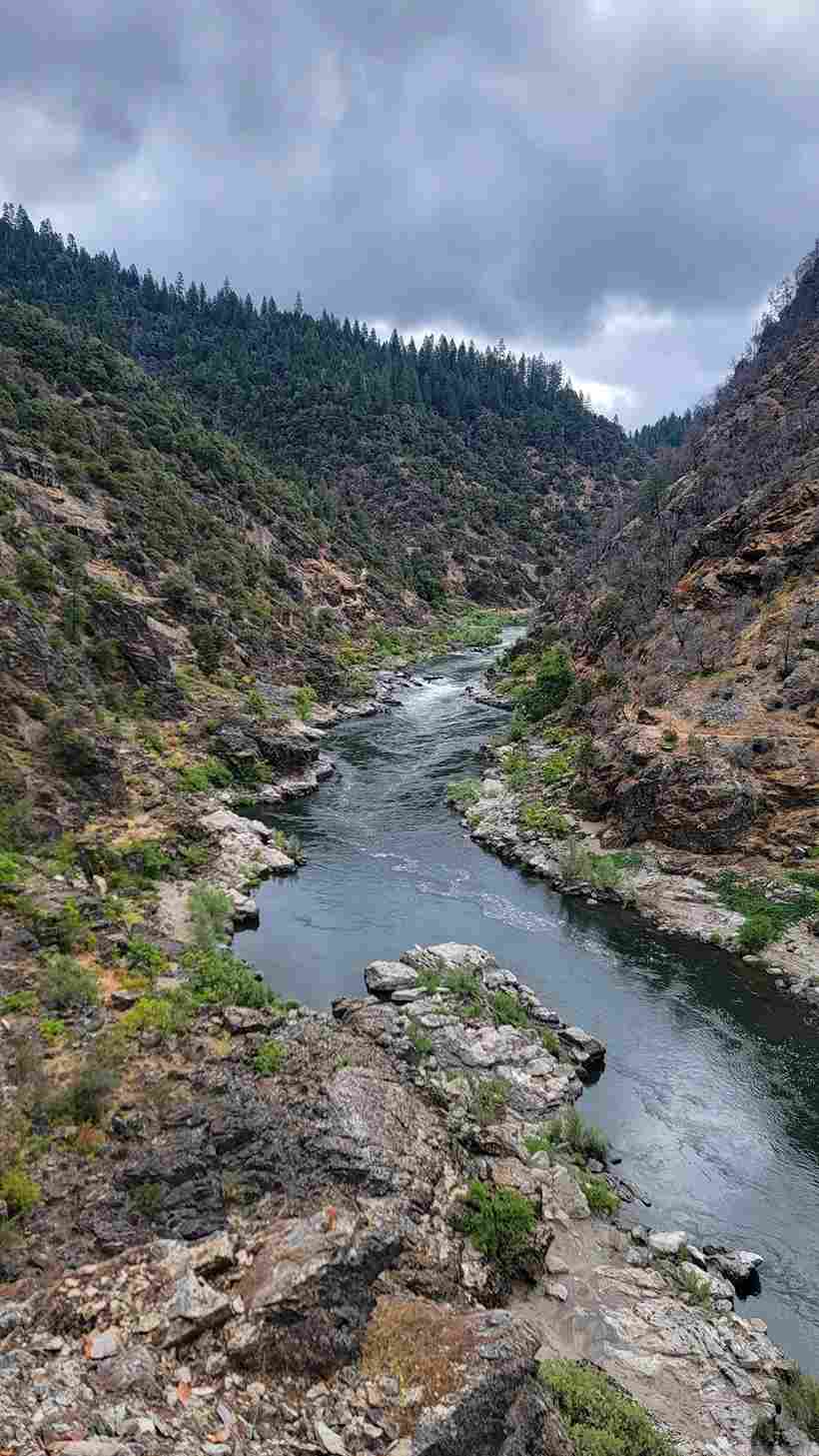
The Rogue River is a favorite for both hiking and rafting, especially the stretch starting near Grave Creek Bridge, where the cliff walls are dotted with swallow nests all summer long.
Snowshoeing
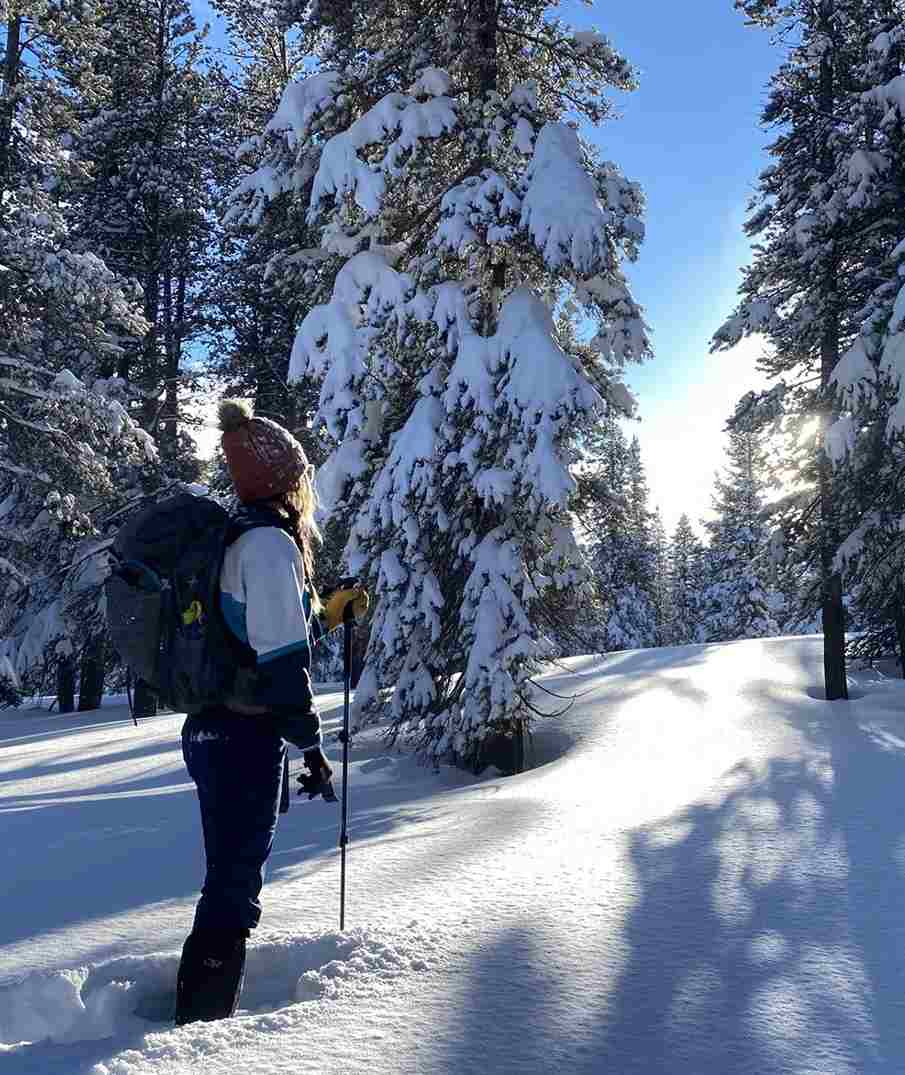
Mount Bachelor is Oregon’s premier ski resort, the 6th largest in the country, drawing skiers and snowboarders all winter. But snowshoeing is just as rewarding — Wanderlust Tours runs a popular bonfire tour that ends with hot chocolate under the stars, and quieter trails around Mirror Lake and Trillium Lake are perfect for exploring on your own.
Cape Kiwanda
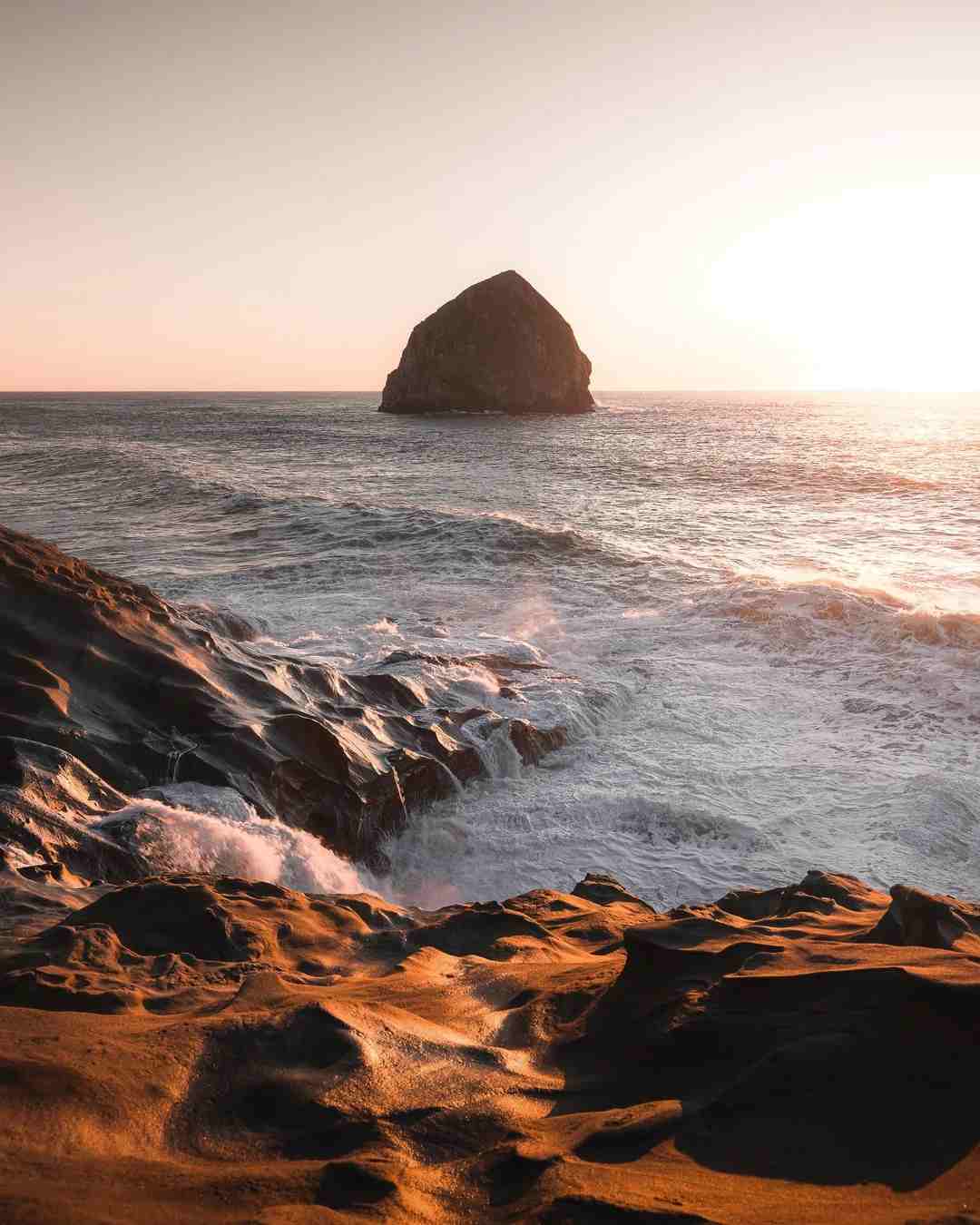
Cape Kiwanda State Natural Area, near Pacific City, sits along the Three Capes Scenic Route alongside Cape Meares and Cape Lookout. The sandstone cliffs here take a beating from violent waves, which makes it one of the best spots in the state for storm watching, while calmer days bring out families for kite flying on the dunes.
Pelican Brewing / Pelican Pub and Brewery

Pelican Pub and Brewery has locations scattered along the coast — Cannon Beach, Pacific City, and Tillamook — and every one is worth a stop for a solid burger and a self-guided brewery tour of the tanks.
The Schooner Restaurant
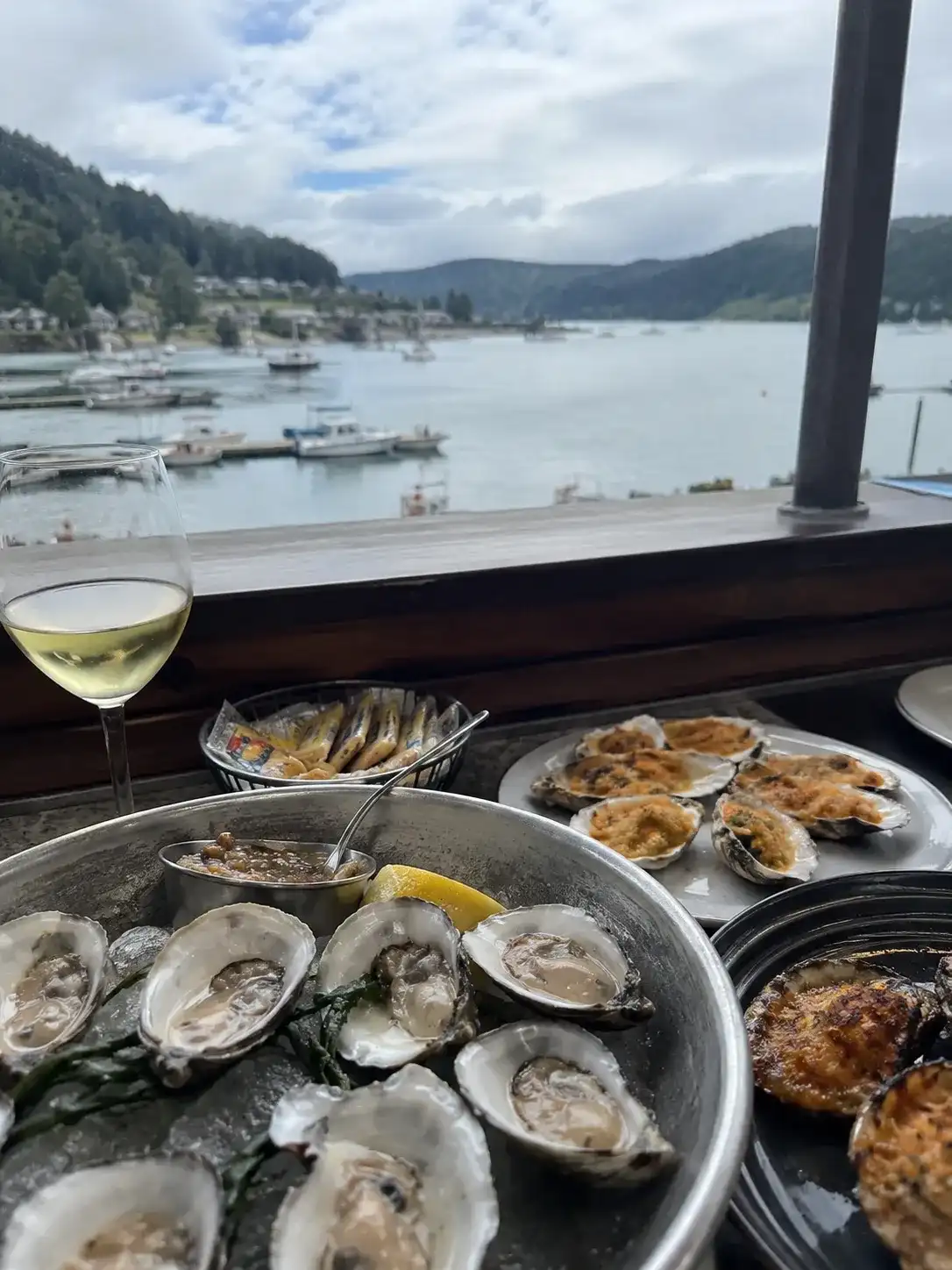
The Schooner Restaurant, overlooking Netarts Bay, is where I go for fresh oysters any way you want them — raw, baked, or grilled.
From Whimsy Soul
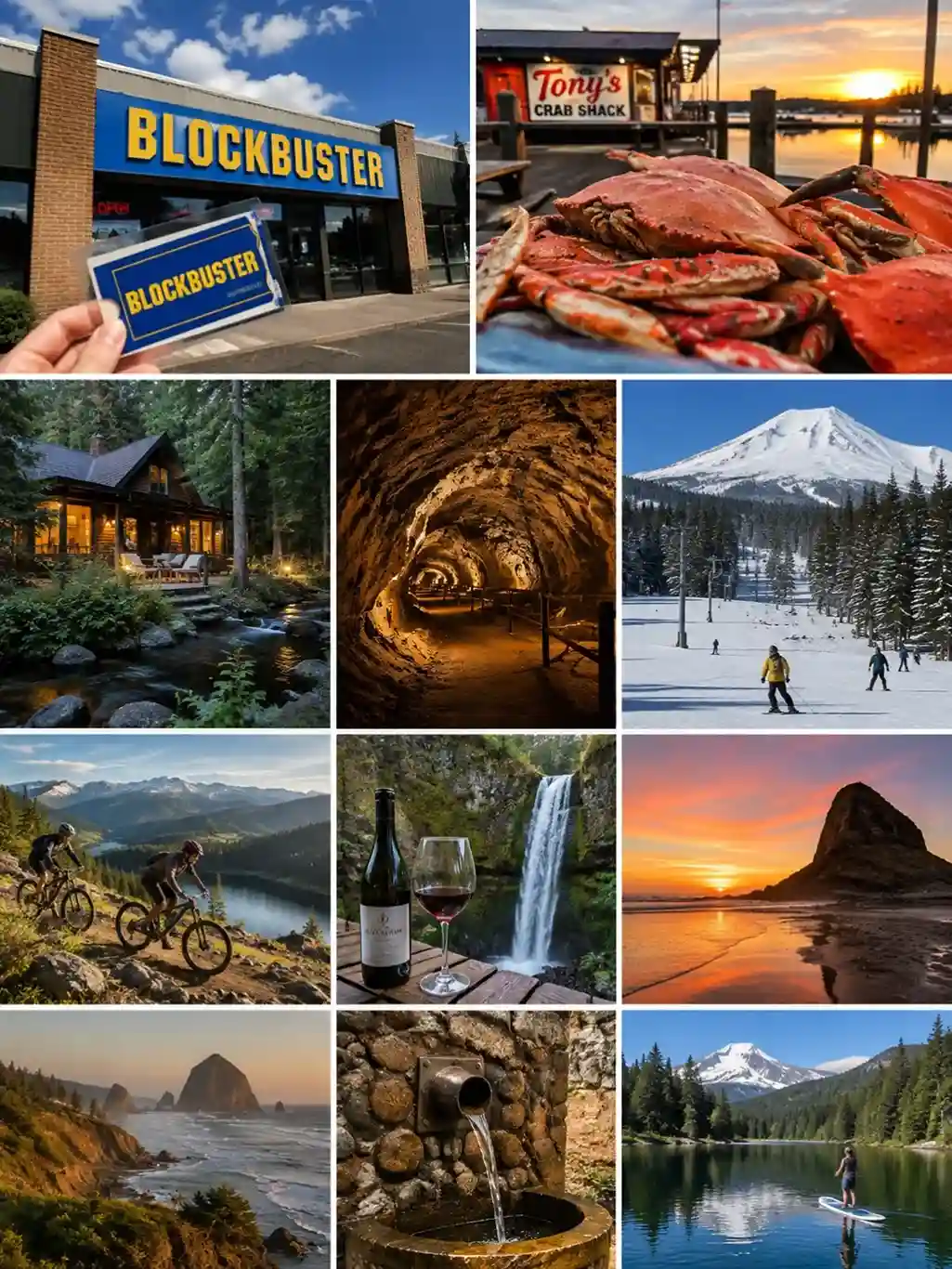
Over in Bend, the Last Blockbuster just celebrated its 10-year anniversary as the world’s last surviving location, and the wave of nostalgia it draws in means the gift shop’s merch sells out constantly. Down on the coast in Bandon, seafood lovers should head straight for the Bandon Fish Market or Tony’s Crab Shack for Dungeness Crab, or sit down at Edgewaters restaurant for a proper Steak Oscar — and if you want to stay the night, the Wildsprings Guest Habitat is a peaceful, seafood-friendly basecamp. Back in Bend, explore the lava tube caves scattered through Deschutes National Forest with Wanderlust Tours, then refuel at a local distillery or hop between breweries like Bevel Brewing and Deschutes Brewery for a lineup of hoppy IPAs — or if beer’s not your thing, Thump Coffee and Nancy P’s Cafe and Bakery are solid mornings-after spots. The Newberry National Volcanic Monument just outside town is also worth a day for fat-tire biking across old lava flows.
For winter and coastal variety, Newport, Cape Kiwanda, Lincoln City, and the South Coast each offer their own version of Oregon beach life, while inland, the Mount Hood National Forest near Portland turns into a full-blown playground once the snow falls — think ski resorts for downhill skiing and snowboarding, quieter corners for cross-country skiing and snowshoeing (try Teacup Lake), and mountain biking, camping, fishing, and paddleboarding around Trillium Lake once it warms up. Add in wine tours and waterfalls tours along Highway 26 toward the Oregon Coast, and you could spend a week without repeating a single view. Even the water is worth mentioning — some towns pipe in natural springwater straight from a stone tap.
Down in Eugene, self-titled the Track Capital of the World, Hayward Field still hosts Olympic trials, and Hayward Hall next door pairs history with a slice from Track Town Pizza. Up on Mount Hood, the Paradise Park Trail connects into the Timberline Trail, a 12-mile loop with about 2,000 feet elevation gain, passing waterfalls, lingering snow patches, the dramatic Zigzag Canyon, and alpine meadows thick with wildflowers in midsummer. If you’re around Salem in mid-September, the Mt. Angel Oktoberfest brings a full German festival atmosphere to a small Oregon town.
Portland itself hides a few oddities worth chasing: the Witch’s Castle ruins in Forest Park, built in the 1930s and reachable from either Upper Macleay Park or Lower Macleay Park; the Cullen House, famous from Twilight; and in St. Helens, the town leans hard into Halloweentown, the Disney movie filmed there, turning October into a full haunted house season around Bella’s house on Elevator Street. Speaking of elevators, Oregon City’s municipal elevator, built in 1915, is a genuinely vertical street rising 130 feet and tied to the old Oregon Trail route — nearby, Bledsoe Winery is a nice stop to unwind after. Back in Bend, cap off a trip with a Mount Bachelor bonfire and snowshoe tour, or time your Portland visit for Portland Pizza Week, Burger Week, or Highball Week for a run of themed cocktails. For something more unconventional, Sauvie Island’s Collins Beach along the Columbia River is famously clothing optional; for family-friendly fun, OMSI (Oregon Museum of Science and Industry) runs great after-hours events, the Hayden Homes Amphitheater along the Deschutes River offers General Admission lawn seating and lounge chairs, and the Oregon Country Fair is pure tie-dye energy. Catch a film at the 99W Drive-In in Newberg, a classic drive-in movie theater complete with a concession stand, or head south for the Oregon Shakespeare Festival in Ashland, staged in a real Elizabethan theatre since 1935 with 11 plays across an 8.5-month season drawing half a million visitors — and don’t miss the Portland Japanese Garden if you’re craving a quiet, zen afternoon.
From Wandering Mind Travel
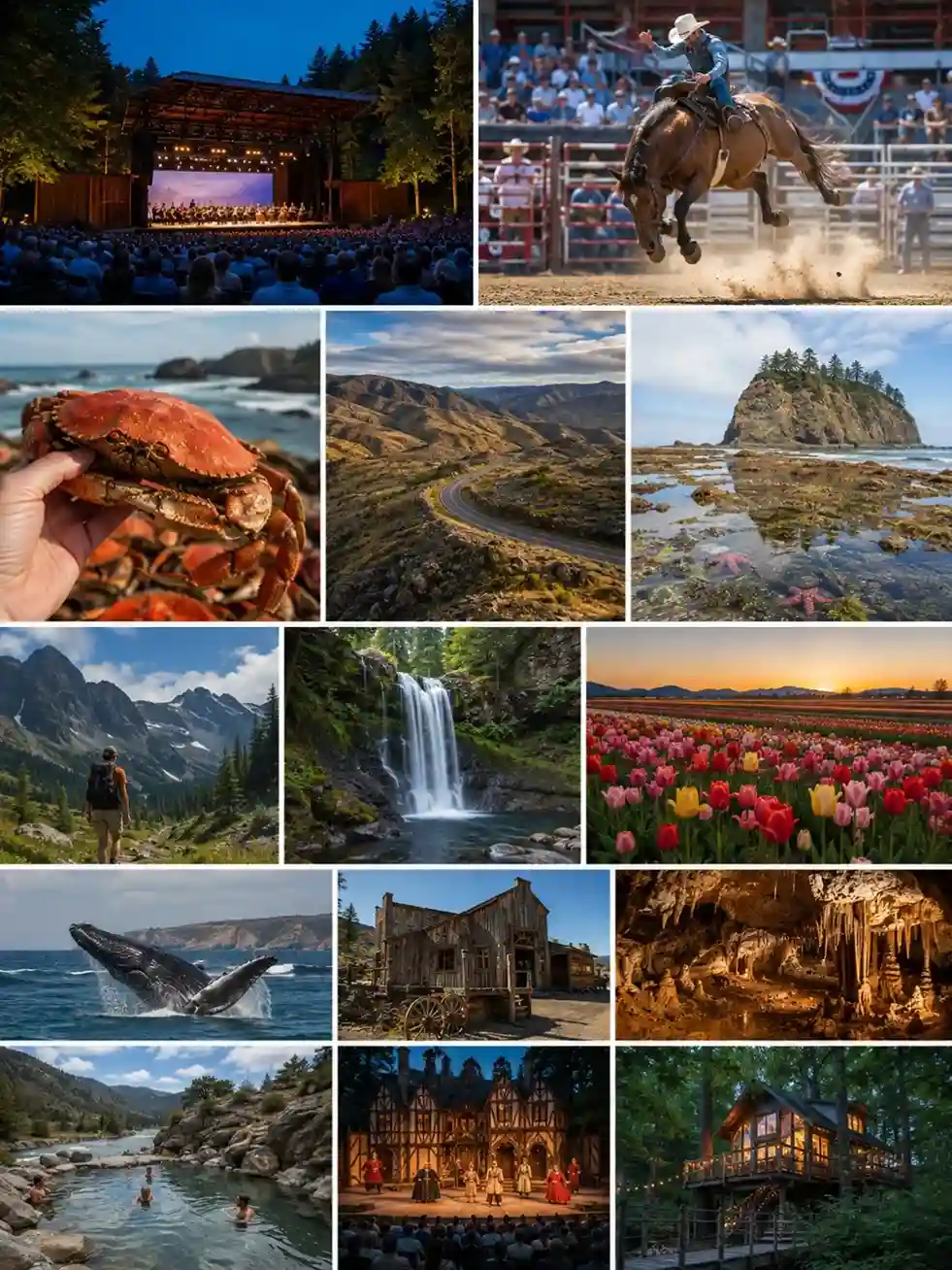
For festivals and events elsewhere, catch the Britt Festival, or head east for the Pendleton Roundup, one of the biggest rodeos in the country. Outdoor adventurers should look into crabbing along the coast, the Steens Mountain Loop for remote high-desert scenery, tide pools near Cape Perpetua just off Highway 101, backcountry routes through the Wallowas, and a hike out to Toketee Falls. Spring brings a seasonal tulip farm to visit, while winter and early spring are prime for whale watching along the coast. History buffs can explore a real ghost town, and cave enthusiasts should try caving at Lava River Cave near Bend, followed by a soak at an outdoor hot spring to warm back up.
For culture, Shakespeare performances in Ashland are a summer staple. If you want a truly memorable stay, options range from a hike-in only hotel near Lost Lake to sleeping in a tree house, or splurging at the Allison Inn and Spa, Tu Tu’ Tun Lodge, Hotel deLuxe, Heathman Hotel, Ashland Springs Hotel, The Chateau at Oregon Caves, Embassy Suites Downtown Portland, Timberline Lodge, or Crater Lake Lodge — each with its own personality and price point.
And when it comes to eating, Portland food carts are non-negotiable, alongside a cup of Stumptown coffee and dinners at Restaurant Beck, Storrs Smokehouse, Double Mountain Brewery, or New Sammy’s Cowboy Bistro. Dessert means Salt & Straw, while dinner reservations should go toward Albatross & Co., Imperial, Le Pigeon, PokPok, Roe, or Ned Ludd. For something more classic, Huber’s Café and Jake’s Famous Crawfish are old-school Portland institutions, and outside the city, Pine Tavern, Por Que No?, and Pine State Biscuits round out a very well-fed itinerary.
From Local Adventurer
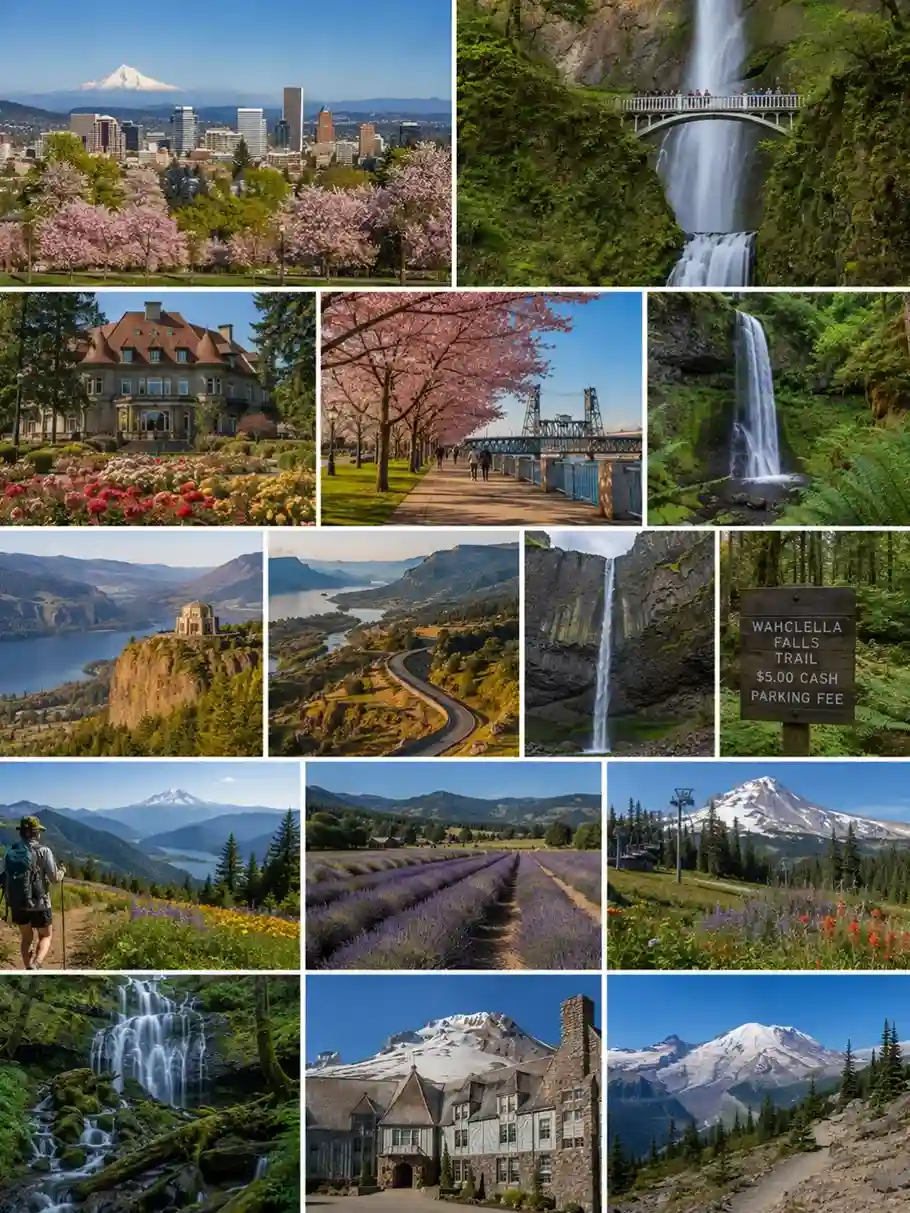
In Portland, the International Rose Test Garden peaks with roses in bloom from late May through June and into September, while Pittock Mansion offers the best view of city, and Tom McCall Waterfront Park is a lovely walkway through greenspaces along the river, especially gorgeous during Cherry Blossom season. Out in the gorge, some of the best viewpoints come from the Elowah Falls Hike, though the once-popular Eagle Creek Trail remains partially closed since the Eagle Creek fire. Latourell Falls offers flat terrain right from the parking lot, and the Rowena Crest Viewpoint via the Rowena Crest Trailhead gets congested on summer weekends (no dogs allowed). Nearby, the Tom McCall Point Hike and a stop at Vista House, built in 1917, round out the loop, while Wahclella Falls charges a $5 cash fee to park. The Dog Mountain Hike on the Washington side is a genuinely difficult hike, best tackled in spring for the wildflower bloom, while the Bald Mountain Hike is a much easier 2.0 mi RT with 550 ft of gain — easy and full of Mount Hood views.
Fruit season pairs well with a stop at Hood River Lavender Farm or Lavender Valley Lavender Farm for U-Pick lavender between April–October, and Mt Hood Meadows Ski Resort, the state’s largest ski resort, doubles as a hiking trails destination in summer. Ramona Falls is scenic but not suitable for dogs or small children because of logs and a tricky river crossing, and nearby Timberline Lodge, famous from The Shining, anchors the start of the Timberline Trail, a popular backpacking trail circling the mountain.
On the coast, Bandon is home to sea stacks like Wizard Hat and Howling Dog, and Cape Lookout State Park offers both camping and yurt rentals. The Drift Creek Falls Hike is dog and kid friendly, Ecola State Park delivers a classic beach hike, and Face Rock State Scenic Park gives another angle on Haystack Rock. Try the Florence Sand Rail Tour for a ride on dune buggies (reservations required), or head toward Gold Beach to spot Shark Fin Rock, and pitch a tent at Harris Beach State Park for its campsites. Kentucky Falls in the Siuslaw National Forest is an easy day hike, the Lewis and Clark National and State Historical Parks offer a watercraft paddle tour, Oswald West State Park hides a secluded sandy beach among its trails facing the Pacific Ocean, Samuel H Boardman State Park is packed with landscape photo ops, Sweet Creek Falls has a gentle kids trail past several waterfalls, and Yaquina Bay State Recreation Site offers picnic tables near the Yaquina Bay lighthouse and the taller Yaquina Head Light, both great for tide-pooling.
Around Bend, grab a pint at Crux Brewery, then drive the Cascade Lakes Scenic Highway, a 66 mi route best done in 3–5 hours between June–October through volcanic landscapes, alpine lakes, and lush forest. The Chush Falls Hike in the Three Sisters Wilderness runs about 5 mi, Lost Lake is famous as a disappearing lake, Mount Bachelor holds onto dry snow long into the season, Sahalie Falls and Koosah Falls pair well on a single outing, and Homeward Bound leads to Skylight Cave — bring an offline map since there’s little service. The Sisters Loop Hike is moderate to difficult, while the South Sister Summit Hike rewards you with views of Mt. Rainier, Mt. Adams, Mt. St. Helens, Mt. Hood, and Mt. Jefferson all at once. Sparks Lake in the Deschutes National Forest is gorgeous but pack bug repellant, Steelhead Falls near Terrebonne makes a great swimming hole for cliff jumping, and Richardsons Rock Ranch is the spot to dig for thunder eggs. Don’t skip Tumalo Falls ($5 day pass), White River Falls State Park with its steep hike, and picnic tables at Whychus Creek Falls, where spray peaks during peak discharge. Families might enjoy the Enchanted Forest Theme Park or horseback riding, and for waterfalls requiring more effort there’s Abiqua Falls (4WD, high clearance recommended), the Breitenbush Hot Springs holistic retreat center with real geothermal hot springs, Cougar Hot Springs, and Terwilliger Hot Springs at $6 per person. Round out the list with Diamond Creek Falls for its waterfall access and canyon views, Opal Creek via a gravel trail with just 300 ft elevation gain, Proxy Falls for a family-friendly hike that’s not ADA accessible, Salt Creek Falls as the second highest single-drop waterfall in the state, Trestle Creek Falls in the Umpqua National Forest’s mossy rock grotto, and Willamette Falls, still used by tribal members for harvest. Waldo Lake boasts world-record clarity at 157 feet visibility, while out in the Alvord Desert, the flat dry lakebed is a favorite photo op. Cottonwood Canyon State Park is the largest state park in Oregon, the Eagle Cap Summit is a 19 mi RT, 4000 ft climb rated difficult with real wildlife including bears, Glacier Lake in the Wallowas sits among wildflower meadows, and Wallowa Lake in the Wallowa-Whitman National Forest has an aerial cable gondola up to Ice Falls and Ice Lake, a genuinely coveted destination. Further out, Leslie Gulch near Jordan Valley has otherworldly rock formations and canyon walls above Owyhee Lake, the Steens Mountain Wilderness is great for camping, picnicking, and horseback riding, Succor Creek State Natural Area has its own thundereggs, the Thorp Creek Hike runs 9.9 mi RT with 2830 ft gain rated moderate through grass-covered moraines, and Hells Canyon Overlook in the Umpqua National Forest is closed winter but has no fees the rest of the year. The Boardman Tree Farm is sometimes closed but its rows of hybrid poplar trees make a striking photo op. In Pendleton, dating back to the 1840s, the Oregon Trail history comes alive at the National Historic Oregon Trail Interpretive Center, covering both pioneer life and Native Americans. Don’t miss Summer Lake Hot Springs, the Tate Creek Slide on the Rogue River for a natural water slide, and Toketee Falls again via its half mile hike. Before heading anywhere remote, check TripCheck for weather and road conditions, since high-elevation roads can be unpredictable in late summer; Eastern Oregon often means dirt/gravel roads, and waterfalls best early summer with the runoff. Pack in layers, bring a rain jacket, waterproof shoes, and even crampons for lingering snow and ice, and grab whichever pass fits your trip — Oregon State Park Pass, NW Forest Pass, or America the Beautiful Pass.
From Bella Collina B&B
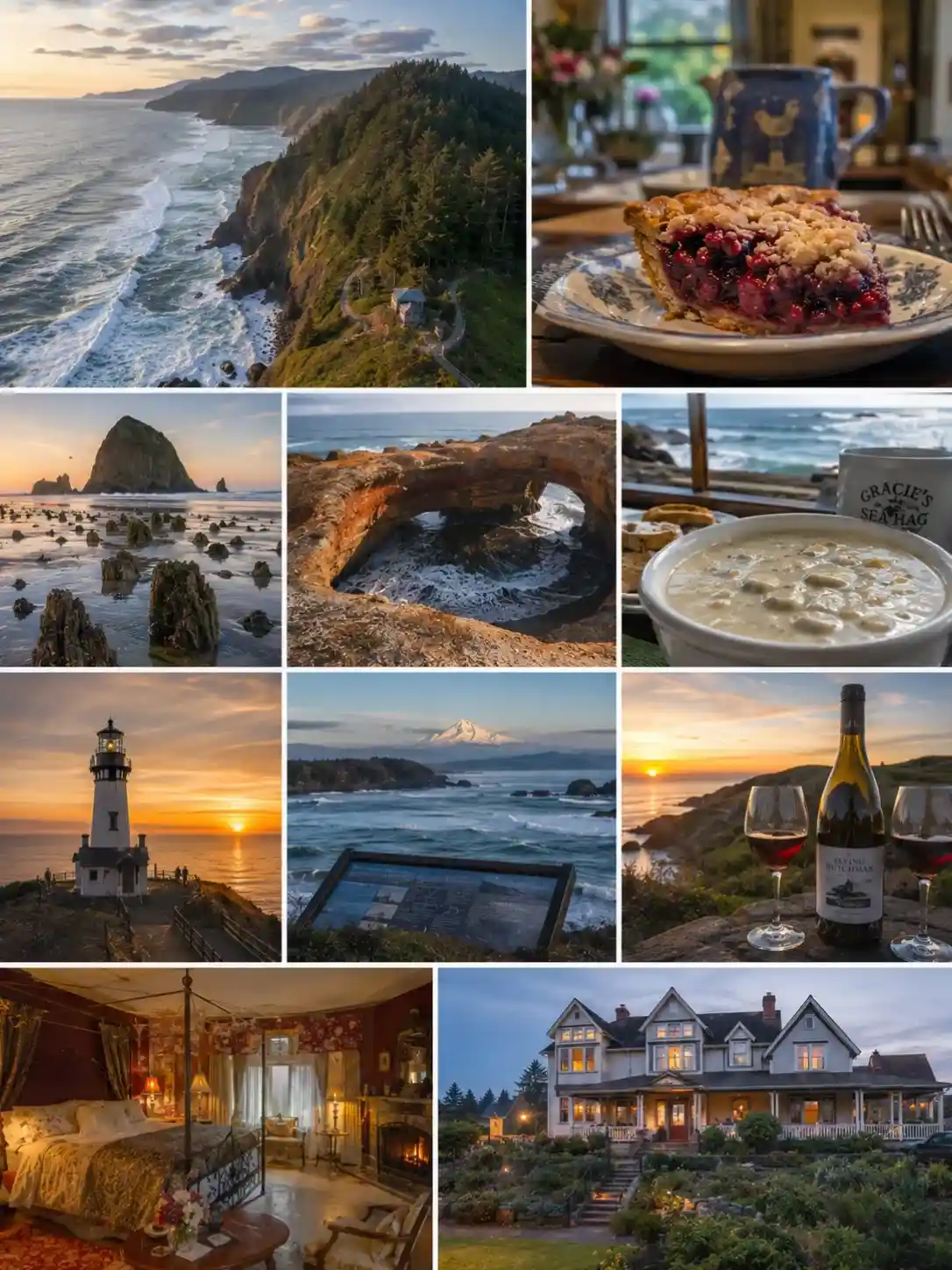
Cape Foulweather rises 500 feet above the water where forest meets ocean in one of the most picturesque spots on the central coast. Stop at Blue Raeven Farmstand for a slice of pie — the apple-blackberry or rhubarb-peach made with fresh Oregon berry is worth the detour — then walk out to the Neskowin Ghost Forest at low tide, where petrified trees near Proposal Rock have stood for thousands of years.
A little further south, Devils Punchbowl near Otter Rock is a collapsed sea cave and arch formation that’s dramatic to watch at high surf, though limited parking means a sunrise hike is your best bet for a quiet visit. By dinner time, head to Gracie’s Sea Hag for chowder made from a secret recipe that hasn’t changed in 50 years.
In Newport, the Yaquina Head Lighthouse, standing since 1873, offers sweeping ocean views and mountain views from the same spot. For wine country inland, the Flying Dutchman Winery — also known locally as the Devils Punch Bowl for its cliffside perch — is a true cliffside winery pouring velvety wines, and if you want to stay the night, Bella Collina B&B is a genuinely romantic B&B worth booking ahead.