15 Best Things to Do in Sedona, Arizona (2026 Local’s Guide)
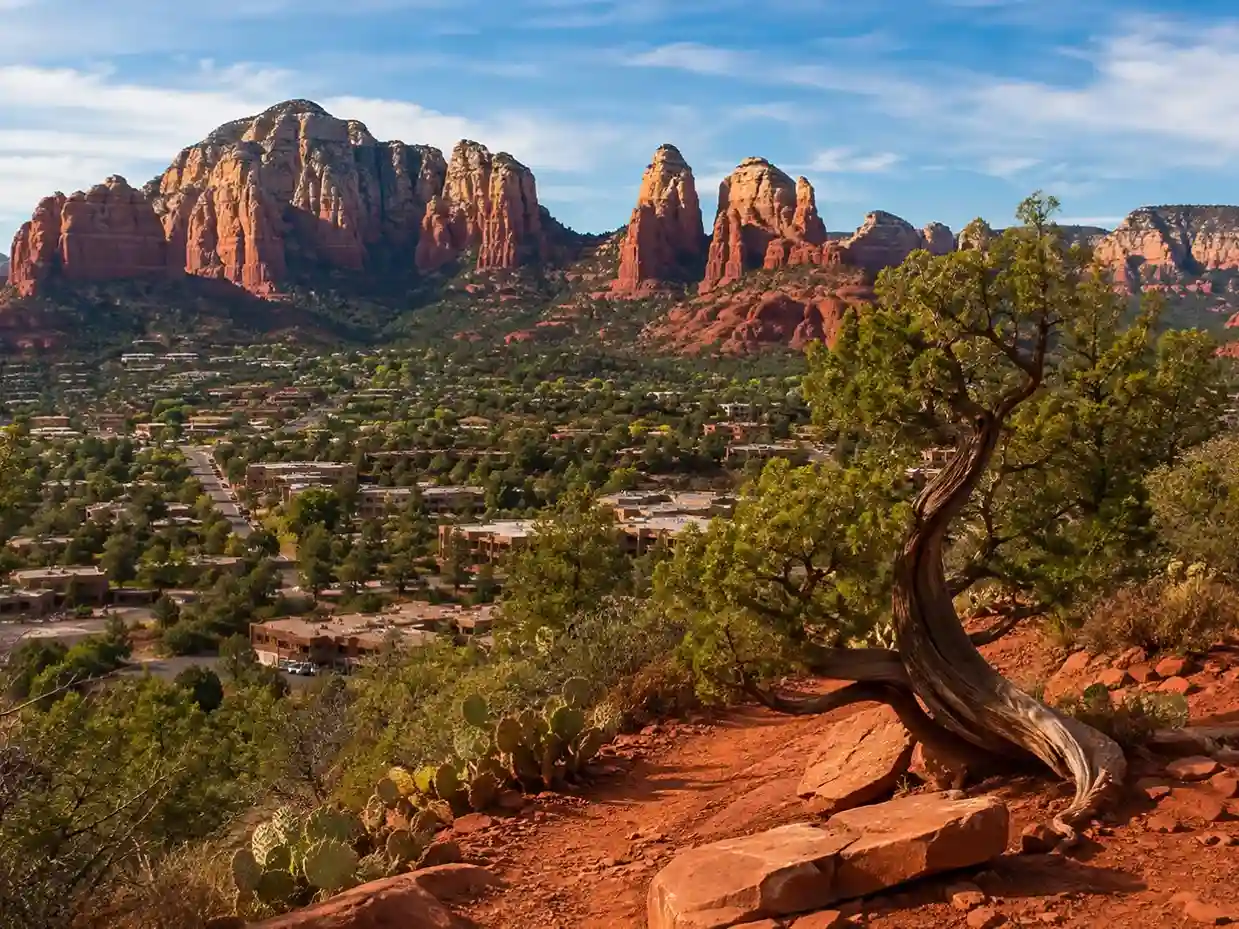
I’ll be honest — the first time someone told me to carve out 24 hours for a desert mountain retreat in northern Arizona, I laughed. Then I got there. Sedona isn’t a stop you squeeze in on the way to the Grand Canyon; it’s a one-of-a-kind red rock destination that quietly steals the show from every other leg of a Southwest road trip, including Havasupai, Bryce Canyon, and even southern Utah. The red rocks glow differently depending on the hour, the desert plants look like something out of a dream, and the twisted Juniper trees near the vortex sites are the kind of detail you don’t notice in photos until you’re standing right in front of one.
What makes planning a trip here genuinely tricky is the sheer popularity of the place — there are easily 16 things worth doing before you’ve even scratched the surface, and every travel site from Culture Trekking to Explore with Alec, Noah Lang Photography, and Traveling Found Love has its own personal favorite angle on the town’s small-town charm. Some lean into the hiking, others chase sunset hikes and tour options, and a few spend their whole trip soaking up the indigenous culture that still shapes how the area is talked about today.
My own approach has always been to treat it like a buffet: a little bit of outdoor adventure, a little spa downtime, a stretch of shopping and dining, and enough quiet time near a vortex to let the spirituality of the place sink in. Avoid the weekends and holidays if you can — the crowds change the whole feel of the trails — and give yourself multiple nights rather than trying to jam every hike, every vineyard, and every viewpoint into one exhausting day. Between the outdoor activities, the indoor activities on a rainy or scorching afternoon, and the sheer number of views worth chasing, it can start to feel overwhelming — but that’s a good problem to have, and it’s exactly why this guide exists: to help you sort through the tours, the trails, and the relaxation spots without losing a single day to indecision.
Cathedral Rock
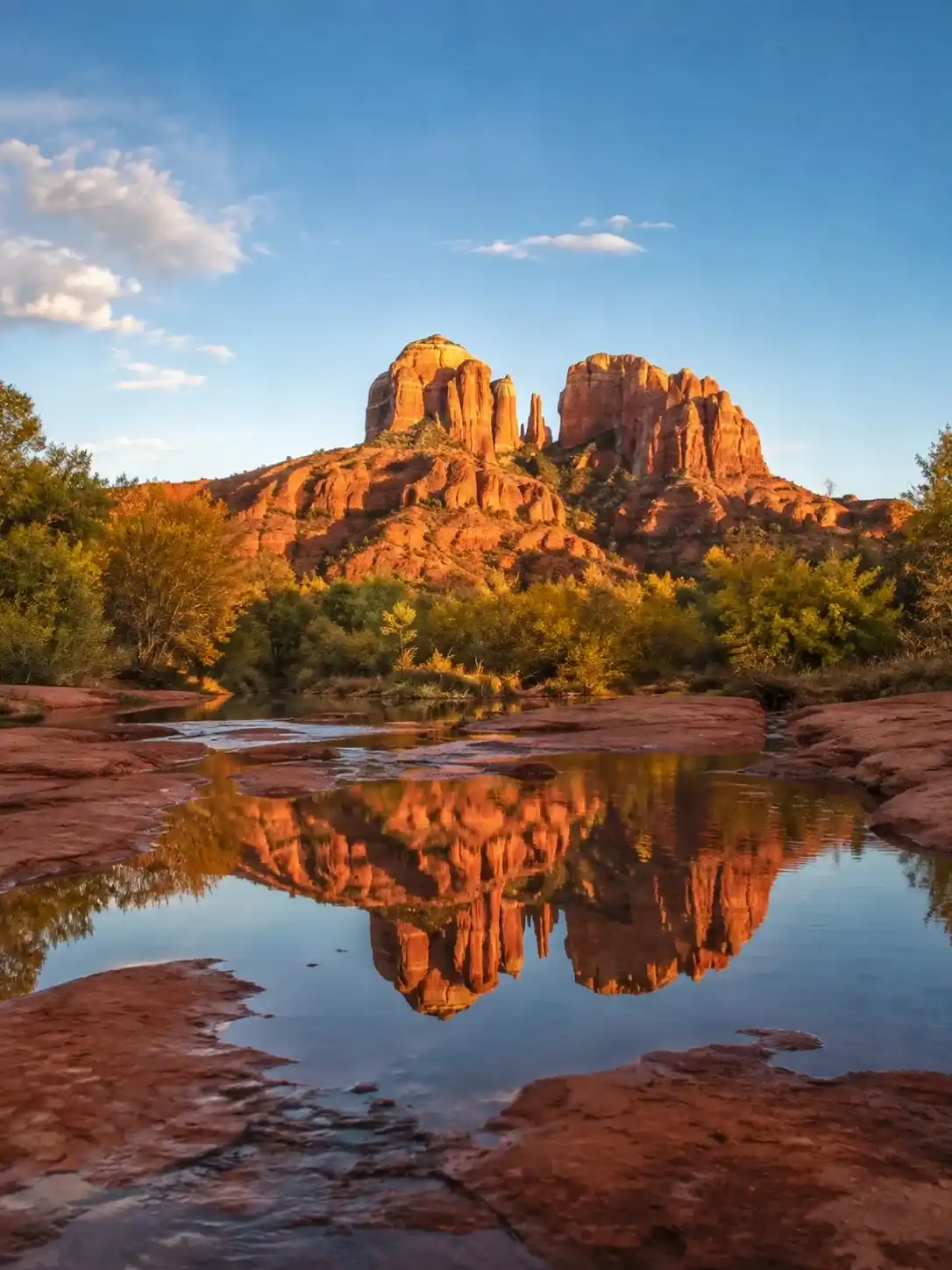
If I had to pick one formation that sums up why people fall for Sedona, it’s this one. The 1.5 mile round trip inside the Coconino National Forest climbs 652 feet elevation gain, and it is, without exaggeration, one of the most photographed rock formations in the entire state. The catch? Parking. I’ve watched the pay kiosk sit broken more than once, and by 6am on a busy morning the lots full sign is already up — which is why the smart move is showing up between 4:30am and 5am if sunrise is your goal. Skip the middle of the day entirely; the red rock soaks up sun and reflects heat back at you in a way that makes the actual temperature feel ten degrees hotter than your phone claims.
There are pit toilets at the trailhead, and dogs are welcome as long as they’re on a leash. For a mellower version of the same views, Airport Mesa nearby is a favorite for sunset, with anywhere from a half mile to one mile uphill walk depending on where you settle in. It’s crowded no matter which spot you pick, so arrive early. There’s also a shorter, 1.4 miles route some hikers prefer, which locals bill as a sunset-only hike — genuinely not worth doing at any other time of day — with one short steep scramble roughly halfway up that catches first-timers off guard.
Cathedral Rock has earned its reputation as a prominent landmark and a must-see stop right off Highway 179, visible in the same sweeping glance as Bell Rock. You don’t strictly have to hike the trail to appreciate it — there’s a solid view from Back O Beyond Road — but climbing it yourself is worth the effort. Many visitors also treat it as a vortex site, and the reflection shots from Red Rock Crossing below are some of the most recognizable images to come out of Sedona.
Devil’s Bridge
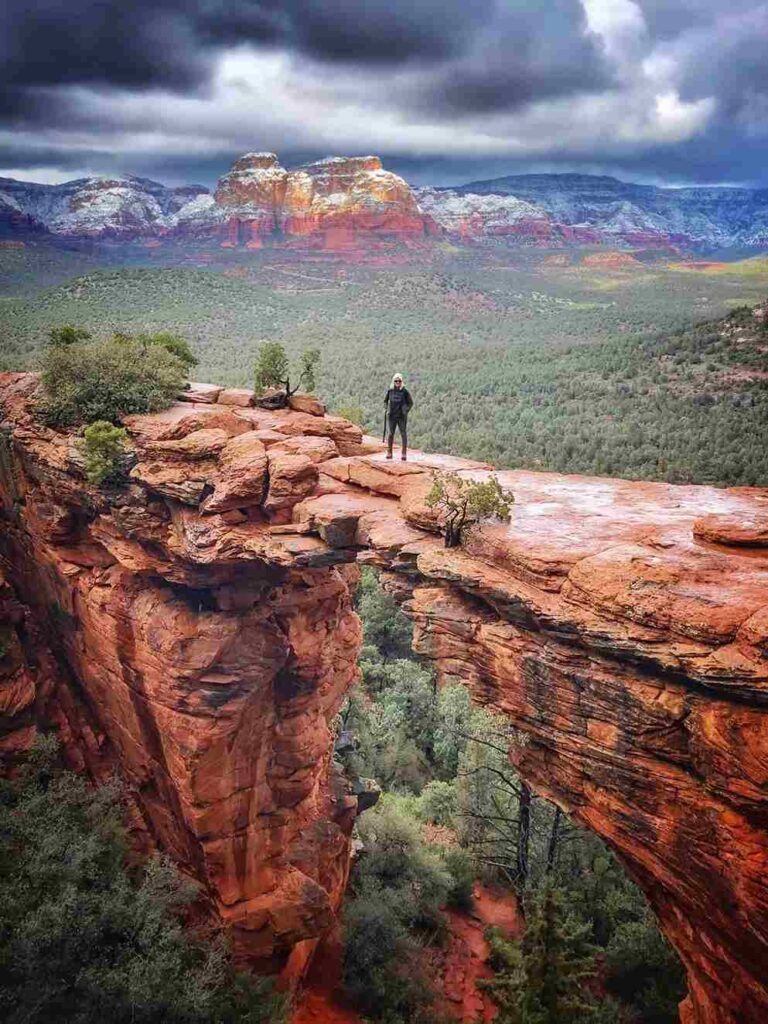
This one has a bit of a split personality depending on which trailhead you start from. The full route runs 3.9 mile trail with 521 feet elevation gain, tucked inside the same Coconino National Forest as Cathedral Rock, and there are no restrooms anywhere along it — plan accordingly. Minimal parking means the lot fills by 6am on weekends, so treat that number as a hard deadline, not a suggestion. The first 1.5 miles easy stretch lulls you into thinking the whole hike is a breeze, and then the final 0.25 miles moderate section throws in steps and some light scrambling to reach the top.
Once you’re actually standing on the bridge, it’s noticeably wider than photos ever make it look, which helps if heights aren’t your favorite thing. Expect a 15-20 minute wait during off-peak hours just to get your photo, and closer to 1 hour during peak midday crowds. If you’d rather let someone else handle the driving, there’s an OHV road approach that demands a high-clearance 4×4, and several Pink Jeep Tours run it regularly.
Depending on which trailhead you pick — Dry Creek or Mescal — the one-way distance shifts between 2.0-2.9 miles, giving you three routes to choose from. I’d argue sunrise and sunset are both underrated times to attempt it, mostly because they help you avoid crowds entirely. Whichever direction you approach the natural arch from, budget for a 2-6 miles round trip hike that’s genuinely easy-to-moderate, and don’t be surprised if it becomes one of your favorite hikes in the whole trip. The free Sedona Hiking Shuttle doesn’t stop here directly, but it’s worth checking before you drive.
Bell Rock
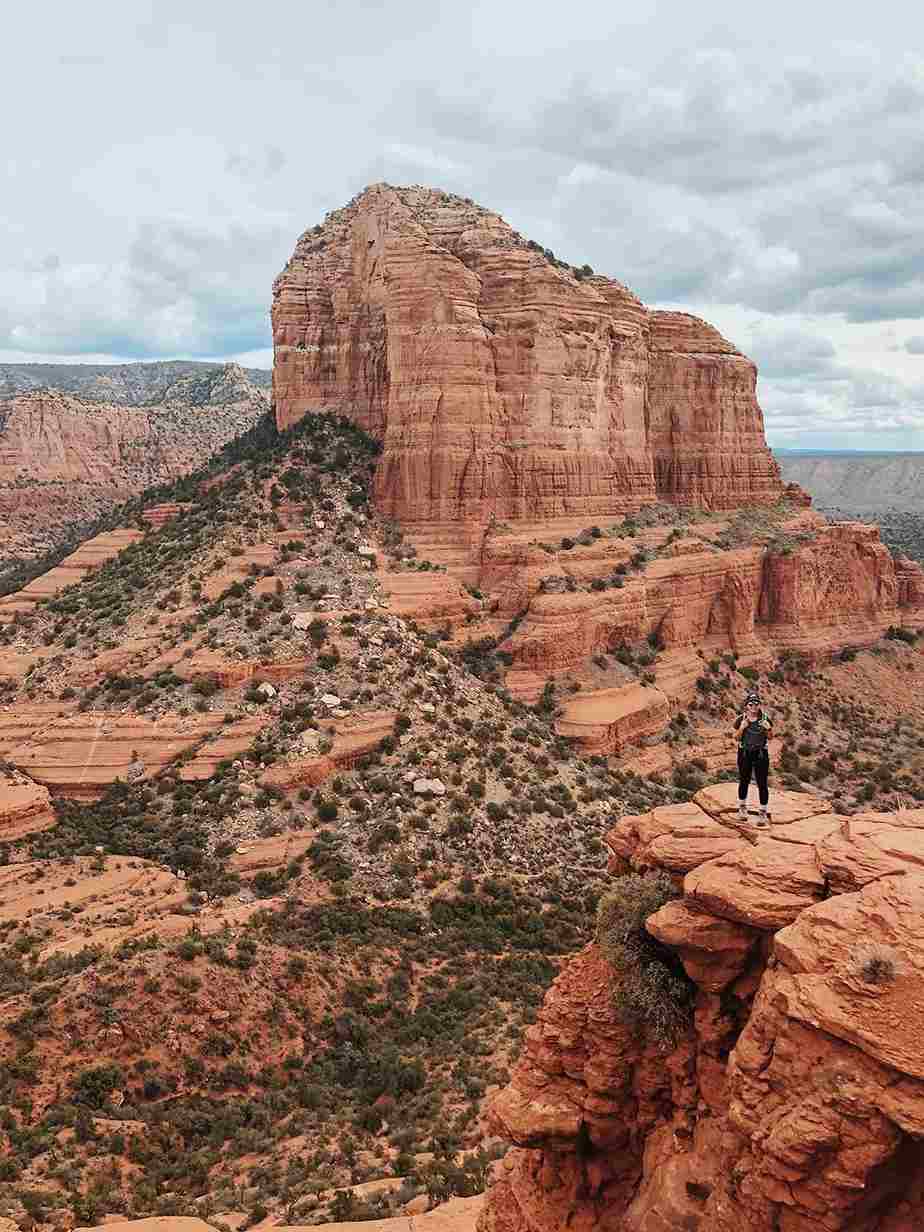
Out of every red rock formation in town, this is the one I’d send a first-time visitor to first. It’s a compact 1.1 mile out-and-back with 380 feet elevation gain, sitting just inside the Munds Mountain Wilderness. There’s paid parking at the base, so keep small bills and a credit card handy, and start from the Courthouse Vista lot if you have a choice. Dogs are fine here too, always on a leash.
It carries a moderate rating, mostly because of a stretch of rock scrambling near the summit push, so don’t wear your flimsiest sandals. Aim to be on the trail by 6-7am to dodge the worst of the crowds, and if you’re visiting in summer, avoid noon-6pm altogether — there’s almost no shade anywhere on the climb. Locals will tell you this is a spiritual vortex, and they’ll point out the juniper trees along the path that appear physically twisted, supposedly by the energy radiating from the rock itself.
From various points on the way up you’ll spot Baby Bell Rock, Chicken Point, and Submarine Rock in the distance, plus solid sightlines to Courthouse Butte and even the Chapel of the Holy Cross tucked into its alcove. Some hikers prefer a shorter 1.2 miles version and call it the best sunset hike in the whole region — for the truly ambitious, there’s a Class 4 climb all the way to the actual summit, though most people are happy stopping at one of the lower viewpoints. The bell-like shape is unmistakable from Highway 179 near the Village of Oak Creek, and along with Cathedral Rock, it’s regularly named one of the strongest vortex sites and a reliable top sunset spot.
Slide Rock State Park
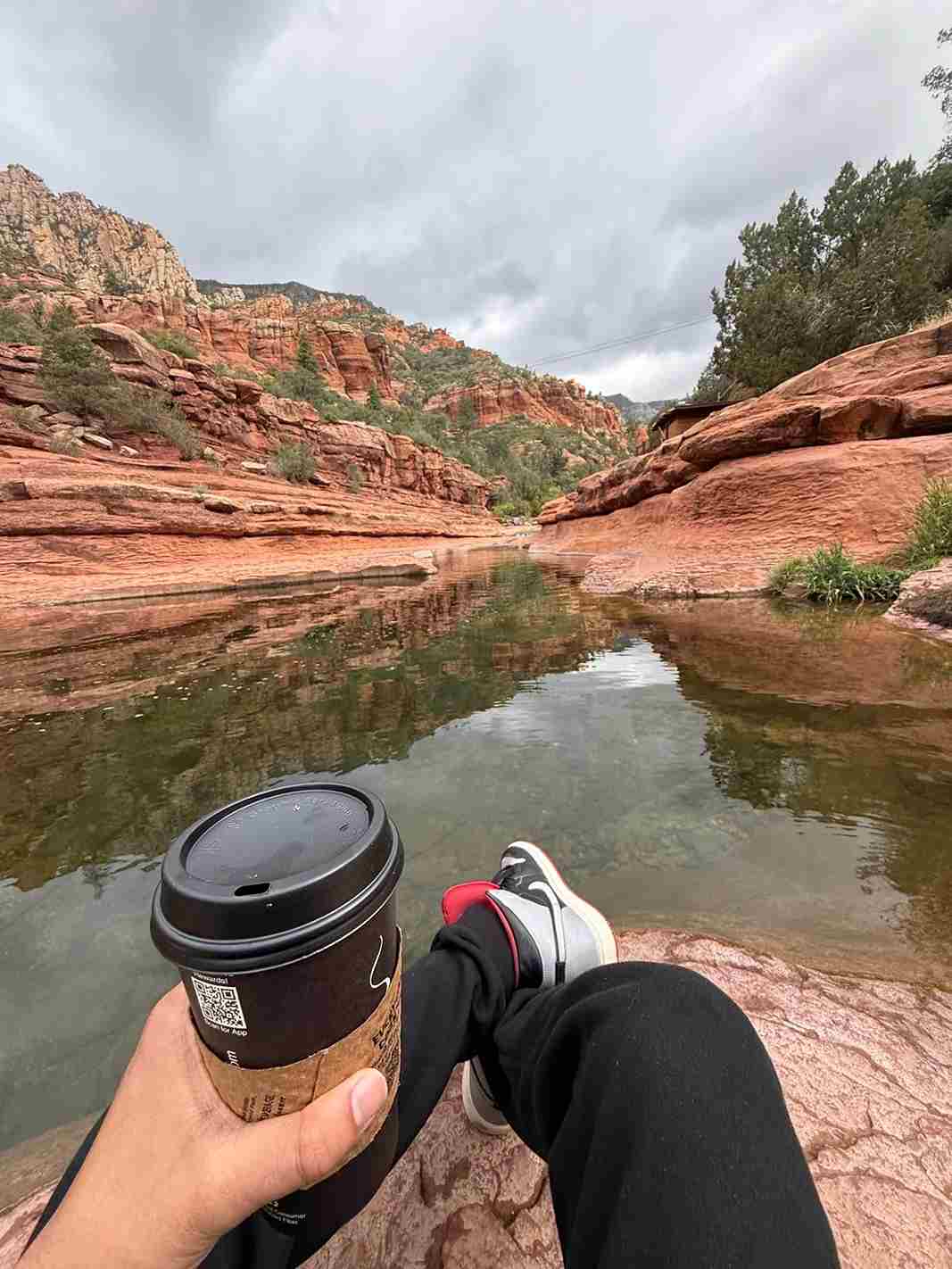
Nothing cools you down after a morning of red-rock hiking quite like this place. It’s a 43 acre park tucked into Oak Creek Canyon, and the land itself has real history — it was once Frank L. Pendley’s working apple farm homestead, claimed under the Homestead Act of 1910. The irrigation system he built is, remarkably, still doing its job today, and you can walk it on the Pendley Homestead Trail and Clifftop Nature Trail.
The main event is the short 0.3 mile Slide Rock Route, which delivers you straight to a natural rock slide and swimming hole that’s been ranked among the top-10 U.S. swimming hole list more than once. It’s genuinely family-friendly and elderly-friendly — kids can even join the park’s Junior Ranger program — and the natural waterslide chute itself is carved by Oak Creek running over smooth, polished sandstone for who knows how many decades.
Just know it gets seriously busy in summer, so a weekday visit or timing your trip for shoulder season will save you a headache. The park sits at 6871 N. Highway 89A, generally open 8am-6pm with last entry 1 hour before close. During high season it’s $20 per vehicle for up to 4 adults, jumping to $30 on Friday-Sunday and holidays between May 23 and Labor Day. During low season, roughly November-February, it drops to $10 per vehicle, and a motorcycle pays 50 percent of the standard rate.
Red Rock State Park
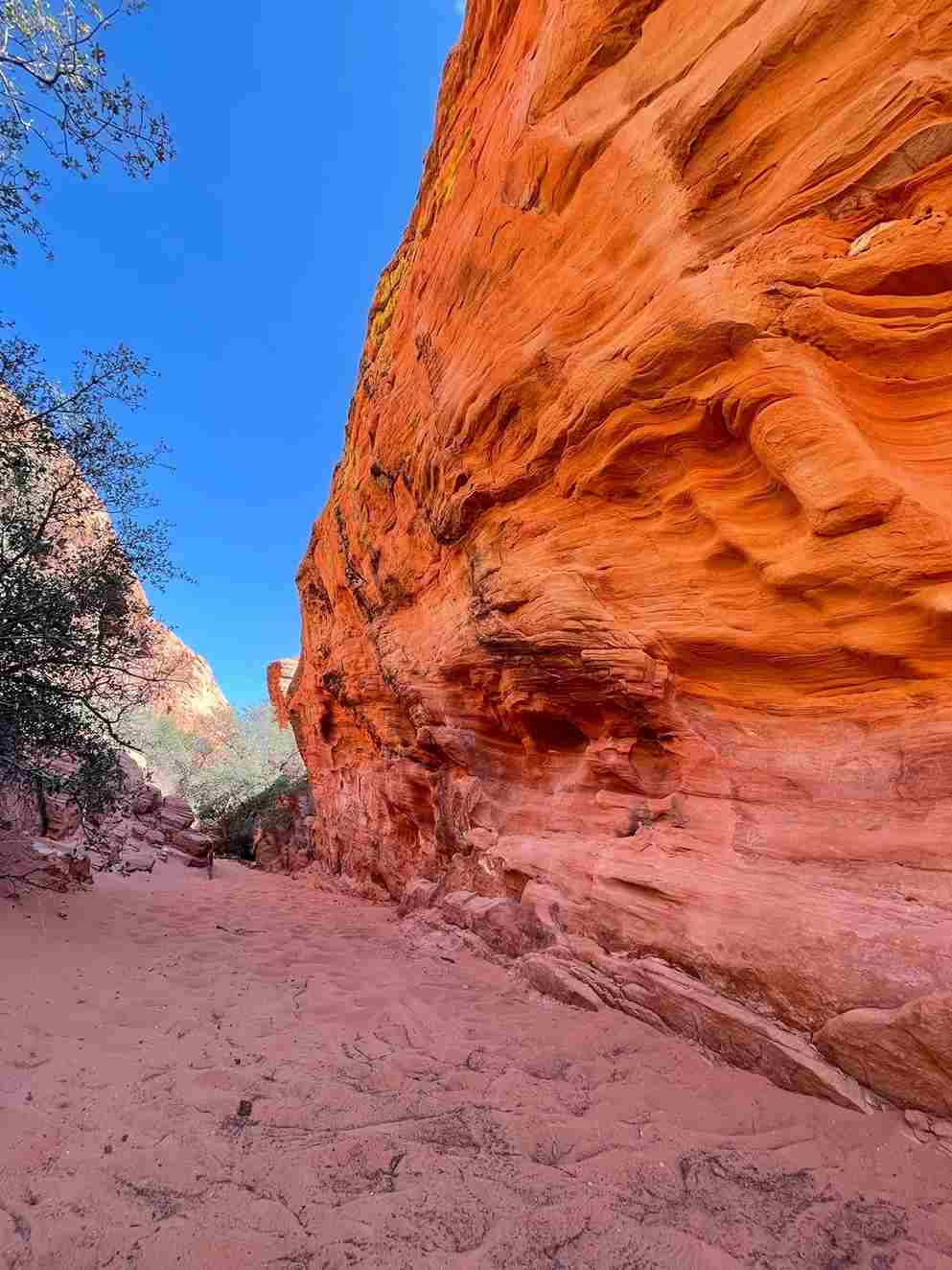
Don’t confuse this one with Slide Rock — it’s a completely separate, quieter 286 acre park built around an environmental education center, complete with a classroom, amphitheater, accessible restrooms, a small gift shop, and scattered picnic tables. It’s only been opened to public access since 1991, which is young by park standards, and it’s been growing steadily in popularity ever since.
The trail network here leans easy-to-moderate: Eagles Nest Trail, Javelina Trail, Bunkhouse Trail, Apache Fire House Trail, and Equestrian View Trail cover most of the ground, and you can hike, bike, or even try horseback riding through them. It’s located at 4050 Red Rock Loop Rd, with the park itself open 8am-5pm and the Visitor Center running 9am-4:30pm. Entry runs $7 per day for Adults 14+, $4 per day for Youth 7-13, and it’s free for children 6 and under.
Sedona Vortexes
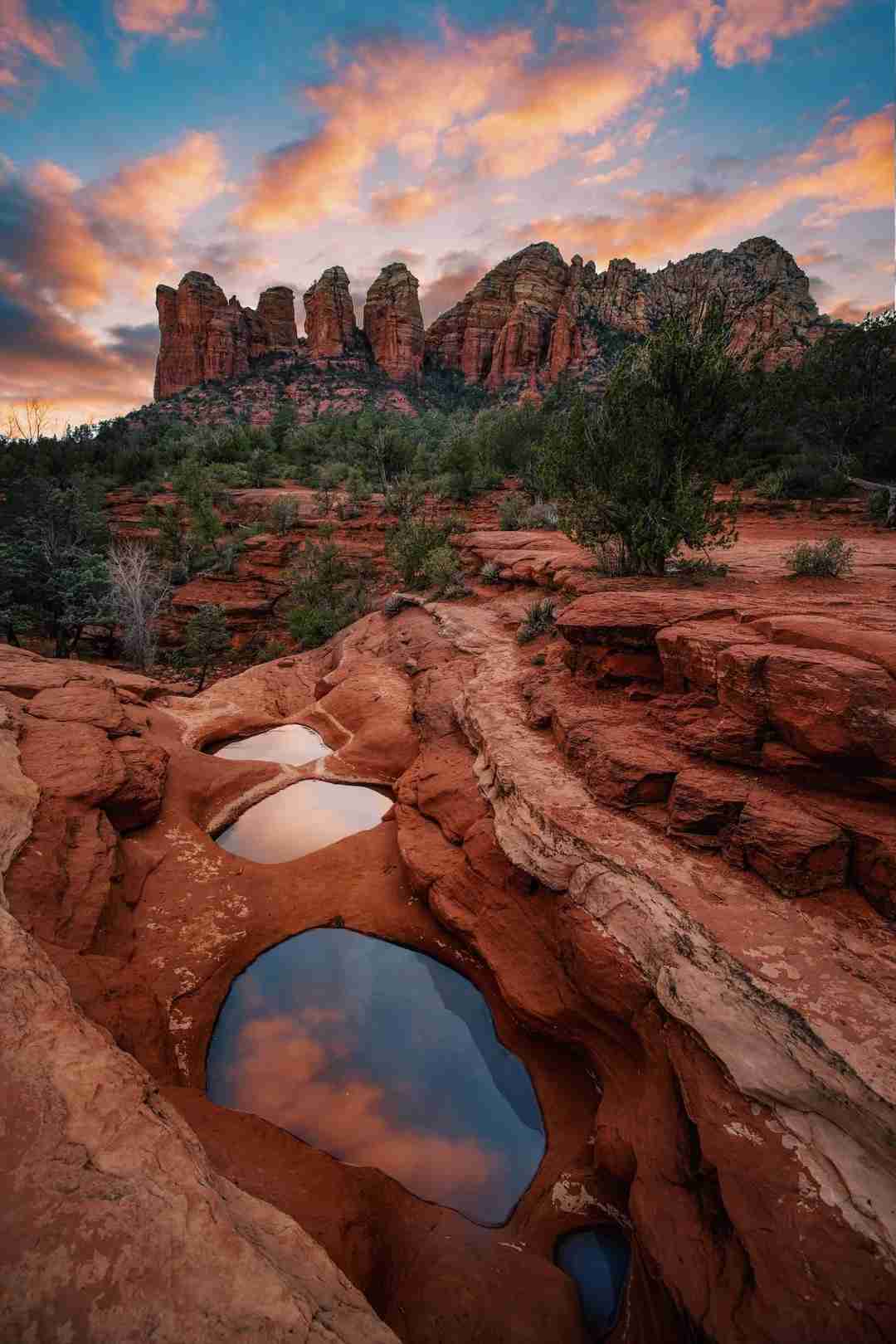
This is the part of the trip that either makes you a believer or makes you smile politely and keep hiking — either way, it’s worth understanding. The core idea is that certain spots channel electromagnetic earth energy strongly enough to trigger a kind of personal transformation. Bell Rock and Airport Mesa are said to carry a more masculine energy, associated with strength and confidence, while Cathedral Rock, the Chapel of the Holy Cross, and Schnebly Hill lean feminine energy — think compassion, love, and healing. Boynton Canyon apparently splits the difference, holding both energies at once.
The physical evidence people point to is the twisted juniper trees scattered near these sites, which locals treat as visible proof of the spiritual renewal on offer. Spend even twenty minutes in meditation or quiet reflection at one of these spots and you may notice heightened awareness, a real sense of inner peace, or what some describe as full spiritual awakening. You don’t need a guided tour to experience any of it, though plenty are available if you’d rather have context along the way.
Between all the formations in town, there are 4 major vortexes worth seeking out, with Red Rock Crossing offering one of the better vantage points. The juniper-twist theory — more visible twisting equals stronger energy — keeps coming up in conversation with locals, and it’s generally agreed that Bell Rock and Cathedral Rock are the strongest vortexes in the area.
Chapel of the Holy Cross
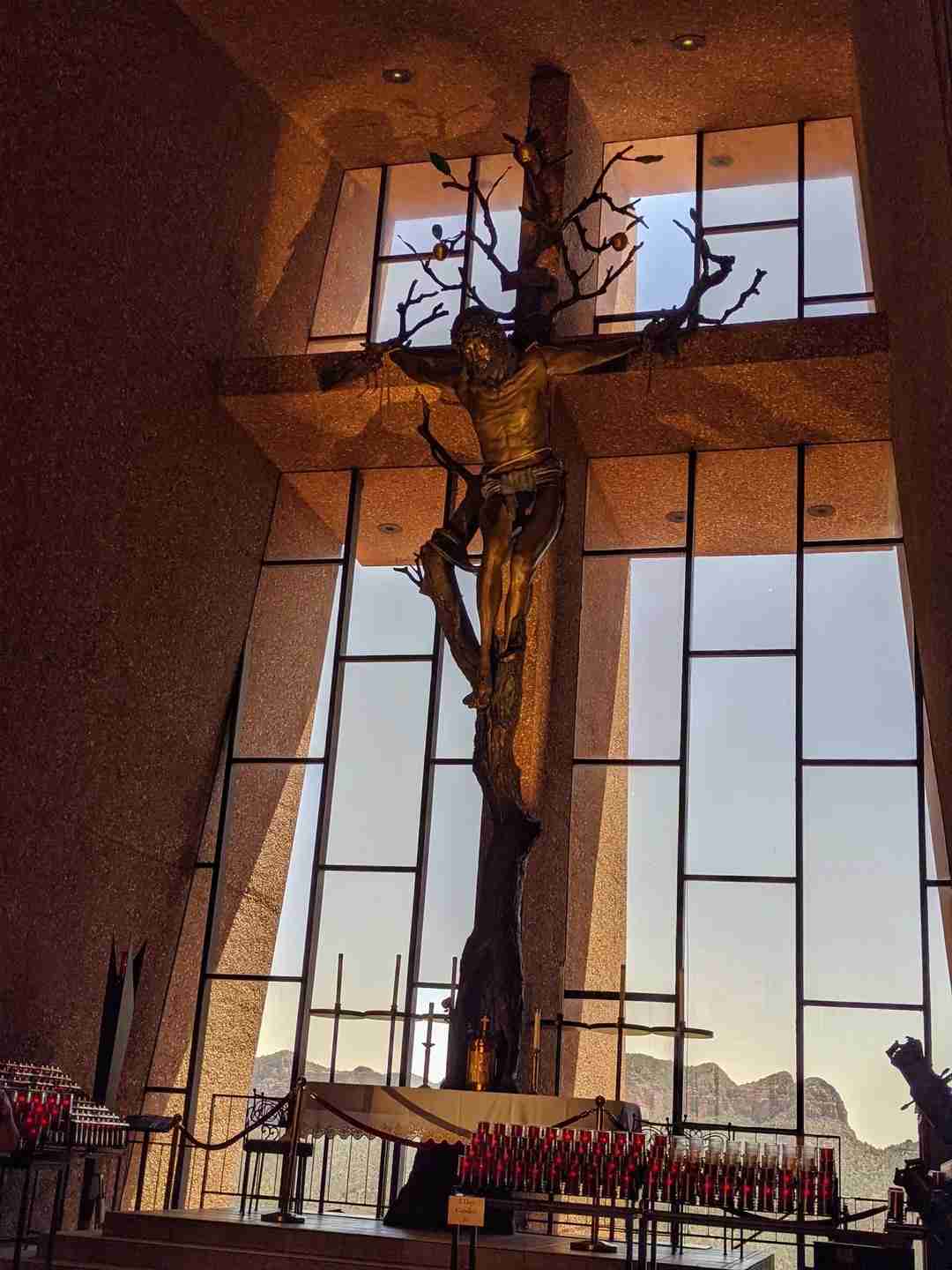
Even visitors with zero interest in the vortex conversation tend to stop here. It’s a working Roman Catholic church designed by Marguerite Brunswig Staude, who studied under Frank Lloyd Wright, and it still holds regular mass. Parking limited is the operative phrase, so if the lot’s full, the Sedona Sightseeing Trolley is a solid backup plan.
The building went up in built 1956 and is instantly recognizable by its 90-foot cross, visible from distance long before you reach the driveway. It’s open 9am-5pm daily, except Christmas and Easter, and the interior stained glass produces a genuinely striking light effect in the late afternoon. You’ll find it at 780 Chapel Road, just off Highway 179.
Tlaquepaque Arts and Crafts Village
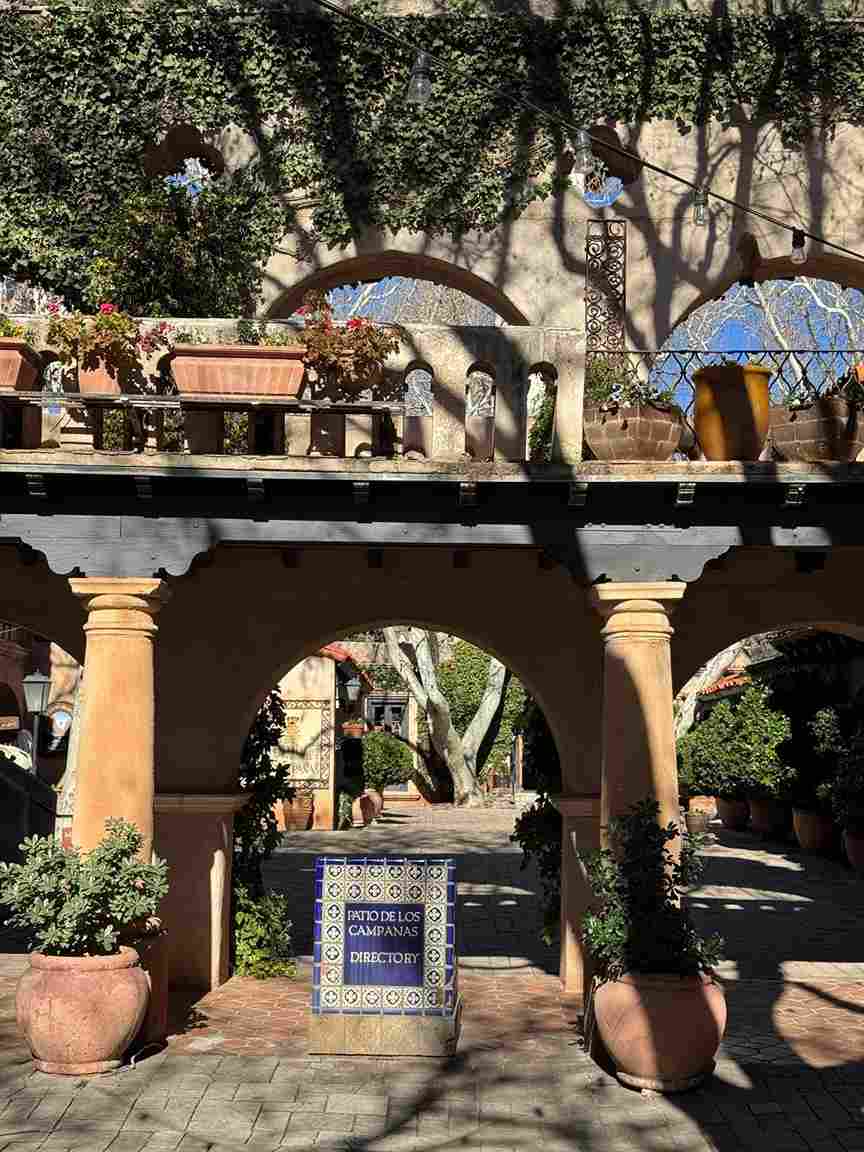
I still mispronounce this one occasionally, but locals will forgive you — it’s Ta-la-ka-pa-kee, and the pronunciation trips up almost every tourist at least once. The village sits right along the banks of Oak Creek, built 1970s by a Nevada businessman named Abe Miller, who modeled it after Old Mexico style architecture. The name itself comes from Aztec/Nahuatl roots and roughly translates to “the best of everything.”
There’s a small chapel on-site that’s become a popular wedding venue, and the layout was deliberately built around a preexisting Sycamore grove rather than clearing it. Stop at the Secret Garden Cafe, a female-owned, dog-friendly spot serving prickly pear margaritas, hummus, burgers, pizza, and salads. Beyond the food, you’ll find galleries, working studios, and hands-on workshops covering everything from pottery to jewelry.
Architecturally, it’s built in a traditional Mexican mission style — clay, stucco, colorful tiles, and winding cobblestone streets connecting the various shops, cafes, and restaurants. Even if shopping isn’t your thing, it’s worth an hour just for the atmosphere.
Jeep Tours
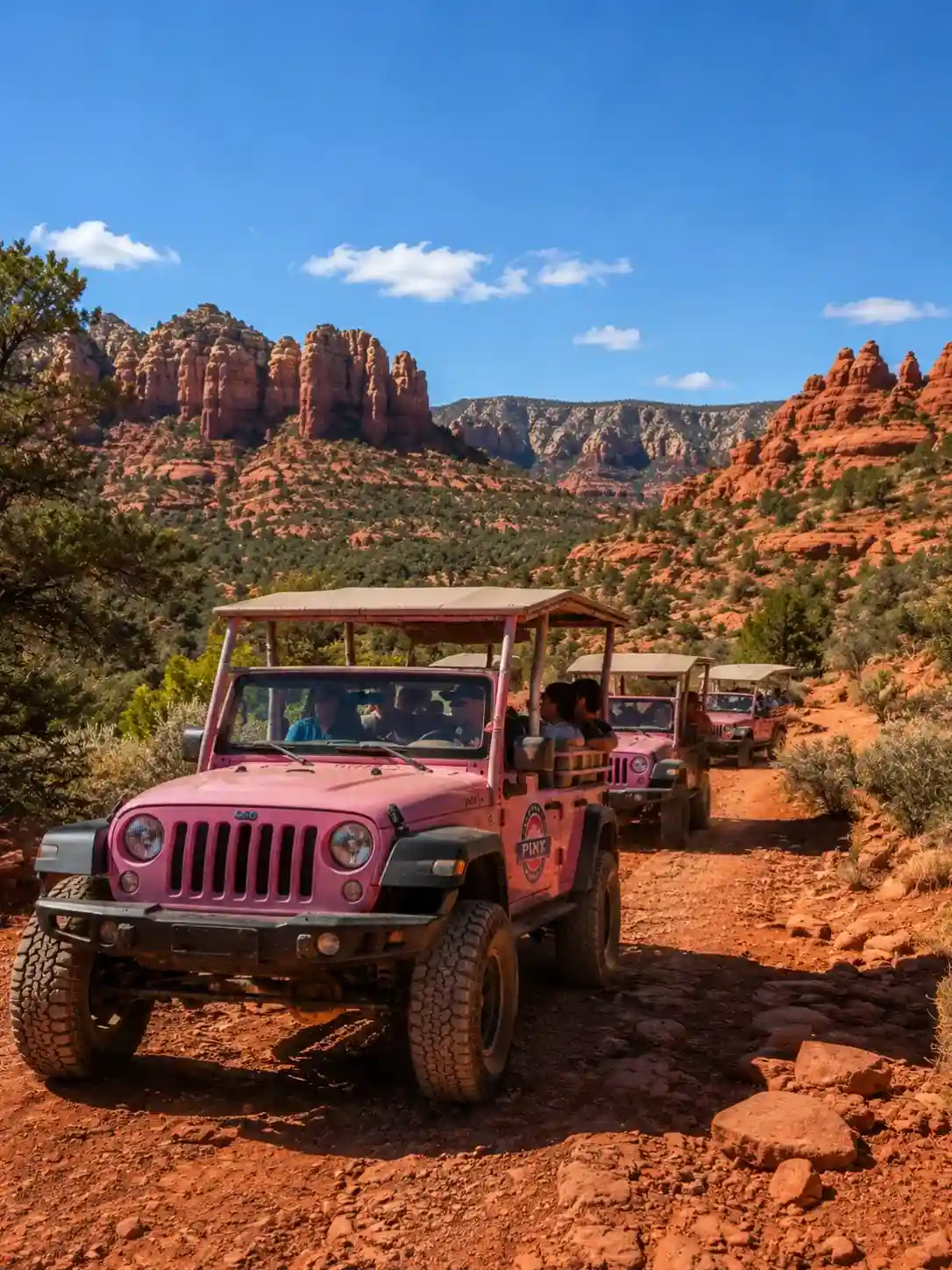
For visitors who’d rather ride than hike, this is where the fun starts. The classic route is the Broken Arrow Trail, which you can tackle as a 3.6 mile hike — both dog-friendly and bike-friendly, with a manageable 400 feet elevation gain — or attempt as a self-drive Jeep OHV challenge if you’ve got a high-clearance 4×4 and the nerve for it. No permit needed, but this is strictly a one-way trail, and Chicken Point is widely considered the best photo spot along the route.
Most visitors, myself included, end up letting a Pink Jeep Tours driver handle the technical sections instead. Guides run both the Broken Arrow route and Devil’s Bridge, and a good guide does more than just handle the technical driving — they’ll talk you through the geology, local history, and plenty of vortex lore while weaving past dramatic rock formations. It’s consistently one of the more popular tour options in town, though tour times and prices vary depending on the operator.
Stargazing / Dark Sky City
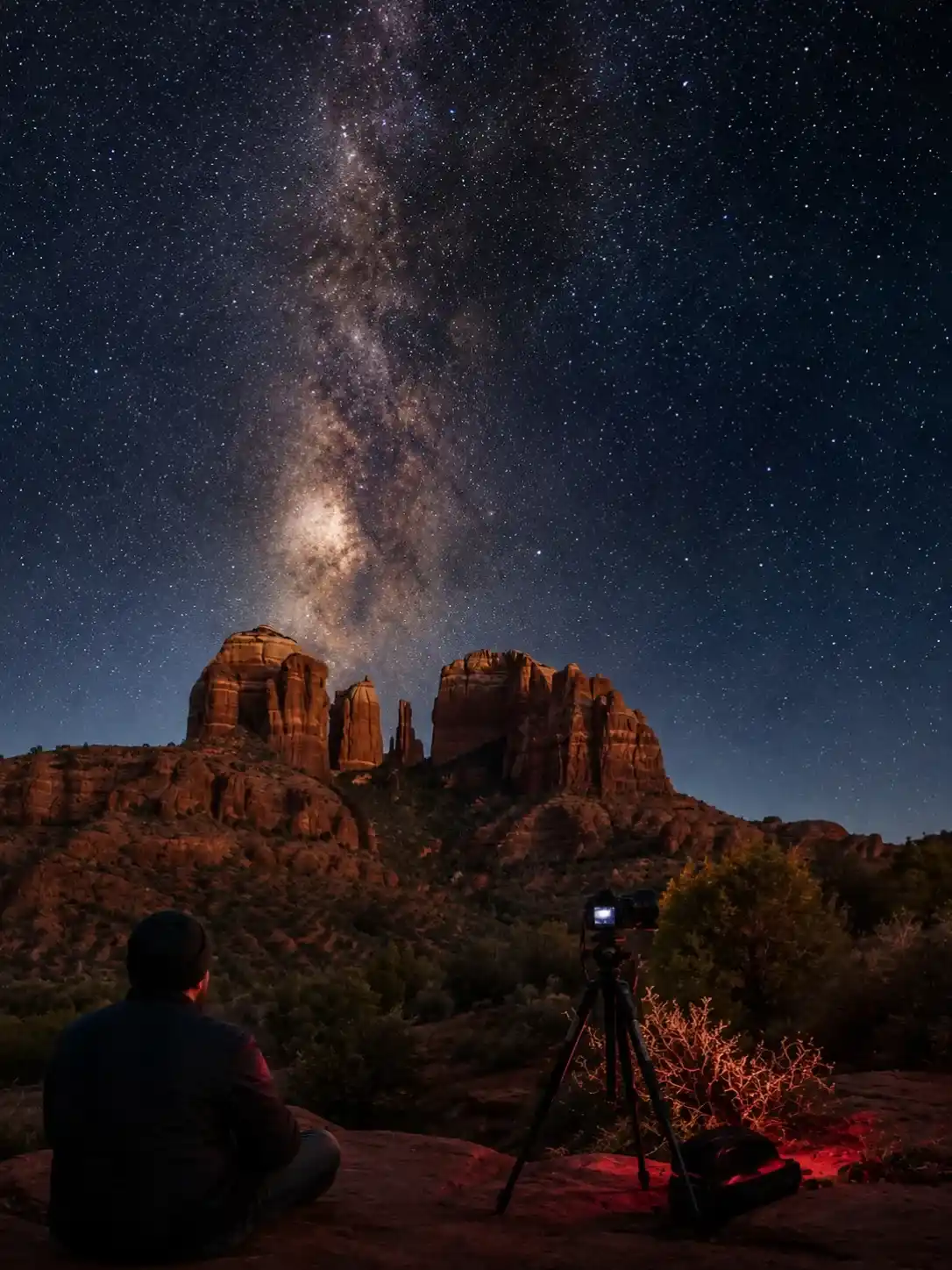
Sedona earned its stargazing reputation honestly — it was the 8th Dark Sky City to receive that official designation, and it still lives up to it most of the year. The exception is July and August, when monsoon season brings enough cloud cover to ruin most nights. Good spots to set up include the Two Trees Observing Area, Jordan Trailhead Observing Area, Secret Slick Rock Trail, Merry-Go-Round Rock along Schnebly Hill Road, Turkey Creek Trailhead, Baldwin Trail, and Centennial Hill Trail.
If you’re chasing photos rather than just naked-eye views, download Stellarium and Star Walk — both solid apps for planning your shot — and bring a camera, sturdy tripod, wired shutter, and a red flashlight so you don’t blow out your night vision. Camera settings worth starting from: ISO 1600, the low F-stop your lens allows, and no longer than a 15 second exposure unless star trails are the look you’re going for. As a certified Dark Sky Community, Sedona genuinely delivers some of the clearest night skies in the Southwest.
Tuzigoot National Monument
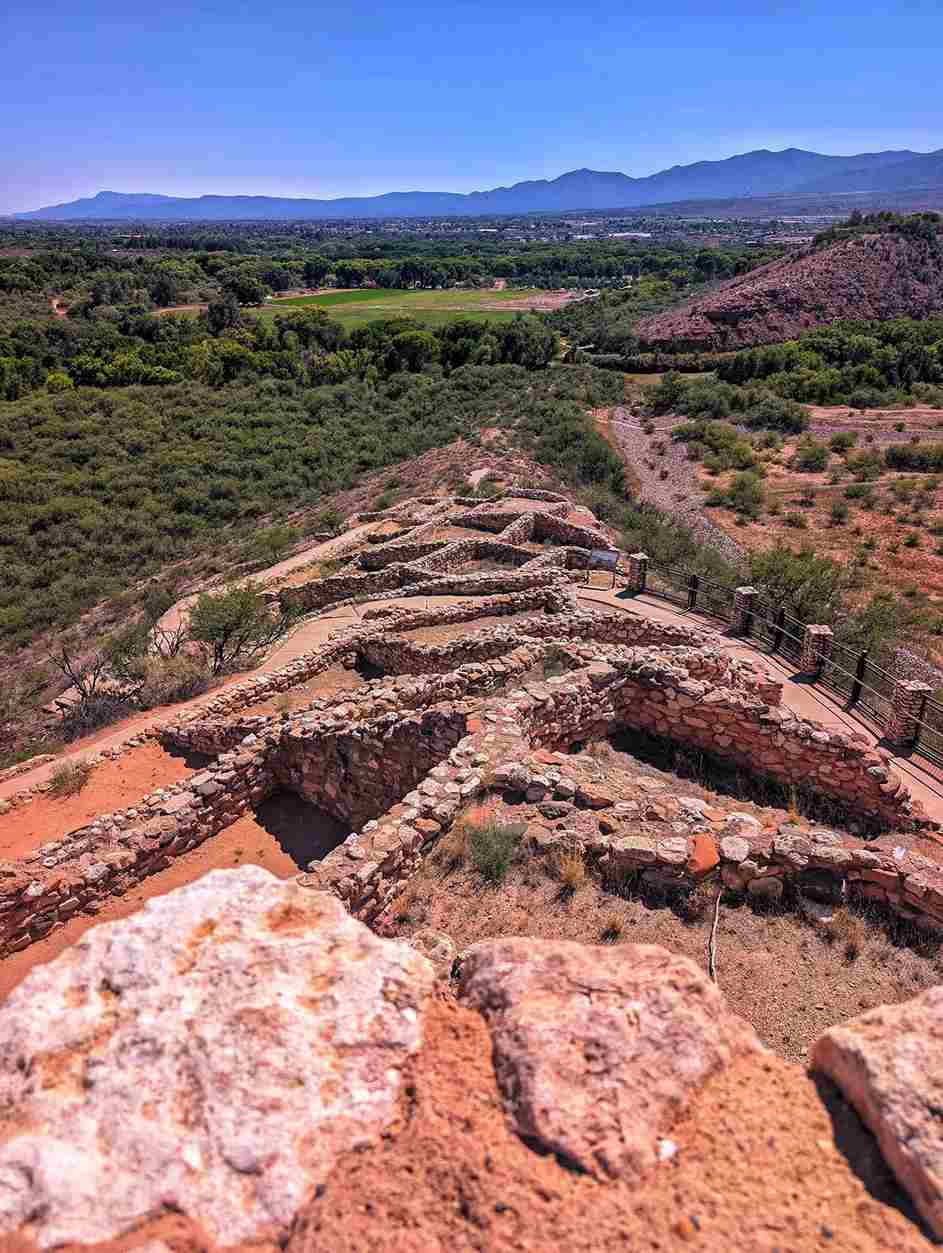
32 minutes west of Sedona sits one of the more underrated stops in the region. The name comes from Apache, roughly translating to “crooked waters,” a nod to the river visible from the top of the structure. It was raised by the Sinagua people around 1000 CE and mysteriously abandoned sometime in the 1400s — historians point to food, water, conflict, or disease as possible reasons, without full consensus.
The site itself covers 42 acres and includes 110 rooms, with the tallest section rising 120 feet above the Verde Valley floor. The Sinagua farmed corn, beans, squash, and cotton using surprisingly sophisticated irrigation, and supplemented that with hunted rabbit, deer, antelope, bear, muskrat, and duck — they even mined salt nearby. Near the top, a reconstructed roof-access room lets you climb up the same way residents once did. Compared to some of the more elaborate sites nearby, Tuzigoot reads more like a modest 2-3 story pueblo on a hillside, and a self-guided ⅓-mile loop trail covers the whole thing comfortably.
Montezuma Castle / Montezuma Well
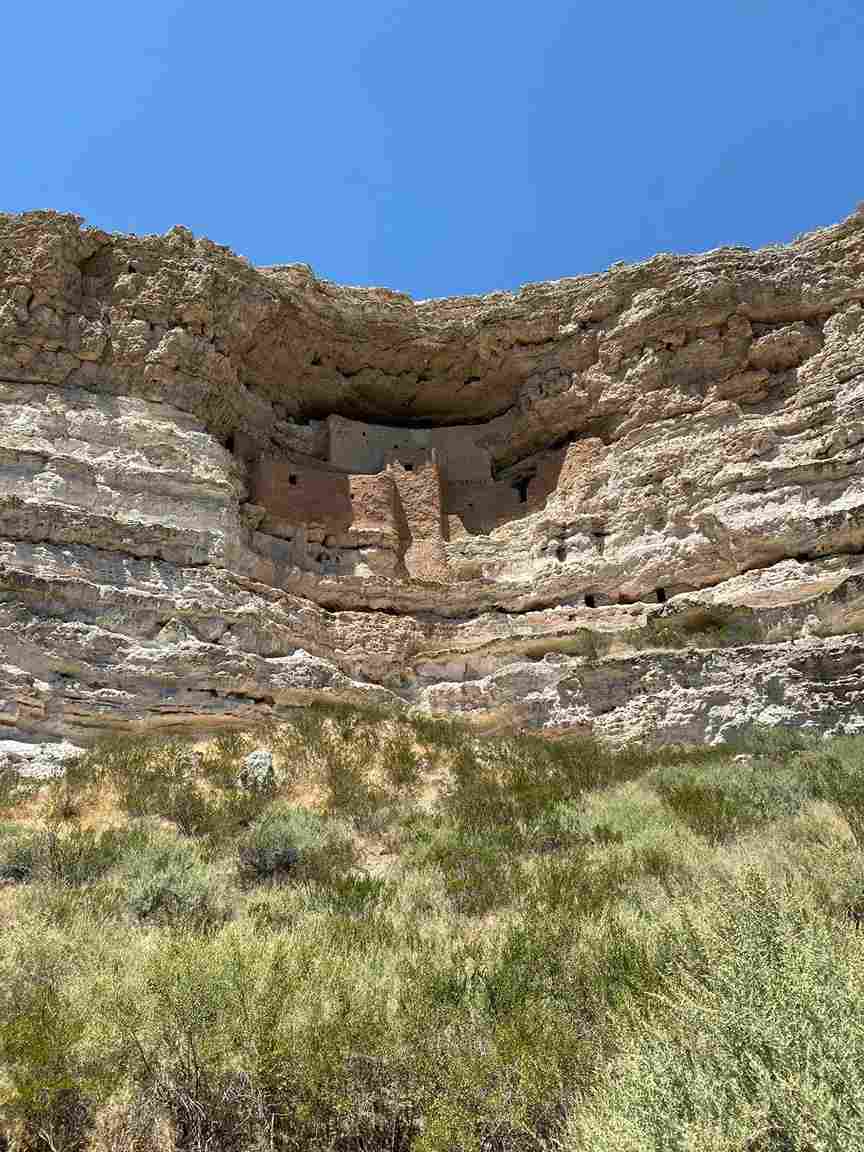
This pair of sites tends to get lumped together, but they’re worth understanding separately. The Castle is a striking 5-story, 20-room cliff dwelling perched 100 feet above valley, built by Southern Sinagua farmers between 1100-1300 CE. Early settlers wrongly assumed it was built by the Aztecs — hence the misattributed name — and after a wave of vandalism in the 1950s, the site became fully restoration-protected. It sits high up specifically to avoid flooding from nearby Beaver Creek, and the builders relied on sturdy limestone walls topped with sycamore beam roofs and thatch.
The Well, by contrast, is a limestone sinkhole where you can still trace the outlines of ancient irrigation channels cut by hand. Cliffside dwellings here date to roughly 1050-1400 CE, and researchers estimate around 100-150 residents once called it home. A short nature trail nearby explains historic uses of local plants for medicine, food, and even perfume — a small but fascinating detour. Together, both sites rank among the best-preserved cliff dwellings connected to the broader Sinagua people, occupied roughly from 1100-1425.
Seven Sacred Pools / Soldier Pass
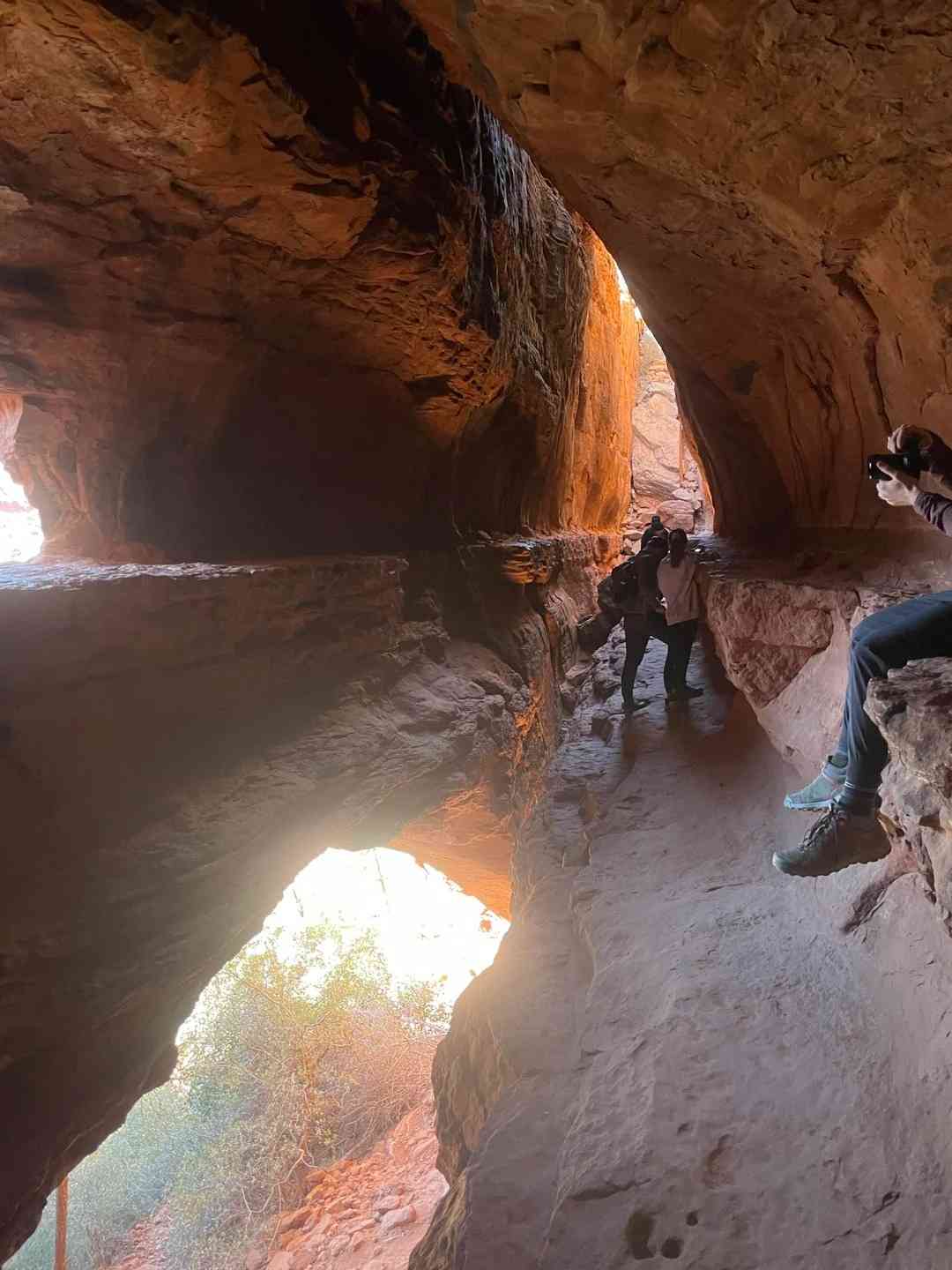
Tucked into the same general area as several bigger-name hikes, this one flies under the radar more than it should. It’s a 1.1 mile out-and-back along the Soldier Pass Trail, climbing a gentle 108 feet elevation gain, with a river carving out seven pools along the way. The trailhead opens 8am and closes 6pm, so don’t plan a pre-dawn start here like you would at Cathedral Rock. If the main lot is full, overflow parking at Yavapai Point adds roughly 2 miles to your total distance.
The pools shrink and can run dry in summer, so timing matters — after rain, or during spring and fall, is when they actually look like their photos. The trail itself isn’t well marked, so pulling up an AllTrails map before you go is smart insurance against an unmarked trail. Nearby, the same general network leads to Soldier Pass Cave, tucked inside the Red Rock Secret Mountain Wilderness. It consistently ranks among locals’ favorite hikes, and it’s one of the five stops served directly by the Sedona Hiking Shuttle.
Wine Tasting
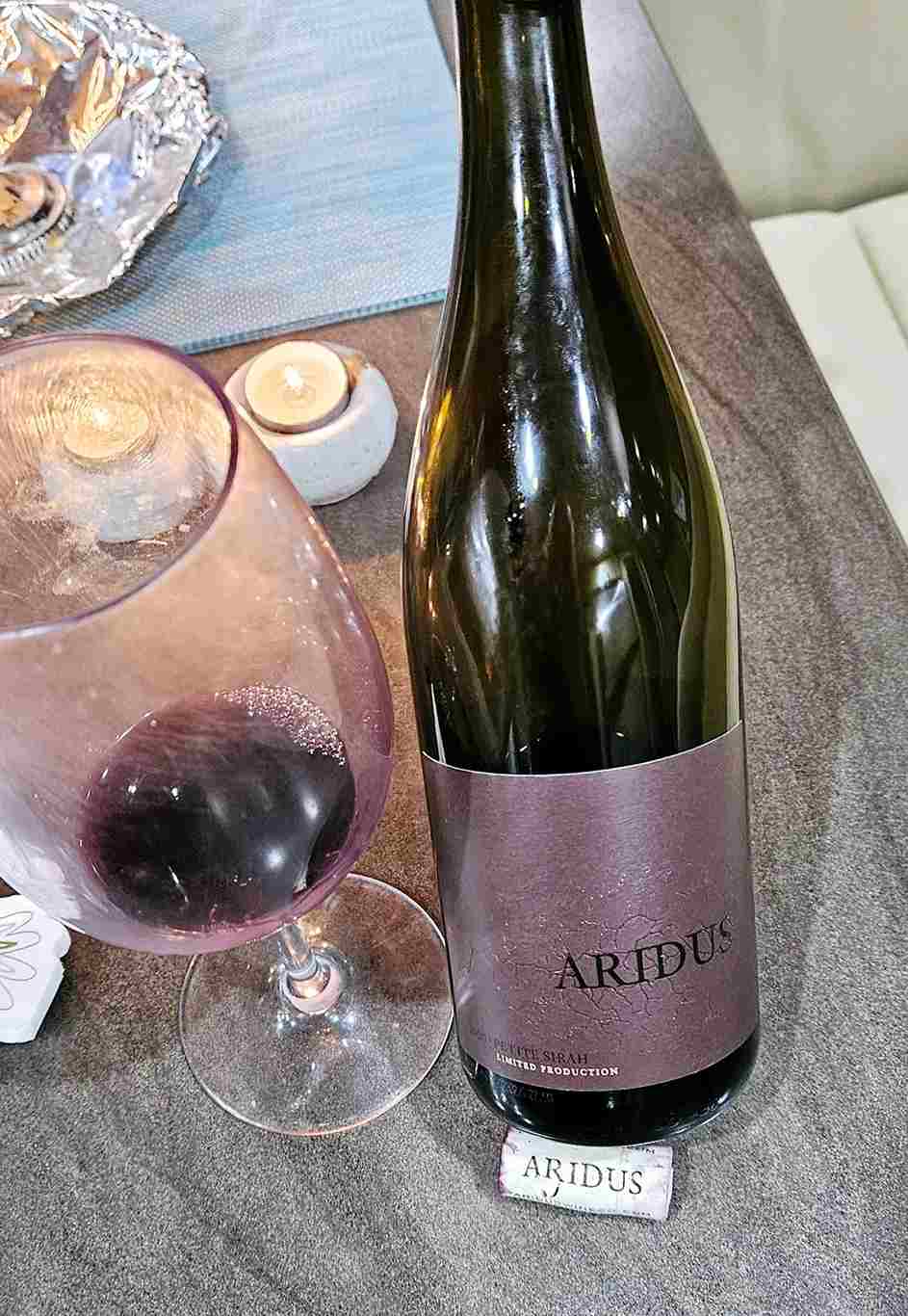
Sedona surprised me here — a desert town growing genuinely good wine felt unlikely until I tasted it myself. Page Springs Cellars is the name that comes up most often, alongside a handful of small tasting rooms in nearby Jerome. The wines lean into the region’s high desert terroir, and if you want to make an afternoon of it, the self-guided Verde Valley Wine Trail strings several stops together, most within about a 30-minute drive southwest of town.
Jerome (day trip)
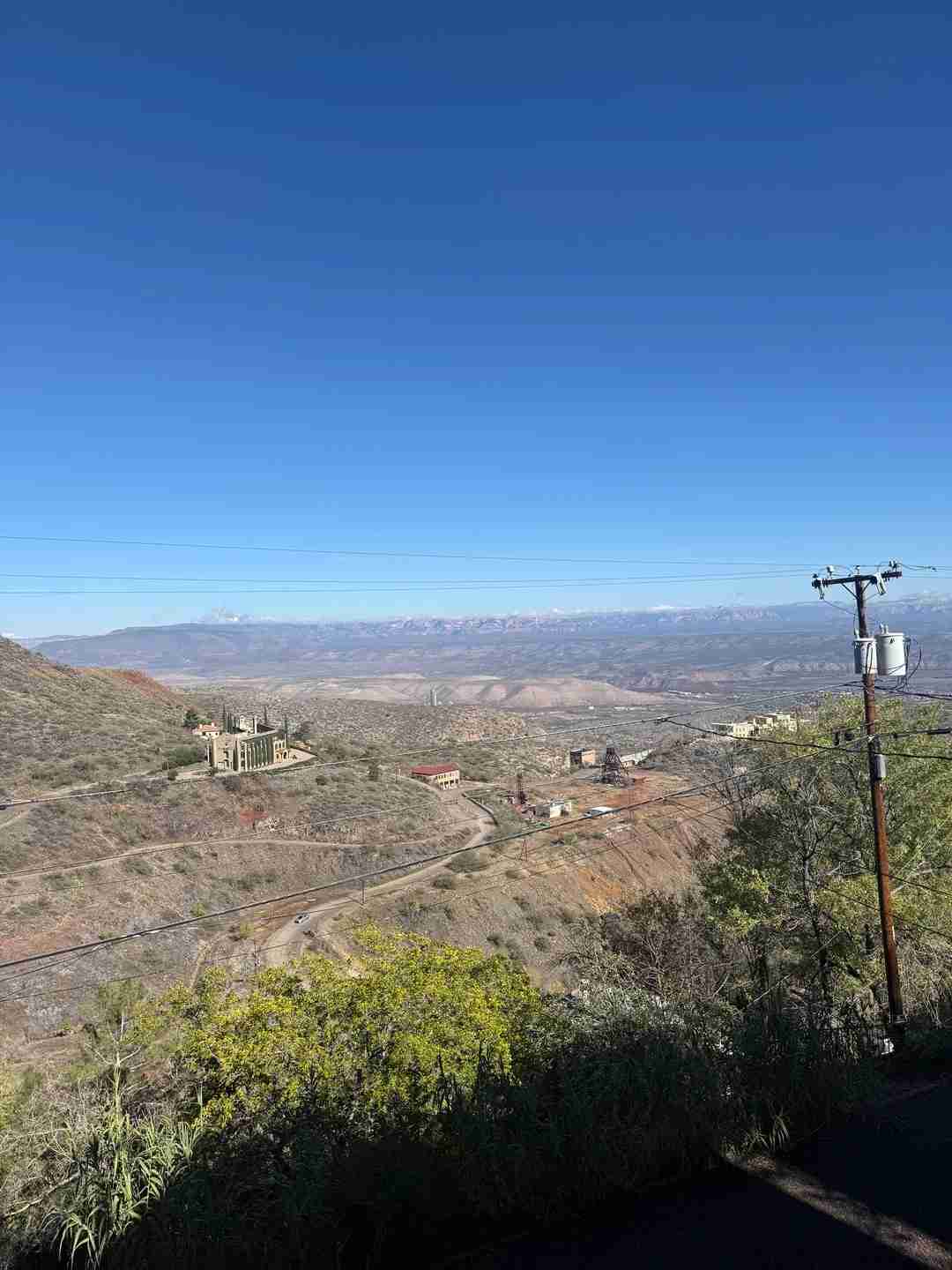
This former historic mining town clings to the side of Mingus Mountain and somehow manages to feel like a movie set without trying. It carries genuine Old West charm, but these days it’s better known as an artistic community — wander the historic district and you’ll pass galleries, shops, and cafes tucked into buildings that once housed miners. Locals still half-jokingly call it “the Wickedest Town in the West,” a nickname earned back when it was a booming copper mining town. Today’s artist community sits in the Cleopatra Hills, with sweeping views toward Sedona and Flagstaff from nearly every street corner.
Best Time to Visit
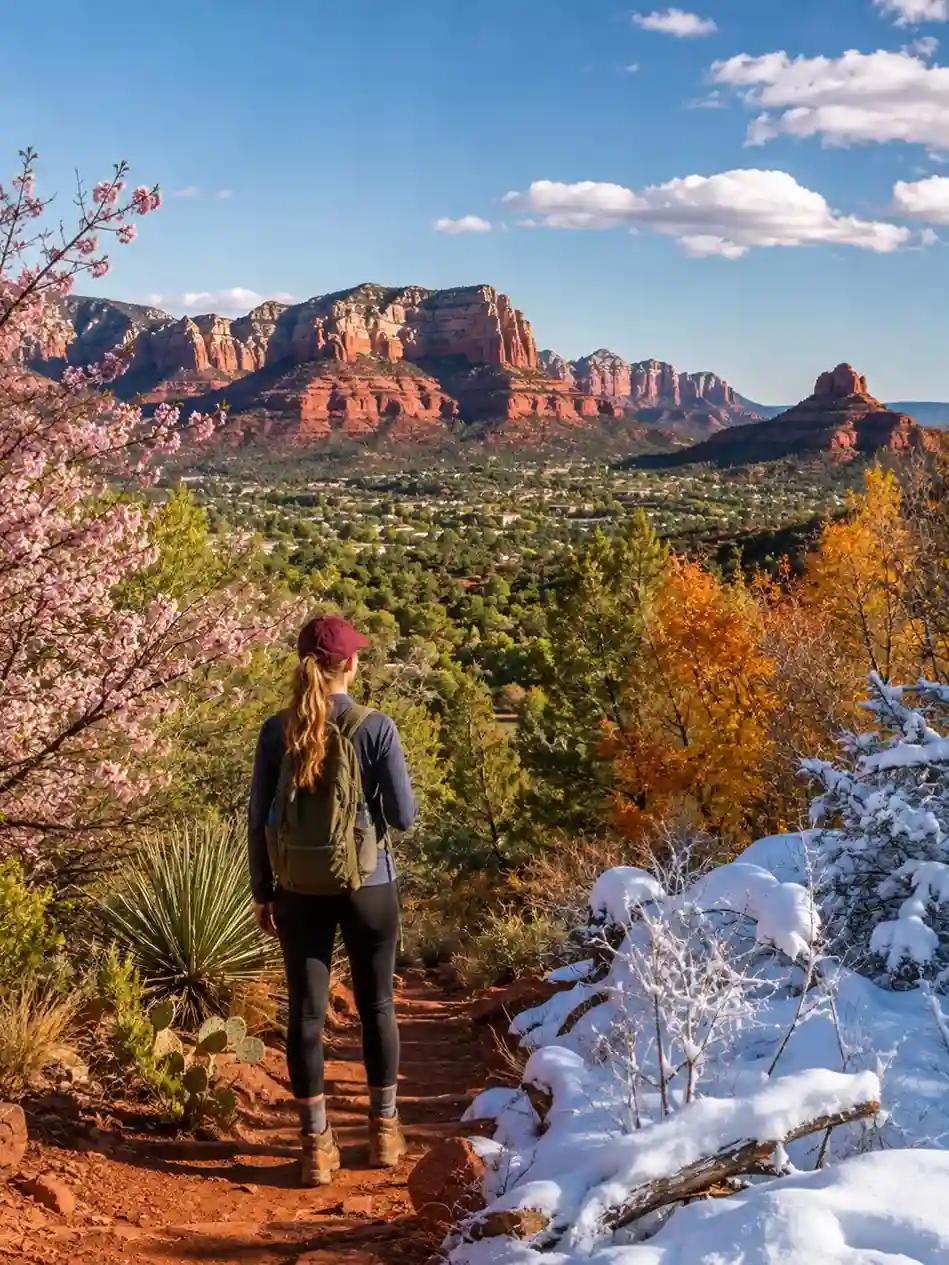
Timing this trip right makes a genuine difference. Spring and fall are the sweet spot — Sedona’s higher elevation, roughly 3200 feet higher than Phoenix, keeps cooler temperatures in play even when the desert floor is baking. Winter can bring light snow, while summer turns properly hot. If you’re narrowing it down further, March-June and October-December both perform well, though summer temps can climb into the upper 90s and low 100s — worth noting if you’re planning water activities, since May and June tend to work best for that specifically.
Looking at it from a slightly different angle, March-May and September-November are typically labeled the main season — which also makes them the busiest. Spring days sit comfortably in the mid-60s to low 80s, summer is prime time for swimming holes, and fall brings genuinely pretty fall foliage against the red rock backdrop. Winter delivers occasional snow and fewer crowds, if you don’t mind cooler air. Across the whole year, temperatures swing roughly 35°F-94°F, with hottest month July and coldest month December bookending the extremes.
How Many Days to Spend
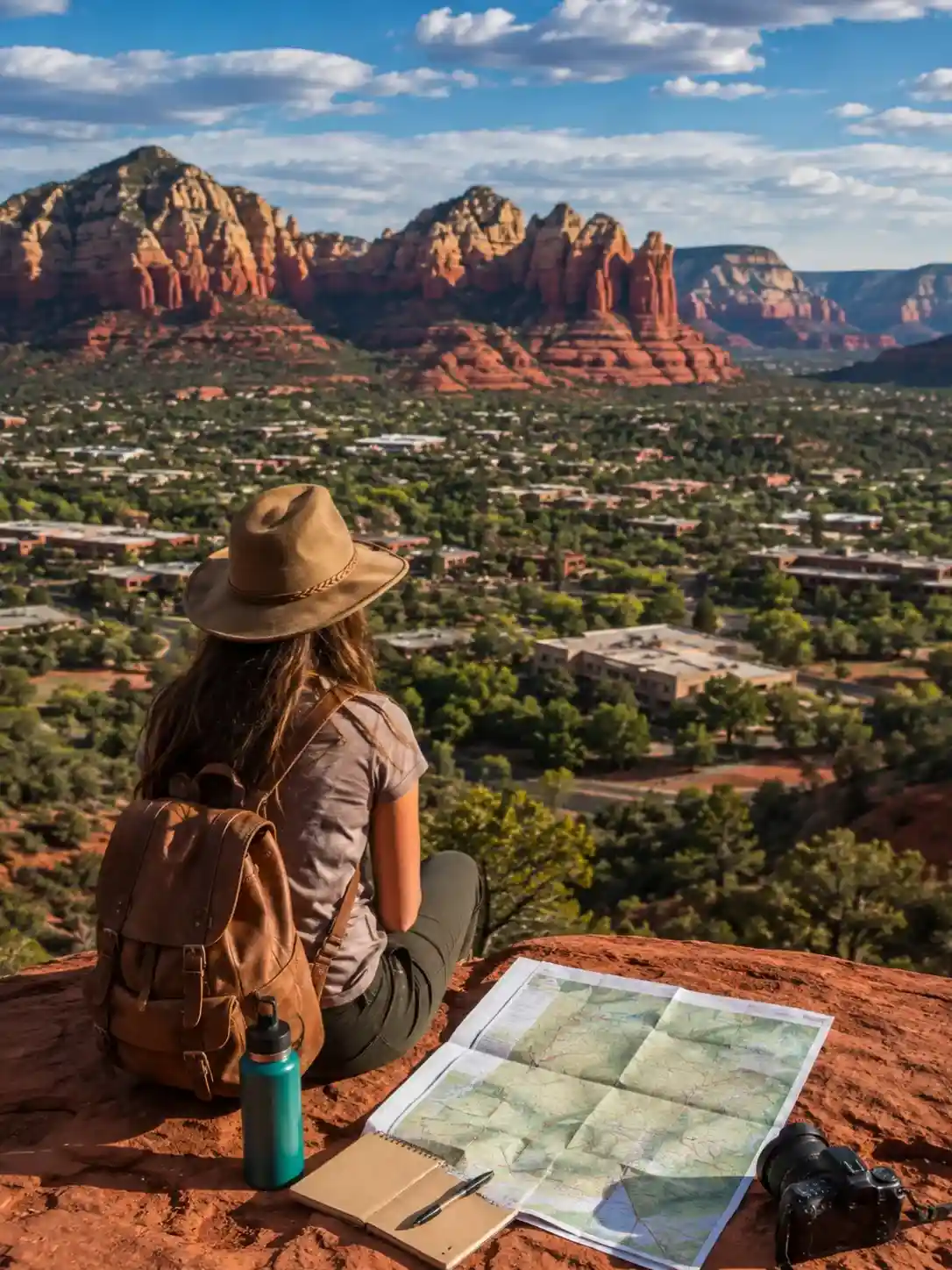
Ask five people and you’ll get five different numbers. My honest take: 4-5 days hits the sweet spot for most travelers, though 3-5 days is a fair general range if you’re tighter on time. Some trips stretch to 4.5 days and still feel rushed. If you’re serious about slowing down, budgeting at least a week lets you actually rest between hikes — just know there’s a 14-day cap before you’d need a permanent-residency permit, which obviously isn’t a concern for most visitors.
Where to Stay
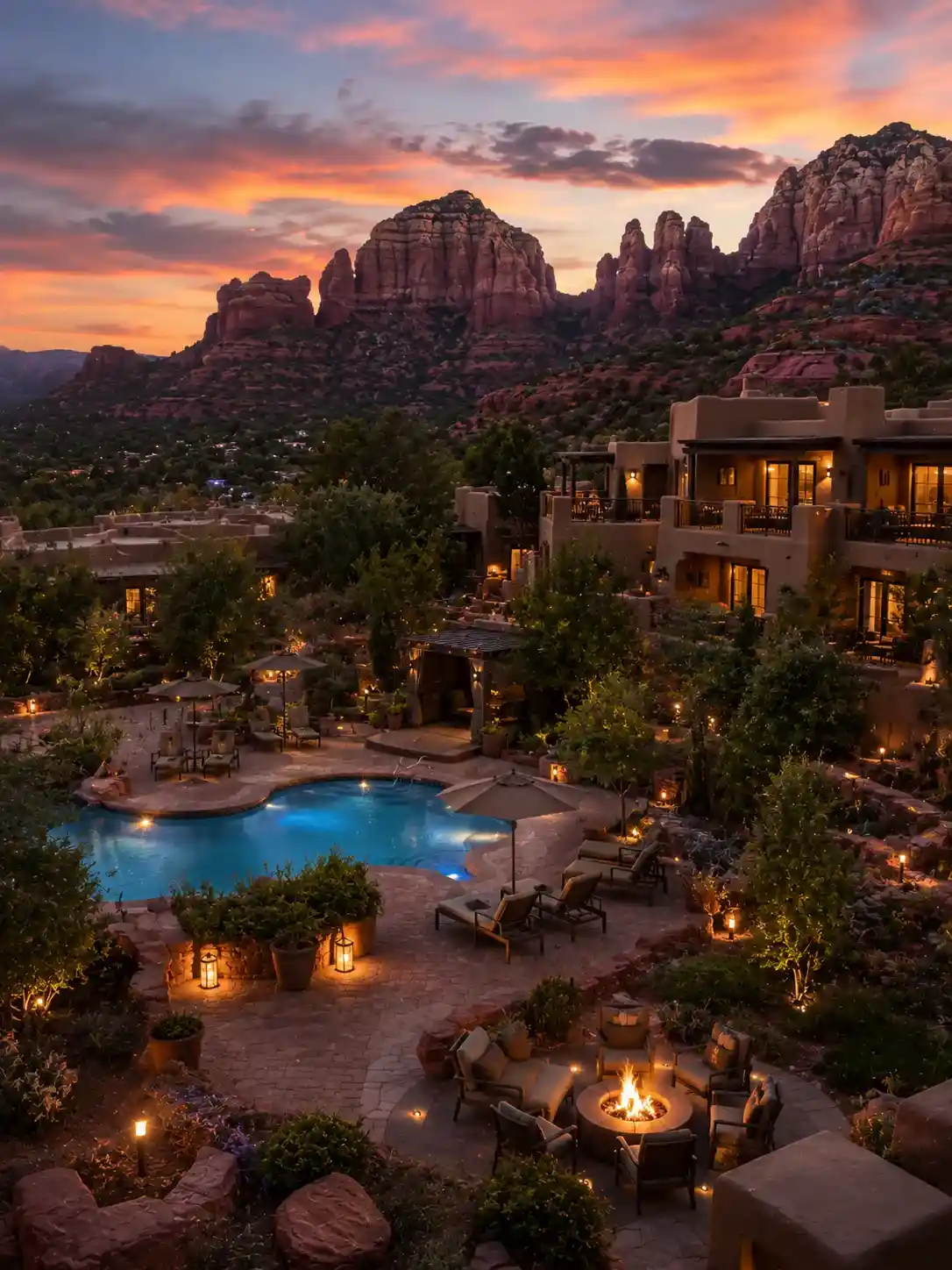
Lodging here spans everything from free camping to genuine luxury. On the budget end, dispersed camping sits about 25 minutes south of town, and there’s more of it along Forest Road 525 and Loy Butte Road — both solid free dispersed camping options if you’re comfortable roughing it. Established camping inside Oak Creek Canyon is nicer but books up early, so plan ahead.
For actual beds, Sedona Village Lodge covers the budget tier nicely, the Lantern Light Inn makes a genuinely sweet romantic getaway in the midrange bracket, and Courtyard by Marriott Sedona is a reasonable splurge option without going full luxury. On the higher end, Los Abrigados Resort and Spa, Residence Inn by Marriott, and The Enchantment Resort cover a range of price points. If you’d rather browse visually, most booking sites embed a Stay22 interactive map widget that makes comparing locations painless.
Parking / Passes
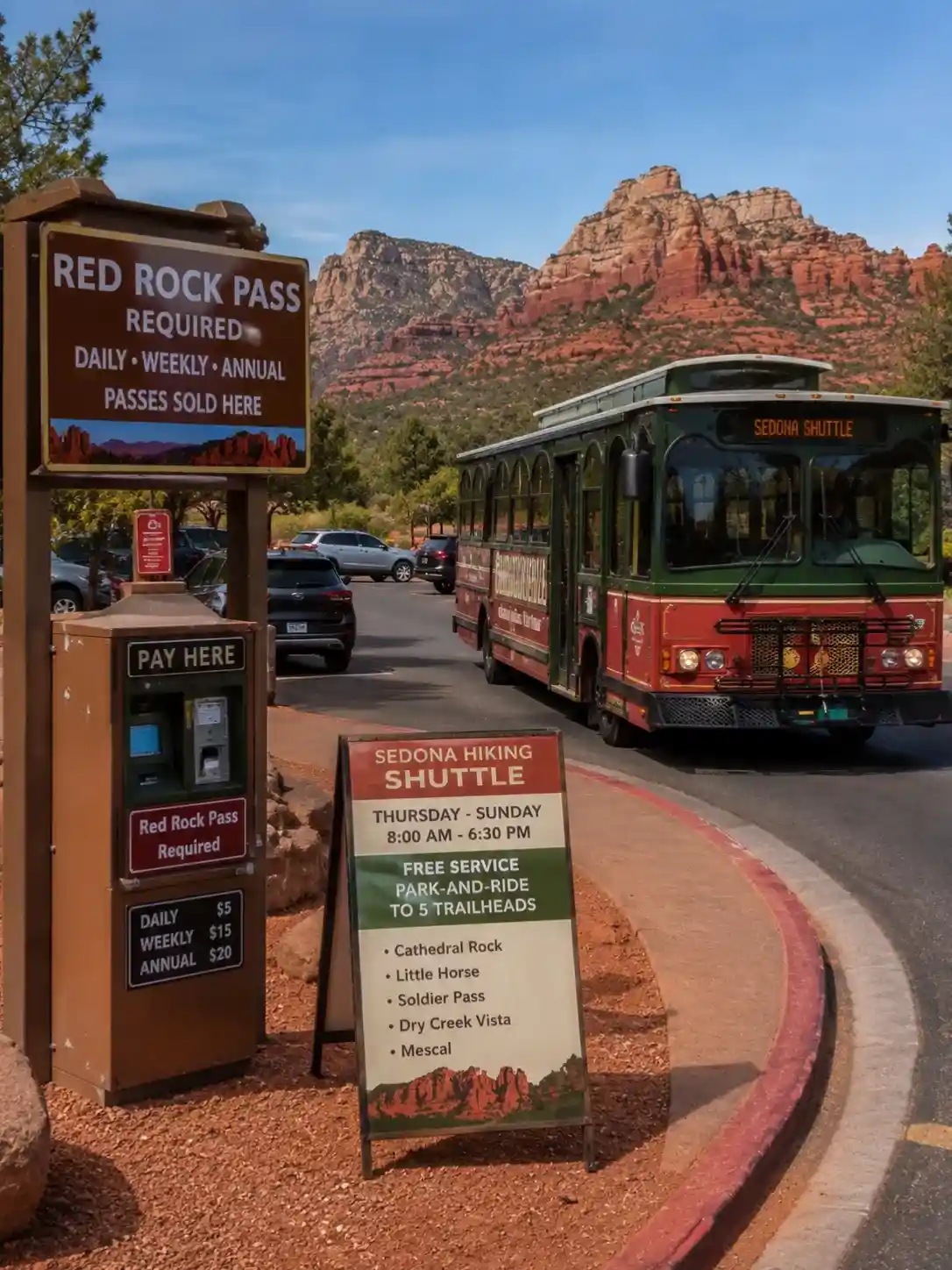
Let’s not sugarcoat it — parking is a genuine parking headache almost everywhere in Sedona. My best advice is biking in, arriving pre-dawn, or leaning on the scenic trolley instead of driving yourself. Kiosks malfunction more often than you’d expect, so keep small bills on hand regardless.
Most trailheads require a Red Rock Pass — it covers trailheads, mountain biking, and 4WD roads across National Forest land, and runs $5 per day, $15 per week, or $20 per year. The America the Beautiful pass, Golden Access Pass, and Golden Age Pass are all accepted alternatives. Technically, these fall under U.S. Fee Areas, meaning a valid federal recreation pass displayed on your dash satisfies the requirement too.
If you’d rather sidestep the whole issue, the Sedona Hiking Shuttle runs Thursday-Sunday, 8am-6:30pm, from two park-and-ride lots out to five trailheads — Cathedral Rock, Little Horse, Soldier Pass, Dry Creek Vista, and Mescal. It’s free, it’s easy, and it eliminates the parking guesswork entirely.
Secret Slick Rock Trail
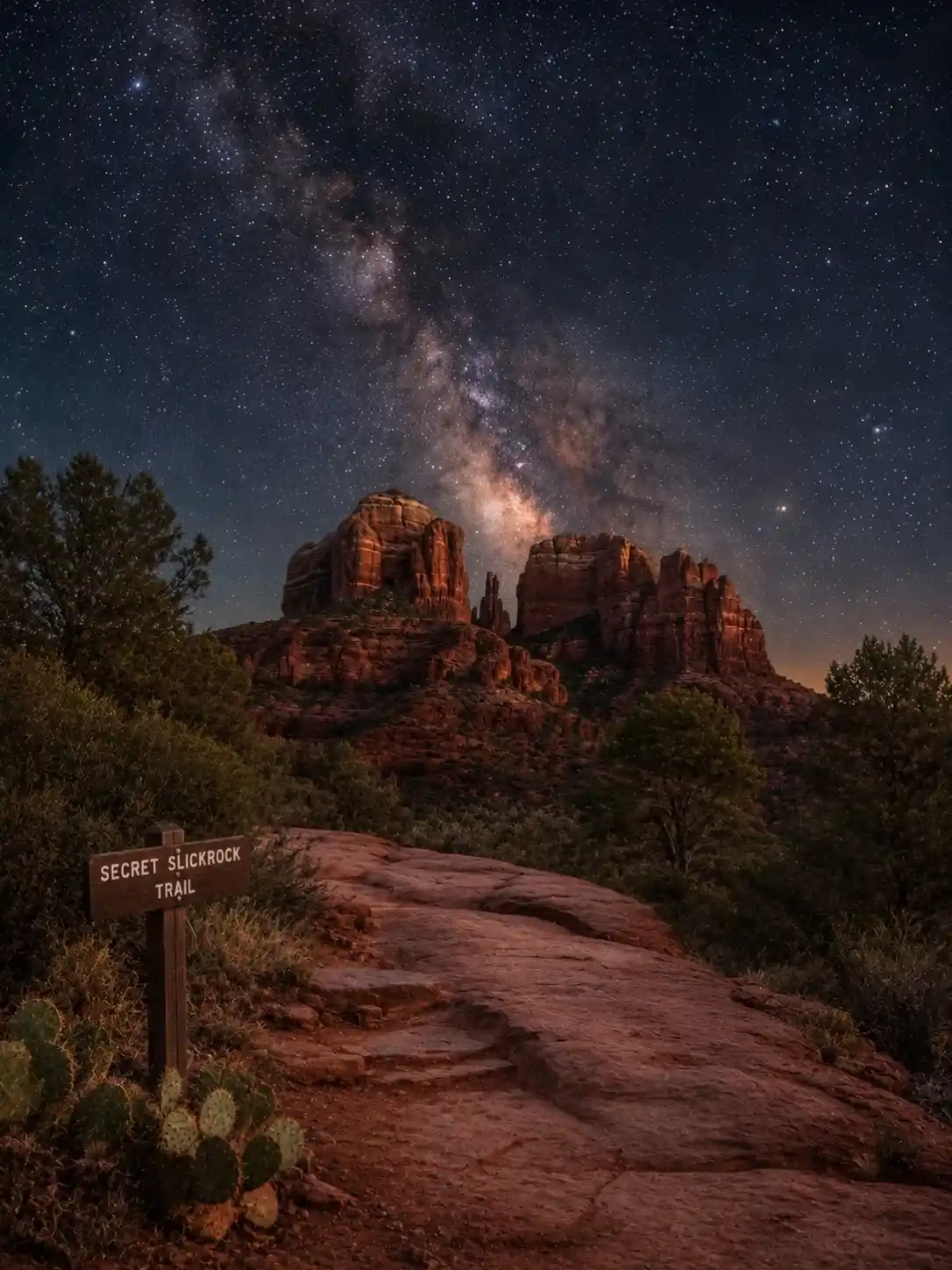
If your goal is photography rather than a workout, this short 0.7 mile loop near Cathedral Rock is the move. It stays mostly flat, aside from a bit of low profile sandstone with built-in natural steps near the end. Because Sedona is a dark sky city with minimal light pollution, this spot doubles as one of the better places in town to capture galaxy shots and night shots without driving far.
Quick Facts About Sedona
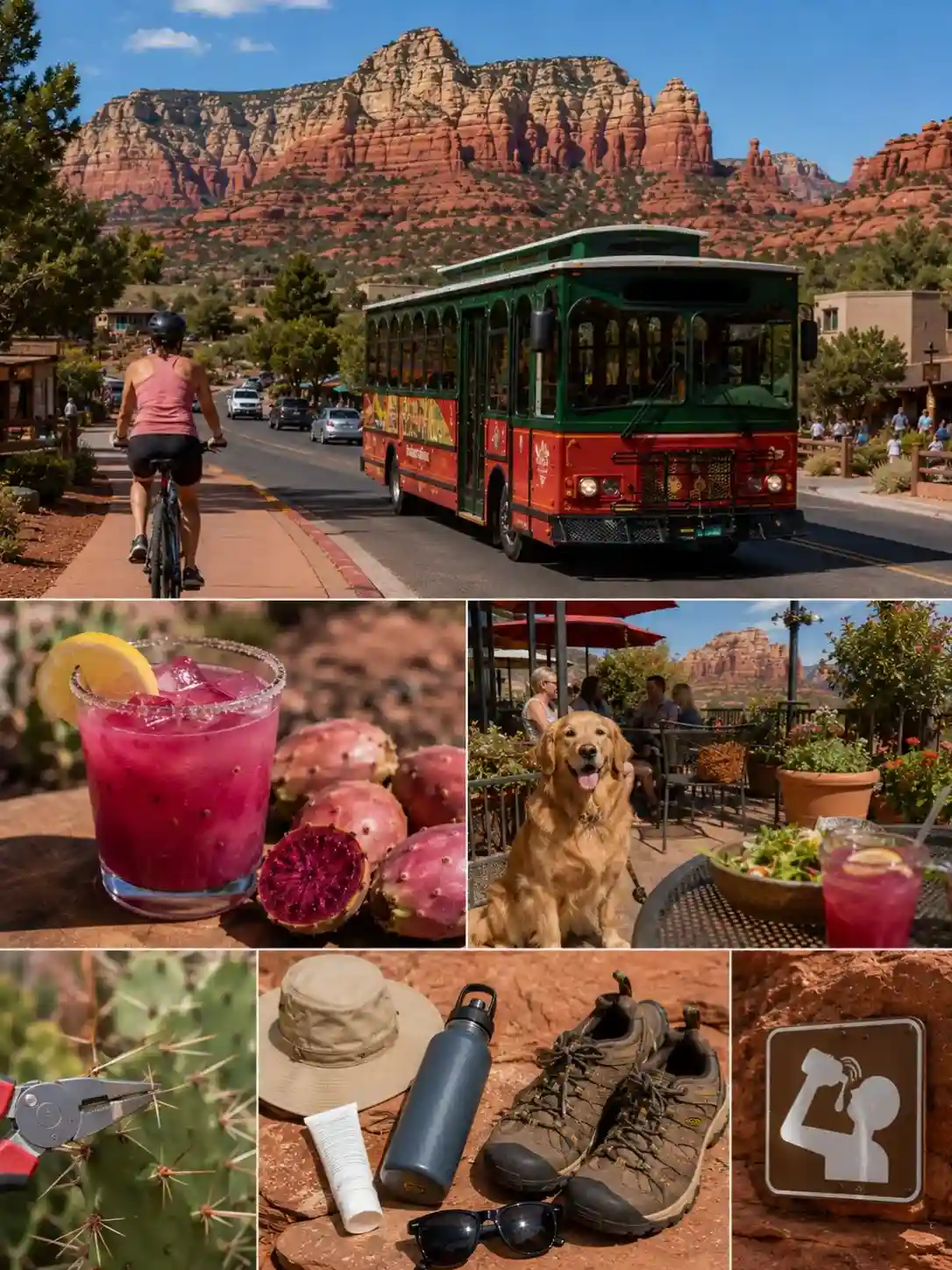
A few practical notes before you go: know the general location, sort out transportation early — a bike handles the narrow roads better than a car in most cases — and keep the sightseeing trolley in your back pocket. The festivals calendar runs deep: the International Film Festival, 4th of July Wet Fest, Red Rock Rumble, Sedona Wagfest, Health & Nutrition Conference, Historical Red Rock Loop Round-up, Runsedona, Fall arts & crafts show, Sedona Photofest, Festival of Lights, Veterans Day Tribute, Vegfest, Mural Marigold project, Slide Rock Fall Fest, Magical Christmas Journey, and the Tree Lighting with a Santa visit all bring their own crowds.
On food, look for anything featuring prickly pear — it’s everywhere and worth trying. Gluten-free and vegan options are common, and a handful of dog-friendly restaurants exist if you look for them. For safety, pack pliers (for cactus needles, unfortunately a real hazard), sunscreen, a hat, plenty of water, and closed-toe shoes — I personally swear by Keens.
Other Tidbits About Sedona
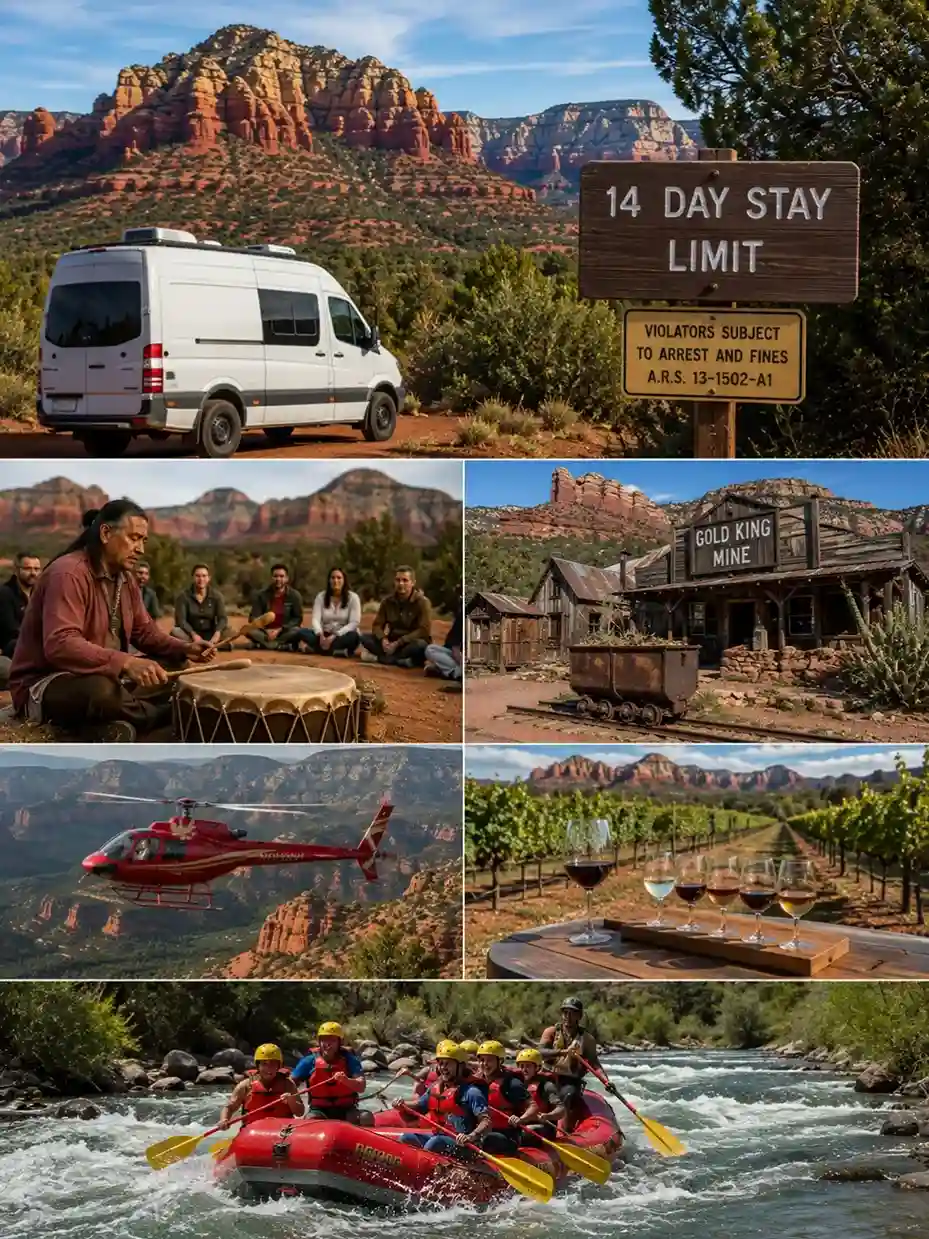
There’s a hard 14-day stay limit before authorities start treating your stay like a permanent home, which matters more for van-lifers than typical tourists. For something different, Rahelio, a Native American local, runs nature tours that include Shaman teachings, drumming songs, ceremonies, medicine wheel work, vortex empowerment sessions, and sweat lodge ceremonies — worth looking up his contact info and phone number, or checking rahelio.com directly.
Beyond that, there’s a Gold King Mine Ghost Town tour, Sedona Air Tours, and Sedona Vineyard Tours to fill out a slower day. If you’re craving adrenaline, Verde River Trips run white water rafting at Class 1 and Class 2 difficulty — mellow enough for beginners but still genuinely fun.
The 8th Dark Sky City
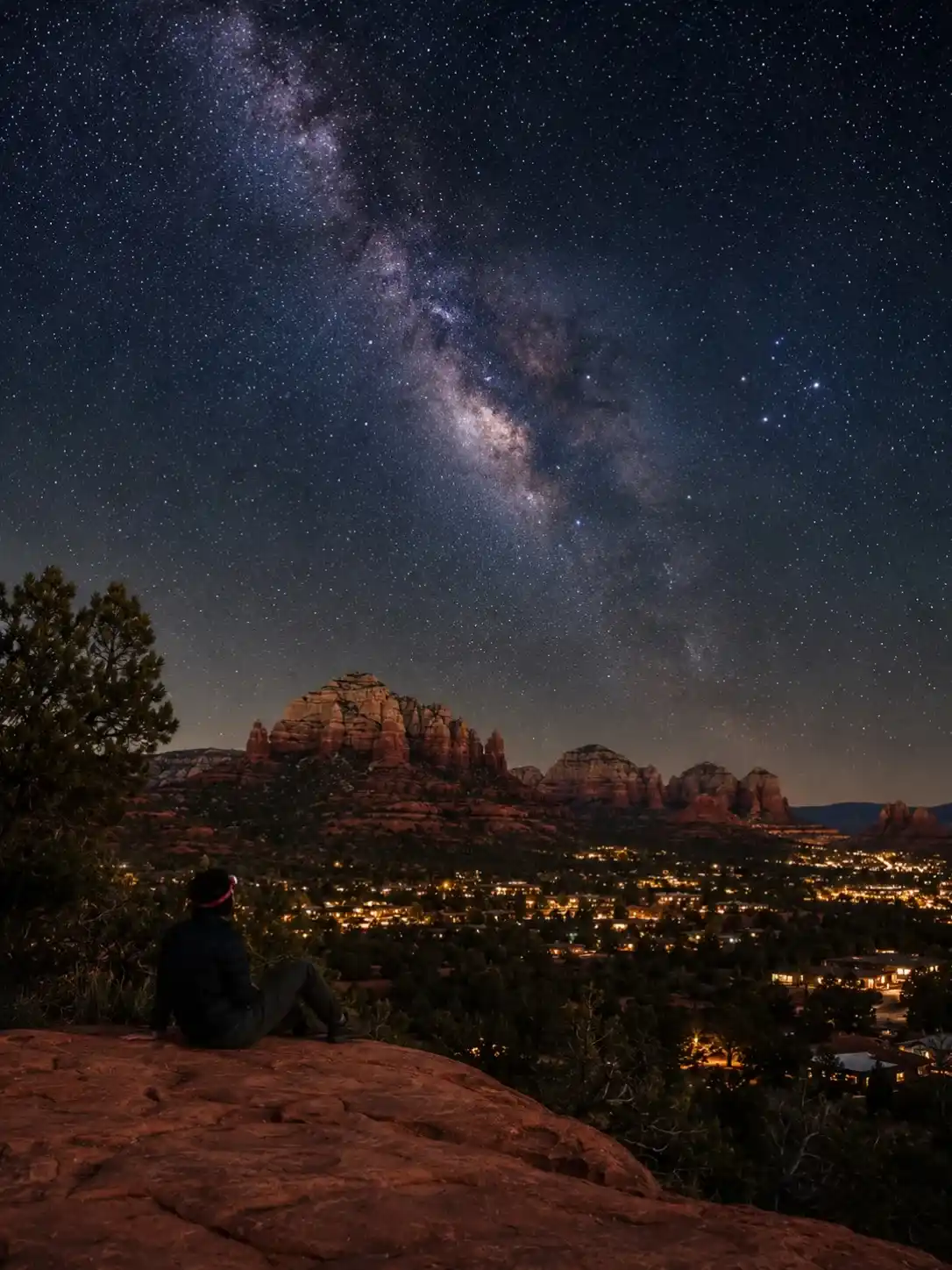
The official designation as a dark sky community isn’t just marketing — even with a population 10,322 as of 2019, the town has kept light pollution remarkably low through deliberate planning. That’s exactly why star gazing here works almost year-round, with genuinely dark stars year round whenever monsoon clouds aren’t in the way.
West Fork of Oak Creek Canyon hike
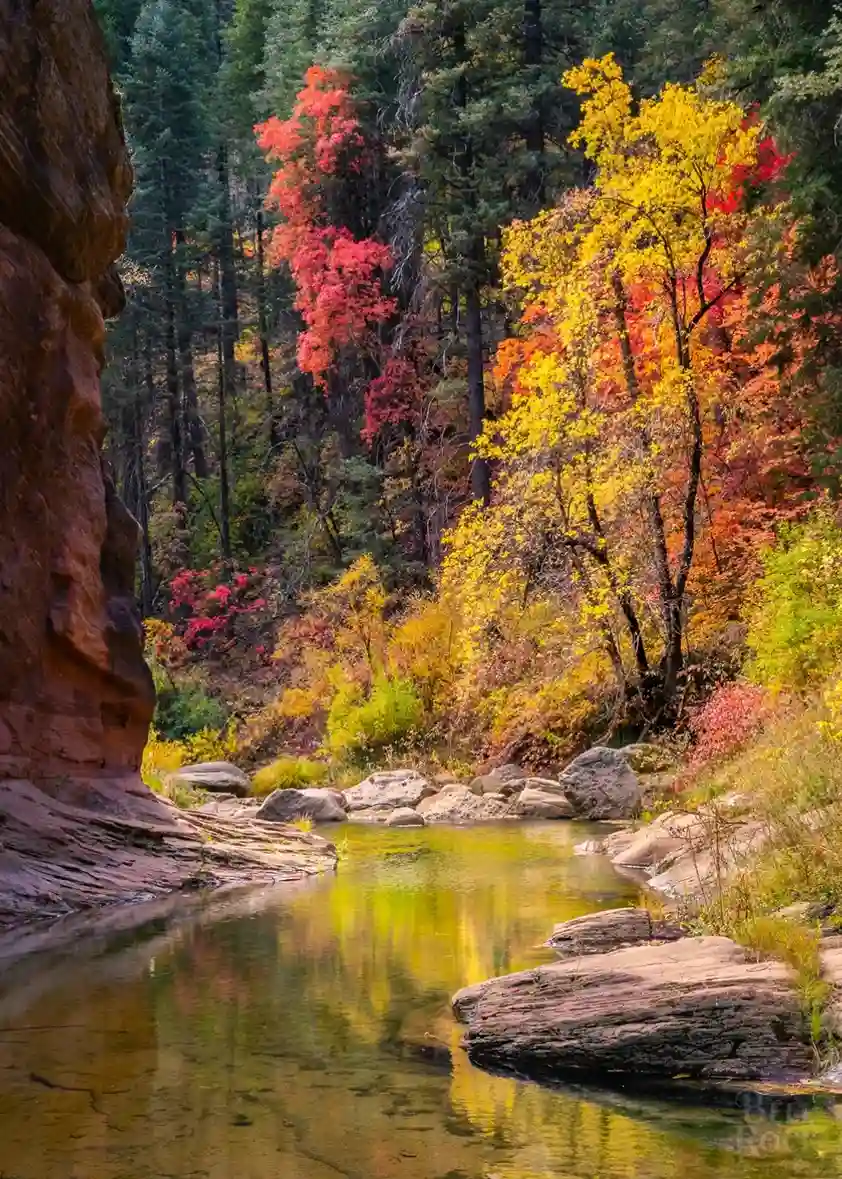
Tucked into Oak Creek Canyon proper, the West Fork Trail is about as forgiving as Sedona hiking gets — mostly flat, an easy trail by any measure, with multiple creek crossings you can tackle head-on or dodge with a bit of rock hopping. It’s especially beautiful during fall colors. Because the hiking itself is gentle, plan for a full day here anyway, mostly so you’re not fighting rush hour traffic back into town at the end.
Sedona Hiking Shuttle
This free shuttle deserves its own mention beyond the parking section, because it’s genuinely one of the smartest, most eco-friendly ways to see multiple trailheads without a car. It runs Thursdays through Sundays, 8am-6:30pm, departing from North SR 179 Park and Ride and Posse Grounds Park and Ride. Stops include Cathedral Rock Trailhead, Little Horse Trailhead, Soldier Pass Trailhead, Dry Creek Vista Trailhead, and Mescal Trailhead. Beyond cutting your carbon footprint, it’s a genuinely nice way to meet other hikers before you’ve even started walking.
Helicopter Tour Over Sedona
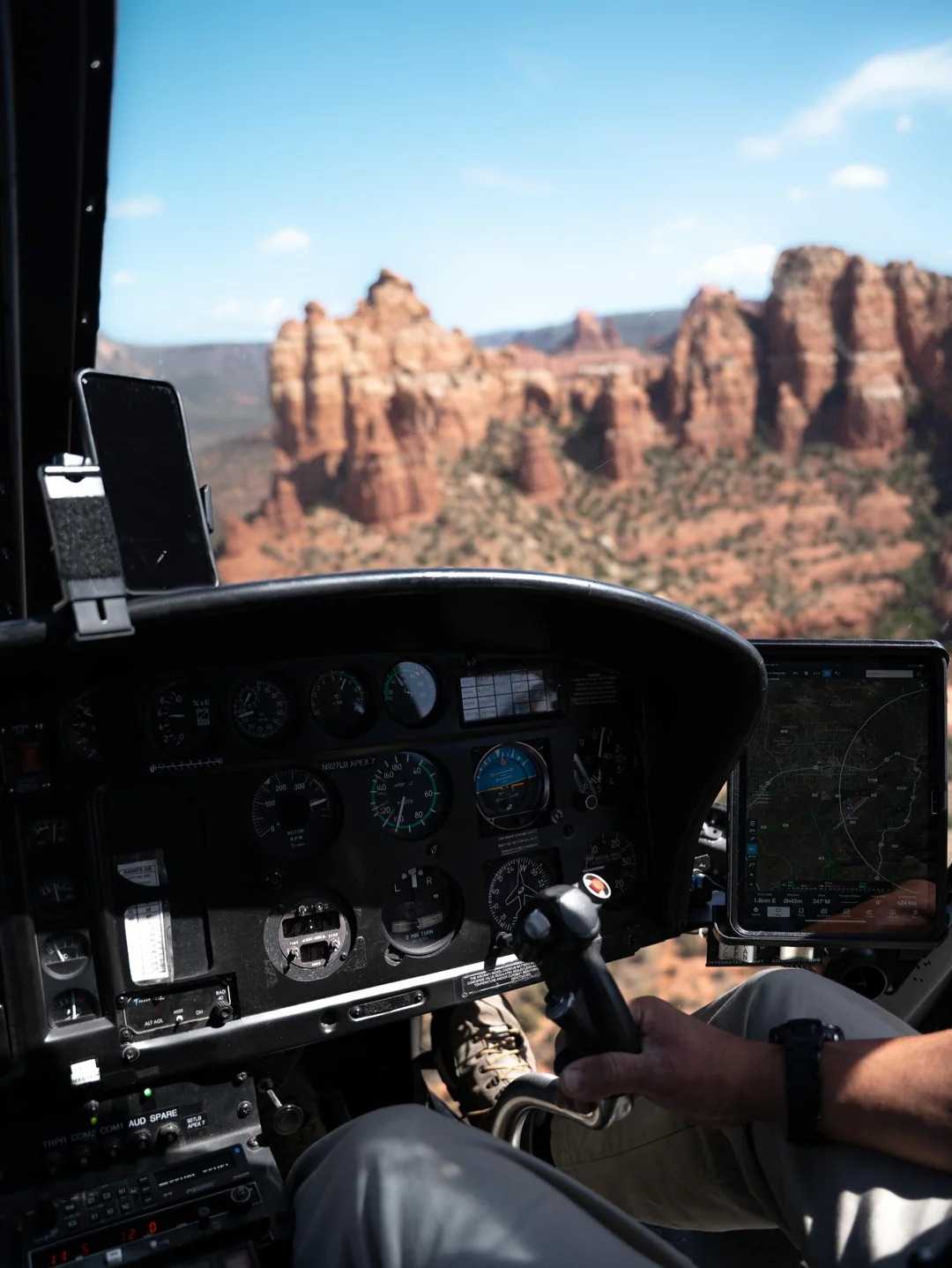
For a completely different perspective, book a flight with an outfit running the Desert Thunder Tour, Dust Devil Tour, or Wild West Tour. The aerial views over the canyons and mesas are hard to describe accurately from the ground — the whole flight reframes Sedona as a proper desert oasis rather than just a collection of individual trails.
Sedona Caves
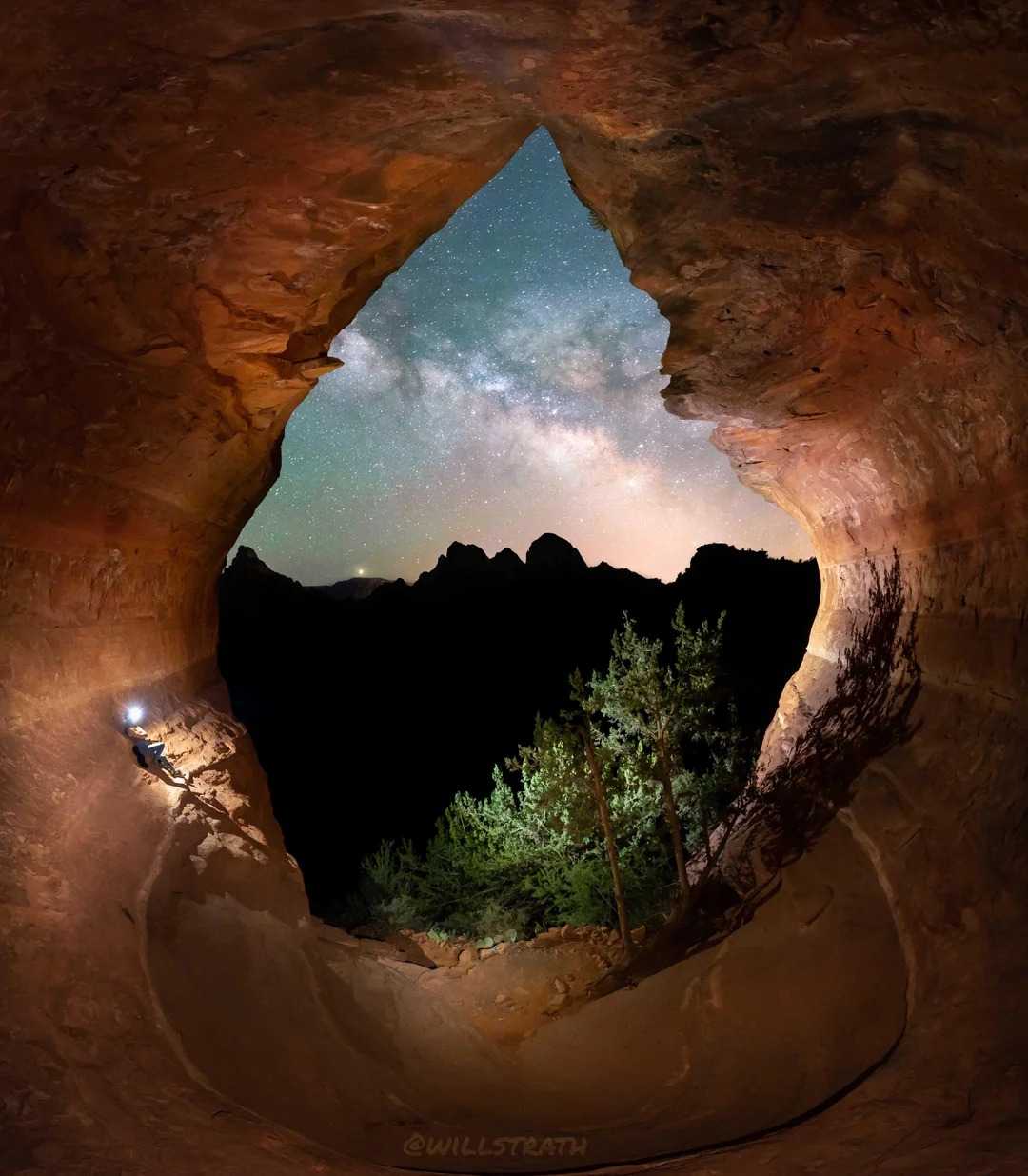
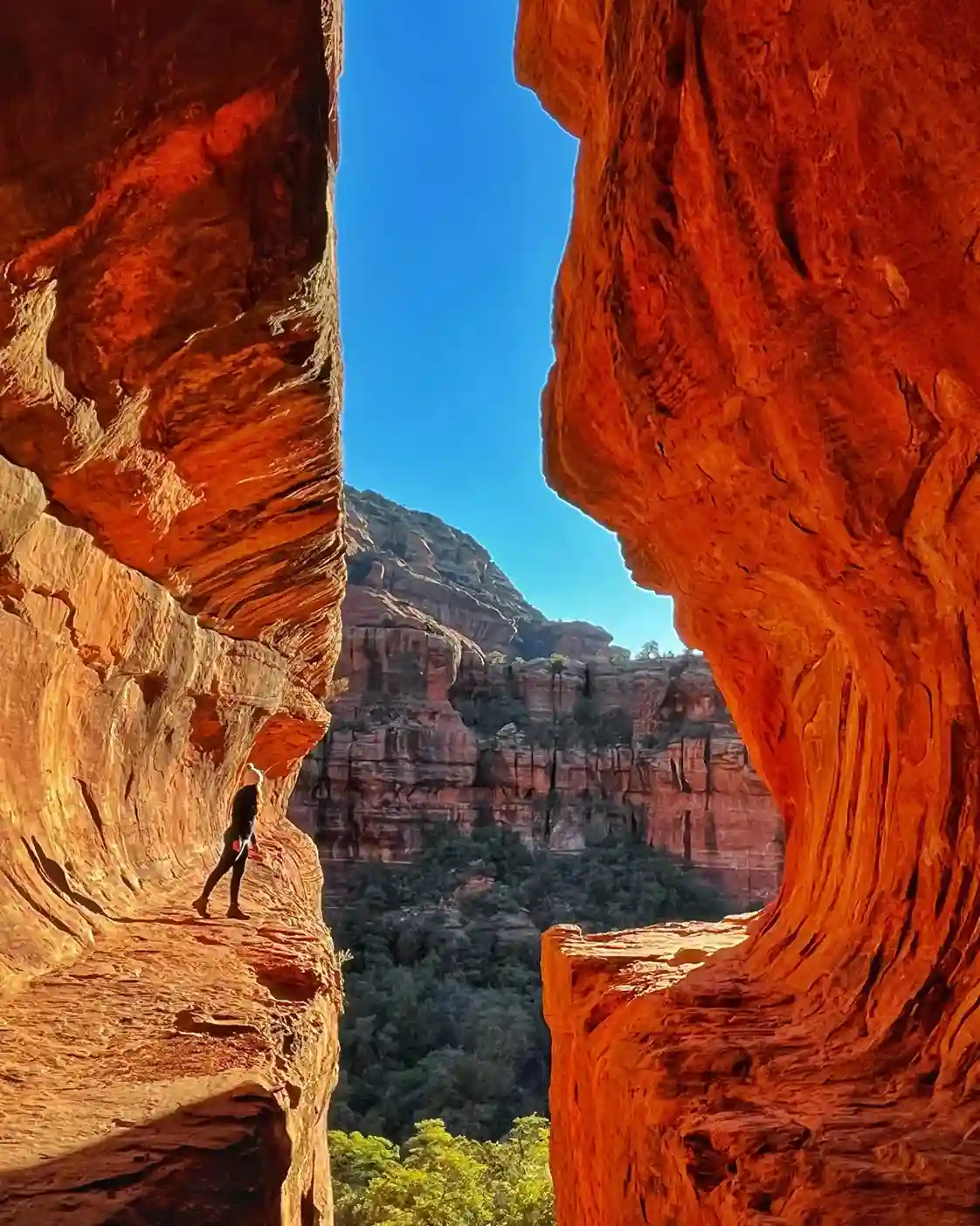
Beyond the obvious hikes, Sedona hides a handful of genuine geological curiosities. The Birthing Cave and Subway Cave in Boynton Canyon are the two most talked-about, both carved from red sandstone into narrow passageways and dramatic rock formations. Many carry ties to Native American legends and real cultural significance, so treat them with respect — Leave No Trace applies here as much as anywhere else in town.
Arts and Crafts
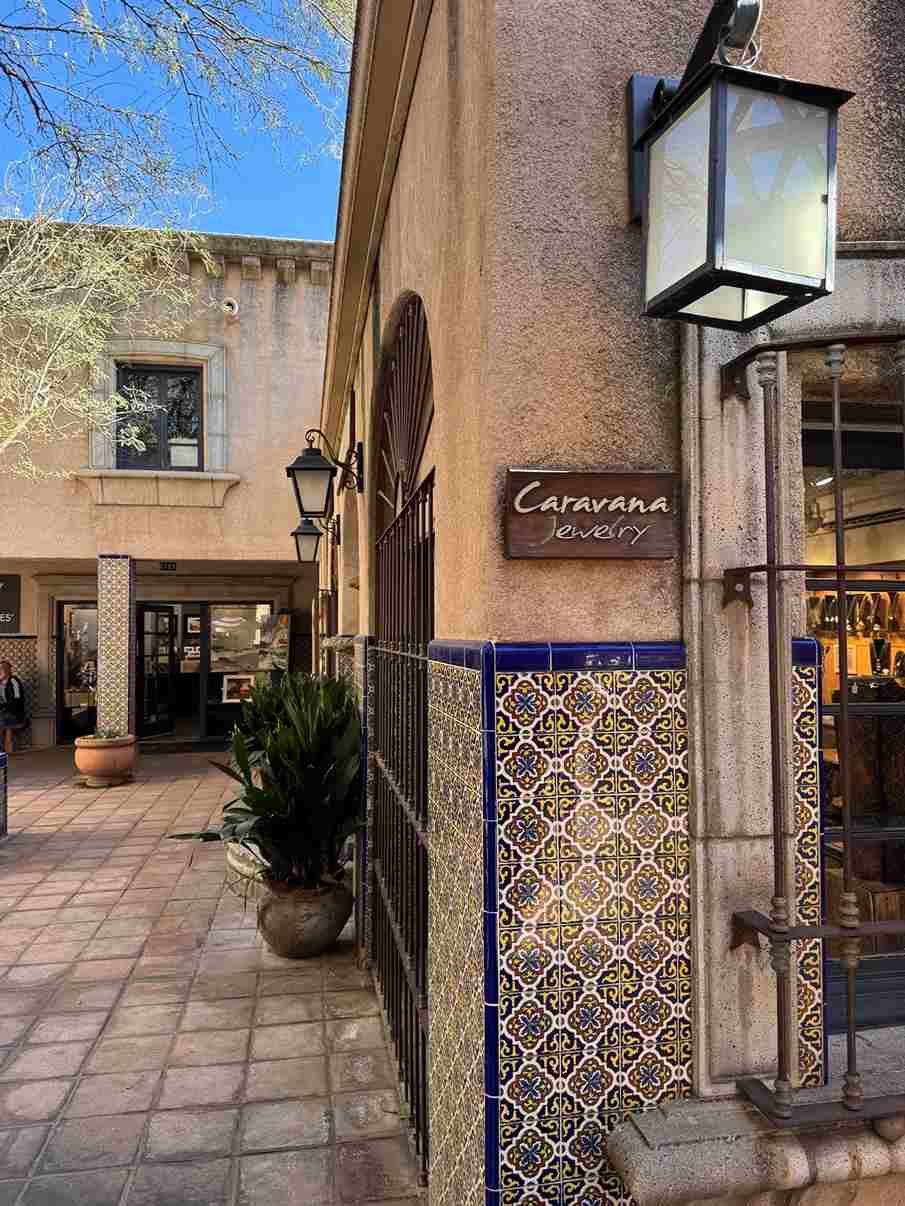
Beyond Tlaquepaque, the town’s creative side runs deep. Wander through independent galleries, working studios, and small craft shops covering both traditional art forms and contemporary art forms. Local artists here draw heavily on the surrounding landscape, producing paintings, sculptures, jewelry, and pottery worth bringing home. Several spots run hands-on workshops and hands-on classes, and if you only visit one, make it the Tlaquepaque Arts & Crafts Village, which also carries a strong selection of Native American art.
Antelope Canyon day tour
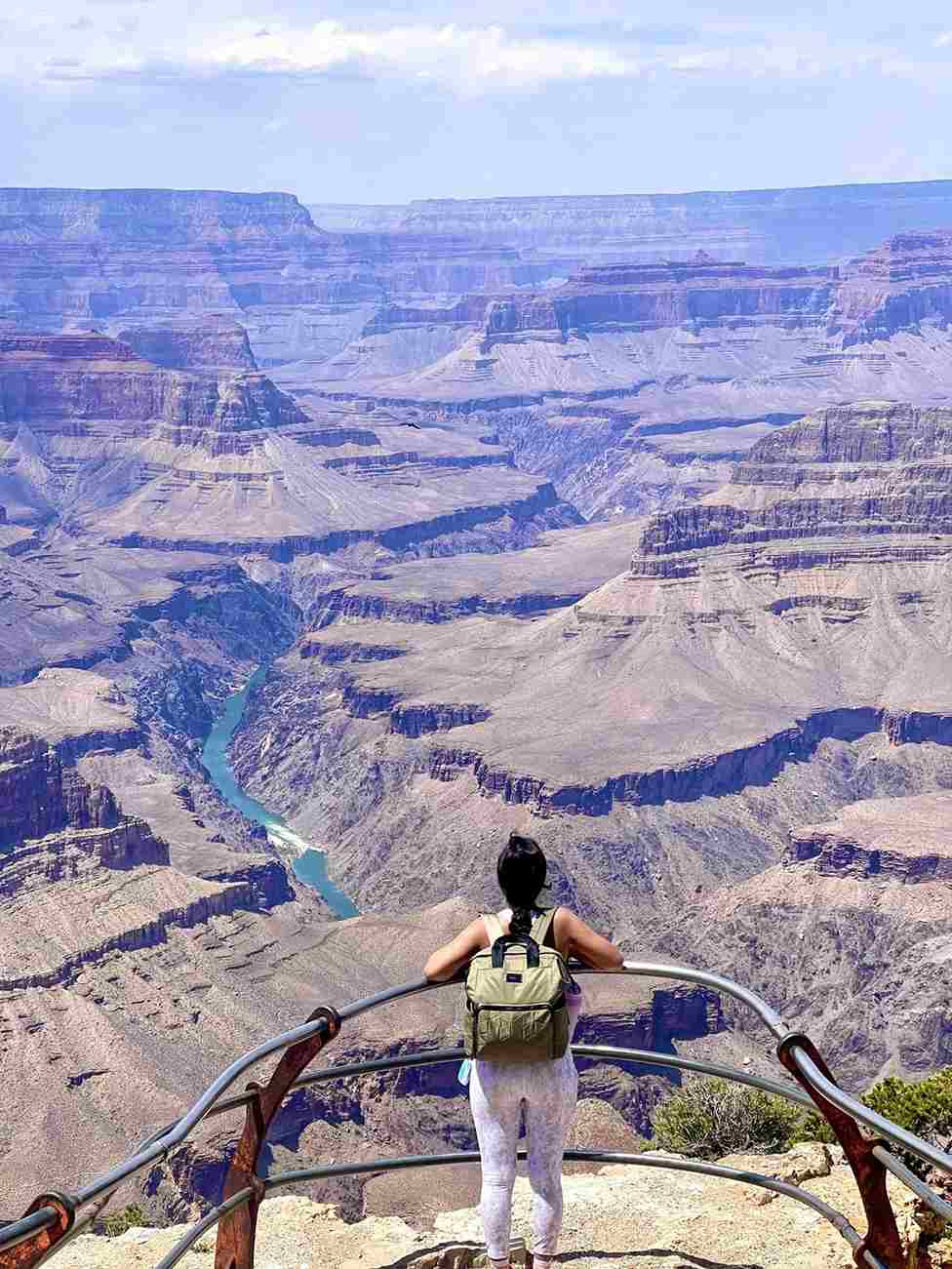
Technically outside Sedona proper, this is still worth the drive north to Page AZ — roughly a 2.5 hour drive each way. Using a tour service takes the stress out of the trip entirely, since you skip the driving logistics and just show up.
ATV tours
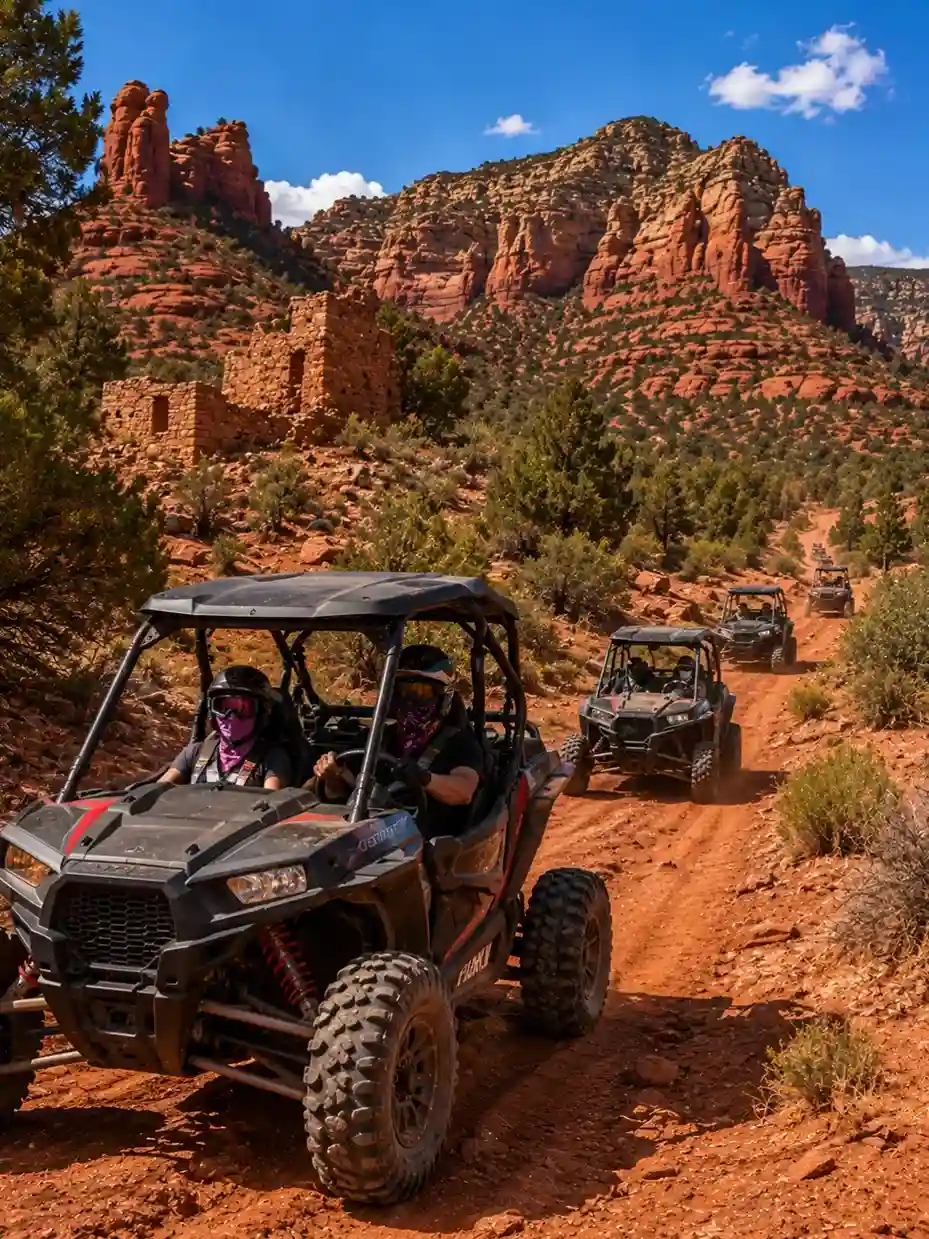
Several local outfitters run 2-3 hour tours through red rock canyons and desert mesas, often passing ancient Native American ruins along the way. If you want more of a rush, ask about off-road racing or rock crawling options — either delivers plenty of adrenaline without requiring your own vehicle.
Drive to Flagstaff
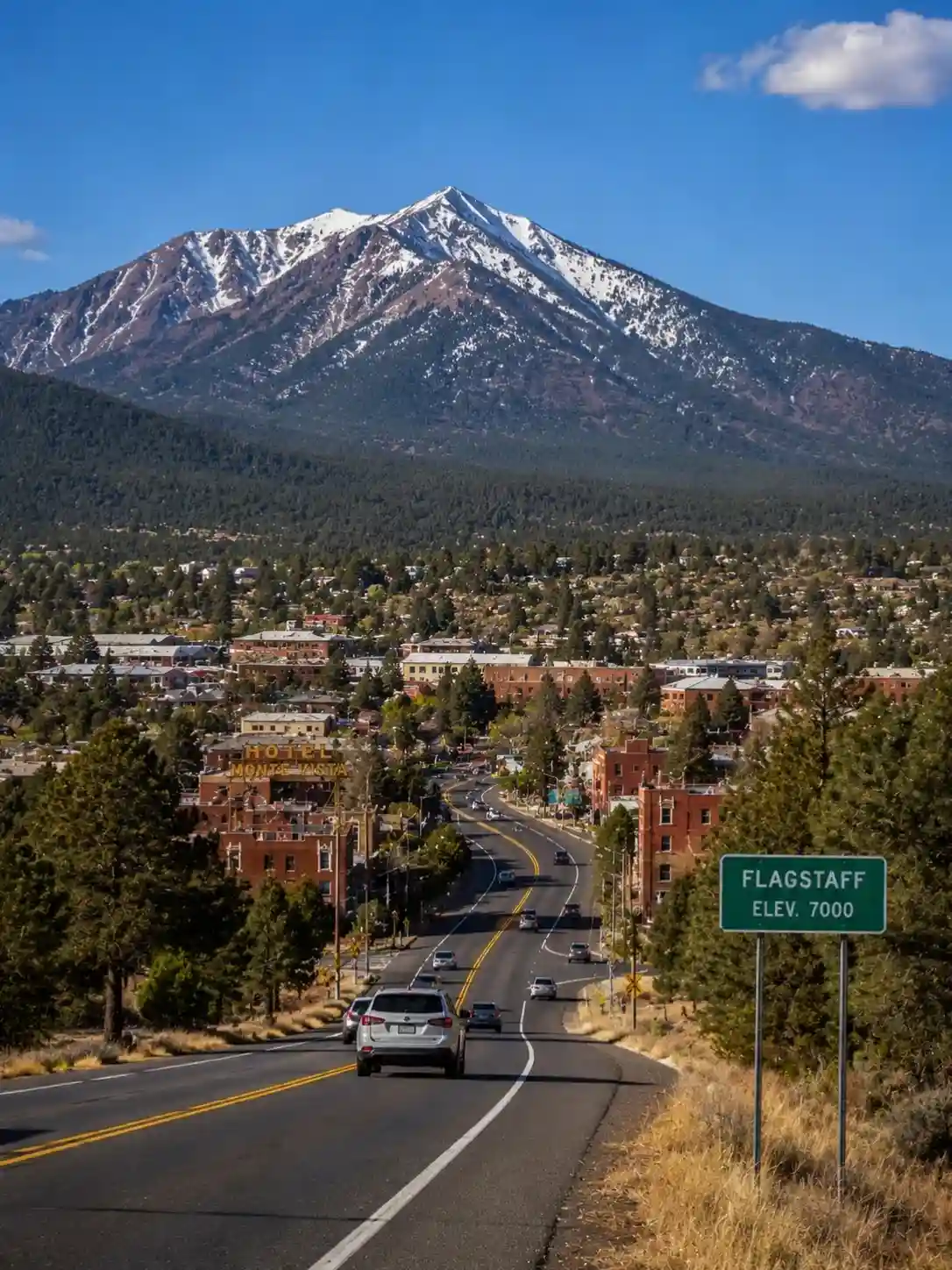
It’s a short 75 minute drive north, and honestly worth doing even as a half-day trip. Humphreys Peak, the tallest point in Arizona, draws serious hikers, while plenty of visitors are just as happy wandering downtown Flagstaff for the afternoon.
Glassblowing
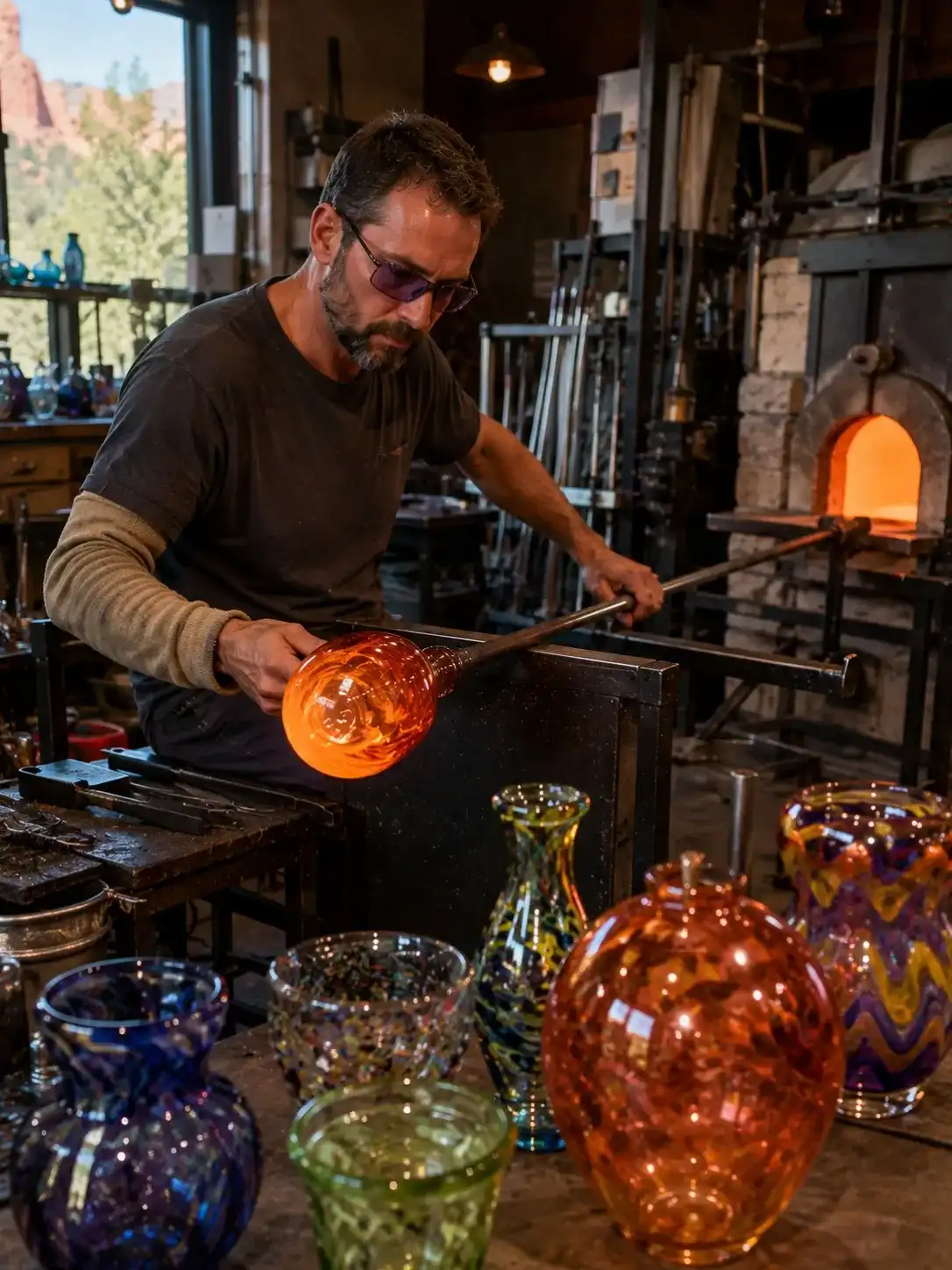
A surprisingly relaxing way to spend an hour — local studios let you watch molten glass being shaped by skilled artisans, with workshops and live demonstrations open to visitors. It’s a niche craft, but the handful of studios in town do it well.