Best Things to Do in Alabama: Unforgettable Places & Attractions
I never expected Alabama to wreck my expectations the way it did. Most people picture one thing when they think of the Deep South — maybe Southern hospitality, shrimp and BBQ, sweet iced tea on a porch — and sure, that’s part of it. But my first road trip through the state turned into a ten day blur of charming towns, large cities, and enough history to fill a semester. I came in as basically a UK traveller with zero context, half-expecting something between Florida and New Orleans, and left convinced this is one of the most underrated corners of the United States.
Alabama doesn’t announce itself the way Nashville or New Orleans does — there’s no single postcard image summing up the cultural melting pot it actually is. In Huntsville, nicknamed the Rocket City, aerospace and science run the show at the U.S. Space and Rocket Center. Drop into Birmingham — once Steel City, then rebranded Magic City back when the iron industry and steel industry built the place from 1871 onward — and you’re standing in a 20th century battleground for the Civil Rights Movement. That same Civil Rights era thread runs through Montgomery, where Rosa Parks and Martin Luther King Junior (with Reverend T.Y. Rogers playing his own quiet part) turned a state house town into ground zero, and it continues down the Civil Rights trail through Selma.
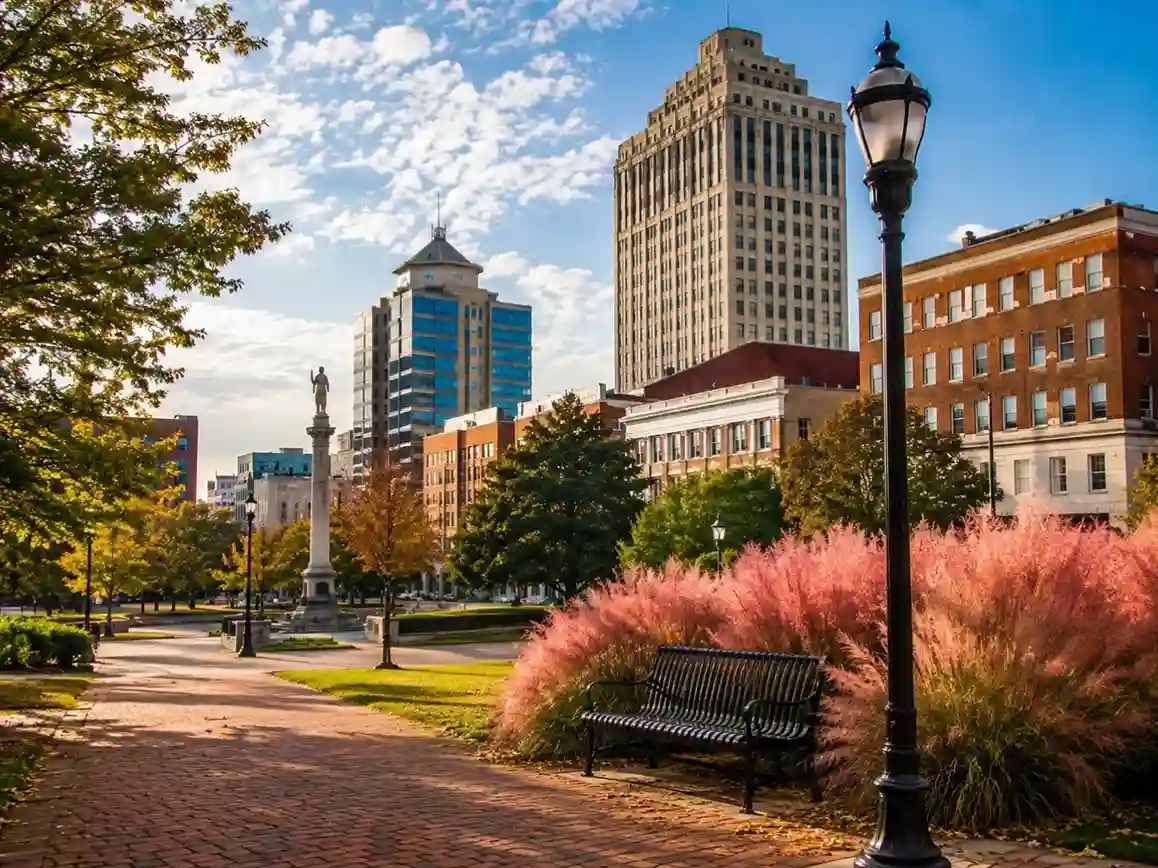
Then there’s Tuscaloosa, my personal soft spot, home to the University of Alabama and the kind of football team loyalty — Crimson Tide everything — that borders on religion. It became something like a hometown in the loosest sense, since I ended up on a short residency there with my husband, eating in restaurants that ranged from picnic bench casual to white tablecloth fancy, wandering downtown past breweries and the pink muhly grass swaying through Railroad Park like something out of a city magazine spread on the town’s ongoing renaissance.
And that’s before you even hit the coast. Gulf Shores and its white sand beaches sit at the opposite end of the state from all that Greek revival mansions grandeur, proving Alabama refuses to be just one thing. Between the beaches, the interactive museums, the art museums, the parks, the monuments, and the hiking through small towns most visitors never bother finding on a map, I’d call this less a laid-back area you pass through and more an exciting vacation — genuinely an eventful vacation — waiting to happen. This isn’t a polished top 25 things to do listicle or somebody’s idea of the 50 things to do you’re contractually obligated to hit. Consider this more of an honest introduction, written with an appetite for the state’s full cultural heritage and its layered history — because Alabama earned its spot as a real travel destination, not a layover.
U.S. Space and Rocket Center
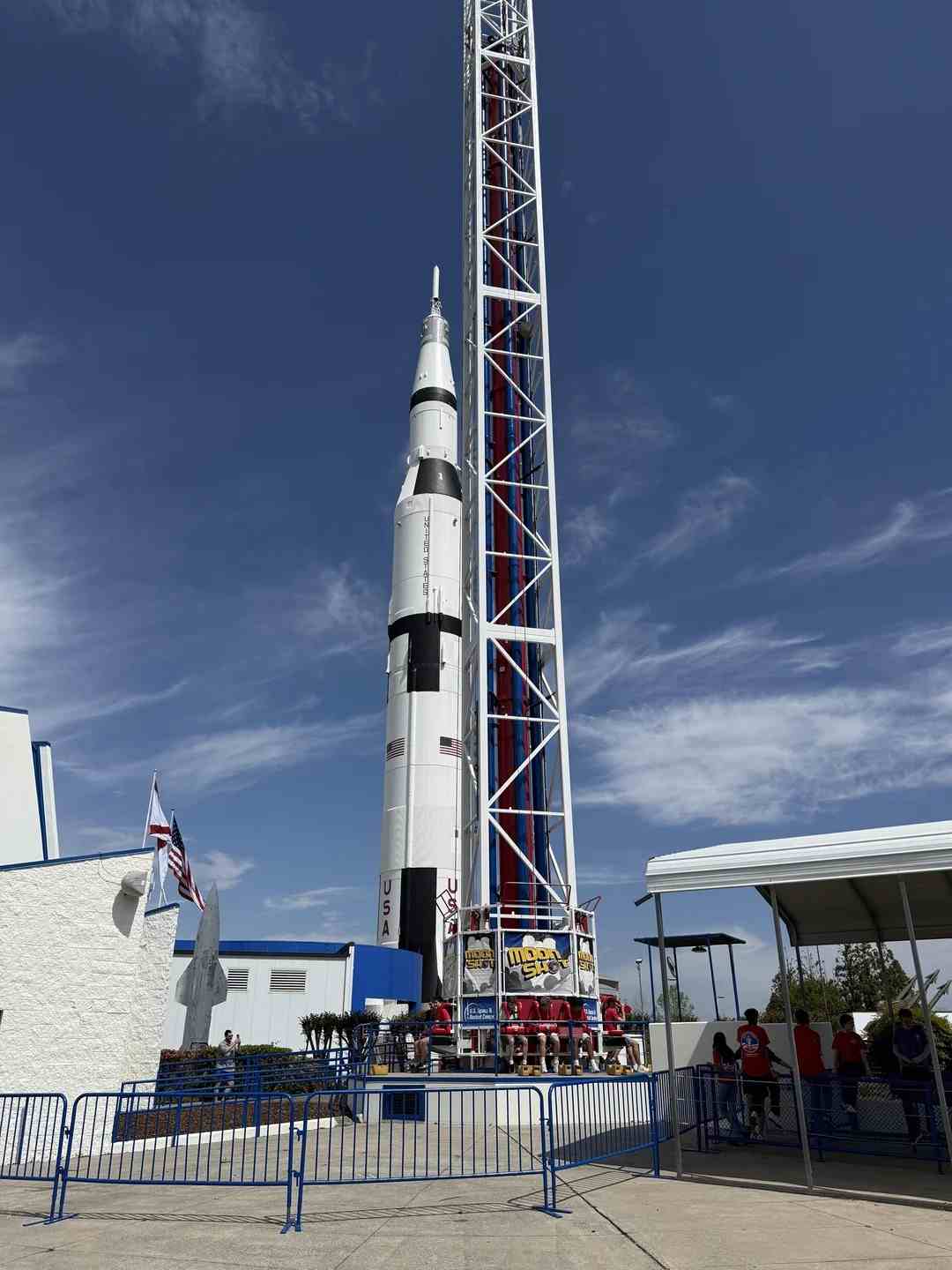
If you only have room for one big attraction, make it the U.S. Space and Rocket Center, or USSRC as locals shorthand it. It opened in 1970 as a Smithsonian Affiliate tied directly to NASA’s work at the Marshall Space Flight Center, and it still bills itself as Earth’s largest space Museum — I walked in skeptical of that claim and left convinced. Between the rockets on the lawn, the space memorabilia in every case, and roughly 1500 artifacts scattered across the building, you could spend a full day without repeating a hallway.
The Saturn V hall alone stopped me mid-sentence — it’s paired with an actual Apollo 12 lunar module and enough context on the Apollo program and the later Space Shuttle program to turn casual curiosity into real interest in space travel history. There’s a flight simulator, an INTUITIVE planetarium, a walk-through Space Station mockup, and a wing dedicated to Army aircraft and rocketry that surprised me — I hadn’t expected that much science packed into what I assumed was purely a museum, complete with aircraft on display throughout.
Kids run this place, honestly. Space Camp and its residential courses pull in children, but the camp programs now run tracks for families and adults too, and I met more than one grown adult geeking out harder than the kids beside them. If you’re planning group visits, book the tour ahead — and don’t skip Cocktails and Cosmos, an evening event with a specialty drink menu that felt like genuinely clever programming for the after-hours crowd. It sits right off the highway connecting Birmingham and Tuscaloosa to the Southeast, with astronauts occasionally making appearances that turn a good trip into an unforgettable one.
Birmingham Civil Rights Institute
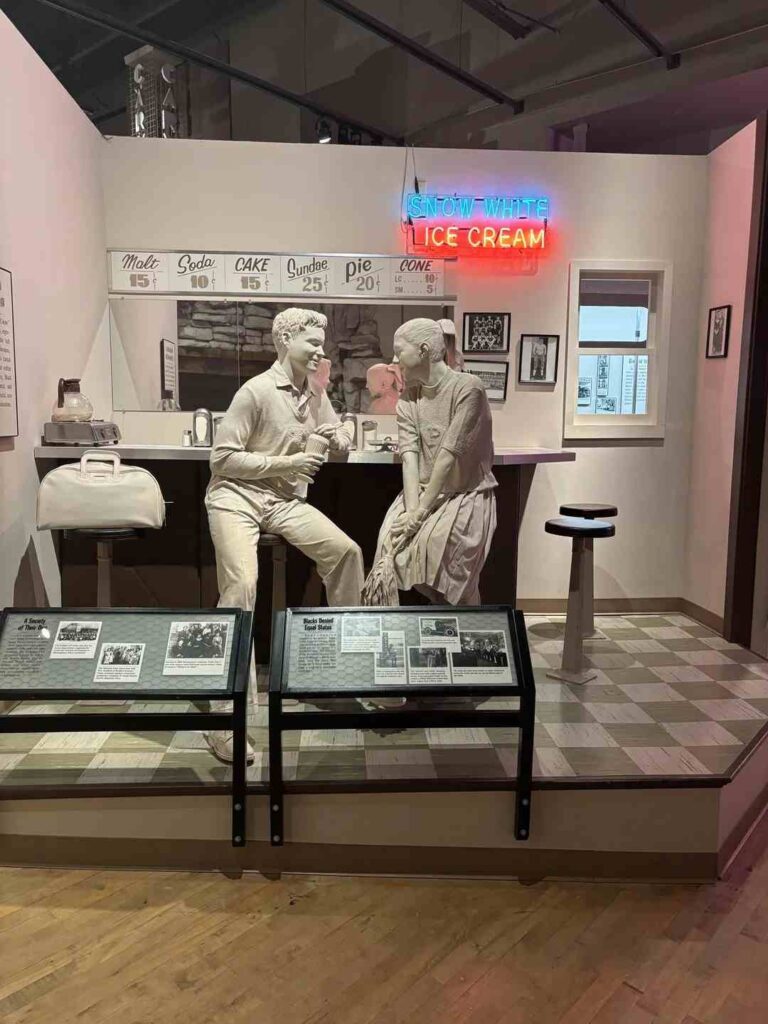
Right across from Kelly Ingram Park sits the Birmingham Civil Rights Institute, or BCRI, and I’d rank it required viewing for anyone serious about the Civil Rights Movement. It opened in 1992, folded into the wider Civil Rights National Monument designation, and now pulls in something like 25,000 visitors a year as a recognized Smithsonian institution.
Walk through the 10 permanent exhibits and you’ll hit a full-scale Freedom Riders bus replica, a genuine jail cell door, and side-by-side recreations of white classrooms against a single underfunded black classroom — a gut-punch way to show what segregation actually looked like in a segregated city during the 1950s. There’s memorabilia tied to Rosa Parks, well over 500 oral history recordings playing on loop, and text lifted from MLK Jr.’s own Letter From Birmingham Jail, plus video footage that makes the era feel closer than any textbook managed.
The museum rotates traveling exhibitions regularly, so a traveling exhibition you see during Black History Month might be gone by Martin Luther King Jr. Day. The line I still think about is etched somewhere inside: let your motto be resistance. Find it at 520 16th St N, check bcri.org before you go, or just call 205-328-9696.
Huntsville Botanical Garden
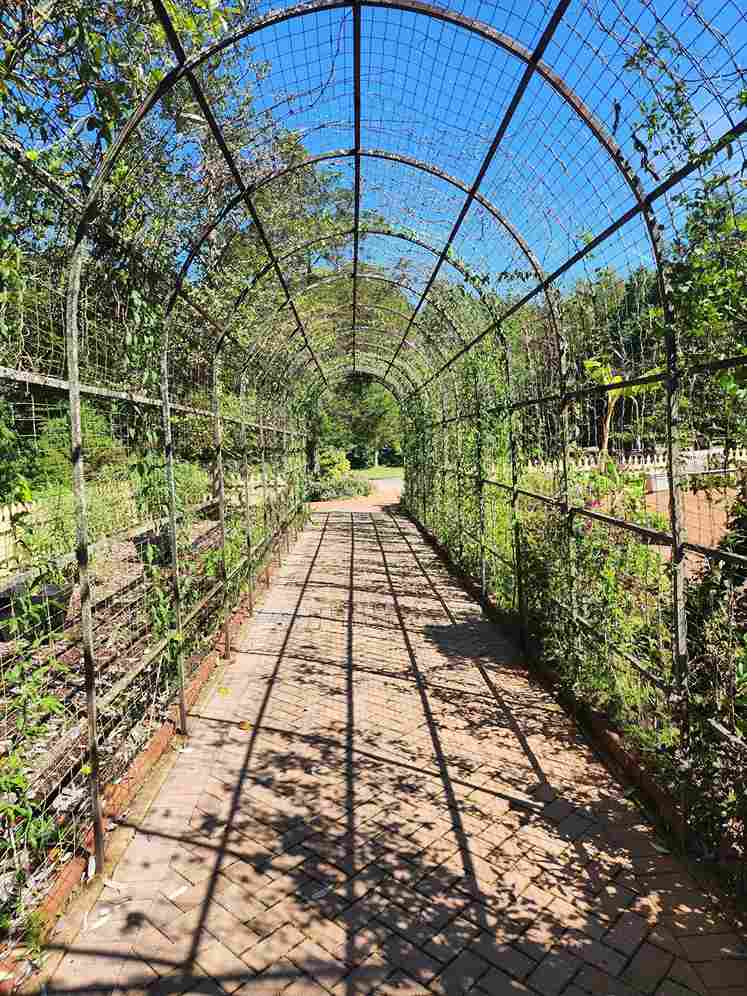
Not far from the U.S. Space and Rocket Center, Huntsville hides a second gem that surprised me more than I expected: the Huntsville Botanical Garden. It started in 1988 as little more than a community garden, and by now, at over 30 years old, it’s grown to a sprawling 112 acres, built almost entirely on sustainability and a real focus on environmental issues.
I’d call it a legitimate family activity, not just a pretty backdrop. The guides and staff run a solid guided tour, or you can rent a golf buggy and cover more ground at your own pace. Wander through the Damson aquatic garden, the Japanese style pavilion, past the water-lily pools and the Daylily garden, and you’ll eventually land in the children’s garden, complete with wading pools, hidden dinosaur bones, and fairytale creatures tucked into the greenery that had my nieces sprinting ahead of me.
There’s a butterfly house worth timing your visit around, plus a quieter biblical garden, nature garden, herb garden, and fern glade connected by a winding nature trail. Volunteers keep the whole thing running, and with roughly 308,000 visitors coming through every year, the modest entry fee feels like a bargain.
Birmingham Museum of Art
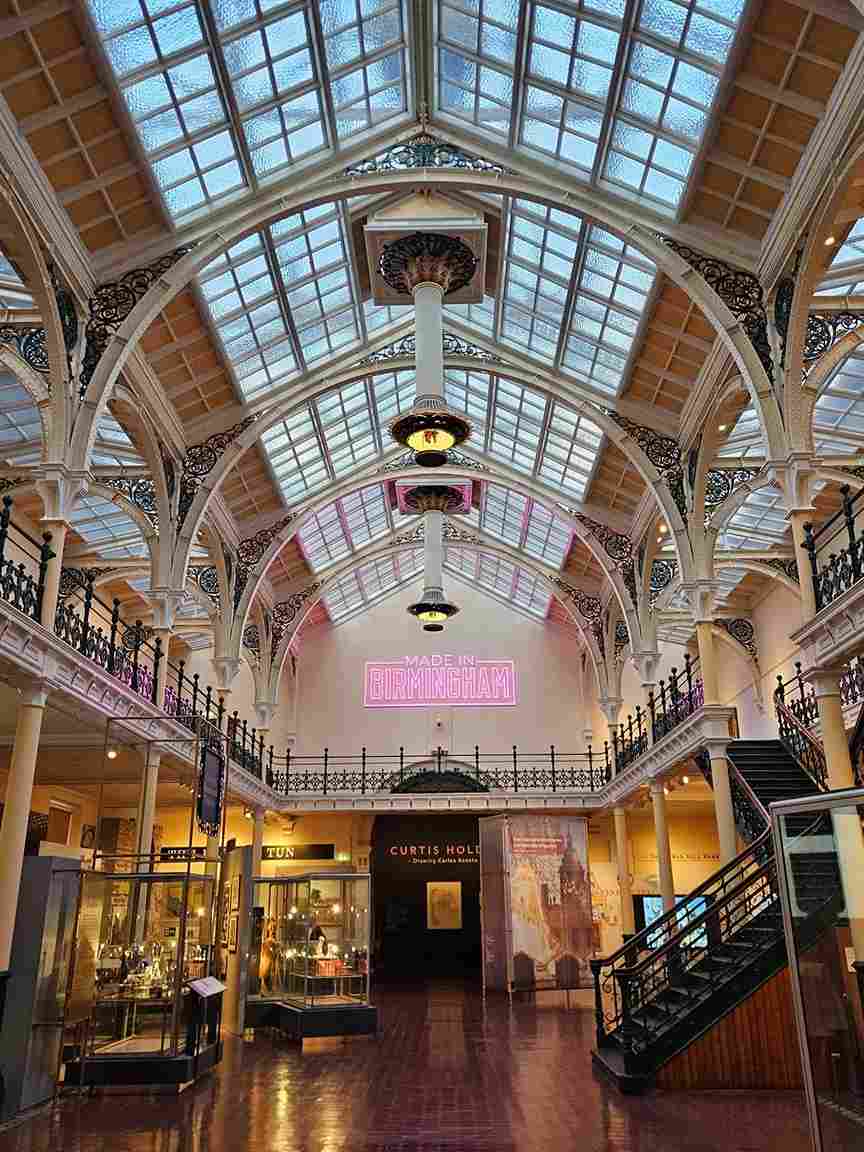
The Birmingham Museum of Art has been a fixture since 1951, and it shows in the best way — this is a proper three-story structure, not some converted storefront gallery. Free entry on every single visit, too, which still feels rare for a collection holding roughly 27,000 pieces, with 24,000 exhibits and rotating exhibits cycling through constantly.
Wander the sculpture garden outside before you even step in, then get lost among paintings, sculpture work, prints, and drawings spanning decorative arts, ancient art, contemporary art, African art, Asian art, European art, Pre-Columbian art, American art, and both modern styles and Native styles under one roof. A mural greets you in the foyer, and don’t miss the glass flowers near the staircase or the showpiece Sculpture Court, home to a striking reclining nude and a case of Wedgwood pottery I still think about.
Curators like Hannah Elliott and Carrie Hill helped shape the collection’s depth in European decorative arts and Renaissance paintings, and roughly 25,000 objects rotate through storage over time. Check artsbma.org, or just show up at 2000 Rev. Abraham Woods Jr. Blvd., or call 205-254-2565.
Vulcan Park and Museum
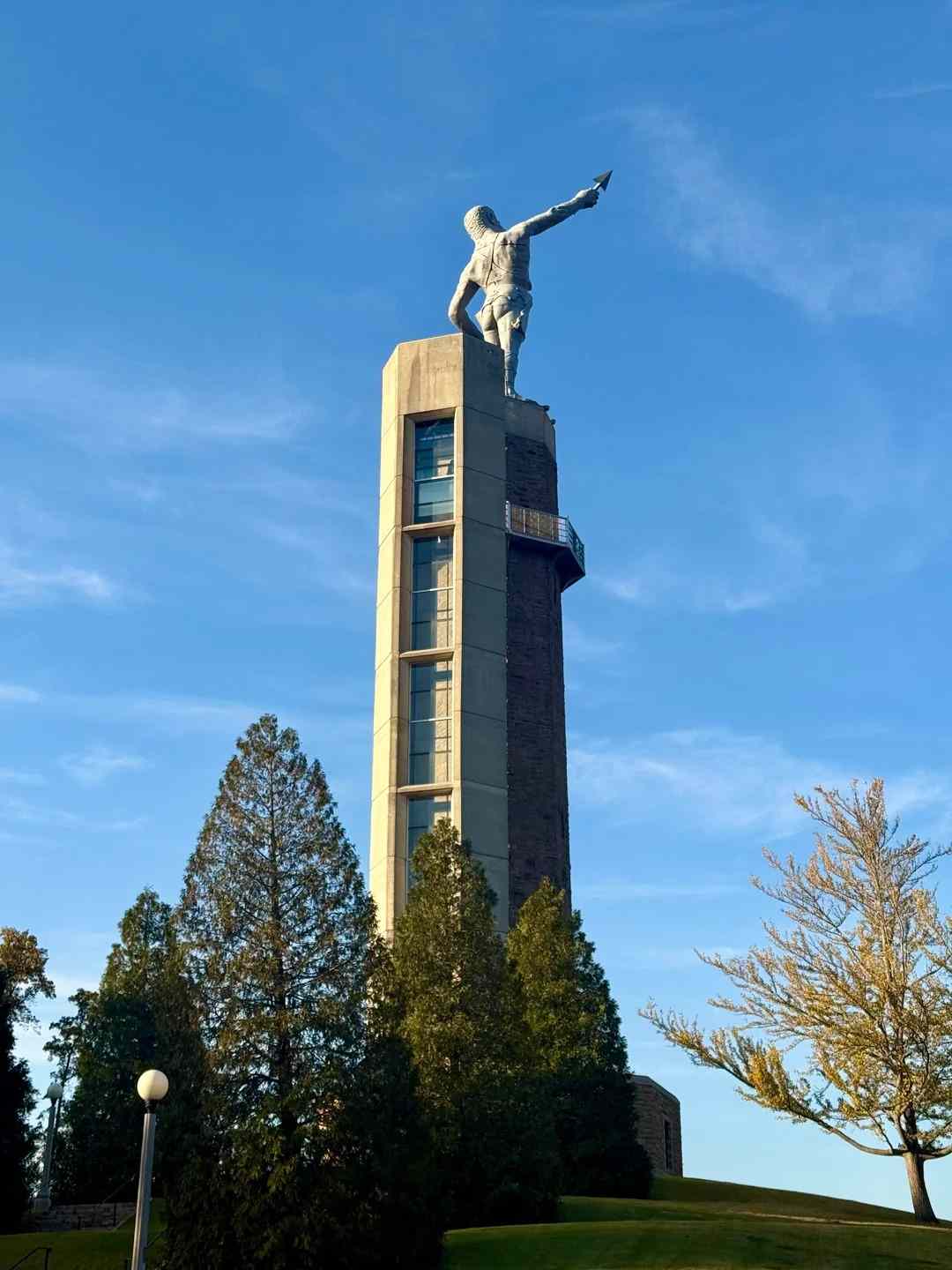
Perched above the city, the Vulcan statue is impossible to miss once you know it’s there — a cast iron statue standing 56 feet tall and weighing in around 100,000 pounds, planted on Red Mountain where Birmingham’s iron industry and steel industry once boomed. It went up for the 1904 St Louis World Fair before eventually coming home, and locals still affectionately call it the bare bottomed god, though I’d phrase it more like Magic City mascot if you want the polite version.
The site now runs as both a proper history museum and a working public park, occasionally rented for private events. Ride the lift up to the viewing platform for the best skyline view in the state, and take a minute at the base column to read about the 1870s boom years — the iron ore, the railroad, the jobs that pulled in freed slaves and immigrants chasing work, forming the backbone of the region’s industrial heritage. Find it at 1701 Valley View Drive, or check visitvulcan.com first.
McWane Science Center
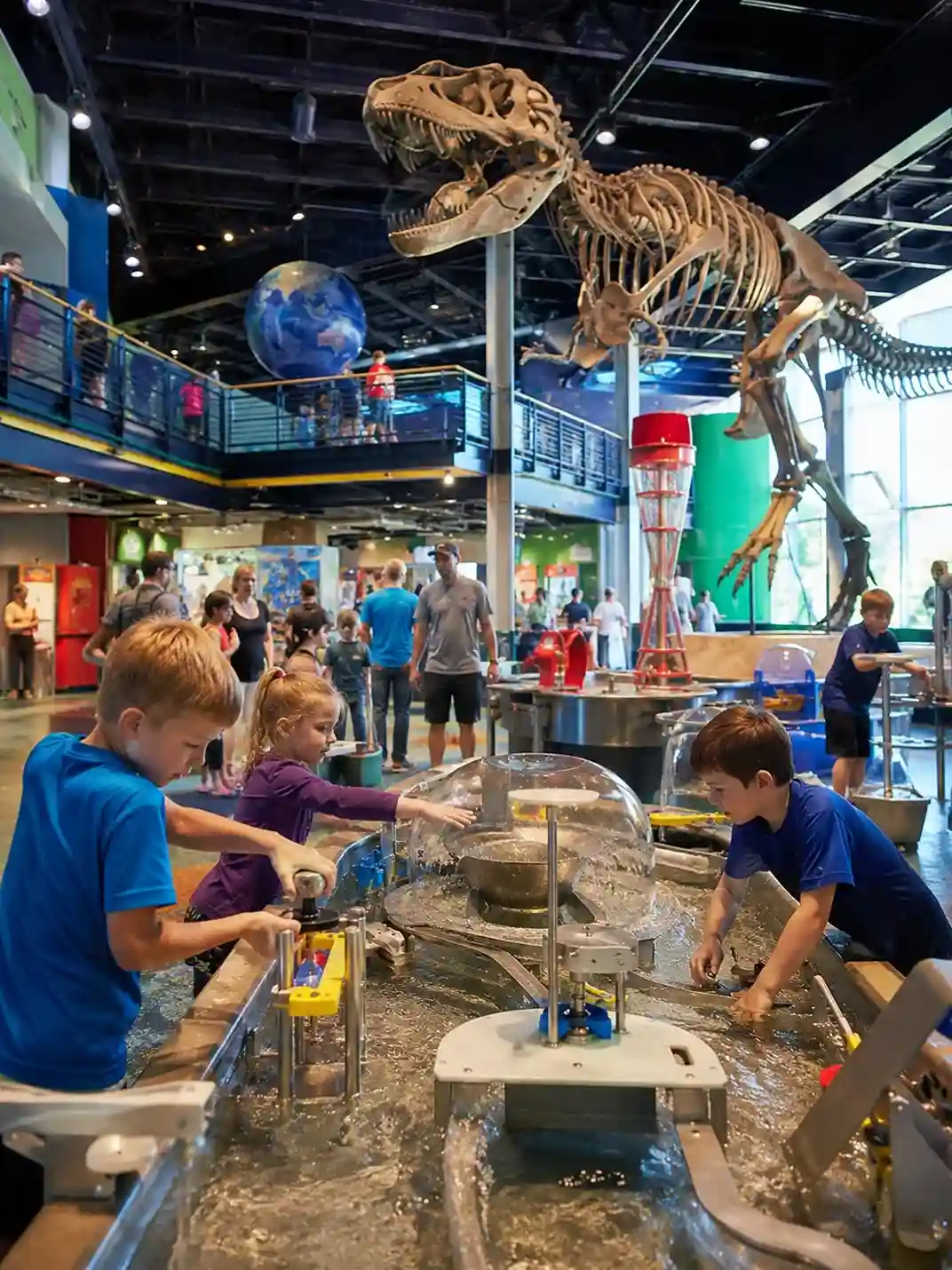
McWane Science Center is where I’d send anyone traveling with restless kids, and honestly plenty of adults too — it’s built entirely around hands-on science, wonder, and curiosity, and it’s pulled in millions of visitors since opening in 1998. The interactive exhibits run deep: Itty Bitty Magic City for the toddler crowd, Alabama Dinosaurs for anyone obsessed with fossils, and Science on a Sphere alongside the World of Water Aquarium, with rotating exhibits keeping return visits fresh.
There’s a full IMAX Dome theater and a Challenger Learning Center spanning 9000 square feet, plus the Red Belt Museum housing close to 500,000 artifacts, including Native American artifacts, precious minerals, and a genuinely wild stretch of dinosaur fossils — think Mosasaurs, Appalachiosaurus, and an 80 foot fossil whale. Somewhere in that mix sits the official state fossil of Alabama, which I didn’t even know existed as a category until I stood in front of it.
Rosa Parks Library and Museum
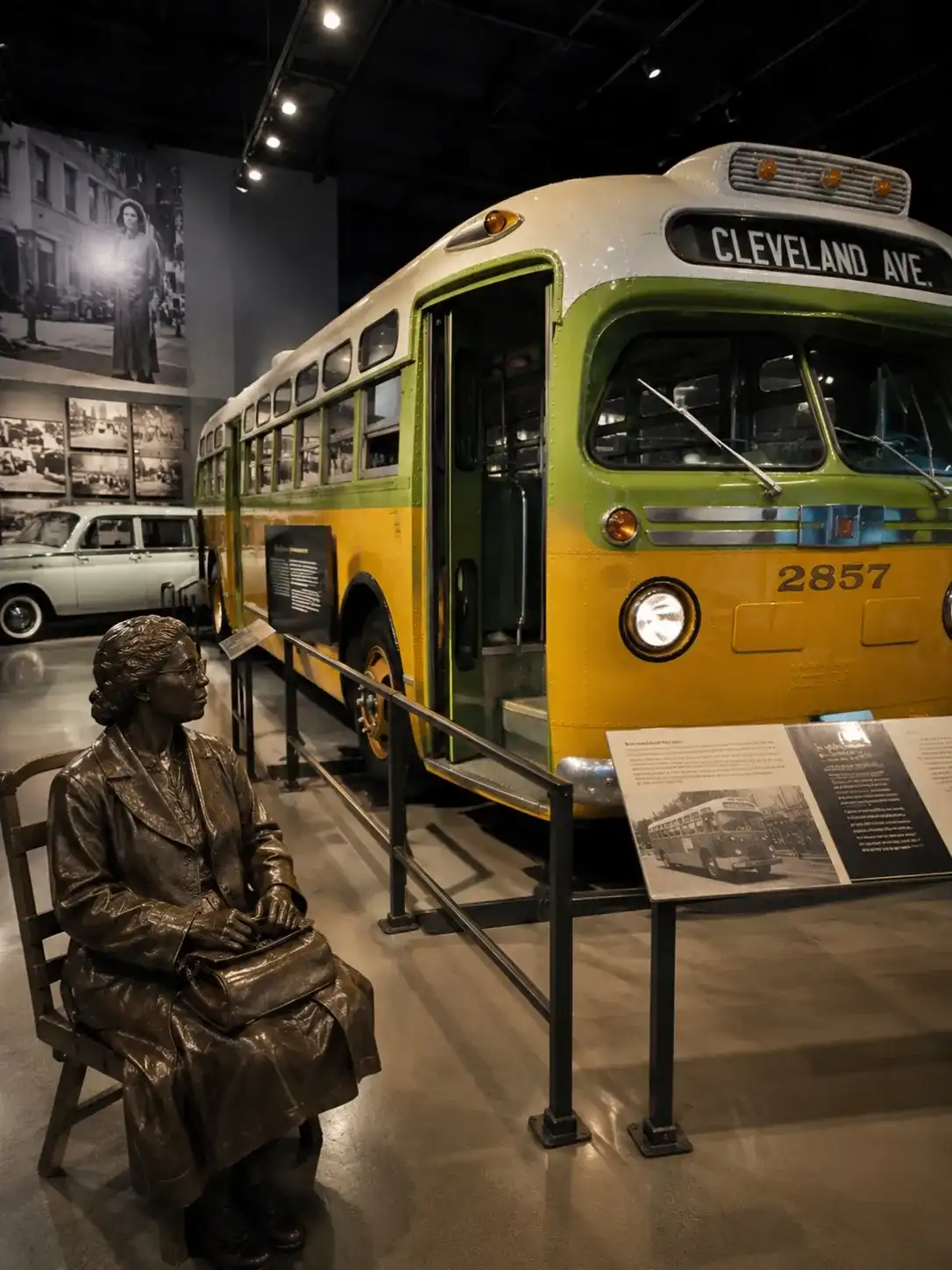
Montgomery’s Rosa Parks Library and Museum hit me harder than I expected. It centers on one moment — December 1 1955 — walking you through the arrest, the fingerprinted arrest record, and a reconstructed city bus built to match the exact bus seat where it happened. Historic markers and court documents line the walls alongside original artwork commissioned specifically for the space.
Beyond that single day, the museum threads the broader Civil Rights Movement of the 1950s, with cultural events, educational programs, and temporary exhibits rotating through. There’s a genuinely thoughtful children’s wing, an old station wagon from 1955 parked as a quiet artifact, and reminders throughout that Parks is remembered here as the mother of the civil rights — open five days a week, so plan accordingly.
Frank Lloyd Wright’s Rosenbaum House
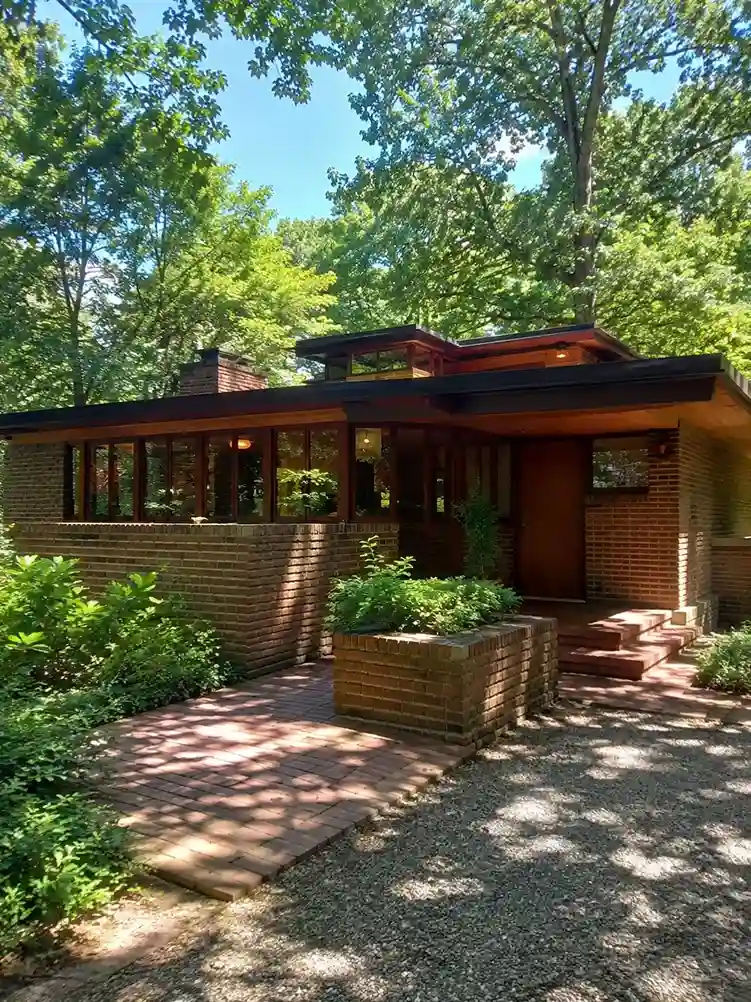
Frank Lloyd Wright only has 4 buildings in Alabama, and the Rosenbaum House in Florence is the one worth the detour. Built in the 1930s, during the Great Depression, it’s a textbook example of Usonian architecture — Wright’s answer to affordable homes for middle-class families, long before Fallingwater made him a household name.
Stanley Rosenbaum and Mildred Rosenbaum moved in as newlyweds in 1939, and the house grew with their extended family over the years. Now it runs as a small museum with a genuinely personal guided tour — this is a small house, but every inch reflects Wright’s philosophy on organic architecture and its relationship to nature, and to tailor-made homes built around how people actually live.
Bryant Denny Stadium / Crimson Tide Football
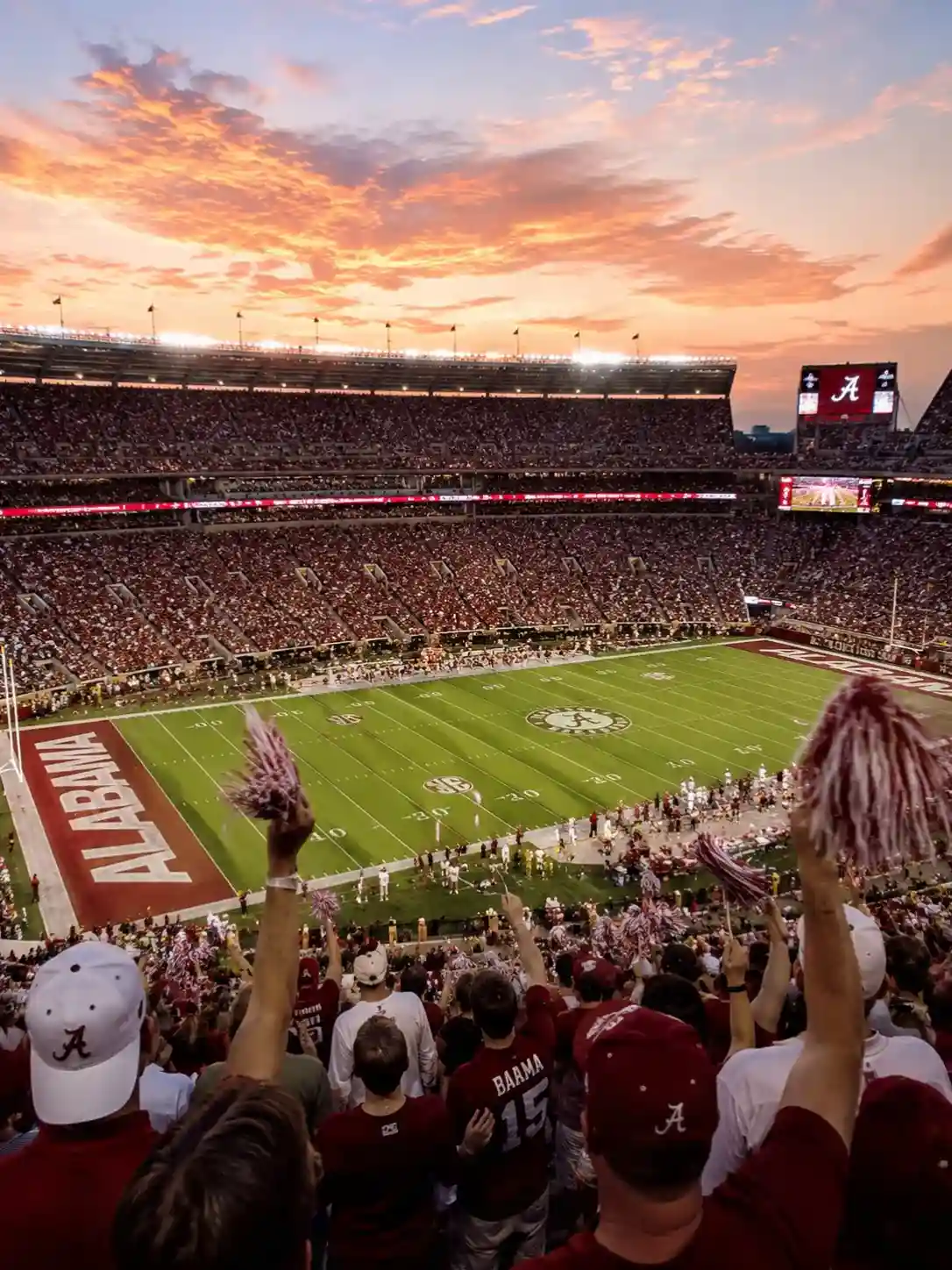
I’ll say it plainly: Bryant Denny Stadium in the fall is close to a religious experience if you’re anywhere near Tuscaloosa. This is a genuine Alabama institution, dating back to 1929, and it’s grown into the 10th largest stadium in the country — roughly 100,000 fans packed into what started as 18,000 seats.
Grab tickets if you can, but even without them, just being near a home game as Crimson Tide fans flood the University of Alabama quad is worth it — the electric energy, the blaring Dixieland Delight, the full-blown tailgate culture with Dreamland Barbecue smoke drifting over everything, all home-style grilling and Southern food at its loudest. Daily tours run for smaller 25 individuals groups, but advance booking is smart during football season.
Paul W. Bryant Museum
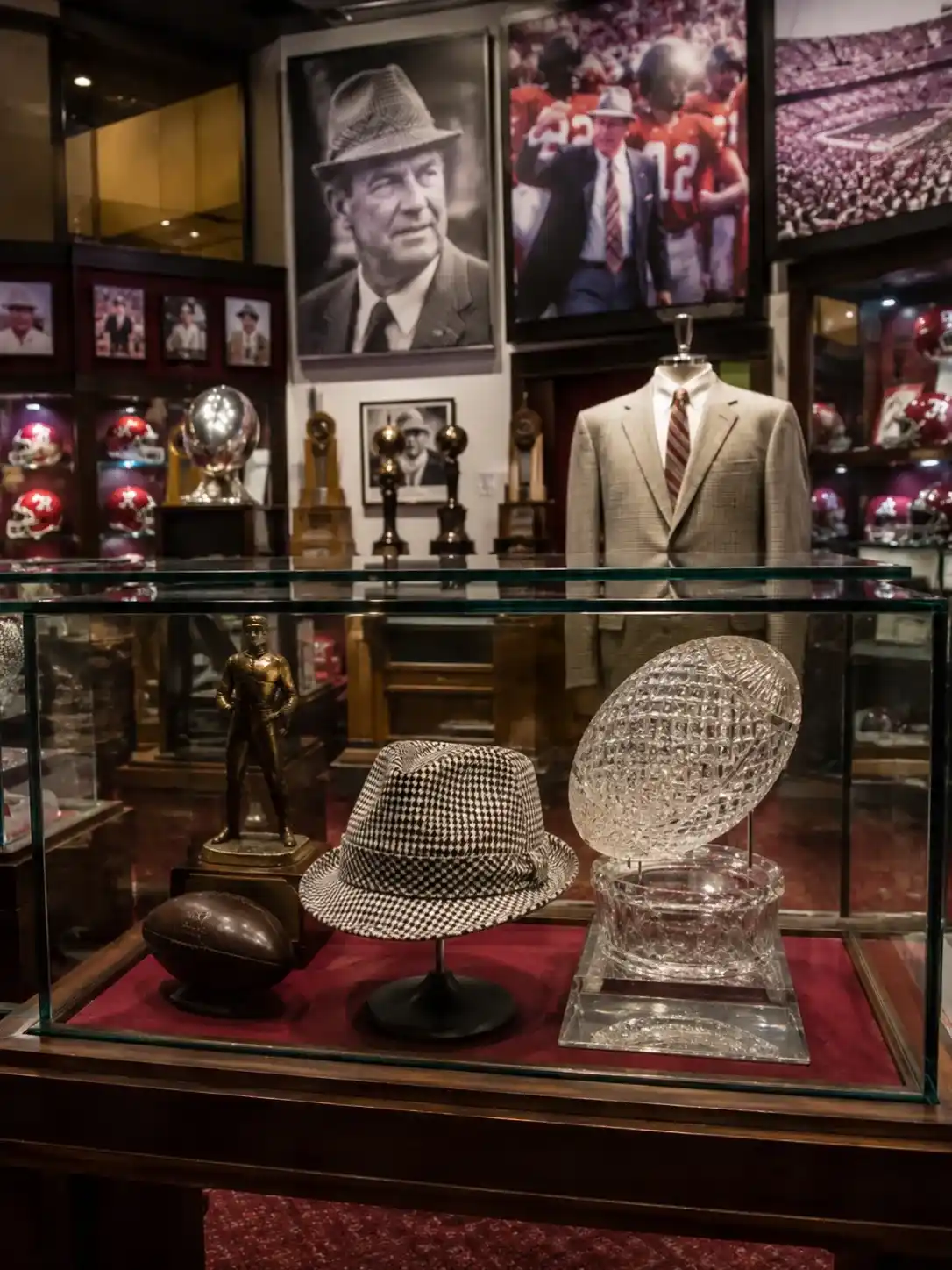
Right on the University of Alabama campus, the Paul W. Bryant Museum opened in 1988 and has quietly become one of my favorite quick stops in Tuscaloosa. Entry runs $5 adults, $3 kids — basically nothing for what you get: walls of memorabilia and artifacts covering Crimson Tide football history in obsessive detail.
The centerpiece is everything tied to Bear Bryant, one of the sport’s leading coaches, honored in 1985 with his own postage stamp (a 32-cent issue, if you’re a stamp person). Don’t skip the case with the Waterford Crystal trophy or his unmistakable hound’s-tooth hat, which somehow still gets a reaction from every visitor who walks past it.
Mobile Carnival Museum
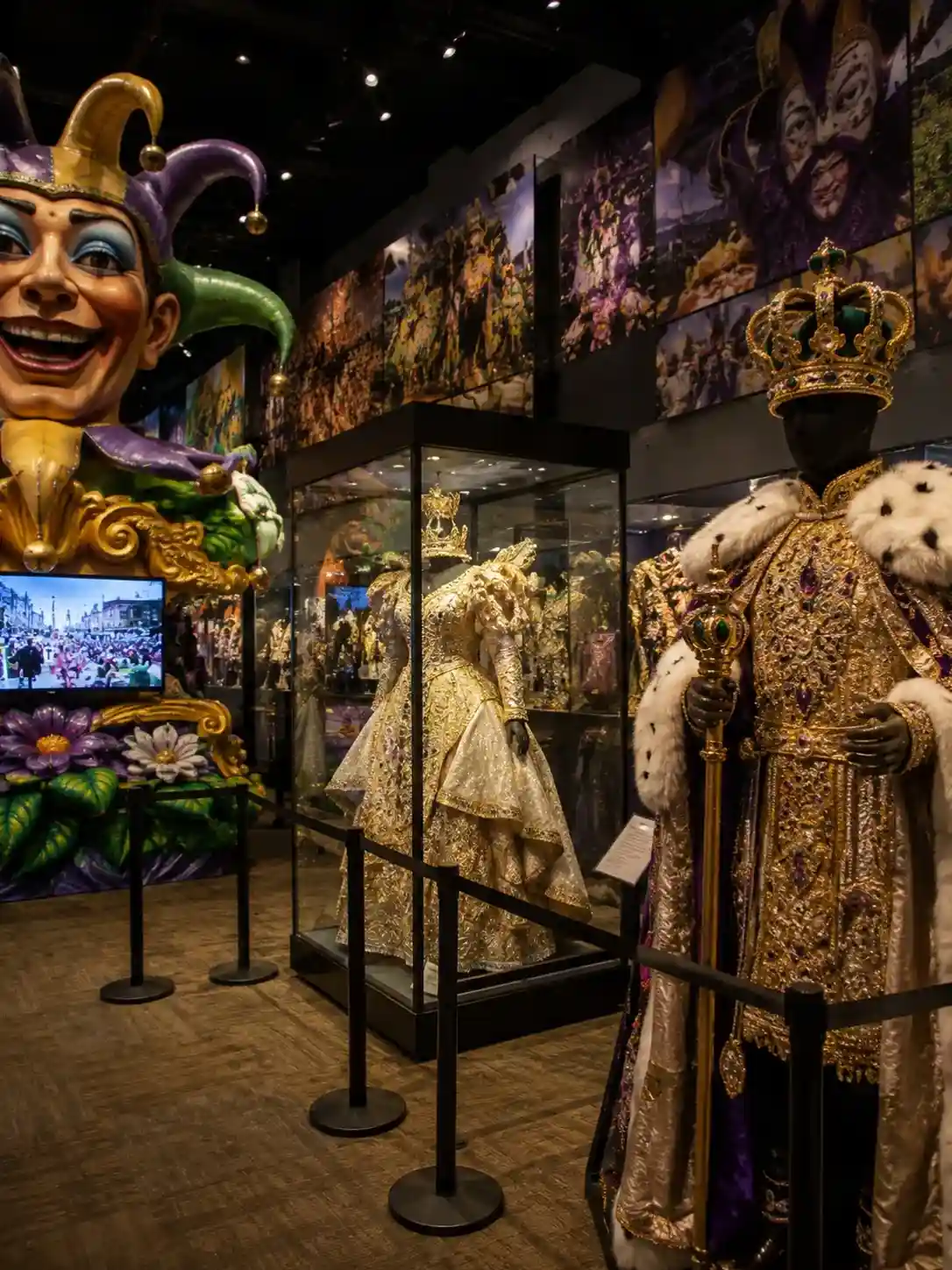
If you assumed Mardi Gras started in Louisiana, Mobile would like a word. The Mobile Carnival Museum makes the case that this was the original Mardi Gras, tracing origins of Mardi Gras back to 1703. It’s laid out across three floors of dedicated exhibition space, walking through the historical evolution of Carnival as it grew every February.
Start with the introductory video, then grab the self guided audio tour — an $8 adult ticket gets you in — and work through 14 galleries packed with jewelled costumes, robes for carnival kings and carnival queens, jewels, gowns, and walls of Mardi Gras posters made by local artists. It’s a deep dive into floats, parades, and balls most tourists never think to associate with Alabama at all.
The Scott and Zelda Fitzgerald Museum
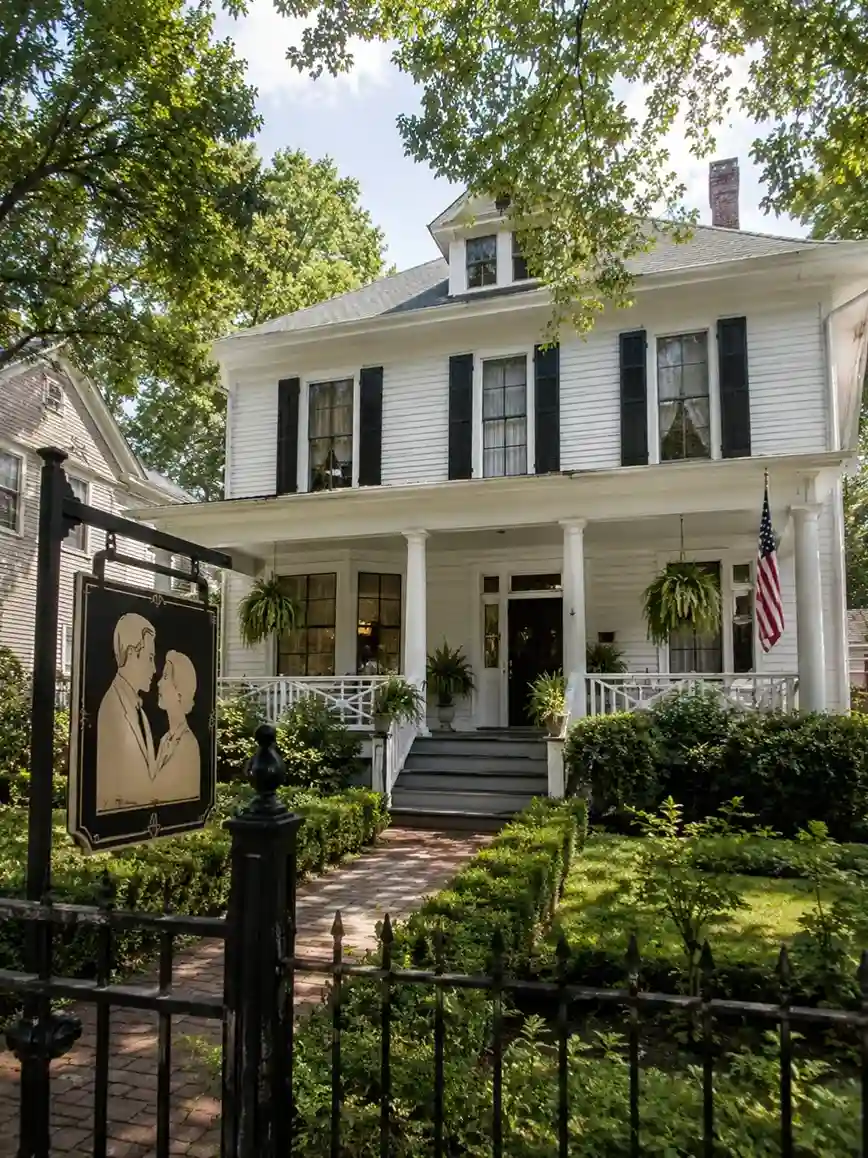
Tucked into Old Cloverdale in Montgomery, The Scott and Zelda Fitzgerald Museum is small, personal, and completely worth the stop if you have any soft spot for the Jazz Age. F. Scott Fitzgerald and Zelda Fitzgerald actually lived in the house at 919 Felder Avenue — you can even book one of the Airbnb apartments upstairs if you want to sleep where they slept.
Inside, the letters, memorabilia, and artefacts trace the years around Save Me The Waltz and Tender Is The Night, published in 1931 and 1932. It leans hard into the glamour and mythology of the Roaring 20s, framing Fitzgerald less as just the man behind Great Gatsby and more as a writer, and Zelda as a painter in her own right. Open Thursday through Sunday, or book a Wednesday appointment if that’s the only day you’ve got — $5 admission either way.
Railroad Park
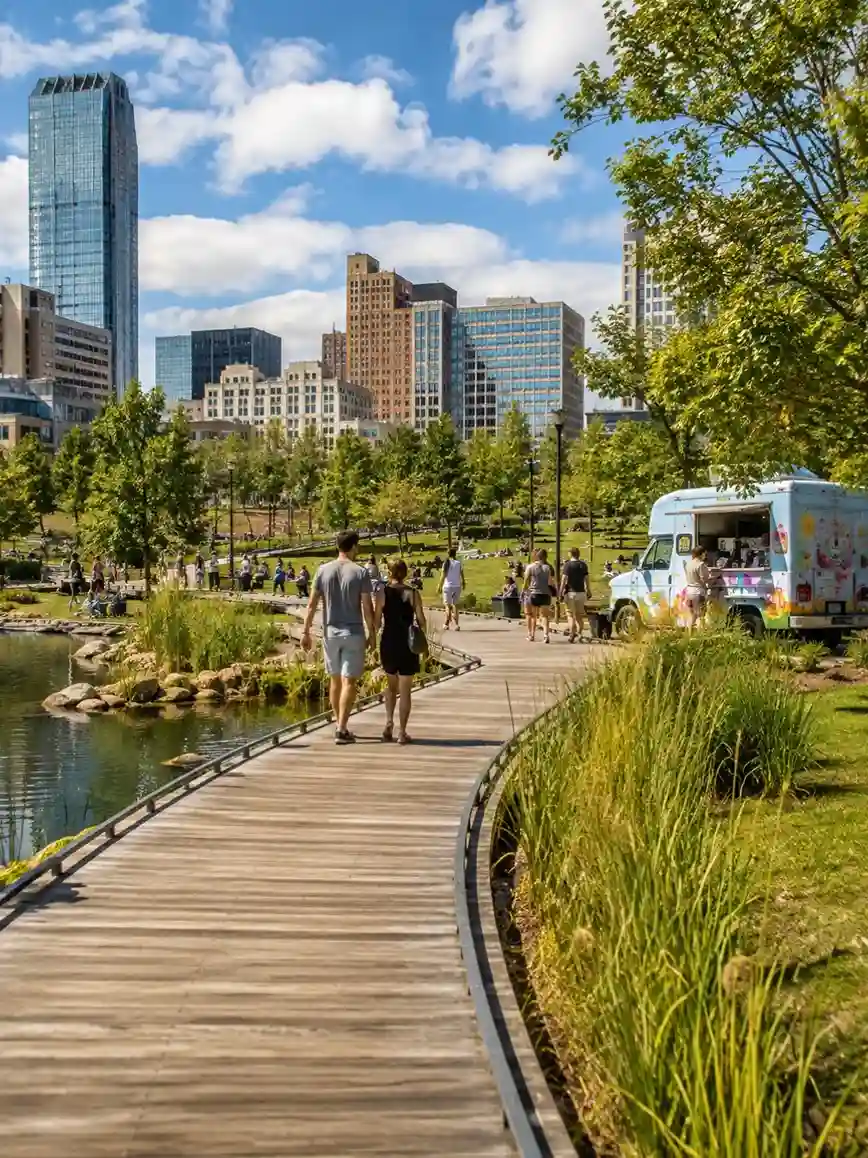
Railroad Park in Birmingham is the kind of low-key free entry green space I ended up returning to more than any museum on this list. It opened in 2010 across 19 acres of reclaimed land, tracing the old railroad lines with boardwalks and pathways winding past lakes and water features.
Grab a treat from the Shymeer Ice van — their sno-cone is a small-but-perfect touch — and post up on the grass like it’s your own backyard. It’s built for a sunny day lunchtime stroll as much as it is for the free evening yoga class they run. Check railroadpark.org or just show up at 1600 1st Ave South.
Gulf Shores / The Beach
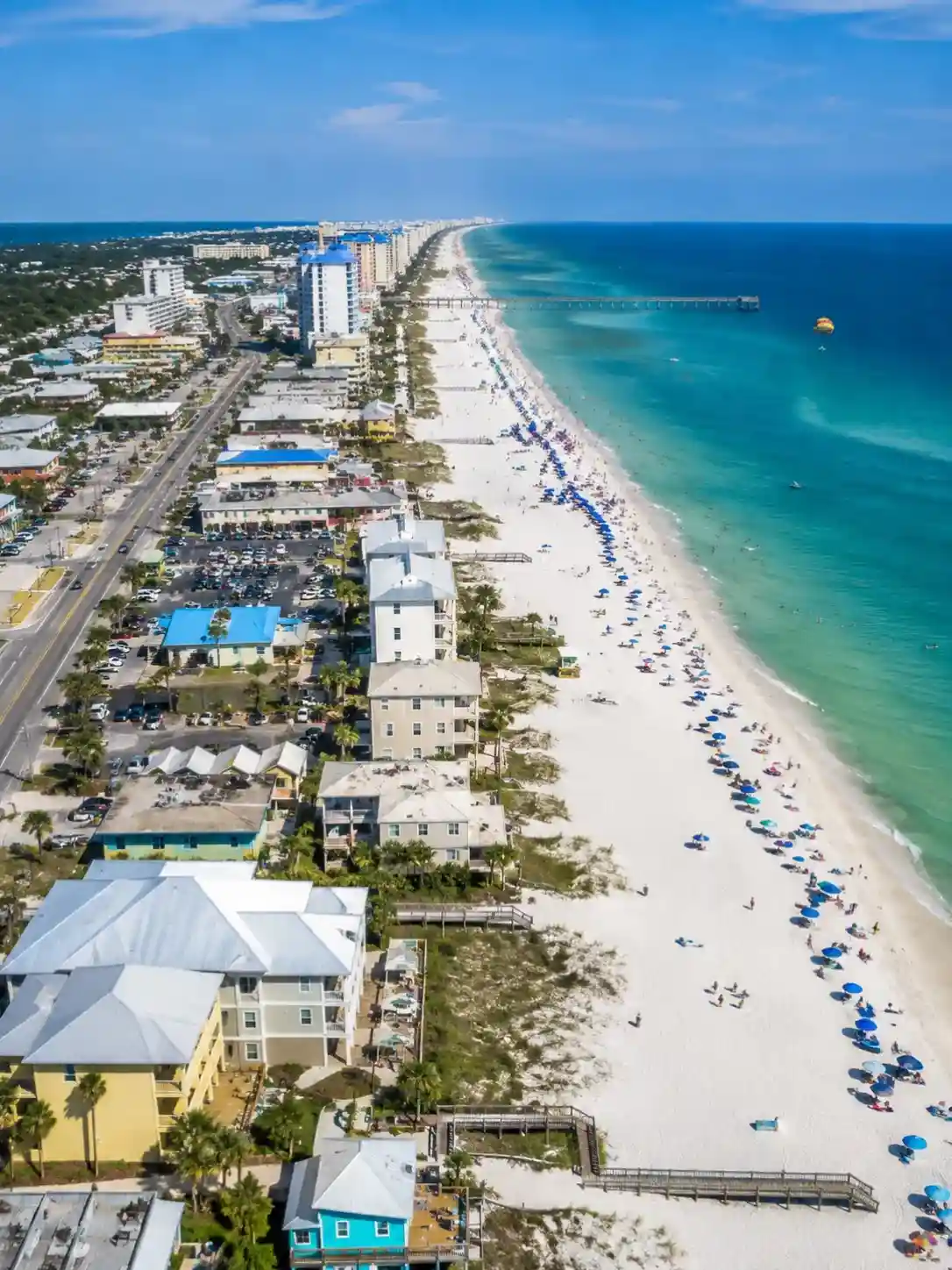
End the trip where a lot of visitors start it: Gulf Shores and the Alabama Gulf Coast’s stretch of white sand beaches. Along highway 59 you’ll hit beaches, bars, volleyball nets, and restaurants packed with everyone from families and college kids to couples and solo individuals just chasing sun.
Parking gets tight in peak season, but the whole strip has a genuine vacation-style energy along the Gulf of Mexico. Beyond the sand, there’s shopping, golf, arts, museums, fishing, boating, cruises, and water sports to fill out a longer stay, plus plenty of lodging — condo rentals, beach house rentals, and bed and breakfasts for whatever pace you’re after.
U.S. Veteran’s Memorial Museum
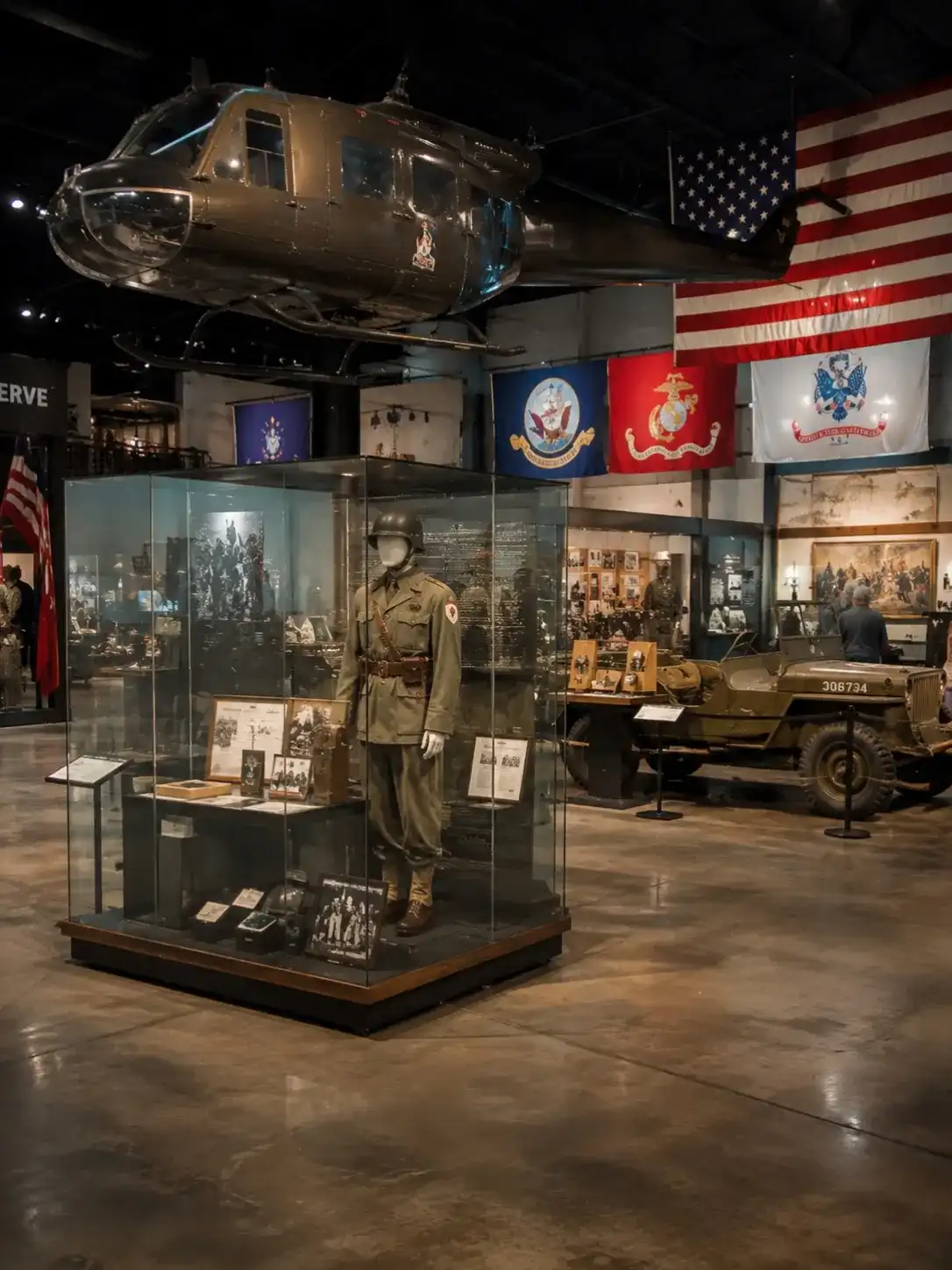
Small but worth a stop if military history interests you: the Alabama Center of Military History covers everything from military service in World War I through more recent conflicts. It’s genuinely educational, and gives survivors and their families a place to reminisce and connect with others who understand.
Lake Nicol
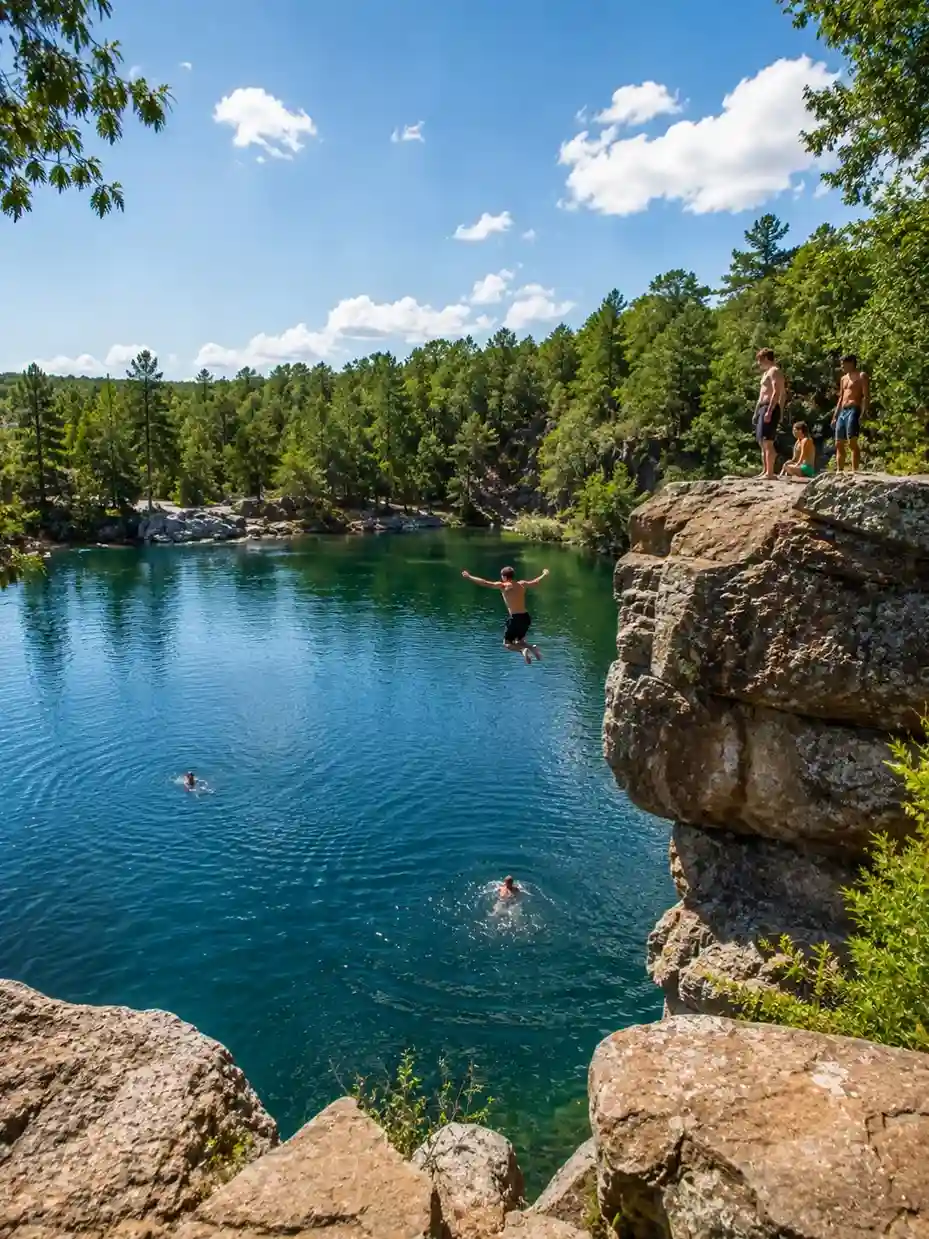
Lake Nicol near Tuscaloosa is one of those spots locals guard jealously — great for cliff jumping and hiking, popular with students and natives alike. It’s well-maintained, though traffic picks up fast, so aim for early morning or late day if you want it to yourself.
Alabama Aquarium at the Dauphin Island Sea Lab
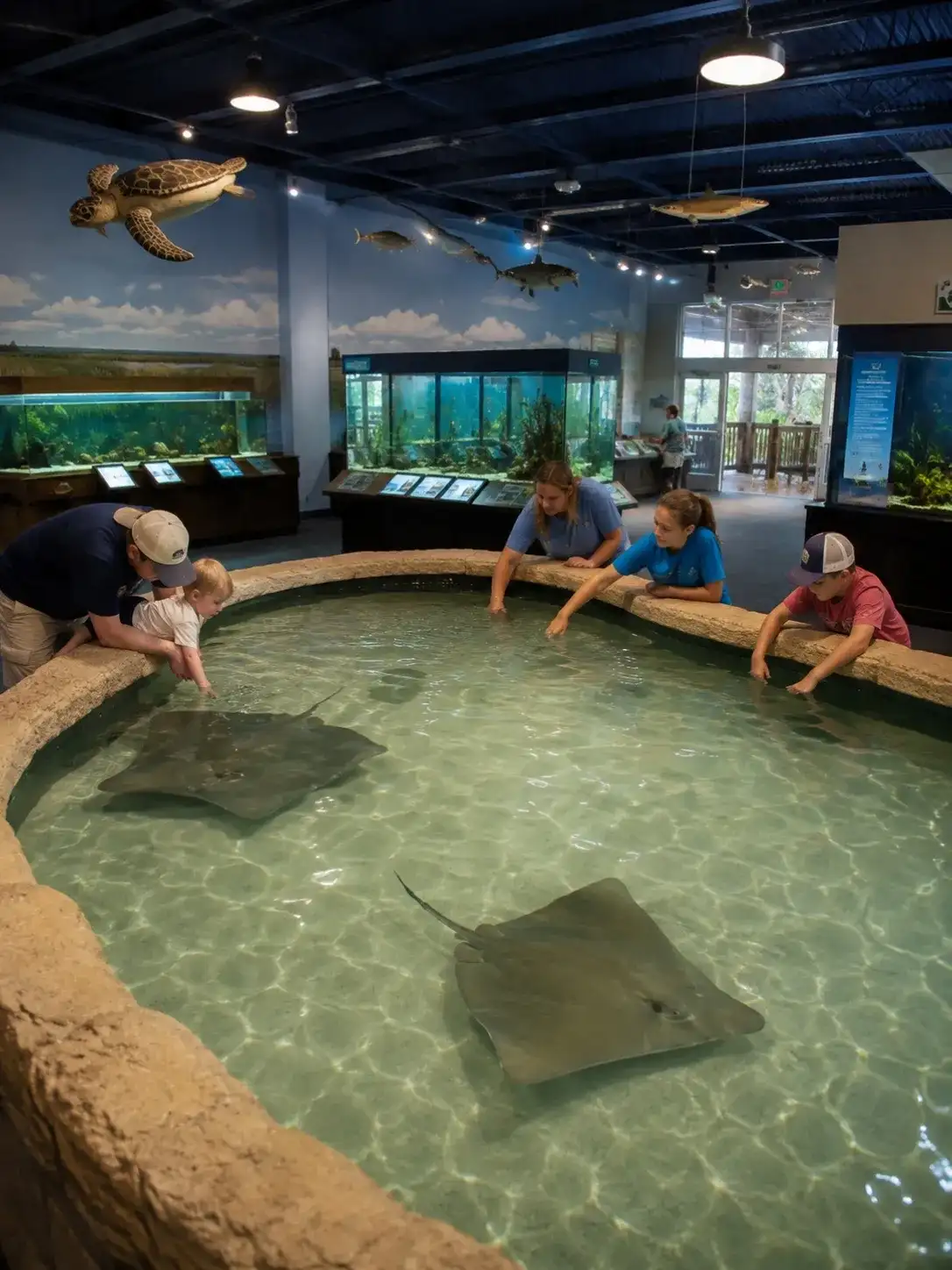
The Alabama Aquarium at the Dauphin Island Sea Lab, officially the Estuarium, focuses entirely on coastal Alabama habitats — think the Mobile Tensaw River Delta, Mobile Bay, the Barrier Islands, and the Northern Gulf of Mexico. A 7,000-gallon stingray touch pool anchors a 10,000-square-foot exhibit hall, alongside the Living Marsh boardwalk and 31 aquariums holding 30,000 gallons and roughly 100 species of marine life.
Monte Sano State Park
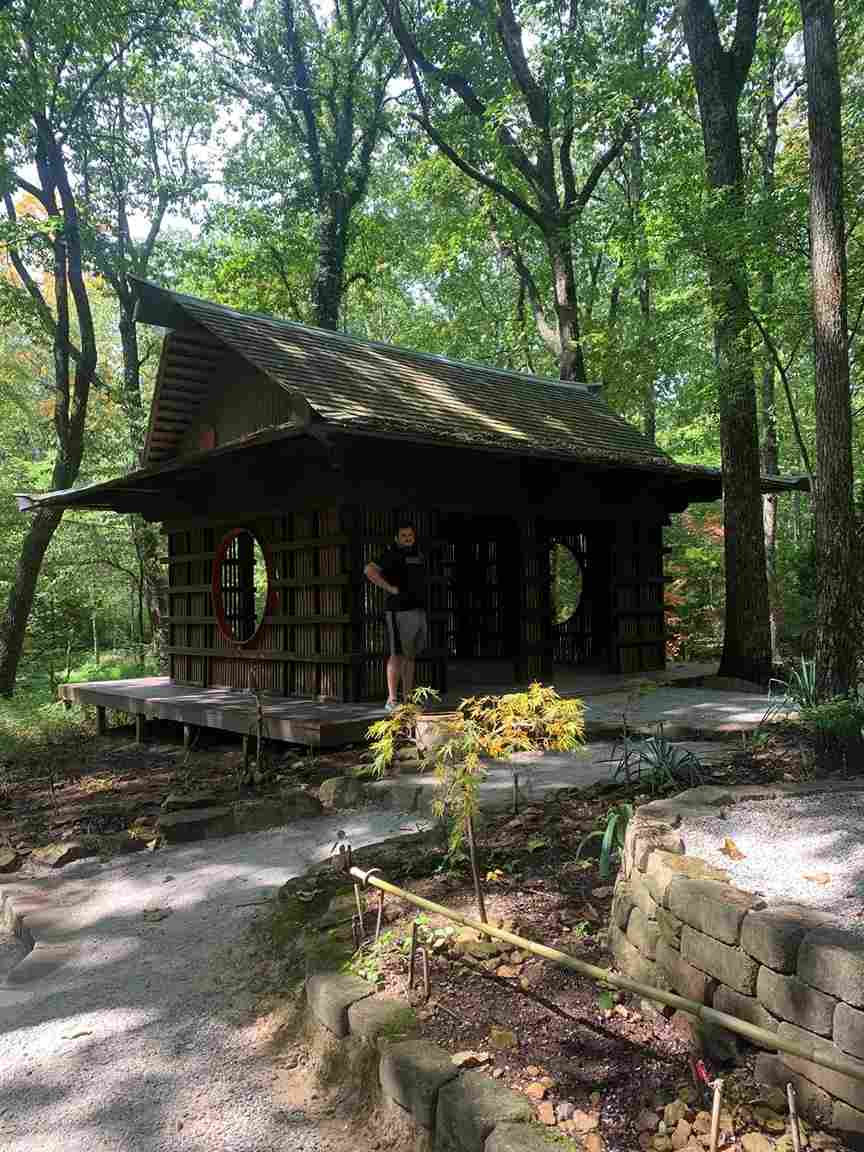
Huntsville’s Monte Sano State Park earned its old nickname, mountain of health, thanks to its history around mineral springs and fresh air. Stay in the lodge or one of 14 rustic cabins, or pitch a tent across 89 campsites. There’s 20 miles hiking trails and 14 miles biking trails, and the sunrises alone justify a state park pass.
Stay at Hotel Indigo in Tuscaloosa
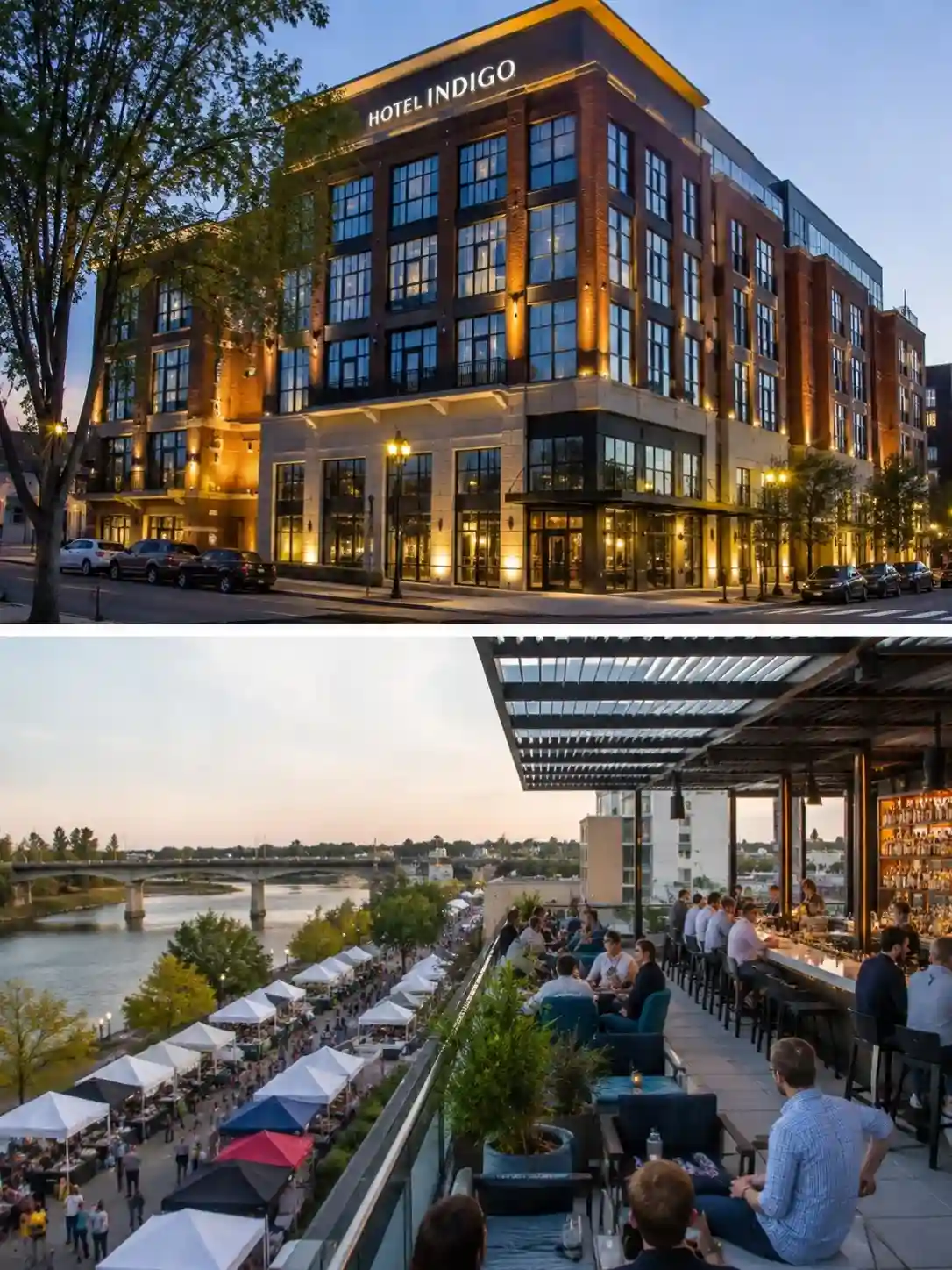
Hotel Indigo sits right in Tuscaloosa downtown as a proper riverside property, complete with a rooftop bar overlooking the Saturday morning farmers market along the Riverwalk. Stylish rooms and modern rooms put you walking distance from restaurants, clubs, and live music, which matters enormously on gameday or during any other university-related activities.
Big Spring Park
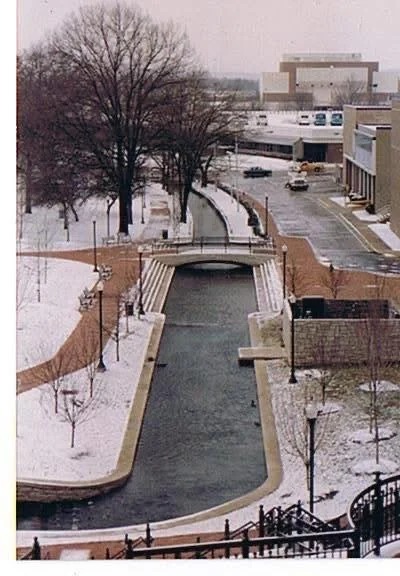
Big Spring Park anchors Downtown Huntsville around the natural spring that gave John Hunt a reason to build his original cabin here. Now it’s shallow lakes, a photogenic Japanese bridge, and a steady calendar of festivals and community events — a proper water feature for a picnic.
Alabama Constitutional Hall Park
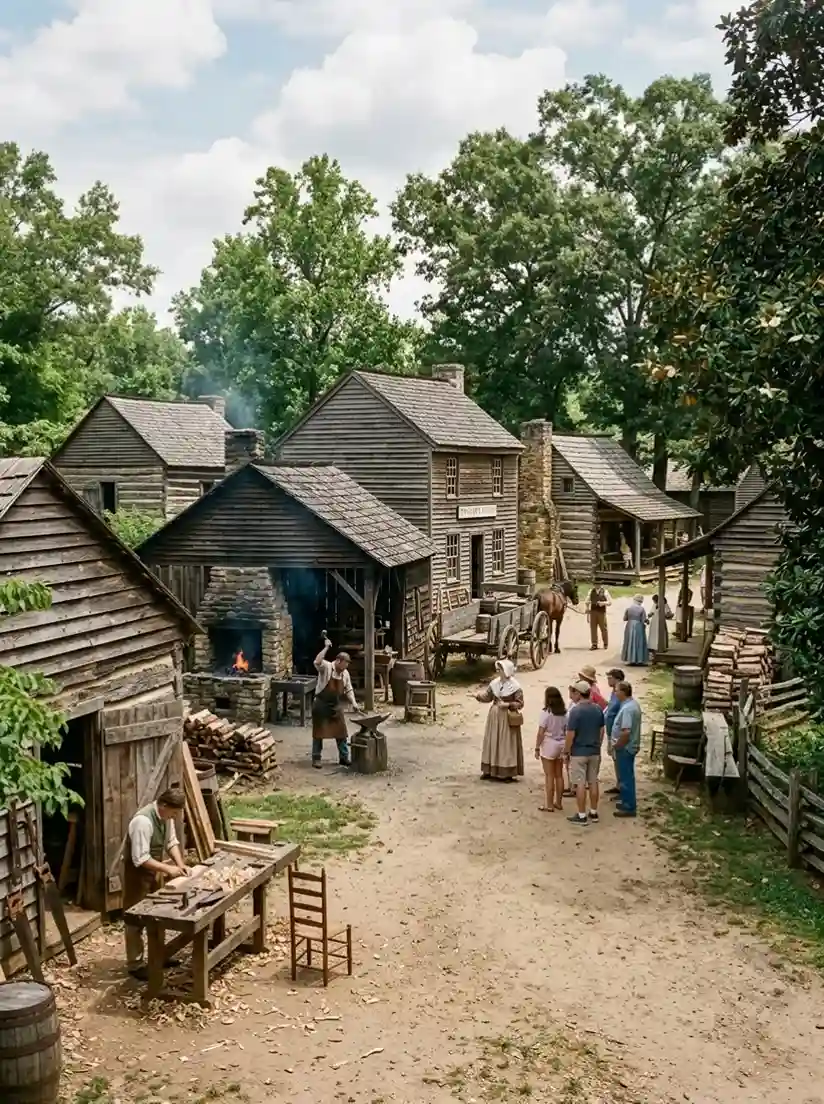
Back in 1819, delegates met here to draft the Alabama state constitution, and the Alabama Constitutional Hall Park preserves that moment through a reconstructed cabinetmaker’s workshop and other wooden buildings around an open courtyard — postmaster, cabinet maker, printer, and blacksmith stations included. A guided tour covers the original furnishings, and it connects directly to the Earlyworks Children’s Museum next door.
Street Art in Huntsville
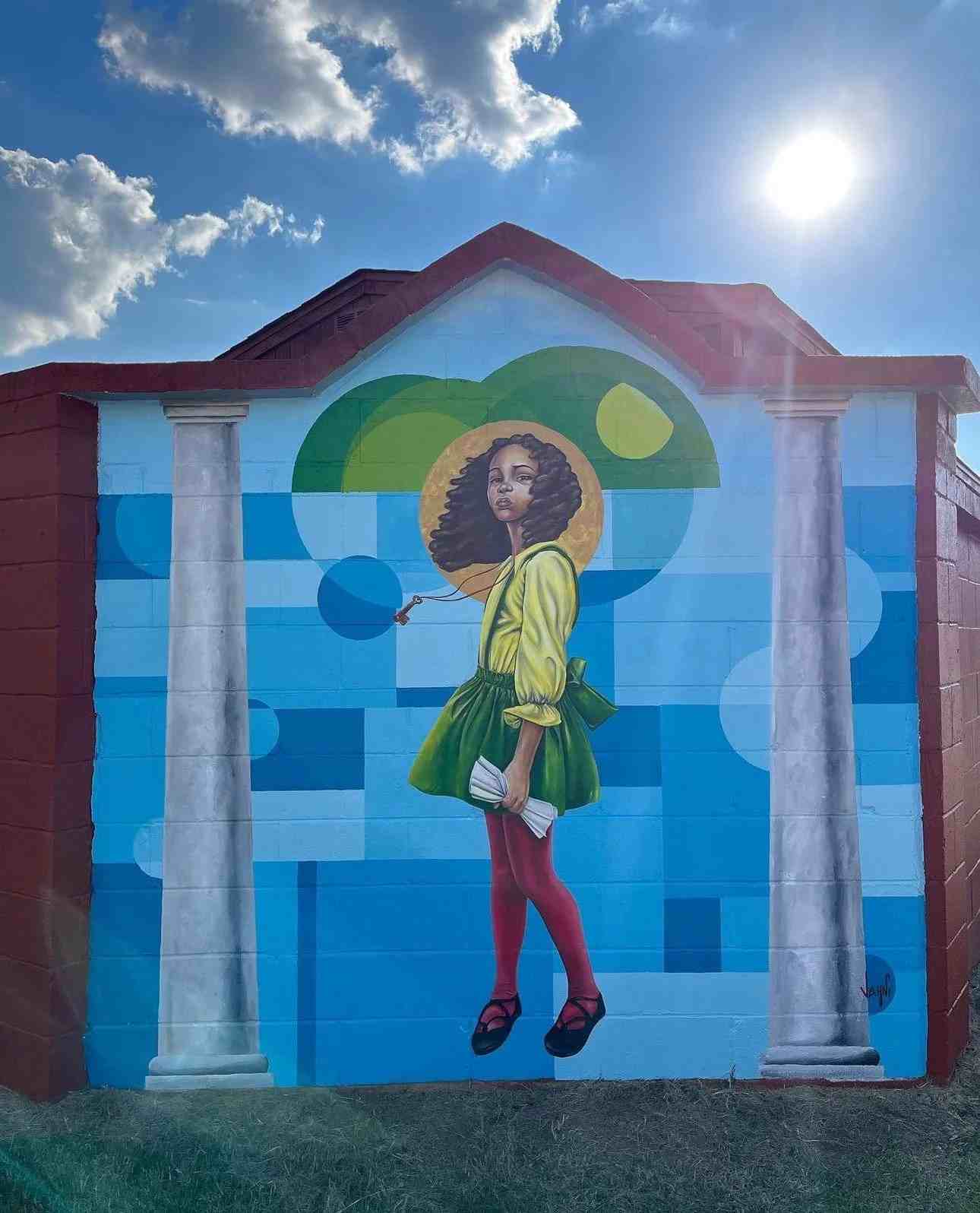
Track down the street art scattered through Huntsville starting near Big Spring Park: the Koi mural off Spring St SW, another piece on Spragins St SW from Red Brick Strategies, the Welcome to Huntsville rocket mural, and the rotating Clinton Row Color Walk — all part of the informal Downtown Huntsville Secret Art Trail.
Muscle Shoals Sound Studio
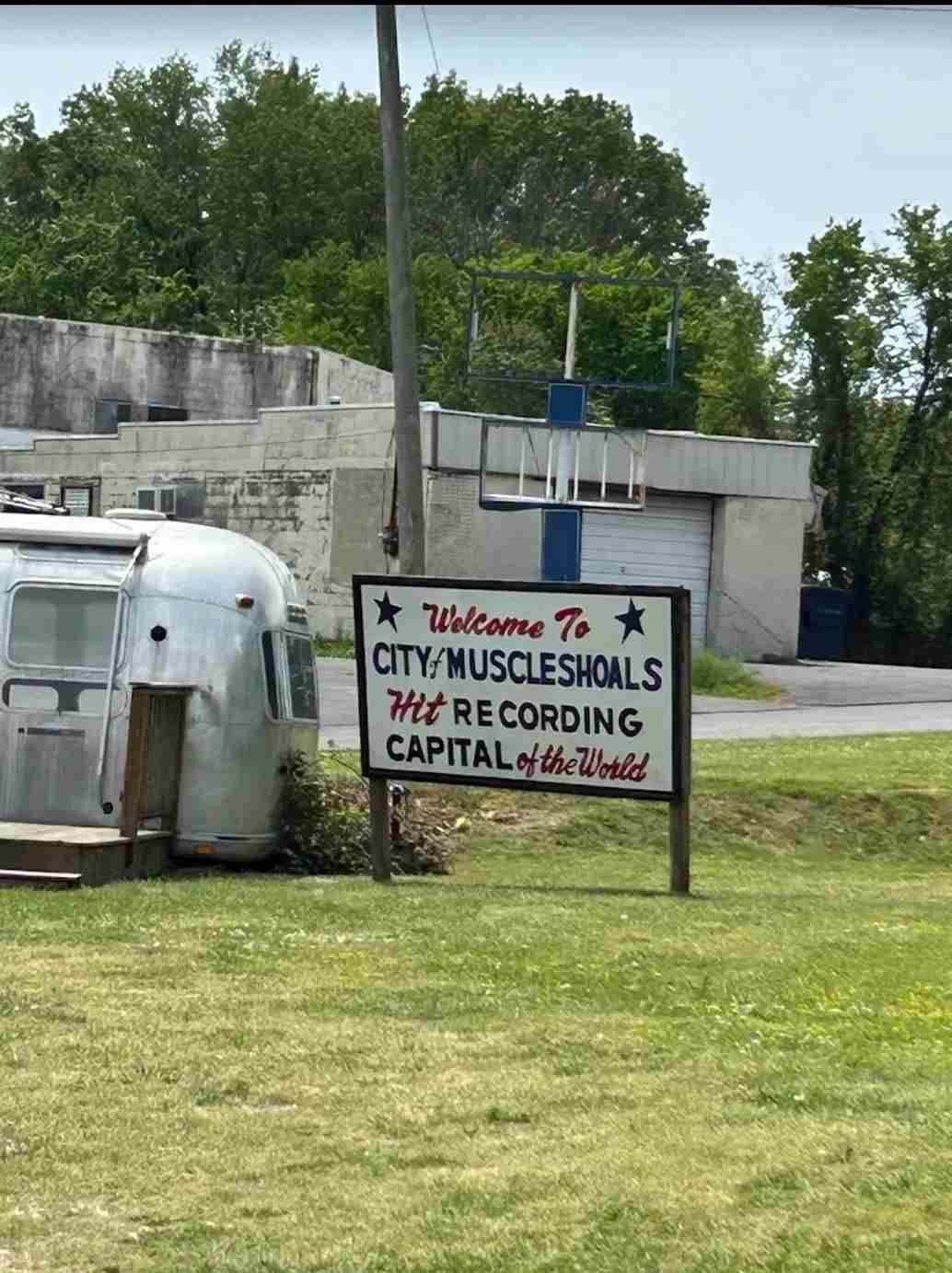
Muscle Shoals Sound Studio opened in 1969, built around four session musicians who quietly shaped decades of American music. Cher, Rod Stewart, Paul Simon, and the Rolling Stones all recorded here, and it operated under the Fame recording studio umbrella. Tours run $20, and yes — it’s technically in a dry state county, though the porch at 3614 Jackson Highway still feels loaded with hit songs and music legends.
Kelly Ingram Park
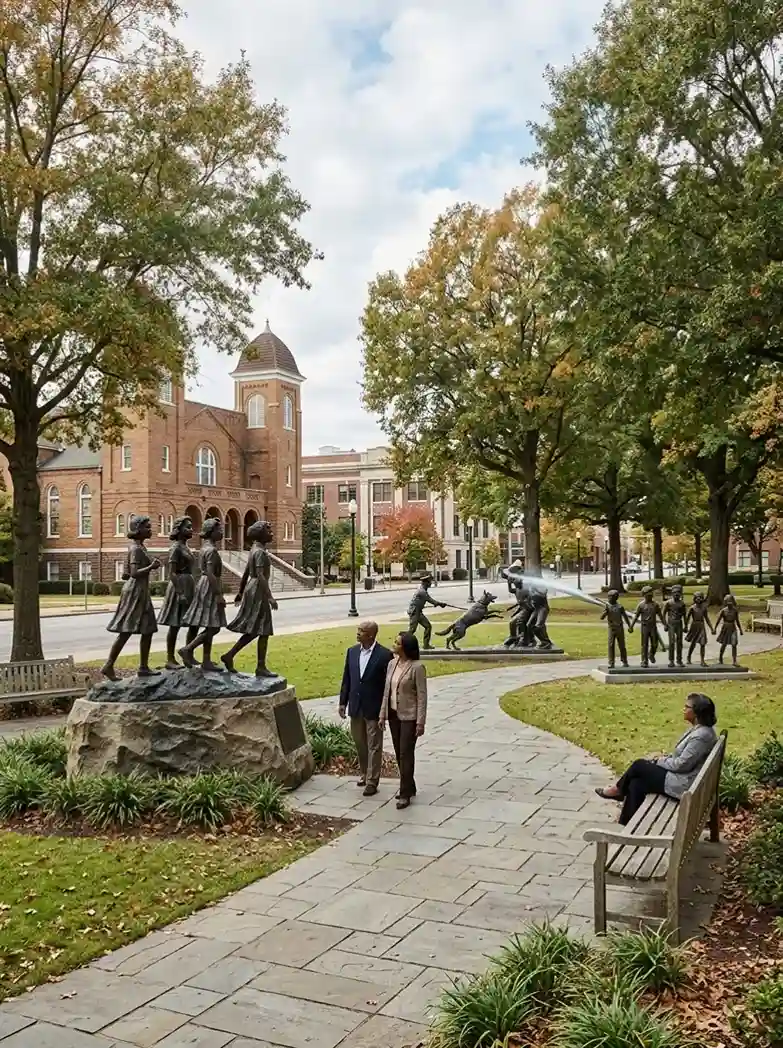
Kelly Ingram Park across from BCRI is built for community gatherings, with sculpture memorializing the four little girls and other civil rights protests moments — including recreations referencing water cannons, police dogs, and imprisoned children from the 1960s. It’s always open and free, and worth sitting in quietly before or after the museum.
Historic Bethel Baptist Church
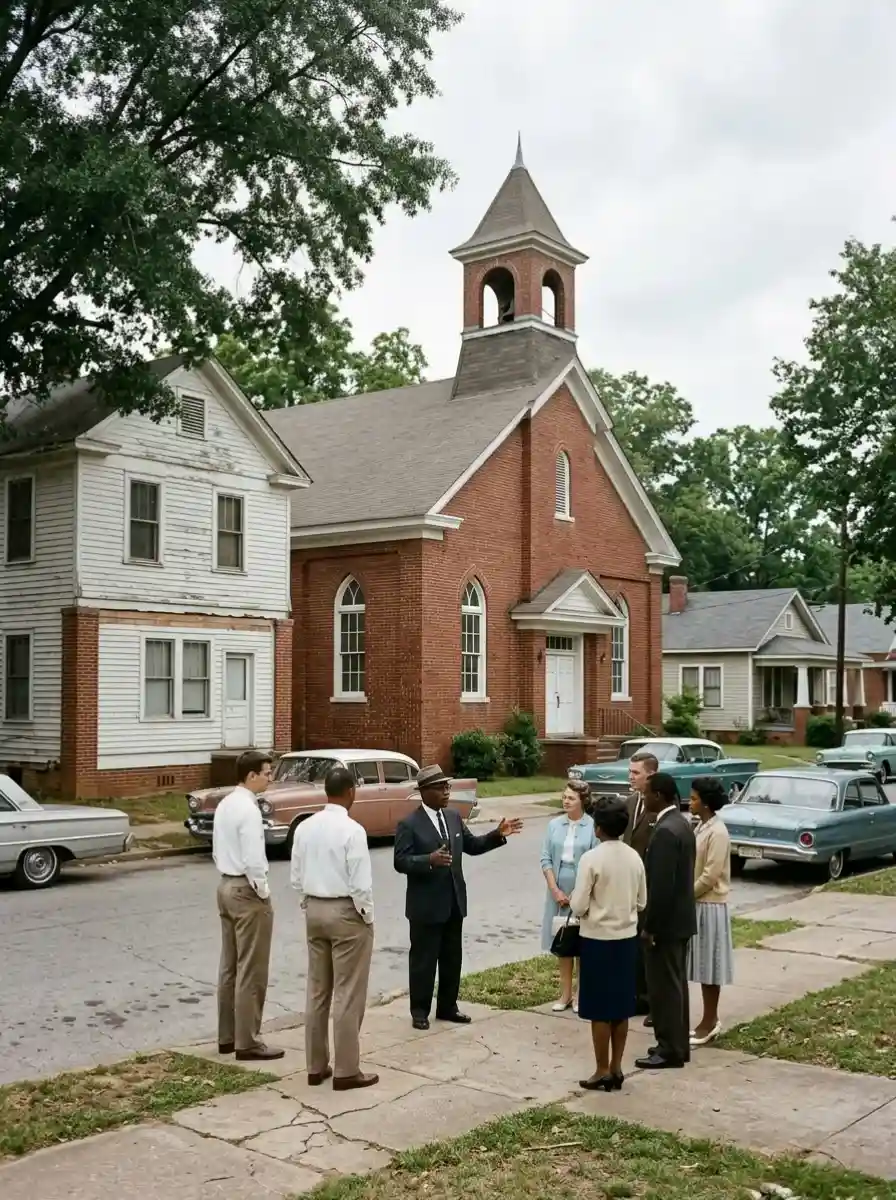
Historic Bethel Baptist Church was led by Rev. Fred L. Shuttlesworth as pastor from 1953–1961, a period that put him directly in the path of the Ku Klux Klan for opposing an all white school system through non-violent protest. He helped found the Alabama Christian Movement for Human Rights and organized the Freedom Rides. His former home, now called the ghost house for its history as a bombed pastor’s house, offers tours by appointment.
Clanton Peaches
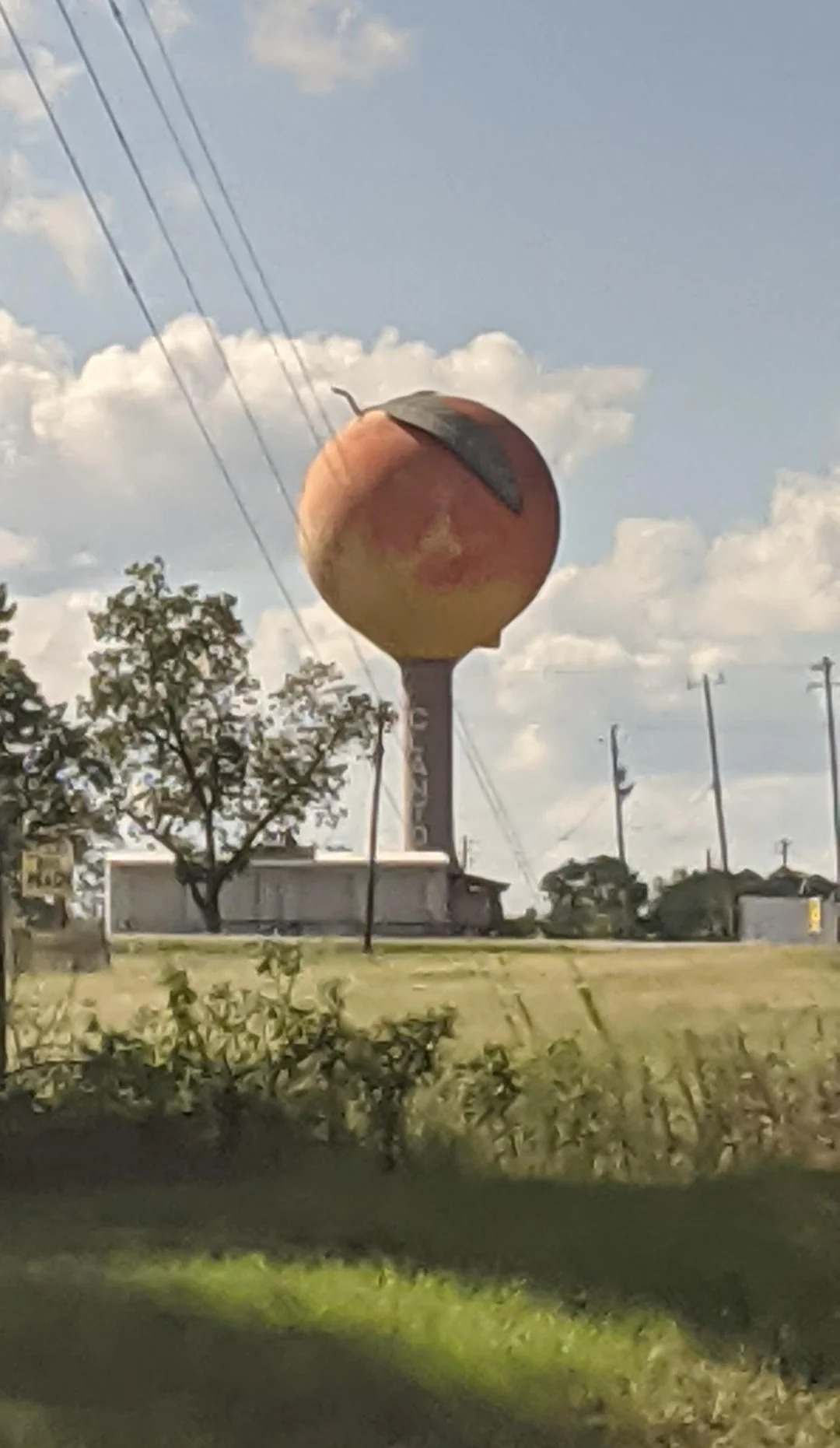
Just off Route 65 Interstate near Birmingham, Clanton proudly calls itself the Peach Capital of Alabama. Stop at Exit 212 for the Peach Water Tower, or Headley’s Big Peach Farm for peachy ice lollies, and continue to Peach Park at Exit 205 for peach ice cream and peach cobbler. Durbin Farms Market rounds it out with peach chutneys and preserves worth hauling home.
Walk Across the Edmund Pettus Bridge
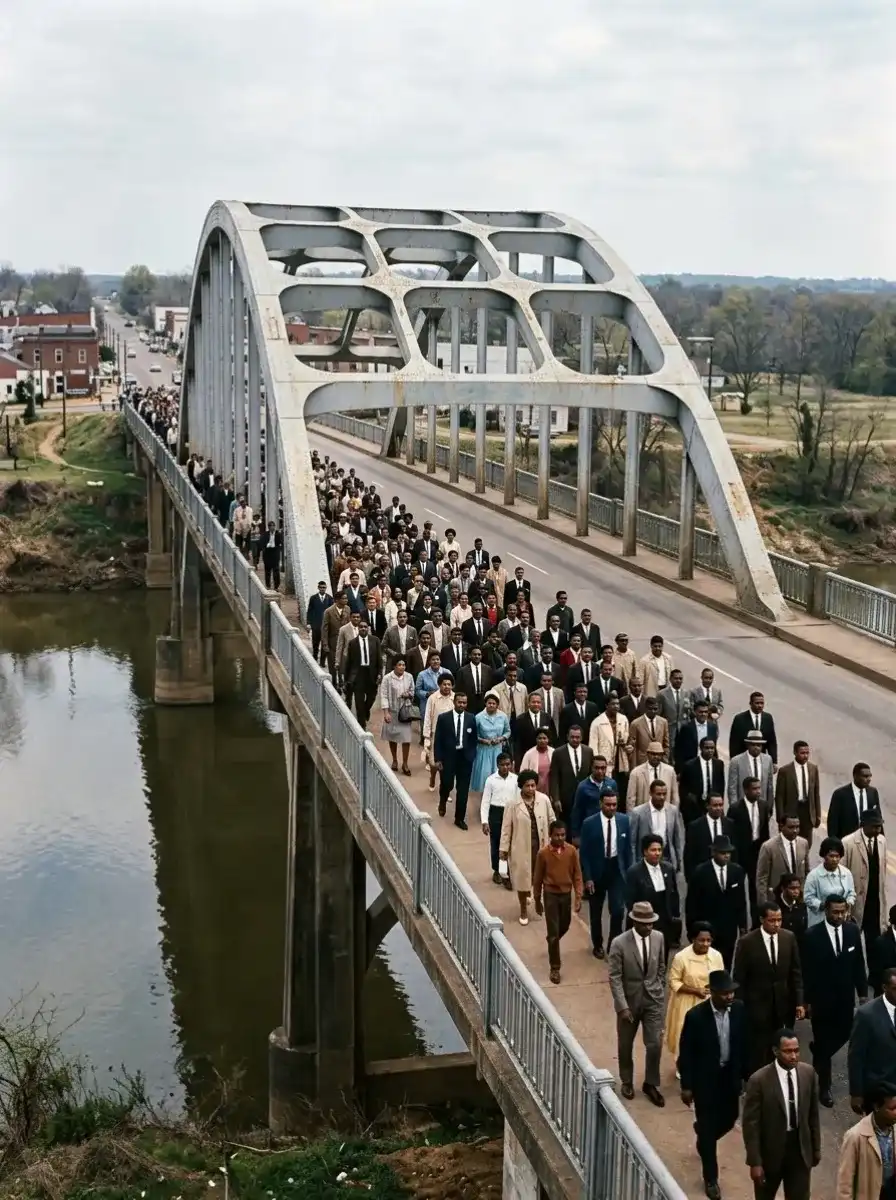
Crossing the Edmund Pettus Bridge over the River Alabama is one of those moments that lands harder than you expect. This is where the Selma marches 1965 turned violent on 7 March 1965 — known ever since as Bloody Sunday — when marchers met teargas and police batons. A second march followed, quickly turned back at what’s now called Turnback Tuesday, before a final march finally succeeded on 17 March, backed by US courts and roughly 25,000 people walking all the way to the State Capitol Building for Dr. King address, cementing the bridge’s place in the civil rights movement 1960s.
Walk Around Downtown & Riverfront of Montgomery
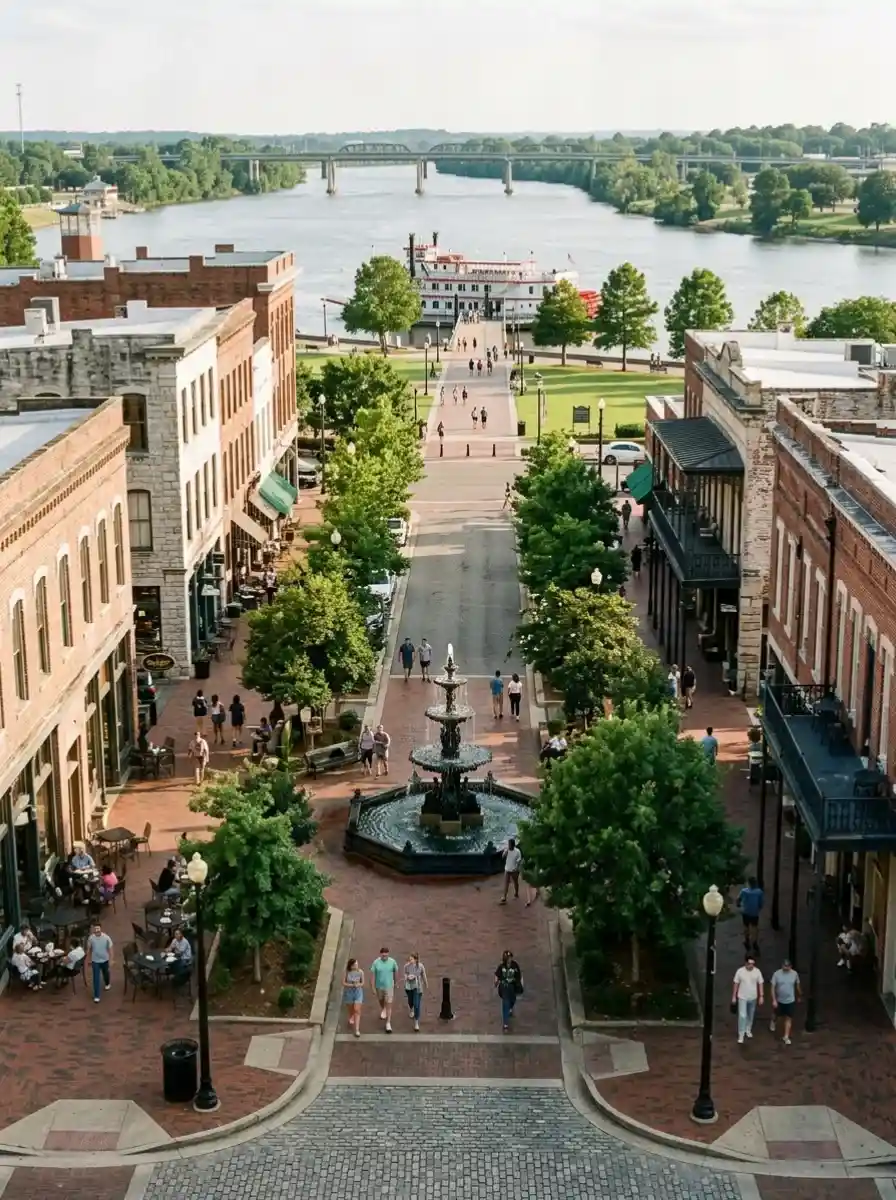
Montgomery’s downtown curls around the Alabama River bend, where Riverfront Park now sits atop what used to be a busy wharf moving cotton bales since the railroad 1840 turned the city into a real transportation hub. Walk Commerce Street to the Court Square Fountain, built over the old Artesian well and, more grimly, the site of a former slave market. Zelda Fitzgerald reportedly caused a scene here in a nude bathing costume, one of many historic markers dotting the route.
The Alabama State Capitol Building
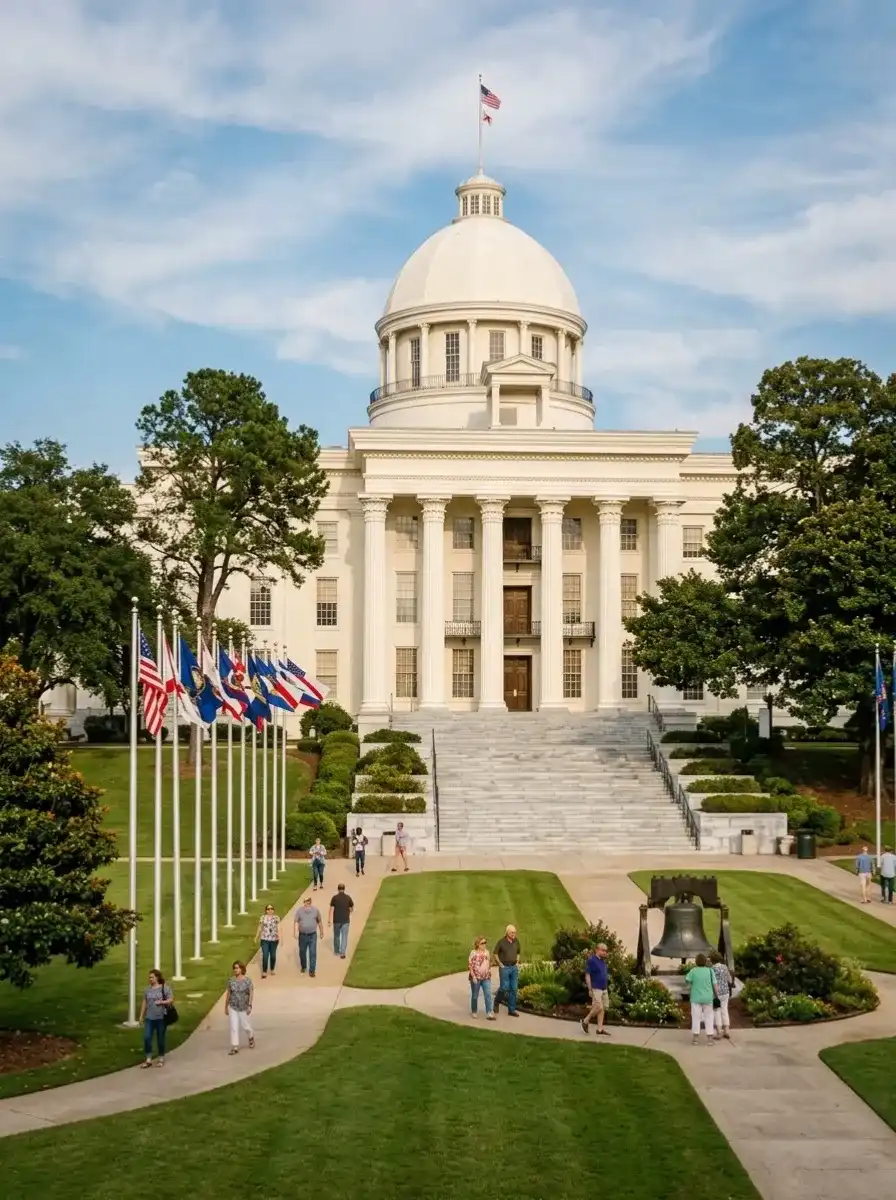
Built in 1851 in full Greek Revival style atop Goat Hill — literally a former grazing ground — The Alabama State Capitol Building briefly served as the Confederate states capital before settling into its role housing the Alabama state legislature. It sits at the top of Dexter Avenue, the same street that absorbed the third Selma march’s 25,000 crowd. Inside, tour the House of Representatives, the Senate Chamber, and the Old Supreme Court Chamber beneath a genuinely striking Rotunda. Outside, the Liberty Bell replica and the Avenue of Flags representing all 50 states round it out — all at free entry.
Dexter Avenue King Memorial Baptist Church
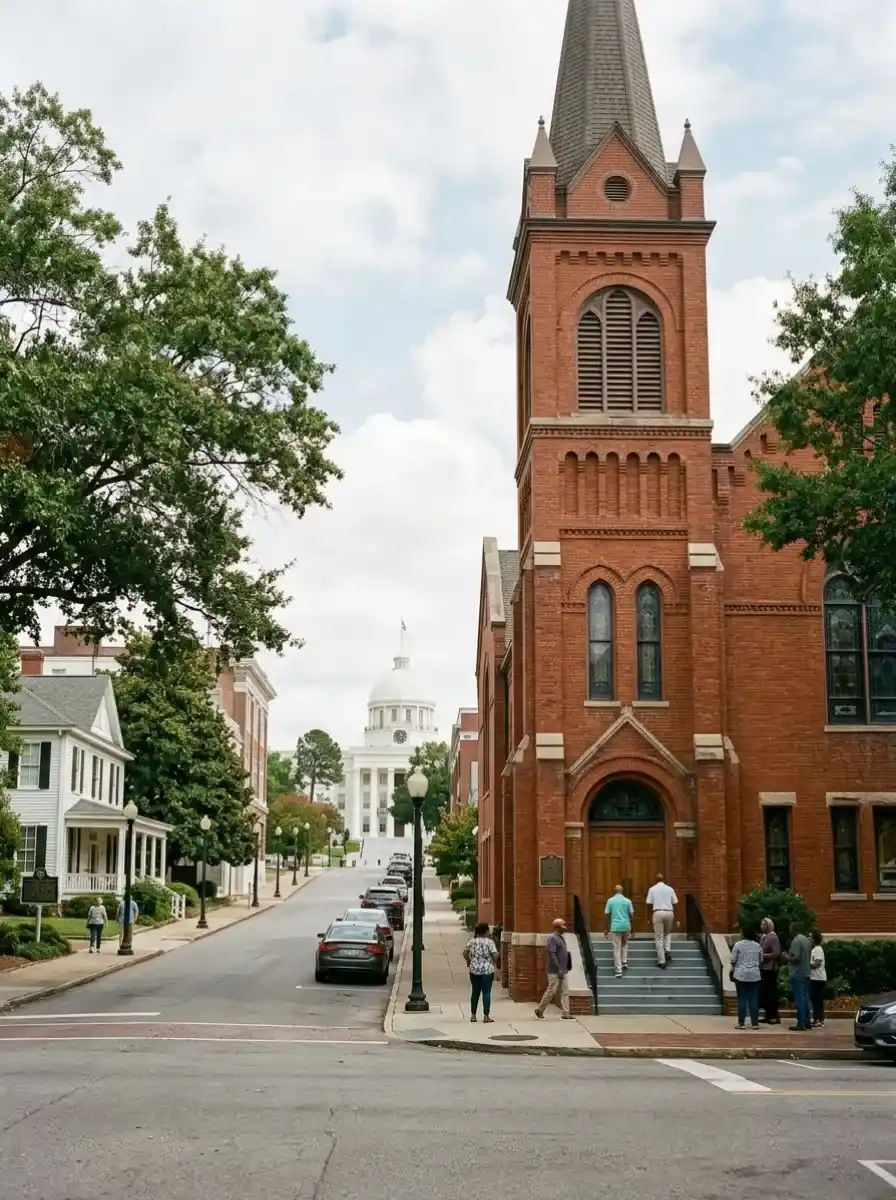
Dr. Martin Luther King Jr. served as pastor from 1954–1960 at what’s now the Dexter Avenue King Memorial Baptist Church, close enough to the Alabama Capitol Building that Sunday sermons overlapped with the movement outside. Sunday worship still happens in the same pulpit, under the same mural, and the connected Dexter Parsonage Museum and interpretive centre run tours Friday and Saturday.
Montgomery Museum of Fine Arts
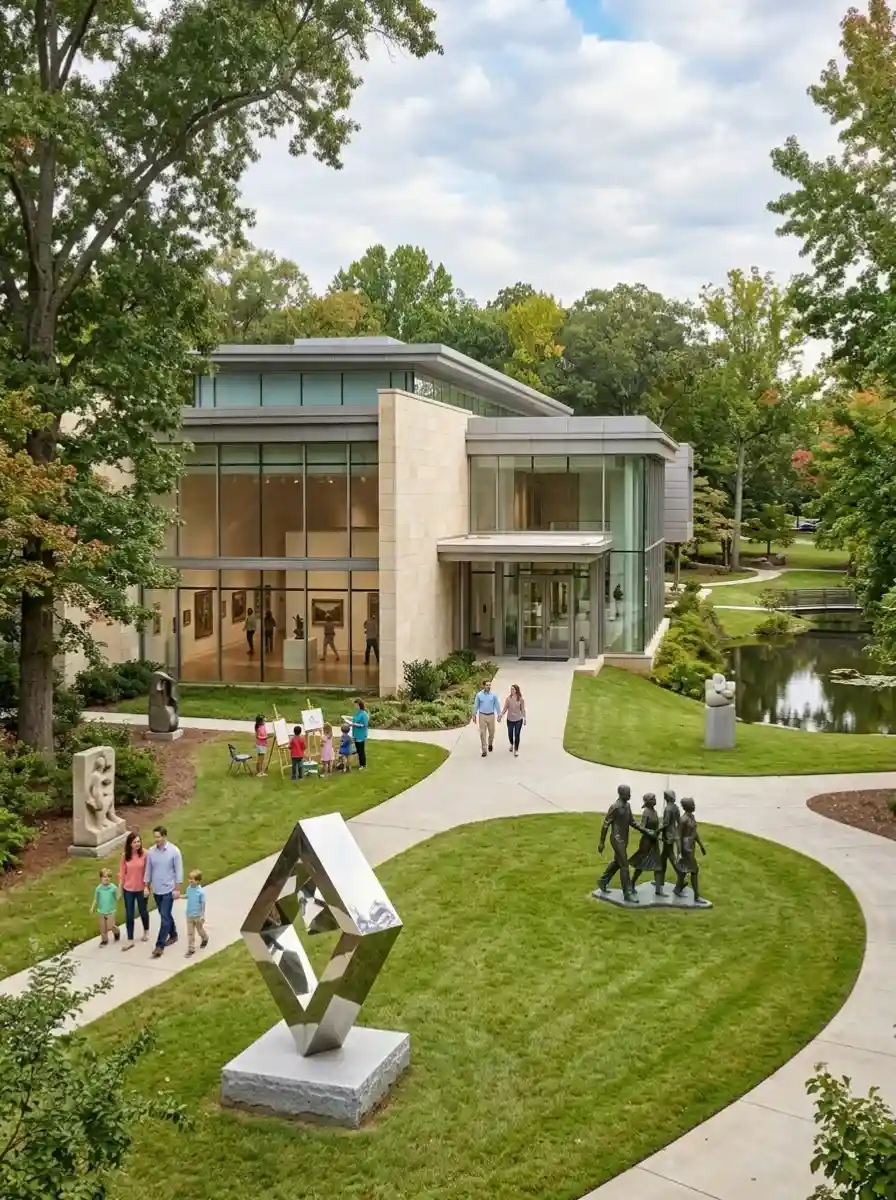
On a genuinely pretty grassy campus inside Blount Cultural Park, the Montgomery Museum of Fine Arts dates its current building to the 1980s and covers everything from old masters to contemporary art, plus art glass and standout American painting and sculptures. There’s an outdoor sculpture garden, a dedicated children’s gallery, and an activity area for younger visitors — all with free entry and free parking.
A Wander Down Dauphin Street
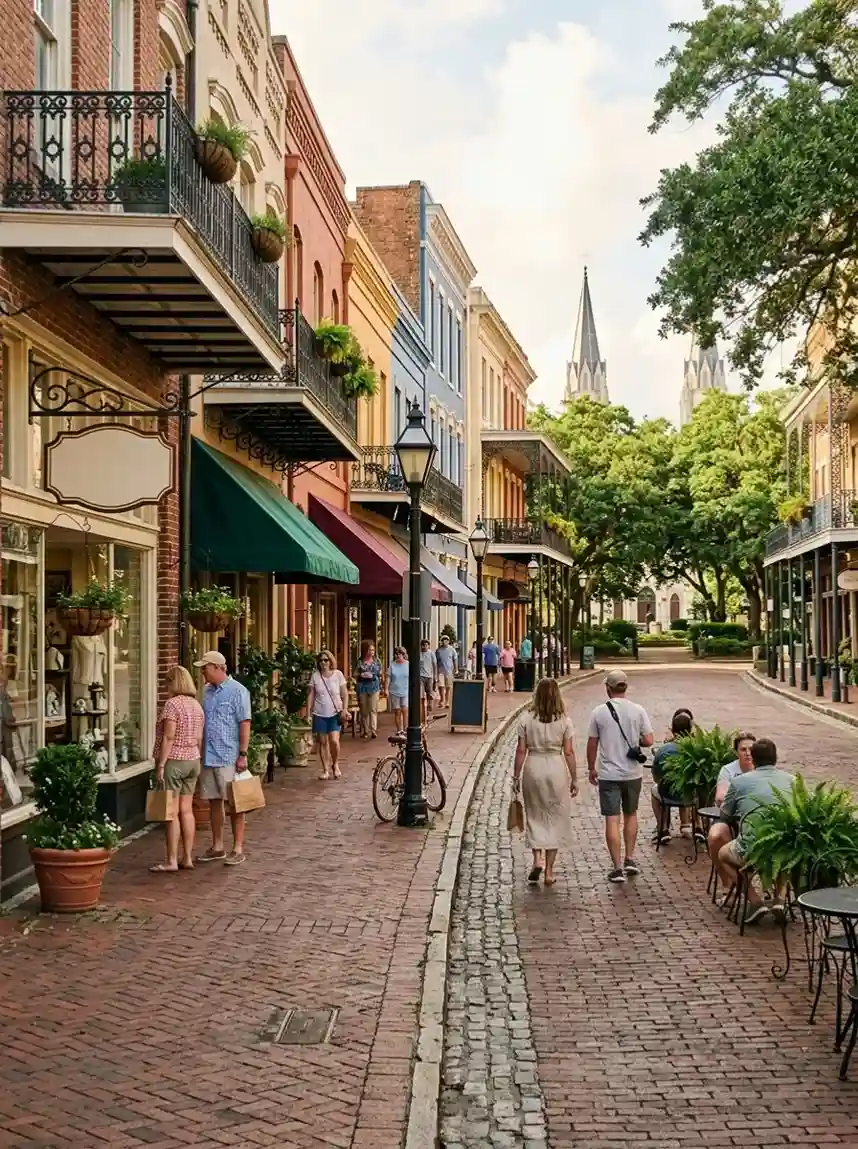
Downtown Mobile’s Dauphin Street is built for aimless wandering — boutiques, curiosities, antiques, and shelves of arty gifts and crafty souvenirs under wrought iron balconies that wouldn’t look out of place in New Orleans. That resemblance isn’t accidental: the city traces its own Mardi Gras origin back to the French colony of Louisiana, with the street itself named for the crown prince, or Dauphin. Loop through Bienville Square and Cathedral Square while you’re at it.
The Oyster Trail
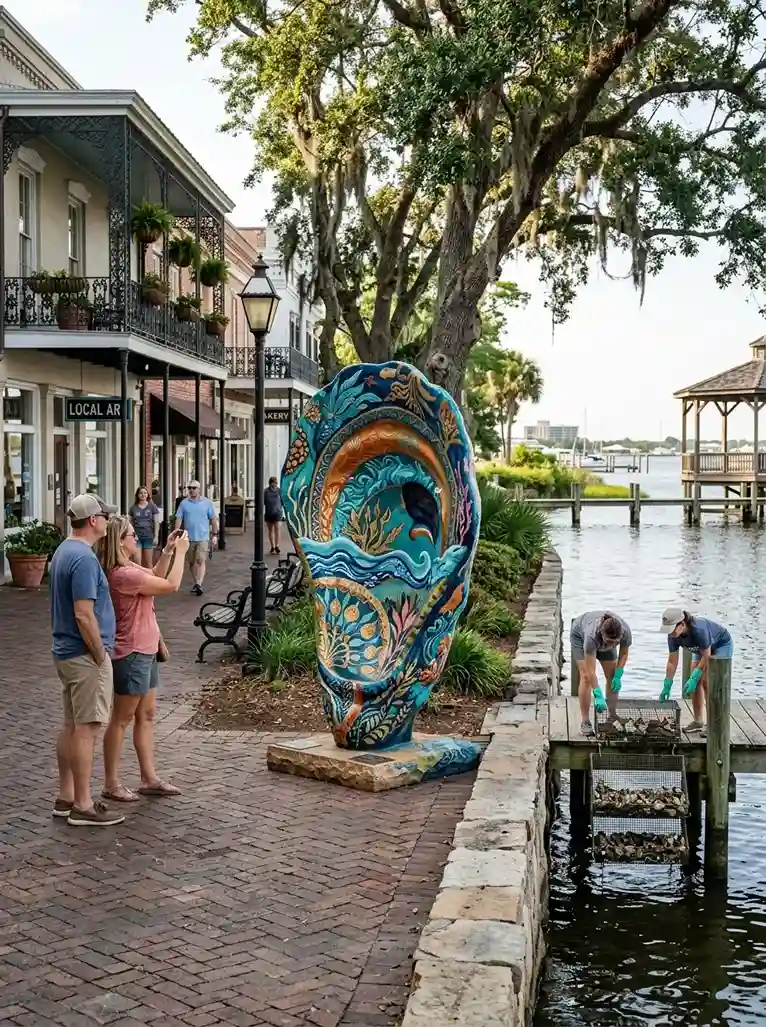
The Oyster Trail scatters painted Oyster Shell sculptures across 12 stops through Mobile’s downtown area, each one commissioned from local artists since the trail launched in 2013. It ties directly into the Mobile Bay Oyster Gardening Program, where volunteers actually farm oysters off the piers to boost the ecosystem — real ecosystem awareness hiding behind what looks like public art.
Views from Dauphin’s Restaurant
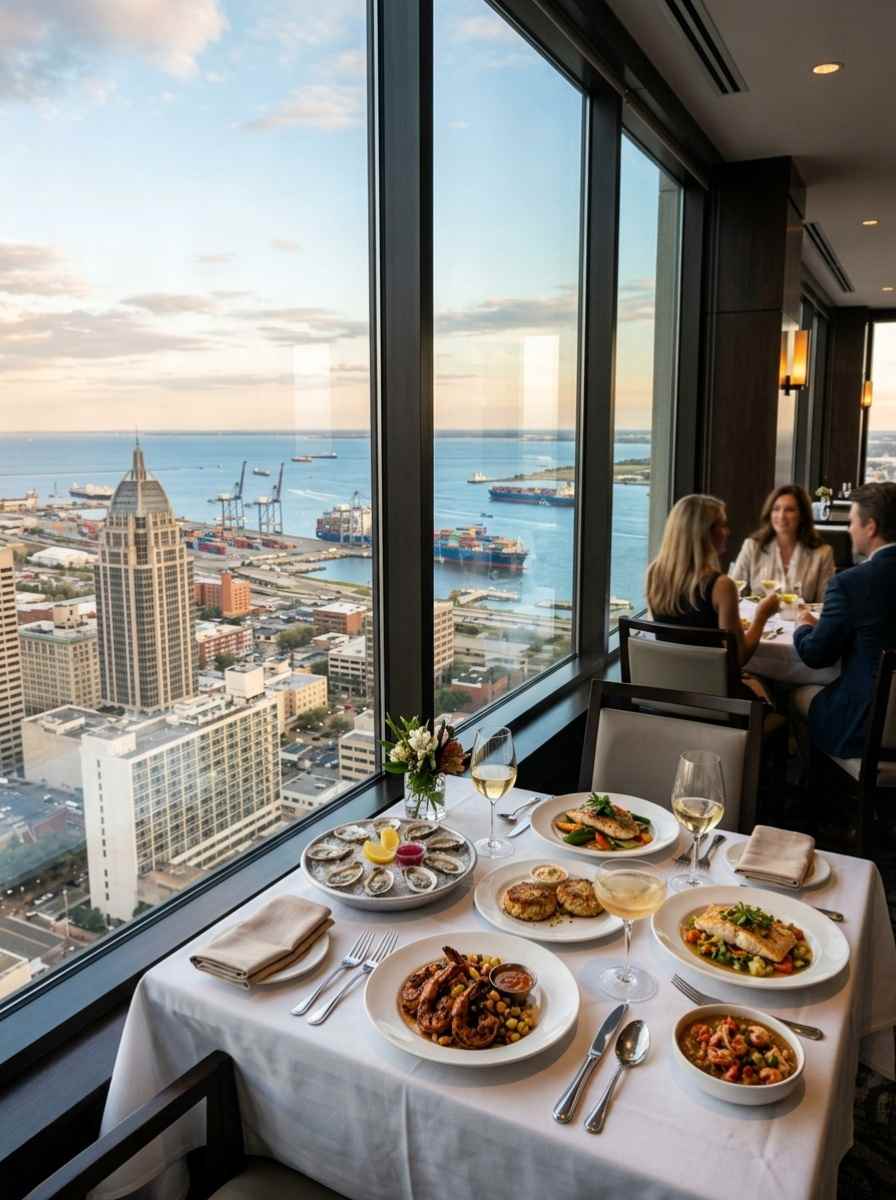
Up on the 34th floor of the RSA Trustmark Building, Dauphin’s Restaurant delivers the best city views in downtown Mobile, looking straight out over the port area and Mobile Bay. The bar area is built for small plates made from local produce with heavy Creole influences — think crab, shrimp, and fresh fish pulled straight from Gulf seafood stock.
Try Authentic Southern-Style Barbecue
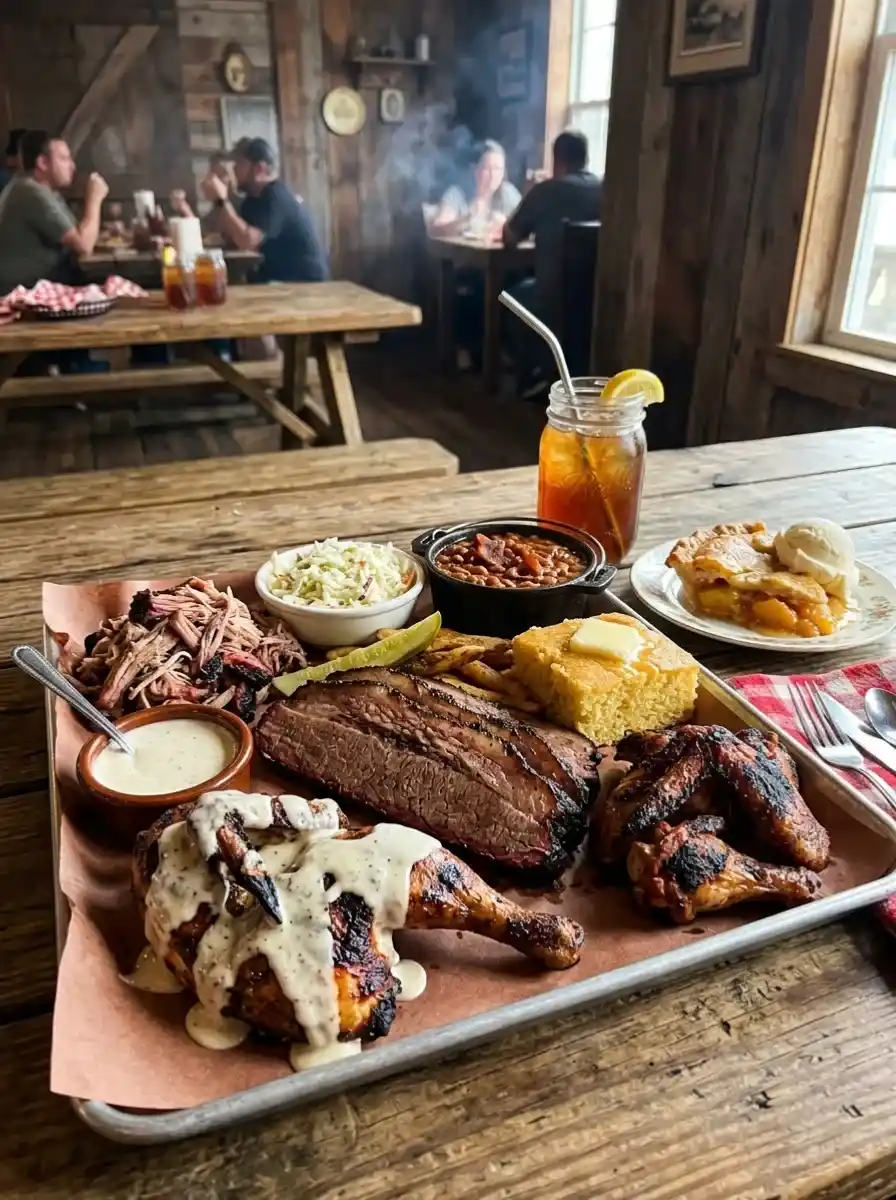
SAW’S Soul Kitchen does pulled pork and smoked wings right, but Miss Myra’s Pit Bar B Que might be my personal favorite for brisket and smoked chicken, all finished with Alabama white sauce. Save room for homemade pie — everything here is genuinely melt-in-your-mouth, fall-off-the-bone territory.
Get A Taste Of The Music City With Hot Chicken
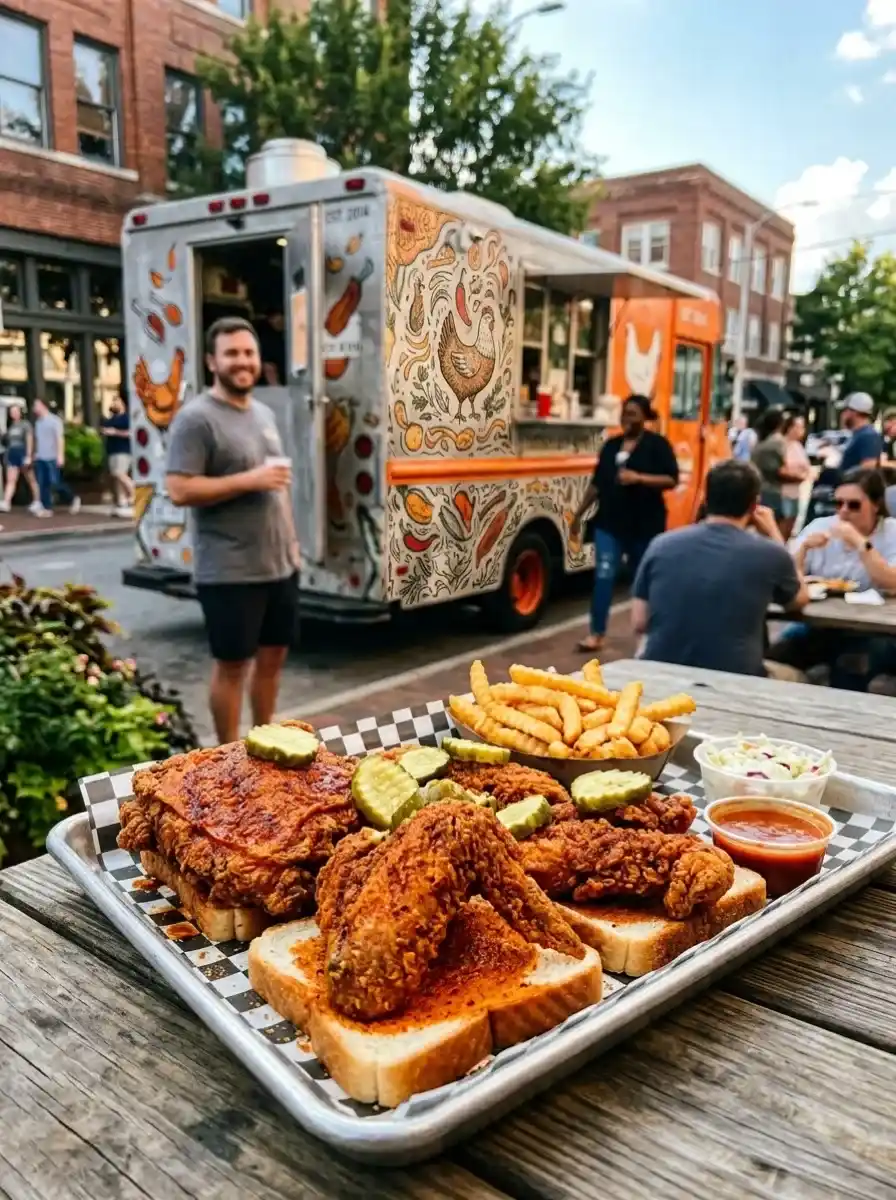
Eugene’s Hot Chicken, usually parked as a food truck, serves genuinely crispy fried chicken out in Hoover and occasionally downtown. It’s clearly channeling Prince’s Nashville, translating that Southern delicacy for a Birmingham crowd.
Enjoy A Fancy Dinner Out At Bottega
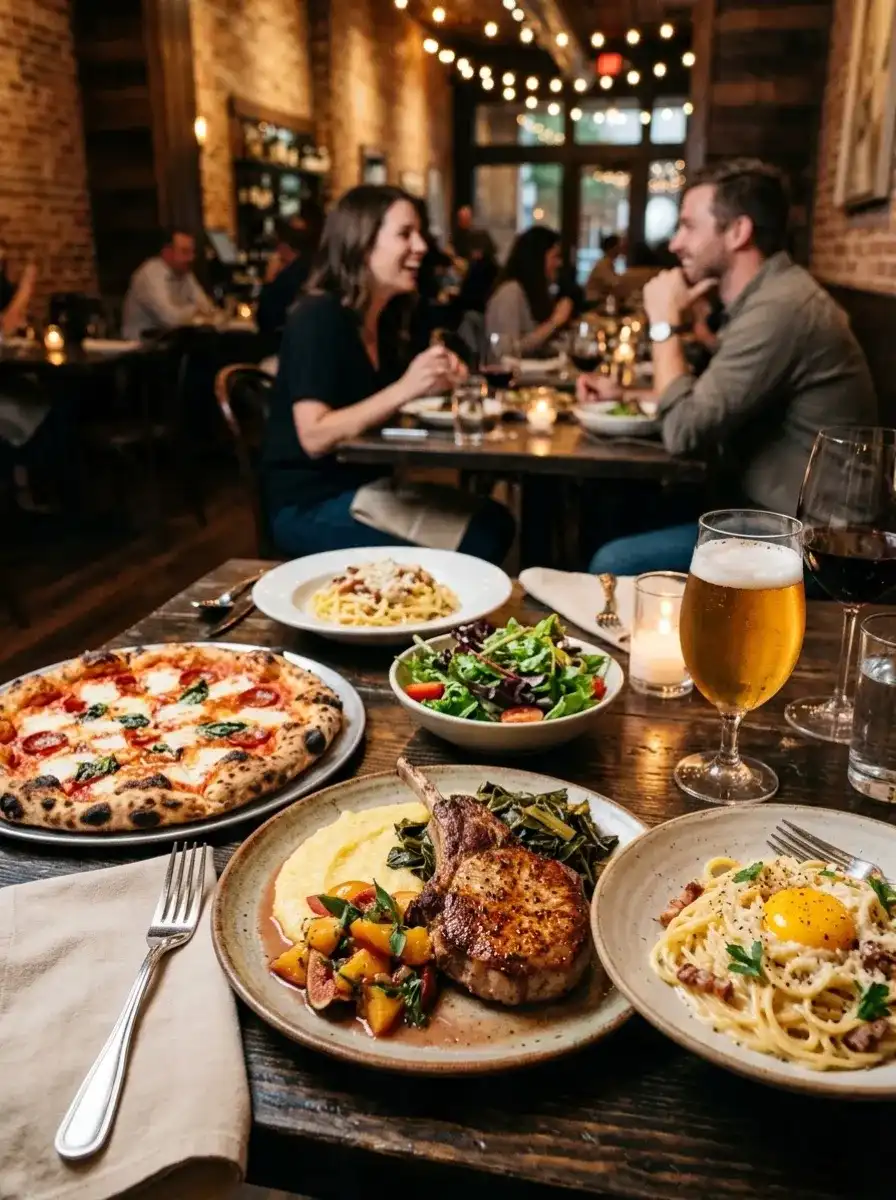
Bottega Café is the go-to date night spot, built around a Southern Italian menu — spaghetti carbonara, a rich pork chop with collards and polenta, and a seasonal fruit relish that changes with the season. There’s also wood-fired pizza, a simple side salad, and local beer starting around $15.
Get Authentic Chicago-Style Pizza

Tortugas Homemade Pizza brings real Chicago-style deep-dish pizza south, courtesy of the Vizcaino family, running since 1999. Their downtown location near Regions Park channels the Windy City more convincingly than you’d expect from Alabama.
Embrace Community At Adios
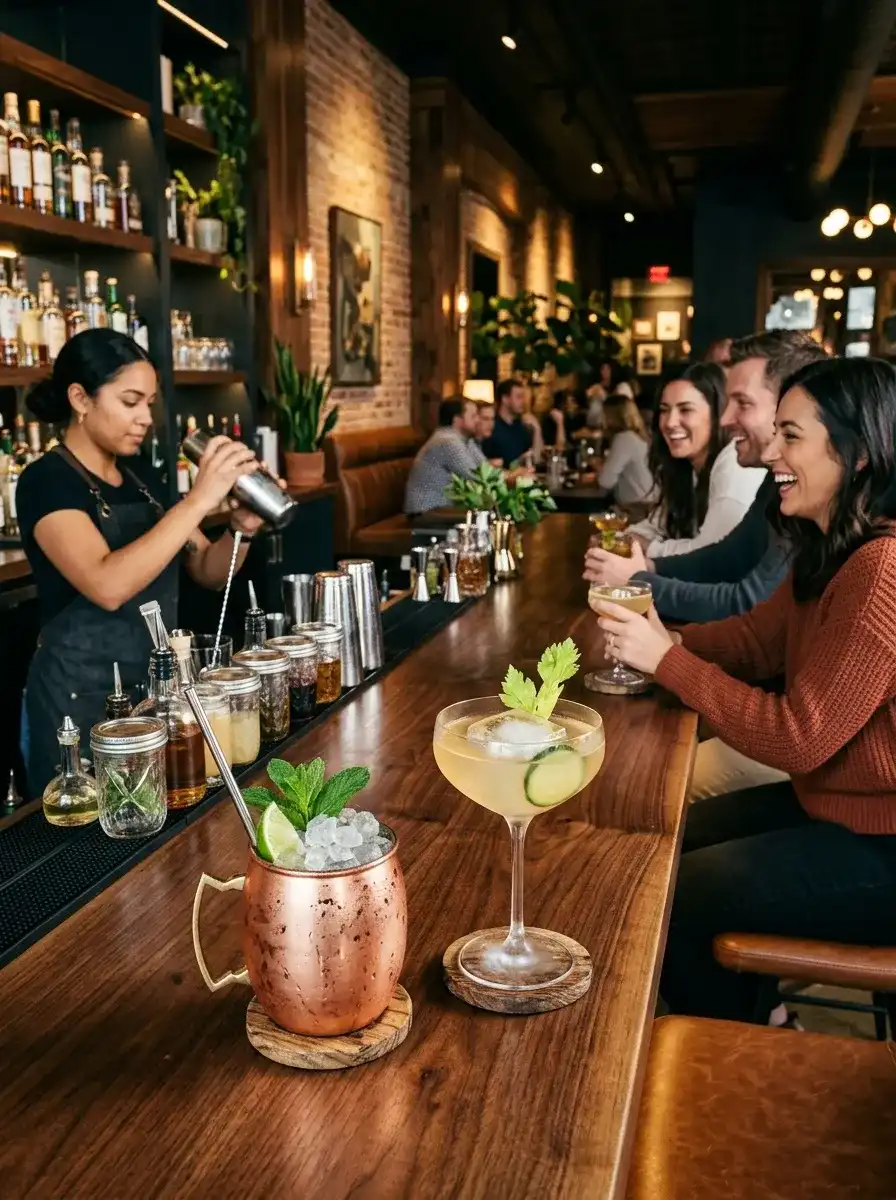
Adios is a downtown spot built around genuinely innovative cocktails, co-founded in part by Jose Medina Camacho, a James Beard semifinalist bartender from Mexico. Order the Adios Mule or something built on Miel de Maguey, tequila, and celery bitters — it drinks like a smarter martini.
Go Mountain Biking At Red Mountain Park
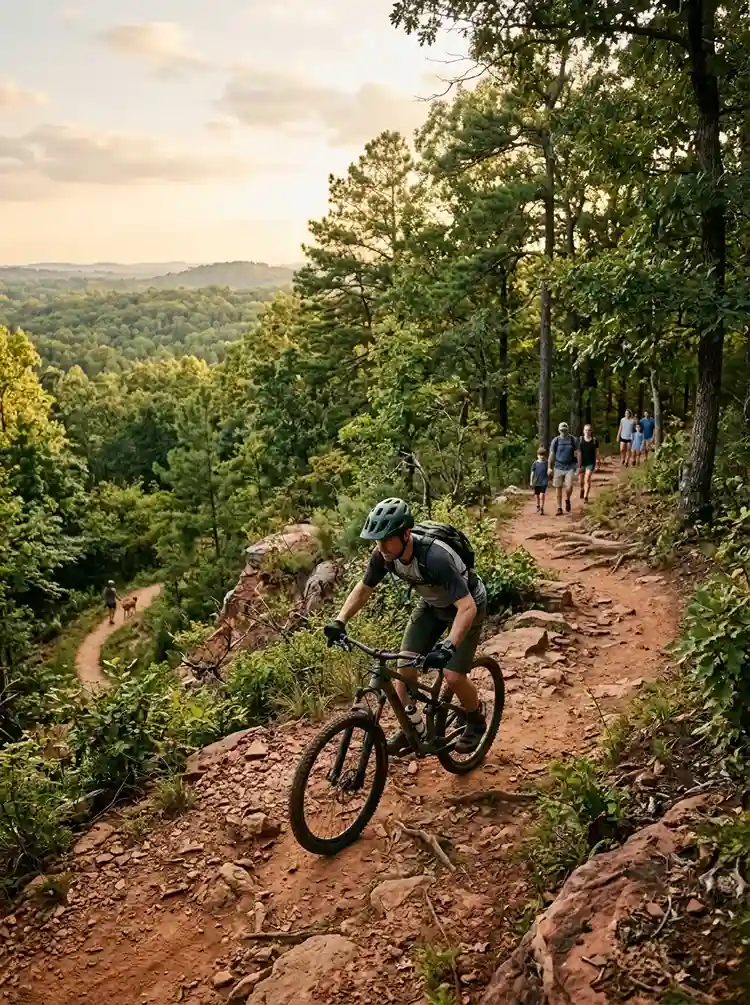
Red Mountain Park works as a proper nature preserve for hikers, pet owners (there’s a dedicated dog park), and serious adventure cyclists. It opened across 1,500-acre park land back at its 2012 opening, with 16 miles multi-use trails solid enough for beginning mountain bikers and casual families alike.
USS Alabama Battleship Memorial Park
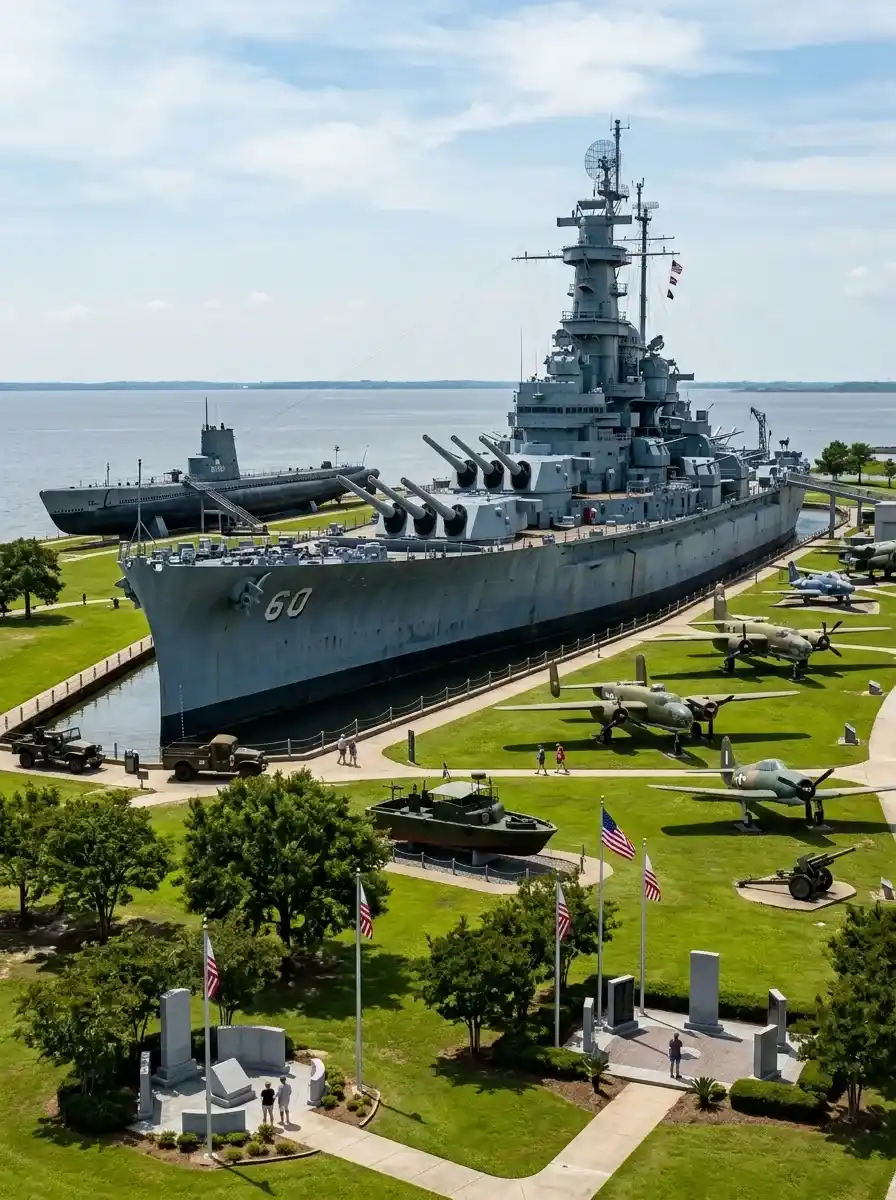
The USS Alabama Battleship Memorial Park preserves the battleship itself, decommissioned in 1962 and nearly scrapped before being formally established as a US national historic landmark in 1977. Alongside it sits the USS Drum submarine and a collection of other World War II vessels, including a river patrol boat from the Vietnam War, plus bomber planes, fighter planes, and other military equipment. There’s a dedicated Korean War Memorial and Vietnam War Memorial on the grounds too.
Point Mallard Park
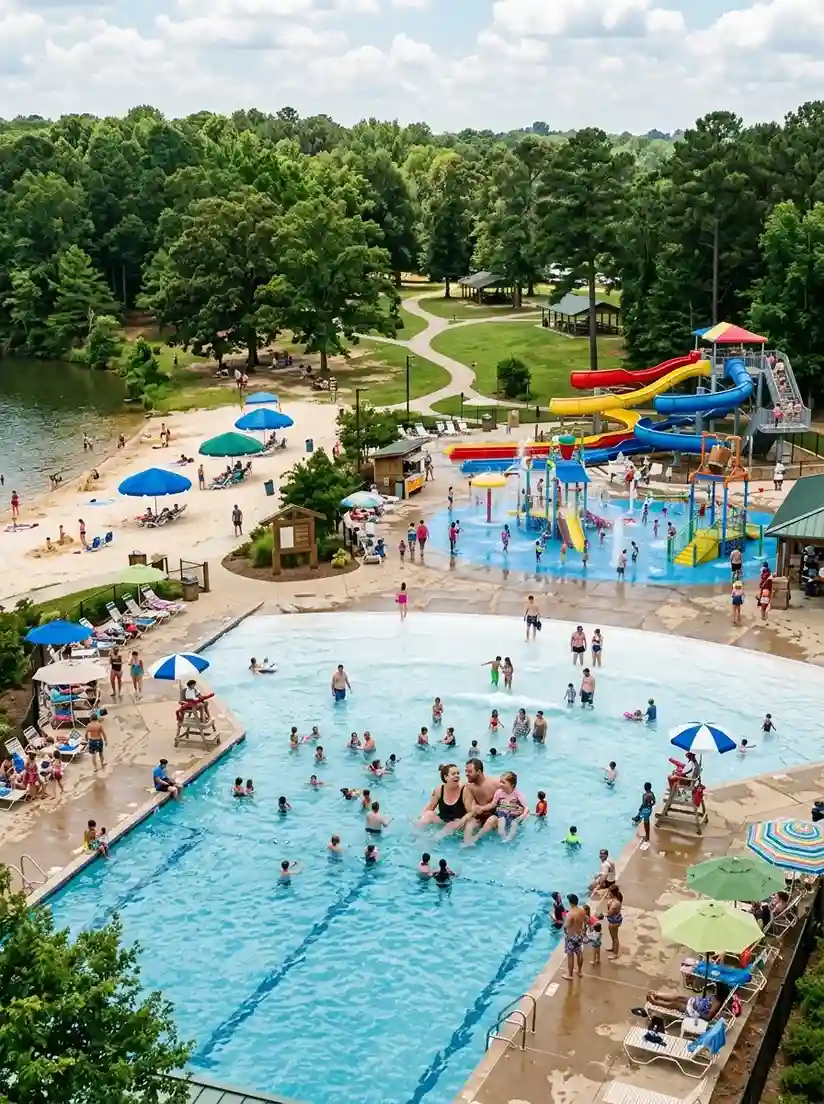
Point Mallard Park in Decatur covers 500 acres near the Wheeler National Wildlife Refuge, centered on the Blackburn Aquatic Center’s wave pool and diving pool — nicknamed the Pro Bowl by locals. Kids gravitate toward the Sky Pond, Duck Pond, and Three Flumes Slide, plus the Squirt Factory in the dedicated children’s activity area. There’s a proper Sand Beach, playgrounds, and concessions for a full day out.
Cathedral Caverns State Park
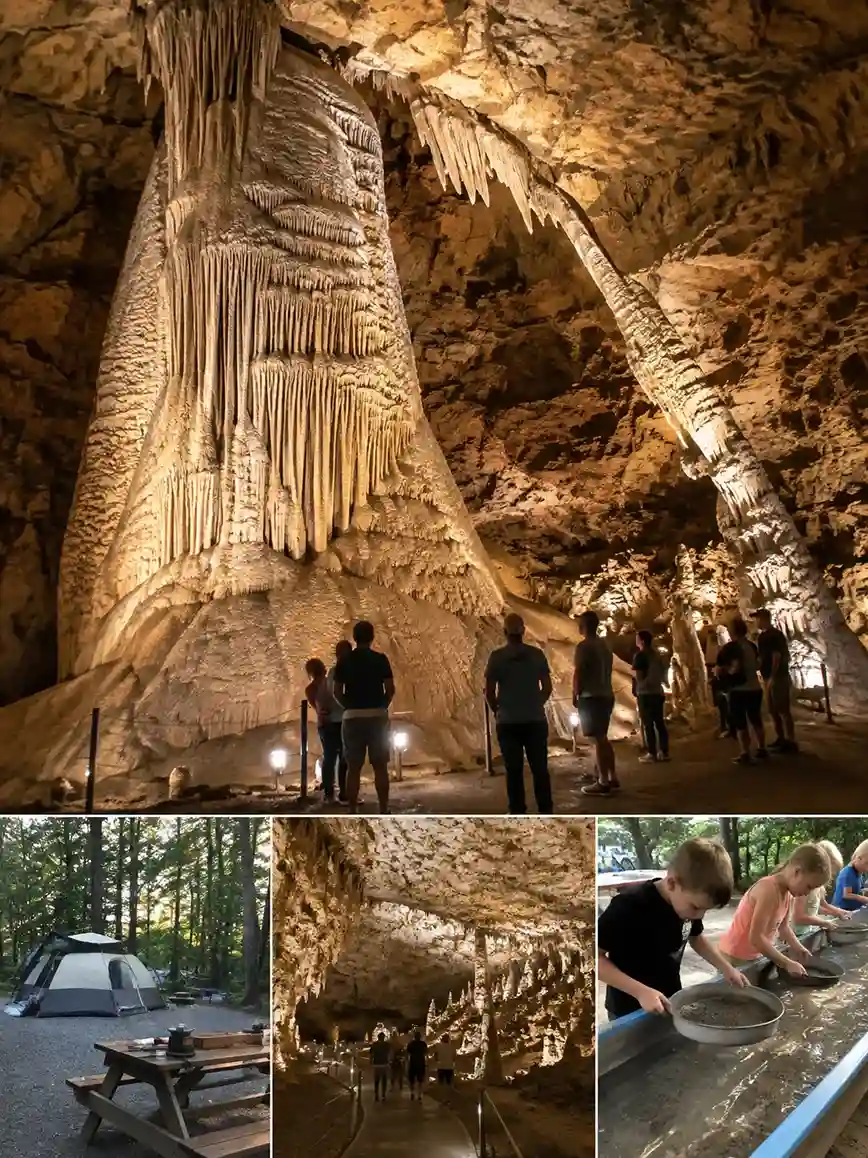
Cathedral Caverns State Park in Woodville, up in Northern Marshall County, holds a genuinely massive cavern — roughly 11,000 feet surveyed, with another 2700 feet unexplored if you book the wild cave tour. The star is Goliath, the world’s largest column at 243 feet circumference and 45 feet high, plus a standout stalagmite measuring 3 inch diameter across a 25 feet ceiling at a striking 45 degree angle. The big room itself runs 200 feet wide and 792 feet long. Outside, there’s picnicking, overnight tent camping, and gem mining for kids.
Barber Vintage Motorsports Museum
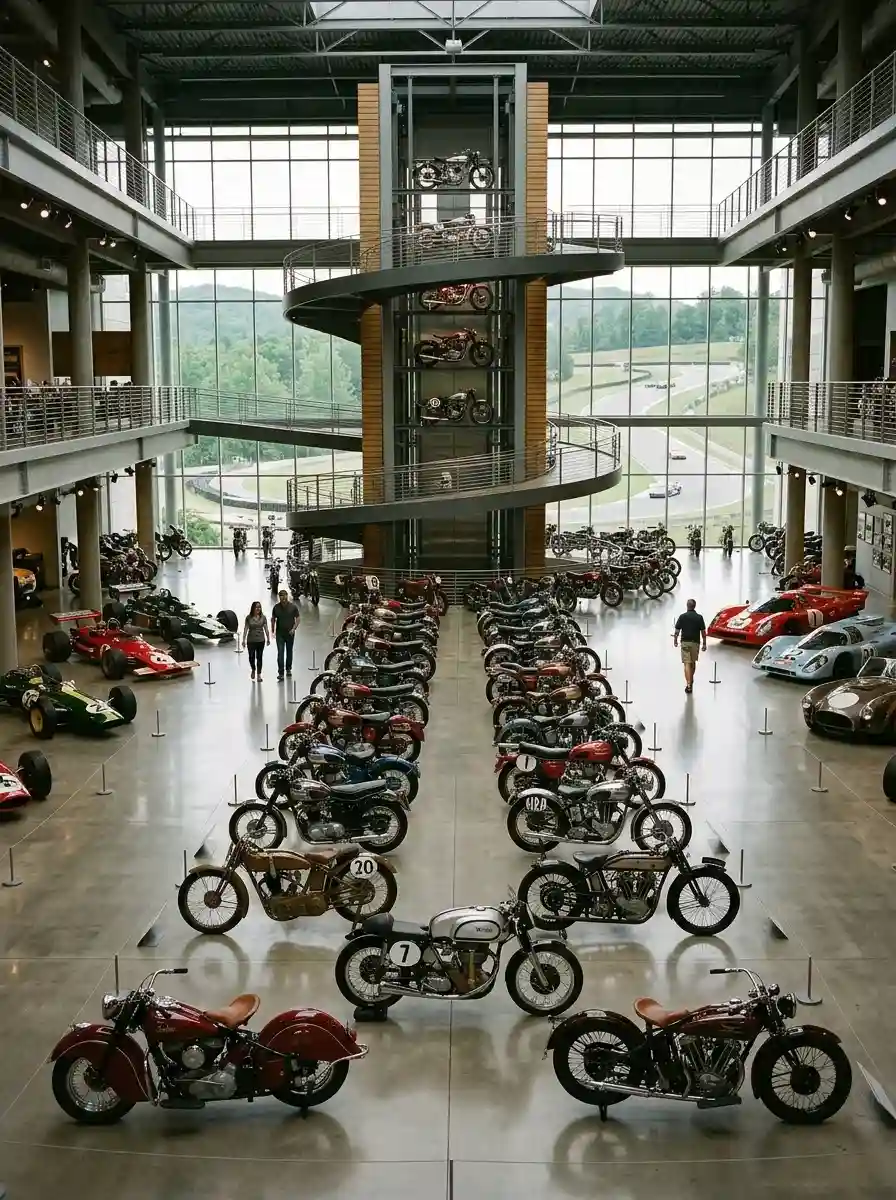
George Barber started his private collection of vintage motorcycles and automobiles back in 1988, and it’s grown into the Barber Vintage Motorsports Museum — 740 acres including the connected Barber Motorsports Park. It now holds the largest motorcycle collection on earth, over 1450 racing cars, motorcycles sourced from 16 countries, dating as far back as 1904, plus the largest Lotus racecar collection anywhere.
Richards-DAR House
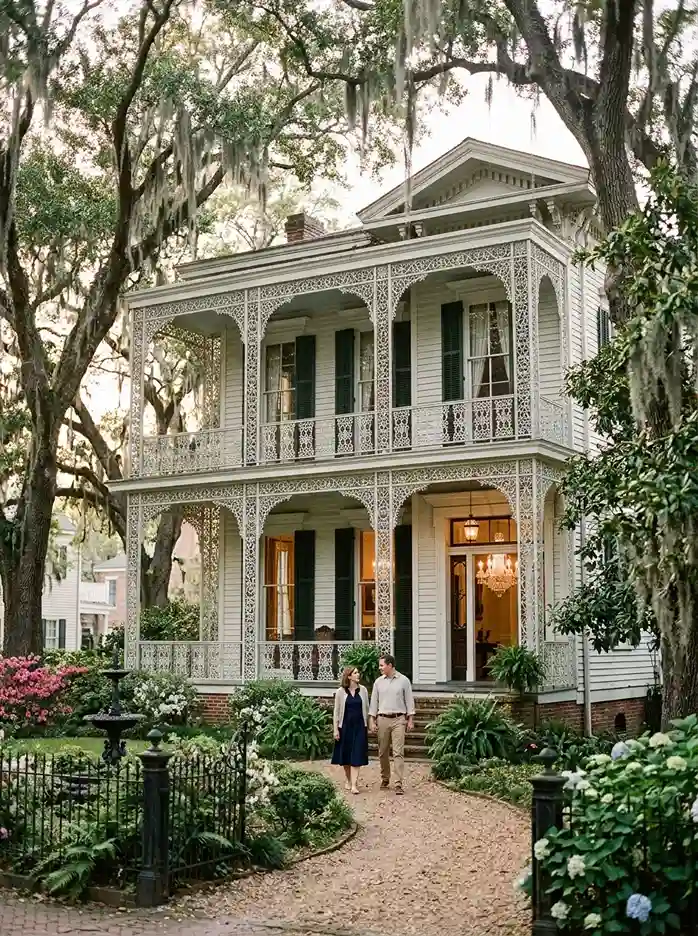
Built in 1860 for Charles Richards and Caroline Richards, the Richards-DAR House is a genuinely striking mid-19th century home that architectural historians still study. It’s been a touring museum since 1973, run by the Daughters of the American Revolution, and yes — visitors report children’s laughter and plenty of ghost speculation if that’s your thing.
Alabama Theater
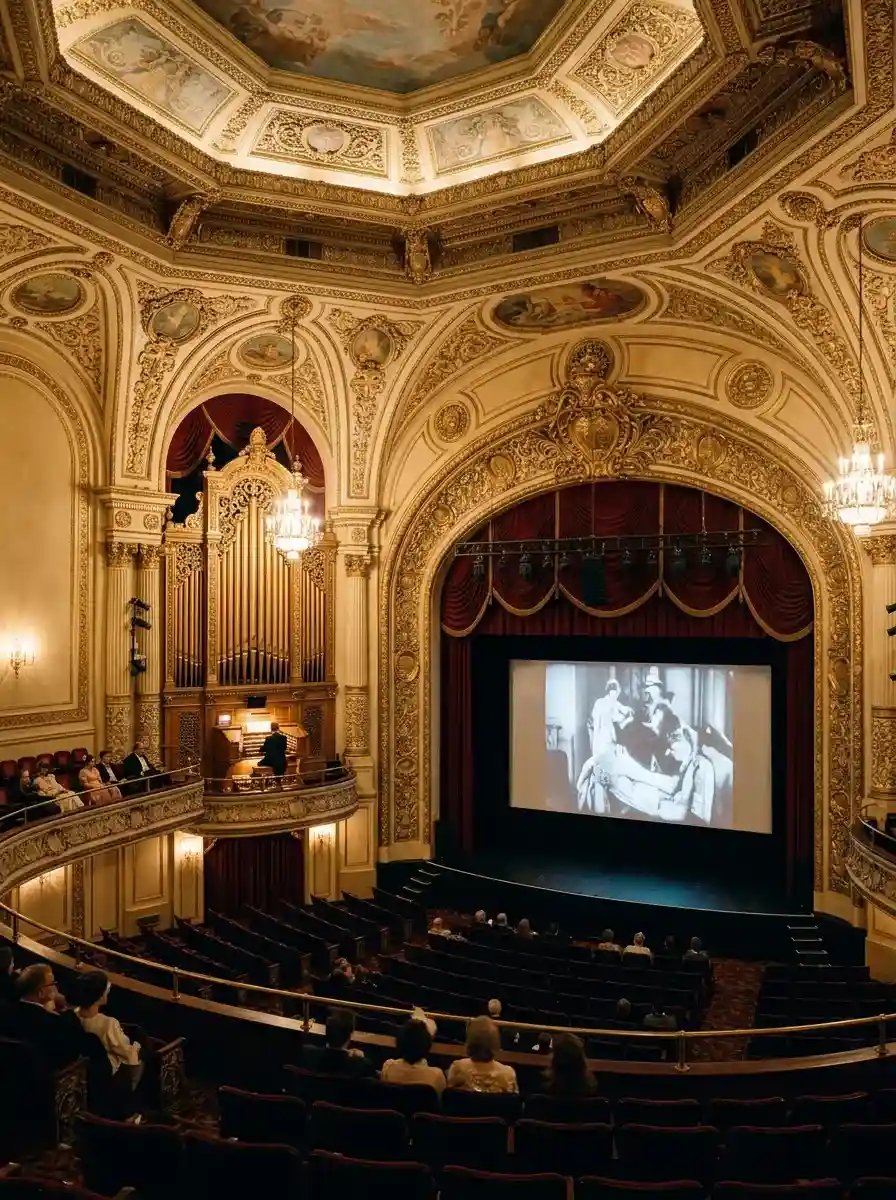
The Alabama Theater opened in 1927 as a premier movie theater for the southeastern United States, seating 2500 seats for everything from performing arts to old vaudeville acts and first run movies. The theater pipe organ still gets played live to accompany silent films, complete with musical accompaniment.
Mobile History Museum
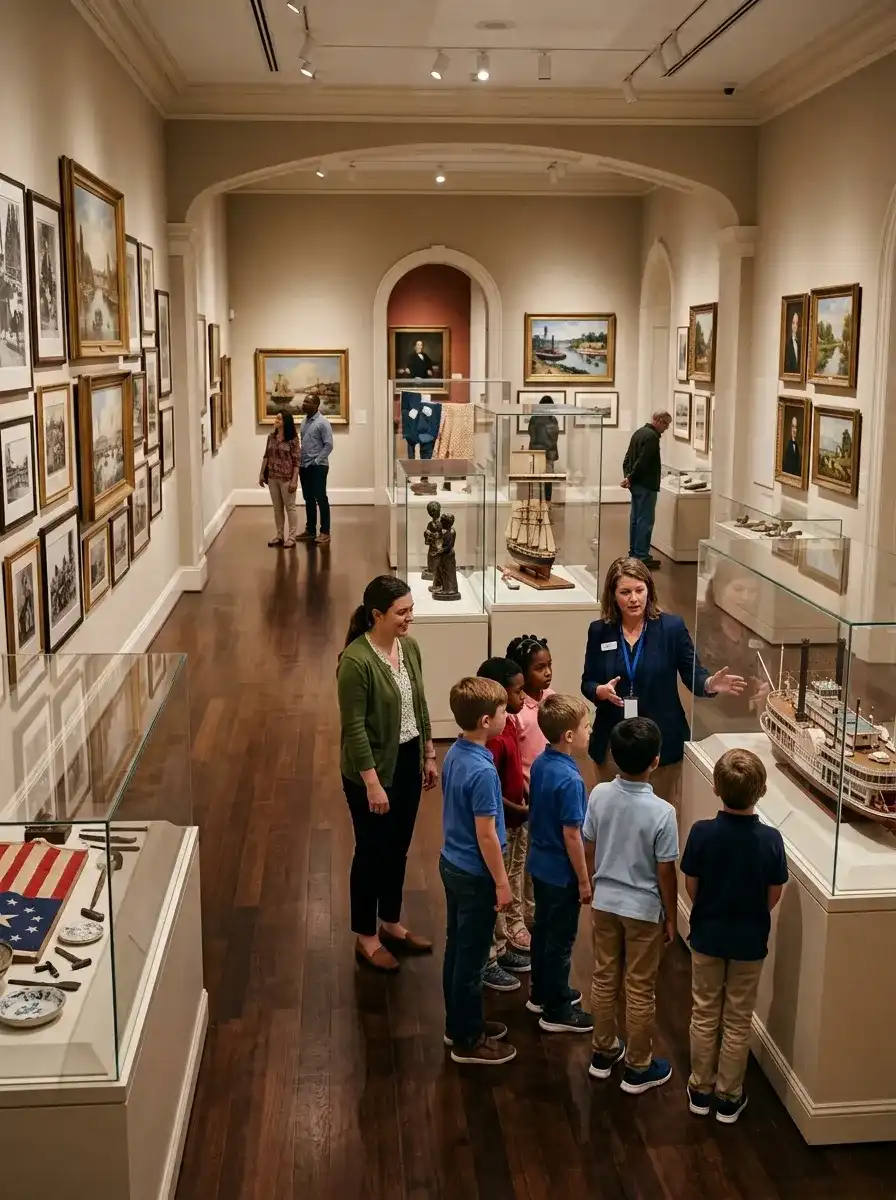
Mobile History Museum runs a strong mix of permanent exhibits and rotating exhibits, backed by real education, tours, and outreach programs for schools, plus dedicated educator resources. The community gallery and its Faces of Mobile Exhibit does a genuinely good job condensing three centuries of local artists into one room.