25 Best Things to Do on the East Coast USA: Ultimate Bucket List for First-Time Visitors (2026 Guide)
If you’ve ever dreamed of a road trip that covers everything from rich history to jaw-dropping scenery, the East Coast of the USA delivers in ways the western half of the country rarely matches. I’ve personally visited most of these destinations — not as a checklist tourist but as someone who genuinely wanted to understand what makes this region tick. This isn’t your average roundup; think of it as a guide built on actual miles driven, meals eaten, and wrong turns that somehow turned into the best favorite spots. Whether you’re a first-time reader planning a U.S. trip or a seasoned traveler hunting honorable mentions beyond the obvious, this list covers the best places from waterfront towns to inland valleys — all at reasonable prices if you plan right.
What I love most about road-tripping this part of the country is how wildly different each state feels despite being on the same map. The seasons alone change the game — the same stretch of highway that bakes in July turns into a fiery canvas by October. My own appreciation for this destination grew tenfold the moment I stopped rushing between cities and started treating each location as its own U.S. state-sized story worth sitting with. The sheer size of the East Coast means you’ll never see it all in one trip, but you’ll want to come back every fifth visit having barely scratched the surface.
New York City, New York
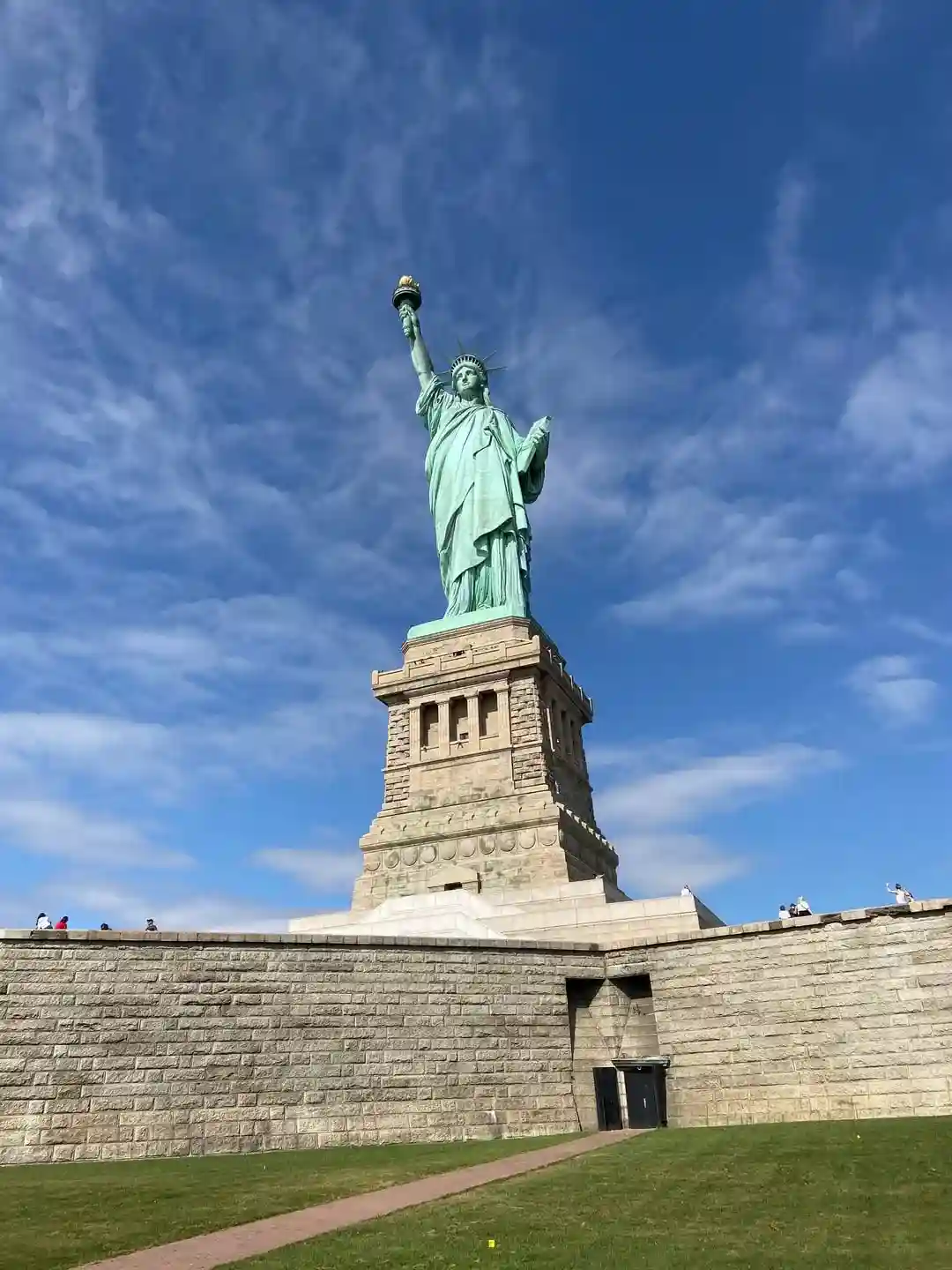
There’s a reason first-time visitors to New York immediately feel both thrilled and overwhelming — Manhattan doesn’t ease you in. My first real move was ditching the tourist scramble and doing a history-focused walking tour through the Financial District, which reframed everything. The Statue of Liberty, reached via the Statue City Cruises ferry, hits differently when you understand what Ellis Island next door actually processed — millions of arrivals speaking dozens of languages, all funneling into one country’s promise. Grab a discount sightseeing pass early because museums, Broadway show tickets, and iconic spots like the American Museum of Natural History add up fast, and money disappears in this city before you realize it.
For 4–5 days, structure your time by borough energy: Central Park picnics and Rockefeller Plaza at dusk, then Williamsburg for its creative food and nightlife, and Hell’s Kitchen when you want serious dining without the tourist markup. December is my personal favorite — the lit tree at Rockefeller Plaza, Christmas crowds aside, gives Times Square and the surrounding streets a theatrical energy no other international city quite replicates. End any evening at Top of the Rock observation deck rather than the Empire State Building — the sunset views over Manhattan with that iconic spire in frame are worth every penny. Budget a full week if culture is your focus; subway travel keeps everything manageable once you stop fearing it.
Acadia National Park, Maine

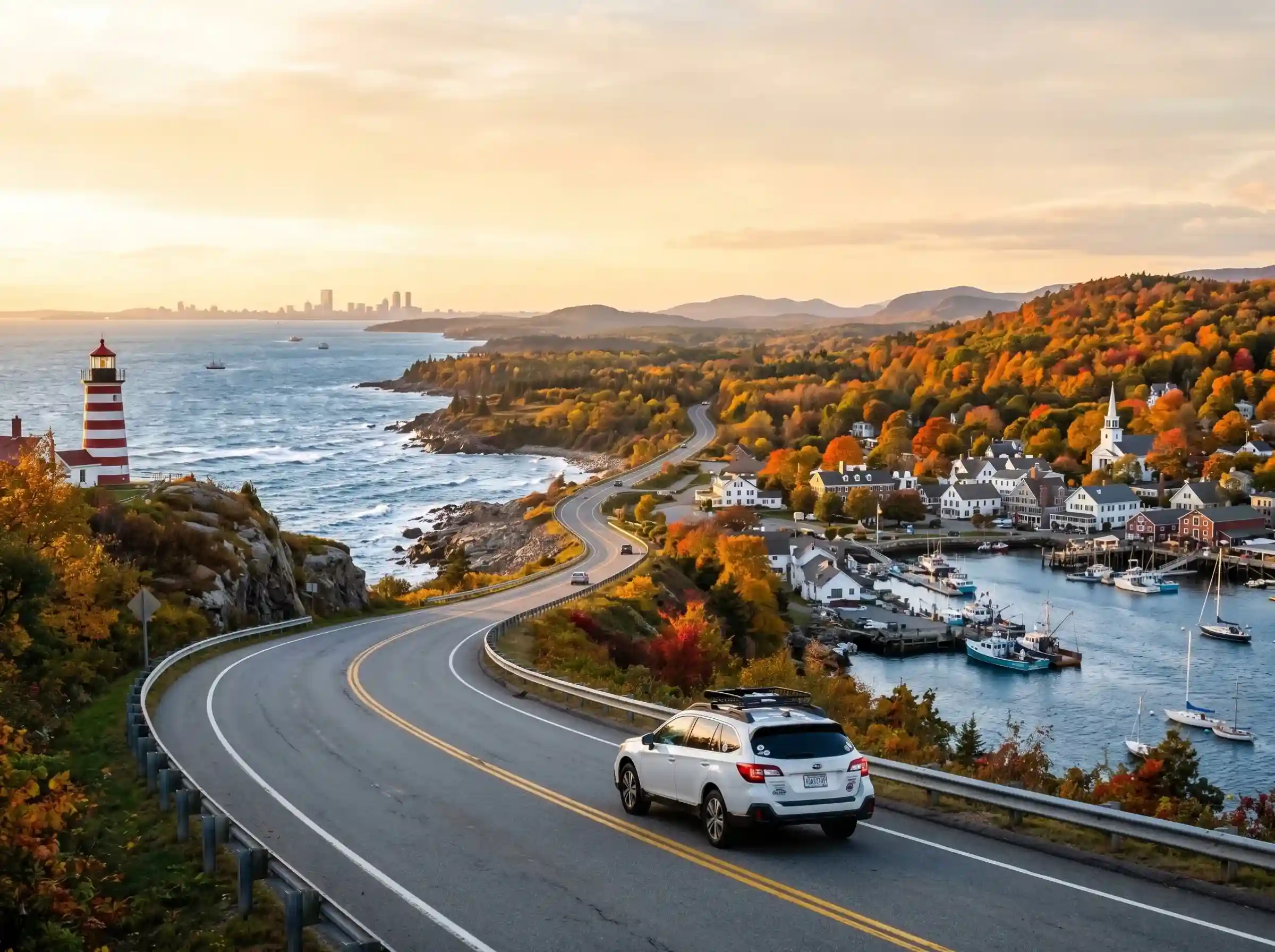
Acadia National Park is the kind of place that ruins other national parks for you — and I mean that as the highest compliment. Situated along New England’s dramatic coastline, it packs inland forests, bogs, granite peaks, and ponds into a surprisingly compact footprint that rewards visitors at every fitness levels. The Park Loop Road alone covers the greatest hits: Sand Beach, the booming hollows of Thunder Hole Trail, and the sweeping Cadillac Mountain summit where, during peak autumn colors, the light turns everything amber and gold. I went during mid-to-late October specifically to dodge the peak season crowds, and it remains one of the best travel decisions I’ve made — Bar Harbor, the gateway town, was quiet enough to actually enjoy.
The most-visited trails like Jordan Pond Trail and the Carriage Road trails suit casual walking, while the Precipice Trail is reserved for the genuinely adventurous. Cycling the Carriage Road trails is a local tradition worth joining. If you have extra time, the drive to Schoodic Point on the quieter peninsula side gives you the same rocky coastline drama without the touristy energy. The author in me wants to warn you: off-season Acadia is breathtaking but some services close, so plan your activities and lodging in Bar Harbor before arriving. This destination earns its top 10 status — it’s one of the most authentically beautiful national parks on the continent.
Washington, D.C.
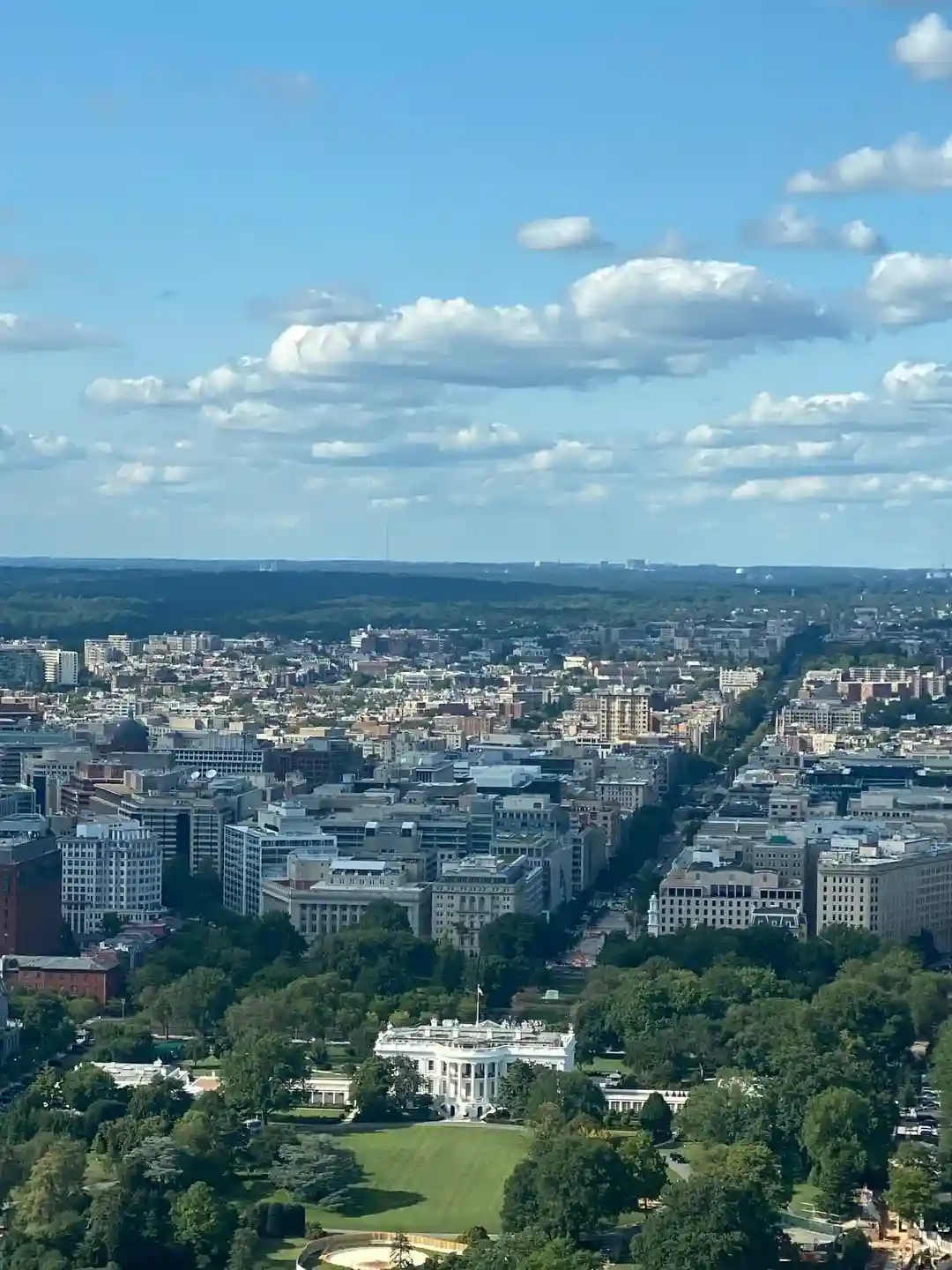
You don’t need to love politics to fall for Washington, D.C. — you just need to love American history, and this capital delivers it on a scale that makes your jaw drop. The Smithsonian network alone could swallow two full days: the National Museum of Natural History, National Museum of American History, and the National Gallery of Art are all free, making this one of the most city experiences that genuinely respects your money. Walk the National Mall from the Lincoln Memorial to the US Capitol, pause at the Vietnam Memorial (the quiet there is different), and don’t skip the Jefferson Memorial at sunrise when the light comes off the water perfectly. For history lovers, the National Archives and International Spy Museum round out a phenomenal day without overlap.
The Capitol Building, White House, and Supreme Court form the civic core, but Georgetown is where the city shows its personality — coffee shops, pubs, restaurants, and independent stores tucked into a small-town, historic feel neighborhood that contrasts brilliantly with the monumental grandeur nearby. Eastern Market on weekends has the kind of shopping and dining energy that turns a short visit into a lingering afternoon. Over at Arlington National Cemetery, the Tomb of the Unknown Soldier and the changing of the guard ceremony are among the most powerful things I’ve witnessed in any American city. For the socially curious, Busboys and Poets combines restaurants, bookstore, and civic conversation under one roof — an ideal last stop before biking back along the key landmarks of the Mall. The United States Holocaust Memorial Museum deserves its own half-day; it’s not easy, but it’s essential.
Cape Cod, Massachusetts
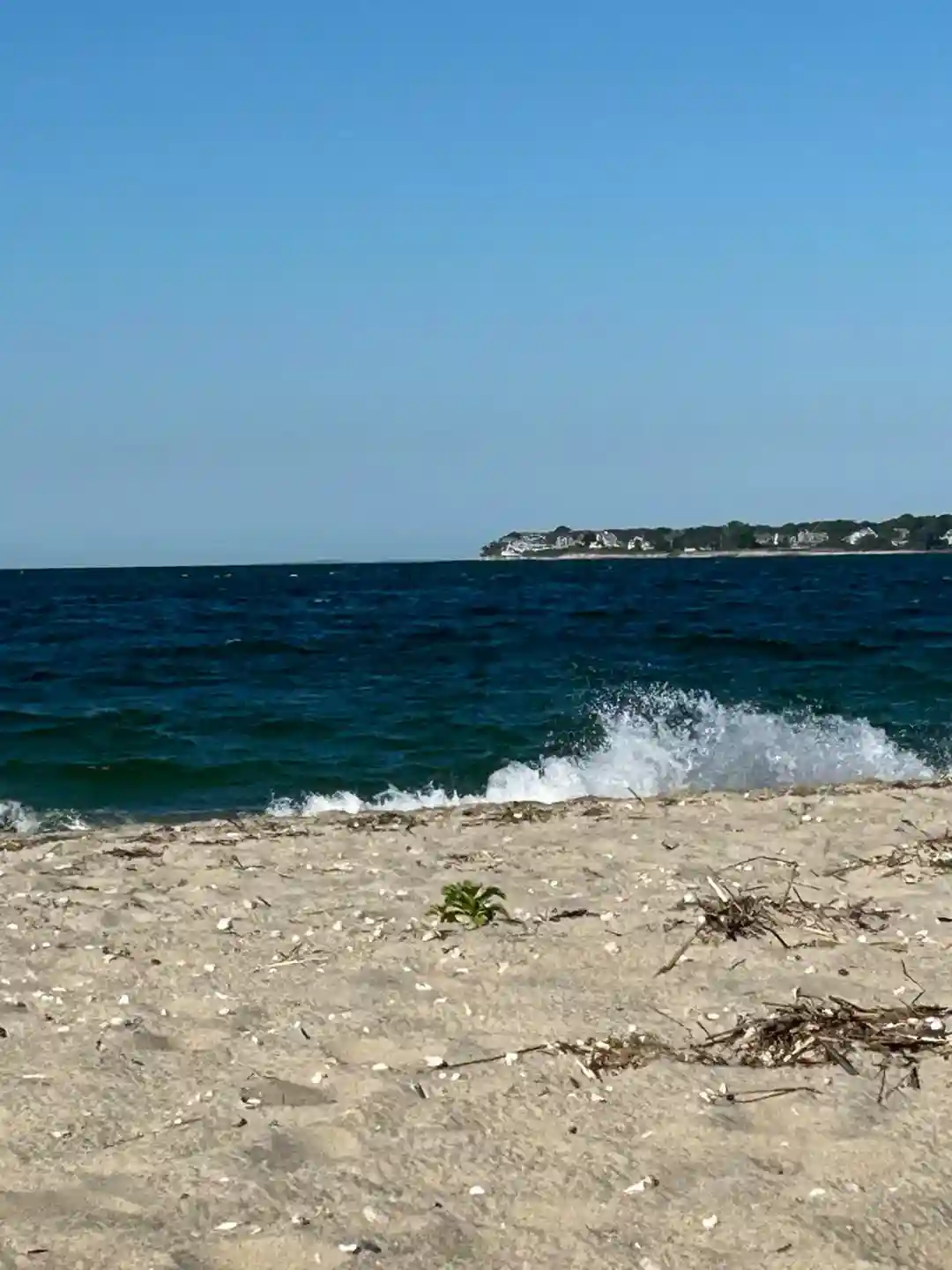
Cape Cod operates on its own unhurried clock, and the smartest thing you can do is sync with it. Most visitors swarm in July, but early September is the open secret — the beach is still still-warm, the coastal towns exhale, and suddenly Hyannis and Sandwich feel like the New England escapes they were always meant to be rather than busy tourist corridors. Hyannis Port carries the weight of Kennedy family lore, while Woods Hole down the road pivots entirely toward marine science and ferry crossings. The historic town of Sandwich, founded in 1639, is among the oldest in Massachusetts and walks you through inland areas that most visitors overlook entirely.
The Barnstable Harbor sunsets — particularly when the tide is low and the light goes orange across the flats — are a specific kind of beautiful that photographs never do justice. Hyannis has the commercial center energy, while the quieter towns along the outer arm have lighthouse trails, boardwalk strolls, and the kind of sunset you remember for years. This part of the East Coast is genuinely best savored slowly, not sprinted through.
Adirondacks, New York
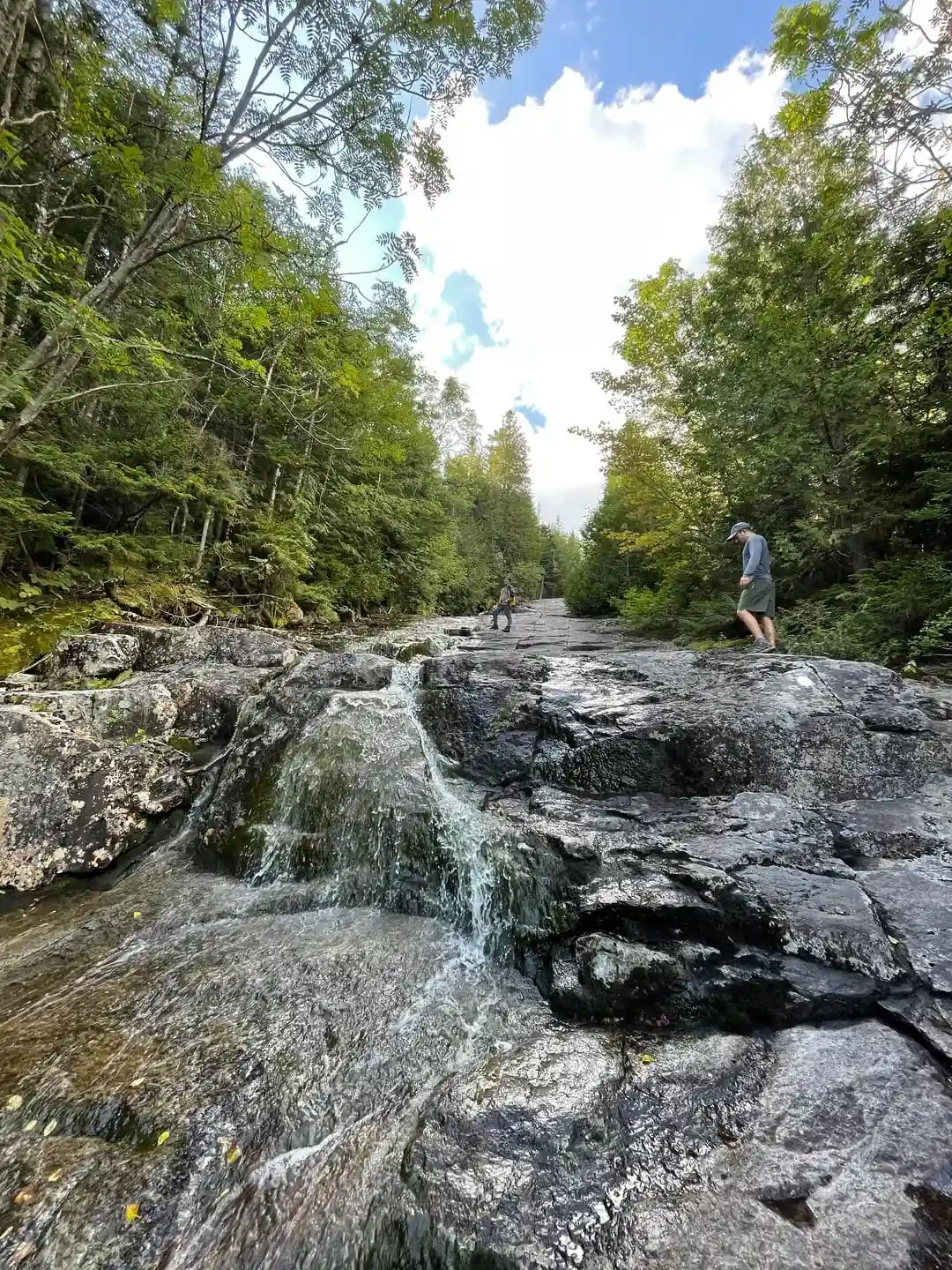
I stumbled into the Adirondacks through a family wedding near Inlet on Fourth Lake, and what I expected to be a scenic backdrop turned into one of the most quietly stunning natural area experiences I’ve had in the Northeast. This is genuinely untouched mountains-and-lakes territory, and it attracts outdoor-minded travelers who prefer hiking trails through forest over anything resembling a crowd. The Adirondacks remain one of New York’s most overlooked regions — mention them to someone who’s only done the Catskills and watch their eyes go blank.
Hudson River Valley, New York

The Hudson River Valley is the perfect day trip architecture from New York City — a loose string of small towns, state parks, and winery and vineyard stops that you can arrange into an ideal day without a rigid plan. I’ve done the drive from Chappaqua north with nothing more than a desire for cider, hiking, and a good small-town restaurant for dinner, and it delivered every time. The river views from certain hiking trails, especially when the trees turn in fall, make the Hudson Valley feel like a painting that someone forgot to rope off.
Outer Banks, North Carolina
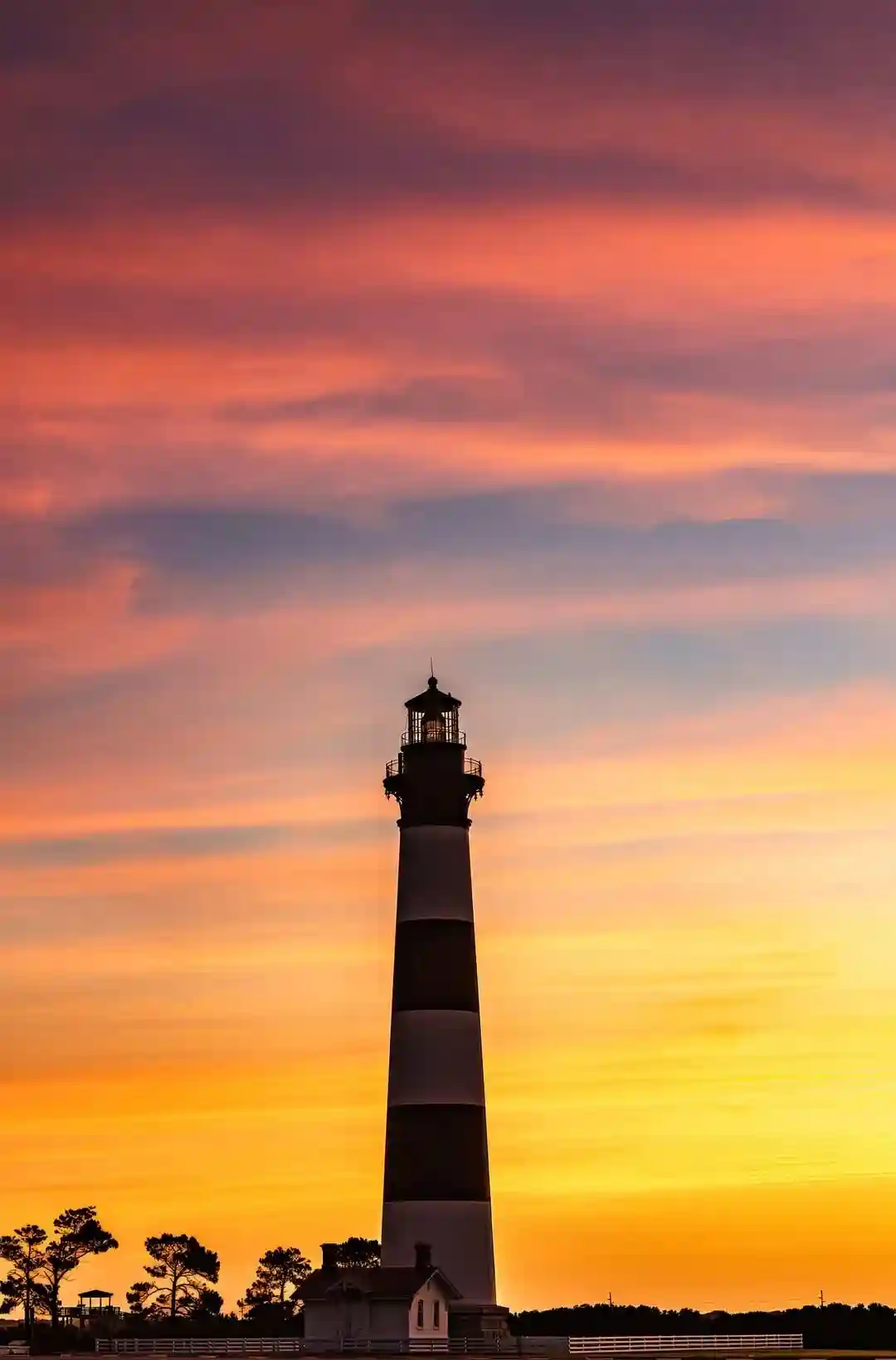
The Outer Banks are unlike any other stretch of North Carolina shoreline — a thin chain of barrier islands that juts into the Atlantic with an attitude all its own. Each community along this northern coast strip has distinct town personalities: Duck feels upscale and residential, Kitty Hawk carries its Wright Brothers history proudly, Nags Head is the family beach hub, Rodanthe stays wild and windswept, and Hatteras anchors the southern end near the protected wildlife refuge areas. The sand dunes at Jockey’s Ridge are a genuine surprise — the largest natural sand dunes on the East Coast, and you can watch birdlife riding thermals overhead while ocean views stretch in every direction.
The beach houses here are legendary — big, weathered, stacked on stilts, and available for rent at prices that make a week feel reasonable when split between a group. The lighthouses are another draw entirely, each one marking a different chapter in this coastline’s maritime history.
Charleston, South Carolina
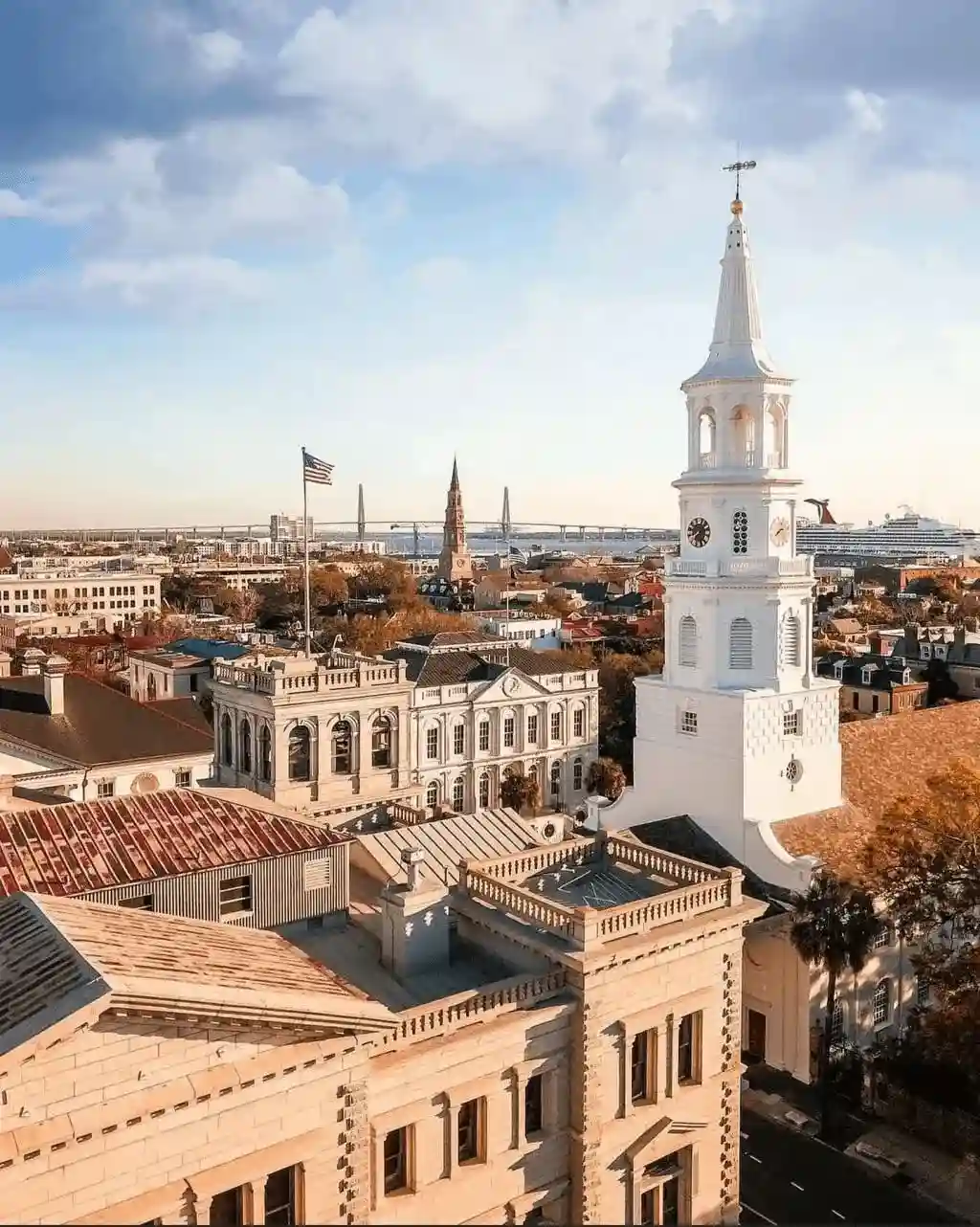
Charleston is one of those harbor-front city destinations where beautiful and history are inseparable — every cobblestone block carries some Civil War echo, and the historic homes along the Battery make it feel like a living museum that happens to also have a phenomenal restaurant scene. Fort Sumter, sitting in the harbor where the first shots of the Civil War were fired, is an obvious historic site and a must-visit for anyone with even passing interest in American history. The city’s location on the South Carolina coast gives it a heat and lushness that softens the weight of what happened here, which makes the experience oddly layered.
Cape Canaveral/Cocoa Beach, Florida
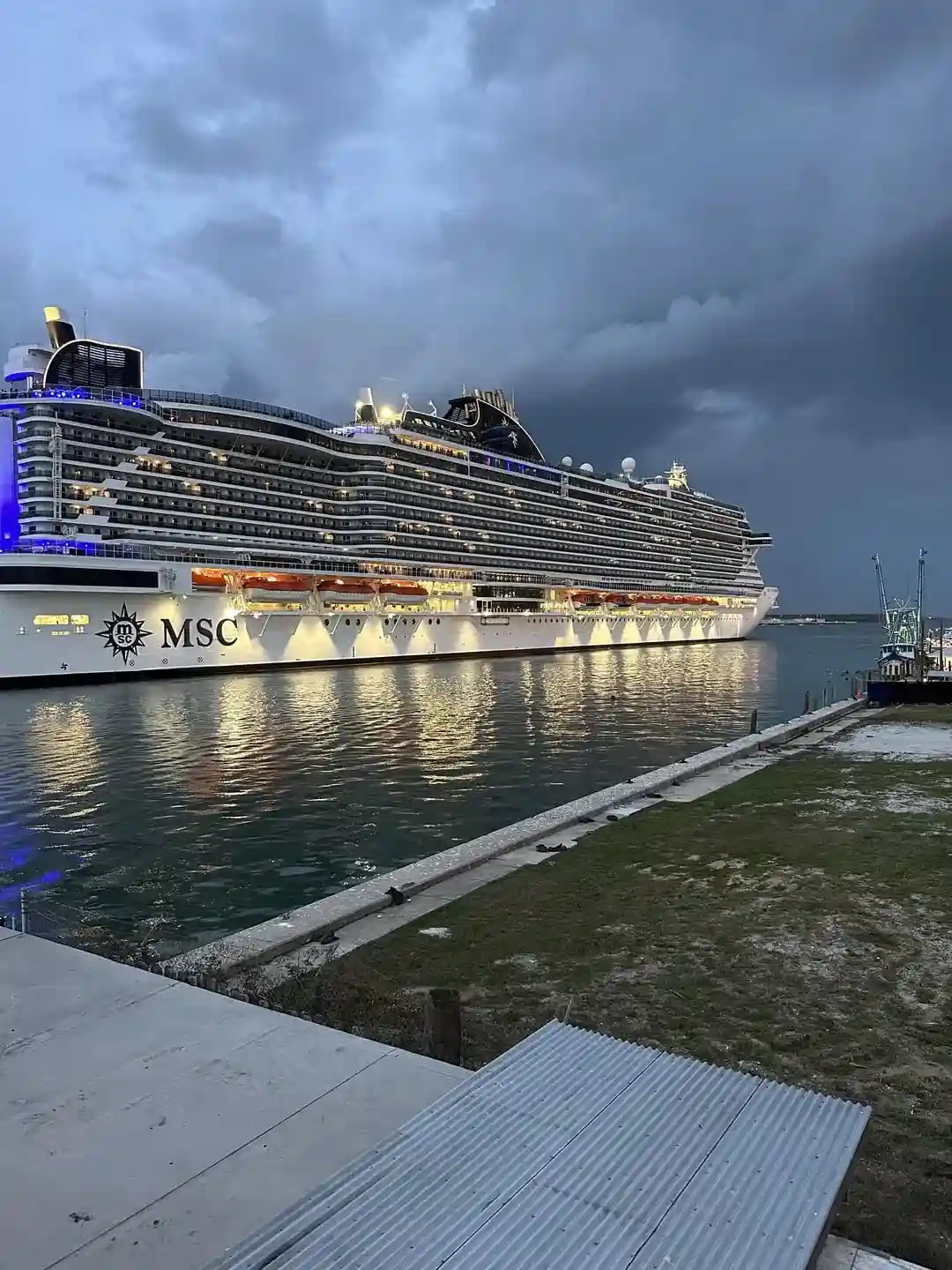
The Space Coast is one of Florida’s most underrated stretches — anchored by Kennedy Space Center on one side and a genuinely less built-up beach culture on the other. I’ve watched a rocket launch from the banks of the Banana River at dusk, and nothing in travel has come close to that particular combination of spectacle and silence. Kayaking the Banana River lagoon doubles as wildlife spotting — manatees, dolphins, and osprey all share the mainland waterways. The must-do visit to Kennedy Space Center pairs naturally with beach time at Cocoa Beach, and the retired shuttle exhibit inside is genuinely moving for anyone who grew up watching launches on TV.
Siesta Key, Florida
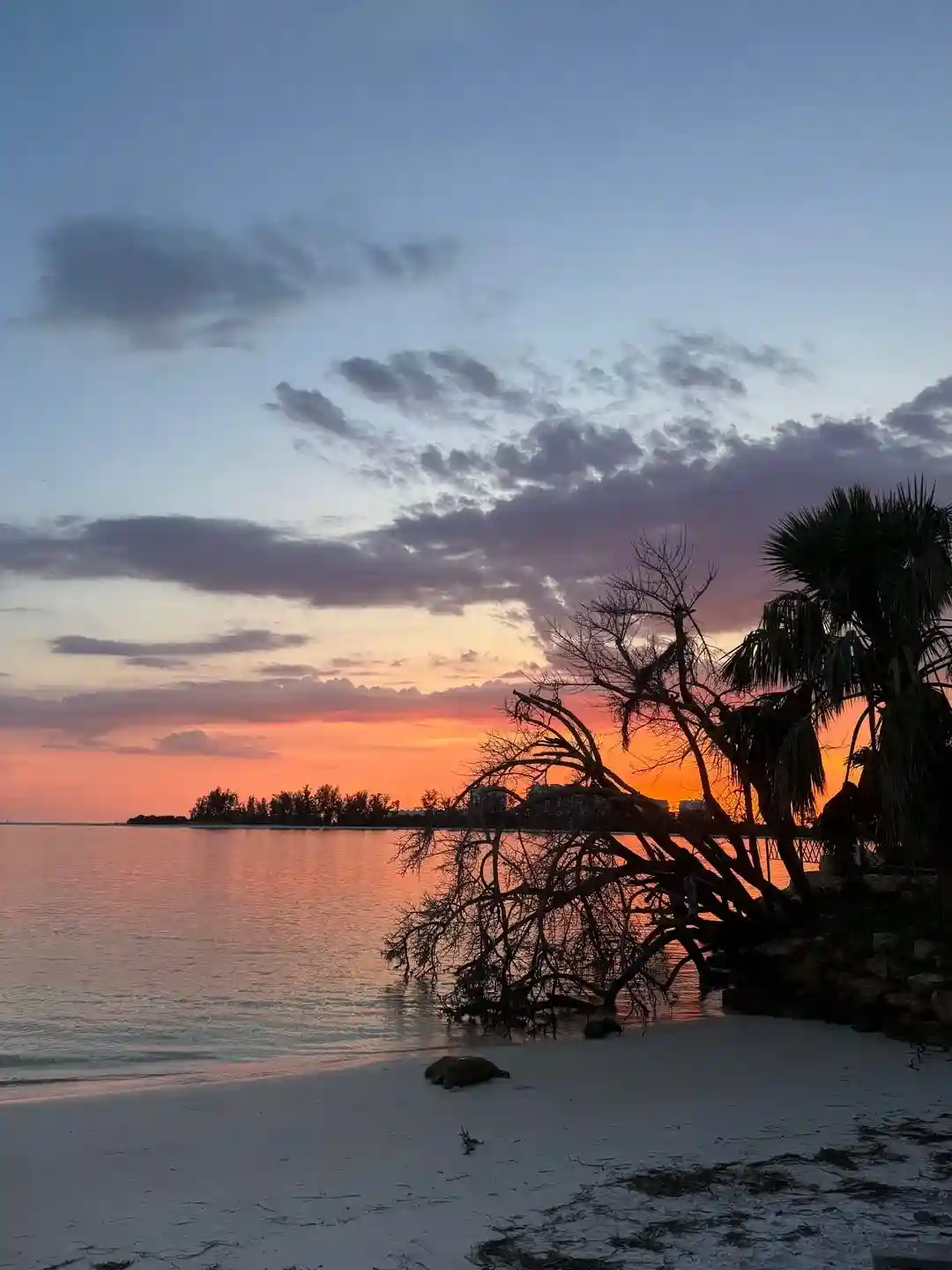
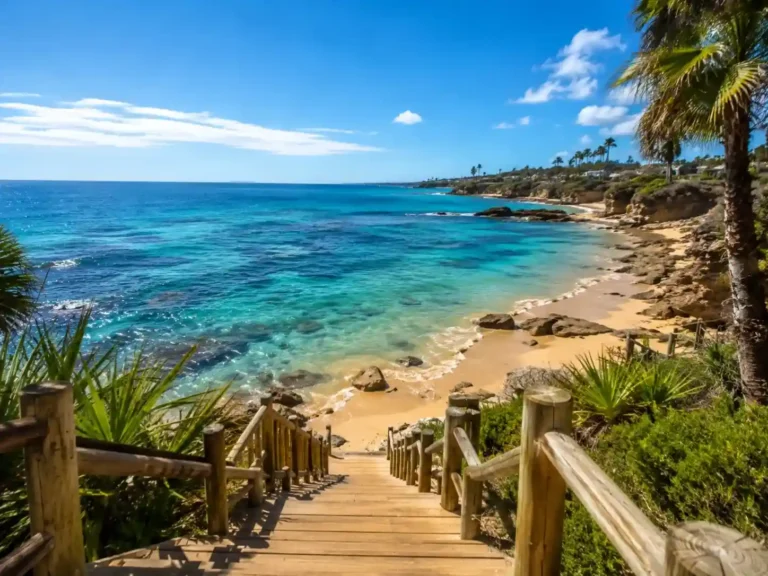
The Gulf of Mexico’s western Florida coast has no shortage of beach options, but Siesta Key off Sarasota consistently tops the rankings for best beaches — and after a week there, I understood why. The sand is the whitest, softest sand I’ve encountered anywhere, a product of pure quartz crystal that stays cool underfoot even in August heat. The waters are calm and shallow, the sunsets over the gulf turn pink-purple-orange in layers, and the whole barrier island vibe encourages an extended, relaxing stay rather than a rushed day trip. It’s the west coast Florida experience at its most genuinely restorative.
Bourbon Trail, Kentucky
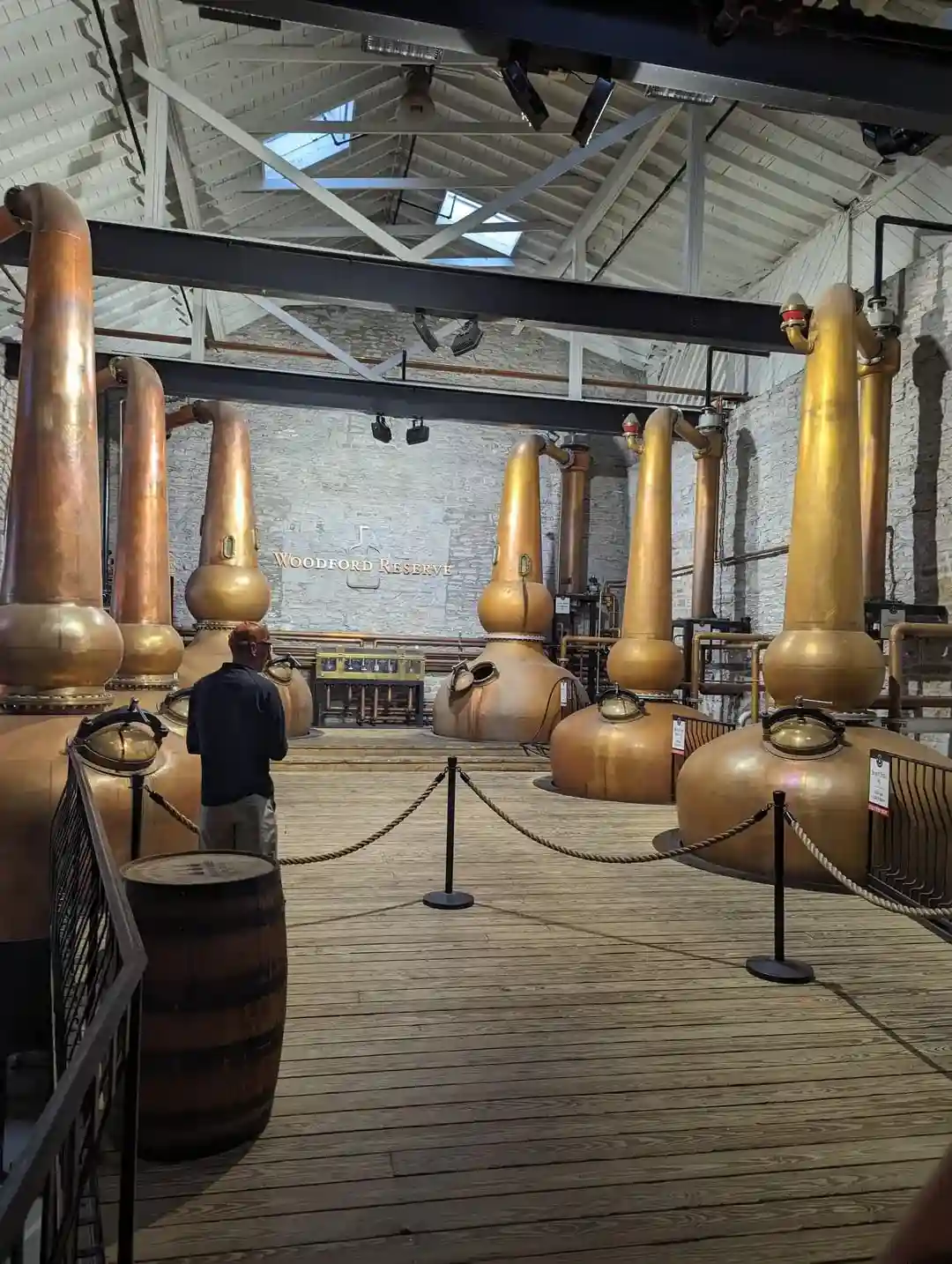
Kentucky’s Bourbon Trail is one of those flexible route experiences where there’s no single fixed path — you pick your base cities (Louisville, Lexington, Frankfort, or the smaller Bardstown and Harrodsburg) and build outward from there. The big names — Jim Beam, Woodford Reserve, Maker’s Mark, Wild Turkey, Buffalo Trace, Heaven Hill, and Four Roses — all offer tastings and tours, but the real gems are the smaller towns and distilleries between them. I’d argue non-bourbon drinkers can still build a fantastic trip around the horse-country scenery, historical sites like Perryville Battlefield, and charming lodging options like the Beaumont Inn in Harrodsburg or the quietly extraordinary Shaker Village near Bardstown.
The Shaker Village at Pleasant Hill deserves a standalone mention — it’s one of the most preserved Shaker communities in the country, and staying overnight there reframes the whole Bourbon Trail experience from distillery-hop to genuine cultural immersion. Whether you drink or not, the Kentucky countryside between stops — rolling horse farms, white fences, and church steeples — makes the drive itself the destination.
Red River Gorge, Kentucky

Eastern Kentucky’s Red River Gorge was an eye-opening discovery for me — I went for the hiking and stayed mentally for weeks afterward. The rugged area has a raw natural beauty that begs for slow travel and serious photography, with sandstone arches, canyon walls, and dense hardwood forest creating backdrops that look almost unreal in early autumn light. Natural Bridge State Park sits within the gorge and is accessible to most fitness levels, but the deeper trails reward the effort with scenic overlooks that explain why serious climbers from across the country make regular pilgrimages here. Be aware: the visible local poverty in surrounding communities is a real and present reminder that natural wealth and economic wealth don’t always share a zip code. A week-long stay barely scratches the surface.
Mammoth Cave National Park, Kentucky

Beneath western Kentucky lies the longest known cave system in the world, and Mammoth Cave National Park earns both its UNESCO World Heritage Site and International Biosphere Reserve status through sheer geological and biological complexity. The stalactites and stalagmites are the obvious draw, but the real depth — literally — is in the human history stretching back thousands of years: Indigenous use, saltpeter mining, tuberculosis sanatoriums, and guided tours have all layered meaning onto these geological formations. The cave’s ecosystems include species found nowhere else on earth, which rounds out the world-class designation in a way that pure scenery alone never could.
Chicago, Illinois
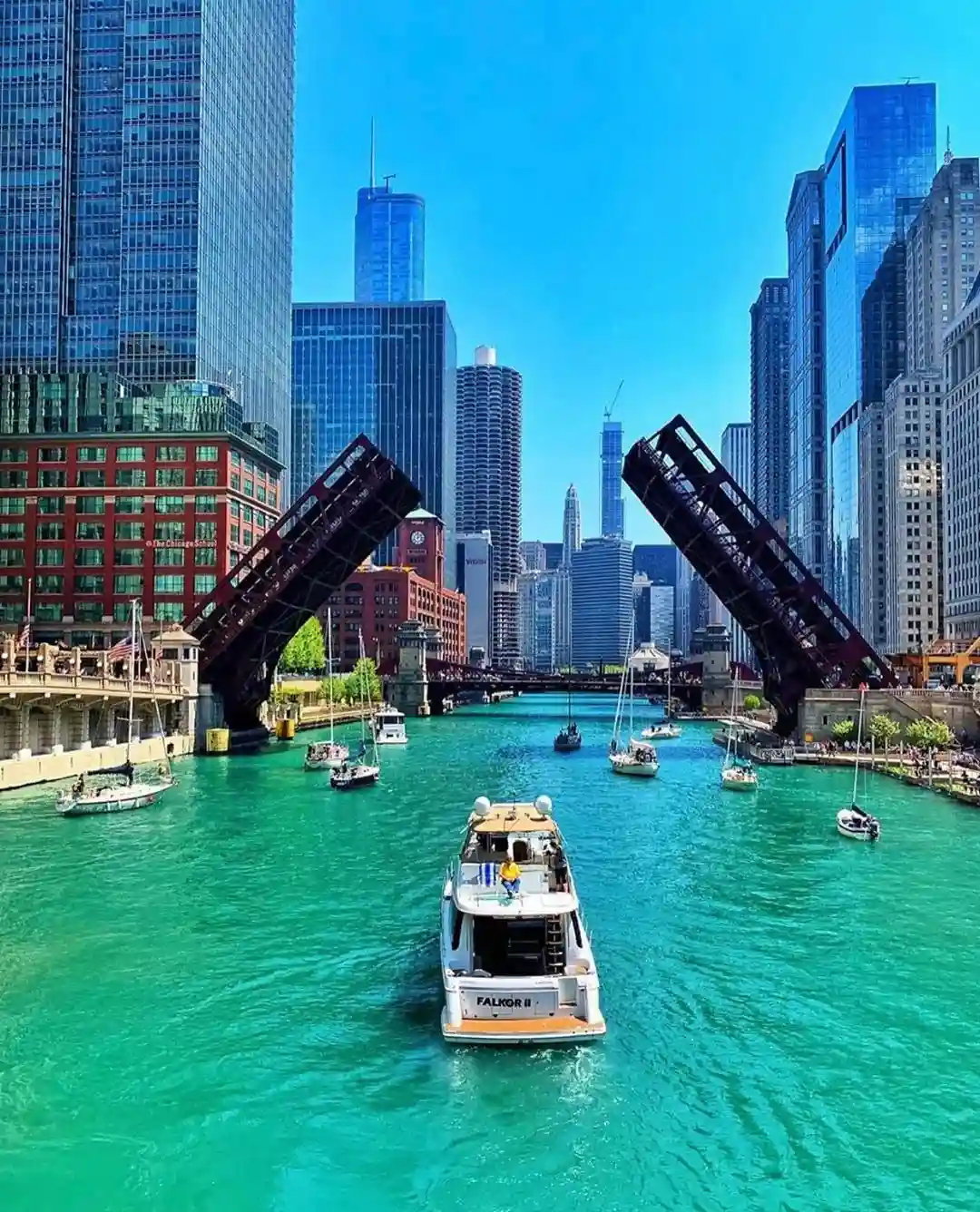
Chicago shouldn’t technically qualify as an East Coast destination, but calling it the most compelling American city on this list doesn’t feel like a stretch. The architecture-focused boat tours along the river are the single best introduction to the skyline — better than any rooftop bar. Lincoln Square neighborhood has a neighborhood character that feels genuinely lived-in rather than curated for visitors, with good food, independent venues, and street performances that belong to the people who live there. If your trip lands during the Chicago Marathon, lean into it — the activity and shopping energy along the course route turns the whole city into a single, buzzing event. It’s been on my to-do list to return every year since my first visit.
Fort Lauderdale, Florida
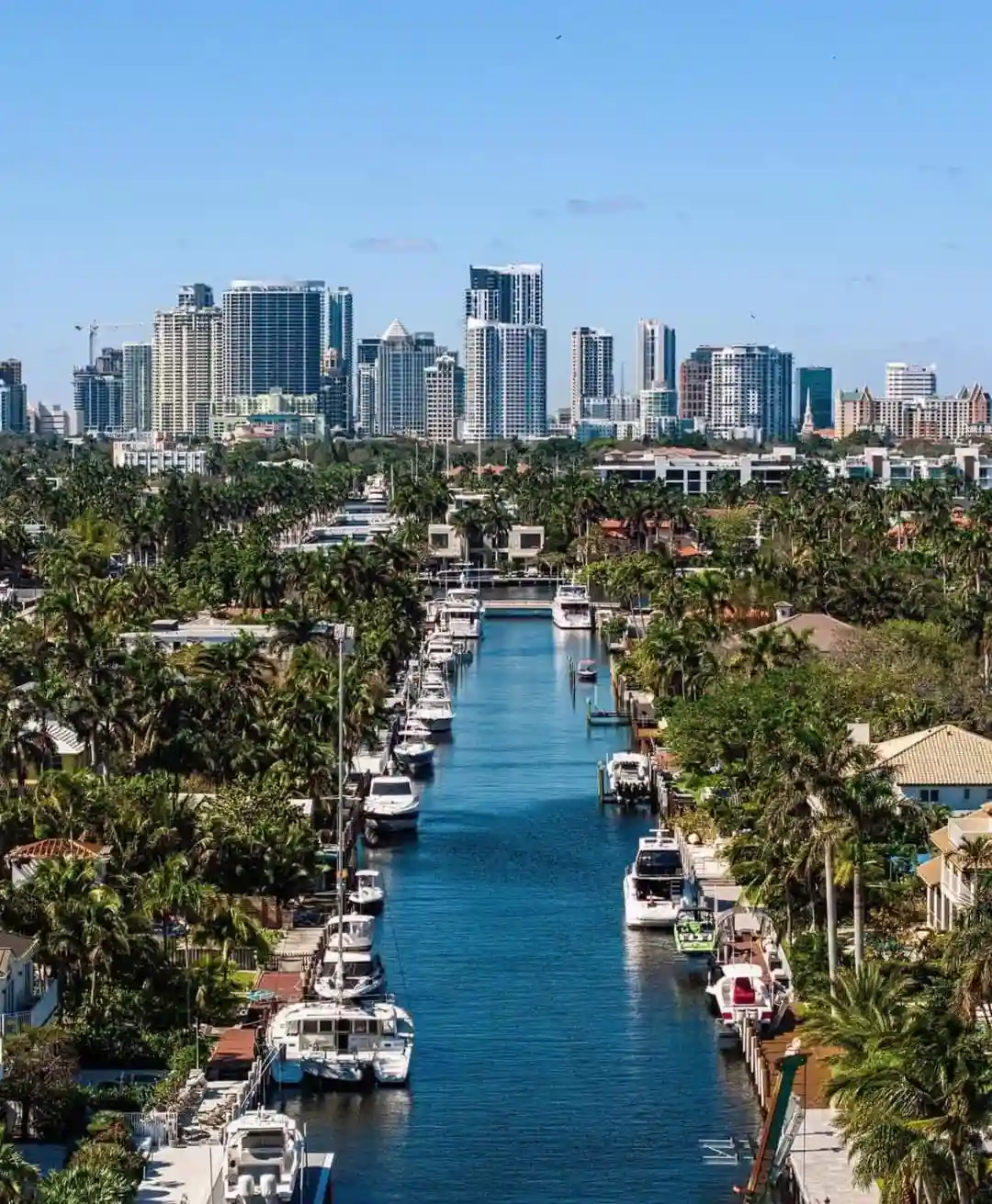
Fort Lauderdale has spent years in Miami’s shadow, but it’s carved out an own identity that FL regulars appreciate more than they advertise. The beaches are peaceful and less performative than South Beach, the street art scene pops up in unexpected neighborhoods, and the proximity to the Everglades means alligators, wildlife spotting, and natural scenery are never more than a short drive away. The suburb of Hollywood between the two cities adds another layer of culture and relaxation, while the overall quieter pace of Fort Lauderdale makes it a genuine counterpoint to Miami’s outlandish energy.
Roanoke, Virginia

Roanoke sits in the Blue Ridge Mountains as both a summer destination and a prime fall foliage base, and the changing leaves across Carvins Cove Natural Reserve make it one of the most photogenic historic city settings in Virginia. The Roanoke Valley Greenways give walkers and cyclists hundreds of miles of hiking trails that connect seamlessly to the larger Blue Ridge Mountains network, making it a year-round destination for anyone who prefers historic sites and ridge-top views over beach crowds. St. Andrew’s Cathedral anchors the downtown with architectural gravity, and the surrounding streets mix independent restaurants with a quiet civic pride that feels entirely authentic.
Baltimore, Maryland
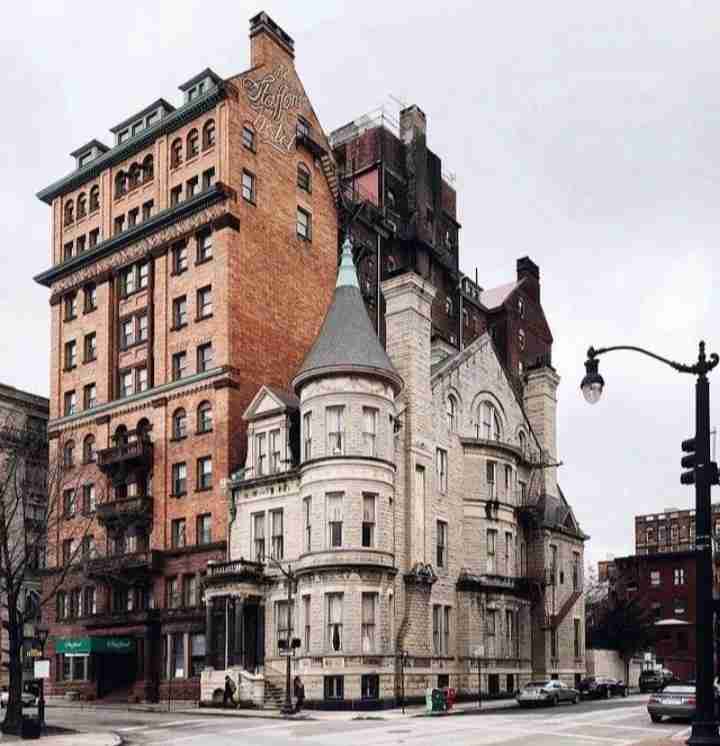
Baltimore — nicknamed Charm City — earns that title through sheer neighborhood personality. Fells Point, the oldest neighborhood, has cobblestone lanes, restaurants, trendy shops, and an English-village feel that makes the Harbour area feel like somewhere in coastal England rather than mid-Atlantic America. The Thames Street Oyster House is the anchor dining experience here, though crab cakes remain the local specialty that every visit should include at least once. Beyond the waterfront, Baltimore has museums, concerts, parades, and even a cluster of wineries and tasting rooms that most visitors miss entirely. The street entertainment around the harbor on summer evenings ties the whole experience together.
Miami, Florida
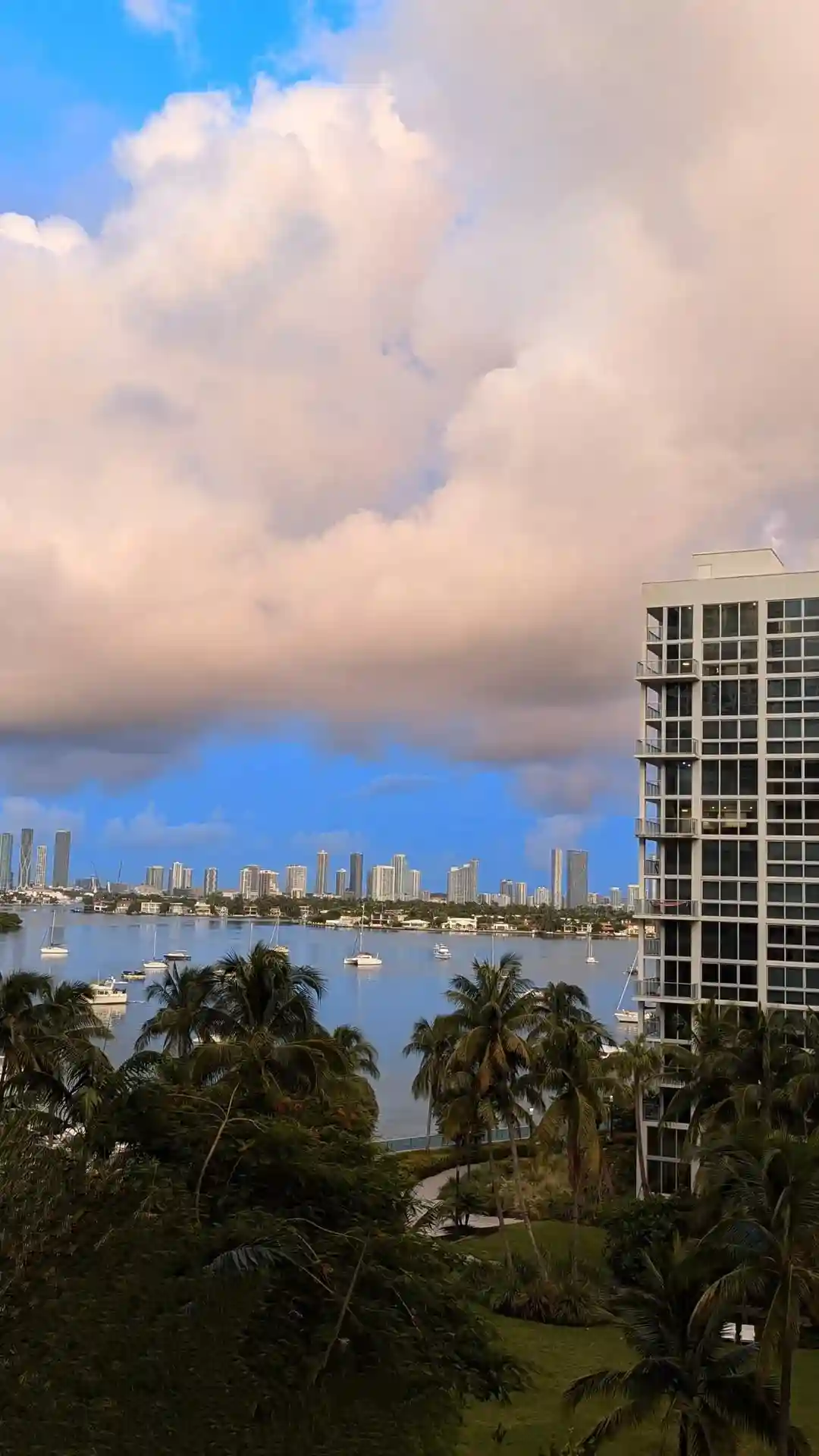
Miami operates at a frequency all its own — vibrant, sunny, occasionally outlandish, and entirely unapologetic about all of it. The art deco architecture along Lincoln Road and Collins Avenue is a legitimate design education, while Little Havana and Versailles Restaurant offer Cuban food and salsa dancing that connect the city to its most essential cultural roots. The activities here span nightlife, beach, and genuine wilderness — Everglades National Park is less than an hour from downtown, making the transition from shopping and restaurants to sawgrass and unique wildlife genuinely surreal. Miami is unique not because it tries to be, but because nothing else in America quite assembled itself this way.
Portland, Maine
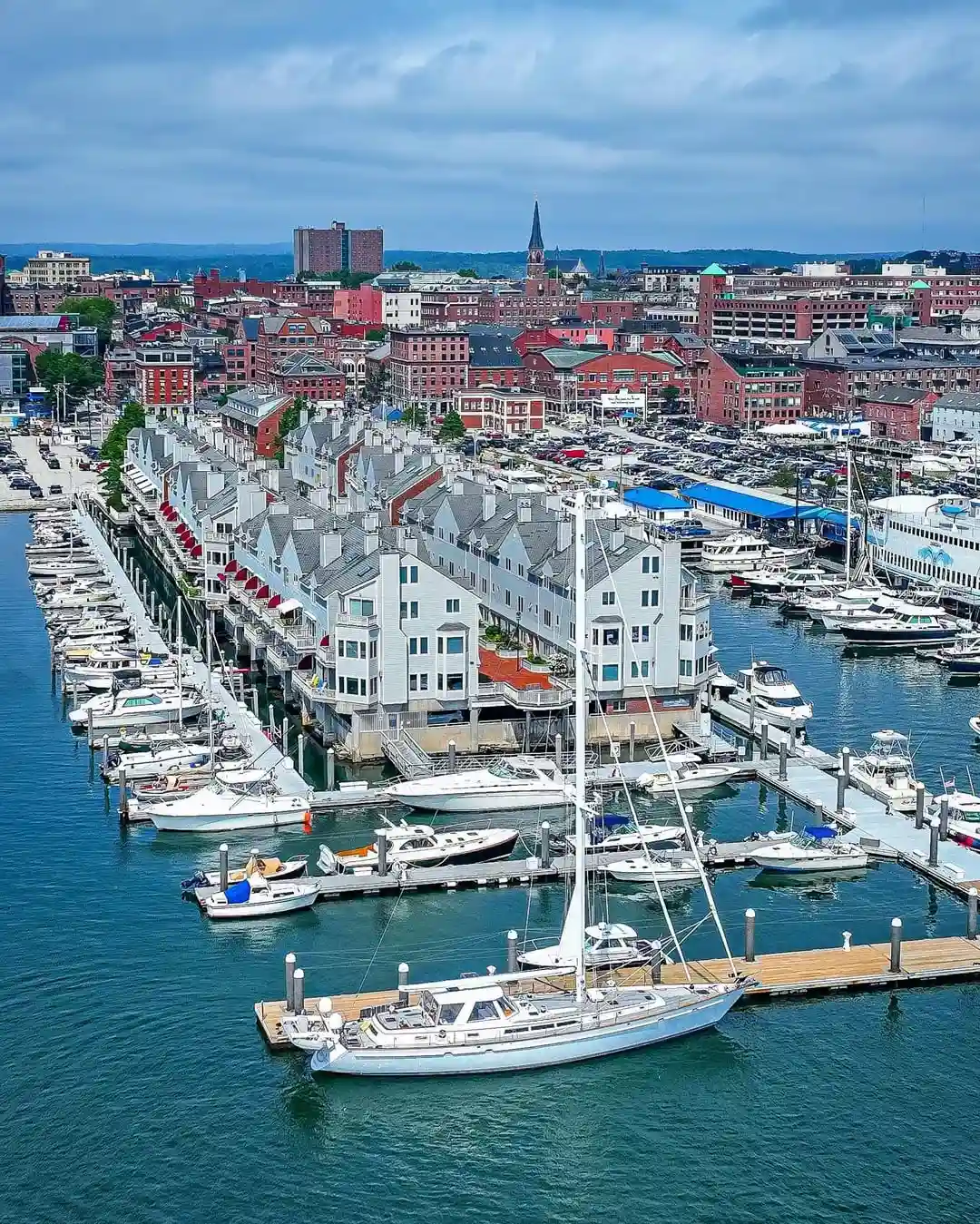
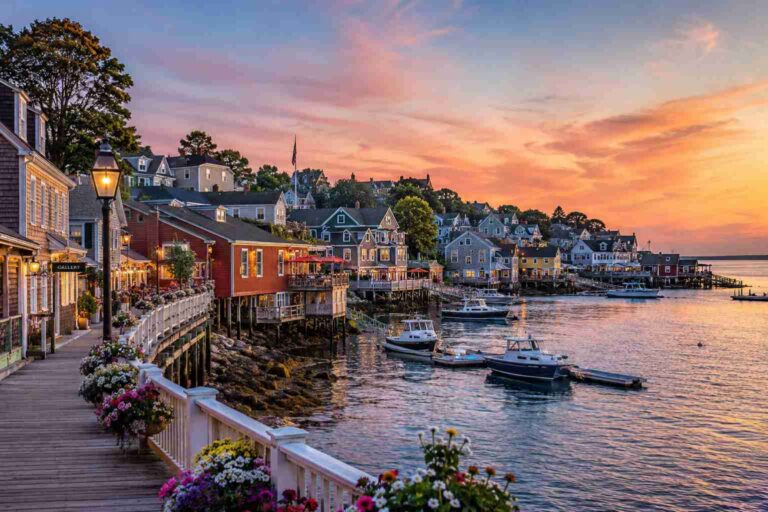
Portland, Maine may be small, but it punches far above its weight as a waterfront town experience. The Old Port area — all cobblestone streets, brick sidewalks, and 19th-century buildings — makes stepping back in time feel effortless, especially on a grey morning when the fog sits low over the harbor. Portland Head Light, dating to 1791, is the oldest lighthouse in the U.S. still in operation, and cruises out past it give a perspective the shoreline walk can’t match. For key sights in a single day, the Portland Museum of Art and Eventide Oyster for local lobster and seafood are the twin anchors, and whale watching trips run seasonally from the historic harbor. The whole town feels charming in a way that’s earned rather than manufactured.
White Mountains, New Hampshire
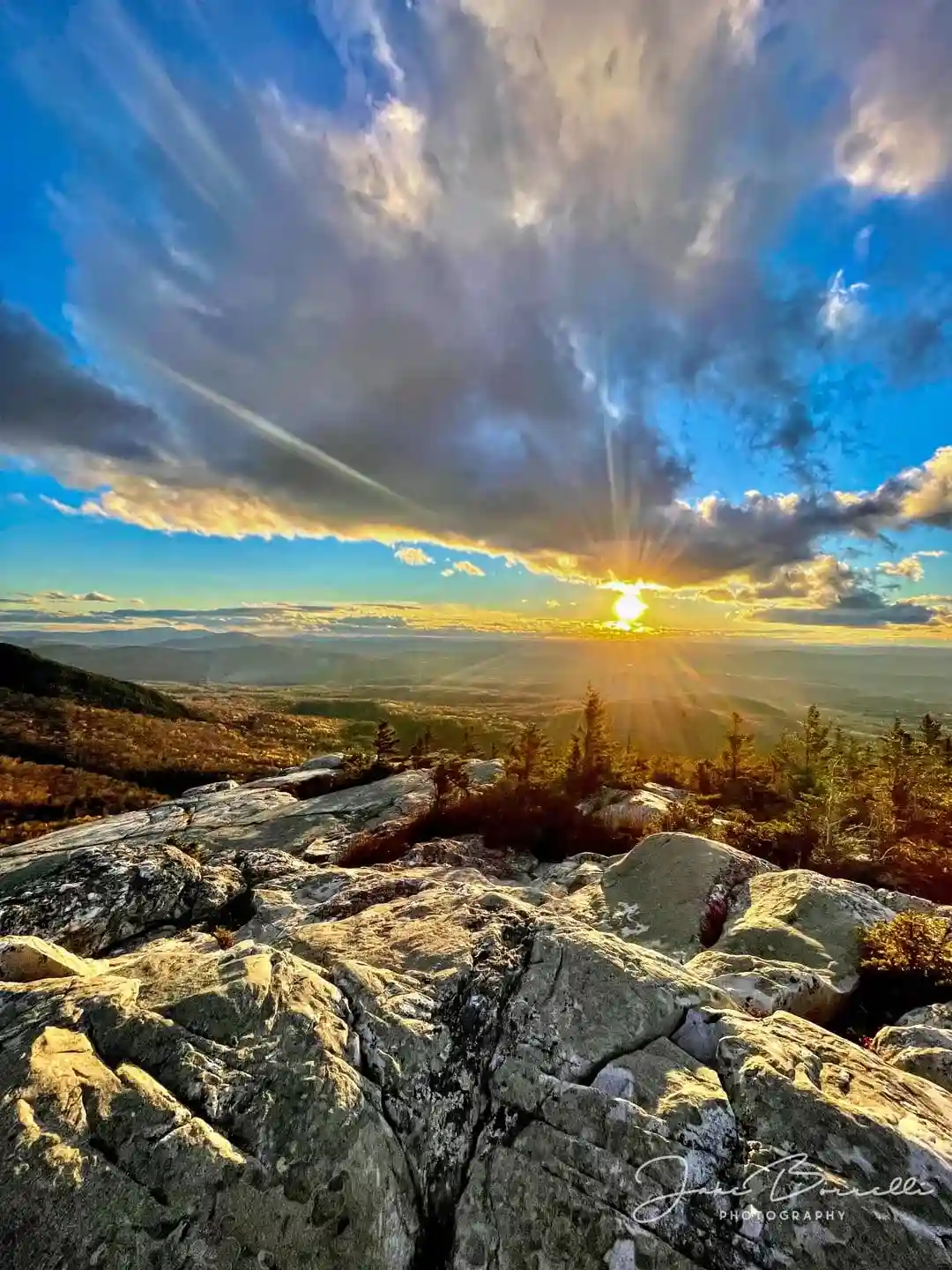
The White Mountains are the nature-focused destination that cities like Boston and Portland use as their outdoor pressure valve — close enough for a weekend, wild enough to feel genuinely remote. Mount Washington is the obvious summit goal, a tougher climb than it looks on the map, but the broader region has river tubing and kayaking on the Saco River, moose safaris at dusk, and horseback rides through birch corridors that feel like something from a different century. The local tourism community has built an infrastructure that welcomes adventurous visitors without over-commercializing the landscape — which, after the more packaged experiences elsewhere on this list, feels like a genuine gift.
Boston, Massachusetts
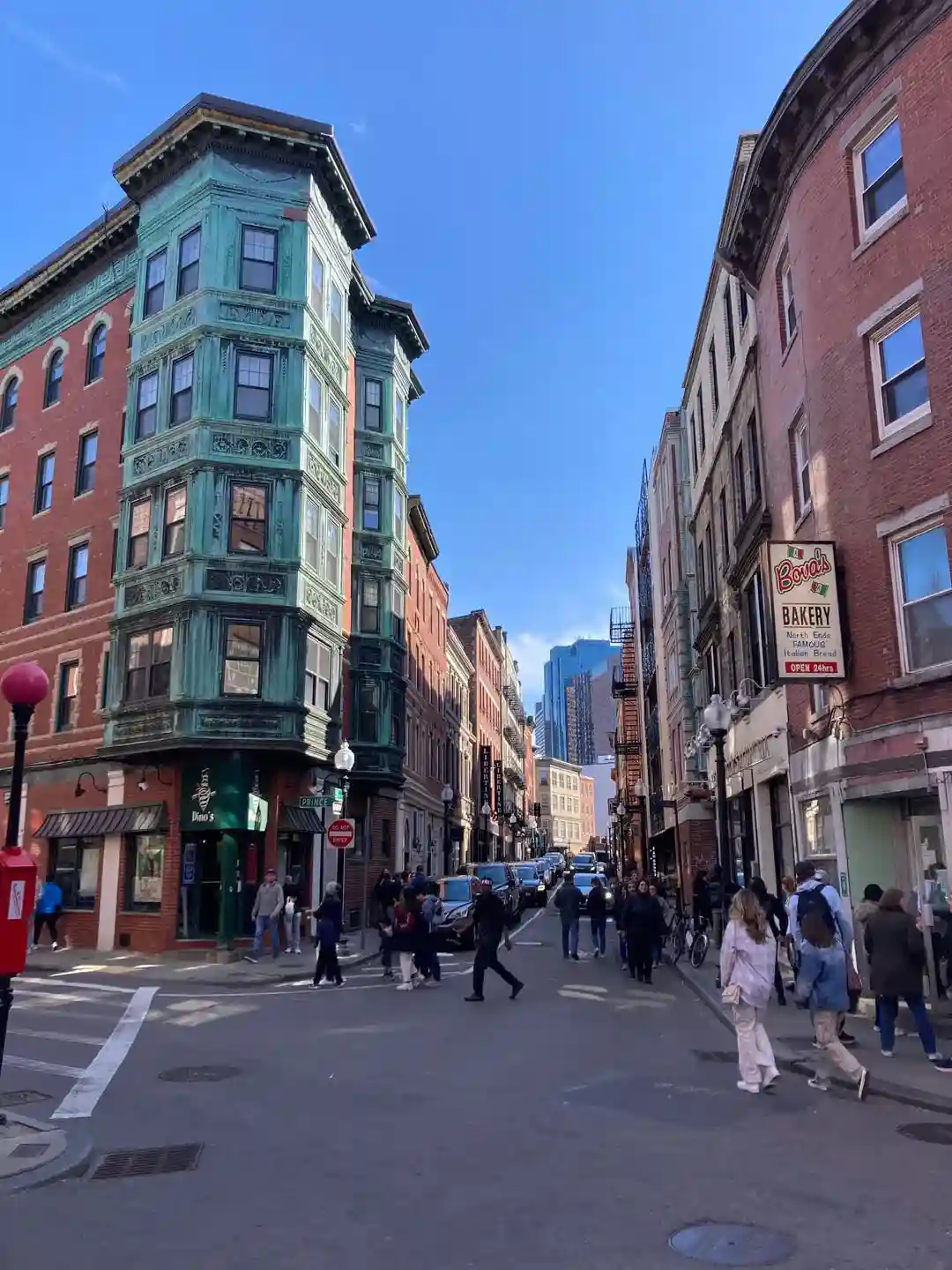
Boston is U.S. history made walkable — the Freedom Trail connects 16 sites across 2.5 miles, threading through Beacon Hill, past Acorn Street, and out to the harbor where the Revolution practically began. Harvard across the river adds an intellectual energy that bleeds into the bookshops, lecture series, and café culture around Cambridge. For a first-time visitor, the Boston Public Garden and Charles River Esplanade handle the pastoral needs, while Plymouth Rock a short drive south adds context to everything you’ve just walked through. The local food specialty worth the detour? Boston cream pie from a proper old-school bakery — not a tourist shop version.
Salem, Massachusetts
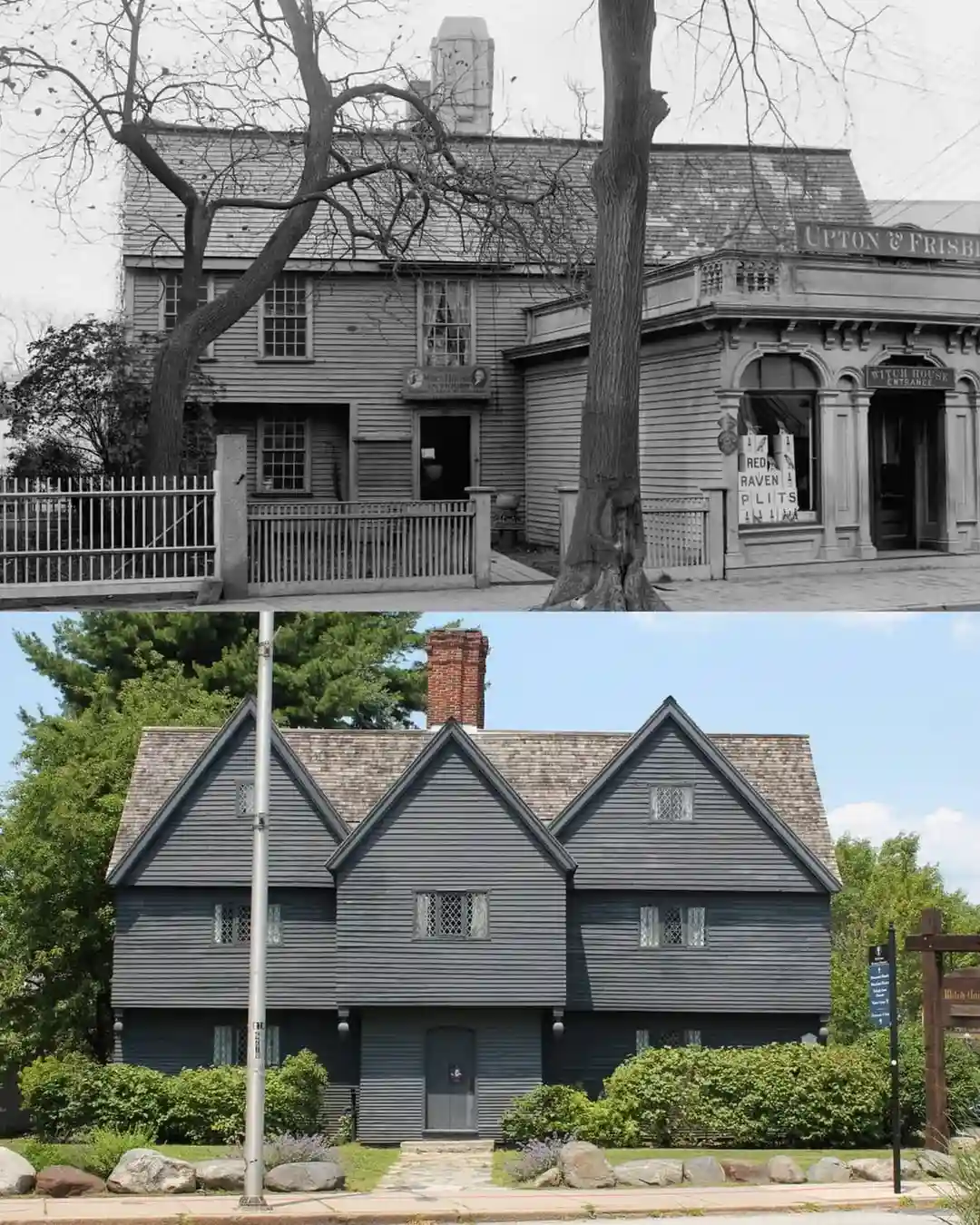
October is when Salem, Massachusetts leans fully into its dark history, and the spectacle is worth experiencing once even if crowds aren’t your thing. The Witch Museum and Witch Trial Memorial anchor the sobering historical narrative, while Old Burying Point Cemetery — one of the oldest in the country — gives the events an eerie tangible weight. The Fame Schooner tours and Salem Willows Park offer lighter ways into the city’s maritime and recreational sides, and Salem Beer Works serves local microbrews that make the evening far more relaxed than the day’s heavy history might suggest. The best time to visit if you want atmosphere without a three-hour wait for everything is the first two weeks of October — peak enough to feel festive, manageable enough to enjoy.
Savannah, Georgia
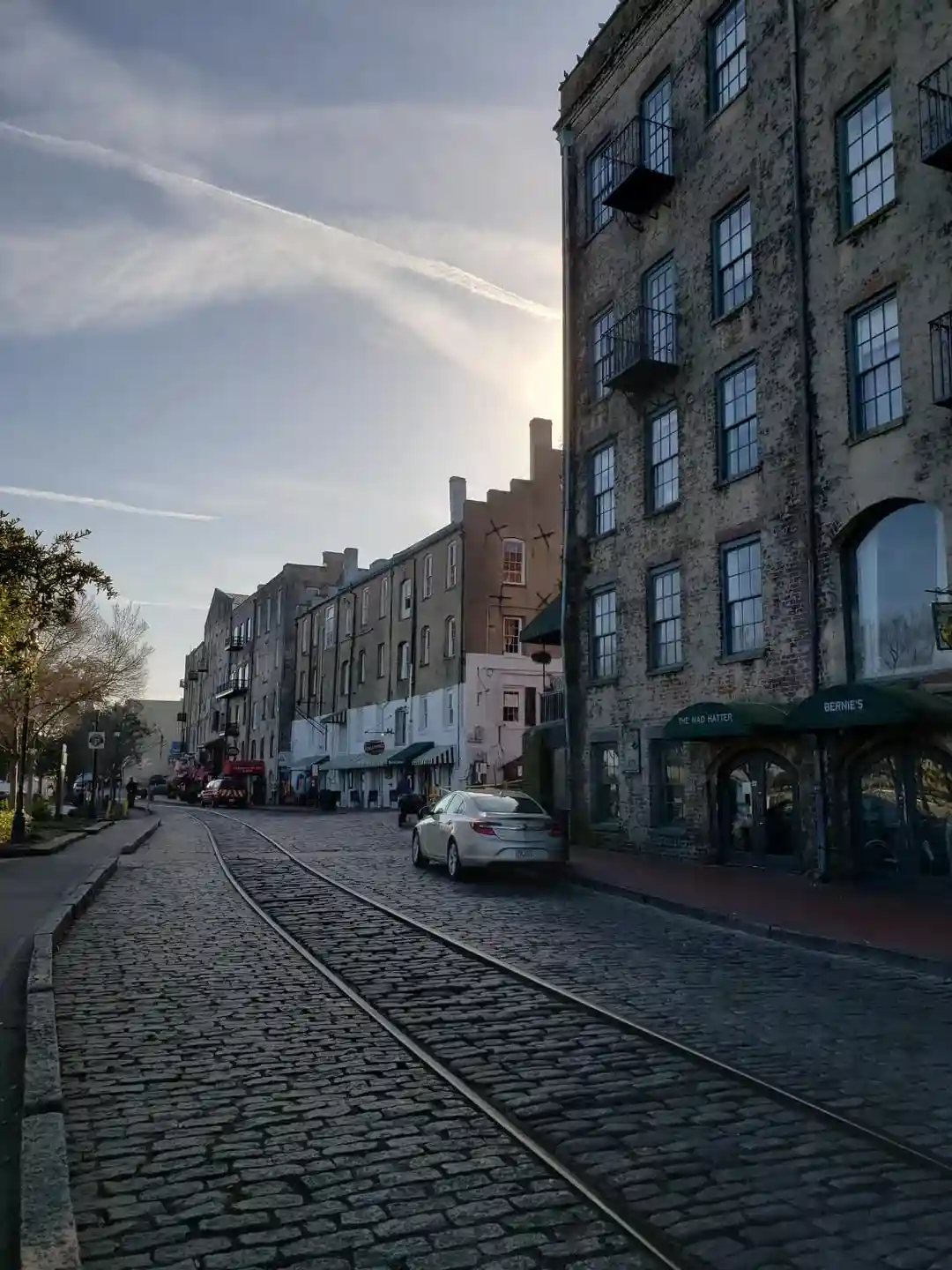
Savannah operates like a Southern charm slow drip — every mansion, every moss-draped square, every horse-drawn carriage rides through the Historic District adds another layer of atmospheric richness that’s hard to shake once you’ve felt it. Jones Street is consistently ranked among the most beautiful streets in America, and walking it in the early morning before the ghost tours crowd arrives is a private experience worth the early alarm. Bonaventure Cemetery is genuinely extraordinary — equal parts art installation and historical archive. Mrs. Wilkes’ Dining Room is the mandatory Southern comfort food experience, a communal table situation that pairs perfectly with a morning visit to Wormsloe Plantation, where the avenue of oaks creates one of the most iconic coastal city photographs in the American South.
Honorable Mentions

Beyond the destinations covered here, a well-planned East Coast itinerary could easily absorb Boston, Vermont, New Hampshire, and Maine in a single autumn sweep for foliage chasers. Asheville, NC and Shenandoah National Park, VA anchor the Appalachian middle, while Selma, AL and Civil Rights history sites across the Deep South offer some of the most important historical context available on any American road trip. New Orleans, LA is technically the Gulf South but belongs on any serious list. St. Augustine, FL is the oldest city in the country and wildly undervisited. The Finger Lakes of New York rival Vermont for fall color and wine. Michigan’s Upper Peninsula, MA’s lesser-known corners, and the colonial history of Williamsburg each deserve their own deep dives. This list could have been three times longer — and it probably should be.
The Hamptons, New York State
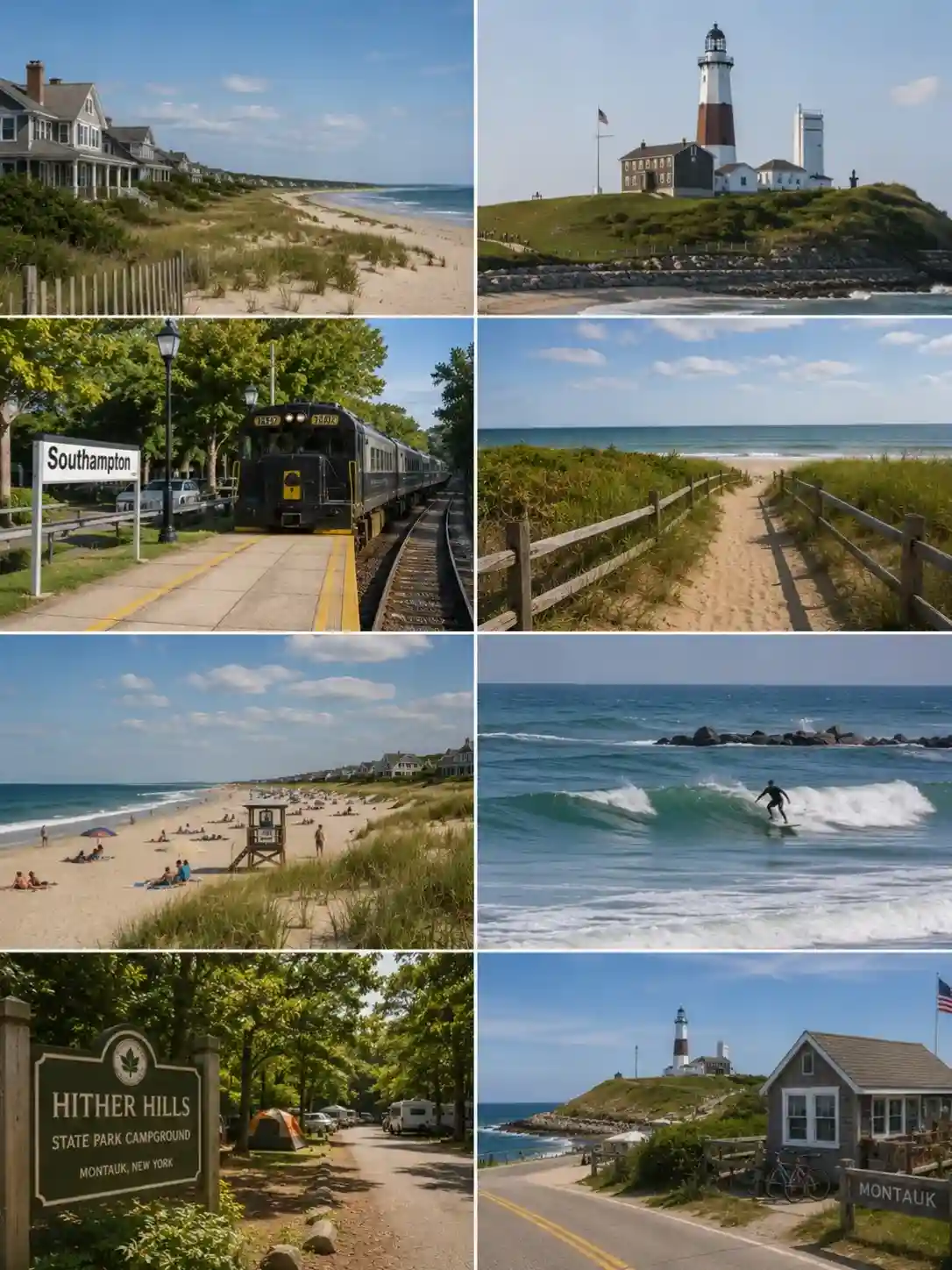
The Hamptons are easier to reach than their reputation suggests — just 1.5–2 hours from New York City by car or train — and the seaside villages of Southampton, East Hampton, and out to Montauk at the tip cover a remarkable range of personalities along that coastline. Montauk has a rugged, surfer-town practicality that contrasts sharply with the manicured estates closer to the city, and the lighthouse at the point feels like the end of the world in the best possible way. Hither Hills area campground offers a genuinely affordable way to access this stretch of beaches, with Cooper’s Beach in Southampton routinely topping national rankings for water quality and sand.