3 Days in Rome: The Perfect First-Timer Itinerary
Few cities on this planet carry the weight of 2,000 years of history the way Rome does — and I mean that quite literally. Walk down any cobbled street and you are treading on layers of Roman ruins, medieval churches, and Renaissance palaces stacked one on top of another like pages of a living book. People often ask me whether 3 days is enough to grasp this city — enough to get something real out of it. My honest answer? If you plan your time carefully and stay focused on the major landmarks, you will leave with more than just highlights. You will leave with a feeling that changes how you see the world.
The moment I first landed here, I made the classic rookie mistake of trying to rent a car. Do not do that. Rome is wonderfully busy, gloriously walking-friendly, and every bit as navigable by buses and metro as you need it to be. A well-planned itinerary cuts through the noise of a massive city and distills its essence into a long weekend that actually makes sense. Whether you are a first-time visitor or someone returning to peel back another layer, Rome has a way of meeting you exactly where you are — over a quiet espresso, in a sunlit piazza, or somewhere between awe-inspiring ruins and the warm noise of local life.
What makes this 3-day Rome itinerary work is not just a list of iconic landmarks — it is the understanding that this Eternal City is a living museum, not a theme park.
From the Colosseum and Roman Forum to Palatine Hill, from the Vatican Museums and Sistine Chapel to St. Peter’s Basilica, from the Trevi Fountain and the Pantheon to the electric energy of Piazza Navona — these are not just world-famous landmarks. They are meaningful moments waiting to happen. Whether you travel as a solo traveler, a romantic duo, or a curious family, this 3-day plan delivers — as long as you plan ahead and protect your pace.
Itinerary Overview
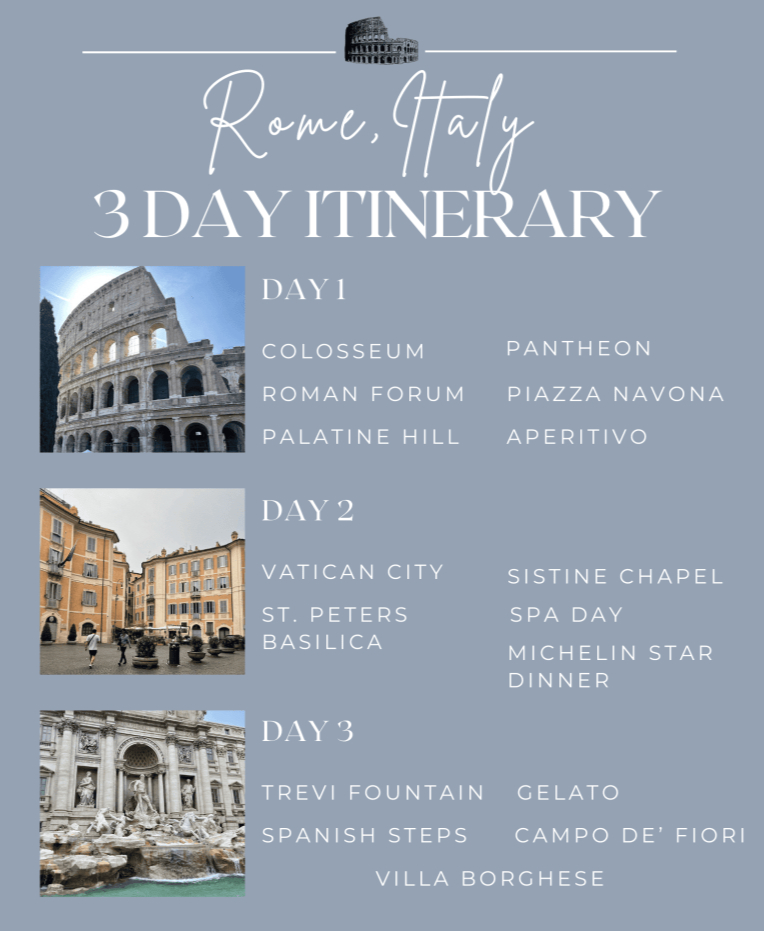
Think of this 3-day Rome itinerary as a slow reveal. DAY 1 immerses you in the Historic Center — Spanish Steps, Piazza Navona, Trevi Fountain, Pantheon, and then the raw power of the Colosseum and Roman Forum. DAY 2 crosses into another world entirely — Vatican City, with its Vatican Museums, Sistine Chapel, St. Peter’s Basilica, followed by Castel Sant’Angelo and the bohemian magic of Trastevere. DAY 3 opens up into Ancient Rome proper, with choices between the Borghese Gallery, Capitoline Hill, the Baths of Caracalla, or even a day trip beyond the city.
The first two days follow a deliberately tight schedule because those are the days when your energy and curiosity are at their peak. The goal is to hit the absolute highlights while knowing exactly how to avoid crowds — and the step-by-step instructions ahead will help you do just that. On the third day, the structure loosens intentionally, giving different types of travelers the freedom to choose their own ending.
Morning : A Walk Through the Historic Center
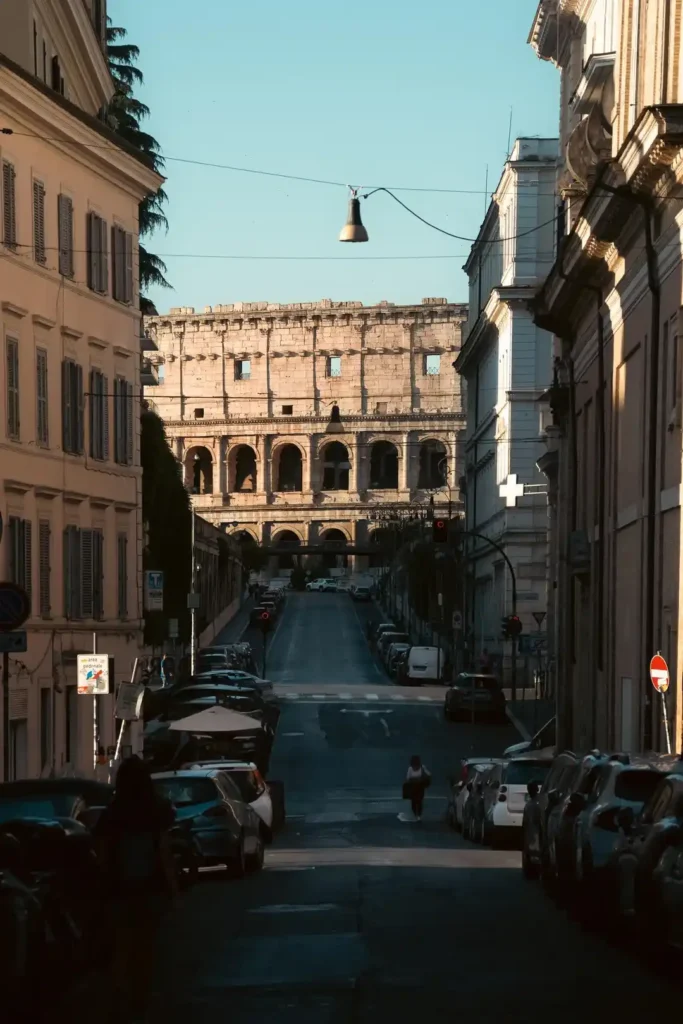
On your first day, do not rush. Lace up your most comfortable shoes, step out into the morning air, and let the historic center pull you in. This is the kind of glorious wander that only Rome makes possible — a city where turning a corner brings you face-to-face with iconic sights like the Trevi Fountain, Spanish Steps, Piazza Navona, and the Pantheon within the span of a single 4-hour walk. Give yourself that time. You will need every minute of it.
Before any of that, though — breakfast the way a local does it. Skip the hotel dining room. Find a street-corner cafe, walk up to the bar (yes, standing), and order a caffè and a cornetto. That tiny shot of espresso paired with a fresh croissant costs next to nothing and tastes like everything. It is the quietest possible way to tell the city: I am paying attention.
Trevi Fountain
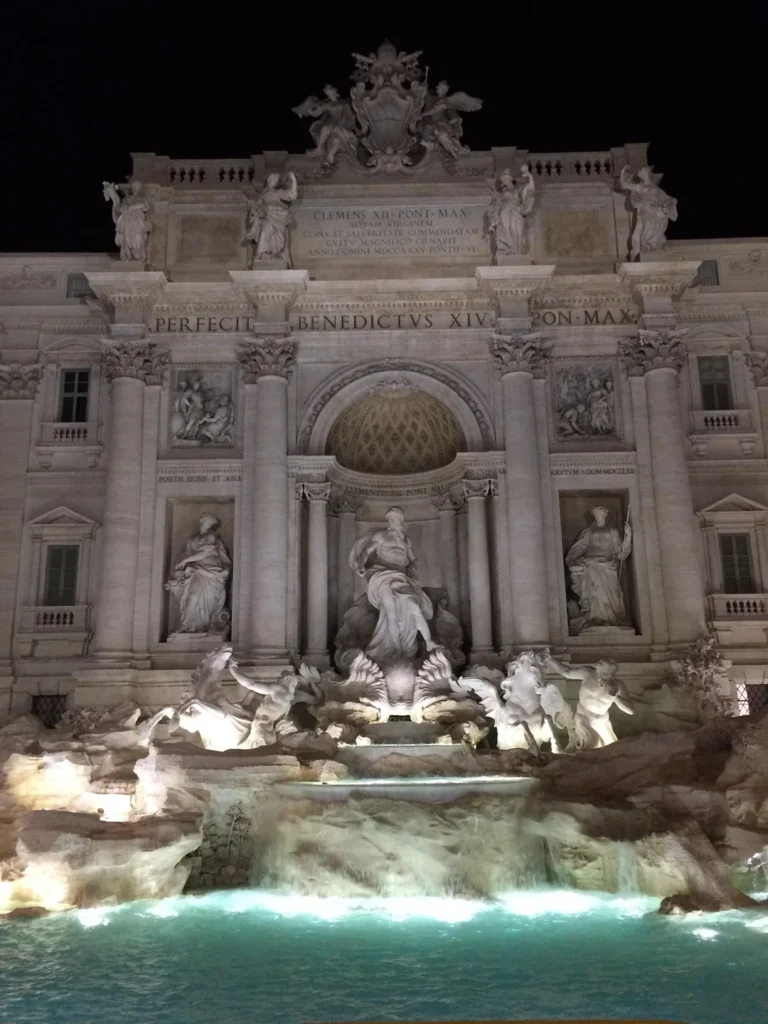
Here is what nobody tells you about the world’s most famous fountain: the magic is entirely time-dependent. Tucked into the heart of Rome at the point where three roads meet — tre vie in Italian, which is exactly what three roads means — this glorious Baroque monument carved in Travertine is an architectural waterworks masterpiece unlike anything else on earth. The start of your morning walk through the center should begin here, and it should begin early.
If you arrive past 9:00 am, the crowds are so intense that the visiting experience loses all appeal. This spot is ground zero for selfie-stick-wielding hordes of mass tourism, and I say that having been trapped in the middle of one. Go at dawn, toss your coin, breathe, and make your silent promise of a return to Rome. Then leave before the chaos arrives.
Temple of Hadrian
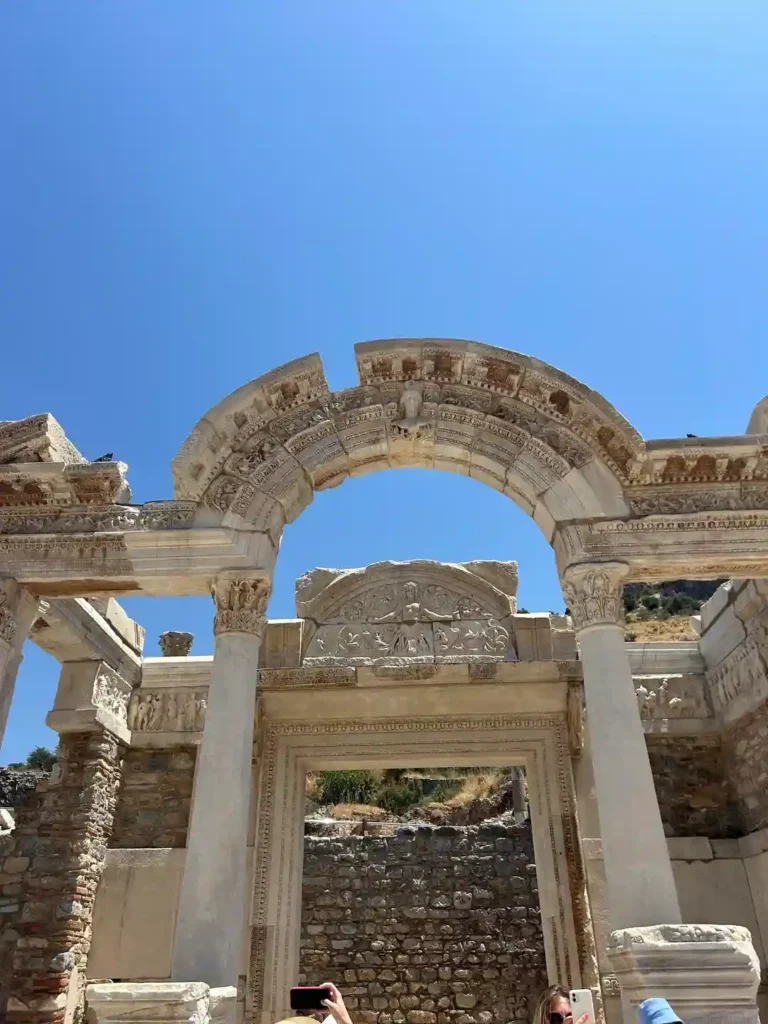
Walking from the Trevi Fountain toward the Pantheon is a short stroll that most visitors rush through without realizing they are passing one of the city’s quietest secrets — the ruins of the Temple of Hadrian. Built in 145 AD and dedicated to the Emperor Hadrian, this enormous temple has stood in some form for over 1,800 years. The facade still commands respect even if the interior is now a chamber of commerce. Stop, look up, and let that number sink in.If you arrive past 9:00 am, the crowds are so intense that the visiting experience loses all appeal. This spot is ground zero for selfie-stick-wielding hordes of mass tourism, and I say that having been trapped in the middle of one. Go at dawn, toss your coin, breathe, and make your silent promise of a return to Rome. Then leave before the chaos arrives.
The Pantheon
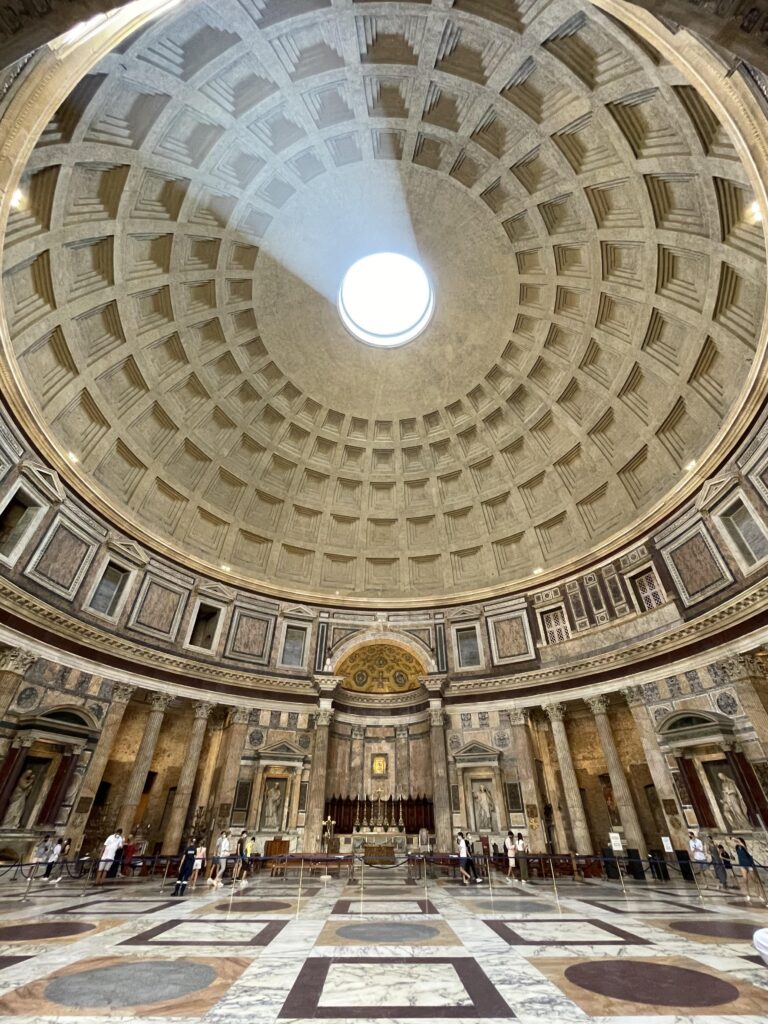
Nothing in my years of travel has prepared me for standing beneath the Pantheon’s Oculus for the first time. This is Rome’s best-preserved ancient temple — a flat-out marvel of ancient engineering completed between 126–128 AD — originally built for the gods of pagan Rome and eventually converted into a Christian church in the 7th century, which is precisely why it survived while everything else crumbled. When Michelangelo saw it, he said it was the design of angels, not of man. He was not wrong.
Step inside and let your eyes travel upward. The dome, the hole called the Oculus letting sunlight pour in to illuminate the interior — this construction has stood for nearly 1,900 years on pure architectural genius alone. The site opens at 9:00 am and closes at 7:00 pm every day. Entry costs just €5, which might be the single best-value ticket in the entire city.
Church of San Luigi dei Francesi
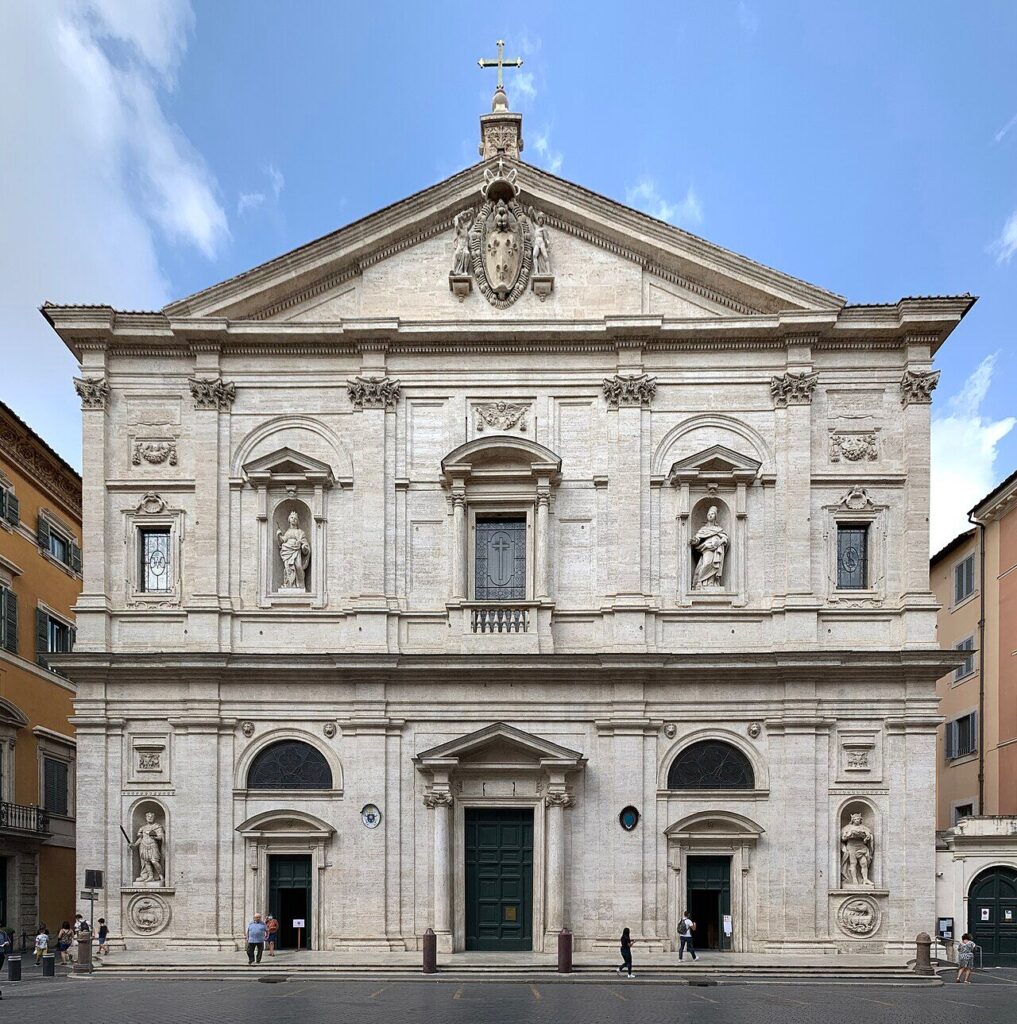
Moving from the Pantheon toward Piazza Navona, do not walk past the Chiesa di San Luigi dei Francesi — the Church of Saint Louis of the French — without stepping inside. Most visitors miss it entirely. Inside, three of the most electrifying Caravaggio paintings in existence document three episodes from the life of Saint Matthew in a chapel that stops you mid-breath. The surrounding Baroque interior of colorful marble and a richly gilded nave makes this one of those stops that rewards the curious traveler far beyond its footprint on a map.
Piazza Navona
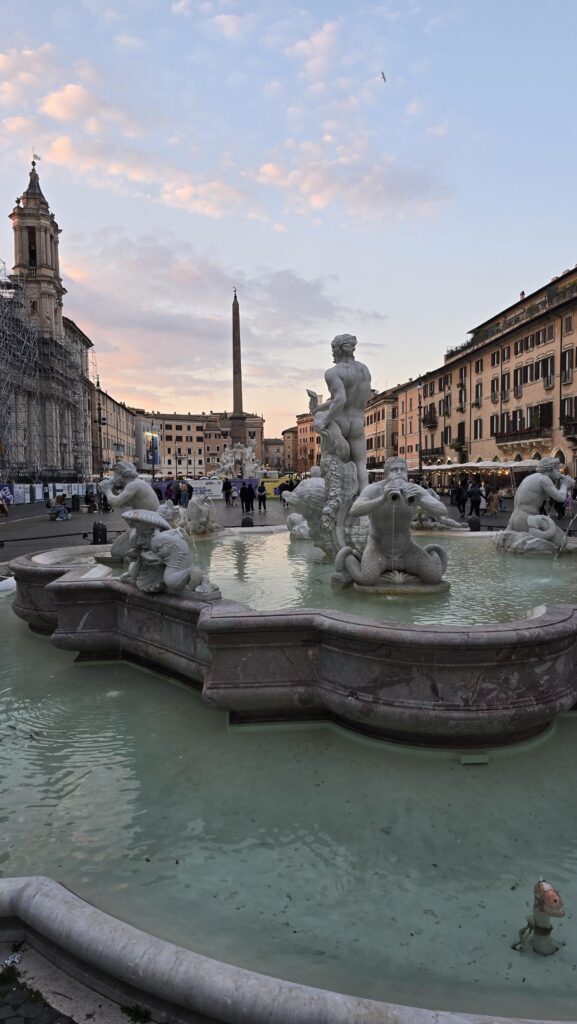
I have sat in Piazza Navona more times than I can count, and the beauty of it never dulls — not even the over-tourism that now shadows every Roman landmark. Built directly on the footprint of a Roman stadium (hence that magnificent unusual oval shape that sets it apart from every other square in the city), this piazza dates back to the 1st century AD and remains, without question, Rome’s prettiest piazza. The Baroque architecture, the church of Sant’Agnese in Agone, and three fountains — two of them sculpted by the incomparable Gian Lorenzo Bernini — create a composition so complete it almost feels staged. Sit down. Do some people watching. Let it wash over you.
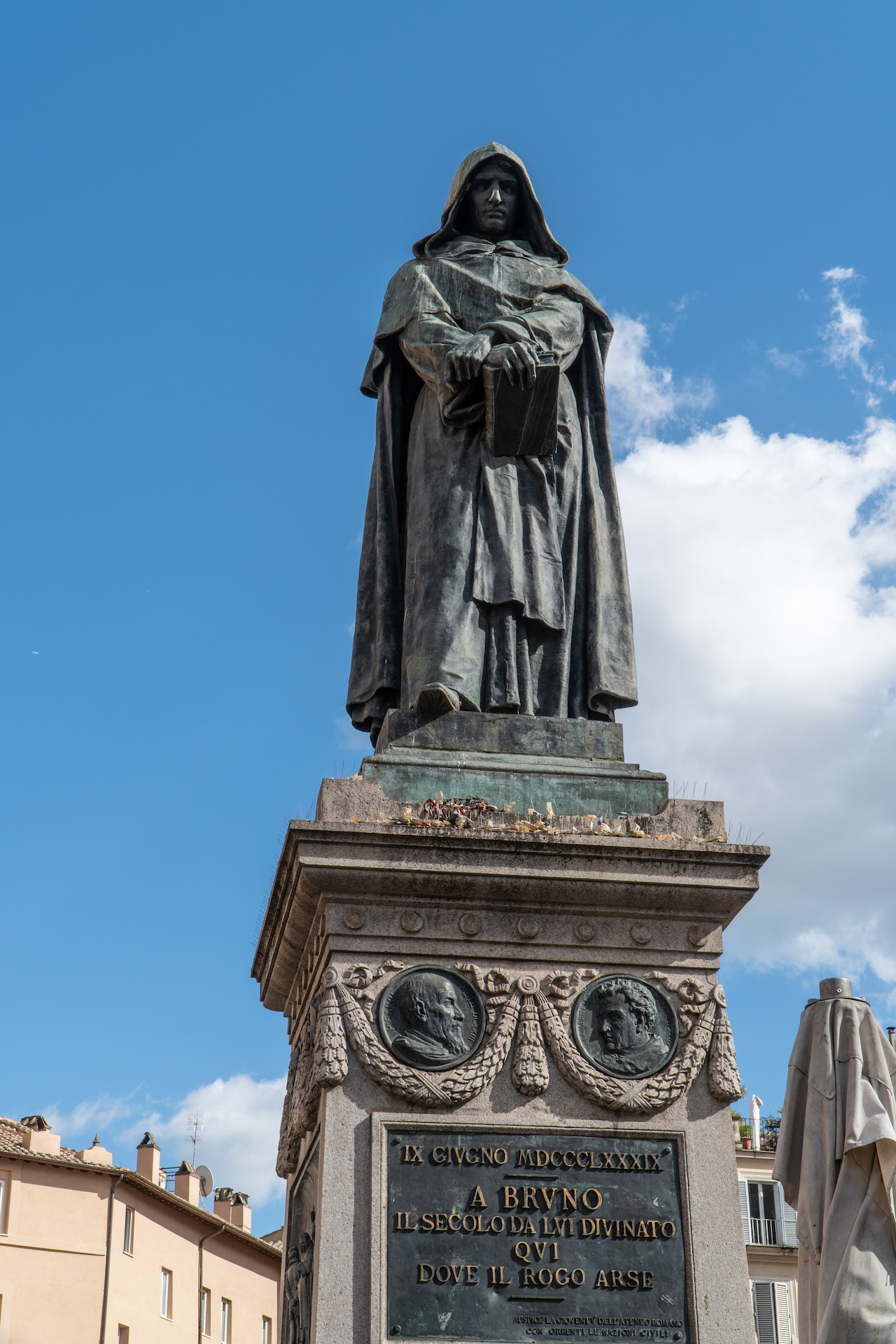
Campo de’ Fiori
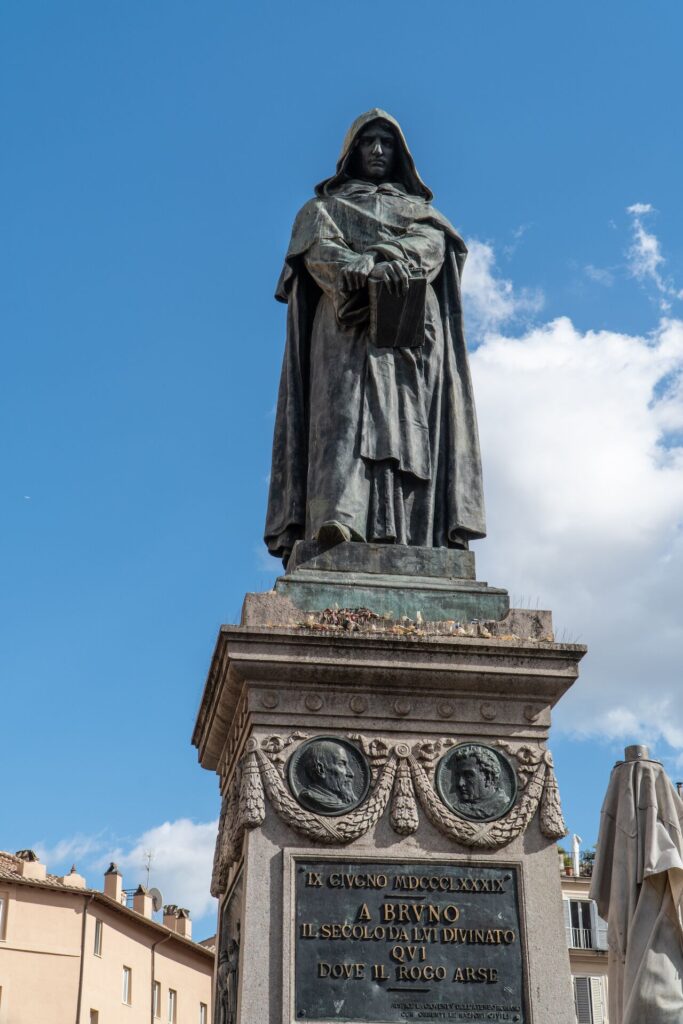
Just a few minutes south of Piazza Navona sits Campo de’ Fiori — Field of Flowers — a square that operates on two completely different frequencies depending on the hour. By day, a daily produce market fills it with colour and noise. By night, it transforms into one of the city’s most social spaces, humming with restaurants, bars, and spontaneous street performances, making it one of the best spots in Rome to linger over dinner. While you’re here, make a reservation at Roscioli Salumeria — widely considered one of Rome’s favorite restaurants for good reason, particularly its extraordinary pasta dishes.
Spanish Steps
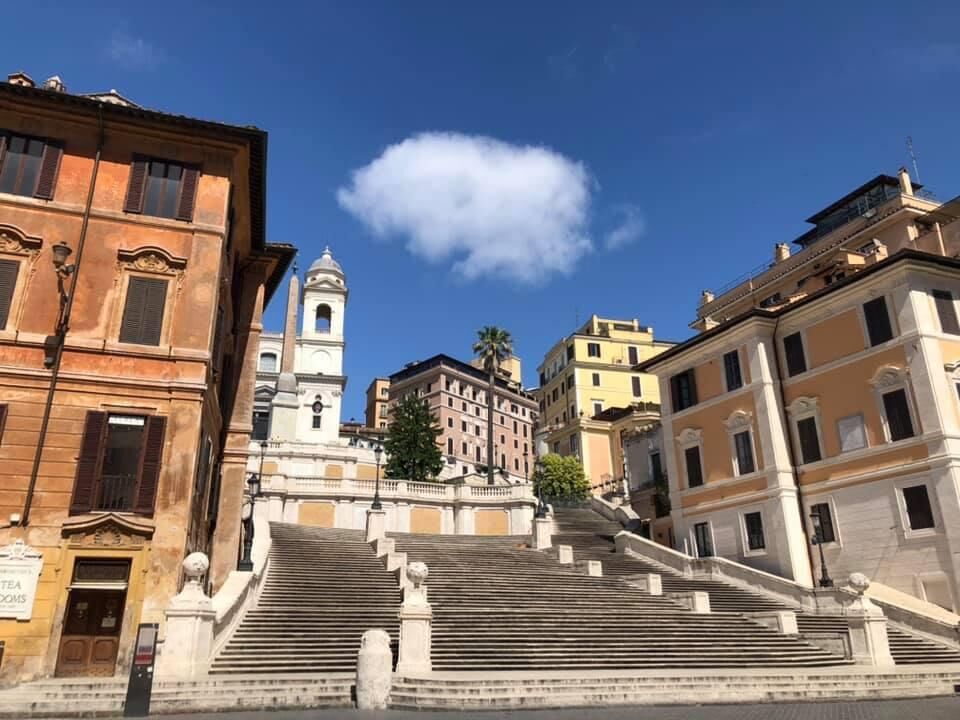
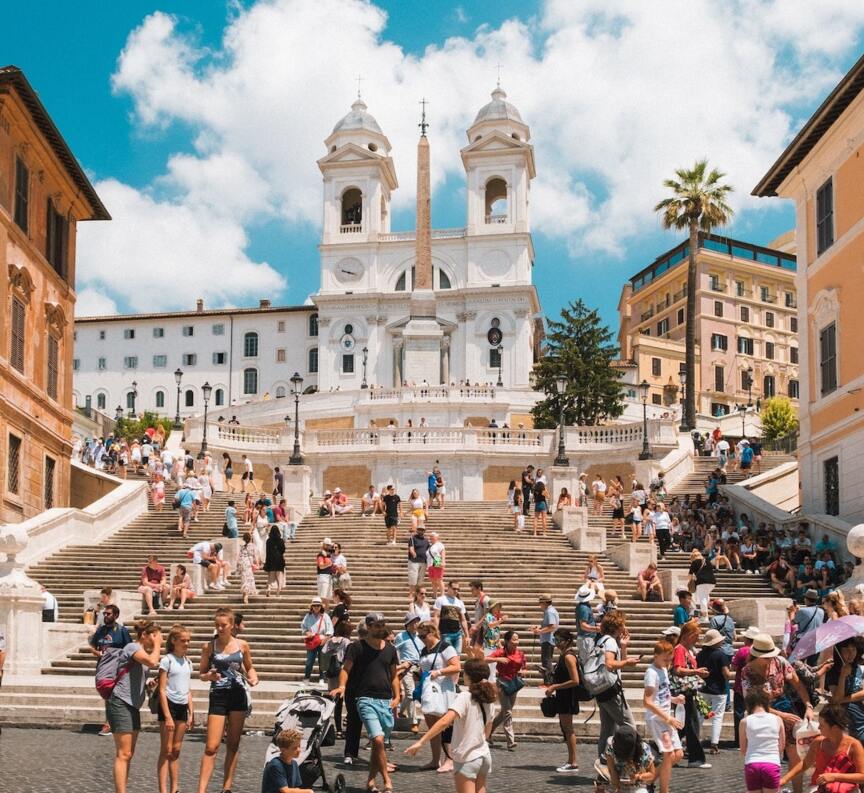
The iconic Spanish Steps are one of those Roman landmarks that sound modest on paper — a staircase connecting Piazza di Spagna to the upper terrace of Piazza Trinita Del Monti — yet somehow feel cinematic when you arrive. Have your morning espresso overlooking the Fontana della Barcaccia sitting at the base, then give yourself time for photos and a browse through the upscale shopping that lines the surrounding streets. It is unhurried, beautiful, and exactly the kind of moment that makes a Rome morning feel complete.
Afternoon: Colosseum & Roman Forum
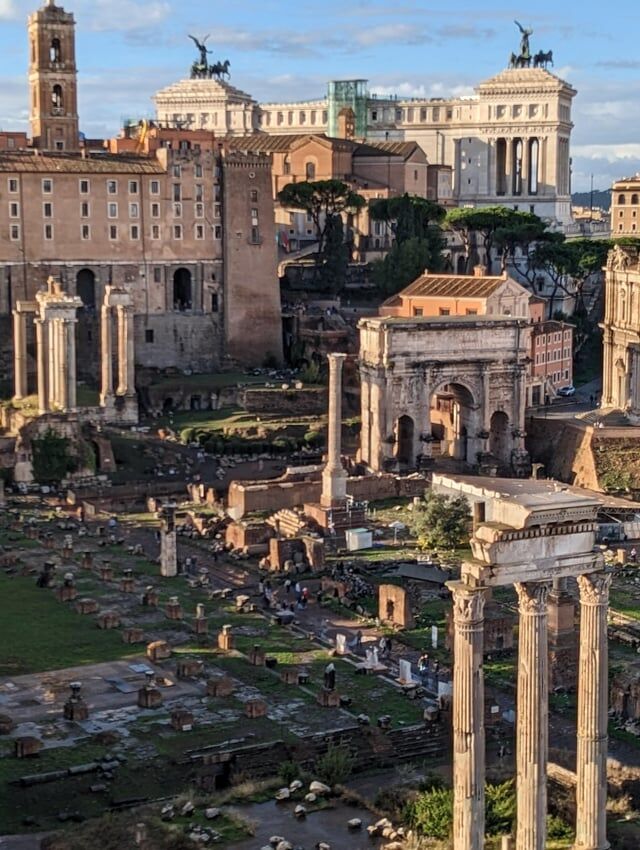
Your first day in the Eternal City pivots sharply in the afternoon from Baroque elegance to something far older and far more visceral. This is when you come face to face with the rich and vibrant history that built Western civilization — starting with the world-famous Colosseum. The key strategic move here is timing: arriving in the late afternoon lets you beat the crowds that flood this iconic Roman amphitheater from mid-morning onward. Buy your ticket in advance — this applies off-season just as much as peak summer — especially if you want access to the underground area, which is only available on select tours.
The Colosseum
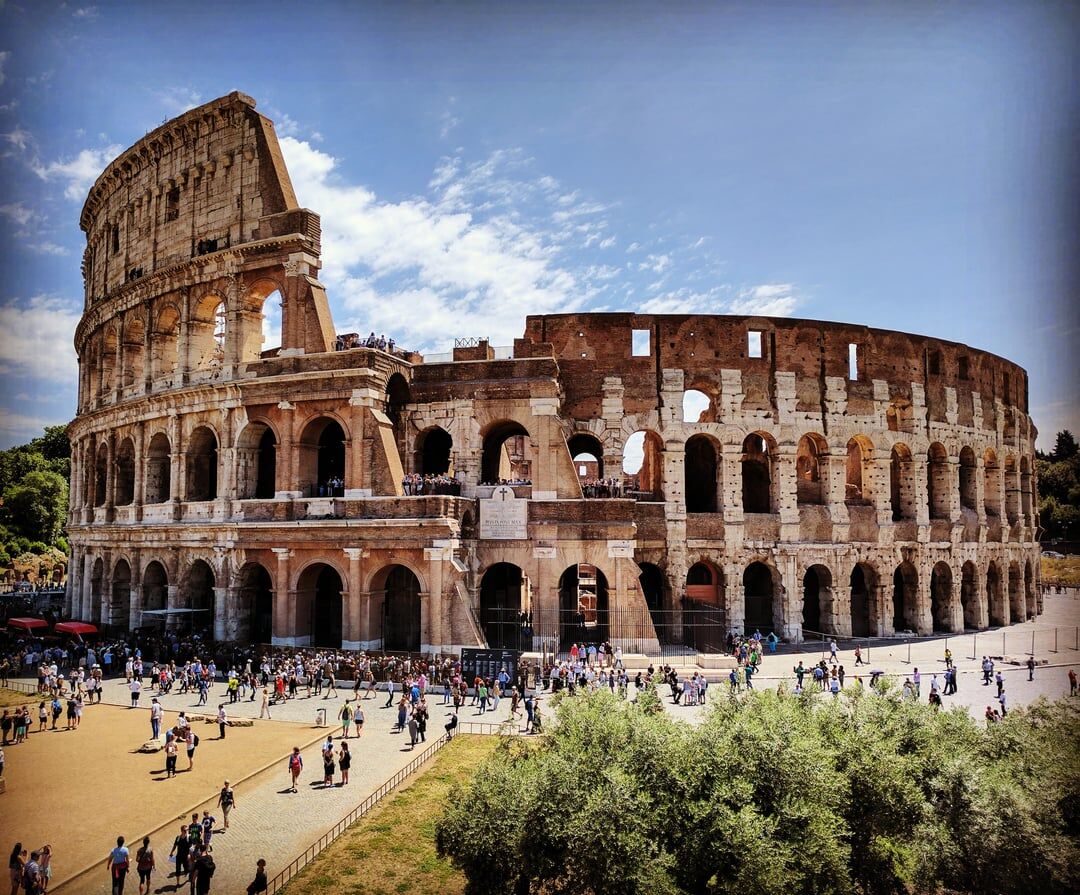
The Colosseum — officially the Flavian Amphitheatre — is the defining symbol of Roman architectural prowess and the city’s most potent reminder of its historical prominence in shaping Western culture. Commissioned in 72 AD by Emperor Vespasian and completed under his son Titus just eight years later, this arena once roared with the spectacle of gladiators doing what gladiators did. Standing inside it now, you feel both the grandeur and the weight of all that history pressing down on you at once. Pre-book tickets without question, and consider a guided tour — the Roman Forum and the heart of ancient Rome make far more sense when someone brilliant is walking you through it.
Roman Forum & Palatine Hill
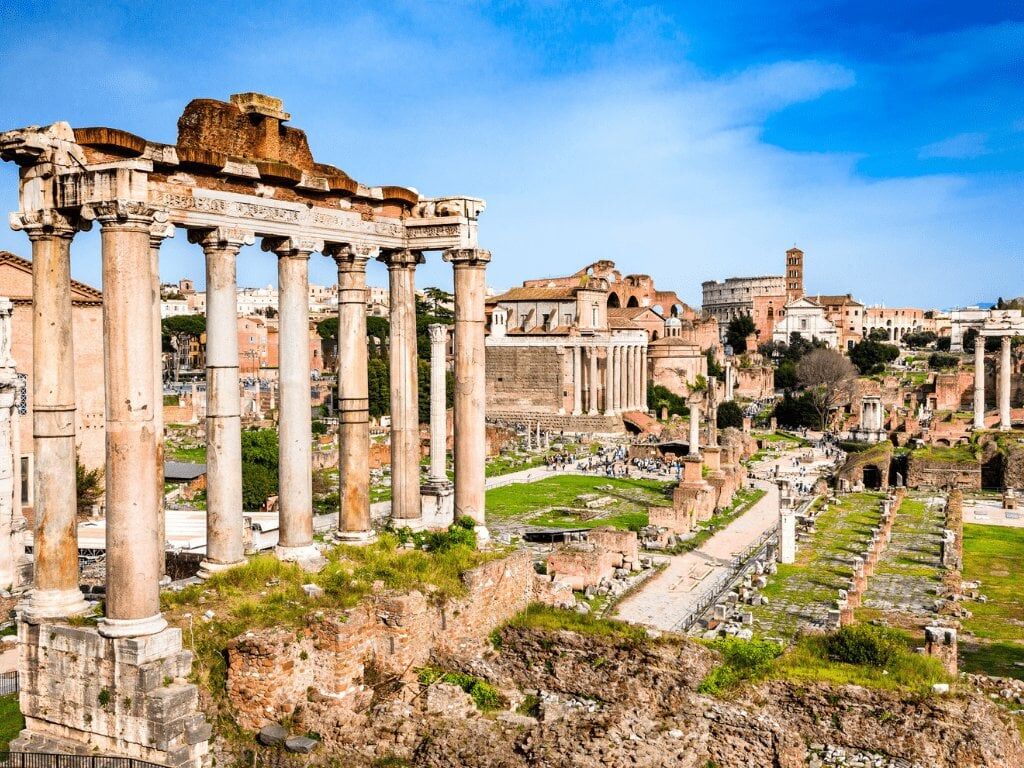
The Roman Forum is a short walk from the Colosseum, and together they form one of the most complete encounters with ancient Rome you can have in a single afternoon. You could spend an entire day here — honestly — but 2–3 hours used well covers the essential story: temples, government buildings, houses that once defined the grandeur of Imperial Rome, and the quiet climb up to Palatine Hill where the House of Augustus and the House of Livia stand as two of the finest highlights on the hill. The Roman Forum is accessible directly from the Colosseum ticket, which makes the logistics simple.
Looking out over all of that from the top of Palatine Hill — ancient ruins spread across a valley while a modern city hums around the edges — is genuinely surreal. It is also surprisingly quiet up there, which makes the experience even more affecting. For dinner afterward, walk roughly 5 minutes to Trattoria Luzzi, a no-nonsense neighbourhood trattoria that locals have been recommending to visitors for decades.
Vittoriano Monument (Complesso Vittoriano)
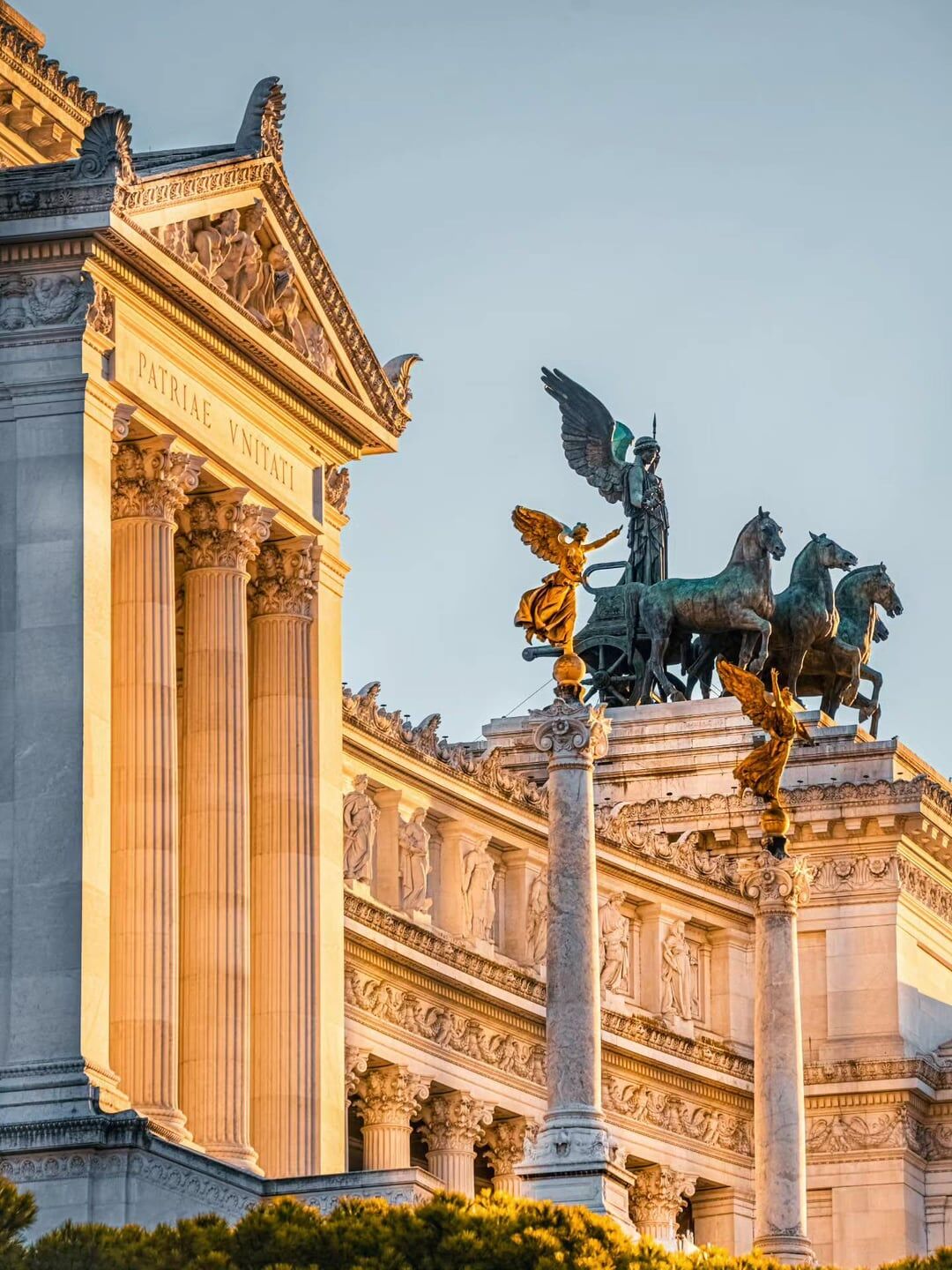
Whether you fold this into Day 1 or save it for Day 3, Piazza Venezia deserves a place on your itinerary — if only to stand in front of the spectacularly over-the-top structure the Romans affectionately call the wedding cake. The Complesso Vittoriano, completed in 1925 after construction began in the late 1890s, was built as a tribute to Victor Emanuel II — the first king of a unified Italy — and whatever you think of its aesthetic, the monument today honours the tomb of the unknown soldier with genuine solemnity. Entry is completely free, and you can go inside to pay your respects.
Morning: Vatican City
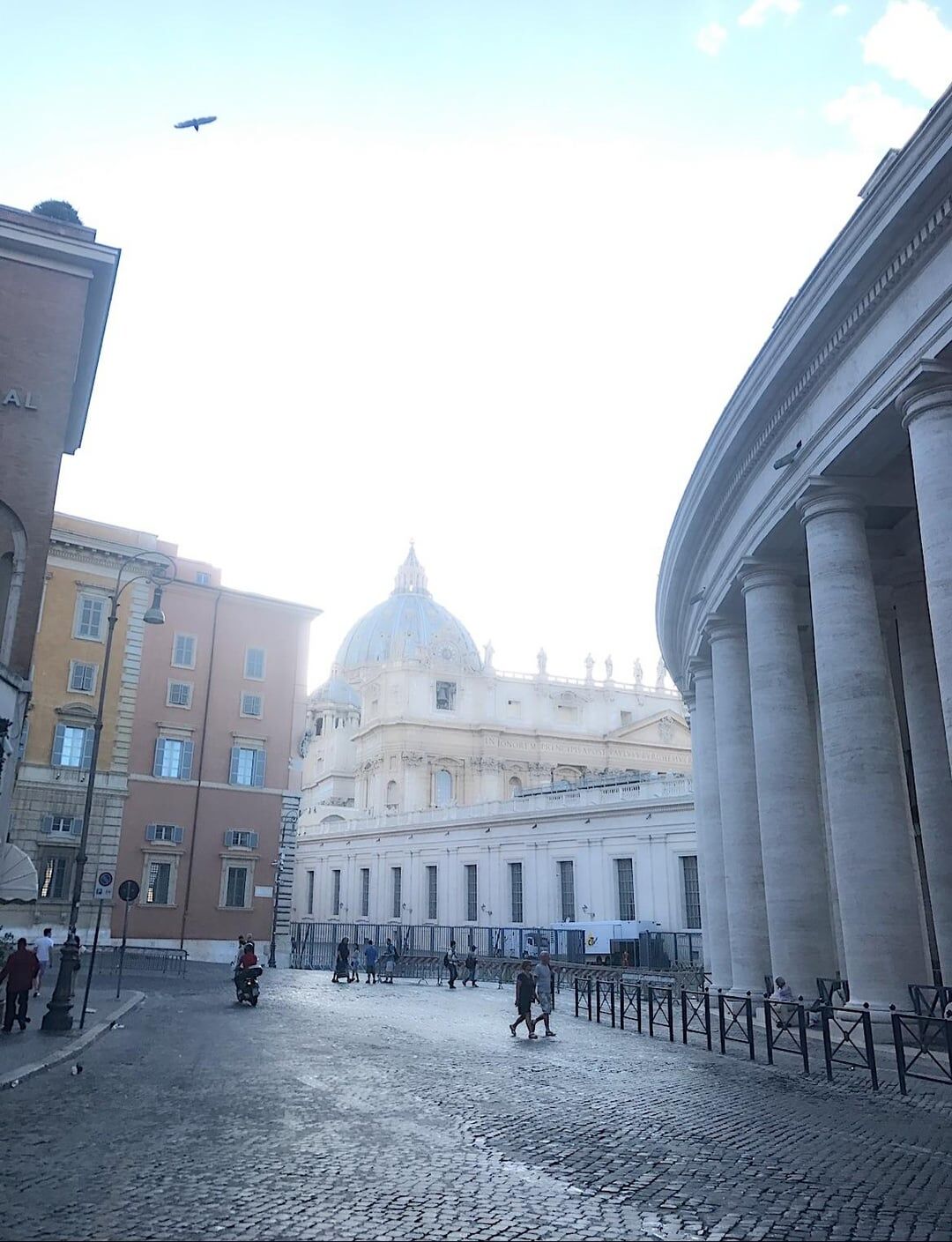
On your second day, the dynamic shifts entirely. Set your alarm early, shake off any remaining jet lag, and get yourself to the Vatican as close to opening time as possible — ideally before 9:00 am, when the crowds are still manageable. Visits here run 3–4 hours at an absolute minimum, and this is not a site you want to rush through untethered. Book a guided tour in advance; the Vatican City rewards knowledge, and without context, even the most extraordinary rooms can blur into one another.
Vatican Museums & Sistine Chapel
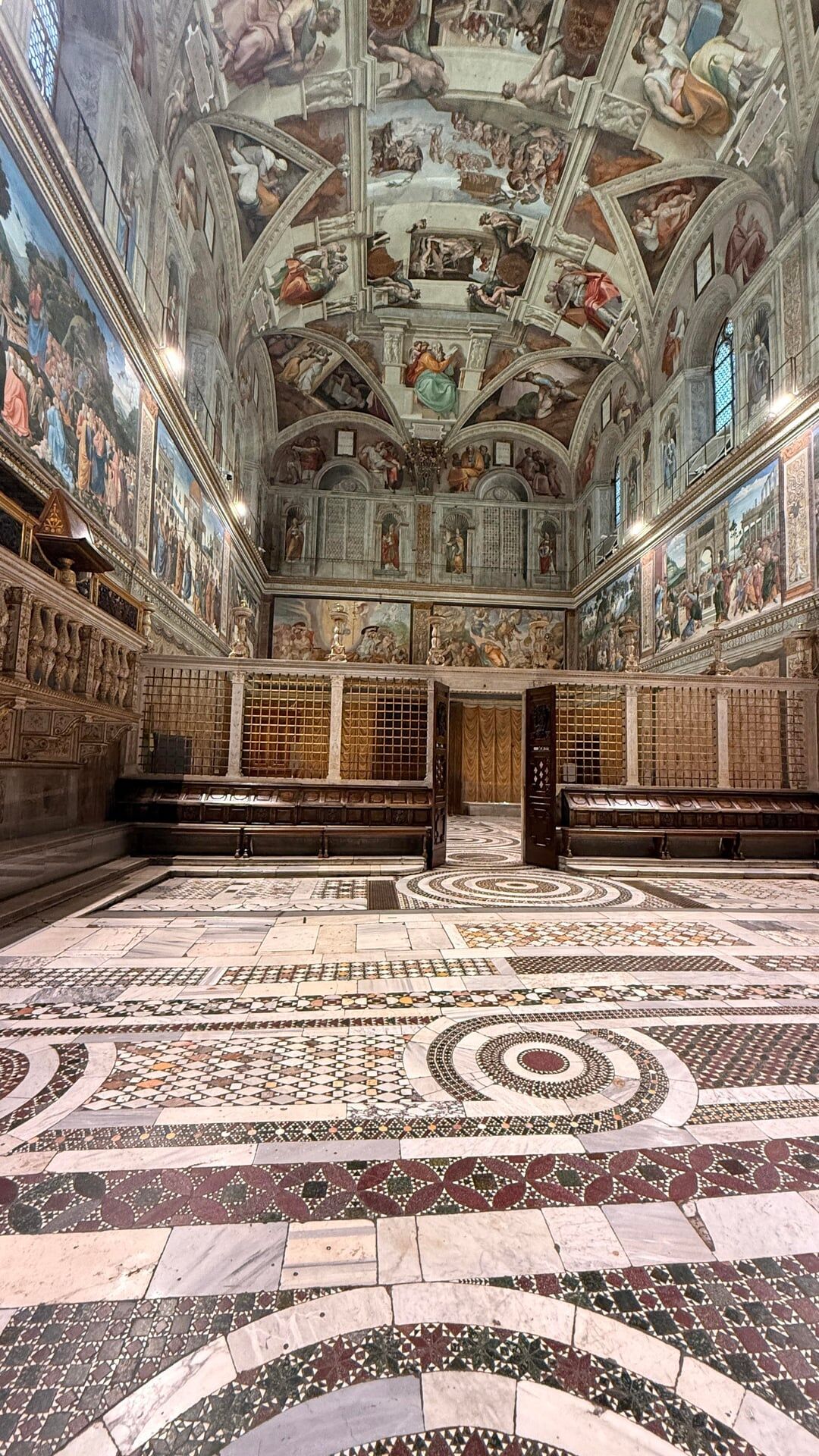
The Vatican Museums are less a single museum and more a civilizational archive — a genuine labyrinth of wonders that includes Raphael’s Rooms, rooms draped in ancient tapestries, gallery after gallery of sculpture and painting, all of it building toward the moment you walk into the Sistine Chapel and tilt your head back. Allow 2–3 hours for Michelangelo’s masterpieces to properly land. Buy your tickets in advance — this is non-negotiable — and skip the lines that can stretch for hours outside the walls.
The scale of what the Vatican holds is difficult to fully absorb: what is widely considered the largest art collection in the world — over 20,000 works on permanent display — assembled by Popes over centuries and including contributions from Raphael, Leonardo da Vinci, and dozens of others. The Sistine Chapel gets intensely crowded by mid-morning, which is why targeting the earliest morning entry you can secure is always the right call.
St. Peter’s Basilica & Dome
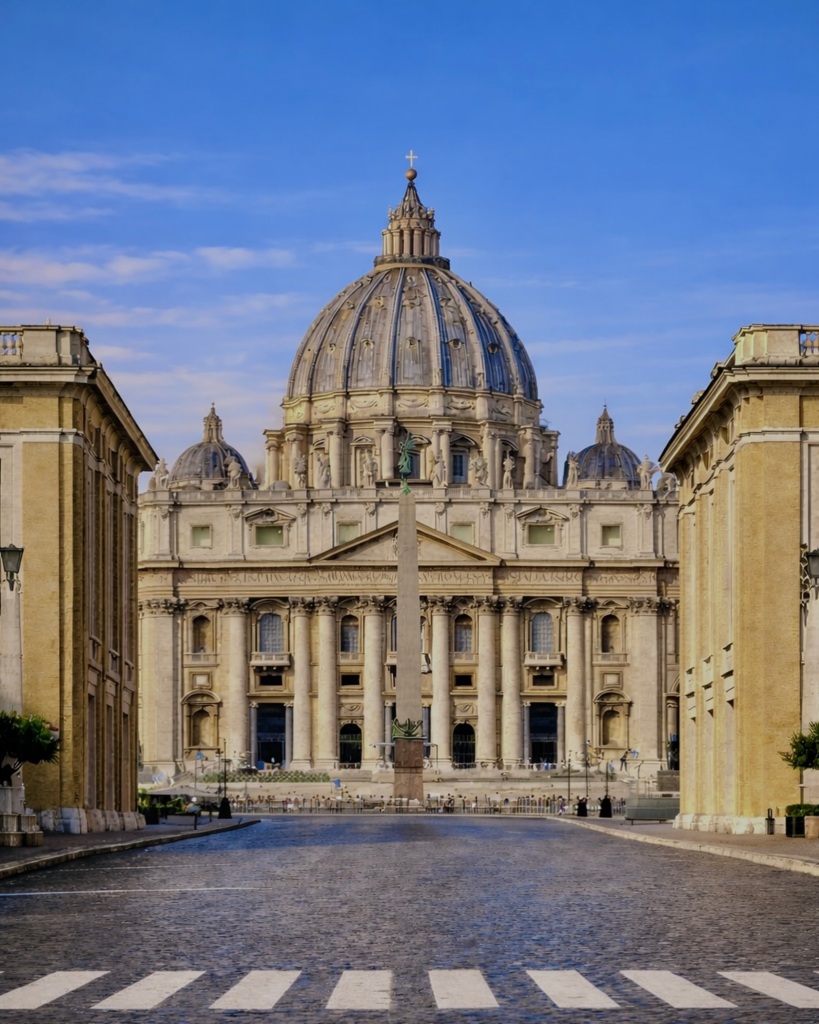
After the museums, walking into St. Peter’s Basilica feels like stepping from one kind of awe directly into another. This is a spiritual and architectural masterpiece whose size and splendor defy easy description — a magnificent church where Michelangelo’s Pieta sits behind glass in a side chapel, quietly stopping every person who finds it. If your legs have anything left, climb the dome for a 360-degree view of Rome that puts everything you’ve seen into geographic perspective. Remember too that you are standing in the Vatican — the world’s smallest country, established formally in 1929 — a geopolitical fact that never quite stops feeling surreal.
Necropolis of St. Peter
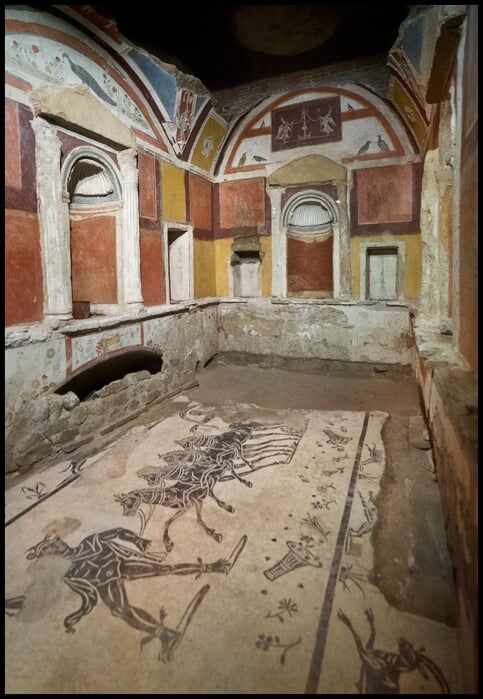
For travelers who want to go deeper — literally — a visit to the Necropolis beneath St. Peter’s Basilica offers a remarkable underground encounter with early Christian Rome and layers of the Vatican experience that most visitors never access. It requires booking well in advance, but the reward is a private, reverential passage through one of the most historically loaded spaces in the city.
Castel Sant’Angelo
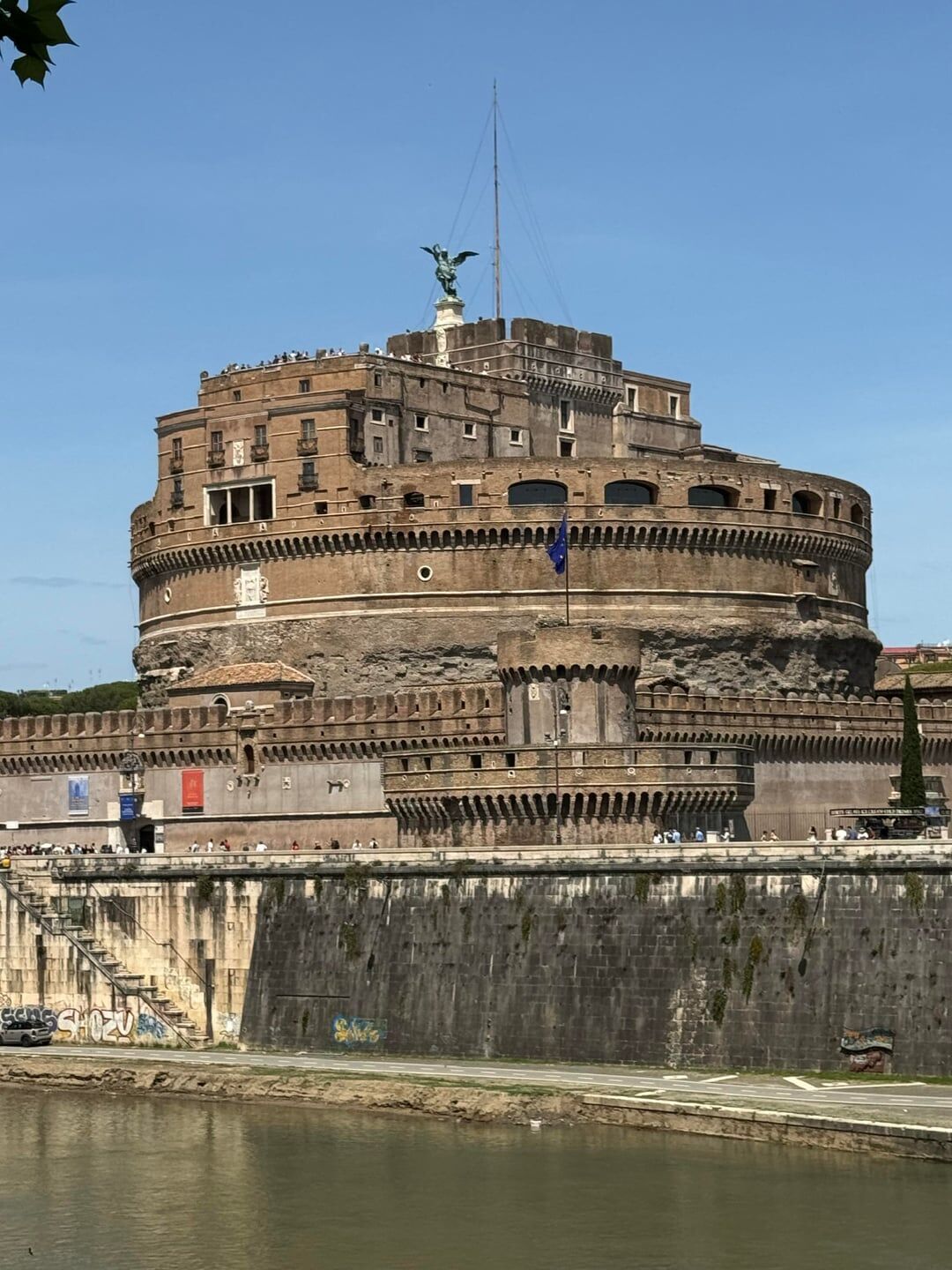
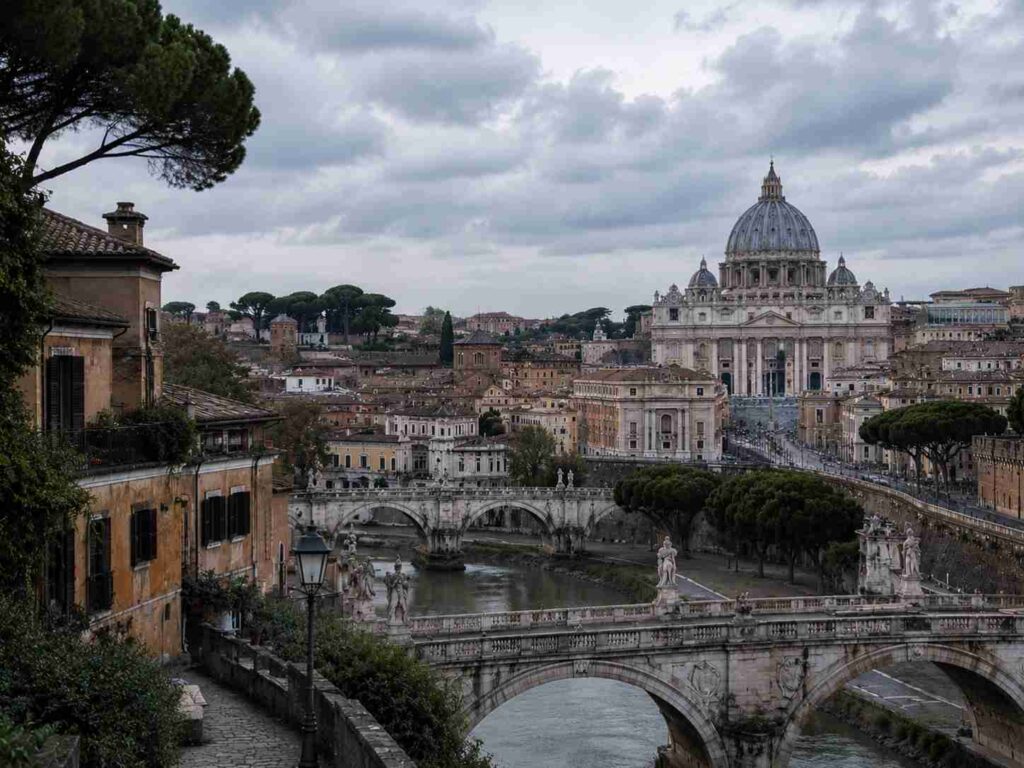
From the Vatican, a roughly 15-minute walk brings you to Castel Sant’Angelo — a castle perched above the Tiber River with a biography unlike anything else in Rome. Originally constructed in the 2nd century as a mausoleum for ancient Roman Emperors, it was later reborn as a fortress built to protect the Pope, connected to the Vatican by a protected tunnel that allowed the papacy to escape danger in times of siege. That tunnel still exists. The view from the top across all of Rome is one of the finest in the city. Take the guided tour (approximately 2 hours) or opt for the self-guided tour if you prefer your own rhythm — either way, budget the time properly.
Tiber River Walk & Trastevere
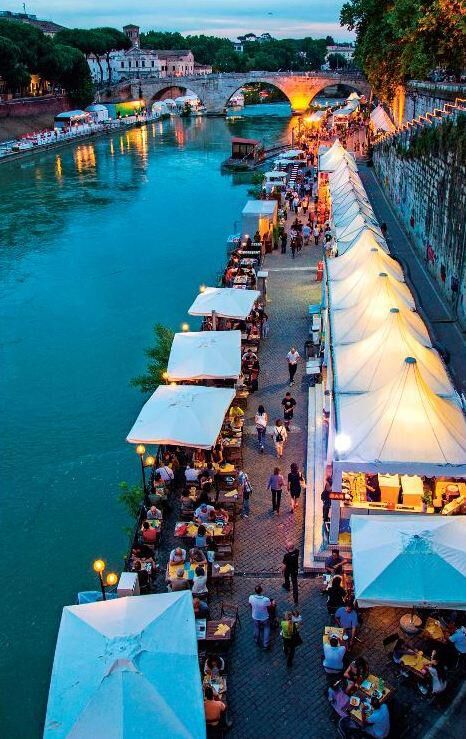
After Castel Sant’Angelo, follow the Tiber River on foot and let the afternoon decelerate. The walk along the riverbank between the castle and Trastevere is one of those effortless Roman transitions — you go from imperial history to cobblestoned neighbourhood warmth in the space of twenty minutes. Trastevere itself is one of the city’s most charming neighborhoods: ivy-covered walls, amber light in the evening, and the kind of aperitivo culture that makes you forget you had a schedule. End the evening atop Gianicolo Hill for an amazing sunset view across the rooftops — a perfect close to your second day in the Eternal City.
Borghese Gallery & Villa Borghese
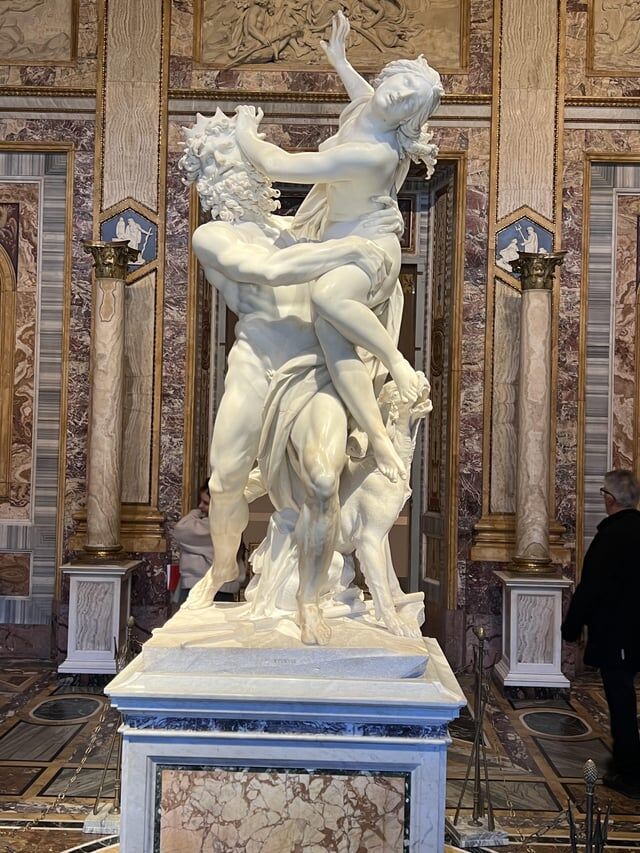
After two days of relentless movement, your third morning at the Borghese Gallery feels like a deliberate exhale. Plan 2–3 hours inside to spend with Bernini sculptures so kinetic they seem to breathe and Caravaggio paintings that hit you like a fist. The Villa Borghese Gardens surrounding the gallery are an enormous public park set on a hill above Rome’s historic center — complete with a pretty lake, a faux-Greek temple, shaded walking trails, and open picnic areas where Romans come to simply exist on weekends. After two very full days, this is exactly the kind of place that lets you recharge without wasting a moment.
The gallery itself occupies a 17th-century palace and is routinely described as one of Europe’s best museums — and unlike the Vatican, it is rarely crowded, which makes the experience feel almost private. The collection is rich but manageable: you leave feeling full rather than overwhelmed. One critical logistical note: book tickets well months in advance. This is not an exaggeration — the gallery strictly limits numbers and sells out far ahead of popular travel dates.
Baths of Caracalla & Appian Way
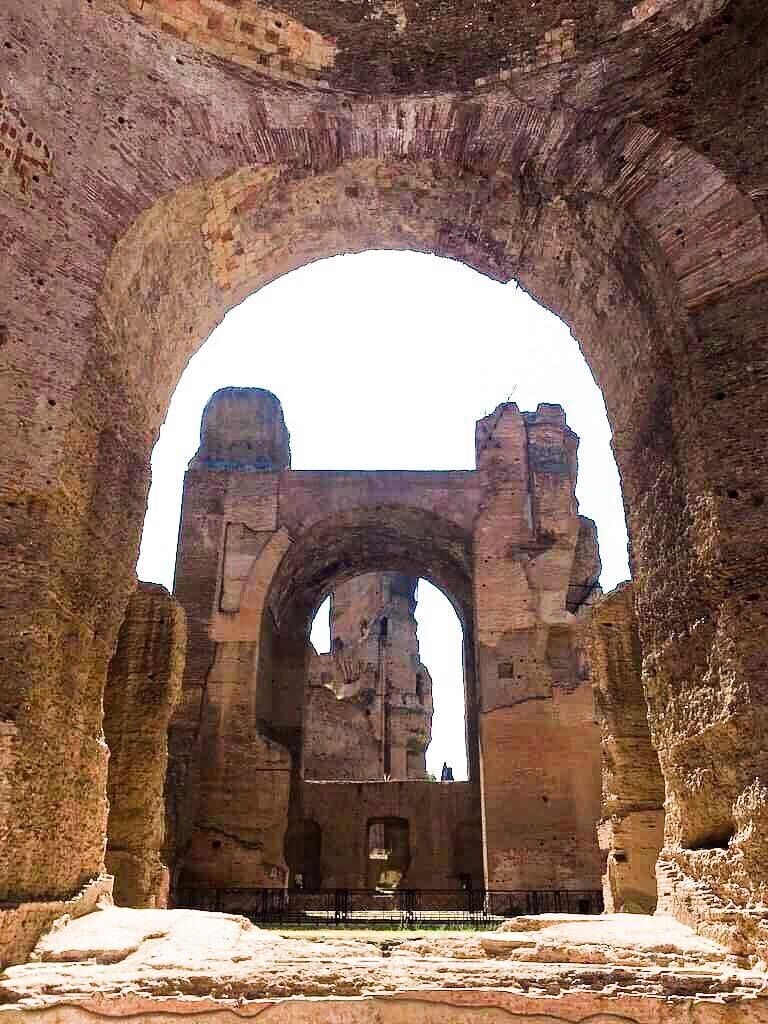
The ruins of the Baths of Caracalla represent the second-largest ancient Roman baths complex ever built — and standing inside them reframes your understanding of what Roman civilization actually meant in practical terms. This single bathing complex served 1,600 bathers simultaneously across 62 acres of heated rooms, cold pools, libraries, and social spaces. What remains are mighty walls of millions of bricks, fragments of mosaic floors, and an atmosphere of monumental ambition that photography cannot fully capture. The site is open every day with the single exception of Christmas Day.
For those who want sensory depth beyond the visual, the site now offers an audio guide tour as well as a remarkable virtual tour experience complete with a headset that digitally reconstructs the thermae baths in their operational prime. From here, the logical next move is a journey out along the Appian Way — one of the earliest Roman roads ever constructed — where the ancient and the pastoral merge in a way that feels entirely removed from the city you have been navigating for two days.
Day Trip to Tivoli or Florence
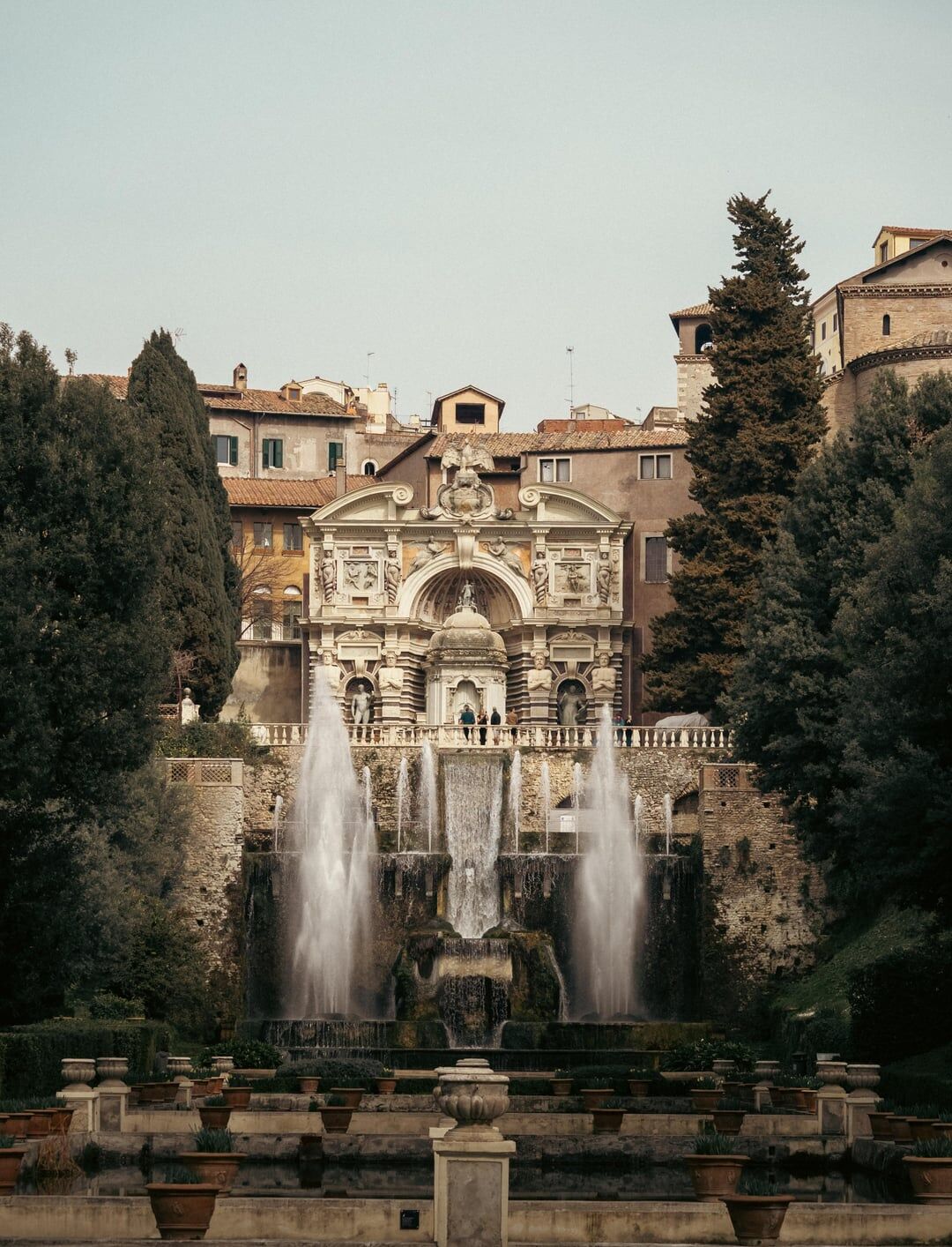
If your third day calls for a full change of scenery, two day trip options stand above the rest. Tivoli — just over an hour from Rome — is home to Villa d’Este and its extraordinary terraced gardens of dancing fountains, a UNESCO World Heritage Site that feels like a fever dream of Renaissance excess. Alternatively, take the high-speed train — roughly an hour and a half — to Florence, a city whose own wealth of art, culture, and history rivals Rome’s in its own quieter register. Florence is wonderfully compact and entirely walkable, with all major attractions close together, and the city’s restaurant scene alone justifies the round trip.
Trevi Fountain (Early Morning Revisit)
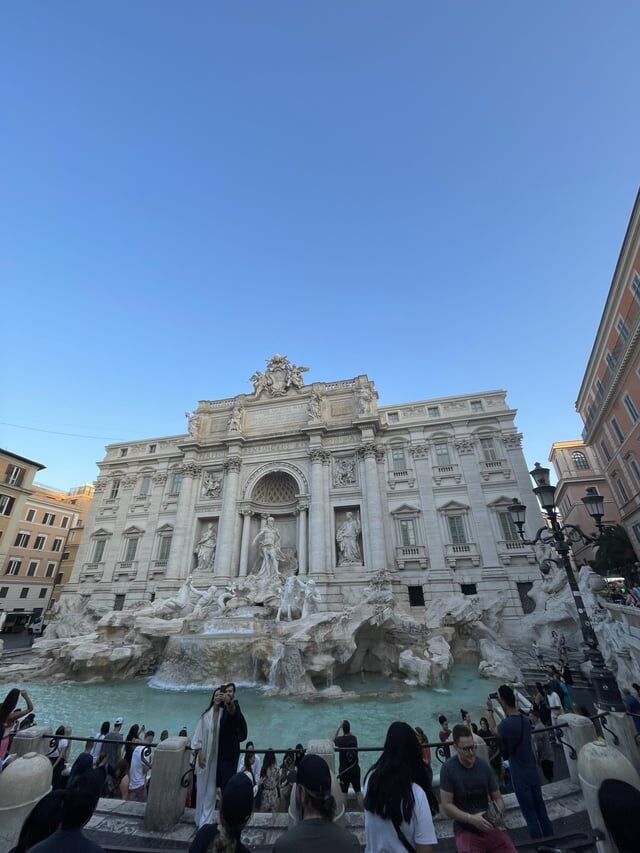
If your schedule on Day 1 didn’t allow for a truly crowd-free encounter, use your final day to correct that. Set your alarm, arrive in Rome’s early morning stillness, and stand at the Trevi Fountain before the city properly wakes up. An early morning visit on Day 3 transforms the experience entirely — the magical quality of the fountain in near-silence is something completely different from the midday chaos, and it makes for a quietly perfect bookend to the trip.
Jewish Ghetto
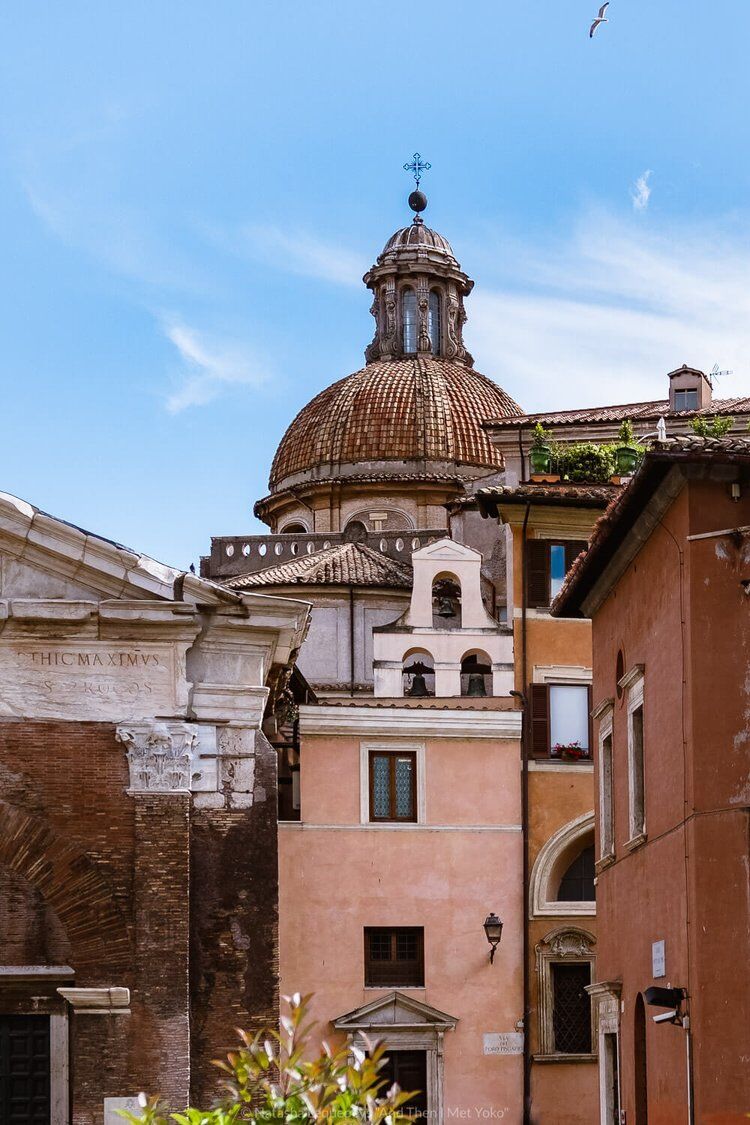
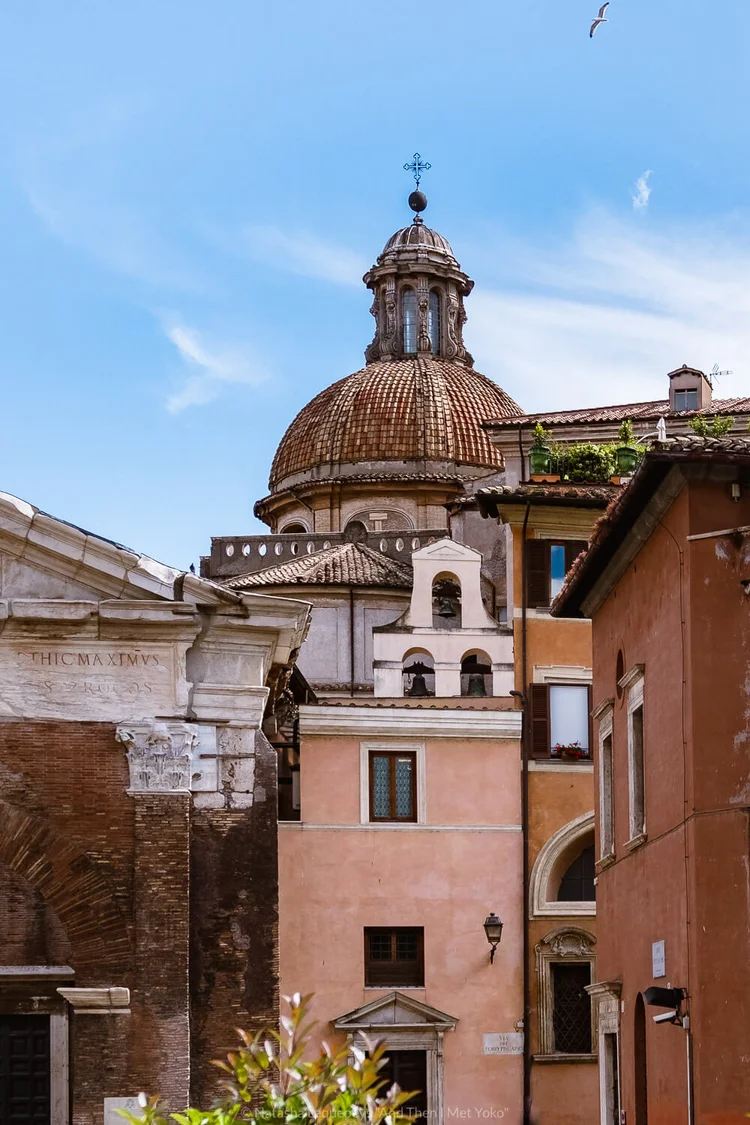
Tucked between the Tiber and Piazza Venezia, the historic Jewish Ghetto is one of Rome’s most consistently overlooked by tourists — which, frankly, makes it one of the most rewarding. This is a neighborhood with a rich history stretching back over two millennia and a vibrant culture that still pulses through its streets today. There is a museum, a striking set of ruins unique to the quarter, and an exceptional concentration of phenomenal restaurants that outperform most of what you’ll find in the tourist corridors. BaGhetto Milky is the standout recommendation for dinner — it is one of those places you find yourself describing to strangers on the flight home.
Giardino degli Aranci (Orange Garden)
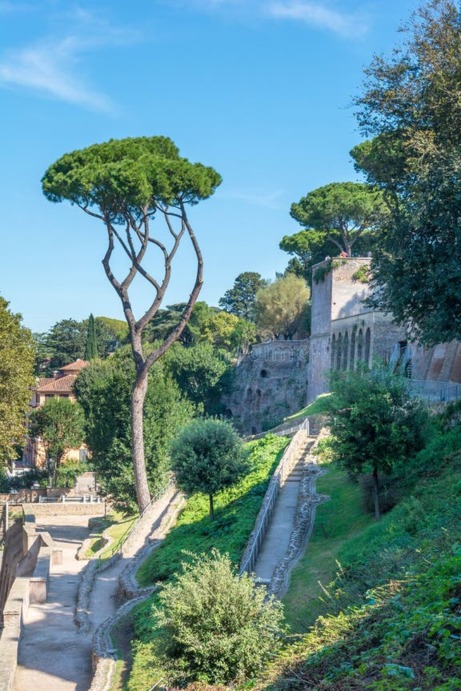
Not many visitors to Rome find their way to the Orange Garden — which is precisely what makes it special. This enchanting hilltop park offers something Rome rarely delivers: serene escape. A verdant orchard of orange trees lines the path toward a terrace with one of the most unobstructed panoramic views of the city you will find anywhere. Come in the evening for the romantic sunset views over the Roman skyline — the kind of scene that looks almost too beautiful to be real. As a hidden gem in the heart of Rome, it is the sort of place that turns a travel itinerary into a genuine memory, especially on an extended weekend.
Where to Stay in Rome
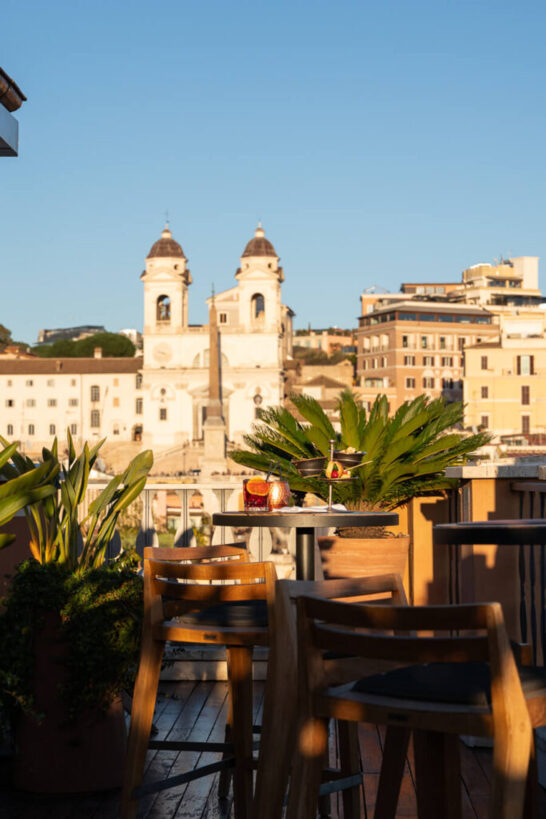
For a stay of just 3 days, the decision of where to sleep is actually a strategic one. Accommodation in Monti, Prati, or Centro Storico is the consistent recommendation from everyone who knows this city well — all three neighborhoods are central, convenient, and genuinely pleasant to be in. The principle is simple: a centrally located hotel means you walk to the sights rather than commuting to them, which over the course of a 3-day Rome itinerary saves hours and enormous amounts of energy.
Monti
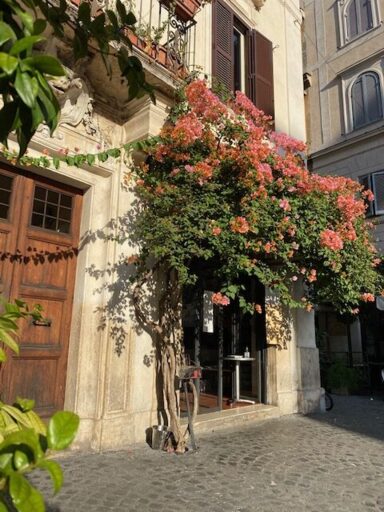
Monti is my personal first choice — a wealthy, elegant, hilltop neighborhood that sits directly adjacent to the historic center without being consumed by it. It is less touristy and less busy than the centro, but a quick walk from the Colosseum, the Forum, and has its own metro stop for longer journeys. As the most central neighborhood positioned between the Roman Forum and Roma Termini, it also happens to have some of the best restaurants and shops in the city, making it a pleasure to return to in the evenings.
Hotel options here include the H10 Palazzo Galla, a premium 4-star hotel steps from the Colosseum and Trevi Fountain (around $250–400 USD); the reliable Hotel Rafaello, a solid 3-star at excellent value ($150–250 USD); and Hotel Canova, an affordable and no-nonsense 3-star at $125–200 USD. The FH55 Grand Hotel Palatino offers a step-up option at $250–500 USD, while the Monti Palace Hotel — winner of a 2024 Travelers Choice Award on TripAdvisor — rounds out the neighborhood’s impressive range.
Prati
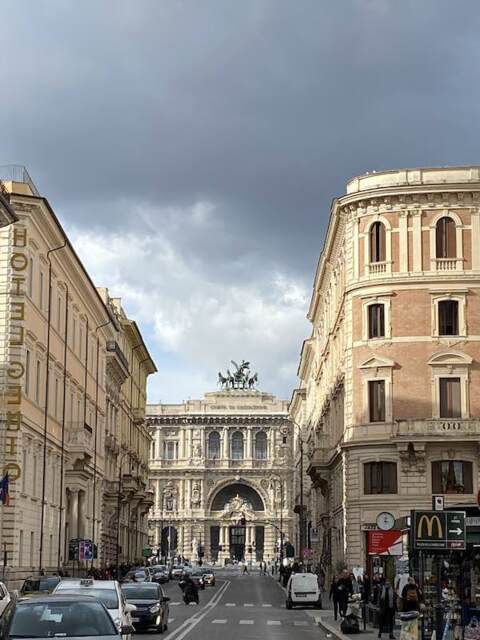
Across the Tiber River from the historic center, Prati operates at a noticeably different frequency from the rest of tourist Rome. It is a polished neighborhood that feels separate from the organised urban chaos of the centro — convenient, quietly reasonably priced, and with the added benefit of having the Vatican practically on its doorstep.
The Atlante Star Hotel is the area’s standout — a 4-star property with a rooftop terrace offering a stunning direct view of St. Peter’s Basilica ($300–500 USD). The Orazio Palace Hotel delivers dependable 4-star quality near the Vatican at a more approachable $200–300 USD, and Vatican Charme — a well-positioned guesthouse walking distance from the Vatican Museums — is a smart pick at $150–200 USD for those prioritising early Vatican access.
Centro Storico
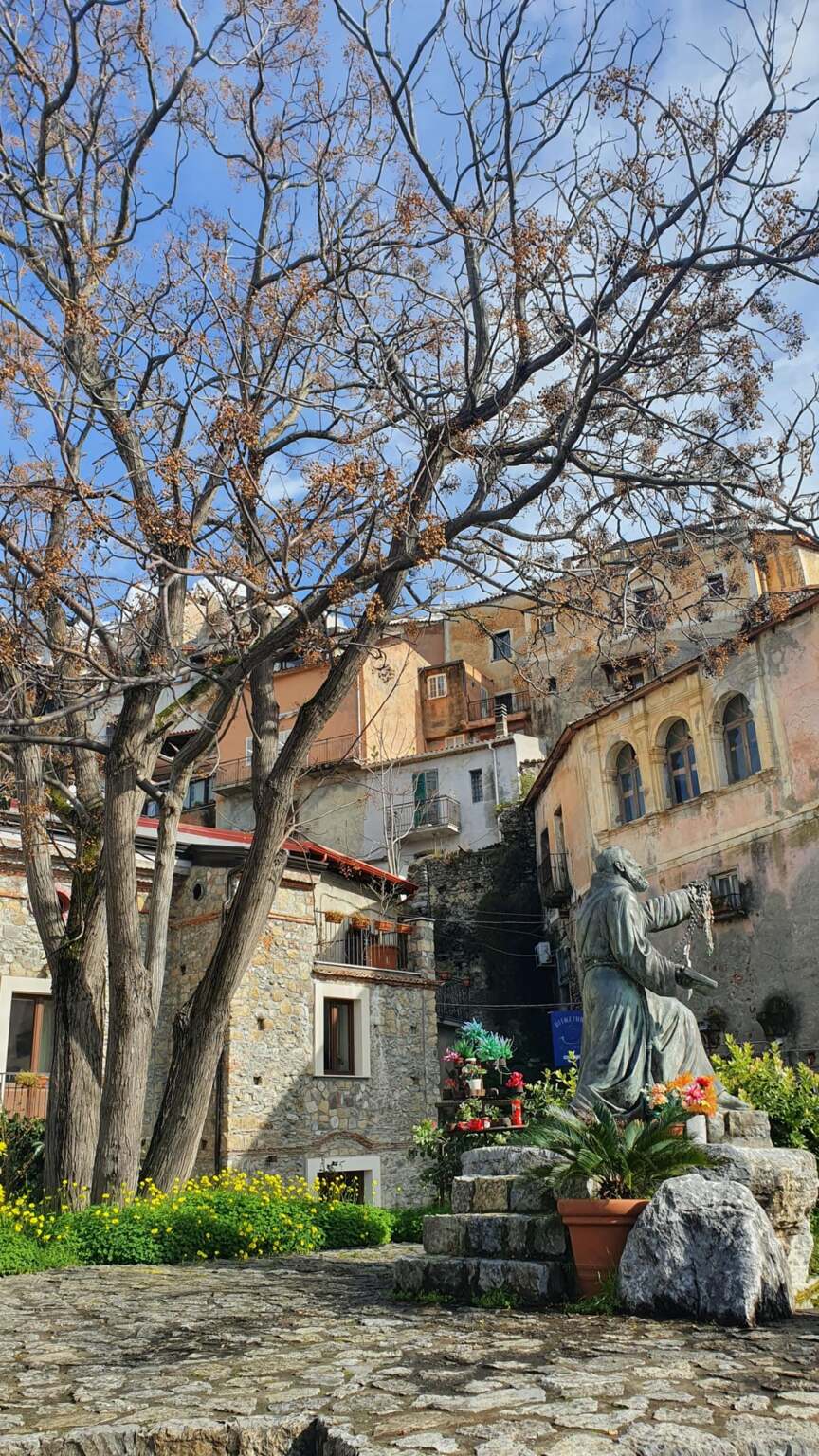
Rome’s centro storico — historic center — is exactly what first-time visitors picture when they close their eyes and imagine the city: stunning architecture at every turn, Roman ruins integrated into the fabric of daily life, romantic fountains on quiet corners, and more churches and artwork per square metre than anywhere outside of Florence. The honest counterpoint is that it is extremely crowded, increasingly overrun by tourism, and expensive by any metric. For the best experience within the quarter, look for hotels close to Piazza Navona or Piazza del Popolo, both quieter areas within an otherwise relentless neighbourhood.
Hotel Locarno near Piazza del Popolo has been one of Rome’s finest boutique hotels for over 50 years — elegant, unmistakably old world, and worth every dollar at $500–750 USD. The Nerva Boutique Hotel, positioned between the historic center and Monti, offers genuine charm at $200–400 USD. For something more mid-range, Hotel Abruzzi sits steps from the Pantheon at $200–300 USD, and Hotel Residenza in Farnese — adjacent to the magnificent Palazzo Farnese — is a considered, comfortable option at $175–250 USD.
Trastevere
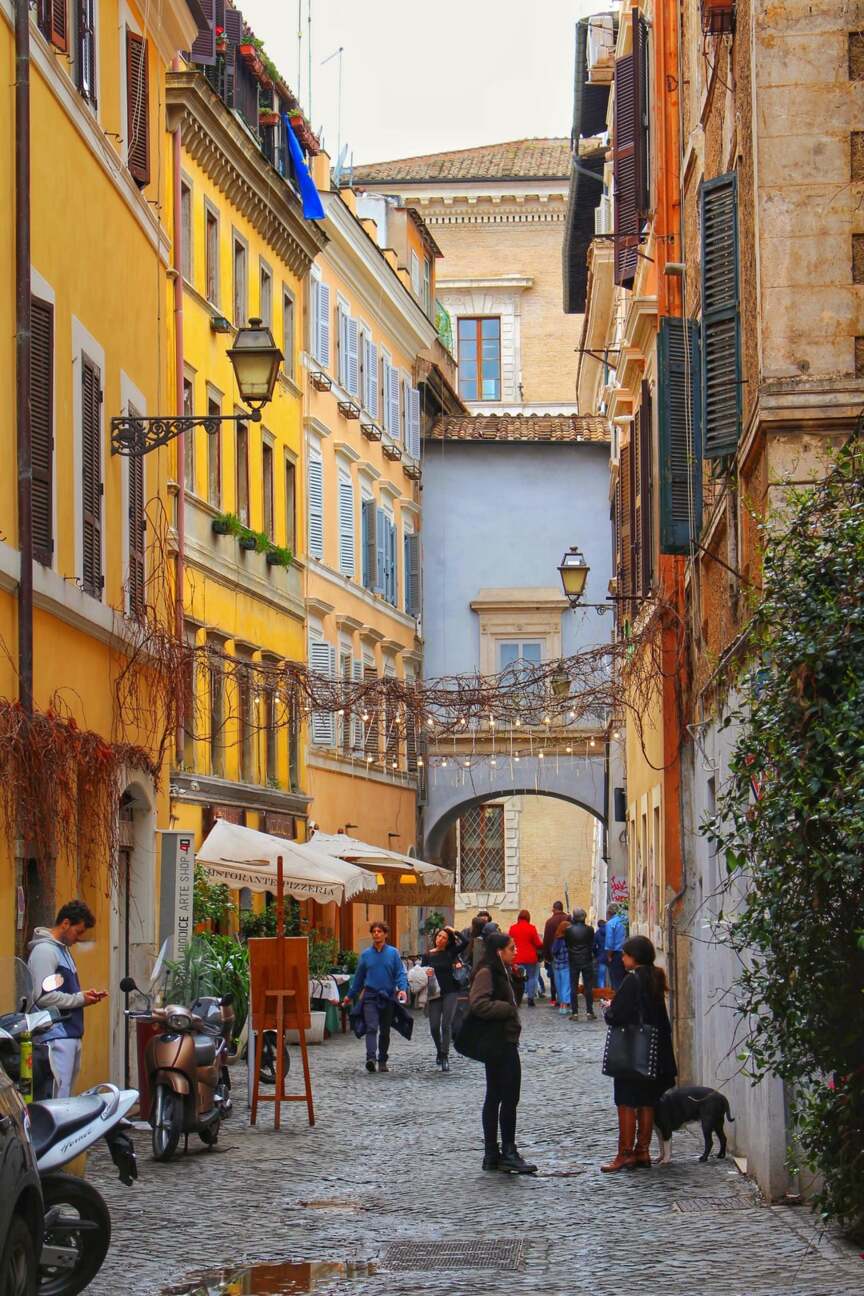
If neighbourhood character matters as much as logistics to you, Trastevere is worth considering as your base. Donna Camilla Savelli is the neighbourhood’s most atmospheric property — genuine Roman style in a converted convent at $250–400 USD. Hotel Trastevere delivers everything you need without the fuss at an honest $150–200 USD — an exceptional bargain for a 3-star in one of Rome’s most beloved areas.
How to Get Around Rome
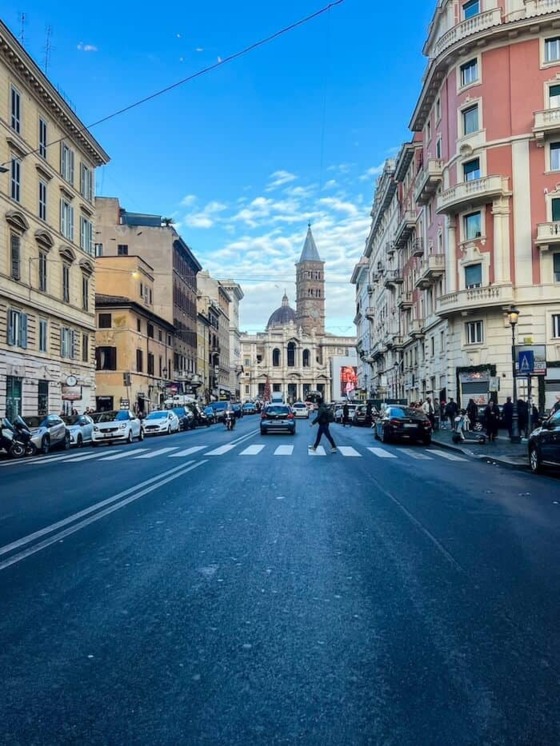
With only 3 days to work with, you will spend the overwhelming majority of your time in and around the historic center, Prati, and Monti — a geographic triangle that is almost entirely navigable on foot. The center is one of the most extremely walkable urban environments in Europe, with broad stretches of it fully pedestrianized. If you leave those zones for the Appian Way, Trastevere, or the Vatican, the metro system covers the gaps efficiently enough, supplemented by an extensive buses network. The full subway system runs three lines — Red Line A, Blue Line B, and Line C — though the two practical tourist lines are A and B, and coverage across the city is uneven enough that buses will sometimes be your only real option.
Fares are simple: a single BIT ticket covers 100 minutes of travel for €1.50, payable by credit card via tap-to-pay screens at most stations. If you plan to move around frequently, a daily ticket covering 24 hours costs €7; the 48-hour ticket runs €12.50; the 72-hour ticket caps at €18. The calculation is straightforward — skip renting a car entirely. Navigating a busy Italian city in a foreign country behind a wheel is unnecessary stress in a bustling, big city whose public transportation system handles everything you need.
Best Time to Visit Rome
If you have any flexibility with your travel dates for a 3-day trip to Rome, the spring and fall are the clear answers — cheaper, less busy, and far more pleasant for sustained walking through a city that demands it. Daytime temperatures in those seasons keep you comfortable across long days of sightseeing without the brutal heat that turns summer afternoons punishing. Occasional rain means packing a rain jacket is sensible, but that is a small trade for manageable crowds and noticeably lower prices.
Winters in Rome are chilly and carry the highest chance of rain — the crowds drop to their very light annual low, which for certain travellers makes the cold entirely worth it. Summer is manageable if you commit to the discipline of get up early discipline and tackle everything before the afternoon heat locks in. Regardless of when you come, this 3-day Rome itinerary holds up across every season — the city simply adjusts its mood rather than its substance.
Food & Dining in Rome
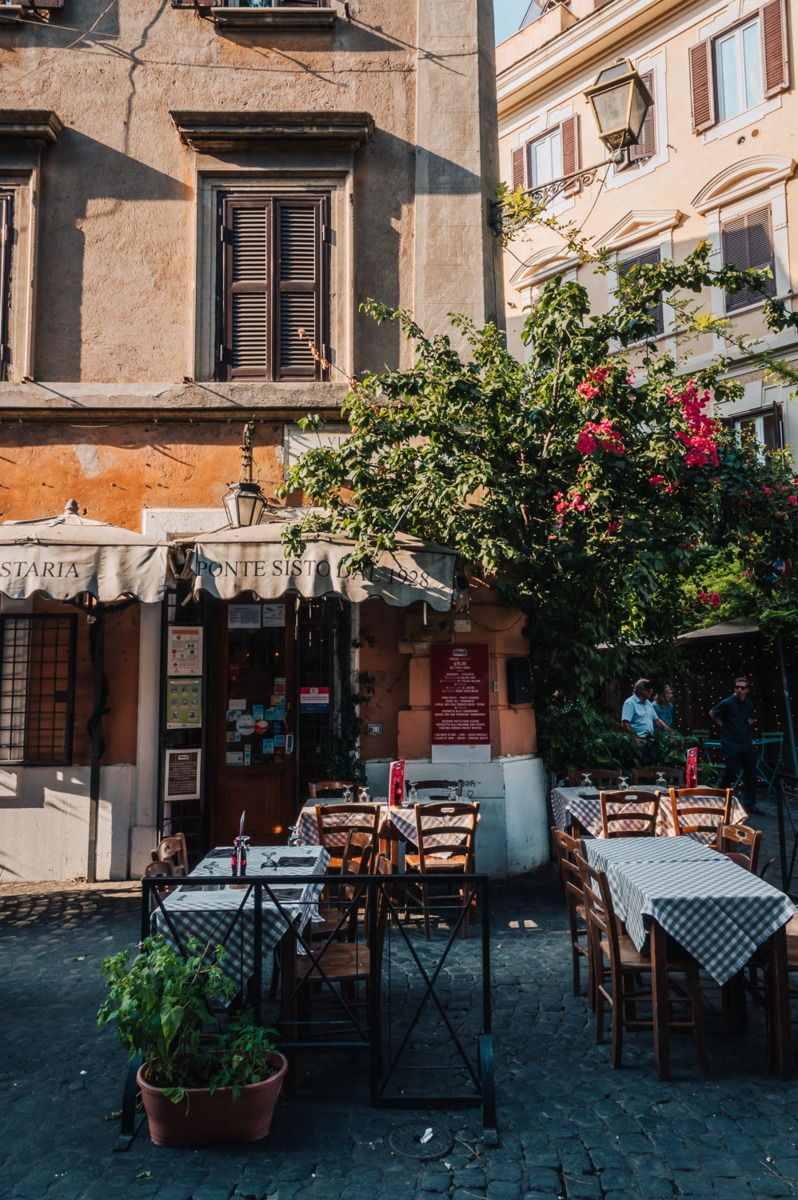
The food here is not incidental to the experience — it is part of the architecture of the trip. Italian food in Rome means pizza, pasta, gelato, and a rotating cast of Roman classics: carbonara, cacio e pepe, saltimbocca, and at the end of a long evening, a limoncello toast under the stars at a local trattoria that has been doing this for generations. Rome’s food scene is, without any exaggeration, one of the finest in the world, and eating well here does not require a reservation at anywhere famous.
Testaccio Market is worth an entire lunch detour: a glass-roofed market home to over 100 local vendors built on an active archeological site, where you can eat your way through the stalls and pick up genuinely local ingredients and crafts alongside the crowds. For a completely different kind of meal, the EatWith platform connects you with authentic dining experiences ranging from dinner at a local chef’s house to hands-on cooking classes — the kind of evening that turns into a story you tell for years.
For specific recommendations: Trattoria Luzzi near the Colosseum is the consensus favourite among locals for straightforward, honest Roman cooking. BaGhetto Milky in the Jewish Ghetto is phenomenal and unlike anything else in the city. Roscioli Salumeria near Campo de’ Fiori is famous for its pasta, and the same address houses a bakery, wine store, and deli — bookings essential. La Scala in Trastevere handles the neighbourhood dinner brief beautifully. Ristorante Alessio, a short walk from Roma Termini, is the kind of unassuming classic that outperforms its surroundings consistently. And near the Trevi Fountain, L’Antica Pizzeria di Trevi beats every tourist trap in the vicinity. The Vatican’s gravitational pull on tourism means its surroundings are riddled with mediocre options — the art collection of the Popes built over centuries deserves better than the average lunch nearby, so walk a few streets before sitting down. Beyond the marquee dishes, make sure to order amatriciana at least once — it rounds out the holy trinity of carbonara, cacio e pepe, and the rest of Rome’s Roman specialties.
Practical Tips for 3 Days in Rome
The most important piece of equipment for a Rome trip is a pair of comfortable shoes — full stop. This city rewards walking and punishes everything else, and you will be on your foot from morning to evening. Book tickets well in advance for the Colosseum, Vatican Museums, and Borghese Gallery — the last of those sells out genuinely months ahead and cannot be recovered at the gate.
Arrive at major sights early: the Trevi Fountain and Vatican both reward a pre-9:00 am start immensely and allow you to beat the crowds before they compound. Note the Vatican closures — the Vatican Museums are closed on most Sundays, with the exception of the last Sunday of the month, when entry is free (and extremely crowded). Rome’s streets are lined with small public drinking fountains called nasoni — big noses — and they are the best way to stay hydrated throughout a long day without buying water constantly. And avoid the obvious tourist trap restaurants clustered directly outside major sights — a three-minute walk in any direction will find you something far more affordable and genuinely authentic.
For navigation, an international phone plan with Google Maps running is the most reliably accurate tool you have. Both the Colosseum and Vatican make far more sense with a guided tour providing context you simply cannot access solo. For food experiences, both Eating Europe and Devour Tours run outstanding food tour itineraries through Rome’s neighborhoods focused on local cuisine. And do not underestimate the churches of central Rome as practical refuges — beyond the incredible art on their walls, their interiors stay genuinely cool and offer a true mental break from the pace of a packed itinerary.
Unique & Hidden Gems in Rome
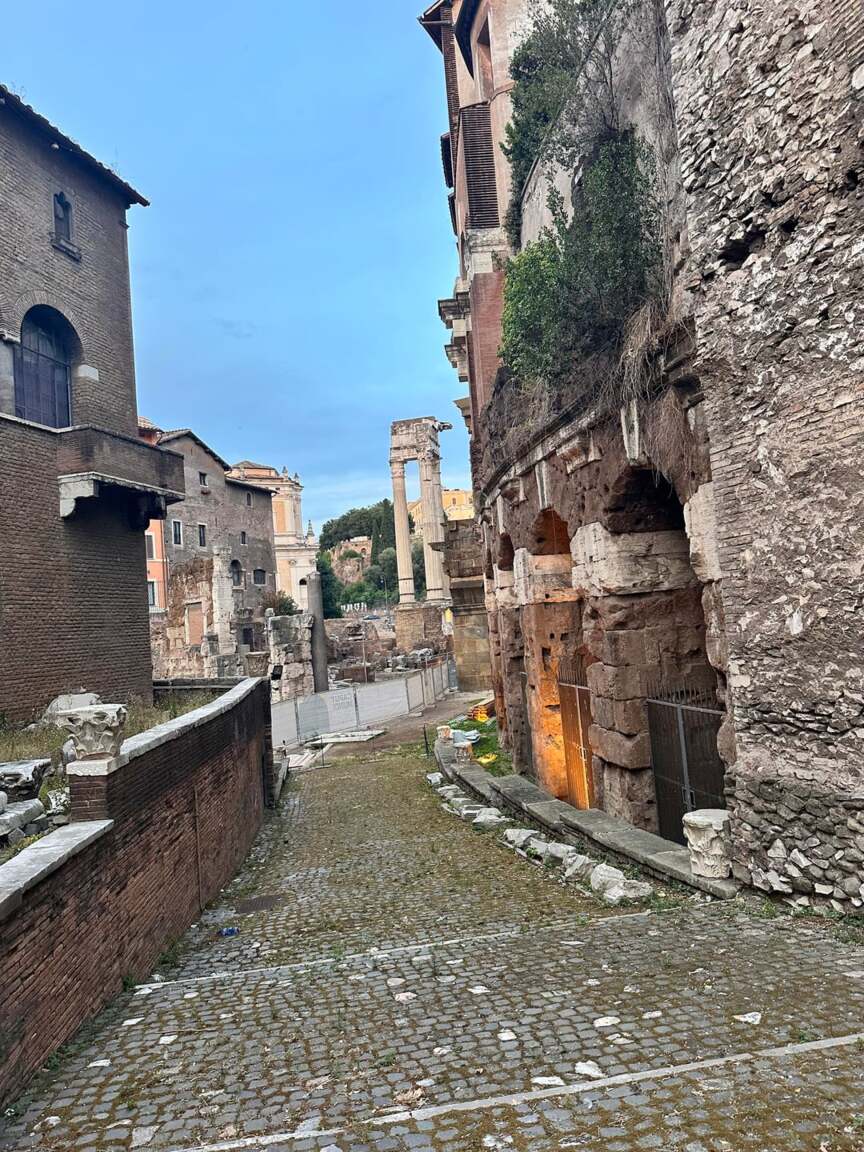
The major attractions cover the headline story, but Rome’s depth lies in the unique things that offer a different perspective on its rich history — places that most visitors walk straight past. The Capuchin Crypt beneath the church of Santa Maria della Concezione is an unusual sight of extraordinary power: the bones of 4,000 monks arranged into elaborate, almost macabre designs that blur the line between art and mortality. Nearby, the Keyhole of the Knights of Malta on the Aventine Hill — the Aventine Keyhole — offers a perfectly framed view of St. Peter’s Dome through a garden gate that looks entirely unremarkable until you peer through it.
For those drawn to layers of time, the Basilica di San Clemente descends through modern streets into multi-layered underground churches that reveal Rome’s archaeological layers with extraordinary clarity. The Ara Pacis — the Altar of Peace built on the orders of Emperor Augustus’ reign as a piece of sophisticated political propaganda to declare a new era of peace — is now a superb small museum charging just €14, open daily until 7:30pm. The Terrazza del Pincio in the Villa Borghese area provides a stunning sunset viewpoint that rivals anything in the city, while Gianicolo Hill near Trastevere offers its own amazing sunset view from a different angle entirely. And if you have the appetite for a day trip beyond the city, Ostia Antica — a hauntingly preserved ancient port city — rivals Pompeii in the sheer completeness of what it reveals. Even the Baths of Caracalla and the underground churches like the Basilica di San Clemente continue to reward deeper visits for those who come back a second time. Rome rewards curiosity — that much is simply true.
Ideas If You Have More Than 3 Days
An extra day or two opens Rome up considerably. The most natural day trip is Tivoli — Villa d’Este and its cascading dancing fountains are among the most extraordinary garden experiences in Italy. Ostia Antica, a hauntingly preserved ancient port city a short train ride away, delivers a kind of quiet archaeological immersion that is genuinely hauntingly preserved and deeply affecting. Within the city, a hire of a Vespa for a few hours through the city’s winding lanes is one of those experiences that shifts how you understand Rome’s geography. An opera performance or a candlelit concert inside a centuries-old church is available most evenings and costs far less than you would expect.
The Borghese Gallery remains essential if you missed it on Day 3 — advance booking is mandatory. The Capitoline Museums on Capitoline Hill house some of the finest ancient sculpture in existence. The Appian Way and its adjacent Catacombs make for a genuinely atmospheric half-day. A sunset food tour of Trastevere with Eating Europe is consistently one of the highest-rated experiences in Rome. And as a final indulgence — a golf cart tour through the historic center at nighttime, when the monuments are lit and the crowds have gone, is one of the most beautiful things this city offers.