10 Unique Things to Do in Portland, Oregon for First-Time Visitors (2026 Local Guide)
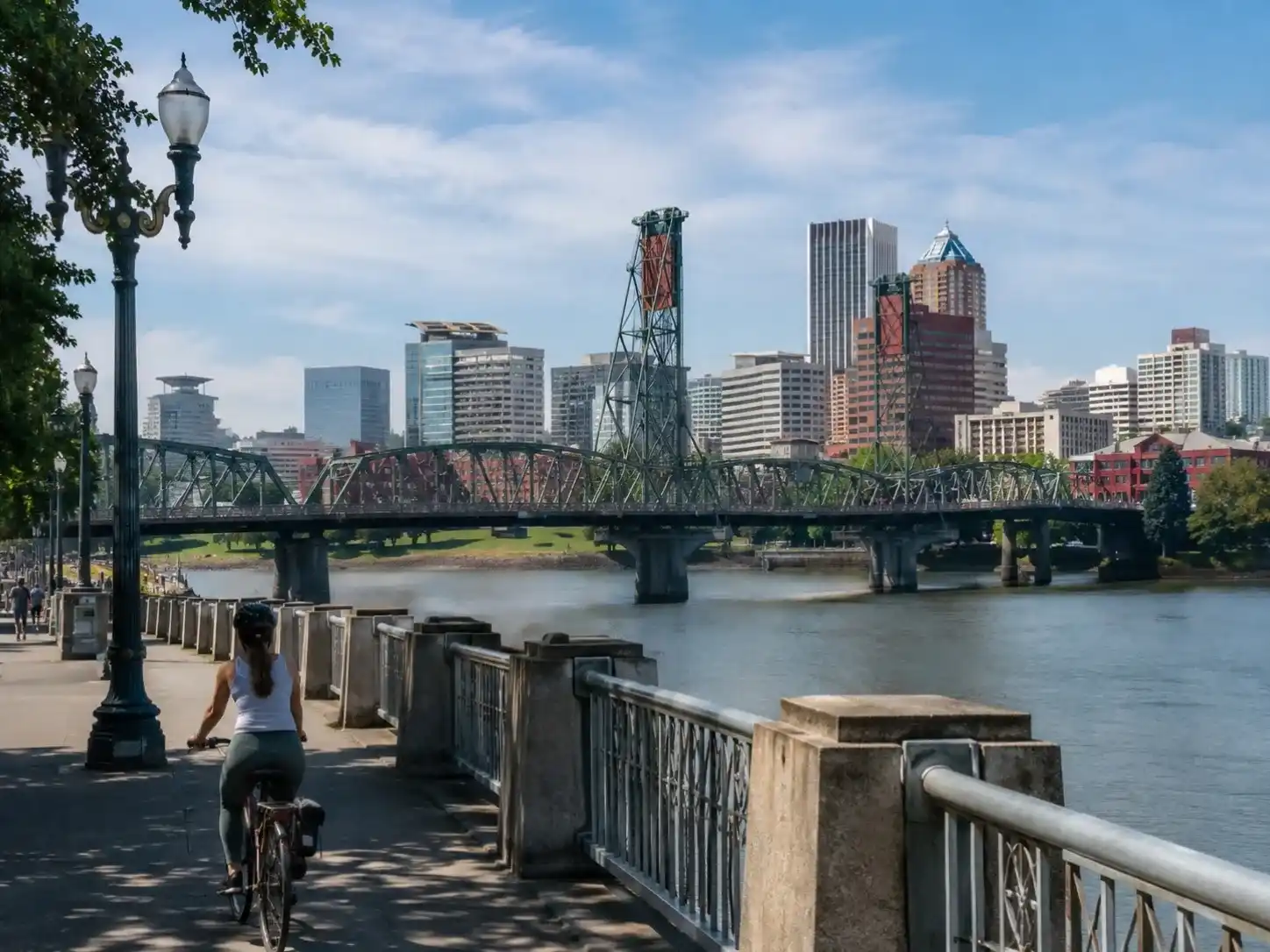
I’ll admit it — before I ever set foot here, everything I’d heard made Portland sound a little weird. Naked bike rides, a certain bohemian streak, that hipster culture the internet loves to joke about, even a whole TV show (Portlandia) built on poking fun at the city’s own reputation. So when people ask me, half-joking, whether it’s actually safe to visit, I get it. There’s been a lot of noise about homelessness downtown, and I won’t pretend that concern comes from nowhere — but what I’ve actually seen on the ground doesn’t match the scarier headlines. The city has leaned into Safe Rest Villages and affordable housing pushes rather than ignoring the issue, and in the neighborhoods most visitors and first-time visitors actually spend time in, I’ve never once felt unsafe.
I say all this as someone who’s lived a version of this city’s story myself. I’m a resident now, but I wasn’t always — I spent years away in Charleston, SC, and St. Pete, FL, before moved back became one of the best decisions I’ve made. That back-and-forth is probably why I started writing this — I run a couple of blogs now (including a sister site dedicated purely to food articles), and this list comes from an author’s perspective who treats Portland less like a bucket-list stop and more like life.
If you’re flying in from abroad, logistics matter, and I get asked about this constantly. BA runs direct flights from London that clock in around 10 hours, and if that doesn’t fit your dates, there are indirect flights routed through Manchester, Edinburgh, Glasgow, Newcastle, Birmingham, and Liverpool worth checking. I did a 5-night stay myself in September and still didn’t scratch the surface — plan for longer if you can. And if you’re rolling in with a bigger crew — a group, a corporate travel team, or honestly any kind of AAA regional, suburban traveler road-trip crowd — a chartered bus takes a lot of the friction out of getting everyone around.
What actually sold me on staying, though, has nothing to do with logistics. This is a west coast city with some of the largest urban forests in the U.S. sitting practically inside the downtown grid, so hiking, kayaking, and chasing waterfalls are never more than a short day trip away — the sheer abundance of nature packed into these areas is what keeps pulling me back outside. Yes, there’s a rainy season, and yes, it will test your patience, but that’s exactly when the indoor side of the city earns its keep: coffee shops, breweries, beer bars, bookstores, and theaters everywhere you turn. Whether you’re the type who wants karaoke with a crowd or would rather explore alone, whether you’re one of the quieter introverts or a new arrival trying to build a routine on an odd schedule, solo travel here feels genuinely rewarding — and that loose, “figure it out as you go” lifestyle honestly sums up the whole cool vibe of local activities in this city better than any list ever could.
International Rose Test Garden
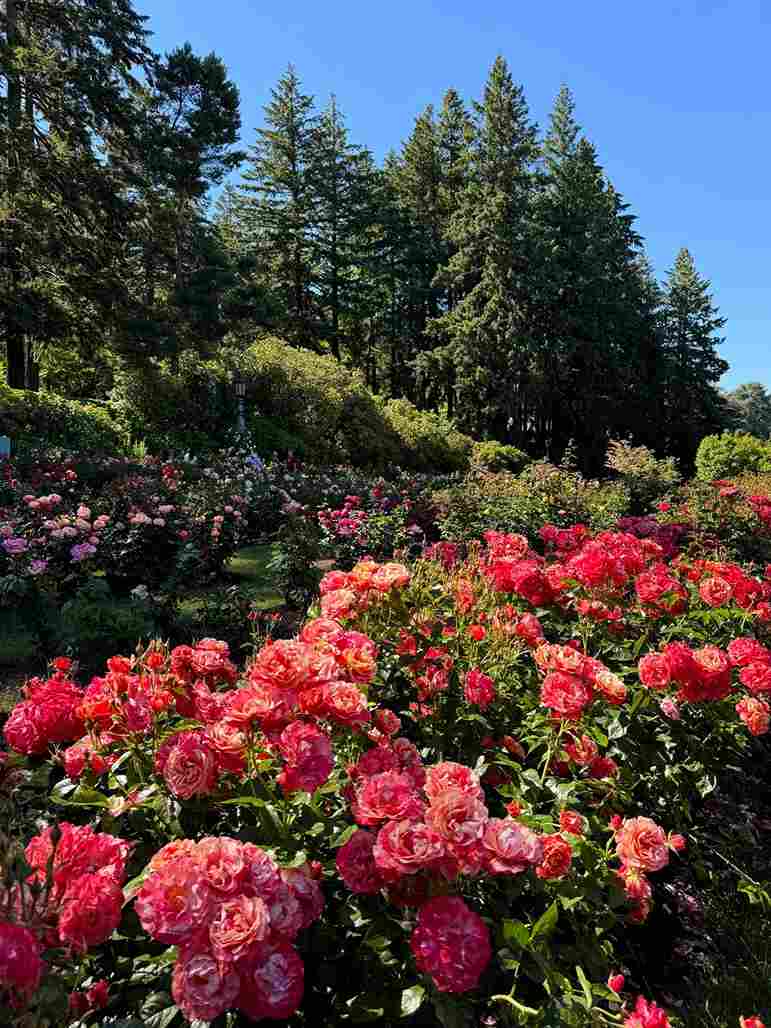
I’ve walked through the International Rose Test Garden on a whim more times than I can count, and it never stops earning its spot on every best of Portland list — the reason is simple: it’s genuinely beautiful year-round, and downright extraordinary from May through October when the roses hit bloom. Catch it at peak in June and you’re looking at over 10,000+ rose bushes in full color, spread across a hill in Washington Park where, on clear days, the skyline and Mt. Hood frame the whole scene like a postcard.
Here’s a detail most people miss — this garden isn’t just pretty, it’s historically loaded. It traces back to WWI, when hybrid roses from across the world were relocated to Portland for safekeeping, and it’s now the oldest continuously operating public rose test garden in the U.S., home to 610+ varieties. Tucked inside is the Shakespearean Garden, planted with species pulled straight from Shakespeare’s works — a small, easy-to-miss corner that I always point first-timers toward.
It’s also one of the rare favorite free parks in this city, right alongside Cathedral Park, Laurelhurst Park, Peninsula Park, and Rocky Butte — no entry fee, just hiking trails branching off toward more of Washington Park if you want to keep walking. Parking nearby is metered at roughly $2/hour, and it’s genuinely solo-friendly, easy to enjoy at your own pace with no one to rush you. Cross the street afterward and you’re standing at the entrance to the Portland Japanese Garden — the two are practically made to be paired in one afternoon, and I rarely visit one without the other.
Portland Japanese Garden
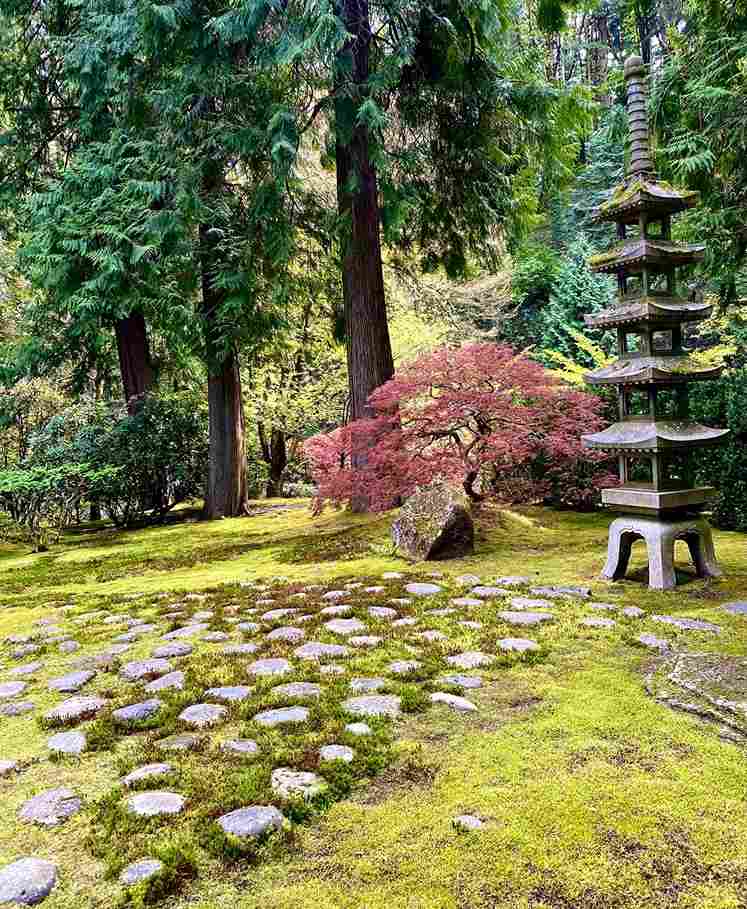
There’s a reason people describe the Portland Japanese Garden as more art installation than park — the tranquil paths wind through several distinct Japanese garden styles, and every turn reveals something new: koi ponds, quiet reflecting pools, a small waterfall, an on-site art gallery, and sand gardens raked into perfect lines. Depending on when you go, the mood shifts completely. I’ve caught early spring here for the cherry blossoms, and I’ve come back in autumn purely for the fall colors blazing off the Japanese maples — both visits felt like an entirely different garden.
What people don’t always realize is how recent parts of this space actually are. The garden itself opened in 1963, born out of a broader 1950s wave where U.S. cities built Japanese gardens as literal postwar peace symbols — this one rose on the site of Portland’s former zoo. The newest section, the Cultural Village, arrived in 2017 as a $33.5M expansion — architect Kengo Kuma and master gardener Sadafumi Uchiyama worked together on a hand-built castle wall that genuinely stops visitors mid-step.
Give yourself time to just sit, too. The Umami Café (also spelled Umami Cafe depending on the sign) serves tea and light snacks, and its design — meant to echo Kyoto’s Kiyomizu-dera temple — looks like it’s floating above the hillside, framed by forest views and streams below. Adult admission runs $22, and I’d call it one of the few places in the city where nature and craftsmanship feel completely fused into one experience — it’s a shame more first-timers rush past the walkways without stopping to look up.
Waterfalls & the Columbia River Gorge
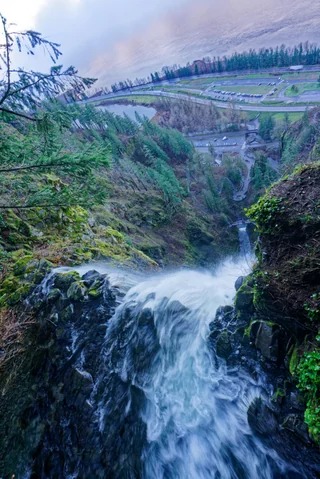
I never get tired of saying this: the Columbia River Gorge is worthwhile in literally any season, and it’s earned its nickname, Waterfall Alley, because there are as many as 77 waterfalls tucked into this lush, temperate rainforest stretch along the Columbia River. Multnomah Falls is the headline act — Oregon’s tallest waterfall at 620 feet and the most-visited natural recreation site in the Pacific Northwest, pulling in over 2M+ visitors/year. It sits roughly 30 miles east of downtown, about a 30-minute drive or 30 minutes by guided transport, so it works whether you’re on a tight schedule or building a full half-day or full-day itinerary.
If Multnomah feels too crowded (and in peak season, it often is — bring your timed-use permits), branch out. Lewis Falls, Ramona Falls, Fairy Falls, and the string of drops along the Eagle Creek Trail are all quieter alternatives, and Elowah Falls is my go-to recommendation for anyone actively chasing fewer crowds. Silver Falls State Park alone holds 10 waterfalls if you want a single hiking loop that keeps delivering.
For the logistics-minded, the Historic Columbia River Highway connects most of this — stop at Vista House, a rest stop built in 1918, and Crown Point for panoramic views down to the river, 693 feet below. I’ve done this both as a self-guided solo destination day and as a booked guided trip, and honestly both work; a good 4-hour tour hits Crown Vista House and several Latourell-style stops without you needing to touch a map. Whatever route you take, it remains hands-down the most famous attraction near the city and one of the best Gorge hike guides — including short hikes, the quieter winter Gorge, wildflower hikes, and stops at Bonneville Dam — could ever point you toward. Some visitors even tack on wine tasting at the end of a Gorge day, which honestly makes for a perfect close.
Portland Art Museum
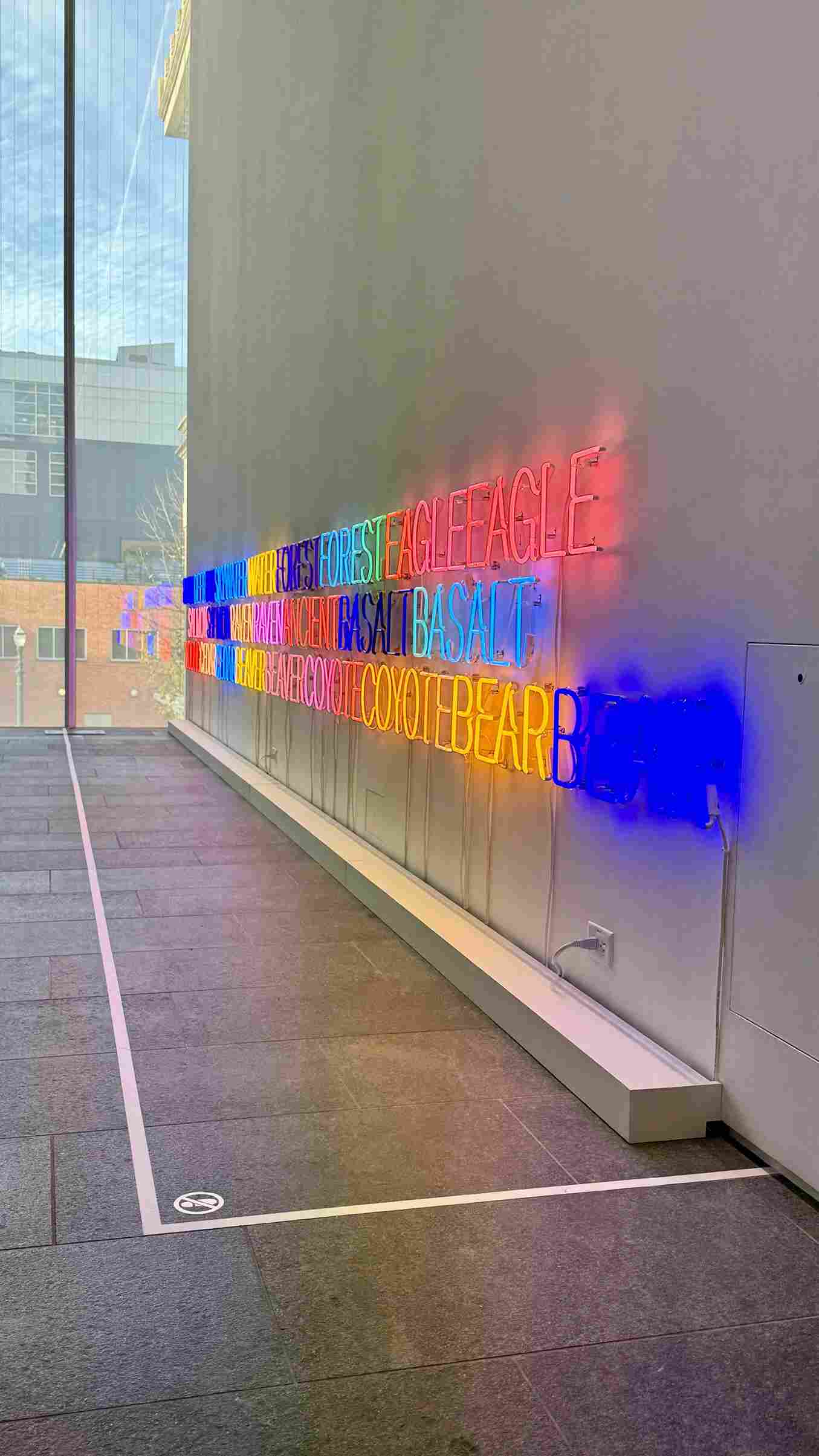
I’ll be straight with you — I went into the Portland Art Museum expecting a quick walkthrough and ended up losing an entire afternoon. Opened in 1892, it’s the oldest museum on the West Coast and the largest in Oregon, holding 42,000+ objects spread across two connected buildings. There’s real variety here rather than a single focus, so I always tell people: don’t plan a route, just start wandering into whatever rooms pull you in. You’ll pass Renoir, Van Gogh, and Monet almost incidentally on your way to the collection most people actually come for.
That collection is the Native American art collection — genuinely one of the best in the country, with 3,500+ objects and historic objects pulled from 200 cultural groups across North America, organized cleanly by cultural region: Northwest Coast, Arctic, Plains, Woodlands, and Southwest. There’s also a smaller but striking Pre-Columbian art collection drawn from Central America and South America. Prehistoric pieces sit alongside contemporary work in a way that makes art appreciation feel less like a lecture and more personal.
A few practical notes before you go: adult admission is $25, free for anyone 17 and under, and free for everyone on the first Thursday of the month. The museum is mid-renovations as of 2025, with new exhibit spaces rolling out, so expect a slightly different layout than photos online might show. Even with construction going on, I still think of this as one of the better solo destination options in the city — quiet, self-paced, and easy to get lost in on your own terms.
Wine & Beer Tasting
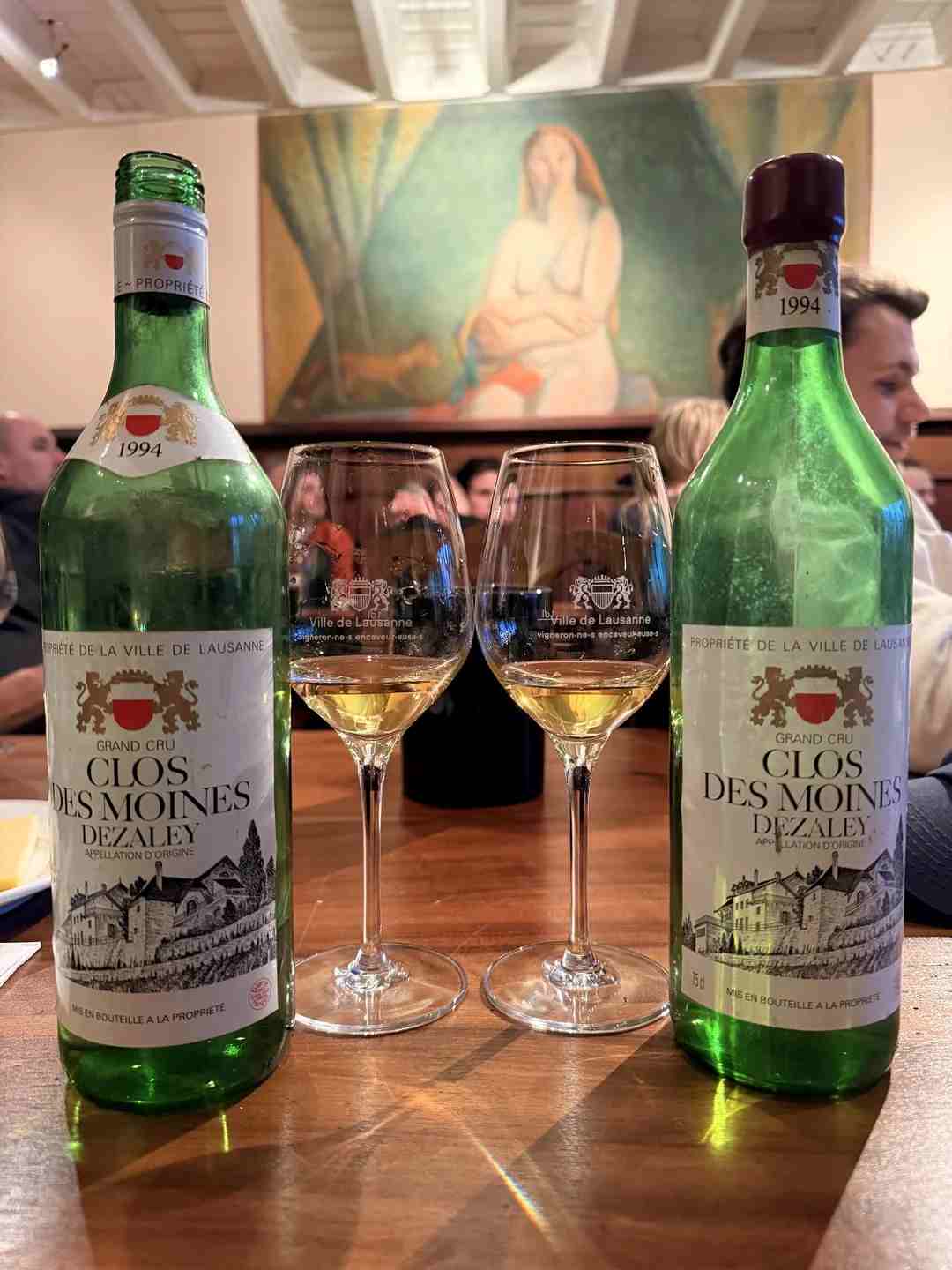
Depending on which side of this you fall on, Portland will happily indulge you either way. On the beer side, this city has more than 80+ breweries, and plenty of people genuinely call it the craft beer capital of the world — February is unofficially craft beer month, June brings Portland Beer Week, and autumn is fresh-hop season, when local brewers roll out limited batches worth chasing down. If hops specifically are your thing, the Willamette Valley Hop Region, about 40 miles south of the city, is actually the second-largest hop-growing region in the country — not something most visitors even know to look for.
For wine, everyone points you to Newberg, and for good reason — it sits inside a broader 150-mile valley where Oregon Trail emigrants once settled the fertile land, and where hundreds of wineries now operate within an hour of downtown. Modern winemaking really took off in the 1970s–80s, driven largely by California transplants bringing new techniques with them; today the Willamette Valley produces two-thirds of all Oregon’s wine. I took a custom day through Around Portland Tours and ended up at Blizzard Wines & Vineyard, a genuinely family-run spot that started in someone’s garage and now pours both its own house wines and imported Champagnes — and Dominio IV Wines, where tastings happen inside a 1916 farmhouse and, later, a repurposed 100-year-old barn now used as an event space.
You don’t even need to leave downtown if a full valley trip isn’t in the cards — there are urban wineries and plenty of wine bars scattered through the city itself. Either way, whether you’re booking one of the many valley day trips or just picnicking between pours, the region rewards slow picnicking, live entertainment, and lazy trail walks just as much as it rewards serious tasting.
Parks, Forests & Urban Hiking
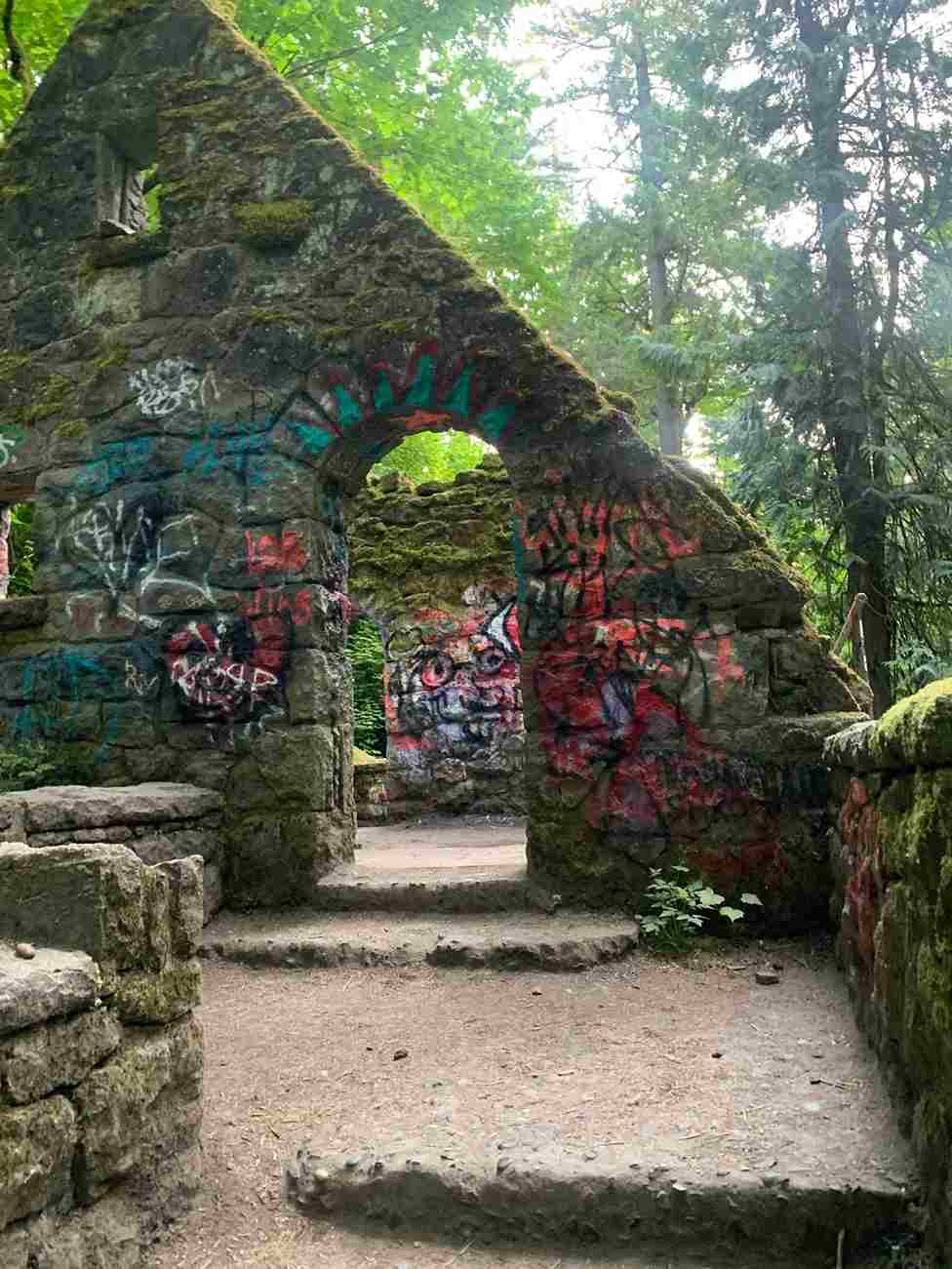
Forest Park is the one I recommend first, mostly because of scale — it’s the largest of Portland’s parks, threading 80+ miles of trails through stands of Douglas fir, cedar, and big-leaf maple forest, and it sits close enough to downtown that you can be under tree cover within minutes. For something a little more structured, the 4T Trail mixes hike, transit, and tram into one loop — I still think of it as the best self-guided introduction to this city, almost like a walking scavenger hunt across neighborhoods. Washington Park, Powell Butte, and Mt. Tabor round out the go-to urban hike options if you want something shorter.
For a different kind of park day, Cathedral Park gives you views of the gothic St. Johns Bridge, and you can actually cross that walkable bridge for a look back down at the park itself. A few more of my favorite free parks worth folding into a longer stay: Laurelhurst Park, Peninsula Park, and Rocky Butte — none of them heavily promoted, all of them worth the detour, and all with enough miles of trails to fill an easy morning.
Rose City Book Pub
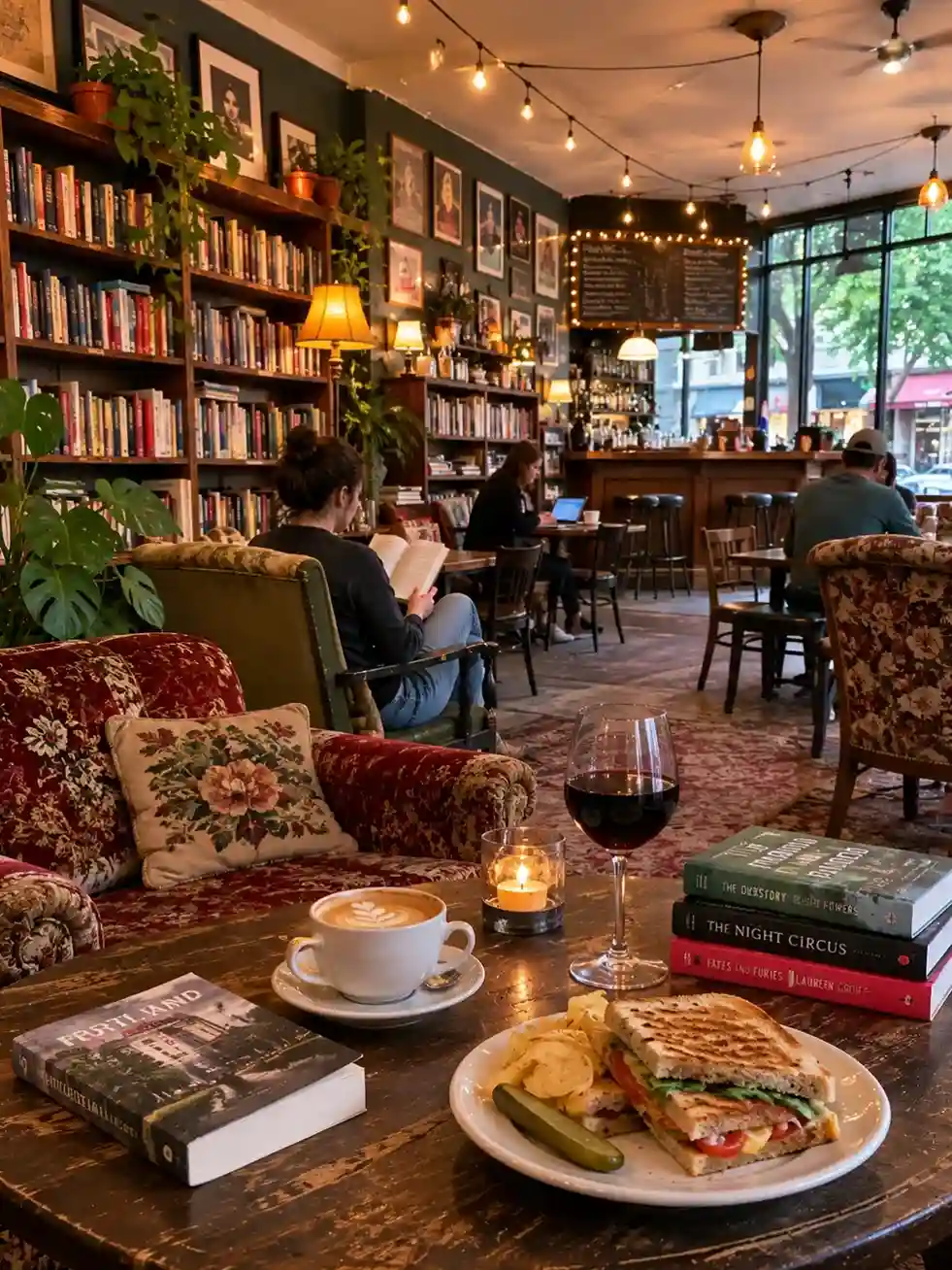
Powell’s gets all the attention, but if you actually want to sit and read rather than just browse, skip the in-store café there and head to the Rose City Book Pub instead — it’s tucked into NE Portland and feels like the quieter alternative everyone forgets to mention. The space is cozy almost to a fault: tucked-away corners, overflowing shelves, and embroidered cushions that genuinely give off a grandma-style feel rather than trying too hard to look curated.
Food-wise, it’s simple — snacks and sandwiches cover the menu, but the drinks list is where it earns its keep: coffee, tea, cocoa, soda, beer, wine, and a rotating set of local-spirit cocktails. Prices stay genuinely reasonably priced — I’ve gotten a decent glass of wine for $5 glass, or splurged on the $8 fancy glass when I felt like it. Check what’s on for the evening too, because between live music, poetry readings, and chess nights, this spot programs its calendar better than most cafés bother to.
Portland Saturday Market
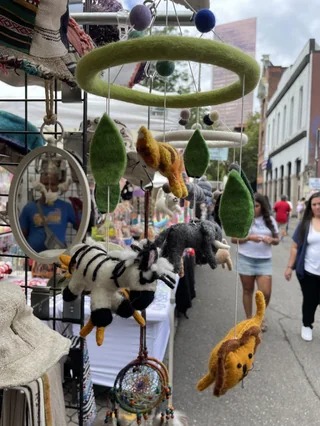
Running weekends from March through December, the Portland Saturday Market is one of those spots I send every first-timer to without hesitation. Vendor booths line part of the waterfront, selling locally made art, jewelry, and flower bouquets, with a dedicated food-cart row running alongside for anyone who gets hungry mid-browse. In warmer months, a summer fountain nearby draws in kids, and there’s usually a live music stage running somewhere in the mix.
It’s completely free to attend, though I’ll warn you — parking is metered and genuinely limited, so public transit is the smarter call if you can manage it. Whether you’re bringing clothing shopping on the brain or just want to wander for an hour, it’s an easy, low-pressure way to spend a Saturday.
Soaking Pools
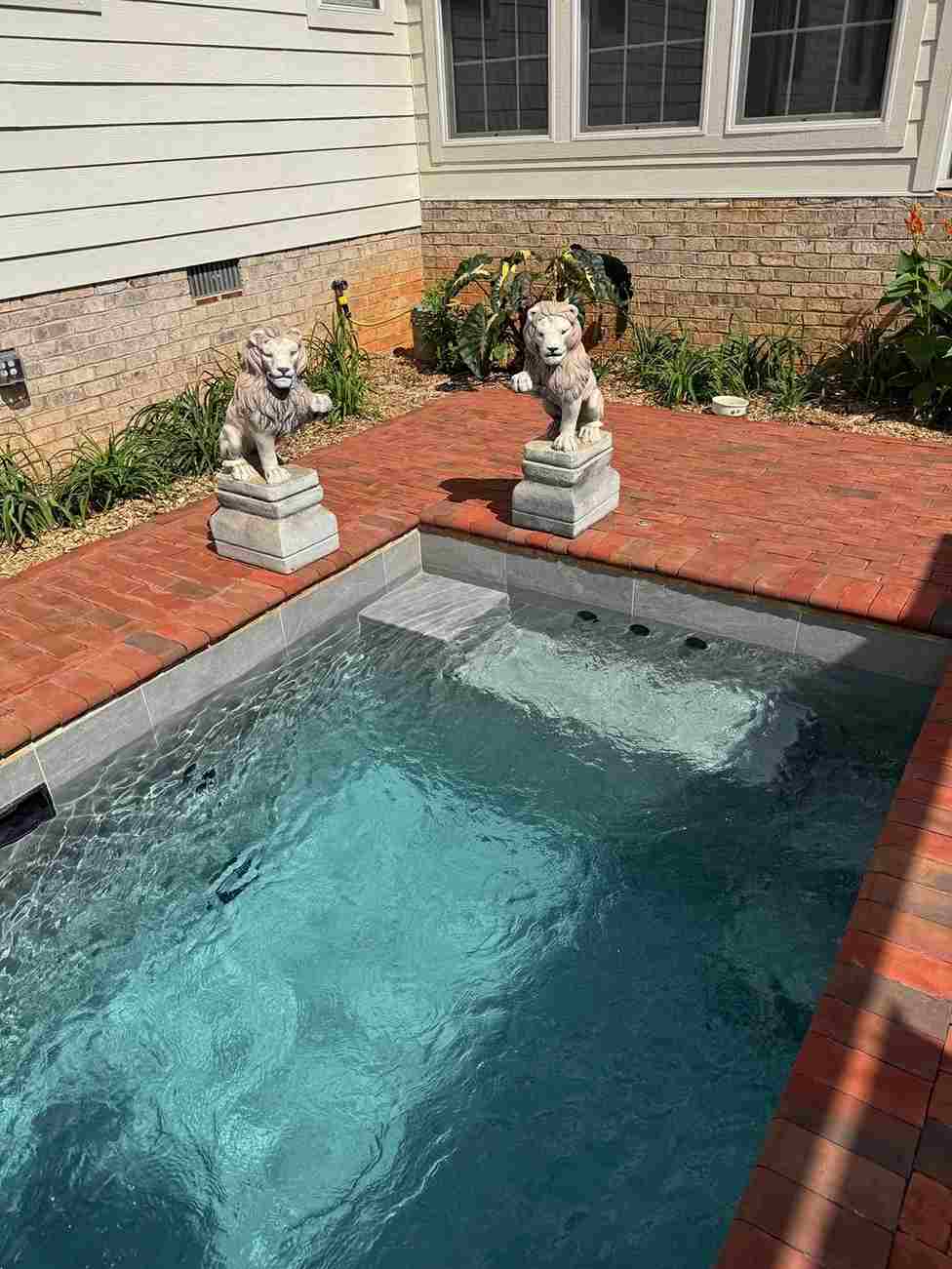
This is one of those recommendations people don’t expect from me, but hear me out — soaking pools are genuinely one of my favorite things to do here, especially on gray days. Kennedy School’s pool leans more social, while most of the others feel closer to spa territory: quiet, meditative, and easy to enjoy solo. Plenty of them tack on extra services like massage and sauna add-ons if you want to make a full afternoon of it.
For best-value community options, Everett House and Common Ground are both clothing-optional and won’t break the bank. If you’re after something closer to a genuine rainy-weather activity splurge, higher-end options like Knot Springs, Santé, and Cascada are worth the extra cost — I’ve done both ends of that spectrum, and honestly, I’d recommend either depending on your budget for the day.
Lan Su Chinese Garden
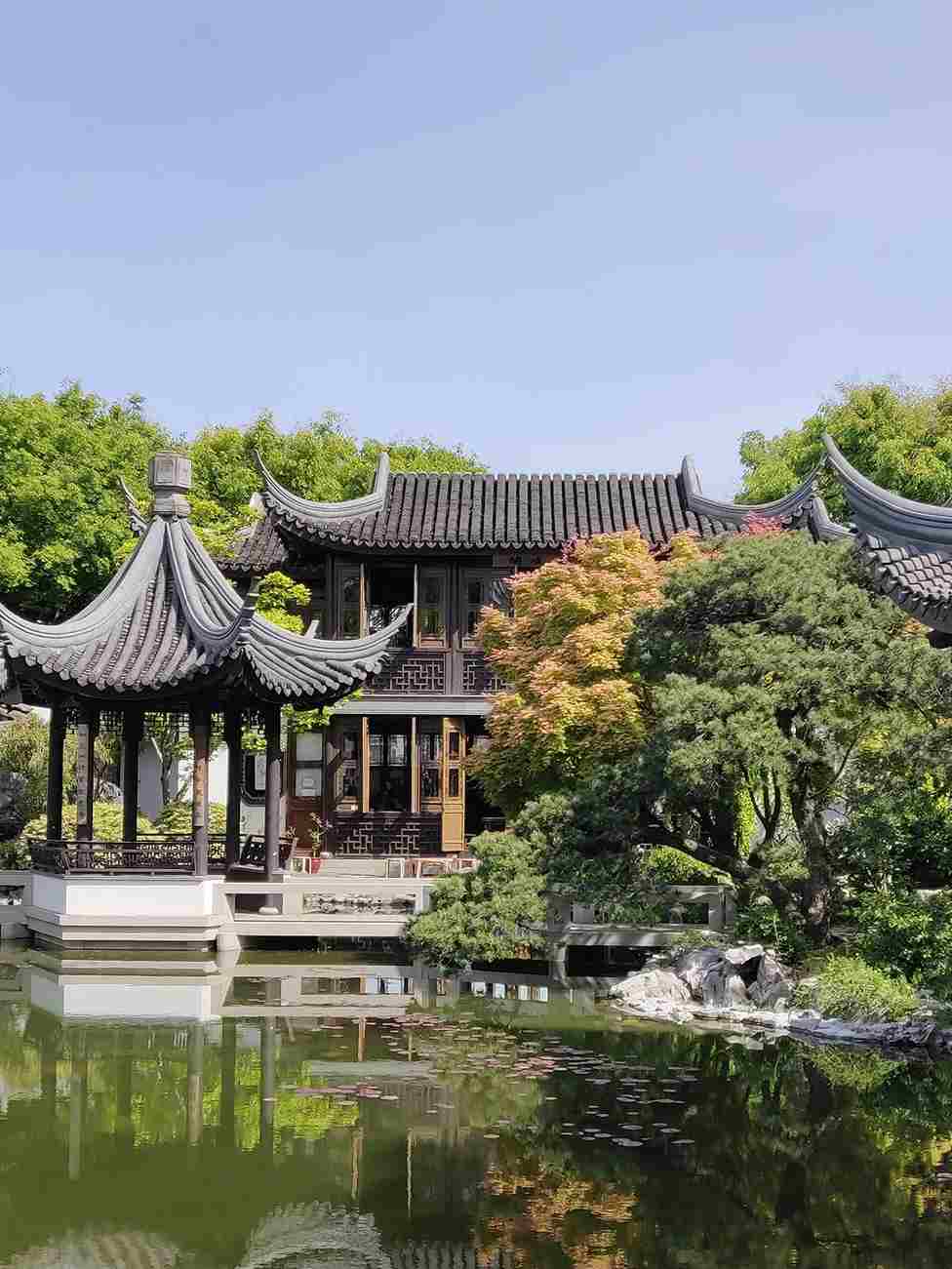
The Lan Su Chinese Garden solves a problem none of the other gardens on this list do — it’s a legitimate rainy-day escape, thanks to covered walkways and enough indoor spaces to keep you completely dry while you explore. The mood here leans tranquil rather than festive, with poetry inscriptions worked into the walls and engravings throughout, all built in a style carrying roughly 2,000 years of architectural history.
Wander the elegant bridges and pavilions ringing Lake Zither, then stop at the on-site Yun Shui teahouse afterward for tea and a rest. Adult admission runs $16 — modest for what you get, and one of the better quiet-afternoon options in the entire city.
Sunset Viewpoints
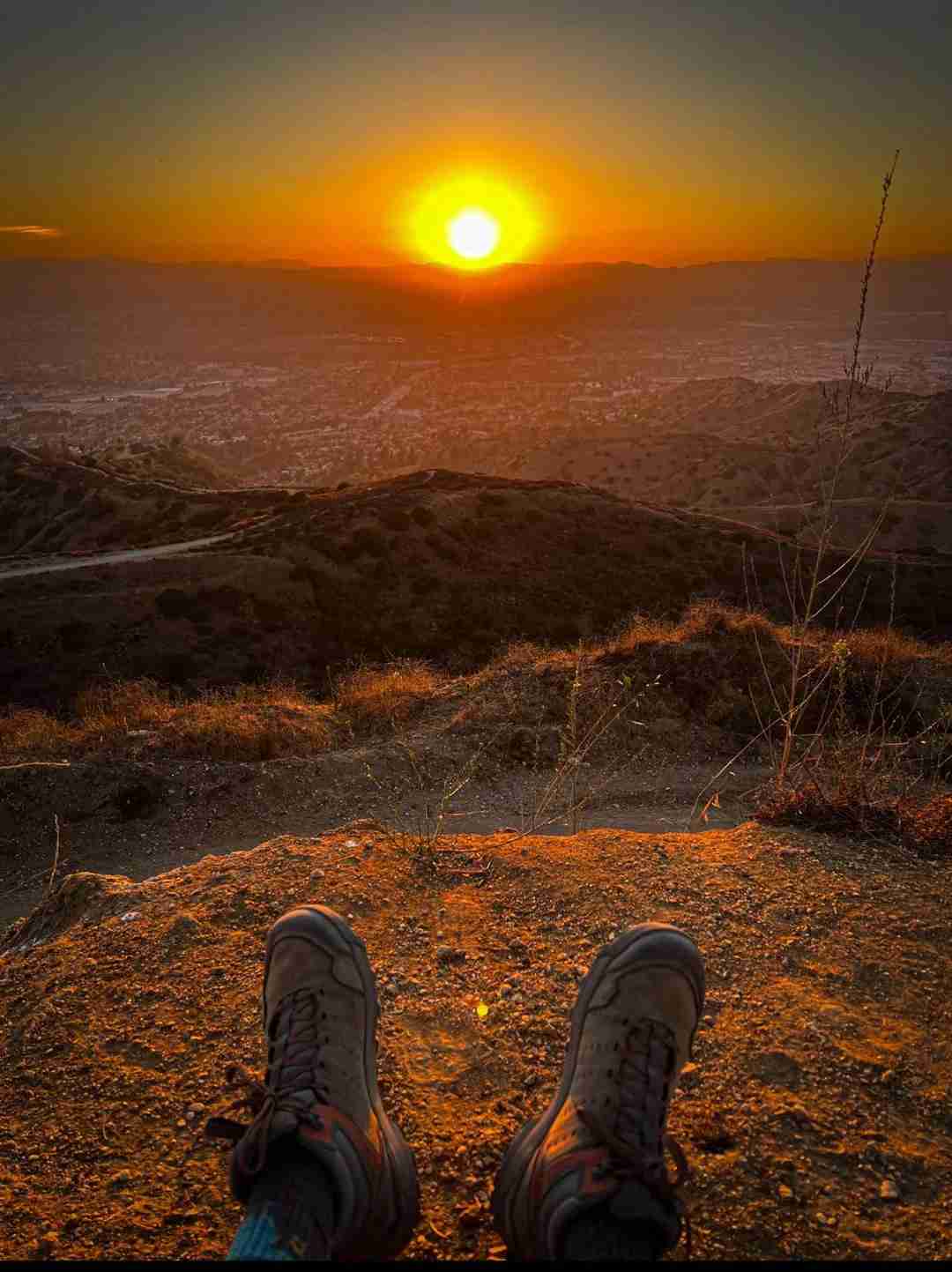
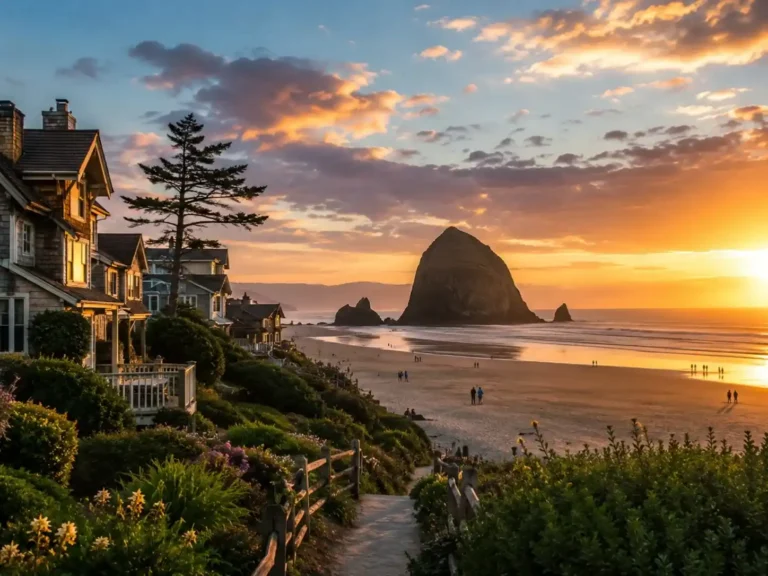
Chasing sunset here has become a genuine hobby of mine, and my rotation of favorite spots usually includes Rocky Butte, Mt. Tabor (specifically the west slope overlooking the reservoir), the Skidmore Bluffs, Powell Butte, Council Crest, and Vista House out toward the Columbia Gorge. Every one of them offers a slightly different angle on the same golden light, and I genuinely can’t pick a favorite.
One tip I give everyone: bring a jacket. Even deep in summer, it turns properly chilly the moment the sun actually dips below the horizon at sundown — I’ve been caught off guard by this more than once.
99W Drive-In Theatre
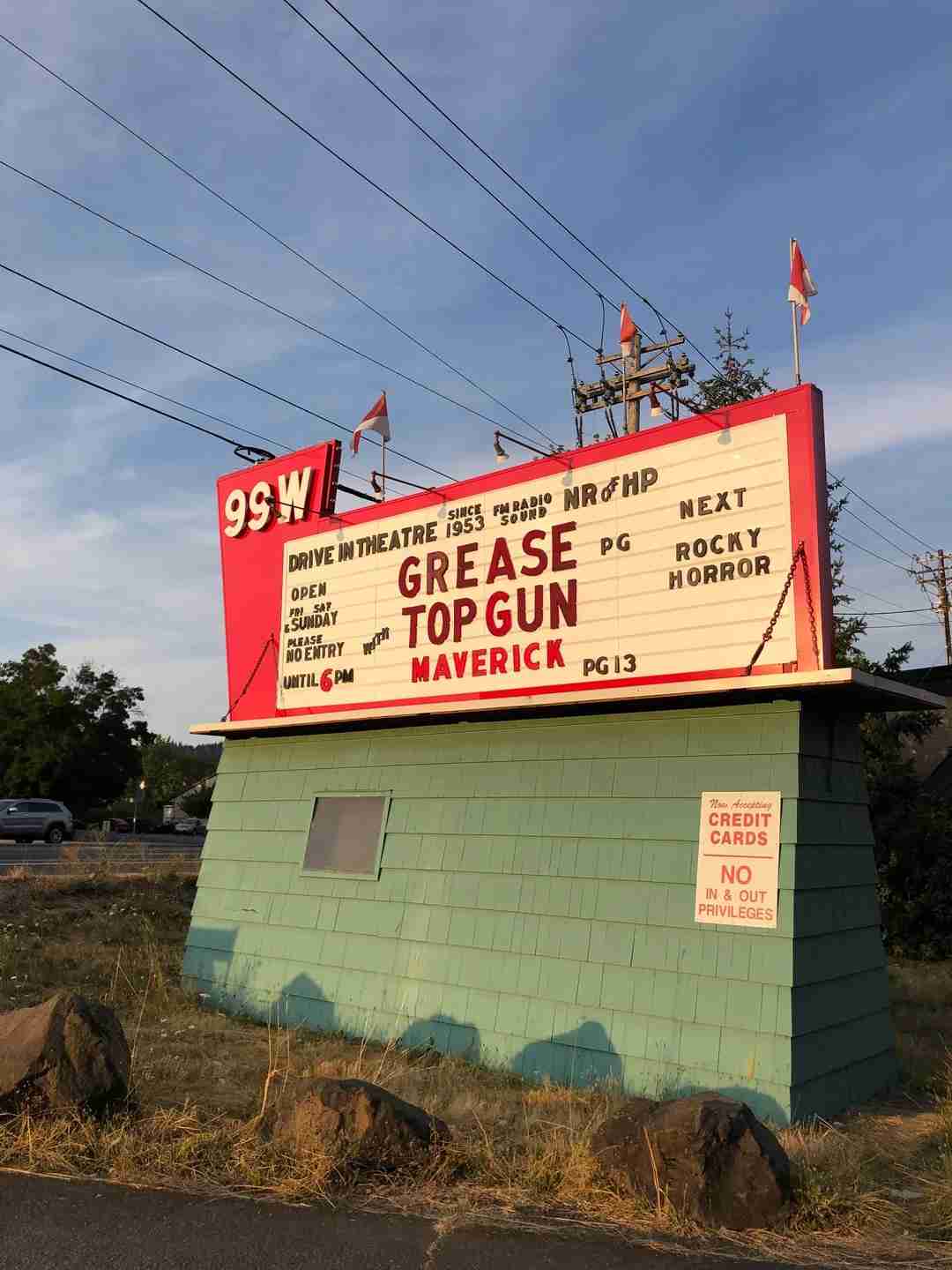
The 99W Drive-In Theatre requires a bit of a drive out to Newberg, but I’d still put it on the list — there just aren’t many places left where this nostalgic, increasingly rare experience still exists. Tickets run $10 for adults and $5 for kids, and sound is piped through your car via FM radio, so don’t forget to check that yours actually works before you go — the drive required to get out there is worth planning around properly.
Tea Houses
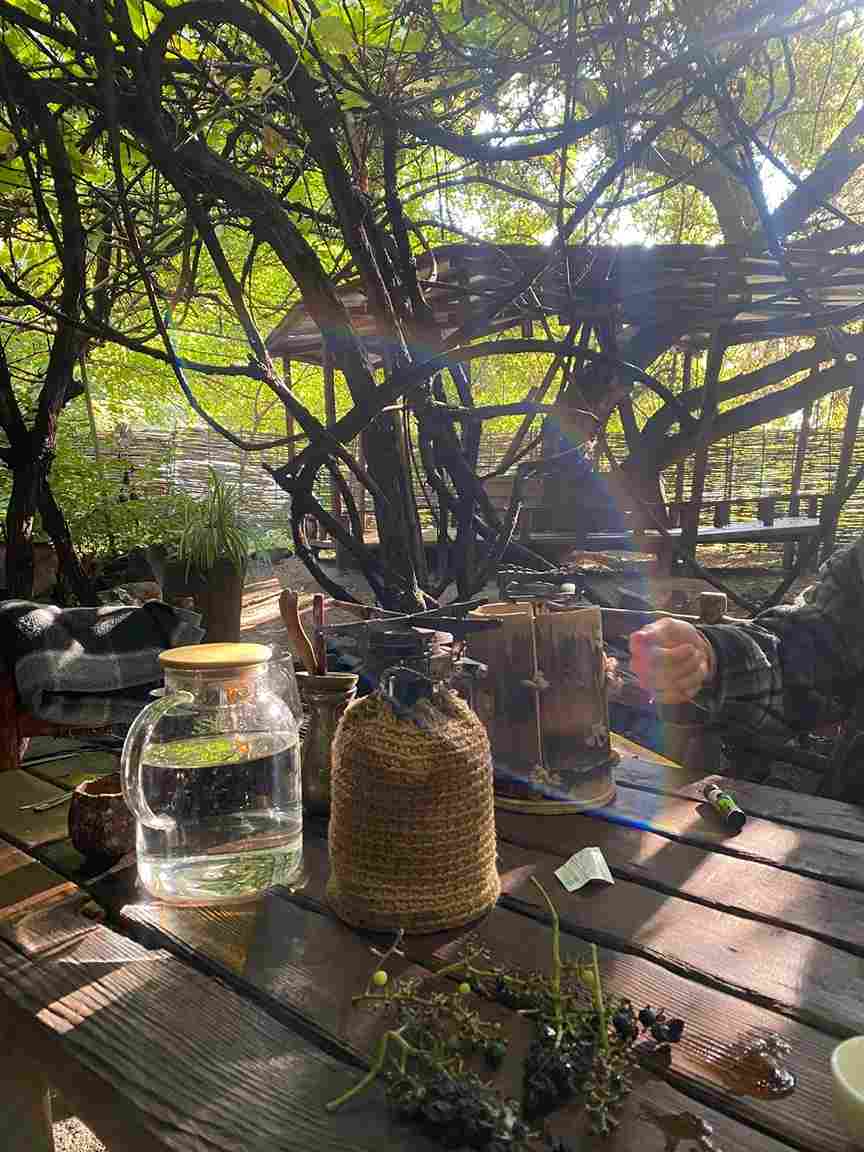
Everyone talks about Portland’s coffee obsession, but the tea scene deserves just as much credit, and I’d argue it’s the more unforgettable alternative to Portland’s famous coffee culture. Enthea Tea runs a Friday, 7pm discussion event called the Speakteasy, where a sliding-scale price of $10–$20 covers tea all night — everything served is handmade, farm-direct tea, and the bamboo garden seating area out back is genuinely one of my favorite quiet corners in the whole city.
Fly Awake, tucked down an alley next to SheBop, is my other go-to — I love the genuinely poetic tea descriptions on the menu, the attentive service that keeps your cup full without asking, and the snacks, especially the samosas and puffed lotus seeds. If it’s slow, you can sometimes score a tarot readings session while you wait. Bardo Tea and the Tao of Tea round out my short list of spots worth carving out an afternoon for.
Thrifting
Thrifting is one of those low-key hobbies that turns into a full thrifting day here without much effort. My favorite thrift stores are Take It or Leave It, Urbanite, Buffalo Exchange, and Rerun, and I usually build the whole outing around nearby food — a stop at Sureshot Burger and, if there’s room left, Pronto Gelato to close things out.
Ethnic Markets
This is genuinely one of the most underrated categories on this entire list. Ethnic Markets across the city cover an enormous range — Barbur World Foods leans Middle Eastern-focused but stretches well beyond that, while Hong Phat in Montavilla and Lily Market both cover Asian groceries with real depth. Mama Pauline’s carries some of the best African and Caribbean groceries I’ve found anywhere in the city, and there’s a solid cluster of Eastern European and Russian markets scattered through town too. Out in Gresham, La Tapatia turns out genuinely homemade tortillas alongside other Mexican staples — this multi-country spread of options is exactly why I never cook the same thing twice after a grocery run here.
Pizza Tour

Portland gets called a top U.S. pizza city, ranked right up there with NY and Chicago, and after doing my own pizza tour, I completely understand why. The best version of this is a self-led DIY pizza-tasting walk through Nob Hill and the Slabtown area of NW Portland — it’s roughly a 20-minute walk from downtown, easy to string together with a few coffee breaks and several pizza stops along the way. It’s a genuine must-do for anyone who calls themselves a pizza lovers.
Coffee Scene
Ask ten Portlanders for their favorite coffee shop and you’ll get ten different answers — this city runs on multiple roasters, and the whole Coffee Scene deserves a slow crawl rather than a single stop. My personal rotation includes Barista, Stumptown Coffee, Never Coffee, Sterling Coffee Roasters, and Case Study Coffee Roasters — pick two or three and treat it like a mini tasting flight of your own.
Guided Coffee & Doughnut Tour
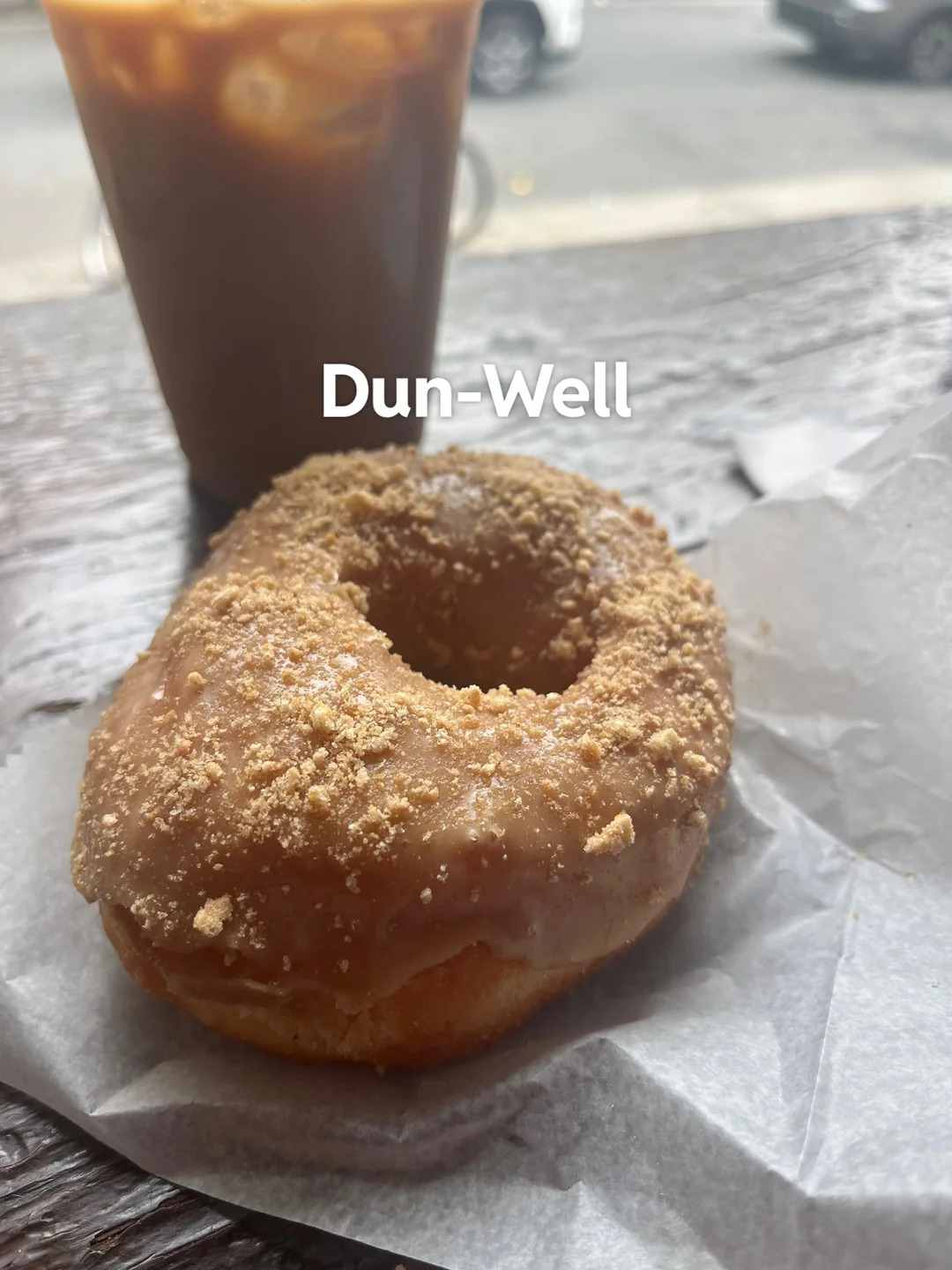
If you’d rather have someone else handle the planning, a guided tour built around Guided Coffee & Doughnut Tour themes runs about 2.5-hour and hits some of the city’s best craft coffee houses alongside a rotating lineup of Portland-exclusive doughnut spots — genuinely one of the easiest, most low-effort mornings you can book here.
BBQ / Food Halls
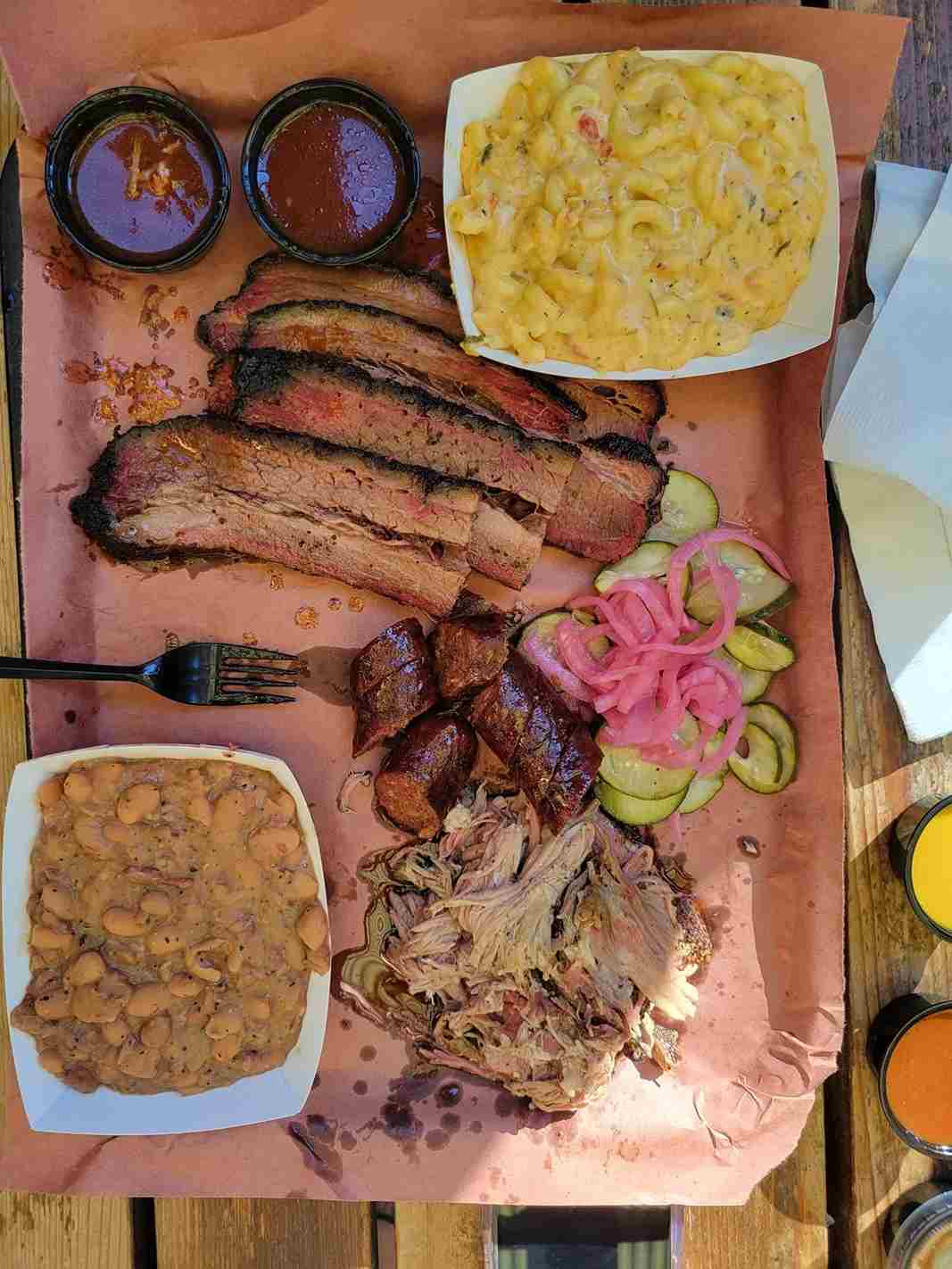
Portland’s BBQ scene doesn’t get talked about nearly enough next to its pizza and doughnuts, but it deserves to. I’ve had a tray of sliced brisket, pulled pork, pork belly burnt ends, and mac and cheese from a barbecue spot where the meats cooked fresh daily genuinely sells out quickly — get there early, because the hype around it is completely earned. The broader Food Halls scene around the city runs on that same rhythm: come hungry, come early.
Pittock Mansion
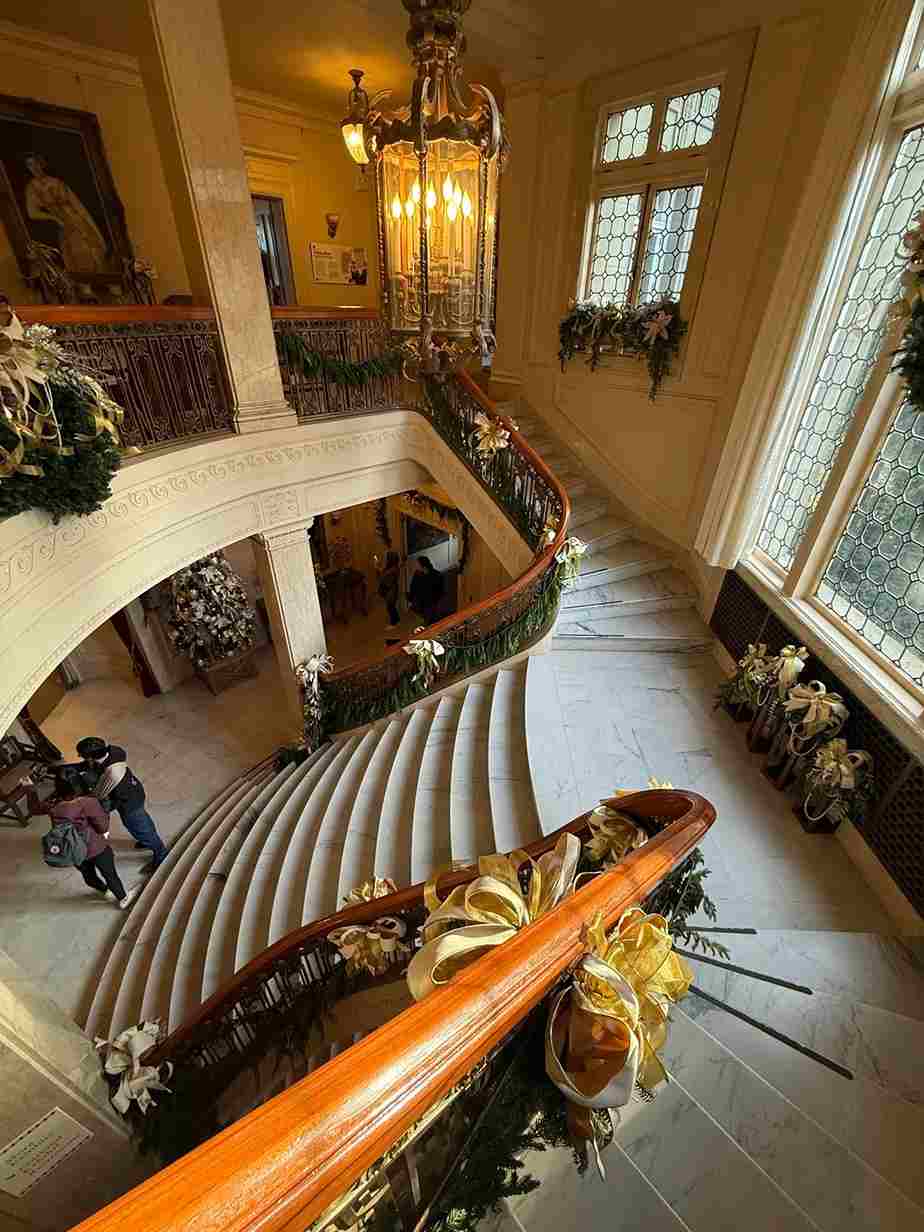
The Pittock Mansion is a genuine detour into local history, sitting roughly 1,000 feet up a hill as a French Renaissance-style chateau built by Henry Pittock, an Oregonian newspaper publisher, and his wife, Georgiana — founder of the Portland Rose Society back in 1889. The family lived there until well into the 1950s, before storm damage in 1962 pushed the whole property into disrepair.
What saved it was pure community effort — rather than let it get demolished, locals rallied to preserve it, and it’s now run as a public city park and museum. Inside, 23 rooms hold donated art, antiques, and rotating Portland history exhibits, and on clear days, the Mt. Hood views from the grounds are genuinely some of the best in the city.
Food Cart Tour
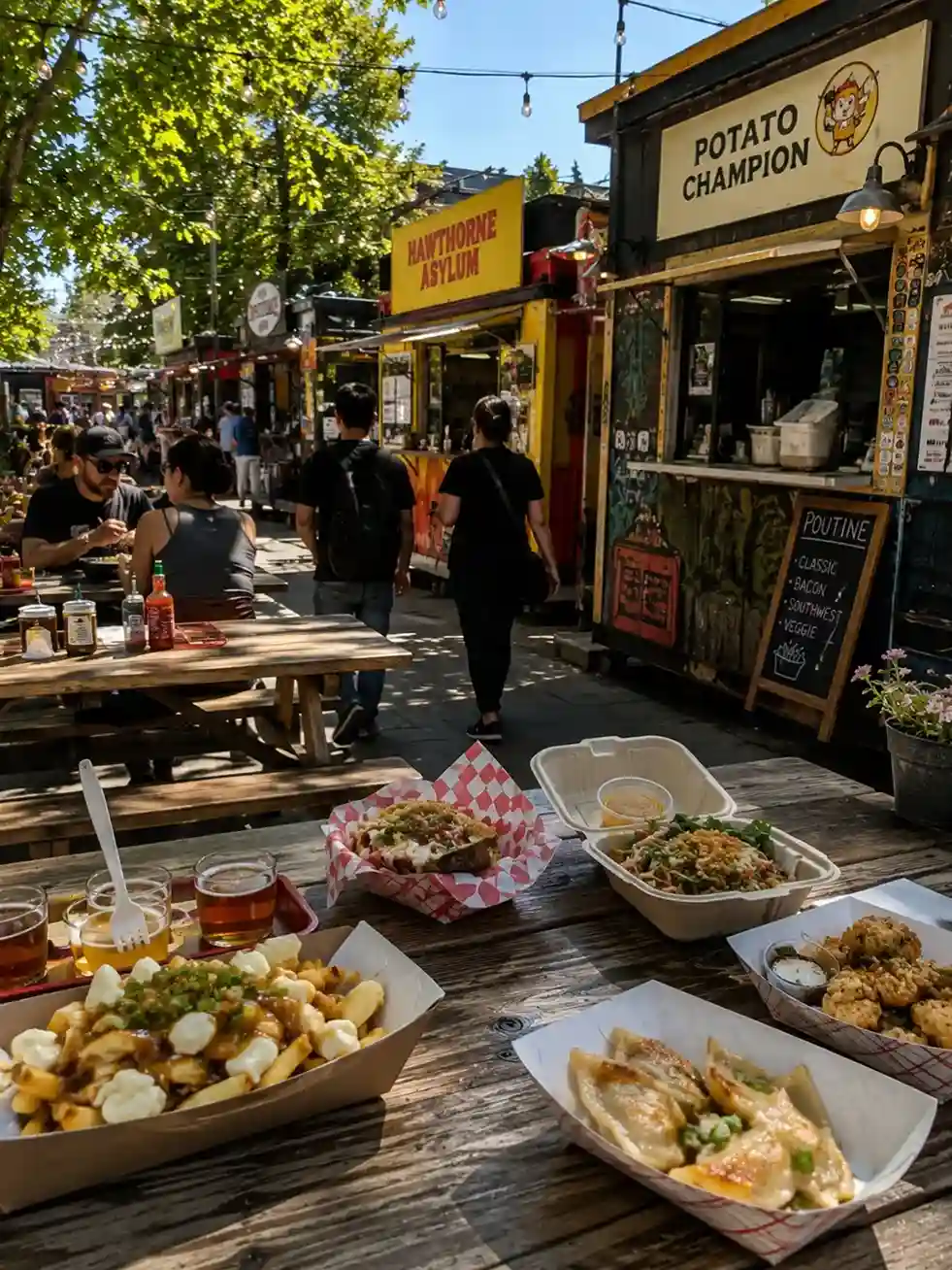
Portland’s food cart culture runs deeper than most visitors realize — the city holds an estimated 1,000+ food carts, most clustered into permanent pods rather than the roaming trucks you’d find elsewhere. I did a guided run with Lost Plate Food Tours, led by co-founder Michelle Bergey, and it completely changed how I think about this scene.
Stops included Potato Champion for poutine made with local cheese curds, the Hawthorne Asylum pod — genuinely set on a former mental hospital site — for a spread of Burmese noodle salad, Dutch stuffed waffle, and Iraqi-style fried cauliflower, plus a stop for Ukrainian chicken dumplings. We wrapped at Morrison Market Food Hall for tacos, before finishing the whole route at Rogue Brewery with craft beer flights and a plate of pretzels — one of the better full-circle tour stops I’ve done on any Food Cart Tour in this city.