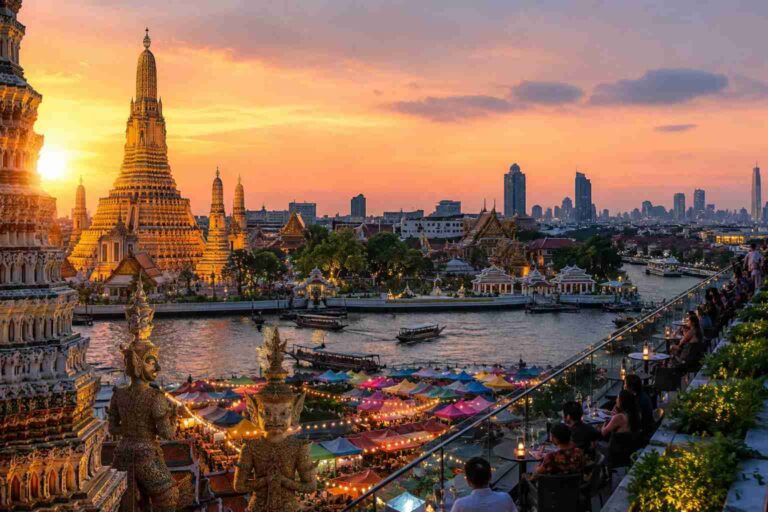
How to Choose the Best Halong Bay Cruise in Vietnam (2026 Guide)
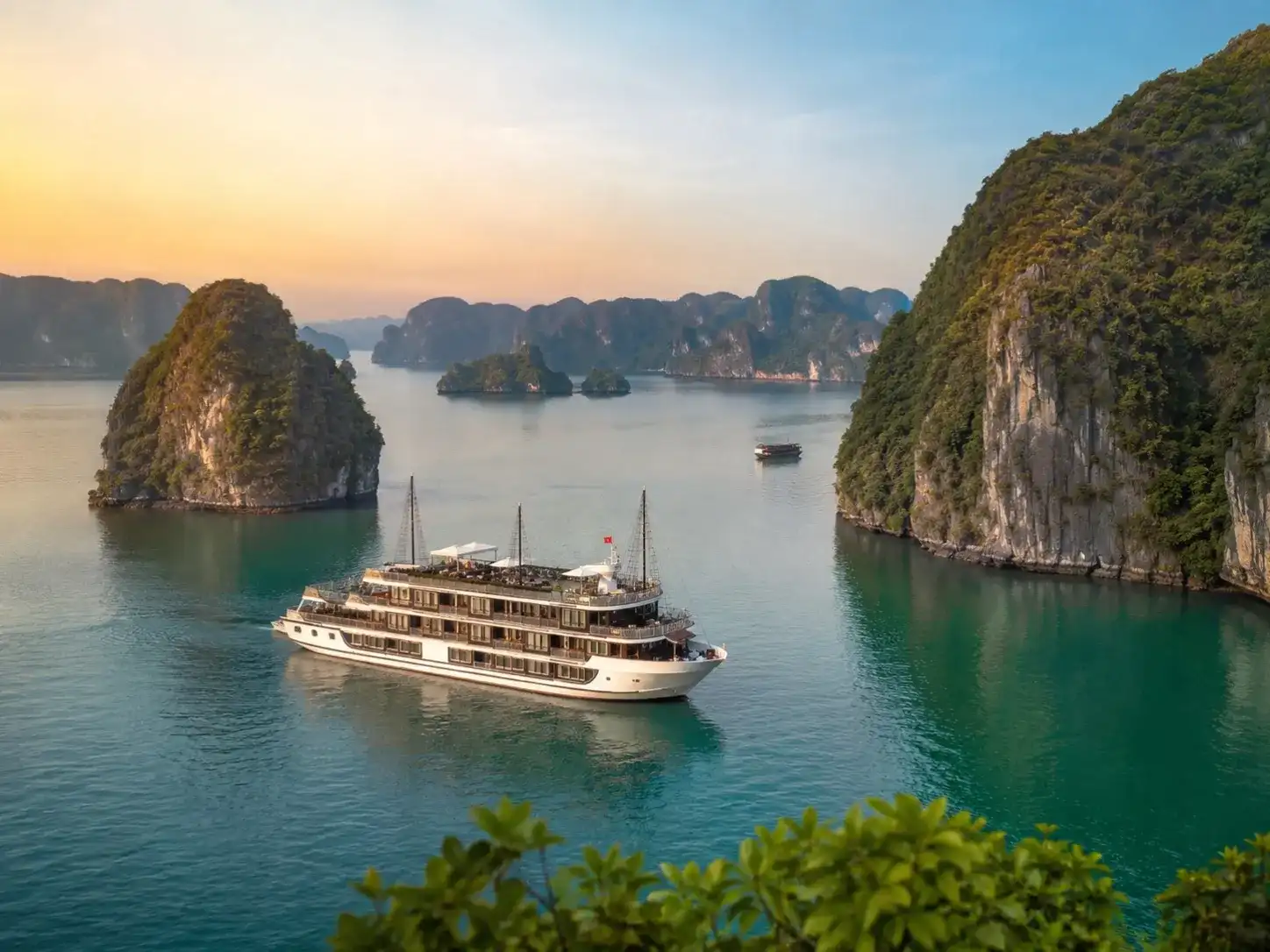
When I first started digging into how to get there and what a trip to Halong Bay actually involves, I quickly realized the background information floating around online is scattered across dozens of blogs, each with its own angle. Some focus on location, the 3 hrs drive from Hanoi, or the route through Tuan Chau harbor; others jump straight into comparing boats. I pulled together notes from AwayGoWe, InsideAsia Tours, My-TravelMonkey, and Tripiwi because each writer approached their Vietnam trip differently, and together they painted a fuller picture than any single first-hand account could.
What stood out was how personal the choices were. The Tripiwi crew booked Dora Cruises on a 2D1N itinerary and gave a genuinely honest opinion about it, warts and all. My-TravelMonkey skipped the crowds entirely and picked a Bai Tu Long Bay cruise through Indochina Junk, chasing a less touristy, more authentic experience. Meanwhile AwayGoWe leaned into a full 3-day adventure with a beach bungalow stop near Cat Ba, and InsideAsia Tours stuck to practical cruise-length advice and seasonal advice for readers who just wanted a straight answer.
Strip away the branding and every single guide is circling the same handful of decisions: how many nights to spend on the water, which licensed operators to trust, and whether to chase fewer boats by avoiding the busiest routes. Some travelers want overnight cruises packed with hiking, kayaking, a cooking class, and time exploring caves; others are happy with day cruises and heading straight back to Hanoi or Ninh Binh by evening. The UNESCO Site status and New7Wonders recognition mean the green-topped islands of Halong Bay and neighboring Lan Ha Bay aren’t going anywhere, but the crowds absolutely shift depending on the season and the traveler type you happen to be, whether that’s a backpacker on a boat night budget or someone booking a full cruise length built around comfort. It also pays to remember that most travel writers, myself included, aren’t immune to bait-and-switch tours — reading a handful of accounts before booking saves a lot of grief later.
Cruise Length: Day Trip vs. 1-Night vs. 2-Night/3-Day

If you’re short on time, a day cruise gets you on the water without eating into the rest of your itinerary, but transport alone can chew up half the day, which is why it doesn’t suit everyone — especially day-trippers hoping for a slower pace. The one-night cruise tends to be the classic choice and, in my experience, the real sweet spot: you get an afternoon sail, dinner onboard, then wake up for a second stop before you disembark, usually mid-morning. It works well for couples, families, and first-timers who want the full flavor of the bay without committing several days.
Push things to a two-night cruise or a full three-day-two-night trip and the atmosphere genuinely changes. Boats thin out, the remote stops open up, and you might swap onto a day-boat for a stretch before returning to the main ship — sometimes anchoring near quieter coves and less-visited coves that the two-day-one-night crowd never sees. My own preference tilts toward the longer option: on night one you’re still surrounded by other moored boats near Bai Tu Long Bay or Cat Ba, but by the second night, once the budget day-trippers have gone home around 11am, you’ll likely have floating villages and stretches near Monkey Island almost to yourself.
There’s no universally “rushed” or “relaxed” option — it depends on how much night onboard time you actually want and whether tight itineraries matter more to you than a 3D2N at a popular choice port. I’ve done both, and while the shorter version is efficient, the longer one is the one I’d book again.
Budget vs. Mid-Range vs. Luxury
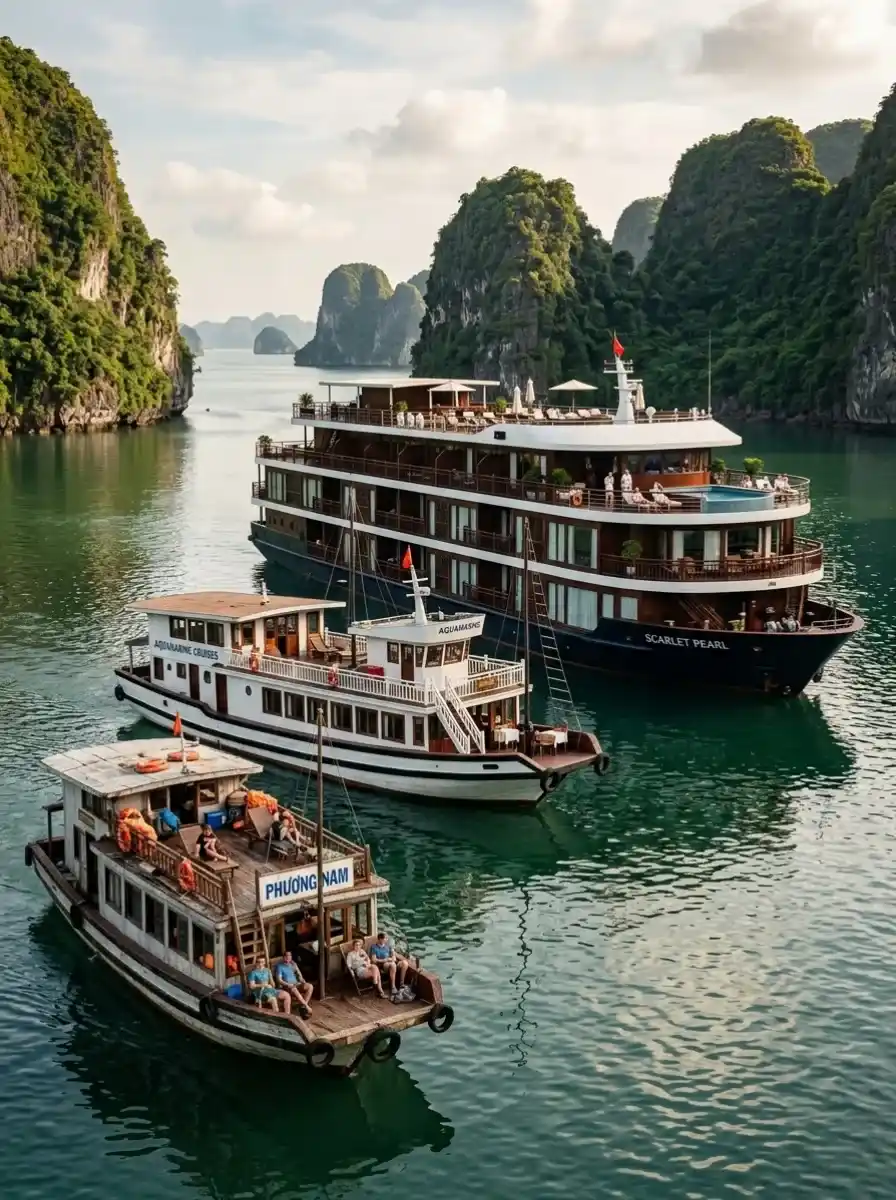
Every boat on the water has been painted the same shade of white since 2012, thanks to a government order, so from the dock they all look suspiciously similar. Don’t let that fool you — a budget cruise and a luxury cruise are worlds apart once you’re aboard. A run-down boat with basic rooms will get you the same scenery, sure, but a mid-range or higher-tier vessel usually brings a comfortable cabin, private balconies, and ensuite bathrooms that are genuinely worth the upgrade.
Booking through GetYourGuide or Viator works fine for the budget-to-mid-range bracket, while I’d point you toward Booking.com for anything branded as true luxury, since it tends to surface better amenities you won’t find bundled into the cheaper listings. Most rates have meals included, but the drinks policy varies wildly — some boats comp everything, others charge for imported wine and imported beer at prices that sting a little. If you’re chasing quiet, fewer passengers, and a boat that feels earned rather than crammed, that’s usually where the price gap between mid-range and top-tier options starts making sense, especially for a special occasion — the difference in cost is often smaller than the difference in comfort, right down to whether you get a bathtub with a bay view or not.
Which Bay/Area to Choose (Halong Bay vs. Lan Ha Bay vs. Bai Tu Long Bay)

Most people say “Halong Bay” without realizing it actually covers three distinct bays — Halong Bay itself, Lan Ha Bay, and Bai Tu Long Bay — all launching from the same harbor but offering very different levels of crowding. If escape crowds is your main goal, Lan Ha and Bai Tu Long are where I’d point you; the karst scenery is just as dramatic, minus the traffic jam of boats near the main sights and activities.
Bai Tu Long Bay deserves a special mention. Only a small number of licensed operators, including Indochina Junk, are permitted to run trips there, which naturally means fewer vessels and a noticeably calmer Cong Do Nature Reserve for kayaking. It’s genuinely one of the less visited corners of the region despite sitting right next to the more famous bay, and it’s become something of a favourite among travelers chasing those dramatic seascapes without the noise.
Worth noting too: nearby Ninh Binh, sometimes nicknamed Dry Halong, offers an adjacent bay-style landscape entirely on land — limestone mountains, rice paddies, and winding rivers that make a compelling add-on if you want the visual payoff of karst country without getting back on a boat.
Onboard Activities / What’s Included
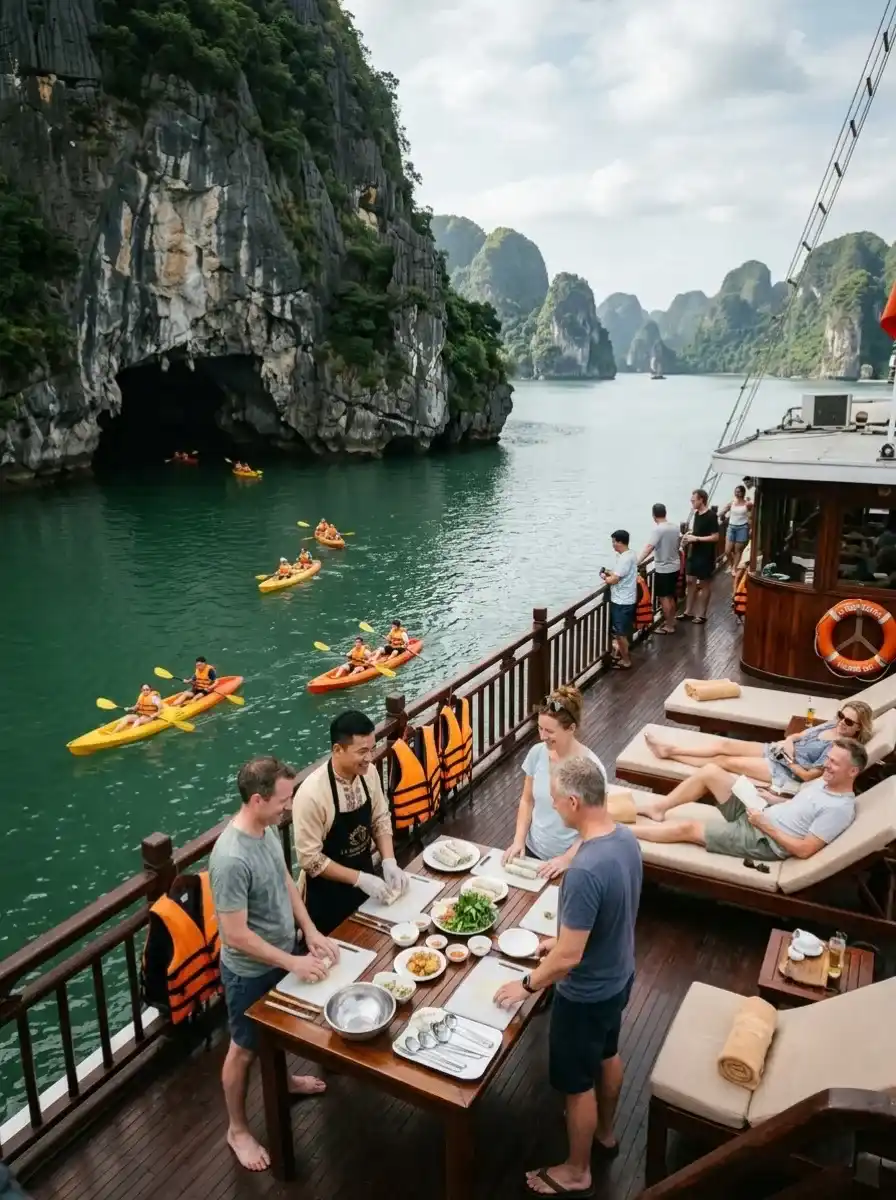
Sung Sot Cave, better known as Surprise Cave, is one of the more reliably impressive stops, and despite being crowded at peak times, the viewpoints at the top are worth the non-technical climb and make for genuinely great photos. Kayaking tends to top most people’s list of favorite activities, and I’d agree — gliding past floating fishing villages feels authentic and not staged, unlike some of the more packaged stops. Monkey Island is a fun detour too, though the wild monkeys there deserve real respect and a healthy distance.
Onboard, expect a mixed bag depending on your boat: a pool, jacuzzi, and top deck for lounging, plus a cooking class that’s sometimes just spring rolls made from pre-prepped ingredients rather than anything truly hands-on — some cruises swap it for omelets instead. Evenings often bring a buffet dinner, a flute performance, and karaoke if you’re up for it. Squid fishing is fun in theory but usually comes with no bait, so don’t expect to catch anything.
Mornings can include an early Tai Chi class around 6:15am, a bamboo paddleboat cave visit that can feel rushed on a short ride, and if your itinerary allows a beach bungalow night near Cat Ba, take it — it’s one of the better ways to break up the standard rotation of caves, beaches, and floating villages, especially once the busier two-night trips clear out and swimming conditions improve.
What to Expect Onboard / Cabin & Comfort
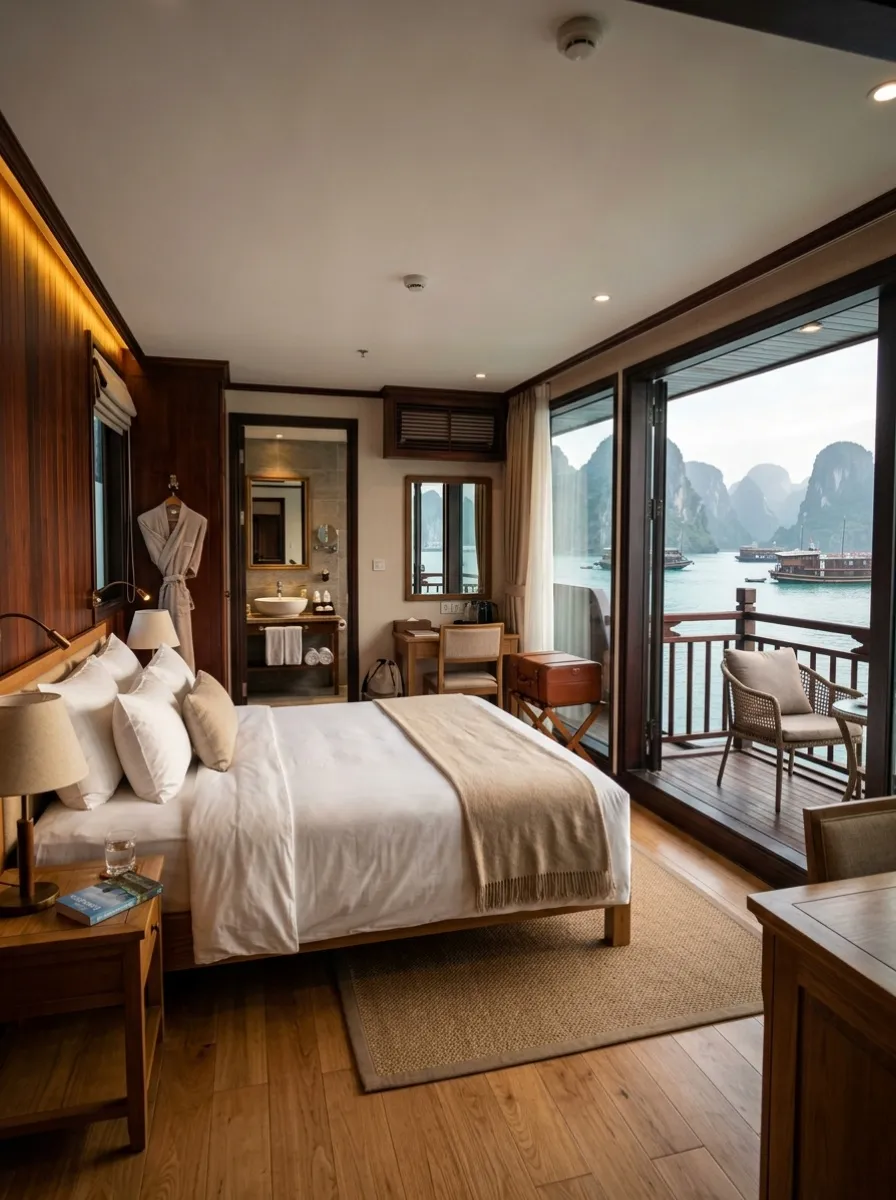
It helps to think of the boat as hotel, restaurant, and viewing platform all at once, because that’s essentially what it becomes for the duration of your trip — which is exactly why cabin quality matters more than most people expect going in. A clean cabin that’s air-conditioned with a private bathroom doesn’t need to be not luxurious-feeling to be comfortable, but if you can swing a cabin upgrade, it’s usually money well spent, especially once you realize how much time you’ll spend either in your room or up on the upper deck during free time.
Higher-tier boats often add a luxury room with a private balcony and even a bathtub with a bay view, though don’t expect much no privacy — with moored boats nearby in almost every direction, that dreamy solo soak rarely happens the way the brochures suggest. As a rule, larger cabins and better ensuite bathrooms scale directly with price scaling, so if space and comfort matter more to you than saving a few dollars, it’s worth budgeting accordingly.
Best Time / Season to Visit

There’s genuinely no bad month to visit, but some suit certain travelers better than others. Winter, spanning December and January, tends to be dry with cool temperatures hovering around 15 to 20 degrees Celsius, a low cancellation risk, and fewer visitors — though it can also feel misty and a little gray. I actually went during late November and found the atmosphere that low light created oddly beautiful rather than disappointing.
Spring, roughly February through April, brings warm, dry conditions ideal for swimming, but it’s also the busiest season and arguably the most crowded stretch of the calendar. Summer, from May to August, swaps Hanoi heat for a breezy ride on the water, though it’s the rainiest season, carrying real storm risk and occasional typhoon closures toward the back end of the season. Autumn, September through November, tends to offer the best balance — less rain, pleasantly uncrowded waters — though typhoon risk hasn’t fully disappeared, particularly early on. Temperature and visibility both shift constantly, so if photos matter most to you, chase the clearer months; if solitude matters more, the shoulder seasons deliver it.
Seasickness / Onboard Comfort Concerns
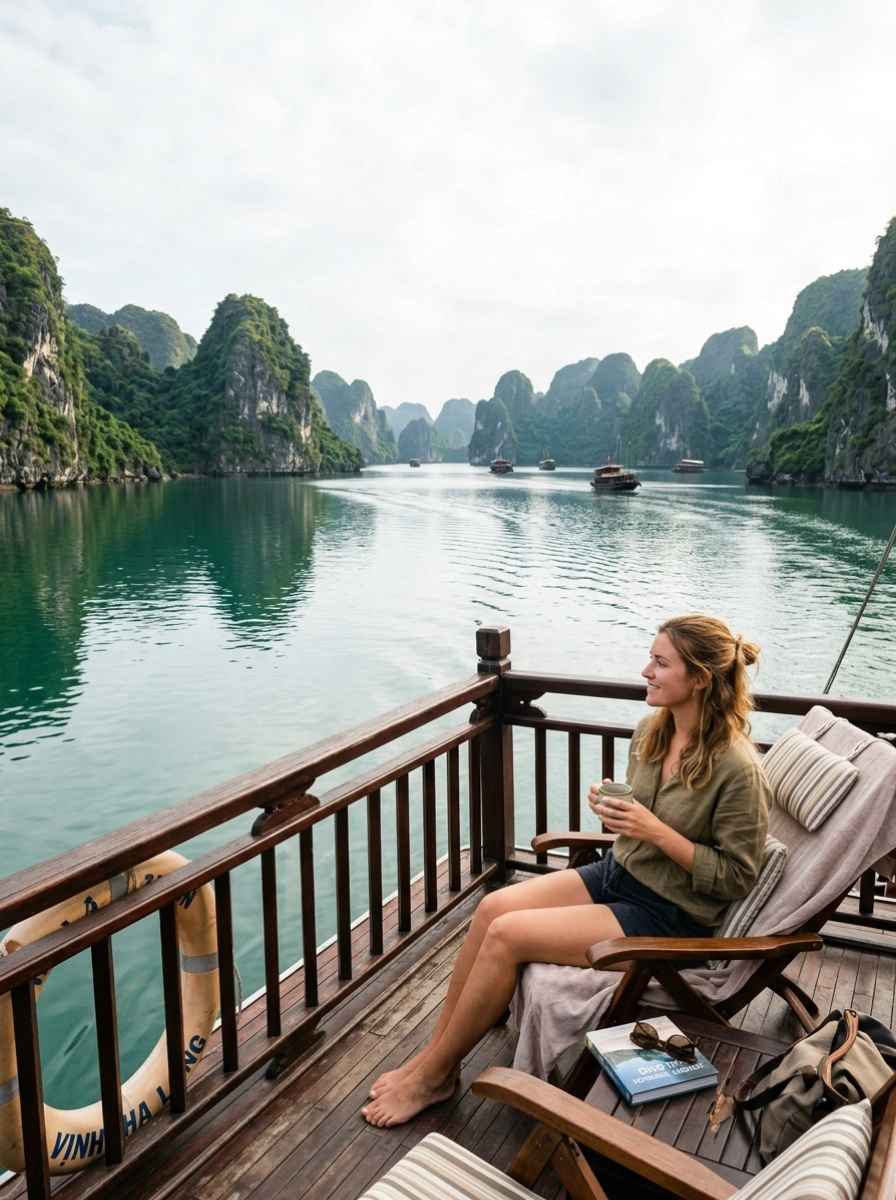
One thing that surprised me the first time out was just how sheltered bay conditions actually are compared to open-ocean routes. The water tends to stay remarkably calm water even weaving between the islands, and in my experience, even under overcast weather, the ride stayed smooth. Most travelers find the whole experience far gentler than they braced for, though if you’re especially prone to it, packing motion sickness tablets is still a smart, low-effort precaution.
Cost / Pricing
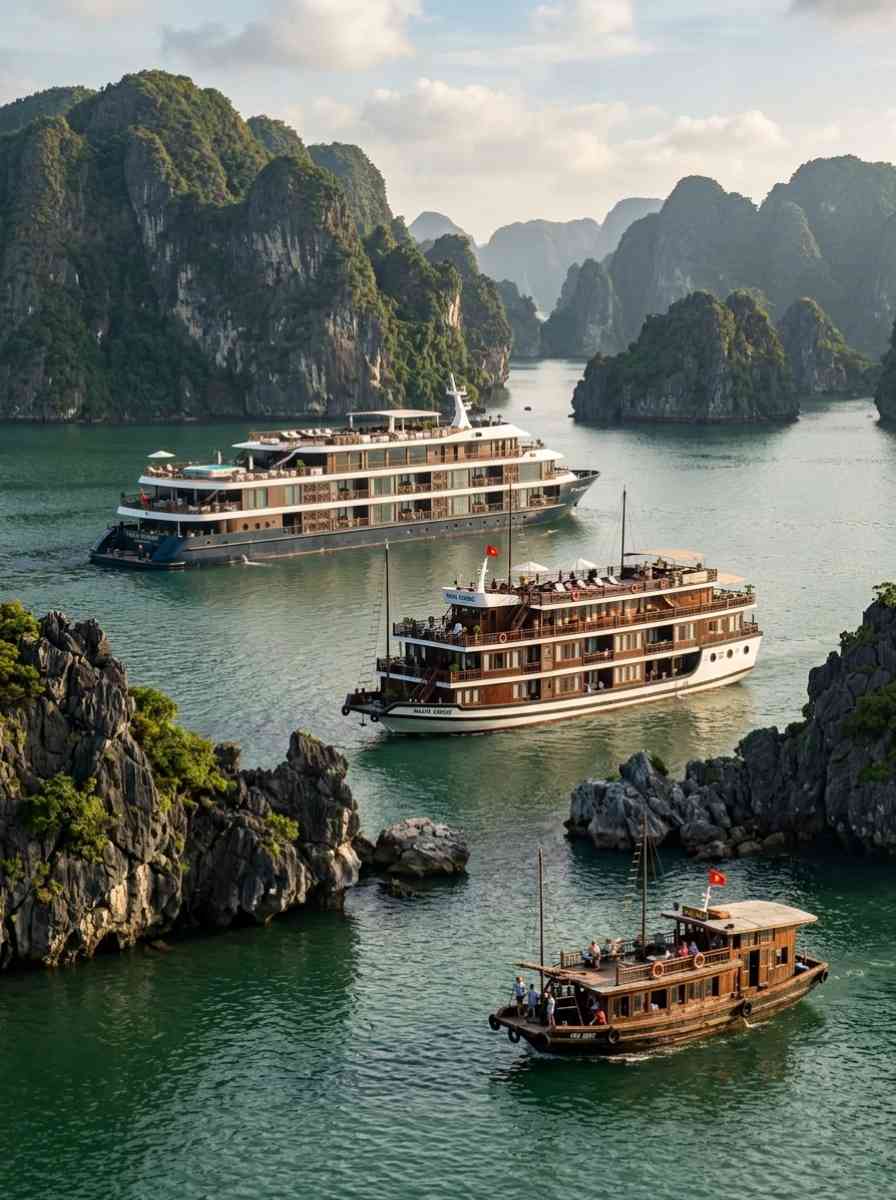
As a general rule, day cruises cheapest options sit at the bottom of the price scale, two-day best value trips land in the middle and tend to satisfy most travelers, and three-day pricier itineraries cost more but deliver a noticeably relaxed experience in return. At the top end, luxury premium price tags usually buy you larger cabins, better dining, and a calmer overall atmosphere on board.
Rather than comparing the headline price alone, look closely at the inclusions — transfers, meals, activities, and entrance fees are sometimes bundled in and sometimes not, and bundling varies wildly from one operator comparison to the next. I’ve been caught out before assuming two similarly priced cruises were offering the same thing, only to find one included almost everything and the other charged extra at every turn.
Booking Logistics / Where to Book / Getting There

Geographically, the bay sits around 90 miles from Hanoi along the Gulf of Tonkin, and most people arrive by a straightforward car journey of 2 to 3 hours. If you’d rather skip the road entirely, a seaplane is available, and some operators will even extend it into a scenic flight over the water itself. Boats typically depart from Tuan Chau harbor, though a 3-hour drive from Ninh Binh is also common depending on where you’re staying beforehand.
You can book directly through the cruise company, through travel agents in Hanoi, via platforms like Booking.com and GetYourGuide, or in person once you land. Pick-up is usually included from Hanoi, with a small fee sometimes added for Ninh Binh starts, occasionally folded into a bundled price instead. I’d also gently flag that a bad booking experience isn’t rare — I’ve heard more than one story involving an agency upsell attempt or a sudden “cancellation” that conveniently opens the door to a pricier alternative, so reviews verification before handing over money, and a healthy skepticism toward phone-based upsells, go a long way.
Whether you land on mid-range cruises or budget cruises, both are perfectly fine choices for most travelers; it’s really only true luxury bookings where I’d steer you toward a dedicated hotel-style platform instead of a generic booking app. And in hindsight, I’d always tell a friend to book earlier rather than leaving it to chance once they’ve already landed.
Why Take a Halong Bay Cruise?

The UNESCO recognition attached to this limestone seascape isn’t just a formality — it reflects something you genuinely feel while gliding through it. There’s a real difference between glancing at the bay from shore and actually cruising through it, not just visiting it as a checkbox stop. I’d caution against assuming the cheapest option or the shortest option is automatically the smartest pick; the value here isn’t really about ticking a box, it’s about the scenery and the slower, sensory-heavy experience of moving through those towering islands over hours rather than minutes.
How We Chose Our Cruise
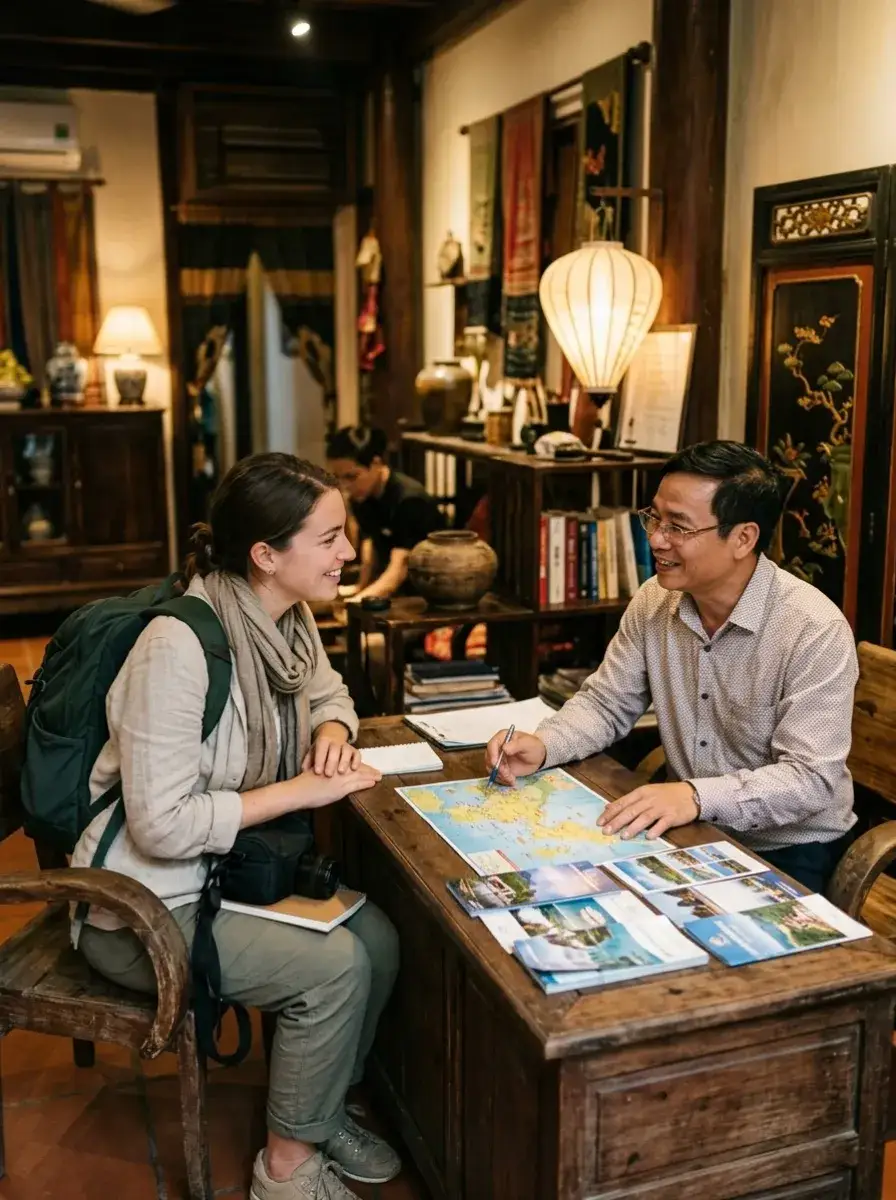
Wading through Hanoi travel agencies in person is its own adventure. Every brochure seemed to advertise near-indistinguishable brochures, and comparing prices left me with unclear pricing more than clarity. Rather than endlessly comparing operators myself, I eventually leaned on a guesthouse manager for a trusted recommendation, and it turned out to be far more useful than any amount of solo research — sometimes narrowing choices down to two or three genuinely vetted options beats scrolling through fifty near-identical listings.
What Actually Matters When Comparing Cruises
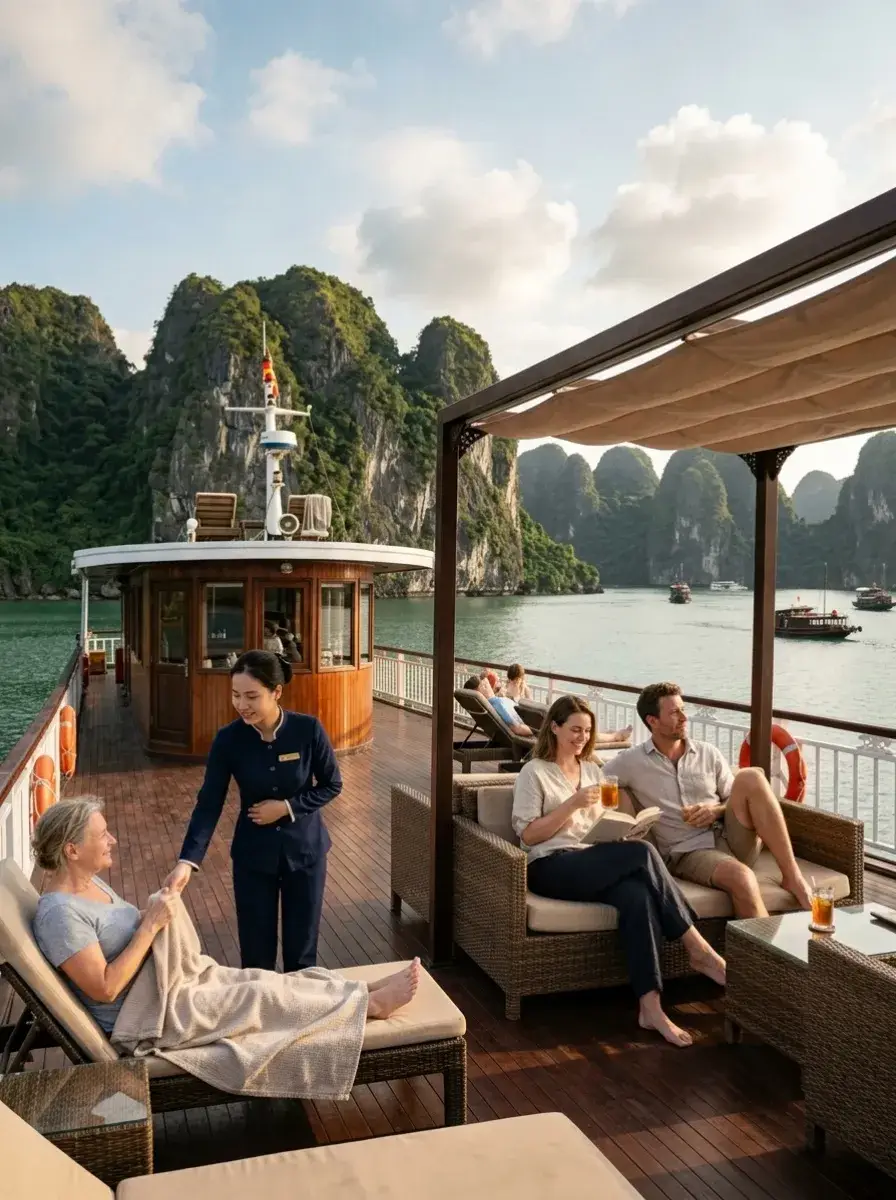
After doing this more than once, I’ve learned the details that actually shape the trip rarely show up in the marketing photos. Having enough time to genuinely slow down instead of racing between stops matters more than any activity list. A comfortable cabin, the right balance of activities against free time, and a competent crew — ideally a low-key crew that runs things smoothly without hovering — make or break the whole thing. Even your fellow passengers matter more than you’d think; there’s a real difference between a boat full of people there to unwind and one that’s essentially not a party boat in name only.
What to Pack
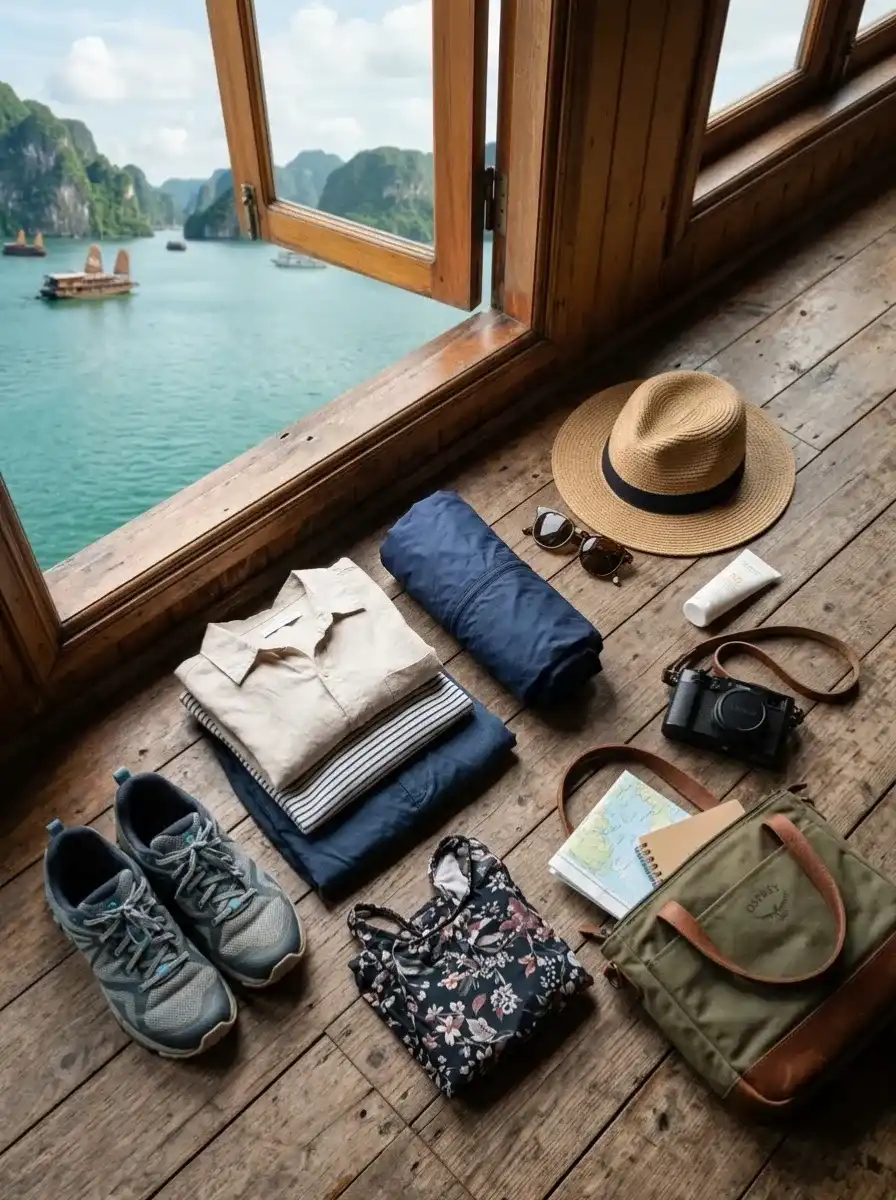
Keep it simple: walking shoes or hiking sandals for cave stops and viewpoint climbs, layerable clothing you can adjust through the day, a light jacket for cooler evenings, and a swimsuit for kayaking or beach breaks. Don’t forget sunglasses, sunscreen, and a hat, plus a camera for the scenery, and if you’re at all prone to nausea on the water, toss in some motion sickness medication just in case.
Case for Bai Tu Long Bay specifically

What makes this area stand out is simple: government permission to operate here is limited to a handful of licensed operators, including Indochina Junk, which keeps it genuinely less crowded. On a typical 3D2N itinerary, boats often start sailing onward after night one rather than heading back to port, continuing into the Cong Dam area and Thien Canh Son cave — not returning to port the way most standard routes do.
Things No One Tells You About Halong Bay Cruises
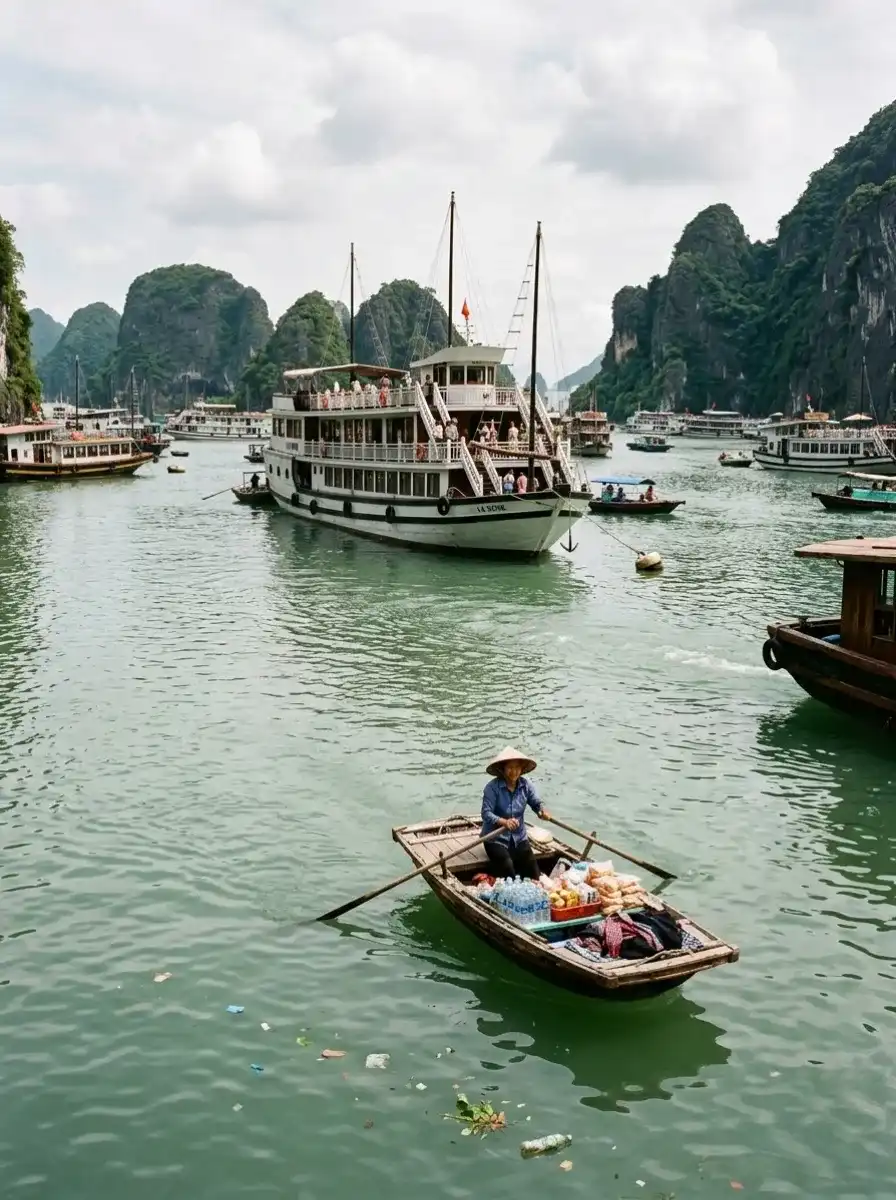
A few things caught me off guard the first time. The boat doesn’t move much, honestly, far less than the brochures imply. Drinks not included is the norm, and expensive onboard drinks are common once you’re stuck without options. You’ll notice other boats visible in nearly every direction, meaning no privacy even in quieter zones like Lan Ha Bay. There’s also plastic litter and generally dirty water in patches, worse the closer you get to Halong Bay proper. And expect vendor boats paddling up selling drinks and selling snacks, sometimes even during kayaking sessions.
Full Day-by-Day Trip Recap

A typical run looks something like this: pickup, a long transfer, lunch onboard, cabin check-in, an afternoon of kayaking, some deck time, a cooking class, dinner, a round of squid fishing, an early Tai Chi session, breakfast, a bamboo paddleboat excursion, brunch, and finally the transfer back. Told hour-by-hour, it reads almost like a travel narrative more than an itinerary.
Final Verdict
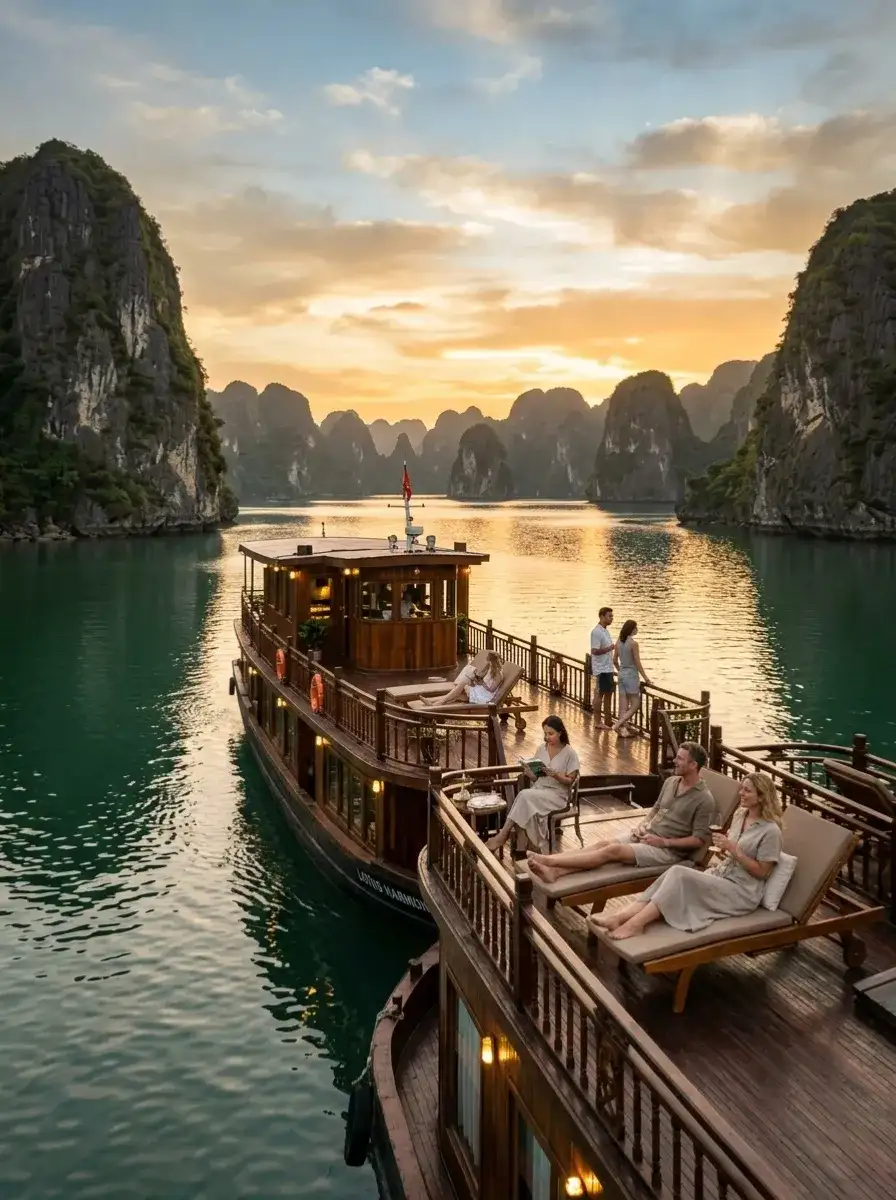
Bottom line: it’s worth doing, even if it feels slightly overhyped against sky-high expectations. I was genuinely disappointed by the cooking class and the paddleboat ride, but everything else more than made up for it. If I had to choose again with budget allowing, I’d lean toward a full 3D2N preference over a rushed 2D1N.