35 Best Tropical Islands & Beach Destinations for a Dream Vacation in 2026
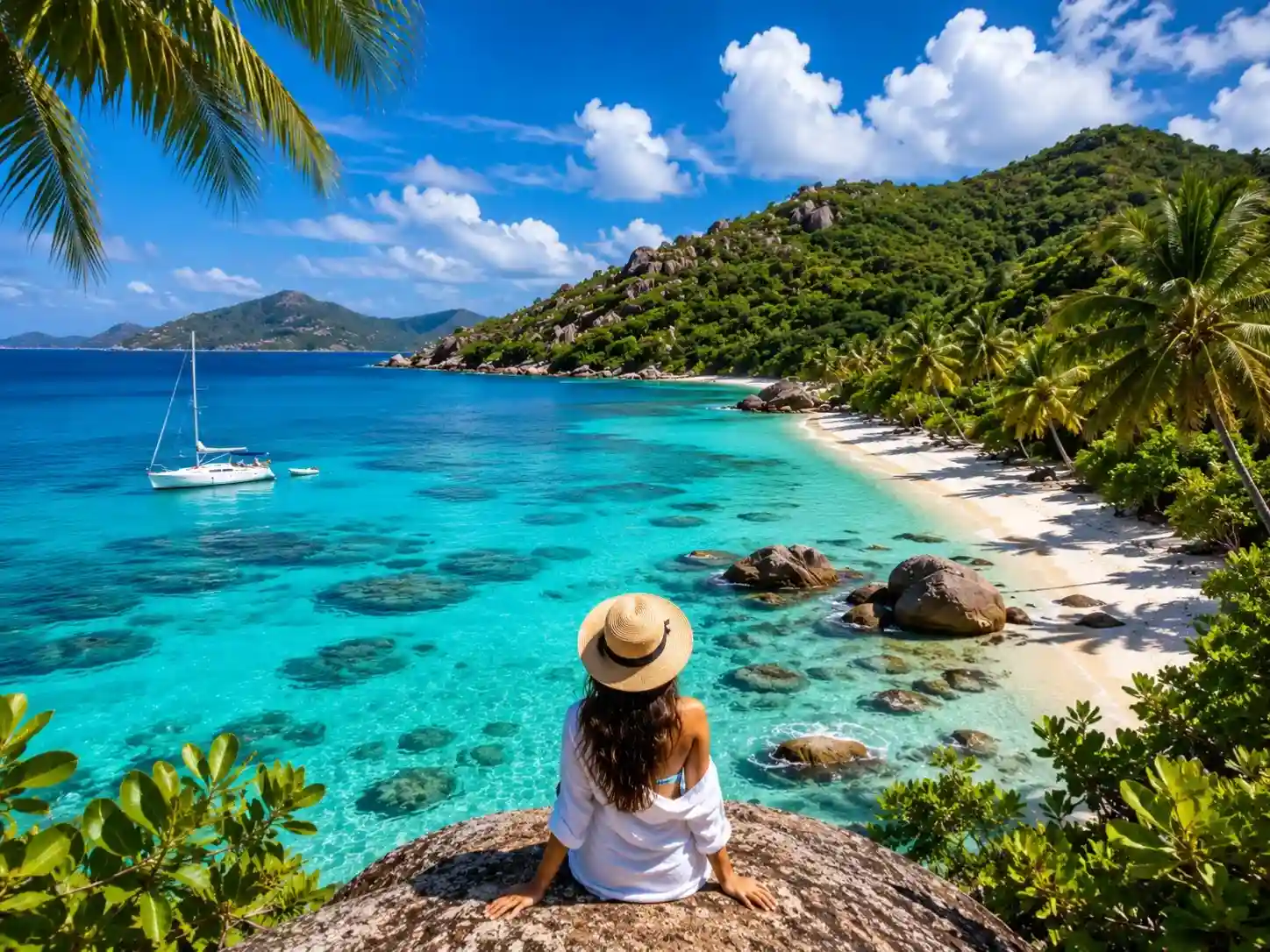
Planning a tropical vacation doesn’t have to feel like navigating a bureaucratic maze. After years of hopping between turquoise waters and chasing stunning beaches across the world, I’ve come to appreciate that the most lasting memories rarely come from the most complicated itineraries. Whether you’re dreaming of a beach vacation rooted in white sand beaches or a deep dive into Caribbean history, the magic often hides in places that blur the line between daily life and pure escapism. There’s a peculiar joy in leaving the hustle and bustle of major cities behind — especially when United States citizens can reach tropical islands without the passport anxiety. The right destination doesn’t demand you explore every corner of the Pacific Northwest before you’ve earned your beach bum credentials. Sometimes easy beach destinations are precisely what tired, well-traveled people need most.
What makes this list different from your standard Lonely Planet listicle is the angle — this isn’t just information about top 5 spots ranked by popularity. Traveling with budget in mind, wanting to skip unnecessary International complications, or simply needing spring or summer escape fuel — these are all valid entry points. The editors who shape tropical vacation planning content too often focus on the exotic destinations while ignoring how wildly accessible some best tropical places already are. Within US territories and just beyond, you’ll find waterfalls, deep-sea colors, and cultures worth your 30 saved vacation days. My goal here is simple: inspire you toward best beaches on earth, organized by what real travelers actually need to know — not just the postcard version of things.
Kauai, Hawaii
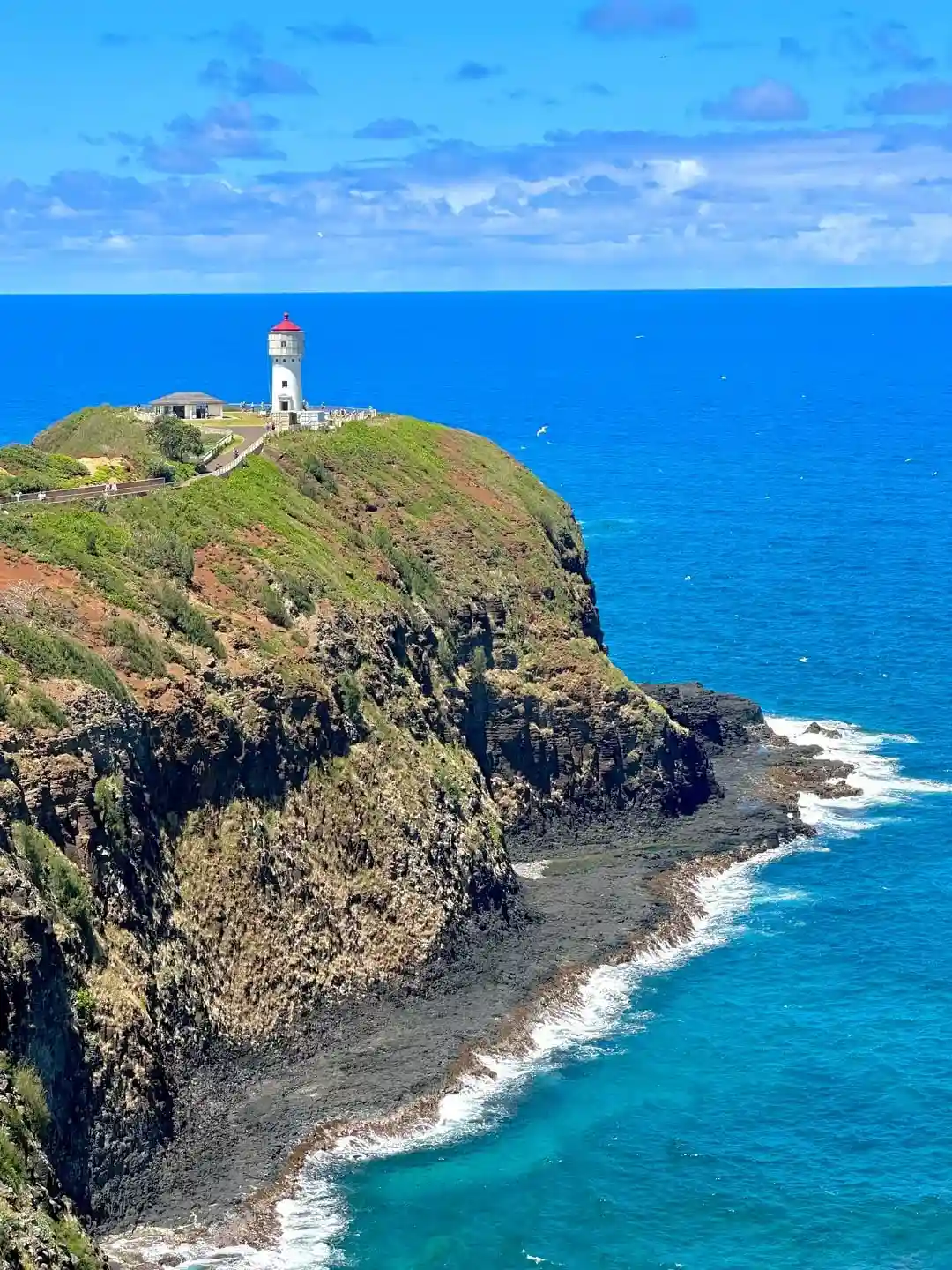
There’s a reason Kauai keeps showing up in Hollywood films — the Garden Isle looks like a set designer’s dream. The Napali Coast (also spelled Na’Pali Coast) stretches in jagged, lush valleys against the ocean in a way that genuinely makes you stop mid-sentence. I remember standing at a ridge overlooking the north shore and thinking, “No Oahu crowd scene, no overdone touristy setup — just raw natural beauty.” The north shore’s Hanalei Bay — a picturesque bay framed by emerald mountains — is the kind of beautiful that makes people abandon their return flights. At roughly 2 miles across, it’s large enough for solitude but contained enough to feel like your own little secret. Big waves in winter make it a surfer’s obsession, while tranquil waters return by summer for swimming and easy paddling. Spinner dolphins often drift through in the mornings, which — if you haven’t experienced that — is genuinely one of those dreams-made-real moments.
Kauai also leans hard into its movie location tour scene. Jurassic Park, Pirates of the Caribbean, Descendants, South Pacific, and Gilligan’s Island all left pieces of themselves on this Hawaiian island, and following the filming spots through lush rainforests and along dramatic cliffs up to 4000ft elevation gives the trip a second narrative layer. The zipline adventure above the mountains delivers an adrenaline rush that beats anything manufactured. And unlike the big island or Maui, Kauai still feels unspoiled — its resistance to overdevelopment since 1958 is a quiet point of local pride. Kaua’i earned its reputation not through waterfalls alone — though there are many — but through its stubborn insistence on remaining one of the Hawaiian islands that feels like it belongs to the earth, not a resort brochure. It’s my favorite places list’s most reliable entry.
Maui, Hawaii
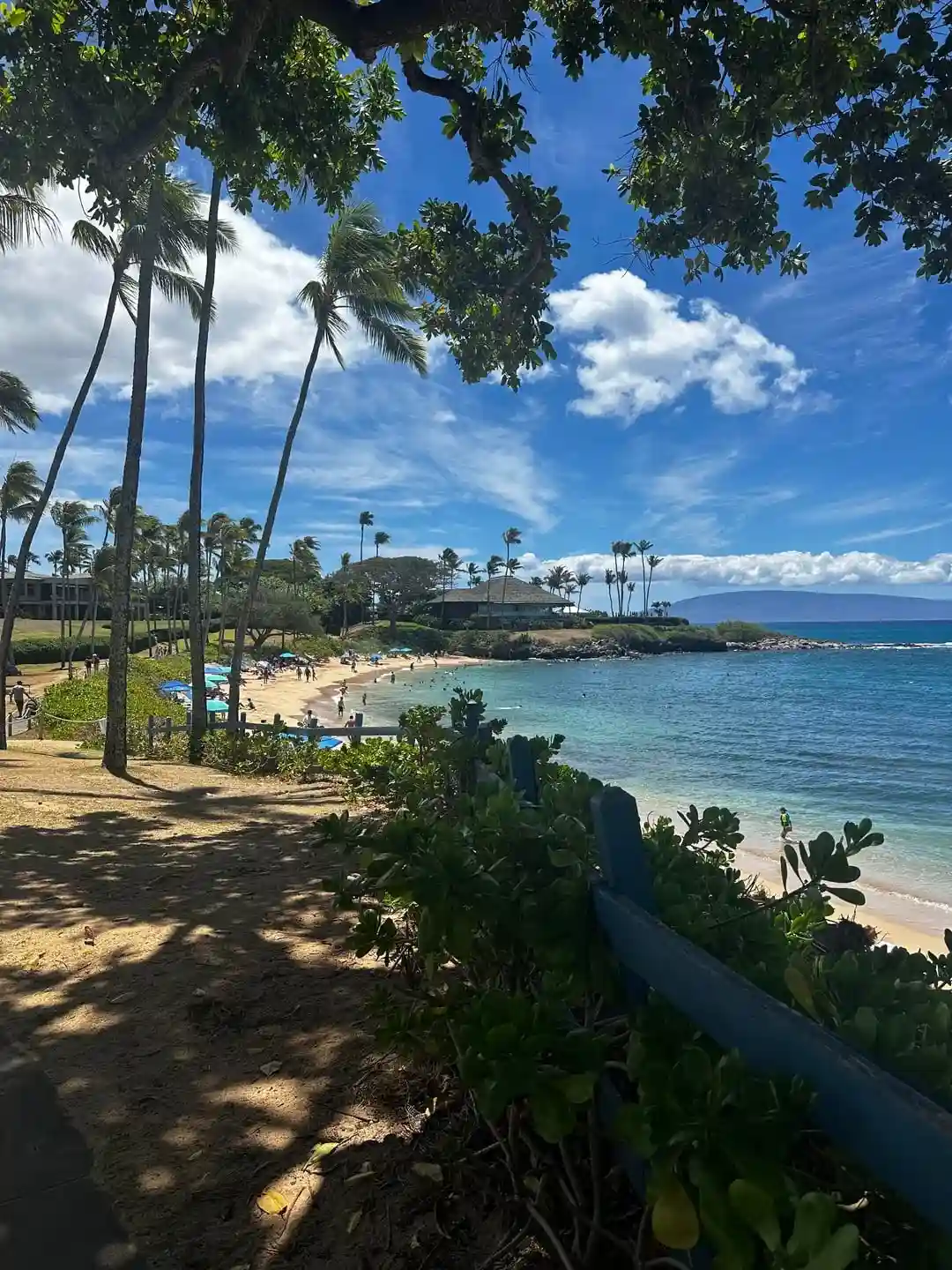
Maui operates on its own logic — it’s somehow both a tropical vacation destination and a legitimately diverse landscape packed into one island. The Haleakala Crater, a sunken volcano that you can hike before dawn to watch sunrise paint the sky from above the clouds, is unlike anything else in the Hawaiian islands. Haleakala National Park earns priority status on any Maui itinerary, especially if you’re traveling with couples or families who want more than just beach resort areas. Kaanapali and Wailea anchor the western shore with polished hotel choices and a laid-back atmosphere, while Big Beach delivers the kind of unspoiled Hawaii beaches that remind you why you came in the first place.
The Road to Hana is equal parts boat tour-worthy scenery and private meditation — dense coral reef ecosystems on one side, vertical rainforest walls on the other. Snorkeling at Molokini, a crescent-shaped sunken volcano remnant, puts you face-to-face with sea turtles, marine life, and the kind of coral reef vibrancy that scuba divers chase across continents. Scuba diving, shave ice stops, a detour to a pineapple plantation, a luau under stars — Maui doesn’t require you to choose between relaxation and engagement. It holds both. Whales breach offshore during winter, which is the kind of spectacle that earns beautiful beaches their second-place billing for the day.
Hawaii (General)
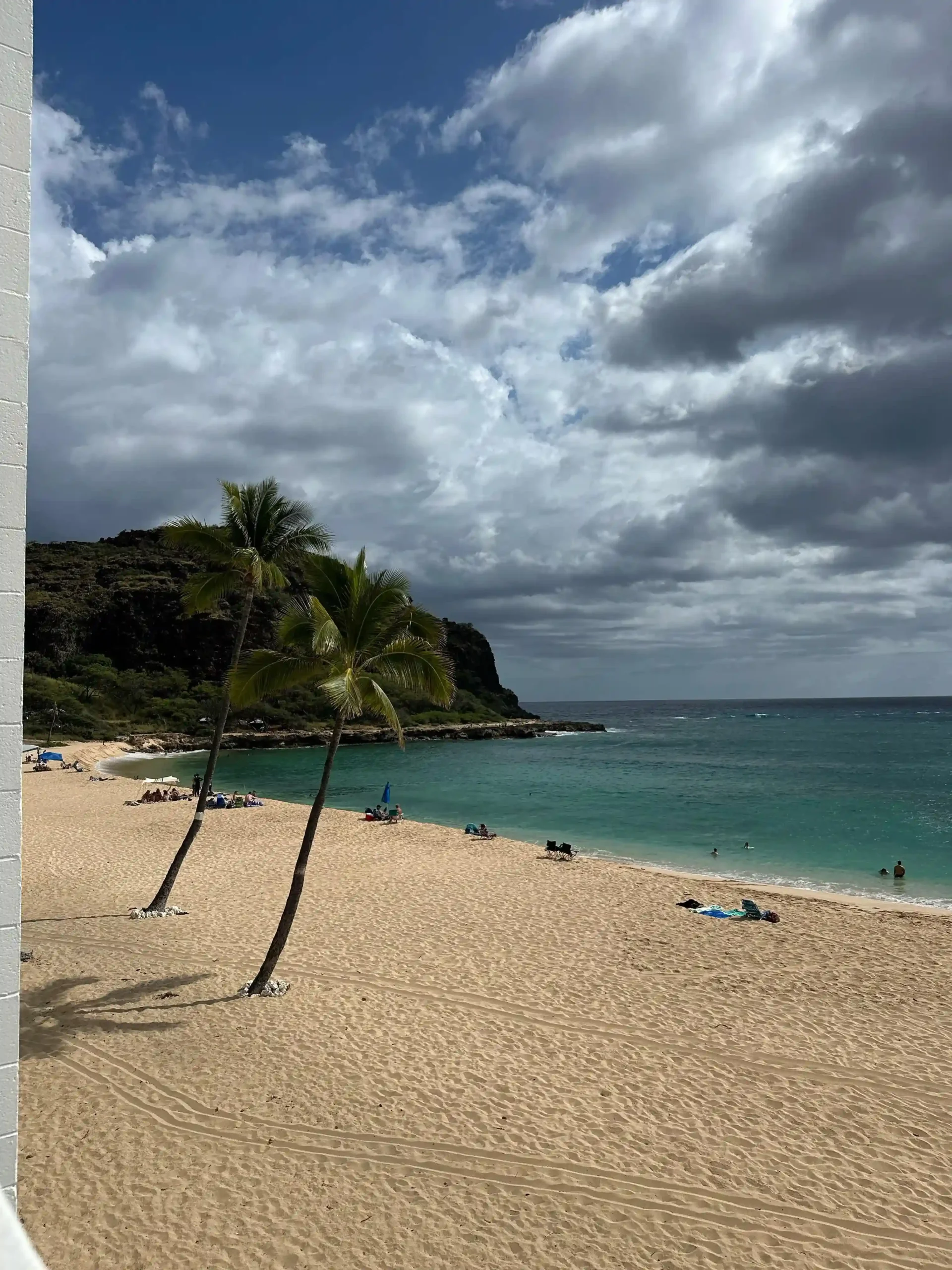
Beyond the individual islands, Hawaii functions as a world-renowned travel destination precisely because it refuses to be one thing. The Big Island alone contains active volcanoes, snow capped mountains, rainforests, grasslands, and volcanic landscapes — sometimes within a single afternoon’s drive. Hawaii Volcanoes National Park and Waimea Canyon (on Kauai) sit at opposite ends of geological drama, and both demand more than a quick photo stop. Pearl Harbor and the World War II memorial in Honolulu ground the experience in history that balances the island’s natural wonders. North Shore Oahu delivers waves that define surfing culture globally, while the Pacific Ocean surrounding all major islands keeps the whole archipelago in a specific kind of warm, breathable air that doesn’t translate to photographs.
For practical travelers, peak season runs through June, July, and August, with lower prices and fewer people during shoulder months — March, April, May, and September through November. Flying from the west coast, specifically Los Angeles, means roughly a six-hour flight, which is easier than most International routes. Visitors from across the US arrive for the unique culture, the diverse ecosystems, and a beach vacay that doesn’t require surrendering to commercialization. The island natural wonders outnumber what any single trip can capture — which is arguably the best argument for returning. Rainfall patterns vary wildly by island side, so checking warm temperatures forecasts by microclimate before booking matters more here than almost anywhere else.
Miami, Florida
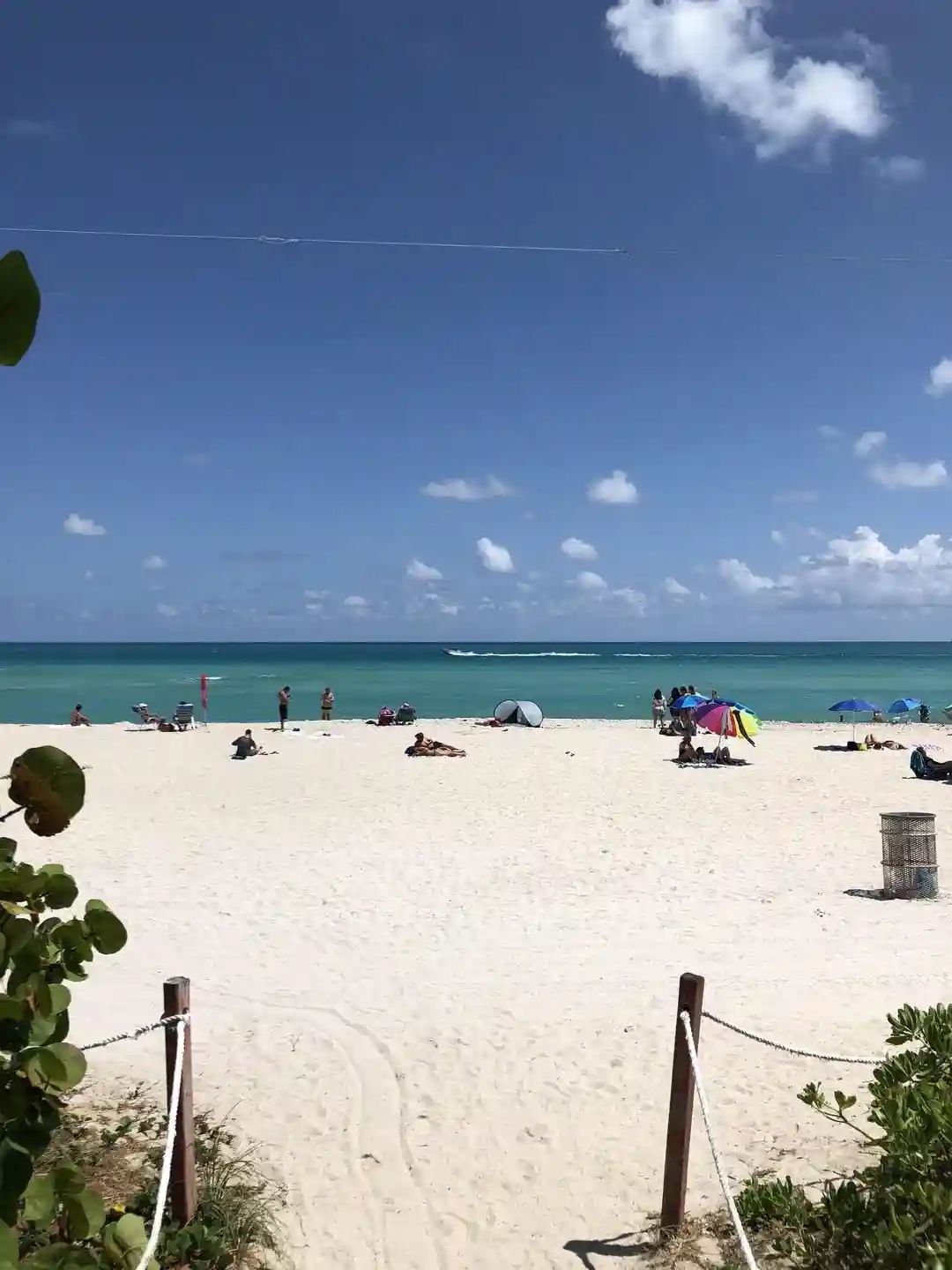
Miami earns its reputation as an action-packed destination not through any single attraction but through relentless accumulation — South Beach at golden hour, a Wynwood Art District street art tour through layered modern art walls, Cuban food at a corner counter that’s been feeding the neighborhood since before foodies made it a category. After a few trips here, I stopped treating it as a beach destination with culture on the side and started treating it as a culture destination with an extraordinary beach attached. The distinction matters. Biscayne Bay seen from a ferry toward the Bahamas or Bimini on a day trip reframes the entire city as a launching pad rather than a terminus.
For girlfriend getaways and bachelorette parties, Miami rewards planning but also rewards spontaneity — beachfront cabanas with fruity drinks blend into parasailing sessions and late shopping nights without effort. A quick flight or day trip to Key West via the overseas highway or beachy drives through the Keys turns a weekend into a full itinerary. Deep sea fishing in Bimini, a passport-optional hop from Miami, adds a Caribbean edge without the logistics. The party culture here is real but never mandatory — beach bum energy and stroll-worthy neighborhoods coexist comfortably. Even the eat and drink circuit alone — from palm trees-lined rooftop bars to Key West waterside dives — could fill a week without repetition.
Key West, Florida
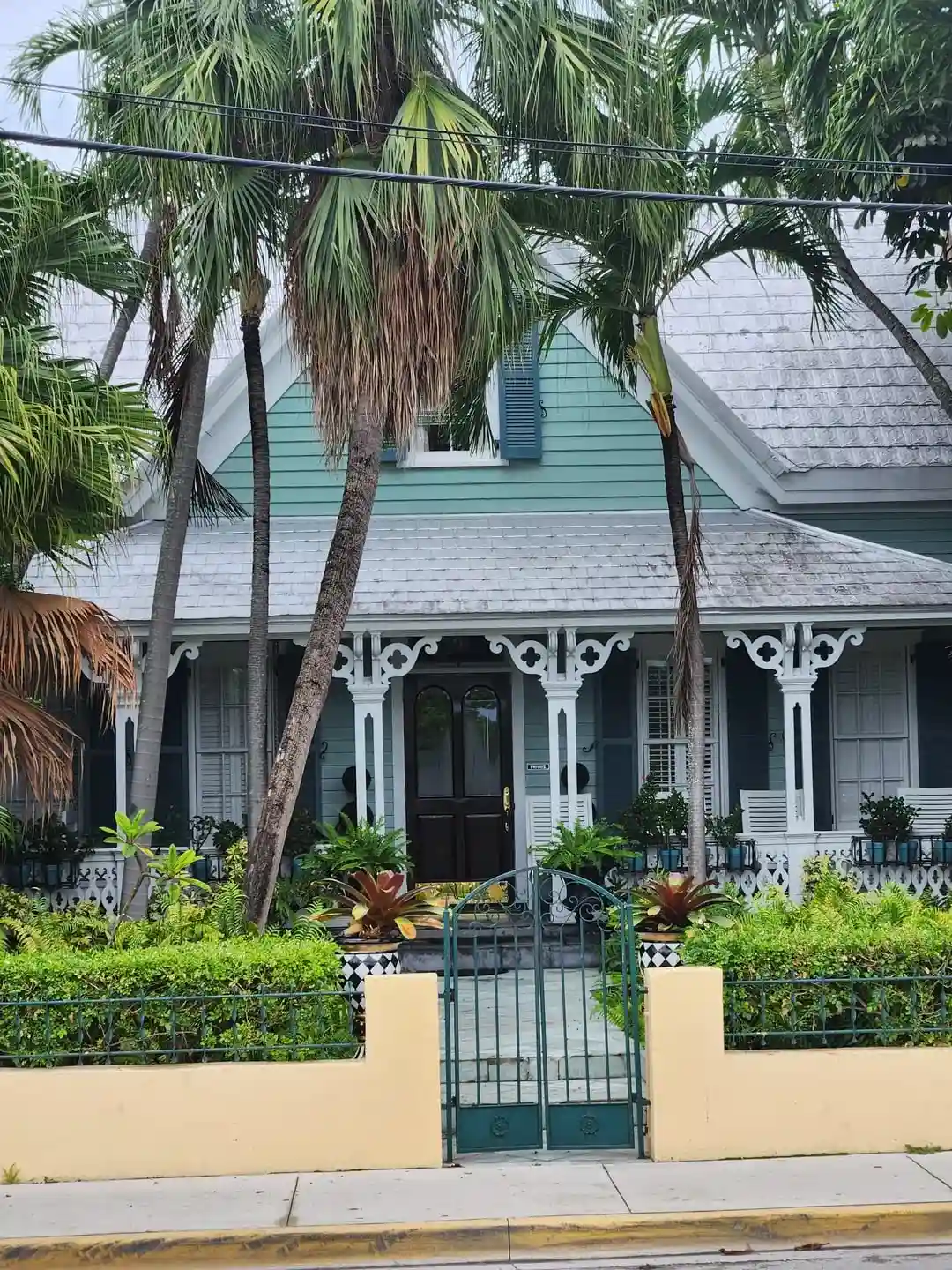
Key West is the continental United States’ most convincing argument that you don’t need an international flight to feel genuinely transported. The colorful architecture, the southernmost point ritual, the Ernest Hemingway Home with its famous cats, the Harry S. Truman Little White House — these aren’t tourist traps so much as they are compressed layers of historic landmarks in a charming island city small enough to cover on foot. A walking tour or trolley tour through the old town reveals a vibrant nightlife scene that begins at places like Blue Heaven and ends somewhere unexpected, every time. I’ve done the Dry Tortugas National Park excursion by ferry twice now, and the snorkeling and scuba diving around crystal-clear waters out there still ranks among my best in-country diving experiences.
Key West weather rewards flexibility — December through March represents peak tourist season with nice weather but higher lodging prices, while autumn (specifically November) offers a budget-friendly trip with stunning sunsets minus the crowds. May sits in an odd middle ground before hurricane season intensifies through summer, and savvy travelers use that window well. Heat and humidity peak in July, which is manageable near crystal-clear waters but punishing inland. The Southernmost Point is both a traveler ritual and a genuine geographic fact — Key West puts you closer to Caribbean latitudes than to the state capital. For something stranger, Ghosts of Key West tours lean into the island’s gothic reputation. Kayak trip routes through the mangroves, sandbar drinks at sunset, fishing, and water sports round out a destination that earns the word tropical paradise without overselling it.
Puerto Rico
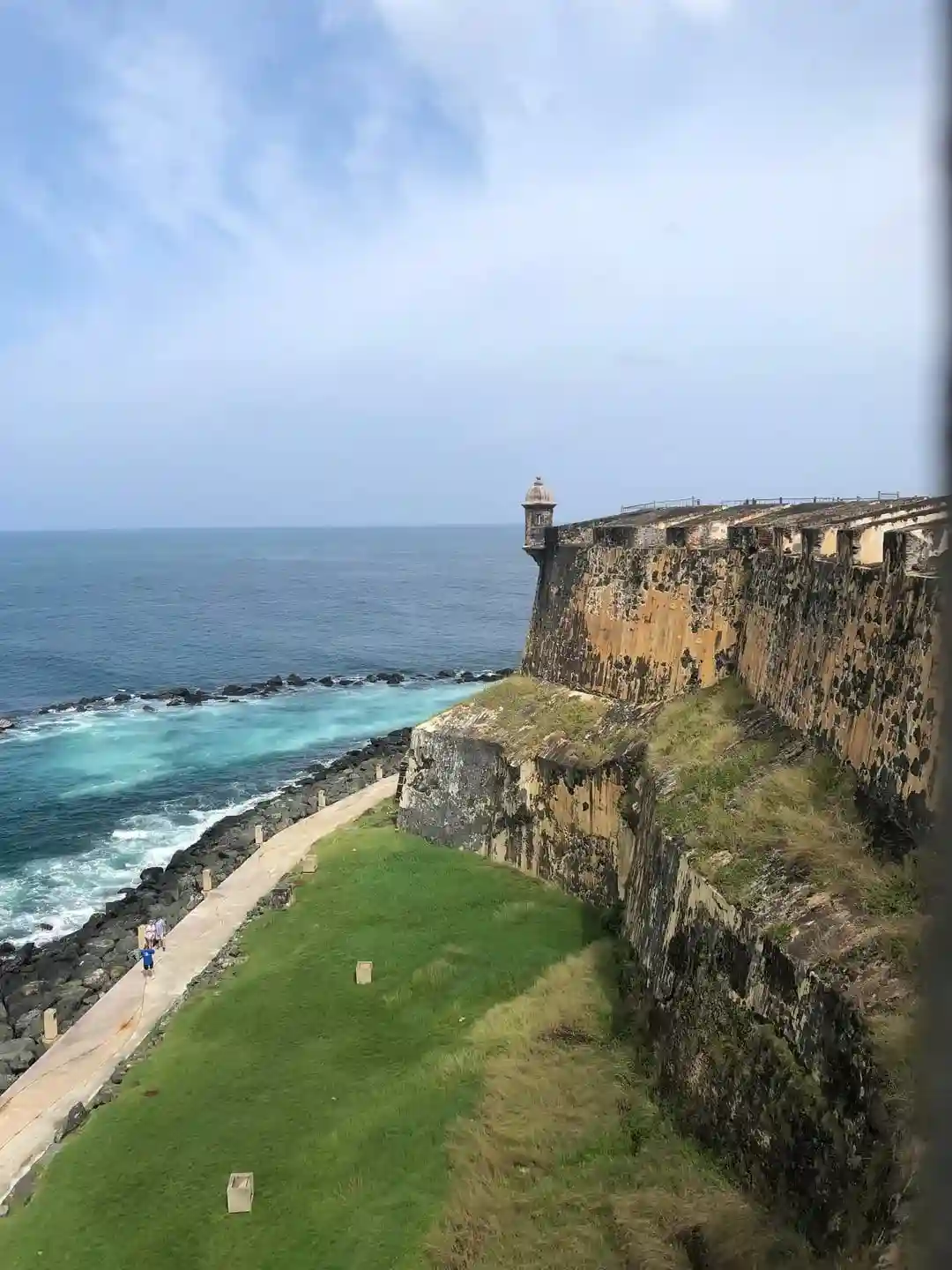
Puerto Rico is the argument I make every time someone insists they need a passport for a real Caribbean island experience. As a US Territory, US citizens move through San Juan’s airport without documentation drama — which makes it the most accessible tropical destination on this entire list. Old San Juan is built for walking: El Morro fortress anchors one end, the Cathedral of San Juan Bautista sits mid-cobblestone, and the colorful architecture running between them carries centuries of Spanish, African, and Taino cultures in every painted wall. A Walk and Taste Tour through the old city is the kind of rich cultural heritage experience that reframes what you thought a beach trip could include.
The dry season runs December through March, making it peak season for spring breakers and families — though mid-April into February shoulder windows offer budget-friendly deals before crowds crest. El Yunque National Forest is the only tropical rainforests in the US National Forest system, and a nighttime kayak adventure through bioluminescent waters in the lagoons nearby is the kind of natural wonders you genuinely cannot replicate anywhere else. The Bacardi Distillery offers catamaran access and history together. Yes, hurricane season and dangerous weather risk from June onward is real — expensive vacation losses are preventable with good travel insurance — but the historic sights, beautiful beaches, exotic character, and rich heritage make Puerto Rico worth timing carefully rather than avoiding.
Bahamas
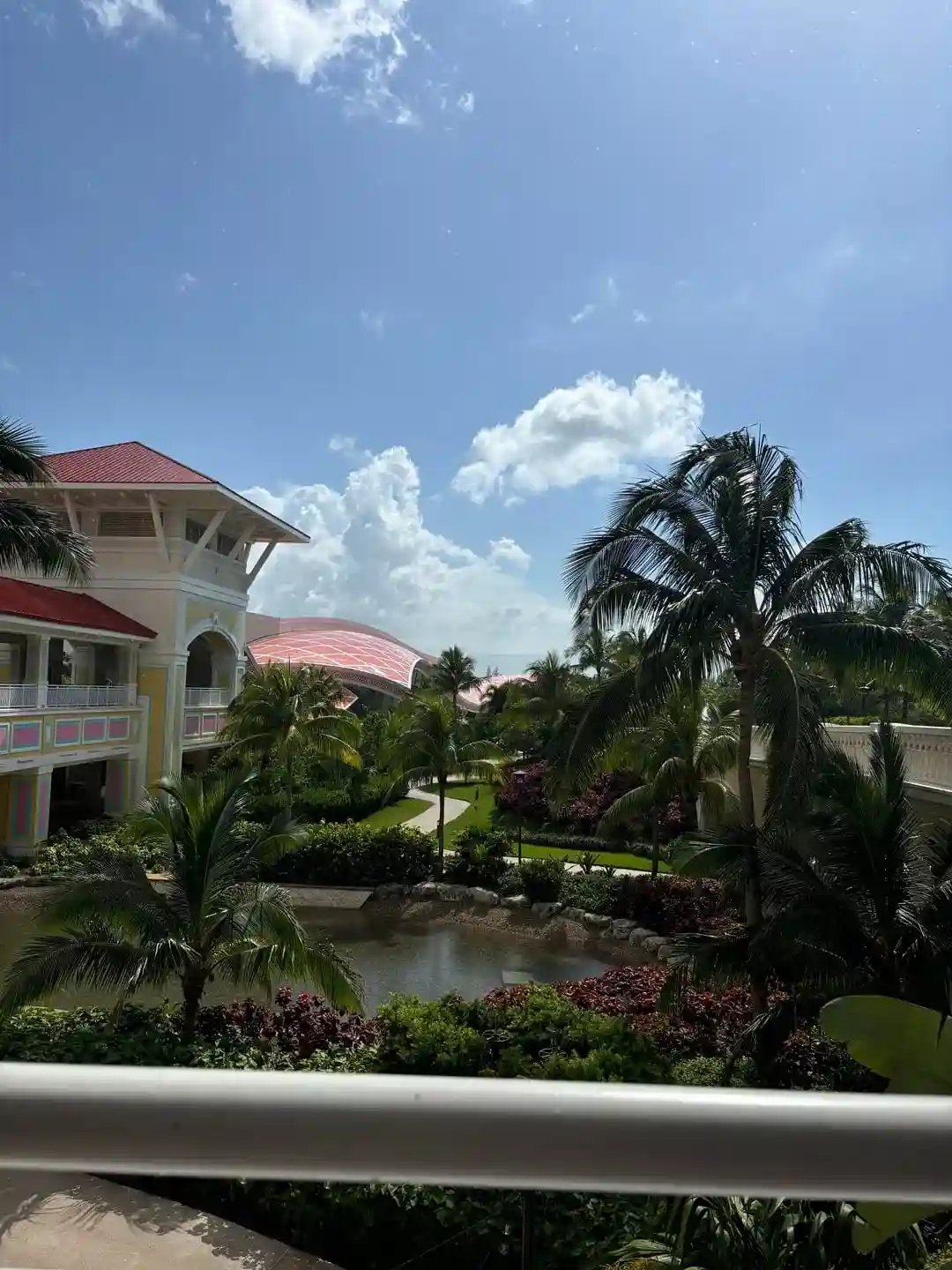
The Bahamas works best when you stop treating it like a single destination and start treating it like a Caribbean archipelago — because it is, spread across more than 700 islands, with Exuma and Andros anchoring two very different vibes. Exumas is where the swimming pigs, nurse sharks, and underwater caves live, and yes, all three are as surreal in person as they sound. A glass bottom boat tour over Lucayan National Park — the world’s longest charted underwater caves system — reframes what the underwater world beneath sandy beaches actually contains. The snorkel conditions in crystal-clear waters around the central cays are genuinely among the best I’ve experienced without a full scuba setup.
Bahamian food — especially conch in every form imaginable — deserves more attention than it gets in travel content. The marine life, tropical getaway atmosphere, and family-friendly resorts anchored near Nassau sit in contrast to the quieter out-island experience of Andros. Junkanoo festival culture gives December and January visits a local heartbeat beyond the bucket list items. Banana boats, glass bottom boat rides, and family-friendly resorts handle the activity calendar; the Bahamas’ tropical getaway identity handles the rest.
Jamaica
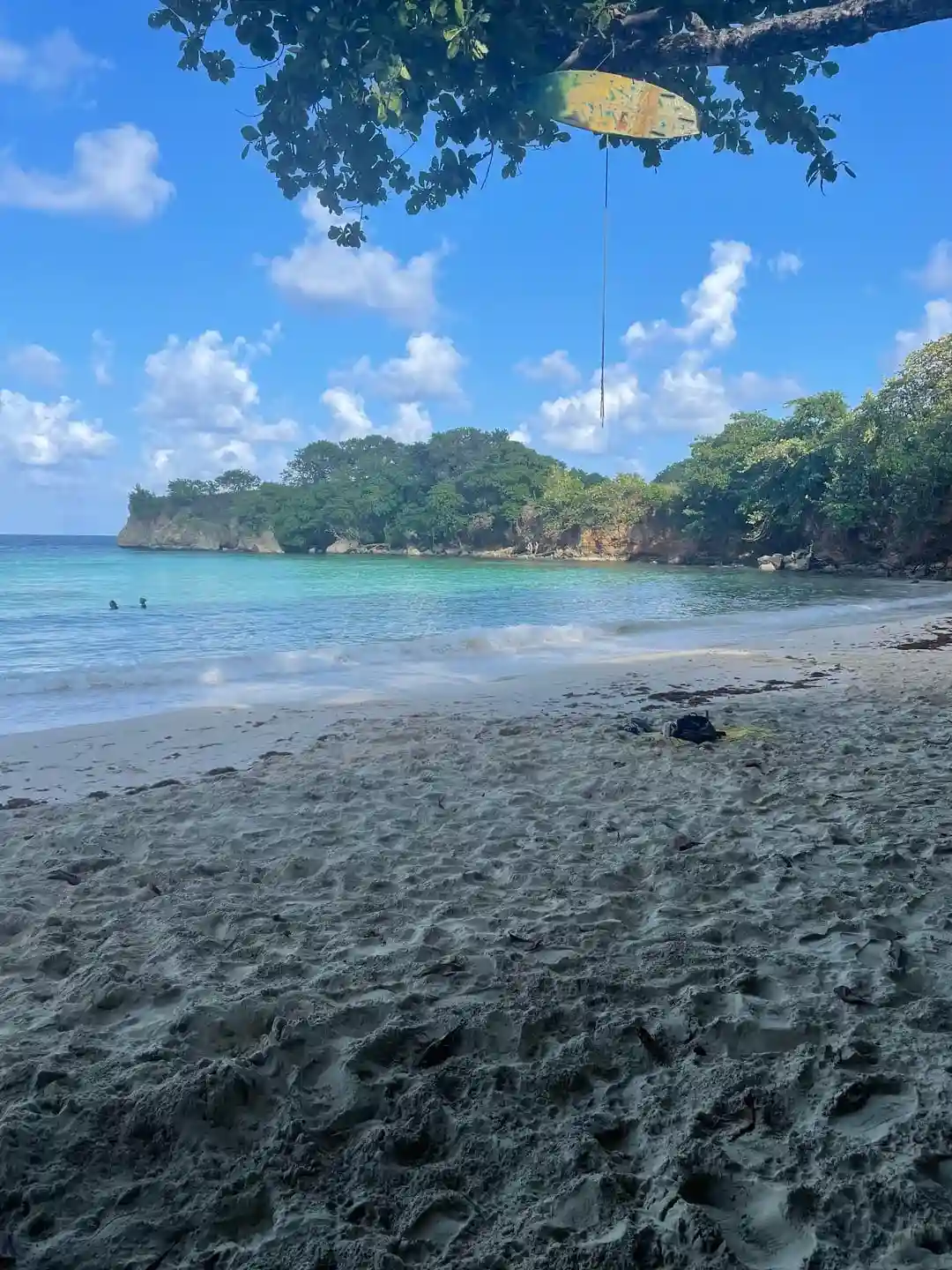
Jamaica operates on a different frequency than most Caribbean destinations — it carries reggae music, jerk cuisine, and the kind of unhurried relaxation that feels earned rather than performed. December, January, and February mark high season — school breaks overlap with the island’s most reliably dry stretch, which drives all-inclusive resorts occupancy and budgeting pressure alike. November is the slowest month for tourism, which makes it ideal for travelers who want chill islands energy without the tourist destinations pricing. I’ve found that nonstop flights from the east coast land you in an entirely different rhythm before you’ve fully processed the departure gate.
Dunn River Falls earns its bucket list status — climbing the terraced rocks while water runs over your hands is participatory in a way most natural landmarks aren’t. Blue Hole near Ocho Rios runs cooler and quieter, preferred by travelers who’ve done the famous falls circuit before. Rose Hall leans into its gothic legend well — the culture layered into that estate rewards curious visitors. The Appleton Estate rum and amazing food pairings make for a grounded afternoon. Jamaica doesn’t oversell itself, which is part of why the beautiful beaches and amazing beaches — and the people — stay with you longer than the itinerary does.
Dominican Republic
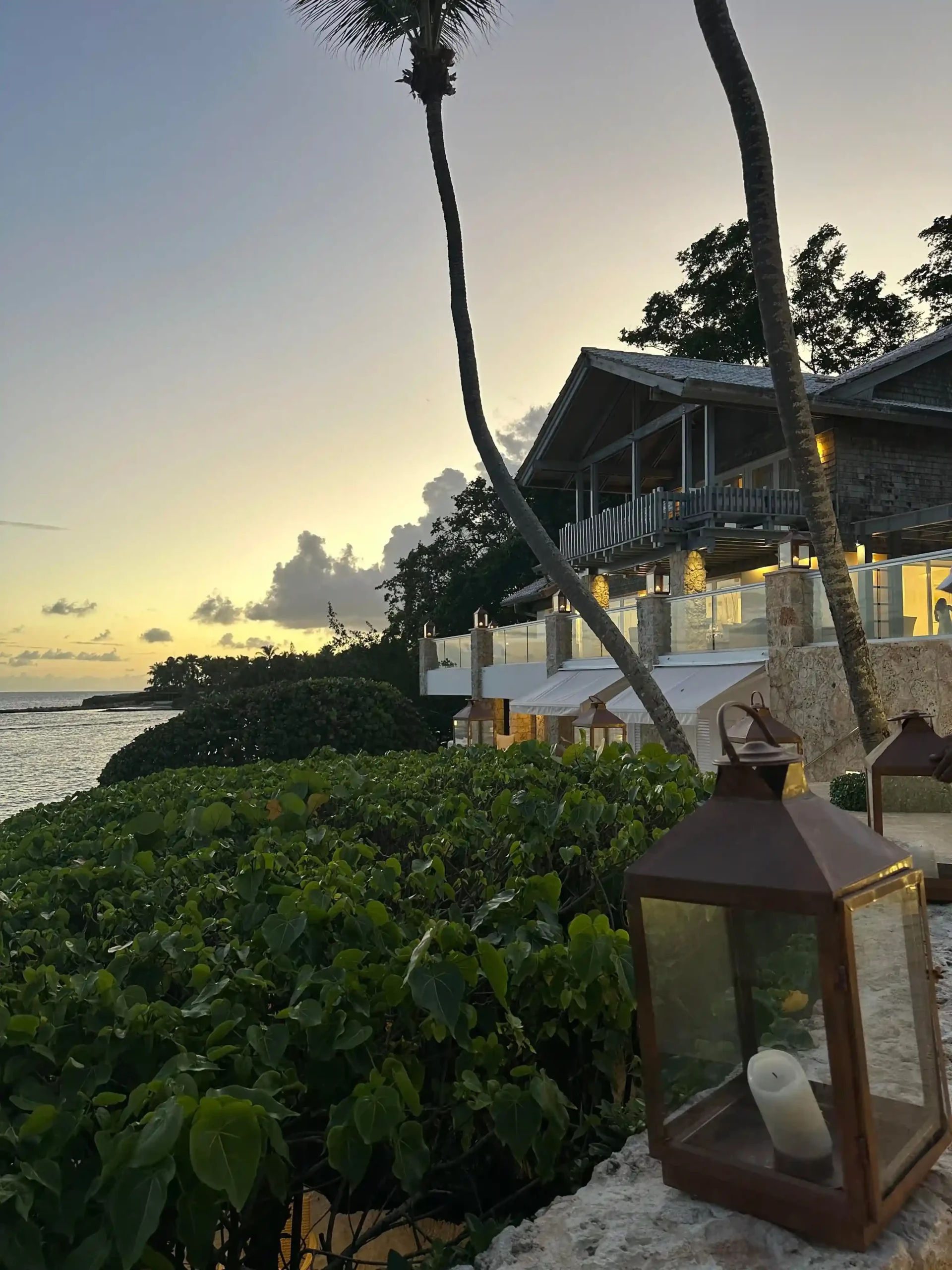
The Dominican Republic packages a tropical getaway in a format that budget-conscious travelers genuinely appreciate — Punta Cana sits among the most affordable tropical islands in the Caribbean with 80-degree water, reasonable flights, and budget-friendly accommodations that don’t require apology. All-inclusive resorts here run the full quality spectrum, from family megacomplexes to genuinely intimate boutique properties. Snorkeling tours around Catalina Island — a short boat transfer from the southeast coast — put Dominican Republic marine ecosystems on par with much more expensive Caribbean competitors.
Mexico (incl. Cabo San Lucas)
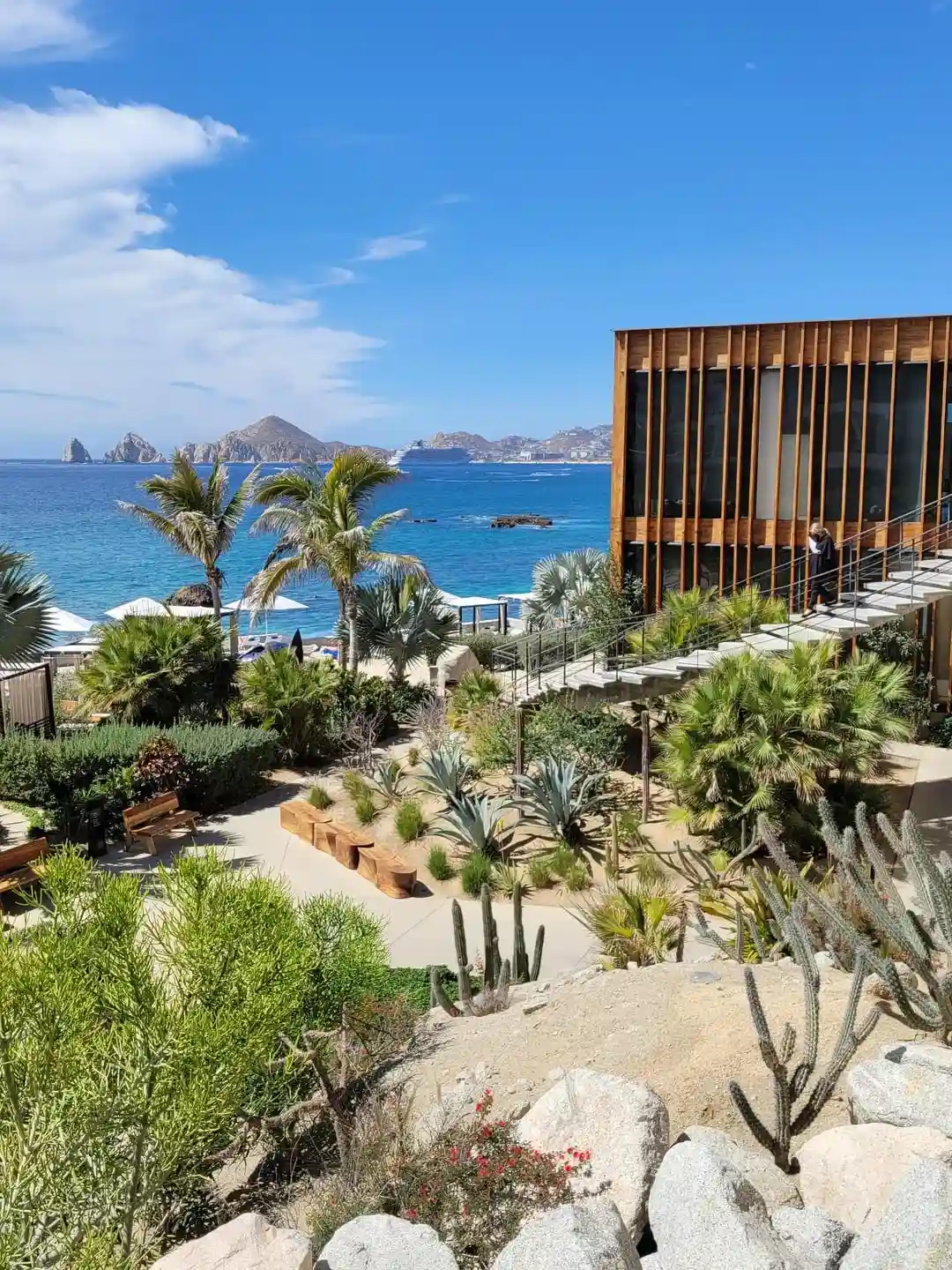
Mexico is doing more for the American beach traveler than any single country outside the US, and the options span more tones than the Cancun/Mayan Riviera pipeline suggests. Tulum delivers laid-back vibes, underground museums, and rainforest views folded into a Mexican beach town with genuine colorful culture. Puerto Vallarta blends coastal charm with Mexican food tours and delicious cuisine in a way that never feels manufactured. Cabo San Lucas carries California adjacency — a RT flight from the west coast runs as low as $250 (closer to $200 on fare alerts) — with a party scene that’s honestly better curated than its reputation suggests.
Chichen Itza from the Mayan Riviera corridor, flight deals that make Mexico the most cost-effective international destination for US travelers, and budget-friendly accommodations across all price points make this the most democratically accessible tropical place on the list. Activities range from underwater museums off Cancun’s coast to mezcal tastings in Tulum — flight options are abundant, traveler infrastructure is mature, and the beautiful beaches genuinely deliver on the promise. It’s the rare destination where the budget version and the luxury version coexist without friction.
South Padre Island, Texas
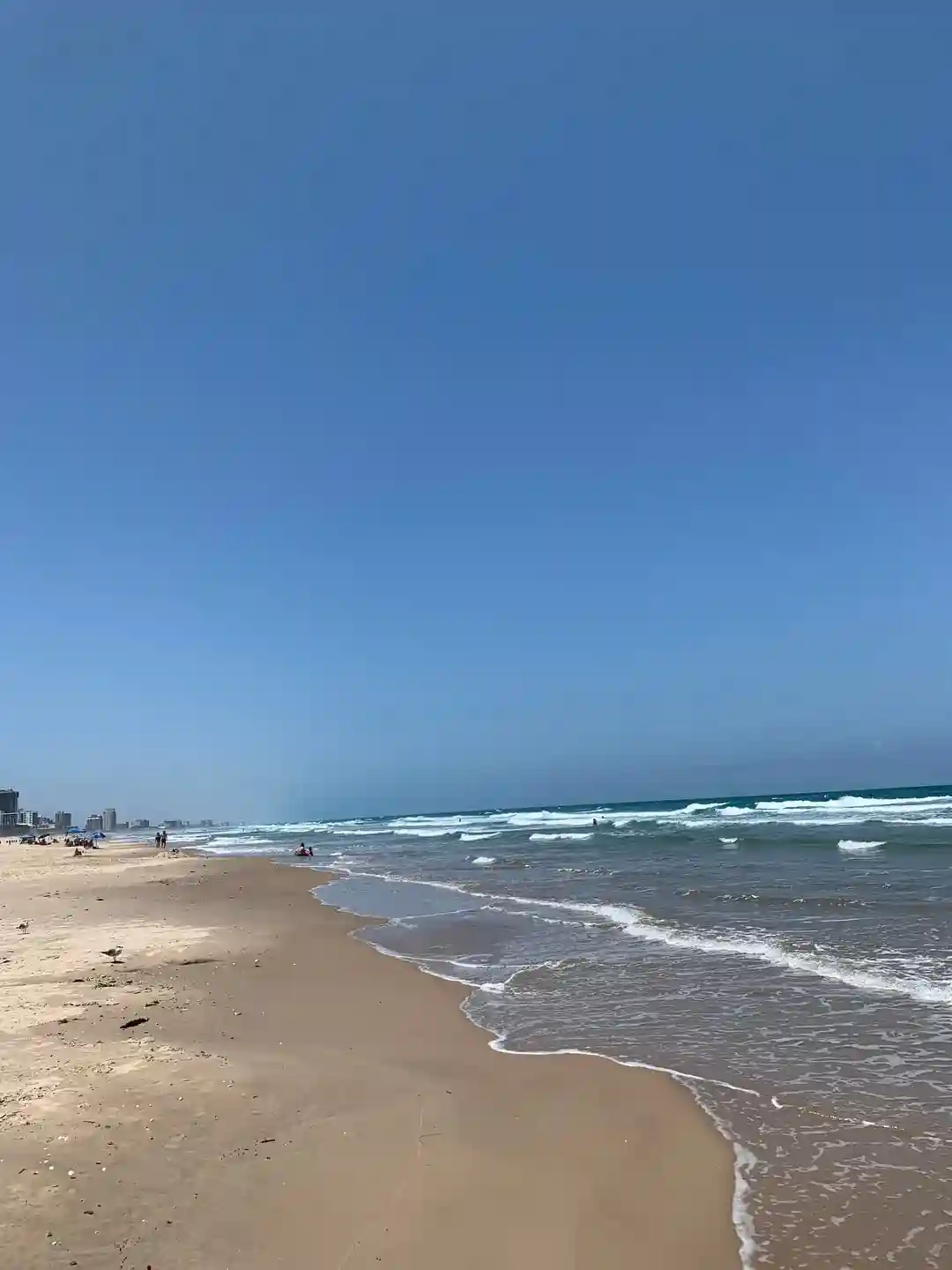
South Padre Island doesn’t announce itself the way Caribbean spots do — Texas doesn’t lean into tropical branding — but 300 days of sunshine annually, a position along migratory bird corridors, and direct access to the Gulf of Mexico make it quietly extraordinary. The South Padre Island Birding and Nature Center and adjacent Laguna Atascosa National Wildlife Refuge support a diverse ecosystem with more than bird species documented than most dedicated birding trips encounter elsewhere. March and spring break bring the party destination energy that defines the island’s national reputation, but February visits before the crowds, and June through August after them, reveal a rich wildlife calendar that has nothing to do with the bar strip. The heat and humidity of peak summer are real, but the sunshine stays long and the water stays warm.
St. John, US Virgin Islands
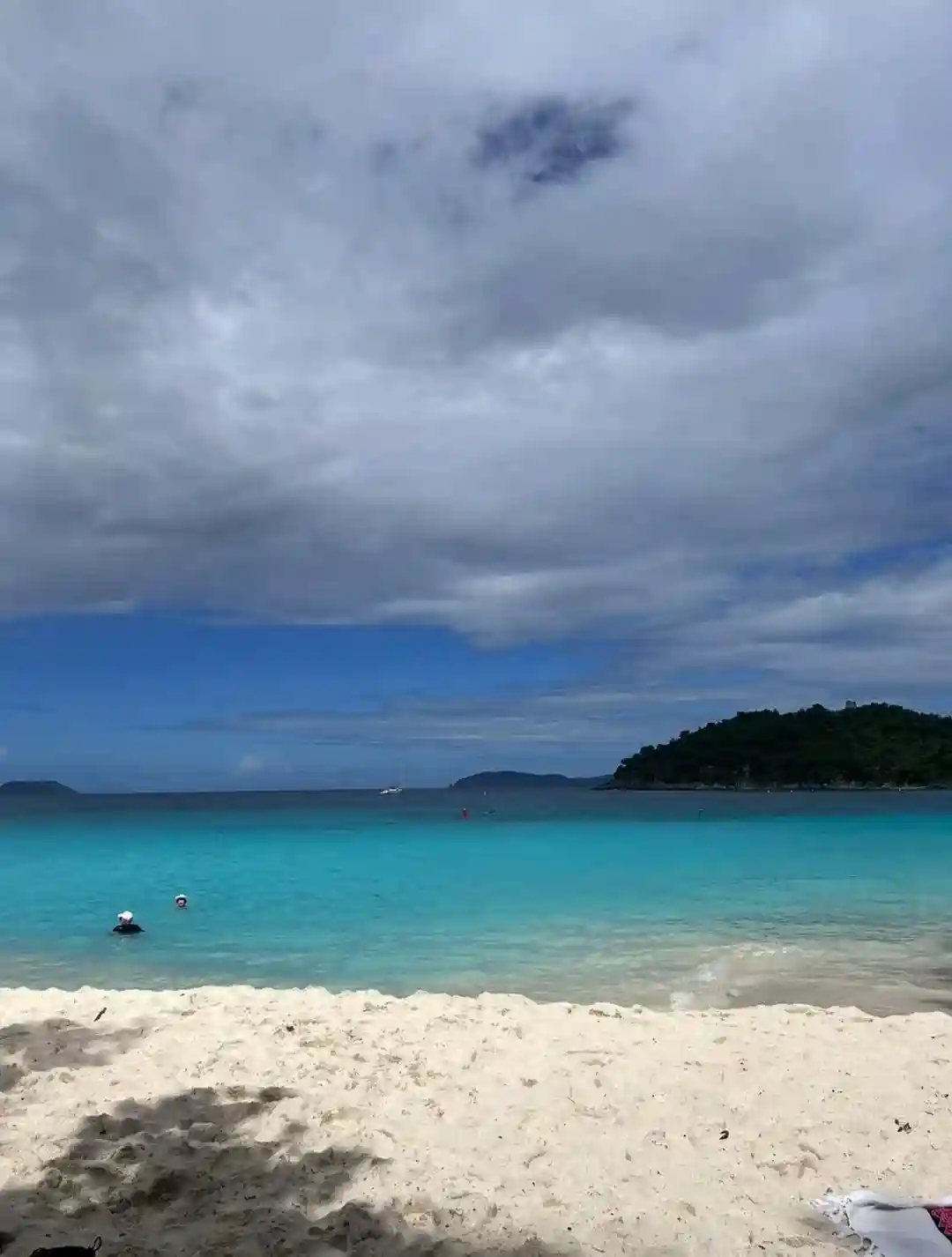
St. John is where the US Virgin Islands archipelago quietly keeps its best material. The Caribbean island runs on a quieter visit frequency — higher prices during peak season (December through April) contrast with genuinely laid-back shoulder windows in late spring. A 18th-century plantation history is written into the Catherineberg Ruins and throughout the lush interior, where lush tropical forests cover terrain that once produced sugar and rum for export. The St. John economy today runs on the kind of dive culture that turns Caribbean island visitors into repeat visitors — the reef quality here is among the best in the US-accessible Caribbean.
July and August bring peak heat and rum mill festivity to the island’s harbor towns. The US Virgin Islands status means US citizens travel without a passport, a convenience that makes St. John one of the most underutilized premium Caribbean options available. June is the transitional month — shoulder pricing begins while conditions remain favorable for water activities.
Santa Catalina Island, California
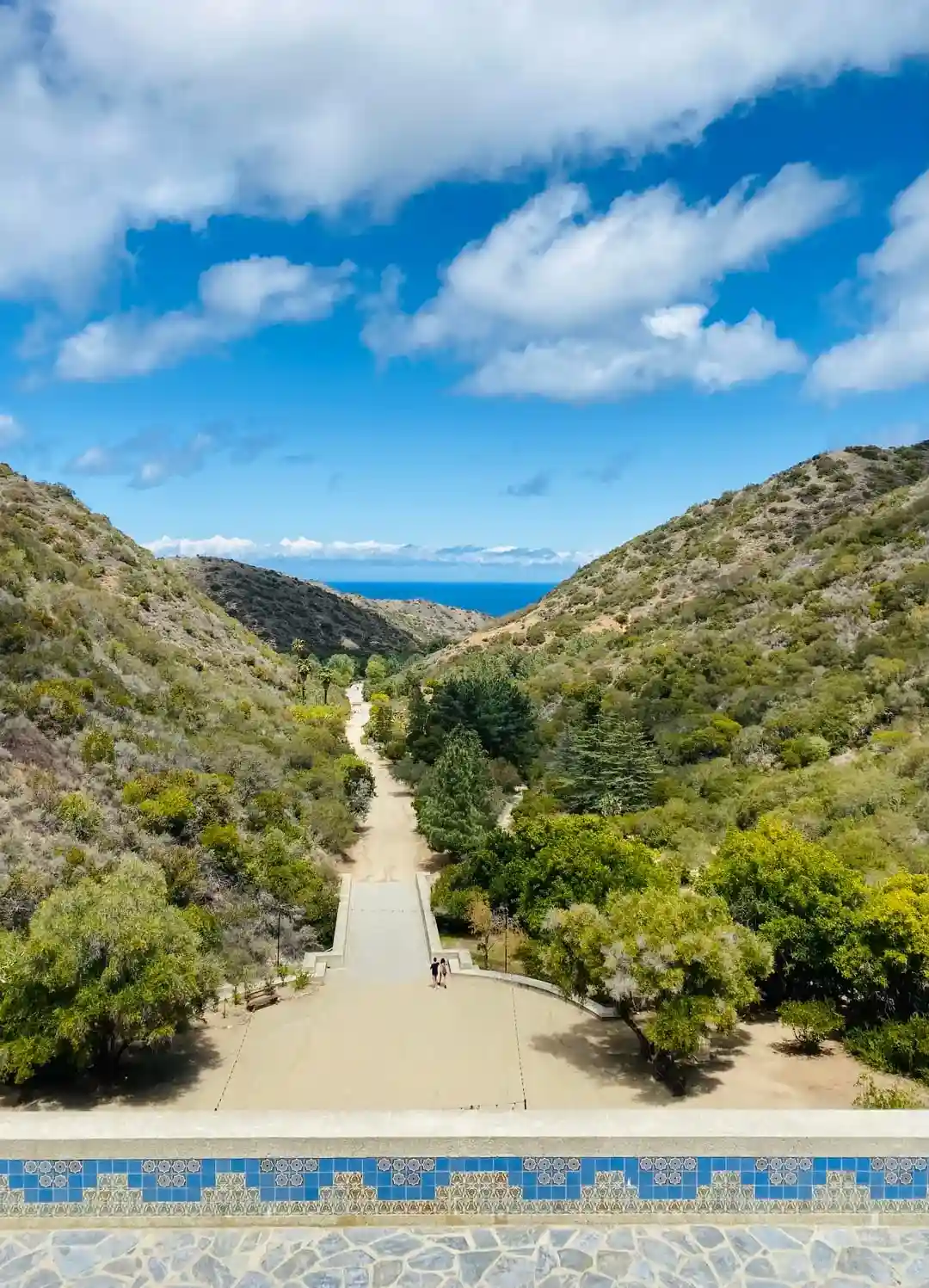
Santa Catalina Island sits Southern California’s best-kept open secret — visible from the coast on clear days, reachable by glass-bottom boat tour or ferry, and entirely capable of making you forget the mainland exists. The 1929-era Catalina Casino (never actually a gambling venue) anchors Avalon’s harbor in art deco dignity. Warm-water swimming by California standards, scuba diving through kelp forests, and hiking trails that cross the island’s interior where bison still roam make for a genuinely diverse activity menu. Seafood restaurants lining the harbor deliver the kind of simple, location-specific meals that become the meals you reference for years.
Kayaking around the coves, mangroves along sheltered inlets, and crowds that thin dramatically on weekday visits make timing the trip straightforward. Thunderstorms are rare but worth checking before booking a crossing. The island’s unique position as a warm-water swimming destination within driving distance of most of Southern California means it absorbs crowds efficiently — though summer weekends still reward early arrivals.
Anna Maria Island, Florida
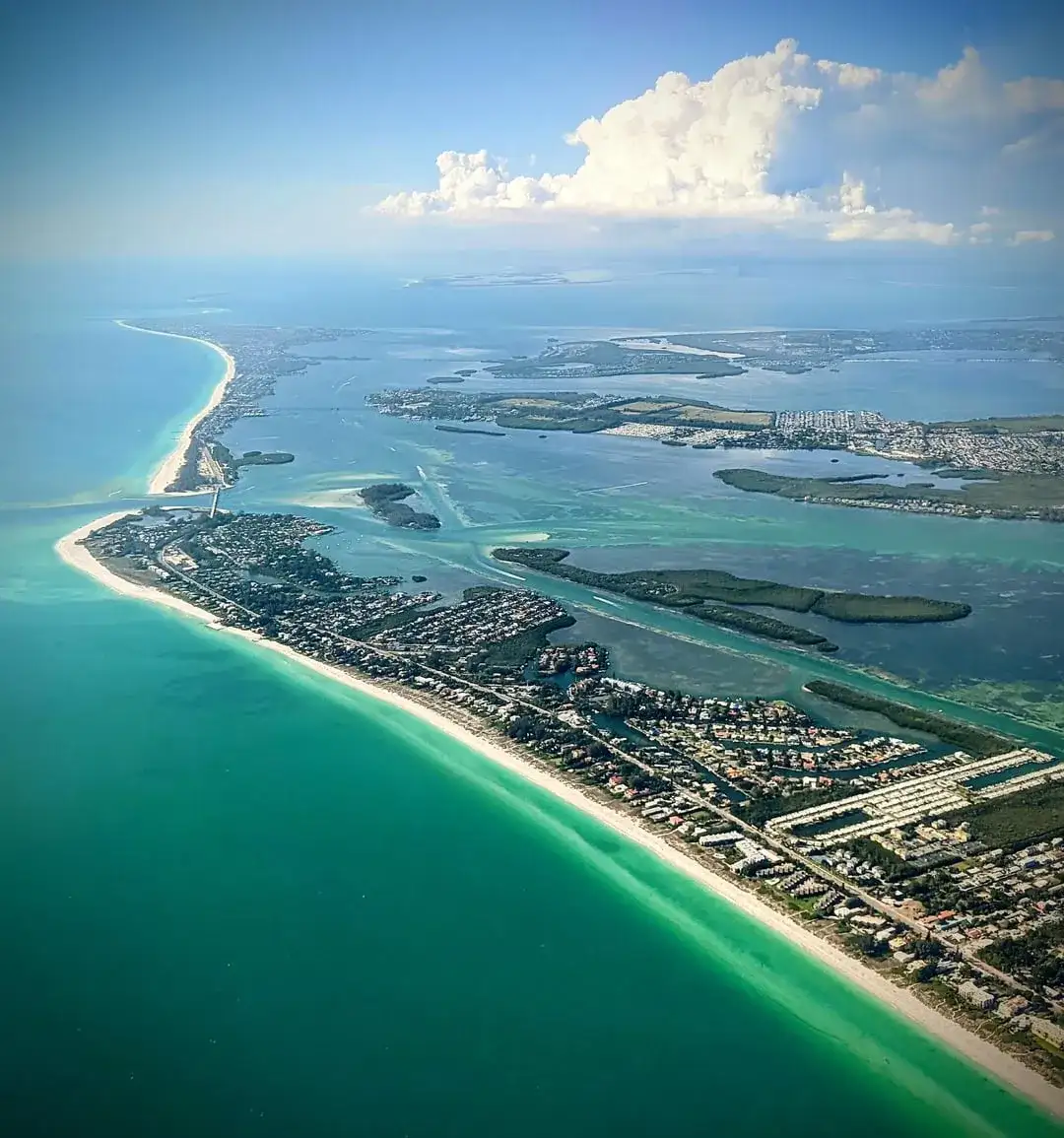
Anna Maria Island earns its reputation as a charming barrier island on the Gulf of Mexico through a combination of factors that don’t shout but accumulate: pure quartz sand that stays cool to the touch even in peak sun, a leisurely pace of life that resists the resort-ification that consumed most of Florida’s coastline, and a pedestrian esplanade connecting restaurants, shopping districts, and art galleries without requiring a car. The island’s 8 miles of Florida beach deliver good weather across most of the year, with peak season pricing clustered around family holiday periods.
The Sarasota cultural corridor nearby — world-class museums, gallery crawls, parking that doesn’t punish you — extends the trip’s range beyond the sand. For travelers who want peace and quiet alongside a curated stretch of sand, Anna Maria Island offers the 99% of Florida beach culture without the concessions stand noise. Activities on the island scale from beachcombers hunting Lightning Whelks and Augers to kayak rentals and evening waterfront dining.
St. Croix, US Virgin Islands
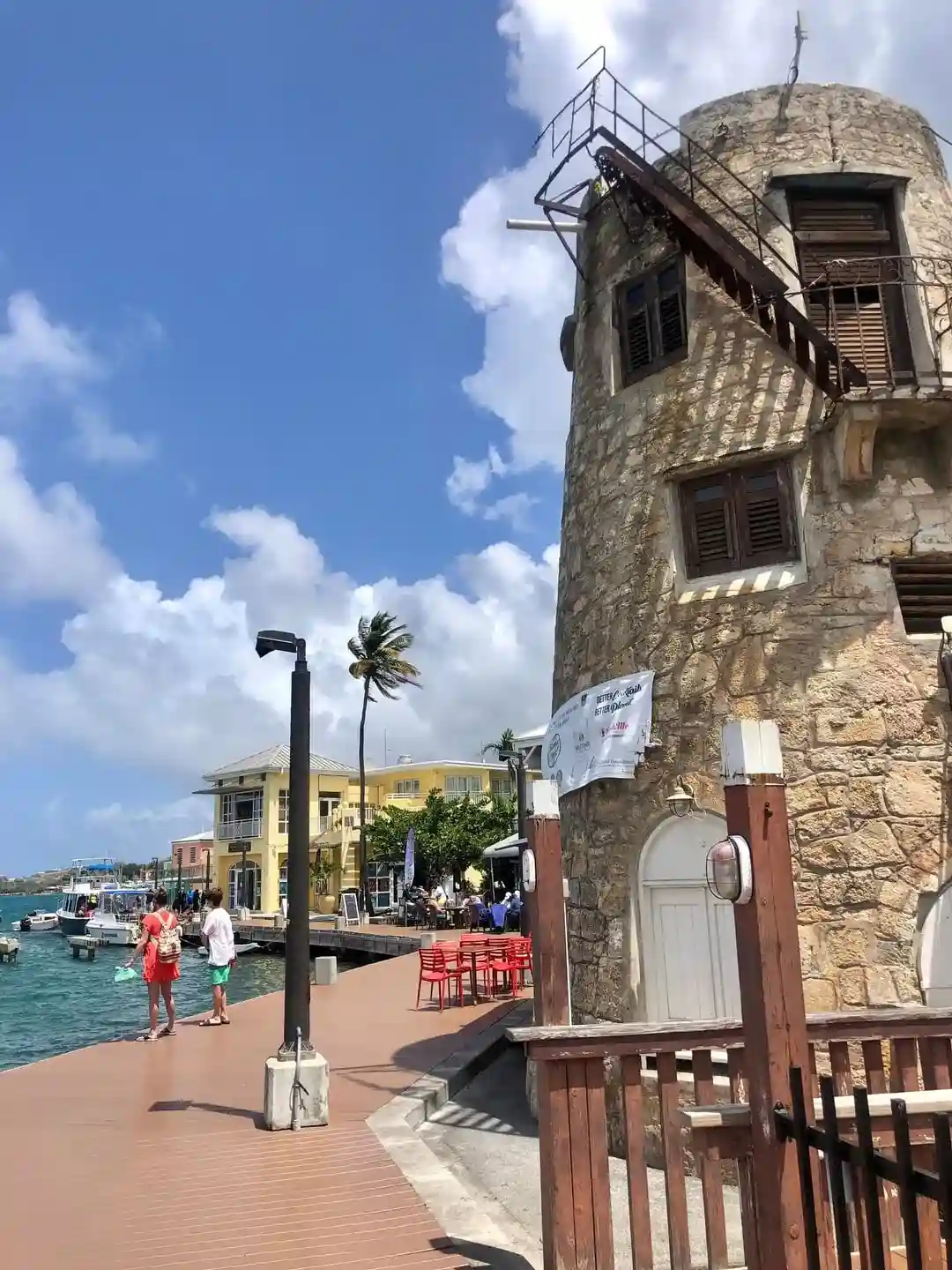
St. Croix carries the quieter register of the US Virgin Islands — less photographed than St. John, more historically dense, and deeply rewarding for travelers who bring patience. Fort Christiansvaern is the kind of historical landmarks experience that recontextualizes Caribbean history without performing it. Diving enthusiasts make specific pilgrimages to St. Croix for wall dives that drop into open Atlantic water — the shoulder season around April and September offers fewer crowds with calmer waters and travel insurance-smart timing just outside the hurricane belt. US citizens arrive without a passport — the US territory status eliminates that friction entirely.
Relaxation and history coexist here in a ratio that other Caribbean islands rarely achieve. The hurricane season reality shapes smart booking windows, but St. Croix sits often outside the worst hurricane belt tracks. For diving enthusiasts specifically, the combination of historical landmarks, calmer waters, and fewer crowds makes this a destination that rewards the traveler willing to research beyond the top-ten lists.
Aruba
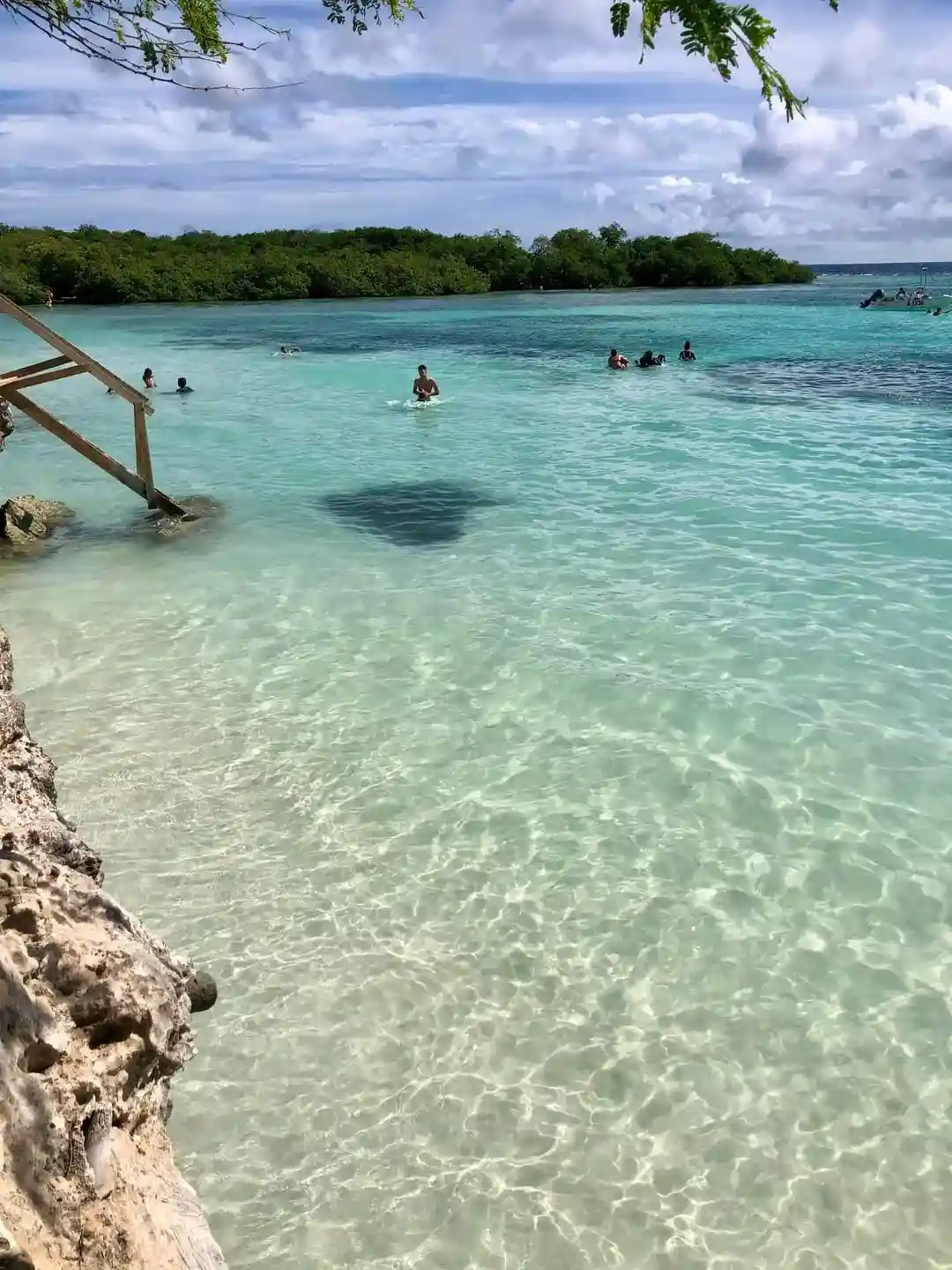
Aruba plays outside the rules of most Caribbean travel logic — it sits below the hurricane belt, keeps an arid desert microclimate that means 10 months of reliable sunshine annually, and delivers beach destinations quality that punches above its profile. The diverse Caribbean island tag fits because Aruba is genuinely neither tropical nor traditionally beachy in the lush-foliage sense — it’s something stranger and more interesting, with cacti-lined coastlines giving way to powder-sand bays. As a travel destination, it rewards travelers who’ve grown bored with the predictable Caribbean playbook.
Belize
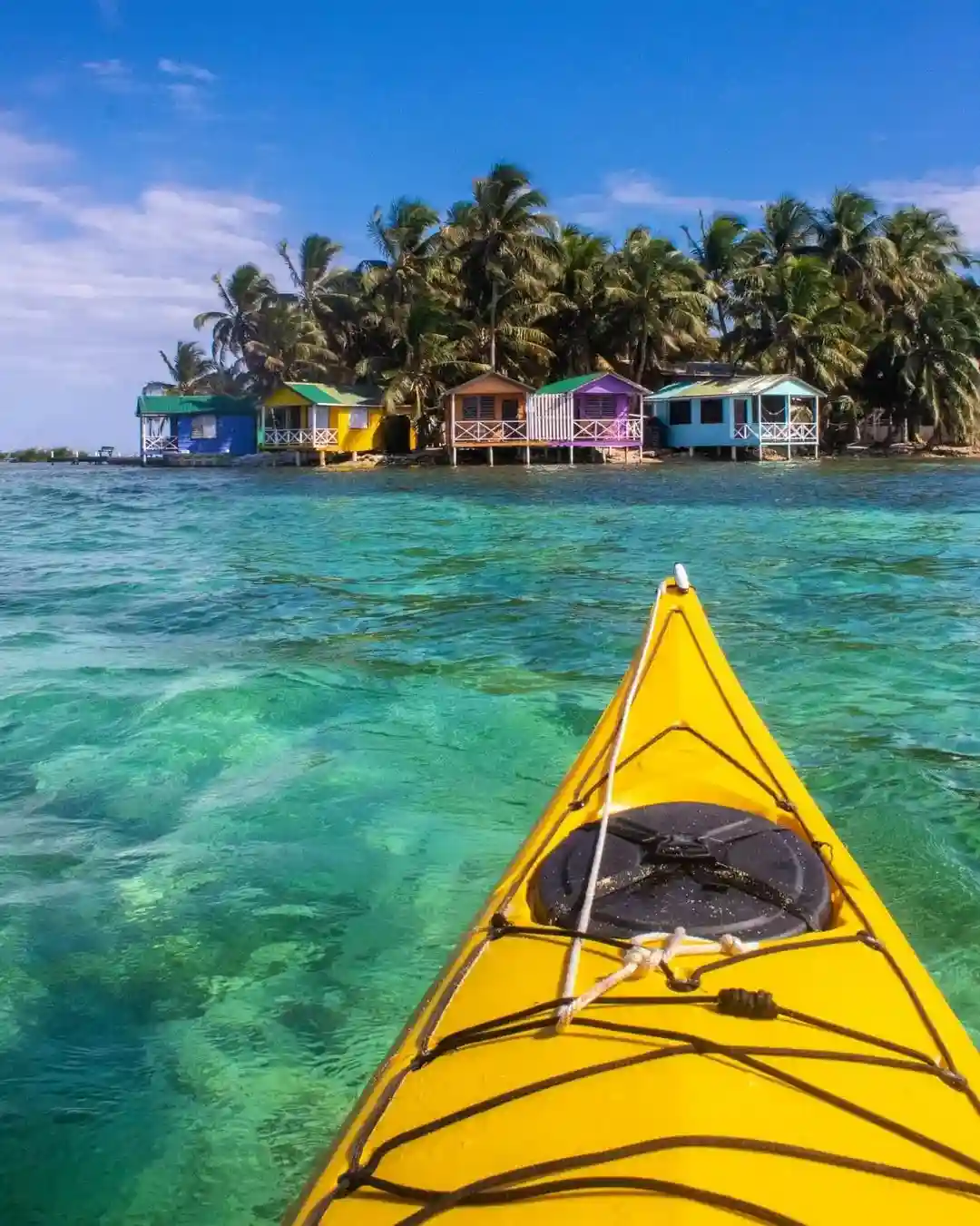
Belize runs the most efficient adventure-per-square-mile ratio I’ve encountered in the Caribbean. Ambergris Caye is the entry point for most travelers — a white sand beaches and vibrant coral reefs setup with fishermen and scuba divers sharing the same shallow water. The Belize Barrier Reef (part of the Mayan Barrier Reef system) supports marine life density that justifies the trip for scuba divers alone. Inland, Altun Ha and other Mayan temple sites give the explorer half of the trip its own weight. Manatees, shipwreck dives, and a Caribbean vibes pace make Belize the rare tropical escape that works equally for relaxation and adventure-seekers.
The Ambergris Caye to mainland corridor enables the tourist to-dos without exhausting either option. White sand beaches, tropical paradise framing, and direct access to one of the world’s great reef systems — Belize earns its place on this list by being genuinely difficult to oversell.
Turks and Caicos
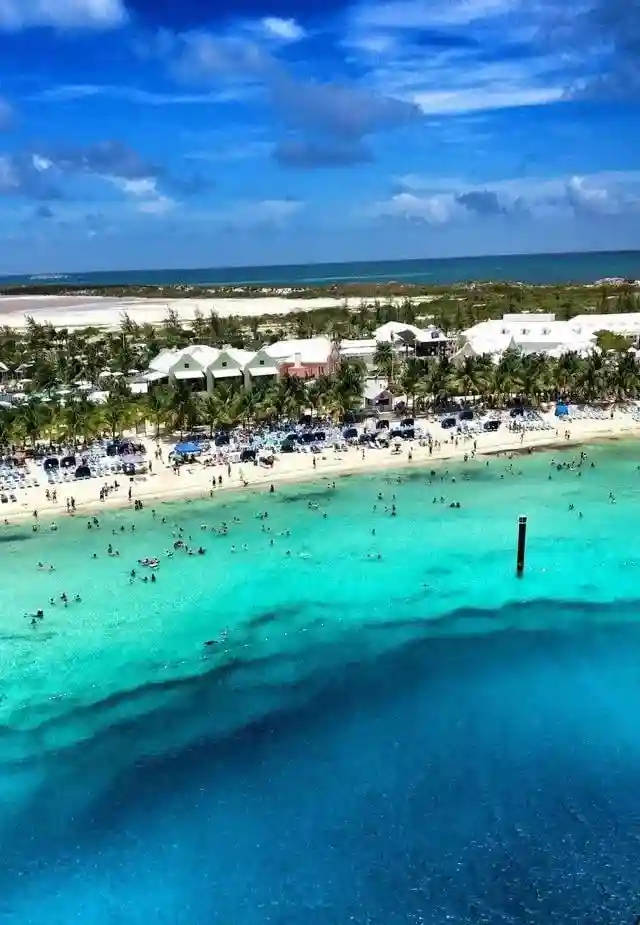
Turks and Caicos is the answer to “where do people go when they’ve decided to stop compromising.” Powdery white sand beaches, crystal-clear turquoise waters, and all-inclusive resorts that cater to families, luxury resorts clientele, and retired expats alike make it a destination with unusually wide appeal. Grand Turk Lighthouse and Salt Cay add history and quieter alternatives to the main Grace Bay strip. Destination diving quality here is among the Caribbean’s best — whales pass through seasonally, rock iguanas patrol certain cays, and parasailing operates year-round. A catamaran rental or snorkel excursion for golfing breaks rounds out the menu. Beach lovers and serious divers coexist without friction.
The laid-back vibe is genuine rather than marketed — tourists here tend to stay longer than planned. Luxury resorts set the pricing ceiling high, but the all-inclusive resorts model makes budgeting predictable for families. Turks and Caicos rewards the traveler who books early and stays late.
Costa Rica
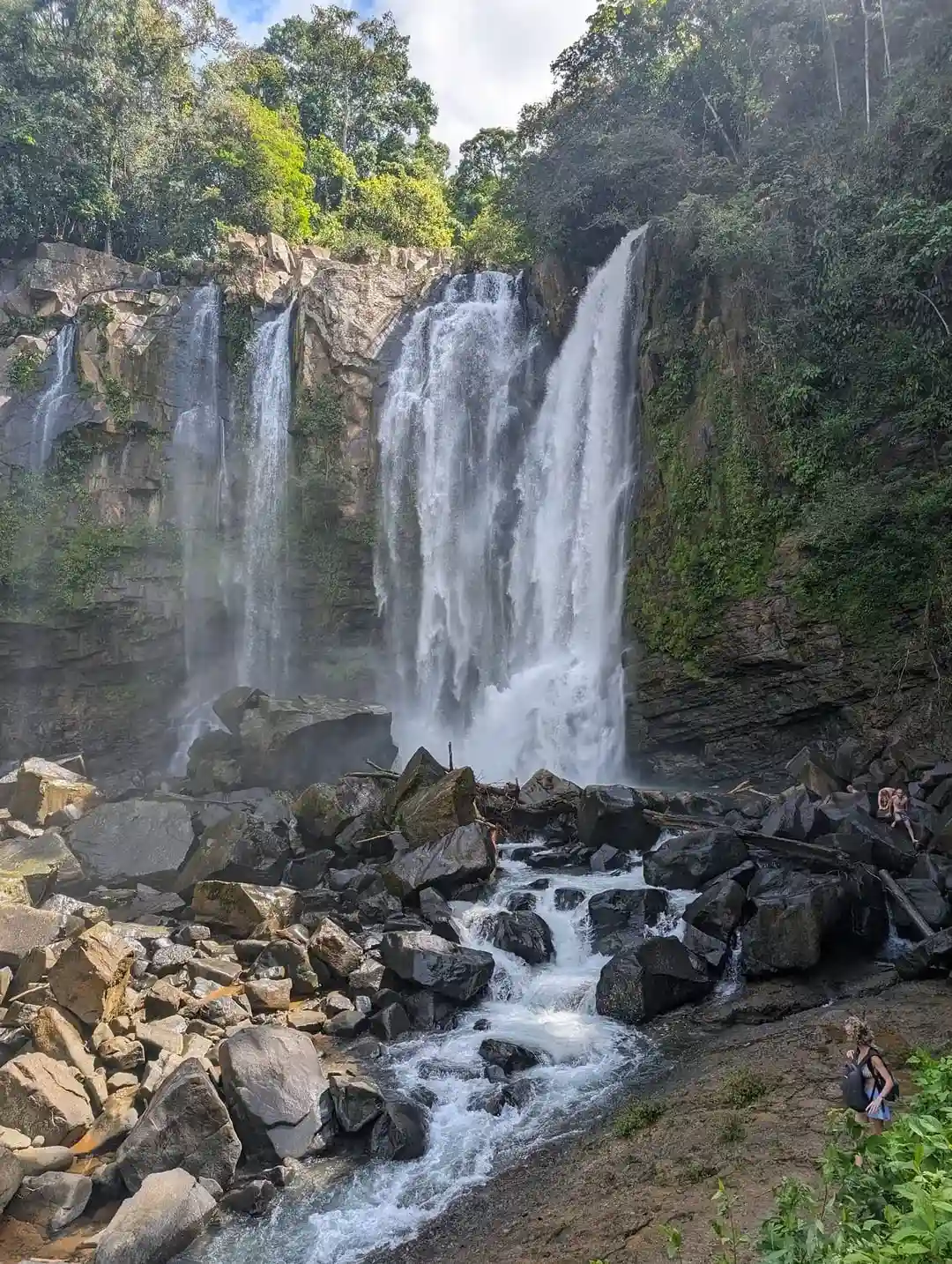
Costa Rica has successfully exported the phrase Pura Vida as both greeting and philosophy, and after spending time in its national parks, I think it earns the branding. Eco-friendly paradise isn’t a marketing overlay here — it’s the operating system. World-class waves on the Pacific side, natural hot springs near volcanic ridgelines, zipline corridors through rainforest canopy, and a wildlife density that includes sloths, toucans, and surf-adjacent marine ecosystems make Costa Rica the nature lover’s dream that travel content has been promising since the ’90s. The eco-adventures infrastructure is mature enough to be accessible without being so built-out that it loses the tropical country character that makes it worth visiting.
Siesta Key, Florida
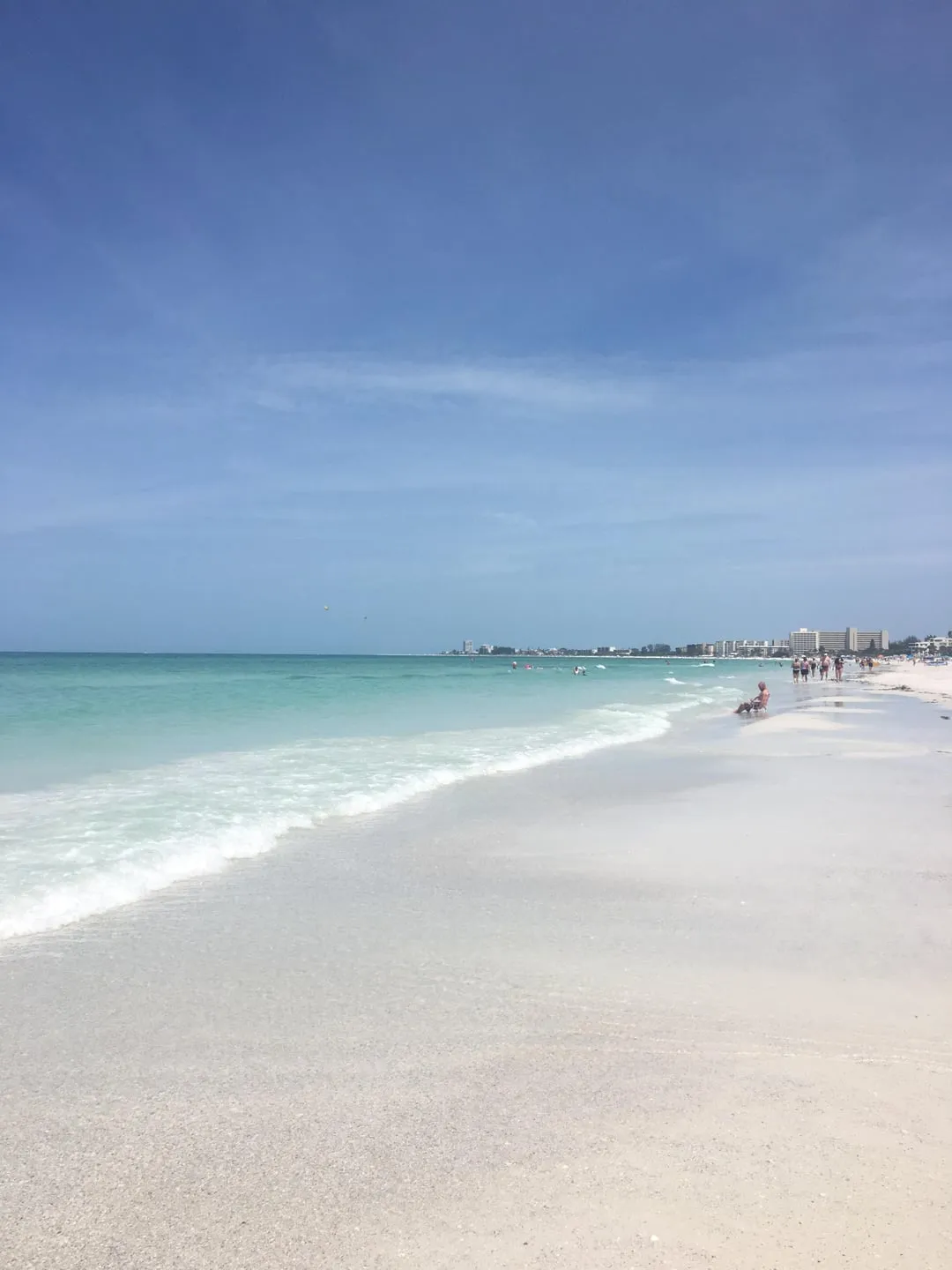
Siesta Key consistently ranks among the best Florida beach destinations because of one specific and verifiable fact: its sand is 99% pure quartz, which keeps it cool to the touch regardless of heat — a physical property, not a marketing claim. The 8 miles of stretch of sand deliver a leisurely pace of life that contrasts productively with the more programmatic Florida beach experience. Concessions, parking, a pedestrian esplanade connecting beach access points, and proximity to Sarasota’s restaurants, shopping districts, art galleries, and world-class museums make this a Florida beach with genuine cultural range. Beachcombers find Lightning Whelks and Augers reliably; family groups find peace and quiet and good weather reliably; activities scale naturally from stretch of sand to day trip. The island operates at a leisurely pace of life that doesn’t need to be imposed — it’s structural.
Grenada
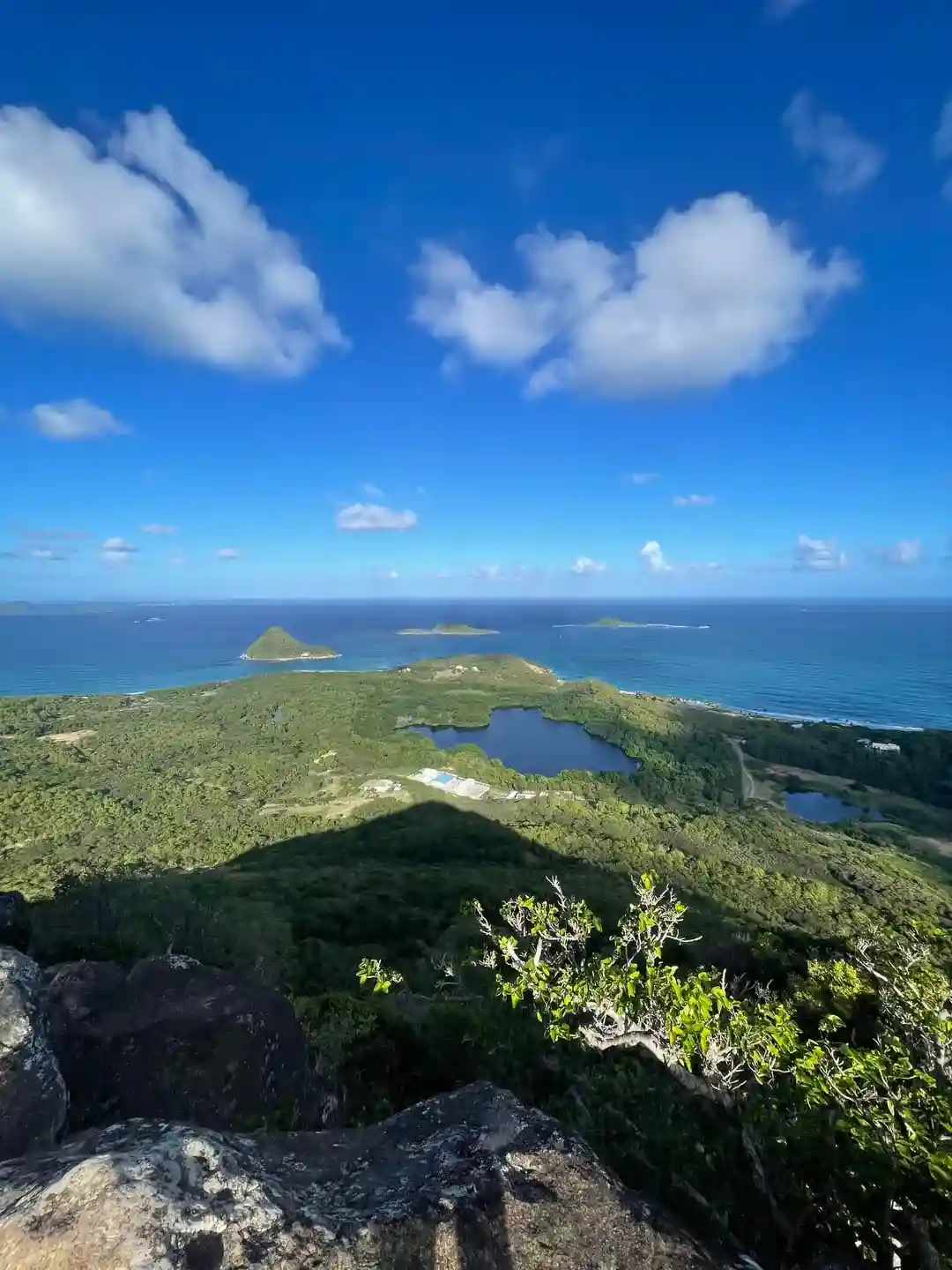
Grenada — the Spice Island — earns that nickname through spice cultivation visible from the roads: nutmeg, mace, cinnamon, and the chocolate operations that have made the island a specific destination for flavor-focused travelers. A rum tasting tour at River Antoine or Westerhall, a tropical experience in vibrant markets, and colorful coral reefs just offshore give Grenada an almost absurdly complete activity range for its size. The lush mountainous island interior hides the Tuvara Nui Village equivalent in West Indian form — communities where rich history and local craft intersect. Parrotfish, angelfish, and moray eels populate the Aroa Marine Reserve equivalent reefs in water clarity that rewards snorkeling without full dive gear.
Cook Islands
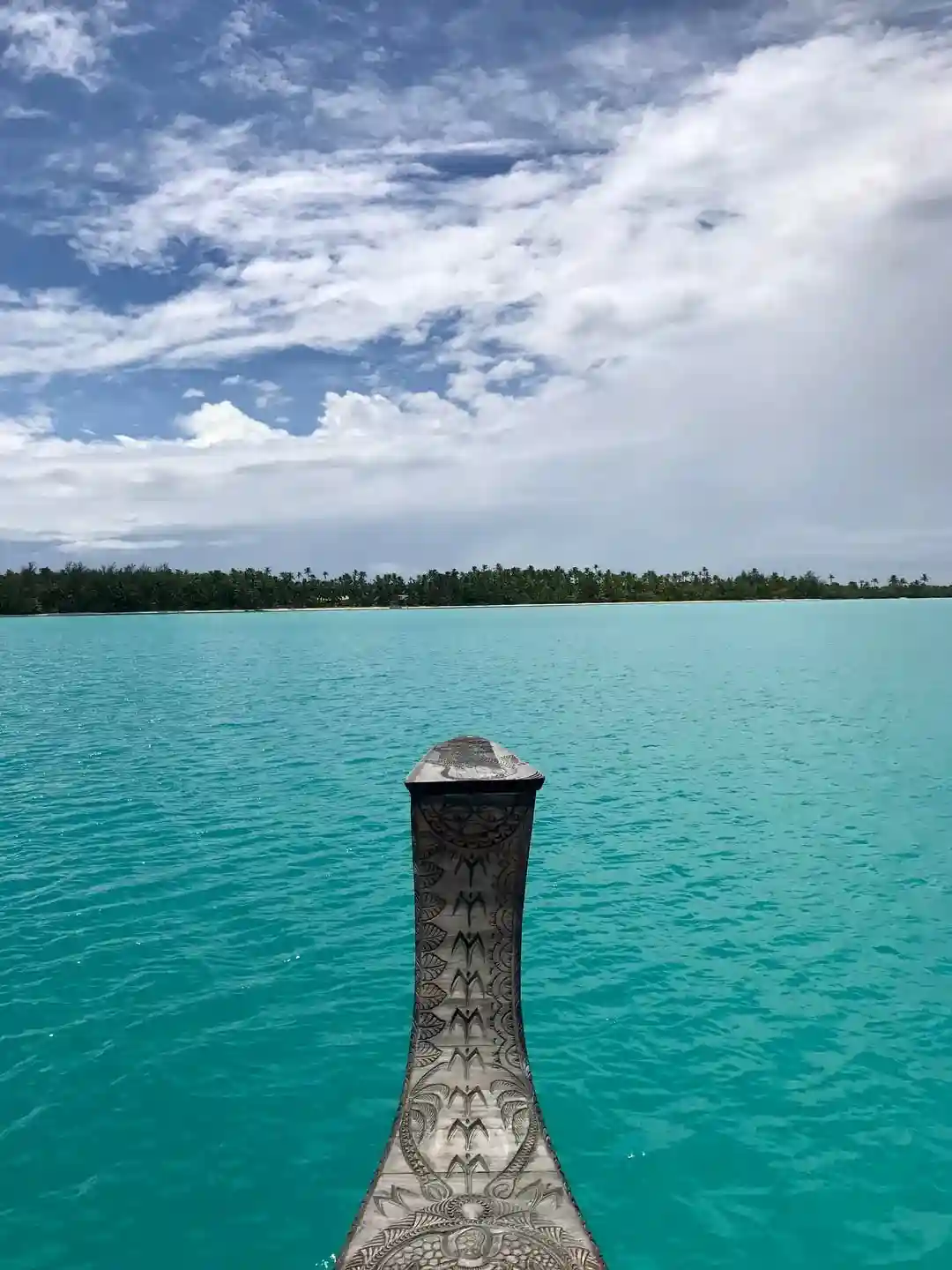
Rarotonga is the main island of the Cook Islands — a 15 small islands archipelago in the South Pacific offering an authentic Polynesian experience that larger, more visited destinations have largely traded for infrastructure. The population stays small, the airport handles modest traffic, and the affordable prices relative to Fiji or French Polynesia make the Cook Islands a genuinely budget-friendly Pacific option. September, October, and November represent shoulder seasons with decent weather and lower pricing; April and May sit at the off-season edge. Maori culture runs through the Tuvara Nui Village experience, parrotfish and angelfish populate the Aroa Marine Reserve, and moray eels cruise the outer reef edges.
Koh Phi Phi, Thailand
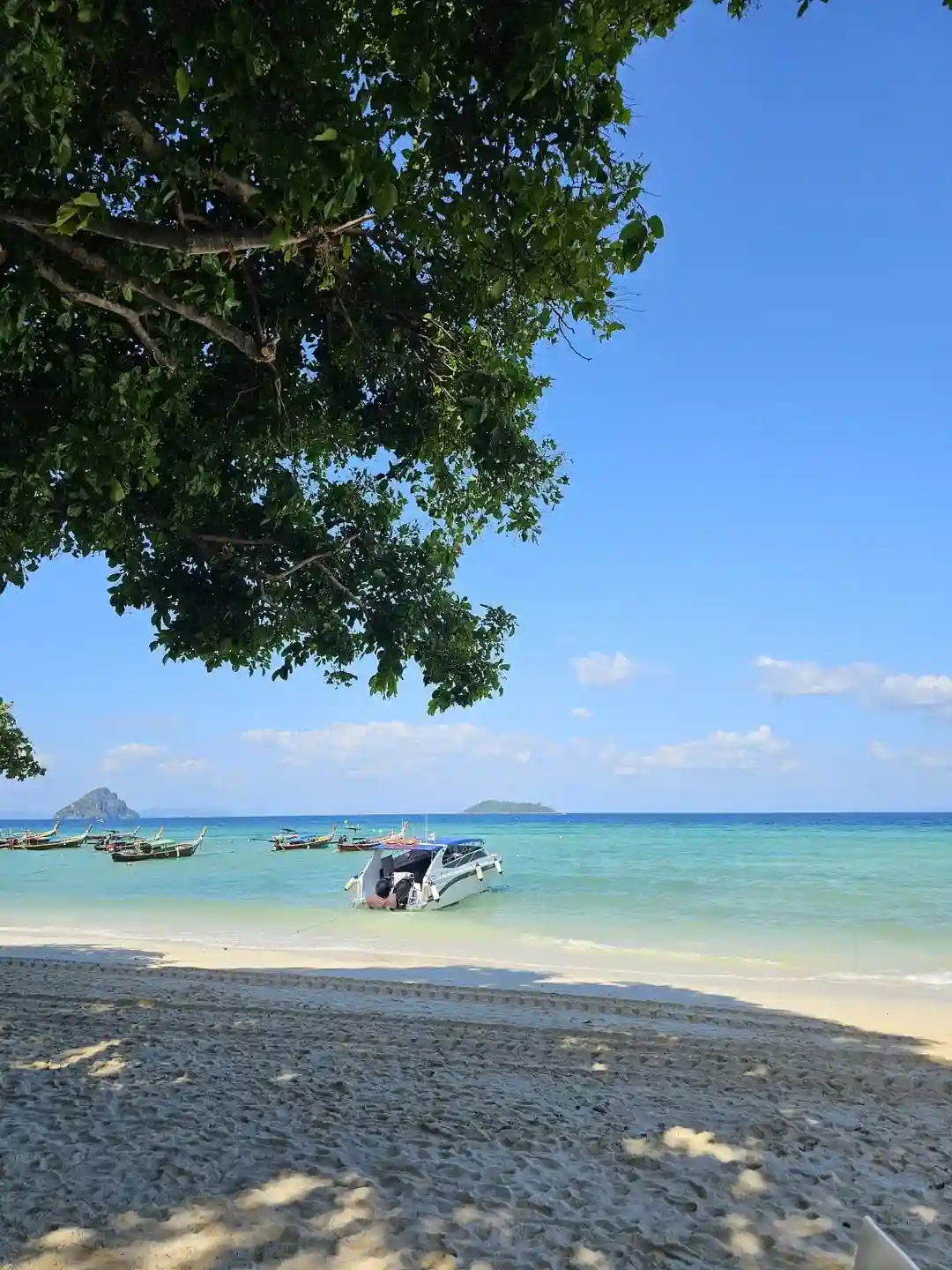
Koh Phi Phi entered global consciousness through Leonardo DiCaprio and The Beach (2000), which did the island few favors in terms of crowd management but infinite favors in terms of profile. The island chain sits in the Andaman Sea with dramatic limestone cliffs dropping into turquoise waters in the kind of composition that makes every photograph look like post-processing. Phuket serves as the ferry transport hub; 15-minute crossing times make day-tripping viable. Vibrant nightlife, backpackers, and a crocodile park on the main island coexist with a sunrise boat tour circuit that predates the crowds by hours. Maya Bay — The Beach filming location — requires timing around the 4 islands rotation to experience without the full weight of the tourist schedule.
Mauritius
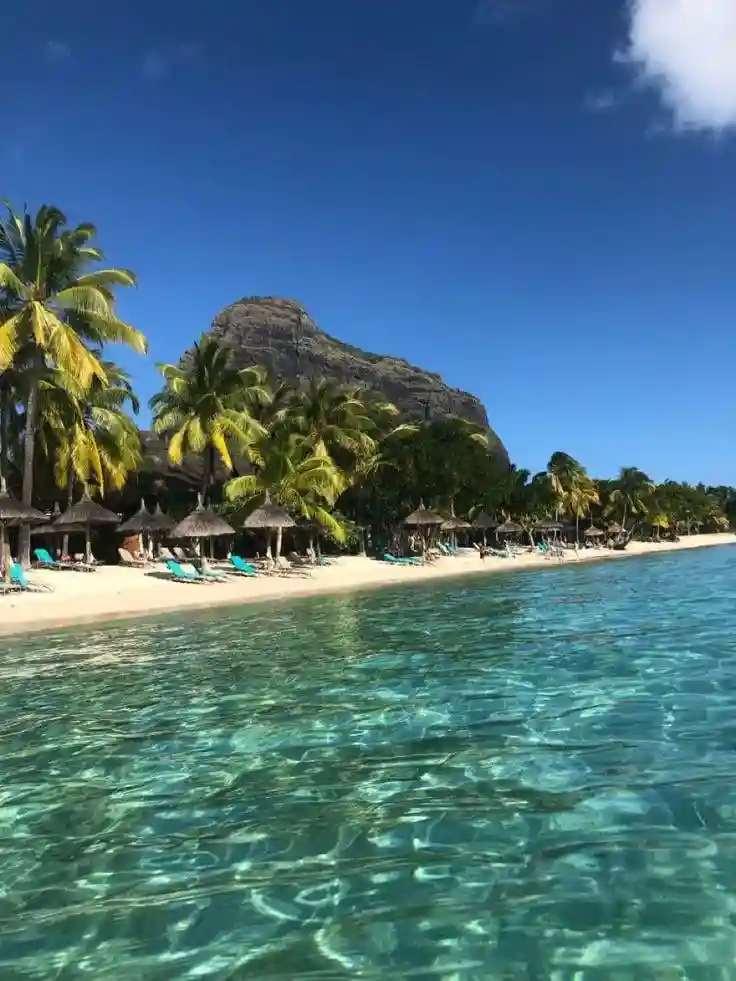
Mauritius is a volcanic island nation in the Indian Ocean that operates at the 5-star resort tier without apology, but the sapphire-blue waters, Le Morne Mountain hiking, a guided kayak tour on the Tamarin River, and a snorkel adventure along the outer reef make it accessible beyond the luxury category. The jaw-dropping beauty here is geological — Mauritius formed from undersea volcanic activity and the landscape still shows it. Jet skiing, an Instagram tour of the island’s coastal overlooks, a tea tasting tour through inland estates, and safari options through native reserve corridors round out the activity menu. Papeete is the connection hub for onward travel toward French Polynesia from this part of the Indian Ocean.
Seychelles
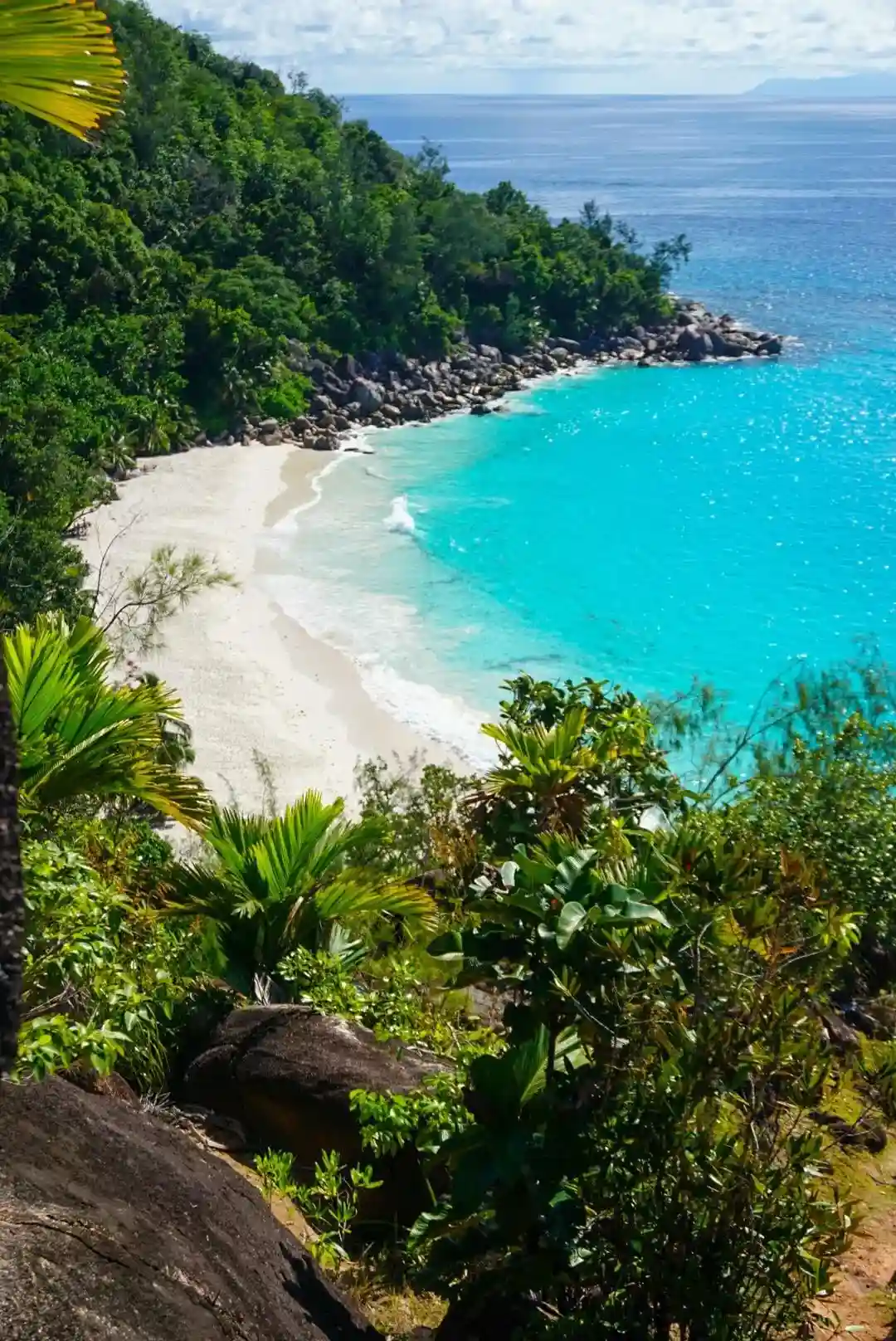
The Seychelles packages 115 islands of mesmerizing natural beauty into a honeymoon destination that also functions as a romantic getaway for travelers who aren’t on honeymoon but have simply decided the secluded beaches justify the remote location and luxury accommodations pricing. Praslin, home to the Mai Valley National Park and its prehistoric coco de mer palms, offers the romance and overwater bungalow experience in a setting that Maldives comparisons don’t quite capture. A submarine tour option, the St. Ann National Marine Park, and rum distillery tour access give non-beach days genuine content. For frazzled travelers who need R&R with no compromises, this is the destination that delivers.
Tahiti & French Polynesia
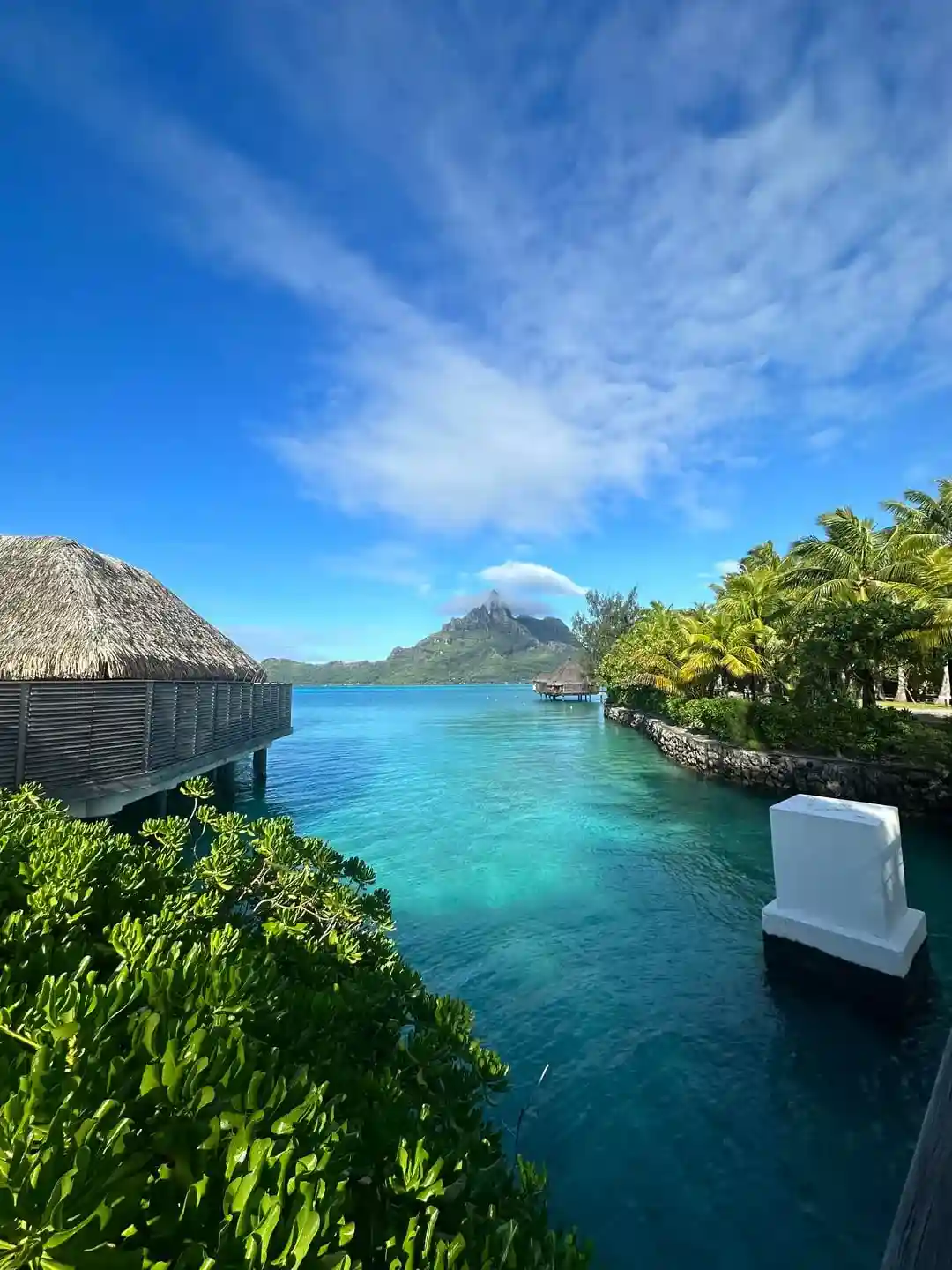
Tahiti is the Papeete-centered gateway to a South Pacific Island system that includes some of the most expensive tropical islands on the planet — but also the most private lagoon cruises and most mesmerizing natural beauty per square mile. French wine-tasting experiences, safaris through Moorea’s mountain interior, and private tours of Marae Marotitini (a ceremonial site with pre-European cultural weight) give French Polynesia depth that pure beach itineraries miss. The last minute flight market for Tahiti occasionally cracks open affordable windows; the island’s rum distillery tour scene and budget tropical place positioning on outer islands like Huahine contrast with Bora Bora’s pricing.
Bora Bora is the overwater bungalows poster child — turquoise lagoons, frangipani flowers, lush green mountains framing a private lagoon that appears on every list of picture-perfect tropical island destinations for a reason. Mount Pahia hikes, hiking through the interior, and a South Pacific archipelago experience that extends beyond the bungalow are all real options. Honeymooners book years ahead; everyone else books when the flights align.
Maldives
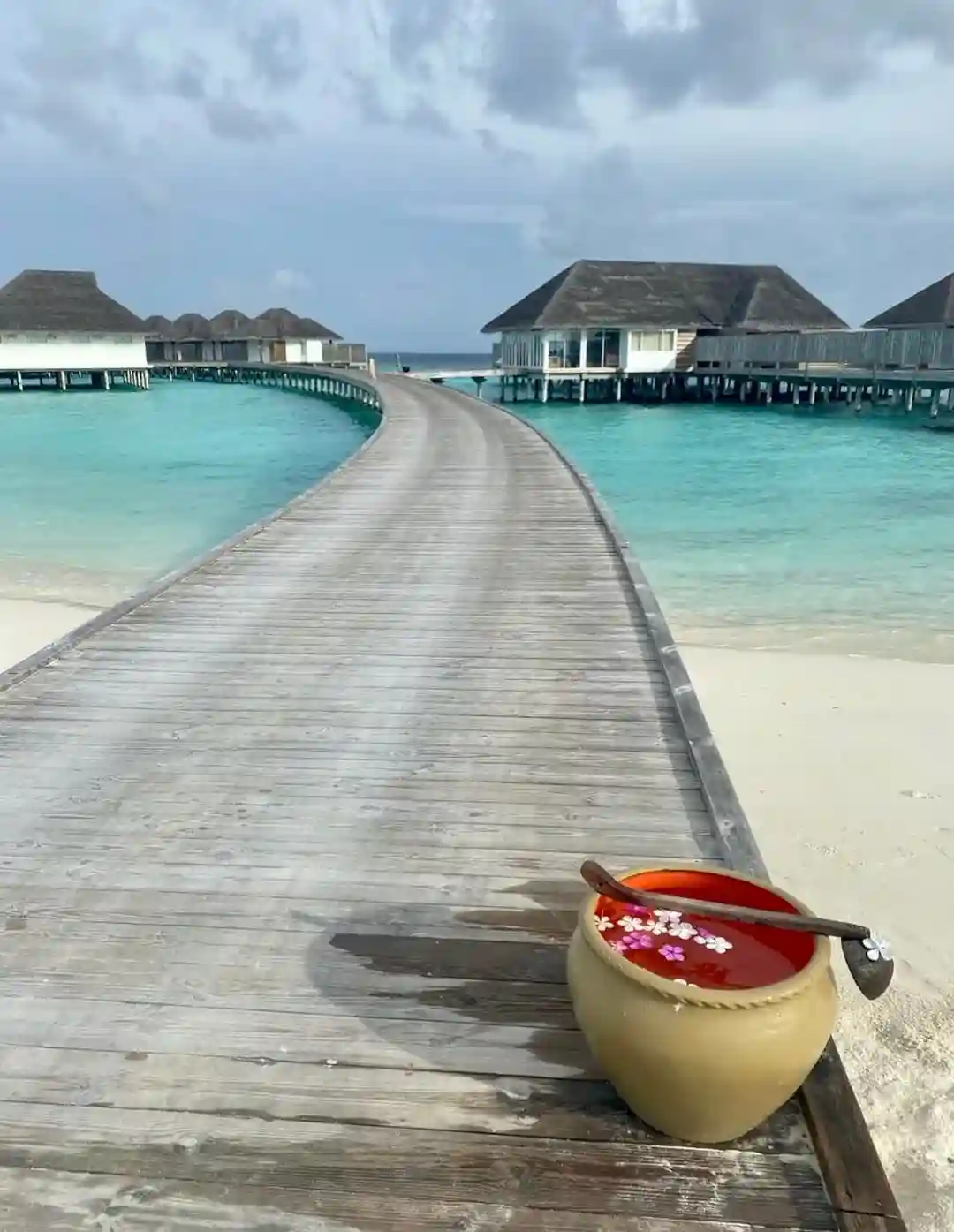
The Maldives remains the bucket-list destination for travelers who want to reduce the entire vacation concept to its most elemental form: Indian Ocean light, 1,000 coral islands, crystal-clear waters, and an island nation architecture built around the overwater bungalow as primary accommodation type. Adrenaline-pumping activities — adventure seekers find shark diving, manta ray snorkeling, and 300 islands worth of reef exploration — coexist with the R&R positioning that drives most bookings. The unique charm of the Maldives is that its tropical vacation infrastructure has matured to the point where almost every budget tier has an entry point, even if the marquee properties remain aspirational.
Fiji
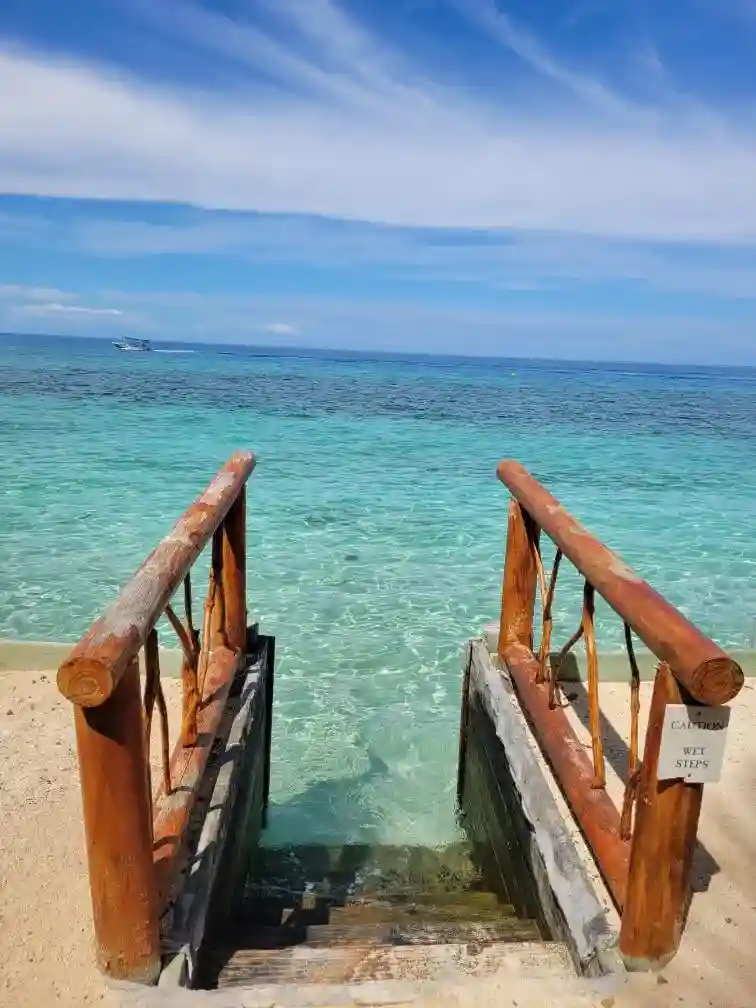
Fiji is the South Pacific archipelago that most consistently delivers on the postcard-worthy beaches promise — crystal-clear waters, 74 tropical islands spread across a navigable radius, and a picture-perfect tropical island aesthetic that earns every photograph. Marae Marotitini equivalent ceremonial site culture, the Whitsunday Islands comparison for sailing conditions, a coral reefs system that supports ethical dolphin tour experiences, and Great Barrier Reef proximity via connection routes make Fiji a hub for broader Pacific exploration. US visitors book high season through December during Christmas break; skydiving, sunset cruise, and scenic flight options extend the itinerary well past beach days. Mount Pahia equivalent peaks on Viti Levu reward the hikers who arrived expecting only sand.
Zanzibar, Tanzania
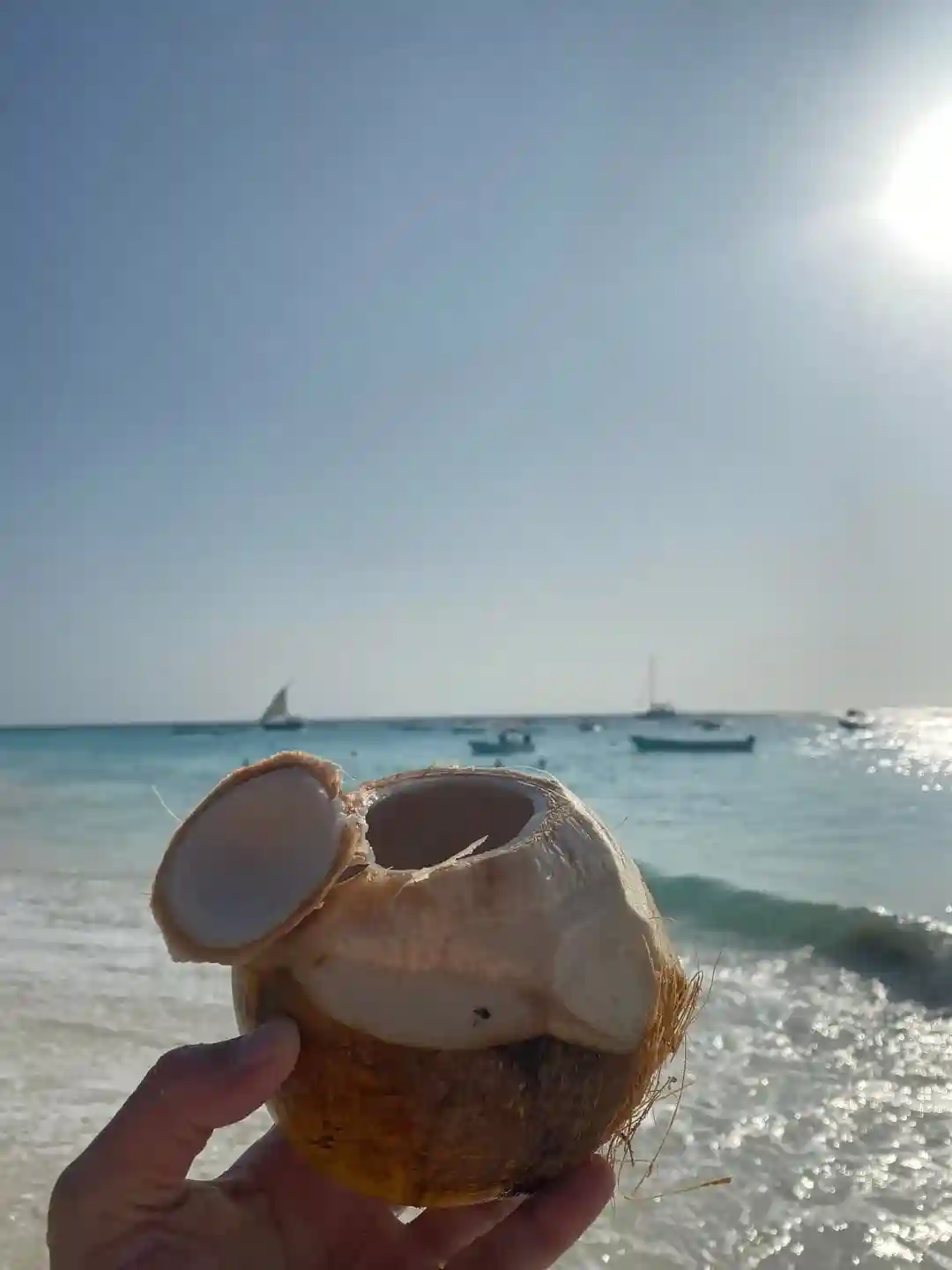
Zanzibar is Africa’s most complete tropical argument — a UNESCO World Heritage Site in Stone Town, spice-filled markets carrying an exotic blend of Arab, Persian, Indian cultures and African heritage, and Fort George sitting at the entrance to a harbor that processed centuries of trade. Stone Town itself is a navigable archive: Fort George, the UNESCO designation, and the layered Arab, Persian, and Indian cultures visible in architecture and cuisine make the Tanzania mainland day-trip comparison feel almost reductive. The offshore reef system supports tortoises on prison island excursions, a restaurant scene built around fresh catch, and the kind of rock formation snorkeling that rewards explorers who move past the main beach corridor.
Langkawi, Malaysia
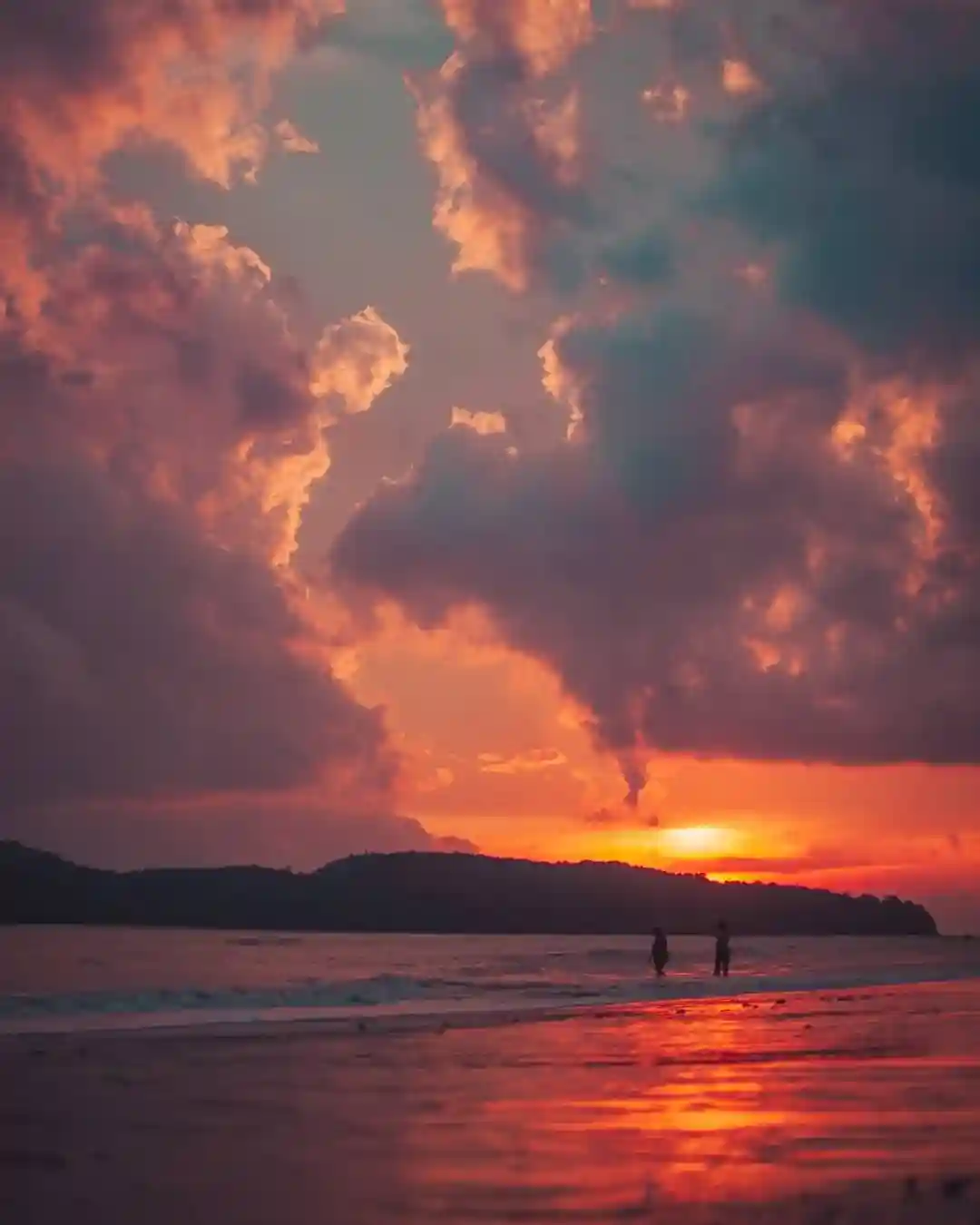
Langkawi is a 99 islands UNESCO Global Geopark in Malaysia — a distinction that the diverse wildlife, mangrove formations, and Kilim River boat tour ecosystem make tangible rather than administrative. The Langkawi SkyCab cable car delivers the kind of vertiginous cable car panorama that earns the ride fee immediately. Stunning beaches along the western coast pair with orangutans at the zoo and breakfast stops near working mangrove formations to give the island unusual range. Affordable tours, 100-ringgit entry points for most activities, and affordable food options across the archipelago make Langkawi the most genuinely budget tropical place on this entire list for the quality delivered.
Bali, Indonesia
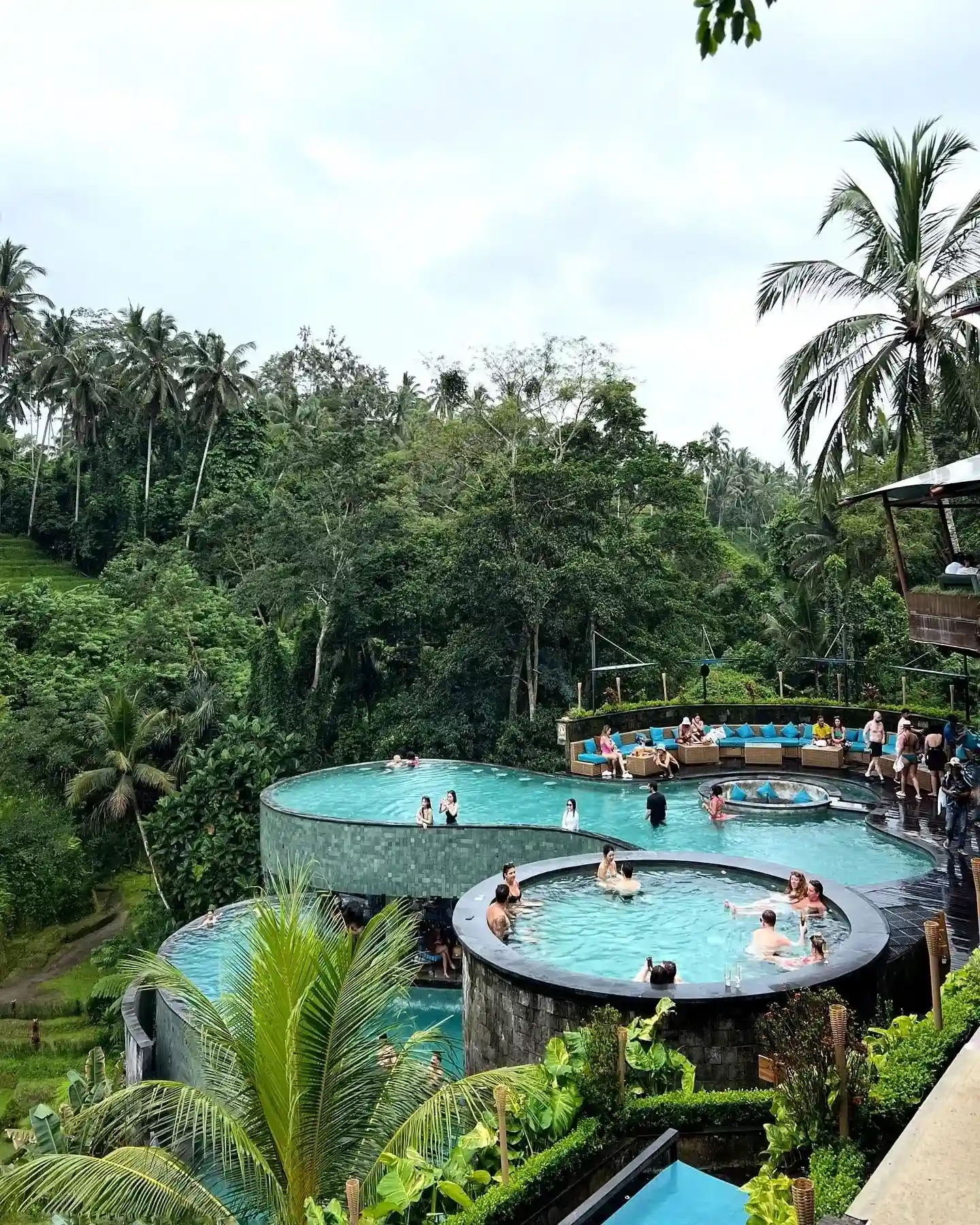
Bali refuses to be summarized — every time travel content tries to pin it down, another layer becomes visible. Stunning temples like Ubud Palace and the Gates of Heaven structure at Pura Lempuyang sit in volcanic mountains that frame rice terraces in a way that stops even jaded photographers. Rich culture, a guided tour through traditional Bahamian — correction, Balinese — traditional dancers performances, cultural sites stacked across a compact geography, and lush landscapes give Bali the tropical place depth that rewards repeated visits. The Elephant Care Experience outside Ubud changed how I think about wildlife tourism — done ethically, it’s the kind of encounter that restructures your day’s priorities entirely. Beautiful beaches on the Seminyak and Uluwatu coasts bookend an interior that has nothing to do with sand.
St. Lucia
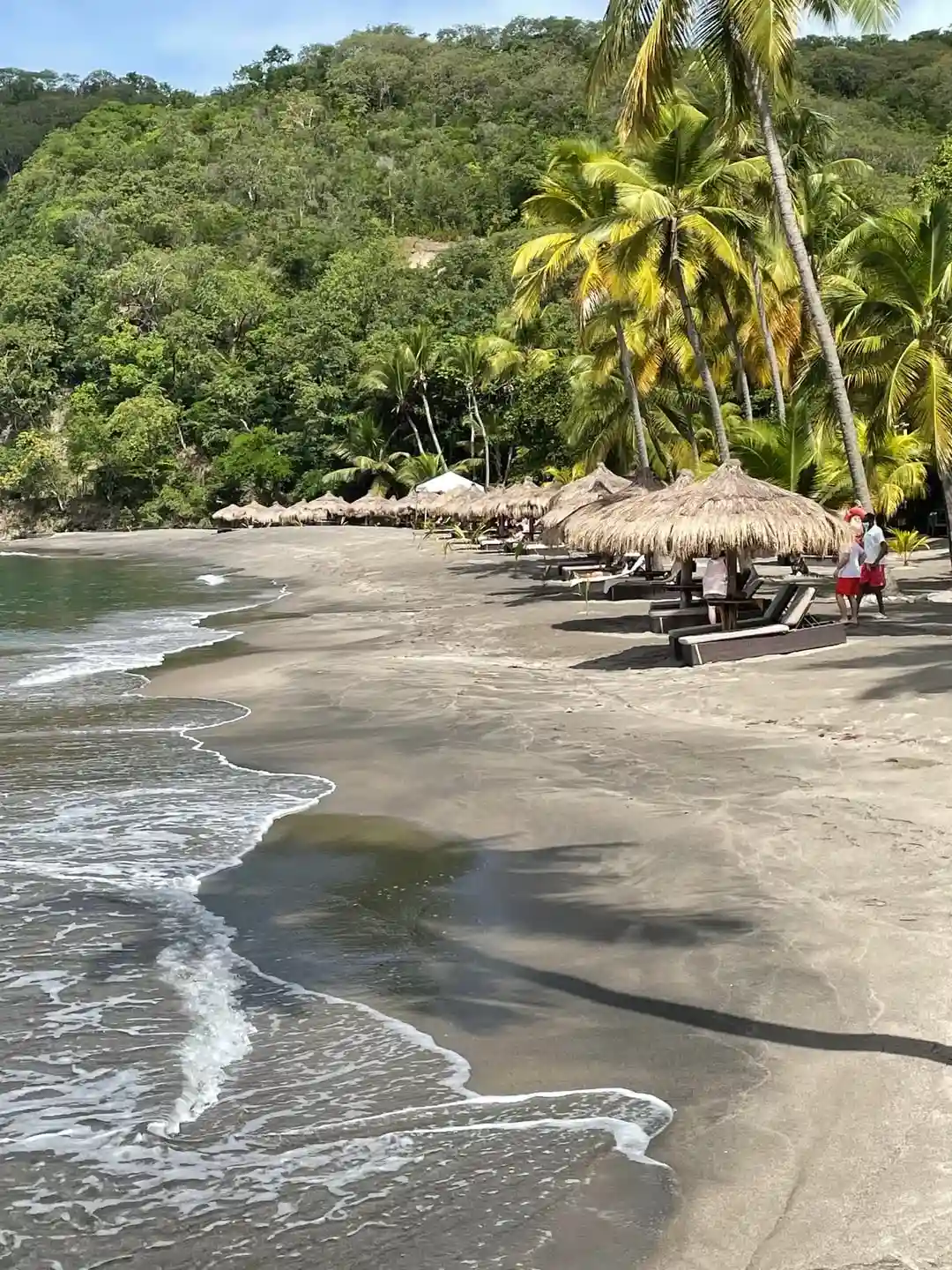
St. Lucia is the Caribbean Sea island where the Piton Mountains do the first impression’s heavy lifting — twin volcanic spires rising from the water near Soufriere are among the most dramatic coastal formations in the Caribbean. Lush rainforests, a private island tour through the marine reserve, flight connections that have improved significantly, and a combination of natural beauty, adventurers’ activity menu, and genuine romantic retreat positioning make St. Lucia one of the region’s most complete destinations. Couples book it for the best beaches and stay for everything else — the hot springs, the drive-in volcano, the cocoa estate tours. Manatees don’t factor here specifically, but the lush rainforests and Caribbean Sea island marine environment deliver the same sense of ecological density.
Palawan, Philippines
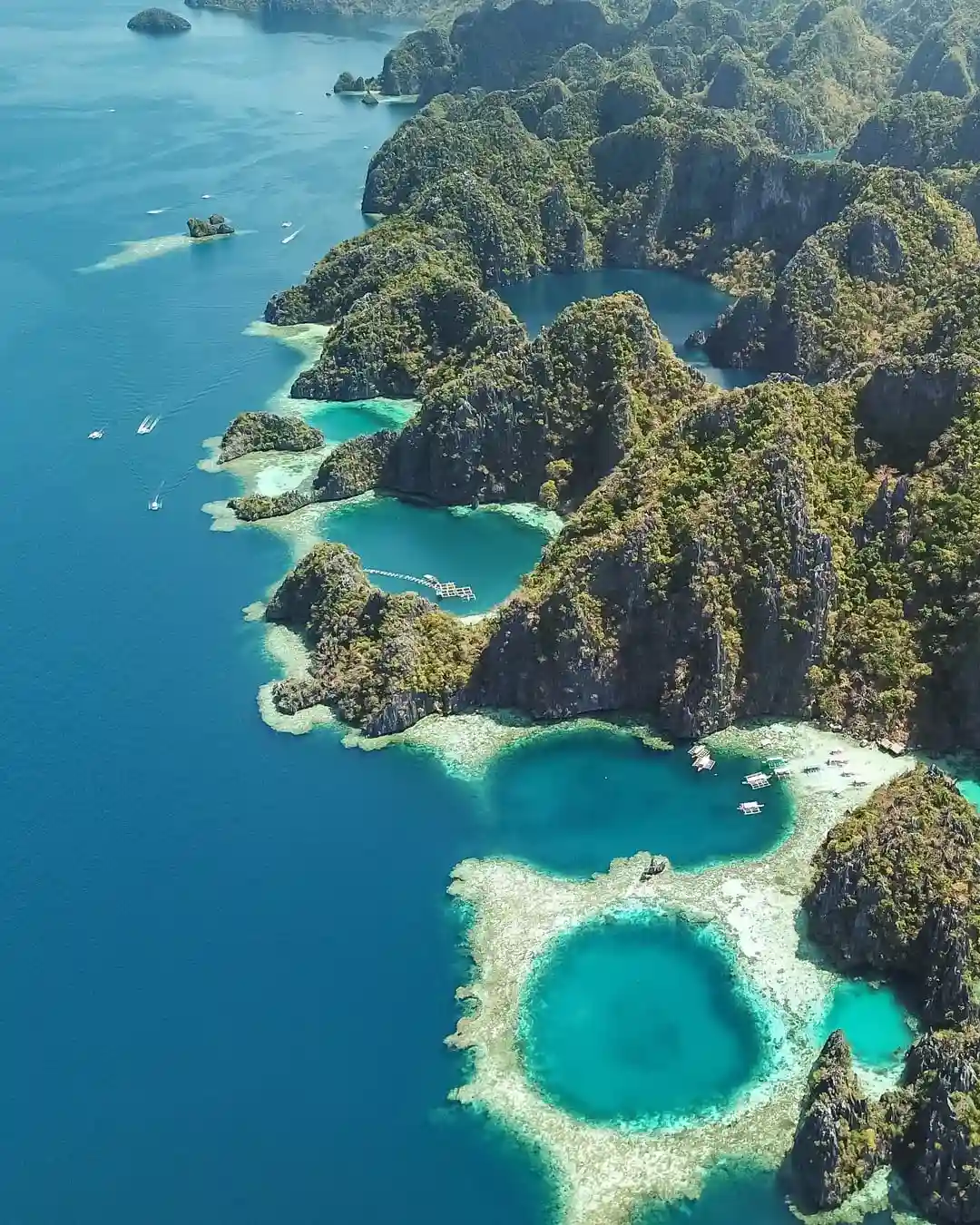
Palawan appears on world’s most beautiful islands rankings with regularity that has started to feel like understatement. The 74 tropical islands figure in the broader Philippines context gives way here to a more focused geography — crystal-clear lagoons, pristine beaches, and an Underground River Tours system designated a UNESCO World Heritage natural site. Firefly Watching, Barracuda Lake diving through a thermocline, Skeleton wreck exploration, Hot springs near Coron, and the Mount Tapyas Viewing Deck panorama give nature lovers and skydiving enthusiasts entirely different reasons to visit the same island chain. December through February marks high season for US visitors; coral reefs in the Tubbataha system rate among the Pacific’s best. Sunset cruise and scenic flight options frame the geography from angles that ground-level exploration can’t replicate.
Whitsunday Islands, Australia
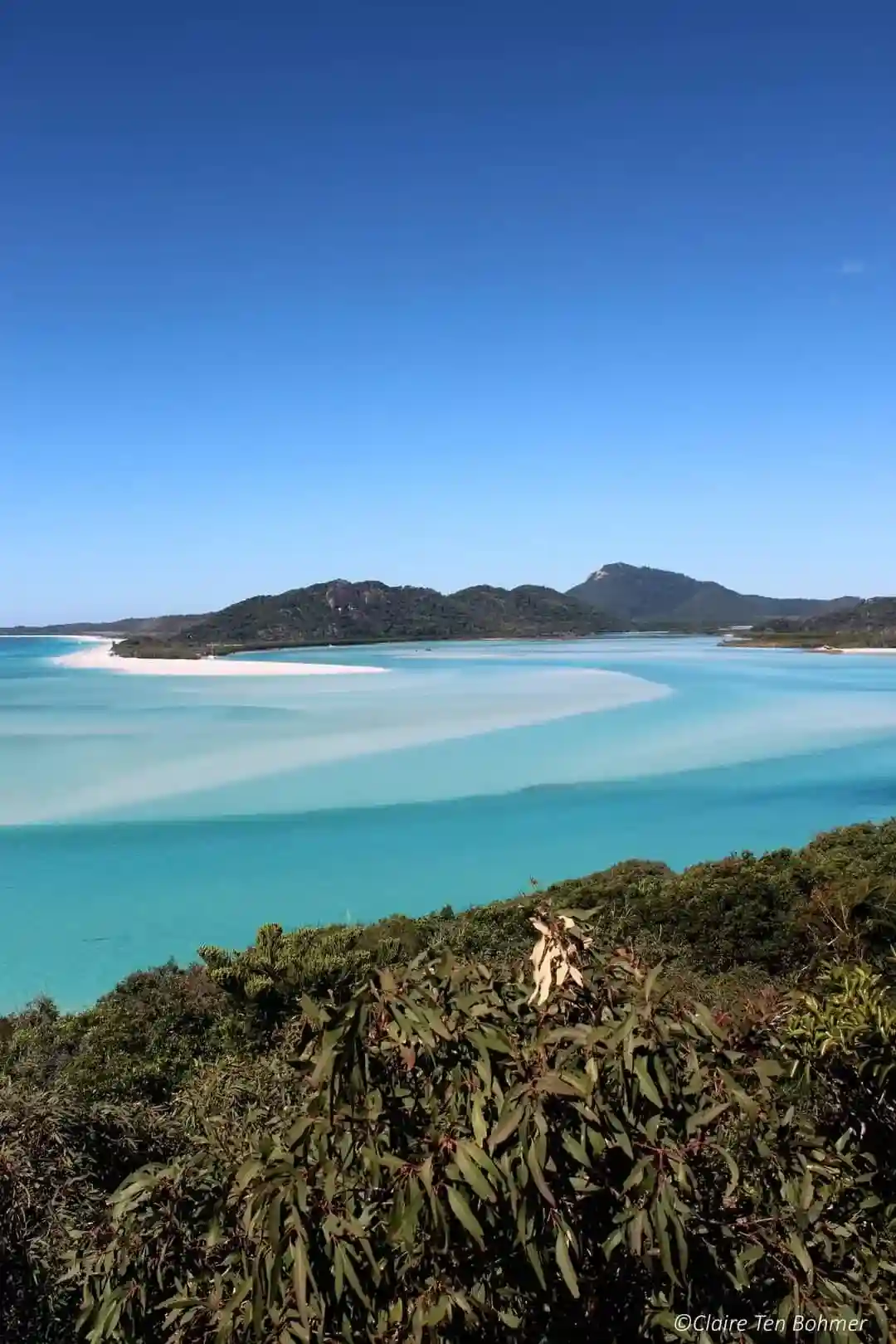
The Whitsunday Islands sit inside the Great Barrier Reef system — 74 tropical islands spread across protected Queensland waters where ethical dolphin tour experiences, coral reefs snorkeling, and sunset cruise circuits operate year-round. Skydiving over the archipelago with the reef visible below is the scenic flight experience reframed as commitment. US visitors arrive primarily during Christmas break and high season (Australian summer / Northern winter), though December bookings require long lead times. The South Pacific Island context gives the Whitsundays their character — it’s not the Caribbean, it’s not Southeast Asia, it’s a specific kind of open, wind-driven sailing paradise that rewards the traveler who arrives with time.
Sri Lanka
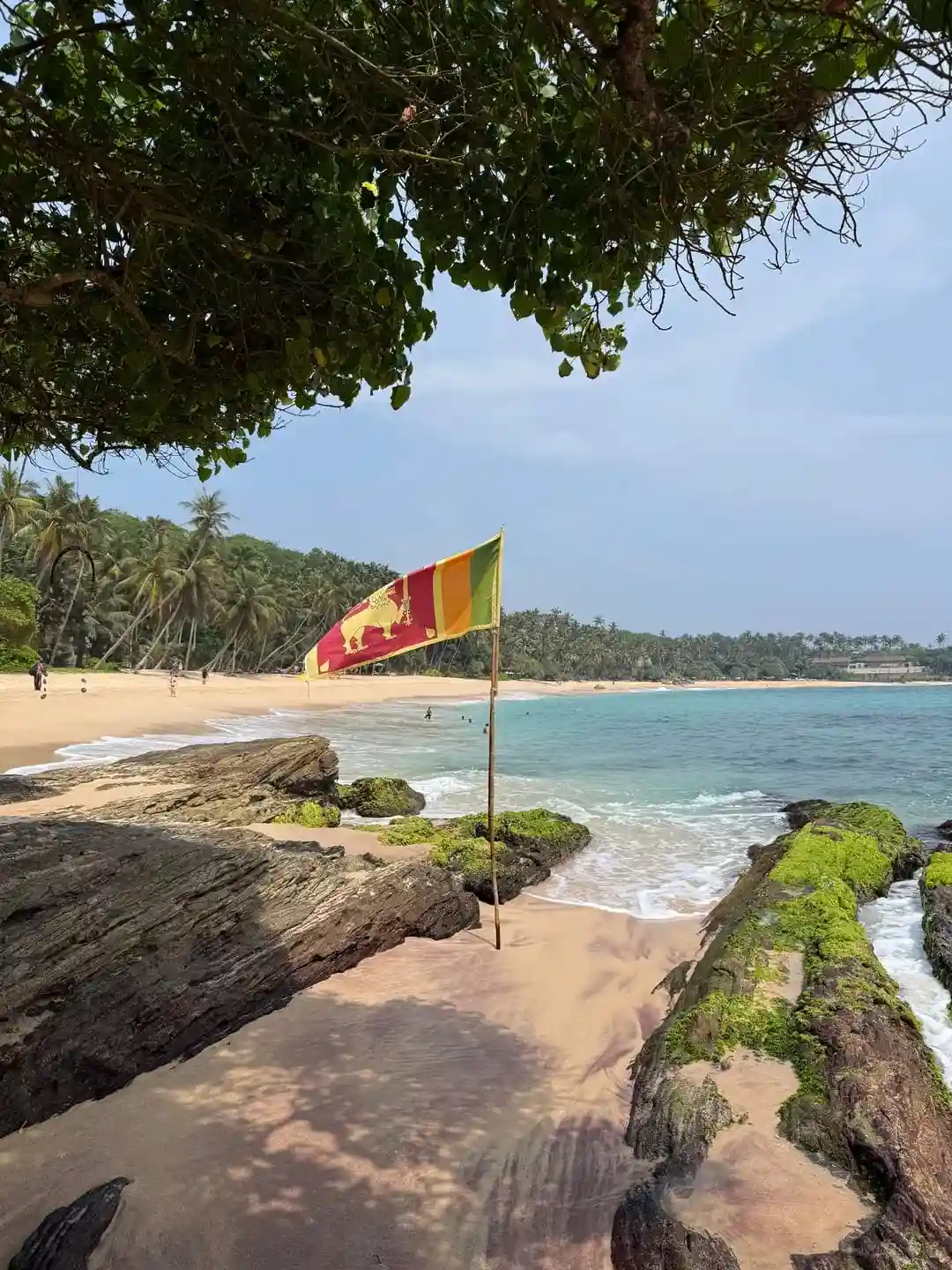
Sri Lanka enters the tropical conversation from an angle most beach-focused travelers miss — it’s not primarily a beach destination, but its combination of friendly people, year-round visits across different coastal zones (the southwest coast and the east coast have inverse dry seasons), rainy season nuance, unique geography, and genuinely affordable country pricing make it one of the best-value tropical destinations currently. Dubai and Doha serve as common connection hubs from the US, making routing straightforward. The country’s tea country, ancient ruins, wildlife reserves, and coastal surf breaks create a tropical experience with unusual vertical range.
Bonaire, Dutch Caribbean
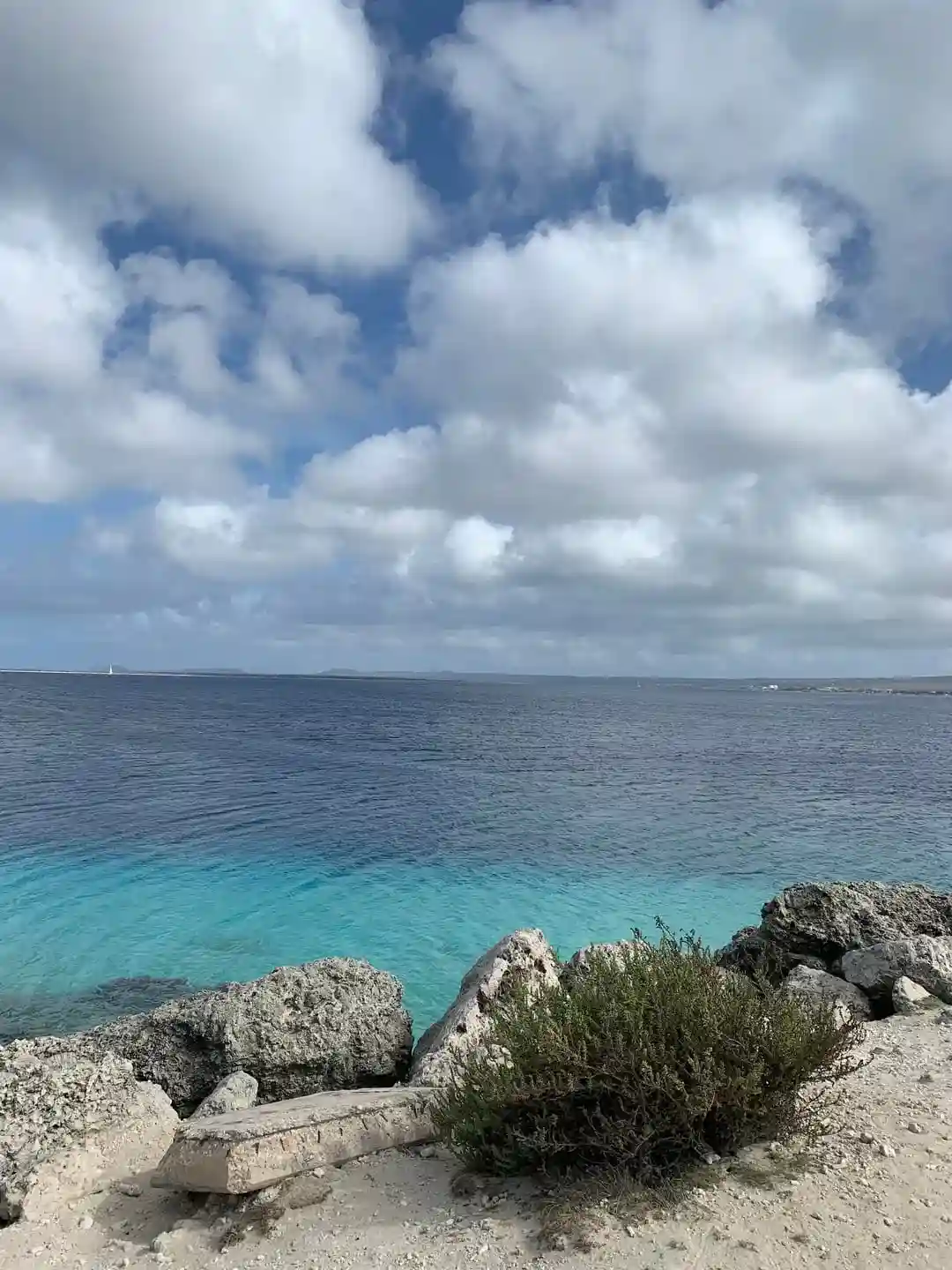
Bonaire is the Dutch Caribbean island that diving enthusiasts treat as a pilgrimage site — a Kingdom of the Netherlands territory with bioluminescent plankton in its southern saltwater flats and some of the most accessible shore diving in the Caribbean. Willemstad (on neighboring Curaçao) carries the World Heritage site designation and the colorful architecture that photographs beautifully; Bonaire itself is quieter, more ecologically focused. The island sits in Hurricane Alley’s southern margin — but its off-season (the May to November window) coincides with Caribbean hurricane risk elsewhere, making it a smart budget-friendly alternative when other destinations are pricing high or weathering storms.
Madagascar
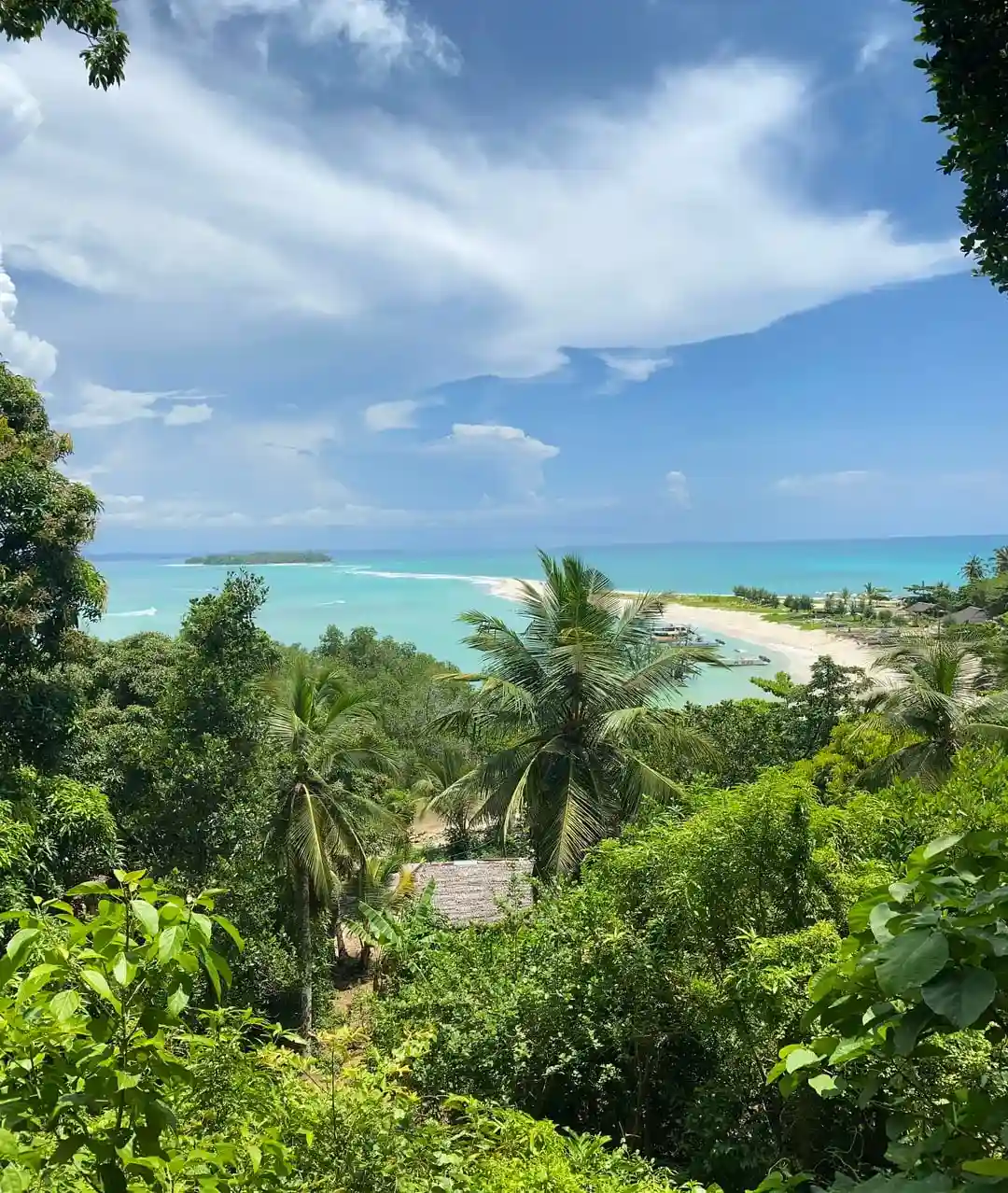
Madagascar is the off-the-beaten-path experience that rewards the traveler willing to route through Antananarivo (the main island capital) to reach Nosy Be — a small island off the northwest coast with tea farms, warm Indian Ocean water, and access to elephant safaris, water activities, and markets that carry Malagasy character. The cheapest month for travel varies by region, but Madagascar’s position as the world’s most biodiverse unique wildlife destination — affordable country pricing relative to its ecological value — makes it the strongest UNESCO sites argument on this list for travelers who want genuine discovery rather than refined tourism infrastructure.