3 Weeks in Europe Itinerary: 6 Epic Routes for First-Time Travelers (2026 Guide)
Planning a three-week trip to Europe felt overwhelming at first — trust me, I’ve been that person staring at a blank spreadsheet at midnight, wondering how to squeeze Paris, Croatia, Slovenia, Tuscany, Italy, and Rome into one coherent journey without losing my mind or my luggage. What nobody tells you upfront is that a well-crafted itinerary isn’t about ticking boxes — it’s about building a rhythm. The smartest travelers I know don’t just chase cities; they deliberately mix beaches, mountains, small towns, and cultural hubs into a single arc that feels human, not hurried. Getting that mix right is what separates a forgettable holiday from the kind of trip you’re still talking about a decade later.
The real secret hiding inside every great Europe itinerary is season awareness. Travel in the right weather window and everything opens up — coastal spots feel generous, inland routes feel breezy, and the chaotic transportation that burns people out simply becomes part of the adventure. Whether you’re juggling flights, a rental car, or a Eurail train pass, a medium-paced schedule of approximately three days per destination keeps burnout at arm’s length. I personally road-tested a balanced nature-meets-culture approach — mixing vibes from French Riviera sunsets to ancient history in Athens — and it delivered in ways a purely city-focused route never could.
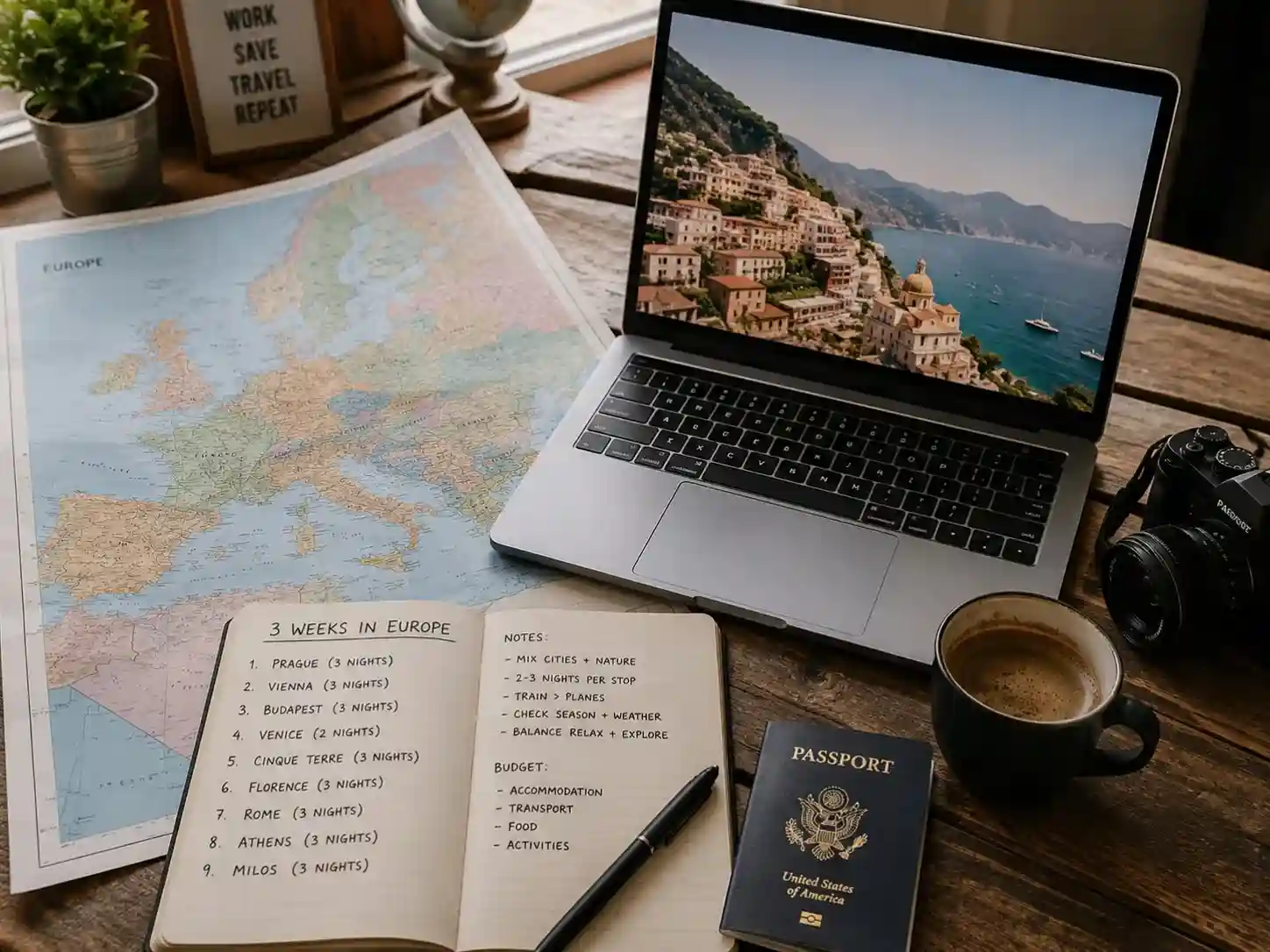
Here’s what the experience taught me about variety: Europe rewards the curious, not the rushed. You don’t need to visit every famous stop to have a dazzling trip — you need 2-3 well-chosen nights in the right places. Travelers who begin in Prague, arc through Vienna, Budapest, and Venice before landing in Rome often find the pace naturally balanced between Renaissance splendour, bistros, sunshine, seaside charm, and beach-hopping bliss. Factor in the Balkans, Mostar, Kotor, Ohrid, and the Meteora rock formations if you want something truly off the well-worn path, or keep it tight with a France, Italy, Greece loop that flows beautifully from Cinque Terre through Florence, Rome, Athens, and finally Milos. Either way, three weeks is enough to get a genuine taste of the continent — just enough to make you want to come back.
I took my first solo trip to Europe back in 2012 at 19 years old, studying abroad in Amsterdam and eventually living in Prague — and I can tell you with total conviction that three weeks gives you a genuinely incredible amount of time to visit many of the favourites without burning through every last bit of energy. That road-tested wisdom from 2019 — when we brought our moms through Sweden, Czechia, Austria, and France — shaped everything about how I now plan and shape itineraries for anyone serious about doing Europe right.
How to Decide Where to Go in Europe
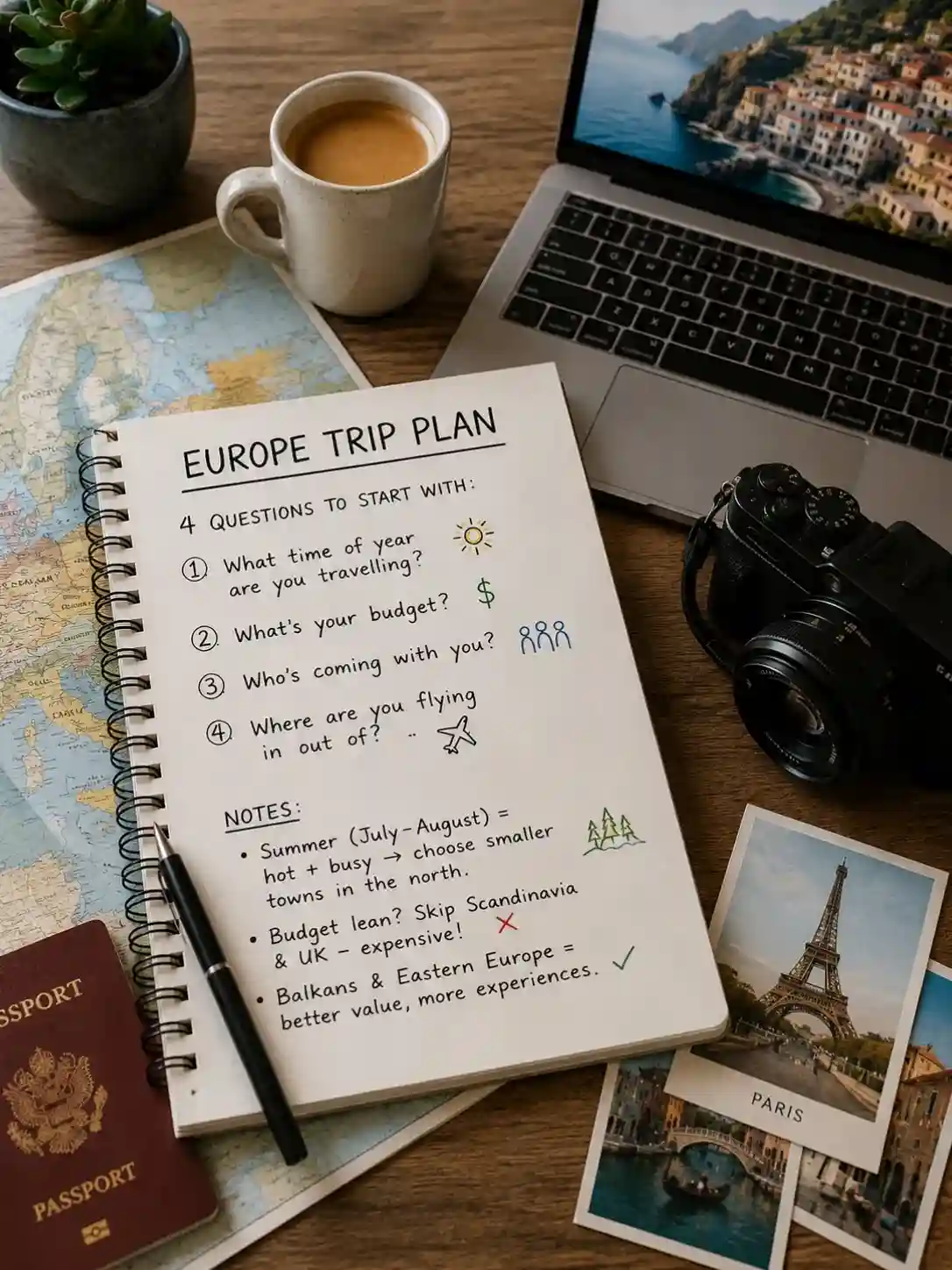
Most people approach Europe trip planning backwards — they pick places first and logic second, which is exactly how you end up flying into one city and scrambling to make everything work from there. The smarter move is to start with four honest questions: What time of year are you travelling? What’s your budget? Who’s coming with you? And where are you flying in out of? Answer those and the perfect European itinerary almost writes itself. Summer is the hottest and busiest season across the continent, so if you’re going in July or August, lean toward smaller towns in the north to stay cool and avoid the most crowded circuits. If your budget leans lean, skip Scandinavia and the UK — both are significantly expensive compared to the Balkans or Eastern Europe, where your money stretches considerably further.
Beyond logistics, the most important question is the simplest: what do you actually want to do? Europe has something for everyone — from shopping the boutiques of Milan to watching sports in a packed local bar in Budapest. Your travel pace matters just as much as your destination list. Both fast and slow approaches have their merits, but knowing which one suits your group — whether it’s a solo trip or a family of 10 — will save you from the classic mistake of over-scheduling and under-experiencing. Narrow down ruthlessly, consider your arrival airport as a natural starting anchor, and build your route from there.
How to Get Around Europe
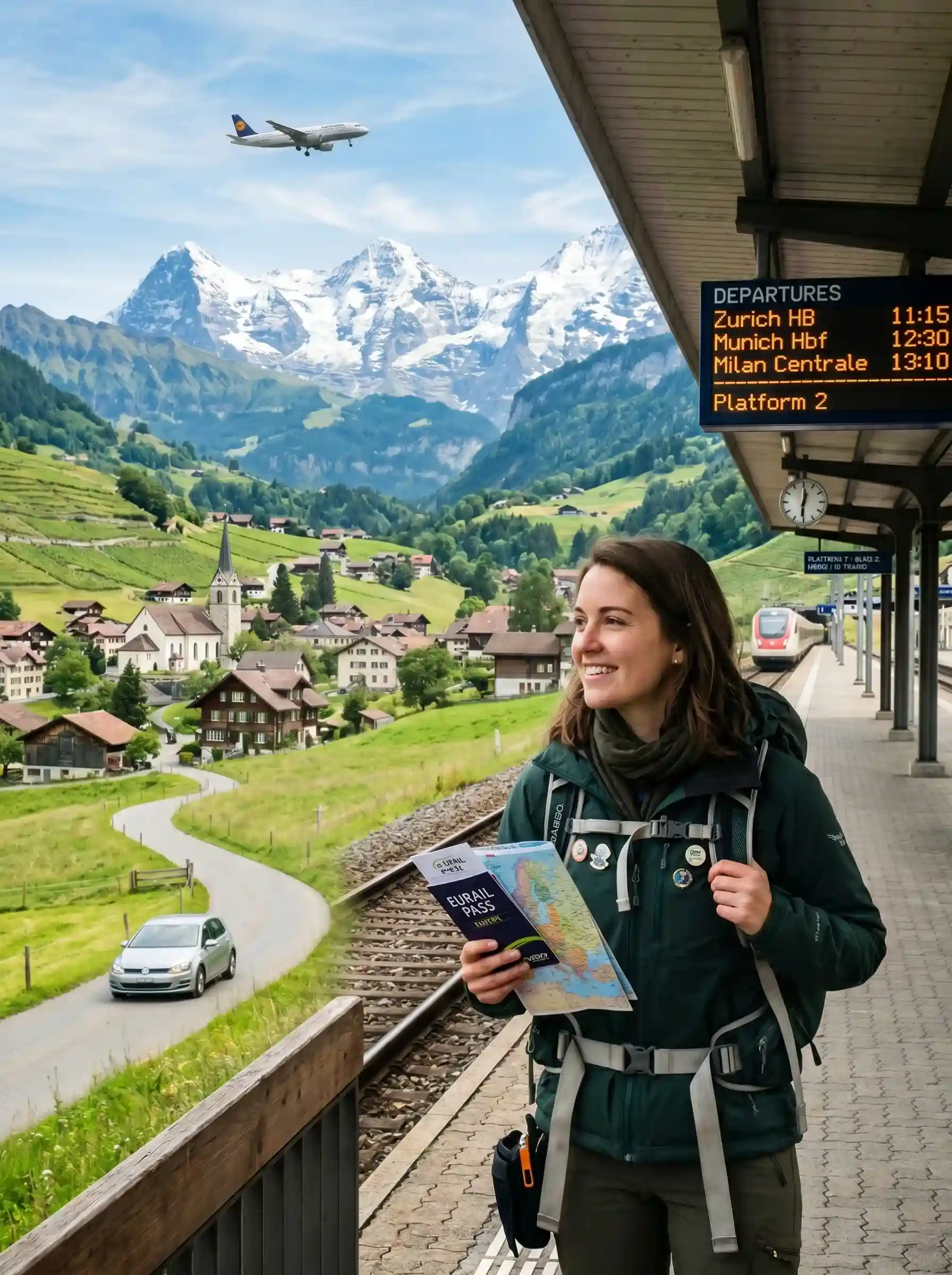
The single best decision I made on my first multi-country travel run through Europe was committing to trains early. High-speed and local trains are the backbone of almost every smart 3-weeks itinerary — they’re punctual, scenic, and far less stressful than airports. That said, occasional flights and rental cars have their place: budget airlines knock hours off long-haul legs, and a car is genuinely the best way to unlock rural day trip territory that trains simply don’t reach. The Eurail Global Pass is the most flexible option for independent travelers covering multiple countries — it offers genuine luxury in the sense that you’re not locked into fixed booking windows and can adjust your route as your trip evolves. Use the Pass, rely on it as your primary tool, and supplement with occasional flights and a rental wherever the rails run dry.
3 Week Europe Itinerary: Route Summary
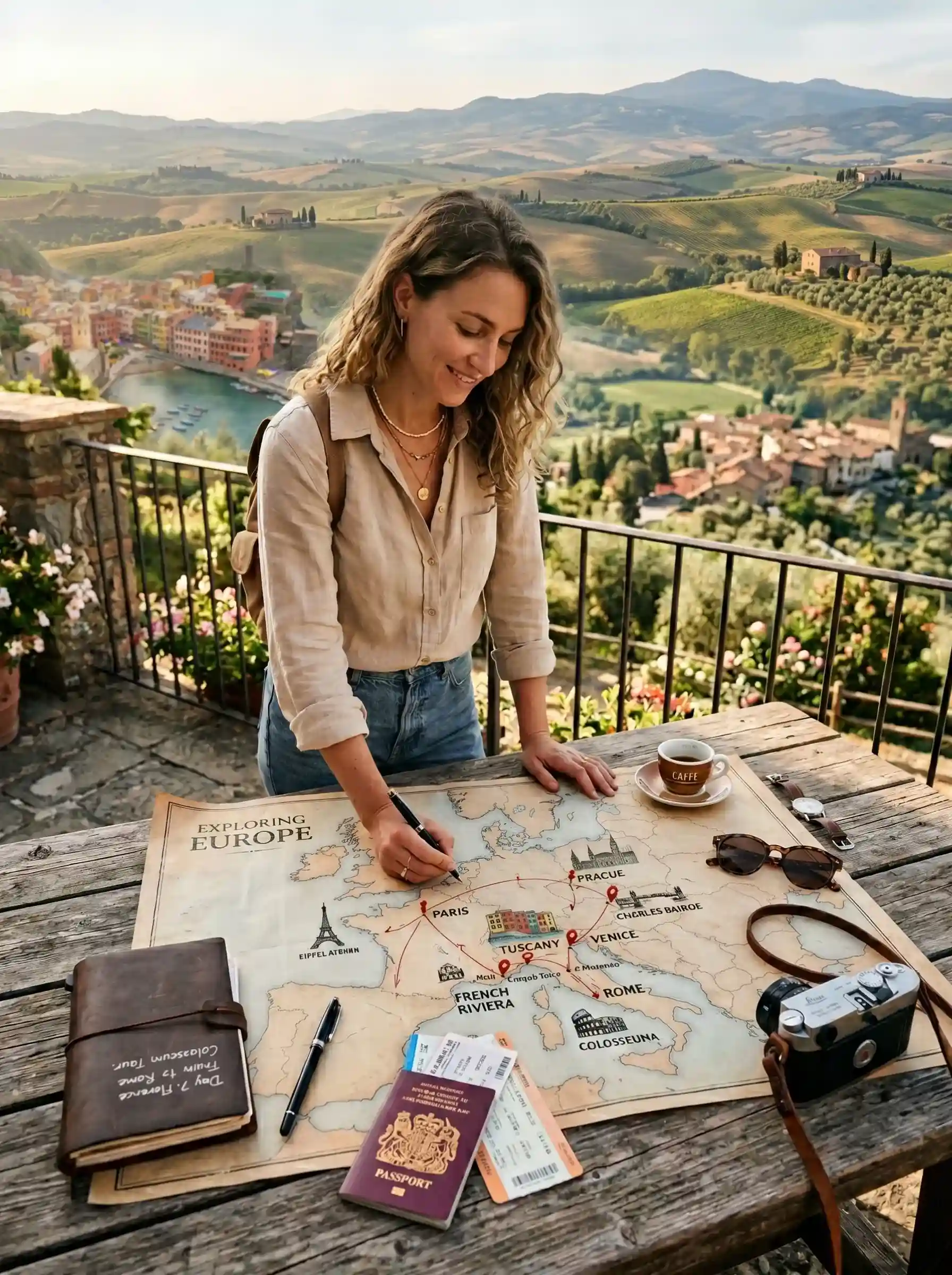
Choosing a route is where most people freeze, so here’s how I break it down. There are essentially 6 distinct options depending on your starting point, travel style, and the kind of Europe you want to experience. Route Option 1 is the Kids-Friendly loop: Paris → Korčula, Croatia → Plitvice Lakes → Lake Bled, Slovenia → Tuscany → Rome — a Days 1–20 journey that balances culture with nature perfectly. Route Option 2 runs Sweden to Italy: Copenhagen, Malmo → Prague → Salzburg → Venice → Florence, Cinque Terre → Pisa → Paris, ideal for those flying into Scandinavia and ending in France across Days 1–21. Route Option 3 covers France, Italy & Greece: Avignon, Provence → Nice, French Riviera → Cinque Terre → Florence → Rome → Athens → Milos, wrapping up Days 19–21 on a Greek island.
For city-chasers, Route Option 4 — the Famous Cities by Rail — strings together Milan, Venice, Munich, Vienna, Budapest, Prague, Berlin, Amsterdam, Paris, and Nice in one grand sweep. Route Option 5, the Central Europe Eastern Bloc circuit, keeps it tight: Stop 1 Prague, Stop 2 Vienna, Stop 3 Budapest, Stop 4 Rome, Stop 5 Venice. And Route Option 6 — Balkans & Beyond — is for the adventurous: Vienna → Bratislava → Hungary → Serbia → Bosnia → Montenegro → Kosovo → North Macedonia → Southern Albania → Northern Greece and finally Athens, covering the most underrated Days 1–21 itinerary on this list. Each Route Option works; the right one depends entirely on what kind of traveler you are.
Paris, France
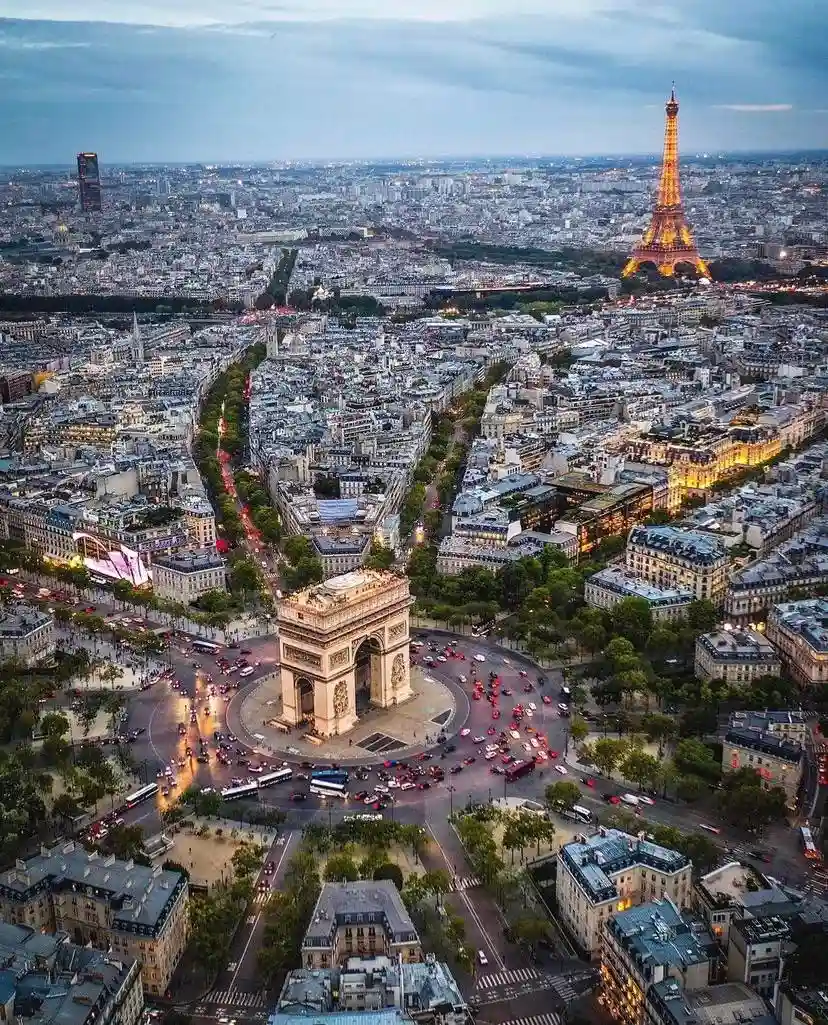
There’s a reason almost every 3-week Europe itinerary starts in Paris — the city earns its perfect opening-act reputation every single time. Book your flights with points if you can (limited times and destination cities sometimes make this the only sensible move), and aim for the 6th Arrondissement, St. Germain — by far the most charming area to base yourself. An apartment within a 10-minute walk of Luxembourg Gardens means mornings feeding ducks at the pond, lazy kitchen breakfasts, and a quiet street energy that big hotels simply can’t replicate. Twin beds, 3 bedrooms, a bathroom, and proximity to restaurants and shops — that’s the Paris sweet spot for families traveling with girls like Charlotte and Emmie, or honestly anyone who wants to feel like a temporary local in Montparnasse or Ile de Cite.
Day one belongs to the iconic sweep: Arc de Triomphe → Champs-Élysées → Pont Alexandre bridge → Rue Cler for picnic supplies → Eiffel Tower for lunch under open sky. Afternoon hours are best spent climbing to Montmartre, wandering its artsy community, and catching a Sacré-Cœur Basilica show at the Moulin Rouge if the afternoon timing works. Day two pivots to museums, churches, and parks: the Louvre rewards those who go deep past the Mona Lisa wing into genuinely uncrowded art galleries, while Notre Dame Cathedral, Sainte-Chapelle, and the Shakespeare Company bookstore form a natural literary circuit. The 12th-century Sainte-Chapelle, Jardin des Tuileries, and the Seine riverbanks round out a day that costs almost nothing but delivers everything.
Reserve day three (or four, if you take the full 4 days that first-time visitors to this spectacular travel destination deserve) for highlights beyond the périphérique: Versailles via the RER C Train is the obvious pick — the Chateau de Versailles never disappoints despite the crowds. Alternatively, head to the Champagne region wineries, Mont-St-Michel, Monet’s garden in Giverny, or even Disneyland Paris if you’re traveling with kids. The neighbourhoods of Le Marais, Latin Quarter, and Sacre Coeur hills reward aimless wandering on any remaining day — picnics on the Seine, exploring side streets, absorbing the weather and the light. Tyler, Charlotte, and Emmie — names from one of the best family itineraries I’ve read — all found Paris to be the most kid-friendly stop of the entire trip. That alone should tell you something.
Avignon (Provence), France
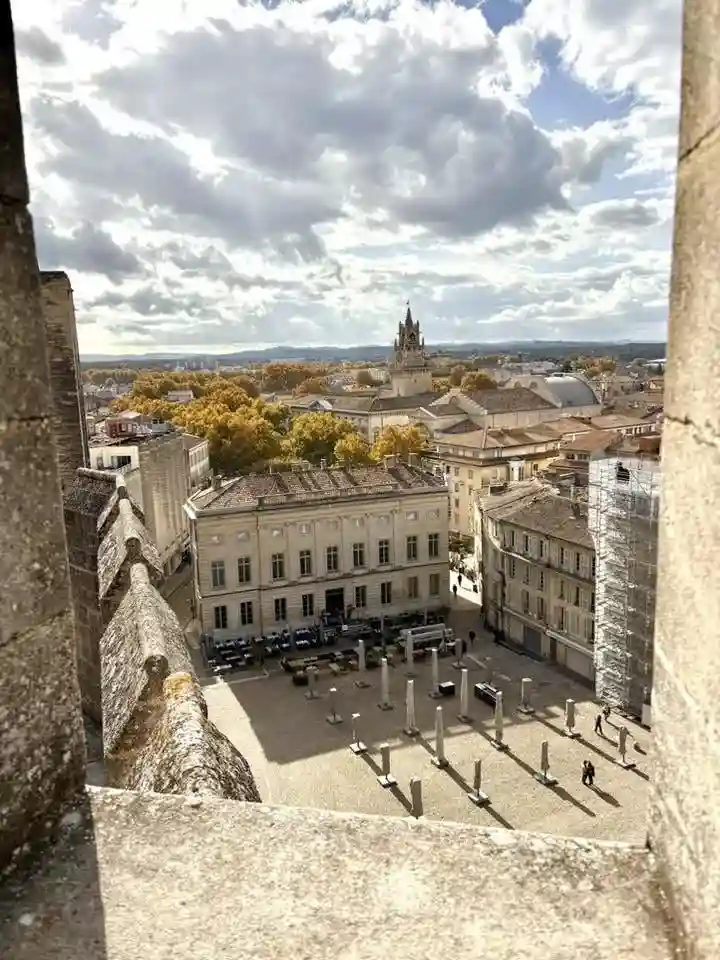
Most European odyssey planners skip Provence entirely in favor of pushing straight to the Italian border — and every single one of them regrets it. Avignon is a gorgeous medieval city sitting right at the heart of this famed French region, and it operates on an entirely different frequency from Paris. The famous medieval walls that wrap the historic centre are genuinely impressive, enclosing a UNESCO World Heritage Listed core that includes the towering Palais des Papes — one of the largest Gothic palaces ever built — and the hauntingly picturesque remains of the 12th-century Pont St Benezet, better known as Pont d’Avignon. The historic pedigree here is undeniable, but what makes Avignon worth 2 dedicated days isn’t its impressive monuments — it’s the atmosphere of simply wandering the winding medieval streets, enjoying a slow slice of life in Provence, and sitting in picturesque town squares with nothing on the agenda. Stay in the Old Town, visit Parc des Rocher Doms, and catch the 3.5-hour train from Paris — it’s one of the most effortless travel transitions on this entire route.
Nice, French Riviera
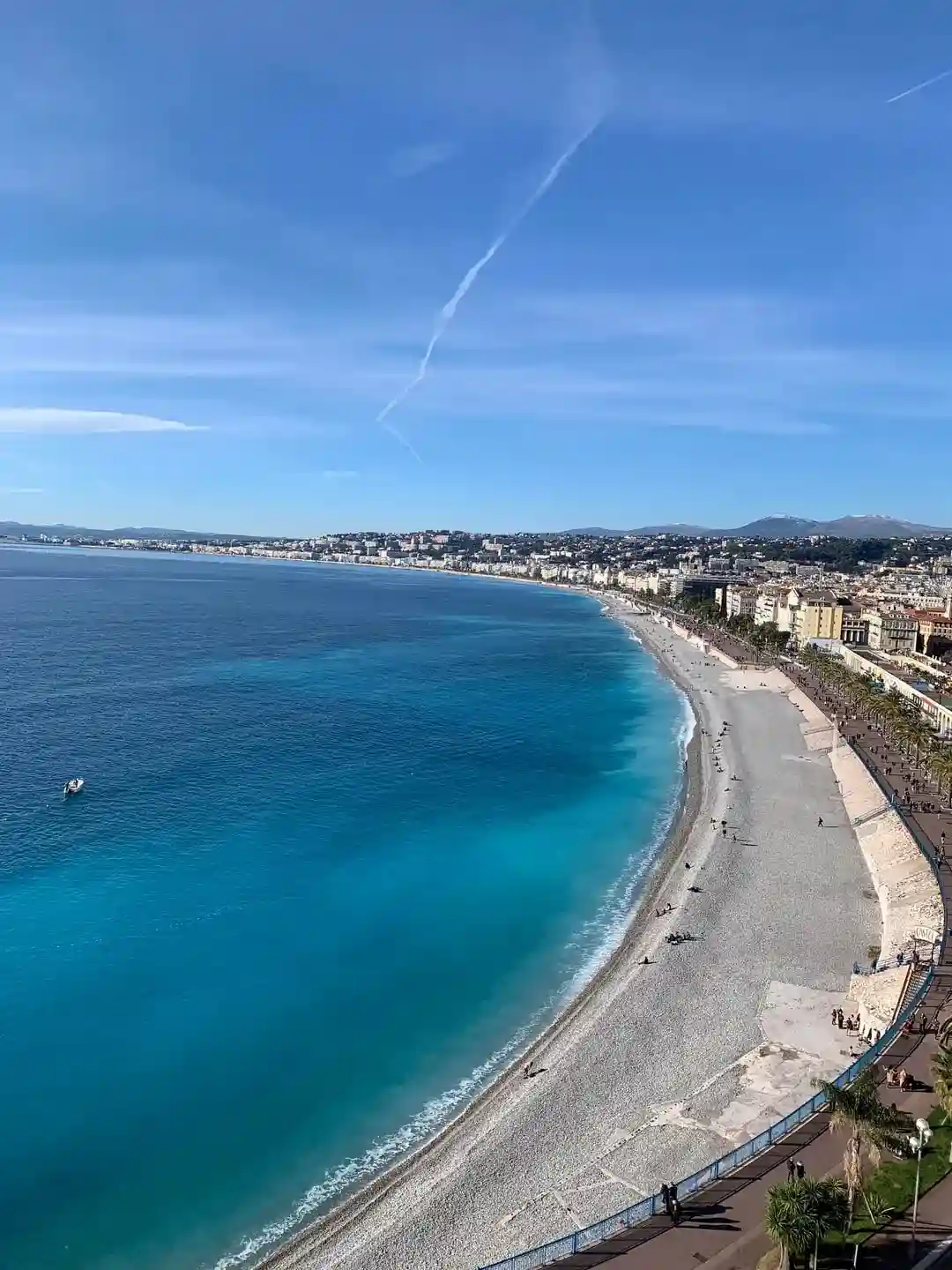
Nice operates as the French Riviera’s approachable, sun-drenched capital — a Cote d’Azur beach town that somehow manages to feel both popular and genuinely livable at the same time. Two days here isn’t about cramming in sights; it’s about recalibrating. Hit the Marche Aux Fleurs and the Marche des Puces at Cours Saleya early for the best Flower Market energy, then let the rest of the day unspool however it wants — Vieux Nice and the Old Town reward slow exploration, the waterfront Promenade d’Anglais is genuinely as dreamy as advertised, and the beach clubs like Opera Plage and Beau Rivage are the kind of places where rose and sunshine replace any travel agenda you had. If you need a spark of excitement, a day trip to Monaco adds a glamorous contrast that takes only a short ride.
Getting here is painlessly simple — the TGV high-speed train from Avignon to Nice-Ville takes roughly 3.5 hours and delivers you right into the heart of it. From here, soaking the sun on the Promenade des Anglais with its cafés, palm trees, and pebble beach is essentially mandatory. For those with a half-day to spare, Villefranche-sur-Mer is just 7 minutes away for sandy beaches, while Monte Carlo casino sits a neat 20 minutes down the coast — both worth it, neither requiring advance planning.
Copenhagen & Malmo, Sweden
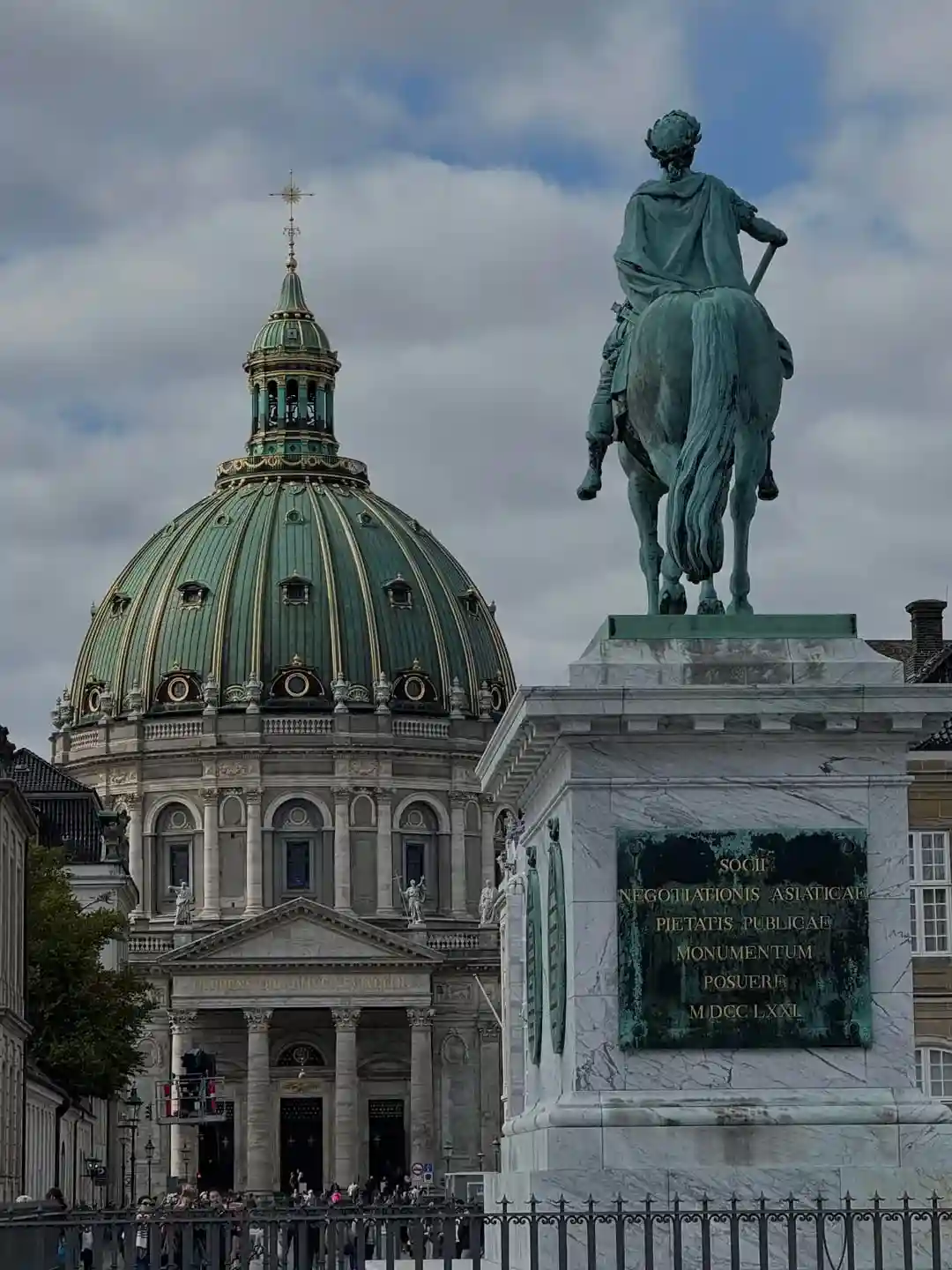
Copenhagen is one of those major airports hub cities that doubles as a genuinely rewarding first stop — Nyhavn is as colourful in real life as every photo suggests, the water taxi tour to see the Little Mermaid is a fun rainy day fallback, and the Royal Palace and Tivoli Gardens give you that instant sense of arrival that Europe does better than anywhere. But here’s the move that most itineraries miss: instead of paying Copenhagen hotel prices, take the 40-minute train to Malmo, Sweden, and base there for your first three days. It’s cheaper, quieter, and gives you immediate access to the neighbouring university town of Lund — where the city canal tour and the architecture of the university buildings are worth an entire afternoon.
Day 2 in Malmo is when Sweden reveals its most distinctive cultural export: fika — the Swedish tradition of a midday break with something warm to drink and a pastry alongside good company. It sounds small; it fundamentally shifts how you experience the day. On Day 3, rent a car and go castle hopping: Marsvinsholm Castle (17th Century), the ancient stone arrangement of Ales Stenar (essentially Sweden’s answer to Stonehenge), lunch at Olof Viktors for the famous crayfish sandwich and carrot cake, then north to Helsingborg for the ferry across to Helsingør and Kronborg — Hamlet’s Castle, complete with casemates, tapestries, and a tour guide who introduces you to Holger the Dane in the underground passages. Return the rental car, grab the Copenhagen Airport train (25 mins), and fly to Prague in 80 mins — and just like that, the Malmö Museum and Moderna Museet Malmö are already a warm Scandinavian memory in the rearview.
Prague, Czech Republic
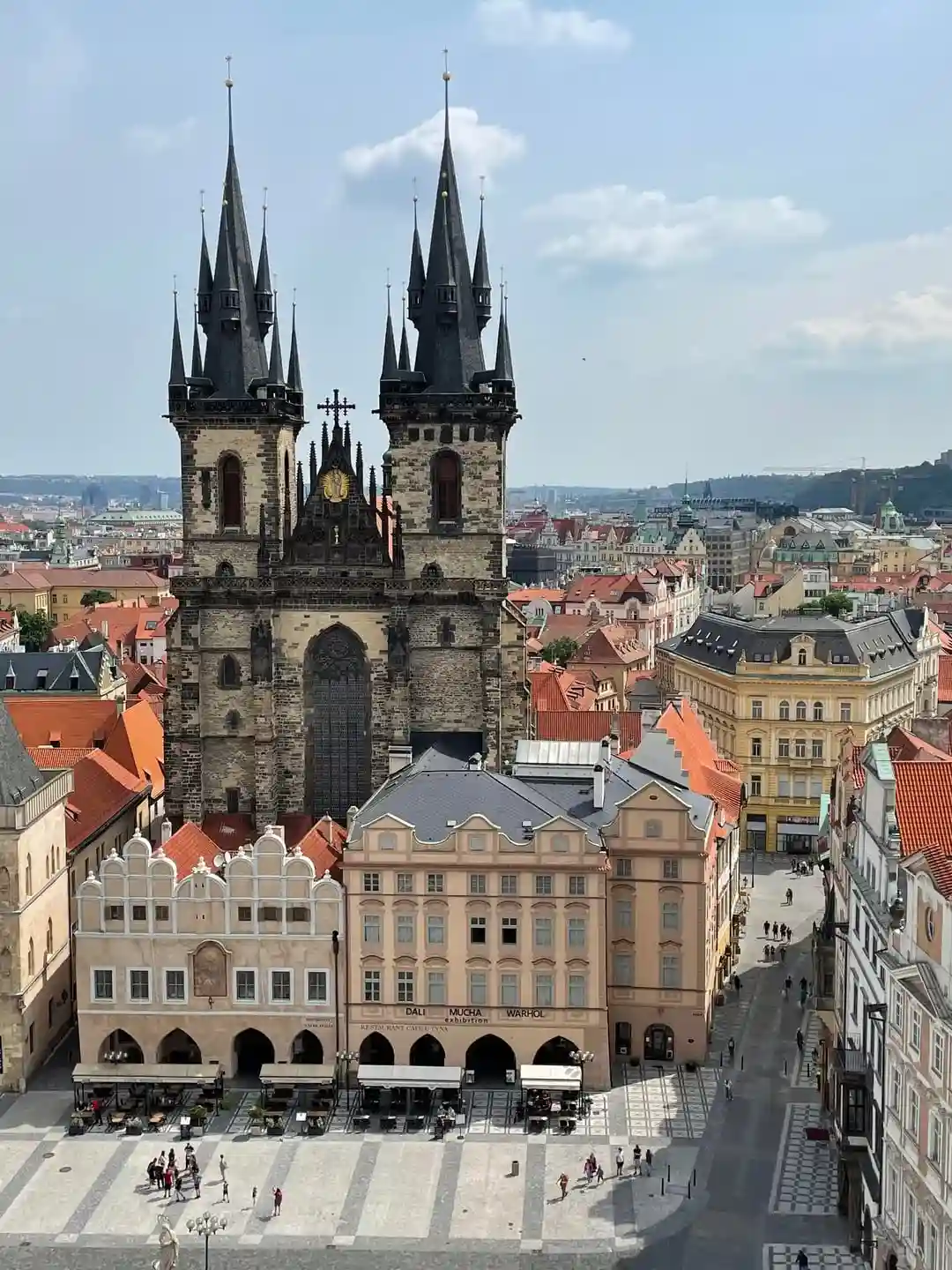
Prague is one of those cities that keeps its promises — every bit of the Gothic architecture, every candlelit beer hall, every cobblestone lane lived up to what I’d spent years imagining. If there was one city at the top of my bucket list, this was it, and it delivered completely. Arriving from the airport, take the walk through the historic district rather than a taxi — the Prague train station itself is an architectural statement, and the city opens up beautifully on foot. Hostel Downtown sits at a useful base if you’re traveling lean, with a tour desk that saves hours of off-beaten-path research. On your first afternoon, head directly to Vysehrad — Prague’s second castle, quieter and more ornate than its famous sibling, with a cemetery that rivals any in Europe for dramatic beauty and panoramic views over the river. The grounds are free, the views are extraordinary, and the creepy baby statues in Kampa Park nearby add a wonderfully strange detour.
Day two belongs to the classic circuit, but done with intention: join a free walking tour for proper context, then take a boat ride on the Vltava River before the Charles Bridge fills with saintly statues and crowds. The astronomical clock — the orloj — striking the hour in the Old Town Square is genuinely theatrical, even if seasoned travelers pretend otherwise. The Lennon Wall nearby is worth the detour, and the Letna Beer Garden in Letna Park offers arguably the best river views in the city over an honest Pilsner. Day three starts at Prague Castle — the largest castle complex in Europe at 570 metres in length, 130 metres wide, covering 70,000 square meters — where St. Vitus Cathedral’s stained glass is worth the UNESCO World Heritage designation alone. The 1,500-year-old walls speak to a scale that no photograph fully captures.
Don’t leave without booking a dedicated beer tour — the Czech Republic literally invented the Pilsner, and Vinohradsky Pivovar is one of the most authentic beer bars on the circuit. The tour ends at a local restaurant for a traditional Czech meal that costs a fraction of anything comparable in Western Europe. On the way, you’ll pass the genuinely baffling Zizkov Television Tower — the second ugliest building in the world by some measures, decorated with crawling baby sculptures and rising 87 metres above the rooftops. Take the Prague Metro (those escalators are no joke — 87 metres long, the longest in Europe) to reach the Jewish Quarter, which stands as an architectural masterpiece in its own right. The Berlin-Prague train runs in 4 hours 7 minutes, making it one of the smoothest legs on this entire European itinerary.
Salzburg, Austria
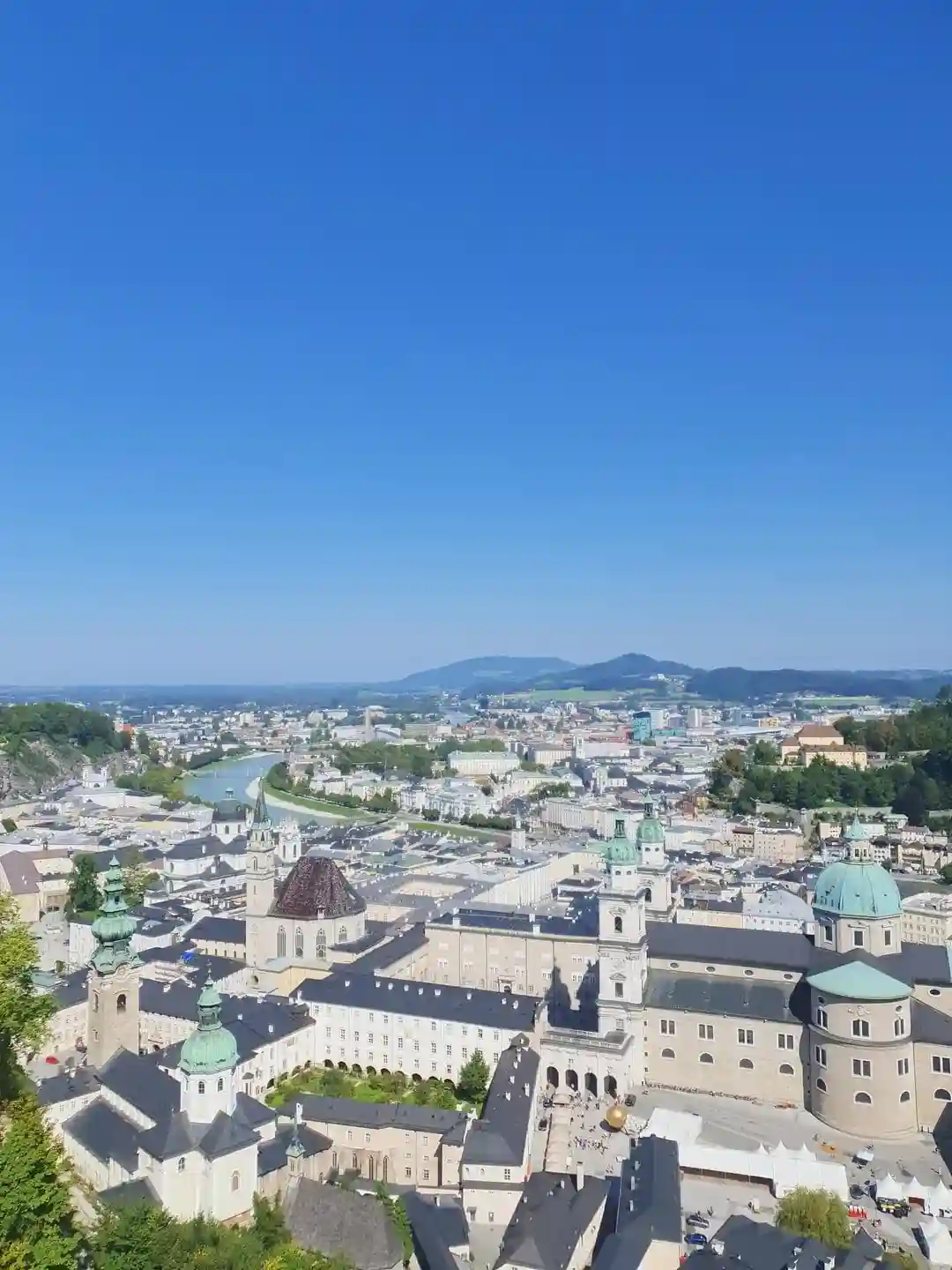
Salzburg earns its place on the favourite European cities list through sheer sensory impact — the views over the city and valley from Hohensalzburg Fortress are the kind that make you stop mid-sentence. The train ride from Prague via a transfer in Linz takes 5.5 hrs and is genuinely scenic — put the podcast down and watch Austria roll past. Arriving into the old town on day 7 gives you the evening to settle, eat well, and simply absorb the stunning atmosphere before the scheduled sightseeing begins. Day 8 is for Mirabell Palace and its Gardens (where Mozart once lived and where Sound of Music fans can quietly reenact their favorite scenes), the medieval streets of the old quarter, and the climb up to Hohensalzburg Fortress — that ancient castle complex where the dinner view over the valley is so spectacular it almost feels unfair.
Day 9 in Salzburg is where personality diverges: committed Sound of Music fans should absolutely book the bus tour — the sing-a-long aspects are genuinely fun, and the lakes, churches, and countryside beyond the city are beautiful regardless of your relationship with the film. For those unmoved by Julie Andrews, the day trip to Hallstatt is the more elegant alternative — that charming lakeside village is everything a Romantic travel fantasy promises. Either way, the 6-hrs one-transfer train to Venice departs the following morning and sets you up perfectly for the next chapter.
Vienna, Austria
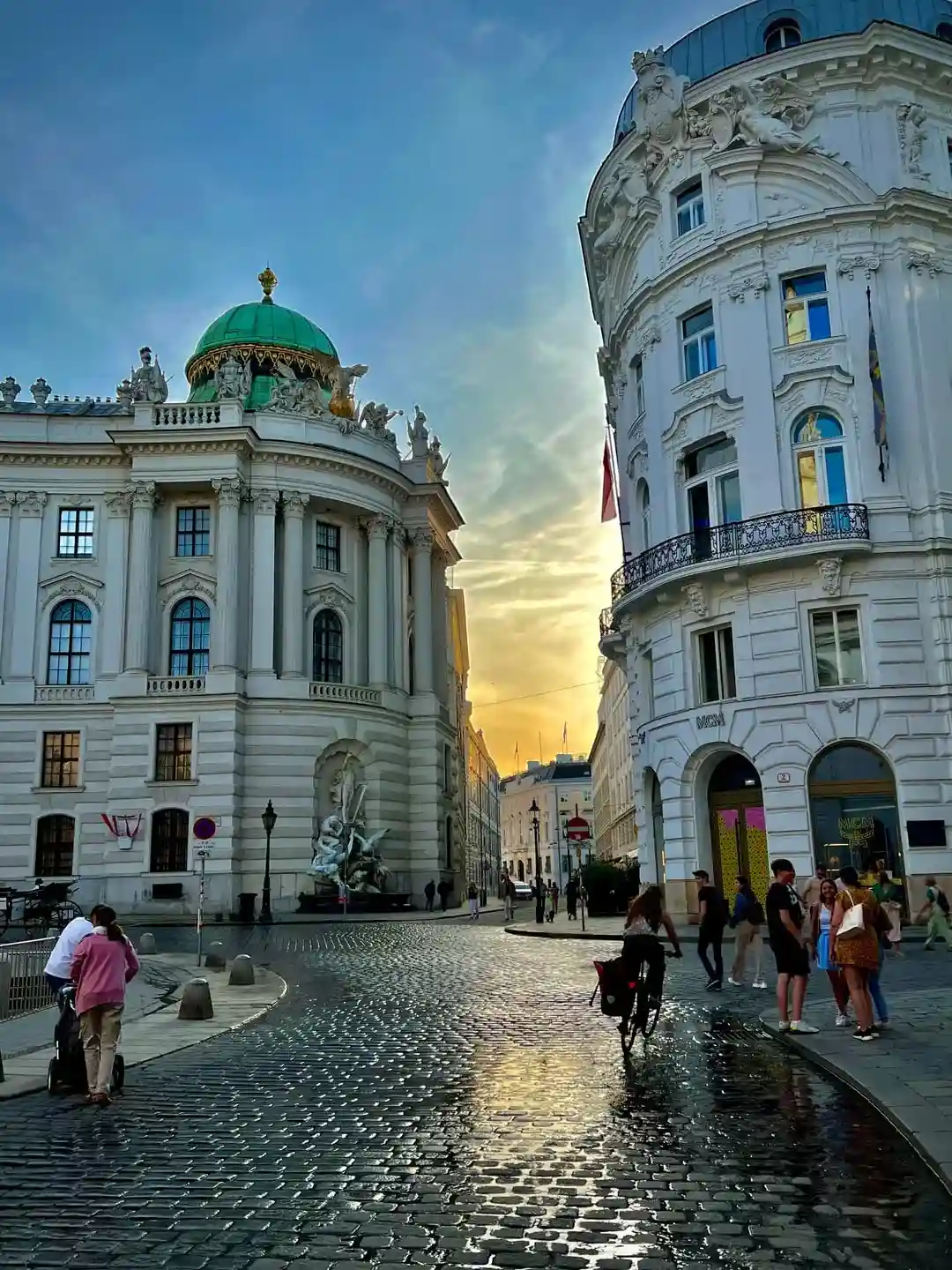
Vienna is a city that rewards a deliberate slowdown — not because it lacks energy, but because its energy operates at the frequency of Mozart, Beethoven, and centuries of Habsburg entertainment. The historic old quarter, Innere Stadt, is where I’d always stay — it puts Schönbrunn Palace within reach, keeps you close to the Gothic architecture of St. Stephen’s Cathedral and the baroque beauty of St. Peter’s Church, and positions you perfectly for the kind of spontaneous discovery that makes Vienna memorable. The Schönbrunn Palace trick that actually works: arrive at 8:30am sharp, before the crowds materialize, and you’ll have those extensive gardens, sculptures, and genuinely decadent interior rooms almost entirely to yourself. The Vienna Pass at €70 makes financial sense the moment you visit more than 3 attractions per day — and in Vienna, that happens easily.
Naschmarkt deserves a full evening, not just a rushed pass-through — Vienna’s largest outdoor market serves everything from local cuisine to international street food, with clothing stalls woven between cheese vendors and wine merchants in a way that feels genuinely alive. Book evening concerts well in advance — they sell out reliably and represent some of the most authentic cultural experiences available anywhere in Central Europe. The Kunsthistorisches Museum and Stephansdom Cathedral anchor a solid day of history and culture, while the Vienna Prater — the world’s oldest amusement park — is the unexpected wild card that often becomes the most talked-about afternoon of the entire trip. The EuroCity or Railjet trains to Budapest take just 2 hours 20 minutes, making it one of the smoothest handoffs on the entire European rail circuit. From Prague by train, Vienna sits 4 hours 43 minutes away — entirely manageable, utterly worth it.
Budapest, Hungary
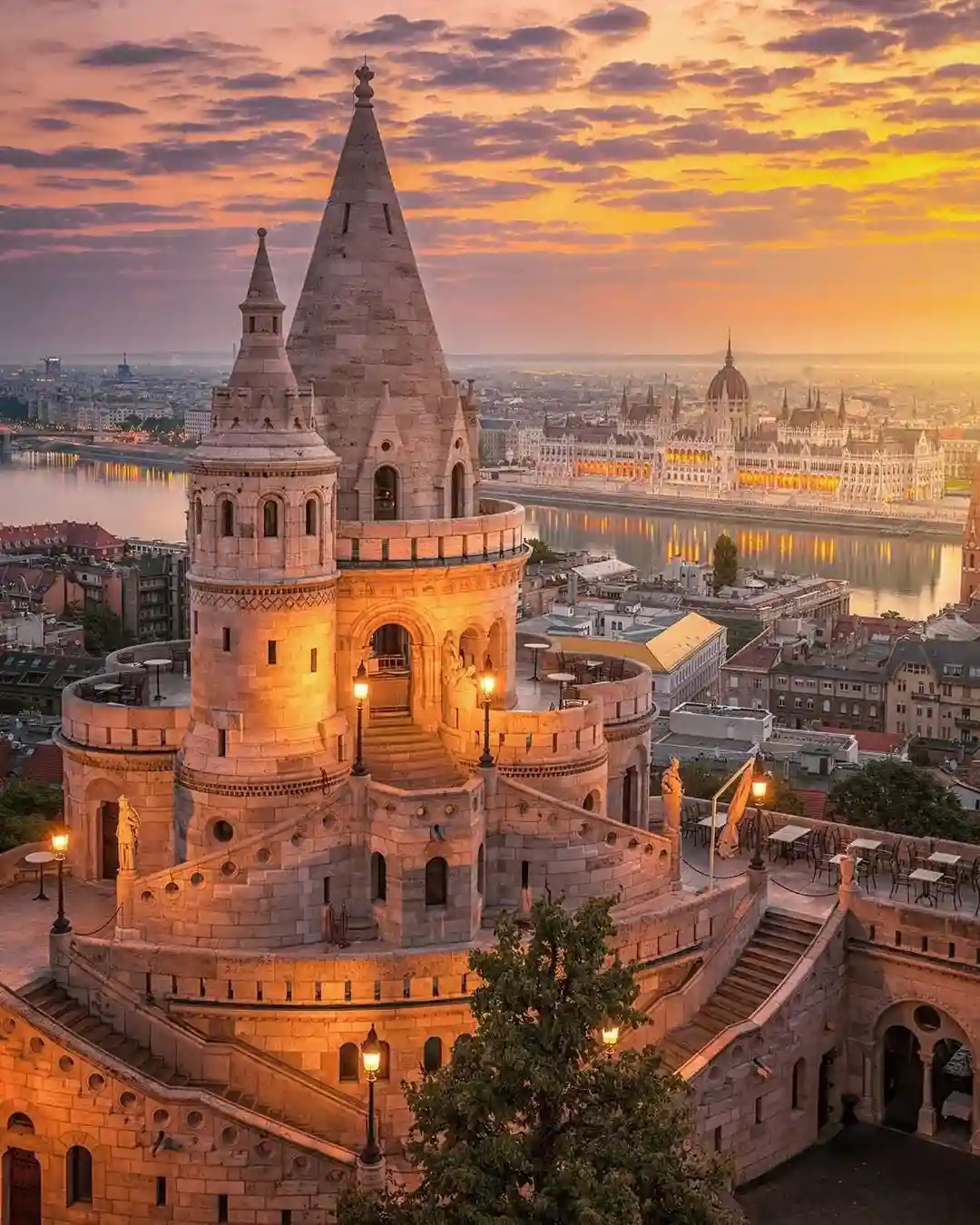
Budapest has a way of exceeding expectations that feels almost unfair to cities that came before it on the itinerary — the grand sights, the thermal culture, the ruin bar scene, and the food combine into something genuinely addictive. Start at St. Stephen’s Basilica to orient yourself, then work both sides of the city: Buda Castle anchors the hilly western bank with history and views, while the Chain Bridge at sunset delivers the most cinematic Parliament reflection you’ll photograph all trip. The Danube cruises are worth booking in advance — they get crowded fast, particularly during peak Formula 1 weekend buzz when the city hums with an extra layer of electricity. For a more grounded arrival moment, walk from the train station to your hostel via the Liberty Bridge and stop at the Central Market Hall next door — the local meats, cheeses, wines, and food court goulash are an immediate, affordable, deeply authentic introduction to Hungarian life.
The ruin bar scene in Budapest is not hype — it’s one of the most genuinely epic night-out experiences in Eastern Europe. Szimpla Kertmozi is the flagship: a sprawling renovated building with multiple rooms, each carrying a different historic charm and atmosphere, the kind of run-down aesthetic that somehow feels more alive than anything purpose-built. Reserve one evening for the free walking tour — “The Best of Budapest” on Guru Walk covers the Hungarian Parliament, cultural landmarks, and the sobering sites connected to Hungary’s dark past and German Nazi regime history with equal intelligence. The Széchenyi and Gellért thermal baths stay open until 10pm — go late, when the crowds thin and the steam rises properly. Before leaving, try breakfast at Kemenes Cukraszda es Bisztro on Vamhaz Korut: a crepe loaded with fruit and syrup, fresh bread with cheese, and coffee so good it resets your expectations — all remarkably affordable. The Vienna-Budapest train takes 2 hours 30 minutes; direct day trains to Prague run 6 hours 45 minutes, with overnight trains arriving in 8 hours.
Venice, Italy
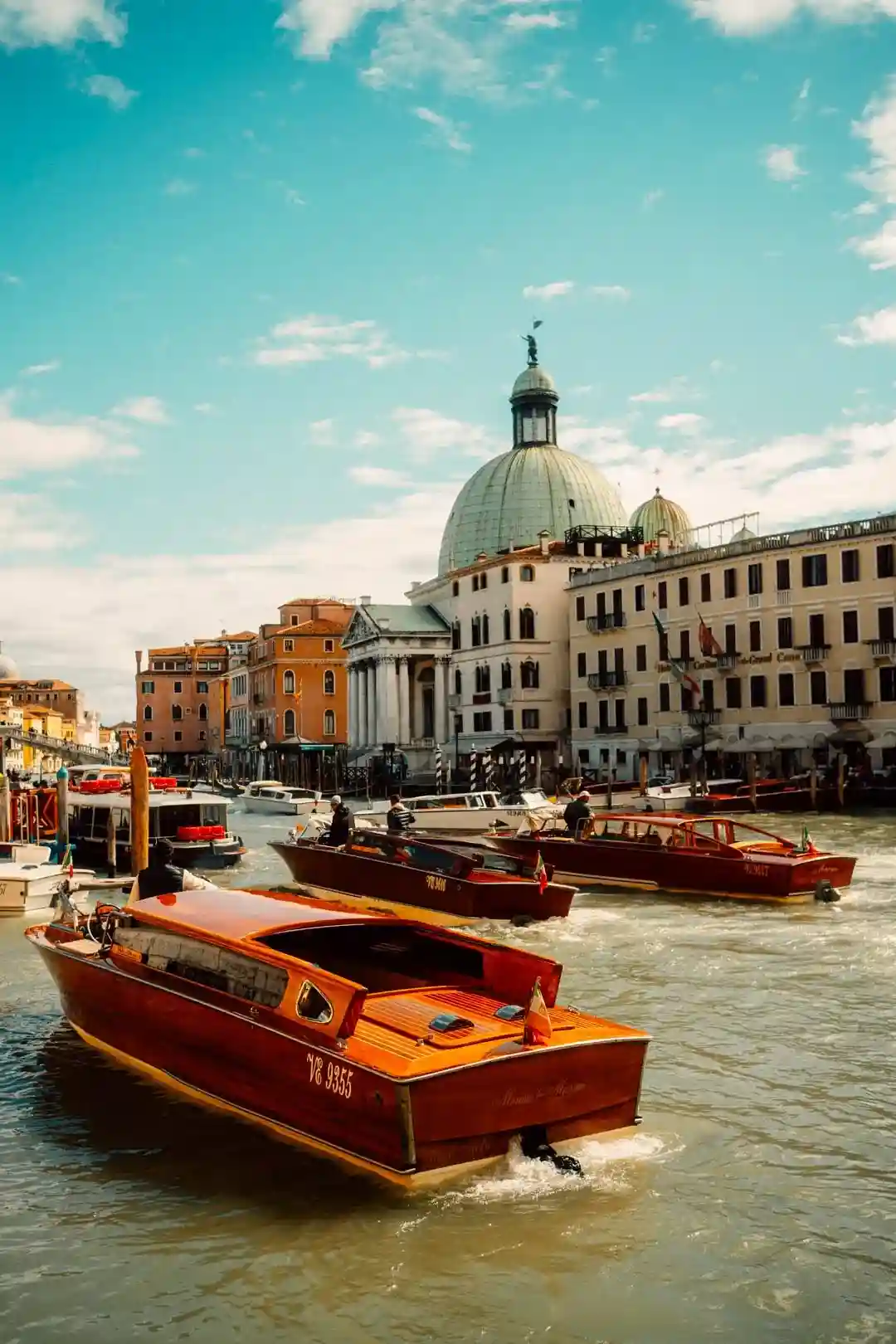
Venice works best when you arrive with low expectations and absolutely no plan — which sounds counterintuitive until you’re getting lost in the maze of bridges and canals at golden hour and stumbling into a local piazza mid-soccer game with a glass of something cold in hand. The train from Salzburg takes 6 hrs with one transfer, depositing you at a station perched right on the Canal Grande — one of the most dramatic arrival moments in Europe. If the budget allows, staying on the island itself rather than the mainland is the single best decision you can make here; the city transforms completely after the day trippers and cruisers leave. St. Mark’s Square, the Rialto Bridge, a gondola traghetto across the Grand Canal, and the San Polo markets with an afternoon spritz form the core circuit — genuinely worth doing, genuinely worth lingering over.
The Burano and Murano islands day trip is where most people make their biggest Venice mistake: taking the local ferry and spending hours waiting in crowded, hot dock queues. Book a private boat tour instead — the extra cost is real, but so is the difference. Burano’s colourful homes and lacework tradition, Murano’s glass blowing galleries — both deserve proper time, not a frantic scramble between packed ferry departures. On the subject of must-do experiences: Harry’s Bar is where the Bellini was invented, and the raspberry purée version served there — pink, accompanied by olives the size of golf balls — costs 22 euros but sits in a category of its own. To genuinely escape the chaos, end your stay in Giudecca — a small island off the main circuit where a quiet outdoor restaurant on the water serves the best meal we had in Venice, in an accommodation setting that felt like a real neighbourhood rather than a tourist backdrop. The Brenner mountain pass route to Munich takes 7 hours by direct train; Florence connects in approximately 2 hrs; Rome by train runs 3 hours 30 minutes.
Munich, Germany
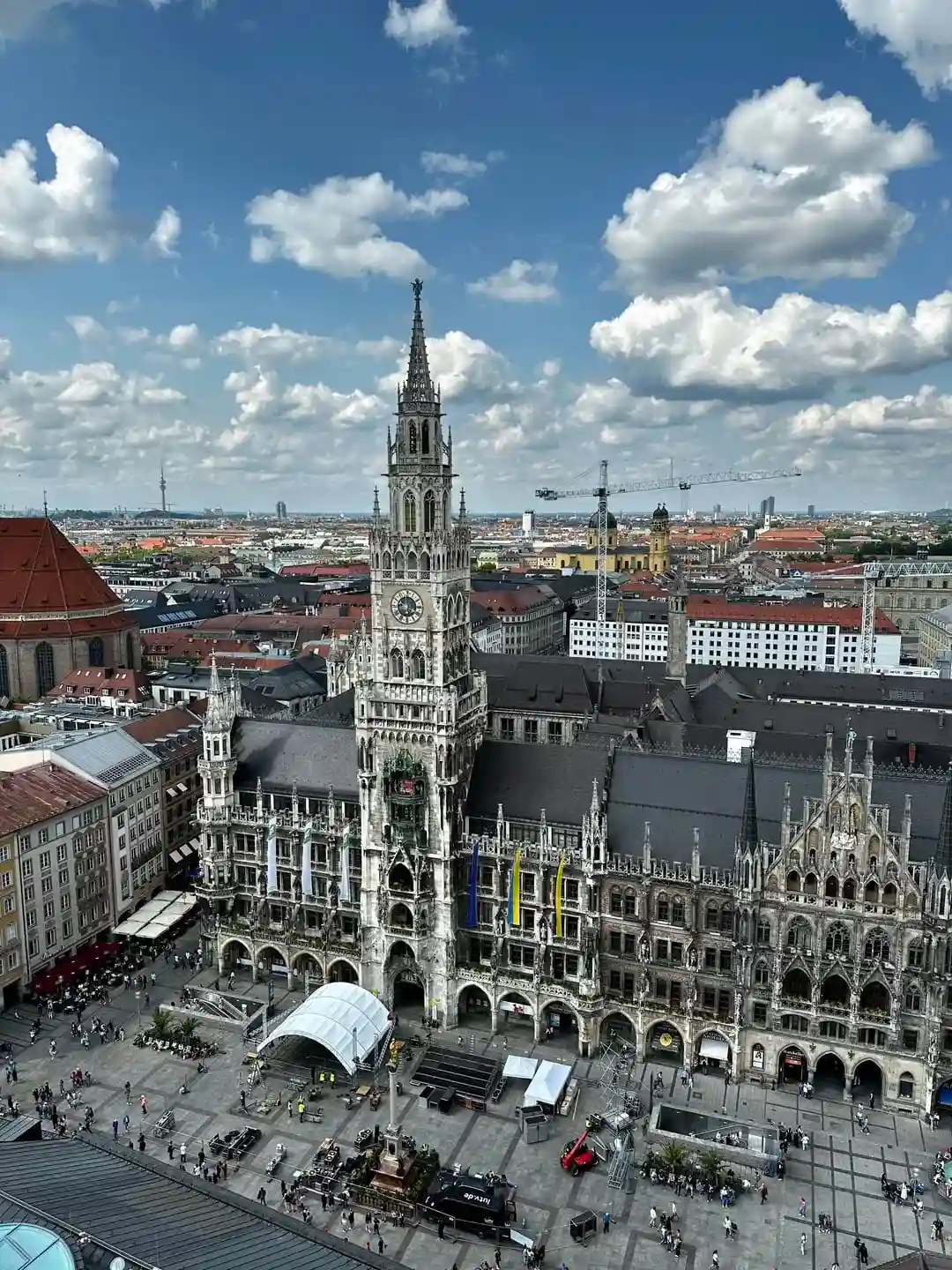
Munich hits differently from every other stop on a Famous Cities by Rail itinerary — it’s the Bavarian blockbuster that trades on warm welcome energy rather than postcard monuments, and the impressive architecture sneaks up on you between culture stops. The Kunstareal district is the headline: a concentrated cluster of world-class museums and galleries where you could spend three full days without touching the same room twice — genuinely something for everyone, regardless of how you feel about museums in theory. For scenic breathing room, the Englischer Garten offers a sprawling panoramic city escape with the famous Monopteros viewpoint delivering one of the best sweeping views in Germany. The Railjet train to Vienna takes just 4 hours — smooth, reliable, and the perfect transition between Bavaria’s warmth and Austria’s imperial grandeur.
Berlin, Germany
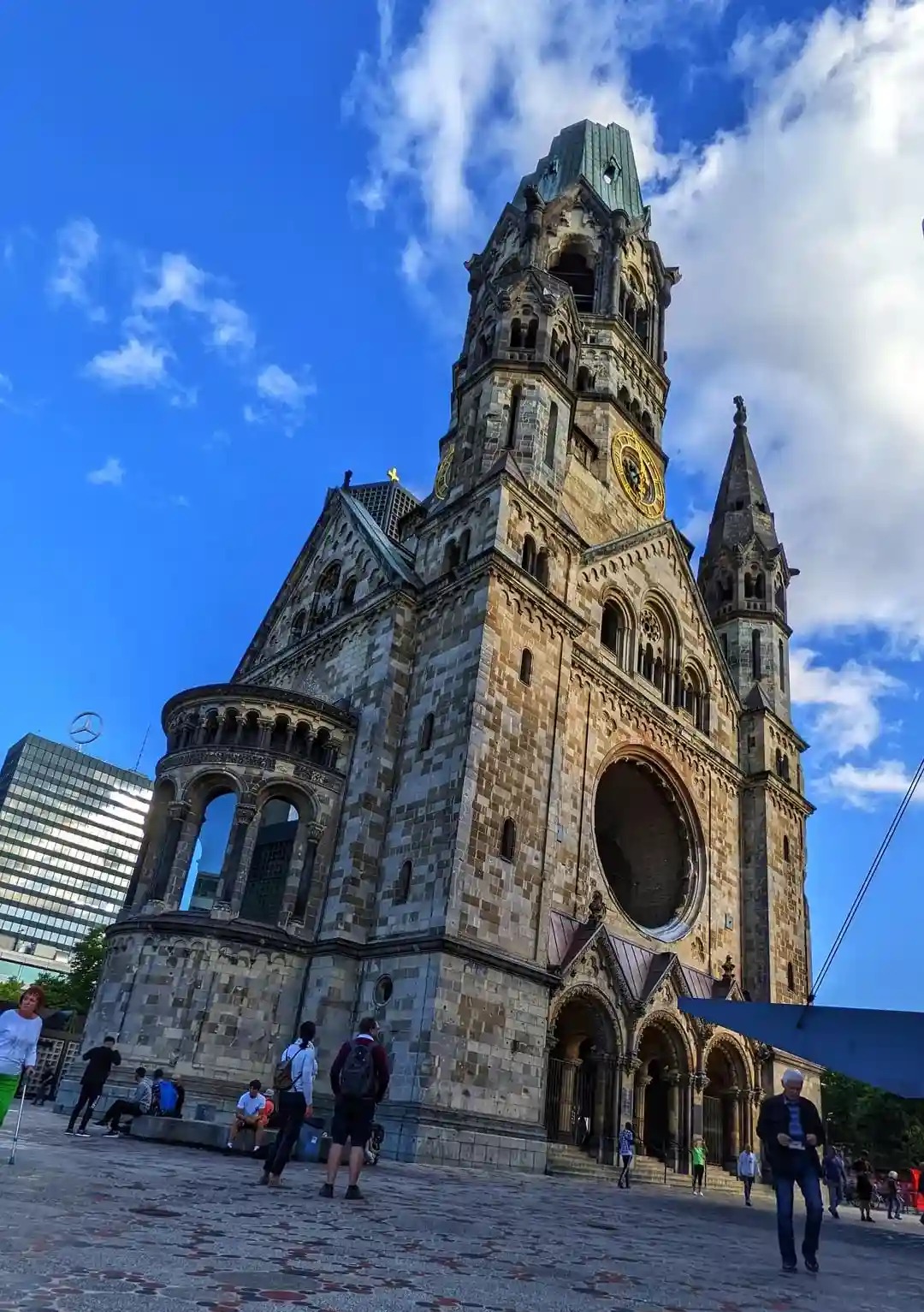
Berlin is the dynamic, ever-changing capital of Germany — and the only city on this list where the historic sites and the vibrant social scene feel equally weighted and equally essential. The Berlin Wall Memorial is poignant in a way that photographs cannot prepare you for, and the graffiti-decorated East Side Gallery turns political history into something visually electric. For a completely different register, the Grunewald forest offers woodland strolls and freshwater lakes for a swim — a surprisingly accessible escape from the urban intensity. The Intercity train to Amsterdam runs 6 hours 20 minutes, and it’s one of the great rail journeys of Northern Europe.
Amsterdam, Netherlands
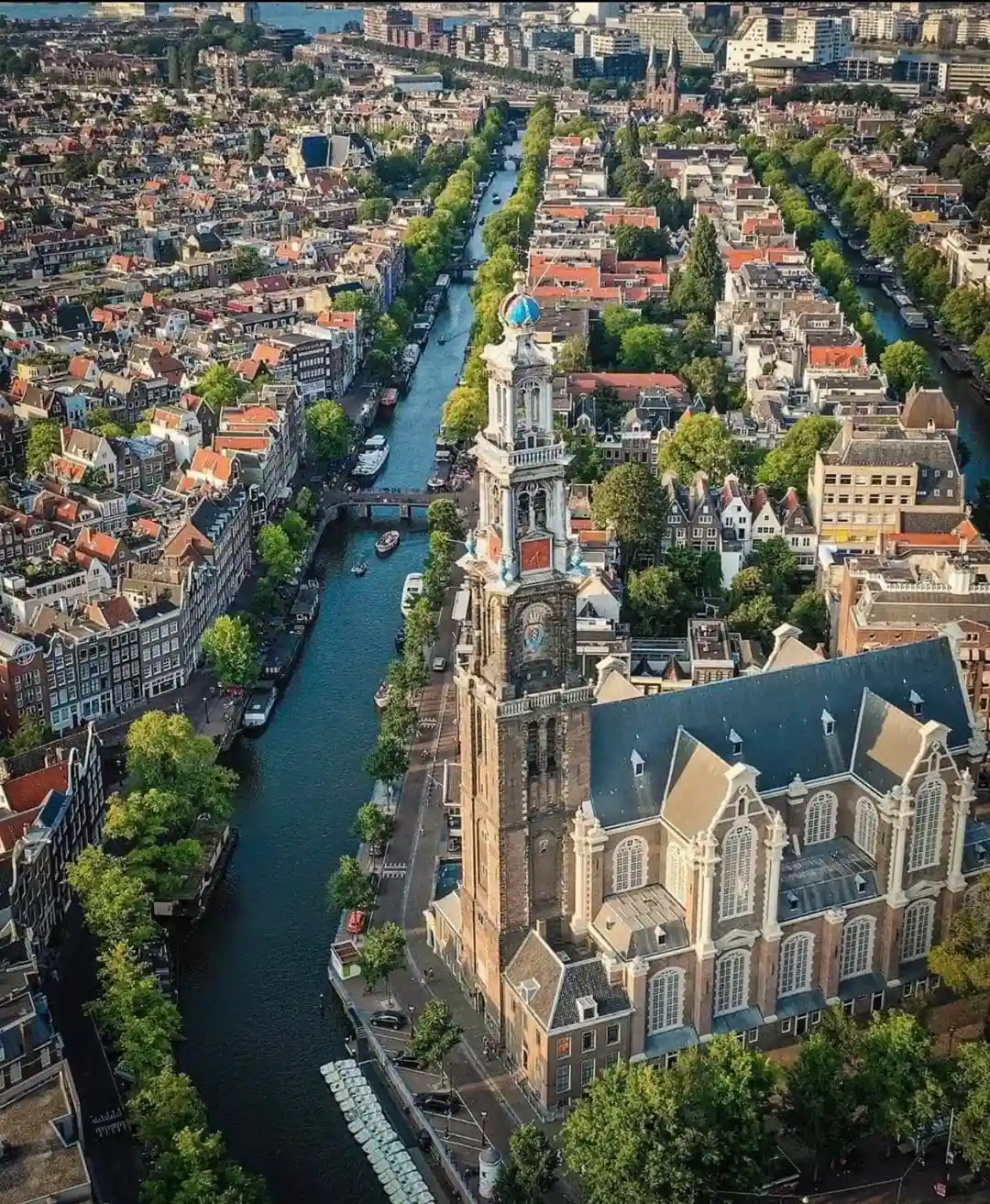
Amsterdam earns the label of tolerant, open-minded European city not as a cliché but as a lived reality — the labyrinth of narrow streets and canals rewards the kind of unexpected wandering that no itinerary can fully predict. A canal cruise gives you a completely different perspective on a city you think you understand from street level; renting a bike and riding the dry land routes is the more intellectual choice for understanding how the city actually functions. The Rijksmuseum anchors any serious cultural visit — Dutch glory in oil paint, rendered at a scale that feels almost aggressive. Finish with coffee somewhere slow, then board the Eurostar train to Paris in under 3.5 hours.
Cinque Terre, Italy
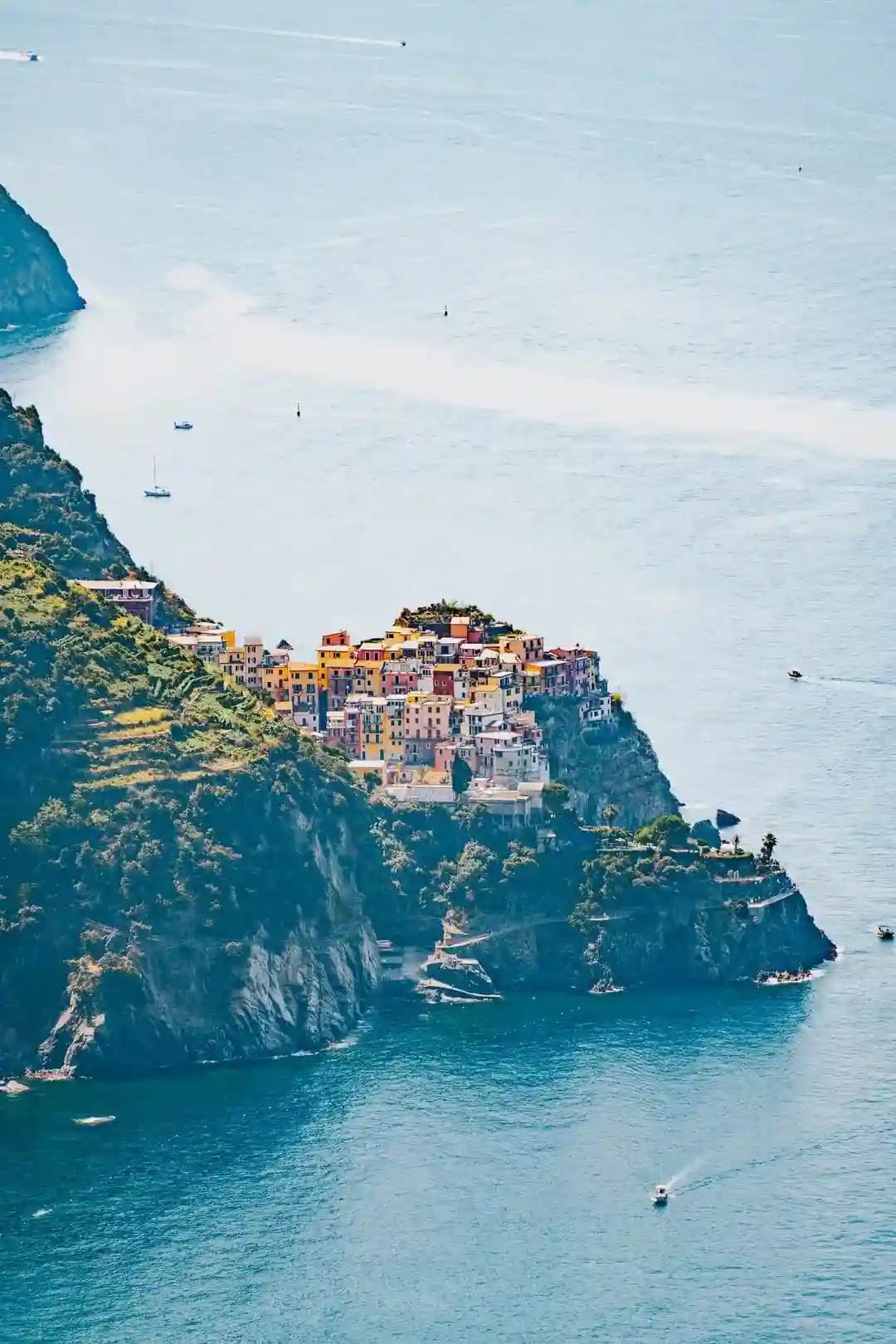
Cinque Terre is the kind of place that spoils you for ordinary coastlines — five tiny brightly coloured villages pressed into the cliffs of Liguria along the coast of northern Italy, each one more eye-poppingly colourful than the last, with Manarola taking the most popular crown for its harbour views. The legendary stretch of Italian Riviera here is often compared to the Amalfi Coast, but it’s more rustic, more accessible, and — critically — actually navigable without losing half a day to traffic. The train between villages runs 5-10 minutes per leg, meaning you can work through all five in a single focused day. But the far smarter play is to stay two nights — in Riomaggiore (the largest of the five and the easiest base), Vernazza, Monterosso, or Manarola — and experience these towns after the day trip crowds evaporate completely.
Corniglia is the smallest and most inland of the five, perched on cliff tops at the top of a steep set of stairs — frequently skipped, which means it’s blessedly less crowded. Monterosso al Mare is where you swim at the beach, properly, with umbrellas and space. Vernazza arriving by ferry for a dramatic harbour entrance is one of those travel experiences that feels genuinely cinematic. Getting here from Nice requires an early start: Ventimiglia by train (1 hr), then Genoa (2 hours), then Monterosso (1 hour). From Tuscany, drive to La Spezia (2 hrs) and take the train (20 mins). Leaving for Florence: Riomaggiore to La Spezia Centrale (10 minutes), then Santa Maria Novella (2.5 hours). For Pisa: a 90-min train with vibrant directness.
Milan, Italy
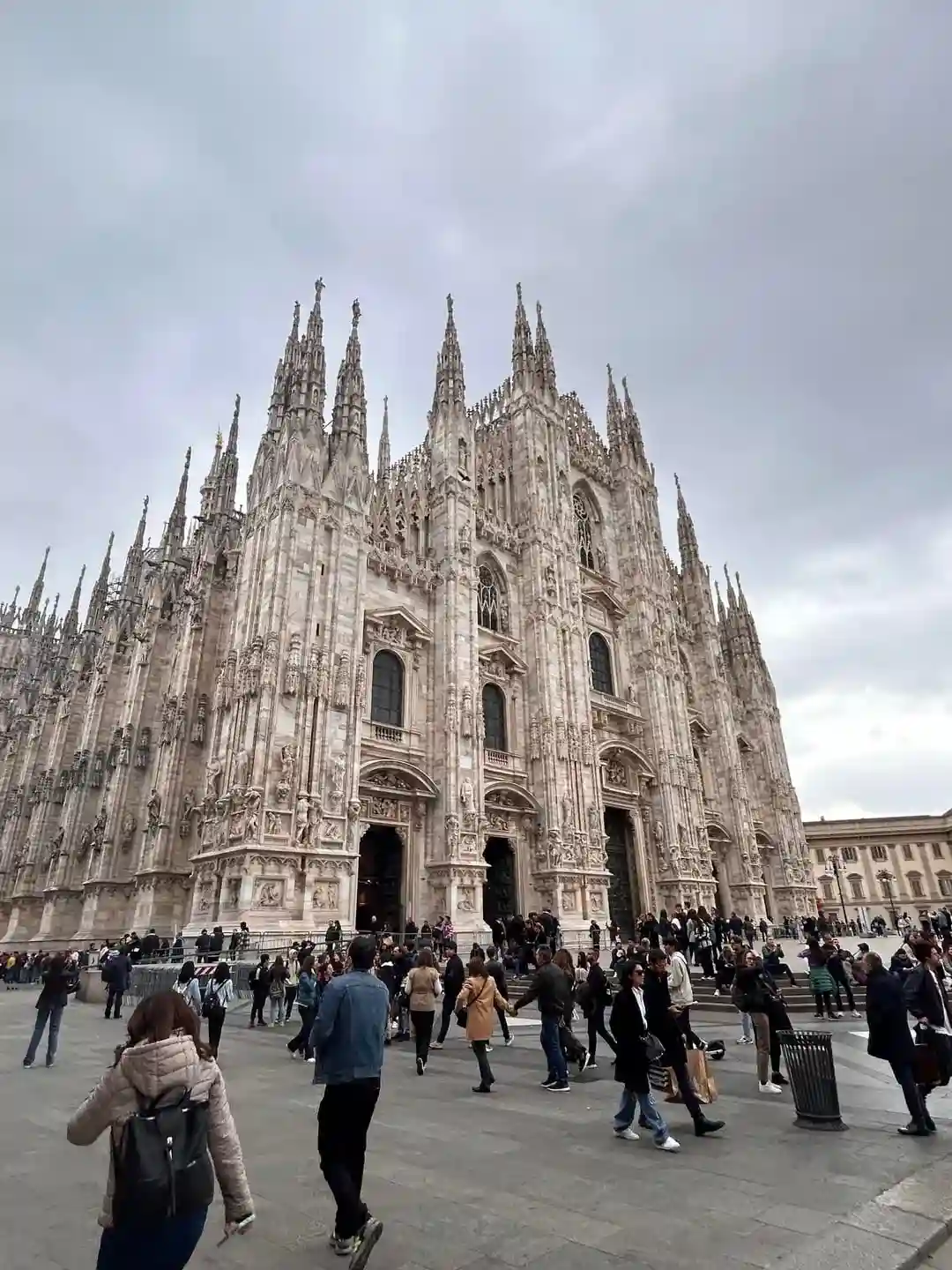
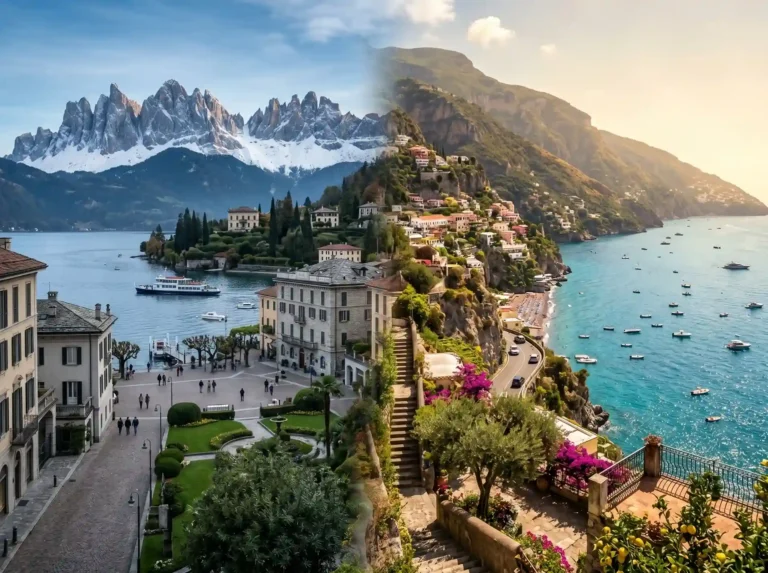
Milan is young, cosmopolitan, and completely unbothered about being Europe’s fashion capital — the Italian cuisine, the coffee culture, and the fashion ecosystem operate at a level that makes every other city feel slightly underdressed. The Cathedral Square is the unmissable anchor: the scale is entertaining in the most operatic way, and the view from the cathedral roof is one of the best elevated perspectives in Italy. If sport is part of your trip, a soccer game at San Siro stadium is genuinely electric in a way that surpasses almost any comparable sporting day trip experience in Europe, while Lake Como — the definitive celeb hotspot — sits a short ride from the Central Station. The train to Venice departs from that same Central Station and arrives in just 2.5 hours.
Florence & Tuscany, Italy
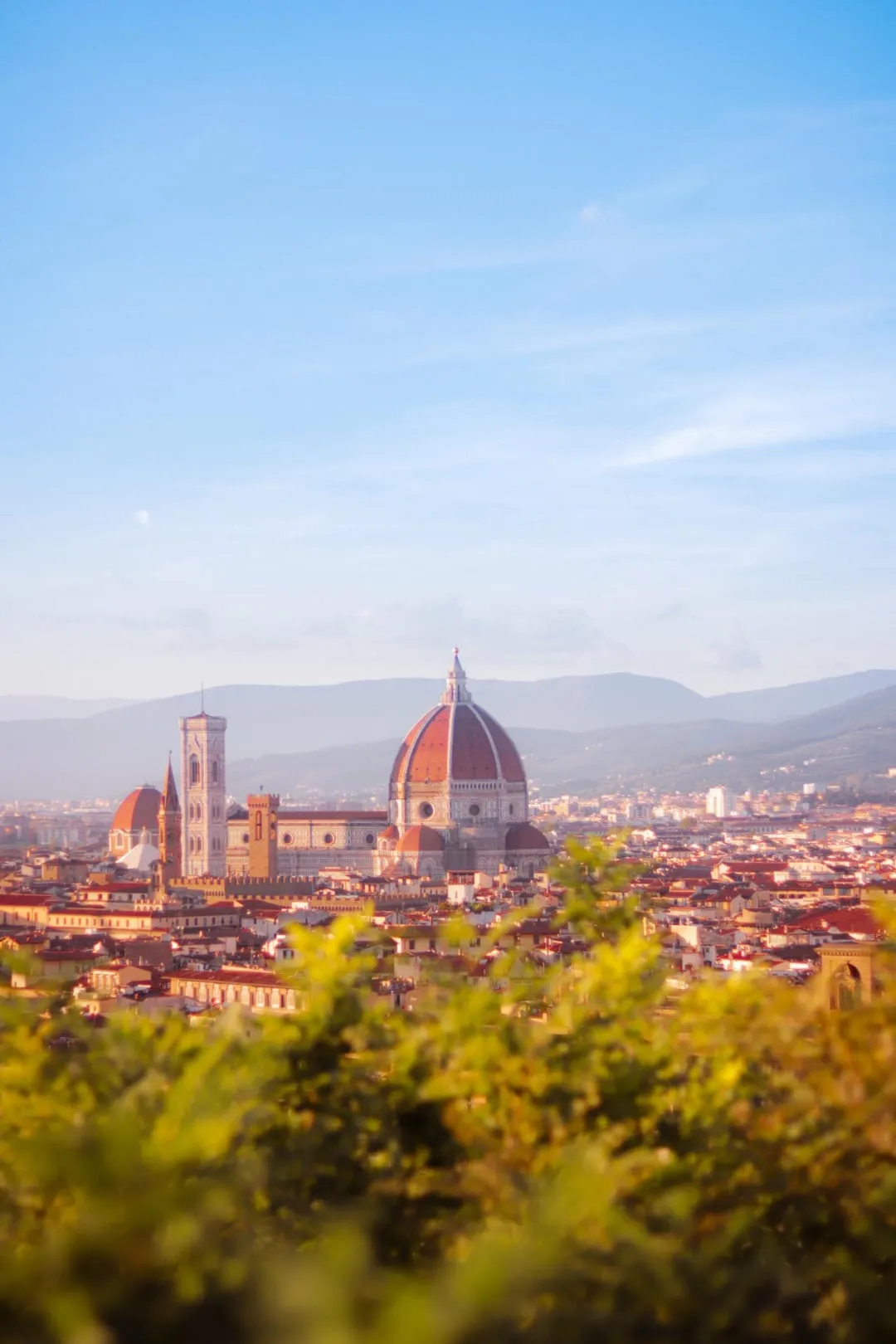
Florence hits you fast — within 2 hours by train from Venice, you’re standing in front of the Cathedral Santa Maria del Fiore watching Brunelleschi’s duomo compete with the sky for dominance, Giotto’s bell tower rising alongside it in a composition that the Renaissance could not have designed more deliberately. The Uffizi Gallery and the Galleria dell’Accademia — home to the original David — anchor the art circuit, while the 14th-century Ponte Vecchio, the Boboli Gardens, the Piazza della Repubblica, and the Palazzo Vecchio fill in a city that rewards slow, elegant shopping (particularly for leathergoods and stationery) as much as museum-hopping. Florence is also the birthplace of gelato — a fact that justifies at least one scoop per major landmark visited.
As the Florence day winds down, pick up a rental car and drive into the Tuscan countryside — 30-90 minutes depending on where your Tuscan villa sits. Montaione in the Chianti region positioned us perfectly for day trips to Siena and San Gimignano (both within an hour), and the villa itself — stunning, massive, authentically rustic in its details with a full kitchen, a long patio table built for group dinners, and a pool overlooking views of the Tuscan countryside — became the emotional center of the entire trip. Lazy mornings of slow life, winery visits with multi-course lunch and vineyard tours in the Chianti hills, and sunset views from Piazzale di Michelangelo back in Florence — this section of the itinerary delivers the highest returns per hour of any destination on the list. The high-speed train from Florence Santa Maria Novella to Rome runs 1 hr 50 mins; from La Spezia Centrale to Florence, 2.5 hours.
Pisa, Italy
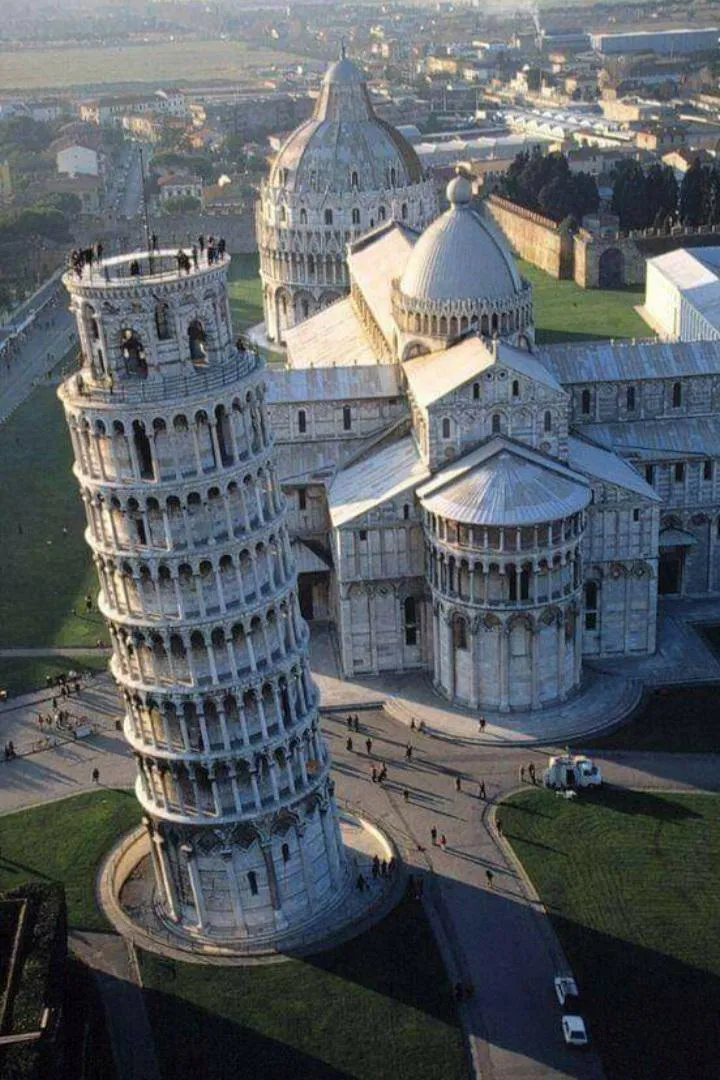
Pisa functions best as a half-day punctuation mark rather than a destination in its own right — the Leaning Tower is unquestionably cheesy in the best possible way, and posing with it is the kind of tourist ritual that’s worth embracing precisely because everyone is doing it. The 90-minute direct train from Cinque Terre makes it the closest major airport hub for flights onward to Paris, which is the real logistical reason it earns a slot here. Beyond the bucket list Tower itself, the quiet strolling streets of Pisa away from the site are genuinely pleasant — I stumbled onto a gelato spot there that ranked among the best of the entire Italy leg. The train to Cinque Terre connects in 90 mins; the airport fly to Paris completes the Italian chapter cleanly and efficiently.
Rome, Italy
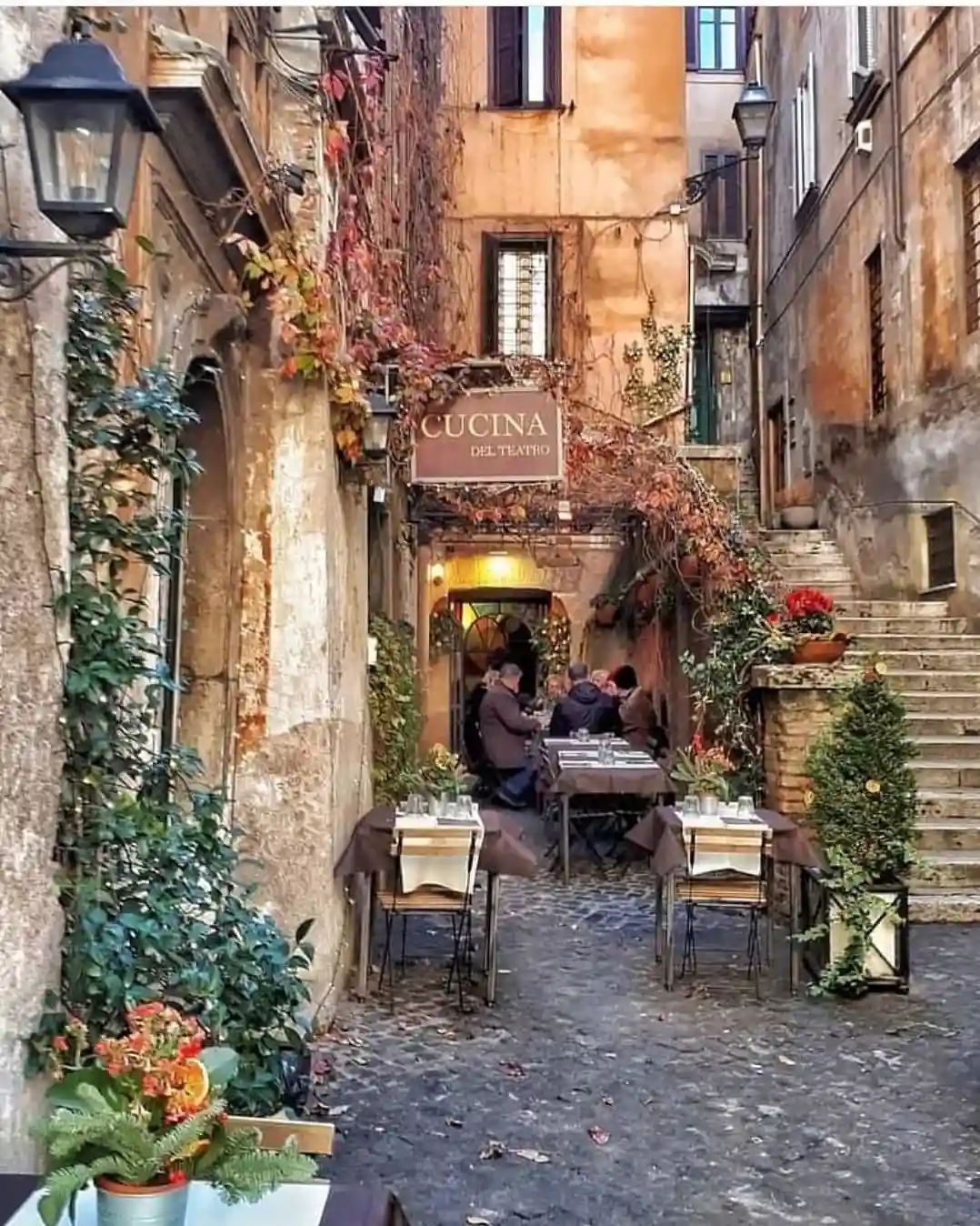
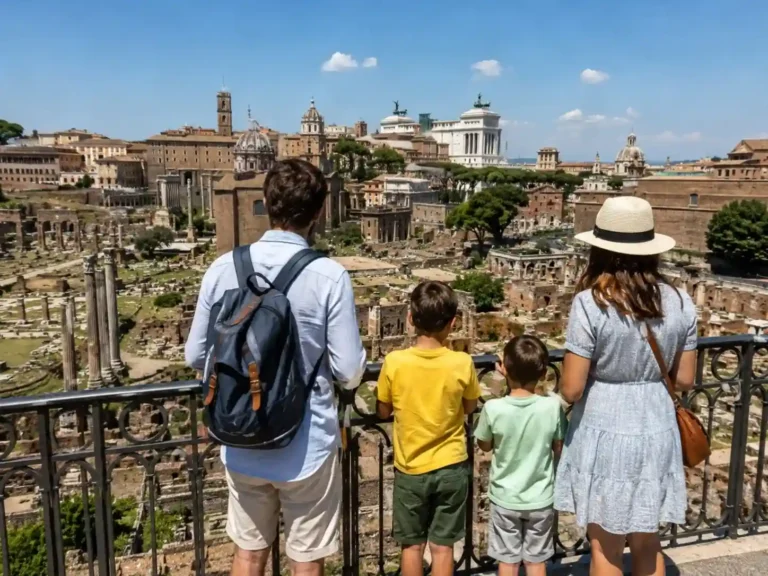
Rome is simultaneously the most hectic, most magical, and most godsend-worthy-AC city on any summer itinerary — and the combination of all three is exactly what makes it unforgettable. An Airbnb within a 5-minute walk of the Colosseum is the optimal base: clean, bright, with parking within 7 minutes and that particular sense of waking up inside history that only Rome delivers. The former Roman Empire left a sprawling metropolis of 2000 years of accumulated human history behind — Pantheon, Colosseum, St. Peters Basilica, Roman Forum, Trevi Fountain, Spanish Steps — and the Big Bus hop-on hop-off is actually a smart tool for covering the geography efficiently without walking into sidewalk exhaustion. The carbonara, cacio pepe, and thick-cut Roman pizza slice culture here is as essential to the eternal city experience as any artistic splendour or ancient landmark.
The free Guru Walk tours — The Rise of Rome and Ghosts and Mysteries — operate on completely different registers and both deserve a spot on your schedule. The Rise of Rome covers the Mouth of Truth, Temple of Hercules, and Roman Forum with the kind of contextual depth that transforms stones into stories; the night Ghosts tour departs from Castel Sant’Angelo and leans into haunted locations, murders, executions, and urban legends with theatrical flair. The Vatican deserves its own full day — the museums cover 5000 years of history before you even reach the Sistine Chapel, and St. Peter’s Basilica with its gold, courtyard, and the sheer scale of where the pope addresses crowds feels genuinely surreal. Side note worth keeping: the Vatican technically counts as a new country. A Limoncello and 4-course meal at Ristorante Andrea for €18 is the off-beaten-path dinner discovery that anchors the local side of Rome perfectly. The flight from Budapest arrives in 1 hour 45 minutes.
Korčula (Lumbarda), Croatia
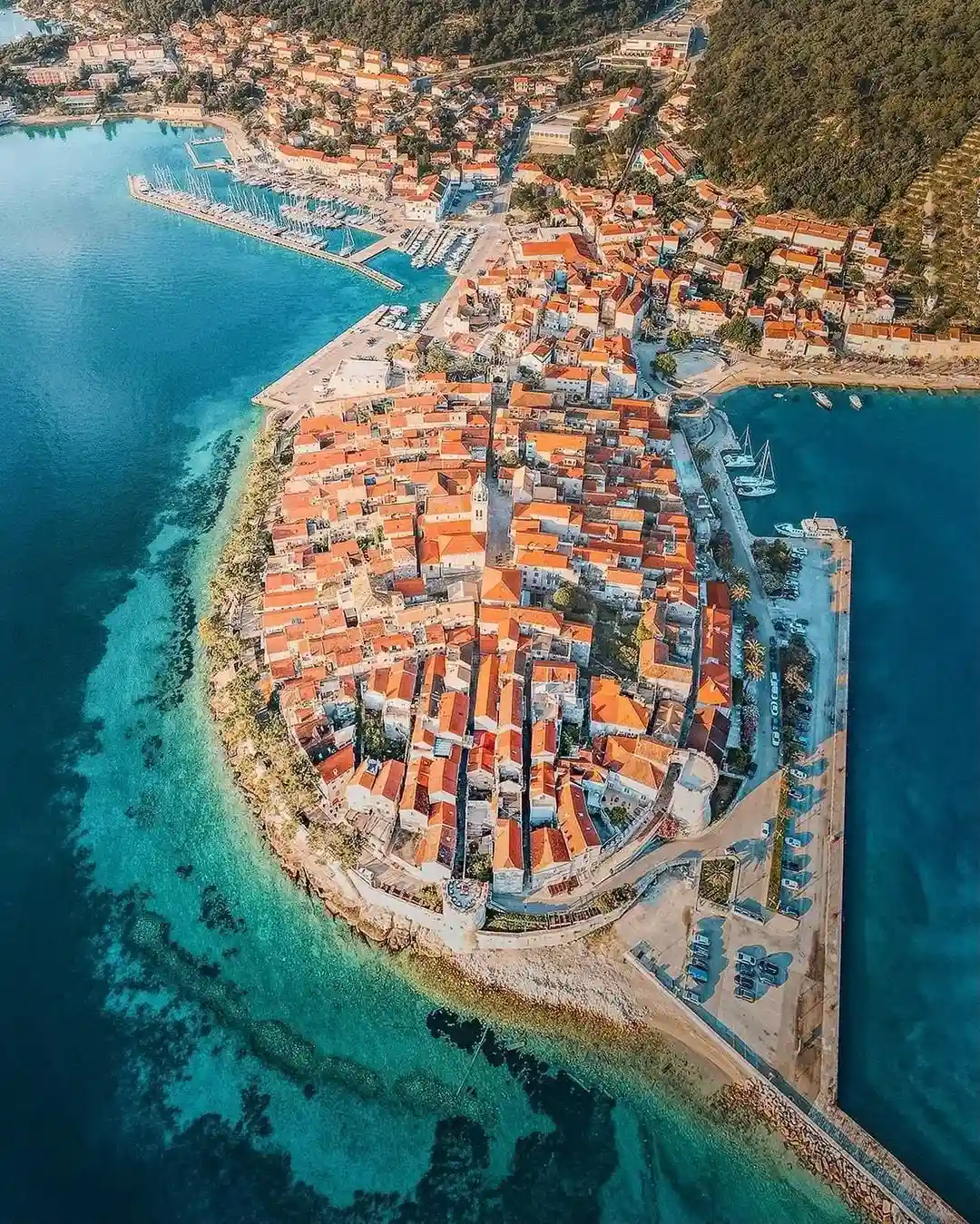
Croatia rewards the traveler who resists the obvious — and Korčula is the proof. While Hvar gets the headlines and Dubrovnik gets the crowds, Korčula delivers the crystal blue water, chill island vibes, and medieval old town atmosphere that everyone claims to be looking for without the infrastructure strain that comes with fame. Lumbarda is the specific village to target: a sleepy town with gorgeous beaches, a couple of solid restaurants, and a genuine sense that tourism hasn’t yet consumed its identity. The Dreamer’s Club in Lumbarda is exceptional — a beachy boho vibe with gorgeous views from every terrace, rooms designed for actual relaxation rather than Instagram content. Getting here requires commitment: EasyJet from Paris to Split (2-hour flight), then a rental car south to Orebic (3 hours), then the car ferry to Korčula (25 minutes) — but the Adriatic arrival makes every travel-day annoyance immediately irrelevant.
Plitvice Lakes, Croatia
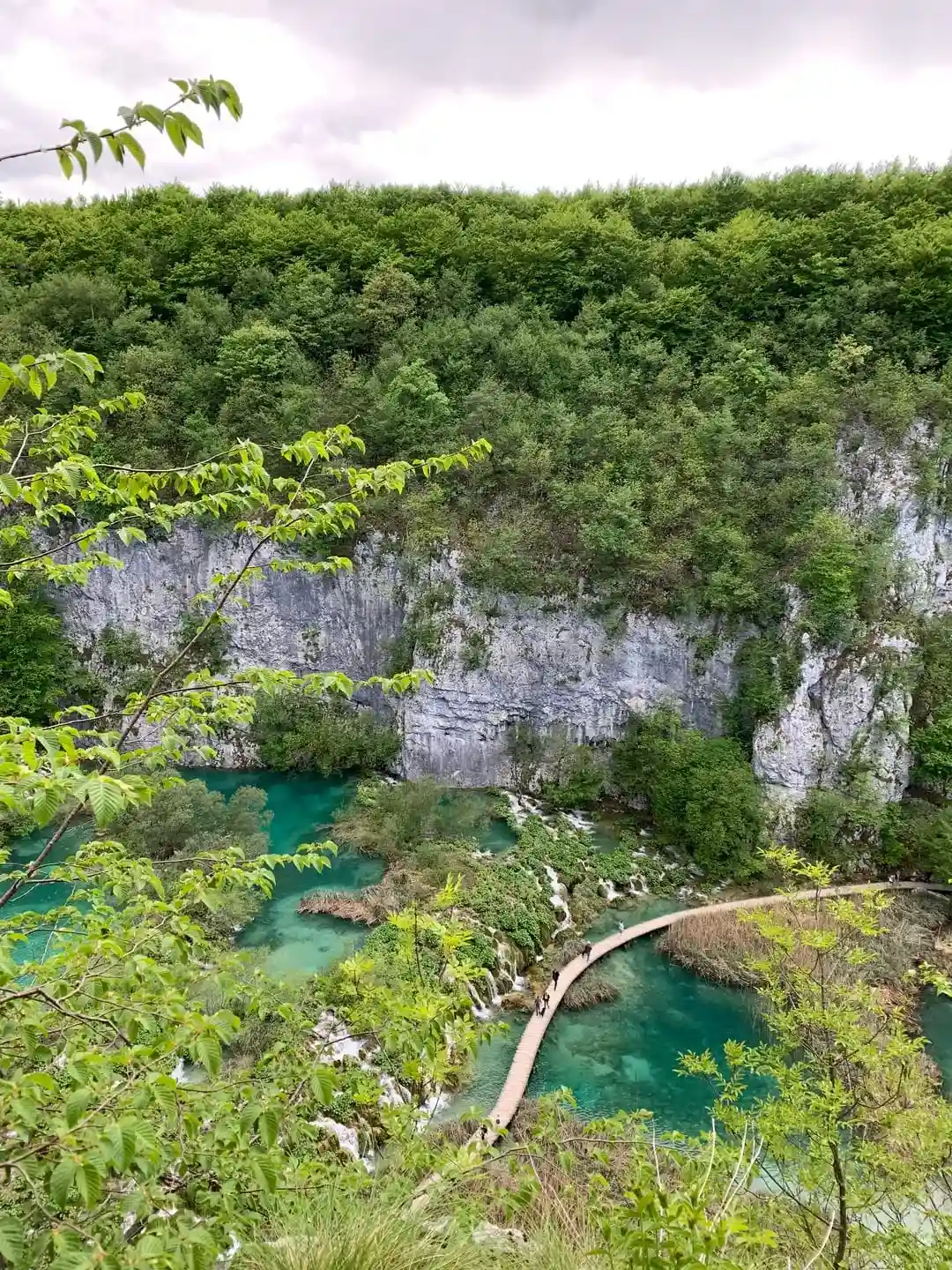
Plitvice Lakes National Park is the kind of natural wonder that justifies the entire Croatia-to-Slovenia routing decision — and spending two nights near the park rather than rushing through as a drive-by gives you the rarest thing in popular European travel: a genuinely unhurried morning in a spectacular place before the crowds materialize. The glamping mobile home setup at Camping Plitvice is far more comfortable than the name implies — modern, clean, with two bedrooms, two bathrooms, a full kitchen, a patio with a proper view, a pool, and a playground that earns its keep with family travelers. On the drive from Korčula, build in a detour to Mali Ston — a 30-min roundtrip drive plus a 60-minute lunch stop delivers you to the finest oysters in the region and the opportunity to walk the longest complete fortress system in Europe — second only to the Great Wall of China in scale. It’s the kind of premium history footnote that most itineraries skip entirely.
Lake Bled, Slovenia
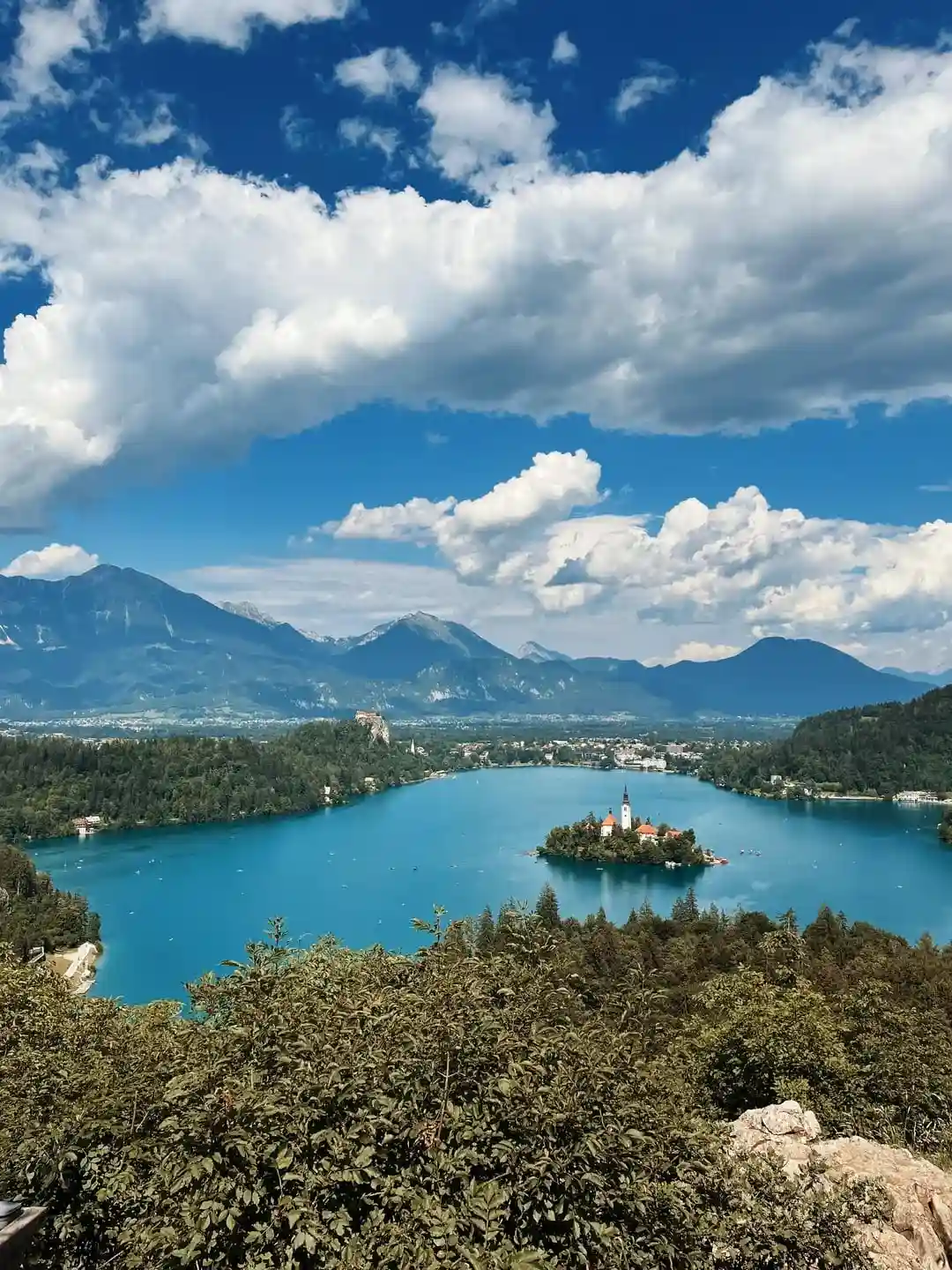
Lake Bled arrives in your itinerary like a Pinterest promise — and it largely delivers, though with a few industrial dated buildings mixed into the classic Slovenia architecture that can catch you off guard if your expectations are purely gorgeous. The lake itself is undeniably beautiful, the cute streets and old buildings around it are charming, and the apartment options here are genuinely among the nicest and most spacious you’ll find anywhere on a 3-week Europe trip. Go for somewhere with amenities — including a sauna if possible — because Lake Bled rewards a slightly slower rhythm, particularly if you’ve just come off the drive from Plitvice. Time your morning arrival to beat the 8am tour buses, take a pletna boat to the island church (€15, non-negotiable), and drive through the Julian Alps toward Villach, Austria for the next leg.
The smartest move in Slovenia is the Ljubljana detour — that unique city sits just 45 minutes from Lake Bled and rewards an afternoon of exploration with a character completely its own. We loved it more than we anticipated, and loved it more than some of the parks and summer activities that were still closed during our early June visit to Bled. The mixed architecture and strange interplay between classic Slovenia style and surprising modern buildings was the one honest caveat of this otherwise excellent stop — worth knowing in advance so it reads as character rather than disappointment.
Athens, Greece
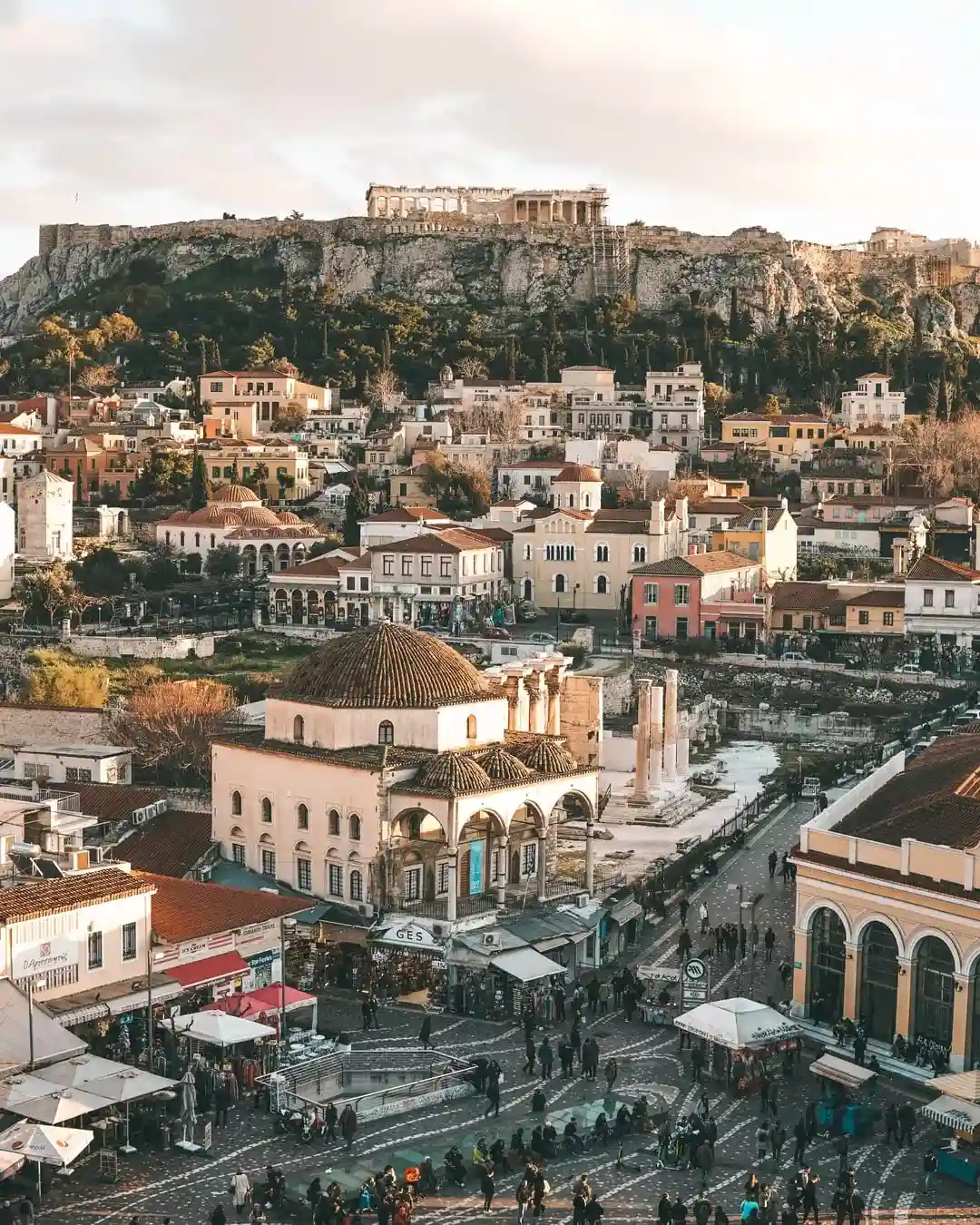
Athens is where ancient Greek capital energy and contemporary Mediterranean grit merge into something genuinely enigmatic — not as immediately charming as the islands, but more intellectually satisfying than almost anywhere else in Europe. The birthplace of democracy carries its classical treasures and antiquities with a certain proud directness: the Acropolis is the obvious must-visit, but timing matters enormously — hit it early to avoid both the scorching sun and the peak heat of day, since there’s almost no shade on the site itself. The Acropolis Museum below is the perfect afternoon counterpoint — escape the heat, encounter the antiquities at eye level, and see what the ancient site actually looked like in color. The Athens Flea Market in Monastiraki Square and the charming Plaka neighbourhood fill the rest of the day with a more idyllic street-level Greece that the history books don’t always capture. Rooftop bars with Acropolis views at night — Six Dogs being the most talked-about — deliver the brief visit payoff that makes Athens worth the fly from Rome (2 hours).
Milos, Greece
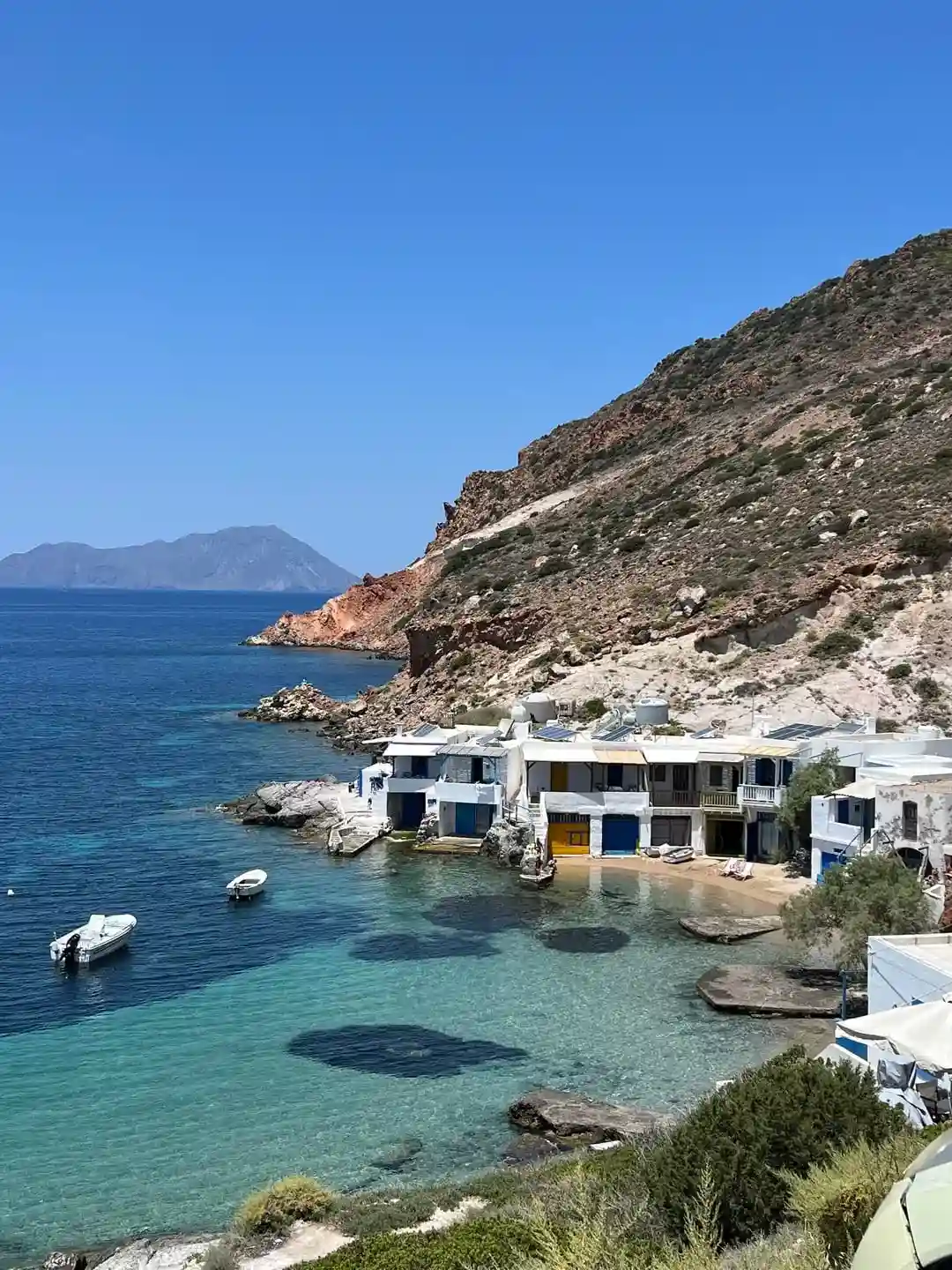
Milos is the Greek island that ruins you for every other Greek island — and I say that as someone who spent time on Santorini too. The Cyclades island chain produces beautiful places reliably, but Milos operates at a different scale: 70+ beaches, the most of any island in Greece, spread across an enormous landscape that rewards exploration by car over multiple days. Sarakiniko Beach — lunar white volcanic rock meeting impossibly blue water — is the headline, but the picturesque harbour village of Mandrakia, the colourful fisherman houses of Klima, and the Kleftiko Caves day sailing tour are all in a different league from anything a swap to Santorini would deliver. Getting here: fly from Athens in 40 minutes — the ferry options run 2.5-7.5 hours and the Greek ferries have a reputation for running late and for widespread seasickness on longer passages. Flying is the clear recommendation. Island hopping via ferry works well for shorter distances between nearby islands, but the Athens-to-Milos leg is genuinely better handled in the air. At the end of your 3 weeks, fly back from Milos to Athens International Airport and begin the journey home.
The Balkans Route
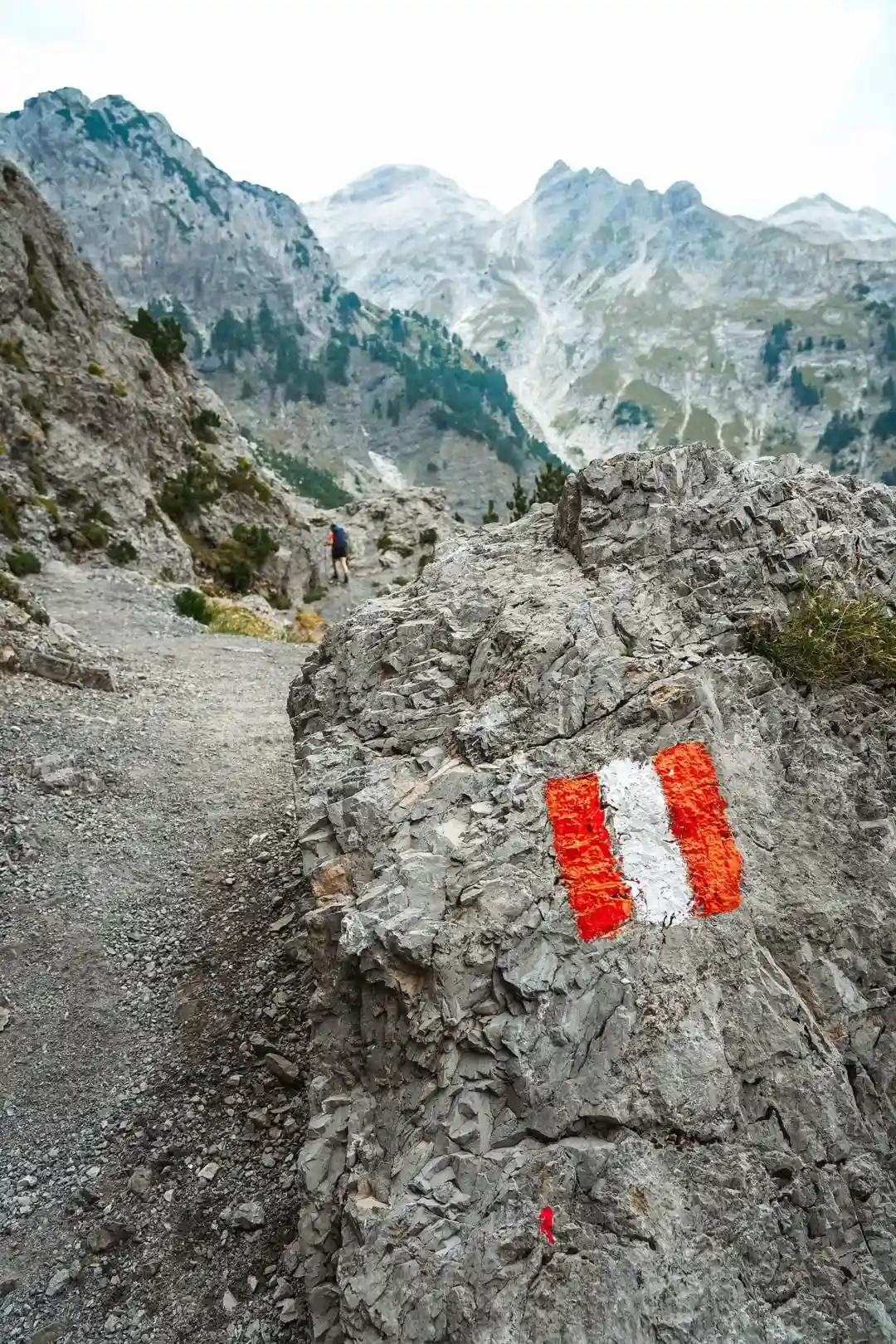
The 21-Day Central Europe Itinerary from Vienna to Athens — or its sibling route from Venice to Tirana — is the most ambitious, most rewarding, and most underestimated route option for anyone planning 3 weeks in Europe. This is a grand tour across 26 cities in 10 countries, hitting 7 UNESCO World Heritage locations and following daily itineraries that cover imperial palaces, ancient sites, Mostar’s Old Bridge, and Meteora’s cliff-edge monasteries in a single continuous arc. Days 1-2 open in Vienna and Bratislava — the medieval Old Town of Bratislava and its Michael’s Gate reward an early arrival before crowds, while the scenic drive along Lake Neusiedl through Rust wine country sets a beautiful tone. Days 3-4 bring baroque Győr and Budapest: St. Stephen’s Basilica, the Chain Bridge at sunset, Parliament views, and Széchenyi thermal baths open until 10pm.
Days 5-7 push into Serbia: Subotica’s Art Nouveau architecture, Novi Sad’s Petrovaradin Fortress in morning light, Sremski Karlovci’s Bermet wine tasting, and Belgrade’s Kalemegdan Fortress where the Danube meets the Sava at sunset. Days 8-9 cross into Bosnia Herzegovina via a 5-6-hour mountain drive to Sarajevo’s Ottoman quarter and Latin Bridge, then Mostar — where the cobblestones get slippery when wet (wear good shoes) and the Old Bridge at sunset turns golden light on stone into something transcendent. Days 10-11 navigate Montenegro’s winding road to UNESCO-listed Kotor (bring motion sickness pills; walk the city walls before it gets hot), Budva, Sveti Stefan, and across the border into Albania at Shkodër — plan for a 1-2-hour border crossing with snacks and water ready.
Days 12-14 cover Kosovo: Prizren’s Ottoman architecture, the Monastery Dečani, and Rahovec Valley wine tasting, before returning to Albania through Kruja castle town and a stop at the restored Gjakova bazaar. Days 15-16 deliver Lake Ohrid in North Macedonia — UNESCO-listed old town, St. John’s Church, and St. Naum Monastery at dawn. Days 17-18 wind through Southern Albania: Berat’s famous 1000 windows and the steep cobbled streets of Gjirokastra (the castle climb takes 30 minutes — do it). The Venice-to-Tirana variant covers 27 cities across 11 countries with 20 nights in 3-star hotels, two dedicated food tours, and a total cost around $5,200 — exceptional value for the depth of experience delivered. Days 19-21 bring Ioannina, then Meteora’s monasteries at sunset (remember: covered shoulders and knees required), and finally Athens — or a 3.5-hour ferry to Corfu for those who want to end on the water. The final stop in Tirana’s Blloku district with its vibrant Albanian culture and cuisine food tour is the route’s unexpected emotional highlight — a city that surprises everyone who underestimated it.
Where Else Can You Go With Three Weeks in Europe?
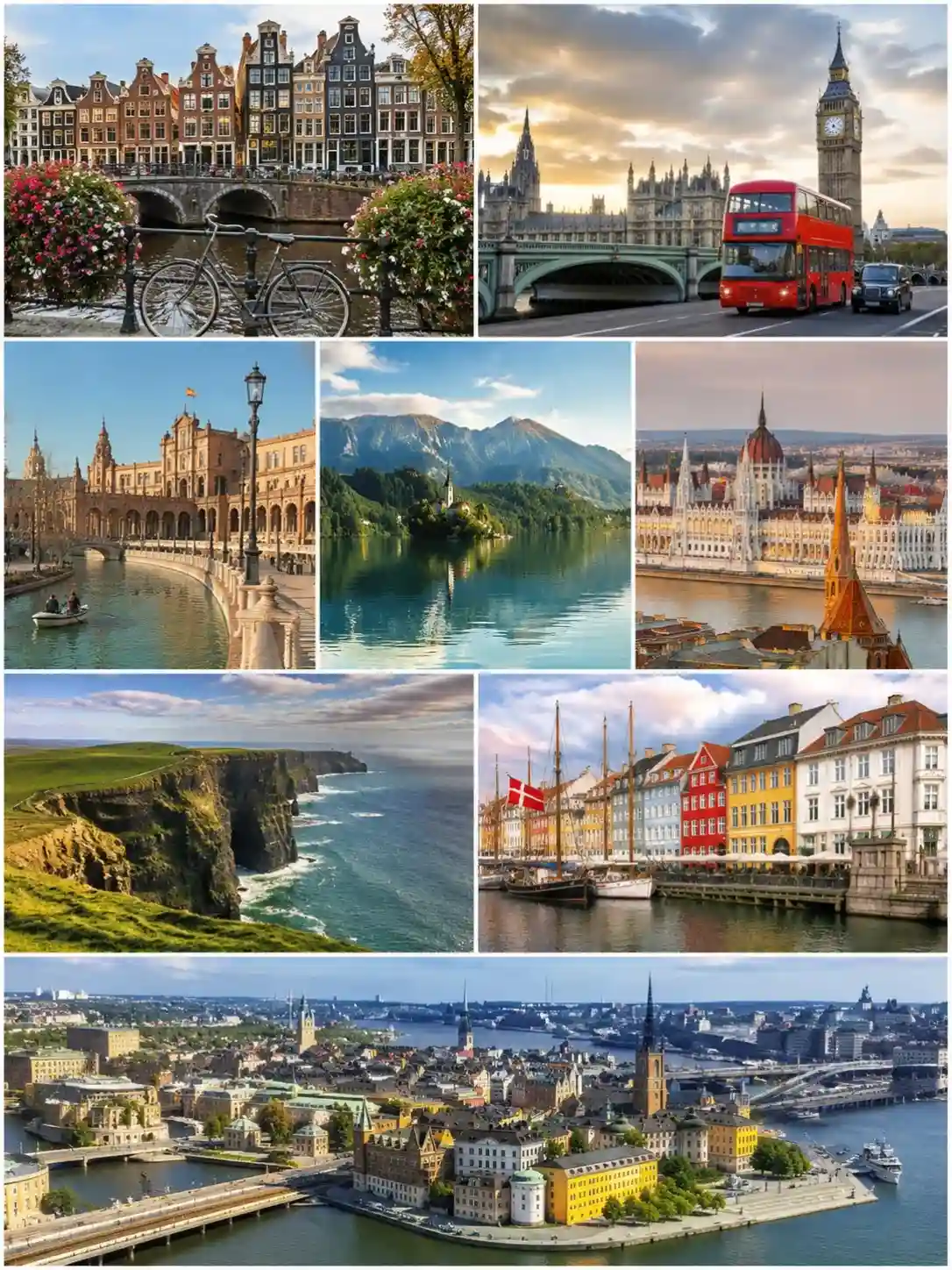
The honest answer is: almost anywhere, and that’s both the joy and the challenge. Amsterdam consistently ranks among the favourite cities in Europe for a first-time Europe trip — the canals are genuinely beautiful, the Anne Frank House is one of the most important visits on the continent, and the Van Gogh Museum sits in a charming city where English speakers never feel stranded. London carries that same English-language accessibility alongside amazing history and an awesome theatre scene that no other European city matches. Seville is the recommendation I give most often to travelers who’ve done the obvious Europe circuit — the culture, food, and architecture there completely stole my heart on first visit and have kept it since.
For nature-first travelers, Slovenia as a full country deserves more than just a Lake Bled stop — Lake Bohinj, Ljubljana as a capital, and the surrounding alpine landscape make it an entire trip in its own right. Budapest remains one of the best-value big cities in Europe: funky, with a ton to do and a lower price tag than Western European equivalents. Ireland is the alternative for those who want to spend all 3 weeks road tripping through a single country — it rewards that approach better than almost anywhere. And for those drawn north, Scandinavia — Copenhagen, Bergen, Oslo, Stockholm, Helsinki, Tallinn, Riga, and Vilnius — forms a spectacular 21-day Scandinavian and Baltic route that’s genuinely underrepresented in most Europe itinerary conversations.
Practical Tips for 3 Weeks in Europe

Book flights early and use points or miles wherever possible — EasyJet handles most intra-Europe legs efficiently, and locking in those connections months out prevents the kind of logistical scrambling that derails otherwise solid itineraries. The Eurail Global Pass is the most consistently underrated tool in multi-country travel: genuine flexibility across multiple countries on any day, without the anxiety of missed connections or sold-out trains. Mix your city types deliberately — big cities, beaches, mountains, and small towns in rotation prevents the specific kind of burnout that pure urban itineraries inevitably produce.
Budget extra travel days for border crossings in the Balkans specifically — bring snacks and water for longer drives, and treat the crossing time as part of the adventure rather than dead time. Book popular sites — Vatican, Uffizi, Acropolis, Prague Castle — well in advance with online pre-booking; the queues for walk-ins at these tours are genuinely punishing in peak season. Stay near the action: on the Venice island itself, in Prague’s historic district, near the Colosseum in Rome — proximity to the core pays dividends every morning. Pack light with a carry-on designed for multi-city trips where you’re moving frequently, go early to every famous site (the 9-10am window is the difference between magic and mayhem), and rent a car specifically for rural areas like Tuscany and Croatia’s islands — public transit simply doesn’t serve those places the way the landscape deserves. September is the fantastic month where summer crowds thin, weather stays beautiful, prices drop, and southern destinations like Rome, Athens, and the Greek islands become genuinely pleasurable again rather than endurance tests. June is fine; July and August are doable; but September is the answer if you have the flexibility to choose.